
Preparing for a big performance requires more than just practice; it demands a polished appearance that stays secure under bright stage lights. A recital hairstyle with braid bun offers the perfect combination of elegance and durability for dancers, musicians, and performers alike. Whether you are hitting a high note or completing a triple pirouette, these styles keep hair out of your face while adding a sophisticated touch to your stage presence. This guide explores versatile ways to incorporate braids into classic buns, ensuring every performer feels confident and look their absolute best. From sleek ballet-inspired wraps to modern textured twists, we have gathered the most popular and practical variations to help you shine during your next big recital or competition.
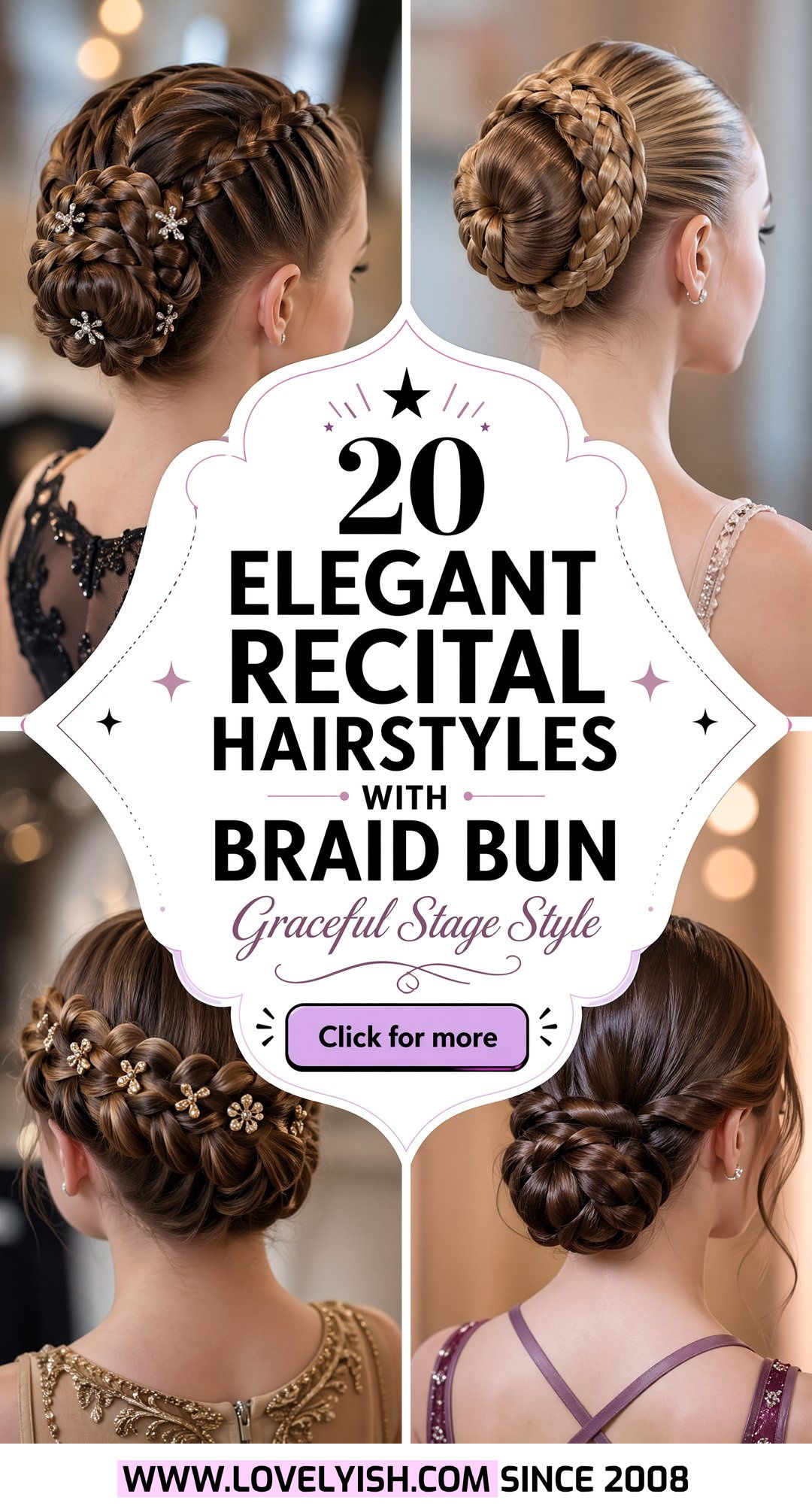
1. High Braided Bun
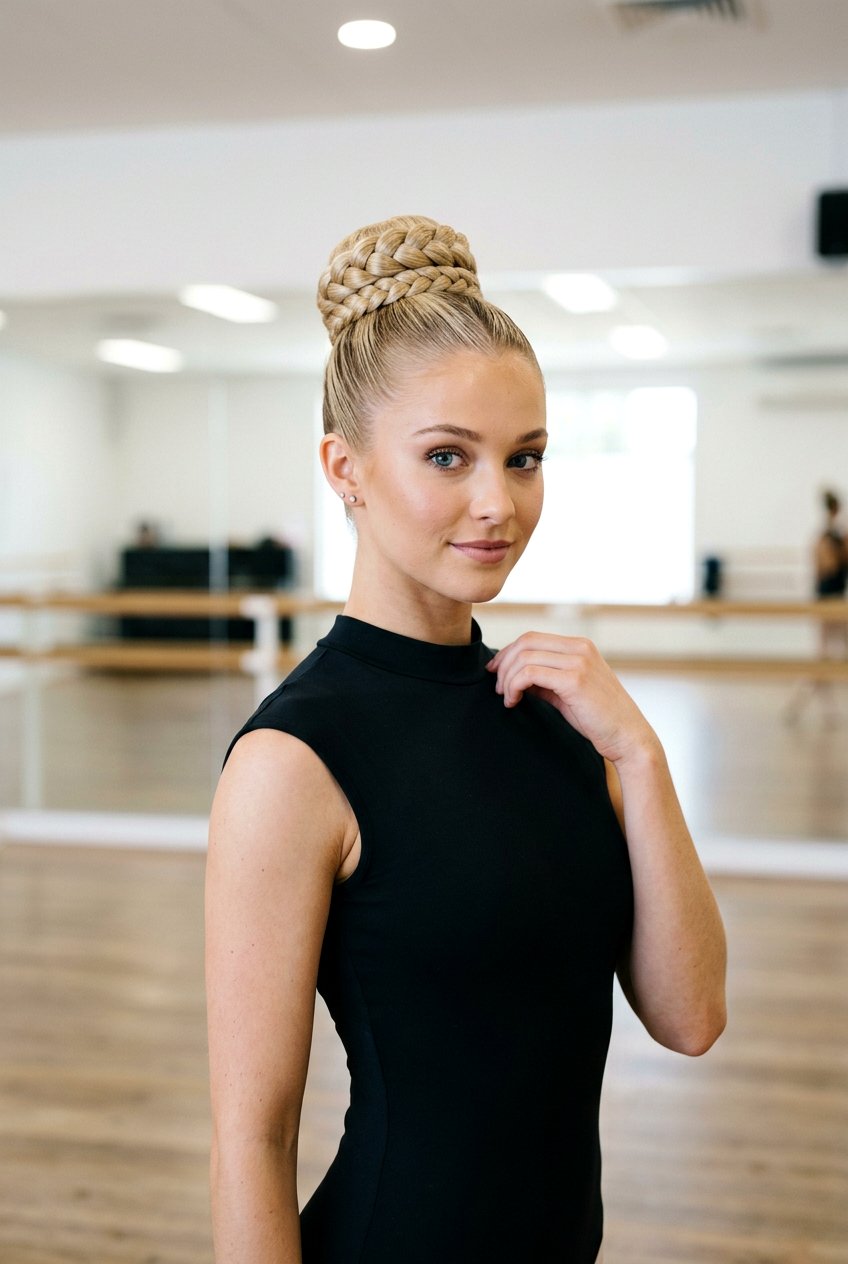
When you need a look that screams “performer,” the high braided bun is the ultimate choice for visibility and height. Start by gathering all the hair into a tight, secure ponytail at the very crown of the head to create a focal point. Divide the ponytail into three equal sections and craft a firm three-strand braid, securing the end with a small clear elastic. Wrap this braid around the base of the ponytail, pinning it flat against the head as you go to ensure it doesn’t wobble. This style is excellent for highlighting your neckline and keeping the hair completely off your shoulders during intense movements.
2. Low Braided Bun
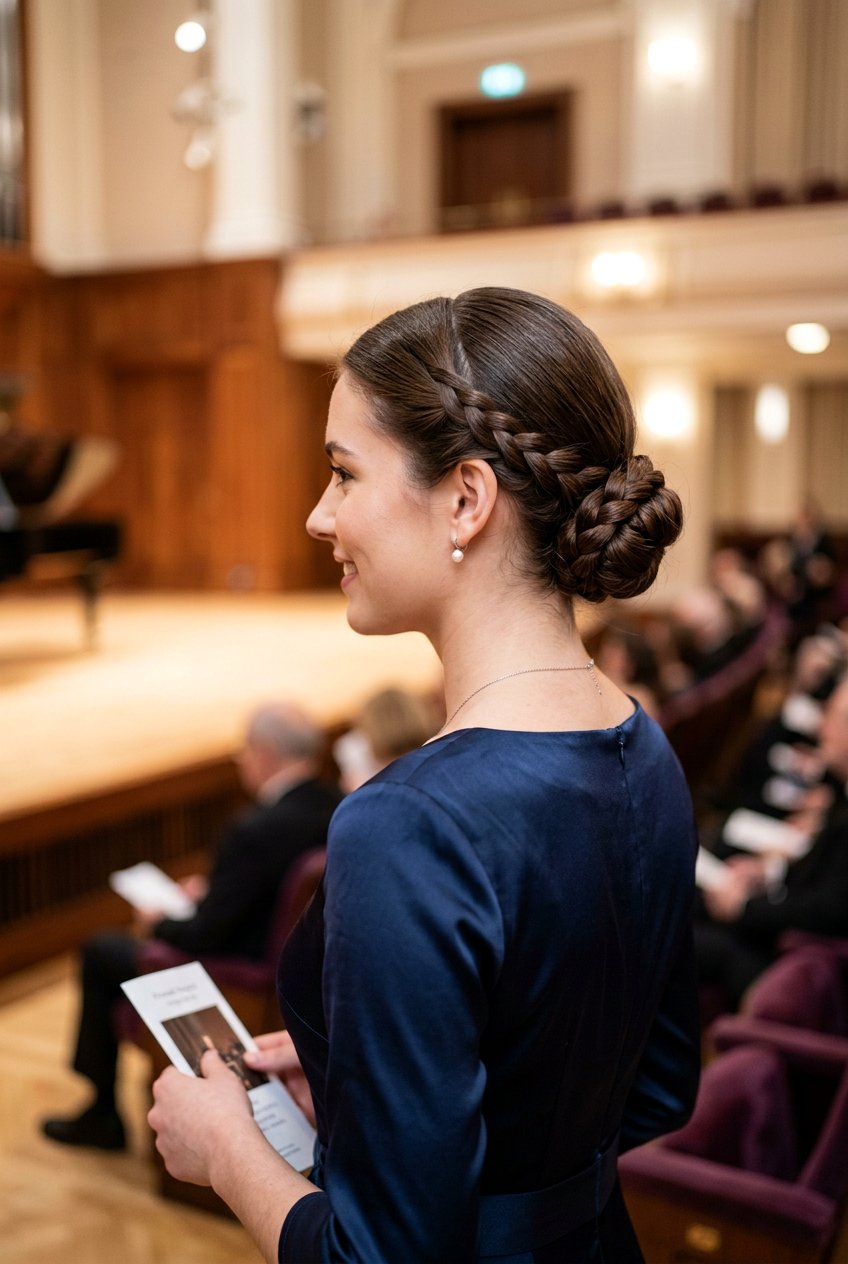
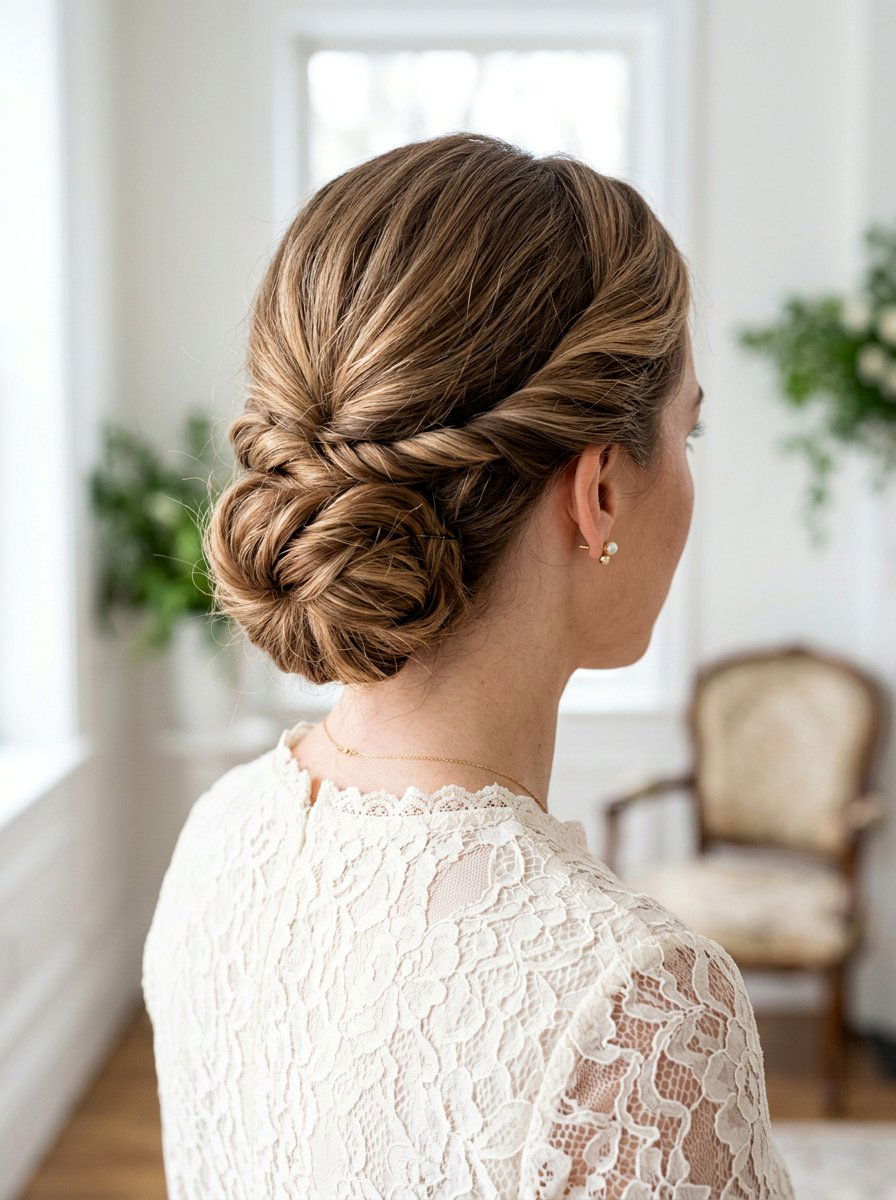
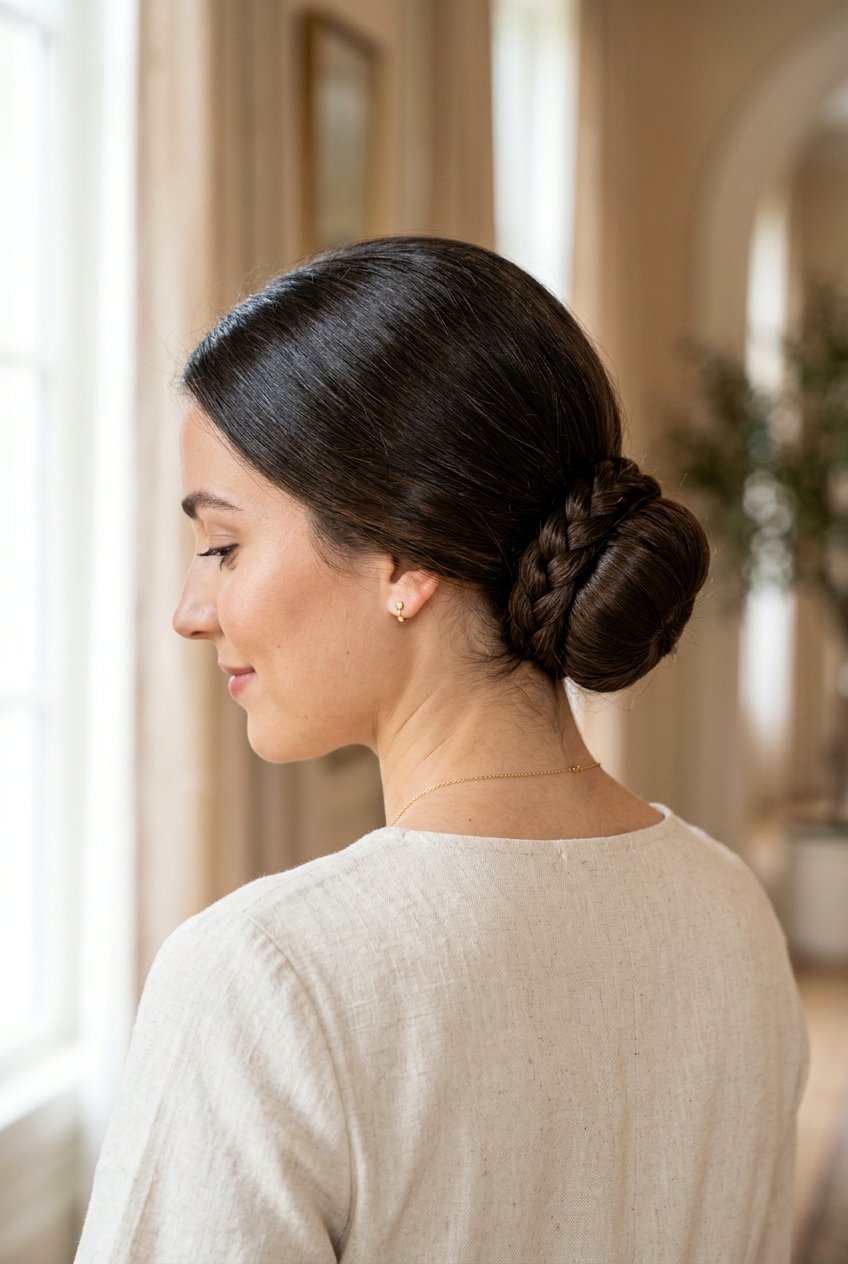
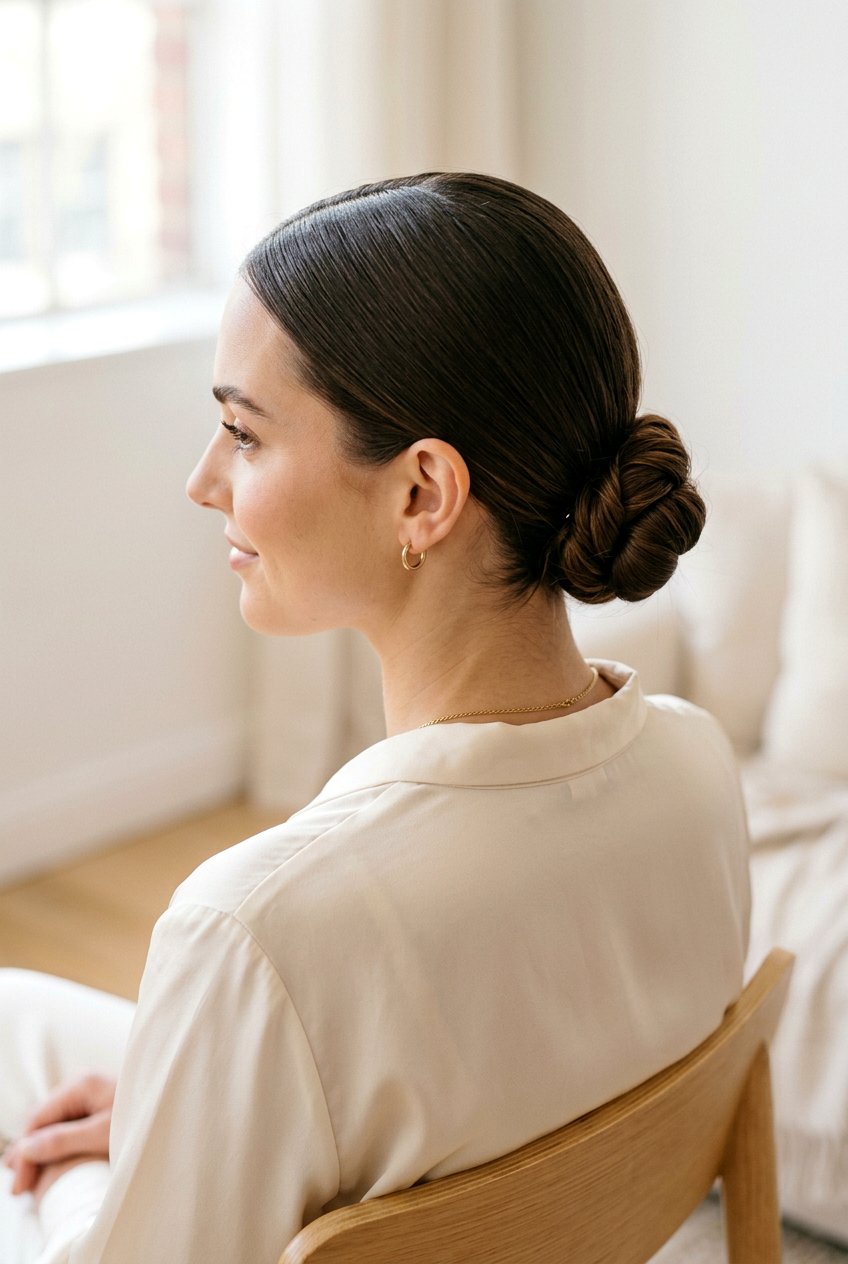
Classic elegance is easily achieved with a low braided bun, which sits gracefully at the nape of the neck for a soft look. This variation works beautifully for piano recitals or choir performances where a more traditional and understated aesthetic is preferred by the performer. Begin with a sleek low ponytail, then create a simple braid and coil it into a tight circle at the base. Use plenty of bobby pins to secure the edges, making sure the bun feels tight against the scalp. It provides a clean silhouette that looks stunning from the side and back, especially when paired with formal performance attire.
3. Dutch Braid Bun
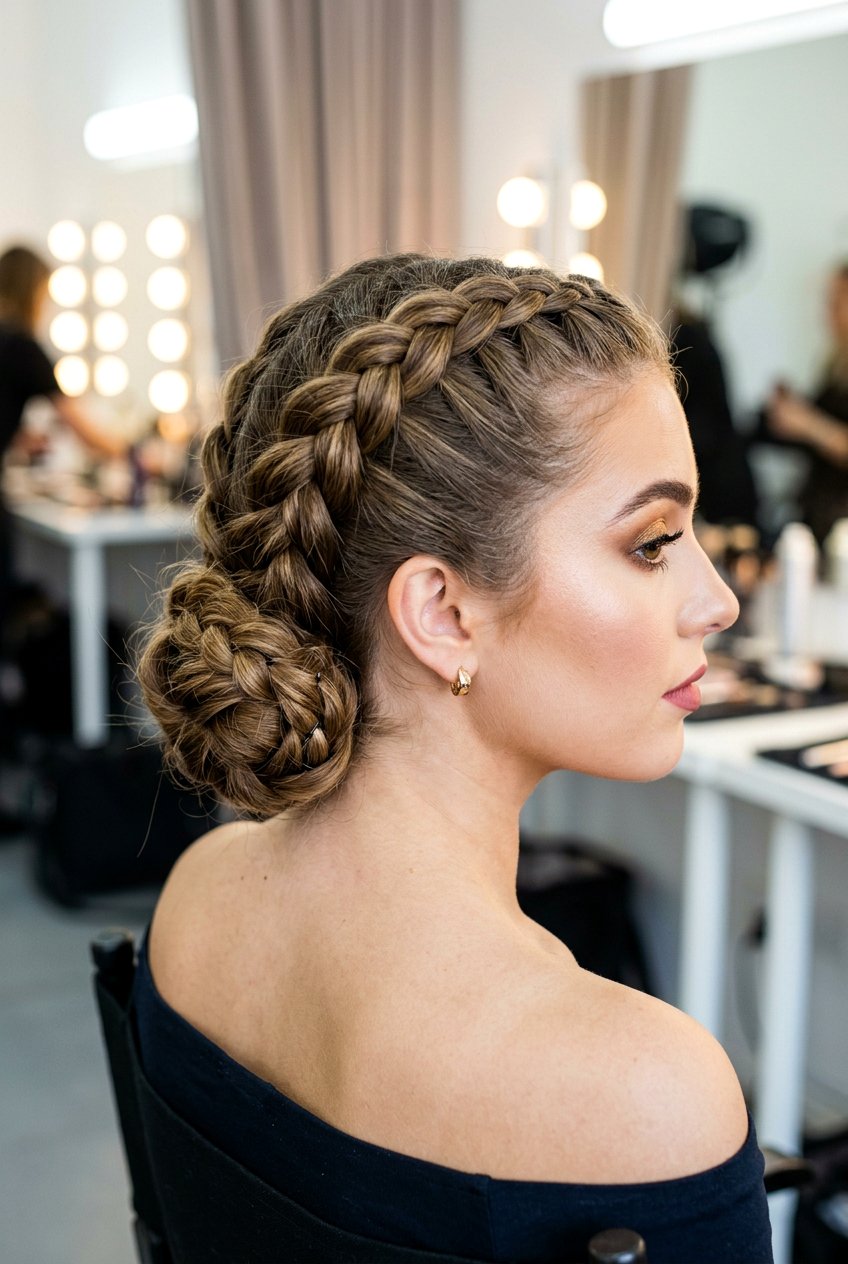
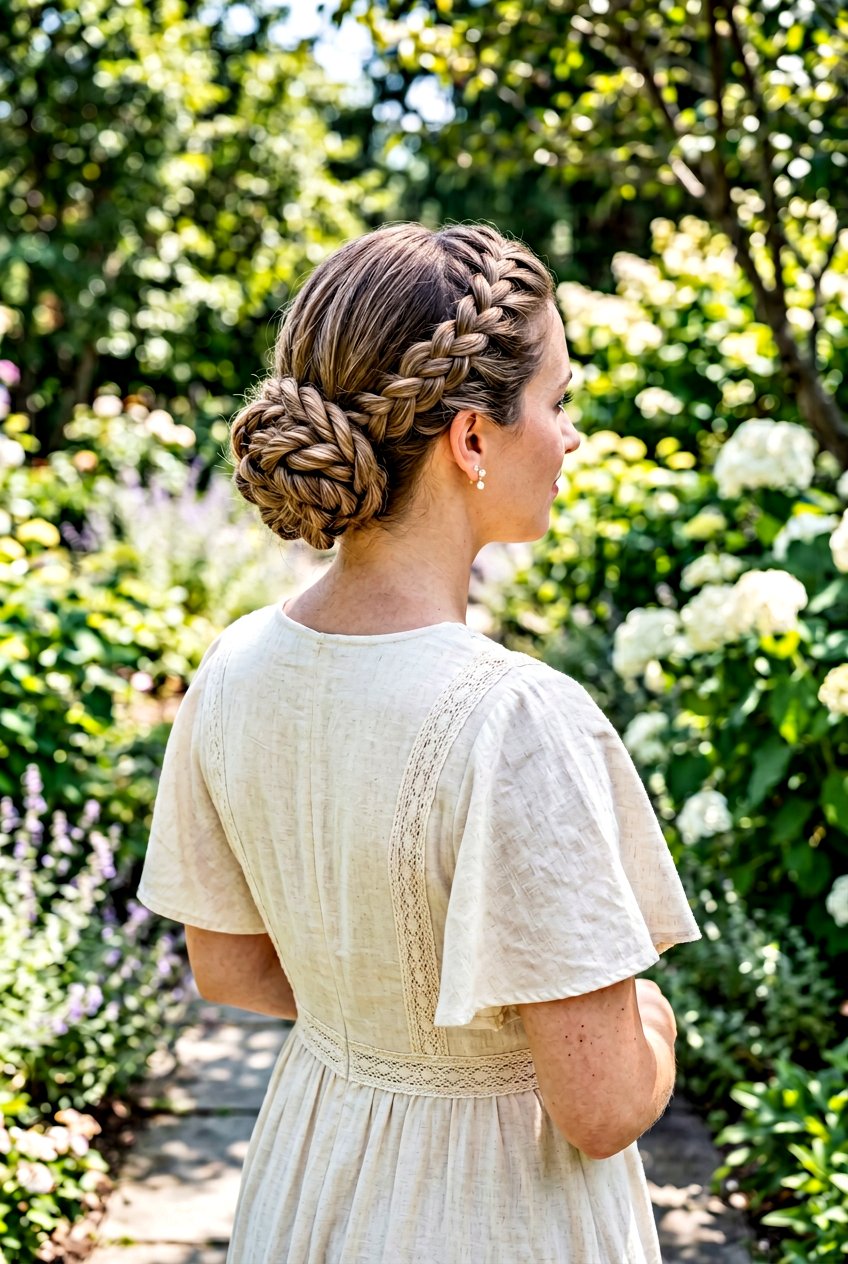
For performers who want more texture and volume at the front of their hair, the Dutch braid bun is a fantastic option. This technique involves braiding the hair “inside out” along the scalp before gathering the ends into a bun at the back. By crossing the hair strands under rather than over, the braid sits prominently on top of the head, creating a beautiful 3D effect. Once the braid reaches the nape or the crown, you can twist the remaining hair into a braided knot. It is a very secure style that prevents shorter layers from slipping out during a long day of rehearsals.
4. French Braid Bun
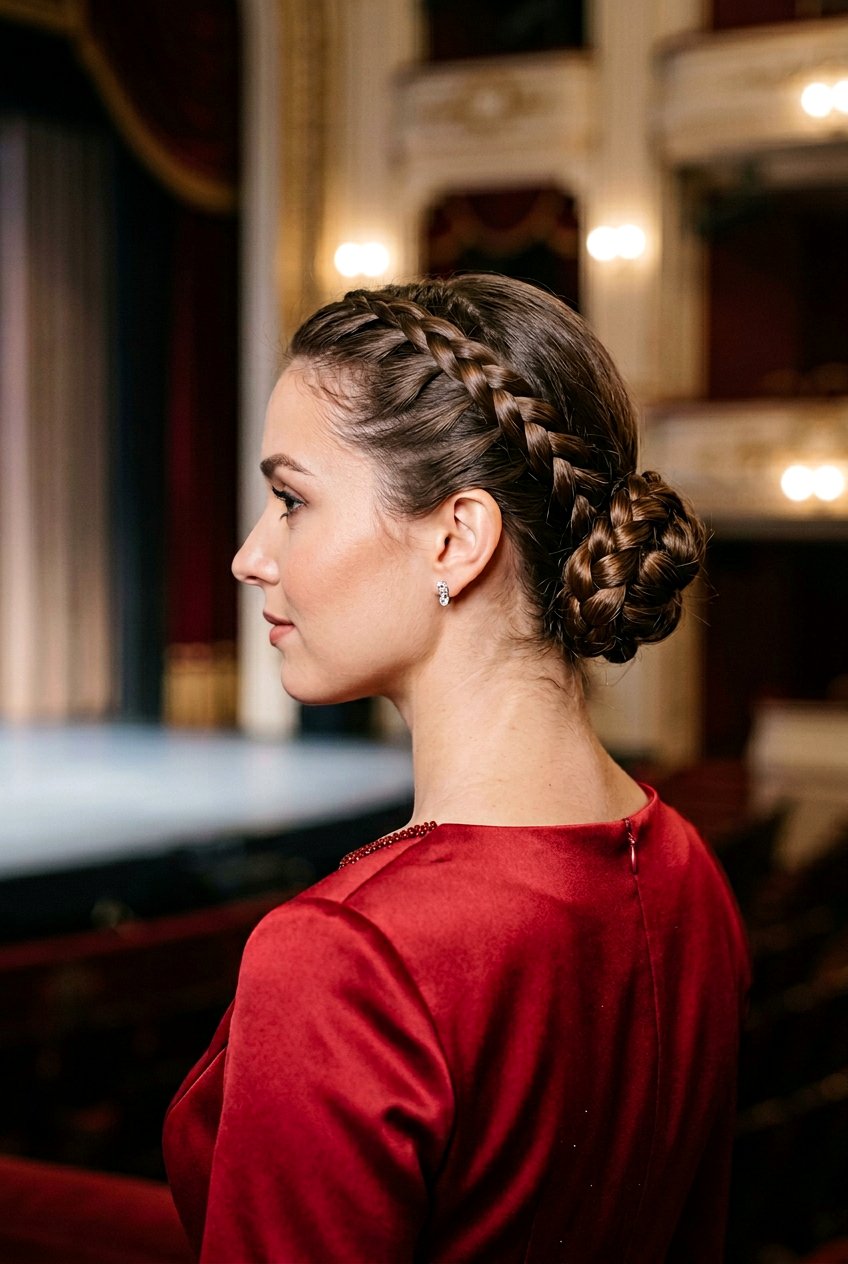
The French braid bun is a timeless favorite that offers a smooth and integrated look from the forehead all the way to the bun. This style is created by starting a French braid at the hairline and working backwards, incorporating sections of hair until everything is gathered. The remaining tail is then braided and wrapped into a neat bun, which can be positioned high or low depending on your preference. This look is particularly effective for performers with bangs or layers they want to keep tucked away. It provides a cohesive, professional appearance that withstands the heat and movement of a stage performance.
5. Double Braided Bun
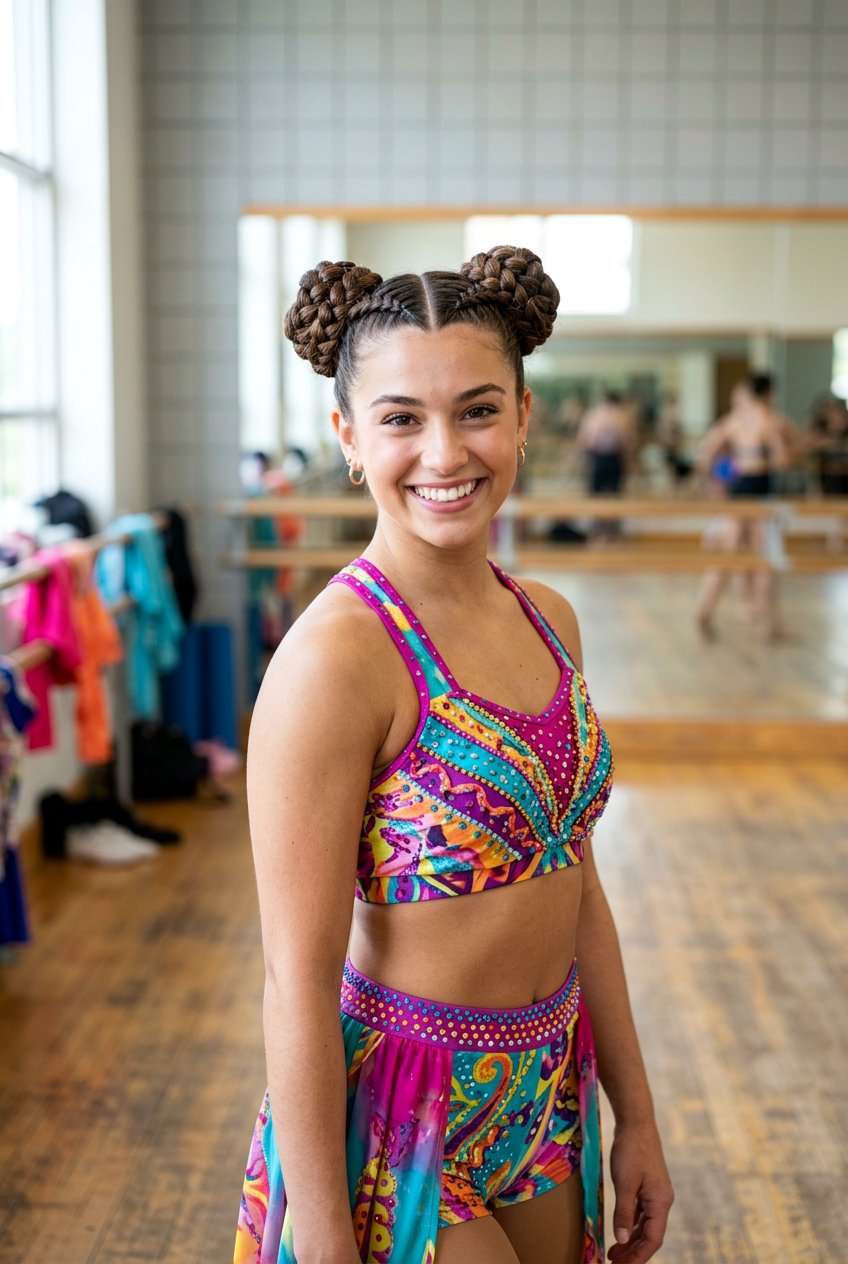
If you are looking for a playful yet secure hairstyle, the double braided bun—often called “space buns”—is a trendy and functional choice. Part the hair down the center from the forehead to the nape, creating two equal sections for a symmetrical look on both sides. Braid each section separately, then wrap each braid into its own small bun on either side of the head. This style is popular for younger dancers and contemporary performances because it stays incredibly secure. It evenly distributes the weight of the hair, making it comfortable for long hours of wear while looking incredibly sharp on camera.
6. Braided Ballet Bun
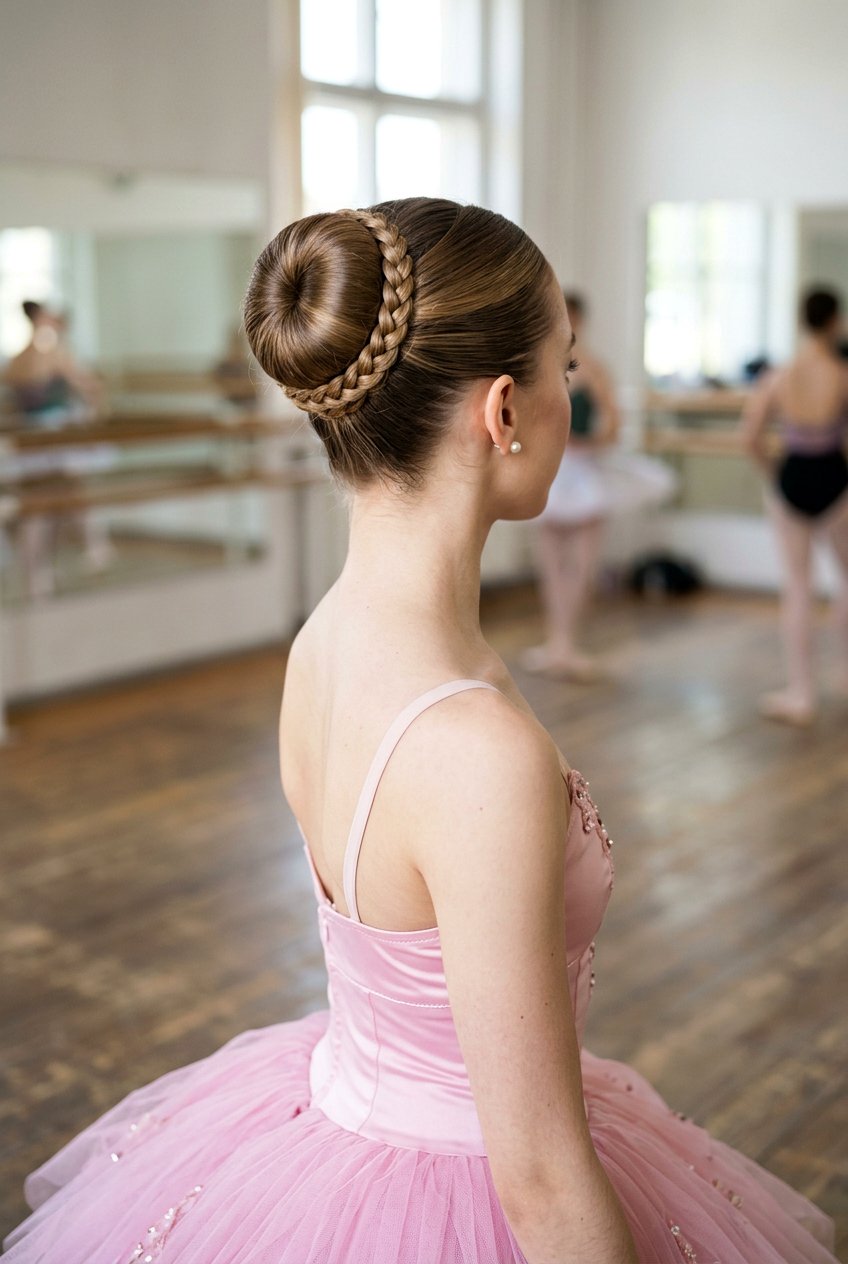
The braided ballet bun is a step up from the standard dancer’s knot, offering extra grip and a more intricate texture. To achieve this, you should use a hair donut or bun maker to create a perfectly round shape before wrapping a braid around the base. The braid acts as a decorative border that also helps to hide the hair pins and the edge of the bun maker. Many dancers choose this for competitions because it looks exceptionally neat and stays perfectly in place during jumps and turns. Adding a light layer of hairspray ensures that no flyaways distract from your clean lines on stage.
7. Side Braided Bun
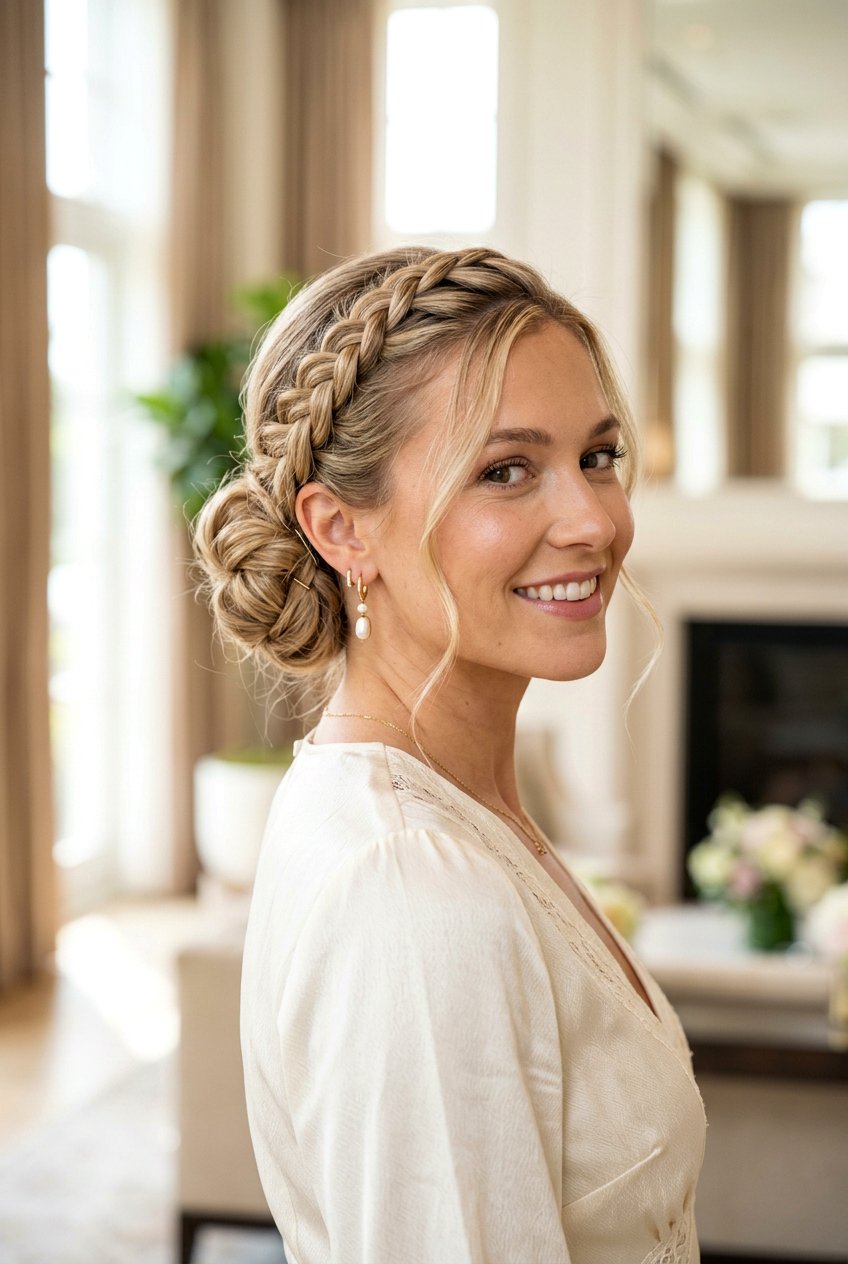
For a touch of romantic flair, the side braided bun shifts the focus to one side of the face for a soft, asymmetrical look. Start a braid at one temple and work it diagonally across the back of the head toward the opposite ear. Once all the hair is incorporated, finish with a braided bun tucked behind the ear or slightly lower. This style is often seen in musical theater or vocal recitals where a softer, more feminine frame for the face is desired. It is a sophisticated way to handle long hair while ensuring it doesn’t get caught on costumes or microphones.
8. Fishtail Braid Bun
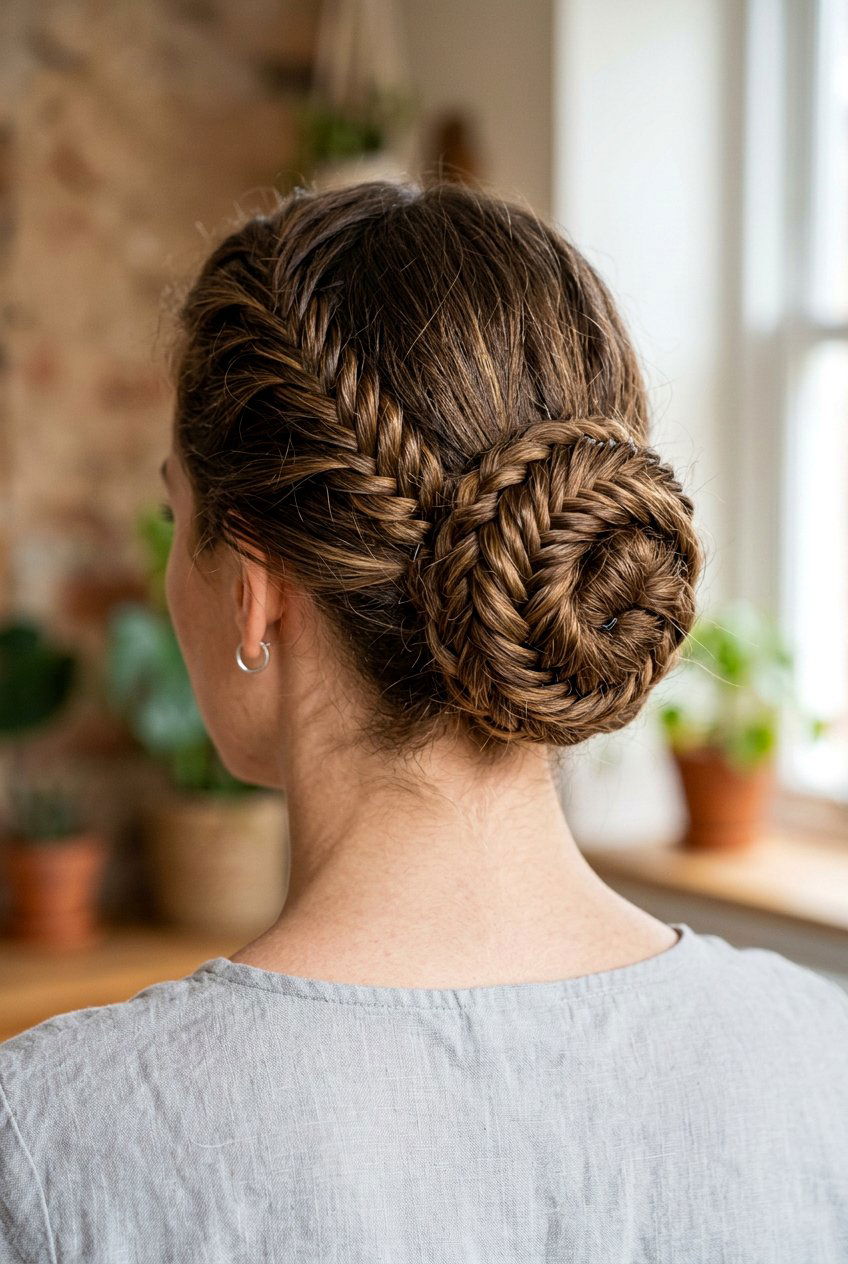
Performing a fishtail braid bun adds a modern and intricate texture that looks much more complex than it actually is to create. Instead of a traditional three-strand braid, use the two-strand fishtail technique to create a detailed pattern before coiling the hair into a bun. This style catches the light beautifully on stage due to the many small sections of hair crossing over each other. It works best on medium to long hair lengths where the detail of the fishtail can be clearly seen. The result is a sturdy, unique bun that looks high-end and professional for any type of artistic performance.
9. Upside Down Braid Bun
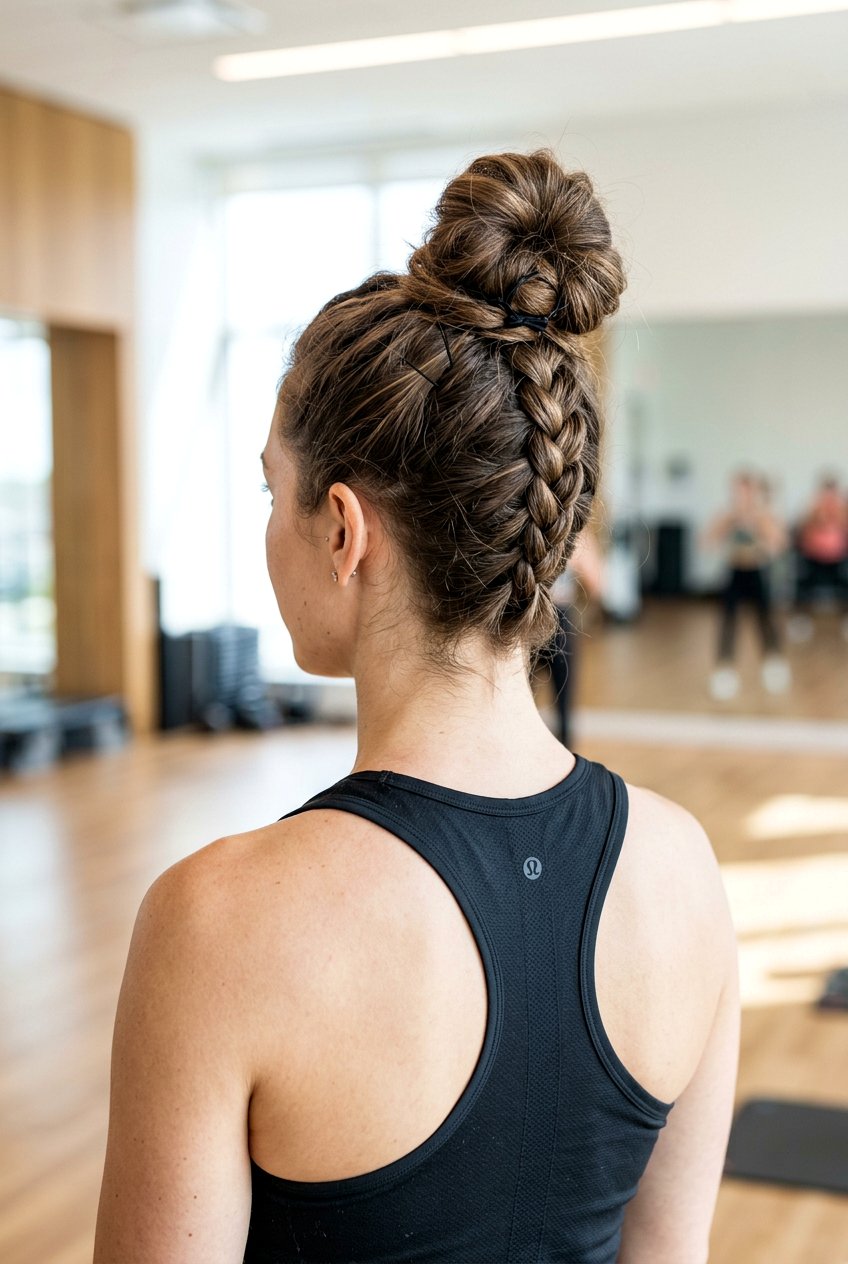
The upside down braid bun is a show-stopping look that features a braid running from the nape of the neck up toward a high bun. To style this, you must flip your head over and start French or Dutch braiding from the bottom up to the crown. Once you reach the top, gather the rest of the hair into a ponytail and finish with a braided or messy bun. This unexpected detail at the back of the head is perfect for performers who will be turning or bowing frequently. It keeps the hair at the neck extremely tidy and prevents “bagging” or loose strands from falling down.
10. Lace Braid Bun
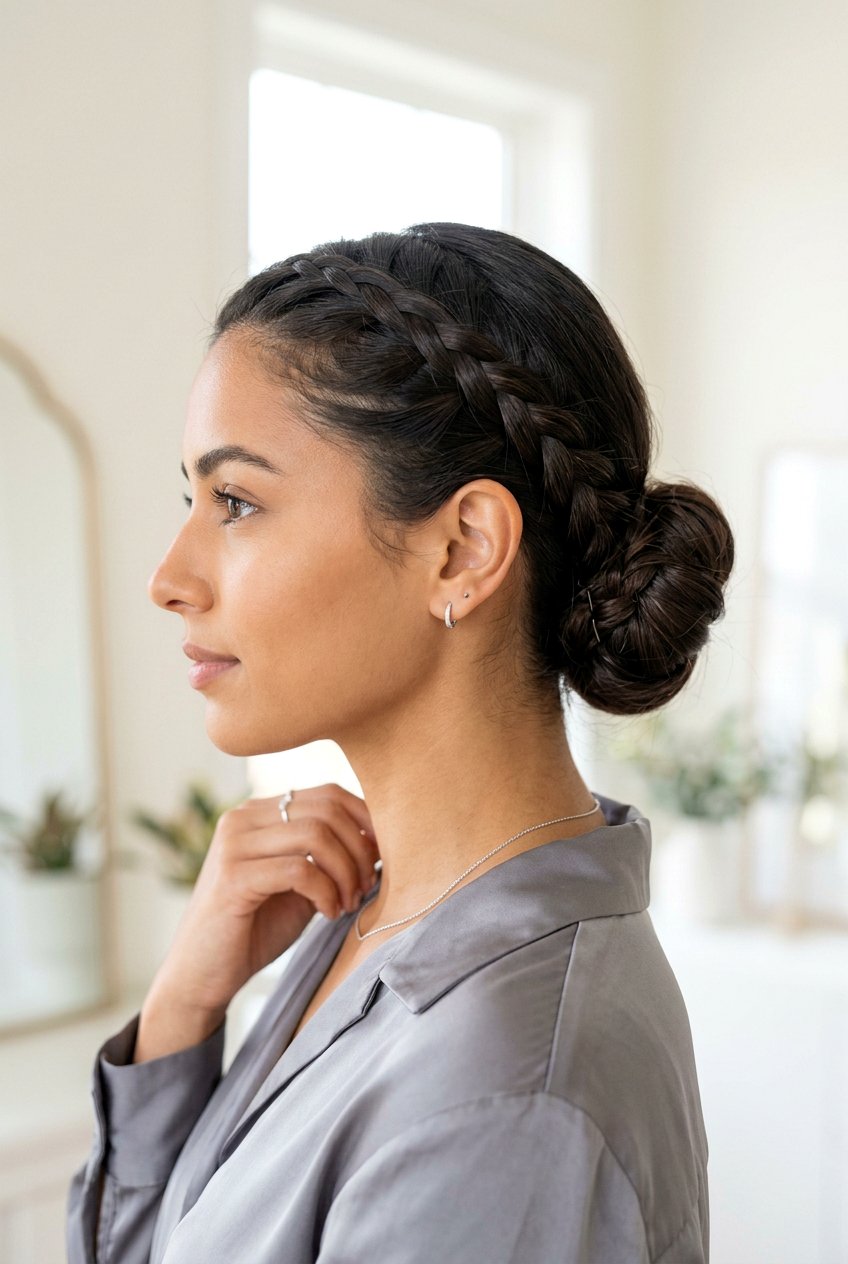
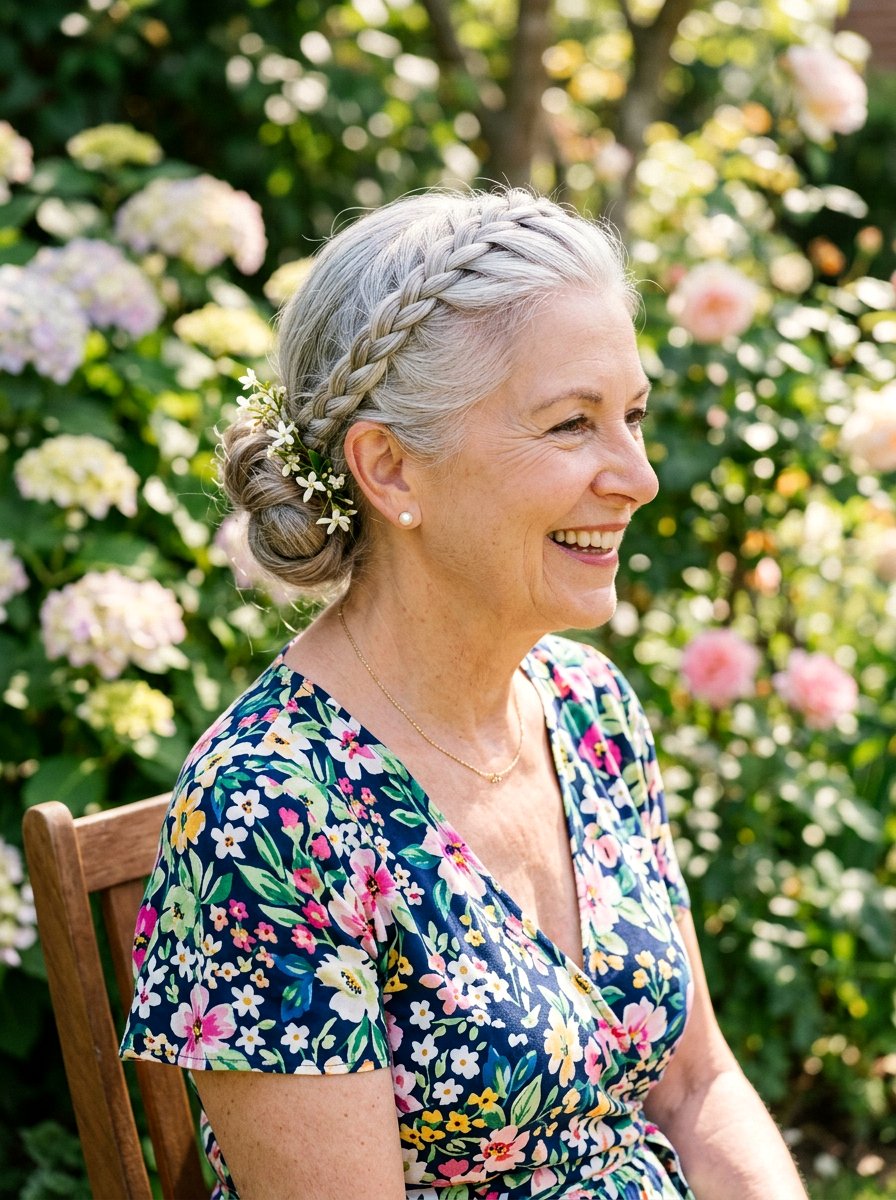
A lace braid bun is a delicate variation where only one side of the braid incorporates new hair, creating a “lace” effect along the hairline. This technique is often used to create a crown-like appearance that leads into a polished bun at the back or side. It is an excellent way to keep hair away from the eyes while maintaining a soft and airy aesthetic. For a recital, this look provides a regal and polished vibe that works well with classical music or ballet themes. The braid stays flat against the head, which is very comfortable for performers wearing headpieces or tiaras.
11. Pull Through Braid Bun
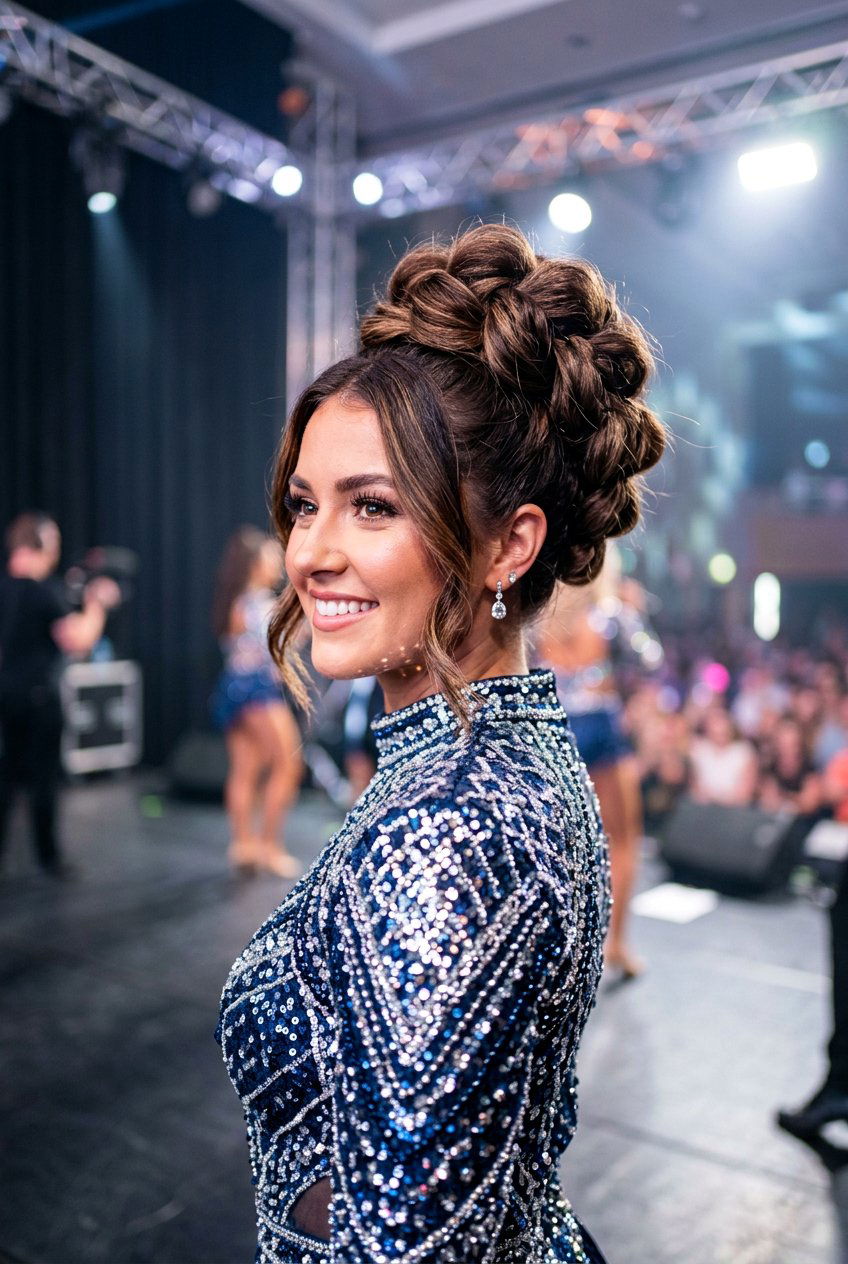
Performers with thinner hair often opt for a pull through braid bun to create the illusion of massive volume and thick texture. This style uses a series of small ponytails looped through each other rather than a traditional weave, making the “braid” look very full. Once the pull-through braid is complete, it can be pinned into a large, voluminous bun that stands out from a distance. It is highly durable because each section is secured with its own elastic, meaning the style will not loosen even with vigorous movement. This is a “hack” for achieving a bold, stage-ready look with less effort.

12. Rope Twist Braid Bun
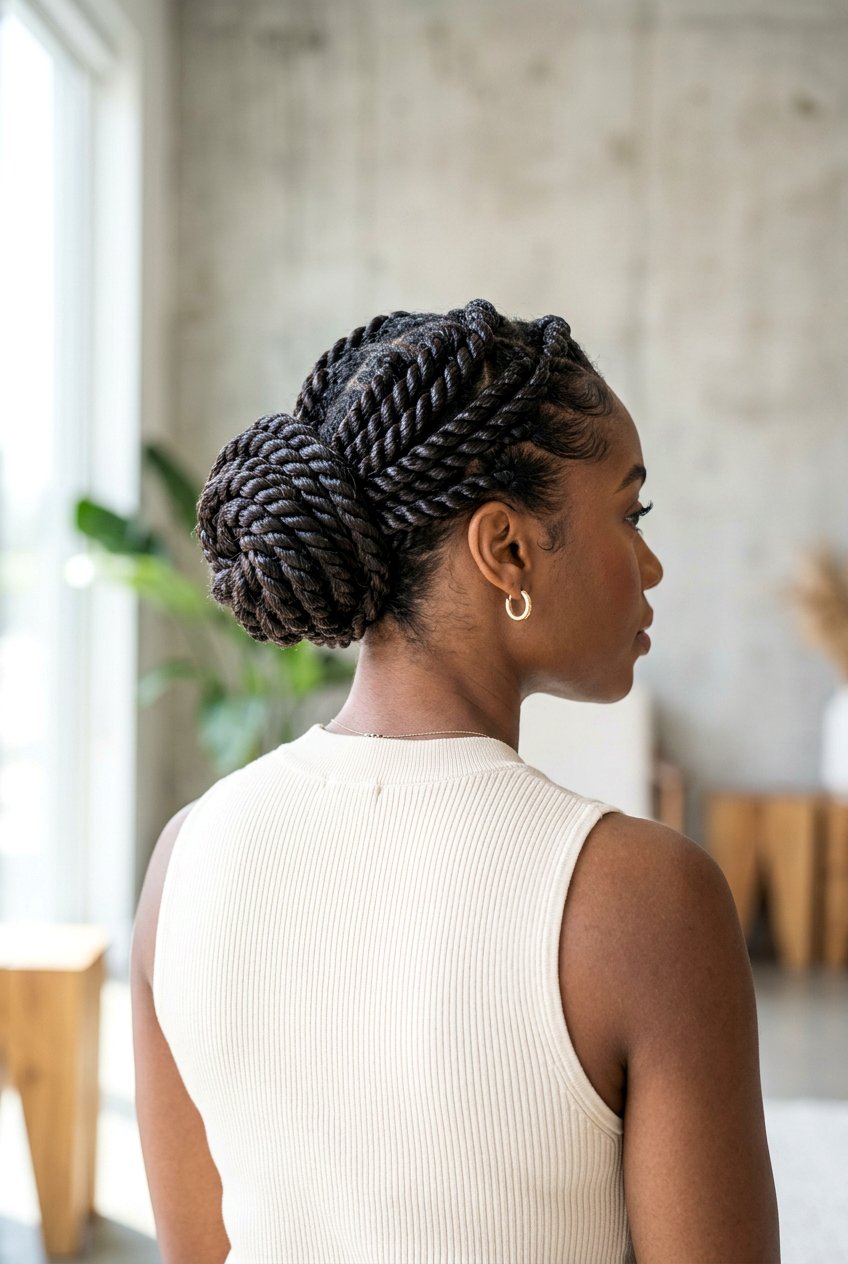
The rope twist braid bun offers a sleek and glossy finish that is different from the standard plaited look of a typical bun. By twisting two sections of hair around each other in opposite directions, you create a rope-like effect that is then coiled into a bun. This style is very fast to execute, making it a great option for quick costume changes between recital numbers. The rope twist has a modern, architectural feel that suits contemporary dance or modern musical performances. It stays very tight and doesn’t get “fuzzy” as quickly as traditional three-strand braids often do under stage lights.
13. Four Strand Braid Bun
If you want to truly impress with your styling skills, a four strand braid bun offers a unique, woven appearance that looks like a masterpiece. Using four sections of hair instead of three creates a wider, flatter braid that covers more surface area when wrapped into a bun. This creates a larger silhouette without needing extra hair padding or foam inserts to boost the size. It is a fantastic choice for performers who want a “big” hair look that still feels sophisticated and controlled. The intricate weave is clearly visible to the audience, adding an extra layer of detail to your overall costume.
14. Messy Braid Bun
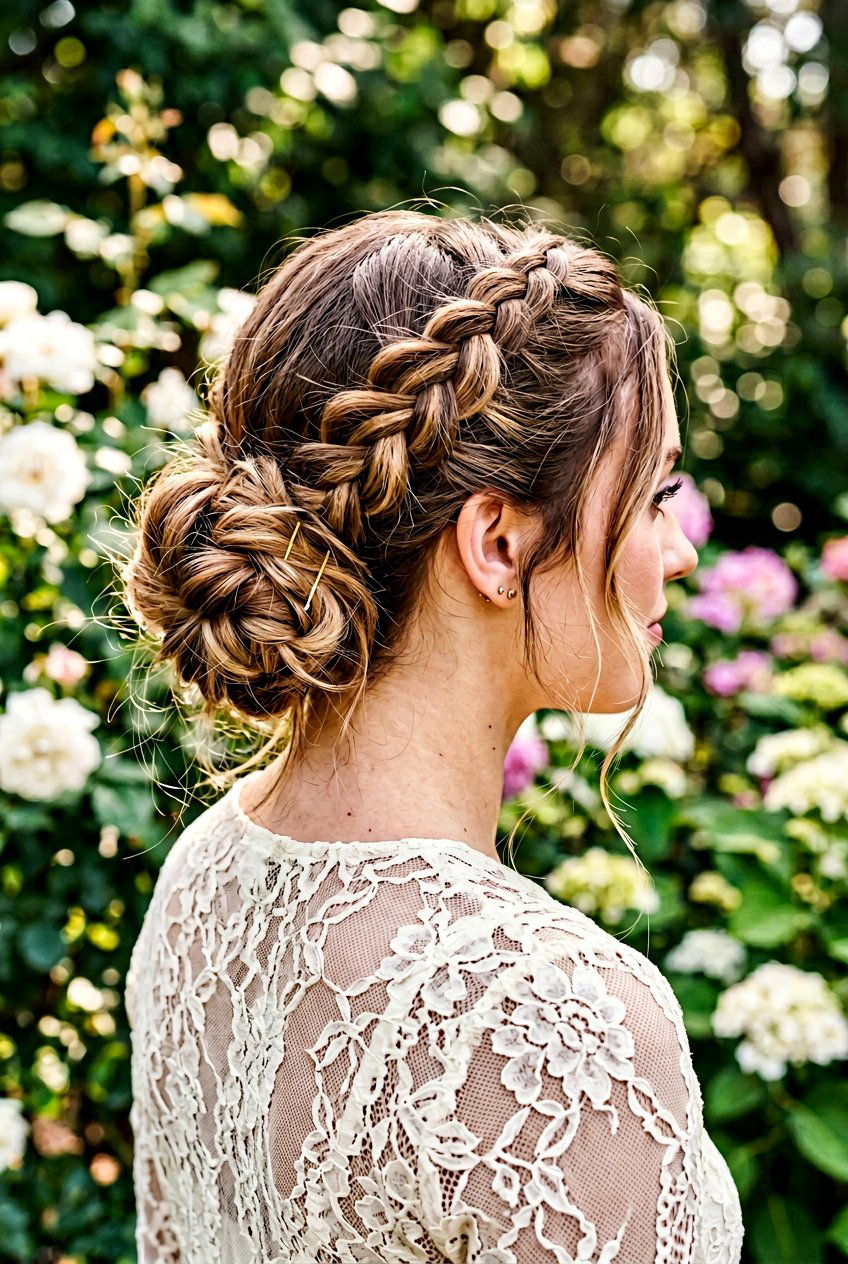
Sometimes a recital calls for a more relaxed and artistic vibe, which is where the messy braid bun becomes the perfect styling choice. This look involves braiding the hair loosely and “pancaking” or pulling at the edges of the braid to create a soft, voluminous texture. When pinned into a bun, the ends are left slightly undone or tucked in loosely to maintain a romantic and effortless feel. Despite the “messy” name, the base should still be pinned securely so it doesn’t actually fall apart during the performance. It is a popular choice for lyrical dance or acoustic musical sets on stage.
15. Crown Braid Bun
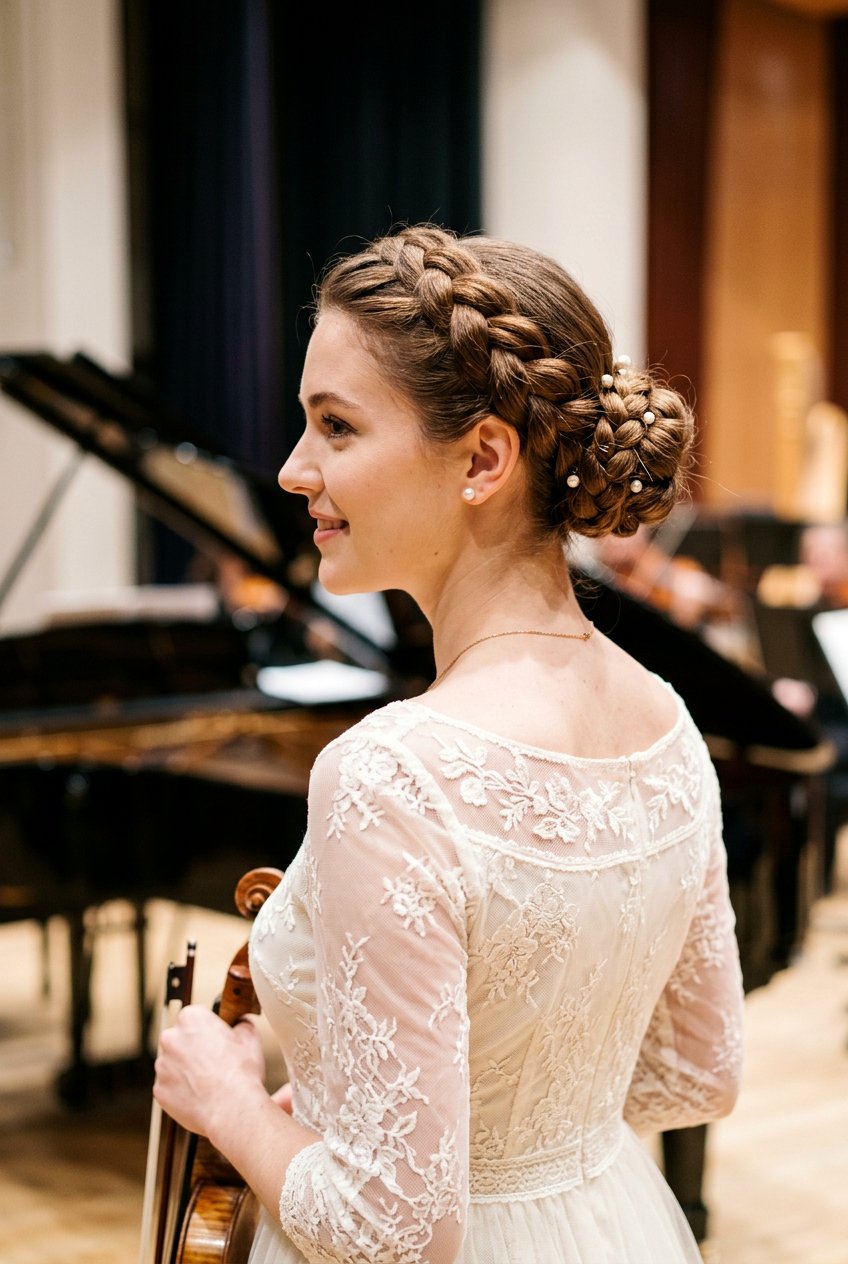
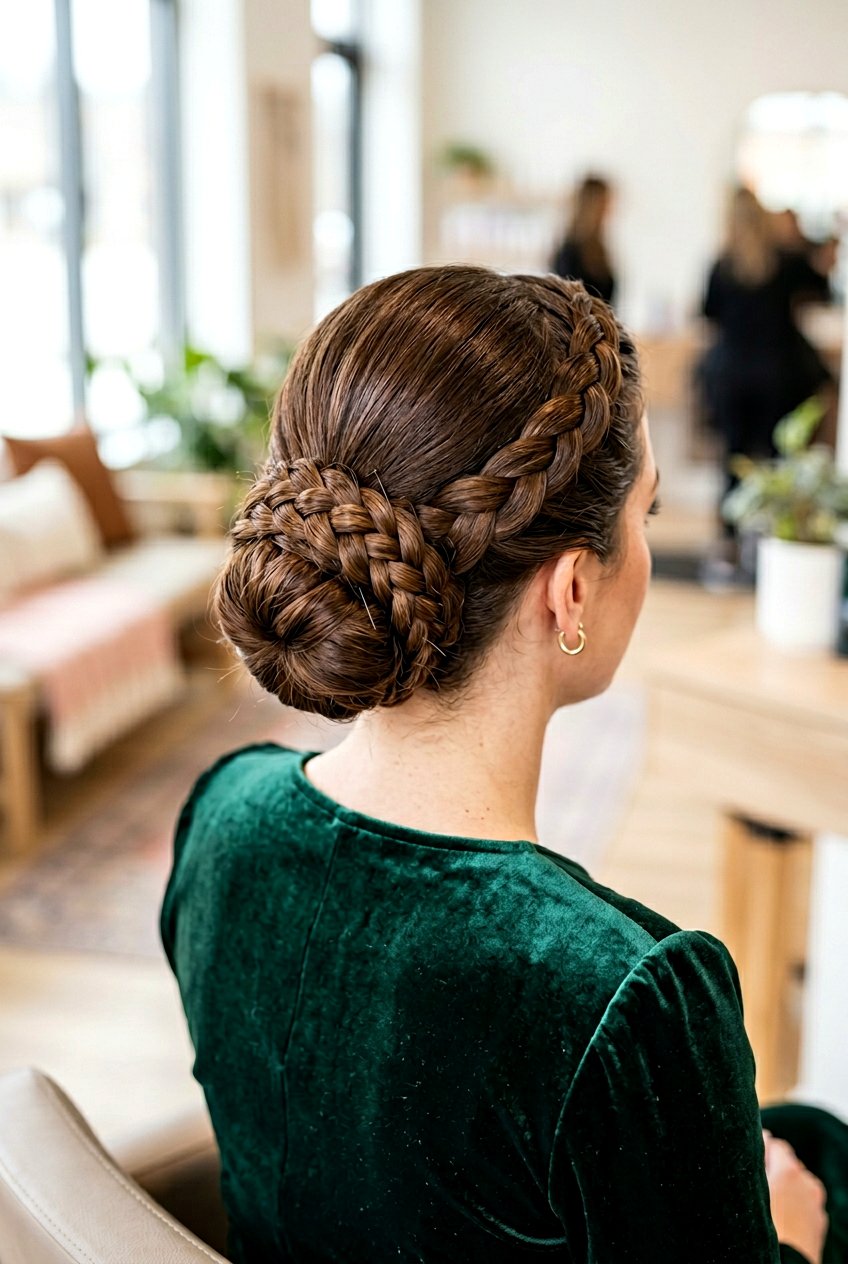
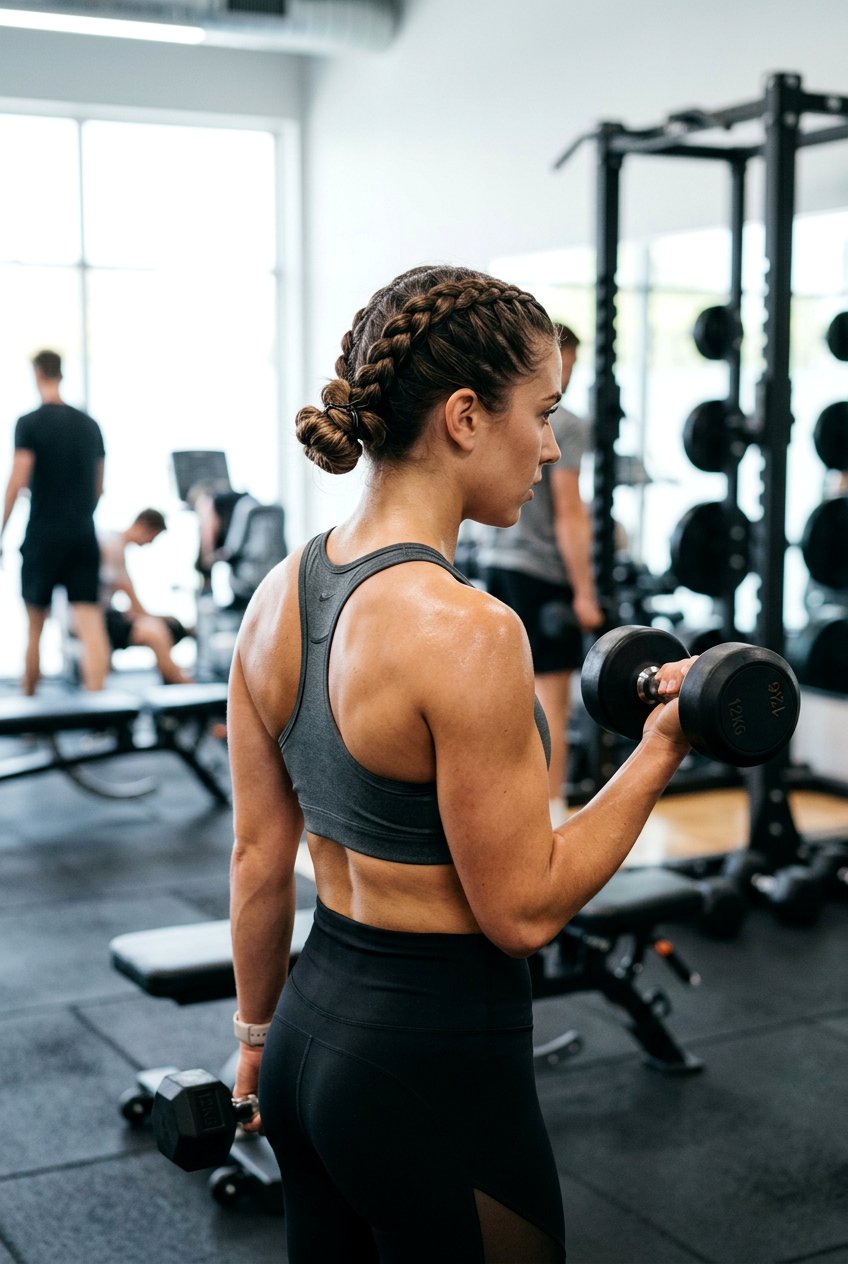
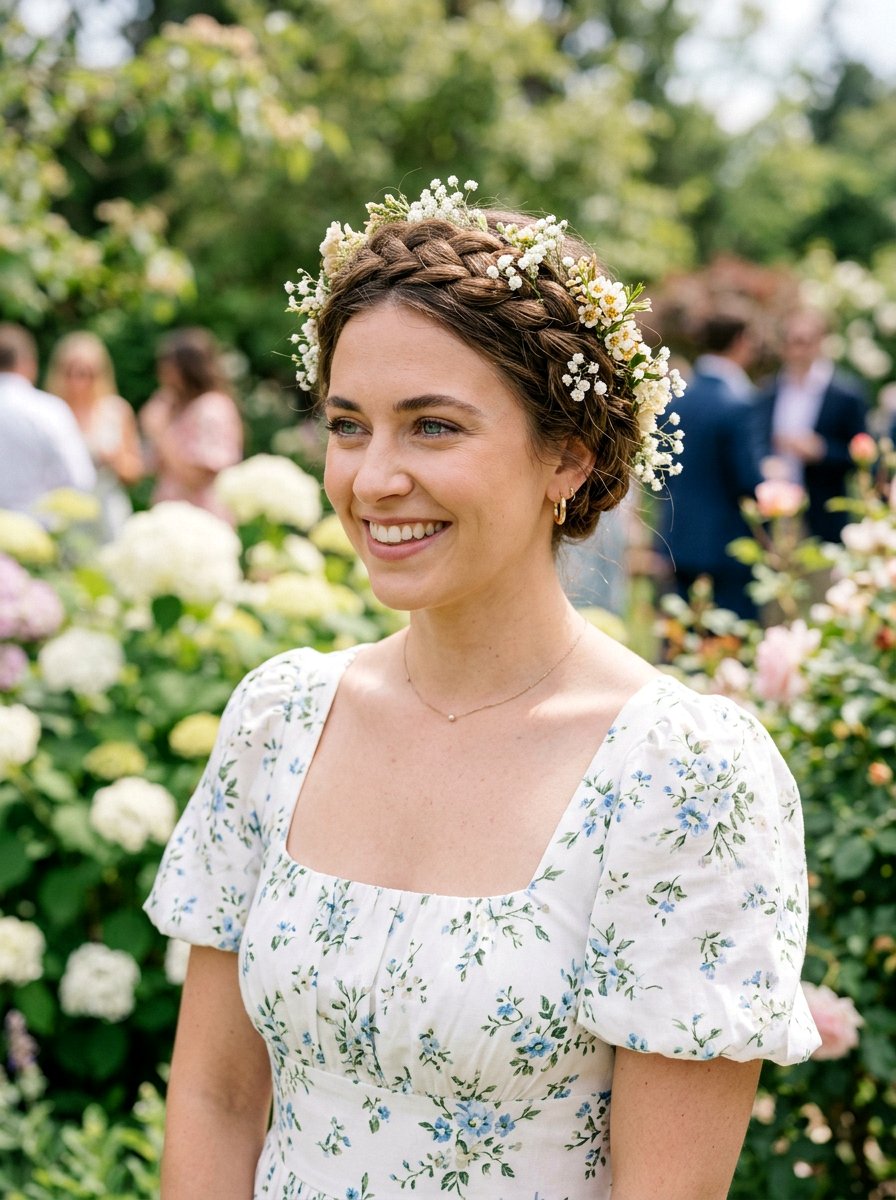
The crown braid bun wraps around the head like a halo, ending in a centered or low bun for a very traditional appearance. This style is incredibly practical for recitals because it distributes the hair’s weight evenly around the head, preventing headaches during long days. It also ensures that the hair is pulled tight from every angle, leaving no room for flyaways or loose pieces to escape. The crown braid adds a level of sophistication that is perfect for formal graduations, piano recitals, or classical ballet performances. It frames the face beautifully and looks elegant from every camera angle during the event.
16. Triple Braid Bun
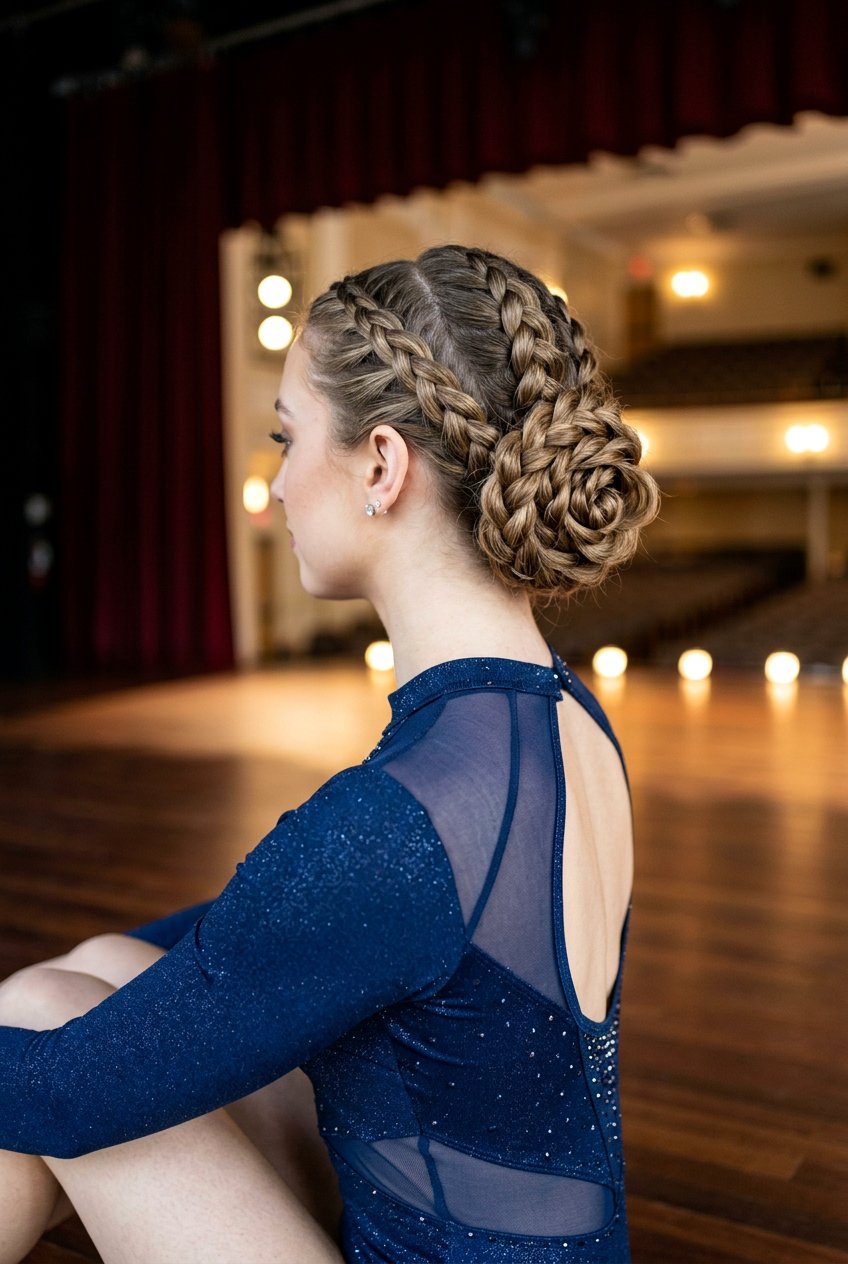
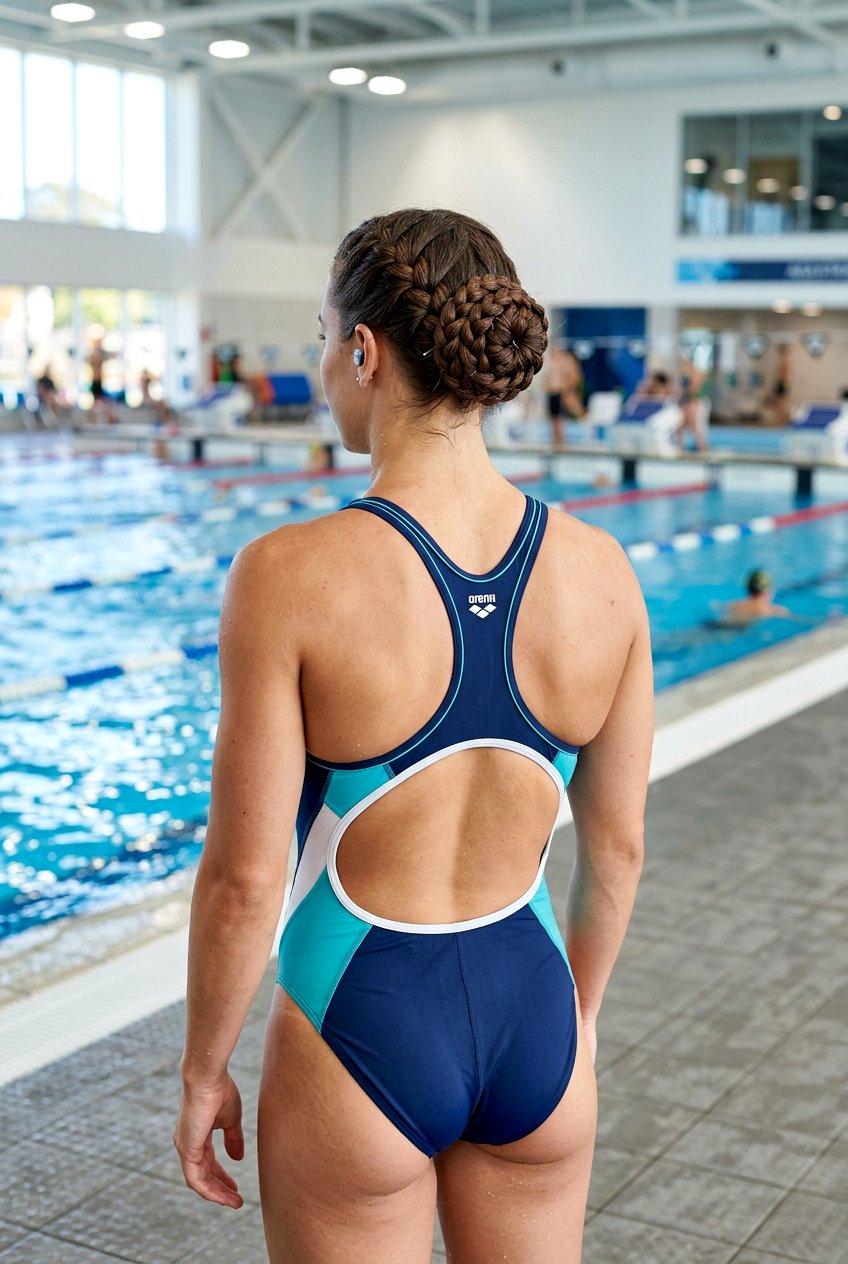
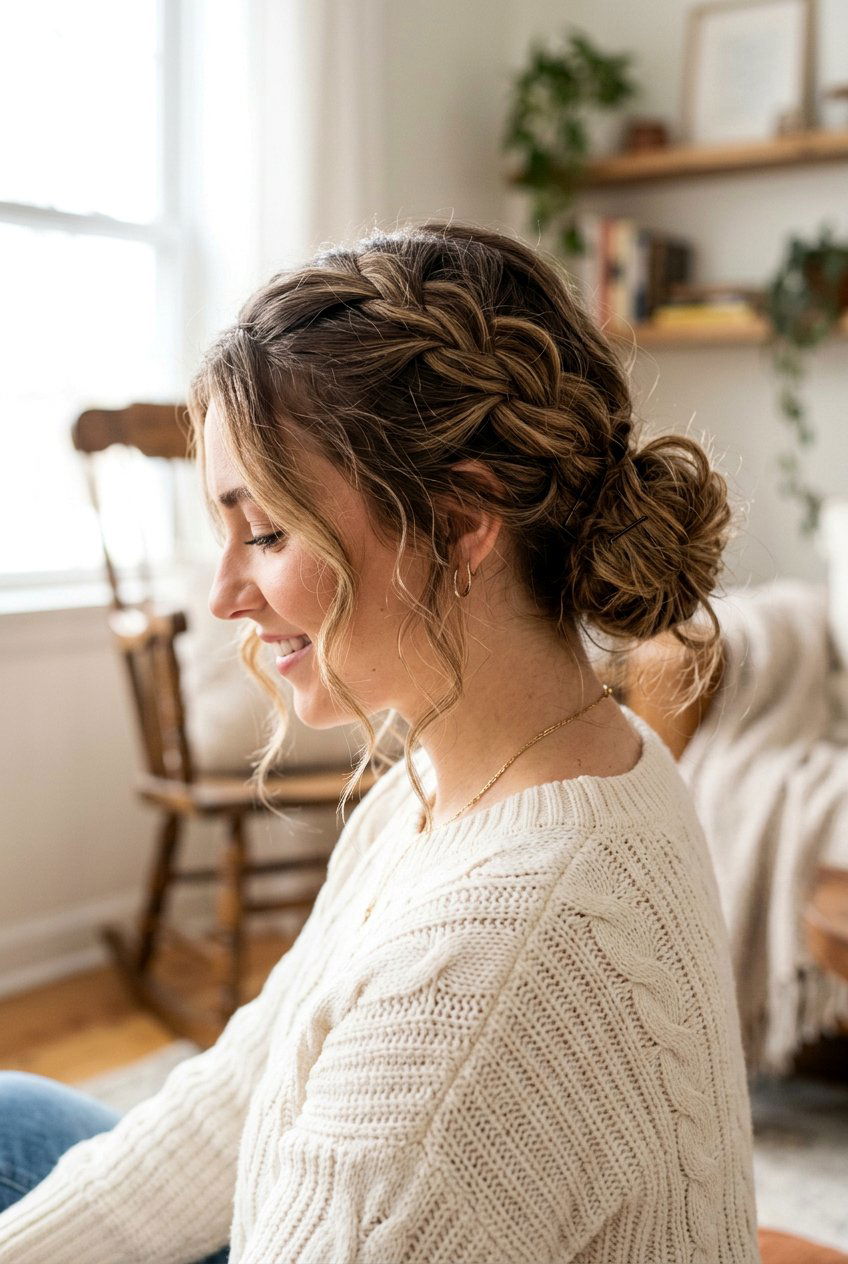
For a highly detailed look, the triple braid bun involves splitting the hair into three separate ponytails and braiding each one before pinning them together. This creates a large, multi-textured bun that looks like a complex flower or knot at the back of the head. It is a great way to manage very thick hair that might be too heavy for a single braid to hold. By breaking the hair down into three sections, you can pin each one more securely against the scalp. The resulting shape is intricate and robust, making it a reliable choice for high-impact performances and long recital weekends.
17. Infinity Braid Bun
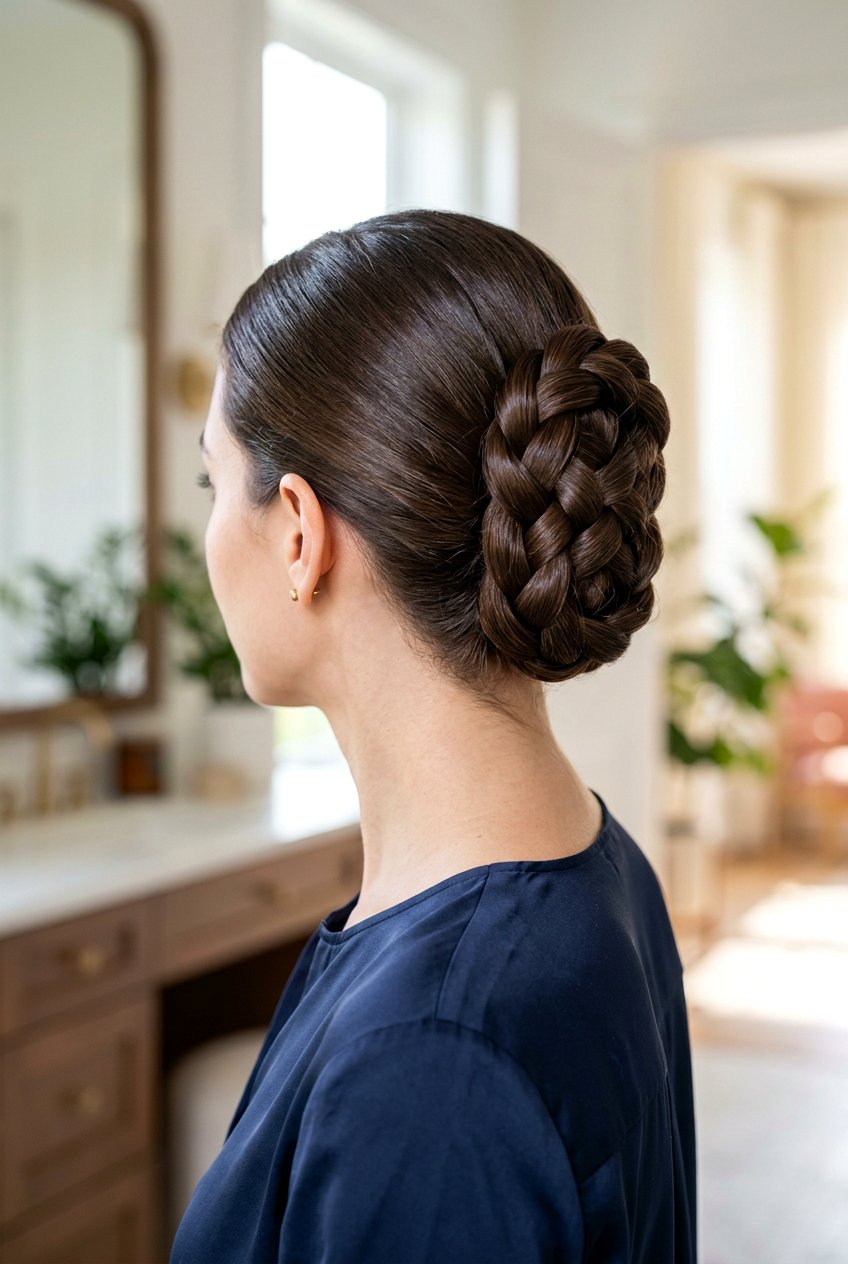
The infinity braid bun uses a figure-eight weaving pattern to create a braid that looks continuous and highly detailed for the stage. When this braid is coiled into a bun, the overlapping loops create a stunning visual effect that stands out under professional lighting. This style is best for performers with long, one-length hair so that the infinity pattern remains clean and defined throughout the weave. It is a sophisticated alternative to the basic bun that shows a high level of effort and grooming. Secure the bun with U-shaped hair pins to keep the infinity shape visible and flat against the head.
18. Braided Bun With Ribbon
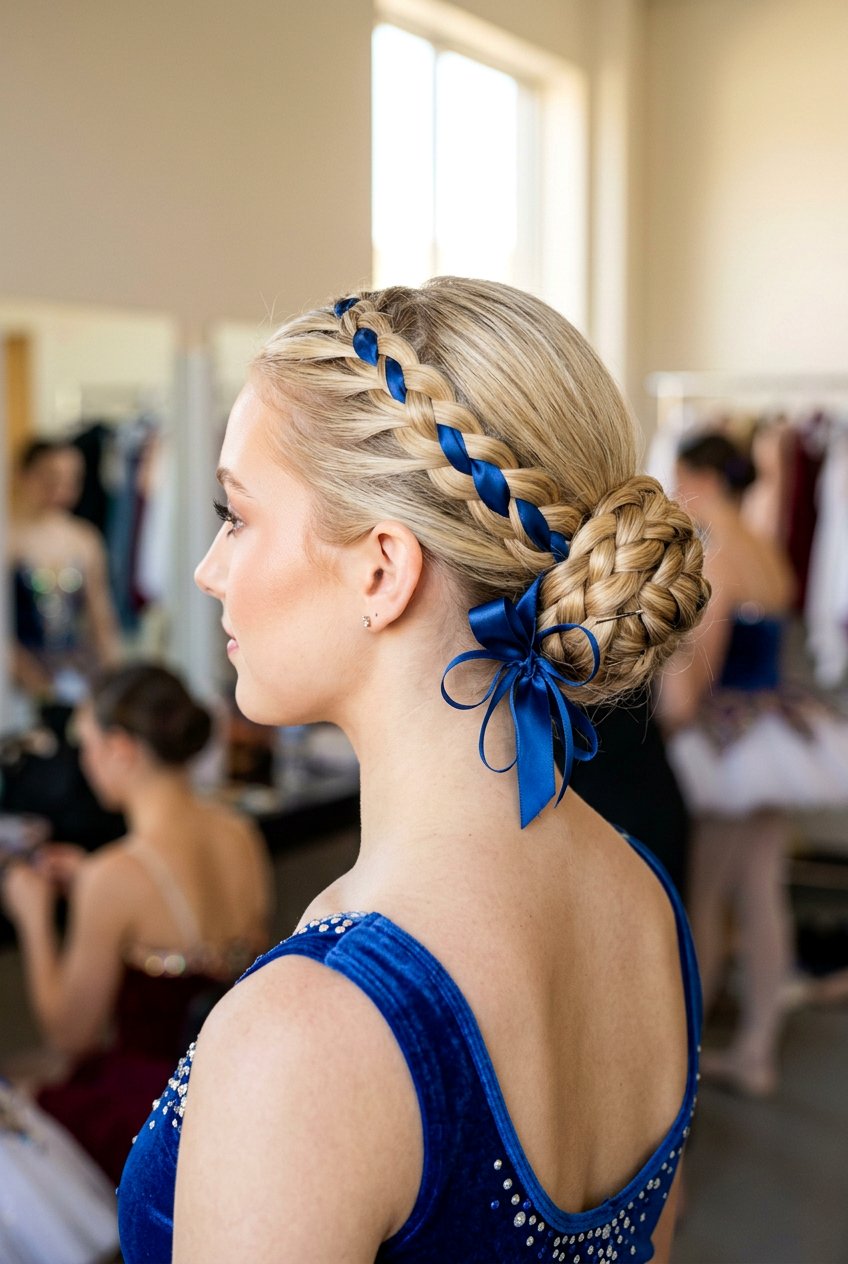
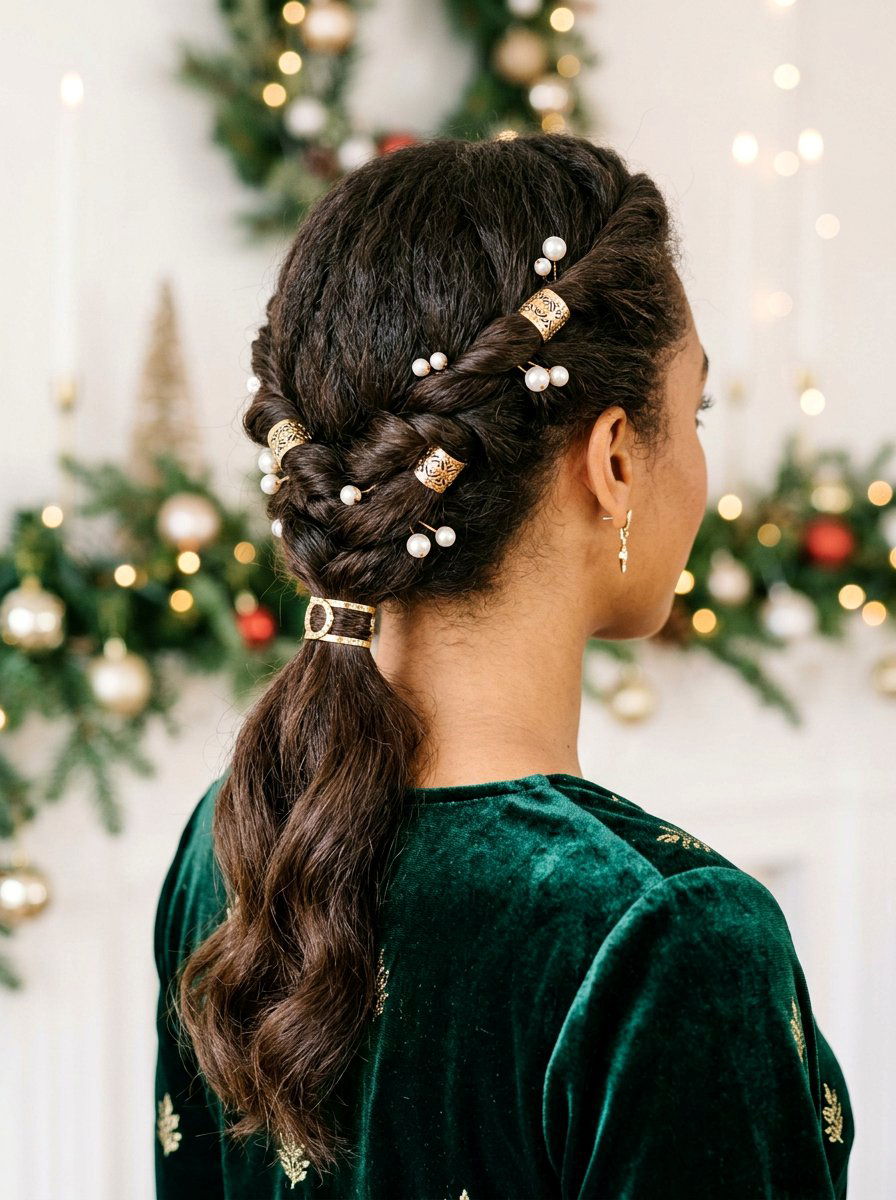
Incorporating a ribbon into your braided bun is a classic way to match your hairstyle to your recital costume or school colors. You can simply weave the ribbon into the braid as you go, then wrap the ribbon-infused braid into a colorful bun. This adds a pop of color and a festive touch that is especially popular for holiday recitals or team competitions. The ribbon also provides extra grip for the bobby pins, helping the bun stay in place through multiple routines. It is an easy way to elevate a simple style and make it feel special for a big performance day.
19. Micro Braid Bun
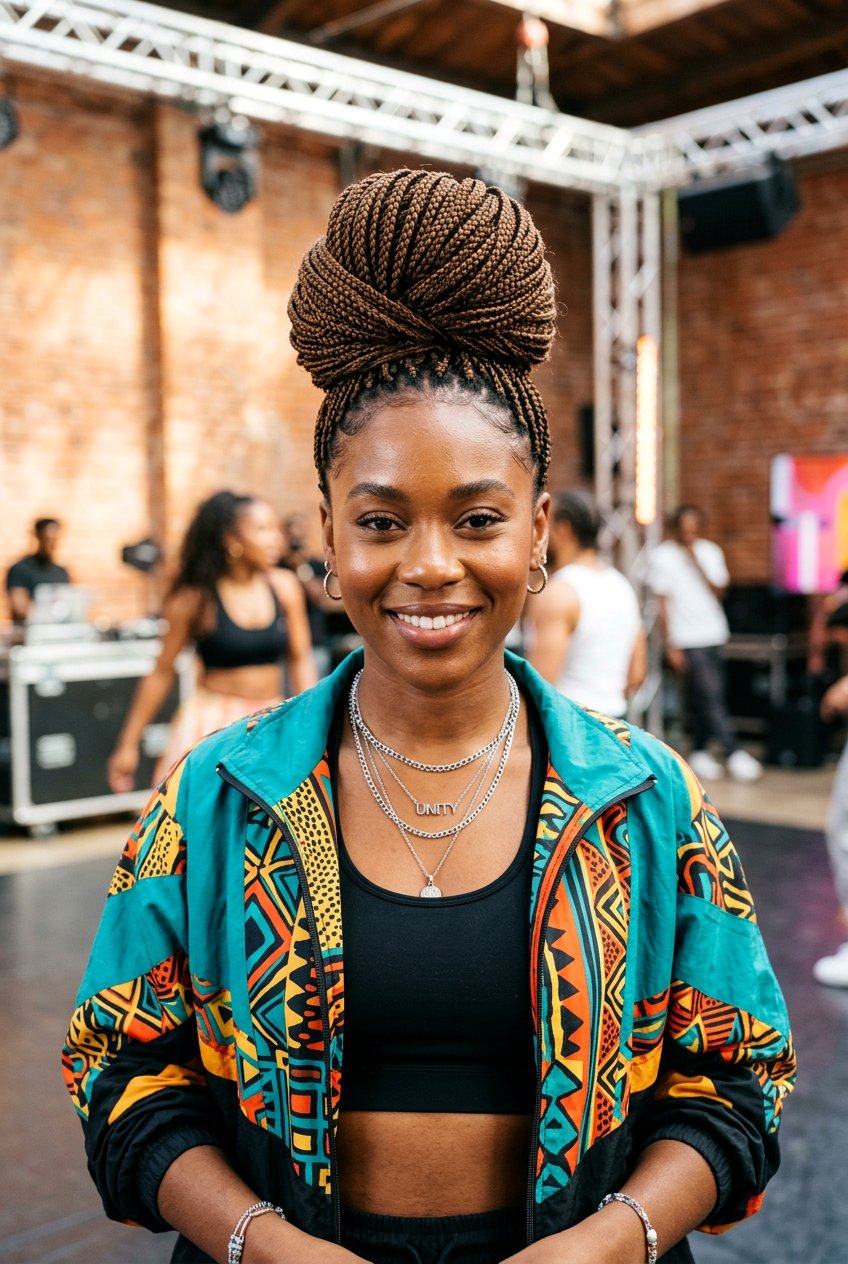
The micro braid bun involves creating several tiny braids throughout the hair before gathering them all into one large, textured bun. This look provides a unique “crimped” or highly textured appearance that is very modern and edgy for a stage performer. It is a great protective style for those with natural hair, but it can also be achieved on straight hair for added visual interest. The small braids make the bun very sturdy and less likely to slip out of its elastic. This style works well for jazz or hip-hop recitals where a bold and high-energy look is needed to match the music.
20. Heart Braided Bun
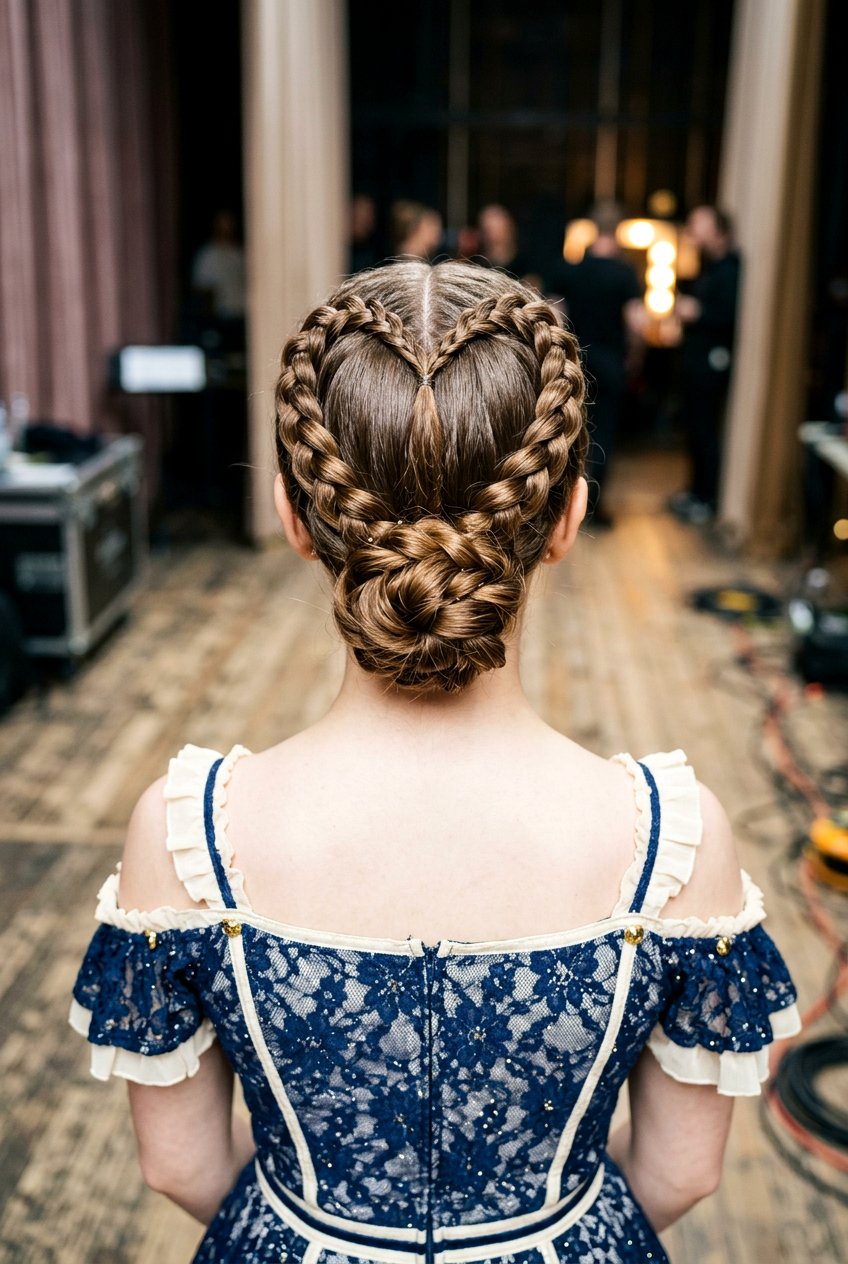
For a sweet and memorable look, the heart braided bun uses two braids curved into a heart shape before meeting at the bun. This creative style is a favorite for younger students or for performances with a theme of love or friendship. To achieve this, you part the hair and braid in a “C” shape on both sides, joining them together at the nape. The remaining hair is then braided and wrapped into a neat bun to finish the look. It is a charming way to stand out during a recital while still maintaining the professional neatness required for a stage performance.
Conclusion:
Choosing the right recital hairstyle with braid bun is about balancing aesthetic beauty with the practical needs of a performer. A well-constructed braided bun ensures that you can focus entirely on your talent without worrying about hair falling in your eyes or pins slipping out. Whether you prefer the sleek look of a French braid or the bold texture of a fishtail, these styles offer the durability needed for the stage. Remember to use high-quality elastics and plenty of pins to keep your look secure from the first note to the final bow. With these twenty variations, every performer can find a style that complements their costume and personal flair perfectly.
You'll Like These Styles:




Leave a Reply