
Finding the perfect balance between style and hair health often leads many toward the simplicity of overnight twists for natural hair. This versatile technique serves as both a protective style and a foundational method for achieving stunning curl definition the following morning. Whether you are dealing with 4C coils or softer waves, setting your hair before bed allows the strands to dry in a stretched, organized pattern that resists frizz. By utilizing specific products like twisting butters or foams, you can ensure that your hair remains hydrated and shiny throughout the day. This guide explores twenty unique ways to master the overnight twist, providing you with the technical knowledge to elevate your natural hair game effortlessly and effectively.
1. Chunky Two Strand Twists

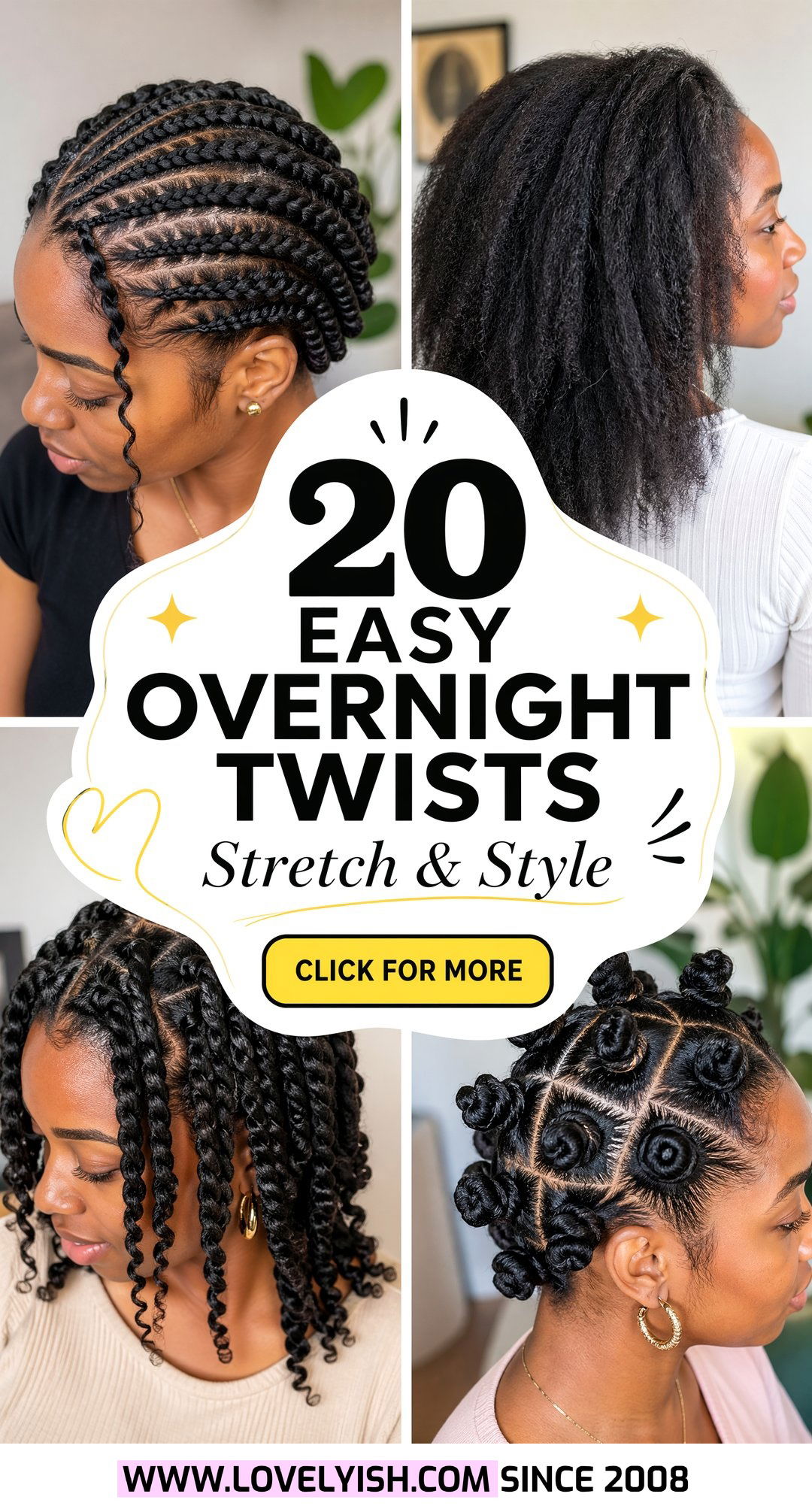
Large sections of hair are divided and twisted together to create a high-volume look that is perfect for those seeking a quick nighttime routine. This method is particularly effective for stretching tight coils without the need for high heat, making it a favorite for 4C hair types. To achieve the best results, ensure your hair is slightly damp and coated in a rich, oil-based cream to seal the ends. Because the sections are larger, the hair dries faster, which is ideal if you have a shorter window for sleeping. When unraveled in the morning, these chunky twists provide a soft, wavy texture with incredible body and movement for any occasion.
2. Flat Twists For Definition

This technique involves twisting the hair close to the scalp, similar to a cornrow but using only two strands instead of three. Flat twists are exceptional for creating a uniform curl pattern from the root all the way down to the tips of the hair. This method offers a more controlled look and prevents the roots from puffing up overnight, which often happens with standard hanging twists. By keeping the hair snug against the head, you also minimize friction against your pillowcase, further reducing the risk of unwanted frizz. In the morning, you are left with a very structured and elongated silhouette that frames the face beautifully and stays defined.
3. Mini Twists For Longevity

Small, detailed sections of hair are meticulously twisted to provide a style that can last for several days or even weeks. While this method takes longer to install before bed, the payoff is a highly defined and intricate texture that mimics the look of small braids. Mini twists are excellent for moisture retention because the hair is bundled tightly, preventing the atmosphere from stripping away natural oils. This is a fantastic option for those who want to “set it and forget it” for a few days. The resulting definition is unparalleled, offering a tight, springy coil that looks sophisticated and professional while remaining completely heat-free and healthy.
4. Flat Twists Into Low Bun

Starting with flat twists at the front of the head and gathering the remaining hair into a neat bun provides a sleek, dual-purpose style. This overnight method keeps the hair out of your face and protected while the front sections set into a beautiful wave pattern. It is an ideal choice for transitioning hair or for those who want a polished look during the day without a full takedown. The tension from the bun helps to elongate the back sections, while the twists add visual interest and texture to the crown. It is a practical solution for busy mornings where you need a style that looks intentional and tidy.
5. Three Strand Twists For Texture
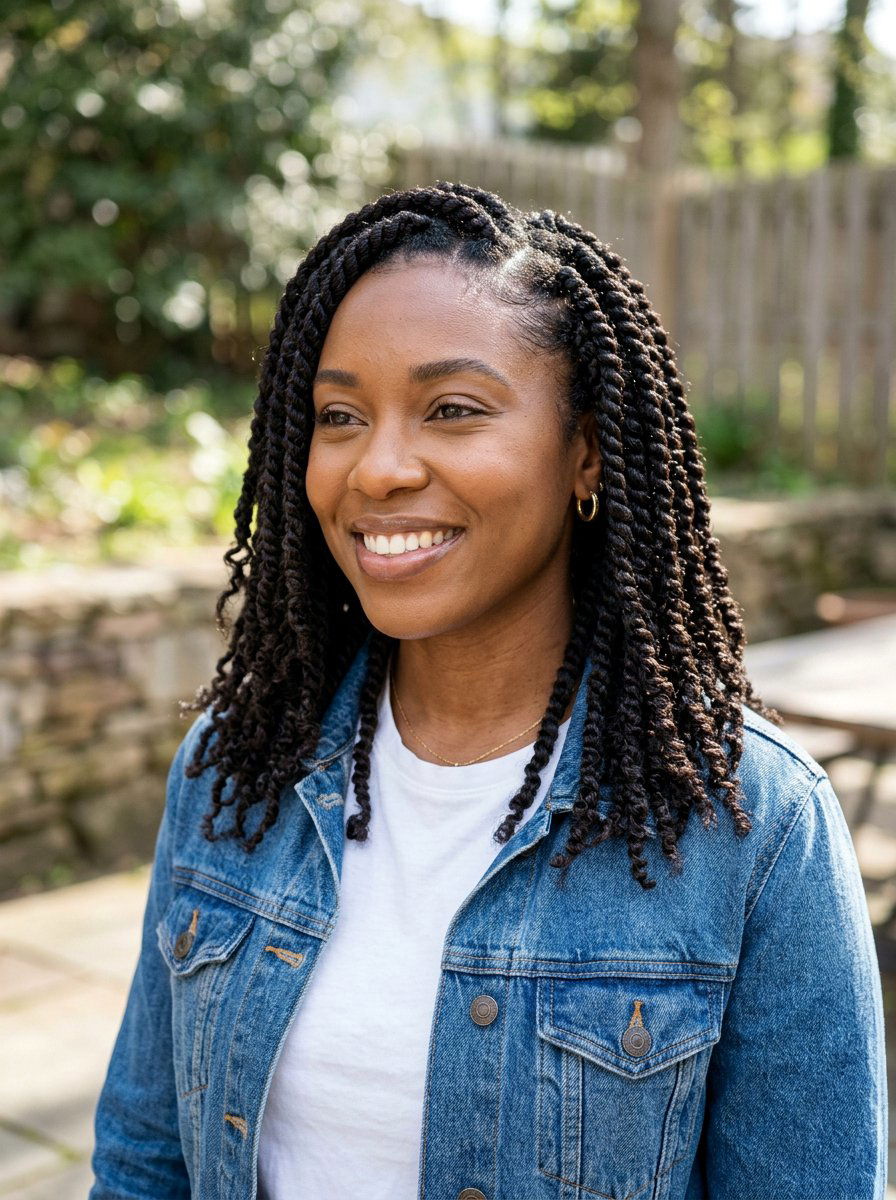
Using three strands instead of two adds a unique, braid-like sturdiness to your overnight set, resulting in a tighter and more durable curl. This method is slightly more complex to master but offers a distinct spiral shape that resists unraveling even on very smooth hair textures. The three-strand technique provides extra tension, which is great for stretching out shrinkage and giving the hair a longer appearance. When you take these down, the curls are often more resilient to humidity and physical activity compared to standard two-strand versions. It is a professional-grade styling choice for those who want their overnight effort to last through a long, active day.
6. Twisted Bantu Knots
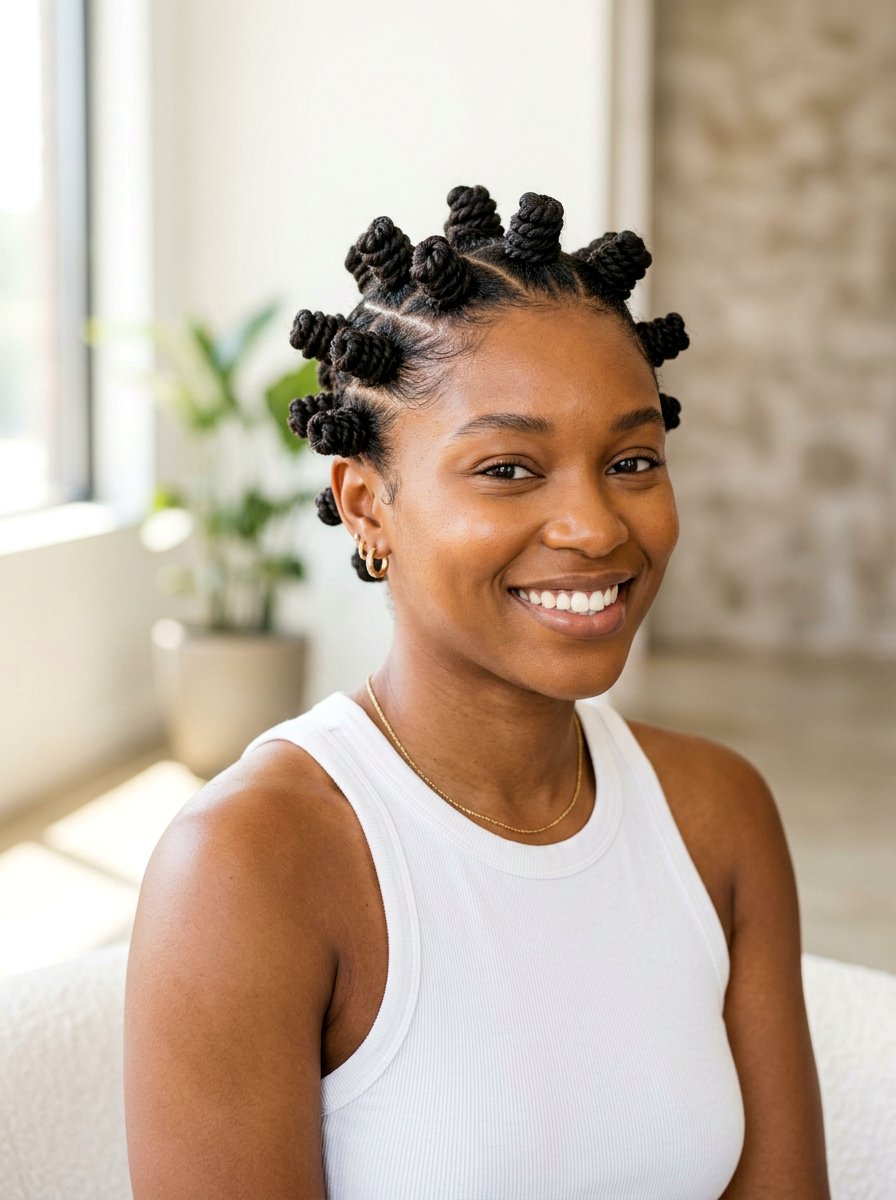
Combining twists with the Bantu knot technique involves twisting a section of hair and then wrapping it around itself into a small, secure knob. This dual-action method creates a very intense, bouncy curl that has a lot of “spring” and circular volume. It is one of the best ways to get a consistent curl on hair that may have different textures throughout the head. The knots keep the ends tucked away, which is vital for preventing split ends and maintaining overall hair health. Upon unraveling, the hair has a voluminous, bold appearance that looks like it was styled with a curling wand but without any heat.
7. Sideways Flat Twists
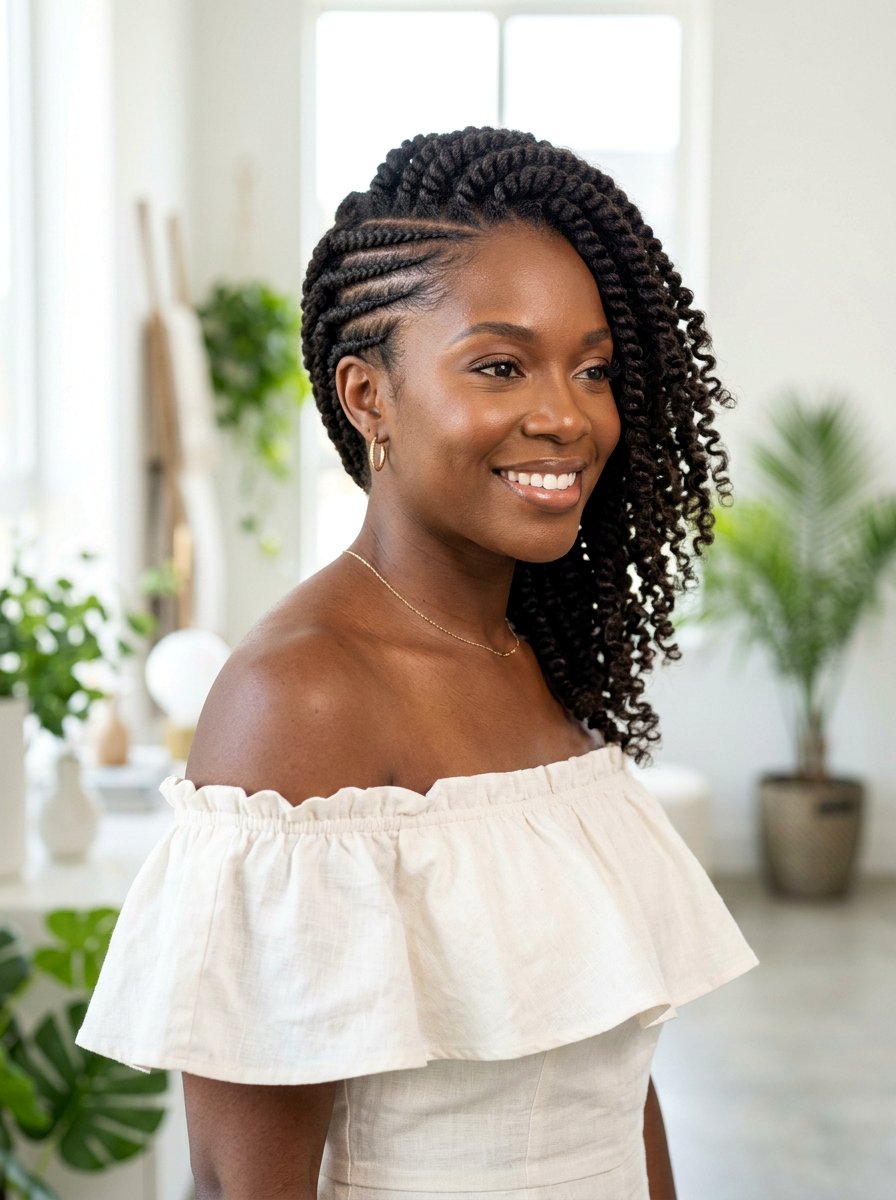
Directing your twists from one side of the head to the other creates an asymmetrical, side-swept look that is both modern and flattering. This overnight pattern ensures that when the hair is unraveled, it naturally falls to one side, reducing the need for heavy styling or pins. It is a great way to experiment with different parting styles without committing to a permanent cut or change. The side-swept volume can make the hair appear thicker and more dynamic, especially for those with fine or medium-density natural hair. It offers a stylish “ready-to-wear” finish that works well for both casual outings and more formal professional settings.
8. Twists With Perm Rod Ends

Installing twists and then securing the ends with small perm rods ensures that the tips of your hair remain perfectly curled and sleek. One of the biggest challenges with overnight twists is the “fuzzy end” syndrome, but the rods provide a polished, salon-quality finish to every strand. This technique is particularly helpful for those with heat damage or hair that struggles to hold a curl at the very ends. The rods also add a bit of weight to the twists, helping to stretch the hair further as you sleep. The final look is a beautiful blend of textured length and bouncy, uniform spirals at the bottom.
9. Halo Flat Twists

Wrapping a large flat twist around the perimeter of the head creates a “halo” effect that is both a protective style and a setting technique. This method is incredibly comfortable for sleeping because the hair is distributed evenly around the head, avoiding any large lumps or uncomfortable knots. It keeps the edges of the hair smooth and protected while the interior sections are allowed to set in a soft, wavy pattern. When taken down, the hair has a natural, wind-swept volume that looks effortless and chic. It is a sophisticated way to manage long natural hair overnight while ensuring your morning routine remains quick and stress-free.
10. Criss Cross Flat Twists
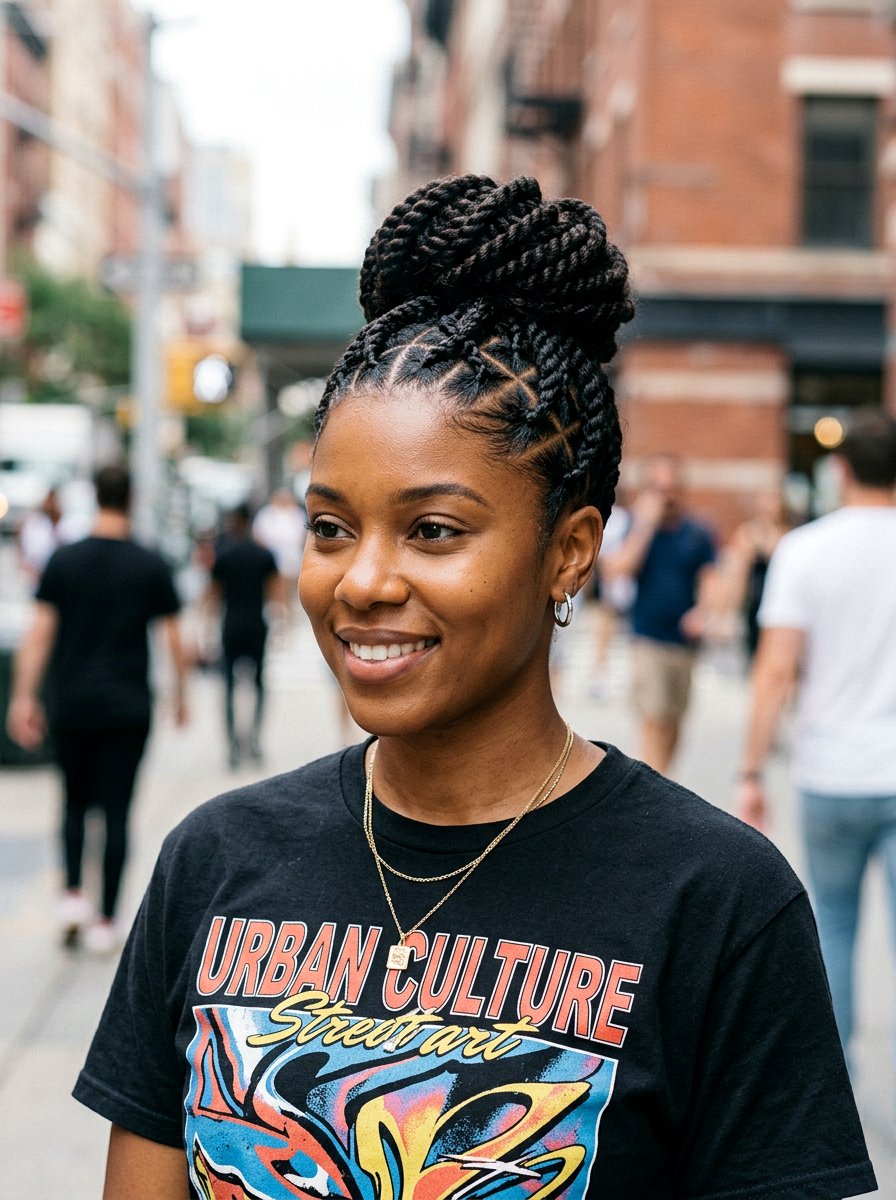
By crossing sections of hair over one another in a flat twist pattern, you create a unique geometric look that maximizes root volume. This style is perfect for individuals who find that their hair often lies too flat after a standard overnight twist session. The overlapping sections provide lift at the scalp, giving the hair a fuller and more robust appearance once the twists are removed. It is a creative approach to nighttime hair care that doubles as a visually interesting style if you choose to wear it out before the takedown. The resulting curls have a multidimensional quality that catches the light and emphasizes the hair’s natural shine.
11. Twists On Stretched Hair
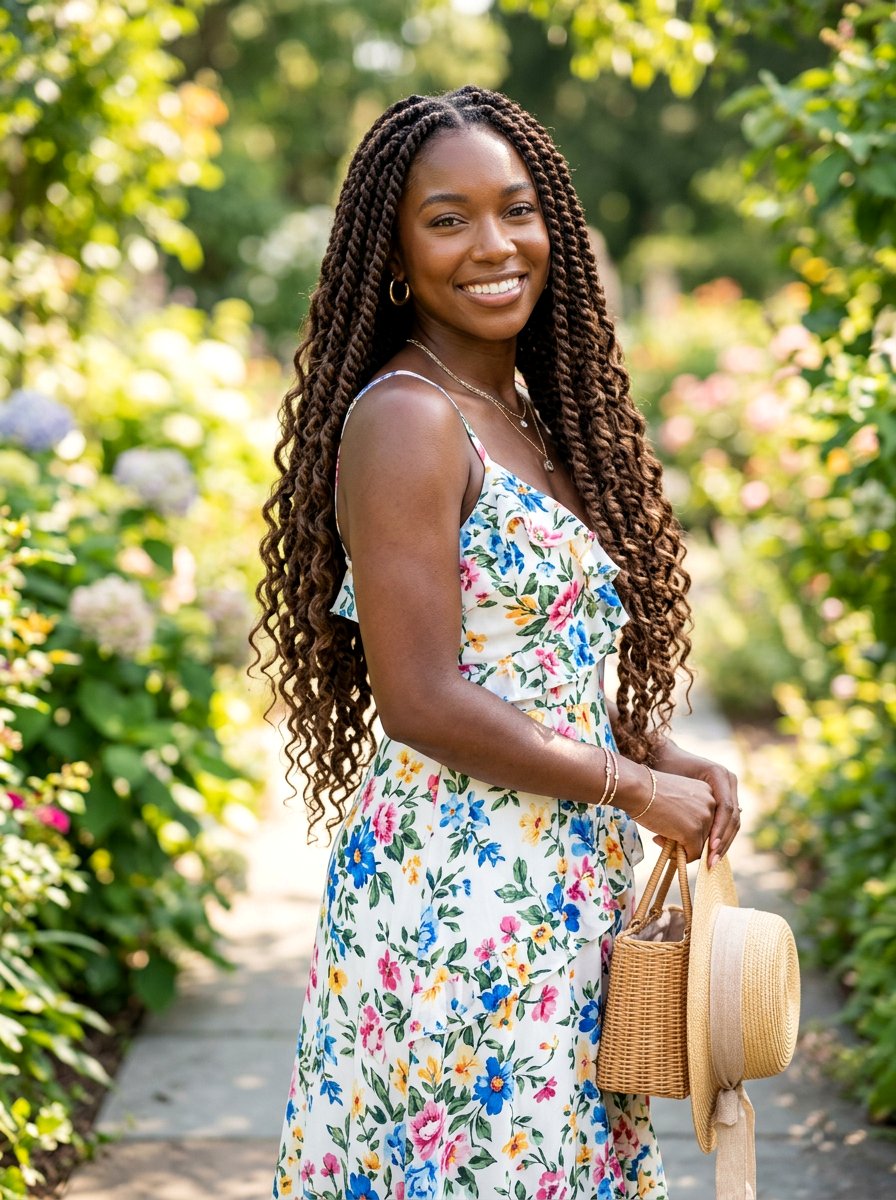
Applying twists to hair that has already been blown out or stretched with large braids results in a much longer and more elongated curl. This method reduces the “shrinkage” factor that is common with natural hair, allowing your true length to shine through. Because the hair is already straight, the twists can be installed with less tension, which is gentler on the hair follicles and scalp. This is a great “day two” or “day three” style for those who want to transition from a straight look back to a textured one. The curls are typically larger and more flowing, providing a romantic and soft aesthetic that is very easy to manage.
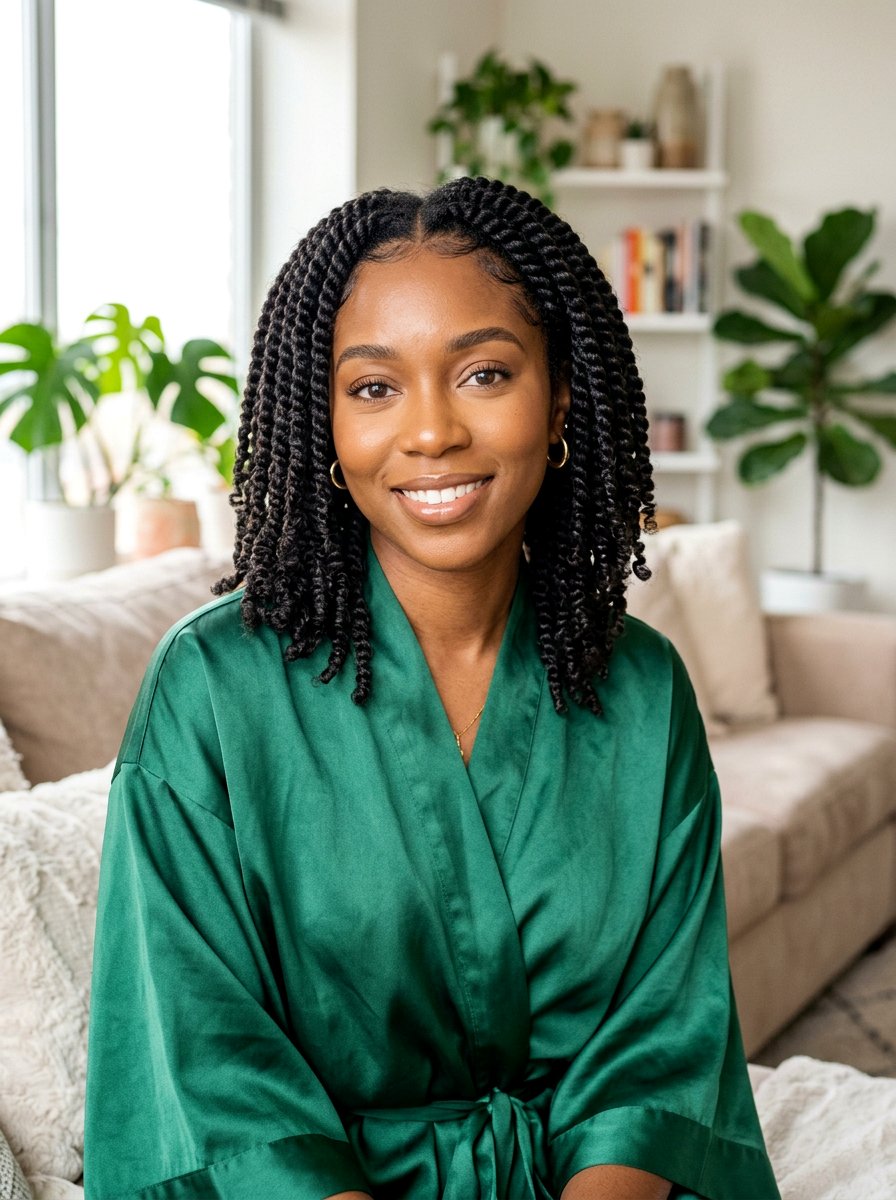
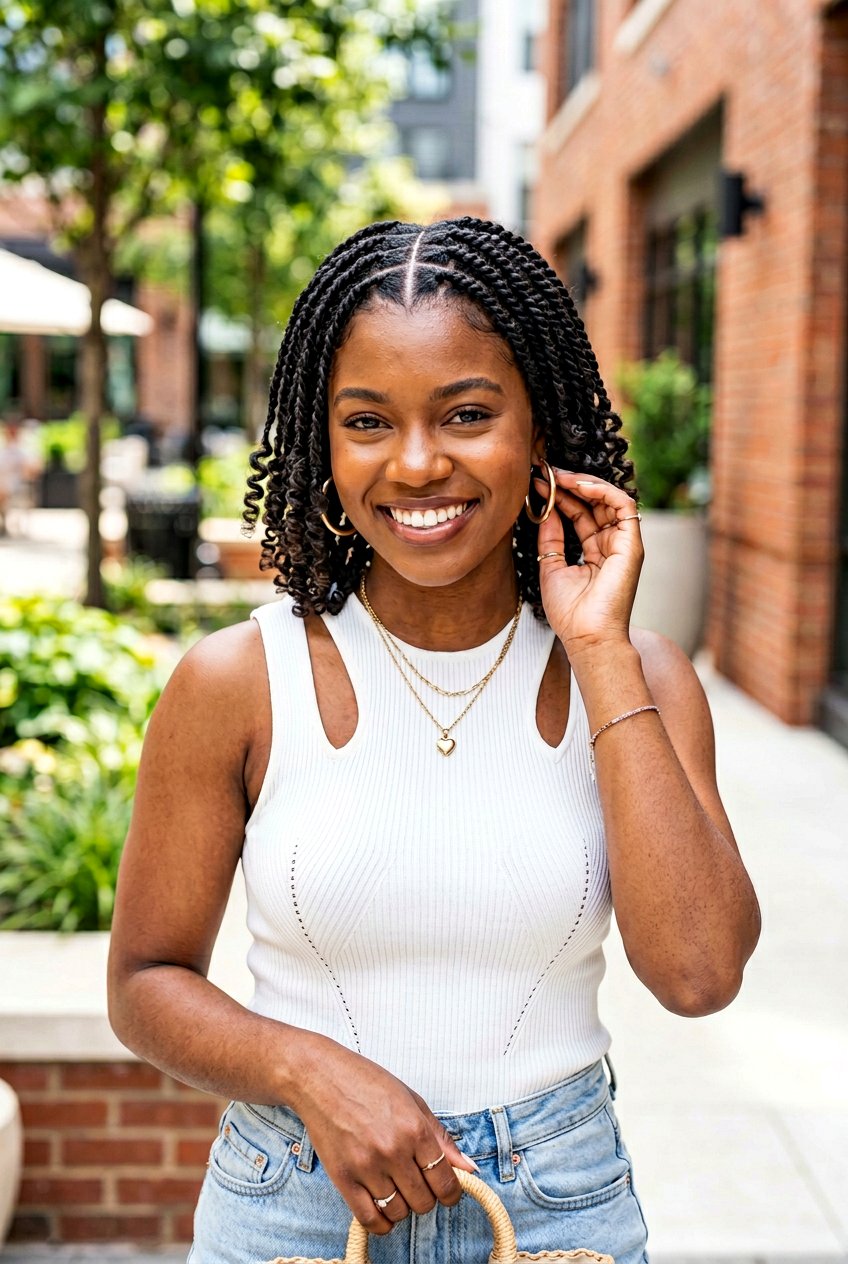
12. Double Strand Flat Twists

Using two distinct strands for a flat twist rather than the traditional method can create a thicker, more chunky texture at the root. This variation is easier for beginners to grasp because it follows the natural logic of a two-strand twist but stays anchored to the scalp. It is an excellent choice for achieving a “chunky” look on shorter hair lengths where hanging twists might not stay secure overnight. The added thickness at the root provides a lot of stability, ensuring the style doesn’t frizz up if you toss and turn in your sleep. Once unraveled, the hair feels incredibly lush and full of vibrant, healthy life.
13. Half Up Twisted Crown
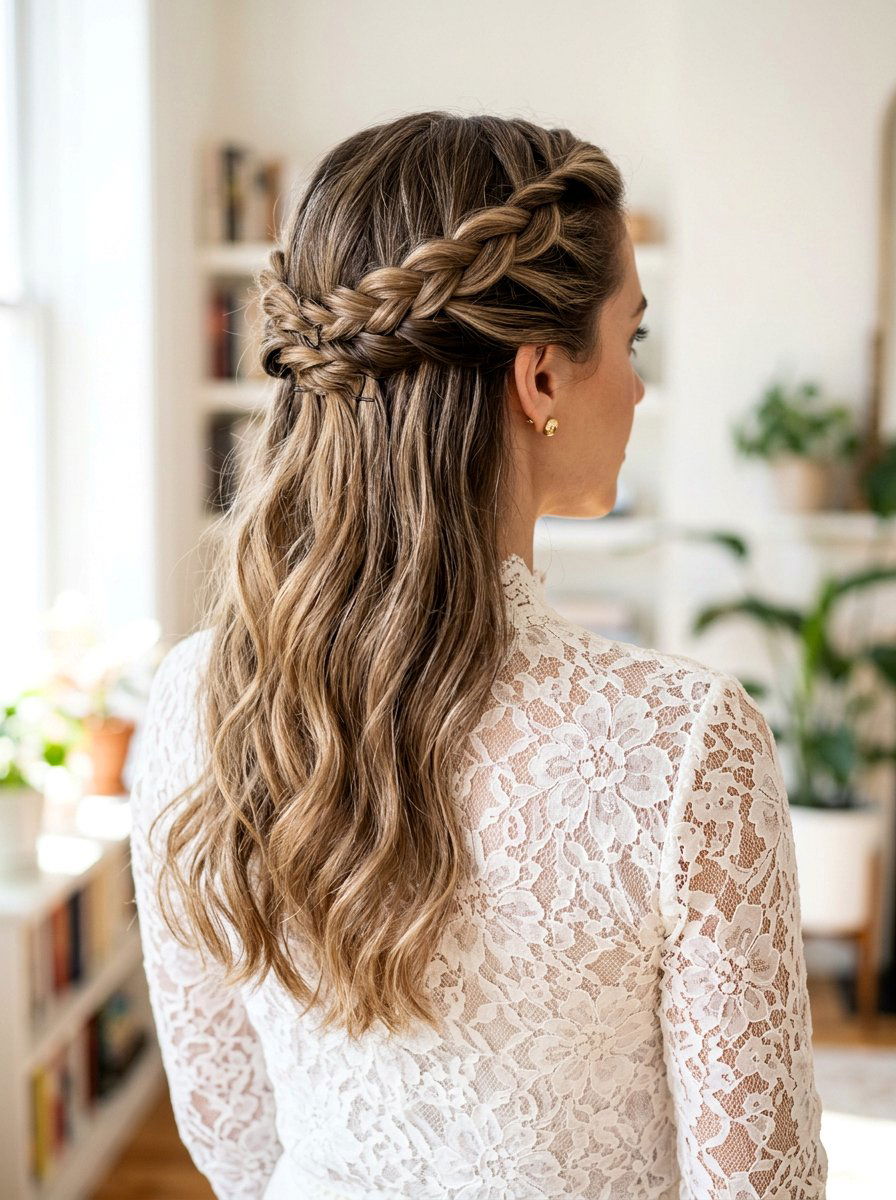
Twisting the top half of the hair into a crown while leaving the bottom in hanging twists allows for a variety of textures in one style. This overnight setup is perfect for creating volume at the top of the head while maintaining length and movement in the back. It is a highly versatile look that can be worn as-is for a day of errands before being fully unraveled for a big event. The crown twists help to keep the hair away from the face, which can be beneficial for those with sensitive skin prone to breakouts. The resulting hairstyle is a beautiful, cascading mix of defined curls and textured waves.
14. Twisted Ponytail Set
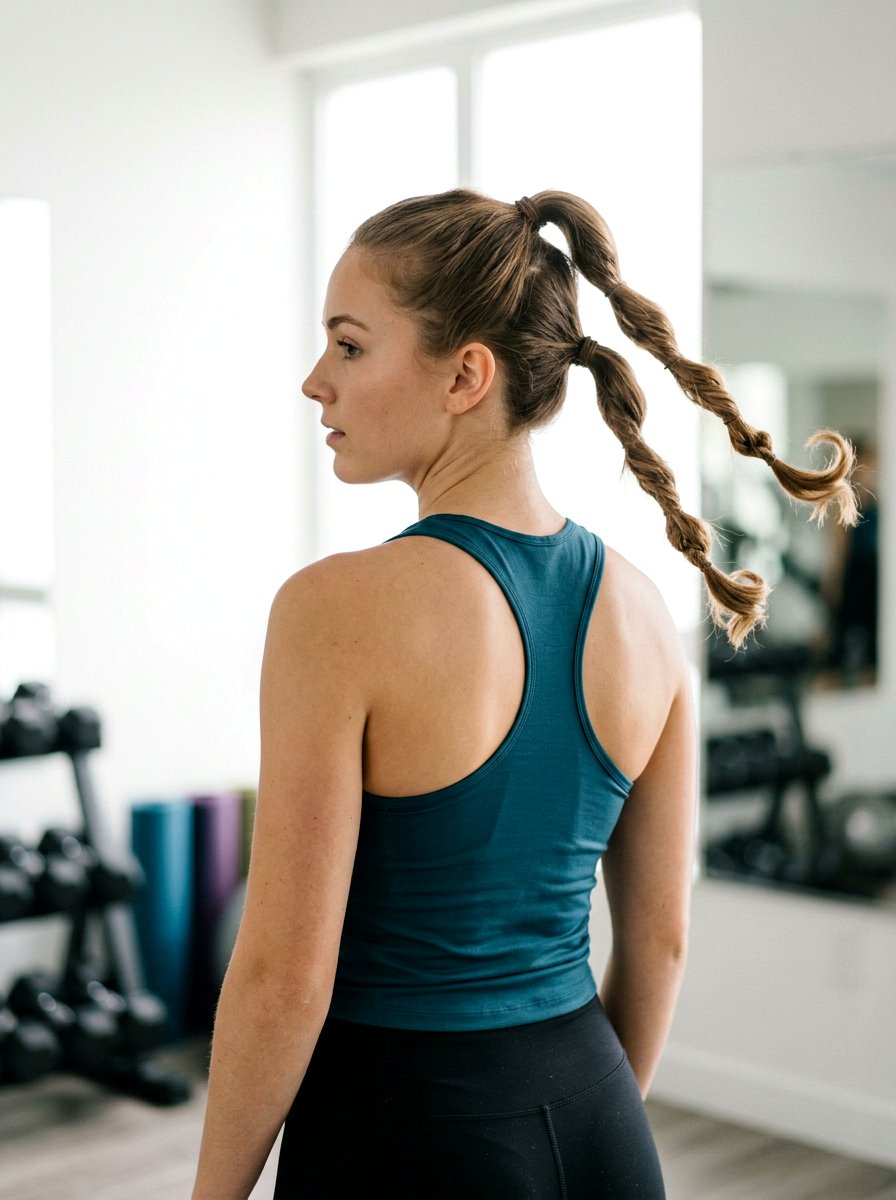
Gathering the hair into several small ponytails and then twisting the ends of each one creates a very specific, bouncy curl at the mid-lengths. This method is fantastic for people with very thick hair who struggle to organize their sections overnight. By using soft, “ouchless” elastics to secure the bases, you ensure that the twists stay separated and don’t tangle with one another while you sleep. This technique provides a lot of “swing” to the hair, as the curls are concentrated at the ends where they can move freely. It is a fun and youthful way to style natural hair that results in a very playful, energetic look.
15. Zig Zag Parting Twists

Using a zig-zag pattern for your parts instead of straight lines helps to hide the scalp and prevents visible “gaps” in your final hairstyle. This is a clever trick for those with thinner hair or anyone who wants a more seamless and voluminous look after taking their twists down. The irregular parts allow the curls to fall over one another naturally, creating a more organic and less structured appearance. It requires a bit more precision with a rat-tail comb during the setup, but the aesthetic payoff is well worth the extra few minutes. The final result is a head of curls that looks thick, healthy, and perfectly blended together.


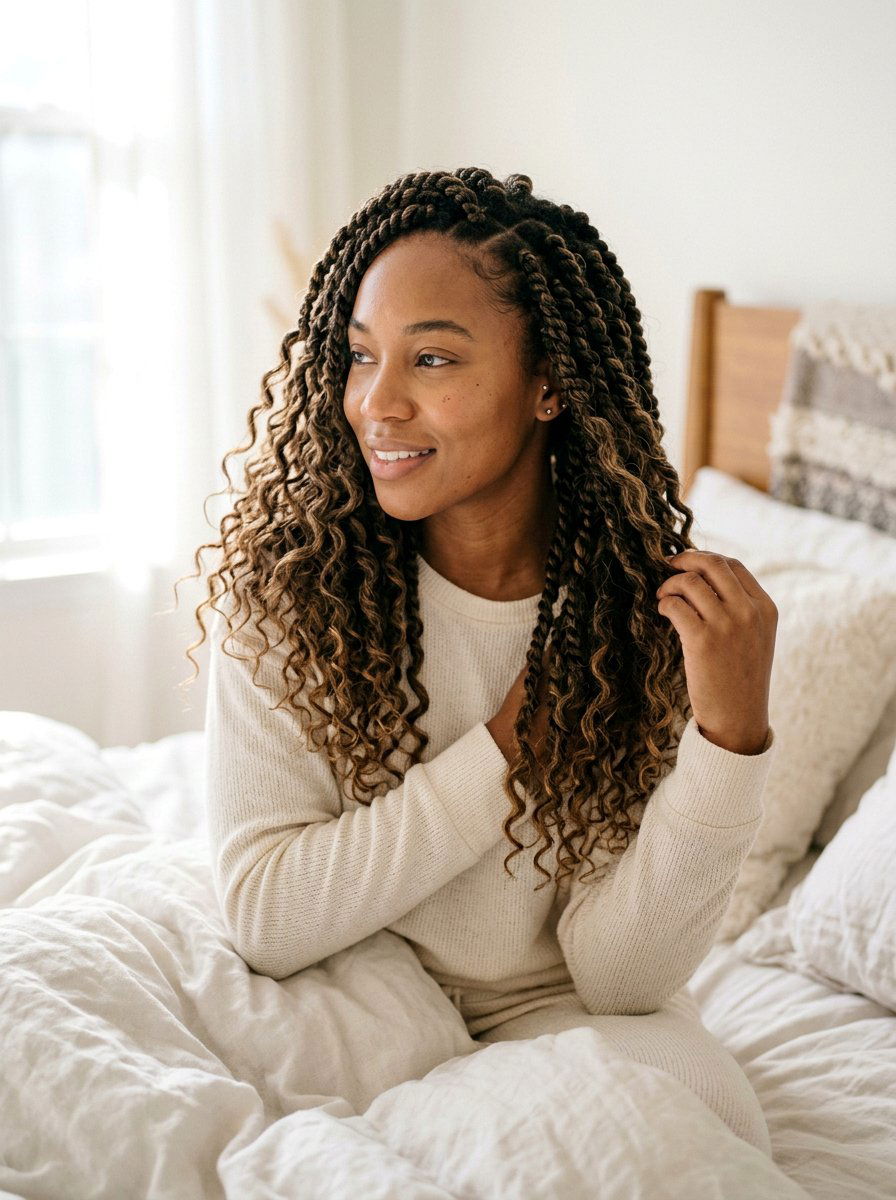
16. Twists With Silk Ribbon
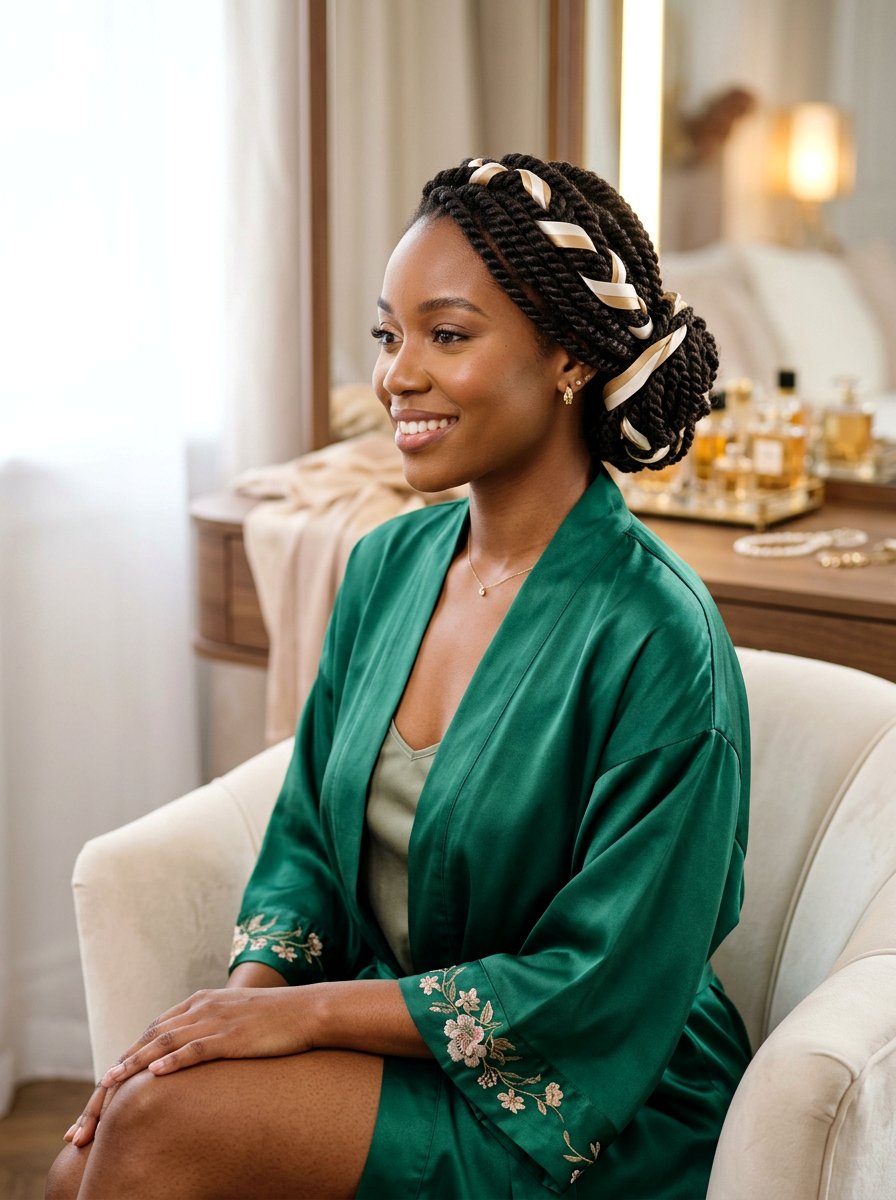
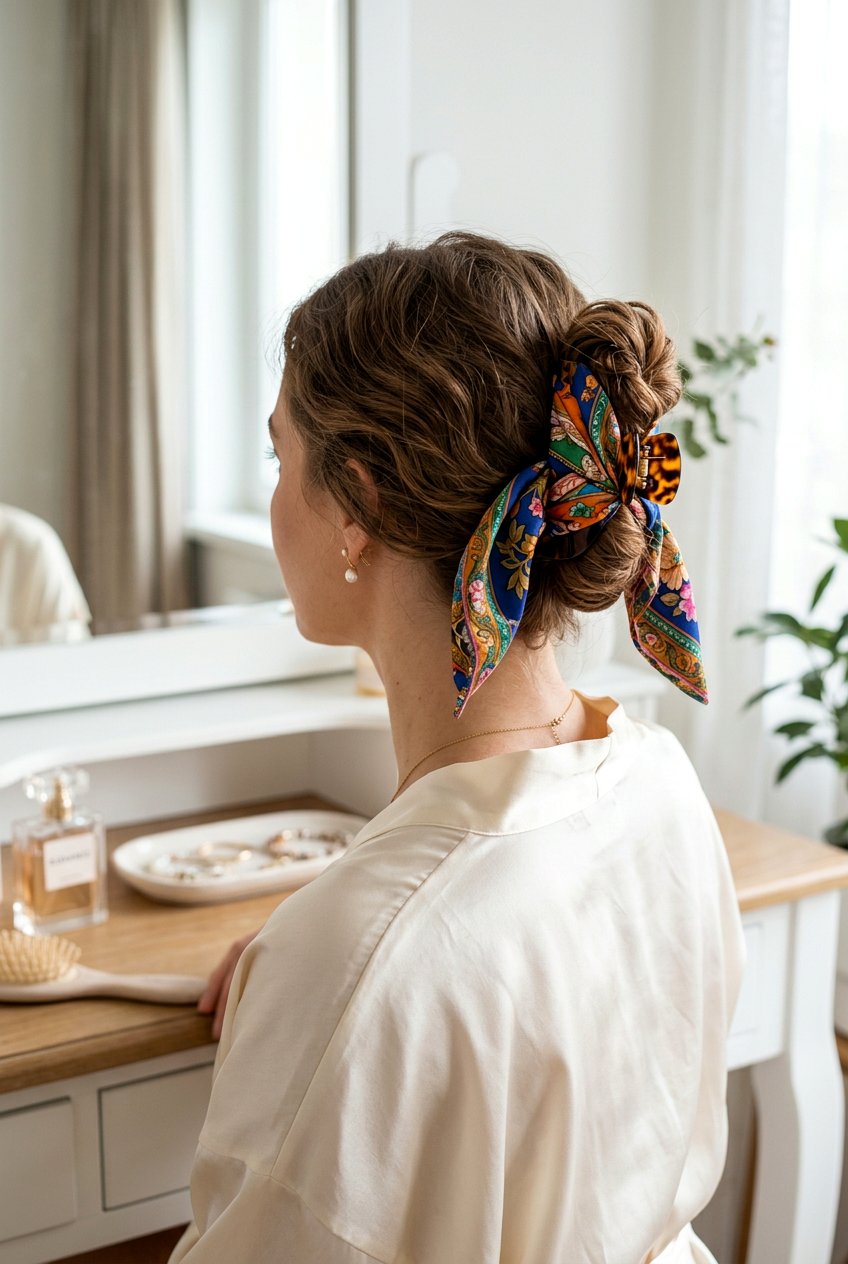
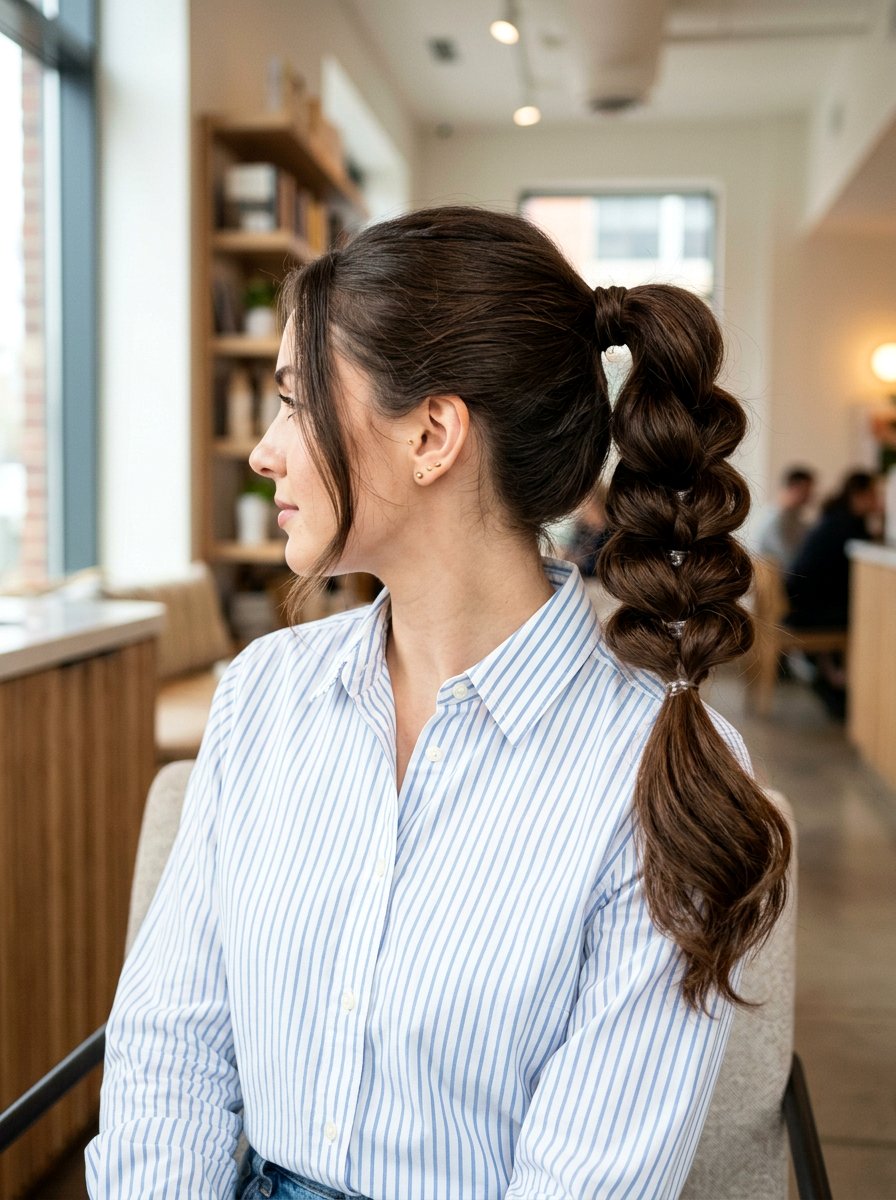
Intertwining a thin silk or satin ribbon into your twists can help to reduce friction even further and adds a touch of glamour to your nighttime look. The ribbon acts as a barrier between the hair strands, helping to maintain the “smoothness” of the twist and preventing individual hairs from escaping. This is a particularly good method for those with high-porosity hair that tends to get frizzy very quickly. In the morning, the ribbon is easily pulled out, leaving behind a very sleek and shiny curl that looks professional and well-maintained. It is a simple addition that can significantly improve the longevity of your overnight style results.
17. Finger Coiled Twists
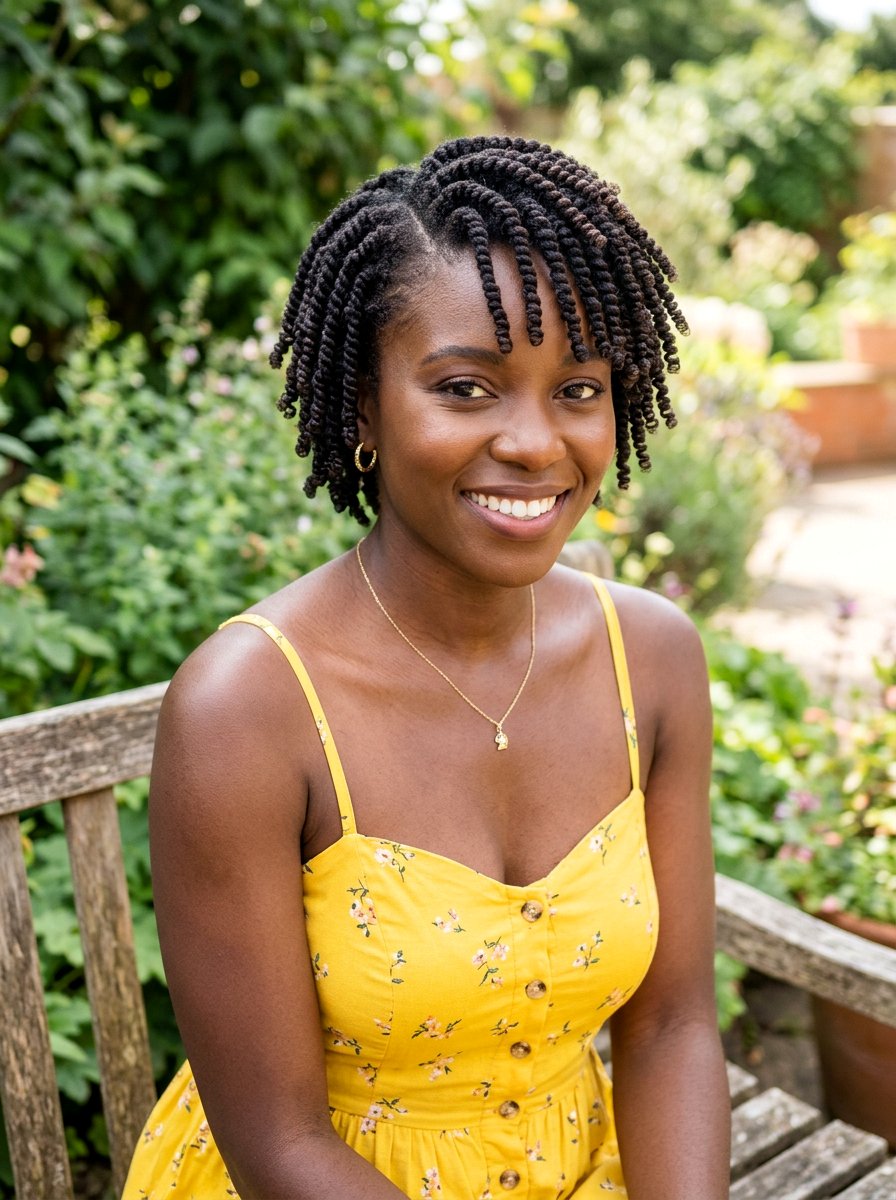
Starting a twist and then finishing the very end by coiling the hair around your finger creates a very defined, “botticelli” style curl. This technique ensures that the ends of the hair don’t look frayed or unfinished, giving the entire hairstyle a more polished and deliberate feel. Finger coiling helps to “clump” the curls together, which is essential for those who want a more modern and less “fluffy” twist-out. It works exceptionally well on damp hair that has been treated with a medium-hold gel or mousse. The end result is a series of springy, defined coils that bounce back when touched and hold their shape all day long.
18. Diagonal Flat Twists
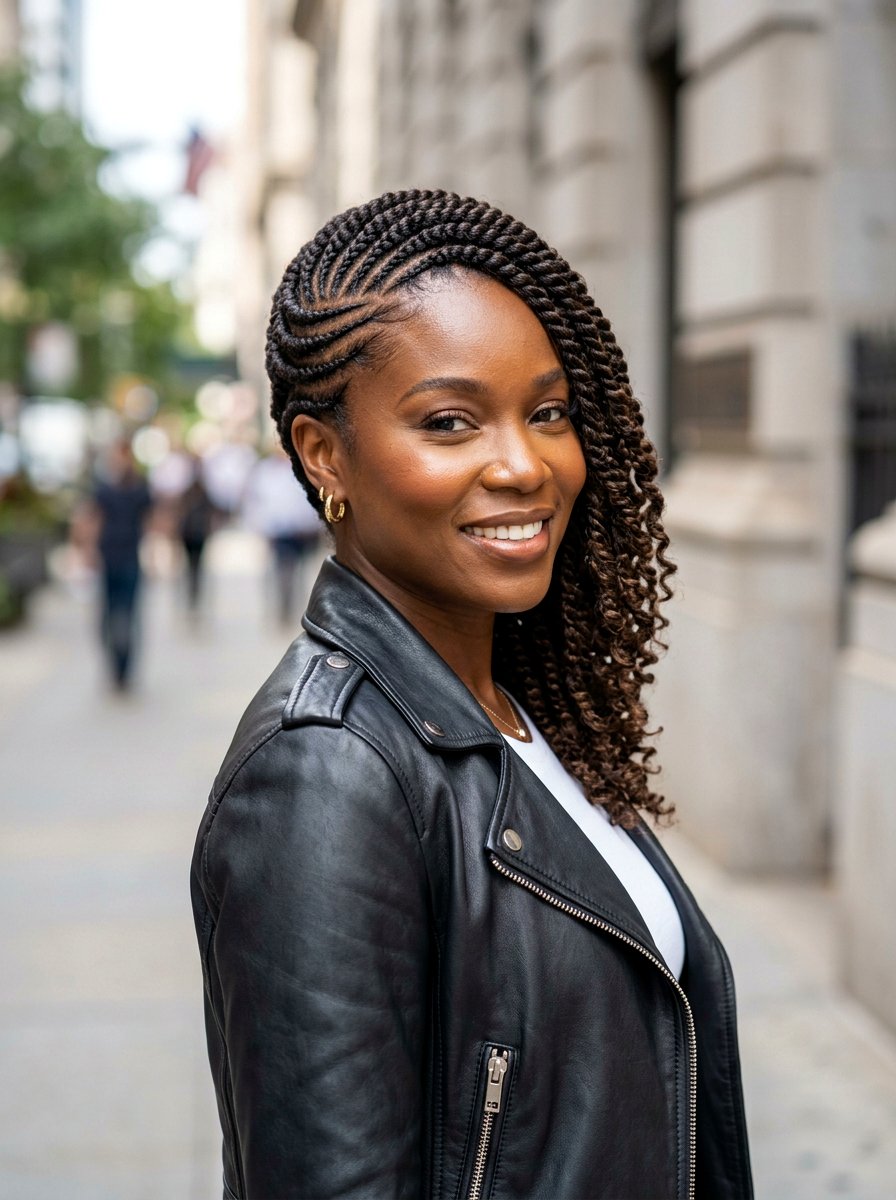
Angling your flat twists diagonally across the scalp creates a dynamic flow to the hair that looks great from every angle. This setting technique ensures that the hair has movement and doesn’t just hang flatly against the head. It is a great way to emphasize the shape of your haircut, whether you have a tapered fro or a long, layered look. Diagonal sections also tend to be a bit more comfortable for side-sleepers, as the twists aren’t sitting directly on the side of the head. When unraveled, the hair has a beautiful, sweeping volume that feels very high-fashion and intentional for any setting.
19. Twists On Soaking Wet Hair
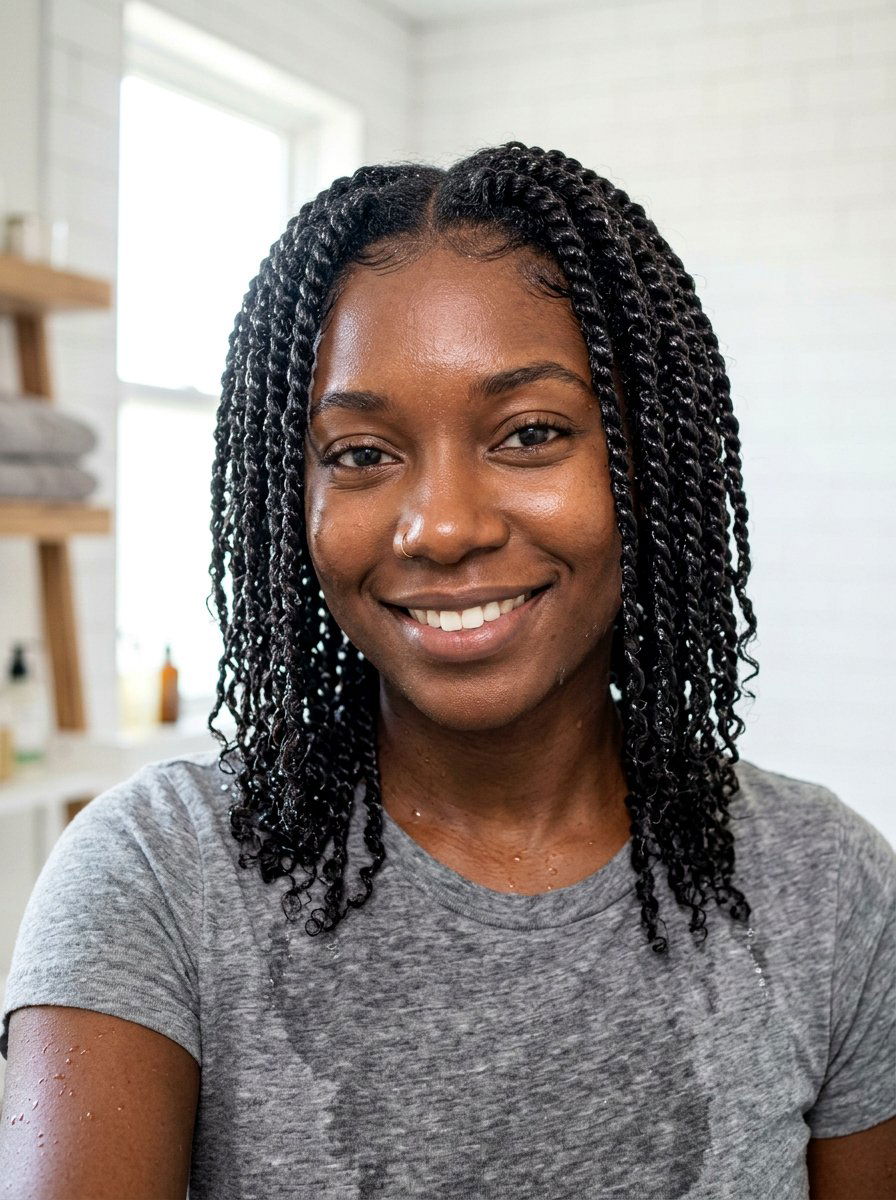
For those who want the absolute maximum amount of definition, twisting the hair while it is completely wet is the gold standard. This method allows the hair to dry entirely within the shape of the twist, which “sets” the curl more firmly than any other technique. It is important to use a microfiber towel to squeeze out excess water before applying your styling products to prevent the hair from taking too long to dry. While it requires more drying time—often necessitating a silk bonnet—the results are curls that are incredibly crisp and long-lasting. This is the go-to method for a “defined” look that can survive high humidity.
20. Butterfly Parting Twists

Dividing the hair into four large quadrants and then twisting each section into smaller sub-sections creates a “butterfly” effect that is easy to manage. This organizational method helps you keep track of your progress and ensures that you are applying an even amount of product to every part of your head. It is a great system for beginners who might feel overwhelmed by a full head of hair. By focusing on one quadrant at a time, you can ensure each twist is uniform in size and tension. The final look is a well-balanced and symmetrical head of curls that frames the face perfectly and feels very lightweight.
Conclusion:
Mastering the art of overnight twists for natural hair is a transformative journey that combines self-care with effortless style. By selecting the right technique for your hair’s unique texture and length, you can significantly reduce morning styling time while promoting overall hair health. These twenty methods offer a wide range of looks, from tight, defined coils to soft, voluminous waves, ensuring there is a perfect fit for everyone. Remember that the key to success lies in the preparation—using quality products and protecting your hair with silk or satin while you sleep. With consistency and a little practice, you can enjoy beautiful, healthy, and vibrant natural hair every single day.
You'll Like These Styles:








Leave a Reply