
Waking up with perfectly styled hair often feels like a distant dream, but the overnight claw clip hairstyle has revolutionized how we approach heatless beauty in 2026. This method is not just about convenience; it is a strategic way to preserve hair health by avoiding high-temperature tools while you sleep. By securing your strands in specific patterns with a large, non-slip jaw clip, you can manipulate the hair cuticle to set into voluminous waves or smooth curves. Whether you have fine hair prone to flattening or thick curls that need containment, using a claw clip overnight offers a tension-free alternative to traditional elastics. This guide explores the most effective ways to use this trending accessory for flawless morning results.
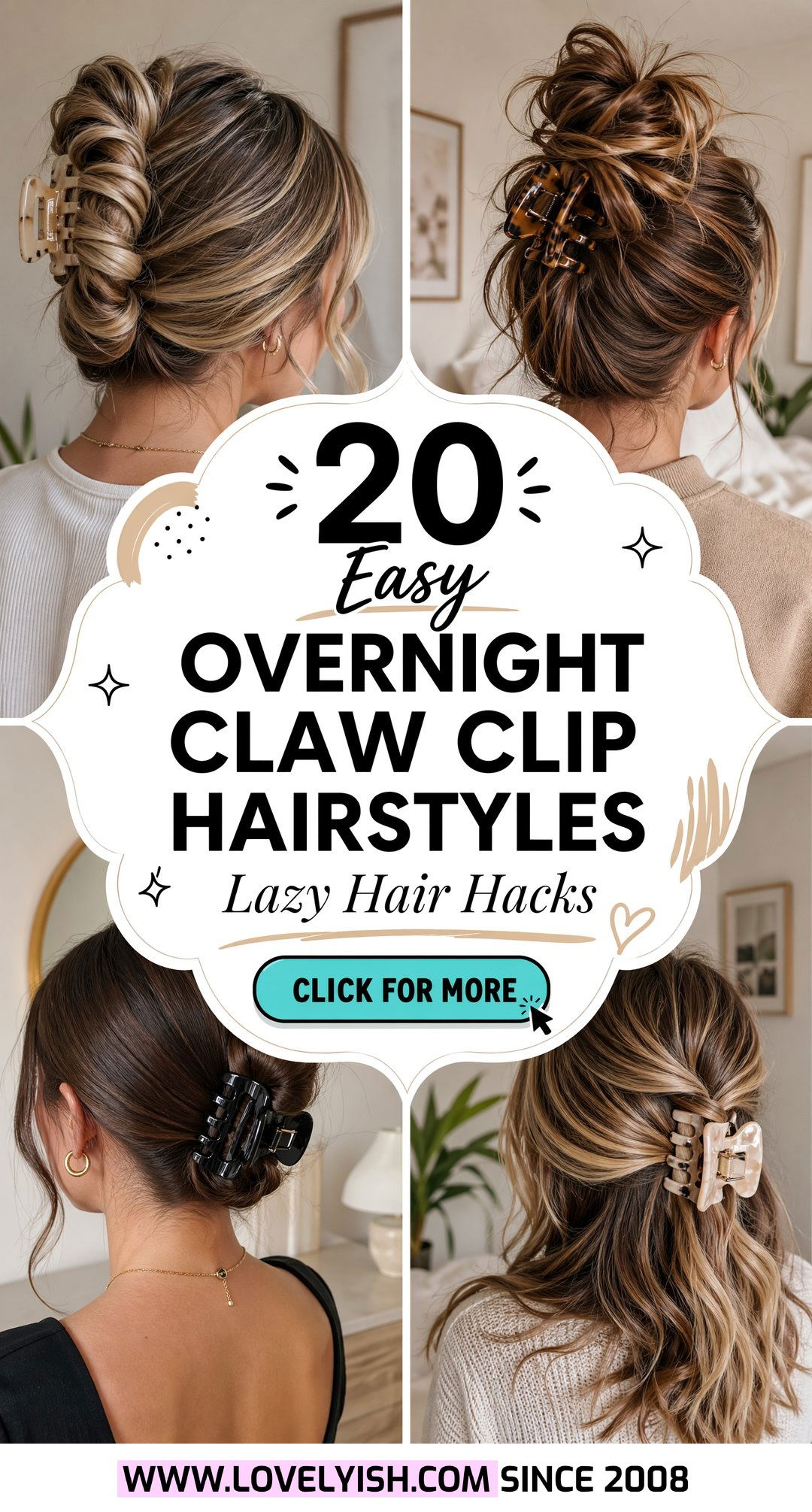
1. Top Pineapple Claw Clip
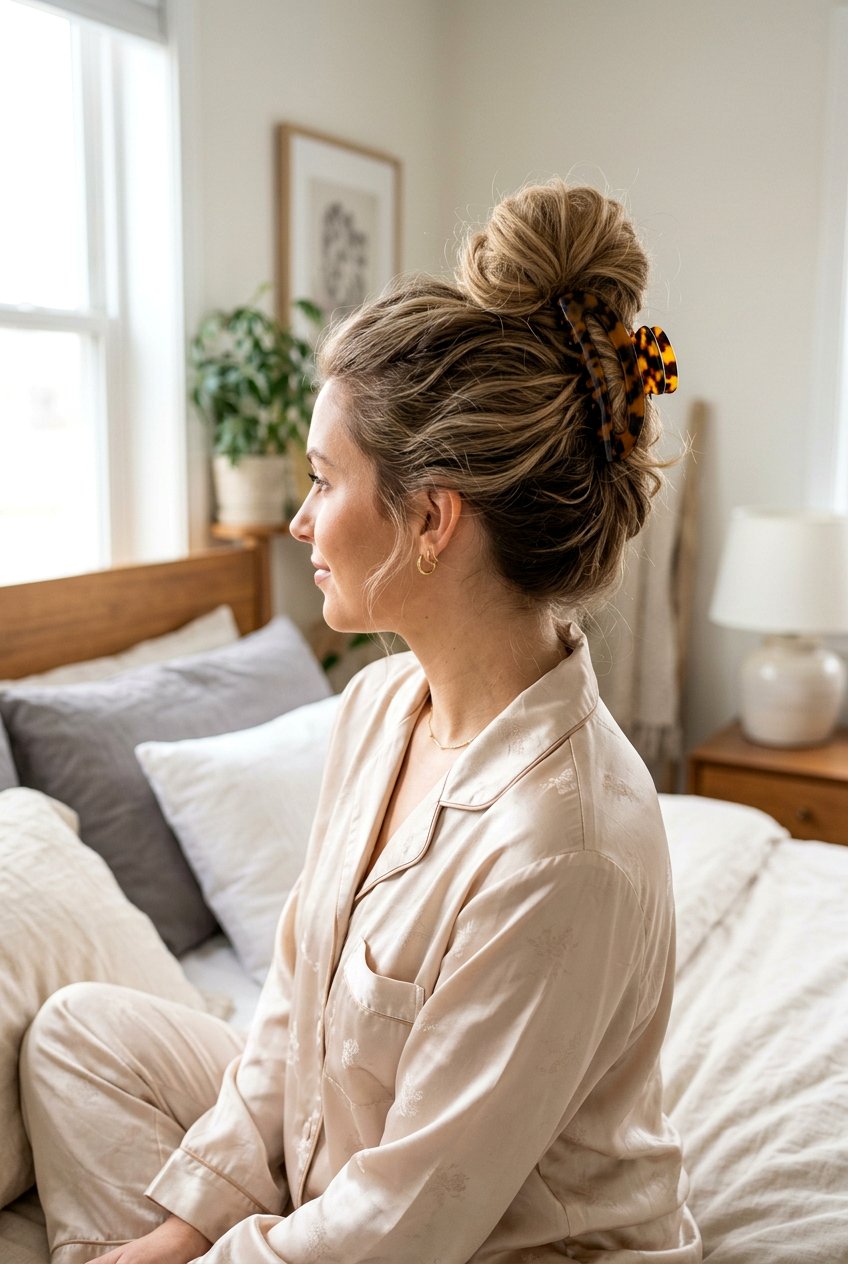
The pineapple technique is a legendary method for preserving natural texture, and using a jumbo claw clip takes it to a new level of comfort. To achieve this look, you flip your head forward and gather all your hair at the very front of your crown, near the forehead. Instead of using a tight elastic that might leave a crease, you gently secure the base with a large, smooth-edged claw clip. This keeps your curls or waves from being crushed between your head and the pillowcase. Because the clip sits on top of your head, it won’t interfere with your sleep position, making it perfect for back and side sleepers alike.
2. Twisted Top Bun Clip
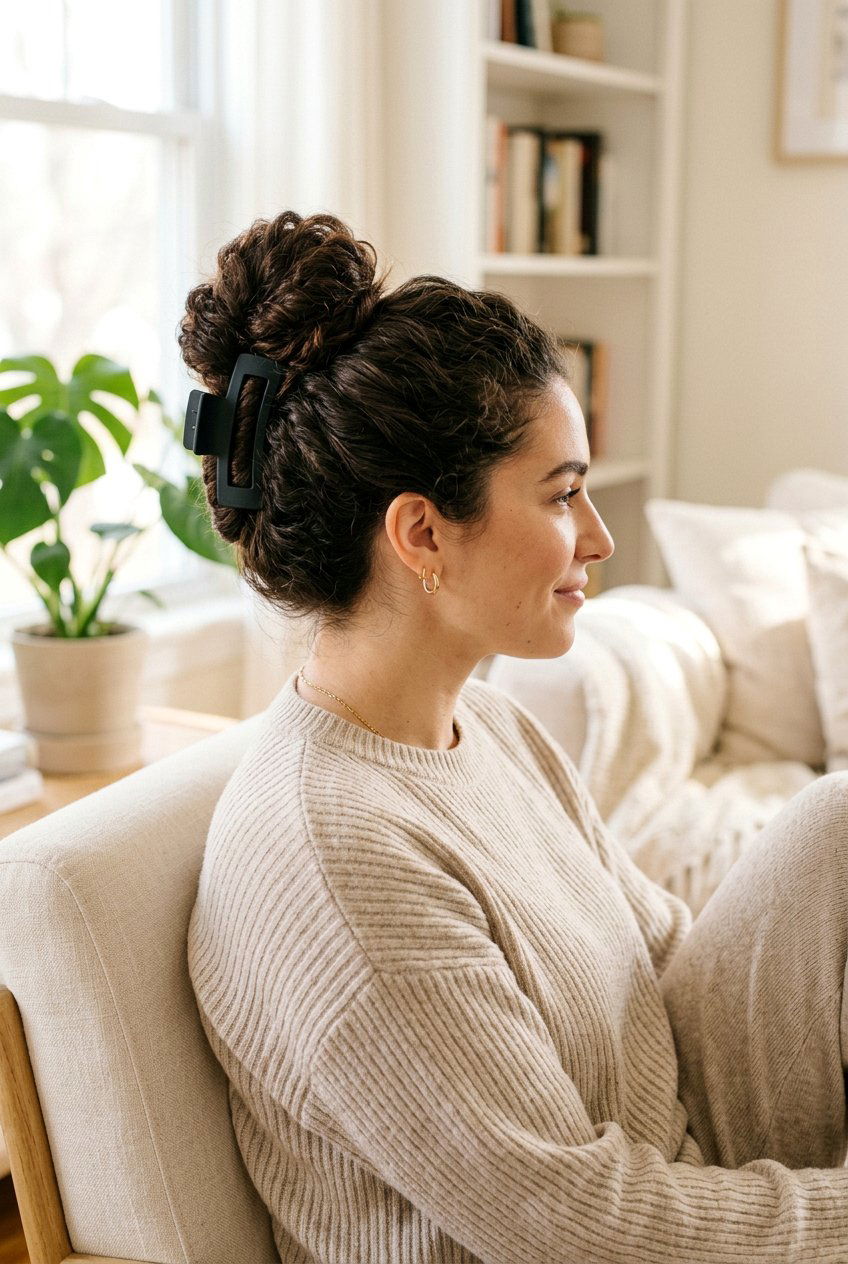
If you want to wake up with effortless, bouncy movement, the twisted top bun is a fantastic overnight choice. You begin by gathering your hair into a high ponytail position and twisting the entire length loosely until it begins to coil around itself. Once you have a soft, circular bun sitting right on top of your head, you anchor it in place using a medium to large claw clip. The key is to keep the twist relaxed so you don’t pull on your scalp during the night. In the morning, simply releasing the clip allows the hair to fall into beautiful, large-scale waves that require very little refreshing.
3. Loose French Twist Clip
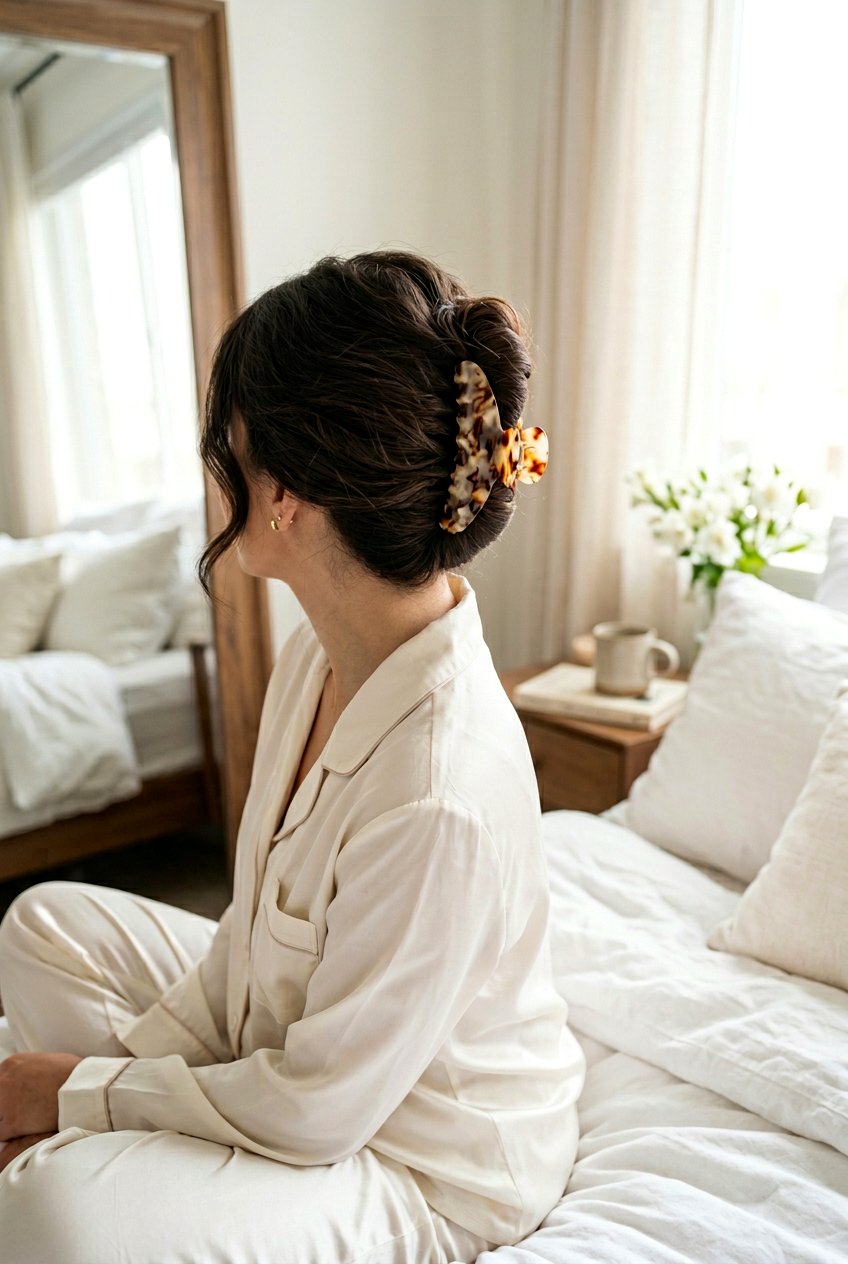
A loose French twist is an excellent way to maintain a blowout or keep straight hair from tangling while you rest. You gather your hair at the nape of your neck and begin twisting it upward towards the crown, just as you would for a standard daytime updo. However, for sleeping, you keep the tension minimal and secure the twist with a long, flat-backed claw clip that won’t dig into your head. This vertical orientation protects the ends of your hair from friction against the sheets. It is particularly effective for those with medium-length hair who want to maintain volume at the roots without using any heat.
4. Half Up Sleeping Clip

For individuals with shorter layers or those who prefer to keep hair away from their face without a full updo, the half-up sleeping clip is ideal. You section off the top half of your hair, from the ears upward, and pull it back into a small bun or twist at the back of the crown. By securing only this section with a smaller, lightweight claw clip, you ensure that the most visible parts of your hairstyle stay voluminous and tangle-free. The bottom sections remain loose, which is comfortable for those who find full updos too heavy. This method works wonders for maintaining face-framing layers and preventing them from becoming oily overnight.
5. Low Nape Roll Clip
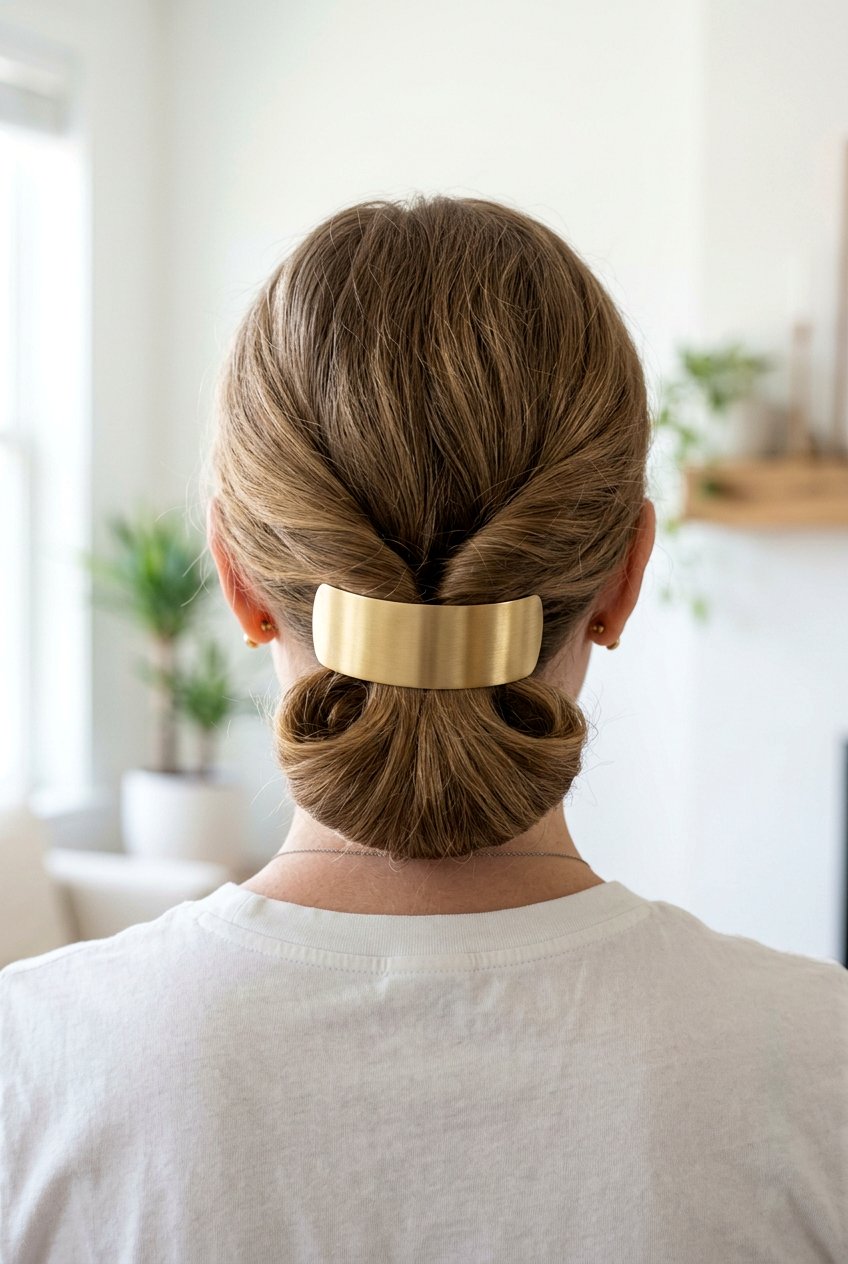
The low nape roll is a specialized technique for people who sleep exclusively on their stomachs and want to avoid any accessories on top of their head. You comb your hair downward and gently roll the ends upward towards the nape of your neck, creating a soft horizontal log of hair. A wide, curved claw clip is then used to bridge the roll and secure it against the back of the head. This keeps the hair contained and prevents the “bedhead” look caused by tossing and turning. It is a very gentle method that works well for long, straight hair types that are prone to mid-length breakage.
6. Butterfly Clip Sectioning

When you are looking for more defined, uniform curls, butterfly clip sectioning is the way to go. Instead of using one large clip, you divide your hair into four or more equal sections and twist each one into a mini-bun. Secure each small bun with a tiny claw clip scattered across the top and sides of your head, avoiding the areas where you usually rest. This distributive method prevents any single point of pressure and allows the hair to set in smaller, tighter spirals. It is a favorite for those who want a “curly” look in the morning without the effort of a wand.
7. Side Swept Twist Clip
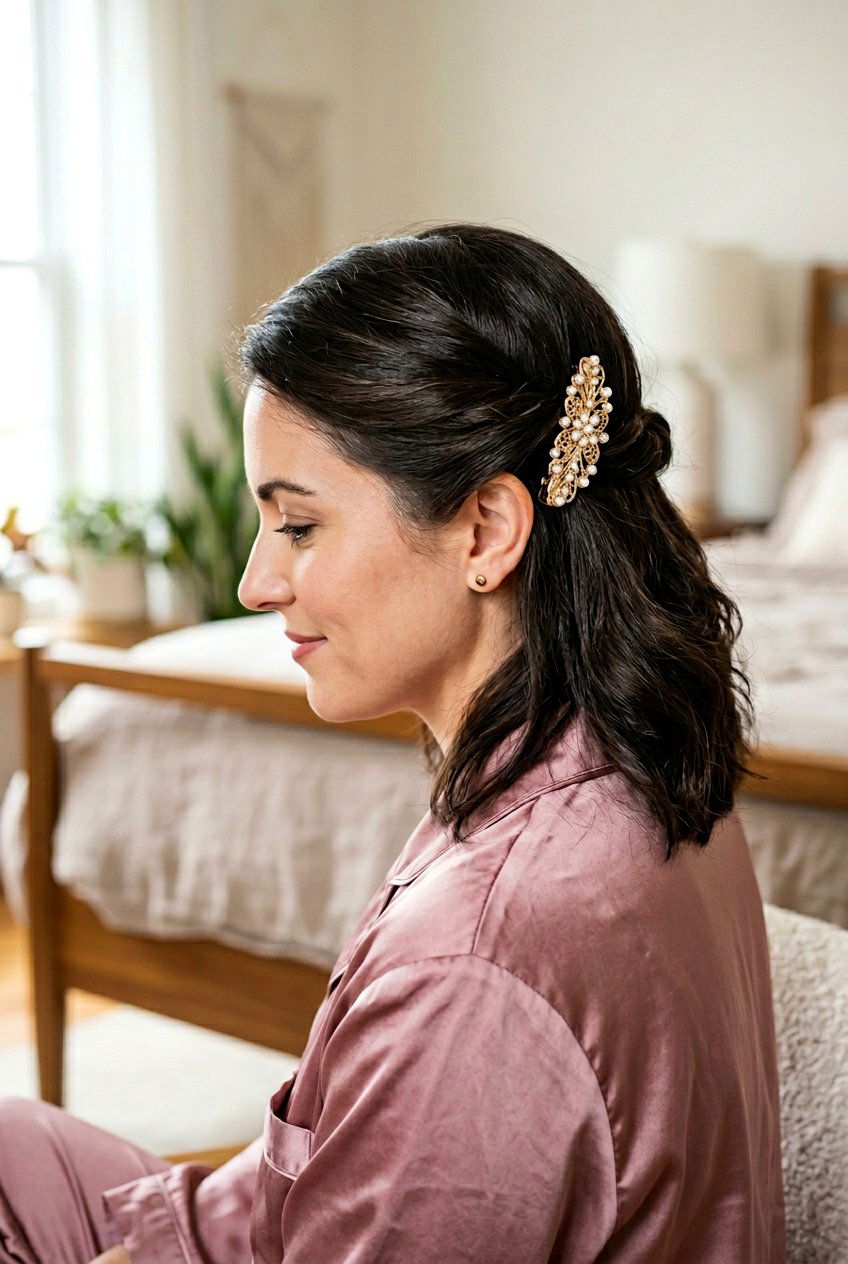
The side swept twist is designed specifically for side sleepers who find center-mounted clips uncomfortable. You gather all of your hair and pull it to the opposite side of your preferred sleeping position. Twist the hair gently and secure it with a claw clip just above the ear on the “up” side. This ensures that when you lay down, the clip is pointing toward the ceiling rather than pressing into the pillow. This technique is excellent for creating asymmetrical volume and soft, side-parted waves. It also keeps your hair completely off your neck, which can be much cooler during warm summer nights.
8. Double Space Bun Clips
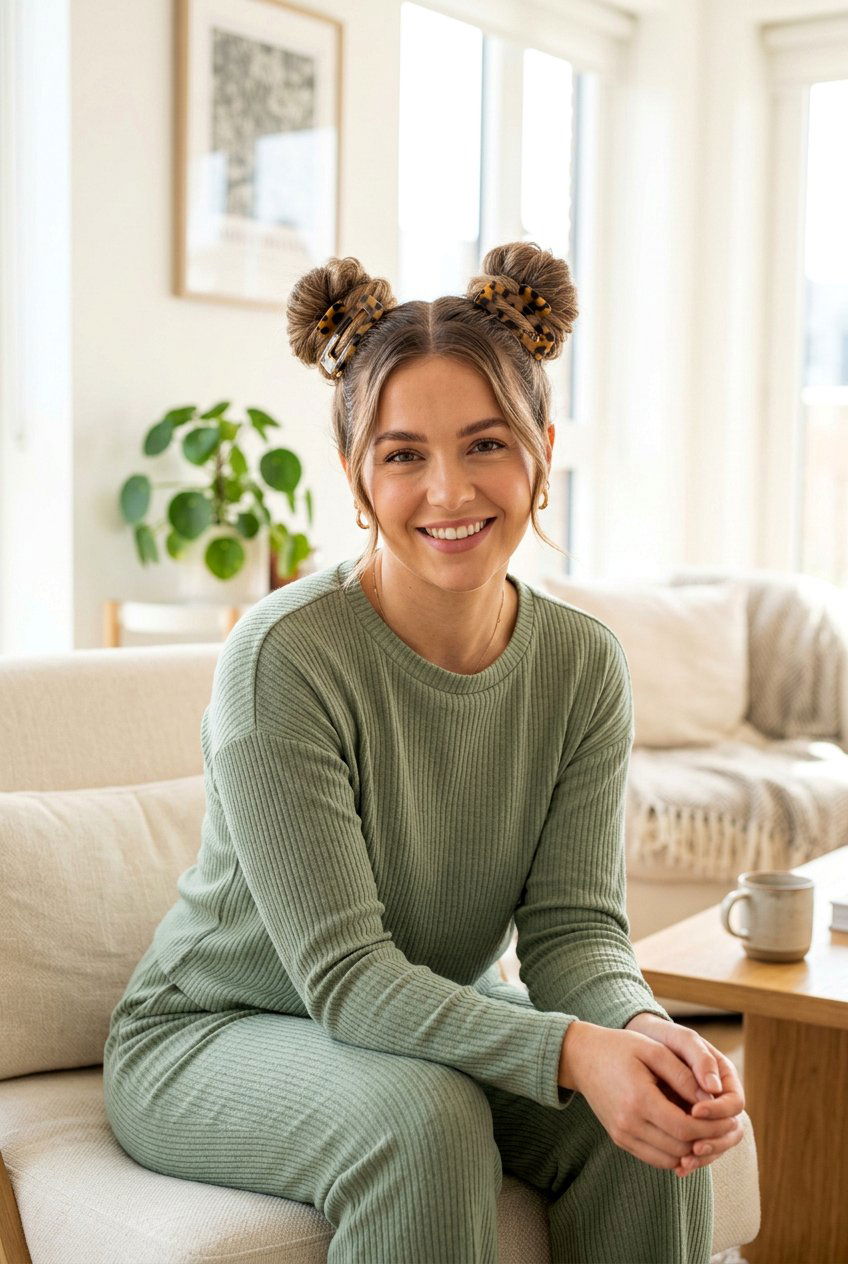
Double space buns are not just a cute daytime look; they are a highly functional overnight styling tool for maximum volume. By parting your hair down the middle and creating two high twists on either side of your crown, you double the lift at your roots. Secure each twist with a medium claw clip to keep them from unraveling. This method is particularly useful for people with very thick hair that might be too heavy for a single top bun. When you take them down, you are left with symmetrical, voluminous waves that start right from the top of the head for a full, thick appearance.
9. Crown Braid Anchor Clip
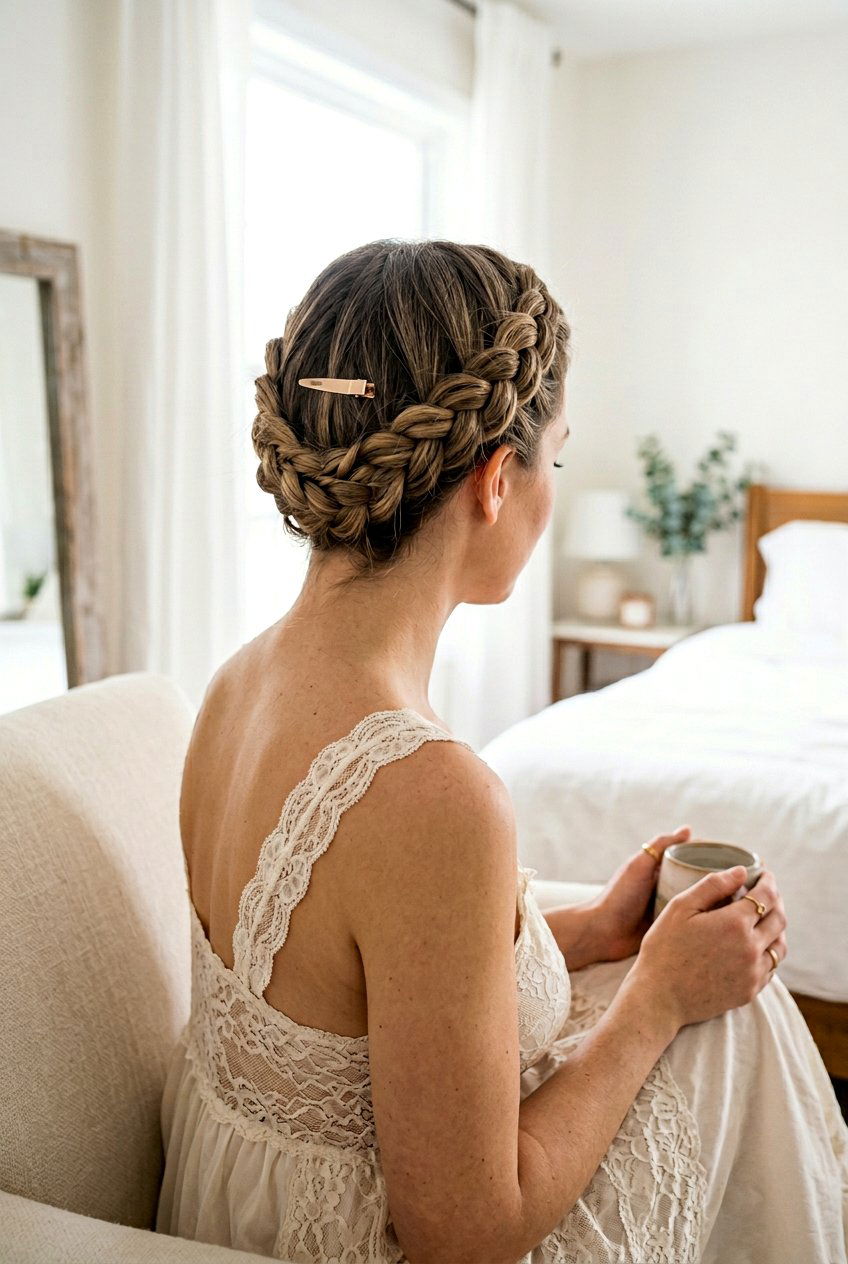
For those who prefer to sleep in braids but hate the crimped ends caused by elastics, the crown braid anchor clip is a perfect hybrid. You create a loose traditional or Dutch braid and, instead of tying the end, you wrap the braid around the top of your head like a halo. Use a flat claw clip to pin the ends securely to the rest of the braid at the crown. This prevents the braid from shifting and protects the delicate ends of your hair from splitting. This method results in classic, soft heatless waves that look polished and professional the moment you wake up.
10. Silk Wrap Claw Clip
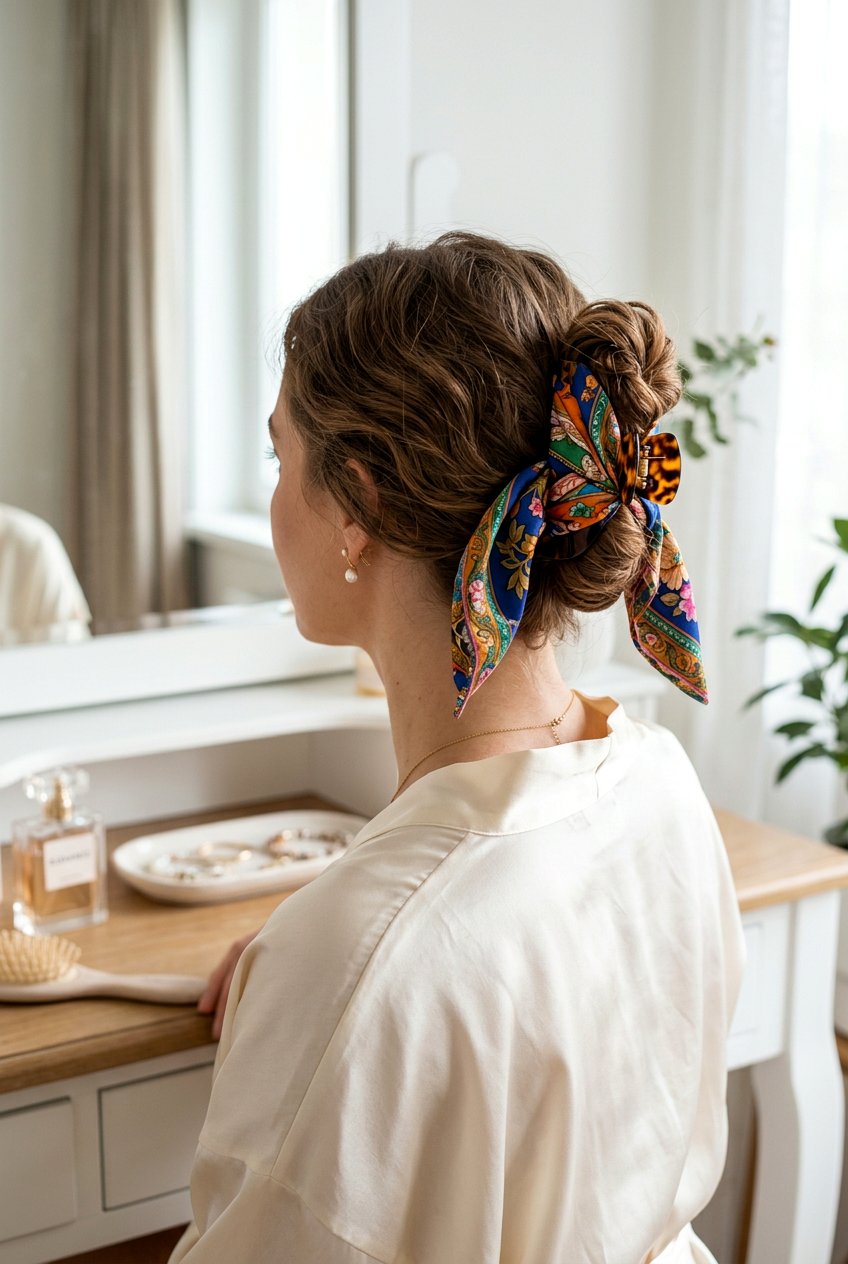
Combining a silk scarf with a claw clip provides the ultimate protection for high-maintenance hair colors and textures. You first wrap your hair loosely around your hand to create a large loop, then cover the loop with a small silk square. Once the hair is encased in silk, you use a large claw clip to pin the entire silk-covered bundle to the top of your head. The silk acts as a barrier against friction, while the clip provides the structural support needed to keep the style in place. This is the gold standard for anyone trying to prolong the life of a salon blowout.
11. Criss Cross Section Clip
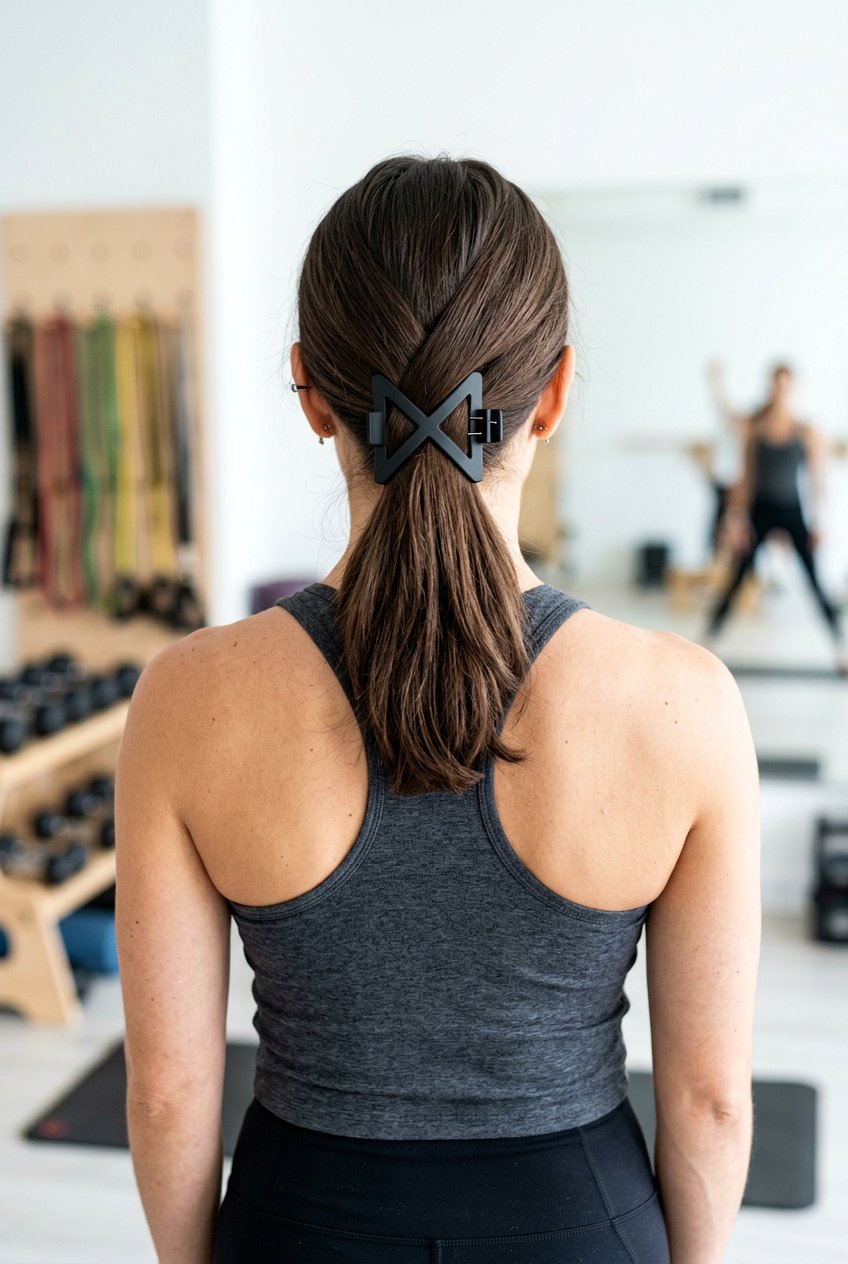
The criss-cross sectioning technique involves dividing the hair into two large sections as if you were making pigtails. You then cross the right section over to the left side and the left over to the right, securing them both at the top with a single, sturdy claw clip. This creates a “X” shape across the back of the head which keeps the hair very flat and secure. It is an excellent choice for those with long hair who want to prevent tangles without creating too much curl or wave. The result is usually very smooth hair with a slight, natural-looking bend at the ends.
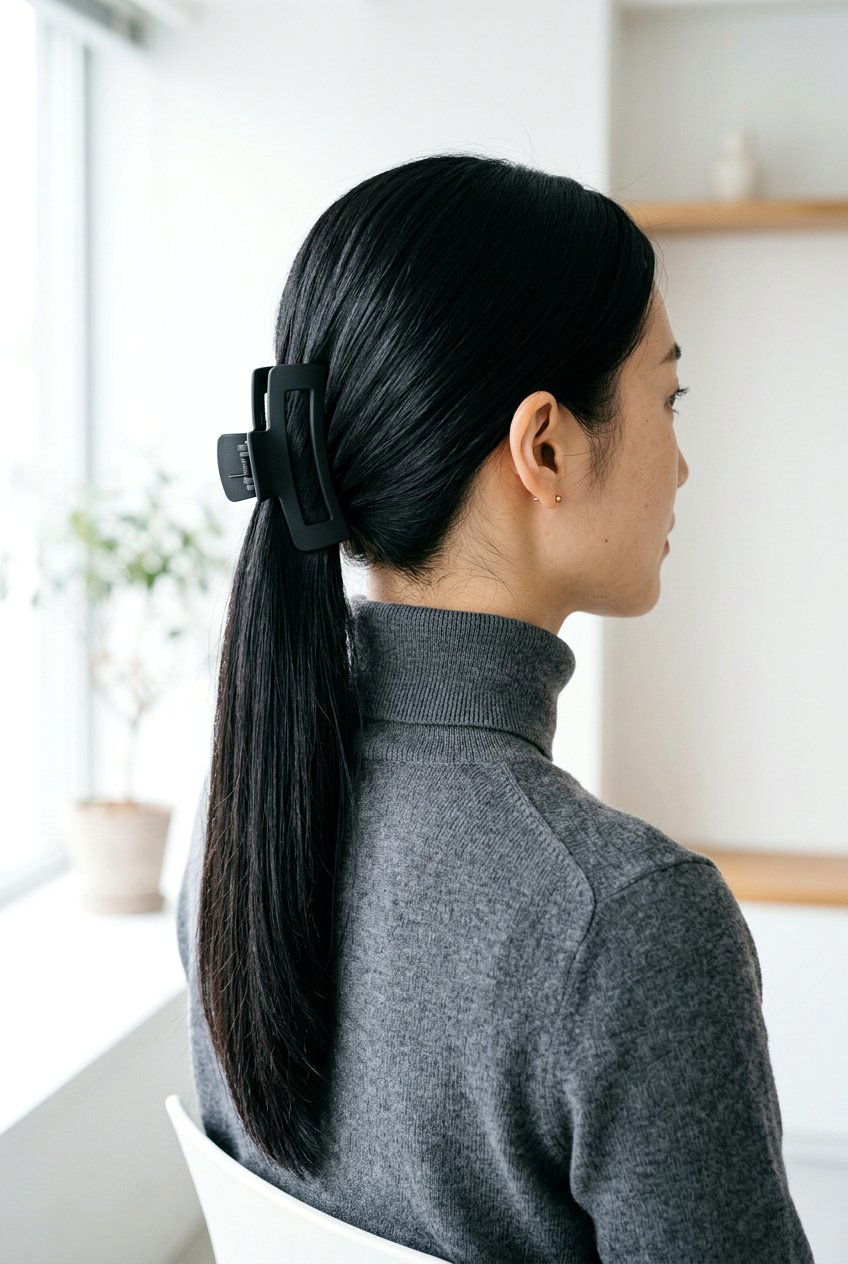
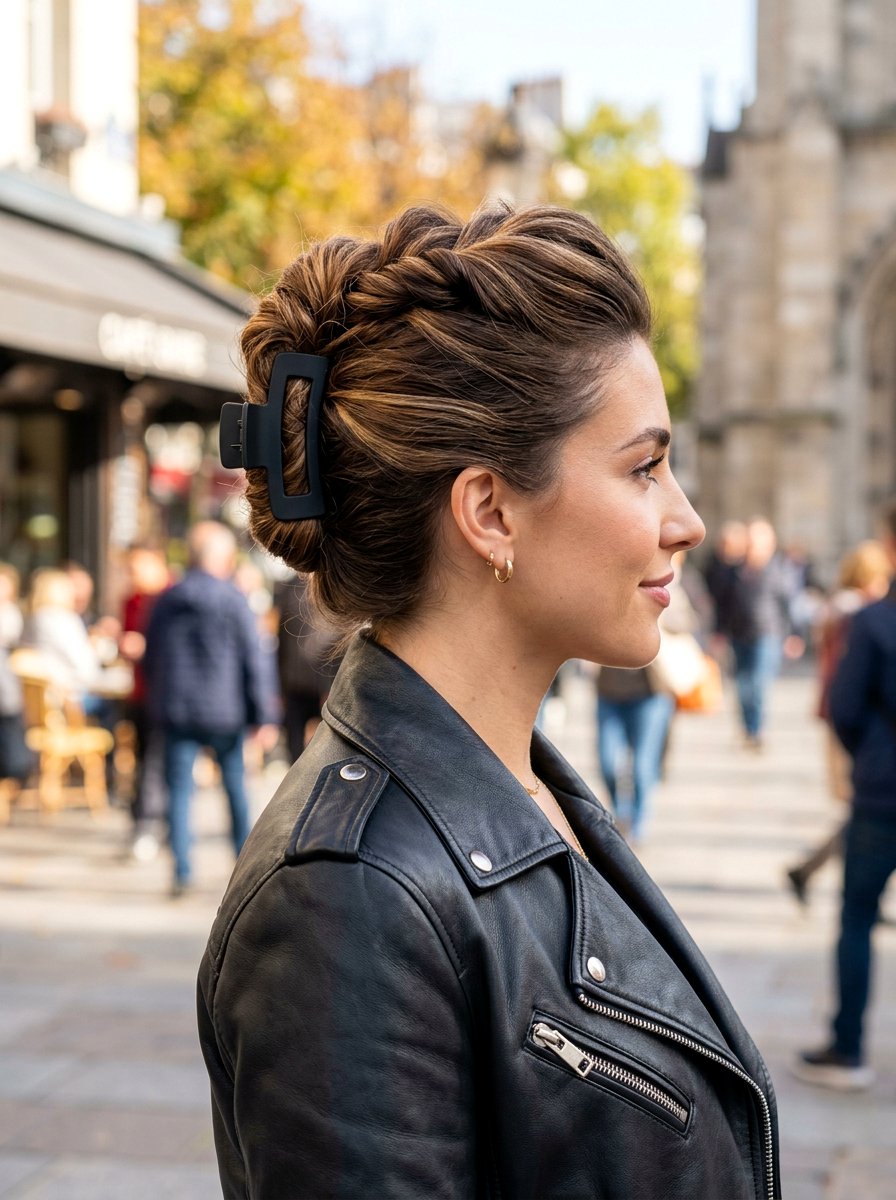

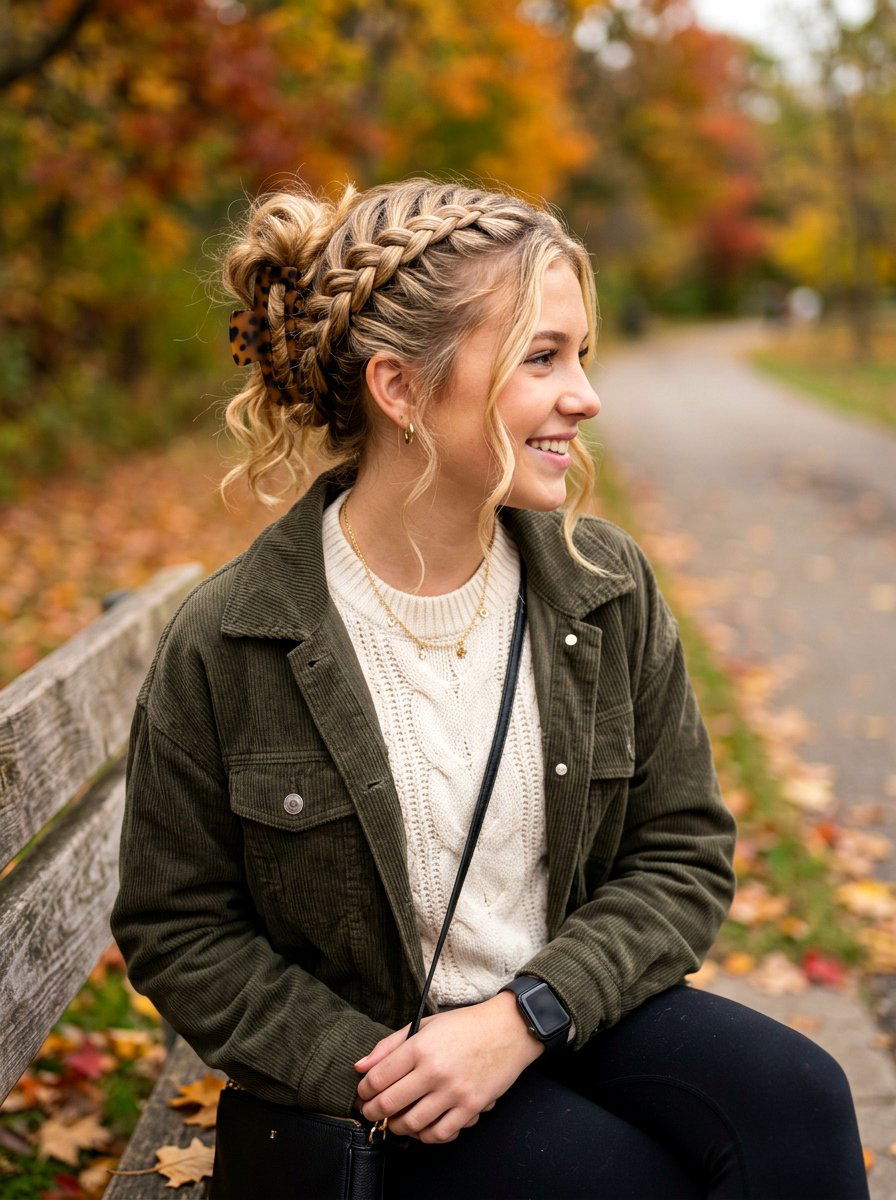
12. Vertical Spine Twist Clip
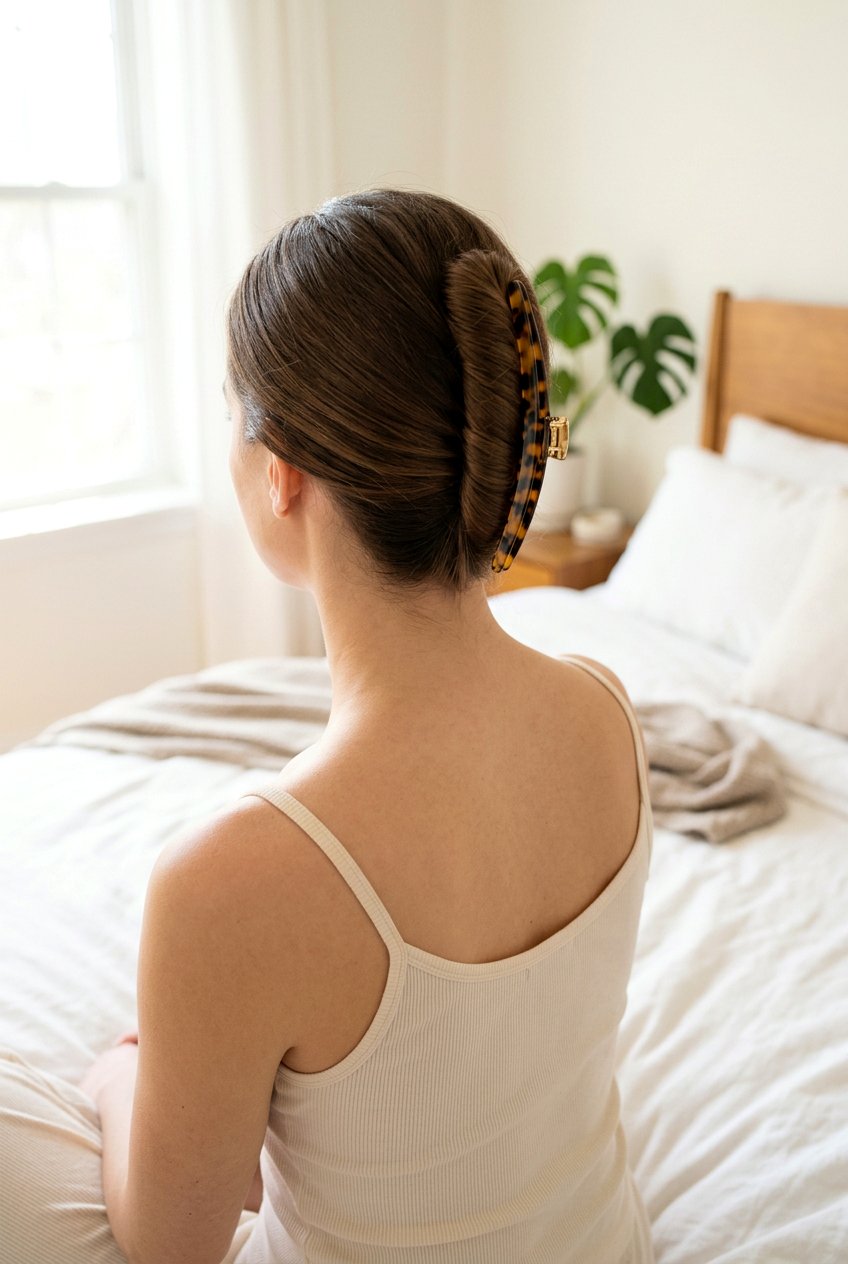
For a sleek and elongated look, the vertical spine twist involves gathering the hair and twisting it into a long, thin cord that runs up the center of the head. You then fold this cord in half and secure the entire length with a long “extra-large” claw clip. This method keeps the hair very close to the scalp, which is helpful for people who move around a lot in their sleep. Because the hair is stretched slightly as it is twisted, this technique can actually help to slightly straighten natural waves or frizz, providing a smoother finish in the morning.
13. Front Volumizing Clip

Focusing purely on the front of the hair, the front volumizing clip is meant for those who want “curtain bang” lift without the round brush. You take the triangular section of hair at the front of your face, lift it straight up, and give it one small twist before clipping it forward toward your forehead. This forces the roots to dry or set in an upward position, creating instant volume once the clip is removed. The rest of the hair can be left loose or braided. This is the fastest way to fix flat, lifeless hair that typically clings to the forehead.
14. Folded Ponytail Clip

The folded ponytail is a quick and easy variation for medium-length hair. You pull your hair into a low ponytail with your hands, then fold the length of the hair upward so the ends are pointing toward the ceiling. You place a claw clip over the “fold” to hold it against the back of your head. This prevents the ends from rubbing against your shoulders or pajamas, which is a common cause of frizz and knots. It is a very stable style that doesn’t require much precision, making it a great option for a tired bedtime routine.
15. Loose Loop Claw Clip
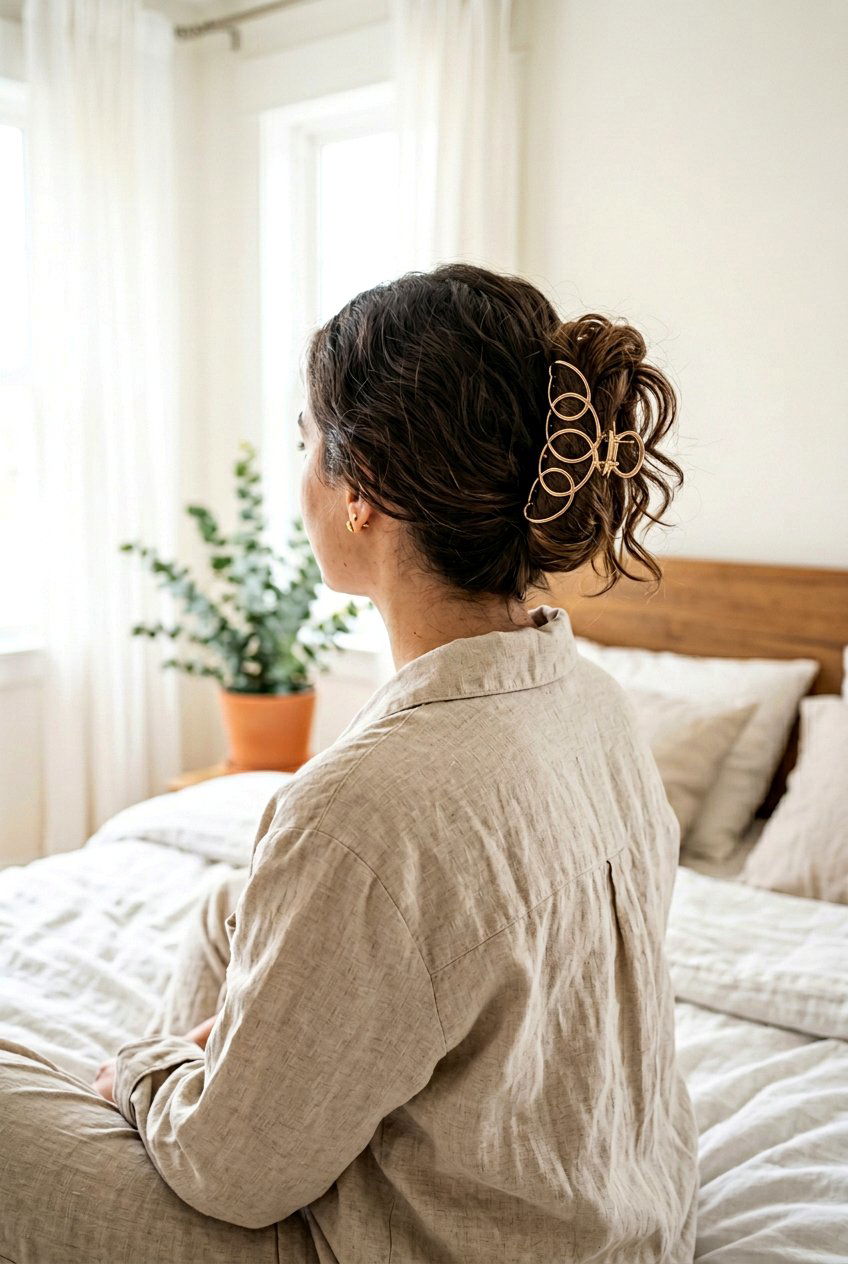
A loose loop is the most relaxed version of an overnight updo. You simply gather your hair at the crown and create one single loop, leaving the ends to hang freely over the front of your face or tucked gently under the clip. The claw clip is clamped over the base of the loop to provide just enough tension to keep it from falling. Because the hair isn’t twisted or braided, this method creates the most subtle, natural volume possible. It is perfect for people who want their hair to look “undone” but still organized and healthy.
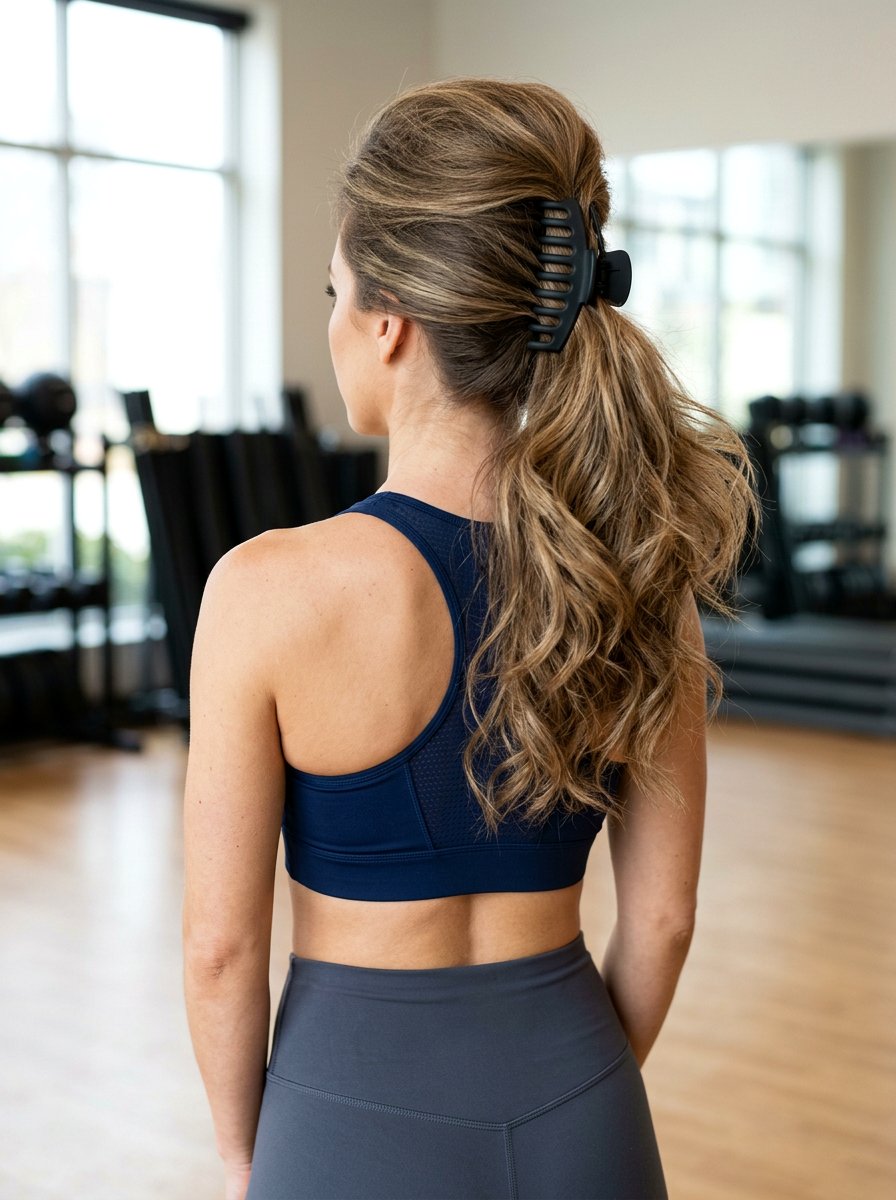

16. Multi Clip Wave Set
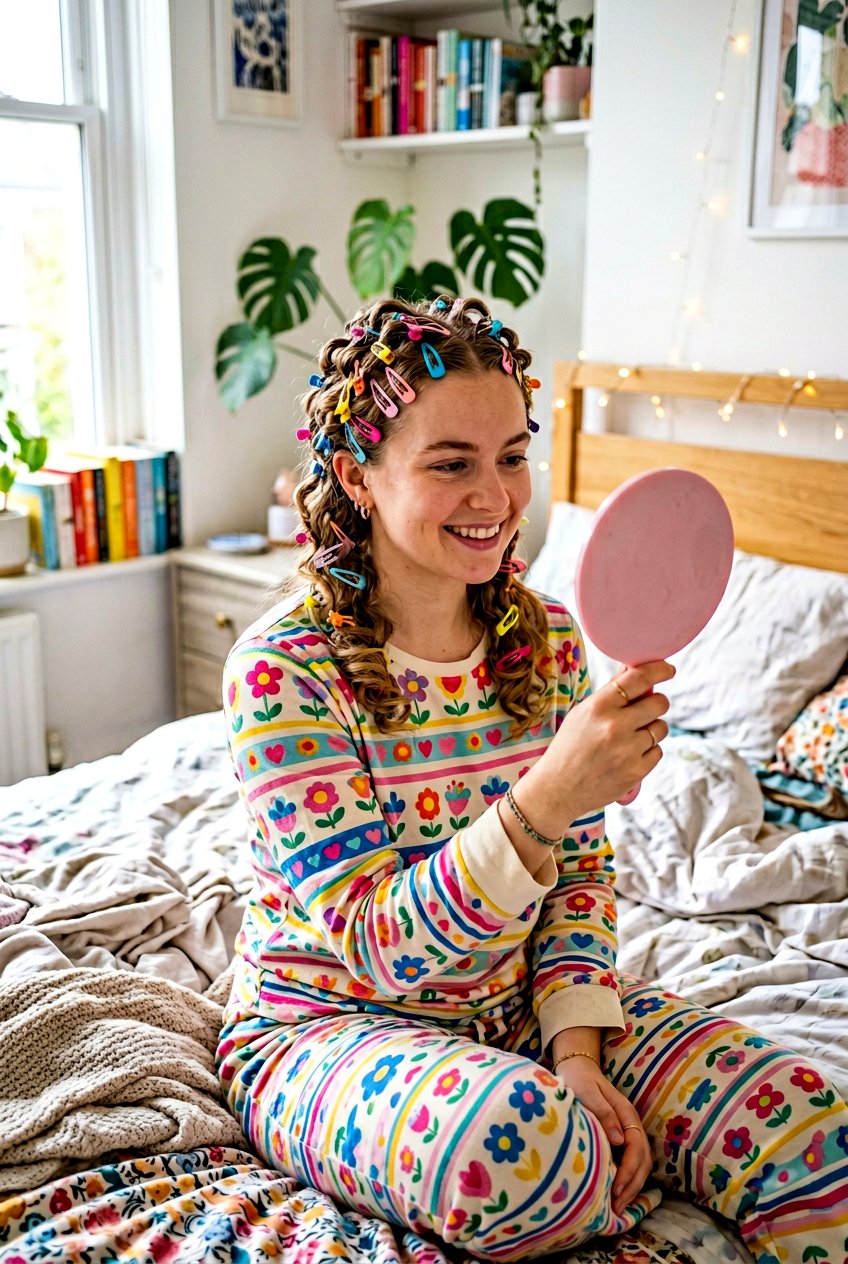
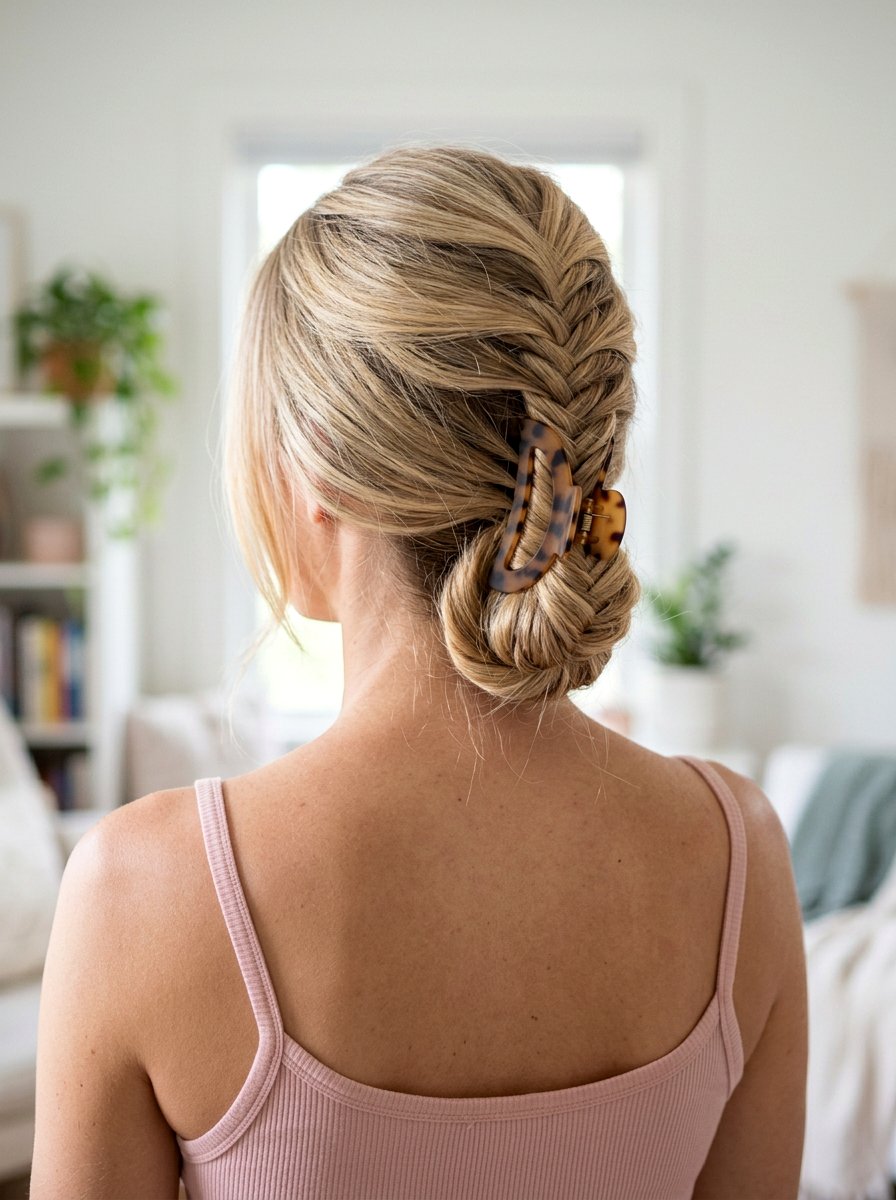
If you are looking for a beachy, textured result, the multi-clip wave set is the best approach. You take small, one-inch sections of damp hair and “scrunch” them upward toward the scalp, securing each bundle with a small claw clip. By doing this all over the head, you allow the hair to dry in a compressed state, which enhances the natural wave pattern. While it takes a few more minutes to set up, the results are long-lasting and require no heat. This technique is especially popular for those with fine, straight hair that usually struggles to hold a curl.
17. Offset Bun Sleeping Clip
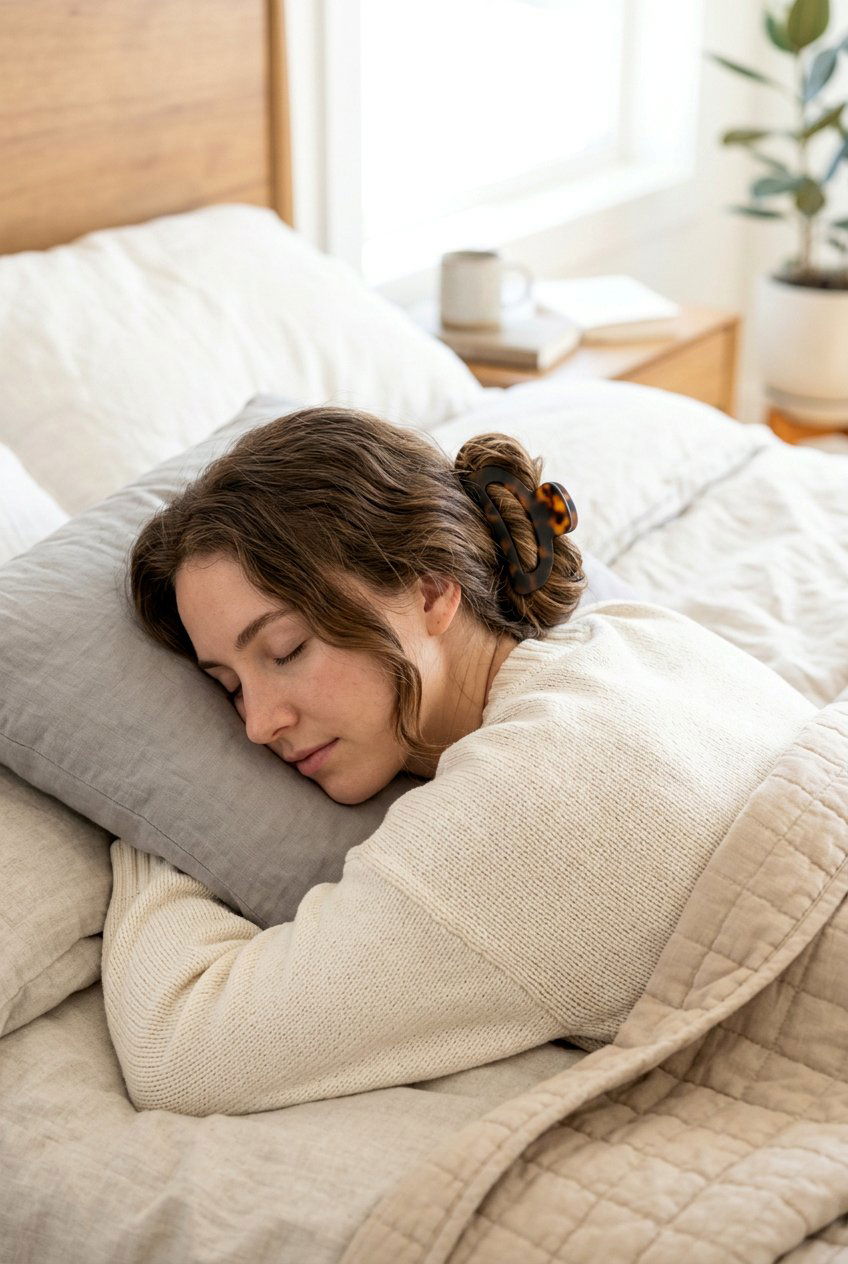
The offset bun is a clever trick for people who sleep on their backs but want the volume of a bun. You position your hair twist slightly to the left or right of the center of your head. By using a medium claw clip to secure the bun off-center, you create a flat space in the middle of your head to rest comfortably on your pillow. This prevents the “lump” feeling that makes sleeping in a bun difficult for back sleepers. It also creates a unique, side-swept wave pattern that looks very modern and stylish when shaken out.
18. Triple Tiered Clip
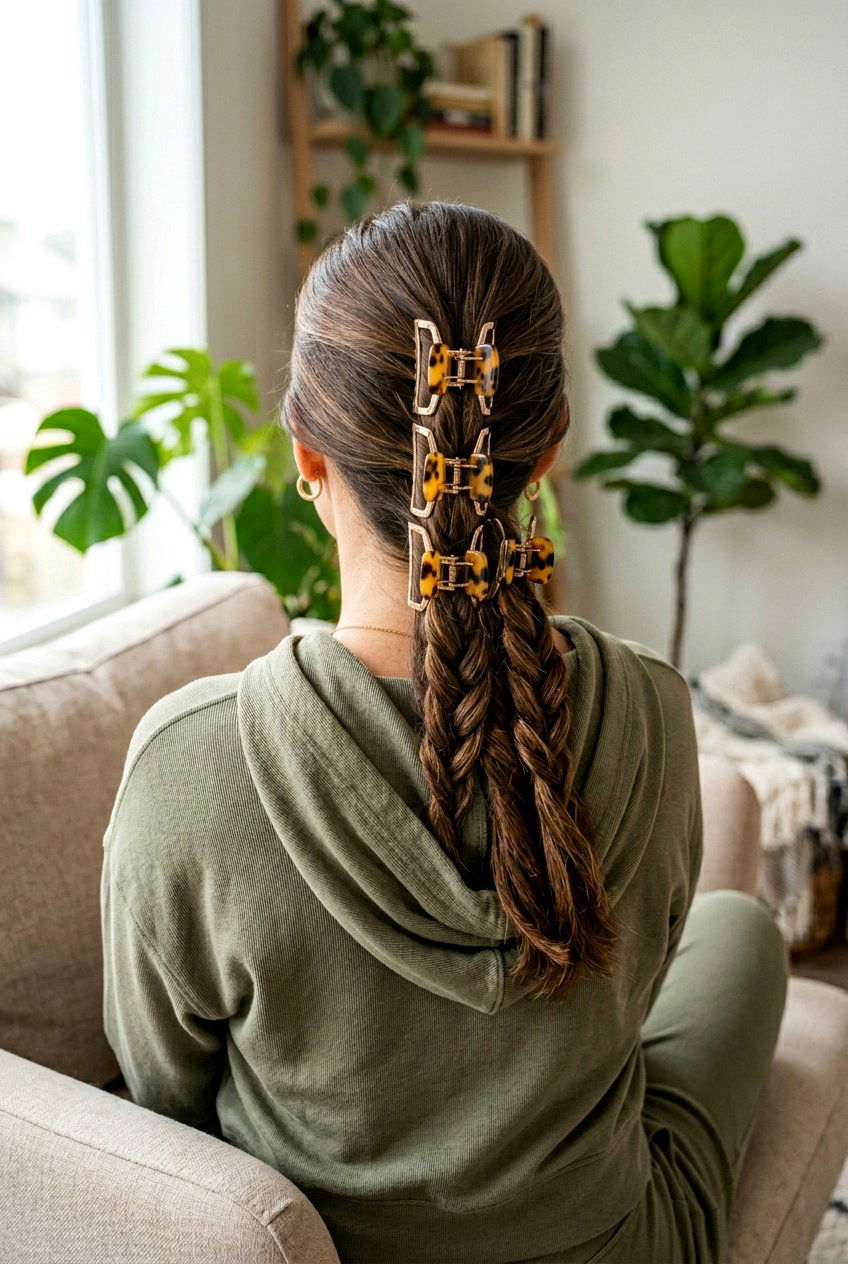
For those with extremely long or thick hair, a single clip might not be enough to hold everything in place. The triple-tiered clip method involves creating three smaller twists vertically down the back of the head, each secured with its own medium-sized claw clip. This distributes the weight of the hair evenly and ensures that no part of the style falls out during the night. It also creates a very consistent wave pattern from the top of the head down to the nape, which can be hard to achieve with a single large bun.
19. Reverse French Twist Clip
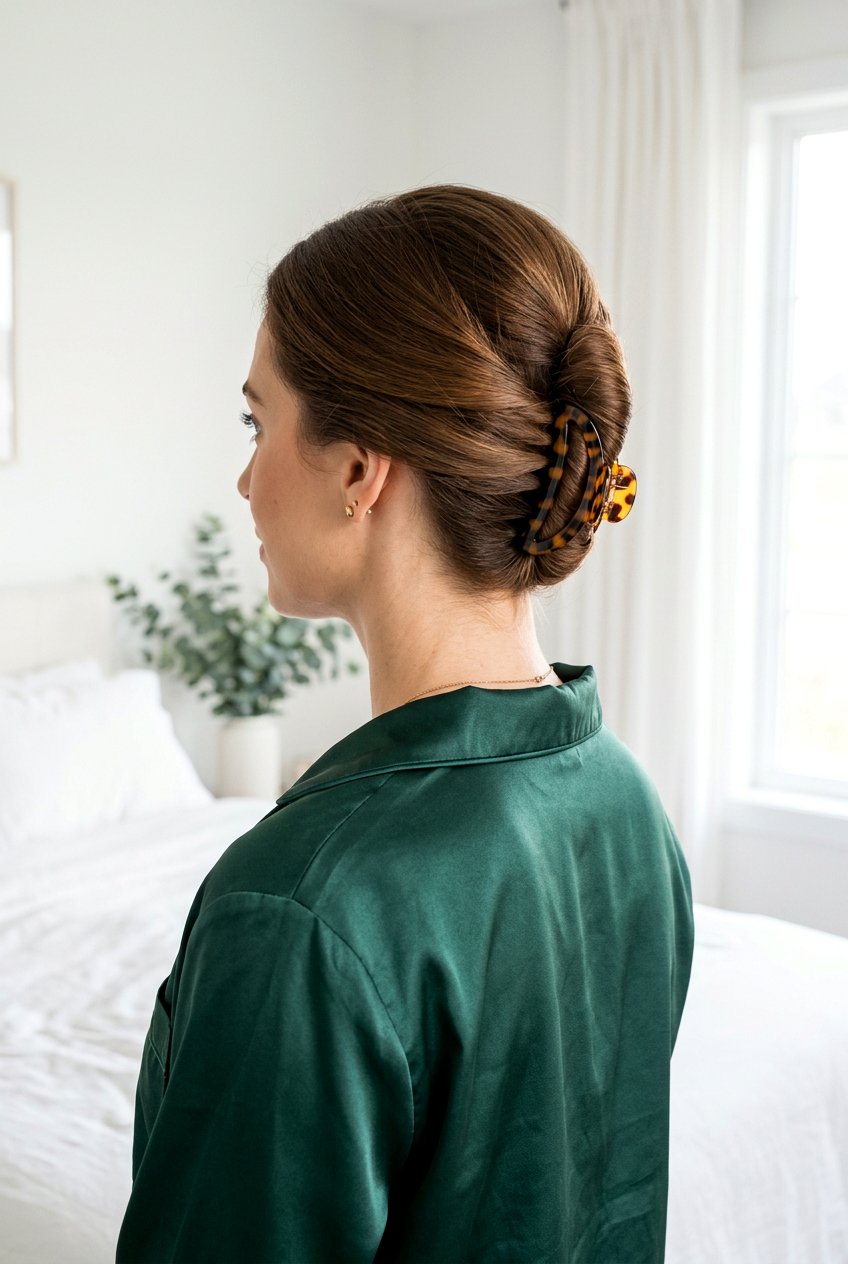
A reverse French twist starts at the top of the head and twists downward toward the nape. You secure the ends at the bottom with a claw clip. This specific orientation is helpful for creating volume at the base of the neck, which is often a “flat zone” for many people. By reversing the direction of the twist, you change how the hair sits against the scalp, often resulting in a more dramatic and full-bodied look in the morning. It is a sophisticated way to manage long layers and keep them looking fresh.
20. Diagonal Cross Clip
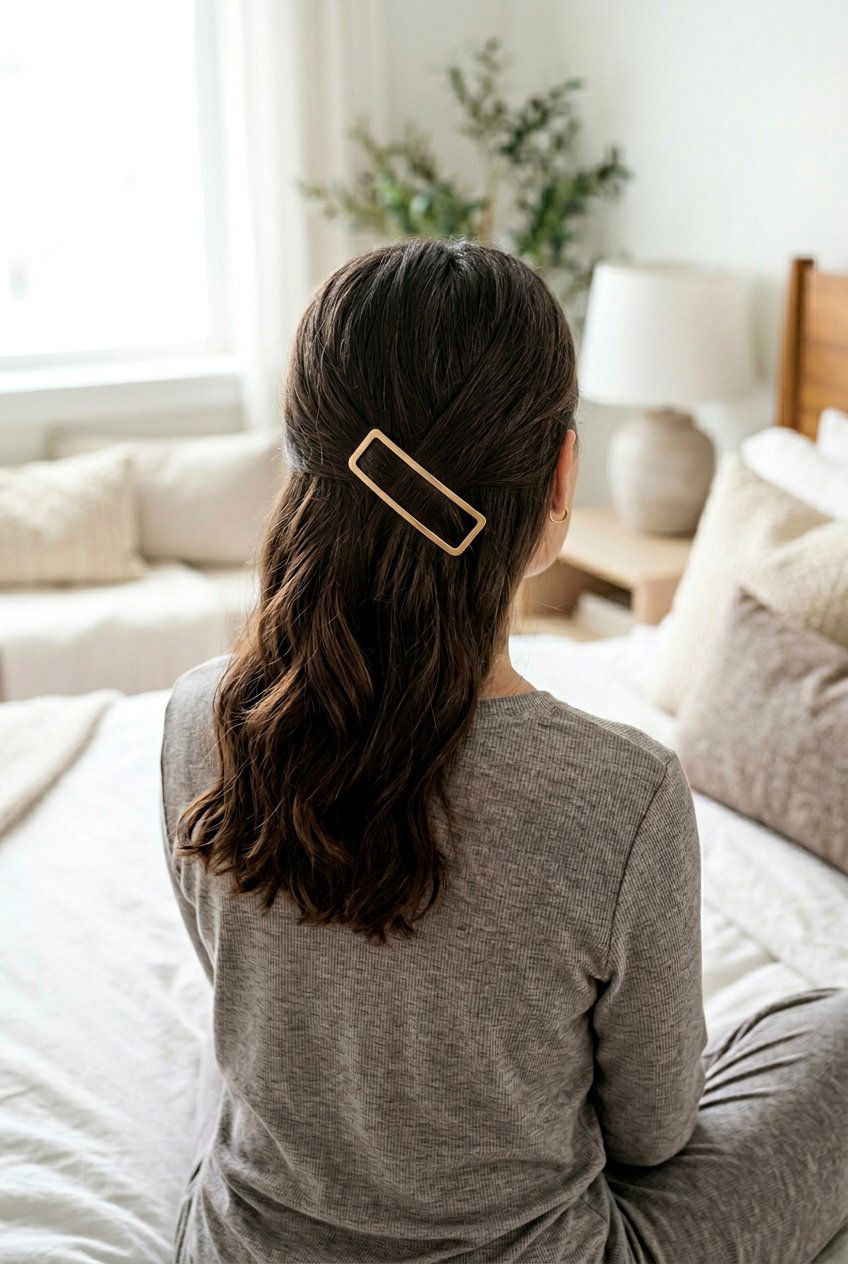
The diagonal cross clip is a secure method where you pull hair from the left temple and the right nape, meeting in the middle to be clipped. You then repeat this with the opposite sides if you have enough hair, or simply secure the primary cross. This creates a very flat profile that is comfortable for almost any sleeping position. It minimizes the movement of the hair strands, which drastically reduces frizz. When you unclip the hair, it falls with a gentle, sophisticated bend that looks like a professional salon blowout.
Conclusion:
The overnight claw clip hairstyle has solidified its place as a must-have technique for modern hair care routines in 2026. By choosing the right clip and sectioning method, you can transform your morning routine from a stressful styling session into a quick “shake and go” experience. These methods prioritize the structural integrity of your hair, reducing the need for damaging heat and restrictive elastics. Whether you are aiming for maximum volume, preserved curls, or a sleek finish, there is a claw clip technique tailored to your specific needs. Embracing these heatless habits not only saves time but also promotes long-term hair health and shine.
You'll Like These Styles:






Leave a Reply