
Waking up with perfectly defined, frizz-free waves often feels like a distant dream for those with natural texture, but mastering overnight twists for wavy hair changes everything. This heatless styling method relies on the power of setting damp hair while you sleep, allowing your natural patterns to take a structured and uniform shape without the damaging effects of hot tools. By utilizing simple twisting techniques, you can transform limp or unruly strands into voluminous, salon-quality waves that last throughout the entire day. Whether you prefer tight coils or loose beachy bends, these overnight methods provide a versatile and protective way to enhance your hair’s natural beauty while significantly reducing your morning styling time.
1. Rope Twist Pigtails
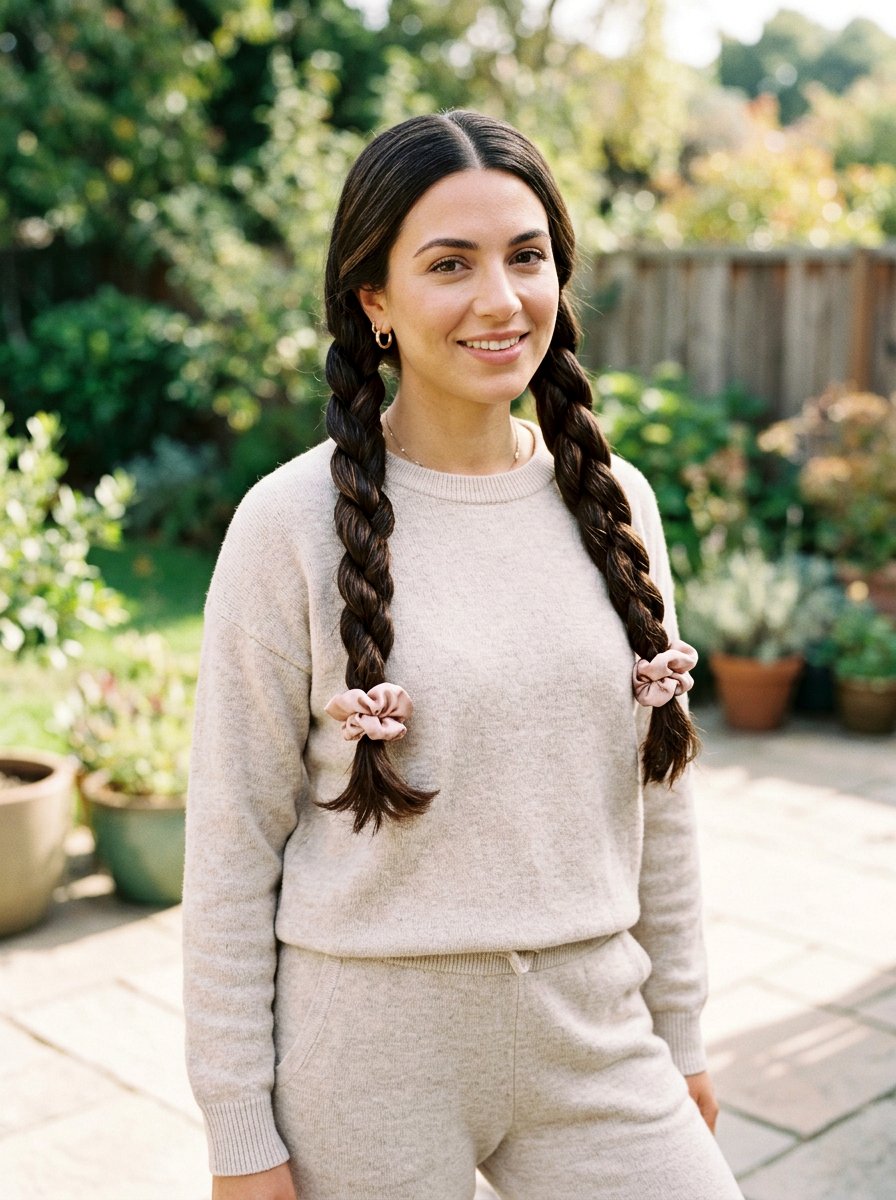
Rope twist pigtails are a classic choice for anyone seeking structured, spiraled waves without the complexity of traditional braiding. To achieve this look, divide your damp hair into two equal sections down the center of your head. Take one section and split it into two smaller strands, twisting each strand individually in one direction before crossing them over each other in the opposite direction. This counter-twisting motion creates a sturdy “rope” that prevents the hair from unravelling as you toss and turn at night. Secure the ends with a silk scrunchie to avoid harsh indentations. In the morning, you will reveal bouncy, uniform waves that have plenty of movement and shine.
2. French Rope Twist
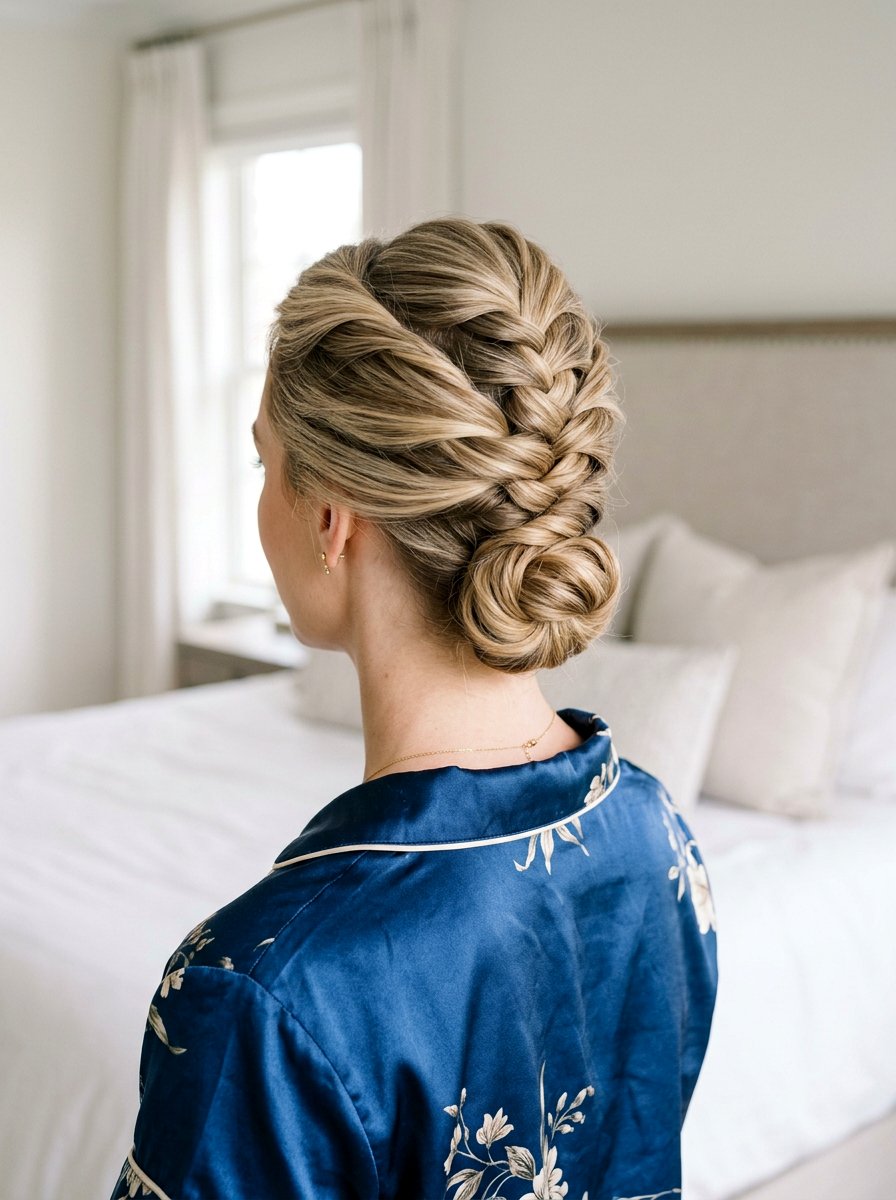
The French rope twist is ideal for adding volume directly from the root, making it a favorite for those with flatter wavy hair. Similar to a French braid, you start with a small section at the crown and divide it into two pieces. As you twist these pieces together, you gradually incorporate more hair from the sides as you move down toward the nape of your neck. This technique ensures that the wave pattern starts high up on the head, providing an effortless, full-bodied appearance. Because the hair is held close to the scalp, the results are often more defined and polished than a standard loose twist, perfect for professional settings.
3. Two Strand Twist Out
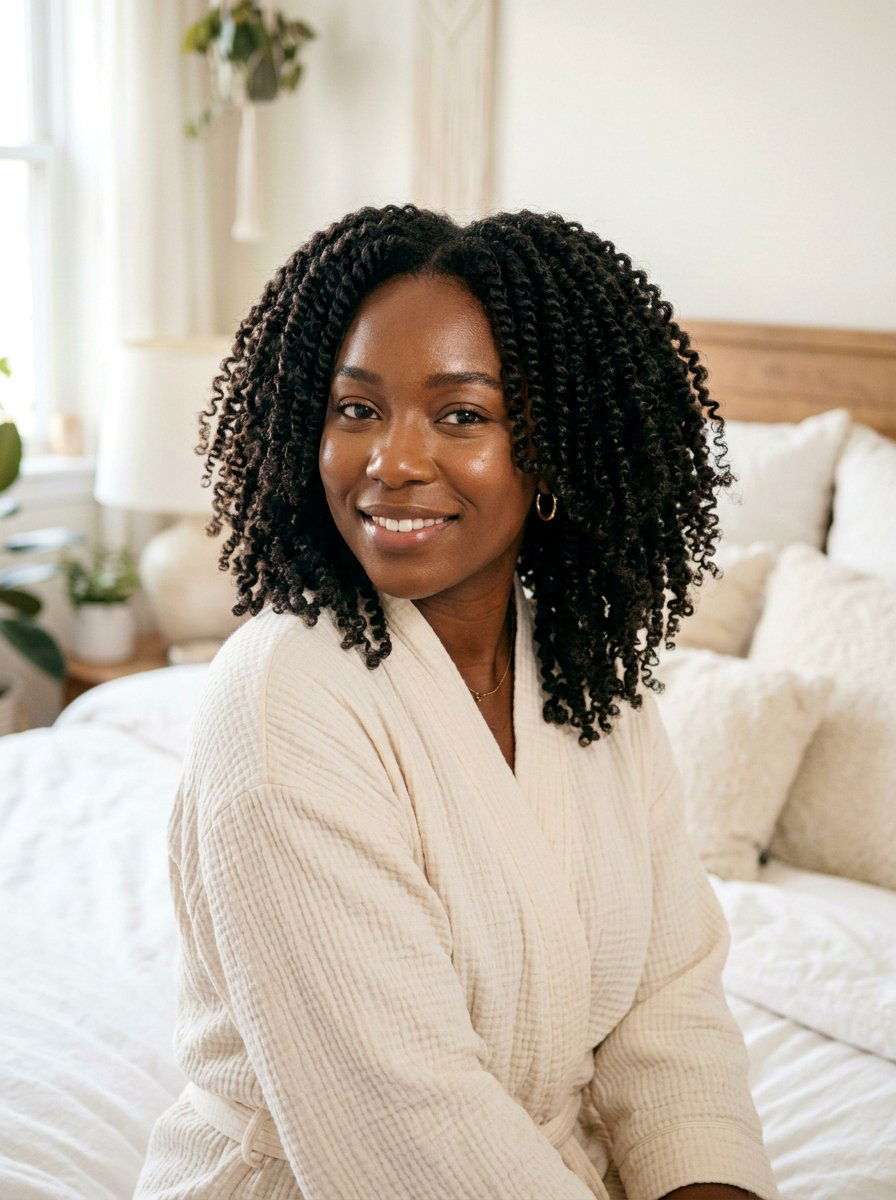
For those craving maximum definition and a tighter wave pattern, the two strand twist out is a reliable go-to method. This style involves sectioning the hair into multiple small portions, usually between six and ten depending on your hair’s thickness. On damp hair prepped with a light curl cream, twist two strands around each other from the root all the way to the very tip. Smaller twists result in more frequent, tighter waves, while larger sections create a softer look. Sleeping with these mini-twists allows the hair to dry in a very specific shape, which helps to combat humidity and keep frizz at bay once the hair is unraveled.
4. Flat Twist Crown
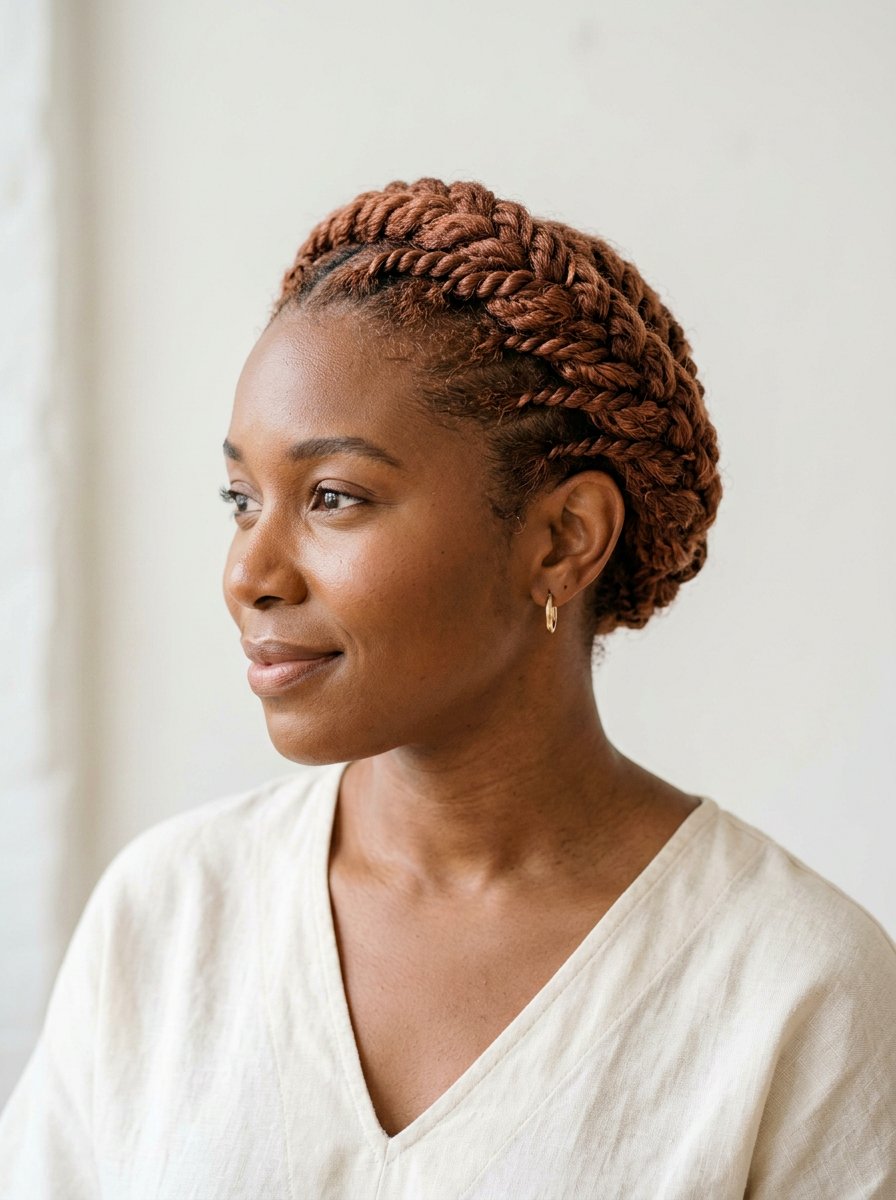
A flat twist crown is a beautiful way to secure your hair comfortably for sleep while ensuring a gorgeous wavy result. This method involves twisting the hair along the scalp in a circular or halo-like fashion, keeping the hair secure and tucked away. It is particularly beneficial for side sleepers who find bulky pigtails or back braids uncomfortable. By flat-twisting the hair against the head, you create a consistent wave that follows the natural curve of your skull. When you wake up and take the twists down, the hair flows beautifully with a natural-looking lift at the roots and a soft, romantic texture throughout the lengths.
5. Bantu Knot Twists
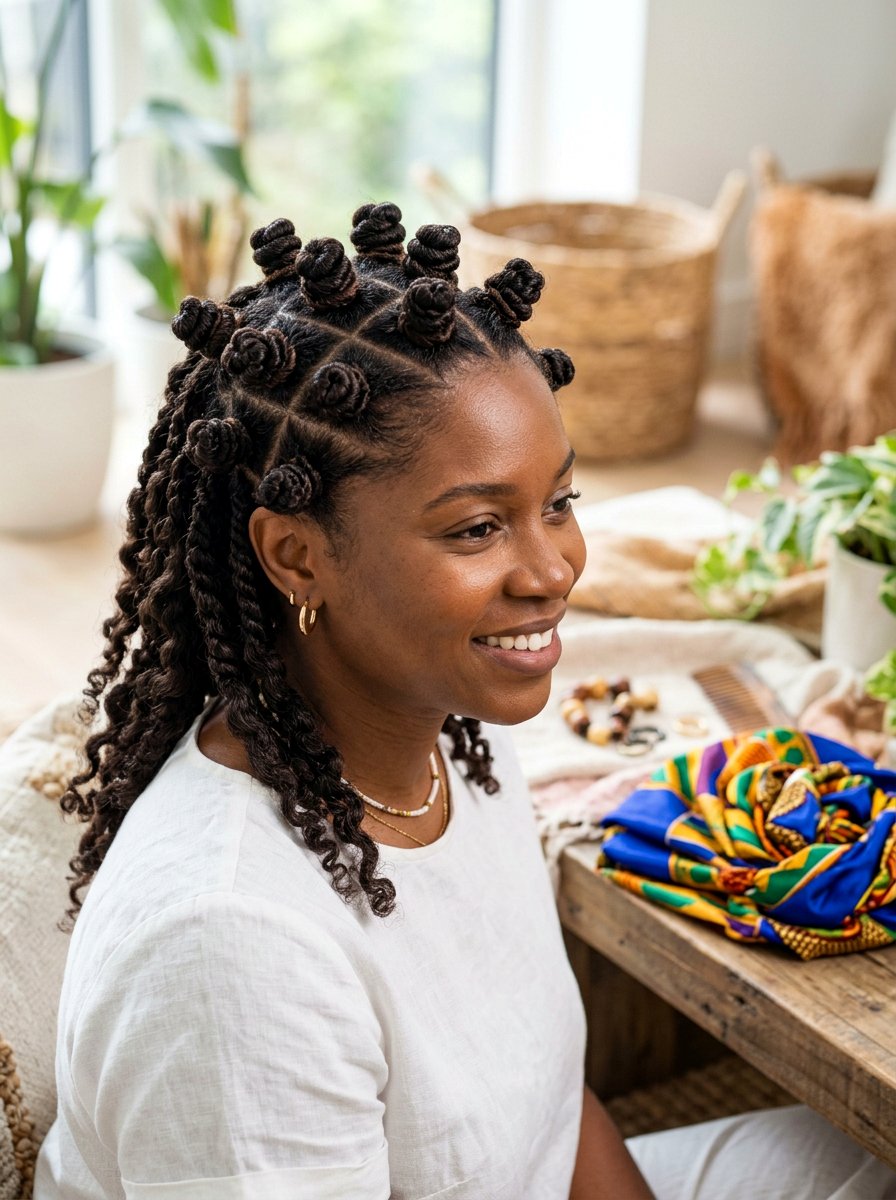
Bantu knot twists offer a unique way to get voluminous, springy waves that almost mimic the look of a wand-curled style. Start by twisting a section of hair until it begins to coil onto itself, then wrap that coil around the base to form a small, secure knot. You can distribute these knots evenly across your head to ensure every layer gets equal attention. This method is excellent for wavy hair because it stretches the hair slightly at the root while providing intense definition at the ends. Since the hair is bundled tightly, it stays moisturized throughout the night, leaving your waves feeling soft, hydrated, and incredibly bouncy.
6. Halo Twist Wrap
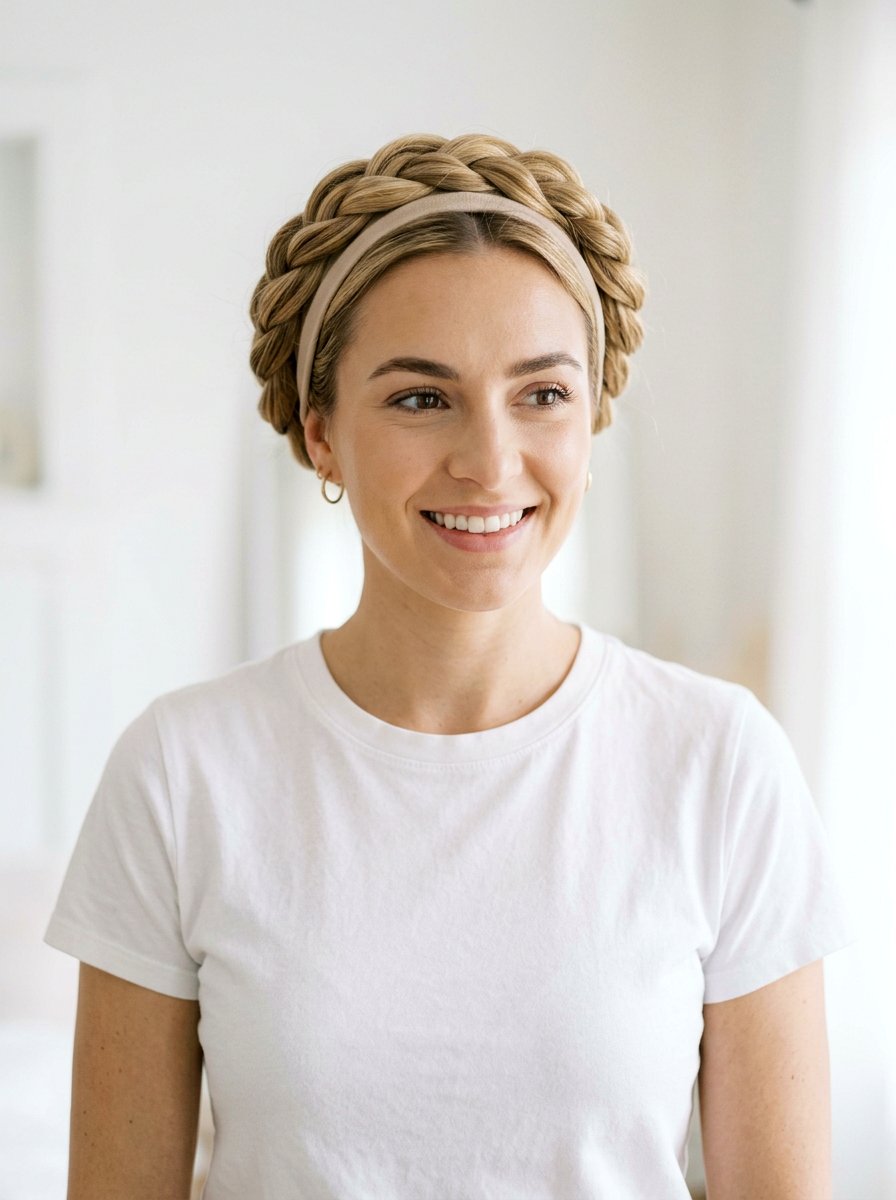
The halo twist wrap is a sophisticated technique that utilizes a soft headband or a silk scarf to guide the shape of your waves. Place a stretchy headband over your hair like a crown, then take sections of hair and twist them loosely before tucking them over and under the band. Continue this process until all your hair is wrapped around the circumference of the headband. This creates a large, continuous twist that results in very large, glamorous waves reminiscent of a professional blowout. It is a very comfortable way to sleep because the hair is distributed evenly around the head rather than being concentrated in one spot.
7. Pineapple Twist Ponytail
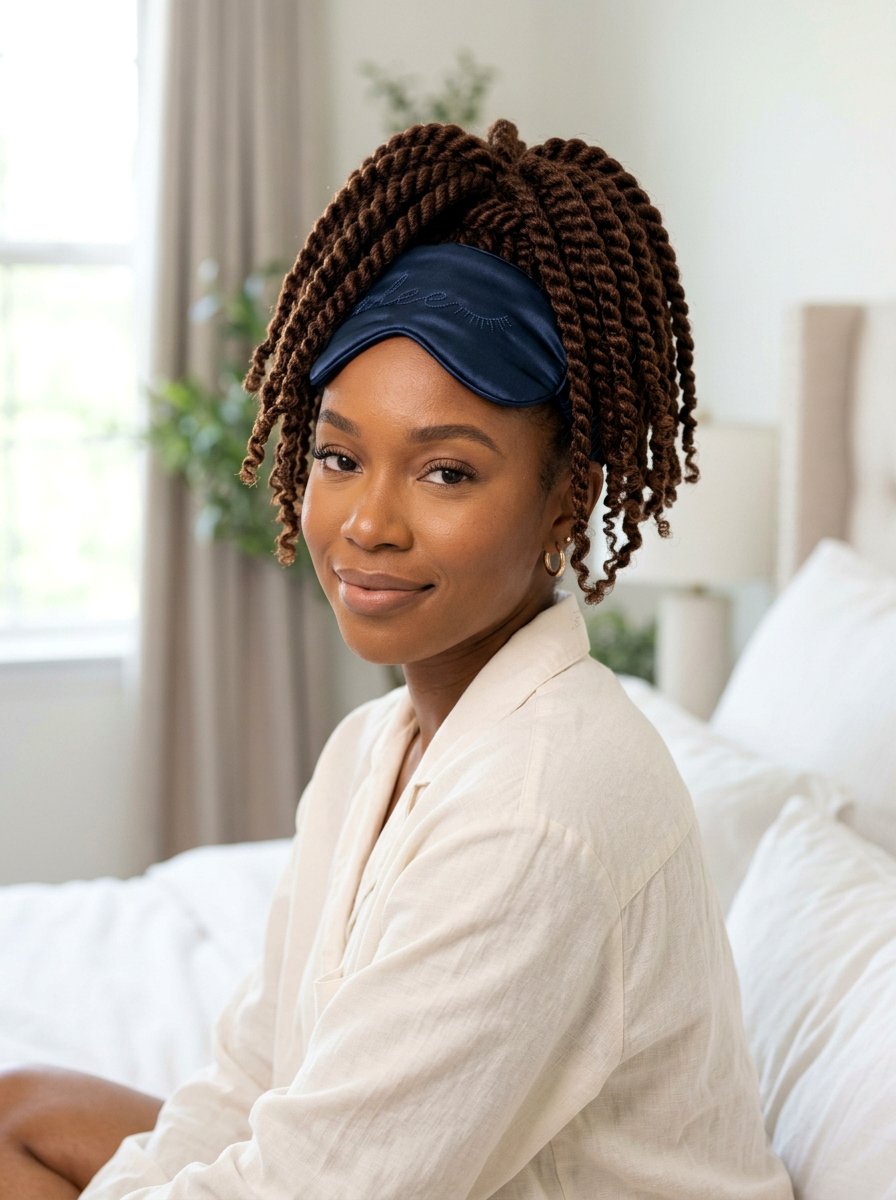
The pineapple twist ponytail is a hybrid method designed to protect existing waves while adding extra body to the ends. Gather your hair at the very top of your head in a loose “pineapple” ponytail using a satin scrunchie. Once secured, divide the ponytail into four or five sections and perform simple two-strand twists on each one. This keeps the roots lifted for volume and ensures the ends don’t become tangled or frizzy overnight. In the morning, simply let the ponytail down and shake out the twists. You will be left with incredible height at the crown and defined, polished waves through the mid-lengths and the tips.
8. Bubble Twist Plait
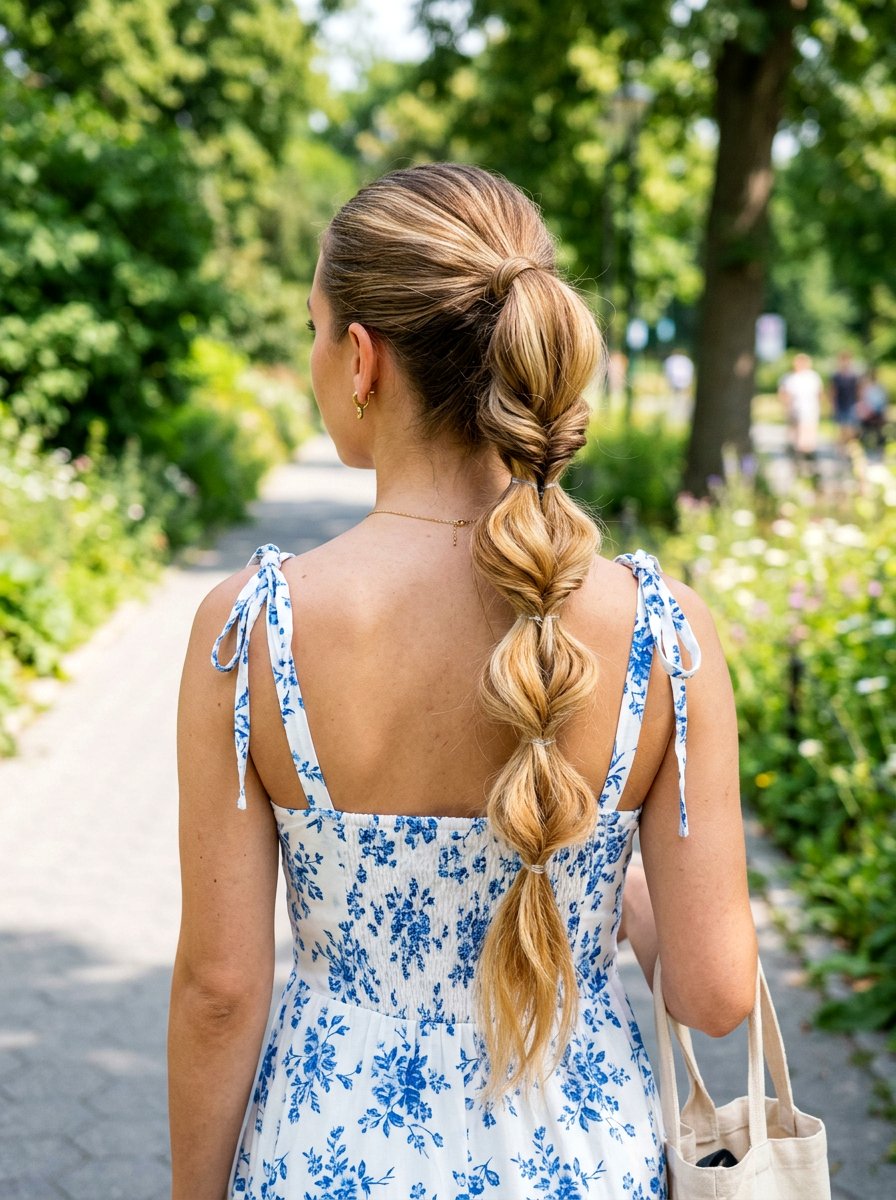
Bubble twist plaits are a modern variation that uses small elastics to create a “bubble” effect, which translates into soft, rounded waves. Start by making a ponytail or pigtails, then place elastics every few inches down the length of the hair. Before moving to the next elastic, twist the hair section and slightly “fluff” it out to create a bubble shape. This tension and twisting combination works wonders for wavy hair that tends to lose its shape quickly. The result is a more textured, piecey wave that looks intentional and trendy. It is an excellent choice for those who want a less uniform, more lived-in beachy hair appearance.
9. Triple Twist Bun
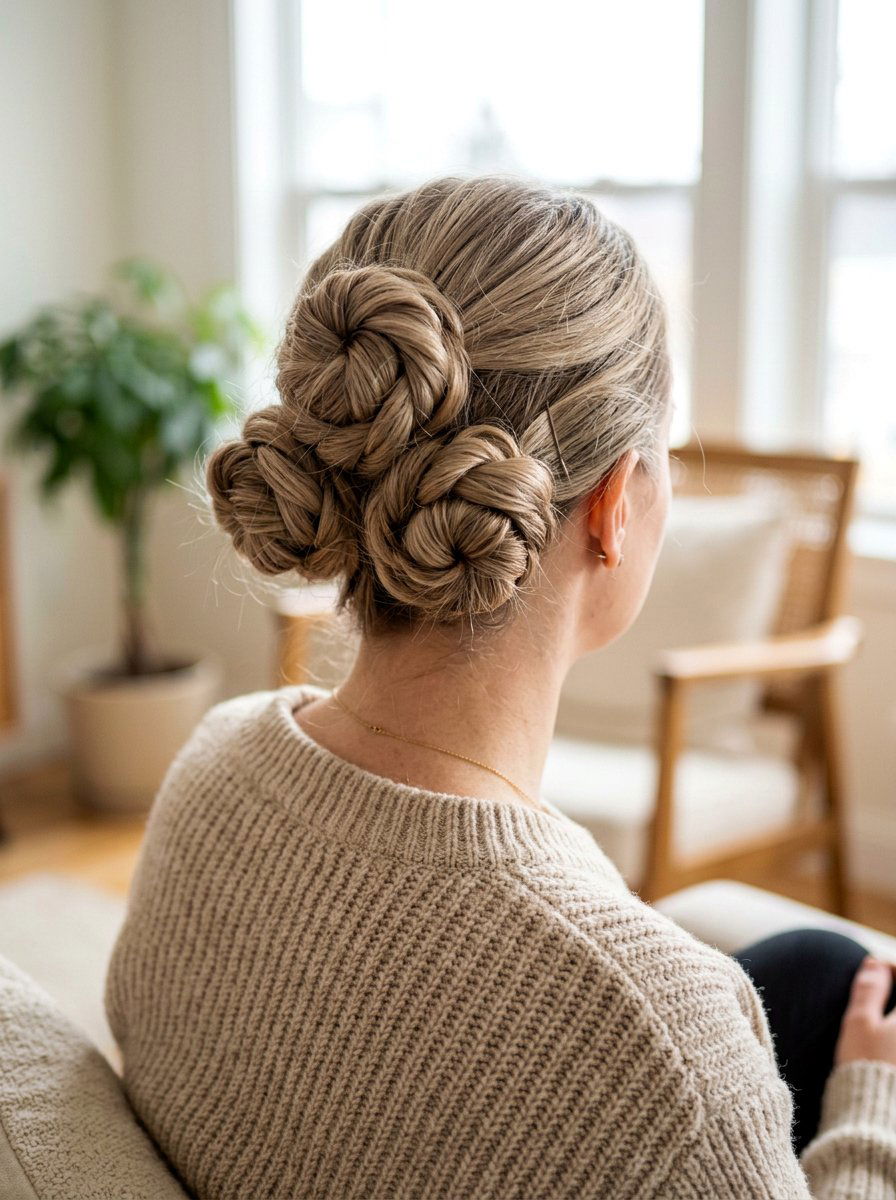
The triple twist bun method is perfect for creating waves that have a lot of random, natural-looking texture. Divide your hair into three vertical sections: one in the back and one on each side. Twist each section tightly until it coils into a bun and secure it with a soft hair tie. By having three separate points of tension, the hair is forced into different directions, which prevents the waves from clumping into one single mass. This creates a fuller, more voluminous look when brushed out. It is a quick and efficient way to prep your hair for the next day with minimal effort or technical skill.
10. Vertical Rope Twists
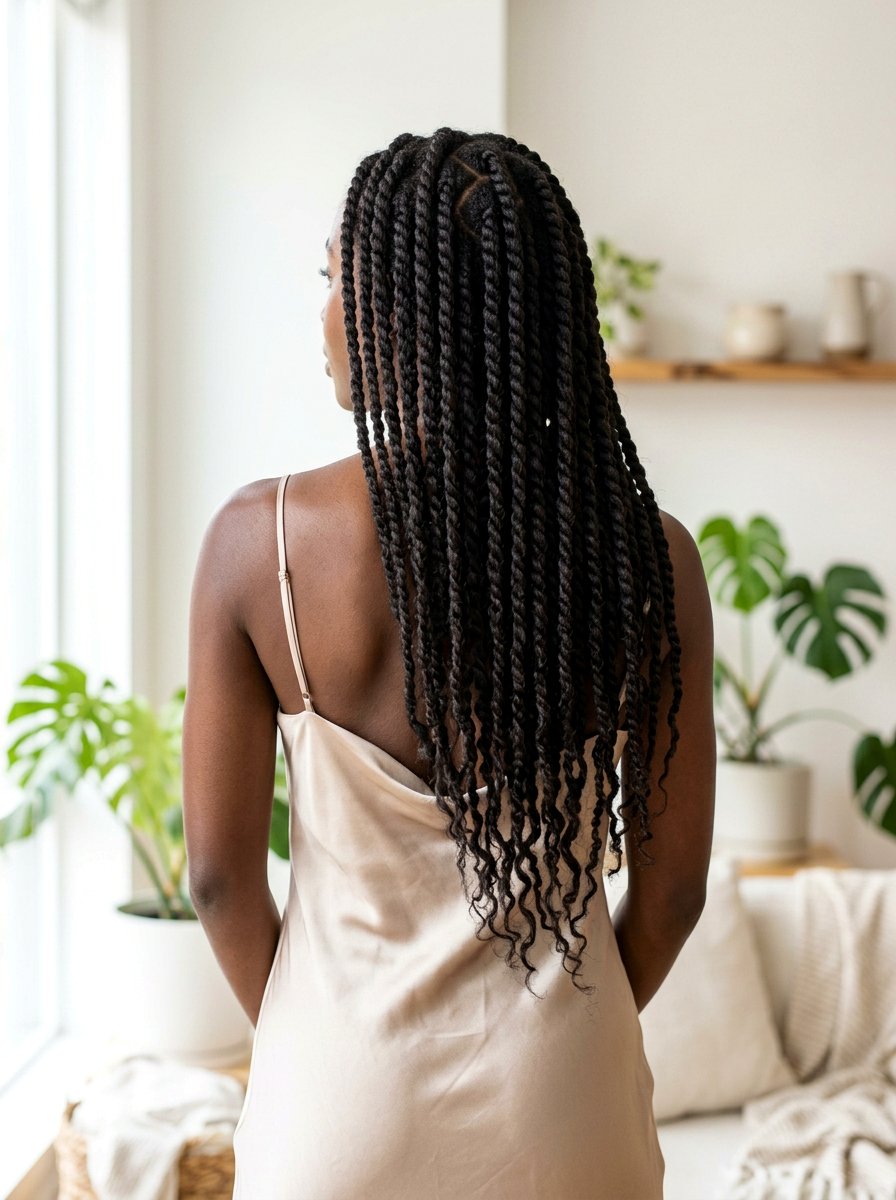
Vertical rope twists are designed to give you long, cascading waves that don’t shrink up too much. Instead of twisting the hair horizontally or around the head, you focus on twisting long sections vertically from the top down. This keeps the weight of the hair pulling slightly downward, which results in a more elongated wave pattern rather than tight curls. This is particularly useful for people with long wavy hair who want to maintain their length while adding texture. It provides a sleek, refined look that works well for both casual outings and more formal events where you want your hair to look polished.
11. Cross Over Twists
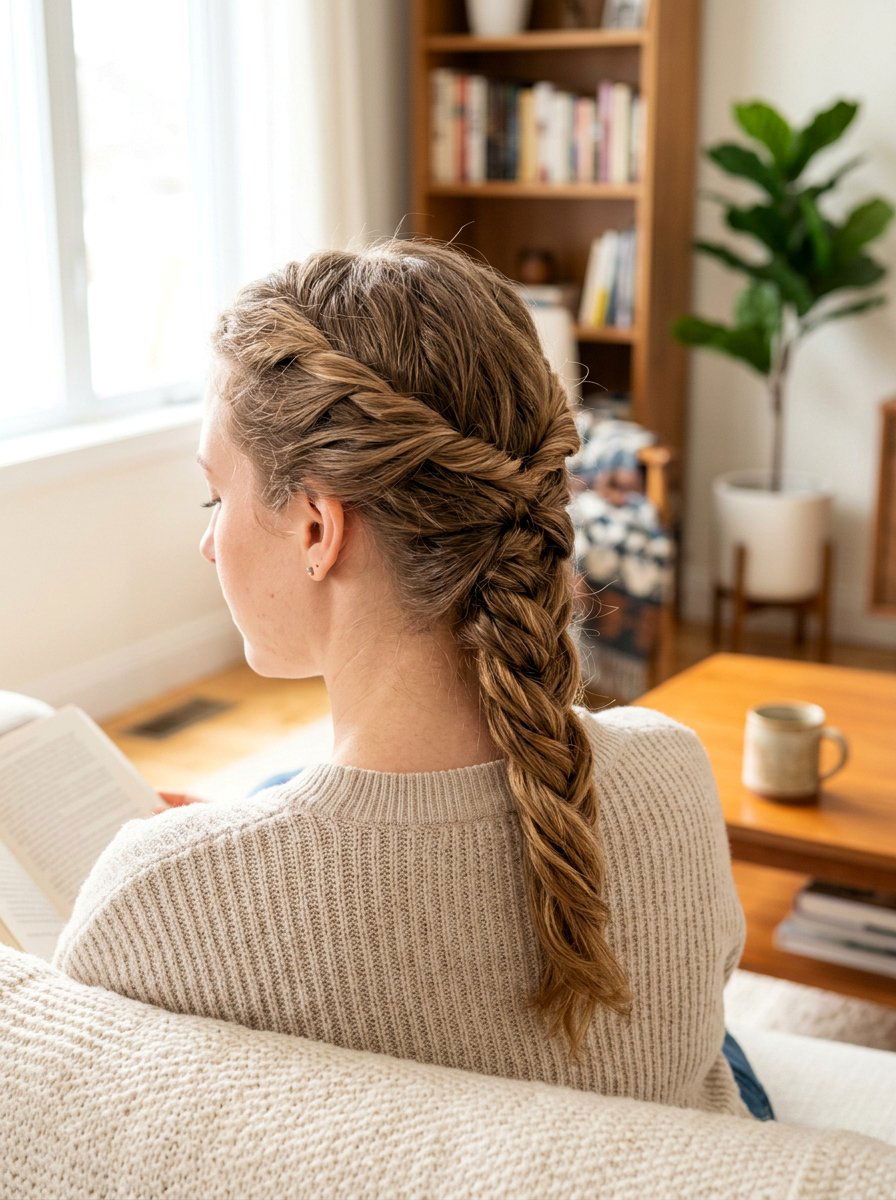
Cross over twists involve taking sections from the left and right sides of your head and crossing them over the top before twisting them together. This method is specifically designed to prevent “flat back” syndrome, where the back of the hair looks straight while the front is wavy. By pulling hair from different areas and twisting them across the crown, you ensure that every strand is manipulated and set. This creates a 360-degree wave pattern that looks consistent from every angle. It is a great technique for those who find that their waves often look uneven or messy after sleeping on them.

12. Silk Ribbon Twists
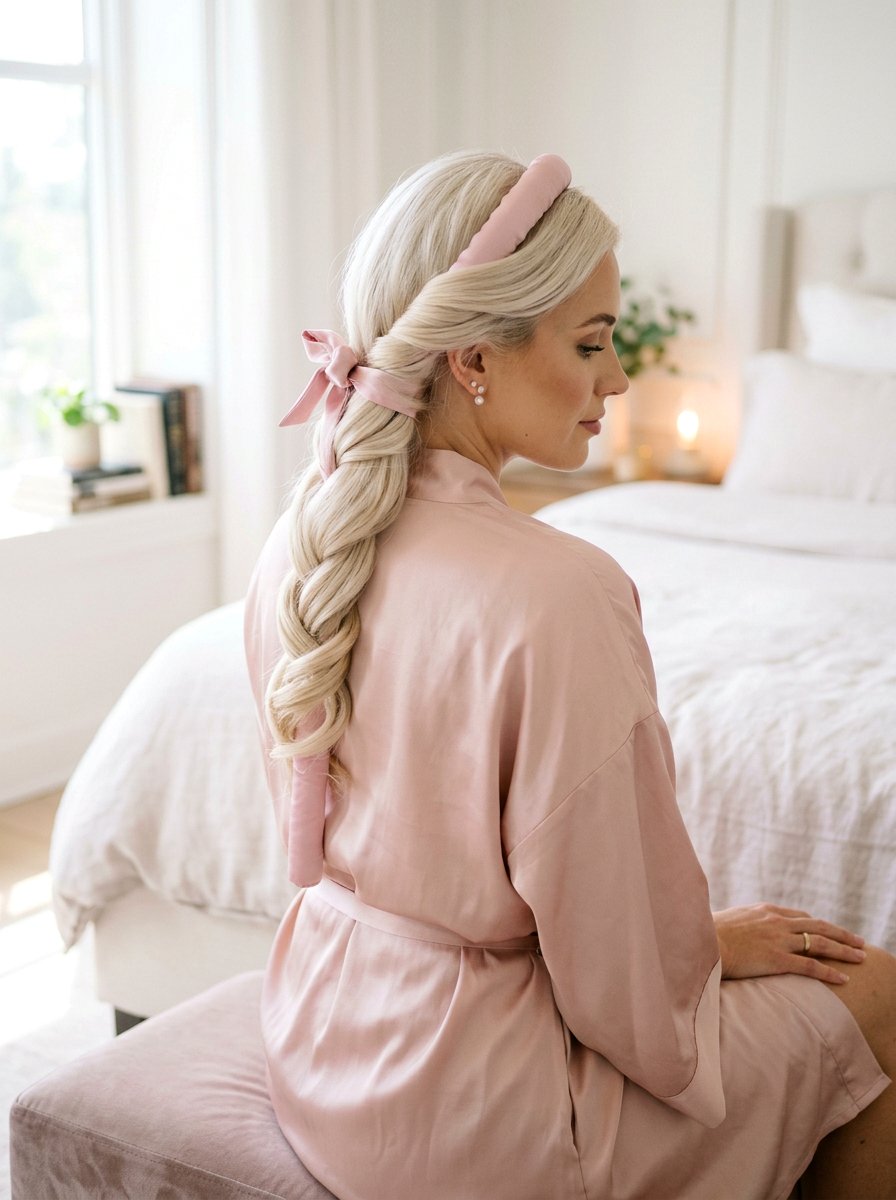
Silk ribbon twists have become a viral sensation for a reason; they provide some of the smoothest heatless waves possible. You place a long, padded silk ribbon across the top of your head and twist your hair around it, incorporating more hair as you go down, much like a French braid. The silk material reduces friction, which is the primary cause of frizz in wavy hair. Because the ribbon has a specific diameter, the resulting waves are very consistent in size and shape. This method yields high-shine, frizz-free results that look like they were achieved with a high-end curling iron rather than a night of sleep.
13. Side Swept Twists
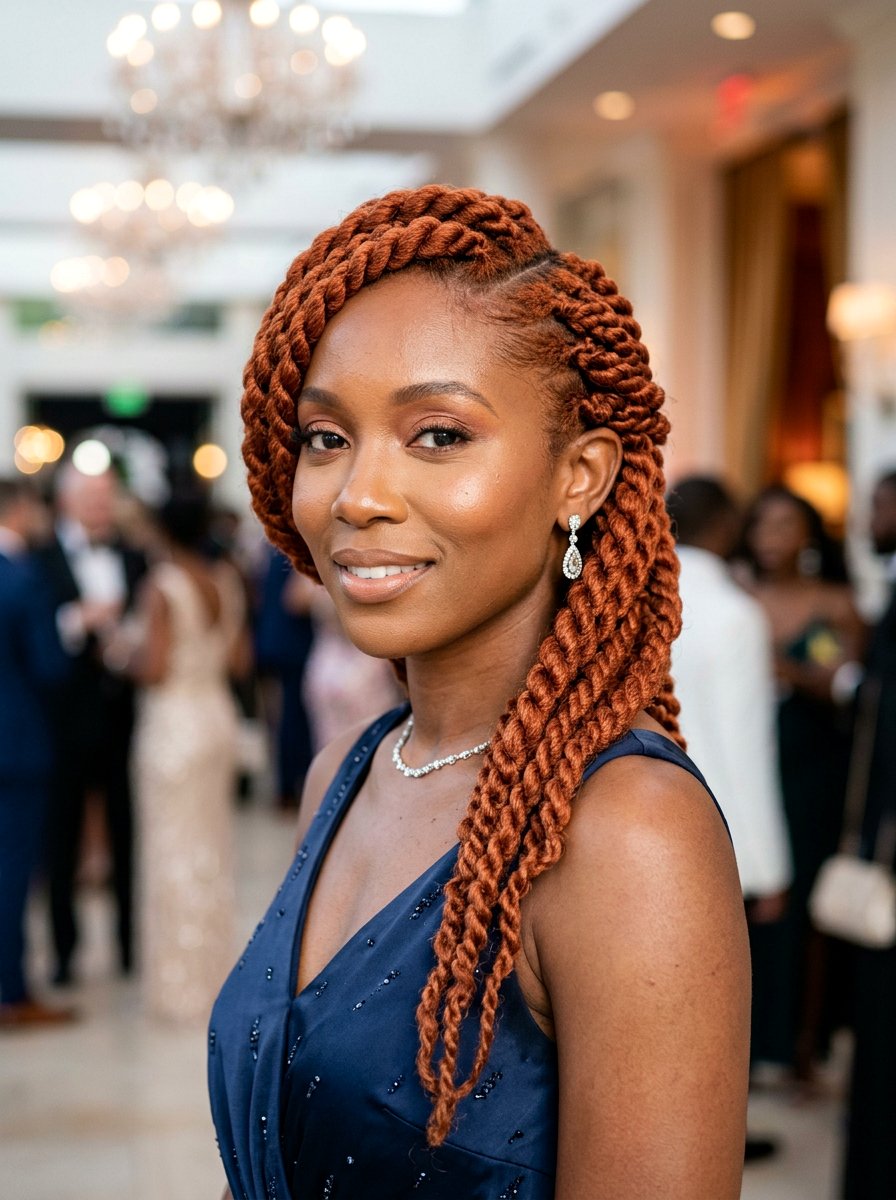
Side swept twists are perfect if you already know how you want to part your hair the next day. By parting your hair deeply to one side and twisting the hair in that specific direction, you “train” the roots to lay in a way that supports a side-swept look. This provides instant volume on one side and a sleek appearance on the other. Twist the larger section in a thick rope and the smaller section in a tighter flat twist. When you unwrap them, the hair naturally falls into a glamorous, red-carpet-ready style with minimal effort. It is a strategic way to style and set your hair simultaneously.
14. Finger Twist Coils

Finger twist coils are a more detailed approach that involves taking very small sections of hair and twisting them around your index finger until they form a tight coil. This is a great method for those with a “2C” wave pattern who want to encourage their hair to lean more toward a curly look. By defining each small section individually, you eliminate the chance of hair clumping together into large, frizzy knots. Although this method takes a bit more time to set up, the results are incredibly long-lasting and provide a level of detail and definition that larger twists simply cannot achieve on their own.
15. Zig Zag Twists

Zig zag twists are a creative way to ensure your waves have a lot of dimension and don’t look “stacked.” When sectioning your hair, use a rat-tail comb to create zig-zag parts instead of straight lines. Then, proceed with your preferred twisting method, whether it is rope twists or two-strand twists. The irregular parting prevents the hair from showing visible gaps or “scalp lines” when the style is finished. This results in a more organic, voluminous flow of waves that looks naturally thick and healthy. It is a small professional secret that makes a huge difference in the final polished appearance of the hair.
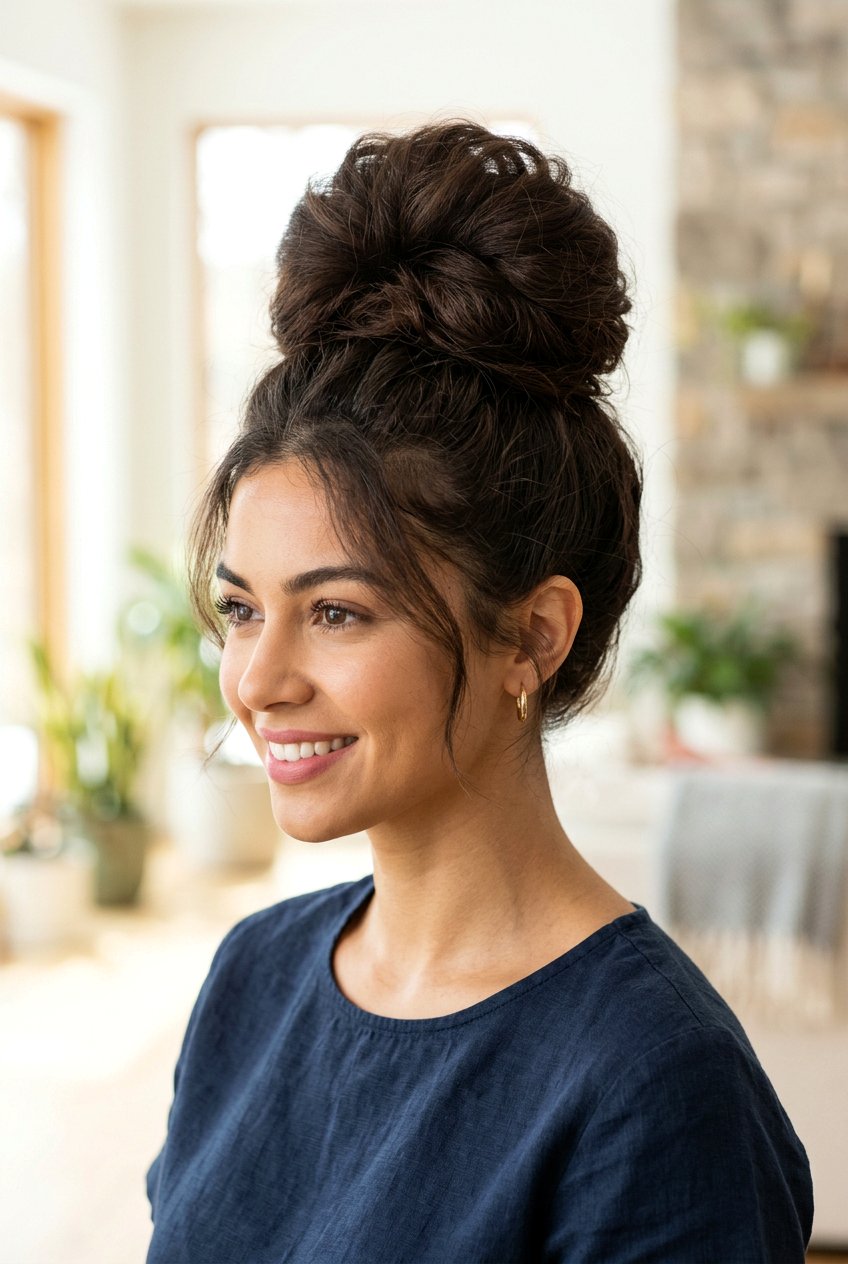
16. Low Hanging Rope Twists
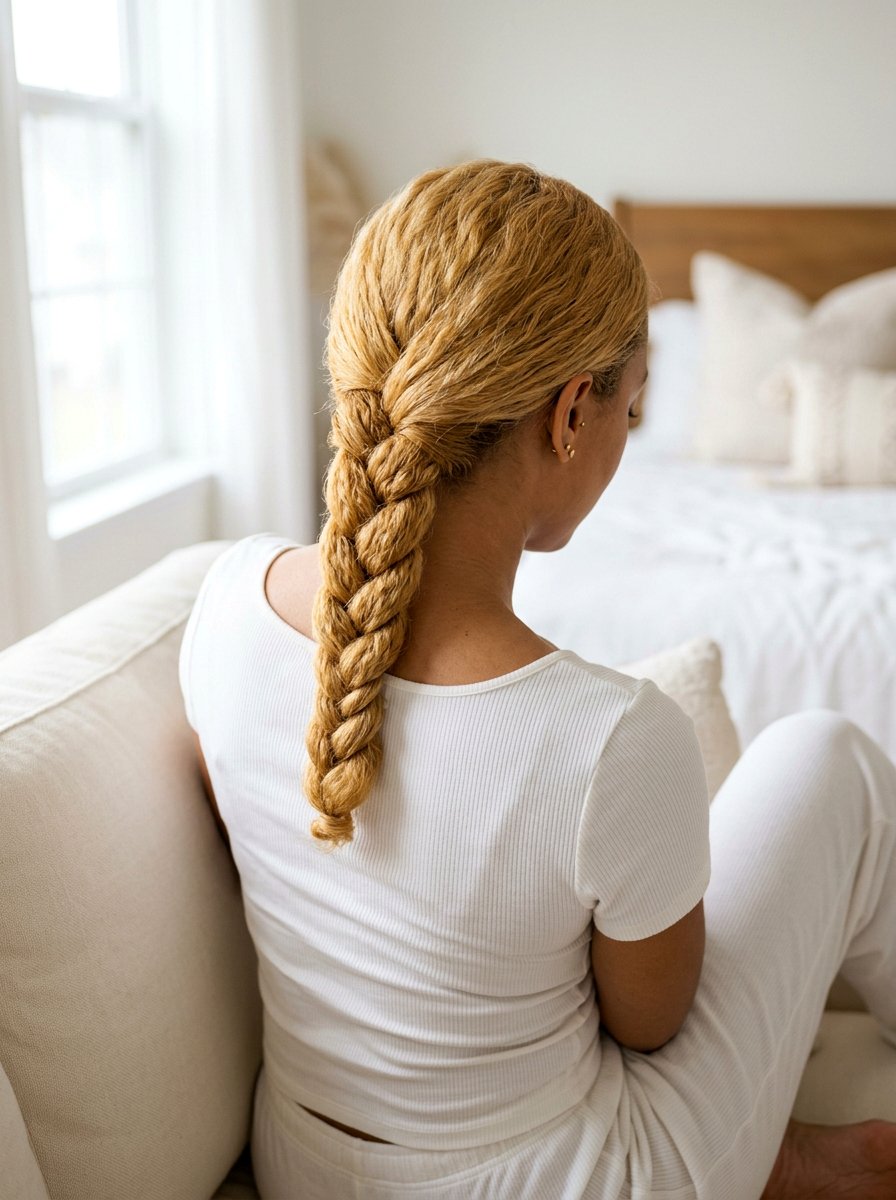
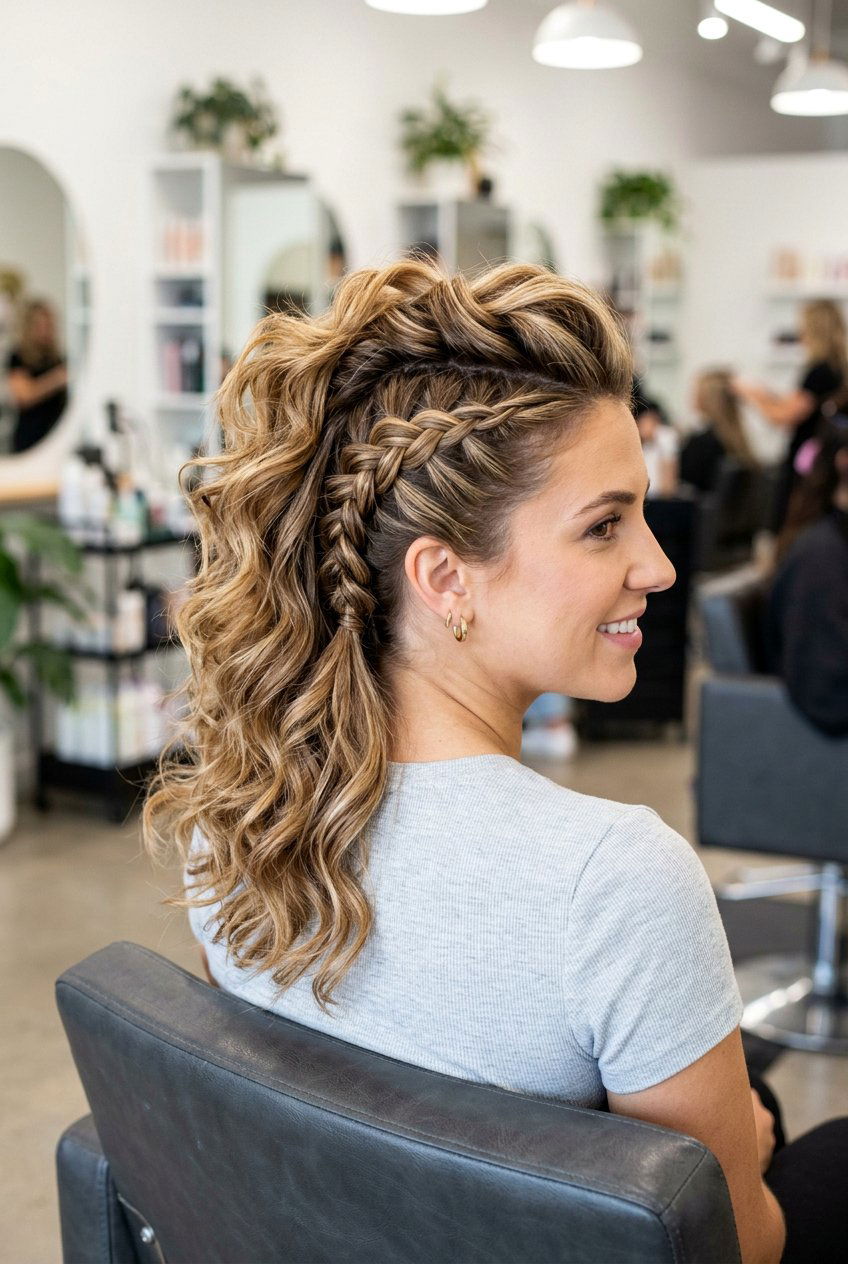
Low hanging rope twists are the ultimate comfort choice for those who cannot stand having lumps or knots on their head while they sleep. You simply pull your hair into a low ponytail at the nape of the neck and then create one or two large rope twists from the base. This keeps the hair contained and protected while allowing you to lie flat on your back or side without any discomfort. The waves produced by this method start lower down, creating a beautiful “v” shape in the back that looks very elegant and sophisticated, especially on hair with long layers or highlights.
17. Multi Bun Twists
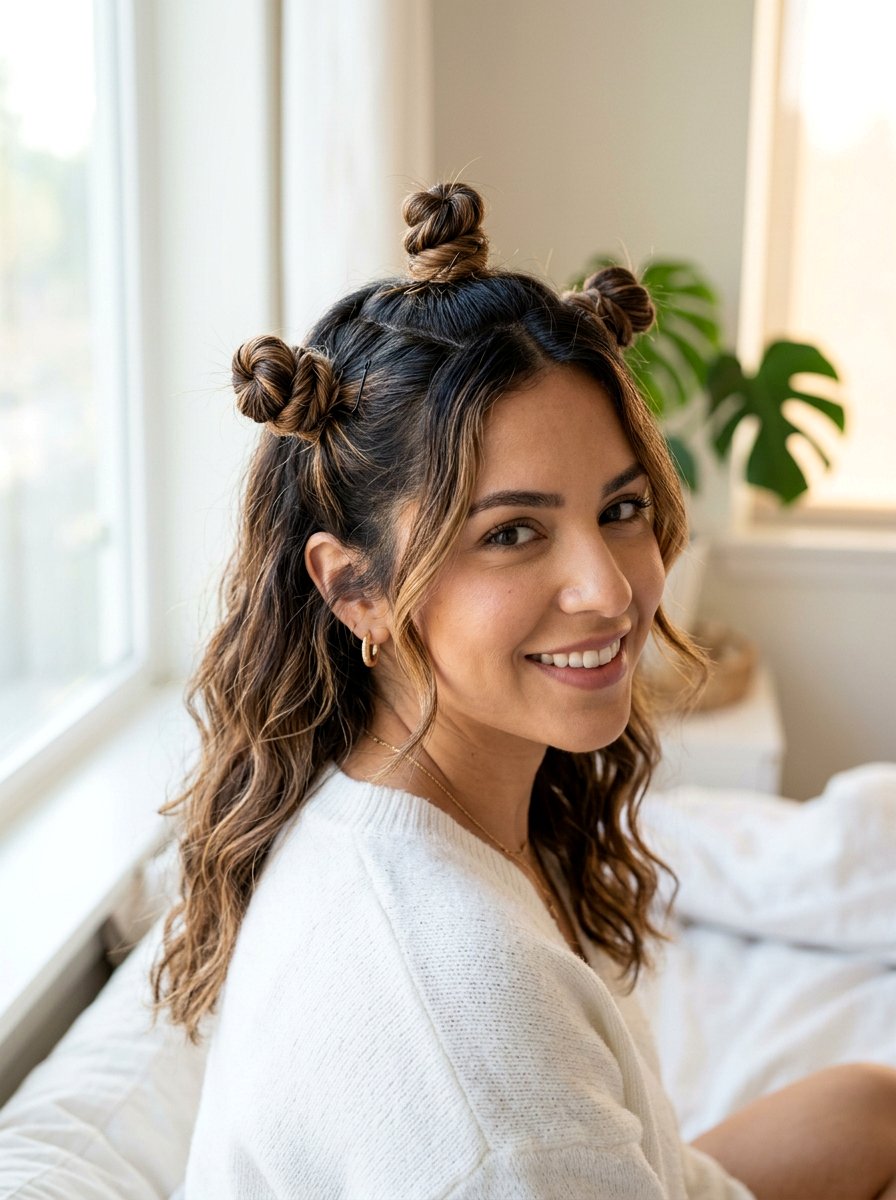
Multi bun twists involve creating four or more small buns all over the head, each made from a tightly twisted section of hair. This method is fantastic for creating a lot of “wild” and beachy texture. Because the buns are smaller, the hair dries faster, which is a major benefit for those with high-density hair that stays damp for hours. The resulting waves are bouncy and full of life, giving you a voluminous “big hair” look that is very popular. You can adjust the number of buns to control the intensity of the wave, making it a highly customizable option for different hair lengths.
18. Scarf Wrapped Twists

Scarf wrapped twists combine the protection of a silk scarf with the styling power of a twist. After twisting your hair into pigtails or a single rope, you wrap a silk or satin scarf around the twist itself before securing it. This adds an extra layer of defense against the friction of your pillowcase, ensuring that the hair remains completely smooth. This is the best method for those who struggle with “halo frizz” or flyaways. The scarf also helps to keep the hair warm, which can slightly speed up the drying process and help the wave pattern set more firmly into the hair cuticle.
19. Reverse Direction Twists
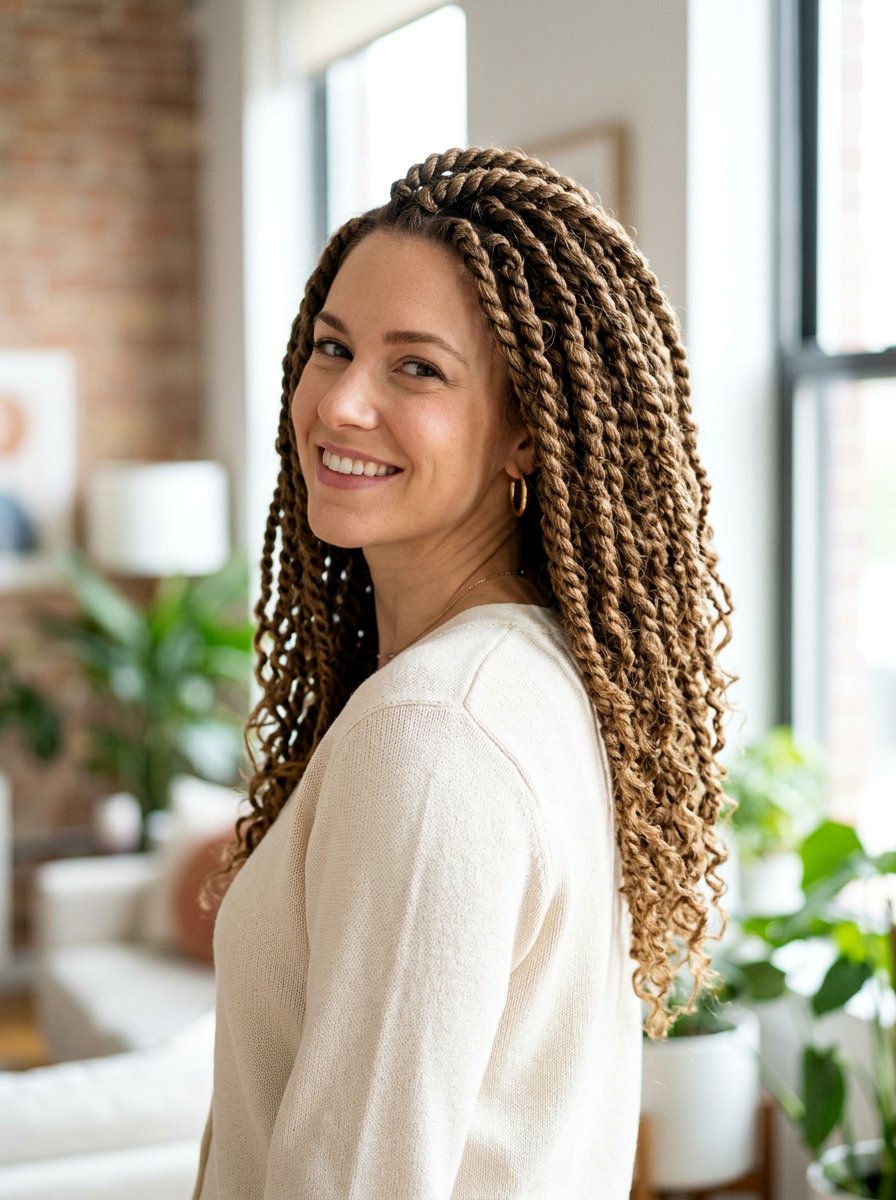
Reverse direction twists are a clever trick to make your hair look much thicker than it actually is. When twisting your hair, alternate the direction of each twist—twist one section away from your face and the next section toward your face. This prevents the waves from nesting into each other and becoming one giant wave. Instead, they push against each other, creating a massive amount of volume and separation. This technique is highly recommended for people with fine wavy hair who want to achieve a more robust and dramatic look without using any volumizing sprays or back-combing techniques.
20. Damp To Dry Twists
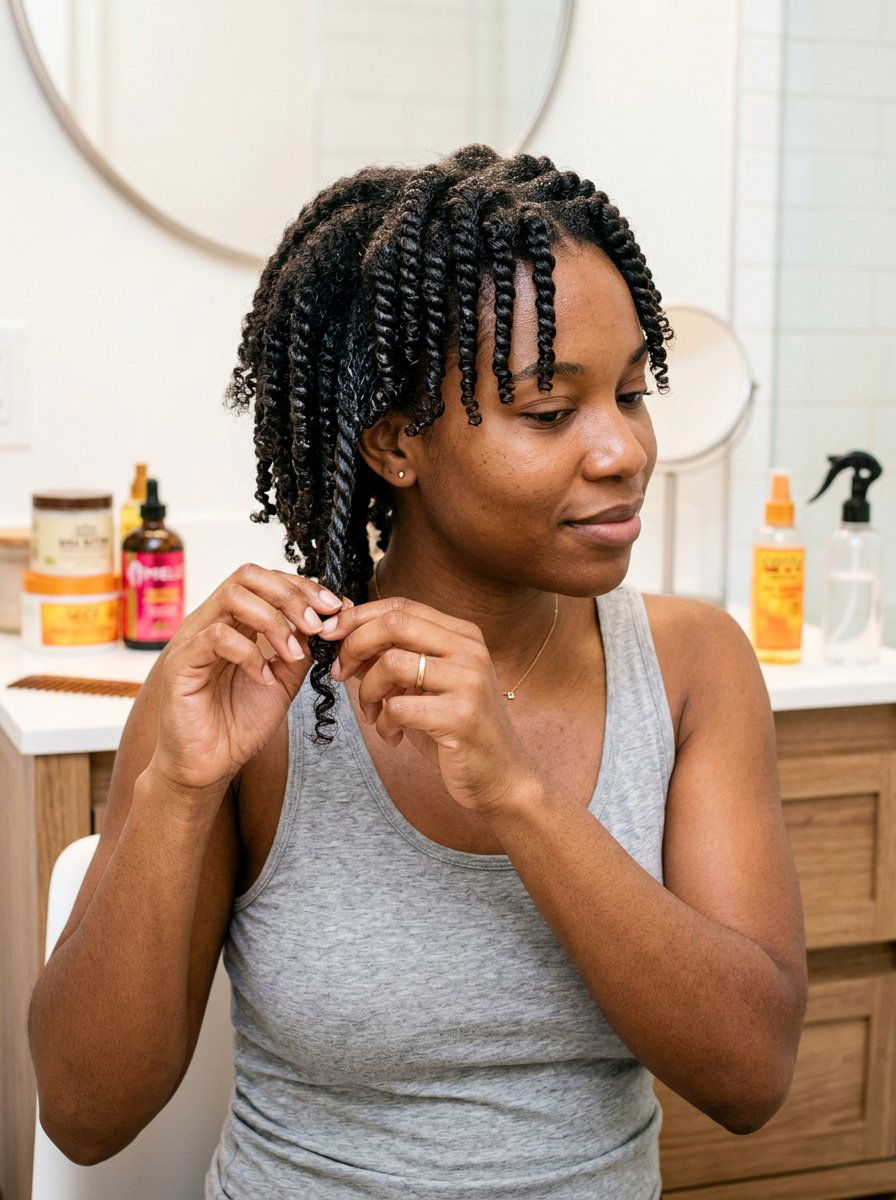
The damp to dry twists method is the fundamental principle behind all successful overnight wavy styles. The key is to start with hair that is about 80% dry; if it is too wet, it won’t dry by morning, and if it is too dry, the wave won’t set. Apply a light-hold mousse or a sea salt spray to your damp hair to give it some “grip” before you begin your chosen twisting technique. By allowing the hair to finish its drying process while restricted in a twist, the hydrogen bonds in the hair reset into the new wavy shape. This results in a long-lasting style that resists falling flat.
Conclusion:
Adopting a routine of overnight twists for wavy hair is more than just a styling choice; it is a commitment to the long-term health of your strands. By avoiding the intense heat of curling irons and wands, you prevent moisture loss and cuticle damage, leading to shinier and stronger hair over time. The variety of techniques available—from rope twists to bantu knots—ensures that there is a perfect match for every hair length and desired aesthetic. As you experiment with these methods, you will discover the unique rhythm of your own hair texture. Embrace the ease and beauty of heatless waves and enjoy the confidence of waking up ready to go.
You'll Like These Styles:







Leave a Reply