
Many people with curly hair know the struggle of waking up to a “birds nest” of tangles and flattened coils after a night of tossing and turning. Standard cotton pillowcases act like tiny sponges, absorbing the natural oils and moisture your curls need to stay defined and healthy. Furthermore, the friction from these rougher fabrics can lead to significant breakage and unwanted frizz by morning. Learning how to protect your curls while you sleep is not just a luxury; it is a vital part of a healthy hair routine that saves you hours of restyling. By implementing specific overnight styles, you can preserve your natural pattern and maintain hydration, ensuring your ringlets look just as vibrant on day two as they did on day one.
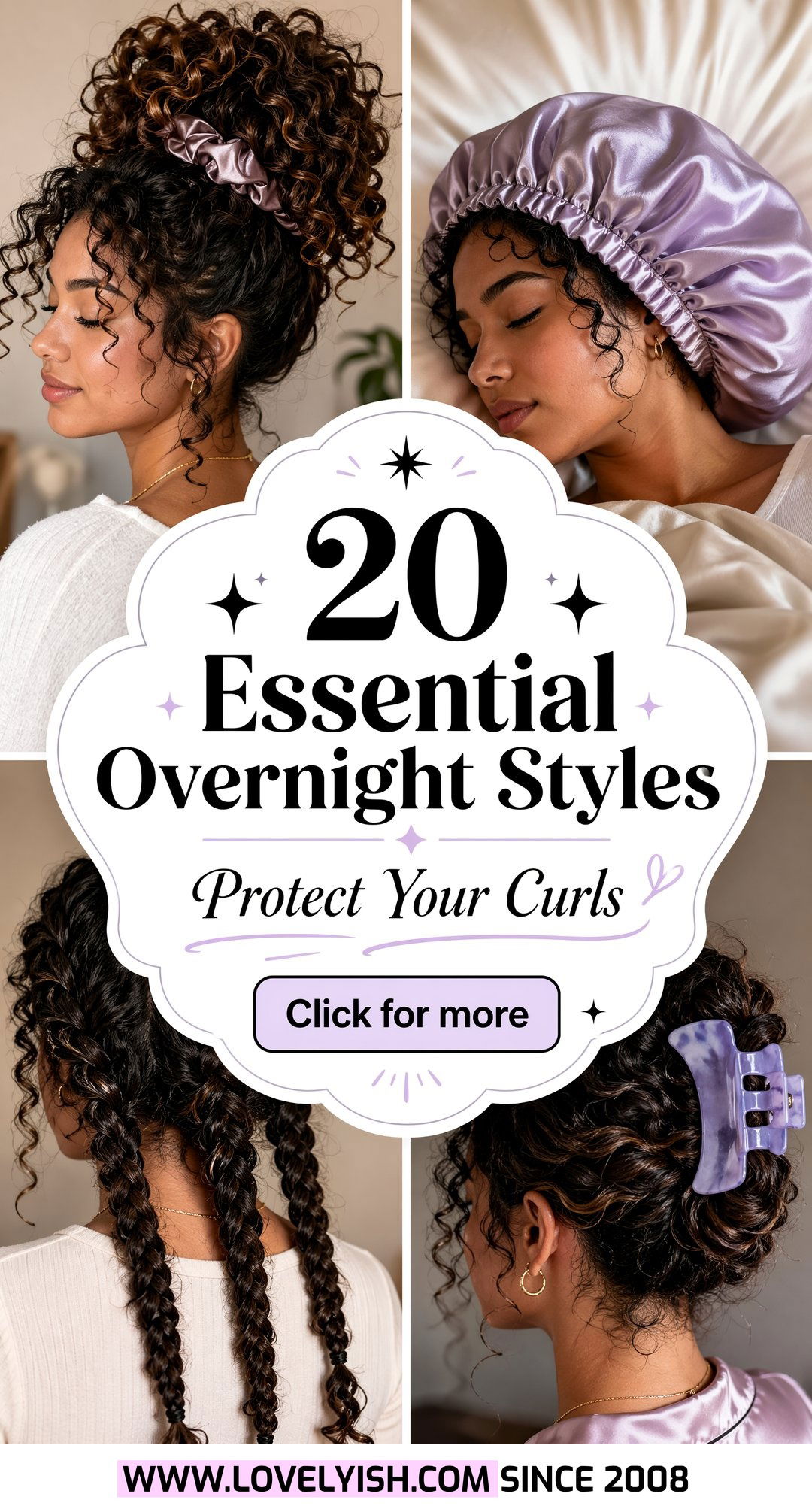
1. Pineapple Method

The pineapple method is arguably the most famous way to protect curls overnight because it is incredibly simple and effective for many lengths. To master this look, you flip your head forward and gather all your hair at the very top of your forehead. Secure it loosely with a silk or satin scrunchie, ensuring you do not wrap the band too many times to avoid creating a permanent dent. By keeping the hair piled high, you ensure that your head rests on the underside of your hair rather than the delicate top layer. This prevents your curls from getting crushed or flattened against the pillow as you move during the night.
2. Loose Braid
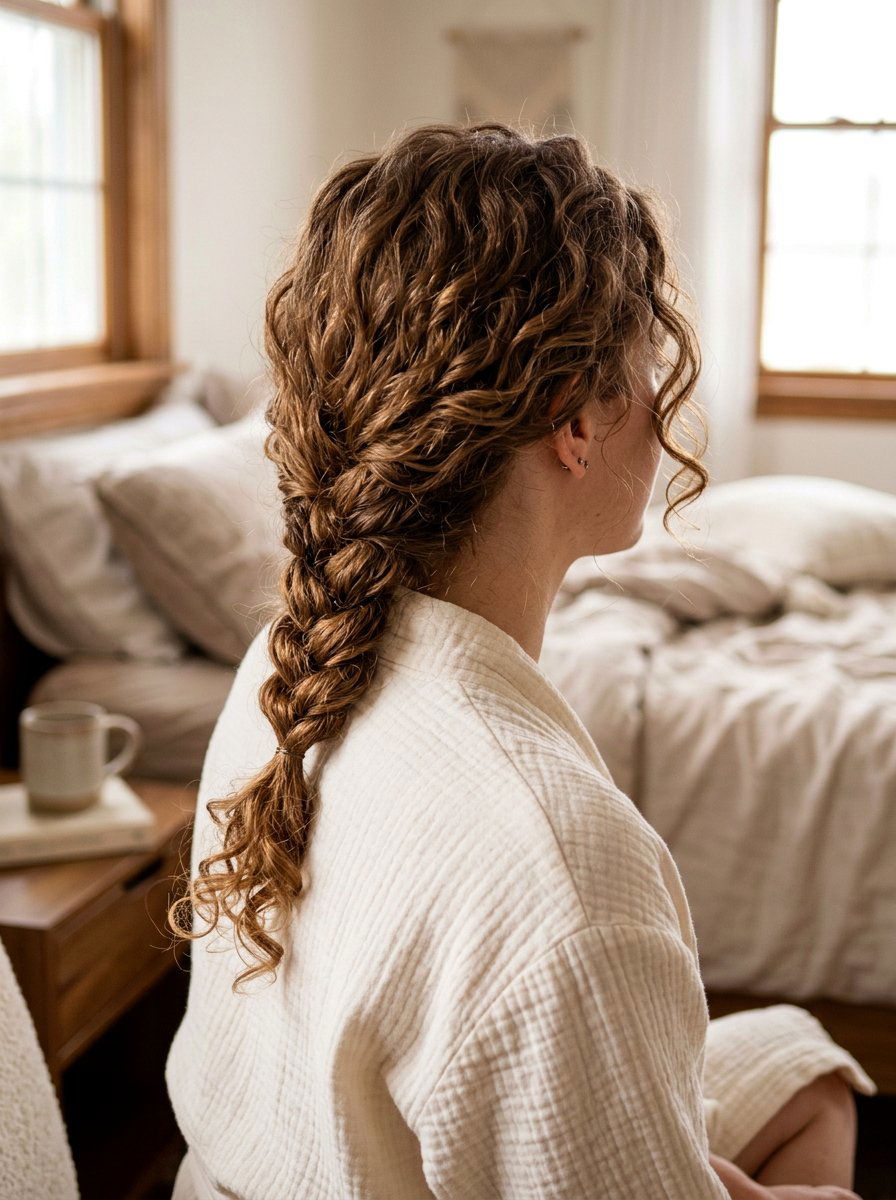
For those with longer curly hair or looser wave patterns, a classic loose braid is a fantastic way to minimize friction and prevent tangles. Start by gathering your hair at the nape of your neck and creating a soft, three-strand braid that doesn’t pull on the scalp. It is essential to keep the tension low so you don’t stretch out your natural curl pattern too much. Secure the very end with a small silk tie to protect the most fragile part of your strands. This style keeps the hair contained in a structured way, which drastically reduces the amount of mechanical damage that occurs from rolling around on a pillow.
3. Silk Bonnet
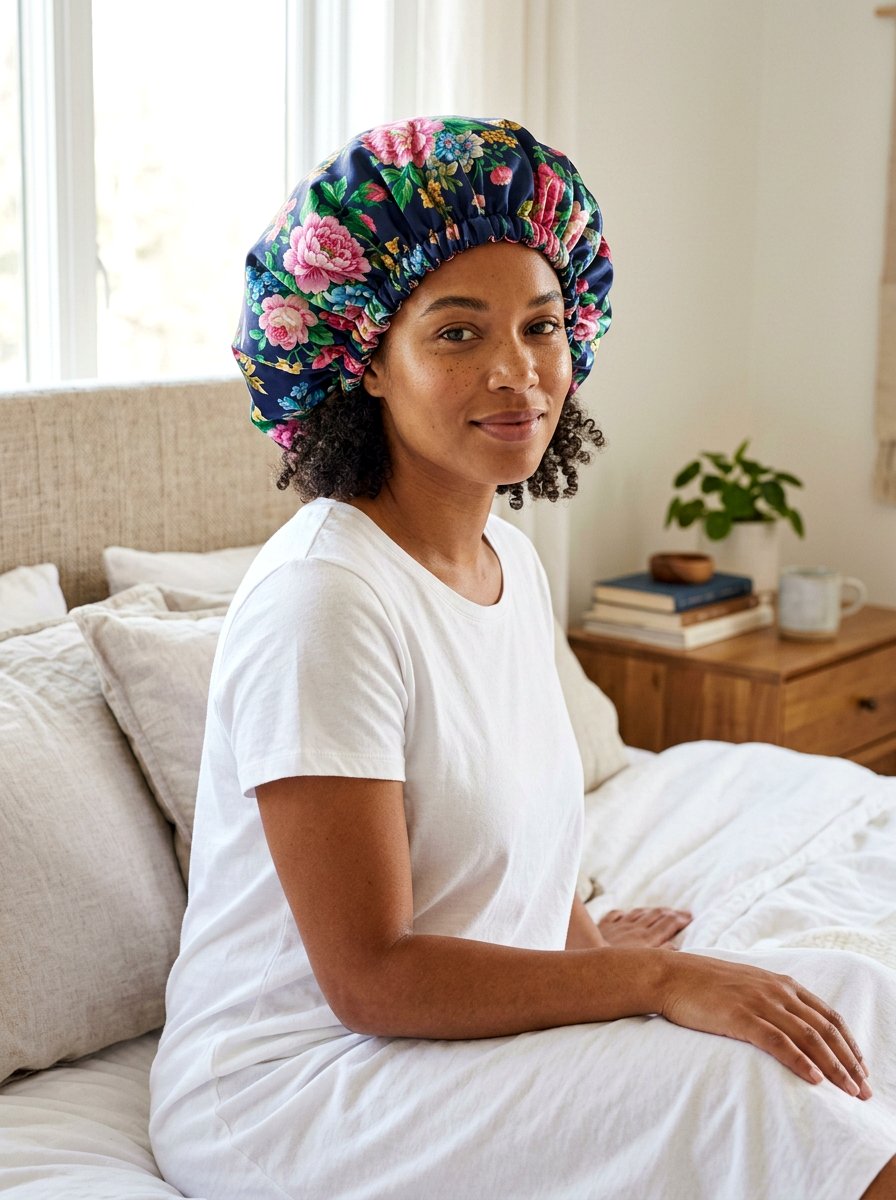
Using a silk or satin bonnet is the gold standard for full-coverage protection, especially if you have shorter hair or multiple curl types. You simply tuck all your curls into the cap before bed, making sure no stray strands are left exposed to the drying effects of your bedding. The smooth interior of the bonnet allows your hair to glide freely as you move, which helps to maintain the integrity of each individual curl. Modern bonnets often come with adjustable bands to ensure they stay secure all night without being tight enough to cause a headache. It effectively locks in moisture and keeps your hair looking fresh.
4. Satin Scarf
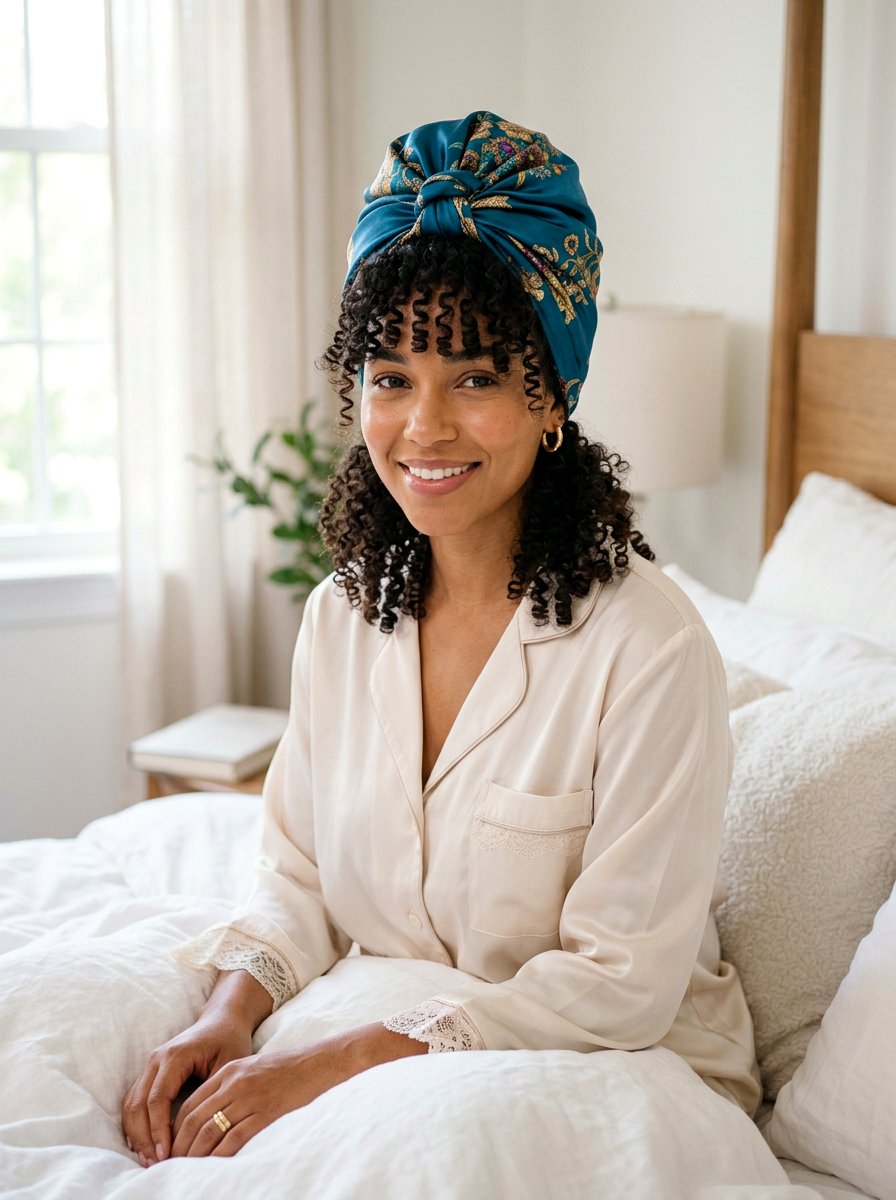
A satin scarf offers a more customizable fit compared to a bonnet and is excellent for those who want to keep their edges flat and sleek. You can fold the scarf into a triangle and wrap it around the back of your head, tying the ends at the front for a secure “turban” look. This method is particularly beneficial for preserving styles like wash-and-gos or twist-outs because it holds the hair close to the head without compressing the volume too much. The slippery fabric creates a barrier against cotton linens, ensuring that your hair retains its natural oils and remains frizz-free when you unwrap it the next day.
5. Medusa Method
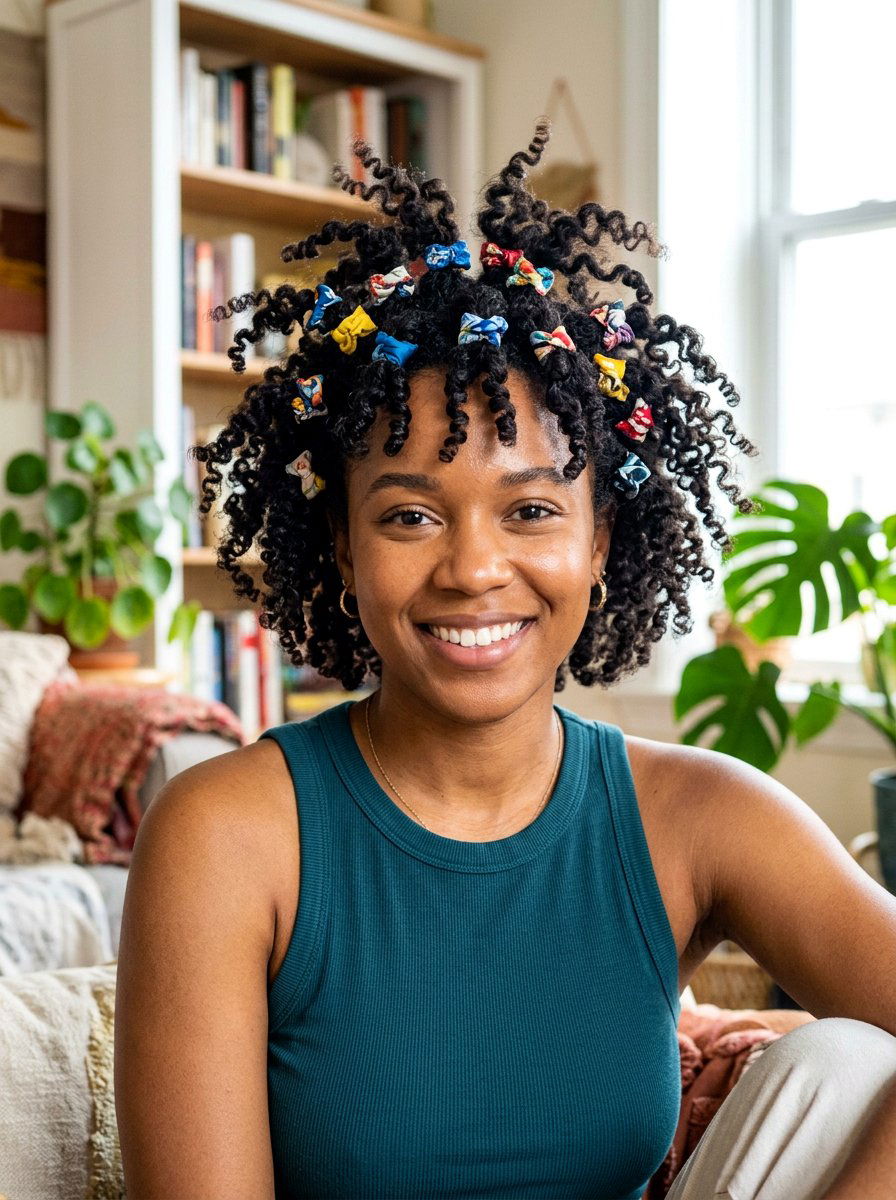
The Medusa method is specifically designed for curly-haired individuals with shorter lengths that cannot reach the top of the head for a single pineapple. Instead of one large ponytail, you use several small silk clips or soft scrunchies to secure sections of hair individually across the top and sides of your head. This “multi-pineapple” approach ensures that every curl is pulled away from the surface of the pillow, regardless of how short the layers might be. It provides excellent volume at the roots and prevents the back of the hair from becoming a matted mess. In the morning, simply remove the clips and shake out your hair.
6. Two Strand Twists
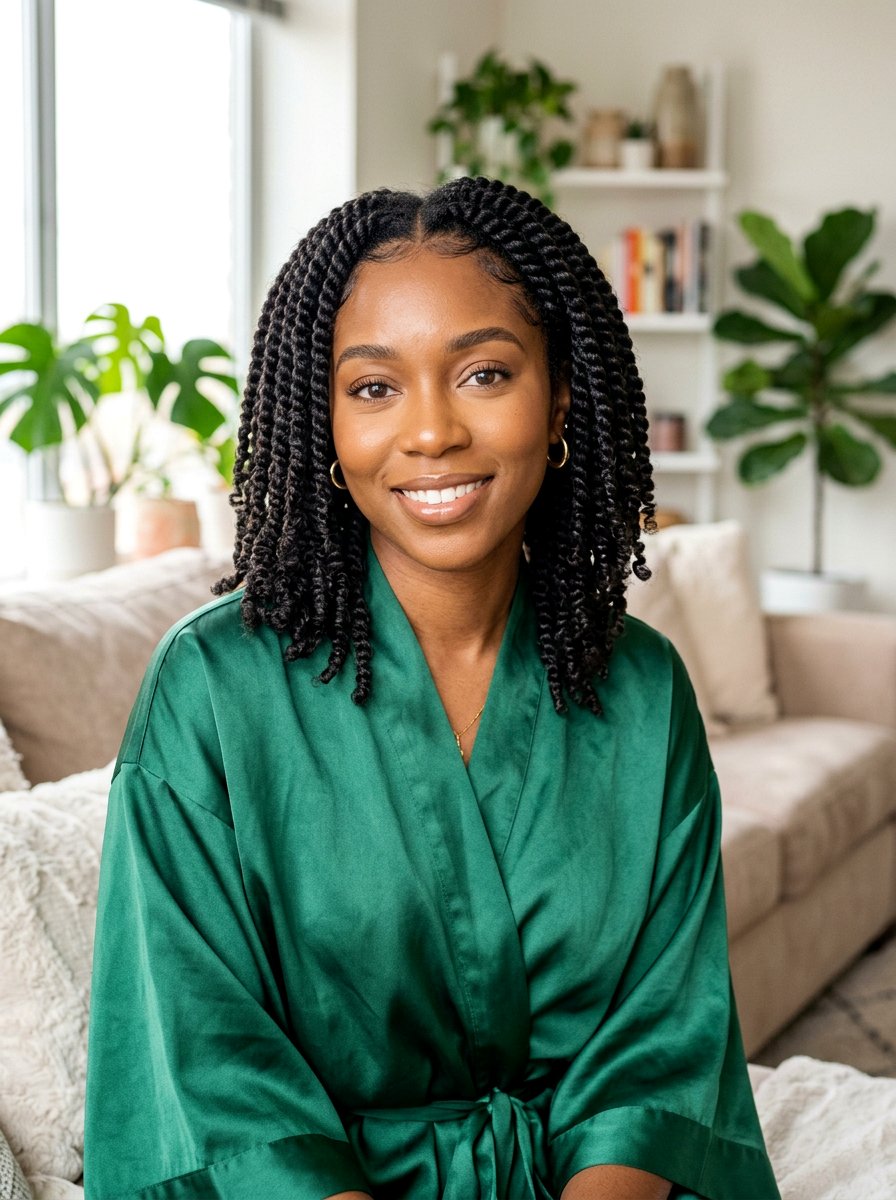
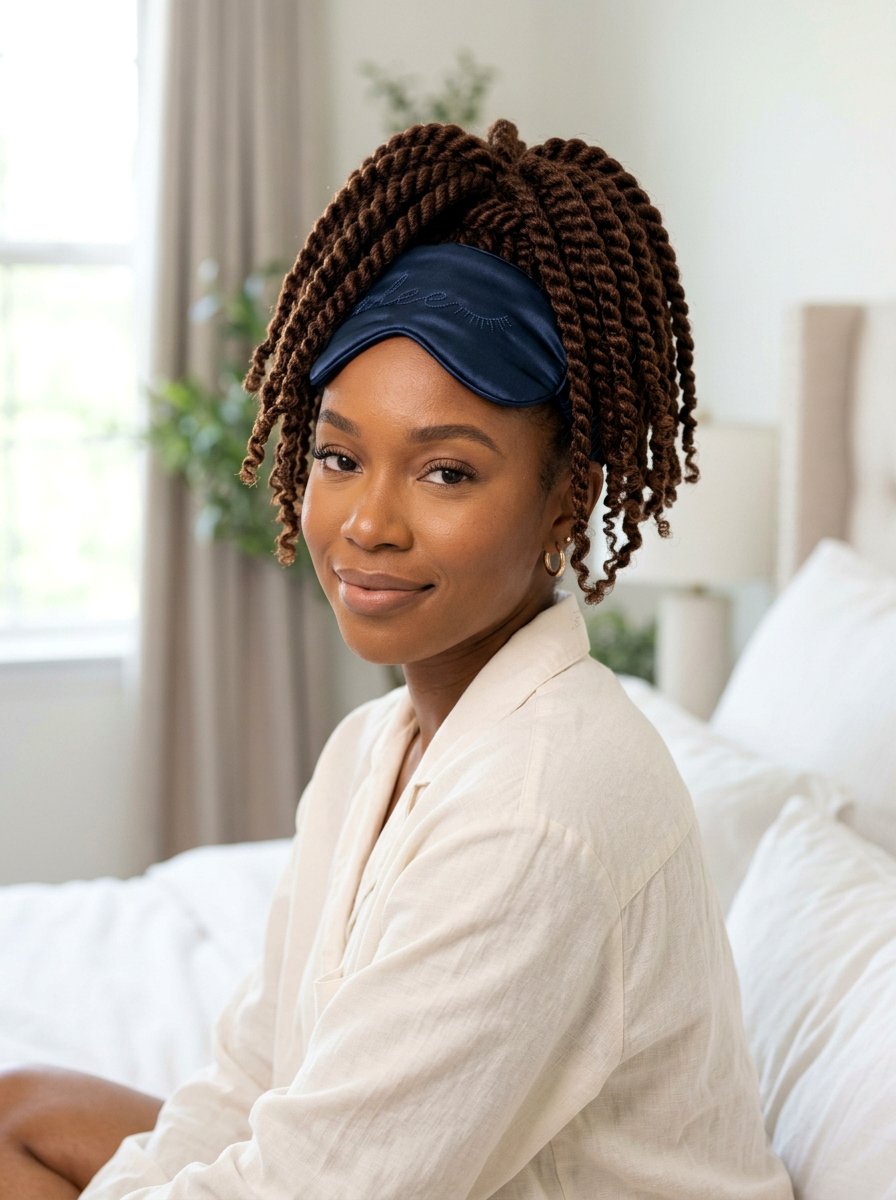
Two-strand twists are a classic protective style that works wonders for tighter curl patterns and coily textures looking to maintain moisture and definition. By dividing the hair into sections and twisting two strands around each other, you create a compact style that is very resistant to frizz. This method also helps to stretch the hair slightly, which can be a great way to manage shrinkage and prevent the hair from knotting into itself. Applying a small amount of leave-in conditioner or hair oil before twisting will act as an overnight treatment, leaving your curls incredibly soft and defined once you unravel them during your morning routine.
7. French Braids

French braids provide a more secure and flat-laying option for sleep, which is ideal for active sleepers who find that looser styles fall out. By braiding the hair close to the scalp, you keep the entire length of the hair protected from root to tip. This style is particularly effective if you want to transition your natural curls into a more uniform, wavy look the next day. Because the hair is woven tightly together, there is very little room for individual strands to rub against each other, which nearly eliminates the risk of overnight tangling. It is a reliable way to wake up with organized, manageable hair.
8. Multi Pineapple
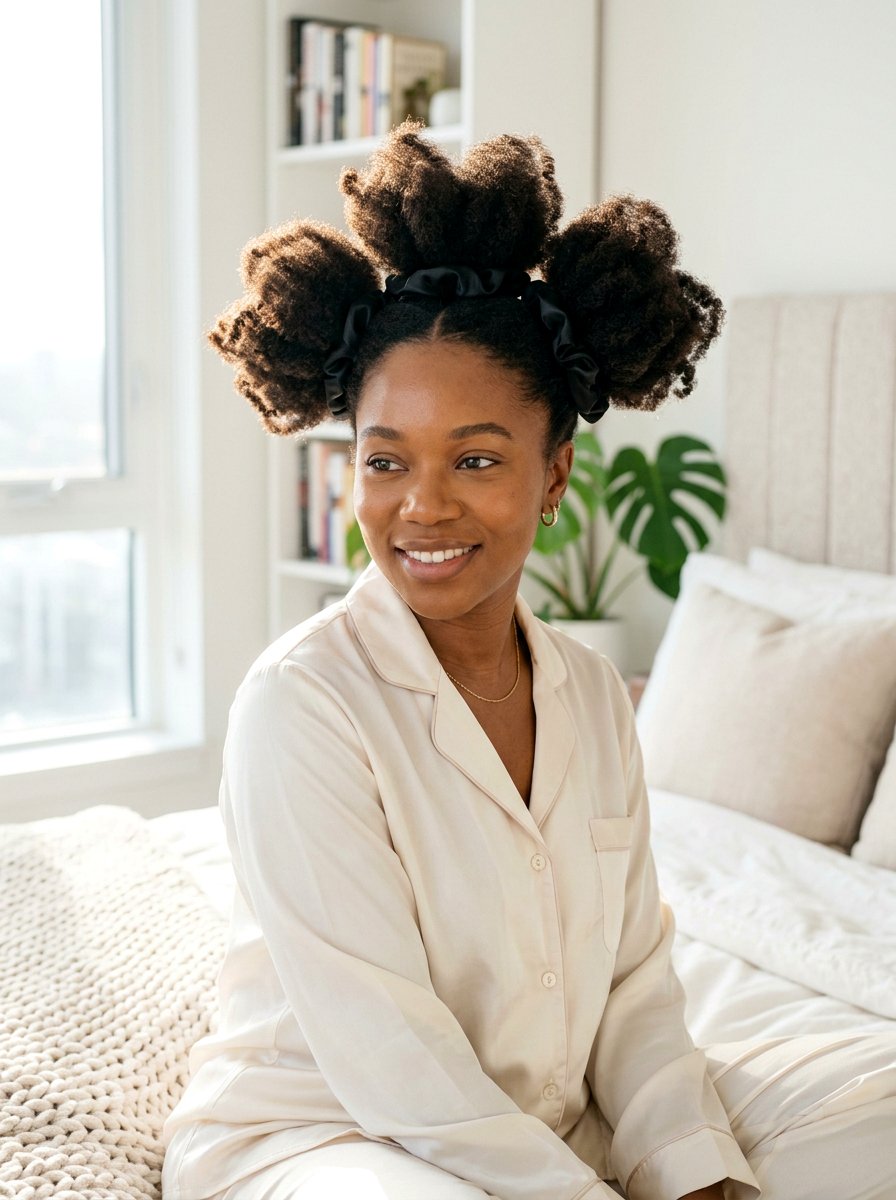
The multi-pineapple is a variation of the traditional high ponytail that is perfect for those with very thick or high-density curly hair. If a single scrunchie feels too heavy or doesn’t capture all your layers, dividing the hair into two or three vertical sections can provide better relief. You create one ponytail near the forehead and another closer to the crown or middle of the head. This distributes the weight of the hair more evenly, preventing scalp tension while still keeping the ends of your curls protected. It is a highly effective way to maintain the shape of your curls without the risk of flattening them.
9. Bantu Knots
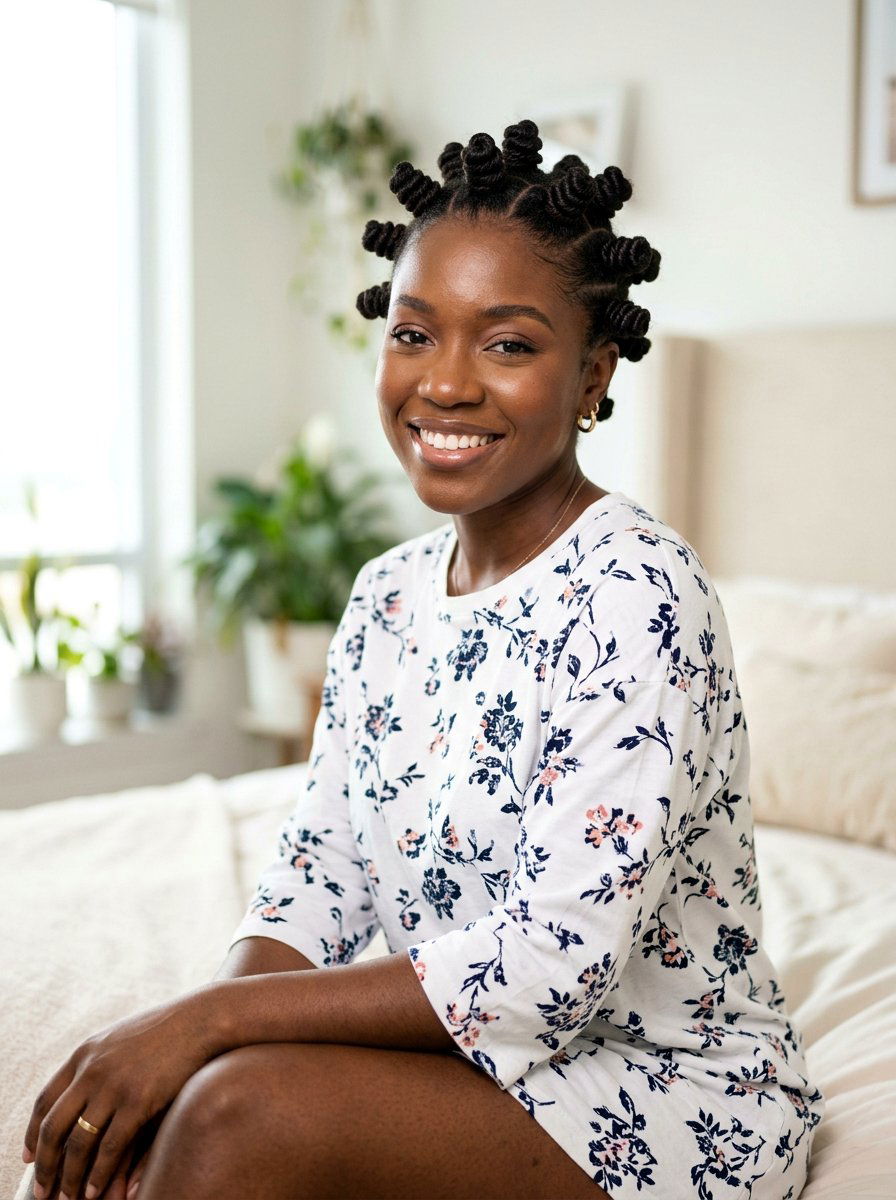
Bantu knots are an ancient and beautiful technique that serves as both a protective style and a heatless curling method. To achieve this, you section the hair and twist each part into a small, circular knot that sits tight against the scalp. This style is incredibly sturdy and will not move or unravel while you sleep, making it one of the best options for long-term protection. When you take the knots down in the morning, you are rewarded with high-definition, springy curls that require very little styling. It is an excellent choice for anyone looking to refresh their look while they get their beauty rest.
10. Buff Wrap
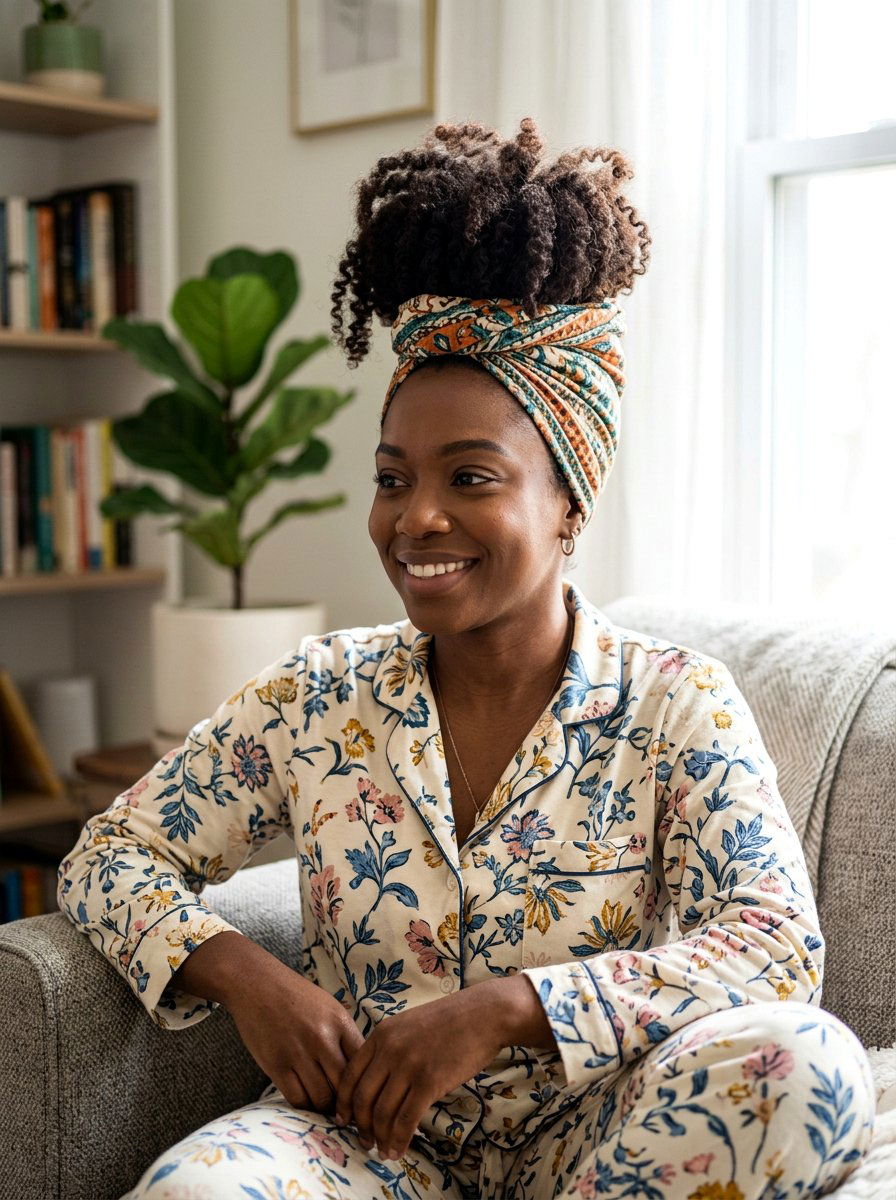
A hair buff is a seamless tube of fabric that has become a favorite among the curly community for its versatility and comfort. You slide the buff over your neck and then pull it up over your hair like a tall sock, leaving the top open so the hair can breathe. This keeps the hair in a vertical position, preventing the curls from being crushed by the weight of your head. It is less restrictive than a bonnet and doesn’t require any hair ties, which is perfect for people who are sensitive to pressure on their scalp. The soft fabric protects the hair while maintaining natural volume.
11. Low Bun
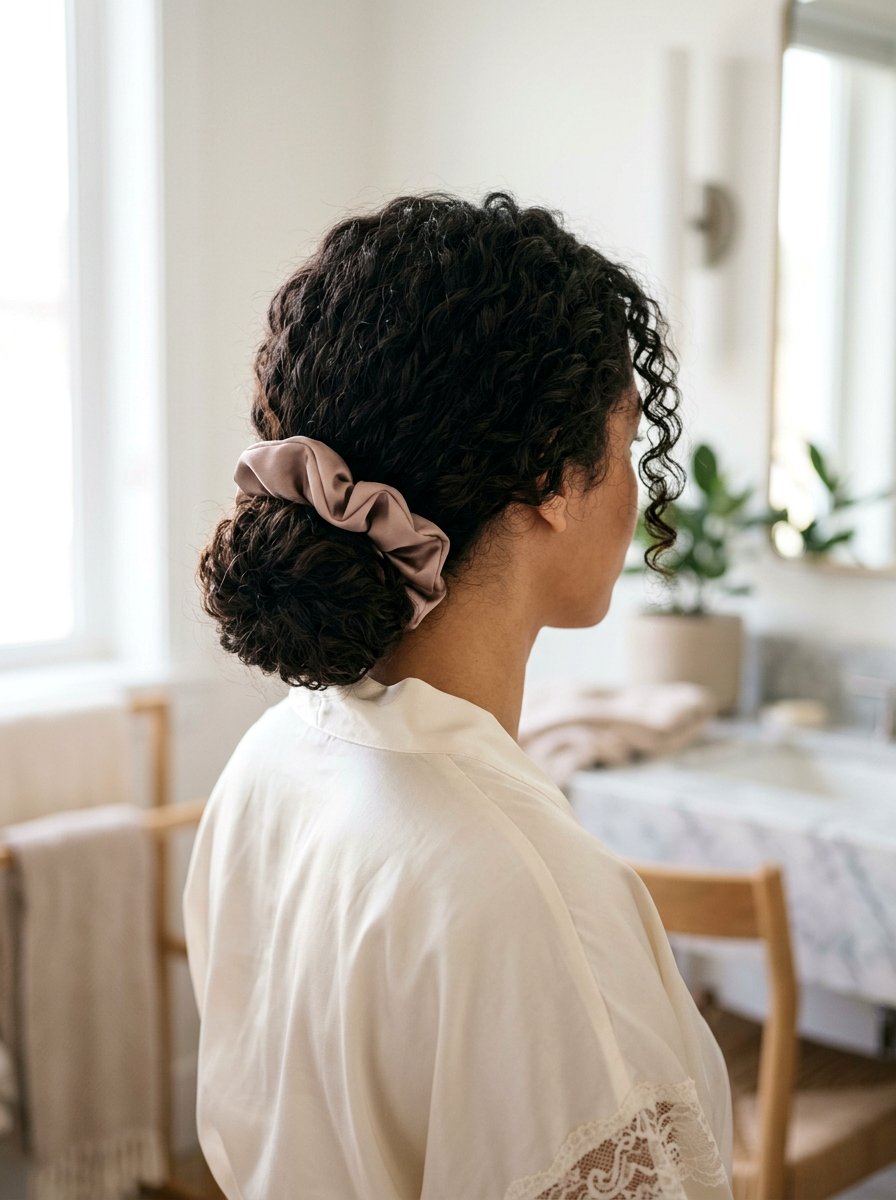
A low bun secured with a silk scrunchie is a quick and easy solution for those who prefer to sleep on their stomach or sides. By gathering the hair loosely at the nape of the neck, you keep the lengths contained and away from the face. It is important to fold the hair into the bun rather than twisting it tightly, as twisting can disrupt your natural curl clumps. This style is great for preserving the moisture in your ends, which are often the driest part of curly hair. It provides a simple barrier against the friction of your pajamas and bedding throughout the night.
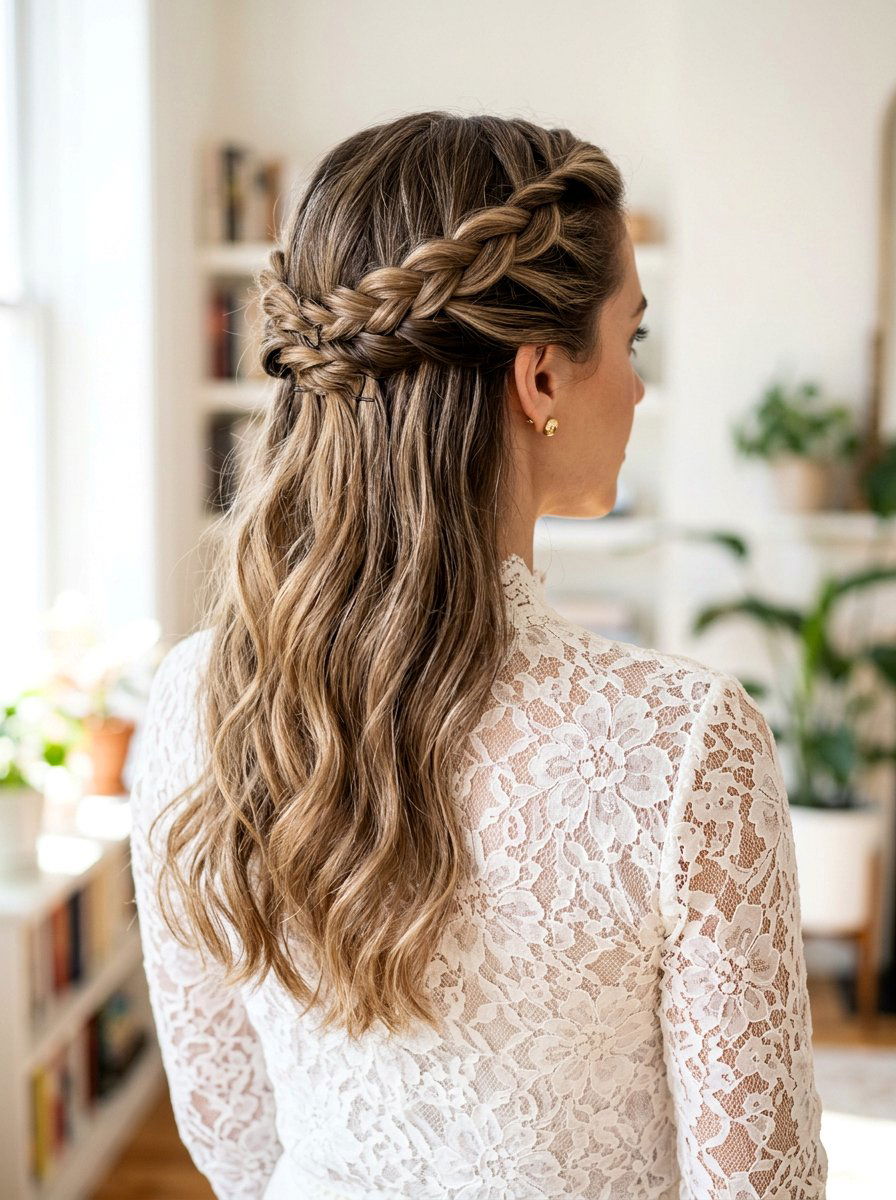
12. Plats
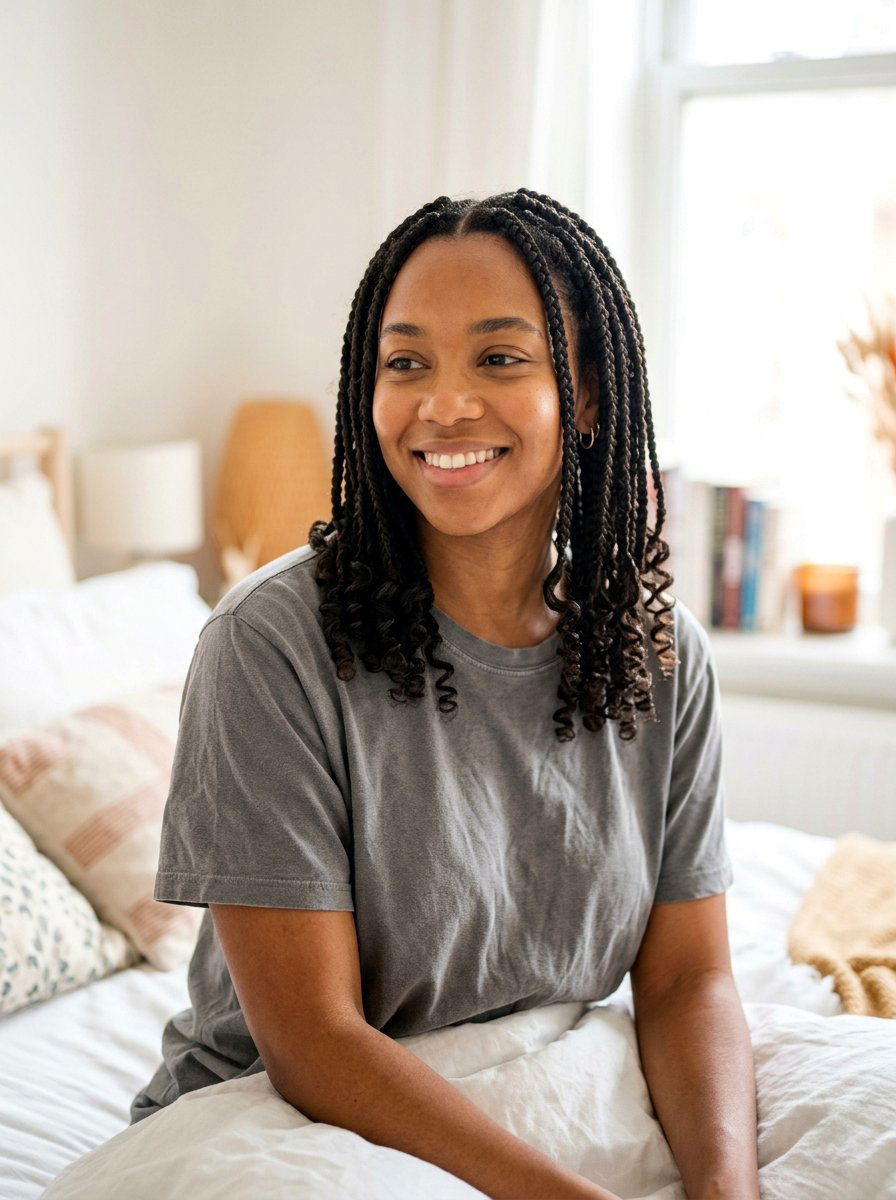
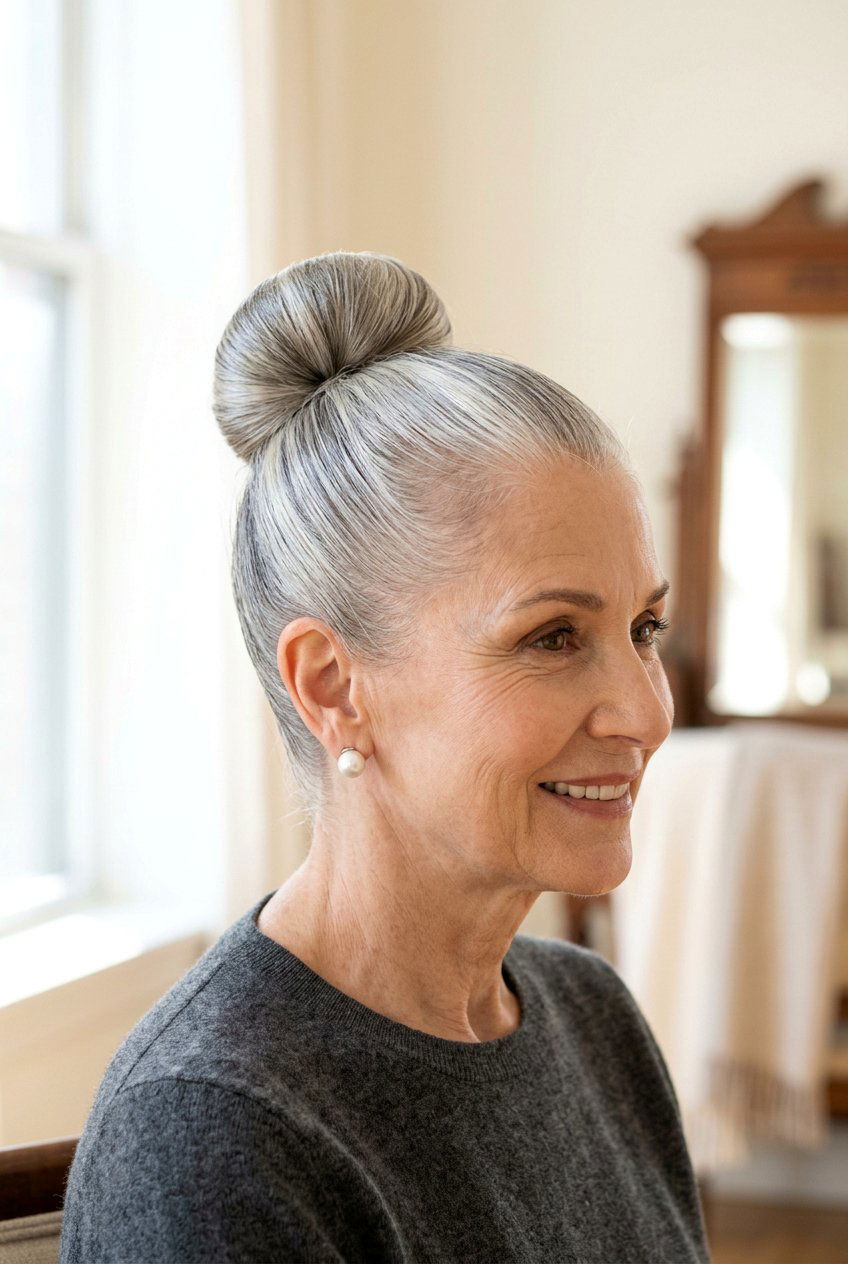
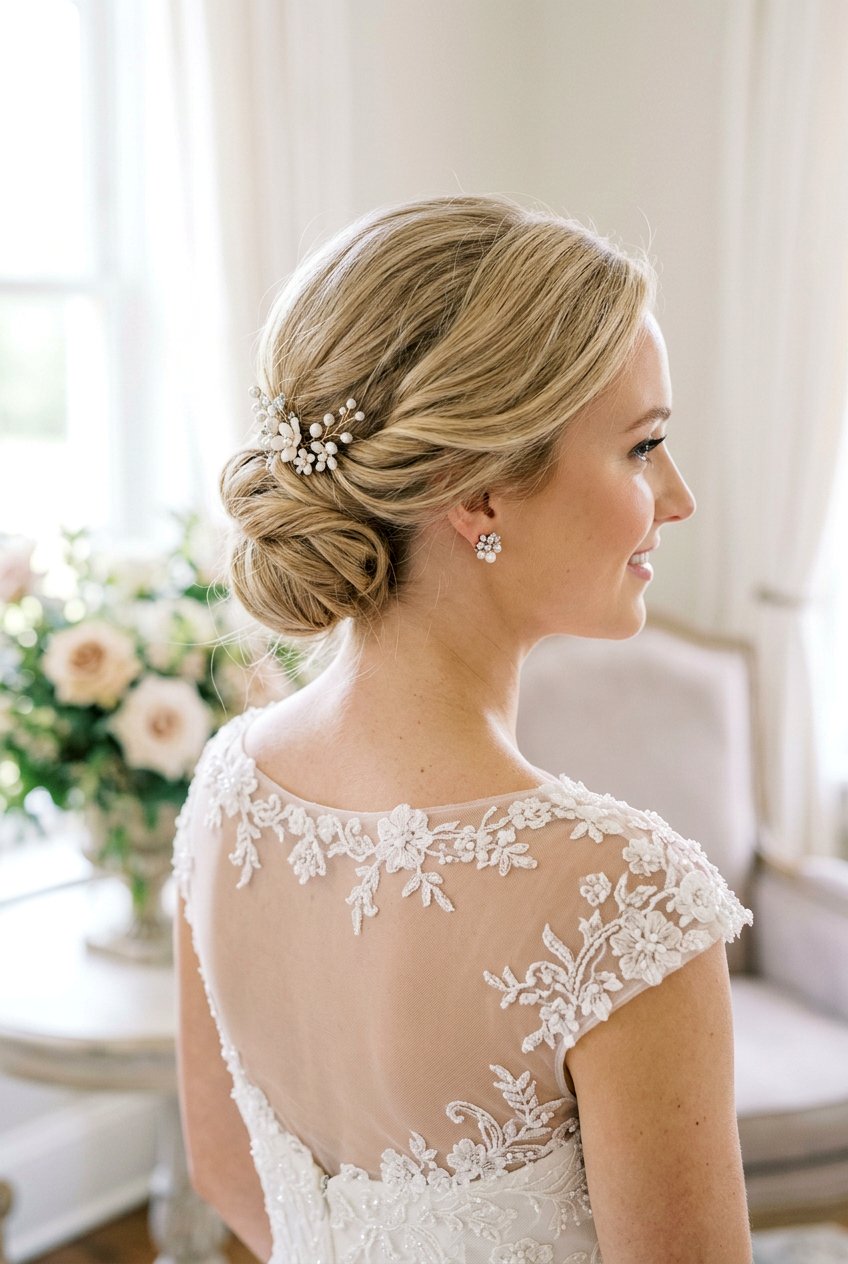
Plats, or simple individual braids, are a time-tested method for keeping curls separated and protected during sleep. By sectioning the hair into four or six large braids, you ensure that the hair stays organized and does not mesh together into a large tangle. Unlike a single braid, plats allow for more movement and are often more comfortable for people who move their heads frequently while sleeping. This style is excellent for maintaining a consistent moisture level throughout the hair, as the braided structure helps to seal the cuticle. In the morning, the hair remains detangled and ready for a quick refresh with water.
13. High Bun
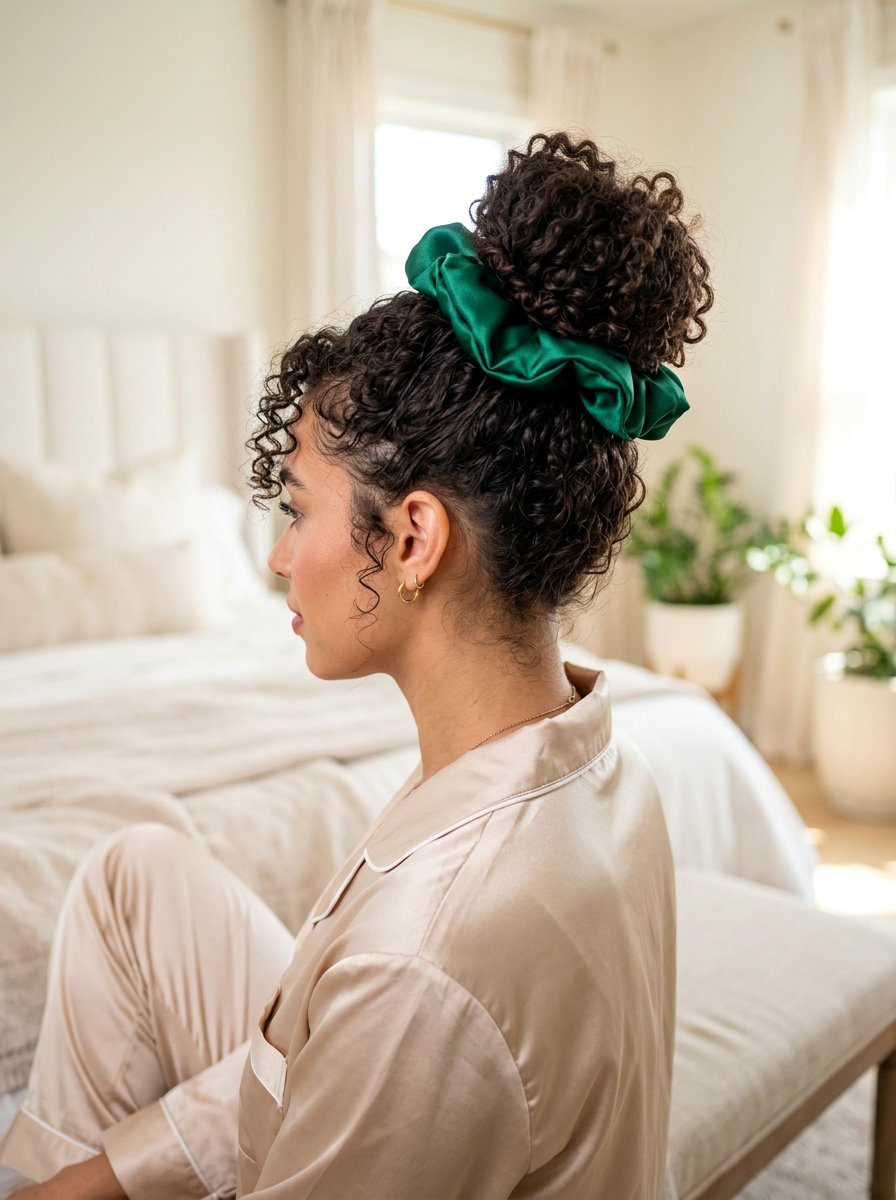
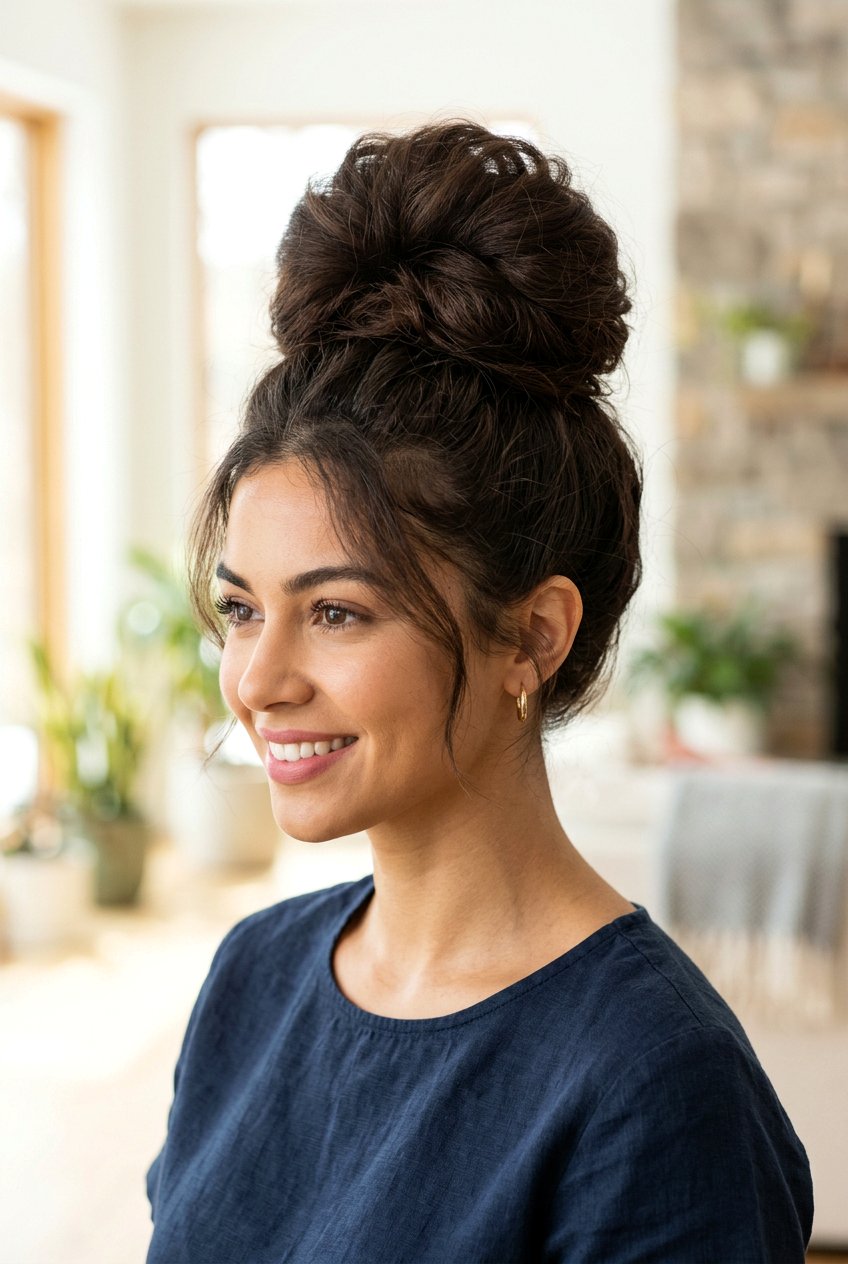
A high bun is essentially a more contained version of the pineapple, where the ends of the hair are tucked into the scrunchie. This is particularly useful if your ends are prone to split ends or excessive dryness. By tucking the ends away, you are shielding the most vulnerable part of the hair from any possible friction. The high placement on the head ensures that the bun does not interfere with your sleeping position, regardless of whether you are a back or side sleeper. This style helps to maintain root volume and prevents the curls from sagging or losing their bounce overnight.
14. Dutch Braids
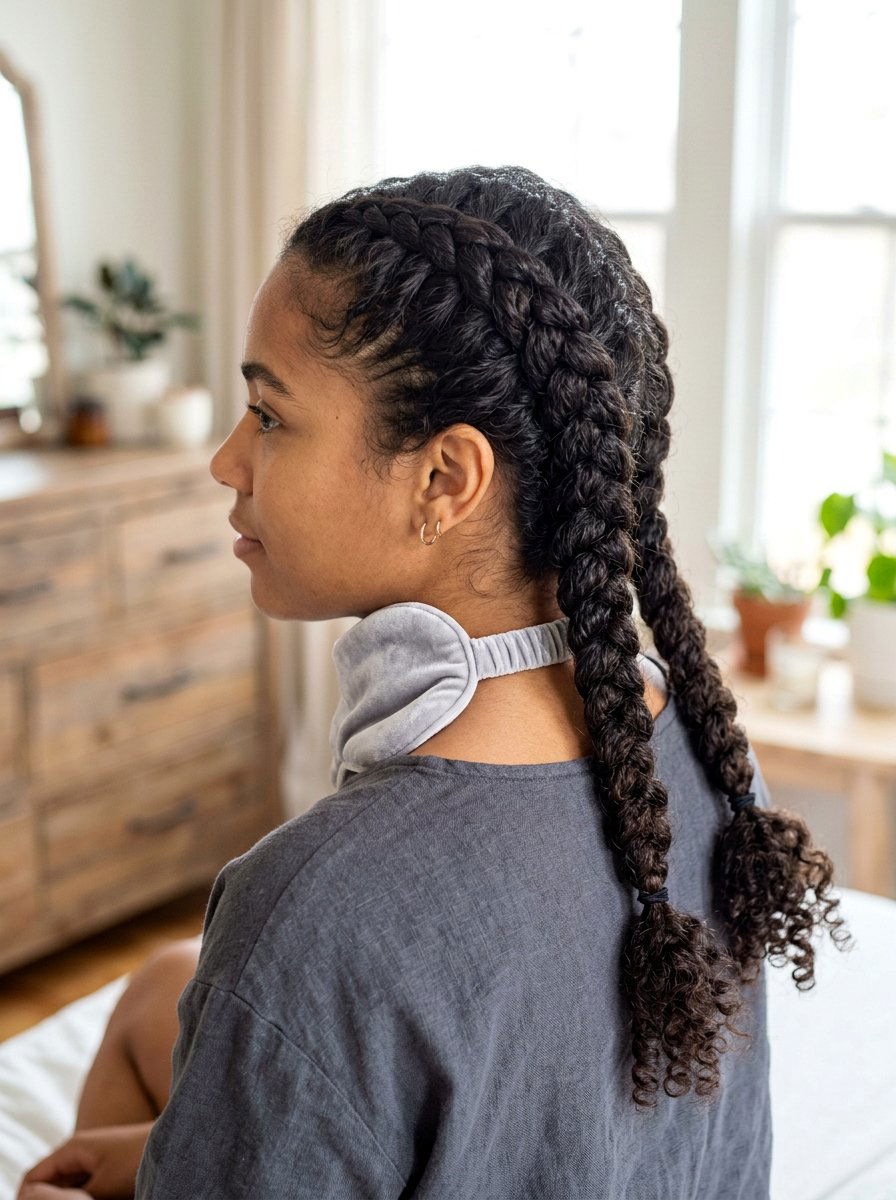
Dutch braids, often called “inside-out” French braids, are an excellent protective choice because they keep the hair very secure. Because the strands are crossed under rather than over, the braid sits on top of the hair, which some find more comfortable for sleeping. This style is very effective at keeping frizz at bay, especially around the hairline and the nape of the neck. It is a fantastic option for someone who wants to go several days without a full wash, as it keeps the hair looking tidy and intentional. The structural integrity of Dutch braids ensures that your curls stay protected through even the deepest sleep.
15. Satin Pillowcase

While not a hairstyle itself, sleeping on a satin pillowcase is the foundational step for all curly hair protection. Even if your protective style slips off during the night, the satin surface provides a safety net that reduces friction and prevents moisture loss. The smooth texture of the fabric allows your hair to slide easily, which means you won’t wake up with the jagged “bedhead” look common with cotton cases. Many people find that switching to a satin pillowcase is the single most effective change they can make for their hair health. It is a low-effort, high-reward addition to any nighttime beauty routine.

16. Twist Out

An overnight twist-out involves creating small twists all over the head, which are then left to set while you sleep. This is a dual-purpose style that protects the hair from damage while simultaneously defining the curl pattern for the next day. By allowing the hair to dry or set in this twisted shape, you minimize the need for heat styling or extensive morning manipulation. The hair is held in a compact form that is very difficult to tangle, making it a favorite for those with type 3 and 4 hair. It ensures that your curls are uniform, shiny, and ready to go with minimal effort.
17. Flat Twists

Flat twists are a hybrid between cornrows and two-strand twists, offering a secure way to keep hair close to the scalp. This style is excellent for protecting the roots and mid-lengths of curly hair, as it prevents the hair from shifting too much during the night. Flat twists are generally faster to install than braids and are very gentle on the scalp, making them an ideal choice for sensitive individuals. They provide a beautiful wavy pattern when unraveled and are excellent at maintaining the moisture balance of the hair. This style keeps your curls tucked away safely, ensuring a frizz-free morning.
18. Flexi Rods
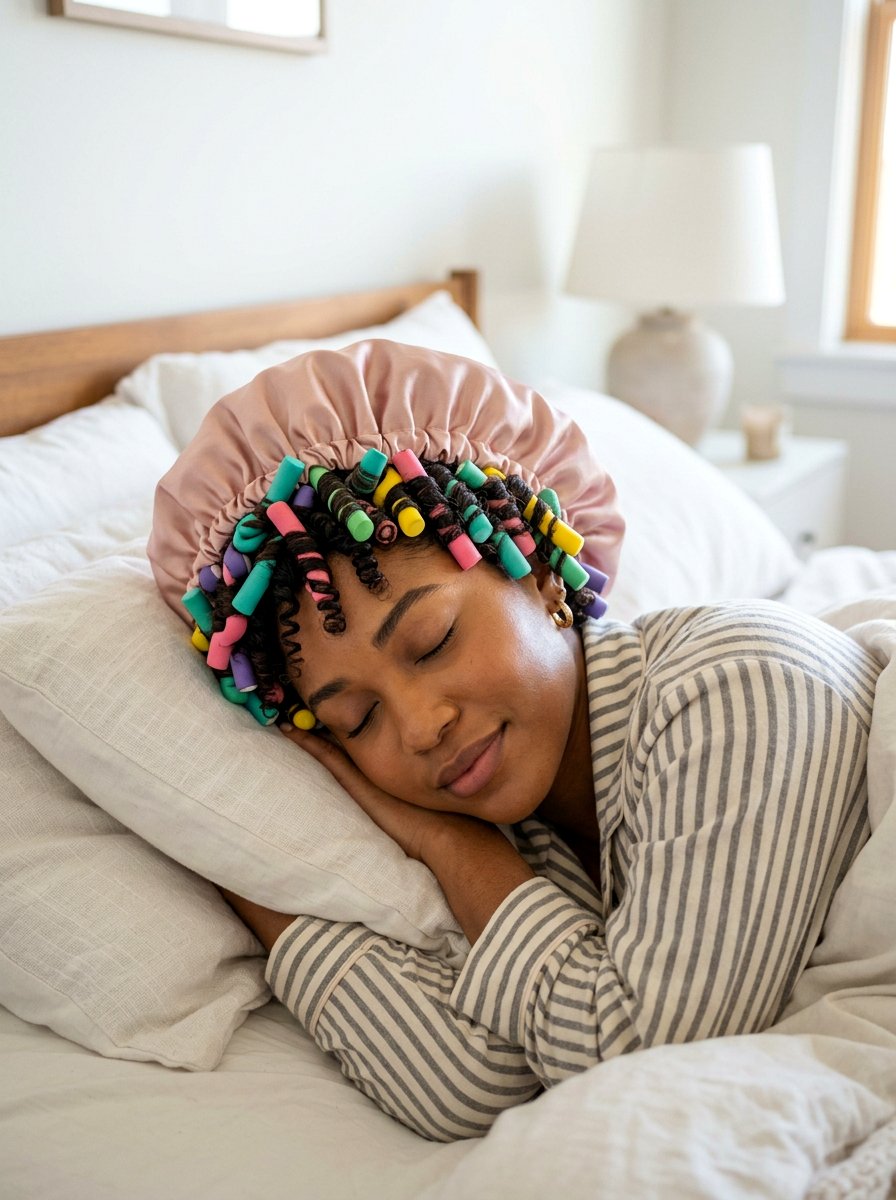
Flexi rods are soft, flexible rollers that can be used to set curls into a specific shape overnight. By wrapping sections of hair around the rods, you protect your natural hair from the friction of the pillow while creating a very defined look. Since the rods are made of a soft foam-like material, they are relatively comfortable to sleep in compared to hard plastic rollers. This method is perfect for refreshing old curls or creating a new look without using any damaging heat tools. Using a silk bonnet over the rods will ensure that they stay in place and don’t snag on your bedding.
19. Folded Scarf

The folded scarf method involves using a large silk square to create a “pocket” for your curls. You place the center of the scarf at the nape of your neck, bring the corners to the front, and tie them securely at the hairline. This creates a gentle hammock for your hair to rest in, preventing any compression of the curl pattern. It is a great alternative for those who find bonnets too tight or restrictive. The scarf keeps the hair contained and protects the delicate edges of your hairline from breakage, which is essential for maintaining a healthy and full head of curls.
20. Finger Coils

Finger coils are a styling technique where you wrap small sections of hair around your finger to create a tight, spiral shape. Doing this before bed and allowing the coils to set overnight is a brilliant way to ensure maximum definition. This style is very resistant to frizz because the hair is clumped together tightly, which protects the inner strands from friction. While it takes a bit more time to set up, the results are often long-lasting, sometimes keeping your curls looking fresh for several days. It is a highly effective way to manage unruly hair and maintain a polished appearance.
Conclusion:
Investing time into protecting your curly hair overnight is a game-changer for anyone tired of the daily struggle with frizz and tangles. Whether you choose the simplicity of the pineapple method or the detailed structure of Bantu knots, the goal remains the same: reducing friction and retaining moisture. By moving away from traditional cotton pillowcases and embracing silk accessories or structured styles, you are giving your curls the environment they need to thrive. These twenty methods offer a solution for every length and texture, proving that beautiful morning hair is achievable for everyone. Consistent nighttime care leads to stronger, healthier, and more defined curls that require much less maintenance during the day.
You'll Like These Styles:










Leave a Reply