
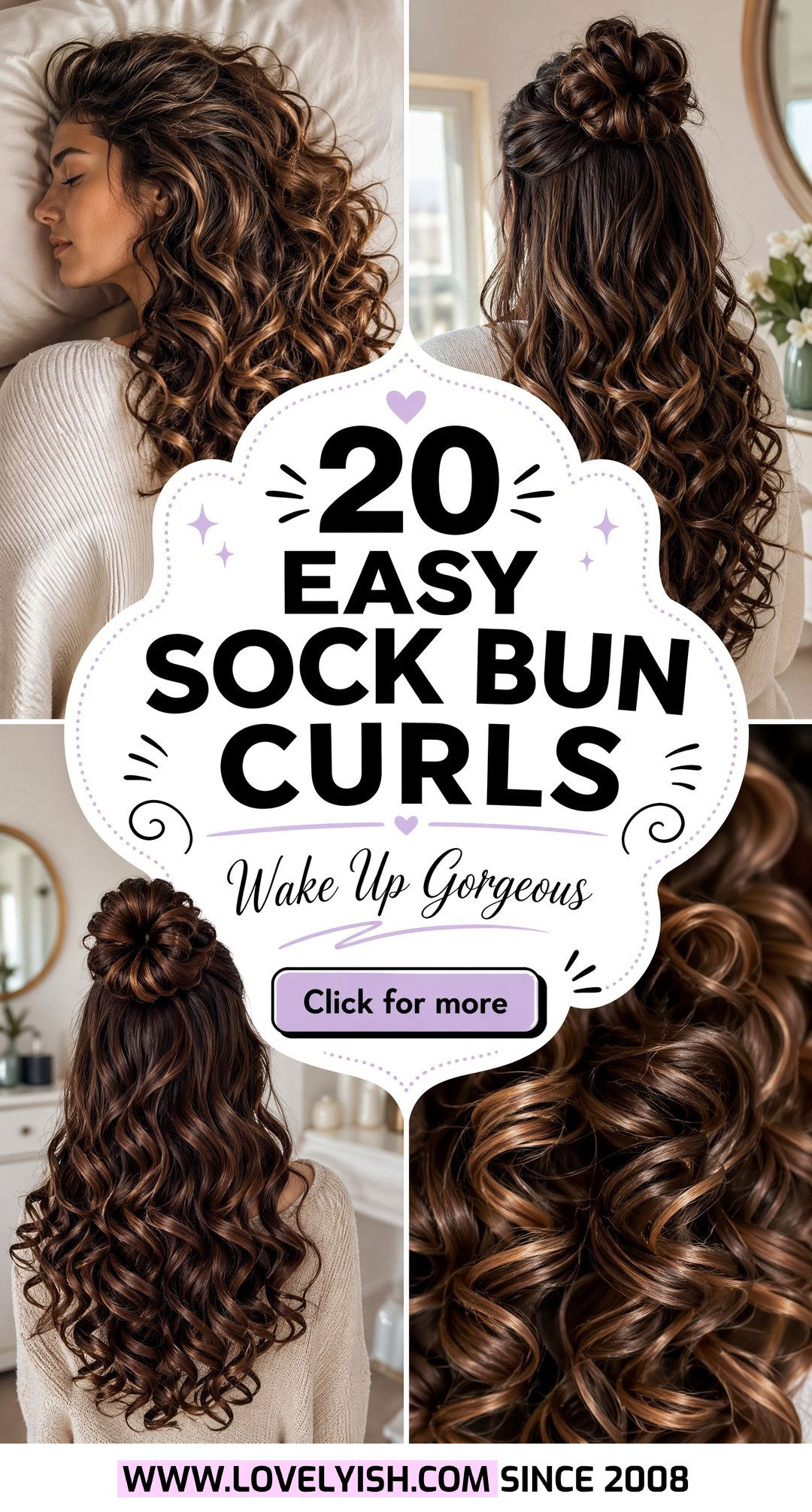
Achieving salon-quality waves without touching a single heating tool is the ultimate hair goal for anyone looking to preserve their hair’s health. Sock bun curls overnight have emerged as a definitive favorite in the beauty world because they utilize simple household items to create professional results while you sleep. This heatless method is perfect for preventing the split ends and dryness often associated with traditional curling irons. By wrapping damp hair around a soft fabric “donut,” you allow the hair to set naturally, resulting in voluminous, bouncy curls that last all day. Whether you have fine hair that needs a body boost or thick locks that take forever to style, this overnight technique offers a seamless way to wake up ready for any occasion with minimal effort and maximum shine.
1. Traditional Sock Bun Curls
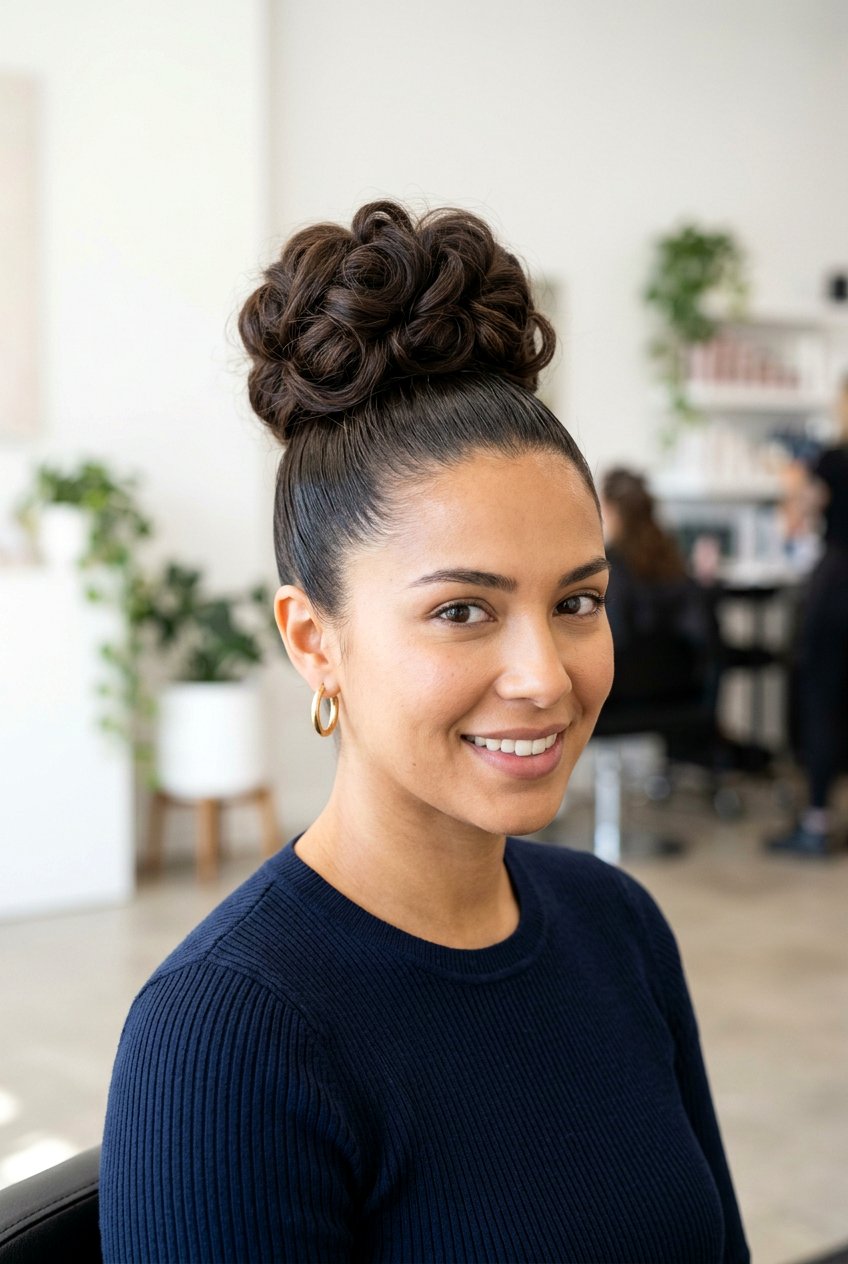
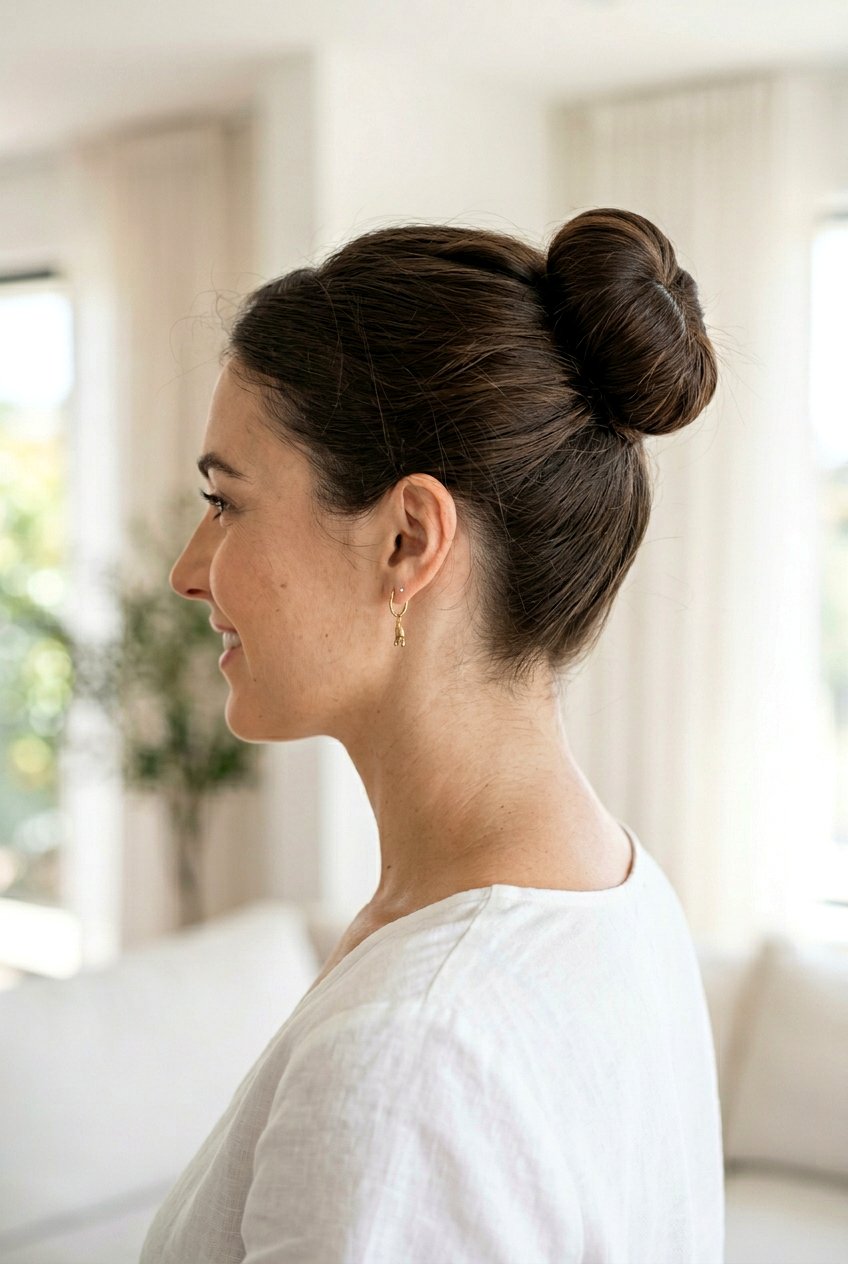
Creating the classic traditional sock bun curls requires a clean athletic sock with the toe cut off, rolled into a sturdy donut shape. You start by pulling your hair into a high ponytail at the crown of your head to ensure the curls begin high up for maximum volume. After lightly misting the ponytail with water or a flexible hold spray, you pull the hair through the center of the sock donut. The secret to smooth results is tucking the ends of your hair under the fabric and rolling the sock down toward the base of the ponytail. This rolling action wraps the hair evenly around the fabric, which sets the shape into large, bouncy loops overnight.
2. Low Ponytail Sock Bun
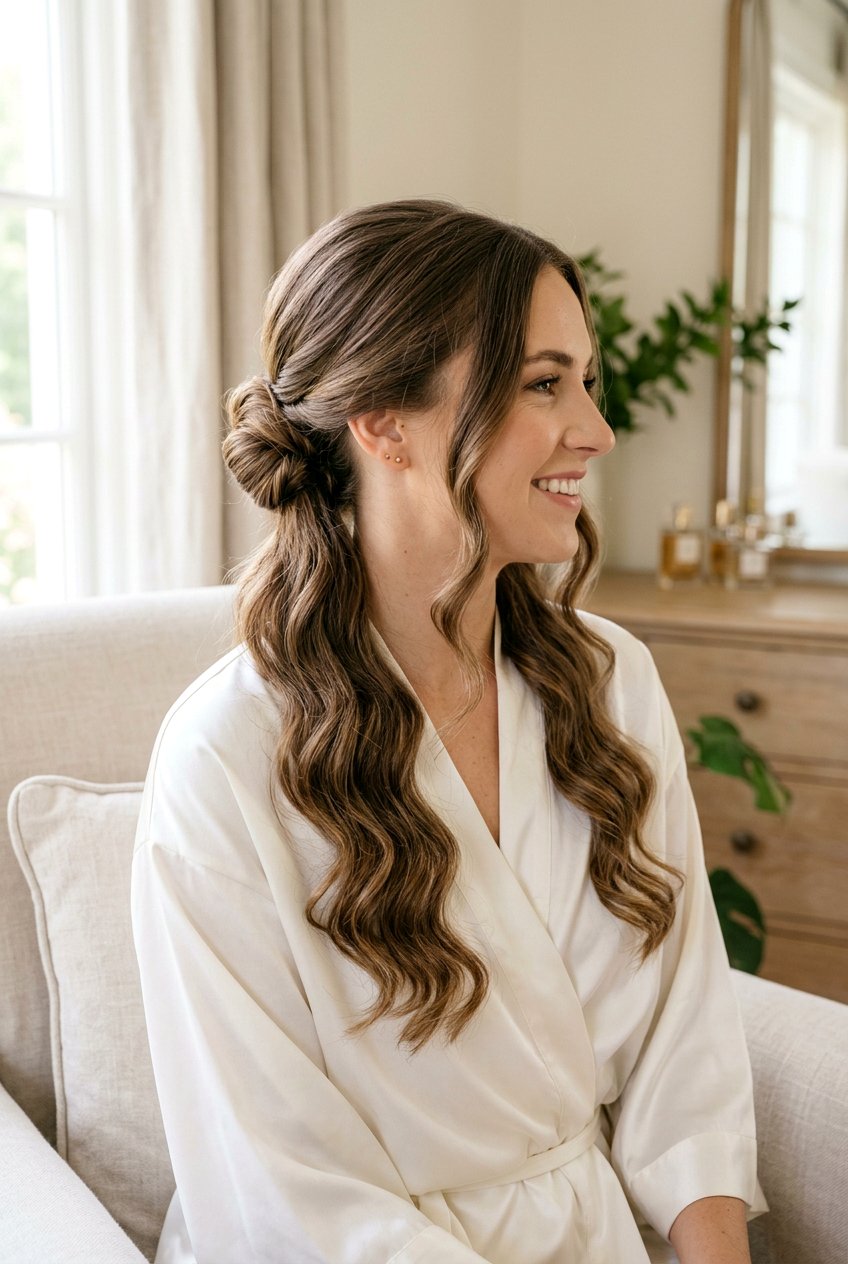
For those who prefer a more relaxed and sophisticated look, the low ponytail sock bun is the perfect choice for creating soft waves at the ends. Instead of gathering hair at the top of the head, you secure a loose ponytail at the nape of the neck before applying the sock donut. This placement ensures that the top of the hair remains smooth and flat, while the mid-lengths to ends develop a romantic, effortless curl. It is an excellent option for side sleepers who find a high bun uncomfortable during the night. In the morning, simply unroll the sock to reveal polished, under-turned waves that look like a professional blowout.
3. Double Sock Bun Curls
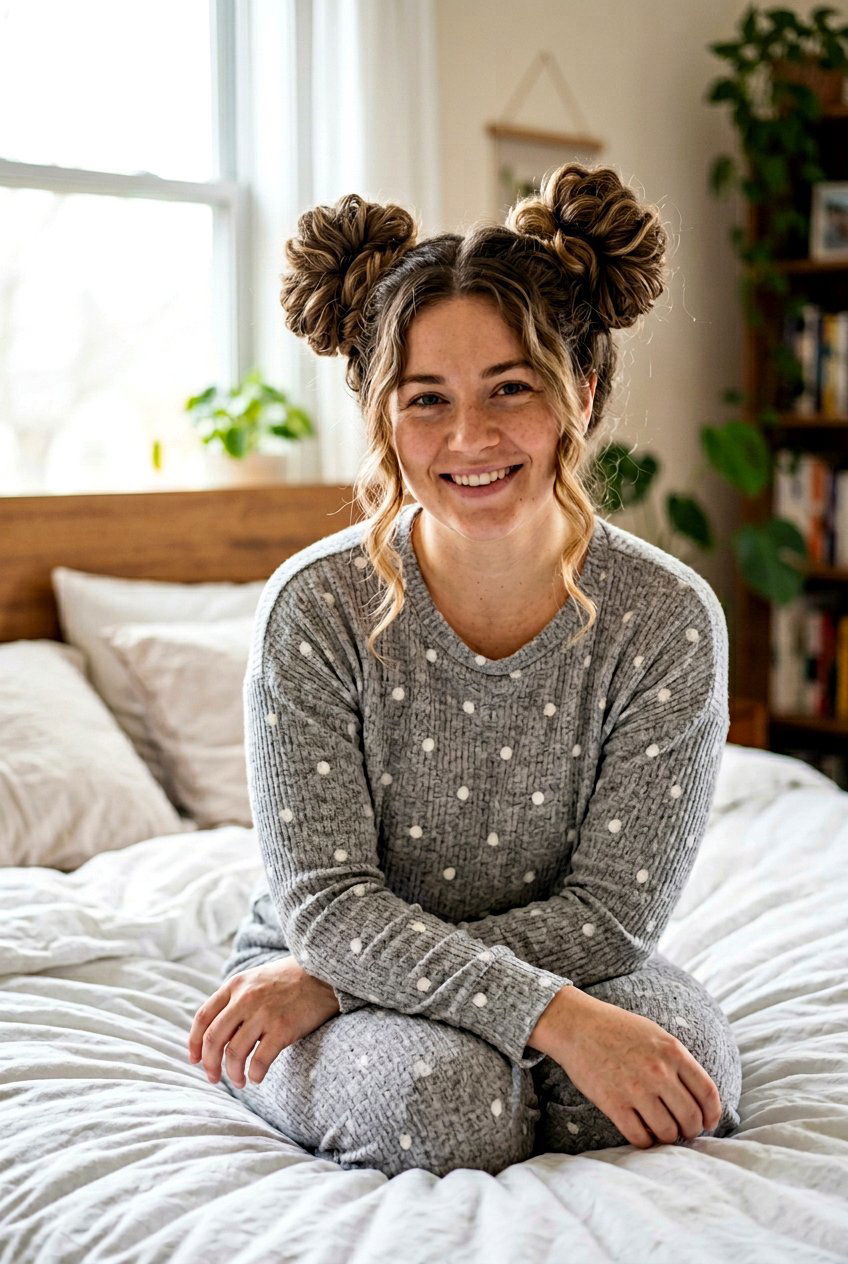
If you have exceptionally thick hair or want tighter, more defined ringlets, using the double sock bun curls method is highly effective. By splitting your hair into two even sections—usually a top and bottom half or a left and right side—you can use two separate socks to wrap smaller portions of hair. This allows the hair to dry more quickly and ensures that the “core” of the hair gets enough air to set properly. The smaller circumference of two individual buns results in a more intense curl pattern compared to one large bun. This technique is also great for adding symmetry to your look, as it prevents the hair from looking lopsided.
4. Multi Sock Rag Curls
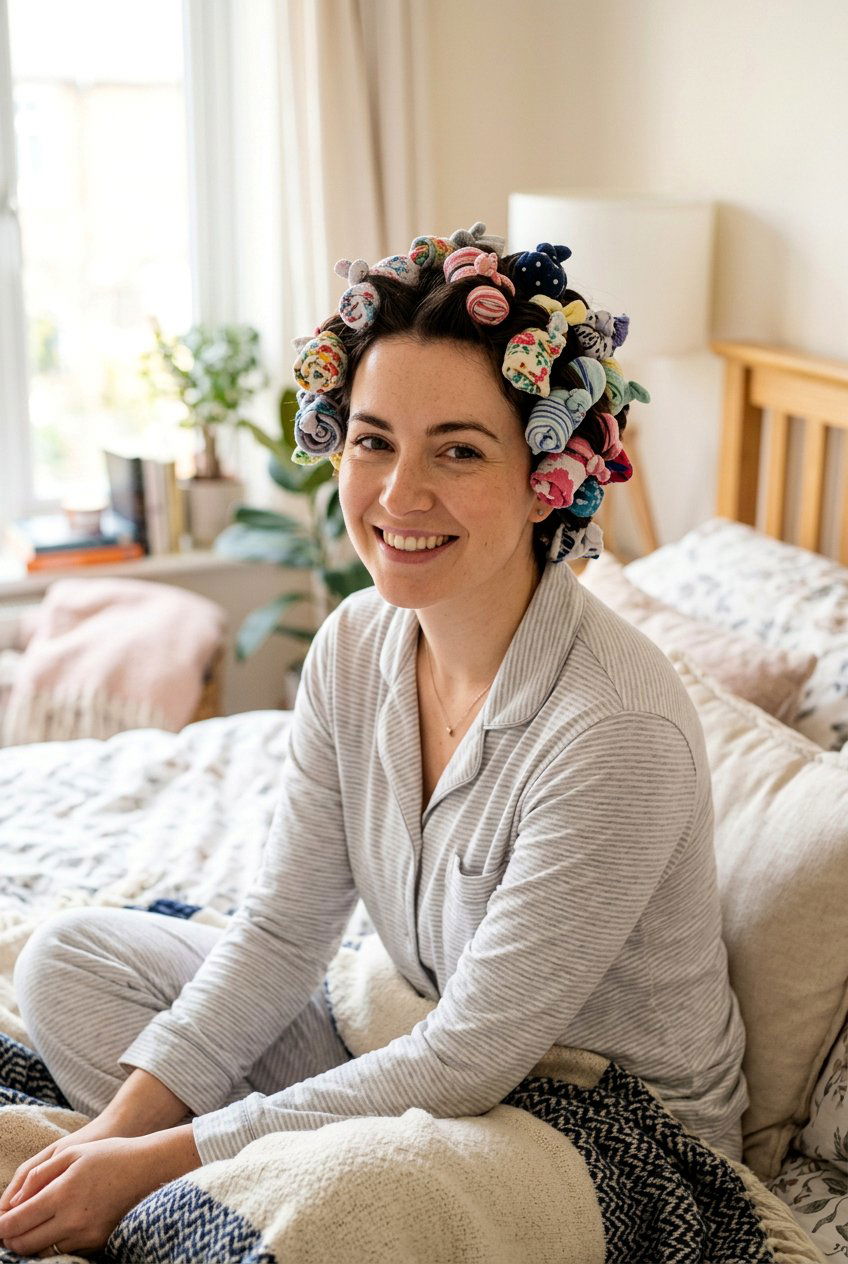
Using the multi sock rag curls technique involves using several long socks as flexible rollers rather than forming a single donut shape. You divide your damp hair into four to six sections and wrap each one vertically around a long tube sock, starting from the ends and rolling up to the scalp. Once you reach the root, you tie the ends of the sock together to secure the section in place. This method creates a more varied and natural-looking texture, similar to a spiral perm or a wand curl. Because the socks are soft and squishy, they are much more comfortable to sleep in than plastic rollers.
5. Sock Wrap Beach Waves

Achieving effortless sock wrap beach waves involves a slightly different wrapping technique where you don’t roll the hair into a bun but rather wrap it around the sock like a ribbon. You can pin a long sock to the top of your head and wrap sections of hair in a crisscross or “X” pattern down the length of the fabric. This prevents the hair from forming a uniform circle and instead creates a flatter, S-shaped wave that mimics the texture of a day at the beach. It is a fantastic way to get that “lived-in” look without using a sea salt spray that might dry out your strands.
6. High Volume Crown Bun
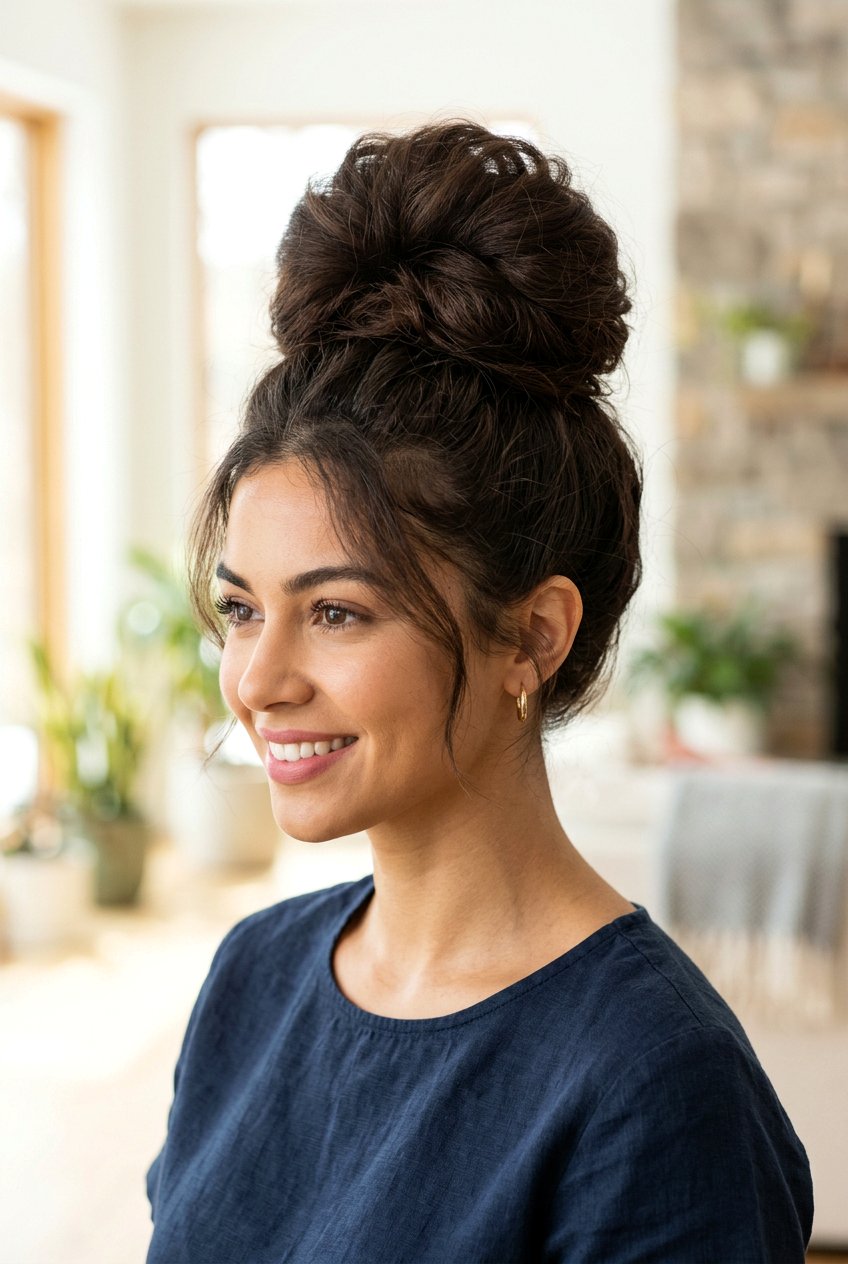
The high volume crown bun focuses specifically on adding lift to the roots while creating soft curls throughout the rest of the hair. By placing the sock bun directly on the very top of the head, the hair is pulled upward, which naturally creates tension and lift at the scalp once it is released. This is the ideal method for people with fine or flat hair who struggle to maintain body throughout the day. When you wake up and shake out the hair, the roots stay elevated, and the curls cascade down with a beautiful, airy movement that makes the hair appear much thicker than it actually is.
7. Half Up Sock Bun
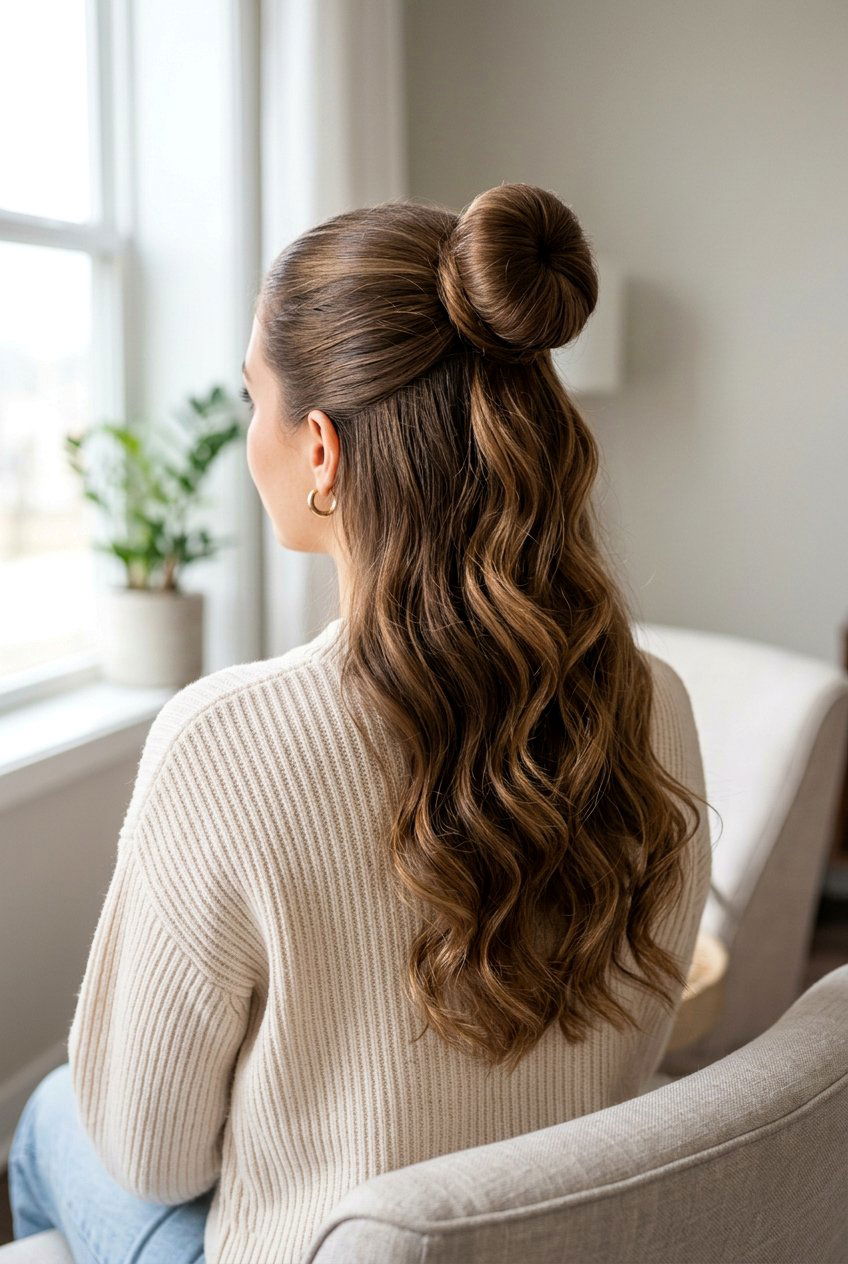
The half up sock bun is a great styling choice if you want to keep some length visible while adding texture to the top layers. You only take the top half of your hair and roll it into a small sock donut, leaving the bottom section loose or braided. This creates a beautiful contrast between the structured curls on top and the softer waves below. It is particularly useful for those with medium-length hair who might find a full bun too bulky. This method also allows you to wear the bun as a cute hairstyle during the day if you don’t have time to let it set overnight.
8. Braided Sock Bun Curls
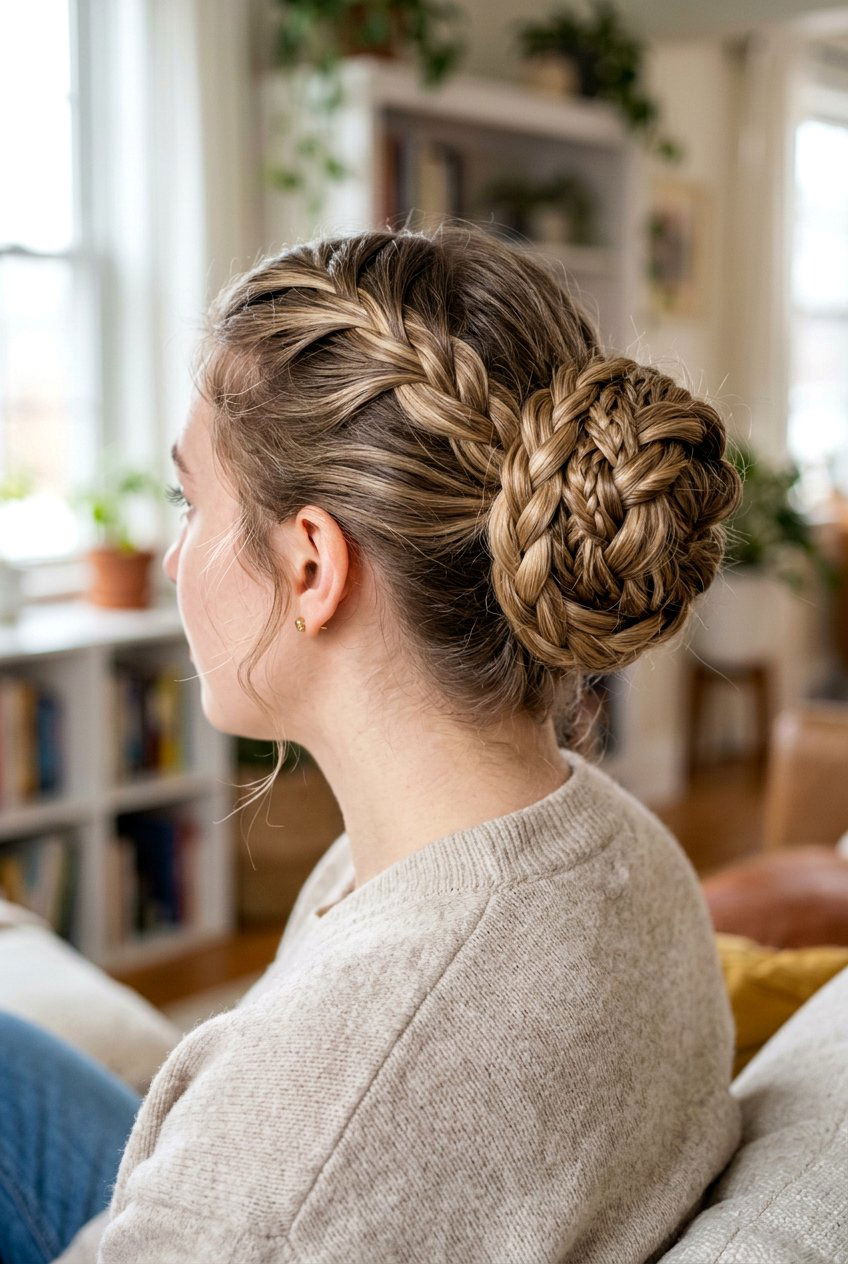
Combining techniques by creating braided sock bun curls results in a unique, crimped-meets-curled texture that is incredibly long-lasting. You first braid your ponytail into three strands and then roll that braid into the sock donut as you normally would. The braid provides a tighter zig-zag pattern, while the sock adds the large-scale curve and volume. This hybrid approach is perfect for people whose hair usually refuses to hold a curl, as the double-setting method provides extra structural integrity to the hair. When unraveled, the hair has an intricate, multi-dimensional look that works well for formal events or casual outings alike.
9. Damp Hair Sock Curls
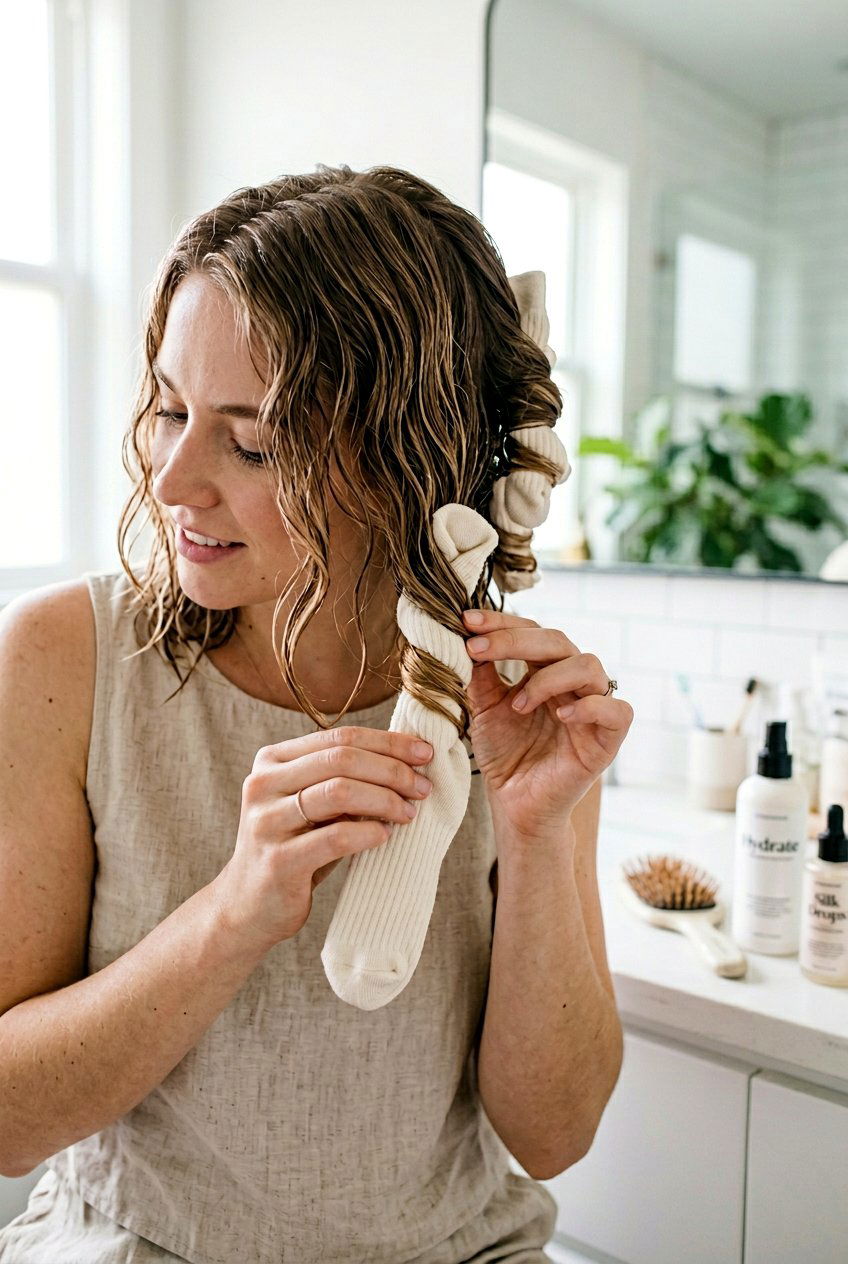
Mastering the damp hair sock curls technique is all about finding the perfect moisture balance so the hair sets without becoming frizzy or staying wet. Your hair should be about 80% dry before you start the rolling process; if it is too wet, the center of the bun will still be damp in the morning, causing the curls to fall flat instantly. Using a microfiber towel to squeeze out excess water before rolling helps speed up the drying time. This method relies on the evaporation of water to “lock” the hydrogen bonds in your hair into the shape of the sock, ensuring a firm hold without hairspray.
10. Silk Scarf Sock Bun
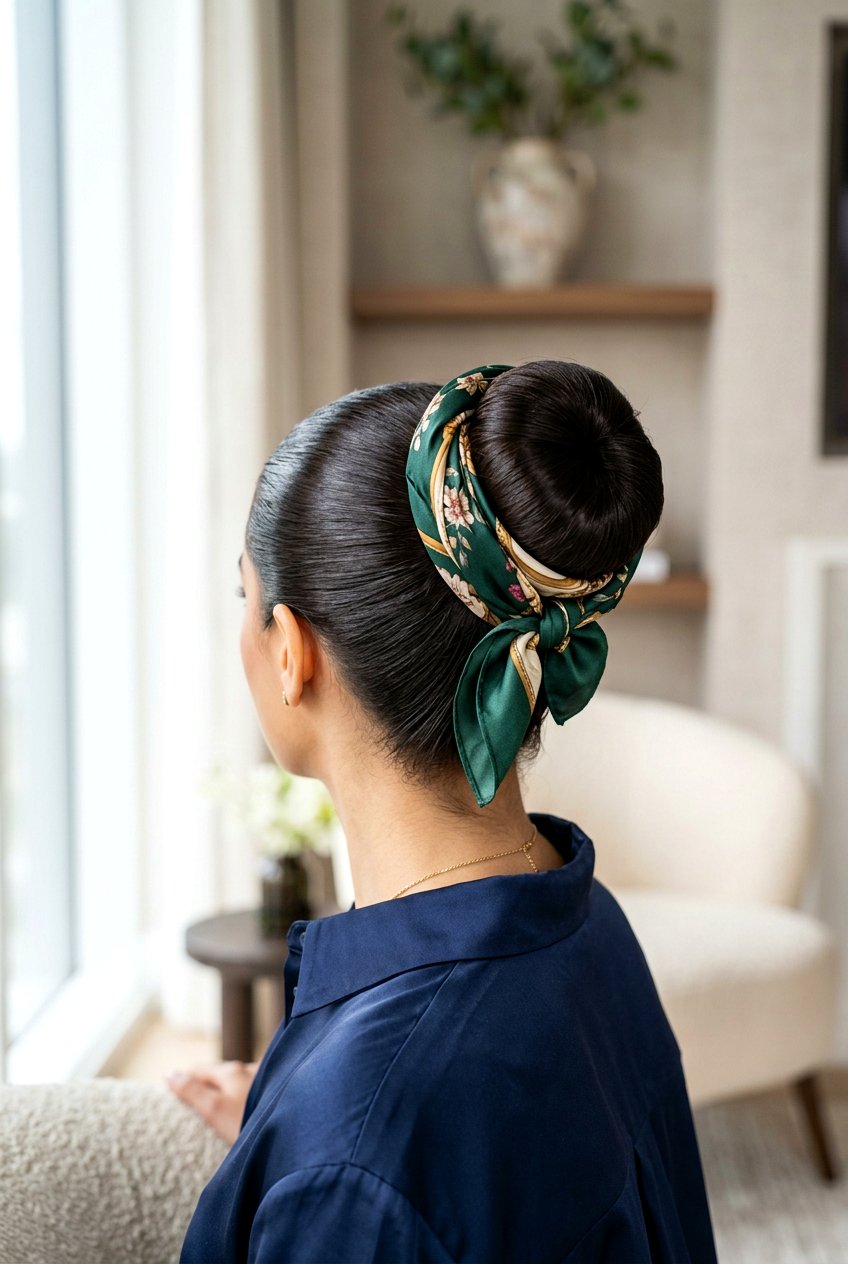
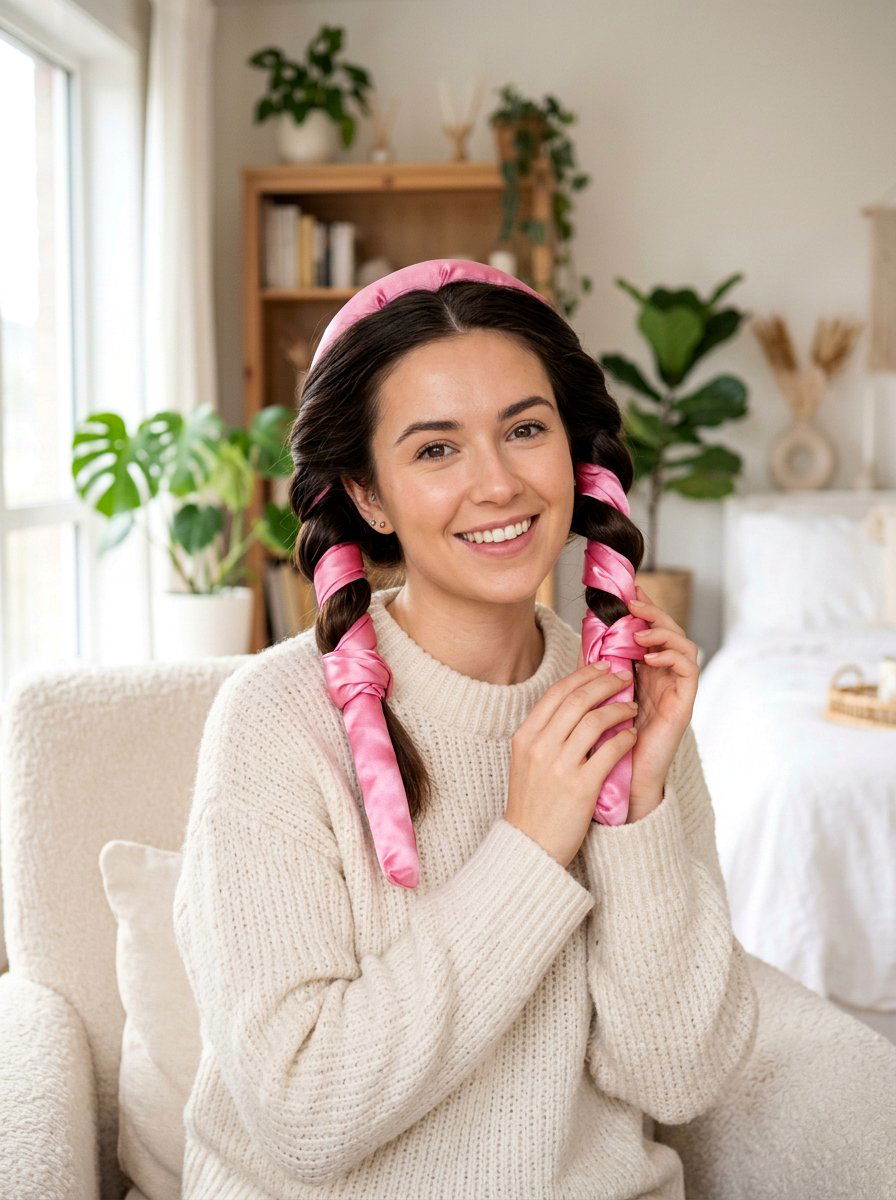
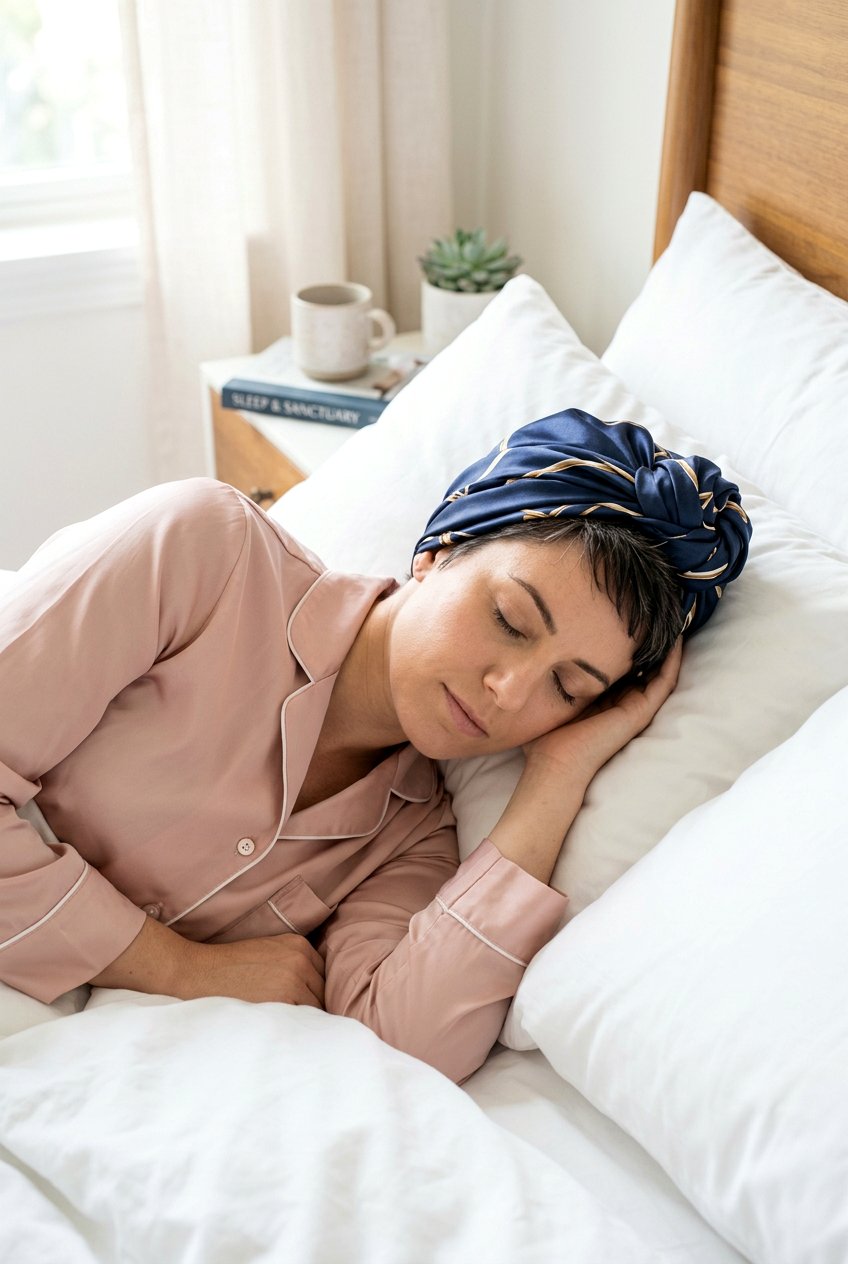
For those concerned about friction and frizz, the silk scarf sock bun is a premium variation that protects the hair cuticle overnight. You simply wrap your sock donut in a silk or satin scarf before rolling your hair over it. The smooth surface of the silk reduces the ruffling of the hair scales, resulting in curls that are exceptionally shiny and smooth. This is particularly beneficial for those with curly or coily hair types that are prone to breakage. Not only does it produce better-looking curls, but it also helps retain the hair’s natural oils, preventing the fabric from absorbing all the moisture.
11. Large Loop Sock Waves
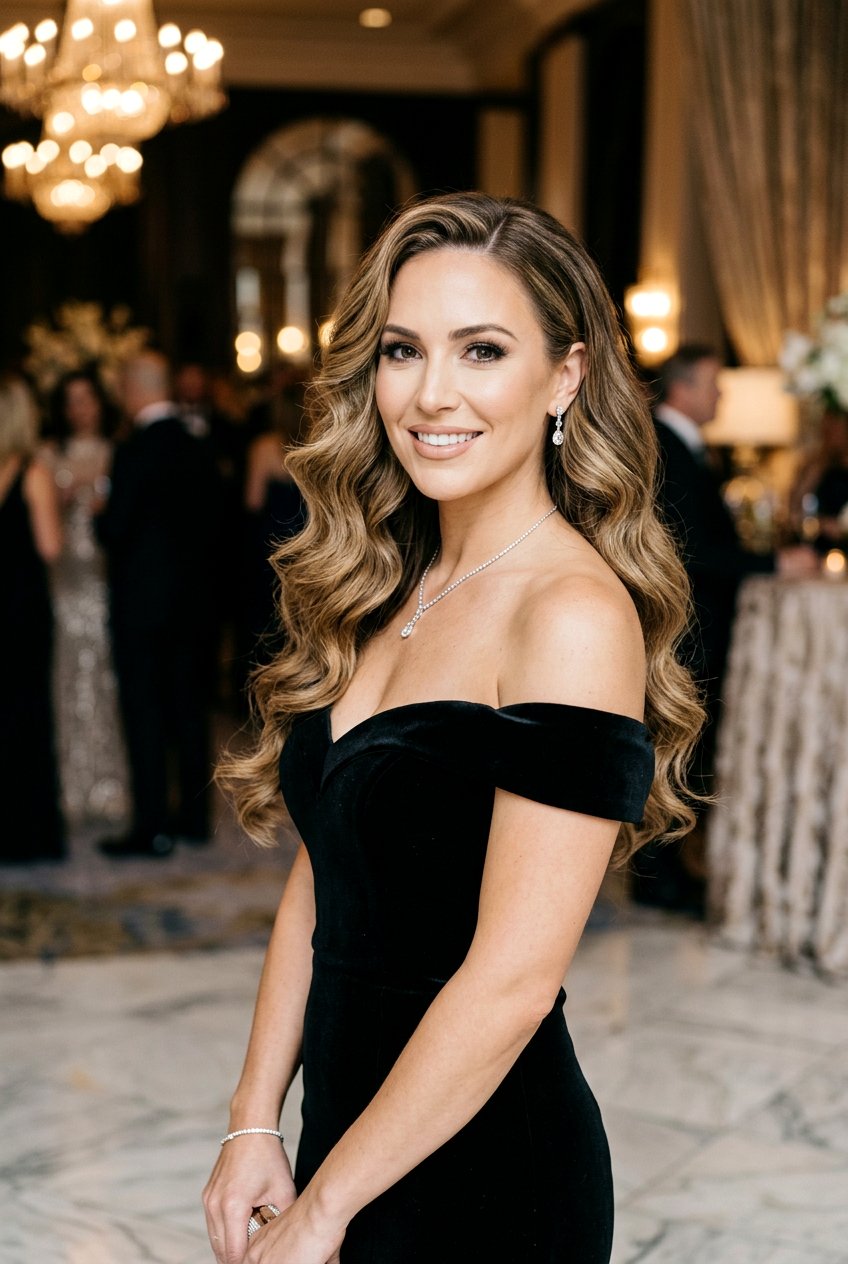
If you prefer a very subtle, “barely there” wave, the large loop sock waves method uses a jumbo-sized sock or even a rolled-up legging to create a wider diameter. The larger the “donut,” the looser the resulting wave will be. This technique is often used by those with very long hair who want to avoid tight ringlets and instead aim for a soft, Hollywood glam look. It provides a gentle bend to the hair that looks natural and sophisticated. To keep the large bun secure, you might need a few extra bobby pins, but the result is a stunning, high-fashion wave that requires zero heat.
12. Pigtail Sock Bun Curls
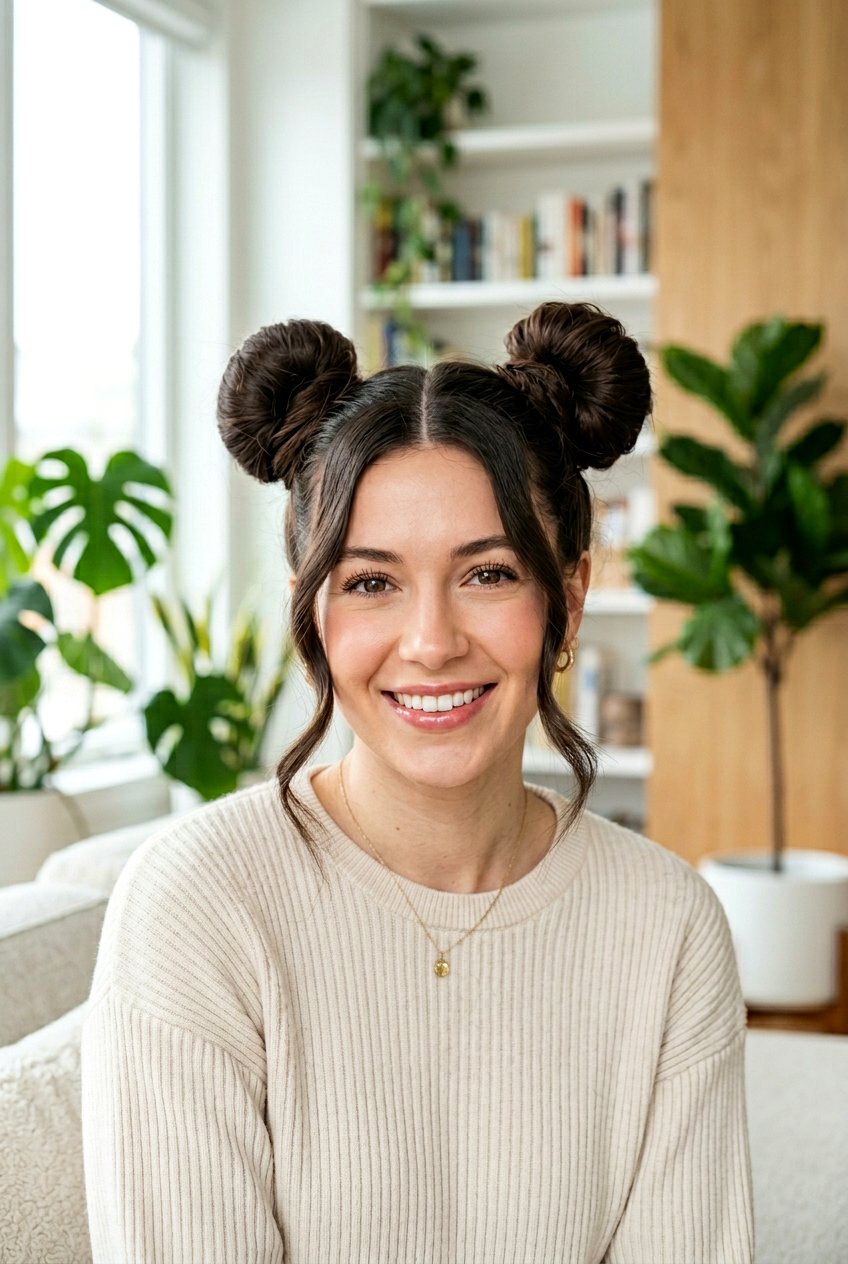
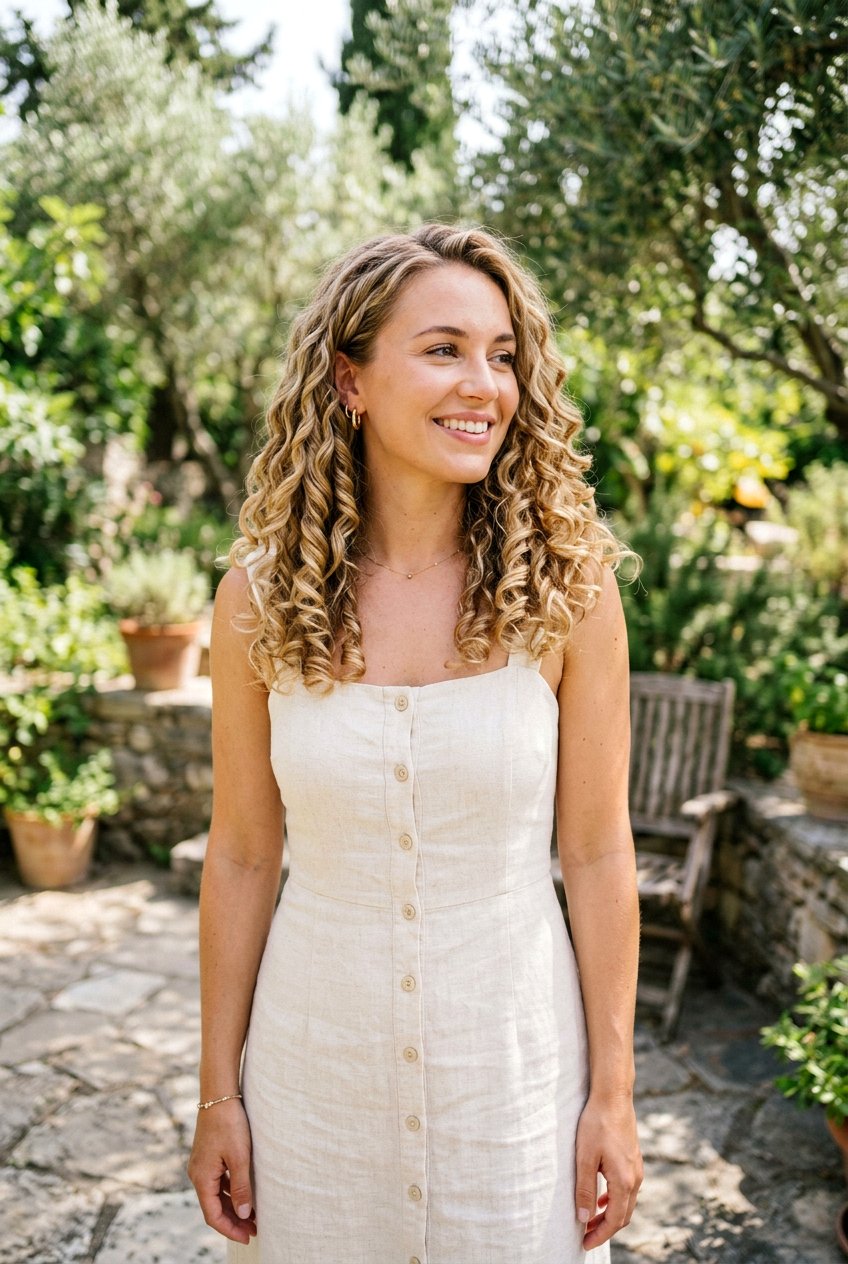
Creating pigtail sock bun curls is a fun and effective way to ensure even distribution of curls on both sides of your face. By parting your hair down the middle and creating two high ponytails, you can roll each one into its own sock. This is the best method for side sleepers because it keeps the bulk of the hair off the back of the head, allowing you to lay flat on your pillow comfortably. In the morning, you are left with symmetrical, bouncy curls that frame the face perfectly. It is a highly recommended technique for beginners because it is easier to manage smaller sections of hair.
13. Sock Bun For Short Hair
Adapting the sock bun for short hair requires using smaller, thinner socks—like dress socks or even children’s socks—to match the shorter length of the strands. While you might not be able to roll a full donut, you can use the “tuck and pin” method where the hair is wrapped around a small fabric roll and secured with clips. This adds much-needed texture and volume to bob or lob haircuts that can otherwise look flat. Even with just a few inches of hair, the sock method can provide a “flip” or a soft curve that gives short styles a fresh, salon-finished appearance.
14. Messy Sock Bun Texture
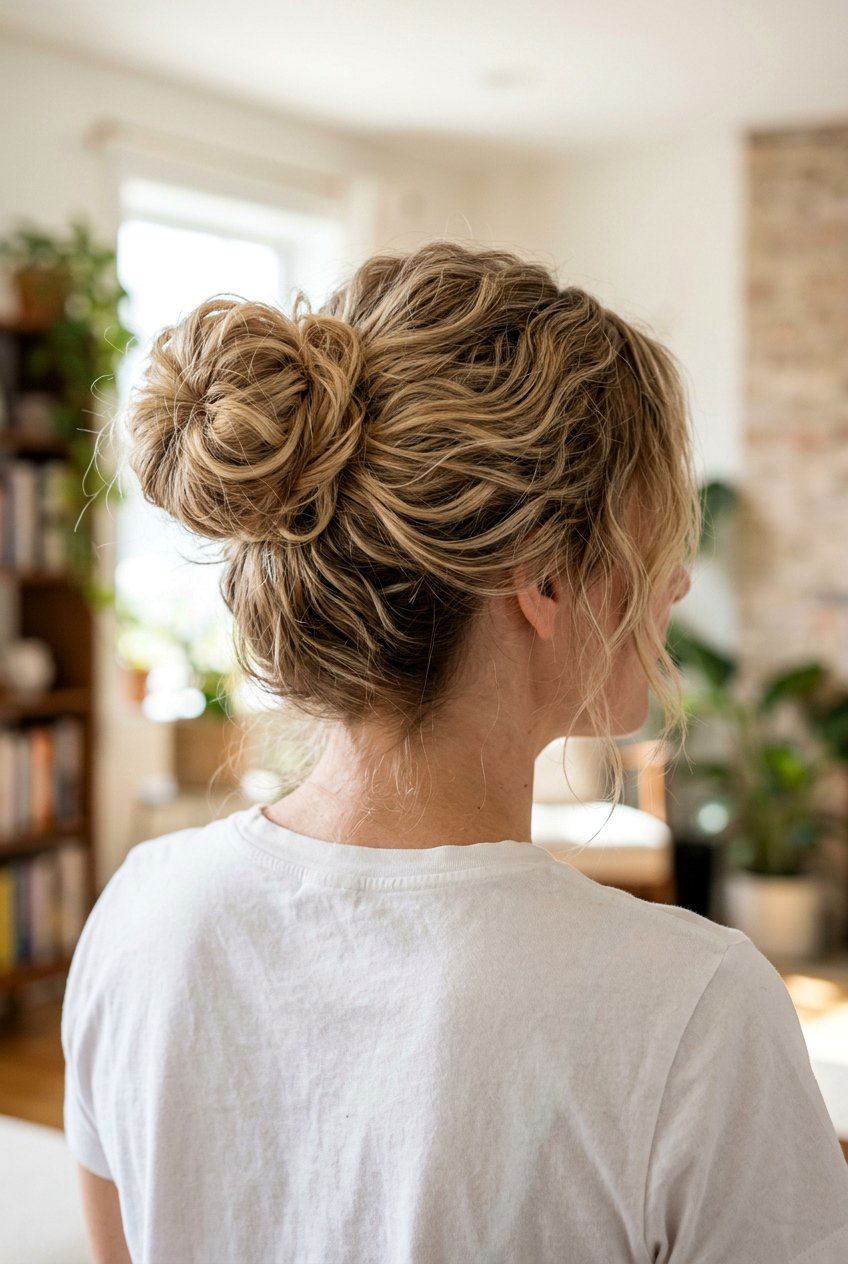
To achieve a more lived-in, messy sock bun texture, you should avoid brushing the hair too smoothly before rolling it up. Instead, use your fingers to rake the hair back, which preserves some of the natural hair bumps and grit. When you roll the hair onto the sock, don’t worry about every strand being perfectly aligned. This intentional imperfection results in waves that look more organic and less “done.” After taking the socks out in the morning, a quick blast of dry shampoo at the roots and a rough finger-comb will give you that sought-after “I woke up like this” aesthetic.
15. Fine Hair Sock Volume
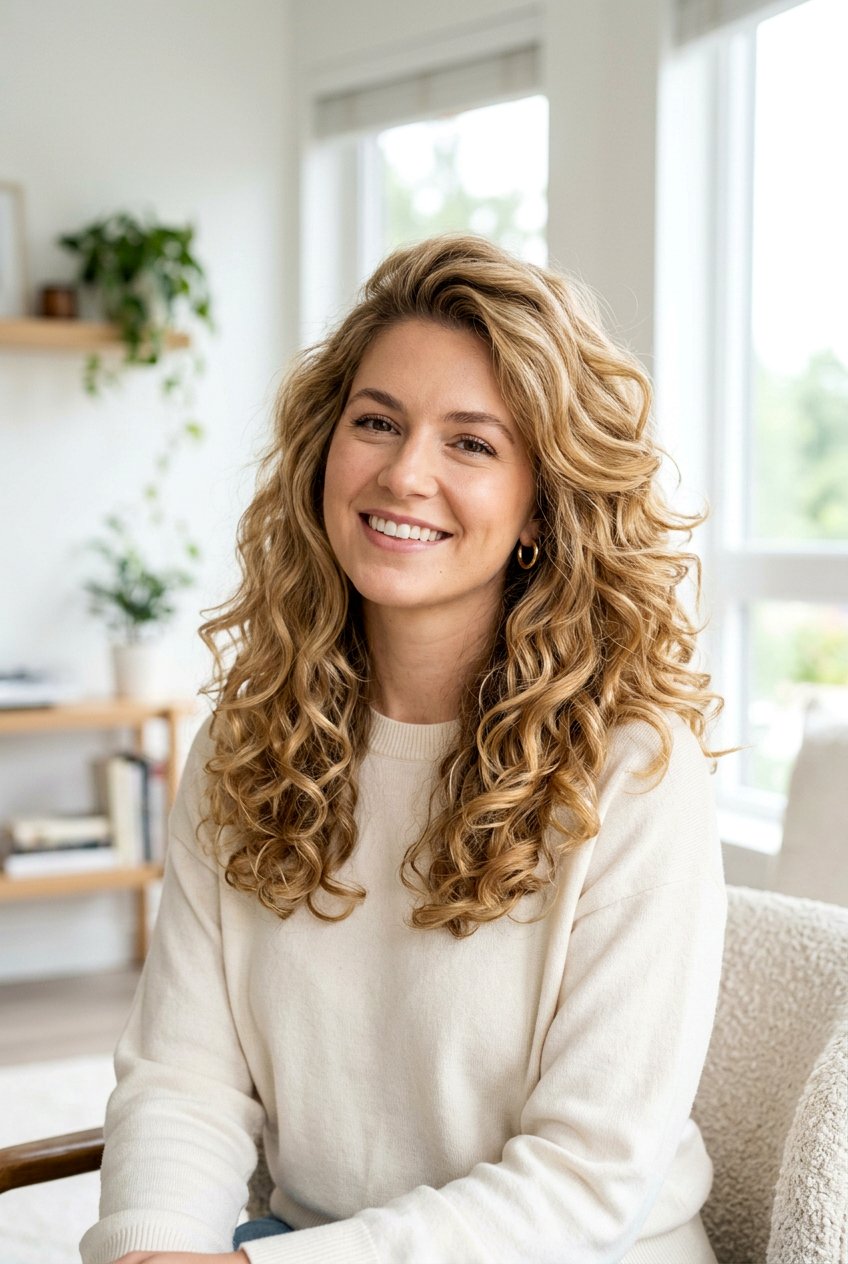
The fine hair sock volume technique is specifically designed to make thin strands appear much thicker than they are. Because the hair is wrapped around a bulky object, it creates a hollow space that gives the illusion of massive density once the sock is removed. For the best results on fine hair, applying a volumizing mousse to the damp ponytail before rolling is a game changer. The mousse provides the “grip” necessary for the fine strands to stay in place around the sock. The result is a dramatic increase in hair diameter and a style that doesn’t go limp by midday.
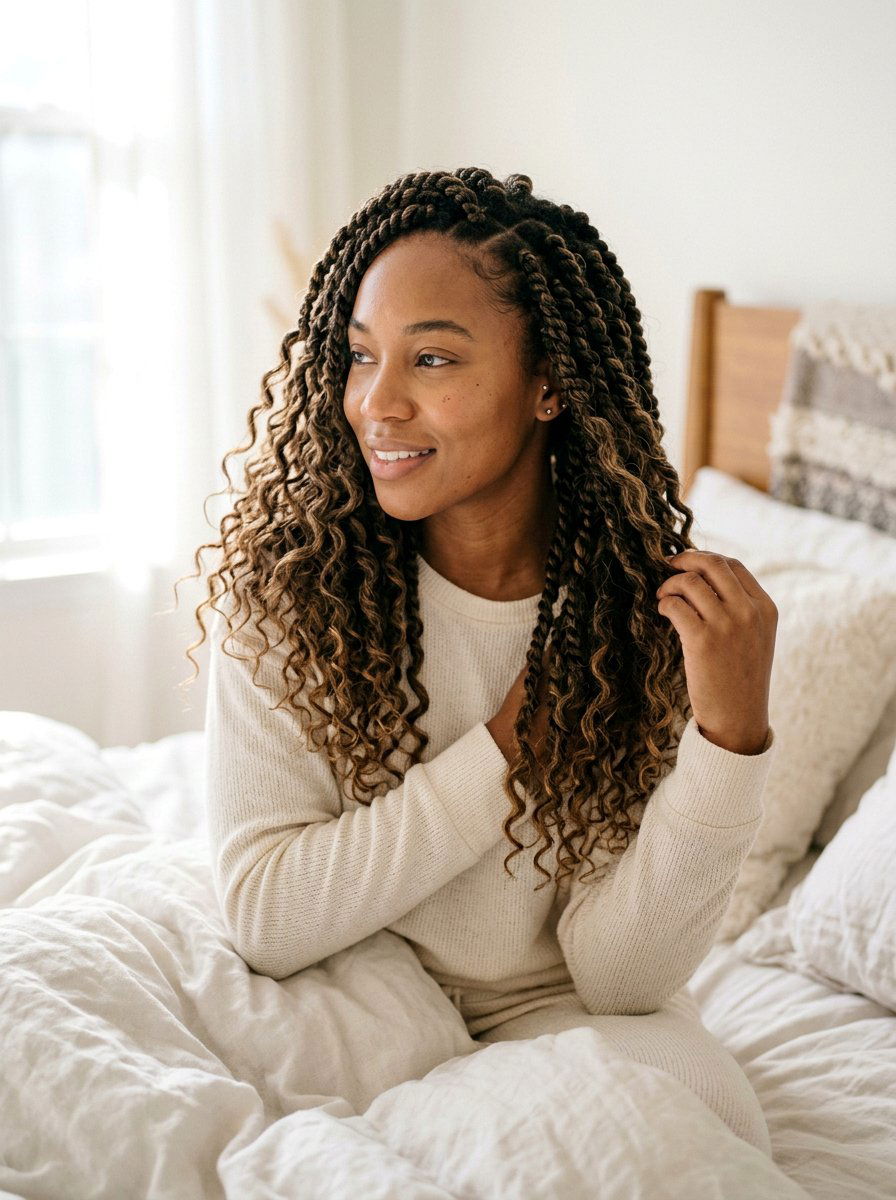
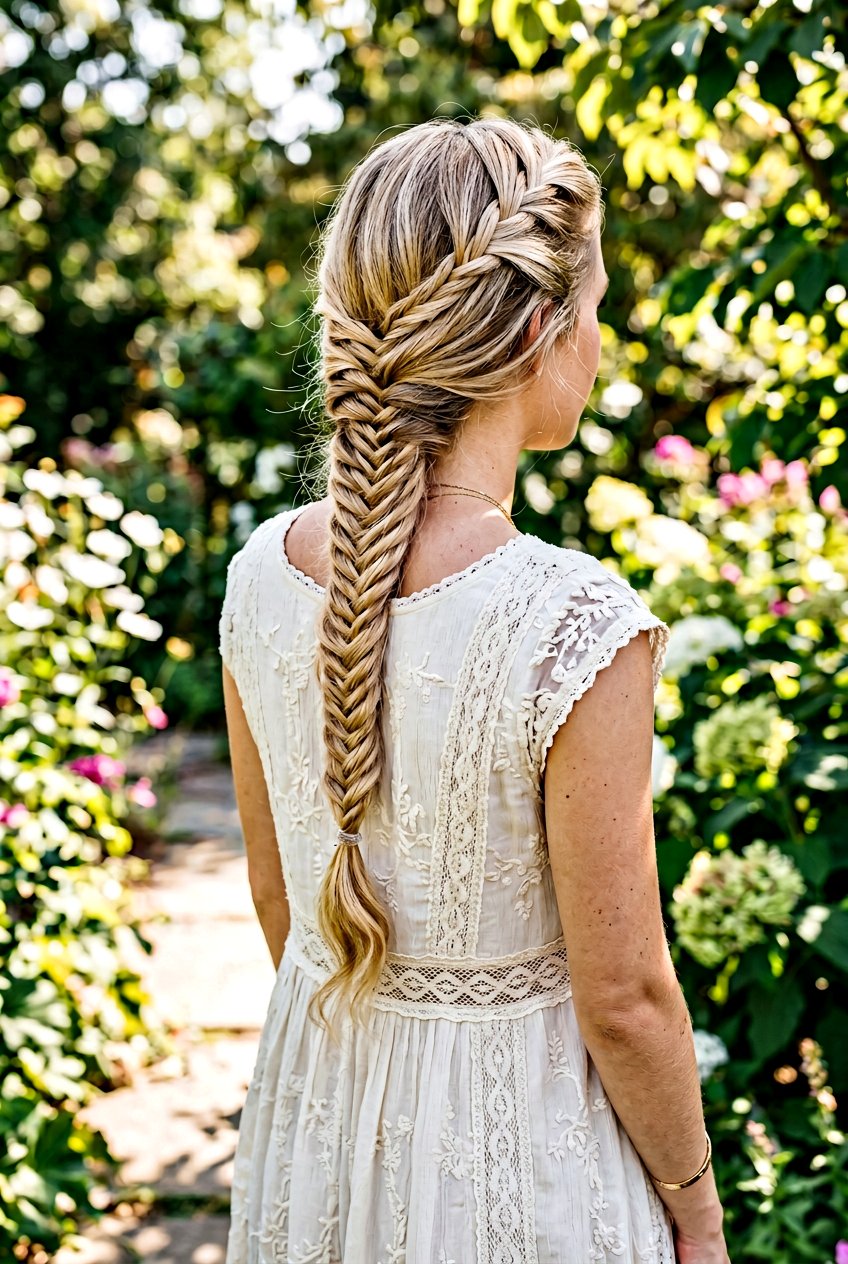
16. Overnight Sock Bun Waves
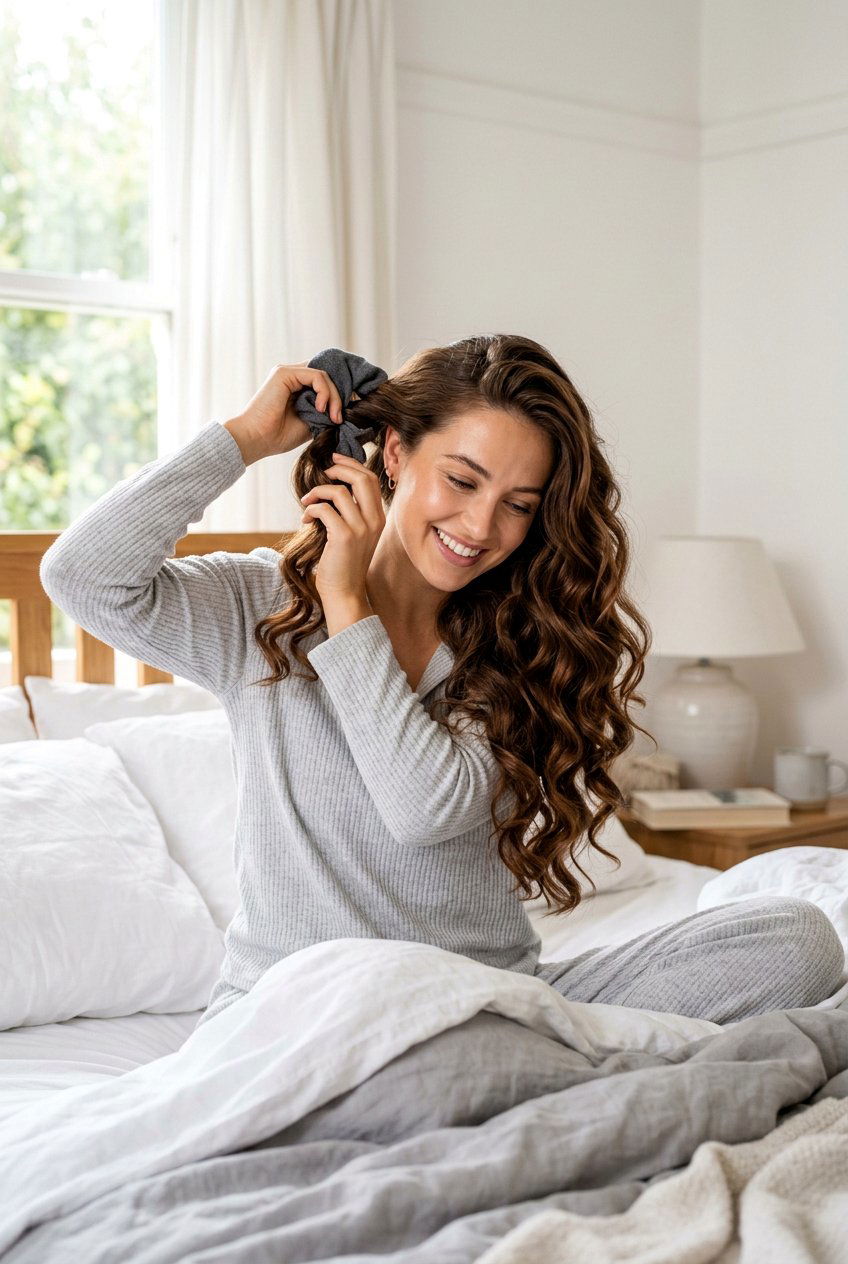
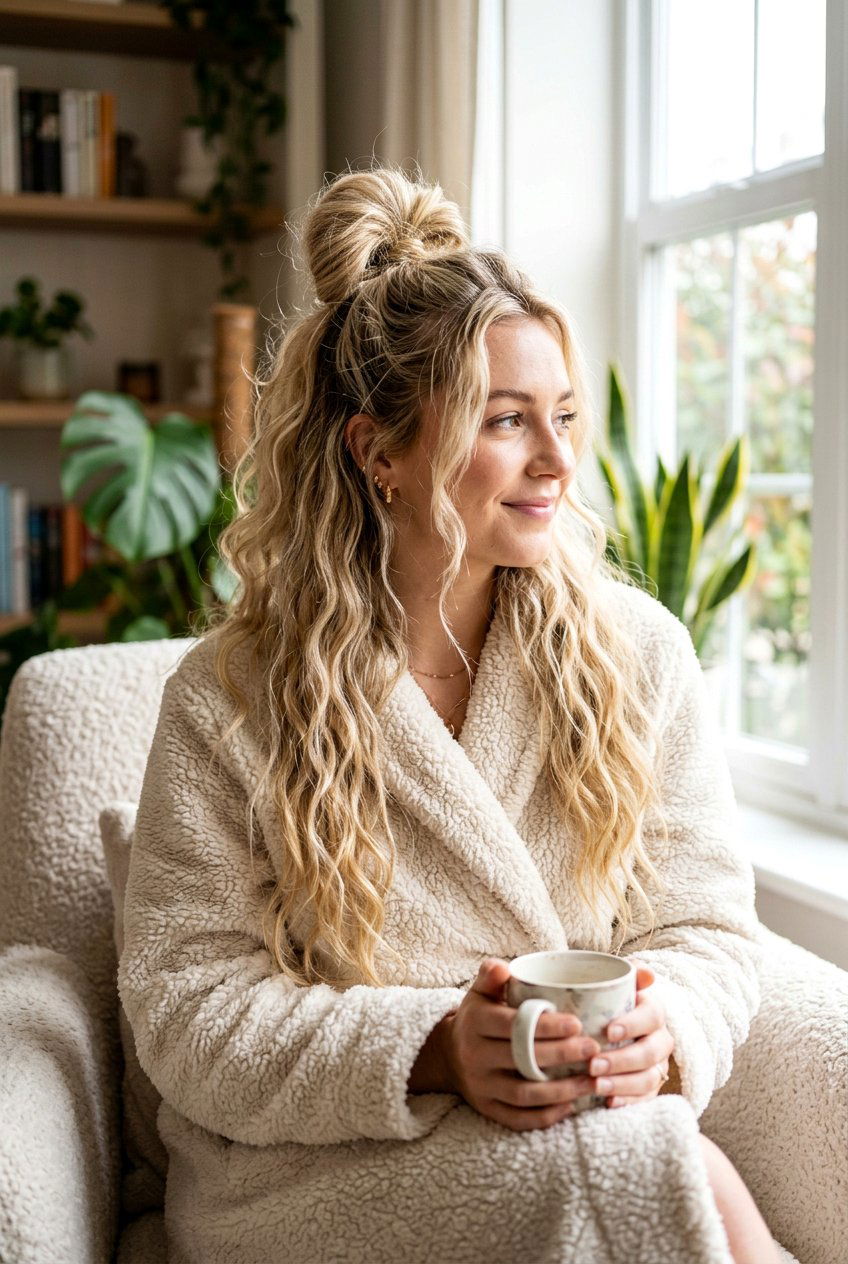
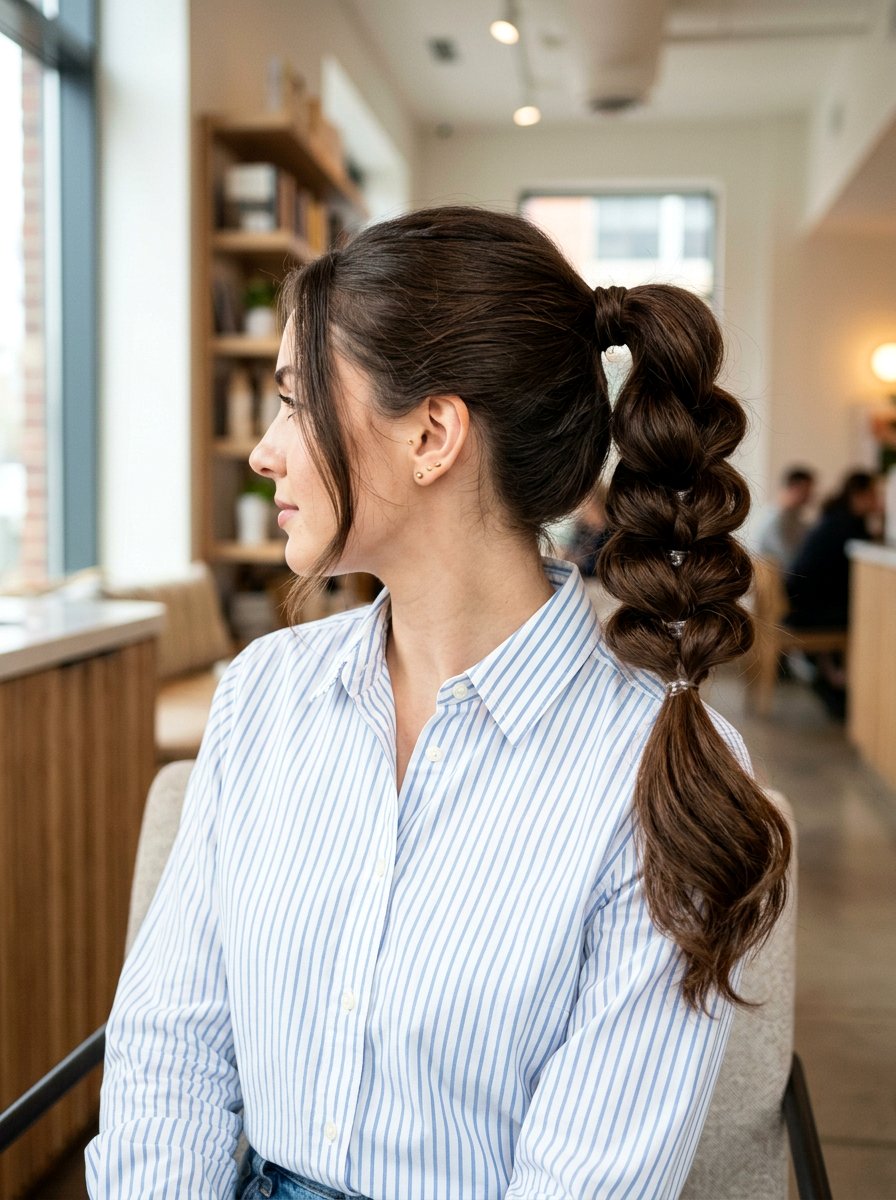
Focusing on overnight sock bun waves means prioritizing the comfort of the bun so you can actually get a full night’s sleep while your hair sets. Using soft, cotton socks and securing the bun with a scrunchie instead of a thin elastic helps prevent tension headaches. If the bun feels too heavy, try moving the placement slightly forward toward the forehead. The beauty of the overnight process is that the long setting time—usually six to eight hours—ensures the curls are deeply set into the hair structure, making them much more resistant to humidity and wind than heat-styled curls.
17. Thick Hair Sock Bun
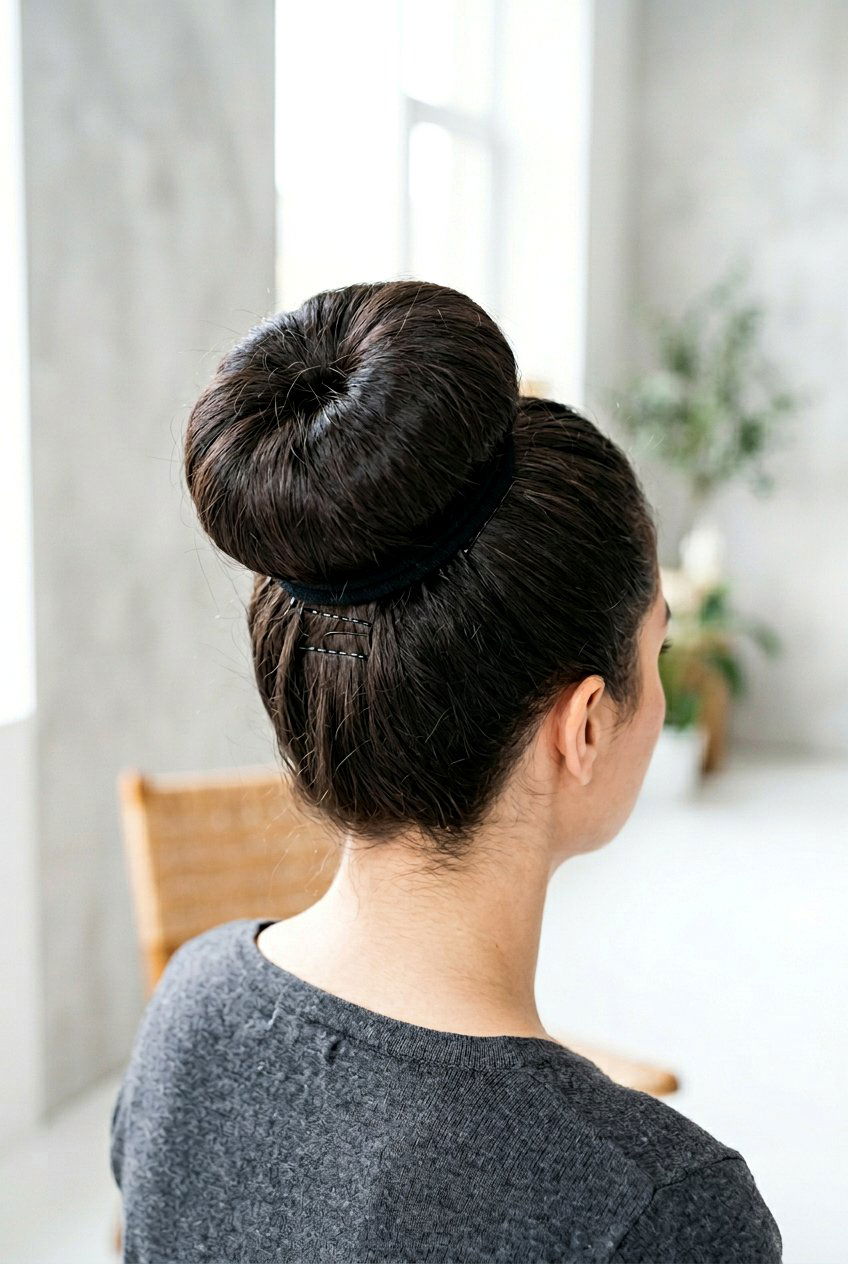
Managing a thick hair sock bun requires a very large, sturdy sock to support the weight of the hair. Many people with thick hair find that a single sock isn’t enough, so they might use two socks rolled together to create a mega-donut. This ensures the hair is spread out enough that the inner layers can still dry properly. To prevent the bun from falling out during the night, it is helpful to secure it with a large “claw” clip or several heavy-duty U-pins. When done correctly, the result is a head full of massive, luxurious curls that rival any professional curling wand.
18. Heatless Glamour Sock Curls
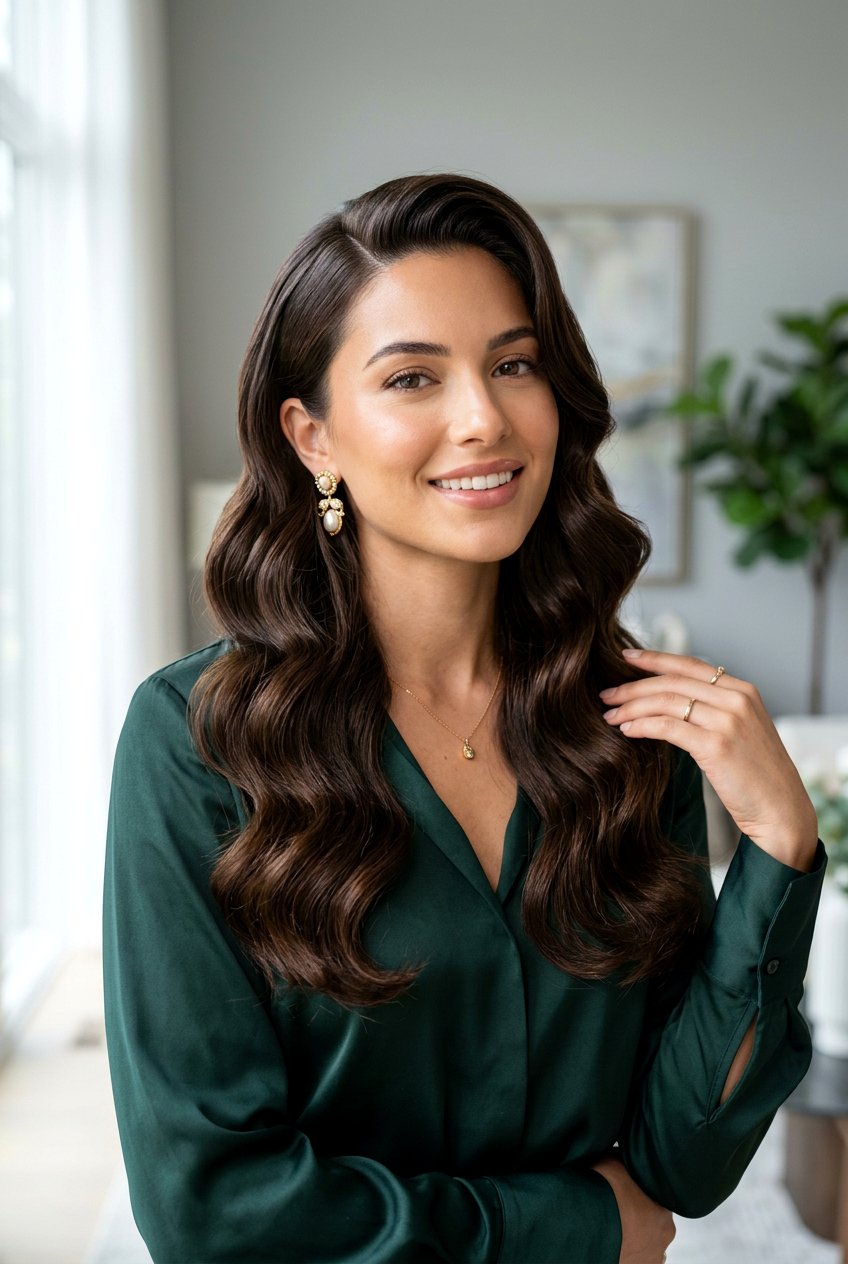
For a red-carpet-ready look, the heatless glamour sock curls method involves careful sectioning and the use of a shine-enhancing serum. You want to ensure each section of hair is brushed perfectly flat against the sock to avoid “fishhooks” or bent ends. Rolling the hair away from the face is the key to that classic glamour look, as it opens up the features and creates a sophisticated flow. Once the hair is released in the morning, using a boar bristle brush to gently comb through the curls will transform them into sleek, continuous waves that catch the light beautifully.
19. Side Part Sock Curls
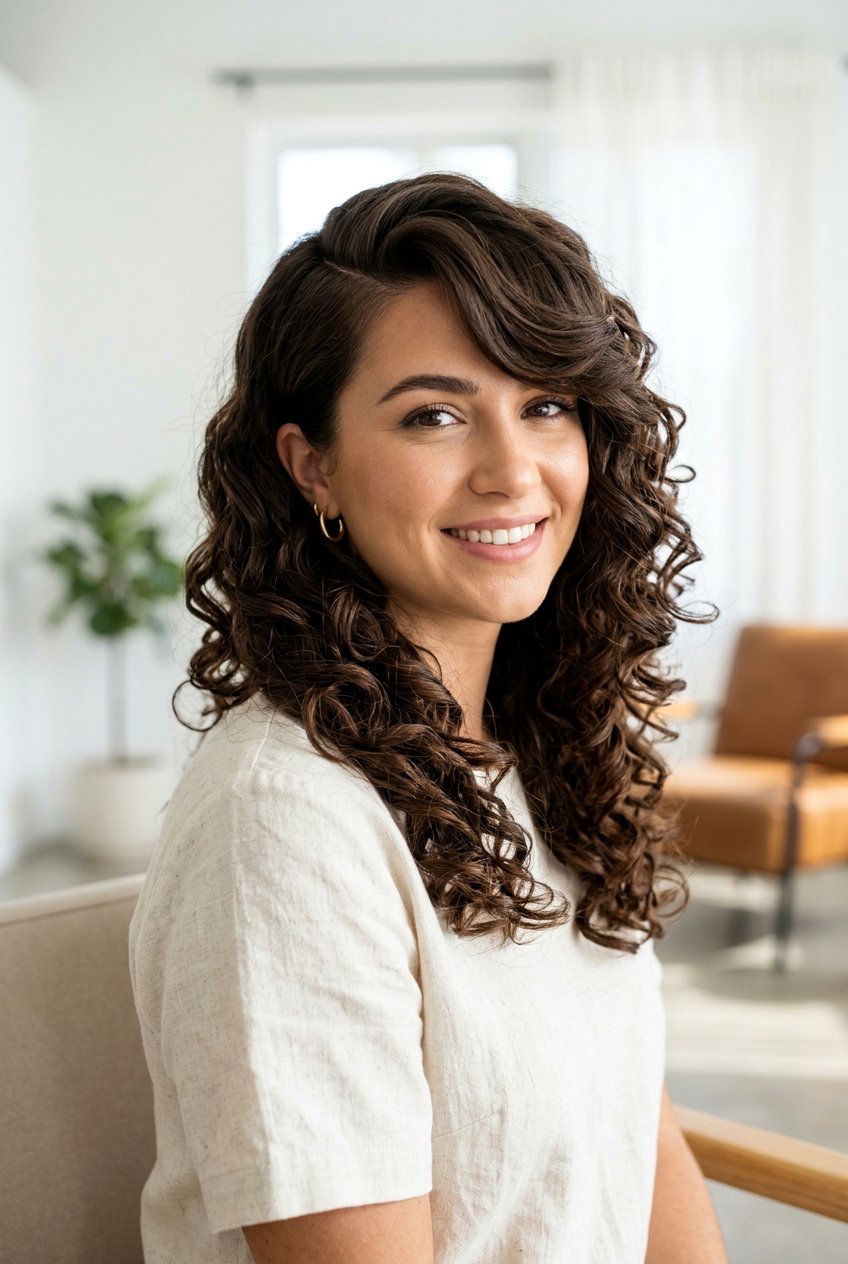
The side part sock curls technique is ideal for those who prefer a deep side part for their daily look. Instead of pulling all the hair back, you part your hair first and then create two buns that are positioned to complement that part. This ensures that the curls fall in the right direction and don’t look awkward when you try to move your hair back into your preferred parting. It is a great way to customize the heatless method to fit your specific face shape and personal style, ensuring the most flattering results once the hair is fully unrolled.
20. Sock Curls For Layered Hair
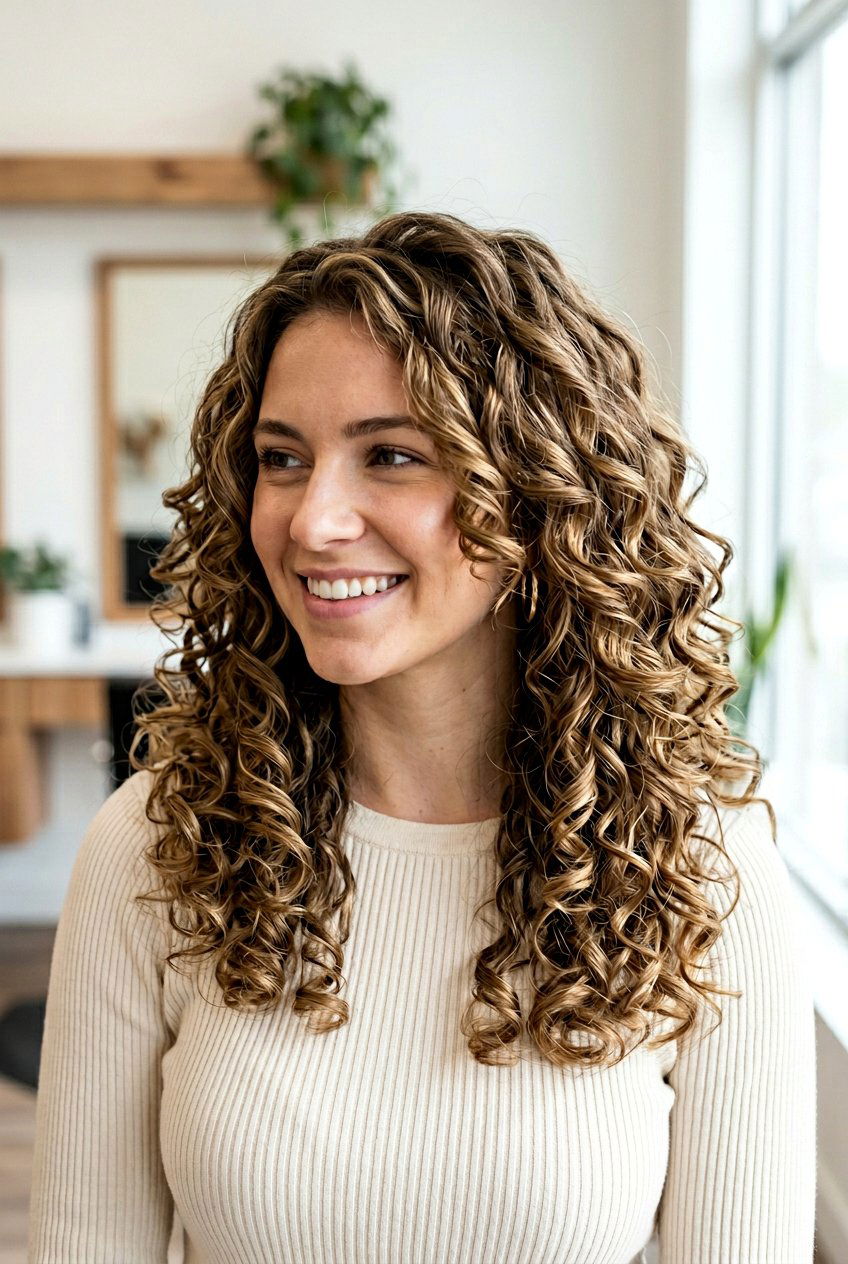
Performing sock curls for layered hair can be tricky, as the shorter layers often want to pop out of the bun. The trick is to start the roll with the longest layers and slowly “catch” the shorter layers as you move the sock closer to the scalp. If some pieces are too short to reach, you can use a small “mini-sock” for the face-framing layers. This ensures that every part of your haircut receives the same amount of curl, preventing a disconnected look. When you shake out the layers, they will blend together seamlessly, creating a multi-tiered effect of beautiful, heat-free waves.
Conclusion:
Embracing sock bun curls overnight is more than just a time-saving hack; it is a commitment to long-term hair health and effortless beauty. By removing the need for high-temperature styling tools, you allow your hair’s natural oils to nourish the strands, leading to a noticeable improvement in shine and texture over time. This versatile method accommodates every hair type and length, offering a range of results from tight ringlets to loose, romantic waves. As you experiment with different sock sizes and wrapping techniques, you will find the perfect overnight routine that fits your lifestyle. Waking up with perfect hair has never been more achievable, sustainable, or affordable for the modern hair enthusiast.
You'll Like These Styles:


Leave a Reply