
Hair that’s hanging in your face can ruin even the most mindful yoga flow, especially when you have long hair that moves with every transition. For yoga, you want looks that feel secure in Downward Dog, gentle on your scalp in long holds, and quick enough to do before class. The best yoga hairstyles for long hair combine function and comfort, while also protecting your strands from friction, tangles, and breakage during repeated movement. In this guide, you’ll find practical, easy yoga hairstyles built around ponytails, braids, and buns that stay put through sun salutations and inversions. Each look works for everyday practice, from slow yin sessions to hot yoga, and can be customized for straight, wavy, or curly long hair. You’ll also pick up simple tips to keep hair healthier, like avoiding overly tight elastics and choosing styles that tuck away your ends to reduce friction on the mat. Think of these yoga-ready hairstyles as your small but powerful support system for calmer, more focused practice every time you roll out your mat.
1. High Ponytail For Yoga
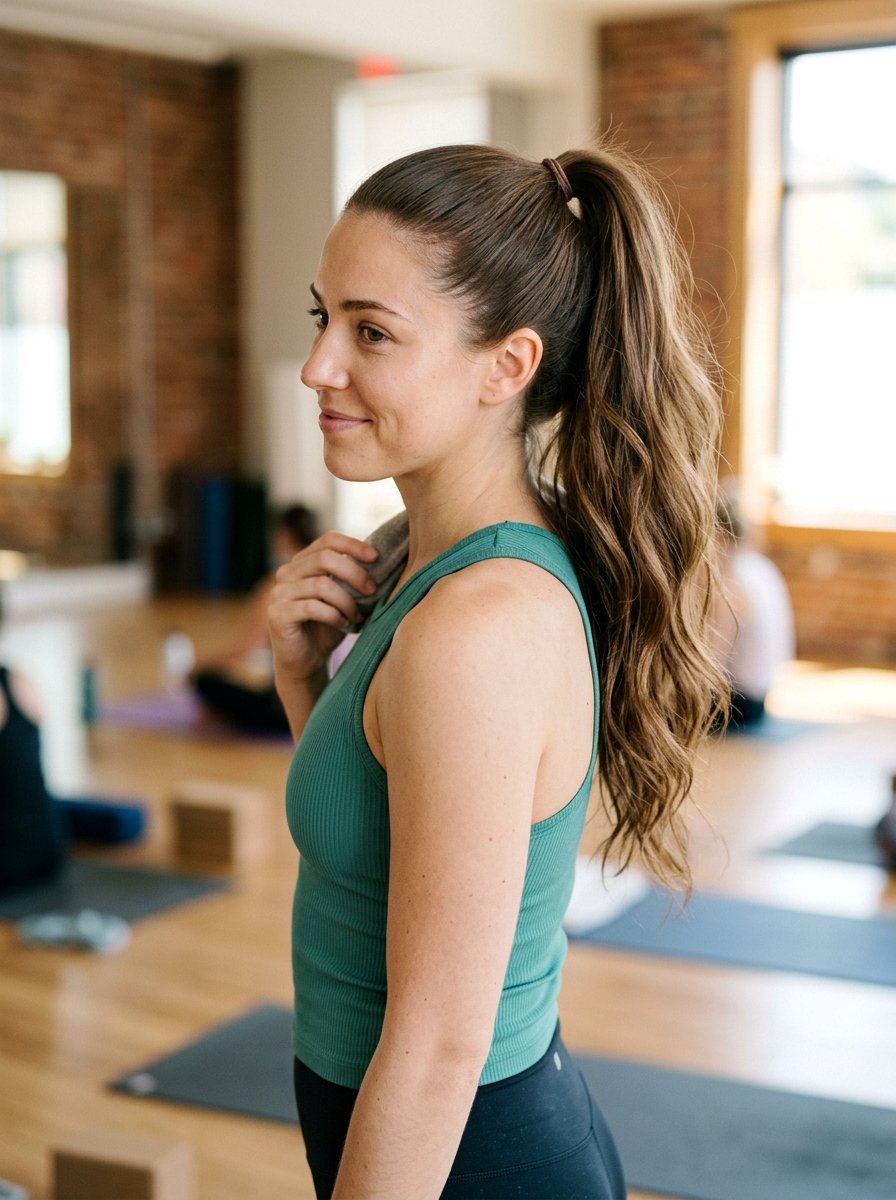
Imagine flowing through sun salutations without having to push your hair back even once, and that’s exactly what a high ponytail can offer for long hair. A high ponytail gathers your hair at the crown, lifting it off your neck and shoulders so it stays out of your way in forward folds and inversions. This classic workout look works for straight, wavy, and curly textures, and it’s especially helpful in hot yoga where airflow around your neck feels more comfortable. Use a snag-free elastic or a soft scrunchie so you don’t dent or damage your strands during class. If your hair is very thick or heavy, double up the elastics or anchor the ponytail with a small first ponytail to help it stay put. You can also lightly smooth the front with gel or leave a softer, more natural finish depending on how polished you want to look on and off the mat.
2. Low Ponytail For Gentle Yoga
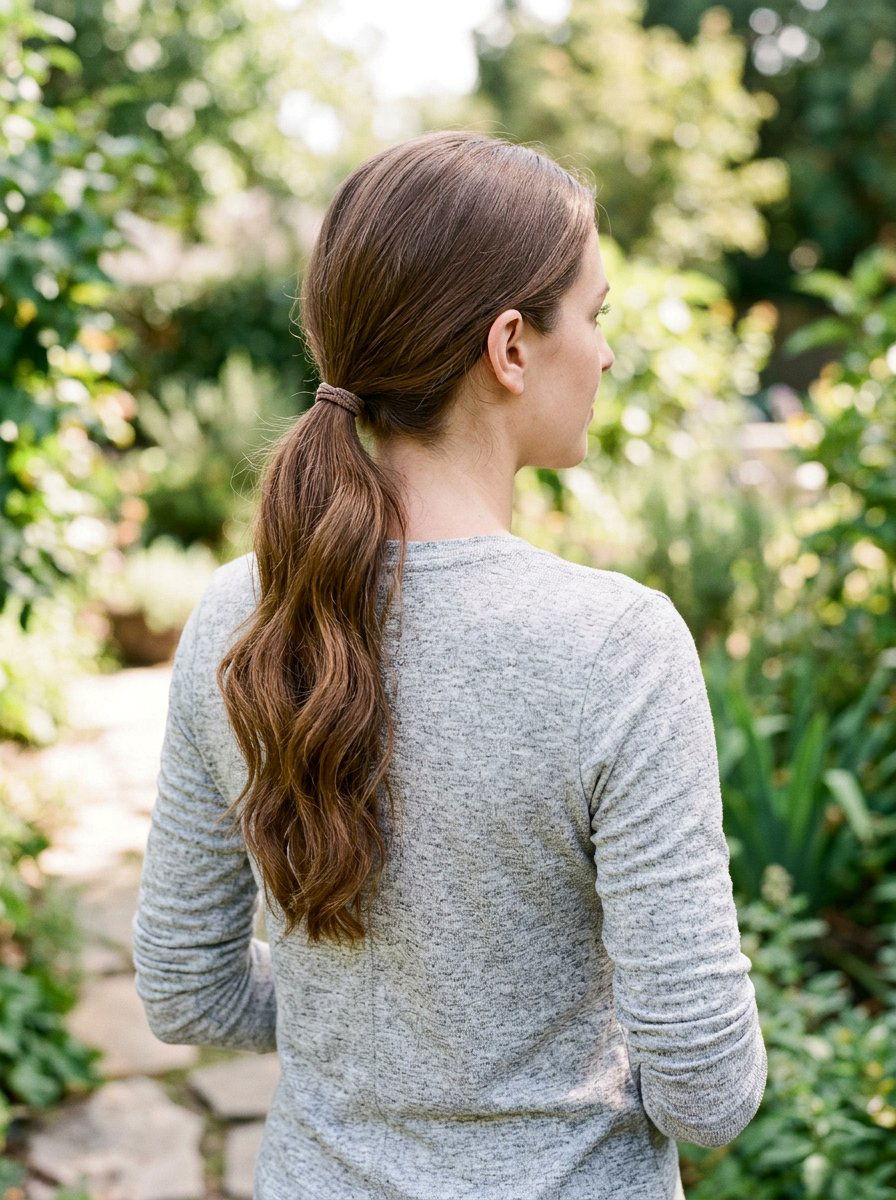
On slower days, a low ponytail is a calm and comfortable option that pairs perfectly with restorative or yin classes. This look gathers your long hair at the nape of your neck, keeping it contained without pulling on your scalp or hairline in reclining poses. Because the ponytail sits lower, it feels better when you lie on your back or use yoga blocks and bolsters, reducing pressure at the back of your head. It also works well if you’re sensitive to tension headaches from higher, tighter styles. To create a low ponytail that still looks neat, brush your hair back smoothly and secure it with a soft, non-rubber band elastic. You can leave the ponytail completely straight or add a quick loose braid to the tail for extra security. A low ponytail is also easy to tuck into a hoodie or wrap a headband around if you want more control for vinyasa flows.
3. Long Ponytail Braid For Yoga
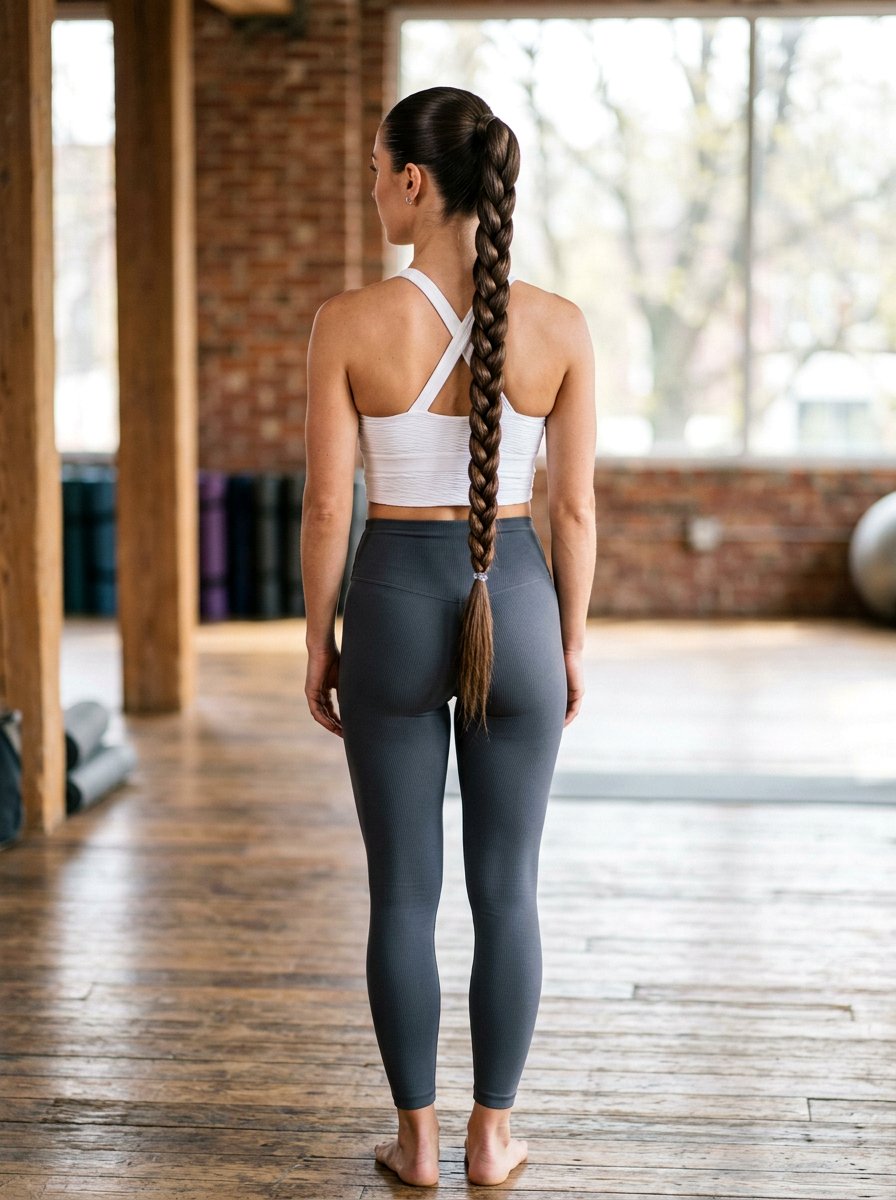
When you want extra control with long hair in fast flows, turning your pony into a braid makes a big difference. A long ponytail braid starts with a high or mid ponytail and then adds a three-strand braid down the length, locking everything together so strands don’t whip around during transitions. This workout favorite keeps hair tangle-free and less prone to friction damage compared with loose ponytails, especially in repeated jumps or cardio-based yoga. Brush your hair smooth, secure a ponytail with a gentle elastic, then braid firmly but not uncomfortably tight before securing the ends. For very long or thick hair, use small clear elastics at the braid’s end and lightly pull the braid for a fuller look that still feels stable. This style transitions easily from the studio to errands after class, since it looks neat and polished without needing extra styling.
4. Bubble Ponytail For Yoga
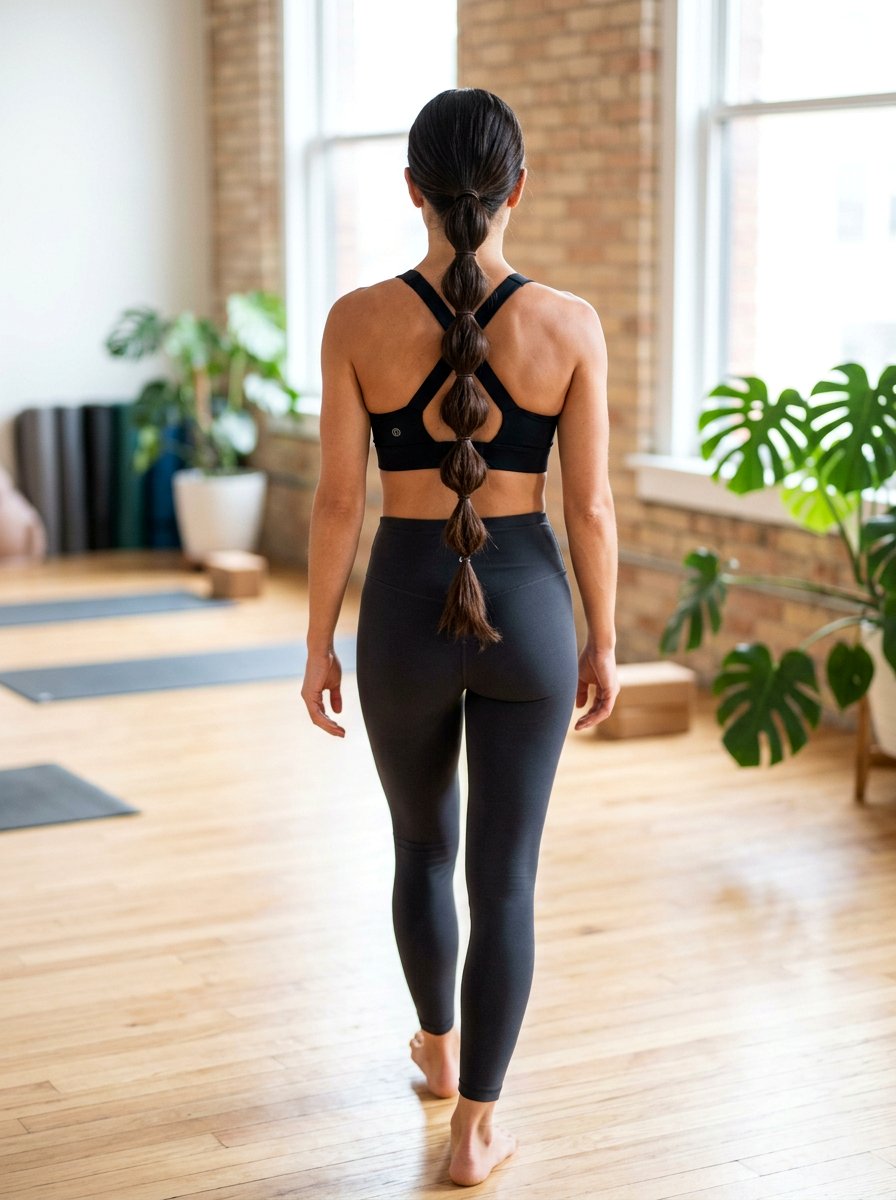
If you love a fun twist that still keeps your hair under control, a bubble ponytail is a playful but practical yoga choice. This style starts with a high or mid ponytail and uses multiple elastics down the length to create rounded “bubbles” that hold long hair securely. The bubbles function a bit like a braid, limiting movement so strands don’t tangle or smack your face in inversions and twists. After securing your ponytail, place small elastics every inch or two down the length, then gently tug each section to round it out into a bubble. Use soft, snag-free elastics so you don’t rough up the hair shaft when you remove them after class. This look works especially well for thick or extra-long hair that’s hard to control in a single ponytail, because the multiple sections distribute tension and weight more evenly.
5. High Bun For Yoga
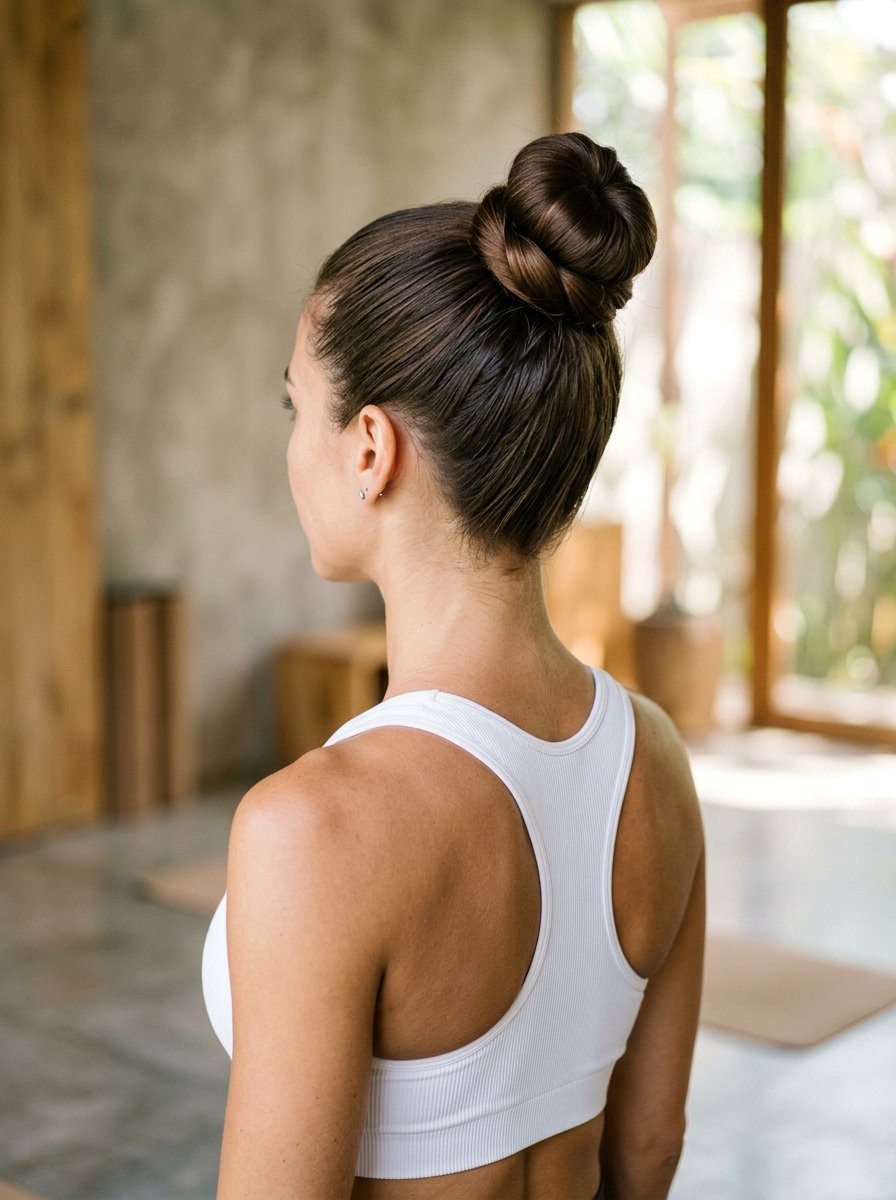
A high bun is a go-to yoga hairstyle when you want your hair completely off your neck and shoulders. By twisting your ponytail into a bun at the crown, you keep your length securely contained, which can feel cooler and more streamlined in active classes or hot studios. High buns also protect your ends by tucking them away, reducing friction against your mat, clothes, or towel. To create this look, pull hair into a high ponytail, twist the length around the base, and secure with pins or a sturdy elastic, avoiding overly tight wrapping that can strain roots. This placement works well in most standing and seated poses and keeps hair from falling forward during Downward Dog. If you practice a lot of lying-down poses, you may want to position the bun slightly higher so it doesn’t press too much into the back of your head.
6. Low Bun For Floor Poses
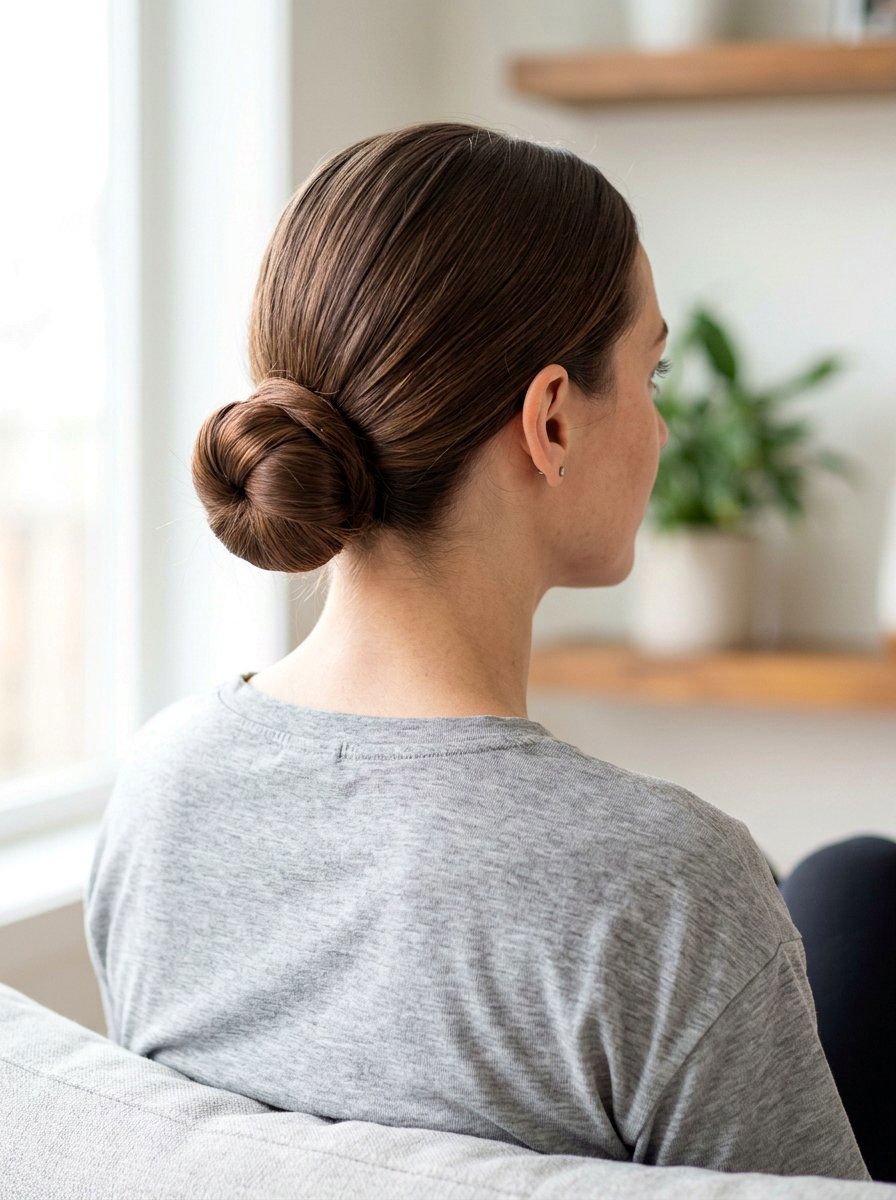
When your practice involves more supine poses, slow stretching, or restorative sequences, a low bun is often the most comfortable option. This style gathers your hair at the nape of the neck and secures it into a bun that sits below where your head meets the floor or bolster. Because the bun is low, it reduces pressure points when you lie down, helping you relax your neck and shoulders fully in poses like Savasana or supported backbends. To create a low bun, smooth hair into a low ponytail, twist or braid the length, and then wrap it into a bun secured with a soft elastic or a few pins. Avoid sharp hair accessories that could dig into your scalp when you roll gently on the mat. This bun also works beautifully with headbands or sweatbands to keep shorter front pieces back without needing tight tension around your hairline.
7. Messy Top Knot For Yoga
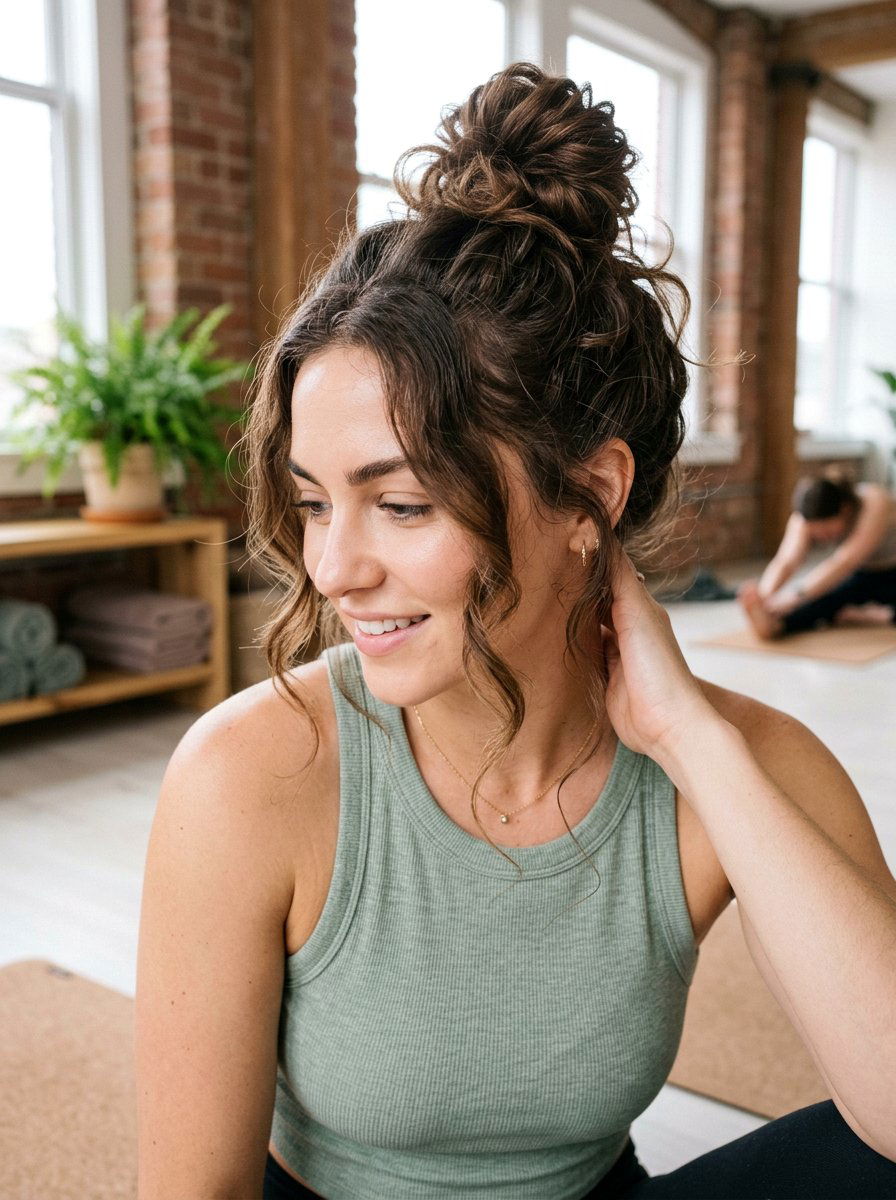
Some days call for a quick, no-fuss look, and a messy top knot is perfect for getting long hair off your neck in seconds. This relaxed bun sits high on the head and doesn’t require precise parting or perfectly smooth hair, which makes it ideal when you’re rushing to class or working with second-day texture. A top knot keeps hair secure during flows while still feeling casual, and its height helps in keeping strands from brushing your face in inversions. To create it, gather hair into a high ponytail, twist loosely, then wrap and secure the coil with a soft elastic or large clip, letting a few pieces fall naturally. Because it’s not overly tight, this look is friendlier on your edges and scalp. If you have very long or heavy hair, you can anchor the knot with two elastics or cross a couple of bobby pins for extra grip.
8. French Braid For Yoga
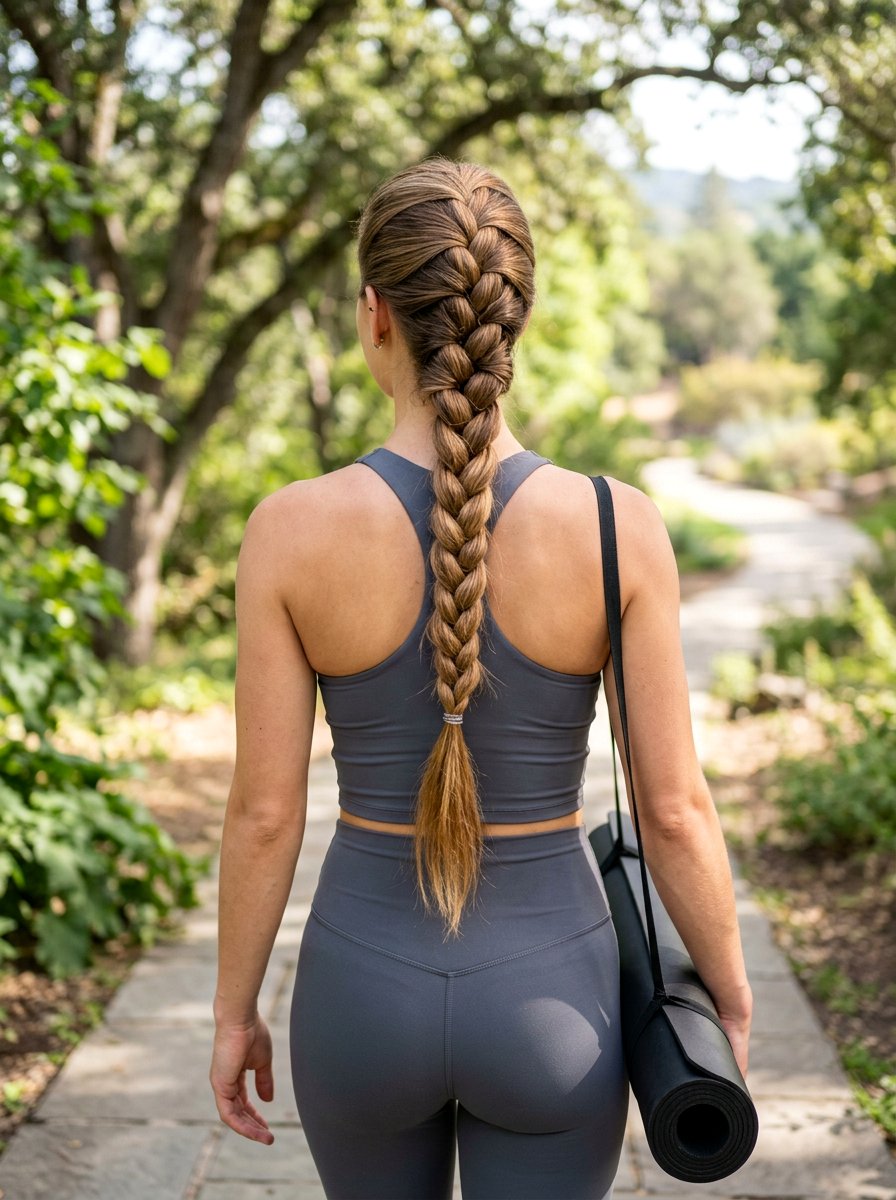
A classic French braid is a beautiful way to keep long hair completely contained from roots to ends during yoga. This braid starts at the crown and continues down the back of your head, pulling in new sections as you go so nothing slips out during movement. Because the hair is woven tightly against the scalp, a French braid is excellent for preventing tangles and friction, especially in intense or long classes. It works for many hair types, including wavy and curly, and can help preserve curl definition if you braid gently without over-smoothing. To style it, part a section at the top, divide into three strands, and cross side sections over the middle while adding more hair with each pass before tying off the length. This braid also fits comfortably under yoga headbands if you want extra sweat control at the hairline.
9. Dutch Braid For Yoga
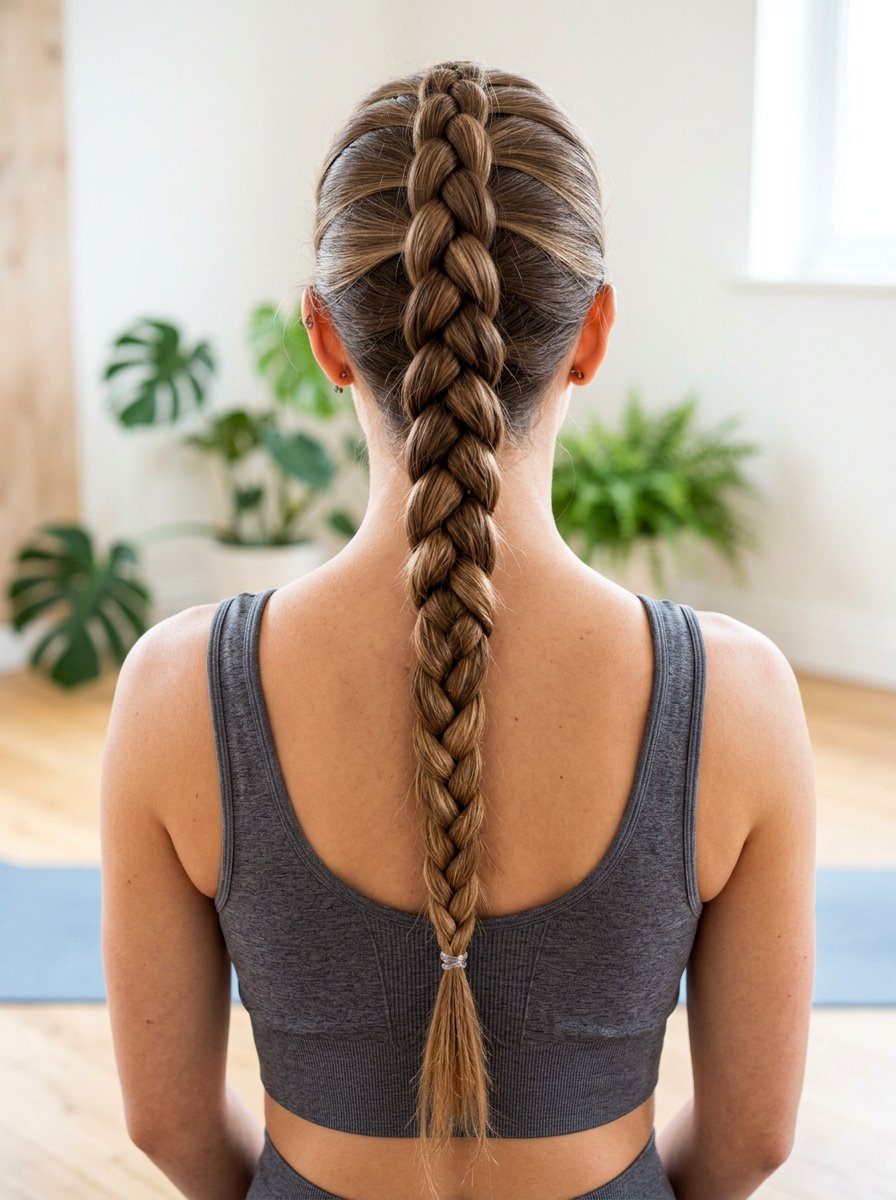
If you like the look and security of a French braid but want more definition, try a Dutch braid for your yoga practice. Instead of crossing sections over the middle, you cross them under, which creates a braid that sits on top of your hair and feels very secure. This raised effect helps the braid hold its structure through vigorous flows, jumps, and transitions without unraveling easily. Start near the front of your head, split hair into three sections, and pass each outer piece under the center while adding more hair as you move toward the nape. Finish by braiding the remaining length and securing it with an elastic. Because the Dutch braid keeps ends tucked and strands compact, it reduces tangling and friction damage from rubbing against your mat or clothing during floor work.
10. Double Dutch Braids For Yoga
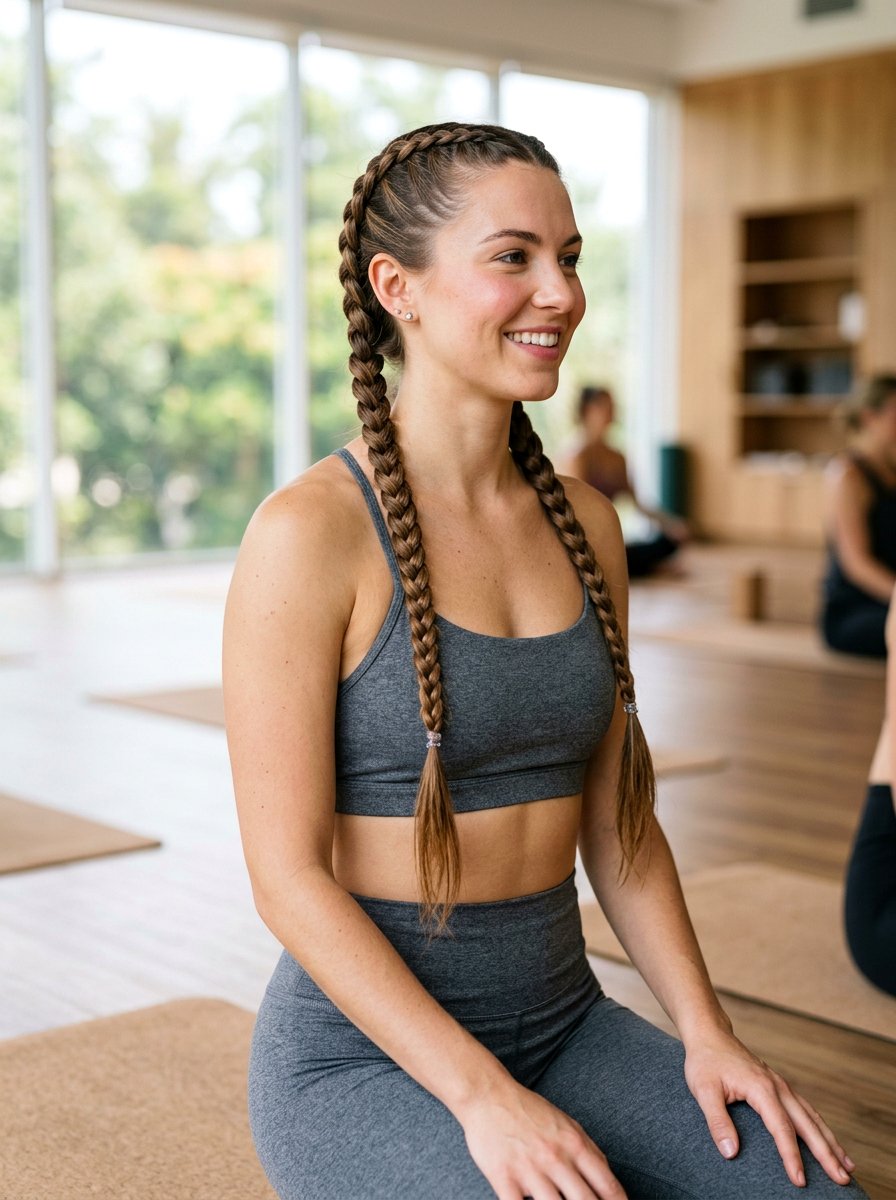
Double Dutch braids, also called boxer braids, give long hair serious staying power for high-energy yoga or hybrid workouts. This look uses two Dutch braids starting at the front hairline and running down each side, which evenly distributes weight and tension across your scalp. These braids are especially great for keeping hair controlled on “wash day eve” because natural oils can help the braids hold better. To style, part your hair down the middle, then Dutch braid each side by adding hair as you move toward the nape, finishing the length into regular braids. Secure each end with small elastics and smooth flyaways with a light touch of gel if you like. This style is protective because ends are tucked into tight, structured plaits, which cuts down on friction, tangles, and breakage during intense sessions.
11. Braided Bun For Yoga
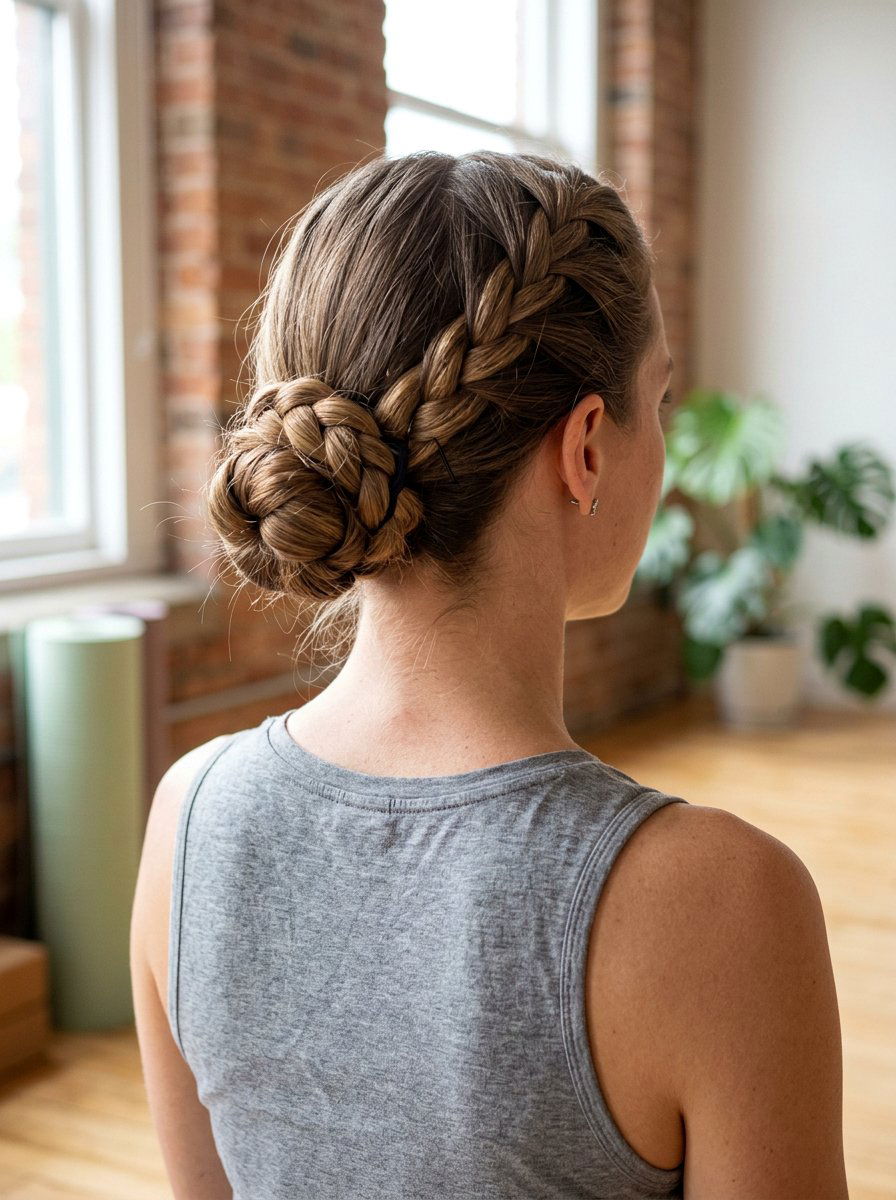
When you want the security of braids and the compact feel of a bun, a braided bun is an ideal yoga hairstyle. This look typically starts with a ponytail or a single braid, which is then wrapped into a bun at the back of your head or slightly higher depending on your comfort. The braiding step keeps individual strands tightly grouped, while the bun format reduces any swinging or whipping during fast flows or inversions. To create it, braid your ponytail, then wrap the braid around its base and secure with bobby pins or an elastic, making sure the bun feels stable but not overly tight. This style is considered very protective because it tucks ends away and minimizes friction against surfaces. It works well for both regular and hot yoga, and still looks polished enough if you head to errands afterward without restyling.
12. French Braid Into Bun For Yoga
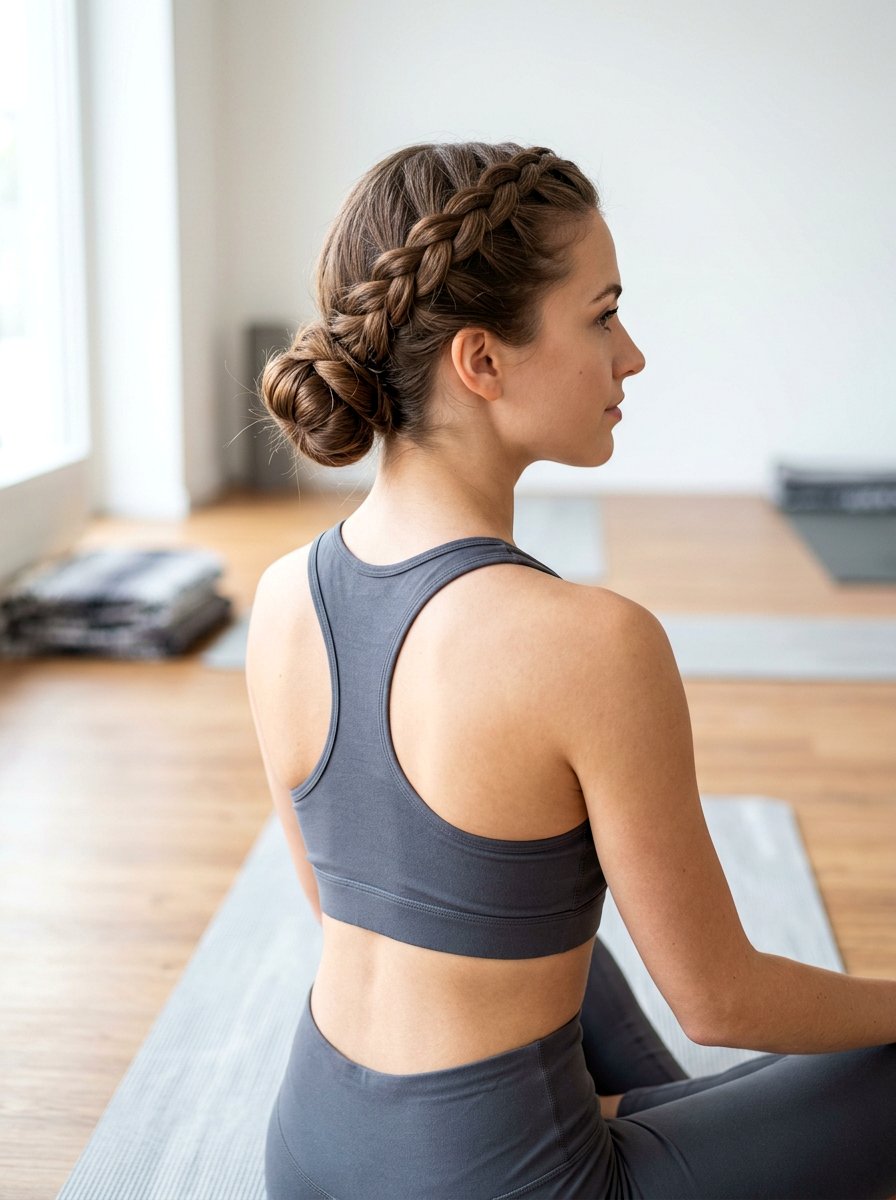
For extra control at the front with a comfortable bun at the back, try combining a French braid with a bun. This hybrid look starts with a French braid from the top or front of your head, which feeds into a ponytail or directly into a bun at the crown or nape. The French braid portion keeps shorter layers and face-framing pieces locked in place, while the bun gathers the rest of your long hair into a compact, yoga-friendly shape. It’s especially helpful if you find regular buns let smaller sections escape around your face during class. To style, French braid the top section, secure it into a ponytail where you want the bun to sit, then twist or braid the remaining hair into a bun and pin. This look stays reliable through floor work, backbends, and inversions without constant adjusting.
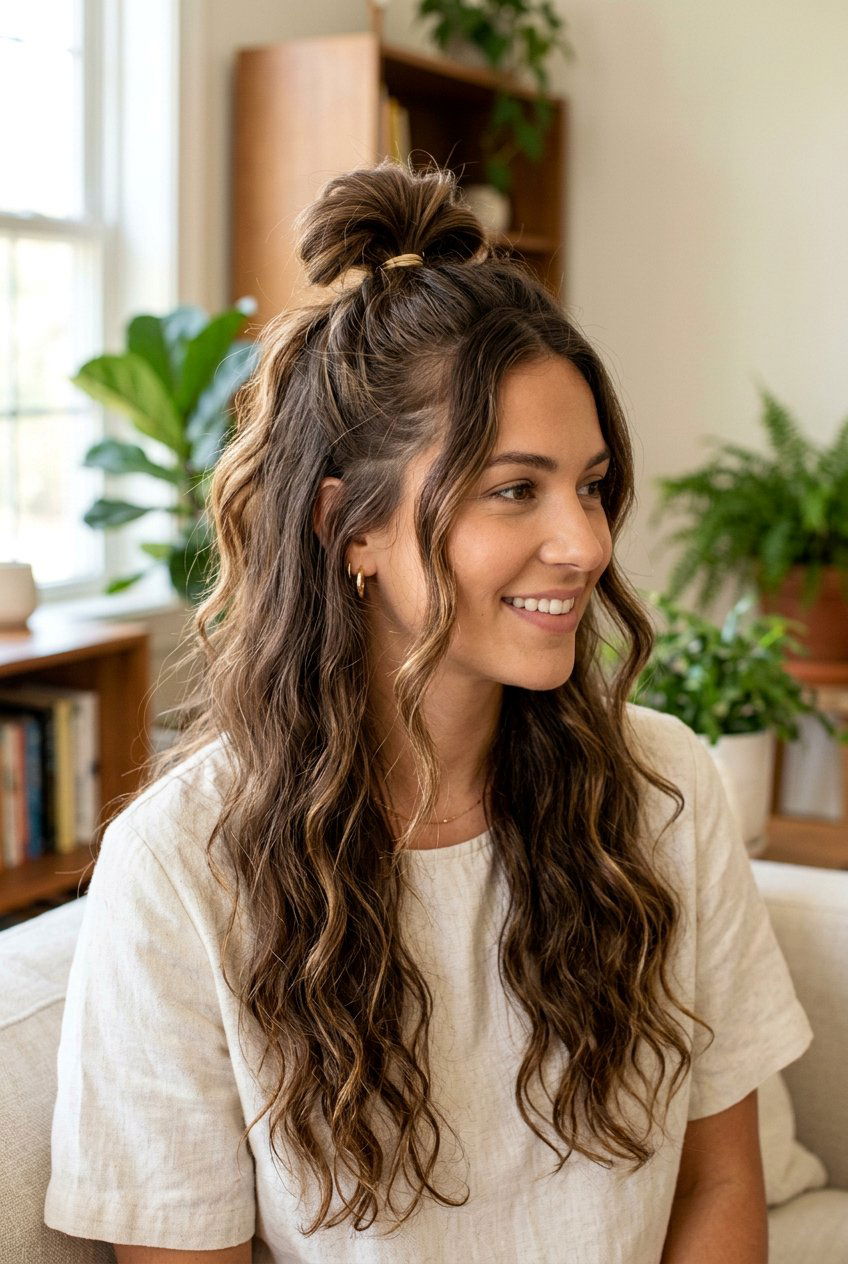
13. Half Up Top Knot For Yoga
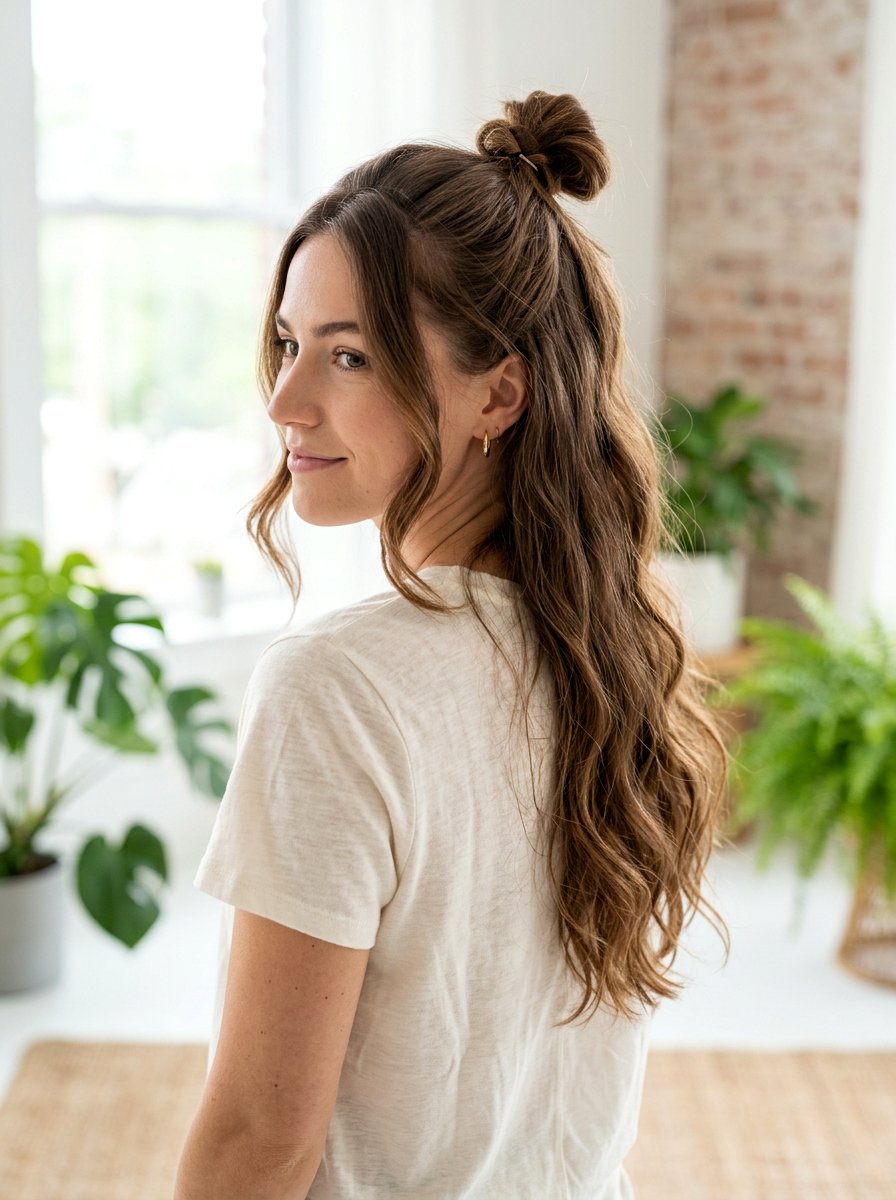
A half up top knot works well when you want to control your hairline and mid-lengths but still enjoy the feel of your long hair down. This style pulls the top section of your hair into a knot or small bun high on your head, leaving the rest loose. It’s a good choice for slower or moderate practices where you want your face clear but don’t need total containment like you might for power yoga. To create it, section off hair from temple to temple, gather it at the crown, twist into a knot, and secure with an elastic or clip. The loose lower section can be slightly waved or left natural, and you can add a headband for extra sweat control. While not as secure as full buns or braids, it gives a relaxed balance between practicality and softness on the mat.
14. Half Up Braid For Yoga
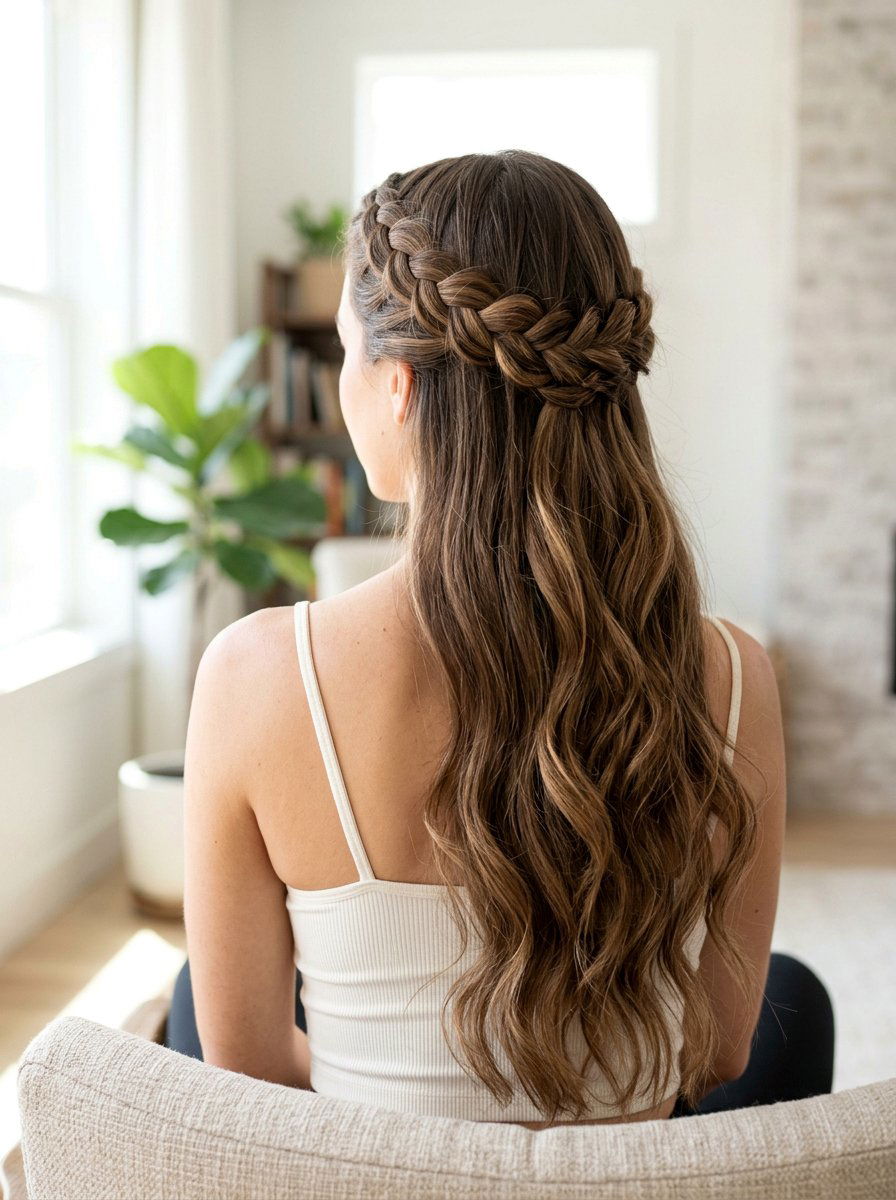
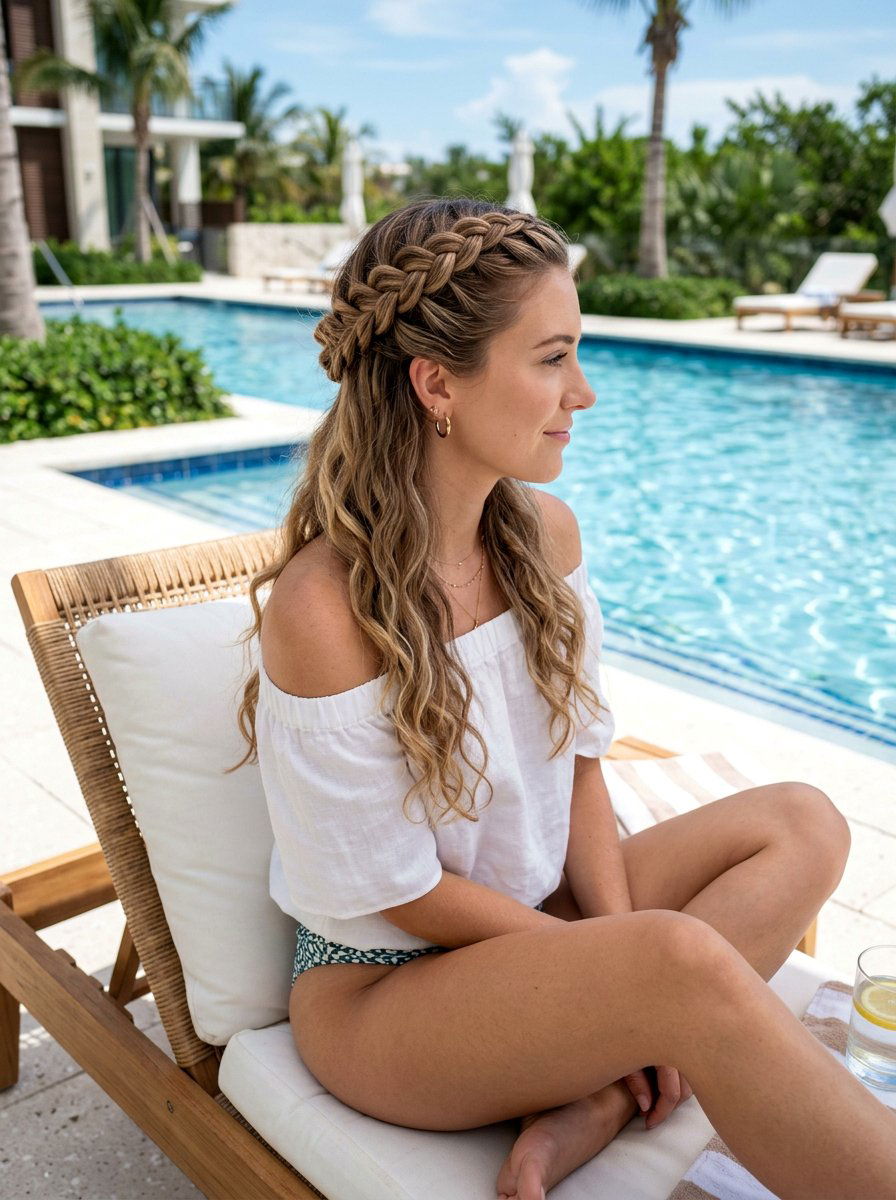
If you like wearing your long hair down but need more control at the top, a half up braid is a nice compromise for yoga. This look braids the crown section while leaving the bottom half loose, so your face stays clear in forward folds and side stretches. A simple three-strand or French braid works well, starting near the front hairline and moving back to where you secure the half ponytail. From there, you can braid the tail or leave it straight, depending on how much movement you’re comfortable with in your class. This style is best for gentle or flowy practices rather than very high-intensity moves, since the loose lower lengths can still move around. Use soft elastics and avoid heavy clips that might dig into your scalp when you lie down. It’s a great option when you’re heading to brunch or work after yoga and want a more relaxed look.
15. Headband With Low Ponytail For Yoga
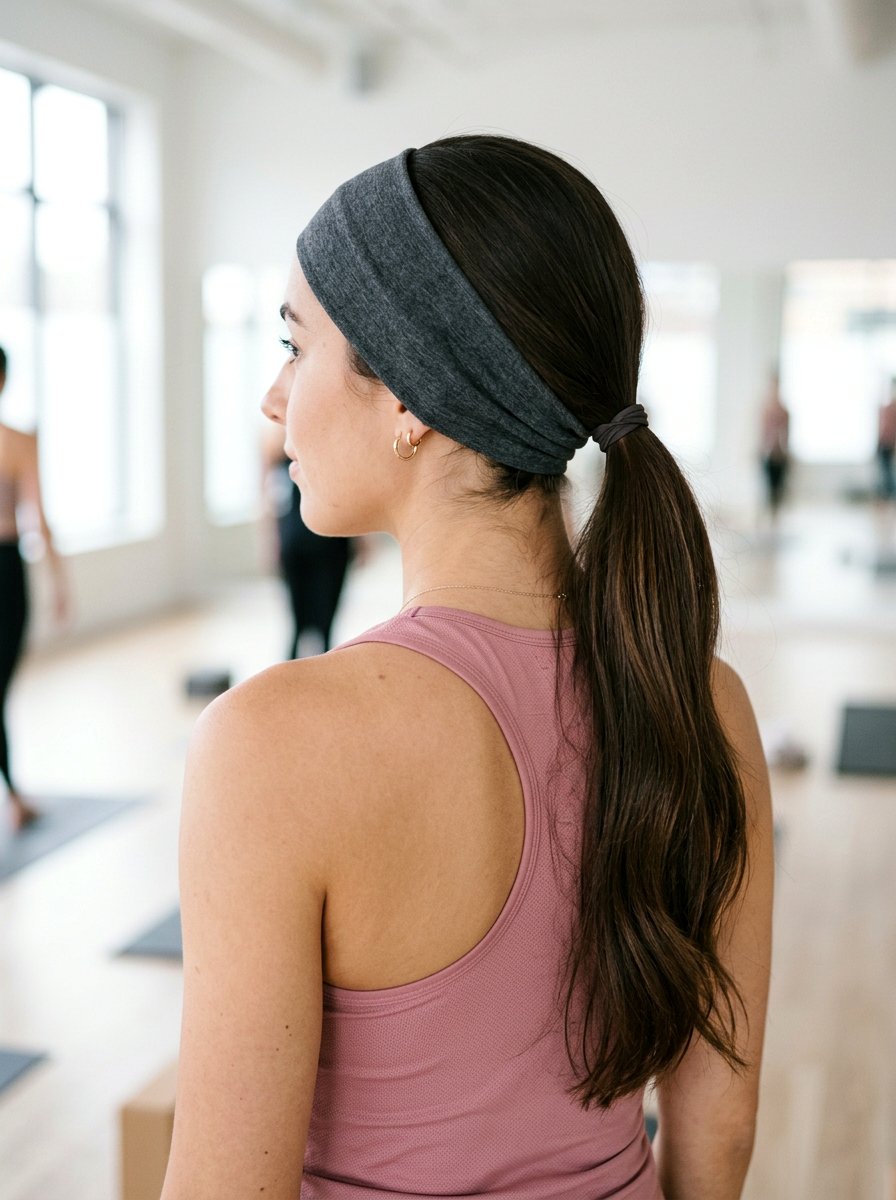
A headband paired with a low ponytail is a simple, sweat-friendly option that keeps both your hairline and length in check. The headband absorbs moisture and keeps shorter front pieces from slipping into your eyes, while the low ponytail gathers the rest of your long hair comfortably at the nape. This combination is especially helpful for curly or wavy hair, where frizz and flyaways can be more noticeable during intense or heated classes. To style, slip on a soft, wide headband, then smooth hair into a low ponytail secured with a gentle elastic. Make sure the ponytail sits low enough that it doesn’t press against the back of your head when you lie down. This look is also protective, since the headband reduces friction at your hairline and the ponytail keeps lengths mostly contained. It’s easy to refresh post-class by fluffing your ponytail and adjusting the band.
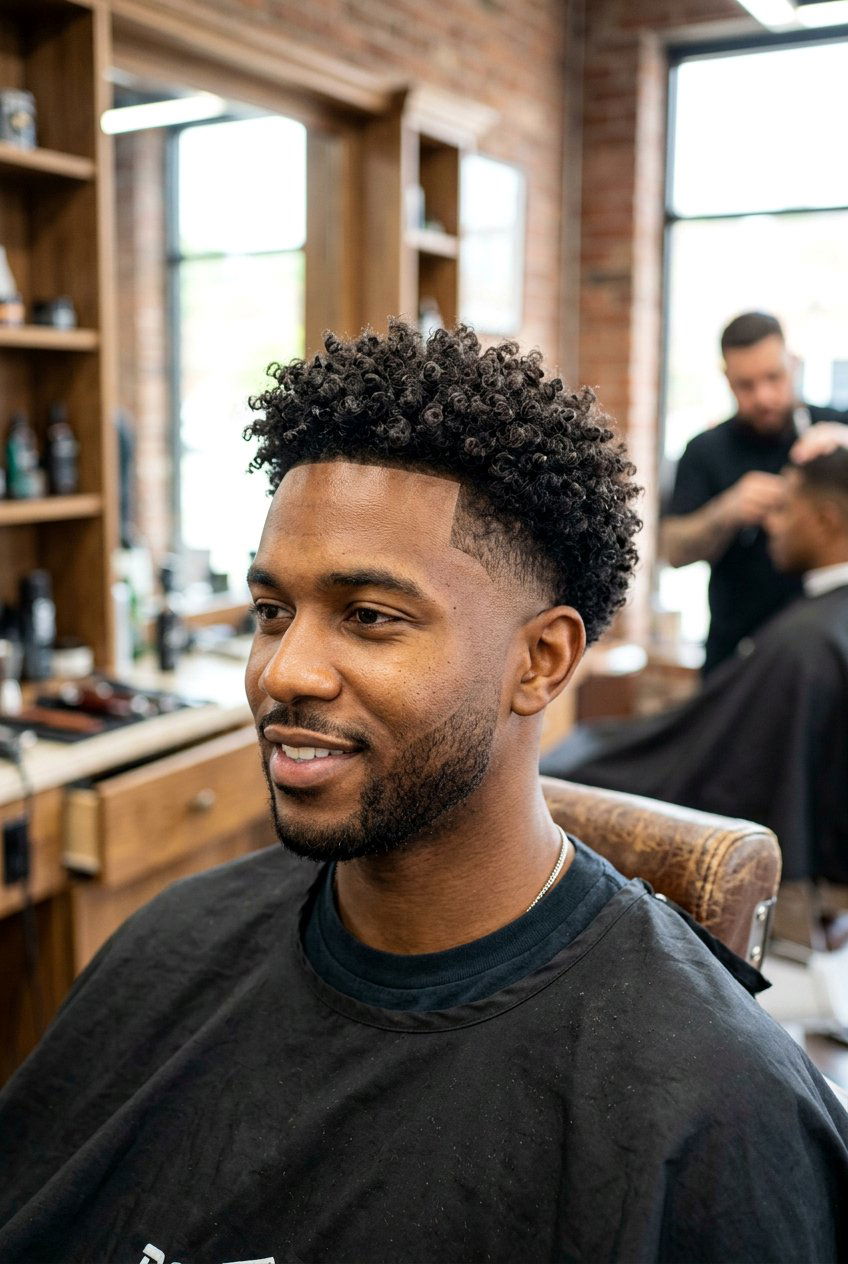
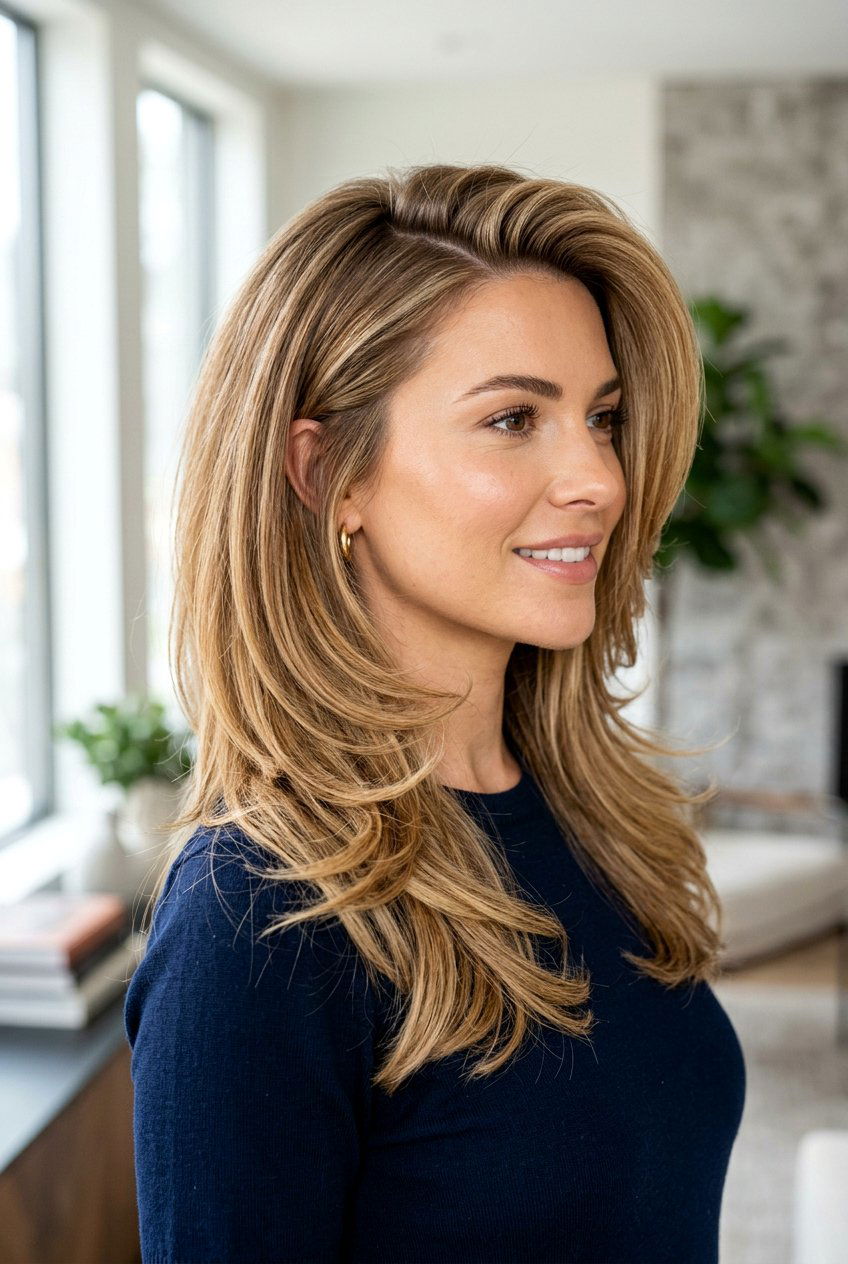
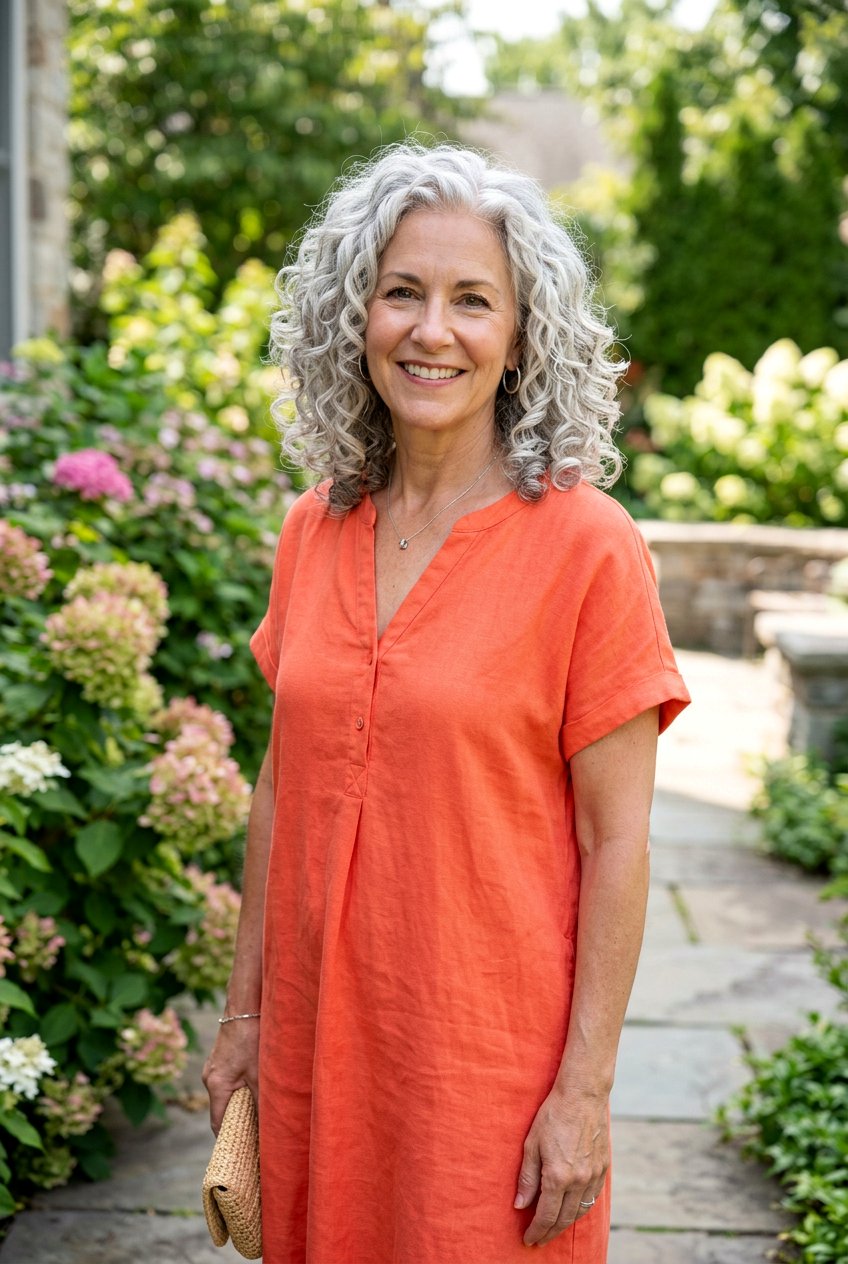
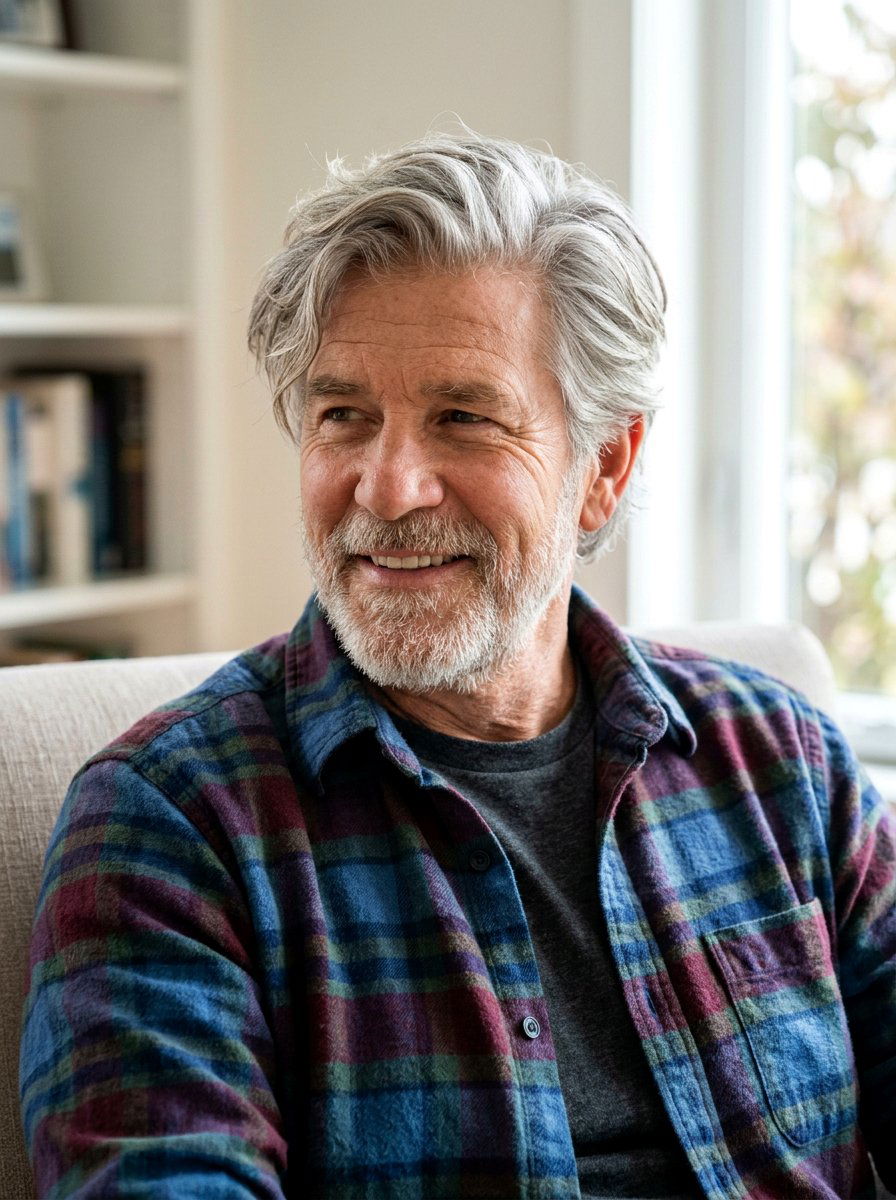
16. Headband With High Ponytail For Yoga
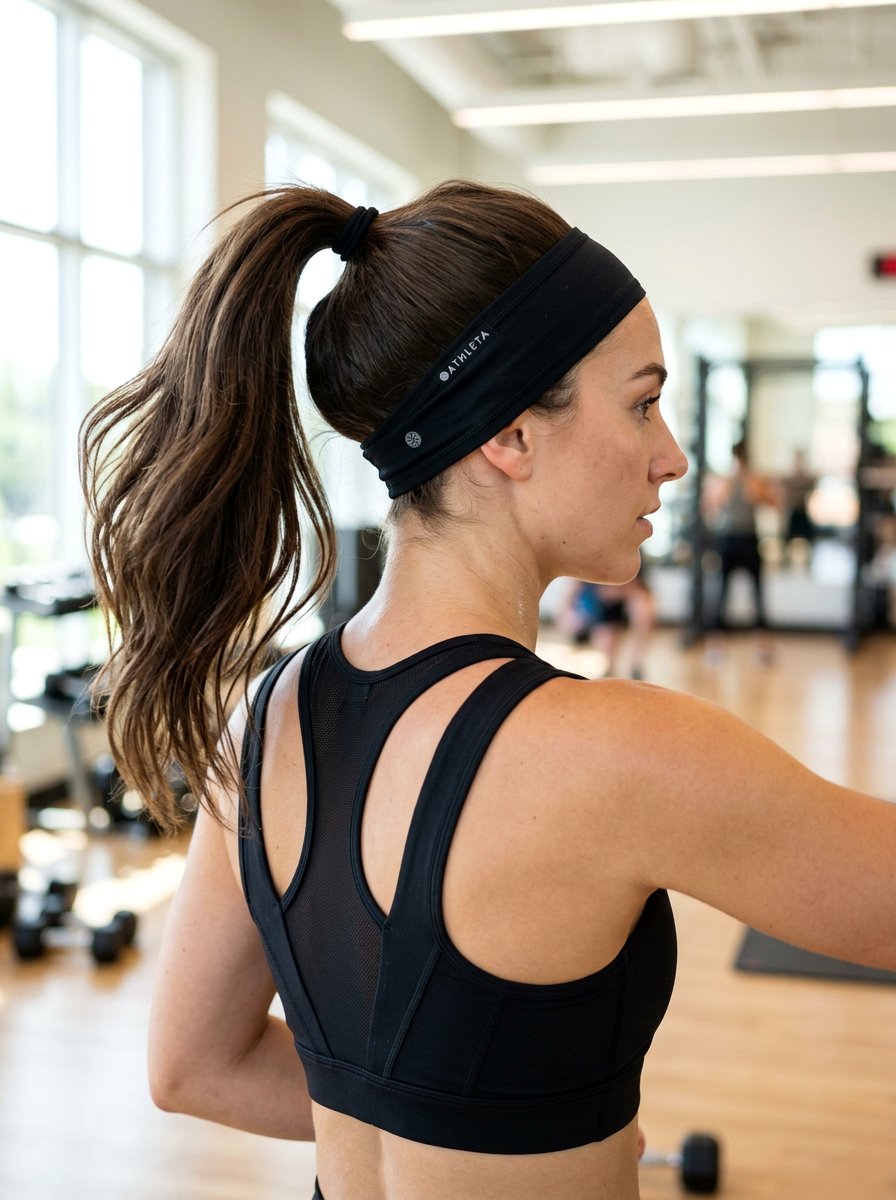
When you want maximum clearance around your face plus lifted length, a headband with a high ponytail is a powerhouse combo. The headband works like a barrier for sweat and loose strands at the hairline, while the high ponytail keeps long hair up and away from your neck. This is especially useful for power yoga, hot yoga, or any practice where you sweat more and move quickly through sequences. To create it, place a comfortable, non-slip headband around your head, pushing back bangs or shorter pieces, then gather hair into a high ponytail and secure with a snag-free band. Choose a headband made from absorbent, soft fabric so it doesn’t irritate your scalp. Because the hair is lifted, it stays cooler and less sticky against your back during repeated flows. This combination also looks sporty and neat if you’re heading to other workouts or errands.
17. Space Buns For Yoga
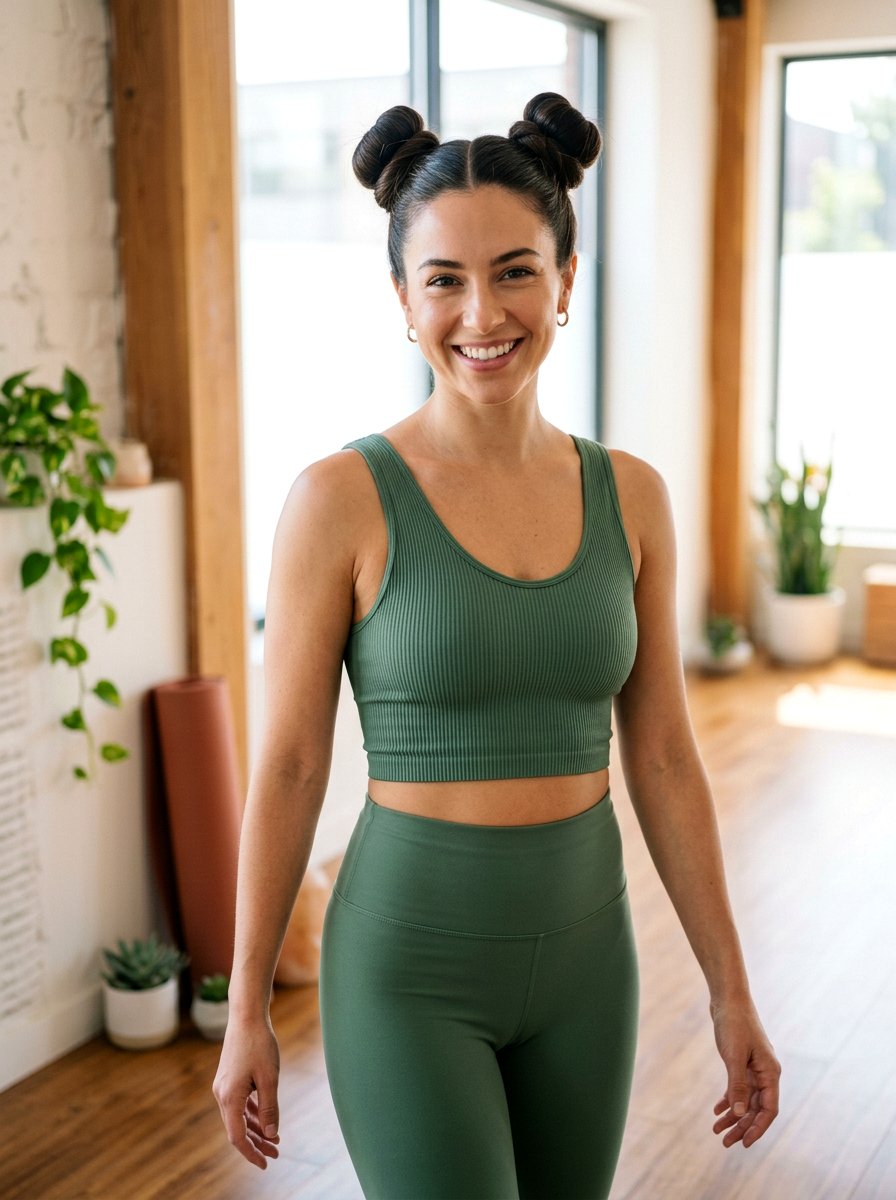
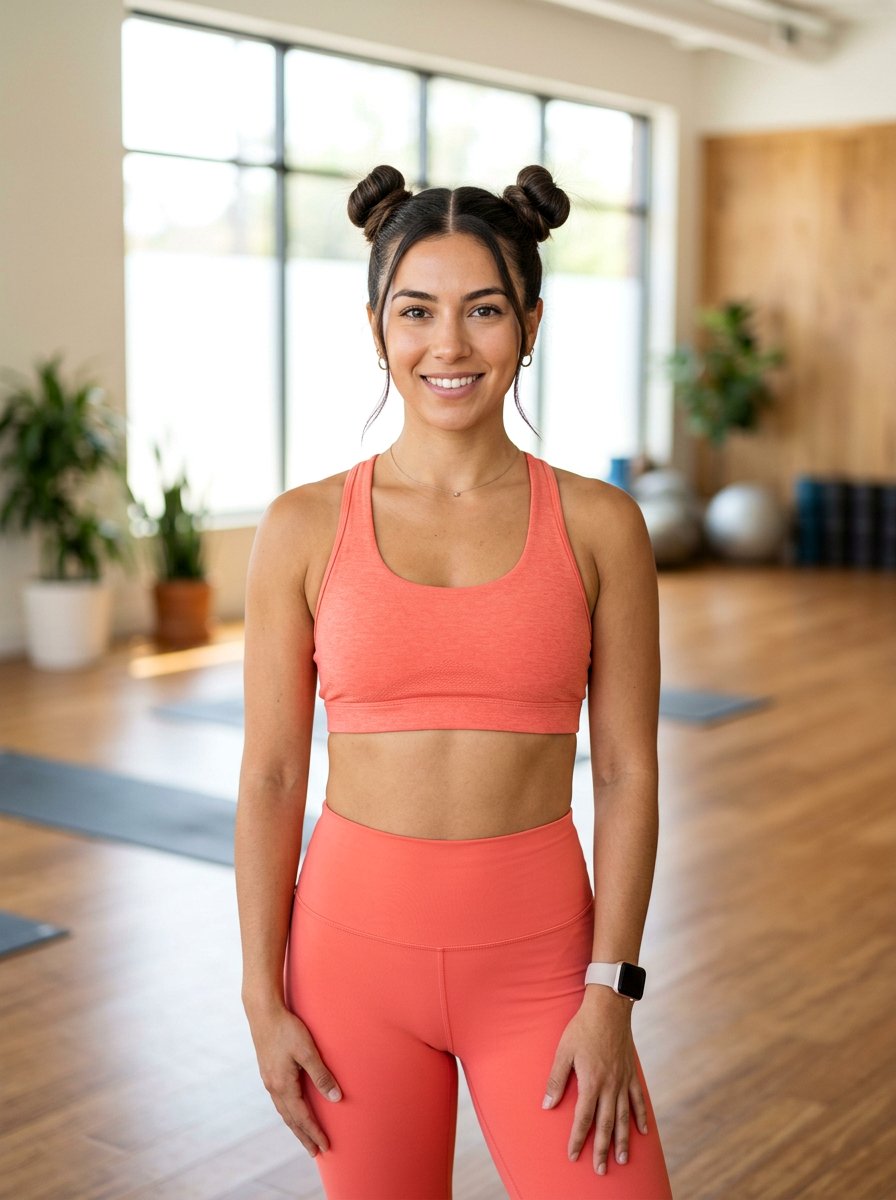
Space buns bring a fun, youthful vibe to your practice while still holding long hair securely in place. This hairstyle uses two buns, usually placed high on either side of the head, which evenly distributes hair weight and keeps lengths compact. Because the hair is split into two sections, it can feel lighter on your scalp than one very large bun, especially if your hair is extra long or thick. To style, part your hair down the middle, gather each side into a high ponytail, twist into a bun, and secure with elastics and a few pins. Space buns work well in vinyasa and moderate flows, keeping hair off your neck and out of your face. For comfort during floor poses, place the buns slightly higher or more forward so they don’t dig into the mat. This style is also cute enough to wear straight from the studio to casual plans.
18. Side Braid For Yoga
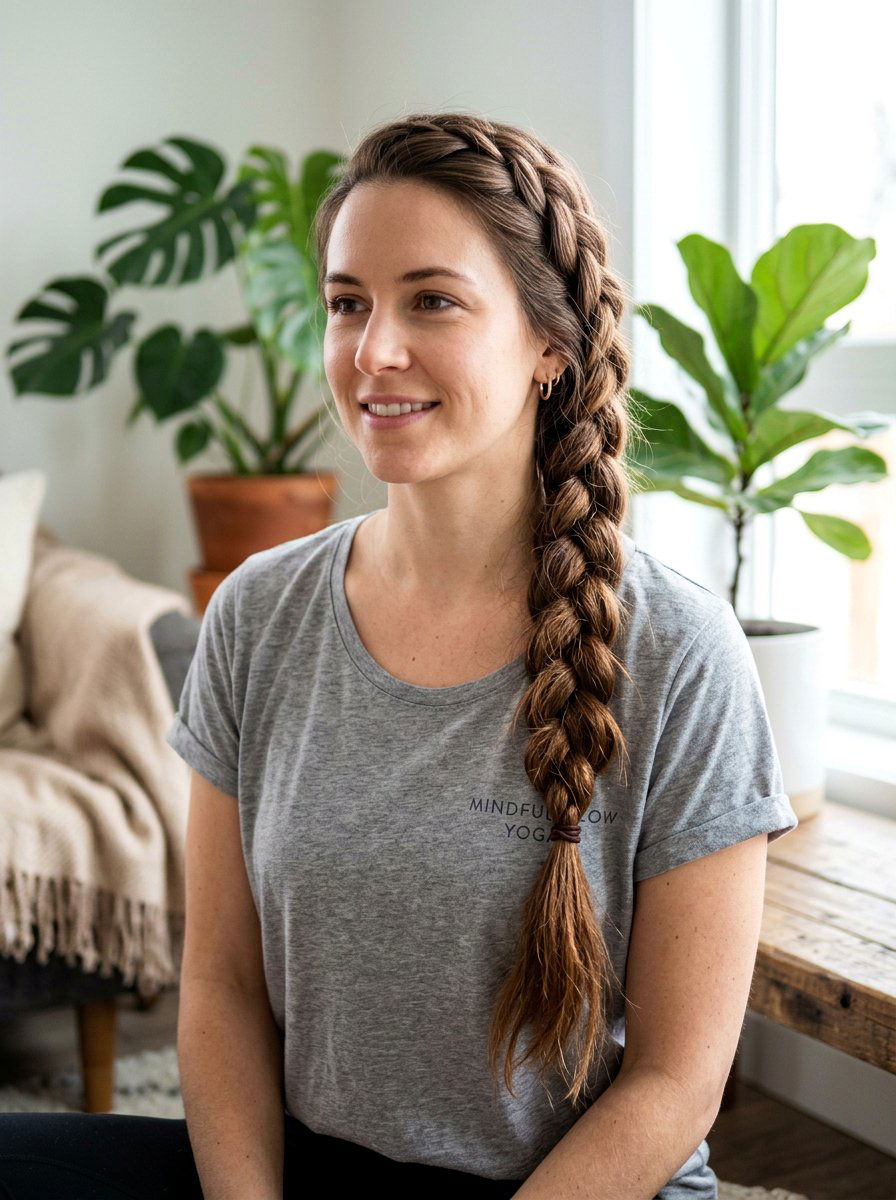
A simple side braid offers a relaxed, feminine look that still keeps your long hair mostly contained for yoga. By sweeping your hair to one side and braiding it over your shoulder, you keep strands off your back and reduce tangling in reclined poses. This style is great for slow flows or gentle classes where you won’t be flipping upside down as often. To create it, gather hair to your preferred side, divide into three sections, braid down, and secure the end with a soft elastic, leaving the braid loose or tighter depending on preference. You can combine a side braid with a headband if you want extra security around the hairline. While not as protective as multiple braids or buns, it still minimizes friction compared with wearing your hair completely loose. It’s also a nice choice if you go from yoga straight into a more dressed-up setting.
19. Low Twisted Bun For Yoga
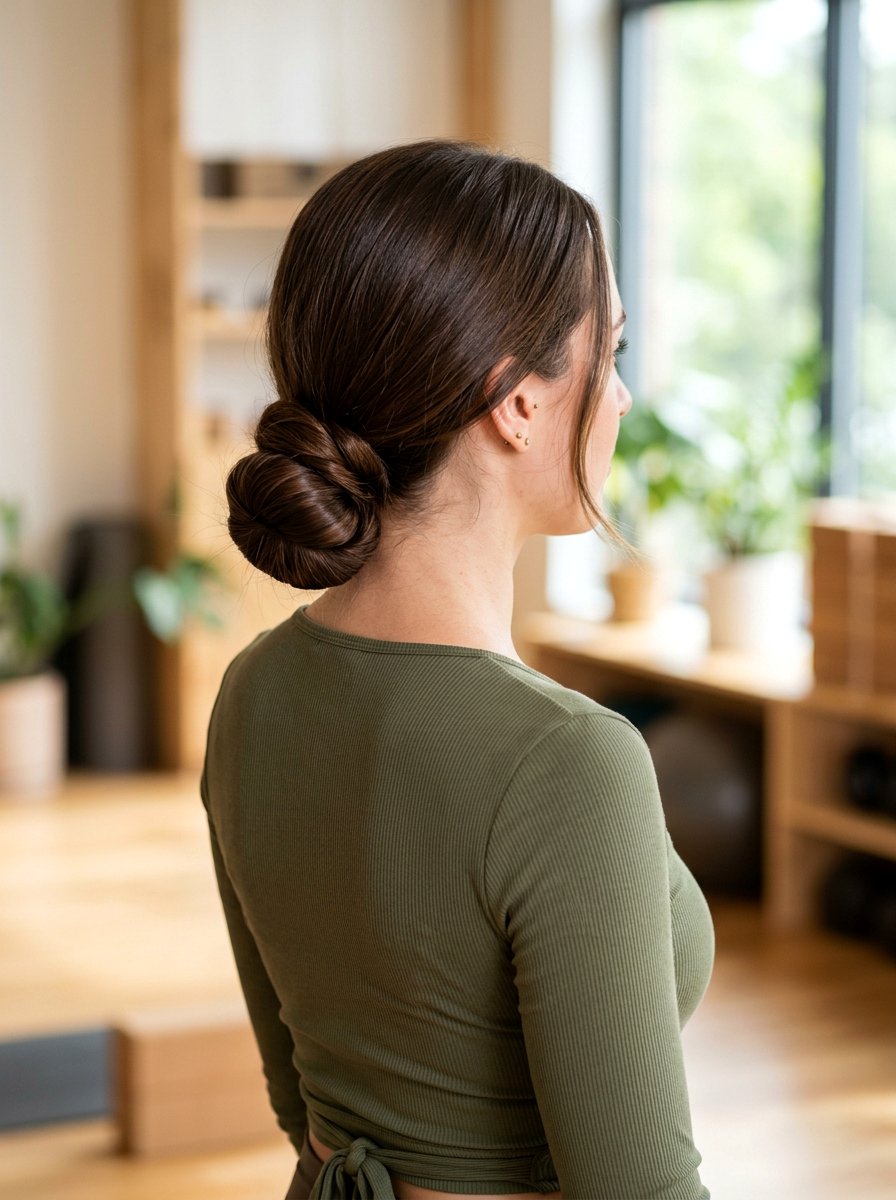
A low twisted bun brings a sleek, minimal look that feels comfortable and polished for any yoga class. This hairstyle starts with a low ponytail at the nape, then twists the length into a coil and secures it into a compact bun. The twist helps keep strands smoothed together, while the low placement reduces pressure on the back of your head in reclined postures. This style is particularly nice for straight or slightly wavy hair, creating a clean silhouette that stays put through most movements. To keep it gentle on your hair, use a soft elastic on the ponytail and a few pins or a covered hair tie around the bun. Make sure the twist is firm but not so tight that it stresses your roots. It’s a great all-purpose option when you want your yoga hair to look tidy and professional before or after class.
20. Protective Braids For Yoga
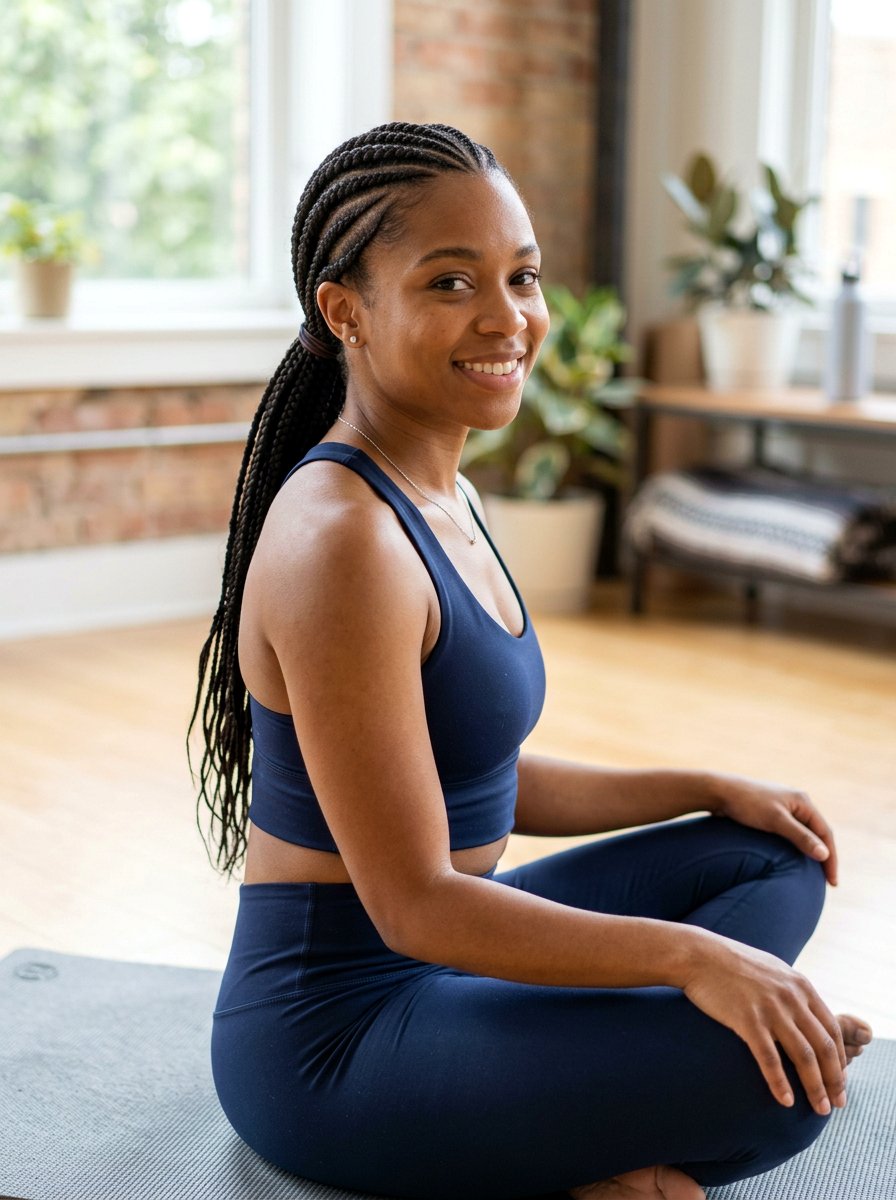
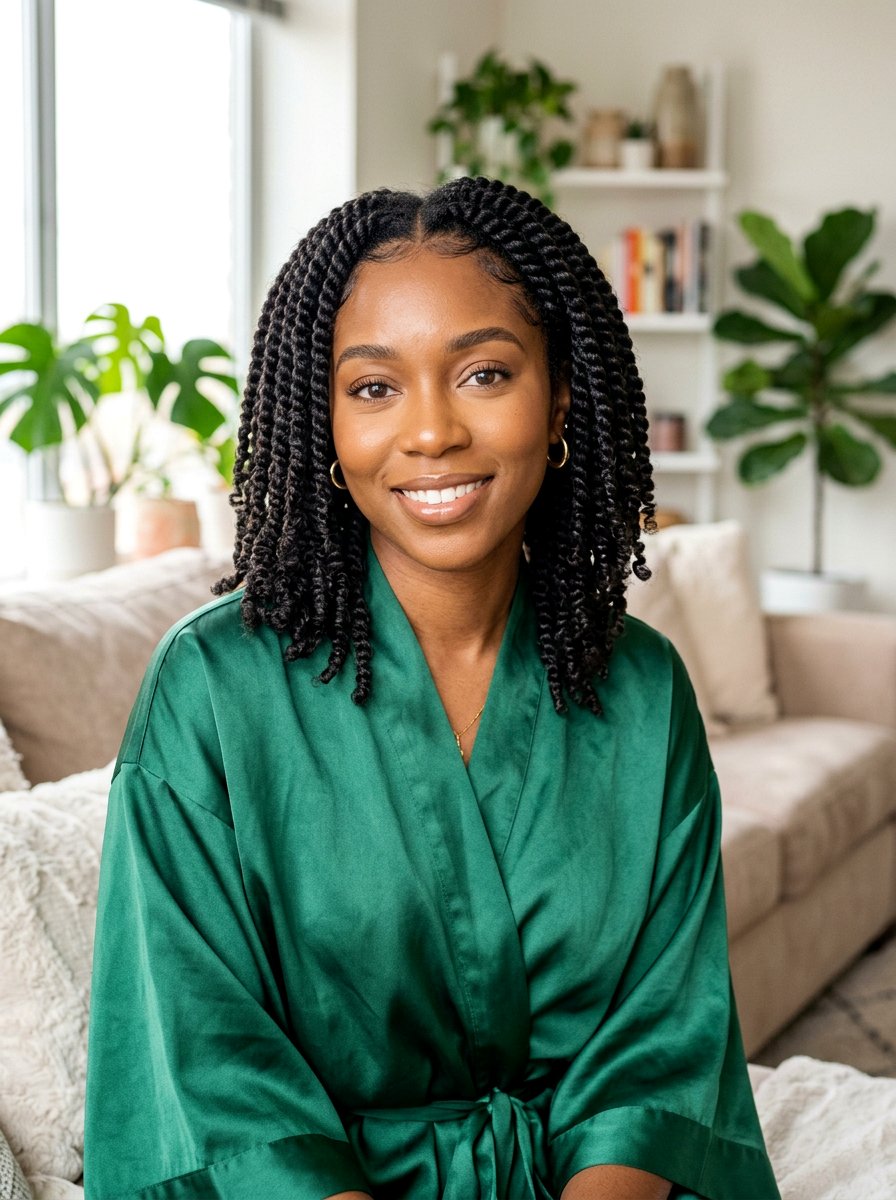
For those who want maximum protection and low maintenance, protective braids are a smart choice that works beautifully with regular yoga practice. Styles like multiple braids, cornrows, or box braids keep hair bundled and ends tucked, cutting down on friction, tangling, and breakage during workouts. These looks are especially helpful for curly and coily hair, which can be more prone to dryness and breakage if left loose while exercising. Once installed, protective braids make getting ready for class quick, since you usually only need to pull them into a ponytail, bun, or half up look. Use soft elastics and avoid overly tight styling at the scalp to prevent tension and damage. Washing gently and keeping your scalp moisturized will help maintain both the braids and your natural hair underneath. This approach lets you focus more on your breath and poses, instead of worrying about your hair every time you move.
Conclusion:
Choosing the right yoga hairstyle for long hair is about more than just looking put together; it’s about comfort, hair health, and being able to stay fully present in your practice. Styles like high and low ponytails, long ponytail braids, and bubble ponytails offer quick, practical solutions when you want hair out of your face fast. Buns of all kinds, from high and low buns to braided and twisted versions, tuck your ends away and reduce friction during repeated movement and floor work. Braids, including French, Dutch, and double Dutch, provide added security and protection, especially helpful for intense or longer classes where hair tends to tangle. Accessories like headbands pair well with these hairstyles to manage sweat and flyaways at the hairline. By rotating a few of these yoga-friendly looks and keeping them gentle rather than overly tight, you can protect your scalp, preserve your length, and flow from pose to pose with less distraction from your hair.
You'll Like These Styles:


Leave a Reply