
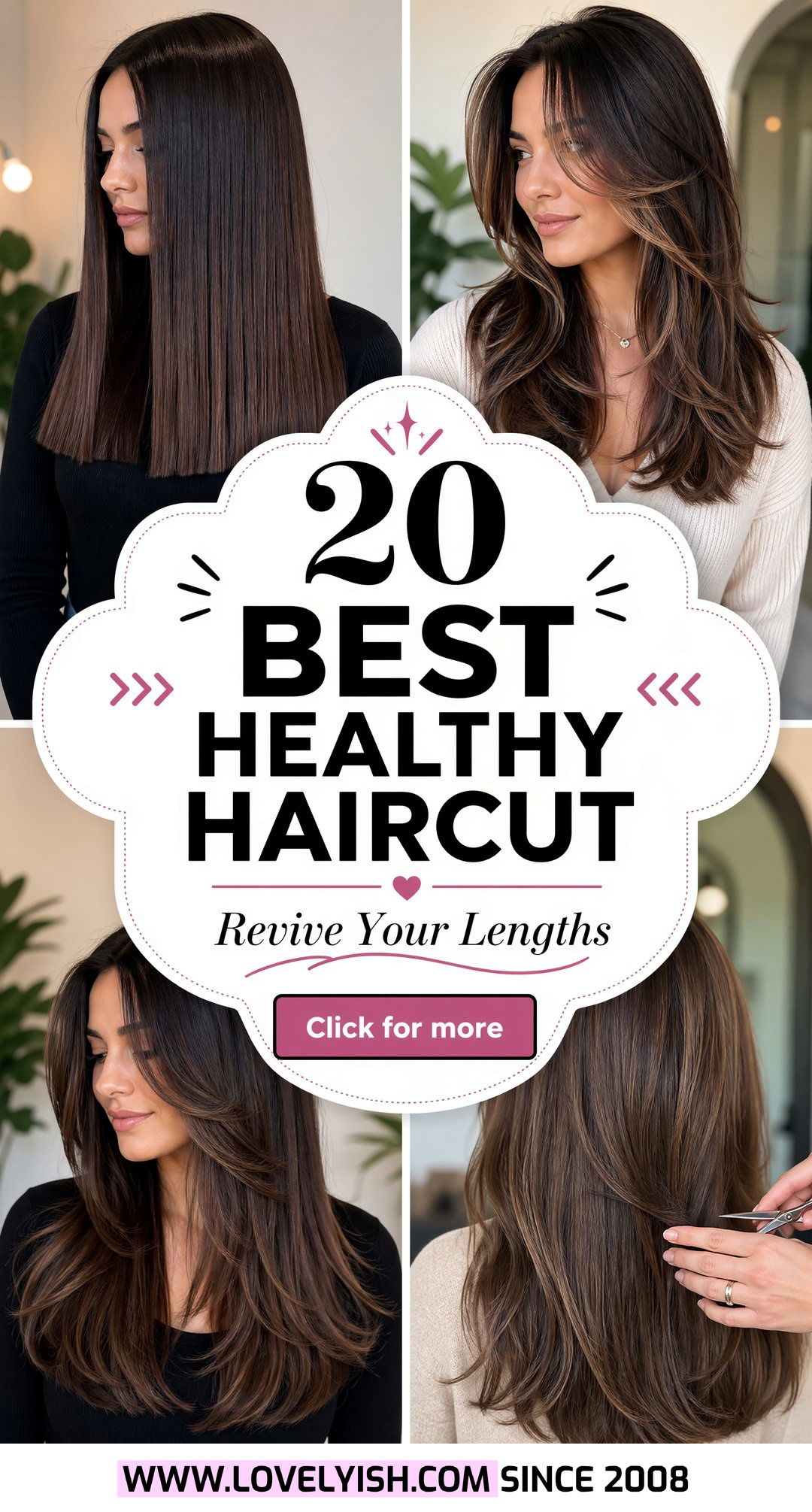
Finding the perfect healthy haircut for damaged long hair is a transformative journey that balances style with essential hair health. Many people struggle with split ends and breakage while desperately trying to maintain their hard-earned length. Fortunately, modern cutting techniques allow you to remove damaged sections without sacrificing your overall aesthetic. By choosing a strategic trim or a layered silhouette, you can revitalize dull strands and promote stronger growth over time. Professional stylists now use precision methods like dusting or internal layering to target specific areas of damage. This ensures your mane looks lush, voluminous, and entirely refreshed. Embracing a new shape not only boosts your confidence but also protects your hair from further environmental and mechanical stress in daily life.
1. Long layers for split ends
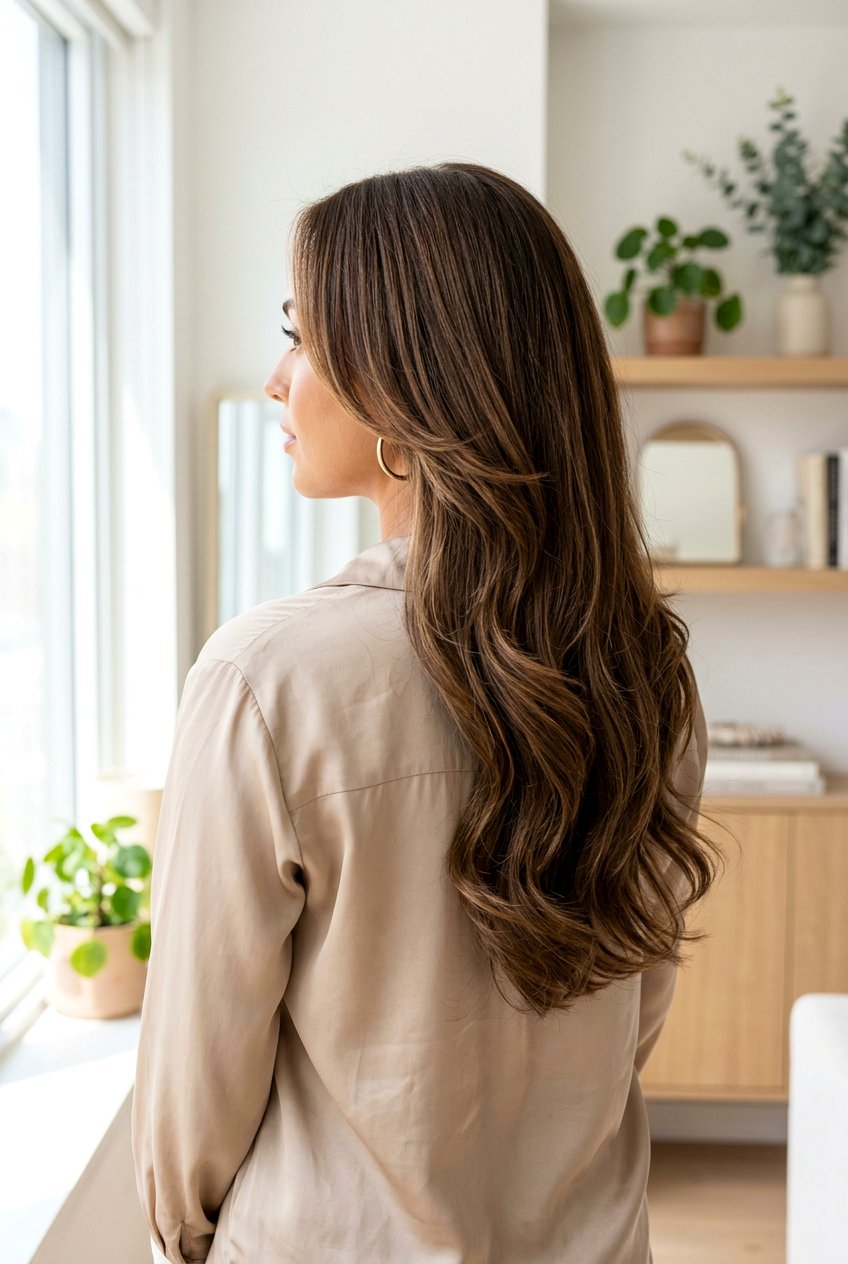
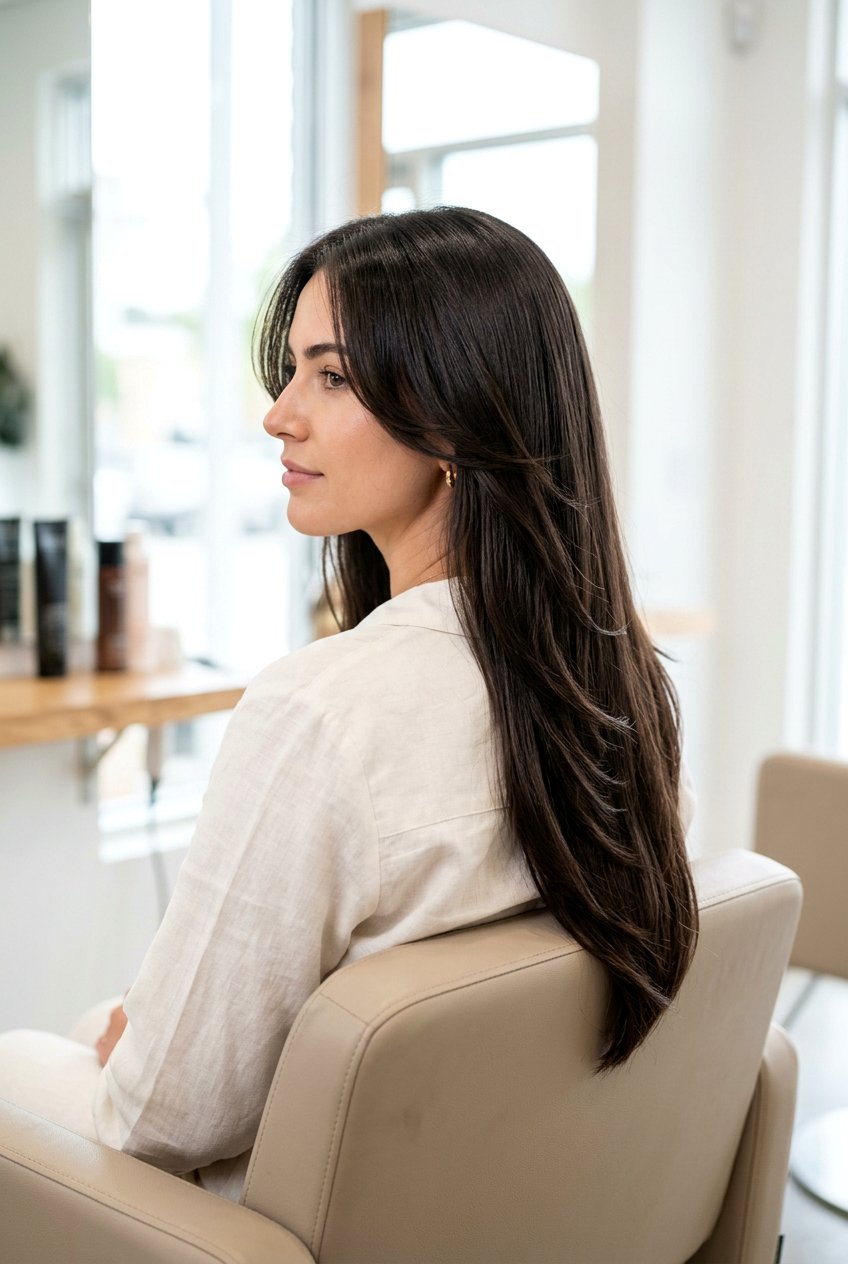
Long layers for split ends are a classic solution for anyone wanting to maintain length while removing visible damage. This technique involves cutting varying lengths throughout the hair to catch and eliminate fraying tips that sit at different levels. By incorporating these seamless transitions, your stylist can target breakage that often occurs mid-shaft without shortening your overall look. The result is a cascading effect that adds immediate movement and bounce to otherwise limp strands. This style is particularly effective for those with straight or slightly wavy textures who need a quick refresh. It allows for easier detangling and reduces the friction that causes further split ends. You will notice that your hair feels significantly lighter and looks much healthier from every angle.
2. U shape haircut for long hair
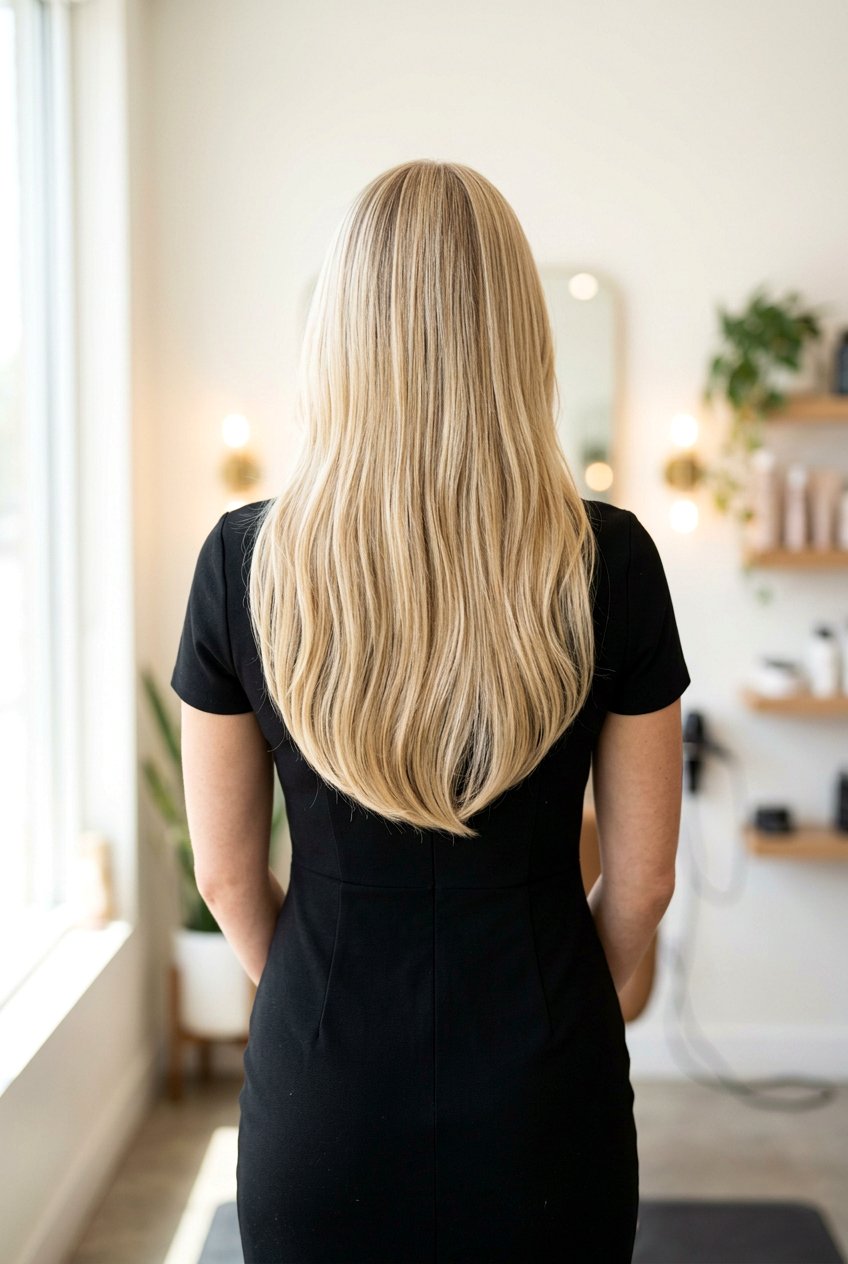
A U shape haircut for long hair is an excellent way to maintain a full hemline while removing damaged corners. Unlike a traditional blunt cut, this shape curves upward at the sides, which prevents the hair from looking heavy or weighed down. This gentle rounding helps to eliminate split ends along the perimeter where breakage is often most visible. It creates a soft and feminine silhouette that looks beautiful whether your hair is worn straight or curled. The U-shaped finish provides a natural flow and makes the hair appear thicker at the bottom. By keeping the center longer, you retain the length you love while ensuring the overall health of your strands remains a top priority during styling.
3. Face framing layers for damaged hair

Face framing layers for damaged hair focus on the sections that endure the most daily wear and tear. The hair around the face is often the most fragile due to heat styling, tucking behind ears, and environmental exposure. By cutting soft layers that start near the chin or collarbone, you can remove these compromised ends and refresh your entire appearance. This technique adds a beautiful structure to your look and highlights your facial features without requiring a drastic change in length. These layers blend seamlessly into the rest of your hair, creating a cohesive and polished finish. You will find that your hair moves more naturally and looks far more vibrant with these damaged front pieces removed strategically.
4. Long butterfly haircut

The long butterfly haircut has become a massive trend for those seeking volume without sacrificing their length. This style uses short, voluminous layers on the top and longer layers throughout the bottom to mimic the wings of a butterfly. It is a fantastic choice for removing damage because it clears away split ends across multiple levels of the hair. This cut provides the illusion of a shorter style when tied back while maintaining a stunning, flowing mane when worn down. The heavy layering helps to distribute weight and gives new life to hair that has become thin or brittle at the ends. It is a versatile and glamorous option for anyone wanting a modern, high-impact look.
5. V cut for long hair
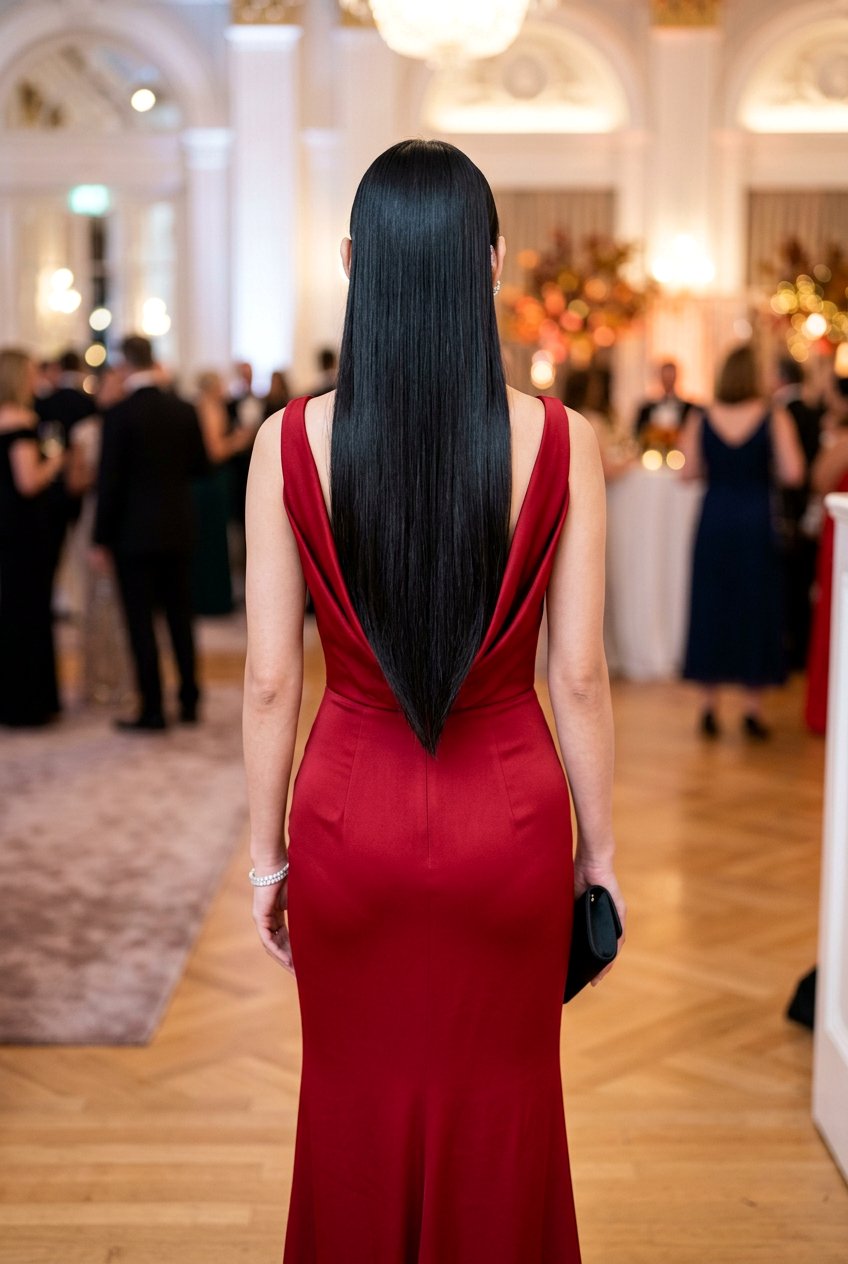
A V cut for long hair offers a dramatic and sharp silhouette that is perfect for removing dead ends at the back. This style features a distinct point in the center of the hemline, with the sides tapering upward. It is particularly beneficial for those with thick hair, as it removes significant weight from the bottom sections. By angling the hair this way, your stylist can cut away damaged portions while still allowing the longest point to reach down your back. The V-shape adds a sense of edge and movement to your hair, making it look sleek and intentional. It works exceptionally well with wavy or curly textures, where the layers can truly shine and bounce.
6. Blunt cut for damaged ends
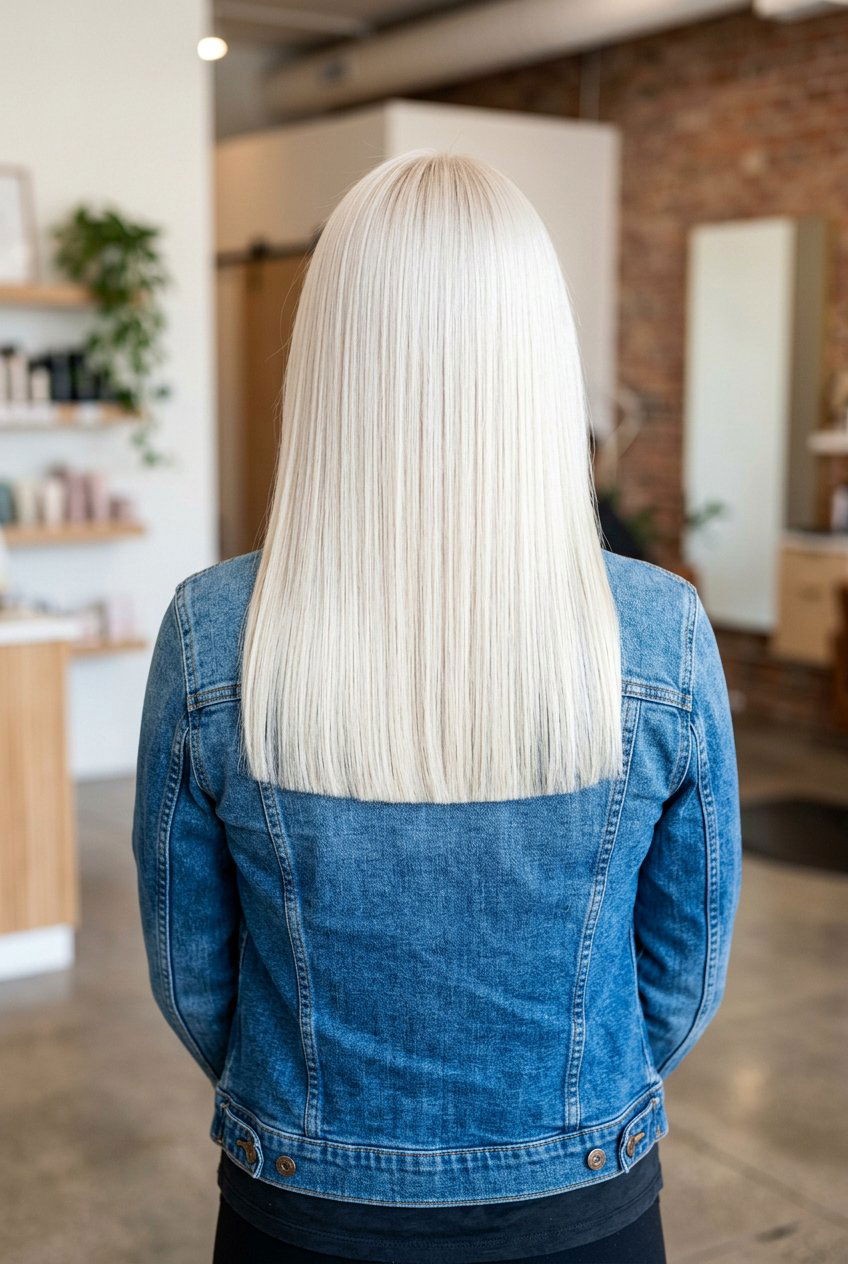
A blunt cut for damaged ends provides a clean and healthy finish that makes thin or brittle hair appear much thicker. This technique involves cutting the hair at a single length to create a strong and solid line at the bottom. By removing the wispy and transparent ends that often accompany damage, you instantly give your hair a more robust and youthful appearance. A blunt perimeter is highly effective for straight hair types that want to look polished and sophisticated. It minimizes the appearance of frizz and keeps the hair looking uniform from root to tip. Regular blunt trims are the secret to maintaining a high-fashion look while prioritizing the integrity of your long hair.
7. Internal layers for thick hair

Internal layers for thick hair are a hidden secret for managing bulk and removing damage without changing the overall silhouette. This technique involve cutting layers into the inner sections of the hair rather than the surface. It is ideal for those who want to keep a smooth and sleek exterior while getting rid of unhealthy weight inside. By thinning out the heavy middle sections, your hair will feel much lighter and be easier to style each morning. This method also helps to prevent the “triangle” shape that often occurs when thick hair grows too long. It is a subtle yet powerful way to refresh your mane while ensuring the outer layers remain long and healthy.
8. Long shag haircut with bangs
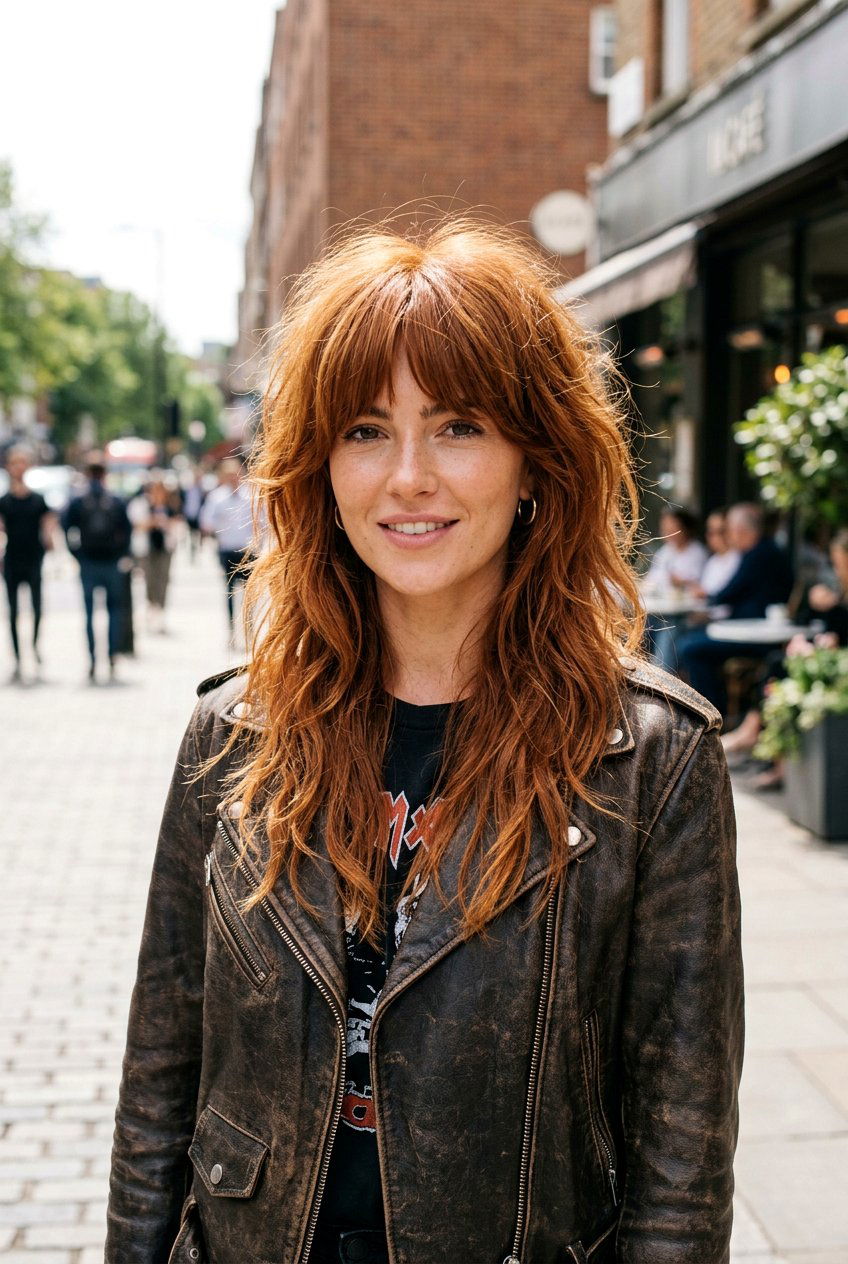
The long shag haircut with bangs is a retro-inspired look that excels at hiding and removing hair damage through texture. This style features choppy layers throughout the length and a heavy fringe, which creates a messy yet cool aesthetic. Because the shag relies on a lived-in feel, it is perfect for disguising split ends and uneven textures. The layers are cut in a way that promotes natural movement, making it a low-maintenance choice for those with wavy hair. Adding bangs helps to refresh the face and removes damaged hair from the forehead area. It is a bold styling statement that prioritizes volume and personality while keeping your long hair looking effortlessly chic and healthy.
9. Ghost layers for long hair

Ghost layers for long hair are a modern cutting technique designed for those who want the benefits of layers without the visible lines. These are very thin and subtle layers hidden underneath the top section of the hair. They work perfectly for removing split ends and adding a touch of lift without making the hair look obviously layered. This style is excellent for fine or thin hair that needs more body but cannot afford to lose too much density. The result is a seamless look that appears as if it is all one length but moves with surprising airiness. It is a sophisticated way to manage damage while maintaining a classic and timeless long hair aesthetic.
10. Hair dusting for split ends
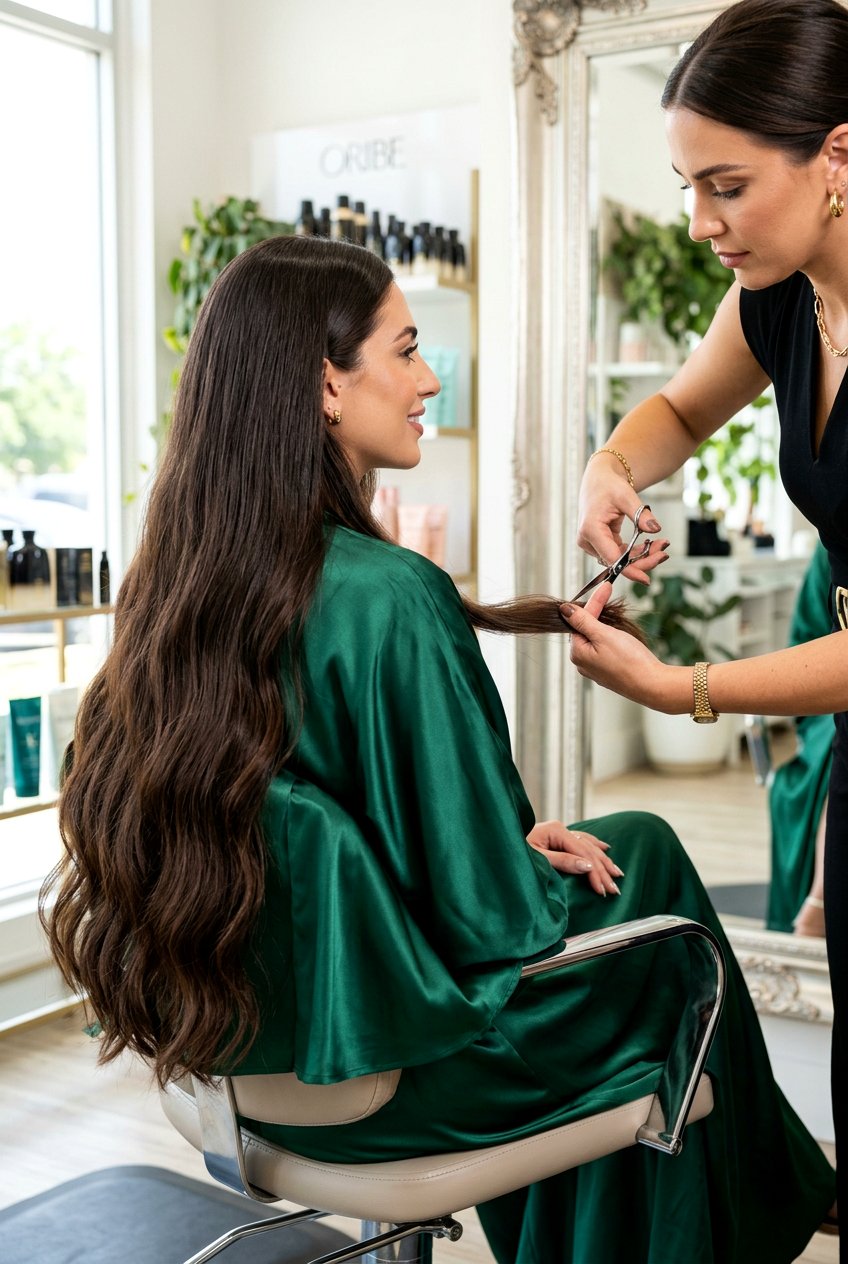
Hair dusting for split ends is a precision technique that focuses solely on removing the damaged tips without losing any length. Unlike a traditional trim, the stylist snips away only the tiny frayed ends that stick out from the hair shaft. This process is like a “search and destroy” mission for damage, ensuring that every strand is left smooth and healthy. It is the ultimate choice for those who are afraid of the scissors but want to keep their hair in peak condition. Dusting allows you to grow your hair longer while preventing split ends from traveling up the hair shaft. It leaves your mane feeling incredibly soft and looking shiny under any lighting.
11. Curtain bangs with long layers

Curtain bangs with long layers are a universally flattering combination that breathes new life into tired and damaged hair. The bangs are parted in the middle and swept to the sides, which frames the face and removes breakage from the front sections. Pairing these bangs with long layers throughout the rest of the hair creates a cohesive and soft look. This style is excellent for adding dimension and interest without requiring a major chop. The layers help to remove damaged ends across the entire head, ensuring that the hair looks fresh and vibrant. It is a romantic and easy-to-style option that works well for various hair types and daily lifestyles.

12. Long wolf cut for damaged hair

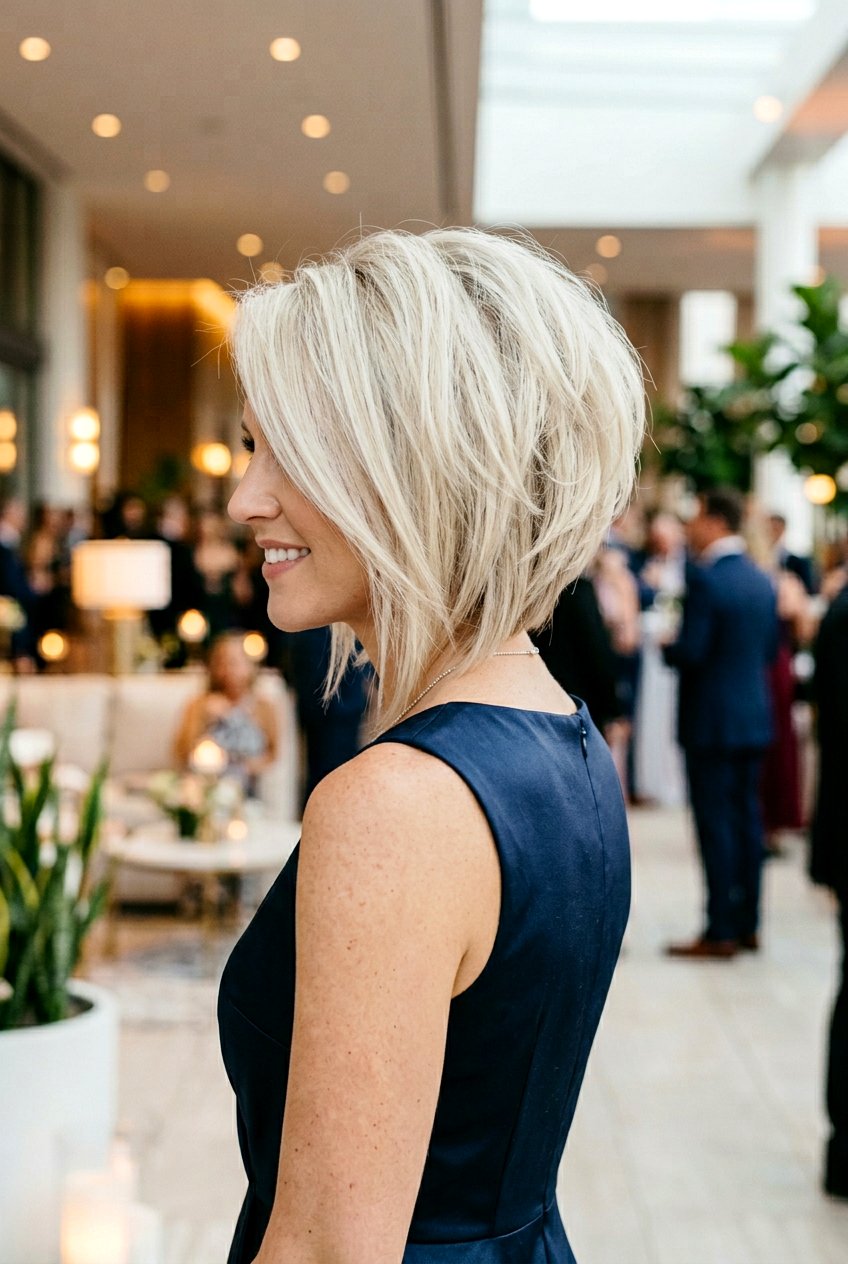
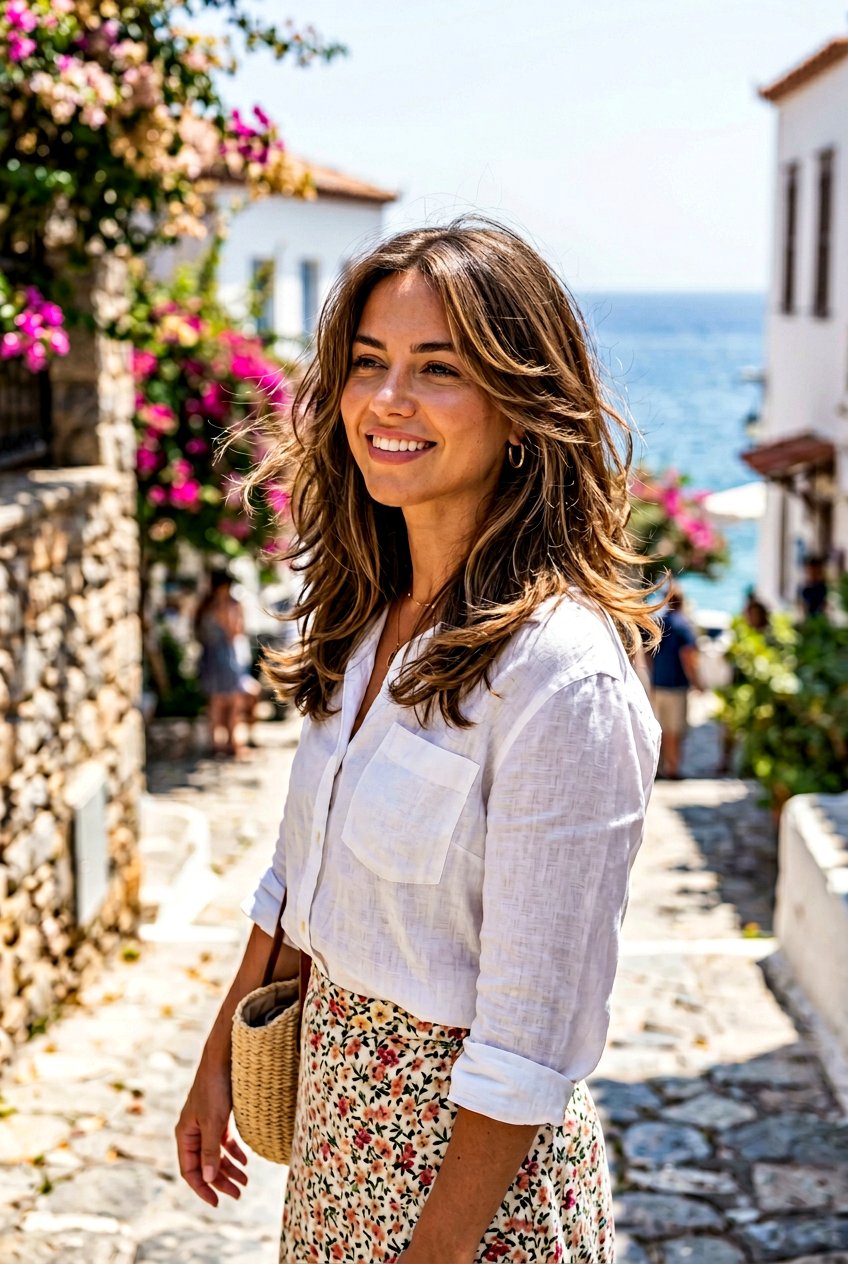
The long wolf cut for damaged hair combines the best elements of a shag and a mullet for a wild look. This style features heavy layering and significant texture, which is ideal for cutting away over-processed or dry ends. The choppy nature of the cut allows for a lot of flexibility, making it easy to hide any remaining damage while the hair recovers. It provides a massive amount of volume at the crown, which is perfect for those who feel their long hair has become flat. The wolf cut is a trendy and edgy way to embrace a new identity while prioritizing the removal of unhealthy strands throughout your entire head.
13. Choppy layers for long hair

Choppy layers for long hair offer a fun and energetic way to deal with damage while adding a modern edge. These layers are cut with more varied lengths and angles compared to traditional layers, creating a textured and piecey finish. This technique is fantastic for removing split ends in a way that looks intentional and stylish. It works particularly well for those who love a beachy or messy hair look, as it enhances natural waves and curls. The choppy texture helps to break up the weight of long hair, making it feel more manageable and light. It is a great way to refresh your style while ensuring every strand looks healthy and strong.
14. Hush cut for long hair

The hush cut for long hair is a soft and wispy Korean-inspired style that focuses on feathered layers. It is designed to look weightless and airy, which is perfect for hair that has become heavy and damaged over time. The layers are very blended, creating a gentle flow that frames the face and shoulders beautifully. This cut is excellent for removing dry ends while maintaining a delicate and feminine aesthetic. It requires very little styling to look good, making it a healthy choice for those wanting to reduce heat usage. The hush cut provides a refreshed and youthful appearance that makes long, damaged hair look incredibly soft and well-maintained.
15. Italian cut for long hair
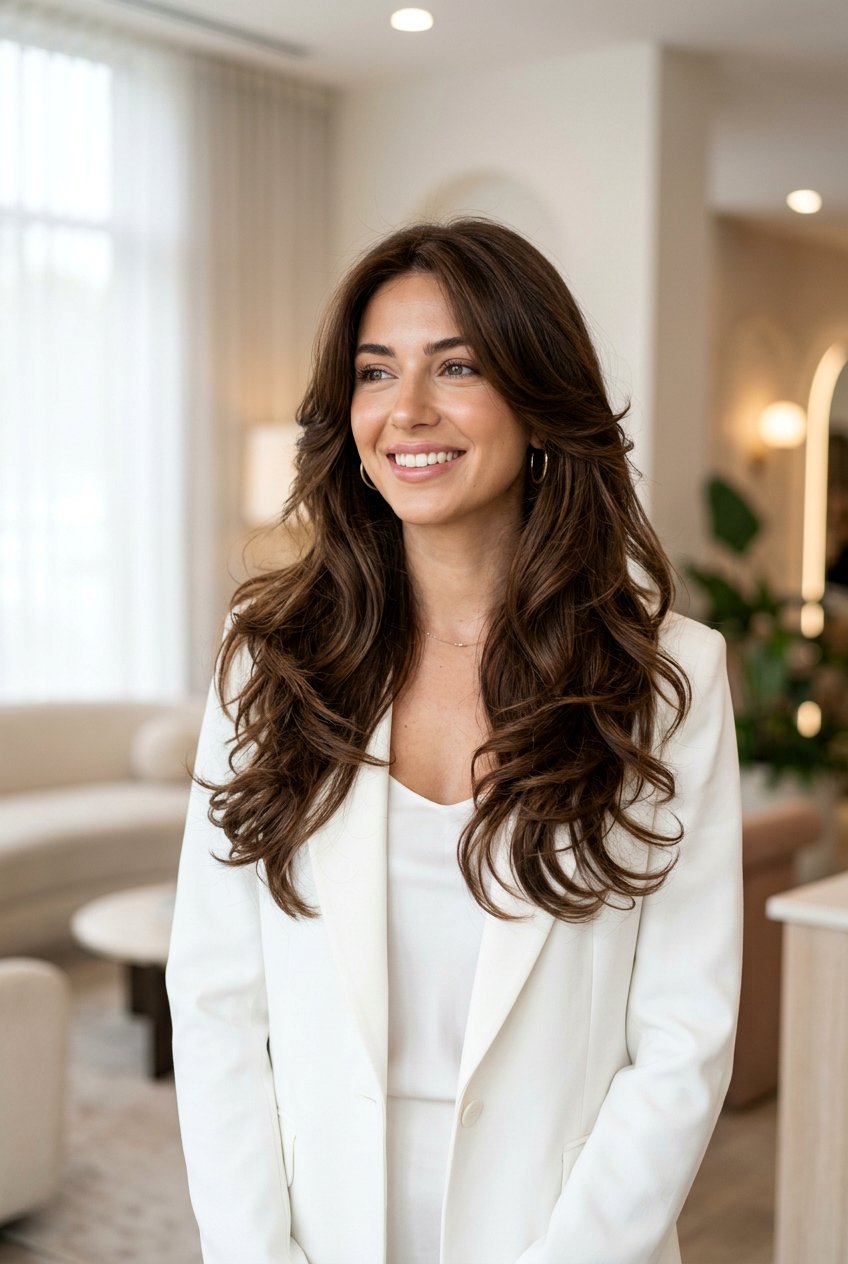
An Italian cut for long hair is all about luxury and voluminous layers that create a sophisticated silhouette. This style uses internal weight removal and face-framing pieces to give the hair a bouncy and expensive feel. It is a great option for removing damage because the layers are designed to enhance the natural movement of the hair. This cut works beautifully for those with thick or wavy textures who want to look polished at all times. By focusing on the shape and health of the ends, the Italian cut ensures your long hair looks lush and vibrant. It is a timeless and elegant choice for anyone wanting to maintain a high-end look while healing damage.



16. Soft layers for brittle hair

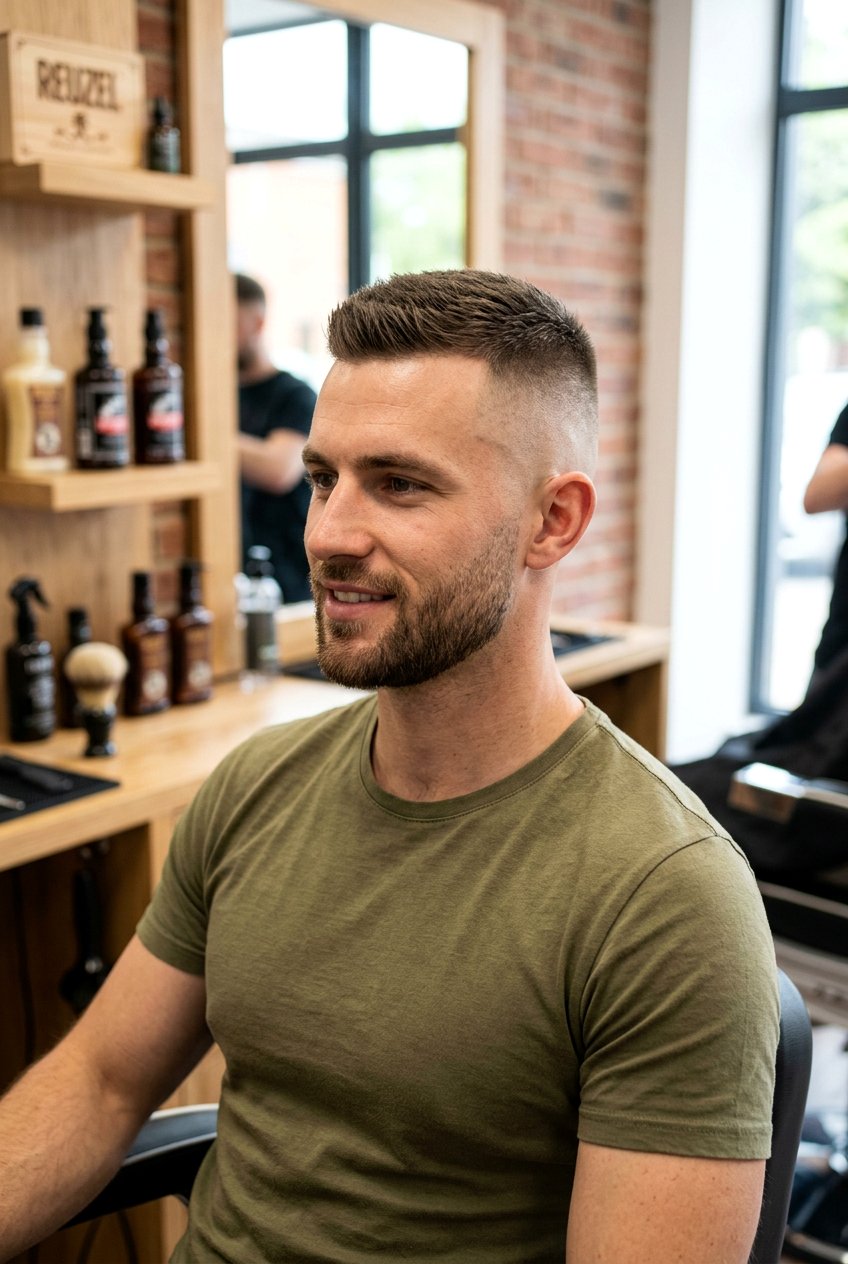
Soft layers for brittle hair are designed to provide movement without putting too much stress on fragile strands. This technique uses very gentle and blended layers to remove damaged ends while keeping the hair looking full and healthy. It is an ideal choice for those whose hair has become thin or weak due to chemical treatments or heat styling. The soft transitions prevent the hair from looking sparse and help to distribute the natural oils from the scalp more effectively. This style is easy to maintain and looks beautiful with minimal styling effort. It is a protective and stylish way to manage long hair while focusing on long-term recovery and growth.
17. Tapered ends for long hair
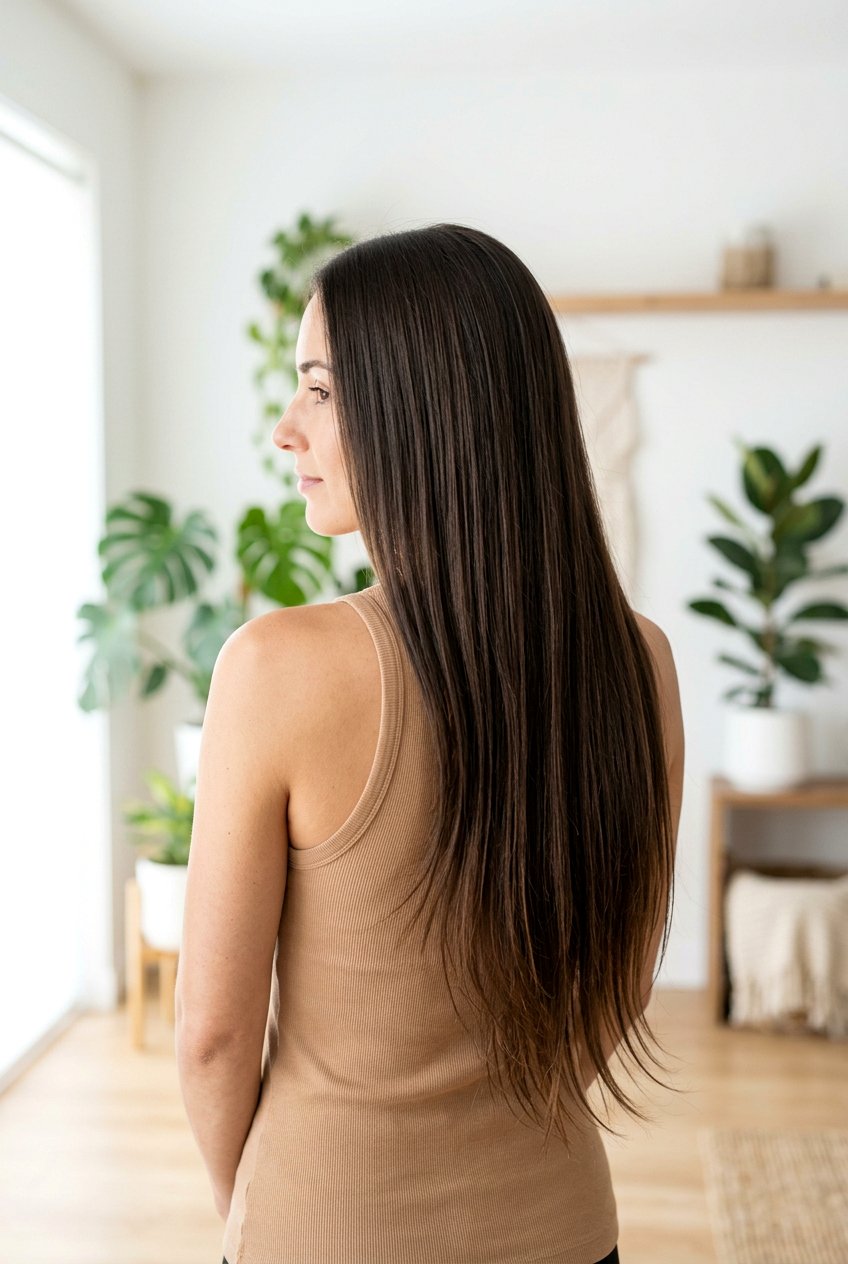
Tapered ends for long hair involve thinning out the very bottom of the hair to create a lightweight and airy finish. This technique is perfect for those who find their long hair feels too bulky or heavy at the ends. By tapering the perimeter, your stylist can remove damaged portions while allowing the hair to lay flat and move naturally. This look is very modern and works well for both straight and wavy textures. It prevents the hair from looking blocky and makes it much easier to style into braids or updos. Tapered ends provide a sleek and intentional look that keeps your long hair looking healthy and refined.
18. Invisible layers for thinning hair

Invisible layers for thinning hair are a strategic way to add volume and remove damage without losing density. These layers are cut very subtly into the mid-lengths of the hair, providing lift from within. They are perfect for those who want to hide split ends but are afraid that traditional layers will make their hair look too thin. The result is a fuller-looking mane that retains its length and health. This technique is a favorite among stylists for creating a “born with it” look that appears natural and effortless. It ensures that your hair remains strong and voluminous while the compromised ends are discreetly and effectively removed.
19. Point cut for long hair

A point cut for long hair is a finishing technique where the stylist cuts into the ends of the hair at an angle. This creates a textured and feathered edge rather than a straight line. It is an excellent way to remove damage while ensuring the hair looks soft and natural. Point cutting helps to blend layers seamlessly and removes any unwanted weight that can lead to further breakage. This method is particularly effective for those who want a lived-in look that grows out beautifully over time. It leaves the hair feeling light and provides a healthy, multi-dimensional finish that looks great in any lighting or style.
20. One length haircut for long hair

A one length haircut for long hair is a classic and bold choice for those who want to prioritize thickness and health. By cutting all the hair to the exact same length, you create a heavy and impactful hemline that looks incredibly healthy. This style is the most effective way to ensure that all damaged ends are removed at once. It is perfect for those with naturally straight hair who want a sleek and high-fashion aesthetic. A single-length cut is very easy to maintain and provides a strong foundation for future growth. It is a timeless look that emphasizes the natural shine and strength of your long, beautiful hair.
Conclusion:
Choosing a healthy haircut for damaged long hair is the first step toward achieving the vibrant and strong mane you deserve. Whether you opt for a dramatic butterfly cut or a precision dusting, the goal is always to balance your personal style with the practical needs of your strands. Regular maintenance and professional techniques like internal layering can save your length while eliminating the breakage that holds you back. Remember that hair health is a long-term commitment, and the right cut makes the journey much more enjoyable. By embracing these modern trends and expert methods, you can enjoy long hair that is not only beautiful but also resilient and truly healthy.
You'll Like These Styles:













Leave a Reply