
Dealing with fragile strands can be a frustrating journey, especially when your locks feel flat or brittle from heat and processing. Finding the right bob haircut for damaged thin hair is often the most effective way to hit the reset button on your look while boosting your confidence. Shorter styles are fantastic because they remove the oldest, most weathered sections of your hair, instantly making the remaining growth appear much healthier and more vibrant. By choosing a strategic cut, you can create the illusion of thickness where it is lacking and minimize the appearance of split ends. This guide explores twenty modern variations that cater specifically to these common hair concerns while keeping you perfectly on-trend for the 2026 season.
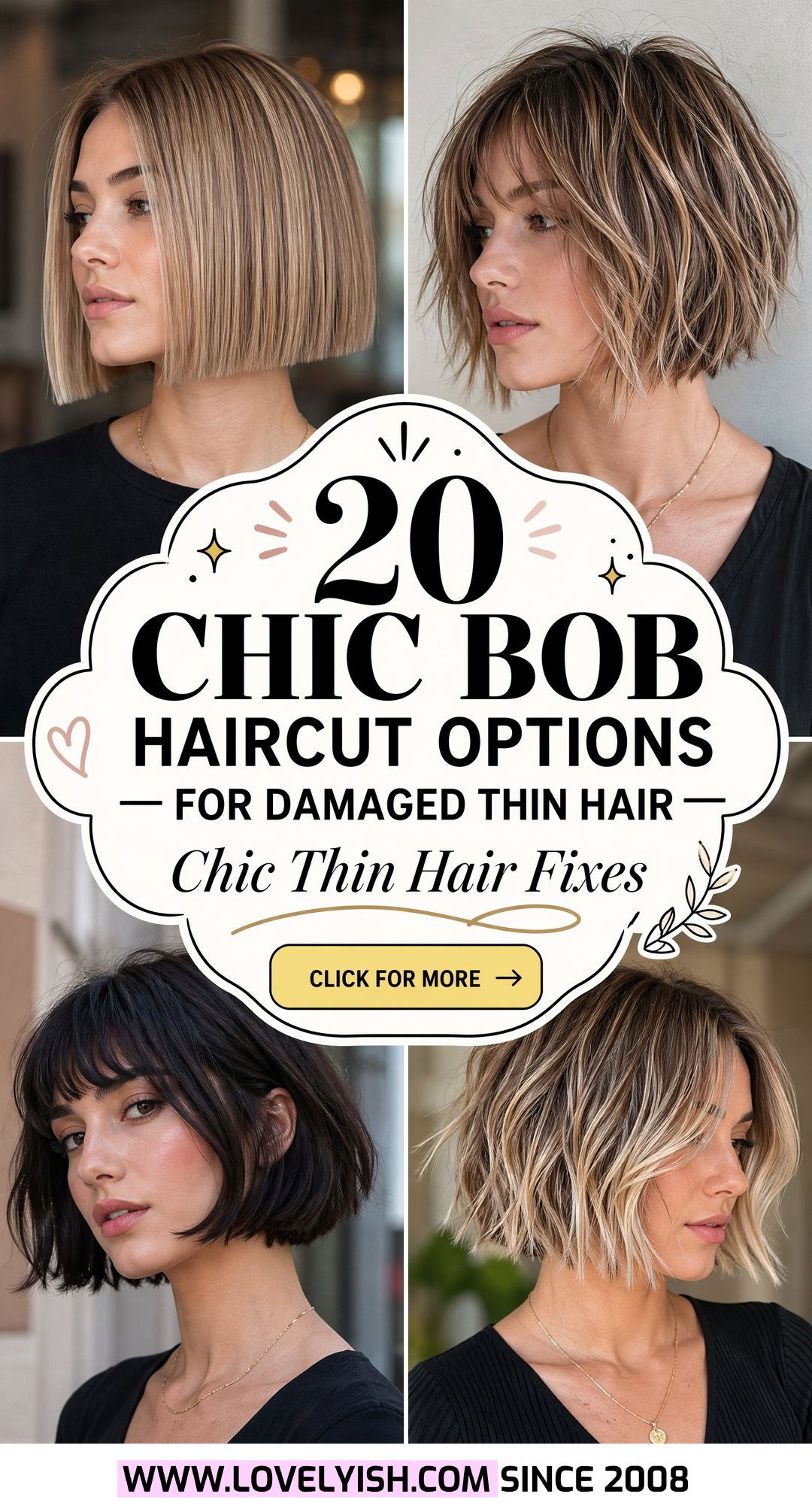
1. Blunt Bob For Thin Hair

A blunt cut is often considered the ultimate secret weapon for anyone dealing with fine or thinning strands. By keeping the ends perfectly straight and uniform, you eliminate the wispy, transparent look that often plagues longer styles. This specific bob haircut for damaged thin hair creates a hard line at the perimeter, which gives the visual impression of much denser and stronger hair. You should aim for a length that hits right at the jawline to maximize the impact of the blunt edge. This style is incredibly easy to maintain and requires very little heat to look polished, which helps prevent further damage. It is a timeless choice that works for professional and casual settings alike.
2. French Bob For Fine Hair

The French bob is a chic, shorter variation that typically ends between the earlobe and the jawline. It often features a soft fringe that helps hide thinning areas around the forehead or temples. This style is excellent for damaged hair because it focuses on a slightly tousled, “undone” texture that disguises unevenness or breakage. Because the length is so short, it takes the weight off your roots, allowing for more natural lift and bounce. You can style it with a bit of lightweight mousse to enhance the volume without weighing down your delicate strands. This look is perfect for those who want a sophisticated, low-maintenance aesthetic that feels both modern and classic.
3. Layered Bob For Damaged Hair

While excessive layers can sometimes make thin hair look sparse, strategic internal layering can actually work wonders for adding much-needed movement. A layered bob for damaged hair focuses on removing weight from the interior rather than thinning out the ends. This technique allows your hair to have a fuller shape and prevents it from lying flat against your scalp. It is especially helpful if your damage is concentrated in specific areas, as the layers can be tailored to blend those sections away. Using a round brush during your drying routine will help emphasize the different levels of the cut. This approach ensures your hair looks intentional and styled rather than limp or lifeless.
4. Stacked Bob For Thin Hair

A stacked bob is characterized by shorter layers at the back that gradually lengthen toward the front of the face. This architectural shape is perfect for creating height at the crown, which is where many people with thin hair struggle most. The “stack” of hair at the nape of the neck provides a sturdy foundation that pushes the top layers up, giving you instant volume without needing heavy products. It is a fantastic option if you want a sharp, professional silhouette that still feels feminine and soft. Since the back is kept quite short, it also removes a significant amount of damaged hair, allowing for a fresh start with healthy growth.
5. A Line Bob For Fine Hair
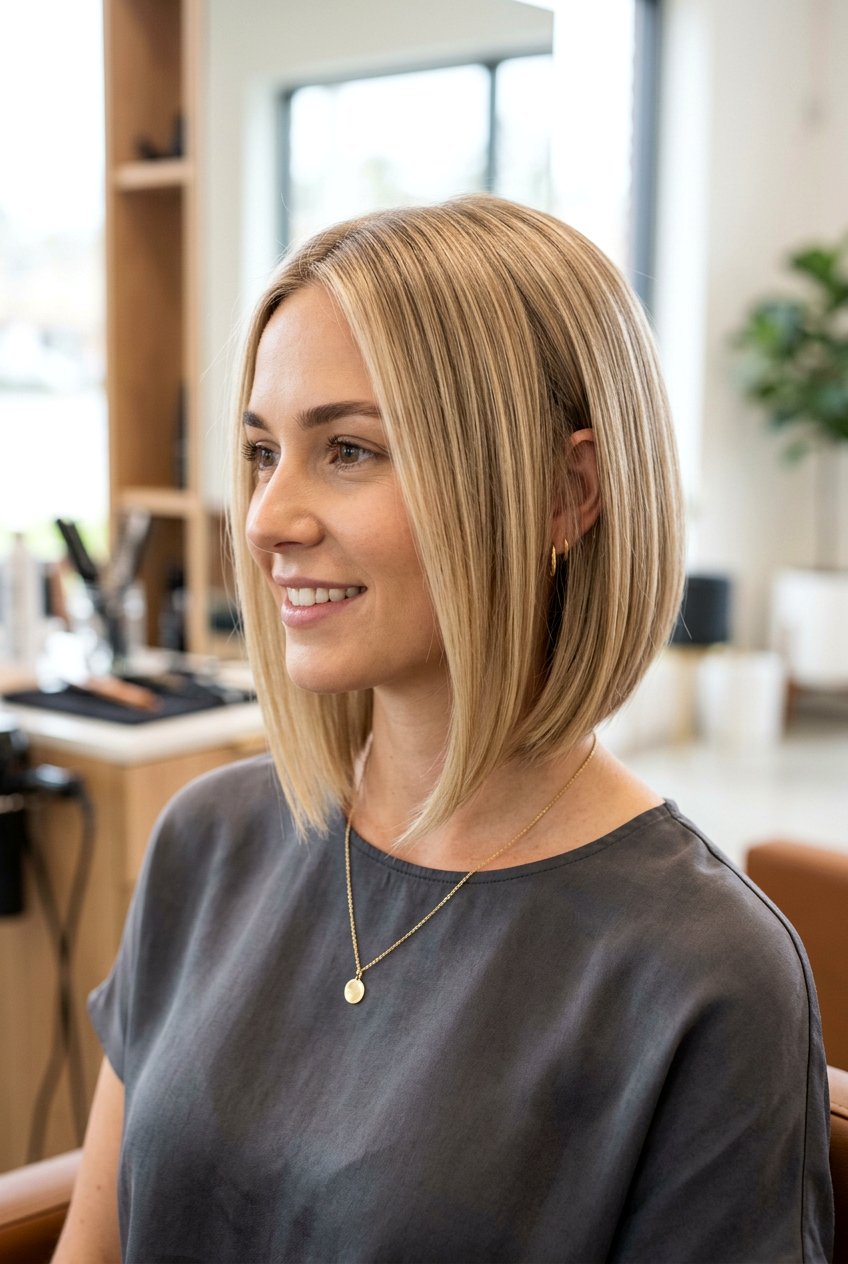
The A-line bob is a classic choice that remains incredibly popular because of its flattering, face-framing capabilities. This cut is shorter in the back and angles down toward the front, creating a sleek and modern line. For those with fine hair, this angle adds interest and depth that a standard straight-cut might lack. It helps to direct the eye downward and forward, which can distract from thinning areas near the crown. This style works best when kept at a medium length, such as hitting the collarbone or just above. It provides enough length to feel versatile while still being short enough to keep your ends looking thick and healthy.
6. Asymmetrical Bob For Damaged Hair

Choosing an asymmetrical bob is a bold way to manage uneven hair growth or specific areas of damage. By having one side slightly longer than the other, you create a dynamic look that focuses on style rather than hair density. This visual imbalance is actually very helpful for fine hair because it makes the overall silhouette appear more complex and full. It is a great way to express your personality while keeping your hair at a manageable length that prevents further breakage. You can easily tuck the shorter side behind your ear for a sleek finish or add a few waves to the longer side to create additional volume and texture.
7. Choppy Bob For Thin Hair

A choppy bob uses textured ends to create a sense of fullness and “organized messiness.” This is an ideal bob haircut for damaged thin hair because the uneven edges help to mask split ends and breakage. Instead of a single flat surface, the choppy pieces catch the light differently, making the hair look much more dimensional. This style is incredibly easy to wash and wear, making it a top choice for those who want to avoid daily heat styling. You can simply use a texturizing spray to define the pieces and give your hair a thicker, grittier feel. It is a youthful and edgy option that brings life back to tired strands.
8. Italian Bob For Fine Hair

The Italian bob is gaining massive popularity for its soft, rounded, and luxurious feel. Unlike the sharper French bob, the Italian version is slightly longer and features chunky, face-framing layers that create a sense of abundance. It is specifically designed to be “tossable,” meaning you can flip your part from one side to the other to generate instant volume at the roots. This is perfect for fine hair that tends to fall flat during the day. The rounded ends give the hair a healthy, bouncy appearance that hides any signs of dryness or damage. It looks best when styled with a large round brush for a classic, high-end finish.
9. Inverted Bob For Damaged Hair

An inverted bob is similar to a stacked bob but often features a more dramatic transition from the short back to the longer front sections. This style is excellent for damaged hair because it concentrates the most significant cutting at the back where hair is often most neglected. The longer pieces in the front provide the feeling of having length while the overall weight is reduced, preventing the hair from being pulled down. This cut is very effective at creating a strong silhouette that looks thick from every angle. It is a sophisticated choice that works well for those who want a structured look that requires minimal daily effort.
10. Shaggy Bob For Thin Hair

The shaggy bob is all about embracing natural texture and using many small layers to create a “cloud” of hair. For thin hair, this shagginess is a huge benefit because it prevents the strands from grouping together and looking stringy. By breaking up the hair into different lengths, you create a fuller overall shape that looks dense and intentional. This style is also very forgiving for damaged hair, as the ruffled texture naturally hides frizz and flyaways. It pairs beautifully with a curtain fringe or wispy bangs to further frame the face. Using a sea salt spray can help enhance the “shag” without causing additional dryness.
11. Bob With Bangs For Fine Hair

Adding bangs to a bob is a brilliant way to address thinning around the hairline or forehead. A full, blunt fringe can make your entire head of hair appear thicker by concentrating a significant amount of hair at the front. Alternatively, wispy or side-swept bangs can add movement and softness without requiring too much density. This bob haircut for damaged thin hair is highly customizable based on your face shape and the level of damage you are managing. The bangs take center stage, which allows the rest of the hair to be cut into a simple, healthy bob that focuses on repairing and maintaining the integrity of your strands.



12. Blunt Cut Lob For Damaged Hair

The “lob,” or long bob, is the perfect middle ground for someone who wants to keep some length but needs to remove damaged ends. A blunt cut lob hits right at the collarbone, providing a clean and sturdy base that makes the hair look full. This length is very versatile, allowing you to pull your hair back into a small ponytail when needed. For fine hair, the blunt edge is crucial because it prevents the ends from looking “see-through” against your clothes. It is a very polished and professional style that works well for most face shapes. Keeping the cut one length also makes it easier to track healthy growth.
13. Side Part Bob For Thin Hair
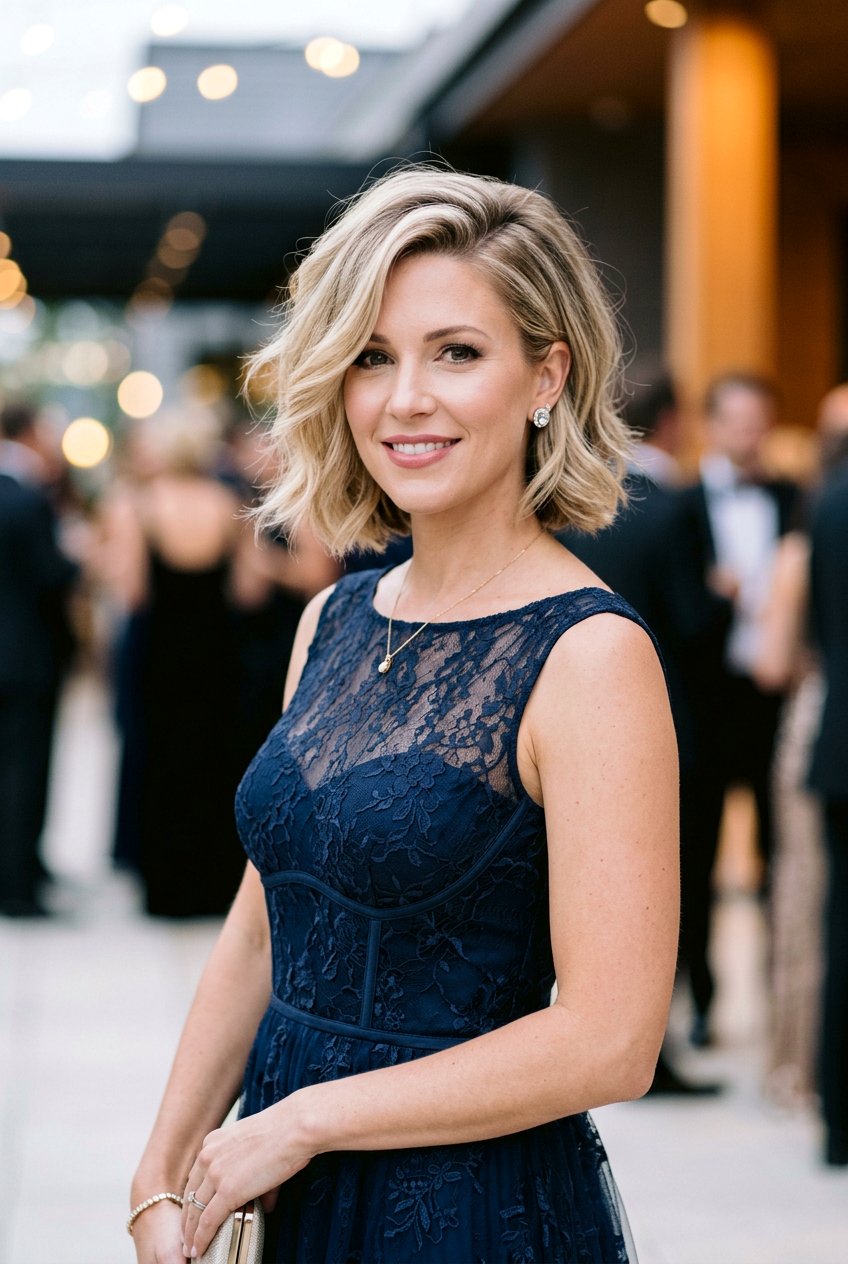
Simply changing your part to the side can dramatically increase the volume of your bob. A deep side part creates a “fold” of hair that sits on top of itself, instantly making one side look twice as thick. This is a very effective styling trick for fine hair that lacks natural lift at the roots. When paired with a chin-length bob, the side part adds a touch of glamour and sophistication. It also helps to frame the face more effectively than a middle part, which can sometimes make thin hair look flatter. This style is easy to achieve and doesn’t require any permanent changes to your actual haircut or texture.
14. Undercut Bob For Fine Hair

An undercut bob involves shaving or cutting the hair very short at the nape of the neck, while the top layers fall over it. This might seem counterintuitive for thin hair, but it actually removes the “scraggly” bottom layers that often look the most damaged. By removing that bottom weight, the top layers can lay more flat and appear more uniform. It also creates a very clean and modern look that is surprisingly easy to style. The hidden undercut can also help prevent the hair from bunching up at the neck, which is a common cause of tangles and further damage for those with fine, fragile strands.
15. Textured Bob For Damaged Hair

A textured bob focuses on using specific cutting techniques, like point cutting, to create a soft and airy finish. This is great for damaged hair because it avoids the harshness of a perfectly straight line that might highlight split ends. The texture gives the hair a bit of “grip,” which makes it easier to style and volumize. Fine hair often benefits from this extra grit because it keeps the hair from sliding flat against the face. You can enhance this look by using a lightweight texturizing paste or a dry shampoo at the roots. It is a modern, effortless style that looks great even if you don’t have time for a full blowout.



16. Wispy Bob For Thin Hair
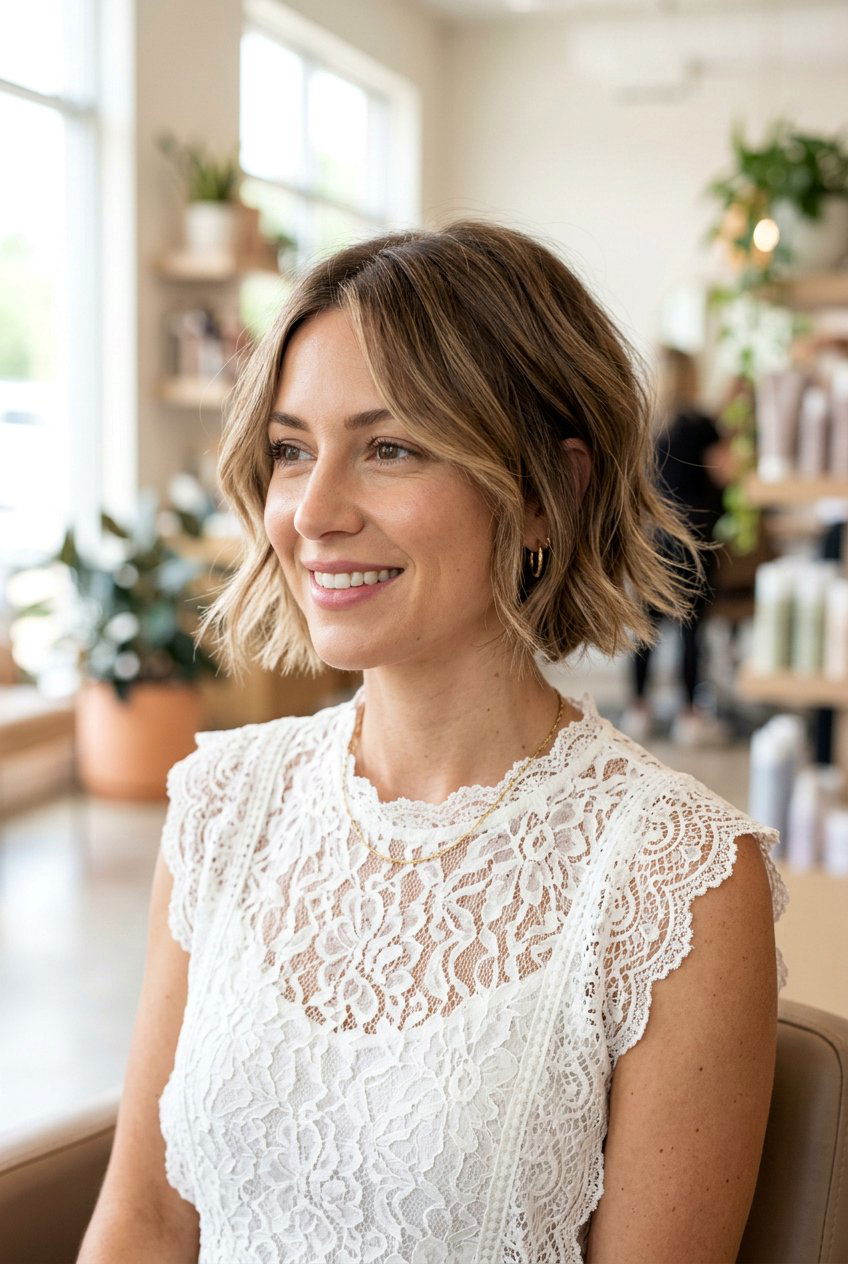
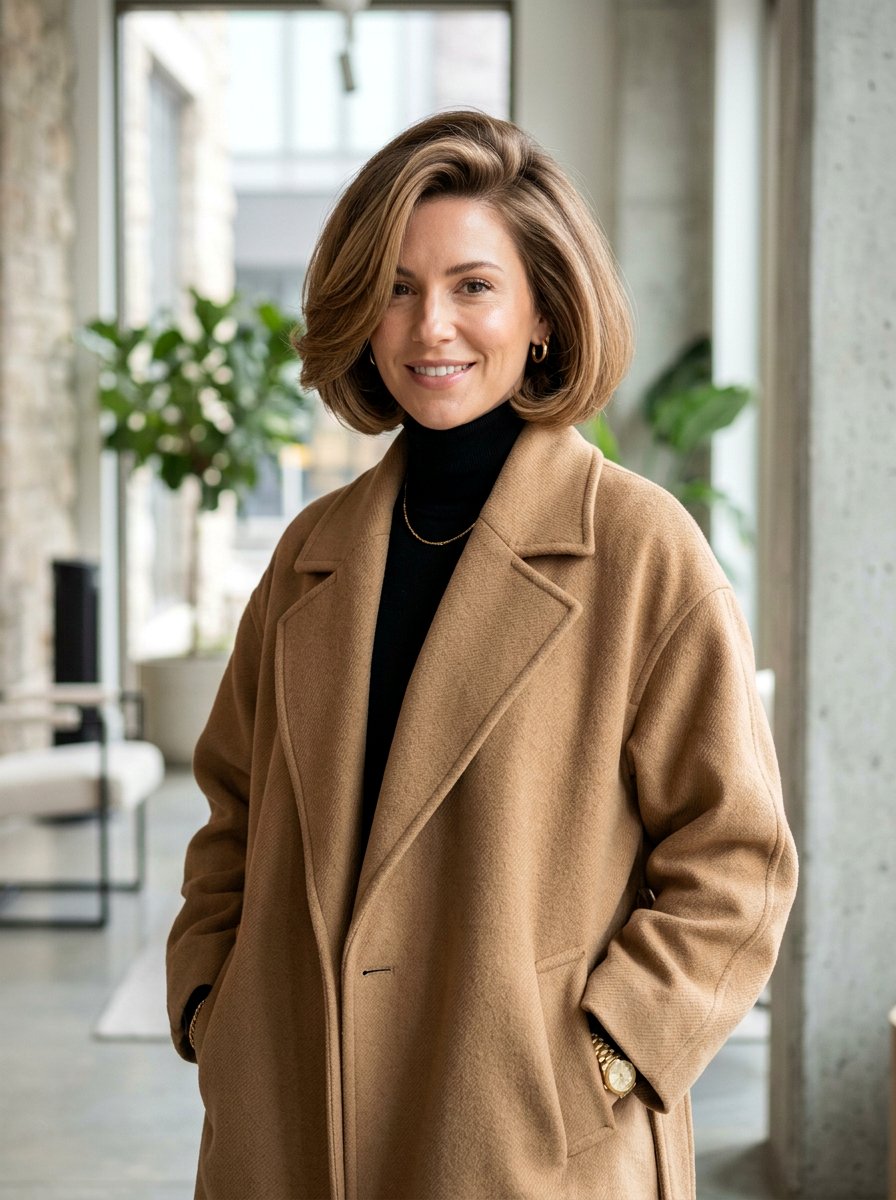
The wispy bob is a very delicate and soft style that embraces the lightweight nature of fine hair. Instead of fighting against thinness, this cut uses it to create a romantic and ethereal look. The ends are kept light and feathered, which can actually help blend in areas where the hair has broken off due to damage. It is a very low-pressure style that doesn’t require the hair to look perfectly dense or thick to be successful. It works beautifully with natural waves or a slight bend from a flat iron. This is an excellent choice for someone who prefers a softer, more feminine aesthetic over a sharp or geometric cut.
17. Graduated Bob For Fine Hair

A graduated bob is similar to the stacked version but usually features a more seamless blend between the layers. The hair is cut at an angle to create a rounded shape that follows the curve of the head. This graduation is excellent for thin hair because it builds up weight in the middle section of the hair, making the overall profile look much fuller. It is a very technical cut that requires a skilled stylist, but the results are incredibly rewarding for those with fine strands. The shorter back ensures that all the damaged ends are removed, while the front remains long enough to flatter your facial features.
18. One Length Bob For Damaged Hair

If you want the absolute maximum thickness possible, the one-length bob is your best option. By having every single hair end at the exact same point, you create a massive amount of density at the bottom of the cut. This is the ultimate bob haircut for damaged thin hair because it provides the most “weight” and prevents any part of the hair from looking wispy. It is a very bold and chic look that has been popular on runways and red carpets for years. Because there are no layers, the hair is less prone to split ends throughout the lengths, making it easier to maintain the overall health of your hair.
19. Micro Bob For Thin Hair

The micro bob is a very short style that typically hits right below the ears or at the cheekbone. This ultra-short length is perfect for removing almost all damaged hair in a single visit to the salon. For thin hair, the micro bob is a game-changer because the hair has so little weight that it naturally stands up and away from the scalp. This creates an automatic sense of volume and thickness that longer styles simply cannot match. It is a high-fashion, edgy look that makes a big statement. It also highlights your bone structure, specifically your jawline and cheekbones, providing an instant face-lifting effect.
20. Sleek Midi Bob For Fine Hair
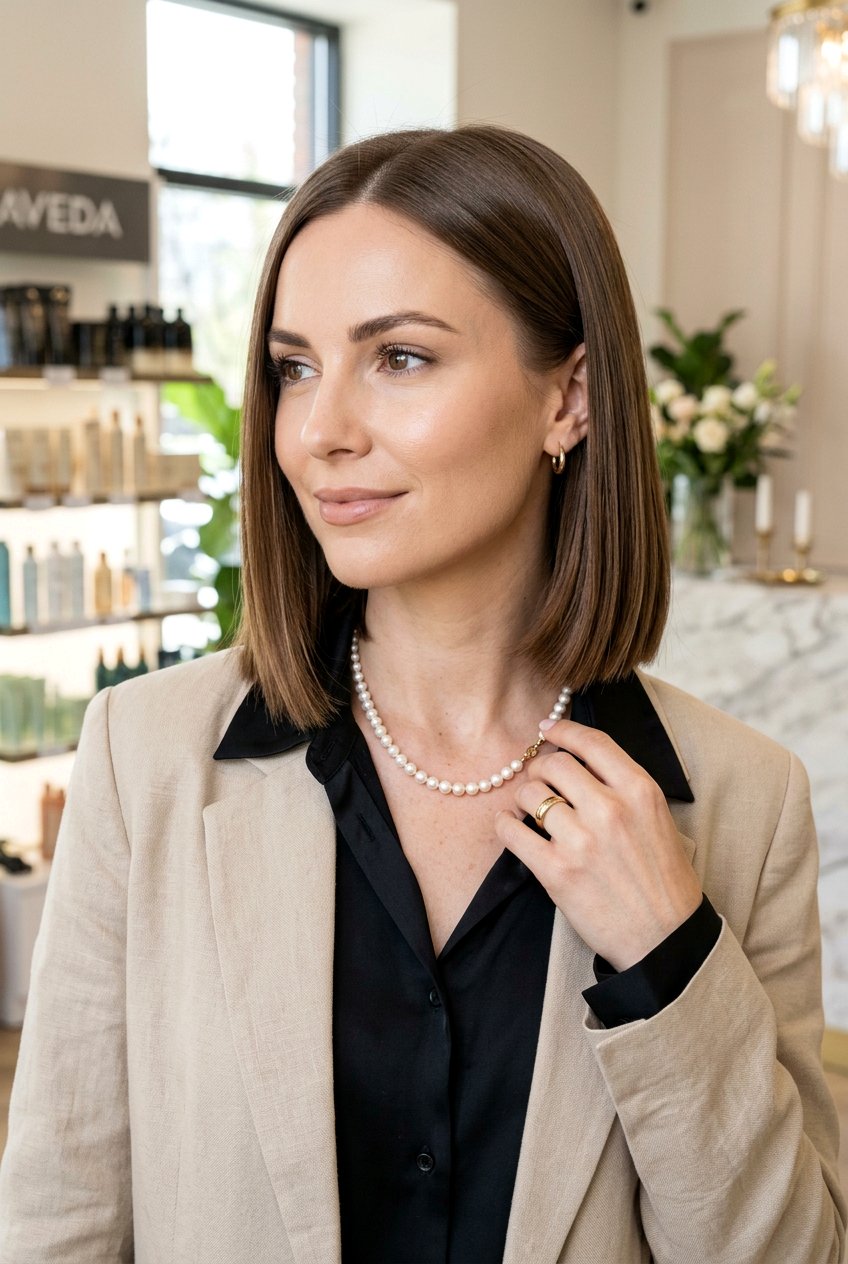
A midi bob sits right between the chin and the shoulders, offering a polished and sophisticated look. This length is great for those who aren’t ready for a very short cut but need to manage damage. By keeping the styling sleek and straight, you emphasize the health and shine of your hair. Fine hair looks particularly good in this style because it creates a clean, vertical line that is very flattering. You can use a heat protectant and a flat iron on a low setting to achieve a “glass hair” finish. This style is timeless, professional, and provides a perfect canvas for showing off a healthy, even hair color.
Conclusion:
Choosing a bob haircut for damaged thin hair is a transformative step toward healthier, more manageable locks. Whether you prefer the sharp precision of a blunt cut or the soft movement of an Italian bob, there is a variation that will suit your personal style while addressing your specific hair needs. Shorter hair is naturally easier to care for, requires less styling time, and removes the burden of dead ends that can drag down your appearance. By embracing one of these twenty trends, you are not just changing your look; you are investing in the long-term strength and vitality of your hair. Take the leap and enjoy the renewed confidence that comes with a fresh, voluminous chop.
You'll Like These Styles:










Leave a Reply