
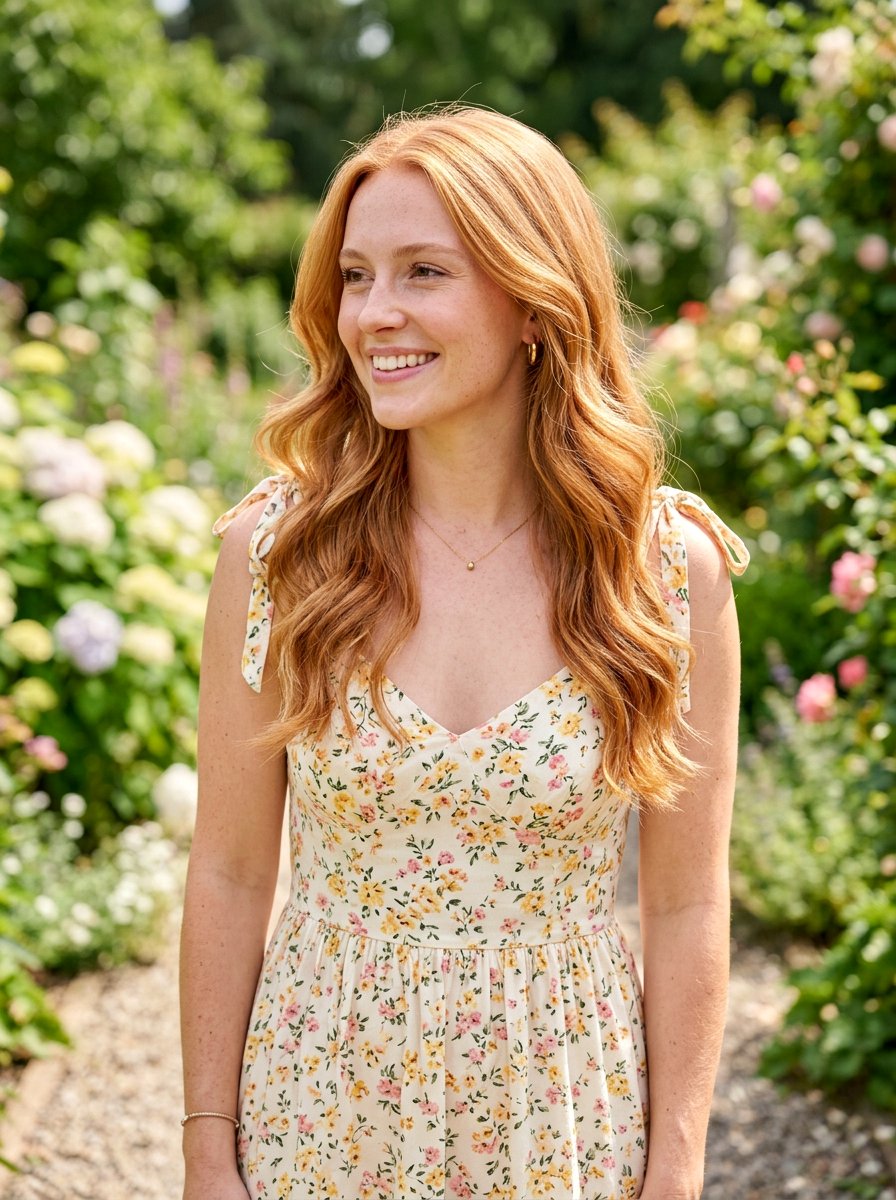
Finding a perfect haircut for split ends on long hair is essential for maintaining length while ensuring your strands look healthy and vibrant. Many people fear that visiting the salon means losing inches, but modern techniques in 2026 allow you to remove damage without sacrificing your hard-earned growth. From subtle surface dusting to strategic internal layering, there are numerous ways to refresh your mane while keeping it long. Whether you prefer a sleek blunt finish or a voluminous butterfly style, the right cut will eliminate frayed ends and prevent further breakage. This guide explores the top twenty professional methods and styles specifically designed to target split ends on long hair, helping you achieve a polished, salon-quality look every single day.
1. Long Hair Dusting
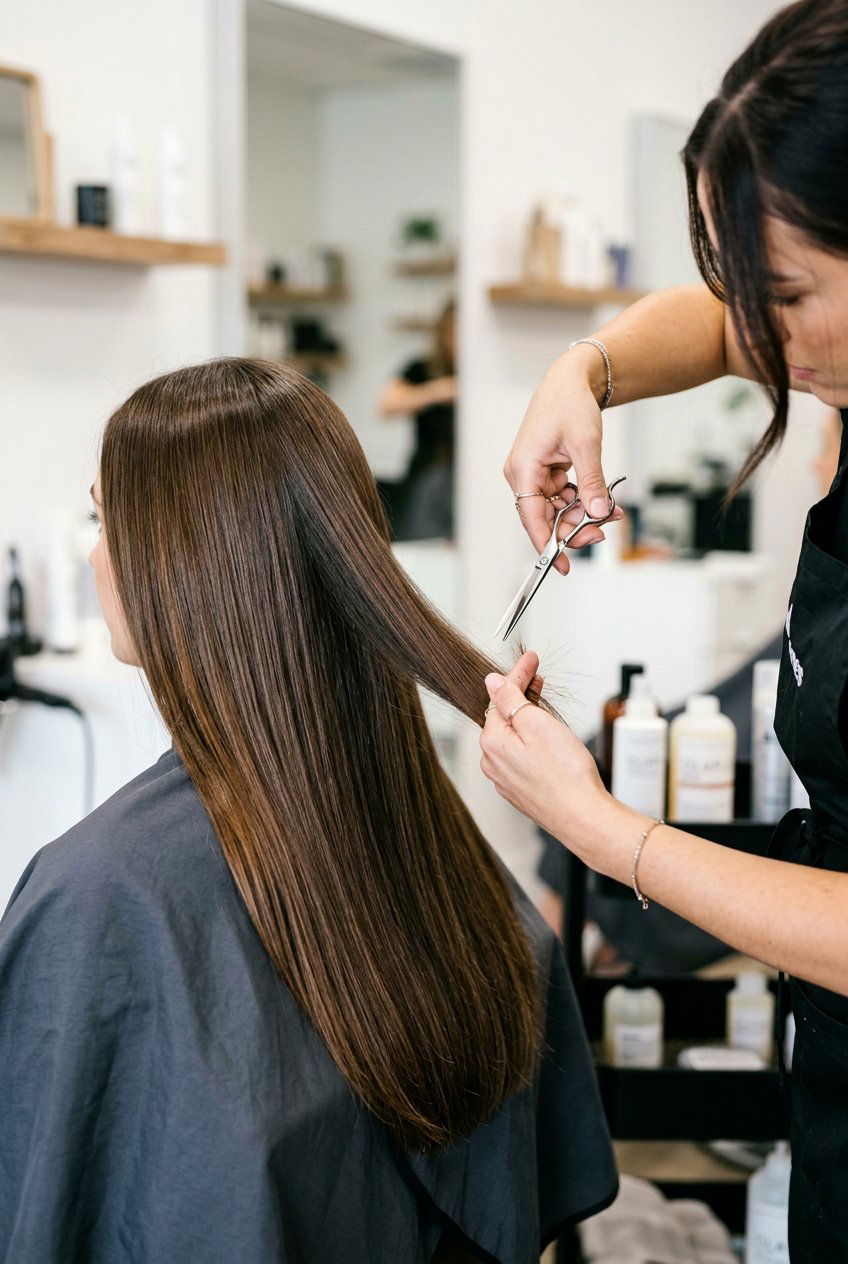
Long hair dusting is a specialized technique that focuses on removing damaged tips without altering the overall length of your hairstyle. Unlike a traditional trim, this method involves snipping only the tiny, frayed ends that stick out from the hair shaft. Your stylist will typically dry your hair and smooth it out to identify these flyaways easily. By gliding the shears along the surface, they “dust” away the split ends that have traveled upward. This approach is perfect for individuals who are extremely protective of their length but want to restore smoothness and shine. Regular dusting every six to eight weeks prevents splits from worsening, ensuring your long hair remains strong, manageable, and completely free of frizz.
2. Invisible Layers Long Hair
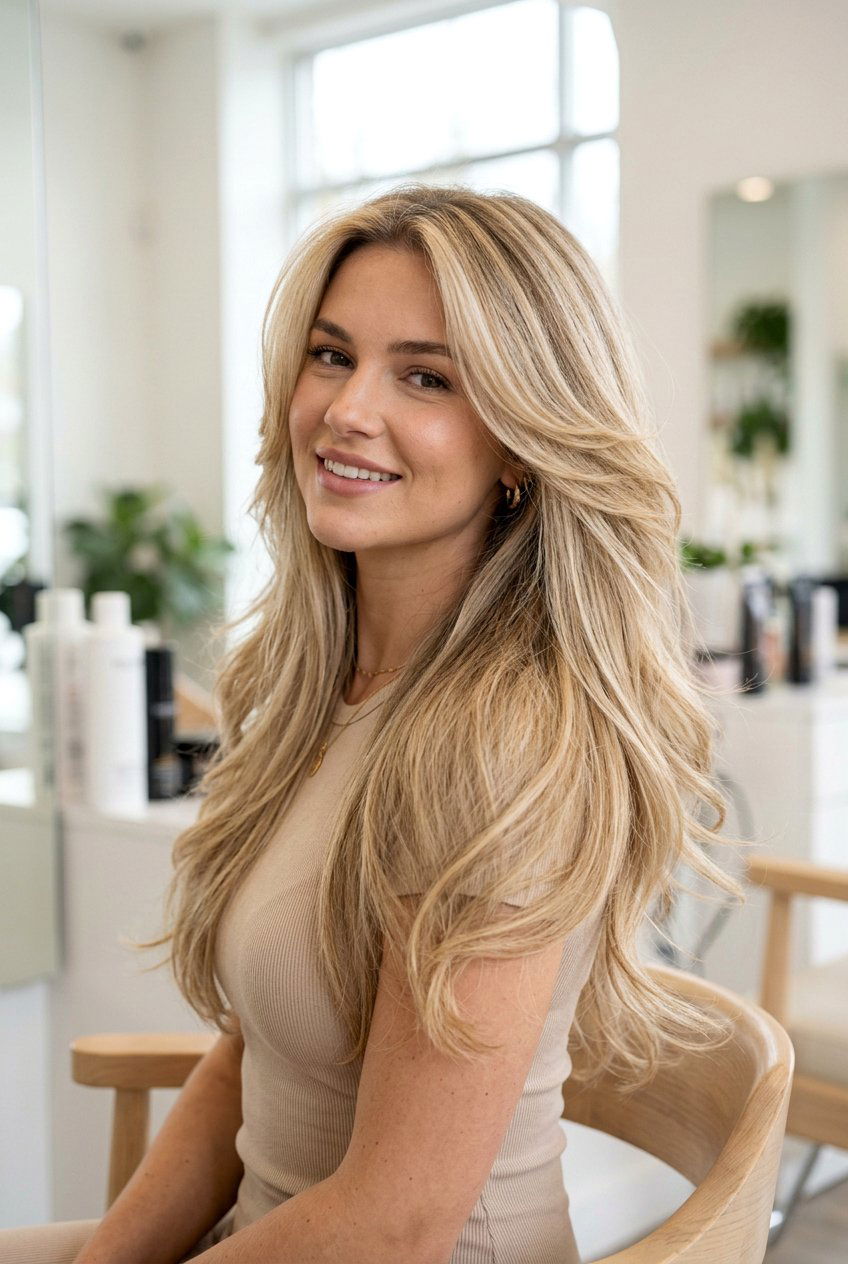
Invisible layers, also known as internal layering, are a brilliant way to remove damaged ends while keeping a seamless appearance. This technique involves cutting shorter pieces underneath the top section of your hair to create movement and remove weight. Because the layers are hidden, your hair maintains a thick and uniform look on the outside while the damaged internal strands are refreshed. This is an ideal haircut for split ends on long hair if you have a dense texture that often feels heavy or flat. The hidden layers provide a natural lift and bounce, making your hair look much healthier. It allows for a customized finish that addresses specific areas of damage without compromising the classic one-length aesthetic many love.
3. Butterfly Cut Long Hair
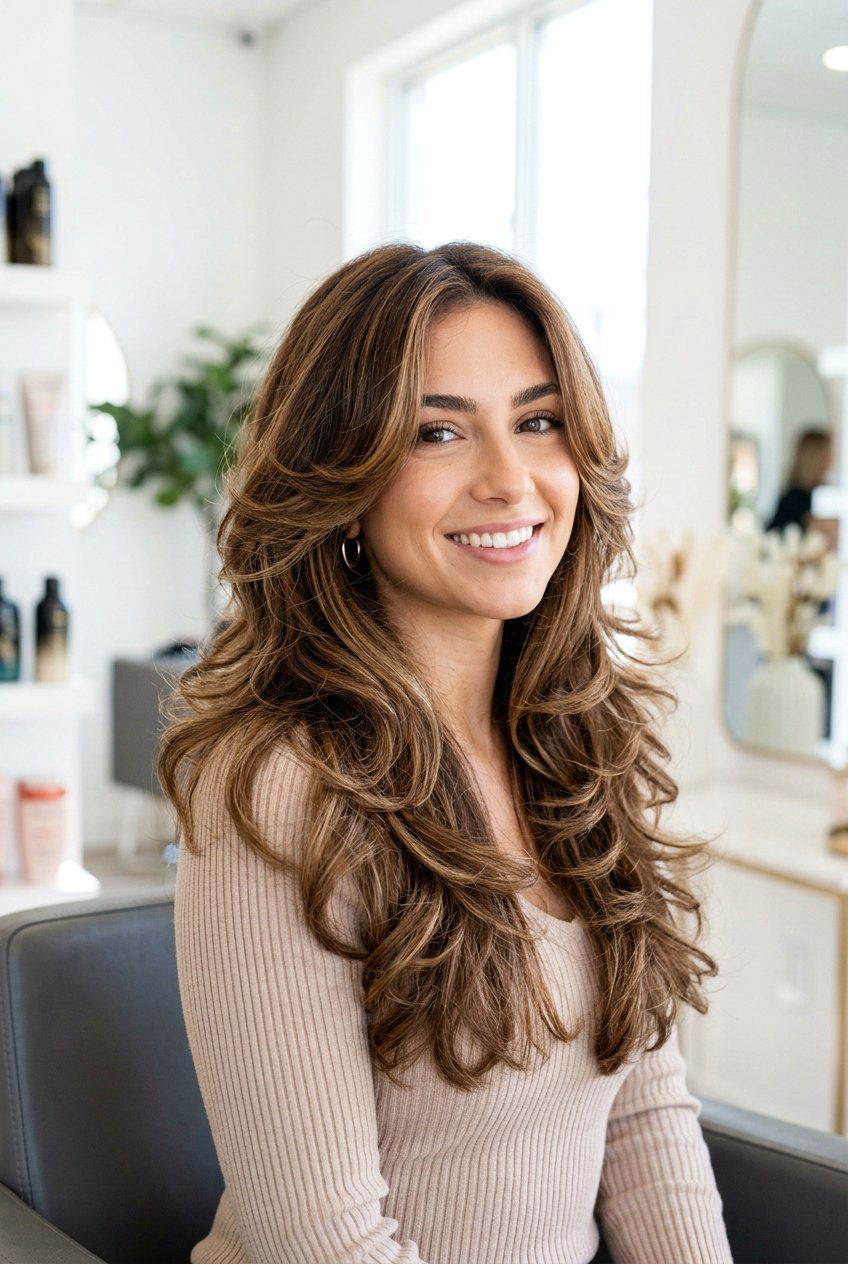
The butterfly cut has become a massive trend for long hair because it combines shorter, face-framing layers with longer back sections. This style is excellent for managing split ends because it incorporates various lengths throughout the hair, allowing for the removal of damage at multiple levels. The shorter layers on top create a voluminous “wing” effect, while the longer bottom layers preserve your total length. This haircut is perfect for those who want a dramatic change and a lot of movement without losing their long-hair status. It effectively removes frayed ends around the face and crown where damage is often most visible. The result is a bouncy, layered look that feels light, modern, and very healthy from top to bottom.
4. Seamless Layers Long Hair

Seamless layers are designed to blend perfectly into the rest of your hair, providing a soft and natural transition. This cutting style focuses on removing damaged ends by incorporating very fine, blended layers throughout the length. Instead of having distinct “steps” in the hair, the layers are integrated so smoothly that they are barely visible to the naked eye. This is a top choice for someone who wants to get rid of split ends but prefers a low-maintenance, organic look. By distributing the cuts across the hair, the stylist can target various points of damage. This technique keeps the ends looking full rather than thin, which is a common concern for long-haired individuals seeking a fresh, healthy trim.
5. U Shape Haircut Long Hair
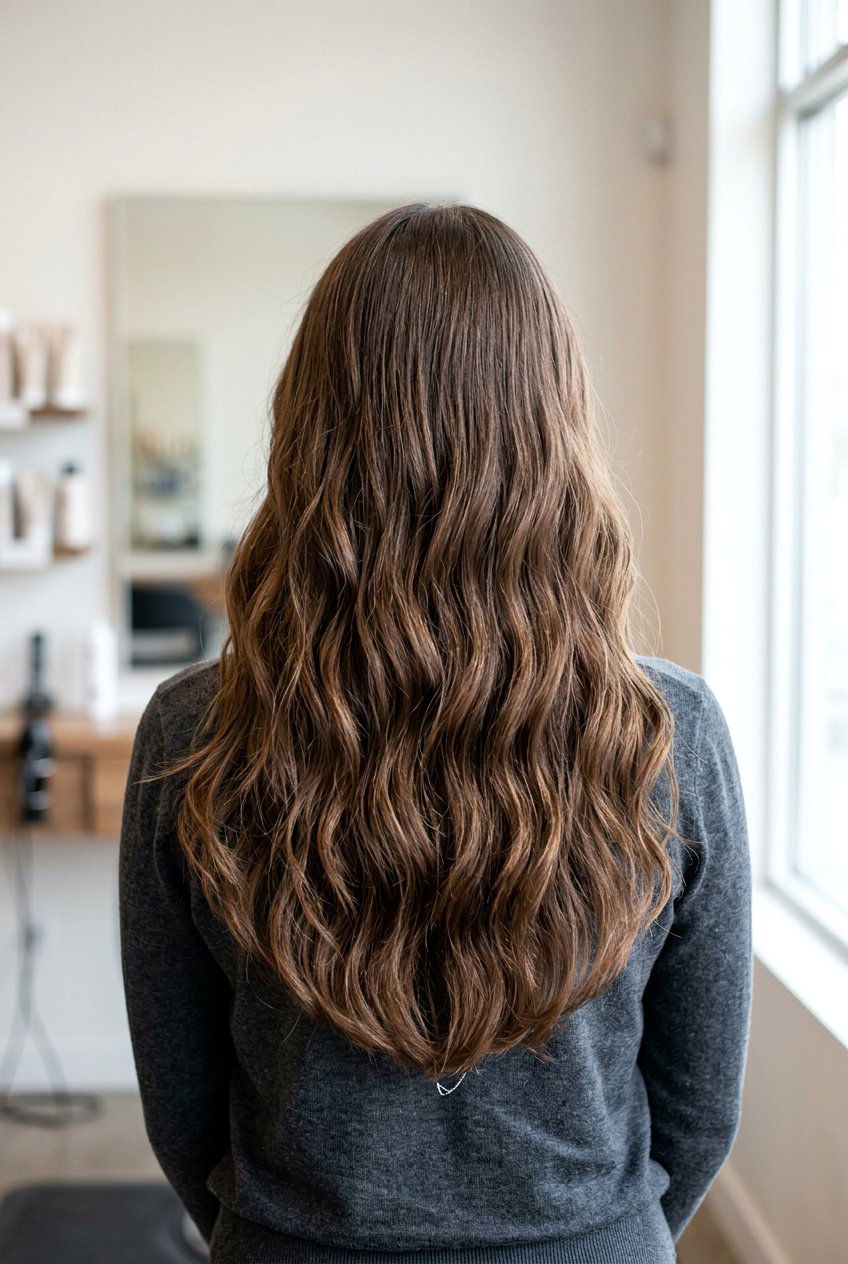
The U-shaped haircut is a timeless option for long hair that provides a soft, rounded perimeter. Instead of a straight line, the hair is cut in a gentle curve that is shorter on the sides and longer in the back. This shape is particularly effective for split ends because it allows for more length to be removed from the front sections, which are often the most damaged from styling. The U-shape creates a beautiful, flowing silhouette that looks elegant whether worn straight or wavy. It adds a sense of dimension and prevents the “heavy” look that can occur with very long hair. By following a curved path, the stylist ensures that all damaged tips are reached while maintaining a feminine, polished finish.
6. V Cut Long Hair
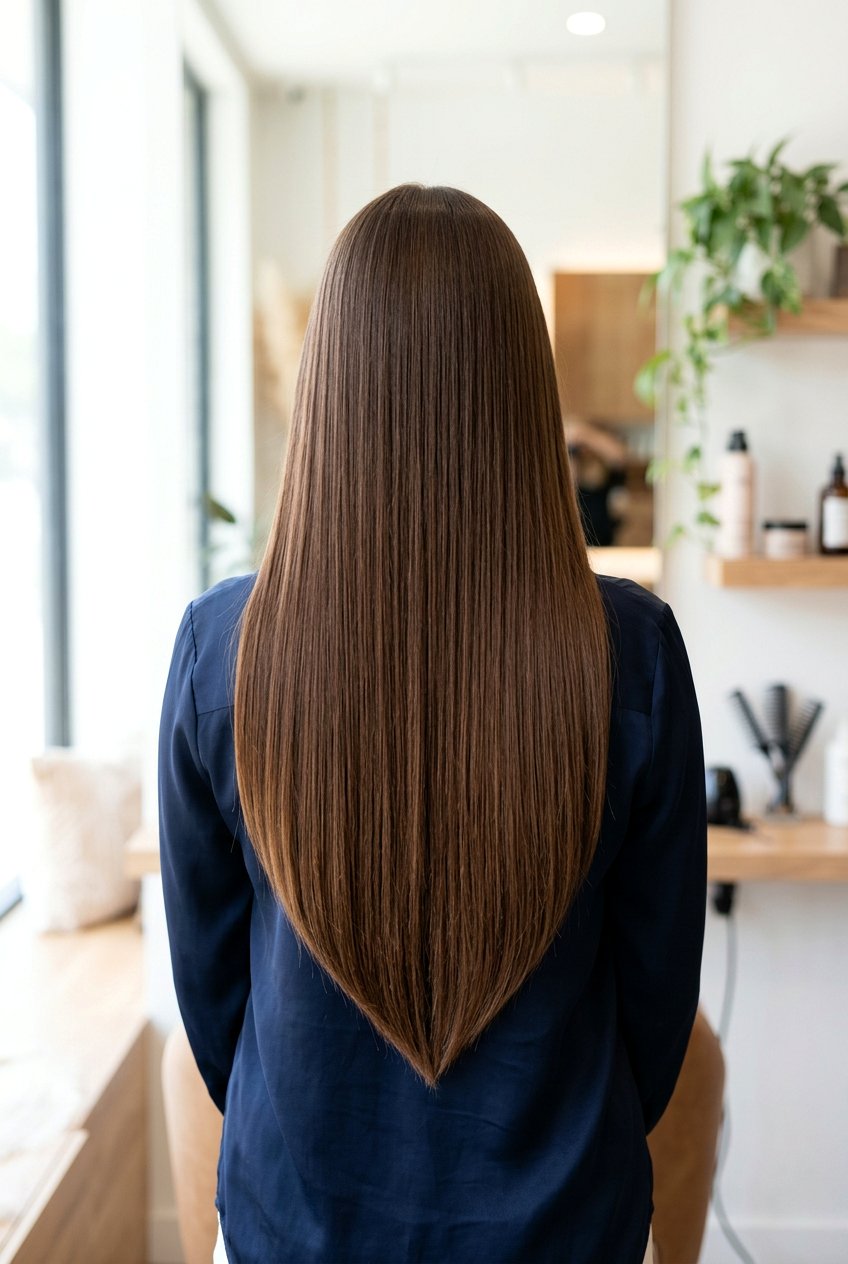
A V-cut is a more dramatic version of the curved trim, featuring a sharp, pointed shape at the very back of the hair. This style is ideal for long hair because it significantly reduces the weight at the ends while highlighting the length. The steep angle of the cut allows the stylist to remove a substantial amount of split ends from the side sections while keeping the centermost part quite long. This creates a striking look that adds a lot of visual interest and movement. The V-shape is especially flattering for those with thick hair, as it prevents the ends from looking bulky. It provides a clean, intentional edge that signals health and vitality, making your long mane appear much more dynamic.
7. Blunt Cut Long Hair
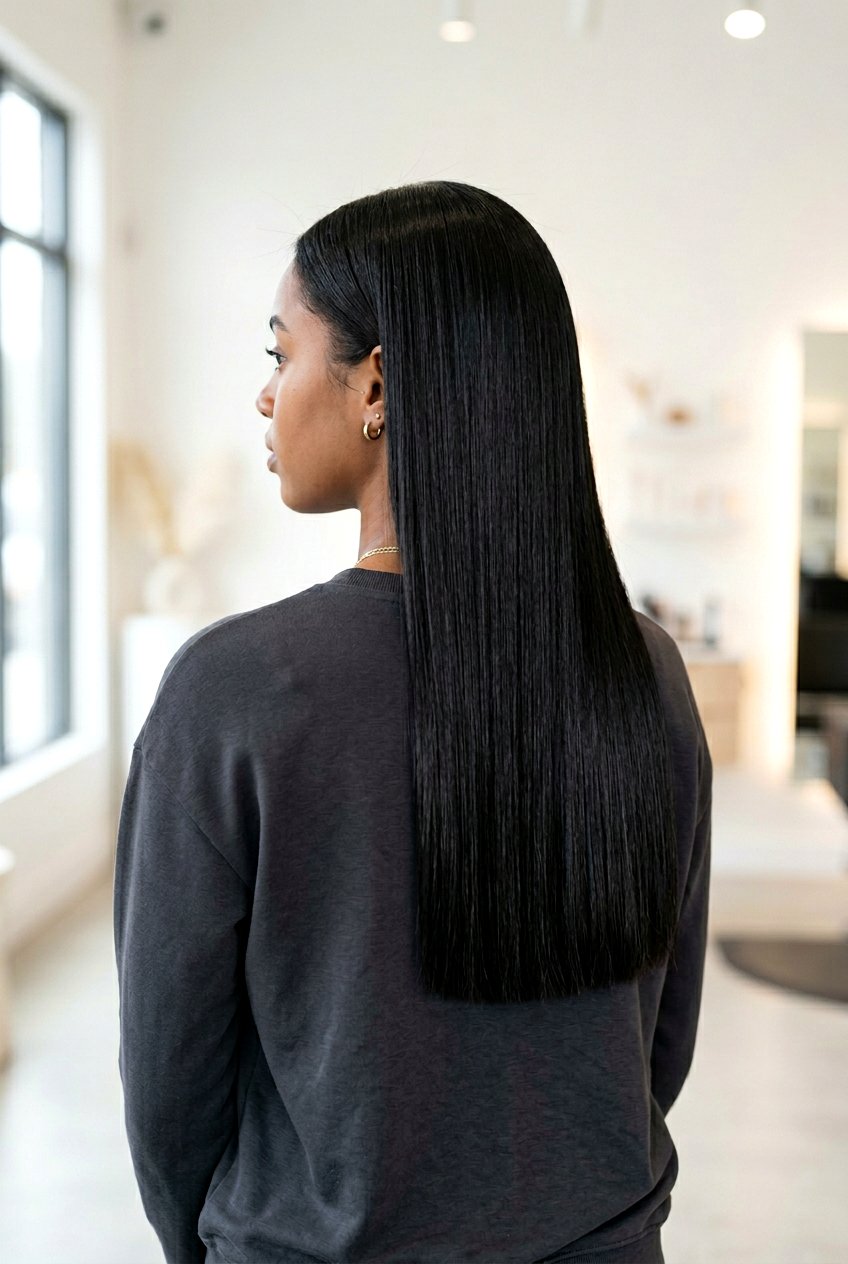
The blunt cut is a sophisticated style where the hair is trimmed straight across in a single, precise line. While it might seem counterintuitive for removing splits, a blunt trim is actually one of the best ways to create the appearance of thicker, healthier hair. By removing all the uneven and frayed tips at the bottom, the ends look incredibly dense and strong. This haircut for split ends on long hair is perfect for individuals with fine or thin strands who want to maximize their hair’s volume. It provides a high-fashion, polished aesthetic that works beautifully with straight hair. Regular blunt trims keep the perimeter sharp and prevent splits from traveling up the shaft, ensuring long-term hair health.
8. Face Framing Layers Long Hair

Face-framing layers focus on removing damage from the front sections of the hair, which typically endure the most heat styling and environmental stress. By cutting graduated layers that start around the chin or collarbone, you can eliminate the most visible split ends without touching the overall length in the back. These layers help to highlight your facial features while adding a soft, textured feel to the hairstyle. This is a very popular choice for those who want a refresh that feels immediate and transformative. The layers blend back into the rest of the hair, creating a cohesive look. It is an excellent way to maintain a long, healthy mane while adding personality and shape to your everyday style.
9. Curtain Bangs Long Hair

Curtain bangs are a versatile and trendy way to address split ends around the forehead and eyes. These bangs are usually parted in the middle and swept to the sides, blending effortlessly into long layers. Because the front of the hair is often the most prone to breakage, cutting curtain bangs is a strategic way to remove that damage entirely. This style adds a romantic, retro vibe to any long haircut while providing a fresh start for the front sections. They are easy to style and grow out beautifully, making them a low-risk option for a hair refresh. Curtain bangs create a frame for the face that looks chic and intentional, ensuring your long hair stays healthy.
10. Feathered Layers Long Hair

Feathered layers are inspired by the iconic styles of the 1970s, featuring soft, wispy ends that resemble the feathers of a bird. This technique is excellent for removing split ends because it involves light, airy cuts throughout the hair. Instead of heavy, blocky layers, feathered ends provide a delicate texture that removes weight and damage. This haircut for split ends on long hair is perfect for those who want a look that feels weightless and full of motion. The “feathering” process thins out the very tips of the hair, making them look soft rather than frayed. It is a great way to add volume and a touch of vintage glamour while ensuring your long hair stays in peak condition.
11. Shaggy Layers Long Hair

The modern shag for long hair is a textured, choppy style that uses many layers to create a cool, lived-in aesthetic. This haircut is fantastic for tackling split ends because it embraces a bit of unevenness and texture. By layering the hair heavily from the crown down to the tips, the stylist can remove damaged sections throughout the entire length. The result is a voluminous, edgy look that requires very little daily styling. Shaggy layers are perfect for enhancing natural waves or curls, as the varied lengths encourage movement. This style effectively hides any remaining imperfections while providing a fresh, healthy foundation for hair growth. It is a bold, stylish way to maintain long, vibrant hair.


12. Textured Lob Long Hair

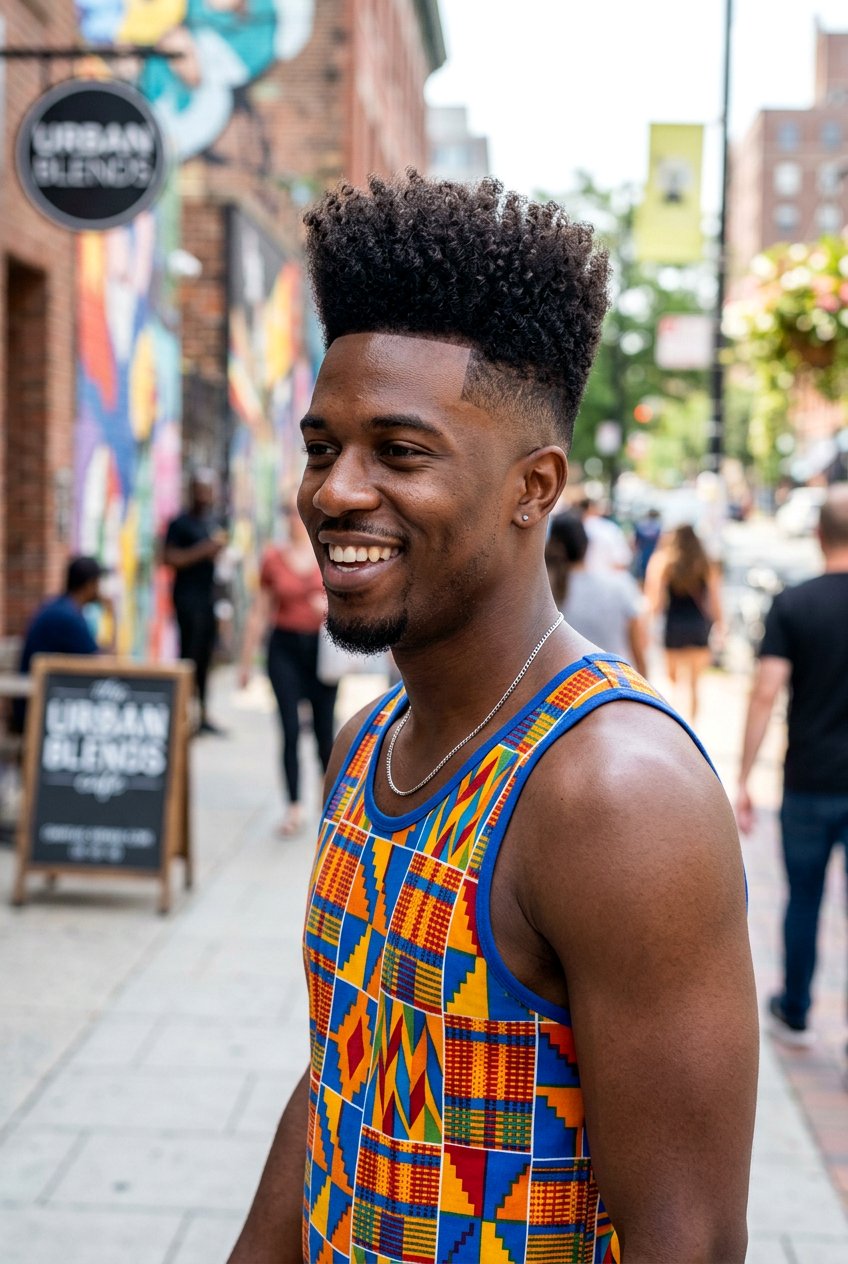
While “lob” stands for long bob, a textured long bob can serve as a transitional style for those wanting to cut off significant damage while still feeling like they have length. A shoulder-grazing or collarbone-length lob is often considered “long” for those used to shorter cuts, and it is a powerful way to restart hair health. By cutting the hair to a uniform, textured length, you remove all the oldest and most damaged split ends. This provides a fresh, thick base that can then be grown out again with proper care. The textured ends add a modern, effortless feel that looks great on all hair types. It is a chic, practical choice for a total hair reset.
13. Split End Trim Long Hair
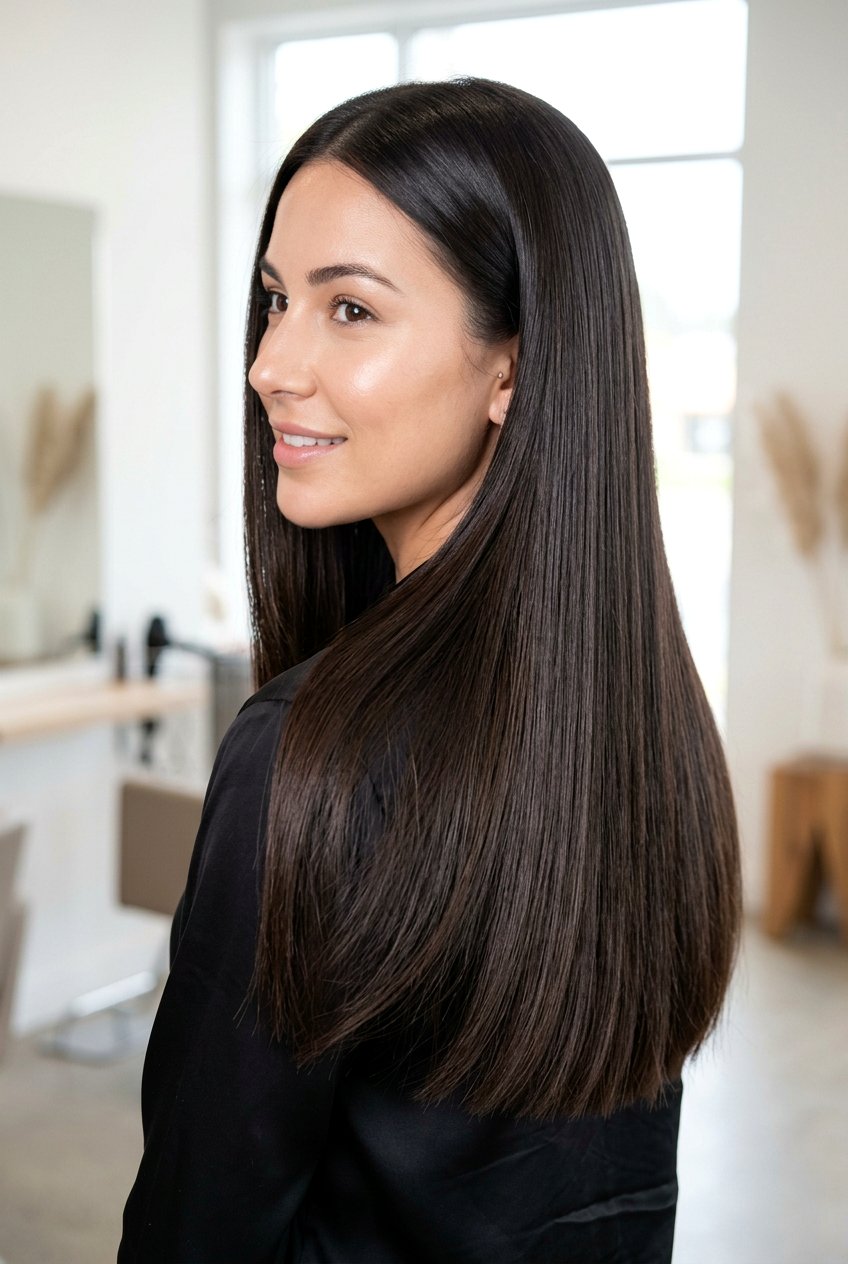
A dedicated split end trim, often called a “search and destroy” session in salons, is a meticulous way to save your length. During this process, the stylist carefully examines small sections of hair and snips away individual split ends as they find them. This is different from a general haircut because it does not involve cutting a straight line or adding layers. Instead, it is a precision treatment aimed purely at hair health. This is the ultimate haircut for split ends on long hair for people who are 100% committed to keeping every millimeter of their length. It takes time and patience, but the result is a smooth, clean mane that feels incredibly soft and looks perfectly healthy.
14. Point Cut Long Hair
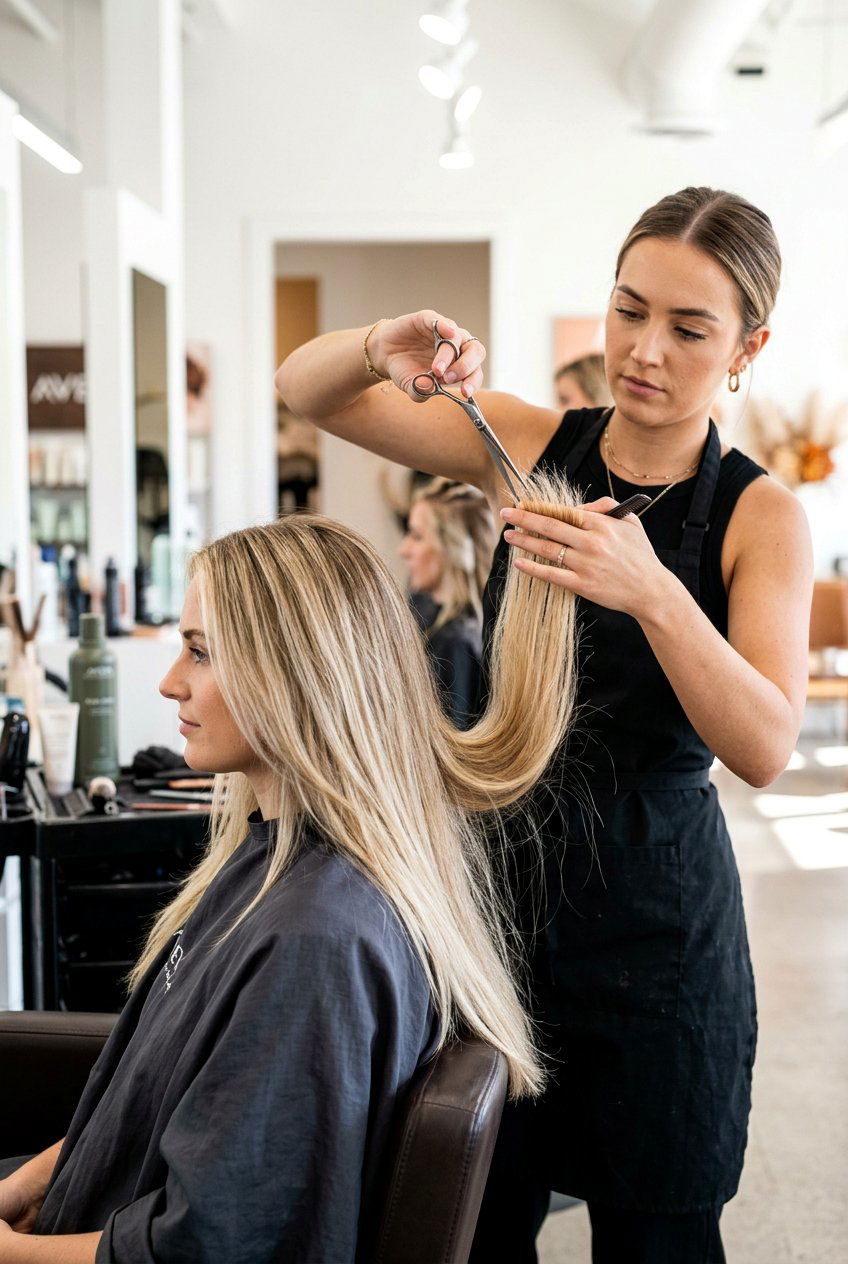
Point cutting is a professional technique where the stylist snips into the ends of the hair with the scissors held vertically. This creates a soft, textured edge rather than a blunt one, which is very effective for blending away split ends. By removing tiny bits of hair at an angle, the stylist can eliminate damage while ensuring the ends look natural and light. This method is often used on long layers to prevent them from looking too heavy or dated. Point cutting allows for a customized finish that follows the natural fall of your hair. It is a great way to maintain a long, flowing look while ensuring that the very tips of your hair are clean and vibrant.
15. Tapered Haircut Long Hair
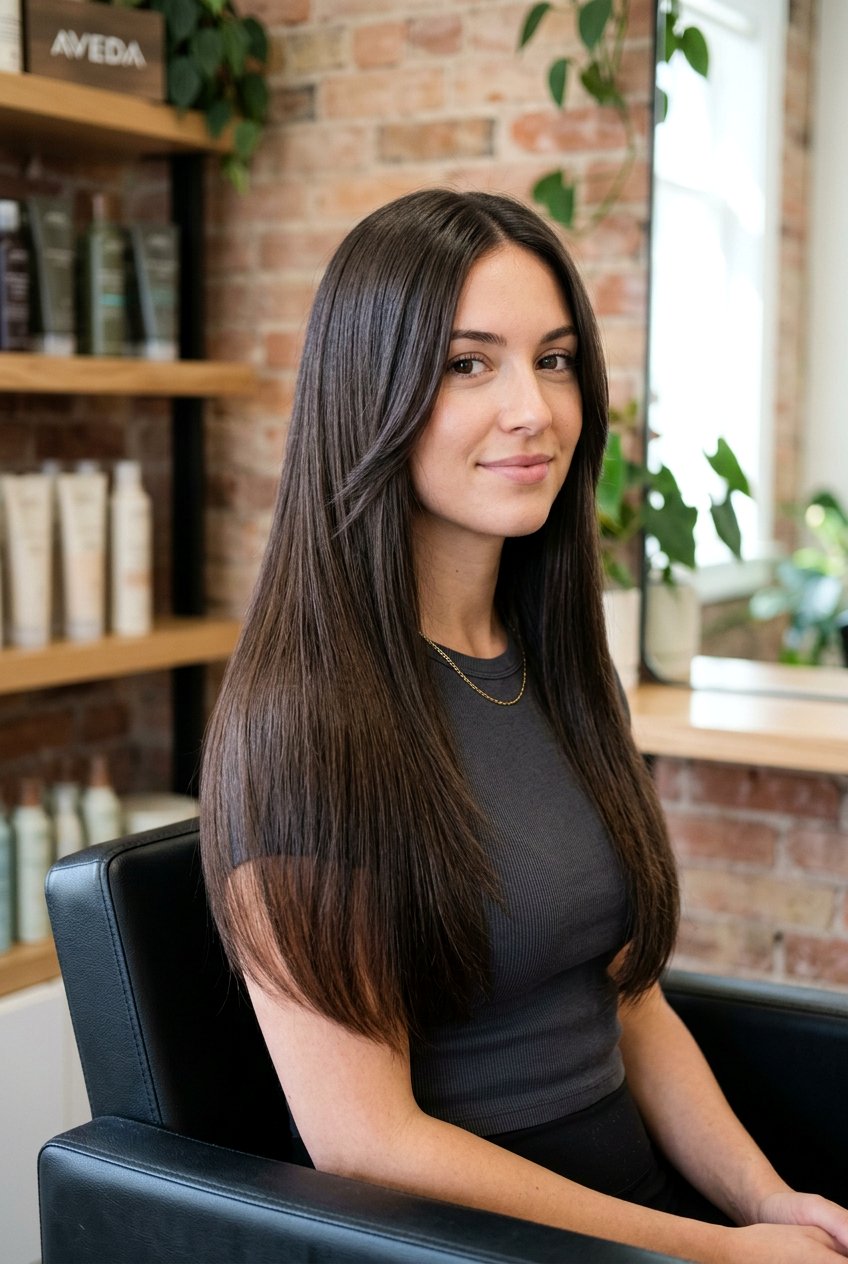
A tapered haircut for long hair involves gradually narrowing the hair toward the ends, creating a sleek and streamlined silhouette. This style is excellent for removing bulk and damage from the bottom sections of the hair. The tapering process ensures that the thickest part of the hair is near the roots and mid-lengths, while the ends are kept thin and manageable. This is a very popular choice for individuals with thick or coarse hair who want to avoid a “triangle” shape. By tapering the ends, the stylist can remove split ends effectively while providing a look that is very easy to style and maintain. The result is a long, elegant mane that feels incredibly light and healthy.
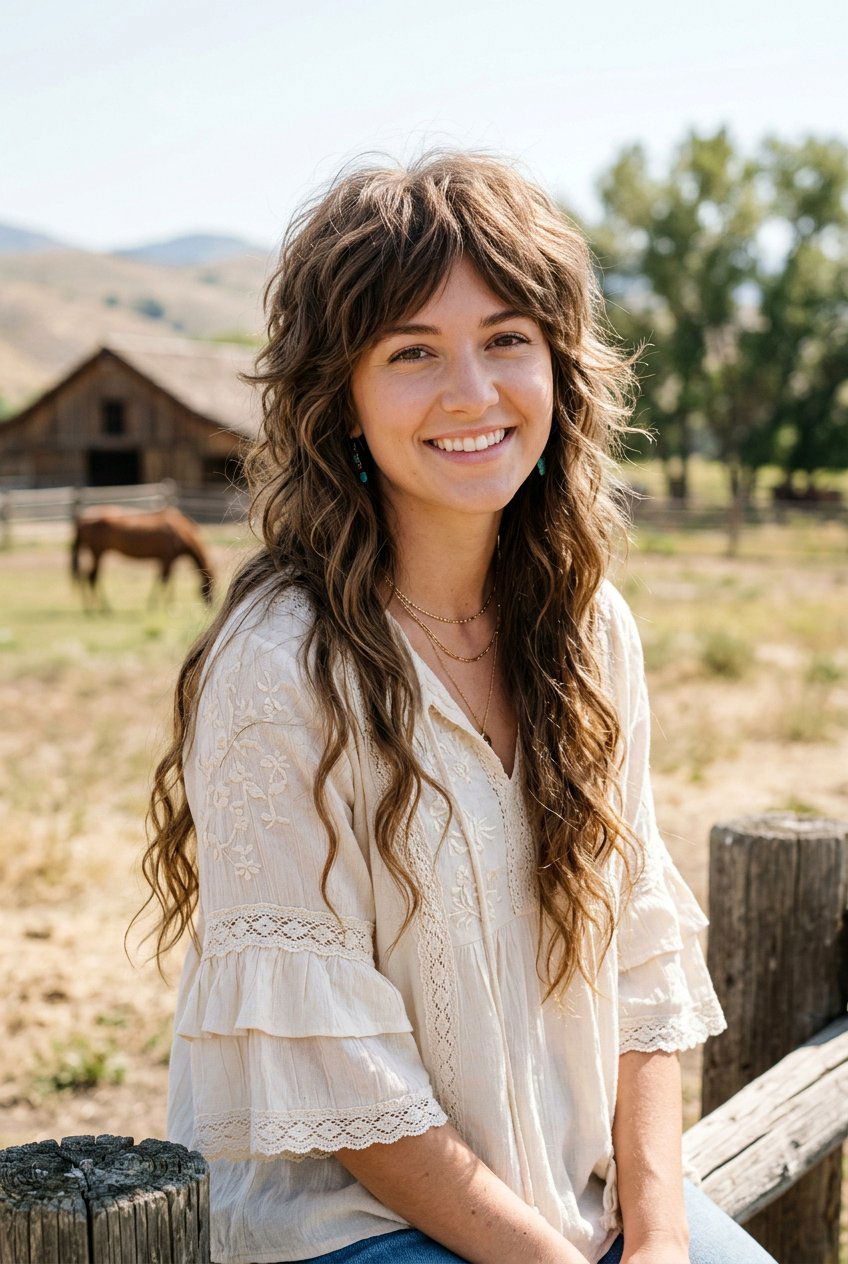



16. Step Cut Long Hair
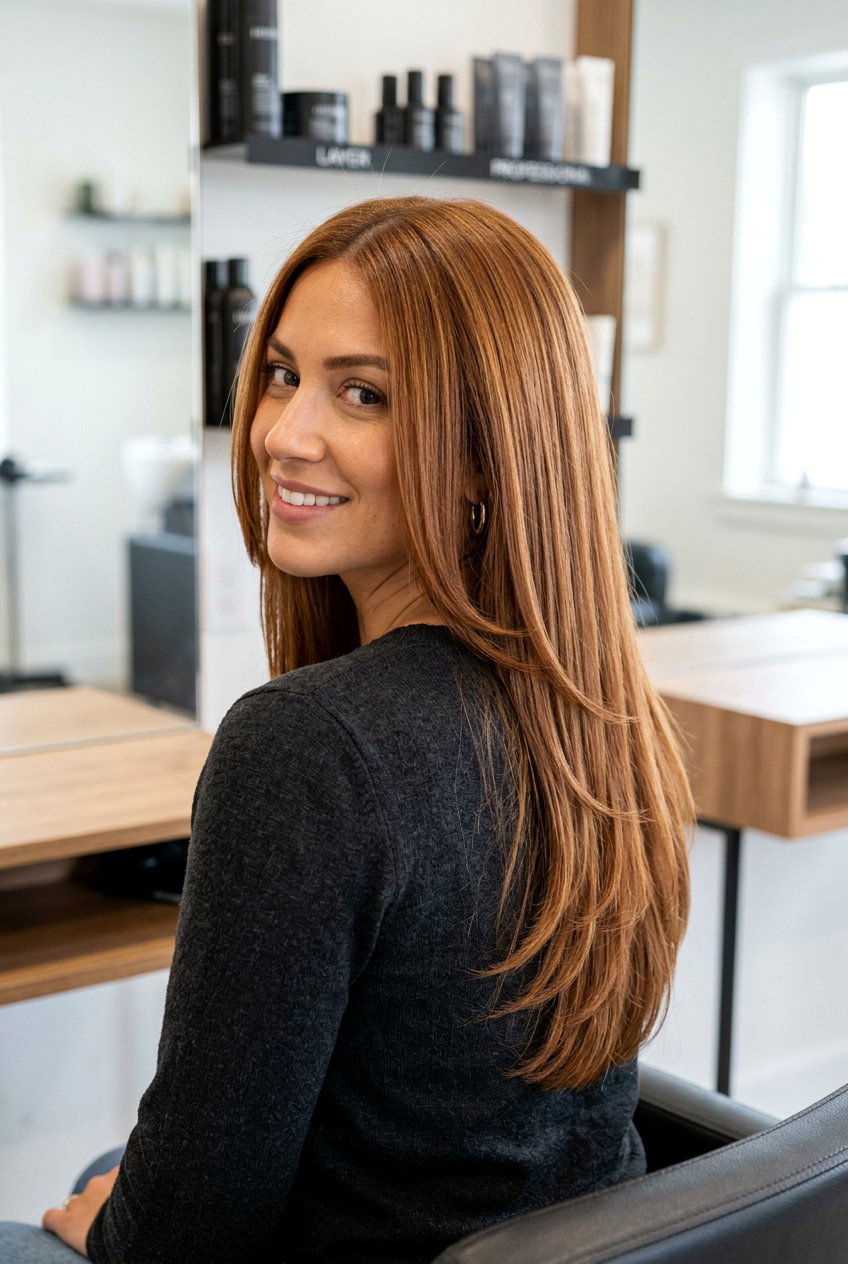
The step cut is a layered style where the layers are very distinct and look like “steps” in the hair. This is a traditional technique that is excellent for removing split ends because each “step” provides an opportunity to trim away damage. It creates a lot of volume and bounce, making it a favorite for those with straight or slightly wavy hair. The clear divisions between lengths allow the hair to move freely and look very full. This haircut for split ends on long hair is ideal for someone who wants a structured, classic look. By maintaining healthy ends at each level, the overall hairstyle looks revitalized and strong, giving your long hair a very organized and polished appearance.
17. Micro Trim Long Hair

A micro trim is a very subtle haircut that involves removing less than half an inch of hair. This is often called “dusting” but focuses specifically on the very bottom perimeter of the hair. It is a preventative measure designed to keep split ends from forming in the first place or to catch them before they travel up. For those with long hair, getting a micro trim every four weeks can be more effective than getting a larger trim twice a year. It keeps the ends looking fresh and sharp without ever making you feel like you’ve lost length. This consistent maintenance is the secret to reaching extreme hair lengths while keeping the hair looking thick and healthy.
18. Soft Shag Long Hair

The soft shag is a more romantic and less aggressive version of the classic shag, featuring blended layers and soft movement. This style is perfect for long hair because it uses subtle texturizing to remove split ends while maintaining a feminine silhouette. The layers are usually concentrated around the mid-lengths and ends, providing a gentle lift without looking too choppy. It works beautifully with natural texture, allowing split ends to be removed in a way that feels organic. The soft shag is a great “everyday” haircut for split ends on long hair, as it looks polished with minimal effort. It ensures your long strands look healthy and full of life, providing a modern and effortless style.
19. Ghost Layers Long Hair

Ghost layers are an advanced layering technique where the layers are cut so softly and strategically that they are almost invisible until the hair moves. This is a fantastic way to target split ends throughout the hair without changing the outward appearance of a long, one-length style. The stylist uses a very light hand to slide-cut internal sections, removing damage and weight. When you walk or turn your head, the “ghost” layers reveal themselves by giving the hair unexpected bounce and flow. This is the perfect compromise for someone who wants the health benefits of layers but loves the aesthetic of solid, long hair. It keeps your mane looking thick, smooth, and entirely free of damage.
20. One Length Long Haircut

A one-length long haircut is a classic choice where all the hair is trimmed to the exact same length. To manage split ends with this style, a very precise and clean trim is required across the entire bottom edge. This creates a strong, heavy baseline that looks incredibly healthy and expensive. While it doesn’t have the movement of layers, it offers a level of shine and thickness that is hard to beat. This is an ideal haircut for split ends on long hair if you have straight hair and want a minimalist, high-impact look. Regular trims are essential to keep the line sharp and ensure that no frayed ends detract from the sleek and uniform appearance of your long hair.
Conclusion:
Choosing the right haircut for split ends on long hair is the most effective way to maintain both health and style. In 2026, the focus has shifted toward personalized techniques like hair dusting and ghost layers, which allow individuals to keep their length while completely eliminating damage. Whether you opt for a dramatic butterfly cut or a subtle micro trim, the goal is always to prevent split ends from traveling up the hair shaft and causing further breakage. Regular salon visits and a commitment to healthy ends will ensure that your long hair remains your best accessory. By understanding these twenty different professional methods, you can communicate better with your stylist and achieve a stunning, long-lasting look.
You'll Like These Styles:











Leave a Reply