
Dealing with brittle, straw-like strands after years of bleaching or frequent dyeing can be incredibly frustrating for anyone seeking a fresh start. Transitioning away from color damage often requires more than just deep conditioning treatments or expensive masks. Sometimes, the best solution is a strategic haircut that removes the most compromised ends while allowing your natural texture to thrive again. Finding a **haircut for transitioning hair color damage** is about balancing style with the practical need to cut away chemical breakage. This process allows you to embrace your natural roots while maintaining a look that feels modern and intentional. Whether you want a major change or a subtle trim, the right shape will make your hair look healthier and much fuller almost instantly.
1. Choppy Pixie Cut For Damaged Hair

Have you ever felt like your hair just will not stop breaking no matter how much product you apply? A choppy pixie cut is one of the most effective ways to remove nearly all your chemically treated ends in a single appointment. This short style focuses on texture and movement, which helps hide any remaining frizzy bits while your healthy hair grows in. By opting for a pixie, you essentially hit the reset button on your hair health. The short length reduces the weight on your follicles and prevents further splitting up the hair shaft. It is a bold move that looks incredibly chic and requires very minimal styling time during your morning routine.
2. Blunt Bob For Brittle Ends

If you are worried about your hair looking thin and wispy due to color damage, a blunt bob is your best friend. This cut features straight, even ends with no layers, which creates the illusion of much thicker and denser hair. By cutting a straight line across the bottom, you remove the most damaged parts of the hair where split ends usually travel upward. The blunt bob works exceptionally well for those transitioning back to their natural color because it provides a clean, sophisticated silhouette. It looks polished whether you wear it sleek and straight or with a gentle wave to add some volume to your healthy new growth.
3. Textured Lob For Transitioning Color

Are you looking for a way to keep some length while still getting rid of those crunchy, over-processed ends? A textured lob, or long bob, offers the perfect middle ground between a short crop and long hair. This style typically grazes the collarbone and incorporates light, choppy layers to provide movement and disguise uneven textures. Since color damage often leaves hair looking flat and lifeless, the added texture in a lob helps breathe new life into your look. It is a very versatile option that allows you to gradually trim away damaged hair every few months without feeling like you have lost your signature long-hair identity.
4. Shaggy Wolf Cut For Hair Health

Many people struggle with the “in-between” phase of growing out hair color, but a shaggy wolf cut makes the process look intentional. This trending style uses heavy layers and a face-framing fringe to create a voluminous, wild look that hides frizzy, damaged strands perfectly. The wolf cut is especially great for those with natural waves or curls that have been flattened by chemical treatments. By removing weight from the top and sides, your natural curl pattern can finally bounce back. It is a low-maintenance choice that celebrates “lived-in” hair, making the transition from old dye to your natural roots look like a deliberate, edgy fashion statement.
5. Layered Bixie Cut For Color Growth

Have you heard of the bixie cut, the stylish hybrid between a bob and a pixie? This haircut is gaining massive popularity in 2026 because it offers the shagginess of a pixie with the flattering length of a bob. It is an ideal transition cut because the layers provide instant volume at the crown, which is often where new, healthy hair is growing. The bixie allows you to keep a bit of length around the ears and neck while cutting away the worst of the chemical damage. It is easy to style with just a bit of texture cream, helping you look put-together even on your busiest days.
6. Face Framing Layers For Split Ends

Sometimes you do not want to lose all your length, but you desperately need to remove the damage around your face. Face-framing layers are a fantastic solution that targets the areas most prone to breakage from heat styling and frequent coloring. By starting the layers around the chin or cheekbones, your stylist can cut away the fried ends that frame your face. This creates a soft, lifting effect that draws attention to your features rather than your hair texture. This approach allows the rest of your hair to keep its length while you slowly work on improving the overall health of your mane.
7. Tapered Undercut For Bleached Hair
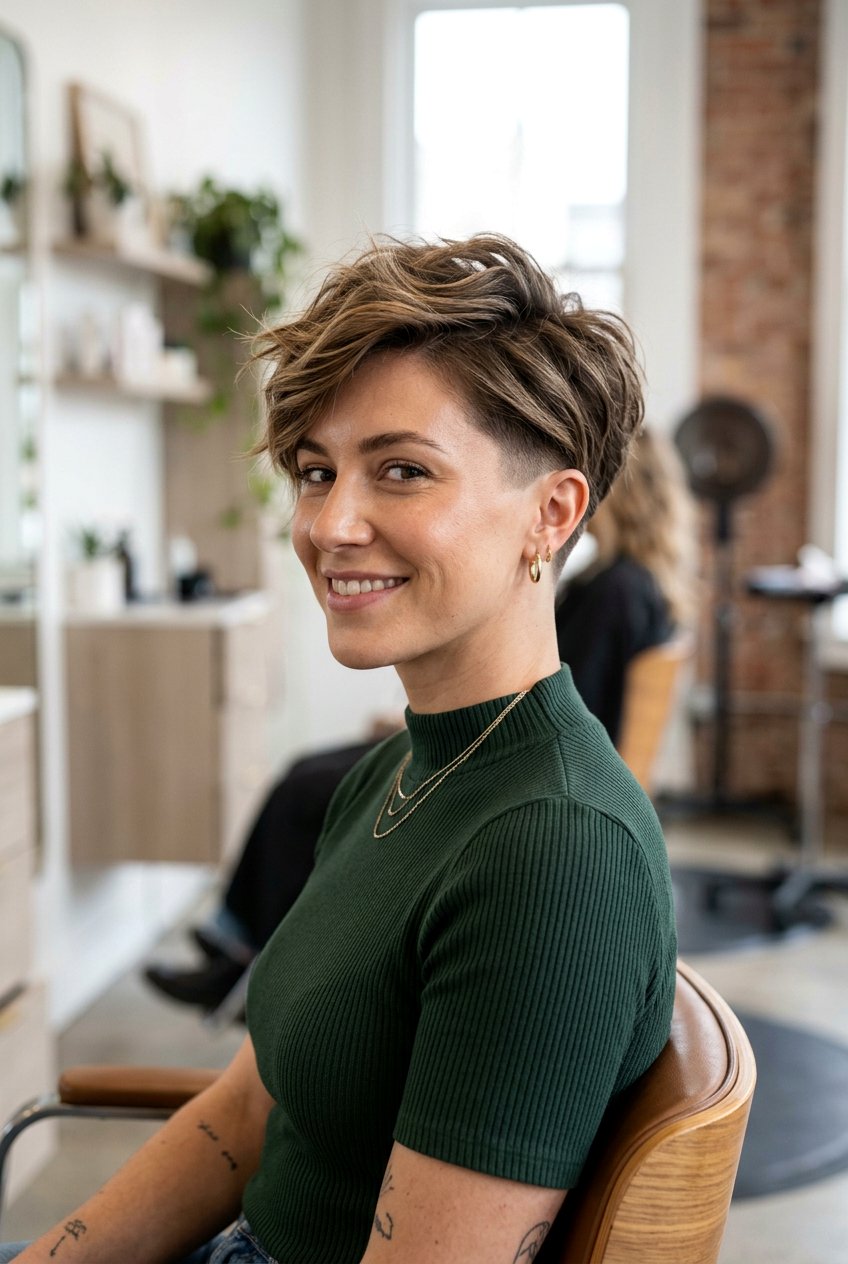
For those dealing with severe chemical breakage at the nape of the neck or sides, a tapered undercut is a daring and practical choice. This style involves shaving or closely cropping the hair at the back and sides while leaving more length on top. It is a highly effective way to remove large sections of damaged hair while keeping enough length to style. An undercut can be hidden under longer hair or shown off as a bold, edgy detail. It significantly reduces styling time and prevents the friction that often leads to further breakage in the back, allowing your natural hair to grow back stronger.
8. Asymmetrical Bob For Chemical Damage

Does one side of your hair seem more damaged than the other due to uneven coloring or heat exposure? An asymmetrical bob is a clever way to balance out your look while removing compromised ends. By keeping one side slightly longer, you create a modern, high-fashion aesthetic that distracts from texture issues. This cut is perfect for hiding the line where your natural color meets your old dye. The sharp angles of the bob give your hair a sense of purpose and structure. It is a sophisticated choice for professionals who want to maintain a polished appearance while nursing their hair back to its original healthy state.
9. French Bob For Growing Out Dye

The French bob is a timeless, chin-length style that usually includes a cute fringe to help mask the transition of hair colors. This cut is all about effortless elegance and works beautifully for those with damaged hair because it relies on natural texture. The shorter length removes a significant amount of over-processed hair, while the bangs help hide any root regrowth issues at the forehead. It is a chic, Parisian-inspired look that thrives when air-dried, which is perfect for avoiding further heat damage. This style encourages you to embrace your hair’s natural movement as you move toward a healthier, dye-free future.
10. Butterfly Cut For Hair Transition
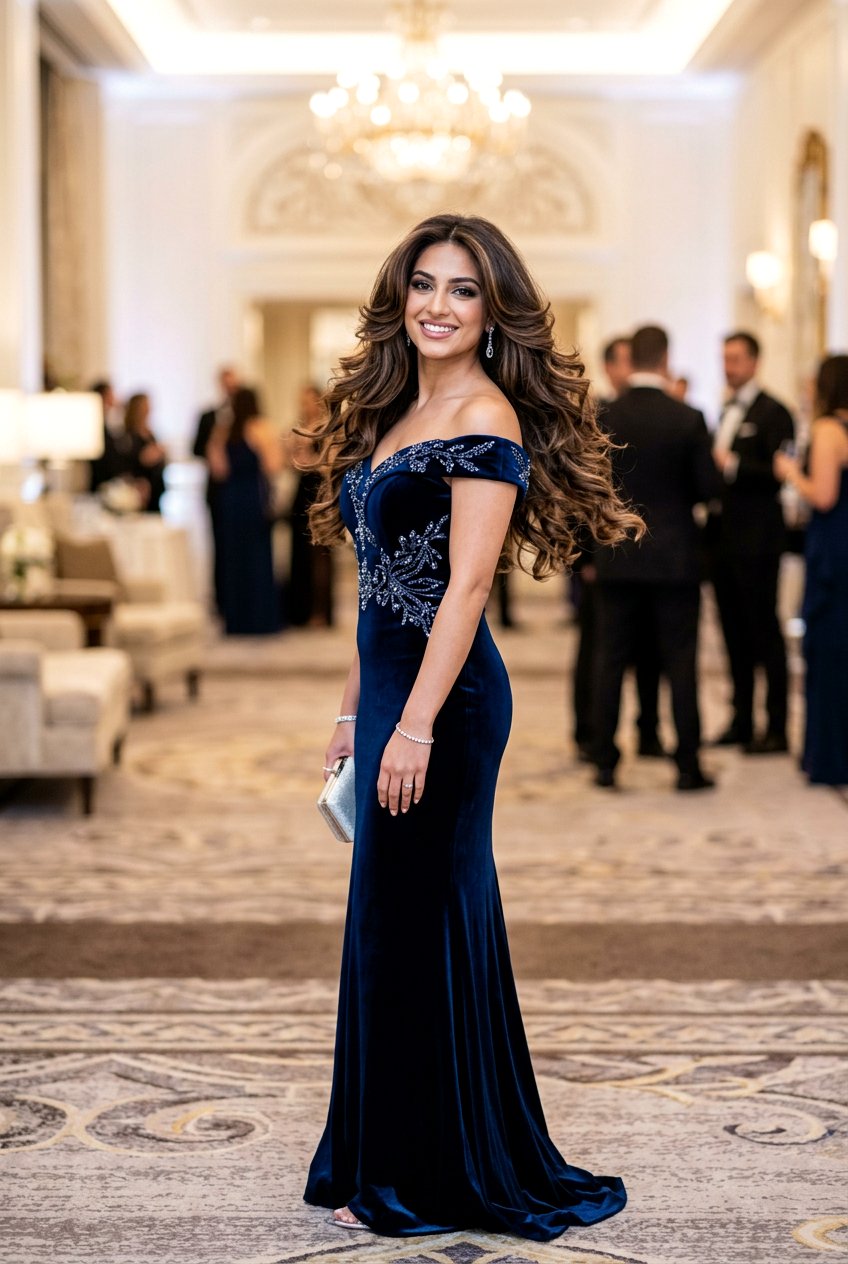
If you love the look of long, flowing hair but hate the dry ends that come with color damage, try the butterfly cut. This style features “wings” of short layers on top that blend into longer layers at the bottom. It gives you the best of both worlds: the volume of a short cut with the appearance of long hair. The shorter top layers are perfect for removing damage near the crown and face. This cut creates so much movement that any remaining dry or brittle ends become much less noticeable. It is a glamorous, high-volume choice that makes your hair look incredibly lush and healthy.
11. Curly Shag For Damaged Texture

Transitioning back to natural curls after years of chemical processing can be a long journey, but a curly shag makes it easier. This haircut uses strategic layers to encourage your natural curl pattern to form without the weight of damaged ends pulling them down. The shag’s messy, textured finish is excellent at disguising the different textures that often occur during a color transition. By removing the “dead weight” of bleached hair, your curls will appear more defined and bouncy. This cut works with your hair’s natural behavior rather than fighting against it, leading to a much easier and healthier growth process.



12. Shoulder Length Blunt Cut For Hair Repair

A shoulder-length blunt cut is a classic choice for anyone who wants a clean slate without going too short. This “midi” length hits right at the collarbone, providing a sophisticated look that is easy to manage. Because it is a blunt cut, it focuses on making the ends look as thick and healthy as possible. This is vital when you are dealing with the thinning and snapping that often accompanies color damage. It provides a solid foundation for your natural hair to grow in, and the uniform length makes it easy to track your progress as the healthy hair slowly replaces the old.
13. Soft Mullet For Transitioning Hair

The modern “soft mullet” is a far cry from the versions of the past and is actually very helpful for hair health. This style keeps the back a bit longer while incorporating shorter, shaggy layers around the top and sides. It is an excellent way to remove damage from the most visible parts of your hair while keeping some of the length you love in the back. The choppy nature of the cut means that split ends are easily trimmed away without ruining the overall shape. It is a trendy, rebellious style that suits people who want to look cool while their hair recovers.
14. Angled Lob For Thin Ends

When your ends are looking thin and “see-through” from over-processing, an angled lob can save the day. This haircut is shorter in the back and gradually gets longer toward the front, which pushes volume forward and creates a fuller appearance. The stacked back helps lift the hair, making it look much more voluminous than a standard straight cut. This angle effectively removes the most damaged hair at the nape while keeping flattering length around the face. It is a sharp, professional look that works perfectly for those who want to hide the fact that they are currently “rehabilitating” their damaged hair strands.
15. Precision Clipper Bob
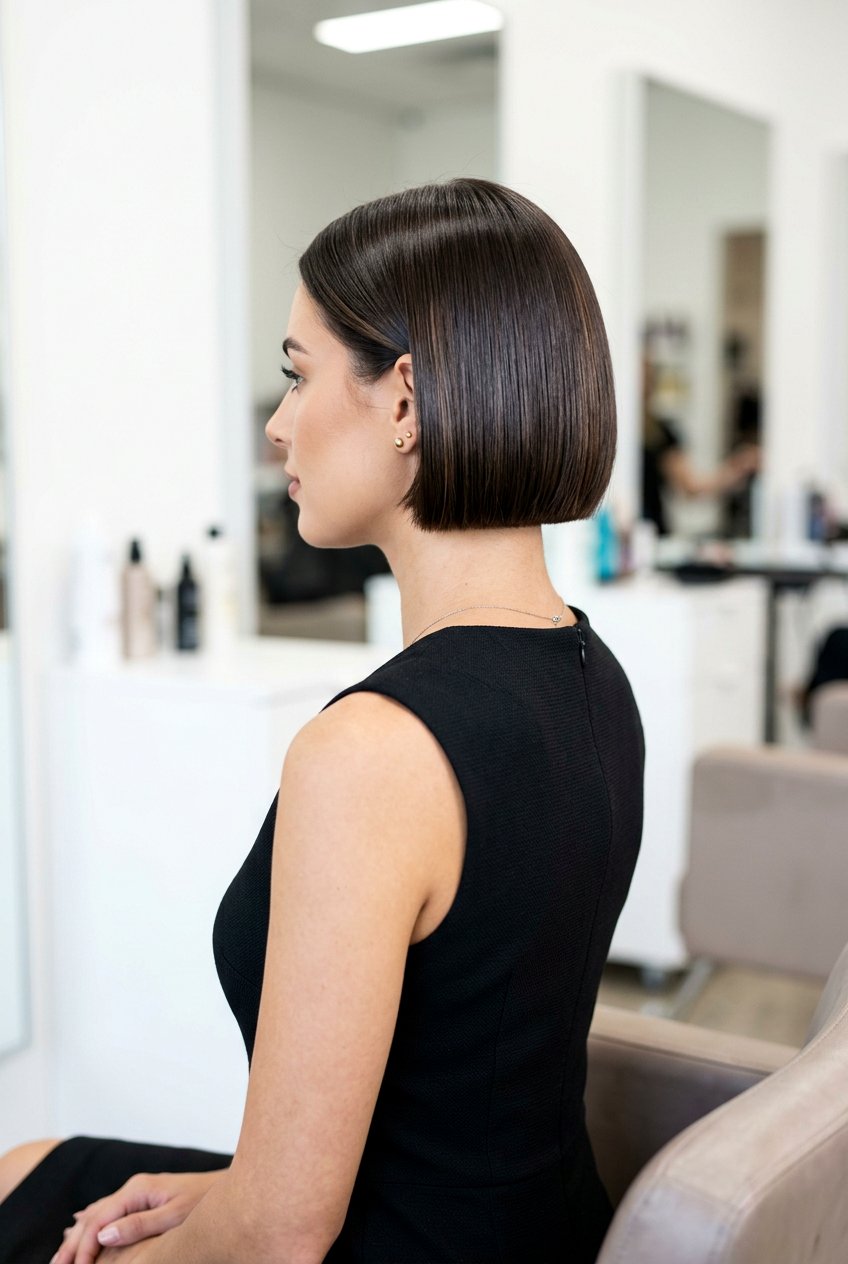
For a truly clean and crisp look, a precision clipper bob is an outstanding choice for removing chemical damage. Using clippers instead of shears allows the stylist to create an incredibly straight and sharp line that makes hair look instantly healthier. This technique is often used to create a “glass hair” effect, which is perfect for masking the dullness of color-treated hair. By removing the ragged, uneven ends that cause tangles, you will find that your hair becomes much easier to brush and style. This cut is a fresh start that feels modern, sleek, and entirely intentional for your new hair journey.
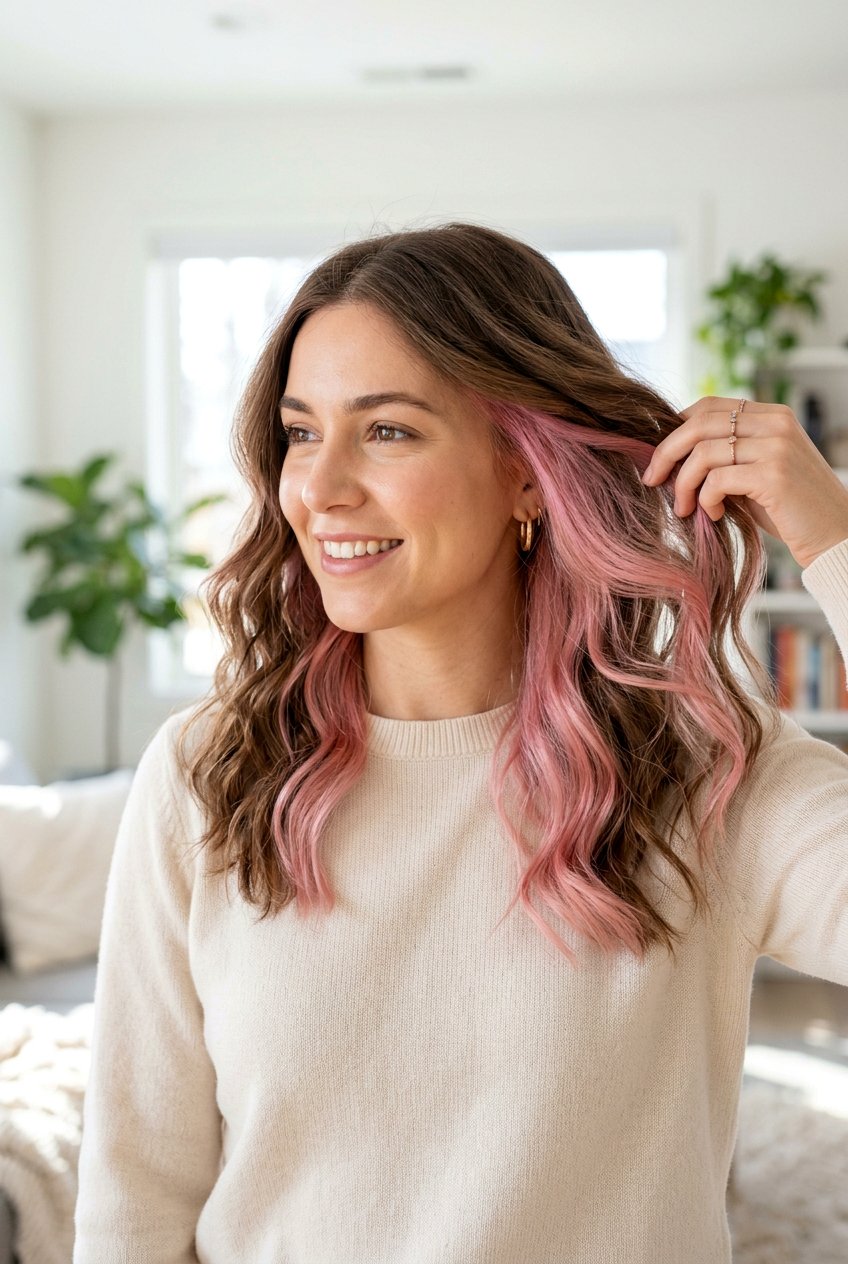


16. Wispy Curtain Bangs For Hair Growth
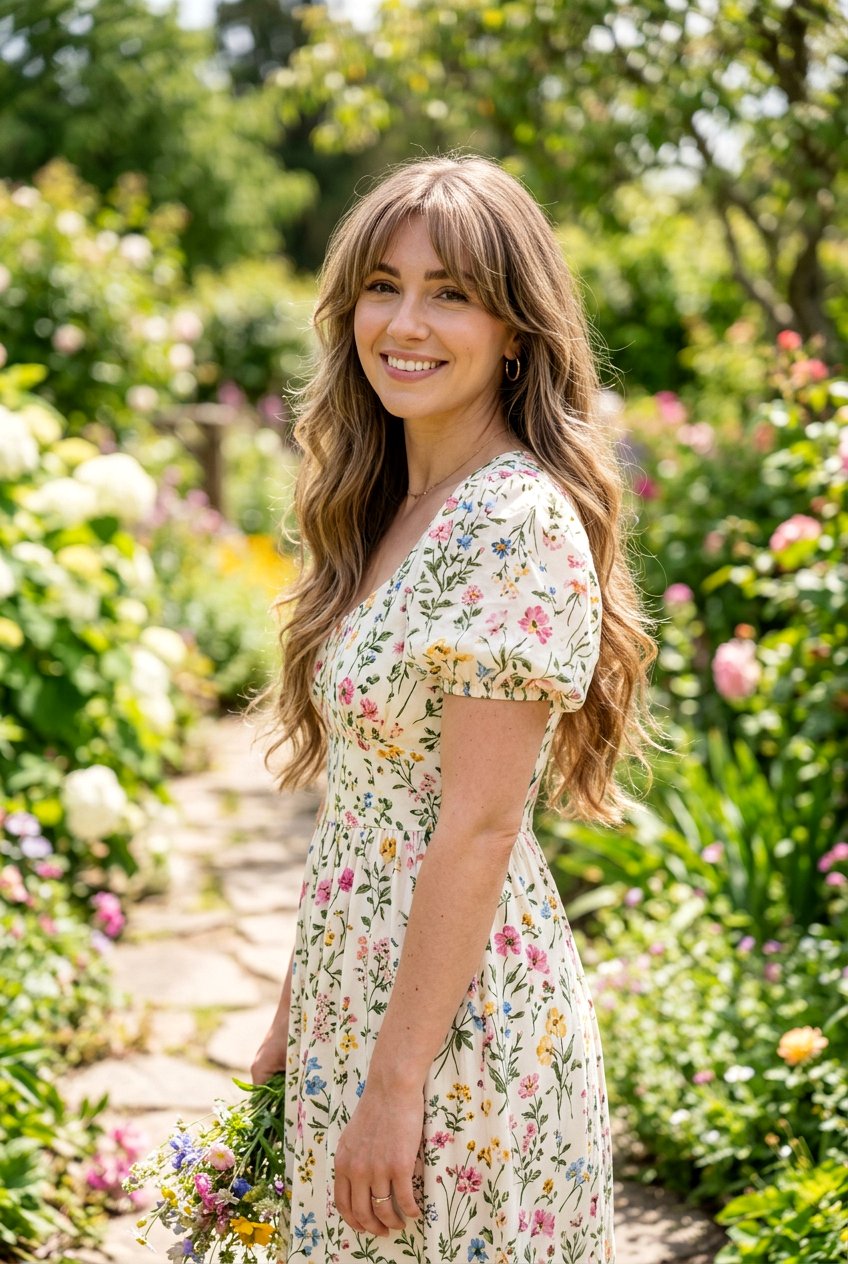
Adding wispy curtain bangs to your current haircut is a subtle way to manage the transition from color damage. These bangs part in the middle and flow into the rest of your hair, helping to frame the face and hide any awkward regrowth lines at the roots. They also allow you to cut away the damaged hair around your forehead, which is often the first place people notice breakage. Curtain bangs add a touch of 70s-inspired glamour to any length and are very low-maintenance as they grow out. They provide a soft, romantic feel that distracts from the coarser texture of damaged lengths.
17. Micro Bob For Extreme Damage

Sometimes the damage is so severe that a major change is the only real option for your hair’s health. A micro bob sits right at the earlobe or slightly above the jawline, removing a massive amount of over-processed hair in one go. While it may seem intimidating, the micro bob is a high-fashion choice that looks incredibly chic with minimal effort. It completely eliminates the “dead” weight of bleached ends, allowing your scalp to breathe and your natural hair to thrive. This cut is the ultimate “reset” and often results in hair that feels softer and more manageable than it has in many years.
18. Rounded Afro For Texture Reset
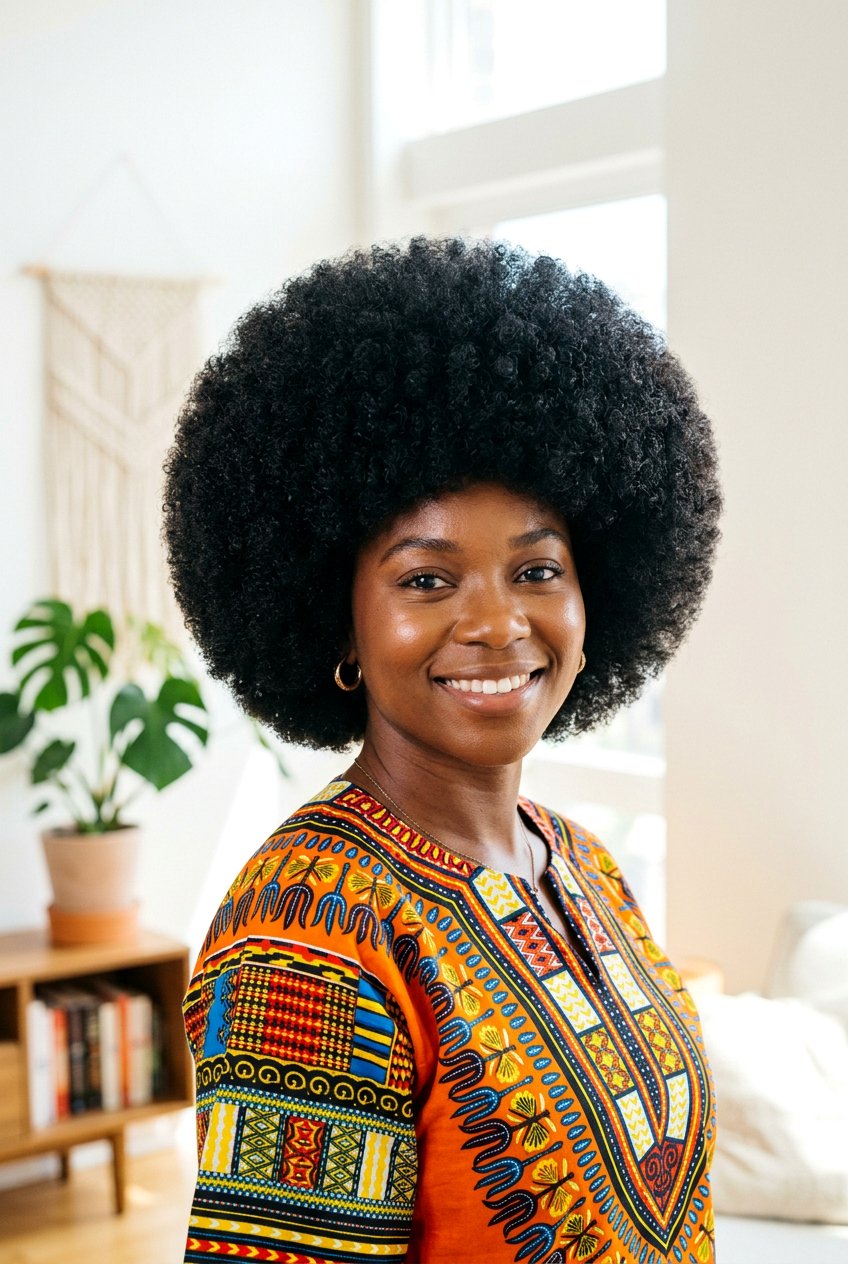
For those with coily or kinky hair, a rounded afro is a beautiful way to transition away from color or chemical damage. This cut focuses on creating a balanced, spherical shape that celebrates natural volume and texture. By trimming away the straight or heat-damaged ends, the natural coil pattern is allowed to flourish in its purest form. This style is not just about aesthetics; it is about the health of the hair from the roots to the tips. A rounded afro provides a cohesive look that masks the different textures often found during a transition, making you look polished and confident throughout.
19. Choppy Mid Length Layers

If you want to keep your medium-length hair but need to get rid of the “crunch,” choppy layers are the answer. This haircut involves varying the lengths of layers throughout the hair to create a messy, textured look. It is a fantastic way to hide the unevenness that comes with breakage while ensuring your hair still has plenty of movement. Choppy layers are great for preventing your hair from looking like a “triangle” as it grows out. This style is very forgiving and looks best with a bit of sea salt spray, which helps you avoid using damaging heat tools daily.
20. Graduated Bob For Hair Density

The graduated bob is a sophisticated evolution of the classic bob that is perfect for 2026 hair trends. It is slightly shorter at the back and heavier at the front, which lends a sense of “attitude” and structure. This cut is specifically designed to add density and volume to hair that has become thin and limp from color damage. The broken edges are precise, giving the hair a healthy, thick appearance that distracts from any underlying dryness. It is a confidence-boosting cut that makes a strong statement while providing a healthy foundation for your natural color to grow back in beautifully.
Conclusion:
Deciding to get a major haircut to deal with color damage can feel like a big step, but it is often the most rewarding choice you can make for your hair’s future. Each of these styles offers a unique way to bridge the gap between damaged, over-processed strands and the healthy, natural hair you want. By choosing a cut that removes split ends and focuses on your natural texture, you are prioritizing the long-term health of your mane over temporary length. You will likely find that your hair is easier to style, softer to the touch, and much more vibrant. Embrace this transition as an opportunity for a fresh and stylish new look.
You'll Like These Styles:











Leave a Reply