
1. Start#
Protecting your natural hair while you sleep is just as important as your daytime routine. The right braided protective styles for sleep can make a real difference in retaining moisture, reducing breakage, and keeping your curl pattern intact. Cotton pillowcases, tossing and turning, and friction are major culprits behind dry, tangled hair in the morning. Braided styles solve this by tucking your ends away, minimizing friction, and locking in hydration overnight. Whether your hair is short, medium, or long, there is a braid-based sleep style that works for you. These 20 options are all designed with nighttime hair health in mind.
1. Loose Two-Strand Twists with Satin Scrunchie
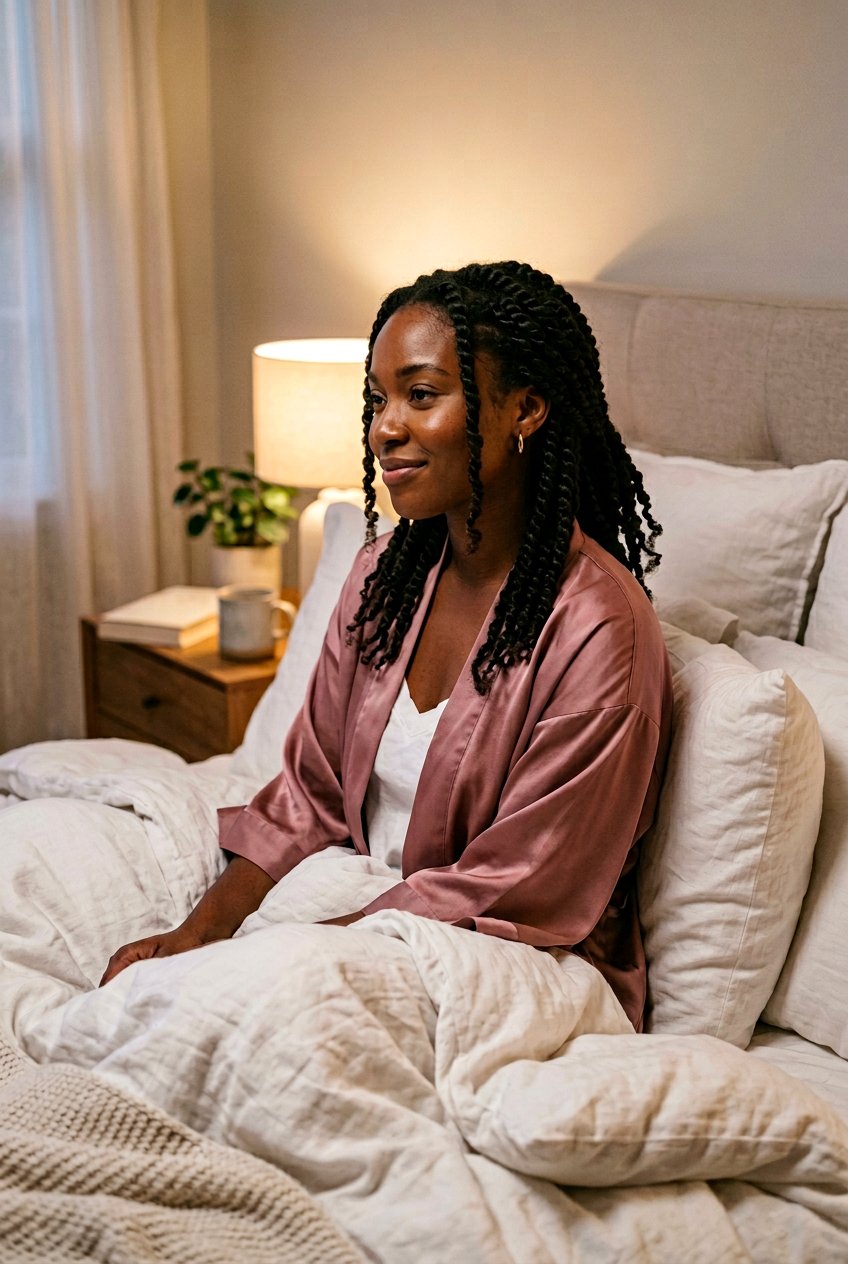
Two-strand twists are one of the gentlest braided protective styles you can wear to bed. Because they are softer and more flexible than traditional braids, they create far less tension on your strands and scalp. To do this style, divide your hair into sections and twist two pieces of hair together from root to tip. Secure the ends with a soft satin scrunchie rather than a rubber band, which can snag and cause breakage. Apply a light sealing oil like jojoba or castor oil before twisting to lock in moisture. In the morning, simply unravel the twists to reveal stretched, defined, and moisturized natural hair without frizz.
2. Pineapple Braid Updo with Silk Bonnet
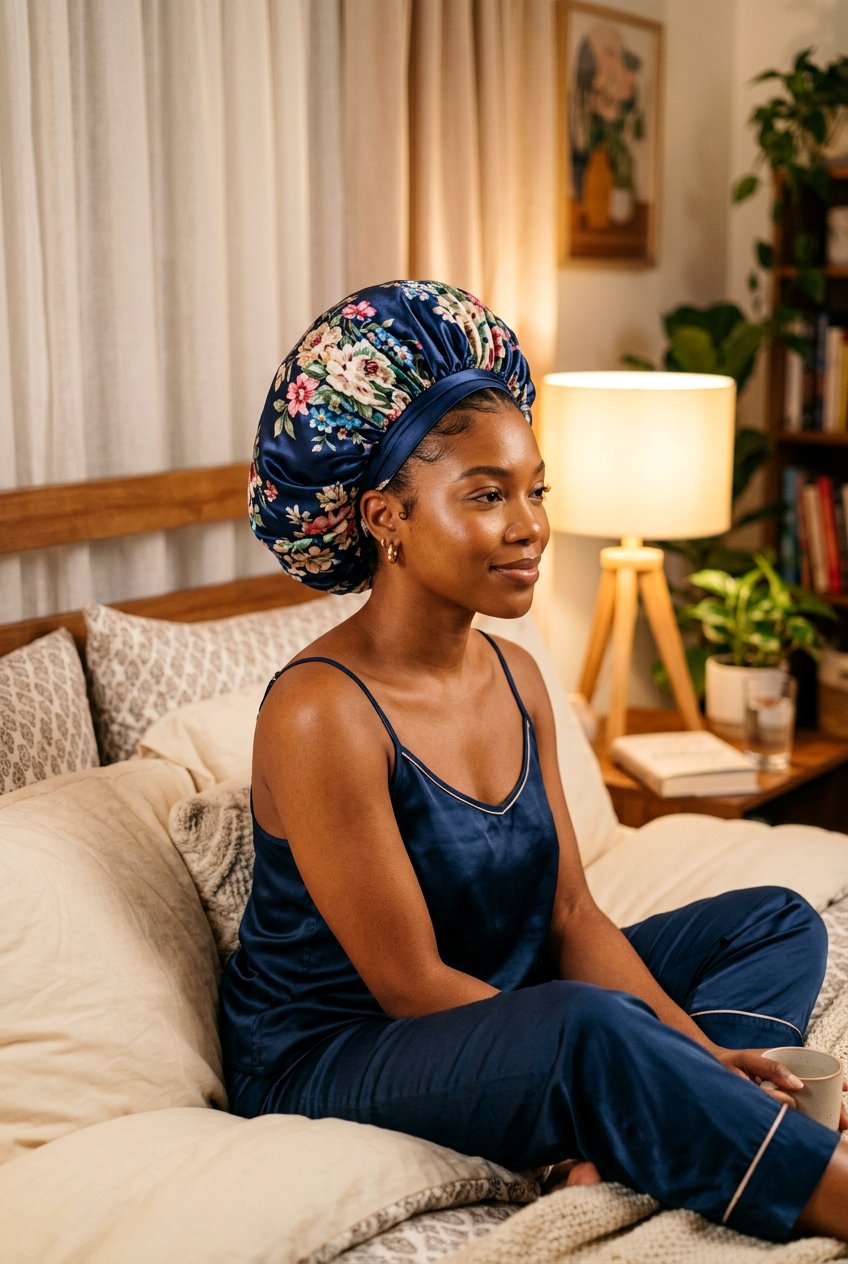
The pineapple braid updo is a go-to overnight style for women with longer natural hair. You gather your braids or twists loosely at the very top of your head, letting them fall forward like a pineapple shape. This keeps your hair elevated off your neck and away from the pillow surface, dramatically cutting down on friction and frizz. The key is keeping it loose — tight gathering causes tension at the hairline and can lead to traction breakage over time. After pinning up your pineapple, cover it with a roomy silk bonnet to protect both the style and your edges. You wake up with volume and definition preserved beautifully.
3. Flat Twist Cornrows for Bedtime
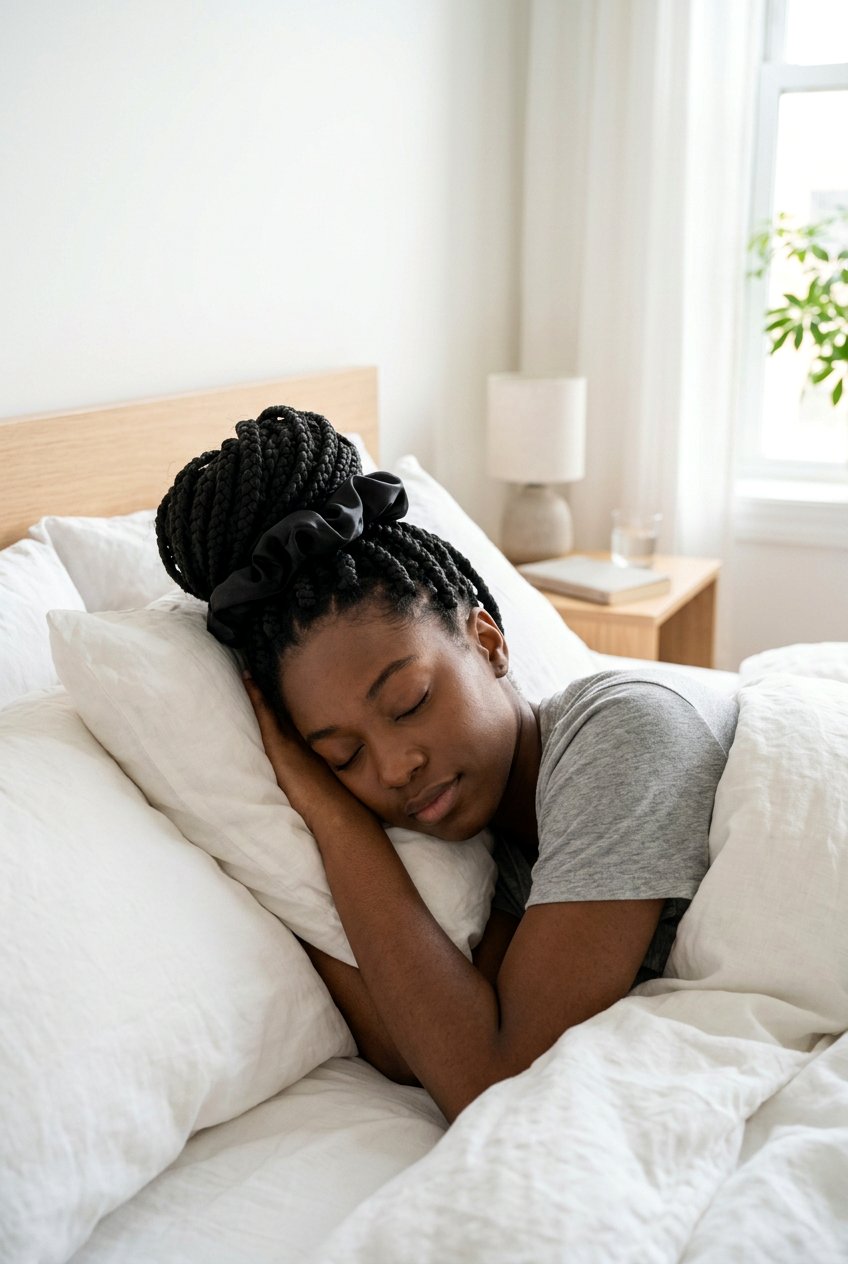
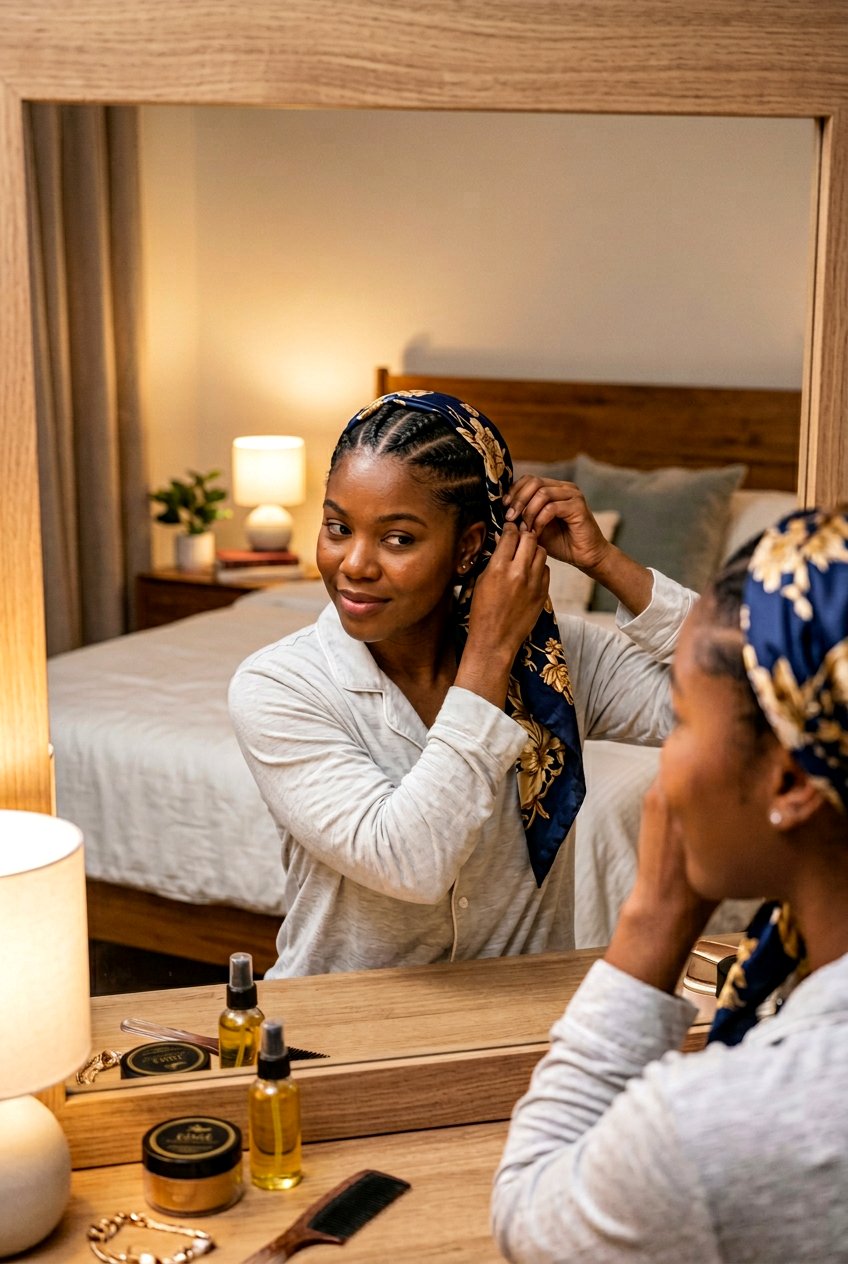
Flat twists lie close to the scalp and are among the most effective braided protective styles for sleep because they reduce surface area contact with your pillow. Unlike chunky box braids that can poke and press into your scalp, flat twists are smooth and low-profile. Part your hair into four to six sections and flat twist each one from front to back or side to side. Apply a moisturizing leave-in conditioner before you begin so your strands absorb hydration all night. Finish with a satin scarf tied securely over the twists. In the morning, your hair will be stretched, smooth, and ready for a quick refresh spray.
4. Chunky Box Braids Piled into a High Bun

If you already have chunky box braids installed, the best sleep style is to pile them into a loose high bun on top of your head. Avoid pulling them into a tight bun at the nape of your neck, as this creates unnecessary stress on the hairline and the braid roots. Use a large satin scrunchie or a soft fabric hair tie to gather them. This position keeps your braids off your face and away from the pressure points of your pillow. Always sleep on a satin or silk pillowcase as an extra layer of protection. Your braids stay neat, frizz-free, and last significantly longer between salon appointments.
5. Mini Braids Divided into Two Low Pigtails
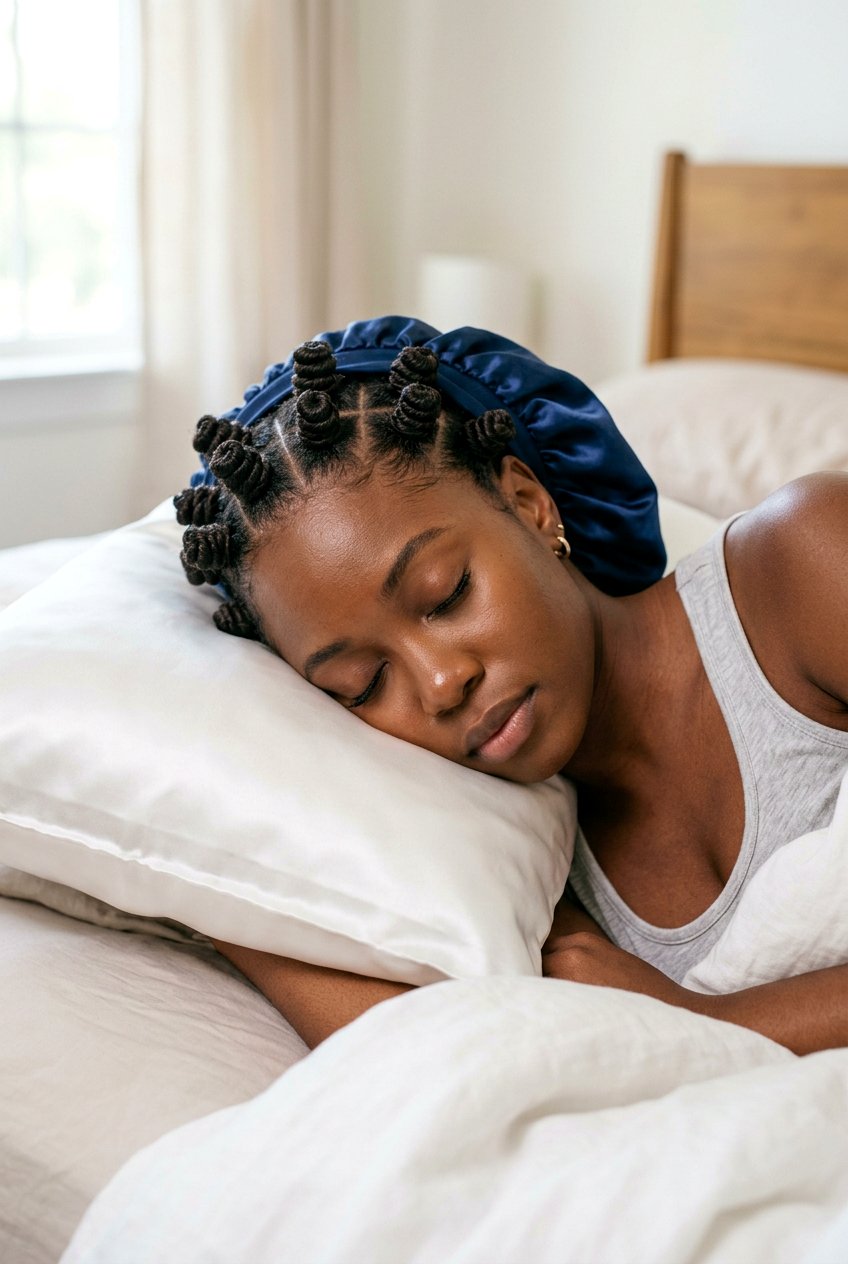
Mini braids worn in two low pigtails at bedtime distribute the weight of your hair evenly on both sides of your head. This even weight distribution reduces tension on any single area of your scalp, which is critical for overnight comfort and hairline health. Braid each section loosely and let the pigtails rest on either side of your neck or drape over your shoulders. Apply a nourishing oil like argan or sweet almond oil to your scalp before bed to keep it moisturized through the night. Cover both pigtails with a long satin bonnet or wrap your hair in a large silk scarf. This simple setup prevents tangling and maintains braid integrity effortlessly.
6. Bantu Knot-Out Prep Braids for Sleep
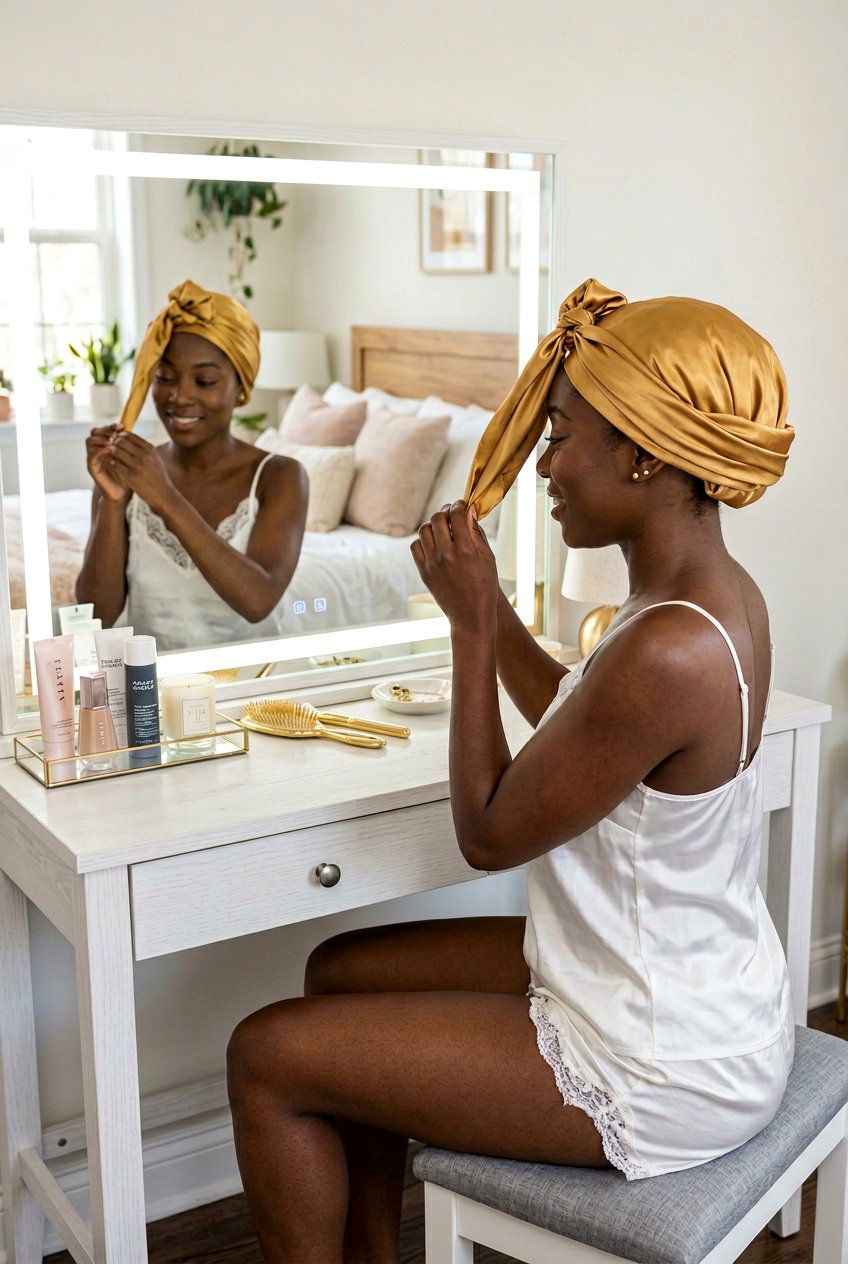
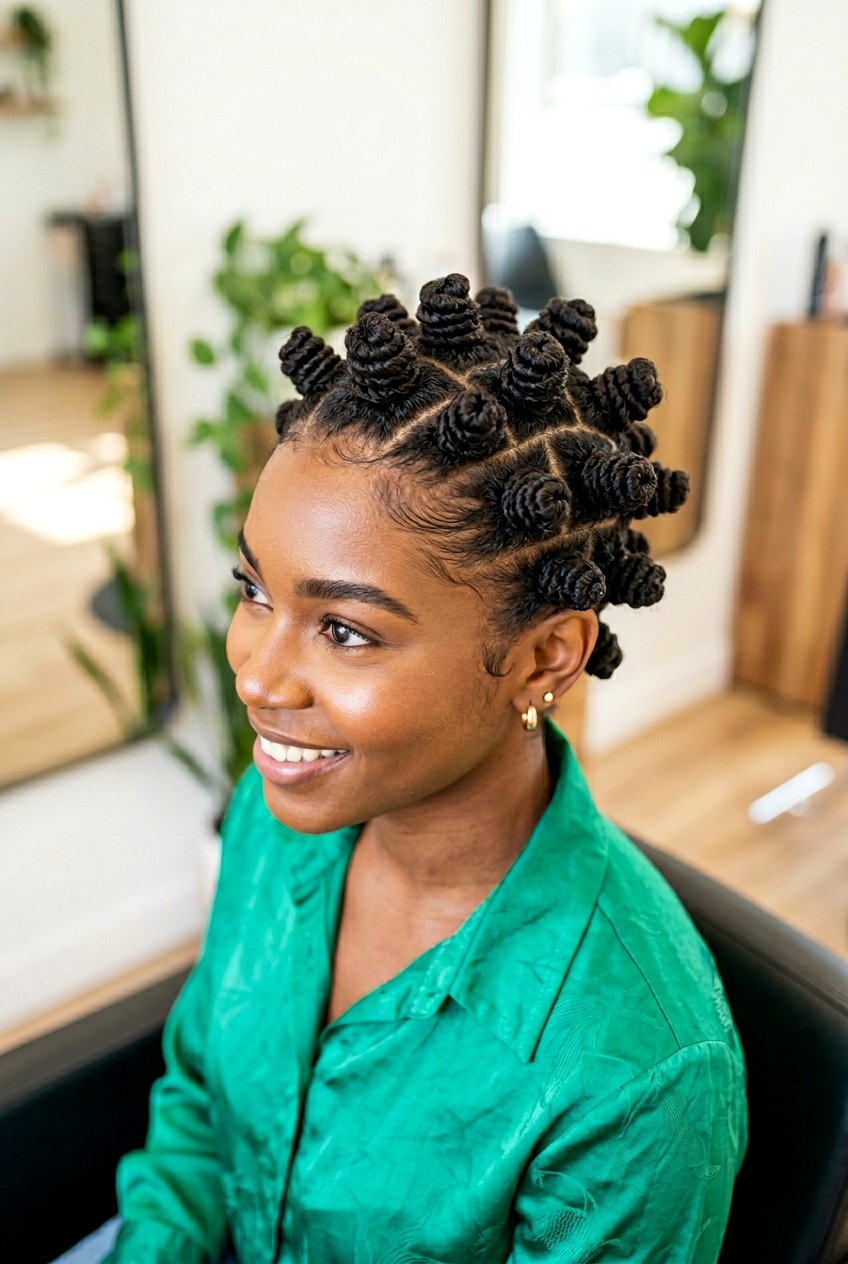
Bantu knots worn overnight do double duty — they protect your hair while also creating beautiful defined curls for the next day. Section your hair into small or medium parts, then twist each section tightly and coil it into a small knot against your scalp. Pin or tuck the ends to secure each knot. Apply a curl-defining cream or twisting butter before coiling for maximum definition and moisture. Sleep with a satin bonnet or on a satin pillowcase to prevent the knots from unraveling and to reduce friction. In the morning, carefully unravel each knot to reveal a gorgeous, heat-free curl-out. This style is ideal for shorter to medium natural hair lengths.
7. Knotless Box Braids Loosely Wrapped in Satin Scarf
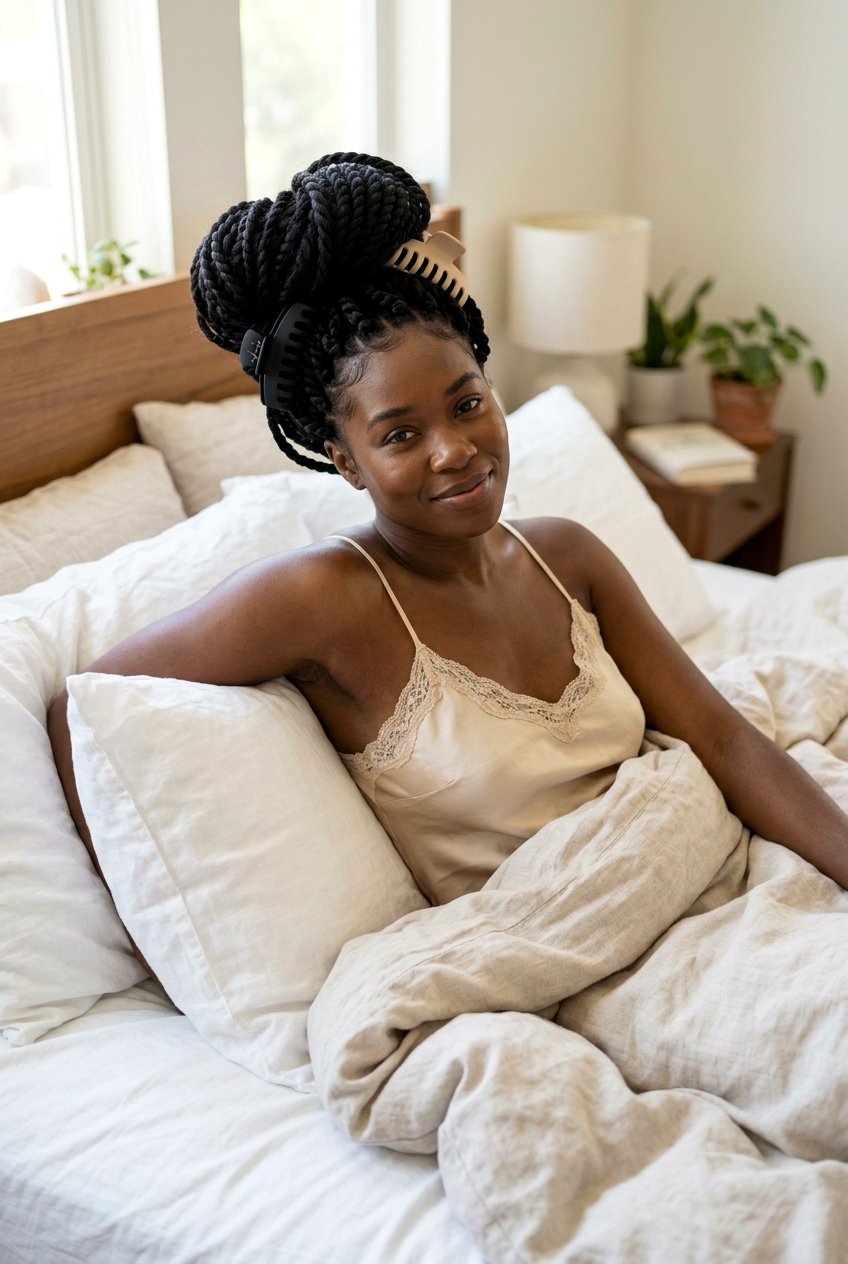
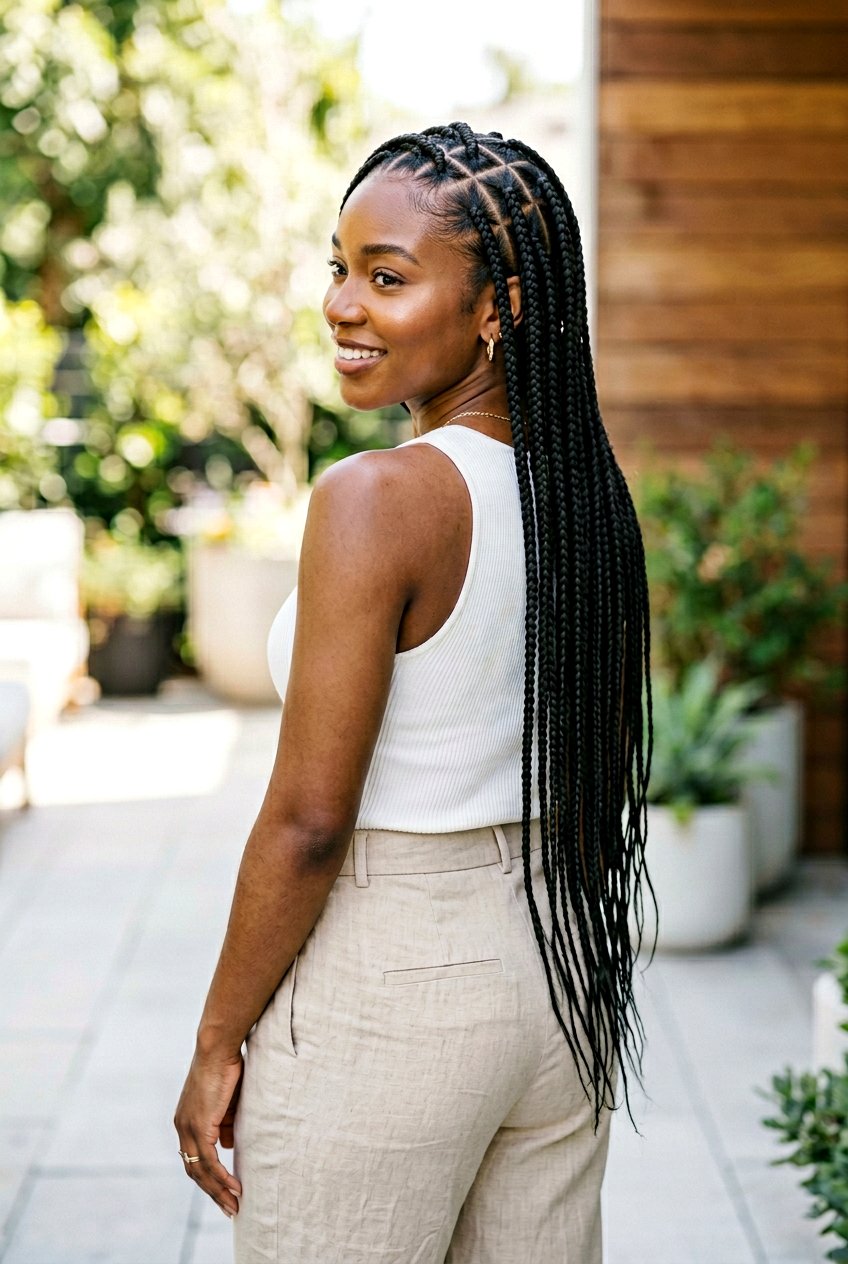
Knotless box braids are gentler at the root than traditional box braids, making them a smarter choice for overnight wear. The absence of a tight knot at the base means there is significantly less tension pulling on each hair follicle as you move around in your sleep. To protect knotless braids at night, loosely gather them and wrap the entire set with a large satin scarf. Start at the nape of your neck and wrap forward, tucking the ends securely. This keeps the braids compact, prevents frizzing at the roots, and maintains the sleek, fresh appearance of the style. A well-wrapped satin scarf can add an extra week to your knotless braid install.
8. Jumbo Senegalese Twists Pinned in Loose Updo
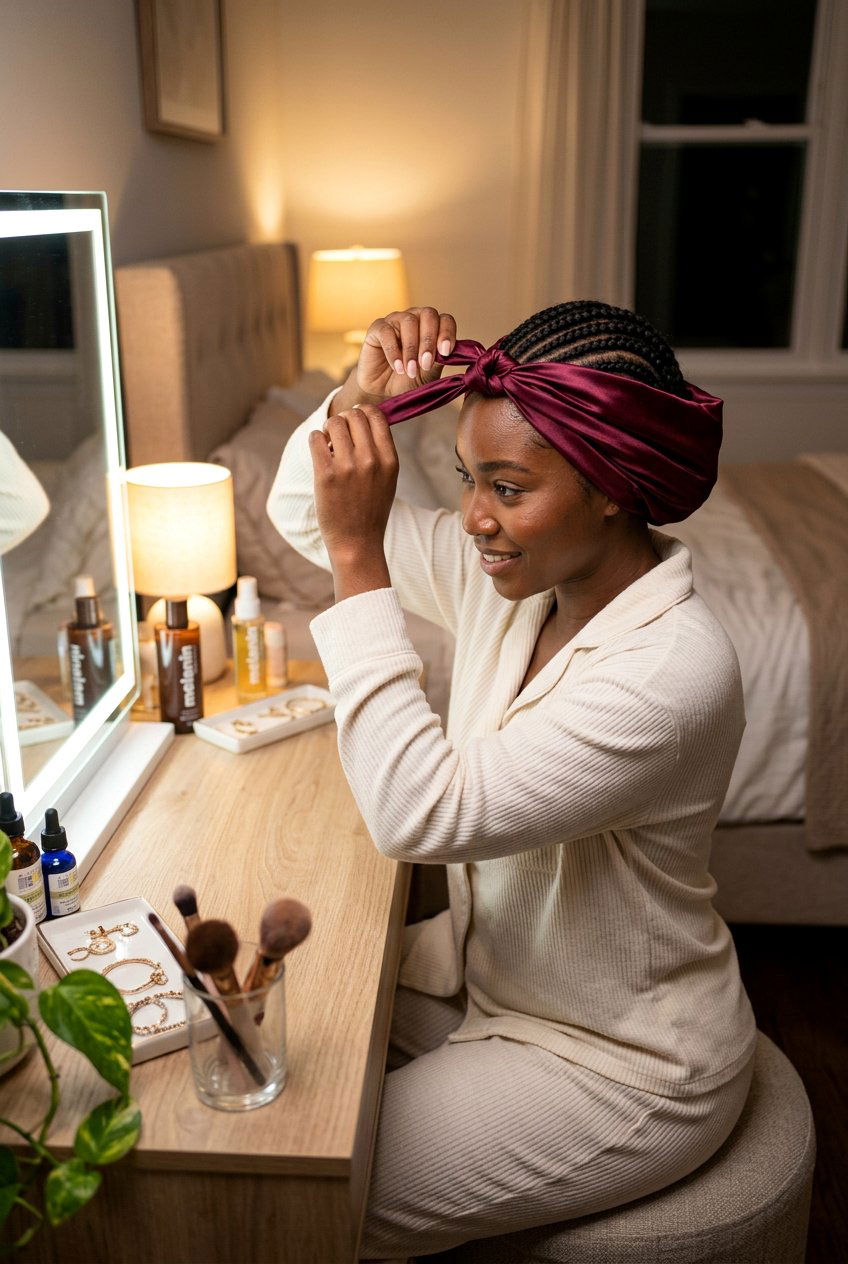
Senegalese twists are smooth, rope-like twists made with extensions, and their silky texture makes them naturally low-friction against pillowcases. When wearing jumbo Senegalese twists to bed, loosely pin them into an updo at the crown or nape using large bobby pins or a soft hair clip. Avoid sleeping with the full length loose, as longer twists can bunch up beneath your body and create tension at the roots. A loose updo keeps the weight distributed comfortably. Wrap with a silk bonnet or scarf after pinning. Applying a light moisturizing spray to your natural hair’s roots before bed keeps your scalp from drying out underneath the twist extensions overnight.
9. Cornrow Braids with Satin Wrap Technique
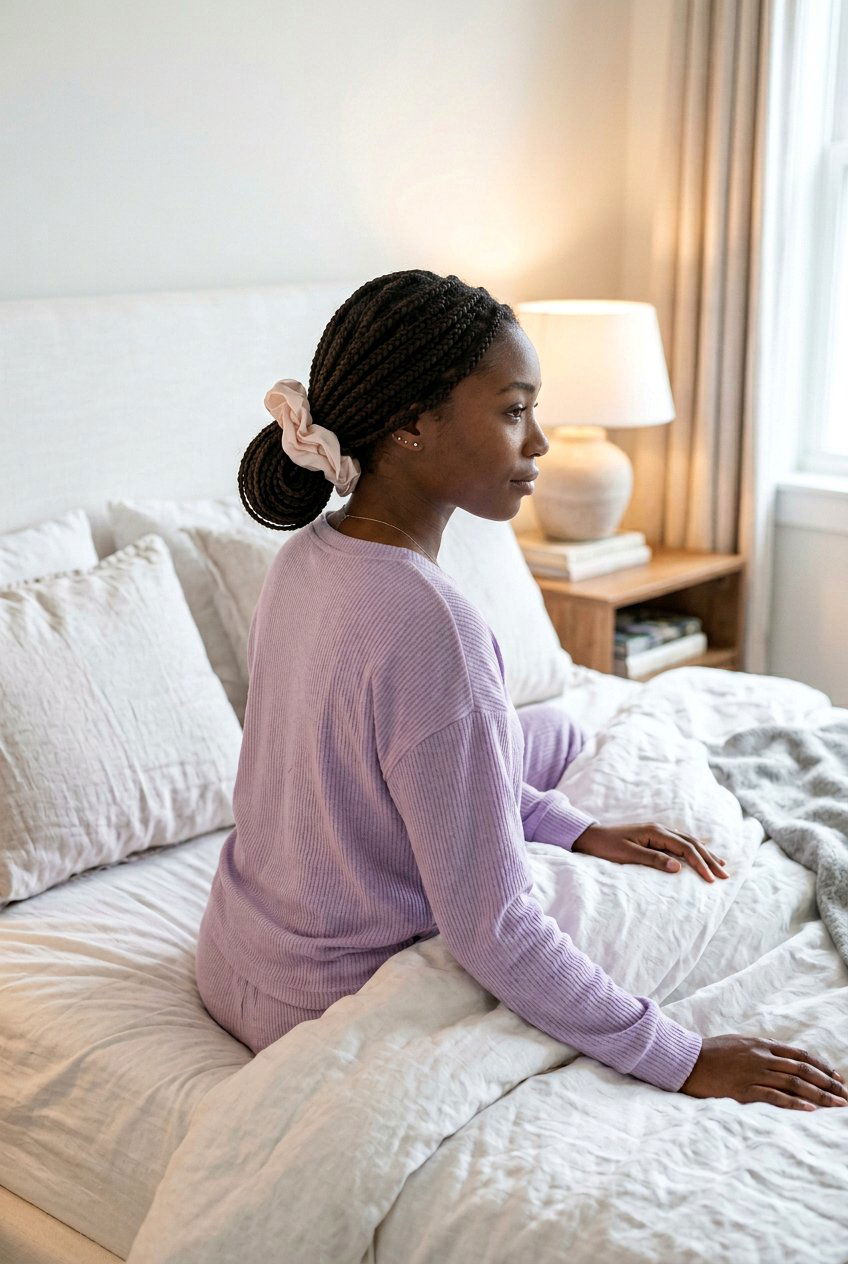
Traditional cornrows braided flat against the scalp are one of the most protective overnight braid styles available. Because they sit so close to the head, there is minimal bulk pressing into your pillow, which means less disruption to your sleep and less friction on the braid surface. To protect your cornrows at night, use the classic satin wrap method. Lay a long satin scarf flat and position it at your hairline. Wrap it snugly around your head, covering all the cornrow edges and the scalp. Tie it at the back or front. This technique is especially effective for preserving fresh cornrow edges and keeping the natural sheen of the braids intact.
10. Loose Single Braids Gathered with Scrunchie at Nape
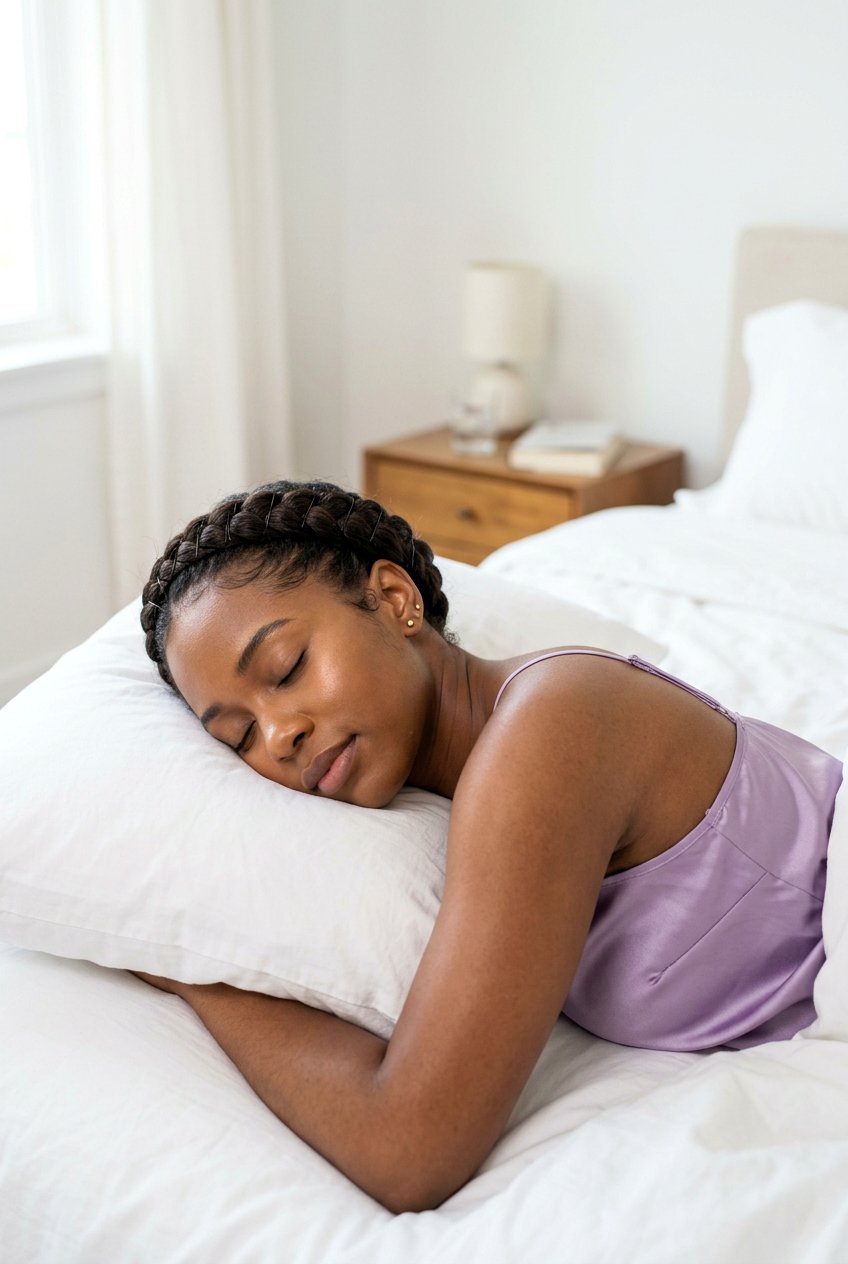
Single braids gathered loosely at the nape of the neck make an effortless and effective overnight protective style. Instead of a high bun that can put stress on the crown, a low gathered style at the nape keeps all your braids in one place without tension. Use a large, seamless satin scrunchie to hold them together gently. This position is also comfortable for side sleepers and back sleepers alike. Spray your natural hair’s roots lightly with water and a leave-in conditioner before gathering your braids to give your scalp an overnight moisture boost. Pairing this with a silk pillowcase ensures the braids stay smooth and your edges stay laid throughout the night.
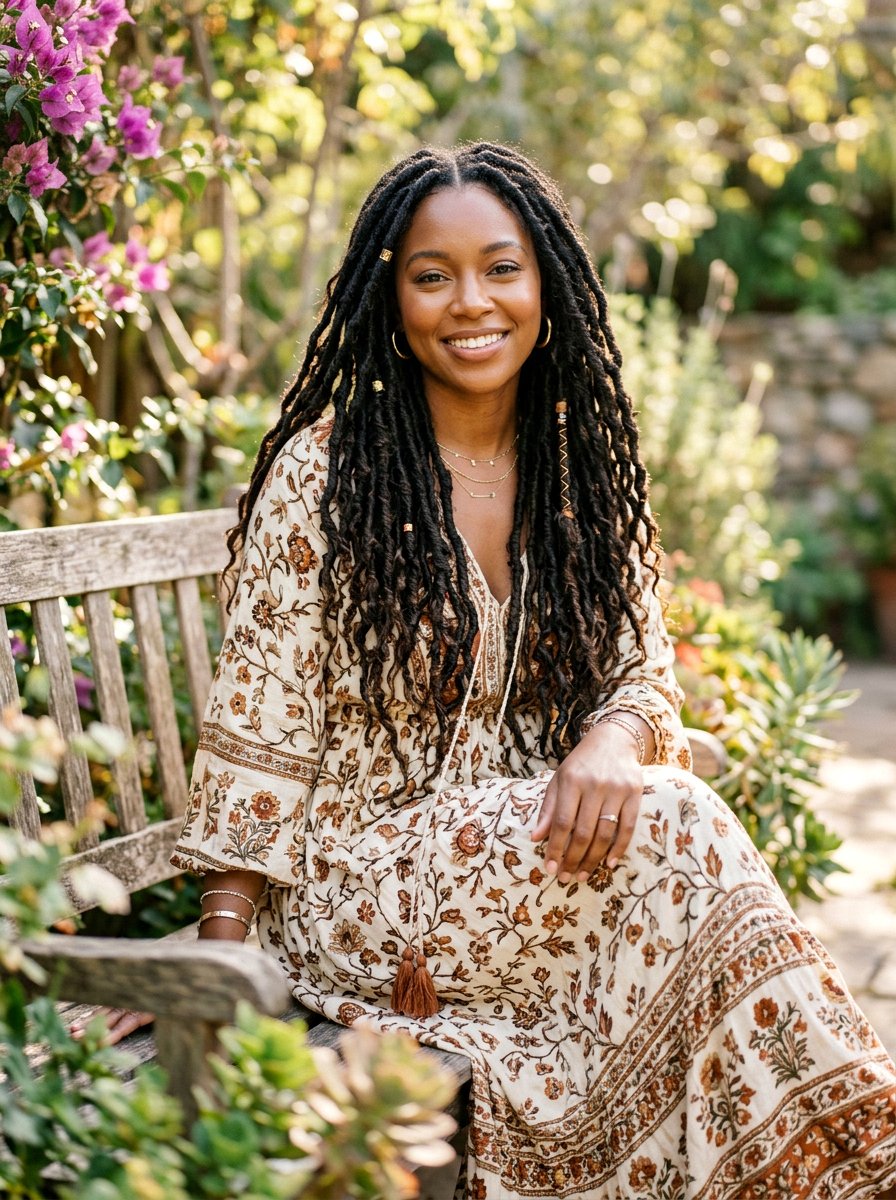

11. Halo Braid Pinned Around Head for Sleep
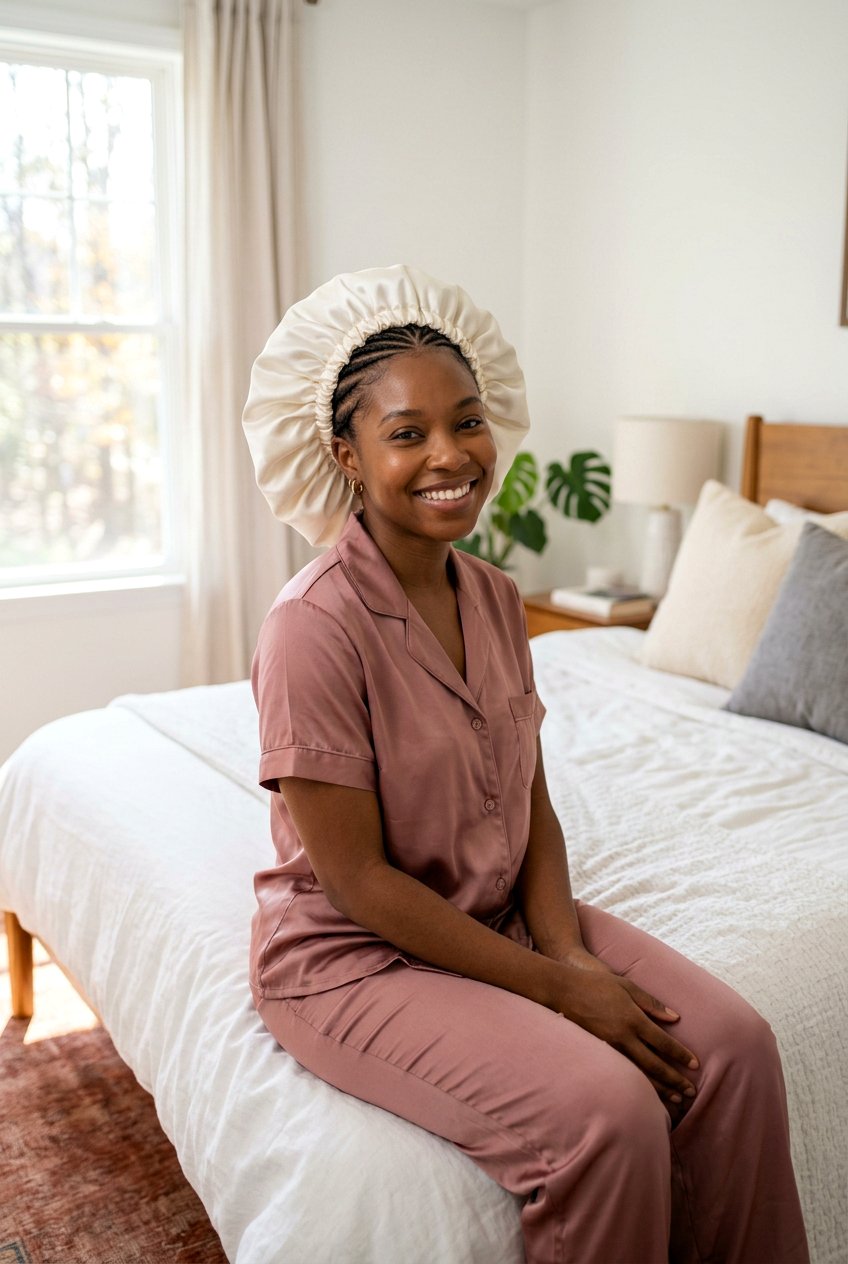
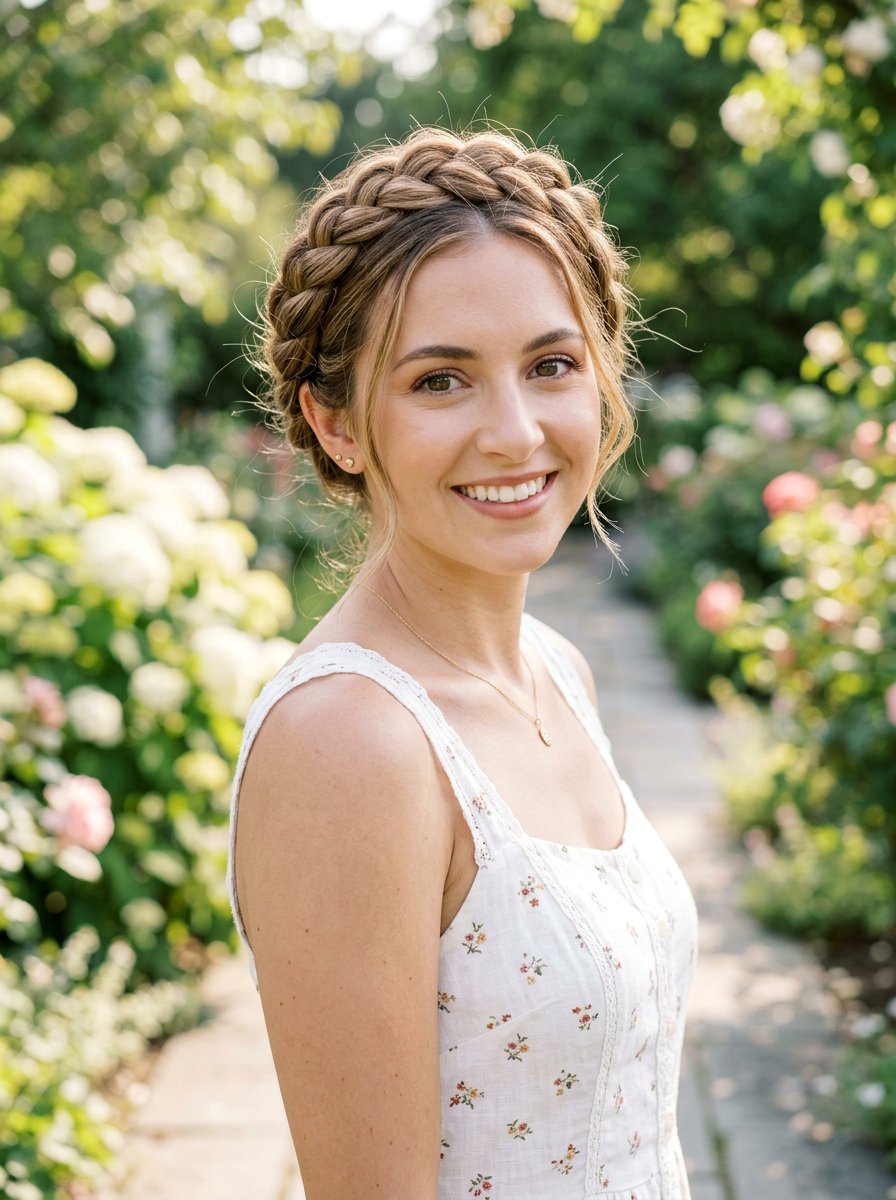
The halo braid is a gorgeous braided style where one continuous braid wraps around the crown of your head like a crown or halo. For sleep, this is an excellent option because the braid is pinned flat against the head, leaving no loose ends to tangle or frizz against your pillow. The flat, circular shape means you sleep comfortably whether you are a back sleeper or a side sleeper. Apply a nourishing hair butter or edge control to keep the braid smooth and your perimeter laid before bed. Cover with a satin scarf or bonnet to maintain the shape. The halo braid keeps your natural hair stretched and protected throughout the entire night.
12. Feed-In Braids Wrapped in Silk Bonnet
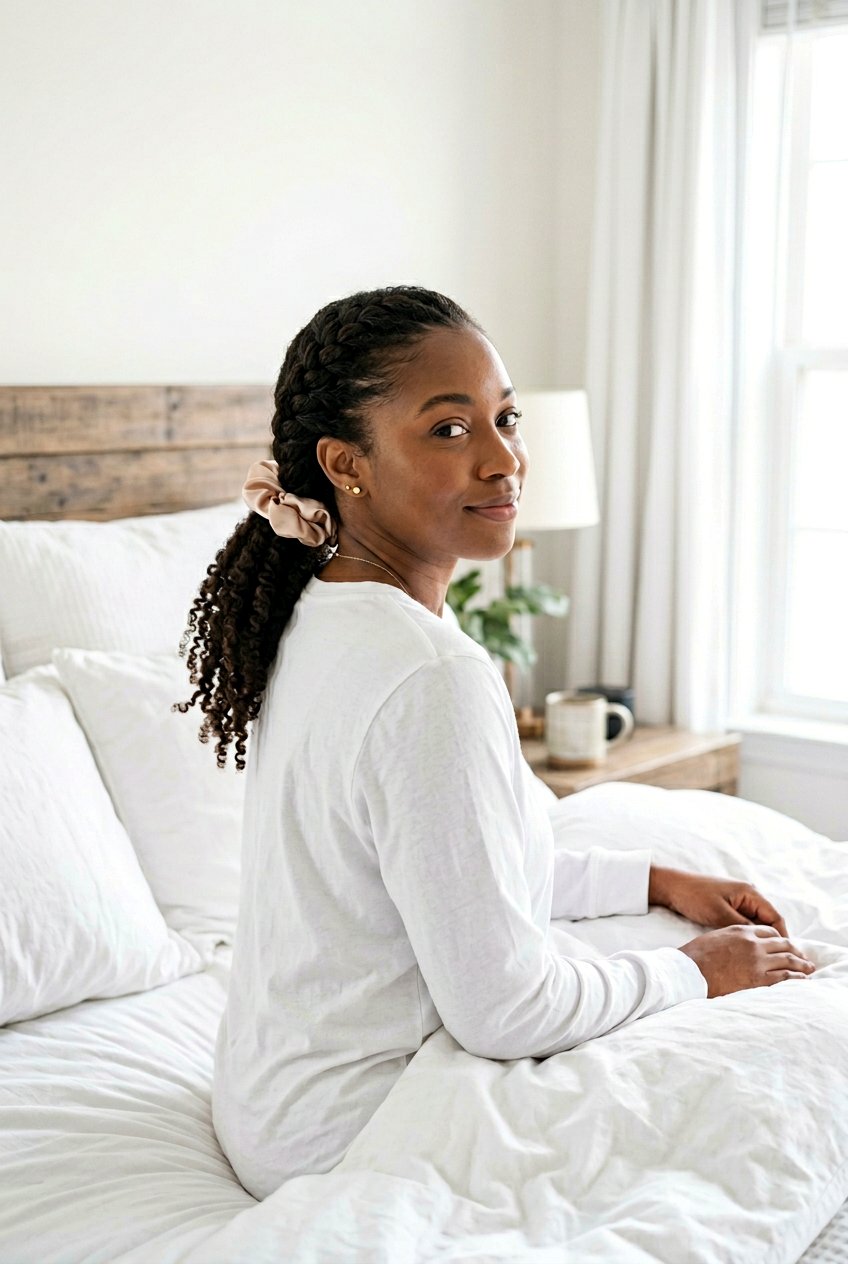
Feed-in braids start small at the hairline and gradually add more hair as the braid progresses, creating a natural, low-tension look. This makes them one of the kindest options for protecting your hairline during sleep. Because feed-in braids usually lie flat like cornrows, they are easy to cover with a silk bonnet without creating any awkward bulk or discomfort. Before putting on your bonnet, gently spray the roots and scalp with a lightweight moisturizing mist or diluted leave-in conditioner. This replenishes scalp hydration without making the braid surface heavy or frizzy. A properly fitting satin bonnet keeps all the edges neat and the entire braid surface smooth while you rest deeply.
13. French Braid Low Ponytail for Natural Hair
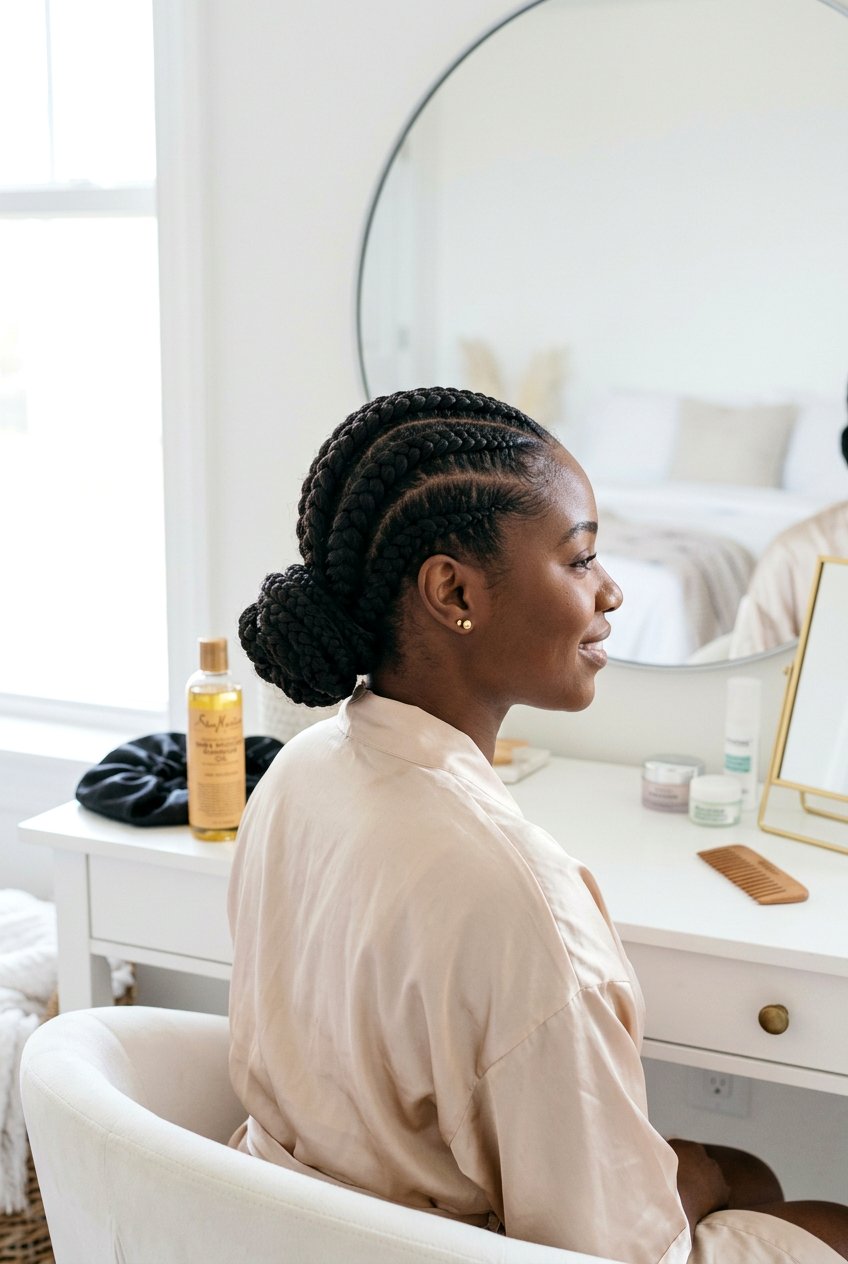
A French braid gathered into a low ponytail at the nape is a classic sleep style that works for all natural hair textures. The French braid technique incorporates sections of hair as you move down toward the nape, which keeps hair smooth, neatly gathered, and protected from root to tip. Because the finished style hangs low at the back, it does not create uncomfortable lumps beneath your head. This style is especially effective for 4a, 4b, and 4c hair types that are prone to severe shrinkage and tangles overnight. Secure the end with a soft satin-covered hair tie. Apply a sealing oil to your ends before braiding to prevent dryness and split ends while you sleep.
14. Ghana Braids Tucked into Protective Bun
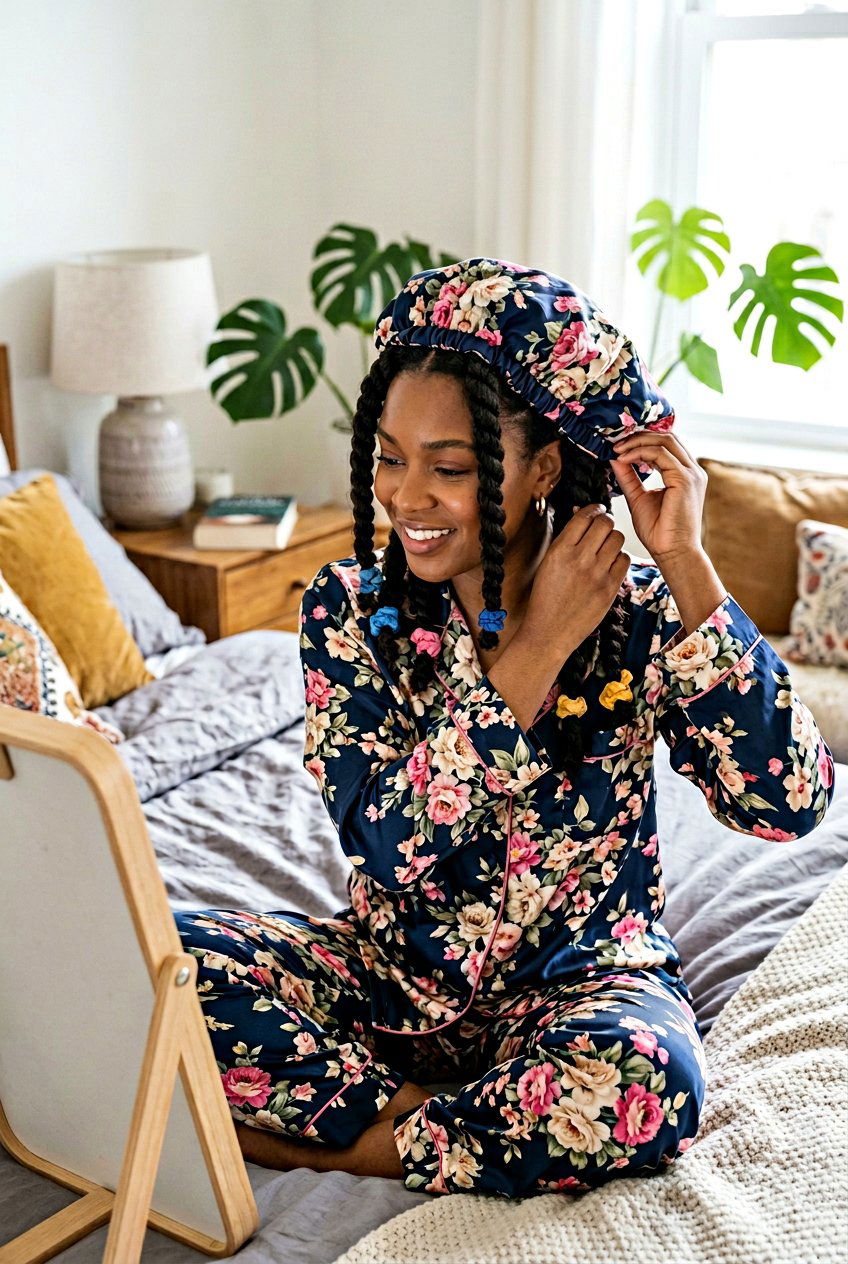
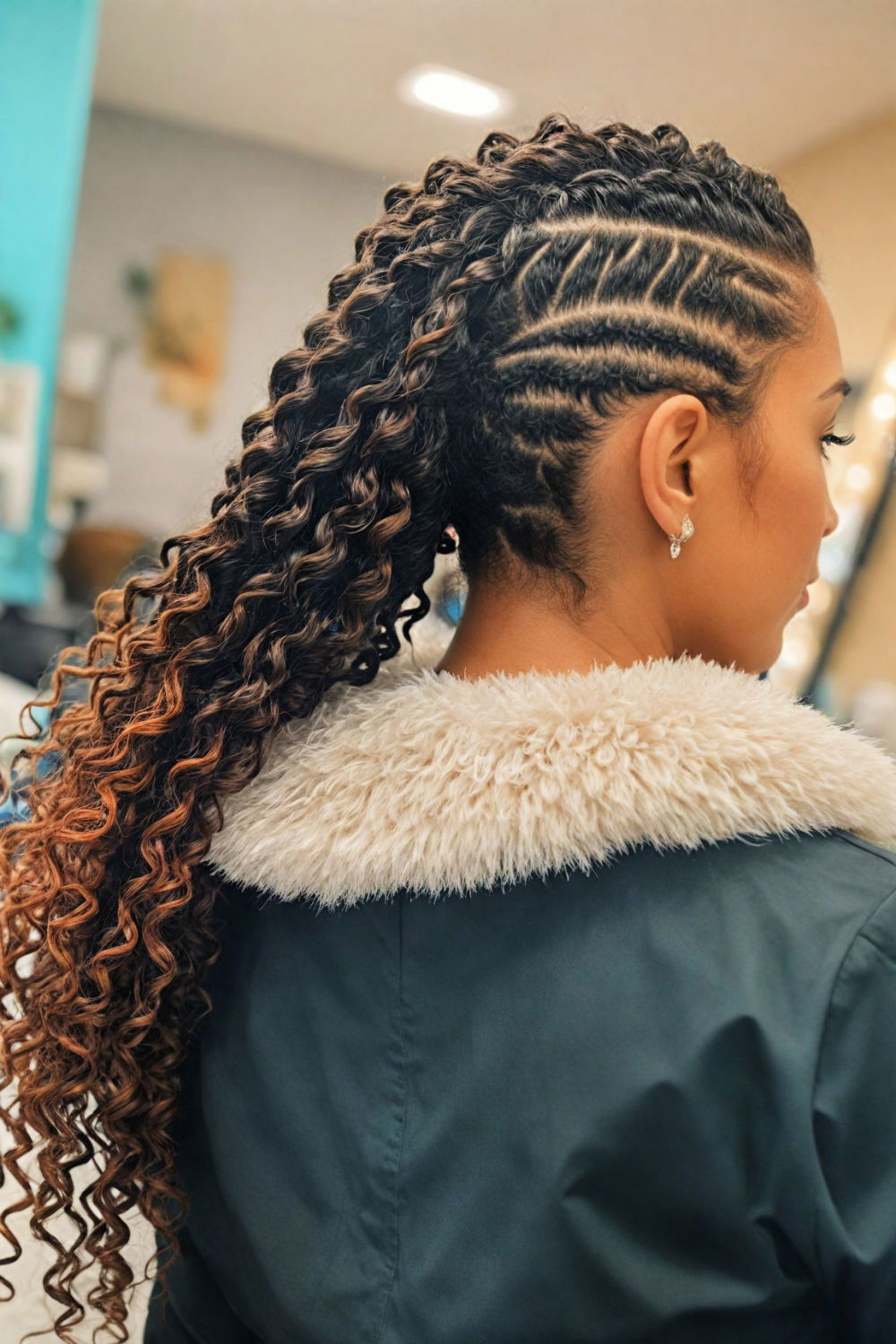
Ghana braids, also called banana braids or Cherokee braids, are thick, raised cornrows that sit along the scalp in beautiful patterns. Because they are thicker than standard cornrows, they can be gently tucked or folded into a low bun at the nape for added overnight protection. Tucking the ends away is one of the most fundamental protective styling principles — it keeps your ends from rubbing against fabric, drying out, and splitting. Use a large, smooth hair pin or silk scrunchie to hold the tucked-in bun in place. Cover everything with a satin scarf using the wrap method to preserve the cornrow edges and scalp moisture. This simple nighttime routine significantly extends the life of your Ghana braid install.
15. Four-Section Twist Out Prep Braids for Sleep
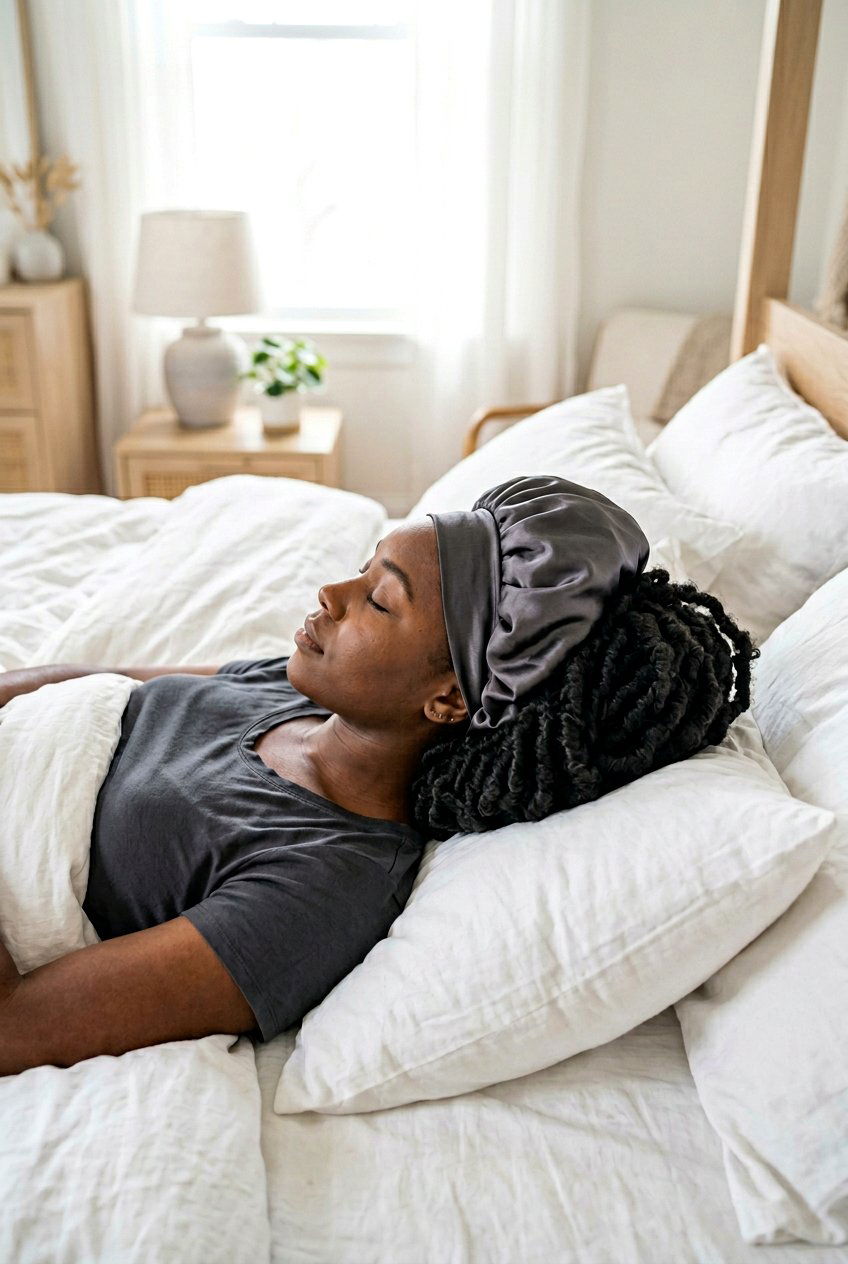
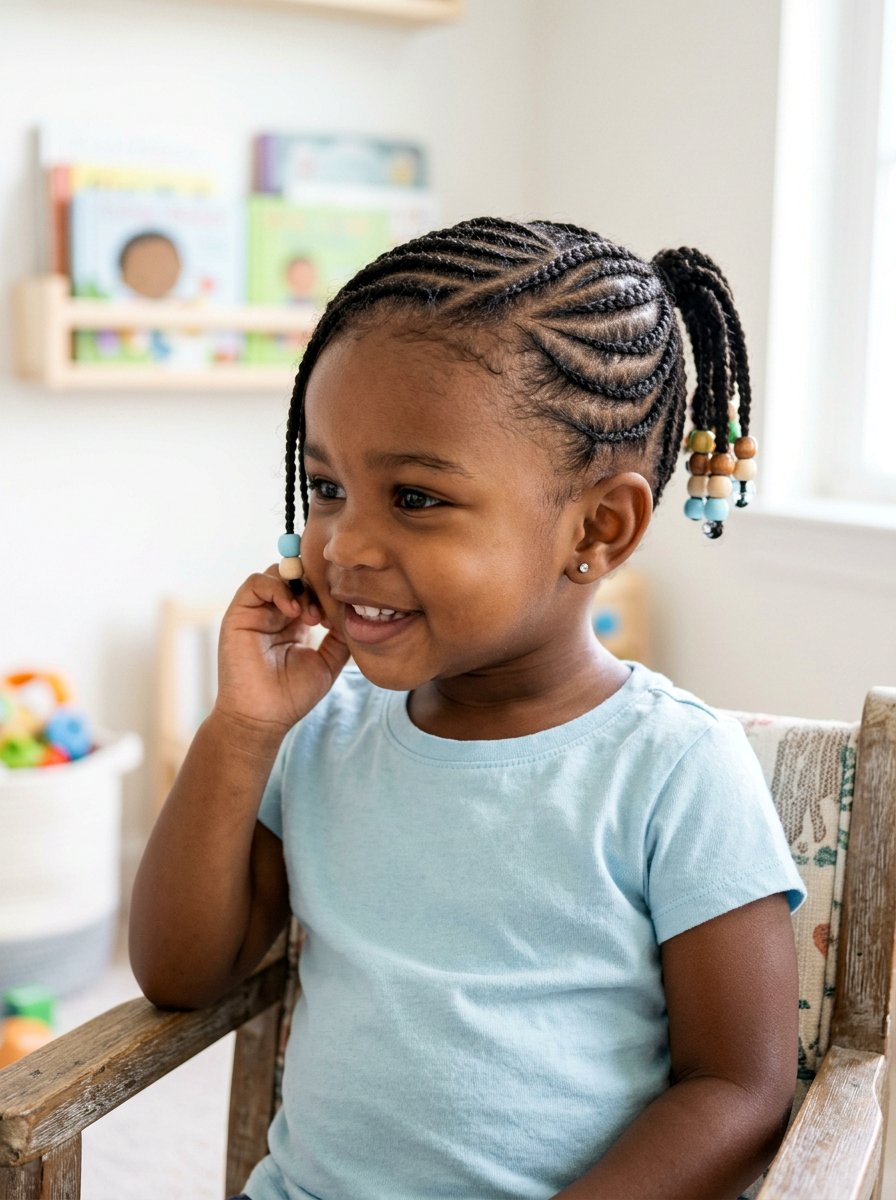
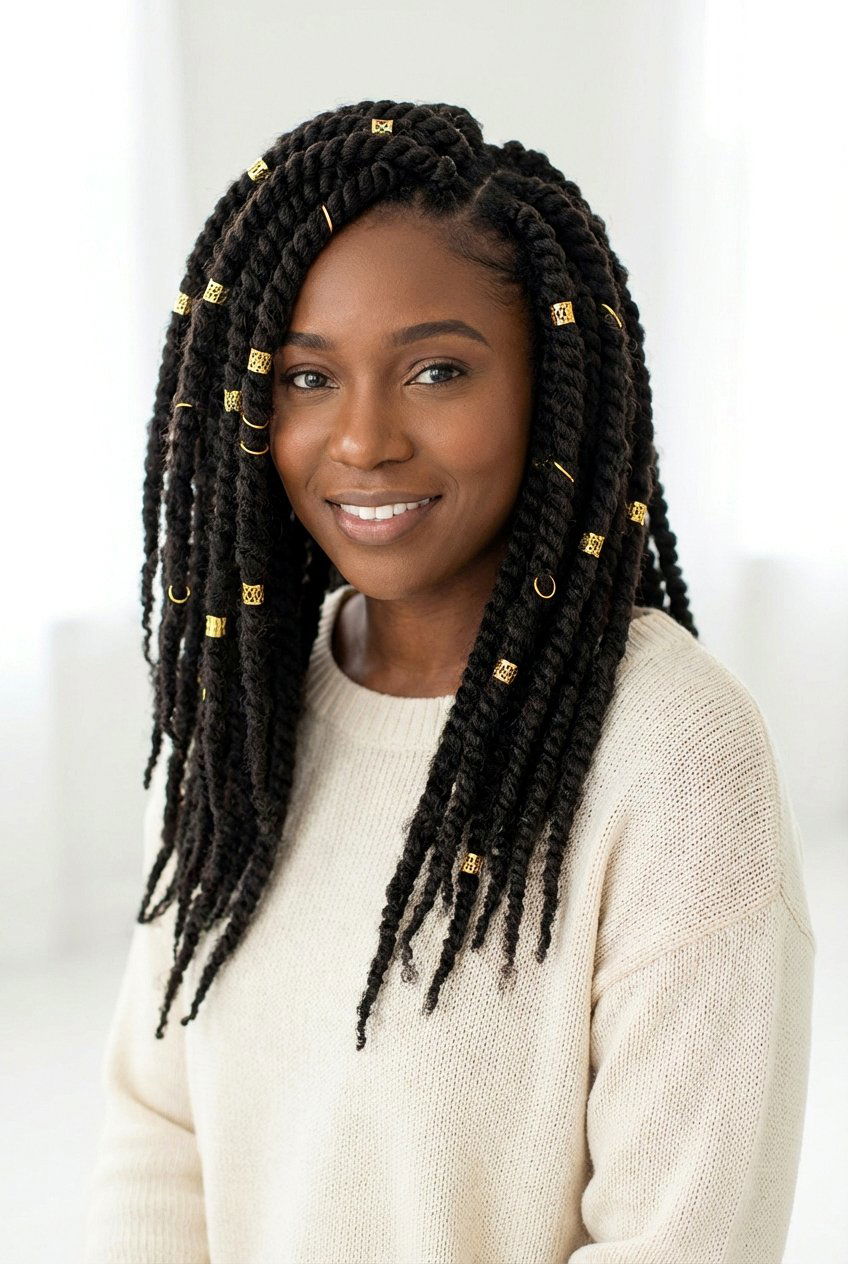
Preparing for a beautiful twist-out starts at bedtime. Divide your natural hair into four large sections and create a chunky two-strand twist in each section. This simple four-twist setup keeps your hair neatly organized while allowing enough stretch to prevent excessive shrinkage overnight. The key is to apply a hydrating styling cream or curl custard before twisting so each section is loaded with moisture. Secure the ends of each twist with a small satin scrunchie to prevent them from unraveling in your sleep. Wear a satin bonnet over all four twists. By morning, you can unravel the twists and use your fingers to gently separate them into a full, fluffy, defined twist-out with minimal frizz.
16. Butterfly Locs Loosely Bundled for Sleep
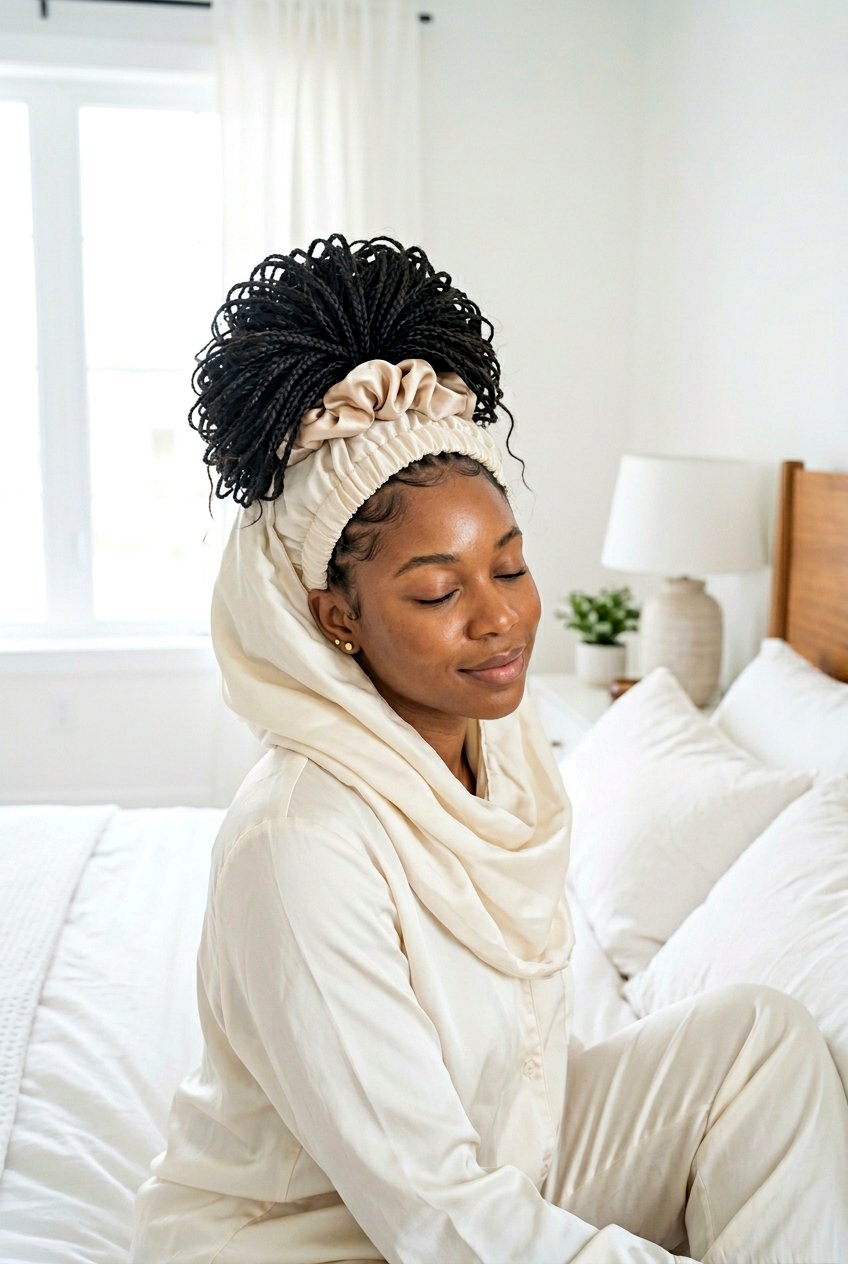
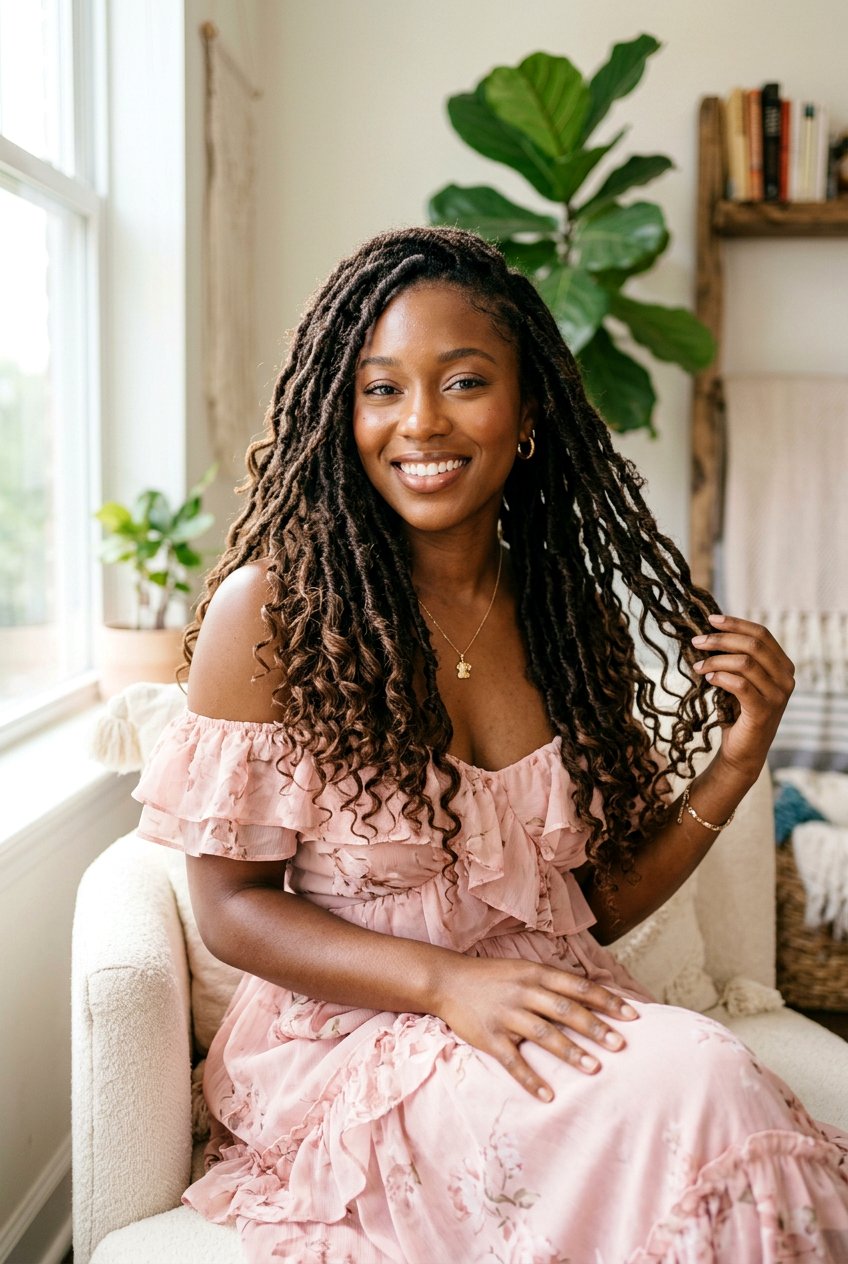
Butterfly locs have become an incredibly popular faux loc style, featuring a distressed, boho texture created with wrapping technique. Because of their thick, textured surface, butterfly locs can create more friction than smoother styles if left loose overnight. The best way to sleep in butterfly locs is to loosely bundle them together and either pile them into a loose bun or drape them over one shoulder. Use a very large satin bonnet or a silk sleep cap to cover the entire bundle. Alternatively, a long satin pillowcase can protect the texture from friction. This nighttime routine keeps the wraps looking intact and prevents the looped texture from pulling apart or becoming matted at the roots while you sleep.
17. Micro Braids in Loose Crown Pineapple
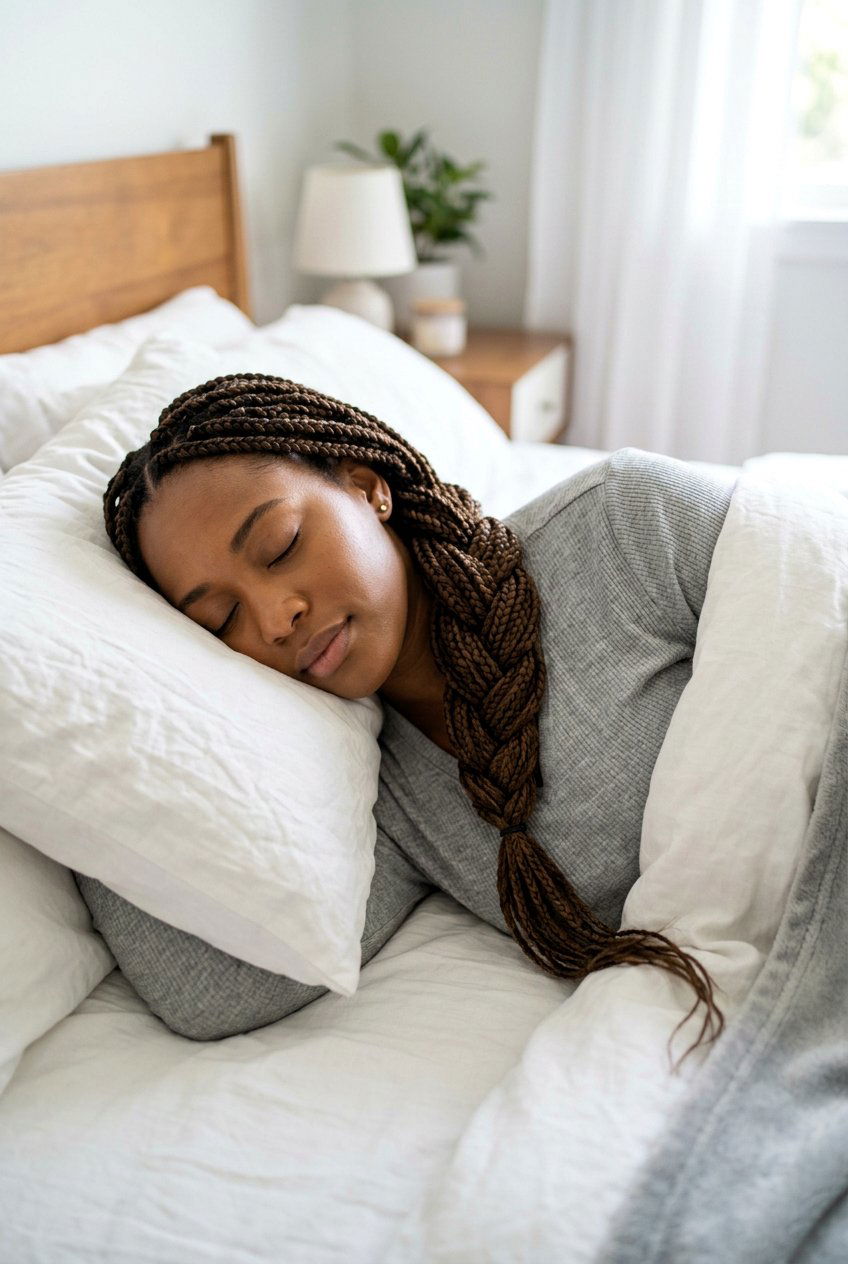
Micro braids are tiny, delicate braids that require careful handling, especially during sleep. Because each braid is so fine, they are more susceptible to tension and breakage if gathered too tightly. The best sleep style for micro braids is a very loose crown pineapple — gather the braids gently at the top of your head using a soft, wide satin scrunchie and let them tumble forward loosely. Do not pull tightly or use any elastics with metal closures. Apply a light serum or oil to the scalp before sleeping to keep your natural hair underneath nourished. Wrap the loose pineapple in a roomy silk bonnet. This setup gives your scalp breathing room while fully protecting the micro braid length from tangling.
18. Box Braids in Loose Side Braid for Sleep
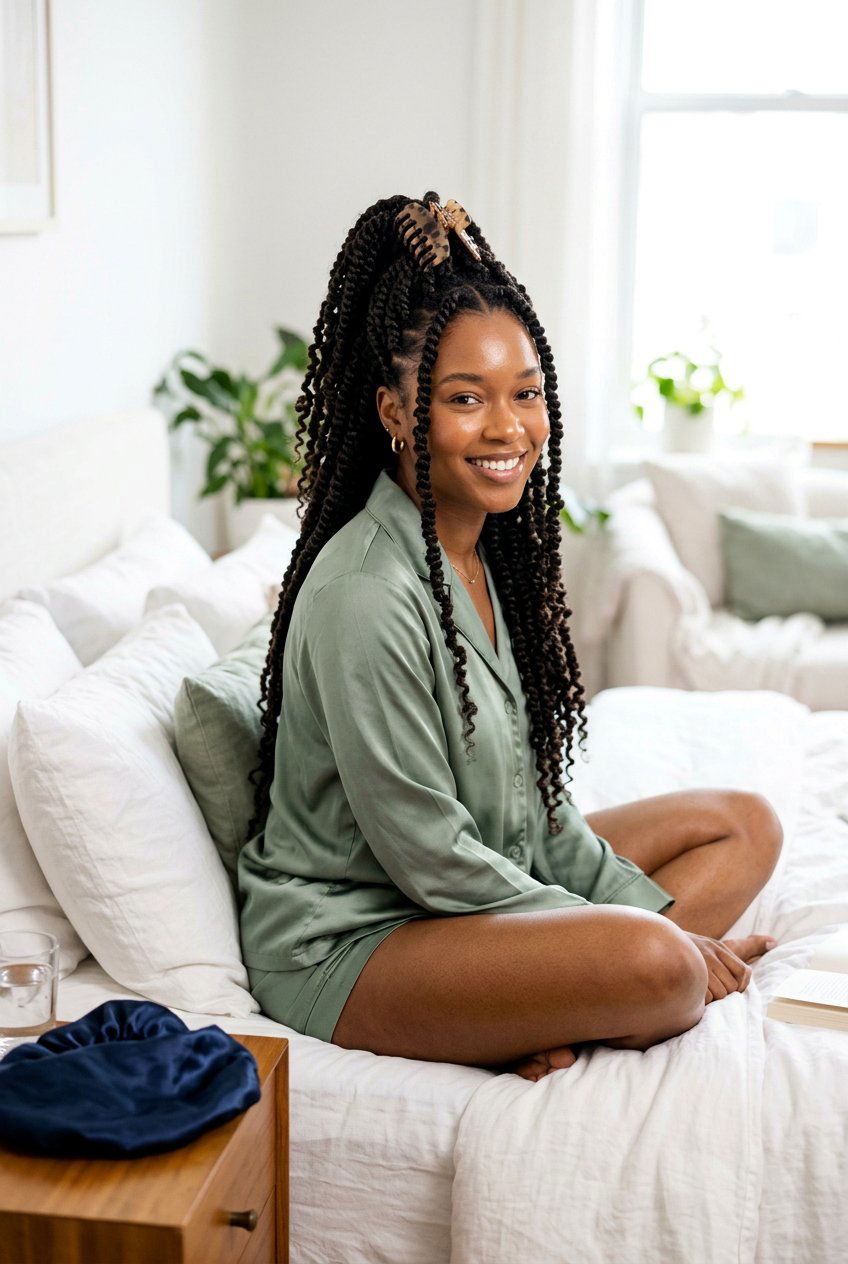
Instead of gathering all your box braids into an updo, try loosely braiding them all together into one large, single side braid. This is particularly comfortable for side sleepers because it keeps all the weight on one side without bunching beneath your head. Create the large side braid starting from the nape and braid loosely so there is no tension pulling on the roots of your individual box braids. Secure the end with a soft scrunchie. Drape the finished side braid over your shoulder so it rests on the bed beside you rather than underneath your body. Cover your hairline and scalp with a satin edge wrap or a lightweight bonnet for complete overnight protection and frizz prevention.
19. Passion Twists Pinned in Half-Up Style for Sleep
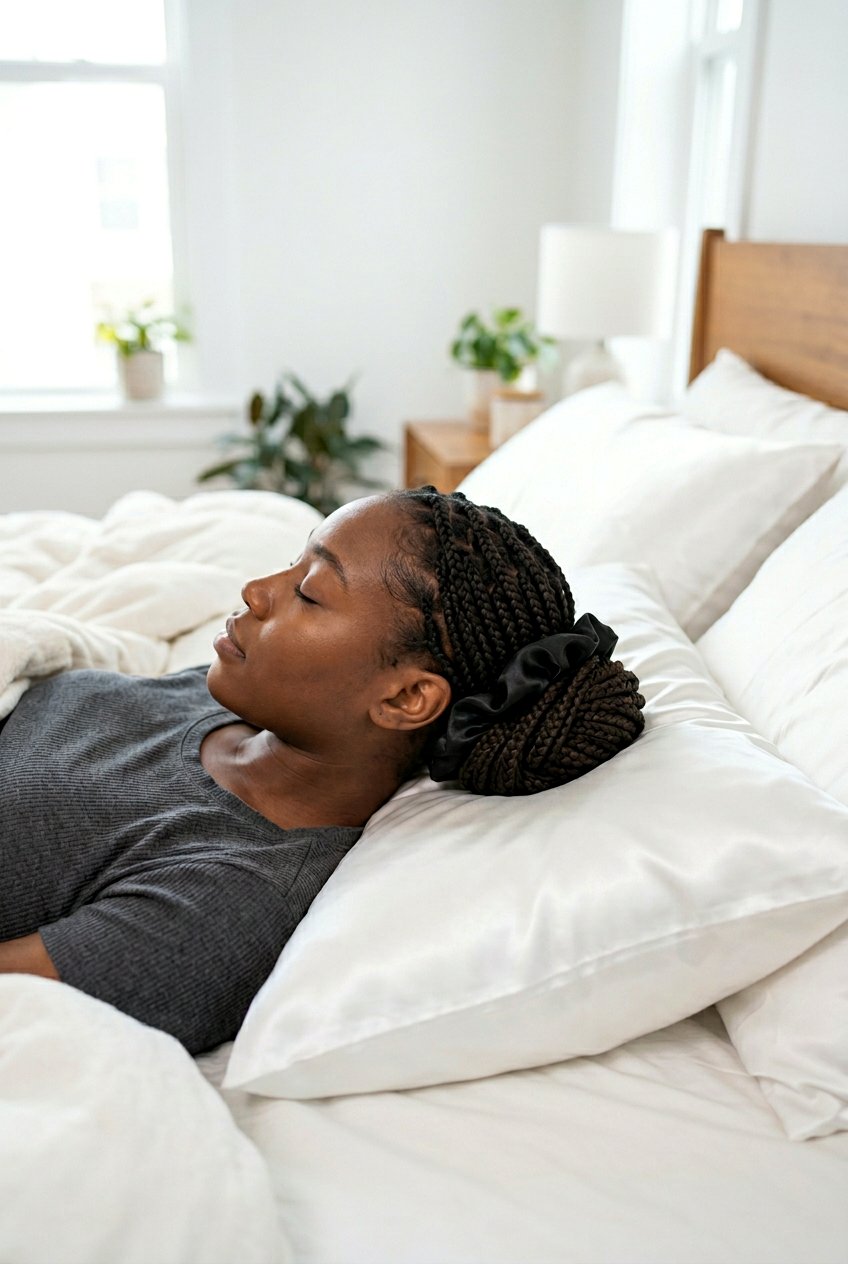
Passion twists are spring twists wrapped in curly hair, giving them a full, bouncy texture. Their springy surface causes them to tangle easily if left completely loose during sleep. A half-up style works perfectly — gather the top half loosely and pin with a large claw clip or soft hair tie, while the bottom half rests over one shoulder. This reduces bulk pressing against your pillow and prevents the twists from bundling into a knotted mass. Before pinning, lightly mist your roots with water for overnight scalp refreshment. Slip a large silk bonnet over the entire half-up style for complete overnight coverage and protection.
20. Braided Low Bun with Satin Pillowcase Sleep Setup
A braided low bun is the ultimate no-fuss sleep style that works whether you have natural hair braided or extensions installed. Gather all your hair at the very nape and loosely fold it into a flat, circular bun. Secure gently with a large satin scrunchie or velvet hair tie — never rubber bands. The low position means nothing presses into the back of your skull, making it comfortable for back and stomach sleepers. Pair this with a high-quality satin or silk pillowcase as your final protection layer. Together, the low bun and smooth pillowcase surface preserve your natural hair’s moisture and length every night.
Conclusion:
Wearing the right braided protective styles for sleep is one of the most impactful habits you can build for natural hair health. Each of these 20 styles minimizes friction, preserves moisture, tucks away your ends, and reduces tension that causes breakage and thinning edges. Pair your chosen style with a satin bonnet, scarf, or pillowcase for maximum protection. Consistency is everything. Making nighttime hair care non-negotiable will result in longer, stronger, healthier hair over time. Find what feels most comfortable and watch the difference it makes.
You'll Like These Styles:







Leave a Reply