
Navigating the world of hair care can be a challenge for parents, especially when trying to find the perfect protective braid styles for toddlers that balance cuteness with comfort. As we move through 2026, the trend has shifted significantly toward low-tension techniques that prioritize a healthy scalp over complex, heavy designs. Toddlers have much more sensitive skin and thinner hair strands than adults, making it crucial to choose styles that do not pull on the edges or cause unnecessary weight. Whether you are prepping for the school year or just want a low-maintenance daily look, understanding these options helps ensure your child’s natural hair thrives while staying beautifully managed throughout their busy, active days.
1. Toddler Knotless Braids
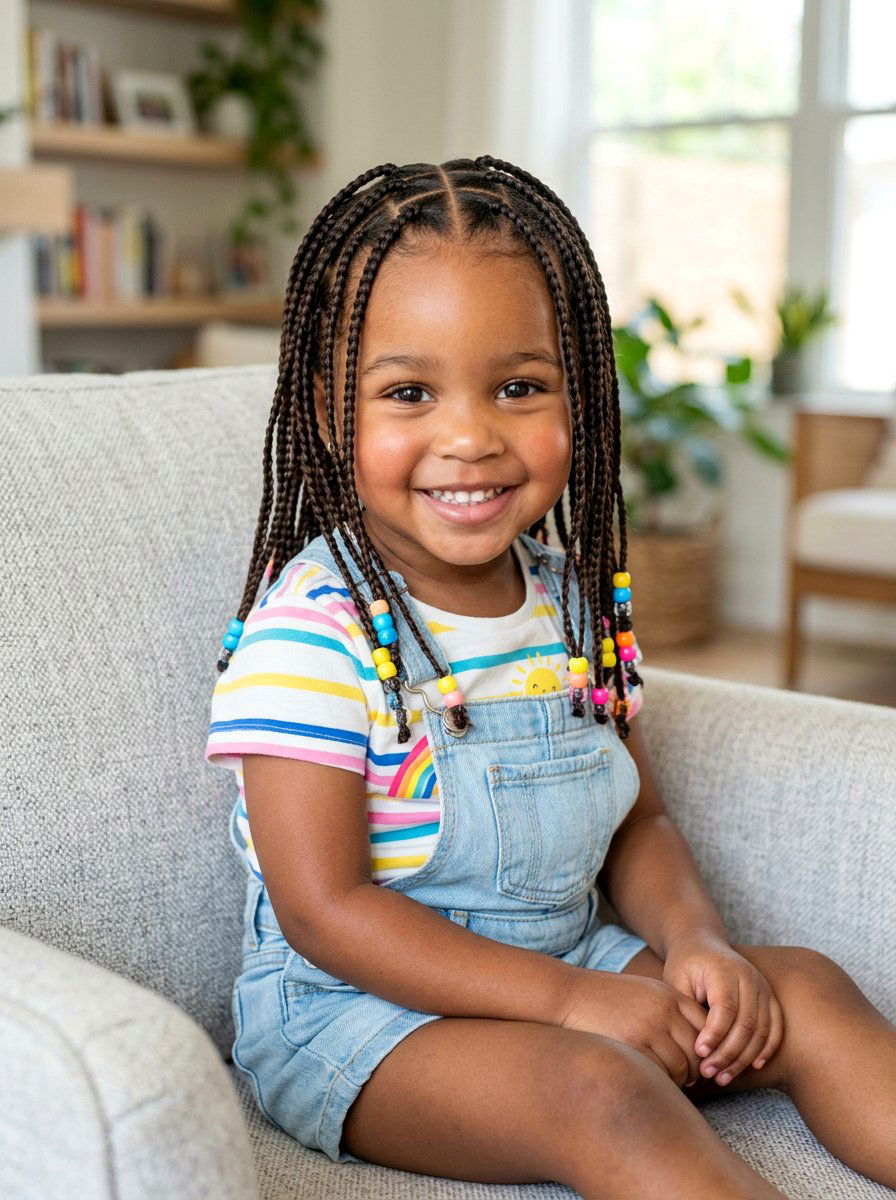
Toddler knotless braids have become a massive favorite because they offer a seamless transition from the scalp without the heavy knot at the base. This specific technique involves feeding in hair gradually, which significantly reduces the tension on a child’s delicate follicles. Unlike traditional methods, these braids lie completely flat, making them much more comfortable for a toddler to sleep on or wear in various ponytails. They are incredibly lightweight, which is essential for preventing neck strain in small children. When installing these, ensure the parts are soft and the hair is well-moisturized beforehand. This style usually lasts about three to four weeks, providing a long-term solution that keeps your little one looking neat while protecting their natural texture.
2. Cornrows With Beads
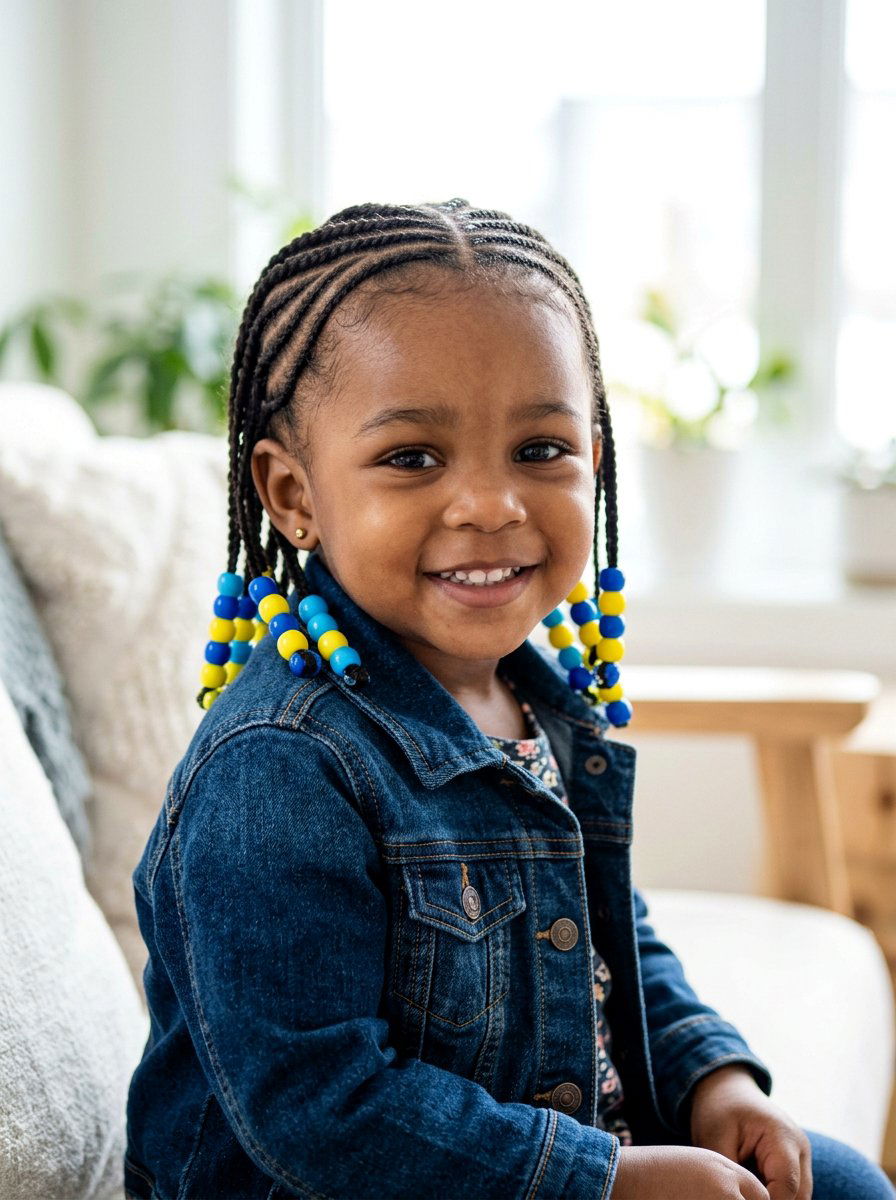
Cornrows with beads are a timeless choice that combines cultural heritage with a fun, playful aesthetic that children absolutely love. These braids sit close to the scalp and can be designed in straight lines or creative patterns to suit your child’s personality. Adding colorful plastic beads at the ends not only secures the braid but also adds a rhythmic sound and visual pop. It is important to ensure the beads are not too heavy, as excessive weight can lead to hair breakage over time. Using a bead loader makes the process much faster for wiggly toddlers. This style is excellent for keeping hair out of the face during playground activities while maintaining a very organized and polished appearance.
3. Dutch Braids For Toddlers
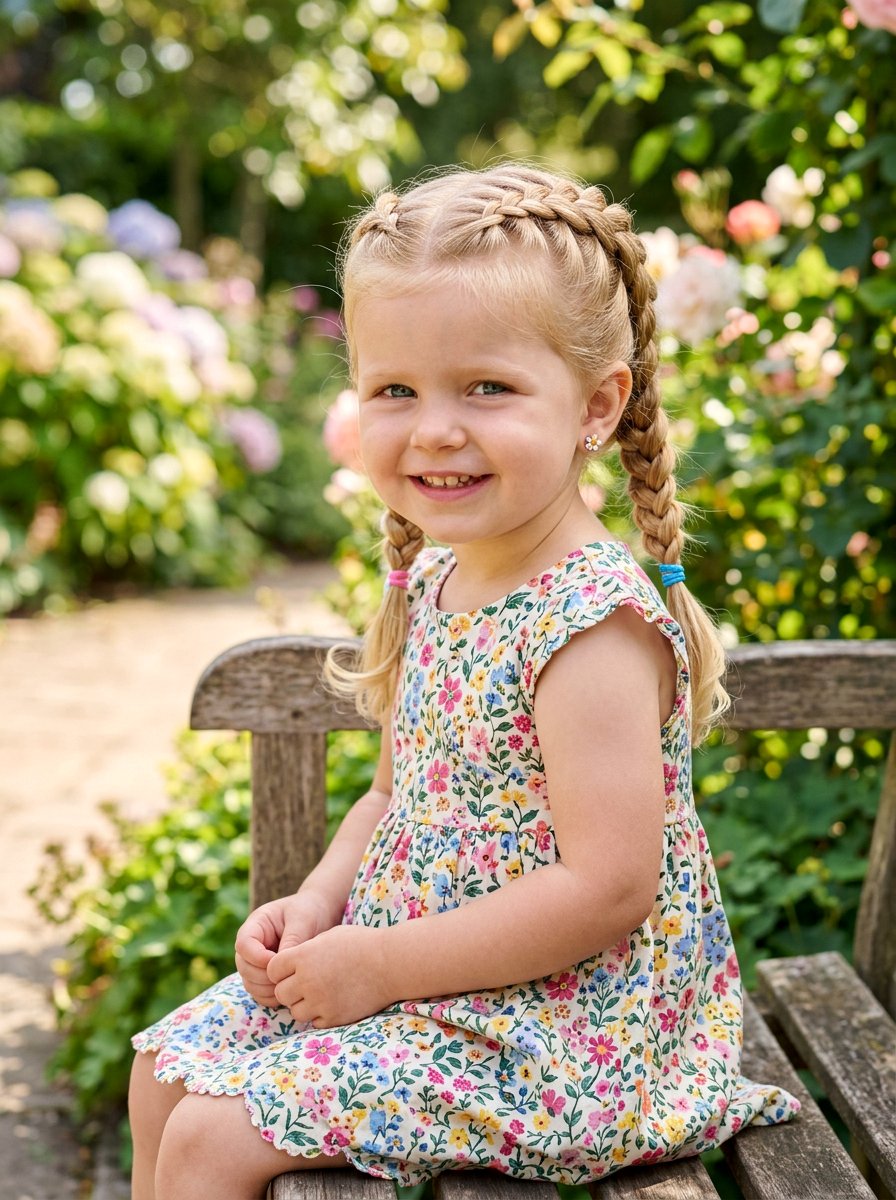
Dutch braids for toddlers, often called “inside-out” braids, are perfect for creating a bold, 3D effect that stands out beautifully. This style involves crossing the hair strands under each other rather than over, which makes the braid sit on top of the head. It is an ideal protective option for toddlers with shorter or medium-length hair because it captures loose flyaways effectively. You can do two classic braids down the back or multiple smaller ones for a more intricate look. These are particularly great for active days at the park since they stay secure through a lot of movement. They are also very easy to take down, which helps minimize the time your toddler spends in the styling chair.
4. Box Braids For Kids
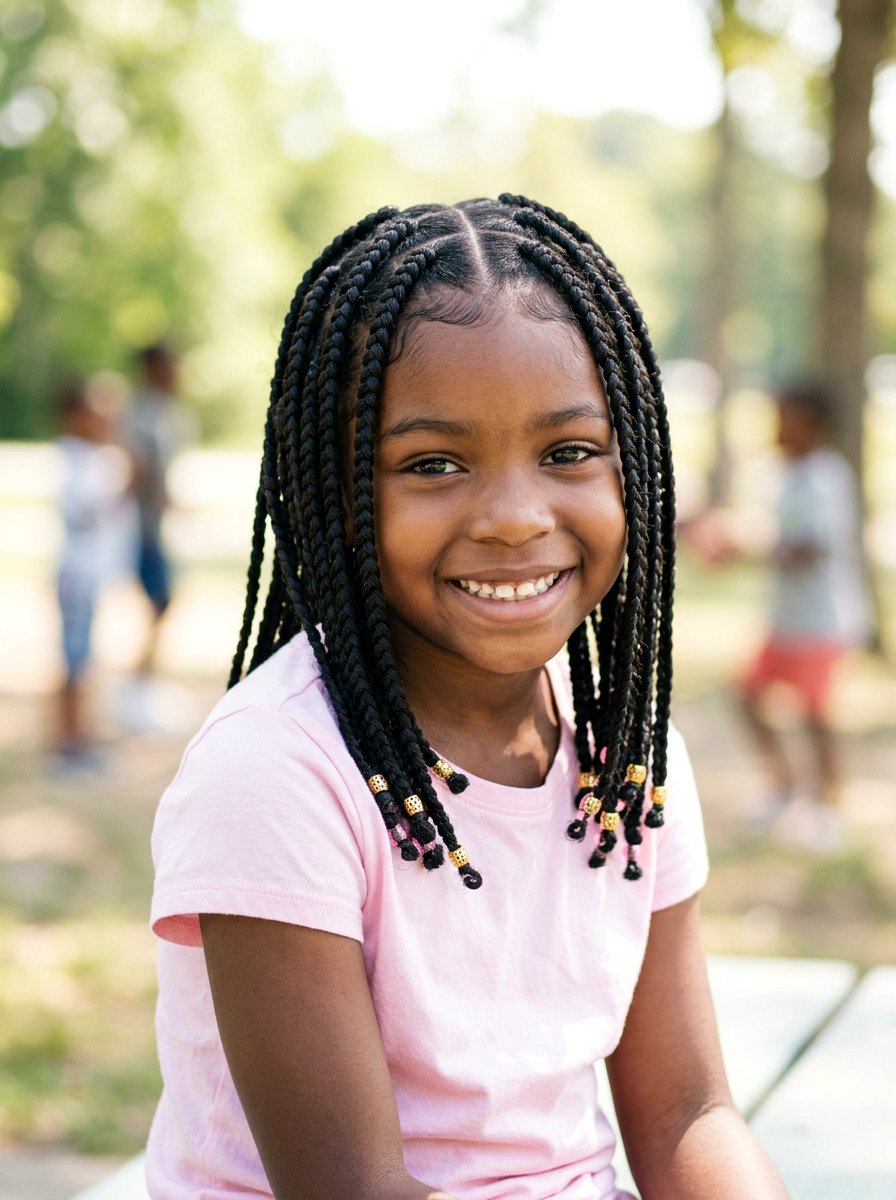
Box braids for kids remain a staple because they offer incredible versatility and can be styled in numerous ways once installed. The square-shaped sections provide a very neat and organized look that lasts for several weeks with proper maintenance. For toddlers, it is best to keep the braids medium to large in size to reduce the time spent sitting still. You should also avoid making them too long to prevent the hair from getting caught in zippers or car seat straps. These braids are wonderful for protecting the ends of the hair from environmental damage and friction. Keeping the scalp hydrated with a light oil or braid spray will help maintain this look and keep the child comfortable.
5. Toddler Lemonade Braids
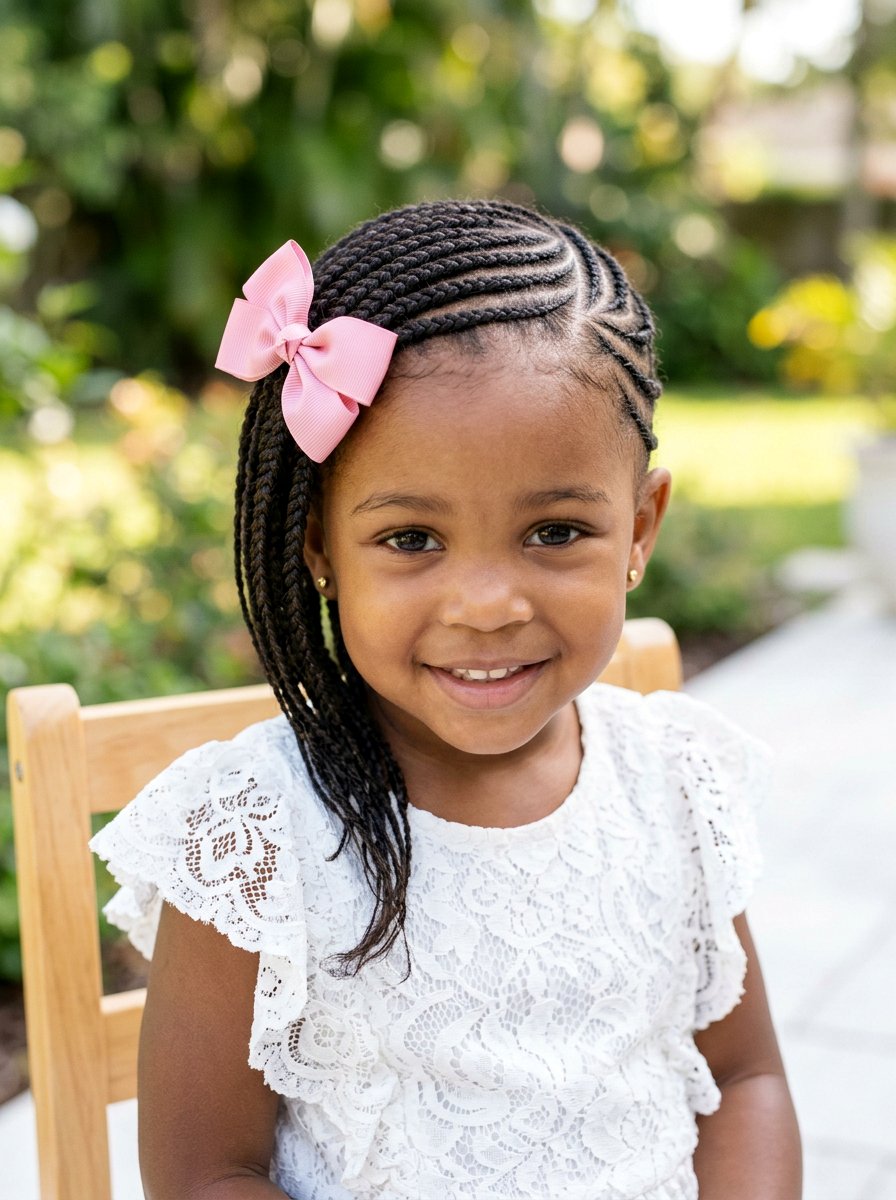
Toddler lemonade braids are side-swept cornrows that offer a trendy and sophisticated look for little girls who want something unique. Named after a famous pop culture moment, these braids flow beautifully to one side of the head, creating a graceful silhouette. This style is very effective at protecting the hair because it keeps the strands tucked away and minimizes daily manipulation. It is important to ensure the tension around the forehead and temples is very light to protect the sensitive hairline. You can add a few beads or a small bow at the end of the braids to make the look even more adorable. They are perfect for special occasions like birthdays or family photo sessions.
6. Heart Shaped Braids
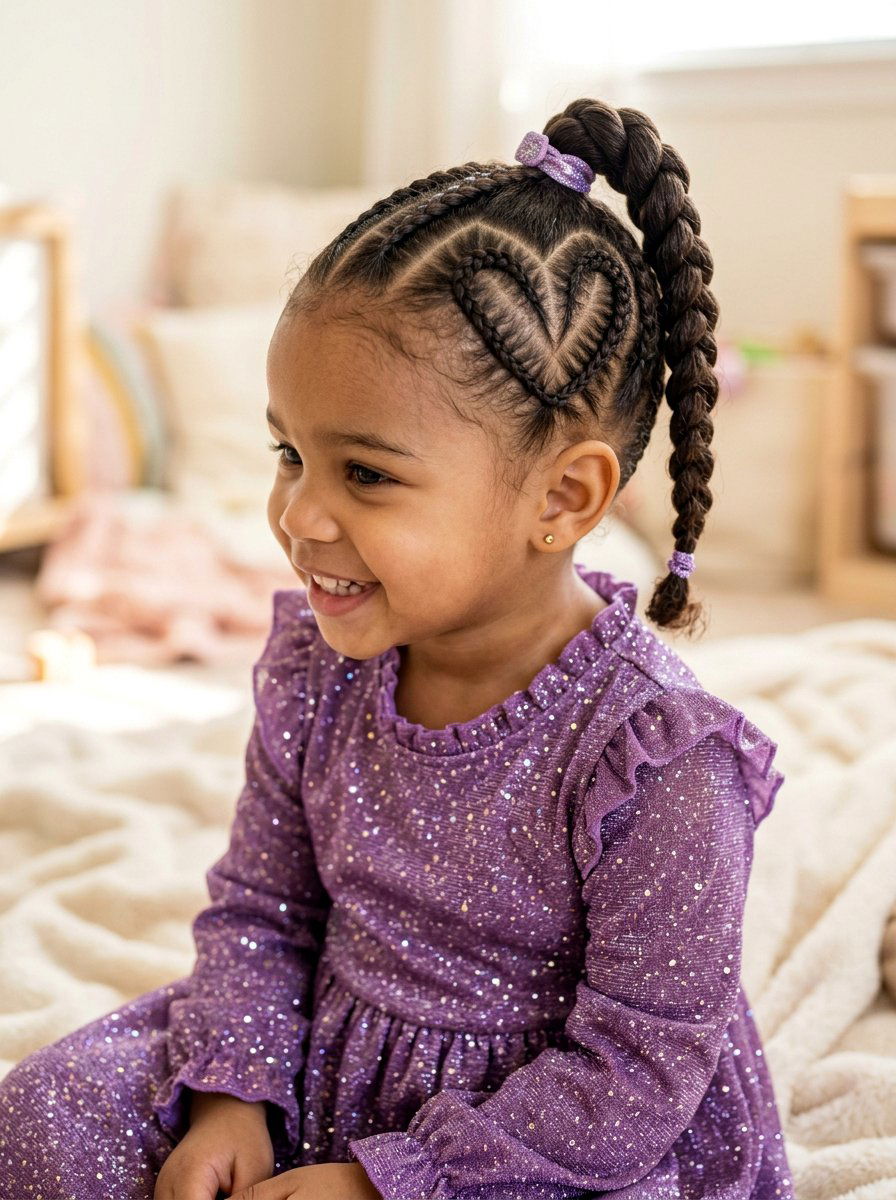
Heart shaped braids are a creative and whimsical variation of cornrows that add a touch of love to any toddler’s hairstyle. Braiders use precise parting to create the shape of a heart on the side or back of the head, which serves as a stunning focal point. This style is surprisingly durable and can stay looking fresh for up to two weeks if handled with care. Because it requires more detailed parting, it is best for toddlers who can sit still for a slightly longer duration. The rest of the hair can be gathered into a ponytail or left in simple braids. It is a fantastic way to make your child feel special and show off some artistic flair.
7. Feed In Braids For Toddlers
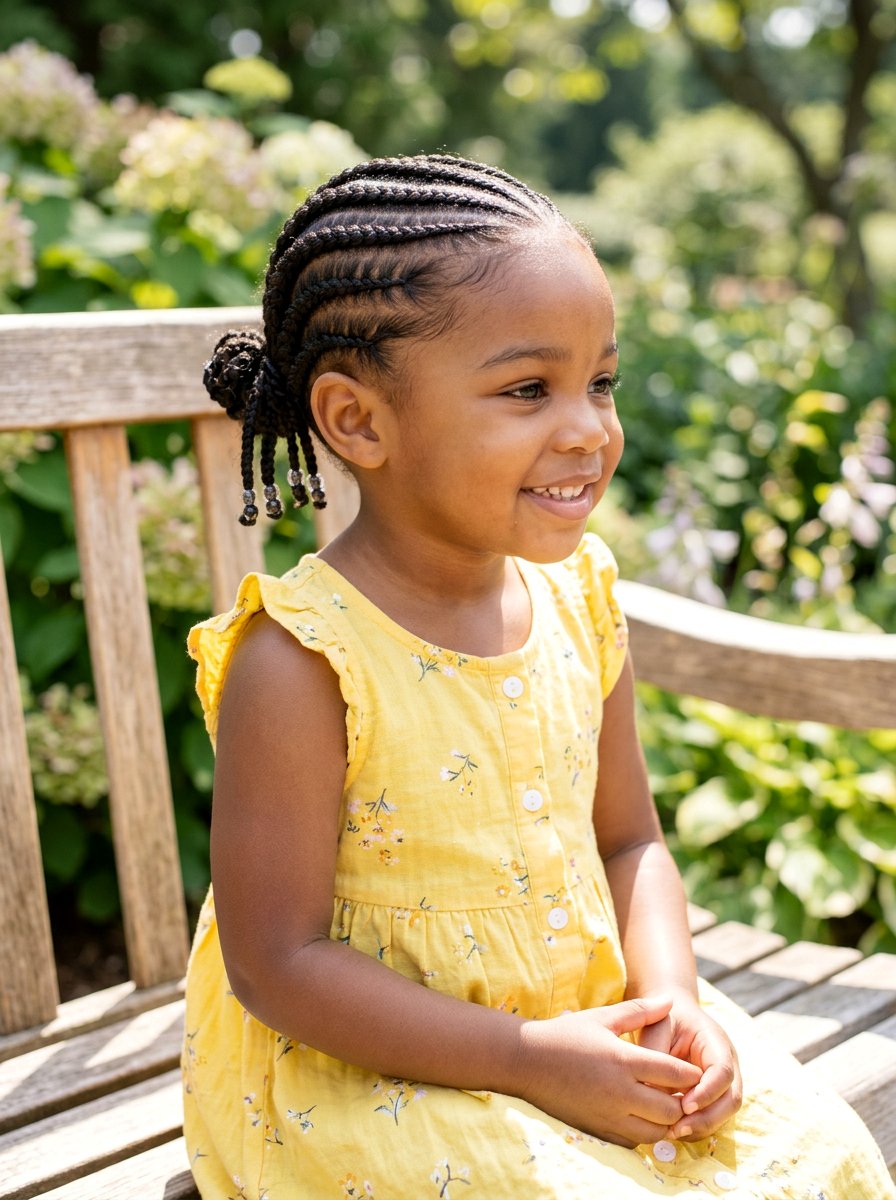
Feed in braids for toddlers are a specific type of cornrow where the extensions are added gradually to create a very natural appearance. This method starts with the child’s own hair and slowly builds thickness, which prevents a bulky or heavy start at the hairline. This is one of the safest ways to add length or volume to a toddler’s hair because it distributes the weight more evenly across the scalp. The result is a sleek, professional-looking style that is very gentle on the edges. These braids are ideal for summer months when you want a style that is breathable and easy to keep clean. They offer a very modern look that is both practical and stylish.
8. Butterfly Braids For Kids
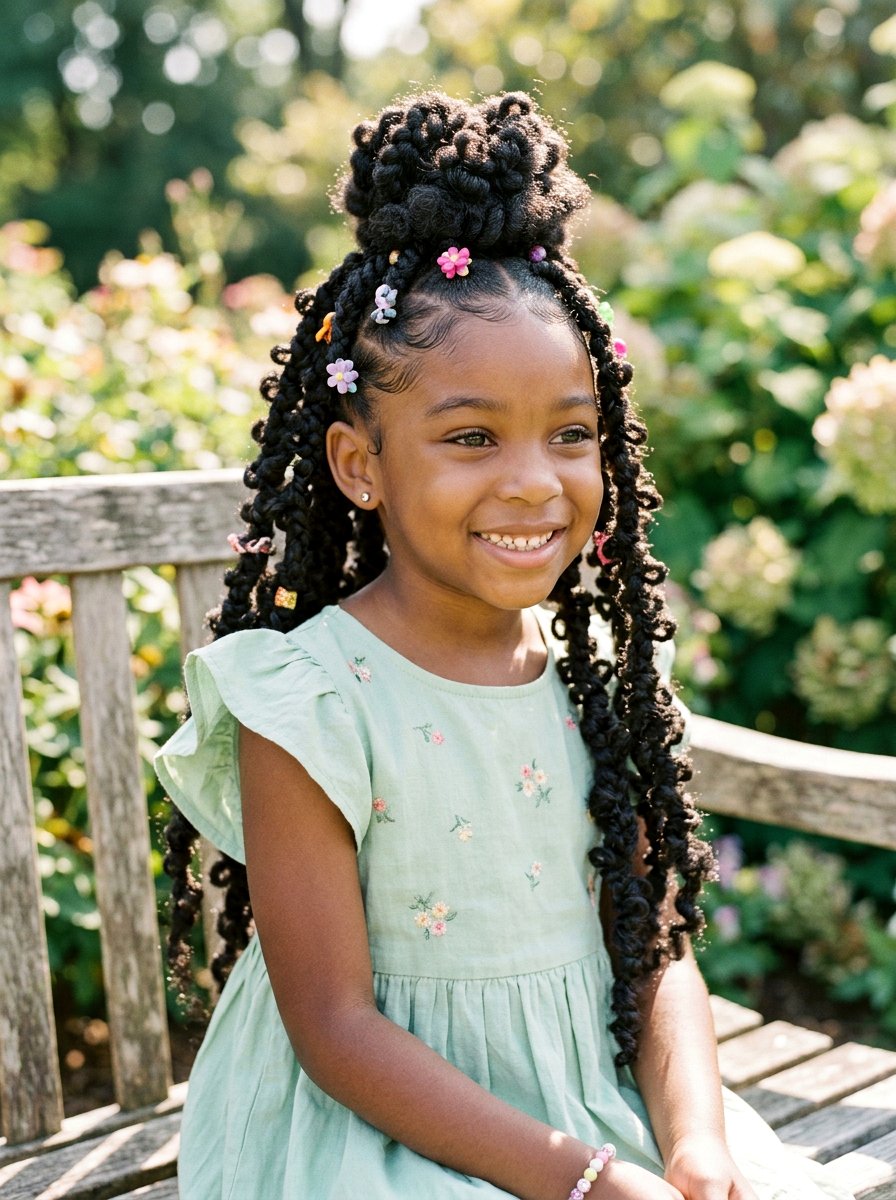
Butterfly braids for kids are known for their beautiful, oversized, and slightly “undone” look that mimics the wings of a butterfly. This style uses a crochet or wrapping technique to create fluffy, textured loops along the length of the braid. For toddlers, these are great because they do not require a tight grip to look good, making the installation process much more comfortable. They provide a lot of volume without the heavy weight of traditional tight braids. This style is perfect for those who want a bohemian or ethereal look for their child. Since they are thicker, they are also quite fast to install, which is always a bonus when working with high-energy little ones.
9. Fulani Braids With Beads
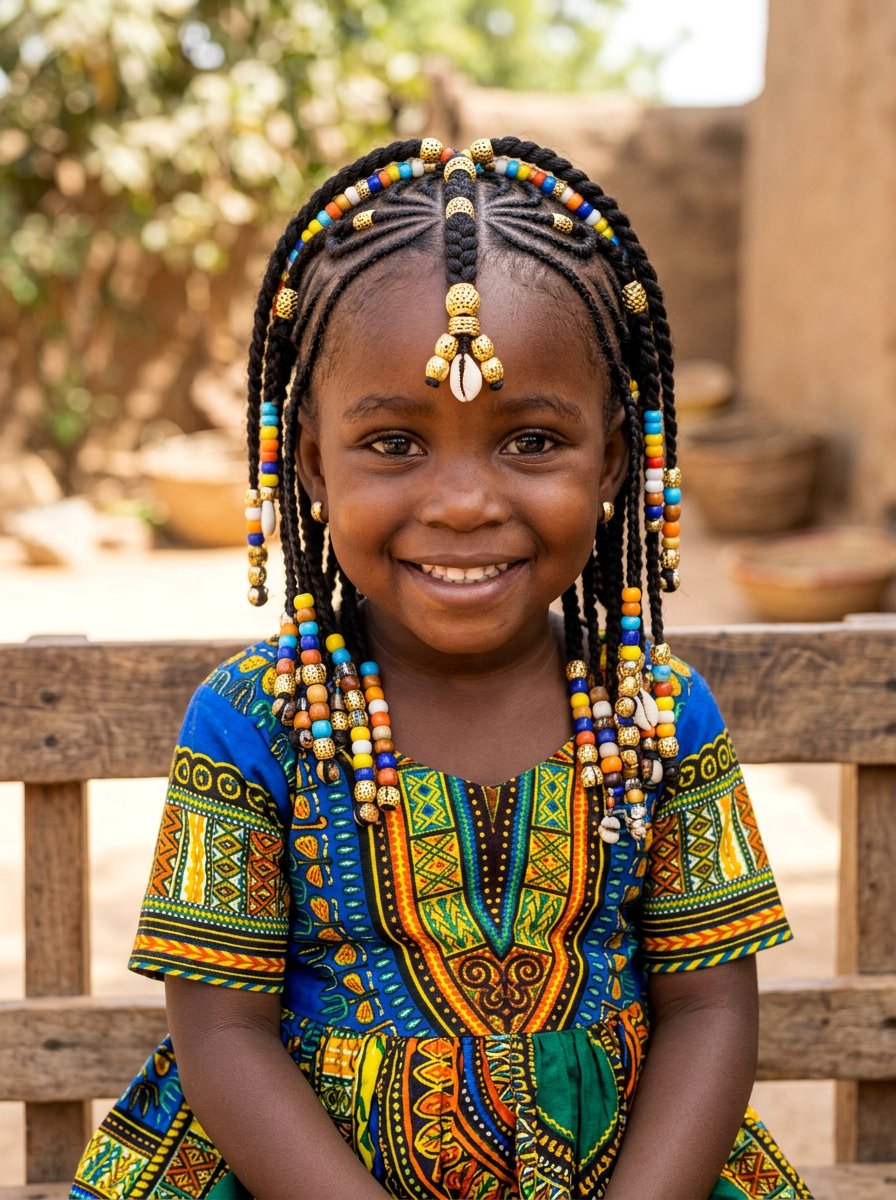
Fulani braids with beads are a stunning choice that features a signature central cornrow braided toward the back, with side braids moving forward. This traditional West African style is both culturally rich and highly protective for a toddler’s hair. The addition of gold cuffs or vibrant beads along the front braids creates a regal and beautiful frame for the face. It is a very structured style that keeps the hair very neat and out of the eyes. To keep this looking its best, you can use a silk bonnet at night to prevent the beads from snagging on bedding. It is a wonderful style that celebrates heritage while providing excellent protection for growing natural hair.
10. Criss Cross Braids
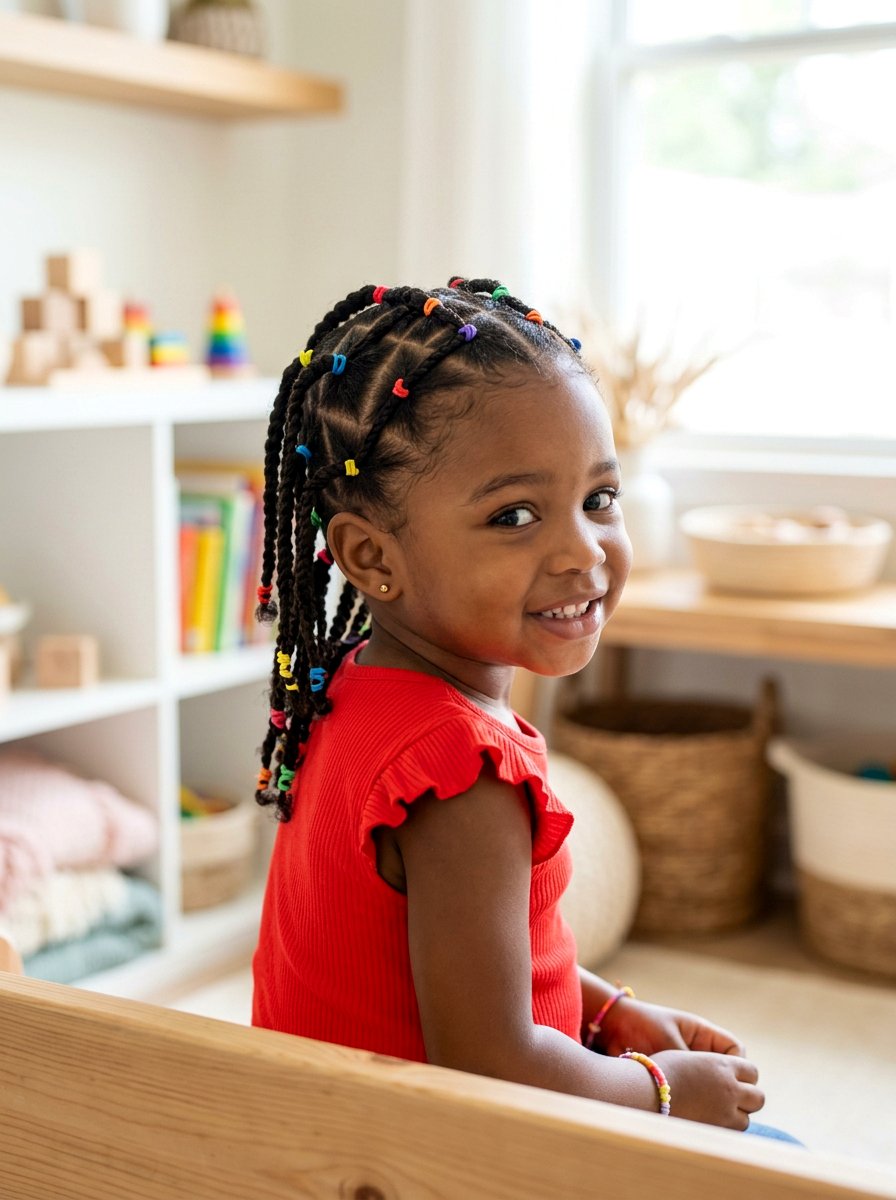
Criss cross braids offer a dynamic and geometric look that is perfect for toddlers who want a bit of extra “pizazz” in their hair. This style involves sectioning the hair and crossing small braids or rubber-banded sections over each other before integrating them into larger cornrows or ponytails. The visual interest is high, and the style is very secure, making it excellent for toddlers who are always on the go. It helps keep even the shortest hairs tucked away neatly. Using colorful rubber bands can make the criss-cross pattern pop even more. It is a great way to manage hair that might be different lengths or textures across the head while keeping everything organized and cute.
11. Fishbone Braids For Toddlers
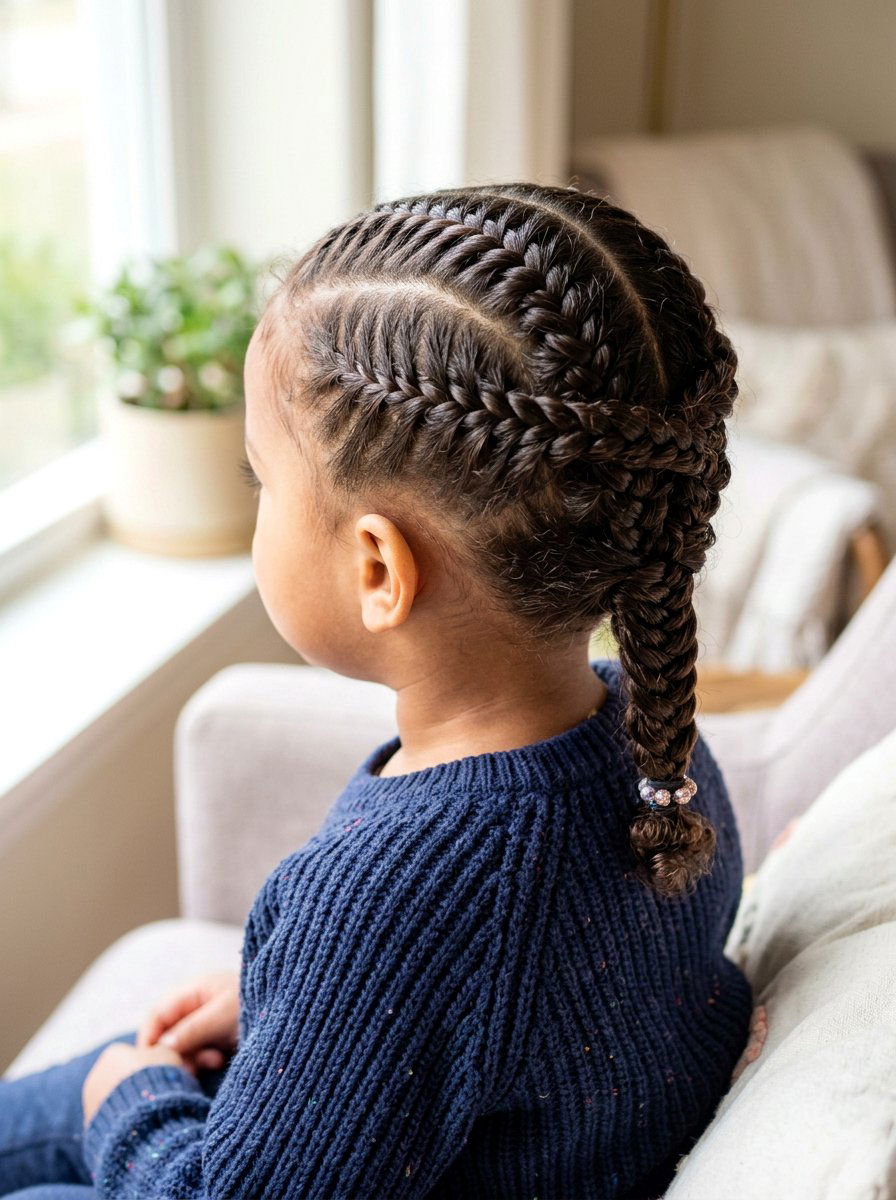
Fishbone braids for toddlers are a sophisticated version of cornrows that involve a unique pattern where smaller braids feed into a larger central braid. The result looks similar to the skeletal structure of a fish, hence the name, and it provides a very thick and sturdy look. This style is exceptionally good at protecting the hair because it gathers many strands into a tight, secure unit. It is a very clean look that works well for school or formal events. Because the braids are intertwined, they tend to last longer than simple straight-back cornrows. Just ensure that the central braid is not too heavy for the toddler’s neck to support comfortably during their daily play.

12. Individual Braids With Curly Ends
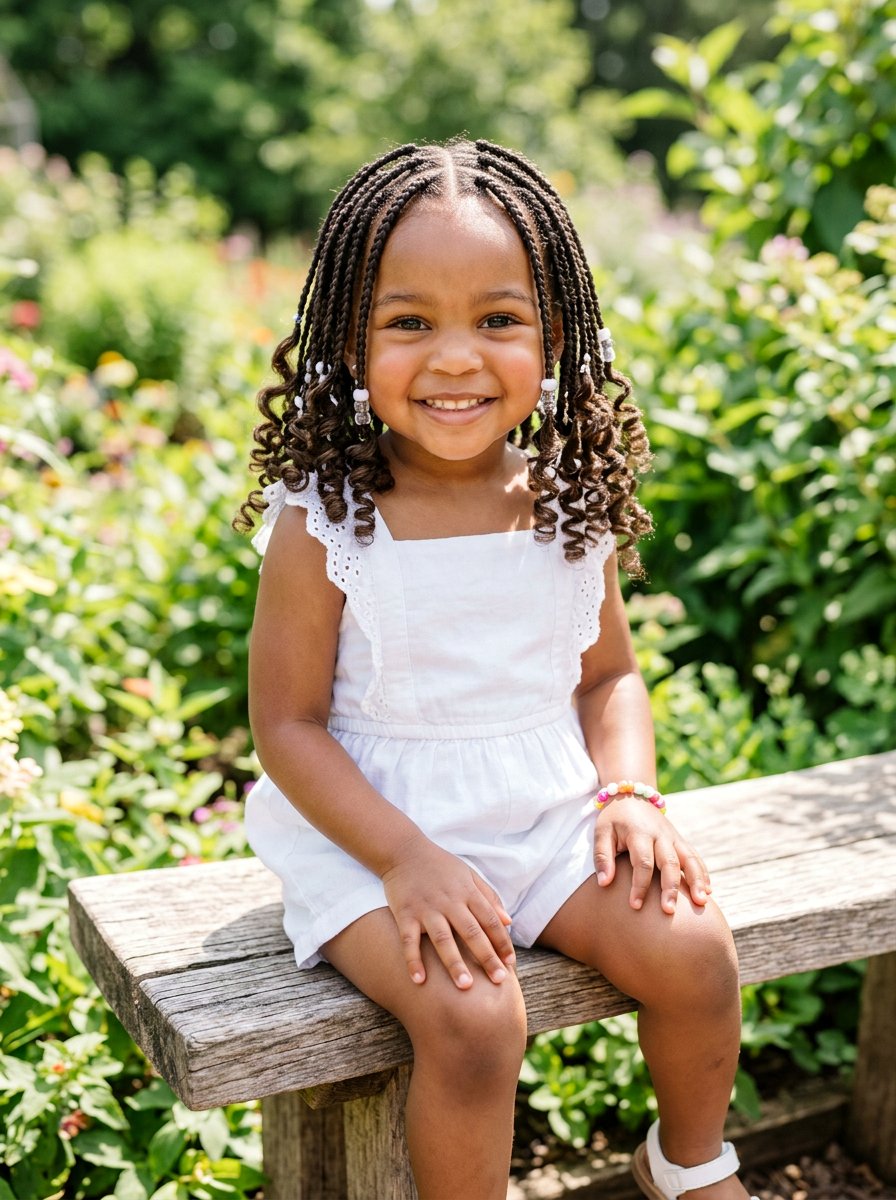
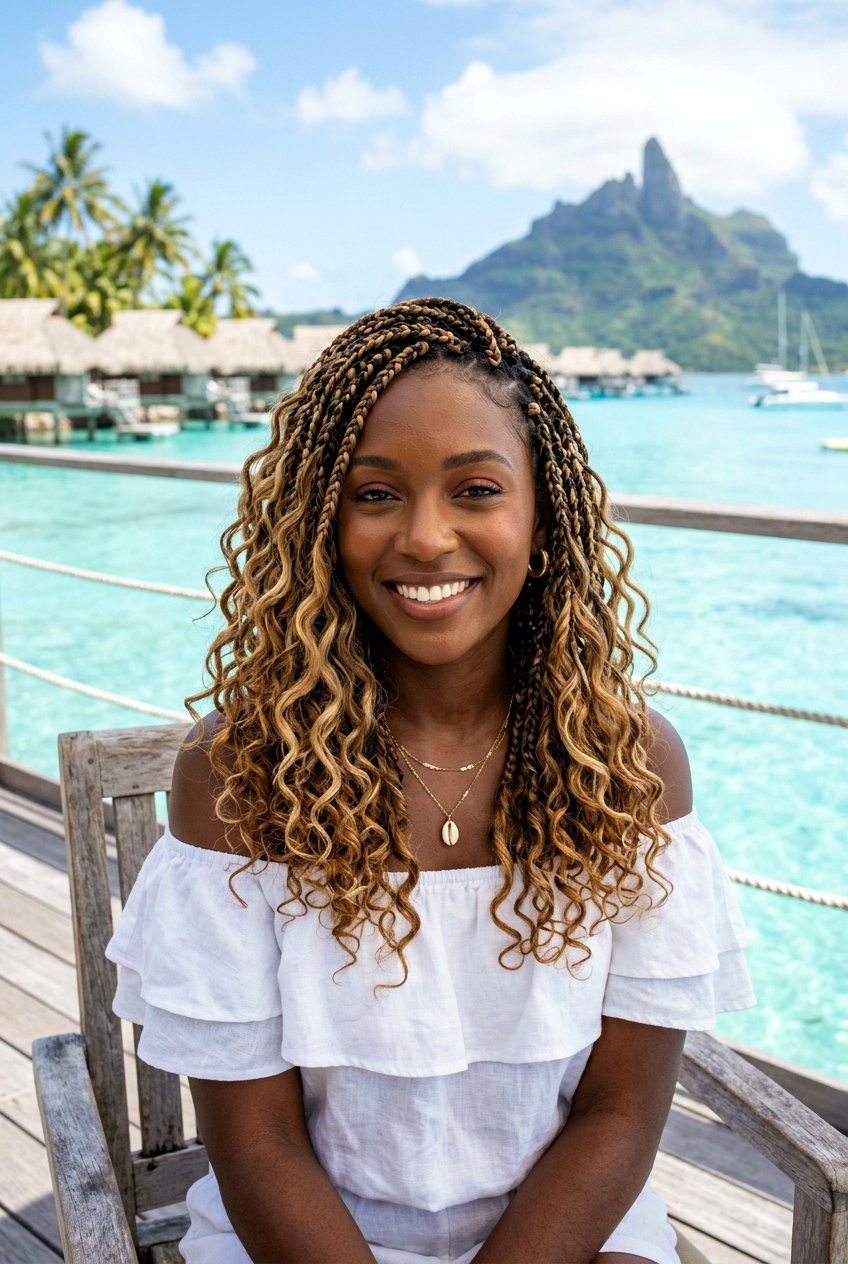
Individual braids with curly ends offer a soft and feminine touch to a standard protective style. These are essentially small box braids or knotless braids that are left unbraided for the last few inches, with the ends curled using hot water or rollers. For toddlers, this provides a bouncy and fun look that moves with them. The curls add a sense of volume and playfulness that straight ends sometimes lack. It is important to keep the curly ends moisturized with a light mousse or cream to prevent them from tangling or matting. This style is a great middle ground between a fully braided look and a more voluminous, curly hairstyle for your little girl.
13. Goddess Braids For Toddlers
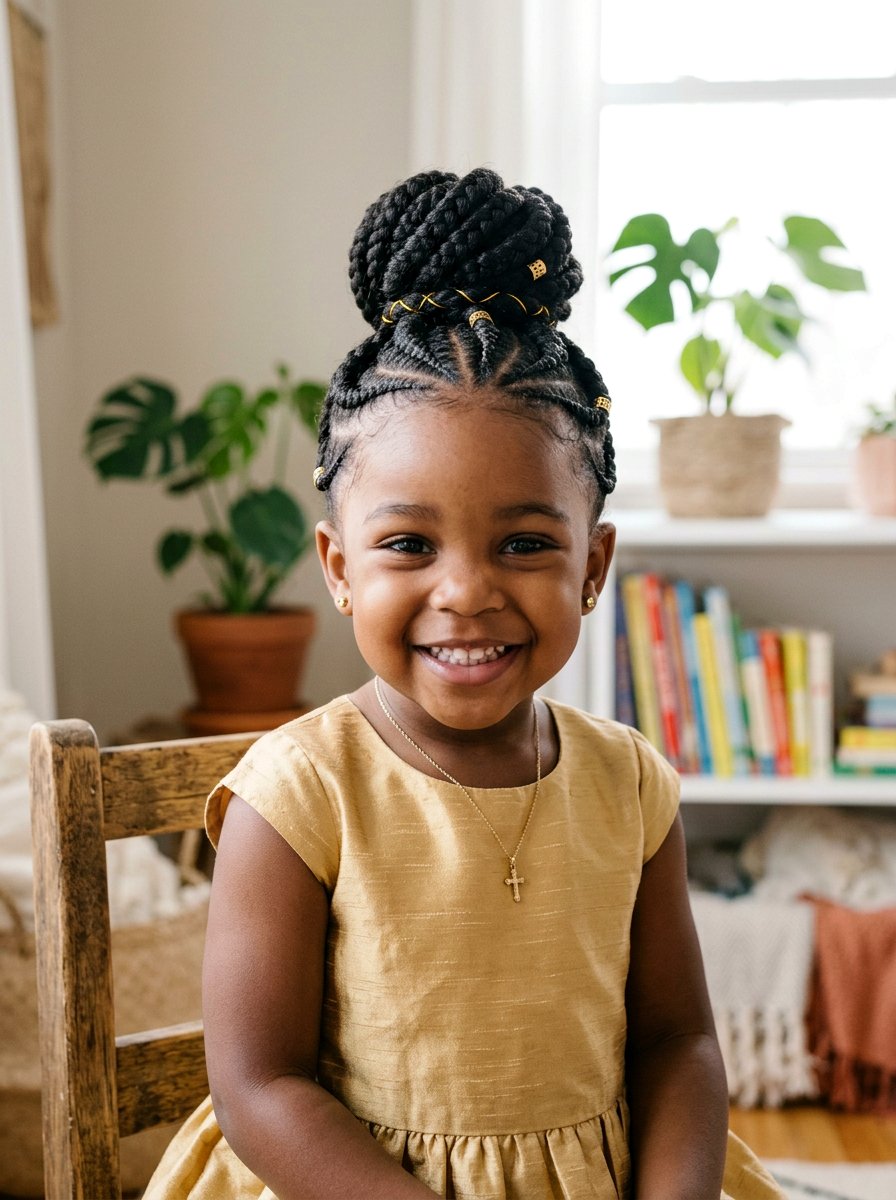
Goddess braids for toddlers are thick, bold cornrows that sit high on the scalp and offer a very elegant appearance. These are often larger than standard cornrows, which means they take less time to install—a major win for parents of impatient toddlers. The braids can be styled straight back or gathered into a high bun for a sophisticated updo. Because they are thicker, they provide a great deal of protection for the hair underneath. You can even weave in a small amount of gold thread or add a few decorative clips to enhance the “goddess” aesthetic. They are easy to maintain and offer a very polished look for any young child’s wardrobe.
14. Double Dutch Braids
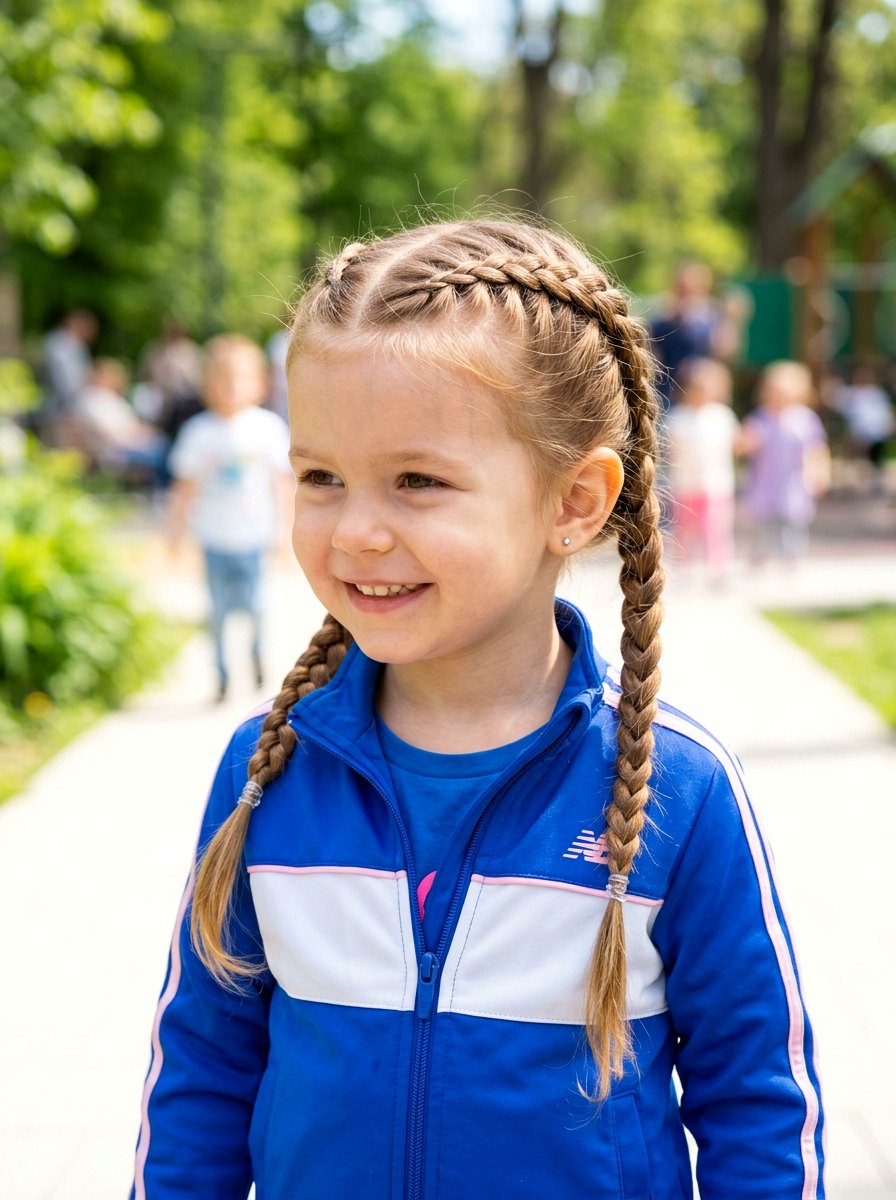
Double dutch braids are a classic and simple choice that every parent should have in their styling repertoire. Often referred to as “boxer braids,” this style consists of two thick braids running from the front of the hairline down to the nape of the neck. It is one of the most effective ways to keep a toddler’s hair completely contained and protected from tangles. This style is perfect for gym class, swimming, or just a busy day at daycare. They are very easy to redo if they get messy, and they create beautiful heatless waves when they are eventually taken out. They work well on almost all hair types and lengths for small children.
15. Side Swept Cornrows
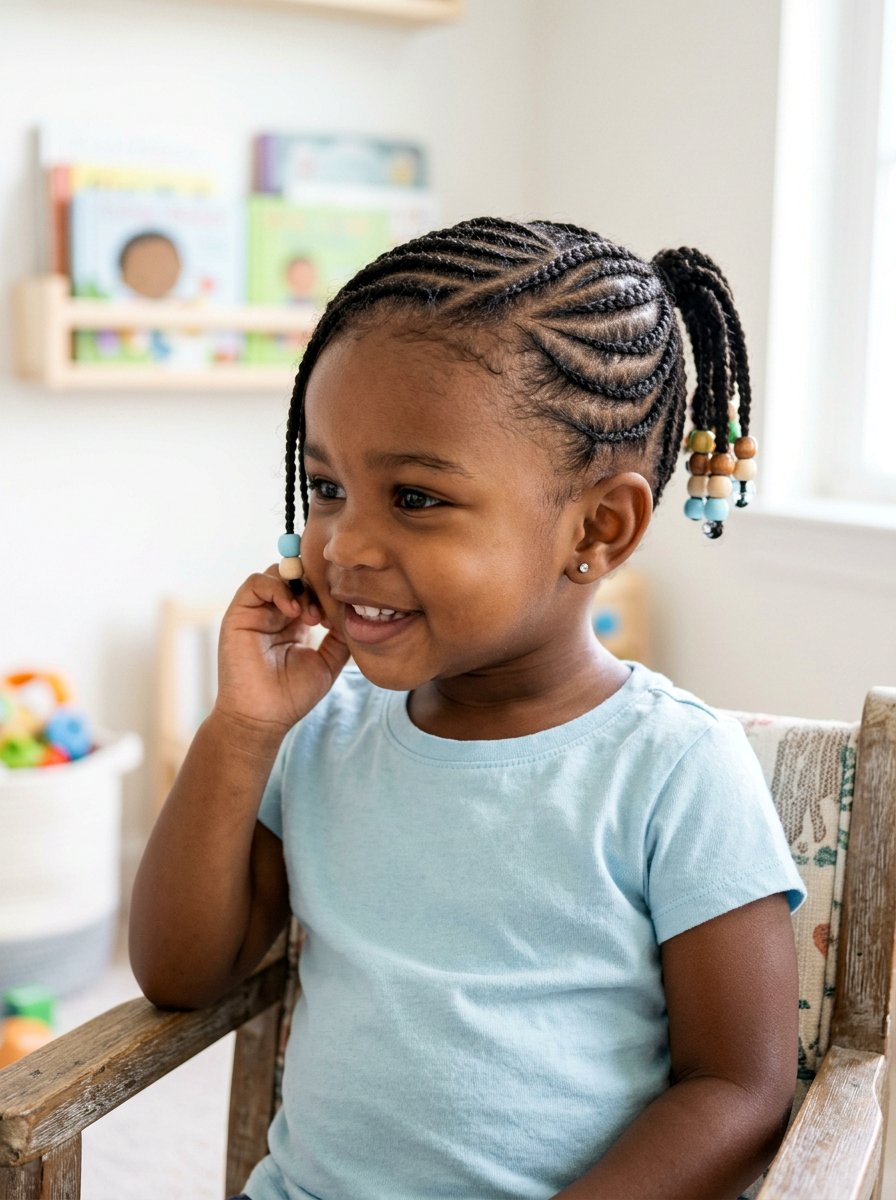
Side swept cornrows are a practical and stylish way to keep hair off the face while providing a modern silhouette. Unlike traditional straight-back styles, these braids curve across the head, which can be more flattering for certain face shapes. This style is very helpful for toddlers who might have a cowlick or hair that naturally falls in one direction. It is a low-tension option that focuses on the crown of the head, leaving the neck area free and comfortable. You can finish the ends in a side ponytail or a series of small braided buns. This look is versatile enough for both casual playground wear and more formal family gatherings or holiday events.


16. Zig Zag Braids
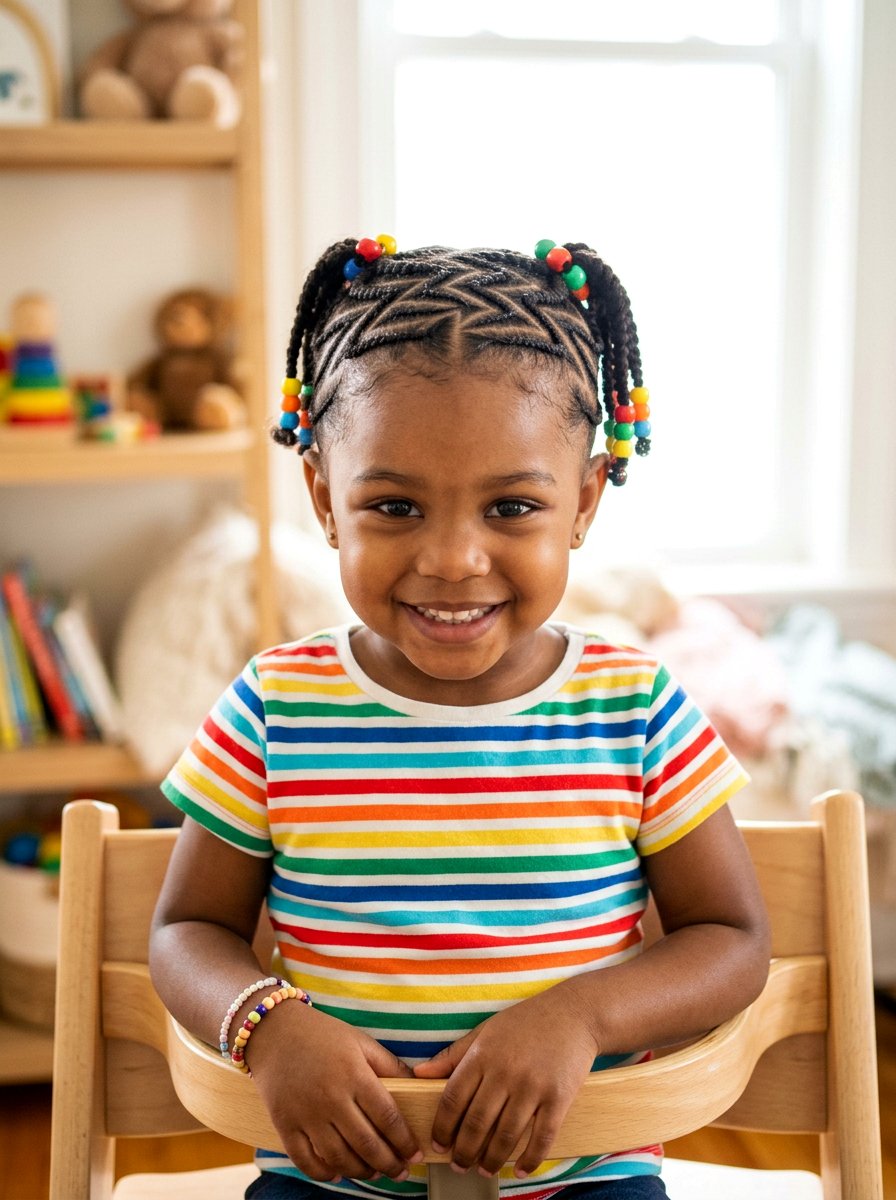
Zig zag braids add a fun and energetic twist to traditional cornrow patterns by using a jagged, back-and-forth parting technique. This style is visually stimulating and is a great way to make a simple braided look feel more “designed” and unique. Toddlers often enjoy the cool pattern, and it can be a great conversation starter at school. The zig-zag parts also help to disguise uneven hair growth or thinning areas by creating a more complex visual field. While it takes a bit more precision during the parting phase, the actual braiding time is the same as straight rows. It is a durable style that holds up well under the rigors of toddlerhood.
17. Mohawk Braids For Toddlers
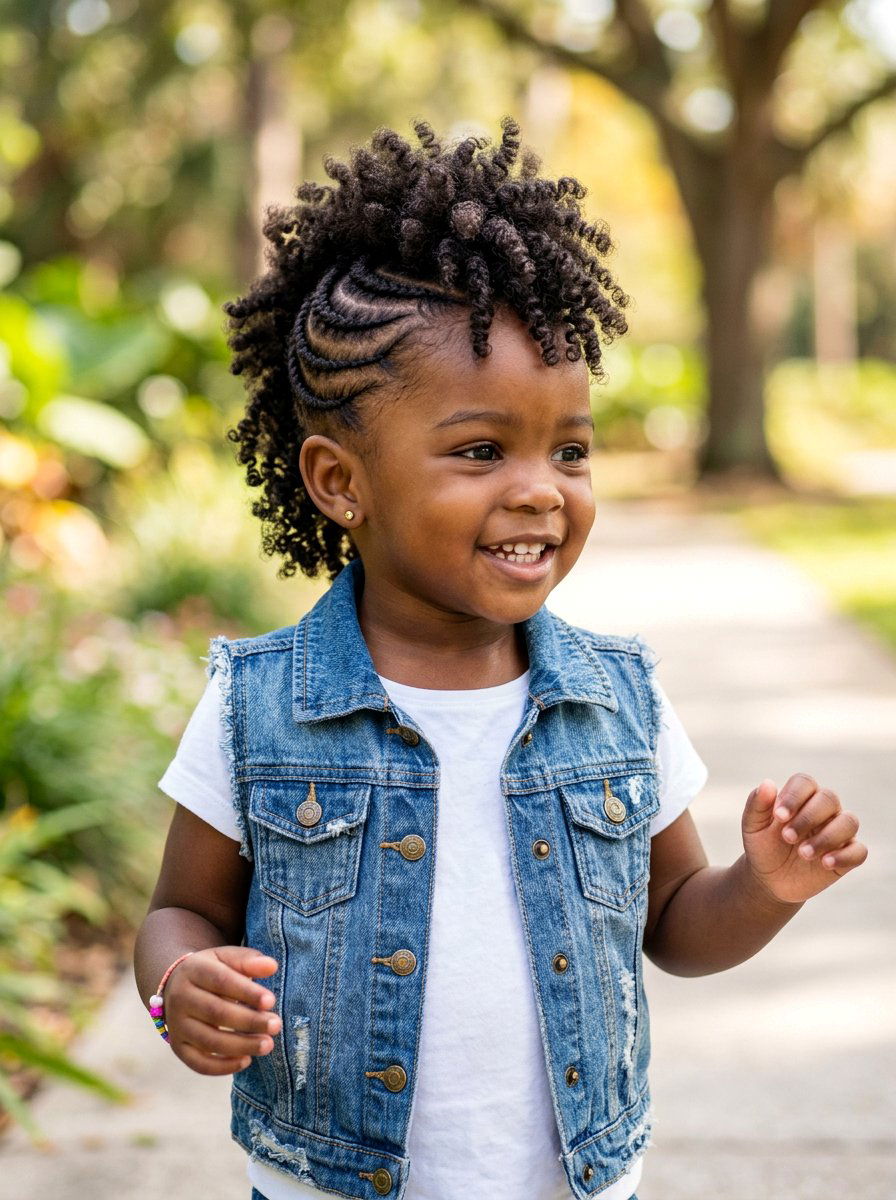
Mohawk braids for toddlers provide a cool and edgy look that is still completely protective and age-appropriate. This style usually involves braiding the sides of the head toward the center, creating a raised ridge of braids or curls that runs from the forehead to the nape. It is a fantastic way to keep the sides of the hair neat and tidy while allowing for some volume in the middle. You can leave the center section as a series of small buns, a fro-hawk, or even a large fishtail braid. This is an excellent choice for kids with a lot of personality who want a hairstyle that stands out from the crowd at the park.
18. Tribal Braids For Kids
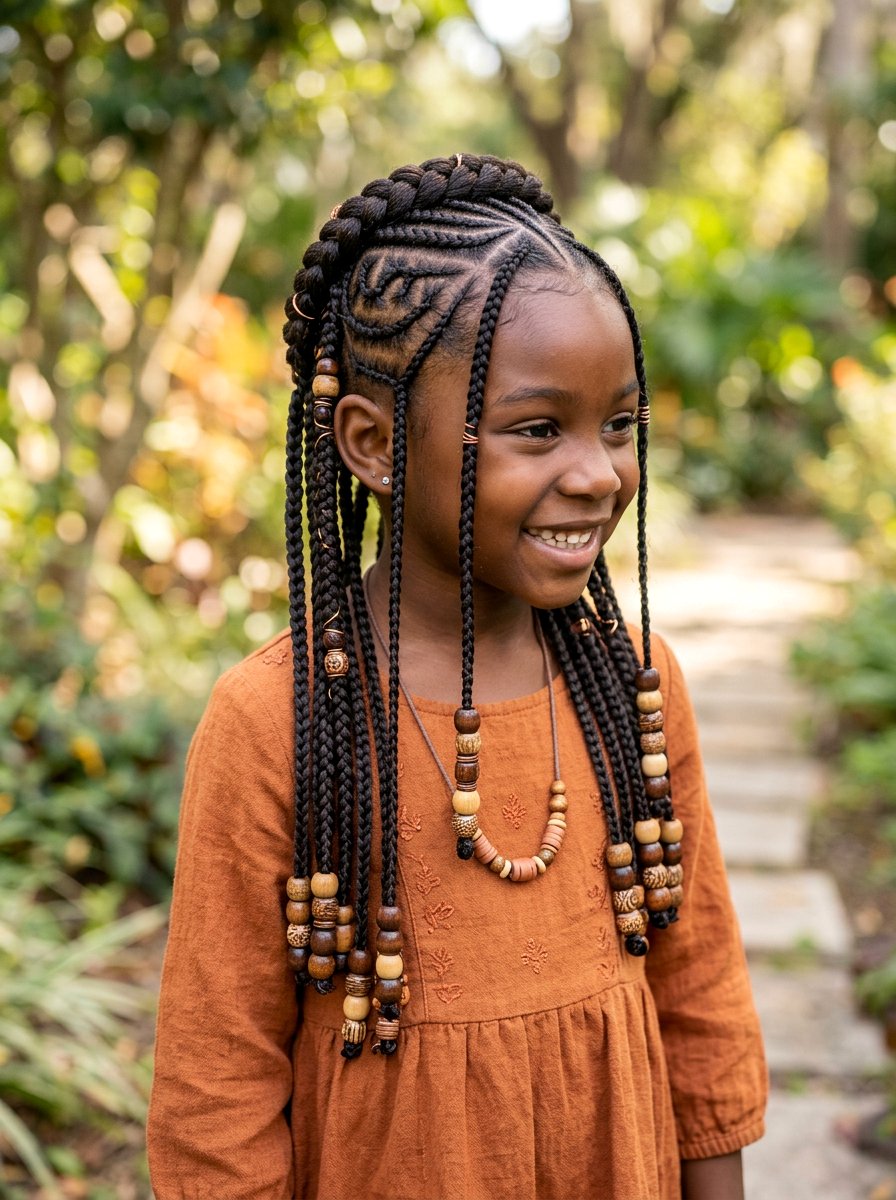
Tribal braids for kids are inspired by traditional African patterns and often feature a mix of different braid sizes and directions. These styles frequently include elements like a center part with braids flowing down the sides and a few horizontal braids across the forehead. For toddlers, these are modified to be lighter and less complex to ensure comfort. They are highly decorative and often incorporate beads, shells, or rings to complete the look. This style is very effective at protecting the entire head of hair and can last for several weeks. It is a beautiful way to introduce your child to cultural aesthetics while keeping their natural hair healthy and strong.
19. Halo Braid For Toddlers
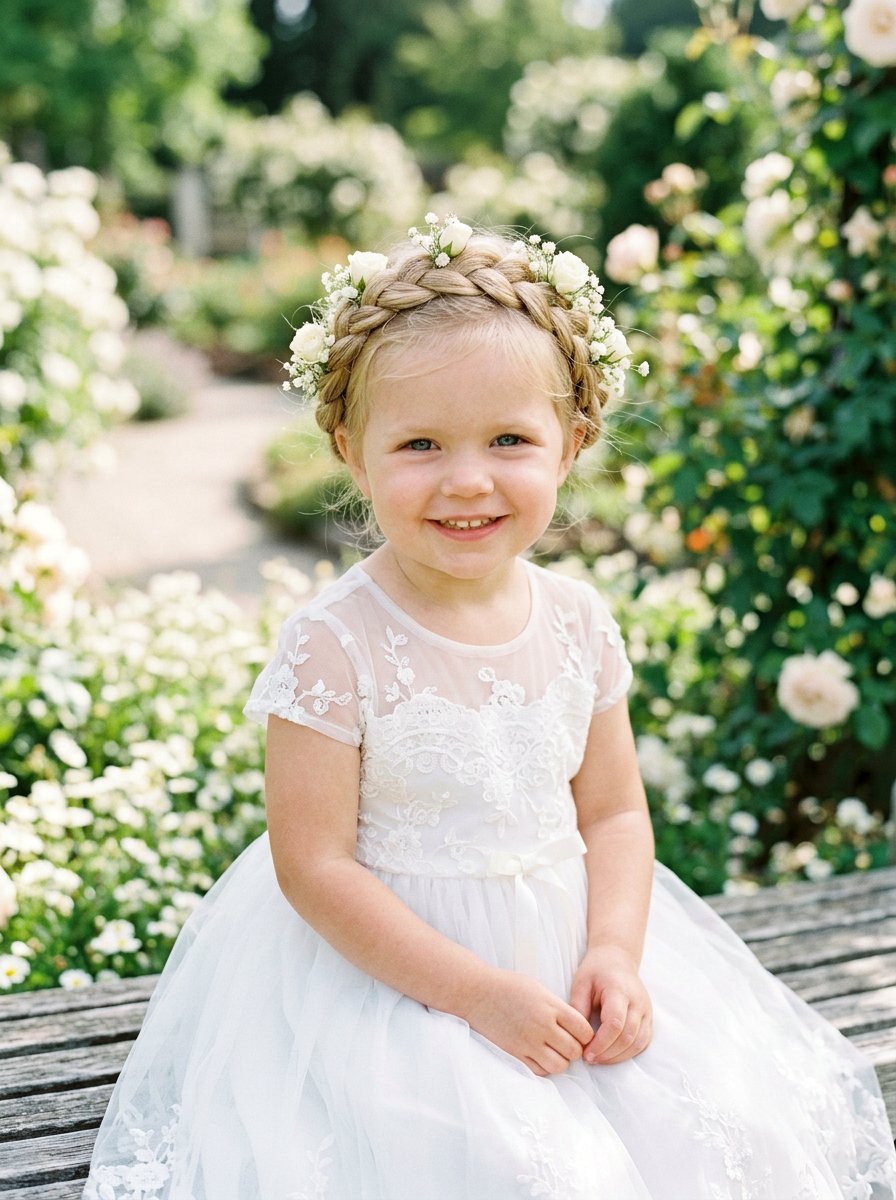
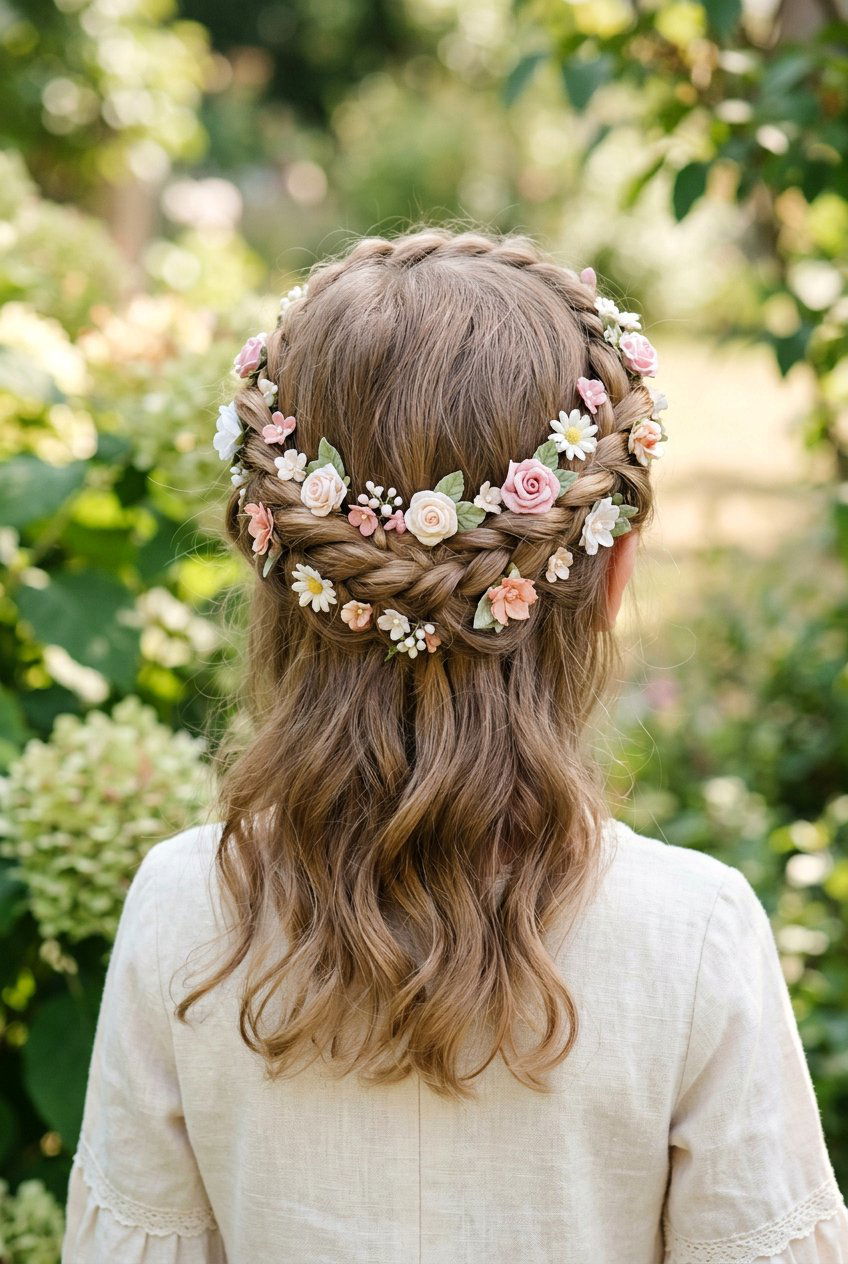
The halo braid for toddlers is a sweet and angelic style where one or two braids wrap completely around the head like a crown. This is a perfect protective style for special events or when you want your child’s hair to look particularly neat for a long period. Since all the hair is tucked into the braid, there are no loose ends to get tangled or dirty. It is very comfortable for toddlers because there is no hair hanging down their back or in their face. This style works best on toddlers with slightly longer hair or can be achieved with a small amount of added hair for extra volume and stability.
20. French Braids For Toddlers
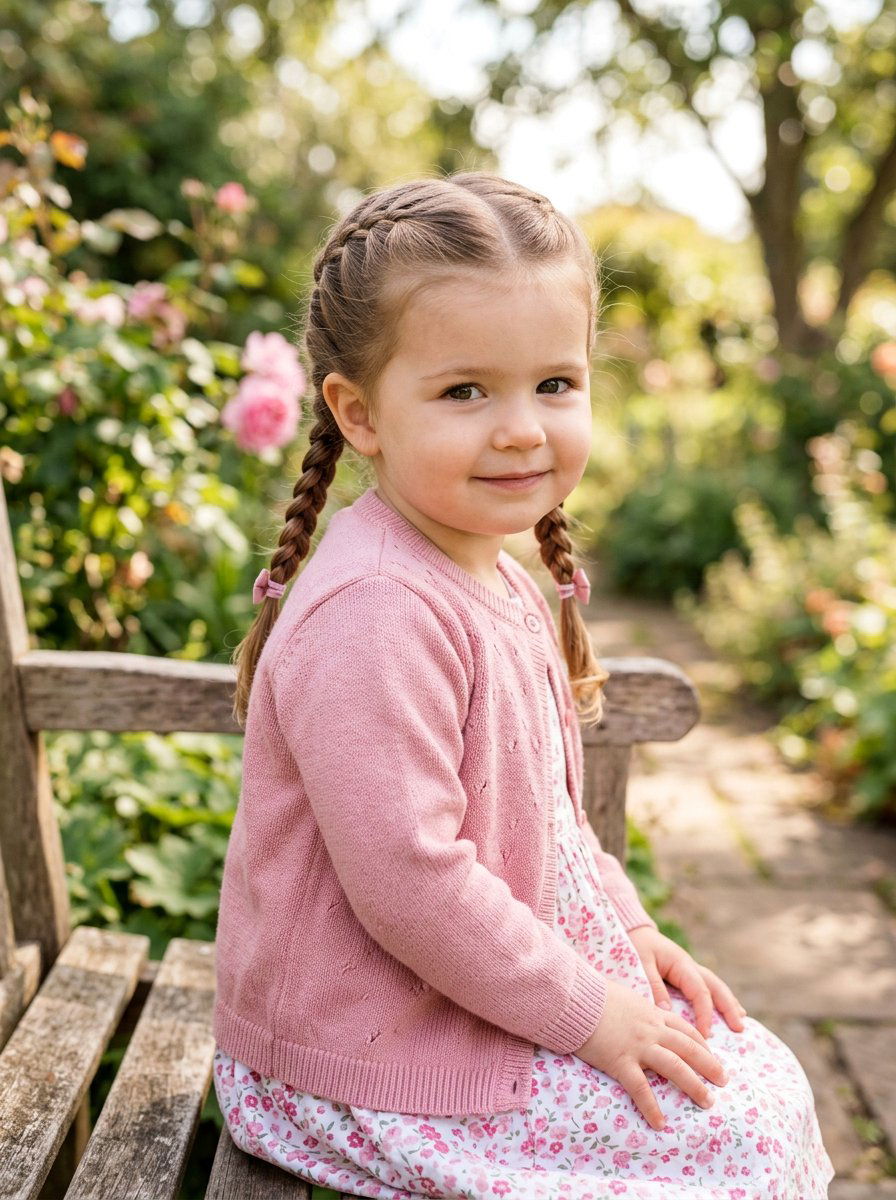
French braids for toddlers are a softer alternative to cornrows that still offer excellent protection and a classic look. The technique involve crossing strands over the center, creating a braid that is integrated into the scalp but appears smoother and less “ridged” than a Dutch braid. This is a very gentle style that puts minimal stress on the scalp, making it ideal for toddlers with very fine hair or sensitive skin. You can do a single braid, double braids, or even small French-braided pigtails. It is a quick style to execute on a busy morning and provides a timeless aesthetic that looks great with any outfit your toddler might wear.
Conclusion:
Choosing the right protective braid styles for toddlers is a wonderful way to manage their natural hair while encouraging healthy growth and retention. In 2026, the emphasis is clearly on styles that prioritize the child’s comfort and the long-term health of their scalp. By selecting low-tension techniques like knotless braids or gentle cornrows, you can prevent common issues such as traction alopecia and hair breakage. Remember that maintenance is just as important as the style itself; keeping the hair moisturized and protected at night with a satin bonnet will extend the life of the braids. These styles not only save time during busy mornings but also help your toddler feel confident and beautiful every day.
You'll Like These Styles:



Leave a Reply