
Now I have sufficient research to write a comprehensive, SEO-optimized article. Let me write the full piece.
***
Living with alopecia doesn’t mean giving up on great hair. Whether you’re dealing with patchy hair loss, a thinning crown, a receding hairline, or more widespread hair loss, there are so many beautiful and confidence-boosting hairstyles designed with you in mind. From chic short cuts that minimize visible thinning to protective styles, wigs, and creative coverings, women with alopecia have more options than ever before. The right hairstyle can completely change how you feel walking out the door each morning. This guide covers 20 of the best hairstyles for alopecia women — each one carefully chosen for its ability to flatter, conceal, and celebrate your unique beauty at every stage of your hair journey.
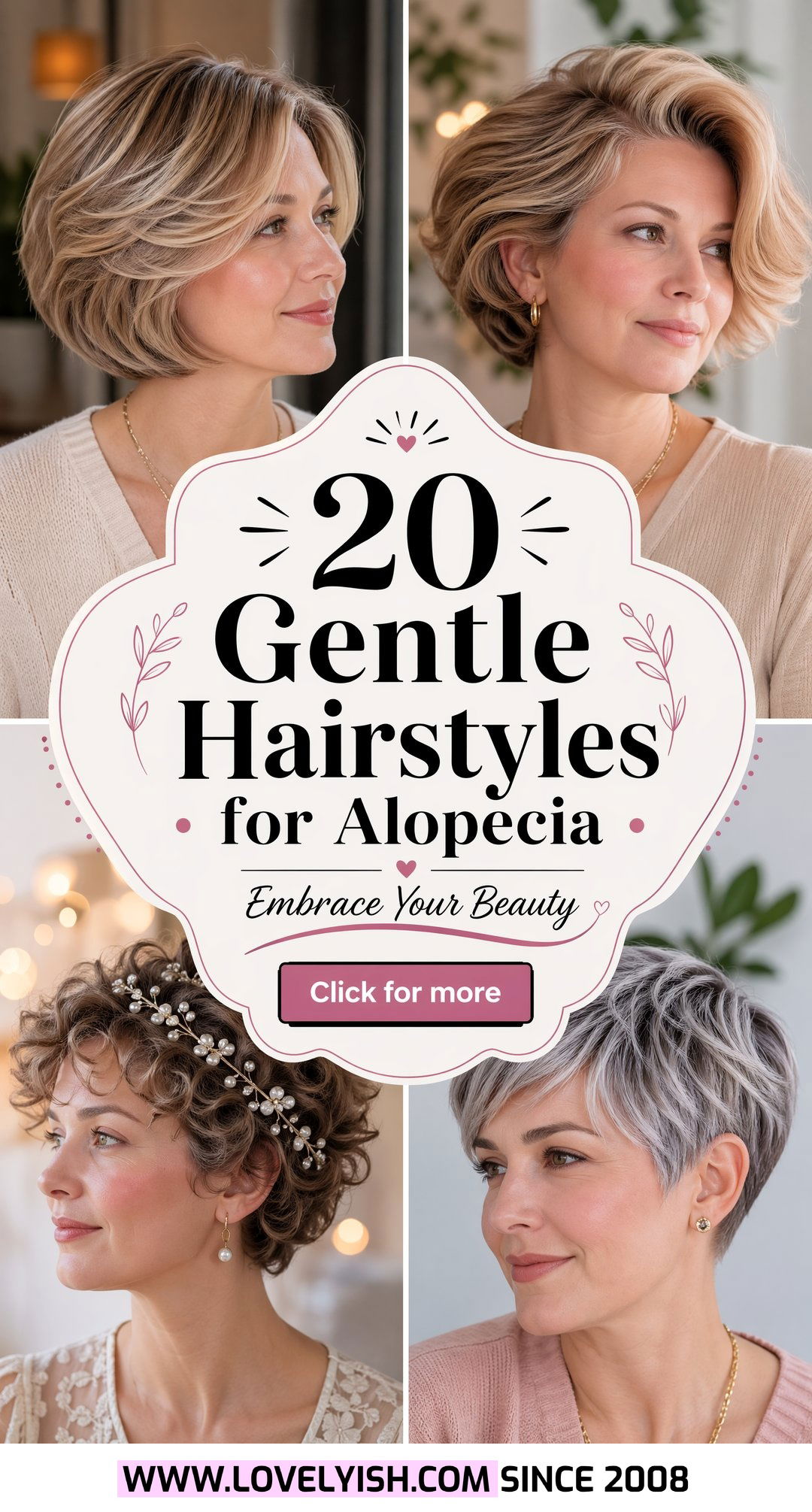
1. Layered Pixie Cut for Alopecia Women
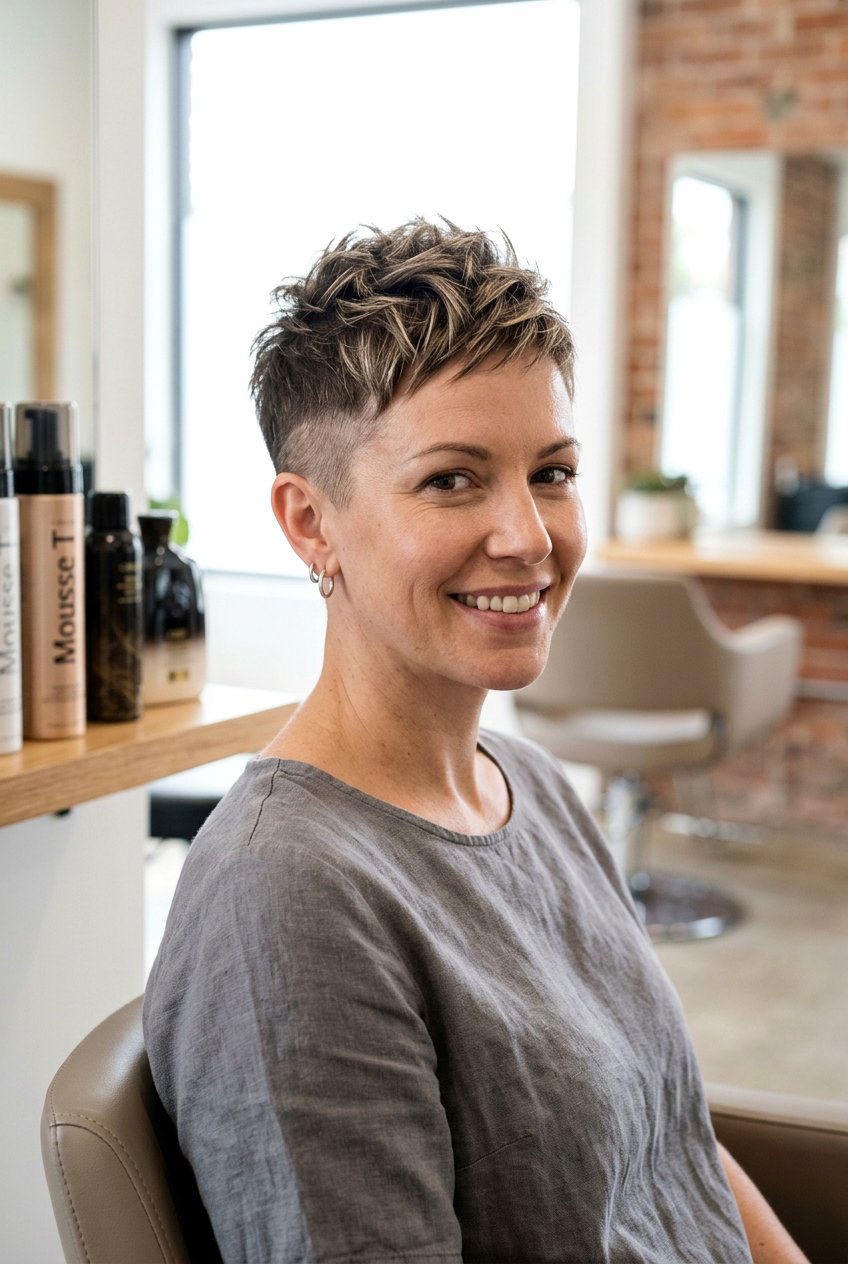
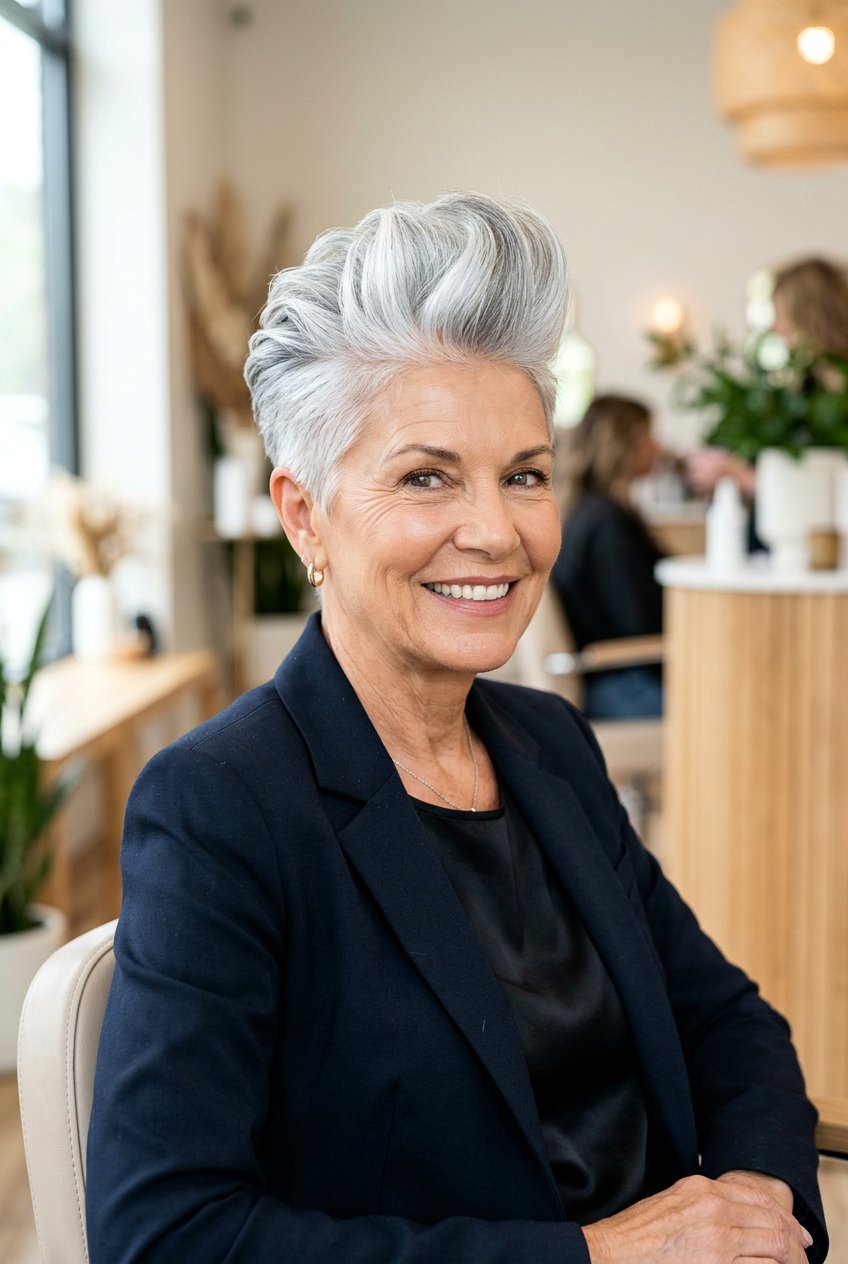
Few cuts are as universally flattering for alopecia women as the layered pixie cut. Short hair naturally reduces the contrast between thinning areas and fuller zones, making patches far less visible. When layers are added, your stylist can strategically place fuller sections over thinner ones, creating a seamless, natural look. Halle Berry’s signature layered pixie is frequently cited by hair experts as an ideal model for women with alopecia areata or diffuse thinning. The cut is low maintenance, dries quickly, and works especially well with a light hold gel or mousse for added texture and definition. Ask your stylist to keep the sides close and use longer layers on top for the best coverage. It’s bold, it’s modern, and it puts you in control of your look.
2. Side-Swept Bob with Deep Part

The classic bob gets a smart upgrade for alopecia women when paired with a deep side part. This simple styling shift instantly adds visual volume along the crown while pulling hair across any thinning zones near the top of the head. A chin-length cut works particularly well because the hair stays lightweight enough not to drag down and reveal the scalp. The side sweep creates movement and fullness on the heavier side, which draws the eye away from sparse areas. Choose a blunt or slightly angled cut to keep the ends looking dense and thick. Flat-iron it smooth or let it air-dry with a few waves — either way, this style delivers a polished, put-together look. It’s one of the easiest, most accessible hairstyles for alopecia women to maintain at home.
3. Buzz Cut for Women with Alopecia

Sometimes the most empowering move is to go all in. The buzz cut has become a symbol of strength and self-acceptance for many women living with alopecia. Rather than trying to hide hair loss, this look fully embraces it. A buzz cut eliminates the patchiness and uneven texture that comes with advanced alopecia, giving you a uniform, clean aesthetic that actually looks intentional and stylish. It requires almost zero daily maintenance and pairs beautifully with bold earrings, colorful scarves, or striking makeup to shift the focus to your face. Scalp care becomes a priority with this look — keep it moisturized and protected from the sun. For many women, shaving it off is described as a liberating turning point. It’s a powerful choice that commands attention in the best possible way.
4. Blunt Lob for Thinning Hair
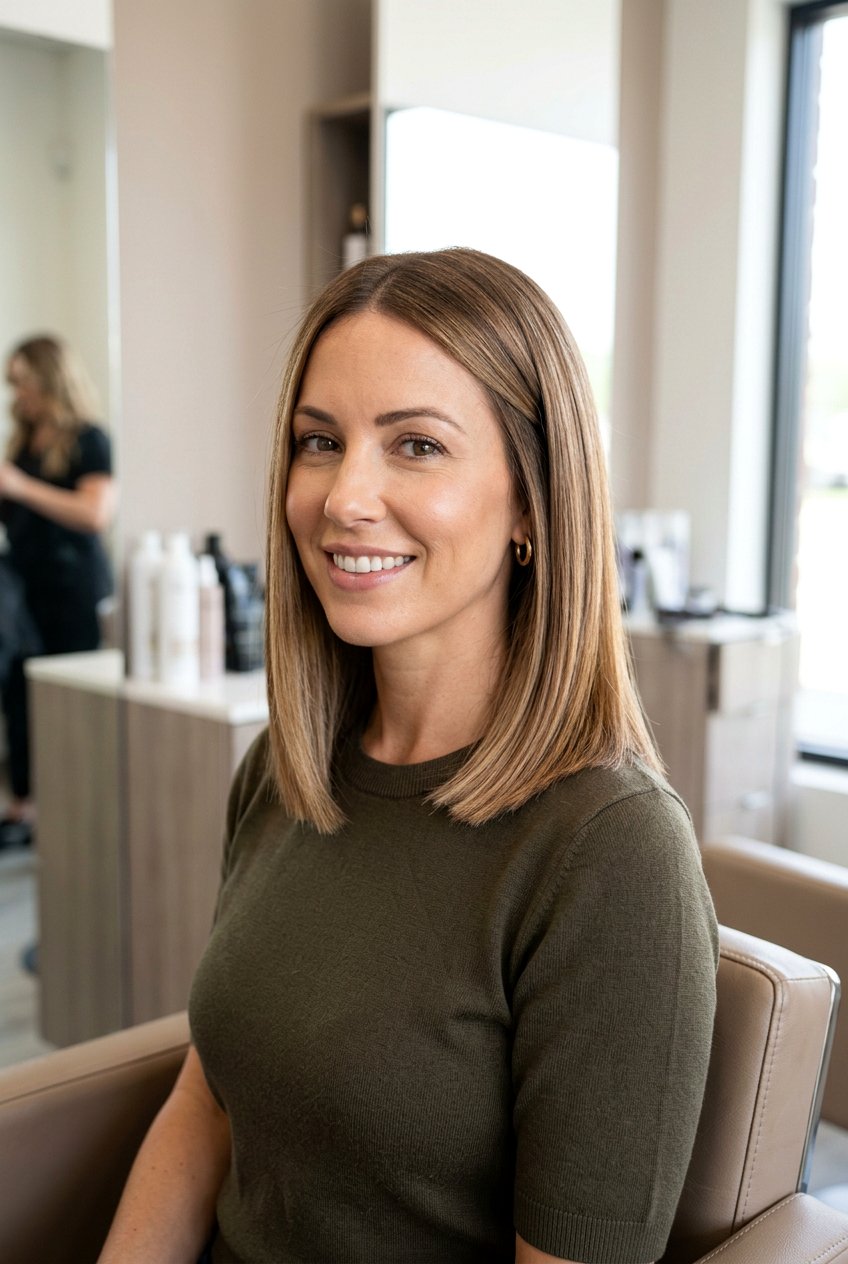
The lob — a long bob that hits right at the collarbone — is a smart pick for women experiencing diffuse thinning or overall volume loss from alopecia. Cutting all the ends to one uniform length creates the illusion of a thicker, denser head of hair, because the blunt edge makes strands appear fuller than they actually are. This length sits in a sweet spot — long enough to feel feminine and versatile, but short enough to avoid the heavy, dragging weight that makes thinning more visible. Adding soft highlights or balayage throughout gives the hair even more dimension and visual depth. Style it straight for a sleek, sophisticated effect or add loose waves for texture. The blunt lob is one of the most recommended haircuts by stylists for women dealing with hair loss.
5. Textured Shag Haircut for Alopecia

The shag haircut is a trendy, lived-in style that works surprisingly well for women with alopecia. Its signature combination of choppy layers and curtain-style bangs adds visible texture and movement throughout the hair, which helps disguise thinner sections. The layers are strategically cut to appear voluminous at the roots and wispy at the ends, creating fullness exactly where it’s needed most. This cut suits medium to shoulder-length hair and looks especially stunning with natural waves or a quick scrunch-and-diffuse routine. Ask your stylist for face-framing layers and feathered ends to maximize the illusion of density. Balayage color works beautifully with this style to add even more dimension. For women who want a modern, effortless look that doesn’t require heavy styling, the shag haircut is a genuinely great everyday option.
6. Short Curly Bob for Alopecia Women

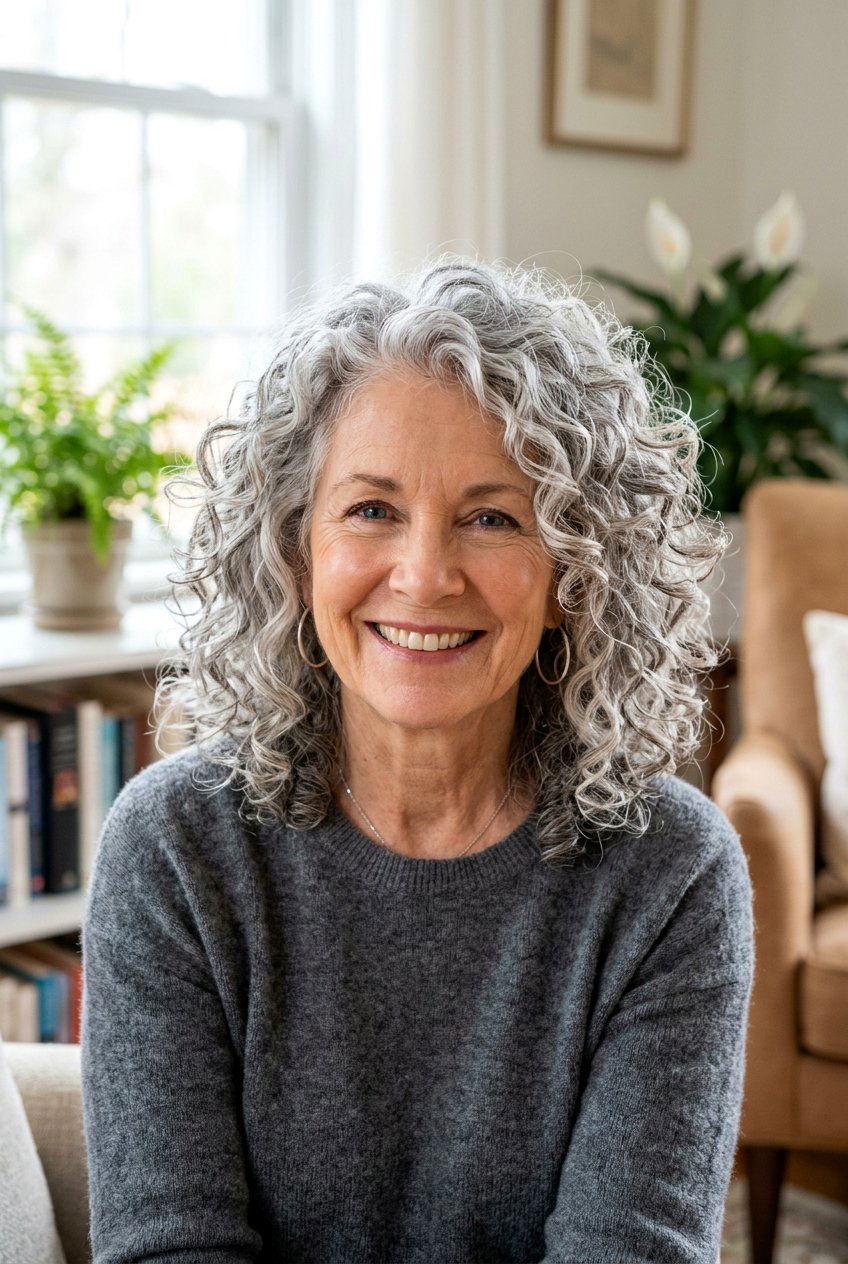
Curls are one of nature’s best tools for disguising thinning hair. A short curly bob takes full advantage of natural curl texture to create volume, bounce, and visual fullness that makes sparse areas nearly disappear. The coiling pattern of the hair bunches together and creates an appearance of density even when individual strands are fine or fewer in number. Keep the length around the chin or slightly shorter so the curls don’t stretch out and flatten under their own weight. Define your curls with a curl-enhancing cream or light mousse for the best results. Women with naturally curly or wavy hair will get the most dramatic effect from this style. Even if your curl pattern has changed due to alopecia-related regrowth, a skilled stylist can shape the bob to work with whatever texture you have available.
7. Full Fringe Pixie for Hairline Alopecia

A full fringe paired with a pixie cut is a two-in-one solution that covers a receding or thinning hairline while keeping the overall look short and neat. The bangs sweep straight across the forehead, completely hiding the front hairline from view — one of the most common areas affected by traction alopecia and other hair loss conditions. This style works beautifully on straight and slightly wavy hair types and looks incredibly chic with minimal effort. Ask your stylist to cut the fringe just above the eyebrows for maximum coverage and a bold, contemporary feel. The pixie portion at the back can be kept close-cut or slightly textured depending on your preference. Regular trims every four to six weeks will keep the fringe sharp and effective. It’s one of the most practical and stylish hairstyles for alopecia women dealing with front hairline loss.
8. Silk Press Lob with Side Part
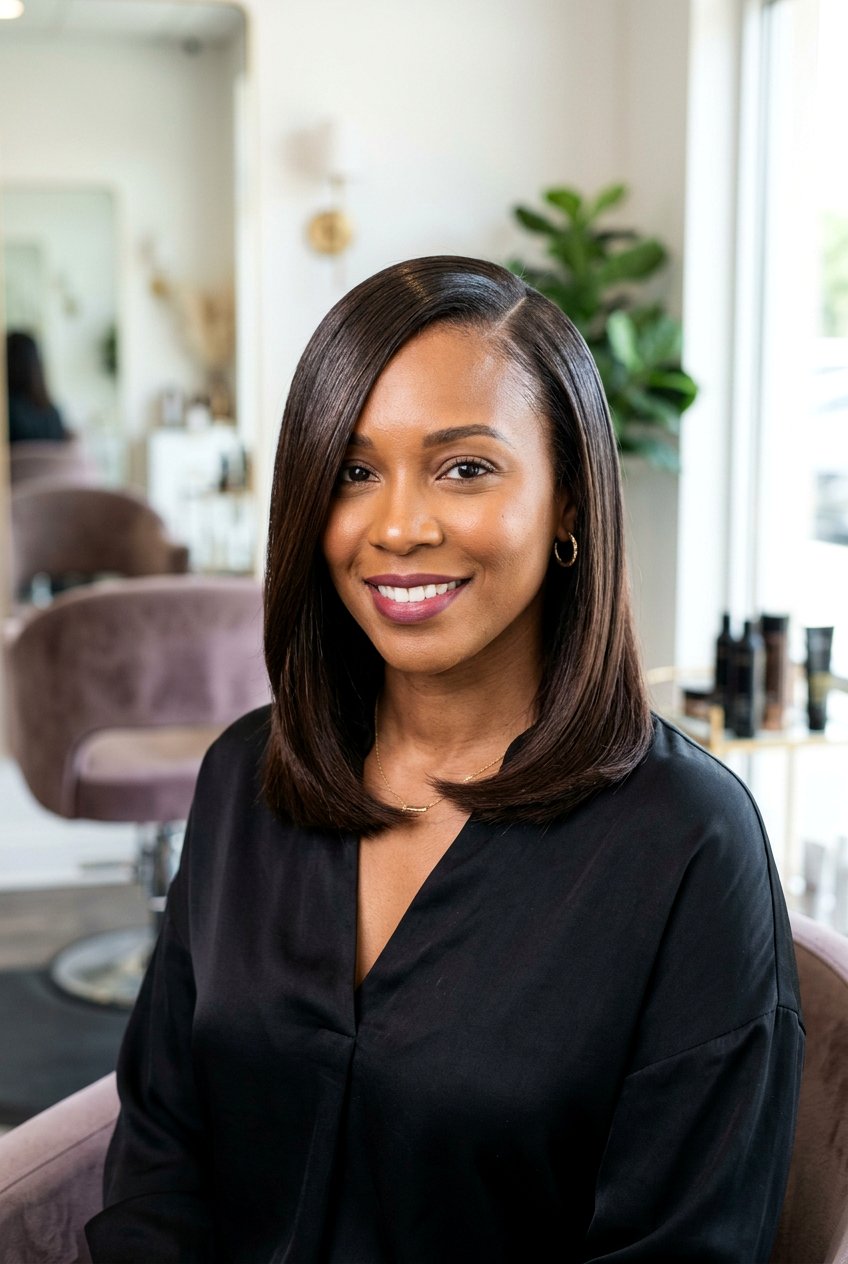
A silk press on a lob-length cut is a gorgeous option for Black women or women with coarser hair textures managing alopecia. The silk press smooths the hair shaft to a mirror-like shine, which makes hair appear thicker and denser from a distance. Combined with a deep side part, this style redirects volume over thinning sections and gives an overall impression of a full, healthy head of hair. The collarbone length keeps the weight manageable and prevents the hair from pulling down and exposing the scalp. Protect the style overnight with a silk bonnet to maintain smoothness and reduce breakage. This look is incredibly versatile — wear it sleek and straight for a polished feel or add a soft curve at the ends for a romantic touch. It photographs beautifully and holds up well throughout the day.
9. Loose Half-Up Half-Down for Alopecia
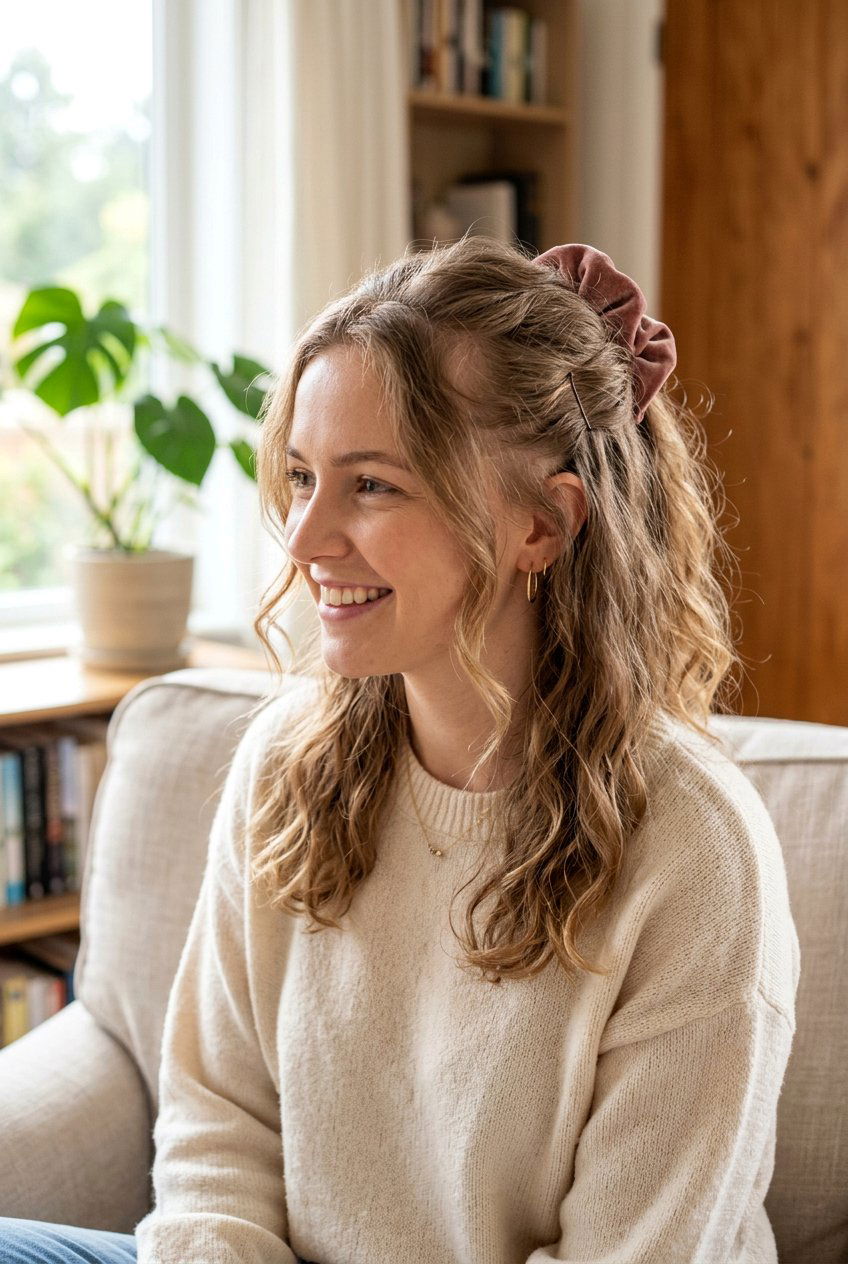
When you still have workable length, a loose half-up half-down style is one of the most flattering and gentle choices for alopecia women. This style lifts the top section of hair off the face, creating height at the crown and softly framing the sides. The key word here is loose — avoid pulling tight at the roots, as tension is a major contributor to traction alopecia and can worsen existing hair loss. Instead, use a soft scrunchie or large clip to gather the top section and let it sit naturally without pulling. Leave the bottom half down to add body and volume. This works especially well when paired with loose waves or curls. It gives a polished, feminine look for everyday wear, appointments, or social gatherings without putting any stress on already vulnerable follicles.
10. A-Line Bob for Alopecia Women

The A-line bob is slightly shorter in the back and longer in the front, creating a gentle diagonal that adds structure and movement. For alopecia women, this shape works incredibly well because the front panels hang forward and provide coverage along the sides and crown of the head. Julius Michael, a celebrity hairstylist, specifically recommends the A-line bob for fine and thinning hair because the evenness of the cut delivers volume and bounce without relying on layers. The back stays close-cropped, making it airy and low maintenance, while the longer front sections give you a stylish, angular silhouette. Style it straight with a flat iron or let it dry naturally for a softer finish. This is a great choice for women who want a modern, no-fuss look that still feels intentional and polished.
11. Head Wrap Style for Alopecia Women
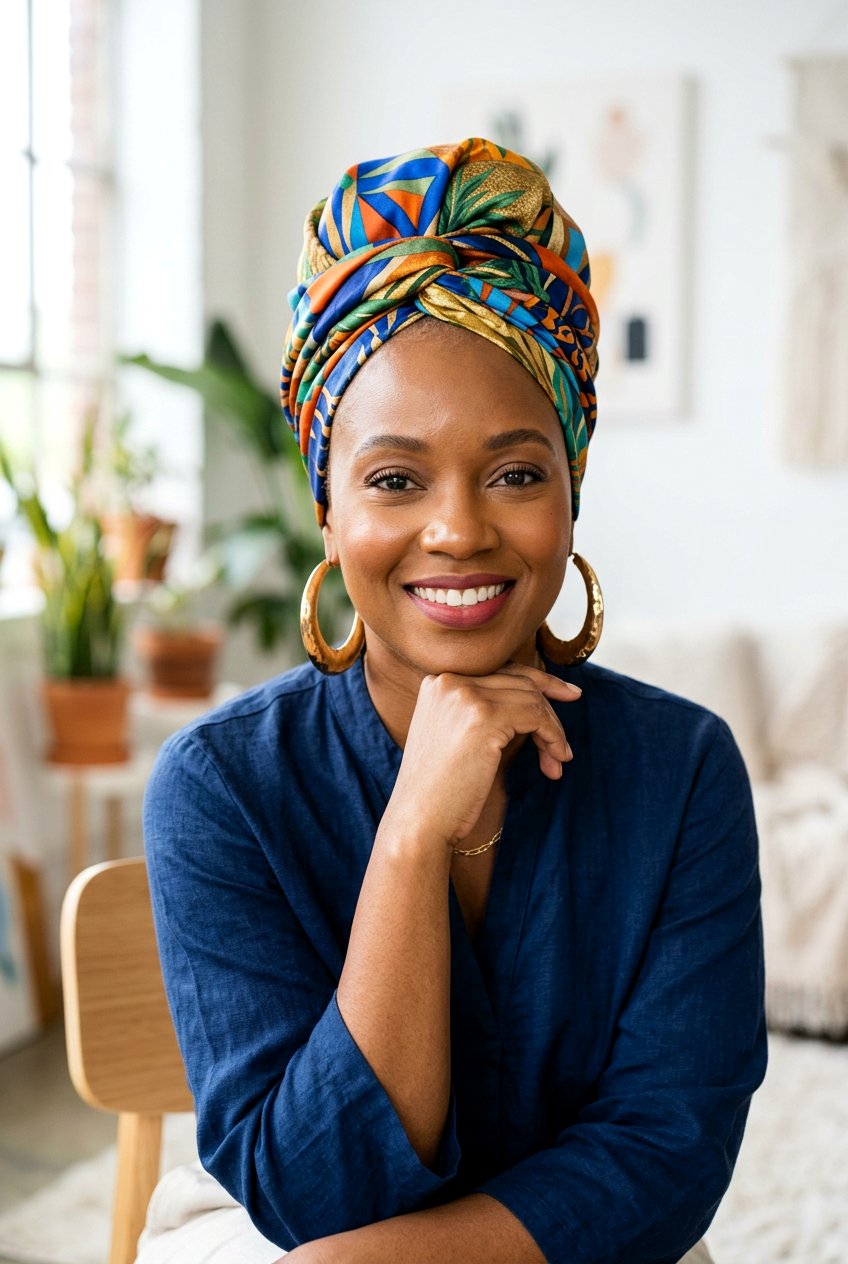
Head wraps are one of the most creative, expressive, and protective hairstyle options for women managing alopecia. A beautifully tied wrap can completely transform your look — they come in hundreds of colors, prints, and fabrics, making them highly versatile. Silk and satin wraps are especially gentle on the scalp and any remaining hair, preventing friction and breakage. Turbans are a popular variation that can be pre-tied and slipped on in seconds — perfect for busy mornings or days when you’re not feeling confident about your hair. Pair your head wrap with large earrings and a bold lip to create a full, intentional look that feels fashion-forward rather than like a cover-up. Many women find that embracing head wraps actually becomes a signature part of their personal style and a form of self-expression that celebrates their journey.
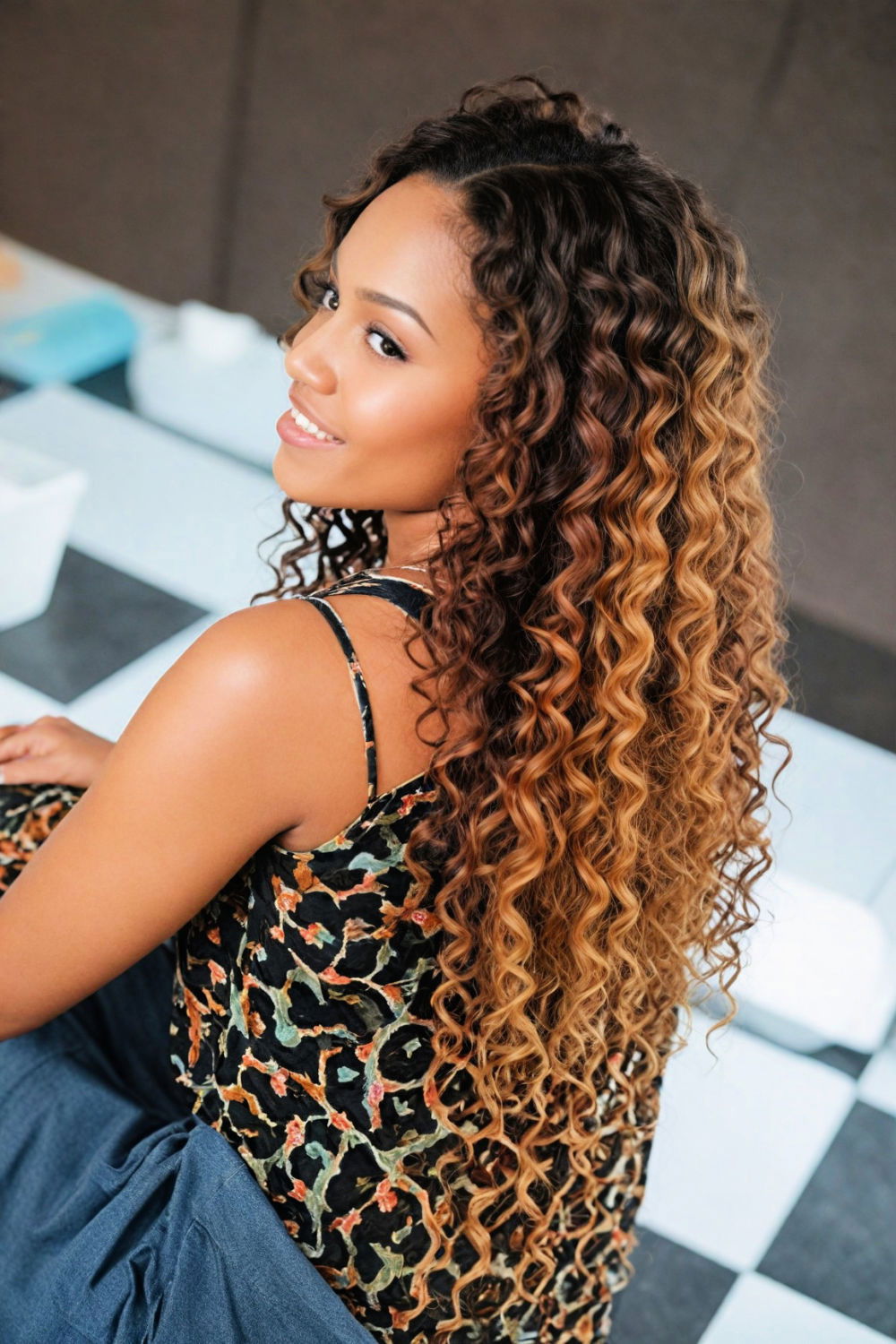
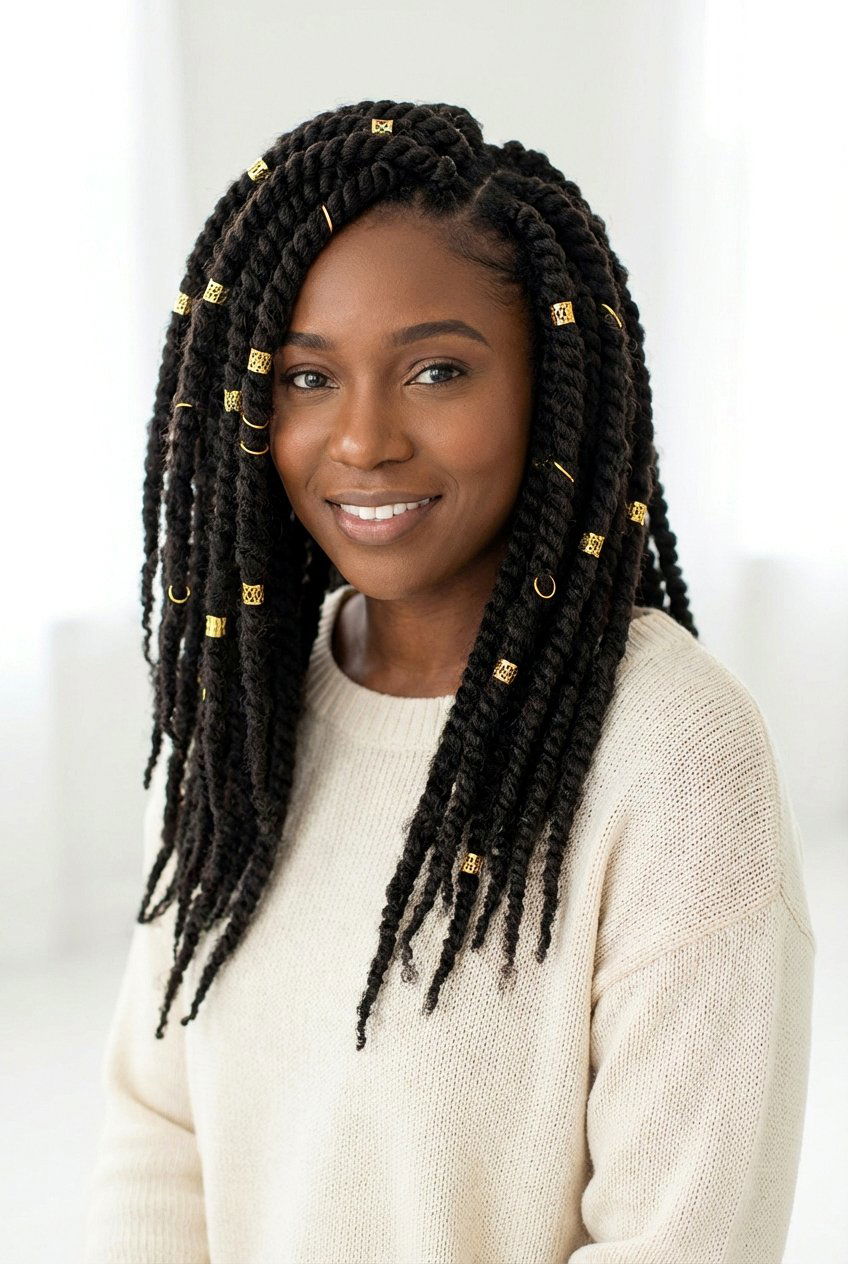
12. Short Tapered Cut for Women with Alopecia
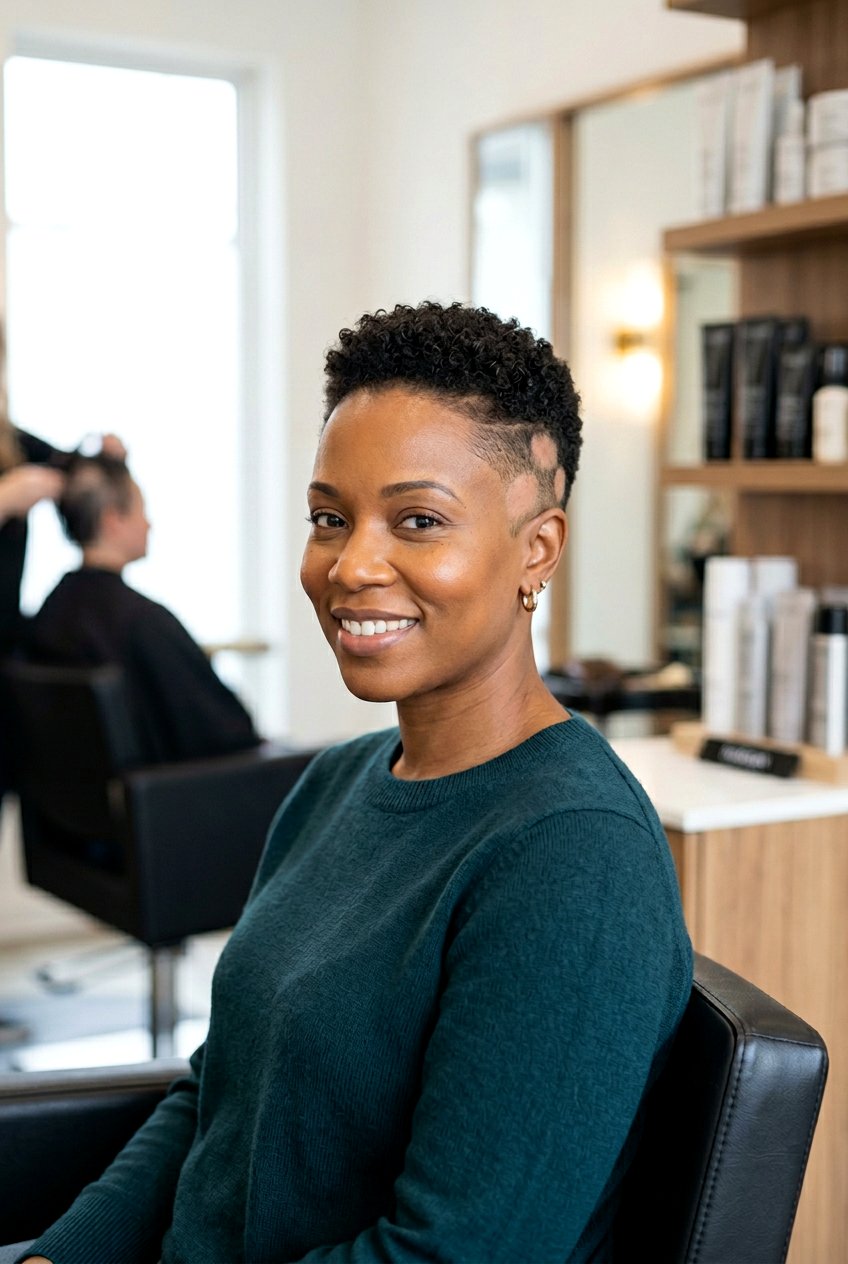
A short tapered cut sits just above or around the ears and gradually fades shorter toward the nape of the neck. This barbershop-inspired style has crossed over beautifully into women’s styling and is particularly effective for alopecia women. The taper draws attention to facial structure and creates a clean, polished silhouette that minimizes the appearance of patchy hair on the sides or back. The short length means there’s very little hair to thin out visibly, so the overall look stays consistently full-looking. Keeping the top slightly longer gives you a little room for styling — finger coils, a tiny pompadour, or simply brushed forward. This cut suits nearly all face shapes and is incredibly low-maintenance between visits to the barber or stylist. It’s a confident, modern look that works for professional and casual settings equally well.
13. Lace Front Wig Style for Alopecia Women

Lace front wigs have become one of the most popular and practical hairstyle solutions for women with moderate to severe alopecia. The lace front creates an undetectable hairline, making the wig appear as though the hair is actually growing from your scalp. Modern lace front wigs come in every length, texture, and color imaginable — from short pixies to long flowing waves — giving you total freedom to change your look whenever you want. Look for wigs made from breathable lace that won’t irritate a sensitive scalp, and choose human hair options if budget allows for the most natural appearance and styling flexibility. Secure the wig with adhesive tape or wig grip bands rather than glue to protect any remaining hairline. Many alopecia women consider their wig collection a form of creative self-expression, rotating between styles depending on their mood.
14. Cornrow Braids for Alopecia Women
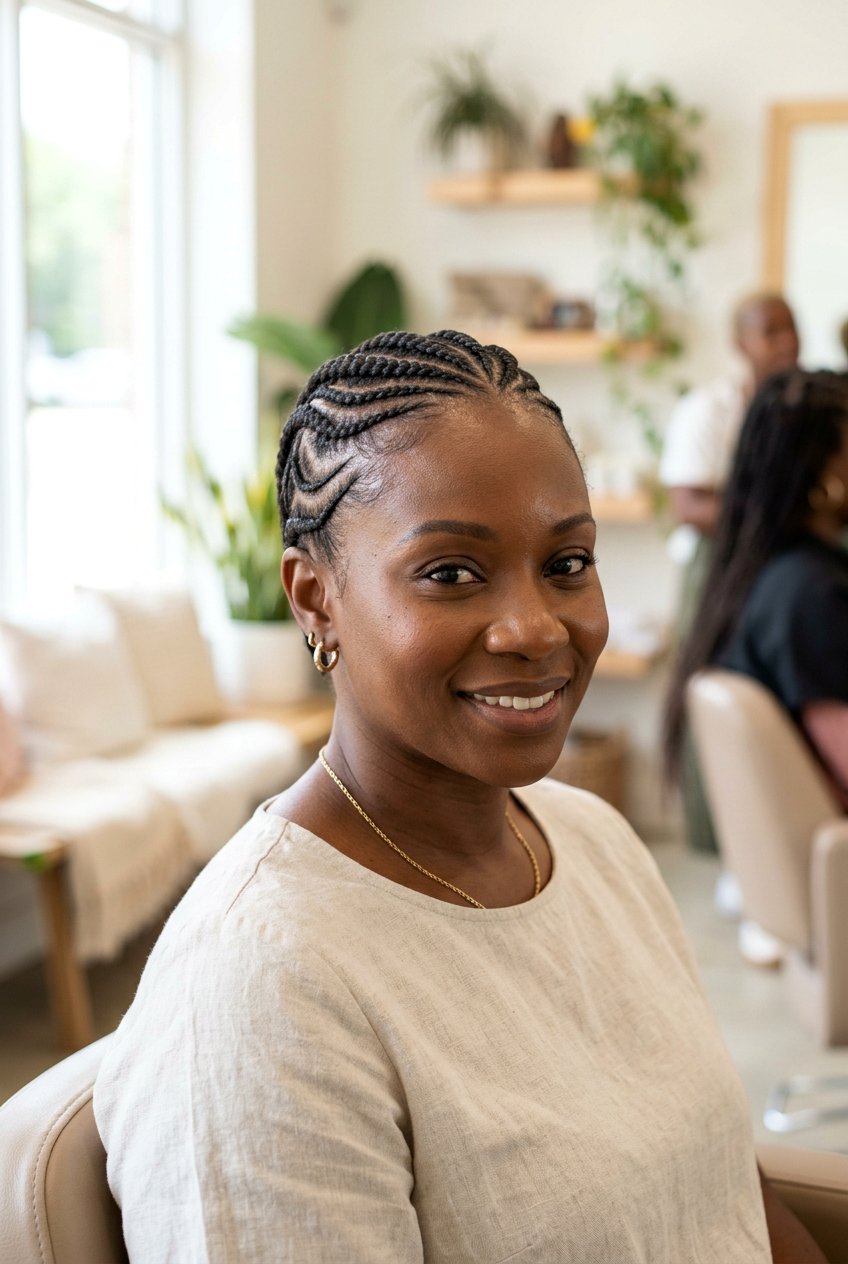
Cornrow braids are a protective option that can work beautifully for alopecia women, particularly those with natural hair textures, when done correctly. The key is making sure the braids are installed loosely and without tension along the hairline and edges. Tight braiding is actually one of the known causes of traction alopecia, so if you already have hair loss, it’s essential to communicate clearly with your braider and ask for a tension-free installation. Smaller, flatter cornrows laid in creative patterns look stunning and can last one to two weeks with proper wrapping at night. For areas where hair is very thin or absent, your braider can work around them or blend in lightweight extension hair at a low tension to fill in the look. The result is a clean, structured style that feels polished and celebratory.
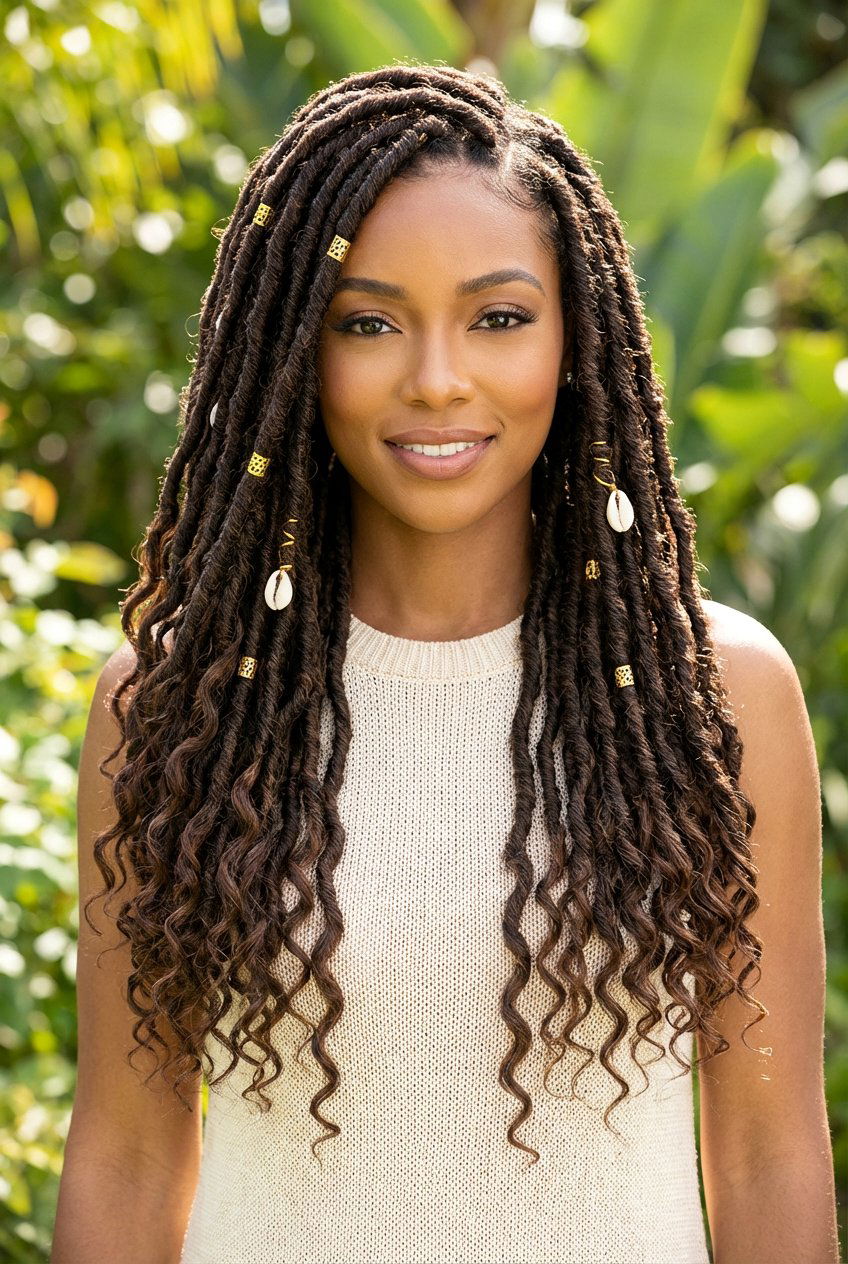
15. Crochet Braids for Alopecia Women
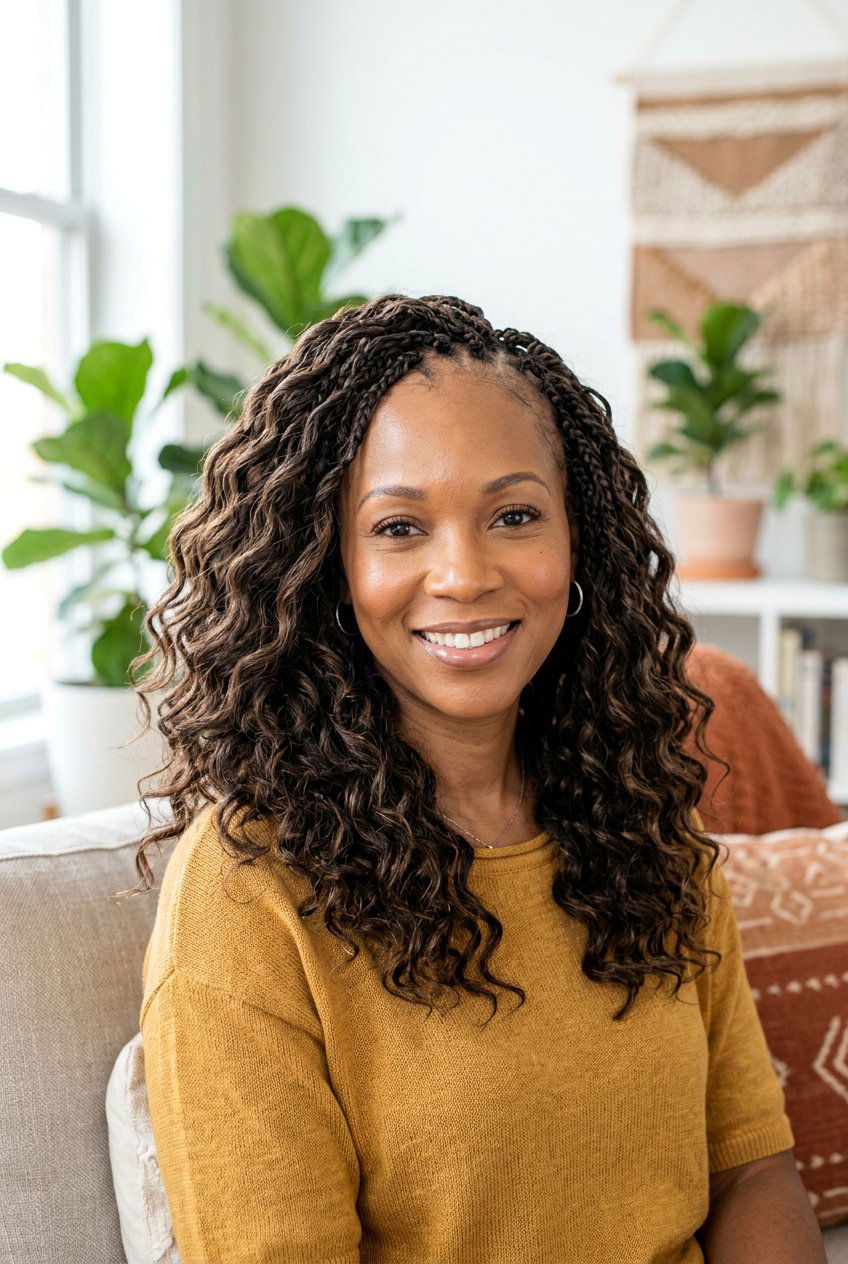
Crochet braids are a fantastic low-manipulation hairstyle option for women with alopecia because the hair is looped through a cornrow base rather than individually braided, which drastically reduces tension on the scalp. You can choose from dozens of textures — loose waves, kinky twists, box braids, or Senegalese twists — to create virtually any look you want. The weight of the extensions is distributed evenly, reducing the risk of pulling on thinning areas. Make sure the cornrow base beneath the crochet is laid flat and not too tight. This style typically lasts four to eight weeks and requires minimal daily maintenance — just a light oil or scalp spray to keep the foundation moisturized. Crochet braids are a beautiful way for alopecia women to switch up their aesthetic while giving their natural hair and scalp a needed break from daily manipulation.

16. Curly Wig Bob for Alopecia Women

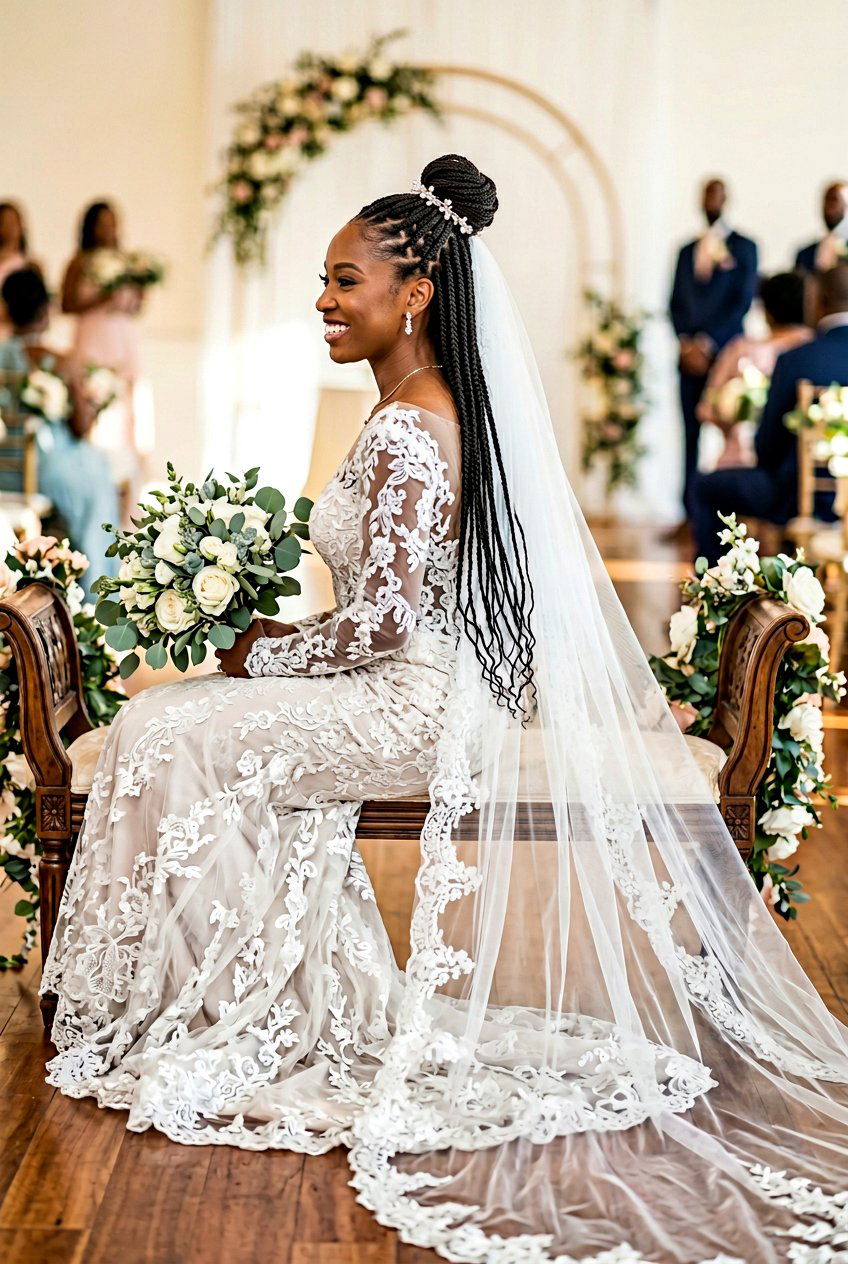
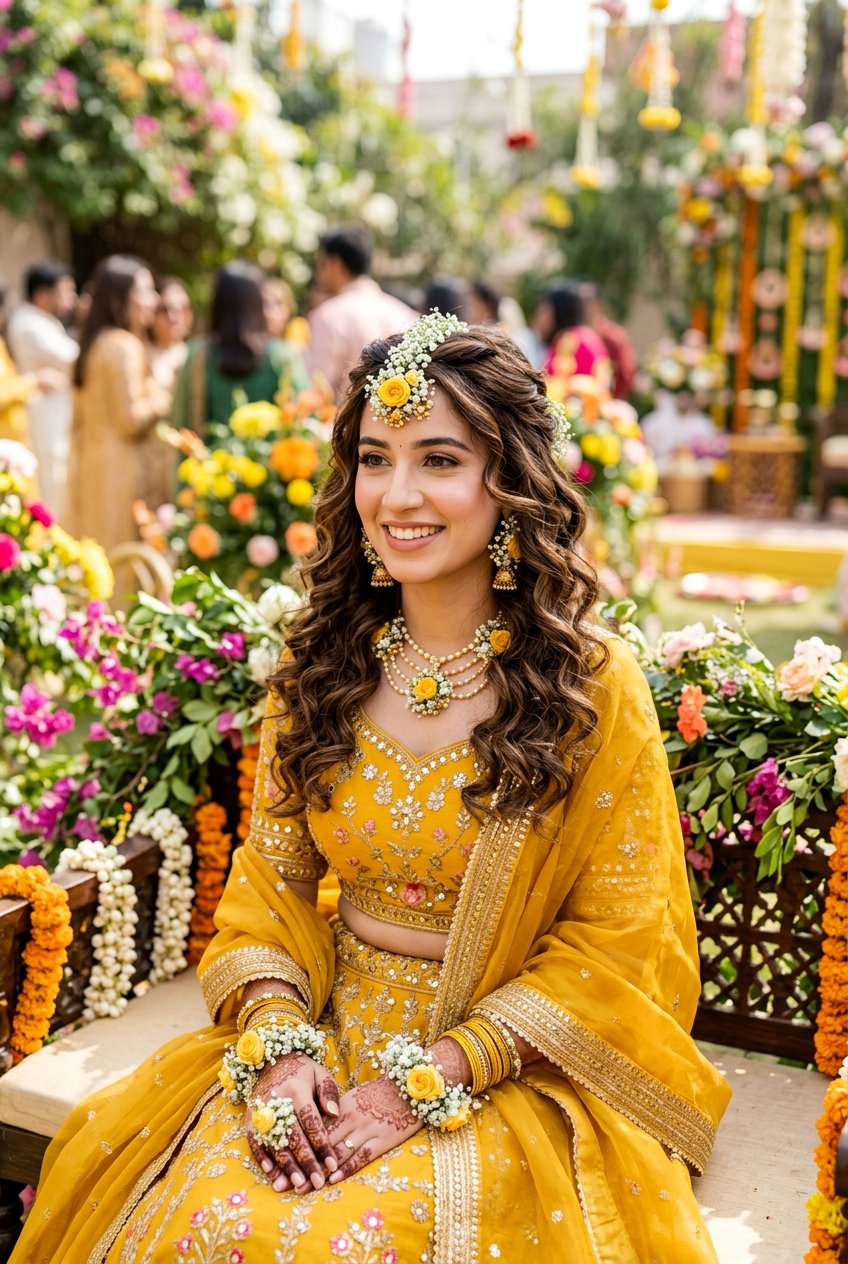
A curly wig cut in a bob silhouette combines two of the best features for alopecia women — the coverage of a wig and the volume illusion of curls. Short curly wigs sit right at or just below the chin, creating a bouncy, full-looking style that’s incredibly easy to wear. When shopping for a curly bob wig, look for a cap construction with a full lace or lace front for the most natural appearance around the hairline and parting. Human hair wigs allow you to add more definition with a curl cream or diffuser, while heat-resistant synthetic options are a more budget-friendly choice that still look gorgeous. Secure the wig with a headband grip or adjustable wig cap for all-day comfort. This style is especially popular because it requires no heat styling — just shake, fluff, and go.
17. Soft Waves with Hair Topper
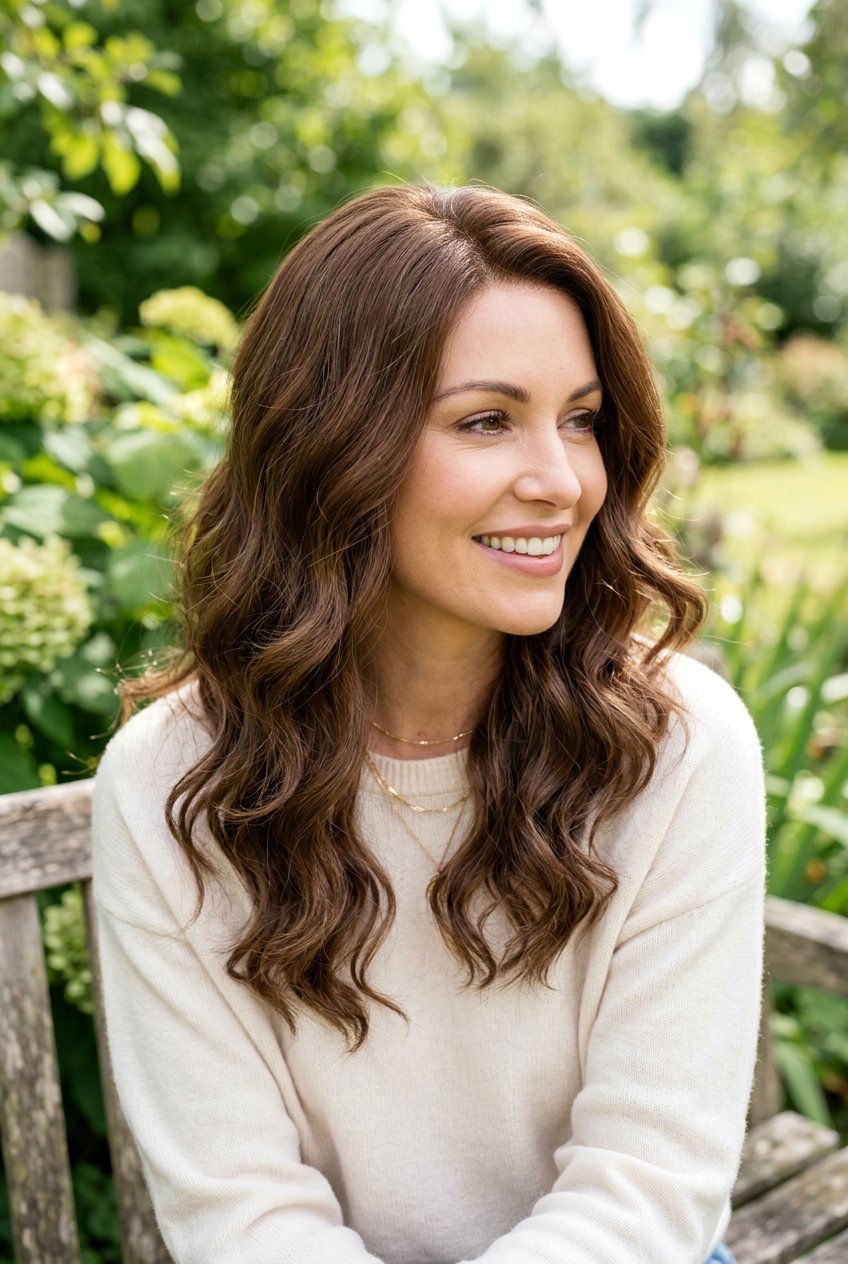
Hair toppers are a fantastic middle-ground solution between a full wig and your own natural hair. They clip directly onto existing hair at the crown or part, adding volume and coverage exactly where alopecia tends to strike most visibly. Styling a topper with soft, loose waves creates a blended, natural-looking result that’s difficult to distinguish from real hair. Choose a topper that matches your natural color closely, or use it as an opportunity to add a subtle balayage effect. The clips should rest comfortably without digging into the scalp — look for toppers with four to six clips for the most secure fit. This is a particularly loved option among women with early to moderate hair loss who want to boost volume without committing to a full wig. A soft wave topper can add years of confidence to your daily routine.
18. French Bob for Fine Alopecia Hair
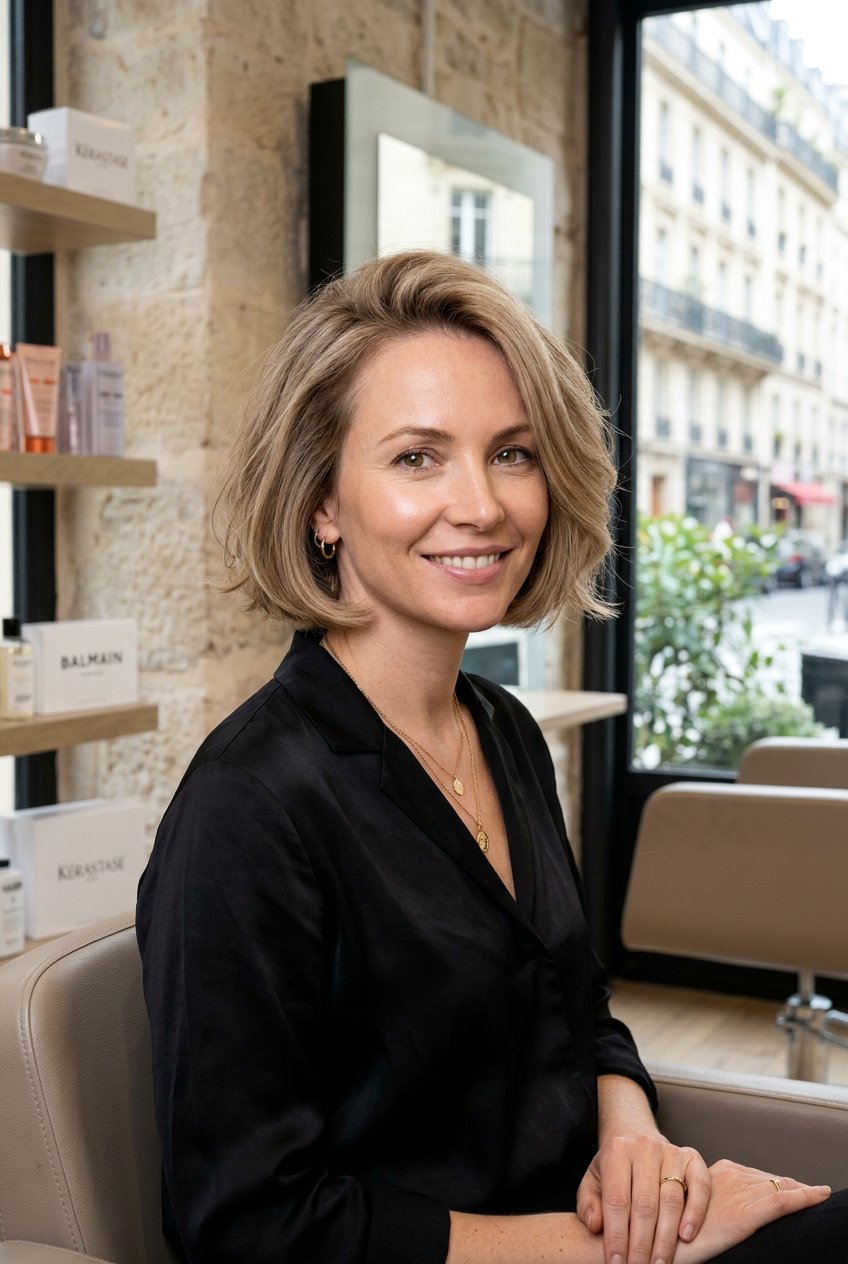
The French bob is a shorter, more cropped version of the classic bob, typically falling between the chin and cheekbones. Stylists frequently recommend it for fine or thinning hair because hidden internal layers create a surprising amount of lift and volume from the inside out. For alopecia women, this cut works especially well because the shortness reduces the visible weight of the hair, keeping it lifted and full-looking throughout the day. Pair it with a light volumizing mousse applied at the roots and blow-dry upward with a round brush for maximum body. The French bob also suits a range of natural textures — it looks equally chic on straight, wavy, and loosely curled hair. This is one of those cuts that always looks deliberately styled rather than effortless, which is a great confidence boost for women navigating alopecia-related hair changes.
19. Low Bun with Edge Scarf for Alopecia Women
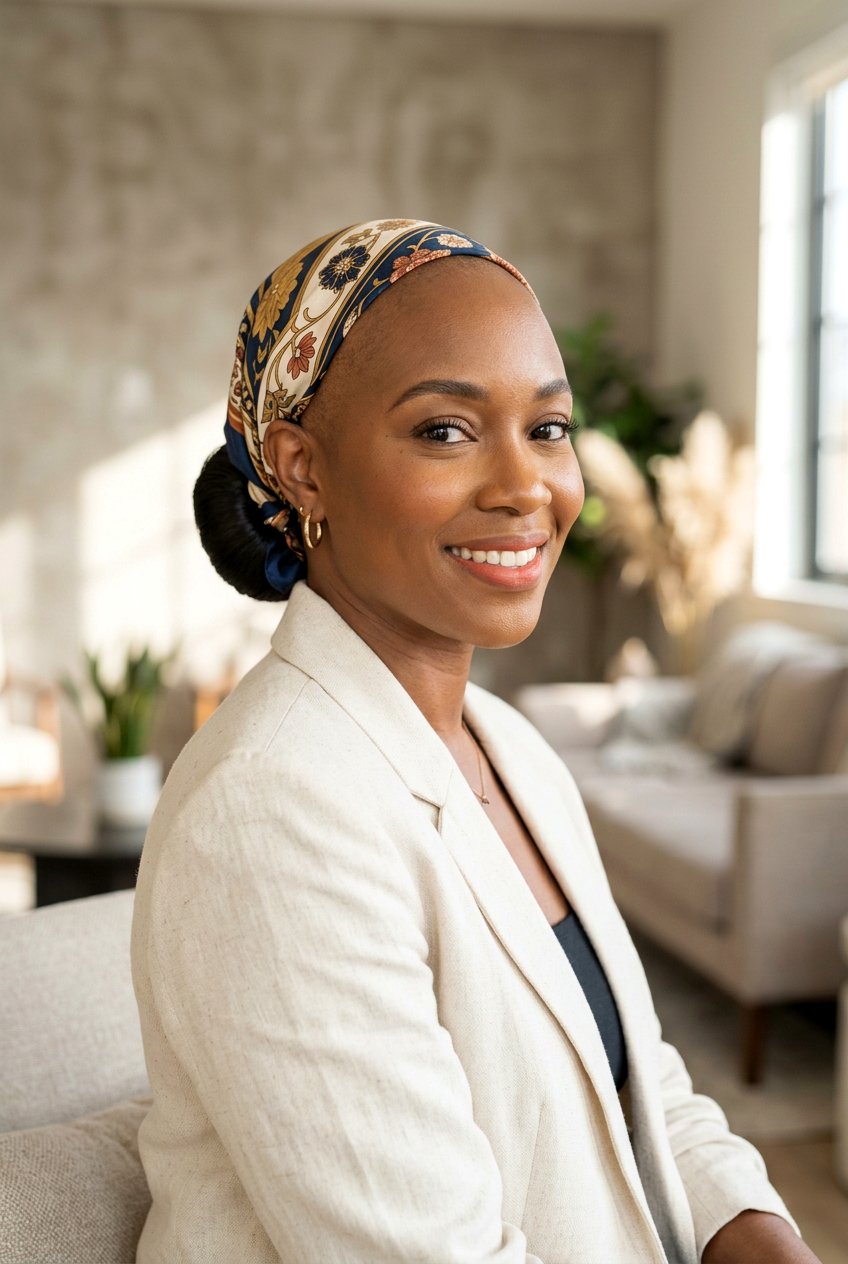
A low bun paired with a decorative edge scarf is an elegant, practical hairstyle idea for alopecia women who want to keep their hair up but still look polished. The bun is positioned low at the nape, which reduces pulling and tension on the crown and top of the head. The edge scarf — a narrow strip of fabric or silk tied along the front hairline — serves a dual purpose: it protects the edges and covers any thinning or missing hair along the hairline and temples. Use a silk or satin scarf to reduce friction and breakage on already fragile hair. Style the bun smooth and neat or let it be slightly loose and textured depending on the occasion. This is a classic look that reads as sophisticated and intentional rather than as a workaround, making it perfect for professional settings and everyday wear alike.
20. Bold Colored Wig for Alopecia Women

Who says alopecia has to hold you back from experimenting with bold color? A bold colored wig — think deep burgundy, bright auburn, soft rose, or rich navy — gives alopecia women the freedom to completely reinvent their look without any chemical processing on the scalp. Wigs with vibrant color are widely available in short pixie, lob, and bob silhouettes. The drama of the color naturally draws the eye to the overall style and face rather than to individual strands or scalp visibility. Look for a wig with a natural-looking lace front for seamless blending with your hairline. Colored synthetic wigs are generally more affordable and easier to maintain than color-treated human hair. Many alopecia women say that wearing bold colored wigs became one of the most fun and unexpected silver linings of their hair loss journey — a genuine opportunity for fearless self-expression.
Conclusion:
Alopecia changes your hair, but it doesn’t have to change your confidence or your sense of style. From a sharp layered pixie and a chic French bob to lace front wigs, crochet braids, and bold colored wigs, there are more beautiful hairstyle options for alopecia women than most people realize. The most important thing is finding styles that work with your specific hair loss pattern — whether that’s a receding hairline, crown thinning, or patchiness — and make you feel genuinely good. Talk to a stylist who has experience with alopecia clients, because the right professional guidance makes all the difference. Try different options without pressure, because your style can and should evolve alongside your journey. No matter where you are in the process, there is a hairstyle out there that fits your life, your personality, and your beauty perfectly.
***
You'll Like These Styles:







Leave a Reply