
Discovering the secret to perfect morning hair often starts with a simple, heat-free technique right before you drift off to sleep. Choosing the right bedtime braid hairstyles for waves can transform your morning routine from a stressful styling session into a quick, effortless reveal of beautiful texture. Whether you want tight, beachy crimps or large, bouncy Hollywood bends, the way you secure your hair at night makes all the difference. This guide explores the most effective braiding methods that protect your strands from friction while setting a gorgeous pattern. By following these expert-backed styles, you can achieve professional-looking waves without the damage of hot tools. Let’s dive into the best ways to braid your hair for stunning overnight results.
1. French Braid
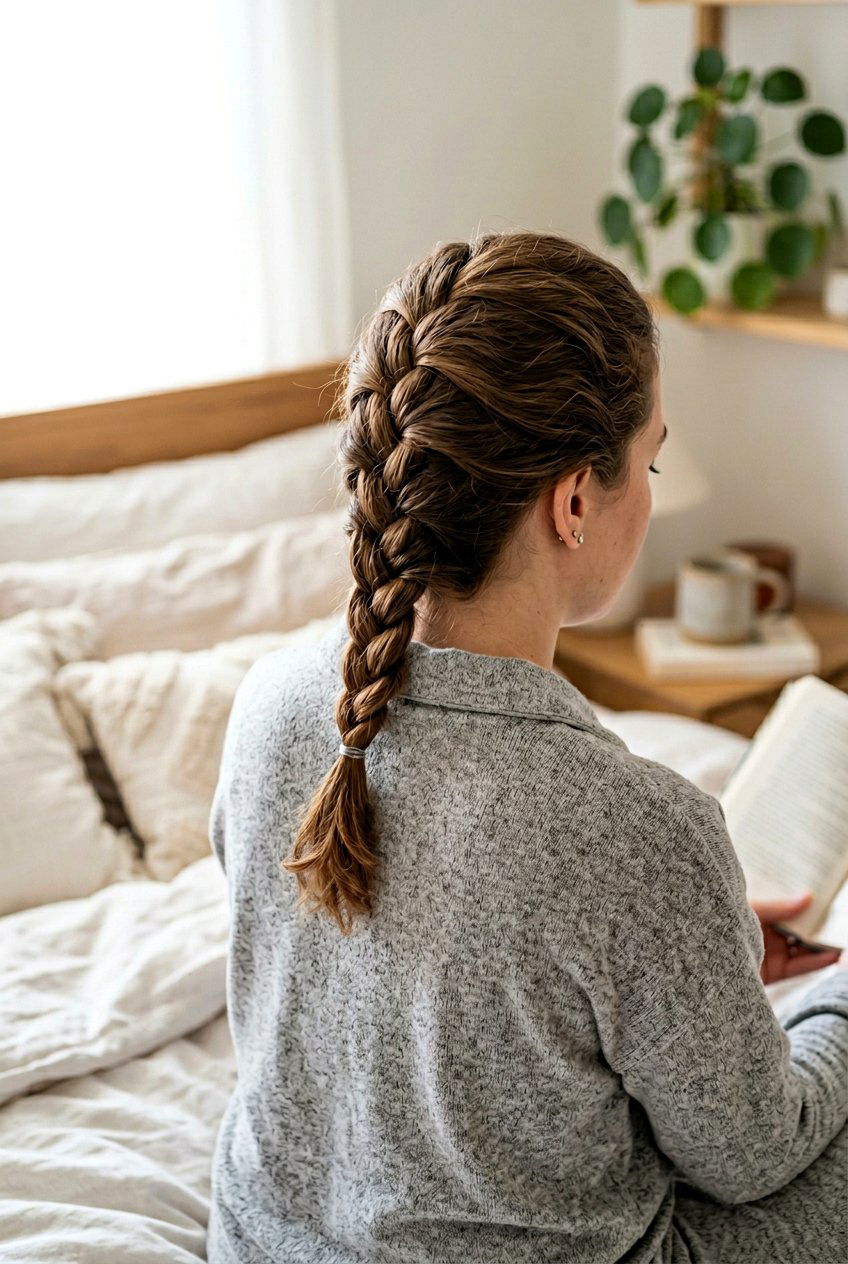
The French braid is a classic choice for anyone seeking consistent, uniform waves that start right from the crown of the head. To achieve this look, you should begin with slightly damp hair and incorporate sections from the top down to the nape of your neck. This technique ensures that the wave pattern is evenly distributed throughout your hair, preventing a flat look at the roots. Because the hair is held securely against the scalp, it minimizes frizz caused by tossing and turning during the night. In the morning, you will wake up with voluminous, organized waves that look like they were styled with a high-end wand.
2. Dutch Braid
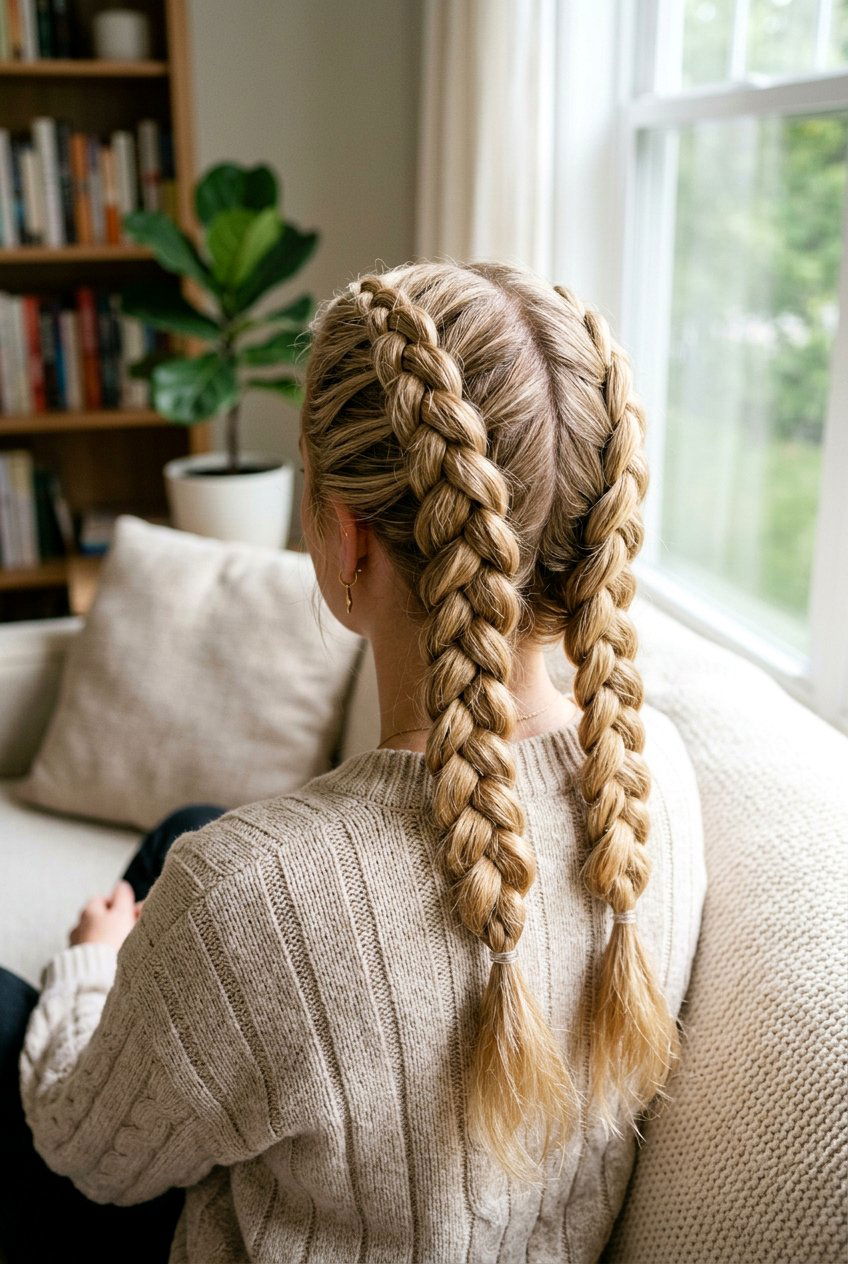
Dutch braids are essentially the reverse of a French braid and are perfect for creating extra-defined, chunky waves with a lot of lift. By crossing the strands under rather than over, you create a braid that sits on top of the hair, which translates to a deeper indentation and more prominent texture once unraveled. This style is particularly beneficial for those with fine hair who struggle to maintain volume, as the technique naturally pushes the hair away from the scalp. When you take these out, the result is a bold, high-impact wave pattern. Using two Dutch braids can further increase the volume and ensure the back of your head is fully textured.
3. Fishtail Braid
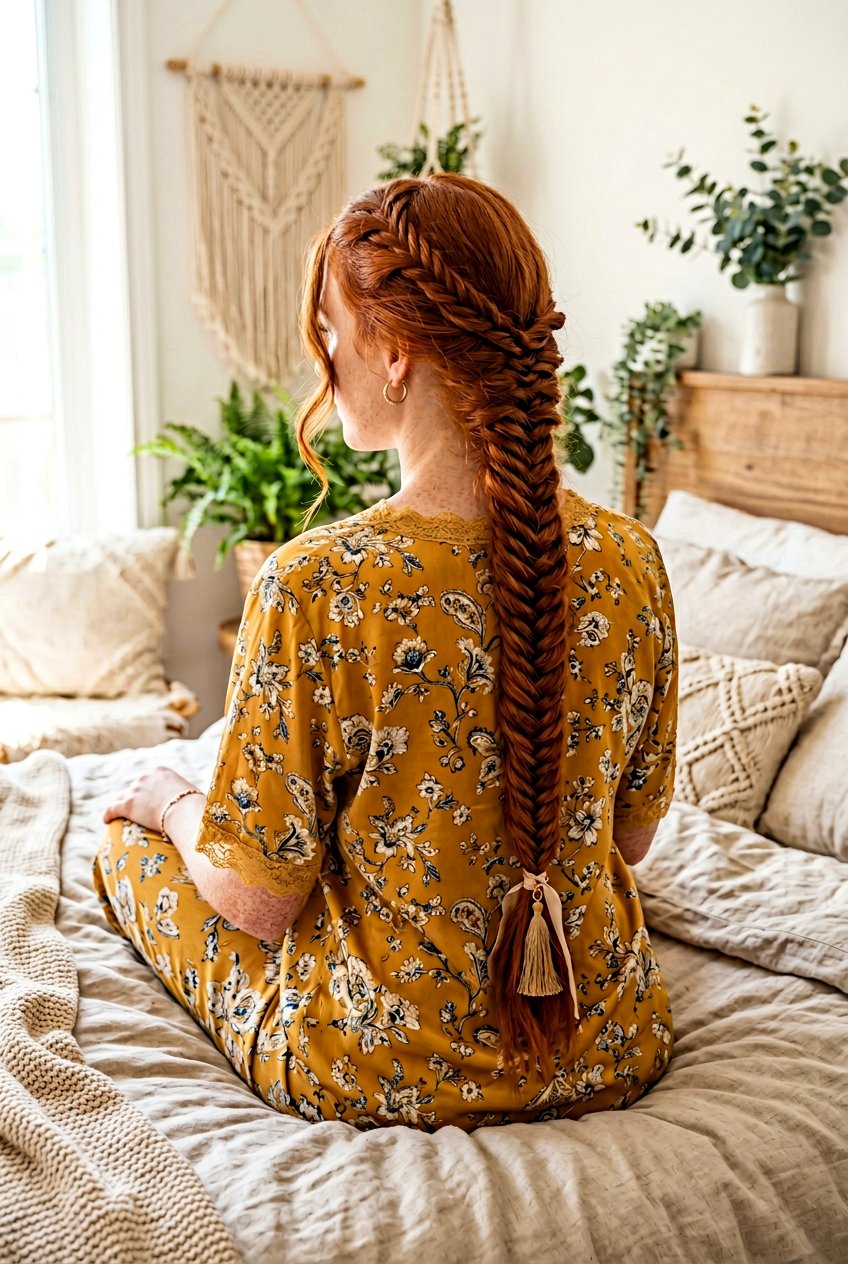
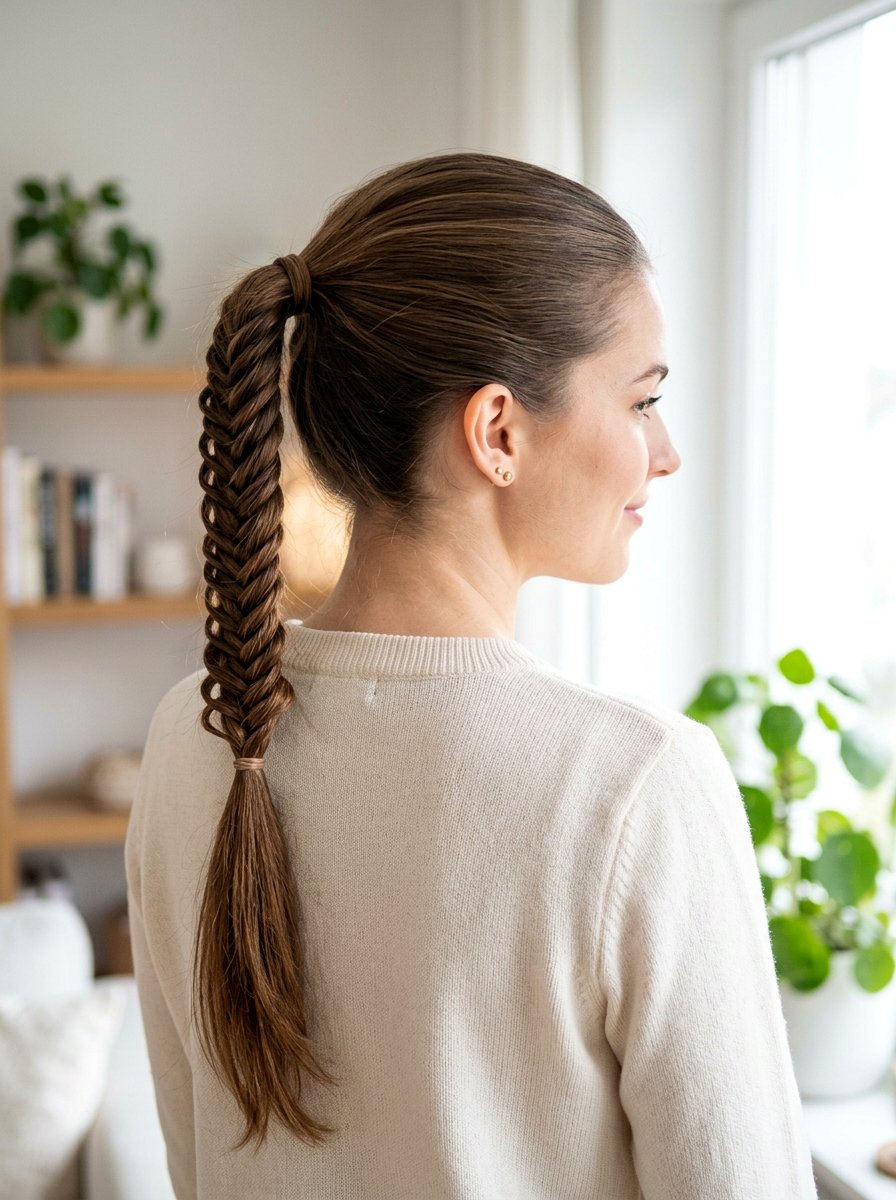
If you prefer a more intricate, bohemians-style texture that resembles tight crimps or mermaid waves, the fishtail braid is your best bedtime option. This style uses two main sections and small, overlapping pieces to create a very dense weave. Because the sections are much smaller than a traditional three-strand braid, the resulting waves are tighter and more frequent. This is an excellent choice for long hair, as it keeps every strand tucked away and protected from breakage. When you undo the fishtail in the morning, you will have a unique, multi-dimensional wave pattern that adds a touch of effortless elegance to your daily look.
4. Bubble Braid
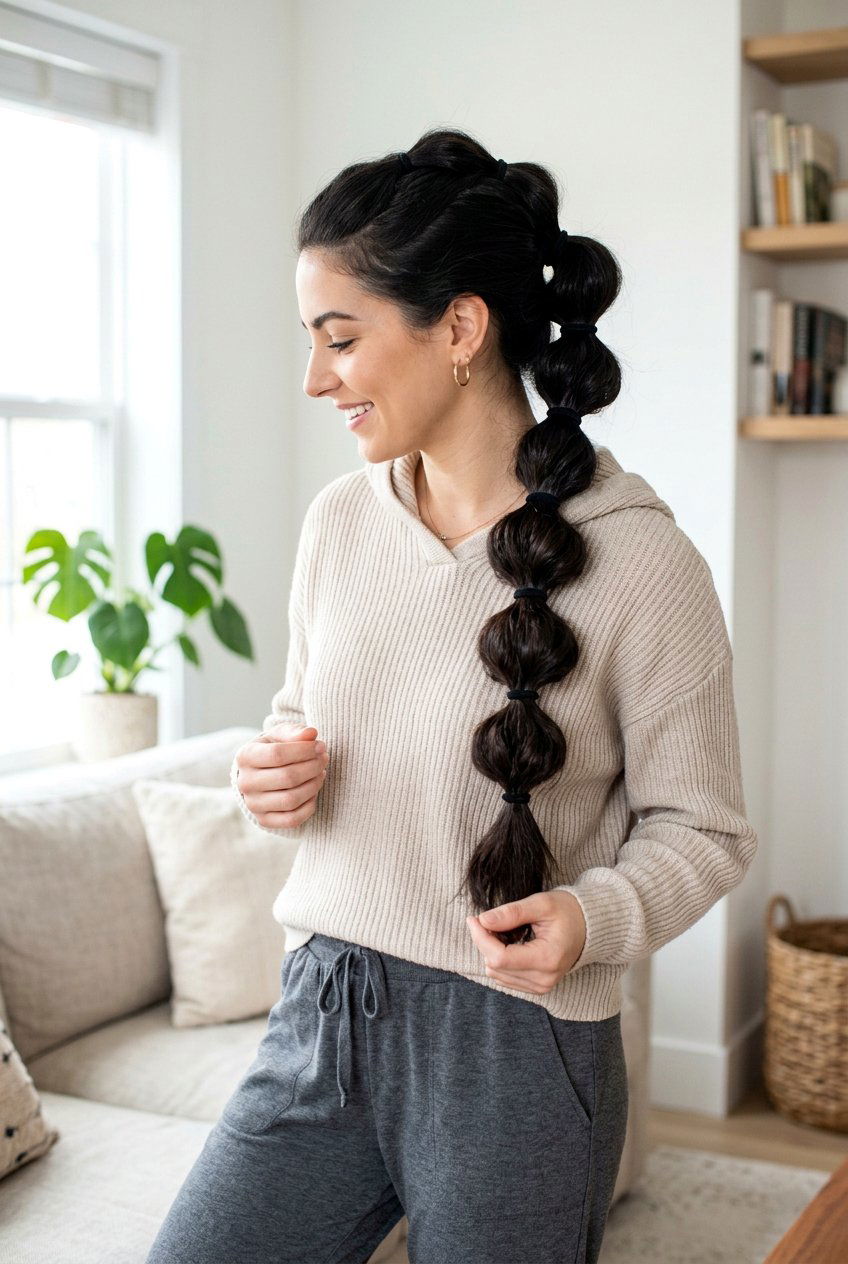
Bubble braids are a fantastic alternative for those who find traditional braiding difficult but still want soft, rounded waves. To create this style, you simply secure your hair in a ponytail and add elastics every few inches down the length, “pancaking” or pulling the hair out between the bands to create bubbles. While not a classic weave, the tension from the elastics creates soft bends in the hair shaft overnight. This method is incredibly comfortable to sleep in because it lies flatter than a thick braid. It results in very loose, natural-looking waves that are perfect for a casual, “undone” aesthetic that requires almost no morning touch-ups.
5. Rope Braid
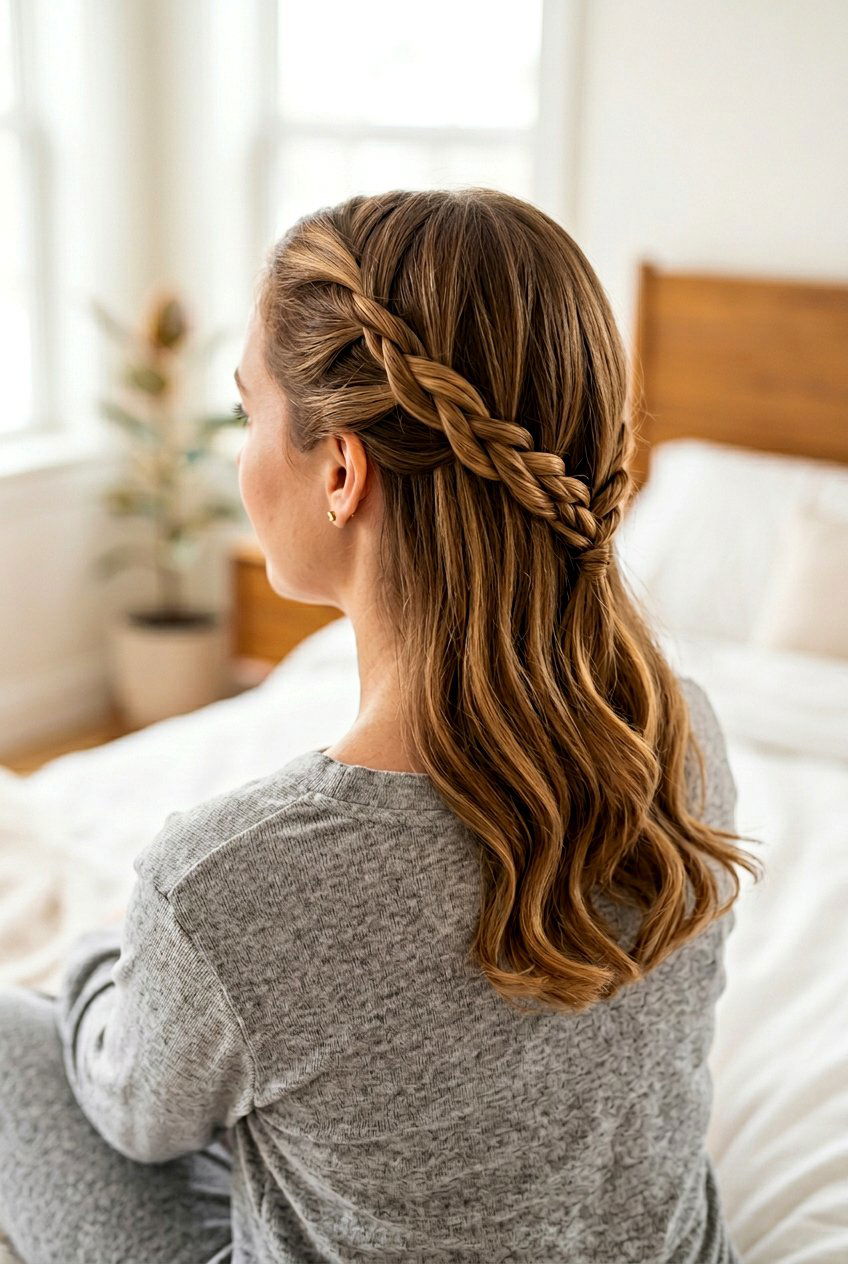
The rope braid, or two-strand twist, is one of the easiest ways to achieve smooth, spiral-like waves without any complicated finger work. You simply divide your hair into two sections, twist each one individually, and then wrap them around each other. The counter-rotation creates tension that locks the hair into a spiral shape, leading to elegant, bouncy waves once released. This style is much gentler on the hair than a three-strand braid because it involves less crossing and pulling of the strands. It is especially effective for those with dry or brittle hair, as it keeps the cuticle smooth and reduces the risk of overnight mechanical damage.
6. Four Strand Braid
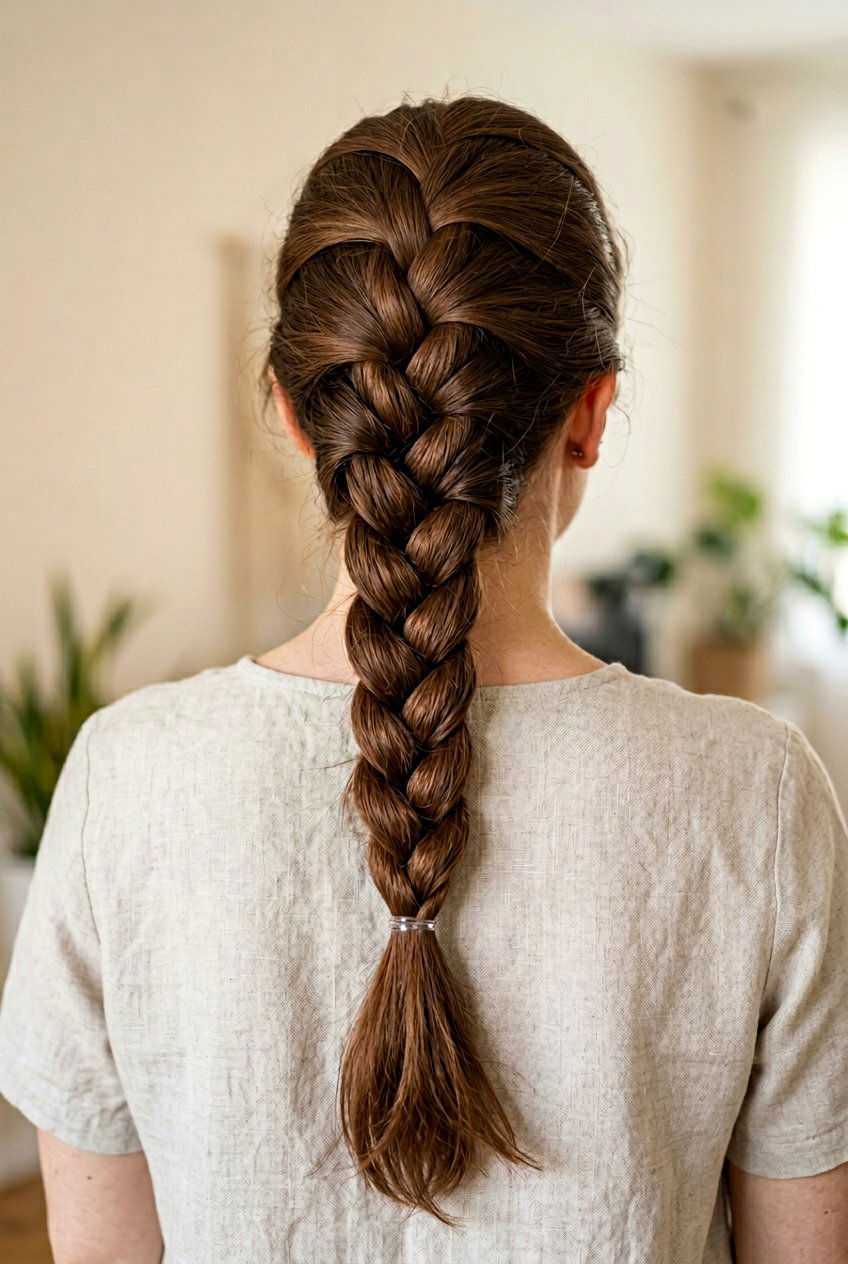
For those who want a more complex wave pattern with significant width and volume, the four-strand braid is a sophisticated choice. This technique creates a flatter, wider braid that covers more surface area of the hair, leading to a unique “woven” wave look. It is slightly more advanced to execute, but the results are worth the extra effort for the sheer amount of body it provides. Because the braid is wider, the waves tend to be more horizontal and structured, giving your hair a thick, healthy appearance. This is a great style for special occasions where you want your heatless waves to look intentionally styled and professional.
7. Side Braid
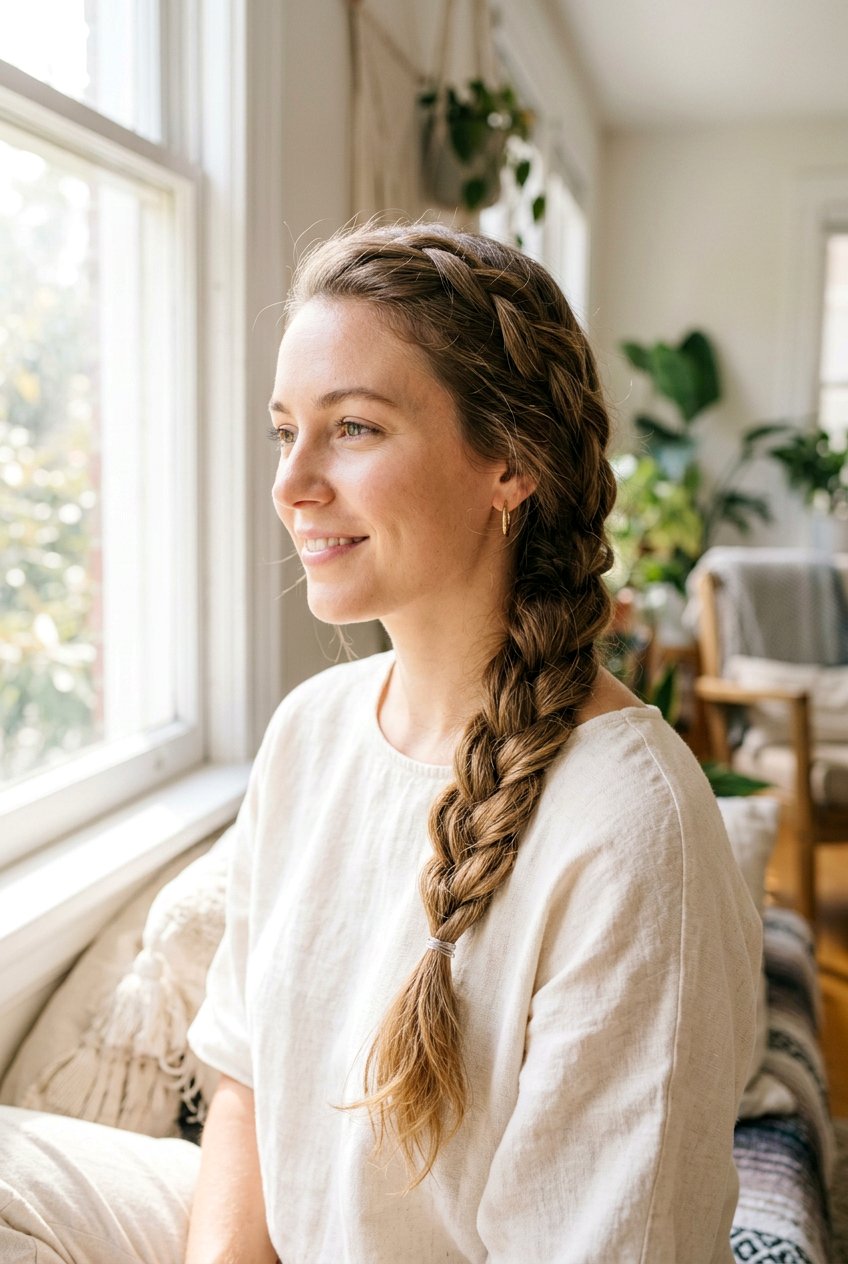
A side braid is the ultimate solution for side sleepers who find back-mounted braids uncomfortable or disruptive to their sleep. By gathering all your hair to one side and creating a loose three-strand braid, you ensure that you aren’t lying on a lumpy section of hair all night. This style produces asymmetrical, relaxed waves that frame the face beautifully when shaken out the next day. It is a lower-tension style, which means the waves will be softer and more subtle. This is the perfect “entry-level” bedtime hairstyle for those who want just a hint of movement and texture without a full crimped effect.
8. Milkmaid Braids
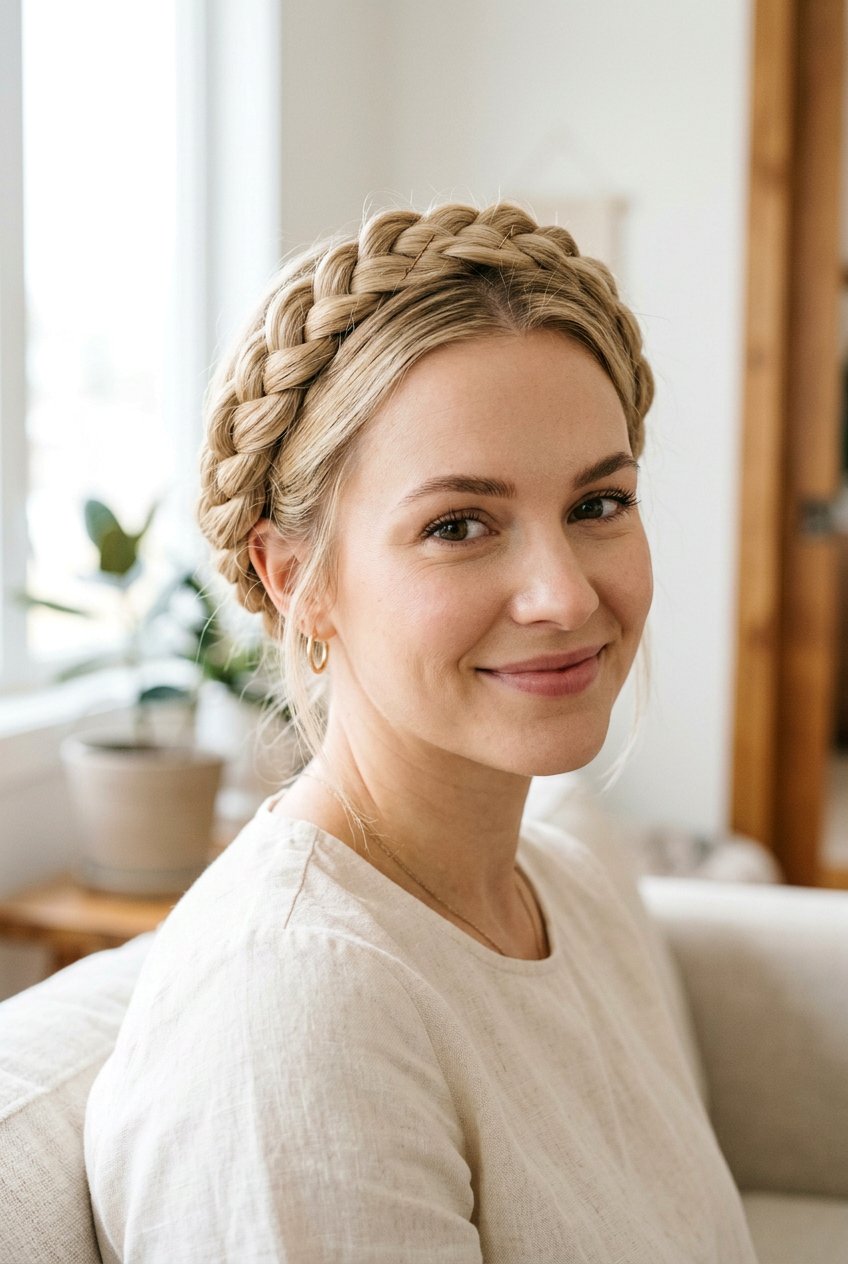
Milkmaid braids, which involve two braids wrapped over the top of the head like a crown, are excellent for preserving waves while keeping hair completely off the neck. This style is incredibly secure, making it ideal for restless sleepers who often wake up with messy, unraveled braids. Since the ends of the braids are tucked away, they are protected from friction against your pillowcase, which prevents split ends and dryness. When you take these down, the waves start very high up, providing a lot of volume at the crown and sides. It is a very romantic and functional way to prep your hair for the next day.
9. Waterfall Braid
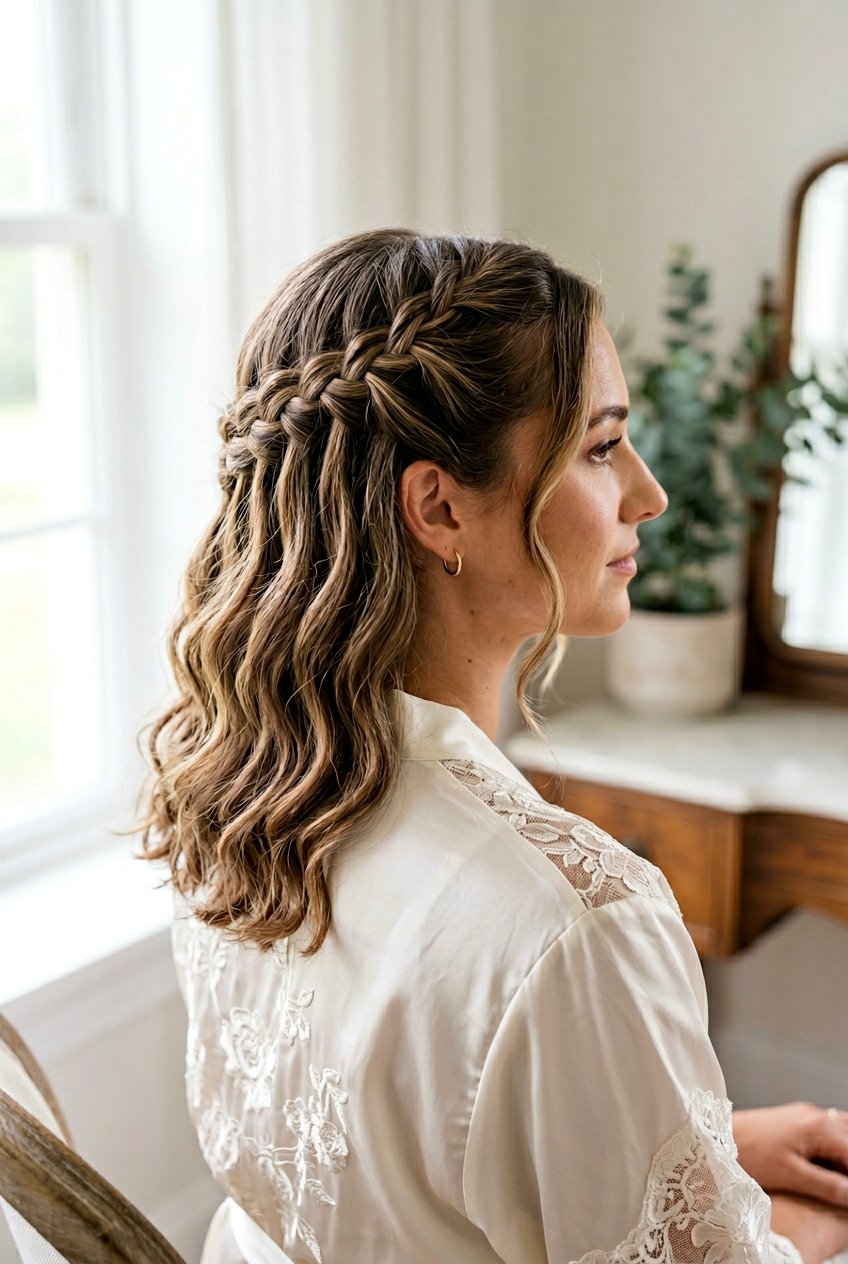
While often seen as a daytime style, a loose waterfall braid can be adapted for bedtime to create soft, cascading waves that focus on the top layers of the hair. This method involves letting certain strands “fall” through the braid, which creates a more varied and natural wave pattern than a standard tight braid. It is best for those who want a mix of textures—some straighter pieces mixed with soft bends—for a truly effortless look. Because the braid is typically looser, it won’t leave harsh lines in your hair. It provides a subtle, sophisticated wave that looks great on medium-length hair or bob cuts.
10. Lace Braid
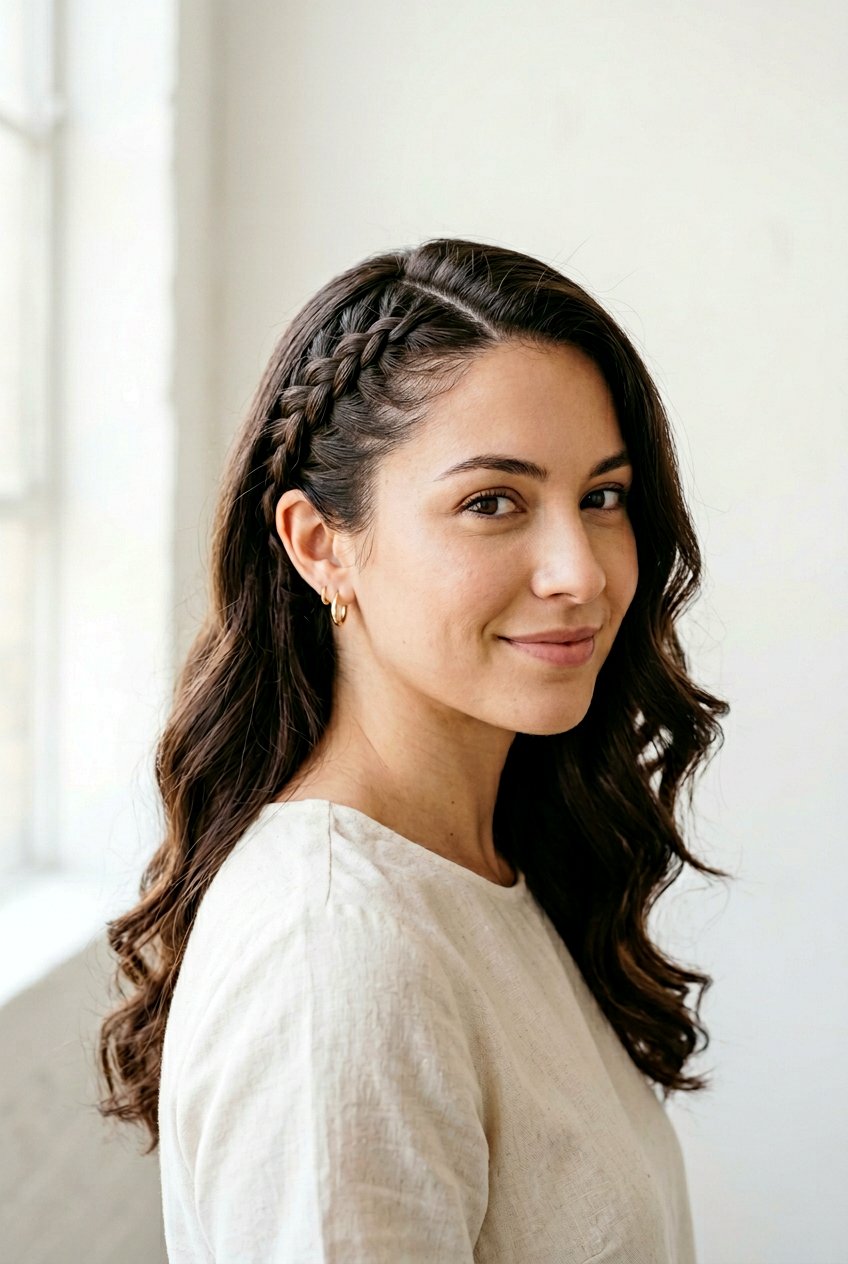
The lace braid is a variation of the French braid where you only add hair from one side, usually the hairline. For bedtime, this is a great way to ensure your face-framing layers are perfectly waved without putting too much tension on the rest of your scalp. You can run a lace braid along your part line to ensure you have volume exactly where you need it most. The rest of the hair can be left in a loose ponytail or a second braid. This targeted approach allows you to customize the wave pattern around your face, which is the most visible part of any hairstyle.
11. Pigtail Braids
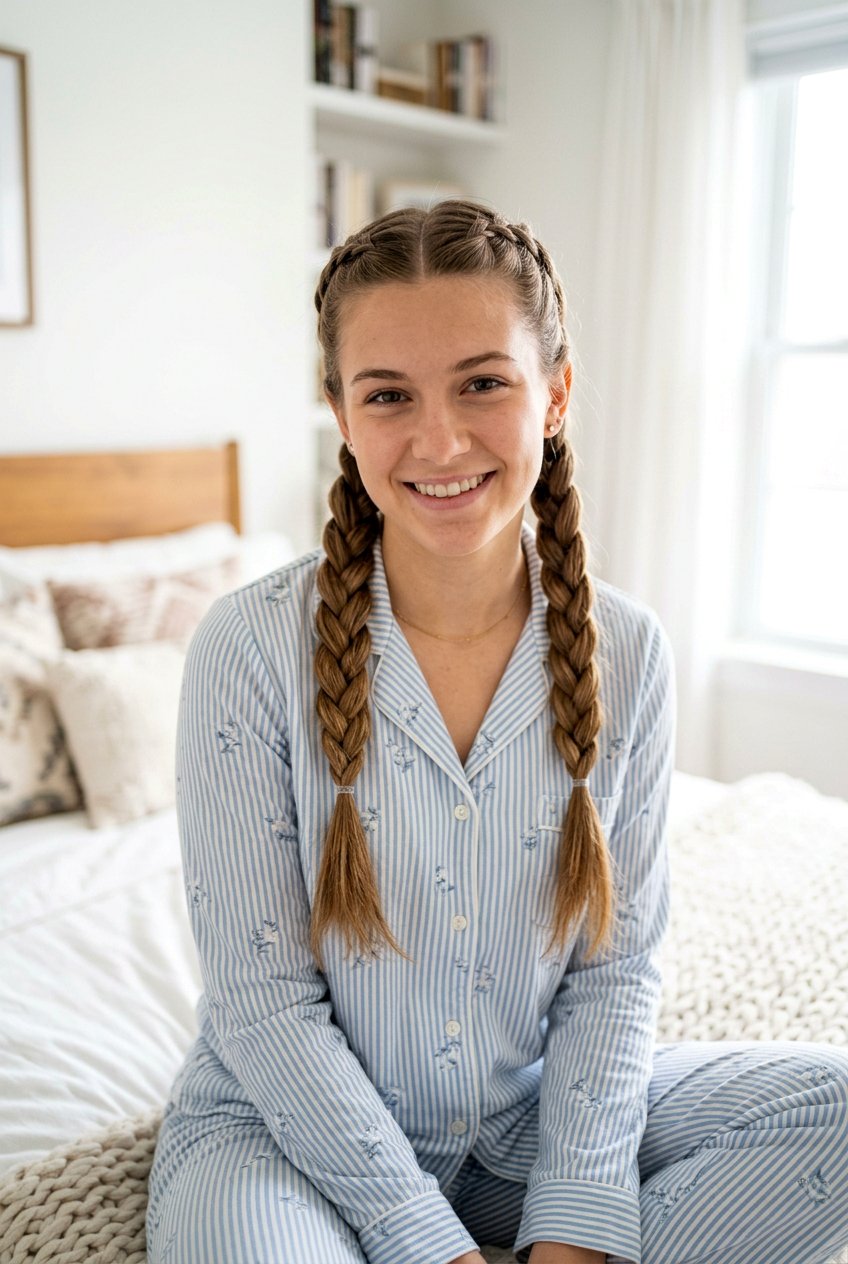
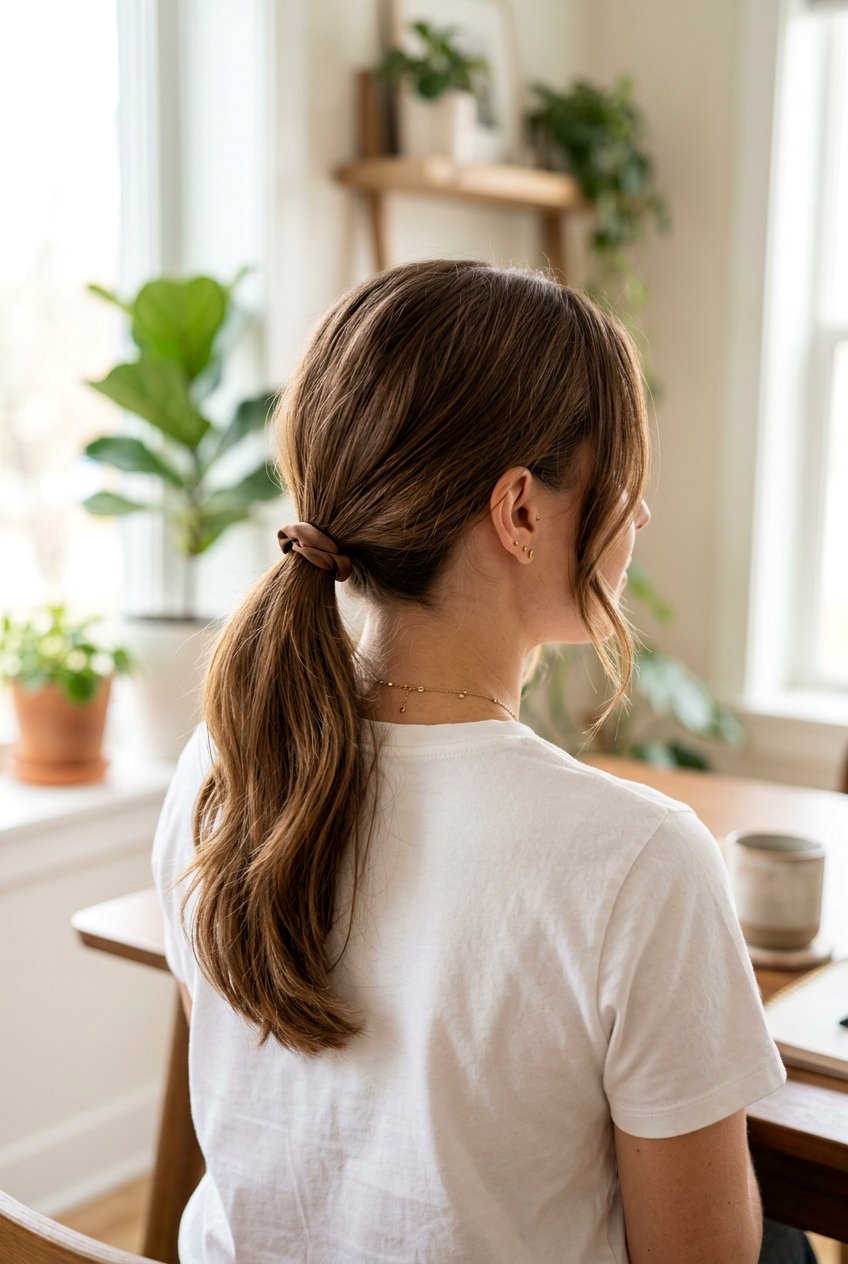
Pigtail braids are the gold standard for creating maximum volume and a symmetrical wave pattern across the entire head. By splitting your hair down the middle and creating two separate braids, you ensure that even the hair at the back of your head gets plenty of texture. This prevents the “flat back” syndrome that often happens with a single braid. You can choose to make them French, Dutch, or standard, depending on how close to the root you want the waves to start. Pigtails are also very comfortable for back sleepers, as the braids sit on the shoulders rather than directly under the head.
12. Micro Braids
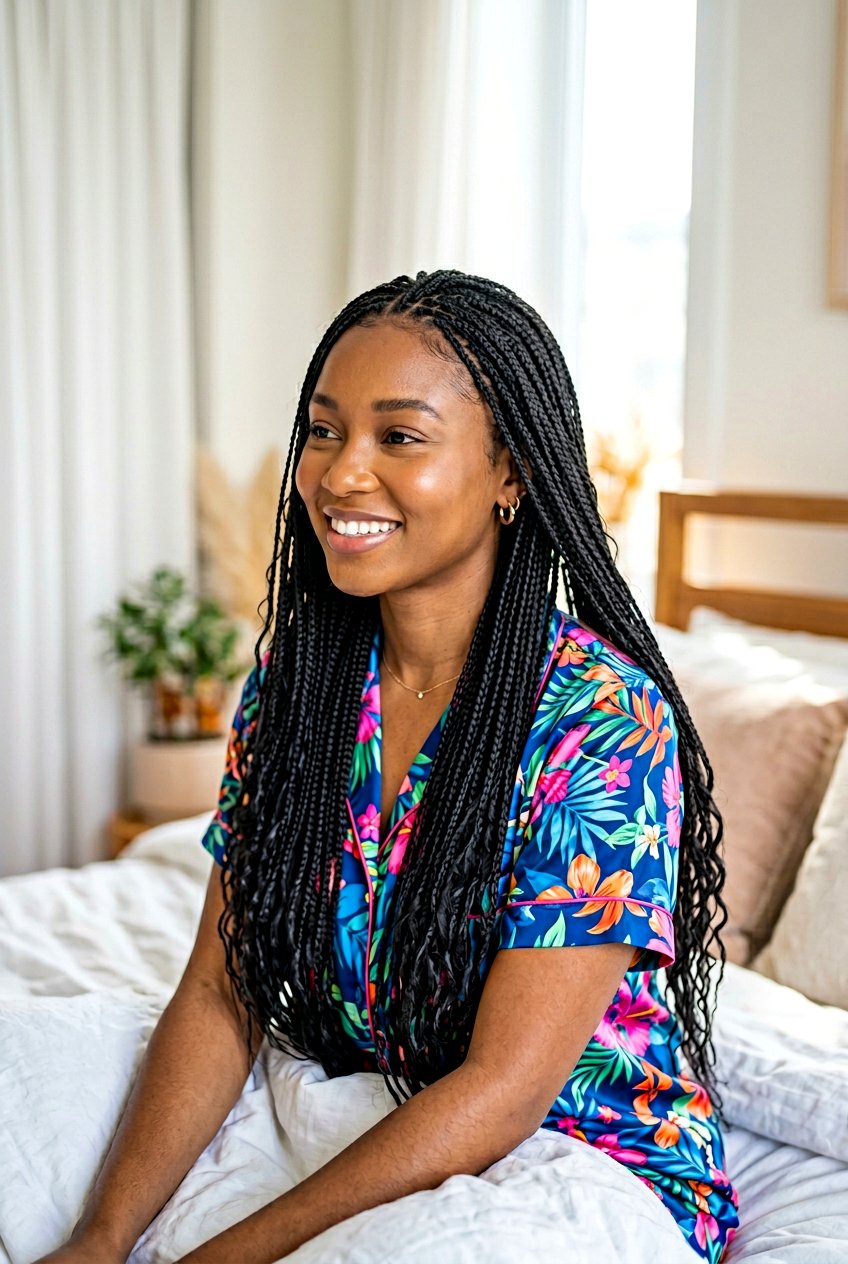
For a very high-texture, crimped look that mimics the 90s aesthetic, micro braids are the way to go. This involves creating many small, thin braids all over the head. While this takes the most time to prep before bed, it yields the most dramatic and long-lasting results. The waves produced are very tight and voluminous, giving the hair a massive boost in body. This style is particularly effective for people with very straight hair that usually struggles to hold a curl. Because the sections are so small, the hair sets firmly overnight, ensuring the texture lasts throughout the entire following day.
13. Loose Plait
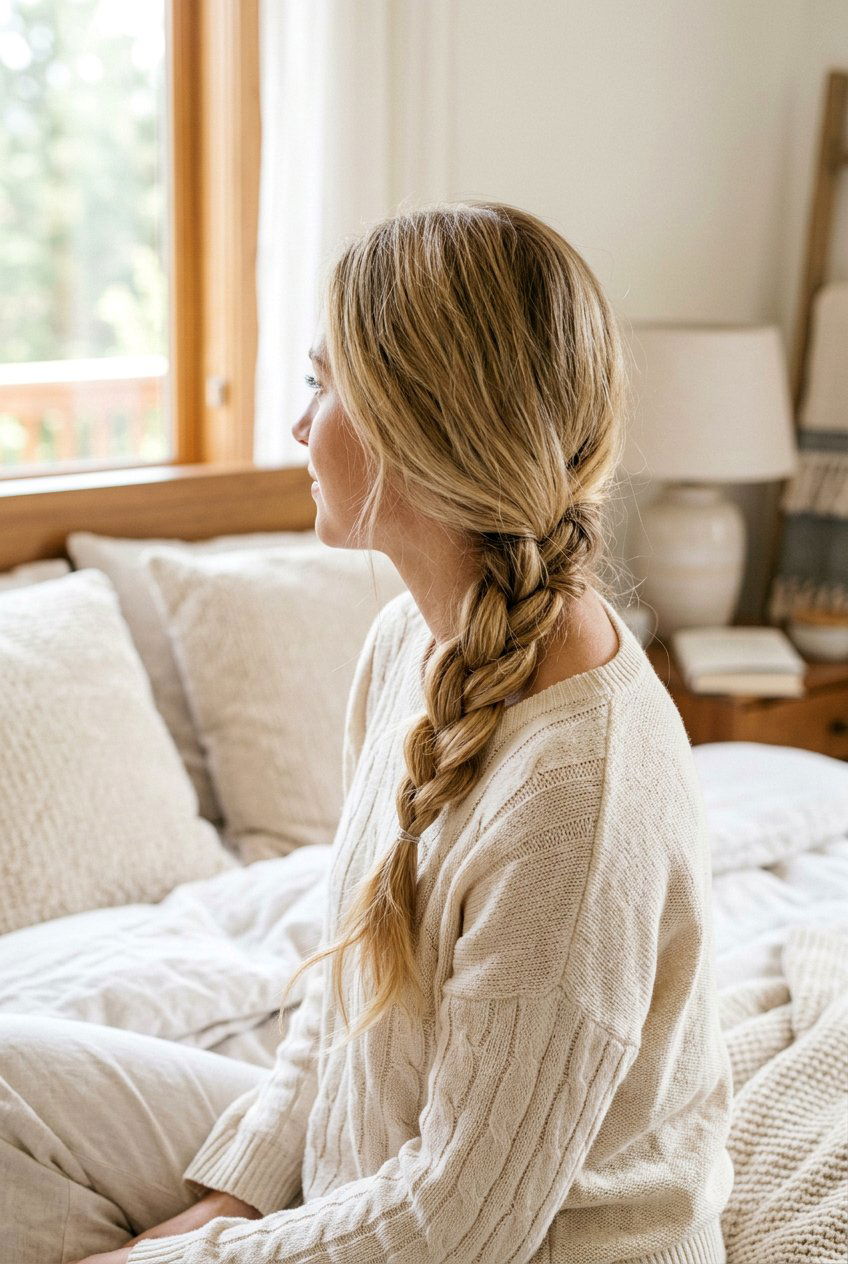
A loose plait is the best option for someone who wants minimal effort and very subtle, “S-shaped” waves. If you find that tight braids make your hair look too frizzy or crimped, a single, loosely woven three-strand plait at the nape of the neck will provide just enough bend to combat flatness. This style is very gentle on the hair follicles and won’t cause any tension headaches. It is the perfect choice for a Sunday night when you want your hair to look natural and healthy on Monday morning without looking like you tried too hard. It adds just a touch of polished movement.
14. Upside Down Braid
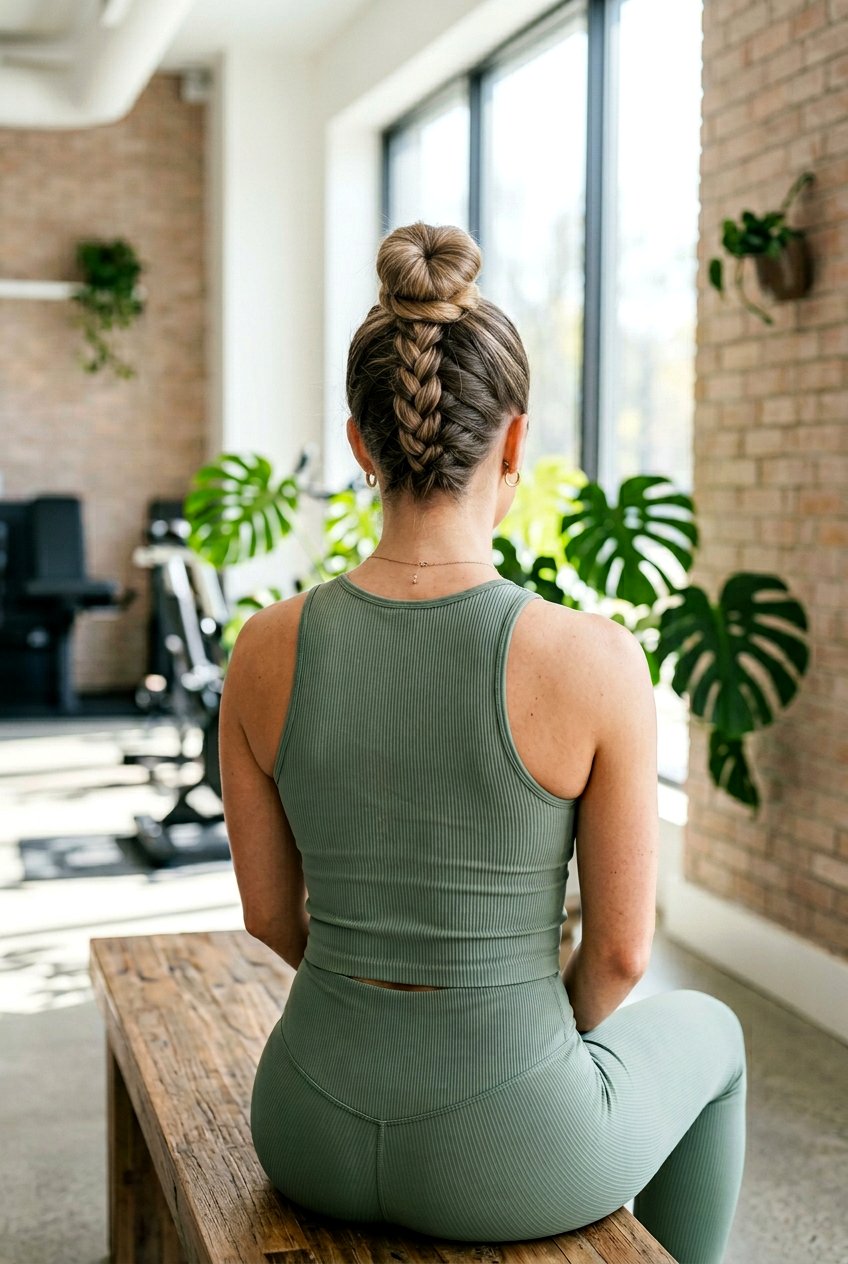
The upside-down braid is a secret weapon for anyone who suffers from flat hair at the roots. To do this, you flip your head over and start a French or Dutch braid at the nape of your neck, working your way up toward the crown. You can finish it off in a bun or a top knot. By braiding against the natural fall of the hair, you create an incredible amount of lift at the base. When you unravel it in the morning, your waves will have a “va-va-voom” volume that usually requires a lot of teasing or product to achieve.
15. Crown Braid
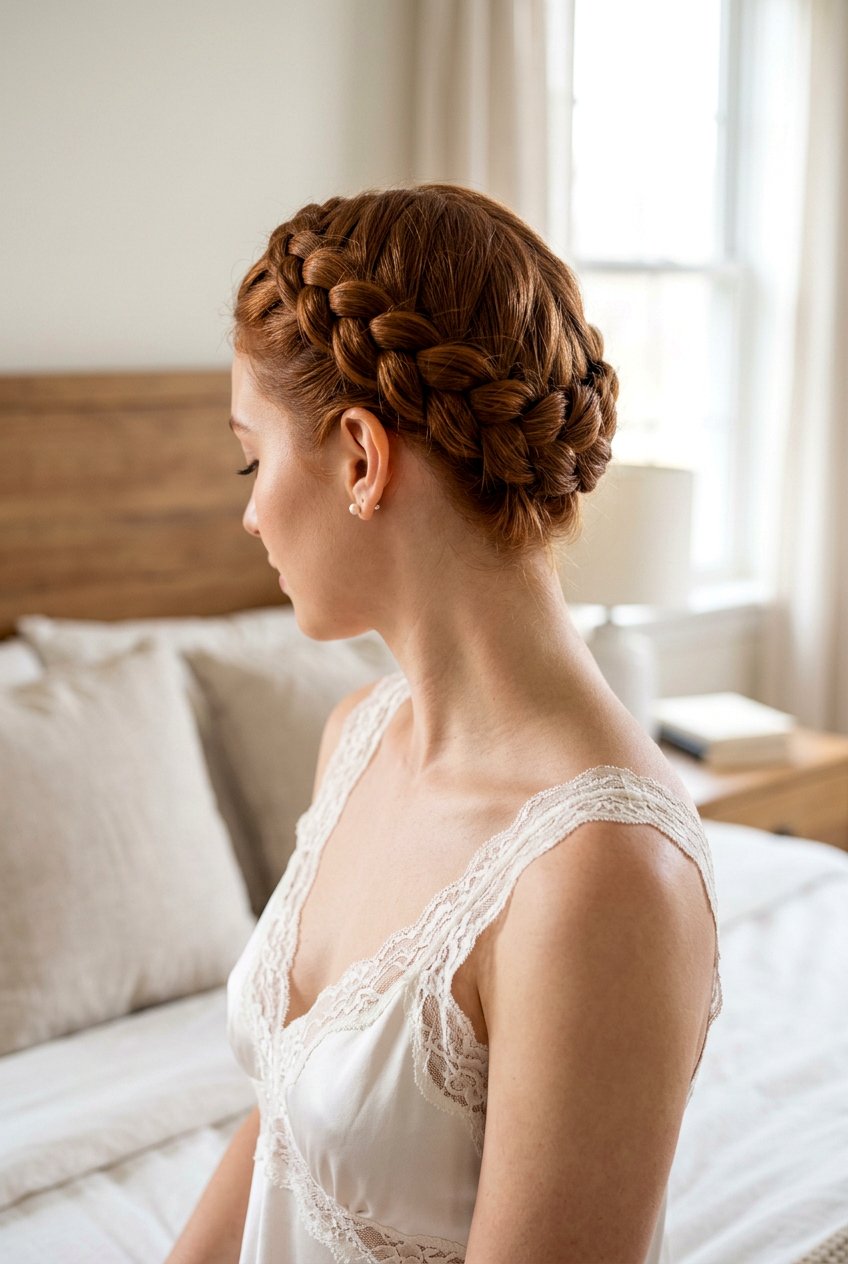
A crown braid is a functional and beautiful way to set waves while ensuring your hair is completely protected. By braiding around the circumference of your head, you distribute the weight of your hair evenly, which can be much more comfortable for long-haired individuals. This style creates a continuous wave pattern that looks seamless from every angle. It also helps to keep your hair away from your face, which can prevent breakouts if you use heavy hair oils or products. The resulting waves are soft, elegant, and start right from the top of the head for a full-bodied look.

16. Pull Through Braid
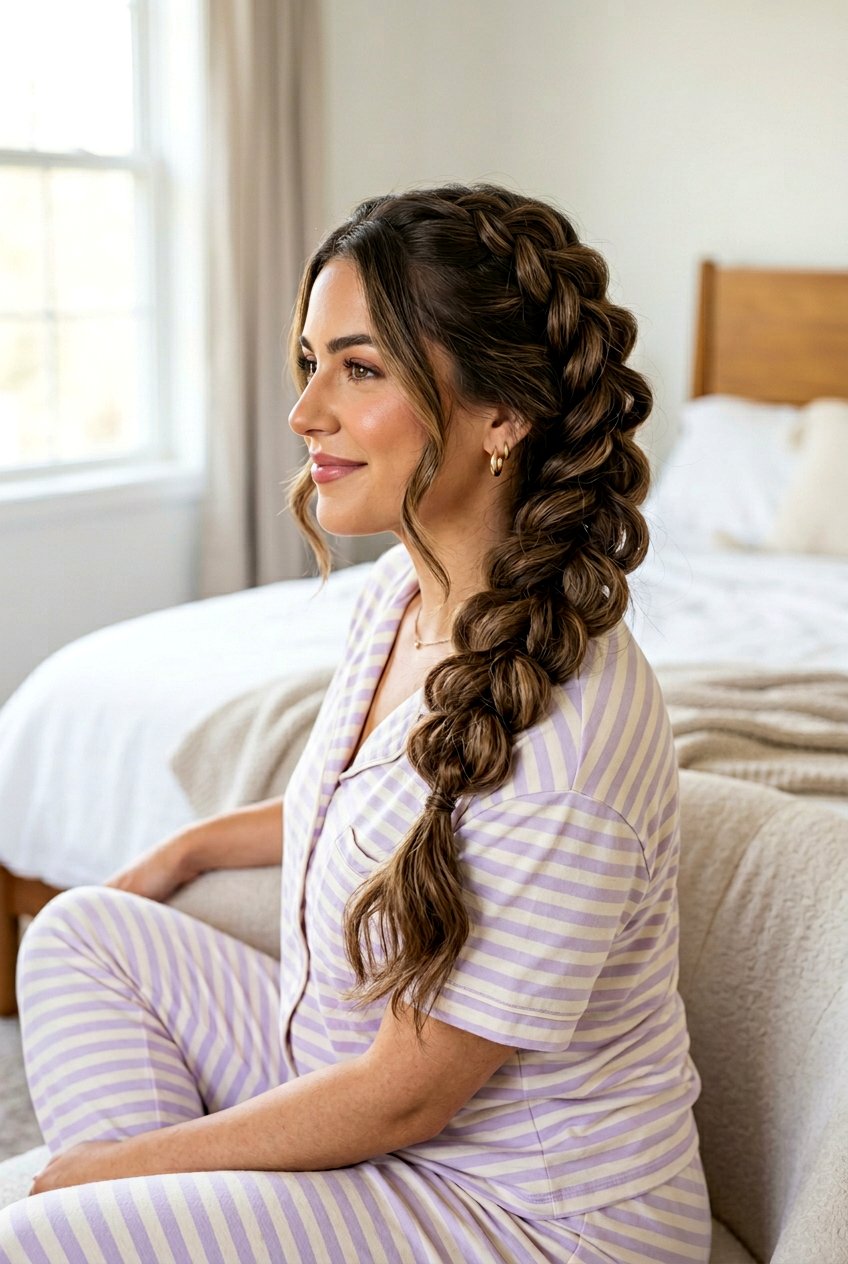
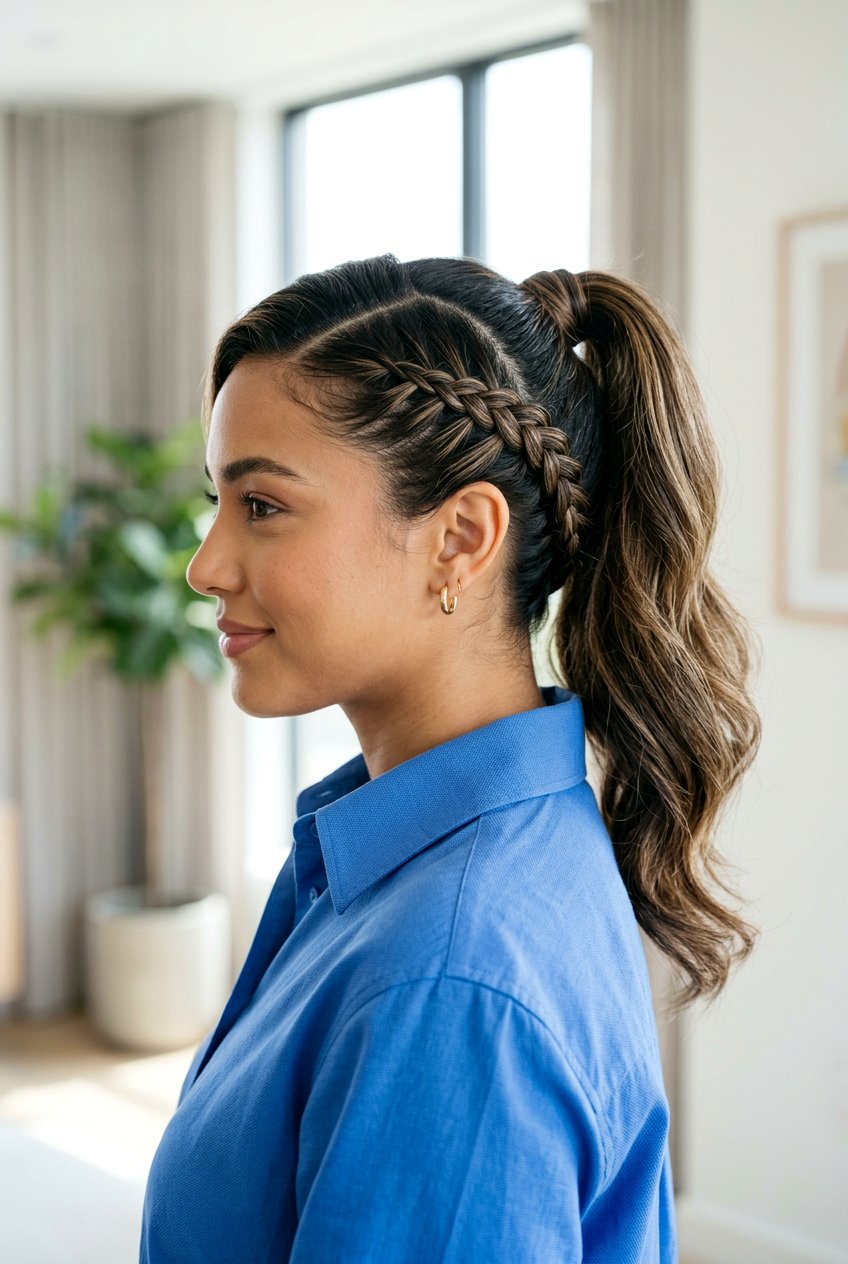
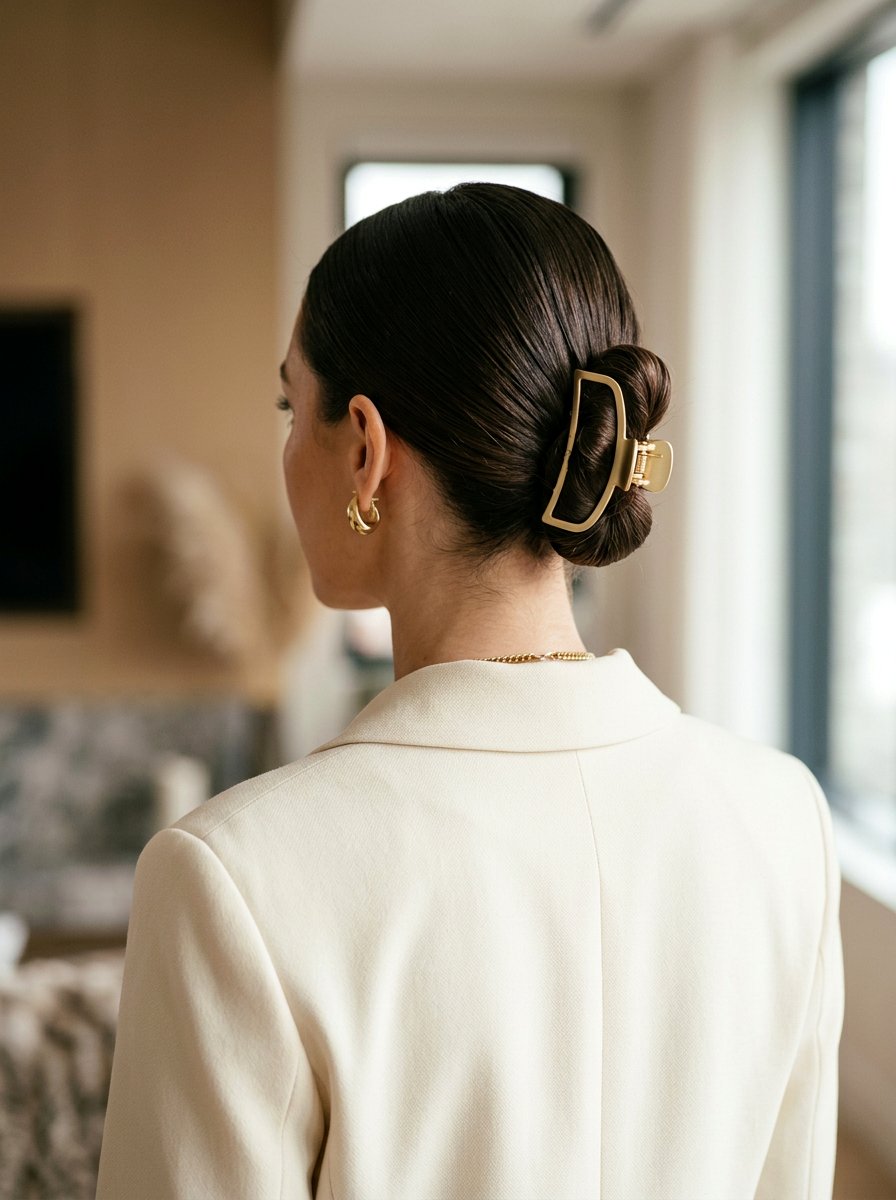
The pull-through braid uses a series of small ponytails to create a voluminous, braid-like appearance. This is a “cheat” method that is excellent for people who haven’t mastered traditional braiding techniques. Because each section is secured with an elastic, the waves are very defined and hold their shape exceptionally well. This style creates a lot of “pouf” and volume, making it perfect for those with thin hair. In the morning, you’ll have bouncy, structured waves that look like they were done with a large-barrel curling iron. It is a modern, trendy way to prep your hair.
17. Infinity Braid
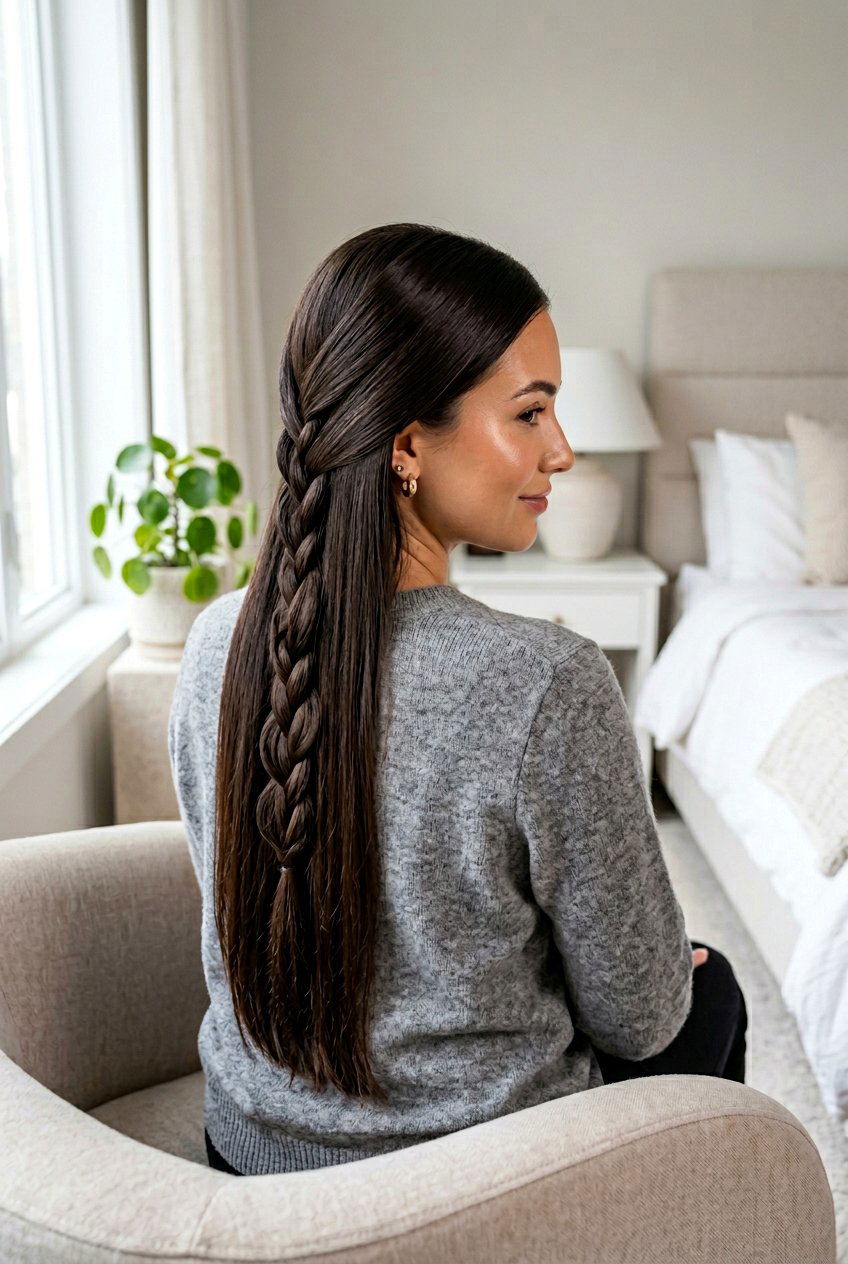
The infinity braid is a unique style that uses a figure-eight pattern around two sections of hair. This creates a very distinct, zigzag wave that is different from the typical S-wave produced by three-strand braids. It is a great way to experiment with different textures and find a look that suits your personal style. The infinity braid is very secure and won’t slip out during the night, making it reliable for restless sleepers. The waves are often more compressed and horizontal, giving a very trendy, textured appearance that works well with modern, edgy fashion styles.
18. Snake Braid
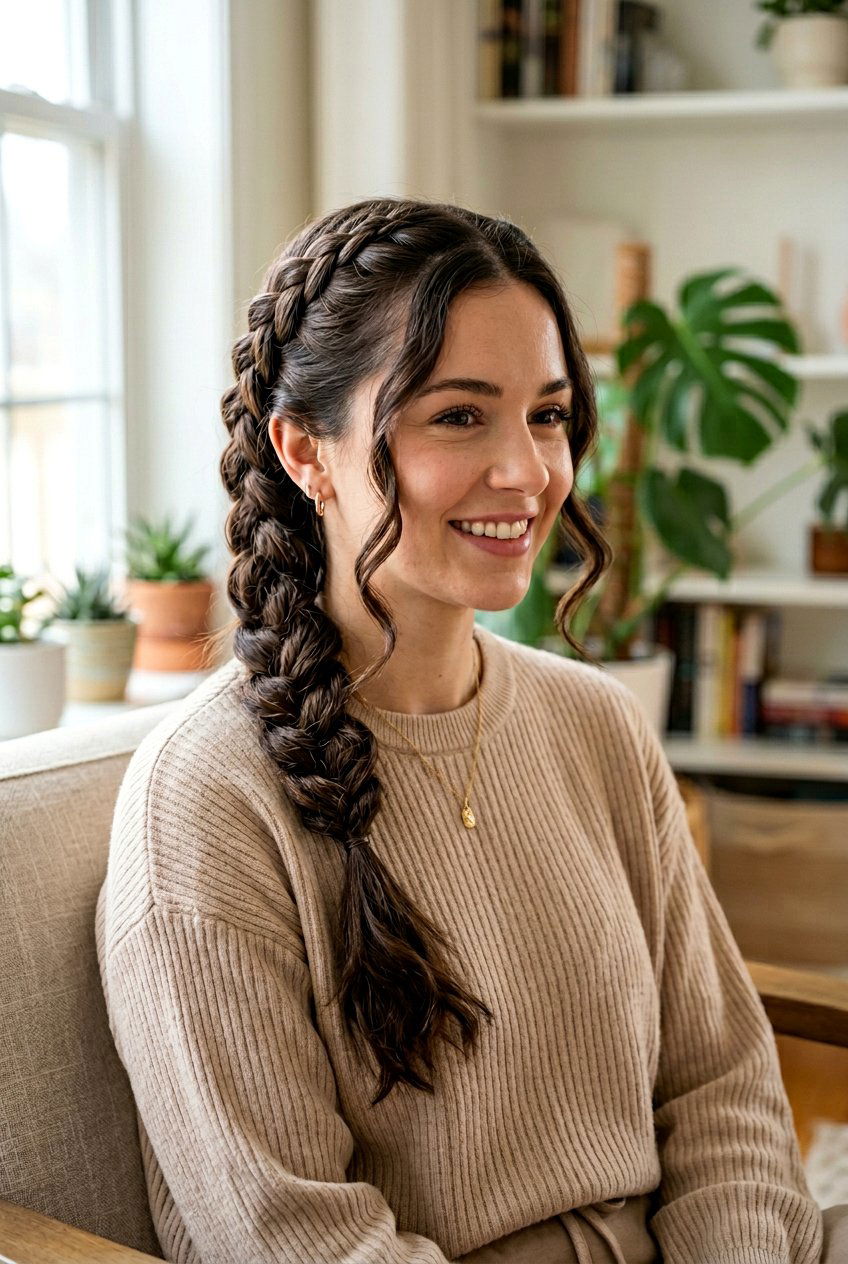
A snake braid is a fun variation that can be used on small sections of hair to create accent waves. By braiding a small section and then sliding the outer strands upward, you create a wavy “S” pattern within the braid itself. While not usually done for the whole head, doing a few of these around the face can create very specific, flattering bends. It is a quick way to add a bit of character to your overnight styling routine. When combined with a larger, looser braid for the rest of the hair, it creates a beautiful, multi-textured look that is very visually interesting.
19. Twisted Edge Braid
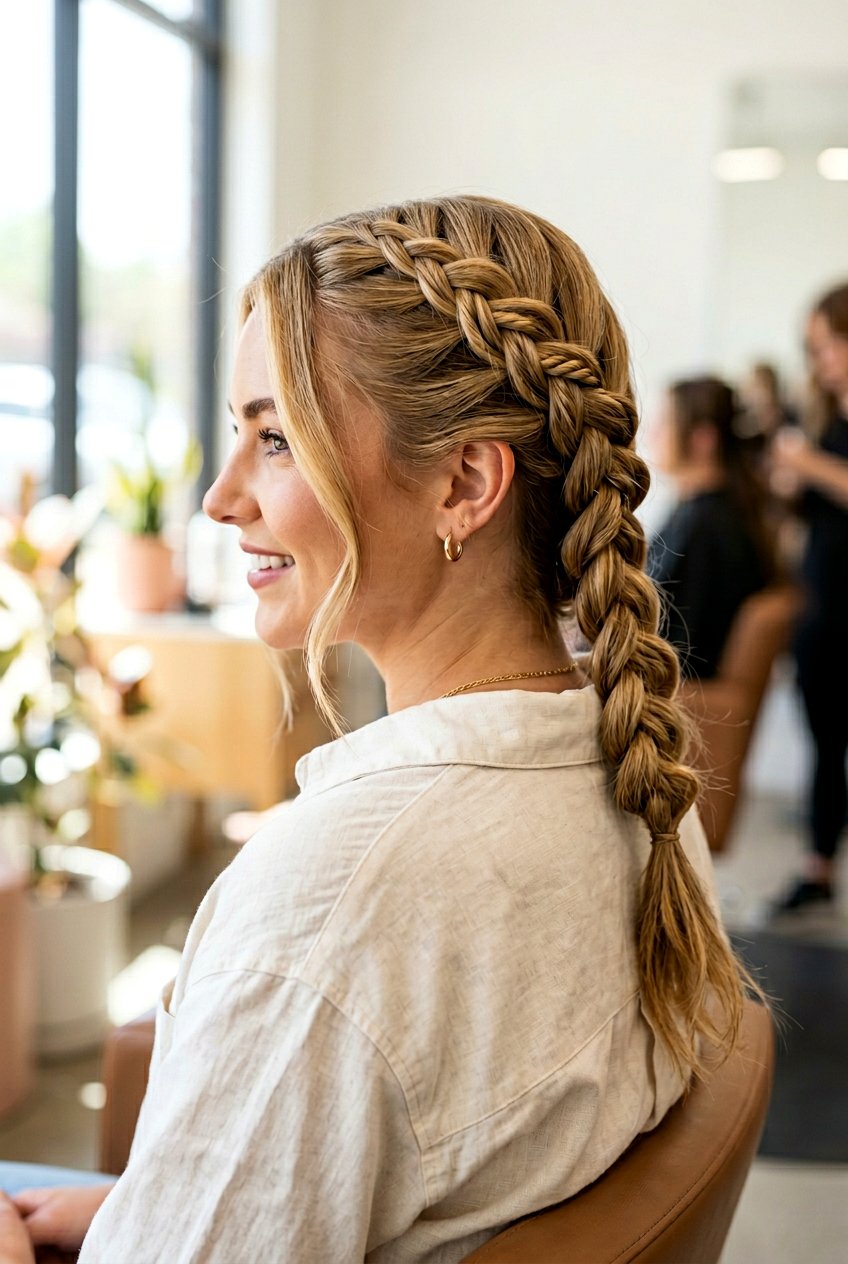
The twisted edge braid incorporates a twist on one or both sides of a standard braid. This adds an extra layer of texture and helps to smooth out the hair before it is woven into the main braid. It is excellent for controlling frizz and flyaways, ensuring that your waves look sleek and shiny in the morning. The twists add a different dimension to the wave pattern, making it look more complex and professional. This style is very comfortable and stays put all night, providing a reliable result that you can count on for a busy morning.
20. Braided Bun
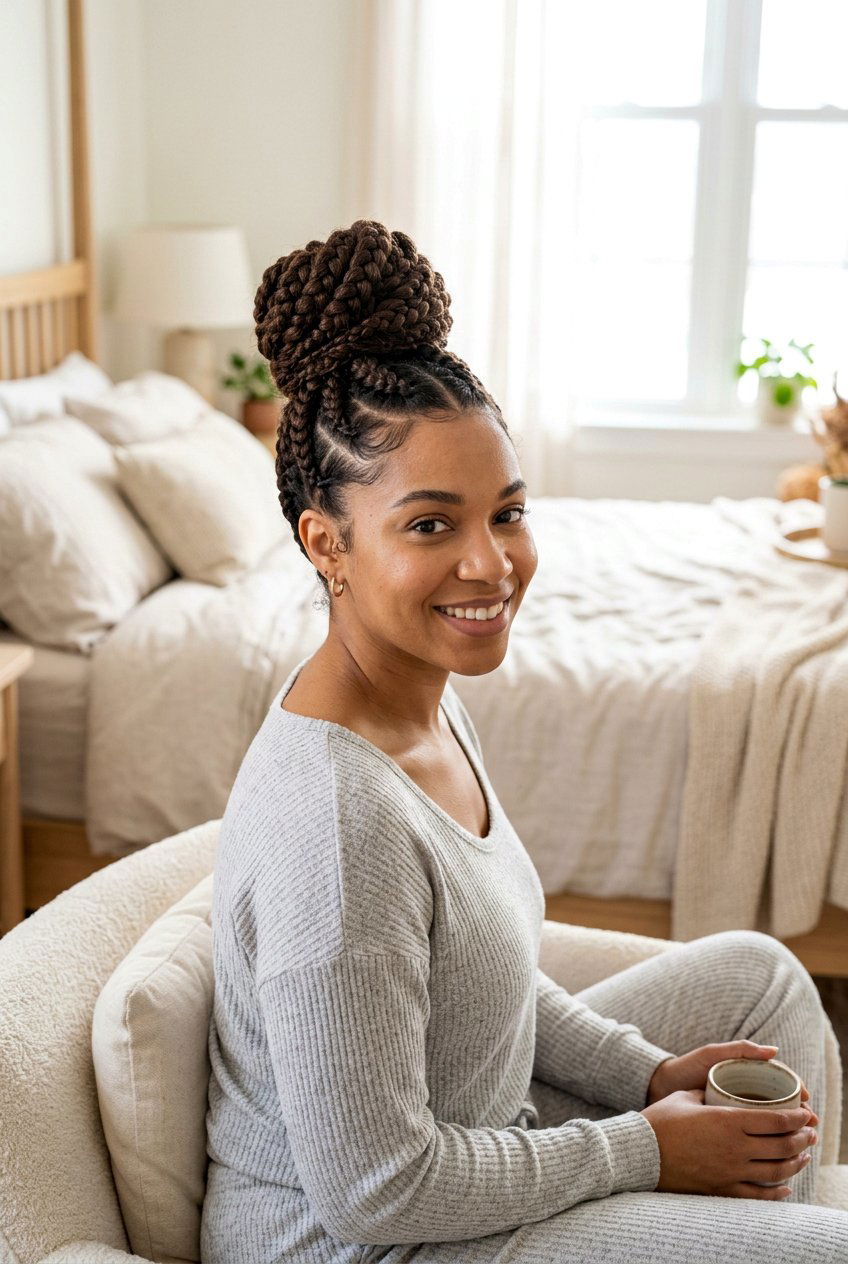
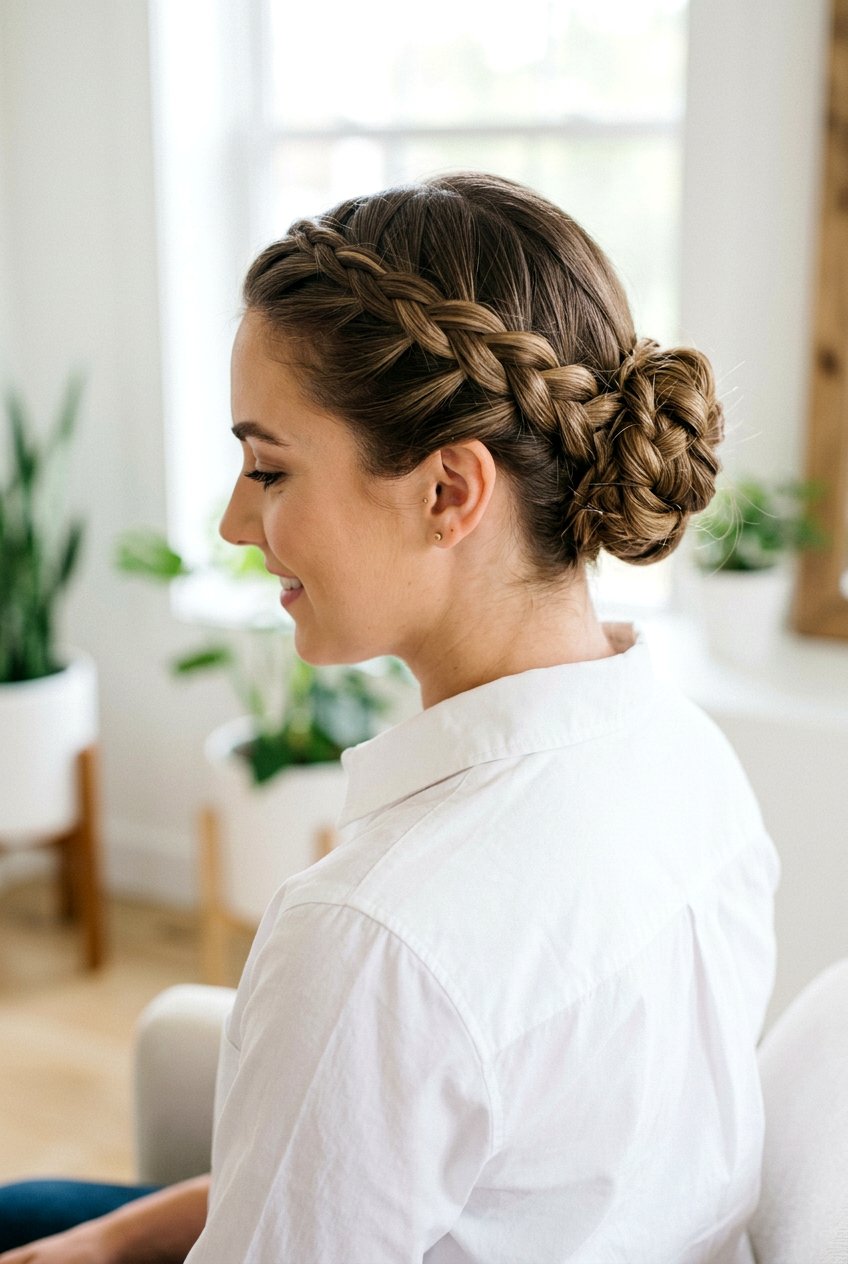
The braided bun is the ultimate hybrid style for waves and volume. You first braid your hair (either in one or two braids) and then wrap those braids into a bun at the top of your head or the nape of your neck. This combination provides the texture of a braid with the large-scale curve of a bun. It is particularly effective for creating waves that have a lot of “flick” at the ends. This style also keeps your hair very compact, making it one of the most practical options for sleeping. The result is a high-volume, wavy look that is full of life.
Conclusion:
Mastering bedtime braid hairstyles for waves is a game-changer for anyone looking to simplify their morning hair routine. By choosing the right technique—whether it’s the structured volume of Dutch braids or the soft elegance of a rope twist—you can wake up with beautiful, heat-free texture every single day. These styles not only save you precious time but also protect your hair from the long-term damage caused by styling irons and blow dryers. Remember to start with slightly damp hair and use a light oil to seal in moisture for the best results. With these twenty options, you can experiment until you find the perfect wave pattern that makes you feel confident and ready to take on the day.
You'll Like These Styles:







Leave a Reply