
Now I have strong research context. Let me write the full article.
***
Bald spots don’t have to define your look. Whether you’re dealing with thinning at the crown, a receding hairline, or patchy areas on the sides, the right hairstyle can make a dramatic difference in how full and confident your hair looks. Millions of people — both men and women — face this challenge, and the good news is that modern haircuts and styling techniques have come a long way. From strategic cuts that redistribute volume to clever updos and textured looks, there are genuinely great options for every hair type and lifestyle. This guide covers 20 hairstyles to cover bald spots, each carefully chosen for coverage, style, and everyday wearability.
1. Comb-Over with Taper Fade
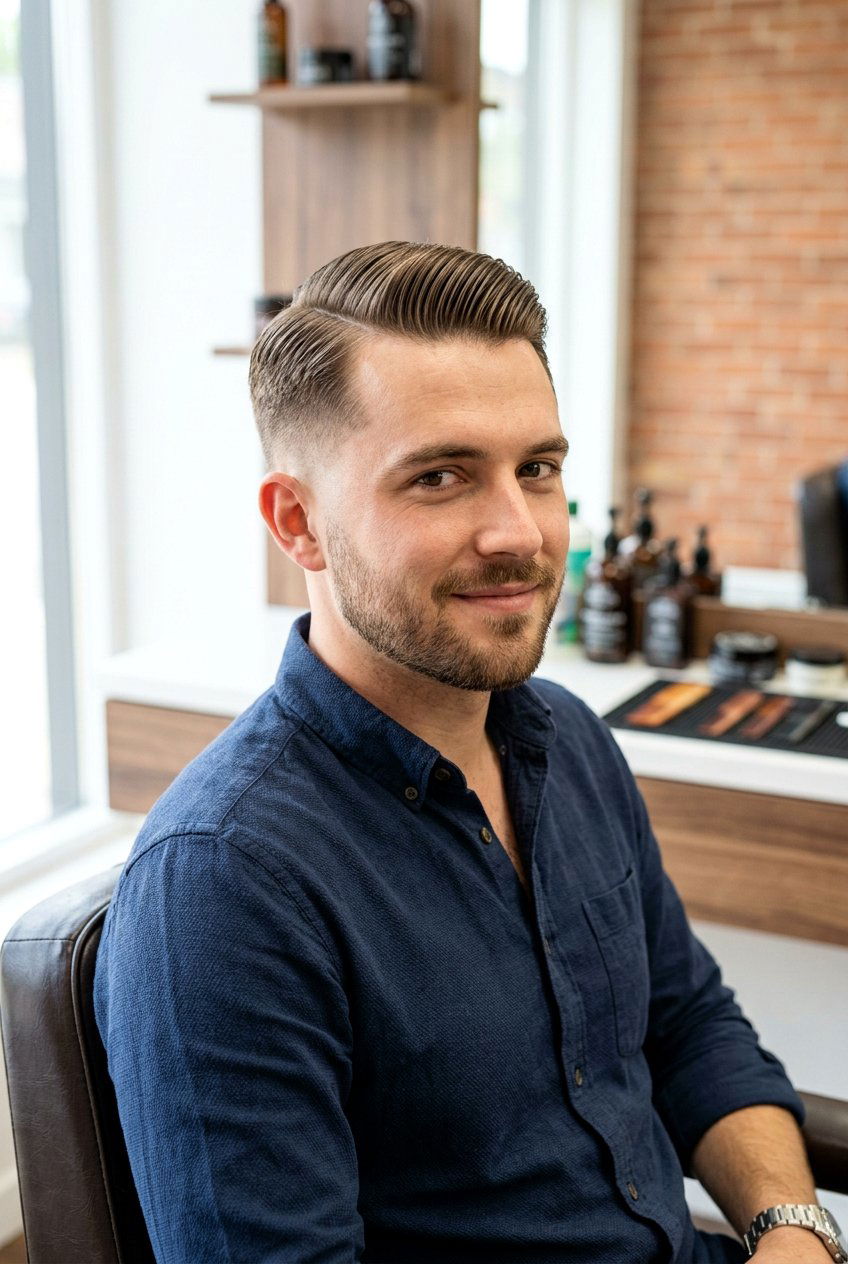
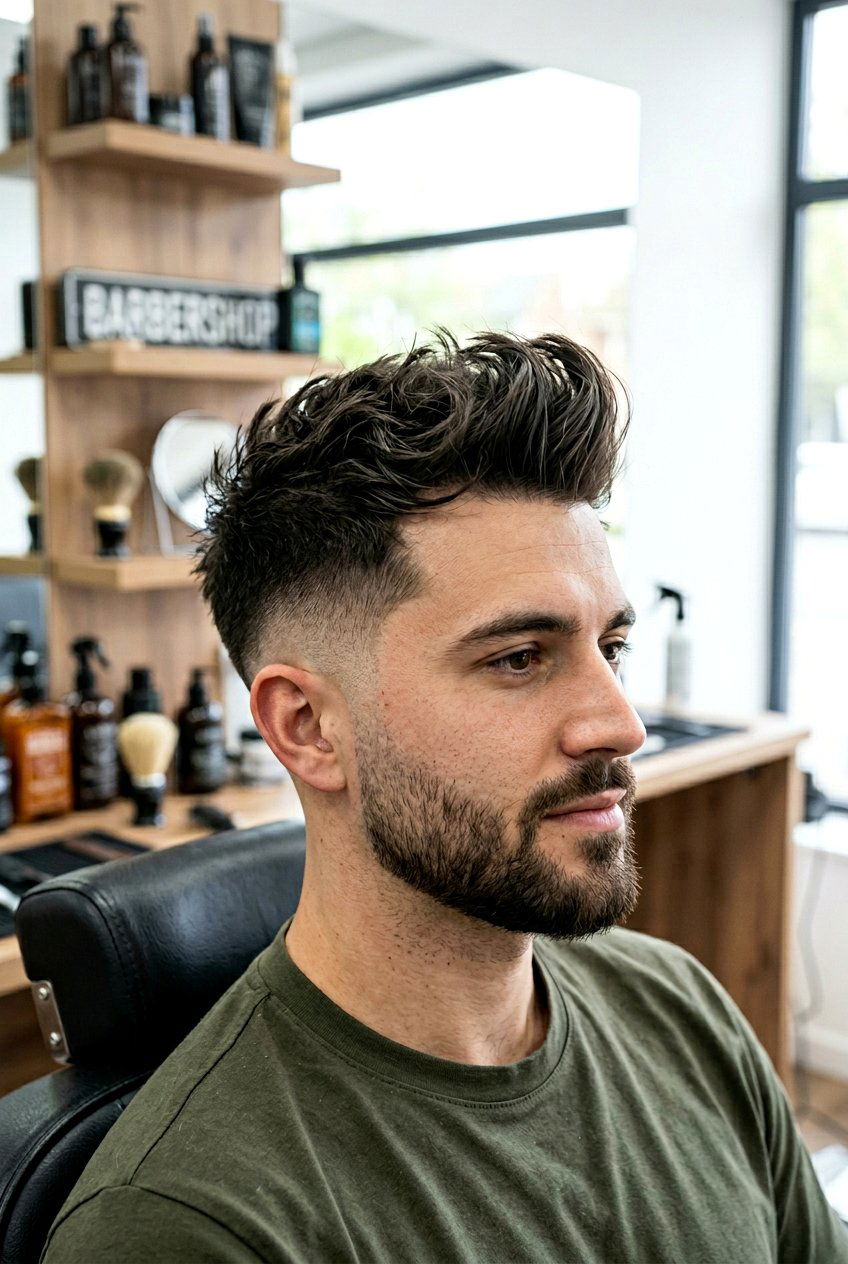
The comb-over is one of the most trusted hairstyles to cover bald spots, especially thinning at the crown or top of the head. It works by keeping hair slightly longer on top and combing it over the sparse area to create natural coverage. When paired with a taper fade on the sides, the look feels modern and intentional rather than dated. The fade draws the eye downward and away from the thinning zone, making the overall silhouette appear fuller. Use a light-hold pomade or styling cream to keep hair in place without the stiff, unnatural look that heavy gel can create. It works best on straight to wavy hair and suits most face shapes well.
2. Buzz Cut for Thinning Hair

Sometimes the smartest move is to go short all over. A buzz cut uses clippers at a uniform length — typically a #1 or #2 guard — to even out the entire head, which naturally blends any bald patches into the surrounding hair. Because there’s no contrast between thick and thin areas, the spots become far less noticeable. It’s incredibly low-maintenance, takes minutes to style each morning, and looks sharp when paired with a clean beard or trimmed stubble. This cut works across all face shapes and is one of the most no-nonsense hairstyles to cover bald spots without any product or daily effort.
3. Crew Cut with Side Part

The crew cut is a go-to style for men dealing with a thinning crown or receding hairline. It keeps hair short and structured on top while tapering neatly on the sides, creating a strong, clean shape. Adding a soft side part shifts visual attention away from any sparse patches at the top. Blow-drying the top forward adds just enough lift to give the illusion of thickness. Finish with a small amount of texture clay for a natural hold that doesn’t look heavy or overdone. The crew cut works especially well for men with oval, square, or rectangular face shapes, and it holds up well even as hair continues to thin over time.
4. French Crop Haircut

The French crop is one of the best haircuts to hide bald spots near the front hairline and temples. It features a short fringe combed forward, which acts as a built-in cover for a receding hairline. The sides are cut tight — often with a fade or undercut — while the top remains short and textured. This keeps everything proportional and tidy. You can customize the fringe as straight, choppy, or slightly messy depending on your personal style. Apply a light styling cream after blow-drying the fringe forward to keep it in shape throughout the day. It’s low maintenance, highly versatile, and suits multiple hair textures including wavy and curly hair.
5. Caesar Cut for Bald Spots
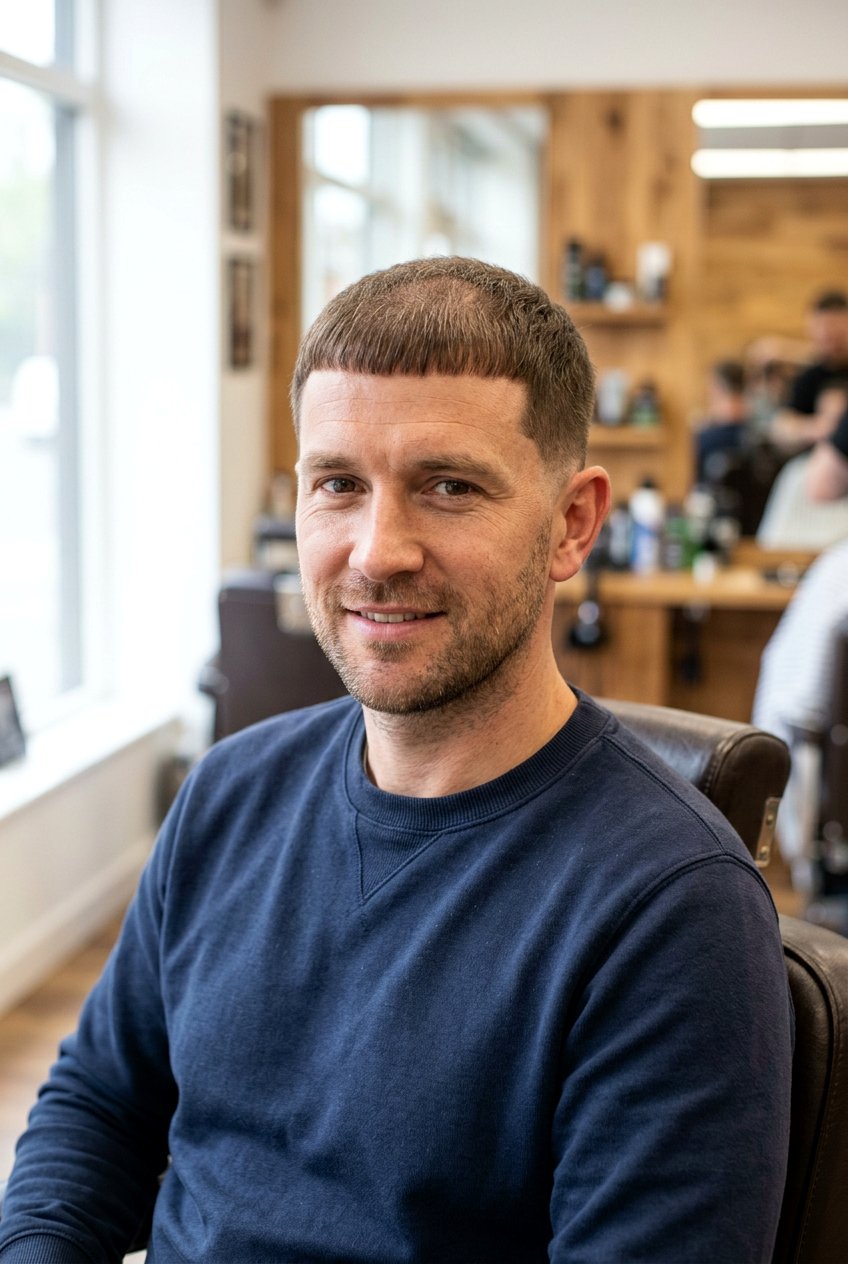
The Caesar cut is a clean, short style with a distinct horizontal fringe across the forehead. For men with thinning hair at the front or crown, this fringe is incredibly useful — it hides the hairline and distracts from any patchiness at the top. The overall length stays uniform and short, which prevents harsh contrast between thick and thin areas. A quick blow-dry forward, followed by a small amount of molding paste, keeps the fringe looking neat and natural all day. It’s a no-fuss haircut that requires minimal daily styling while still delivering a polished, put-together appearance. Men with fine, straight, or slightly wavy hair tend to get the best results with this look.
6. Blunt Bob for Thinning Hair
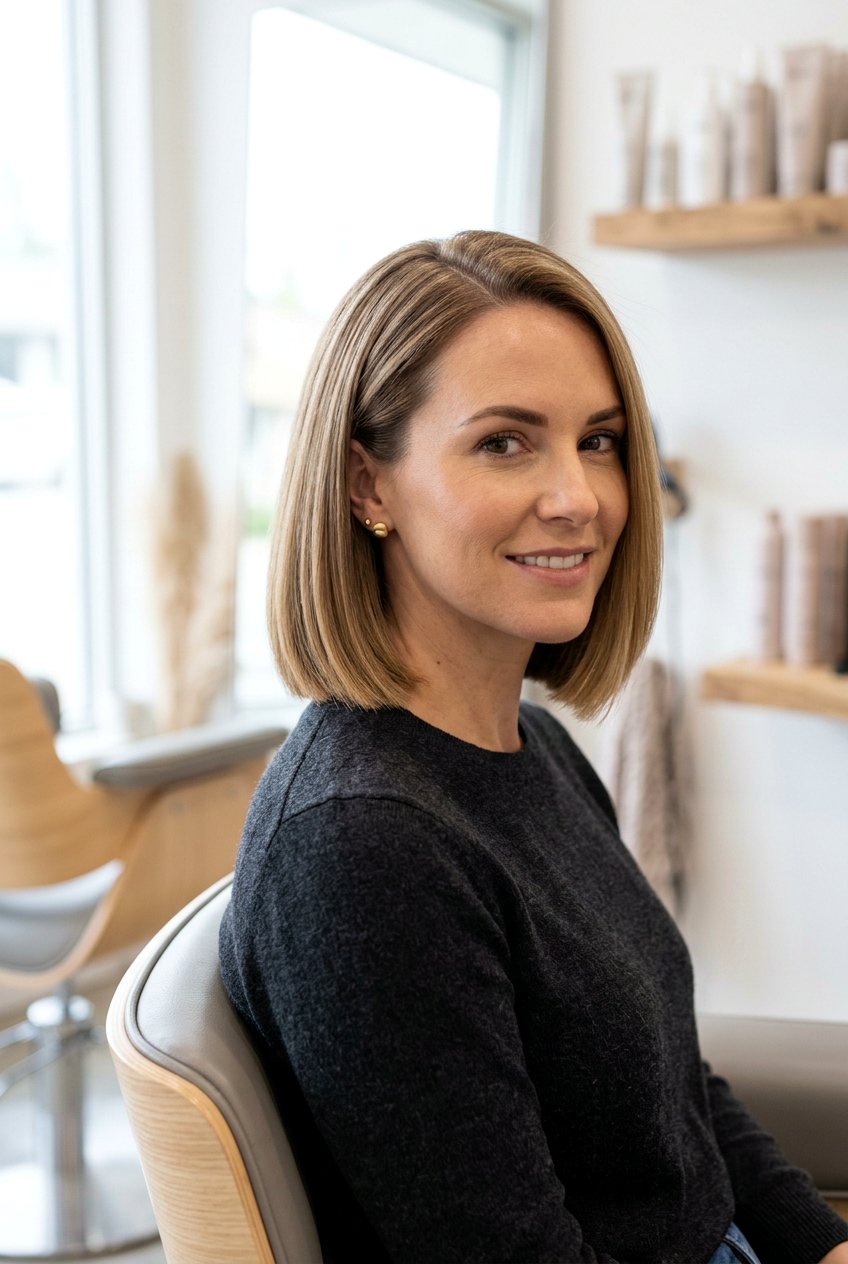
Women dealing with thinning at the crown or top of the head often find the blunt bob to be a game-changer. Because every strand is cut to the same length, the ends look dense and strong rather than wispy or sparse. The solid bottom line creates the illusion of volume throughout the entire length of the hair. Avoid heavy layering with this cut — too many layers expose the transparency of fine hair, especially near the crown. A chin-length or slightly below-the-chin blunt bob works particularly well, as the length helps drape over and conceal thinner areas on top. Add a volumizing mousse before blow-drying for maximum fullness.
7. Side-Swept Bangs for Hair Loss

Side-swept bangs are a soft, flattering option for covering thinning near the temples or front hairline. Unlike blunt or straight-across bangs, side-swept styles work even with finer, sparser hair because they don’t require as much density to lie properly. They frame the face beautifully, draw attention toward the eyes and cheekbones, and create a sense of fullness right where most people notice hair loss first — the front. They also work well layered into longer cuts, adding dimension without exposing thin spots. Style them with a round brush during blow-drying to give them a slight curve, and finish with a light-hold spray to keep them in place.
8. Slicked-Back Style with High Fade
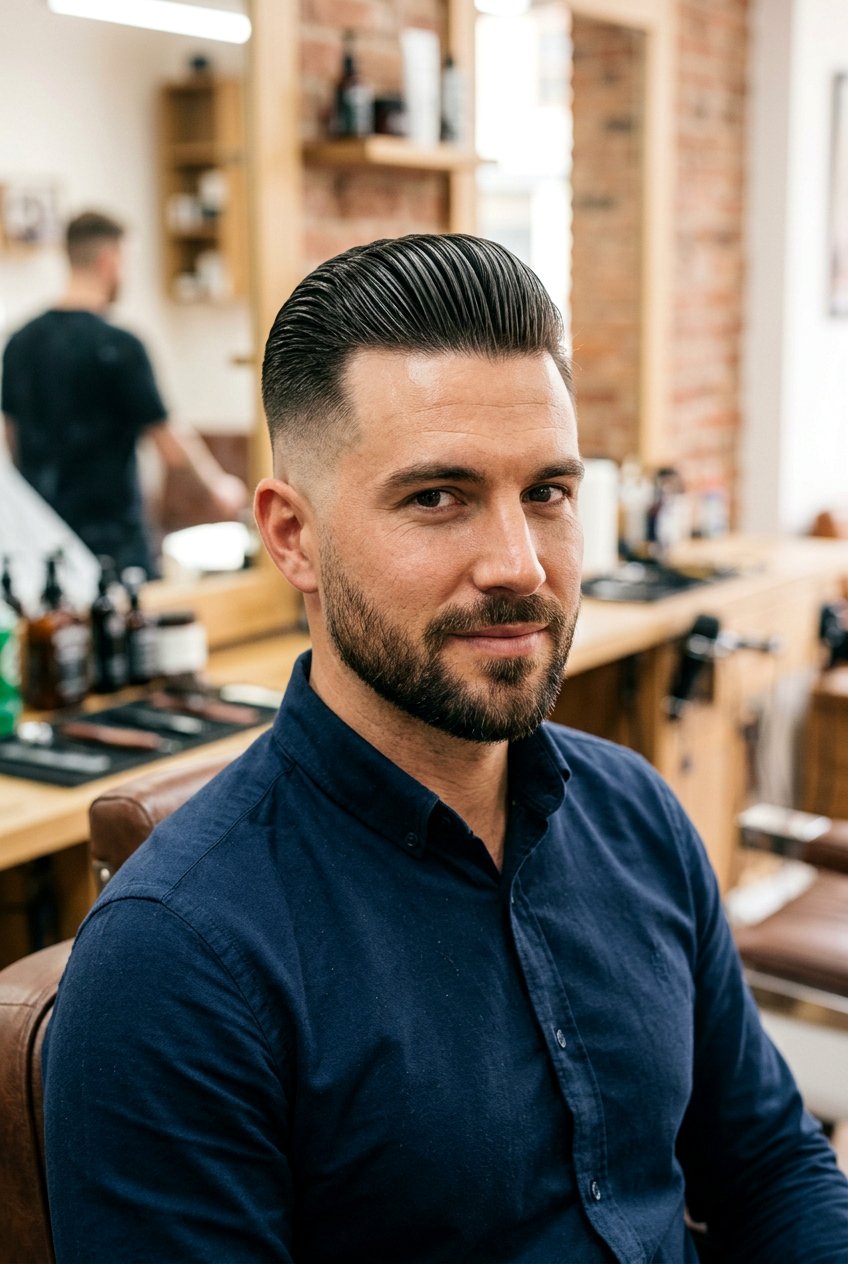
If your bald spot sits at the crown but your frontal hairline is still intact, a slicked-back hairstyle is worth trying. You apply hair gel or mousse through the length of the hair, then comb everything backward to smooth it over the crown. This creates a sleek, intentional look that covers the sparse area without appearing forced. Medium-length hair works especially well here since there’s enough length to reach and cover the top. Pairing this with a high fade on the sides adds a modern structure that completes the look. It leans masculine and polished, and works great for professional or formal settings.
9. Topknot to Hide Bald Spots

The topknot is one of the quickest and most effective hairstyles to cover bald spots, particularly for women or men with longer hair. Pulling the hair upward and coiling it at the crown naturally conceals any patchy areas on the top of the head. For extra coverage, use a texture spray or dry shampoo at the roots before styling to build volume. Here’s a tip: when twisting the knot, stop halfway through and coil the rest of the remaining hair loosely. This creates a fuller-looking bun that appears much thicker than it actually is. It’s a great everyday style that keeps hair off the face while doing a solid job of concealing thinning areas.
10. Deep Side Part with Longer Top

A deep side part is one of the easiest styling tricks to redistribute hair over a bald spot on the crown. By parting hair dramatically to one side, you bring more hair across the top of the head, effectively covering any sparse patches. The longer the hair on top, the more coverage you can achieve. This works especially well for both men and women with straight or wavy hair. Keep the sides shorter or swept back to create contrast, which makes the top section appear even thicker. Style with a light pomade or styling cream, and use a fine-tooth comb to get a clean, precise part that stays in place all day.
11. Bixie Cut for Thin Hair

The bixie — a hybrid between a bob and a pixie — is a surprisingly powerful cut for hiding bald spots near the temples, crown, or hairline. It delivers airy volume at the top while keeping a slightly longer, fuller silhouette around the sides and cheekbones. This creates the overall impression of thick, healthy hair even when density is lacking in certain areas. The bixie is playful, modern, and versatile enough to dress up or down. It suits a wide range of face shapes and works particularly well for women with fine or thin hair. Ask your stylist for soft layers only at the ends — not throughout — to maintain that solid, full-looking finish.


12. Low Bun with Face-Framing Pieces

A low bun is a refined, elegant way to conceal thinning at the top of the head, especially for women. By gathering hair at the nape of the neck, the crown is completely covered. What makes this style especially smart is leaving a few soft, face-framing pieces loose at the front. These tendrils draw the eye forward and downward, pulling attention away from any sparse areas on top. Use a texturizing spray before gathering the hair to build grip and prevent the bun from looking flat or thin. Bobby pins can help secure any flyaways or patches near the crown. This look is polished enough for work and relaxed enough for daily wear.
13. Layered Long Hair with Face Framing

Long hair is actually a real asset when dealing with bald spots — especially when styled with soft, face-framing layers. Rather than stacking layers all over, focus them around the face and at the ends only. This creates volume and movement near the front, drawing attention away from the top. The sheer length of the hair helps drape over and cover thinning areas naturally. A hairstylist-approved approach is to keep the crown section fuller and use the face-framing pieces to add visual interest at eye level. Blow-dry the roots upward for extra lift, and finish with a lightweight volumizing spray throughout the lengths to boost body.
14. High Ponytail for Bald Spot Coverage
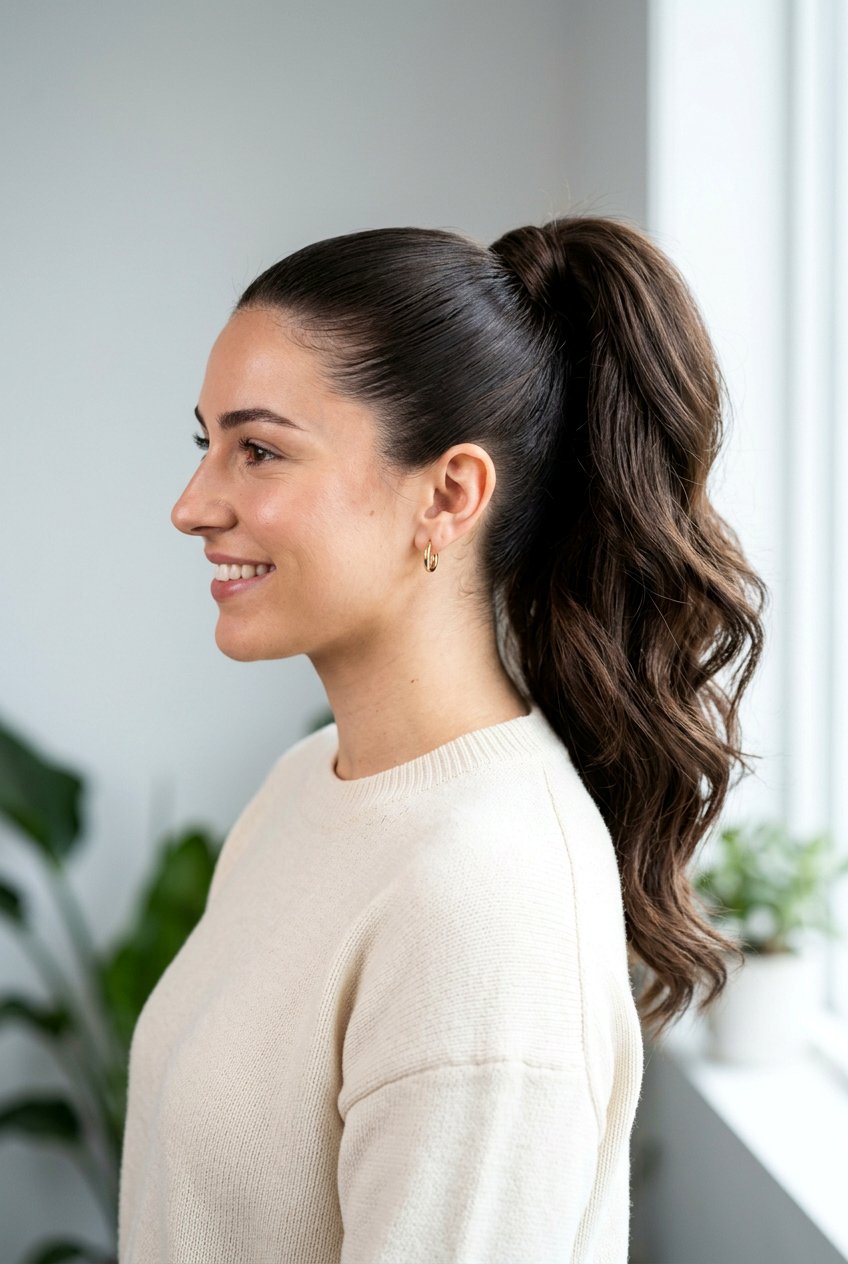
A high ponytail is a fast, practical hairstyle that does an impressive job of covering bald spots at the crown. When you gather all the hair upward and secure it at the top of the head, the base of the ponytail sits right over the typical thinning zone. Use a volumizing mousse or root-lifting spray before styling to make the ponytail look as full as possible. For women with a thin ponytail, wrapping a small section of hair around the elastic hides the band and adds the illusion of thickness. This style works for all hair textures and lengths — and it’s one of those go-to options you can pull off in under two minutes.
15. Zig-Zag Part for Crown Thinning

A zig-zag part is a clever alternative to a straight center or side part, especially if the parting area itself is visibly thin. When you create a zig-zag rather than a straight line, the irregular shape breaks up the visual of any scalp showing through. It adds the appearance of texture and volume along the part line, making fine or thinning hair look much denser from above. This works well with both straight and wavy hair, and it’s especially helpful when you want to keep your hair down without worrying about the part exposing thinning areas. Use the tail end of a comb to carve out the zig-zag, then lightly tease the roots along the part for extra lift.

16. Shaggy Haircut for Medium Length Hair

If you’ve started noticing thinning but aren’t ready to go short, a shaggy haircut is a smart middle ground. The style features uneven, lightly layered ends that create movement and the illusion of volume without fully exposing any thinning areas. Because the layers are concentrated at the ends rather than close to the root, they don’t reveal scalp-level thinning the way heavy interior layers would. The slightly undone texture of a shaggy cut also means thinning areas blend naturally into the overall style. It works well on medium-length hair and pairs nicely with light waves or a blown-out texture. Finish with a flexible hold spray to keep it looking effortlessly full all day.
17. Half-Up Half-Down with Volume at Crown

The half-up, half-down style is one of those hairstyles to cover bald spots that looks intentionally stylish rather than compensatory. By lifting just the top section of hair and securing it loosely, you can cover bald patches at the crown while keeping the lower half of the hair flowing freely. Backcomb or tease the gathered section lightly at the roots before securing with a clip or elastic to create a lifted, voluminous effect right over the thin area. This style is particularly effective for women with medium to long hair. The visual weight of the style sits exactly where you need it most — right at the top of the head where bald spots typically appear.
18. Regulation Cut for Balding Men

The regulation cut is a military-inspired style that’s ideal for men with significant thinning across the top. It features a clean, structured shape with slightly longer hair on top — typically styled with a side part — and shorter, blended sides. The defined part and combed-over top work together to keep thin areas covered without looking forced. It’s a polished, sharp style that communicates confidence and intention. Use a medium-hold pomade to keep the top in position throughout the day. This haircut is one of the most timeless hairstyles to cover bald spots for men, and it holds up well as hair continues to thin. It works particularly well for professional environments where a clean, groomed look matters.
19. Braided Style for Bald Spot Coverage
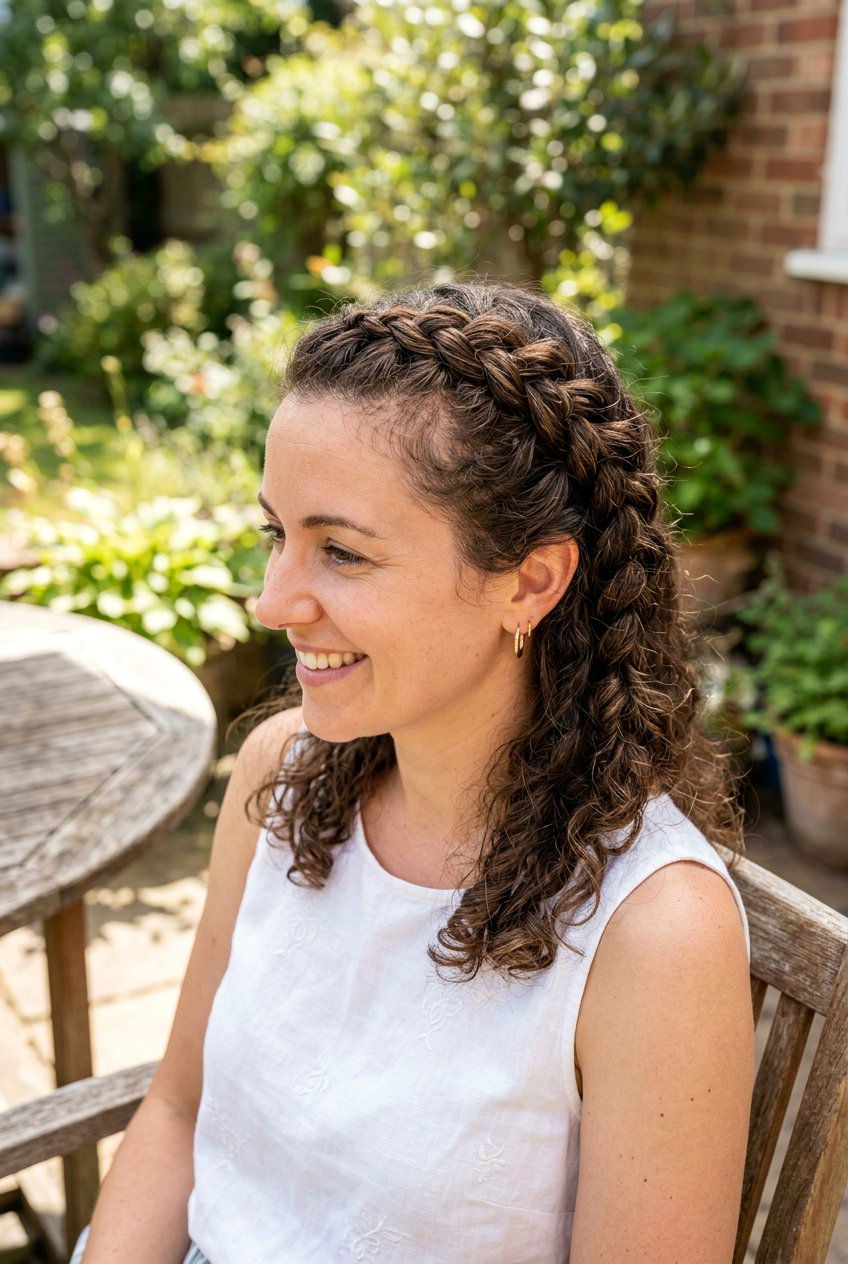
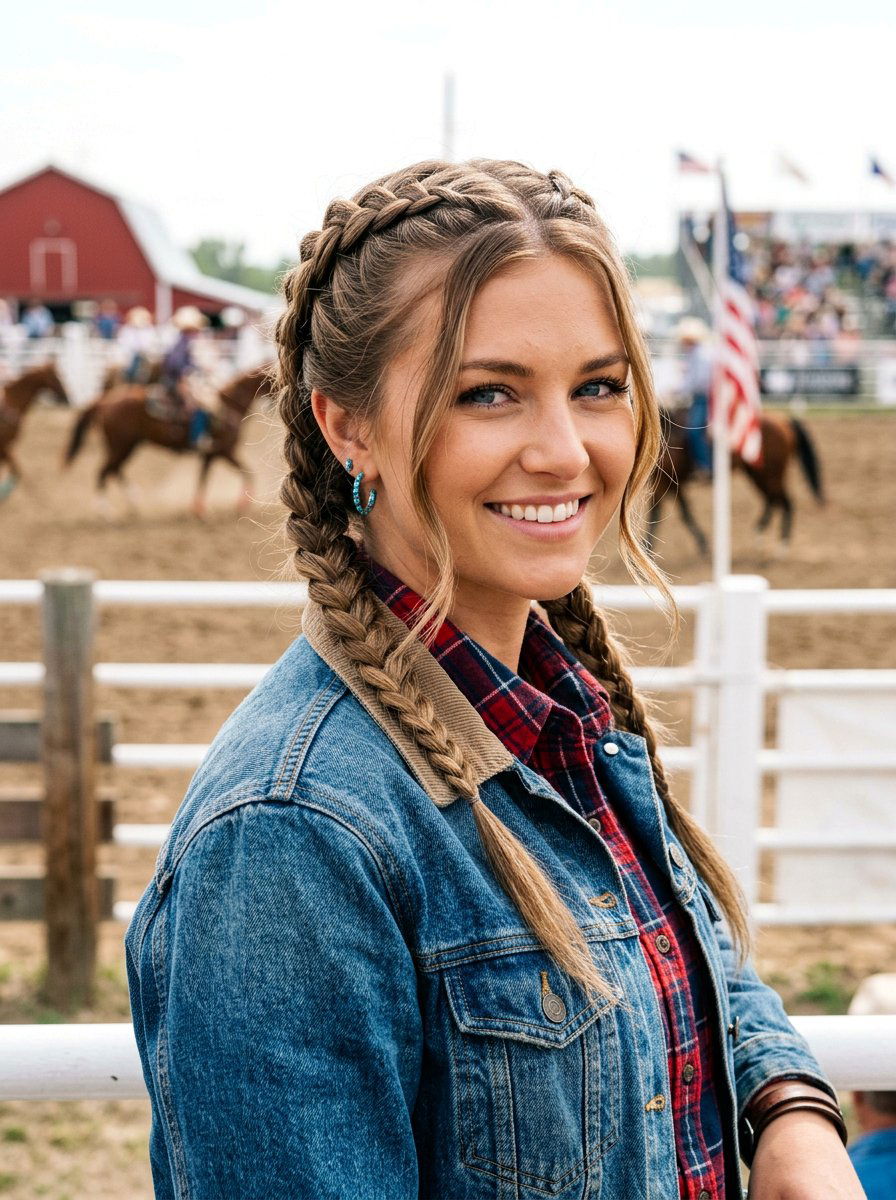
Braids are an underrated tool for covering bald spots, particularly for women with natural, curly, or textured hair. A strategic braid placement — whether it’s a Dutch braid running along the crown, a loose French braid, or a braid wrapped into a bun — can completely conceal a patchy or thinning area on top. Braids add visual texture and density to the hair’s surface, making any scalp visibility far less apparent. For maximum coverage, pull hair from both sides toward the bald area and incorporate it into the braid. This creates a natural-looking style that actually covers the spot with hair rather than just hiding it. Finish with a light-hold spray to keep flyaways smooth.
20. Scarf Style for Hair Loss
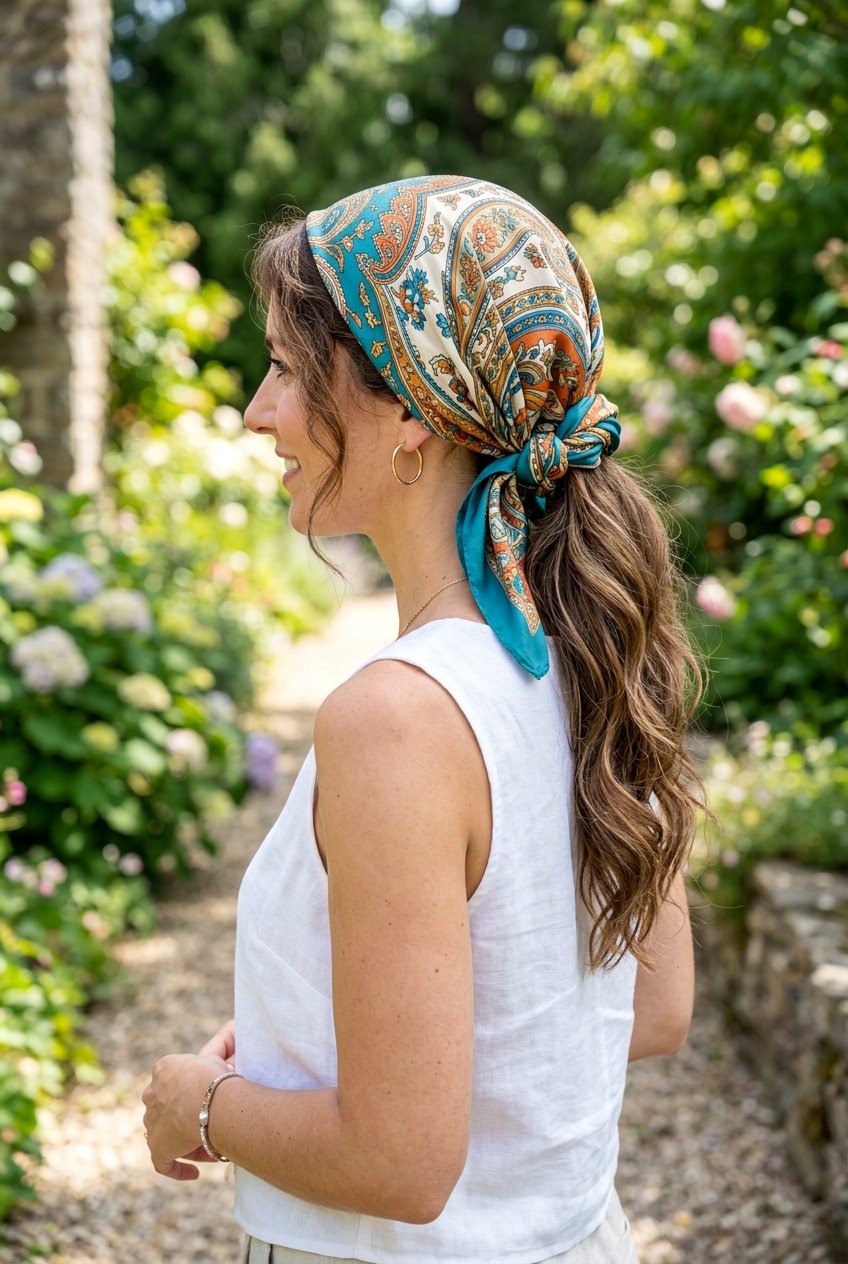
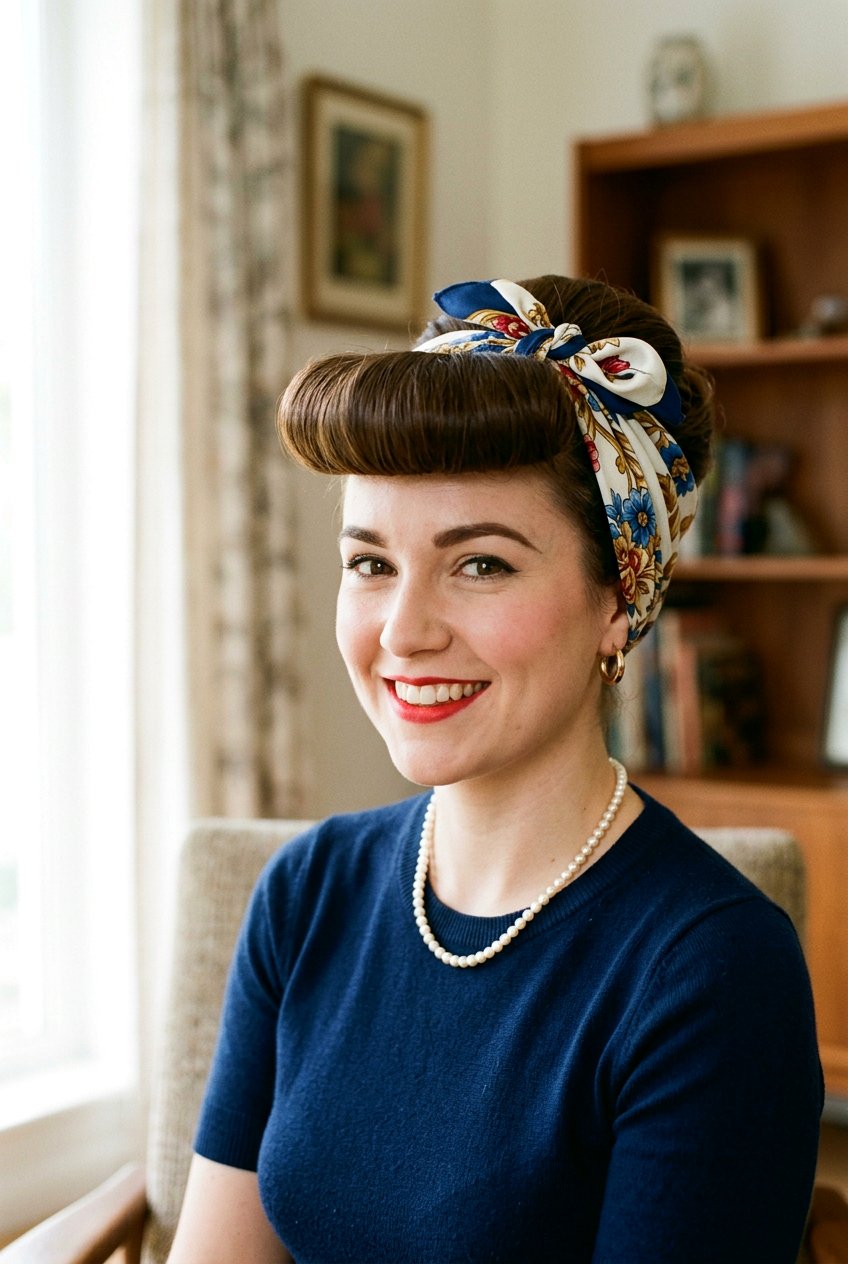
Scarf hairstyles are one of the chicest and most underused hairstyles to cover bald spots. They work for both men and women and require zero heat or chemical treatments. The classic kerchief style involves folding a square scarf into a triangle, draping it over the scalp with the pointed end facing down the back, and tying the ends at the nape of the neck. You can also use a scarf to wrap a ponytail, letting the loose ends hang alongside the hair for added fullness. Silk and satin scarves are especially gentle on thinning hair because they create less friction than cotton. This option is particularly great for warmer months when you want a stylish, protective look.
Conclusion:
Finding the right hairstyle to cover a bald spot is more than a cosmetic fix — it’s about feeling like yourself again. The 20 styles covered here range from quick styling tricks to full haircuts, and every single one is designed to work with your hair rather than fight it. Whether you go for a buzz cut that embraces the change head-on, a blunt bob that rebuilds visual density, or a carefully placed braid that turns a thin patch into a styling feature — there’s a genuinely great option here for every hair type, texture, gender, and lifestyle. The key is choosing a style that suits your hair’s current density, your daily routine, and your personal taste. With the right cut and a few smart styling habits, bald spots can become far less of a concern and your hair can look fuller, healthier, and more intentional than ever.
***
You'll Like These Styles:






Leave a Reply