
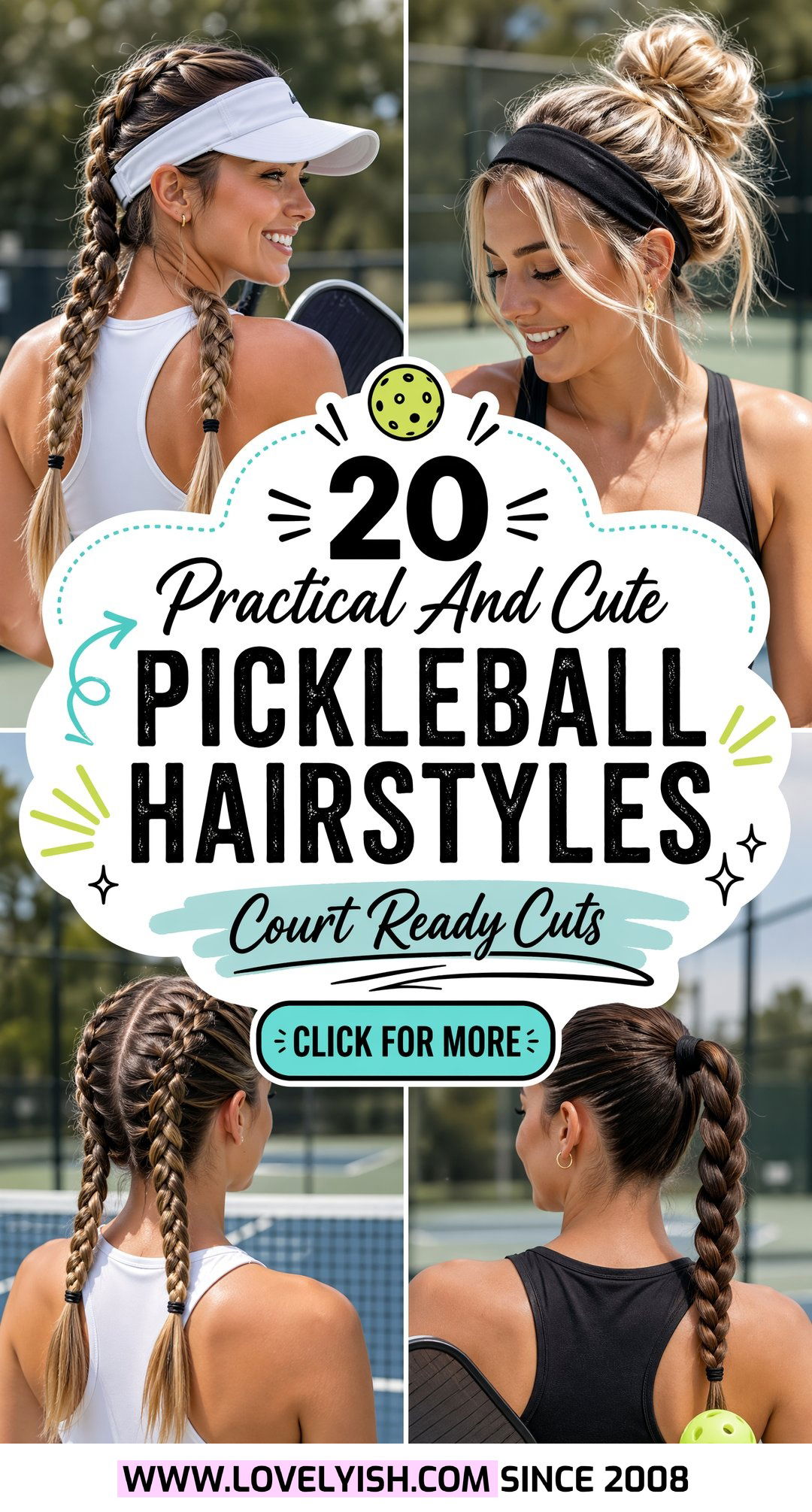
Stepping onto the pickleball court with the right hairstyle can make your game feel smoother, cooler, and way more comfortable, especially during long rallies and hot afternoons. You want hair that stays put through quick volleys, overhead smashes, and sudden direction changes, without constant readjusting or elastic mishaps. At the same time, it is fun to look put-together for social play, rec leagues, and tournament photos. The best pickleball hairstyles balance grip, airflow, and helmet or visor compatibility, while also working with your hair length and texture, from fine and straight to thick and curly. In this guide, you will find practical, game-tested pickleball hairstyles that keep hair secure, reduce frizz, and still look good if you grab a smoothie or lunch after your match.
1. High Pickleball Ponytail
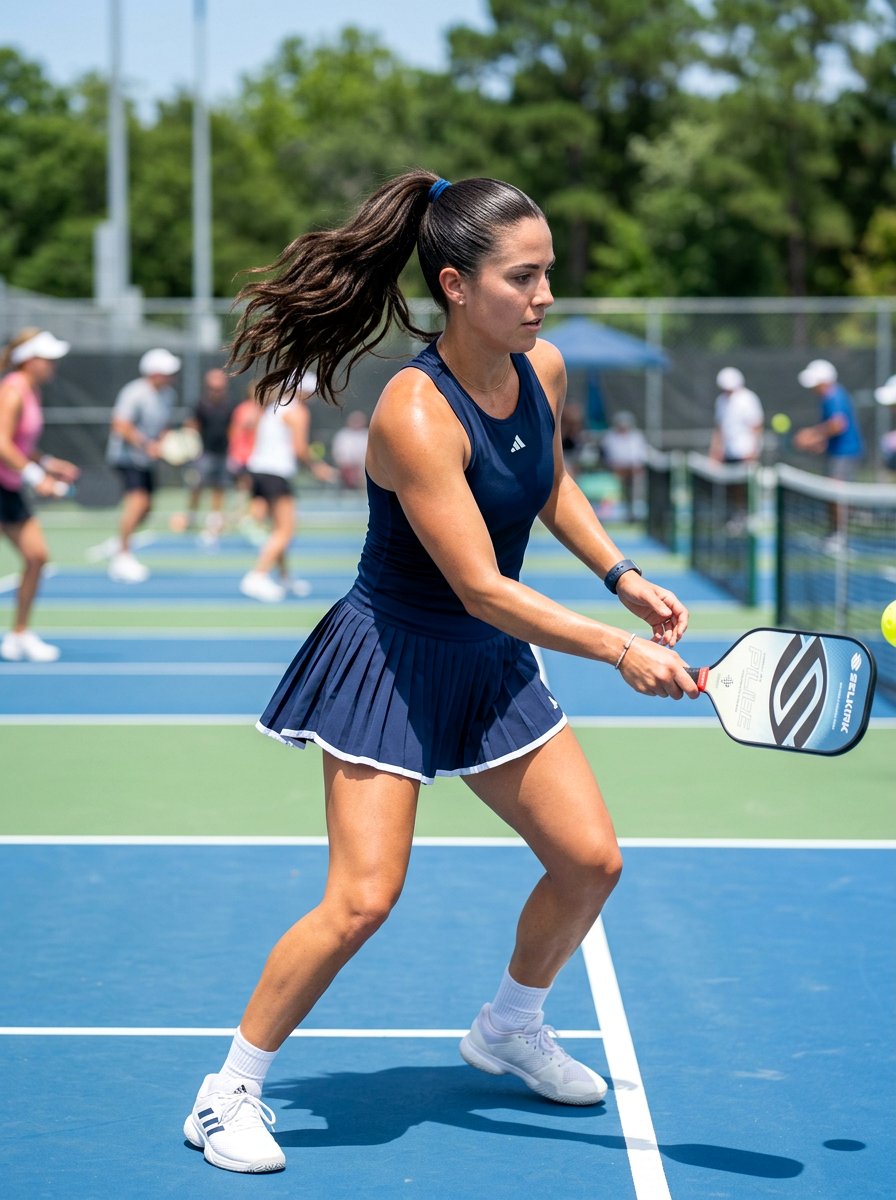
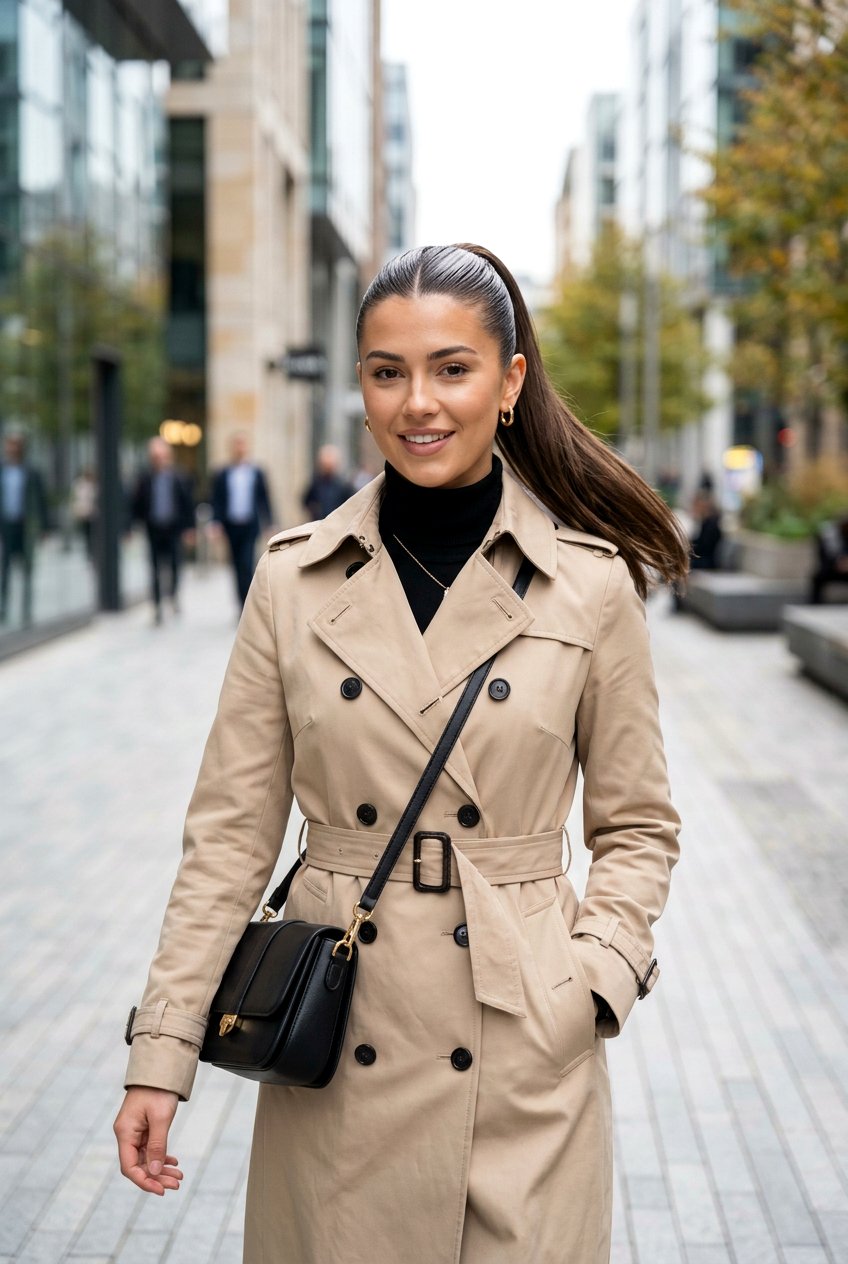
A high pickleball ponytail is one of the easiest ways to keep your hair up and off your neck while you move fast across the kitchen line and baseline. You gather all your hair at the crown of your head, secure it with a strong, snag-free elastic, then smooth flyaways with a light gel or hairspray so strands do not fall into your eyes mid-rally. This look works especially well with visors and hats, because the ponytail sits above the band and you still get sun protection and sweat control. For thicker hair, use two elastics stacked together and wrap the base tightly to avoid bouncing that can cause breakage or tangling during quick spins and lunges. You can add subtle texture spray through the ponytail length so it looks fuller, but keep products lightweight so sweat and humidity do not make your hair feel heavy or sticky on court.
2. Braided High Ponytail
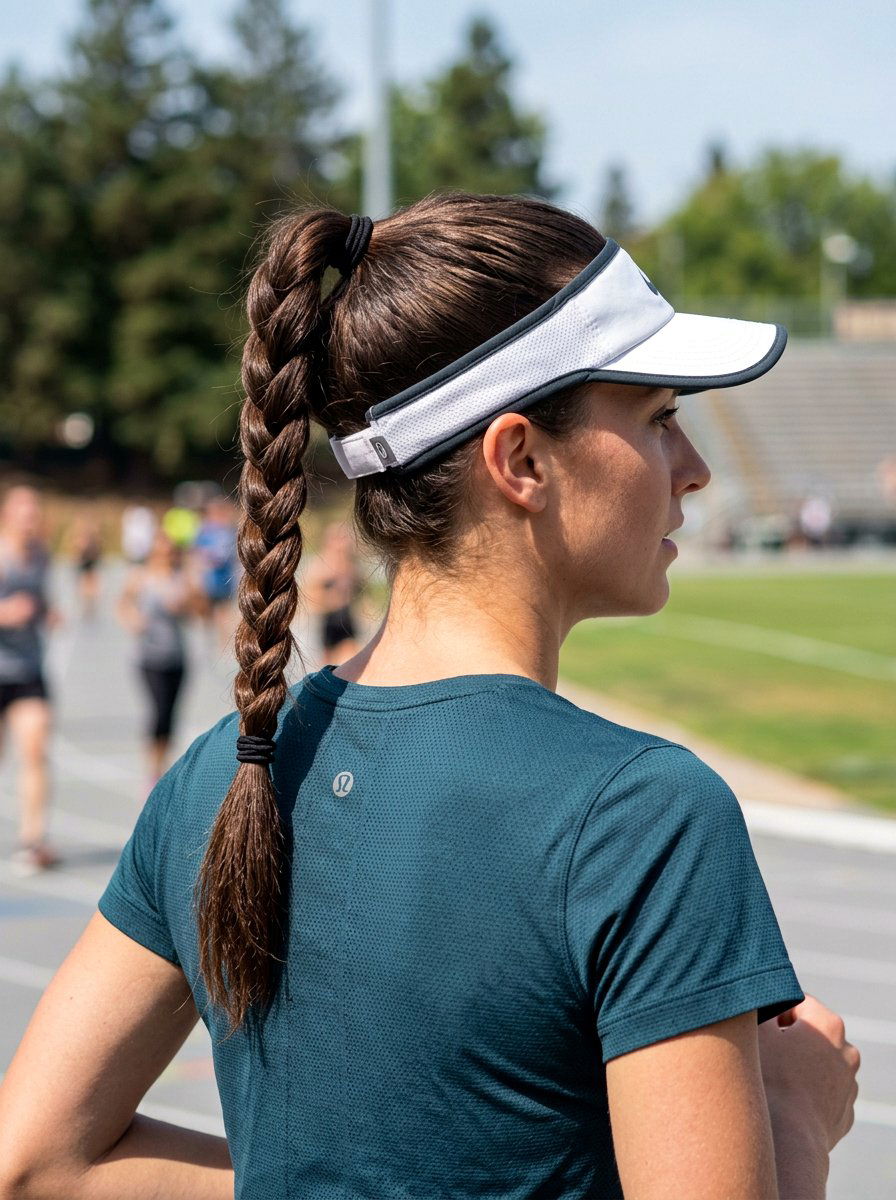
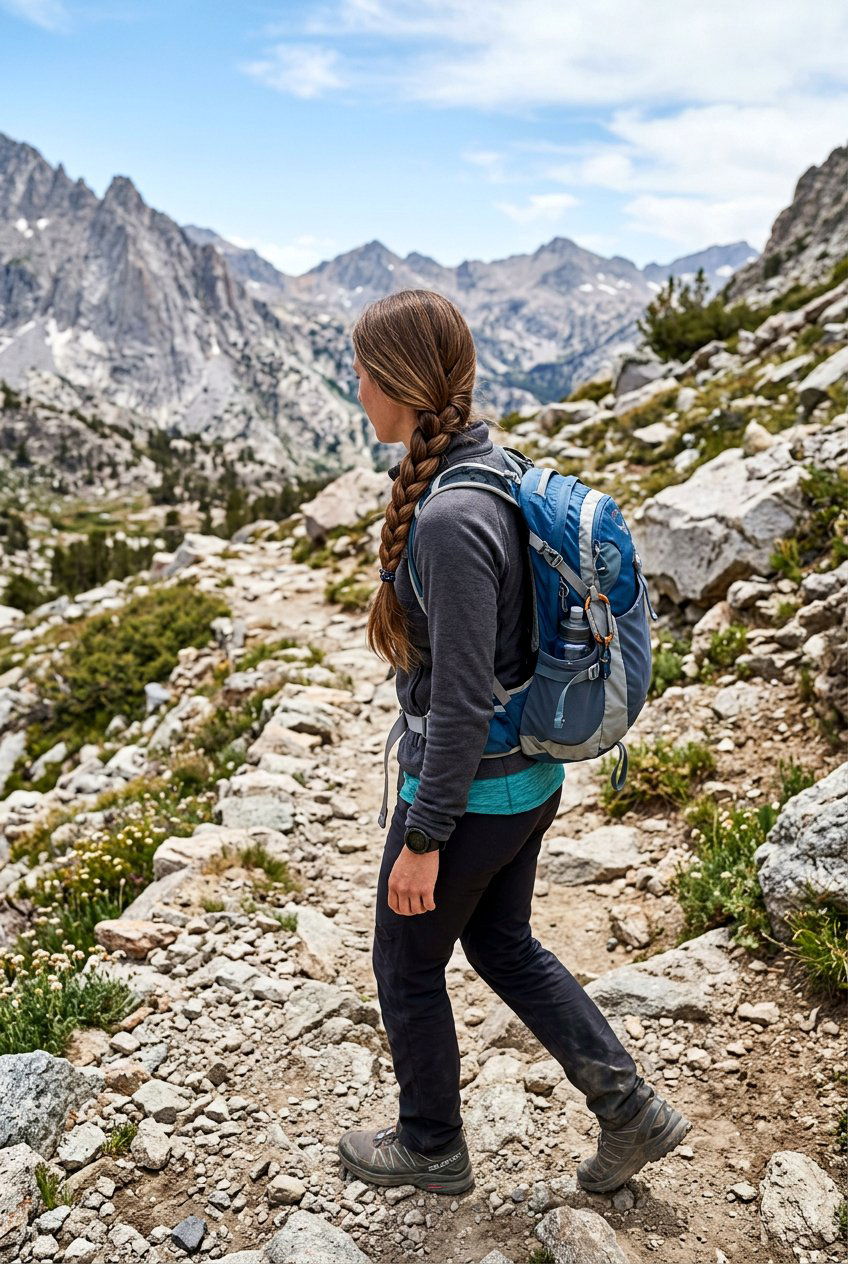
For players who hate loose ends whipping their shoulders during serves, a braided high ponytail gives you that same lifted look with extra control from root to tip. You start with a secure high ponytail, then braid the length into a three-strand or rope braid and tie the end with a small elastic to keep every section tight. The braid stops the pony from splitting into messy sections when wind picks up or when you turn quickly to chase lobs, so you adjust less and focus more on placement and spin. This style is great for medium to long hair and pairs nicely with sweat-wicking headbands or visors, because there is no bulky bun pushing against your cap. If your hair is slippery or freshly washed, add dry shampoo or texturizing spray before braiding so the strands hold better and do not slip loose mid-game. After your match, you can pull out a few face-framing pieces and gently tug the braid for a softer, more relaxed look for errands or brunch.
3. Classic Three Strand Braid
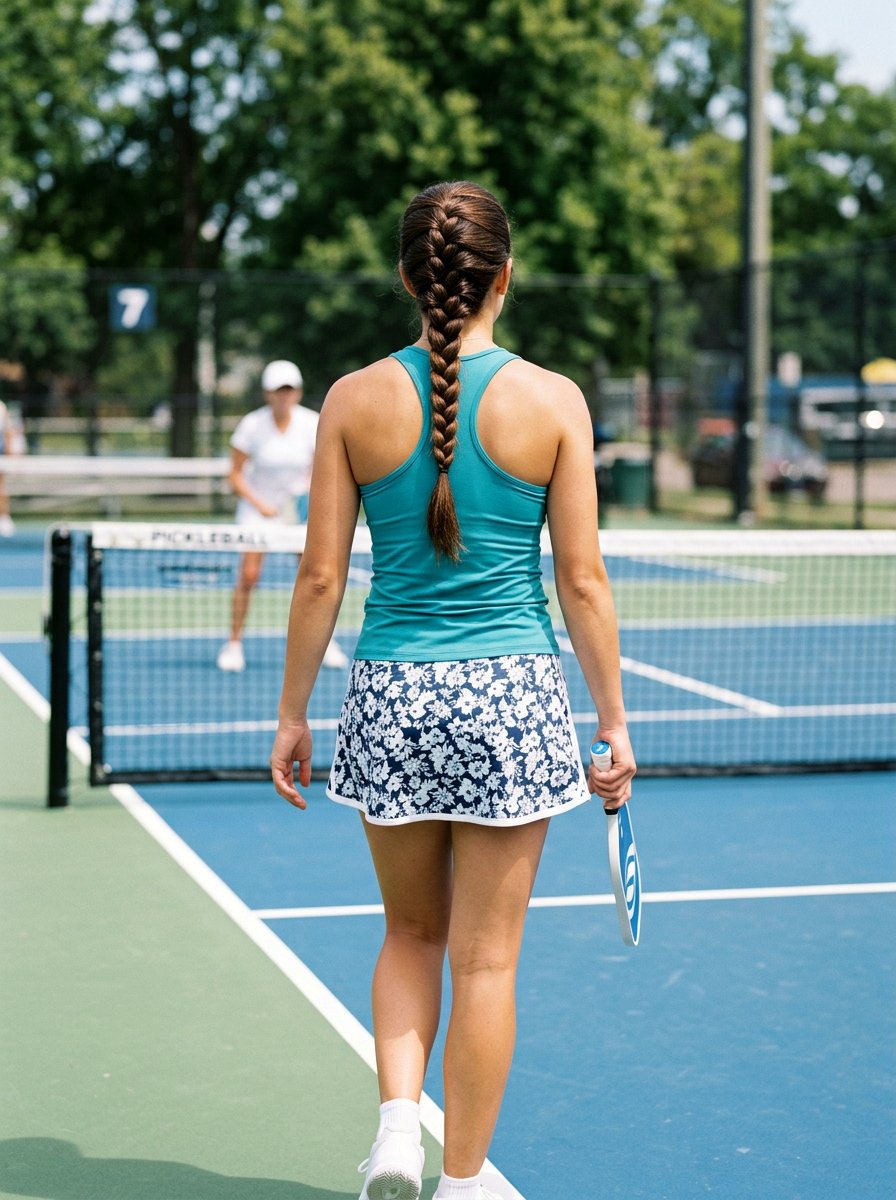
The classic three strand braid running straight down your back is a simple yet solid choice when you want everything tucked away without a high pony tugging at your scalp. You divide your hair into three even sections at the nape, then crisscross them tightly all the way to the ends before securing with an elastic that will not snap under movement or sweat. This keeps hair flat against your back, reducing swinging and tangling when you turn, shuffle sideways, or reach overhead for deep smashes. It also fits comfortably under caps or visors because the base sits low, so nothing digs into your head when you bend for dinks or volleys. If you struggle with frizz, smooth a small amount of leave-in conditioner or lightweight cream down the length before braiding to seal flyaways without making your braid stiff. For tournaments or social events, you can weave a slim ribbon or team-color tie through the braid for a subtle style detail that still stays court-ready and practical.
4. Double Dutch Braids For Pickleball
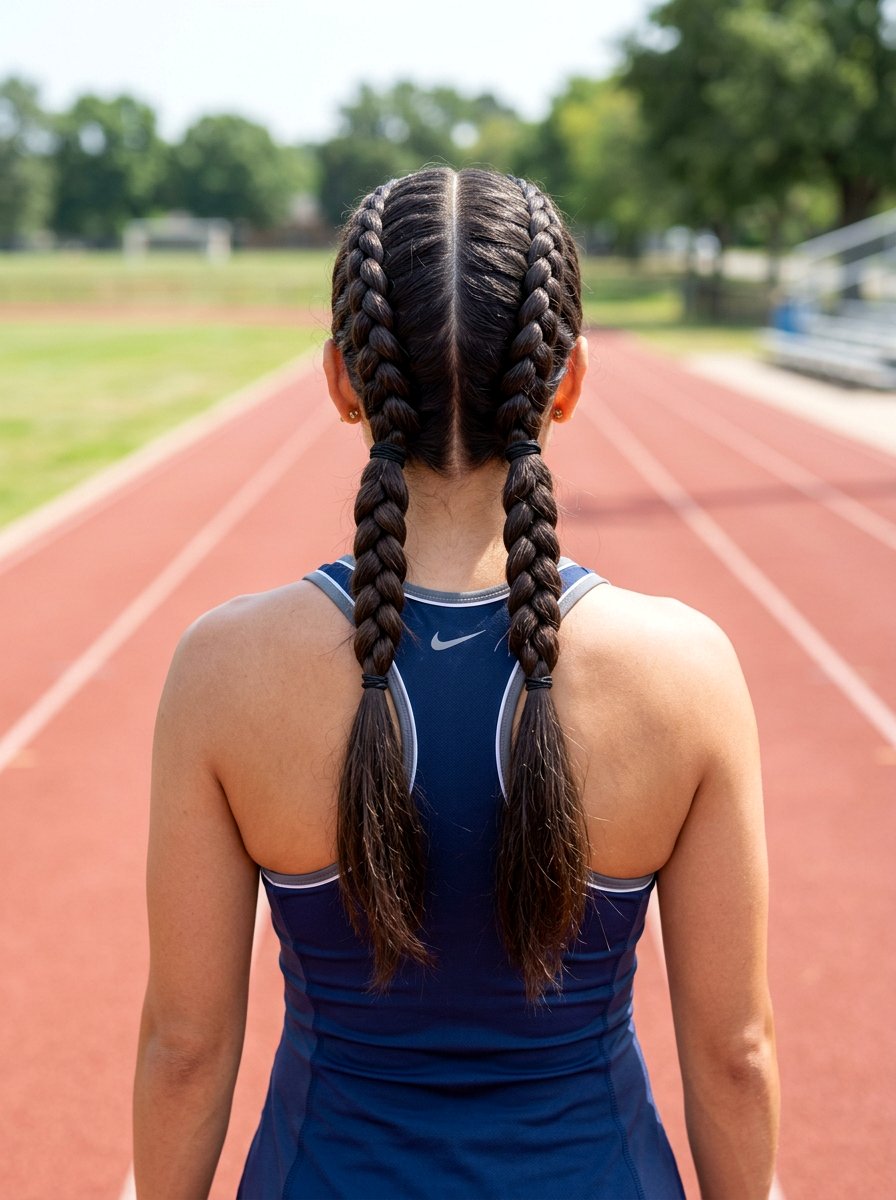
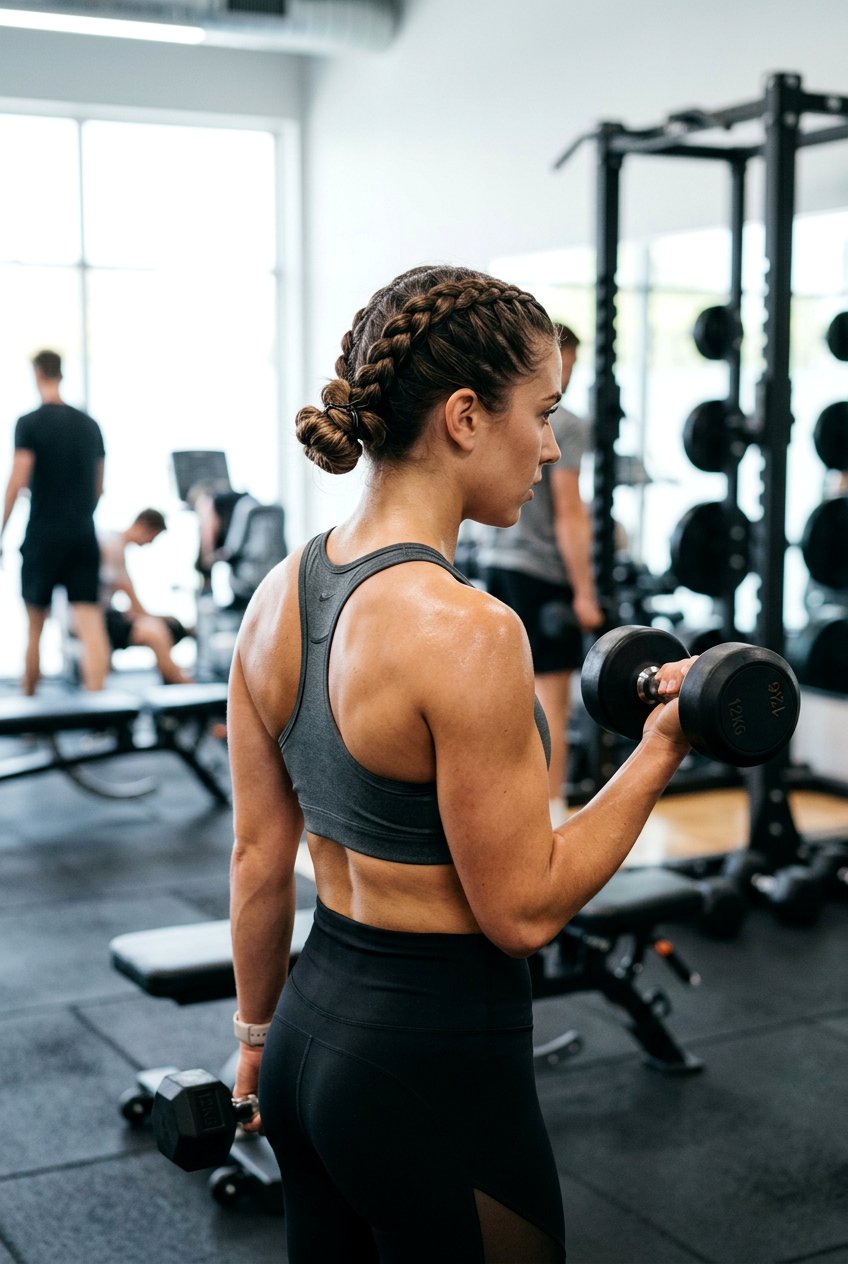
Double Dutch braids give you serious hold for high-intensity games and are perfect when you want hair locked down from your hairline to your ends. You part your hair down the center, then create an inside-out braid on each side, starting near the front and working backward so the braids sit snug against your scalp. This structure keeps sweat-soaked strands from clinging to your face and neck, even when humidity spikes or matches stretch through multiple games. Because the braids sit flat, they layer well under hats, visors, or sweatbands, making them ideal for outdoor courts with bright sun. This look really shines for players with thick, wavy, or curly hair, because it compresses volume while letting your natural texture show in the braided pattern. To protect your hair, use a soft, no-metal elastic at the ends and add a light oil only on the tips after braiding, so your scalp does not feel greasy once you start sweating.
5. French Braid For Pickleball
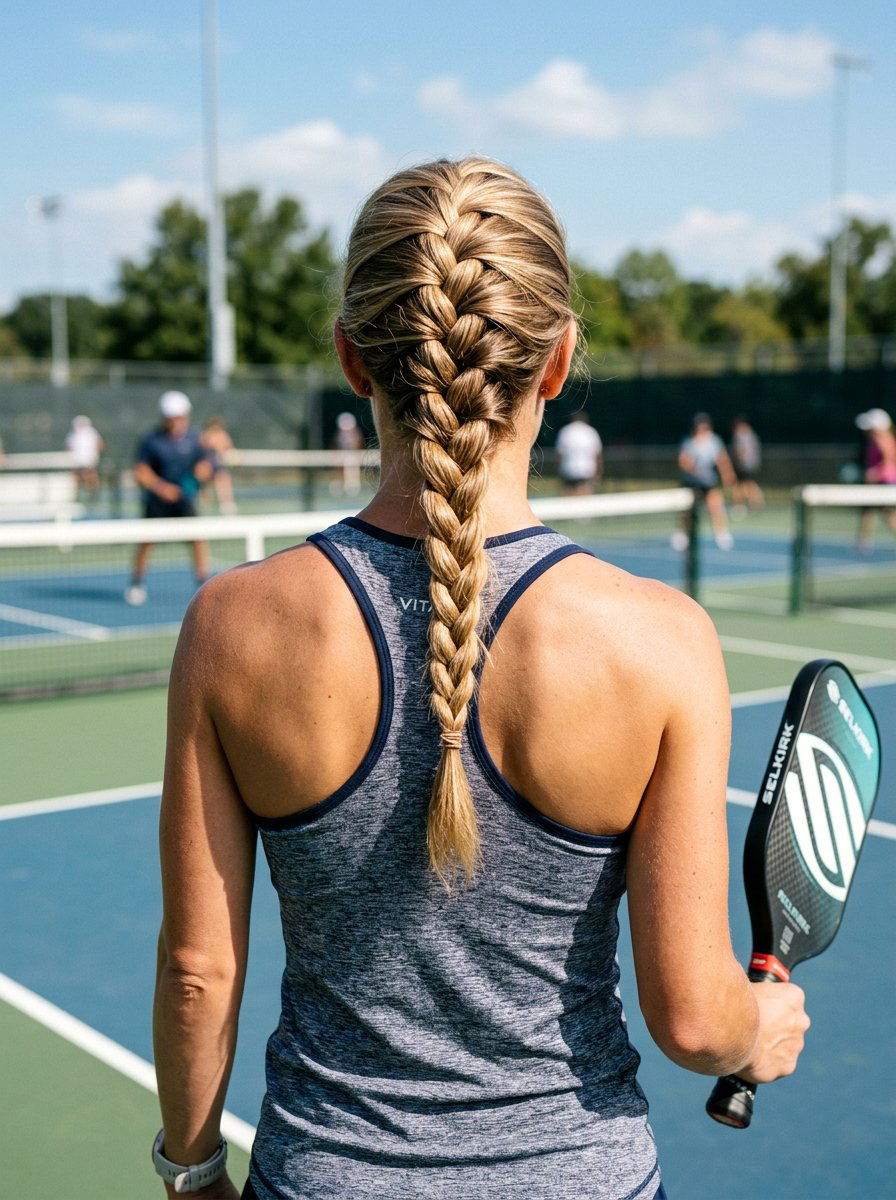
A single French braid is a great middle ground if you want strong scalp grip but prefer one streamlined braid instead of two. You start at the crown or slightly higher, adding small sections of hair as you braid down, which anchors every layer and keeps shorter pieces from escaping near your temples and nape. This makes it a smart choice for all-day tournaments, because the braid holds its shape even as you repeatedly toweling off sweat or adjusting your visor. The French braid also works nicely for layered cuts that usually pop out of ponytails, since the added strands help trap shorter pieces in the braid structure. For extra security during long rallies, you can use a bit of styling mousse on damp hair before braiding and let it dry in place, giving a flexible hold that feels soft, not crunchy. After pickleball, you can unravel the braid for easy, subtle waves without heat styling, which is gentle on hair already exposed to sun and sweat.
6. Messy Top Knot For Pickleball
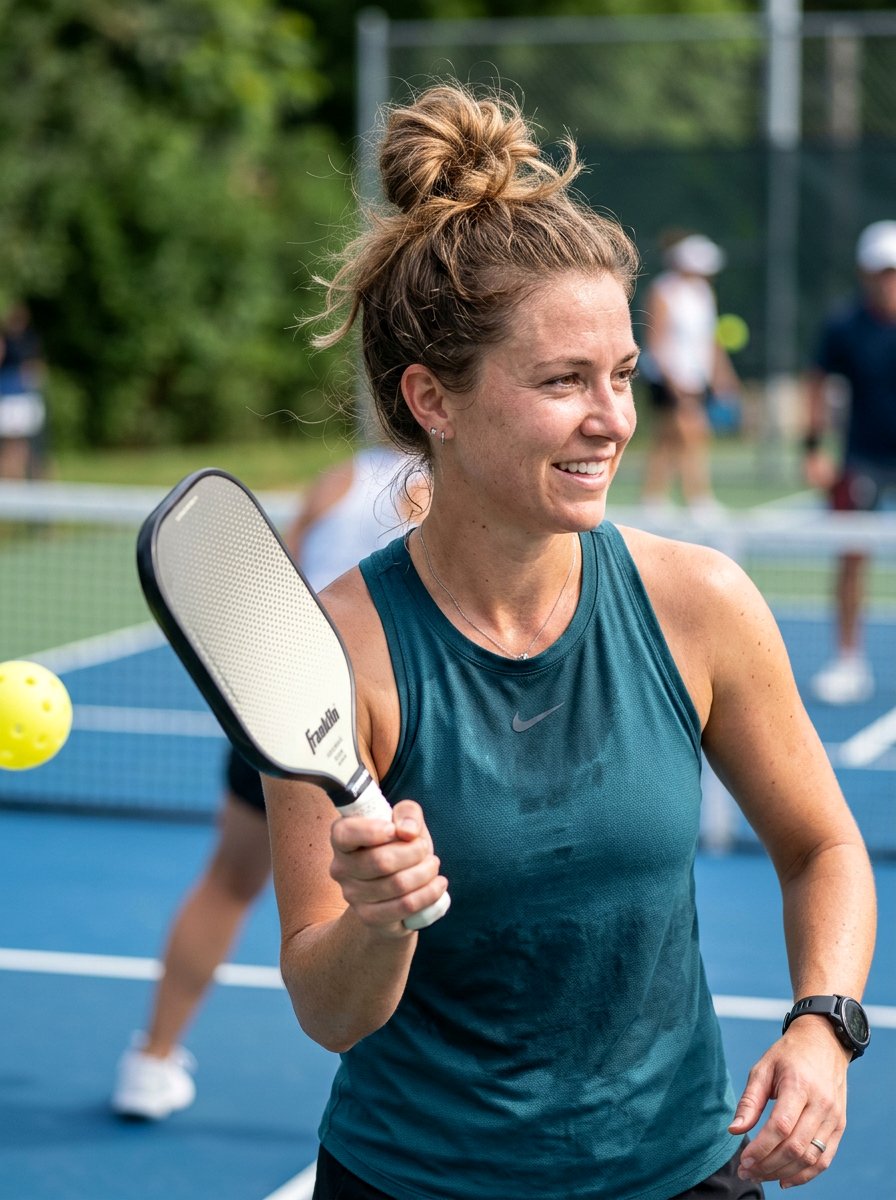
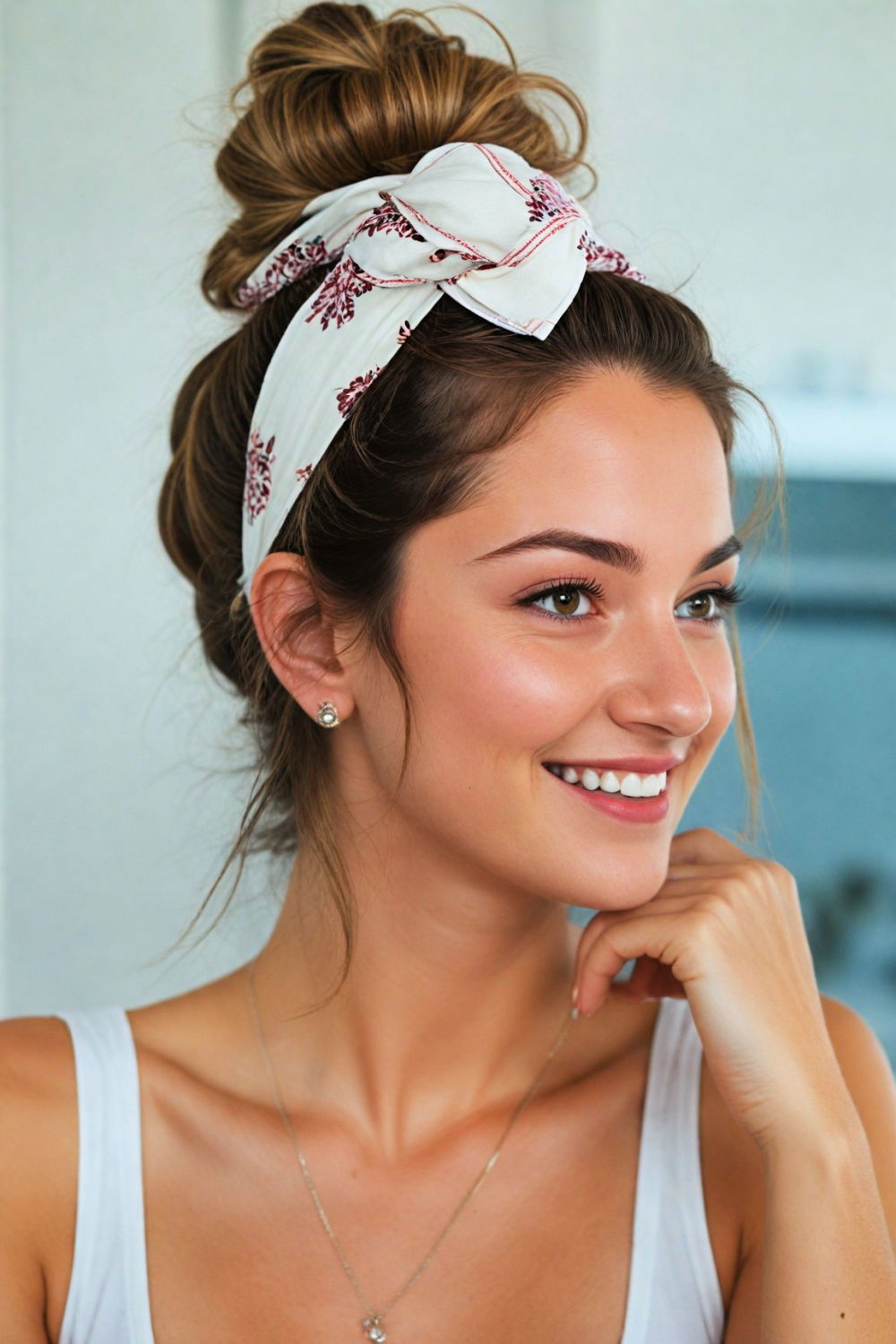
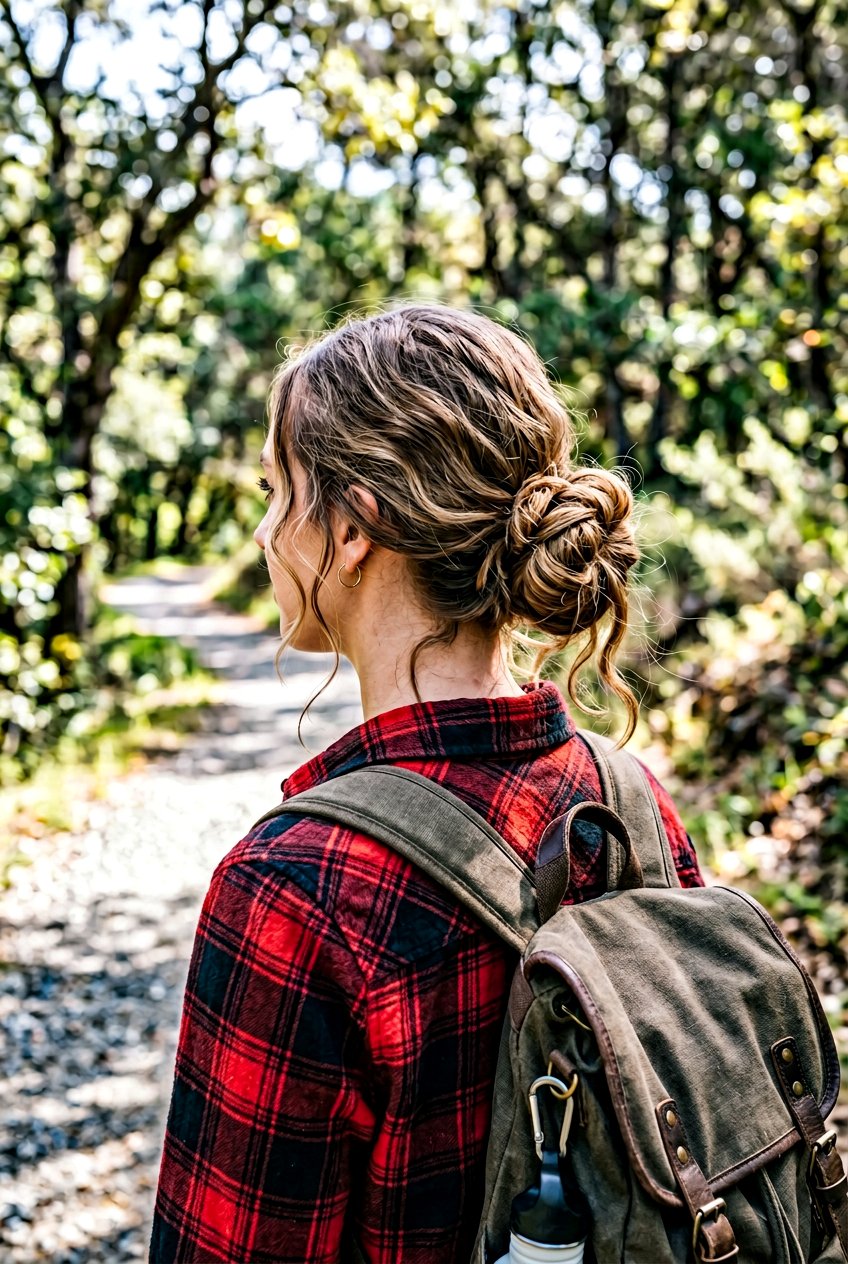
On hot days, a messy top knot keeps every strand off your neck while still looking relaxed and sporty for casual play. You gather your hair high on your head, twist it into a loose bun, and secure with a sturdy elastic plus a few bobby pins for backup so it does not collapse mid-rally. This shape gives your scalp more airflow than a heavy ponytail and is especially helpful if you sweat a lot or play under direct sun where heat builds quickly. The style works for medium to long hair and pairs easily with wide fabric headbands that catch sweat along your hairline without clashing with the knot. A little texture spray before you twist adds grip so the bun stays put while still keeping that intentionally undone look that fits social play sessions. If your hair is fine, avoid pulling the bun too tight; instead, keep the base snug and then fan out the knot gently to add volume without creating tension headaches.
7. Low Bun For Pickleball
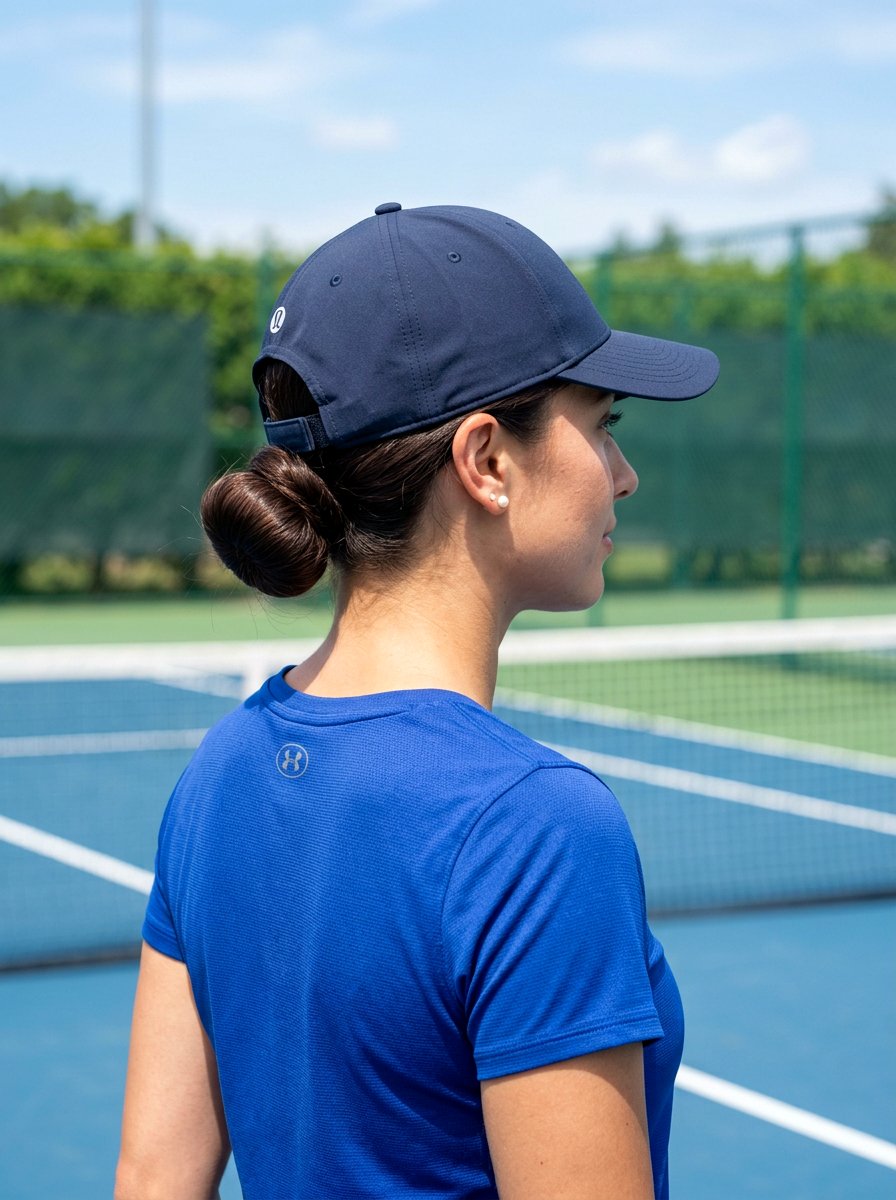
A low bun at the nape is perfect when you wear caps or visors with tight bands and do not want a high style interfering with your headwear. You smooth your hair down, gather it just above the nape, twist into a compact bun, and secure with elastics and a few pins if your hair is thick or heavy. This keeps the bun below your hat strap, so there is no pressure point when you look up for lobs or jump for overhead shots. The sleek silhouette also minimizes swinging hair, which can be distracting during quick sideline runs or split-step movements at the kitchen. This hairstyle works especially well for straight or slightly wavy hair, but curlier types can also use it by smoothing gel at the roots and leaving some natural texture in the bun itself. To protect your ends, coil them gently instead of over-twisting, and apply a light leave-in conditioner before styling so the friction from movement does not cause extra dryness.
8. Natural Puff For Pickleball
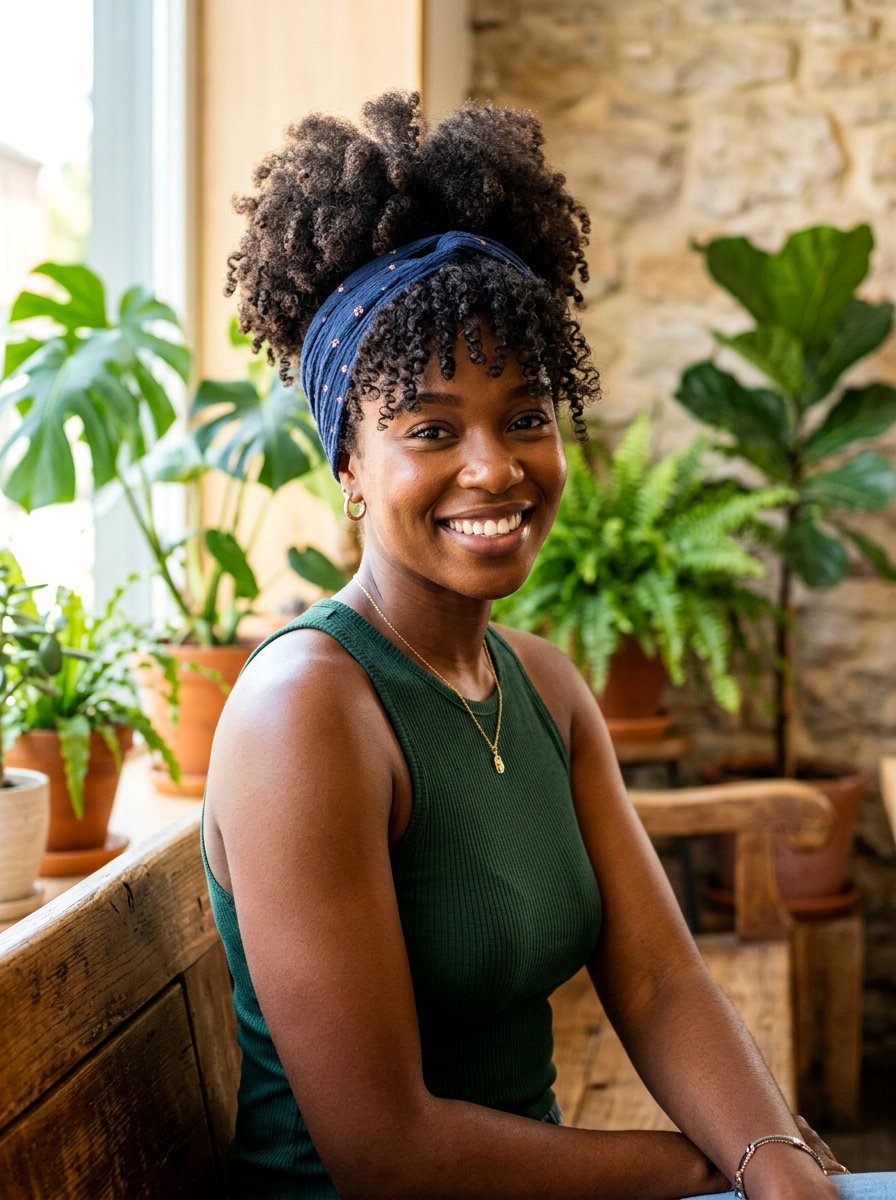
For players with natural curls or coils, a high natural puff is a fast, protective choice that keeps volume away from your face while embracing your texture. You use a soft, stretchy band or puff cuff to gather your curls at the crown, lifting them upward rather than pulling them back tightly, which reduces tension at the hairline. This shape pairs nicely with visors or wide sweatbands, because the puff sits above the band while your edges stay smooth and secure. It also lets air circulate through your curls, which can help reduce overheating and scalp discomfort during long matches in warm weather. To prepare, apply a leave-in conditioner and light gel to damp hair, then fluff the puff gently with your fingers, avoiding heavy creams that might feel sticky once you start sweating. After the game, you can refresh your puff with a water-based spray and a little oil on the ends to maintain shine and bounce without needing a full restyle.
9. Headband With Loose Hair For Pickleball
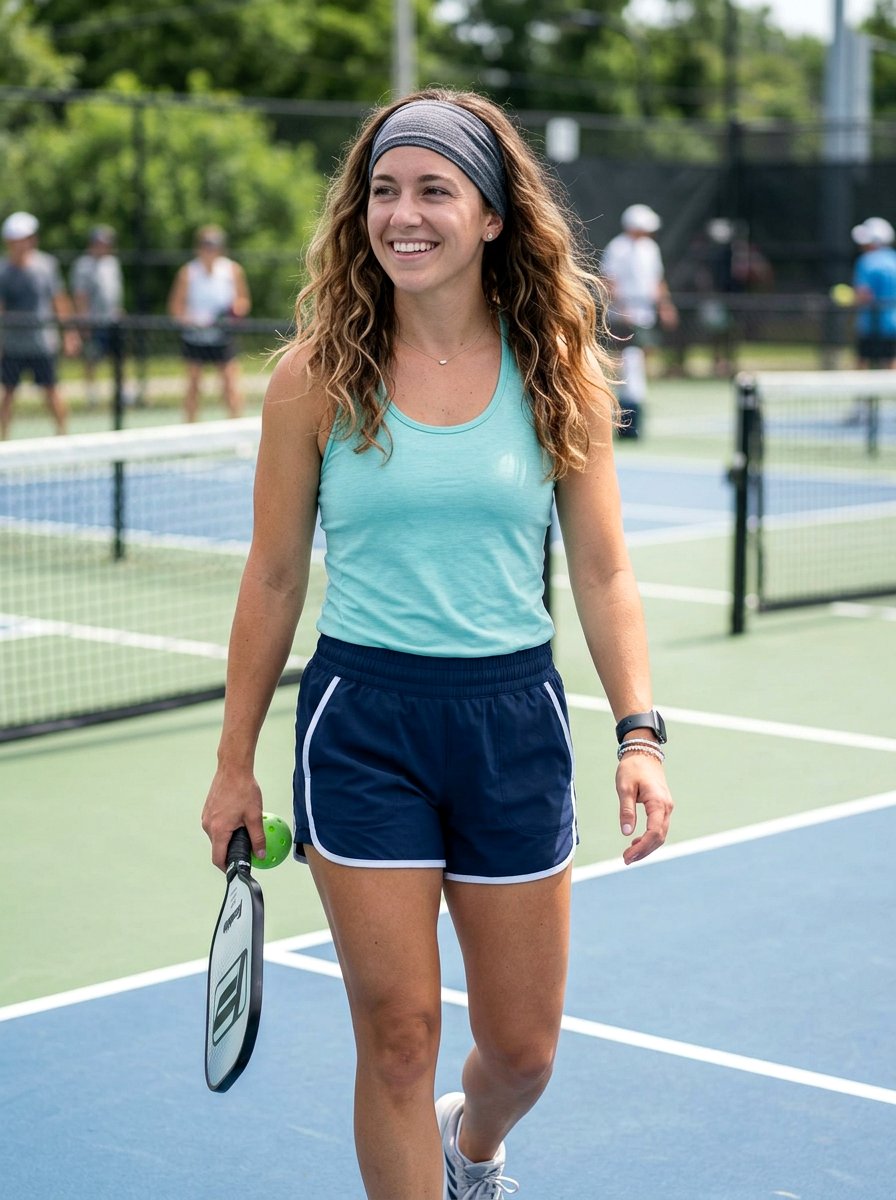
If you prefer wearing your hair down but still need your face clear to see every shot, a headband with loose hair can work well for mellow games and cooler days. You style your hair as usual—straight, wavy, or curly—then slide on a wide, sweat-wicking headband that holds back your front sections and absorbs moisture along your hairline. This approach feels less restrictive than full updos and can be more comfortable if you are prone to tension headaches from tight elastics. It is best for rec-level play, drills, or warm-ups where you are not diving or moving as aggressively, since long lengths may still brush your neck or shoulders. To reduce tangles, apply a lightweight detangling spray or leave-in before playing and gather the bottom half into a very loose low pony if needed so hair does not knot against your top. Pick headbands made from soft, breathable fabric so they do not slip when damp and do not rub or irritate your scalp during longer sessions.
10. Pickleball Visor With Ponytail
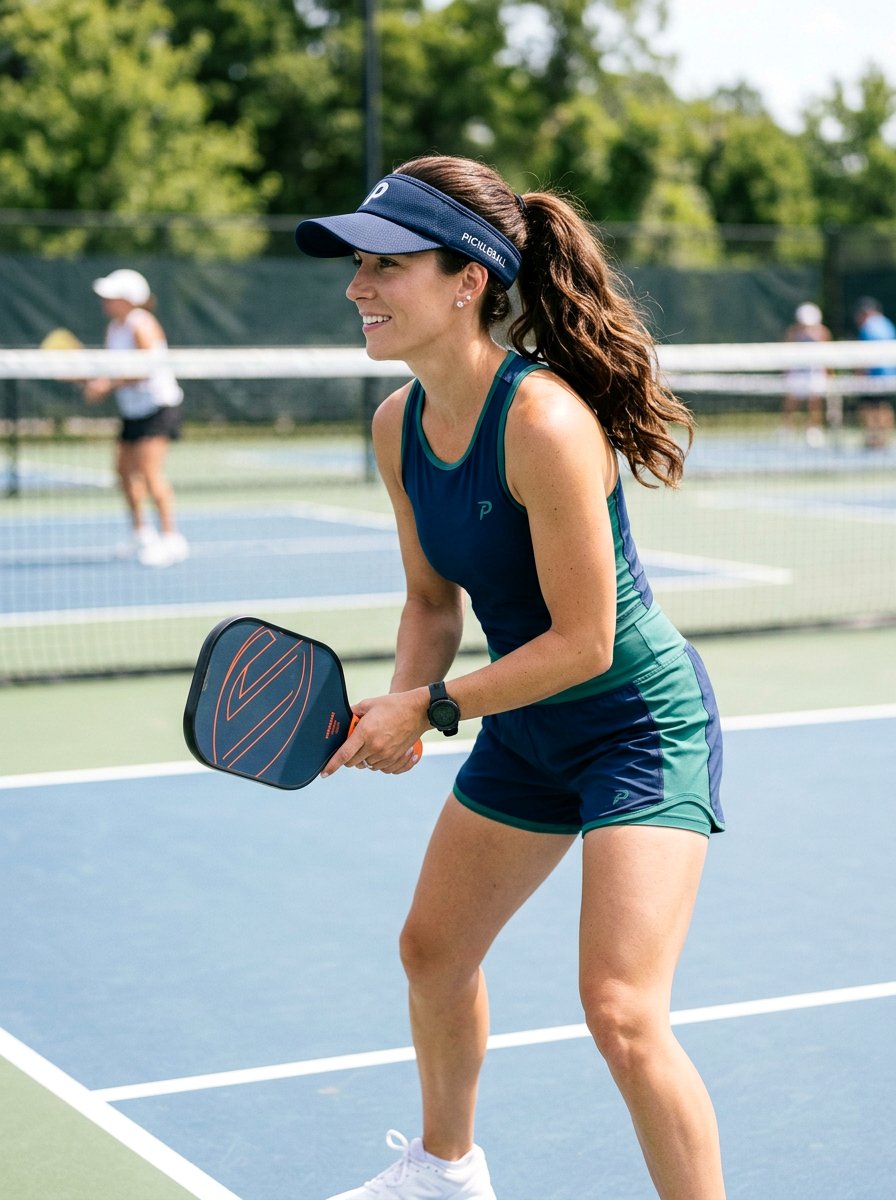
Combining a pickleball visor with a mid or high ponytail is a go-to look for outdoor courts because it controls both sun exposure and hair movement. The visor shields your eyes and face from glare, while the ponytail threads through the opening at the back so hair stays lifted and secure. This setup works for straight, wavy, and curly hair, and you can choose a mid-height pony if your visor strap sits low, or higher if there is more space. Many players like moisture-wicking visors with adjustable straps, which stay stable when you pivot or sprint for wide shots. Use a no-crease elastic that will not dig into your hair, and avoid metal clasps that can snag when you tighten your visor or adjust between games. For extra polish, smooth the top section with a small amount of gel or styling cream so no flyaways peek out from under the visor brim while you play.
11. Bubble Braid Ponytail For Pickleball
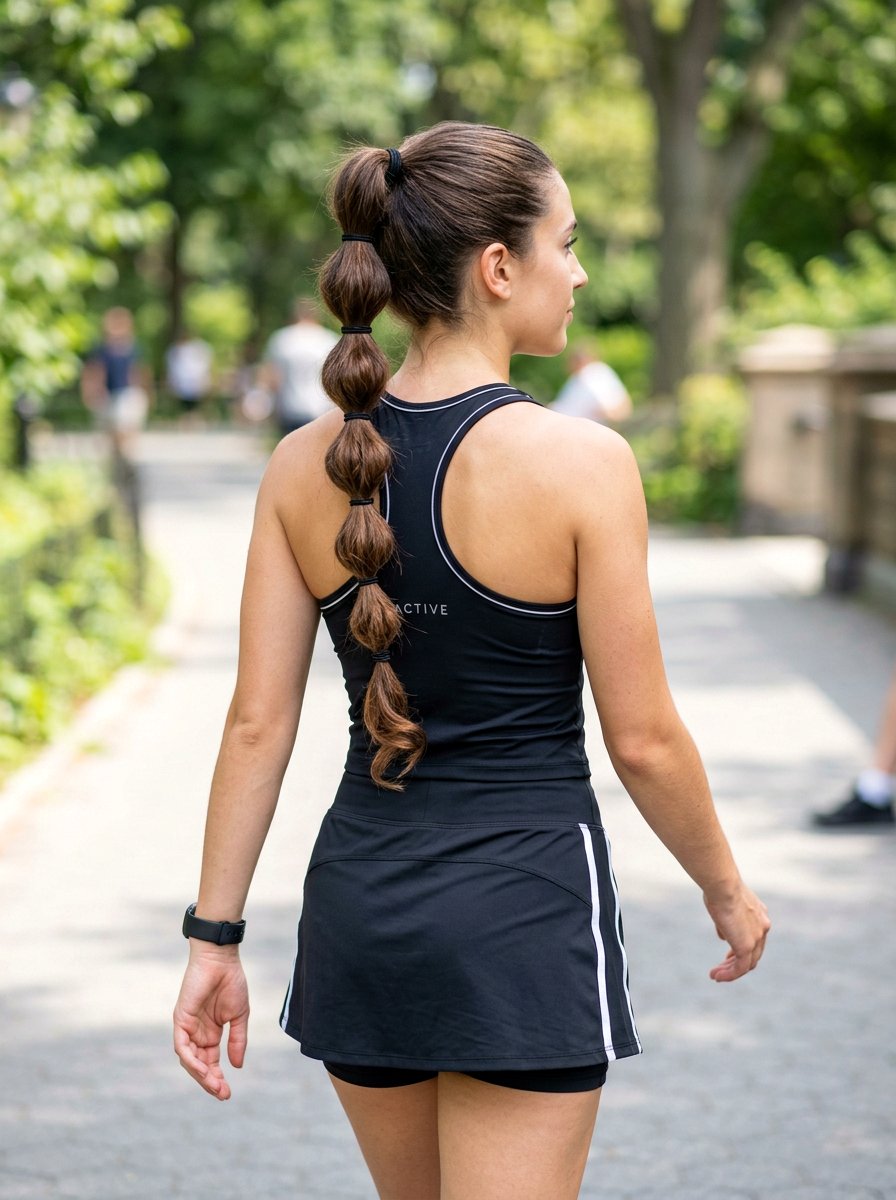
A bubble braid ponytail is a playful way to keep long hair controlled while adding a bit of personality to your court look. You start with a secure low or mid ponytail, then add small elastics down the length every few inches, gently tugging each section to form rounded “bubbles”. This breaks up the weight of your hair and reduces whipping, since the bubbles limit how much the hair can swing as a single heavy rope. It is also easier to create than full braids if you are not confident braiding, but you still get strong hold that lasts through several games. The style works for thick or long hair especially well and looks great with visors or headbands, because the base can sit wherever is most comfortable with your gear. To avoid pressure, keep the elastics slightly loose and choose soft, snag-free options so removing them after play does not cause breakage or tangling.
12. Side Braid For Pickleball
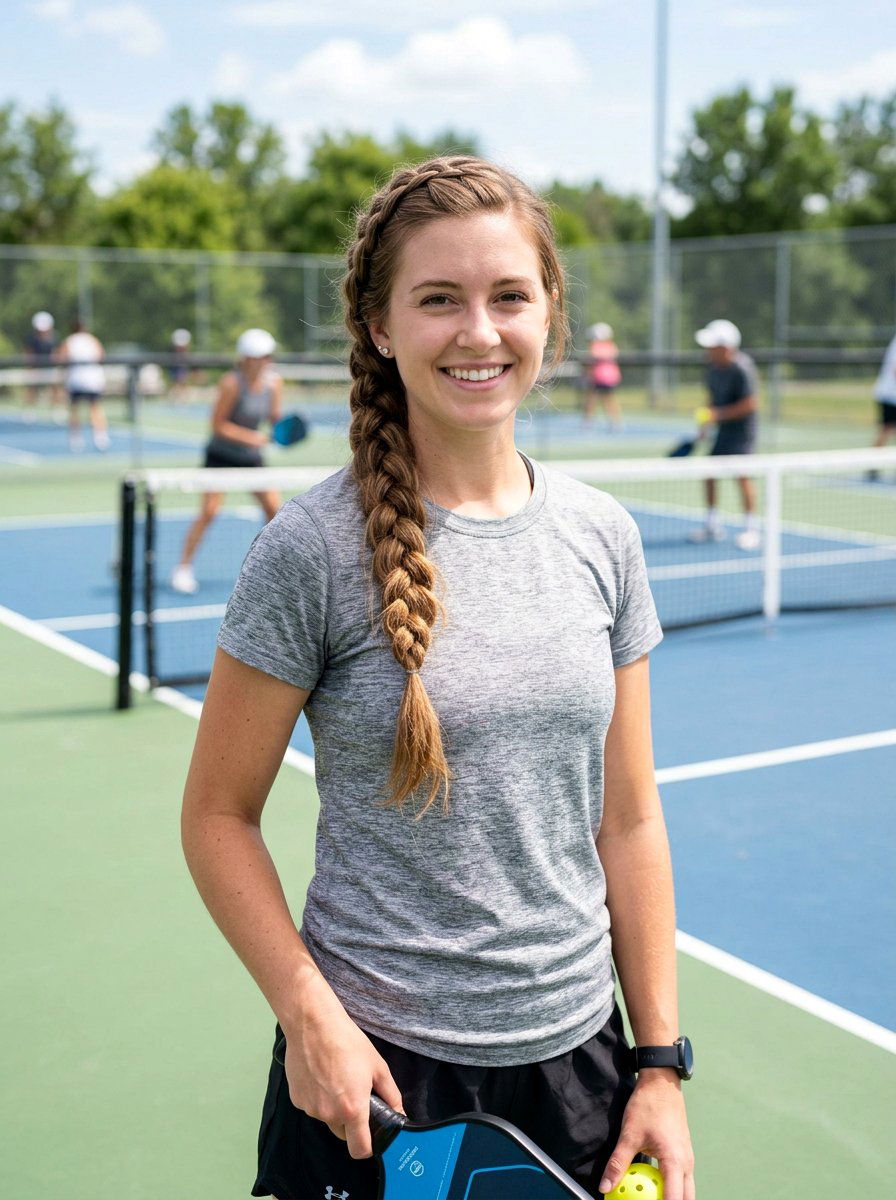
A side braid draped over one shoulder gives a softer look while still keeping hair mostly contained during casual play sessions or social open courts. You part your hair slightly to one side, gather it over your preferred shoulder, then braid from just below the ear down to the ends and tie off with a small elastic. This placement keeps your back clear for backpacks or hydration packs and feels comfortable if you do not like the sensation of hair lying directly down your spine. It works especially well for thicker or textured hair that might feel bulky in a central back braid, letting you spread out some volume across your shoulder instead. For more active matches, tuck the start of the braid a bit closer to the head and use a few discreet bobby pins near the nape to prevent shifting. Finish with a light mist of hairspray to minimize frizz, but keep the hold flexible so the braid still moves naturally as you run and pivot.
13. Half Up Pickleball Ponytail
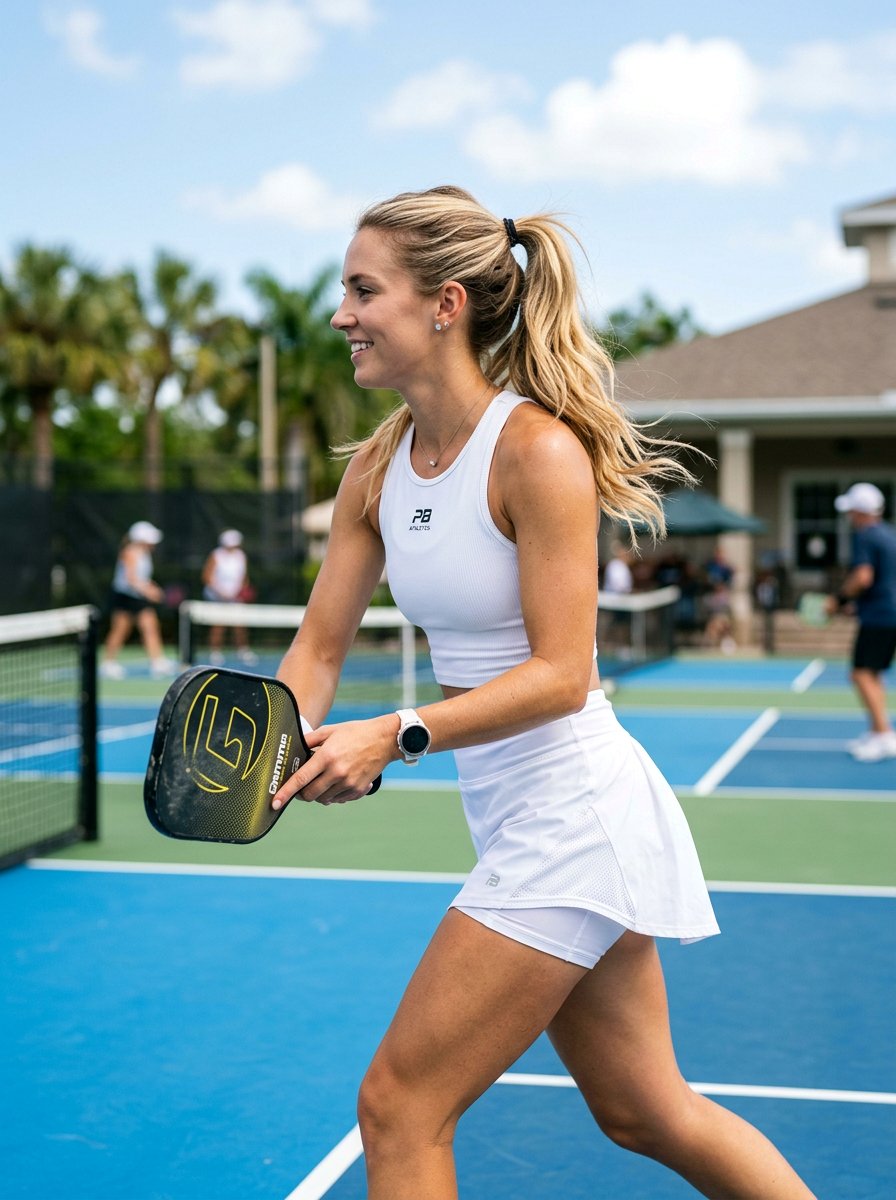
A half up ponytail is a nice compromise when you want your hair partially down but still need your eyes and forehead clear for tracking the ball. You section off the top half of your hair from temples to crown, secure it in a small ponytail, and leave the lower half loose and flowing. This keeps shorter layers and bangs from dropping into your face while leaving length free for a more relaxed, everyday look that moves softly as you play. It is best suited for light to moderate play where you are not diving or spinning aggressively, since the bottom half can still move a lot. If you plan on longer matches, you can twist the half pony into a mini bun instead, which gives a bit more control while still feeling less tight than a full updo. Pair this hairstyle with a slim headband to catch sweat at the hairline, especially in warm weather, so you do not have to wipe your face constantly.
14. Low Braided Ponytail For Pickleball
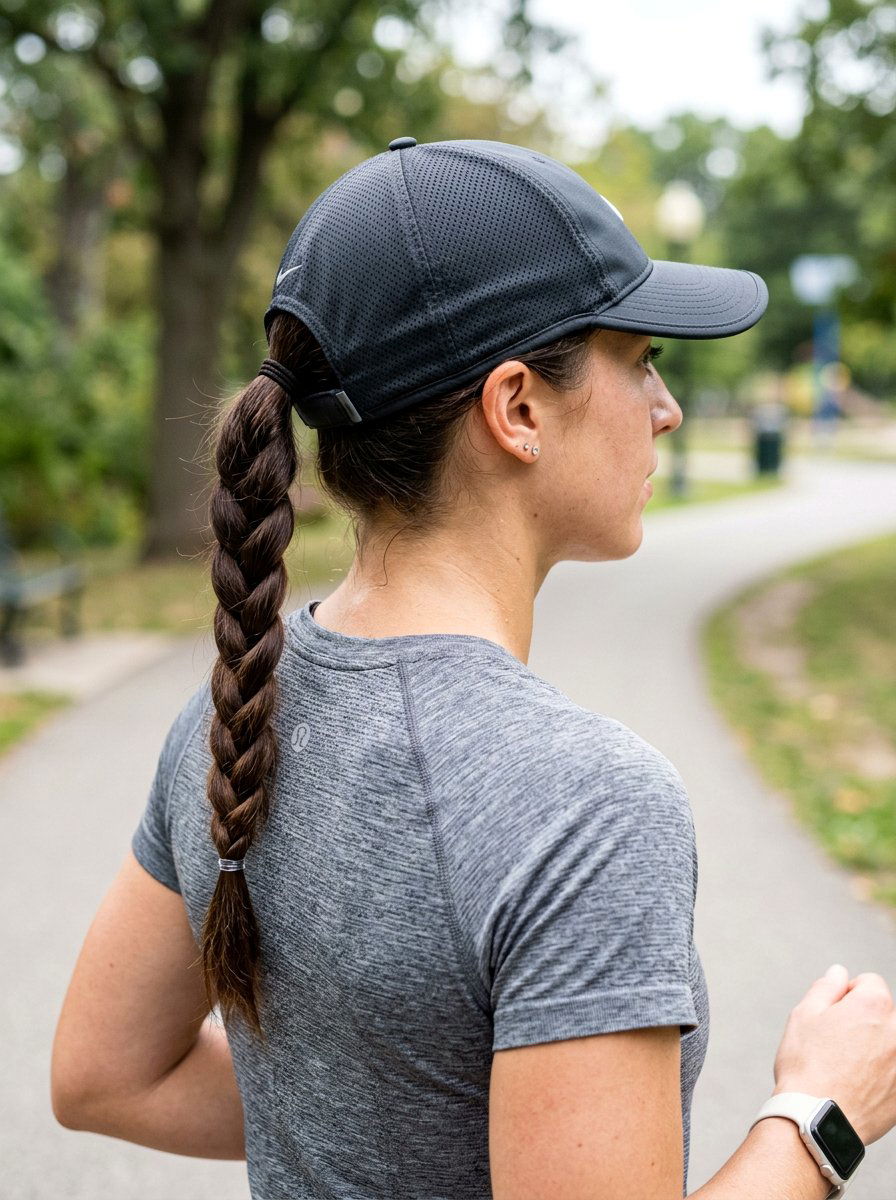
A low braided ponytail combines the stability of a braid with the hat-friendly position of a low pony, making it great for sunny outdoor courts. You secure a pony at the nape, then braid the tail tightly and finish with a small elastic, keeping the base low so it sits comfortably below your cap or visor strap. This avoids the pressure that sometimes comes from high styles hitting headwear while still preventing ends from swinging wildly. It is especially nice for medium to long hair and works for straight, wavy, and curly textures alike, as the braid helps control frizz and shrinkage. Use a smoothing serum or cream on the ponytail before braiding if you play in humid conditions, which can help reduce puffiness and knots by the time your match ends. If your layers tend to slip out, start the braid a bit higher by securing a second elastic a couple inches below the first and braiding from there for extra grip.
15. Space Buns For Pickleball
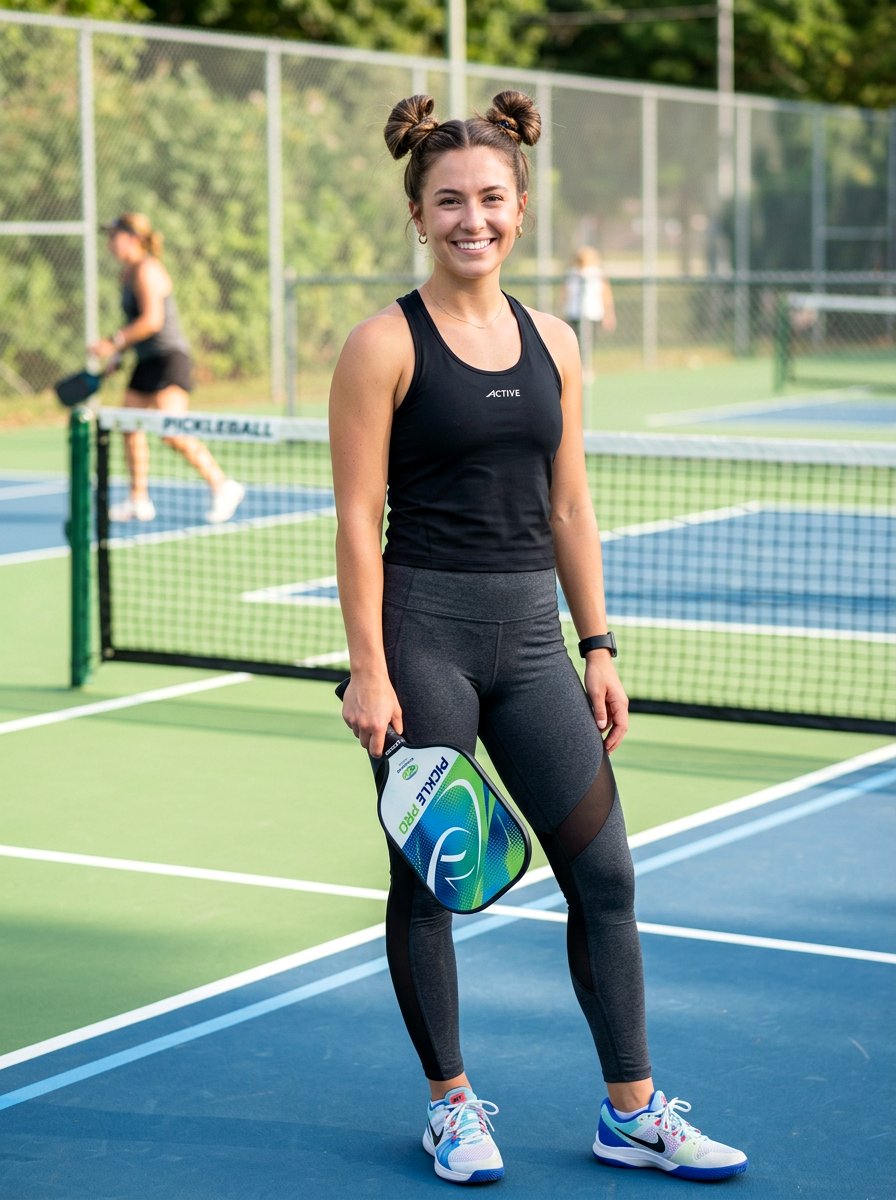
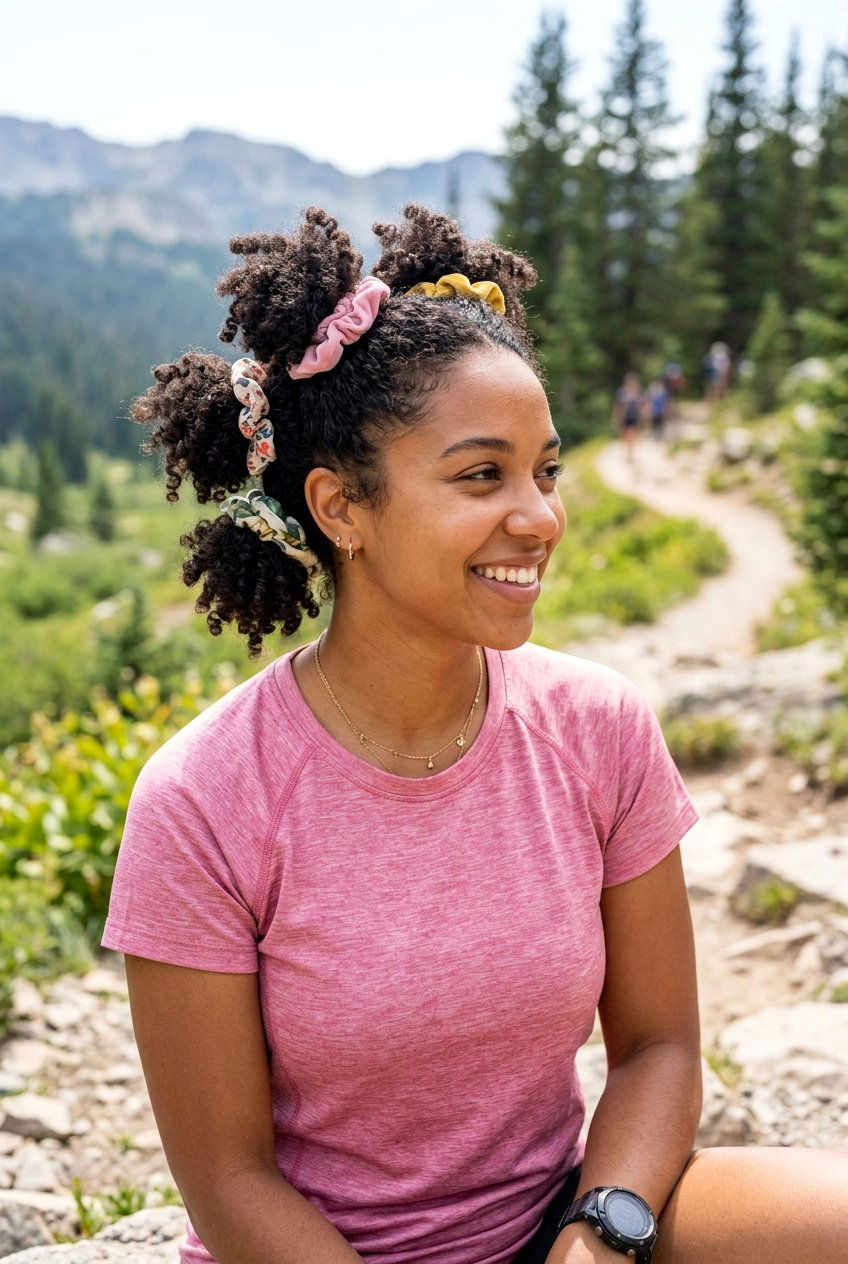
Space buns—two buns on either side of your head—offer a fun look that still keeps hair completely off your neck and mostly off your forehead. You part your hair down the middle, create two high or mid-height ponytails, then twist each into a bun and secure with elastics and a few pins to anchor them. This splits your hair’s weight between two points, which can feel lighter on your scalp than one large bun, especially for thicker hair. The buns sit high enough that they usually do not interfere with visors, but you may need to adjust placement depending on your headwear fit. This style is better for casual and moderate-intensity games, because very aggressive play could loosen the buns if they are too soft. To improve durability, lightly mist with hairspray and use soft, coiled elastics that hold firmly without cutting into your hair or causing dents.
16. Pickleball Cap With Low Ponytail
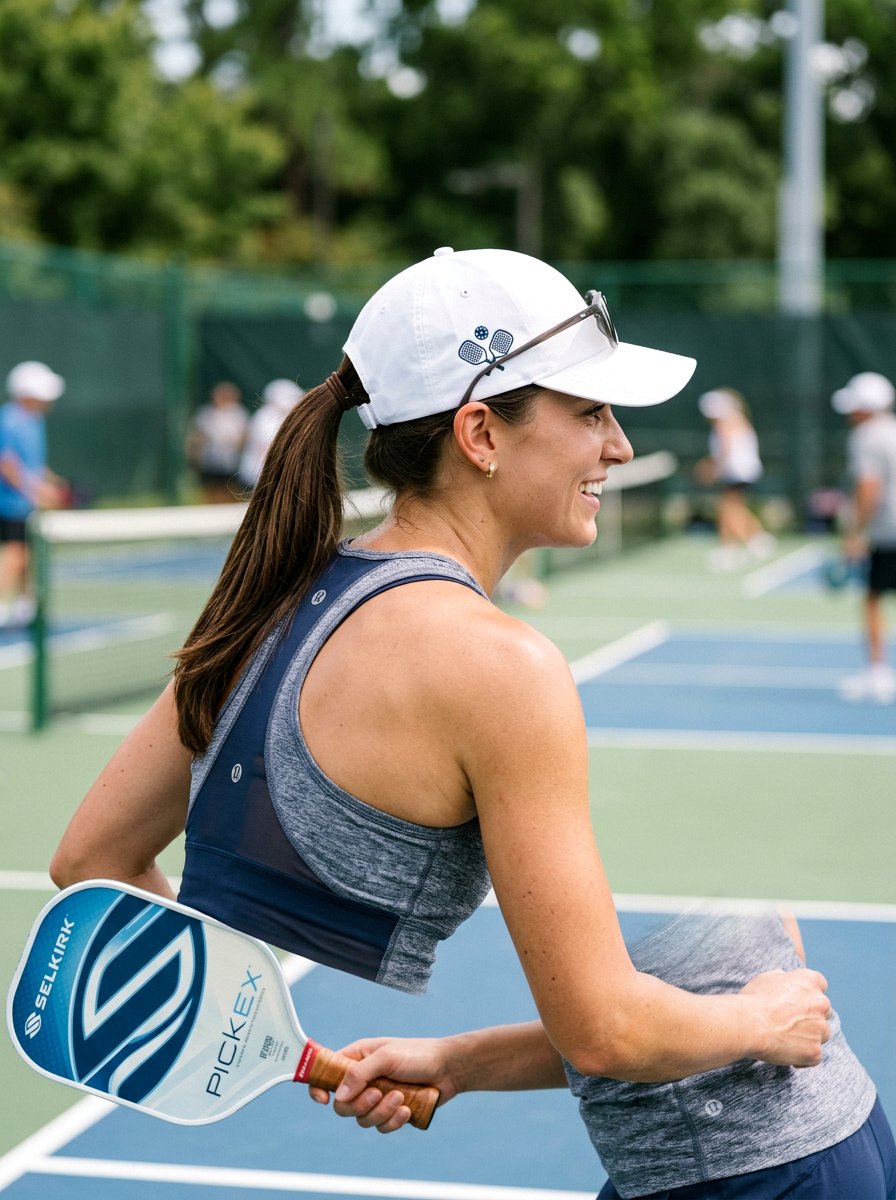
Wearing a pickleball cap with a low ponytail is a classic outdoor solution that protects you from sun while keeping your hair neatly gathered. You slide on a breathable athletic cap, then secure your hair in a ponytail at or just below the opening at the back so it lies flat along your neck. This combination helps manage sweat, since many sports caps use moisture-wicking fabric and vents to let heat escape while your ponytail stays contained. It is comfortable for long sessions because there is less pressure on the crown of your head and your scalp gets some shade. The style works for almost every hair type and length that can reach a ponytail, and you can still tuck shorter front layers under the cap or secure them with small clips. For windy courts, twist the ponytail into a quick rope twist and secure the ends, so gusts do not tangle your hair or flip it into your face during points.
17. Twisted Crown For Pickleball
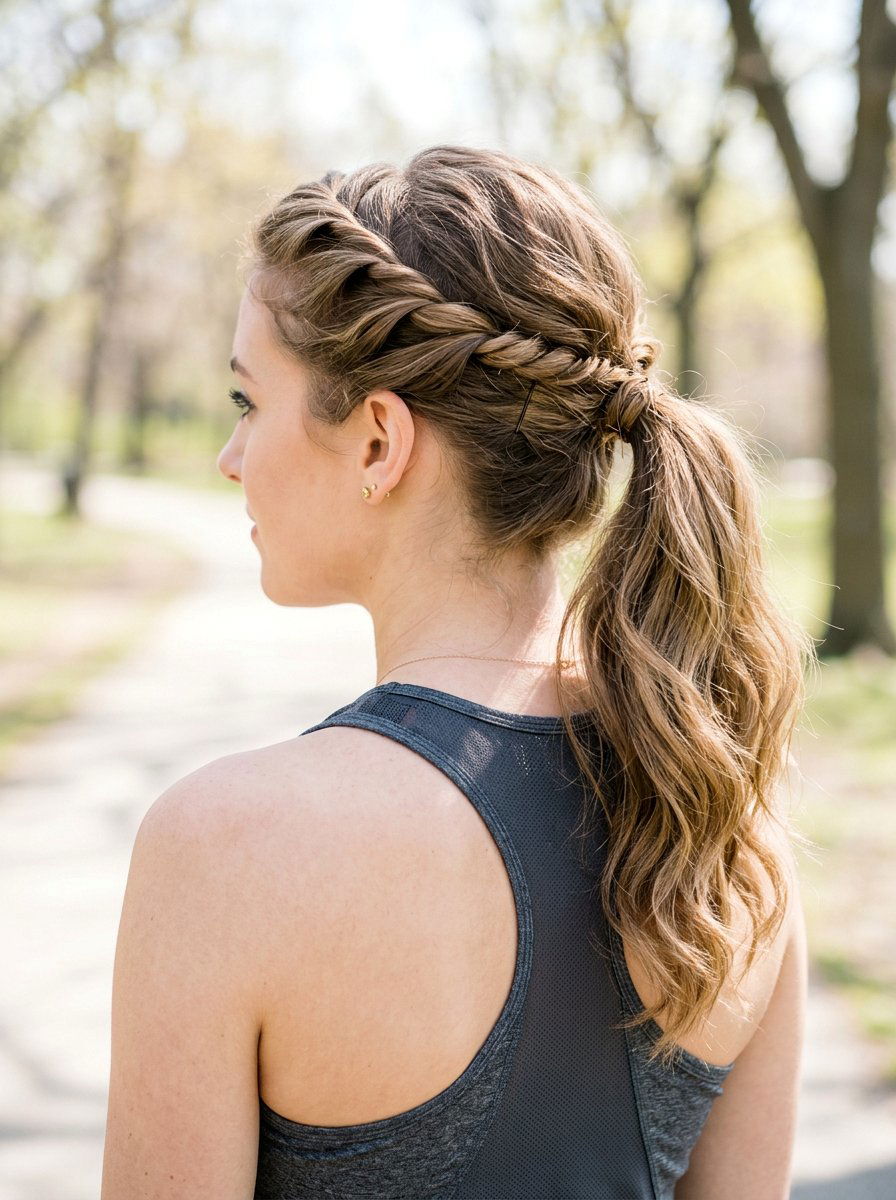
A twisted crown gives you a secure, comfortable frame around your face while leaving the back of your hair in a ponytail or braid for extra control. You take small sections from each side of your hairline, twist them back toward your ears, and pin or tie them together at the back before finishing with your preferred back style. This keeps front pieces away from your face, which is key for visibility and reducing the urge to brush hair back with sweaty hands mid-rally. It works for straight, wavy, and curly textures and feels gentler than tight braids, making it a good option if your scalp gets tender from frequent styles. The twisted sections sit flat under most visors and caps, so you can easily add sun protection without creating bulk around your temples. To hold the twists all match, apply a small amount of lightweight gel or mousse before twisting and secure with discreet bobby pins placed in opposite directions for extra grip.
18. Low Ponytail With Headband
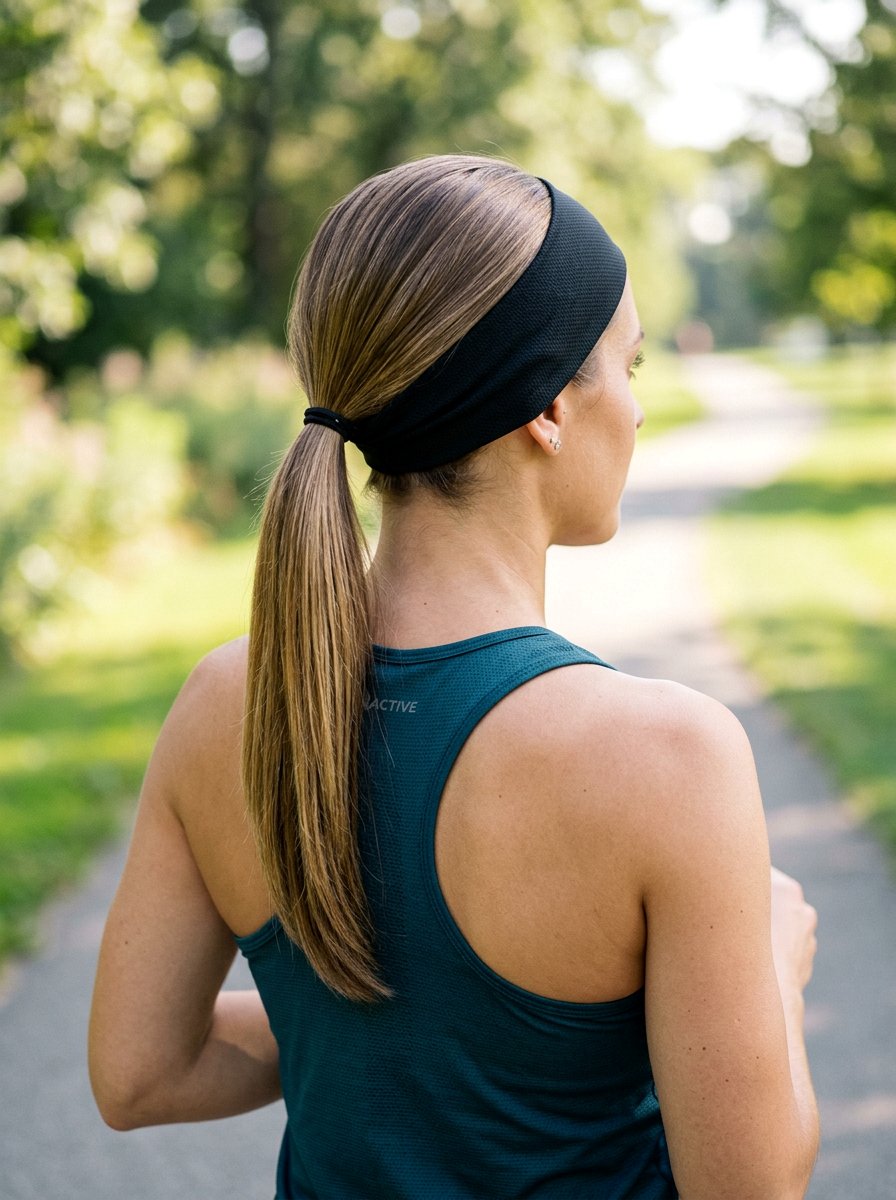
A low ponytail with a headband is a dependable, quick option when you want minimal fuss but solid control of both length and flyaways. First, you slip on a wide, sweat-wicking headband to anchor your hairline and absorb moisture, then you gather your hair into a ponytail at the nape and secure it. This double approach keeps your vision clear, since the headband traps small hairs and sweat, while the ponytail stops your length from sticking to your neck and shoulders. It is ideal for players who move a lot but do not like complex braids or buns, and it works with most hair textures. For curly or coily hair, you can pair this with a puff-style ponytail to maintain volume while still controlling the base. Choose headbands with silicone grip strips or snug fabric so they do not slide back as you move, and avoid cotton styles that soak up sweat and stay damp too long.
19. Curly Pickleball Pineapple Updo
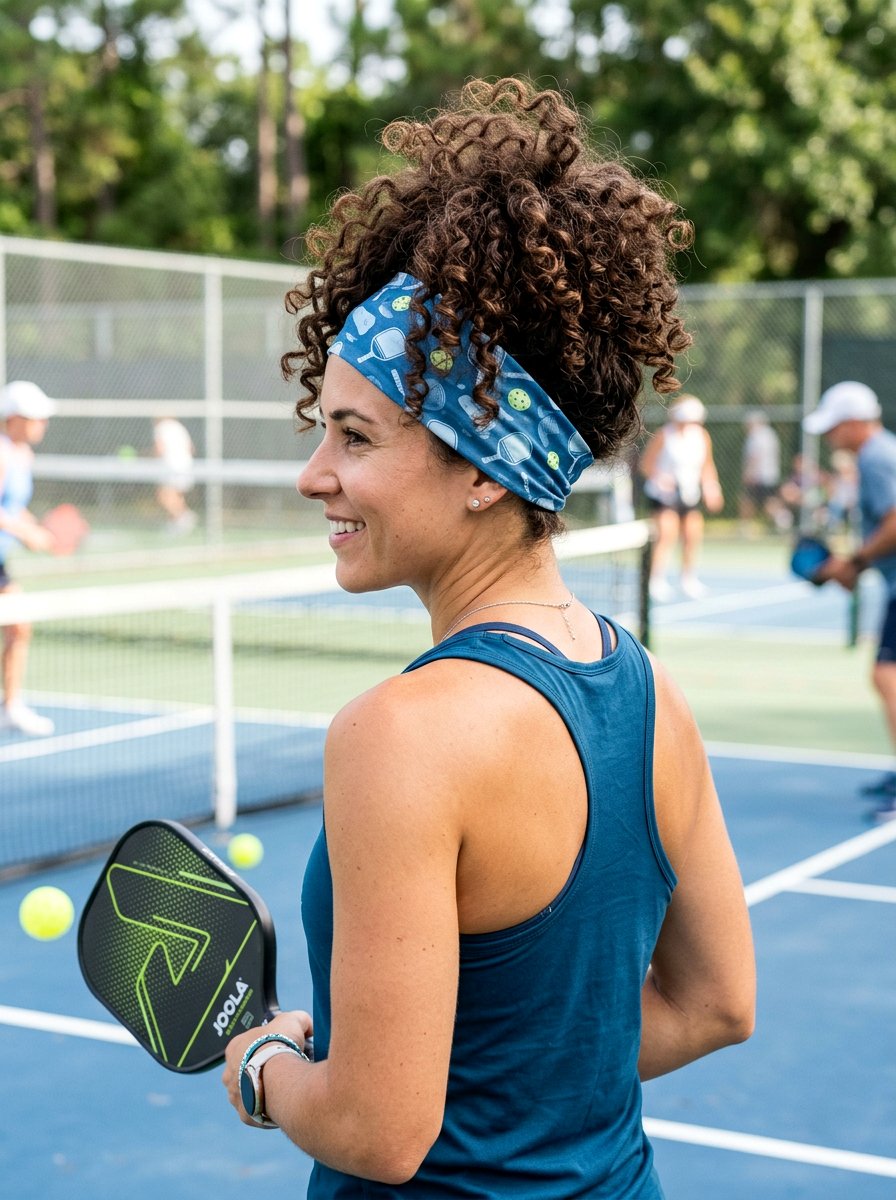
A pineapple updo adapts the classic curly-sleep style into a game-ready look that keeps curls high and out of your way. You bend forward, gather your curls at the very top of your head, and secure loosely so the hair spills forward in a soft, contained fountain shape. This keeps your ends free from rubbing against your neck and shoulders, which helps minimize frizz and tangles through multiple sets. It pairs well with wide, stretchy headbands placed just behind your hairline to keep shorter curls and edges smooth during quick movements. Because the pineapple is loose, it is gentler on your curls’ pattern and reduces the chance of dents or breakage from tight elastics. Use a spiral or satin-covered band for the hold, and refresh curls with a light mist of water and leave-in before playing so they stay defined without feeling heavy when you sweat.
20. Short Hair Pickleball Headband Look
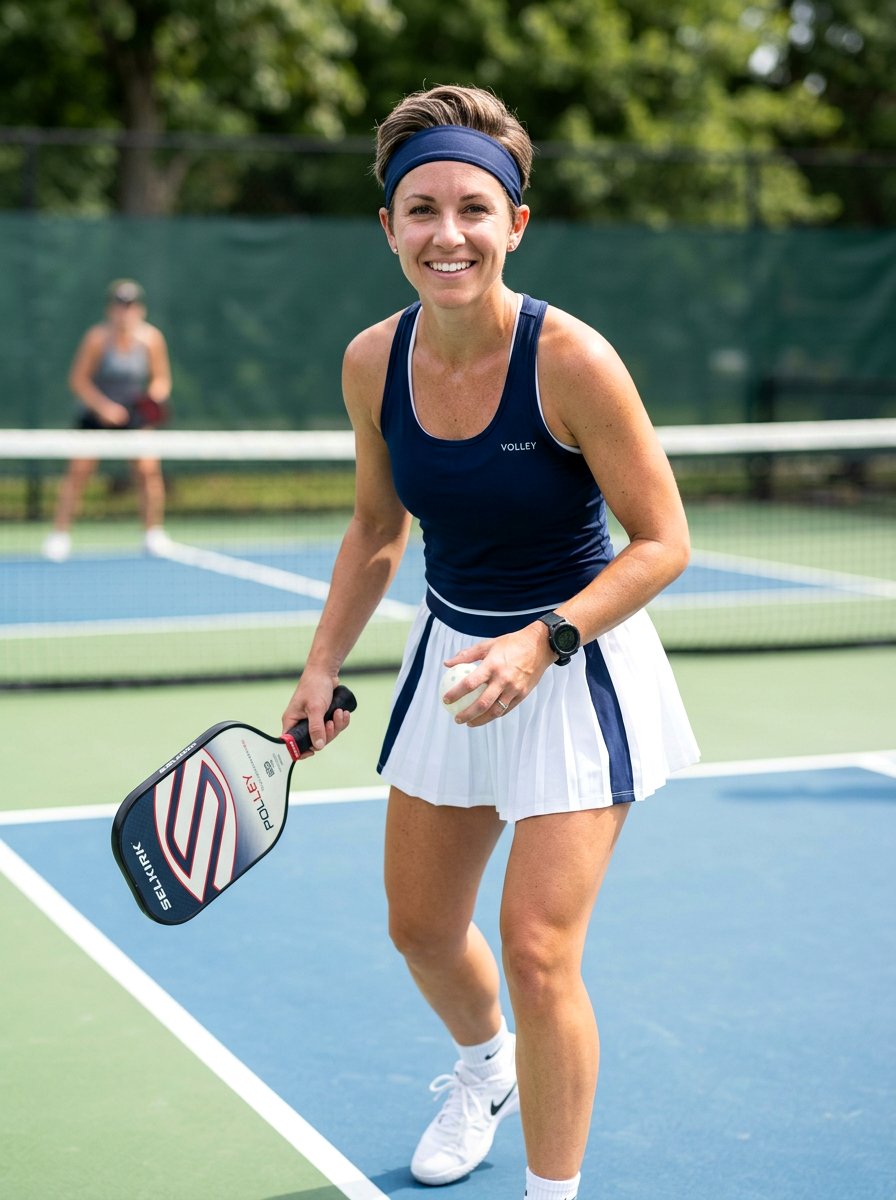
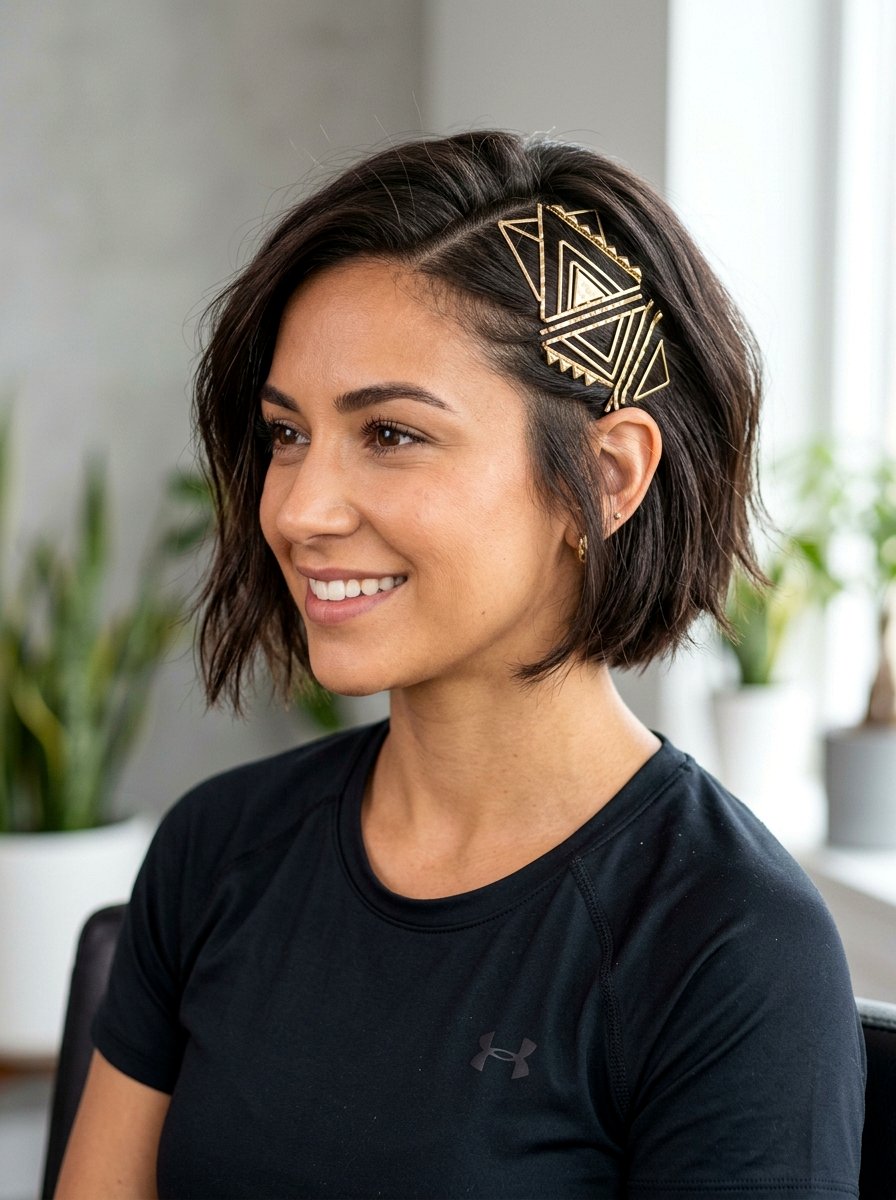
If you wear your hair short, a dedicated pickleball headband look can give you all the control you need without complicated styling. You keep your cut as usual—crop, bob, or pixie—then rely on a wide, athletic headband or sweatband to push bangs and top layers back from your forehead. This prevents sweat and hair from dripping into your eyes when you run for sharp angles or stretch for wide dinks near the kitchen. Because there is less length to manage, this option is low maintenance and perfect for frequent players who do not want to restyle between matches. You can rotate a few different colors to match outfits or team gear, which adds personality without affecting performance. Make sure the band is snug but not too tight, so it stays in place during play without causing pressure or headaches, especially if you are on court for several hours.
Conclusion:
Finding the right pickleball hairstyle is really about matching your hair type, length, and comfort level with how hard you plan to play that day. On more intense, tournament-style days, secure options like braids, buns, and tightly anchored puffs give you maximum control and fewer mid-rally adjustments. For social open play or casual drills, softer options like half up looks, side braids, and headband with loose hair can feel more relaxed while still keeping your eyes clear enough for solid shots. Curly and natural hair players benefit from styles that protect texture while lifting weight off the face and neck, like pineapples, puffs, and secure braids. Straight and wavy hair may need extra grip from texture sprays and strong elastics to hold up through sweat and movement. Whichever pickleball hairstyle you choose, focus on comfort first, pair it with breathable accessories like visors or headbands, and keep a small kit of elastics and pins in your bag so you can tweak your look between matches without stress.
You'll Like These Styles:


Leave a Reply