
Retro hairstyles are making a massive comeback as women everywhere look to the past for timeless beauty inspiration and unique character. From the structured elegance of the 1940s to the rebellious volume of the 1980s, vintage hair offers a way to stand out with sophisticated techniques that modern trends often simplify. Embracing these classic looks allows you to experiment with different textures, shapes, and silhouettes that have defined iconic eras of fashion. Whether you are preparing for a special event or simply want to elevate your daily aesthetic, retro styling provides a rich palette of options for every hair length and texture. This guide explores twenty iconic looks that continue to influence contemporary salon trends and viral social media aesthetics.
1. Victory Rolls Retro Hair
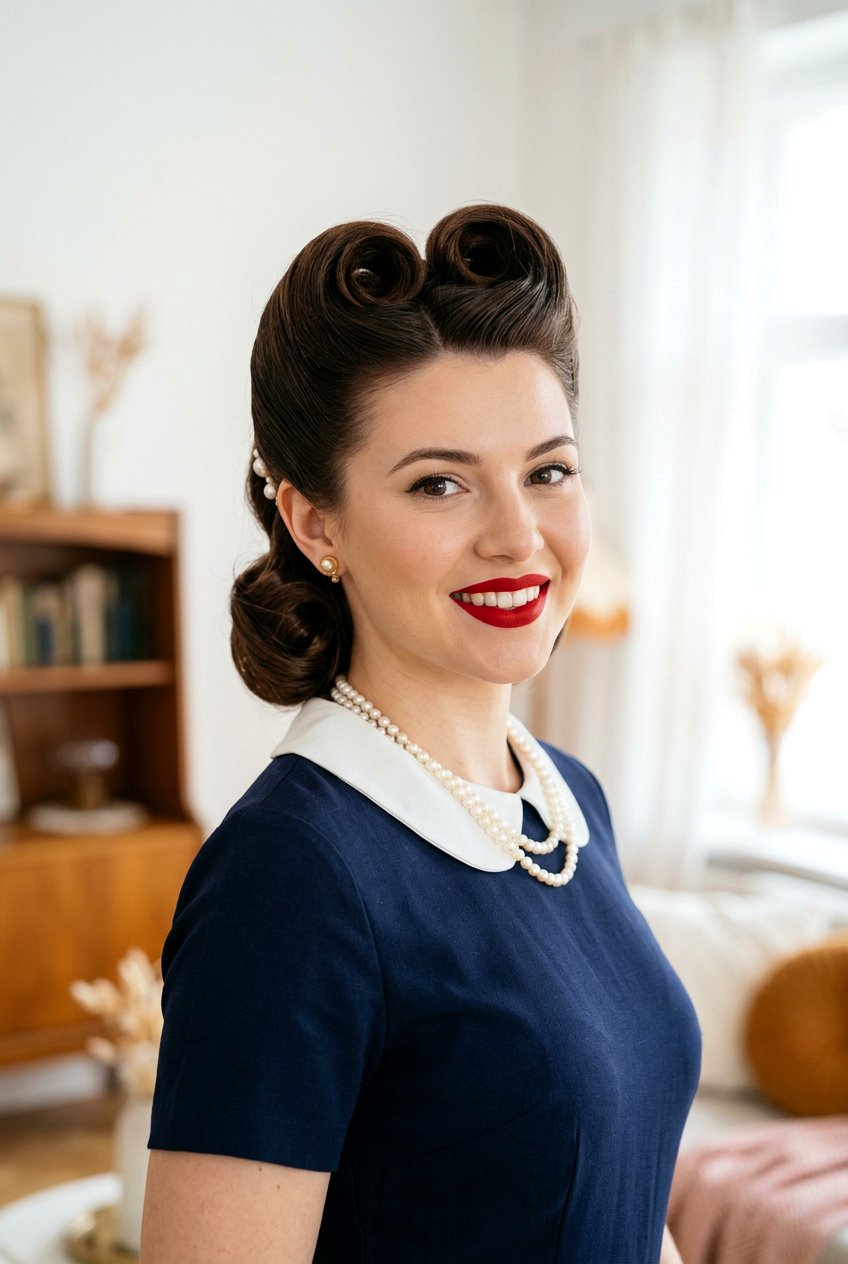
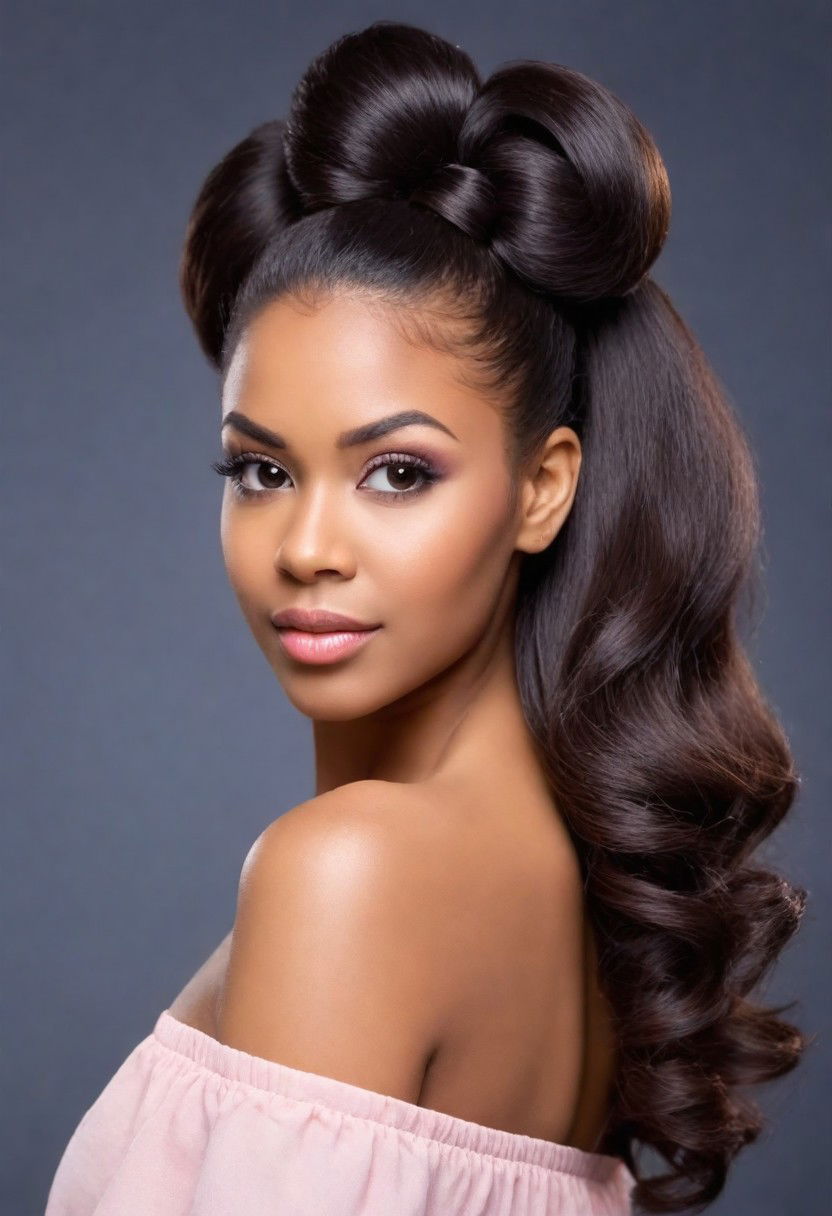
Victory rolls are perhaps the most iconic silhouette from the 1940s, known for their bold, sculptural loops that sit atop the head. This hairstyle originally gained popularity during World War II and has since become a staple for pin-up enthusiasts and vintage lovers. To achieve this look, you must section the front of your hair and roll it upward or inward towards the scalp, securing the circular shape with plenty of bobby pins and strong-hold hairspray. The result is a dramatic, voluminous frame for the face that works beautifully with polished makeup. Modern versions often pair these rolls with soft waves in the back or a sleek ponytail for a contemporary twist on a historical classic.
2. Finger Waves Retro Hair
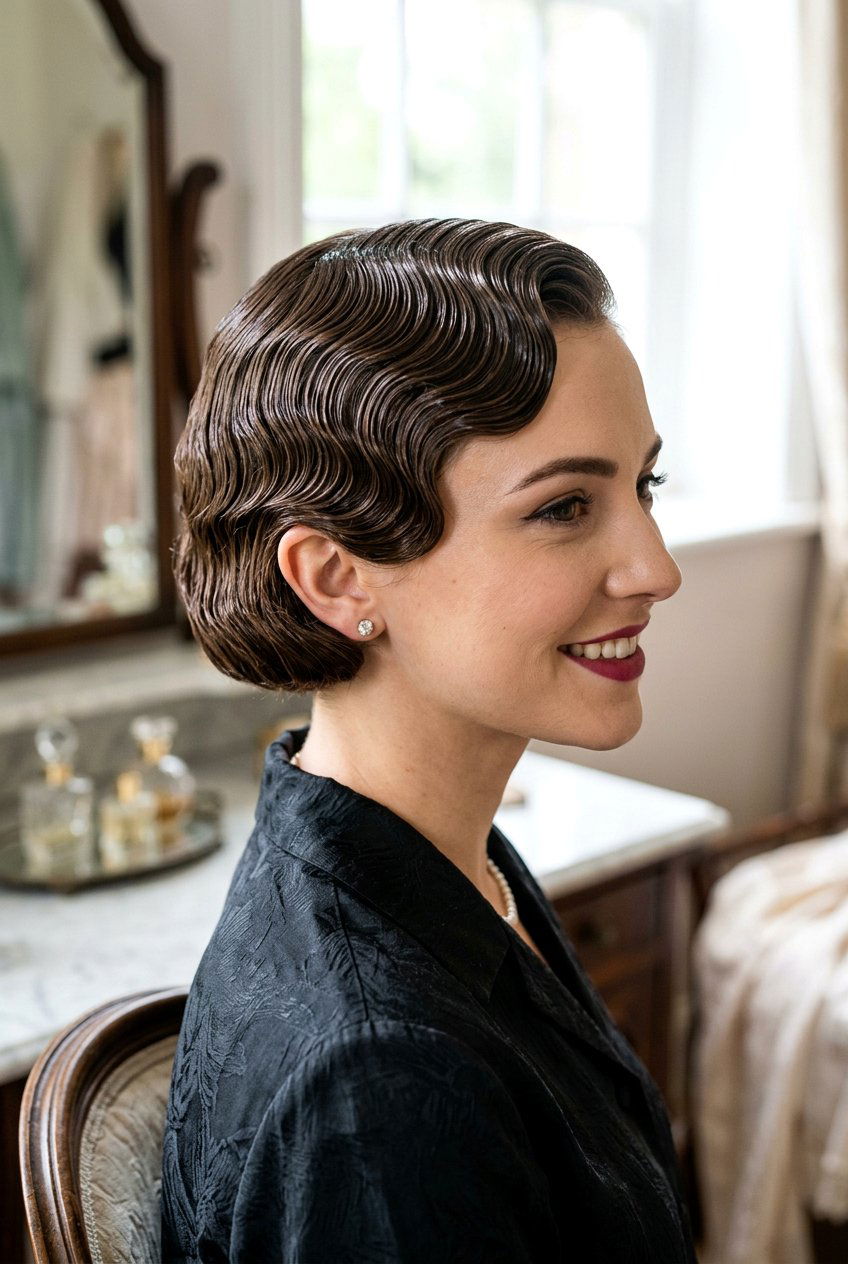
Finger waves dominated the 1920s and 1930s, offering a sleek and sophisticated “S” shaped pattern that lies flat against the head. This technique requires patience and precision, typically involving wet hair, a fine-tooth comb, and a significant amount of setting gel to mold the waves into place. Historically, these were worn on short bobs, but they can be adapted for longer hair by pinning the ends into a faux bob or chignon. Today, finger waves are a popular choice for glamorous gala events and red carpets because they exude an air of high-fashion elegance and Art Deco charm. The glossy finish of this style reflects light beautifully, making it perfect for high-definition photography and viral content.
3. Beehive Retro Hairstyle
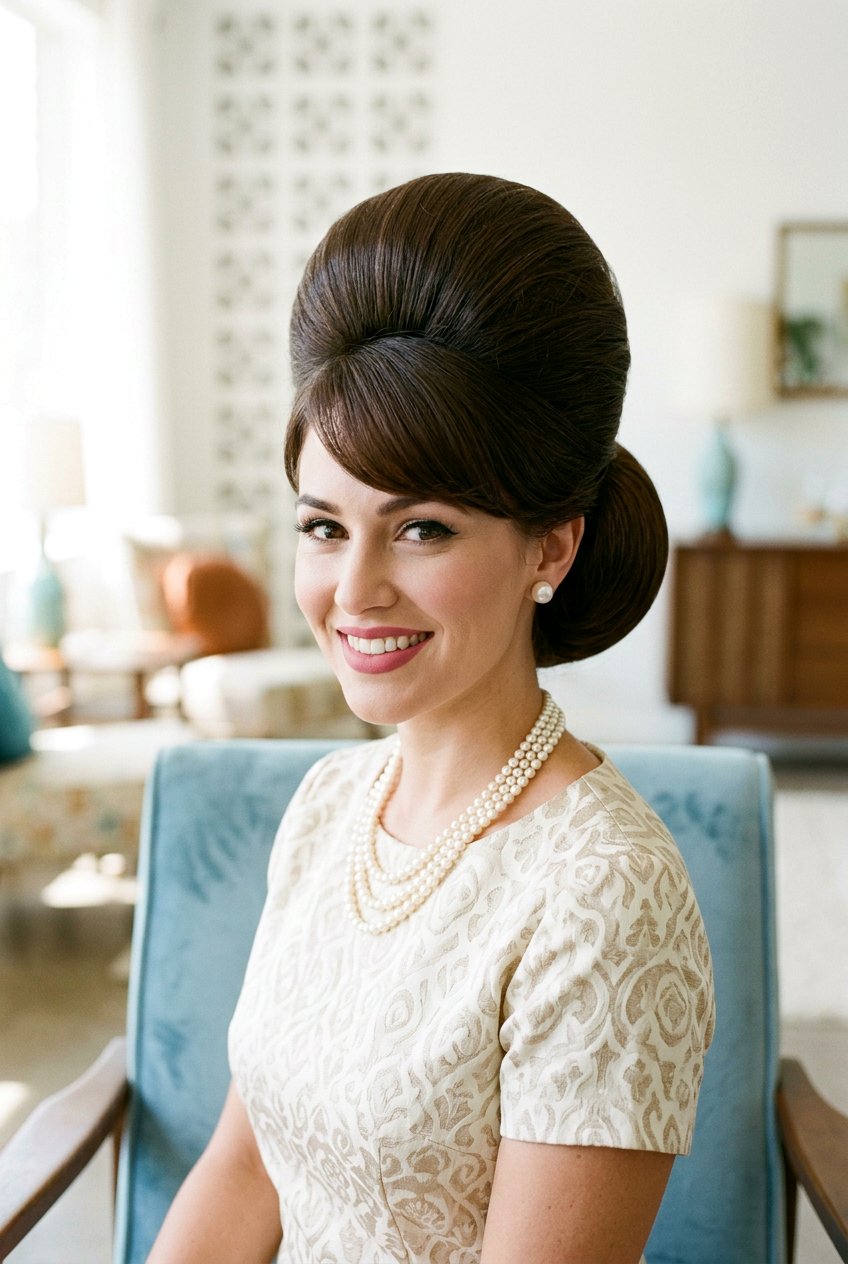
The beehive is a legendary 1960s creation that emphasizes incredible height and dramatic volume at the crown of the head. Named for its conical shape that resembles a traditional hive, this look is achieved through intensive backcombing and clever placement of hair padding or “rats. ” It became a symbol of mid-century glamour and was famously worn by stars like Brigitte Bardot and modern icon Amy Winehouse. To keep the look stable, you need a high-performance hairspray that can defy gravity throughout the day. While the original version was often quite stiff, modern interpretations usually feature a slightly softer texture with face-framing pieces left loose. This style remains a go-to for those wanting to make a bold, unforgettable statement.
4. Pin Curls Retro Hair
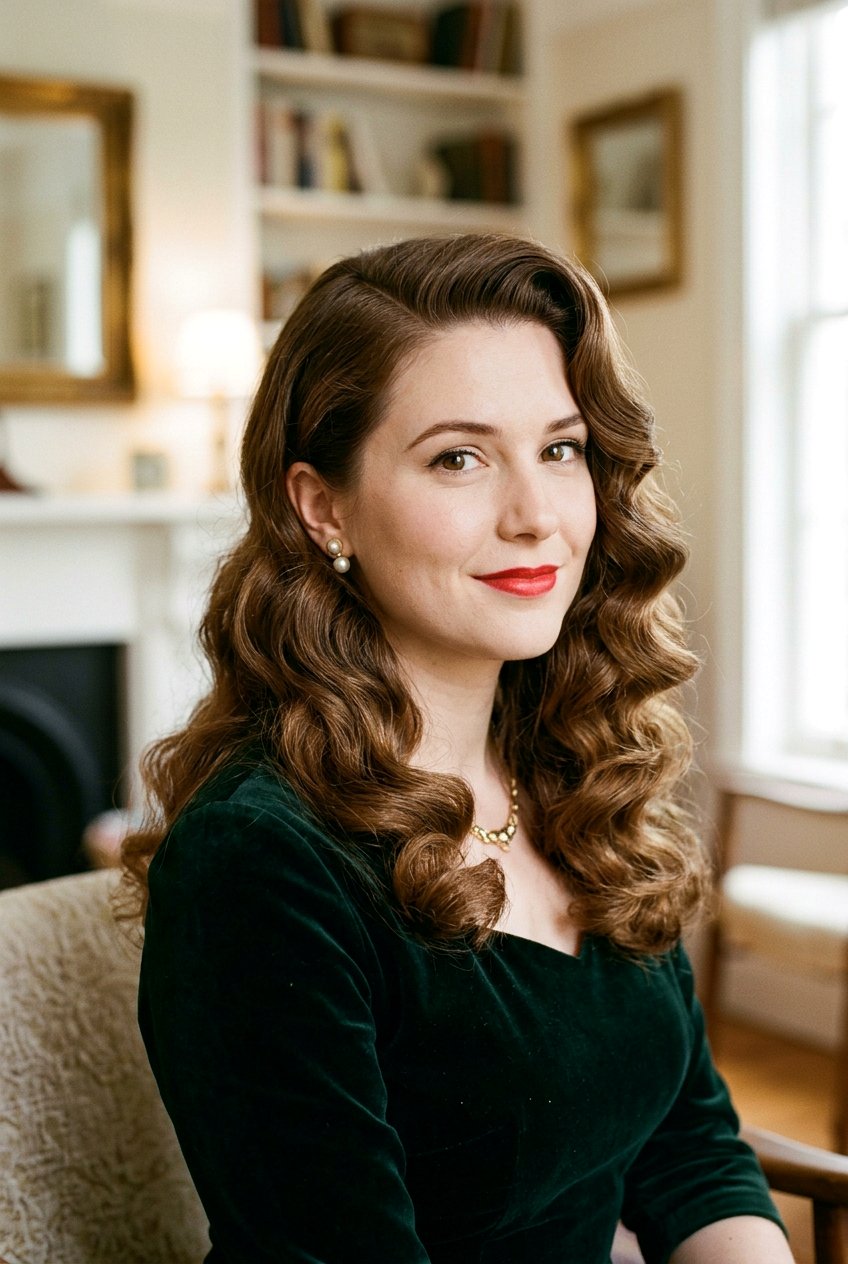
Pin curls were the foundation of many vintage hairstyles throughout the mid-20th century, providing a versatile way to create texture without heat. This method involves taking small sections of damp hair, winding them into flat coils against the scalp, and securing them with metal clips to set overnight. Once released and brushed out, these curls transform into soft, voluminous waves or tight, bouncy ringlets depending on the size of the initial coils. This technique is favored by those who prioritize hair health, as it avoids the damage often associated with hot curling irons. The final result offers a romantic, authentic vintage texture that looks incredibly lush and remains a favorite for classic bridal looks.
5. Gibson Tuck Retro Hair
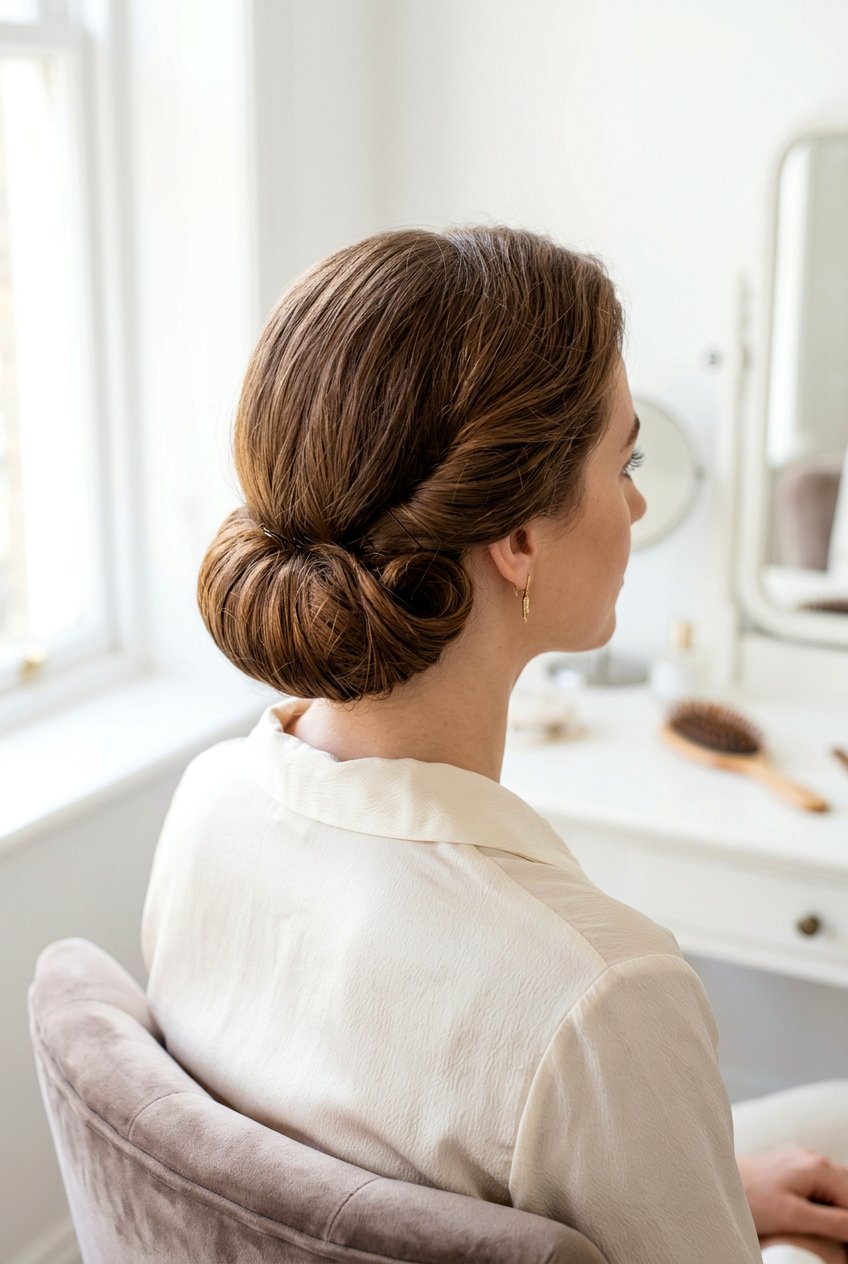
The Gibson tuck is a refined updo that traces its roots back to the late 19th century and regained popularity in the 1940s. It is characterized by hair that is elegantly rolled and tucked into a pocket at the nape of the neck, creating a clean and rounded silhouette. This style is surprisingly easy to achieve at home with the help of a hidden hair donut or a simple elastic band. It is an excellent choice for professional settings or formal occasions where you want a tidy and sophisticated appearance without excessive complexity. Because it keeps the hair completely off the shoulders, it highlights the neckline and works perfectly with high-collared dresses or statement jewelry pieces.
6. Bumper Bangs Retro Hair
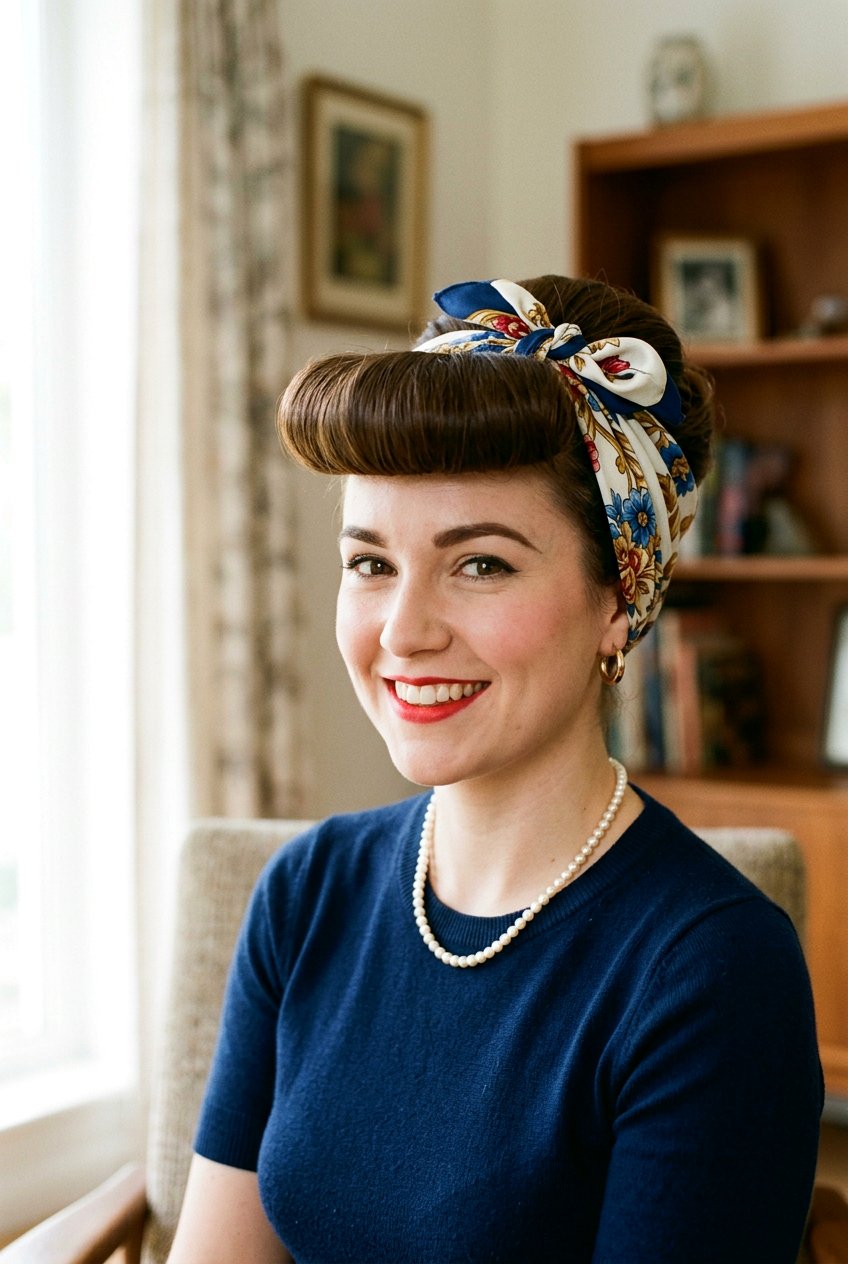
Bumper bangs offer a playful and distinctive retro look that involves rolling the fringe hair into a singular, hollow tube above the forehead. This 1940s-inspired element was often paired with headscarves or victory rolls to create a complete wartime aesthetic. To create a perfect bumper bang, many stylists use a foam hair roller or a small “hair rat” to provide structure and ensure the roll stays perfectly circular. This style is fantastic for adding vintage flair to a simple ponytail or a down-do without needing to cut your hair into actual bangs. It provides a structured, retro-futuristic vibe that has become a hallmark of the modern rockabilly subculture and remains a highly photogenic hair choice.
7. Hollywood Waves Retro Hair
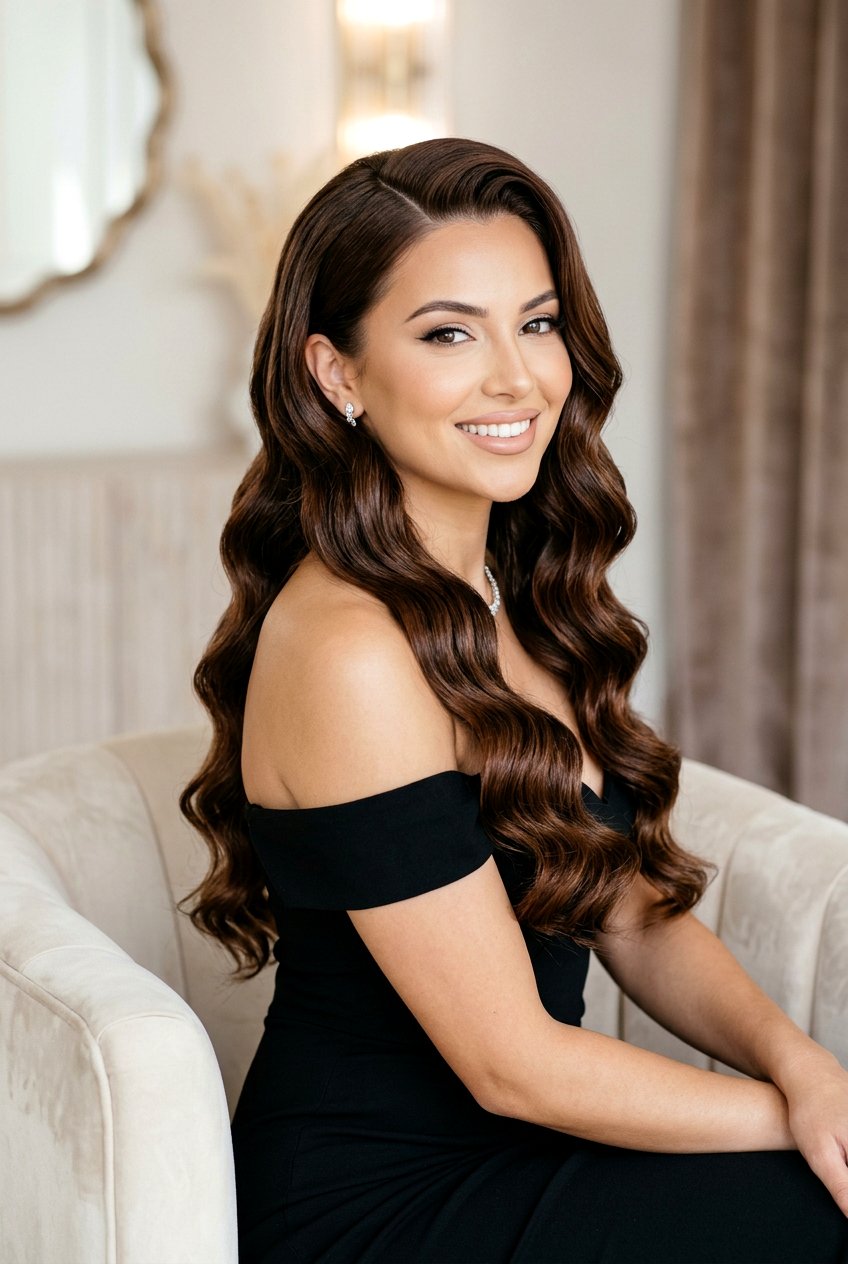
Hollywood waves represent the pinnacle of Golden Age cinema glamour, characterized by deep, side-parted waves that flow uniformly down the shoulders. Unlike modern beachy waves, this look is all about a continuous, liquid-like ripple effect where every strand is perfectly aligned. Achieving this requires curling the hair in the same direction and then meticulously brushing out the curls into a singular wave pattern. It is a high-maintenance look that demands a glossy shine spray and precise clipping to set the ridges. This hairstyle is a perennial favorite on the Oscar red carpet because it frames the face with effortless sophistication and adds an immediate sense of luxury to any formal gown or evening ensemble.
8. Poodle Cut Retro Hair
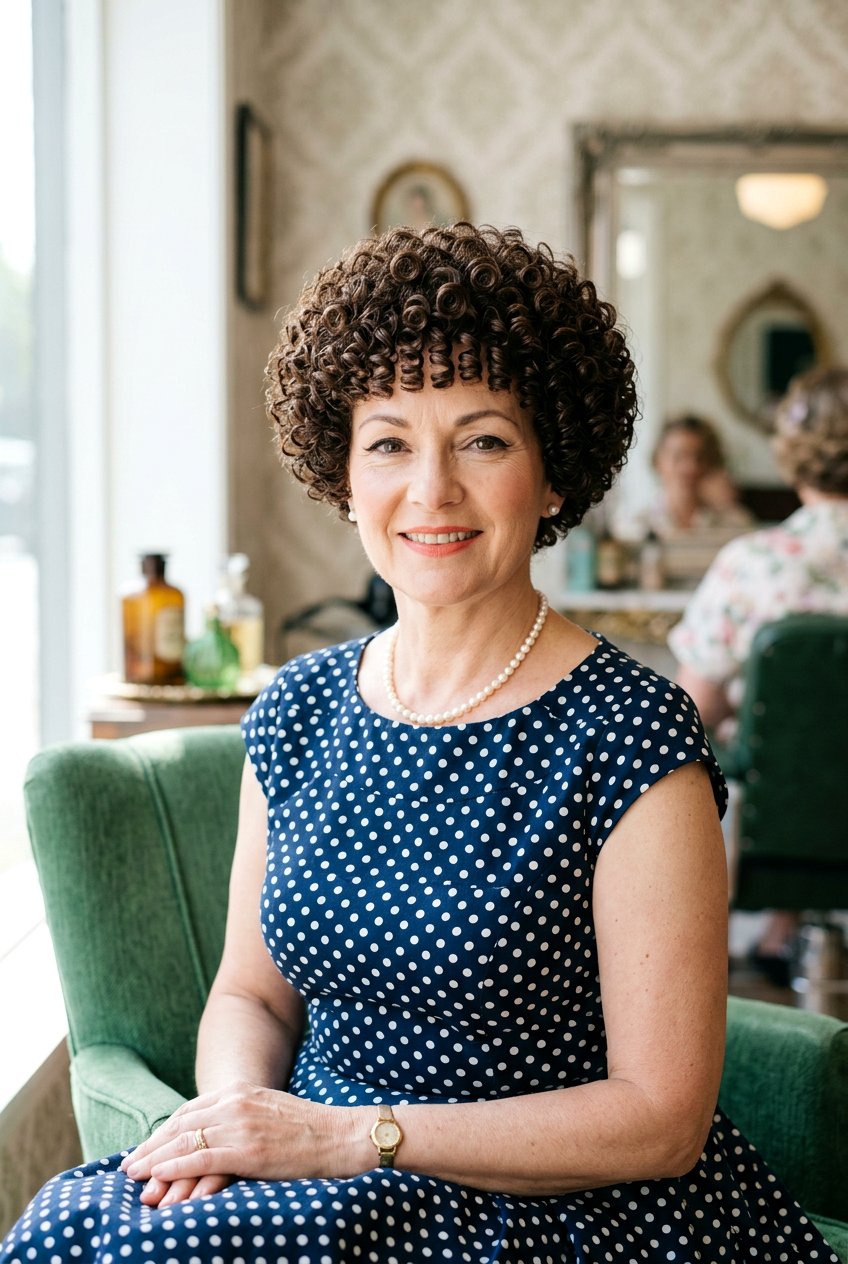
The poodle cut was a daring and short hairstyle that became a major trend in the early 1950s, famously worn by actress Lucille Ball. This look features tight, uniform curls all over the head, mimicking the groomed appearance of a poodle’s coat. It was a revolutionary style at the time because it embraced natural texture and offered a manageable length for active women. To maintain the look, frequent pin-curling or permanent waving was necessary to keep the curls crisp and defined. Today, the poodle cut is seen as a chic, vintage alternative to the modern pixie, offering more volume and a softer, more feminine silhouette that celebrates the beauty of intricate, well-defined curls.
9. Mod Bob Retro Hair
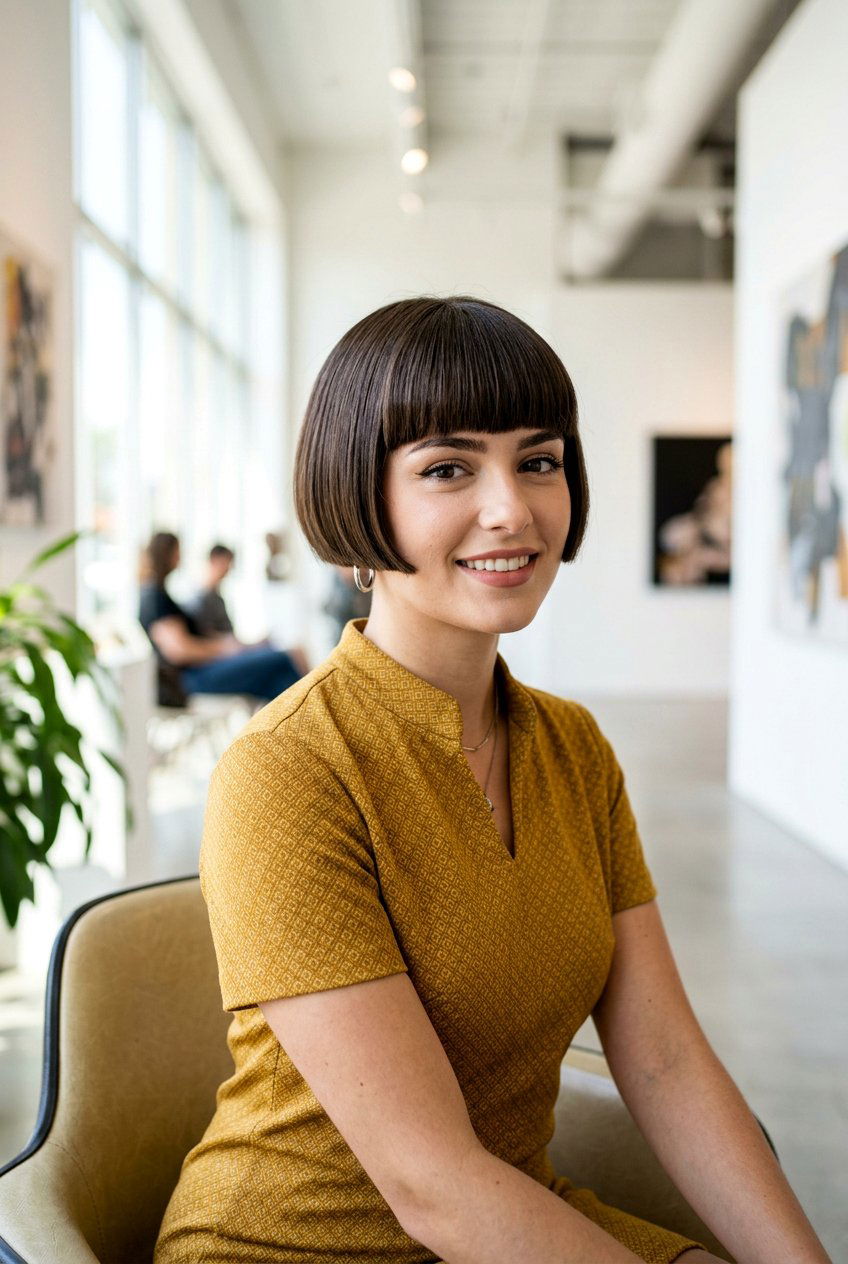
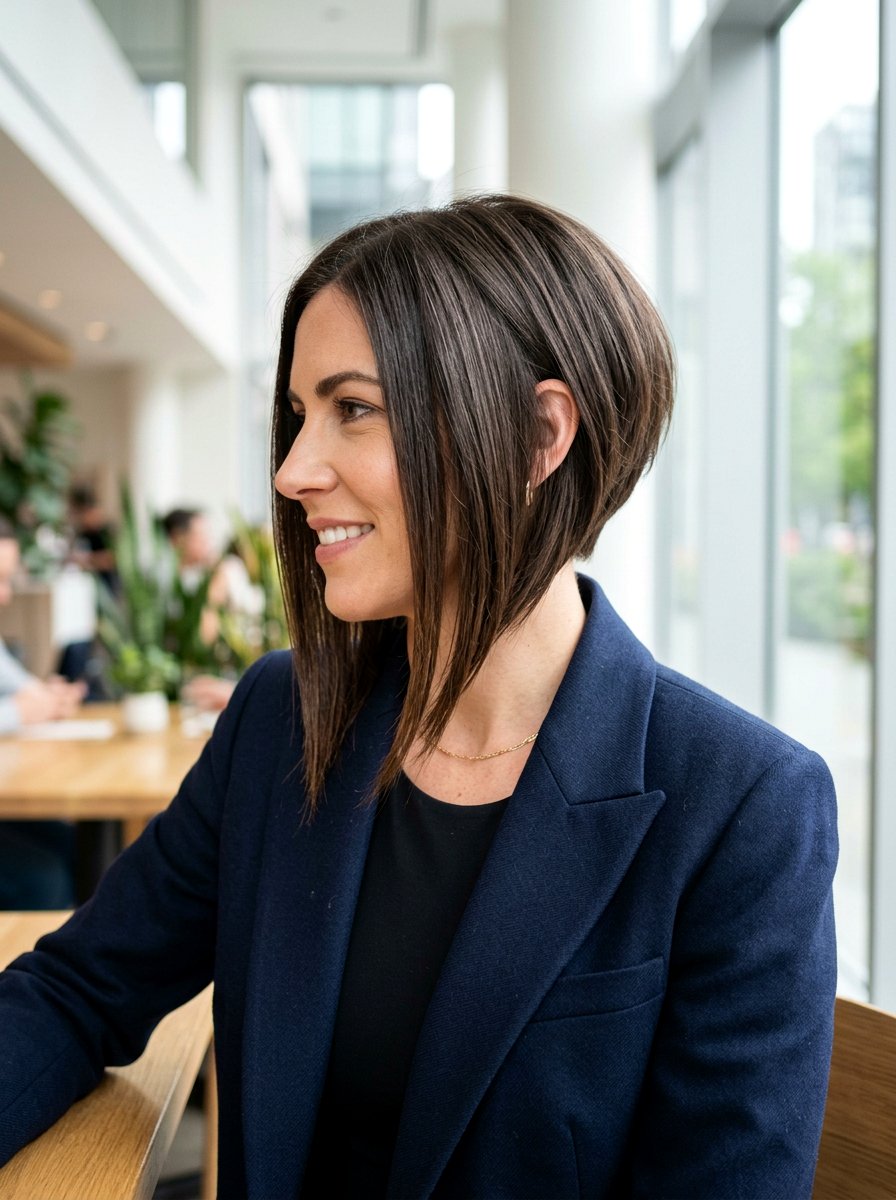
The mod bob is a sharp, geometric haircut that defined the youth culture of the 1960s, popularized by the legendary stylist Vidal Sassoon. This style is characterized by its blunt edges, heavy fringe, and often a slightly rounded shape that follows the jawline. It represented a shift towards more natural, “wash-and-wear” hair that didn’t require the heavy setting and teasing of previous decades. The mod bob is all about precision and movement, making it a perfect match for those with naturally straight hair. Its minimalist aesthetic still feels incredibly modern and high-fashion today, especially when paired with bold eyeliner and vintage-inspired outfits. It is a timeless choice for anyone seeking a sophisticated yet edgy look.
10. Flip Hairstyle Retro Hair
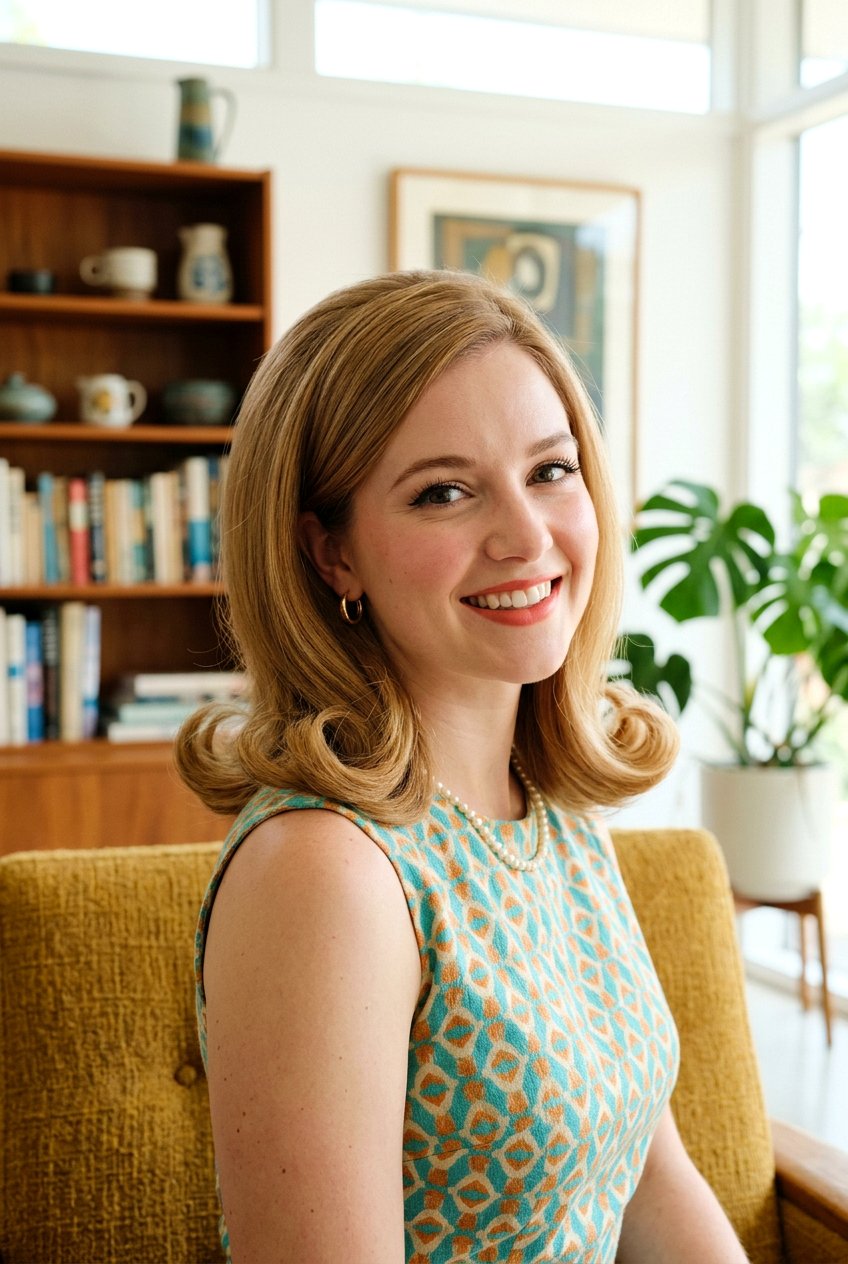
The flip is a quintessential 1960s hairstyle where the ends of the hair are curled outward rather than inward, creating a playful and bouncy silhouette. This look was famously worn by Mary Tyler Moore and Jackie Kennedy, becoming a symbol of the polished “girl next door” aesthetic of the era. It can be applied to bobs, shoulder-length hair, or even long tresses to add a touch of retro charm. To achieve a clean flip, a large round brush or a flat iron is used to direct the ends upward while applying heat. Modern versions of the flip are often more relaxed and less stiff, offering a fun way to add personality and retro energy to a standard blow-dry.
11. Shag Haircut Retro Hair
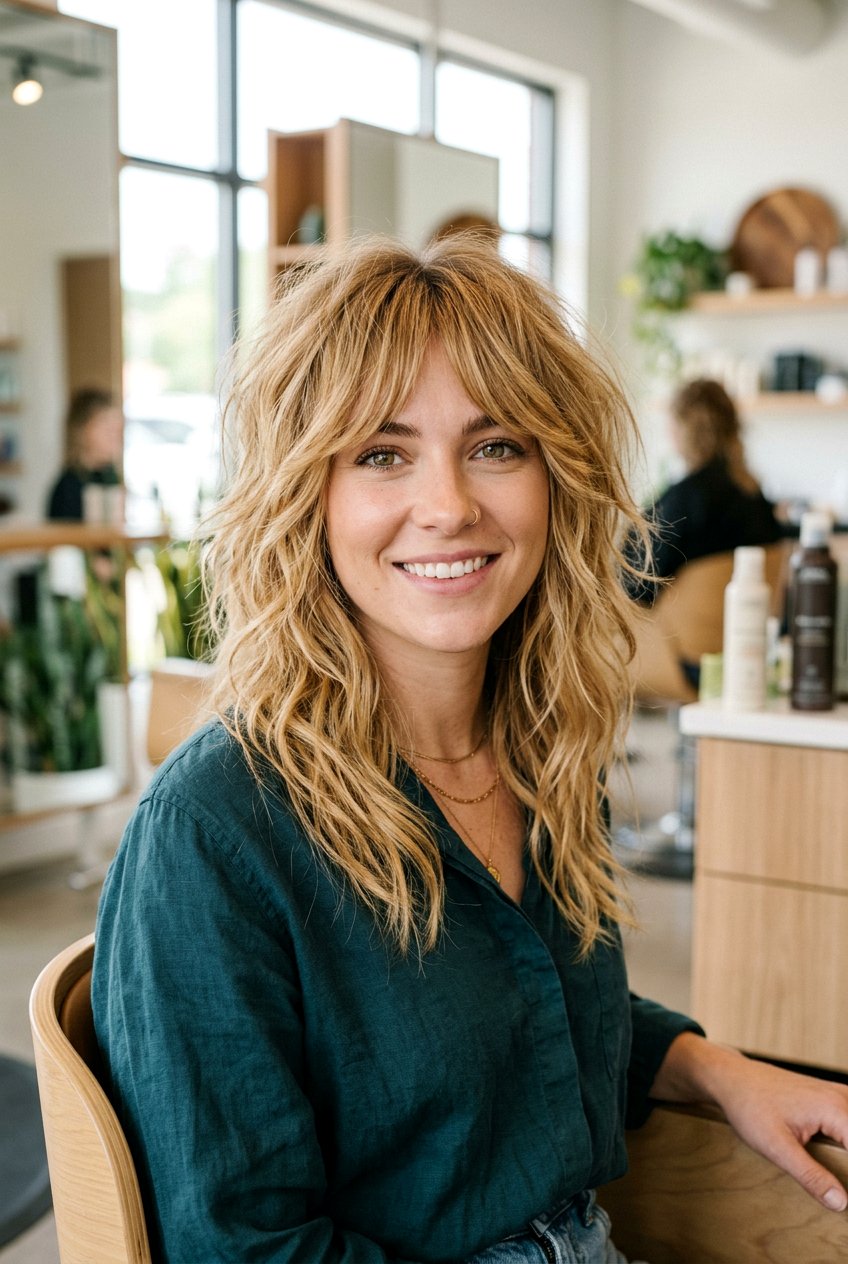
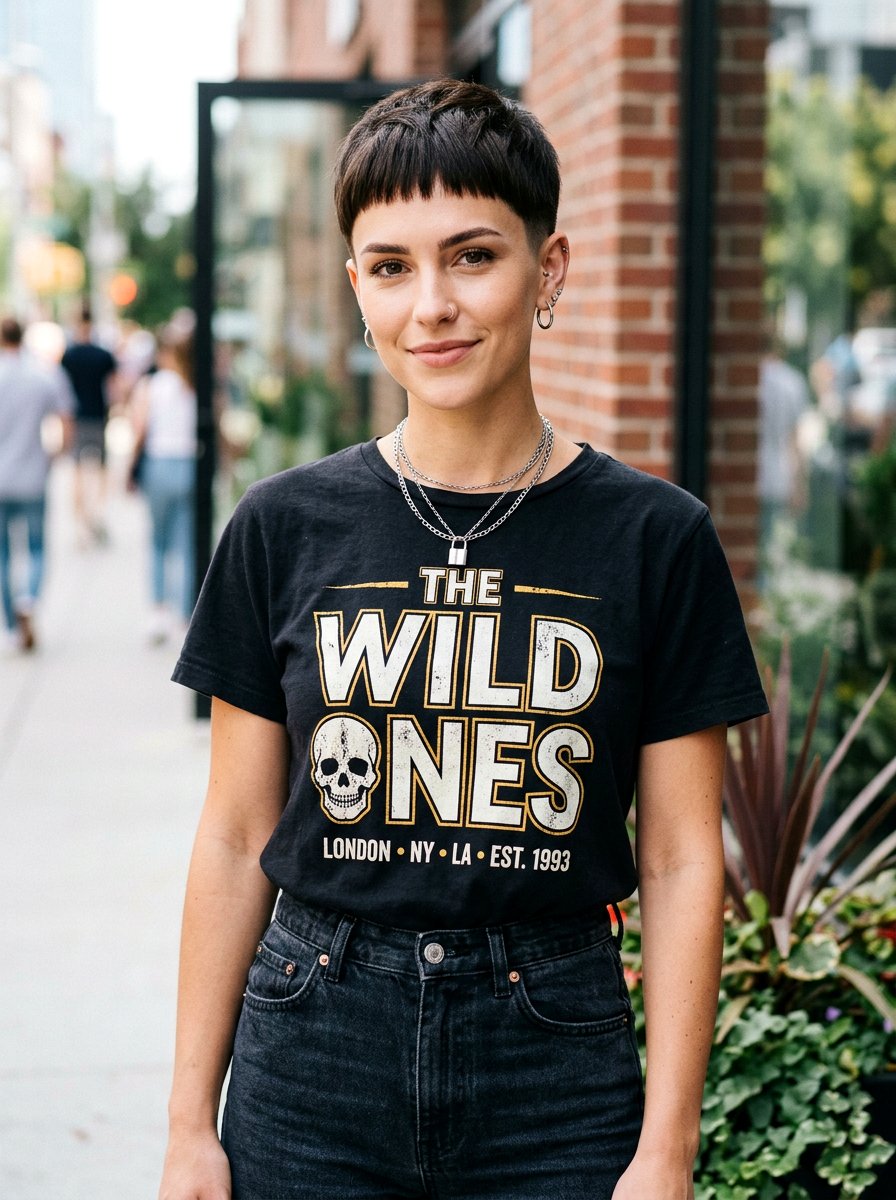
The shag haircut emerged in the 1970s as a rebellious, unisex style that prioritized texture, layers, and a “lived-in” feel. It is characterized by choppy, multi-length layers that create significant volume at the crown and thin out towards the ends, often accompanied by a curtain fringe. This look was championed by rock legends and has seen a massive resurgence recently under names like the “wolf cut. ” The shag is incredibly versatile because it works with almost every hair texture, from pin-straight to tight curls. Its effortless, messy appeal makes it a favorite on Pinterest, as it requires minimal styling and always looks cool and edgy. It is the ultimate choice for a low-maintenance, high-impact retro look.
12. Feathered Layers Retro Hair
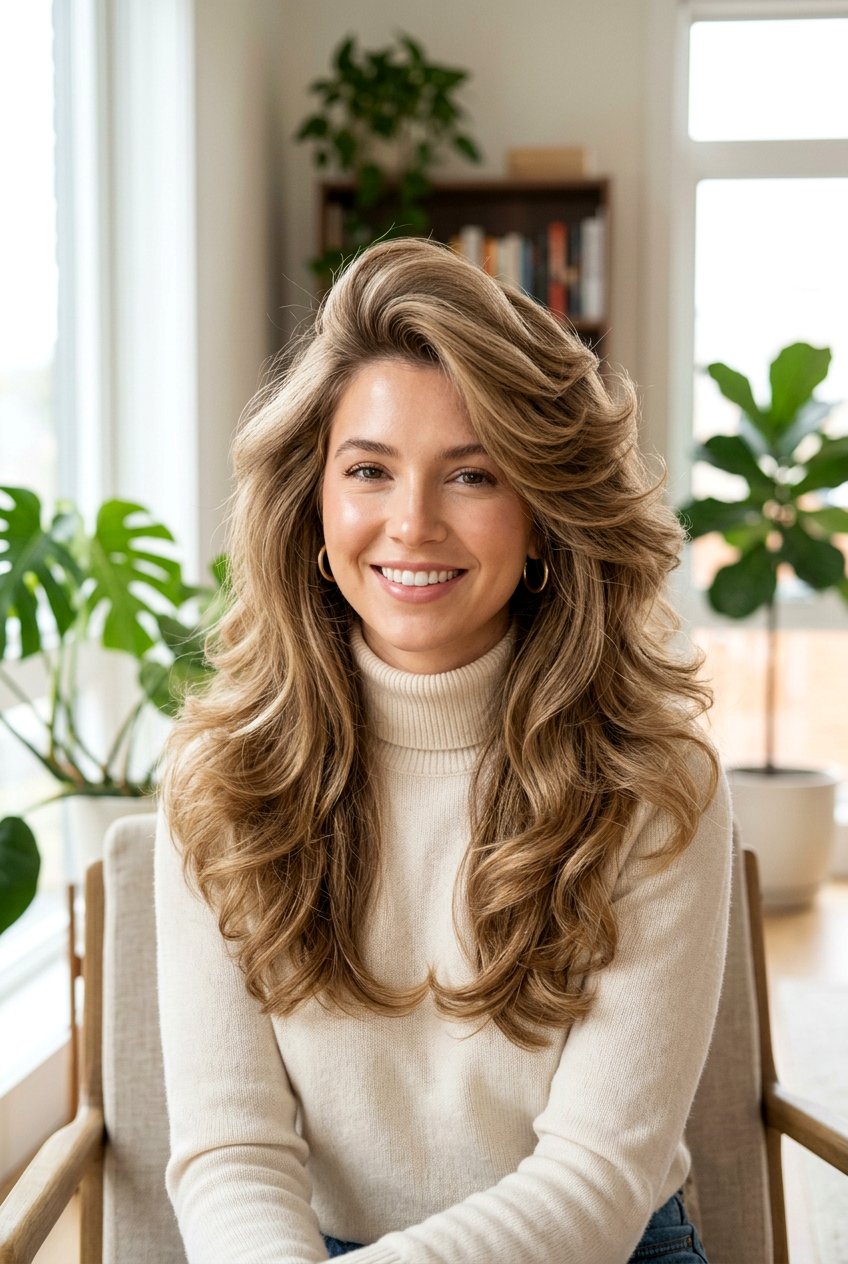
Feathered layers became a global sensation in the late 1970s, largely thanks to Farrah Fawcett’s iconic voluminous mane. This style involves long layers that are brushed back and away from the face, creating a soft, wing-like effect that mimics the texture of bird feathers. It is all about movement, bounce, and incredible volume, requiring a large round brush and a blow-dryer to flick the layers outward. This look is perfect for women with thick hair who want to add shape and lightness to their length. Even today, feathered layers remain a popular request in salons because they provide a flattering frame for the face and exude a sense of vibrant, sun-kissed energy.
13. Marcel Waves Retro Hair
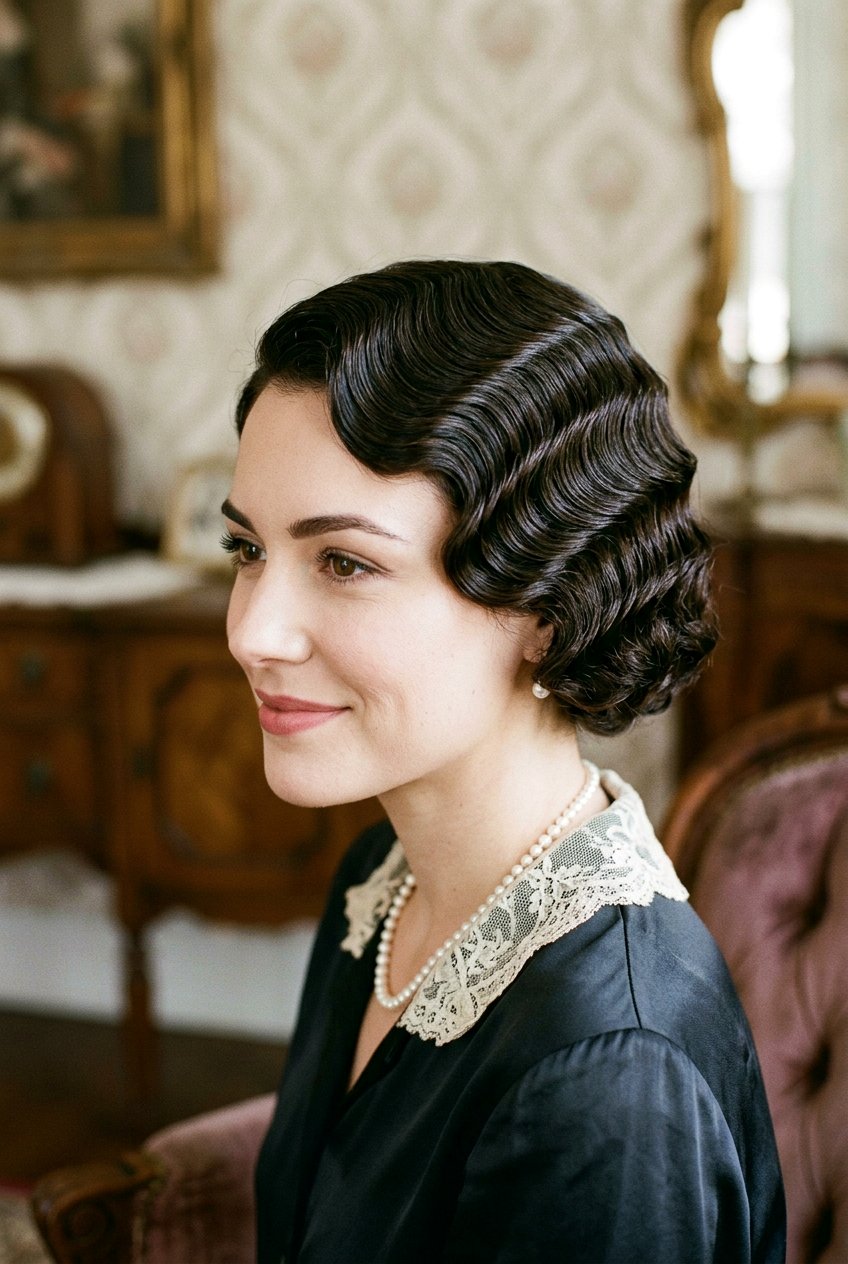
Marcel waves were a revolutionary heat-styled technique from the 1920s that offered a more structured and deeper wave than traditional finger waves. Created using a specialized curling iron invented by Marcel Grateau, these waves were a hallmark of the flapper era and represented a shift towards technological styling. The ridges are much more pronounced and sharp, providing a decorative and architectural look to short bobs. While the original method was quite difficult to master, modern hair enthusiasts can recreate the look using small barrel irons and specialized clips to hold the ridges while they cool. This style is exceptionally elegant and provides a high-drama vintage aesthetic that is perfect for themed parties or vintage-inspired weddings.
14. Bardot Bangs Retro Hair
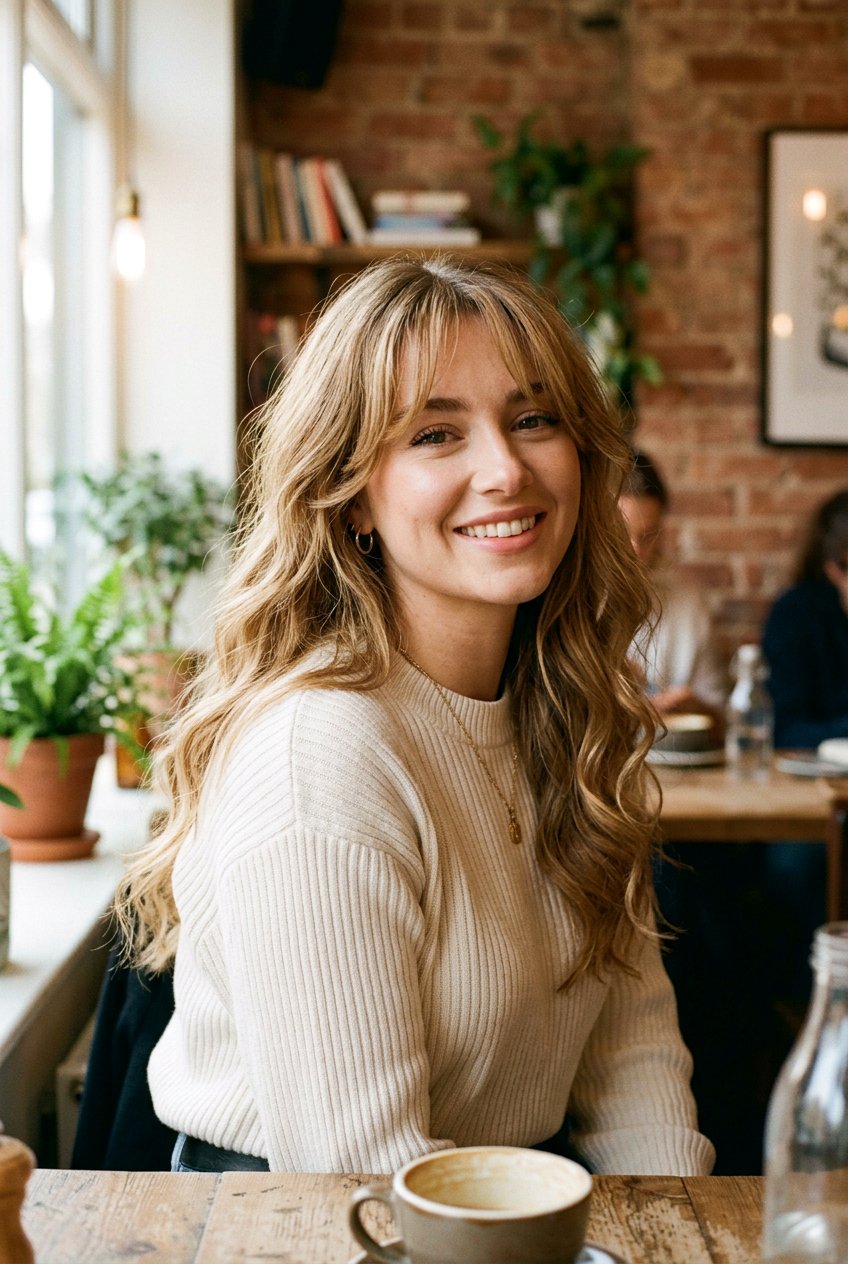
Bardot bangs are the ultimate symbol of 1960s French girl chic, named after the legendary actress Brigitte Bardot. These are long, voluminous curtain bangs that are parted in the center and slightly teased at the roots to create a soft, “bedroom hair” effect. Unlike blunt bangs, these are wispy at the ends and blend seamlessly into the rest of the hair, making them very flattering for most face shapes. They add an immediate sense of effortless glamour and romance to any hairstyle, whether the rest of the hair is left down in waves or pulled into a messy updo. Their popularity remains high because they offer a retro vibe that feels soft, feminine, and never too structured.
15. Pageboy Haircut Retro Hair
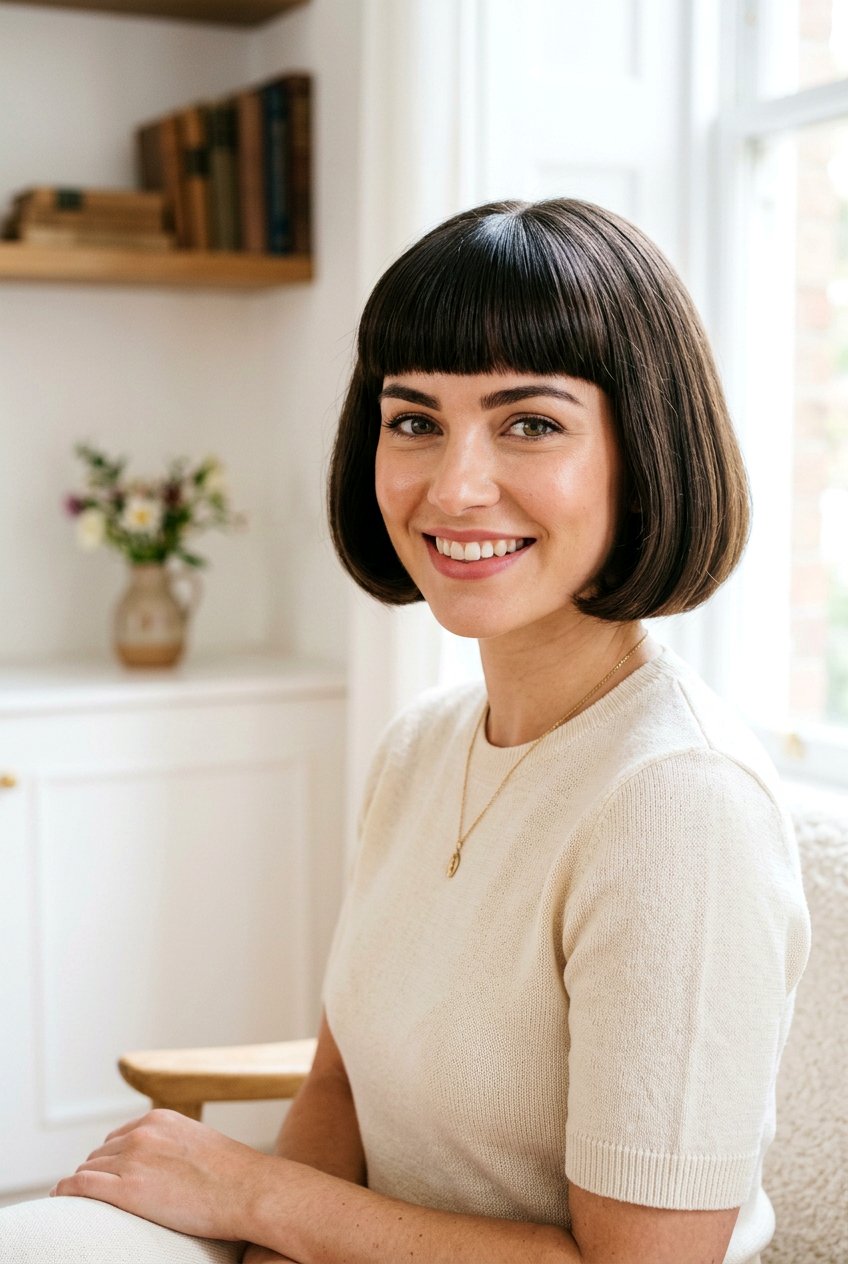
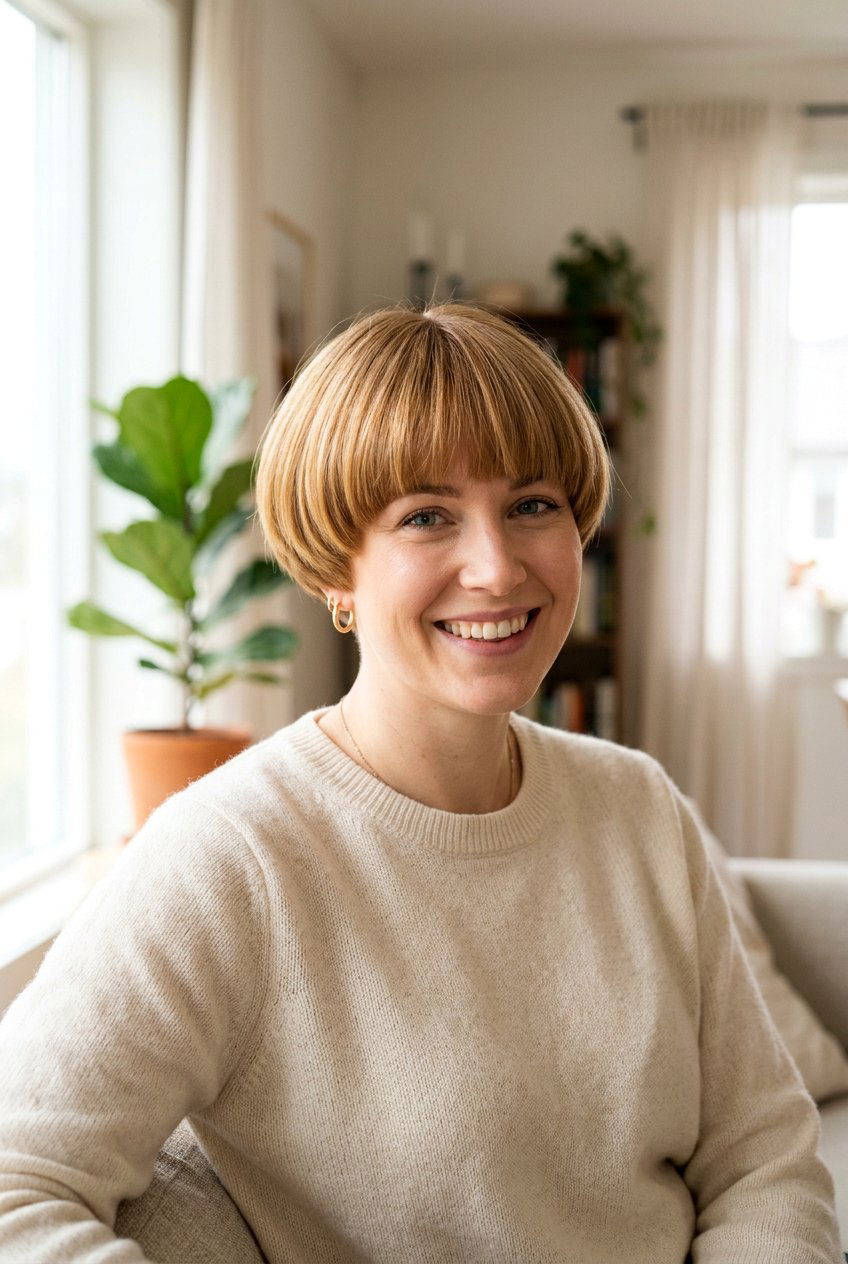
The pageboy haircut is a classic mid-century look that features hair cut to the jawline or shoulders with the ends curled cleanly underneath. It often includes a thick, blunt fringe that meets the sides of the hair to create a continuous, helmet-like silhouette. This style was widely popular in the 1950s for its neat and tidy appearance, often seen on both young women and professional adults. While it may seem simple, achieving the perfect inward curve requires precise cutting and careful blow-drying with a round brush. Modern variations often incorporate more texture or thinner bangs to make the style feel lighter and more wearable for today’s fashion-forward individuals seeking a vintage aesthetic.
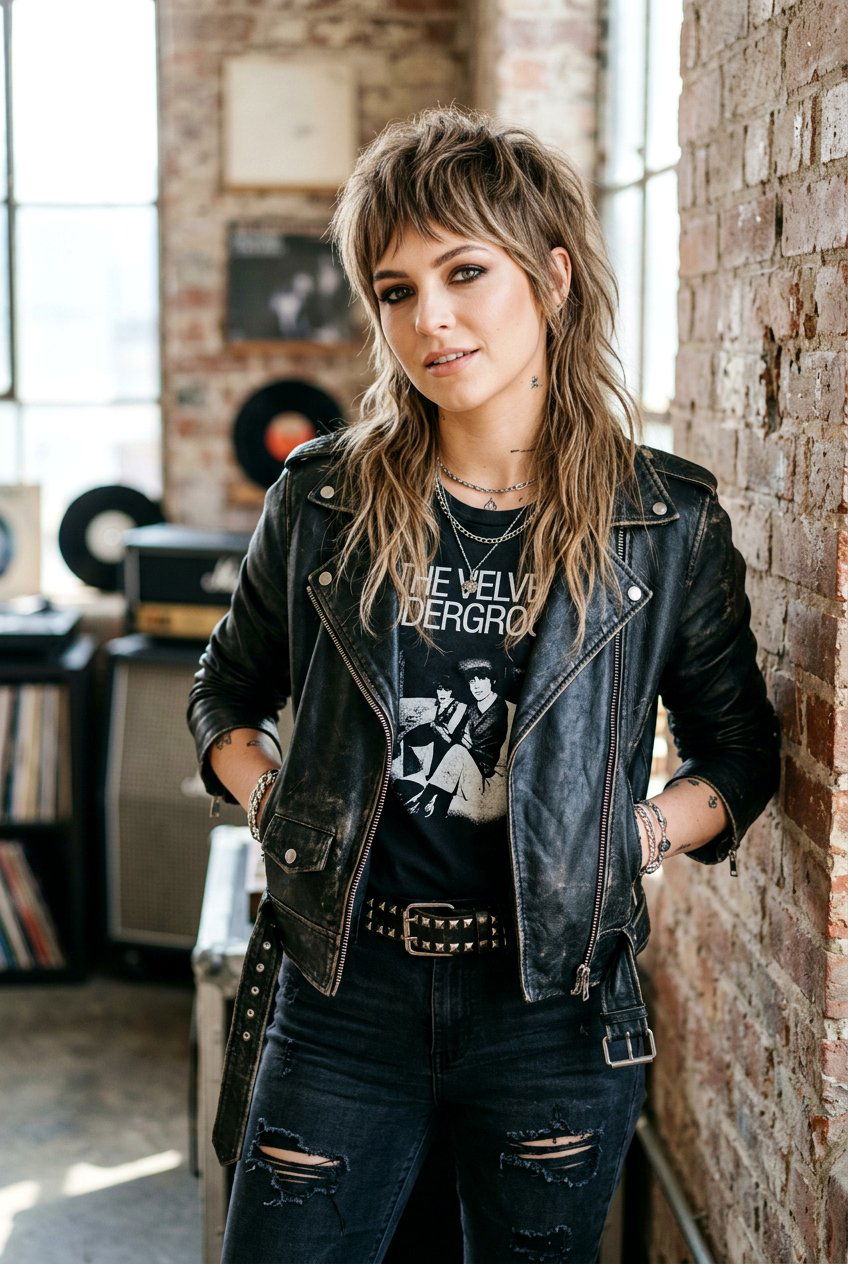
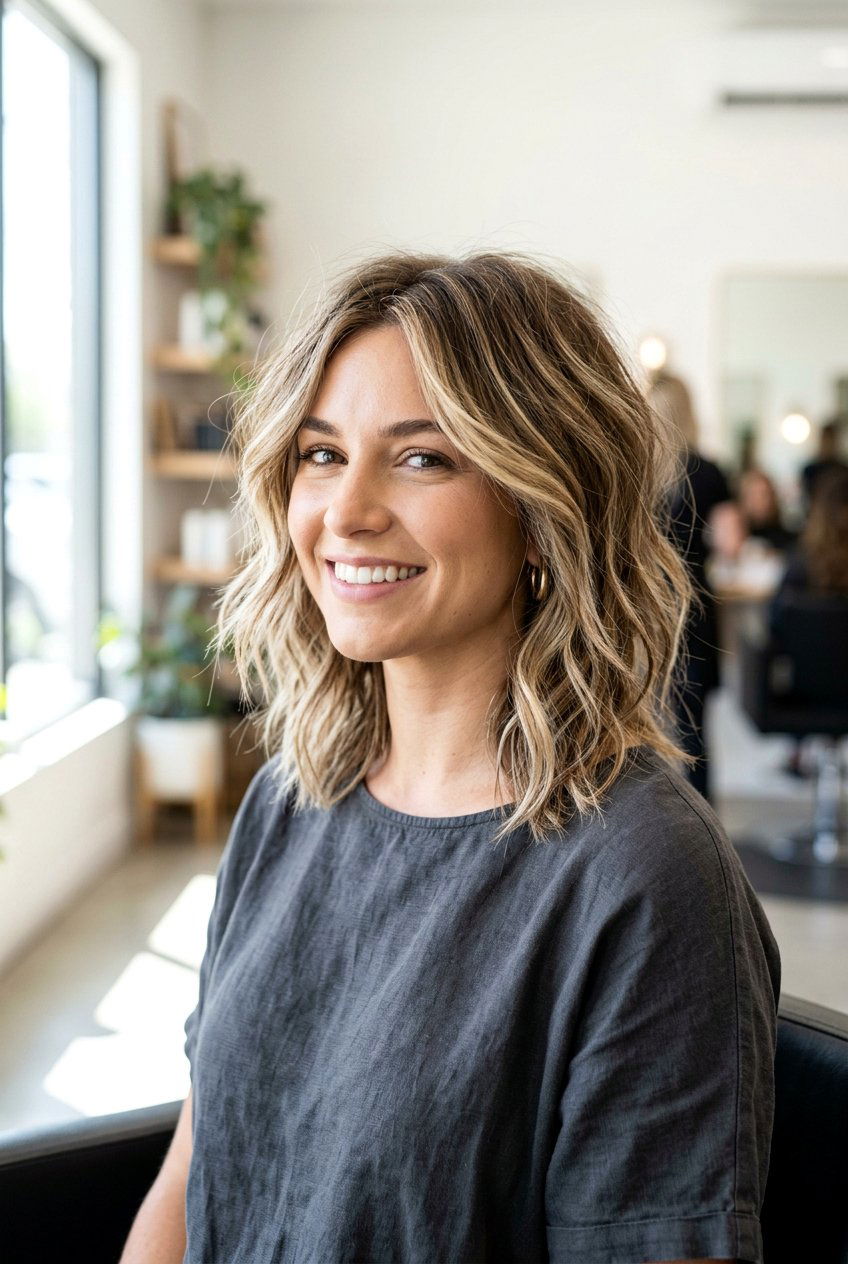
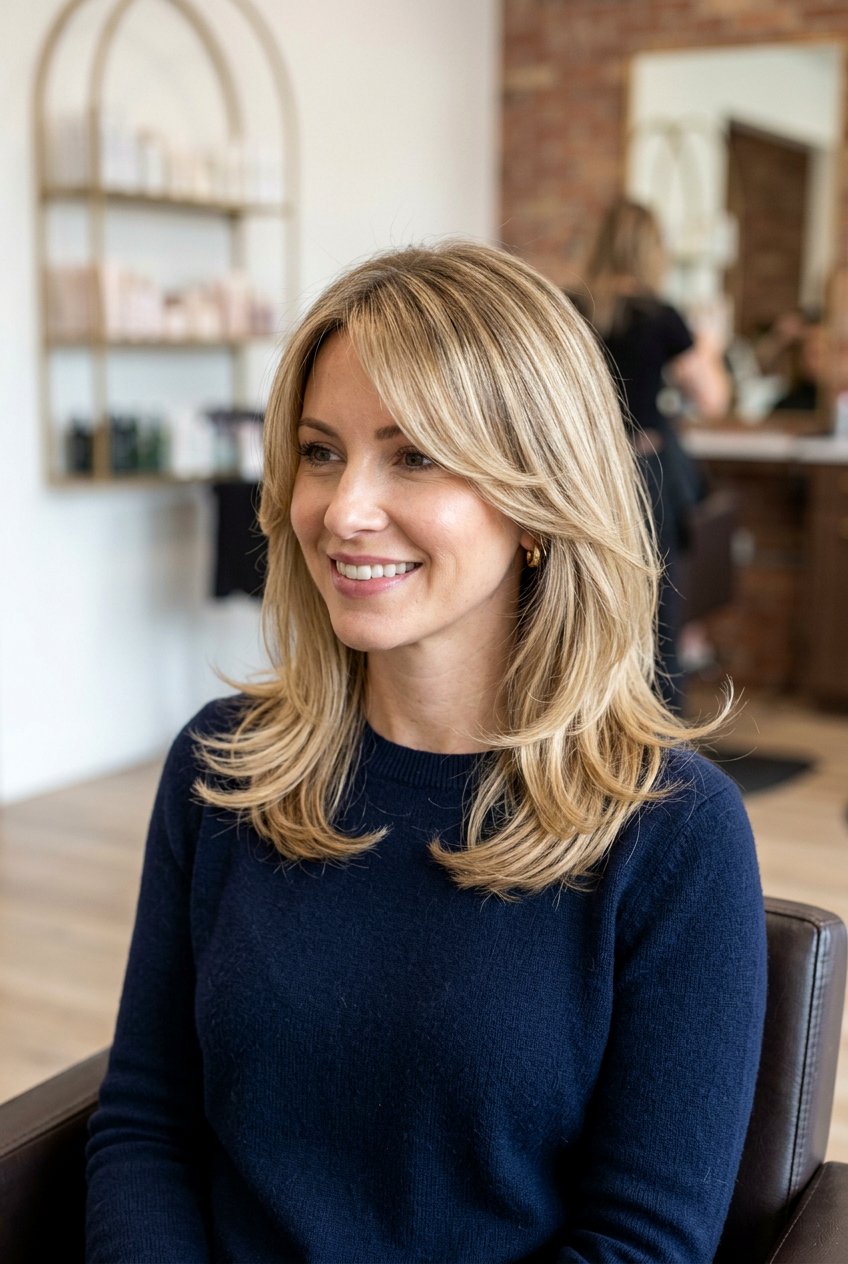
16. Pixie Cut Retro Hair
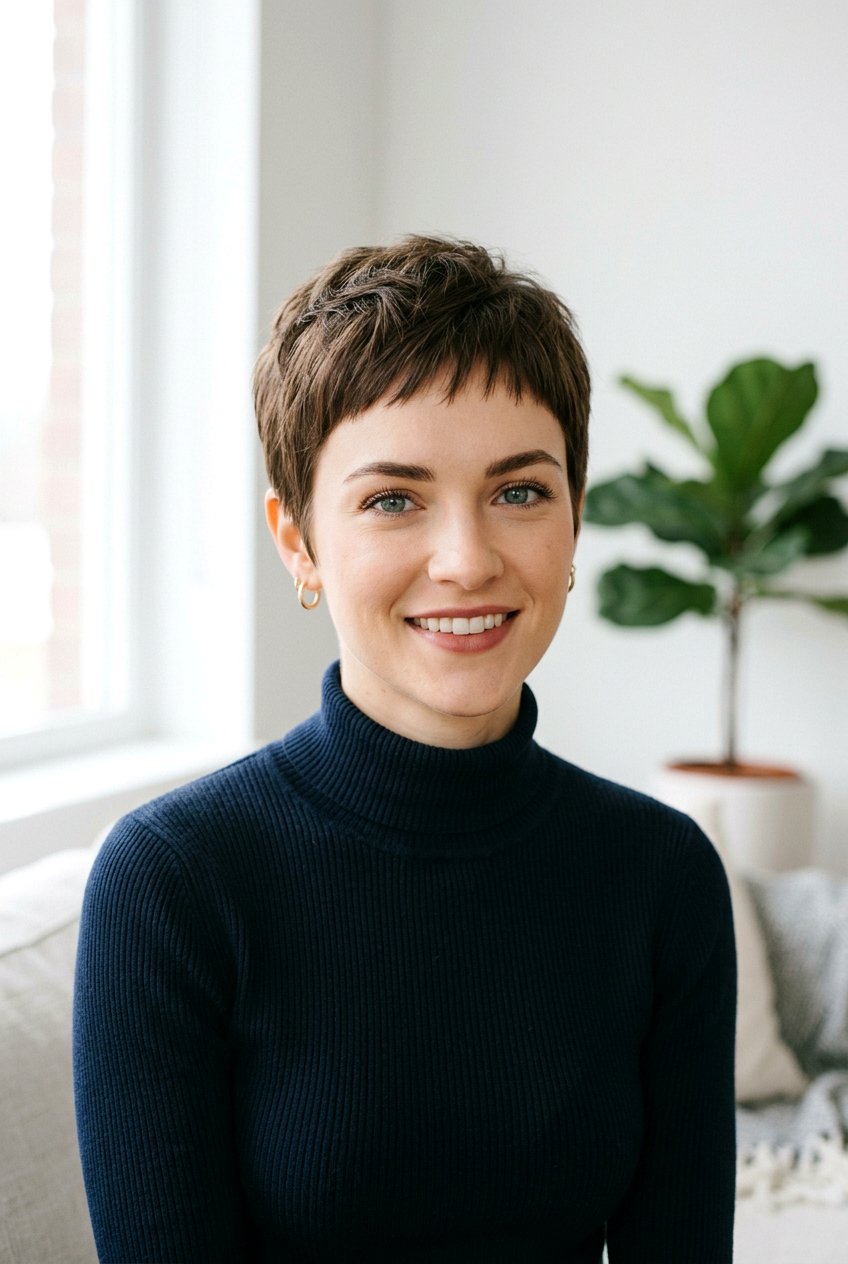
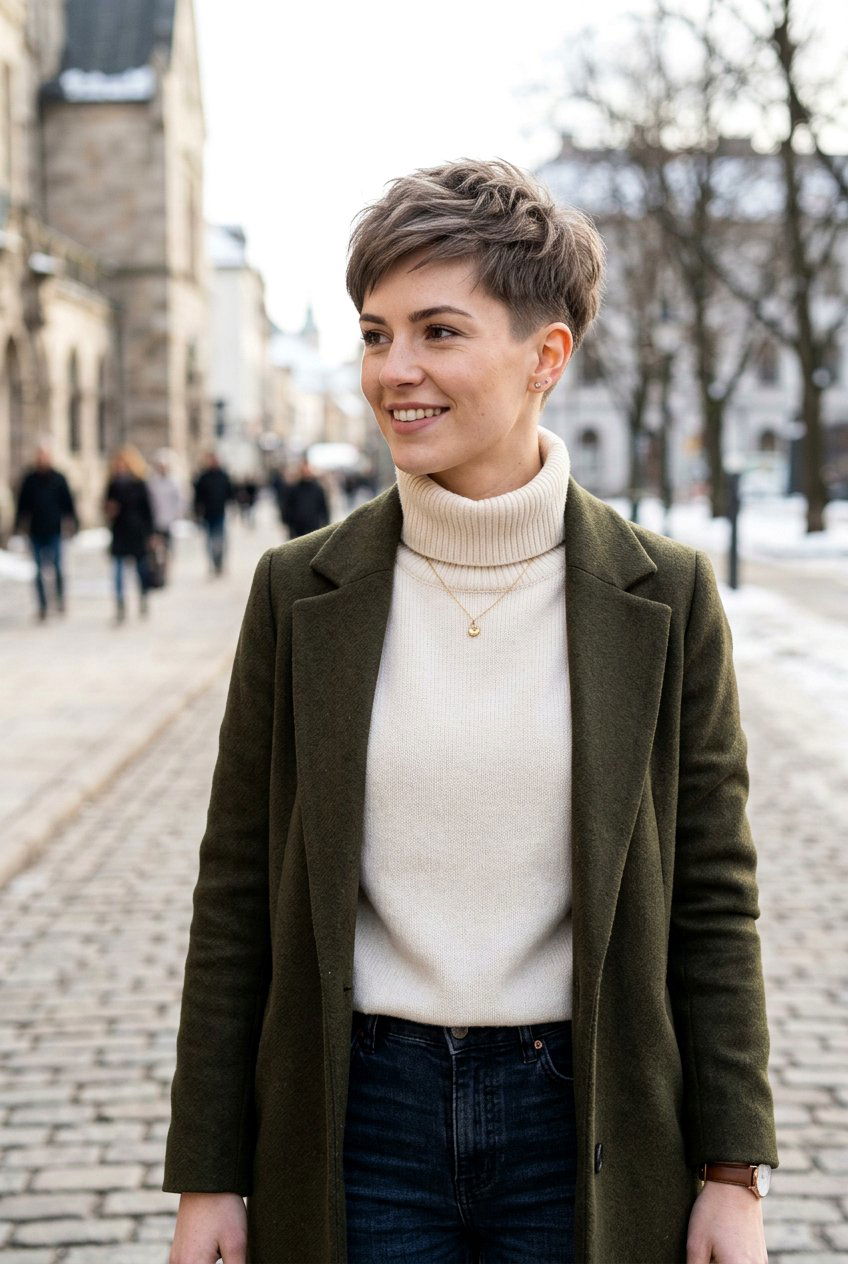
The pixie cut became a symbol of feminine empowerment and gamine charm in the 1950s and 60s, popularized by stars like Audrey Hepburn and Mia Farrow. This ultra-short style focuses on short back and sides with slightly more length on top, often paired with very short, “baby” bangs. It was a radical departure from the long, high-maintenance curls of the previous decades and highlighted the natural features of the face. The pixie cut is perfect for women who want a bold, low-maintenance look that exudes confidence and sophistication. Its enduring popularity is due to its versatility, as it can be styled sleek and polished or messy and textured depending on the occasion.
17. High Ponytail Retro Hair
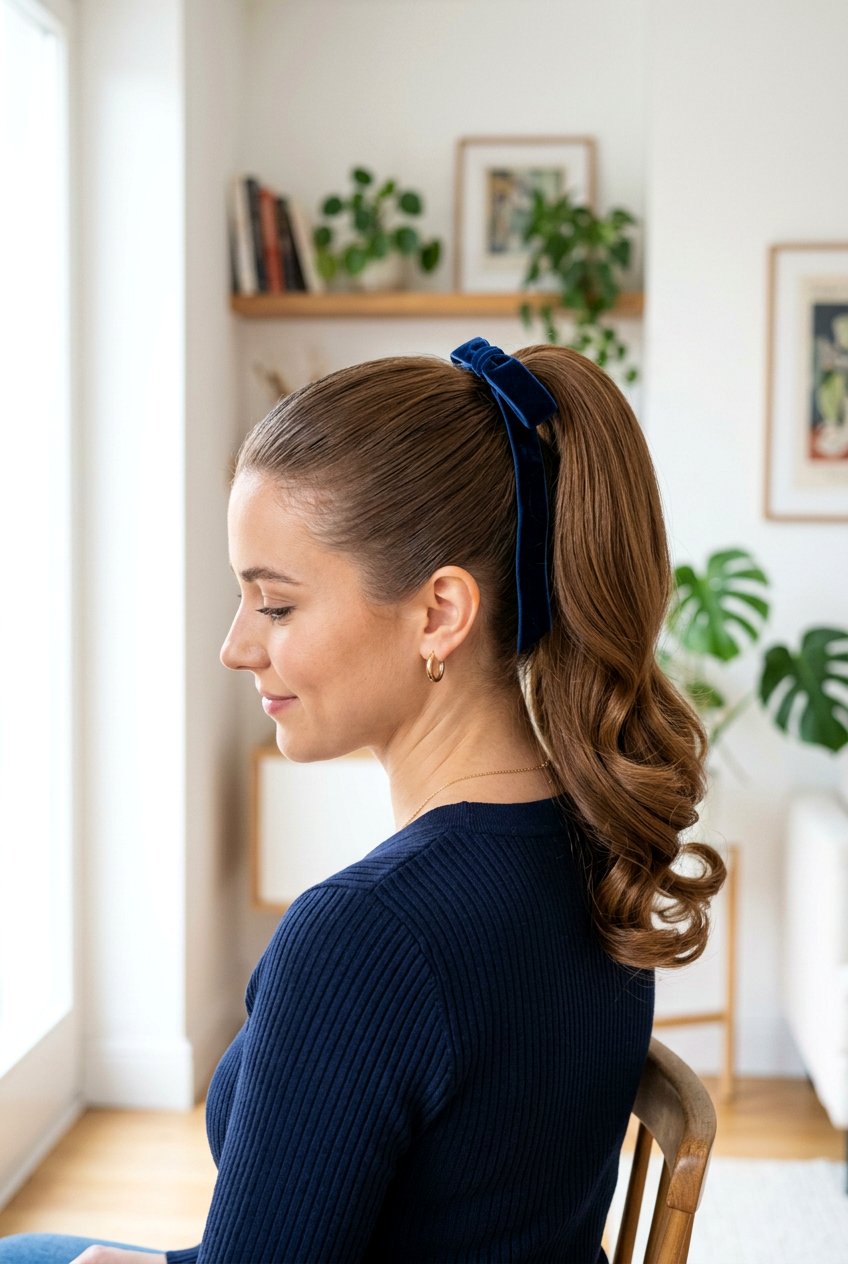
The high ponytail of the 1950s was far more structured and styled than the casual version we often see today. It was typically characterized by a smooth, high placement at the crown, with the ends curled into a singular, bouncy loop or several smaller ringlets. To add extra vintage flair, women often tied a colorful silk scarf or a large ribbon around the base of the ponytail. This look provided a clean, youthful, and energetic silhouette that was perfect for the poodle-skirt era. Today, the retro high ponytail is a favorite for those wanting a polished look that stays secure all day, offering a perfect blend of practical function and classic mid-century style.
18. French Twist Retro Hair
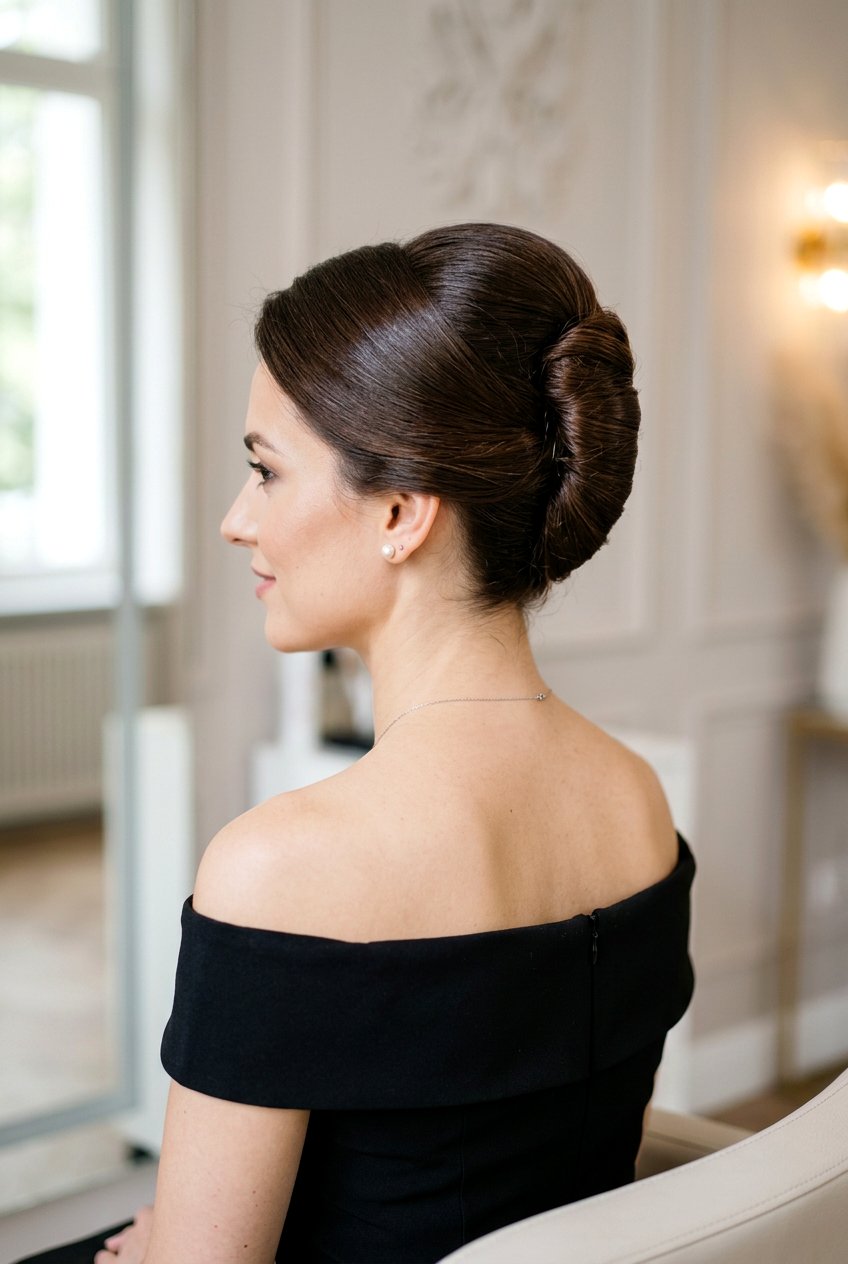
The French twist is a sophisticated updo that became a staple of 1960s formal fashion, known for its sleek, vertical roll at the back of the head. It is achieved by sweeping all the hair to one side, pinning it down the center, and then folding the hair back over the pins to create a seamless tuck. This hairstyle is synonymous with elegance and was famously worn by Audrey Hepburn in “Breakfast at Tiffany’s. ” It is an ideal choice for weddings, galas, or any event where a refined and polished appearance is required. While it looks complex, with a bit of practice and the right hairpins, it can be a quick and reliable way to elevate any look.
19. Disco Curls Retro Hair
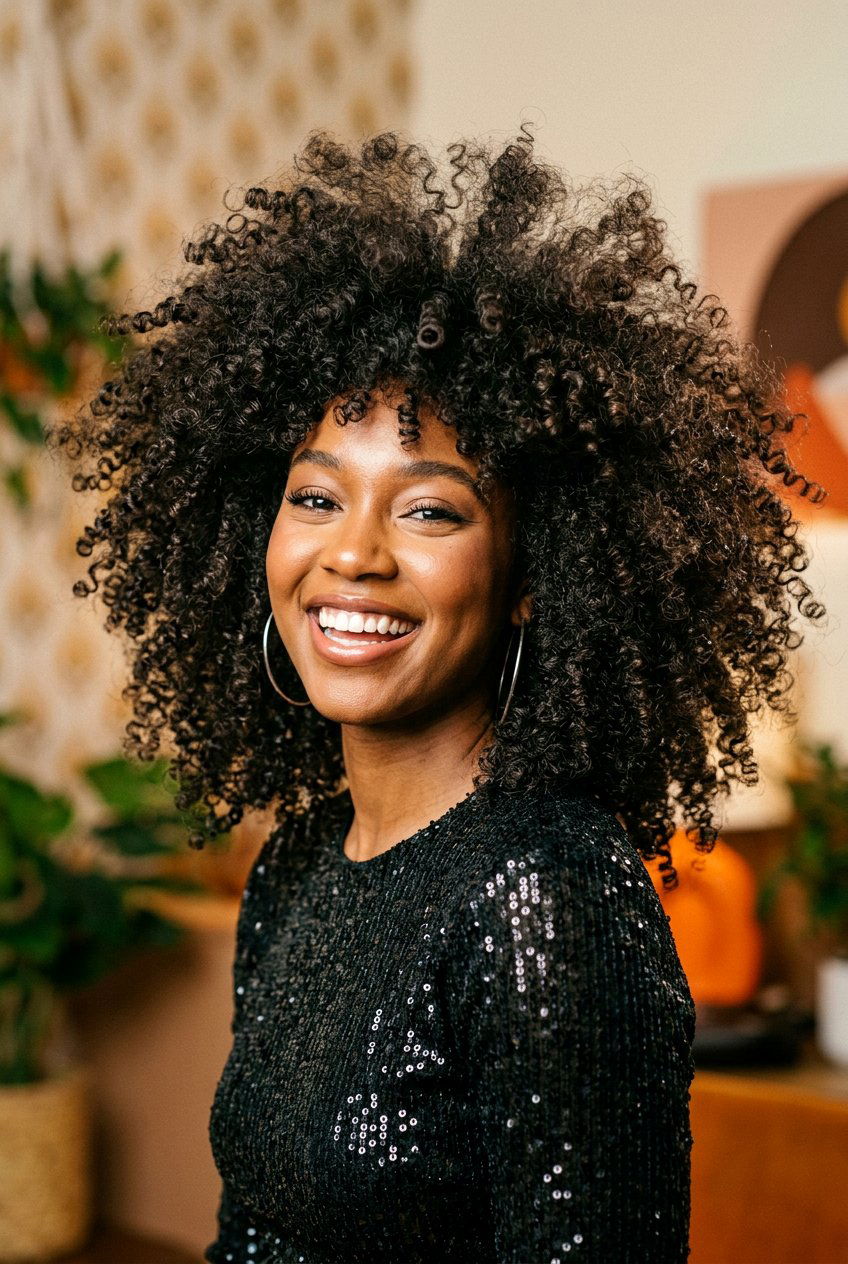
Disco curls dominated the late 1970s, characterized by big, voluminous, and often frizzy curls that were designed to move under the strobe lights of the dance floor. This style was all about celebrating natural volume and texture, often achieved through perms or small-barrel curling irons. The hair was usually brushed out to create a massive cloud of curls that radiated energy and confidence. Iconic stars of the era wore this look with pride, making it a symbol of the decade’s vibrant nightlife and freedom. Modern disco curls are a fantastic way to embrace your natural curl pattern or add some fun, high-energy volume to a retro-themed outfit or a bold social media post.
20. Pompadour Hair Retro Hair
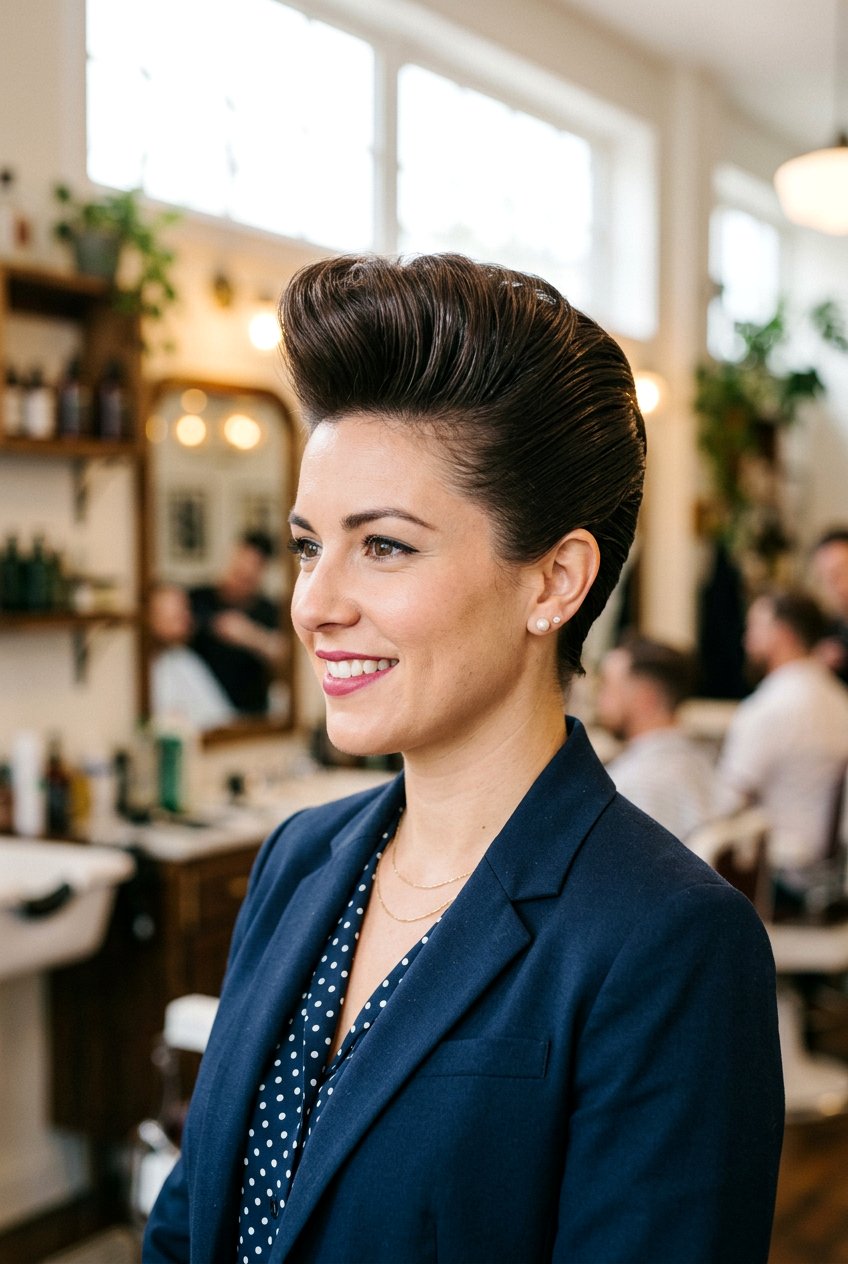
The pompadour for women is a bold, high-volume style where the hair is swept upward and back from the forehead, creating a large mound at the front. While it has roots in the 18th century, it became a significant trend in the 1940s and again during the rockabilly era. This style requires a combination of backcombing, smoothing, and strong-hold products to maintain the height and shape. It is a powerful, masculine-inspired look that has been adapted by many fashion-forward women to create a sense of strength and alternative style. Whether worn as a full updo or with the sides kept sleek, the pompadour is a definitive statement of confidence and a timeless piece of hair history.
Conclusion:
Exploring these twenty retro hairstyles reveals a fascinating journey through the history of fashion and self-expression. Each era brought its own unique techniques, from the precision of 1920s finger waves to the untamed volume of 1970s disco curls, proving that hair has always been a powerful tool for identity. By integrating these vintage elements into your modern routine, you can achieve a look that is both timeless and deeply personal. Whether you choose a subtle Bardot fringe or a dramatic set of victory rolls, these styles offer a level of craftsmanship and character that stands out in a world of fast trends. We hope this guide inspires you to pick up your comb, experiment with some classic techniques, and embrace the enduring glamour of the past.
You'll Like These Styles:




Leave a Reply