
Achieving salon-quality volume without a drop of heat is the ultimate goal for anyone managing long thick hair in 2026. While high-temperature wands often lead to split ends and moisture loss, heatless curls for long thick hair offer a restorative alternative that works while you sleep. The challenge with dense, heavy strands is ensuring the curl sets deeply enough to defy gravity throughout the day. Modern techniques have evolved beyond simple braids, utilizing silk ribbons, flexi-rods, and even common household items to create everything from tight ringlets to soft Hollywood waves. By mastering these methods, you can protect your hair’s structural integrity while enjoying consistent, bouncy results that look professionally styled every single morning.

1. Silk Heatless Curling Rod
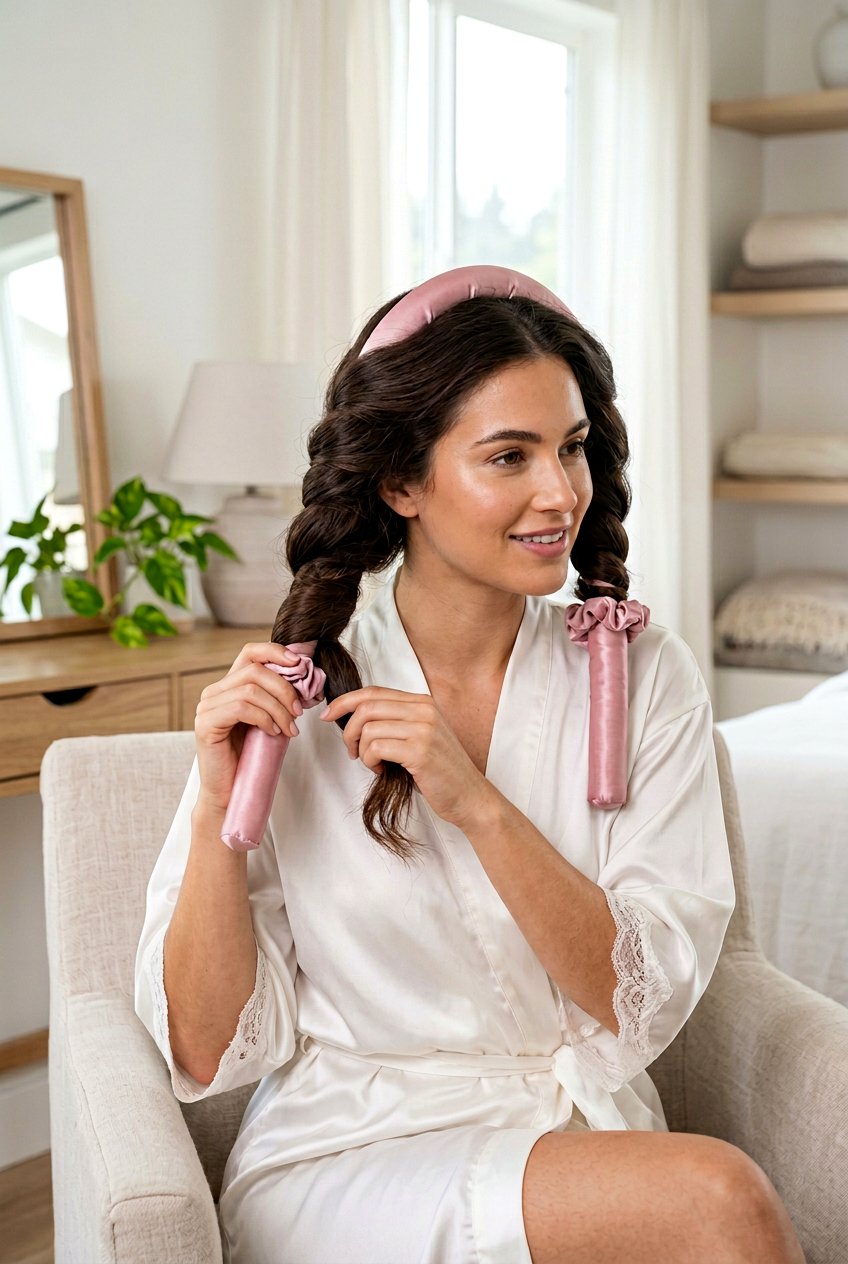
Using a long silk-covered foam rod is currently the most popular way to achieve uniform waves on heavy hair. You begin by placing the rod across the top of your head, securing it with a large claw clip. Starting from the front, wrap small sections of damp hair away from your face around the rod, gradually incorporating more hair as you move down. For thick hair, it is vital to keep the tension high and the sections relatively small to ensure the core of the strand dries completely. Secure the ends with silk scrunchies to prevent creasing. This method creates a polished, blowout look with significant volume at the mid-lengths and ends.
2. Jumbo Satin Flexi Rods
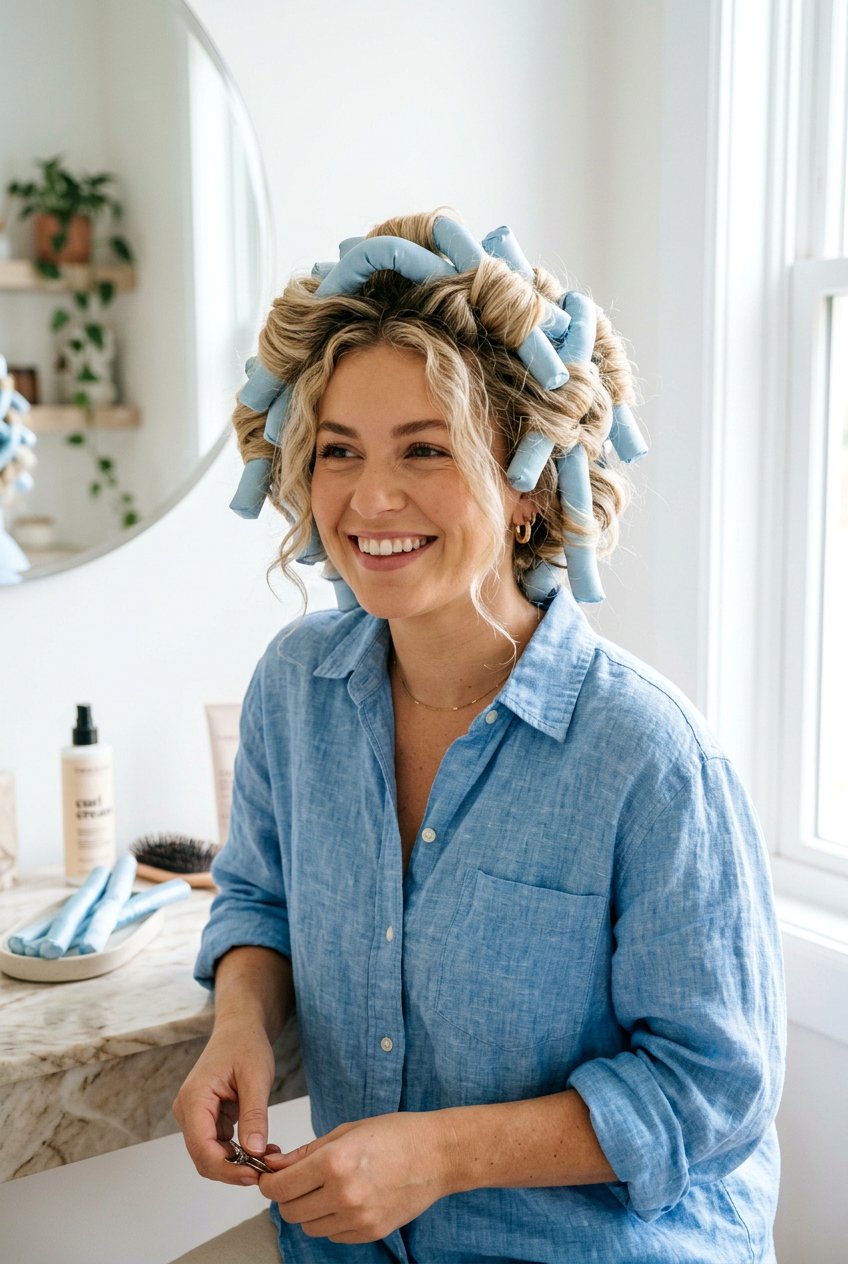
Flexi rods are an exceptional choice for thick manes because they allow for more localized control over the curl pattern. Unlike a single long rod, using four to six jumbo-sized flexi rods lets you divide your hair into manageable quadrants. You simply wrap a section of hair around the soft, pliable rod and fold the ends inward to lock it in place. Because these rods are thicker, they create large, loopy curls that mimic a 2-inch curling iron. The satin coating is essential for thick hair as it reduces friction and prevents the frizz that often occurs when heavy strands rub against traditional foam or cotton materials.
3. Overnight Robe Tie Curls
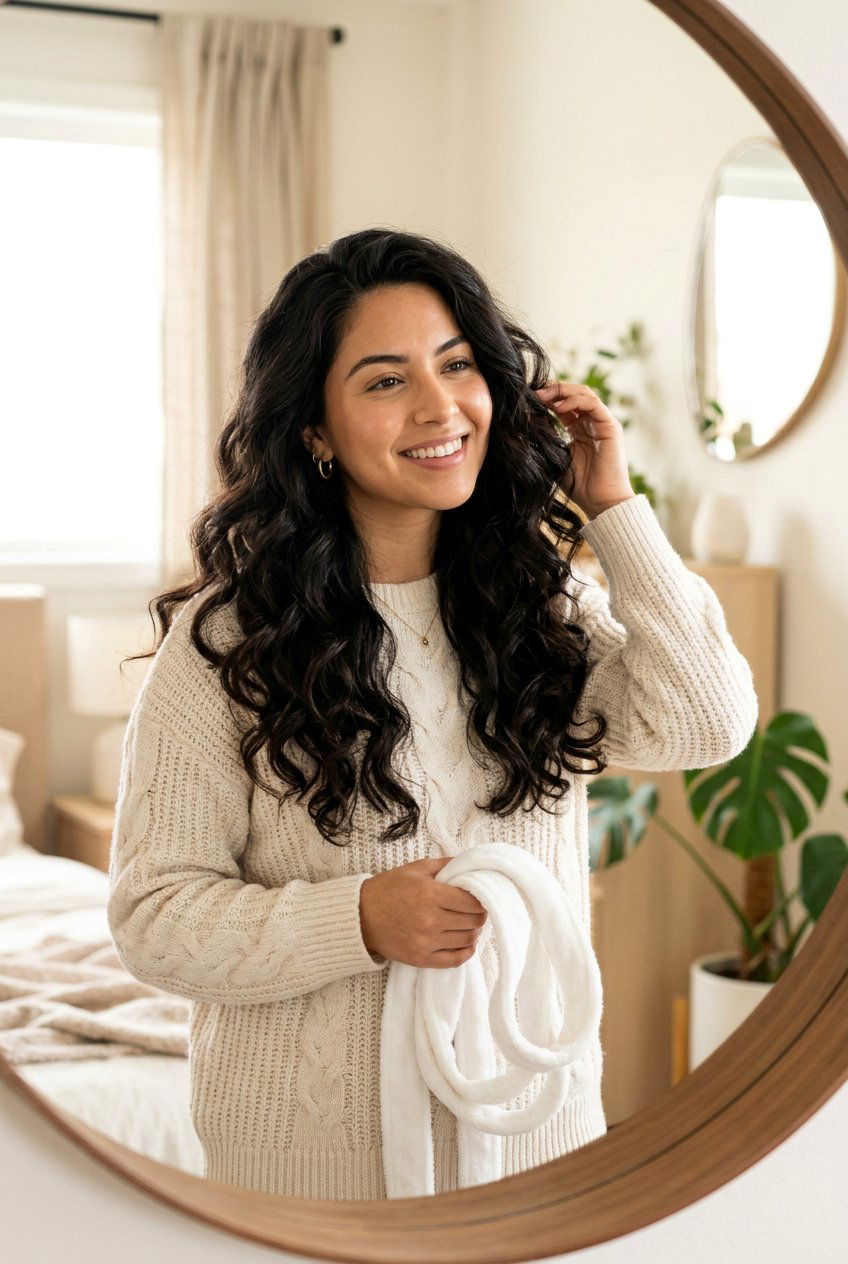
The robe tie method remains a viral favorite because it utilizes a plush, thick fabric that provides a sturdy base for heavy hair. You take a standard bathrobe belt and drape it over your head, then use a French braiding motion to wrap your hair around it. The thickness of the robe tie is actually an advantage for long hair, as it creates a wider curl diameter that looks more natural and less like tight “sausage” curls. For the best results, ensure your hair is about 80% dry before wrapping. This allows the fabric to absorb the remaining moisture, helping the style set firmly without requiring hours of air-drying.
4. Large Sock Curls
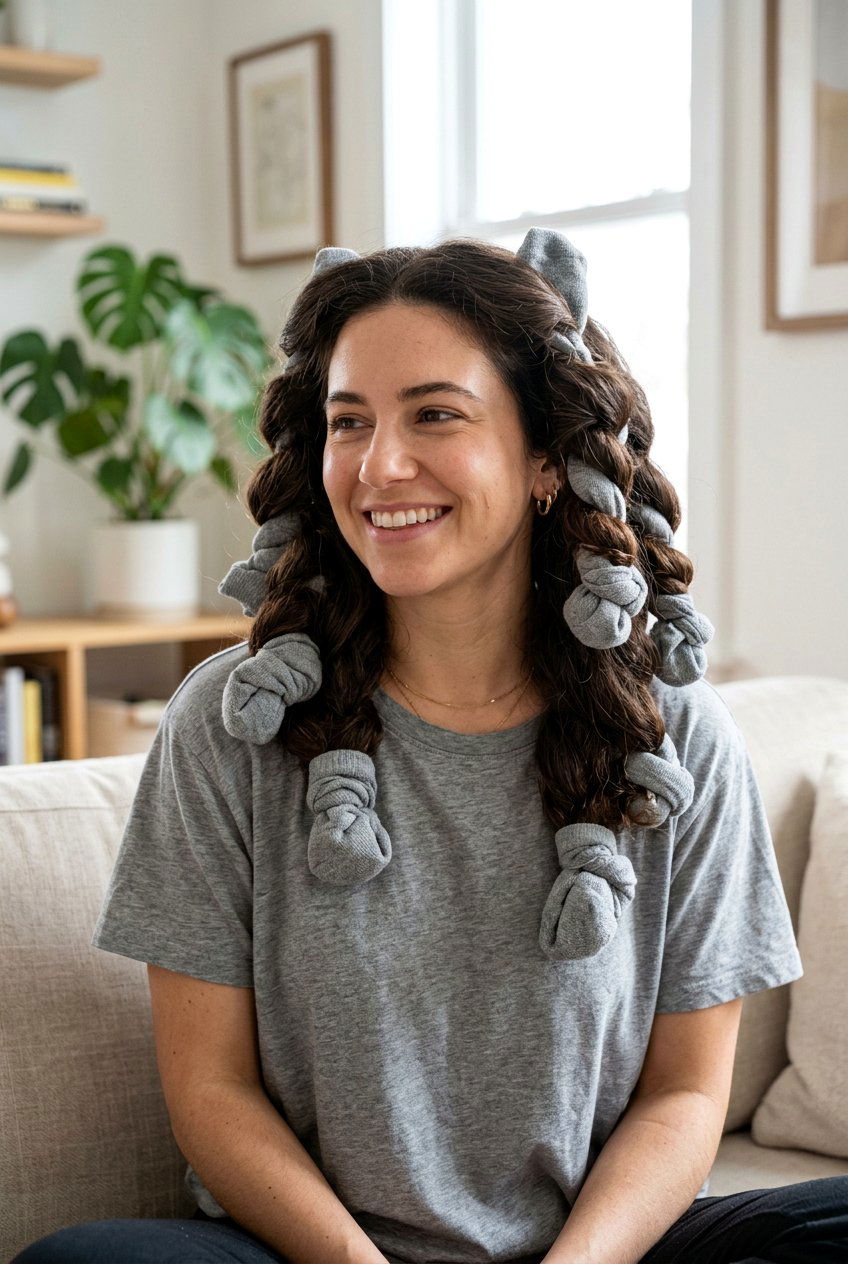
Socks are surprisingly effective tools for creating bouncy, heatless ringlets on long hair because the cotton or wool provides excellent grip. You start by cutting the toe off a clean, long tube sock and rolling it into a “donut” or simply using it as a flexible rod. For thick hair, using four to five socks is better than just two. Wrap each section from the ends up to the mid-shaft and tie the sock ends together. The benefit of socks is their comfort; they are soft enough for side sleepers while being sturdy enough to hold the weight of long, dense hair without slipping out during the night.
5. French Braid Waves
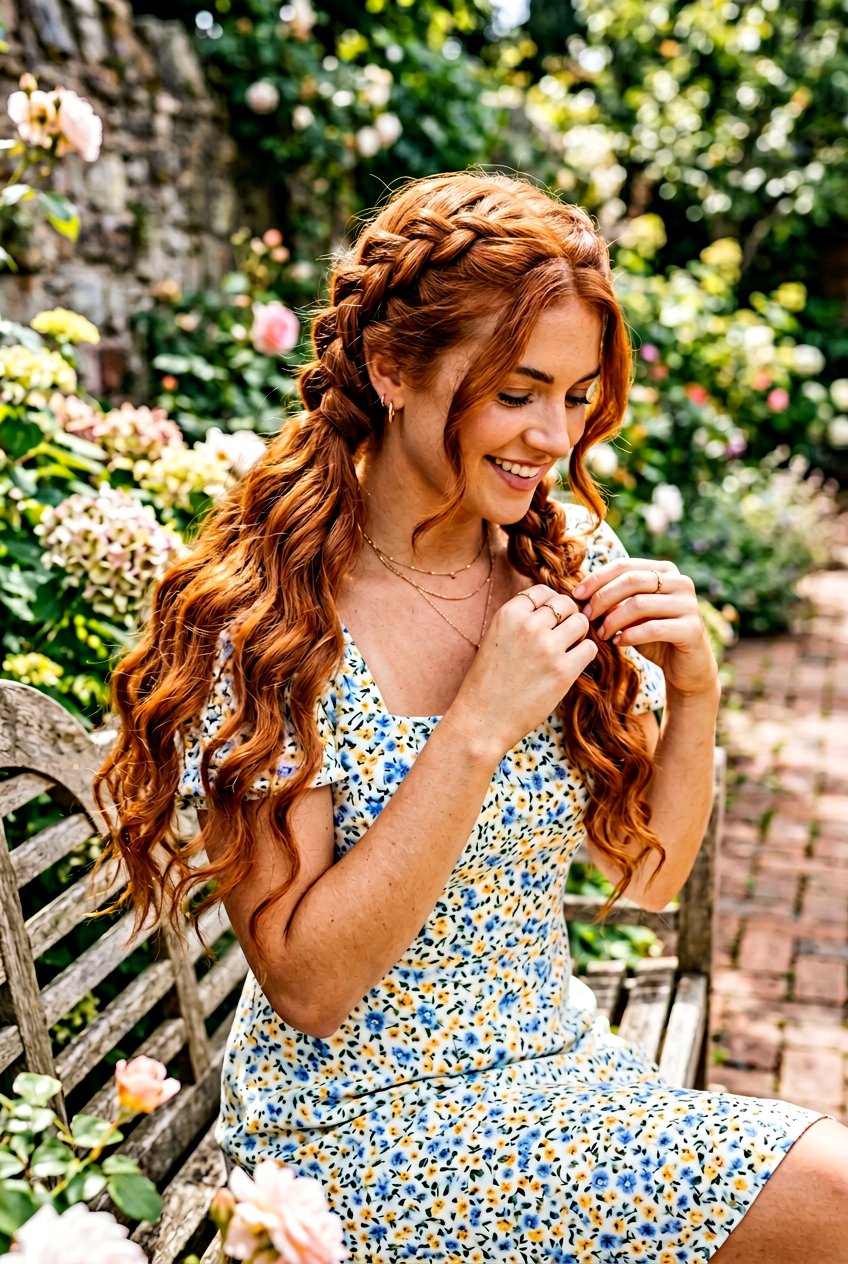
French braiding is the classic go-to for creating a crimped, beachy texture on thick hair without any specialized equipment. To avoid the flat-root look often associated with basic braids, start the French braid as high up on the crown as possible. For very thick hair, two braids are usually better than one, as a single large braid may not allow the inner hair to dry, resulting in limp waves. This method works best on hair that has a bit of “grit” from a sea salt spray or lightweight mousse. Once unraveled, the result is a consistent, zig-zag wave pattern that adds immense volume and movement.
6. Octocurl Heatless System
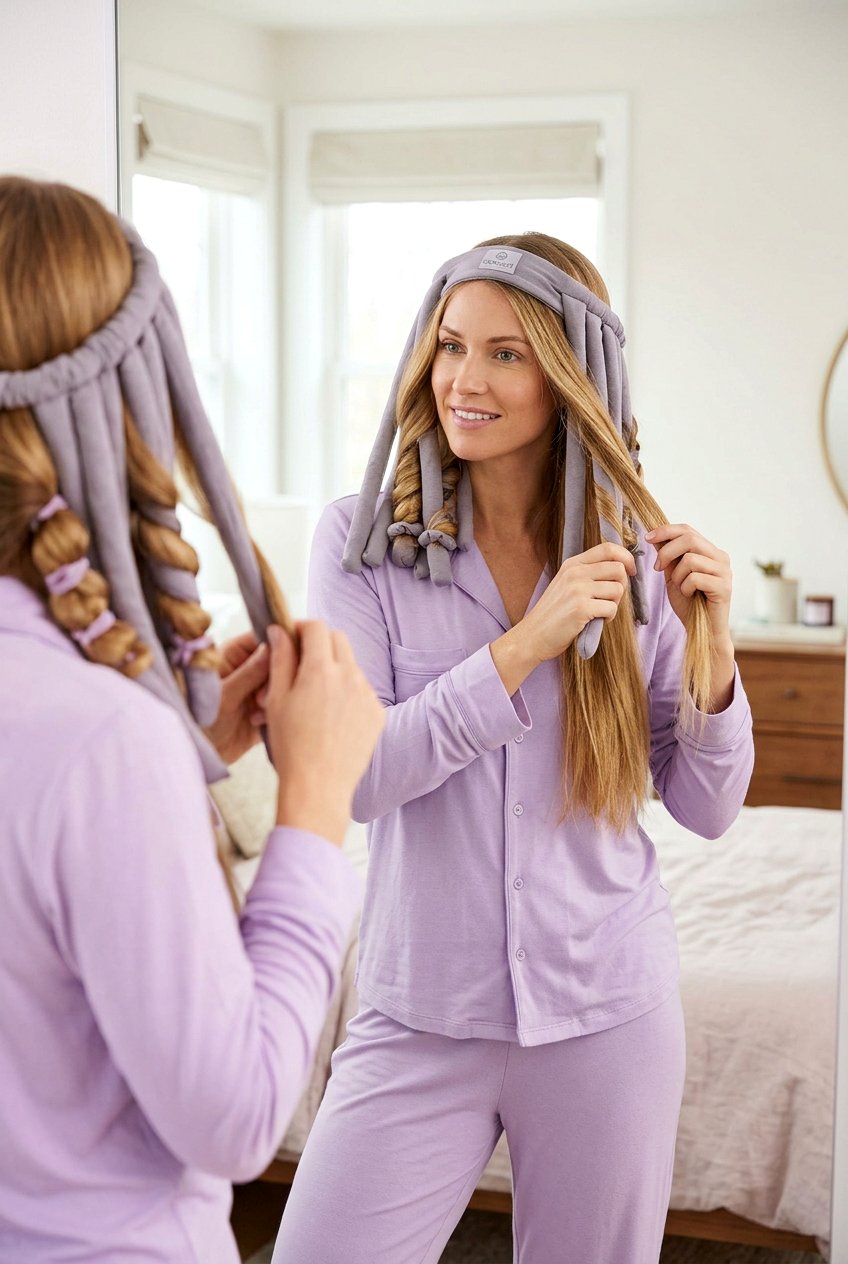
The Octocurl is a specialized tool featuring a headband with multiple hanging fabric strips, resembling an octopus. This design is perfect for thick hair because it allows you to distribute the hair’s weight across eight or more individual strips. By wrapping smaller sections of hair around each strip, you ensure that every strand gets equal air circulation and set time. You can choose to wrap the hair flat for wide waves or twist it for tighter spiral curls. This system is particularly useful for those who find a single thick rod too bulky or uncomfortable for sleeping, providing a more customizable curling experience.
7. Pop Can Rollers
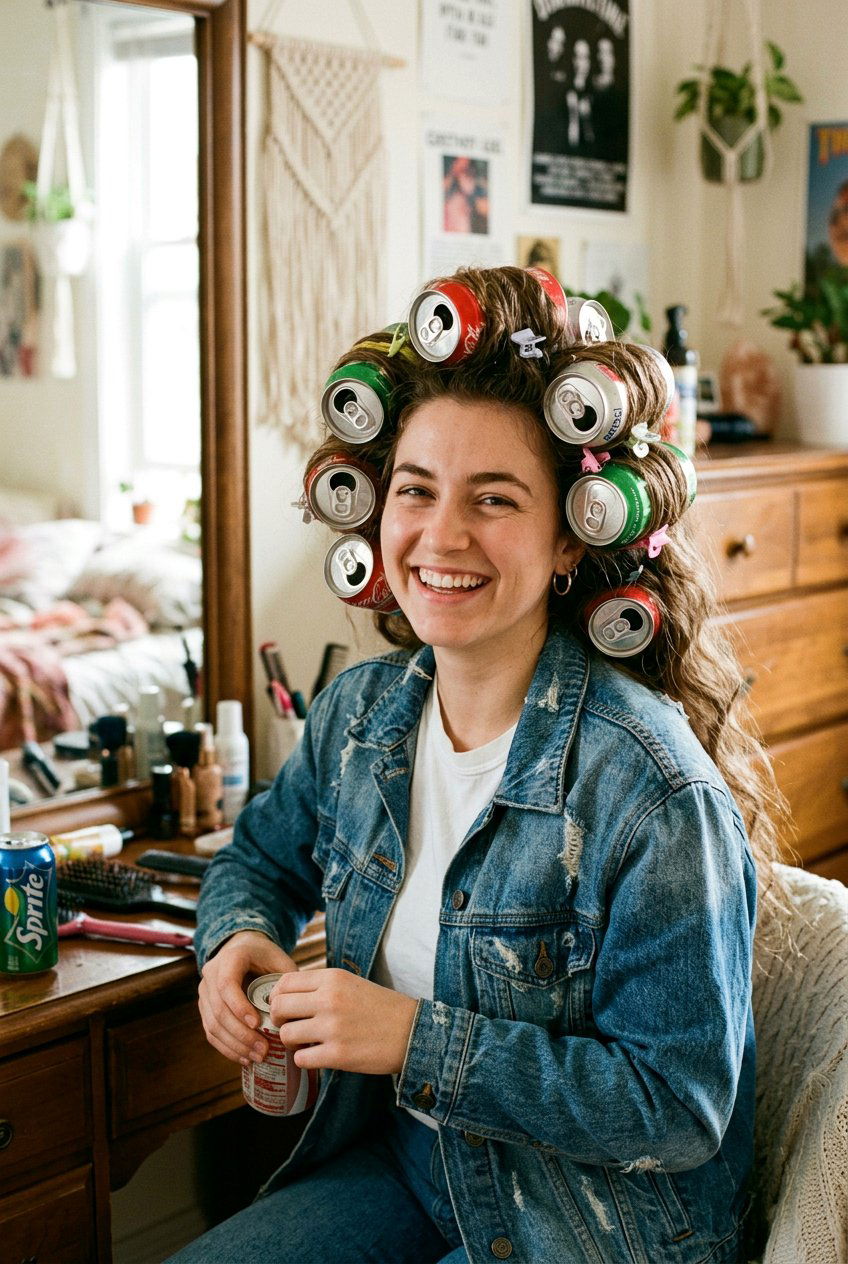
Using clean, empty soda cans as rollers is a retro hack that has made a comeback for those seeking maximum “90s supermodel” volume. The large circumference of a can is ideal for long hair, creating a very soft, rounded bend rather than a tight curl. You simply roll the hair around the can and secure it with a large elastic or clip. While not the most comfortable for sleeping, this method is excellent for a “day-time set” while you get ready. The aluminum helps retain a tiny bit of natural body heat from the scalp, which can help set the style faster on thick, stubborn hair.
8. T-Shirt Halo Method
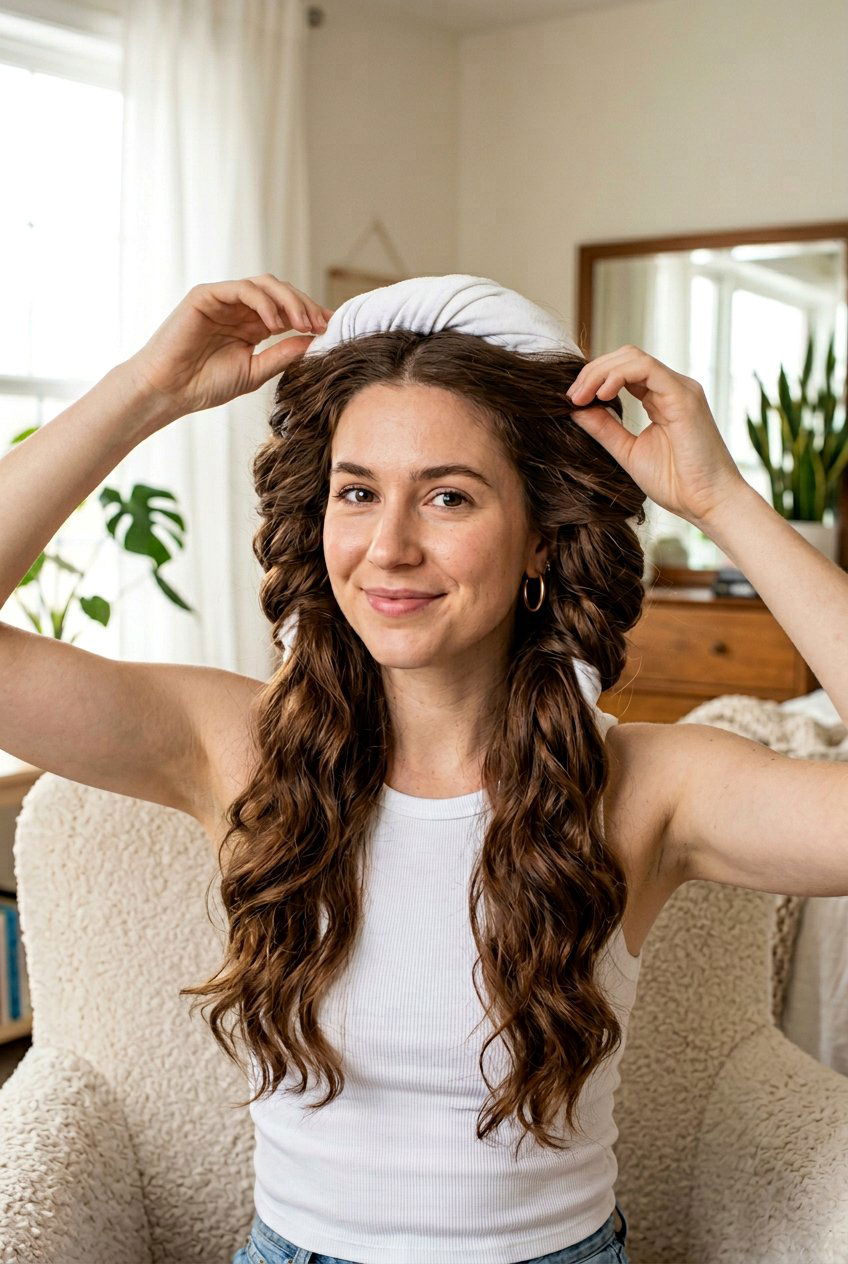
The T-shirt halo involves twisting a soft cotton shirt into a ring and placing it on top of the head like a crown. You then tuck and wrap sections of hair over and under the ring. This is one of the gentlest methods for thick hair, as the cotton jersey material is smooth and breathable. It creates a very soft, romantic wave that starts higher up on the head compared to rod methods. Because the hair is gathered on top of the head, this technique also provides a natural “root lift,” preventing the weight of thick hair from making the top of the style look flat.
9. Leggings Curling Method
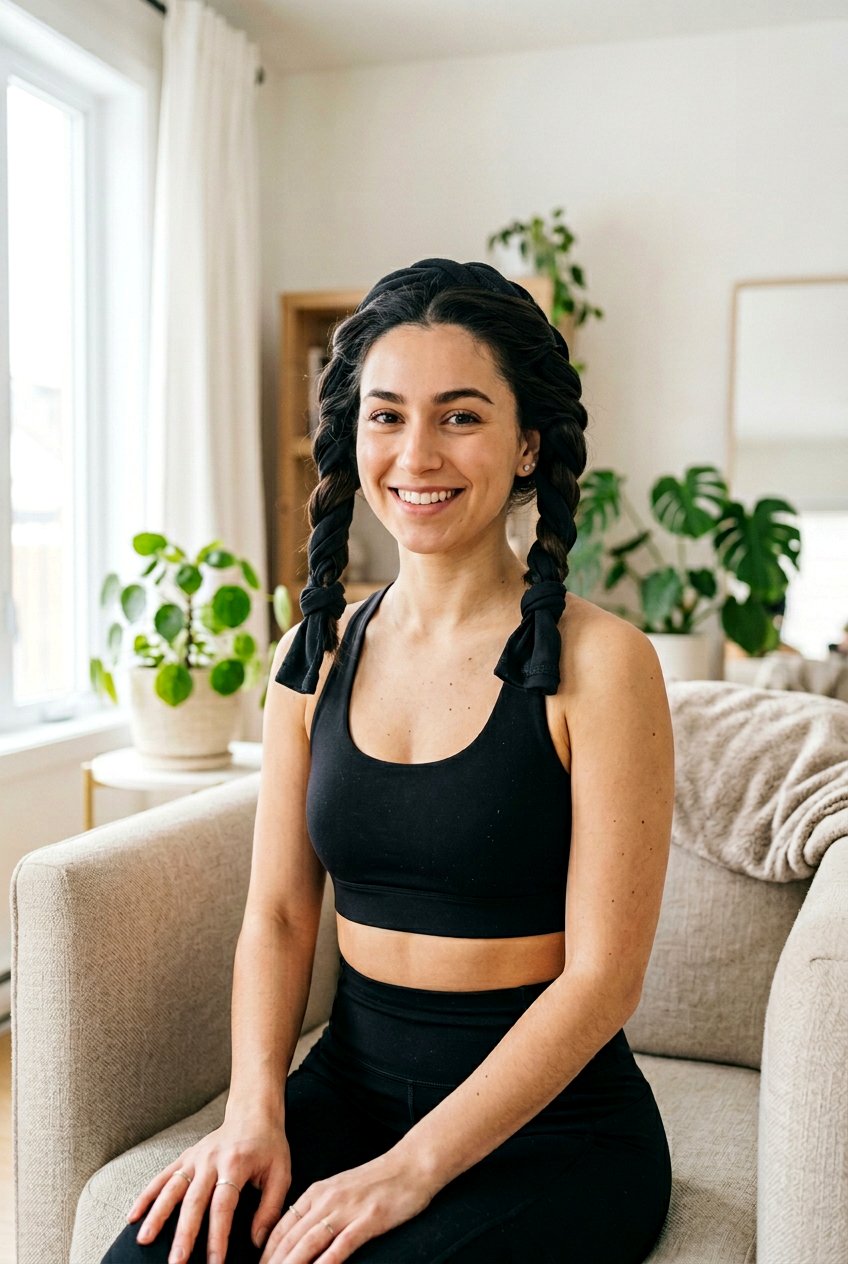
Similar to the robe tie, using a pair of leggings provides a thick, stretchy base for wrapping long hair. You place the crotch of the leggings on your head with the legs hanging down. The spandex in the leggings provides great tension, which is key for getting curls to stay in thick hair. You wrap the hair around each leg and can even pull the “waist” of the leggings over your hair like a cap to keep everything secure. This is an incredibly comfortable way to sleep, and the thickness of the legging legs results in beautiful, large-scale waves that look effortless.
10. Multi-Strand Rope Braids
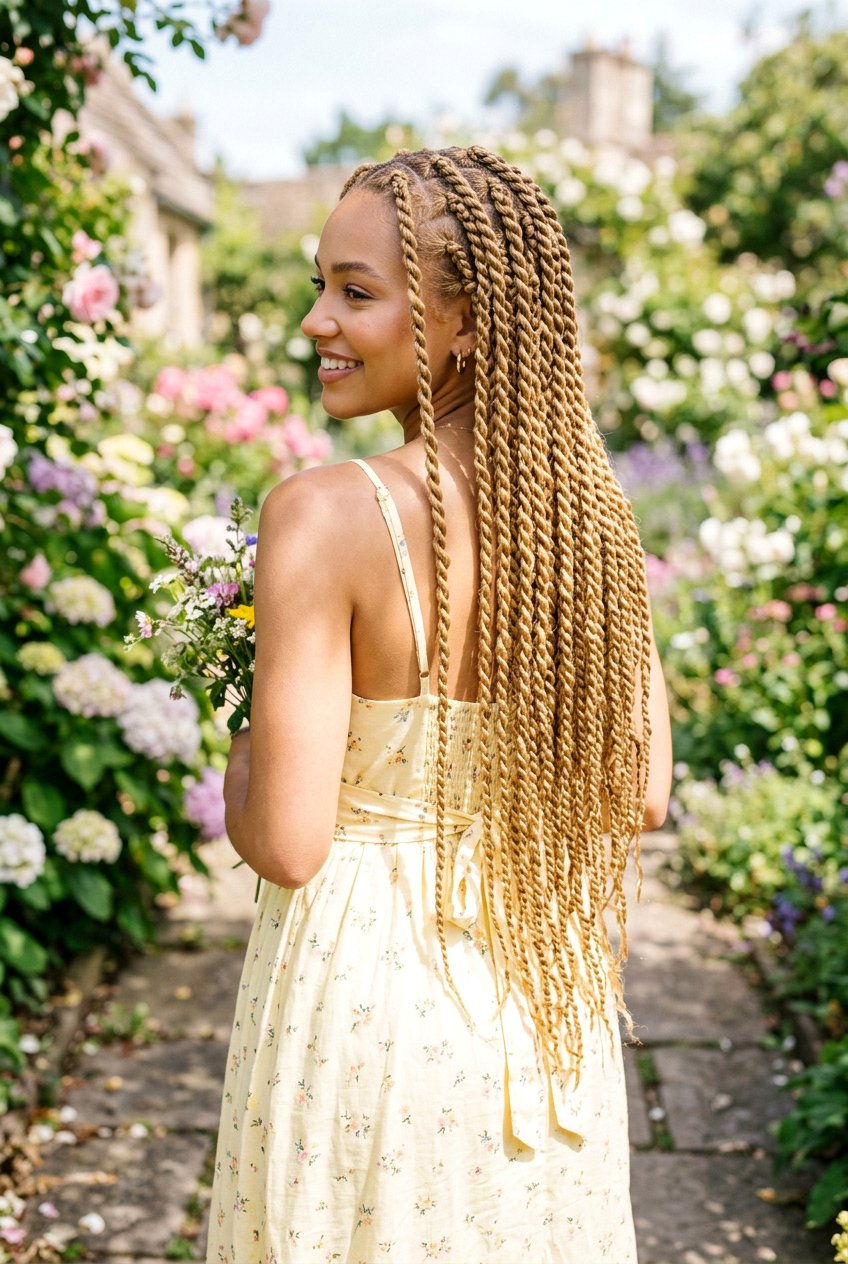
Rope braids involve twisting two sections of hair around each other to create a spiral effect. Unlike a three-strand braid which can look crimped, a rope braid produces a more polished, twisted curl. For long thick hair, creating four to six rope braids around the head ensures that the hair is sufficiently divided for drying. This technique is excellent for those who want a “bohemian” look with lots of definition. To prevent the twists from unraveling, apply a light styling cream to each section before you start. The result is a sleek, rope-like wave that holds its shape for days.
11. Cretonne Ribbon Wrap

A Cretonne or stiff fabric ribbon can be used to create very defined, vintage-style curls. Unlike soft silk, a stiffer ribbon provides more structure, which helps thick hair maintain its shape once it is released. You wrap the hair in a spiral fashion down the length of the ribbon. This method is often preferred by those with very long hair, as the ribbon can be as long as needed to accommodate the entire length of the strand. When removed, the hair falls into structured, elegant spirals that can be brushed out into soft, glamorous “Old Hollywood” waves with a wide-tooth comb.
12. Pigtail Bun Waves
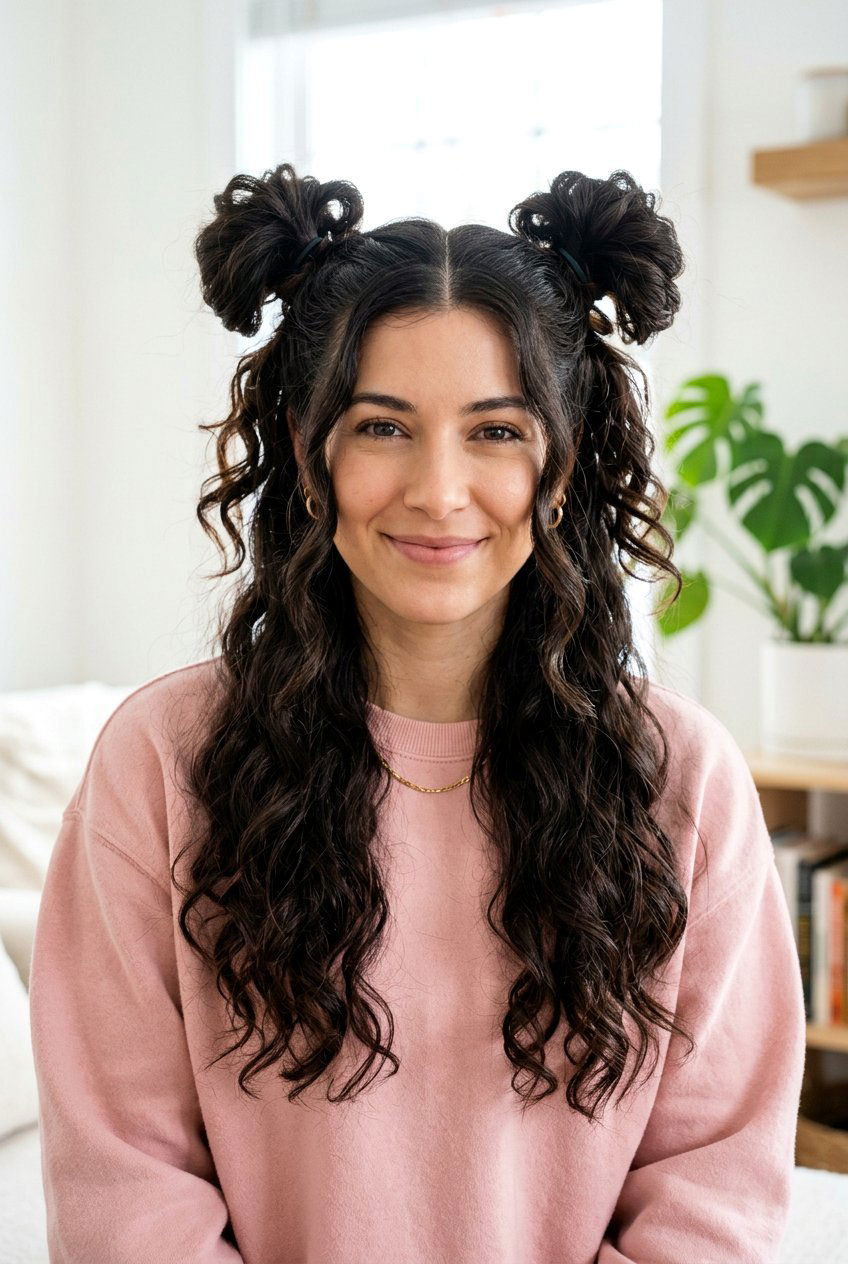
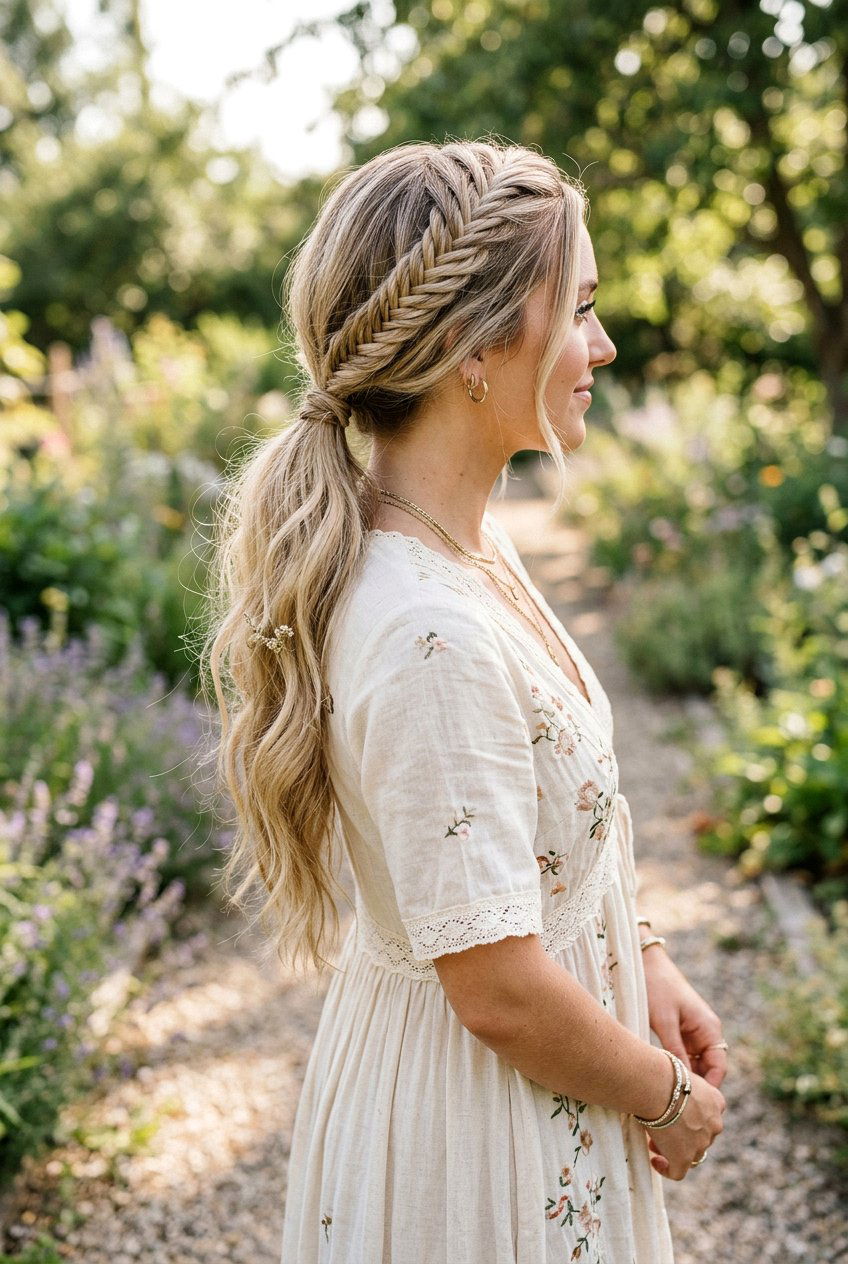
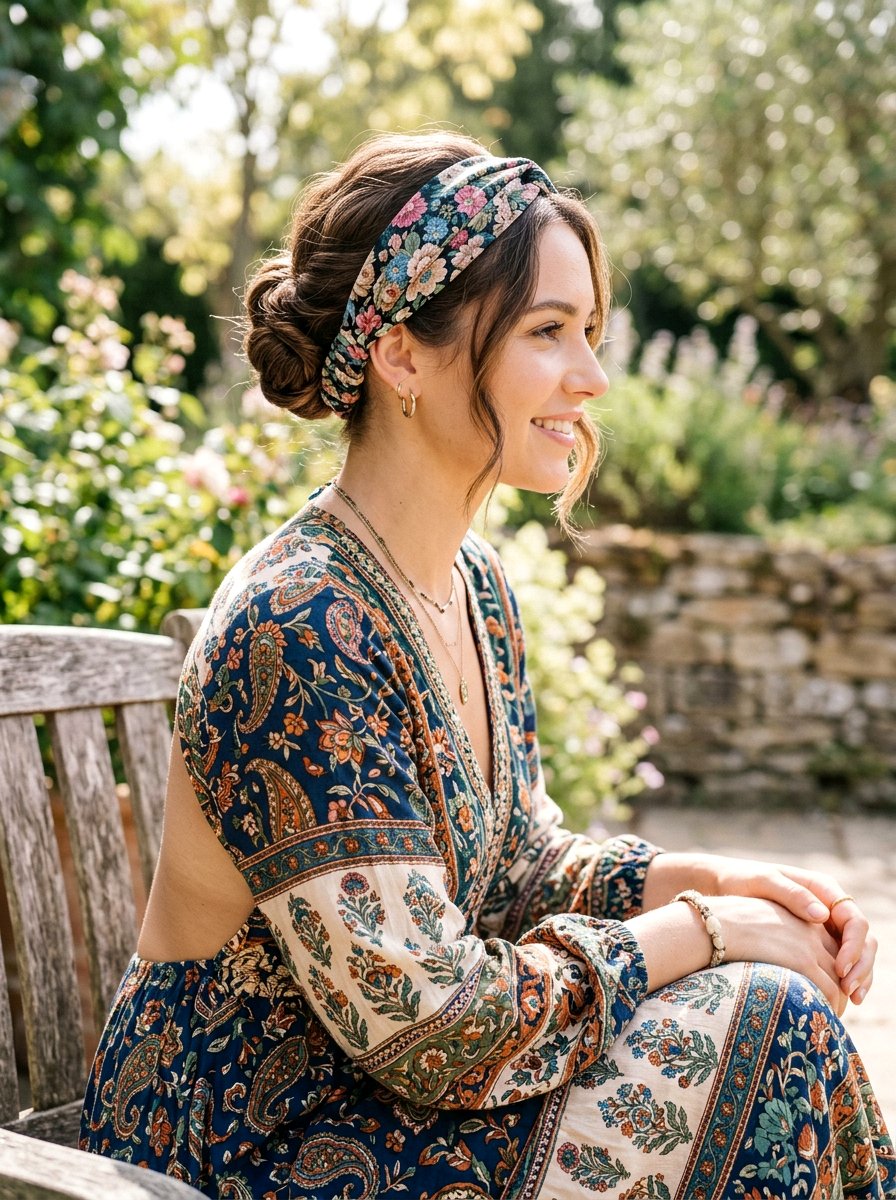
Creating two high pigtail buns is a simple yet effective way to get volume and large waves at the same time. After washing and drying your hair to about 90%, split it down the middle and create two high ponytails. Twist each ponytail tightly until it coils into a bun and secure it with a soft scrunchie. Because the buns are on top of the head, the weight of the thick hair actually helps to press the curls into place. When you let them down, you get a beautiful lift at the roots and a soft, tumbling wave throughout the rest of the hair.
13. Finger Coiling Technique
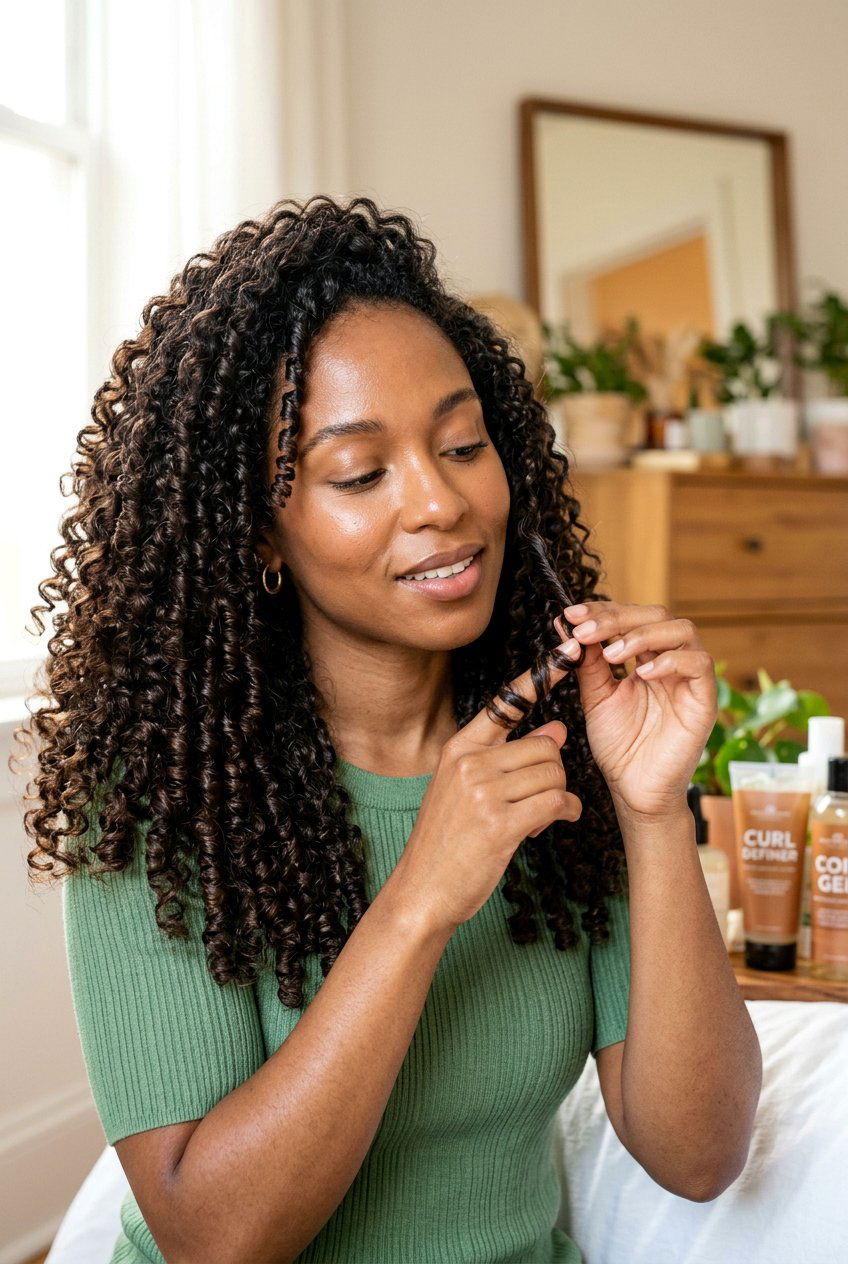
Finger coiling is a more manual approach that is excellent for those with naturally wavy hair that needs definition. You take small sections of damp hair and twirl them around your finger into a tight spiral. For thick hair, this can be time-consuming but the results are highly defined and uniform. Once each section is coiled, you can leave it to air-dry completely. The smaller the coil, the tighter the curl will be. For long thick hair, you can use a bit of gel or mousse to give the curls more longevity and to prevent frizz.
14. Large Roller Set
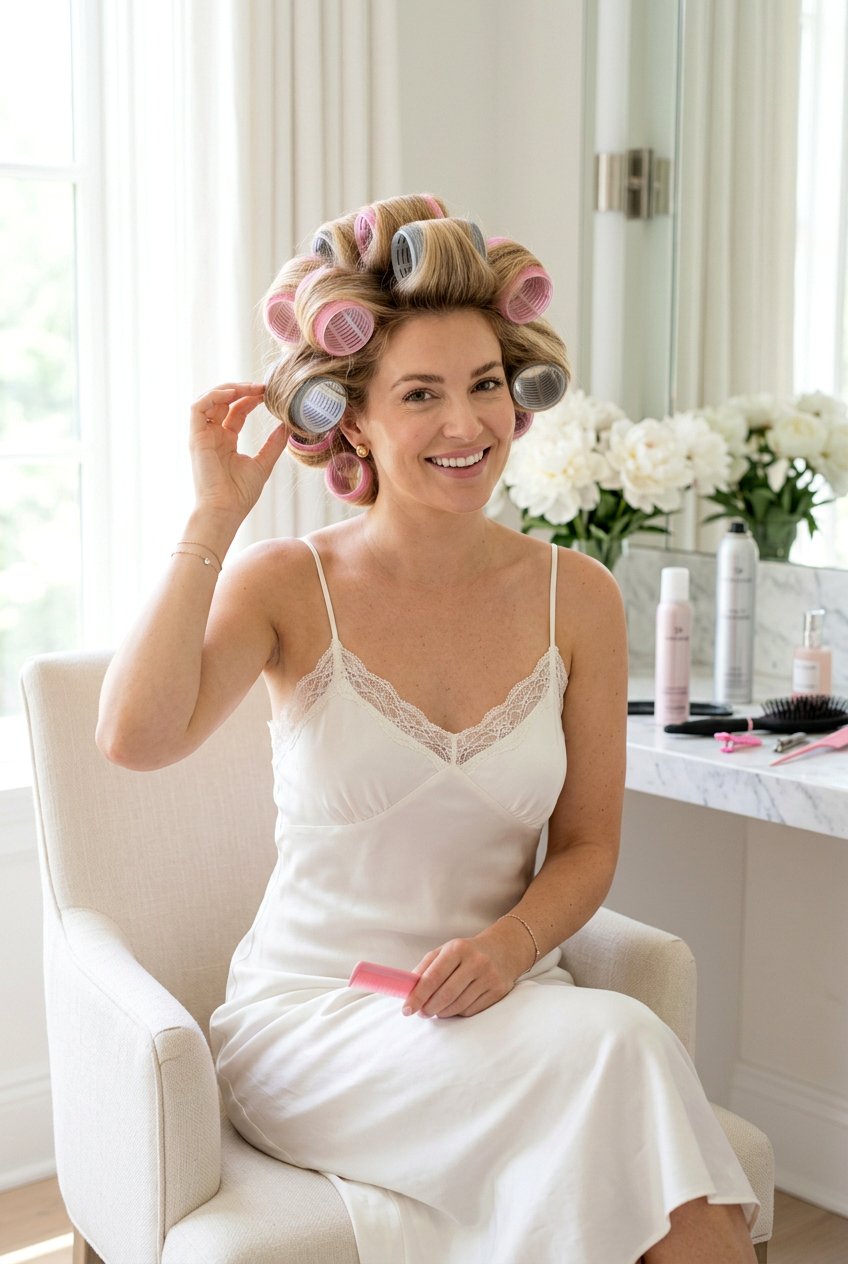
Traditional large rollers are still one of the most reliable ways to achieve a blowout look without heat. For thick hair, you’ll need at least 12 to 15 large rollers to ensure each section is small enough to dry properly. Velcro rollers are popular for their ease of use, but foam rollers are more comfortable for sleeping. The large size of the roller provides a classic, rounded end to the hair, which is perfect for those who want their long, thick hair to look full and bouncy rather than tightly curled.
15. Scarf Wrap Curls
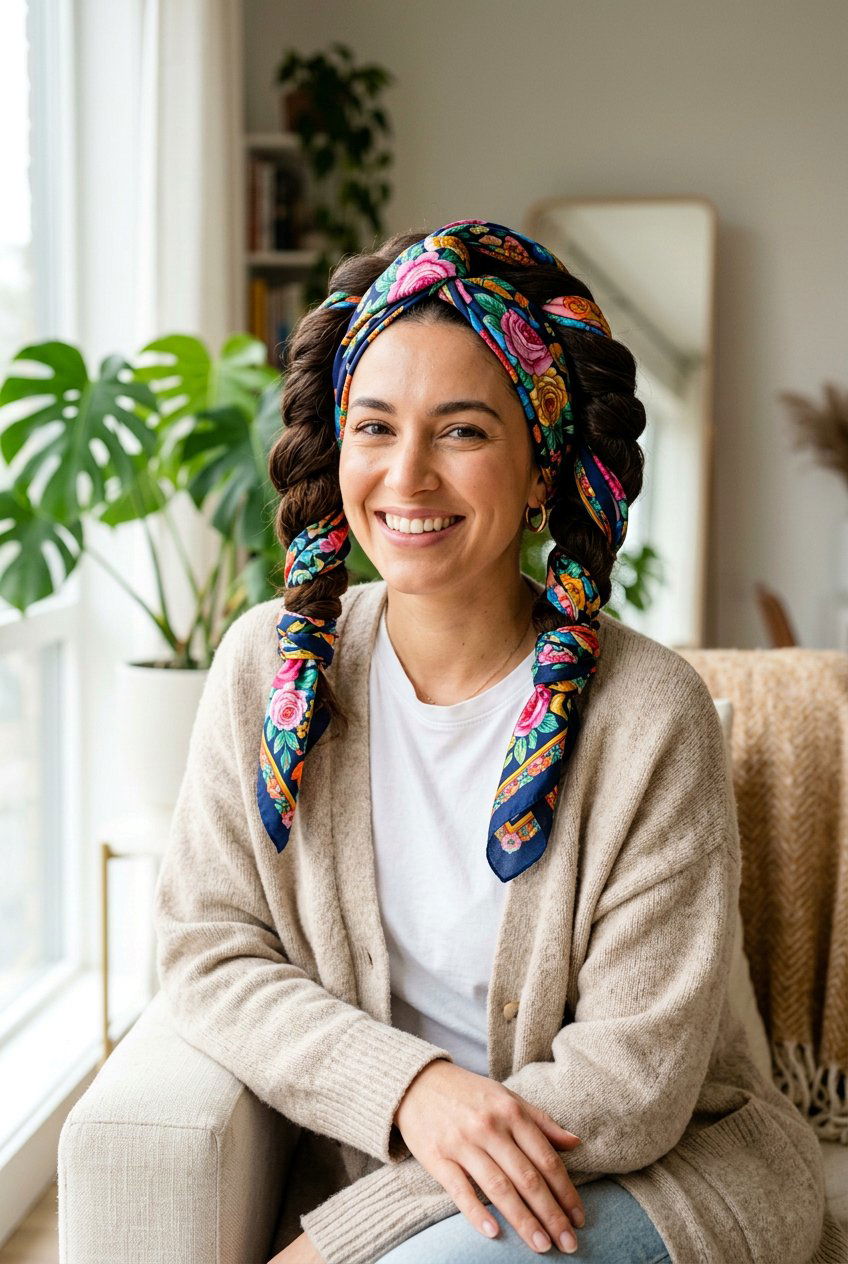
Using a silk or satin scarf to wrap the hair is a multi-functional method that curls and protects at the same time. You can use the scarf as a ribbon or wrap your hair around it in a “halo” fashion. For thick hair, the scarf provides a larger surface area for the hair to dry on, preventing the hair from becoming a damp mess inside a single rod. The silk fabric also keeps the cuticle layer of the hair flat, resulting in much shinier and smoother curls that are less prone to tangling throughout the day.



16. Twist Braid Curls
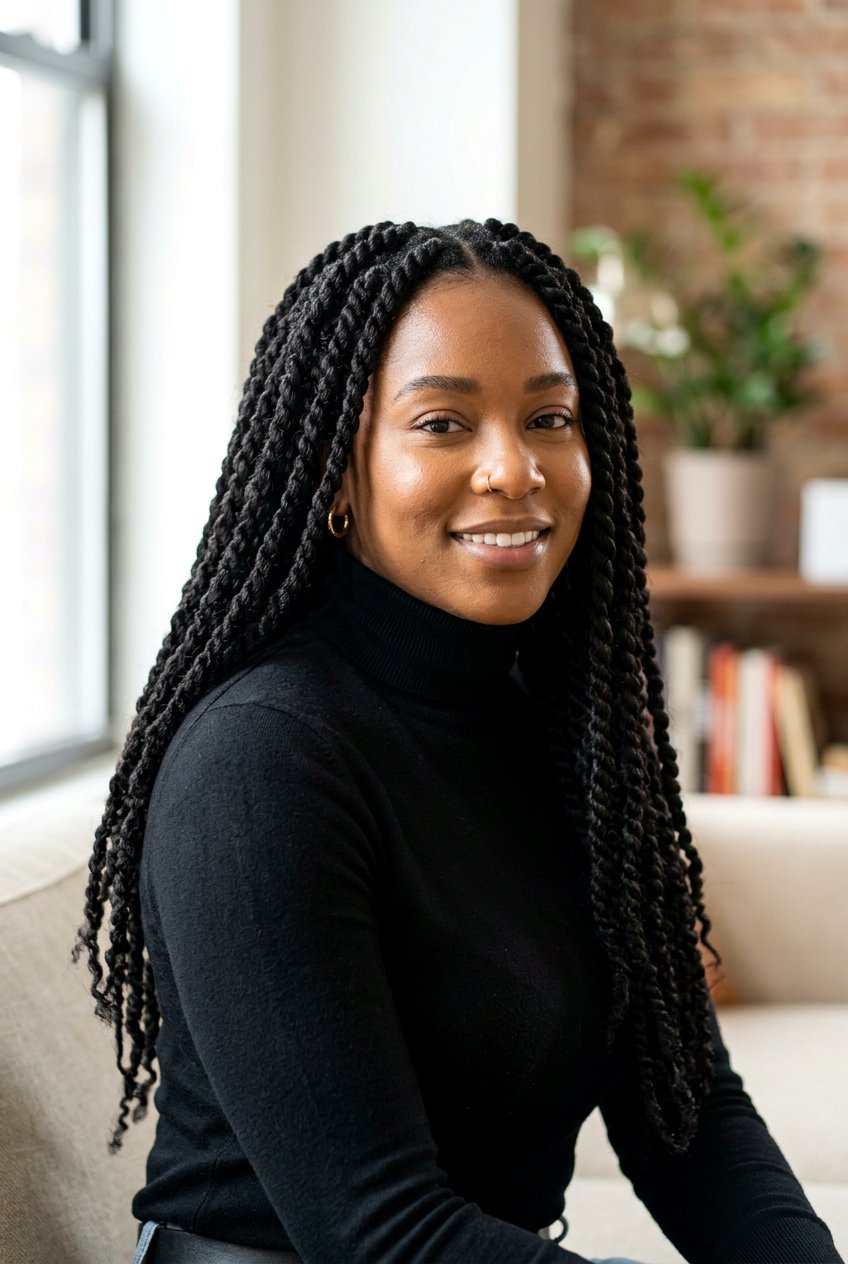
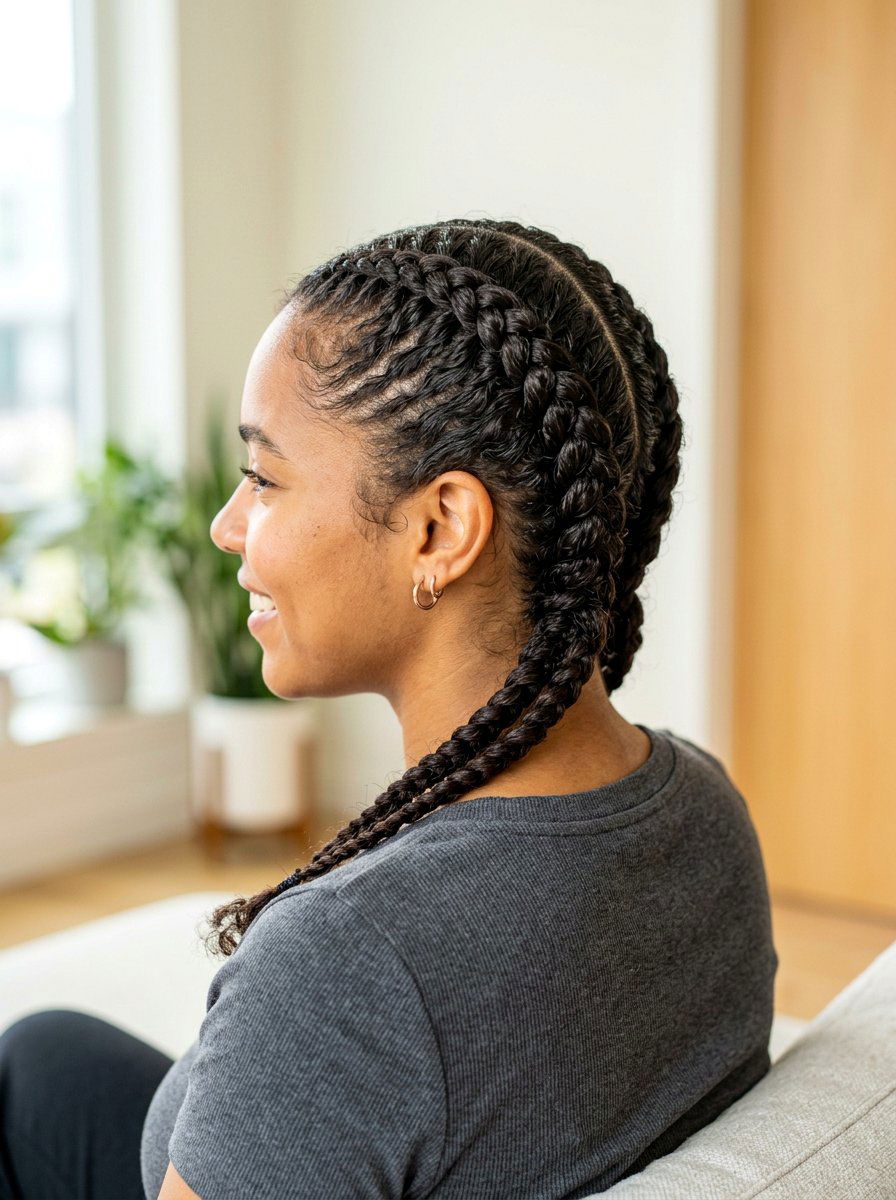
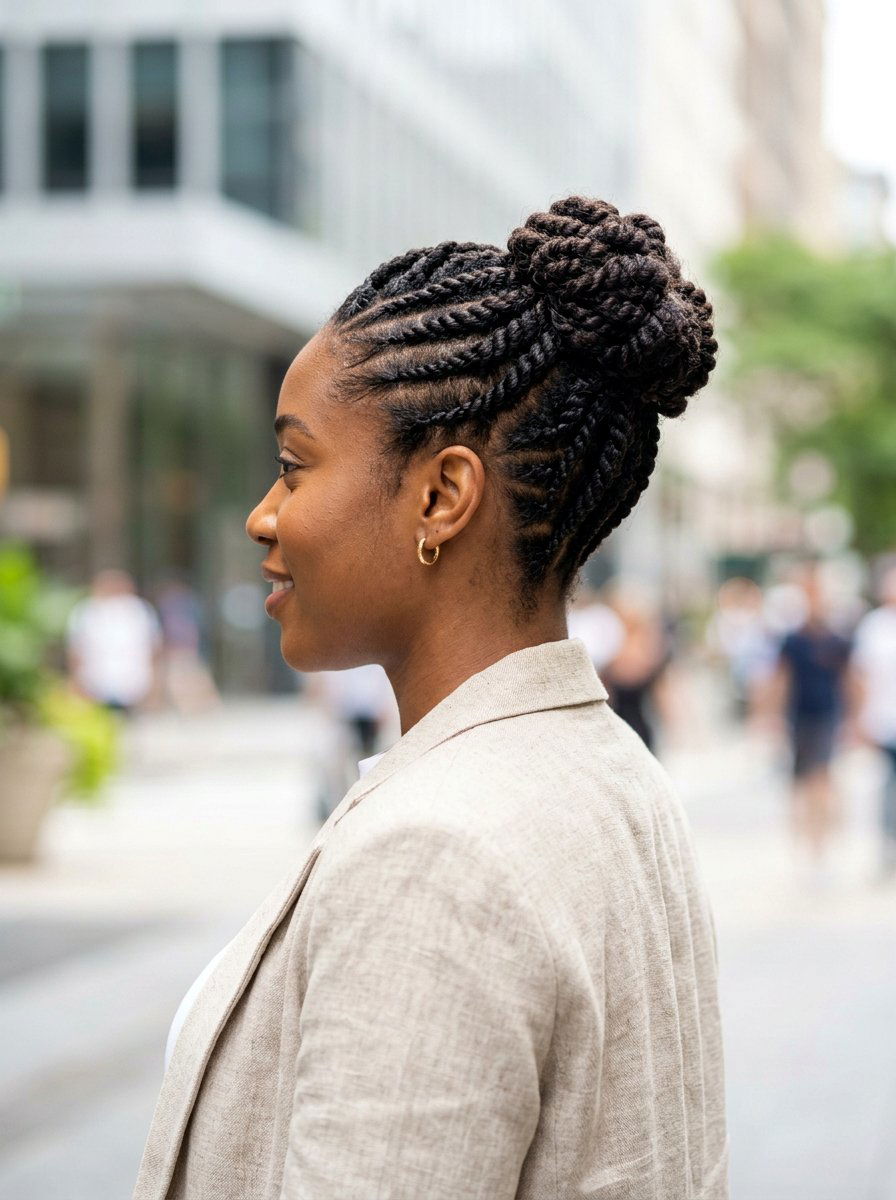
Twist braids are similar to rope braids but are done as a series of two-strand twists that are more tightly wound. For thick hair, this technique is excellent for creating a textured, beachy wave that looks more structured than a regular braid. You start by dividing the hair into four main quadrants and then doing two-strand twists in each section. This method is very comfortable for sleeping and ensures that even the inner layers of thick hair are fully curled, providing a uniform texture from root to tip.
17. Headband Loop Method
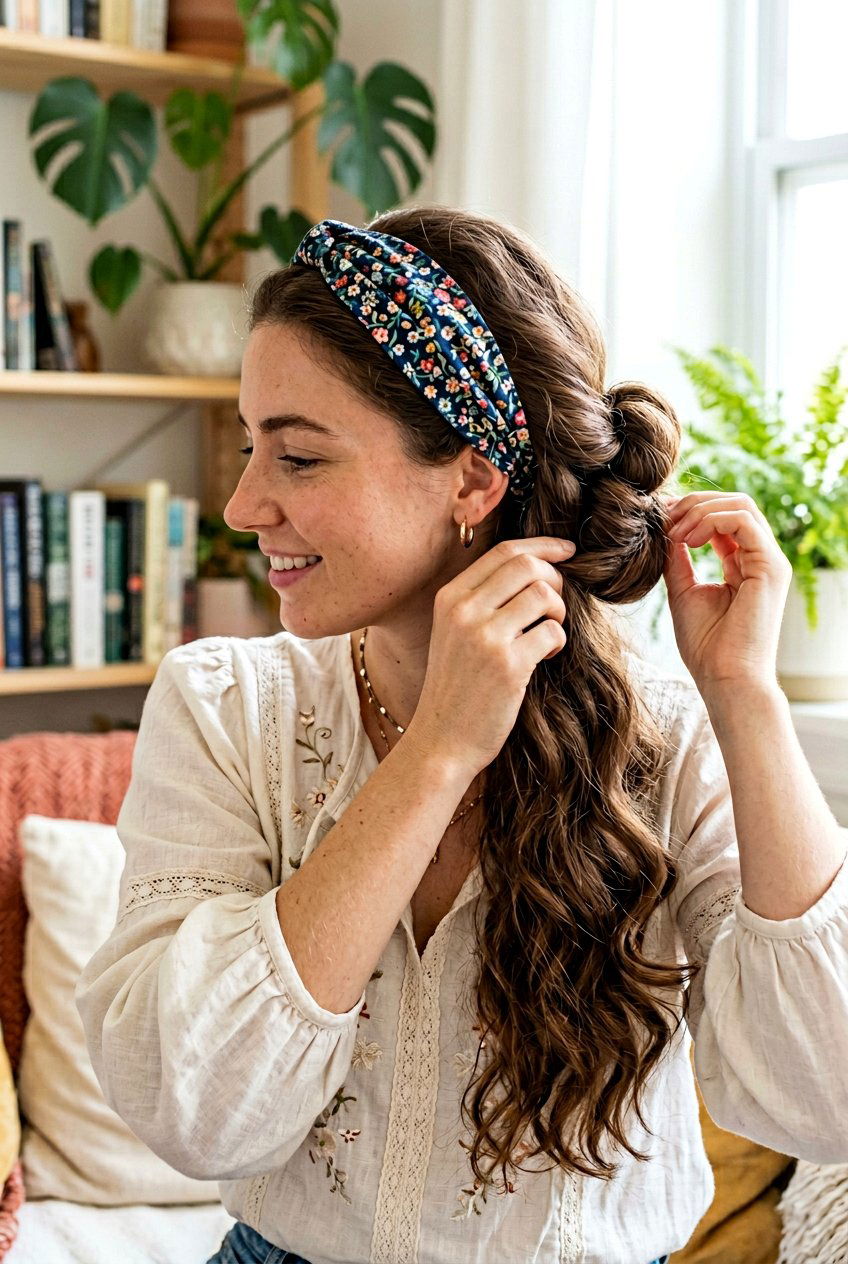
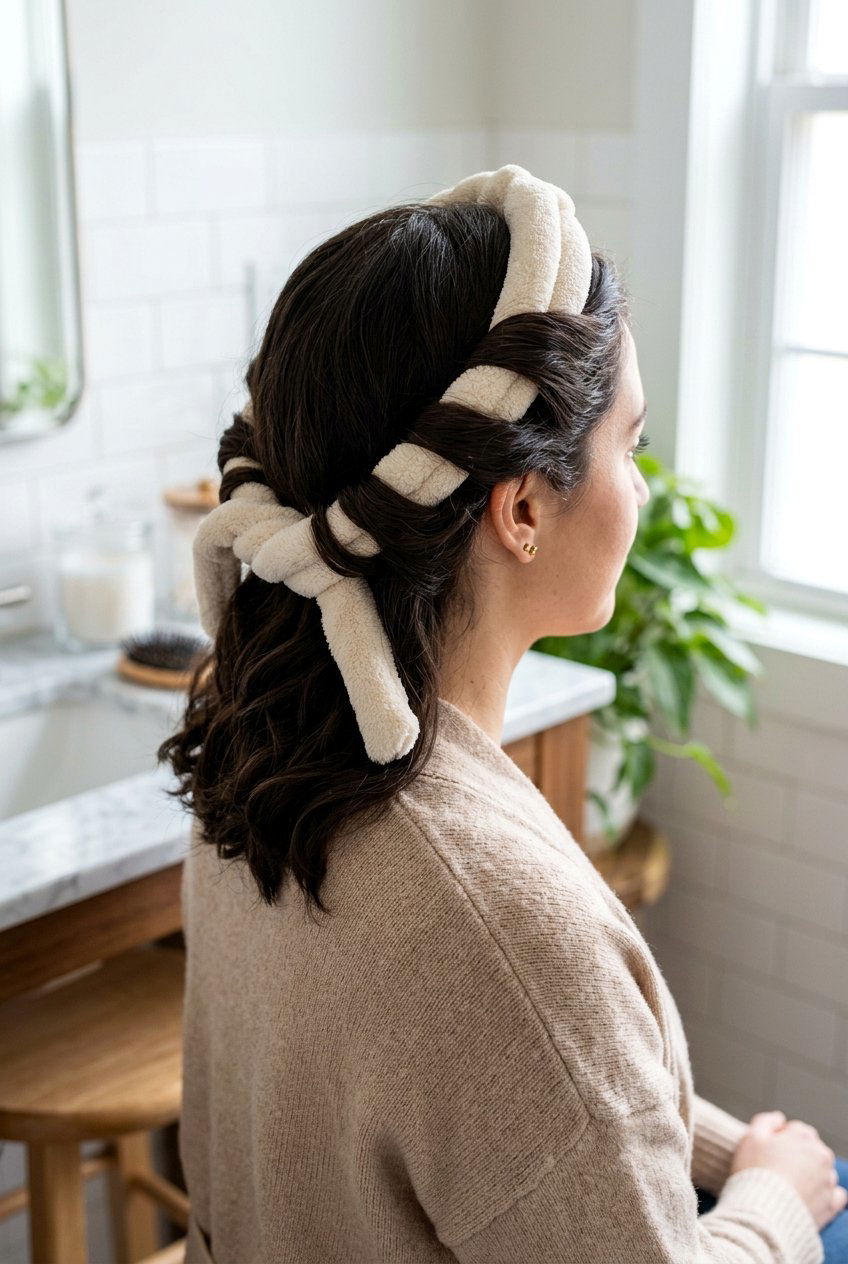
The headband loop is a very quick and easy way to get soft, romantic waves in a matter of hours. You place a soft, elastic headband around your head like a crown and then loop sections of hair over and under it until all of your hair is tucked in. This creates a “Gibson Tuck” style while the hair is setting. For thick hair, you may need a thicker, wider headband to accommodate all of the weight. This is a great “at-home” style that looks polished while your hair is actually being curled.
18. Paper Towel Rollers
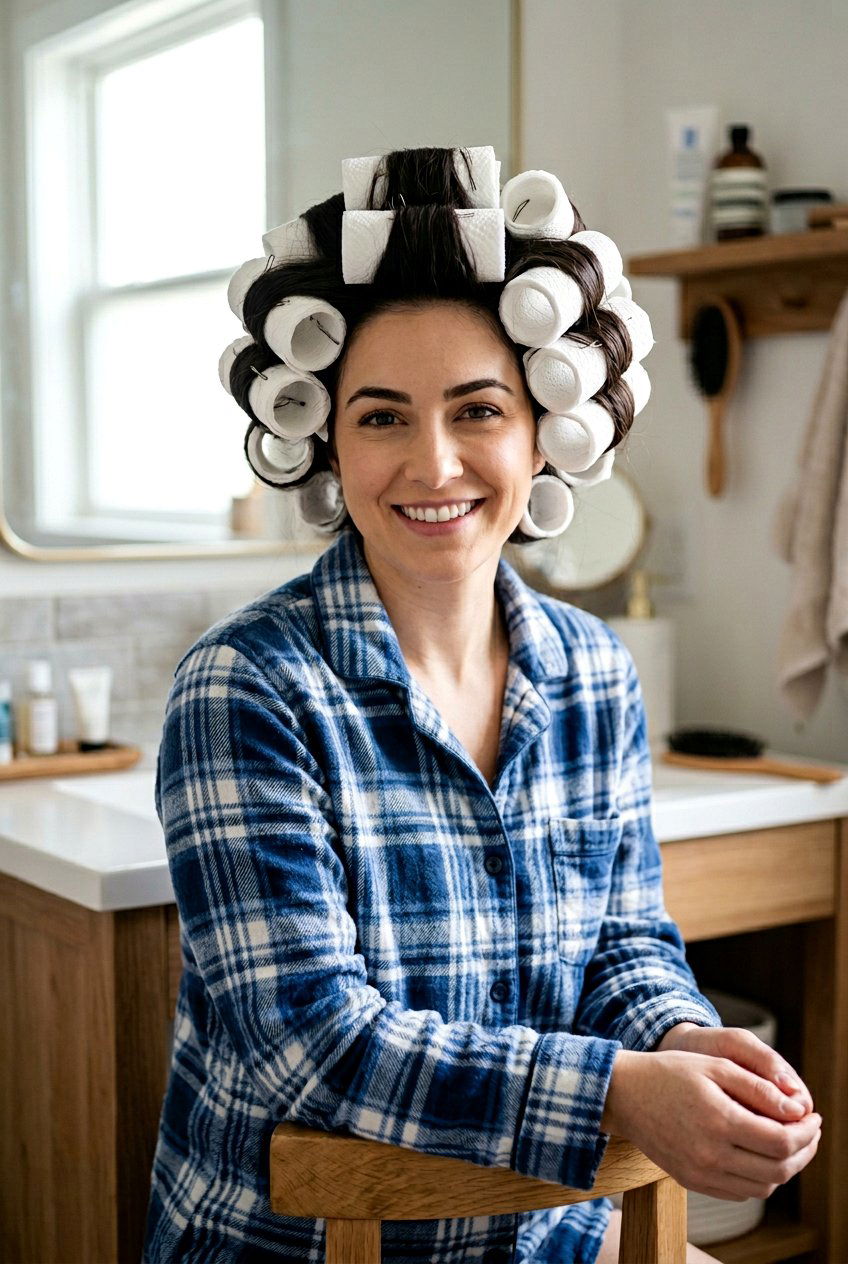
This is an old-school DIY hack that works surprisingly well for thick hair. You take a few sheets of paper towel, roll them into a tight cylinder, and use them as soft, disposable rollers. Because the paper is absorbent, it helps to pull moisture out of thick hair more quickly than a silk or satin rod. This can significantly speed up the drying time, which is often the biggest challenge for those with long, dense hair. When unrolled, the paper towel rollers leave you with soft, medium-sized curls.
19. Ribbon Braid Curls
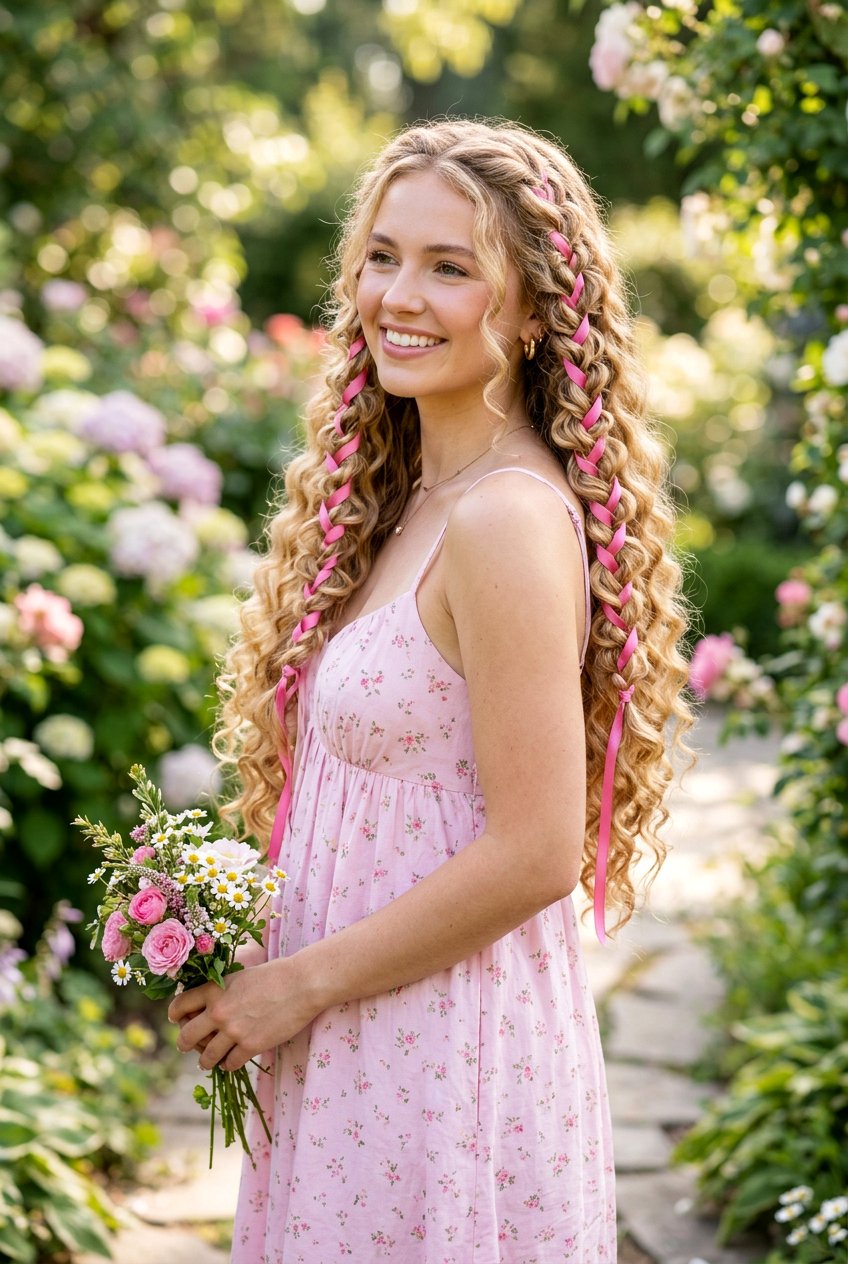
Ribbon braiding involves braiding a ribbon into a standard three-strand braid to give it more structure and a wider diameter. For thick hair, the ribbon acts as a spacer, preventing the hair from being squeezed too tightly together in the braid. This results in a much larger wave pattern that looks more like a salon blowout than a traditional braid-out. You can use multiple ribbons for more definition or just one large ribbon in a single braid for a very soft, subtle wave.
20. Bun-To-Beach Waves
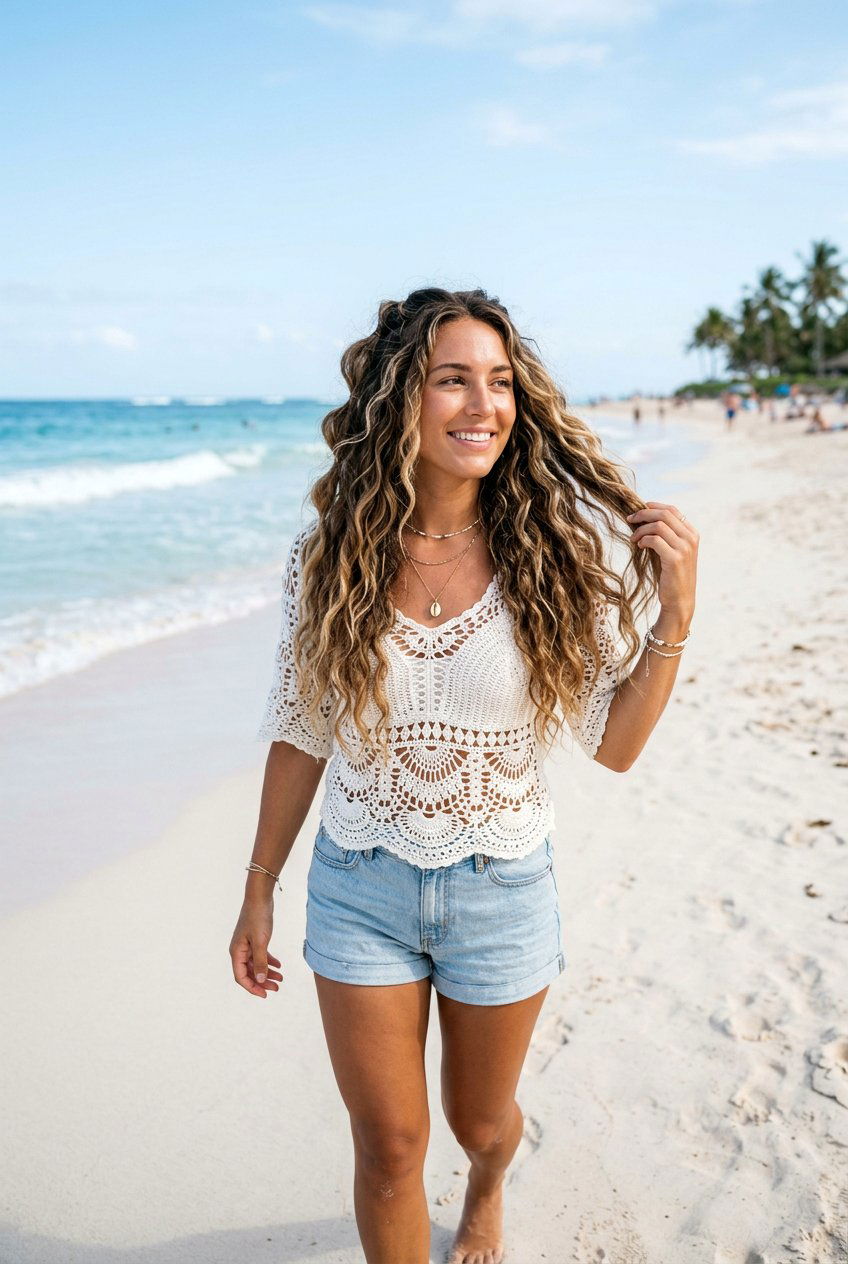
For the most minimal effort, creating a series of small, twisted buns is the way to go. You divide your hair into four or more sections, twist each into a tiny “Bantu knot” or bun, and secure them close to the scalp. This method creates a highly textured, wavy look that is full of volume. For long thick hair, having multiple small buns instead of one large one is key to ensuring that the hair dries completely. Once unraveled and shaken out, the result is a massive, voluminous mane of waves.
Conclusion:
Transitioning to heatless curls for long thick hair is a transformative journey that rewards you with healthier, more resilient strands. The key to success with any of these twenty methods is patience and preparation, as thick hair naturally takes longer to set and dry without the aid of a heating element. By experimenting with different tools like silk rods, satin flexi-rods, or even simple braids, you can find the perfect balance between comfort and style that fits into your daily routine. Not only will these techniques save you precious time in the morning, but they also significantly reduce the risk of heat-induced damage, allowing your hair to grow longer and thicker over time with a natural, radiant shine.
You'll Like These Styles:





Leave a Reply