
Walking into an interview can feel intense, and your hairstyle plays a bigger role than many people realize. The right curls can help you look polished, confident, and approachable without appearing overdone. Simple interview curls are all about balance. They should frame your face neatly, stay in place throughout the day, and match a professional setting. From soft waves to structured curls, there are many ways to style your hair while keeping things clean and elegant. This guide focuses on practical, easy-to-manage curl looks that suit different hair lengths and textures. Each option is designed to help you feel prepared, look refined, and make a strong first impression without spending hours styling your hair.
1. Loose Shoulder Length Curls
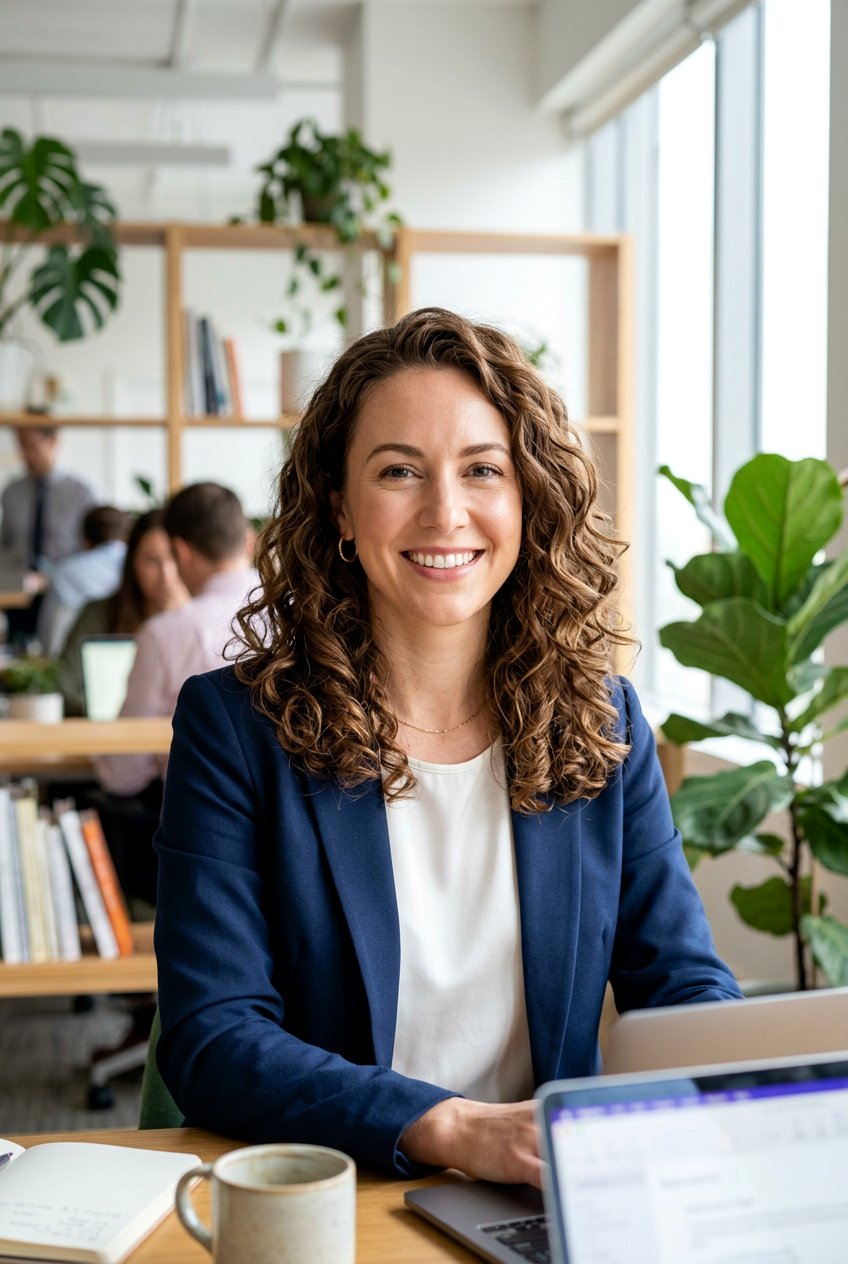
Soft shoulder-length curls are a safe and timeless option for interviews. They create a natural, polished appearance without looking too styled or distracting. This look works especially well for medium-length hair and suits most face shapes. You can achieve it using a curling iron or heatless methods, keeping curls loose rather than tight. The goal is gentle movement and volume, not defined ringlets. A light hold spray helps maintain shape without stiffness. This style pairs well with both formal and business casual outfits, making it versatile. It also frames the face nicely, which helps highlight your expressions during conversation. Overall, it communicates effort, neatness, and confidence in a subtle way.
2. Soft Layered Curls For Medium Hair

Layered curls bring structure and depth to medium-length hair, making them a strong interview choice. Layers prevent curls from looking heavy and help them fall naturally around your face. This style works well if your hair tends to get bulky or lacks movement. Using a medium barrel curling tool, you can create soft bends that highlight the layers. Keep the top smooth and avoid too much volume at the crown for a cleaner look. A smoothing serum can help reduce frizz and add shine. This hairstyle feels intentional but not overly styled, which is ideal for professional settings. It offers a balanced look that is both approachable and organized.
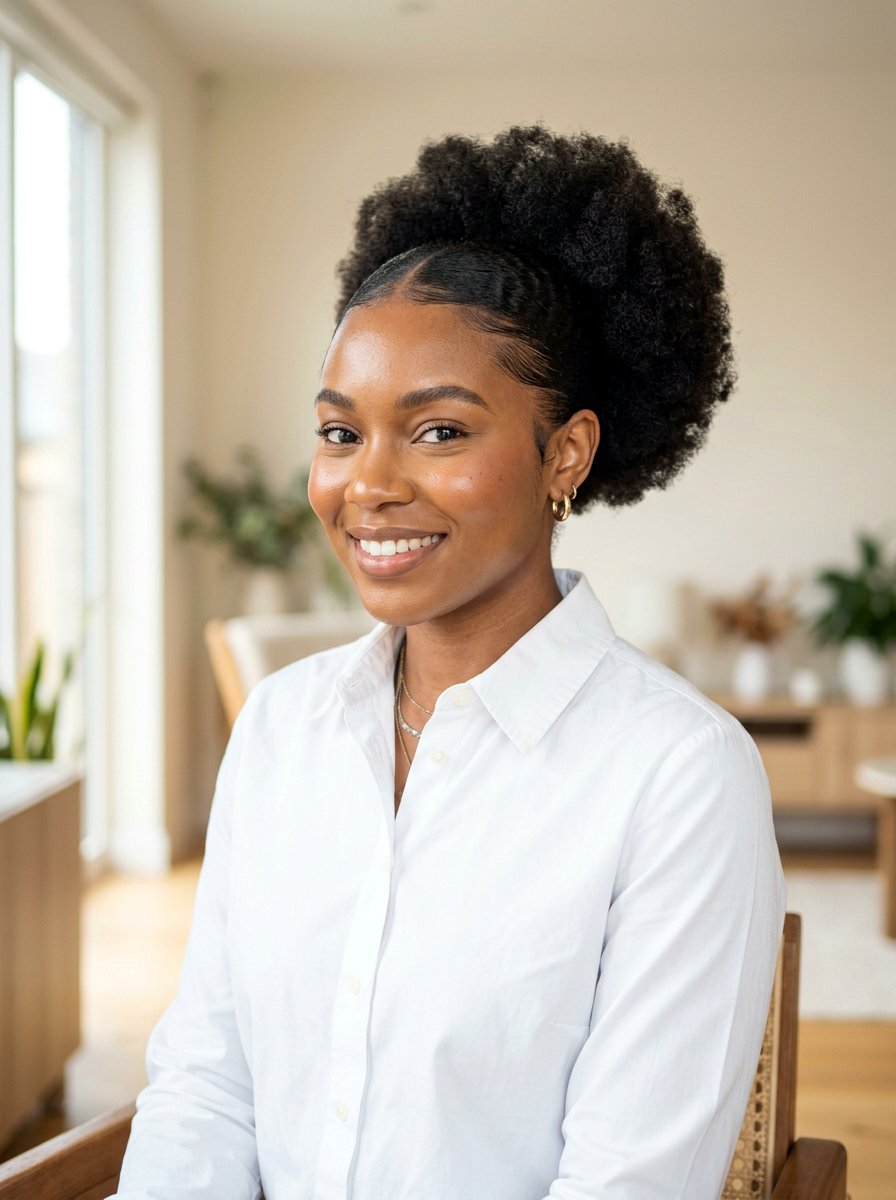
3. Natural Curly Hair With Defined Shape
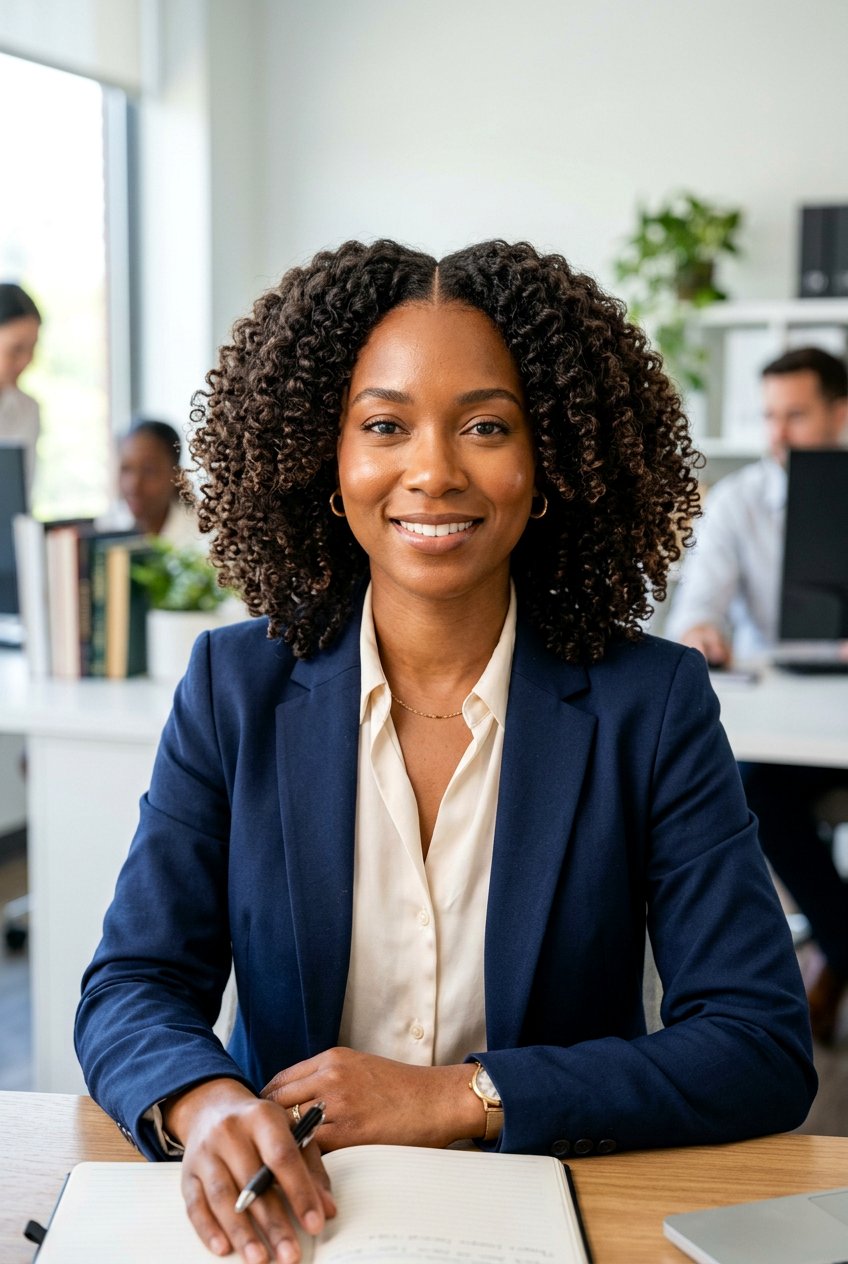
If you have naturally curly hair, embracing your texture is often the best option. The key is definition and control rather than changing your natural pattern. Use a curl cream or gel to enhance shape and reduce frizz. Make sure your curls are evenly distributed and not flattened on one side. A clean part and neat edges can elevate the overall look. This style shows authenticity while still appearing professional. It works especially well when paired with minimal accessories and clean clothing lines. Defined natural curls give off confidence and self-assurance, which can leave a strong impression during an interview.
4. Side Part Loose Curls
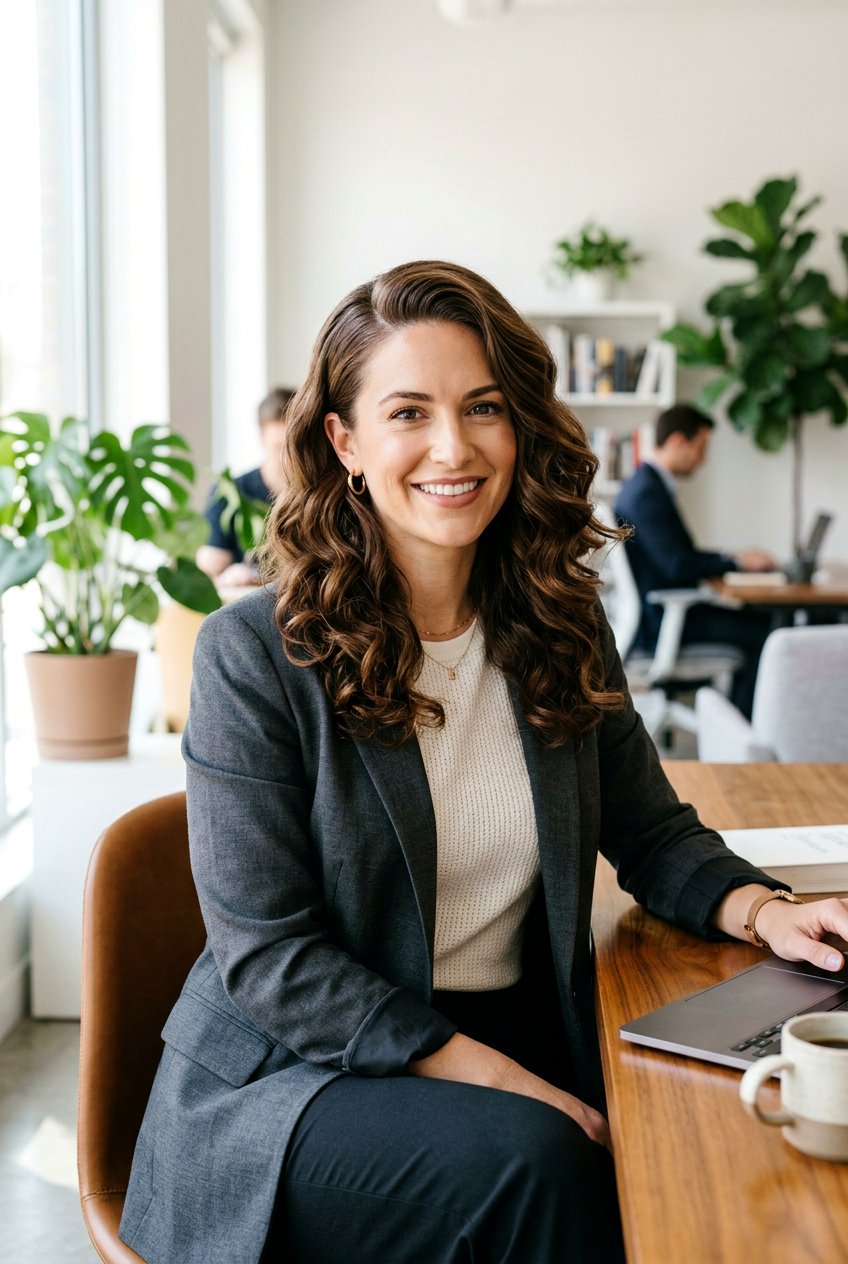
A side part instantly adds structure to loose curls, making them look more styled and intentional. This is a great option if you want something simple but slightly more refined than a middle part. The side part creates gentle volume at the crown and frames the face asymmetrically, which can be flattering. Keep curls soft and avoid overly tight spirals. This look works well for both short and long hair. It also helps keep hair away from your face during conversations. A light finishing spray keeps everything in place without making it stiff. This style strikes a perfect balance between casual and professional.
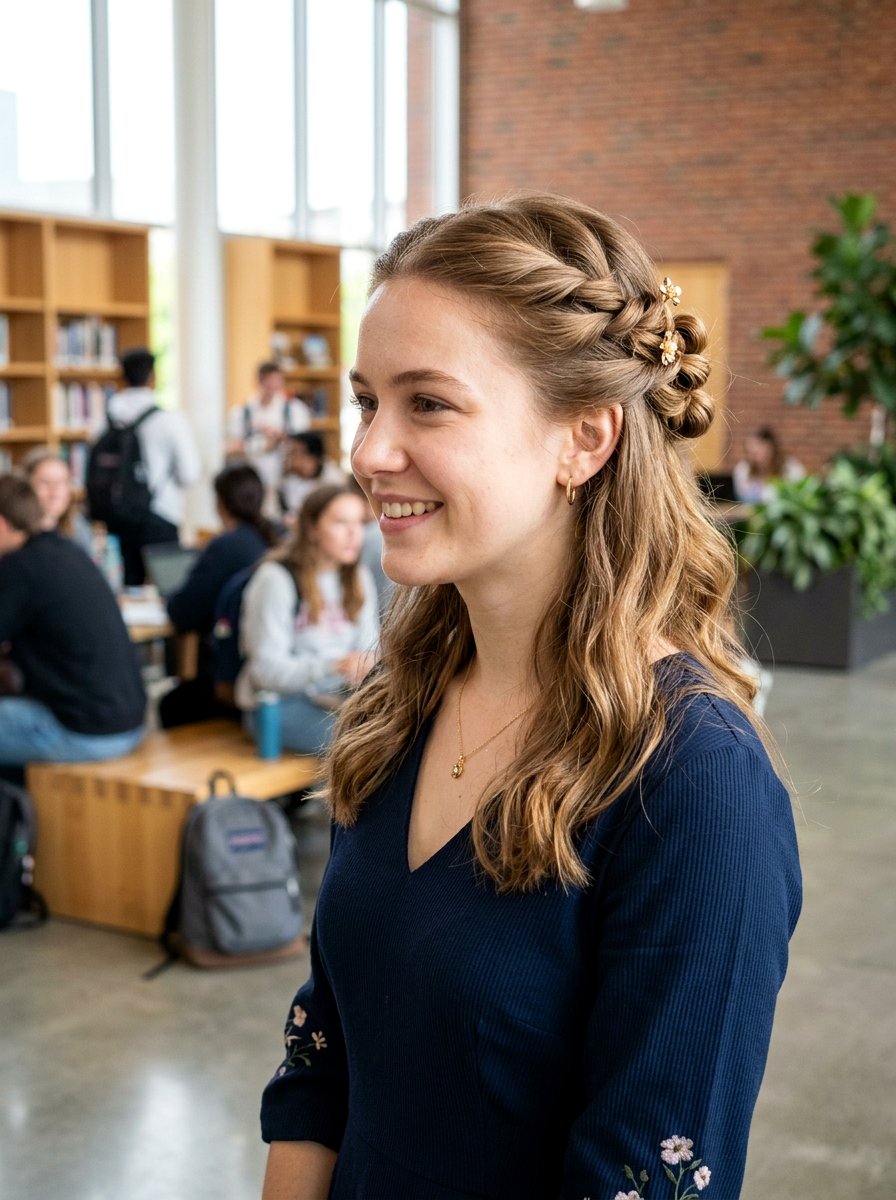
5. Half Up Half Down Curly Hair
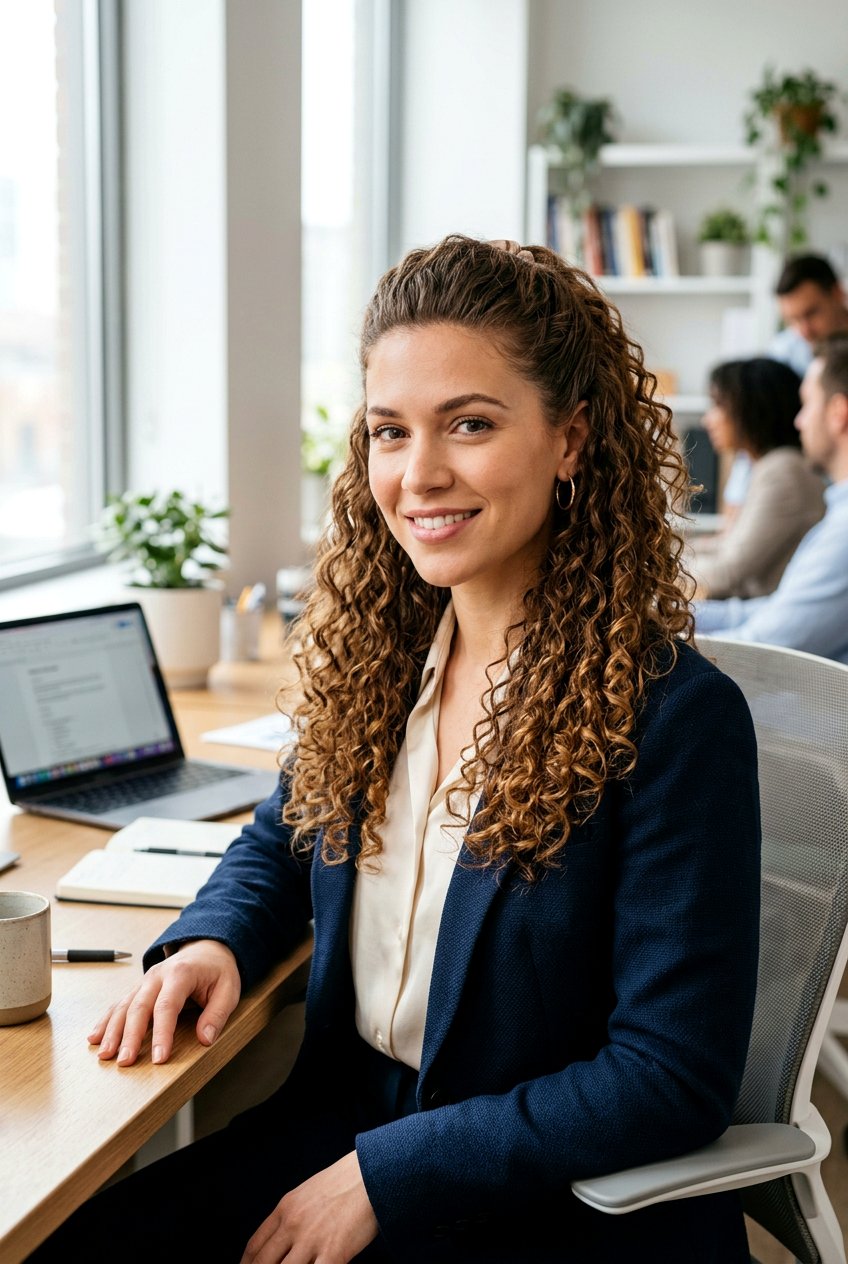
This style combines practicality with elegance, making it ideal for interviews. Pulling the top section back keeps hair away from your face while allowing the curls to flow naturally. It works well for medium to long hair and adds a subtle touch of structure. You can secure the top section with a simple clip or tie for a clean finish. Make sure the curls are soft and evenly styled for consistency. This hairstyle feels neat without being too strict. It also adds a bit of personality while still maintaining a professional appearance. It is especially useful if you want a polished yet relaxed look.
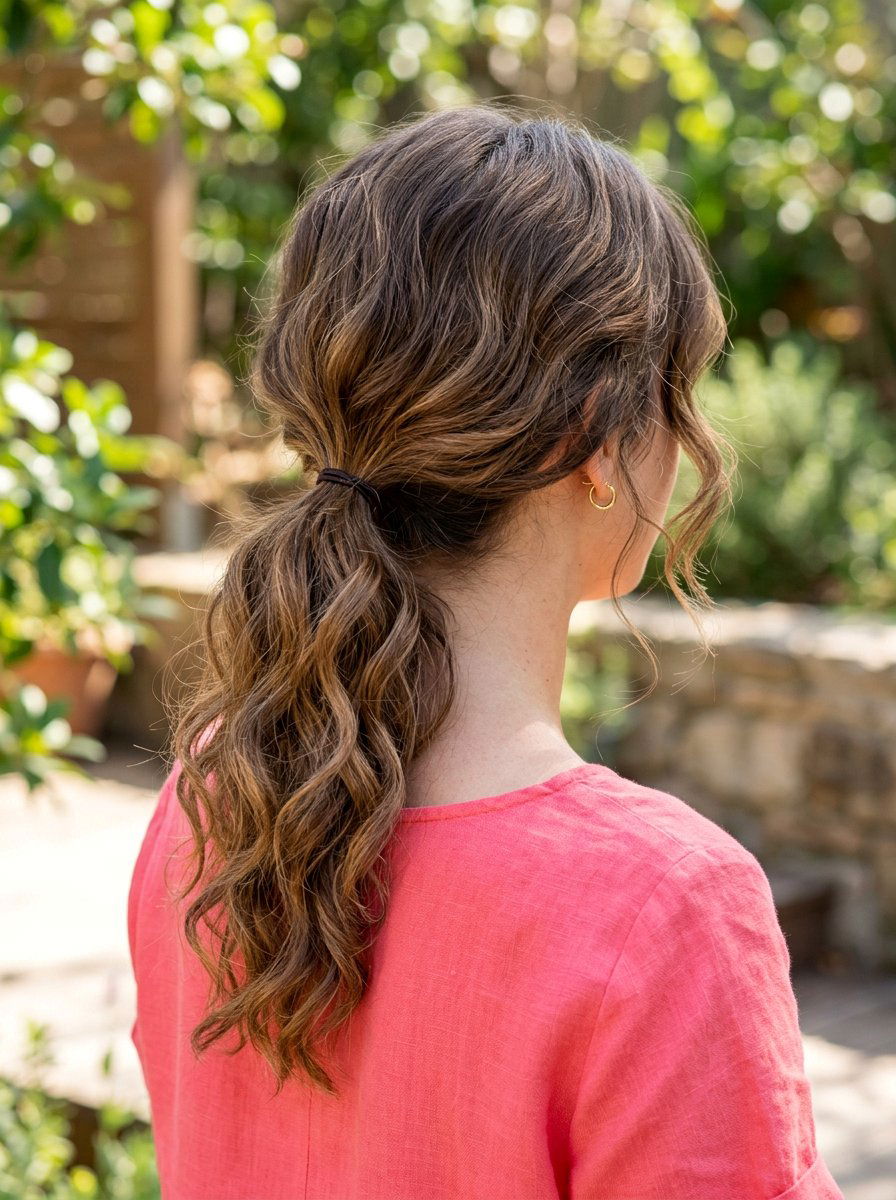
6. Low Ponytail With Soft Curls
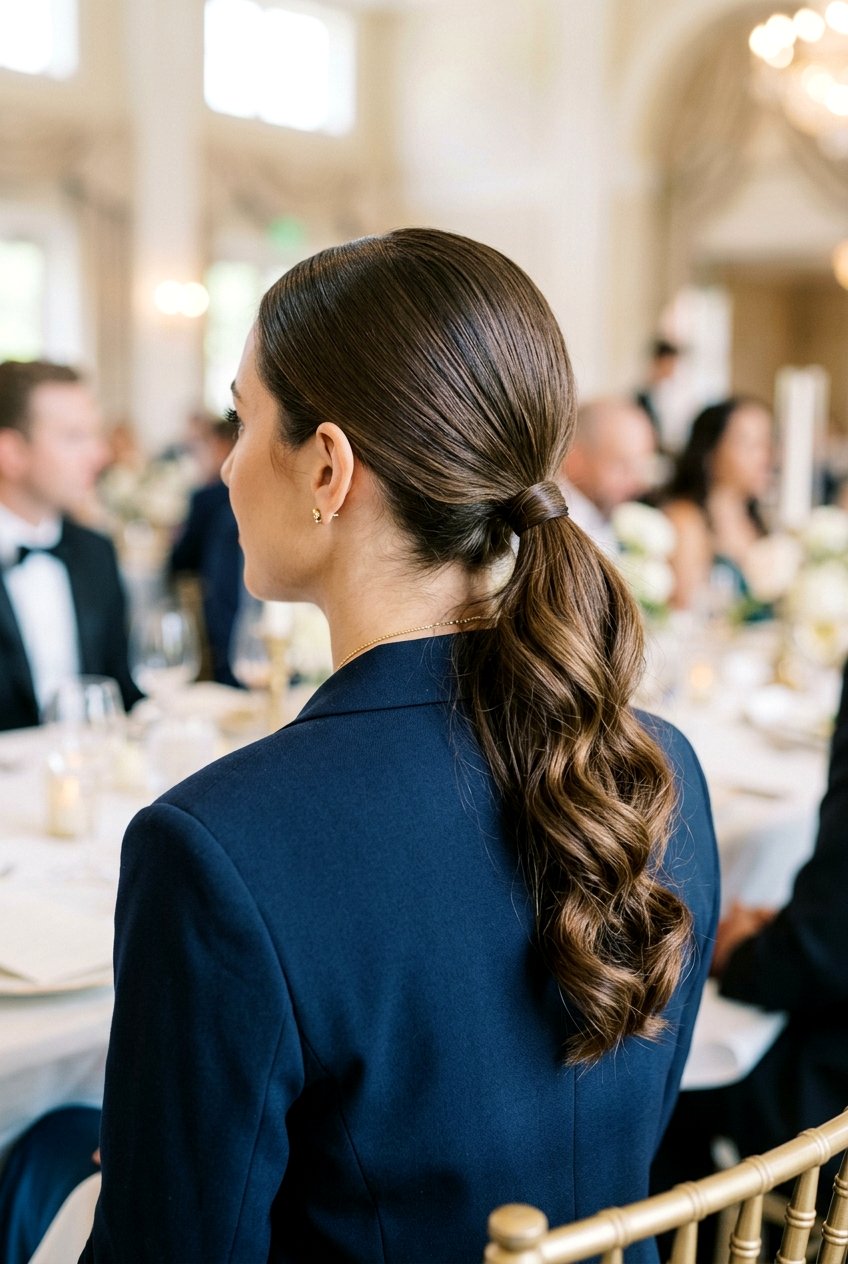
A low ponytail with curled ends is one of the easiest and most professional curly styles. It keeps your hair controlled while still showing texture. This look works well for long or medium hair. Gather your hair at the nape and secure it neatly, then curl the ends for a soft finish. Avoid making the ponytail too tight, as a slightly relaxed feel looks more natural. Smooth the top with a brush or serum to eliminate flyaways. This style is ideal for formal interviews because it looks tidy and focused. It also ensures your face remains fully visible throughout the conversation.
7. Loose Curls With Middle Part
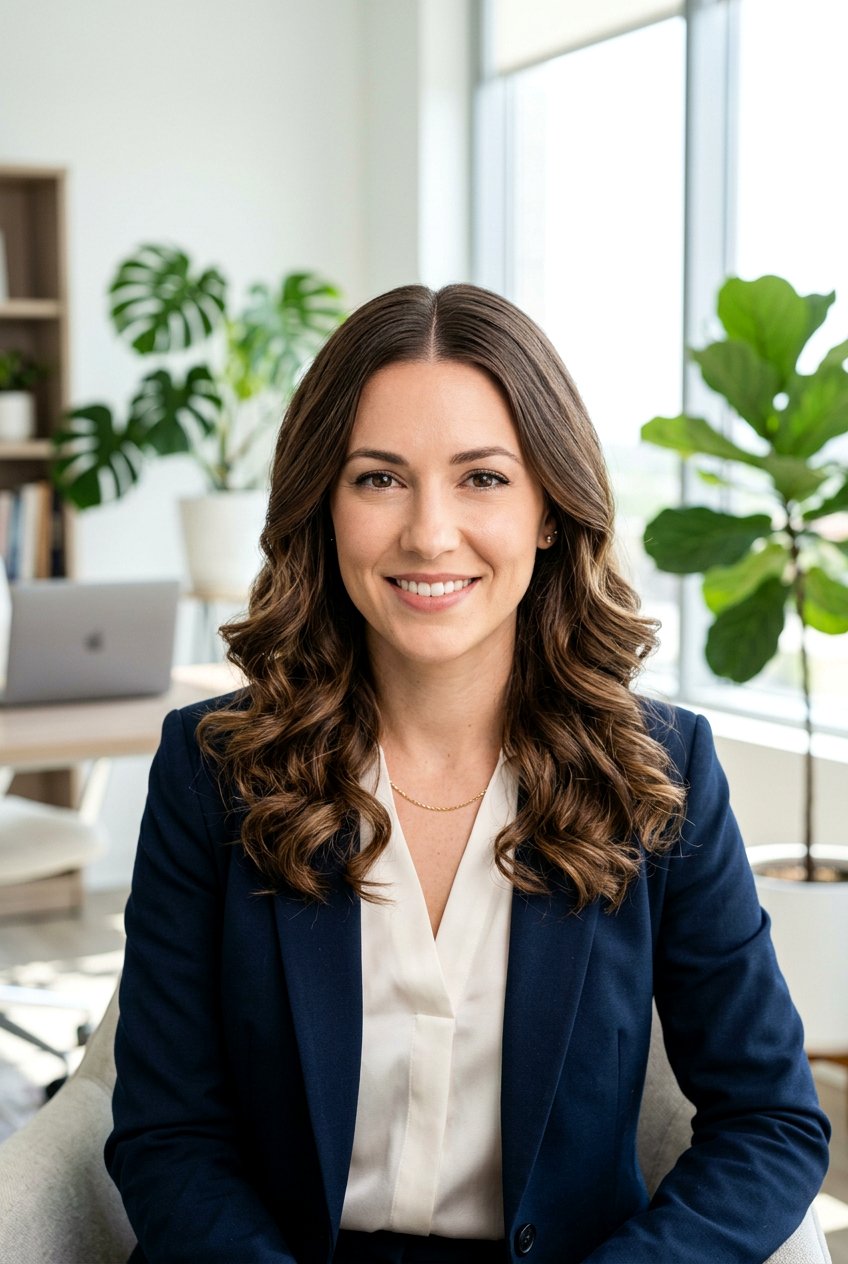
A middle part with loose curls creates a clean and symmetrical appearance. This style is simple yet effective for interviews. It works best on medium to long hair and helps balance facial features. Keep the curls soft and consistent on both sides. Avoid too much volume at the roots to maintain a sleek finish. A shine spray can enhance the overall look without making it heavy. This hairstyle feels modern and professional, making it a popular choice. It also pairs well with structured outfits, adding to a polished overall presentation.
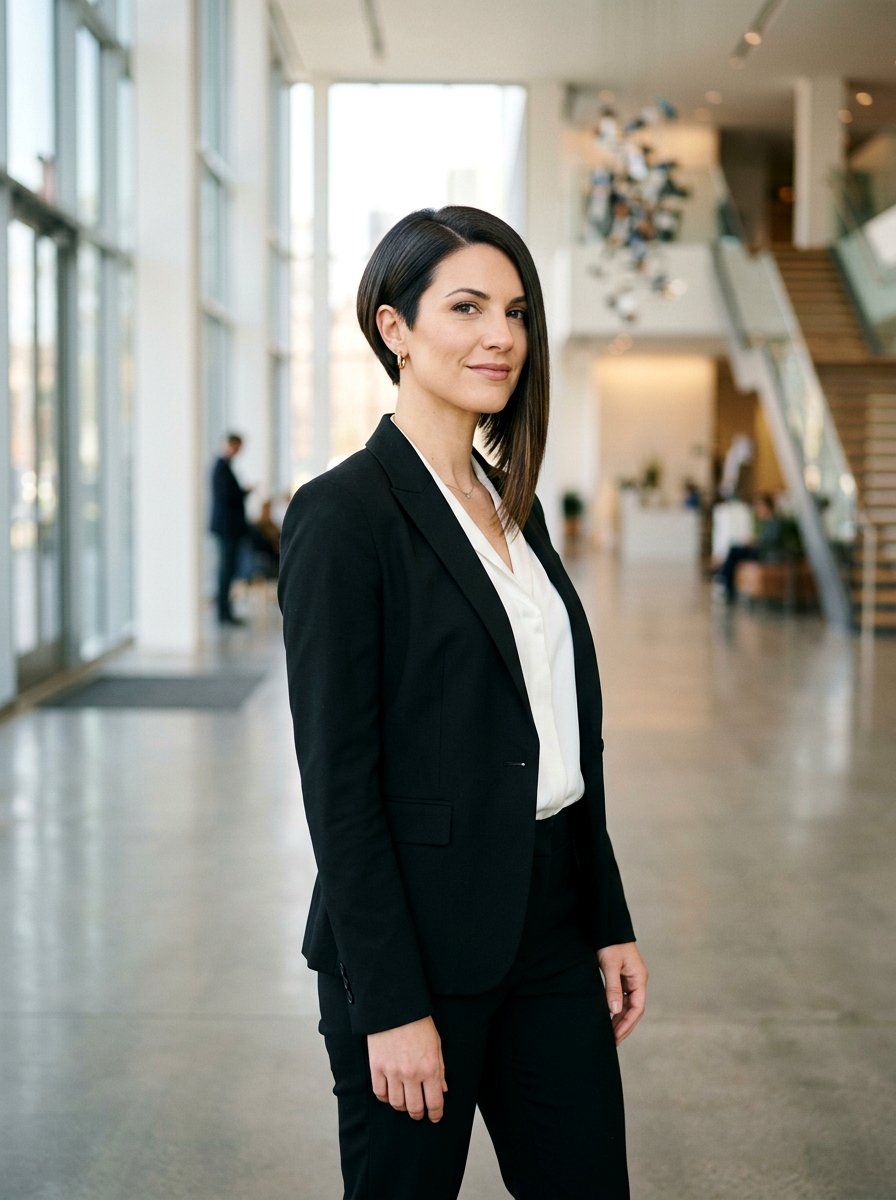
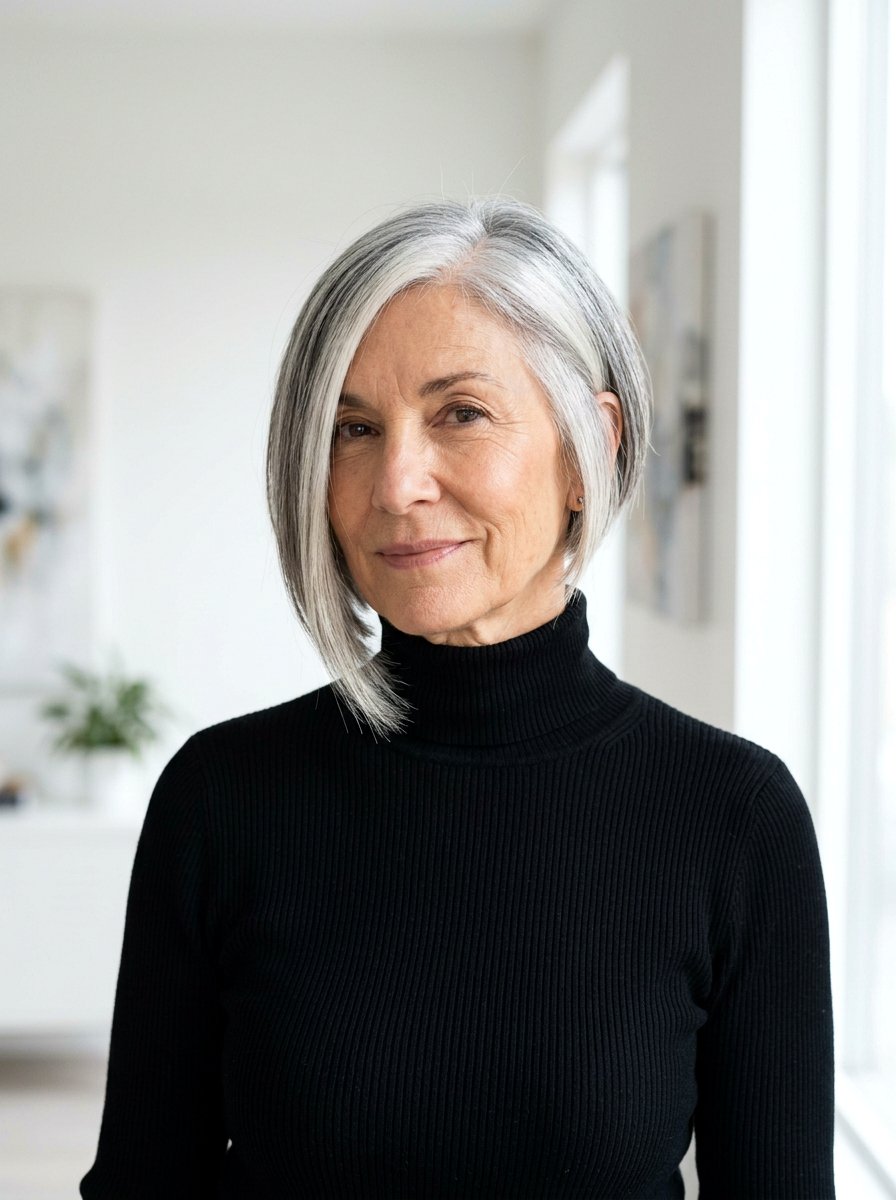
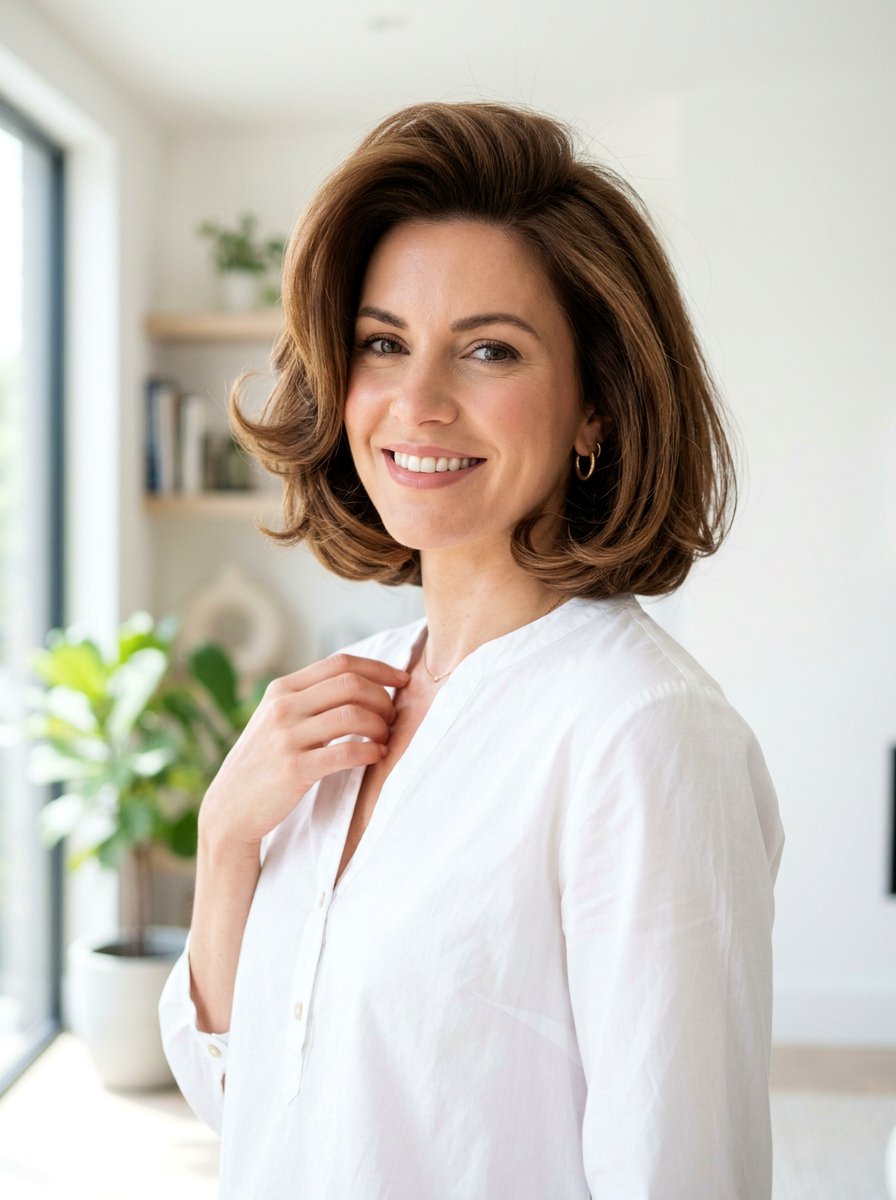
8. Short Bob With Soft Curls
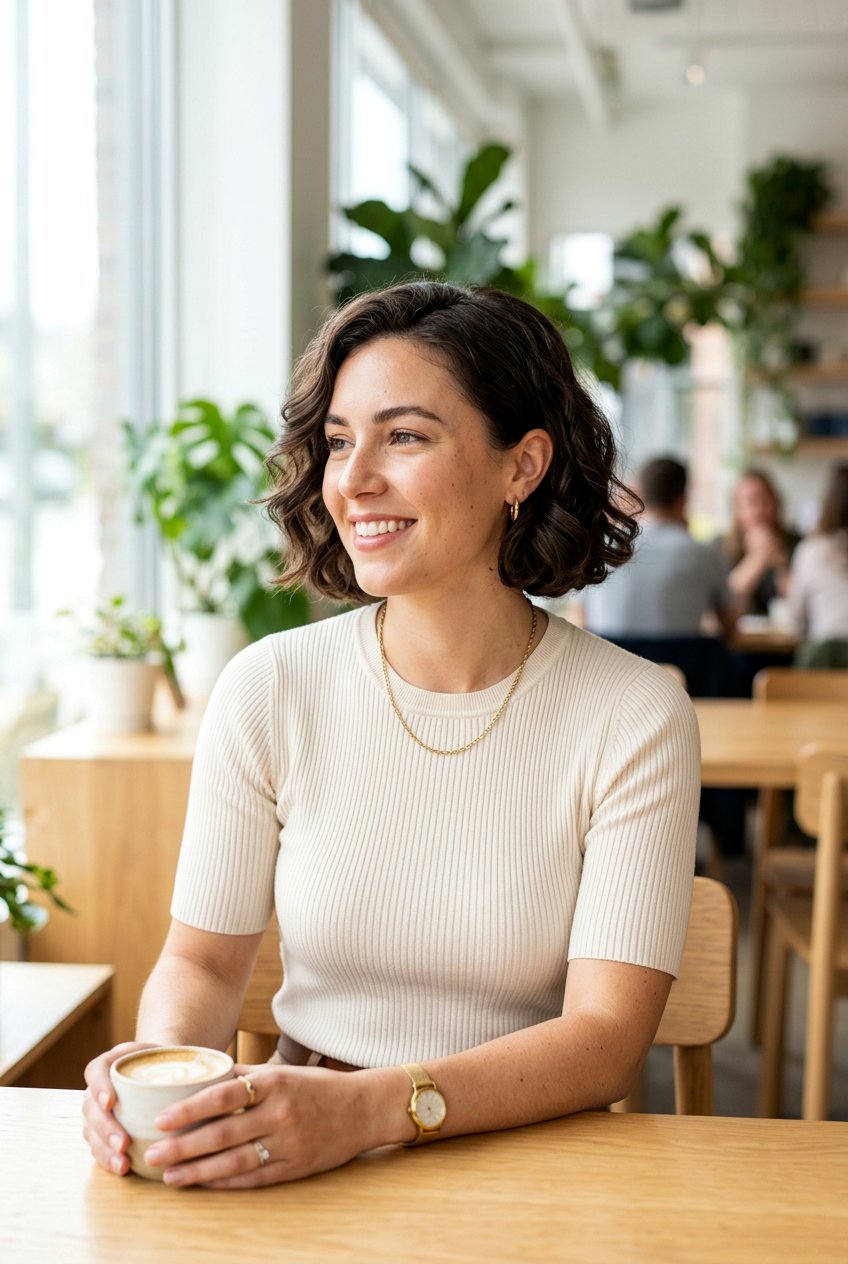
Short hair can look just as professional with the right curl styling. A bob with soft curls adds texture and movement without losing its shape. Use a small or medium barrel tool to create gentle waves rather than tight curls. Keep the ends slightly relaxed for a natural finish. This style works well for interviews because it is easy to manage and stays in place. It also gives a fresh and confident look. Adding a slight side or middle part can enhance the structure. Overall, it is a neat and stylish option for shorter hair lengths.
9. Long Hair Loose Wave Curls
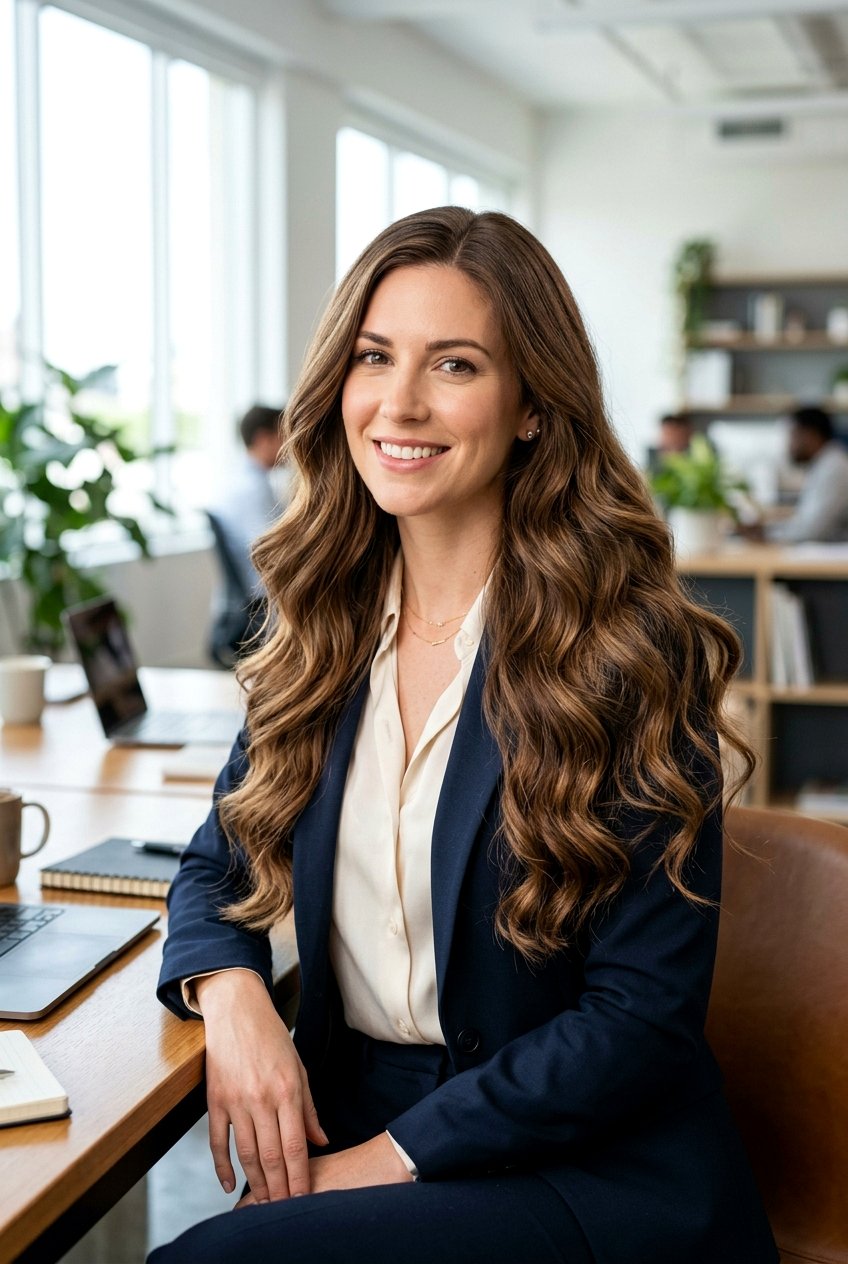
Long hair styled in loose waves offers a graceful and professional appearance. This style focuses on smooth, flowing curls rather than tight spirals. Use a large barrel tool to create wide waves that fall naturally. Keep the top section sleek and controlled to avoid a messy look. A lightweight serum can add shine and reduce frizz. This hairstyle works well with both formal and business casual outfits. It creates a calm and composed impression, which is ideal for interviews. The movement in the waves adds softness without taking attention away from your face.
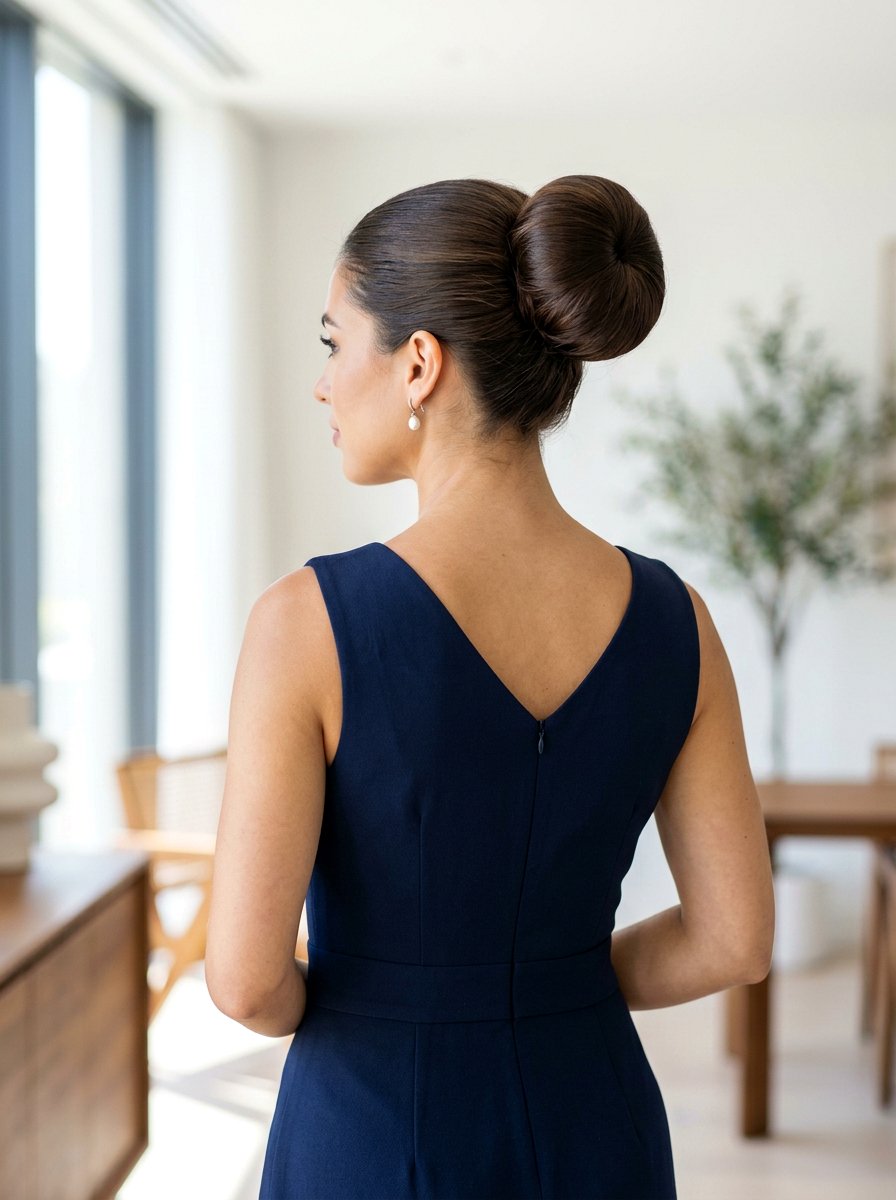
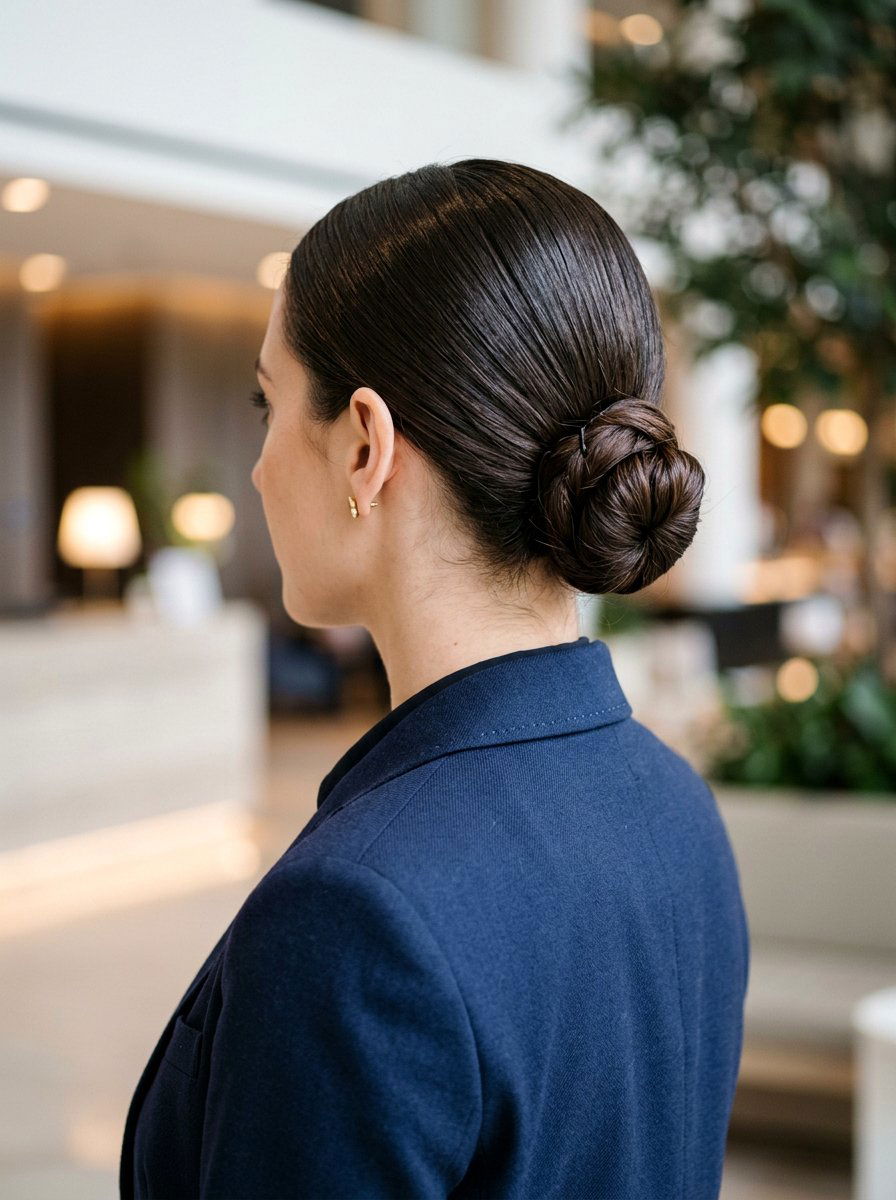
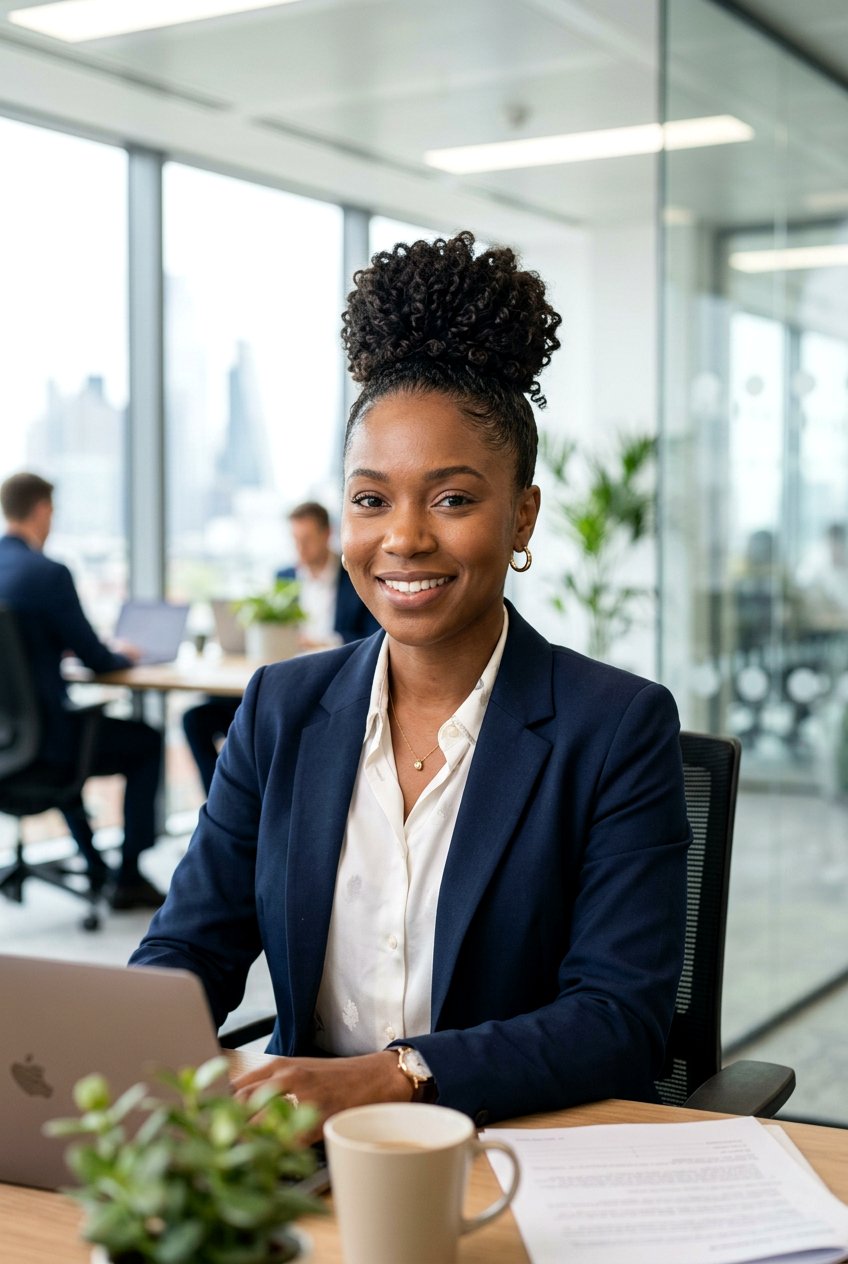
10. Curly Hair Low Bun With Loose Strands
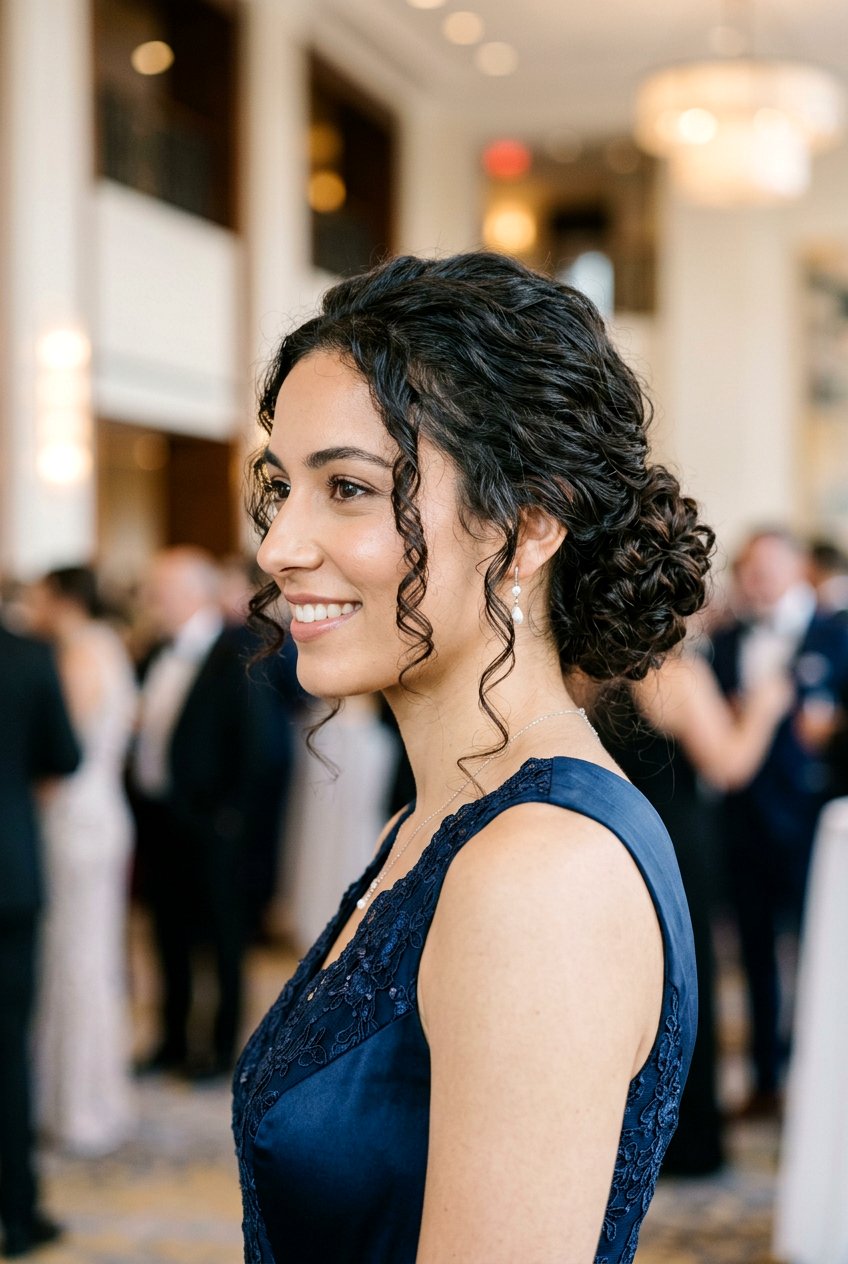
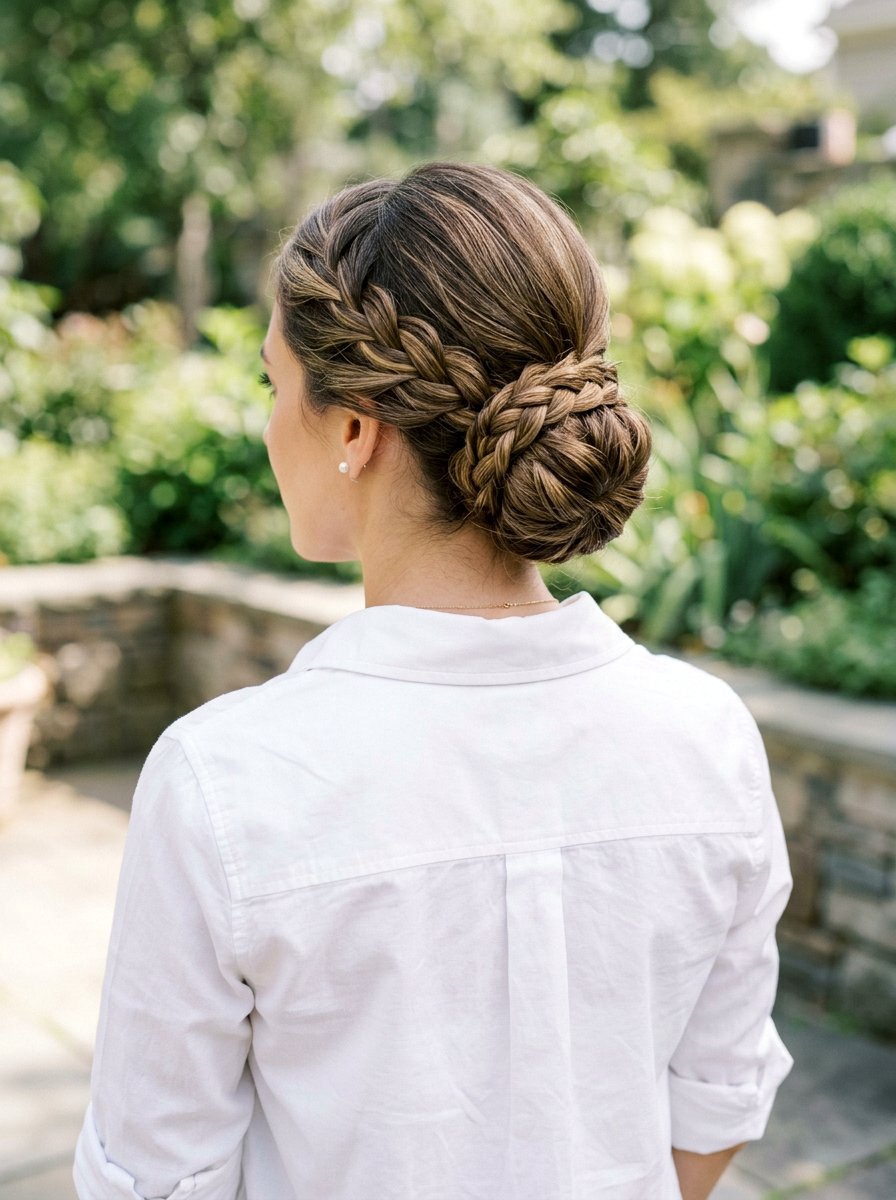
A low bun with subtle curls is perfect for a clean and organized interview look. Gather your hair into a bun at the nape while leaving a few soft curled strands around your face. This creates a balanced style that feels both structured and approachable. Make sure the bun is neat and not overly loose. Use pins to secure any stray sections. This hairstyle works well for all hair types and lengths. It keeps your hair out of the way while still showing texture. It is especially useful for formal environments where a tidy appearance is important.
11. Loose Curls With Tucked Side
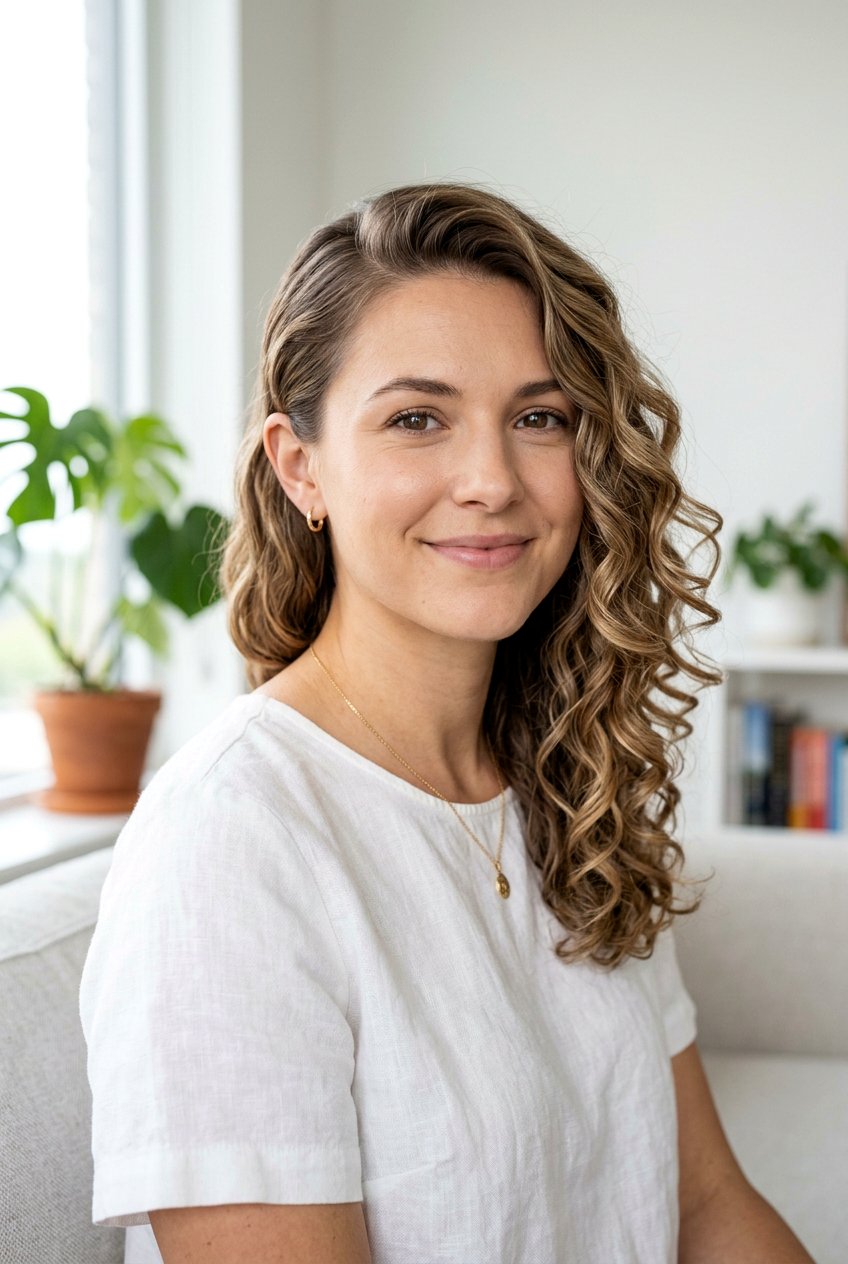
Tucking one side of your curls behind your ear adds a subtle touch of professionalism. This style keeps your hair from covering your face while maintaining softness. It works well with loose curls and both short and long hair. The tucked side creates asymmetry, which can be flattering and visually interesting. Keep the curls light and natural-looking. A small amount of styling product can help hold the shape. This hairstyle is simple yet effective for interviews. It shows attention to detail without looking overly styled.
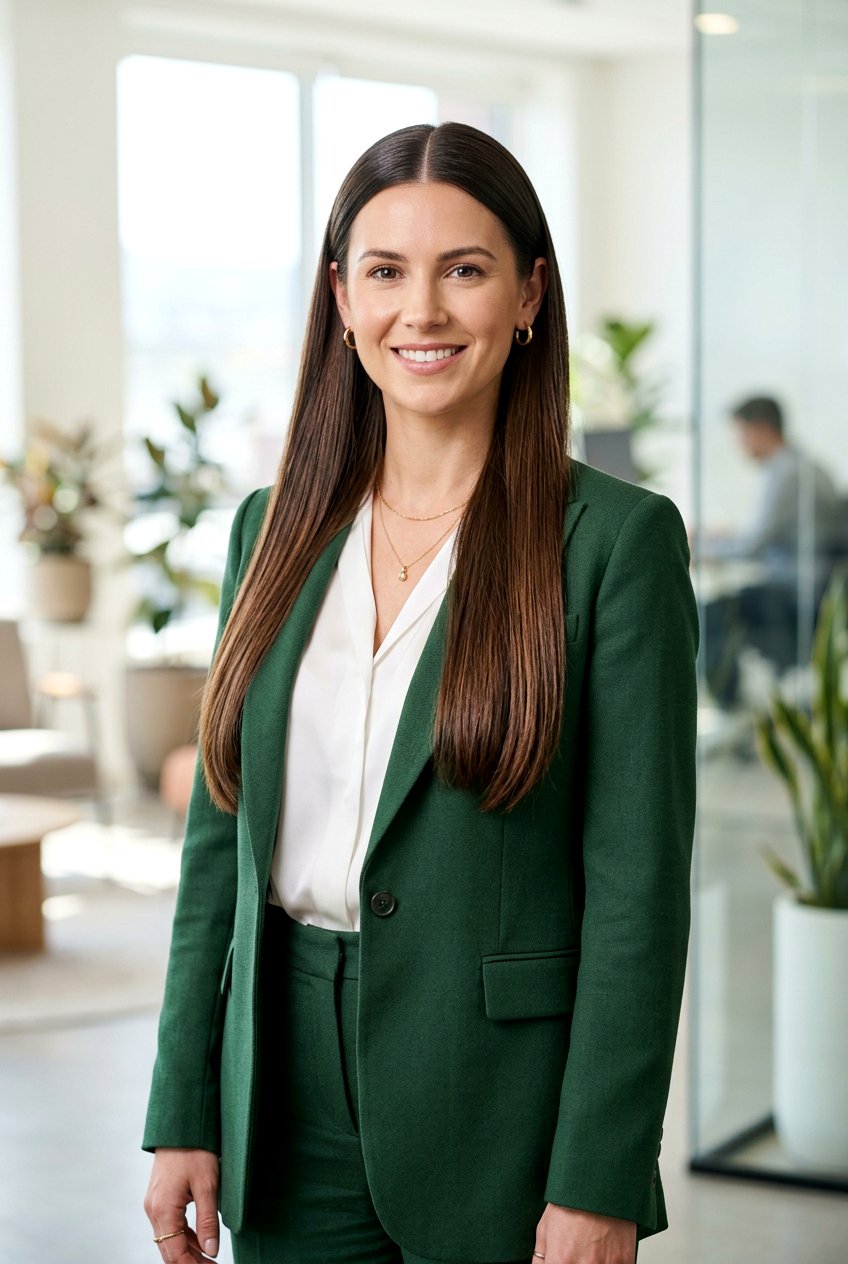
12. Medium Length Curls With Volume Control

Controlling volume is key when styling curls for an interview. Medium-length curls with balanced volume look polished and intentional. Avoid too much height at the roots or overly fluffy ends. Use a smoothing product to keep the shape defined. A diffuser can help enhance curls without creating frizz. This style works well for naturally curly or styled hair. It ensures your look stays neat throughout the day. It also creates a professional appearance that feels calm and controlled. This is ideal for maintaining a composed impression.
13. Curly Lob With Soft Ends
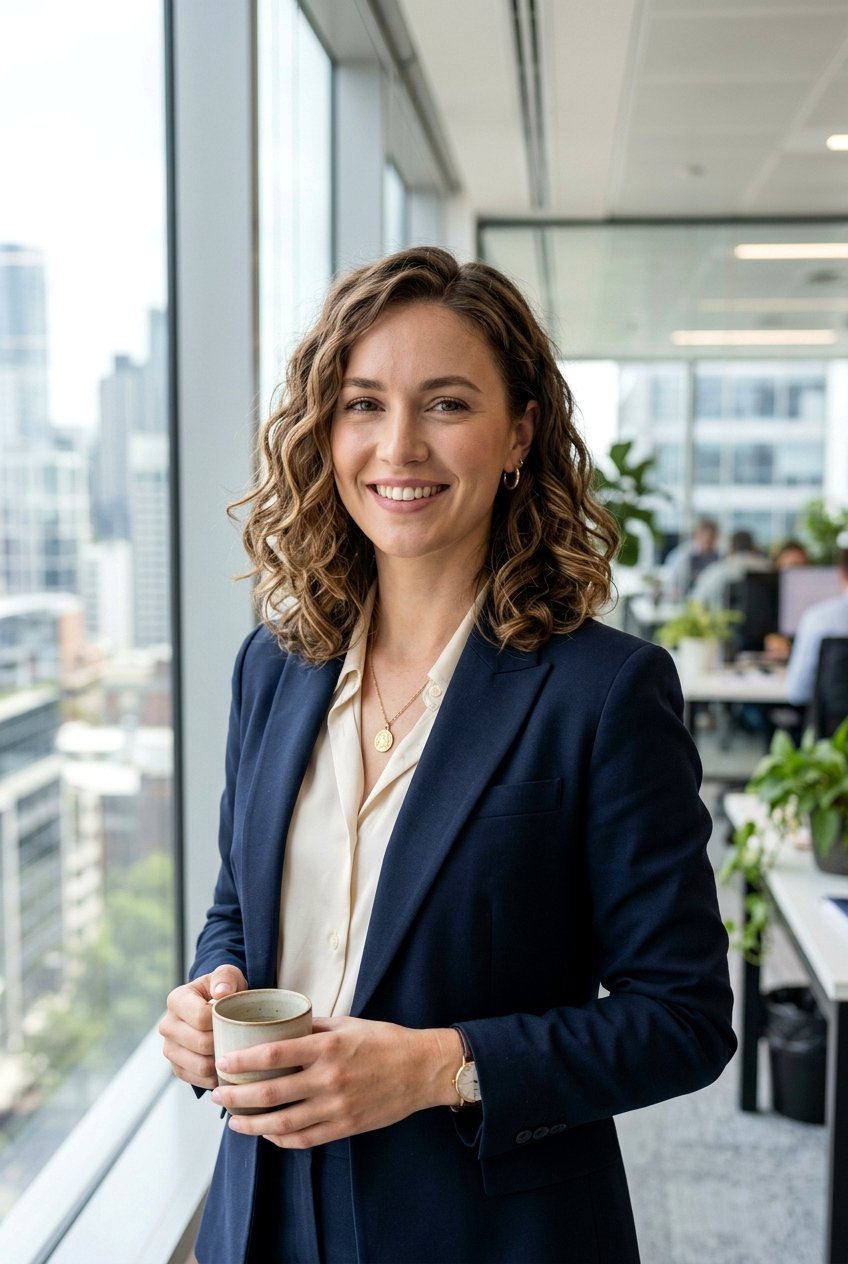
A long bob, or lob, styled with soft curls is both modern and professional. The length sits between short and long, making it versatile. Keep the curls relaxed and focus on soft ends rather than tight definition. This creates a natural and approachable look. A middle or side part can be added based on preference. This hairstyle works well for interviews because it is easy to maintain and looks structured. It also frames the face nicely without overwhelming it. The result is a balanced and refined appearance.
14. Straight Roots With Curled Ends
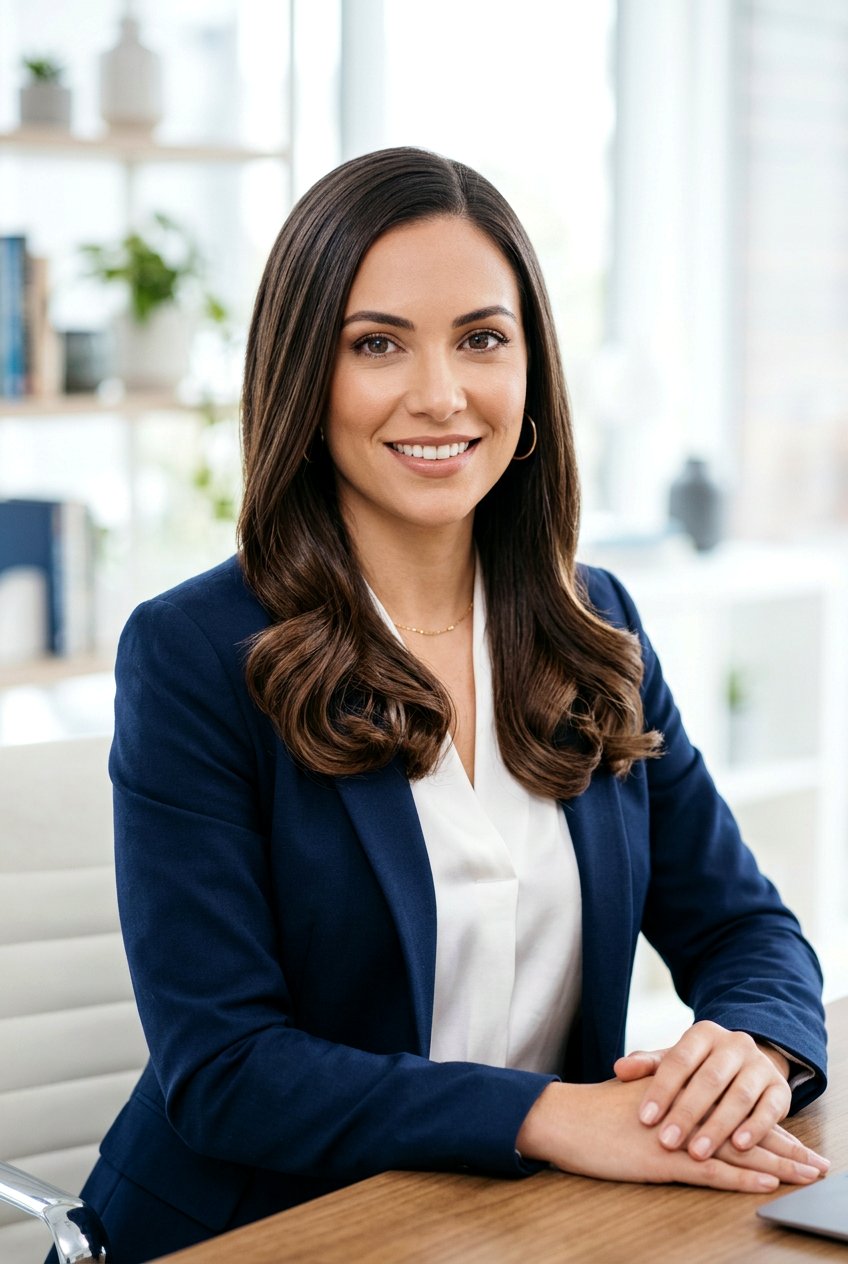
Combining straight roots with curled ends creates a clean and polished style. This look keeps the top sleek while adding movement at the bottom. It works well for medium to long hair. Use a flat iron for the roots and a curling tool for the ends. Keep the curls soft and uniform. This style is ideal for interviews because it looks intentional and controlled. It also prevents the hair from appearing too voluminous. The contrast between straight and curled sections adds subtle interest without being distracting.
15. Loose Curls With Minimal Layers

Minimal layers help maintain a uniform curl pattern, which can look neat and professional. This style focuses on simplicity and balance. The curls should be soft and consistent throughout the length. Avoid heavy layering, which can create uneven volume. A light styling product can help keep the curls defined. This hairstyle works well for interviews because it looks clean and organized. It also requires less maintenance during the day. The overall effect is calm and polished.

16. Curly Hair With Clean Center Part
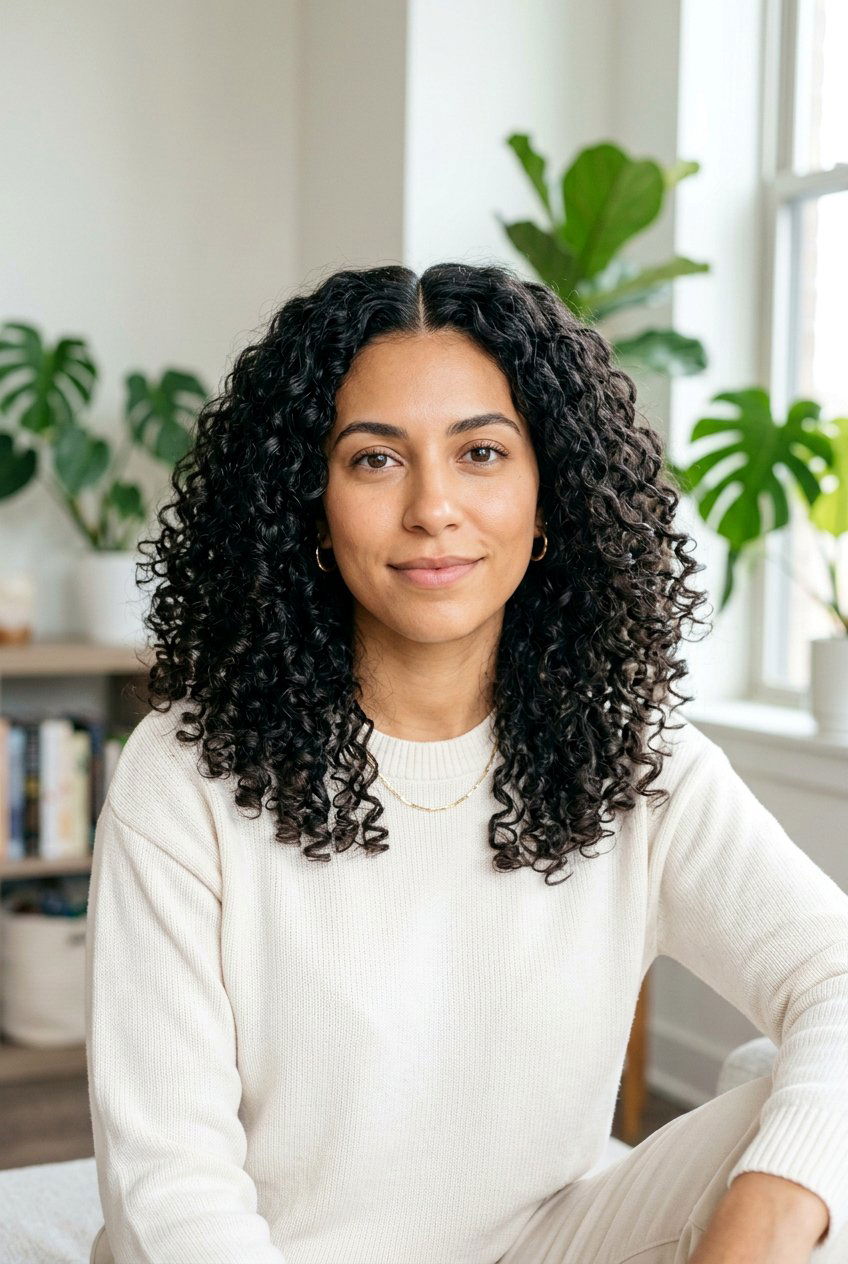
A clean center part adds structure to curly hair. This style works well for both natural and styled curls. The key is keeping the part straight and the curls evenly distributed. Use a comb to create a precise part. A curl cream can help maintain definition and reduce frizz. This hairstyle looks symmetrical and balanced, which is ideal for professional settings. It also frames the face evenly. This creates a composed and confident appearance during interviews.
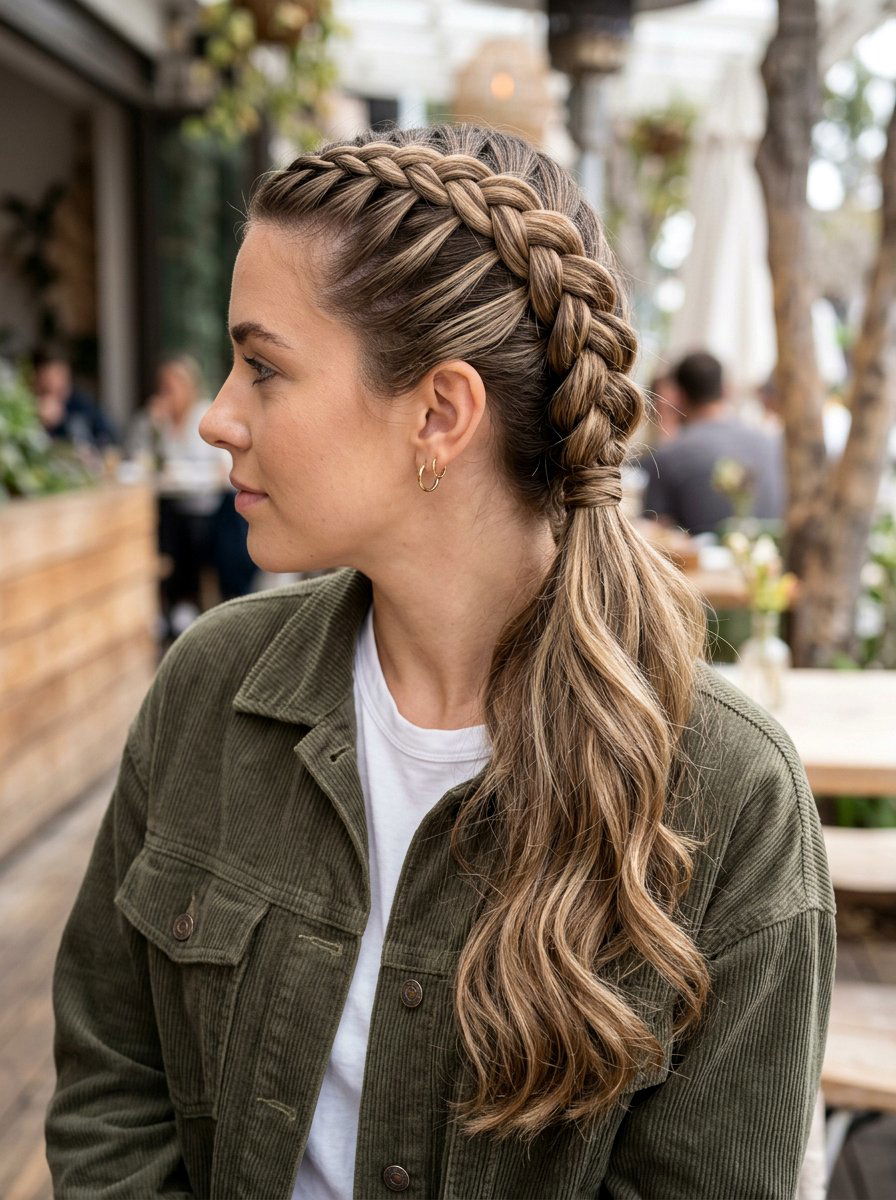
17. Low Side Ponytail With Curls
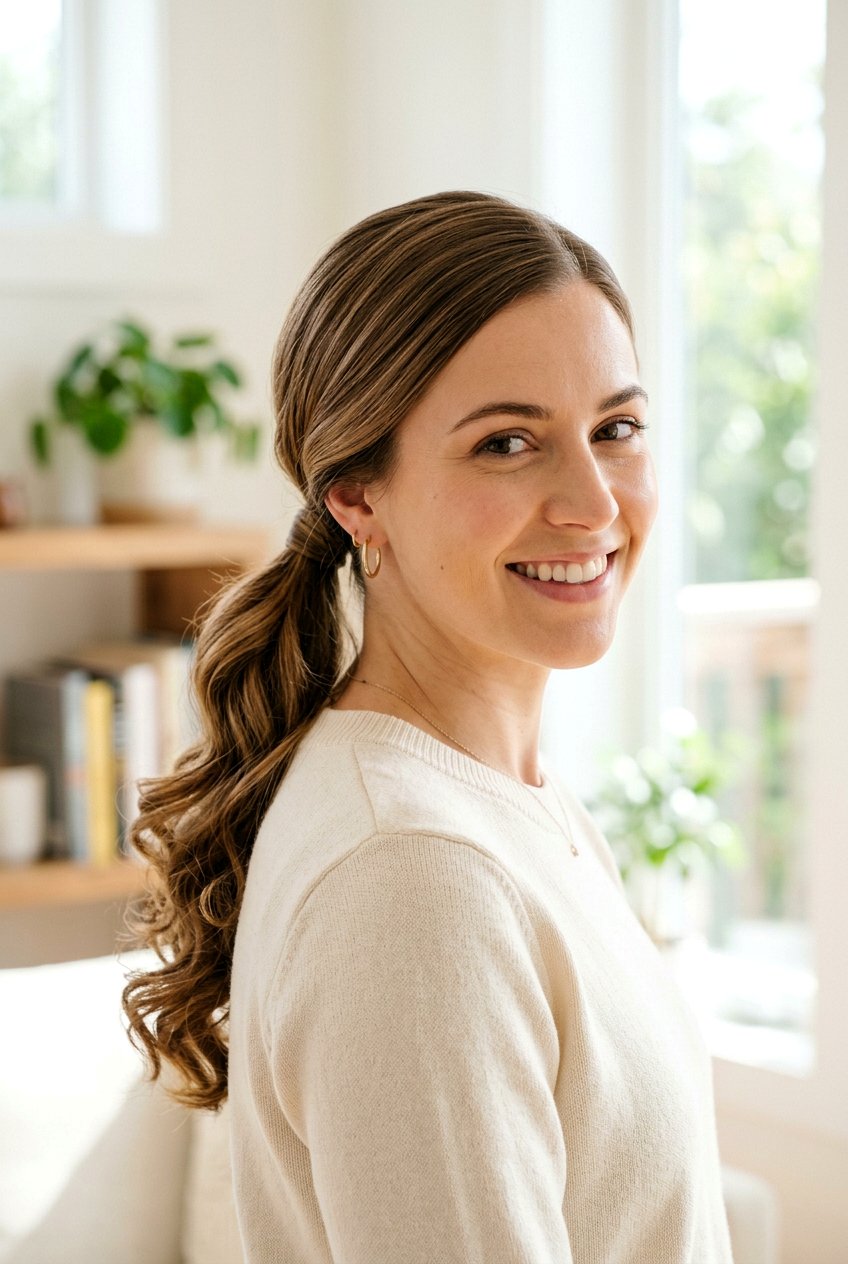
A low side ponytail adds a slight variation to the classic ponytail. It feels relaxed but still professional. Gather your hair to one side and secure it near the nape. Curl the ends for a soft finish. Keep the top smooth and free of flyaways. This style works well for medium to long hair. It adds a bit of personality while staying appropriate for interviews. It also keeps your hair controlled and out of your face.
18. Soft Curly Blowout Look
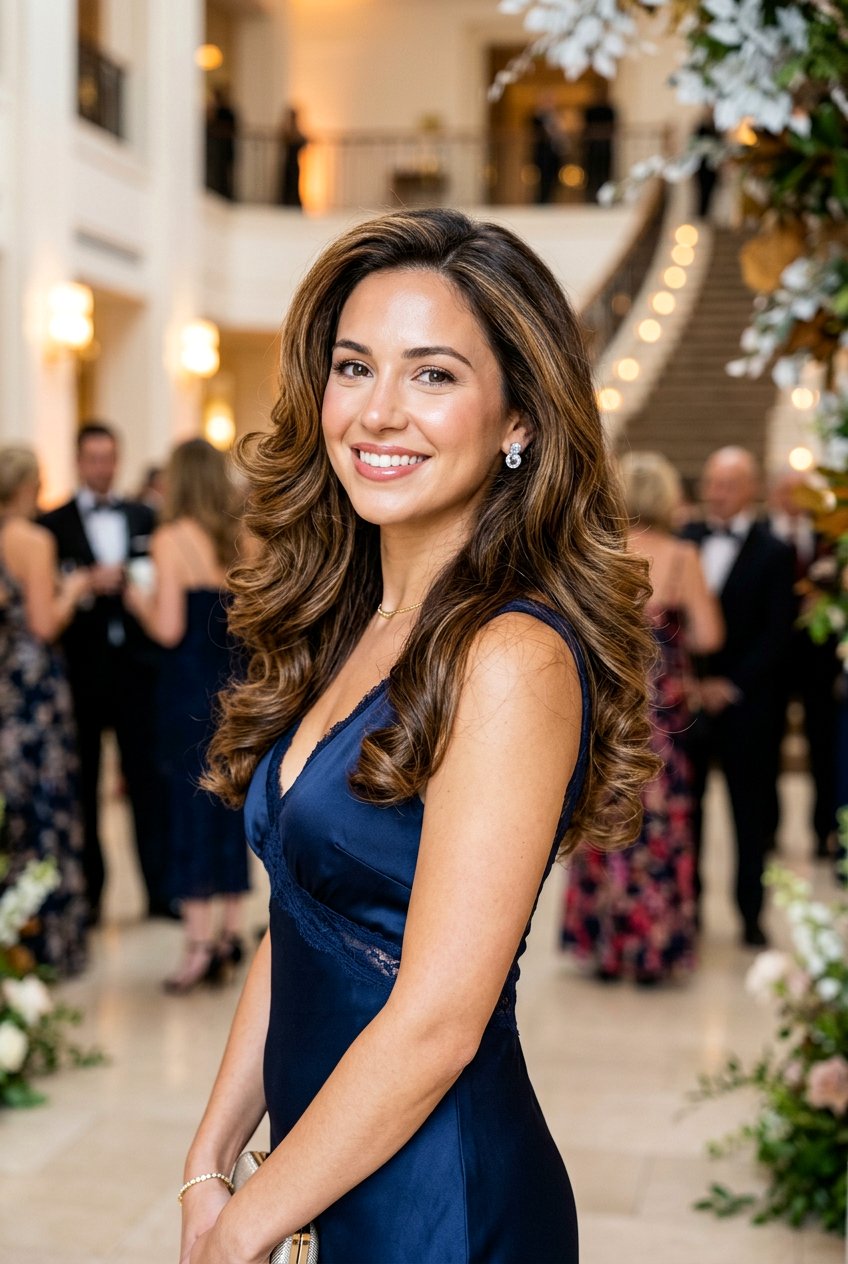
A curly blowout creates smooth, voluminous curls that look polished and refined. This style is achieved using a round brush and blow dryer or a styling tool. The curls should be soft and bouncy, not tight. Keep the roots smooth and the ends slightly curved. This look works well for interviews because it appears well-groomed. It also adds a healthy shine to the hair. The overall effect is professional and put-together.
19. Short Curly Pixie With Texture
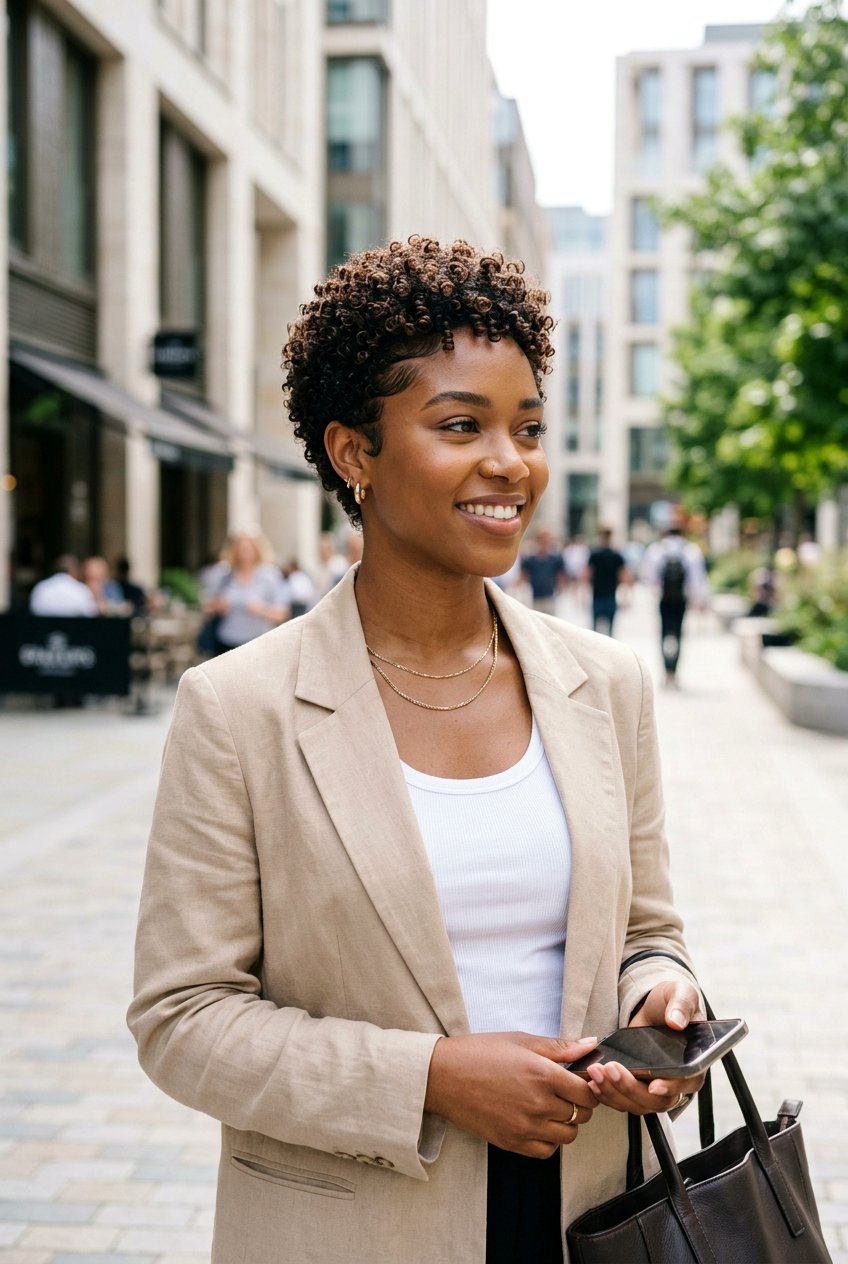
A pixie cut with soft curls or texture can look very professional when styled correctly. Keep the curls controlled and not overly messy. Use a small amount of styling product to define sections. This style works well for short hair and is easy to maintain. It keeps your face fully visible, which is ideal for interviews. It also gives a confident and modern look. The texture adds interest without being distracting.
20. Long Layered Curls With Soft Finish

Long layered curls with a soft finish create a balanced and elegant appearance. The layers add movement while keeping the curls light. Use a large barrel tool to create gentle waves. Keep the top smooth and avoid excessive volume. A light serum can enhance shine and control frizz. This style works well for interviews because it looks polished and natural. It also frames the face beautifully. The overall effect is calm and professional.
Conclusion:
Choosing the right curly hairstyle for an interview comes down to balance, control, and simplicity. You want your hair to enhance your overall appearance, not distract from your skills and personality. Soft, defined curls tend to work best because they look neat while still adding natural movement. Styles that keep hair away from your face can also help maintain focus during conversations. It is important to consider your hair length, texture, and the formality of the interview when selecting a look. With the right preparation and styling approach, curly hair can look just as professional as any sleek style. A well-chosen curly hairstyle helps you feel confident, comfortable, and ready to make a strong impression.
You'll Like These Styles:





Leave a Reply