
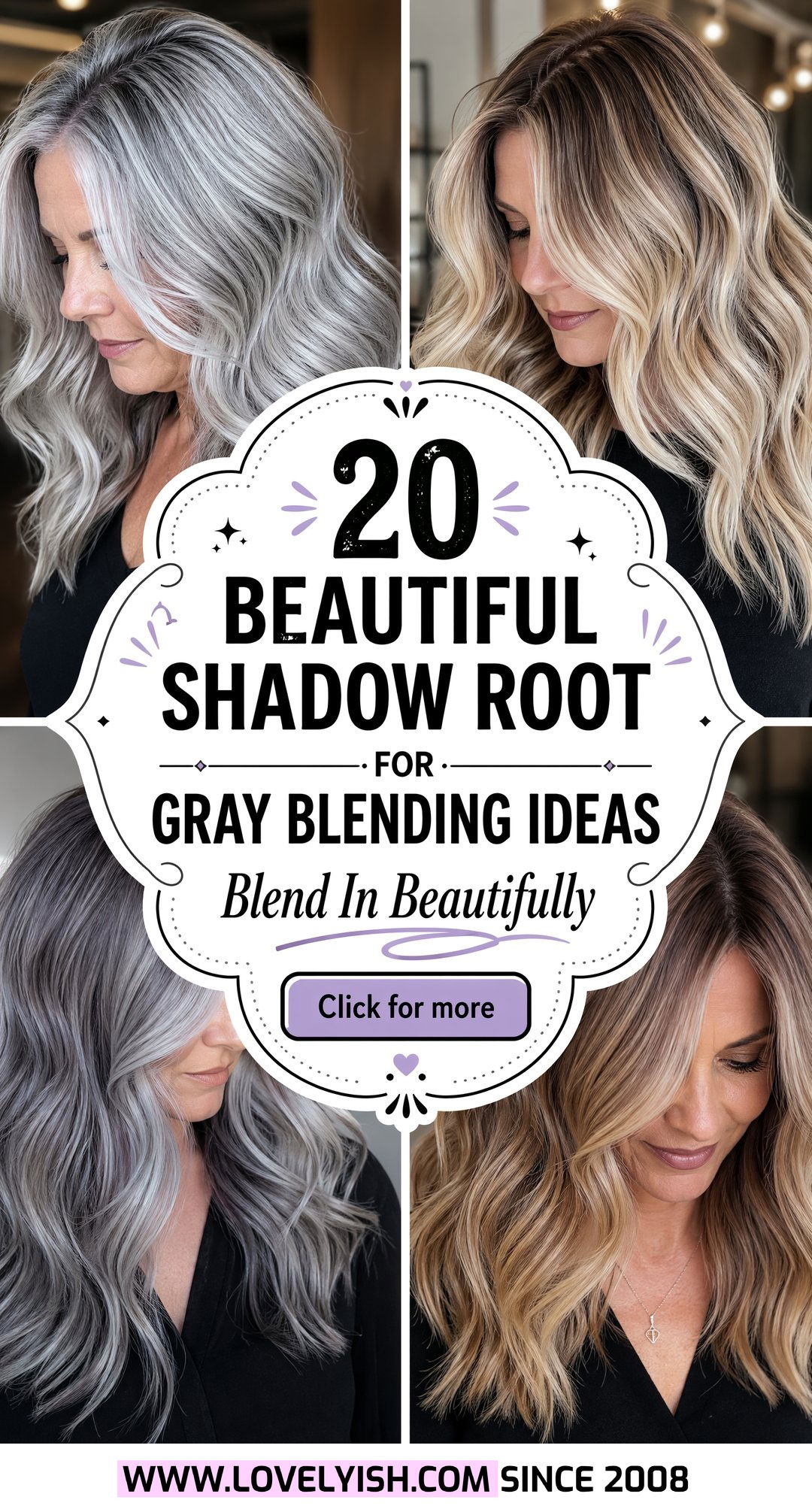
Shadow root for gray blending has become one of the easiest ways to grow in natural silver while keeping hair soft, dimensional, and low maintenance. Instead of fighting gray regrowth every few weeks, you use a slightly deeper color at the roots and melt it into lighter mids and ends so there is no harsh line as the gray comes in. This makes a big difference if your base shade is darker than your blonding or highlights because the “shadow” softens contrast and lets you stretch time between salon visits. Colorists now customize the depth, tone, and placement of the root shade to actually mimic your natural gray pattern, especially around the hairline and temples, so your future regrowth looks intentional rather than patchy. From cool ash brunettes to icy blondes and salt‑and‑pepper transitions, there are many ways to use a shadow root to camouflage grow‑out while celebrating your gray instead of fully hiding it.
1. Soft Shadow Root For First Grays

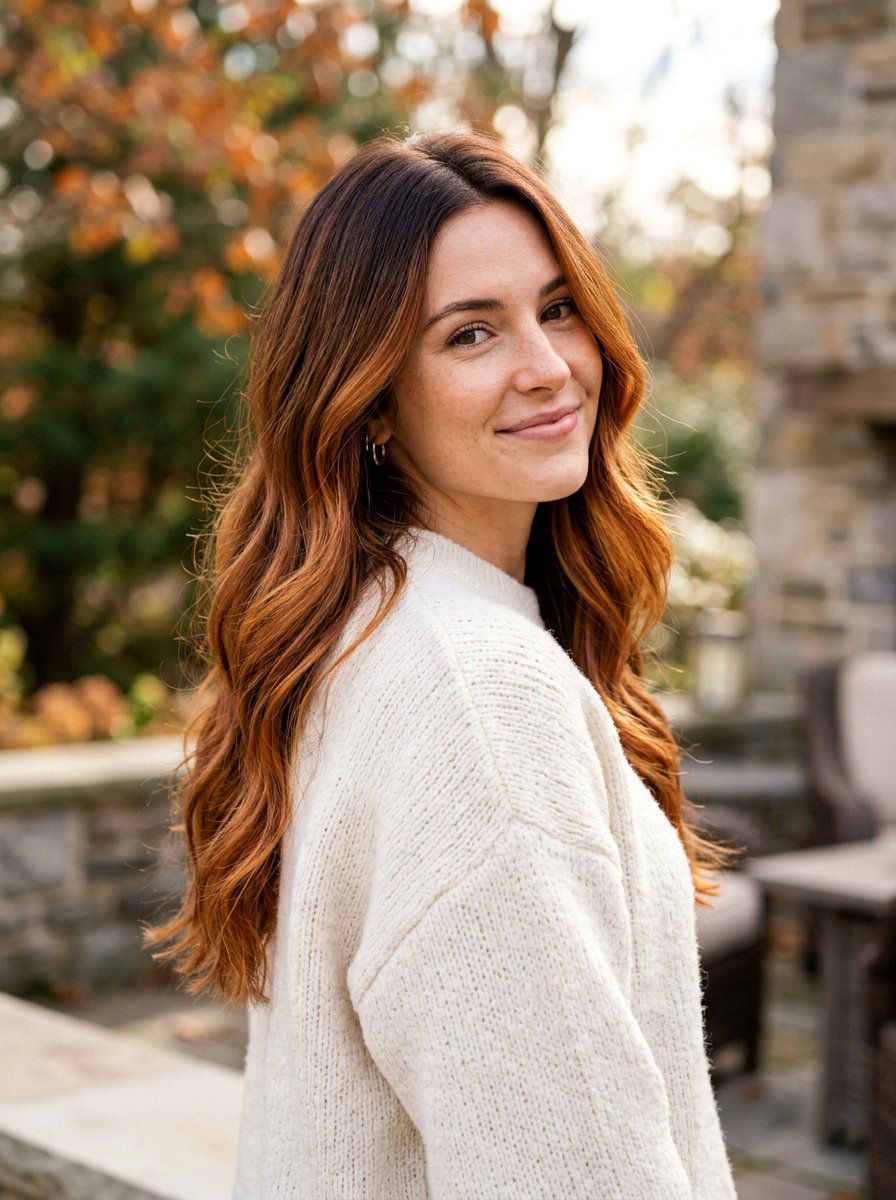
Noticing your first sparkles around the part and hairline can feel confusing when you still love your overall color. A soft shadow root is perfect when you have just a sprinkling of gray and want gentle blending instead of heavy coverage. Your colorist applies a root shade that is very close to your natural color, only about one shade deeper, and taps it through the regrowth area before feathering it slightly into your existing highlights. This keeps the root area slightly deeper and more dimensional so individual gray strands do not pop as strongly against bright ends. It also avoids a solid helmet of color, so as more gray appears over time, the grow‑out still looks soft and intentional. Paired with subtle, fine highlights, this approach suits straight, wavy, or curly hair and works especially well on medium browns and dark blondes wanting a very low‑maintenance first step into gray blending.
2. Shadow Root Blonde With Gray Blending

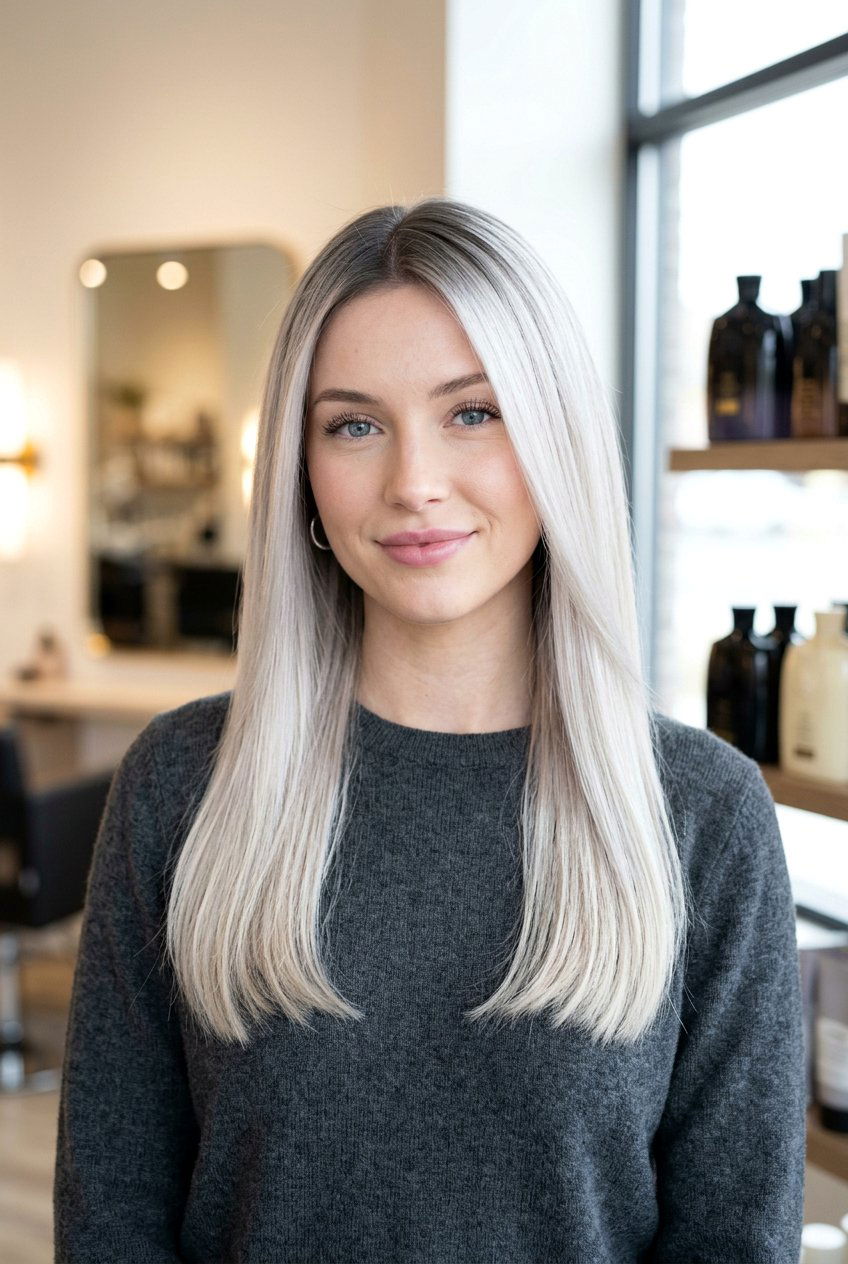
If you are blonde with noticeable gray regrowth, a shadow root blonde look helps your silver strands merge into the light lengths instead of creating a harsh band. Your colorist keeps your mids and ends in a bright, neutral or cool blonde, then paints a slightly deeper neutral beige, mushroom, or ash tone at the roots to create a soft halo effect. The goal is to mimic the way natural dark‑to‑light hair grows, so gray grows in through the darker base and diffuses into the blonde without a stark line. This is especially flattering on shoulder‑length lobs and long layered cuts, where the contrast between a muted root and bright ends adds dimension and makes the blonde look even lighter. With proper toning using violet or ash‑based glosses, the entire look stays cool enough to neutralize yellow while still keeping enough softness that gray threads feel blended rather than over‑covered.
3. Ash Brown Shadow Root For Gray Coverage

For natural brunettes starting to see gray, an ash brown shadow root can disguise silver while avoiding the heavy, flat look of opaque box color. Here, the root formula is a cool or neutral ash brown chosen to match your natural depth but slightly soften warm undertones that often show up when covering gray. Your colorist applies this ash shade on the root area, then drags it subtly into softer caramel, mushroom, or beige mid‑lengths so the transition feels diffused instead of stripey. Gray strands grab the ash tone and appear like intentional cool highlights mixed into the rest of the hair rather than standing out as bright white threads. This approach pairs nicely with long bobs, soft face‑framing layers, or shag‑inspired cuts, because the added movement shows off subtle lowlights created by the root shade blending downward. Maintenance usually stretches to eight to twelve weeks, depending on your gray percentage, making it a practical choice if you do not want constant salon visits but still prefer an overall brunette look.
4. Shadow Root Balayage For Gray Blending
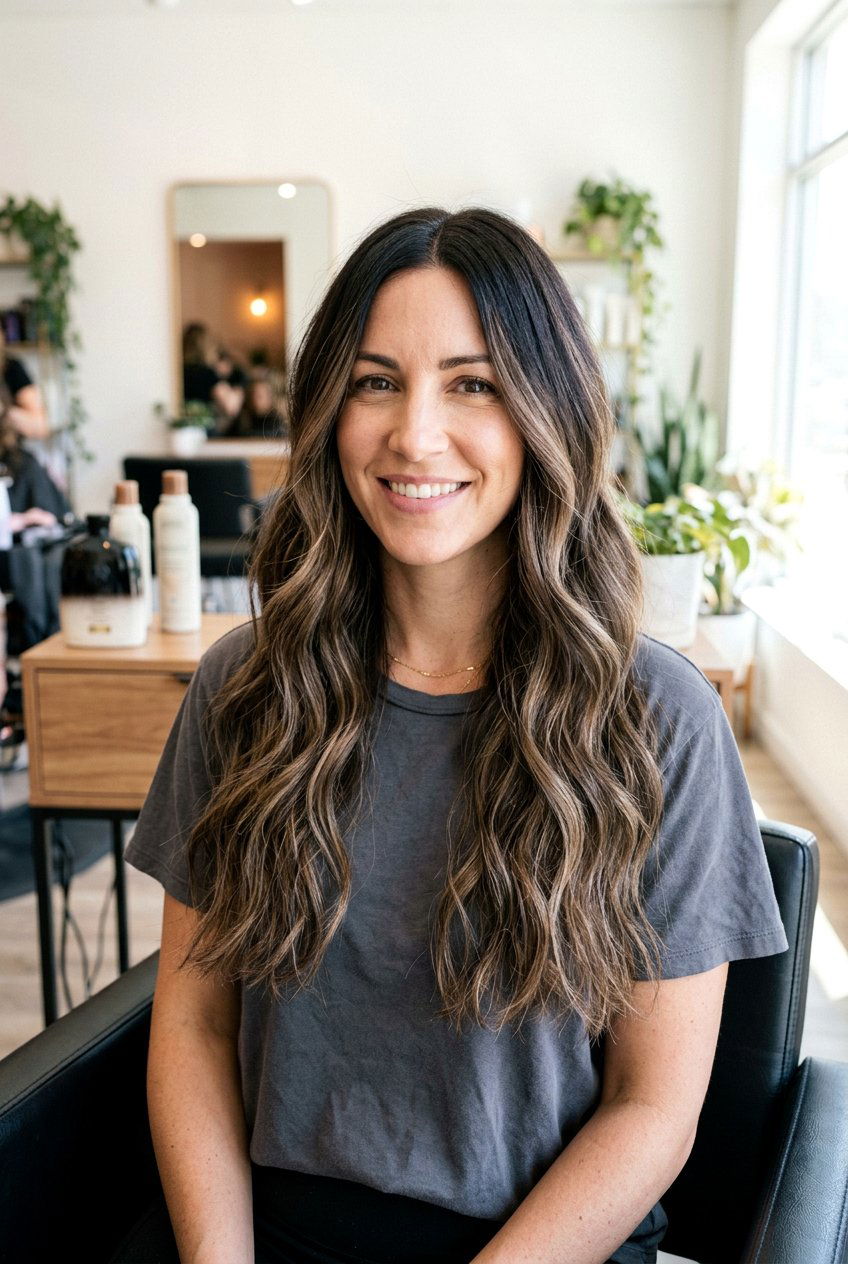
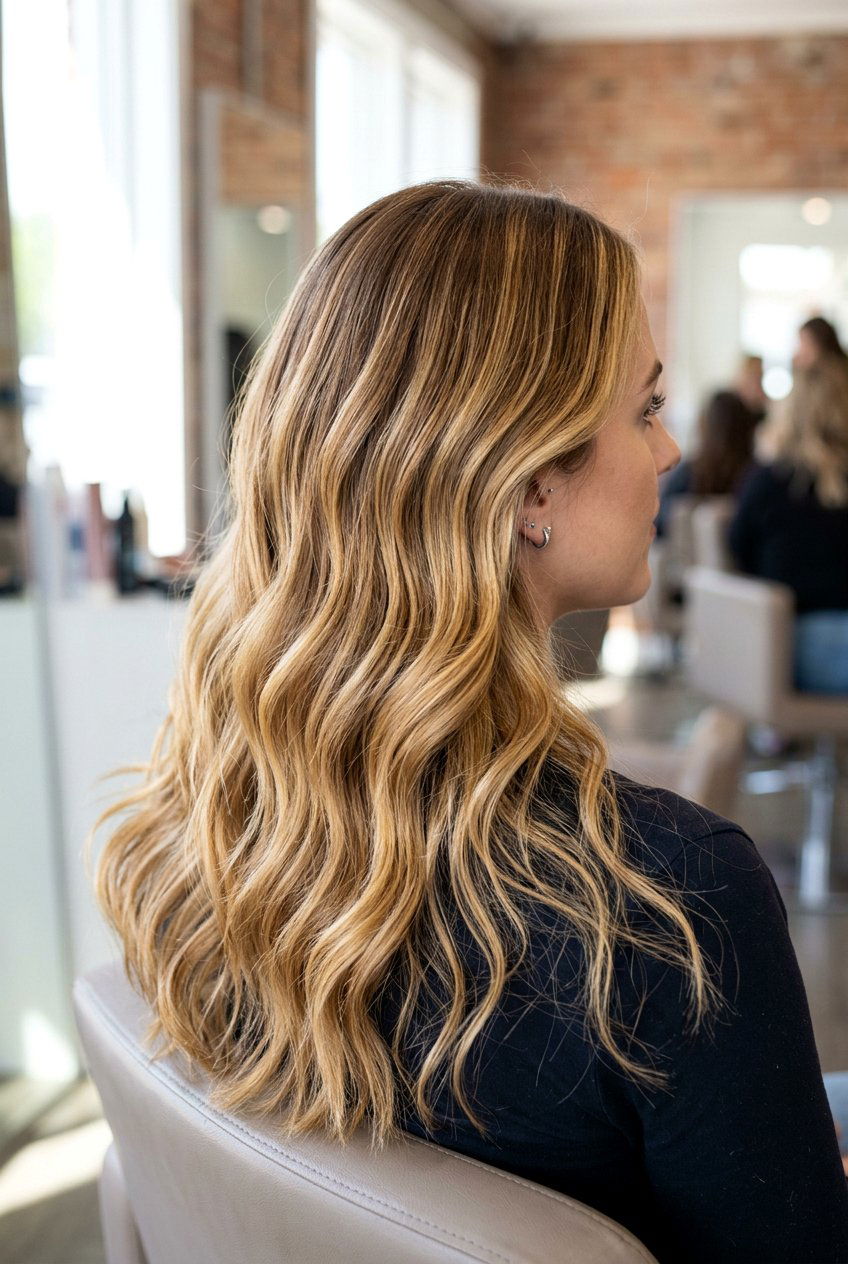
Many people use balayage to brighten their lengths but struggle once gray regrowth makes the contrast at the top too strong. Shadow root balayage solves that by pairing hand‑painted highlights with a smudged root so the whole color reads soft and sun‑kissed, even as gray grows in. Your colorist paints balayage pieces to keep brightness around the face and through the mid‑lengths, then deepens the root area with a tone that echoes your natural base and gray pattern. The darker root shadow is carefully blended over the top of some balayage pieces so there is no sharp starting line where lightness begins. When gray regrowth appears, it sits within that deeper base and balances against the existing hand‑painted highlights, creating a lived‑in, dimensional effect. This technique works beautifully on medium to long hair with waves or curls, where the shadowed roots and bright ends create movement, making gray look intentionally woven in rather than something to hide.
5. Silver Blonde Shadow Root For Gray Hair
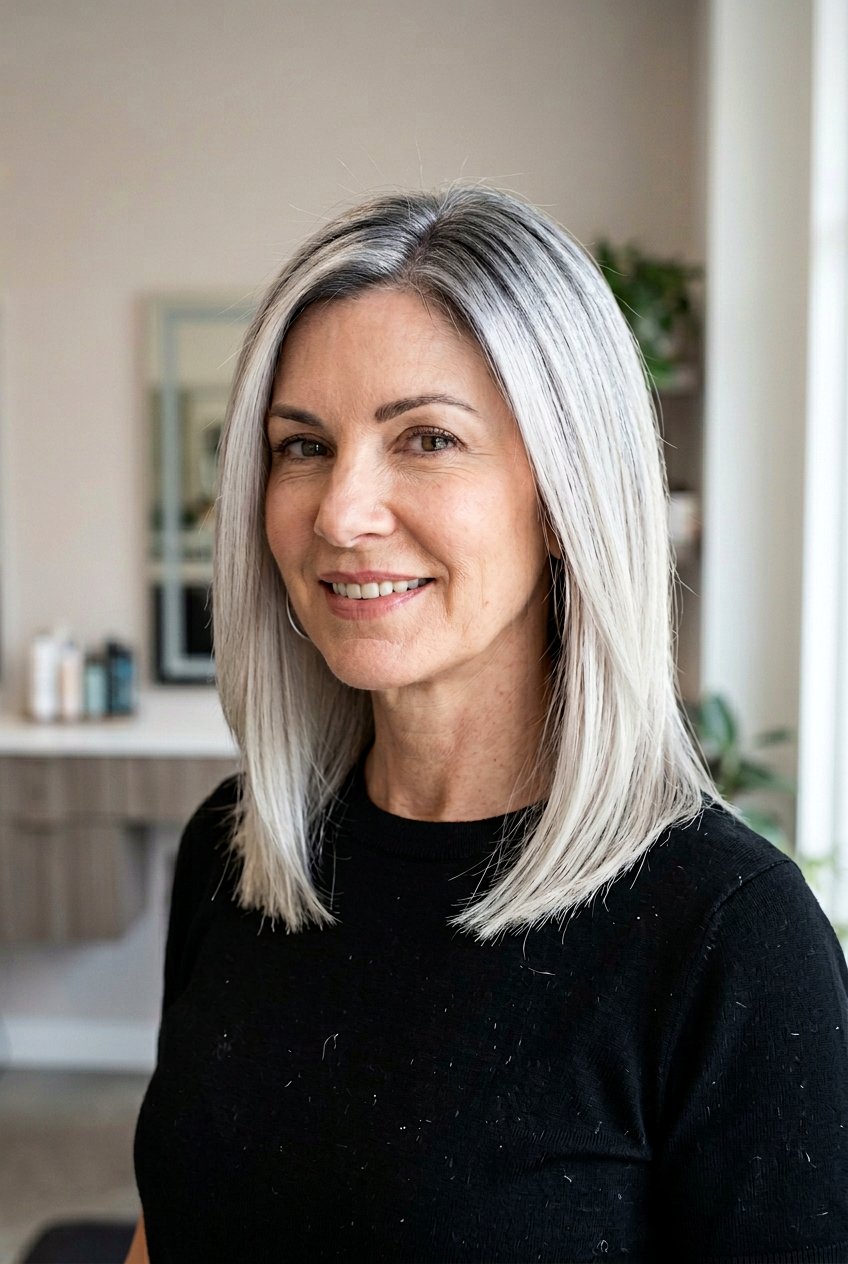
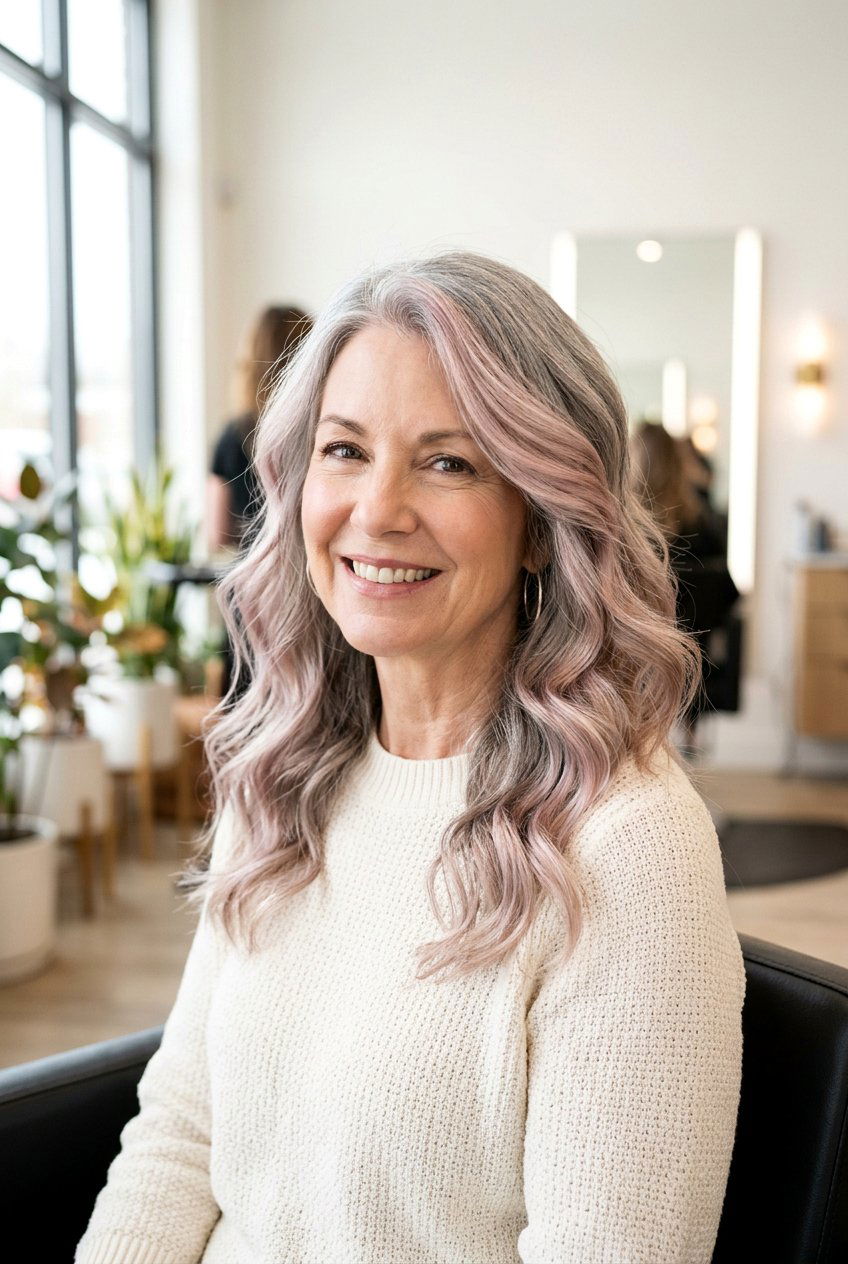
If you already have a high percentage of gray or fully silver hair, a silver blonde shadow root can make your natural color look deliberate, modern, and glossy. Instead of masking gray, your colorist tones your mids and ends into icy, pearl, or soft silver shades and then adds a slightly deeper cool root to contour the scalp area. The root shade might be a smoky silver, blue‑based ash, or soft charcoal that still harmonizes with your natural gray but gives a bit of depth near the scalp. This makes your silver lengths appear brighter and more dimensional, especially on straight or softly waved hair where shine really shows. Because the tones echo your natural grays, regrowth is almost invisible; you mostly return to the salon for glossing sessions to keep yellowing at bay and maintain that reflective finish. The overall look feels chic and fashion‑forward, proving that embracing gray can be just as striking as any traditional blonde service when paired with a thoughtful shadow root.
6. Mushroom Brown Shadow Root With Gray Blending

Mushroom brown has become a favorite for anyone who wants a soft, cool brunette that plays nicely with gray. A mushroom brown shadow root uses a smoky, neutral‑cool brown near the scalp, then gradually shifts into mushroom‑toned mid‑lengths with subtle highlights for dimension. This cool palette keeps unwanted warmth under control, which is important when you are blending gray because too much orange or red can make silver hairs look dull. The gray threads slip into the cool brown base and appear like lighter mushroom accents, especially in layered cuts where different lengths pick up the light differently. On shoulder‑length or longer hair, this result is refined, wearable, and forgiving as the roots grow in. With regular glosses using violet or blue‑based toners and gentle, sulfate‑free products at home, your mushroom shadow root stays soft and blended, so you can go longer between full color appointments while still feeling polished.
7. Root Melt For Gray Blending
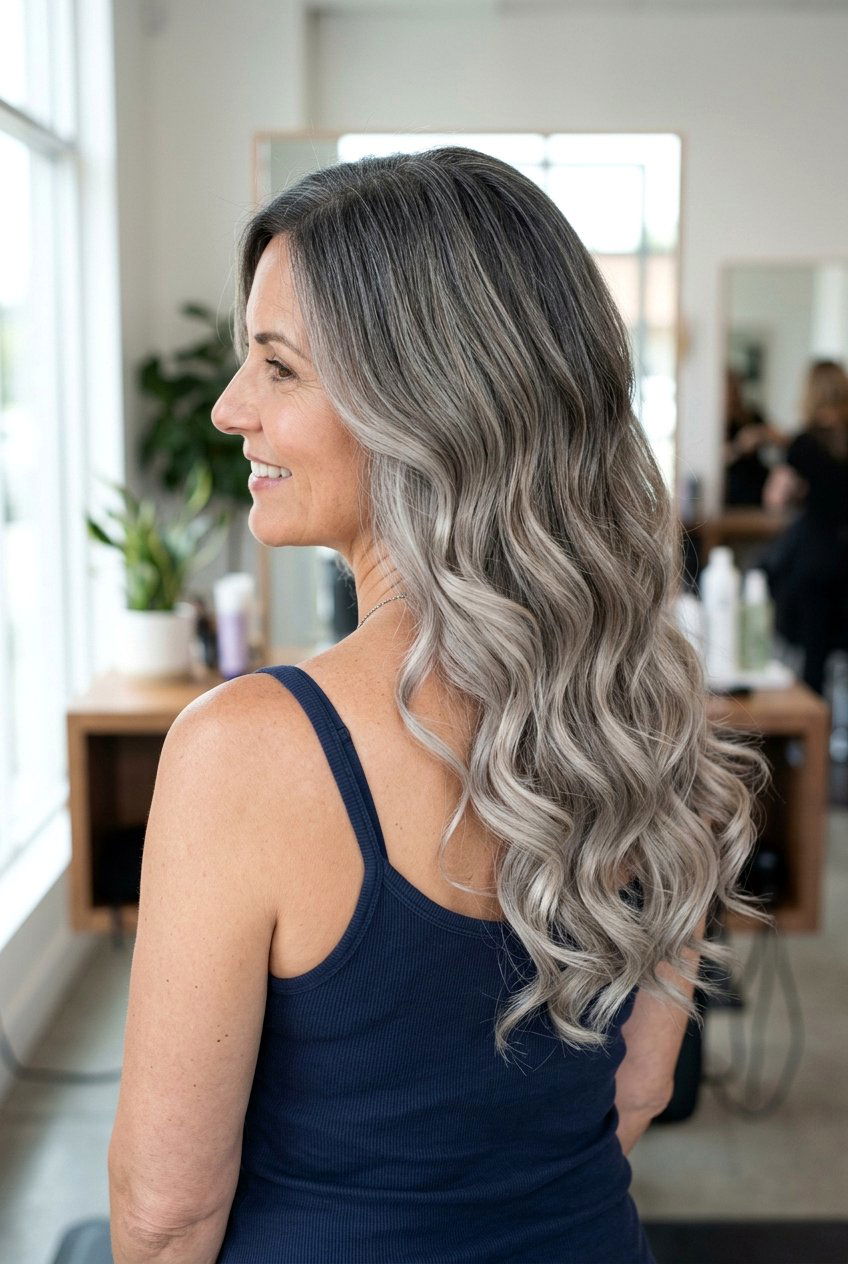
A root melt is a cousin to the shadow root and is especially helpful when you want a very seamless shift from deeper roots into lighter mids and ends. Instead of just tapping a darker shade at the base, your colorist drags the root color further down and sometimes layers two transitional shades so you get a true melt of tones. For gray blending, this can mean a darker natural root shade, a slightly softer mid‑tone to break up the line, and then your brighter ends or highlights. The result is a long, diffused transition area where gray regrowth is camouflaged inside the depth rather than sitting right against bright blonde. On wavy and curly textures, this melt effect gives a very lived‑in look because every curl shows a gradient from root to tip. It is a great choice if you like high‑contrast color but still want low maintenance, as the melt gives you plenty of room before touch‑ups are necessary and keeps gray lines from appearing too sharply.
8. Shadow Root Bob For Gray Hair

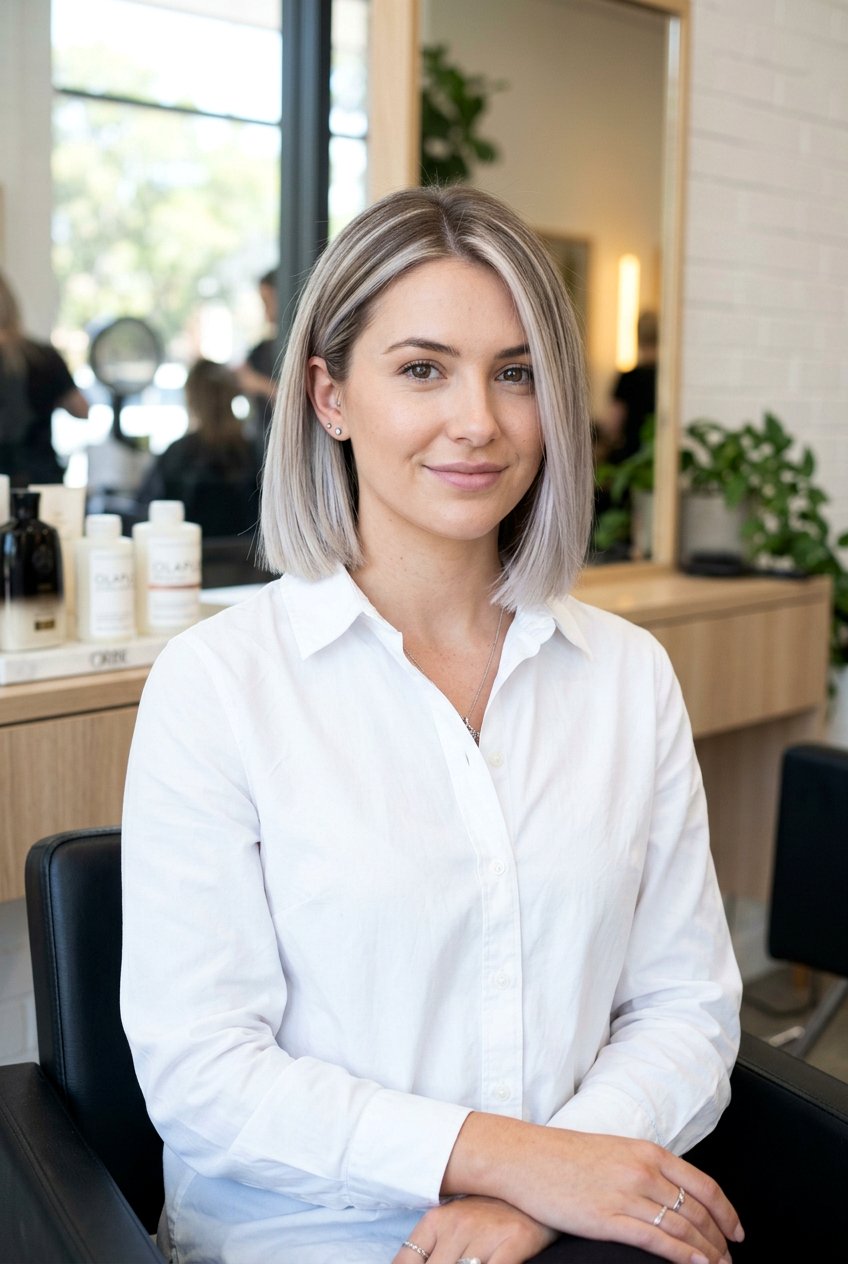
A bob is one of the most popular cuts for showing off dimensional color, and adding a shadow root makes it especially friendly to gray blending. On a chin‑length or collarbone bob, your colorist can keep the root area slightly deeper all around the crown and nape, then place lighter pieces through the ends and around the face. When gray grows in, it does so mainly in the deeper root zone, where it visually softens rather than forming a stark regrowth line along a part. This effect is especially flattering on straight or softly waved bobs, where the blunt or slightly textured ends catch light and highlight the contrast between roots and tips. You can combine this with gray‑friendly tones like mushroom brown, cool beige blonde, or silvered highlights for an overall sophisticated finish. Because bobs require some cutting maintenance anyway, you can coordinate trims and color touch‑ups or glosses, keeping both the shape and the shadow root fresh without overwhelming upkeep.
9. Shadow Root Lob With Gray Blending

If you love some length but want movement, a lob (long bob) with a shadow root is a highly versatile gray‑blending option. The longer canvas allows your colorist to create a deeper root zone over the top and crown, with soft, blended brightness through the mid‑lengths and ends. When gray grows in along your part and hairline, it merges into the shadow rather than sitting abruptly against highlighted lengths. Loose waves or lived‑in curls emphasize the diffusion, especially if your colorist combines the shadow root with balayage pieces that start a little lower on the strand. This approach suits many starting points: highlighted brunettes, dark blondes, or those transitioning from more solid color into something easier to maintain. Regular gloss appointments every six to ten weeks keep tones fresh while the structural shadow at the root lets you stretch full color sessions, making the lob a smart middle ground between short and long hair for gray blending.
10. Shadow Root With Face Framing Gray Blending

Sometimes you want the benefits of a shadow root while still keeping brightness around your features, and that is where combining it with face‑framing pieces works beautifully. Your colorist darkens and softens the root over most of the head, then strategically lightens and tones strands around your face to either blend or highlight gray. For blending, the face‑framing pieces are toned closer to a neutral or cool tone that harmonizes with your natural silver, so everything around your face looks cohesive. The deeper root elsewhere offers contrast and makes the bright perimeter pop without looking stripey or disconnected. This setup flatters many haircuts, from layered lobs to long shags, because the face‑framing sections draw the eye up and soften features while the shadow root carries the rest of the blend. As gray increases over time, your colorist can gradually increase the brightness or coolness of those front sections so your transition feels progressive, not sudden.
11. Low Maintenance Shadow Root For Gray Hair

If your main priority is fewer appointments, a low maintenance shadow root puts longevity first while still respecting your gray pattern. Instead of chasing full coverage, your colorist picks a root shade very close to your natural base and applies it only where needed, often on the top, crown, and parting. They then softly blur that color into your existing highlights or lighter ends, without over‑saturating the mid‑lengths. Because the shade is so close to what is naturally growing in, gray regrowth appears blended rather than sharply different. The overall effect is subtle—less “freshly colored” and more “naturally dimensional”—which typically works best if you are comfortable seeing some gray but want it softened. You might stretch appointments to ten to twelve weeks and maintain the tone at home with color‑safe shampoo and occasional purple or blue toning products if your hair tends to go brassy.

12. Shadow Root For Salt And Pepper Hair

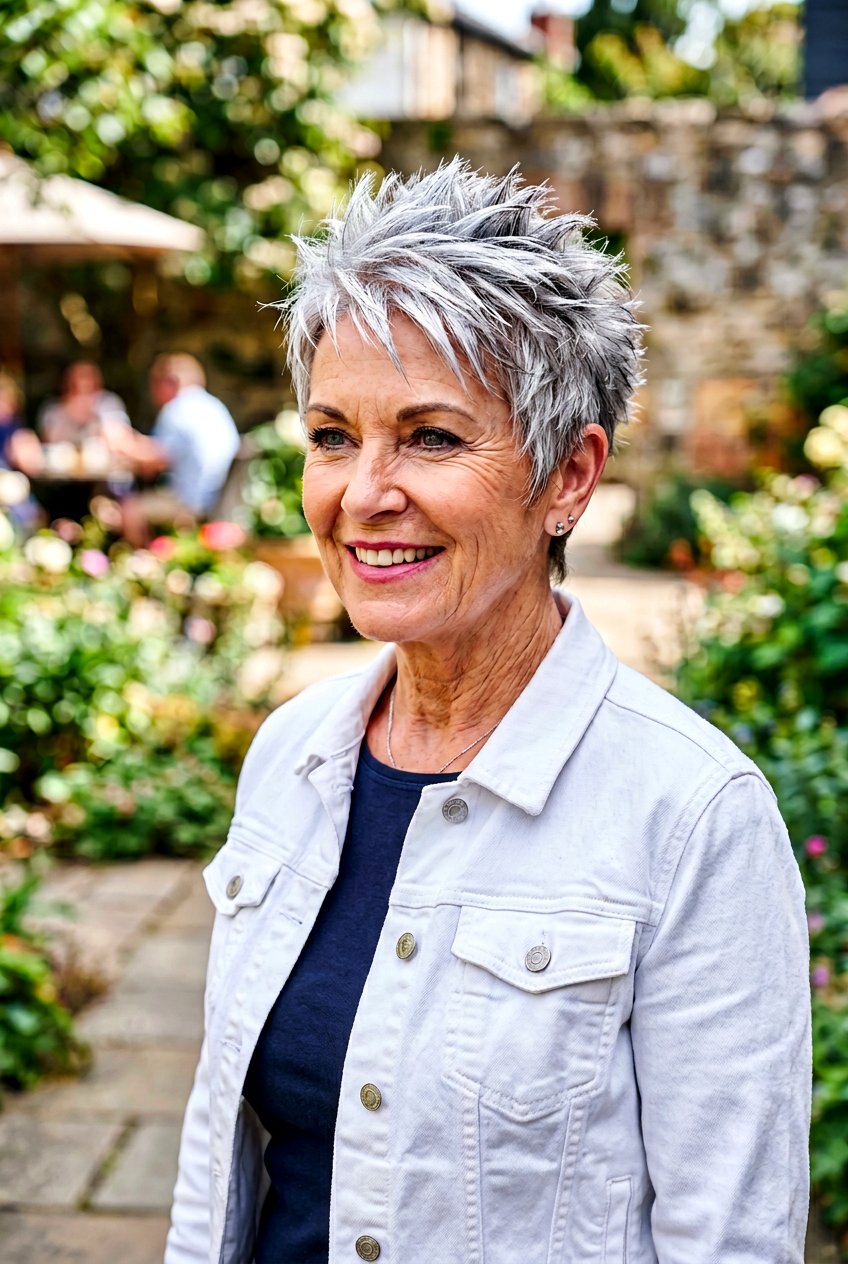
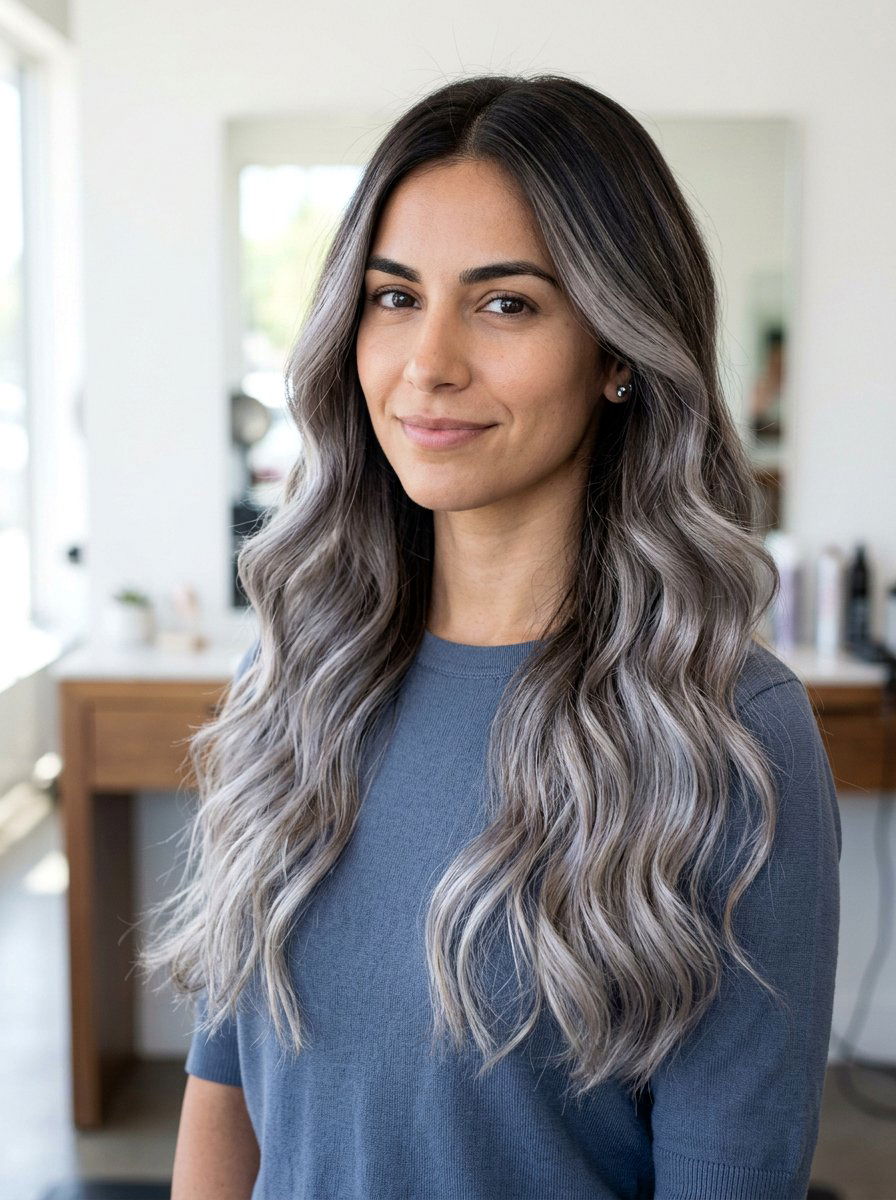
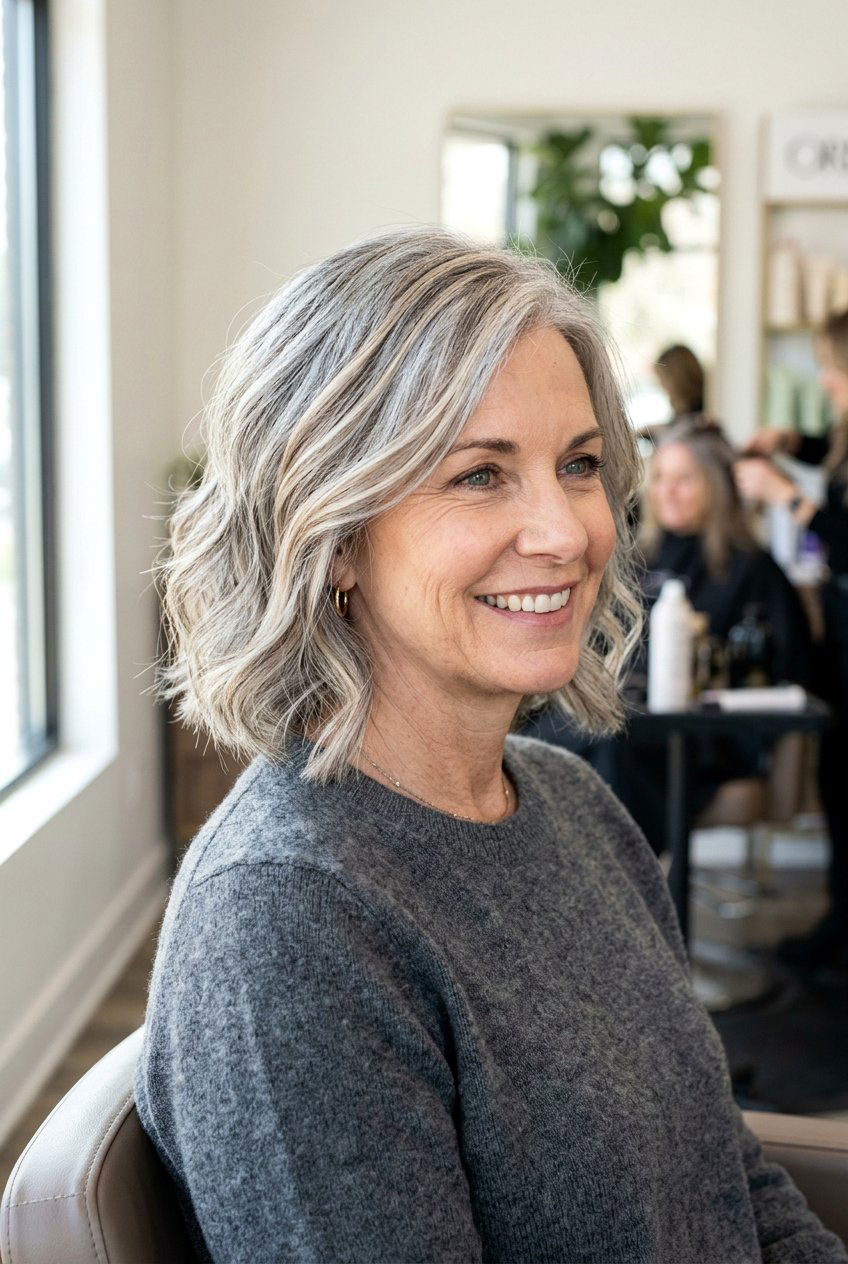
For naturally salt and pepper hair, a shadow root can enhance your pattern rather than hide it, giving a polished, intentional finish. The idea is to darken certain root areas with a cool or neutral shade that matches your darker strands, helping the white and gray threads pop in a flattering way. Your colorist may focus the shadow at the crown and nape while softening around the hairline, mimicking how salt and pepper often distributes naturally. The mids and ends can be lightly toned to remove any yellowing or warmth so the grays read as bright and clean. On short crops, pixies, and layered bobs, this contrast looks very chic, while on longer hair it adds depth so the overall effect is not flat. Paired with hydrating treatments and shine‑boosting glosses, a salt and pepper shadow root makes your natural color the star of the show while still keeping the grow‑out extremely forgiving.
13. Shadow Root With Gray Contouring
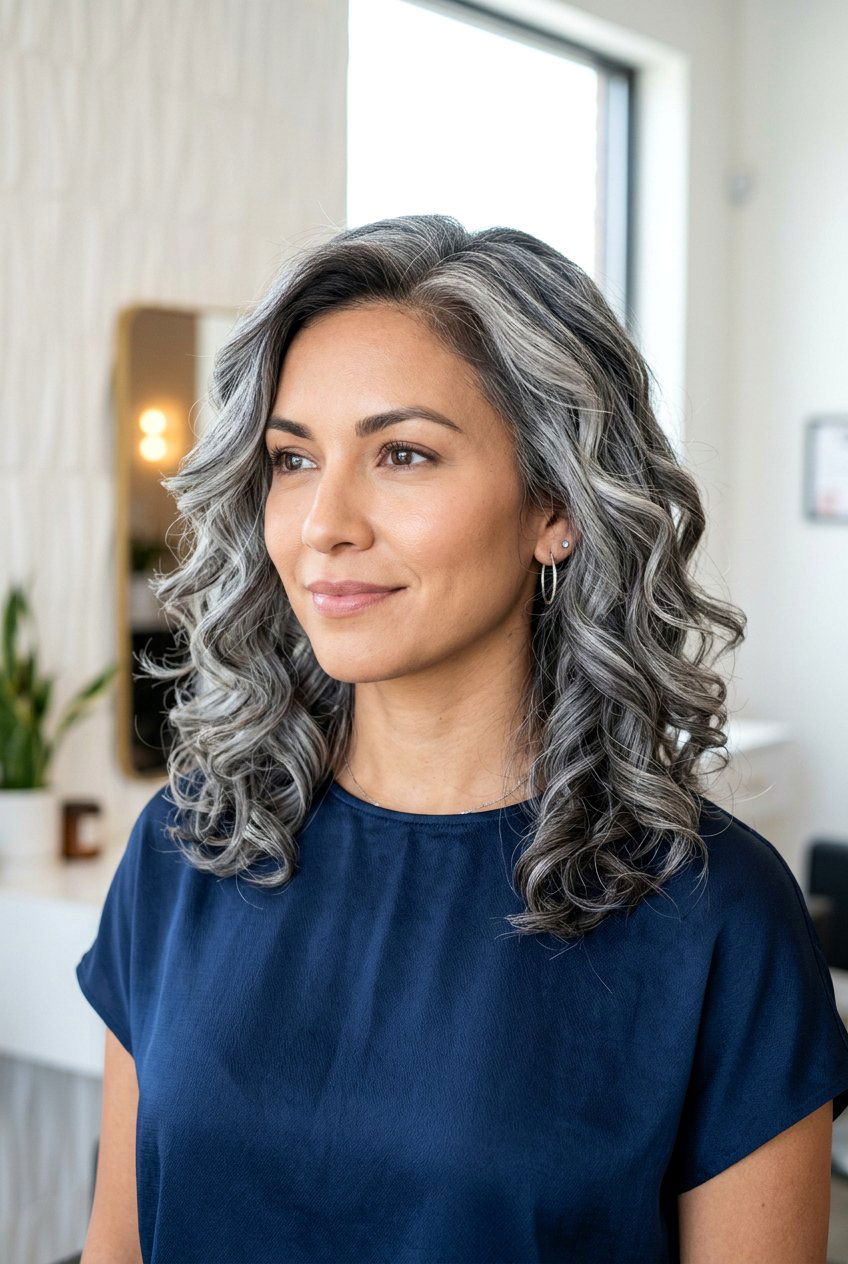
Gray contouring is a trend that uses placement of lighter and darker tones to sculpt the face, and a shadow root is a key tool within that look. Your colorist studies your features, then uses deeper shadow at the root in certain zones and brighter, gray‑friendly highlights in others to create the illusion of lift or softness. For example, they might keep the root deeper above the cheekbones while weaving lighter, silver‑toned pieces around the face and part to brighten. The root shadow ties the whole contour together so there are no obvious starting lines where color or lightness begins. This technique works well on medium to long hair with some layering, as movement helps blend the contoured tones. Because the shades are chosen to echo your natural gray, regrowth blends into the contour rather than disrupting it, making this a sophisticated, personalized way to embrace silver while still flattering your bone structure.
14. Shadow Root On Curly Gray Hair

Curly and coily hair benefits hugely from a carefully designed shadow root because the texture naturally hides lines but can show color bands if application is not thoughtful. For gray blending, your colorist often keeps the root area slightly deeper and cooler, then adds lighter, gray‑friendly tones to select curls and ends. The shadow root is carefully painted in vertical sections and blended with fingers or combs so it melts down the curl pattern without harsh demarcation. Gray strands are allowed to remain visible but are harmonized through toning, so they look like intentional silvery ribbons within your curls. Moisture and protein balance are essential for curly clients, so color formulas and aftercare focus on minimizing dryness and maintaining elasticity. When done properly, a curly shadow root offers soft, dimensional color that grows out beautifully, giving you the option to stretch appointments while your gray continues to blend through your natural coils.
15. Shadow Root With Babylights For Gray Blending
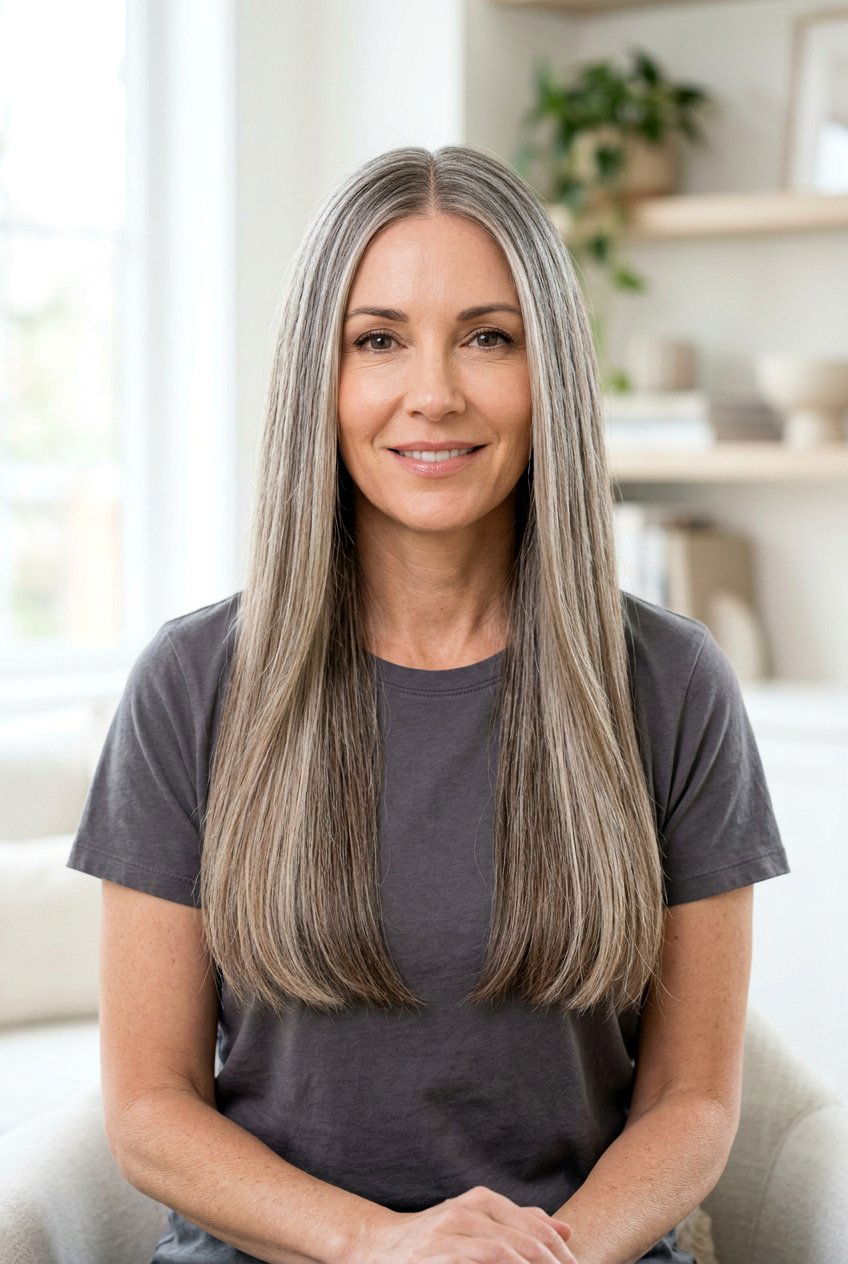
Babylights are ultra‑fine highlights that mimic natural sun‑lightened strands, and pairing them with a shadow root gives very delicate gray blending. Your colorist places tiny, close‑together highlights throughout the hair to add brightness, then applies a slightly deeper root shade and gently smudges it over the top of them near the scalp. Because babylights are so fine, the shadow root does not create stripes; instead, it softens everything and makes the overall result look naturally dimensional. Gray strands disperse among the babylights and root shade so they appear as part of the highlight pattern rather than isolated white hairs. This is ideal if you want a light overall effect but prefer a soft, almost “virgin hair” regrowth look instead of obvious foil lines. With occasional toning glosses to maintain a neutral or cool finish, this combo keeps your color believable and elegant while greatly easing the pressure of frequent root retouches.
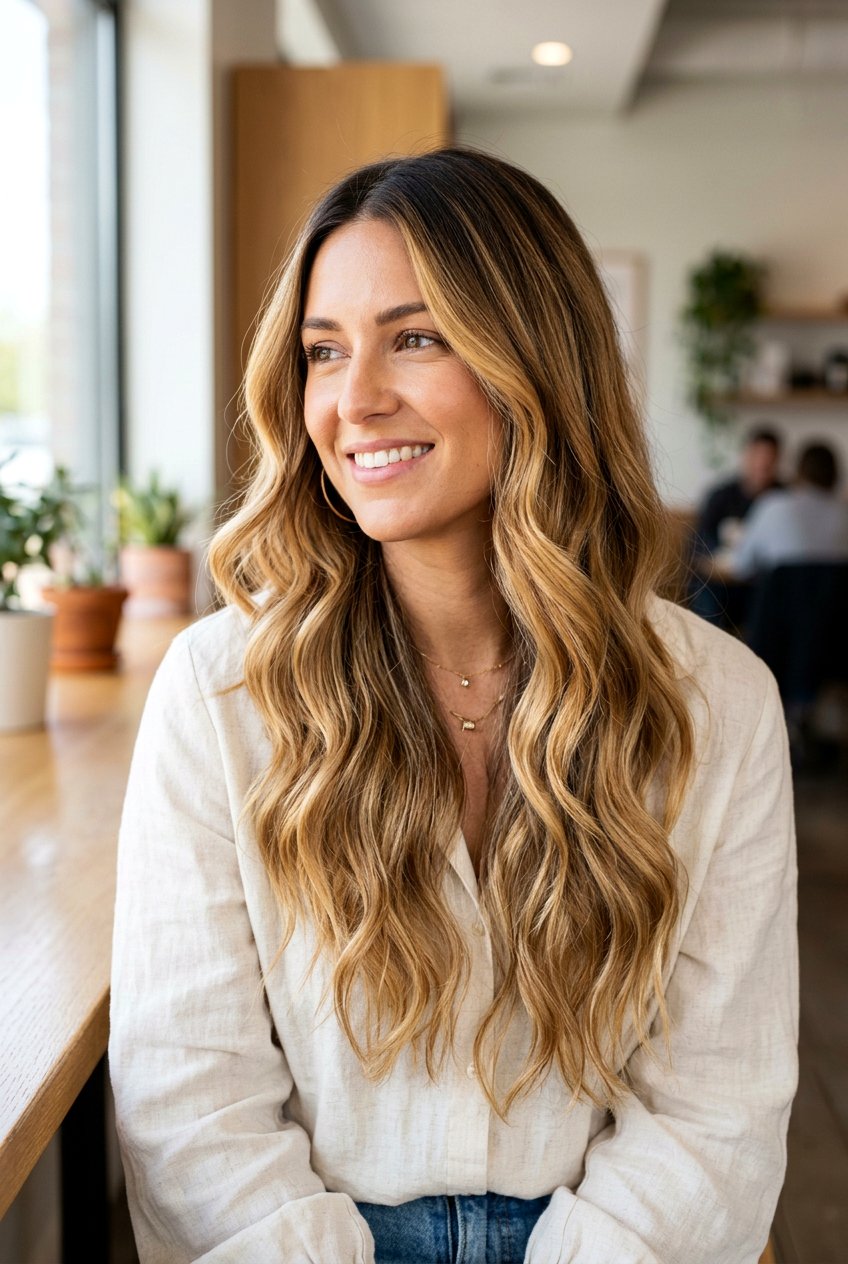

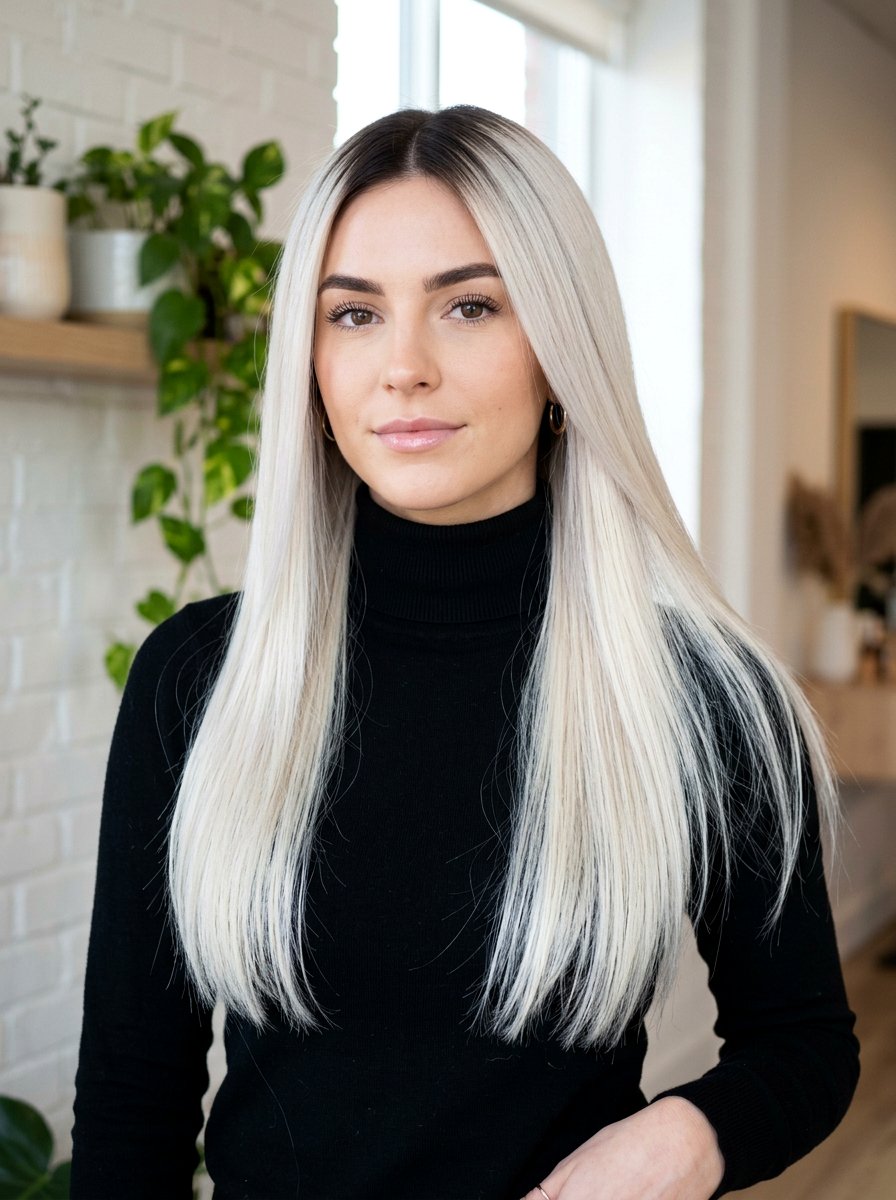

16. Shadow Root For Long Layered Gray Blending
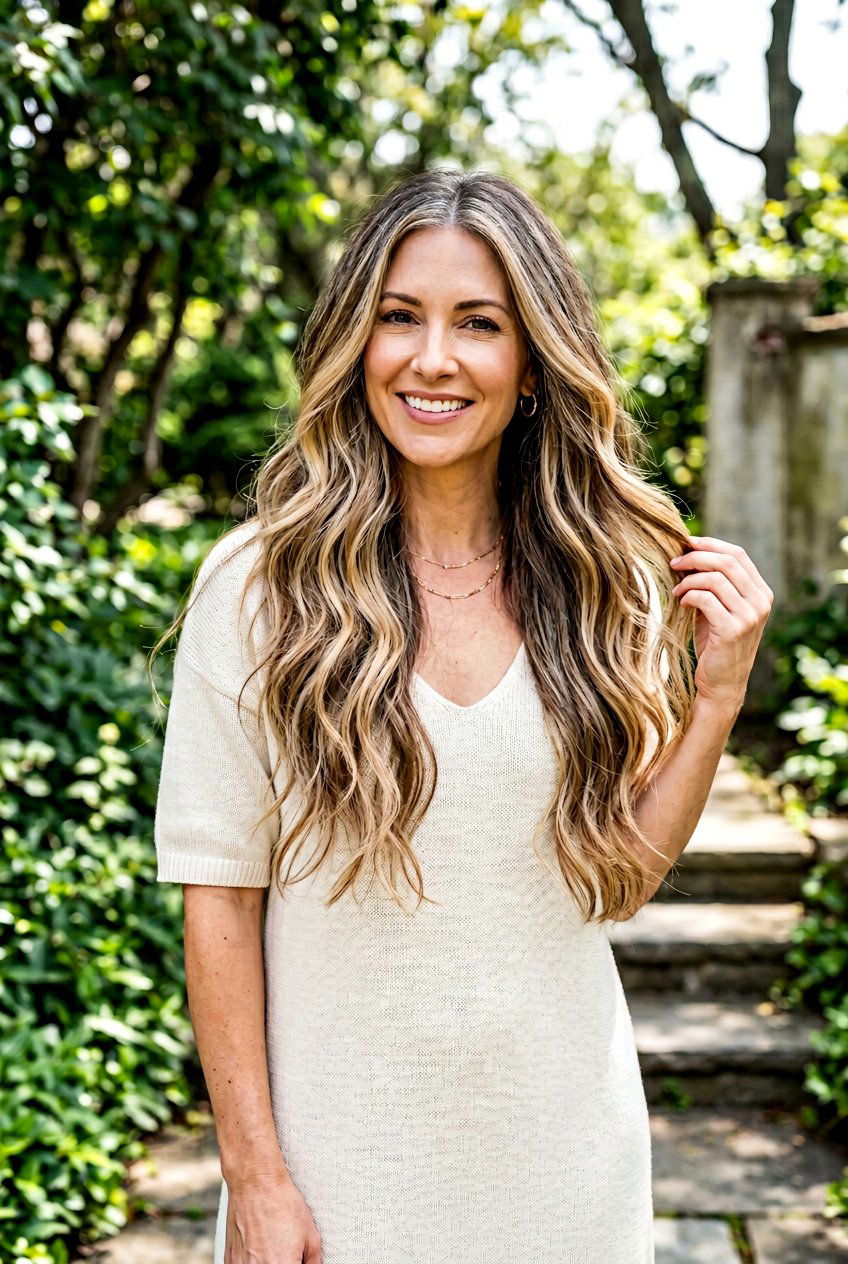
Long layered hair showcases color beautifully, but gray regrowth can be especially visible because of the large surface area at the roots. A shadow root gives you a soft, dimensional base that ties together all your layers and lengths while making regrowth gentler. The colorist deepens and tones the root area to complement your natural shade, then sweeps that color slightly down into the top layers so the shift into lighter mids and ends feels gradual. Highlighting or lightening is usually focused from mid‑length downward, leaving plenty of room for gray to grow in at the scalp without immediately hitting bright blonde. On long hair, this creates a flowing gradient that looks intentional whether you wear your hair straight, waved, or curled. Proper home care, including heat protection and sulfate‑free products, keeps both the shadow root and the rest of your color glossy so your gray blend stays soft and dimensional between salon visits.
17. Cool Blonde Shadow Root For Gray Hair

Cool blonde tones are especially helpful when blending gray because they echo the natural coolness of silver strands. A cool blonde shadow root uses a slightly deeper, ash or beige root shade that fades into icy, pearl, or neutral blonde mids and ends. This combination prevents the warmth that can make gray look dull or yellow while still giving you the bright blonde you love. Gray regrowth at the scalp flows into the cool root tone and then into the blonde lengths, so the entire palette remains cohesive as it grows out. This look is particularly flattering on fair to medium skin tones but can be adjusted with more beige or neutral tones for deeper complexions. Regular at‑home purple shampoo, used carefully to avoid over‑toning, helps maintain that cool clarity while the shadow root itself buys you more time between full color services.
18. Warm Beige Shadow Root For Gray Blending

Not everyone suits a very cool palette; in that case, a warm beige shadow root offers gray blending with a softer, creamier feel. Here, the root shade is kept only slightly deeper than your mids, with beige, honey, or soft caramel tones that stay warm but not brassy. Gray hairs pick up some of that beige when toned, so they read as gentle highlights instead of stark white. The shadow root is blended carefully into the lighter ends to create a melted effect that works well on both straight and wavy hair. This option complements warmer skin tones and those who naturally pull warmth in their hair but do not want to fight it with harsh ash shades. Using color‑safe shampoos and occasional blue‑based toning products can keep the warmth refined so your beige shadow root continues to flatter your gray rather than turning overly golden.
19. At Home Shadow Root For Gray Blending

Some people choose to maintain a shadow root for gray blending at home between salon visits, though care and caution are essential. Most at‑home approaches focus on using a demi‑permanent or gloss formula close to your natural shade so mistakes are softer and fade more gently. You would part hair into sections, apply the root shade along the regrowth zone, and then comb or smudge it slightly into the mid‑lengths to avoid a hard line. Timing is crucial; leaving color on too long or choosing a shade that is too dark can create a band that makes gray more noticeable rather than less. Many professionals recommend seeing a colorist to establish your formula and map out where the shadow should sit before you attempt maintenance at home. Even if you do some root blending yourself, periodic salon visits for corrective toning, trims, and professional advice will help keep your gray transition on track and your hair healthy.
20. Shadow Root Maintenance For Gray Blending

The success of any shadow root for gray blending depends heavily on how you care for your hair afterward. Gentle, sulfate‑free shampoos and conditioners protect the color molecules and prevent rapid fading, which is especially important near the root where your gray and colored hair meet. Many colorists suggest washing less frequently, using cooler water, and incorporating leave‑in conditioners and heat protectants to preserve shine and softness. For gray‑inclusive palettes, purple or blue toning products used once a week or as recommended can counter yellowing and keep both your silver and colored sections clear. Gloss appointments every six to ten weeks refresh the root shadow and mid‑length tones without needing a full lightening service each time. With this kind of routine, your shadow root stays blended and flattering as your gray increases, letting you move gradually and confidently toward more natural silver if that is your long‑term goal.
Conclusion:
Embracing gray does not have to mean giving up flattering color, and shadow root techniques are proof of that. By deepening and softening the root area, then carefully blending it into lighter or brighter mids and ends, you trade harsh regrowth lines for a diffused grow‑out that feels intentional. Whether you are just spotting your first grays or already have a salt and pepper base, there is a version of shadow root—soft, melted, cool, or warm—designed to work with your natural pattern. Modern approaches lean into dimensional, “lived‑in” color, using techniques like balayage, babylights, gray contouring, and glossing to respect texture and face shape while easing maintenance. With the right pairing of color, cut, and at‑home care, a shadow root lets you stretch time between appointments, protect hair health, and still feel polished at every stage of your gray journey. Working with an experienced colorist who understands gray blending will help you fine‑tune depth, tone, and placement so your hair looks cohesive, modern, and uniquely yours.
You'll Like These Styles:







Leave a Reply