
Now I have enough research context to write the full article. Let me craft all 20 sections on balayage techniques and looks for gray blending.
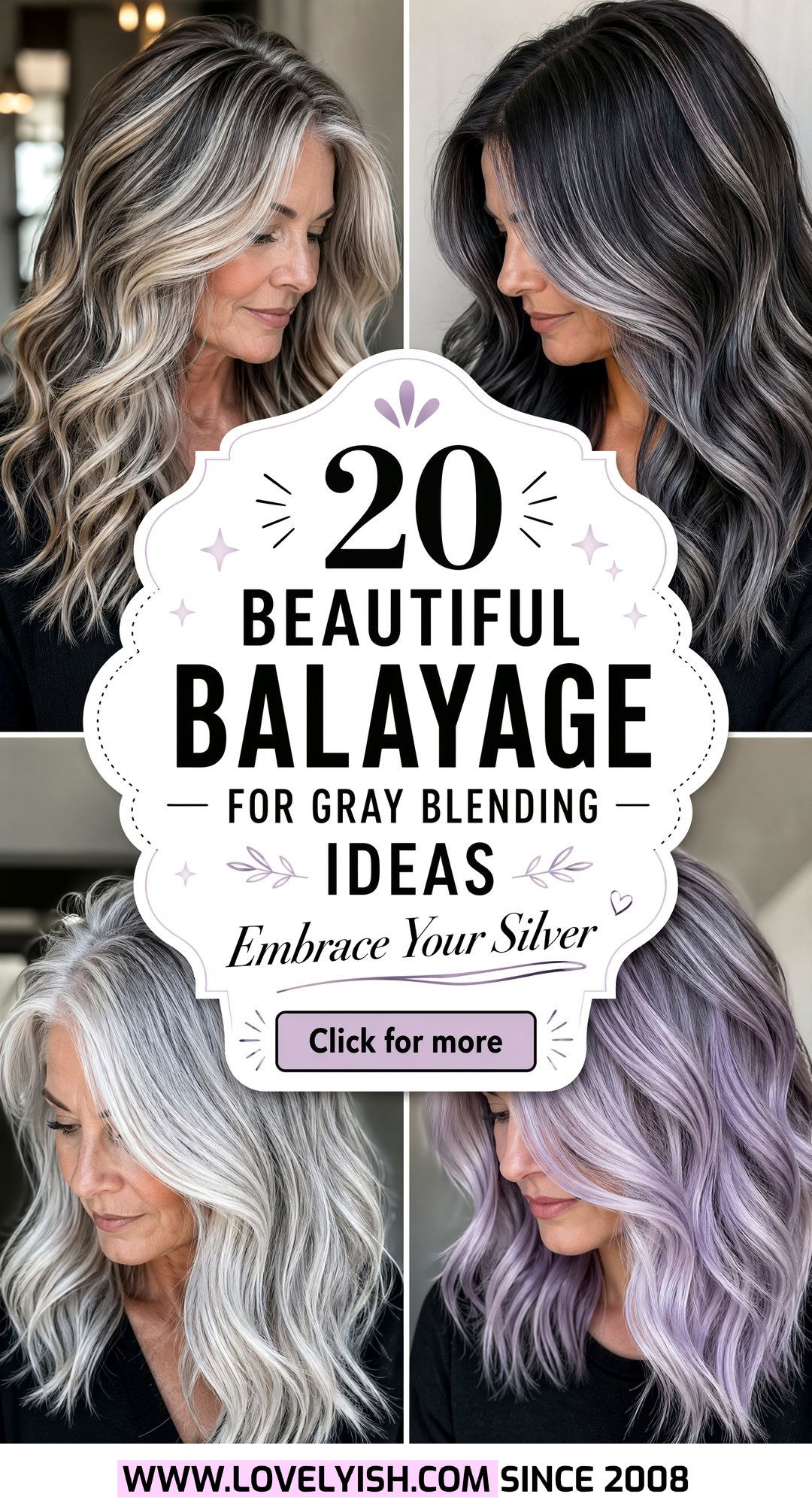
Gray blending with balayage is one of the most searched hair color approaches right now, and for good reason — it’s low-maintenance, natural-looking, and works beautifully for every hair type. Whether you’re just starting to notice silver strands or you’re well into your gray journey, balayage offers a seamless, dimensional way to blend grays without the commitment of full coverage color. Instead of hiding your grays, this technique works *with* them, creating a multi-tonal effect that looks intentional and polished. The 20 balayage ideas below cover everything from soft ash blondes to rich brunette blends, so no matter your base color or texture, there’s a look here that will work for you.
1. Silver Balayage on Dark Brown Hair
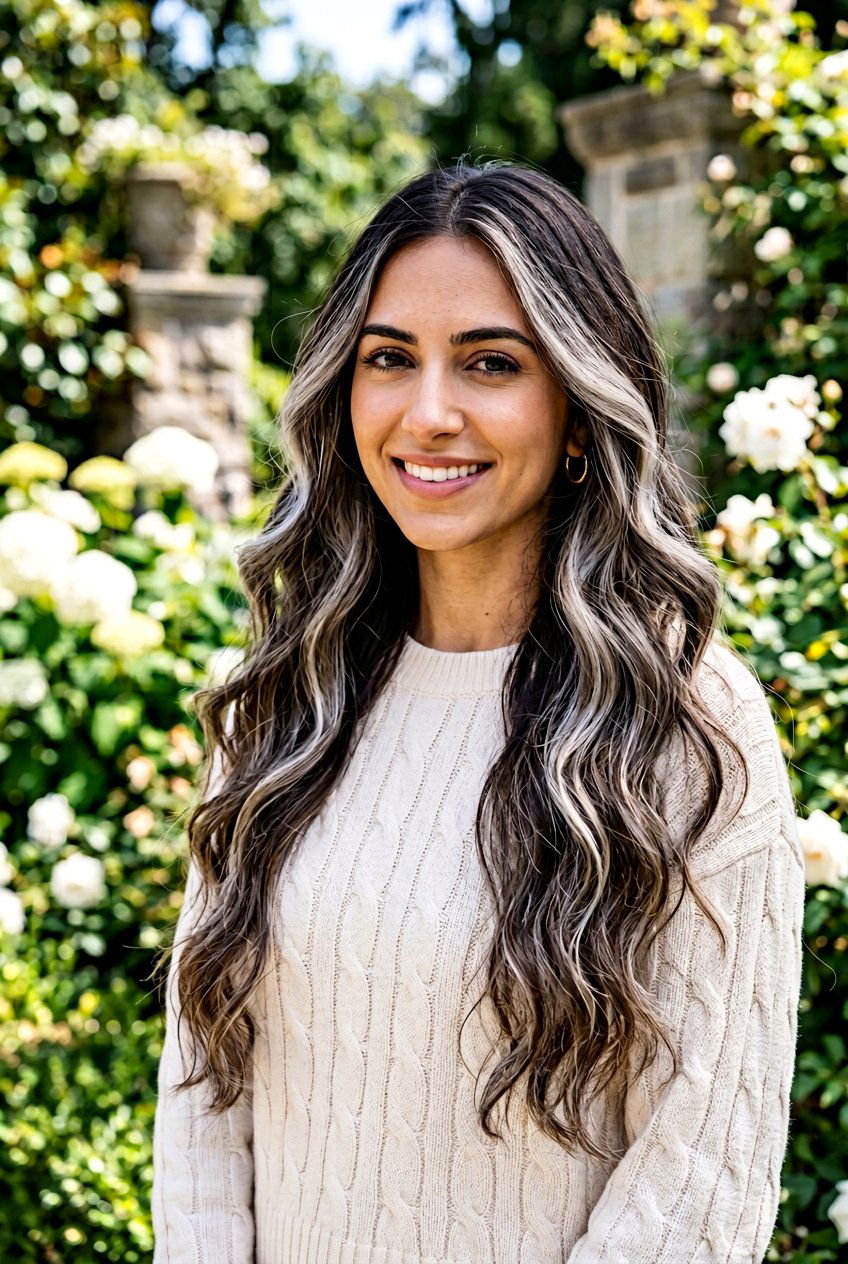
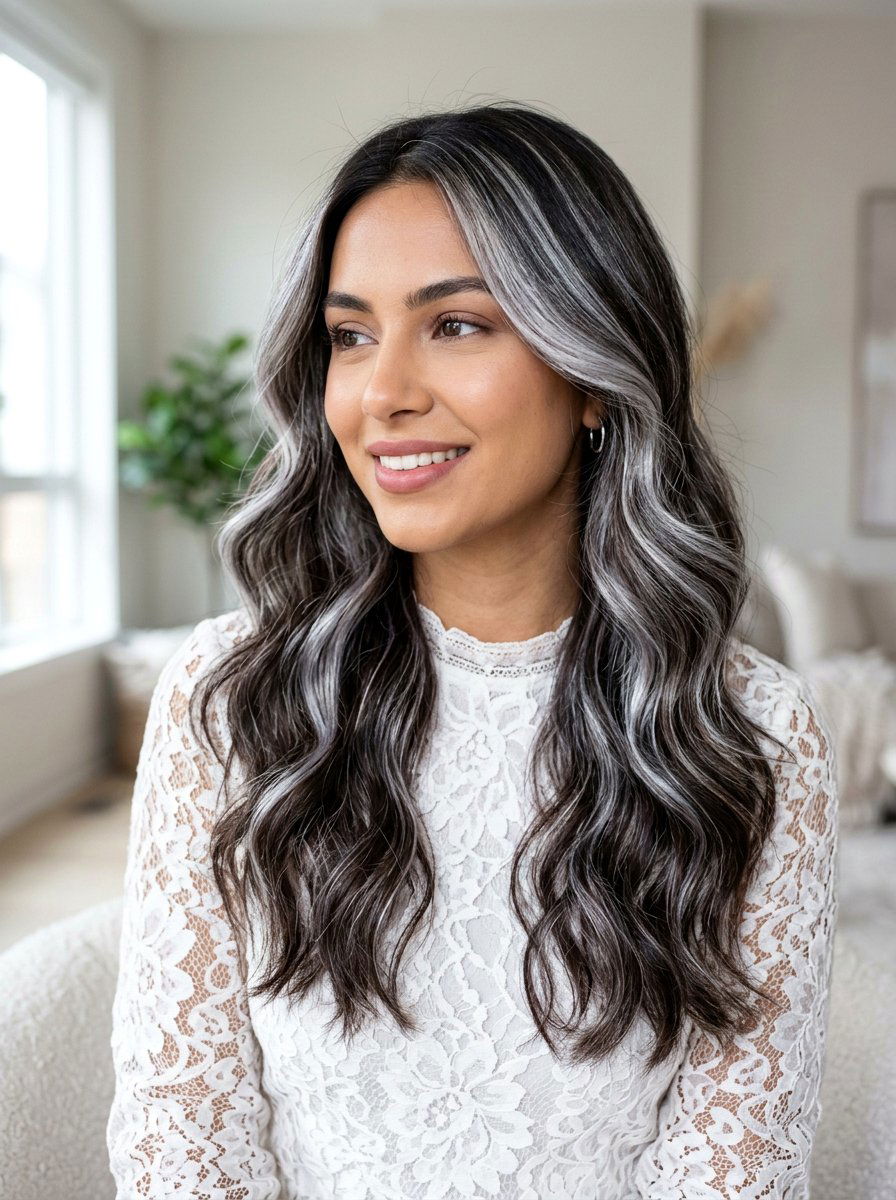
Dark brown hair and silver grays might seem like opposites, but that contrast is exactly what makes this look so striking. Silver balayage hand-painted over a dark brown base creates a bold, dimensional effect that softens the line between natural grays and your base color. The silver tones are swept through mid-lengths and ends, pulling the eye away from root regrowth and making the whole look feel intentional. It works especially well on medium to long hair, where the color shift has room to develop. This is a great starting point if you’re new to gray blending and want a dramatic but natural result without going fully silver.
2. Ash Blonde Balayage for Salt-and-Pepper Hair
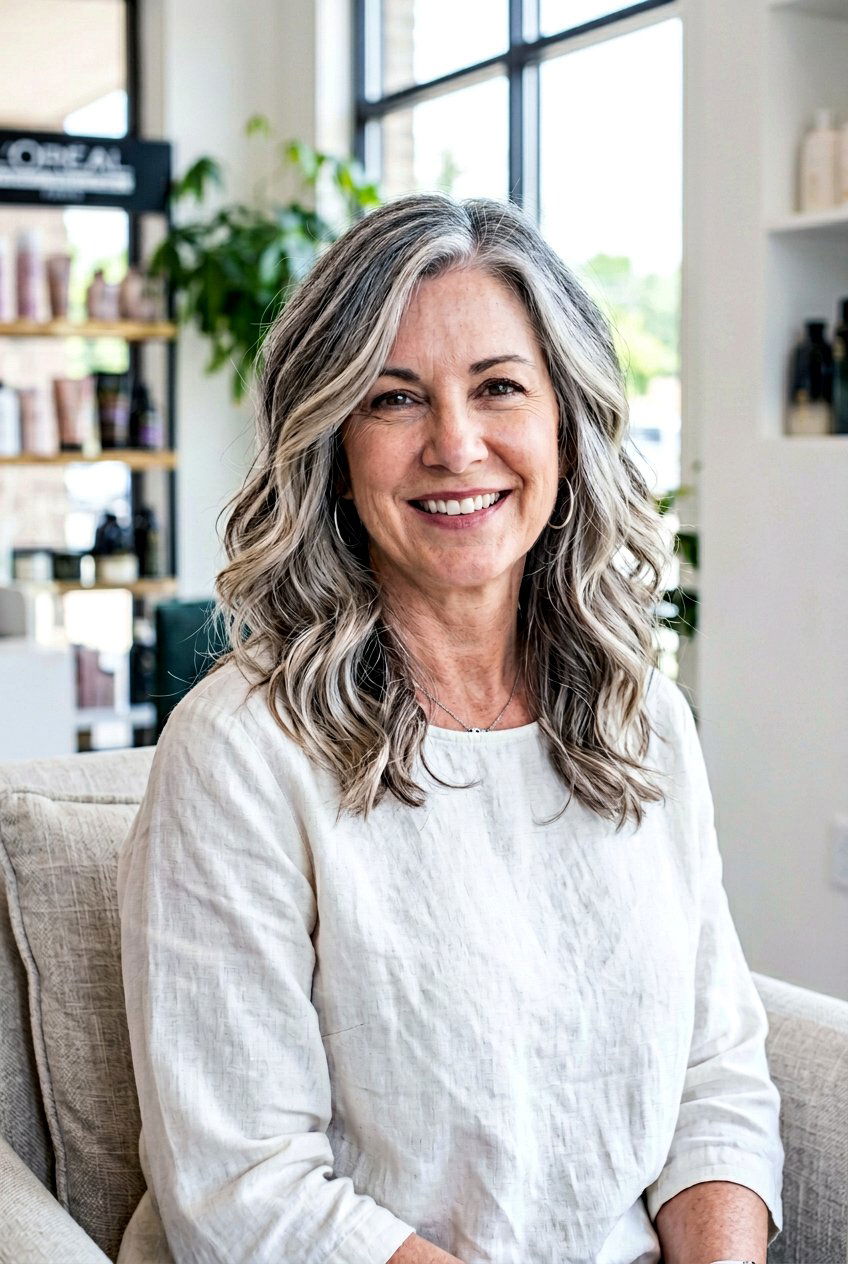
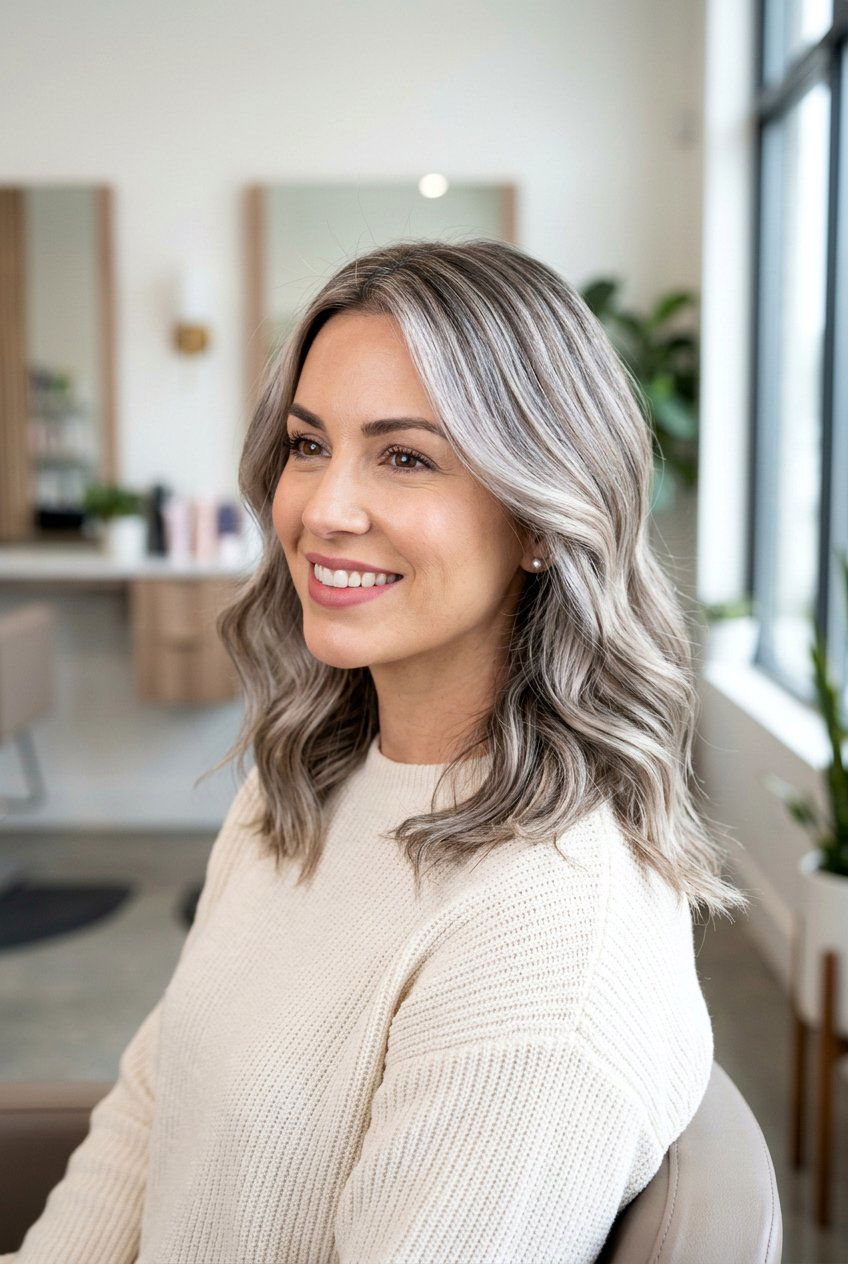
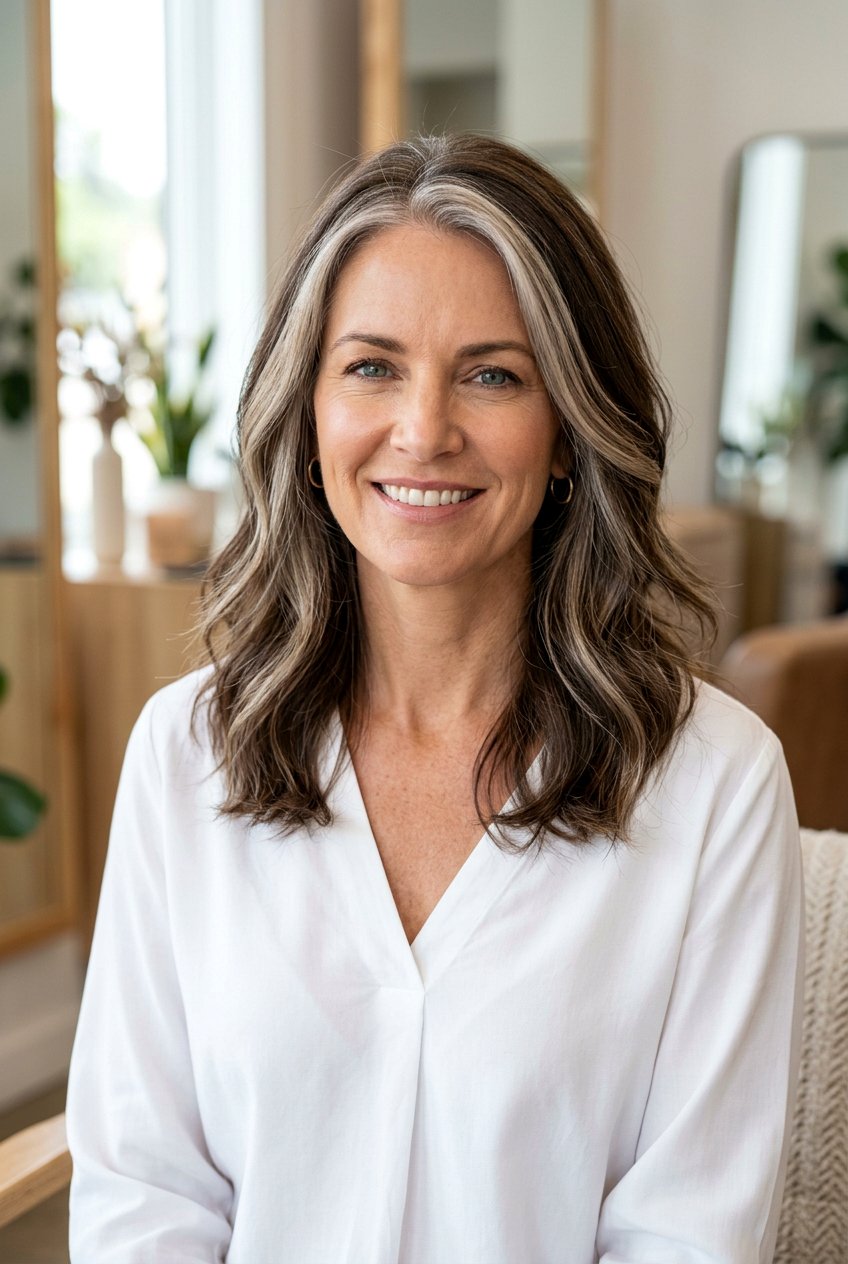
Salt-and-pepper hair has a natural mix of dark and silver strands that can look incredible with the right balayage approach. Ash blonde highlights painted through the mid-lengths and ends tie the two tones together effortlessly. The cool, muted tone of ash blonde matches the silver without clashing with the darker base, making the whole look feel cohesive and intentional. This style works especially well for women with medium to coarse hair texture, as the balayage adds visible dimension without needing a ton of product to style. Maintenance is minimal — touch-ups every 10 to 12 weeks keep it looking fresh.
3. Caramel Balayage with Gray Root Blend
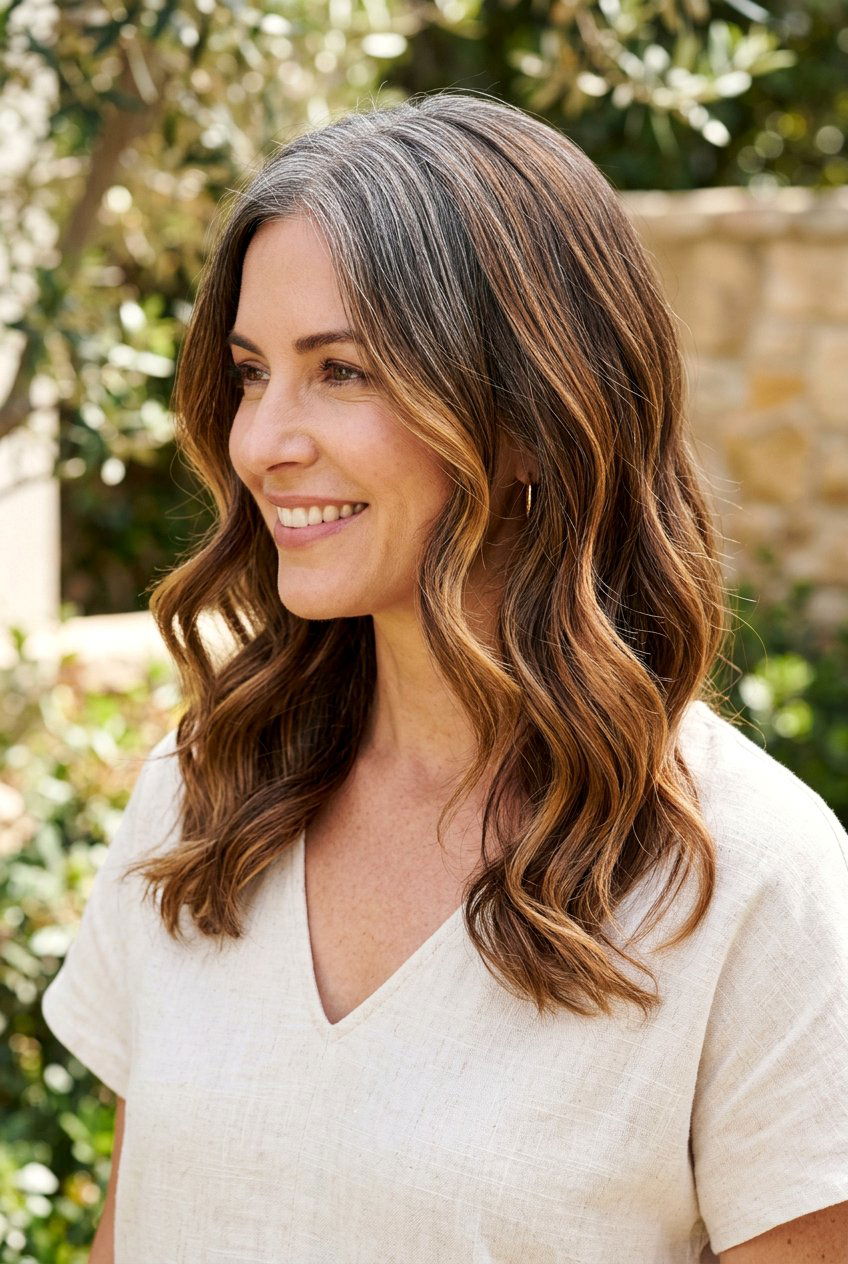
Warm caramel tones might not be the first thing you think of for gray blending, but they work surprisingly well for women with medium brown base colors. The key is using a soft caramel — not too orange — and applying it in sweeping sections below the root zone. This creates a warm, sun-kissed gradient that visually breaks up the gray-to-brown contrast. The result feels natural, like hair that’s been lightened by the sun rather than touched by a brush. It’s a flattering option for women with warm skin tones, and it pairs beautifully with a loose wave or natural texture.
4. Platinum Balayage for Transitioning to Gray
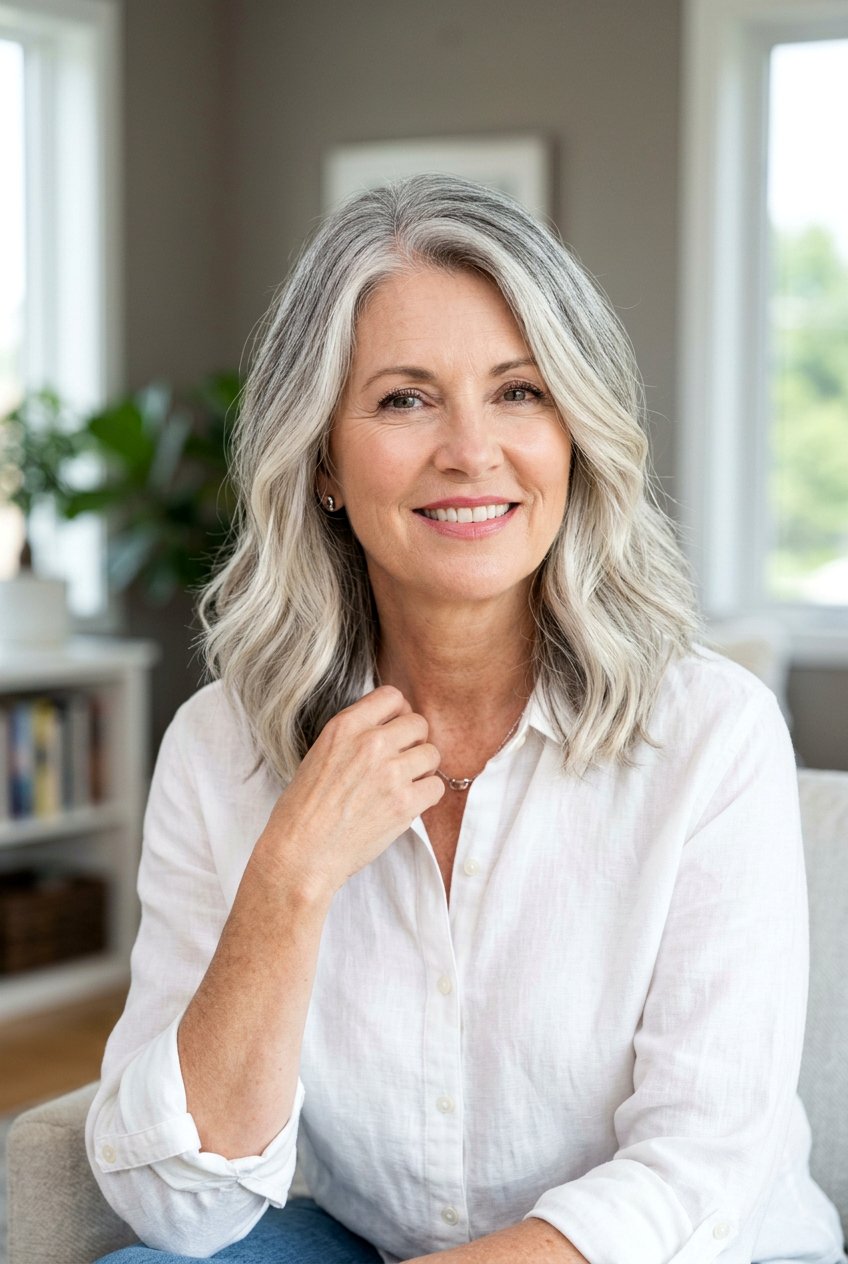
If you’re ready to lean all the way into your grays, platinum balayage is a bold and beautiful approach. This technique involves painting very light, near-white highlights throughout the hair to match and amplify your natural silvers. Rather than fighting the transition, platinum balayage accelerates it visually, making the grays look fully intentional and fashion-forward. It works best on women who are already 40 to 60 percent gray, since the existing silver provides the base needed for the platinum to blend naturally. Bond-protecting treatments like Olaplex are highly recommended during the process to keep hair healthy and strong.
5. Balayage Root Stretch on Gray Roots
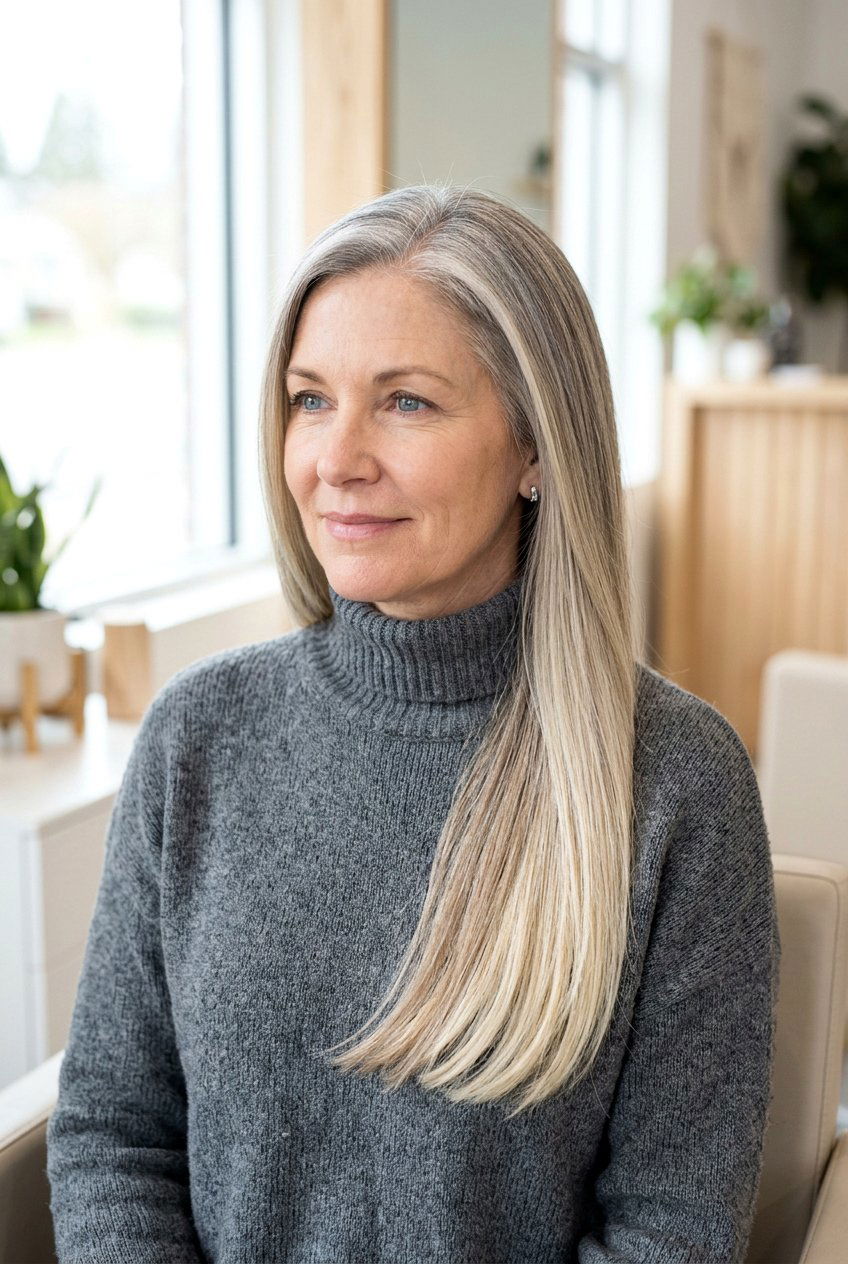
The root stretch technique is one of the most practical balayage approaches for gray blending. Color is applied at the roots and gradually stretched downward through the mid-lengths, creating a soft, natural gradient that mimics how hair actually grows. For women with prominent gray roots, this method makes the grow-out look intentional rather than neglected. It eliminates the harsh line of demarcation that can appear with traditional all-over color, and it significantly reduces the frequency of salon visits. Touch-ups are needed far less often than with regular root color — typically every 10 to 14 weeks.
6. Cool-Toned Balayage on Gray Blonde Hair
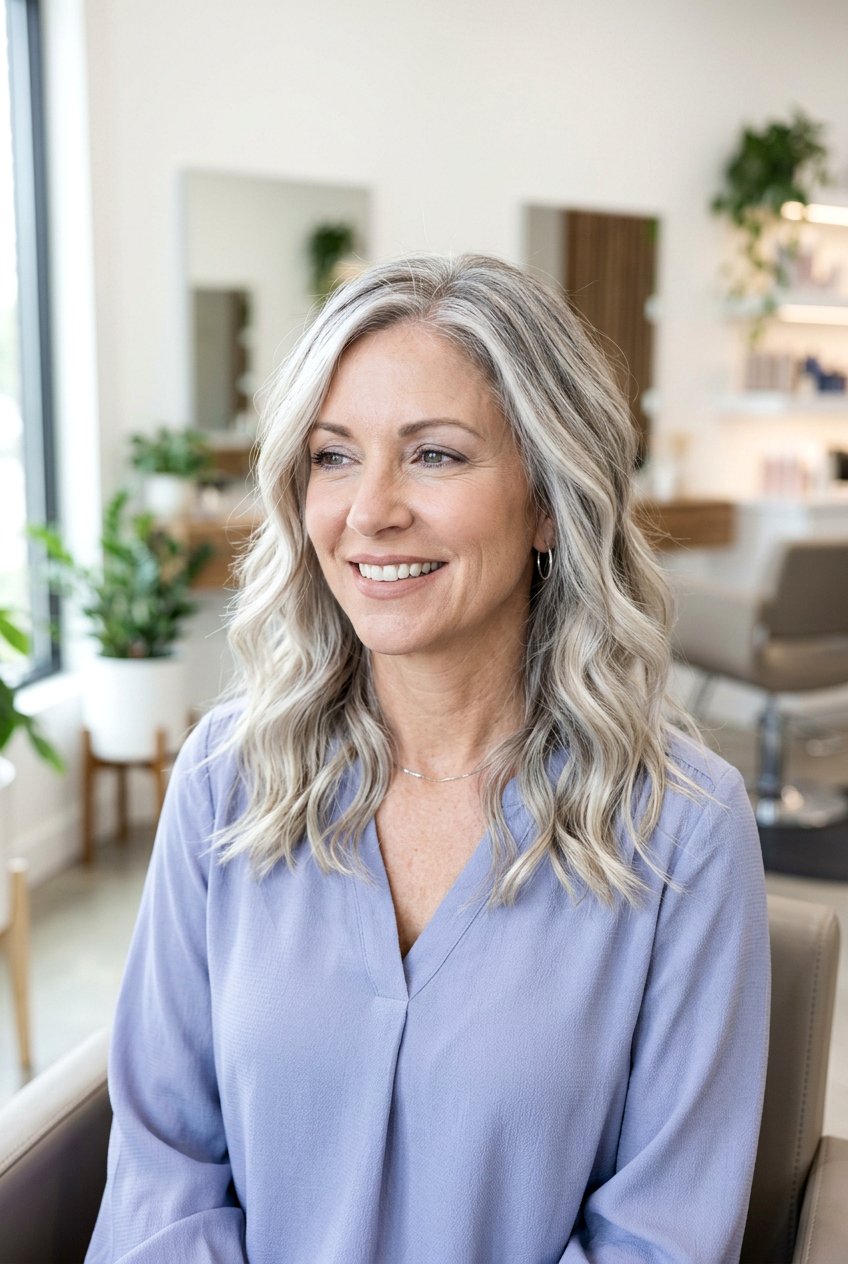
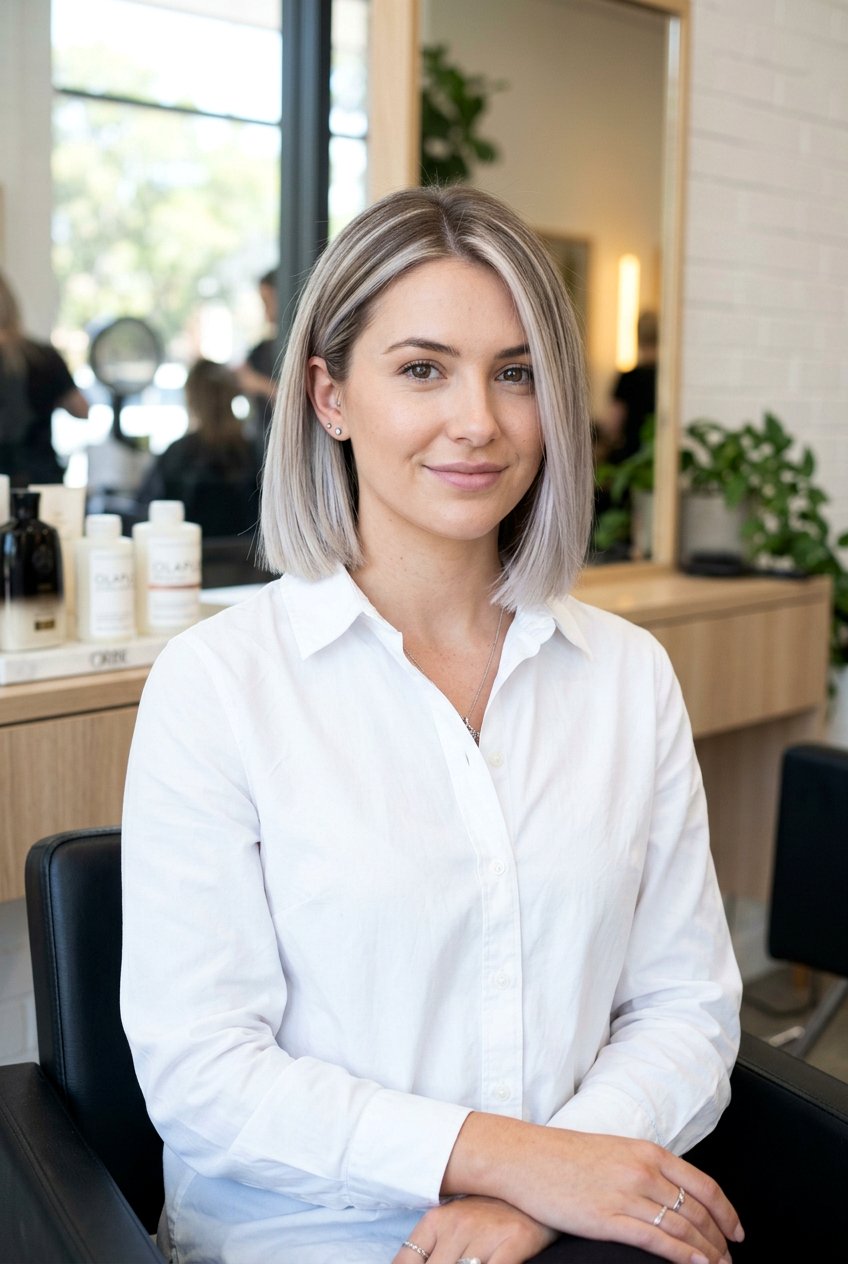
Naturally blonde hair that’s turning gray tends to have a mix of golden, ashy, and silver tones that can sometimes look dull without the right color treatment. Cool-toned balayage — using shades like icy blonde or pearl — refreshes and unifies these tones beautifully. The cool hues complement the silver without clashing, and the hand-painted application keeps the finish looking soft and dimensional. A gloss treatment in a neutral or violet-based toner can be added at the end to reduce any brassiness and give the whole look a polished, salon-fresh finish. This style is especially flattering on women with cool or neutral undertones.
7. Dimensional Brunette Balayage with Gray Integration
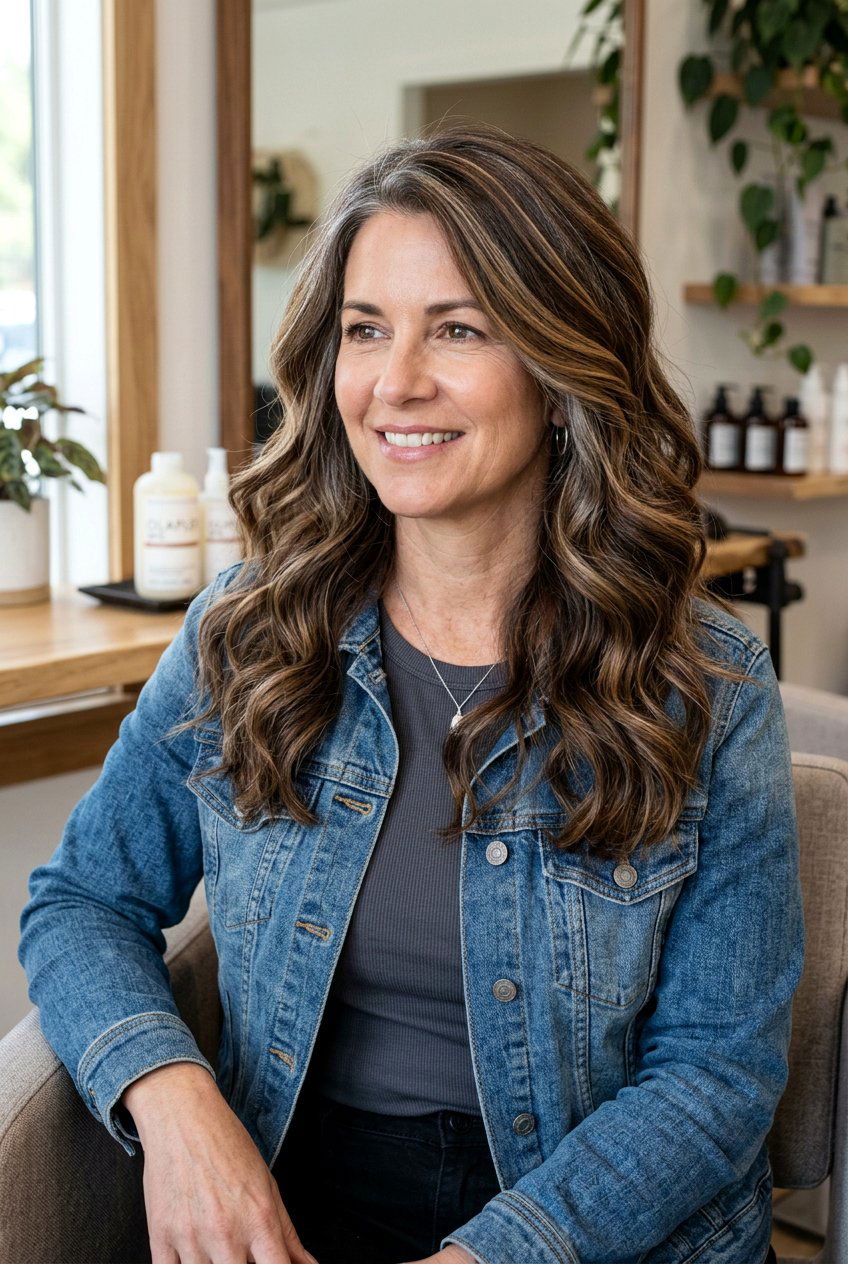
For brunettes who want to blend grays without drastically lightening their hair, a dimensional brunette balayage is the answer. This technique uses a mix of soft caramel and light brown tones painted at various depths throughout the hair to create texture and movement. The grays are incorporated naturally within these painted sections, so they read as intentional highlights rather than stray silvers. The result is a rich, multi-tonal look that feels very natural and is extremely low maintenance. This works especially well on thick or wavy hair, where the layered tones catch the light beautifully and add visible depth.
8. Face-Framing Balayage to Blend Gray Temples
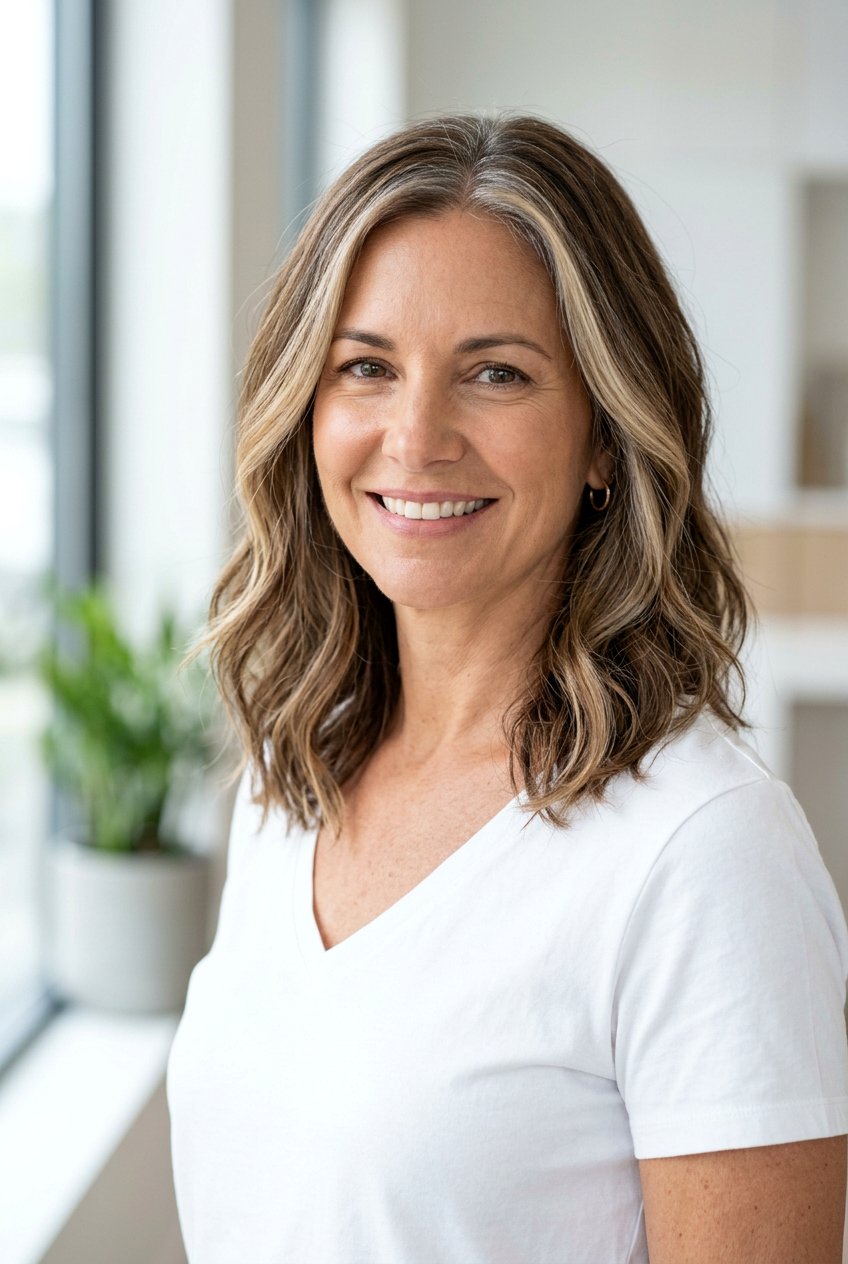
Gray tends to appear first at the temples and hairline, which can create contrast that feels sharp or uneven. Face-framing balayage targets exactly this area, painting lighter highlights around the face to soften the transition and brighten the complexion at the same time. The technique works by blending the silver temple hairs into a brighter, lighter section that flatters the face and draws attention to your features. It’s a subtle approach that doesn’t require all-over color, making it a great entry point for women who are just starting to go gray. The results are natural-looking and incredibly wearable for everyday life.
9. Metallic Silver Balayage for Bold Gray Looks
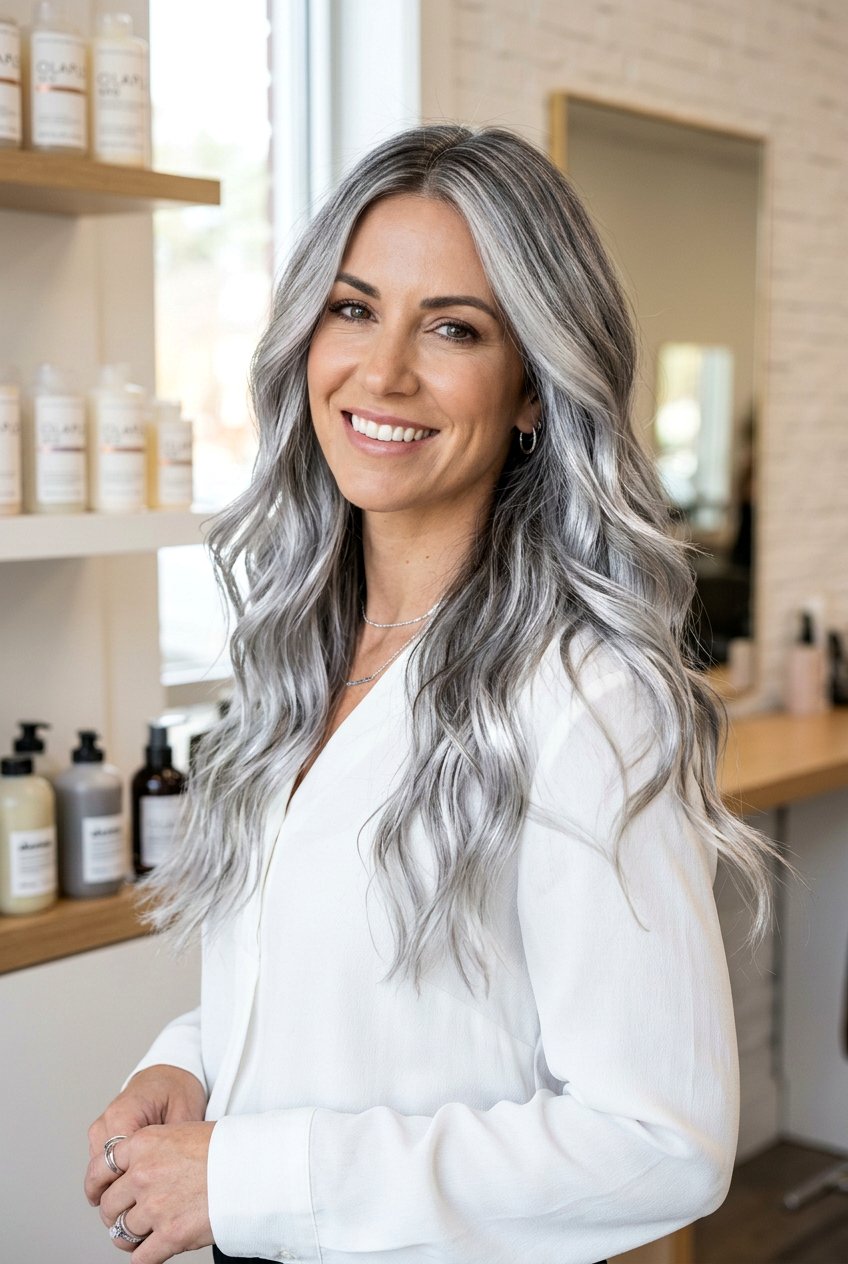
Some women want to lean into the silver fully — and metallic silver balayage delivers exactly that. This approach uses bright, almost reflective silver tones that are swept through the hair in bold sections, creating a striking, high-fashion look. It works best on lighter bases or pre-lightened hair, where the metallic tone can really show its shine. The effect is dramatic and intentional — far removed from the idea of “going gray.” Styling with a shine serum or gloss spray takes the metallic finish to the next level. This look has been trending heavily in 2025 and into 2026, showing up everywhere from runways to street style.
10. Smoky Balayage for Medium Gray Coverage
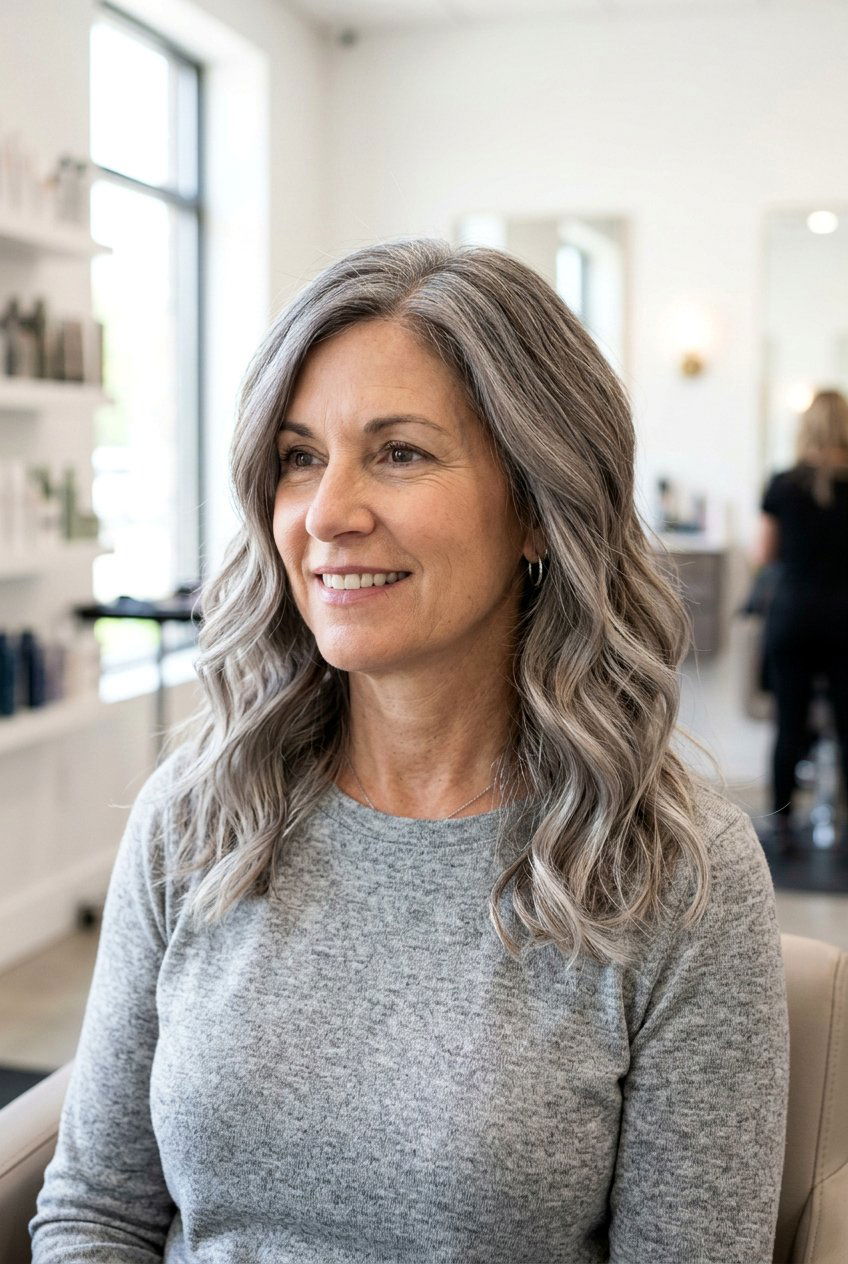
Smoky balayage uses a blend of cool ash, taupe, and silver tones to create a hazy, dimensional effect that works perfectly for medium levels of gray. Rather than picking one highlight shade, this approach layers two or three cool tones to mimic the natural variety of gray strands. It’s a sophisticated look that works beautifully on both straight and wavy hair. The smoky quality of the color gives the hair an almost moody, editorial feel while still looking completely wearable. A toning gloss in a slate or ash shade can be used between salon visits to keep the cool tones from fading to brassy or yellow.
11. Blonde Balayage Blending Gray for Dark Roots
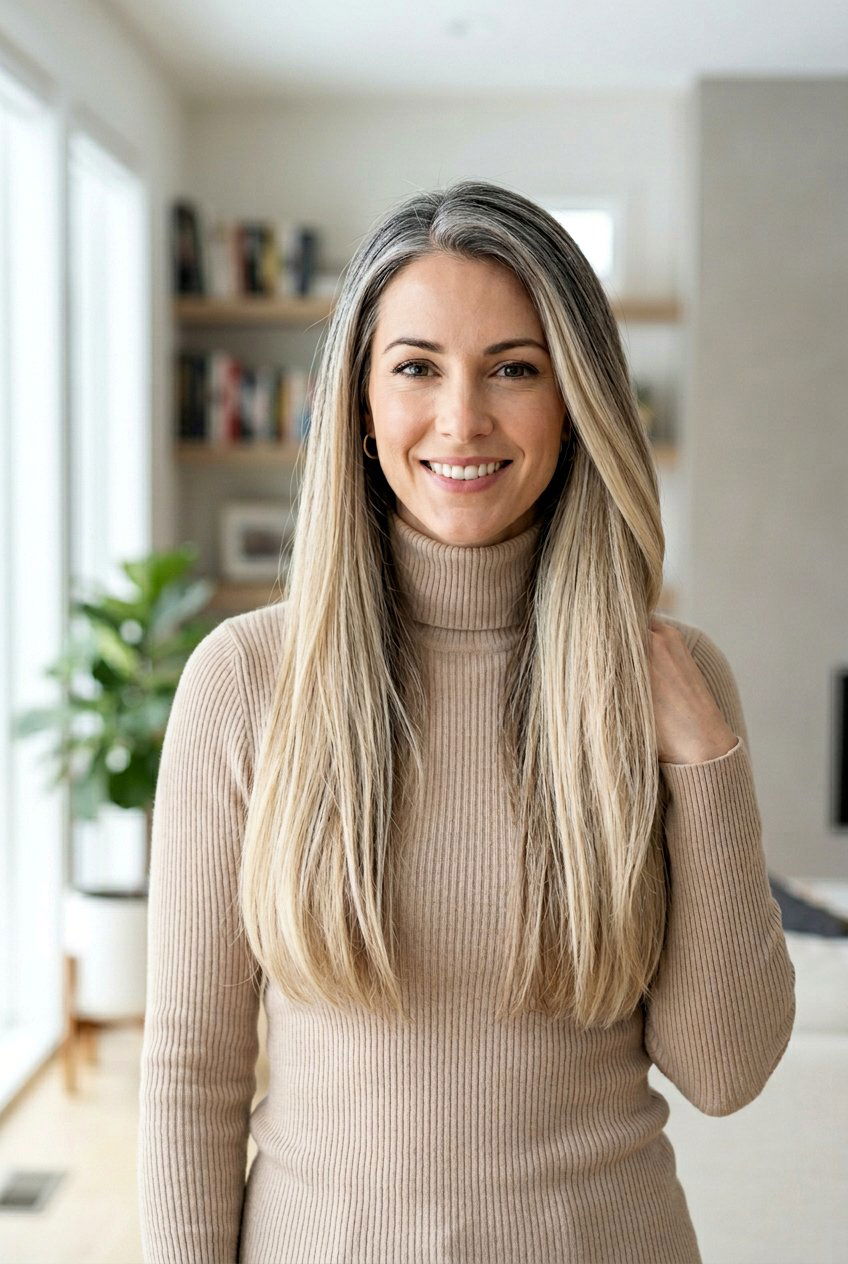
Dark roots paired with blonde balayage lengths is a classic combination — and it’s also one of the most effective ways to blend grays. As the natural grays grow in at the root, they blend seamlessly with the existing shadow root, creating a lived-in, natural gradient. The lighter blonde at the mid-lengths and ends keeps the look bright and fresh without requiring constant touch-ups. This style is especially popular among women in their 40s and 50s who want a low-maintenance color that still looks polished and put-together. Regular toning with a purple or blue shampoo prevents brassiness and keeps the blonde looking clean.
12. Copper Balayage with Gray Strand Blending
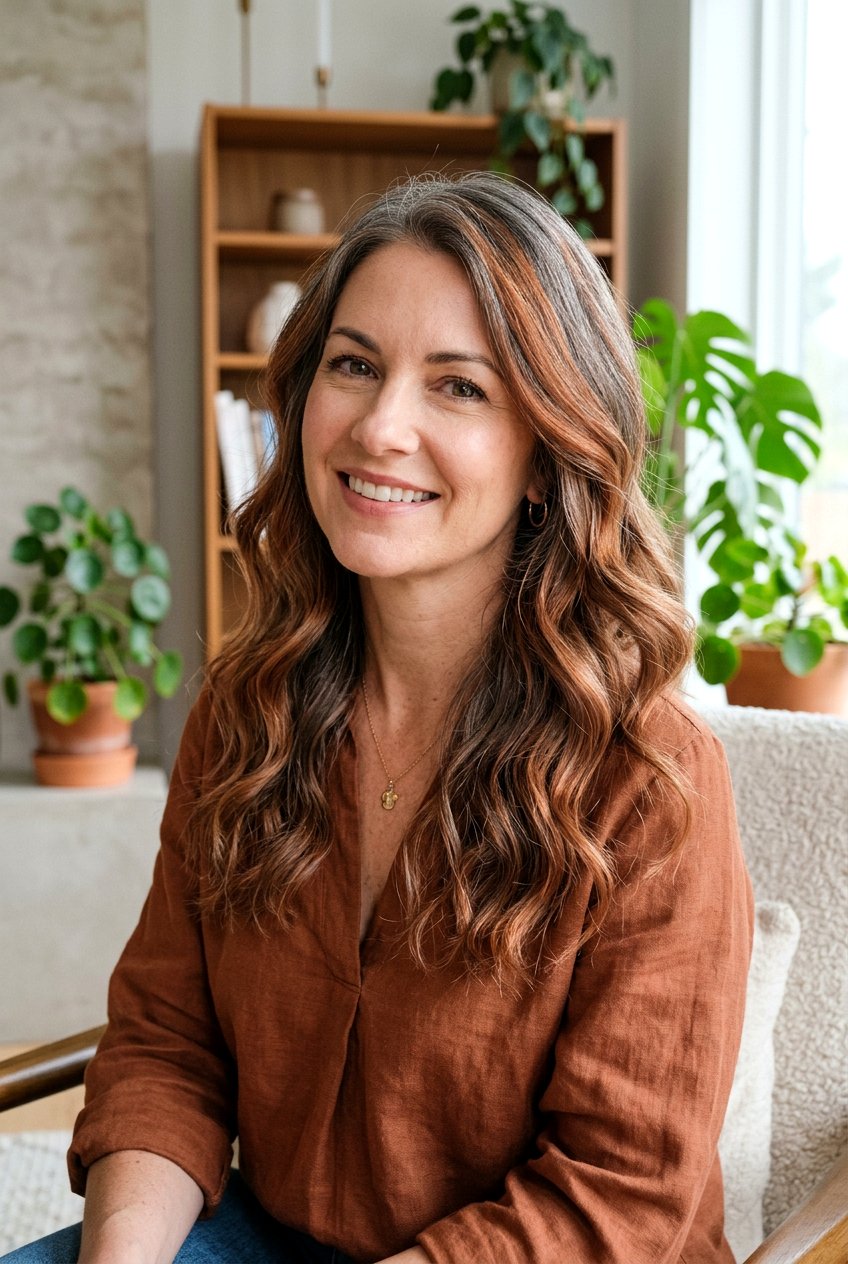
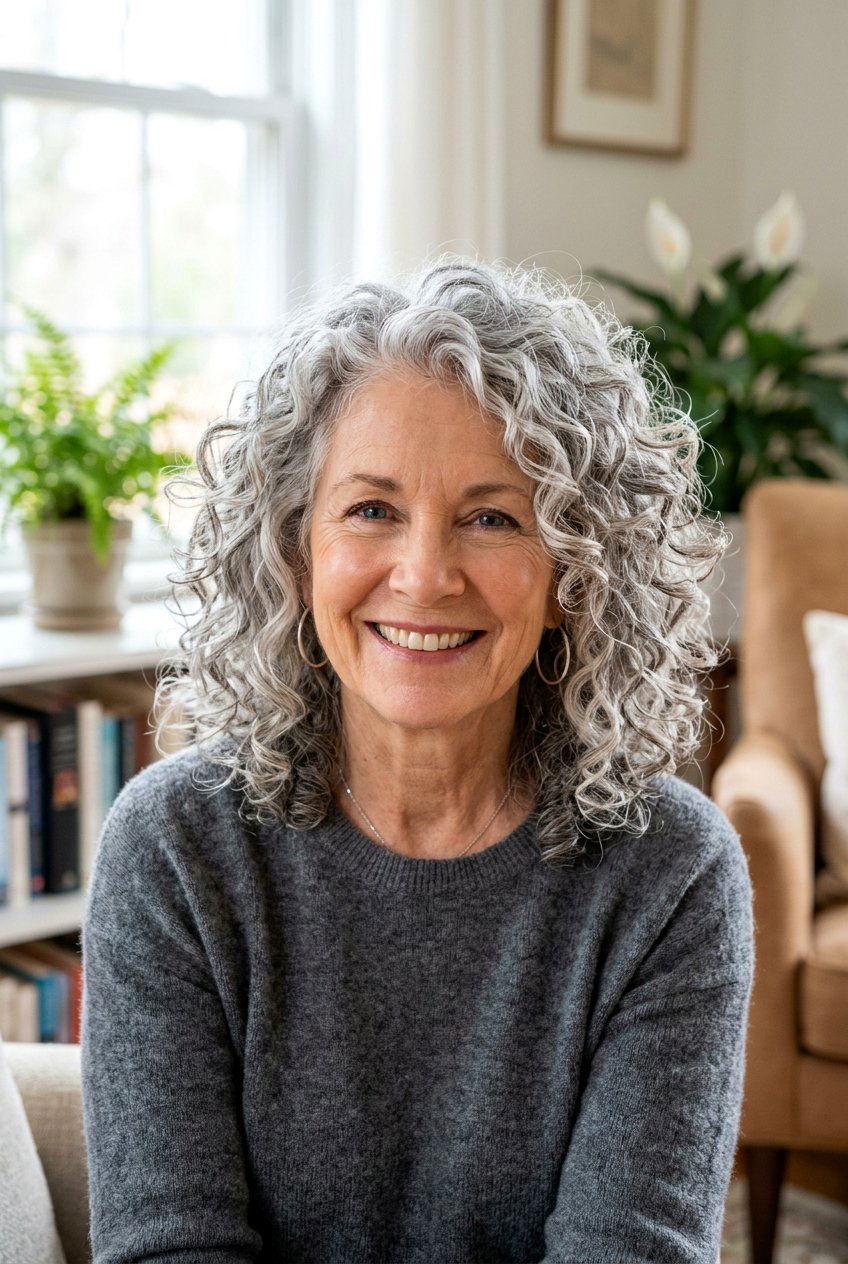
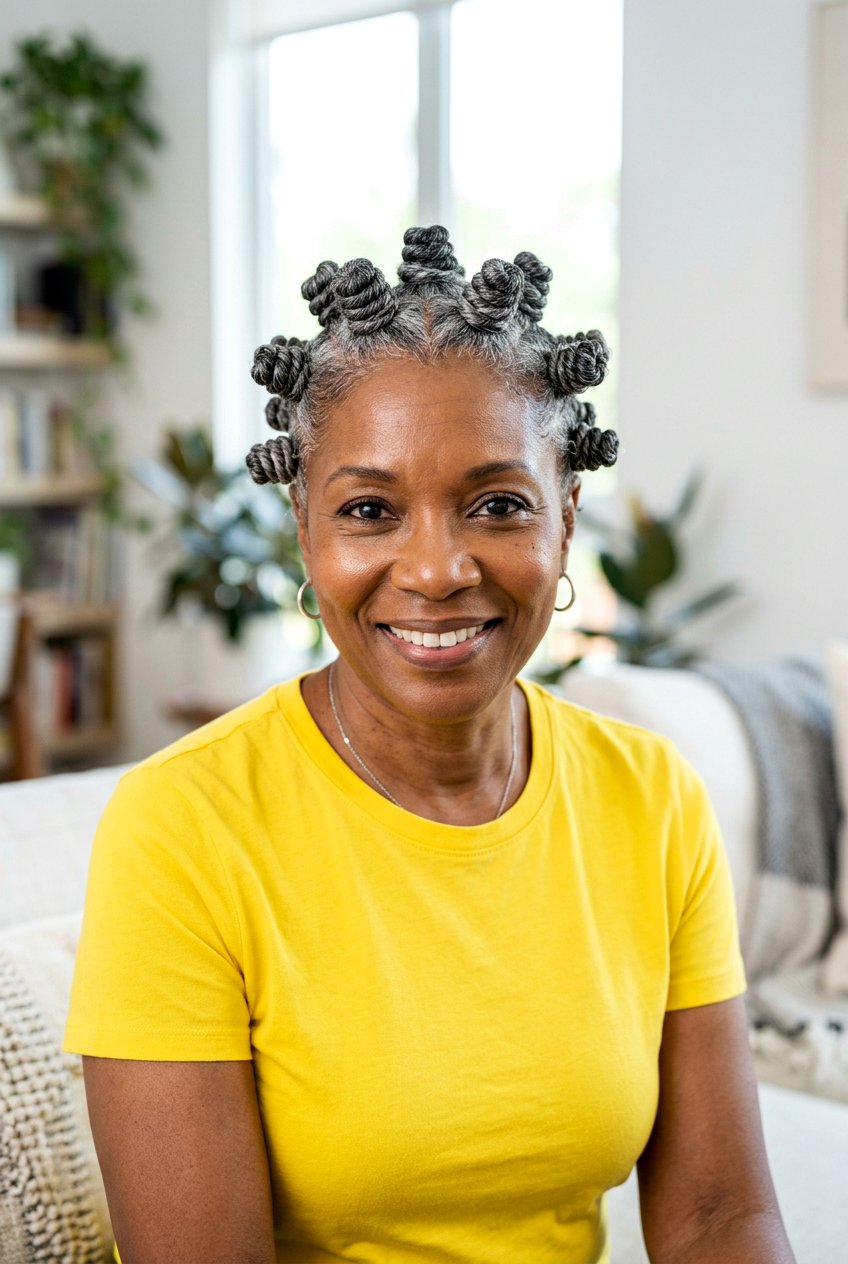
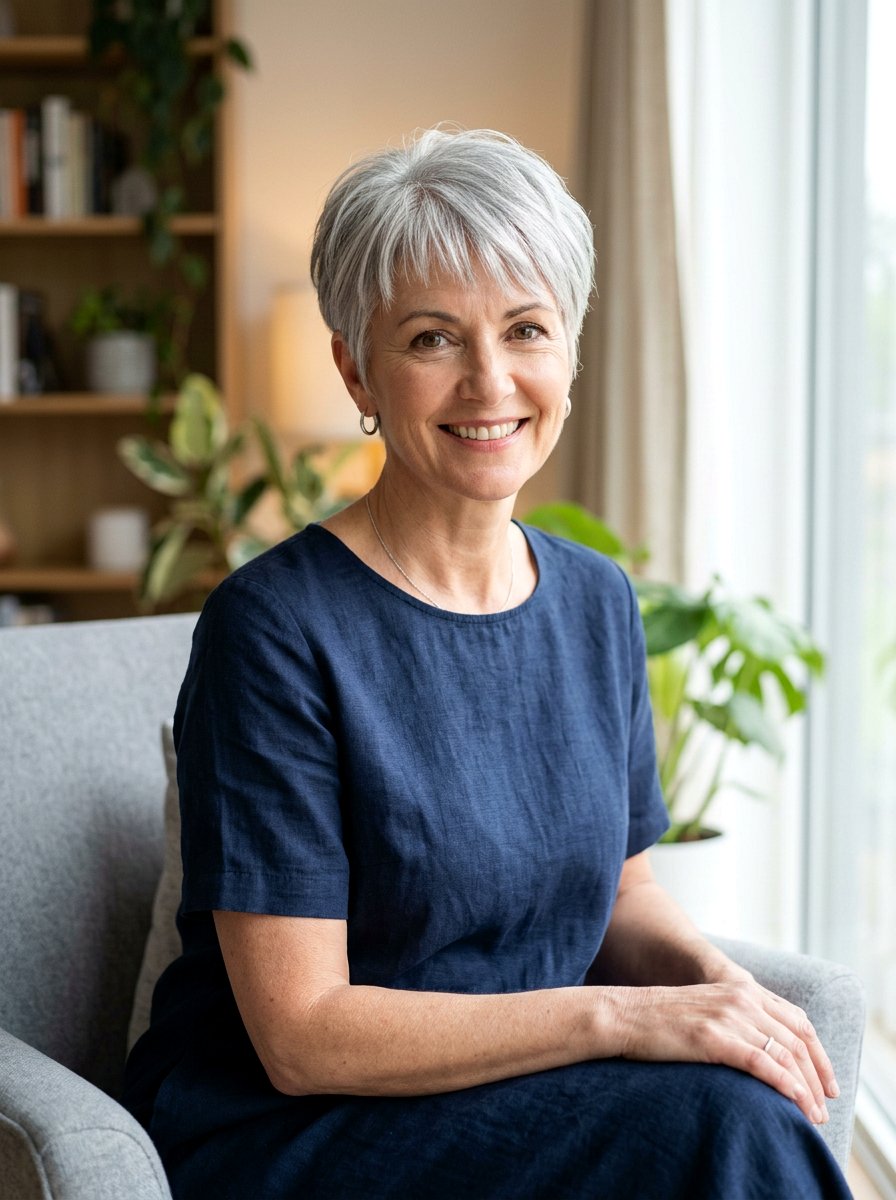
Copper and gray might sound like an unusual pairing, but the warm-cool contrast creates a really eye-catching, modern effect. Soft copper balayage painted through a base with visible gray strands gives the hair a fiery, dimensional quality that’s full of personality. The key is keeping the copper tones soft and slightly muted rather than going full red, which can clash with cool gray. Auburn copper tones work especially well for women with olive or warm skin tones. Because copper fades gracefully into a warm golden tone, the color remains flattering through the grow-out period, making maintenance much easier than with more saturated shades.
13. Babylights Balayage for Fine Gray Hair
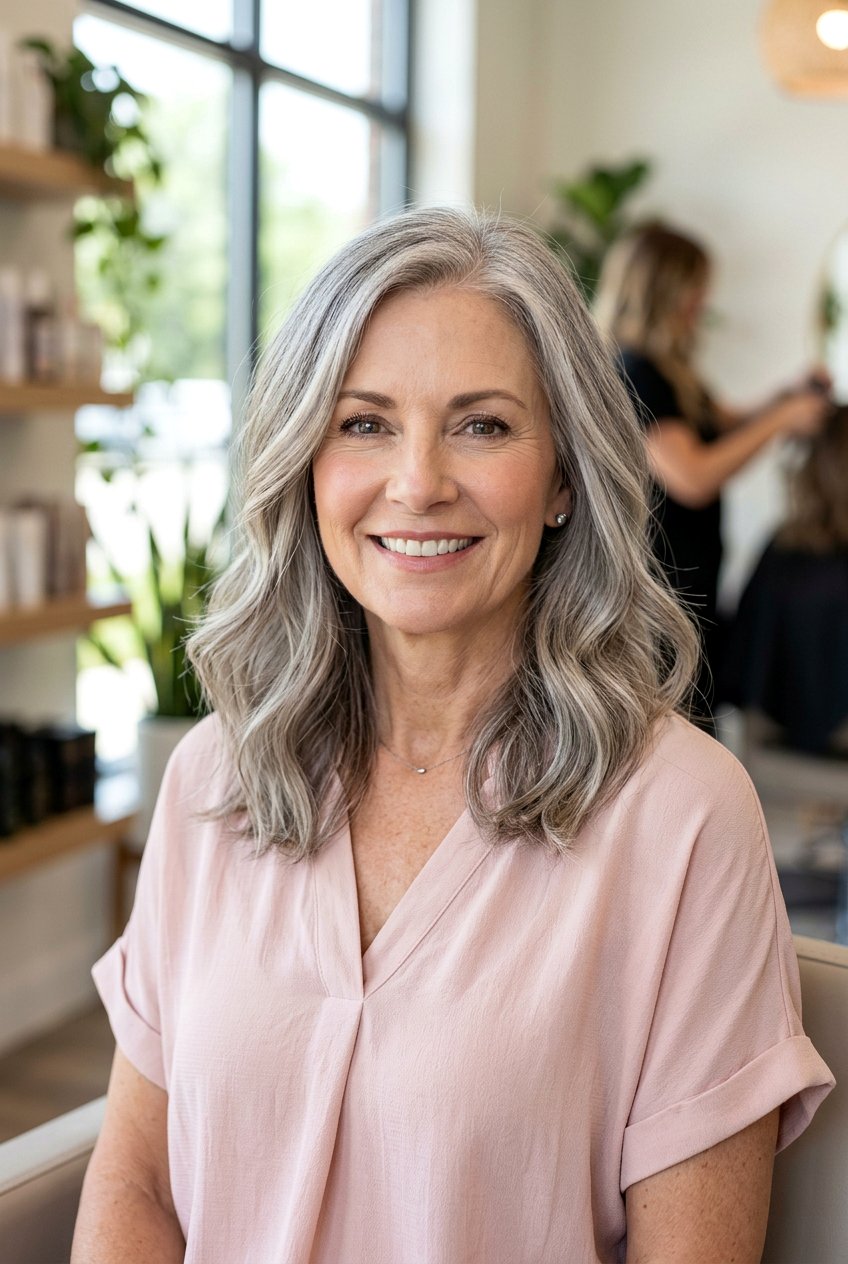
Fine hair with grays can be tricky to color because heavy highlights can make thin strands look even more sparse. Babylights balayage — ultra-fine, delicately painted sections of lightener — is the perfect solution. These tiny highlights mimic the way hair naturally lightens, adding subtle brightness without making the hair look over-processed or flat. On fine hair, babylights create the illusion of volume and texture while softly integrating grays into the overall color. The effect is natural and almost imperceptible up close, but the overall look is noticeably brighter and more dimensional. This is ideal for women who want gray blending without major commitment.
14. Pewter Balayage on Short Gray Hair
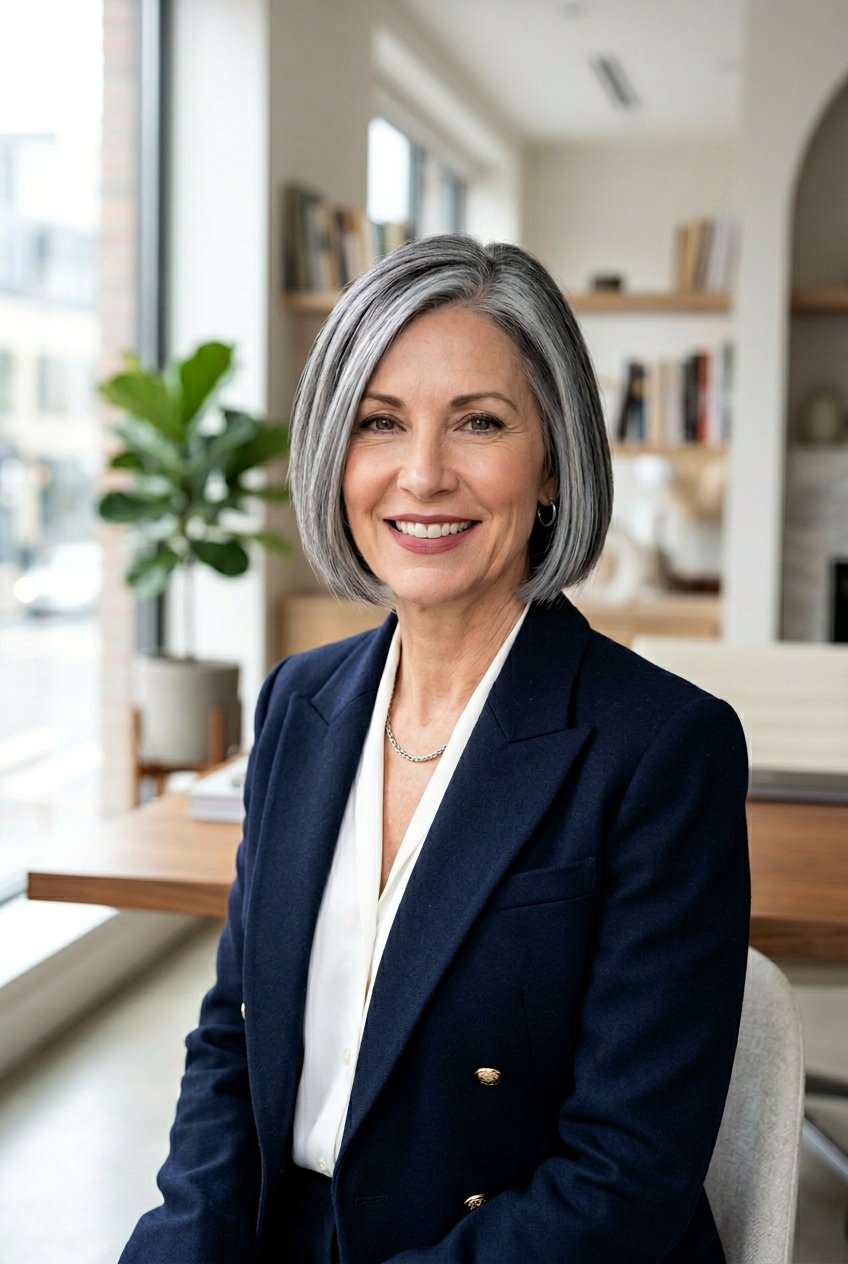
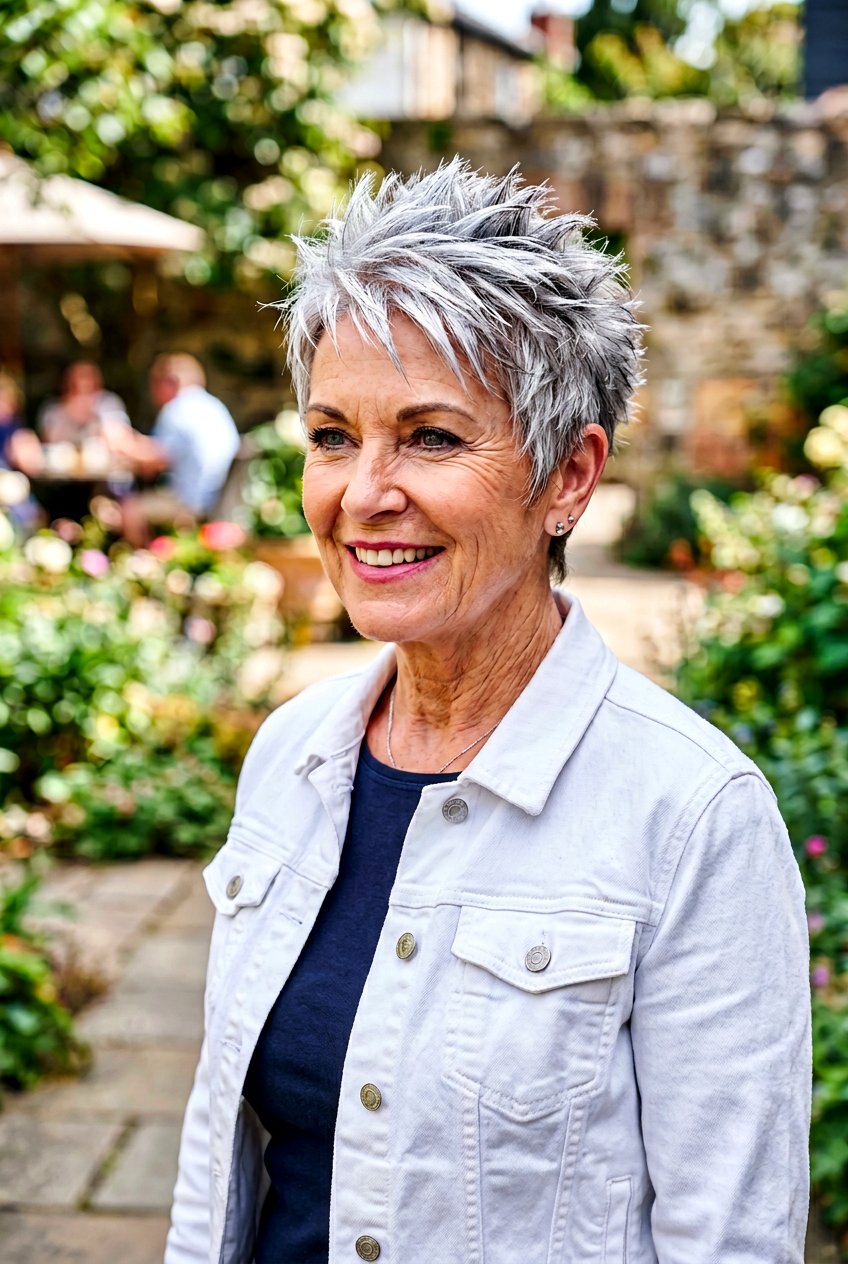
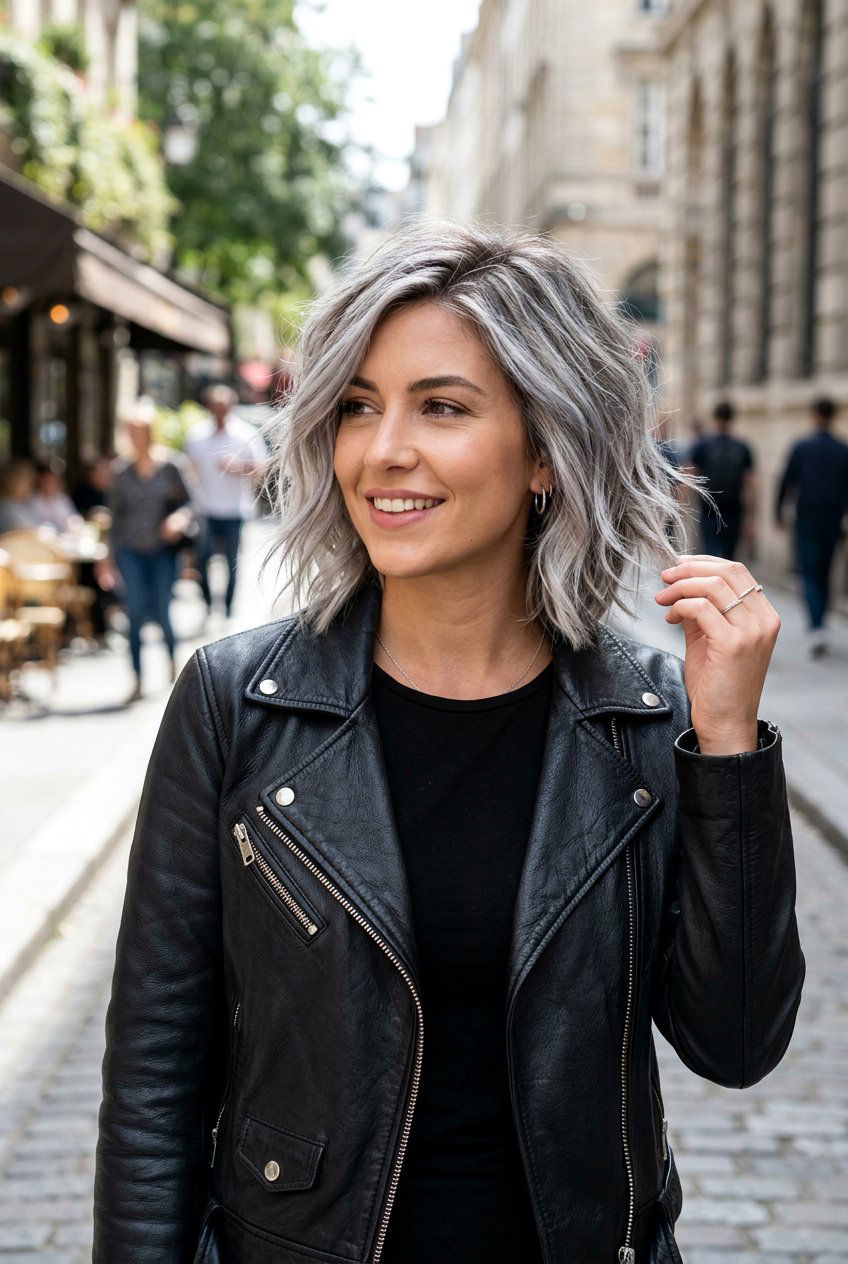
Short hair and gray blending is a stunning combination that’s often underexplored. Pewter balayage — a mix of cool gray and silver tones — on a short cut creates a sleek, polished look with incredible texture. The color works with the shape of the cut to emphasize movement and structure, especially on bobs and pixie-length styles. Because short hair is closer to the roots, the balayage application needs to be precise and well-blended to avoid harsh lines. A soft fade from the darker root into the pewter mid-length creates a seamless, modern finish. This look has a confident, stylish quality that’s both age-appropriate and totally on-trend.
15. Warm Honey Balayage for Graying Brunette Hair
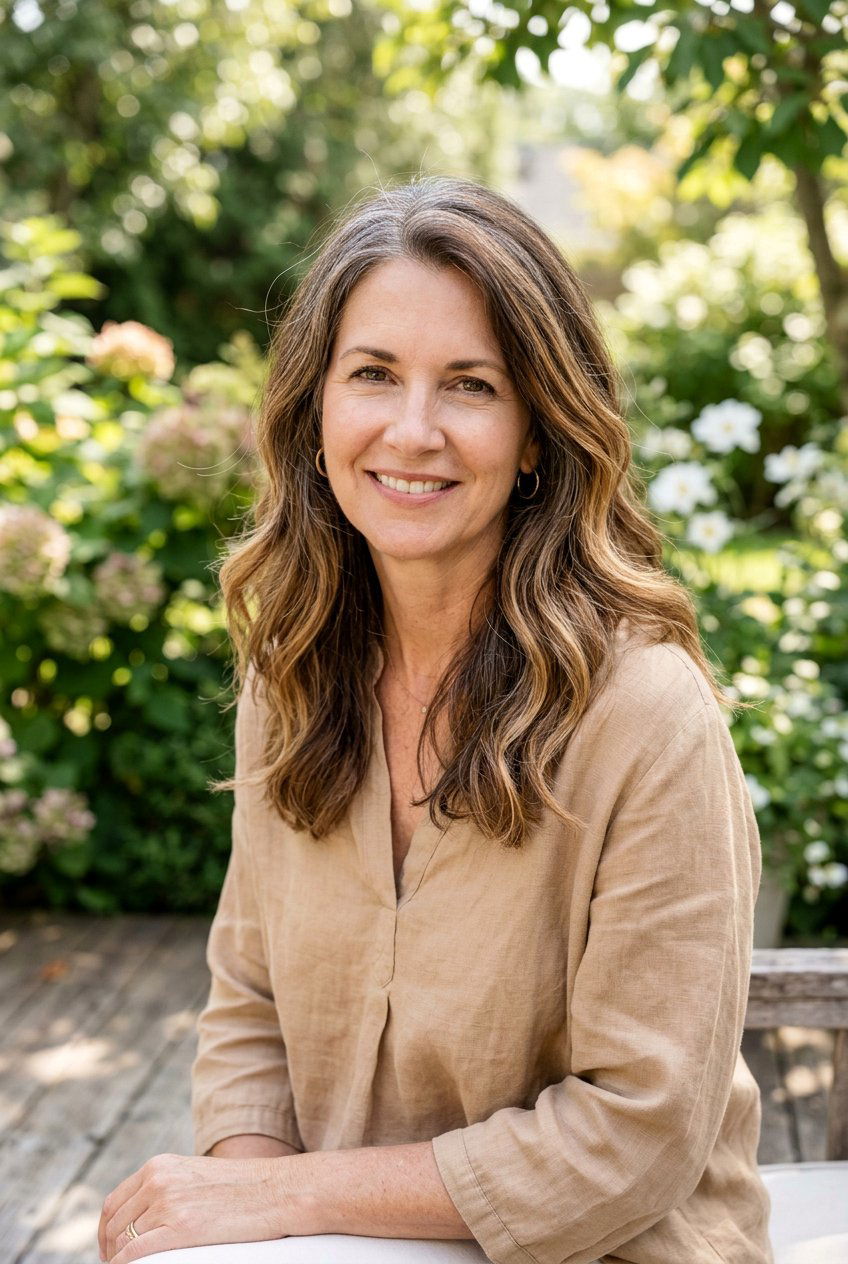
Graying brunette hair with warm honey balayage is one of the most flattering combinations available for women with medium to dark brown bases. The honey tone bridges the gap between cool silvers and warm brunette, creating a natural-looking gradient that feels sun-kissed rather than processed. It’s especially effective for women with warm or golden skin tones, where the honey shades echo the complexion beautifully. The technique involves painting honey highlights in the areas where the sun would naturally hit the hair — the top sections, face-framing pieces, and ends. The grays that peek through add dimension rather than contrast, keeping the whole look soft.
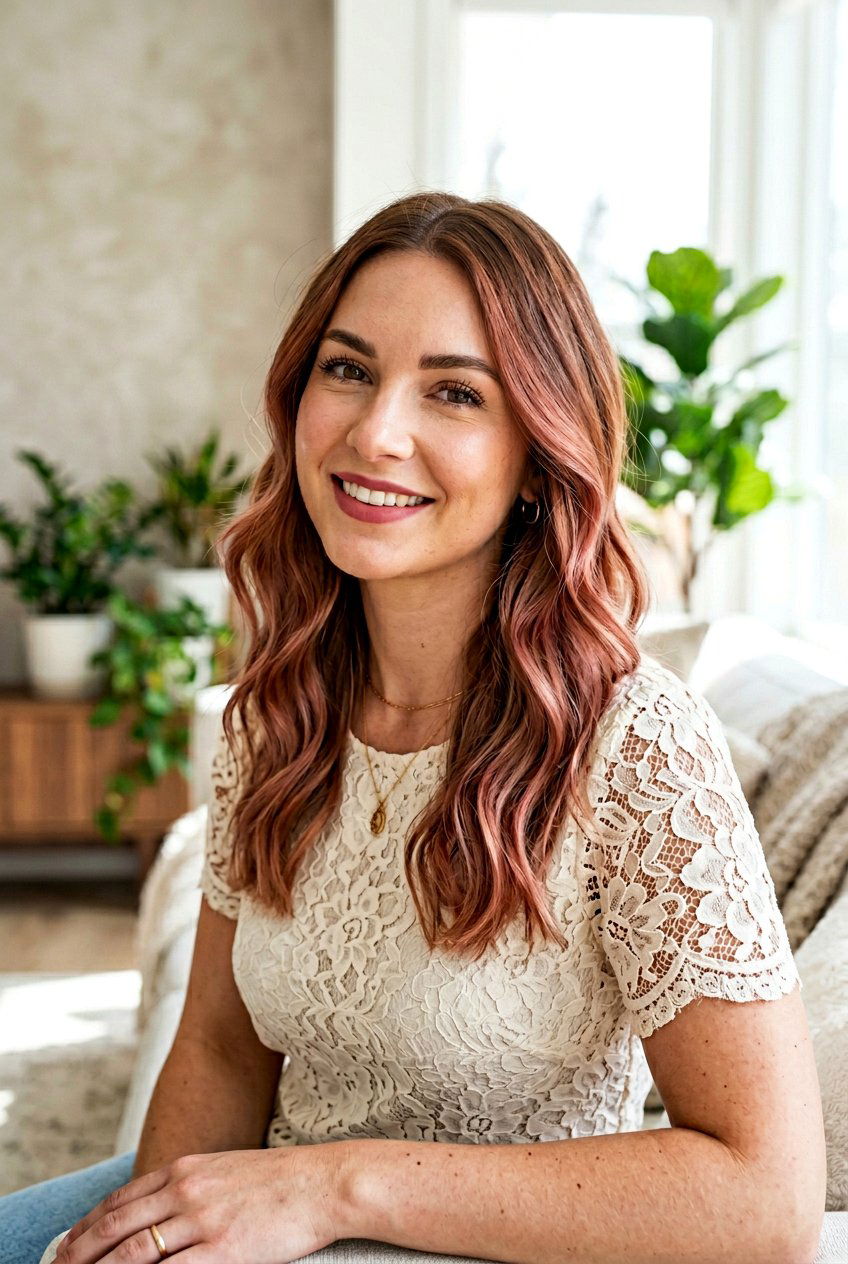
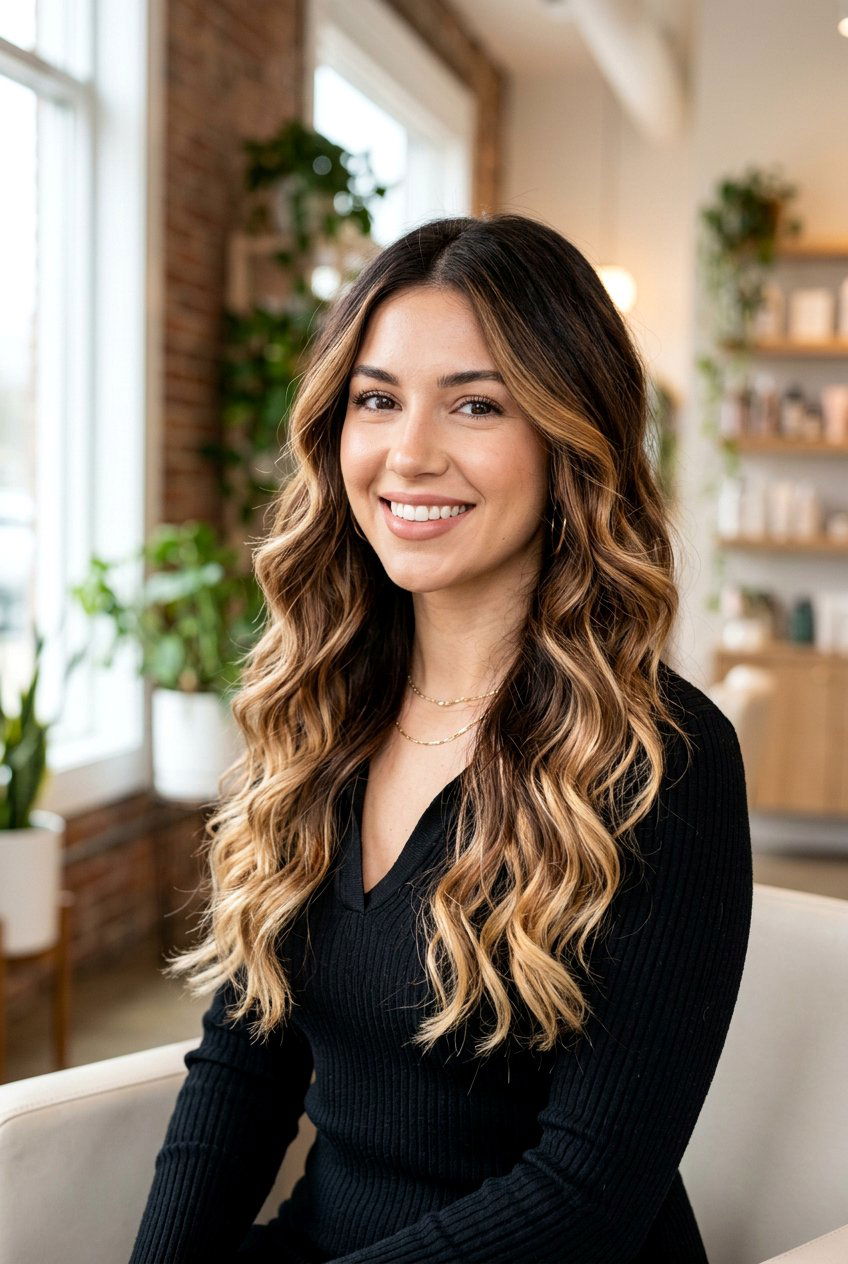
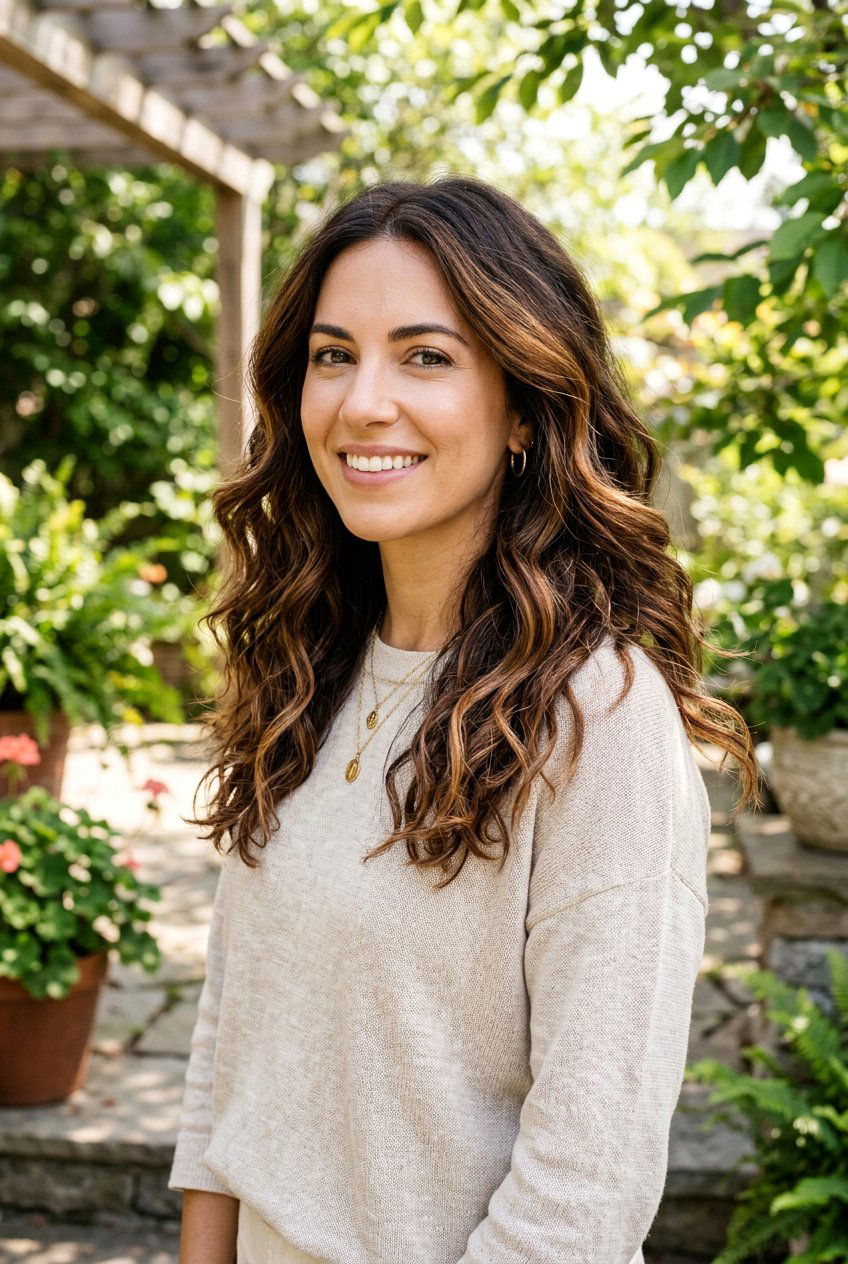
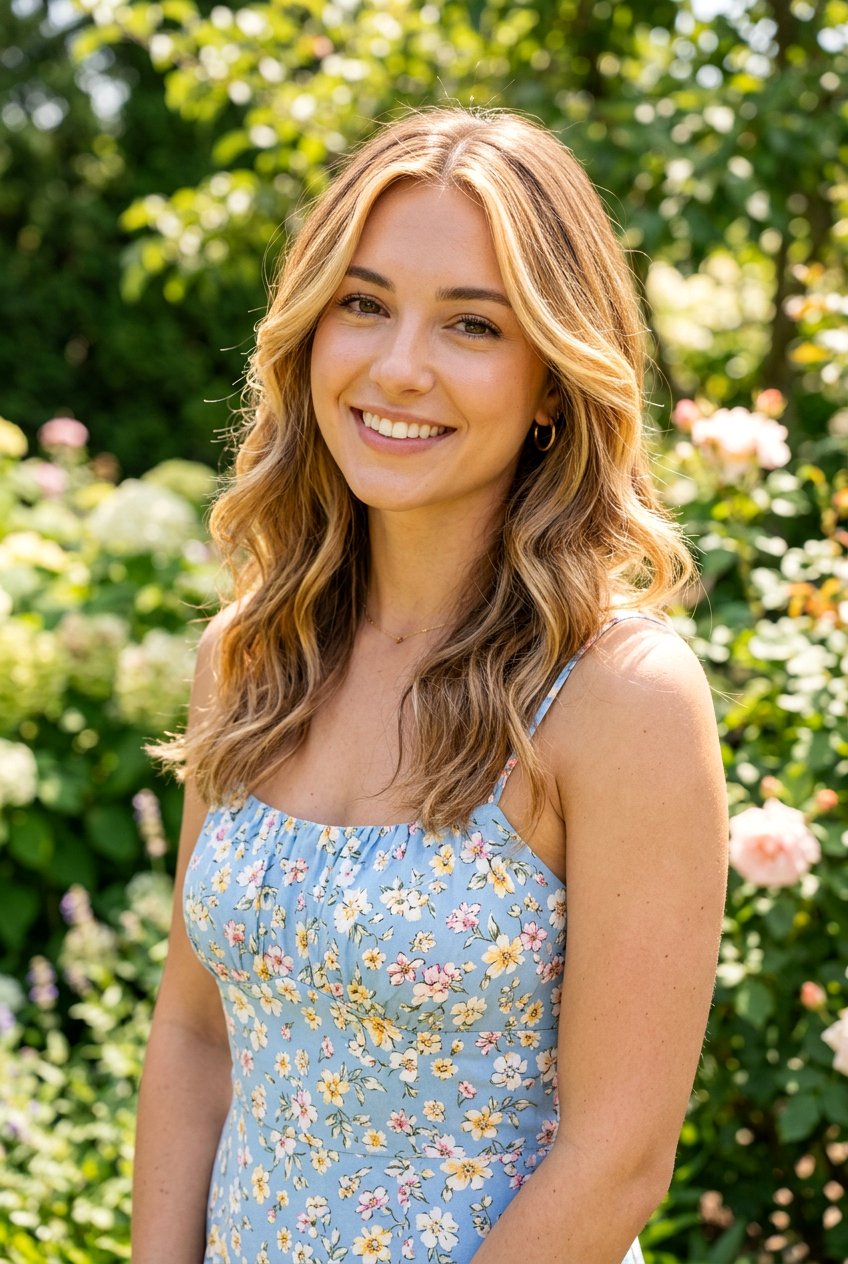
16. Gray Glossing Balayage for Low Maintenance Color
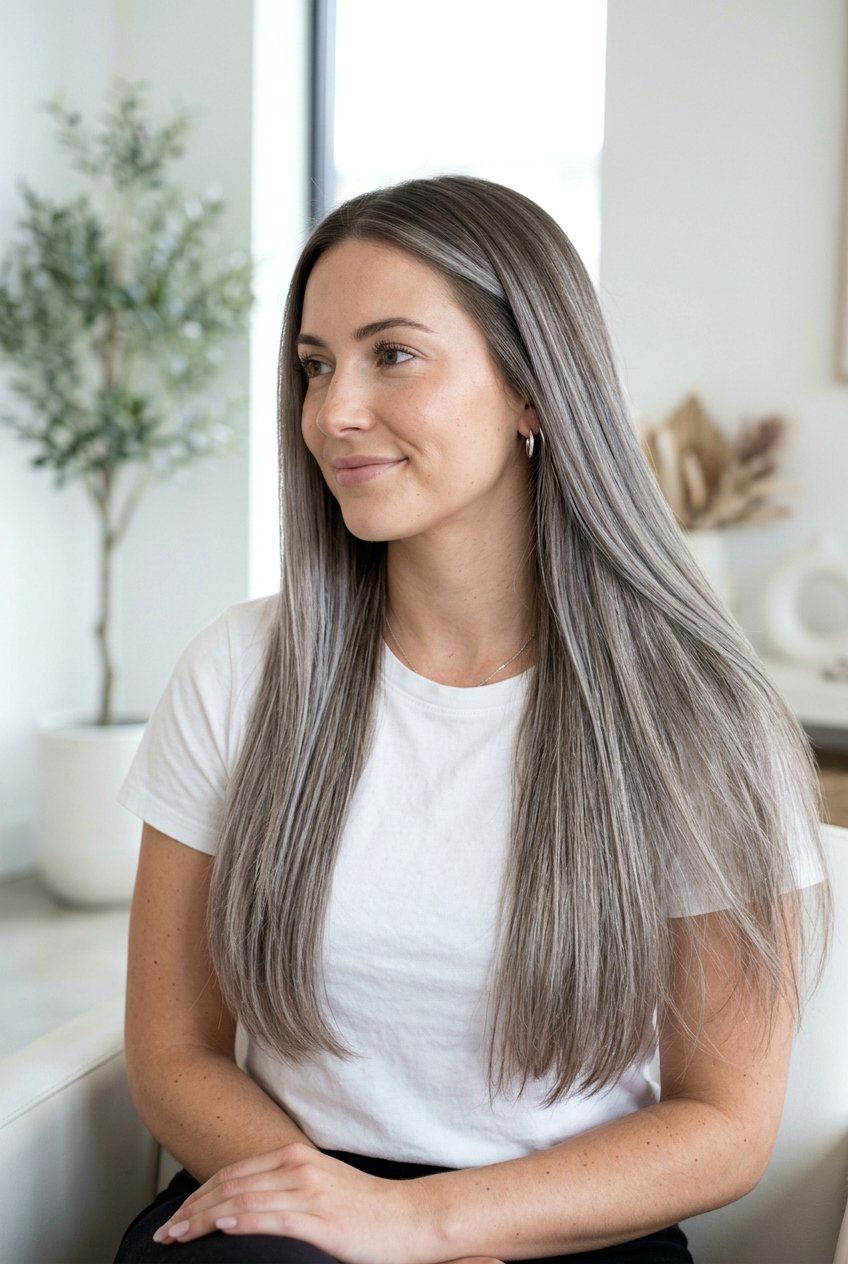
Gray glossing balayage combines a hand-painted lightening technique with a toning gloss applied all over to unify and enhance the natural grays. The gloss can be clear for pure shine, or tinted in cool silver or ash to add depth. This is one of the lowest-maintenance approaches to gray blending because the gloss fades gradually and evenly, without leaving an obvious line at the root. The balayage underneath provides lasting dimension, while the gloss refreshes the surface color between salon visits. This approach works beautifully on all hair lengths and is especially popular for women looking for a seamless gray transition with minimal upkeep.
17. Ombre Balayage for Full Gray Transition
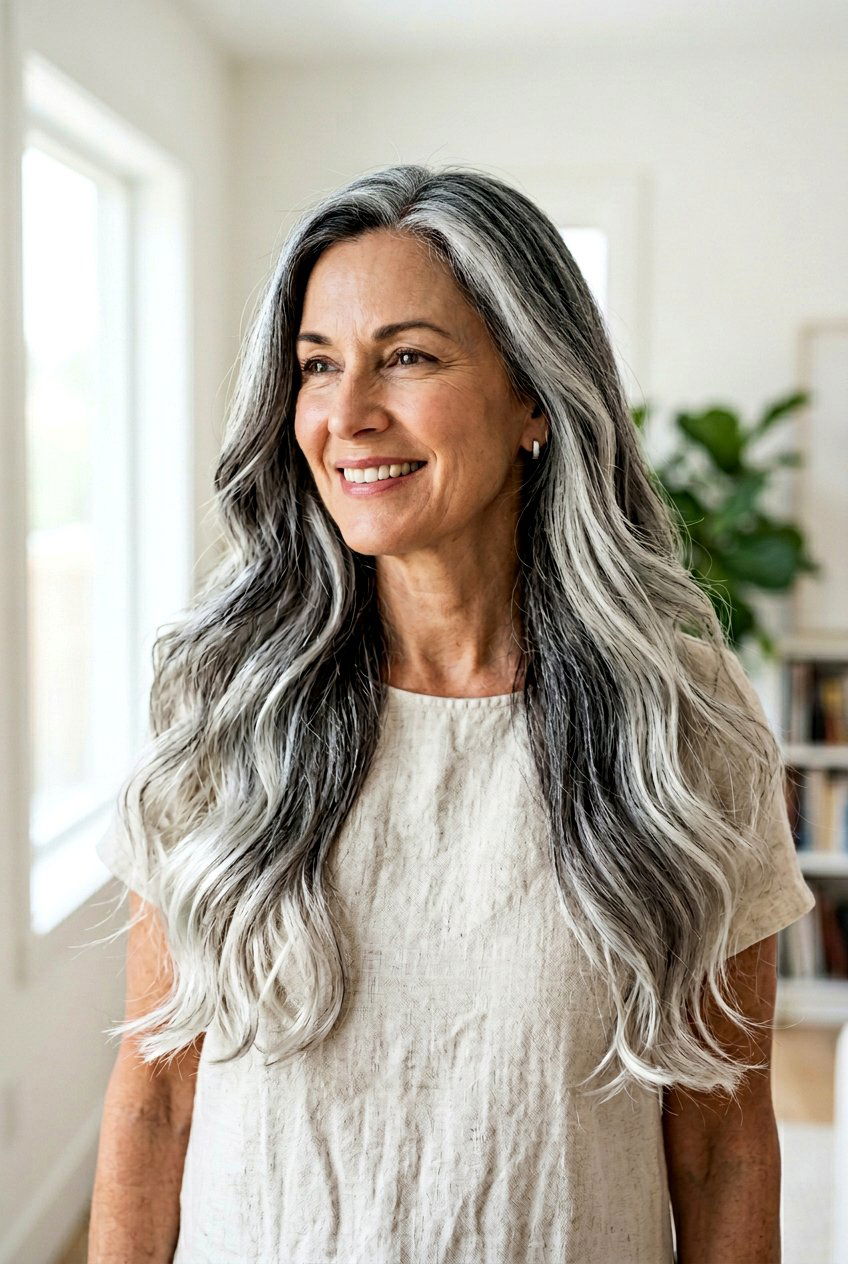
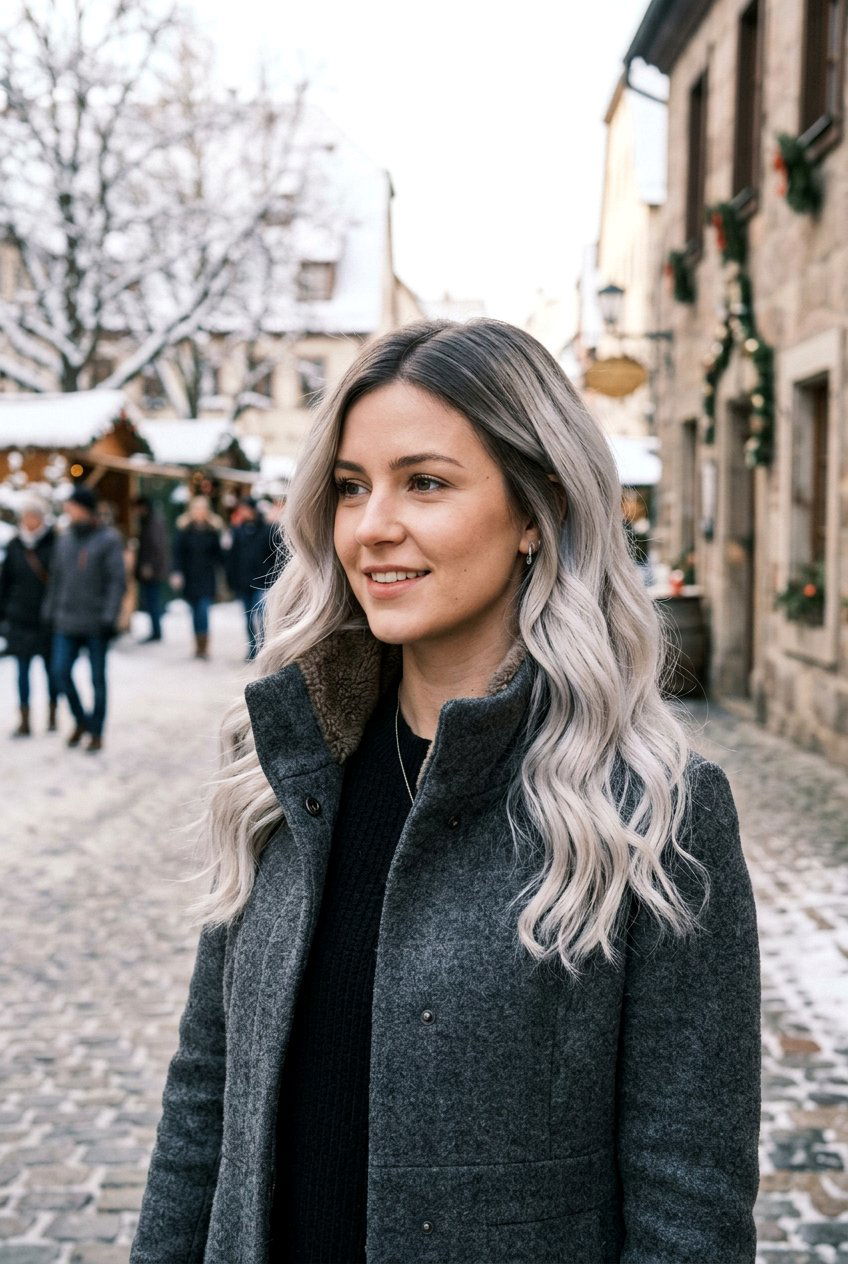
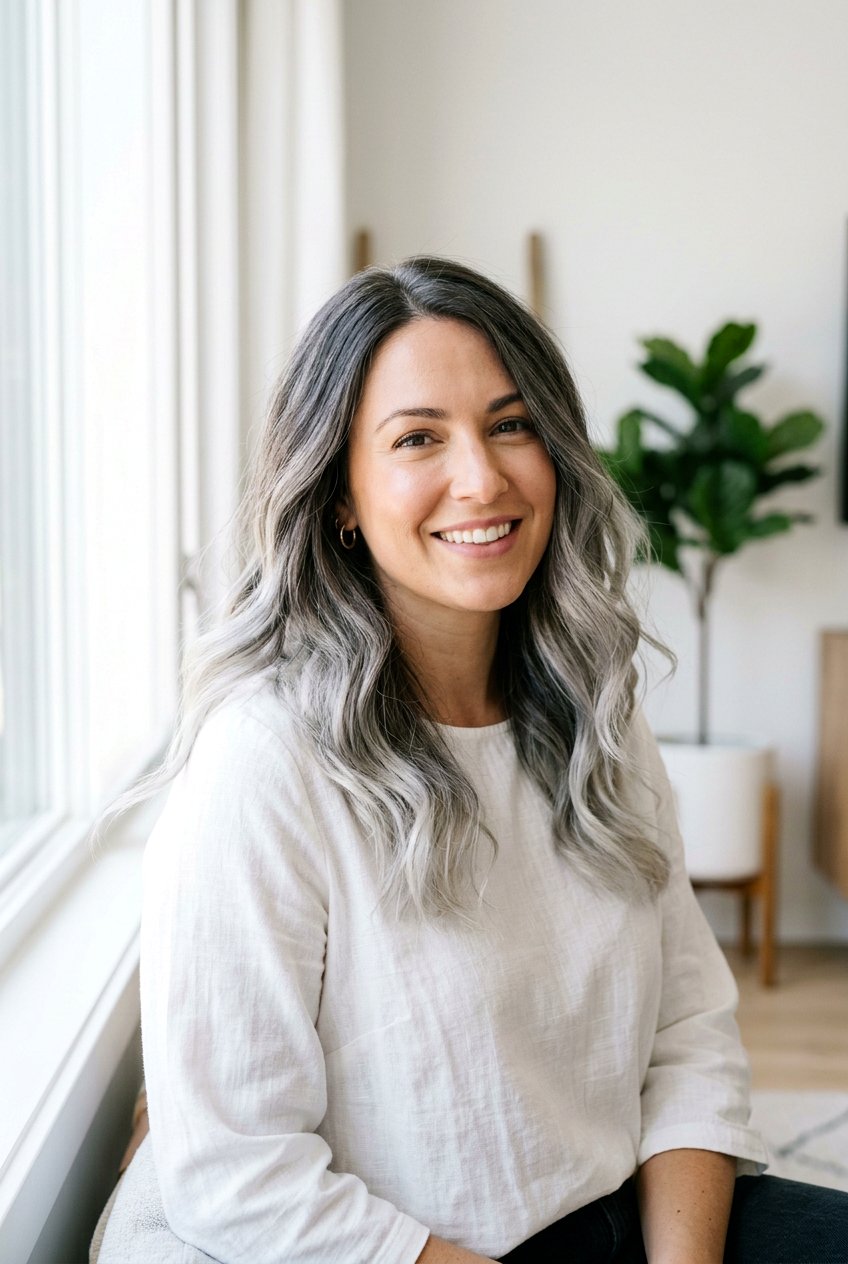
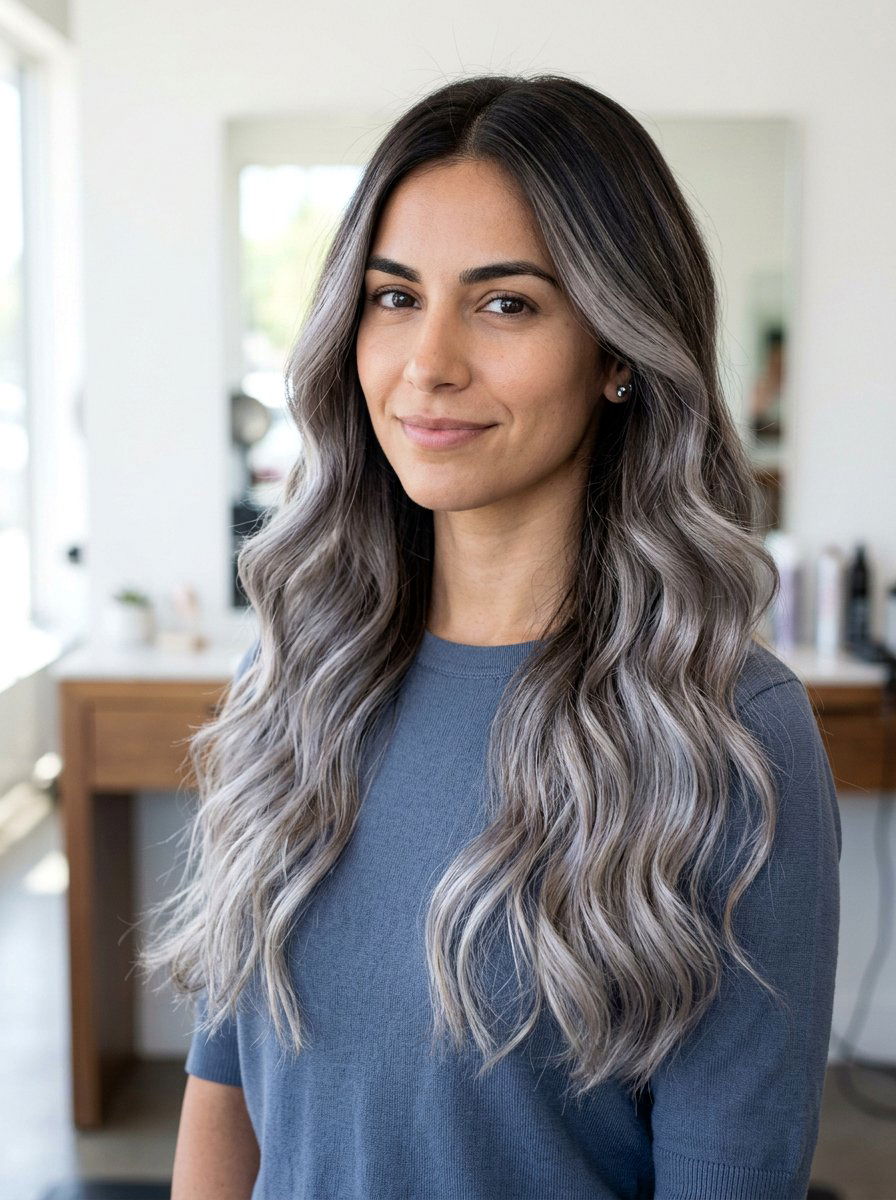
Ombre balayage for gray blending takes the color from dark at the root to fully silver or white at the ends. It’s one of the most dramatic and beautiful ways to transition into natural gray because it makes the silver feel completely intentional. The gradual shift from dark to light creates a striking visual effect that’s modern and fashion-forward. This look works on all lengths but is particularly stunning on long hair, where the full color journey is visible. It’s a great choice for women who are ready to stop coloring entirely, as the ombre makes the grow-out nearly invisible — the natural grays just continue the gradient upward.
18. Highlight and Lowlight Balayage for Gray Depth
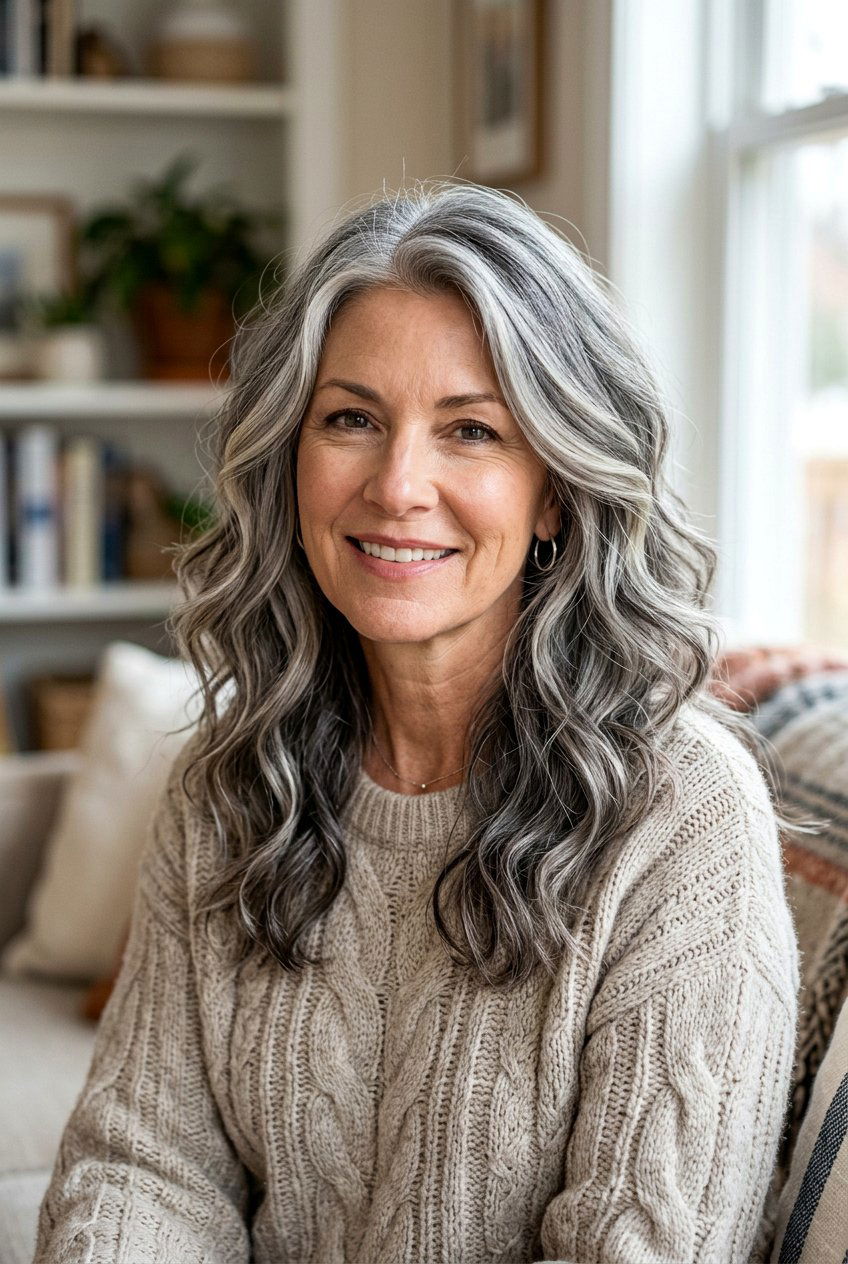
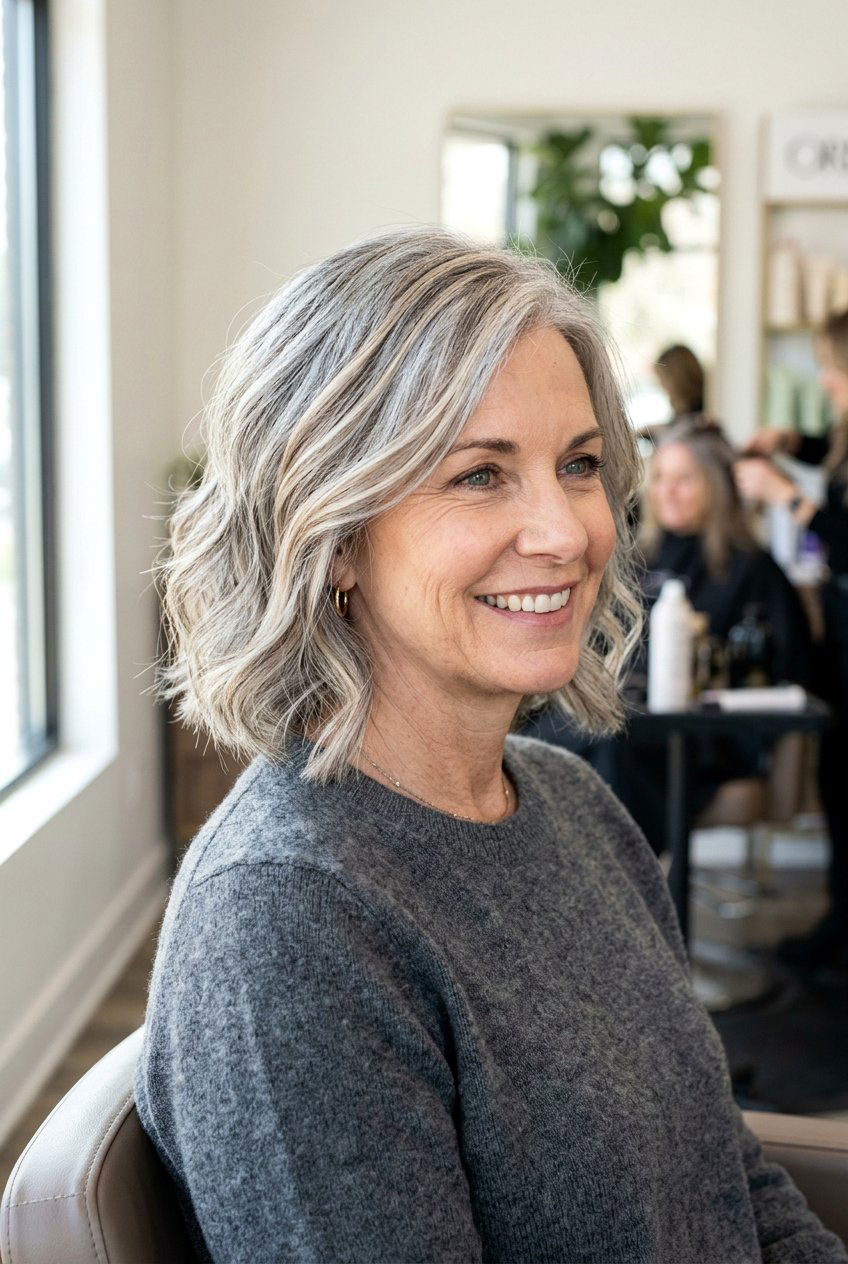
Using both highlights and lowlights together in a balayage application gives gray hair incredible depth and dimension. The highlights brighten and lift sections while the lowlights add richness and contrast, creating a multi-tonal effect that looks natural and layered. For gray blending specifically, cool-toned highlights are used to match the silvers, while slightly darker lowlights anchor the look and prevent it from going flat. This technique is ideal for women with more extensive gray coverage who want a lived-in, dimensional look rather than a solid flat color. The result is a beautifully complex finish that catches the light from multiple angles.
19. Purple-Toned Balayage for Gray Blending
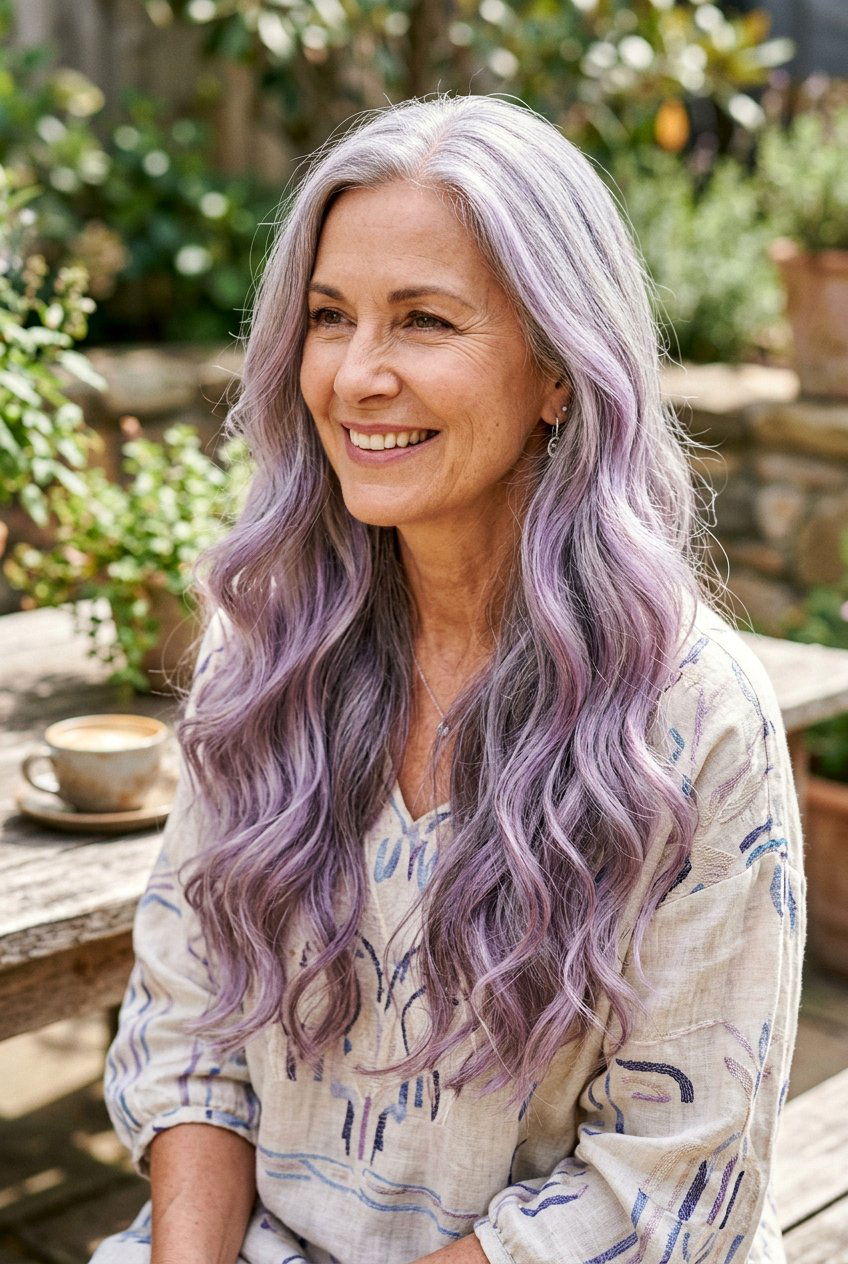
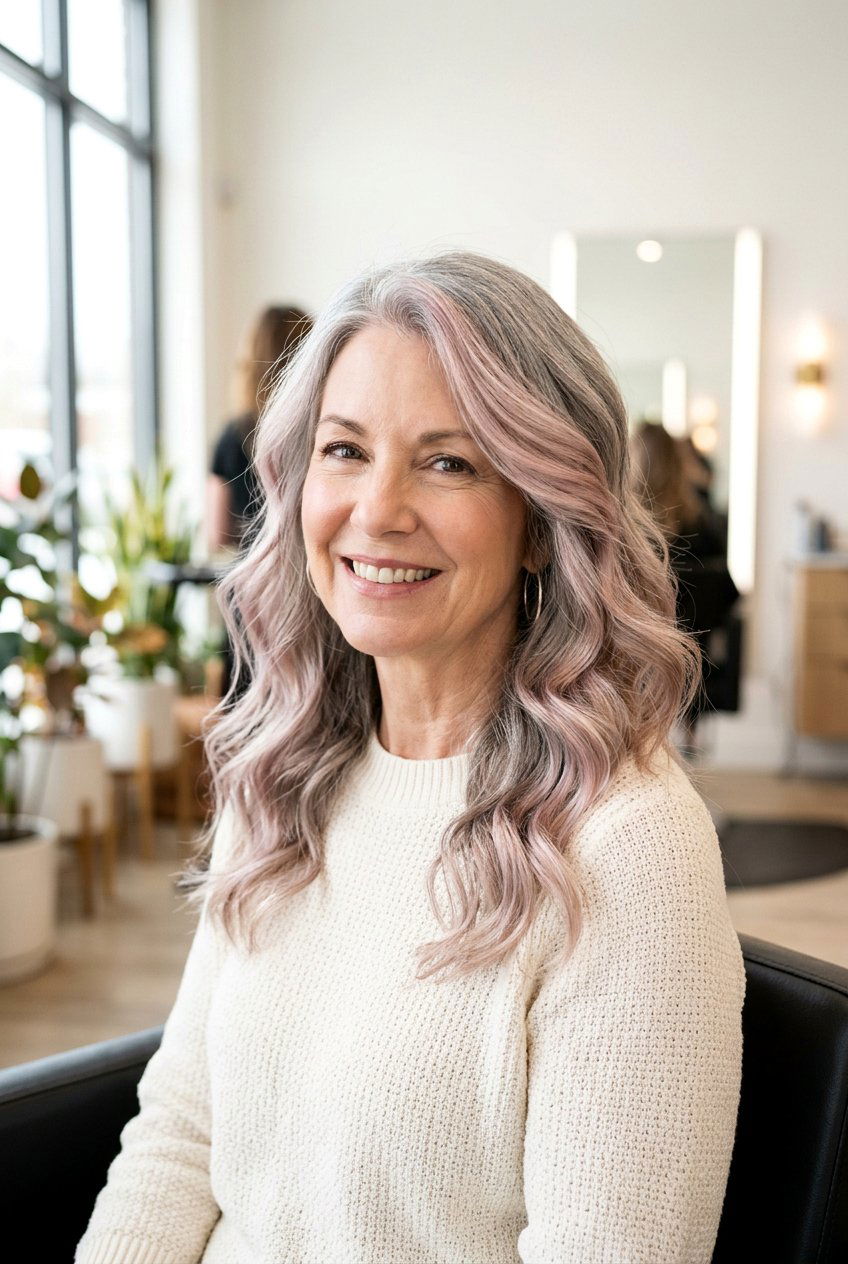
A soft purple or lavender-toned balayage adds a modern, fashion-forward twist to traditional gray blending. Rather than simply neutralizing the grays, this approach leans into them with a hint of cool violet that makes the silver tones pop. The purple isn’t vivid — it’s a soft, tonal wash that sits beautifully alongside the natural silvers and adds an unexpected richness. This look is especially popular in 2025 and 2026, where muted, tonal fantasy colors are having a major moment. It’s a playful way to embrace the gray while adding personal style. It works best on women who are already at least 30 to 40 percent gray to allow the purple tone to show clearly.
20. Balayage Foilyage for Maximum Gray Blend
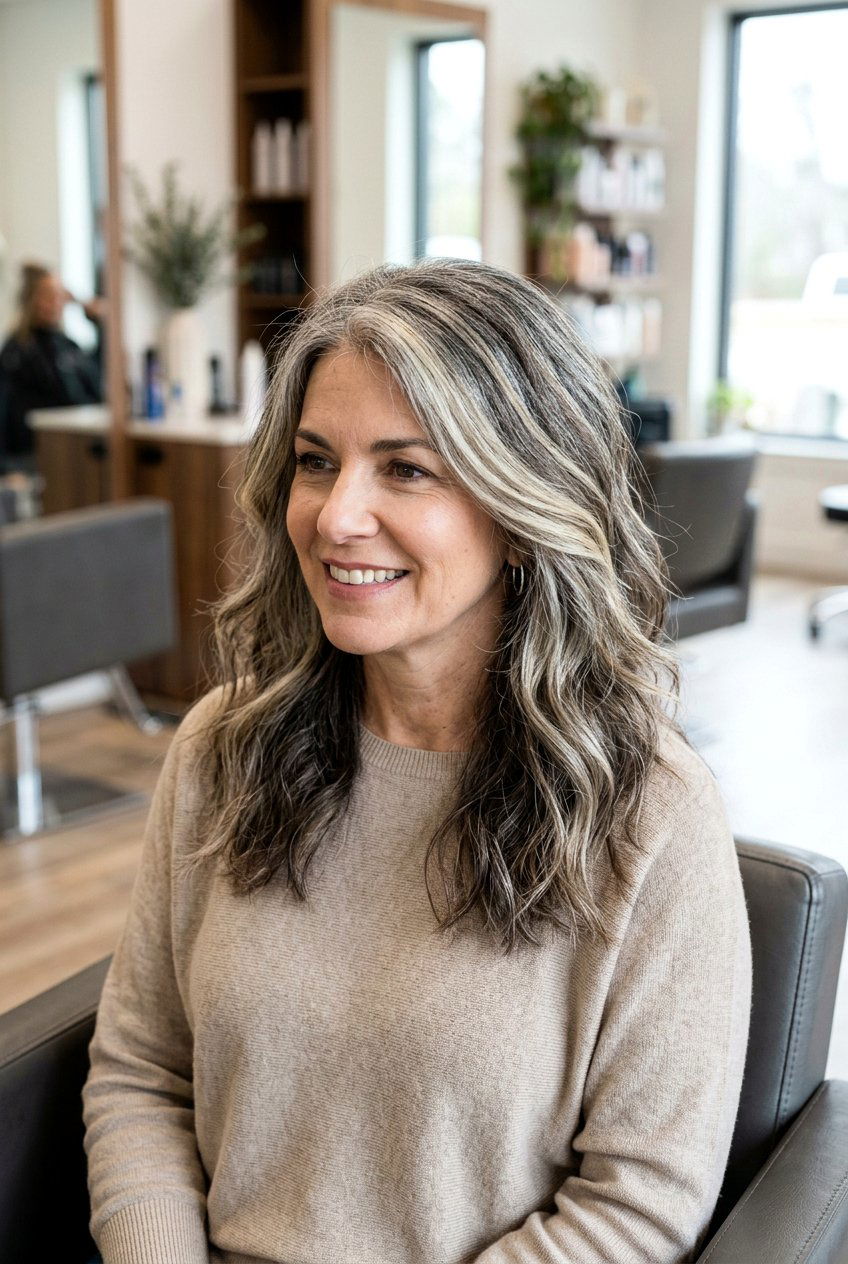
Foilyage is a hybrid technique that combines balayage hand-painting with the added lift of foils, making it ideal for women who need extra lightening to effectively blend resistant or stubborn gray strands. The foils intensify the lightener’s effectiveness without creating harsh lines, while the hand-painted placement keeps the result looking natural. For gray blending, foilyage is especially useful on dark or coarse hair where standard balayage may not lift enough to match the silver tones. The result is a brighter, more thorough blend that looks seamless and polished. It typically requires a toning step afterward to cool down any warmth and align the lifted sections with the natural grays.
Conclusion:
Balayage for gray blending is more than just a hair color trend — it’s a genuinely smart, flattering, and low-maintenance approach to managing your natural grays. From subtle babylights and face-framing highlights to bold metallic silver and platinum ombre, there are balayage techniques for every base color, texture, and level of gray coverage. The beauty of this approach is that it works *with* your natural color rather than against it, giving you a multi-dimensional result that grows out gracefully and requires far fewer salon visits than traditional full coverage. Whether you’re just starting to spot silver strands or you’re ready for a full gray transition, one of these 20 balayage looks is exactly the fresh start your hair deserves. Always consult a professional colorist to choose the best technique and tones for your specific base and skin tone.
You'll Like These Styles:



Leave a Reply