
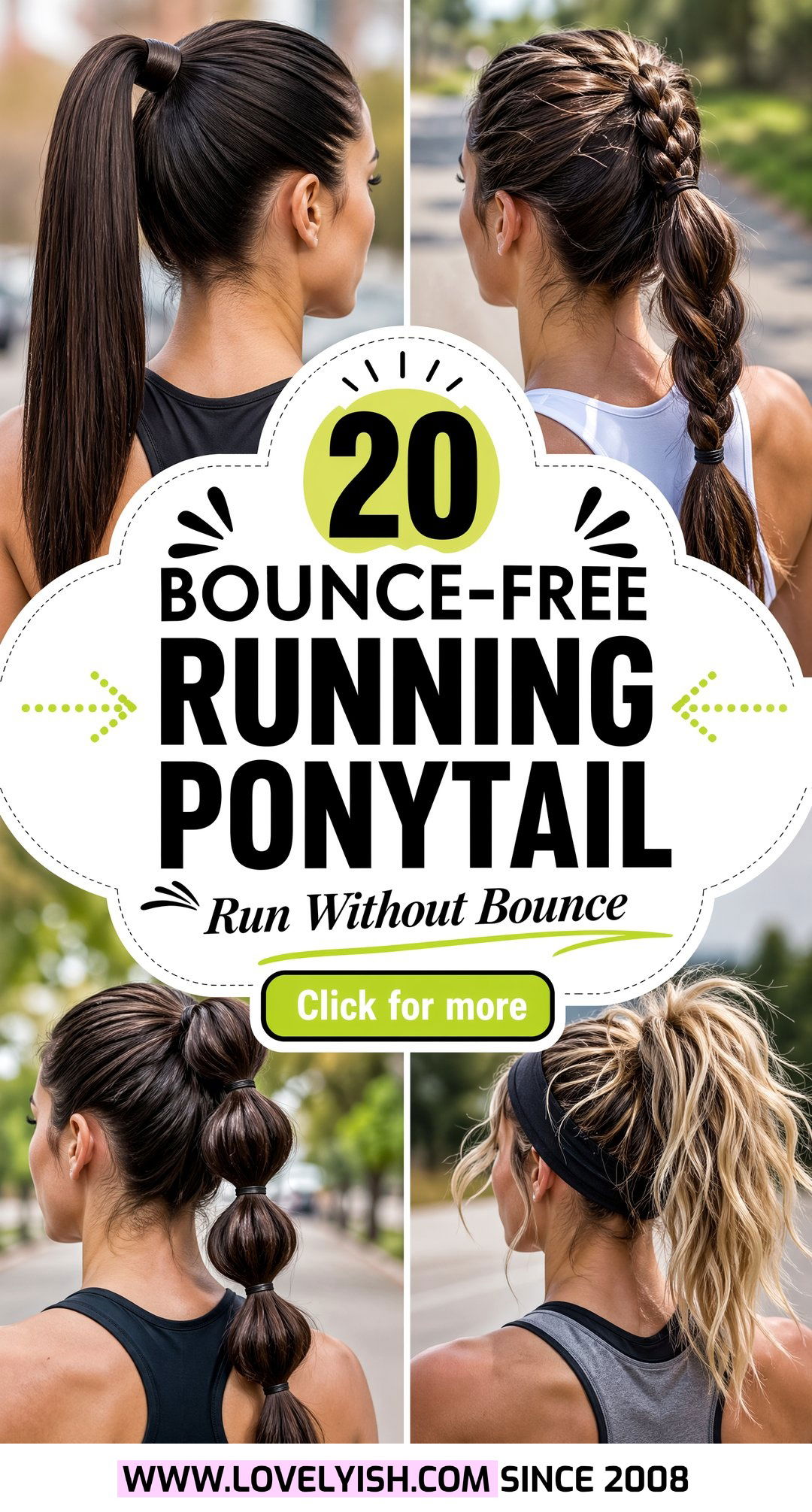
Running with long hair can feel amazing when your ponytail is secure, light, and not smacking you in the face every few steps. The right running ponytail keeps hair off your neck, reduces tangles, and minimizes scalp tension, so your focus stays on your pace instead of your hair. Many runners with long hair find that small tweaks—like ponytail height, added braids, or extra elastics—make a huge difference in comfort and control on shorter jogs and long-distance runs. It also matters how you prepare your hair: using soft, no‑snag ties, a bit of grip spray, and smooth but firm brushing can help any ponytail last through sweat and movement. Below, you’ll find 20 practical ponytail looks tailored to running with long hair, all focused on bounce control, security, and easy styling.
1. High Secure Running Ponytail
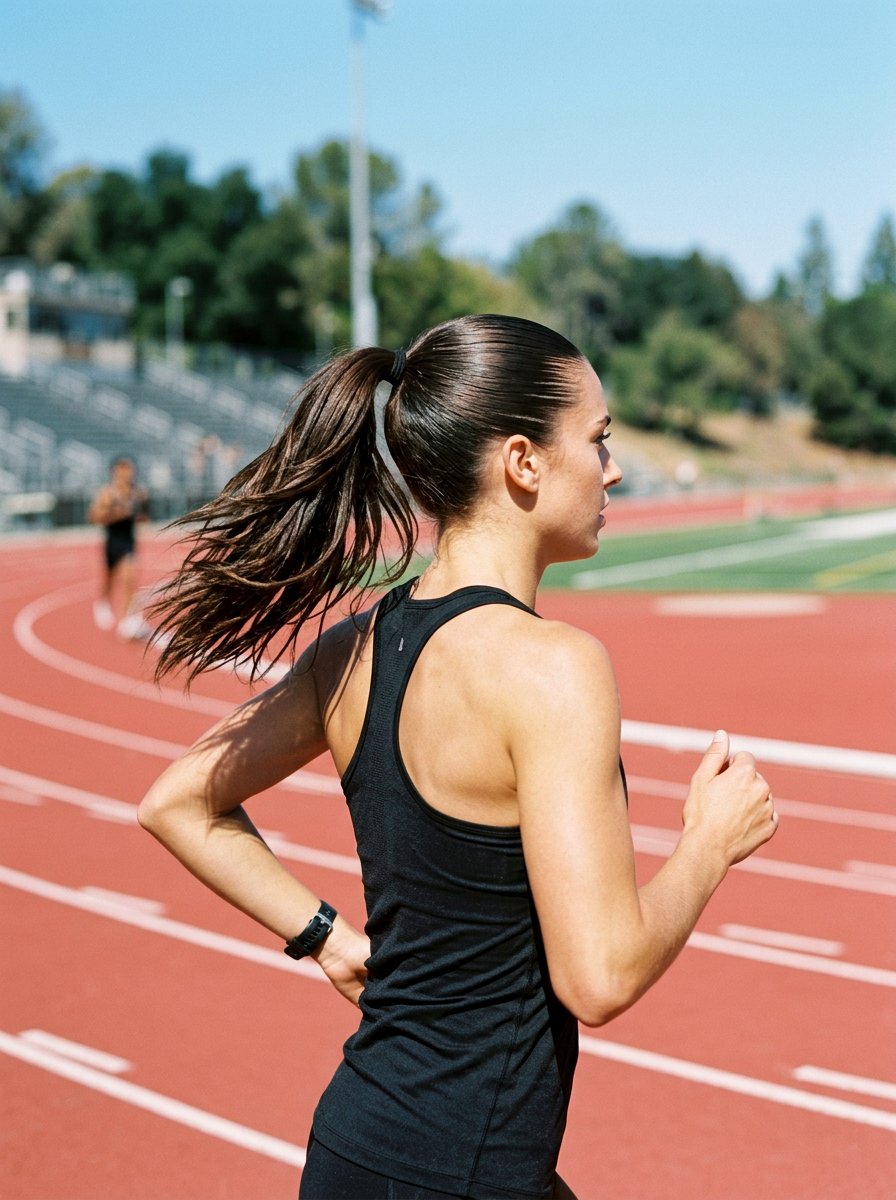
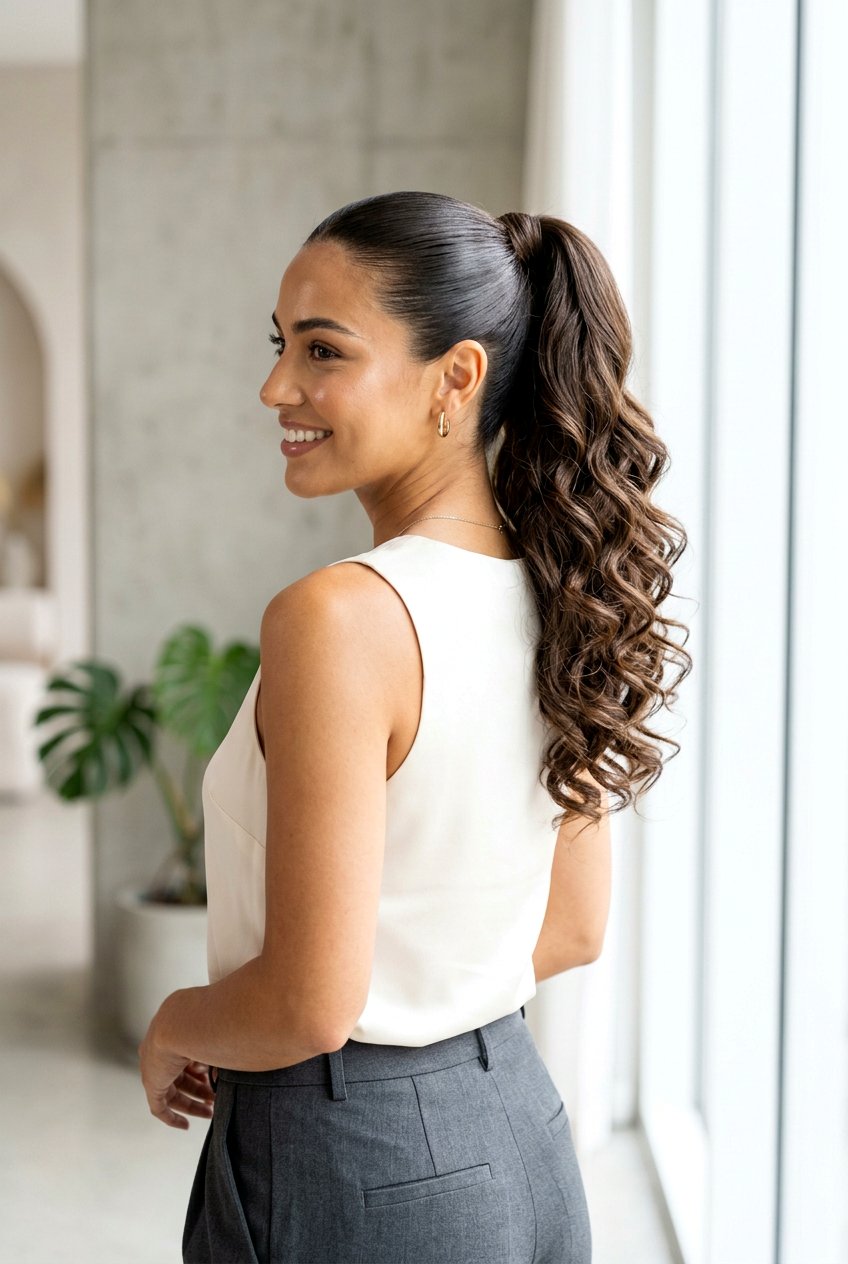
If you want a simple option that still feels very secure, a classic high running ponytail is a strong starting point. Gather your hair at the crown or slightly higher, brush it smooth, and tie it tightly with a strong, no‑slip elastic so the base does not sag as you run. Many long‑haired runners like this height because it keeps hair off the neck and reduces that heavy pulling feeling at the nape. Adding a touch of lightweight gel or cream near the hairline can tame flyaways without making the length stiff. You can also double up on elastics if your hair is thick or very long, which helps keep the ponytail from sliding down mid‑run. This look is best for straight or wavy hair, but curly textures can also use it with a bit more product for hold.
2. Low Nape Running Ponytail

On days when your scalp feels sensitive, a low running ponytail at the nape is a gentle, practical choice. Start by parting your hair how you like, then sweep it backward toward the nape and secure with a soft hair tie that does not snag. This placement reduces tension on the crown and can feel more comfortable for long distances or recovery runs. The length will still swing, but it moves in a more controlled way because it is closer to your back and shoulders. If you tend to get knots, smooth a bit of leave‑in conditioner or light oil through the mid‑lengths before tying so the strands glide instead of matting together. Runners often pair this look with a cap or visor, since the low base works well with headwear and straps.
3. Mid Height Workout Ponytail
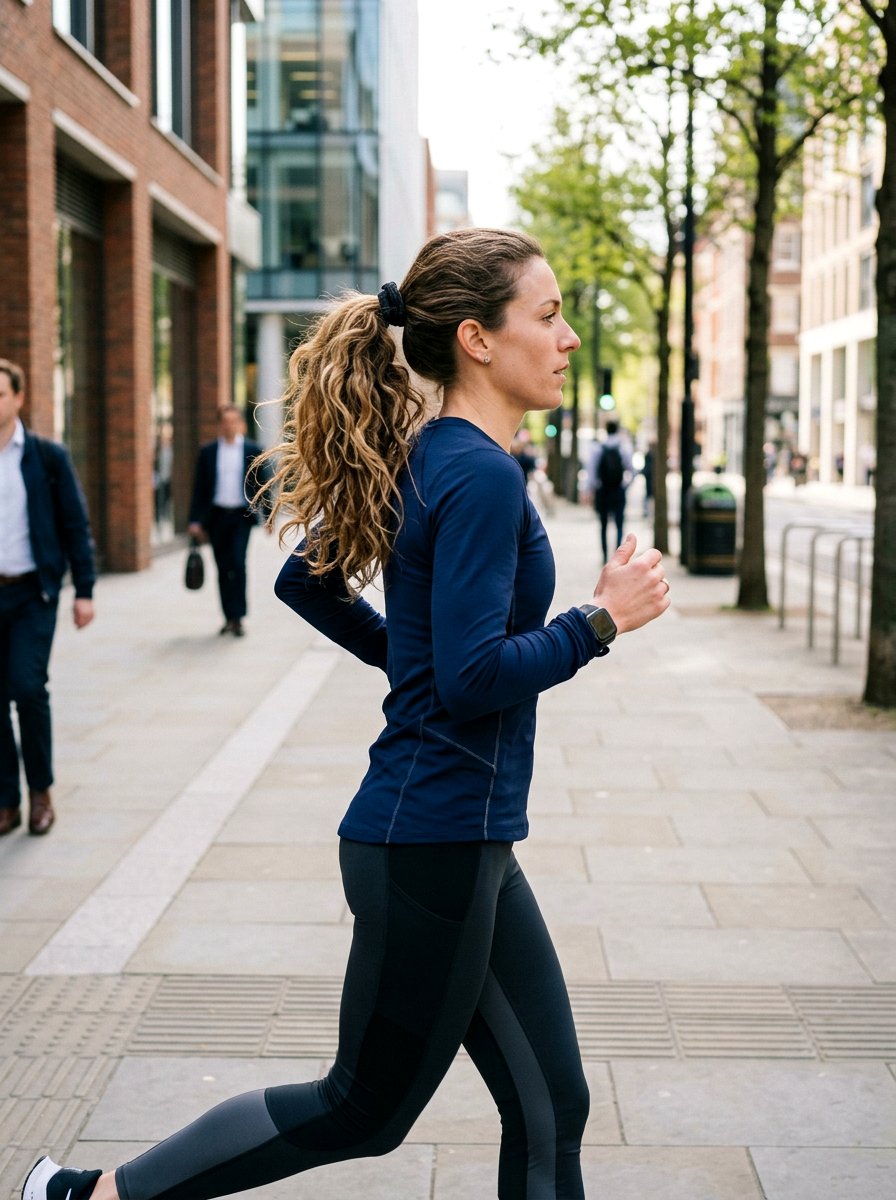
A mid‑height running ponytail, set in the middle of the back of your head, balances comfort and control for many runners. It sits higher than a nape ponytail but lower than a crown one, which helps spread tension more evenly across the scalp. To create it, brush your hair back from the forehead, gather it at the back of your head around eye level, and tie with a strong elastic. This placement keeps hair from hitting your upper back quite as hard with each stride, while still staying away from your neck to help with heat. It is a good everyday option if you switch between easy runs, interval sessions, and cross‑training, because it works with most hats and headbands. For extra grip, lightly tease the hair at the base before securing, especially if your hair is very straight and slippery.
4. Sleek High Running Ponytail
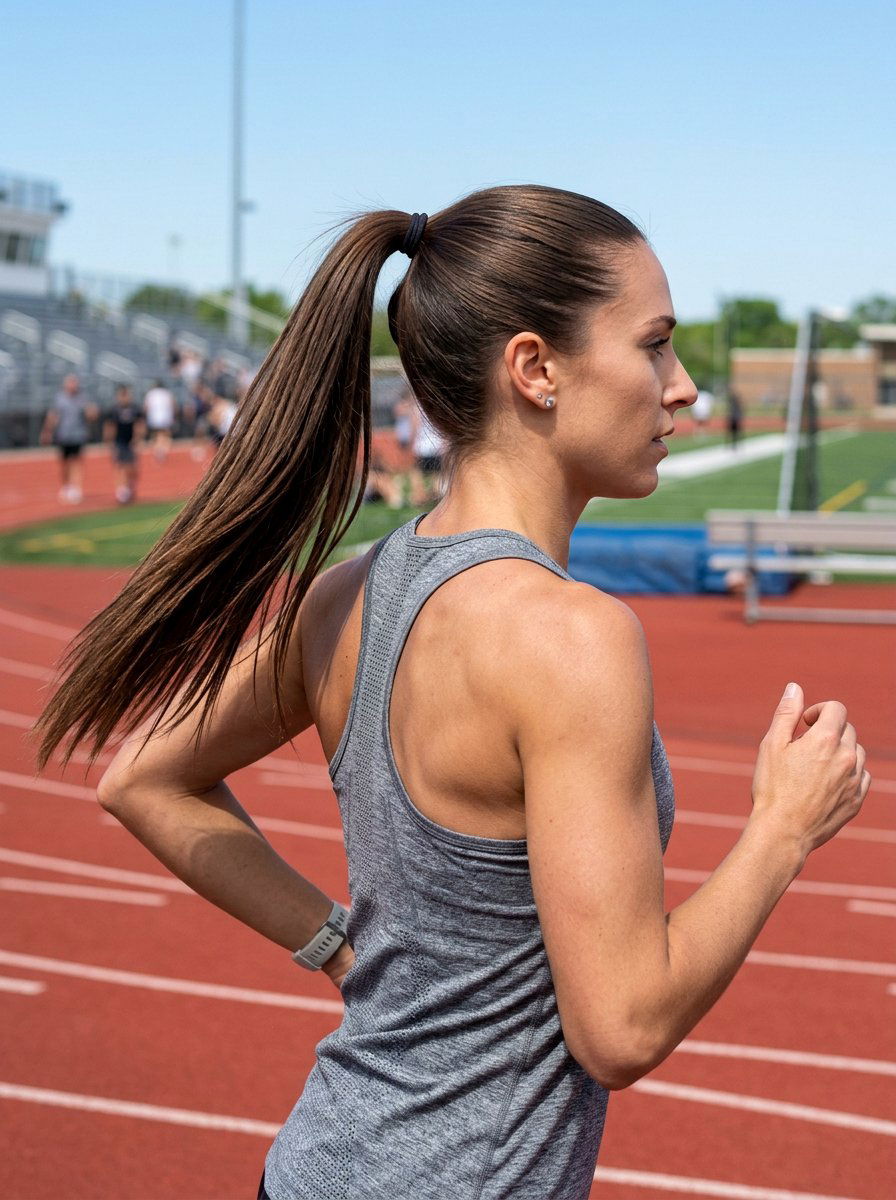
When you want a very polished look that will not budge, the sleek high running ponytail is a favorite. Start with brushed, detangled hair, then apply a small amount of strong‑hold gel or styling cream along your hairline and part. Using a firm bristle brush, pull all the hair straight up to a high point on the crown and secure tightly with a sturdy elastic. This slick base keeps short layers, bangs, and flyaways from working loose as you sweat and move. Because the roots are smoothed down, the ponytail swings cleanly behind you without loose pieces sticking to your face. Spray a light mist of hairspray over the top to finish, and if your hair is very long, use a second elastic a bit lower along the tail for extra stability during faster runs.
5. Low Maintenance Running Ponytail
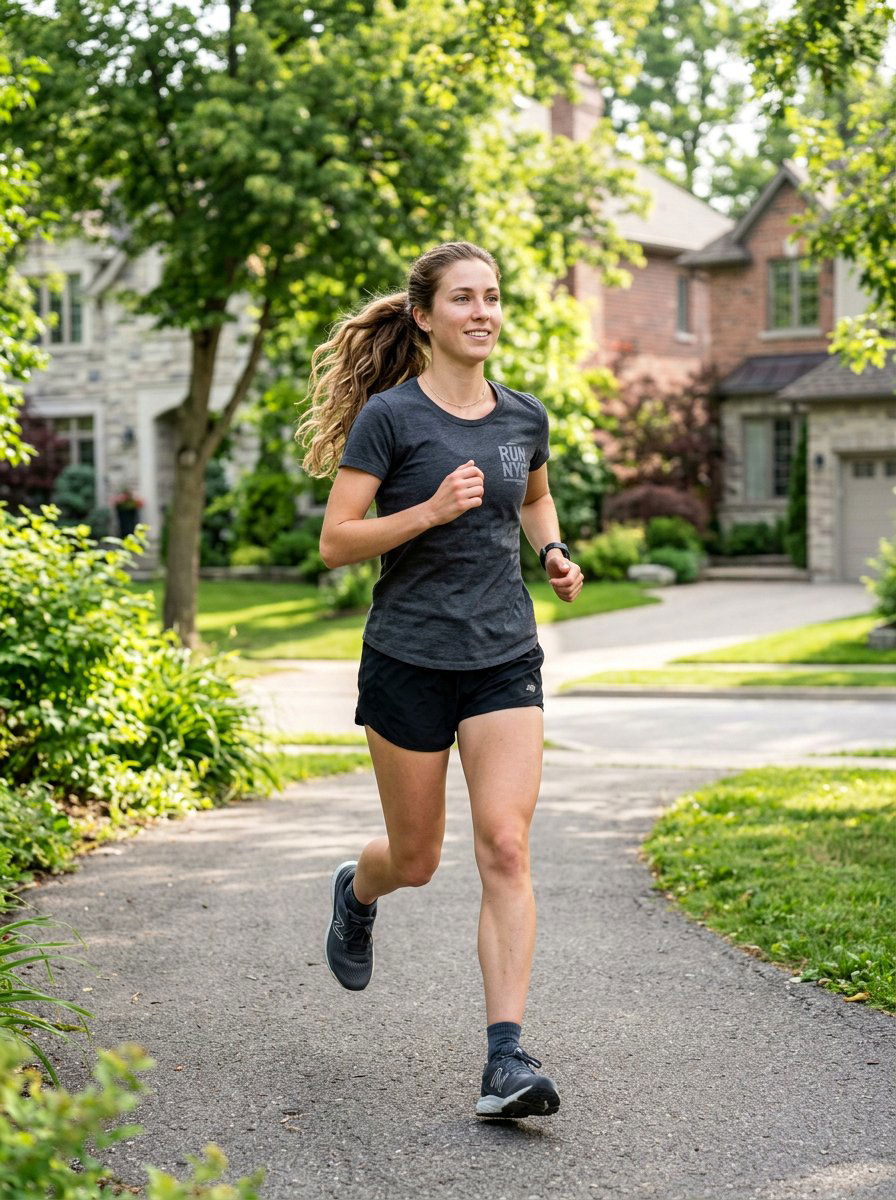
Some days you just need to get out the door quickly, and a low‑maintenance running ponytail keeps things simple. This look is slightly looser and softer, but still secure enough for easy runs, treadmill sessions, or walks. Brush or finger‑comb your hair back, gather it at mid‑height or low at the nape, and tie it snugly without over‑tightening. A soft scrunchie or fabric‑covered elastic works well here because it holds without causing extra breakage or dents. If you have natural waves or curls, you can let your texture show and just smooth the top enough to stay out of your eyes. This ponytail is also easy to retie during a run; you can quickly tighten it at a stoplight or water break without needing a mirror.
6. Bubble Ponytail For Running
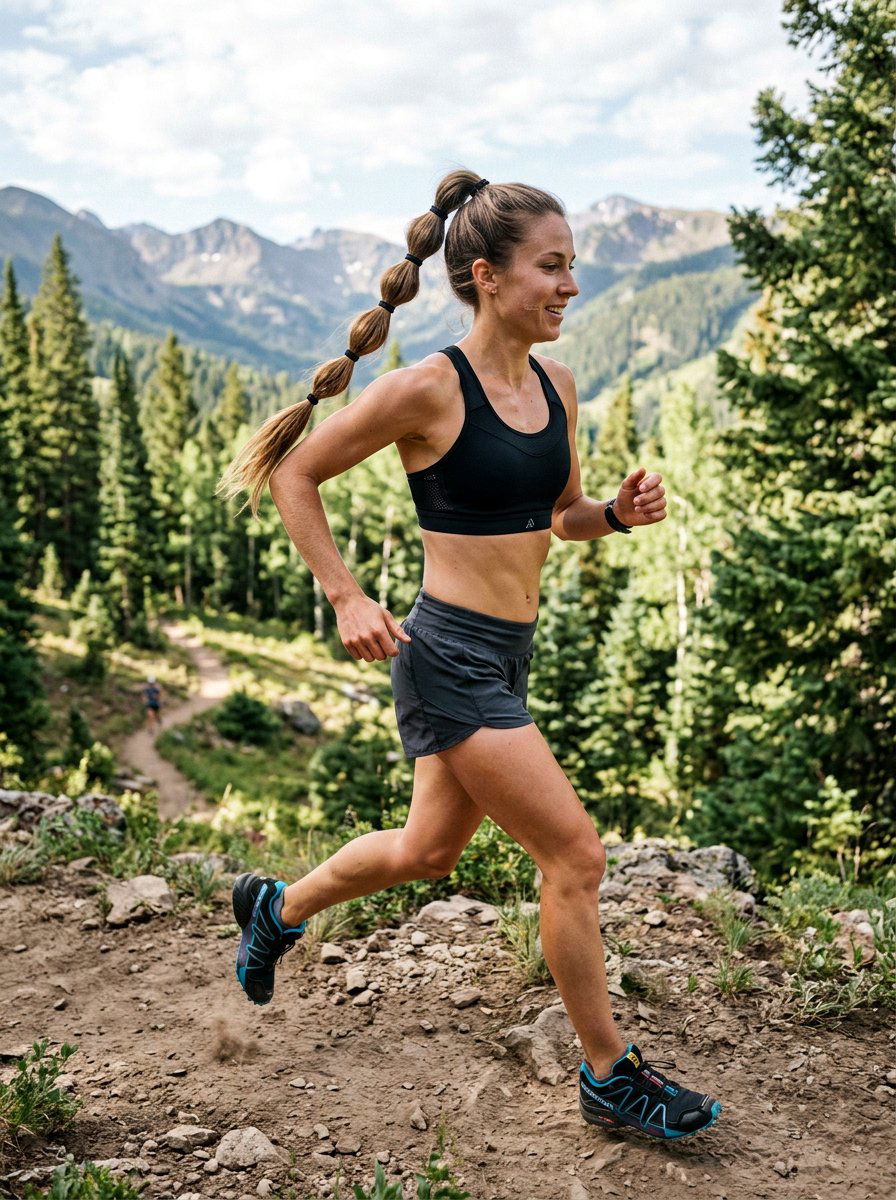
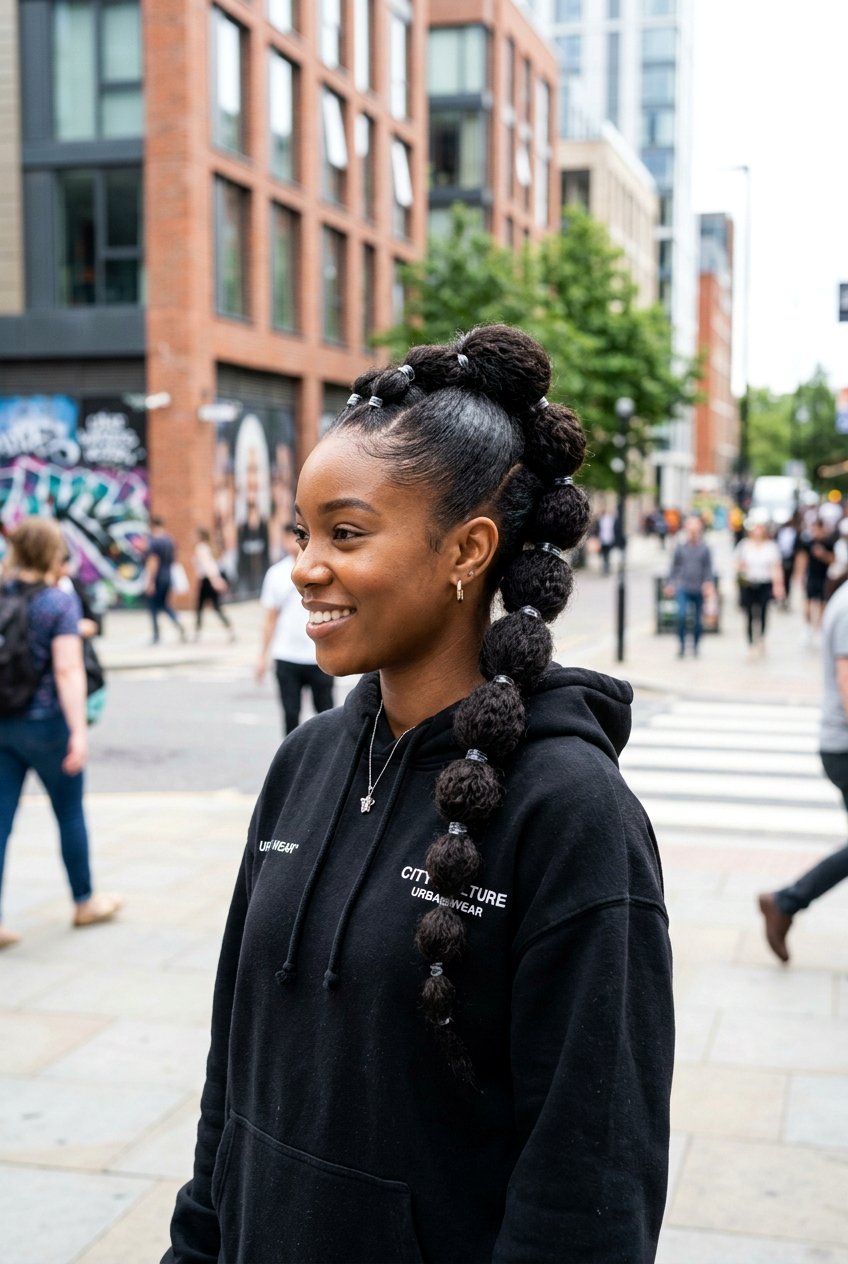
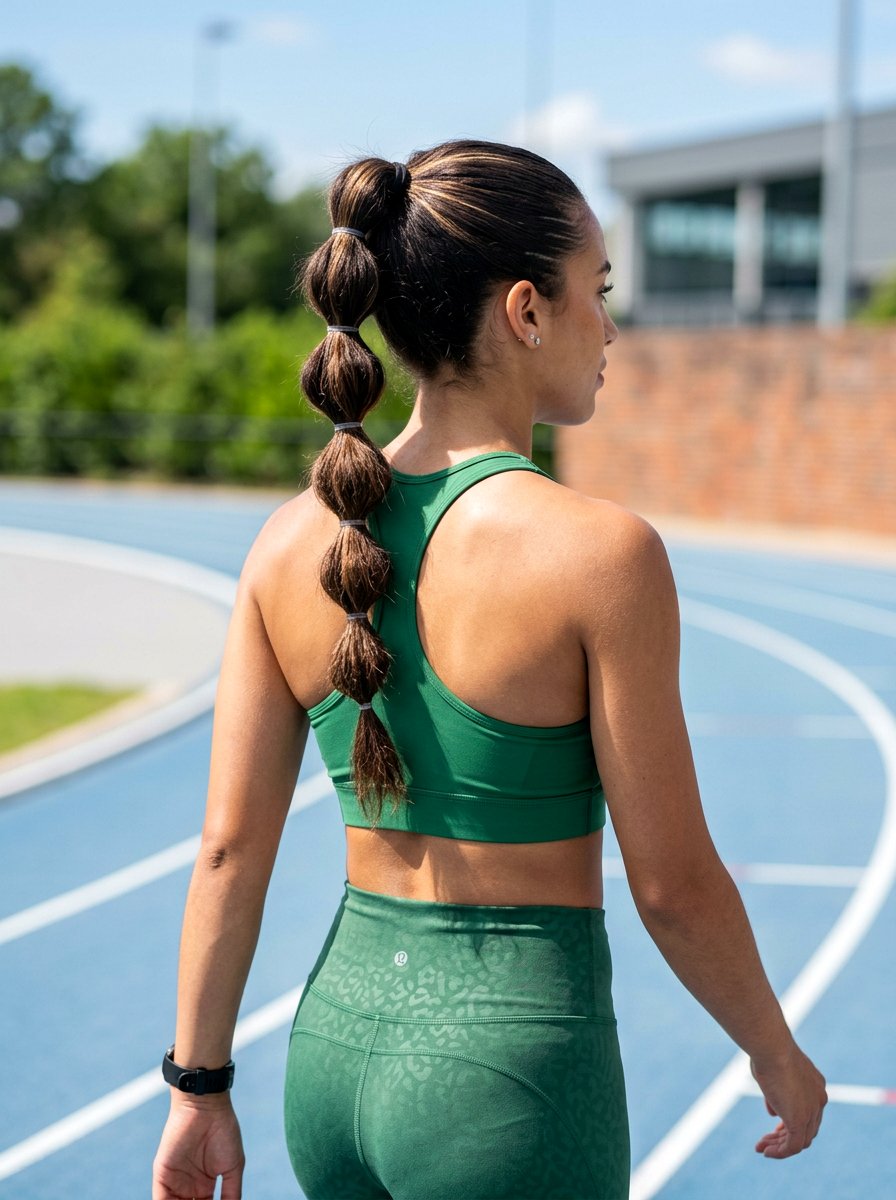
A bubble ponytail is excellent for long runs because it breaks up the length into controlled sections, which reduces tangling and whip. Begin with a regular ponytail at the height you like, then add small elastics down the tail every few inches. Gently pull each section outward to create rounded “bubbles” between the bands. This structure keeps your hair more compact, so it is less likely to wrap around headphones, hydration packs, or your neck. The multiple elastics also distribute weight more evenly, which feels lighter for very long or thick hair. Choose smooth, snag‑free bands and avoid making the bubbles too big, so the style stays streamlined rather than bouncy in a distracting way during speed work.
7. Braided Running Ponytail
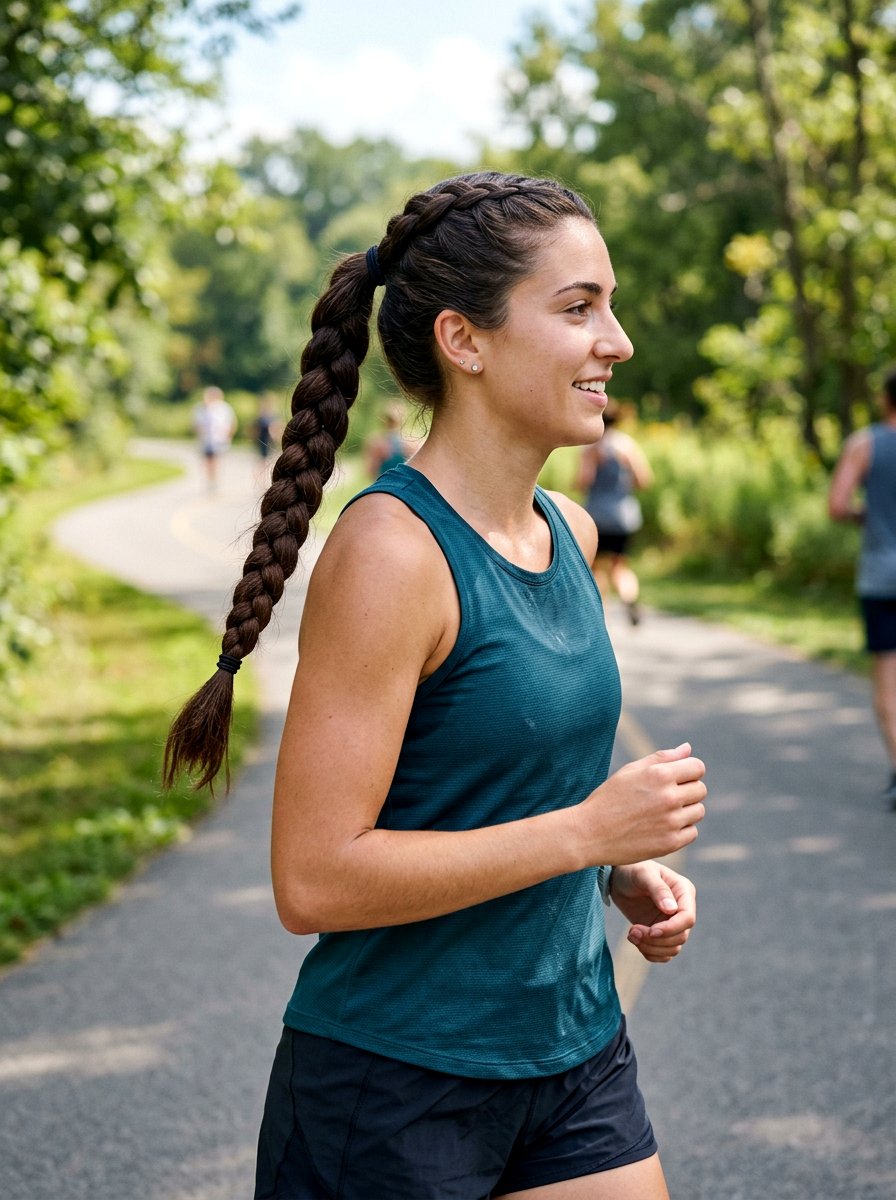
A braided running ponytail is ideal if your long hair usually turns into a knot after workouts. To create it, pull your hair into a ponytail at your preferred height, then braid the length all the way down and secure the end with a small elastic. The braid keeps strands tightly packed together, which drastically cuts down on friction and matting, especially in humid or rainy conditions. You can choose a classic three‑strand braid for speed, or a rope twist if you want something even quicker. This style is especially useful for trail runs and long races where you cannot easily stop to detangle your hair. When you finish, undo the braid gently and add a bit of conditioner or detangling spray to keep your hair soft and manageable afterward.
8. French Braid Ponytail For Running
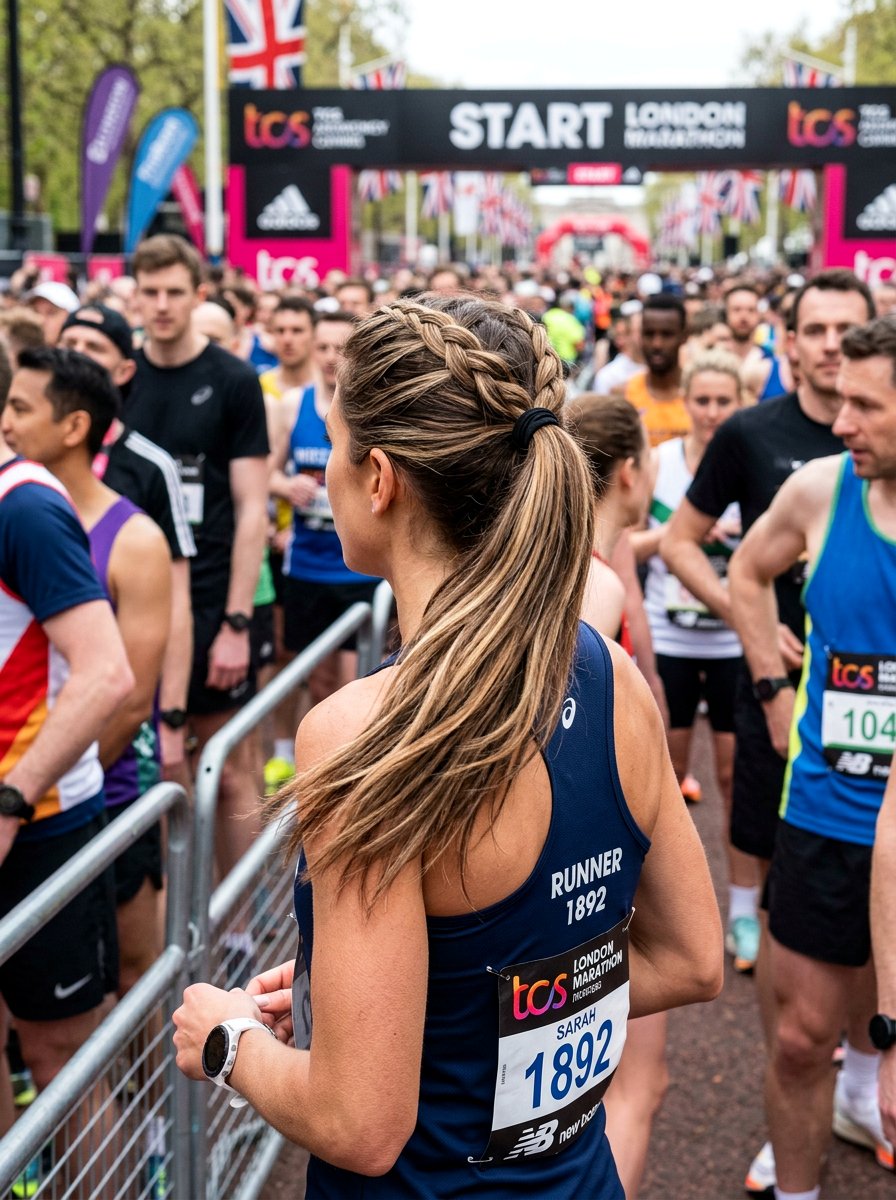
For runners who need extra hold at the scalp, a French braid ponytail combines structure and swing. Start braiding at the crown, adding sections as you move toward the back of your head, then stop at the nape and secure the remaining hair into a ponytail. This approach locks in the top layers so they cannot slip out, which is great if you have shorter layers or a lot of volume near the crown. The loose ponytail below still gives some movement and airflow, avoiding the heavy feeling of a full braid. Use a texturizing spray before you braid to give your hair more grip and keep the stitches tight. This look works especially well for longer training runs or races where you want your style to look neat in photos even hours later.
9. Dutch Braid Ponytail For Running

A Dutch braid ponytail is similar to a French version, but the braid sits on top of the hair, giving even more control and definition. To do it, create a Dutch braid from the front hairline back toward the crown, adding sections underneath as you go. Once you reach the back of your head, tie the rest of the hair into a ponytail and secure the braid end into the elastic. This raised braid helps hold thick or heavy hair in place, so it does not slide down during long or sweaty runs. It is also great for keeping baby hairs and face‑framing pieces contained without needing a lot of product. If you run with a headband or cap, this style sits nicely underneath, and the ponytail can be worn high, mid, or low depending on comfort.
10. Double Braided Running Ponytail
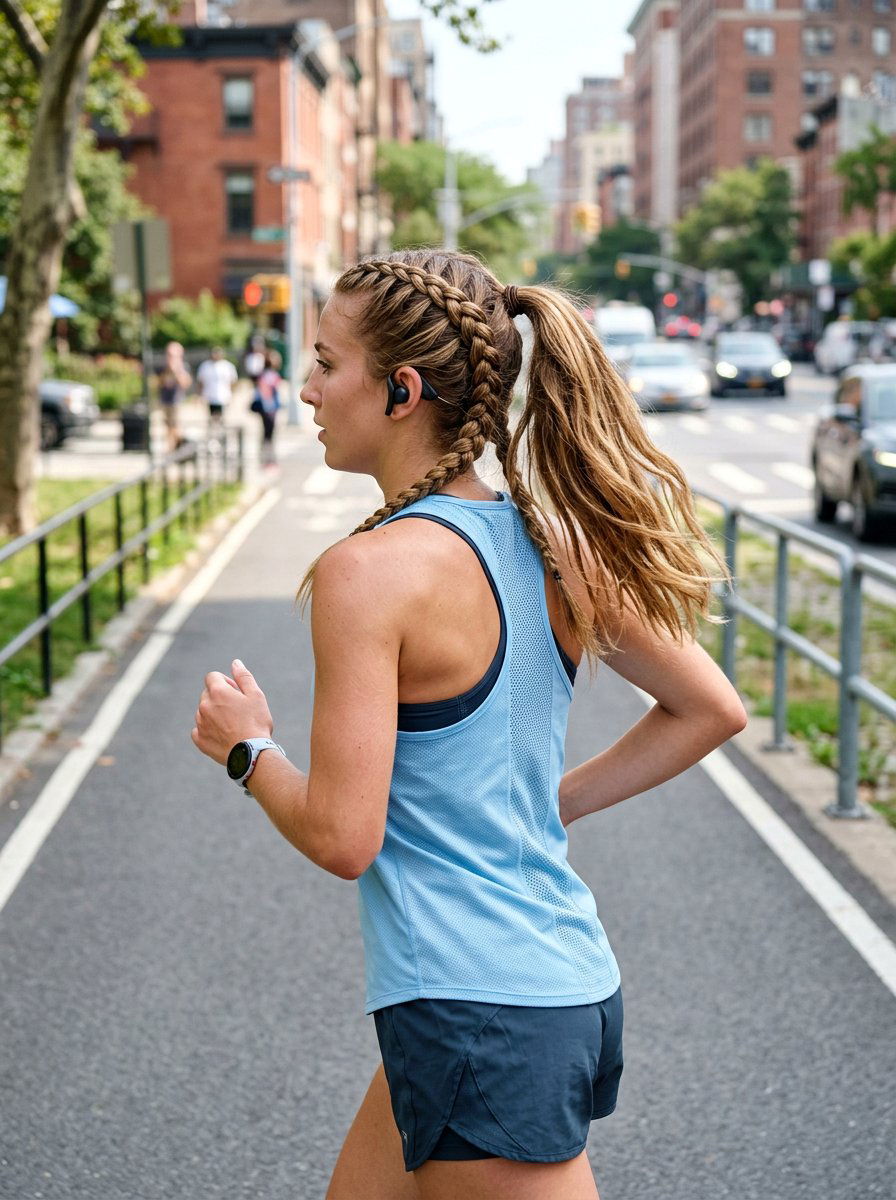
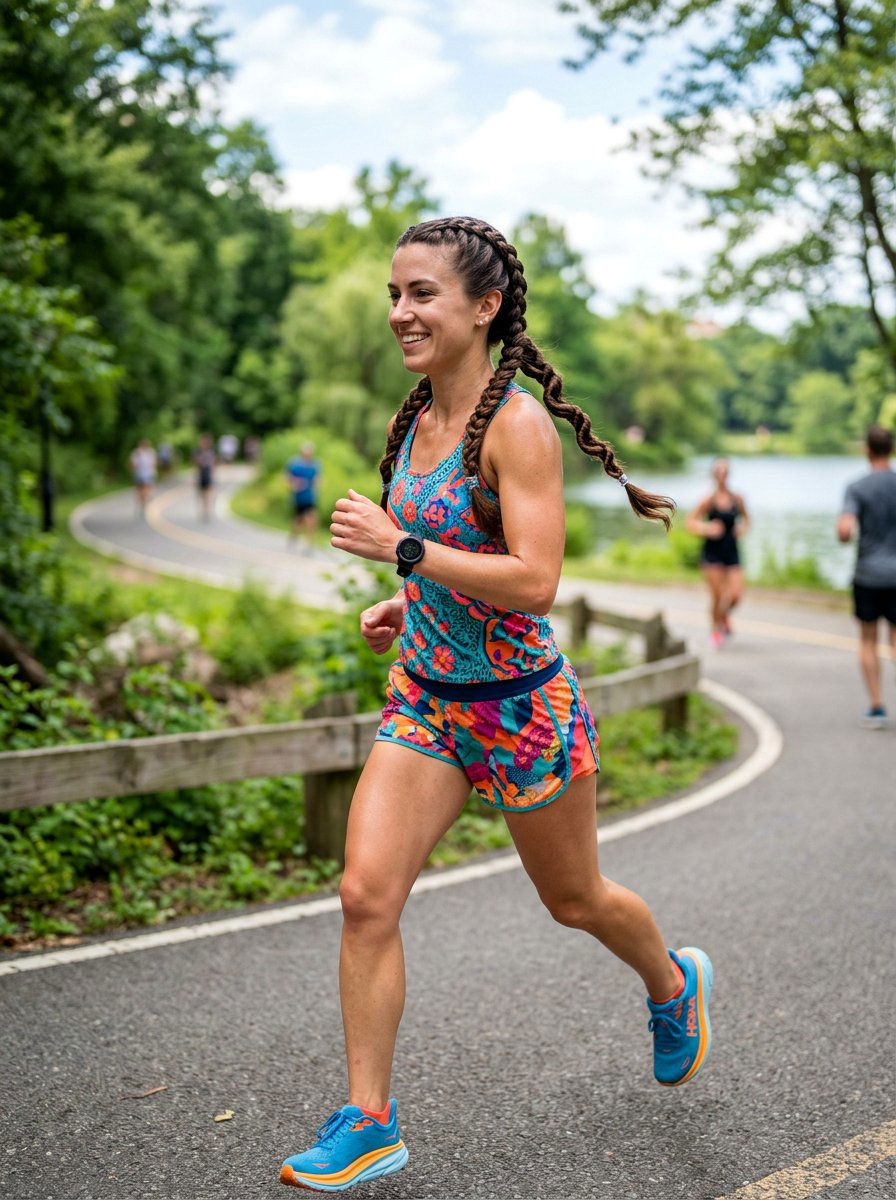
When one braid is not enough, a double braided running ponytail offers excellent stability for long hair. Start by parting your hair down the middle and creating two braids from the front toward the back, either French or Dutch. When the braids meet near the crown or nape, gather all the remaining hair into a single ponytail and secure with a strong elastic. The twin braids anchor the style across your whole head, which is especially helpful if your hair tends to slip out of simpler ponytails. This design reduces bouncing near the scalp and keeps the base very secure over long distances. It requires a bit more prep time, but once it is in place, you can usually forget about it for the rest of your run, even during intervals or hills.
11. Headband Running Ponytail
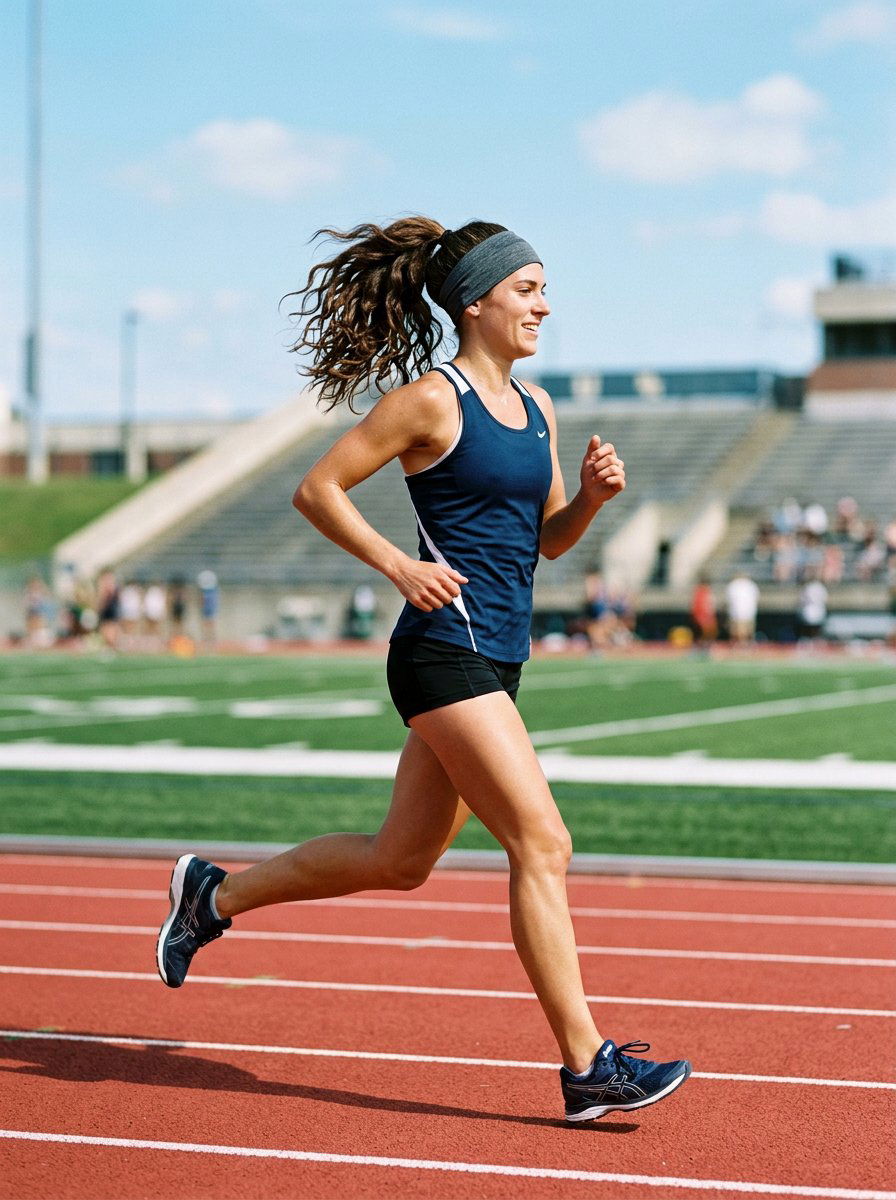
If flyaways and sweat at the hairline bother you, a headband running ponytail can feel much more comfortable. First, slip on a wide, moisture‑wicking headband that covers your hairline and keeps sweat from dripping into your eyes. Then pull your hair back into a ponytail at whatever height feels best for your run. The headband prevents short pieces and bangs from escaping, while also holding earbuds or sports glasses a bit more securely. This look is especially good for humid days, treadmill workouts, and gym sessions where you might sweat more around the face. Choose a headband with a non‑slip interior so it does not roll back mid‑run, and avoid very tight bands that could cause headaches over longer distances.

12. Running Ponytail With Cap
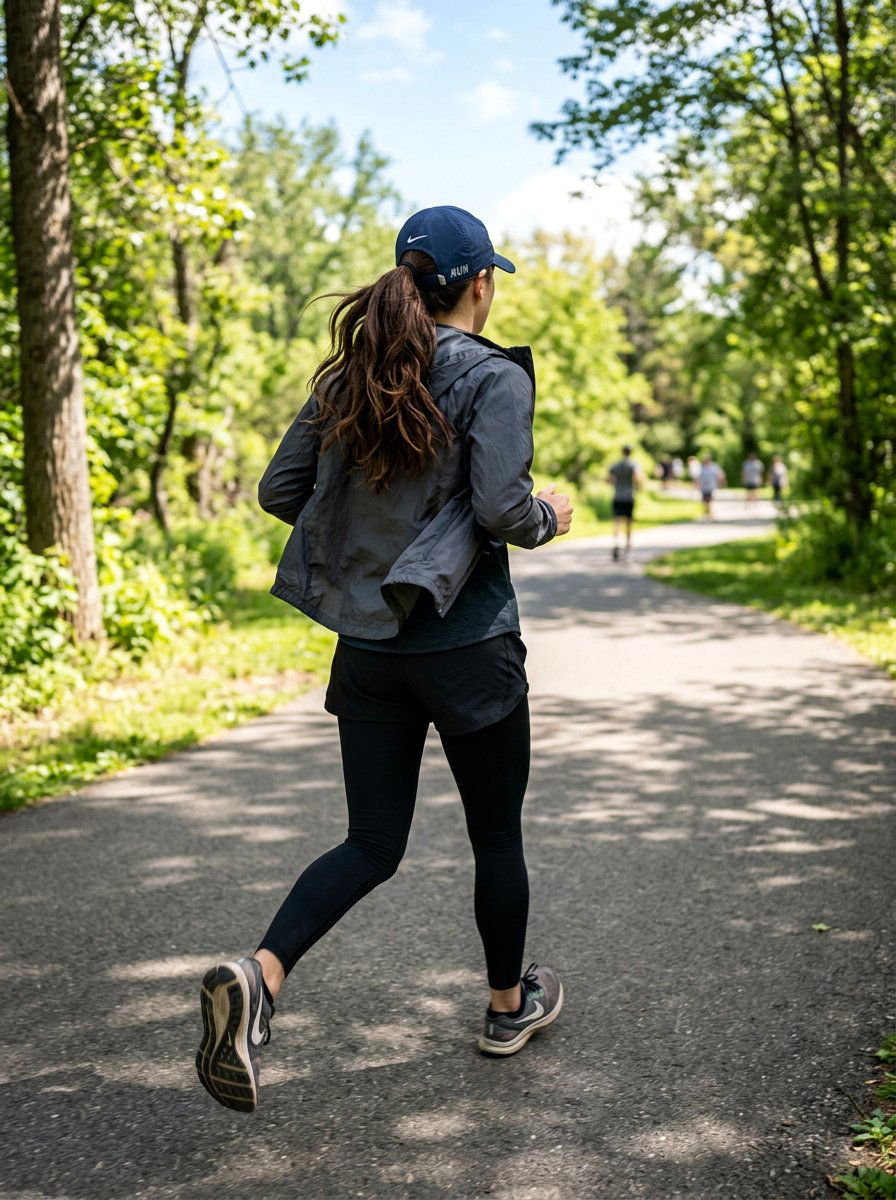
A running ponytail with a cap is a staple for sunny or rainy conditions. Start by putting on your running cap or visor, making sure it fits snugly but comfortably on your head. Then pull your long hair through the back opening and secure it into a ponytail, usually at mid or low height. This keeps your hair contained while the cap shields your face from sun and light showers, cutting down on squinting and distraction. It also helps manage frizz and flyaways on windy days, since the cap holds the top section firmly in place. If you have very long hair, you can braid the ponytail or add a few elastics down the length to prevent whipping and tangles behind you during faster runs.
13. Half Up Running Ponytail
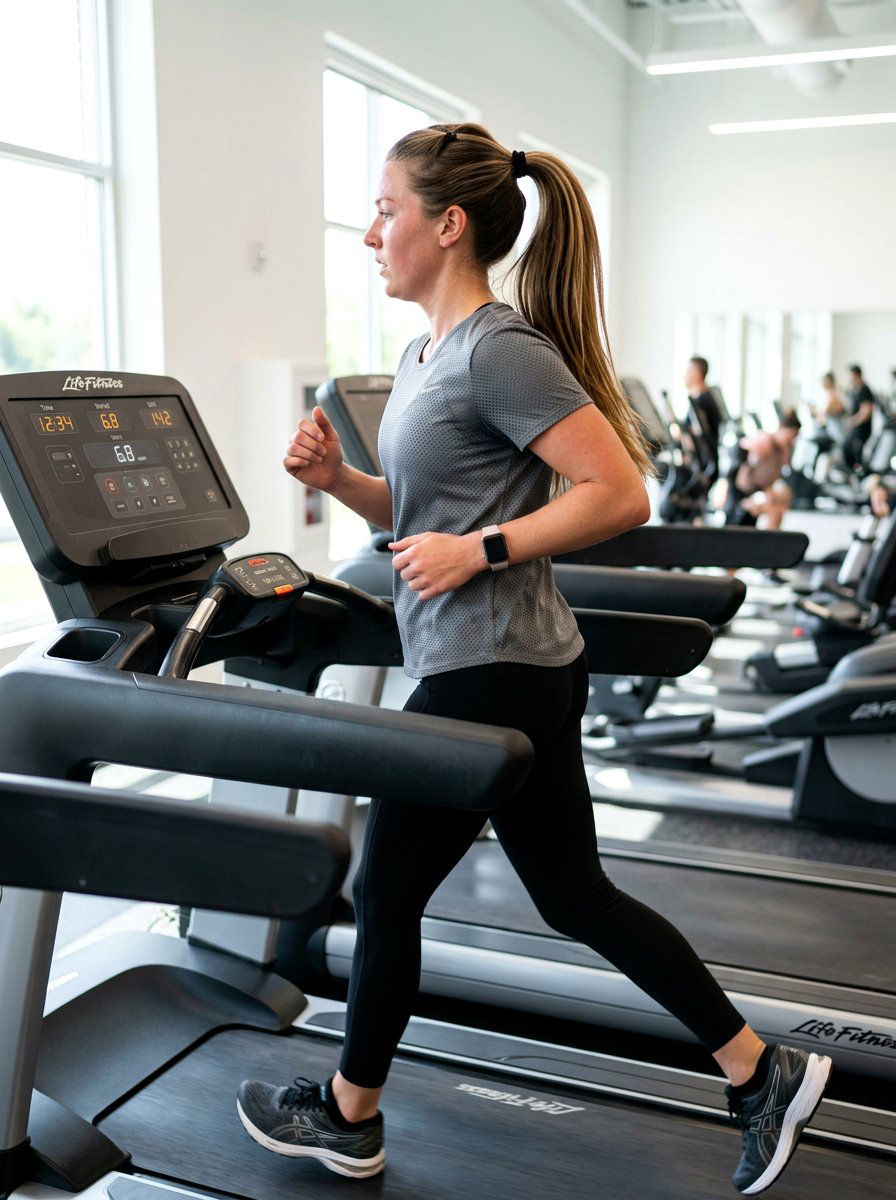
A half up running ponytail is useful when you want your hair off your face but still like some length flowing. Gather the top section of your hair from temples and crown, then tie it into a ponytail while leaving the bottom half free. This helps control bangs and shorter layers, so they do not bounce into your eyes while you run. Meanwhile, the lower hair can move more naturally with less overall tension on your scalp. It is best for easy runs, cross‑training days, or shorter workouts where heavy bouncing is not a big issue. If you are going longer or running fast, consider braiding the lower section or adding a second elastic lower down to bring more of the length together for extra control.
14. Low Braided Running Ponytail
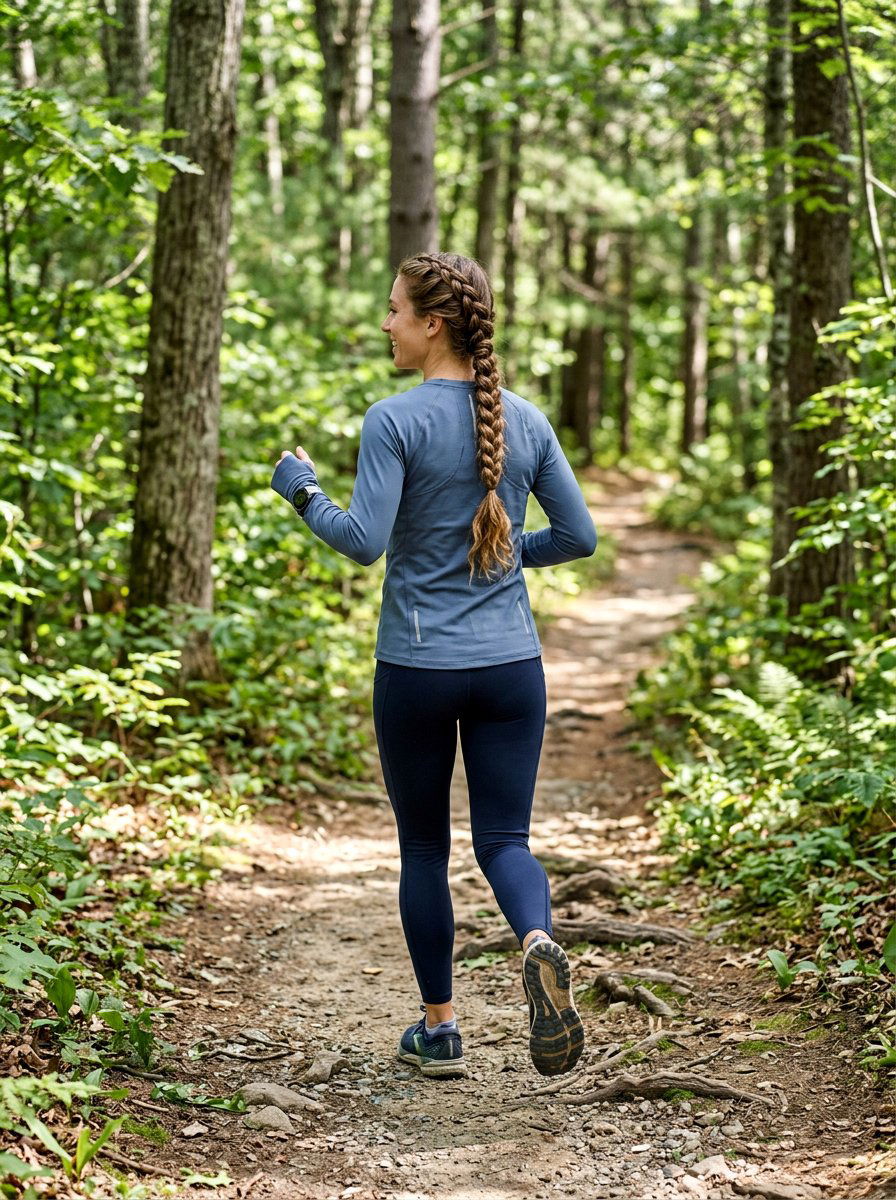
A low braided running ponytail gives low‑tension comfort and excellent tangle control. Create a low ponytail at the nape of your neck, then braid the length and secure the ends with a small elastic. This combination keeps pressure off the top of your head while still keeping hair bundled together, which helps prevent knots during longer efforts. Because the braid rests along your back, the movement is gentler and less likely to whip your shoulders or arms. It is an especially good choice if you wear high‑collar jackets or hydration vests, since the braid lies neatly beneath the fabric. Use a lightweight serum or detangling spray before braiding if your hair tangles easily, and avoid braiding too tightly to reduce stress on the ends.
15. Twisted Running Ponytail
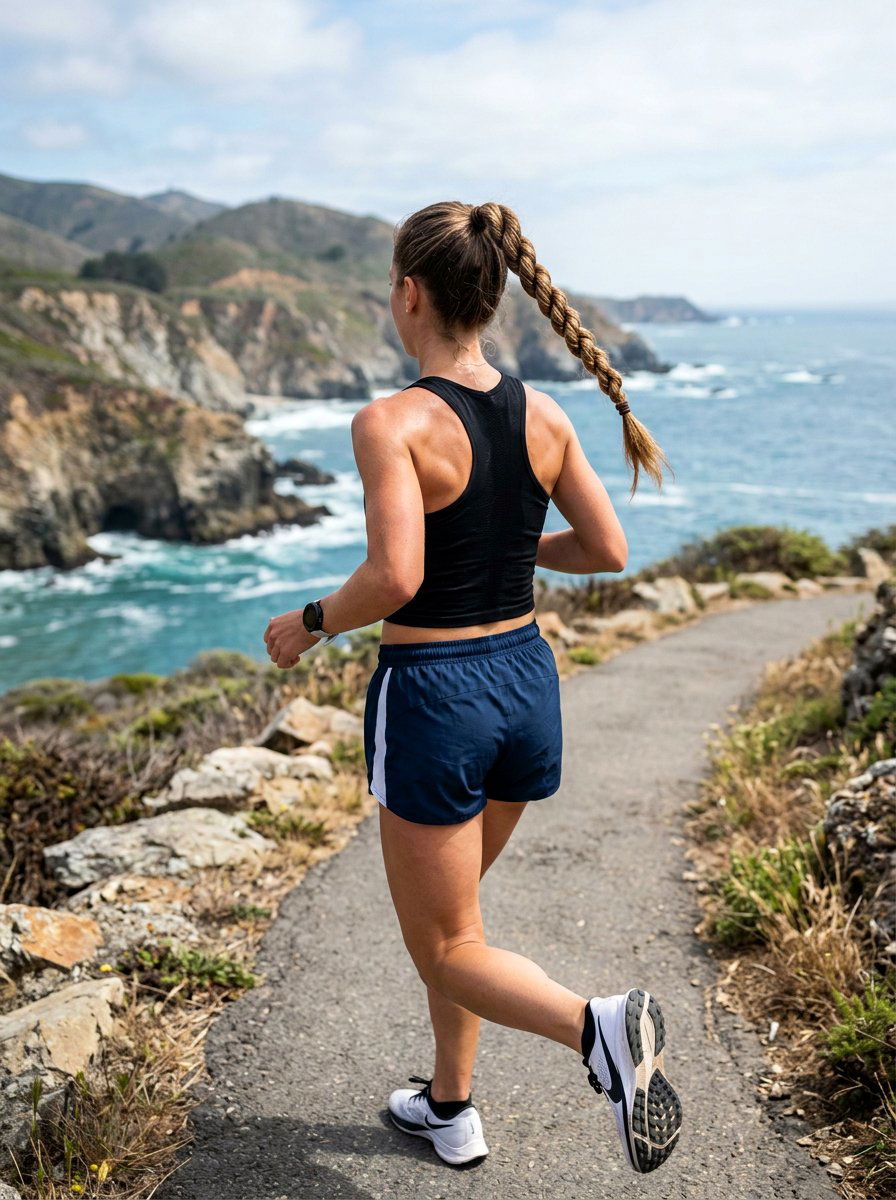
A twisted running ponytail gives a bit of visual interest while still being quick to do. Start with a regular ponytail, then divide the length into two sections and twist them around each other down to the ends. Secure with a small elastic so the twist does not unravel. This rope‑like shape keeps your hair slightly more compact than a loose ponytail, which can reduce tangling and whipping in the wind. It is easier and faster than a full three‑strand braid, making it practical before early‑morning runs. For added grip, apply a small amount of texturizing spray or light mousse to the length before twisting, especially if your hair is very smooth or straight.
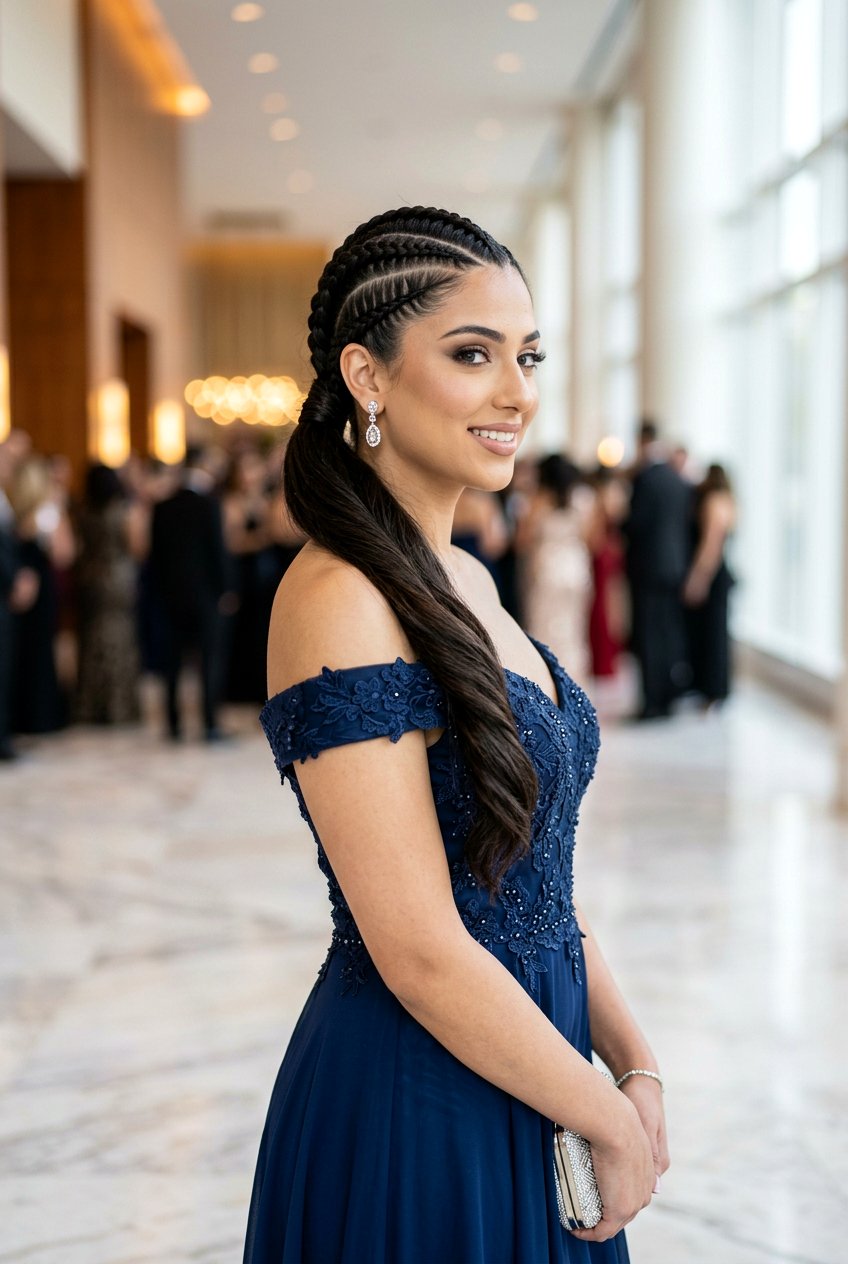
16. Wrapped Base Running Ponytail
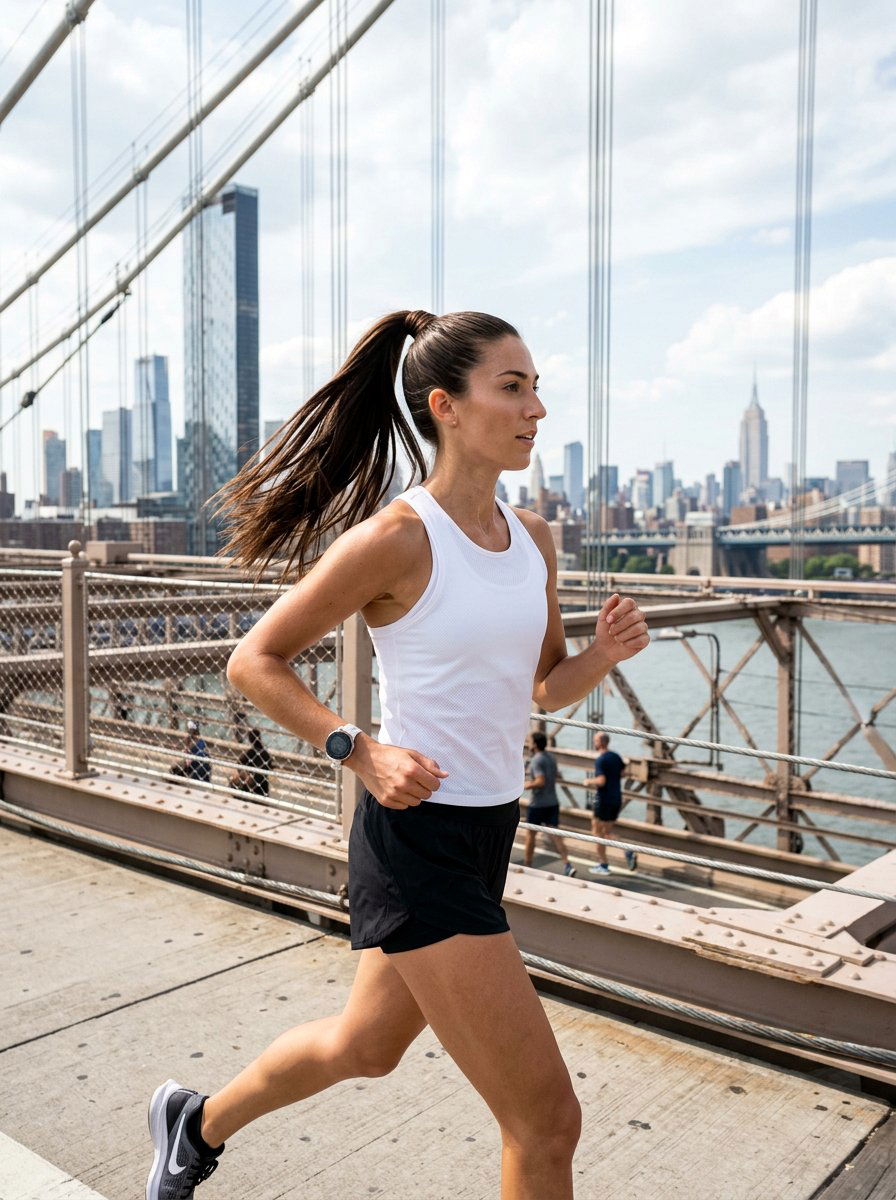
A wrapped base running ponytail feels a bit more polished while staying very functional. Create your ponytail at the height you prefer, then pull a small section of hair from the tail and wrap it around the elastic to hide it. Secure the wrapped piece underneath with a bobby pin, making sure the pin sits flat so it does not dig into your head under a hat or headband. This technique gives the base extra tightness, which can help hold long, heavy hair a little more securely. It also makes the style look smoother if you plan to go somewhere right after your run and do not have time to fully restyle. Avoid using too large a section for wrapping, so the ponytail itself still feels light and swings freely behind you.
17. Layer Friendly Running Ponytail
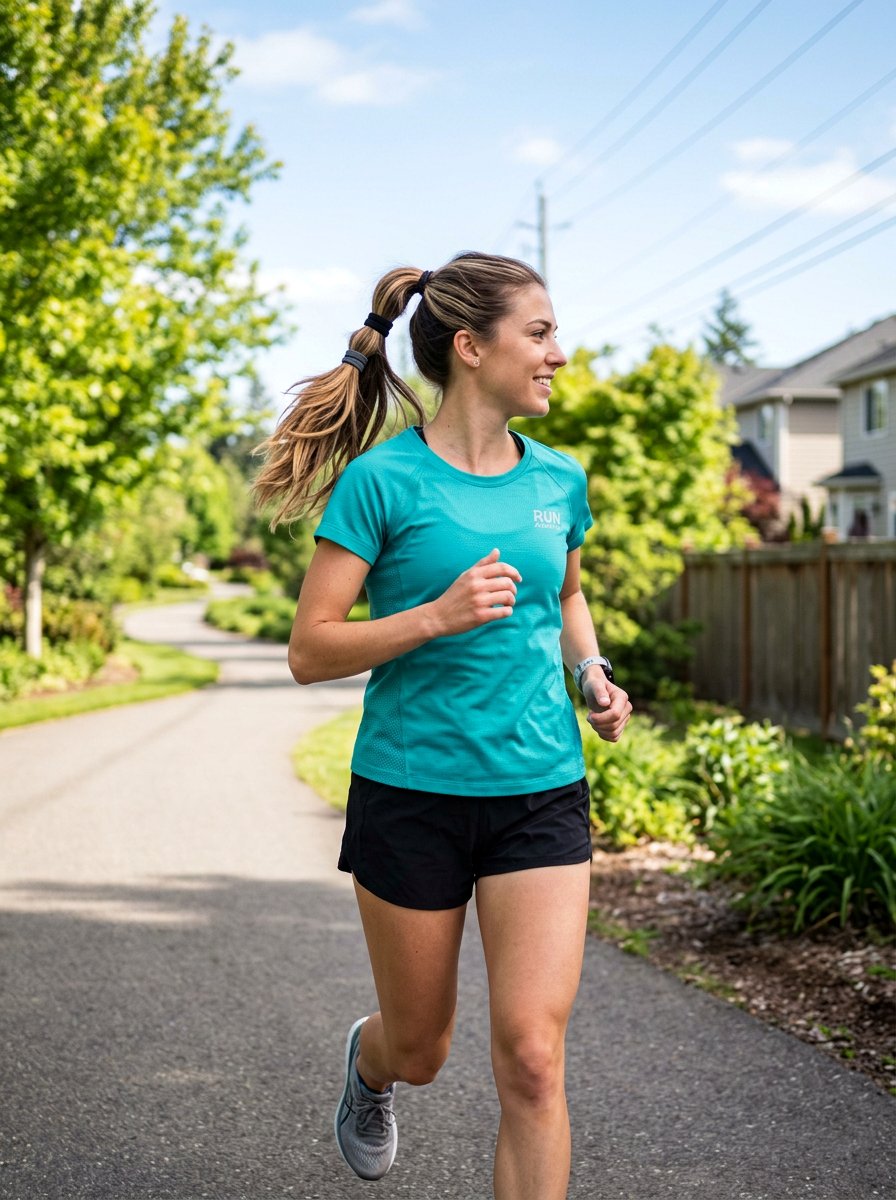
If you have long hair with lots of layers, a layer friendly running ponytail keeps shorter pieces under control. Start with a mid or high ponytail, then use several small clear elastics along the first few inches of the tail to capture shorter strands. You can also lightly twist the top part of the ponytail before adding the extra elastics, which helps layers stay tucked in. This approach reduces the number of pieces that slip out and stick to your face or neck as you sweat. For very layered hair, pair the ponytail with a thin headband or a few discreet bobby pins near the temples. A small amount of flexible hairspray can lock everything in place without making your hair stiff or crunchy, so it still feels comfortable after your run.
18. Curly Running Ponytail For Long Hair

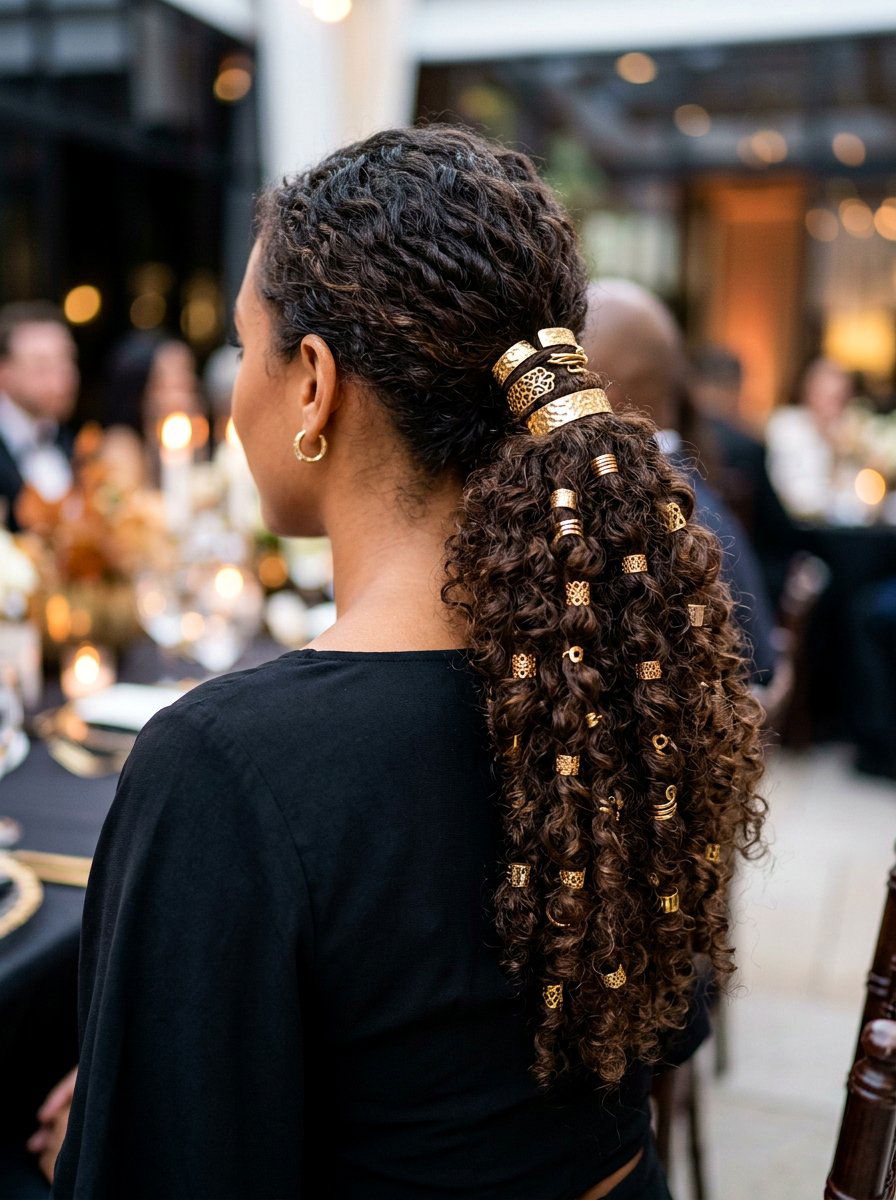
For long curly hair, a running ponytail needs to control volume without crushing your natural texture. Use your usual curl products, then once hair is partially dry, gather it into a mid‑height ponytail using a soft, wide elastic or spiral hair tie. Avoid pulling too tight at the roots; a bit of lift keeps curls from frizzing where they meet your scalp. You can lightly twist the tail once or divide it into two loose twists to reduce tangling while still preserving curl shape. If you have face‑framing curls, leave a couple of pieces out and pin them back with small clips or a sweat‑friendly headband. After your run, gently shake out the ponytail, scrunch in a little extra leave‑in, and let your curls air dry again to restore bounce.
19. Double Elastic Running Ponytail
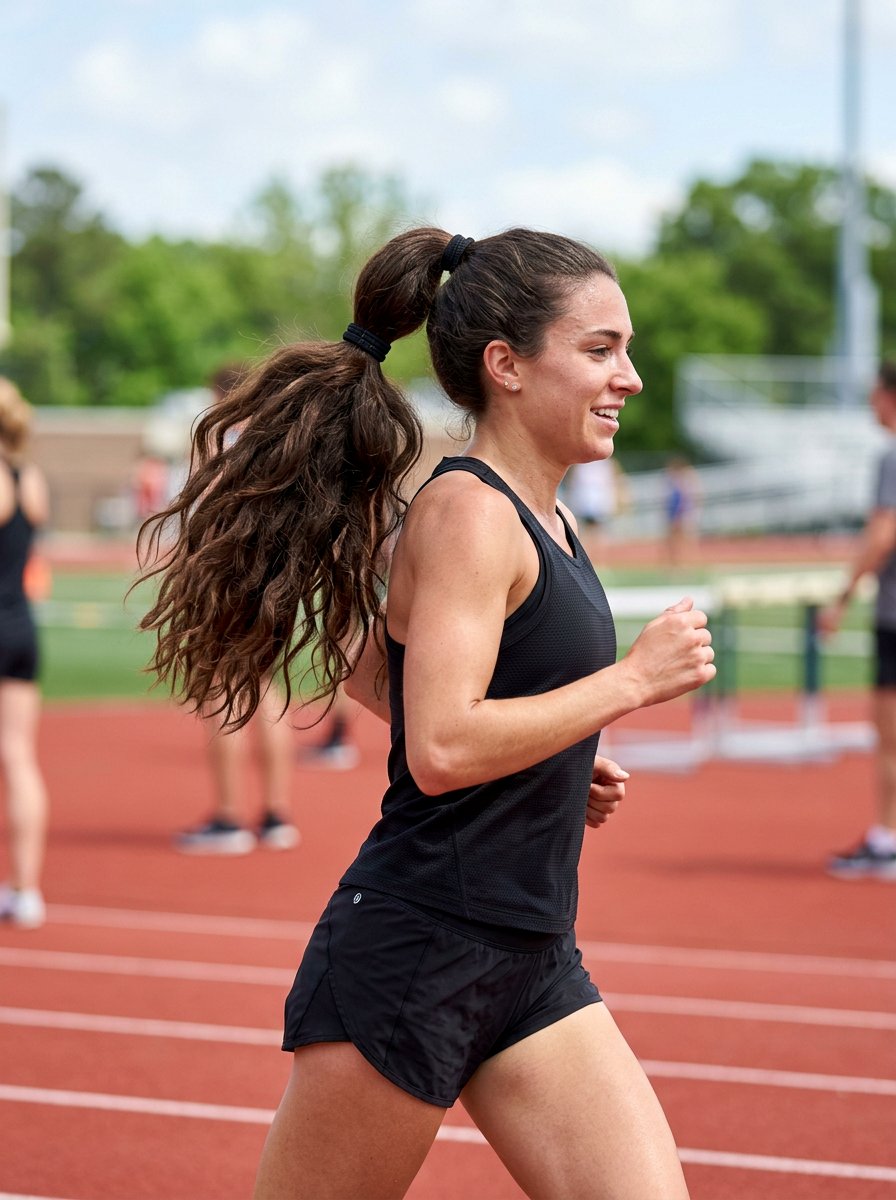
A double elastic running ponytail is perfect for very heavy or thick long hair. First, secure your ponytail normally at your chosen height using a strong elastic, then add a second elastic right over the first. This doubling step increases grip and reduces the chance of the base loosening mid‑run. It is especially helpful for tempo days, intervals, or races when you really do not want to stop and fix your hair. If your hair is extremely long, you can also place a third elastic a few inches down the length to control bounce. Choose elastics that are gentle on hair and avoid wrapping them too tightly, so you still protect your strands from unnecessary breakage over time.
20. Protective Running Ponytail For Long Hair
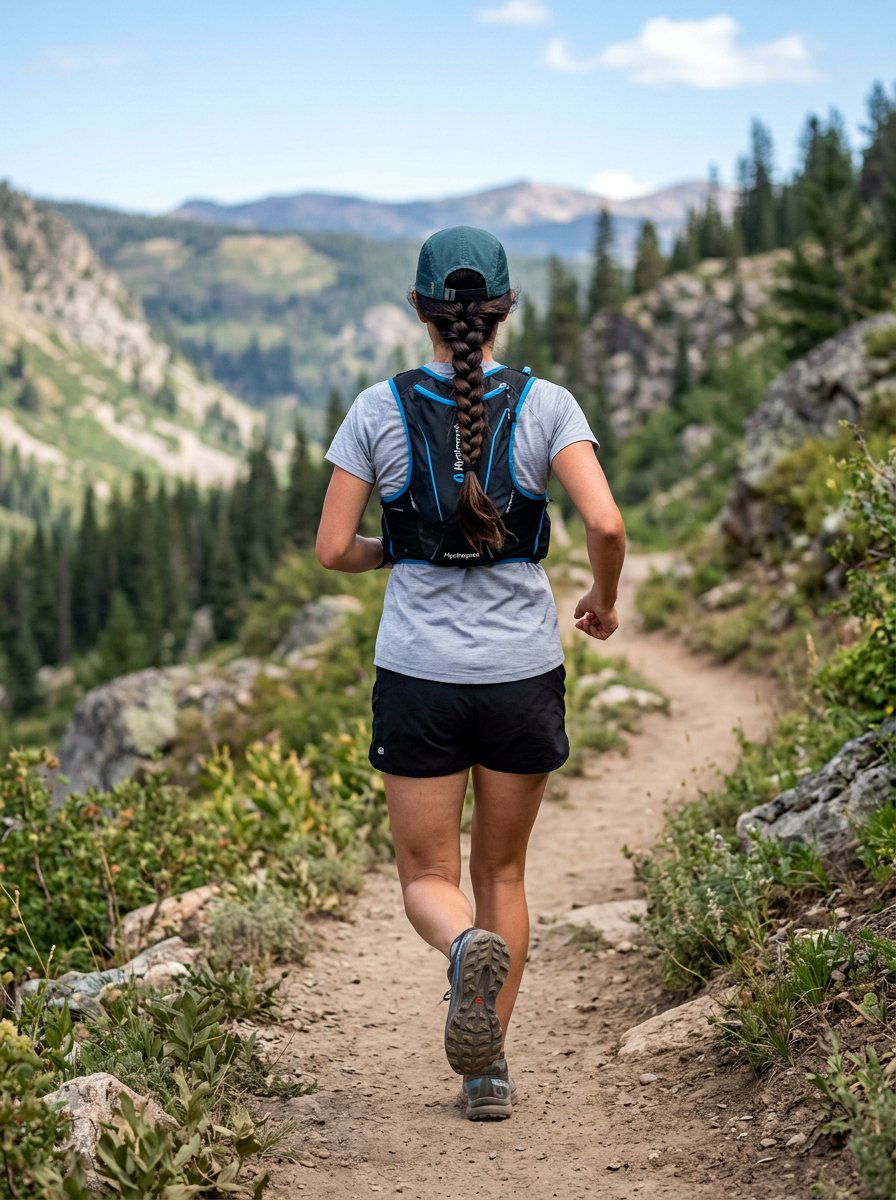
A protective running ponytail focuses on keeping long hair healthy while you train regularly. Start with a low or mid ponytail to reduce tension, then braid or twist the length and secure the ends. Before tying, apply a leave‑in conditioner or light protective spray to help shield your hair from sweat, sun, and friction. This combination keeps strands bundled, limits rubbing against clothing and gear, and makes post‑run detangling much easier. On very hot or sunny days, pair this ponytail with a cap to protect both your scalp and your ends. Rinse or gently wash your hair after tough sessions, and avoid reusing the same tight elastics too many times, since stretched bands can snag and damage long hair over time.
Conclusion:
Finding the right running ponytail for long hair is about balancing comfort, security, and hair health so you can stay focused on your miles. Small changes in ponytail height, added braids, or a few extra elastics can dramatically reduce bounce, tangling, and scalp tension, especially on longer or faster runs. Many runners rotate between simple high or low ponytails, braided versions, and bubble or twisted looks depending on distance, weather, and how their hair feels that day. Using the right tools—soft, no‑snag elastics, moisture‑wicking headbands, and light styling products—helps each look last through sweat and movement without causing breakage. With these 20 running ponytail options, you can experiment and find the ones that best match your hair type, routine, and training goals while keeping your long hair secure and manageable every time you lace up.
You'll Like These Styles:








Leave a Reply