
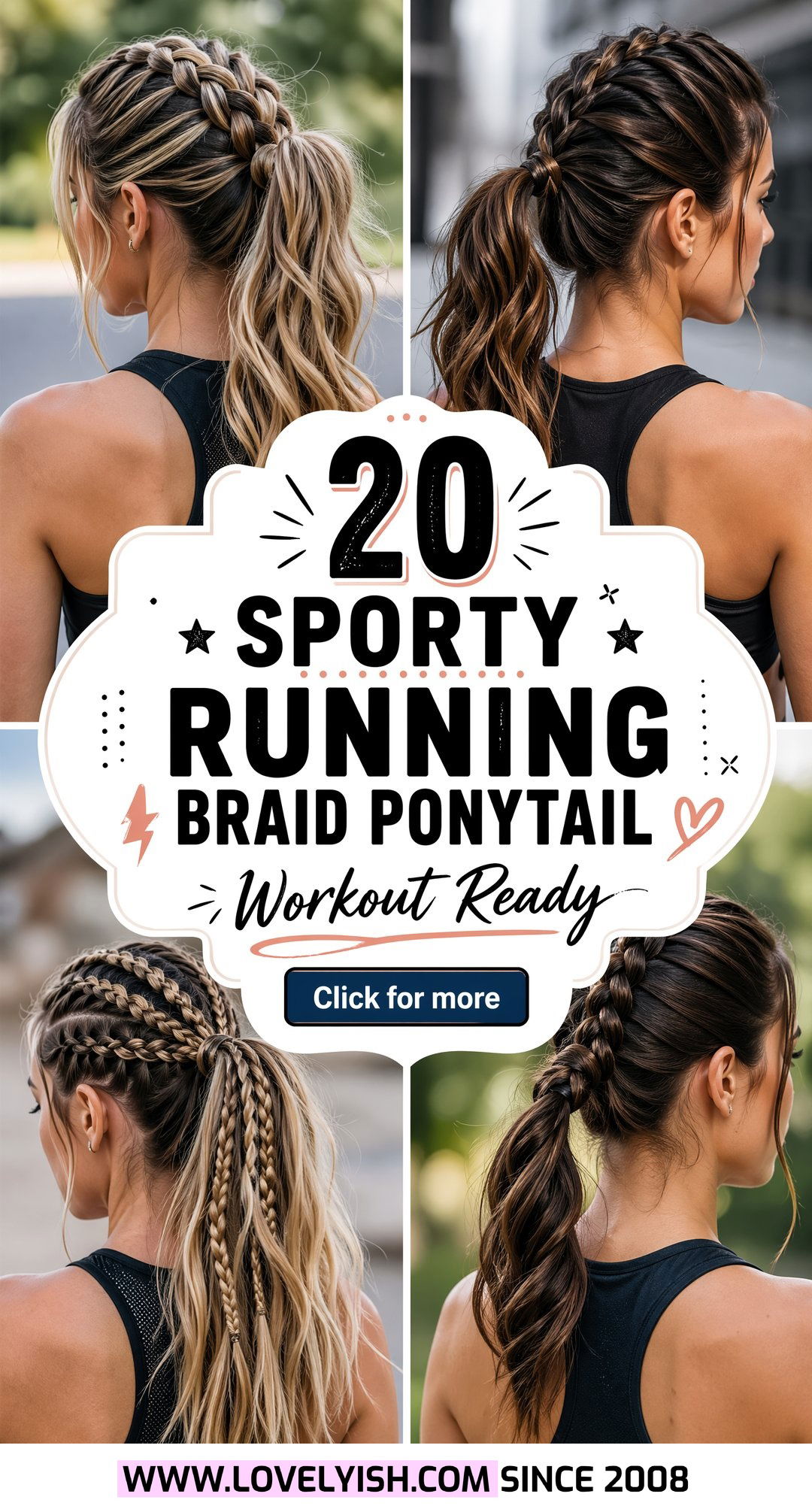
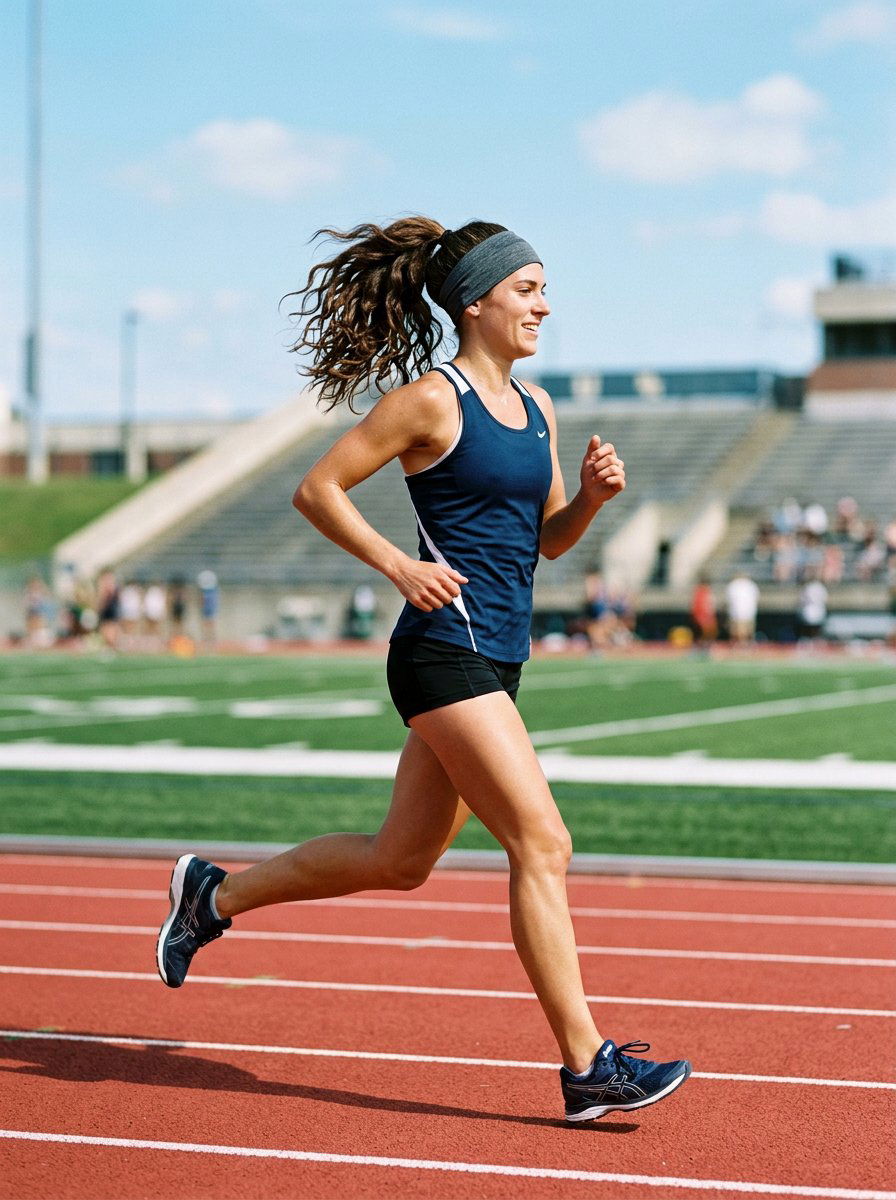
Nothing throws off your rhythm quite like hair smacking your face mid-stride or a ponytail that slowly falls apart by mile three. Whether you are training for a marathon, hitting the track for sprints, or just logging miles on your favorite trail, the right hairstyle can make all the difference. That is where running braid ponytails come in. These hybrid looks combine the secure hold of a braid with the easy wear of a ponytail, keeping every strand locked in place no matter how hard you push. In this guide, you will find twenty distinct running braid ponytail options to match every hair length, texture, and workout intensity. Each one is built to stay put, look great, and let you focus entirely on the road ahead.
1. Single French Braid Into High Ponytail
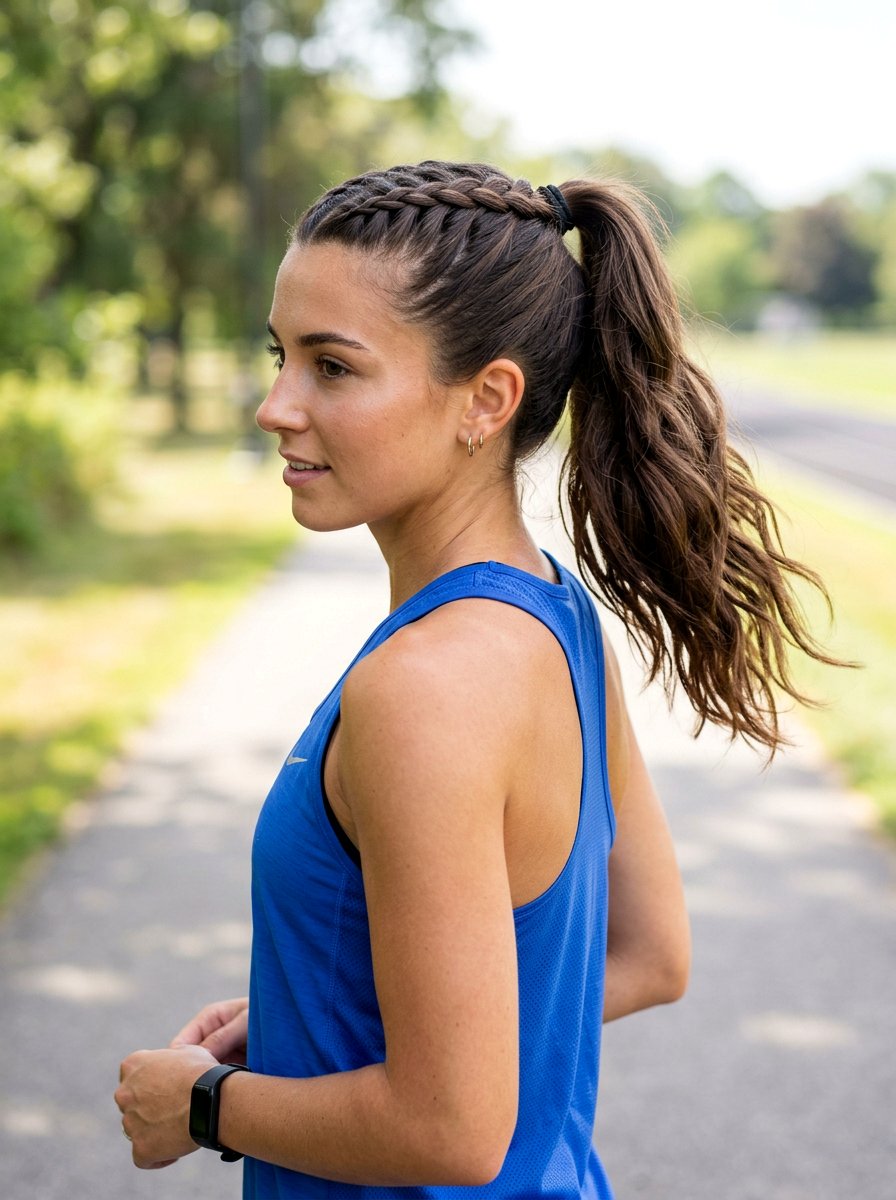
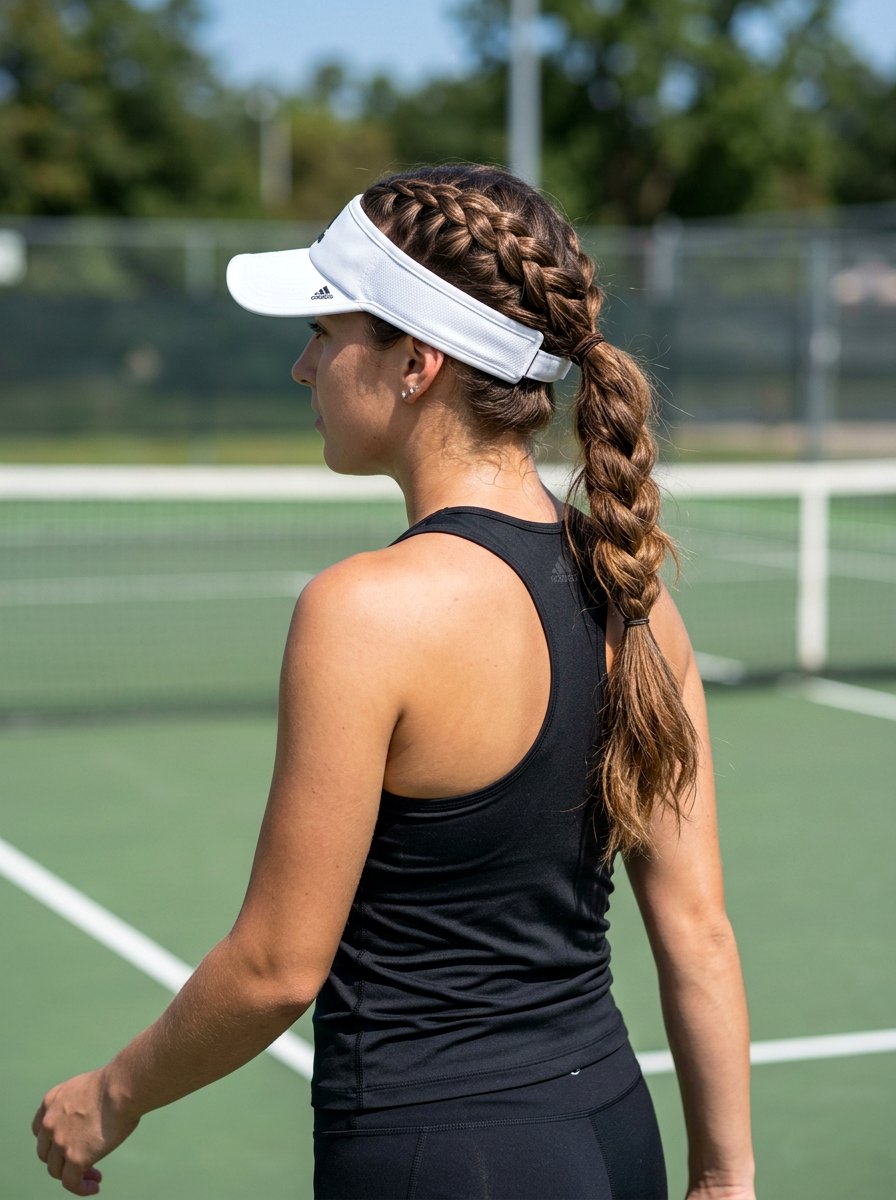
This classic combo starts with a French braid that runs straight down the back of the head and feeds directly into a high ponytail at the crown. It is one of the most popular running hairstyles for good reason. The French braid section keeps shorter layers and flyaways tightly secured against your scalp, so nothing escapes when you pick up speed. Once the braid reaches the nape, the remaining hair is gathered and tied into a perky high pony that bounces naturally without tangling. It works beautifully on medium to long hair and holds up through sweaty sessions and windy conditions alike. A lightweight gel or mousse at the roots adds extra grip for all-day staying power.
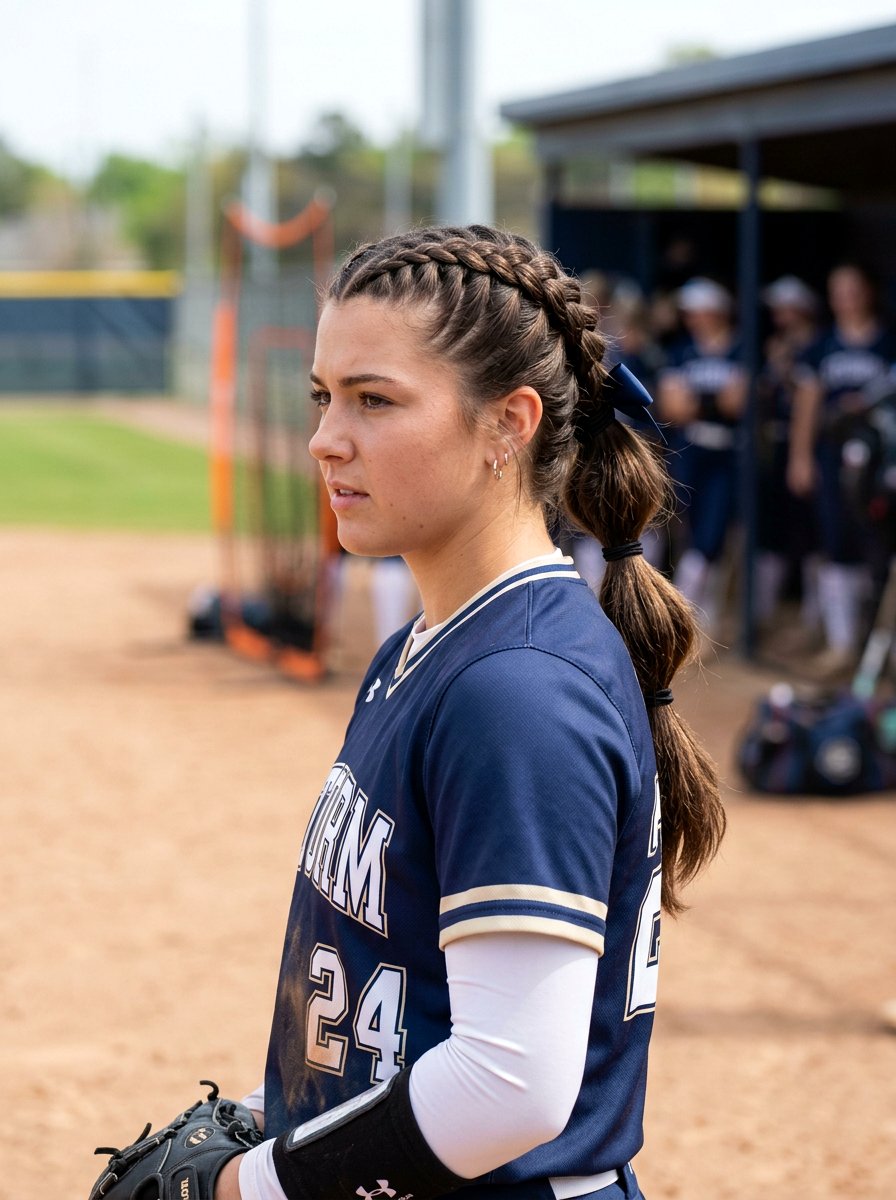
2. Double Dutch Braids Into Ponytail
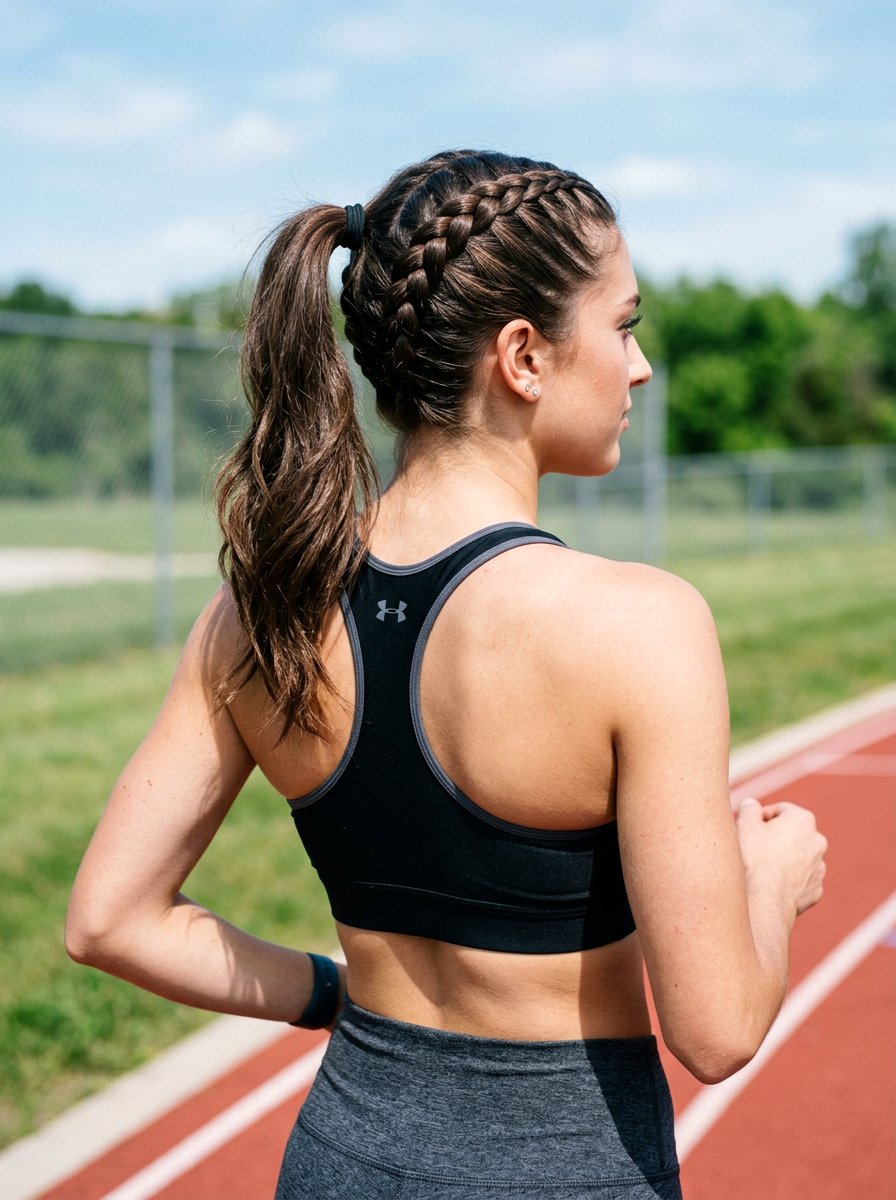
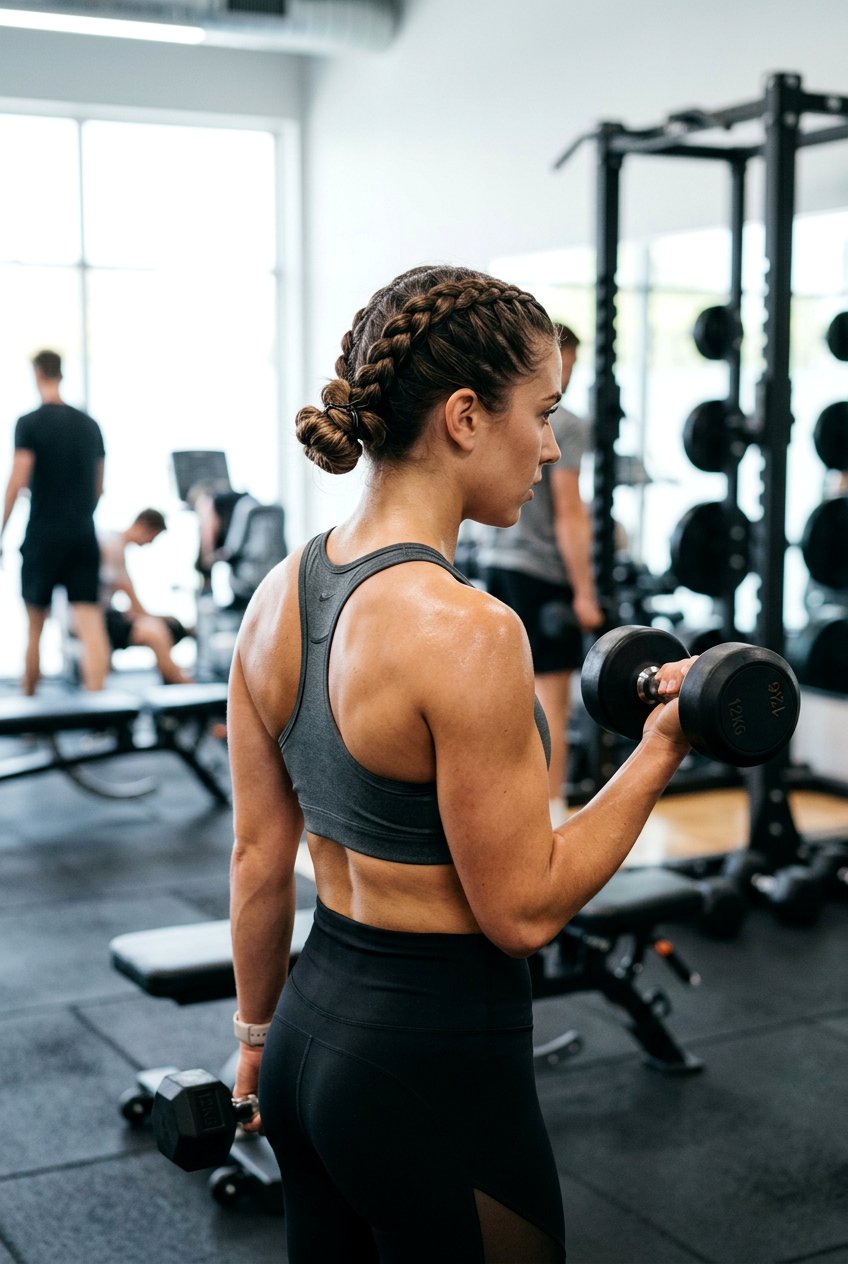
Two tight Dutch braids run along either side of the head and merge into a single ponytail at the back, creating a sporty and structured look that runners absolutely love. The inward-braiding technique means each strand tucks neatly under the next, keeping every layer flat and close to the scalp. This eliminates almost all friction and pulling that can happen with looser styles. When both braids converge into the ponytail, you get a clean, polished finish that stays put for the entire run. It is especially great for thick or curly hair because the double-braid pattern distributes the weight evenly. Add a few bobby pins at the convergence point if you want extra security on high-speed days.
3. Fishtail Braid Ponytail for Running
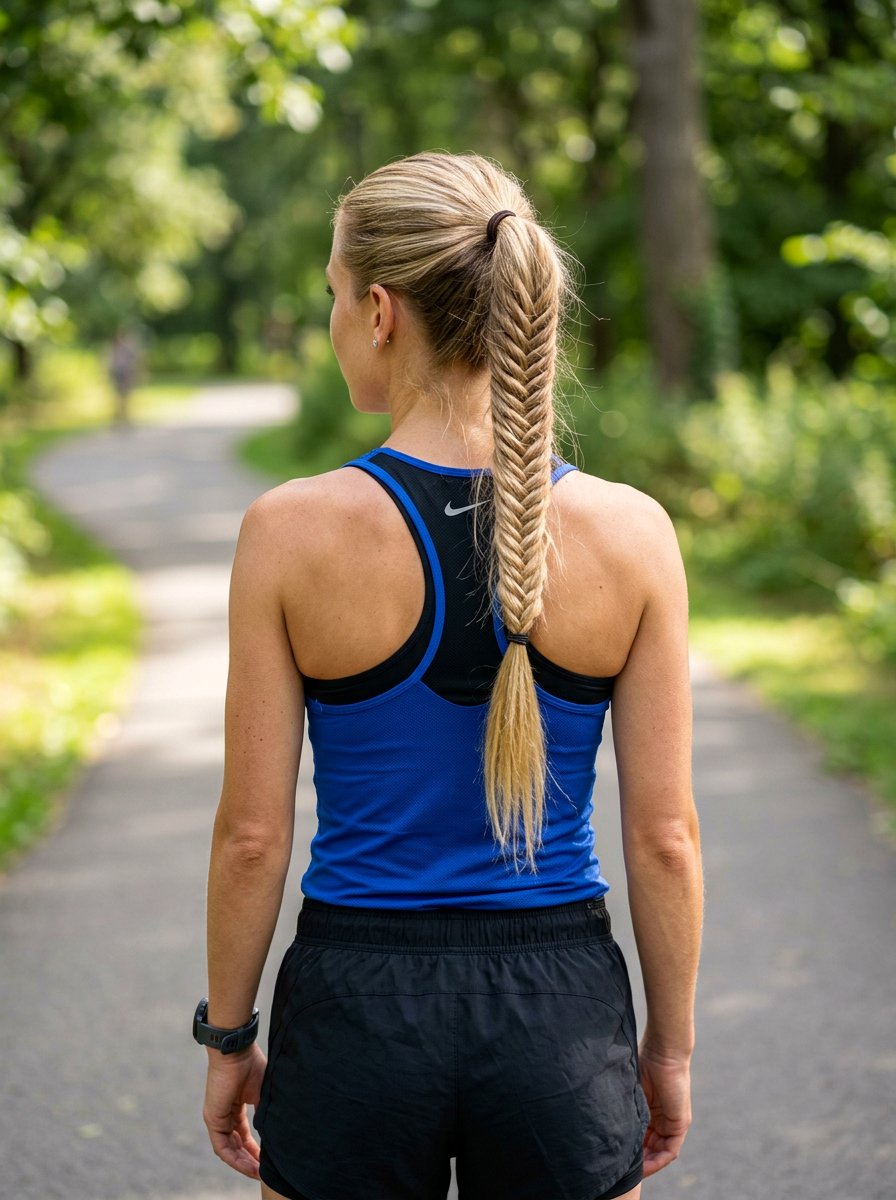
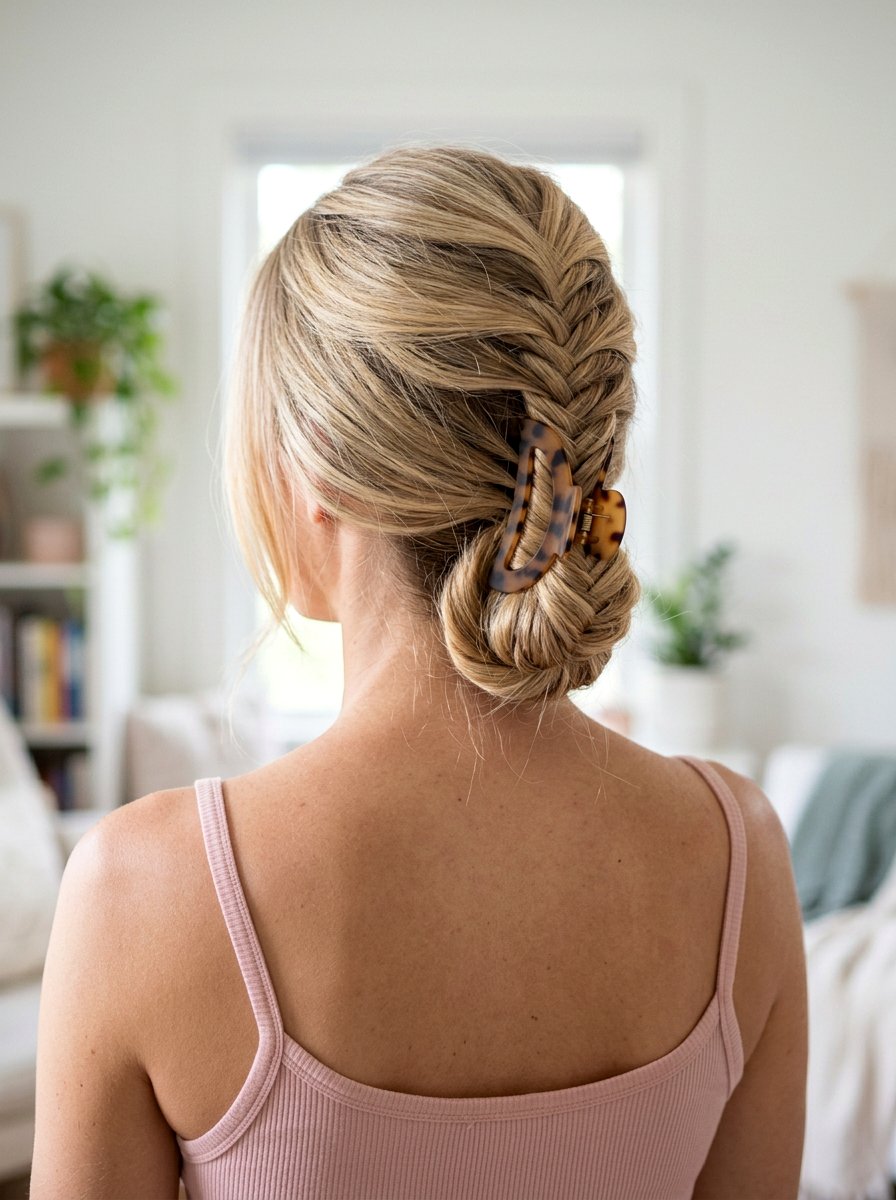
The fishtail braid ponytail takes a slightly different approach by weaving small sections of hair in an alternating pattern that creates a detailed, intricate texture along the length of the pony. You start by gathering hair into a mid-height pony and then fishtail braid the tail all the way down. The result is a look that is both athletic and elegant, making it a favorite for runners who want something a bit more refined. Because the fishtail technique uses thinner sections, the braid feels lighter than a traditional three-strand plait, which reduces bounce and whipping during your run. It holds best on hair that is at least shoulder length and pairs well with a soft-hold hairspray to keep individual strands from loosening over time.
4. Rope Braid Low Ponytail
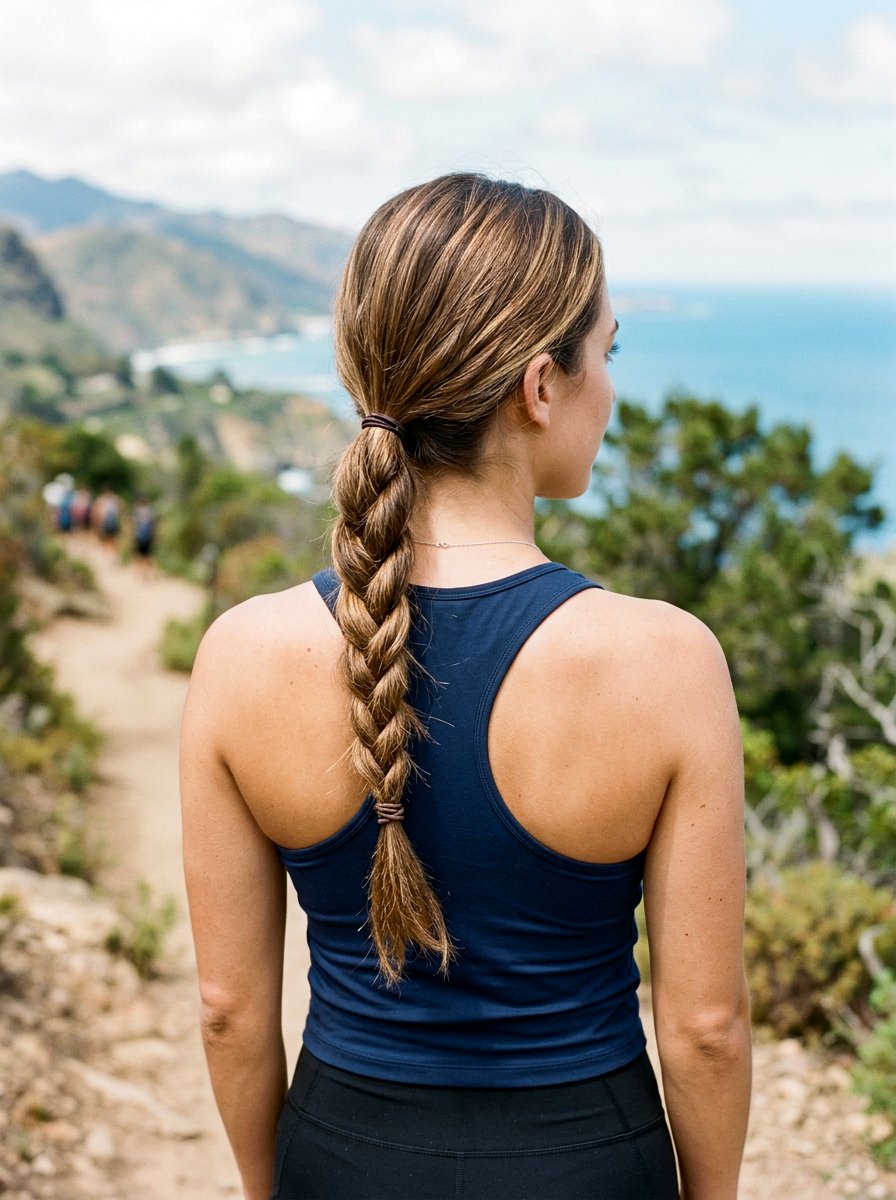
Sometimes simplicity wins, and the rope braid low ponytail is proof of that. This style begins with a low ponytail at the nape of the neck and uses a simple two-strand twisting technique to form a twisted rope effect down the length. It takes less than two minutes to create and is one of the most secure options for runners who want zero fuss before a workout. The twisted structure keeps the hair compact and prevents the pony from swaying too much, which means less distraction and fewer tangles. It works on almost every hair type, from straight to coily, and looks just as polished after a ten-mile run as it did at the start line. A small elastic at the bottom seals the braid neatly.
5. Side Braid Into Ponytail
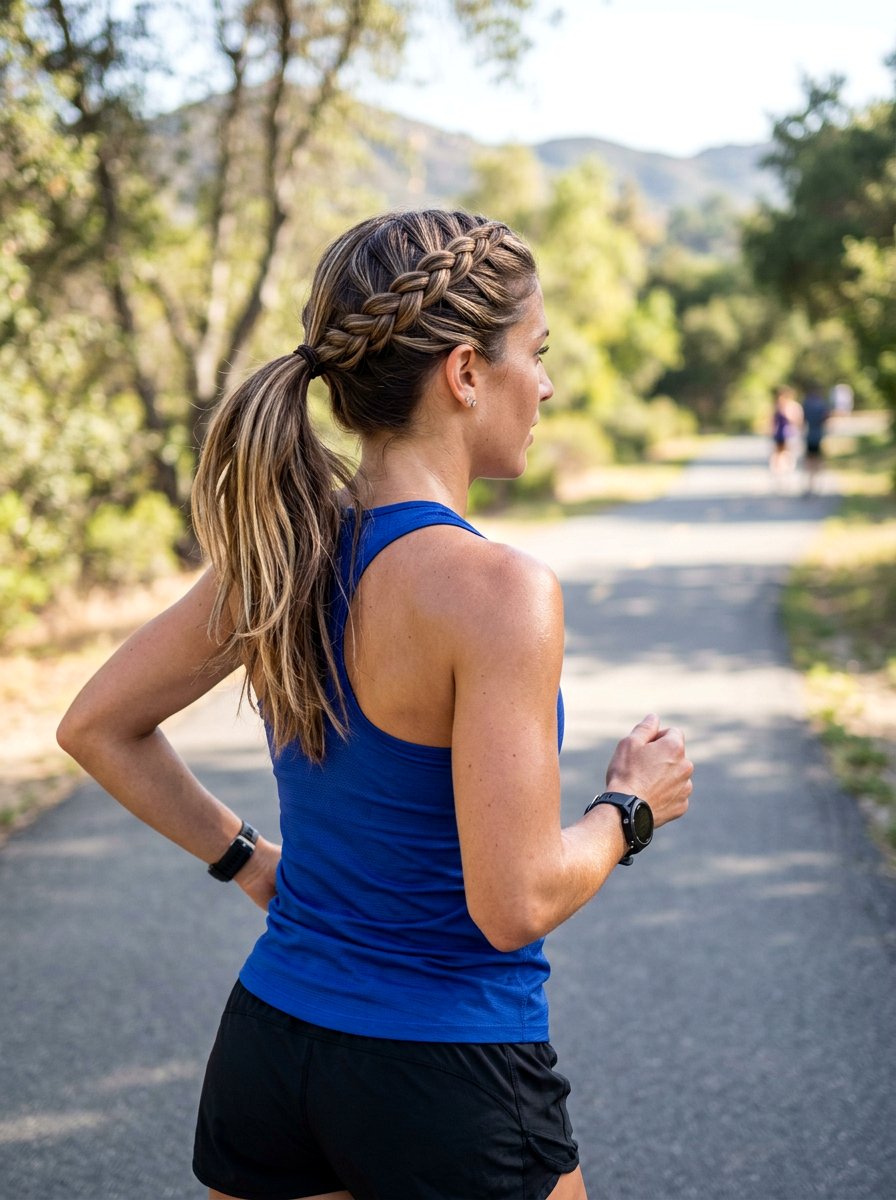
A side braid that flows into a ponytail is a fun twist on the traditional center-back braid and adds a little personality to your running gear. The braid starts at one temple or behind one ear and travels diagonally across the back of the head before dropping into a ponytail on the opposite side. This angled path keeps hair pulled away from your face and neck on one side while the ponytail sits comfortably out of the way on the other. It is a great option for runners who wear one earbud or those who simply like an asymmetrical look. The side-swept design also distributes hair weight unevenly in a way that actually reduces overall bounce, keeping the pony more stable at faster paces.
6. Cornrow Braids Into Sleek Ponytail
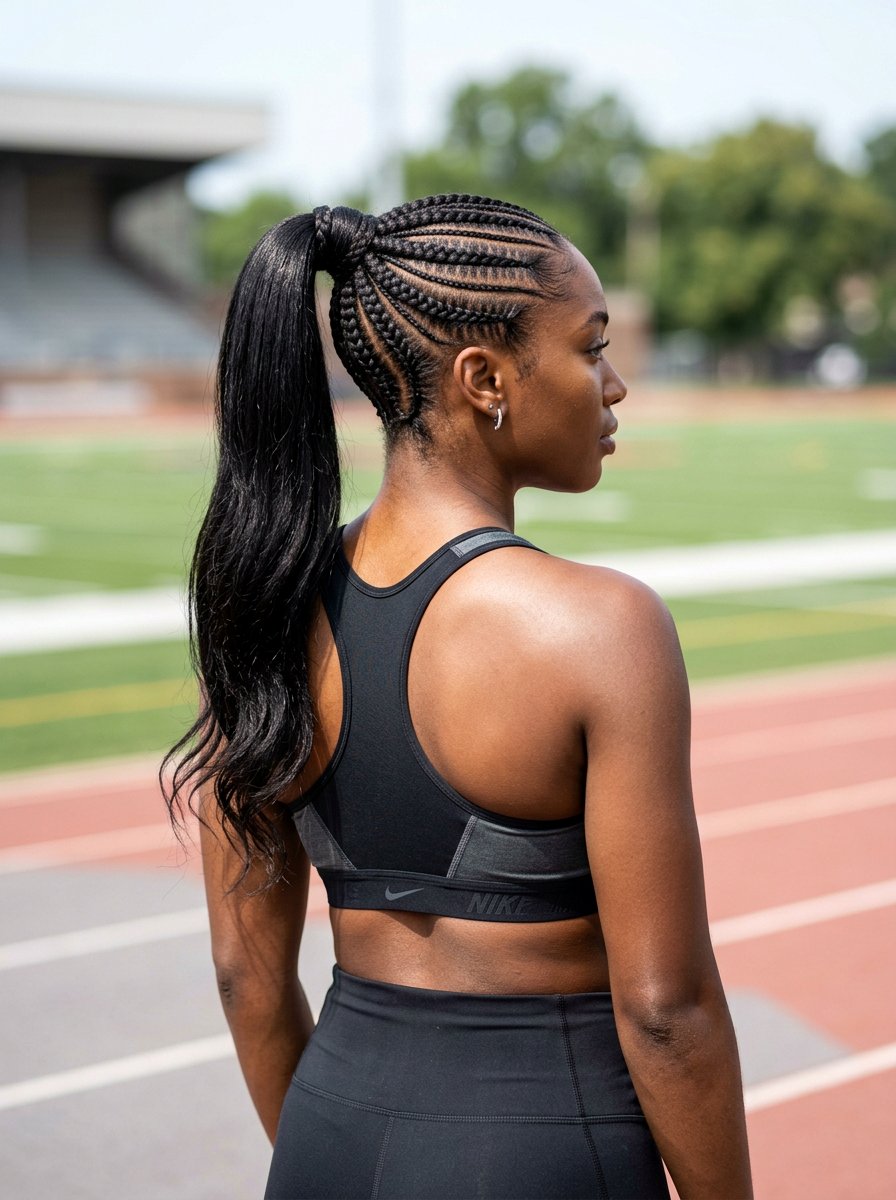
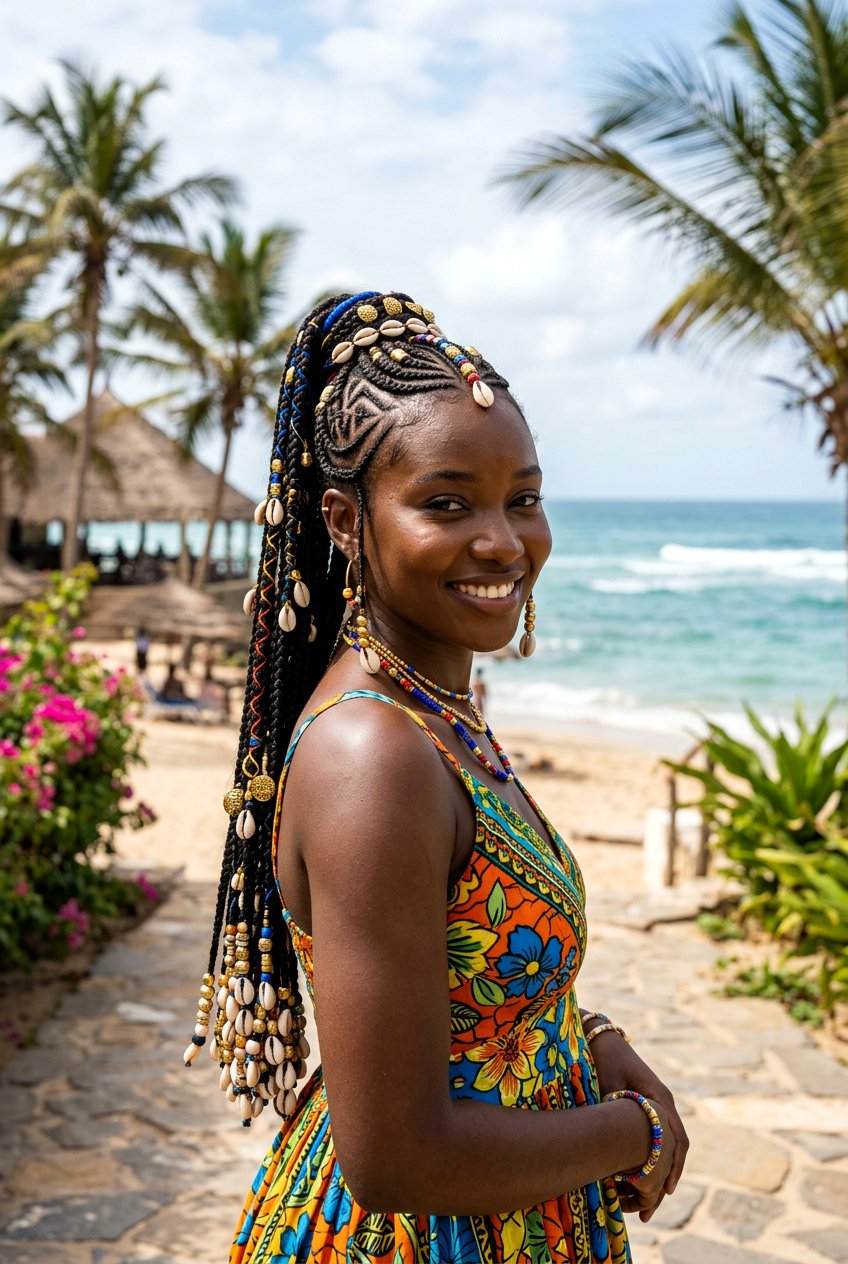
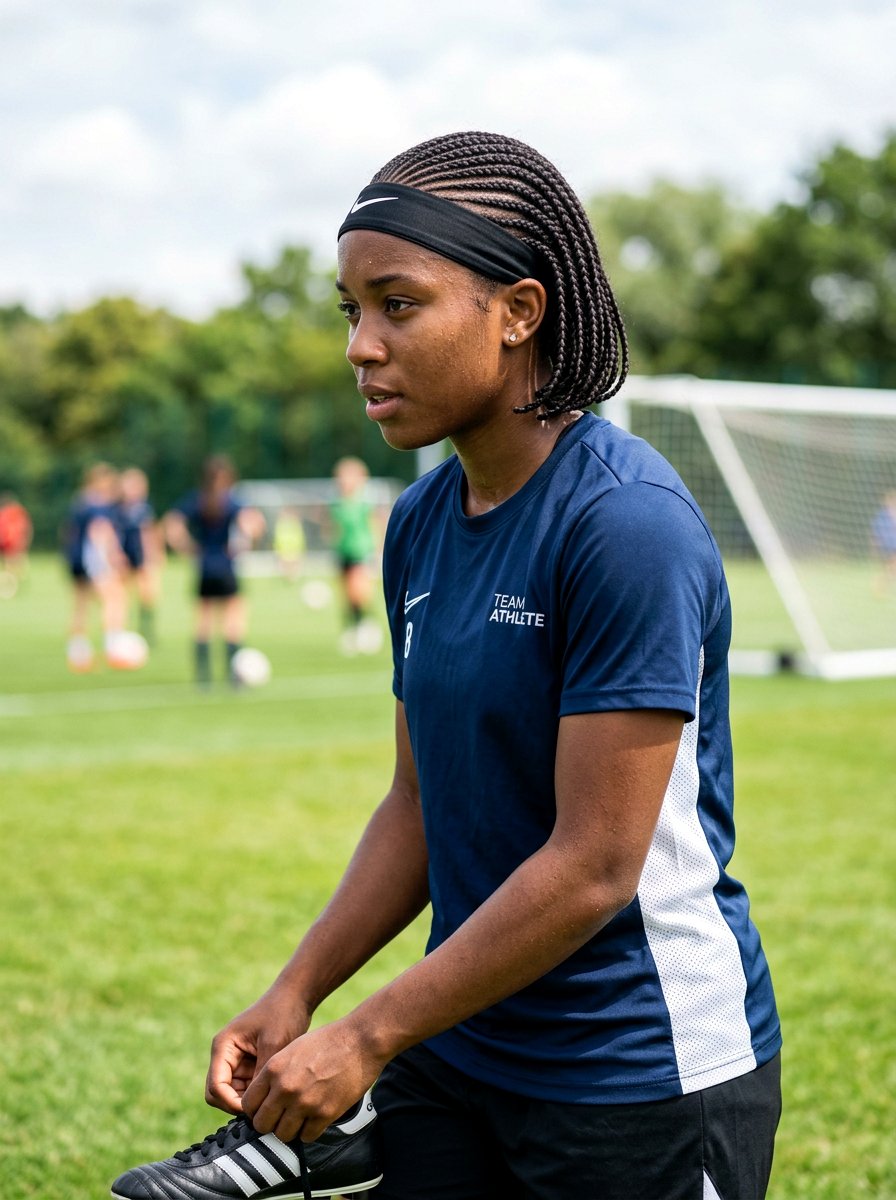
Cornrows are the ultimate low-maintenance running hairstyle, and when they lead into a sleek ponytail, you get a look that can last through back-to-back training days without redoing it. Tight, flat cornrows run along the scalp in neat rows and all feed into a single ponytail at the crown or back of the head. Because the braided sections are anchored so close to the scalp, there is virtually no movement, tangling, or frizz even during the sweatiest workouts. This style is particularly well suited for natural and textured hair, as cornrows protect the hair from breakage and reduce manipulation between washes. You can leave the ponytail loose or braid it further for a fully contained look that handles any distance.
7. Pull-Through Braid Ponytail
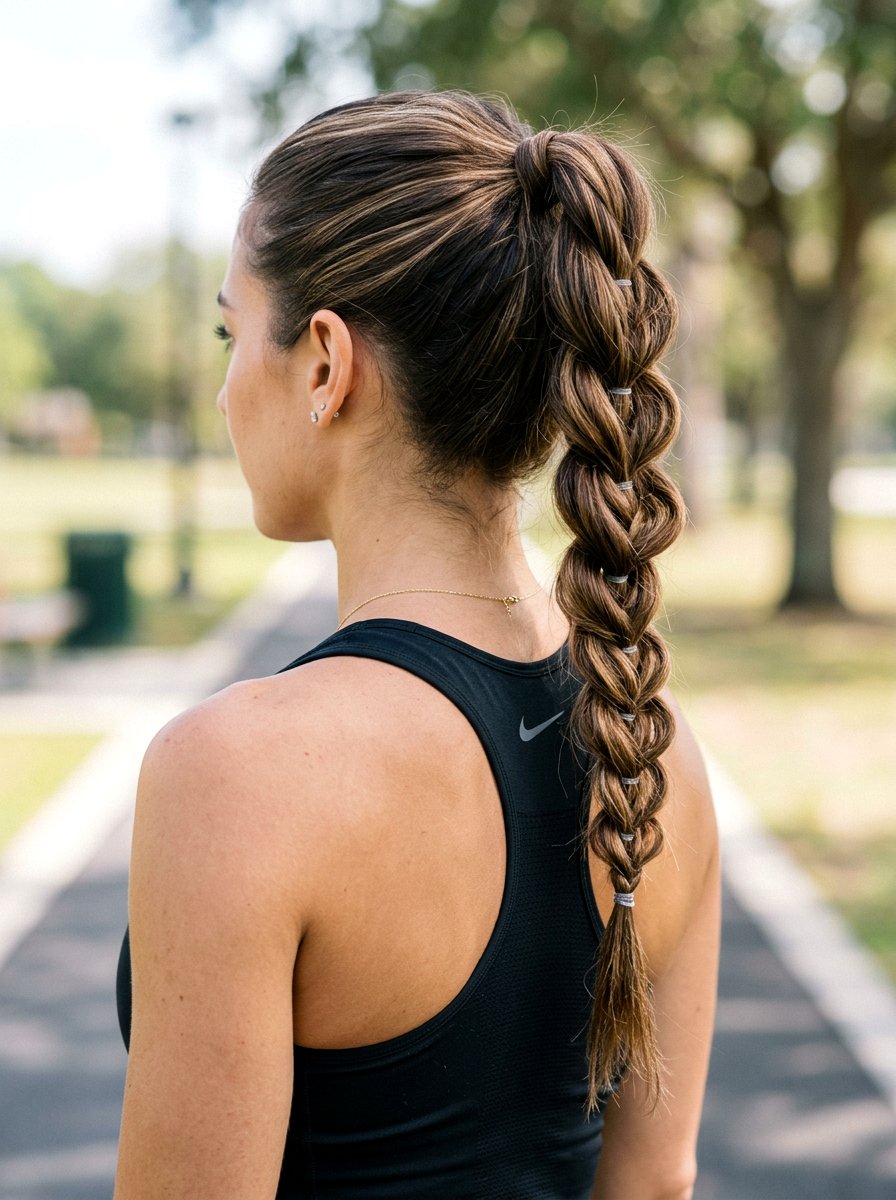
The pull-through braid ponytail creates a bold, voluminous look using a series of ponytail loops that are pulled through one another to form an intricate chain-like pattern. It looks complicated but is surprisingly easy once you get the rhythm down. Each loop is held with a small elastic, which means the style is incredibly secure and will not unravel during a run. The stacked loops add visual interest and keep the hair contained in a structured column that barely moves. It is a standout choice for race days or group runs when you want a hairstyle that feels a bit more special. The pull-through method also works great on layered haircuts because each elastic catches shorter pieces that might slip out of a regular braid.
8. Snake Braid Ponytail
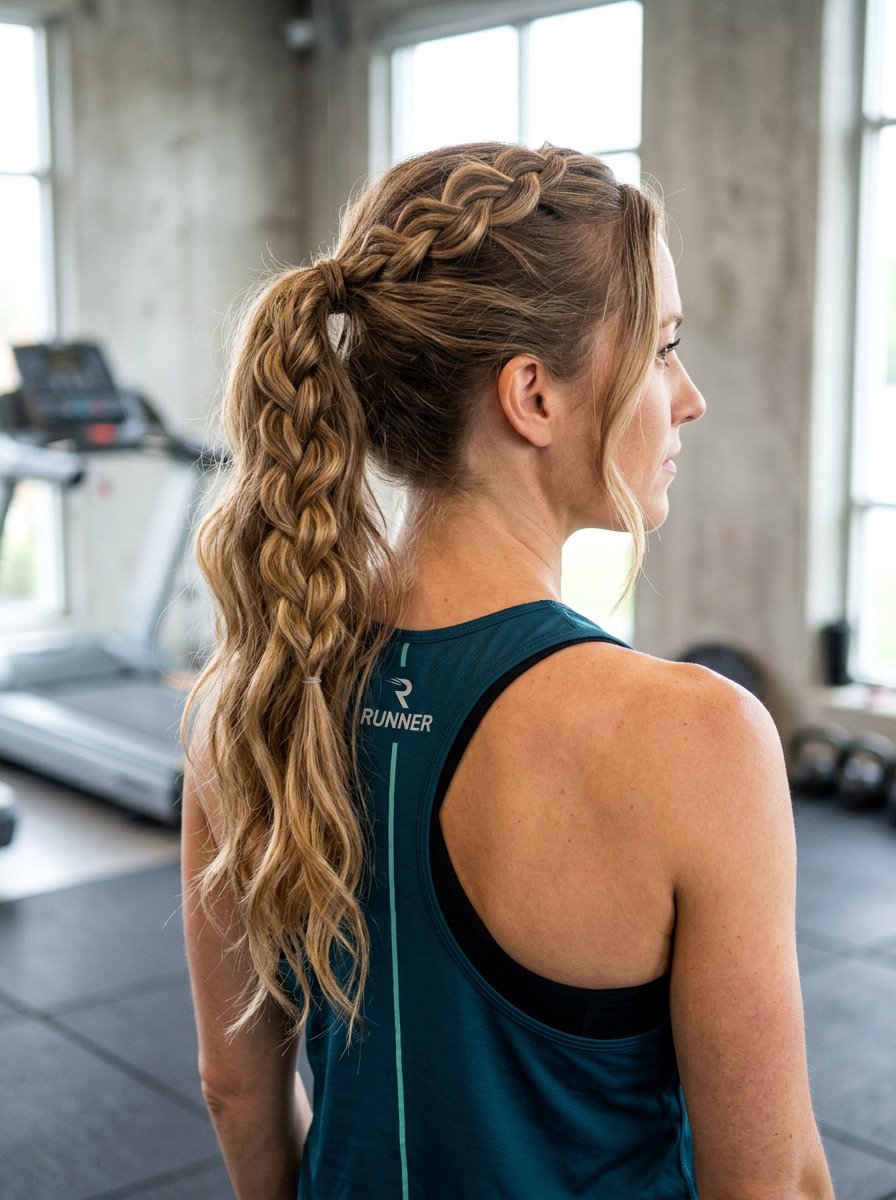
The snake braid ponytail starts as a standard three-strand braid but takes a creative turn when you gently pull and stretch one side of the braid to create a wavy, serpentine shape along the ponytail. It is a playful and eye-catching look that still functions perfectly for running because the stretched sections actually help the braid lie flatter against your back. This reduces the whipping effect that standard braids sometimes cause during high-impact movement. The snake technique is quick to master and works best on hair that is at least medium length. A light-hold styling cream helps define the waves and keeps the braid from looking frayed by the end of your run. It is a great conversation starter at running clubs and group events.
9. Boxer Braid Ponytail for Track
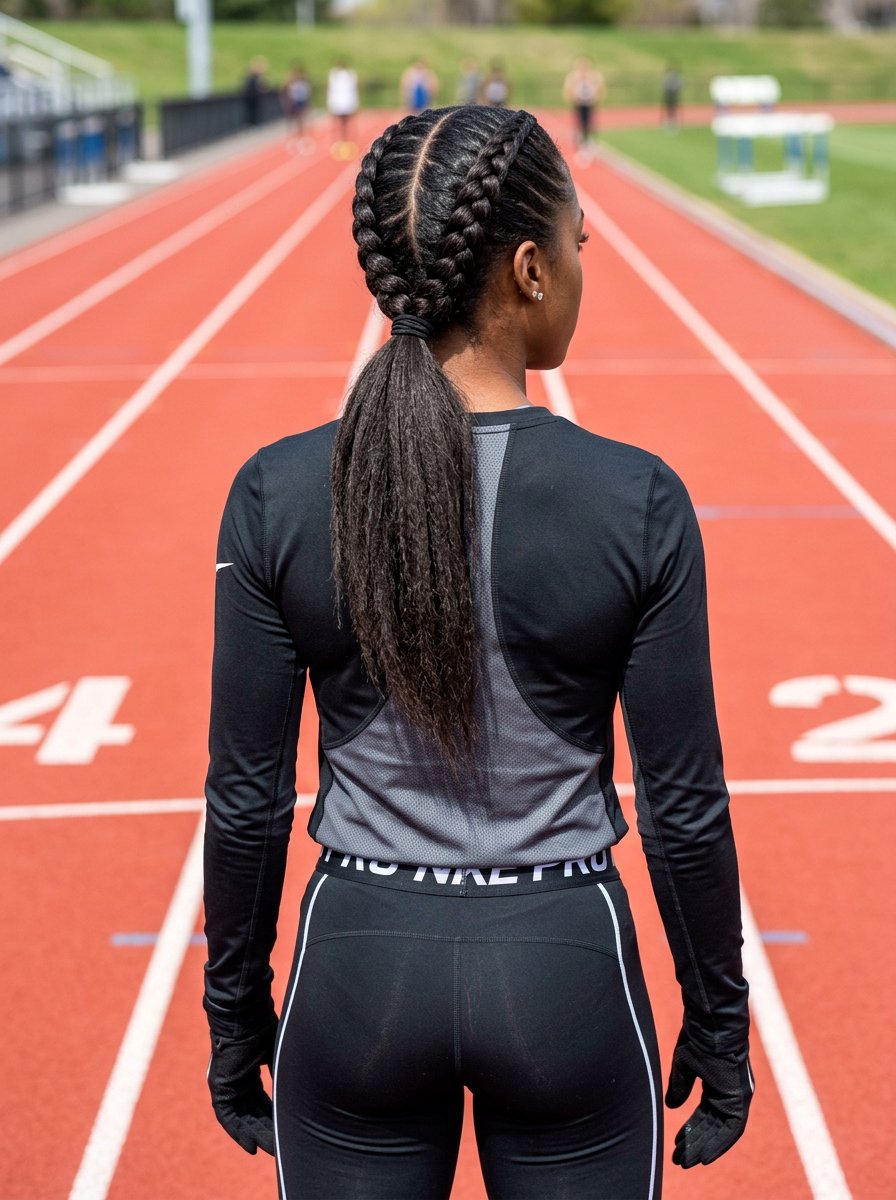
Boxer braids are two tight, symmetrical Dutch braids that run from the hairline all the way down and tie off into pigtails or merge into one ponytail at the back. They earned their name from the boxing ring, but runners have fully adopted them for their unmatched hold and sporty appeal. The braids sit snugly against the head, keeping every strand locked in place during sprints, intervals, and long runs. When they feed into a single ponytail, the transition is seamless and creates a streamlined look that is aerodynamic and comfortable. This style is especially popular among track athletes and cross-country runners who need something that will not budge through dynamic warm-ups and cool-downs alike.
10. Five-Strand Braid Ponytail
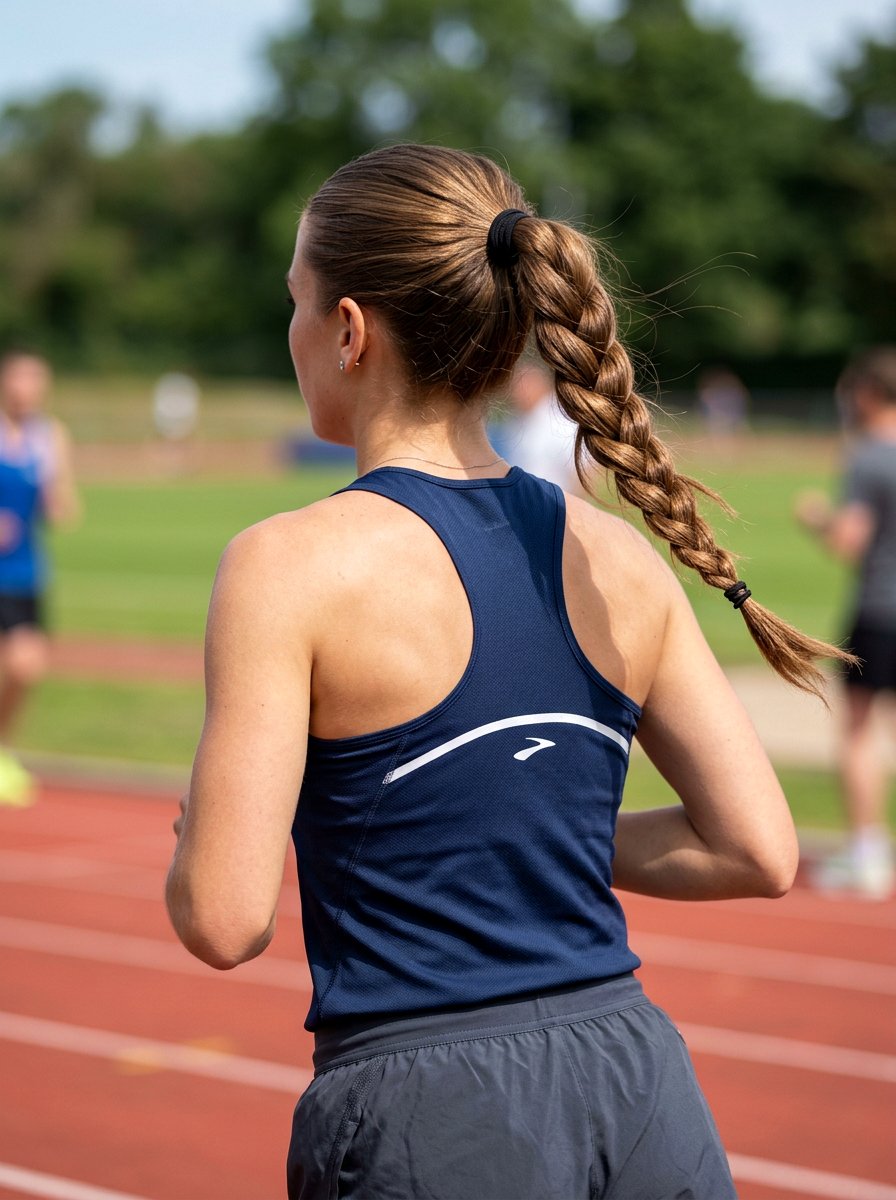
The five-strand braid ponytail is a step up in complexity and delivers a wide, ribbon-like braid that looks intricate and polished. You begin by gathering hair into a ponytail and then divide it into five equal sections that weave over and under in a repeating pattern. The wider braid sits flatter against the neck and back compared to a standard three-strand version, which means less bouncing and irritation during your run. It is a great option for runners with thick hair because the five sections distribute the bulk evenly. While it takes a little more practice to perfect, the result is a standout hairstyle that earns compliments on every group run and holds its shape from start to finish.
11. Waterfall Braid Into Ponytail
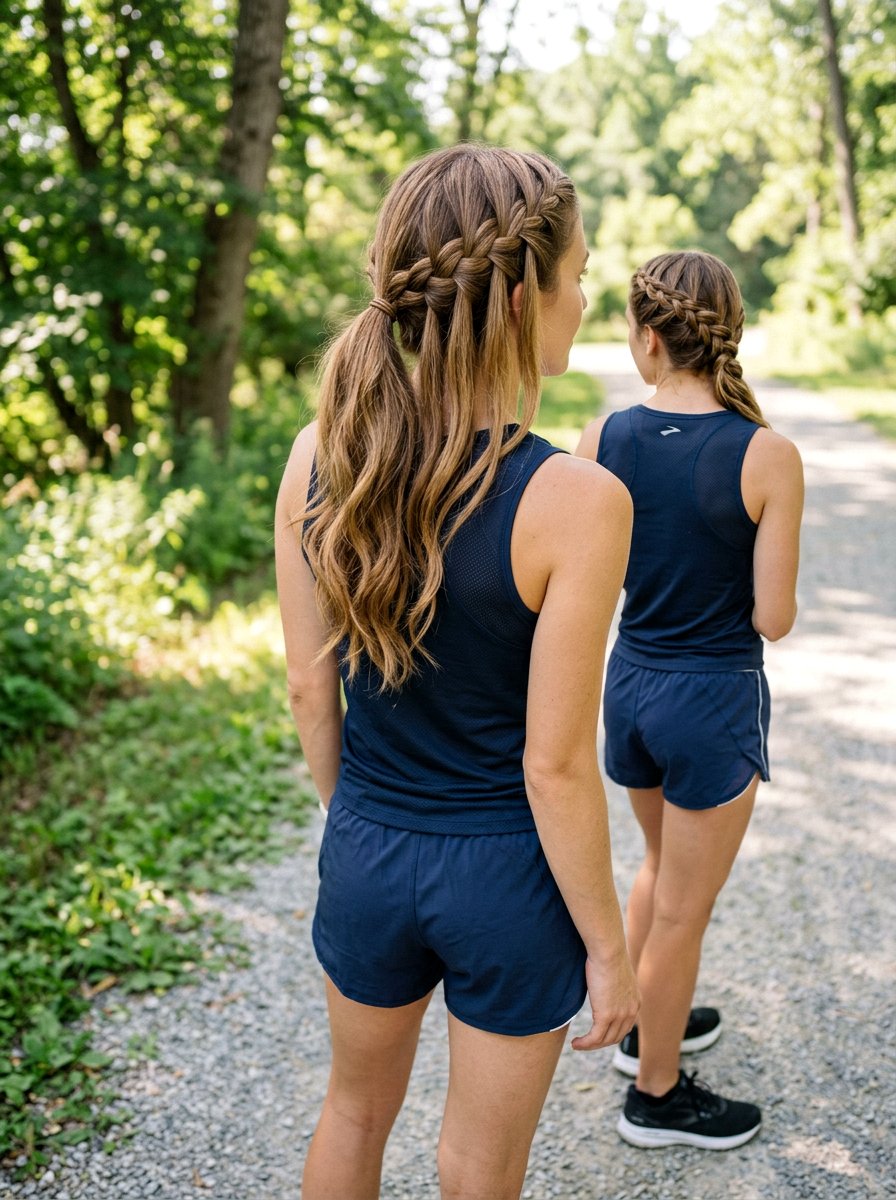
A waterfall braid cascading along the side of the head before merging into a ponytail is one of the most visually striking running hairstyles you can wear. The braid drops small sections of hair at regular intervals, creating a flowing waterfall effect, while the rest of the hair is swept back into a clean ponytail. This look is lighter and more relaxed than tight scalp braids, making it a solid choice for easy runs, recovery jogs, and warm-weather training sessions. The dropped strands frame the face softly without getting in the way, and the ponytail keeps the bulk of your hair controlled. It works best on long hair with some natural texture or loose waves.
12. Crown Braid With Ponytail
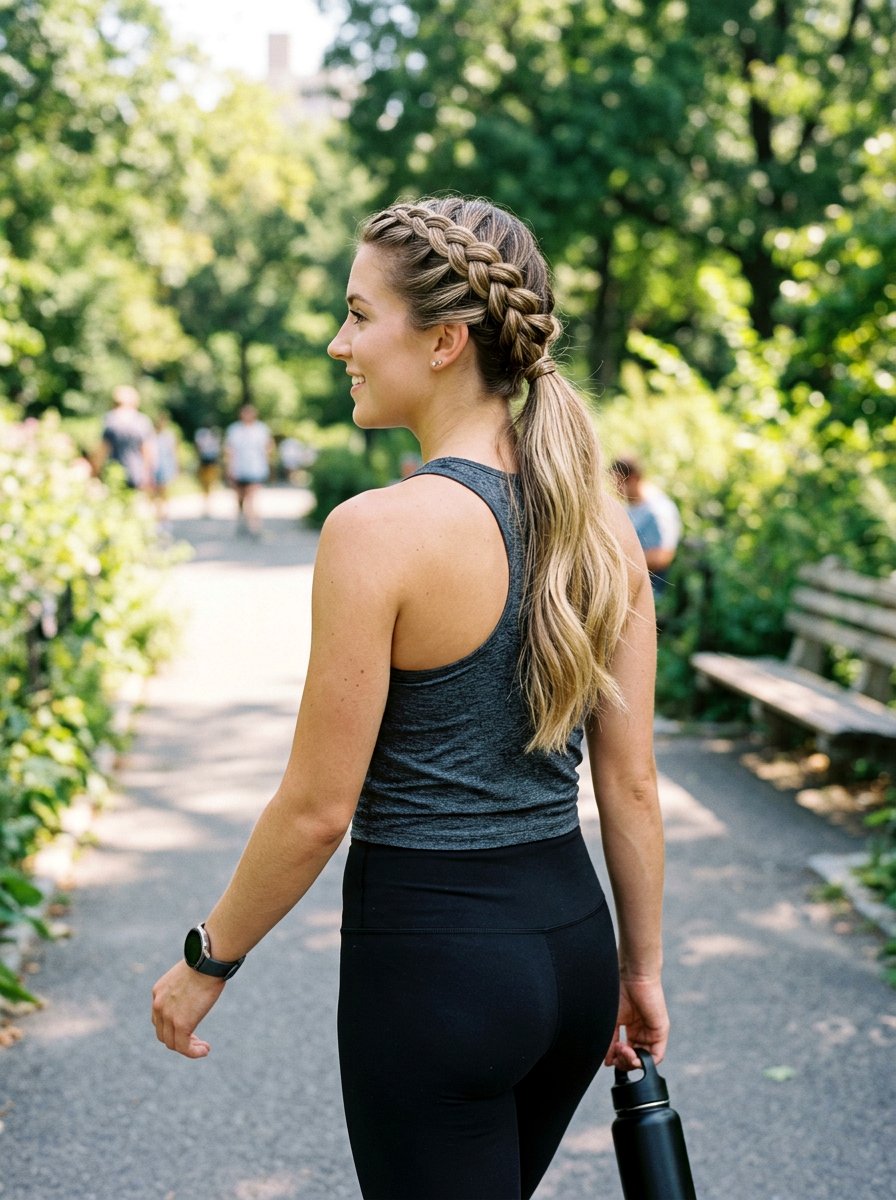
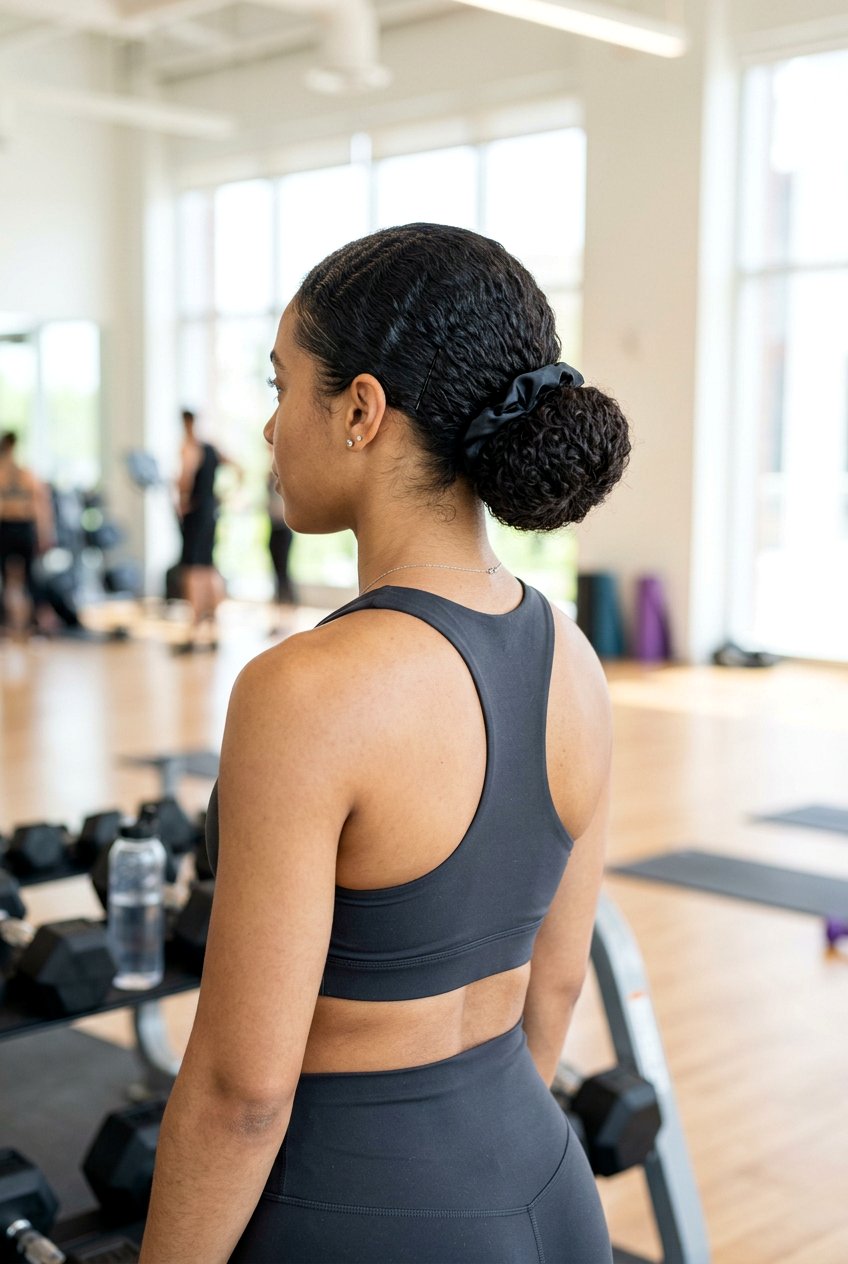
The crown braid ponytail wraps a braid around the top of the head like a headband before the remaining hair falls into a ponytail at the back. It is a beautiful fusion of elegance and function that keeps hair completely off your face and forehead for the entire run. The crown portion acts as a built-in sweatband zone, allowing airflow while holding every strand in place. The ponytail at the back provides the classic bounce and freedom that runners enjoy. This style is particularly useful for those who hate hair sticking to their forehead or getting in their eyes. It takes a few extra minutes to create but rewards you with a look that is uniquely memorable and extremely practical for outdoor running.
13. French Braid Low Ponytail for Long Runs
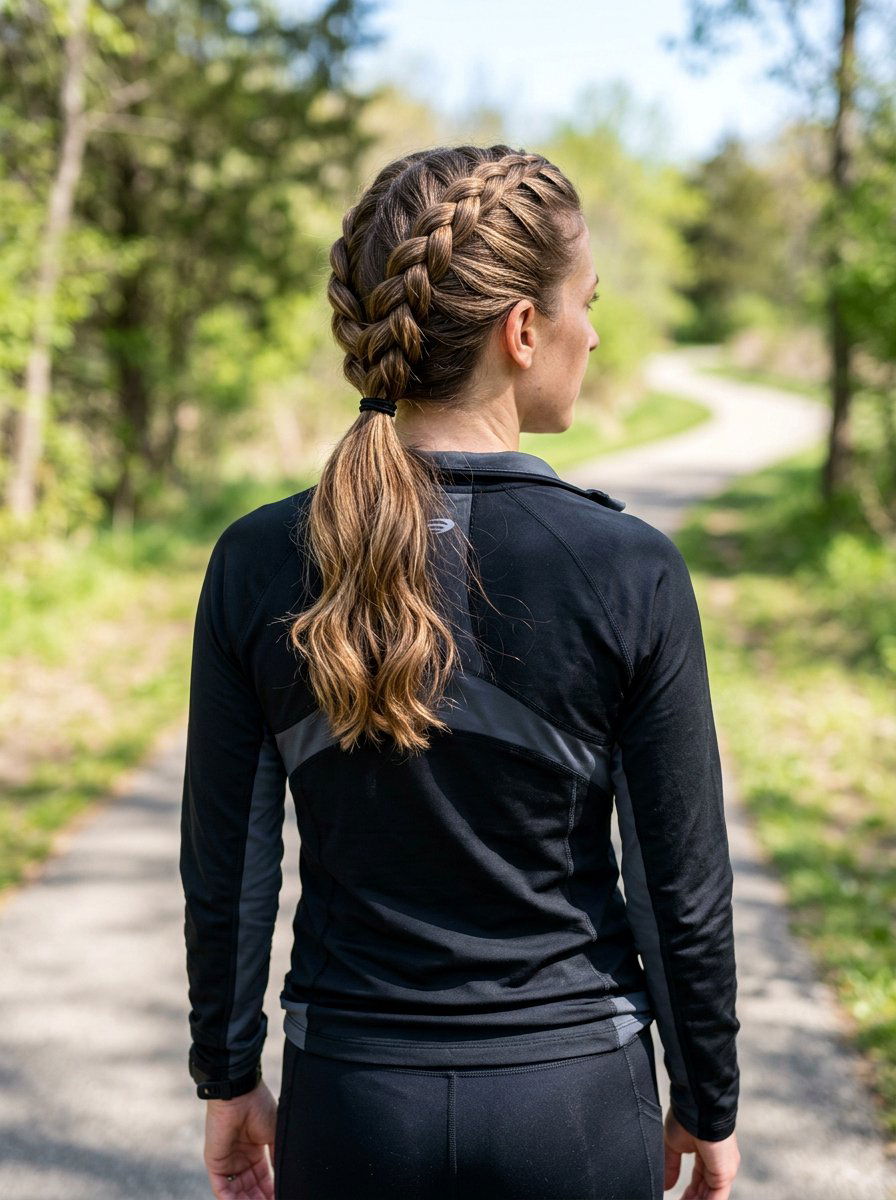
When you are heading out for a long run, comfort and durability matter more than anything. The French braid low ponytail addresses both by starting with a French braid from the crown and finishing at the nape with a simple low ponytail. The lower pony position means less bouncing at the back of your head, which reduces fatigue and annoyance over time. The French braid section prevents layers from escaping and keeps the top smooth and flat. This combination is a go-to for marathon runners and ultra-distance athletes who need a style that can endure hours of movement, sweat, and changing weather. A small amount of leave-in conditioner on the braid keeps it looking smooth even after miles of wear.
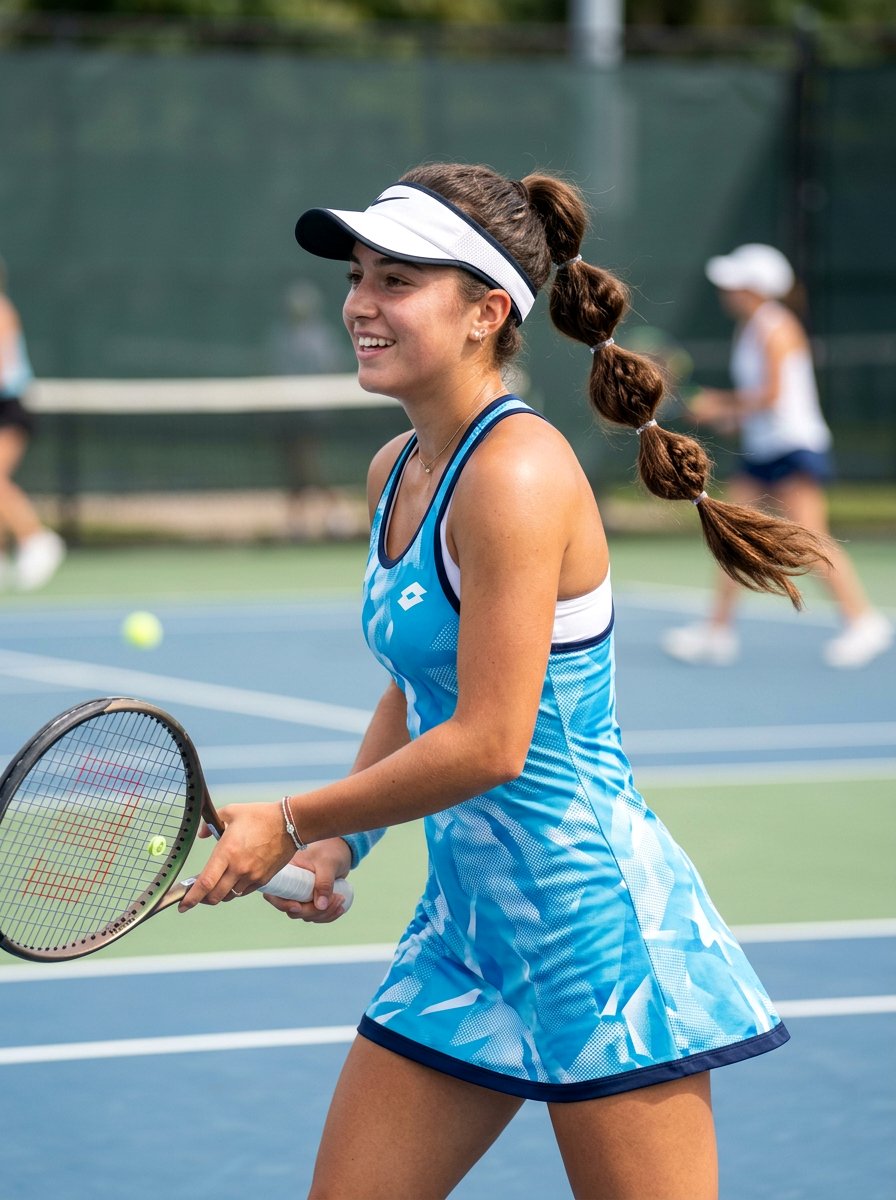
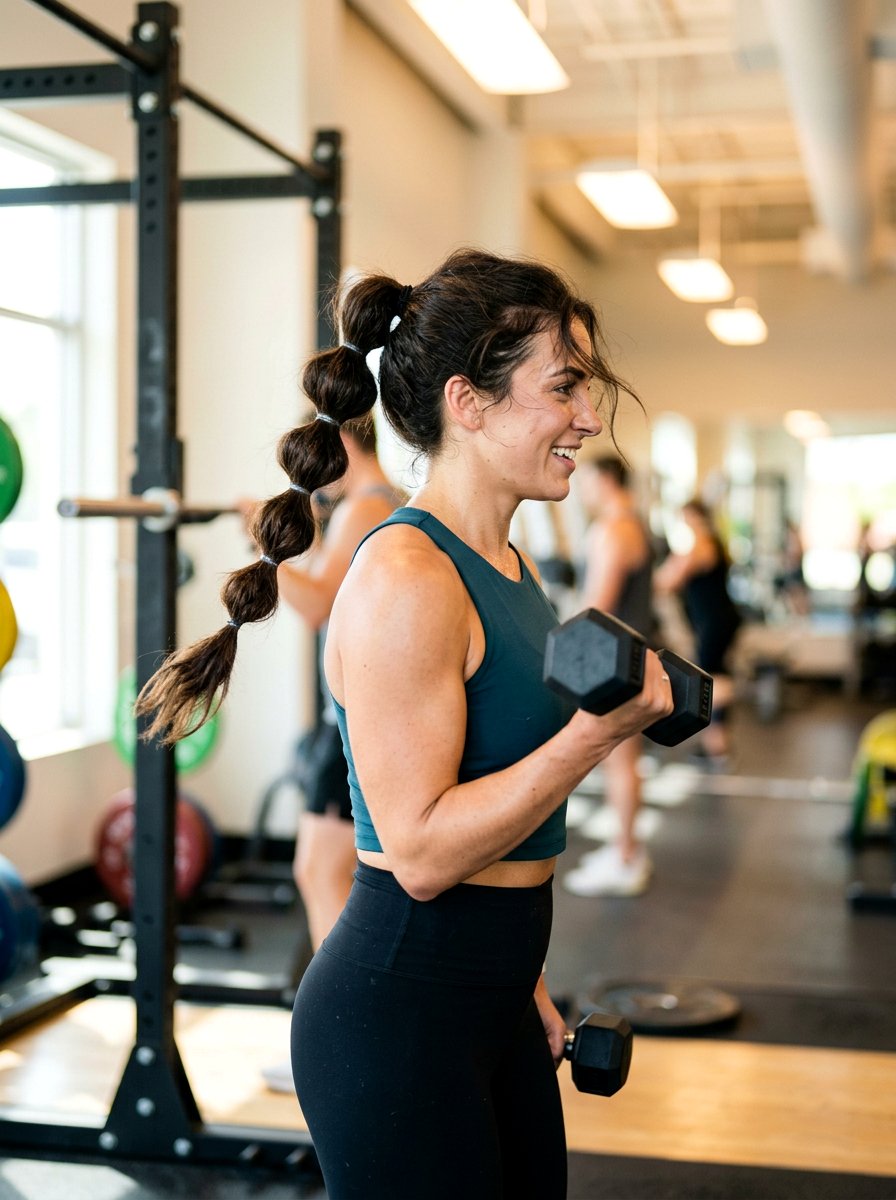
14. Bubble Braid Ponytail
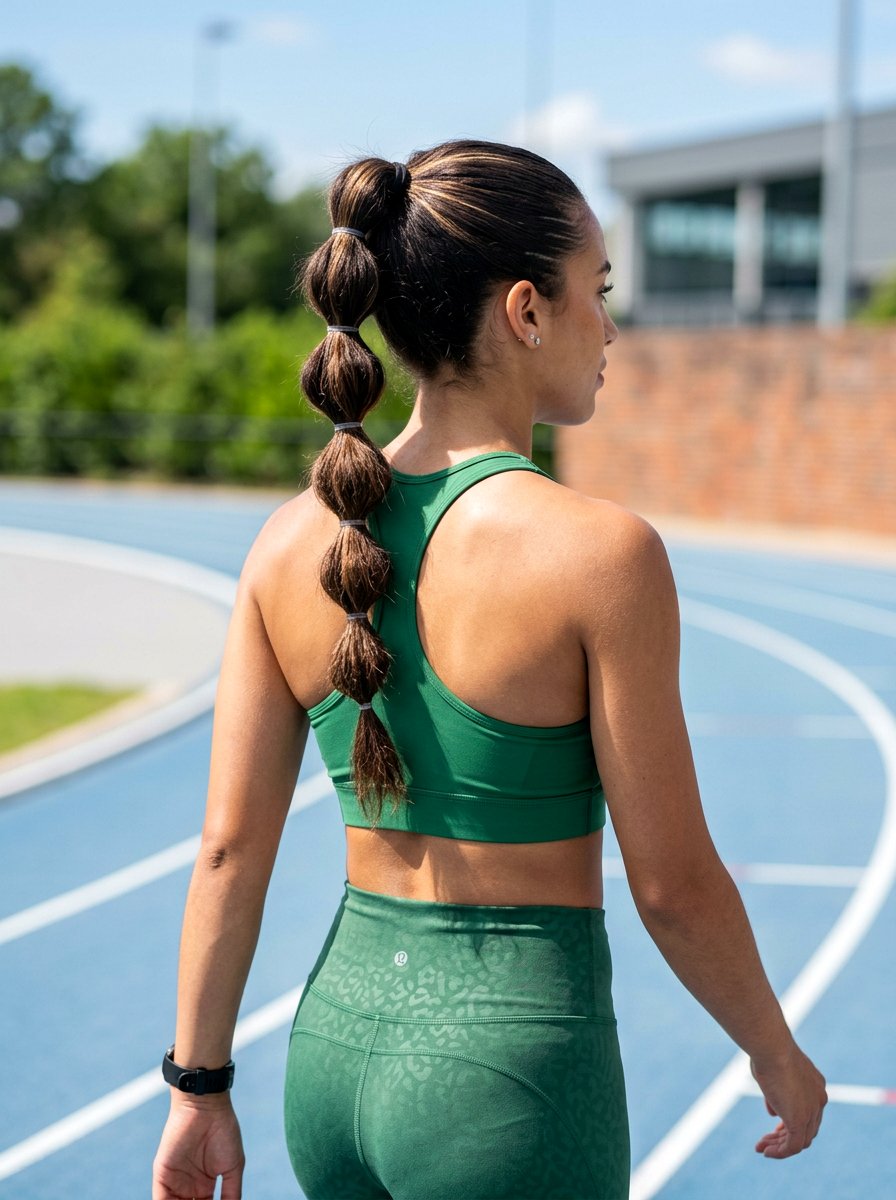
The bubble braid ponytail is not technically a braid at all, but it mimics the look of one using a series of small elastics spaced evenly down a ponytail. Each section is gently pulled and puffed to create round bubble shapes that give the illusion of a braided column. It is one of the fastest styles to create and is incredibly forgiving, making it a top pick for early-morning runners who need to get out the door quickly. The multiple elastics provide excellent hold, and the bubbled texture actually reduces wind resistance compared to a straight ponytail. It works on all hair lengths from medium to very long and looks great with a running cap or headband layered on top.
15. Twisted Braid Ponytail
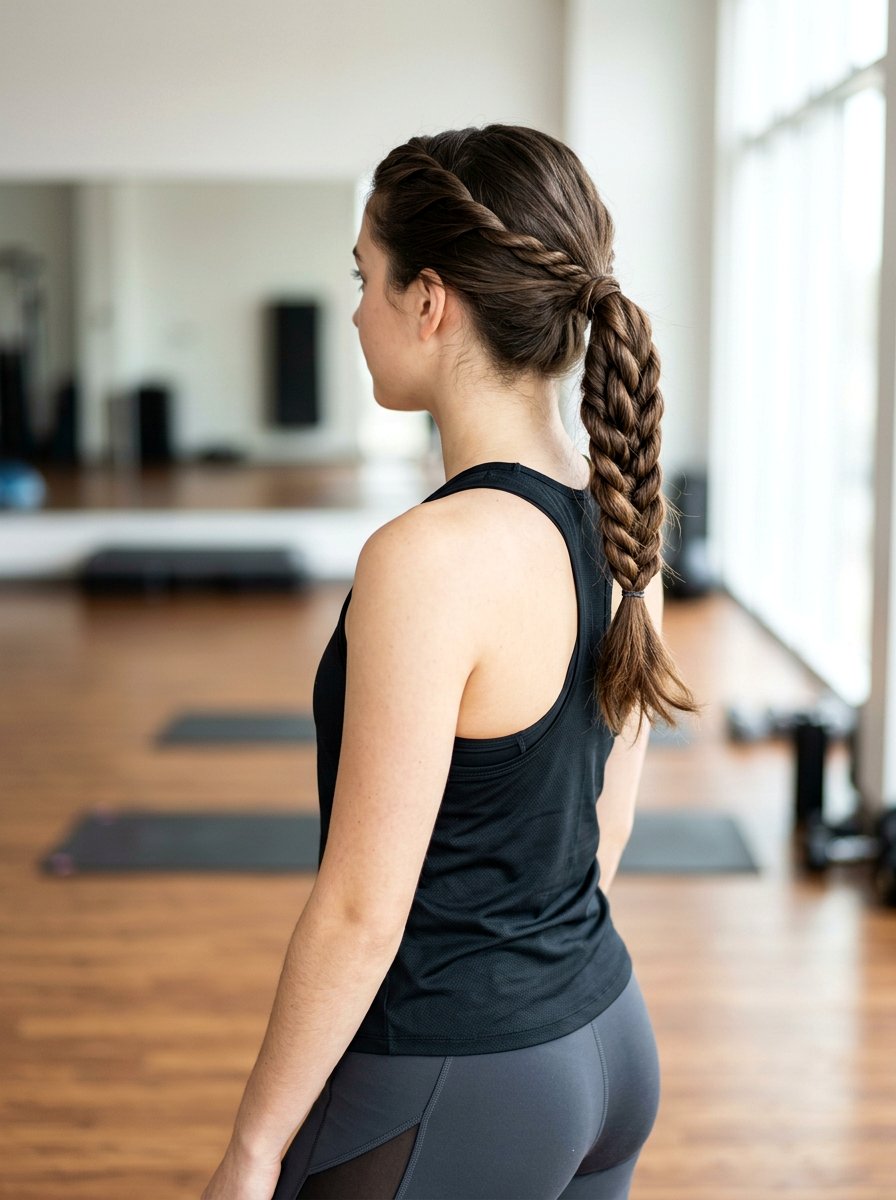
A twisted braid ponytail uses two sections of hair that are twisted around each other rather than woven, creating a soft, rope-like texture that is both simple and stylish. You can start the twist at the crown for full coverage or begin it midway and twist only the ponytail portion. The twisting technique is gentler on the hair than traditional braiding, which means less tension at the roots and a more comfortable feel during long runs. It also creates a slightly looser, more relaxed look that transitions easily from a workout to casual activities afterward. This style is ideal for runners with fine or thin hair because the twist adds the appearance of volume without needing extra products or teasing.
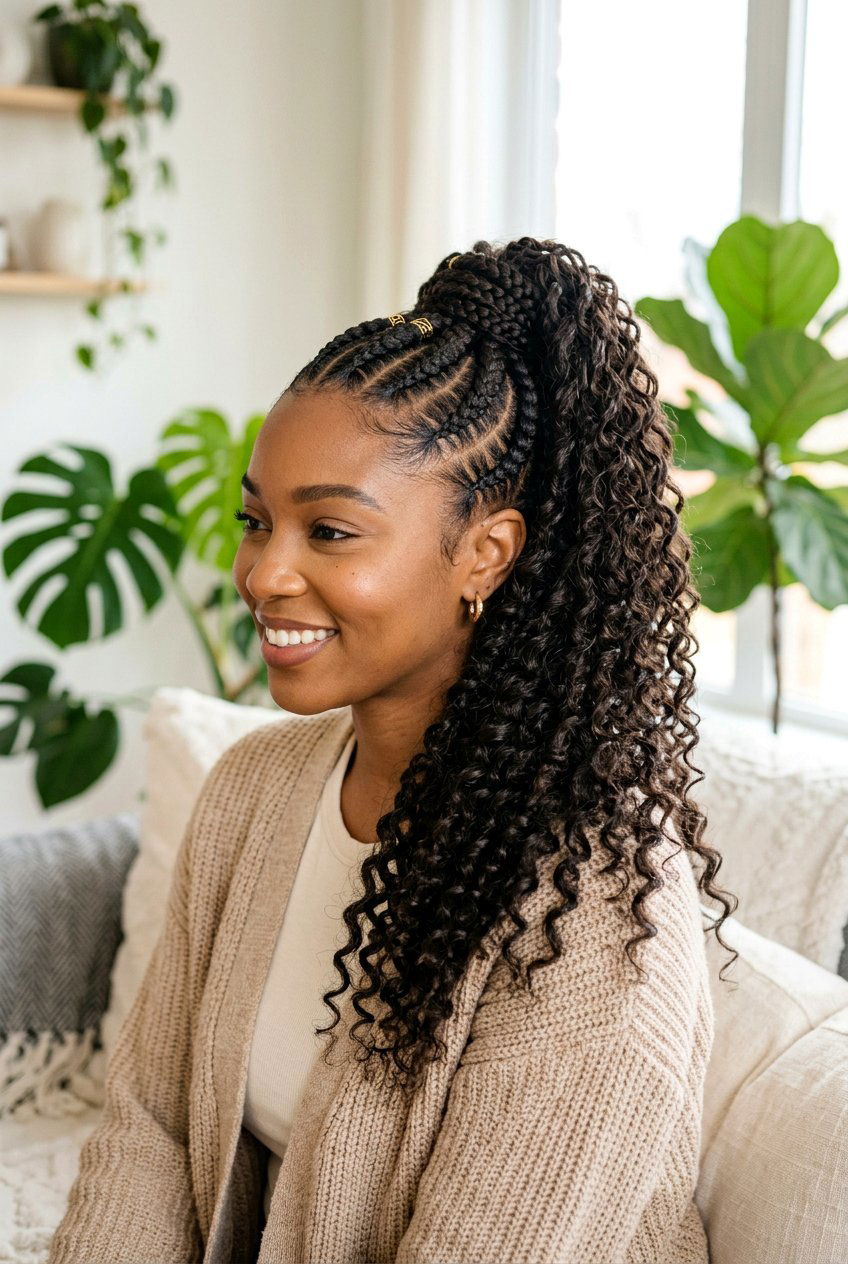

16. Micro Braid Ponytail for Cross Country
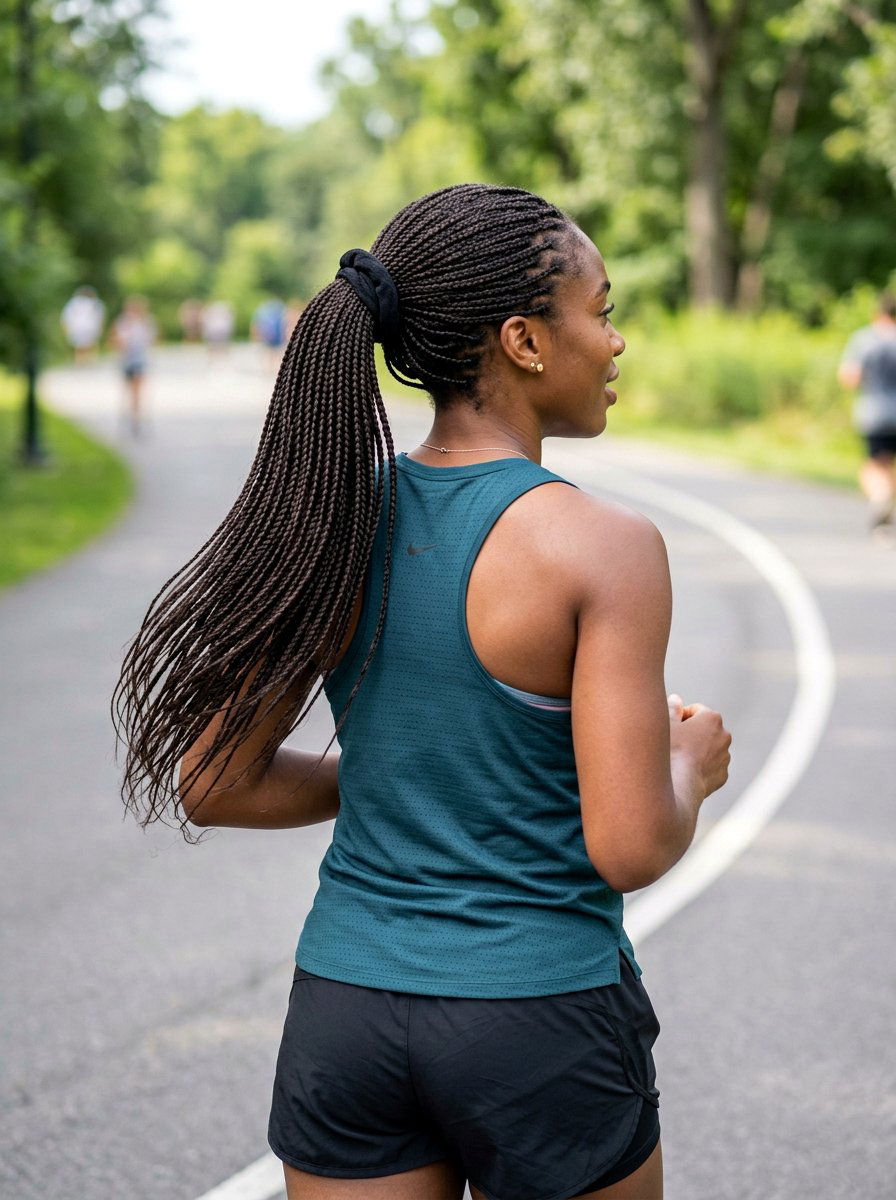
Micro braids are tiny, tight braids that cover the entire head and are then gathered into a single ponytail at the back. This is a serious investment style that pays off for runners who train daily and want a set-it-and-forget-it option. The micro braids protect the hair from environmental damage, reduce tangling to nearly zero, and keep every strand accounted for during even the most rugged trail runs. Once installed, this look can last for weeks with minimal maintenance. The ponytail portion can be left loose for bounce or braided further for maximum containment. It is particularly popular among cross-country and trail runners who face branches, wind, and unpredictable terrain on a regular basis.
17. Halo Braid Ponytail
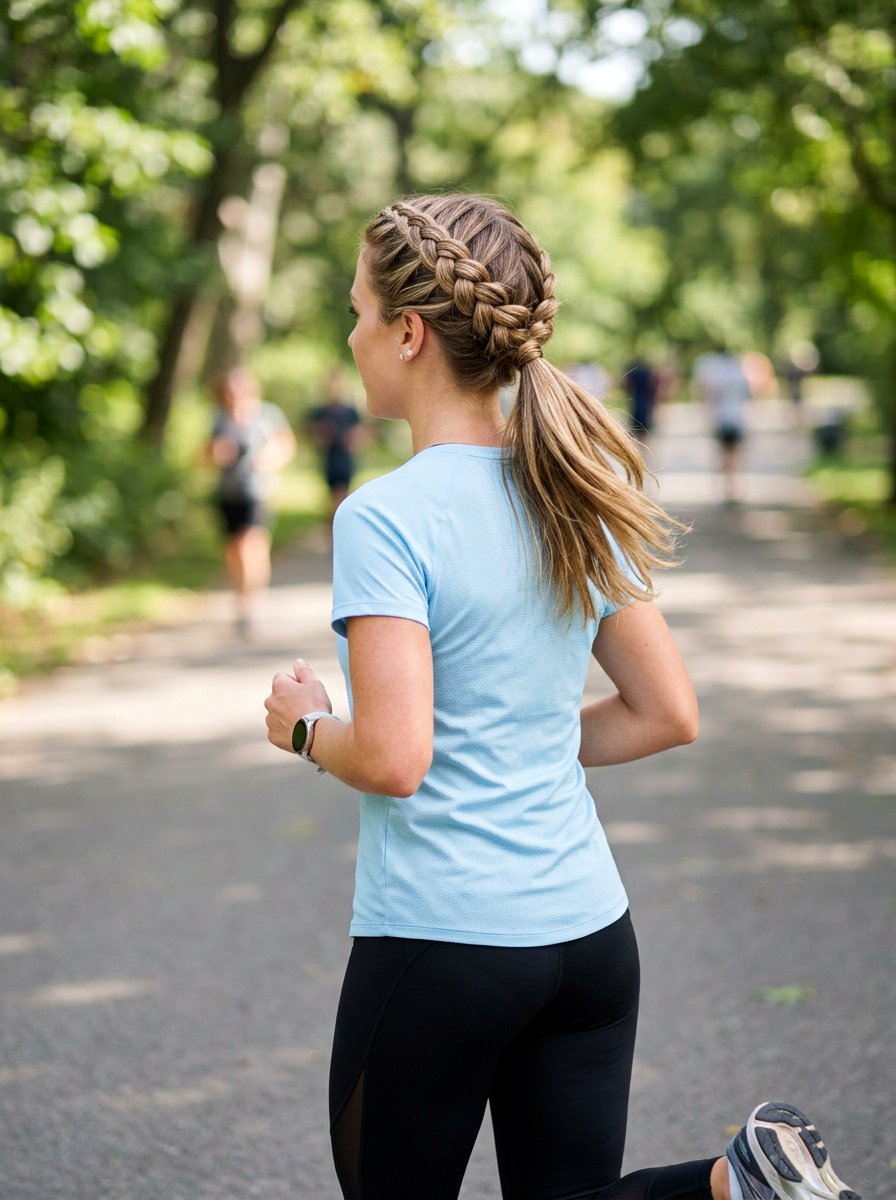
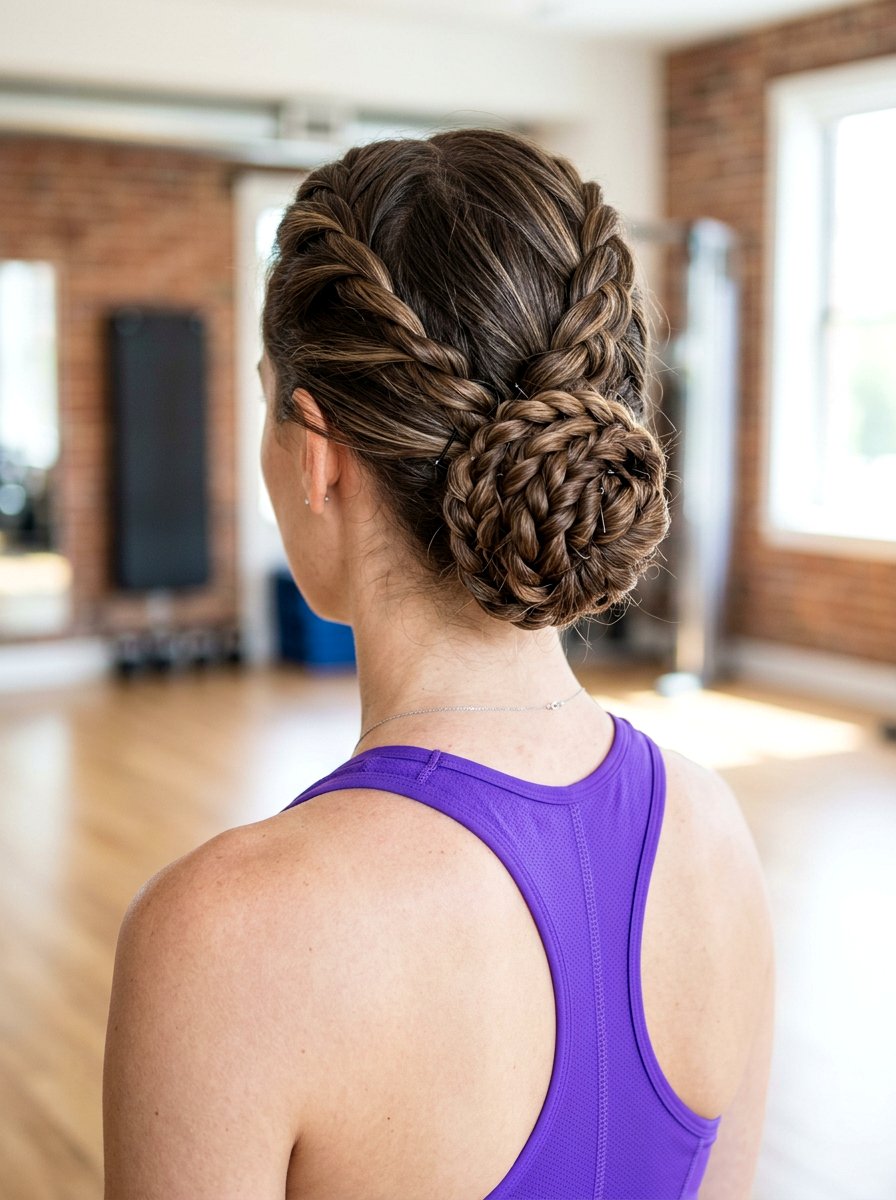
A halo braid wraps around the entire head like a circular crown and then feeds into a ponytail at the nape of the neck. It is a stunning look that provides full coverage, keeping every strand off your face and neck throughout your run. The circular braiding pattern distributes tension evenly around the head, so there are no tight spots or pulling even during extended wear. The ponytail at the back adds a functional element for runners who prefer having their hair gathered rather than fully pinned up. This style works beautifully for races and events where you want to look put together while still benefiting from a practical, secure hairstyle. A bit of edge control along the hairline keeps the braid looking sharp.
18. Lace Braid Into Ponytail
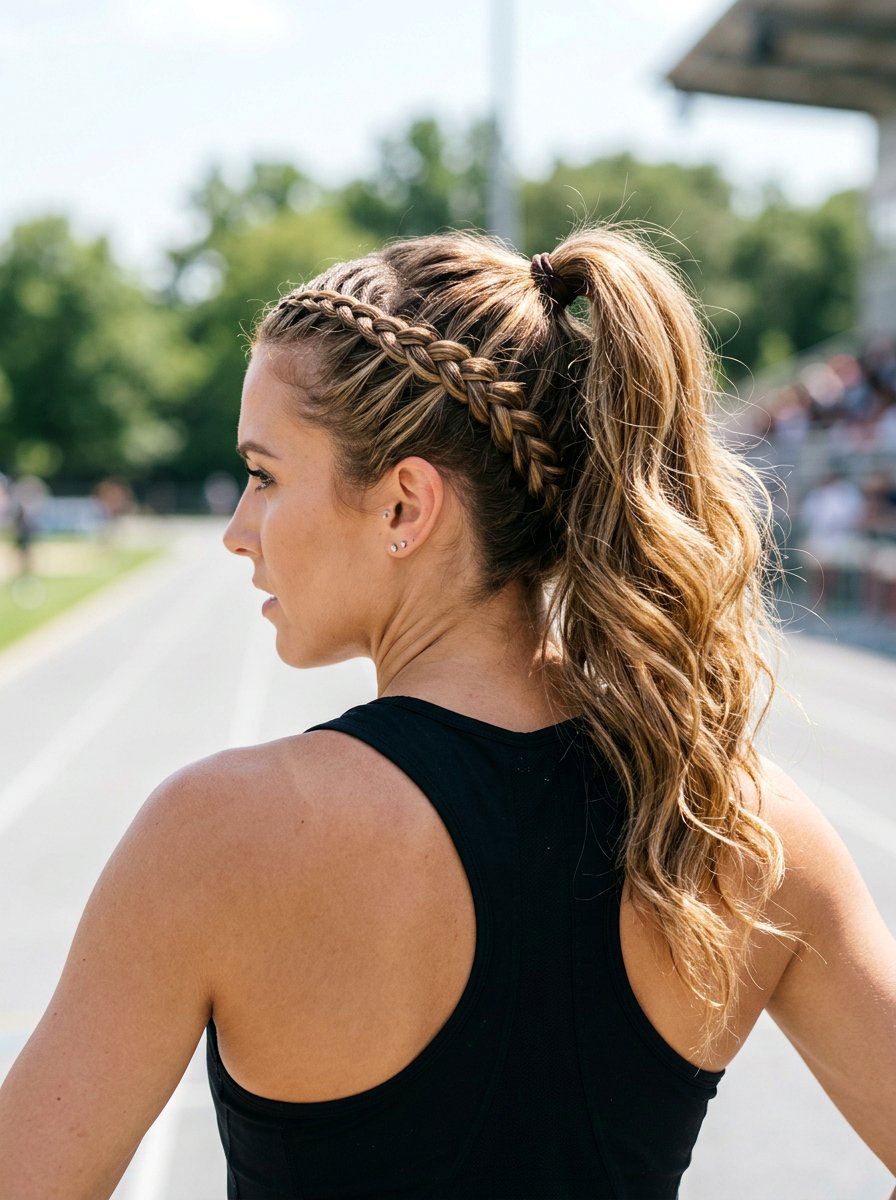
The lace braid is similar to a French braid but only adds hair from one side, creating a delicate, asymmetrical pattern that traces along the scalp. When this lace braid transitions into a ponytail, the result is a refined and feminine look that still performs well during physical activity. The one-sided adding technique means the braid sits slightly off-center, which gives it a modern, editorial feel while still keeping hair under control. It is a lighter alternative to full French or Dutch braids and is perfect for runners who want a softer style that does not feel too tight or heavy. This braid works especially well on fine to medium hair textures and looks effortless even after miles of wear.
19. Plaited Ponytail With Headband Braid
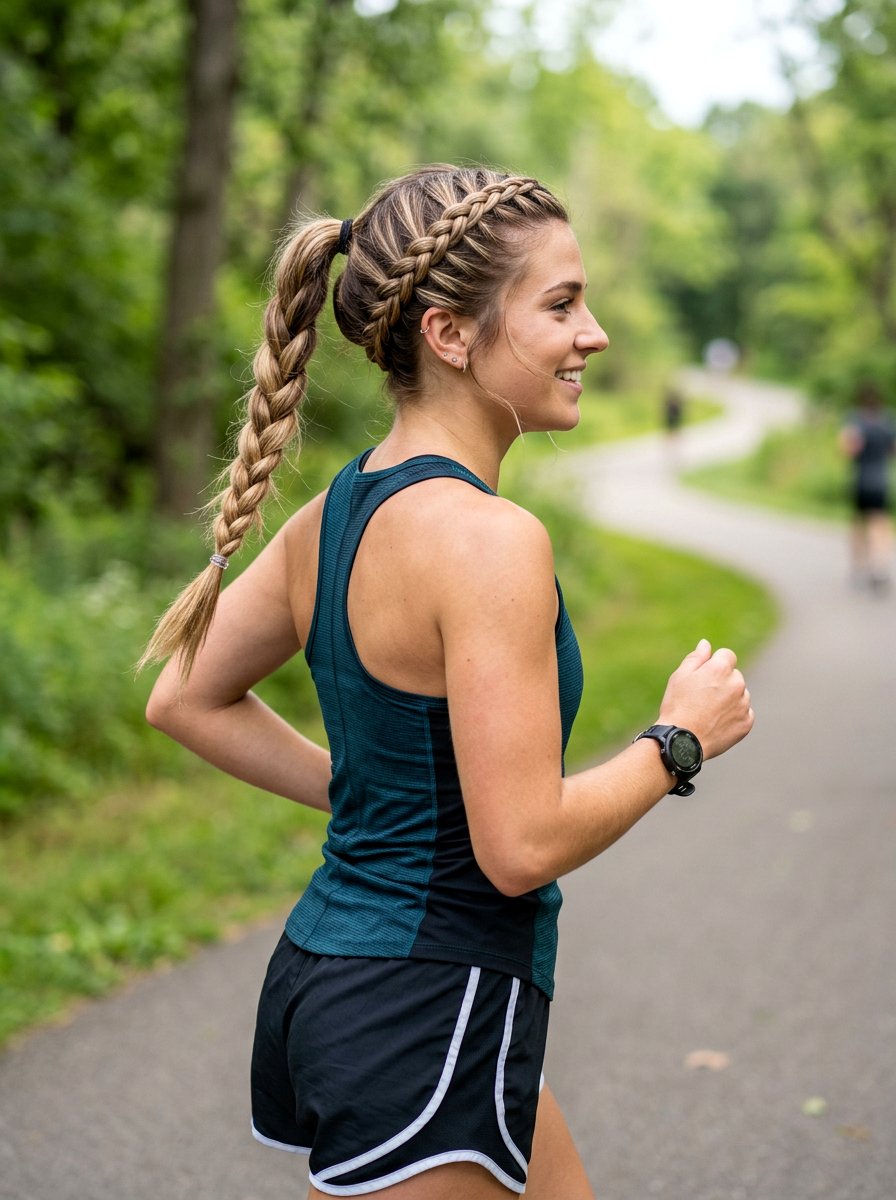
This two-part style features a small French or Dutch braid running across the front of the head like a headband, while the rest of the hair is gathered into a traditional three-strand plaited ponytail at the back. The headband braid does the heavy lifting of keeping bangs and face-framing layers out of your eyes, while the plaited ponytail keeps the length contained and tangle-free. It is a versatile look that works for short runs, long runs, and everything in between. The dual-braid design also adds a layer of security because even if one section loosens, the other keeps the overall style intact. A quick spritz of flexible-hold spray keeps both braids looking fresh from the first mile to the last.
20. Single Rope Twist Into Messy Ponytail
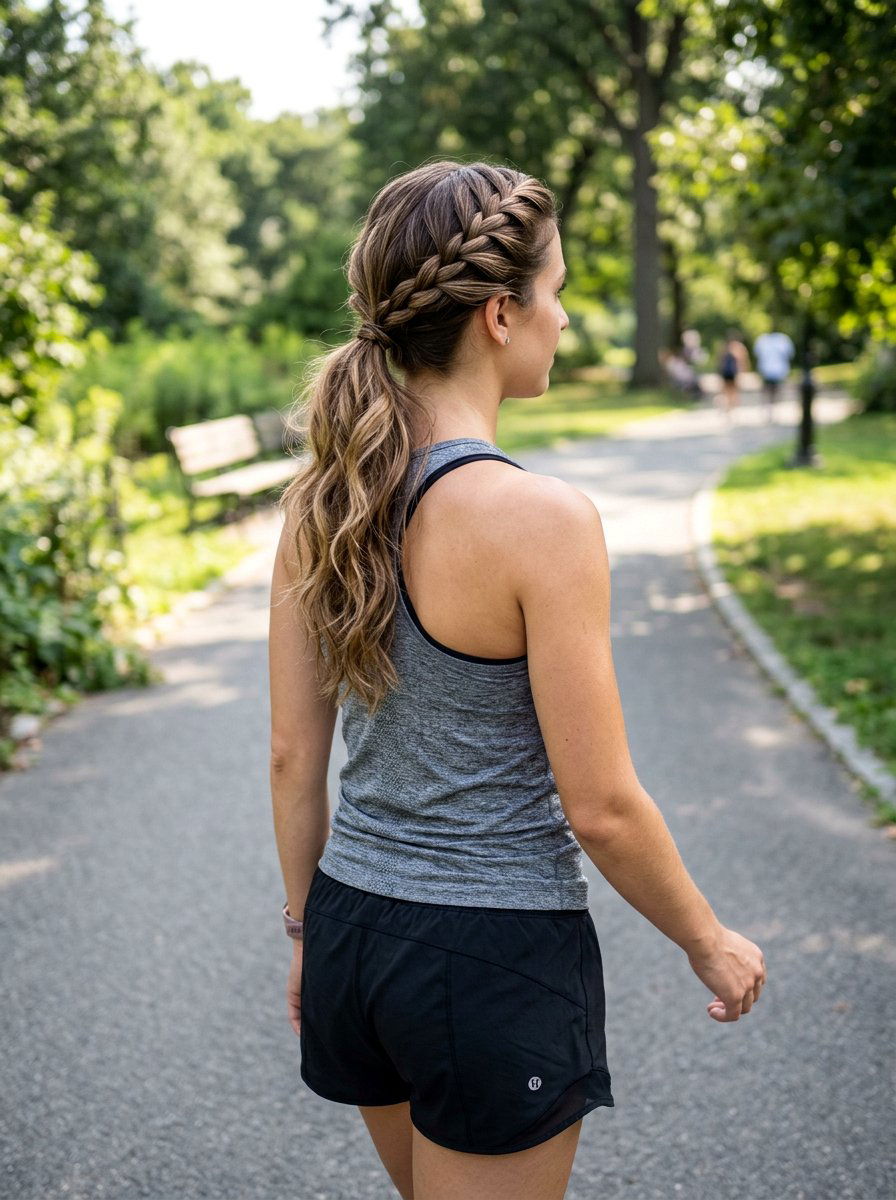
The single rope twist into a messy ponytail is the relaxed runner’s dream. It uses a simple two-strand twist from the crown down to the nape and then finishes with a loosely gathered, slightly tousled ponytail. The twist keeps the top portion controlled and sleek, while the messy pony adds a casual, effortless vibe that looks intentional rather than unkempt. This style is perfect for recovery runs, easy jogs, or any low-intensity workout where you want to look good without spending much time on your hair. The twist provides enough hold to prevent flyaways, and the loose ponytail keeps things comfortable at the back of your neck. It transitions seamlessly from a run to brunch or errands.
Conclusion:
Running braid ponytails are more than just a practical solution for keeping hair out of your face during a workout. They offer a wide range of looks that can match your personal style, hair type, and the intensity of your training. From the clean simplicity of a rope twist ponytail to the intricate detail of a five-strand braid, there is a variation here for every runner and every distance. The key is finding the style that holds best for your hair texture and gives you the confidence to focus entirely on your performance. Try a few of these options on your next training block and see which ones become your go-to looks. With the right braid ponytail in place, you can stop worrying about your hair and start enjoying every mile.
You'll Like These Styles:



Leave a Reply