
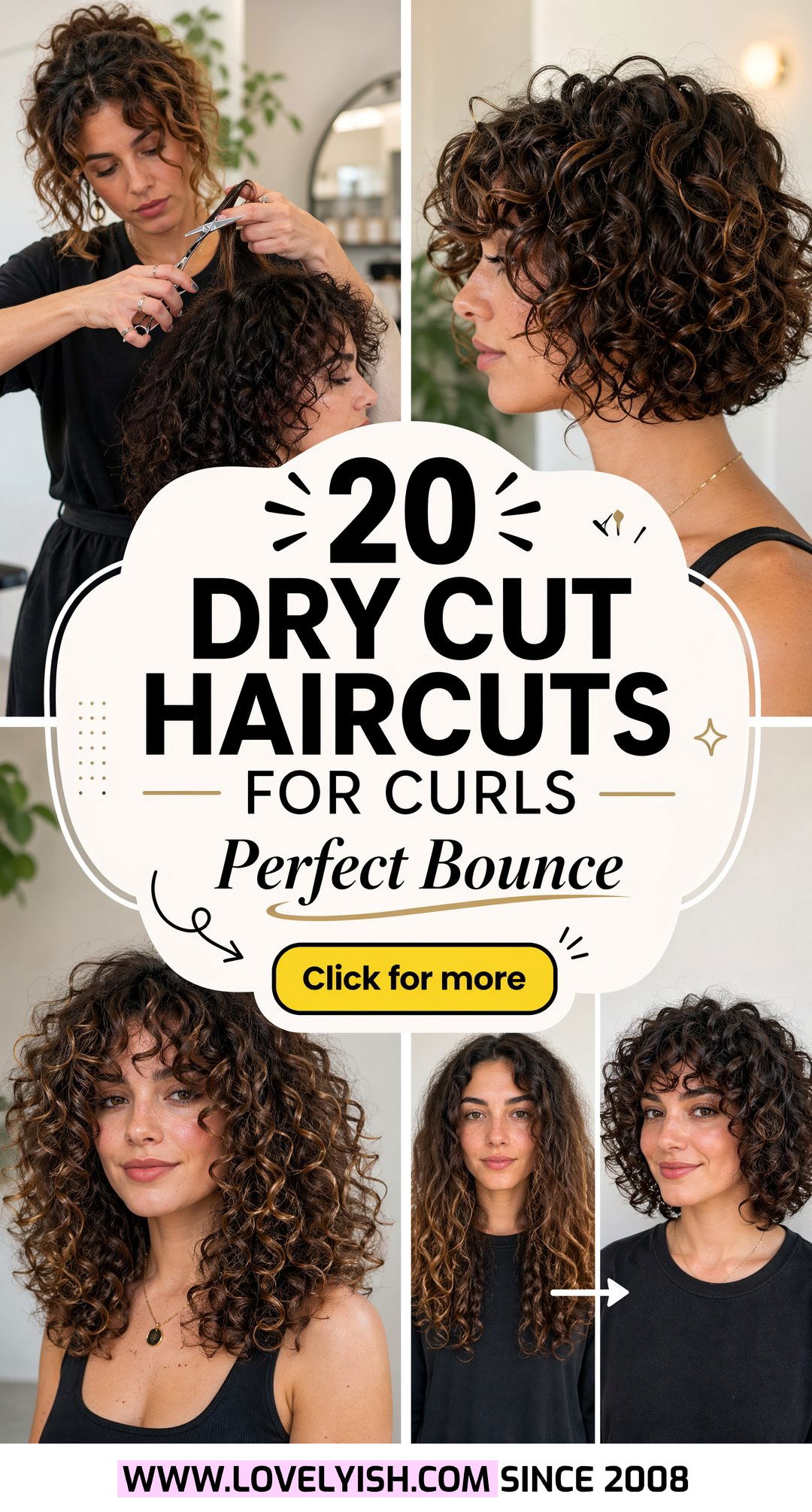
Soft, defined curls look completely different when they are cut dry and shaped in their natural pattern, so choosing the right cut matters a lot for movement, volume, and frizz control. A dry haircut for curls lets the stylist see how each ringlet springs up, where the weight sits, and how the shape frames your face in real time. That means fewer surprises, better balance, and a more custom result for every curl type, from loose waves to tight coils. This guide walks through twenty full haircut looks created with dry cutting techniques, so you can picture how each option will live in your day‑to‑day life, not just in the salon chair. You will also pick up simple styling and maintenance tips for keeping those fresh, frizz‑light curls between appointments.
1. Dry Cut Long Curly Layers
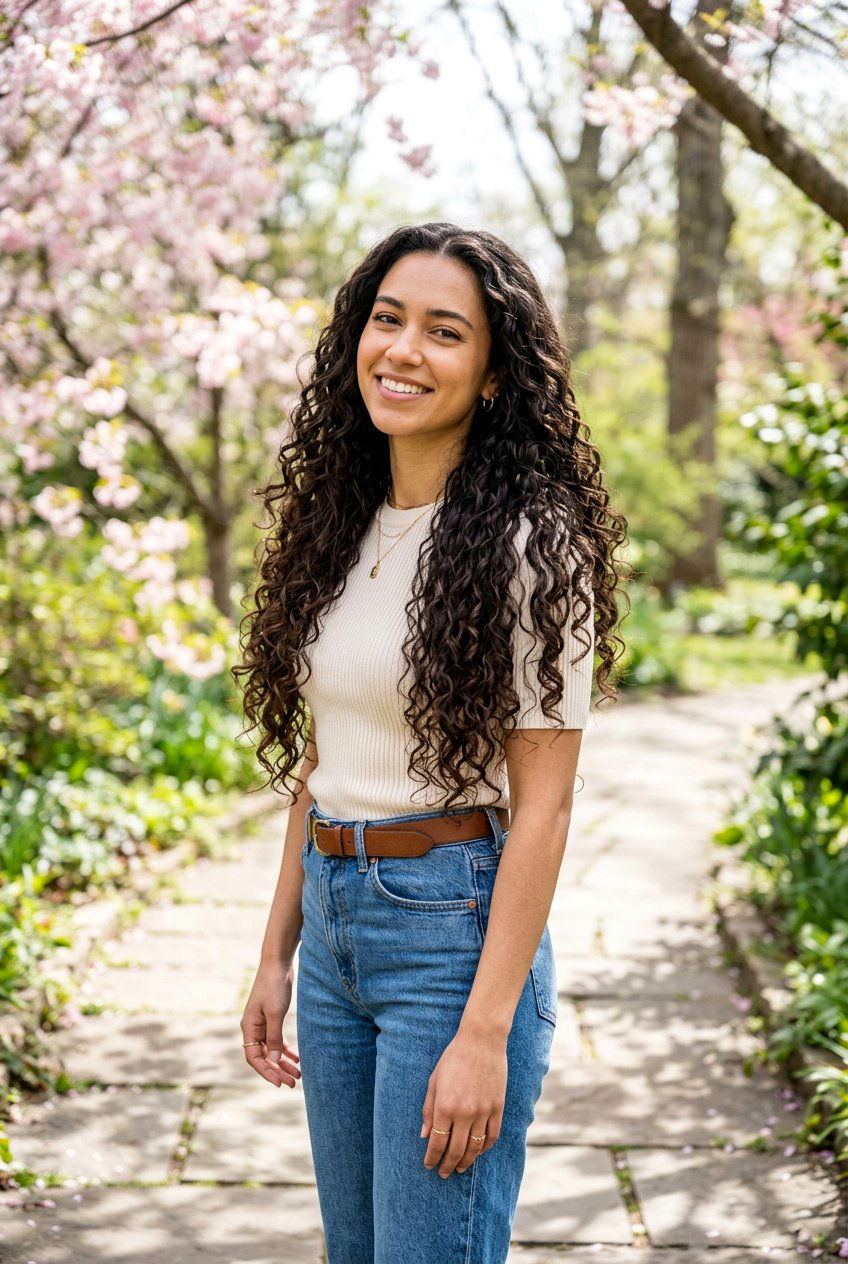
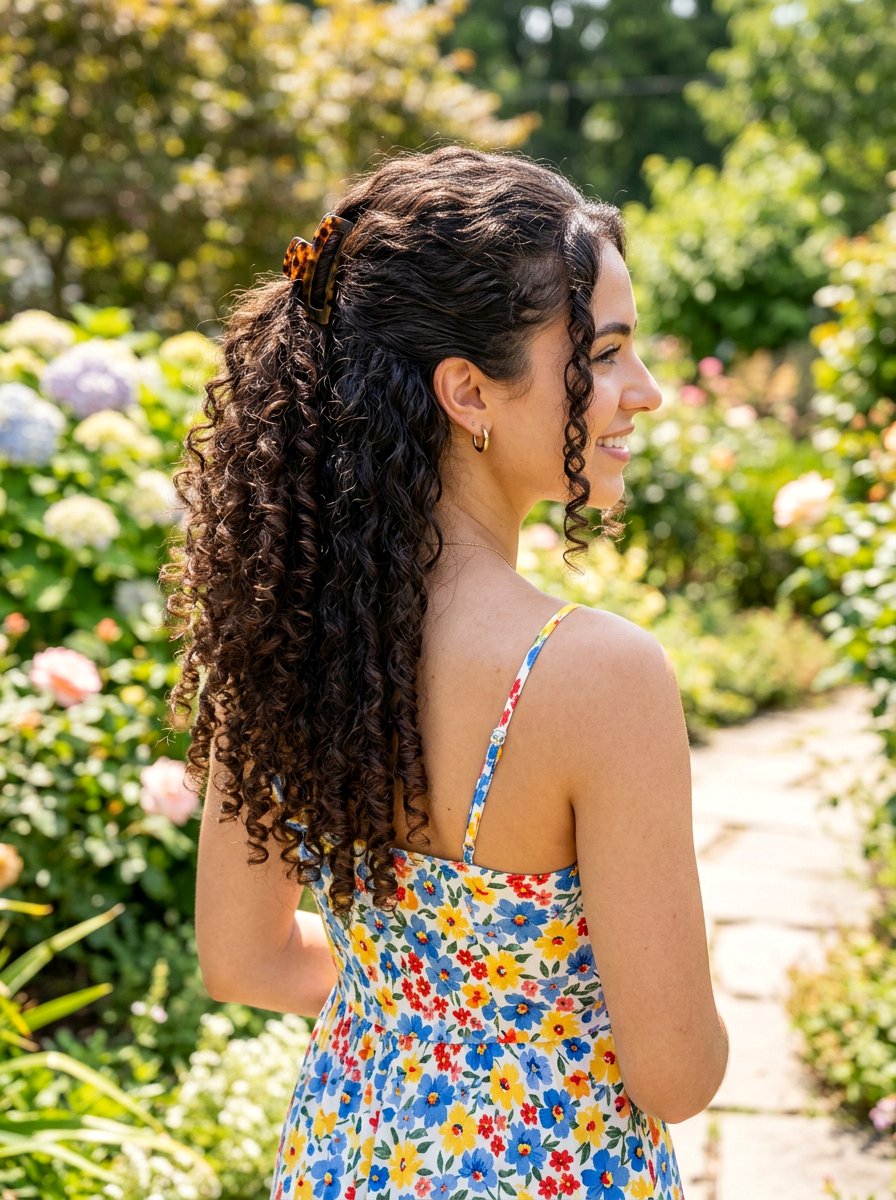
Picture long curls that fall past the shoulders with soft movement instead of a heavy triangle shape; that is where a dry cut with long layers shines for many curl types. The stylist works on completely dry hair, trimming curl by curl to remove weight in the mid‑lengths and ends while keeping the perimeter full, so you keep your length but gain bounce. This works especially well if your curls range from 2c waves to 3b ringlets and you hate how they collapse at the bottom when cut wet. At home, use a sulfate‑free shampoo, a rich conditioner, and a diffuse‑dry or air‑dry routine to let the layers separate and pop instead of clumping into one mass. A light cream or gel scrunched into the ends will define the shape created by the dry cut without weighing it down.
2. Dry Cut Curly Shag With Face Framing
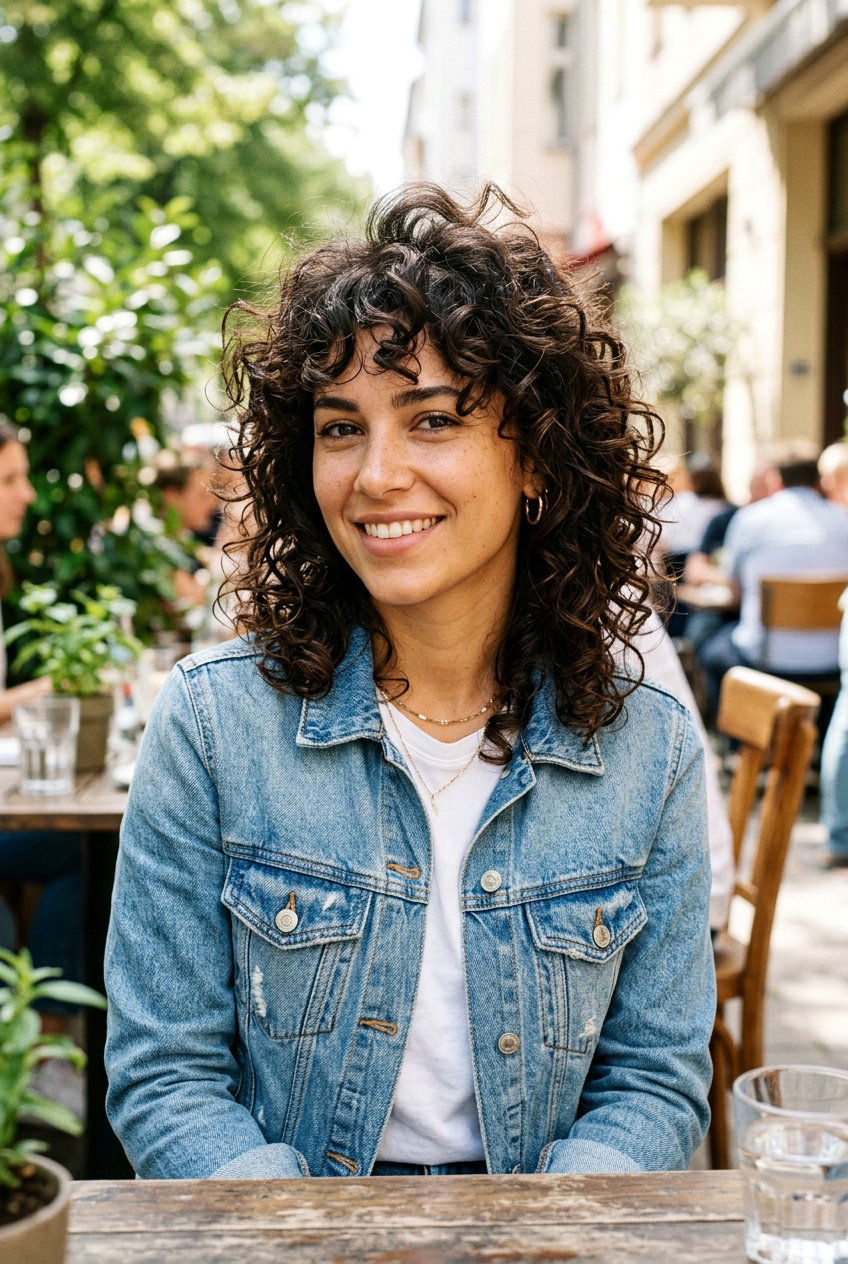
A curly shag cut on dry hair gives an intentional, lived‑in shape that removes bulk while boosting crown volume and face framing movement. The stylist sculpts short to medium layers around the top and sides, watching how each curl falls around the cheekbones and jaw so the shape feels balanced from every angle. Because it is done dry, the shag can be tailored to tighter sections that shrink more, preventing accidental too‑short bits at the front. This look is perfect if you like a slightly messy, rock‑inspired finish rather than perfect ringlets and you do not mind a bit of frizz for texture. Styling is simple: apply a curl cream on damp hair, scrunch, diffuse until almost dry, then gently shake out the crown to activate the shag’s airy layers.
3. Curl By Curl Dry Cut For Defined Curls
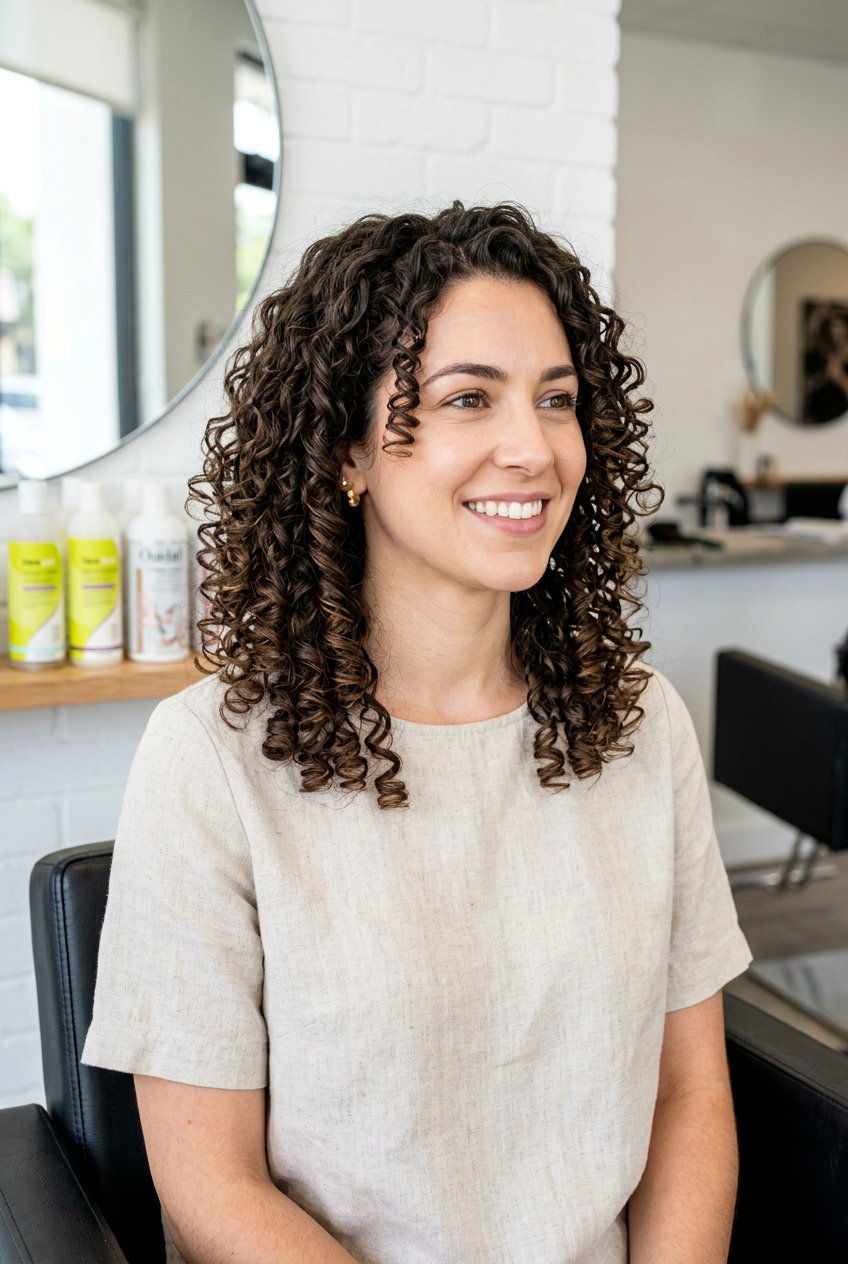
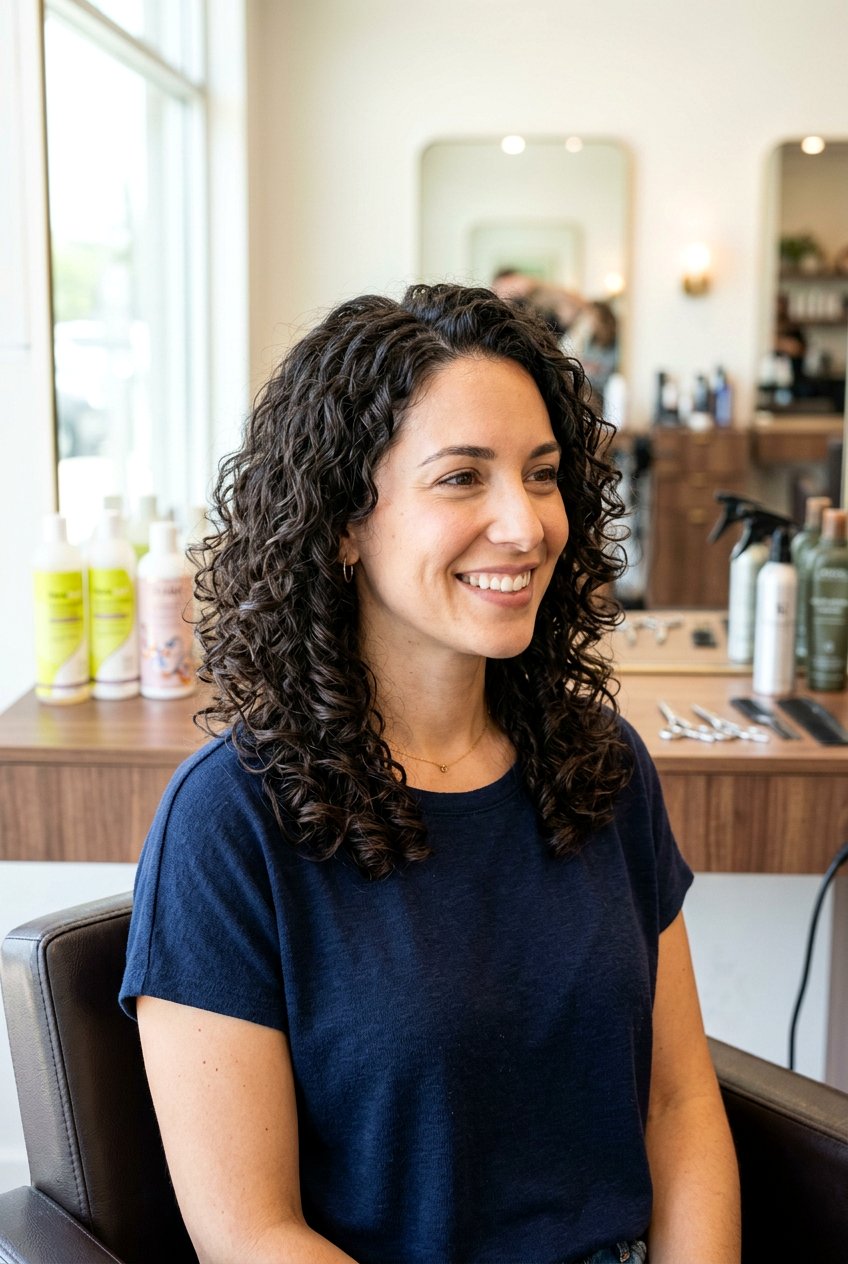
A curl by curl dry cut focuses on trimming each individual curl or curl family in its natural position, which is ideal if you want maximum definition and minimal frizz. The stylist first lets your curls dry the way you usually wear them, then lifts and snips each curl at an angle so the length blends while keeping the ends healthy. This approach works on any length but is especially helpful for mid‑length curls that tend to tangle at the ends or form uneven clumps. Because each curl is addressed separately, the finished shape looks very custom, with balanced volume and less chance of random long pieces hiding underneath. Maintain this cut by refreshing with water and a lightweight gel on non‑wash days, scrunching to encourage the same curl groupings the cut was built around.
4. Deva Inspired Dry Curly Haircut
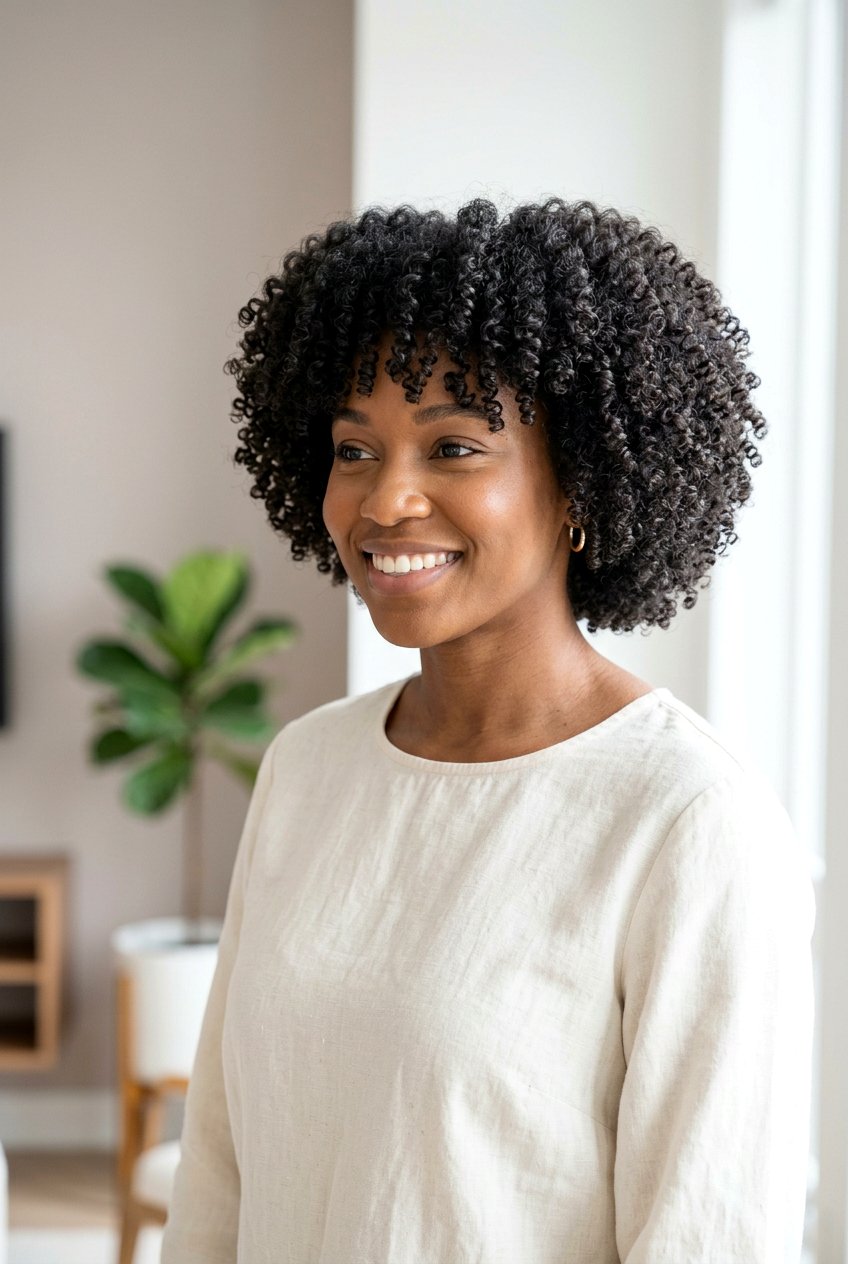
A Deva inspired dry curly haircut is built entirely on seeing how your curls live day to day, so you arrive with clean, dry, product‑set curls and the stylist cuts without combing them out. The hair is shaped in sections, but each curl is still considered individually, creating a rounded silhouette that can be customized for more height or more elongation depending on your preference. This technique is especially popular with curl types 3a through 4a, where shrinkage can dramatically change the apparent length after a traditional wet cut. Because the stylist follows your real curl pattern, the cut usually grows out gracefully, keeping a recognizable shape for months as long as you maintain good moisture. Use gentle cleansers, deep conditioners, and a diffuser to mimic the same drying process between appointments to get consistent results from this cut.
5. Dry Cut Curly Lob Haircut

A dry cut curly lob haircut hits somewhere between the chin and collarbone, giving enough length to show off curl pattern while feeling modern and light. When cut dry, the stylist can prevent the front from bouncing up too high and keep the back from stacking into a bulky shelf, which often happens with wet cuts on curls. The ends are usually slightly beveled or softly layered instead of blunt, so the curls stack gently and you avoid that wide triangle silhouette. This shape flatters many face shapes and works whether your curls are loose waves or tighter spirals, as long as you like a visible, swingy perimeter. Styling is easy: apply leave‑in conditioner and a light gel, part however you like, and either air dry or diffuse for a casual, polished look that works in the office and off duty.
6. Dry Cut Curly Bob Haircut
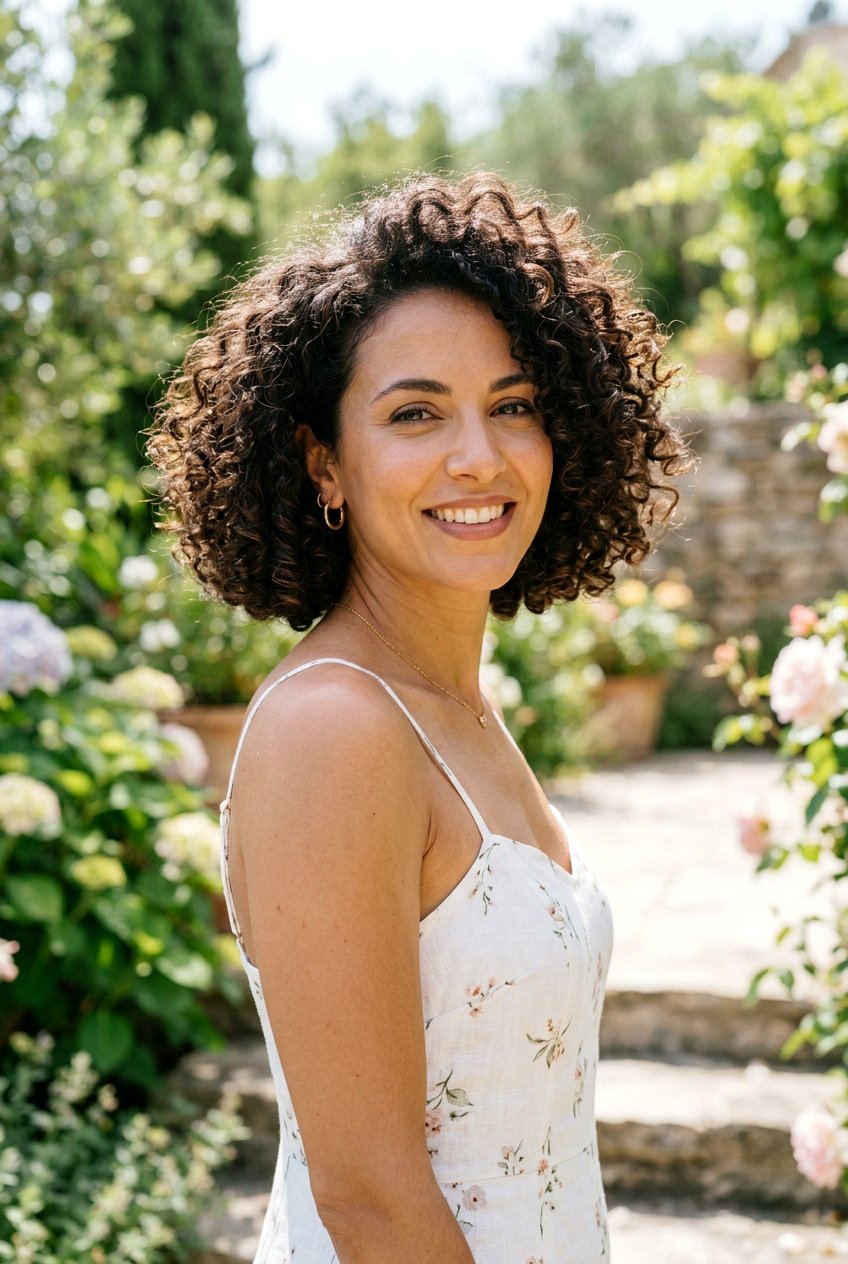
A dry cut curly bob haircut focuses on precise length placement, since even half an inch can change how curls sit around the jawline or cheekbones. The stylist shapes the bob on dry hair, checking the front, sides, and back repeatedly so the silhouette looks cohesive even when some curls spring higher than others. Layers can be minimal if you want a denser, more classic bob shape, or more generous if your hair is very thick and needs debulking at the ends. Cutting dry makes it easier to avoid a boxy look, especially in the back where natural volume can create an unintentional shelf. To style, define your curls with cream or mousse, let them dry, and then gently separate individual ringlets around the front for softness without losing the crisp bob outline.
7. Dry Cut Rounded Curly Afro
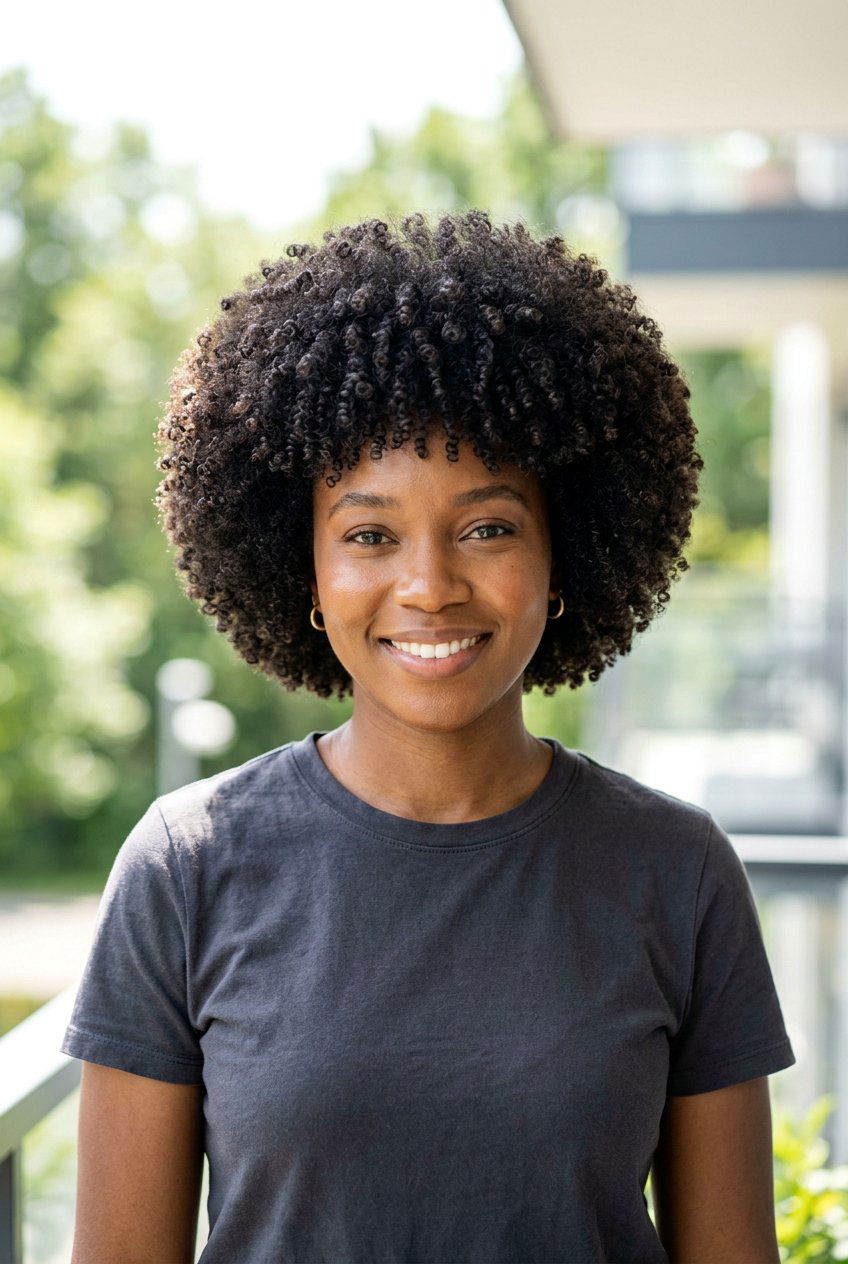
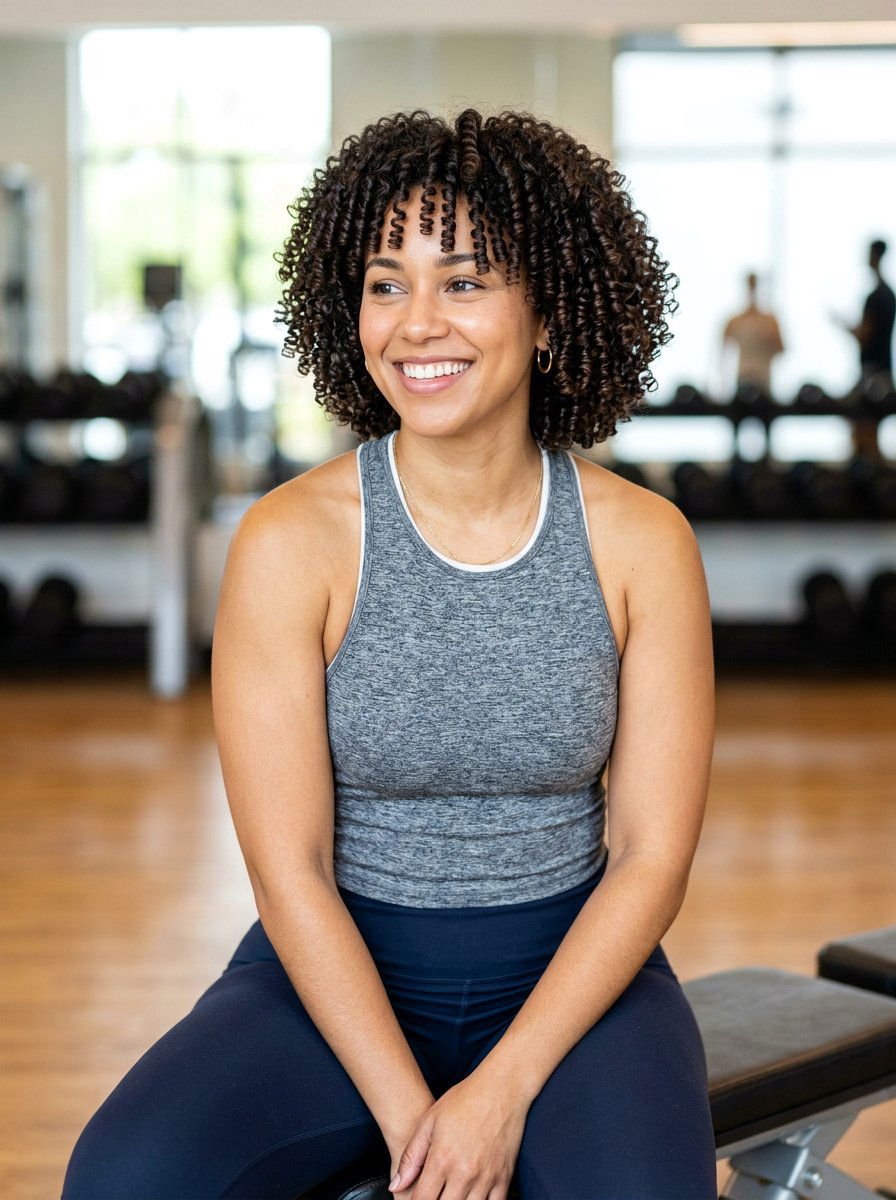
A dry cut rounded curly afro aims for a cloud‑like shape that looks even and balanced from every angle while honoring shrinkage differences across your head. With tight curls and coils, the stylist shapes the hair completely dry, snipping tiny amounts to sculpt a rounded silhouette rather than removing big chunks at once. This prevents overcutting in areas that naturally spring up higher, such as the crown or hairline, and keeps the overall length you are growing. The result is a full, buoyant afro that frames the face beautifully and can be worn with a middle or off‑center focus. Maintain this cut with regular moisturizing, gentle stretching if needed, and occasional dusting of single coils between full appointments to keep the outline crisp.
8. Dry Cut Curly Wolf Cut
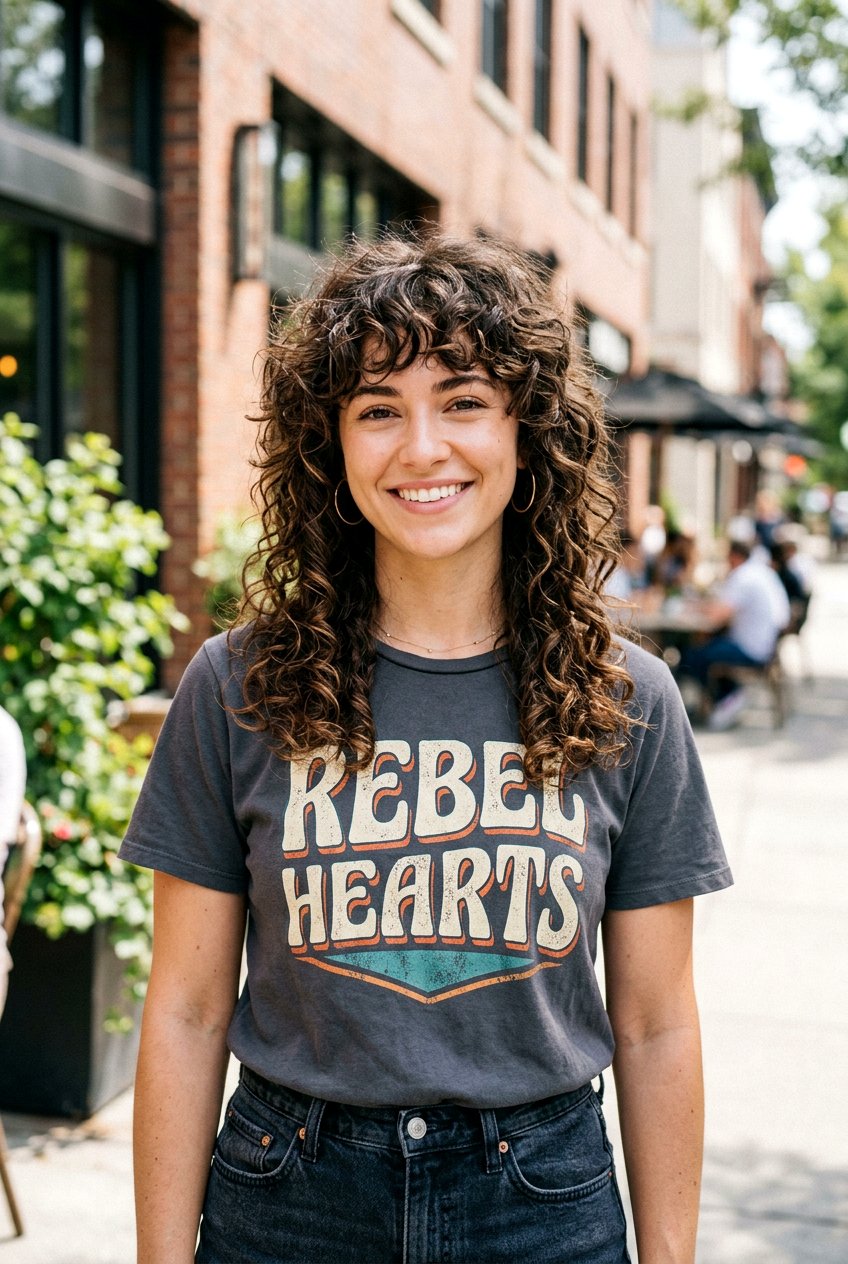
A dry cut curly wolf cut combines a shag and a mullet feel, with shorter, choppy layers on top and longer lengths flowing down the back. On curls, this look is best created dry so the stylist can see how much the shorter crown pieces will shrink compared with the longer nape sections. Layers are carved out to build lots of volume at the top and a softer, more tapered tail at the back, avoiding harsh lines that can feel too severe. This cut suits curl types that like big hair and do not mind a bit of wildness, because the silhouette is intentionally less polished. Styling usually involves a curl cream for moisture and a medium‑hold gel or foam, scrunched in and diffused to maximize texture and piecey separation through the layers.
9. Dry Cut Shoulder Length Curly Haircut

A dry cut shoulder length curly haircut is a versatile choice if you want enough length for updos but still crave bounce and manageable volume. Cutting at this length while the hair is dry lets the stylist see how different sections land around the shoulders and collarbone, avoiding uneven flipping or awkward gaps. Light layers are often added through the top and mid‑lengths to prevent a heavy bottom, but the perimeter usually stays fairly full for a classic outline. This cut works well for mixed curl patterns, where some areas are wavier and others more coily, because each can be tailored to match in shape. Day to day, you can wear it parted in the middle or to the side, refresh with water and leave‑in, and scrunch to revive the dry‑cut layers.
10. Dry Cut Curly Bangs With Layers

Dry cut curly bangs with layers can completely change your look by bringing attention to your eyes while keeping the rest of your curls soft and light. Because bangs spring up more than the rest of the hair, cutting them dry is crucial to avoid them ending too short or sitting in a blunt line. The stylist shapes the fringe curl by curl, often using a slightly rounded, curtain‑like outline that blends into layered sides for a seamless flow. The remaining hair is layered to match, so the overall shape feels intentional, not like bangs stuck onto a different haircut. Style by applying lightweight products near the hairline, gently finger‑coiling any uneven curls in the fringe, and letting everything air dry or diffusing on low heat for definition.
11. Dry Cut Curly Pixie Haircut
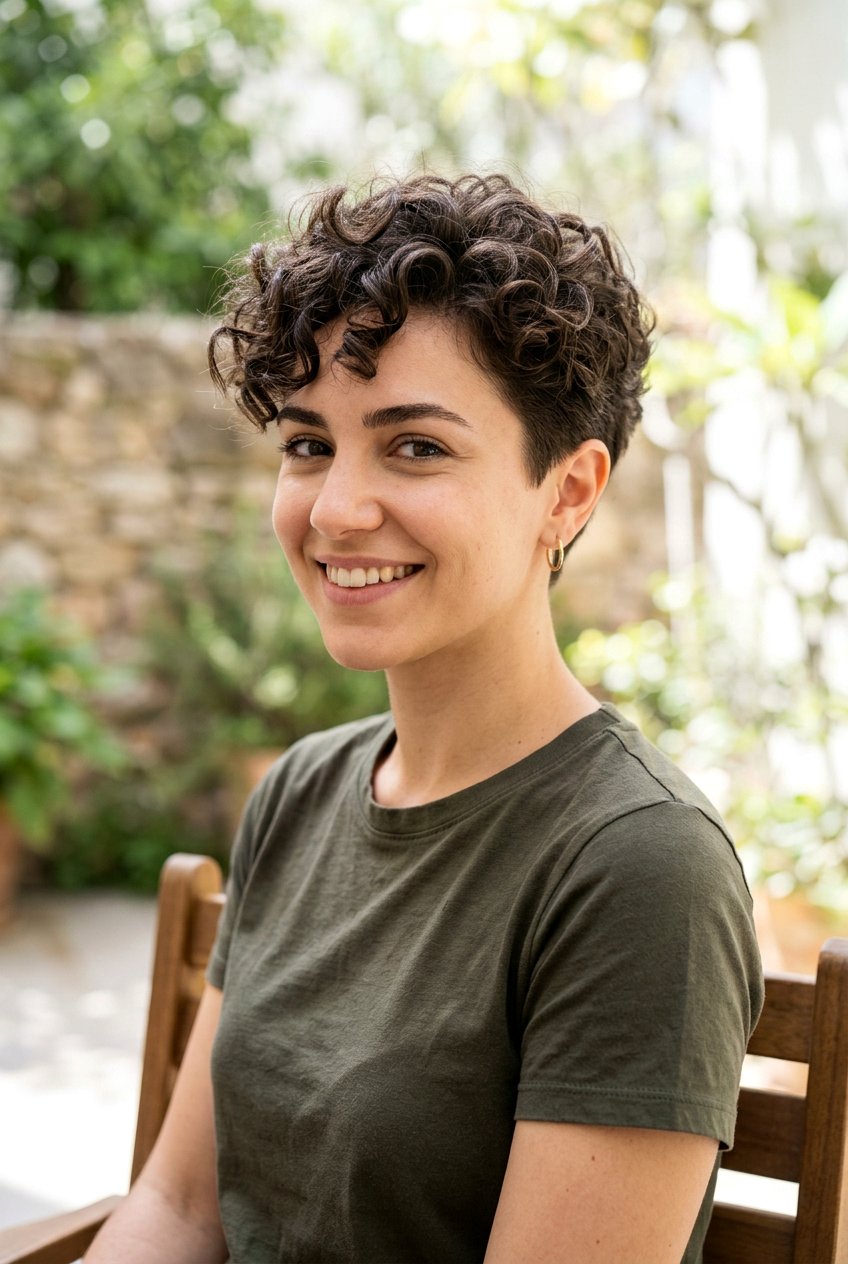
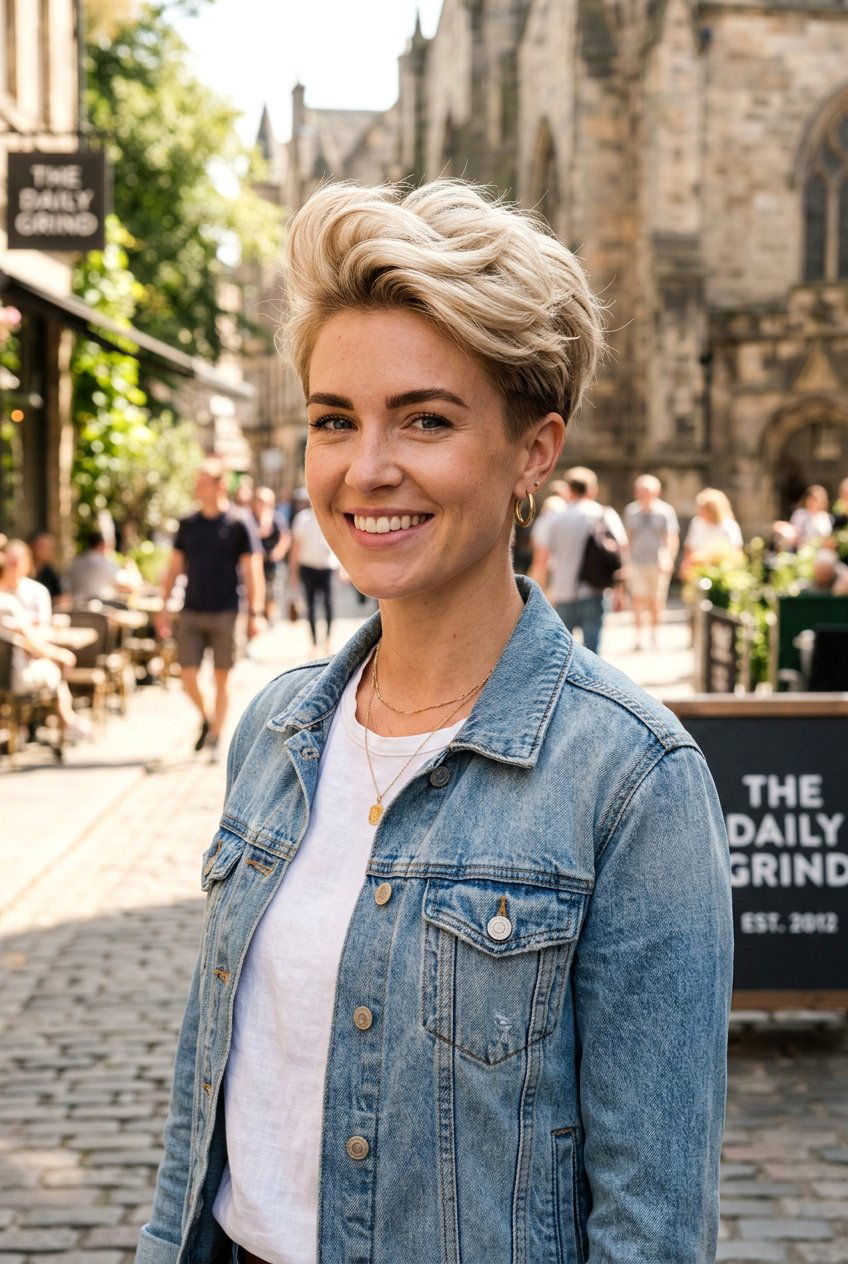
A dry cut curly pixie haircut is all about sculpting short curls so they hug the head in a flattering shape without sticking out in random directions. On dry hair, the stylist can immediately see which curls need to be left a bit longer to lie flat and which can be cropped shorter for volume. The nape and sides are usually cut closer, while the top stays a little longer so curls can cluster and create soft movement. This cut is great if you like low‑maintenance hair but still want a clearly curly texture rather than something that reads almost straight. Use a light cream or foam for control, scrunch to encourage curl formation, and avoid heavy products that could collapse the delicate pixie silhouette.

12. Dry Cut Curly Undercut Haircut
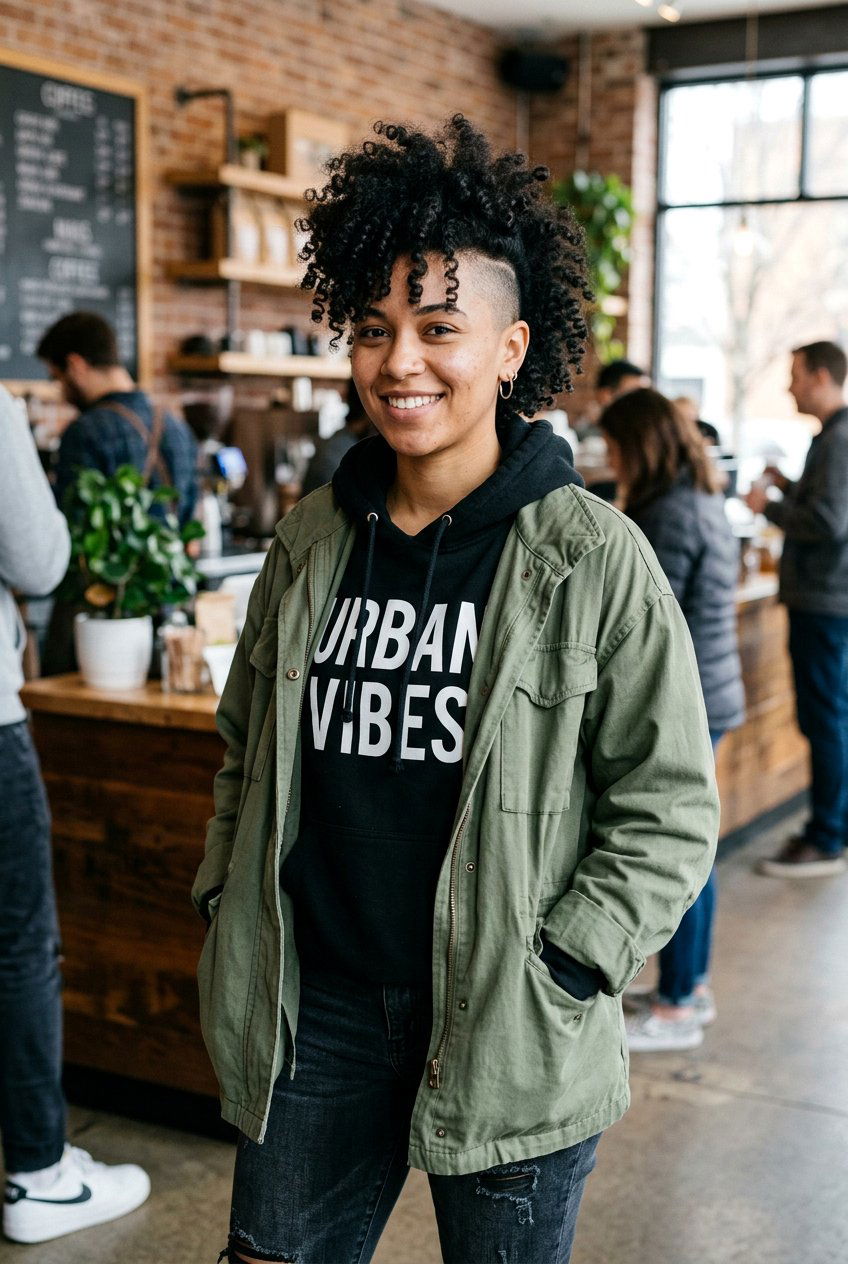
A dry cut curly undercut haircut removes weight from the sides or back with a clipper or very short scissor work, leaving longer curls on top for contrast. Doing the shaping dry allows the stylist to decide exactly how high to take the undercut so the remaining curls fall where you want them, not above an odd line. This can be subtle, with just the nape tapered, or more dramatic, with both sides clean and the top left long and voluminous. The look works on all genders and is popular for people who overheat easily or want less hair to manage at the back and sides. Styling focuses on defining the top curls with mousse or cream, then either diffusing upward for height or letting them drop naturally for a softer profile.
13. Dry Cut Curly Inverted Bob Haircut

A dry cut curly inverted bob haircut stays a little longer in the front and shorter in the back, creating a gentle forward angle that flatters the jawline. On curls, cutting this shape dry is important so the front pieces do not bounce too high and the back does not get overstacked from shrinkage. The stylist shapes the curve by checking the perimeter with your head in a natural position, adjusting each section until the angle looks smooth from side view. This cut can be worn with or without a part, and it suits curl types that like defined outlines but still want movement. Use a curl cream for slip, a bit of gel for hold, and once dry, lightly fluff the roots with your fingers to keep the graduated shape visible.
14. Dry Cut Curly Layered Bob Haircut
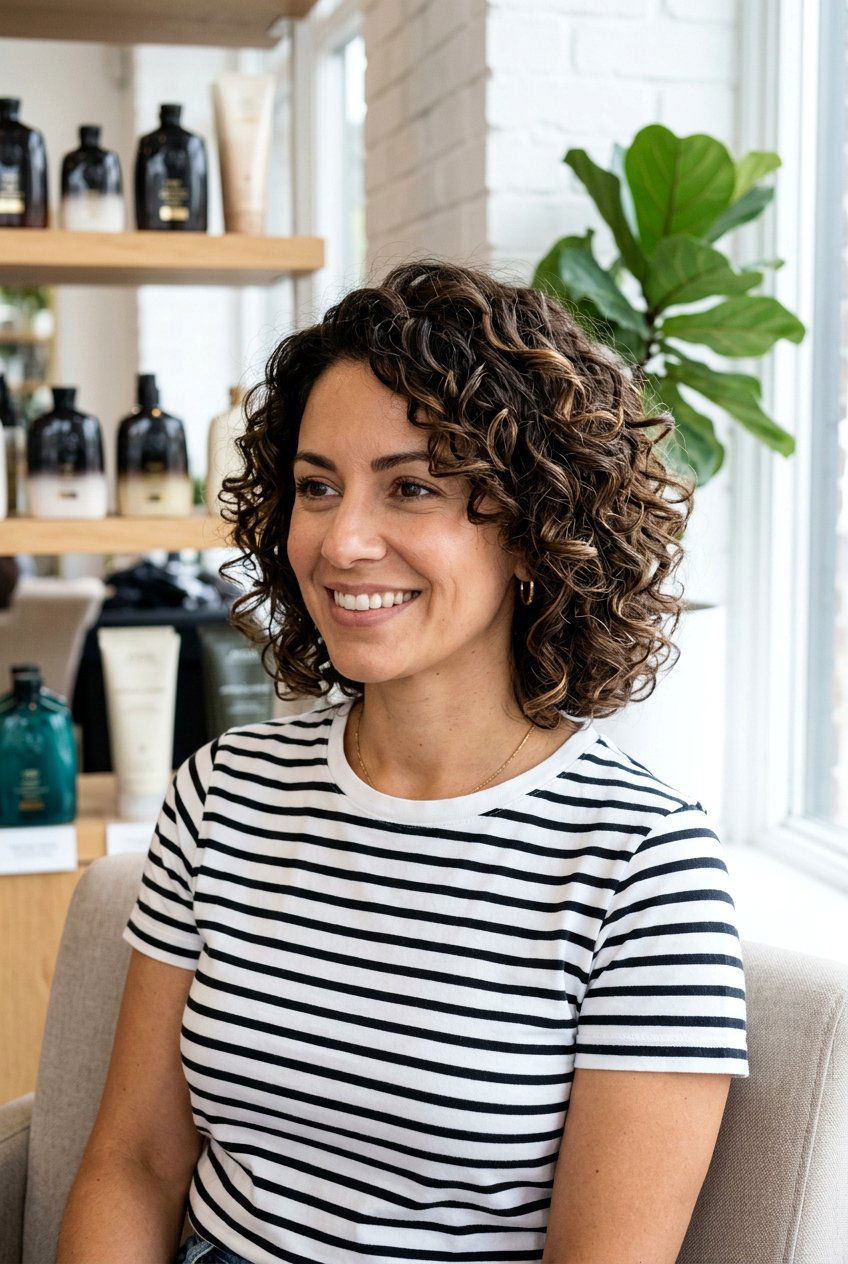
A dry cut curly layered bob haircut focuses on building internal layers so the bob feels light and bouncy rather than dense and blocky. The stylist works on dry curls, lifting sections to remove bulk from the interior while preserving enough length on the surface to maintain a clean bob outline. This helps the curls stack softly instead of pushing out at the bottom, which is a common problem when thick curls are cut blunt. The result is a playful, rounded bob that moves easily when you walk and does not need much daily fussing. For styling, scrunch a medium‑hold gel into damp hair, diffuse until almost dry, and then separate a few curls on top with your fingers for extra lift.
15. Dry Cut Long Curly Hair With Face Framing

A dry cut long curly haircut with face framing layers brings softness around the eyes and cheeks while keeping most of your length intact. The stylist shapes the shorter pieces in the front on dry hair, carefully checking how each curl sits against your features before trimming. Longer layers are then added through the rest of the hair to prevent a heavy curtain effect and help curls bounce instead of dragging down. This is a great option if you are attached to your long curls but want them to feel lighter and more dynamic without losing inches. Day to day, focus on moisturizing the ends, defining the front sections with a cream or gel, and letting the back air dry for a relaxed, flowing look.

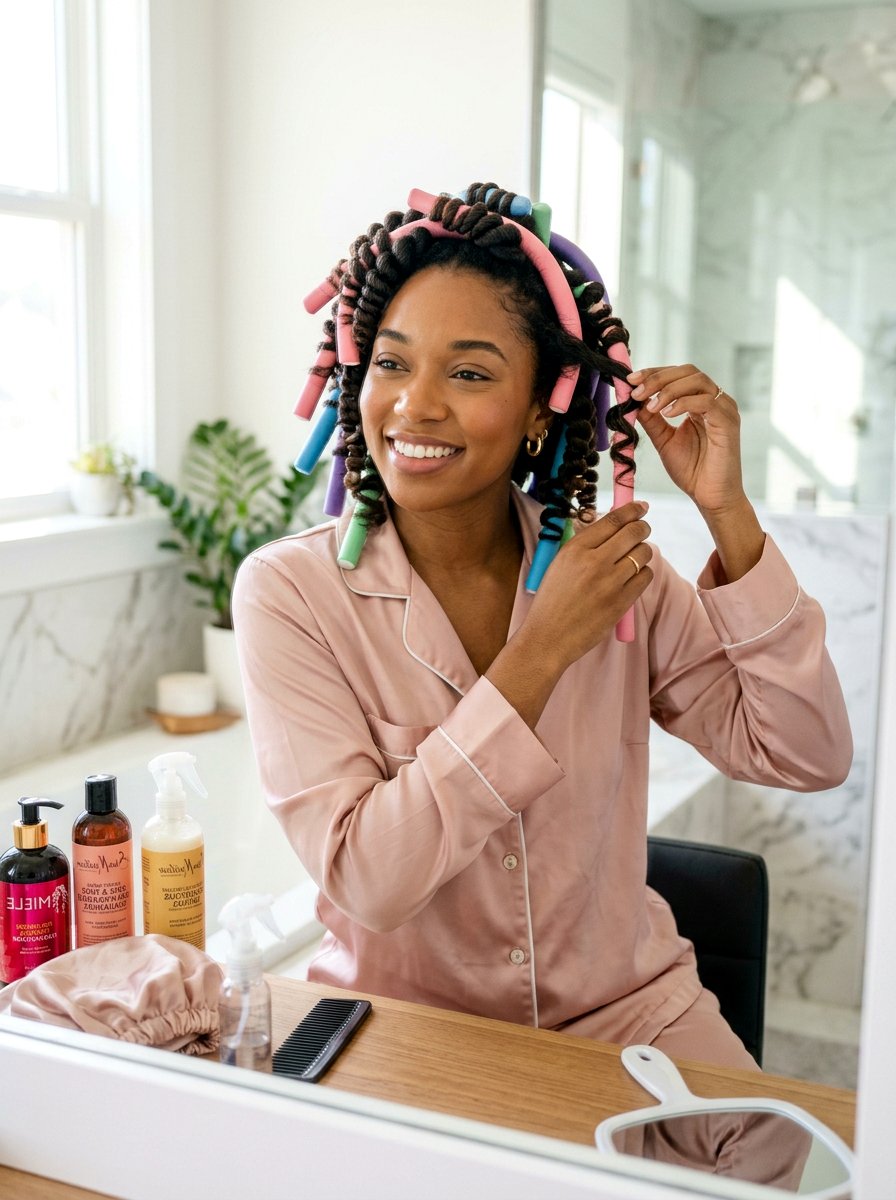
16. Dry Cut Curly Shoulder Length Shag
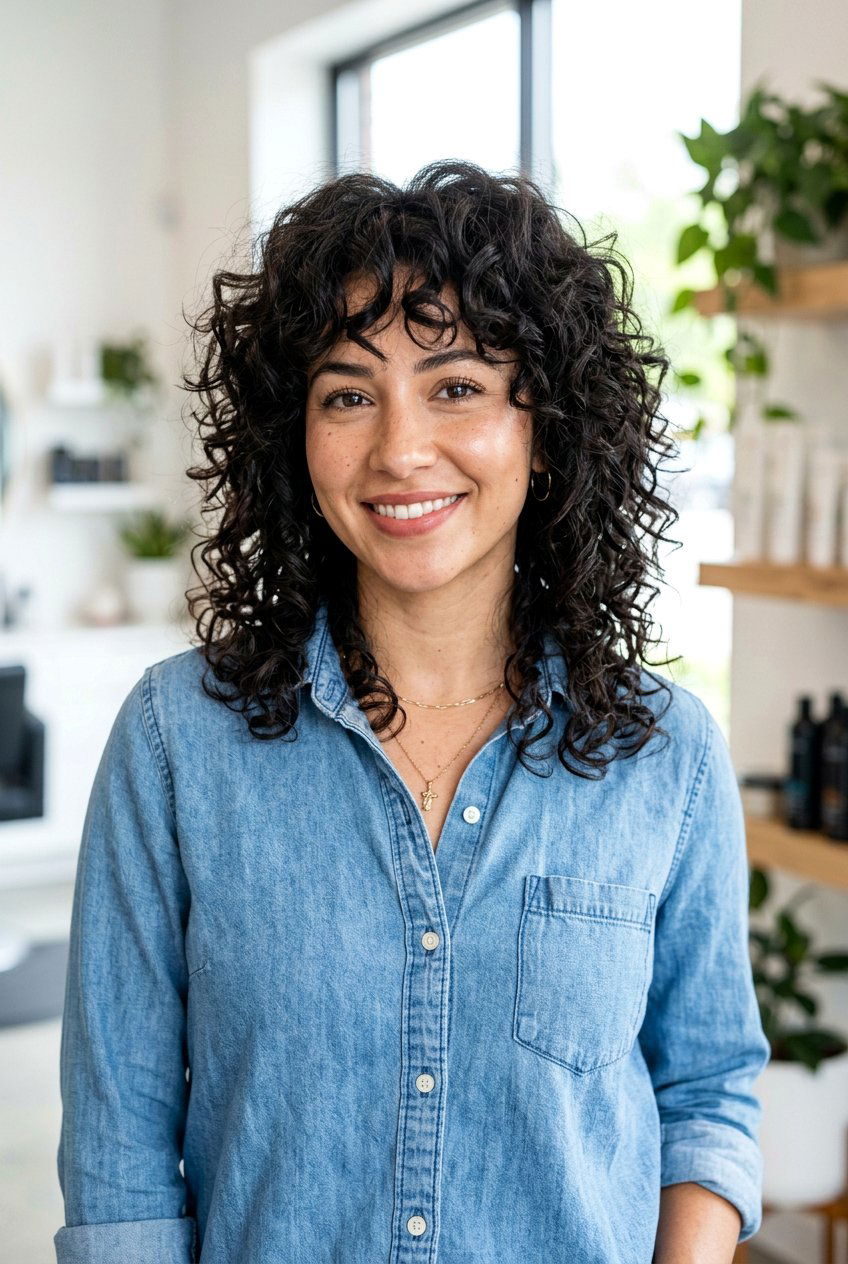
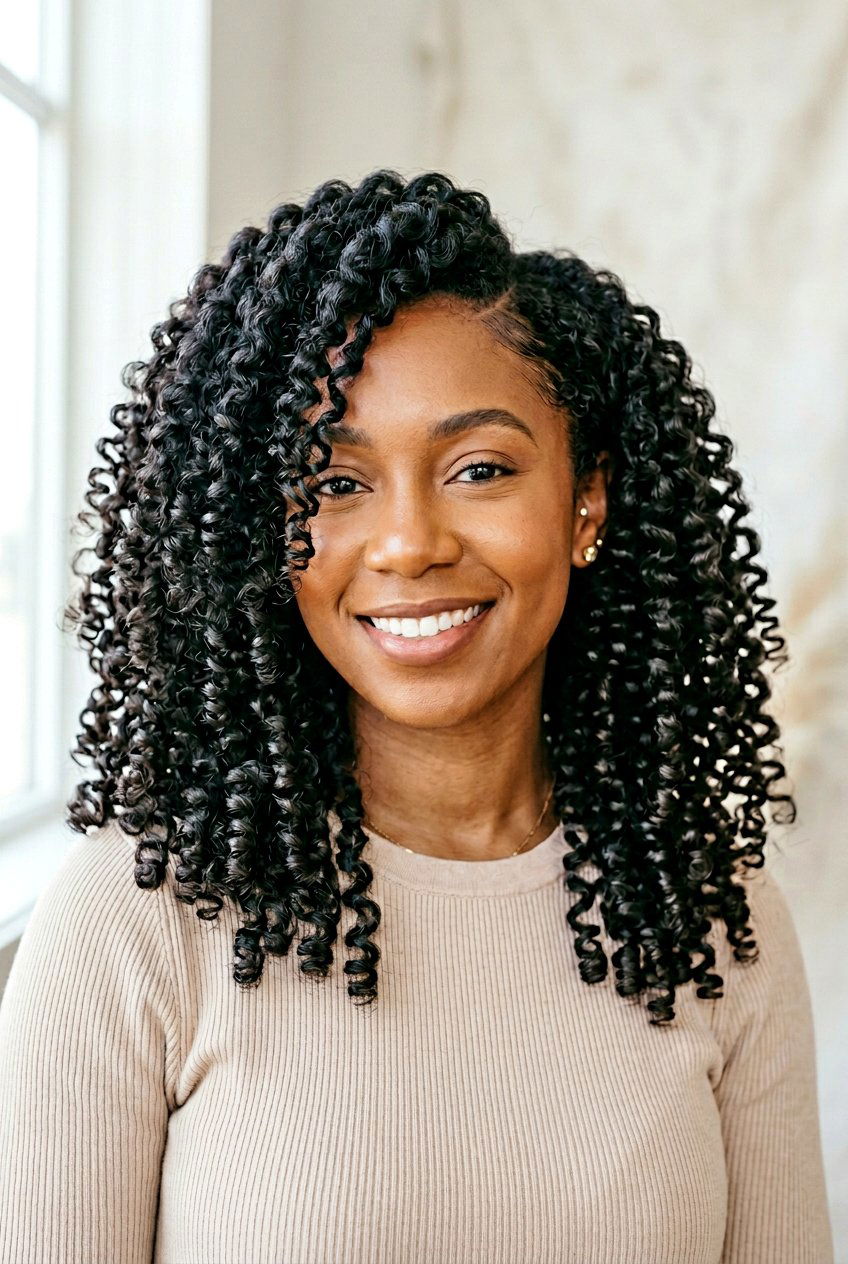
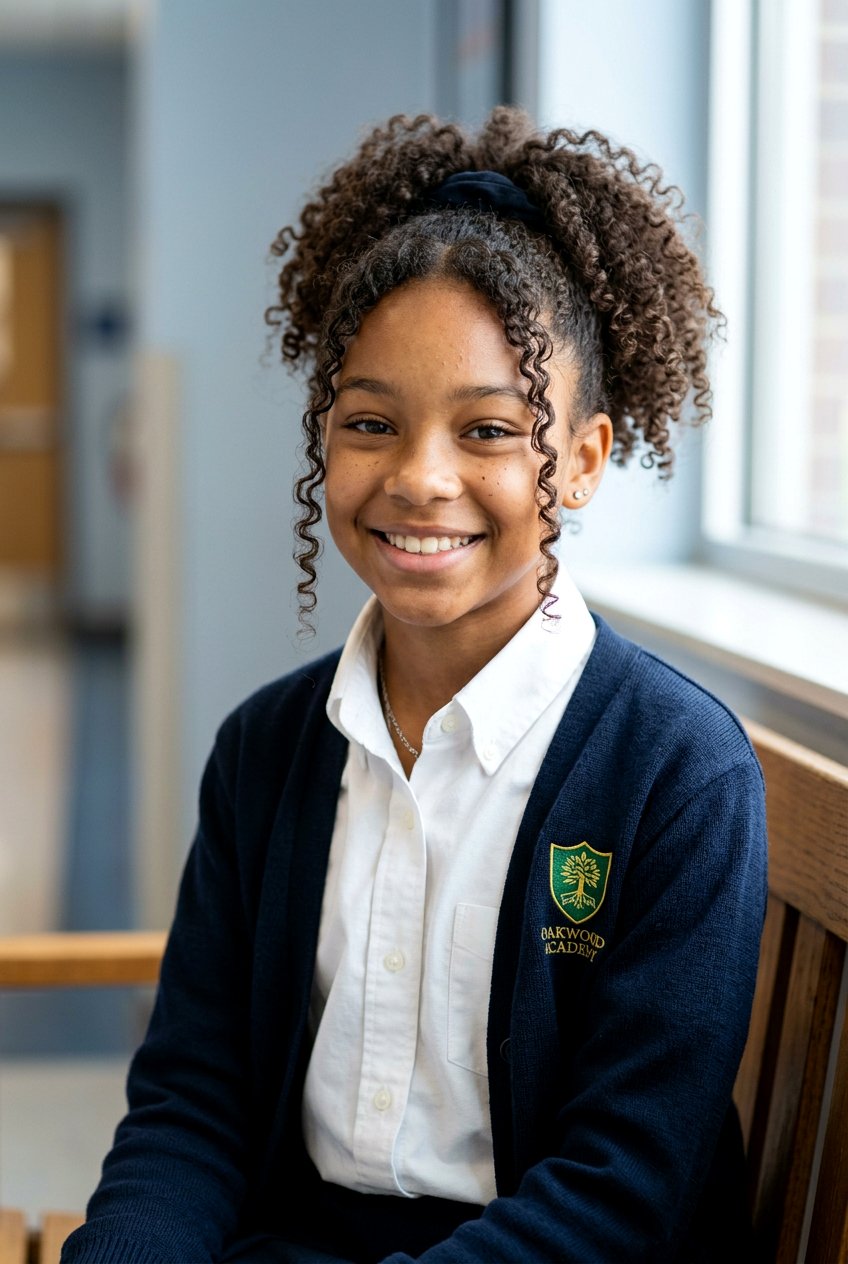
A dry cut curly shoulder length shag combines mid‑length hair with choppy, textured layers that add volume at the crown and softness at the ends. When cut dry, it is easier to build that signature shag shape without accidentally removing too much from areas that shrink more strongly. Layers are carved around the face, crown, and through the interior, creating separation so curls do not clump into one solid mass. This cut suits people who like a slightly undone vibe and do not mind some irregular pieces that add character. Styling usually involves a lightweight foam or mousse, scrunched into damp hair, then diffused to keep the shag’s airy texture and visible layers.
17. Dry Cut Curly Mid Length Haircut With Volume
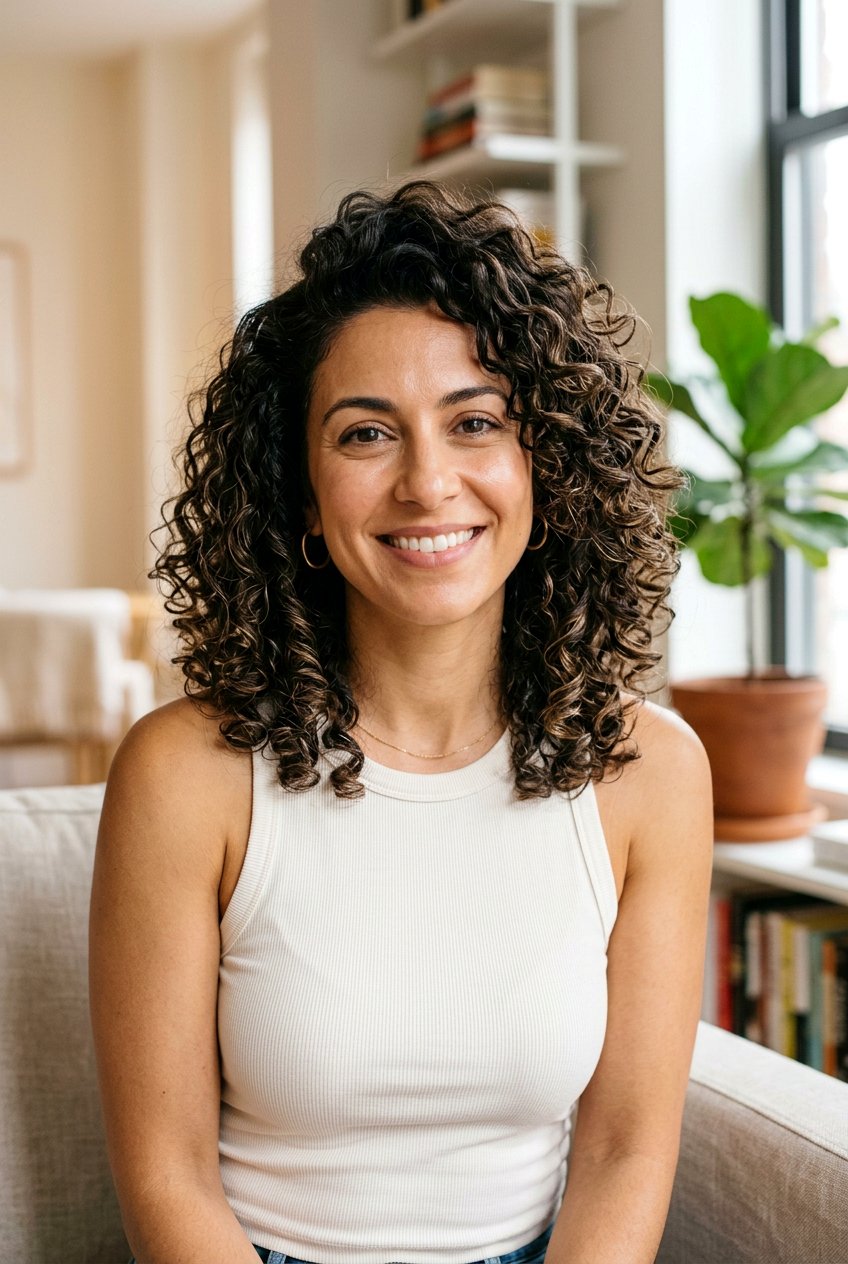
A dry cut curly mid length haircut with volume focuses on building lift at the crown and throughout the top layers while keeping the overall length around the collarbone. The stylist shapes the upper sections on dry hair, using point cutting or slide cutting techniques to remove weight where curls tend to collapse. The lower layers stay a bit denser to anchor the silhouette so it does not become too wispy or flyaway. This look is ideal if your curls lie flat at the roots but puff out at the ends, because the dry cut can rebalance that distribution. To style, flip your head upside down while diffusing, lifting the roots with your fingers, then finish upright with a small amount of gel to lock in the volume.
18. Dry Cut Curly Asymmetrical Bob Haircut
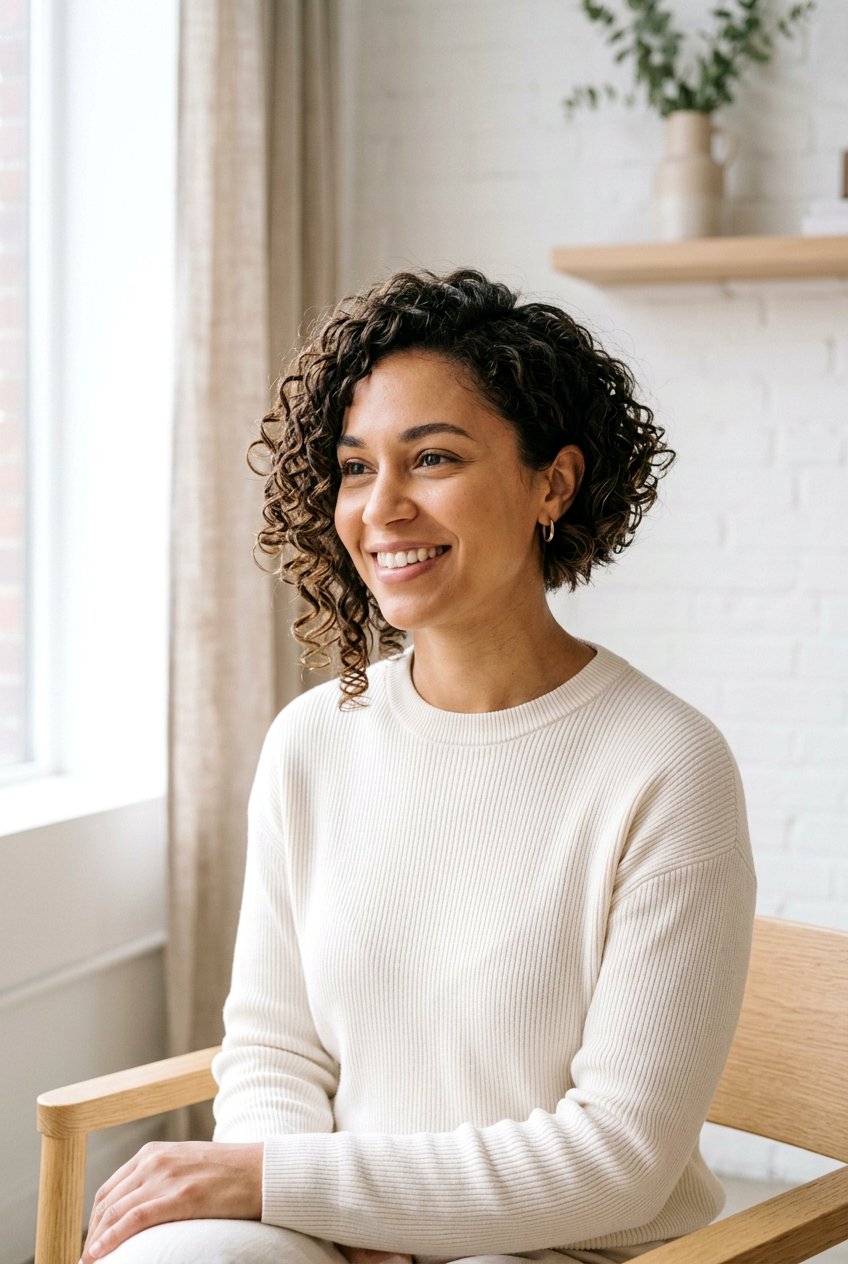
A dry cut curly asymmetrical bob haircut features one side slightly longer than the other, adding edge and interest without sacrificing wearability. Doing this cut on dry hair is crucial, because different sides can have different curl patterns, and shrinkage might exaggerate the asymmetry if not planned. The stylist gradually refines both sides, checking front and back views to ensure the difference looks intentional and flattering rather than accidental. This shape works well with defined curls that hold their pattern, since the contrast shows more clearly. Keep the asymmetry crisp by sleeping with a loose pineapple or silk scarf and refreshing the longer side with a bit of water and product in the morning.
19. Dry Cut Curly Haircut With Hidden Layers

A dry cut curly haircut with hidden layers is perfect if you want lighter, more manageable curls without obvious step‑like layers on the surface. The stylist removes weight from the interior on dry hair, cutting shorter pieces that sit underneath the visible top layer so the outline stays smooth. This helps thick curls collapse closer to the head rather than expanding outward, which can make daily styling easier. Because the hair is cut in its natural state, the hidden layers can be placed exactly where bulk builds up, like the back of the head or just above the nape. Style by using a richer cream for moisture and a touch of gel for hold, then scrunching and diffusing until the curls feel light but still defined.
20. Dry Cut Curly Haircut With Mixed Wet And Dry Technique
A dry cut curly haircut with mixed wet and dry techniques starts with a basic shape cut while the hair is damp, then is refined curl by curl once fully dry. This approach can be helpful when you need to remove more length overall but still want the precision of a dry cut for layering and detailing. The stylist first creates a rough perimeter wet, then dries the hair in your usual style before going back in to correct any unevenness or heavy spots. This combination can offer the best of both worlds for some curl types, especially when transitioning from very long hair to a shorter shape. Maintain the cut by following a consistent wash and styling routine so the curls dry the same way each time, keeping the shape predictable as it grows.
Conclusion:
Choosing a dry cut haircut for curls can transform how your hair behaves, grows out, and fits your lifestyle, because the shape is created around your real texture instead of a stretched, wet version. Whether you prefer long layers, structured bobs, or bold shapes like wolf cuts and undercuts, cutting curls dry lets a stylist respect shrinkage, density, and curl clumping in a way that often feels more predictable. These twenty haircut looks show that there is no single “right” cut for curly hair; the best one is the shape that matches your curl type, face shape, and daily routine. For the best results, arrive at your appointment with clean, product‑set curls, communicate how you usually style your hair, and ask your stylist to talk through how the dry cut will grow out over the next few months. With the right cut and simple at‑home care, your curls can feel lighter, more defined, and more genuinely you every day.
You'll Like These Styles:








Leave a Reply