
Soft jasmine fragrance, shining jewelry, and a perfectly set dupatta—Pakistani bridal hairstyles bring the whole wedding look together in the most timeless way. From classic buns covered in gajras to soft waves flowing under a delicately draped dupatta, today’s brides mix tradition with modern trends to match each event from mehndi to walima. Many 2026 bridal looks highlight volume at the crown, smooth finishes, and secure dupatta setting so the style stays flawless through long events and photos. Brides also love pairing matha patti, passa, and floral jewelry with buns, braids, and open curls for a royal yet feminine touch. Whether you prefer a regal updo or romantic open hair, these Pakistani bridal hairstyles help you choose a complete look that suits your face shape, outfit, and wedding function.
1. Low Floral Bridal Bun With Dupatta
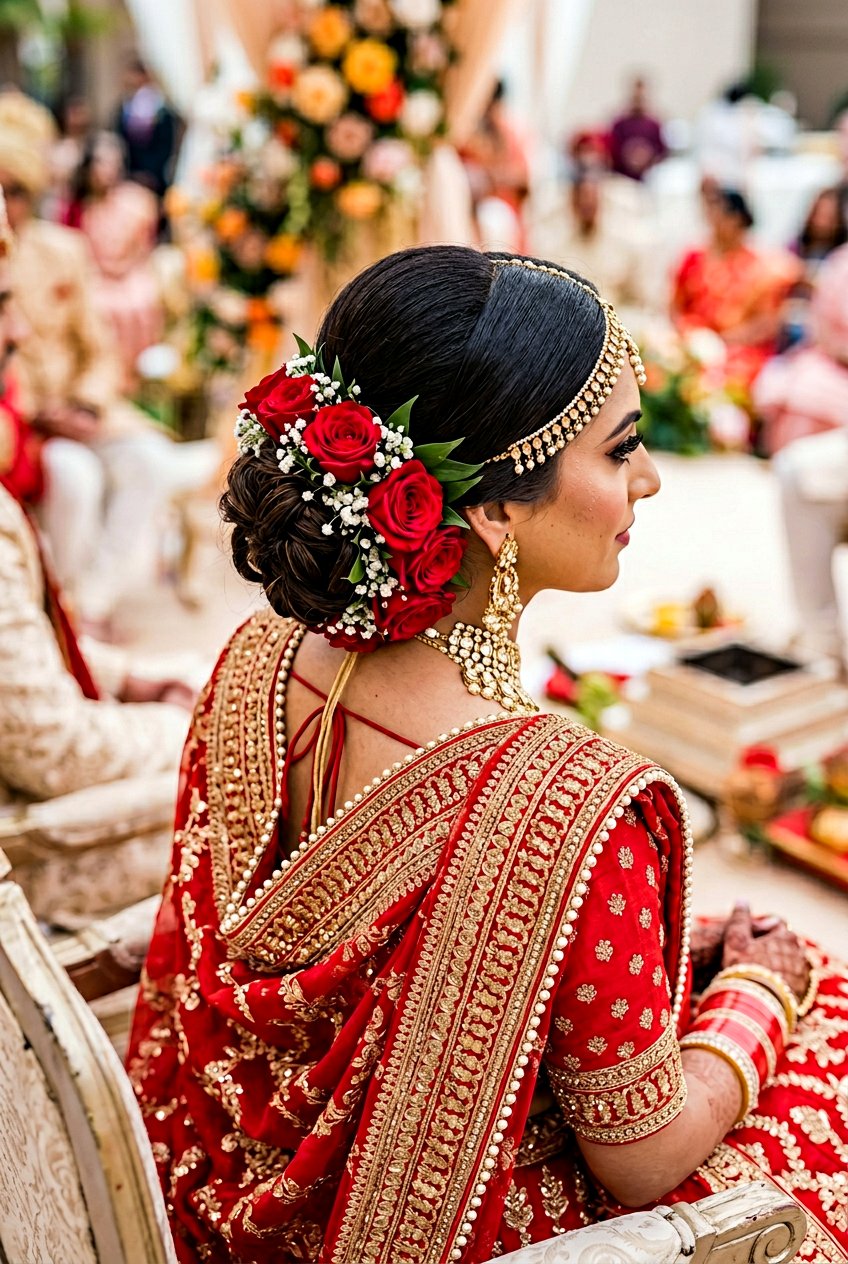
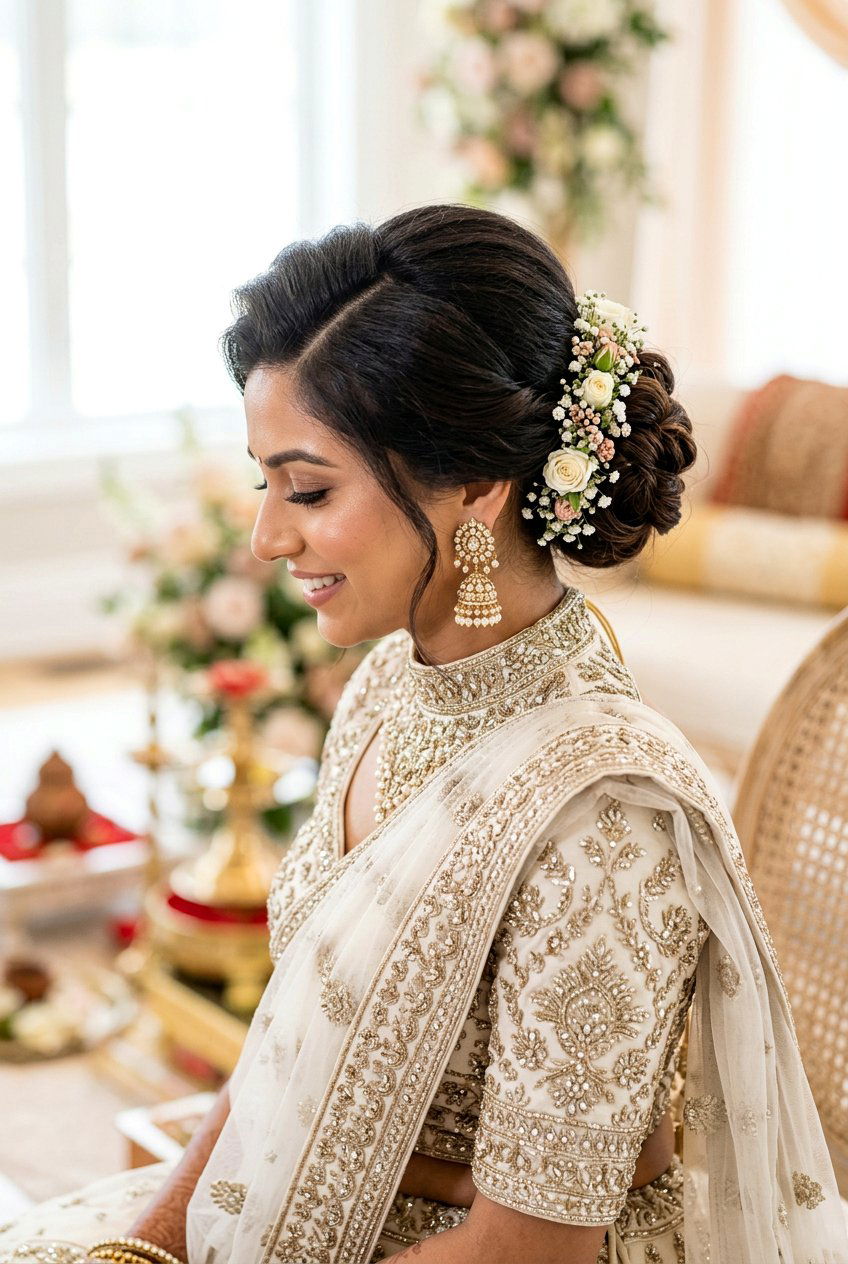
A low floral bridal bun is one of the most classic Pakistani wedding looks and suits almost every traditional bridal outfit. Hair is smoothed back, slightly parted in the center or softly puffed at the crown, then gathered into a neat bun at the nape of the neck to balance heavy jewelry and dupatta. Fresh red or white flowers, usually roses or jasmine, are wrapped around the bun for a luxurious finish that looks beautiful in close-up photos. This hairstyle works especially well for nikah or baraat, because it keeps hair secure while still looking soft and romantic. You can pair it with a bold maang tikka and passa for a regal feel that matches heavily embellished lehengas and shararas.
2. High Bridal Bun For Heavy Dupatta
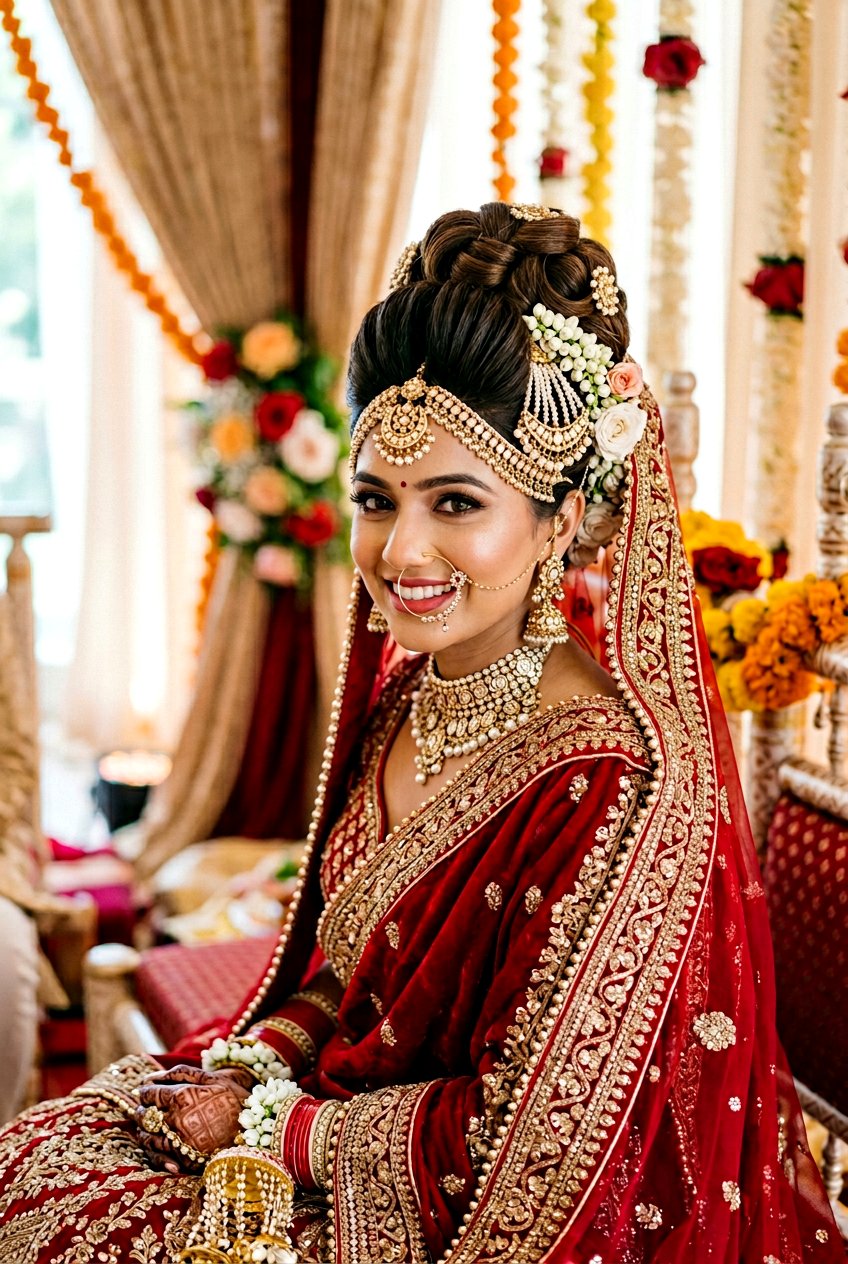
For brides wearing a very heavy dupatta on the head, a high bridal bun provides strong support and graceful height. Hair is backcombed at the crown for volume, then gathered into a firm bun placed slightly higher at the back of the head so pins can hold the dupatta without pulling. Stylists often add hair padding to give extra lift and a smooth, rounded shape that looks polished from every angle. This kind of bun is popular for traditional baraat looks where the dupatta fully covers the head and flows down the back. Pairing it with a full matha patti and jhoomar frames the face beautifully while the bun keeps everything in place through long wedding ceremonies and photo sessions.
3. Center Parted Curls With Matha Patti
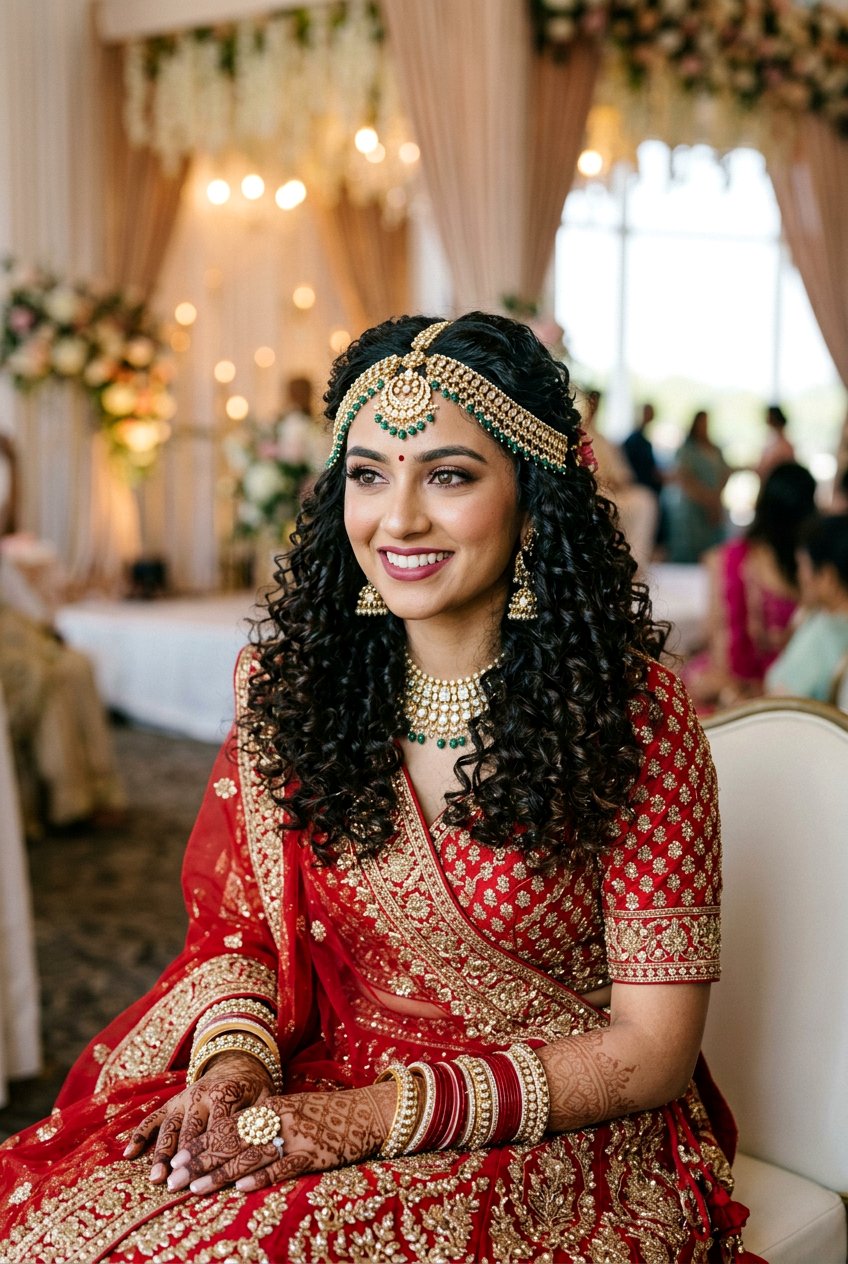
Soft curls with a clean center part and a shining matha patti are a favorite for brides who want a romantic yet structured look. The hair is parted in the middle, smoothed near the roots, and styled into polished curls or waves that fall over the back and shoulders. A matha patti is laid along the hairline, anchored into the parting so it stays secure even with a dupatta draped over it. This hairstyle suits oval and oblong faces especially well, because the center part and fall of the curls balance facial features. It is ideal for baraat or reception when you want your hair to look glamorous in motion without losing that traditional Pakistani bridal charm.
4. Side Swept Bridal Curls With Passa
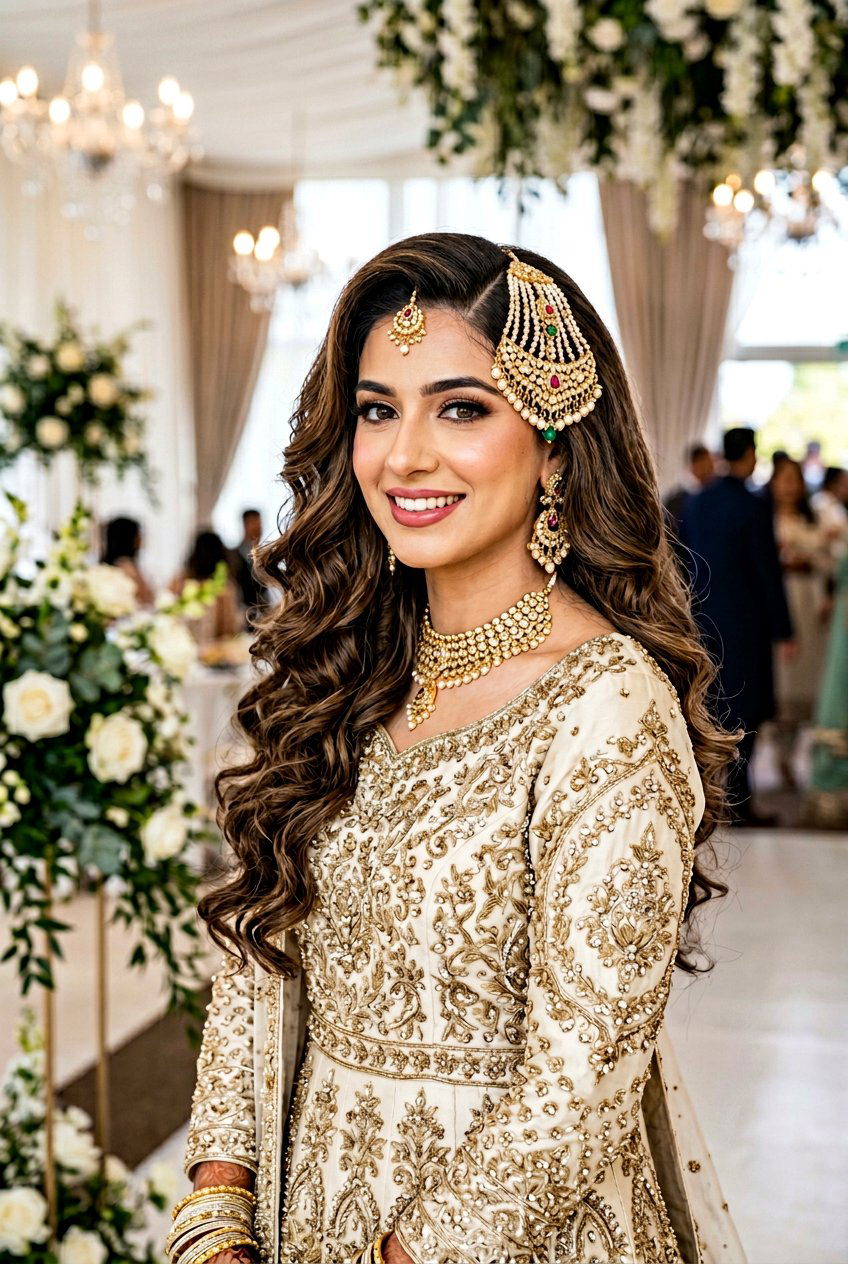
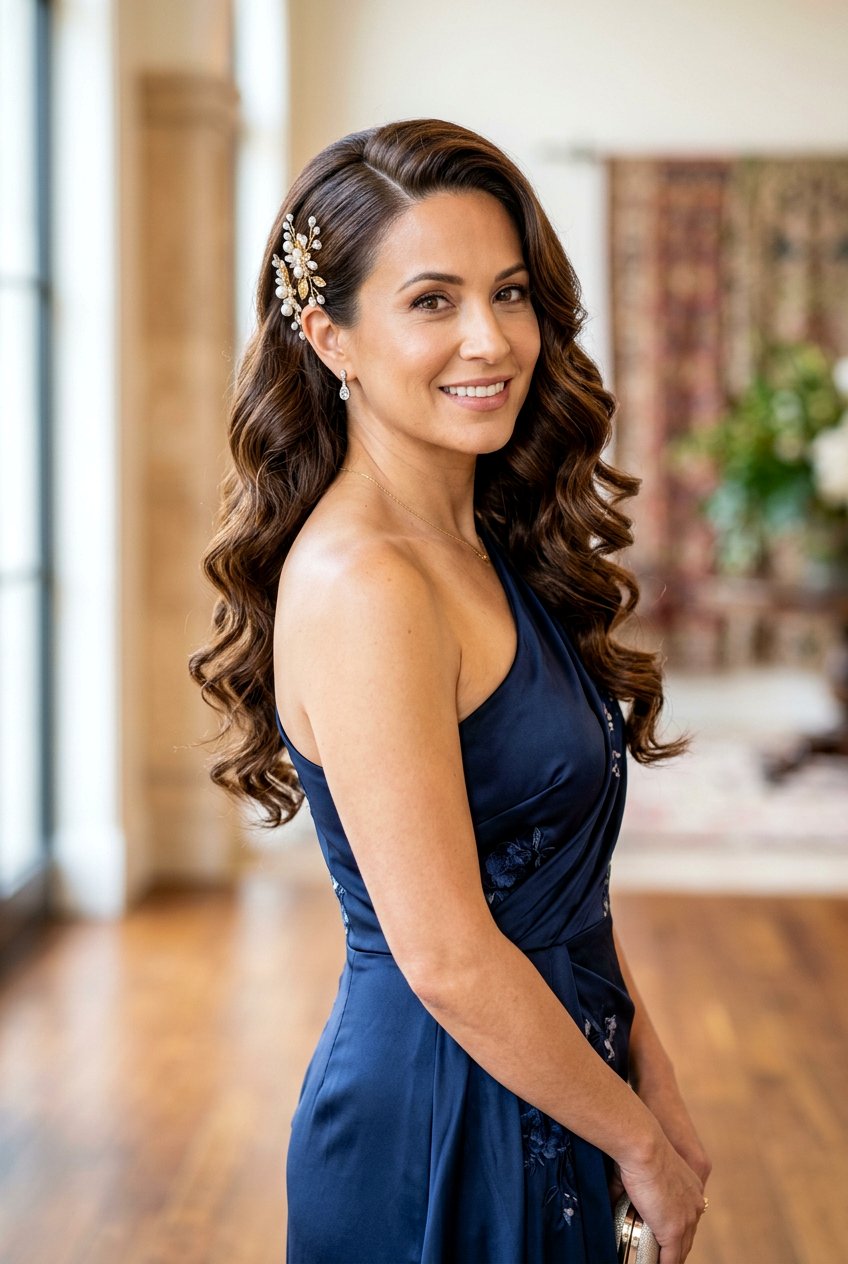
Side swept bridal curls with a passa give a royal, Mughal-inspired look that many Pakistani brides love for walima or reception. Hair is curled into large, soft waves, then swept over one shoulder while the opposite side is smoothed and pinned for a clean profile. A heavy passa is placed on one side to highlight the side part and add drama to close-up photos. This look pairs beautifully with long maxi dresses, gowns, or flowy lehengas, because the cascading curls follow the lines of the outfit. Since most of the hair falls over one side, it also photographs well in seated portraits and during couple shots on the stage.
5. Braided Crown Half Up Bridal Hair
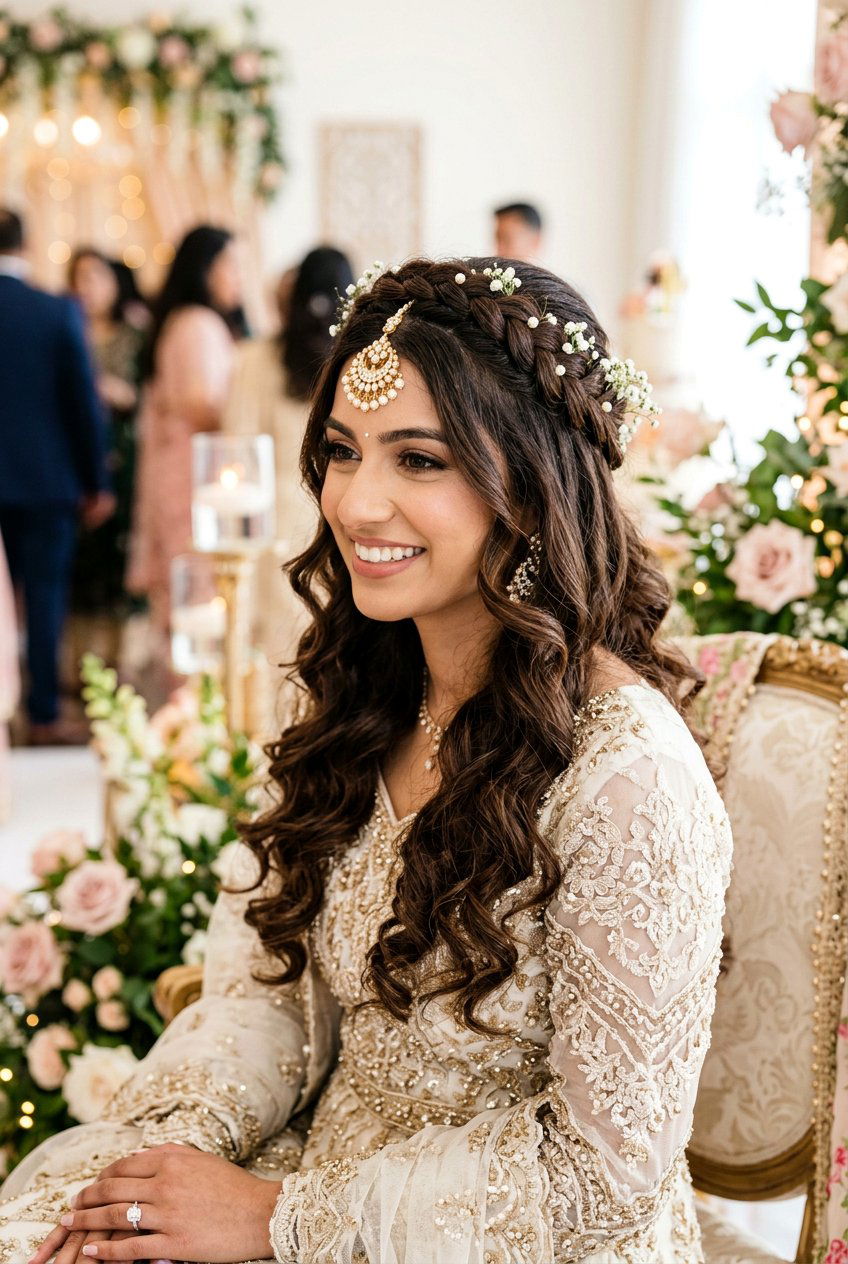
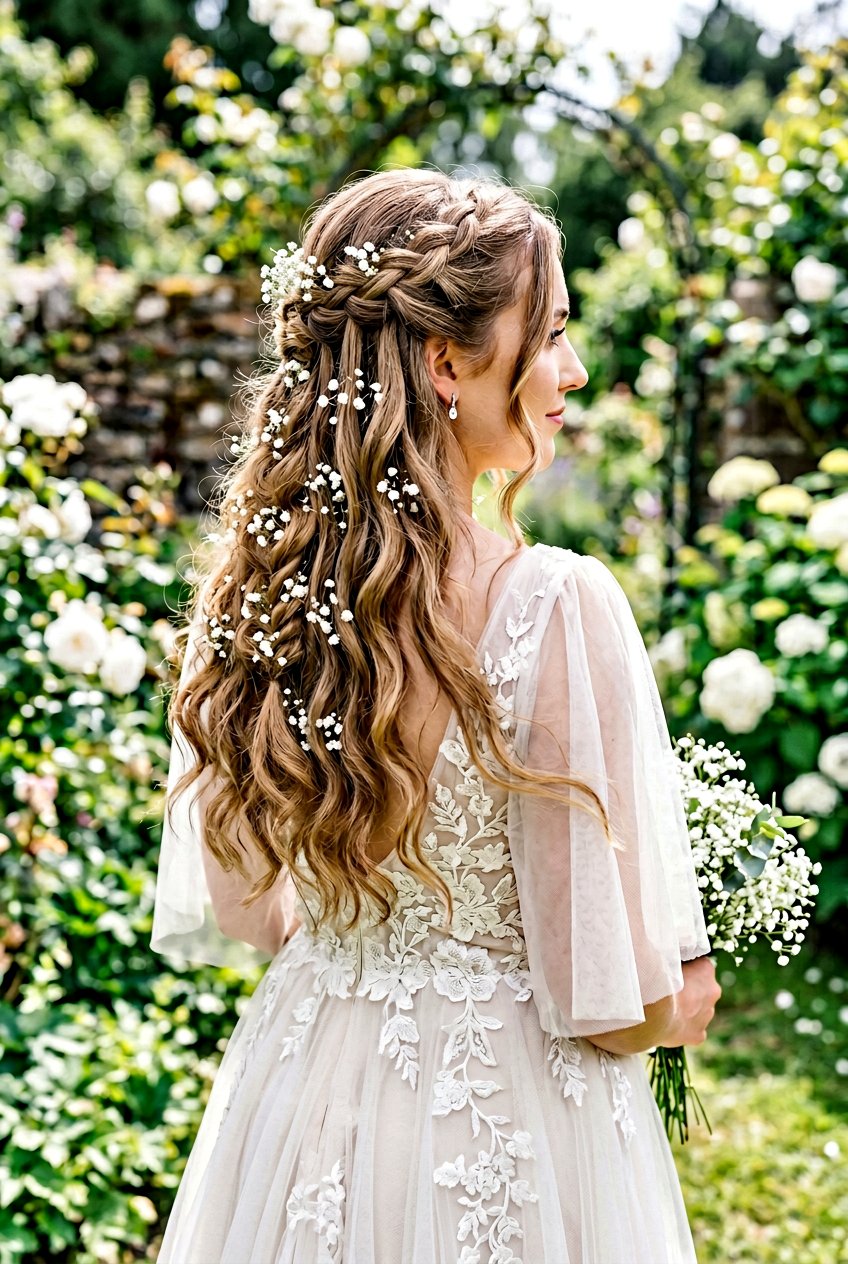
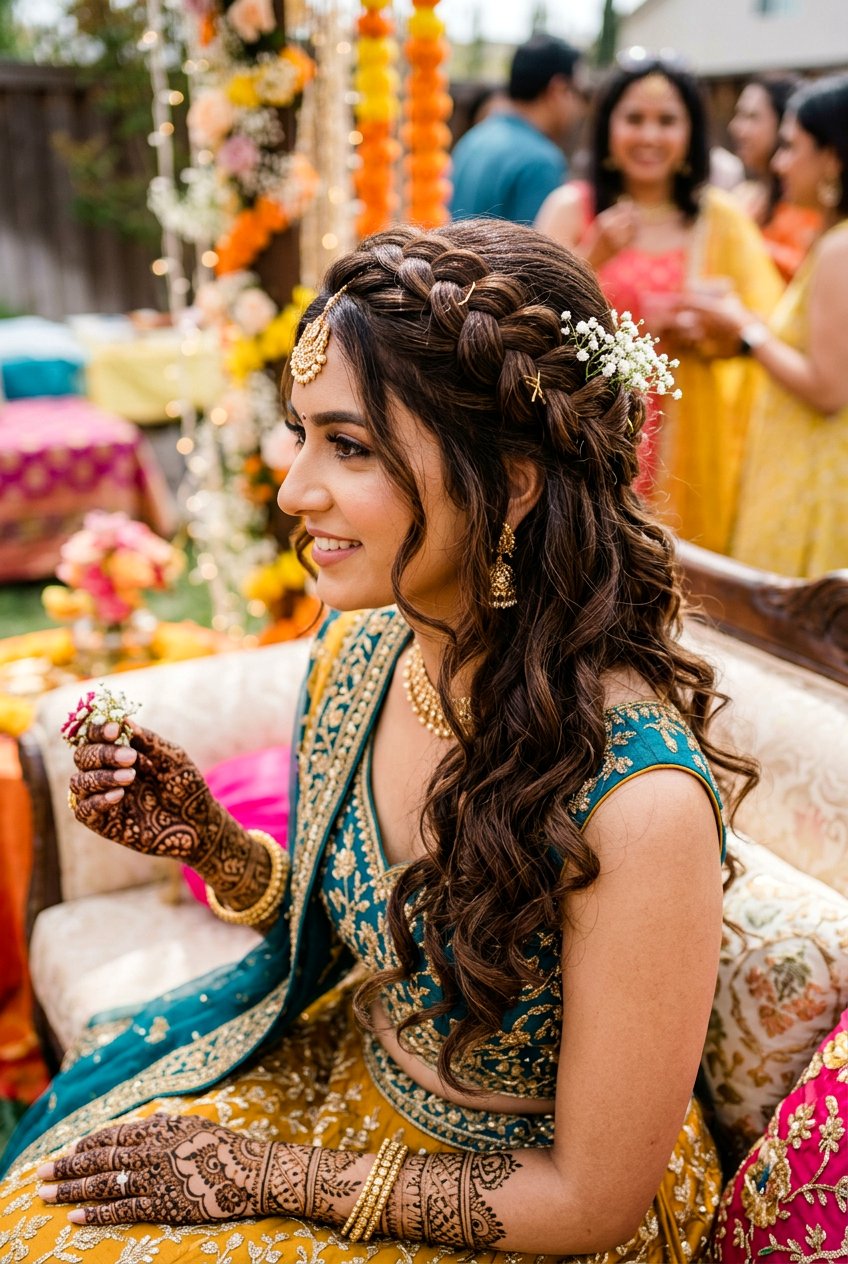
Braided crown half up bridal hair combines the comfort of open hair with the structure of an updo, making it popular with modern Pakistani brides. The top section of hair is braided along the crown or from each side, then joined at the back to create a braided headband effect. The remaining hair is curled and left to fall down the back in loose spirals or waves, giving a soft, romantic finish. This hairstyle is perfect for engagement, mehndi, or lighter walima looks, especially when paired with delicate tikka or hair vines. It also works well for brides who want their dupatta to sit slightly behind the crown while still showing off their hairstyle in photos.
6. Traditional Fishtail Braid Mehndi Look
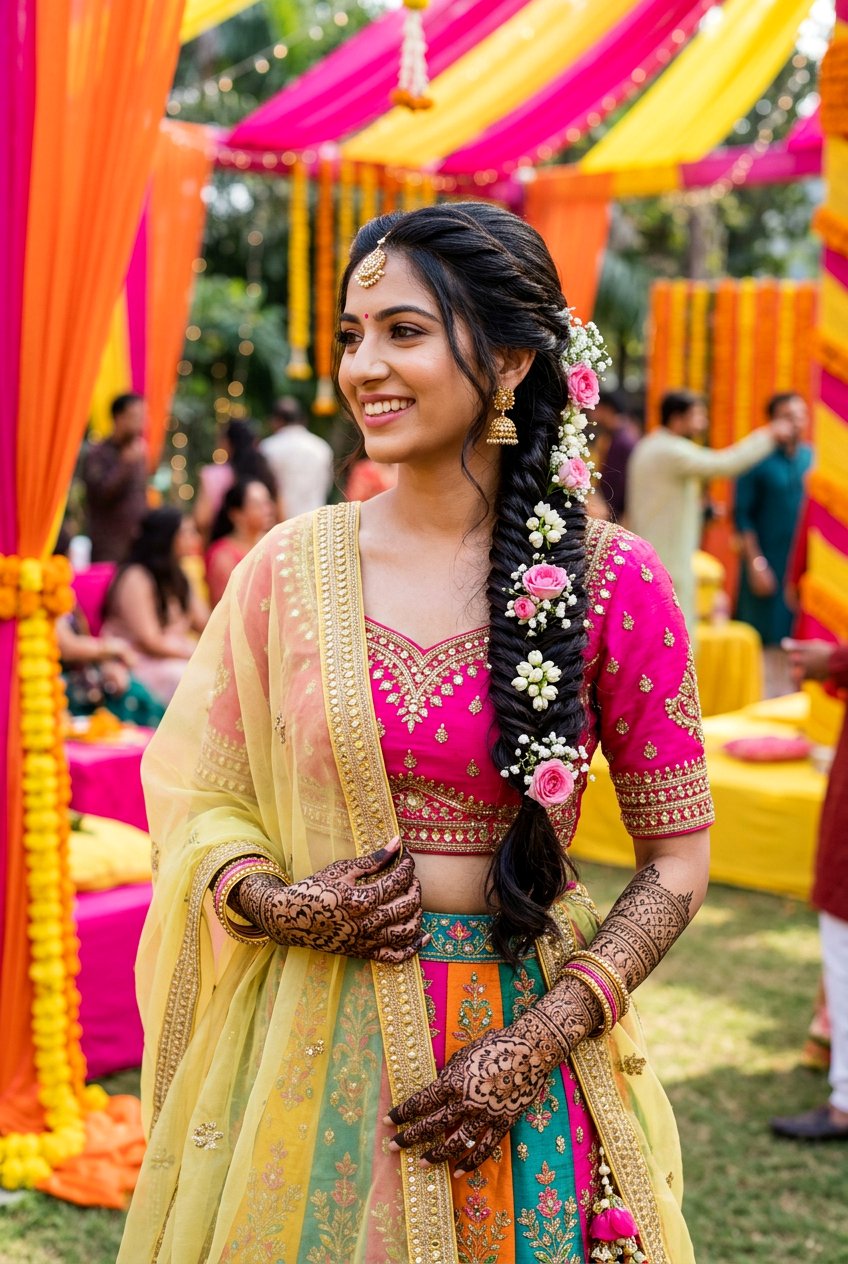
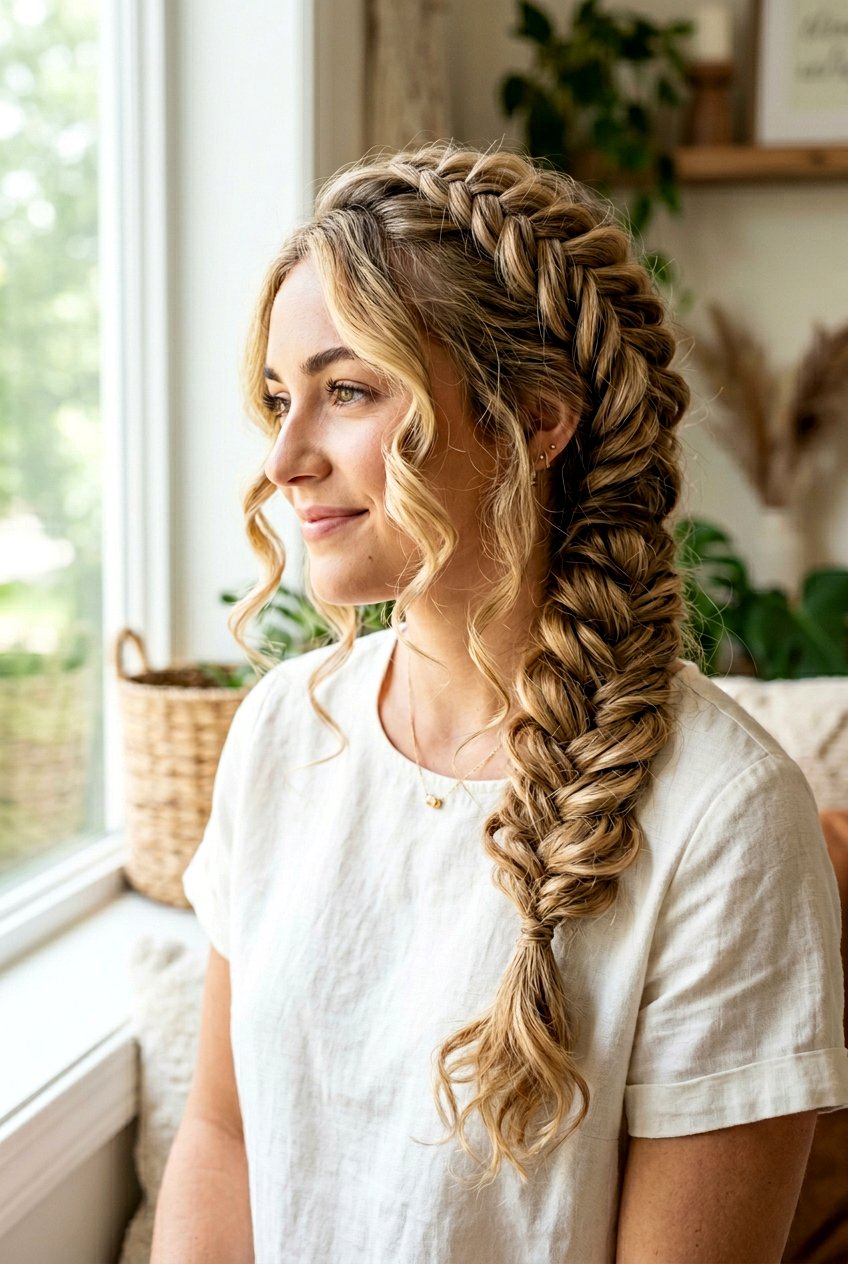
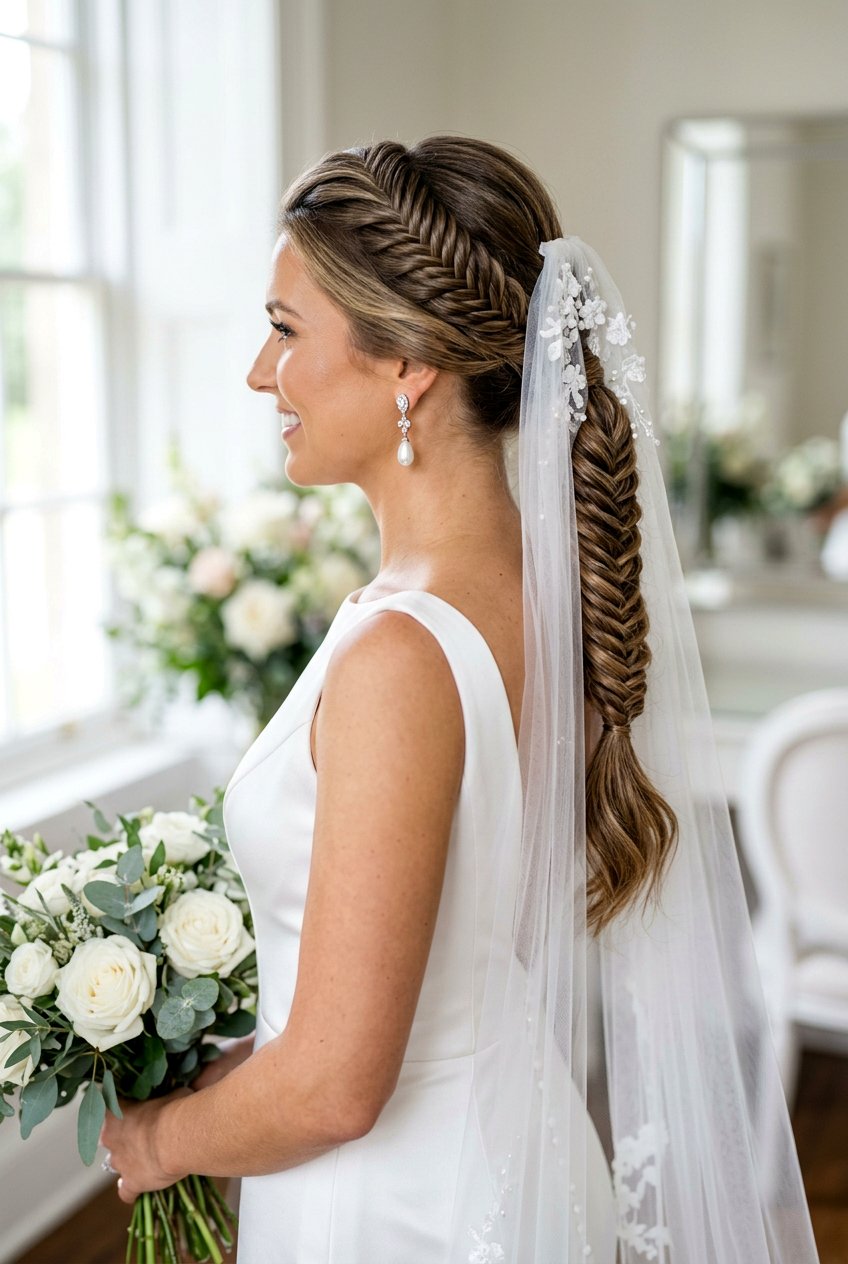
A traditional fishtail braid is a go-to choice for Pakistani mehndi functions, where brides often prefer playful yet traditional hair. Hair is sectioned and woven into a long fishtail braid, usually starting from the nape or slightly higher to keep it secure through dancing and movement. The braid can be pulled out slightly to look fuller and more textured, giving more presence from the back. Fresh flowers, parandas, or colorful ribbons may be woven along the length to match the bright mehndi outfit. This look pairs beautifully with floral jewelry, tikka, and a lightly draped dupatta so the braid remains visible in pictures from every side.
7. Bubble Braid Bridal Hairstyle
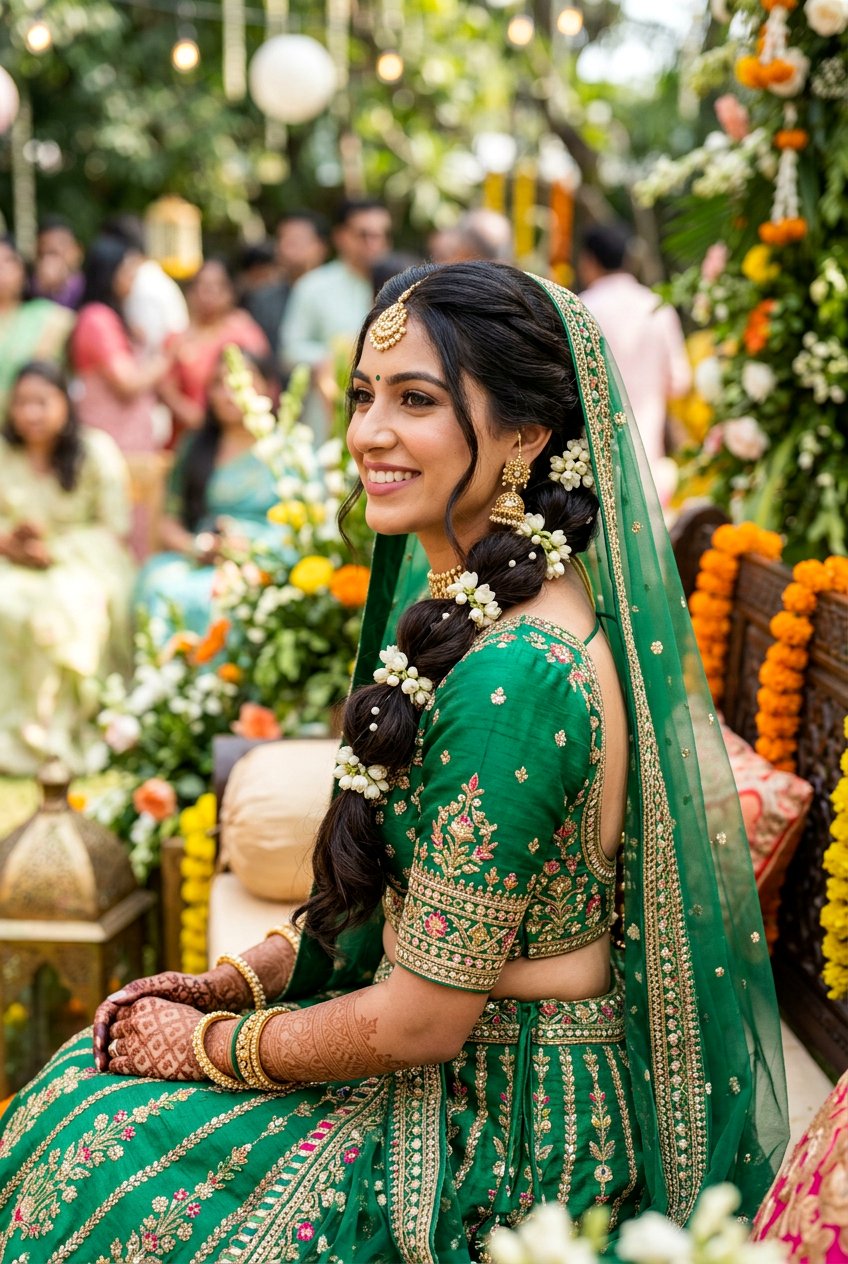
Bubble braids are a trendy choice for Pakistani brides who want something cute and contemporary without losing traditional charm. Hair is gathered into a low or mid ponytail, then secured with elastics spaced evenly down the length, with each section gently pulled to create “bubbles.” This style gives the illusion of a thick, voluminous braid and holds well through long events. Brides often decorate each bubble with small floral clusters or pearl accessories to coordinate with jewelry and outfit details. Bubble braids are especially popular for mehndi and haldi functions, where a playful hairstyle suits colorful, more relaxed looks.
8. Messy Textured Bridal Bun With Flowers
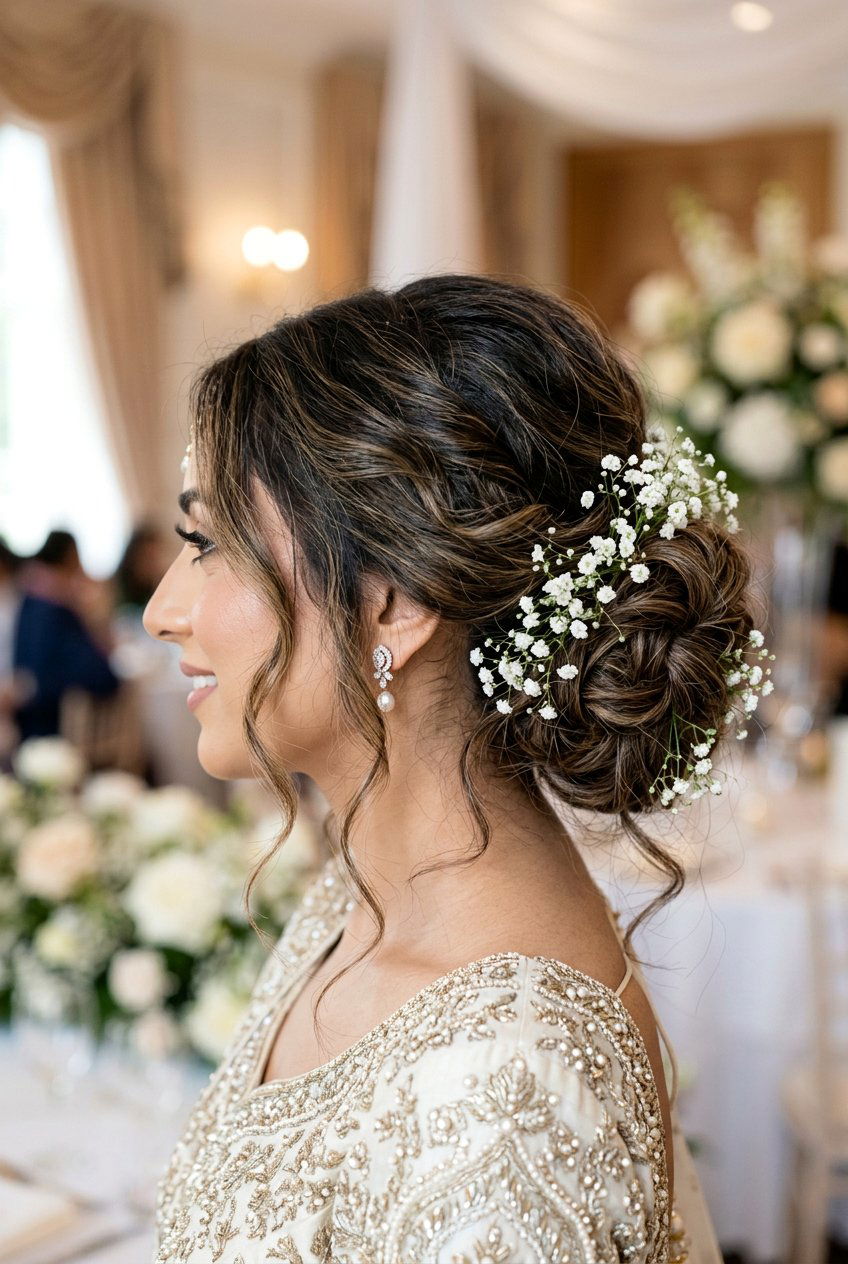
A messy textured bridal bun offers a softer, more modern take on the traditional Pakistani bun while still looking formal. Hair is curled first to create texture, then loosely twisted and pinned into a bun with tendrils left out around the face and nape. This gives a romantic, airy look that pairs beautifully with fresh flowers or baby’s breath tucked through the bun. Brides often choose this bun for engagement or walima when they want something less rigid but still elegant with dupatta. Because of the texture and volume, it photographs especially well in side and back shots, highlighting hair accessories and veil draping.
9. Half Tied Curls For Short To Medium Hair
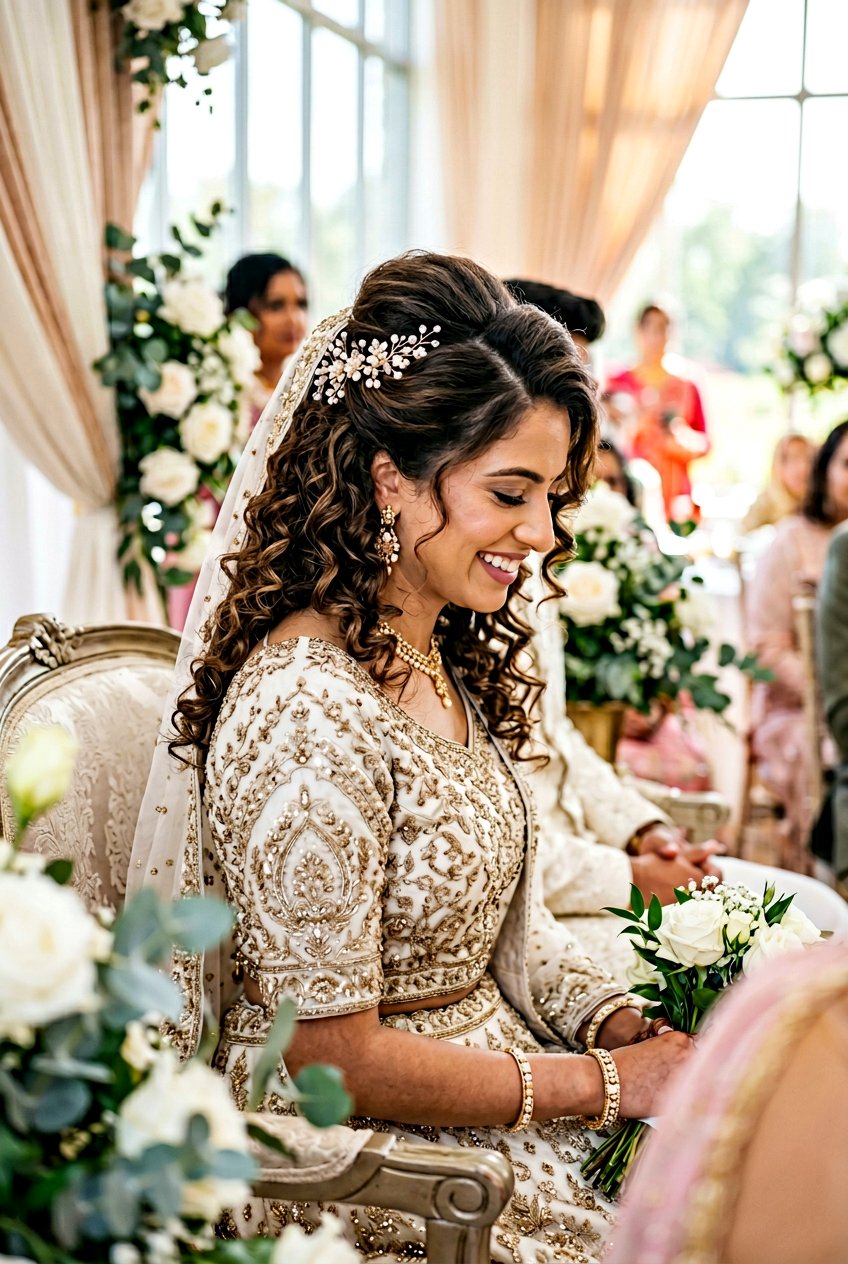
Half tied curls are an ideal Pakistani bridal hairstyle for brides with short to medium hair who still want a glamorous bridal feel. The top section of hair is gently backcombed for lift and then pinned back, leaving some volume at the crown. The rest of the hair is curled into soft spirals that frame the face and fall around the shoulders. This look works well for engagement, nikah, or intimate wedding events where a heavy updo is not required. Pairing it with a delicate tikka or small matha patti and lightweight dupatta keeps the hairstyle visible while maintaining a traditional bridal touch.
10. Sleek Low Bun With Center Part
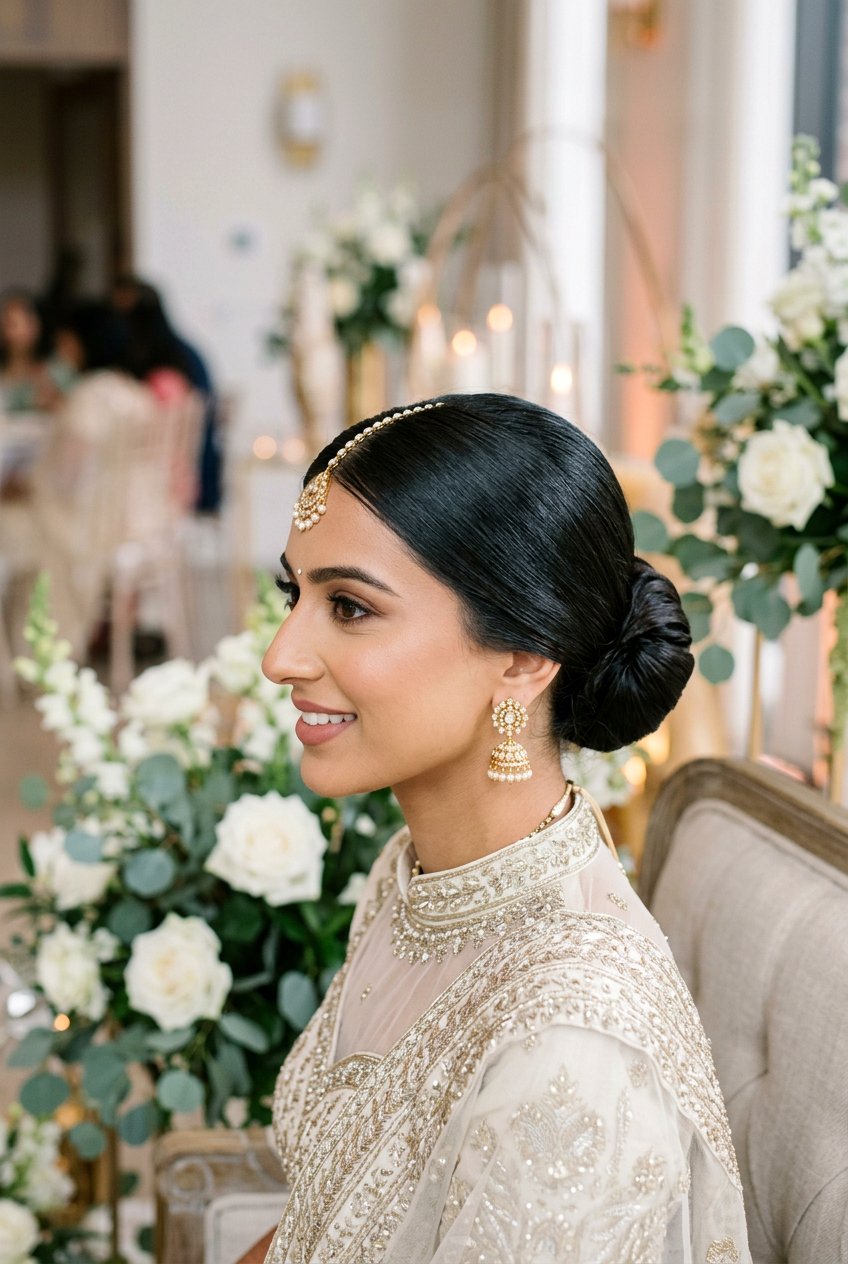
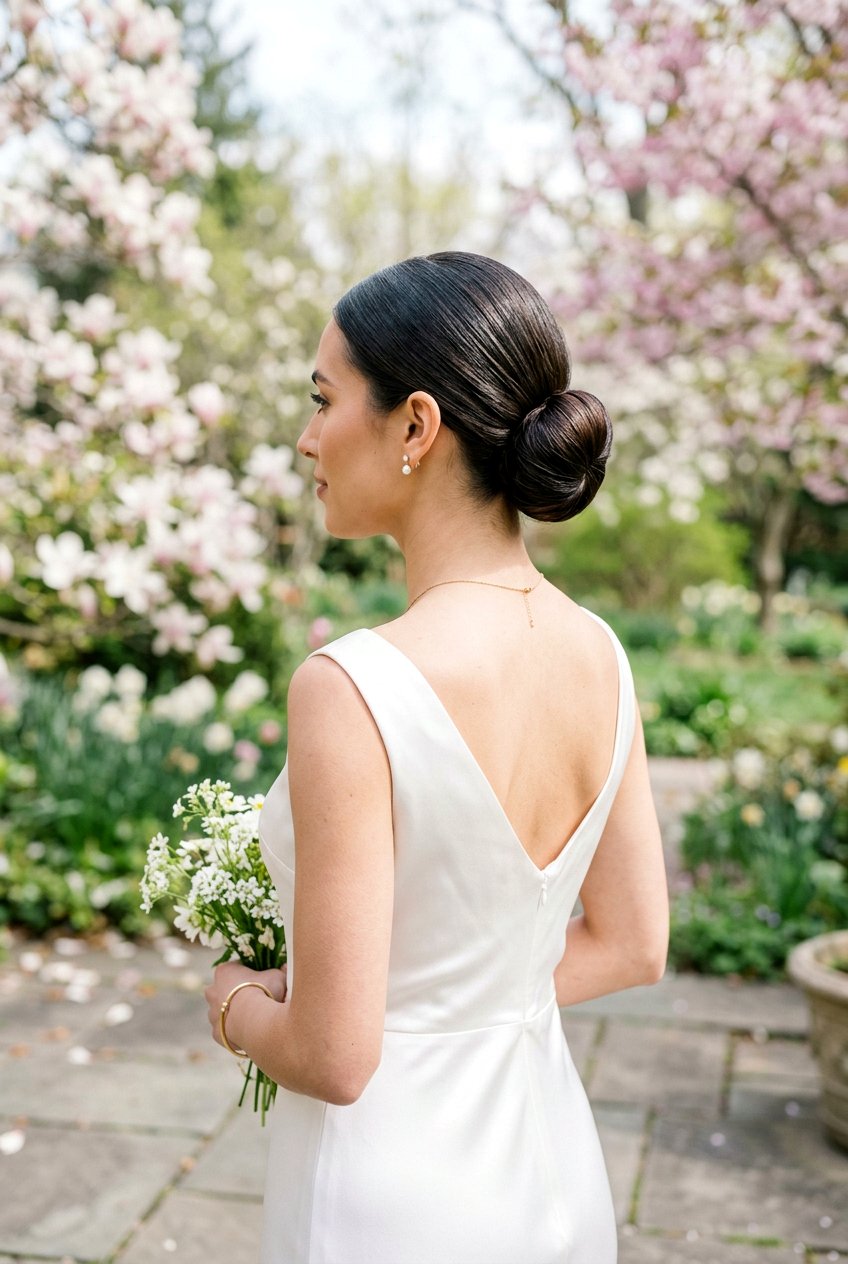
A sleek low bun with a center part is perfect for brides who love a minimal yet powerful bridal look. Hair is neatly parted in the middle, smoothed with serum or spray, and pulled into a tight, polished bun at the nape. This style highlights facial features and bridal makeup, making it popular with high-neck or heavily embroidered necklines. It is especially chic for nikah ceremonies and walima receptions with modern, structured outfits. A subtle tikka, small jhumkas, and clean dupatta draping over the head complete the look without distracting from the simple bun.
11. Open Soft Waves With Double Dupatta
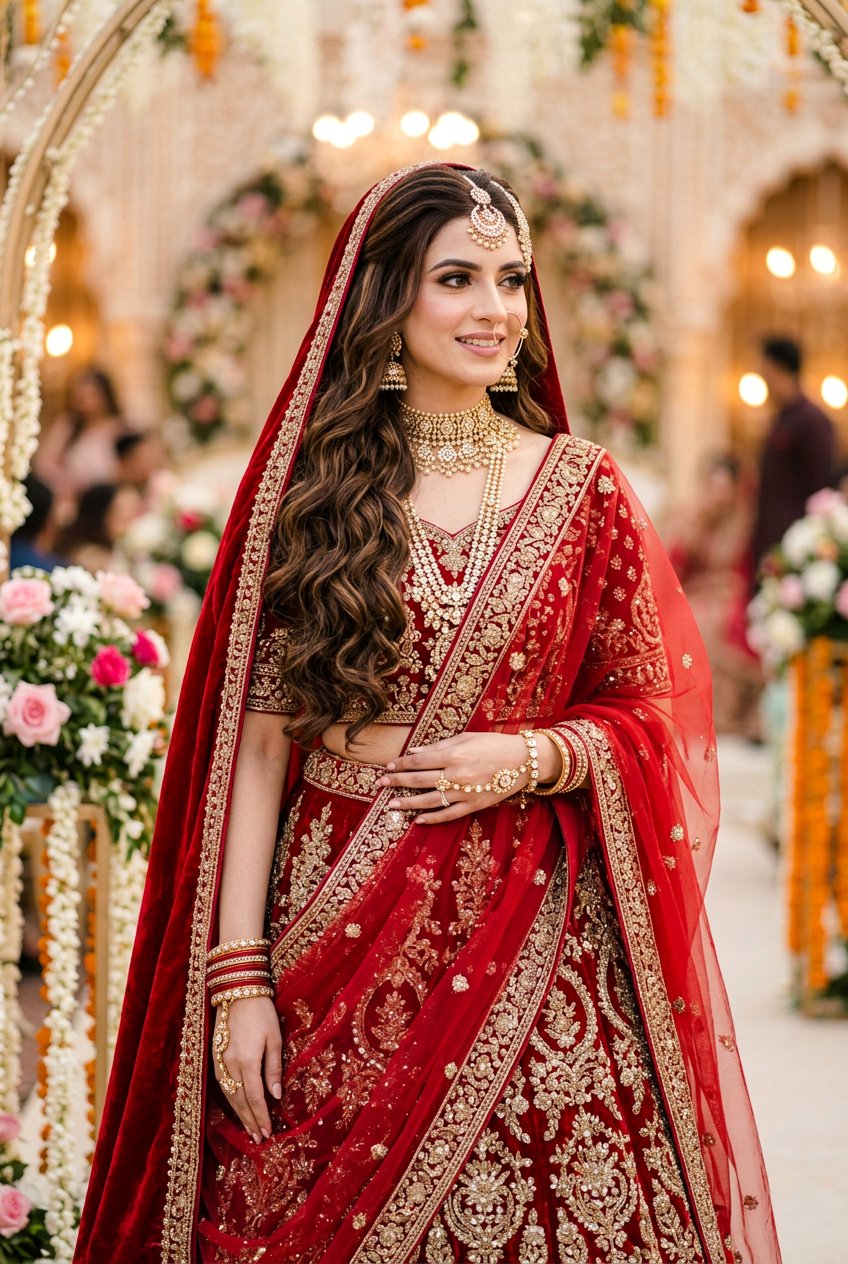
Open soft waves paired with a double dupatta give a very royal Pakistani bridal look inspired by historic Mughal aesthetics. The hair is styled into loose, glossy waves that fall down the back and over the shoulders. One dupatta is set over the head for tradition, while the second is draped more stylishly around the shoulders or across the front. This hairstyle is popular for barat or walima when brides want flowing hair but still respect cultural dupatta customs. Accessories like tikka, passa, and earrings stand out beautifully against the waves and layered dupattas in stage and portrait photos.
12. Side Parted Hollywood Waves Bridal Look
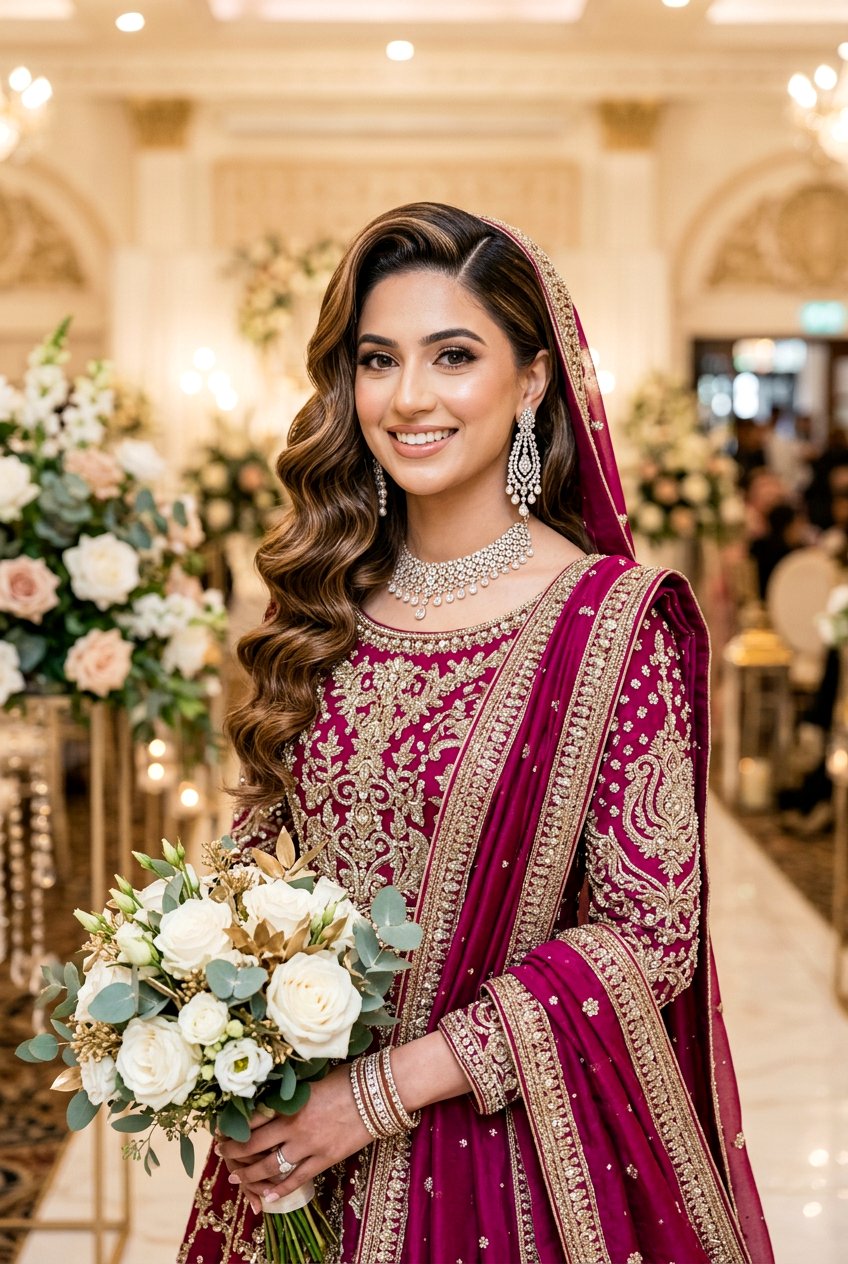
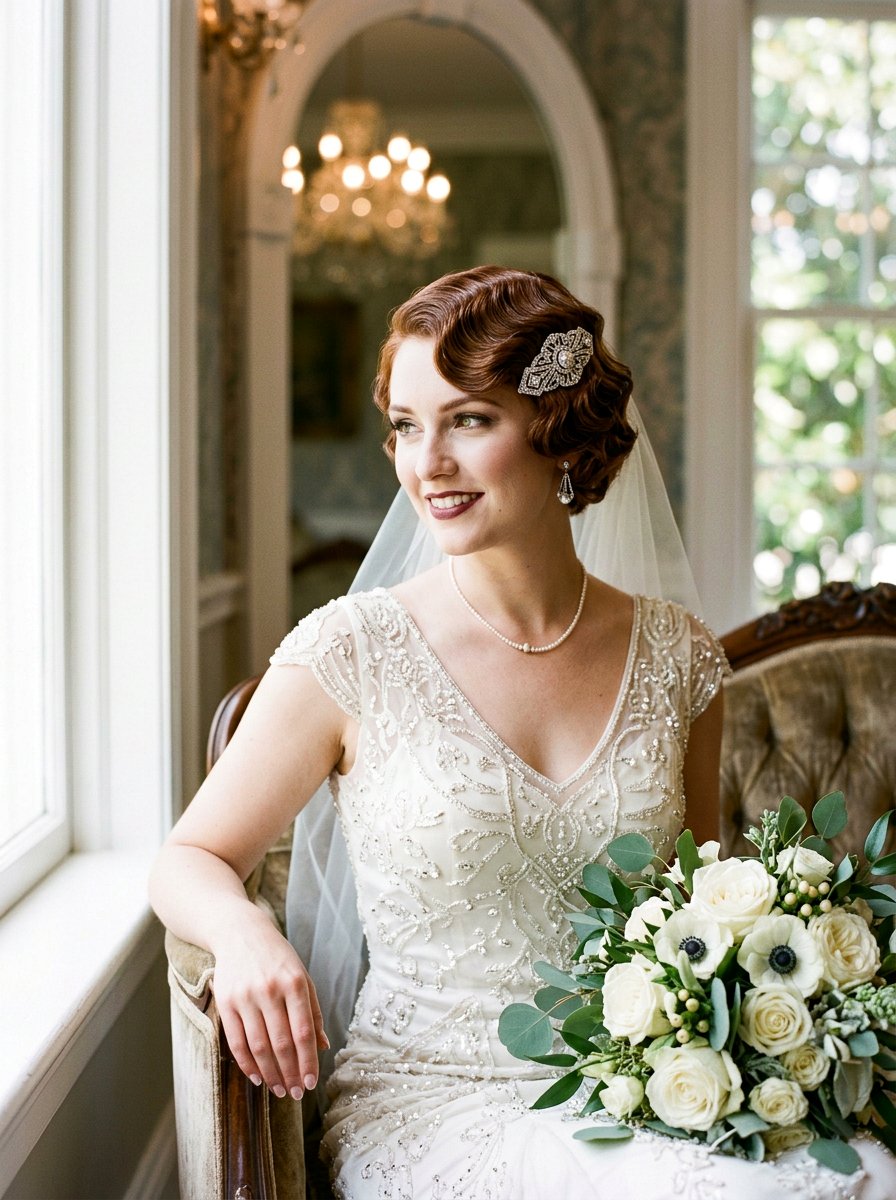
Side parted Hollywood waves bring old-school glamour to Pakistani bridal fashion and work well for formal walima events. Hair is deeply parted to one side, then styled into structured, shiny waves that sit smoothly against the head and cascade over one shoulder. This sleek yet voluminous look complements fitted maxi dresses, fishtail gowns, and contemporary bridal cuts. Brides often skip very heavy head jewelry with this hairstyle and instead choose statement earrings and a delicate tikka for balance. The smooth finish and defined waves photograph beautifully under bright wedding lighting, making this a favorite for reception stages.
13. Traditional Gajra Bun Pakistani Bride
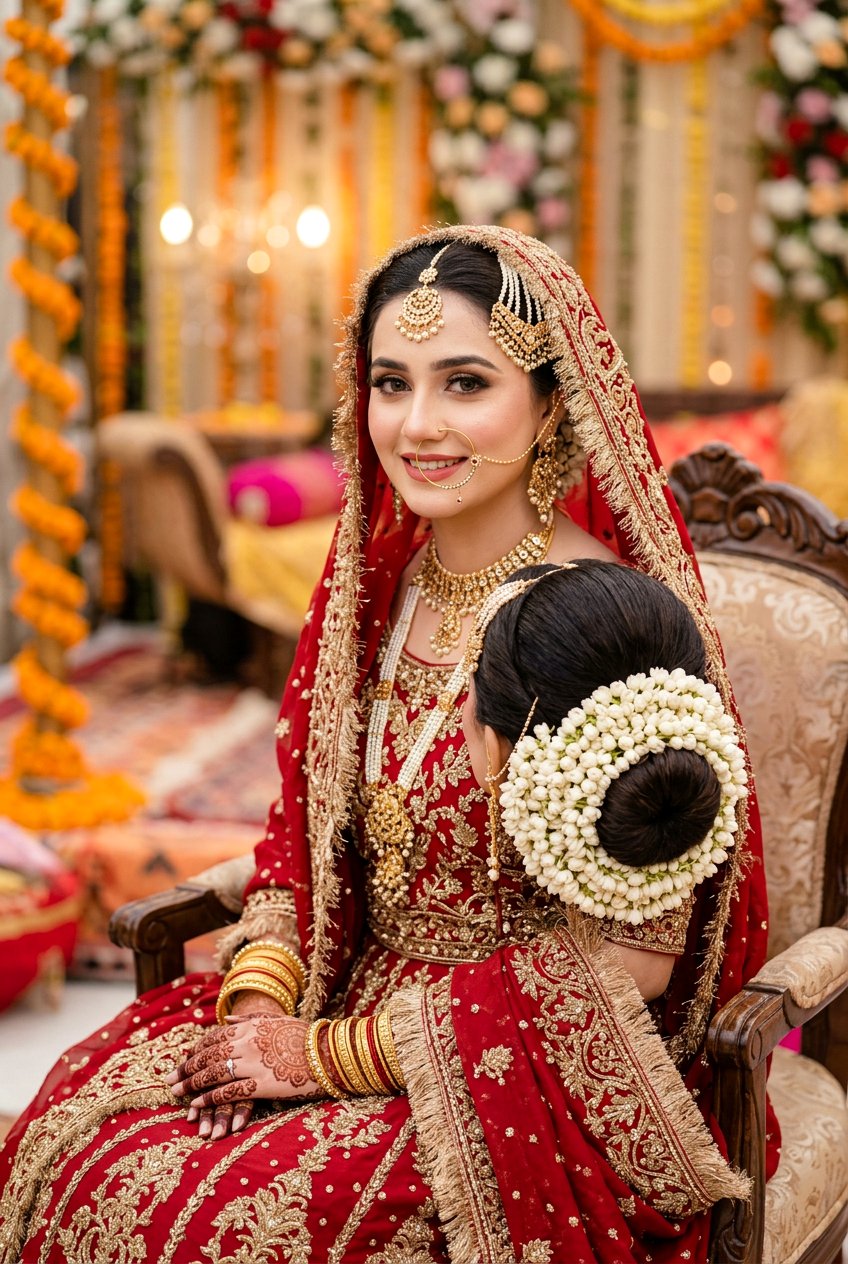
The traditional gajra bun remains a timeless favorite for Pakistani brides who love classic, fragrant hairstyles. Hair is usually styled into a neat mid or low bun, with a clean parting and modest volume at the crown. Fresh jasmine gajras are wrapped around the bun or layered to fully cover it, creating a stunning white floral halo. This hairstyle is perfect for nikah or baraat when you want a strong cultural touch that instantly says “bridal.” Paired with gold jewelry, tikka, and a richly embroidered dupatta, the gajra bun completes a traditional dulhan look that never goes out of style.
14. Twisted Bridal Updo With Pearls
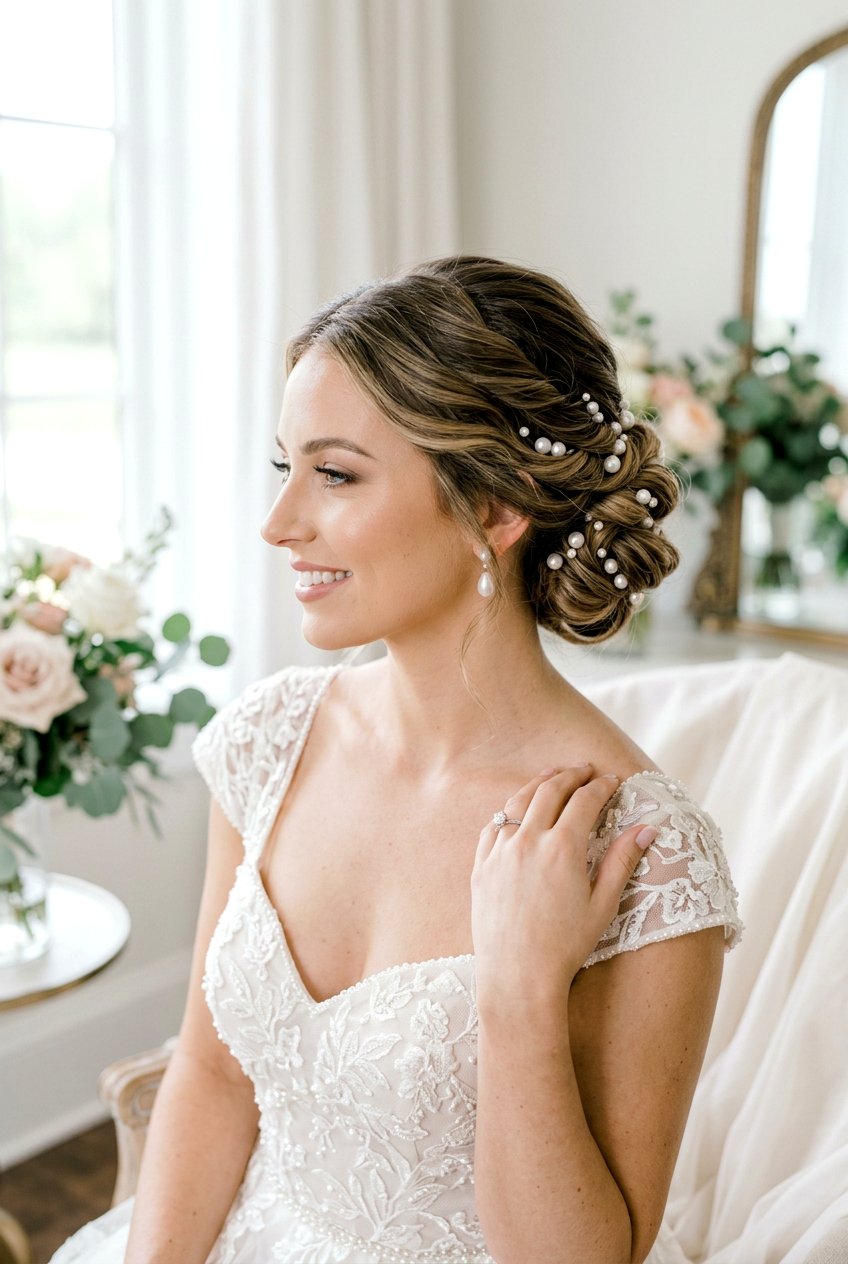
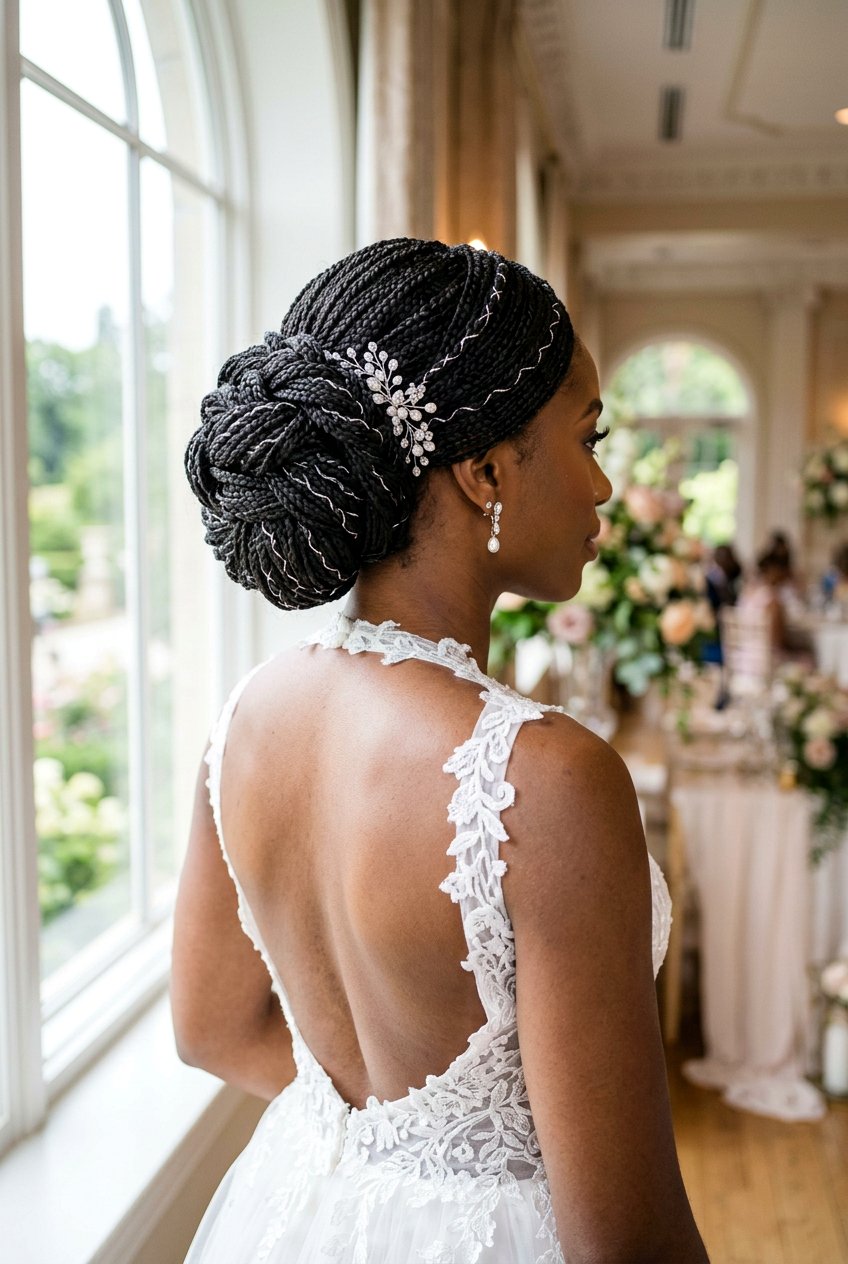
A twisted bridal updo decorated with pearls is an elegant option for brides who want detail without too much volume. Sections of hair are twisted and crossed at the back, then pinned into an updo that looks intricate from every angle. Small pearl pins or combs are scattered through the twists to add shine and match pearl jewelry or dress detailing. This hairstyle works for medium to long hair and suits engagement, nikah, or walima settings. Because it keeps hair off the neck and shoulders, it is also comfortable for brides wearing heavy, high-collared bridal outfits.
15. Front Puff Bridal Bun Hairstyle
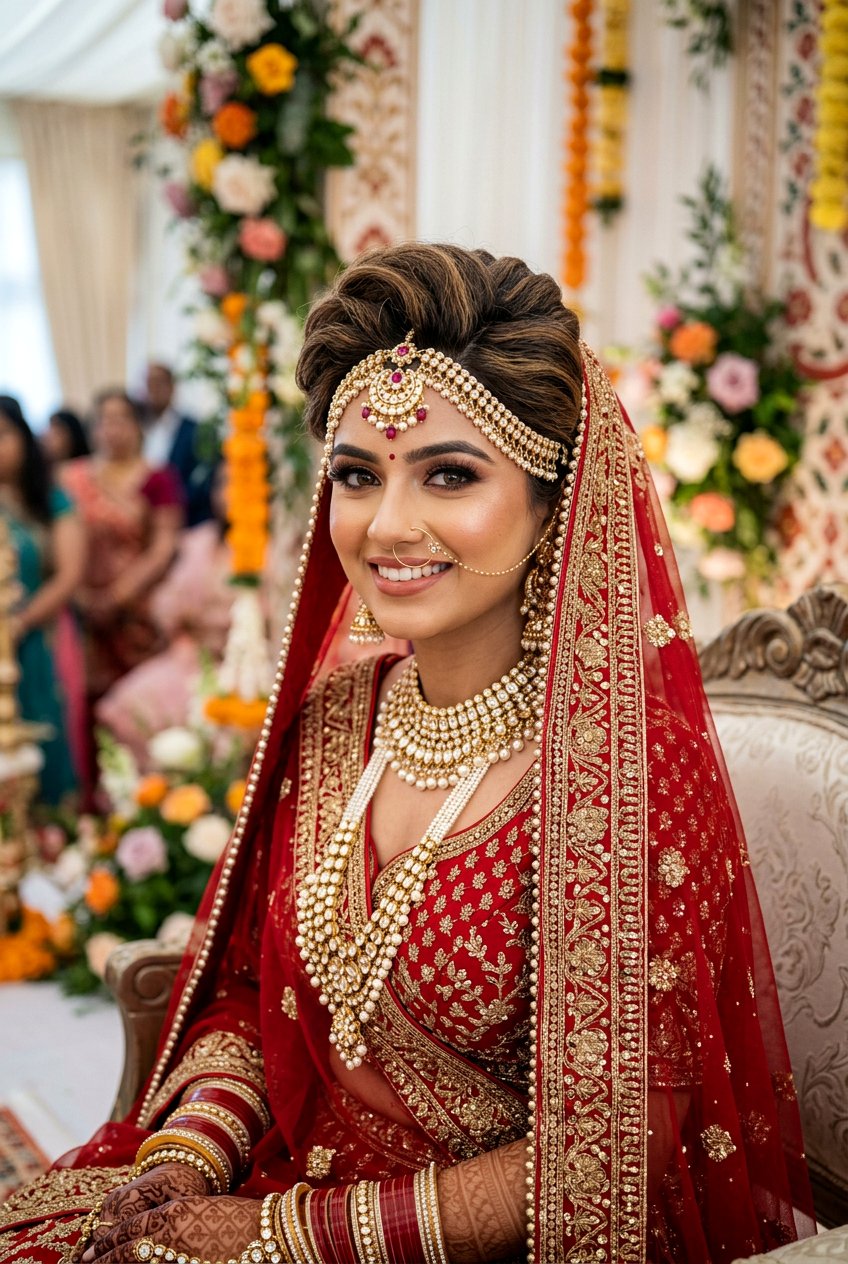
Front puff bridal buns are very popular in Pakistani salons and give brides both height and drama at the front. The front section is backcombed and shaped into a puff or slight bouffant, while the rest of the hair is pulled into a bun at mid or low height. This creates a balanced look that suits round and square faces, stretching the face visually. Brides often choose this for baraat, especially when pairing it with a full matha patti or head jewelry that needs volume underneath. A well-set puff also helps support the dupatta so it does not slide forward during the event.
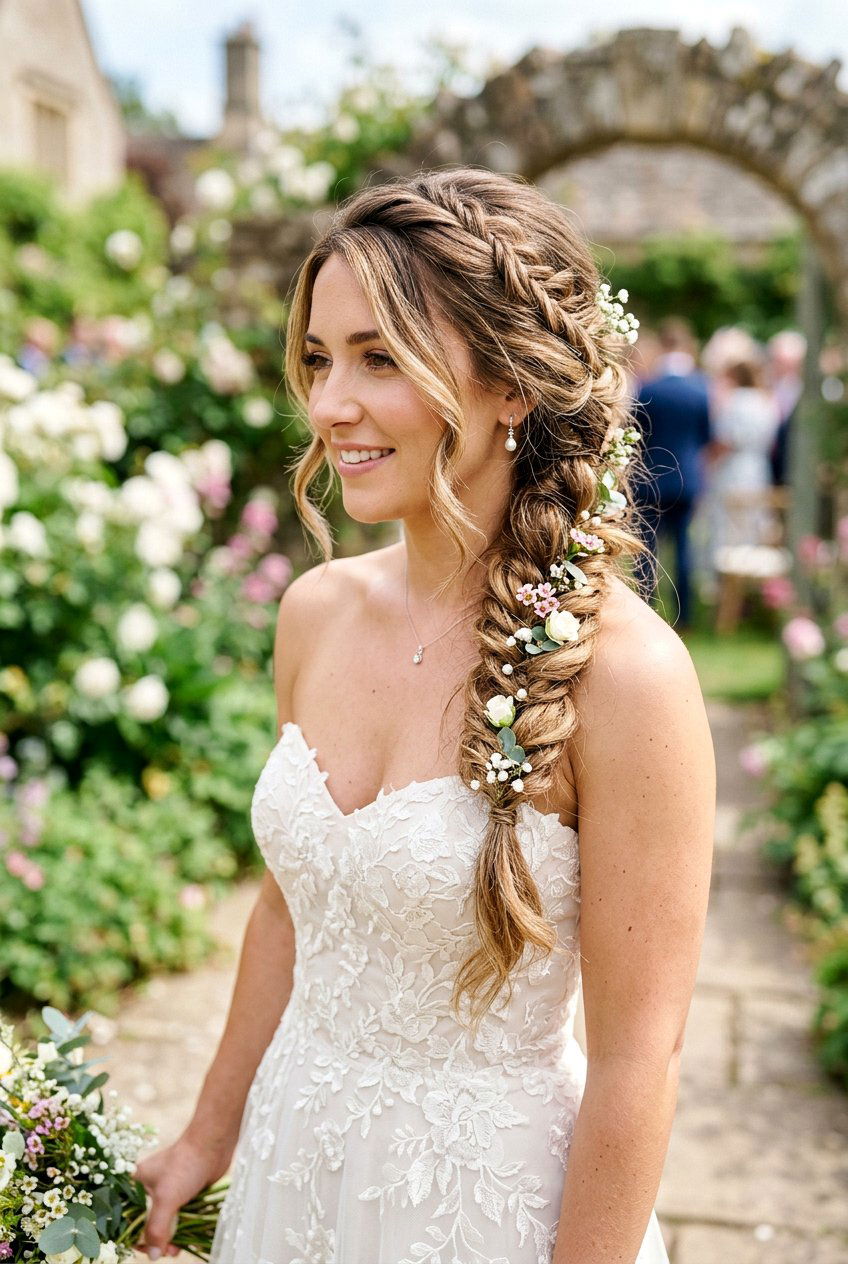
16. Center Parted Floral Mehndi Hair
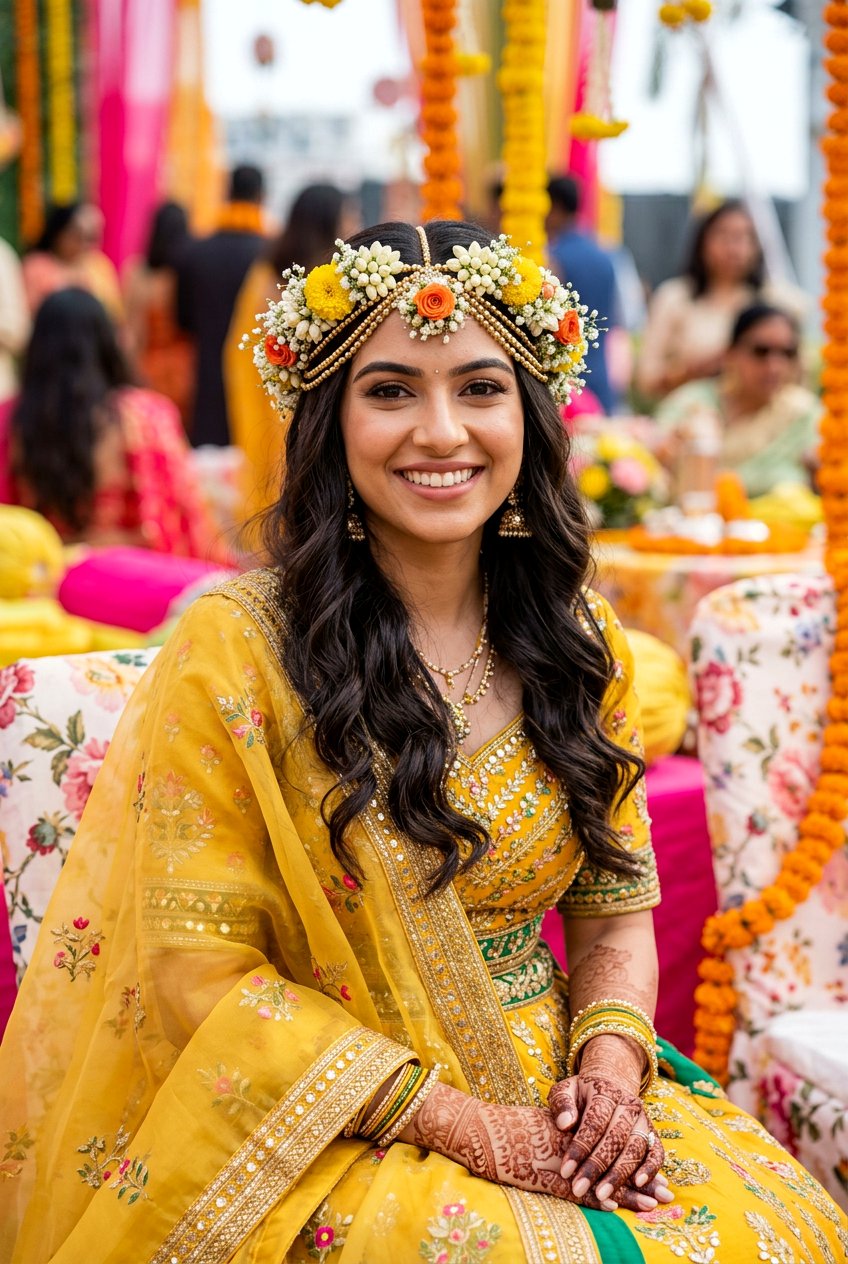
Center parted floral mehndi hair is a softer, more playful look for pre-wedding events. Hair is parted in the middle and styled into loose curls or waves, then adorned with fresh flower strands or floral jewelry around the crown and sides. Many mehndi brides pair this with matching floral earrings and necklaces to keep the whole look cohesive. The hairstyle is usually left semi-open so it feels lighter and more comfortable for dancing and fun activities. A light dupatta is often draped over the back or one side instead of fully over the head to show off the flowers.
17. Simple Pakistani Bridal Ponytail With Volume
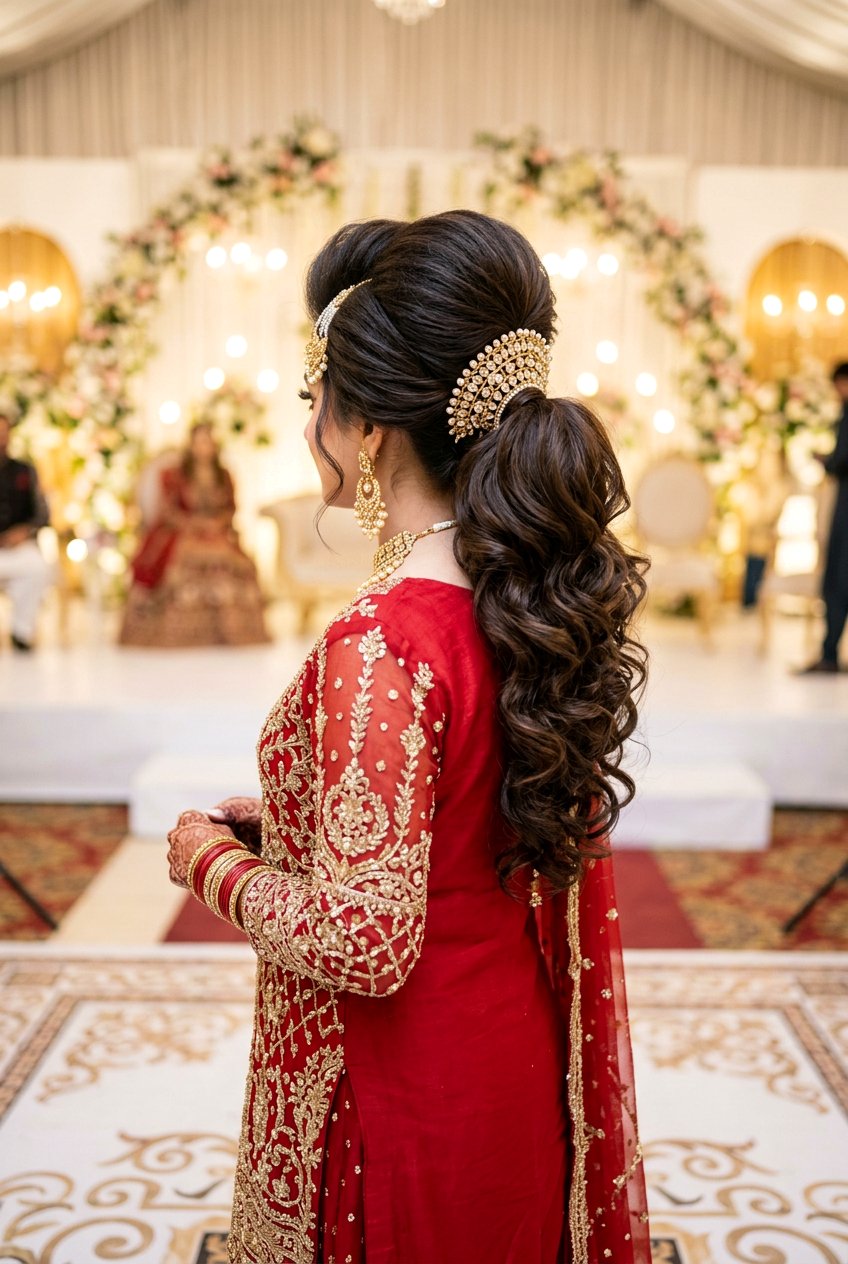
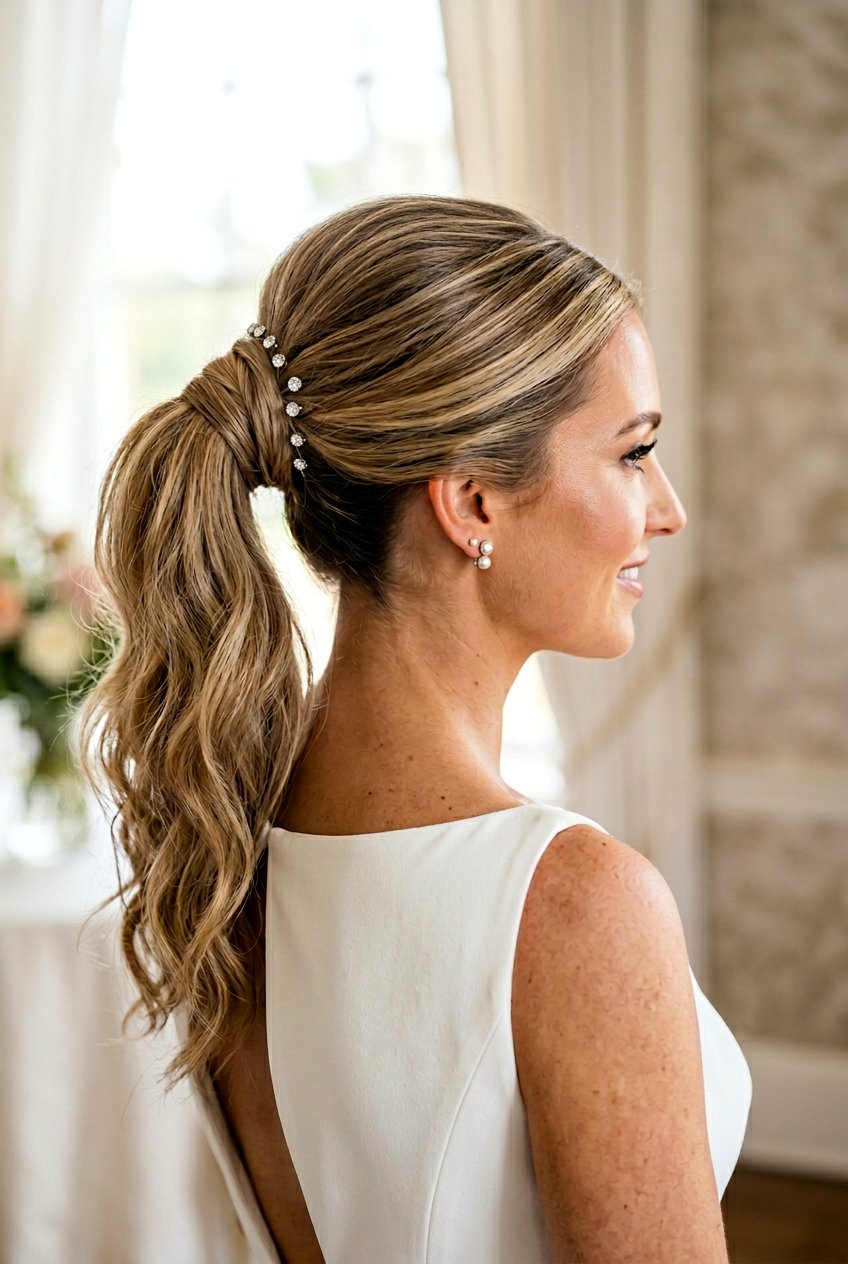
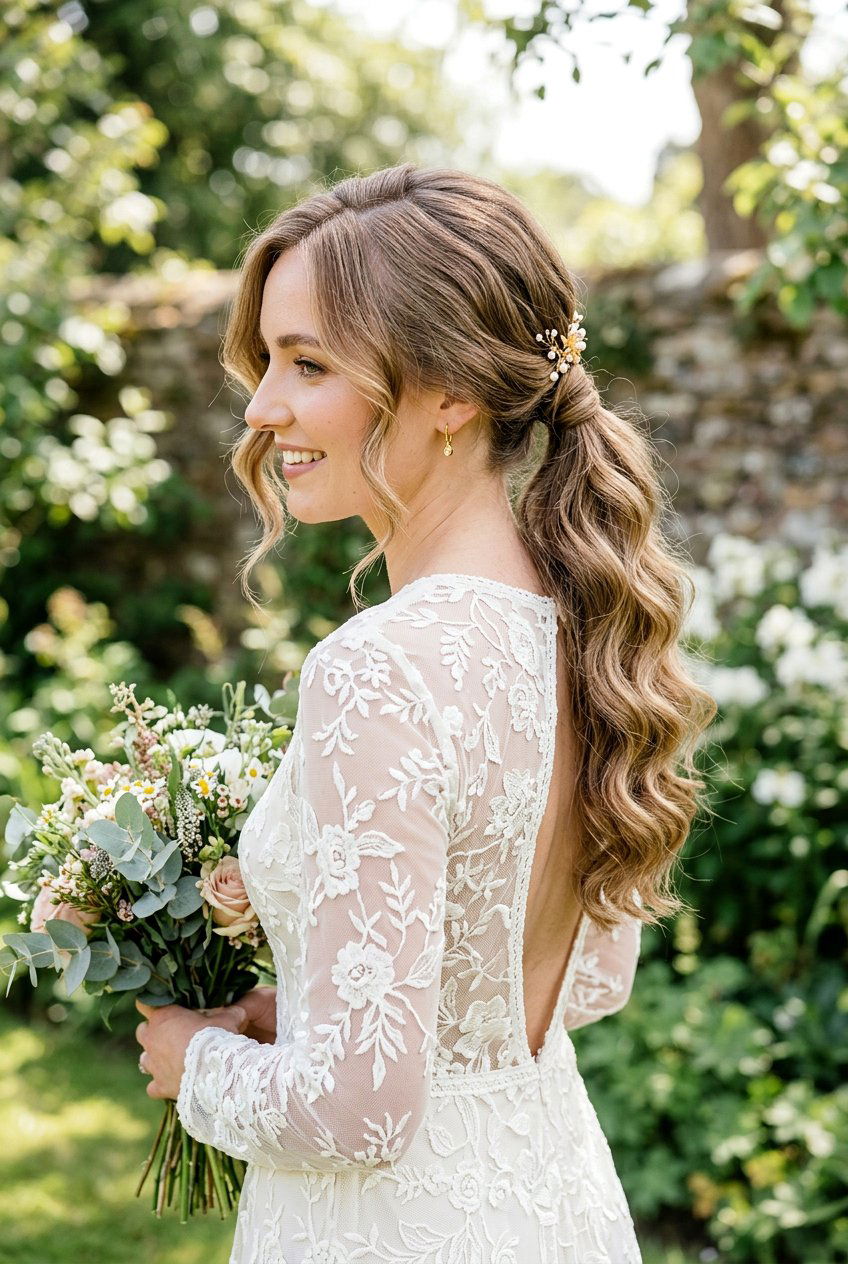
A simple bridal ponytail with volume is becoming more popular among modern Pakistani brides who like clean, fuss-free hair. Hair at the crown is backcombed and smoothed to create height, then tied into a mid or high ponytail. The lengths are curled or waved to fall in soft, bouncy sections down the back. This hairstyle pairs well with contemporary shararas, gowns, or lighter reception outfits. Brides may add a jeweled hairpiece at the base of the ponytail and keep dupatta draping lighter so the style remains the focus.
18. Side Bun Pakistani Bridal Hairstyle
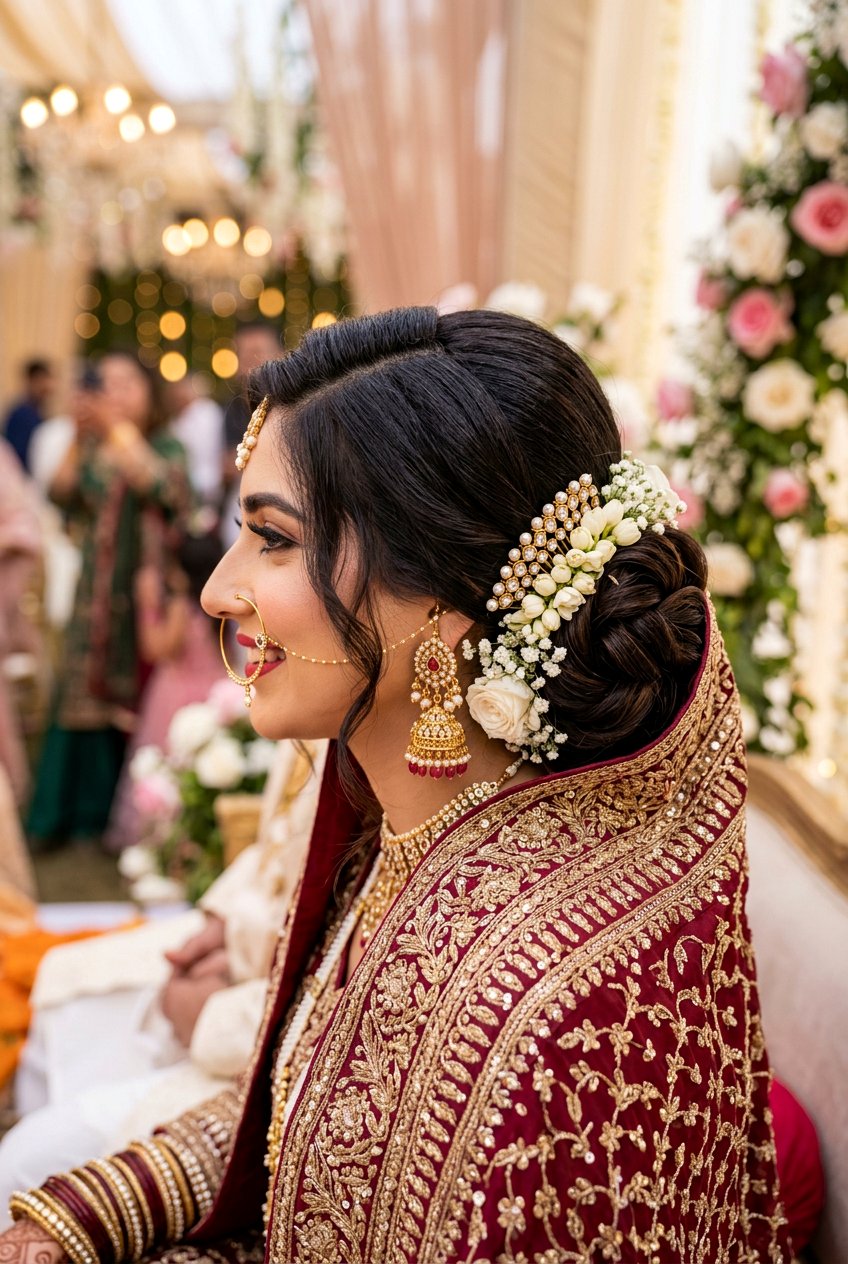
A side bun gives a romantic twist to the classic Pakistani bridal updo. Hair is parted to one side or center, then gathered and styled into a bun resting low near one ear. This placement looks beautiful in close-up portraits and allows earrings and neck jewelry to stand out. Brides often decorate the side bun with flowers, small jewels, or a delicate hair comb matching their outfit. The dupatta can be draped over the head and pinned into the bun, keeping everything secure while showcasing the asymmetrical shape.
19. Long Open Bridal Hair With Dupatta Setting
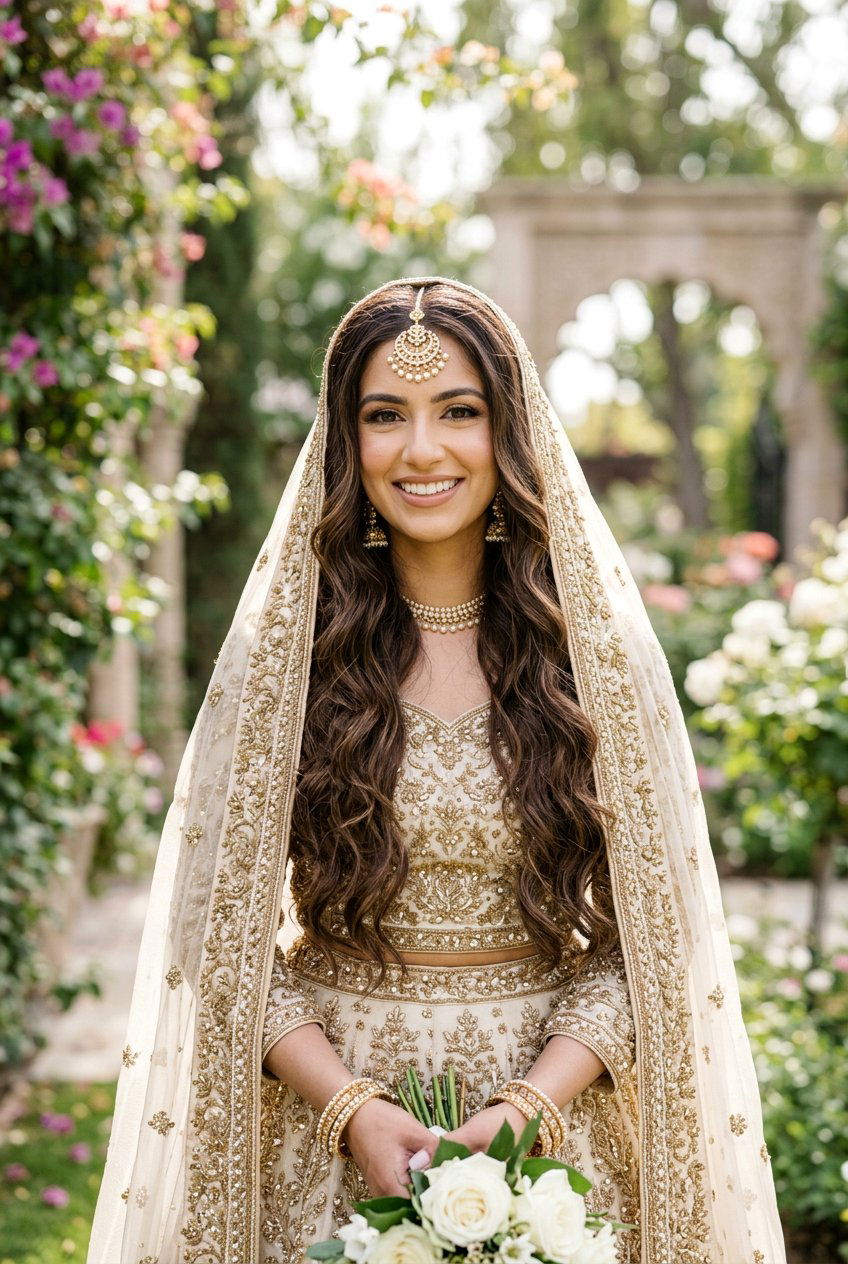
Long open bridal hair with careful dupatta setting is ideal for brides who love their length and want it to show. Hair is blow-dried or curled into soft waves, then left mostly open down the back or over one shoulder. The stylist sets the dupatta either on the crown or just behind it, pinning it discreetly so the hair remains visible. This look works well for walima, engagement, or modern baraat outfits with lighter veils. A tikka, passa, or subtle headband can be added without hiding the natural flow of the hair.
20. Beachy Waves Pakistani Walima Hair
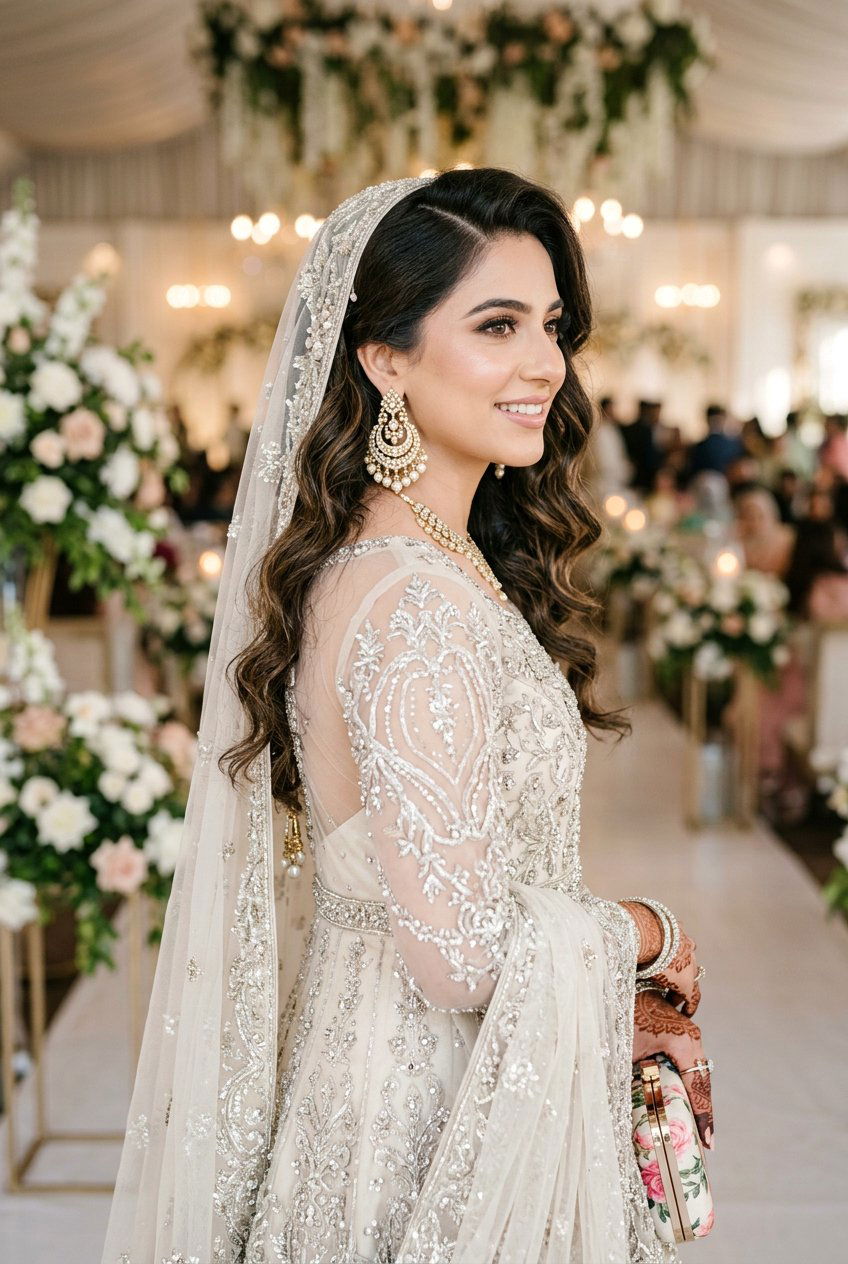
Beachy waves are a relaxed yet chic option for Pakistani walima hairstyles, especially with gown-style dresses. Hair is styled into soft, undone waves that look effortless but are set with products to last through the event. The texture gives volume and movement without feeling too formal or stiff. Many brides wear this look with a side part, minimal head jewelry, and statement earrings to keep things fresh and modern. A light, sheer dupatta is usually placed toward the back so the waves remain visible from the front and sides.
Conclusion:
Choosing the right Pakistani bridal hairstyle is about more than just trends; it has to work with your outfit, jewelry, face shape, and each wedding event. Classic buns with gajras or floral rings suit traditional baraat looks and heavy dupattas, because they give structure and long-lasting hold. Open curls, waves, and half up styles shine on engagement and walima days, especially with lighter dupattas and contemporary dresses. For mehndi, braids, bubble braids, and floral open hair bring color and fun while staying comfortable for dancing. When planning your bridal look, discuss dupatta setting, hair length, and comfort with your stylist so your hairstyle stays secure, looks beautiful in every angle of photography, and reflects your personal bridal vibe across all events.
You'll Like These Styles:


Leave a Reply