
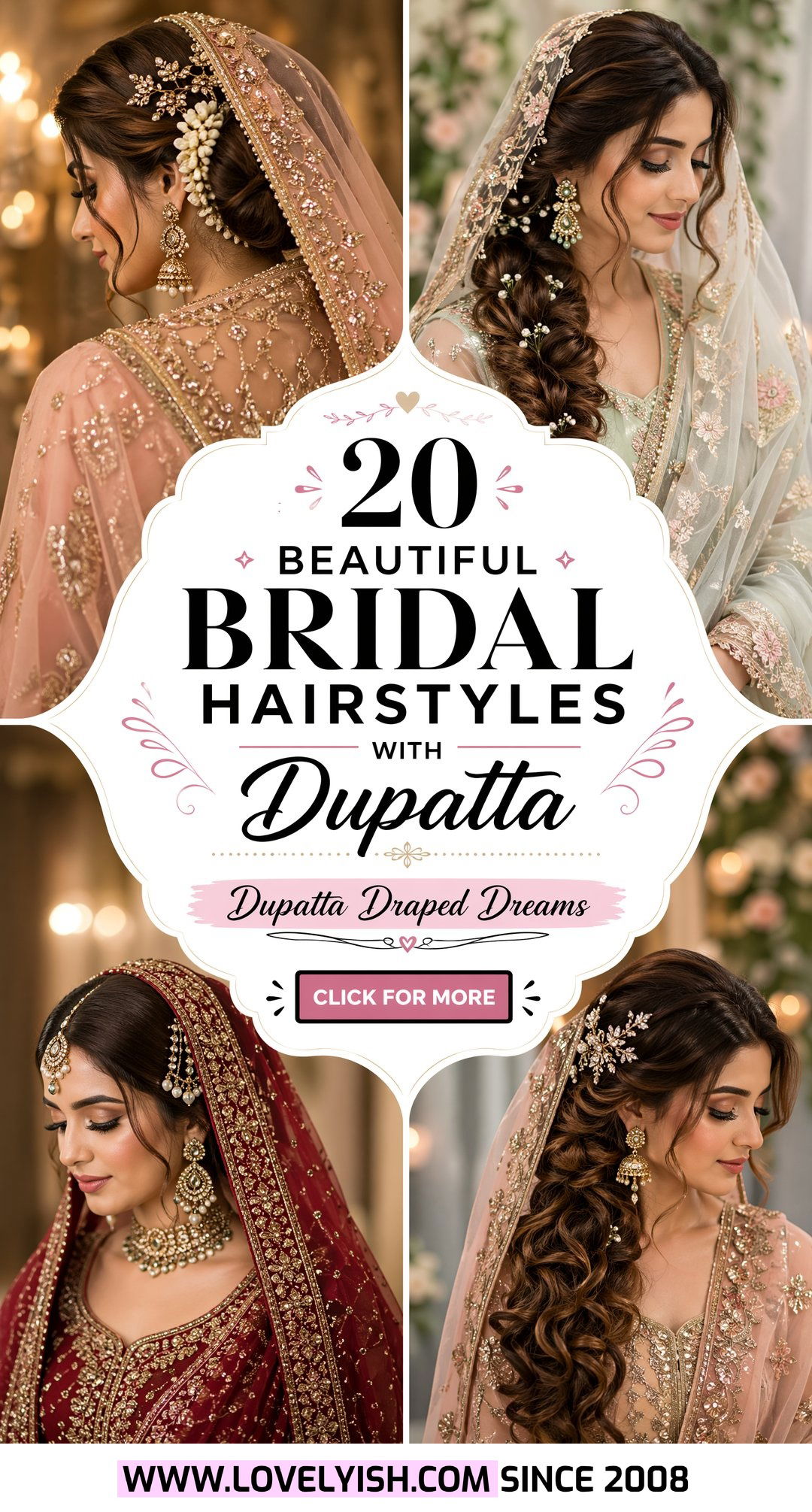
Bridal hairstyles with a dupatta are all about balance, comfort, and how beautifully the veil frames your face and jewelry. When you sit on the stage for hours, your hairstyle has to hold the weight of pins, tikka, and often even a double dupatta. That is why modern brides lean toward secure buns, soft waves, and neat braids that give strong support and still look romantic in photos from every angle. The right hairstyle also changes depending on whether your dupatta sits on the crown, further back, or comes diagonally from the shoulder. To help you plan your complete bridal look, here are twenty popular and practical bridal hairstyles that work beautifully with different dupatta drapes, from classic buns to trendy half-up waves.
1. Classic Low Bridal Bun With Head Dupatta
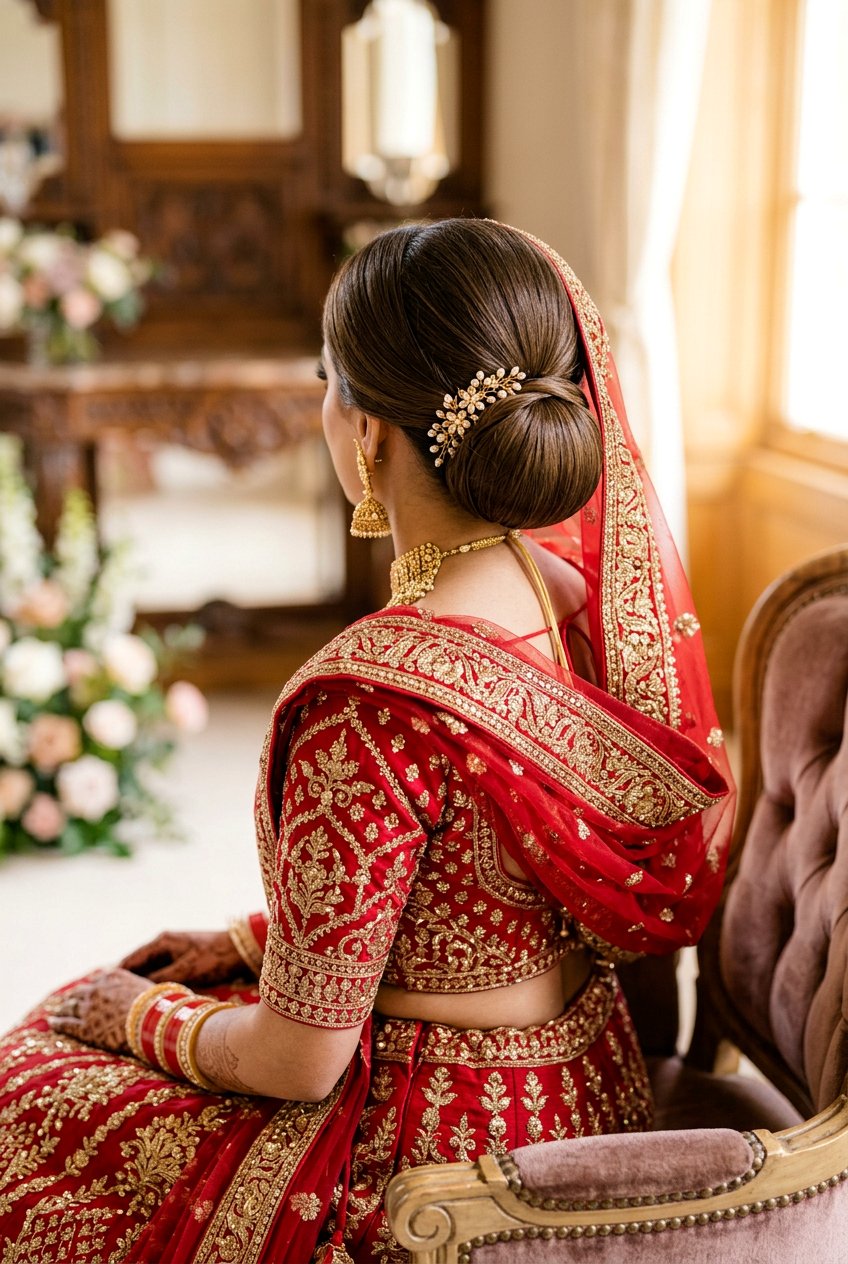
A classic low bun is the first hairstyle many brides picture when they imagine a traditional dupatta over the head. Hair is smoothed back and gathered at the nape into a compact bun that can be sleek or slightly textured with soft twists for volume. This shape gives your makeup artist and stylist a solid, flat base to anchor a heavy bridal dupatta right at the crown without pulling on your scalp. You can tuck fresh flowers, gajra, or delicate pins around the bun while still keeping space for the dupatta border to frame your face. It works especially well with lehengas and ghararas where the dupatta falls long at the back like a veil.
2. High Bun Bridal Hairstyle With Volume And Dupatta
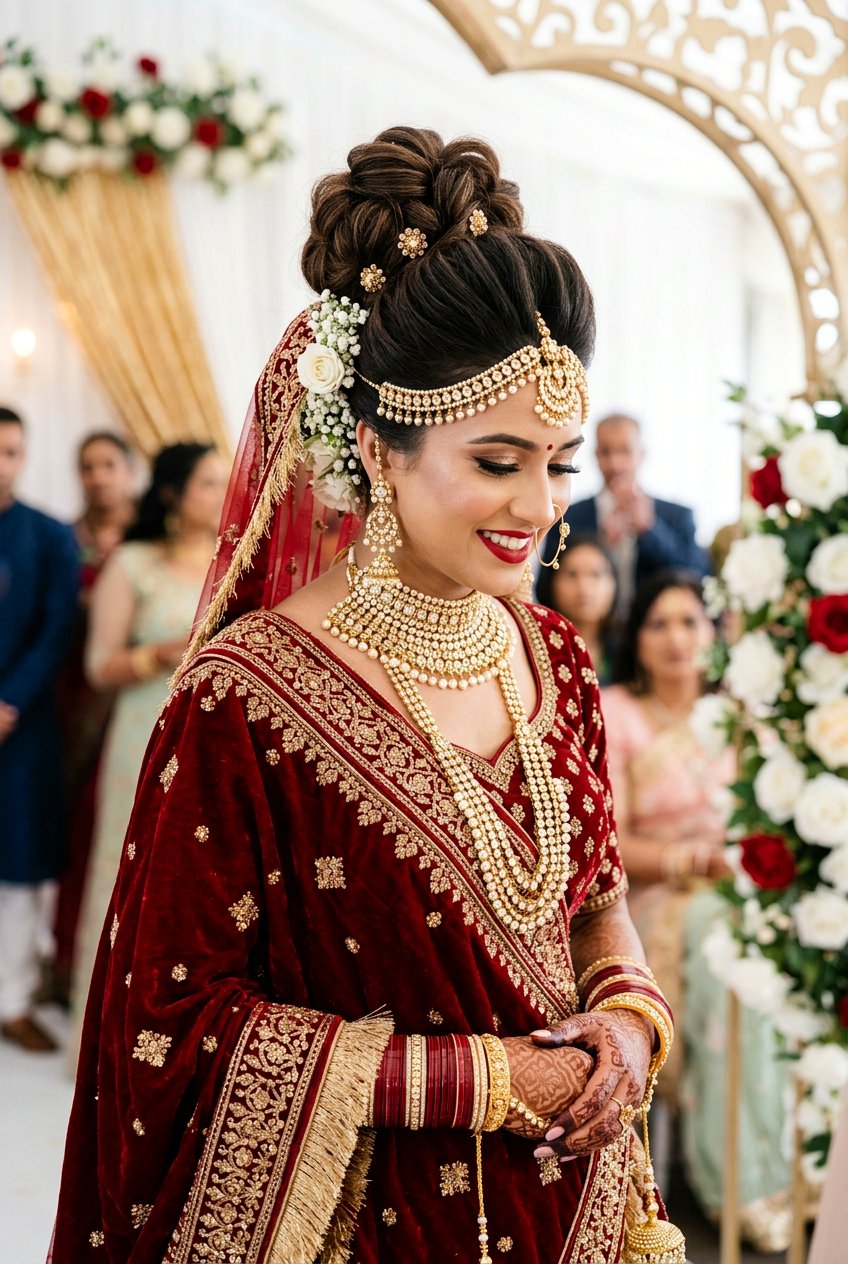
For brides who love height, a high bun with volume at the crown gives a more glamorous profile under the dupatta. The stylist usually builds a puff or backcomb at the front, then wraps the rest into a bun placed higher on the head so the veil sits slightly elevated. This extra lift keeps the dupatta from flattening your hair and creates that sculpted bridal silhouette you often see in Pakistani and North Indian weddings. It is ideal when your outfit has a heavy choker and long earrings, because the raised bun exposes your neckline and shoulders. With strong pinning and setting spray, this hairstyle easily supports a double dupatta or embroidered veil for long ceremonies.
3. Side Swept Low Bun With Shoulder Dupatta
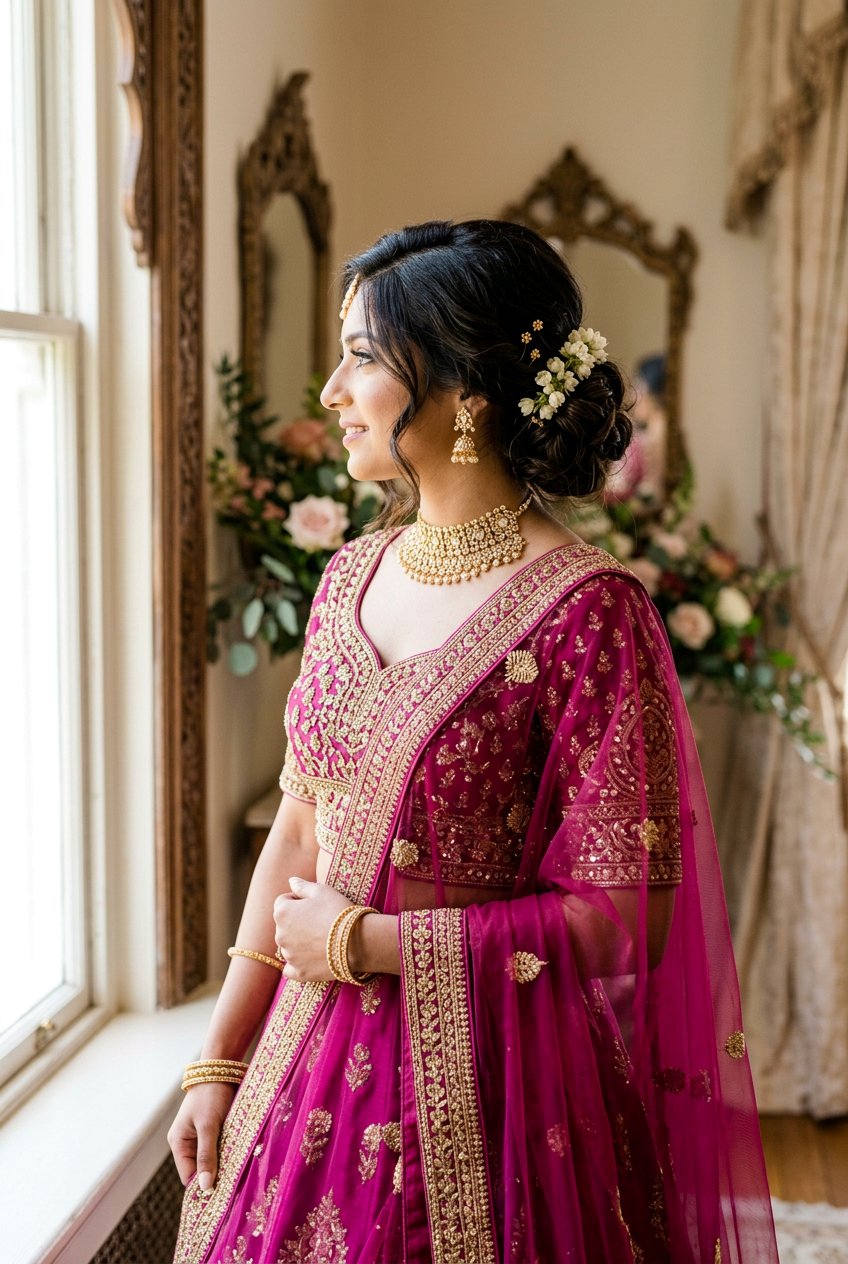
If you want something romantic but still secure for a dupatta, a side swept low bun is a beautiful choice. Hair is parted to one side, then gently twisted or loosely braided and pinned into a bun resting slightly off-center near the jawline. This allows your dupatta to be pinned either from the crown or from the opposite shoulder without hiding the bun detail. The asymmetry flatters round and square face shapes because it softens angles and adds length along one side. It pairs well with lehenga dupatta drapes that come across the front like a saree pallu, letting the bun peek out gracefully for photos from your “good side.”
4. Sleek Center Part Bun With Maang Tikka And Dupatta
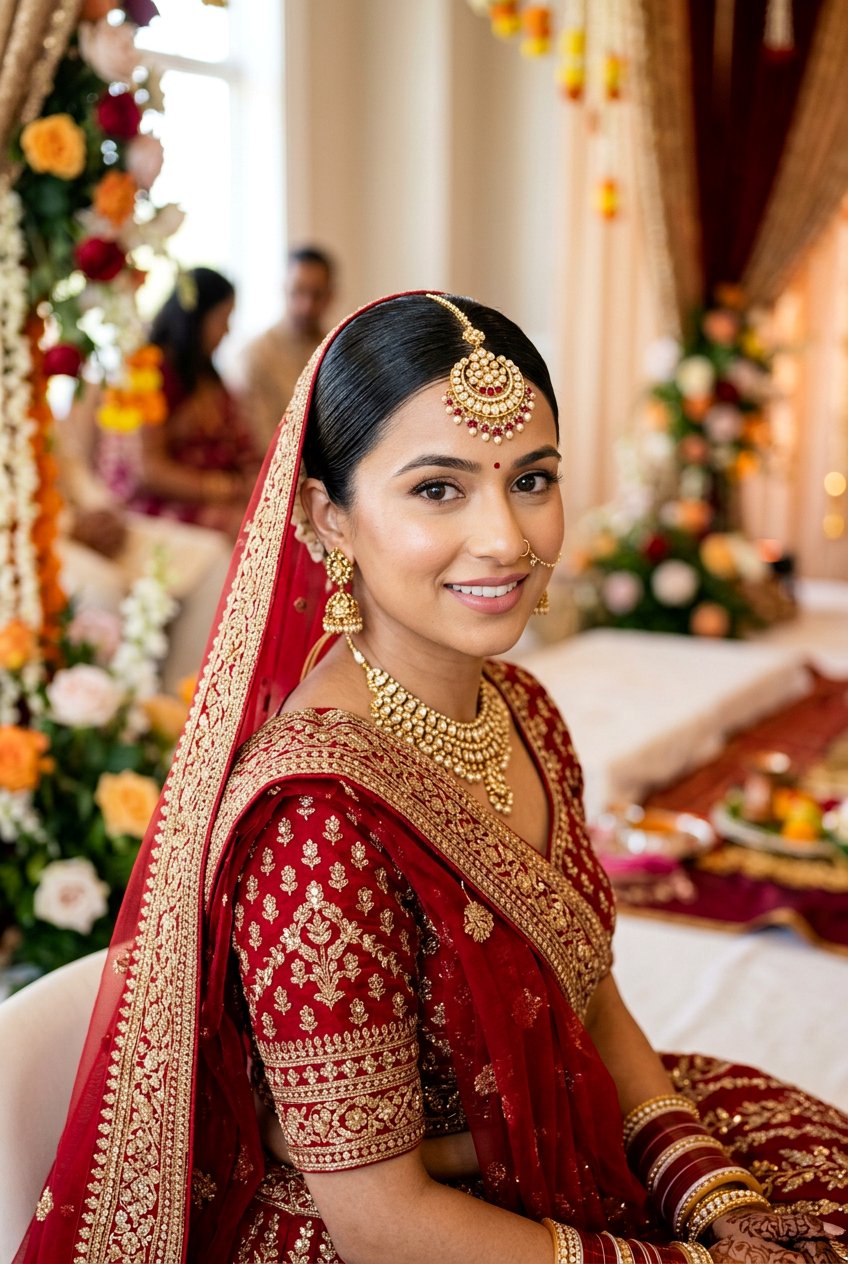
A sleek center part bun is perfect for brides who love a clean, minimal, and traditional look under the dupatta. Hair is parted sharply in the middle, smoothed with serum, and pulled into a tight bun that sits either mid-head or low. This creates a straight, defined line for placing a maang tikka or matha patti so it stays centered even when the veil is pinned on top. Because the surface is smooth, the dupatta glides neatly and the border lies flat across the forehead without bumps. This hairstyle complements heavily embroidered outfits and bold jewelry since the hair stays understated and lets the accessories shine while still giving excellent support to the dupatta.
5. Soft Romantic Bun With Loose Strands Under Dupatta
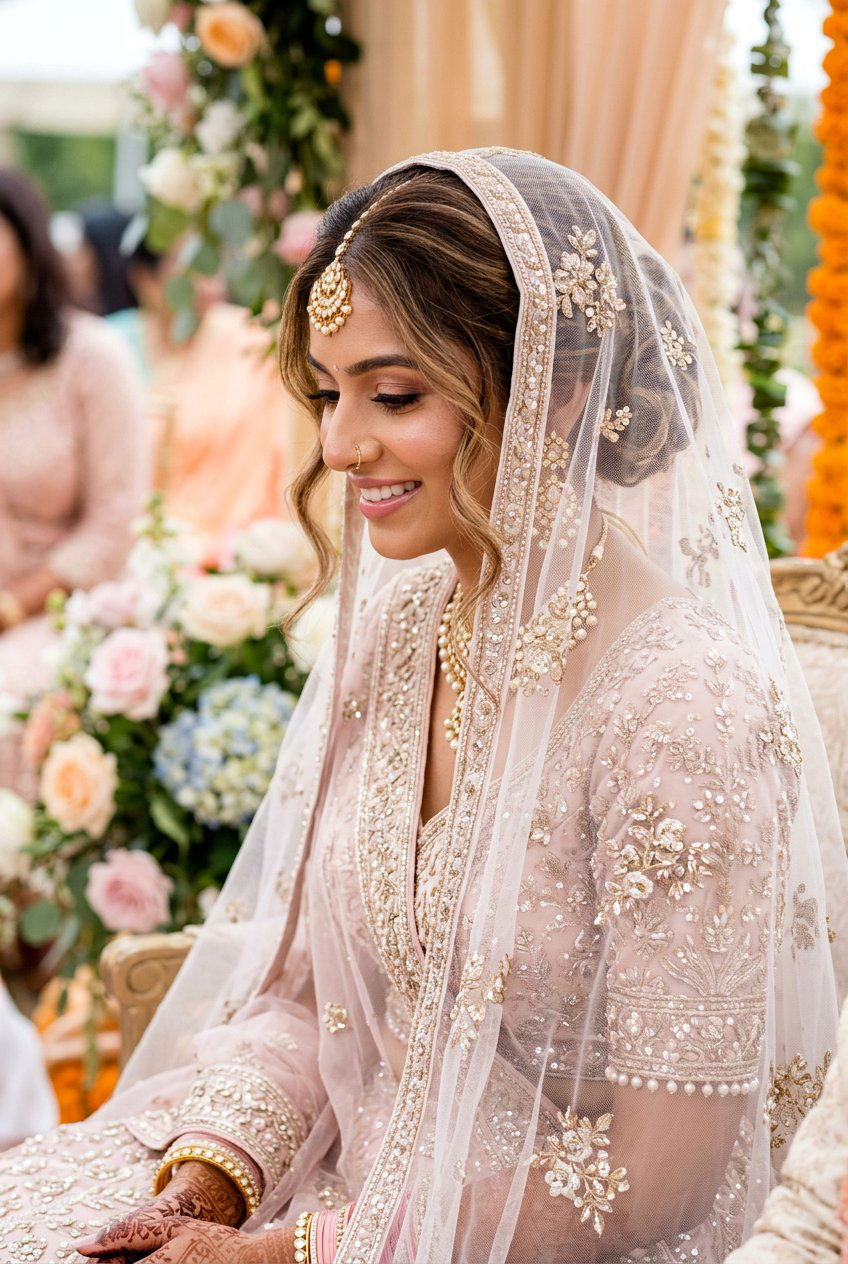
For a softer bridal look, a romantic bun with loose face-framing strands fits beautifully under a lighter dupatta. The bun itself is created with twists and subtle curls, so it looks airy and textured rather than very tight. A few thin strands or tendrils are left out around the face and curled to give that dreamy, almost effortless vibe that is popular in modern weddings. This style works best with net or organza dupattas that allow the bun texture to show through instead of covering everything. It suits pre-wedding functions and day weddings where you want a feminine look that still allows your stylist to anchor pins securely without looking too stiff.
6. Traditional Braided Bun With Gajra And Dupatta
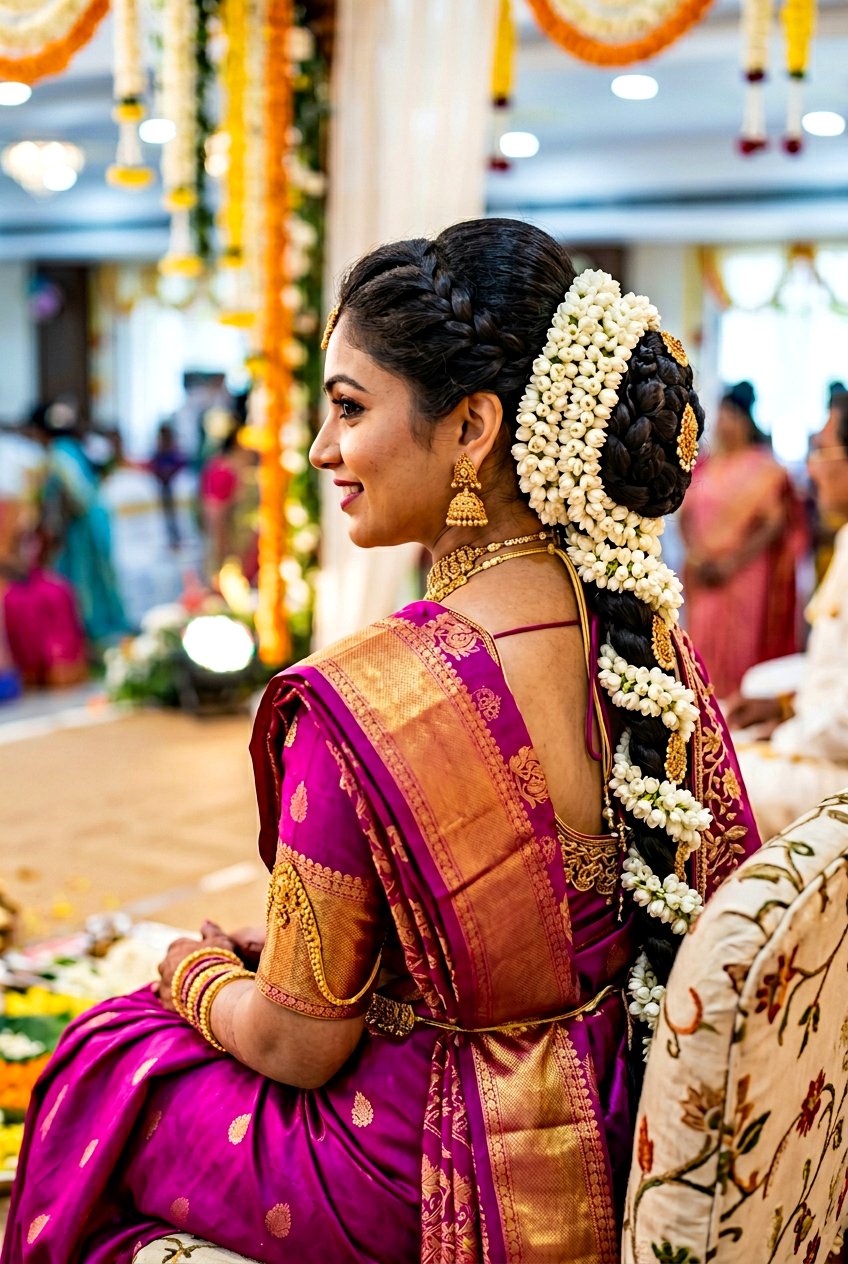
A braided bun wrapped with gajra or fresh flowers is a timeless option that looks stunning with a head dupatta. The stylist first creates one or more braids, then coils them into a rounded bun at the back so the braid pattern is visible. Around this, jasmine or floral strings are wrapped in layers, creating a ring of flowers that frames the hairstyle. When the dupatta is placed, the floral ring still peeks out from underneath, adding fragrance and visual detail in photos. This look is especially popular with South Asian brides wearing traditional gold jewelry and works well with both single and double dupatta drapes.
7. Half Up Half Down Curls With Back Dupatta
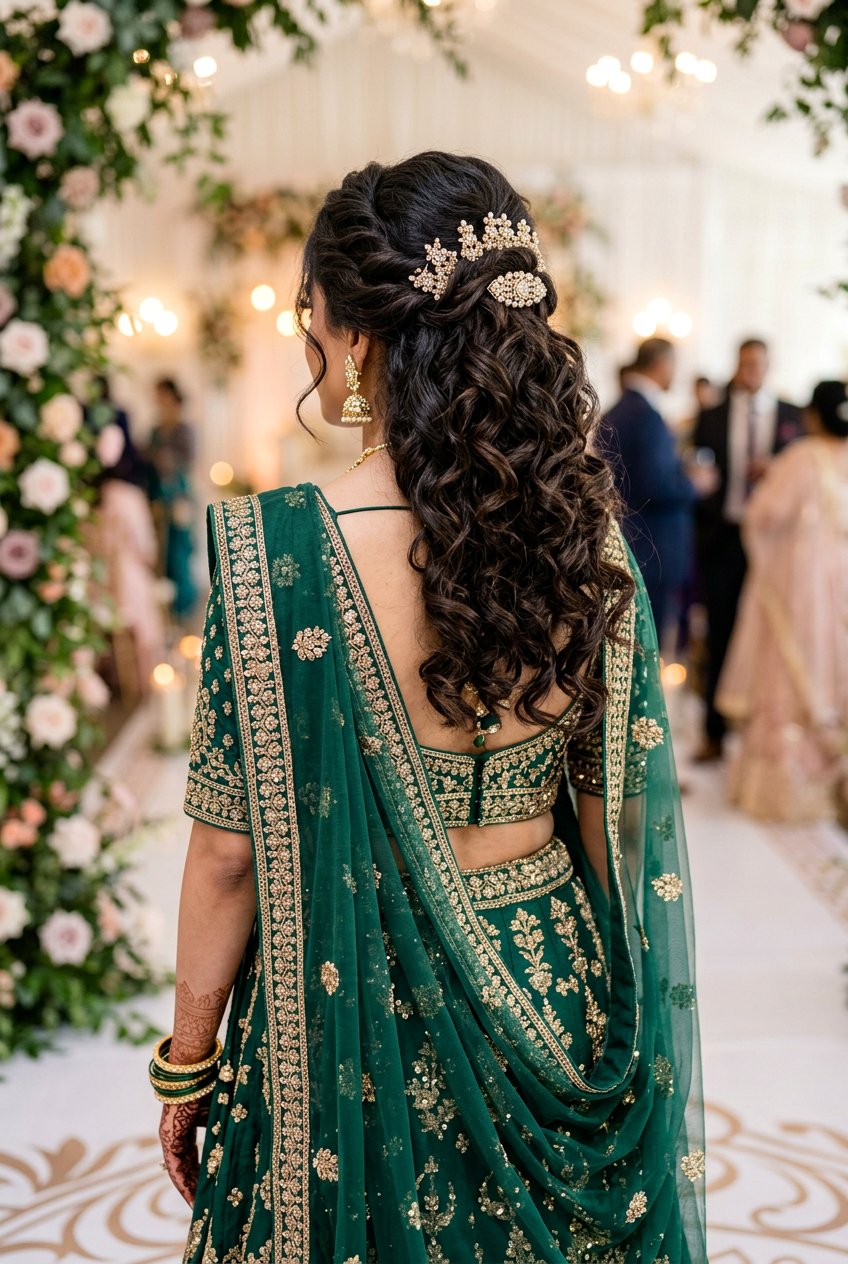
Brides who love to show off their length often choose half up half down curls with a dupatta draped further back. In this look, the top half of the hair is pinned back or lightly teased, while the bottom half is styled in loose curls or waves. The dupatta is usually placed behind the bump or half-up section, so it falls over the length without hiding the volume around the crown. This keeps your hair visible in side and back shots while still honoring the traditional veil. It is an excellent choice for lighter dupattas, receptions, or brides who want a slightly Western-influenced look that still works with maang tikka and jewelry.
8. Open Waves With One Side Dupatta Drape
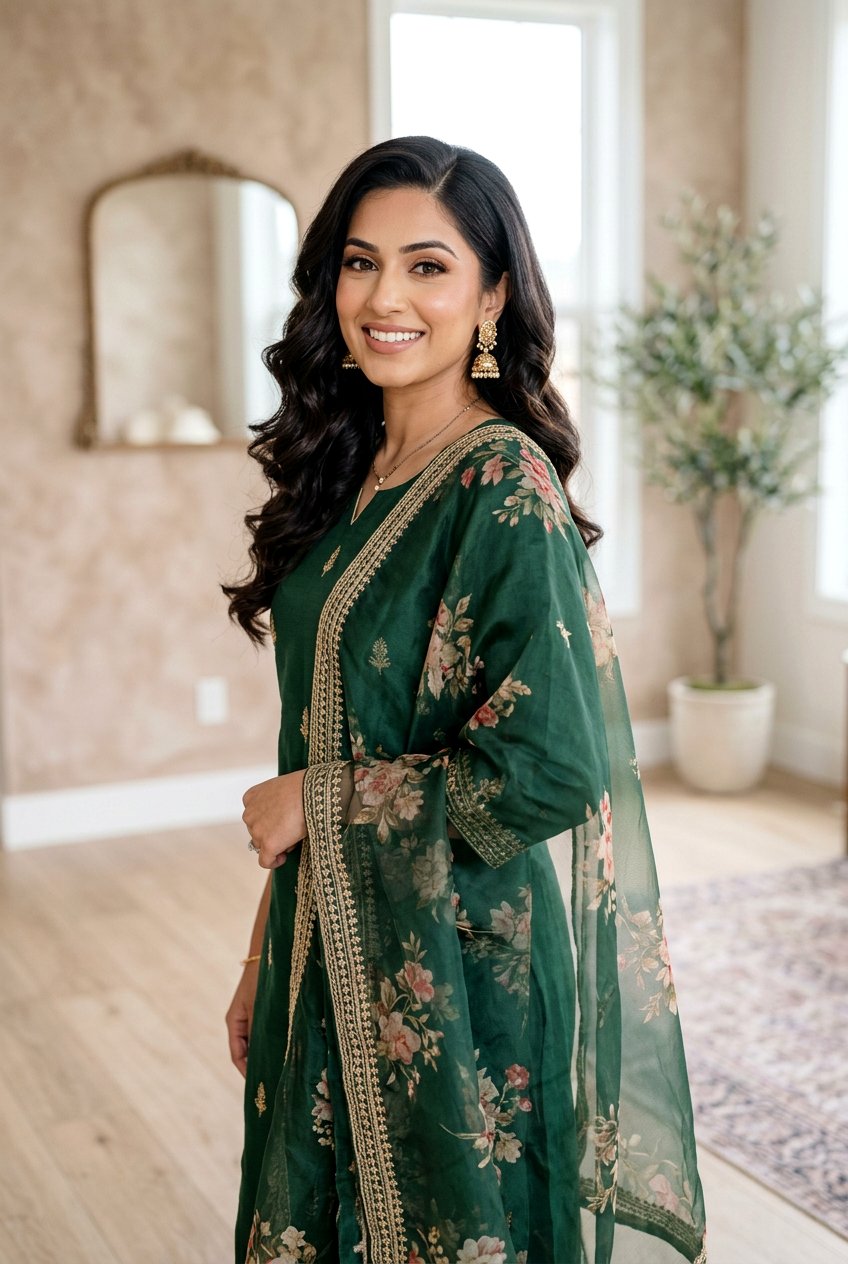
If you prefer open hair, soft waves with a dupatta draped on one side combine comfort with drama. The hair is styled into big, glossy waves and usually parted slightly off-center or to one side for a modern feel. Instead of placing the dupatta fully on the head, it is often pinned at one shoulder and allowed to sweep across the body. This way, your hair flows freely down your back and front while only part of it is covered. It works best with lighter fabrics like net or organza and is popular for Nikkah, engagement, or reception looks where you can move more freely and take lots of candid photos.
9. Side Swept Hollywood Waves With Veil Dupatta
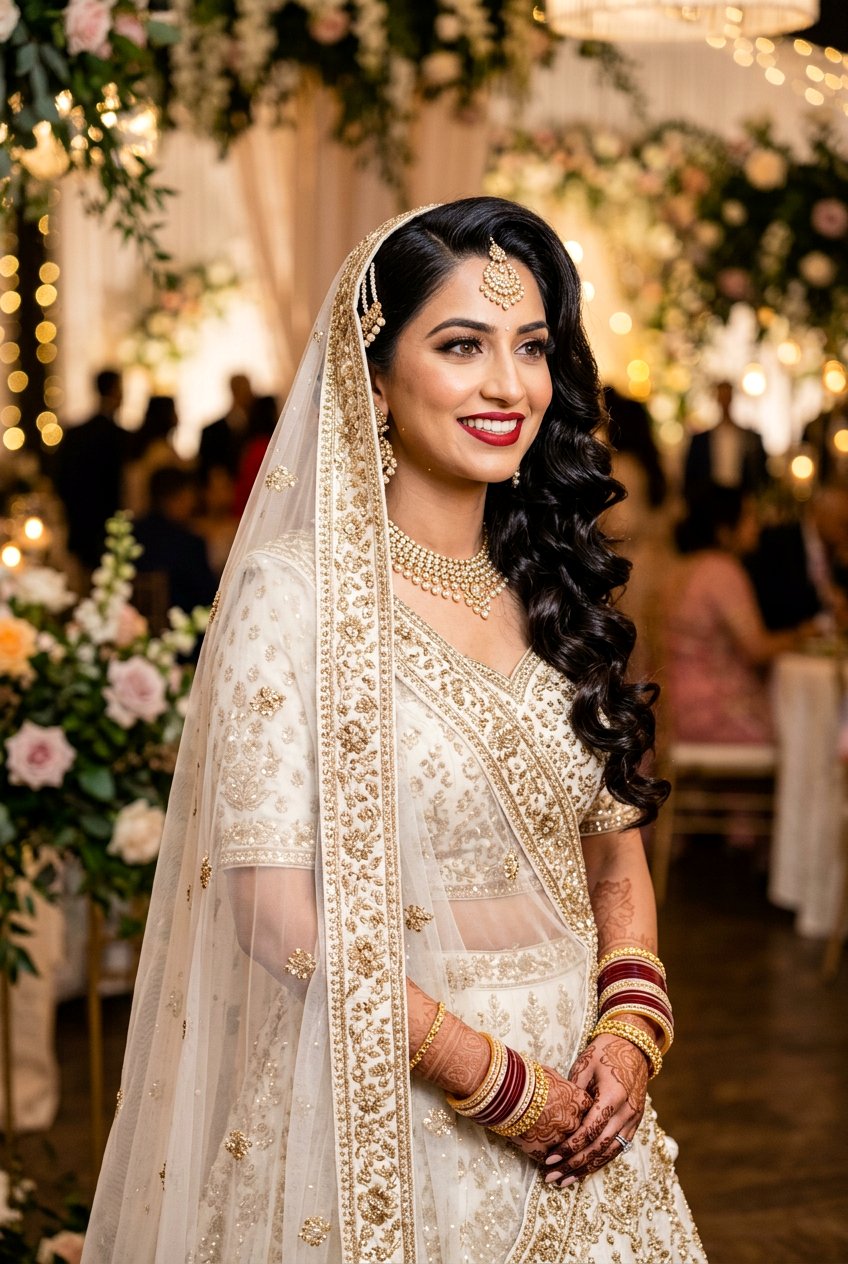
Side swept Hollywood waves bring a red carpet touch to a traditional bridal dupatta. Hair is curled into defined S-shaped waves and swept over one shoulder, with the other side kept smooth and tucked back. The dupatta can then be placed either from the crown as a veil or from the back so that it frames the side with the waves. This creates a beautiful contrast between structured waves and the soft fall of the fabric. It is especially striking for evening weddings with glam makeup and works with both lehengas and gowns when you want an elegant yet slightly Western bridal vibe.
10. Loose Braid With Dupatta Over Head
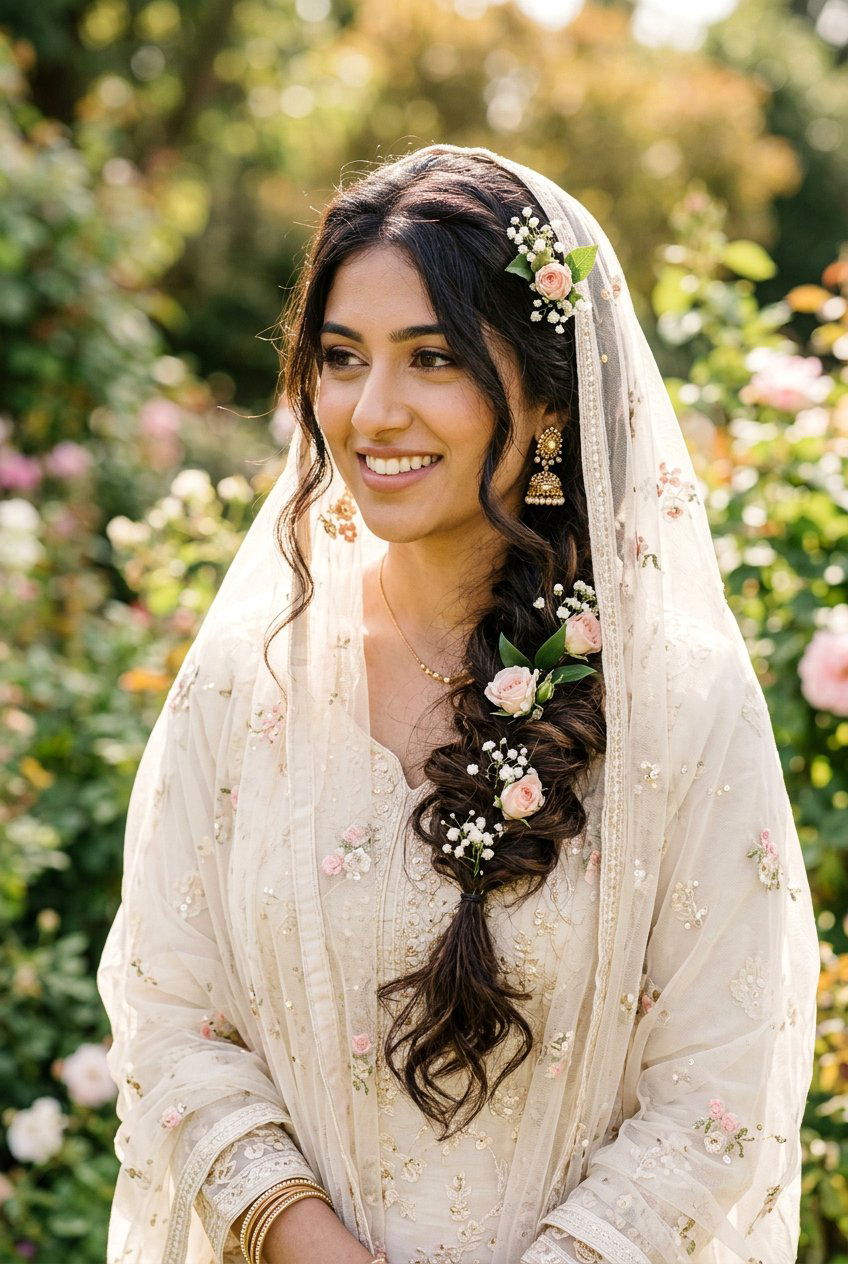
A loose, textured braid with the dupatta over the head gives a fairy-tale look that still feels rooted in tradition. The braid can be a simple three-strand, fishtail, or pulled-out plait that looks fuller and slightly undone. Once the dupatta is placed on the head and pinned, the braid falls down the back or over one shoulder, peeking through the fabric. This style is comfortable for long events because the hair is controlled yet not tightly pulled. It suits lighter, flowy dupattas and works especially well for outdoor or daytime weddings where the overall mood is soft and romantic.
11. Fishtail Braid With Back Dupatta Setting
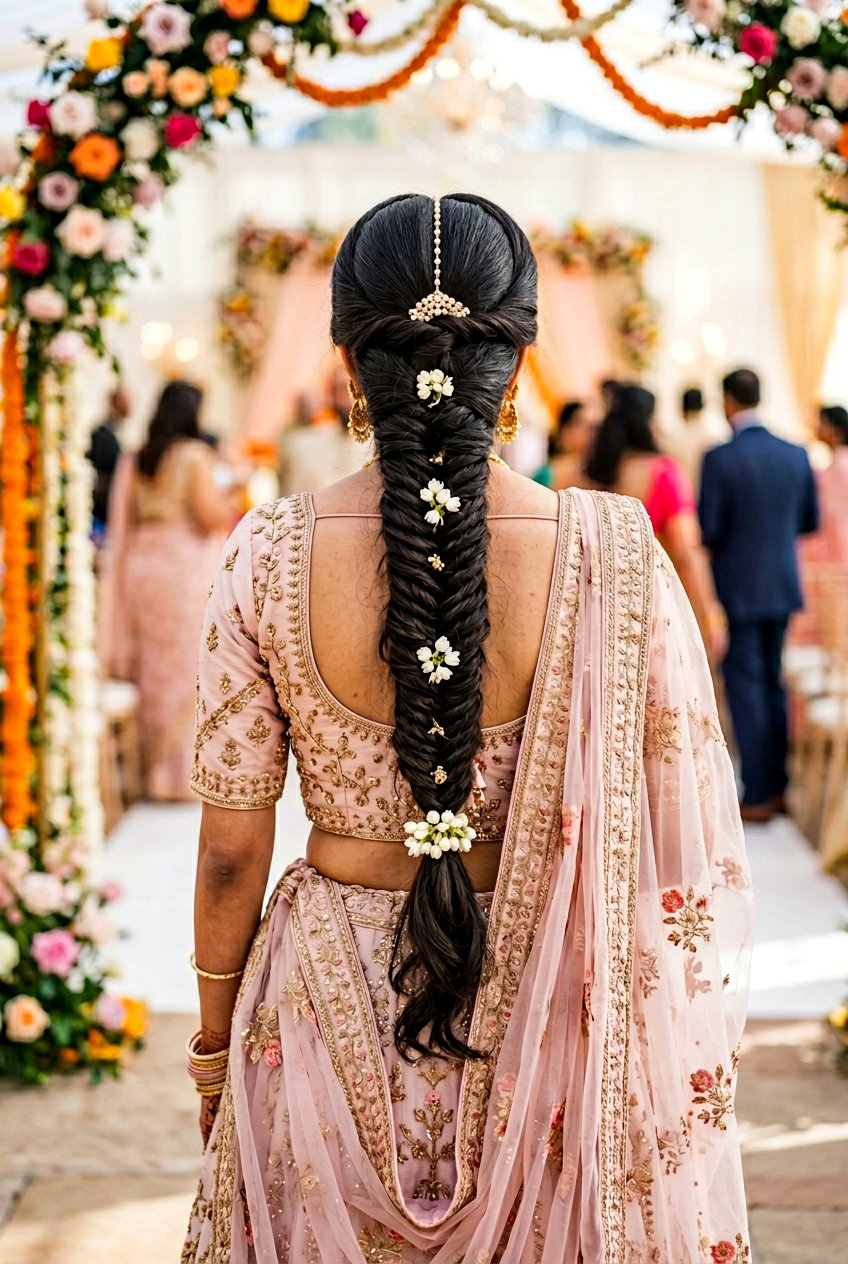
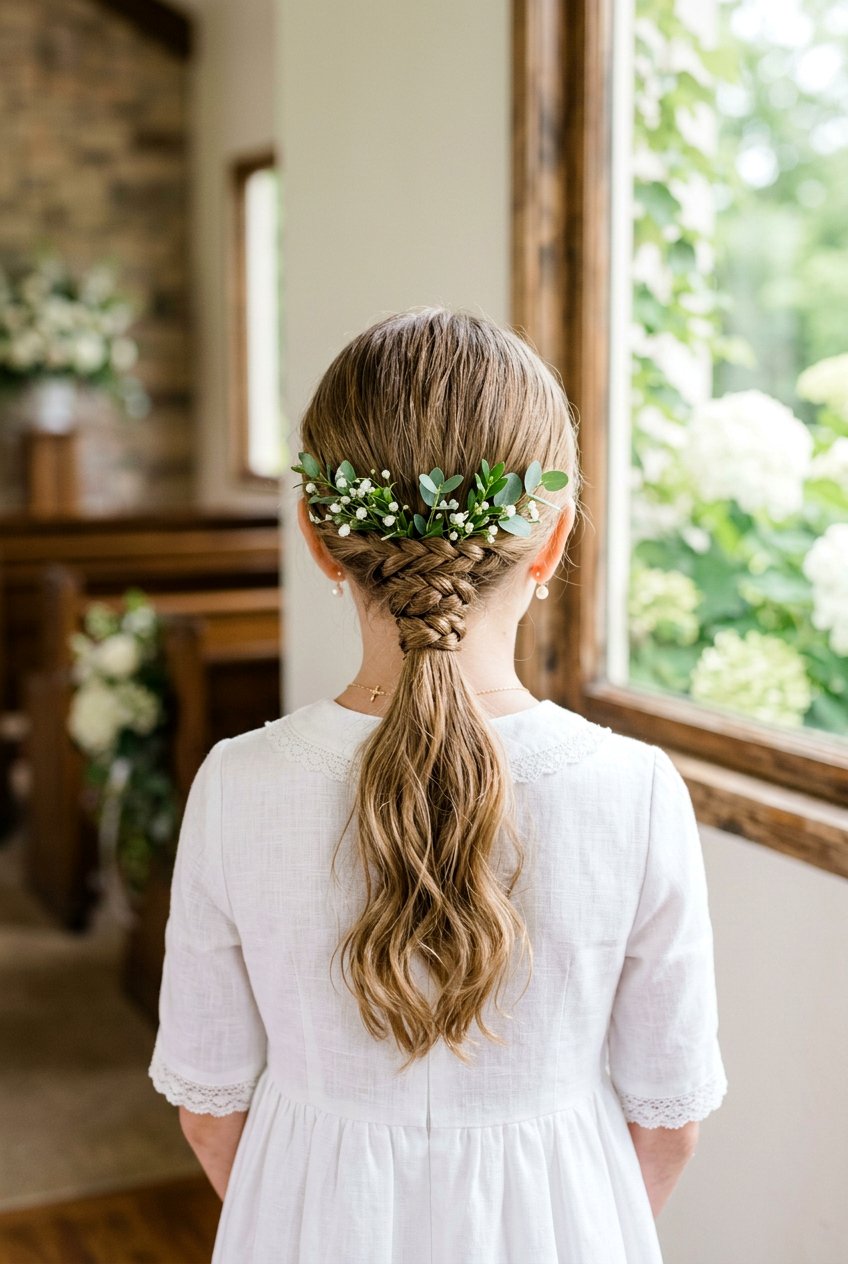
For brides who love intricate detail, a fishtail braid with the dupatta set at the back is a clear favorite. The stylist creates a long fishtail braid starting from mid-back or lower, pulling out sections slightly so it looks fuller. The dupatta is often pinned behind the crown or at the start of the braid, letting the full length of the plait remain visible. This keeps the focus on the braid pattern and any hair accessories or flowers woven into it. It is great for lighter fabrics and darker hair shades because the texture shows up strongly in photos and complements embroidered borders nicely.
12. Traditional South Indian Bun With Temple Jewelry And Dupatta
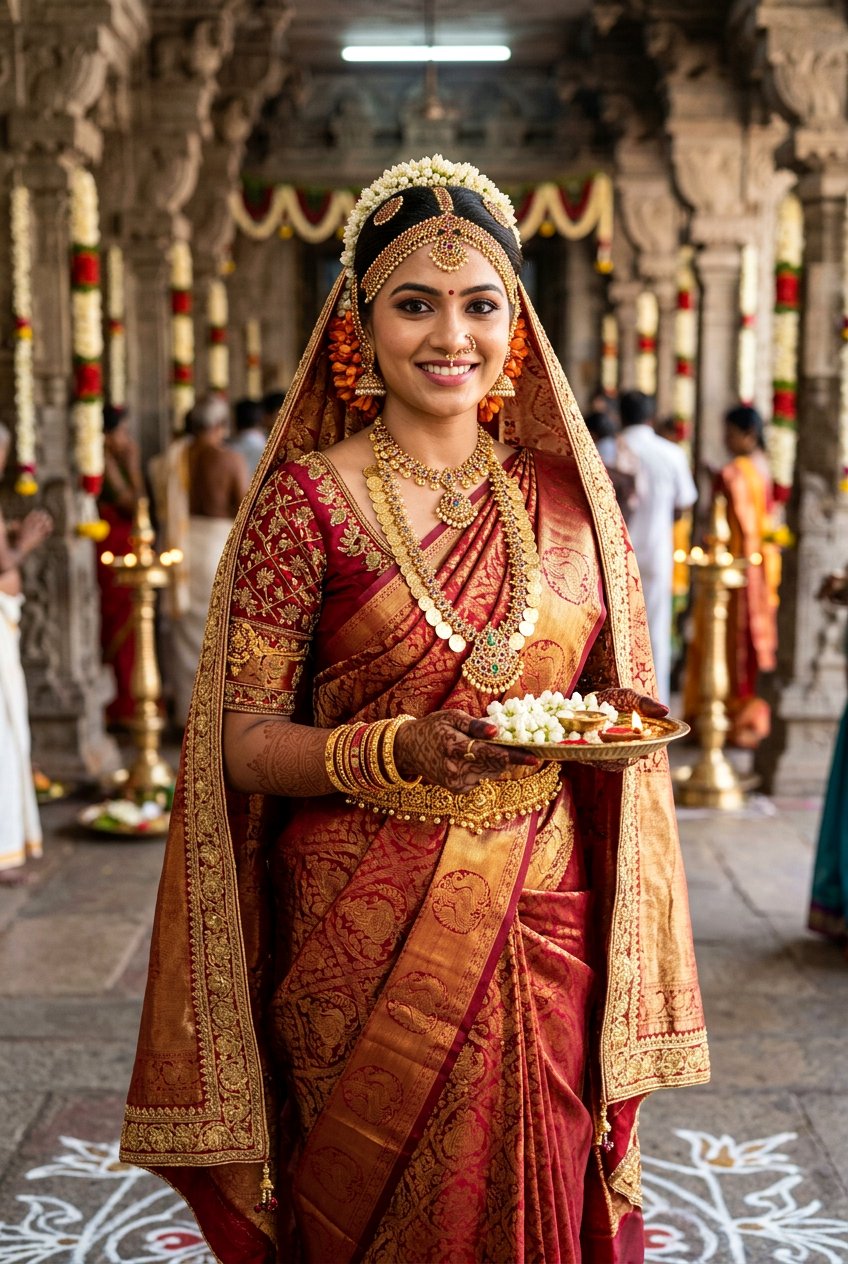
A South Indian inspired bun with temple jewelry and dupatta is rich, structured, and deeply traditional. The hair is oiled or smoothed, then gathered into a compact bun, often decorated with circular jewelry pieces and flower garlands. The dupatta or pallu-style drape usually comes from one shoulder and may also be taken over the head for rituals. Because the bun is firm and low to mid, it holds the weight of heavy accessories and long garlands comfortably. This hairstyle is perfect for Kanjeevaram sarees, gold temple sets, and brides who want a classic cultural look that photographs as regal and timeless.
13. Pakistani Double Dupatta With High Bun
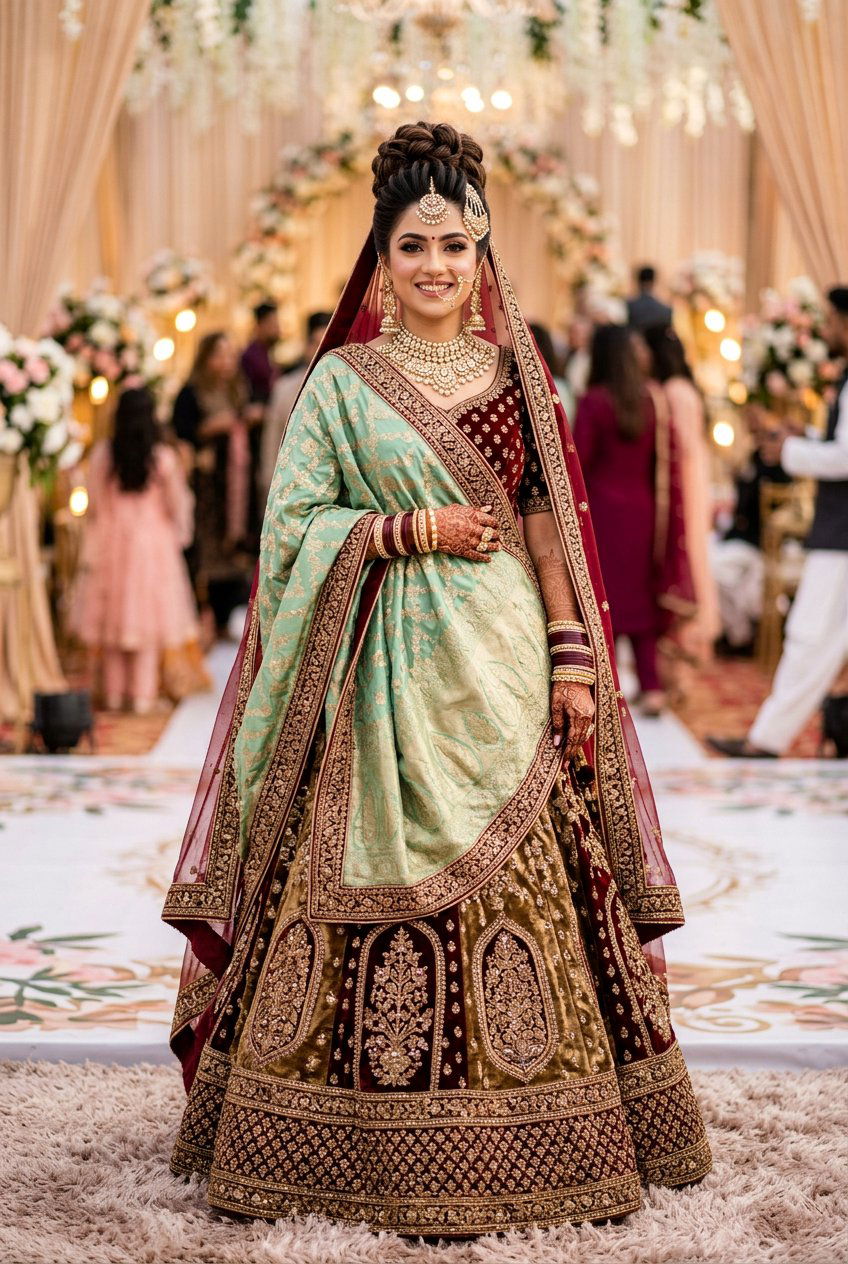
Pakistani double dupatta looks often pair beautifully with a high bun for strength and balance. One dupatta is usually pinned on the head like a veil, while the second is styled over the shoulders or front as a statement drape. A high, well-secured bun allows both fabrics to sit comfortably without sliding or pulling at your scalp. This style keeps your neck and back open, which works nicely with heavily embellished backs or long veils. It is especially popular for main baraat days where the bride wears heavy outfits and needs a hairstyle that holds up through hours of greetings, photos, and ceremonies.
14. Front Puff Bridal Hairstyle With Dupatta Setting
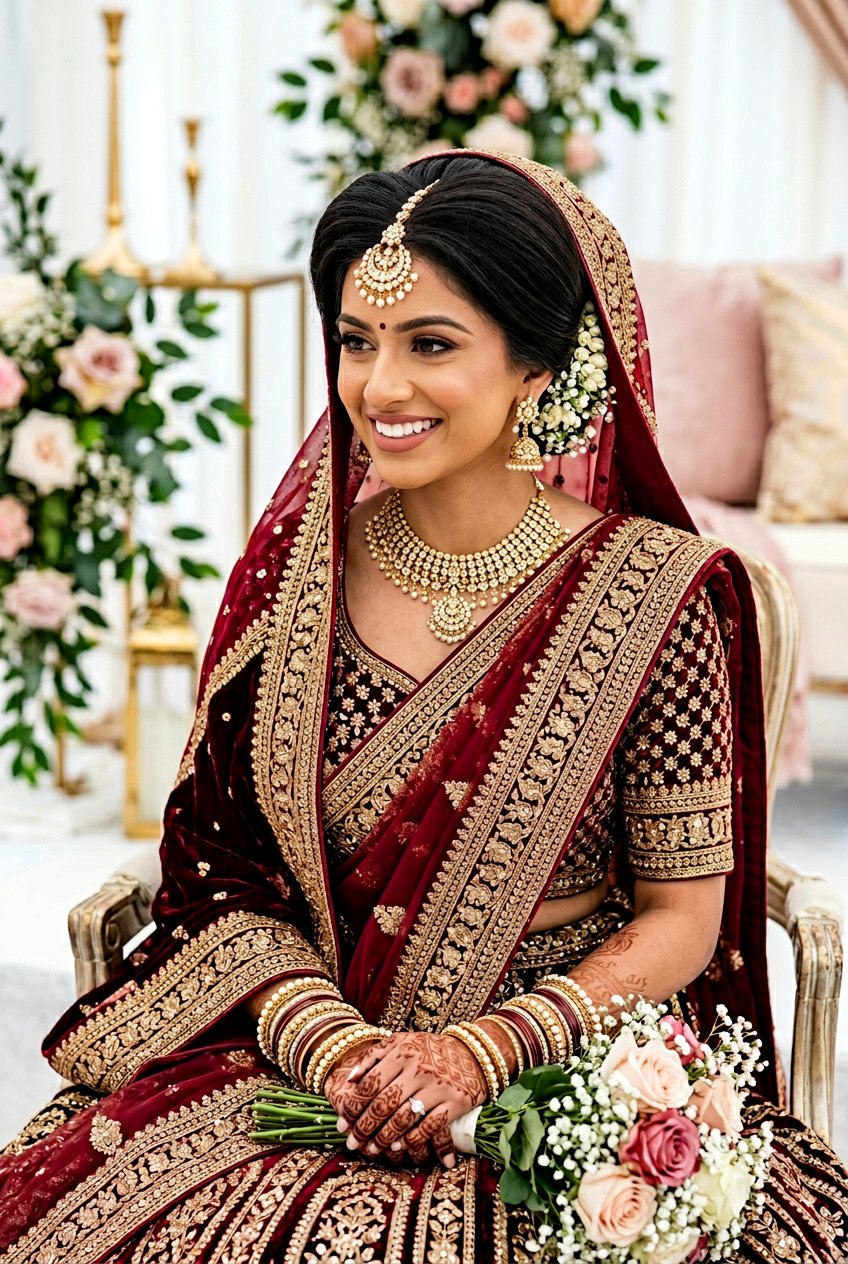
A front puff bridal hairstyle adds height and drama under a traditional dupatta setting. The stylist teases the front section of hair, then smooths it to create a raised puff before securing the rest into a bun or updo. This extra volume prevents the dupatta from flattening your hairline and helps balance a round or fuller face. The veil is usually pinned just behind the puff so that your tikka and jewelry remain clearly visible. This look is popular across Pakistani and North Indian weddings and suits brides who want a bold, defined hairline without going for very open or loose hairstyles.
15. Messy Textured Bun With Light Net Dupatta
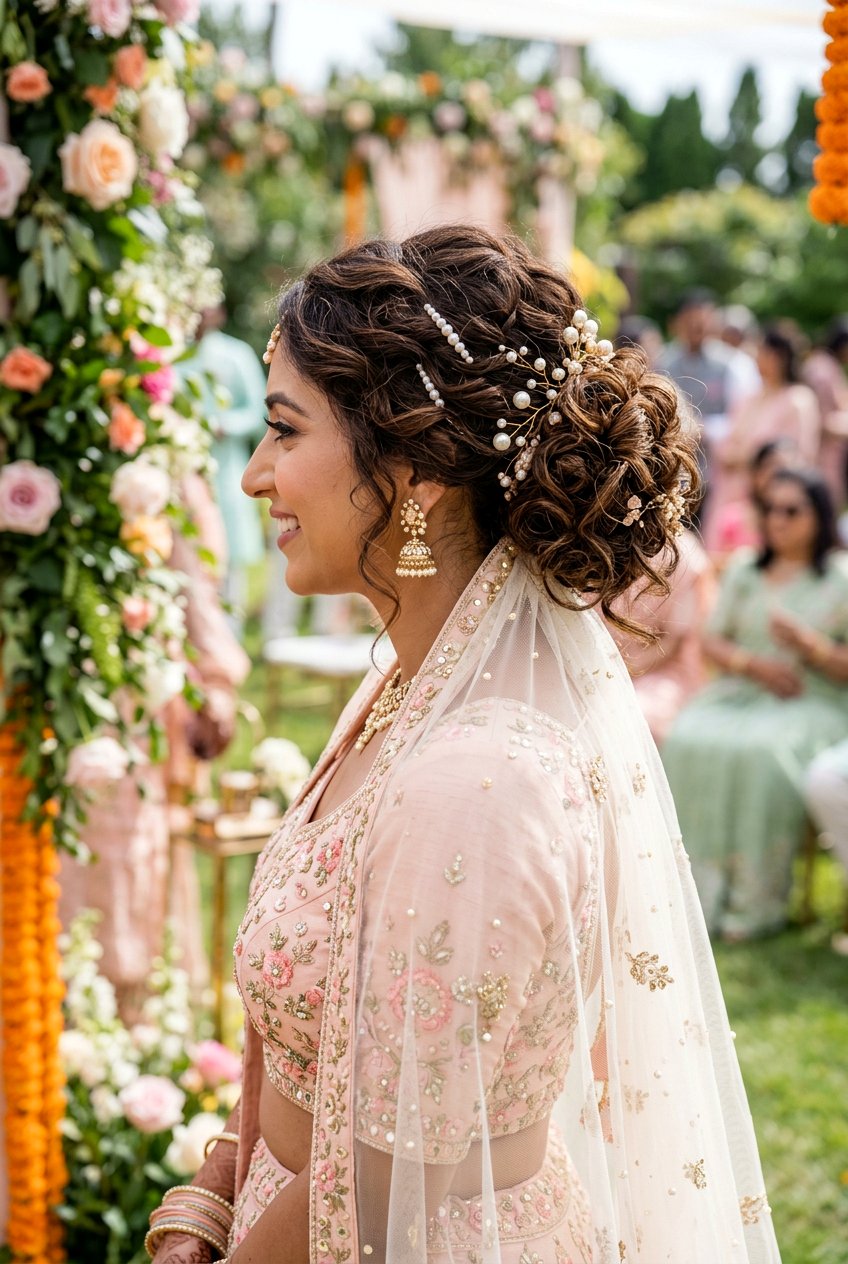
A messy textured bun paired with a light net dupatta gives a trendy yet bridal look that feels fresh and modern. The hair is curled and pinned in sections to create an intentionally imperfect bun with pieces overlapping and crisscrossing. Because net dupattas are see-through, this texture shows clearly even when the veil is placed over it. You can add pearls, tiny flowers, or pins to highlight the dimension in the hairstyle. This choice works best for lighter outfits, day weddings, or receptions where you want a relaxed vibe while still keeping the dupatta secure and photo-ready from all angles.
16. Low Bun With Saree Style Dupatta Drape
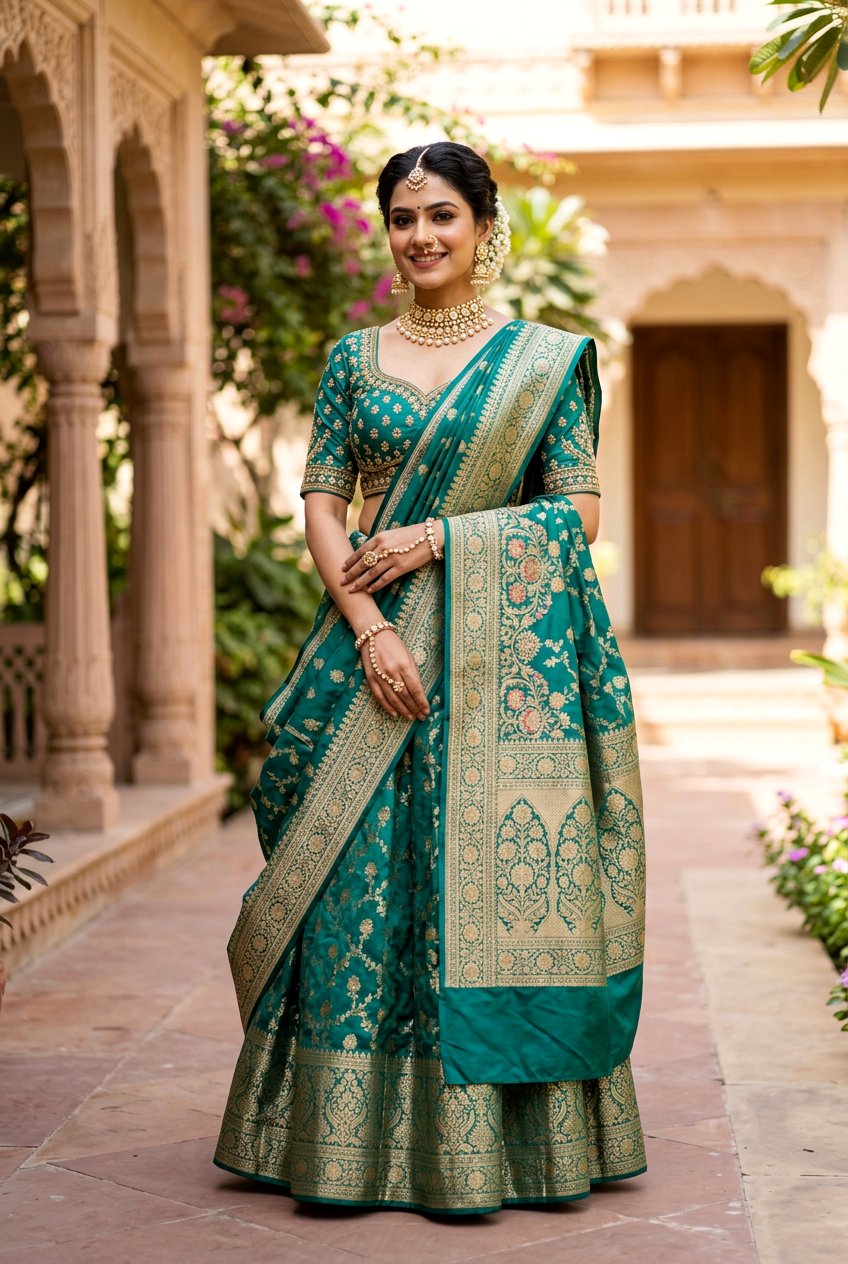
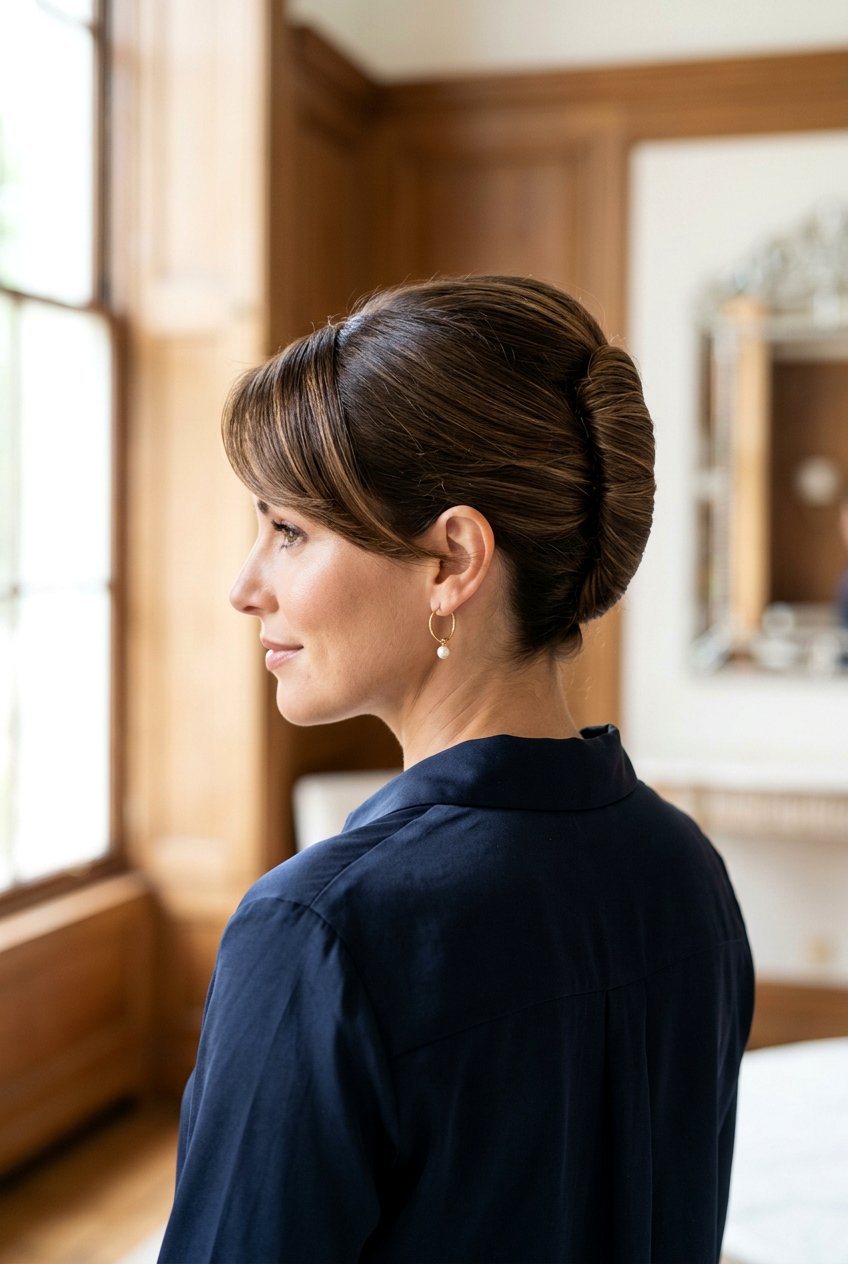
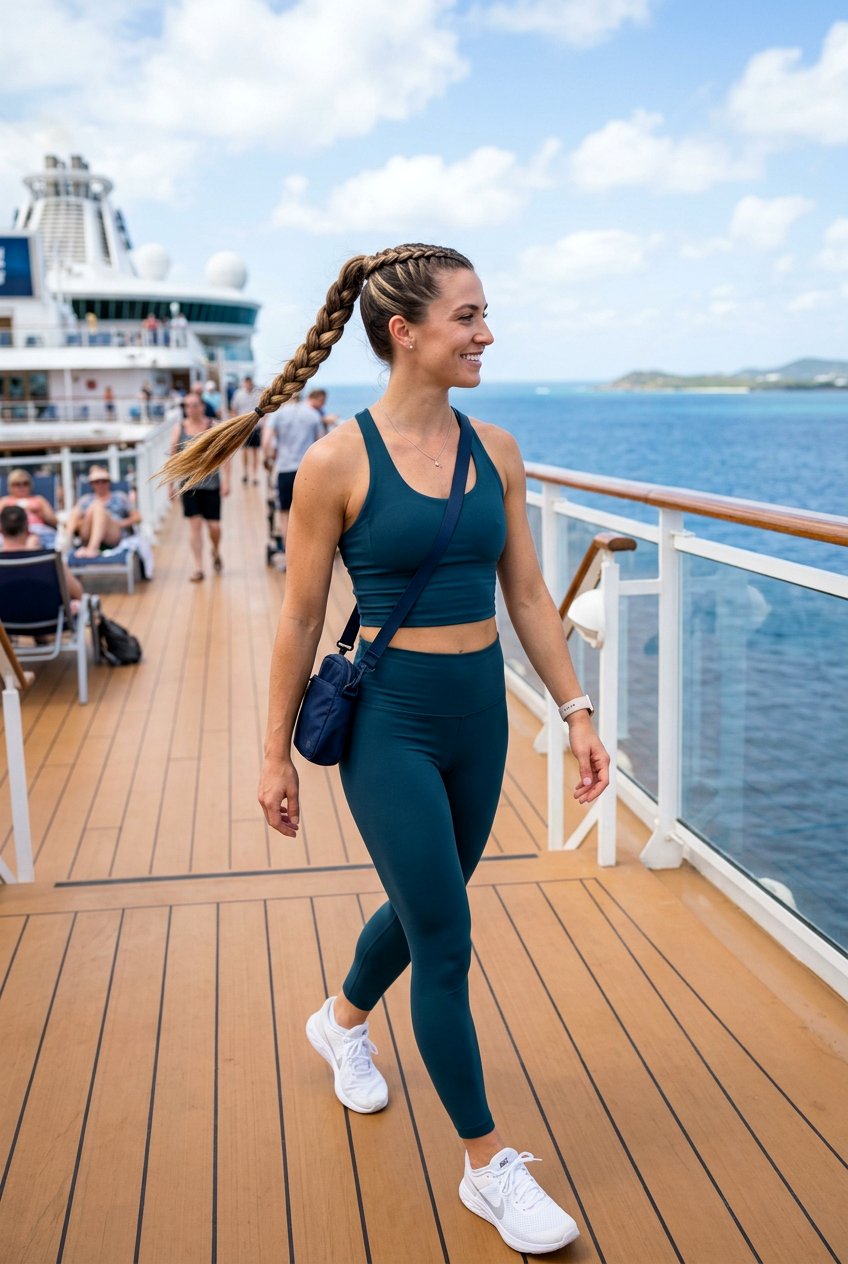
A low bun works beautifully when you drape your bridal dupatta in saree style across the front. The bun sits at the nape, giving you a smooth base for the end of the dupatta to tuck or pin securely. The rest of the fabric comes from one shoulder, across the body like a pallu, and sometimes over the head for rituals. This arrangement allows the bun to remain visible at the back while the front looks structured and graceful. It is a great option for lehenga brides who love the elegance of saree draping and want a hairstyle that feels classic but not overly stiff or heavy.
17. Braided Crown With Back Veil Dupatta
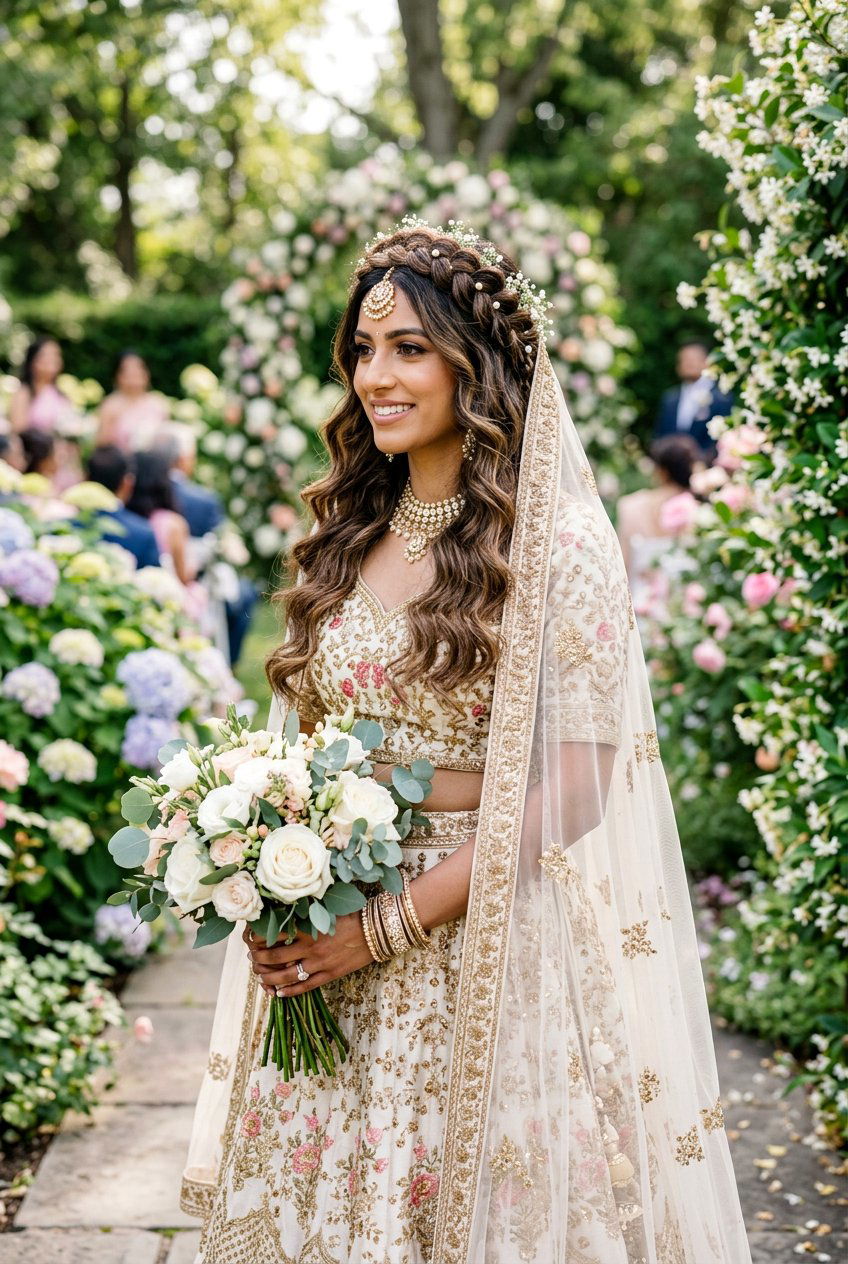
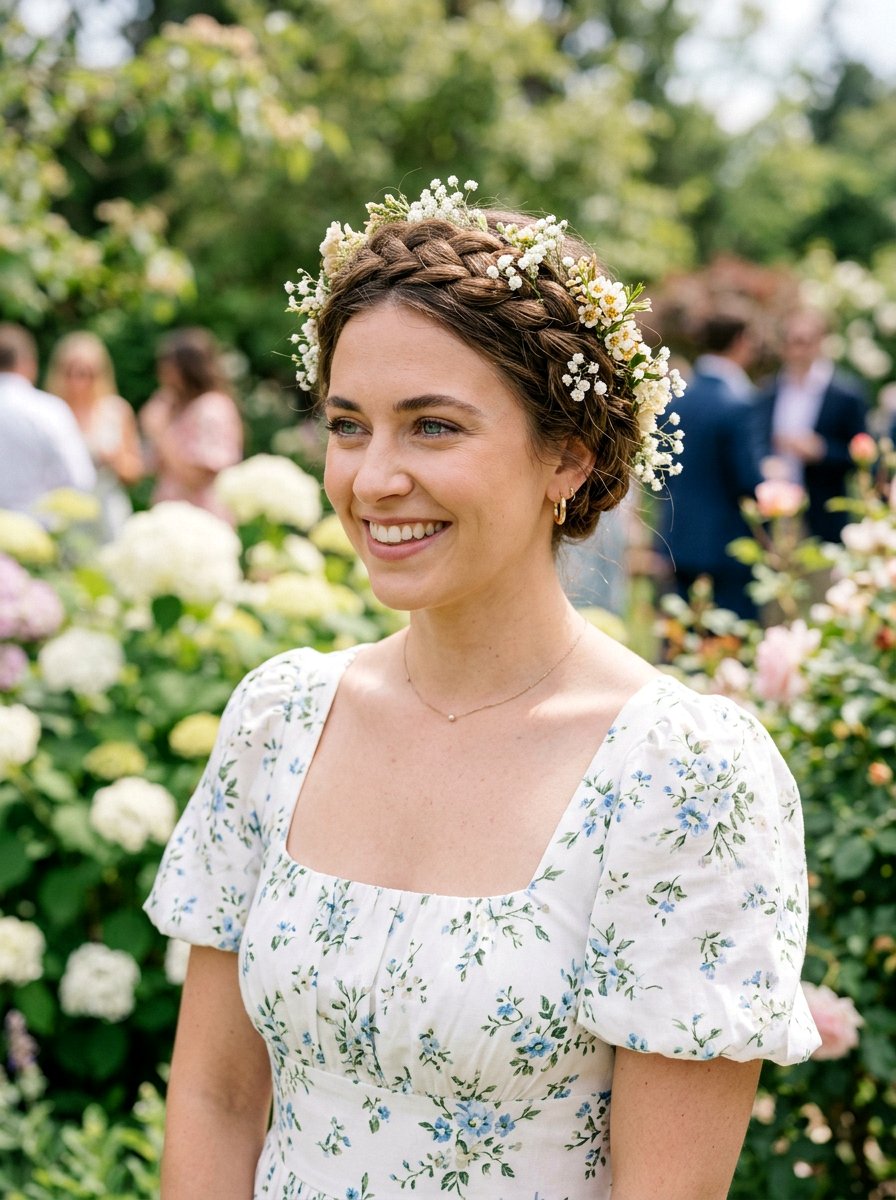
A braided crown with a back veil dupatta creates a halo effect that feels whimsical and royal. The stylist braids sections from each side of your head and pins them across the top or back to resemble a crown or halo. The rest of the hair can be left in waves, a low bun, or a loose pony, depending on your preference. The dupatta is then set behind the braided crown so it flows like a veil without hiding the braid detail. This hairstyle suits lighter, flowy fabrics and outdoor or garden weddings where you want a slightly boho yet still bridal and traditional feel.
18. Ponytail Bridal Hairstyle With Secure Dupatta
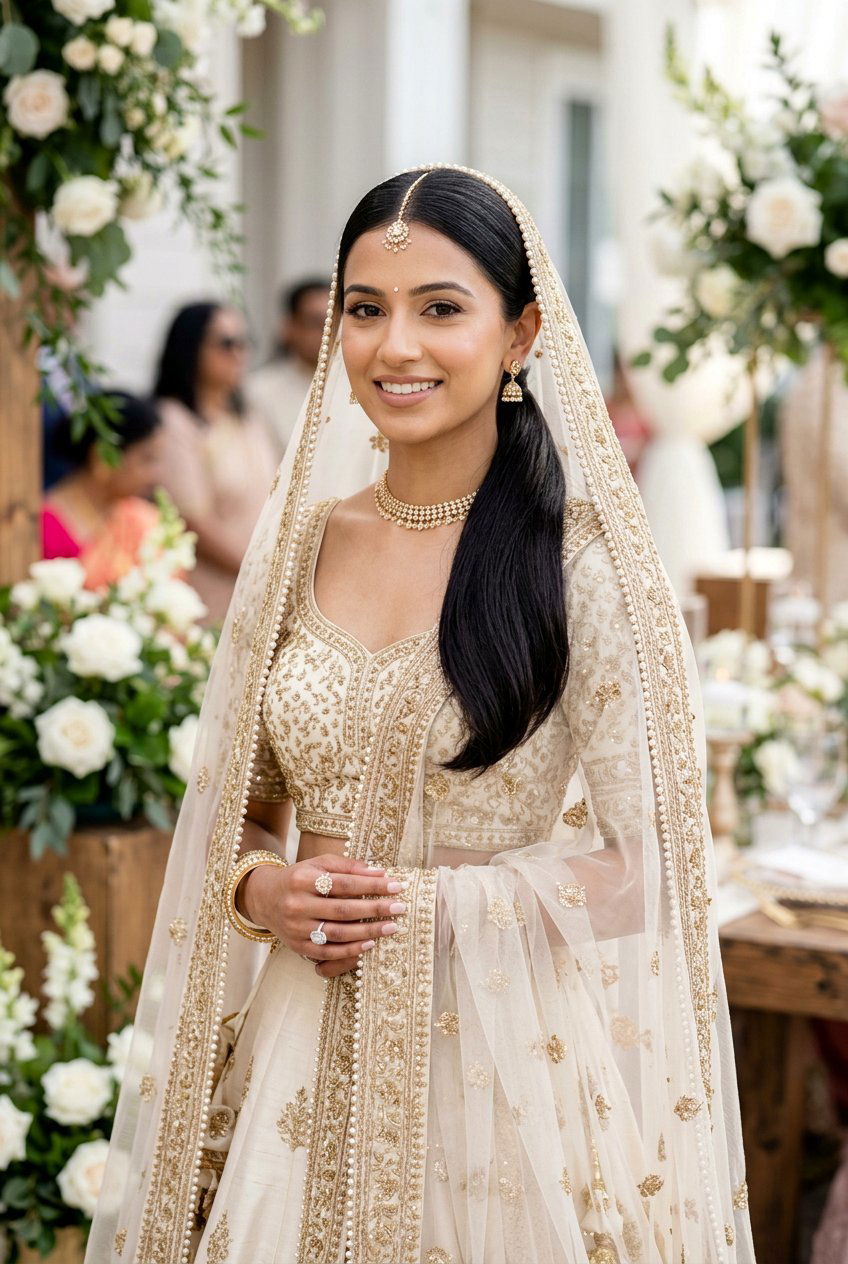
A sleek or softly textured ponytail can be a surprisingly practical bridal hairstyle for dupatta-heavy looks. Hair is gathered into a mid or low ponytail, often wrapped with a strand of hair to hide the elastic for a polished finish. The dupatta is pinned at the crown or slightly forward so it falls over the ponytail without disturbing the base. This keeps hair away from your face and back, which is useful for hot weather or very crowded events. It is a good match for minimalist outfits, modern lehengas, and brides who value ease of movement while still maintaining a clearly bridal look with jewelry and makeup.
19. Bun With Belted Dupatta Over Shoulders
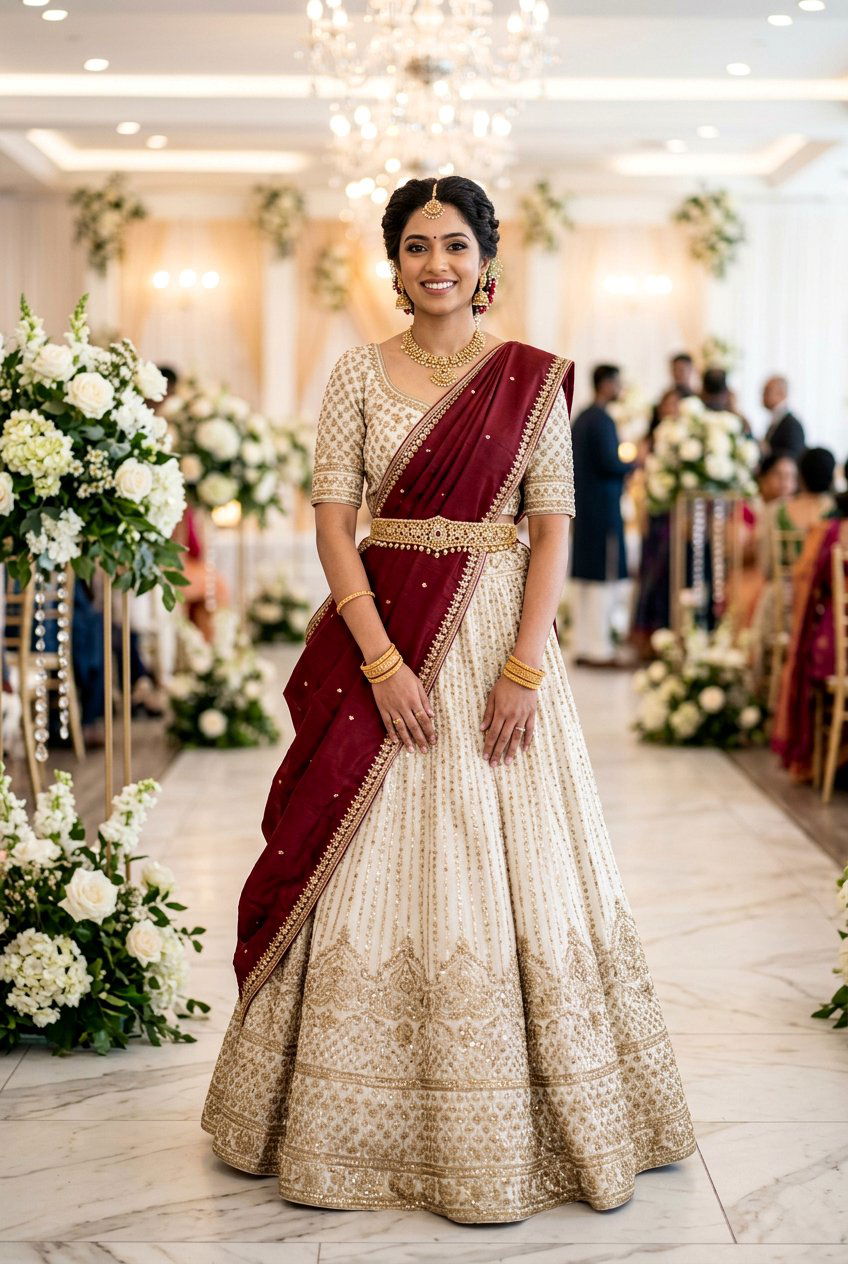
When you wear a belted dupatta over your shoulders, a strong bun is the best base to keep everything in place. The hair is usually styled into a mid or low bun that is compact and well pinned so it can handle tugging from the belt. The dupatta is draped around the shoulders and cinched at the waist with a belt, leaving the bun and neck area visible. This combination feels contemporary and structured, ideal for receptions or sangeet nights. It gives you freedom to dance and move because the dupatta does not shift easily, while the hairstyle remains neat and flattering in every candid shot.
20. Veil Style Dupatta With Simple Bun
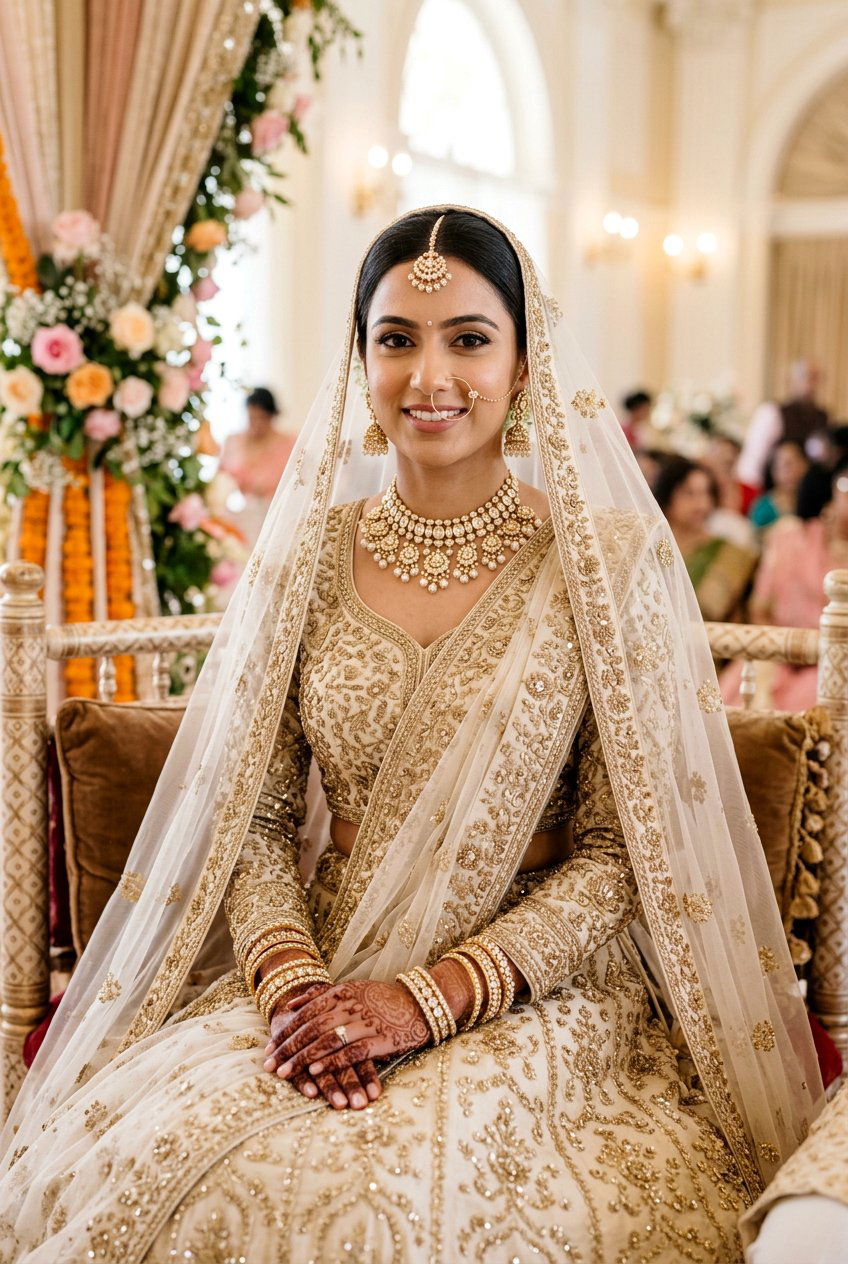
A full veil style dupatta paired with a simple bun is perfect if you want the fabric to be the main highlight. The bun itself is kept uncomplicated, either sleek or softly rounded, sitting at the back of the head. The dupatta is then draped completely over the head and shoulders like a veil, often reaching almost to the floor. Because the hairstyle is minimal, the heavy embroidery, scalloped edges, or dramatic length of the dupatta stands out more. This look works beautifully for Nikkah and main day functions where you want a very modest, graceful appearance that still feels regal and well put-together.
Conclusion:
Choosing the best bridal hairstyle with a dupatta starts with how you plan to drape your veil, how heavy it is, and how long you need it to stay in place. Buns, braids, and half-up looks all offer different kinds of support, so think about your comfort, venue, and outfit when you decide. If your dupatta is heavy or double layered, a structured bun with strong pinning usually works better than very open hair. For lighter veils, you can experiment with curls, side-swept waves, or loose braids that show more length while still keeping the fabric secure. Talk to your hairstylist during trials about how they will place and pin the dupatta so it does not shift, and bring your actual veil or something similar to see the full effect together.
You'll Like These Styles:



Leave a Reply