
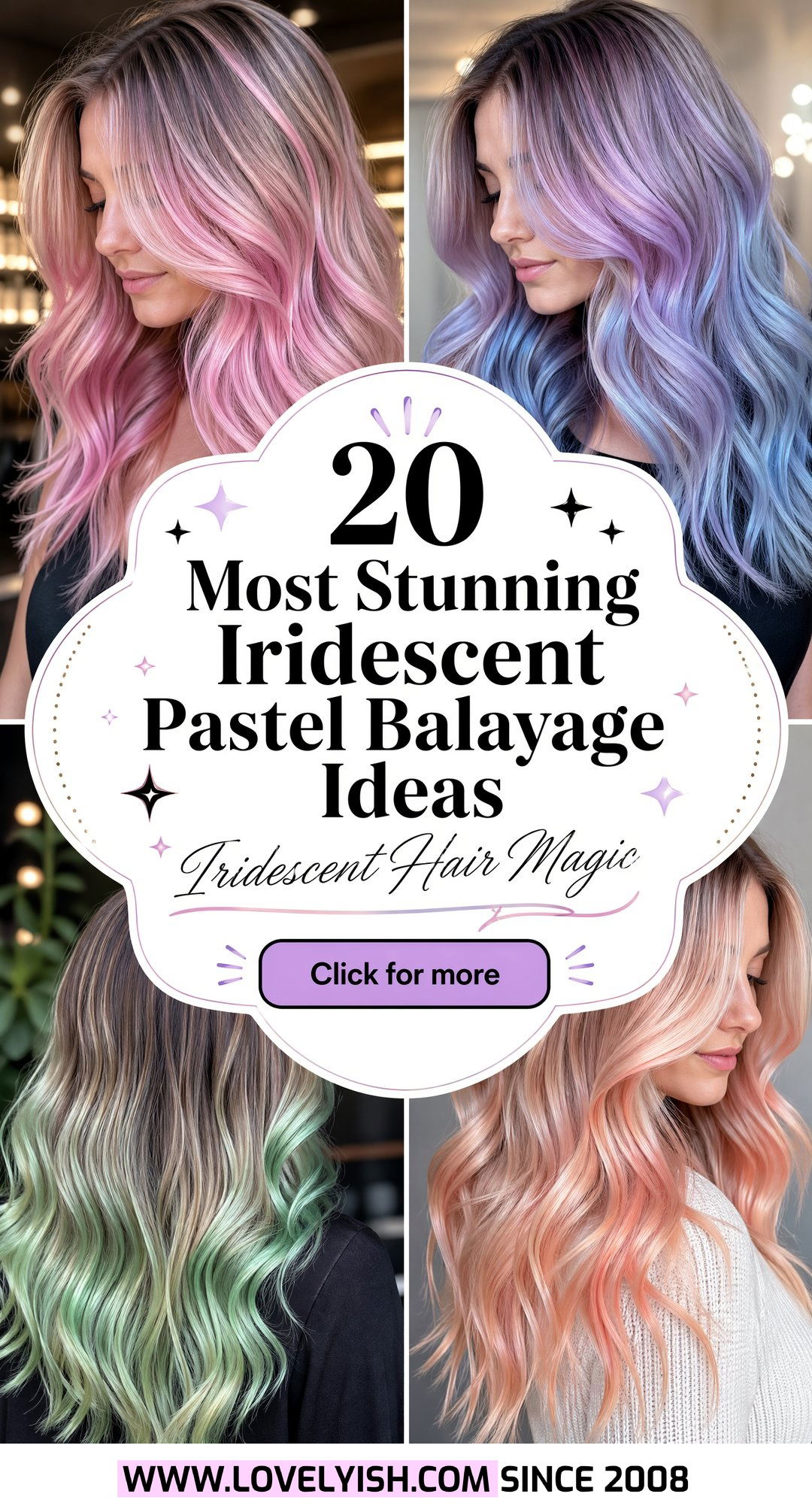
Pastel balayage has gone next level with iridescent finishes that shift softly as the light hits your hair, almost like a soap bubble or seashell sheen. Instead of one flat pastel shade, colorists now blend multiple soft tones—lavender, pink, pearl, and opal—over a lightened base so your color looks dimensional from every angle. This approach borrows from pearl blonde and “watercolor” techniques, where translucent hues wash over blonde for a shimmer instead of a bold block of color. If you love dreamy, soft color that still feels grown-up, iridescent pastel balayage is a smart choice because it is placed so it grows out more naturally than all-over fashion color. You can keep it subtle with muted blush and vanilla tones or go bolder with pastel rainbows, but either way you get depth, shine, and movement that look especially good in bright daylight or under studio lighting. With the right care—purple shampoo, gentle washing, and gloss refreshes—this look can stay glossy and luminous between salon visits.
1. Iridescent Pastel Balayage On Blonde Hair
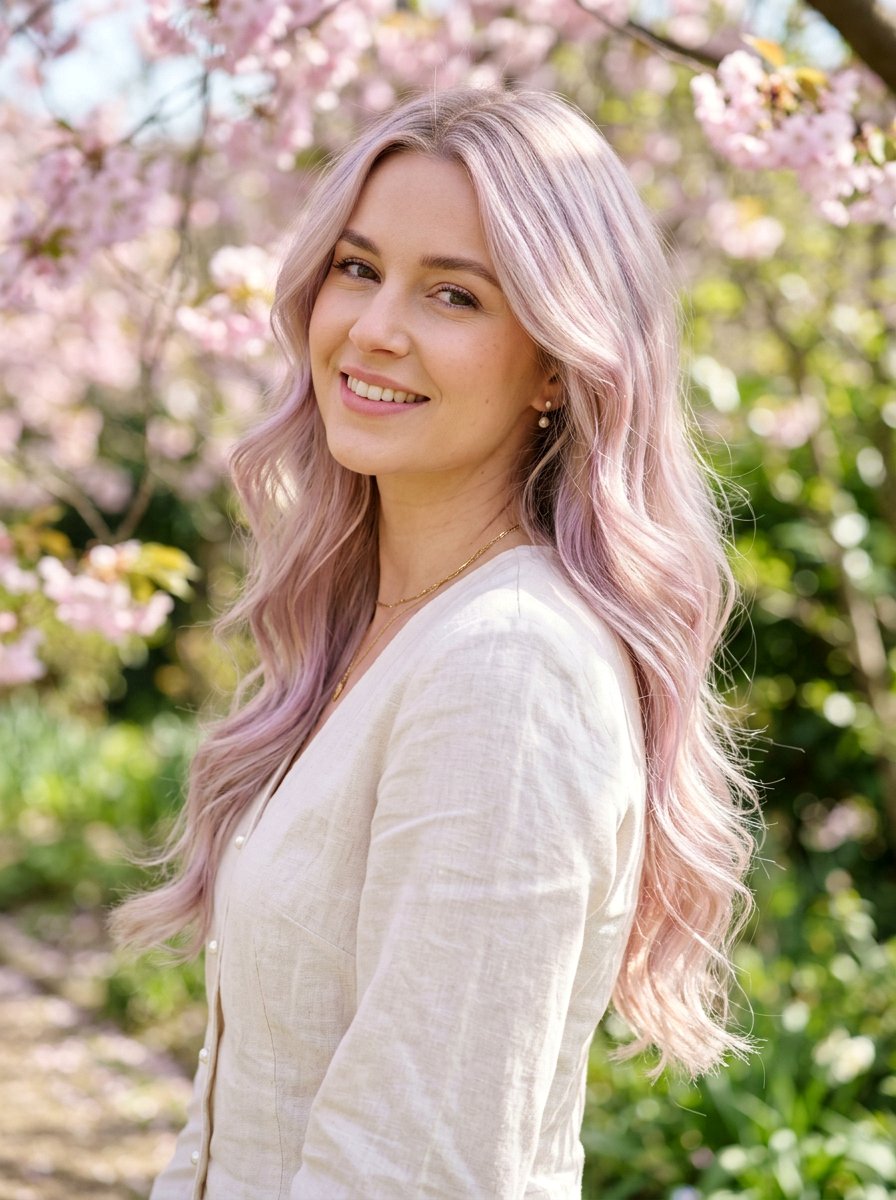
Soft blonde hair becomes the perfect canvas for iridescent pastel balayage because the light base lets every subtle shimmer show through clearly. A colorist typically pre-lightens the mid-lengths and ends to a pale, clean blonde, then sweeps on translucent tones like pearl, blush pink, and frosted lavender in a freehand pattern that follows your haircut and natural movement. The goal is a seamless melt from slightly deeper roots into glowing lengths that catch light without obvious stripes or harsh lines. This works beautifully on medium to long cuts with soft layers or waves, since the curves of the hair make the tones flip between cool and warm as you move. Ask for a finish that stays mostly neutral near the face and more opalescent toward the ends so the color feels wearable for work but still dreamy and fun on weekends. Maintain it with sulfate-free shampoo, a weekly hydrating mask, and regular glosses to keep the blonde bright and the iridescent veil from fading dull.
2. Iridescent Pastel Balayage On Brown Hair
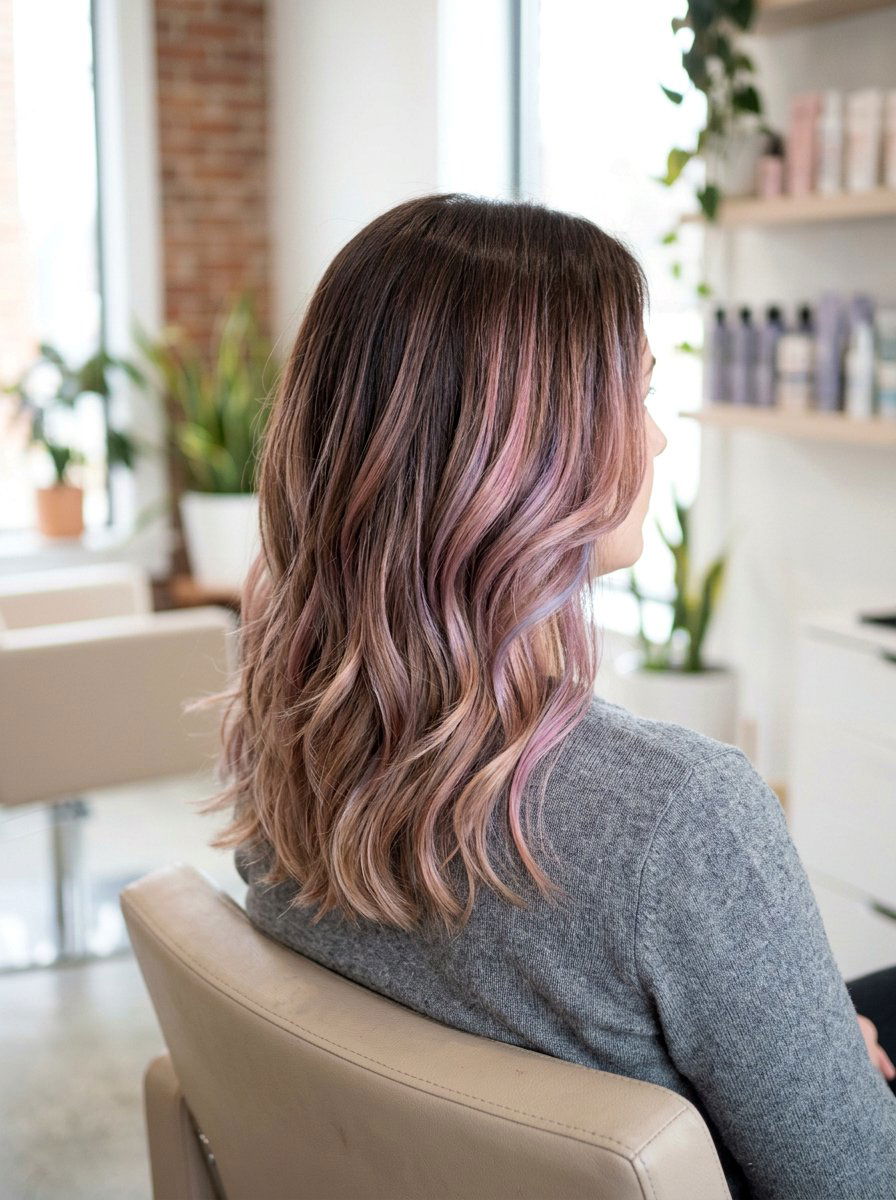
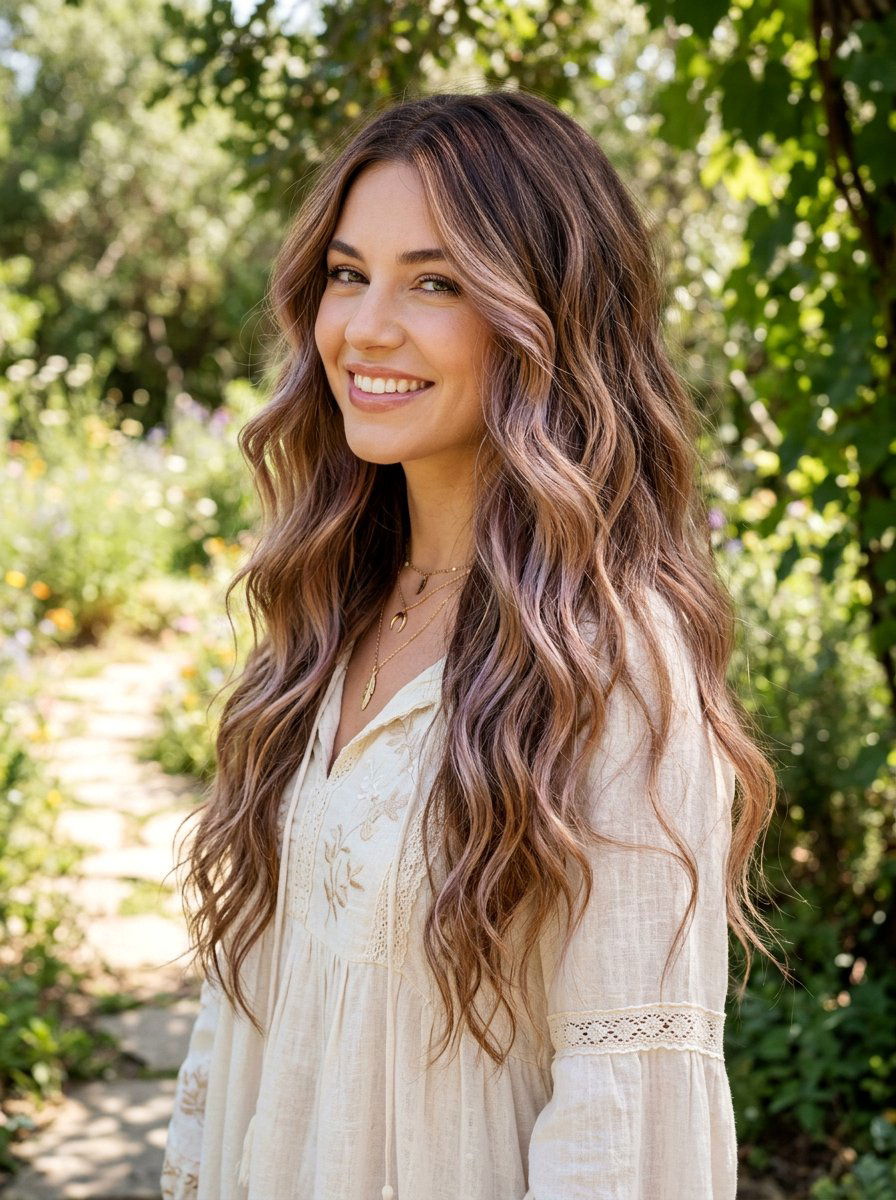
Medium and dark brown bases can still enjoy iridescent pastel balayage; they just need more prep and smart placement. Your colorist will first lift select sections—usually the mid-lengths and ends—to a bronde or blonde level using a gentle lightener, then tone those pieces with sheer pastel shades like rose, lilac, or muted mint. The contrast between rich brunette roots and soft, light-reflecting pastel ribbons creates depth without losing your natural vibe. Keeping the roots and some interior sections darker helps the look grow out gracefully, so you are not locked into constant touch-ups. This approach flatters long layered cuts, shag-inspired shapes, and even lobs, because the lighter ends frame the face and brighten your overall complexion. Ask your colorist to focus the highest concentration of pastel toward the lower third of your hair, then let a cooler toner blend everything so the shift from brunette to iridescent feels soft, not chunky. To preserve both the brunette richness and pastel glow, use color-safe shampoo, limit hot tools, and add a leave-in with UV protection.
3. Pearl Blonde Iridescent Pastel Balayage
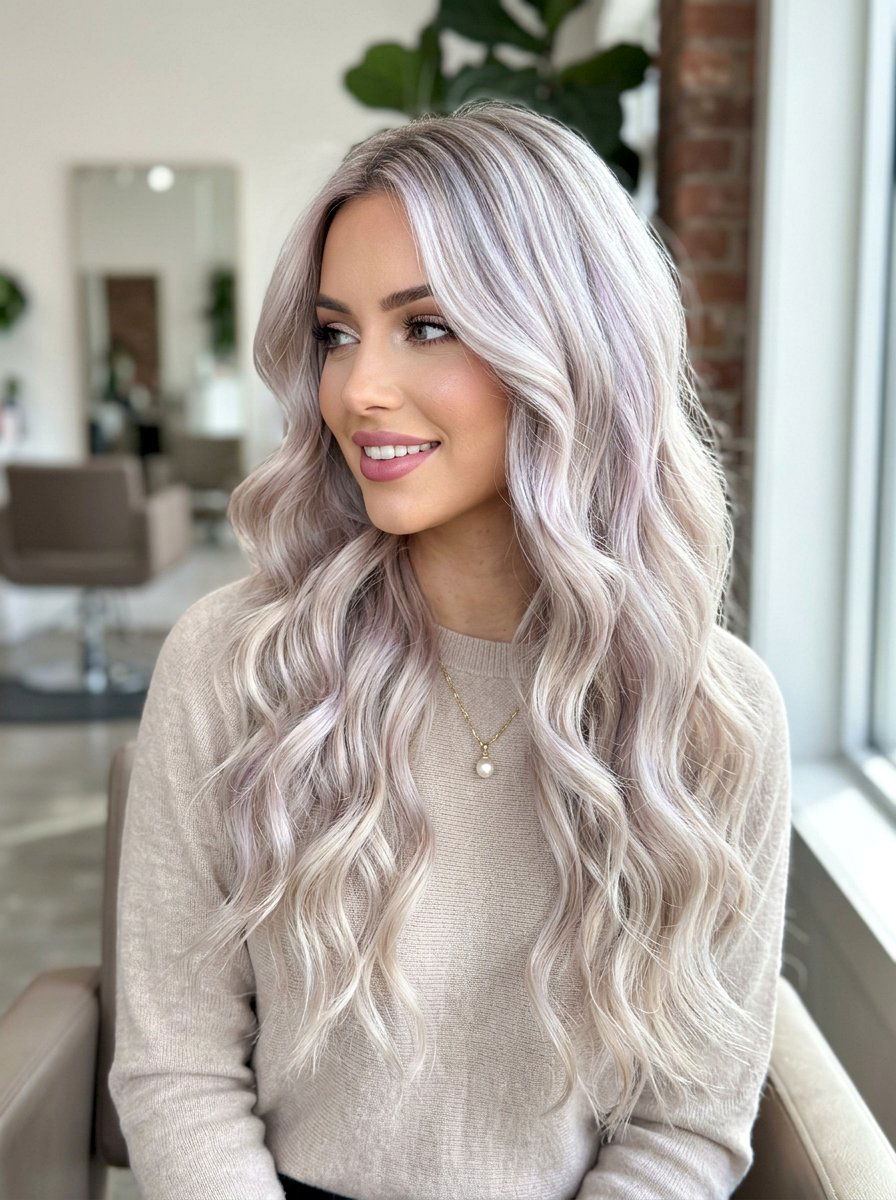
Pearl blonde iridescent pastel balayage centers around cool, pearlescent tones that make hair look like a shimmering shell surface. The colorist creates a pale blonde base, then layers in ultra-soft violet, silver, and blush glazes to cancel brass and add subtle color shifts without looking purple or pink outright. These tones work especially well on fair to medium complexions with cool or neutral undertones, since they echo the icy brightness in the skin. On long waves or sleek lobs, the pearly hues catch light on every bend, making your hair look thicker and more expensive. You can keep the roots slightly shadowed for a softer grow-out and to avoid a washed-out effect at the scalp. Because pearl shades can turn brassy if not maintained, it is important to use purple shampoo once or twice a week and avoid very hot water when washing. A clear or slightly tinted gloss service every few weeks will refresh iridescence and boost smooth shine so your hair keeps that luminous, mirror-like finish.
4. Pastel Pink Iridescent Balayage
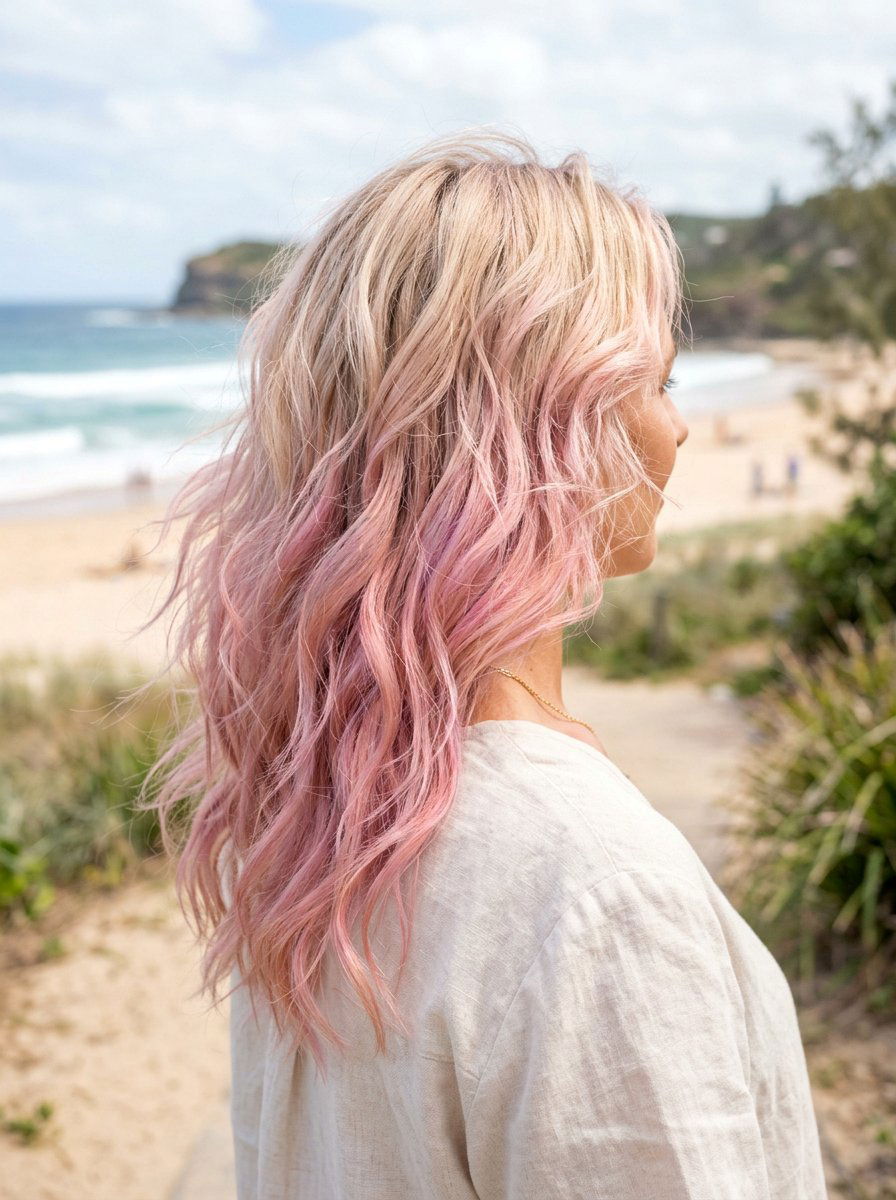
If you love soft, romantic color, pastel pink iridescent balayage gives a rosy glow without committing to neon hair. The stylist typically paints pink through pre-lightened mid-lengths and ends, sometimes mixing in peach or mauve so the result looks dimensional and not flat. Over a blonde or light bronde base, the pink appears airy and cotton-candy light, while on deeper bronde it reads more like a subtle rose-gold sheen. This look shines on loose waves and textured layers, where each strand shows slightly different levels of pink, peach, and blonde. For brunettes, a root melt in a cool brown shade can blend into rosy lengths for a seamless transition. Because pastel pink pigments can fade quickly, stylists often recommend color-depositing masks in soft rose tones and gentle, infrequent shampooing. Heat protectant is key, since high temperatures can pull out delicate pastel molecules faster and leave hair looking uneven rather than glowing and iridescent.
5. Lavender Iridescent Pastel Balayage
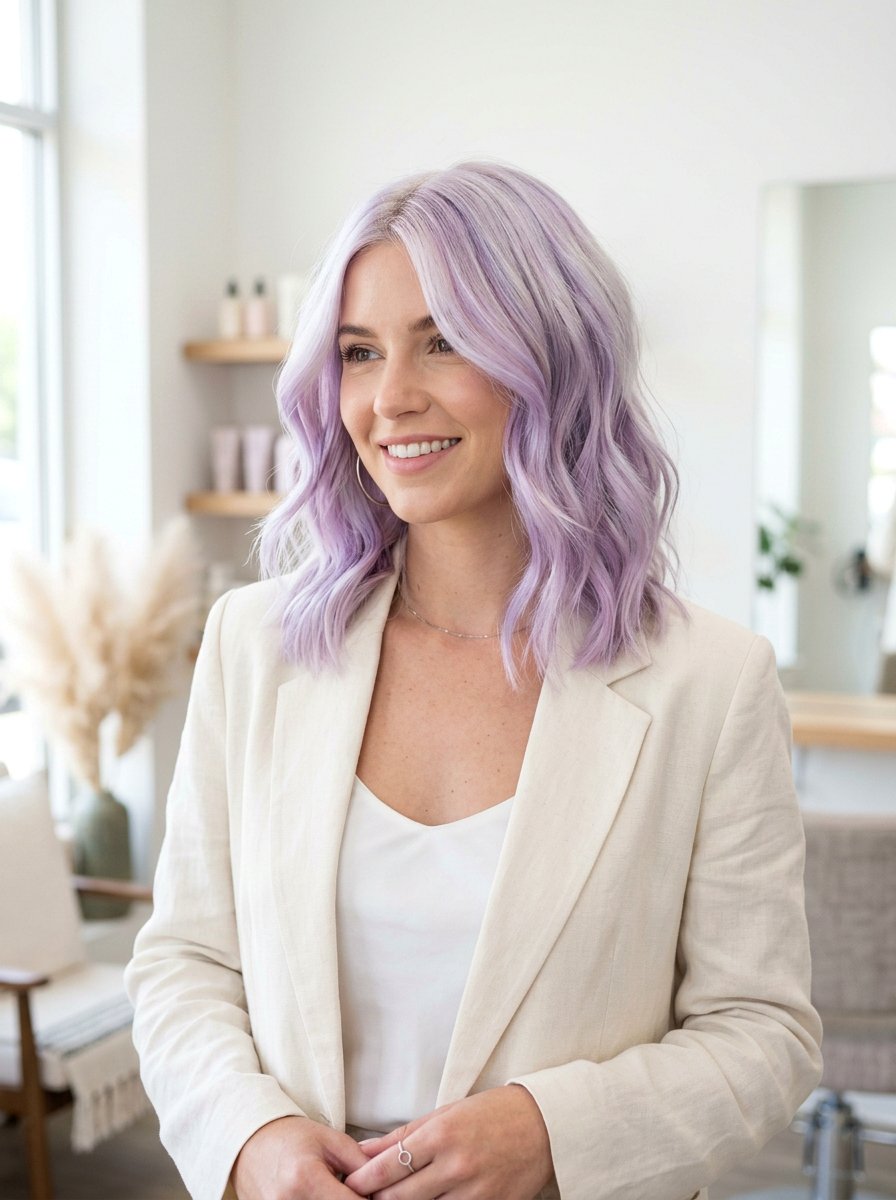
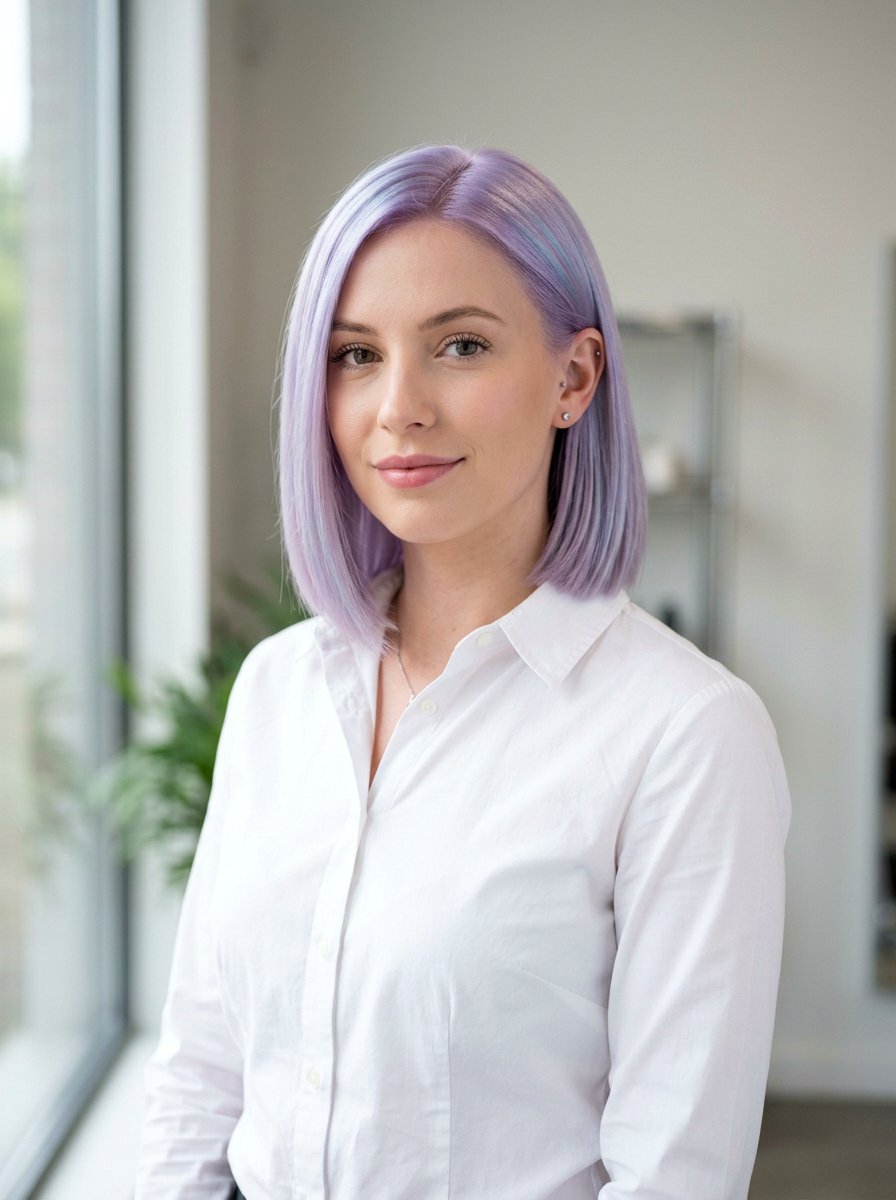
Lavender iridescent balayage feels dreamy but still surprisingly wearable, especially when layered over a cool blonde base. Colorists usually start with pale blonde lengths, then blend in sheer lavender with hints of silver or blue to keep the tone sophisticated, not cartoonish. The result is hair that shifts between soft violet and icy blonde depending on the lighting, giving a magical, holographic effect. This suits straight, sleek cuts just as well as tousled shags, because the multidimensional tone provides plenty of interest even without heavy styling. People with cooler skin tones often find lavender particularly flattering, but neutral undertones can pull it off when the base stays slightly warm at the root for balance. Maintenance usually includes purple or blue toning shampoos to control yellow and keep the lavender from turning muddy. Limiting chlorine exposure, protecting hair from sun, and scheduling gloss appointments will help the pastel remain bright and iridescent instead of fading flat.
6. Pastel Rainbow Iridescent Balayage
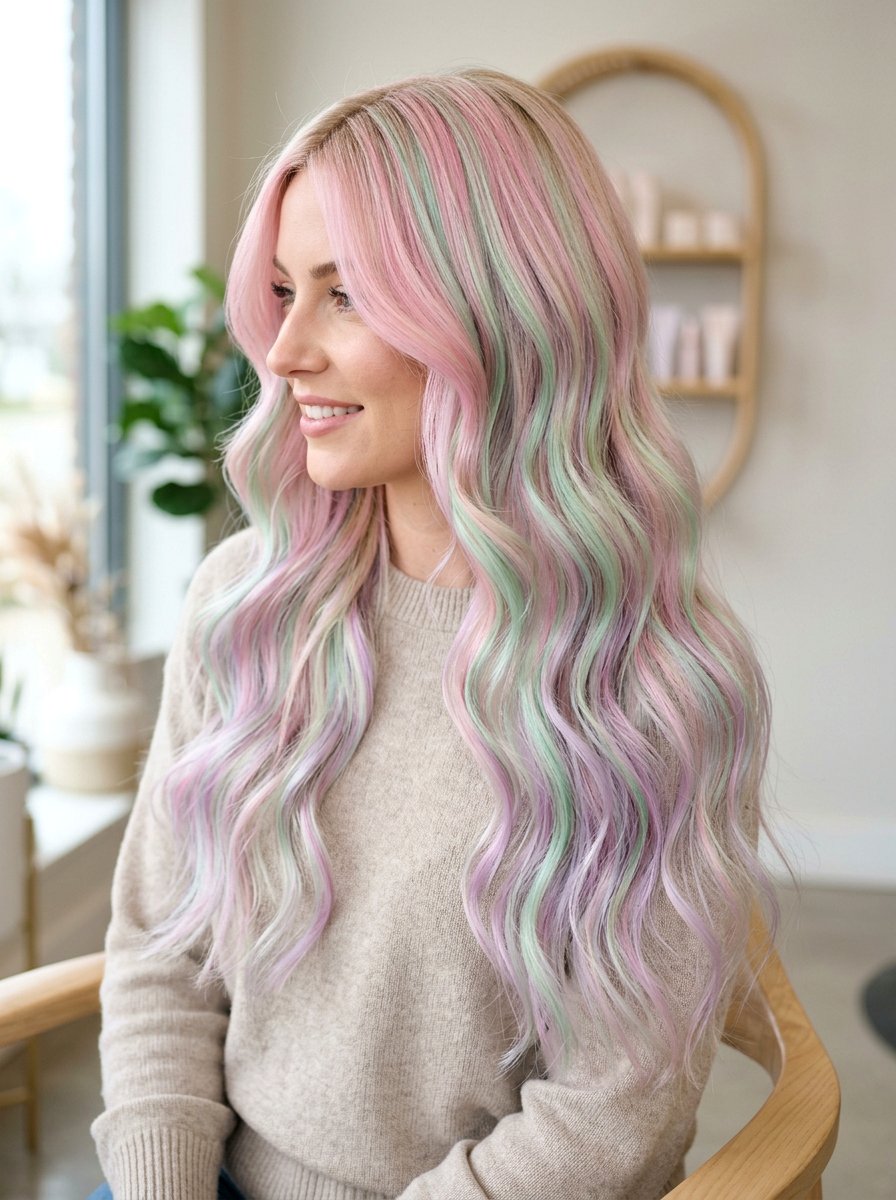
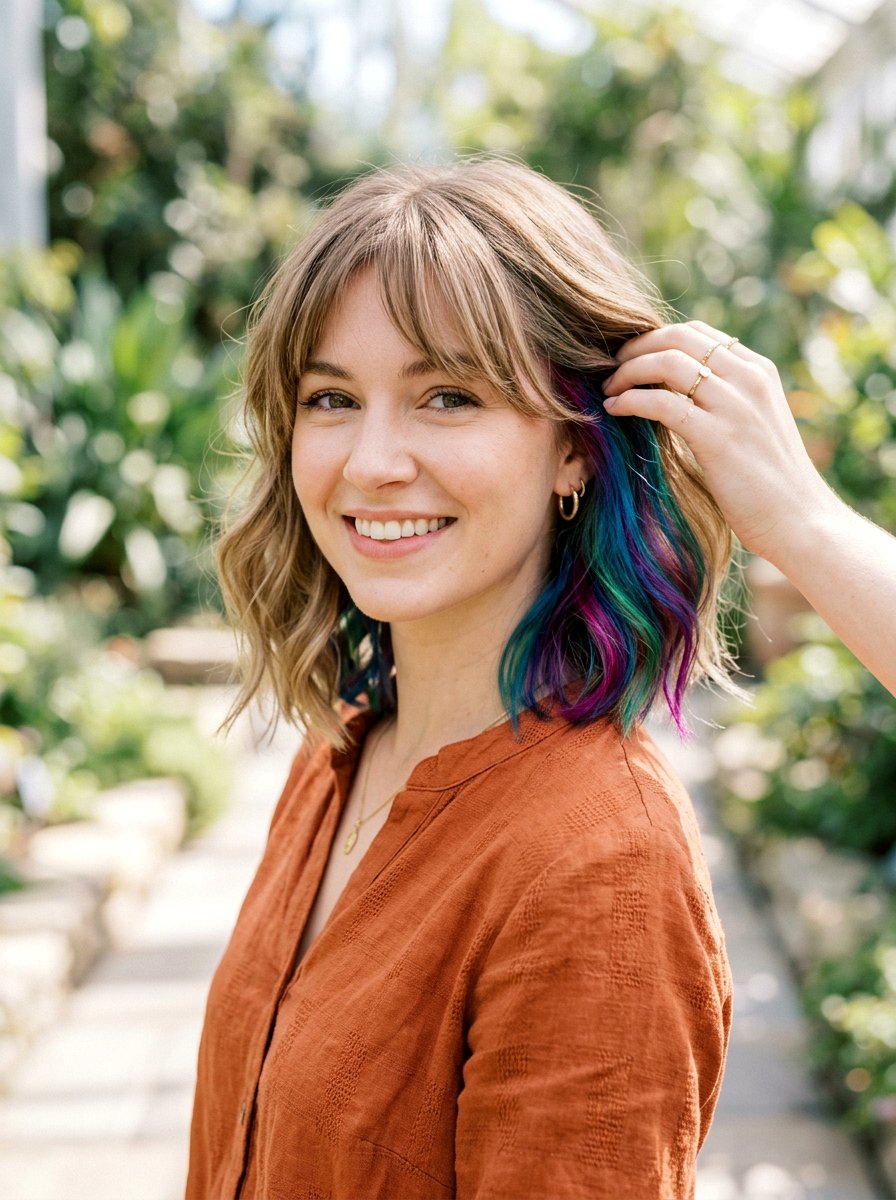
For those who want a statement color, pastel rainbow iridescent balayage layers multiple soft hues for a mermaid-like cascade of color. Stylists may blend baby pink, mint, lilac, and sky blue over a pale blonde base, placing the shades in sweeping panels rather than strict stripes so everything melts together as hair moves. The effect is softer than vivid rainbow hair but still eye-catching, especially on long hair that shows off the full gradient. Some colorists keep the front pieces more neutral and concentrate stronger rainbow tones underneath, so the look is more flexible for everyday life. This technique requires hair to be lightened very evenly first, since uneven lifting can cause certain colors to grab strangely or fade faster. Expect to schedule regular touch-ups or toning sessions, because different pastel shades may wash out at slightly different rates. Using sulfate-free products, cool water, and minimizing heat will help preserve the delicate balance between all the shades and keep the iridescent blend smooth instead of patchy.
7. Rose Gold Iridescent Pastel Balayage
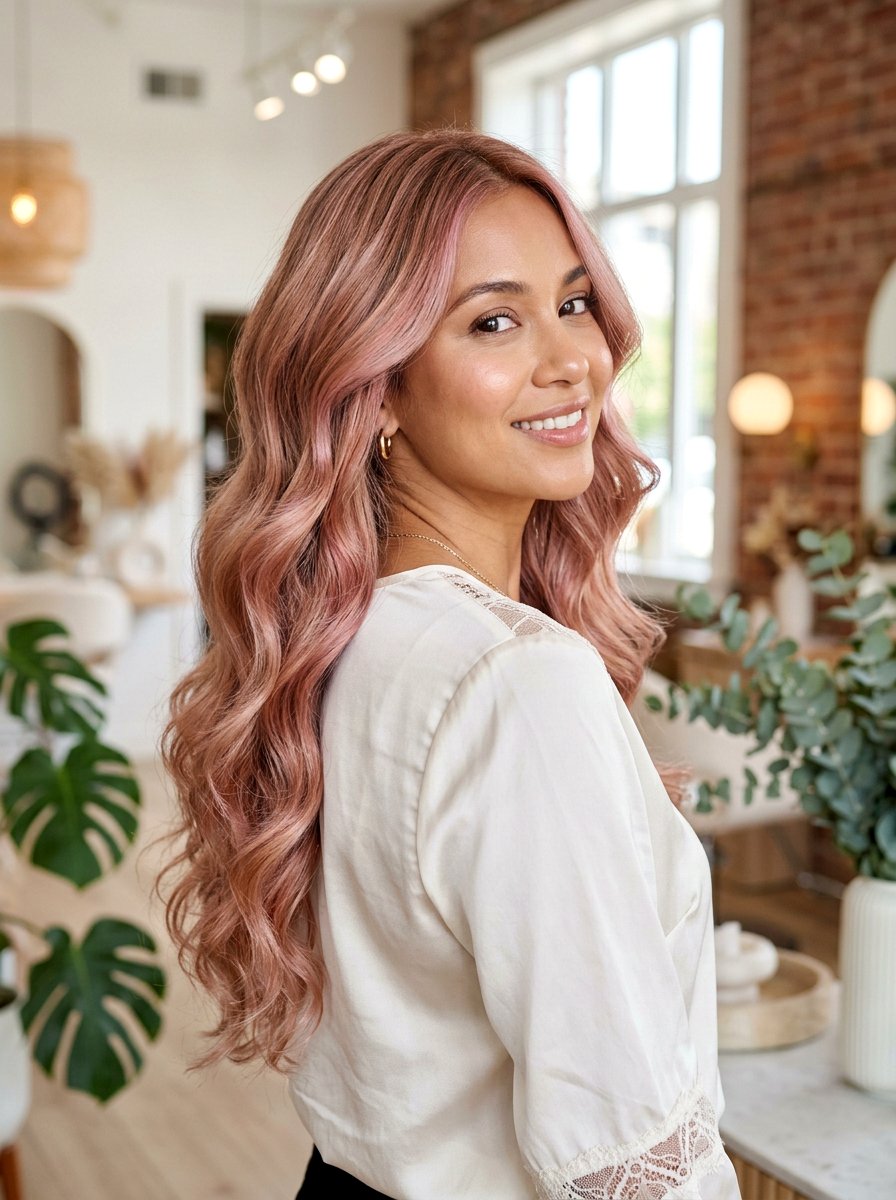
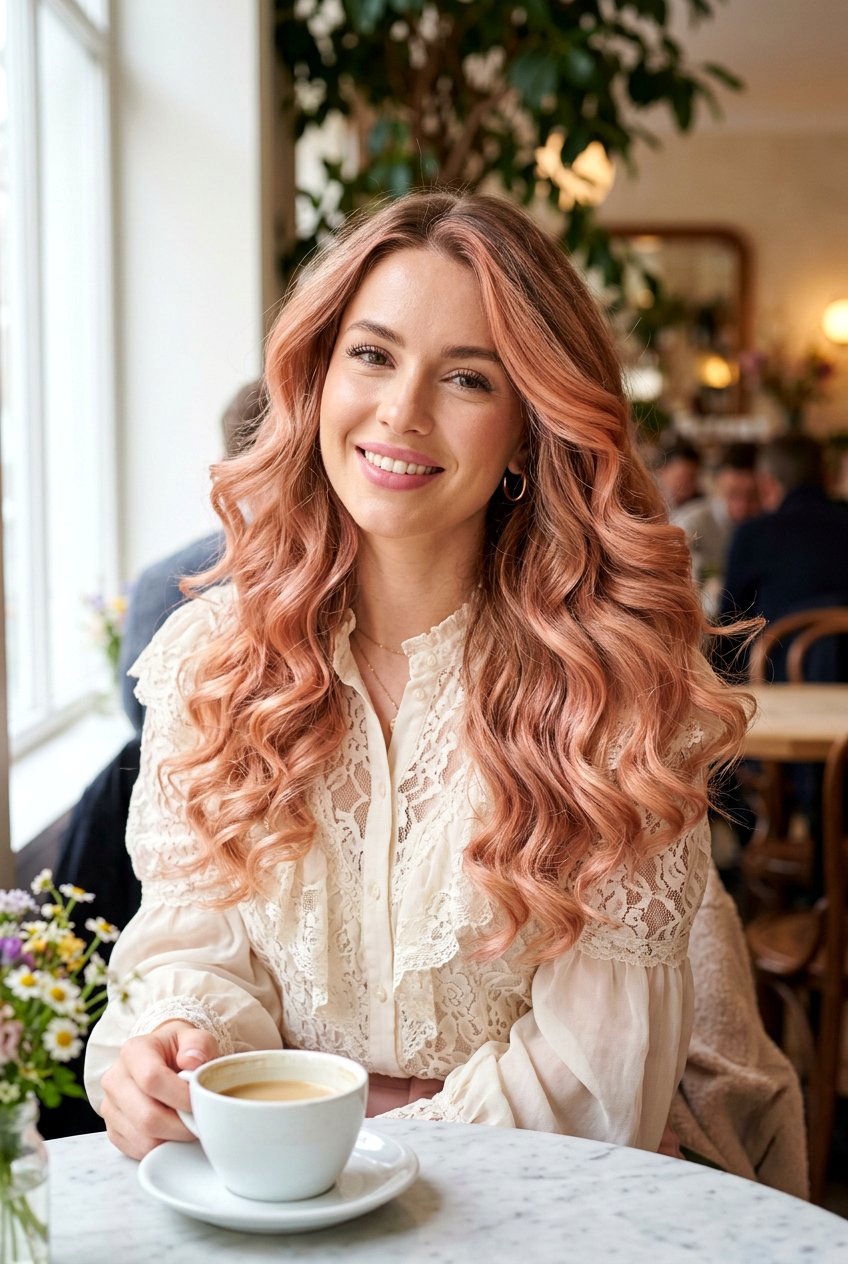
Rose gold iridescent pastel balayage mixes soft pink with warm gold and copper tones for a look that feels both trendy and flattering on many skin tones. Colorists usually start with a golden blonde or light copper base, then glaze over with rosy and champagne hues so the final color shifts between blush and metallic gold. This combination adds warmth and radiance to the complexion, which is why rose gold has stayed popular for several seasons. The balayage placement keeps brightness toward the mid-lengths and ends while leaving a softer, natural root for easy grow-out. On wavy lobs or long layers, the color reads luxurious and sunkissed rather than overly fashion-forward. To maintain shine and prevent brassiness, your stylist may recommend a gentle cleansing routine plus periodic glosses that refresh pink while softening orange tones. Heat-protecting serums or oils will also keep the surface of the hair smooth, which is essential for that reflective, iridescent glow.
8. Blue Iridescent Pastel Balayage
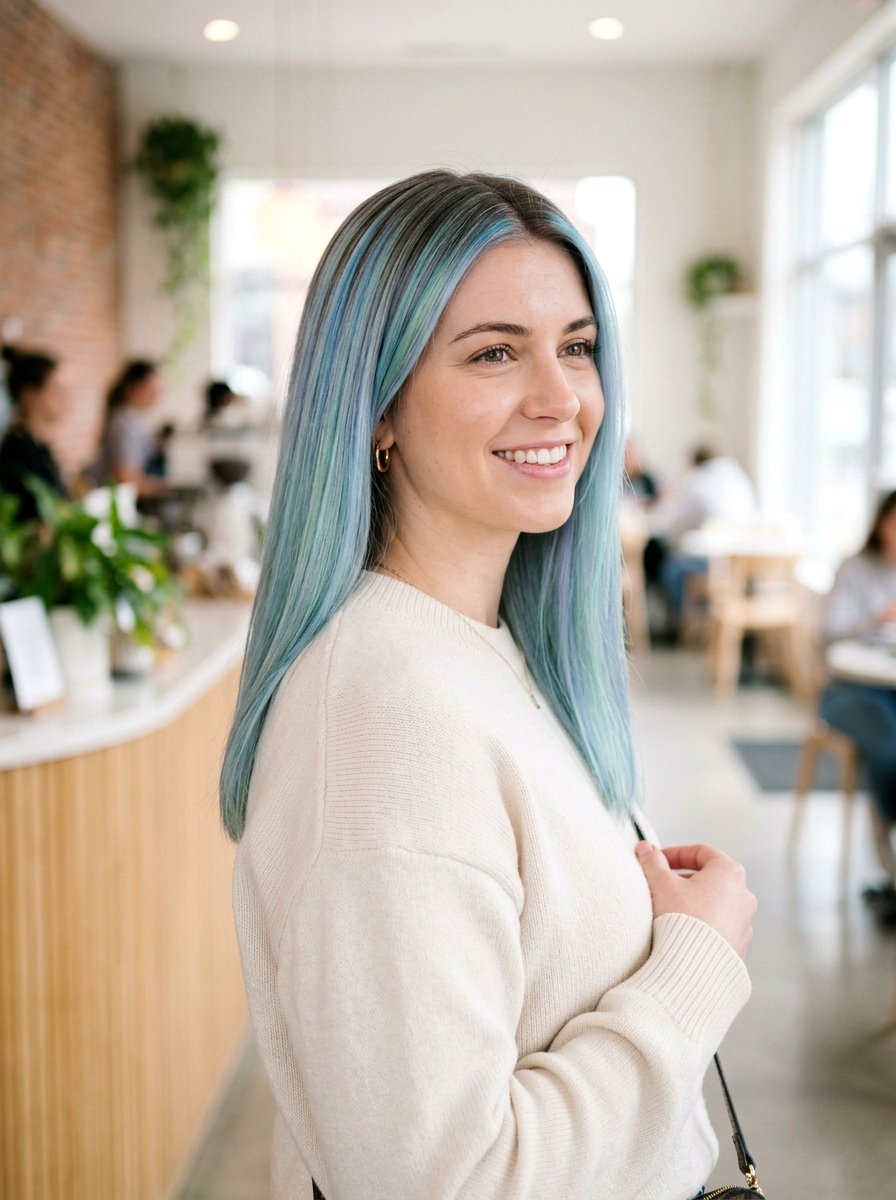
Blue iridescent pastel balayage offers a cool, ocean-inspired twist that can look surprisingly soft when applied in sheer layers. Stylists often use a mix of pastel blue and aqua over a platinum or very light blonde base, sometimes smudging in hints of green or violet near the ends for extra dimension. The balayage technique keeps the color concentrated on the lengths while letting a shadow root anchor the look, so it feels intentional rather than costume-like. Blue pastels tend to flatter cool and neutral skin tones best, but placement can be adjusted to keep bold color slightly away from the face if needed. Because blue pigments can fade into green, a professional toner and at-home color care are important. Using sulfate-free shampoo, washing less often, and avoiding chlorine will help preserve the true blue shade and keep the overall effect shimmery, not murky. Glosses with a hint of violet or silver can also be used to rebalance tone and maintain that luminous, watery iridescence.
9. Mint Green Iridescent Pastel Balayage
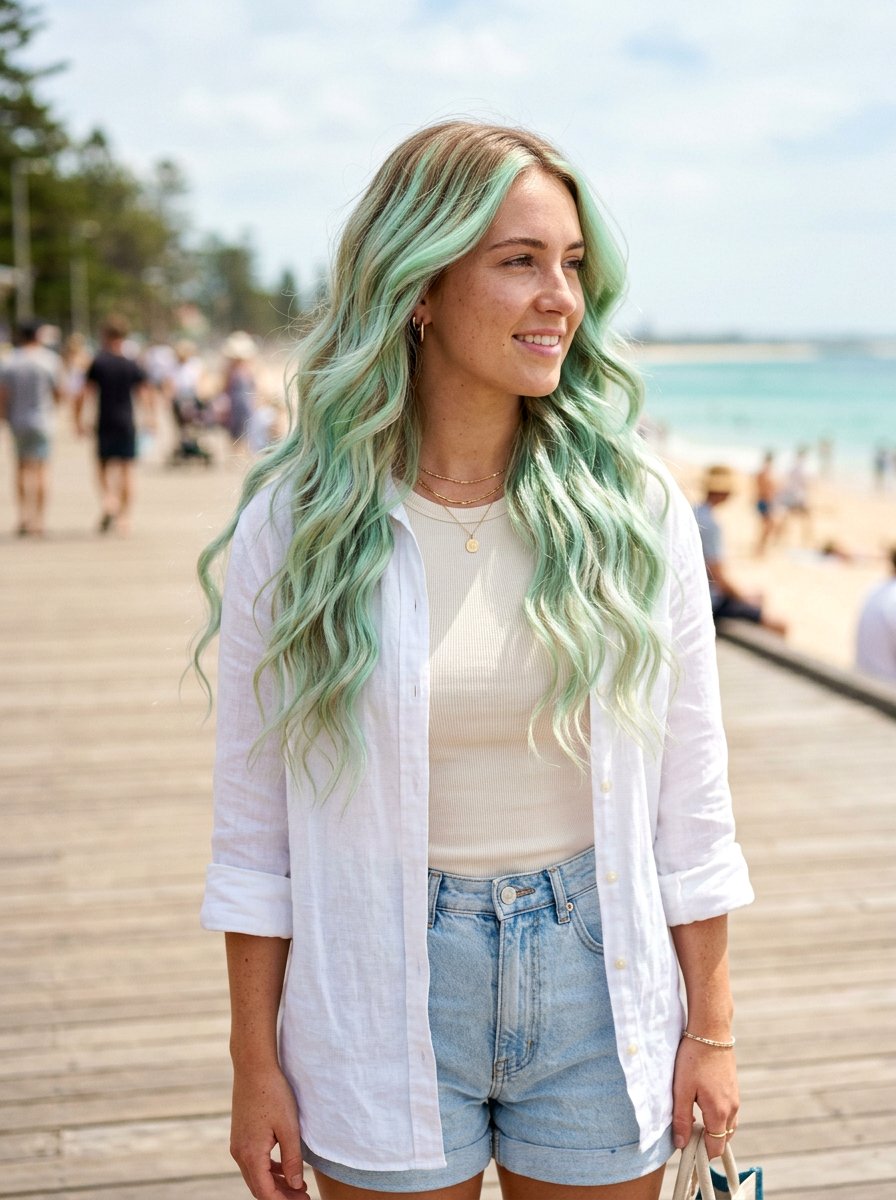
Mint green iridescent pastel balayage brings a fresh, soft pop of color that feels lighter and airier than deeper emerald tones. On a pale blonde base, mint can be placed in sweeping pieces through the mid-lengths and ends, sometimes kissed with a bit of blue or silver to keep it cool and ethereal. The result is hair that looks a little like sea glass—translucent, luminous, and never too loud. This look often pairs well with shaggy layers, long beach waves, or even a straight, blunt cut where the color itself is the main detail. People with cooler or neutral undertones may find mint especially flattering, but it can be customized with warmer blonde near the face to work on more complexions. As with other pastels, pre-lightening must be even, and maintenance should focus on gentle cleansing and lots of conditioning to keep lightened hair healthy. A color-depositing conditioner in a soft green or blue tone can help refresh mint between salon visits and maintain the iridescent sheen.
10. Pastel Platinum Iridescent Balayage
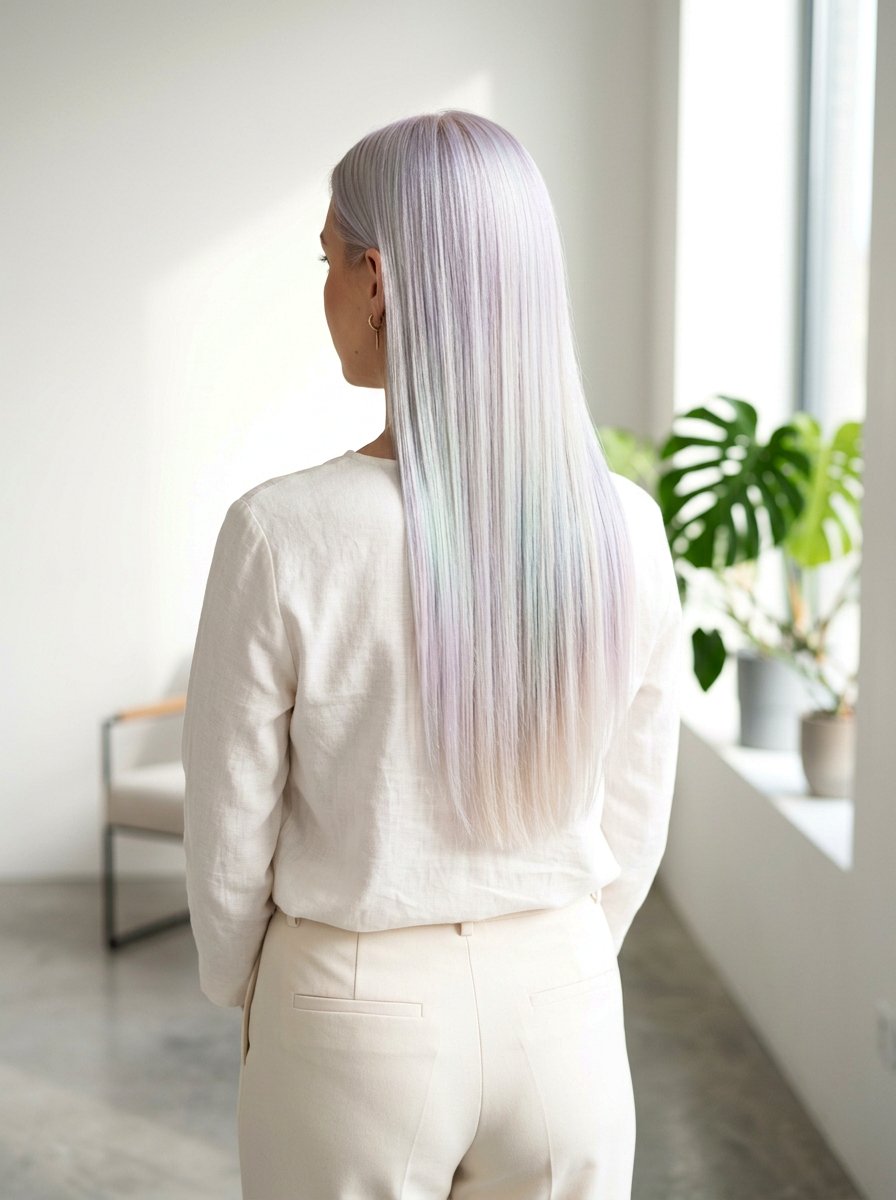
Pastel platinum iridescent balayage turns classic icy blonde into something more complex by weaving in soft pastel hues. Stylists usually lift hair to a clean, nearly white blonde, then glaze sections with hints of lavender, blush, or pale blue for a cool-toned finish that still reads mostly platinum from a distance. The balayage placement ensures the brightest pieces are around the face and toward the ends, creating a halo-like brightness and a strong yet soft contrast with darker roots. This look suits straight, glassy blowouts as well as loose waves, since the bright base naturally catches light. Because platinum hair is fragile, bond-building treatments and nourishing masks are essential to keep strands smooth enough to reflect light and show off the iridescent tones. Purple shampoo helps fight yellowing, but it should be balanced with moisturizing products so hair doesn’t become dry. Regular salon glosses can refine tone, cool down any warmth, and top up the pastel veil without re-lightening.
11. Iridescent Pastel Balayage Money Piece
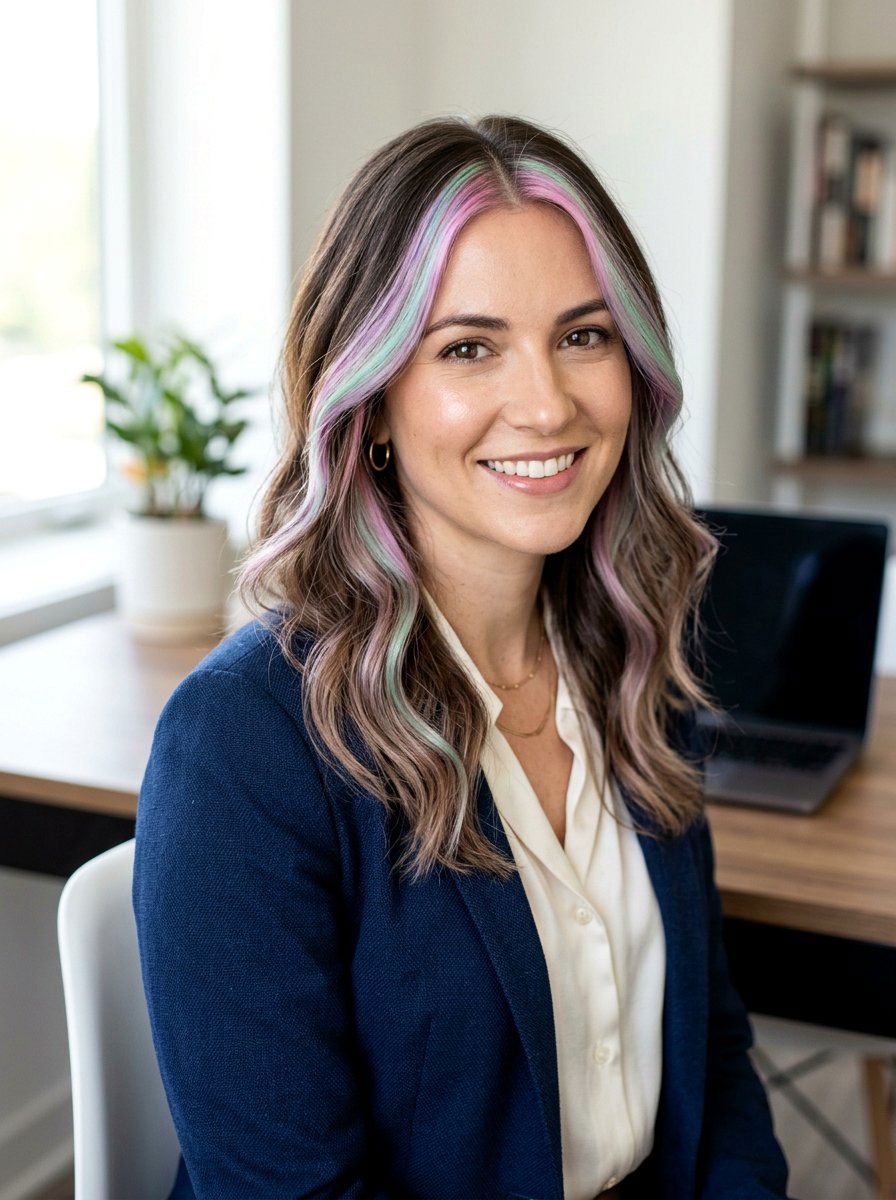
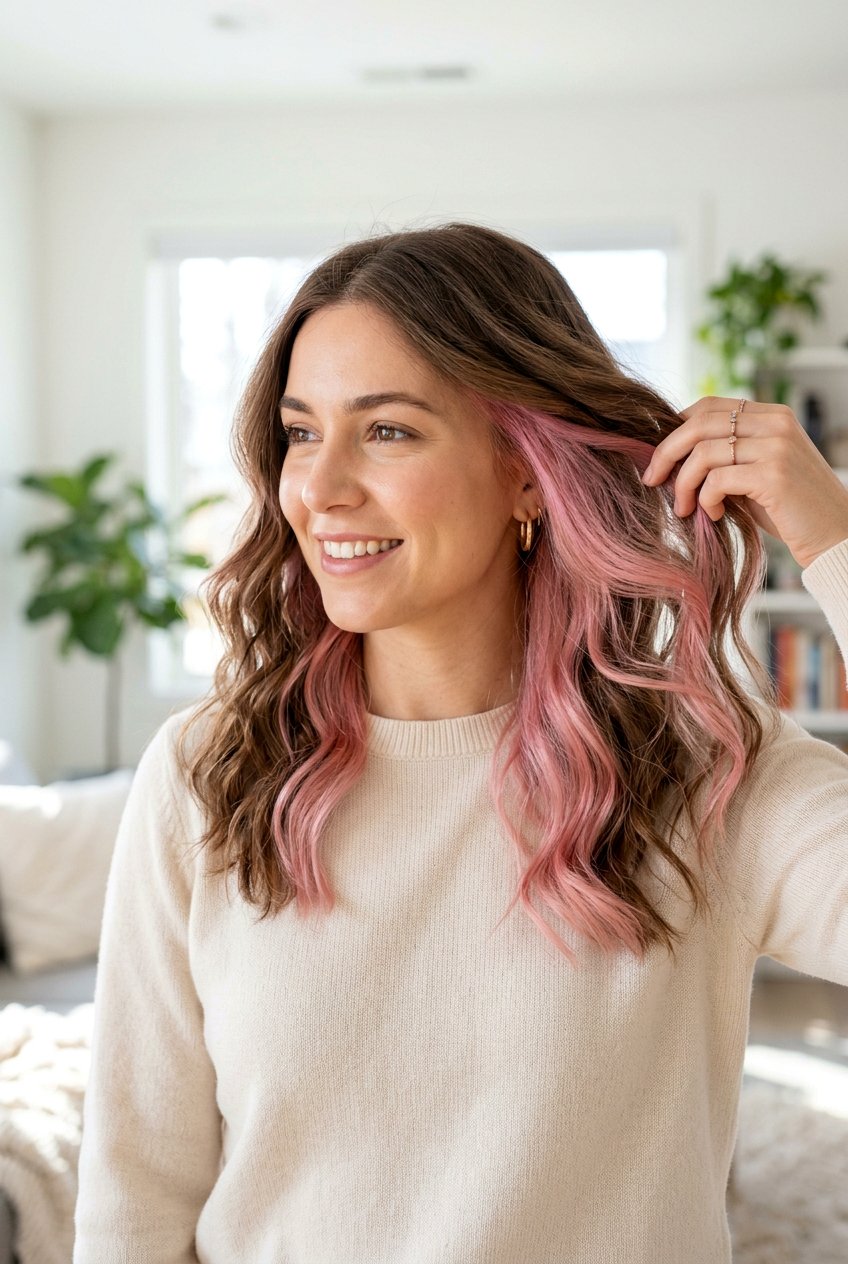
An iridescent pastel balayage money piece focuses color around the face while keeping the rest of the hair more low-key. The stylist lightens the front sections to a bright blonde, then tones them with layered pastel shades like pink, lilac, or pearl while leaving the interior softer and more natural. This framing effect draws attention to your features and can make skin appear brighter. It is ideal if you want to experiment with iridescent color without committing to an all-over pastel look. On long layers, shags, or lobs, the face-framing pieces stand out when hair is worn down or pulled into a ponytail or bun. Because the lightest hair sits near your face, it is important to maintain hydration with masks and protectant sprays so it stays smooth and glossy, not frizzy. Ask your colorist for a soft root melt behind the money piece so the transition from your natural shade into the iridescent front feels polished and modern.
12. Short Bob With Iridescent Pastel Balayage
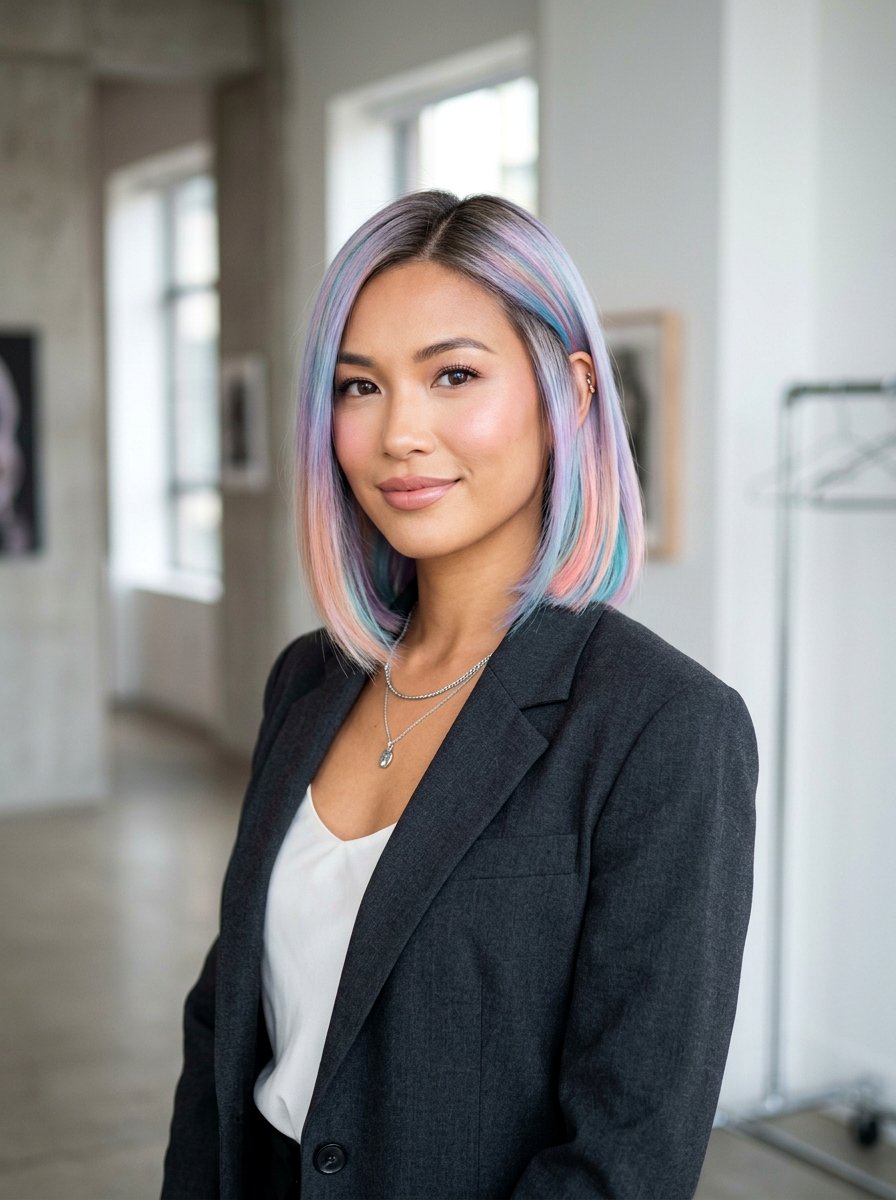
Short hair looks striking with iridescent pastel balayage, especially on a bob where clean lines and color contrast stand out. A jaw-length or chin-grazing bob can be lightened through the mid-lengths and ends, then toned with soft blends of pastel pink, violet, or pearl to create depth while keeping the cut sharp. The shorter length often makes pastel color feel more wearable, because you are not overwhelmed by a full curtain of bright hair. Stylists may place the lightest, most iridescent pieces around the face and toward the outer layers so the color shows even when hair is tucked behind the ears. Whether worn sleek and straight or softly waved, the bob’s shape helps showcase subtle shifts in tone as you move. Shorter hair can handle more frequent trims, which is helpful when maintaining lightened ends and keeping everything healthy. Use a lightweight smoothing serum and heat protectant when styling to prevent frizz and keep the pastel shimmer glassy rather than dull.
13. Long Layers With Iridescent Pastel Balayage
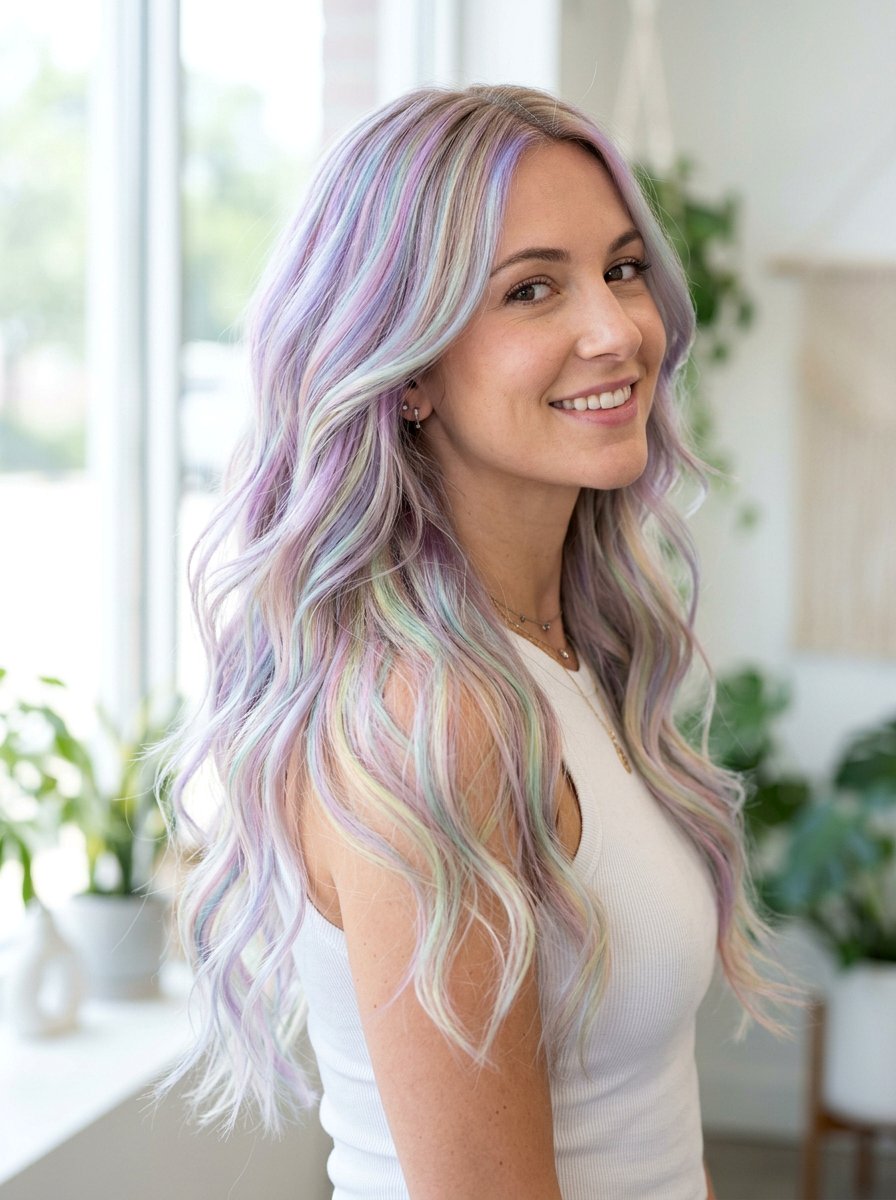
Long, layered cuts are classic partners for iridescent pastel balayage because they give color plenty of space to flow and blend. Stylists typically paint lighter pieces starting around the mid-lengths, following the natural direction of your layers so the pastel shades cascade softly down the hair. Hues like lavender, pearl, and rose can be placed in alternating ribbons, with some panels left more neutral to maintain dimension. When styled in loose waves, each layer picks up light differently, emphasizing the iridescence and making hair look fuller. Keeping the roots darker and gradually brightening toward the ends helps the look grow out gracefully and reduces maintenance needs. Because long hair has older, more fragile ends, salon-strength treatments, masks, and regular dusting trims are key for keeping lightened lengths healthy. At home, gentle detangling, microfiber towels, and heat-safe products all help protect your balayage so the colors stay clear, reflective, and multi-tonal.
14. Curly Iridescent Pastel Balayage Hair
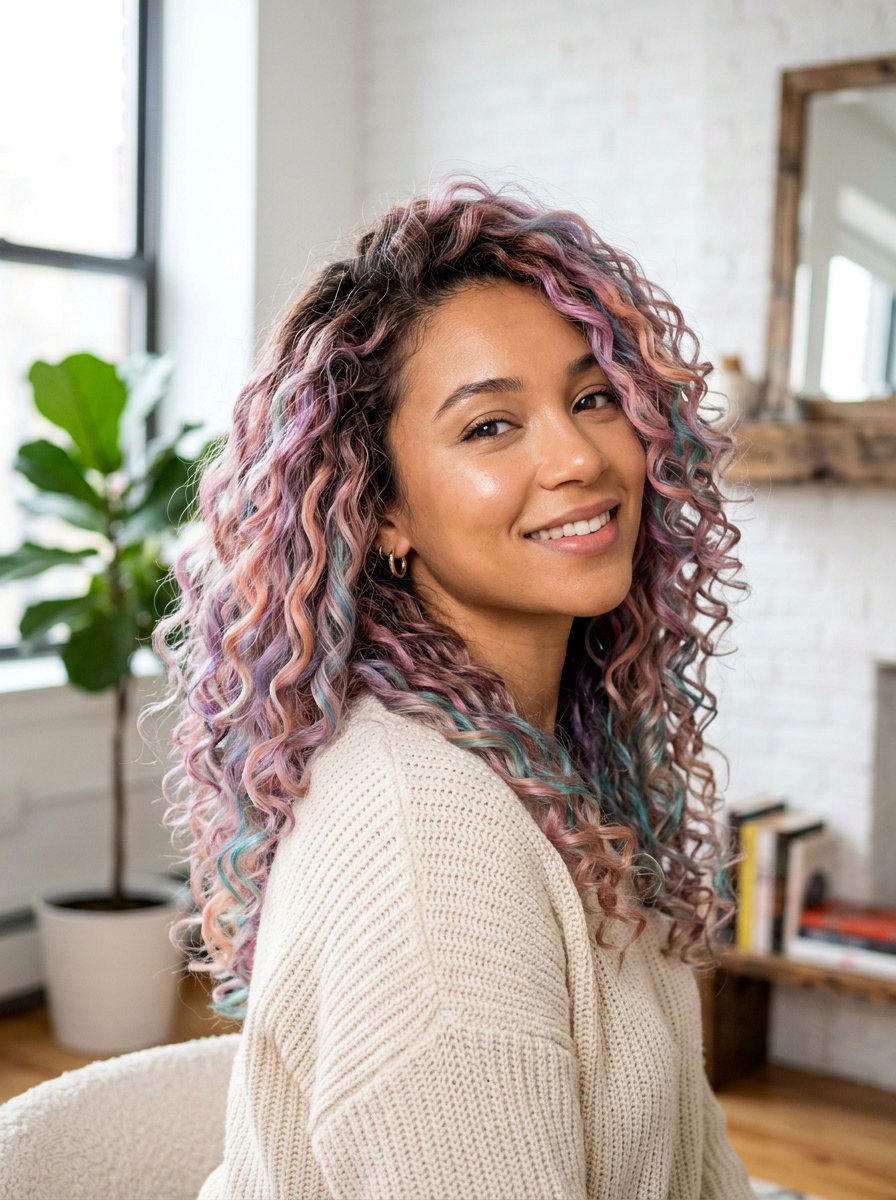
Curls and coils show off iridescent pastel balayage in a unique way, since every ringlet catches and reflects color differently. Stylists often use a curl-by-curl or curl-friendly balayage method, strategically painting lighter pieces onto the outer layers and tips where the light naturally hits. Pastel shades like soft pink, violet, or aqua can then be layered as translucent glazes, letting your natural texture remain the star. The result is a halo of color that looks vibrant when curls are defined, but still dimensional and pretty on second- and third-day hair. Because textured hair can be prone to dryness, bond-building treatments and rich conditioners are especially important when pre-lightening. Sulfate-free cleansers, leave-in conditioners, and curl creams help maintain definition while protecting fragile pastel pigment. Diffusing on low heat with a heat protectant or air-drying when possible will further preserve both the color and curl pattern for a long-lasting iridescent effect.
15. Iridescent Pastel Balayage With Shadow Root
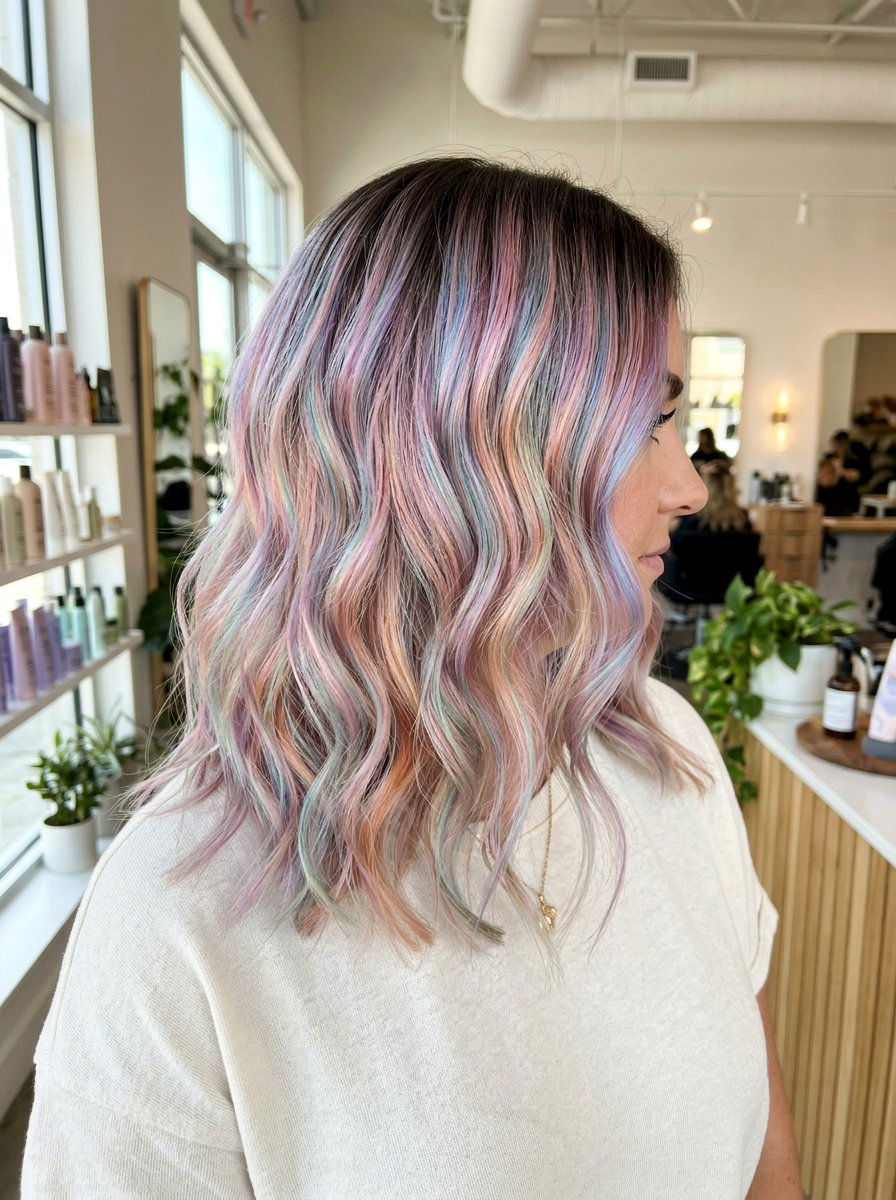
Pairing iridescent pastel balayage with a shadow root creates depth and makes maintenance easier. A shadow root is a slightly deeper color at the scalp that melts into lighter, pastel-toned lengths, softening any line of demarcation as hair grows. This technique works well with pearl, pink, lavender, or rainbow pastels, because the darker base keeps the overall look grounded and more sophisticated. It also flatters a wide range of skin tones; your colorist can customize the root shade to be cooler or warmer depending on what suits you best. On medium to long cuts, the effect is especially striking when styled with soft waves that show off the gradual transition from root to tip. Maintenance typically involves refreshing the pastel tones and glossing the root every couple of months rather than frequent full lightening sessions. Using root-refresh sprays or powders between appointments can help disguise any grow-out while you maximize time between salon visits.

16. Soft Iridescent Pastel Balayage For Work

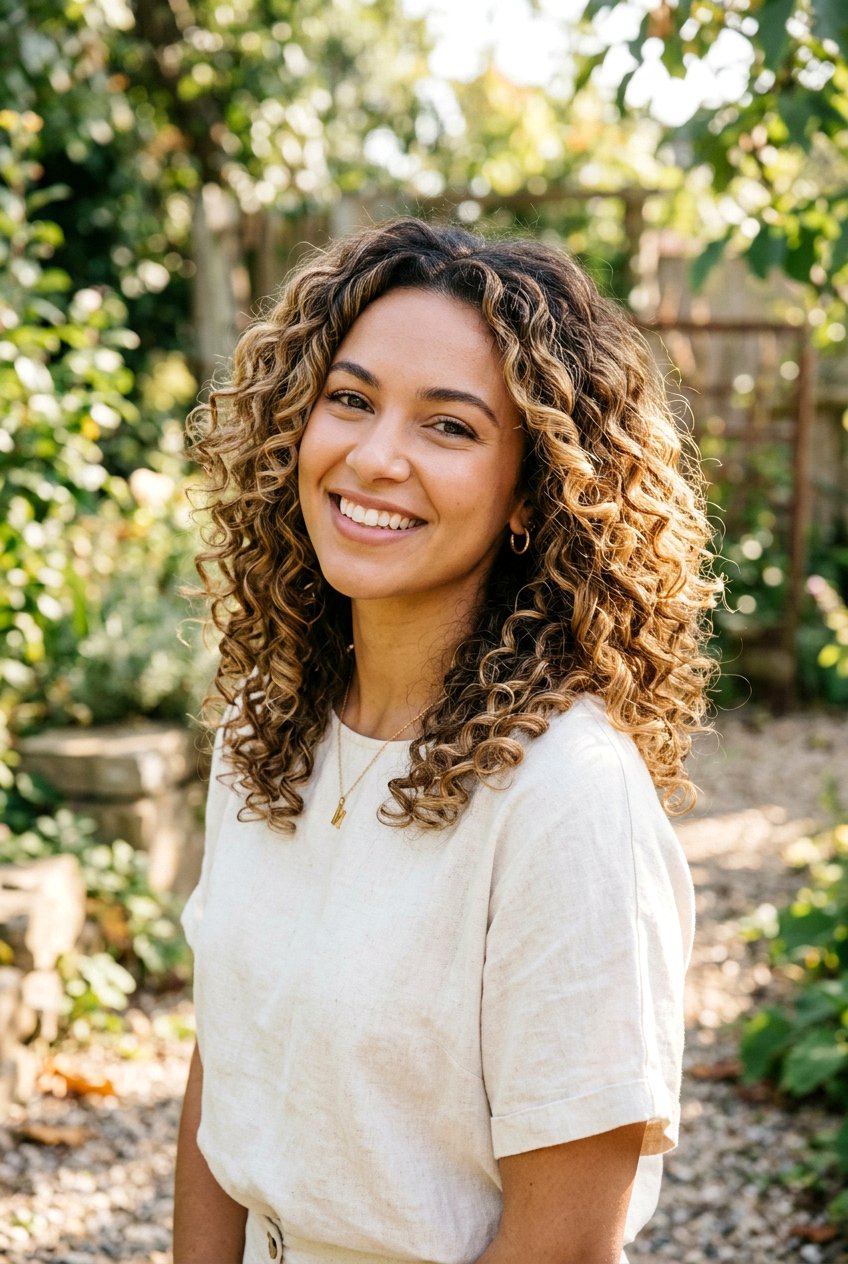
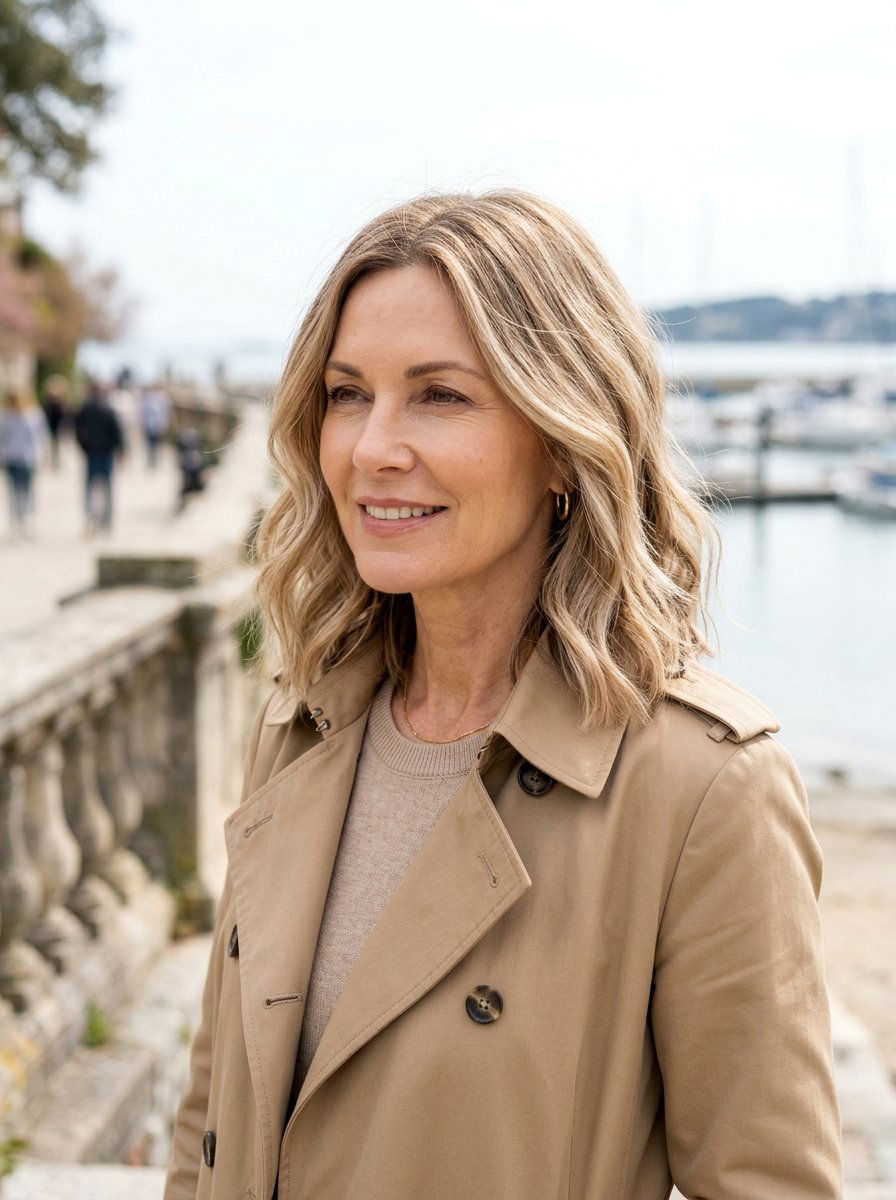
If you want iridescent pastel balayage that still feels office-friendly, focus on softer placement and subtler shades. Stylists can keep your natural color dominant at the root and interior while working very sheer pastel tones—like blush, pearl, or muted lavender—through the ends and underlayers. From a distance, hair reads as refined blonde or bronde, but in brighter light or when styled, the iridescent tones become more noticeable. This approach works well on lobs, long layers, and even more classic cuts, because the color acts like a sophisticated highlight rather than a bold statement. Ask for tones that harmonize with your wardrobe and makeup so the overall impression stays polished. Maintenance is usually simpler than with high-contrast fashion color, often requiring only gloss refreshes and at-home color-safe care. Gentle shampoos, hydrating masks, and minimal heat styling will help your soft pastel shimmer stay subtle yet noticeable up close.
17. High Contrast Iridescent Pastel Balayage
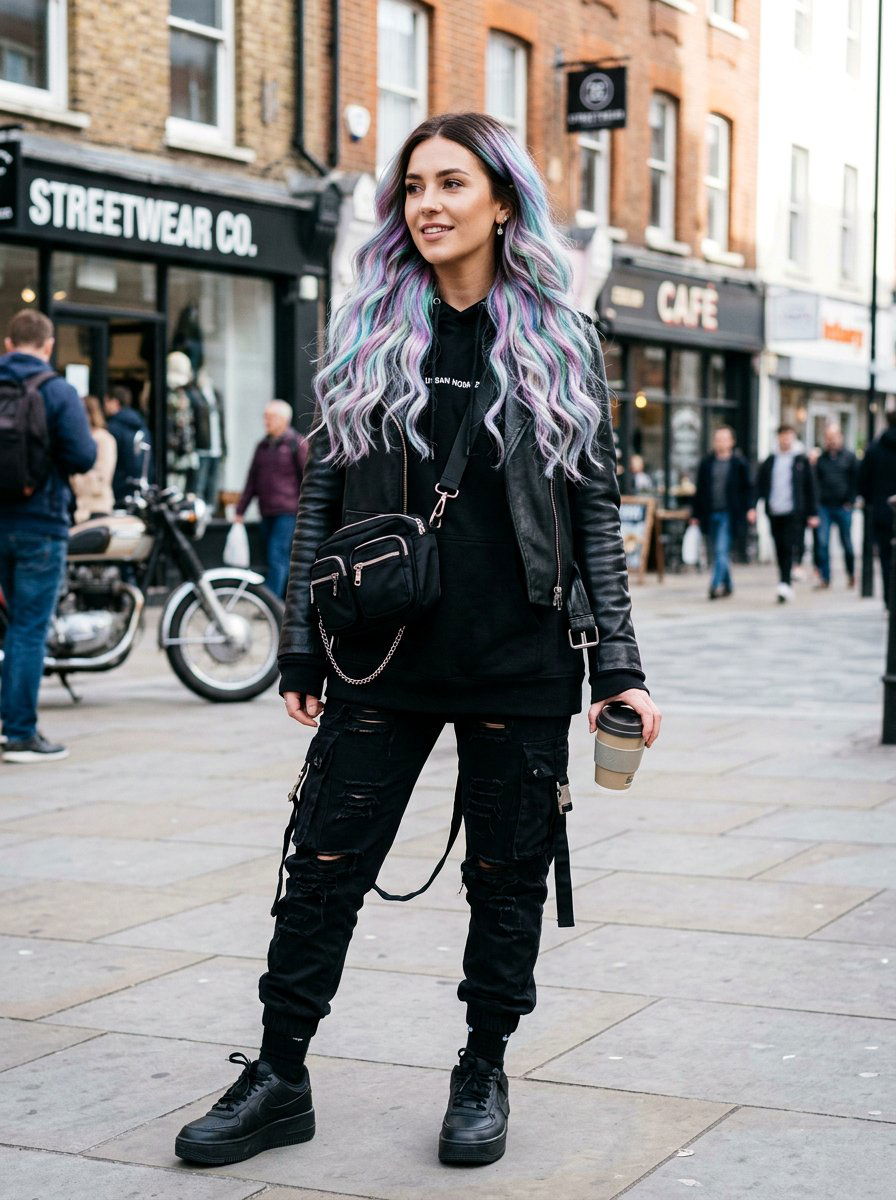
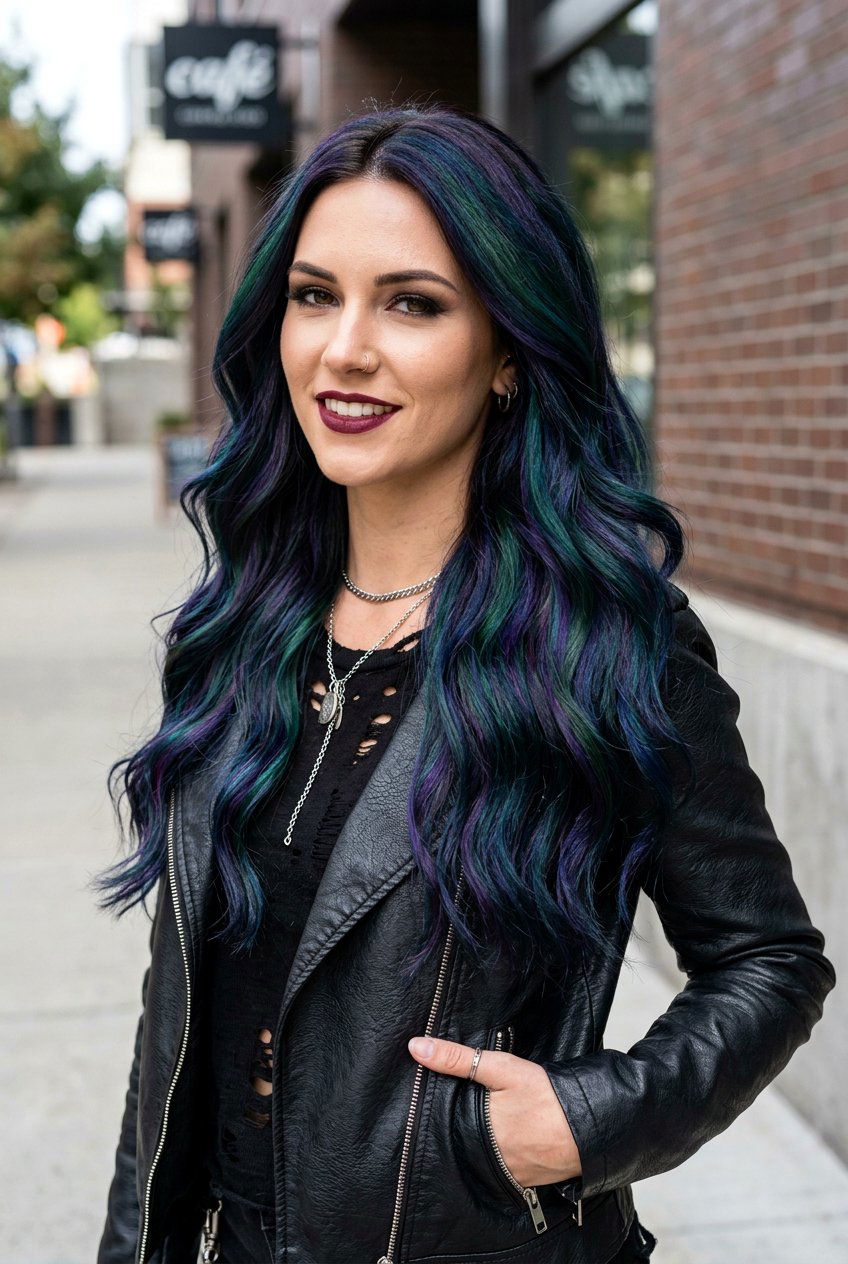
High contrast iridescent pastel balayage is designed for maximum impact, combining deeper roots or lowlights with very light, pastel-saturated ends. Stylists may leave the root area rich—dark brown, black, or deep copper—then heavily lighten mid-lengths and ends before applying bold pastel tones like lilac, blue, or pink. The sharp difference between root and length makes the balayage pop, especially on straight hair or defined waves. This can be particularly striking on long hair or sharp bobs, where the color line creates a deliberate, edgy statement. Because of the intense lightening required, bond builders and aftercare are crucial to keep hair strong. You will likely need more frequent toning appointments to maintain the pastel saturation and keep the roots looking intentional rather than grown-out. At home, stick with cool water, sulfate-free products, and strong heat protection to preserve both the contrast and the iridescent glossiness.
18. Iridescent Pastel Balayage Maintenance Tips
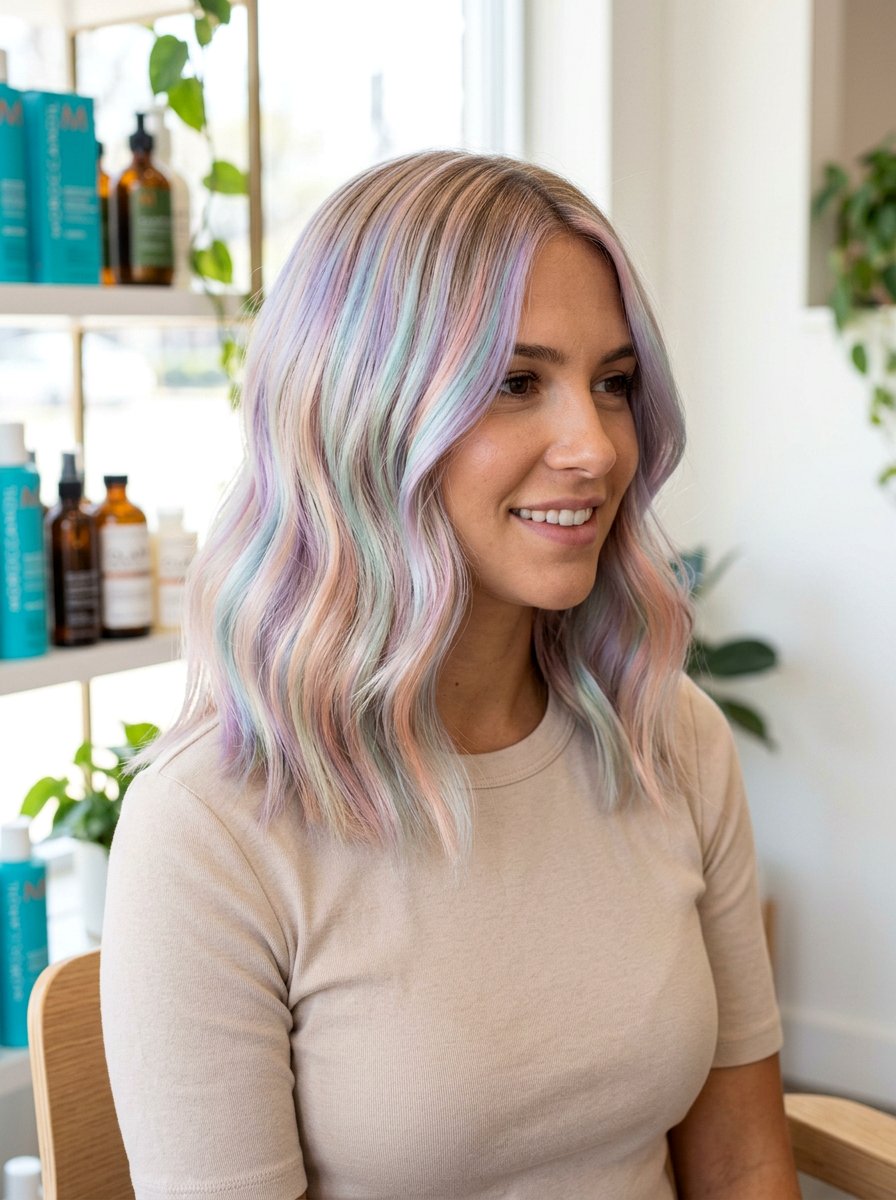
Keeping iridescent pastel balayage looking fresh comes down to gentle care and regular toning. Pastel pigments sit more on the surface of the hair, so harsh shampoos and frequent washing will strip color quickly. Most stylists recommend sulfate-free cleansers, washing only a few times a week, and using dry shampoo between washes. Cool or lukewarm water helps the cuticle stay smoother and holds color longer. Weekly deep conditioning masks, leave-in conditioners, and bond-building treatments are important, since lightened hair is more fragile and needs support to stay shiny. Heat styling should be minimized; when you do use hot tools, always apply a good heat protectant. Salon glosses or toners every four to eight weeks will refresh both your base tone and the iridescent pastel overlay so the color fades softly rather than looking dull or uneven.
19. Iridescent Pastel Balayage For Different Skin Tones
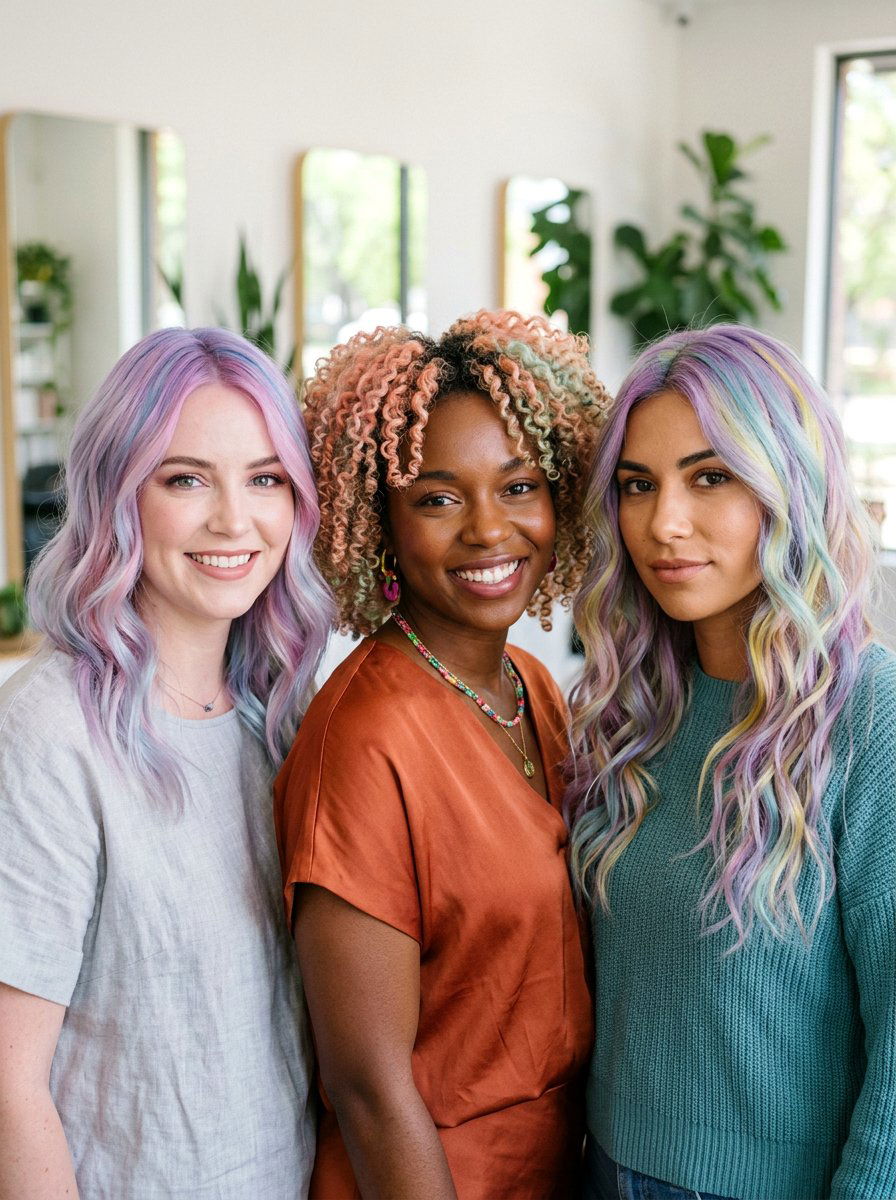
Matching iridescent pastel balayage to your skin tone helps the color look intentional and flattering. People with cool undertones generally suit pearl blonde, lavender, icy blue, and cool pink shades that mirror the natural coolness in their complexion. Warm undertones often look best with rose gold, peach, warm pink, and soft coral pastels that echo the warmth in their skin. Neutral undertones have the most flexibility and can often wear both cool and warm pastels, especially when the root shade is customized accordingly. Your colorist can also adjust saturation—keeping hues more muted and translucent for subtlety or slightly deeper for more impact. Strategically placing warmer or cooler tones near the face can balance redness, sallowness, or dullness in the skin. Bringing inspiration photos and wearing your everyday makeup to your appointment helps your stylist visualize how different iridescent palettes will work with your overall look.
20. At Home Care For Iridescent Pastel Balayage
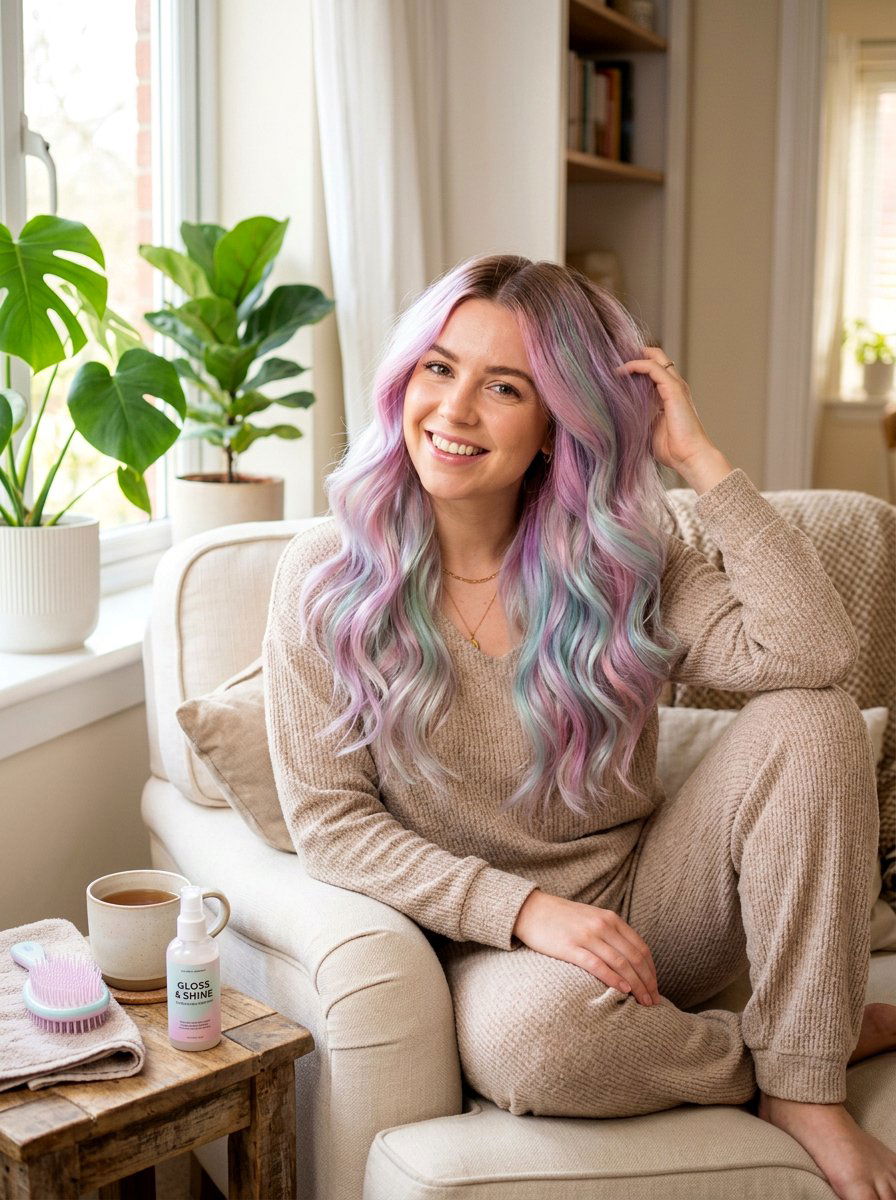
At-home care makes the biggest difference in how long your iridescent pastel balayage stays luminous. Start with a gentle, color-safe shampoo and conditioner designed for processed hair, and avoid washing daily. Incorporate a purple or blue toning shampoo as directed by your stylist to fight brass and keep lighter sections clear. Use deep conditioners or masks weekly to replenish moisture lost during lightening. When styling, always apply a heat protectant spray or cream and keep hot tools at the lowest effective temperature. Try to limit chlorine and saltwater exposure, or at least coat hair with conditioner and rinse thoroughly afterward to protect color. Finally, schedule regular gloss or toner appointments to refresh the pastel veil and trim away any damaged ends so the hair surface stays smooth enough to show off that iridescent shine.
Conclusion:
Choosing iridescent pastel balayage gives you a modern, expressive hair color that still feels soft and wearable thanks to the balayage placement. By layering sheer shades like pink, lavender, pearl, blue, and mint over a lightened base, colorists create a glow that shifts with the light instead of a single flat tone. You can go subtle with a pastel money piece or soft ends, or bold with high-contrast roots and pastel rainbow lengths, depending on your lifestyle and comfort level. Matching tones to your skin undertone and haircut makes the look more flattering and easier to maintain. Because pastels are delicate, consistent care—sulfate-free products, cooler water, heat protection, and regular glosses—is essential if you want your color to stay shiny and dimensional instead of fading unevenly. When you combine thoughtful color design with good home care, iridescent pastel balayage can stay luminous, unique, and camera-ready far beyond your first salon visit.
You'll Like These Styles:



Leave a Reply