
Invisible layers for fine hair can feel like magic because they add lift, movement, and shape without making the ends look thin or choppy. Instead of obvious steps or heavy face-framing, the layers are cut inside the hair so the outer surface stays smooth and full. This makes them perfect when your hair falls flat, splits into stringy sections, or loses volume within a few hours of styling. Stylists often call this approach internal layering or ghost layers, and it has become a go-to technique in 2026 for subtle volume that still looks polished at work, on camera, or in everyday life. If you want movement without a “choppy” cut, invisible layers give you that soft, expensive-looking finish while keeping your length and density where you need it most.
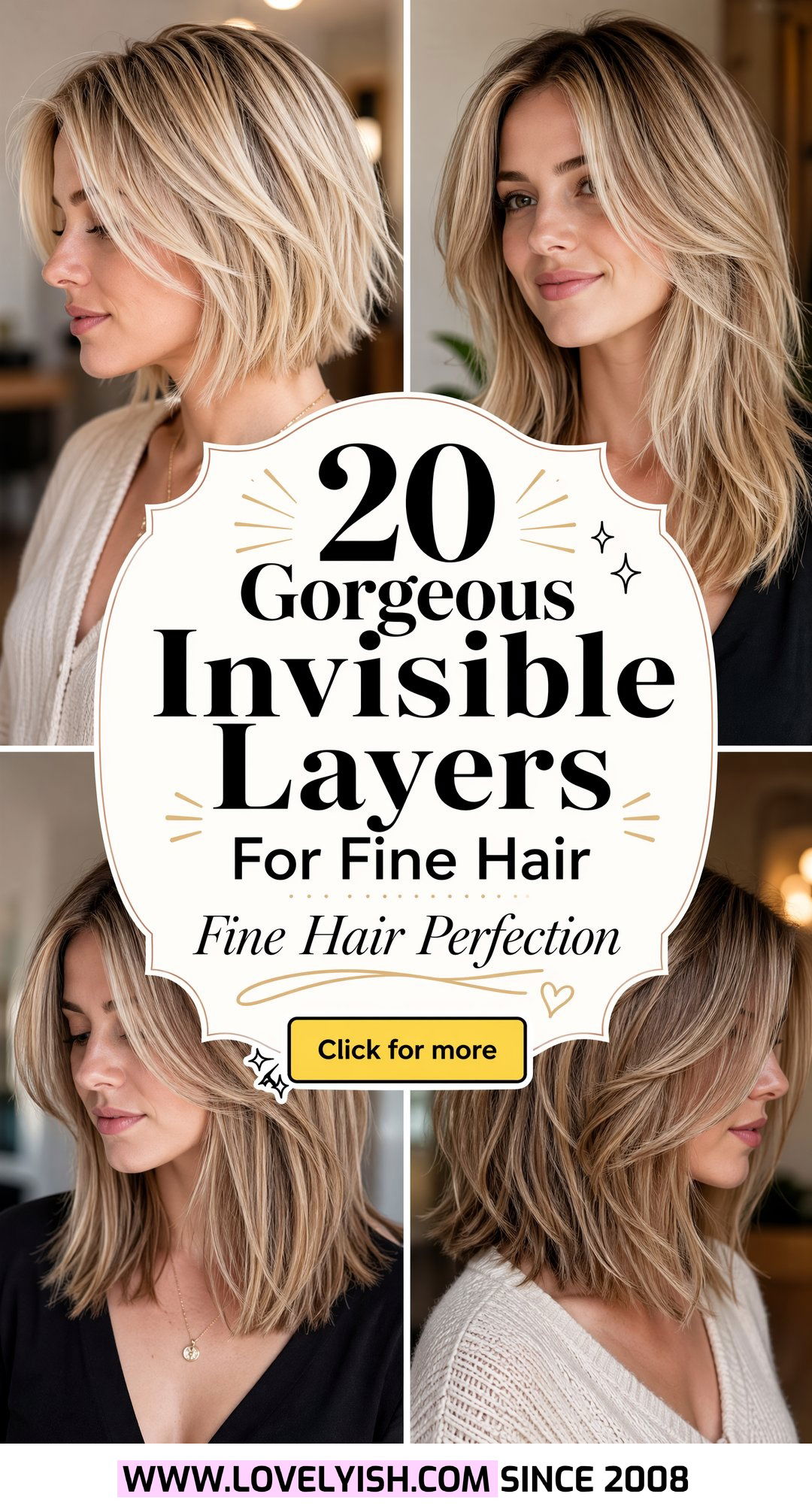
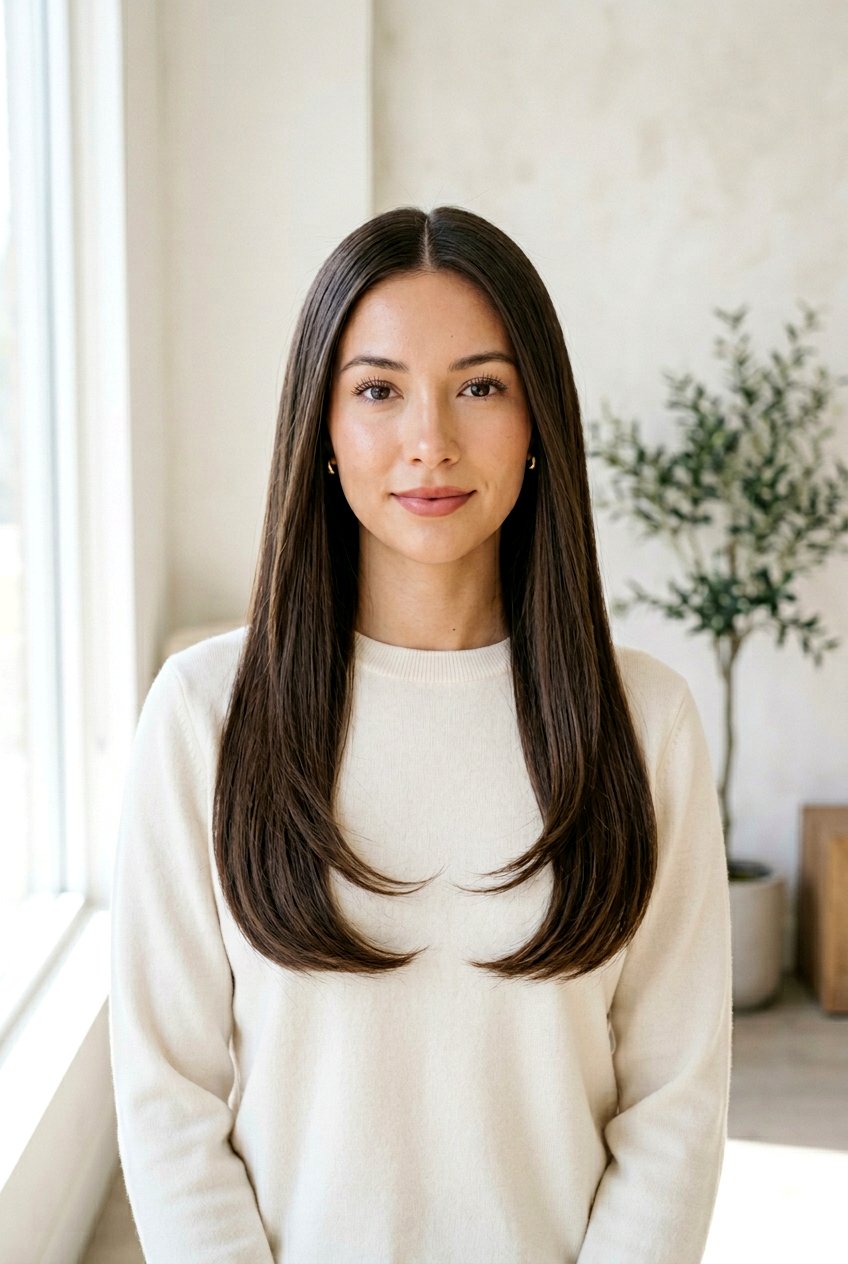
1. Invisible Layers Long Hair Fine Texture

Long fine hair can look limp when it’s all one length, which is where invisible layers make a big difference. Instead of removing bulk from your ends, your stylist works inside the mid-lengths to create hidden, shorter pieces that support the hair from underneath. These internal layers encourage natural movement and subtle bends, so even air-dried hair looks less flat and more flowing. Because the outer line stays mostly blunt, your ends still appear solid and healthy, which is essential when fine hair already has less density to begin with. Ask for long hair with internal invisible layers focused around the crown and upper mid-lengths, avoiding aggressive texturizing near the perimeter. Styling is simple: a lightweight volumizing mousse at the roots and a round brush at the crown are usually enough to bring those hidden layers to life without weighing hair down.
2. Invisible Layers Medium Length Fine Hair

Medium length hair is one of the easiest canvases for invisible layers because it naturally sits around the shoulders, where flipping and movement show up clearly. With fine hair, the goal is to carve out soft internal shape so the hair lifts away from the face and neckline without breaking into wispy ends. Your stylist can create subtle internal layers through the crown and around the head shape, leaving a clean outer edge that still looks strong. This works especially well with straight to slightly wavy textures that tend to collapse at the roots by midday. When you blow-dry, flip your head upside down for a few seconds at the end to activate those hidden layers and lock in bend at the crown. A salt-free, lightweight texture spray will add grip to the internal layers without roughing up the cuticle or making your fine strands feel sticky or stiff.
3. Invisible Layers Short Bob For Fine Hair

A short bob with invisible layers is ideal when you want a fuller outline but still crave movement through the interior. Instead of stacking the back heavily or carving obvious graduation, the stylist places very soft internal layers through the mid-shaft that help the bob bevel under and sit away from the scalp. This technique prevents the “triangle” effect where fine hair bubbles out at the ends yet lies flat on top. It also keeps the perimeter looking solid, which is crucial for bobs on finer hair types that can otherwise appear stringy. You can part in the center or slightly off-center, and those invisible layers will still encourage a gentle curve under the jaw, giving the illusion of thicker hair around the face. A light root-lifting spray at the crown plus a quick pass with a flat iron to bend the ends inward is usually enough styling to showcase this cut.
4. Invisible Layers Lob Haircut Fine Hair

A collarbone-length lob with invisible layers has become a go-to cut for fine hair because it strikes a smart balance between length and volume. The lob sits long enough to pull into a ponytail, yet short enough that internal layering can actually lift the shape off the shoulders. Invisible layers are usually placed through the interior from cheekbone down, avoiding heavy removal near the ends so they stay full. This creates a soft “swing” when you turn your head, and helps the lob tuck effortlessly into a jacket collar or shirt neckline without collapsing. It pairs well with subtle face-framing, but you can skip intense fringe to keep the look low-maintenance. When styling, use a medium-size round brush and direct the hair away from the face at the front, then inward at the back to highlight the internal movement without over-styling.
5. Invisible Layers Butterfly Cut Fine Hair
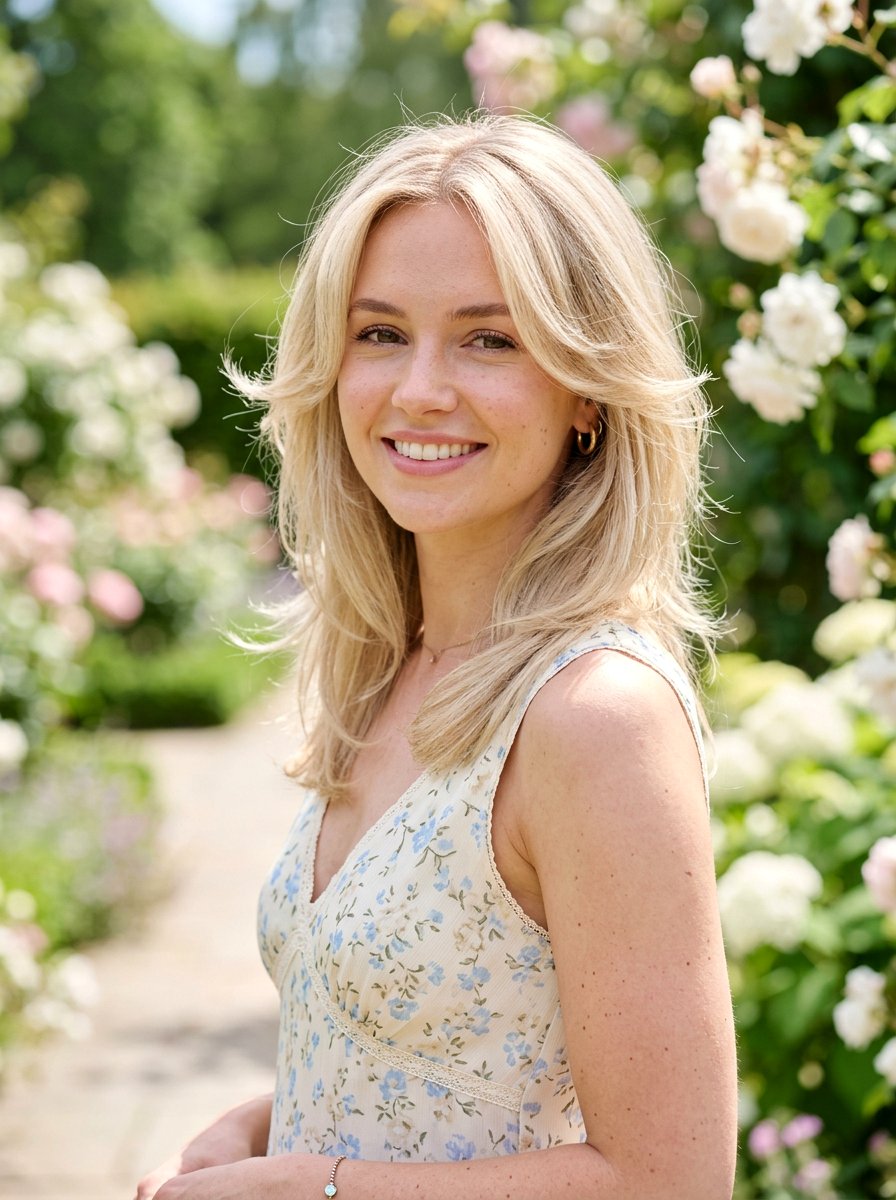
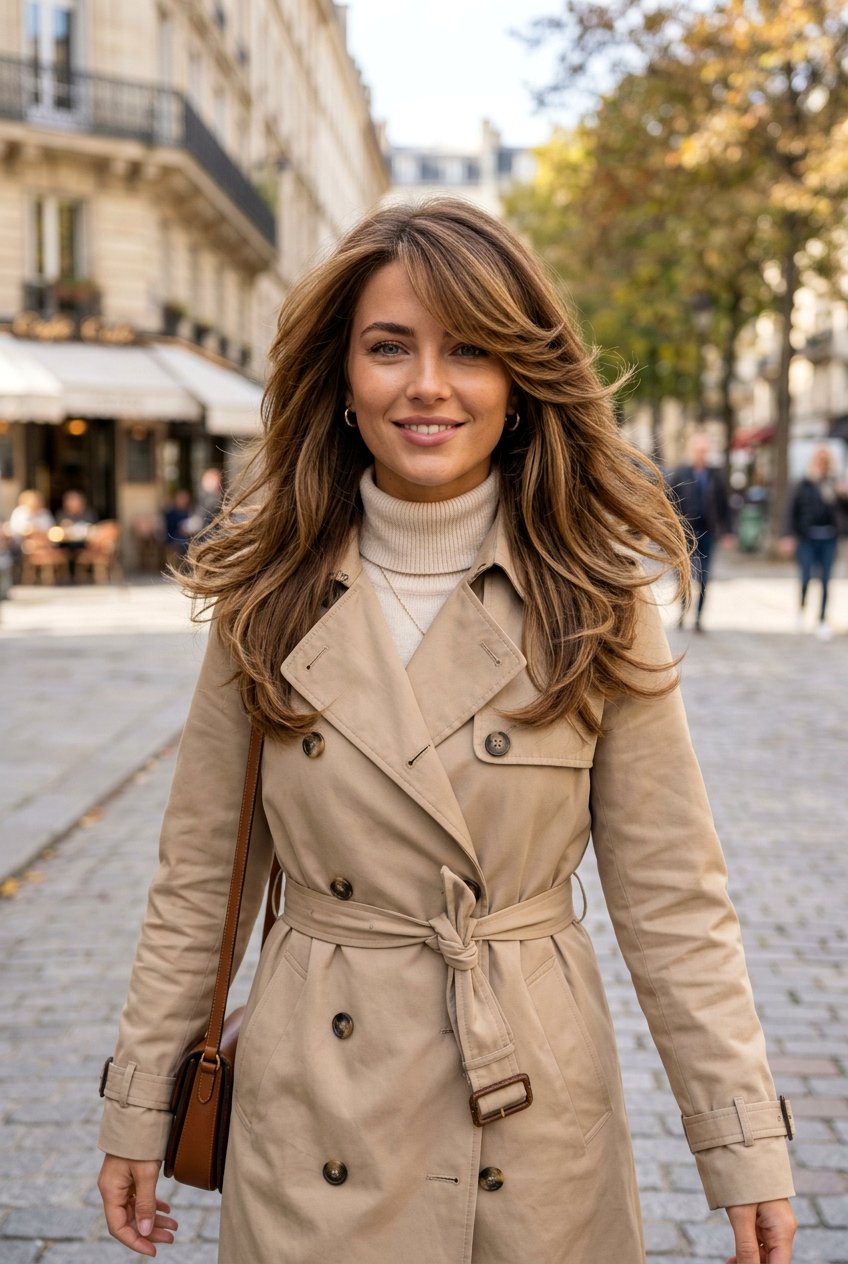
The butterfly cut is still everywhere in 2026, and invisible layers make it more wearable for fine hair. Instead of dramatic, visible wings that can thin out delicate ends, your stylist focuses on hidden layering around the crown and upper mid-lengths. This keeps the outer “wings” of the haircut soft and full while still creating a lifted, airy shape around the face. The hair can be blown out with a round brush or large rollers to flip away from the face, showing off that butterfly shape without exposing harsh layers. A center or soft side part works well, and the internal layers create a natural curtain effect when the hair falls forward. Use lightweight volumizing foam at the roots and a soft hold hairspray through the lengths so your fine hair keeps its bounce without feeling crunchy or weighed down.
6. Invisible Layers With Curtain Bangs Fine Hair

Curtain bangs paired with invisible layers are a strong option when you want face framing that doesn’t thin out your ends. The bangs themselves can be cut softly from just below the eyebrows to the cheekbones, then blended back into internal layers around the front of the head. This creates a swooping, curtain effect that opens up your face while the rest of your hair remains mostly one length at the perimeter. On fine hair, it’s important that the stylist removes weight behind the bangs, not just in them, so they don’t separate or look piecey in the middle of the day. Invisible layers through the interior support the fringe and let you flip it either direction for flexible styling. Blow-dry the bangs with a small round brush, rolling them up and away from your face, then use a lightweight finishing cream on the ends only to maintain swing.
7. Invisible Layers Long Bob For Fine Hair

A long bob, or “lob,” tailored with invisible layers can make fine hair look thicker from roots to ends. The cut typically sits between the collarbones and upper chest, giving enough length to show off internal movement without dragging the style down. The stylist will often keep the outline slightly blunt or barely A-line, then carve internal layers that encourage a natural curve under or a soft flip out. This hidden shaping helps the hair fall in a flattering, face-skimming way when you tuck one side behind your ear. A slightly off-center part is especially flattering for fine hair because it allows more lift on one side and shows off the airy interior. To style, rough-dry with your hands until about 80 percent dry, then use a flat iron to create loose bends at mid-lengths so the invisible layers catch the light.
8. Invisible Layers Face Framing Fine Hair

Face framing with invisible layers is perfect when you want softness around your features without obvious steps or flicks. Instead of traditional, clearly visible layers, the hair near the front is cut with small, internal bevels that tuck into the rest of your length. This lets your hair contour your cheekbones and jawline while still reading as mostly “one length” from the front. On fine hair, this technique prevents the front pieces from looking too wispy or thin after a few weeks of growth. It also pairs well with subtle highlights or a money piece because the internal movement helps the lighter strands pop without needing heavy styling. Blow-dry these face-framing sections first with a round brush, turning them very slightly away from your face, then let the rest air-dry or diffuse for a low-effort, lived-in look.
9. Invisible Layers Shoulder Length Fine Hair
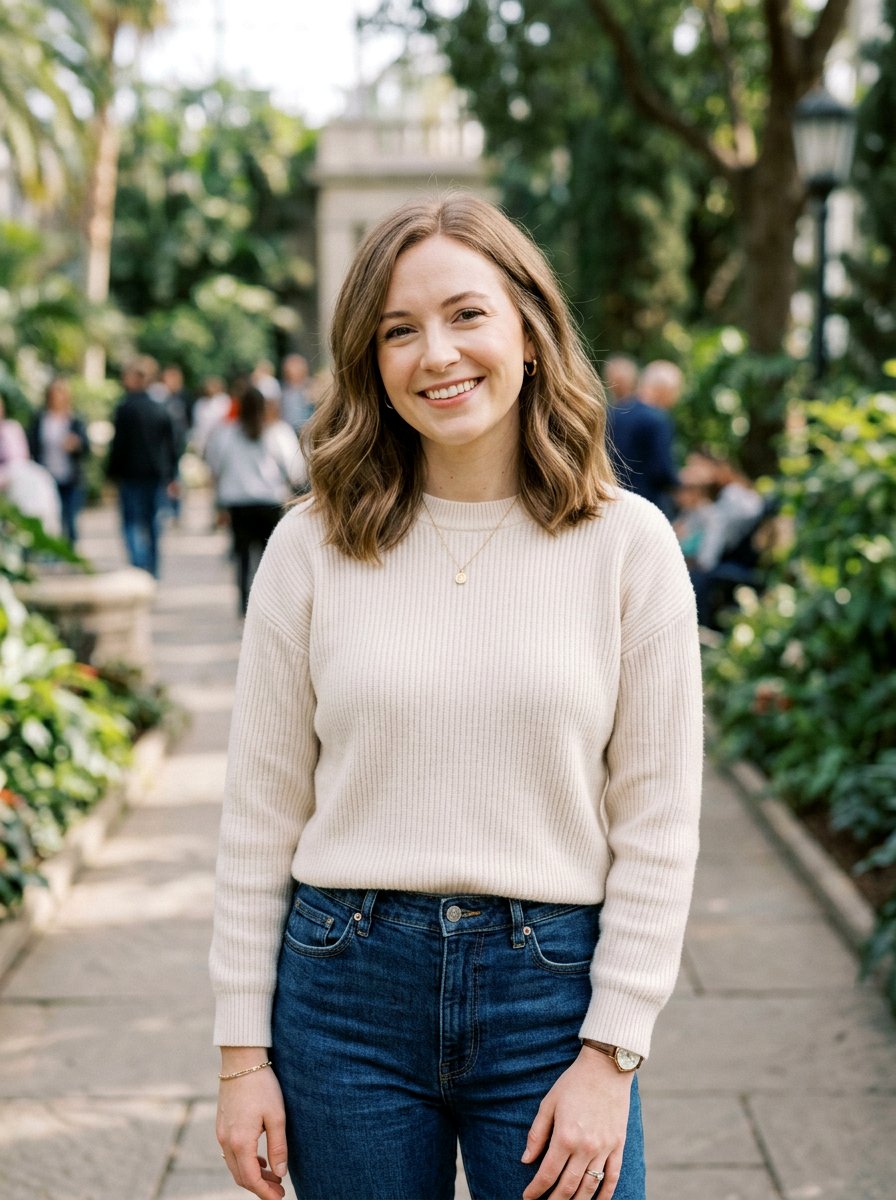
Shoulder length is often a tricky spot for fine hair because the ends rest on the shoulders and can flip awkwardly. Invisible layers solve this by breaking up the internal weight so the hair can curve more naturally either in or out. The perimeter stays relatively even, which keeps the ends from looking sparse, while the inside gets soft, diffused layering for extra bounce. This length works well with subtle waves created by a curling iron or flat iron, especially when you focus the bend through the mid-lengths. Those internal layers help the waves stack nicely instead of collapsing into each other. A heat-protectant spray plus a light texturizing spray at the end will enhance the airy feel without weighing down your fine strands or causing crunchy build-up.
10. Invisible Layers Pixie Cut Fine Hair
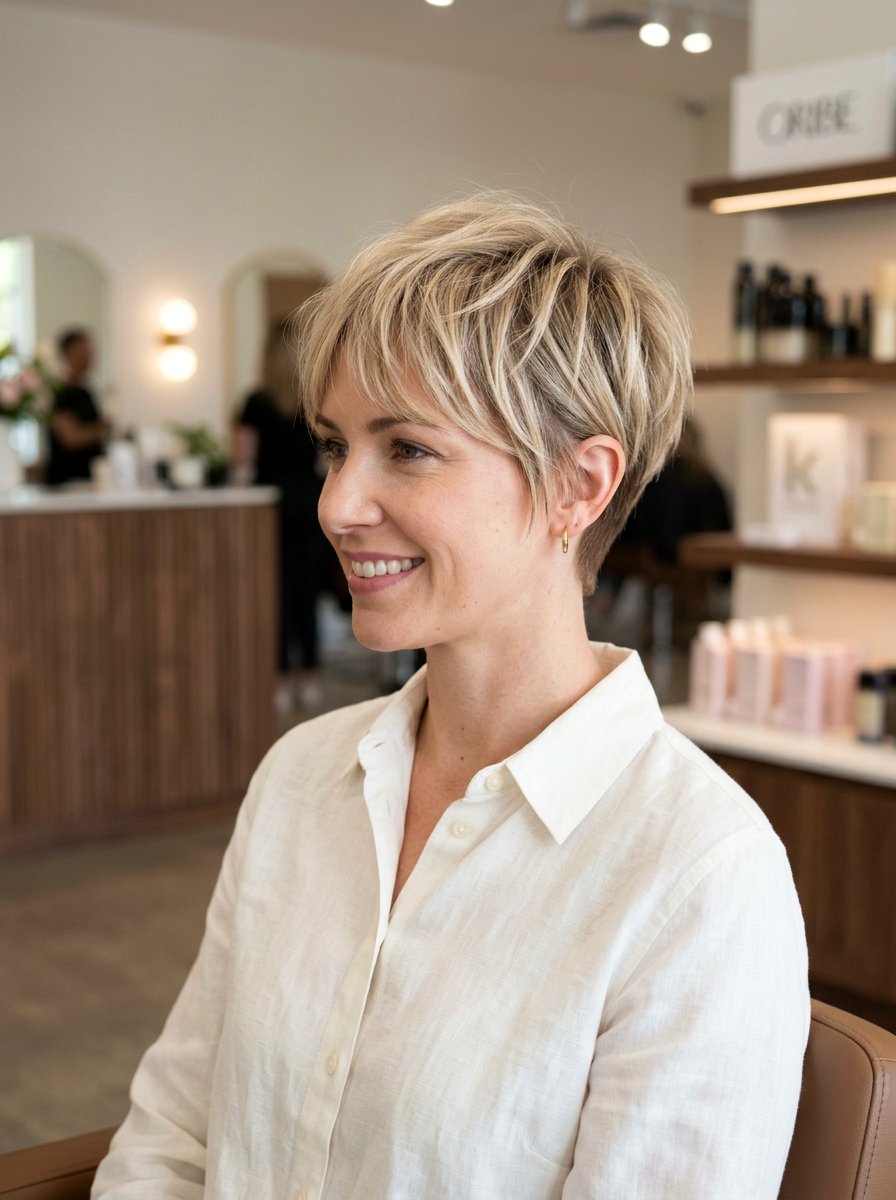
Even a pixie cut can benefit from invisible layers, especially when your fine hair looks too flat at the crown. Instead of carving obvious short layers all over, a stylist creates subtle internal texture in strategic zones like the top and sides. This technique adds lift and direction without exposing visible chop marks or making the hair see-through. The perimeter of the pixie can stay slightly longer or more tapered, while the inner sections carry the majority of the texture. This allows you to push the hair forward, sweep it to the side, or style it slightly spiky with very little effort. A pea-size amount of lightweight cream or paste rubbed through the crown will bring out those invisible layers and give your fine hair a soft, modern shape without stiffness.
11. Invisible Layers For Fine Curly Hair

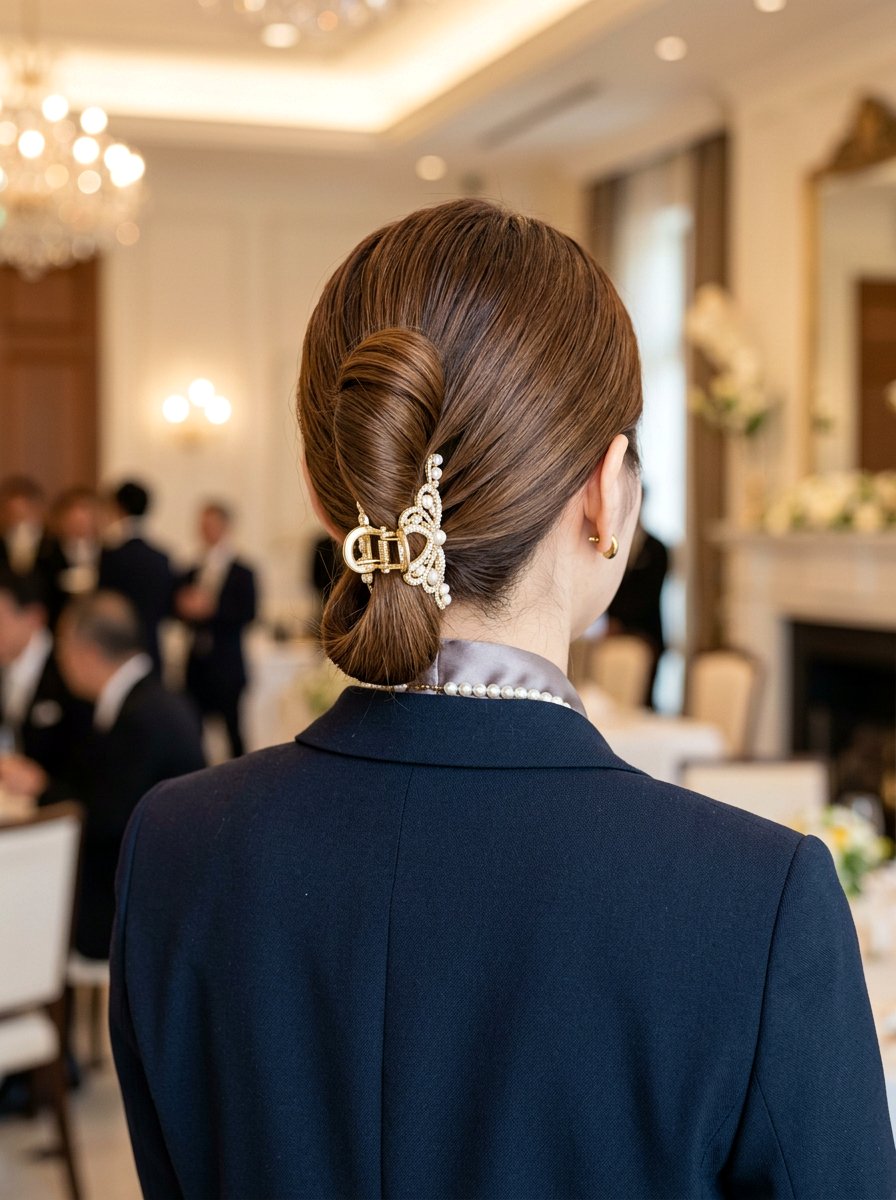
Fine curly hair often needs shape but can quickly look over-layered if you remove too much weight from the ends. Invisible layers work here by creating discreet internal shaping that maintains bulk while improving movement and definition. Stylists usually cut curls in their natural pattern, then add subtle interior layers to prevent the top from lying too flat. This helps avoid the dreaded “triangle” look and keeps curls from stacking awkwardly at the bottom. On fine curls, the perimeter is kept relatively solid, while a few hidden shorter pieces sit inside to support volume at the crown and sides. Diffusing with a low-heat setting and using a lightweight curl foam rather than heavy cream will let the invisible layers do their job, enhancing spring without collapsing the curl pattern.

12. Invisible Layers For Fine Wavy Hair

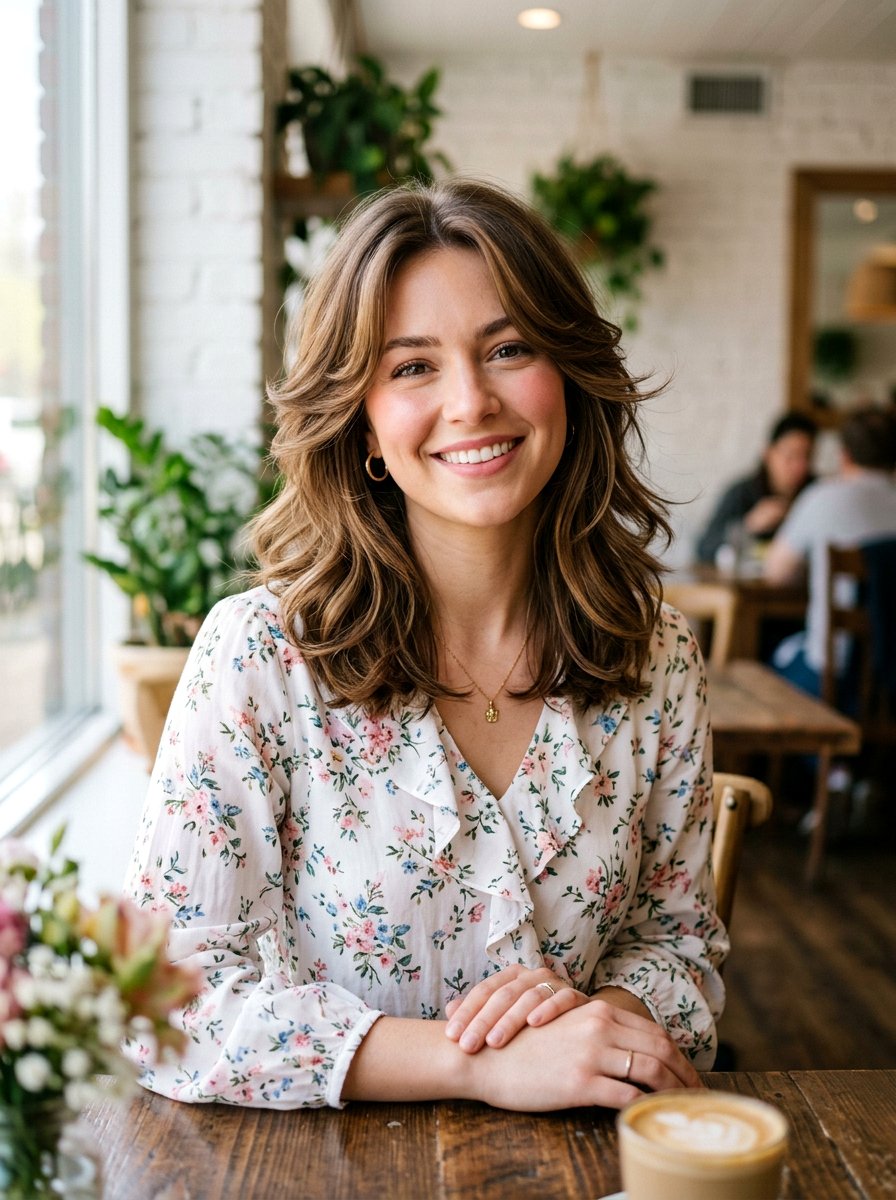
Fine wavy hair often looks flat at the roots yet frizzy at the ends, which invisible layers can help balance. By placing internal layers through the mid-lengths, a stylist gives the waves more room to form while still protecting the outer line from fraying. This soft internal structure encourages your natural S-shape and stops the hair from clumping into a few heavy pieces. The waves end up looking more even and intentional, not just like bedhead. You can enhance the effect by scrunching in a salt-free, alcohol-free wave spray and allowing your hair to air-dry or diffuse most of the way. Those invisible layers will subtly separate and lift the waves, giving you a beachy, full look without needing a lot of hot tools or heavy styling products.
13. Invisible Layers Blowout For Fine Hair
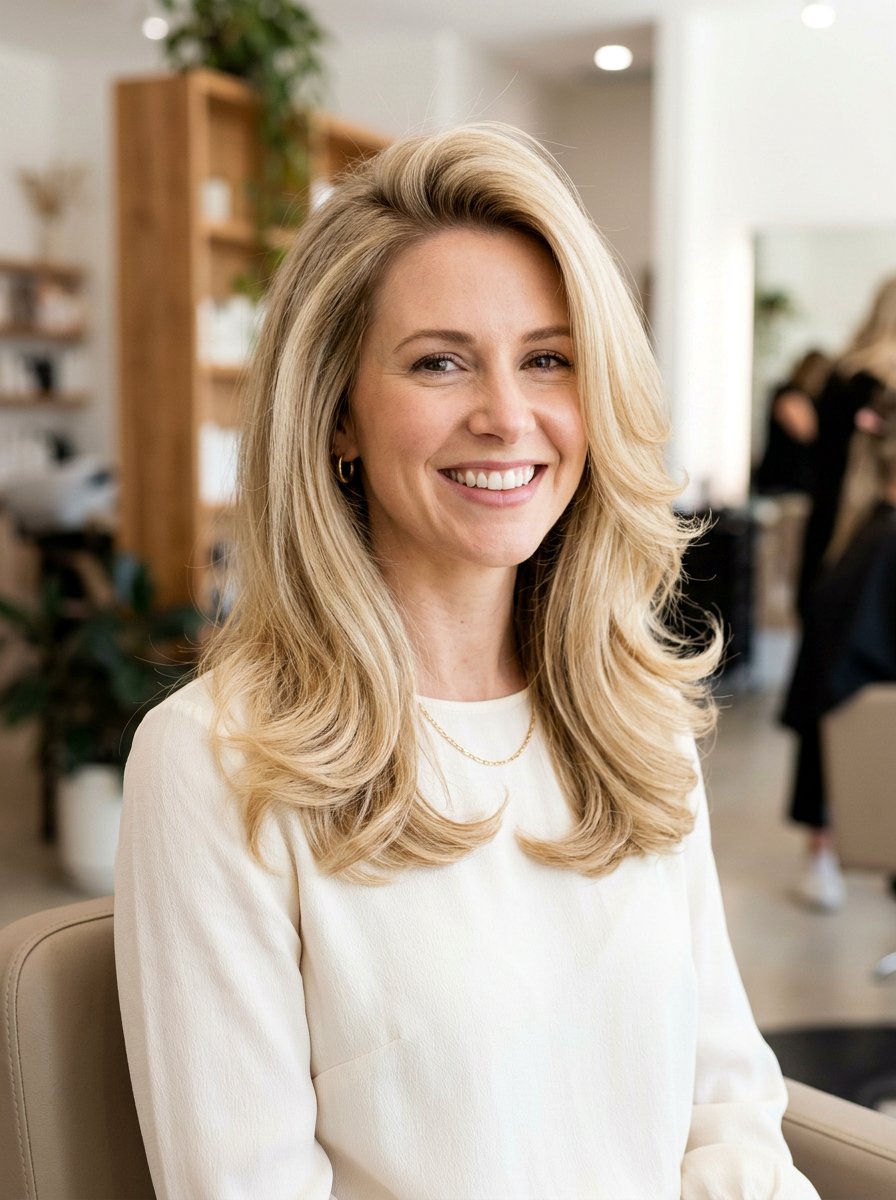
A blowout on fine hair can fall flat quickly unless the cut supports lift from within, which is exactly what invisible layers do. With internal layering through the crown and upper lengths, the hair has natural “pockets” of air that help a blowout last longer. The stylist can round brush the hair in sections, turning the ends under or out while the hidden layers create extra movement. This keeps the blowout from looking stiff or one-dimensional and gives a softer, more expensive finish. For everyday styling, focus your time on the top and front sections, then rough-dry the back since the invisible layers already support body there. Finish with a lightweight setting spray instead of heavy oil, applying mainly to mid-lengths so the roots stay lifted and the internal layers remain bouncy.
14. Invisible Layers With Side Part Fine Hair

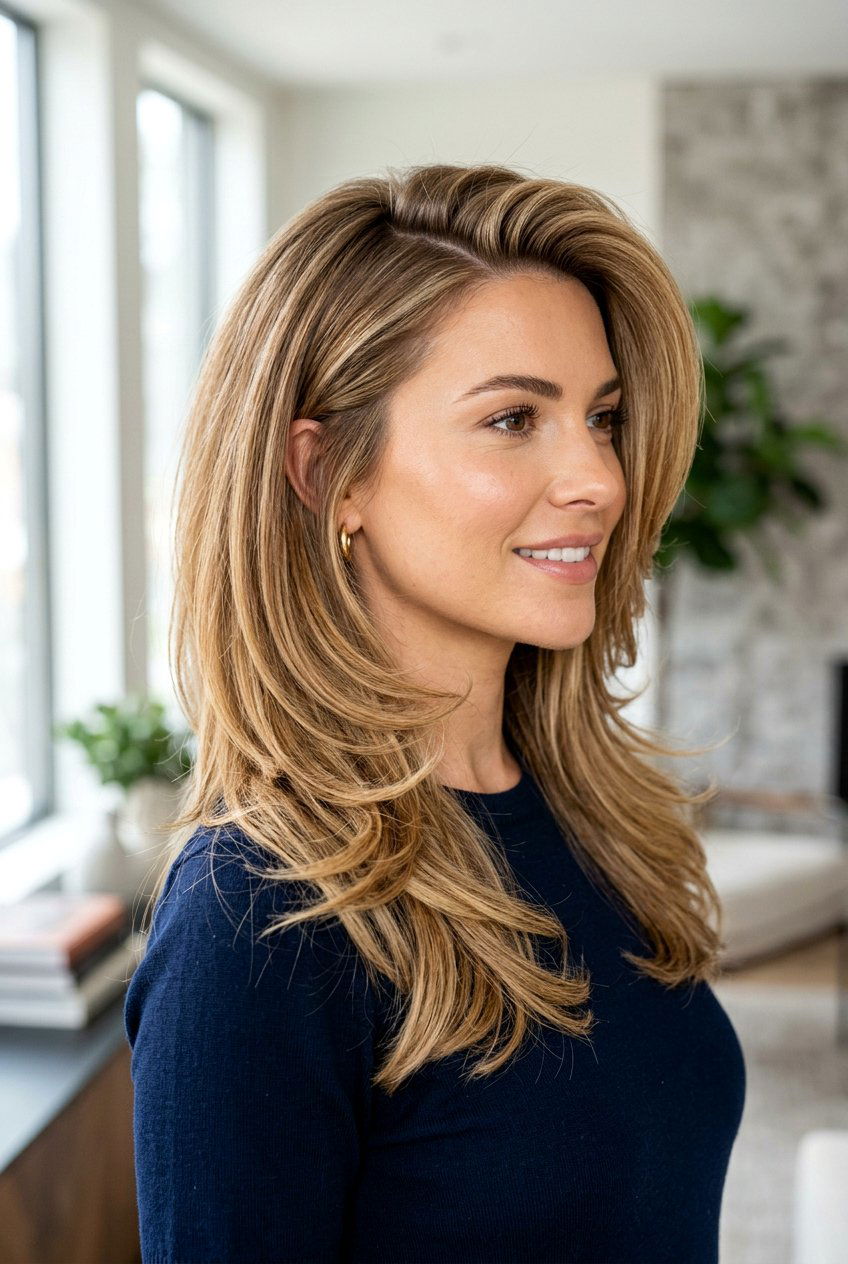
A side part can instantly make fine hair look thicker, and invisible layers amplify this effect by building hidden volume under the heavier side. The stylist places internal layers mostly on the crown and through the side that carries more hair so it lifts rather than lying flat. This creates a gentle, cascading shape that frames your face and adds fullness over the cheekbone. The lighter side stays smoother and more tucked, preventing the style from overwhelming smaller features. You can flip your part slightly back and forth to refresh volume without totally changing the look. Blow-dry by directing hair away from the face at the heavier side, focusing on root lift, then use a light-hold spray to keep that airy, boosted shape through the day.
15. Invisible Layers With Center Part Fine Hair
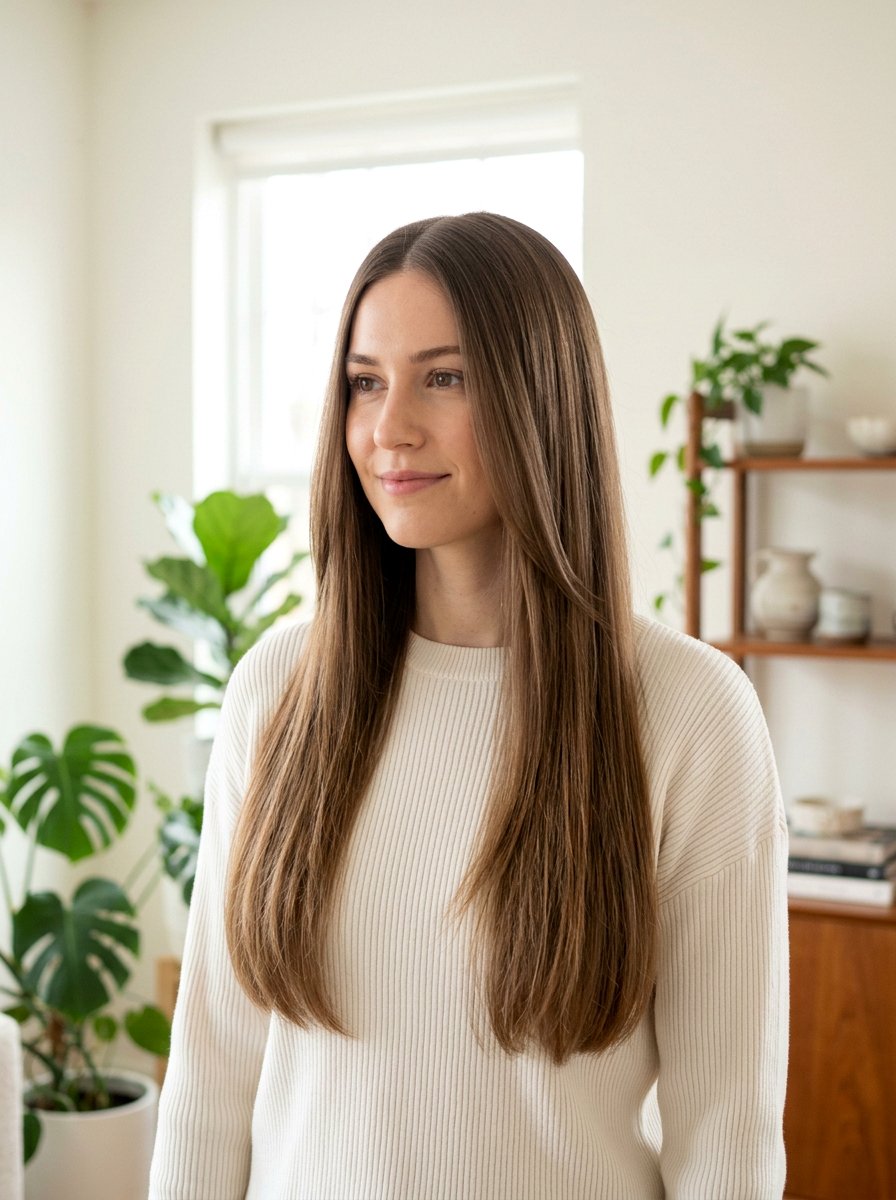
A center part can highlight sparse areas on fine hair if the cut is too blunt or flat, which is why invisible layers are so useful here. By adding internal layers along the crown and slightly off the part line, the stylist encourages lift and soft separation that prevent a “scalp line” look. The hair falls in gentle curtains on each side of the face, giving a balanced, modern feel. The perimeter remains mostly even and full, which keeps the ends from looking stringy when the hair is parted down the middle. This approach works well on straight and wavy textures, and you can still tuck pieces behind your ears without losing all your volume. For styling, blow-dry the roots in a zigzag pattern before defining your center part so the internal layers have built-in lift that will last longer.
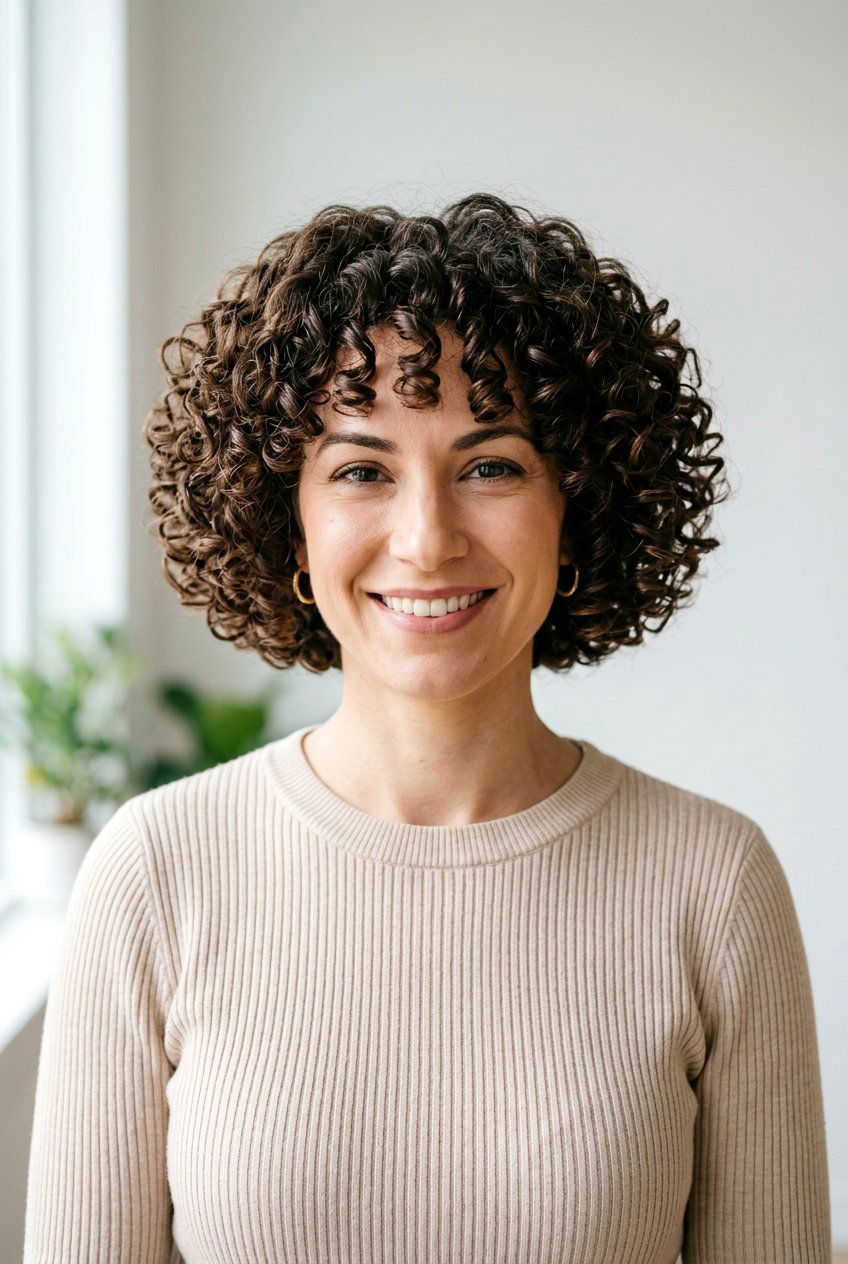
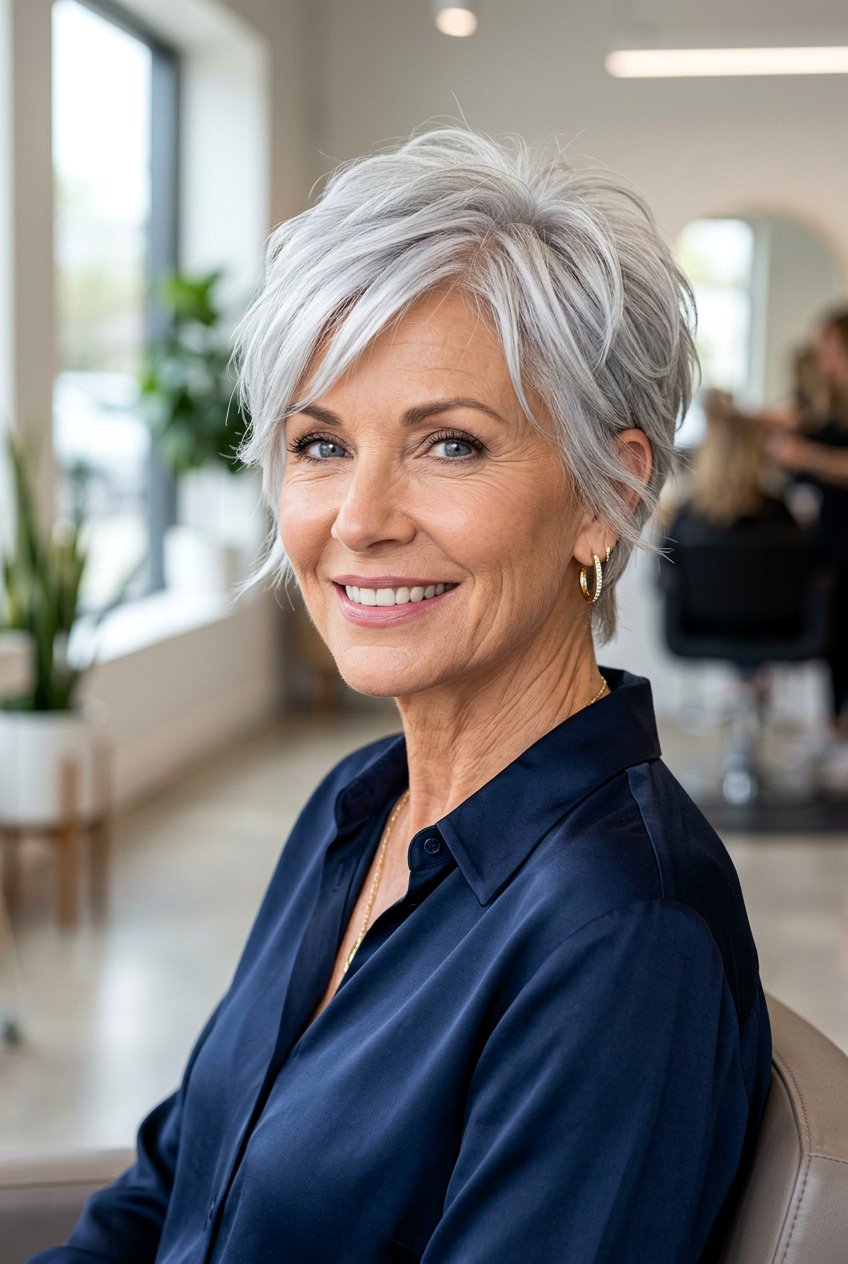
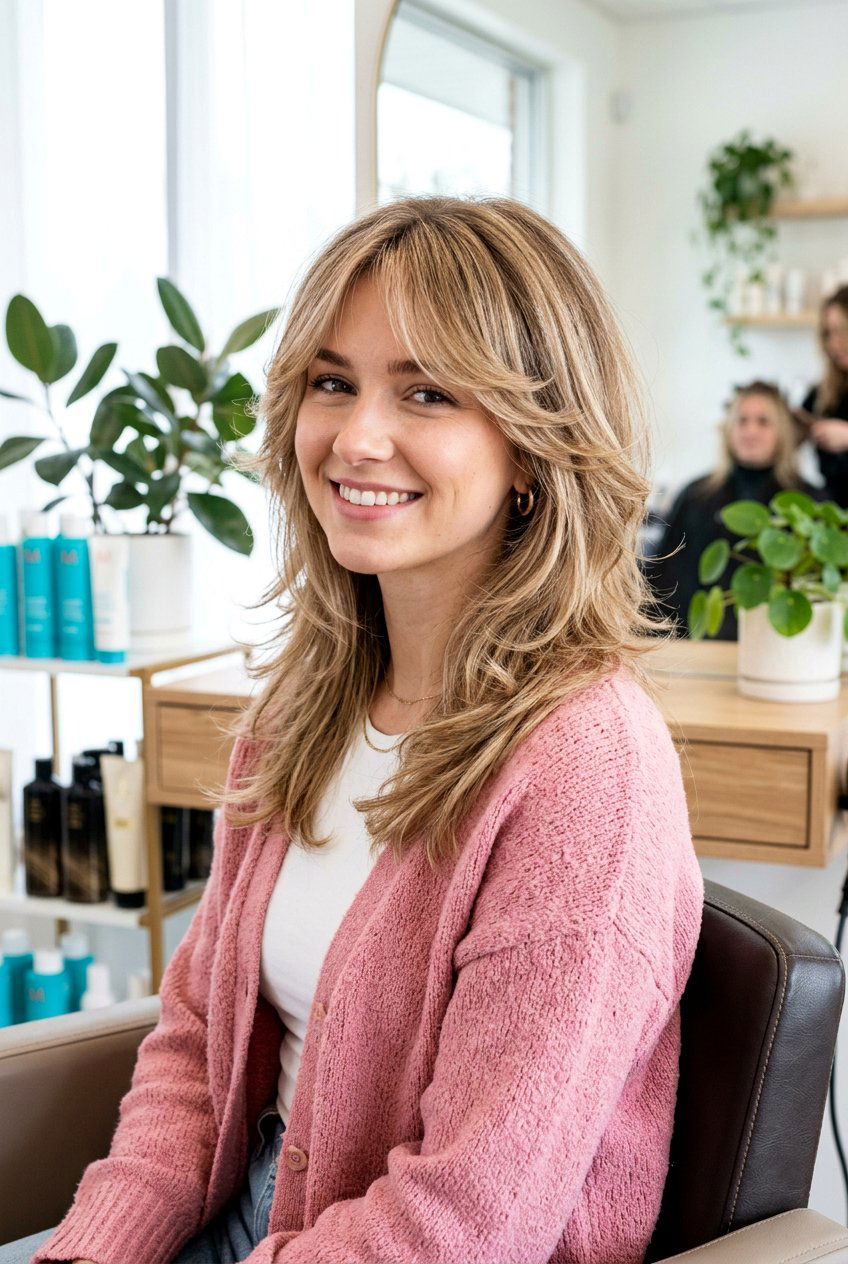

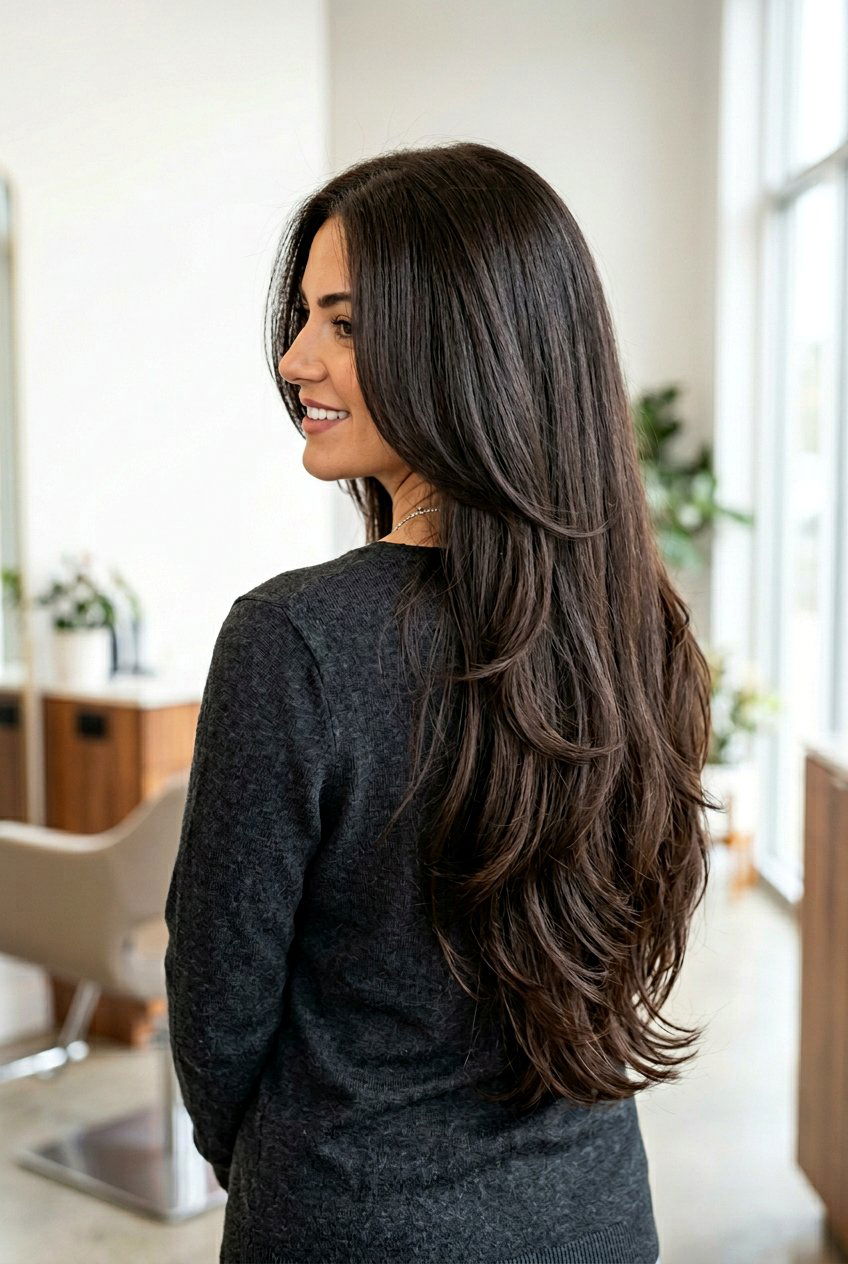
16. Invisible Layers For Thin Hairline Fine Hair

A thin hairline can make you nervous about layering, but invisible layers offer a gentle way to create fullness without exposing the scalp. The stylist avoids aggressive cutting near the front hairline and instead focuses on subtle internal layers a bit further back on the head. These hidden, shorter pieces push the top layer forward and slightly upward, giving the impression of a denser hairline. The outermost strands remain longer and intact, which keeps coverage solid around the face. You can combine this with a soft, off-center part to camouflage any thinner areas while still showing off movement. Use a lightweight root powder or spray along the part and hairline, then let the invisible layers create lift so you get both visual density and natural-looking texture.
17. Invisible Layers For Fine Hair Volume At Crown
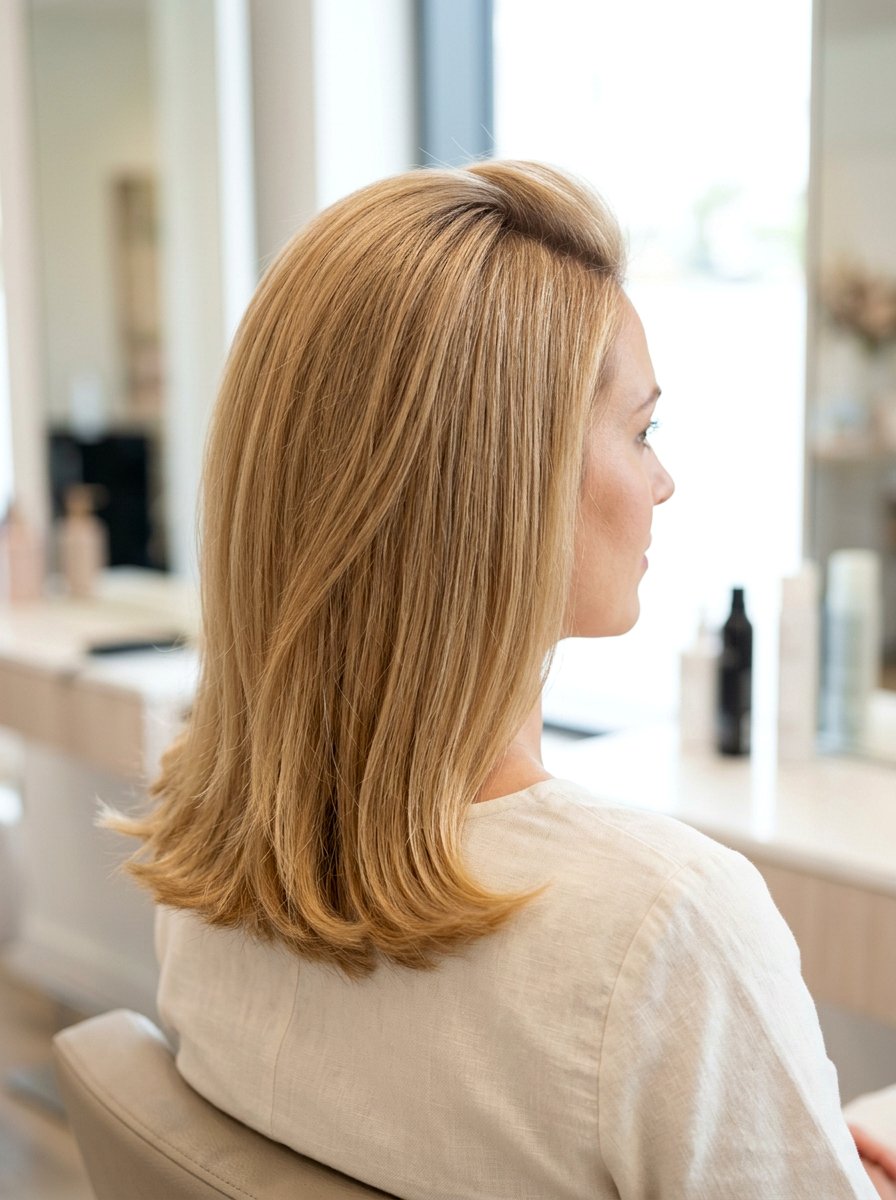
If your crown always falls flat, invisible layers targeted in that area can transform your overall shape. Stylists often cut shorter internal layers just under the top surface of the crown, leaving the outer layer slightly longer to conceal the cuts. This hidden structure props the top section up and allows the hair to stand away from the scalp. Because the layers are internal, you don’t see choppy steps or obvious graduations when the hair grows out. The result is a subtle lift that looks like natural volume rather than heavy styling. For daily styling, focus on blow-drying the crown upside down for a few seconds and using a small amount of mousse at the roots, letting the internal layers do most of the lifting work.
18. Invisible Layers For Fine Hair With Bangs

Bangs on fine hair can separate or look thin unless the rest of the cut supports them, which is where invisible layers come in. By adding internal layers behind and around the fringe, a stylist ensures that the bangs blend naturally and don’t hang limp. This technique works with full bangs, wispy bangs, or micro fringe, as long as the perimeter of the main length stays relatively solid. The internal structure gives the bangs a soft landing spot, so they curve nicely instead of falling straight down. You can style them with a round brush or flat brush, then lightly mist with flexible hairspray to keep them from splitting. Meanwhile, the invisible layers in the rest of your hair add gentle movement that keeps the whole look cohesive rather than making the bangs feel like a separate element.
19. Invisible Layers For Fine Hair Low Maintenance
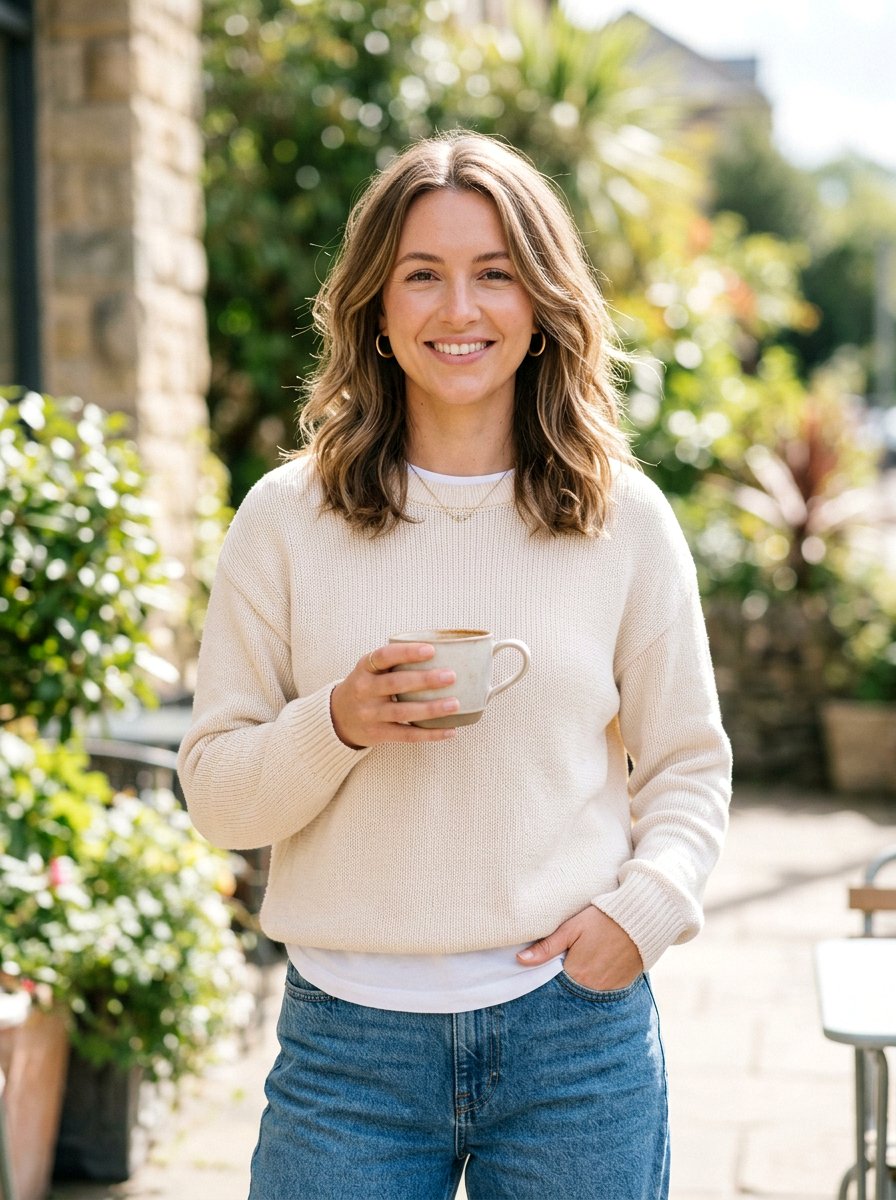
Invisible layers offer a low-maintenance option for fine hair because they grow out softly and don’t require constant reshaping. Since most of the layering is hidden inside the haircut, you don’t see harsh lines as the hair gets longer. The perimeter remains strong, which means you can stretch appointments to every eight to twelve weeks without the ends looking overly thin. This kind of cut works with simple routines like air-drying or rough-drying with minimal products. A light volumizing mousse, a heat protectant when you blow-dry, and a flexible spray are usually all you need. The built-in movement from the invisible layers does most of the styling for you, so your fine hair still looks shaped and intentional even on days when you barely touch a brush.
20. Invisible Layers For Fine Hair Consultation Tips
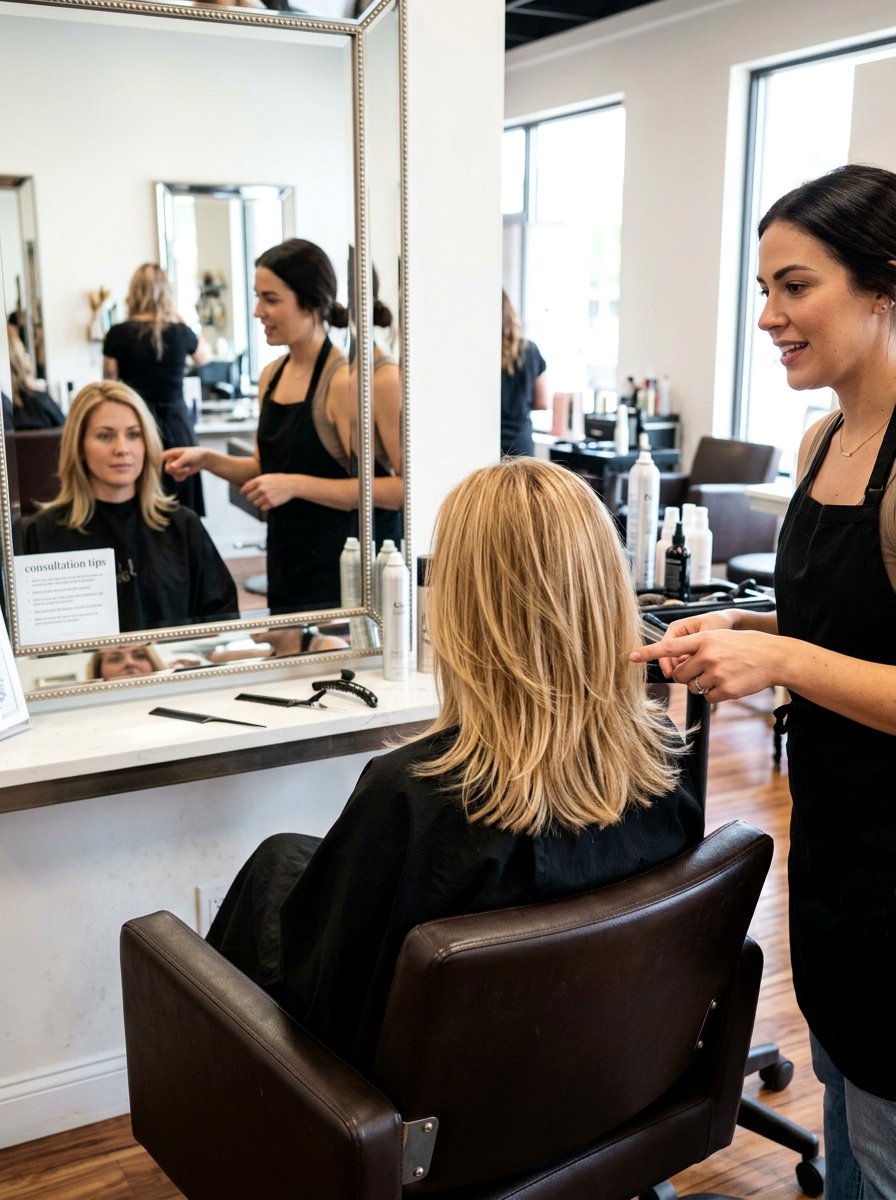
Getting the invisible layers you want starts with a clear consultation, especially when your hair is fine and easily over-cut. Bring reference photos that show smooth ends with soft movement rather than heavily textured or shaggy cuts. Use phrases like “internal layers,” “ghost layers,” or “invisible volume” to explain that you want movement without seeing choppy pieces. Be honest about how much time you spend styling, since that will guide how dramatic the internal layering should be. Ask your stylist to keep the perimeter looking full and to avoid thinning shears near the ends, which can make fine hair look frayed. Before you leave, have them show you how to blow-dry or air-dry to activate those invisible layers so you can recreate the airy, voluminous effect at home.
Conclusion:
Invisible layers have quickly become one of the most reliable ways to add believable volume to fine hair without sacrificing length or density. By keeping most of the texture inside the haircut, this technique maintains a strong outline while creating hidden movement that works with your natural texture. Whether you wear your hair in a pixie, bob, lob, or long layers, internal layering can make your everyday styling faster and more forgiving. You get the look of thicker hair, more lift at the crown, and softer face framing without obvious chop marks or a high-maintenance grow-out. Paired with lightweight products and simple blow-dry tricks, invisible layers help fine hair hold shape from morning to night, even in real-life conditions. When you communicate clearly with your stylist and prioritize preserving your perimeter, this subtle yet modern approach can completely change how full, natural, and versatile your fine hair feels day to day.
You'll Like These Styles:










Leave a Reply