
Walking into an interview, you want a ponytail that feels polished, low‑maintenance, and totally under control so you can focus on your answers instead of your hair. A neat ponytail keeps strands off your face, reads professional in almost every industry, and works with most lengths past the shoulders. The key is choosing the right placement, finish, and details so your ponytail looks intentional, not like a rushed gym style. Most experts recommend a sleek, frizz‑free surface, a smooth hairline, and minimal accessories that blend with your hair color instead of distracting elastics or bows. With a few variations, you can tailor your ponytail to corporate offices, creative roles, or panel interviews while still looking like yourself. Below are twenty practical interview ponytail looks you can copy and tweak for your hair type, face shape, and dress code expectations without spending an hour in front of the mirror.
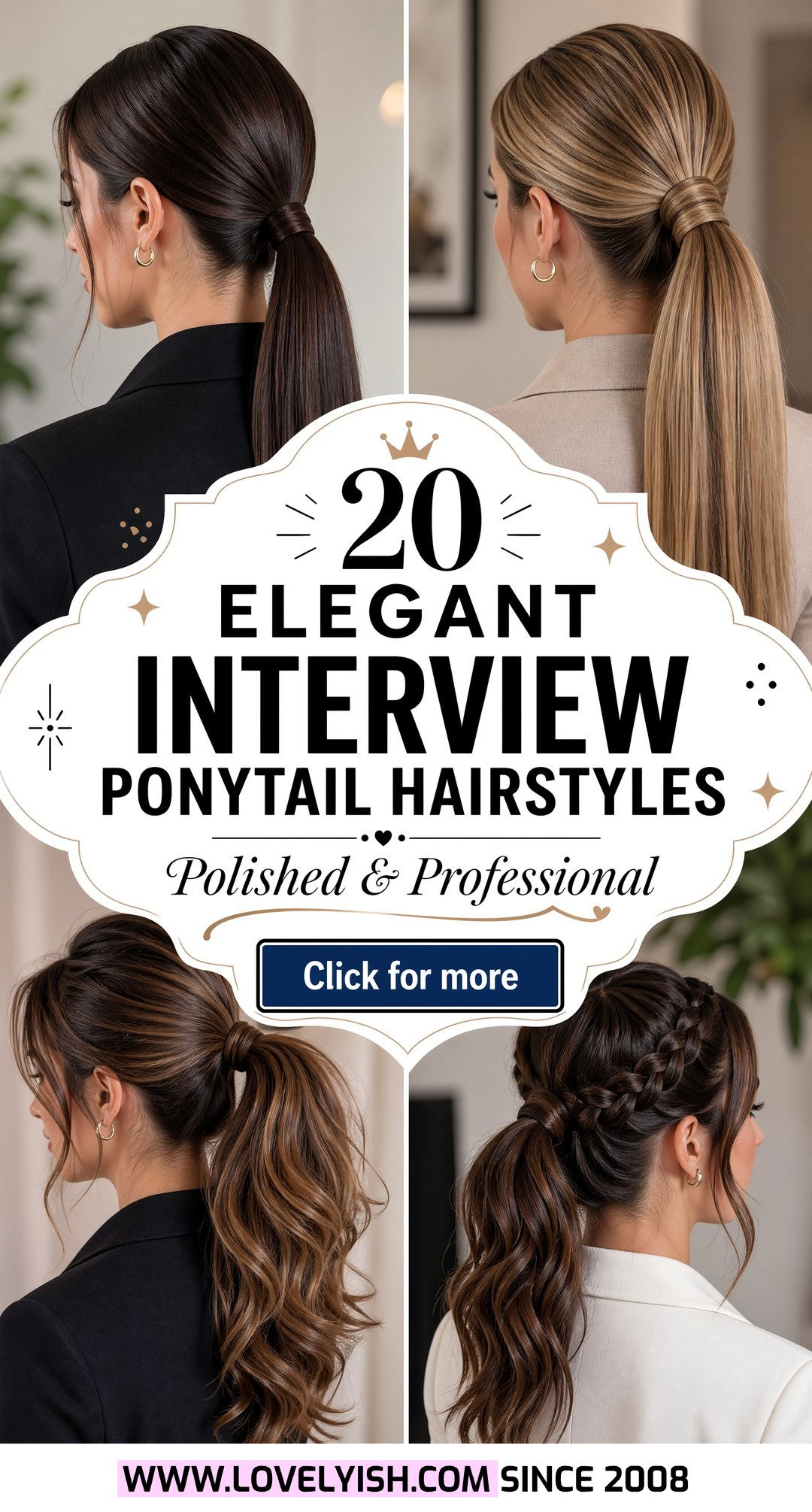
1. Sleek Low Interview Ponytail

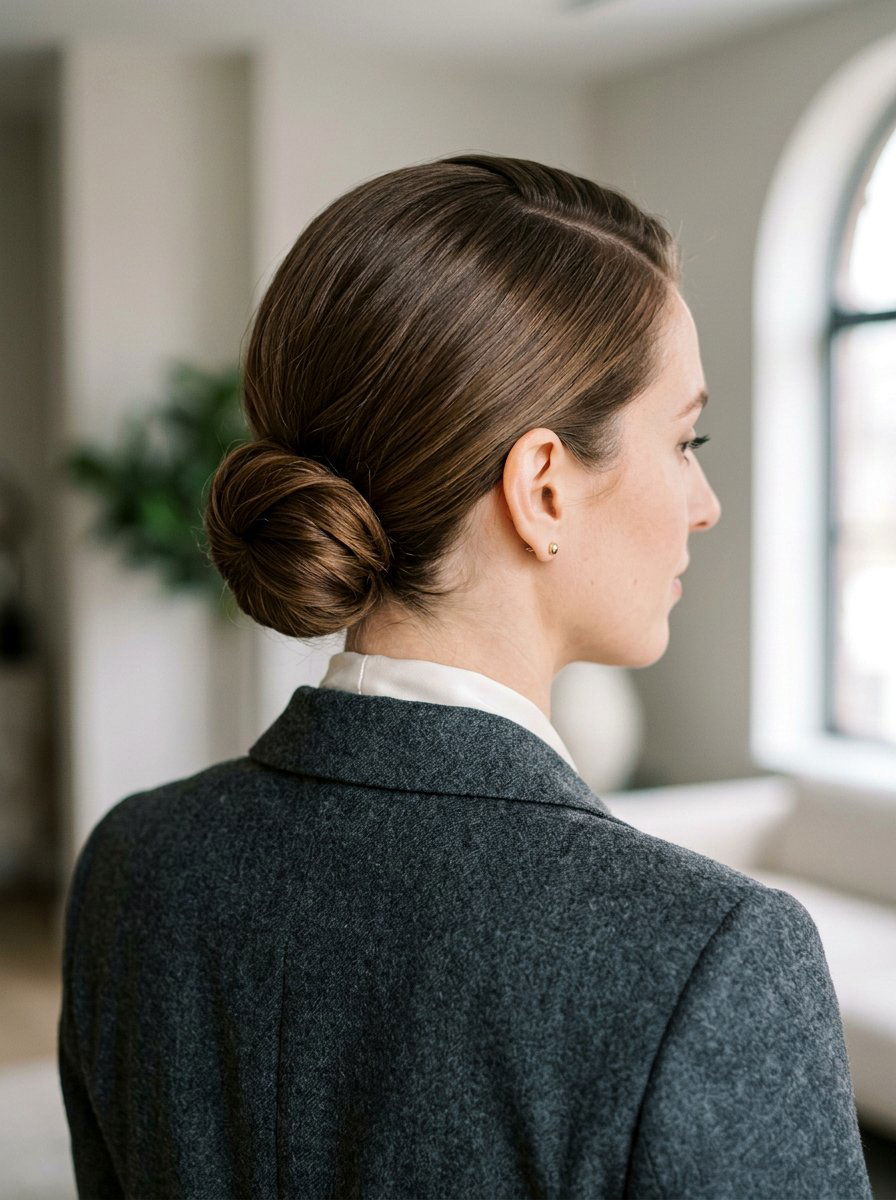
A sleek low ponytail at the nape is one of the safest bets for a job interview because it looks clean, calm, and professional from every angle. Start with straightened or smoothly blow‑dried hair so your strands lie flat and don’t puff up under indoor lighting or humidity on the way in. Create a sharp middle or soft side part, then brush hair back with a boar‑bristle brush to keep the crown smooth and minimize flyaways along the hairline. Secure the ponytail at the nape with a small elastic close to your hair color, and wrap a thin section of hair around the band for a more polished finish. A light smoothing serum or cream on the mid‑lengths and ends helps your ponytail look healthy rather than dry, while a soft mist of flexible‑hold hairspray keeps everything in place without making hair look stiff or crunchy under office lights. This look works especially well for conservative or corporate roles where understated grooming matters more than trendy details.
2. Mid Height Professional Ponytail

A mid height ponytail, sitting in the middle of the back of your head, offers a modern balance between too casual and too severe for many interview settings. This placement keeps your hair off your shoulders enough to show your collar and neckline, which can make blazers and shirts sit better and look sharper in person and on video calls. Prep with a smoothing blowout or straightener, then lightly tease the crown if your hair is very flat, being careful to keep height subtle so it still reads professional, not dated. Brush hair back smoothly, following the angle from the tops of your ears to the middle back of your head, then secure with an elastic and wrap a small strand around it for a seamless finish. If your ends are slightly wavy, you can leave them as they are for a bit of movement, but avoid big, beachy waves that can look too casual in formal interviews. This ponytail is ideal when you want to show a little personality while still keeping the overall effect neat, tidy, and clearly intentional.
3. Low Ponytail With Side Part
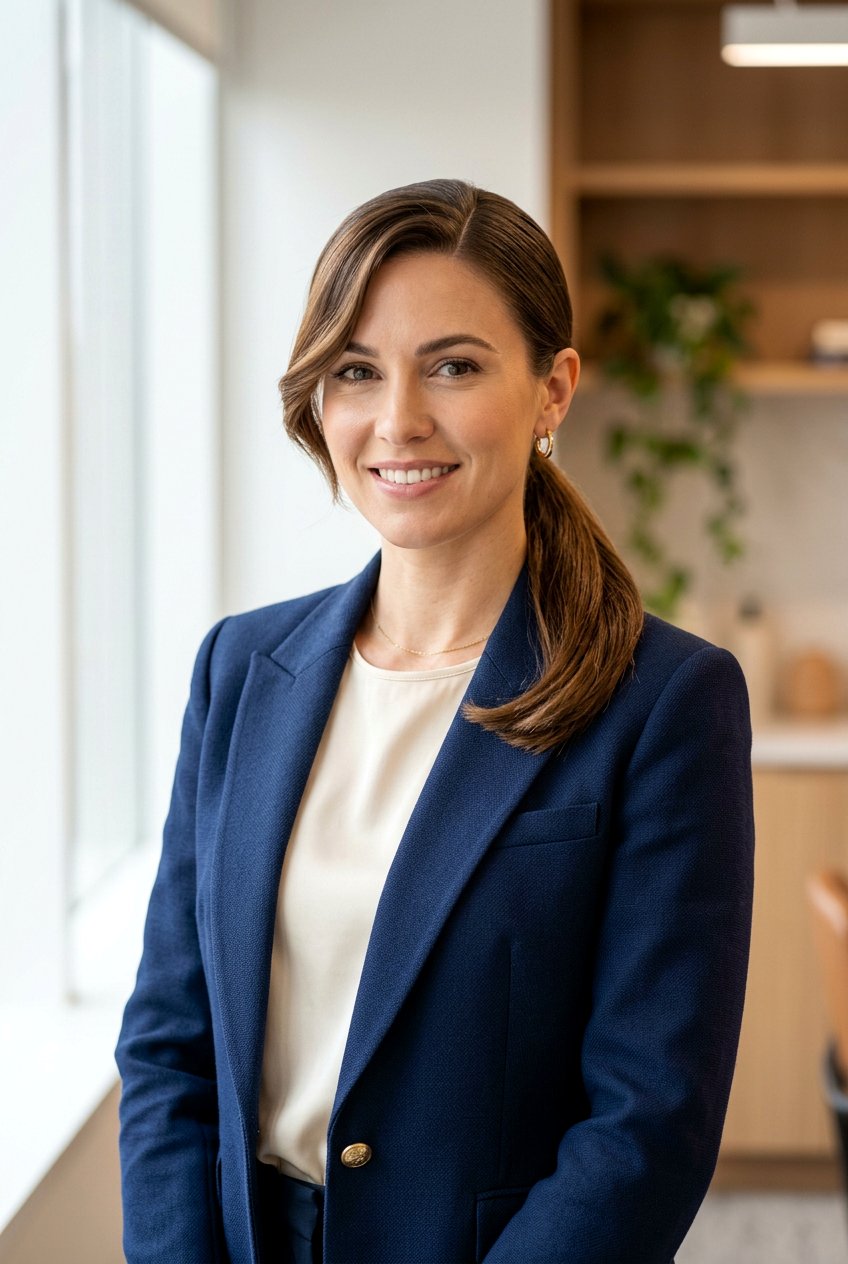
A low ponytail with a clean side part is a subtle way to soften your features while still keeping your overall look sharp and interview‑ready. Use a tail comb to draw a crisp side part that flatters your face shape, usually starting around the arch of your eyebrow for a balanced look that doesn’t feel too dramatic. Apply a small amount of styling cream or serum along the part and down the sides, then smooth hair back with your fingers first and a brush second to keep the surface sleek. Secure the ponytail low at the nape, keeping the base slightly off‑center in the direction of your part if you like a softer, more natural effect. You can leave one very small, controlled face‑framing piece on the parted side if it stays in place, but tuck or pin back any strands that you tend to fidget with. This look works well for interviews in offices where you want to appear approachable and friendly, without sacrificing that groomed, put‑together impression.
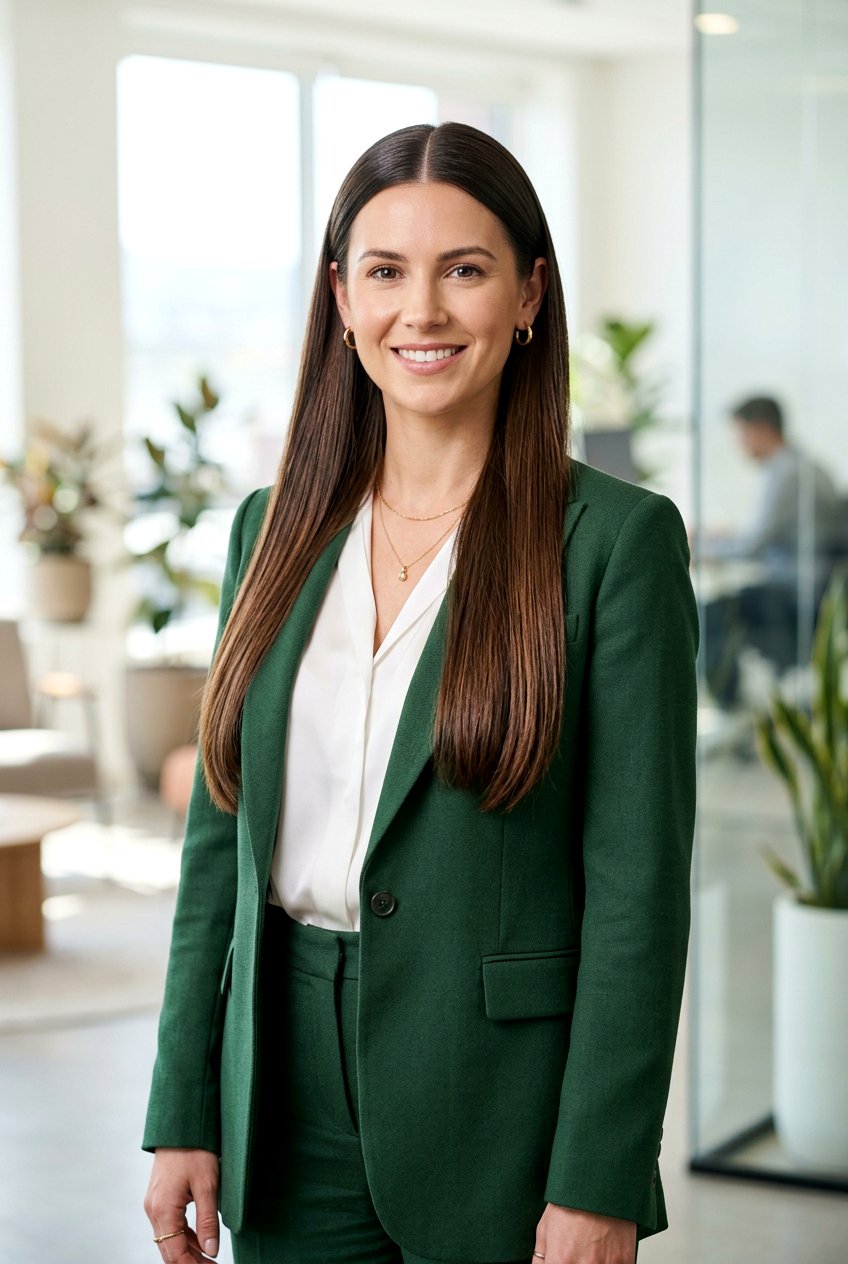
4. Middle Part Sleek Ponytail For Interview
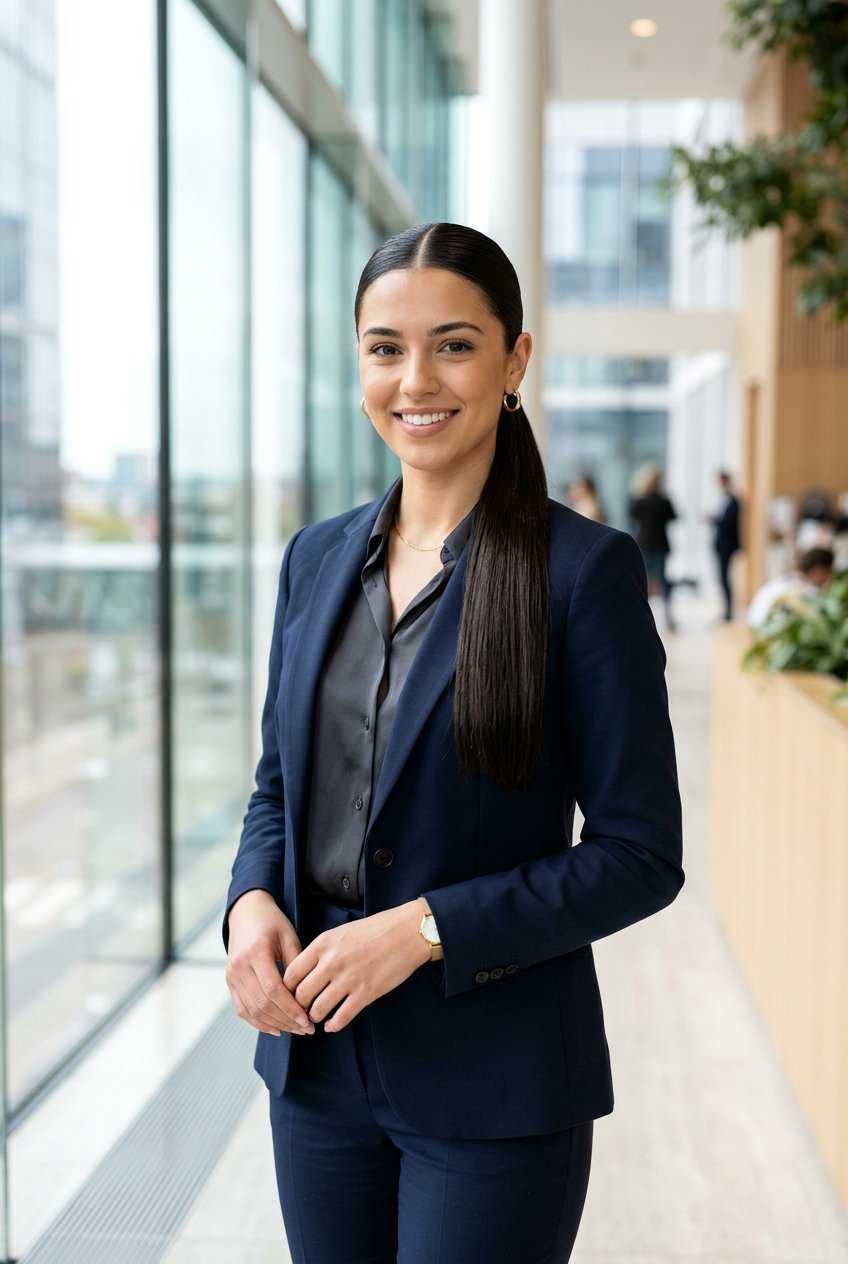
A middle part sleek ponytail creates a clean, modern frame around your face that works well with tailored suits and simple interview outfits. Begin by parting your hair down the center using a fine‑tooth comb, making sure the line is straight so the style looks deliberate rather than messy. Smooth a lightweight serum or cream through the top and mid‑lengths, then brush hair straight back from the part toward either a low or mid height ponytail placement, depending on what suits your features and neckline. For a truly sleek finish, run a flat iron over the lengths of your ponytail, working in small sections to keep everything smooth and consistent. Wrap a small section of hair around the base to hide the elastic, securing the end underneath with a couple of bobby pins that match your hair color. This style is especially flattering on oval and longer face shapes and is perfect for structured, formal interview environments where sharp, minimalist grooming makes a strong impression.
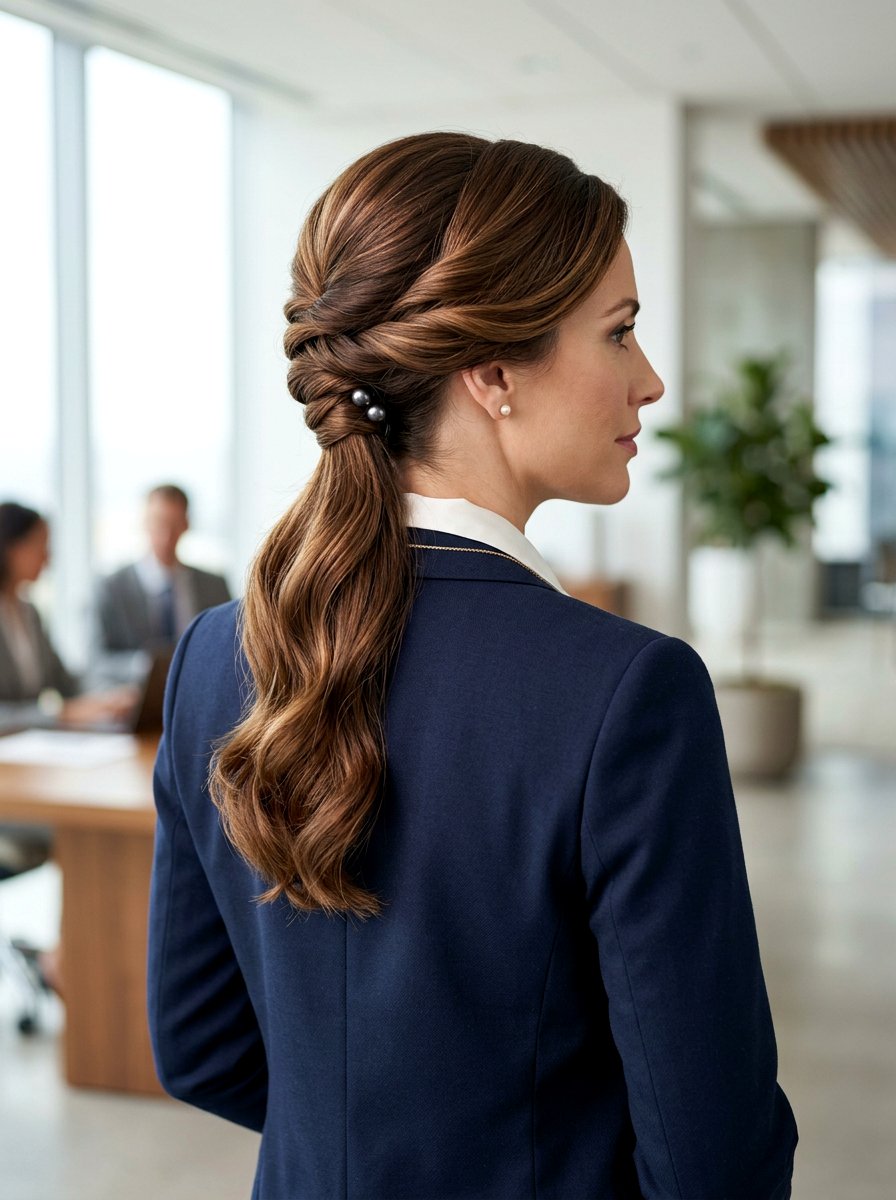
5. Interview Ponytail With Wrapped Base

A wrapped‑base ponytail instantly makes even a simple interview hairstyle look more refined, like you put in extra effort without going over the top. After choosing your ponytail height—low for conservative roles or mid for slightly more modern workplaces—secure your hair with a slim elastic that holds firmly but doesn’t pinch. Take a small section of hair from the underside of the ponytail, smooth it with your fingers and a tiny bit of serum, then wrap it around the elastic several times until the band is fully covered. Pin the end underneath using a bobby pin inserted upward into the base so it stays hidden and doesn’t poke your scalp during a long interview or commute. Make sure the wrapped section is tight enough to stay in place, but not so tight that it looks bulky or out of proportion to your ponytail thickness. This small detail keeps your hairstyle away from a casual “gym ponytail” vibe and nudges it toward a polished, almost blowout‑bar finish that pairs well with blazers and structured dresses.
6. Low Ponytail With Soft Crown Volume

A low ponytail with soft crown volume can be a great choice if your hair tends to lie very flat and you want a bit of lift without looking over‑styled. Start by blow‑drying the roots at your crown in the opposite direction of where they naturally fall, using a round brush for gentle lift and smoothness. Once dry, lightly tease the crown area with a fine‑tooth comb, focusing on small sections and keeping the teasing at the root only for a controlled, subtle bump. Gently smooth the top layer with a soft brush so the teased sections are hidden, then gather your hair into a low ponytail at the nape. Avoid using too much hairspray, since crunchy volume can look dated; instead, use a light flexible‑hold spray or volumizing powder at the roots if your hair deflates easily. The result is a ponytail that still looks tidy and professional but adds a little height and balance, which can be especially flattering on round or shorter face shapes during in‑person or video interviews.
7. Smooth Ponytail For Fine Hair Interview
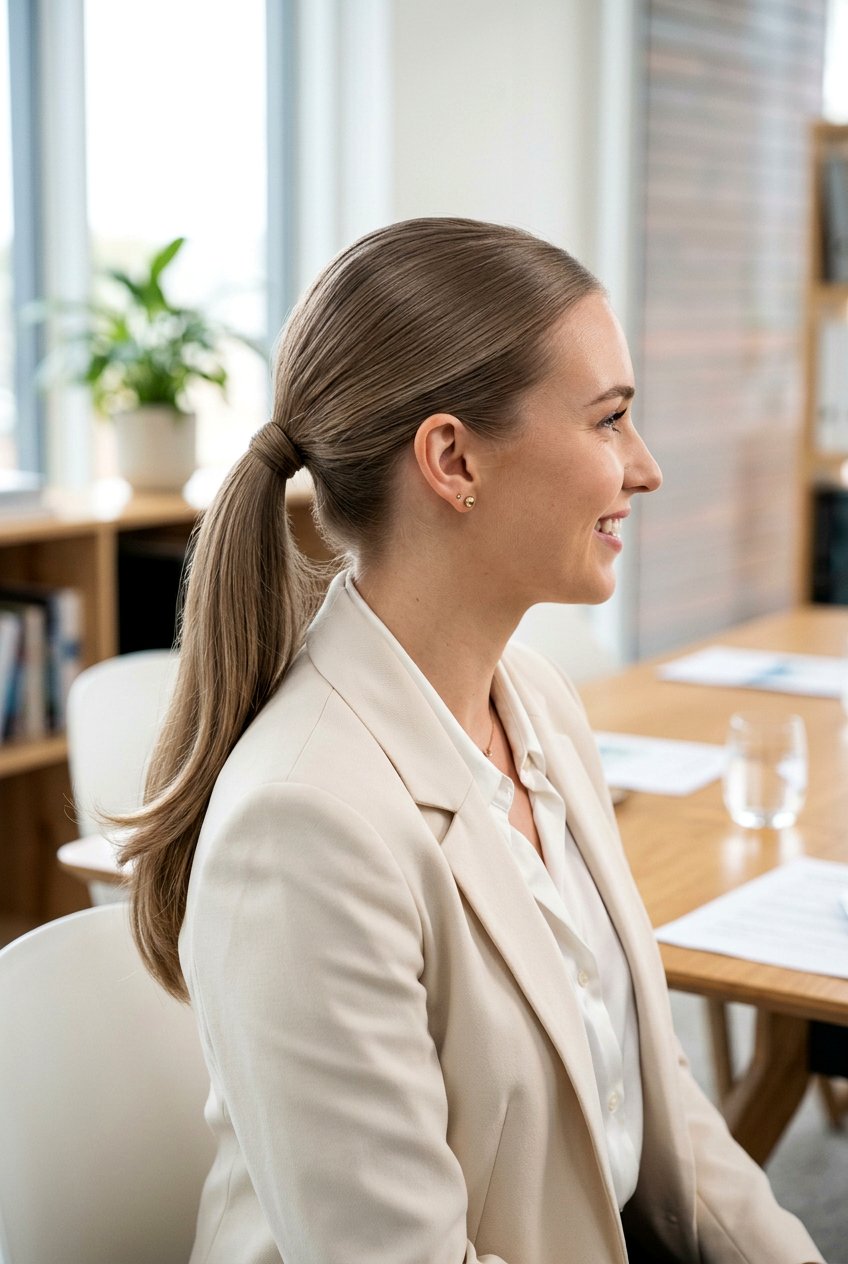
If your hair is fine or tends to look thin, a smooth ponytail tailored for fine hair can help you appear polished without emphasizing lack of volume. Start with a lightweight volumizing mousse at the roots and blow‑dry using a round brush, lifting sections upward to create body before pulling hair back. Instead of a very tight ponytail, aim for gentle tension so your roots don’t lie completely flat against your scalp, which can make hair look sparse. A low to mid placement usually works best for fine hair, because a very high ponytail can make the ends look stringy or uneven. Once secured, you can lightly curl just the ends of the ponytail or bend them under with a straightener to give the illusion of fullness without turning the look into a curly, casual style. Finish with a light mist of flexible hairspray instead of heavy products that weigh your hair down, keeping the overall look clean and professional for any interview setting.
8. Sleek High Ponytail For Interview

A sleek high ponytail can work for interviews in more relaxed or creative fields when you want to project energy and confidence while still looking neat. The trick is to keep the ponytail slightly back from the very top of your head, avoiding the extreme high placement often seen on red carpets that can feel too playful for a job meeting. Brush your hair upward from your temples and nape toward a point a little back from your crown, smoothing as you go with a firm brush and a bit of gel or smoothing cream. Secure with a strong elastic and wrap a strand of hair around the base to hide the band, then straighten or softly bend the ponytail for a smooth, swingy finish that doesn’t look messy. Make sure your hairline is clean and flyaways are controlled, especially around your neck and ears, since these areas show clearly when hair is pulled high. Paired with a simple, tailored outfit, this ponytail signals that you’re polished but not overly rigid, which can be ideal for interviews in fashion, media, or tech start‑ups.
9. Interview Ponytail With Subtle Waves

A ponytail with subtle waves can look soft and approachable while still staying professional if you keep the texture controlled and frizz‑free. Start by creating smooth, loose waves with a curling iron or wand, wrapping sections away from your face and then brushing them out for a gentle bend rather than defined curls. Gather your hair into a low or mid ponytail, leaving the top sleek and flat so the movement is concentrated in the lengths, which keeps the style from appearing too casual. Avoid piecey, beachy texture sprays that add grit and a “vacation” feel; instead, use a light shine spray or smoothing cream on the ponytail to keep it glossy and refined. Tuck or pin back any loose front pieces that might fall into your face, since playing with your hair can be distracting while you’re answering questions. This look works especially well for client‑facing roles where a bit of softness in your appearance can help you come across as warm and personable while still clearly put together.
10. Half Up Ponytail For Interview

A half up ponytail combines the neatness of pulled‑back hair with the comfort of leaving some length down, which can suit long‑hair lovers who still want a professional impression. Section off the top layer of your hair from temple to temple or just above the ears, depending on how much volume and thickness you want in the ponytail. Smooth this section back, keeping the crown tidy, and secure it with a small elastic at the back of your head, slightly above the occipital bone so it doesn’t drag the top flat. You can keep the loose hair straight for a sleek finish or gently wave it, but avoid overly textured ends that might make the style feel too casual or boho. If your hairline is prone to frizz, run a small amount of gel or styling cream along the front sections to keep everything neat for the duration of your interview. This half up ponytail is a nice option for industries with a business‑casual dress code, where you want to look polished but not overly formal.
11. Low Braided Ponytail For Interview

A low braided ponytail gives you a secure, neat hairstyle that looks thoughtful without being fussy, especially helpful if your hair tends to tangle easily. Start by gathering your hair into a low ponytail at the nape, smoothing the crown with a brush and a bit of smoothing product for a clean base. Secure with an elastic, then braid the ponytail into a classic three‑strand braid, keeping the tension even so the plait looks consistent and professional. Tie the end with a small, neutral elastic and, if you like, wrap a tiny section of hair around the top elastic to disguise it. A light mist of hairspray over the braid helps control flyaways without making the hair stiff, and you can gently tug the braid if you want it to look a bit fuller without turning it messy. This style is particularly great for longer interviews, assessment days, or commutes where you need your hair out of the way and guaranteed to stay put.


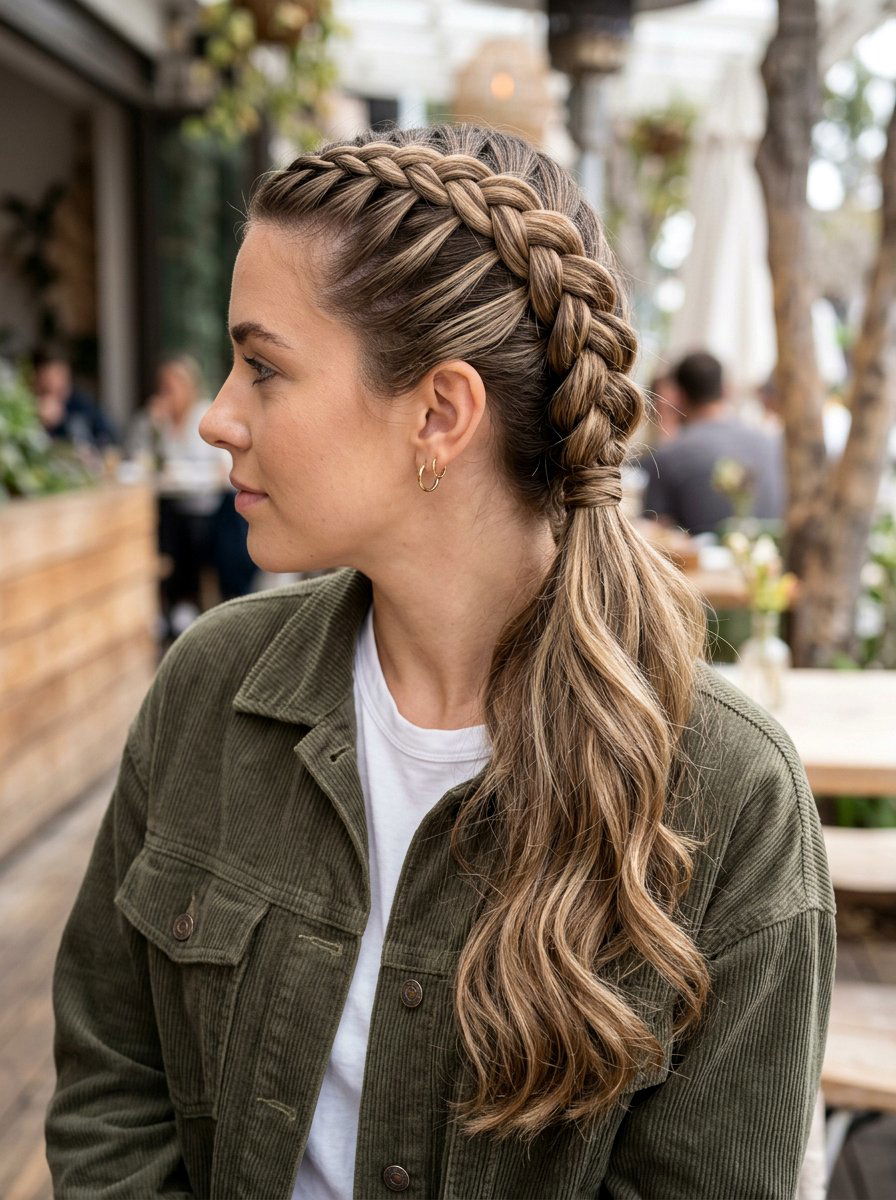
12. Ponytail With Smooth Face Framing Pieces
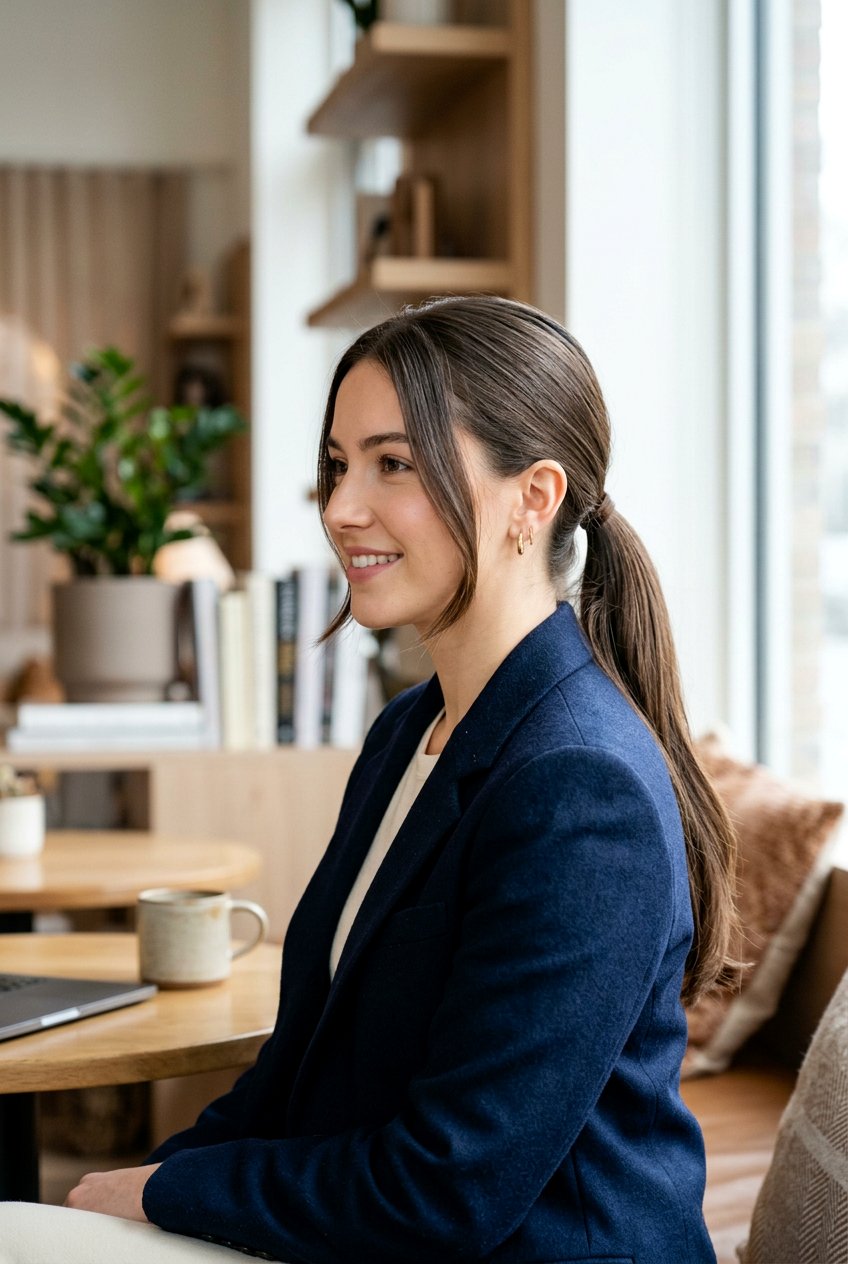
A ponytail with very controlled face‑framing pieces can soften your features while still keeping your hair mostly away from your face for a focused interview appearance. First, decide how much hair to leave out—usually just a couple of very thin strands around the temples or cheekbones is enough to add softness without constant movement. Smooth the rest of your hair back into a low or mid ponytail, making sure the part line is neat and the crown is free of bumps. Style the face‑framing pieces with a straightener or small curling iron, giving them a slight bend so they follow your cheekbones instead of hanging limp. Use the tiniest amount of smoothing cream or anti‑frizz serum on those front strands to keep them from expanding or separating through the day. This ponytail works best if you’re confident you won’t touch your hair during questions, so consider pinning the pieces back loosely if you tend to fidget under stress.
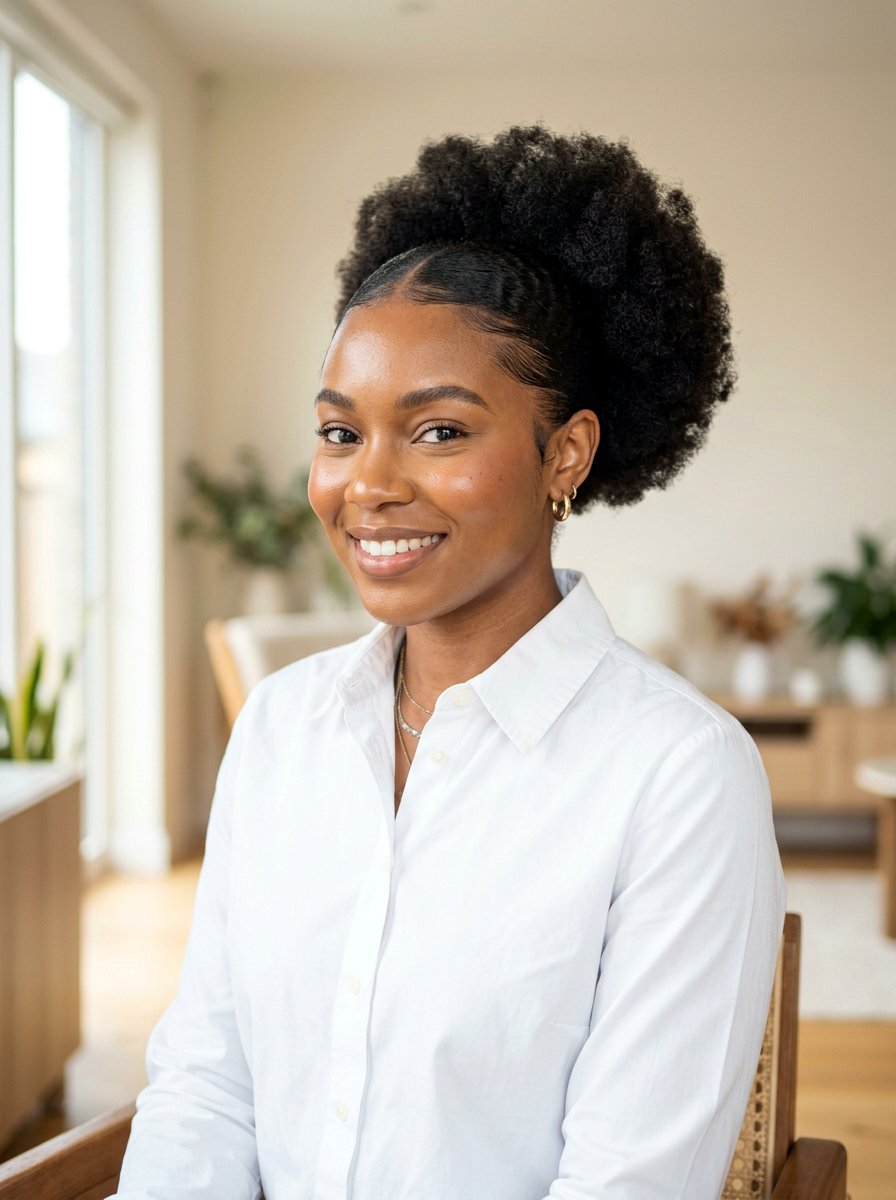
13. Natural Hair Low Puff Ponytail For Interview

For natural curls or coils, a low puff ponytail can look professional and true to your texture when shaped and smoothed with care. Begin on stretched or well‑moisturized hair, applying a leave‑in conditioner and light styling cream to define curls and prevent frizz. Use a soft brush and edge‑friendly gel to smooth the front and sides upward or backward into a low ponytail at the nape, being gentle to avoid too much tension on your edges. Secure with a snag‑free band or ponytail holder designed for thick, curly hair, allowing the puff to sit neatly at the back with a rounded shape. You can pick out the puff slightly with a wide‑tooth comb for balanced volume, but keep the silhouette compact so it doesn’t overwhelm your profile or compete with collars and blazers. This look presents a polished, authentic version of your natural texture and is suitable for both formal and creative interview environments when paired with neat makeup and a professional outfit.
14. Curly Ponytail For Interview

A curly ponytail can look professional when the curls are defined, frizz is controlled, and the hairline is tidy so the overall effect is intentional. Start with freshly washed or refreshed curls, applying a curl cream or gel to enhance definition and reduce halo frizz around the crown. Gently gather your hair into a low or mid ponytail, preserving the curl pattern by using your hands rather than a rough brush on the lengths. Smooth the front and sides with a soft brush and a bit of gel if needed, then secure with a gentle elastic or spiral band that won’t crush your curls too tightly. If any curls around your face or in the ponytail look limp, re‑curl them with a small curling wand or finger‑coil with a dab of product for even definition. This ponytail is especially nice for interviews where showing your natural curl pattern feels true to you, while still clearly signaling that you took care to arrive polished and prepared.
15. Interview Ponytail For Long Thick Hair

For long, thick hair, an interview ponytail needs structure so it looks controlled and comfortable rather than heavy or overwhelming. Start by sectioning your hair horizontally at the middle of your head, then tie the bottom half into a low ponytail at the nape. Gather the top half and join it with the bottom ponytail, securing with a second elastic in the same spot, which helps distribute weight and keep the base from sagging. Smooth the crown and sides with a brush and a bit of smoothing cream, making sure there are no bumps where the two sections meet. If your hair is very dense, lightly thin the ponytail visually by curling the ends under or into loose waves so they sit more compactly rather than forming a huge curtain of hair. This layered ponytail technique keeps thick hair off your face and shoulders in a way that still looks neat and interview‑appropriate, and it prevents the tension headaches that can come with heavy updos.
16. Interview Ponytail For Medium Length Hair

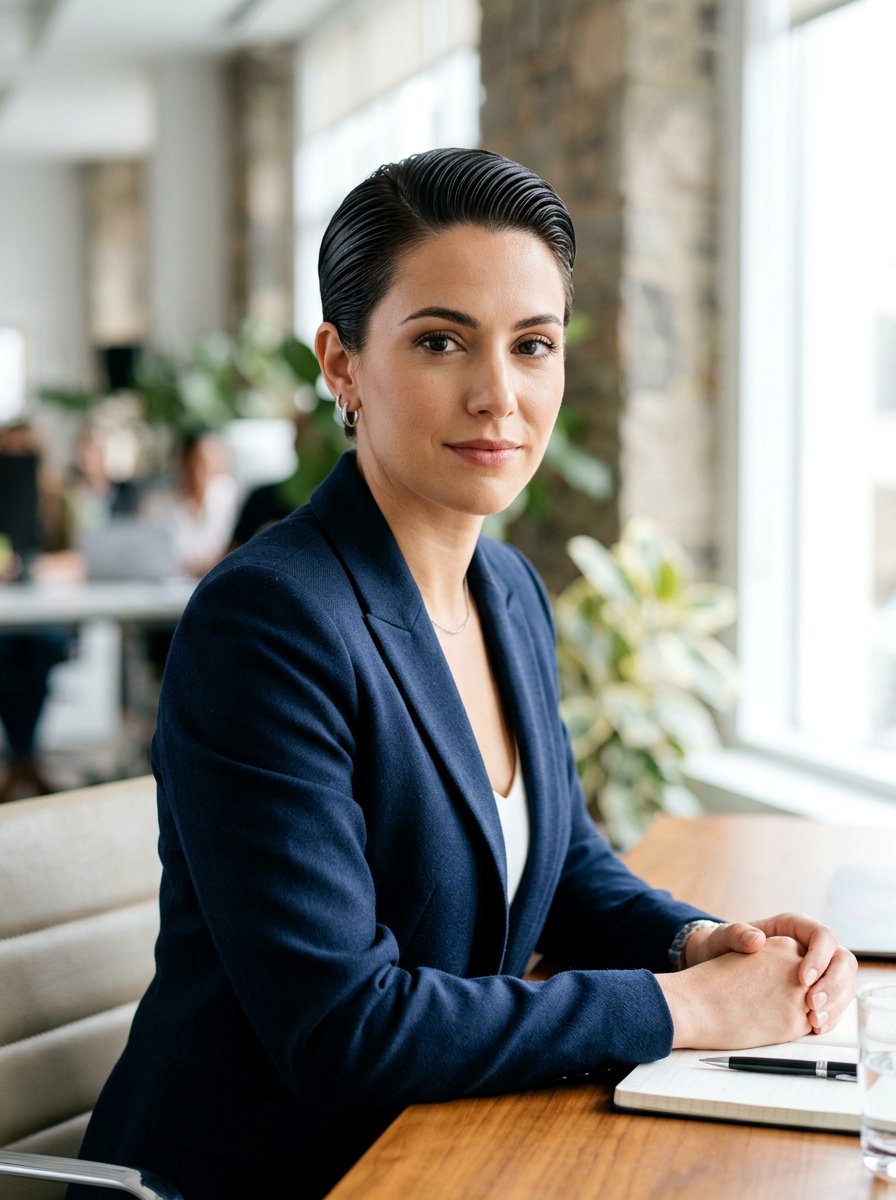
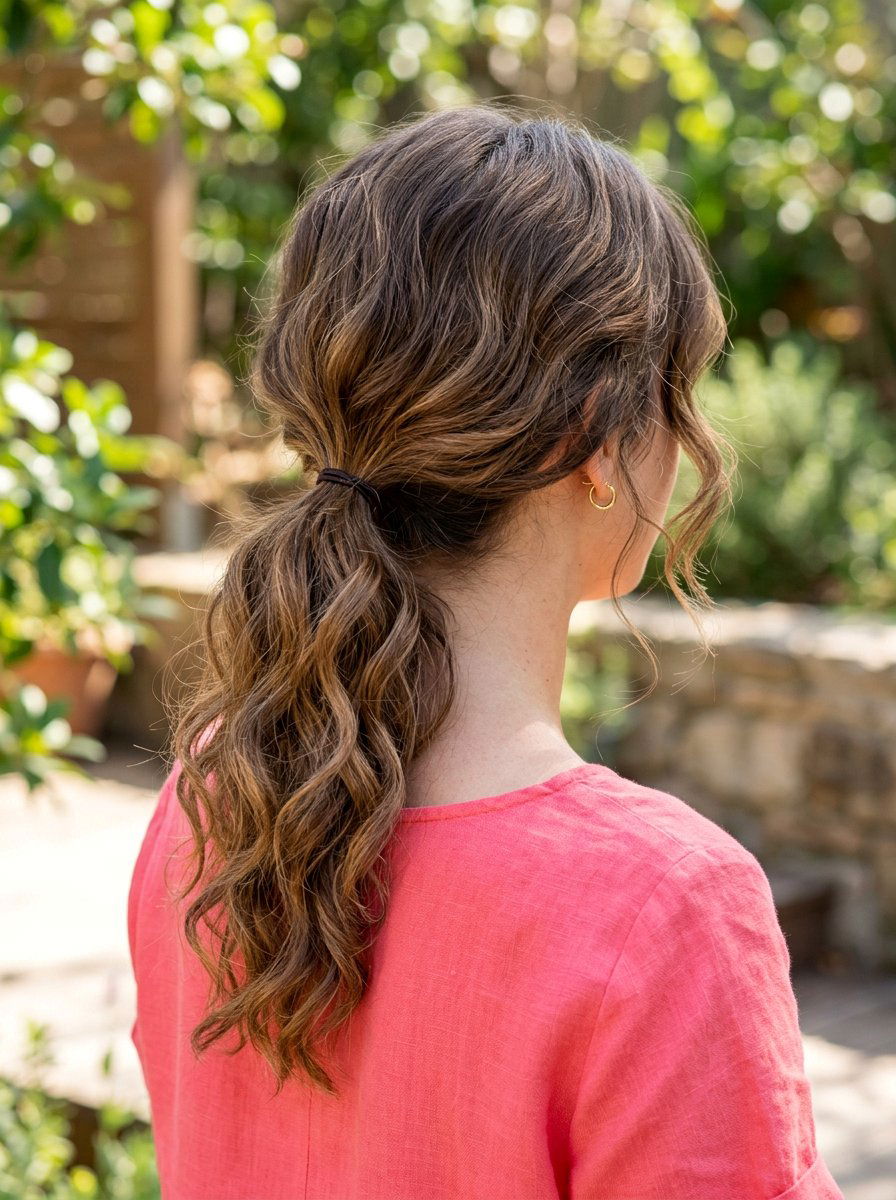
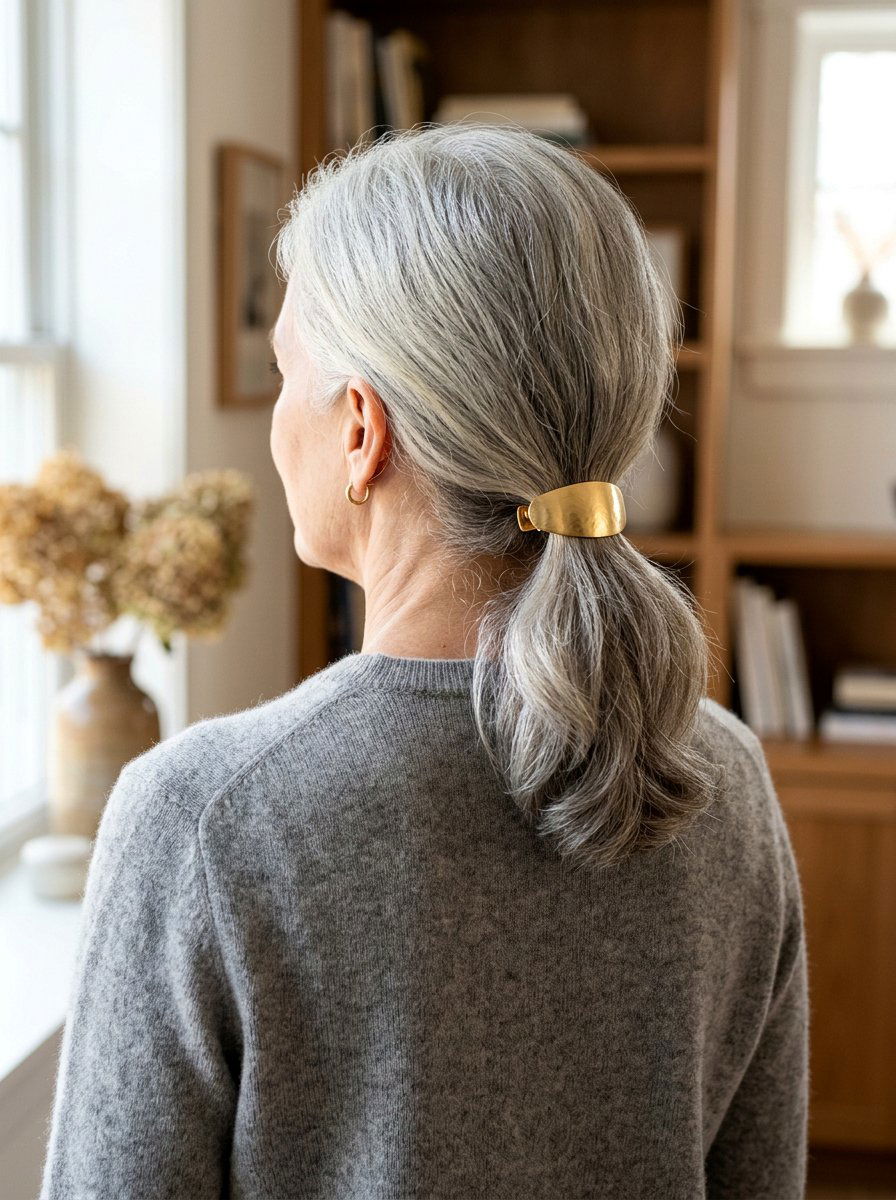
Medium length hair around the shoulders can create a clean, flexible ponytail that works well across corporate, retail, or educational interviews. Since you don’t have excessive length, focus on making the crown and sides as smooth as possible so the style looks polished, even if the ponytail itself is modest. A mid height placement often suits medium hair best, because a very low ponytail can look short and stubby, while a very high one might not have enough length to feel balanced. Use a small elastic, then wrap a strand around the band to add a finished touch and help the ponytail feel more “done” for formal settings. If your ends flip out unevenly, bend them under with a straightener for a tidy, curved finish, or add a very soft wave for movement without turning the style into a casual weekend look. This ponytail is quick, comfortable, and easy to pair with most interview outfits, making it a reliable choice if you want simplicity without looking underprepared.
17. Interview Ponytail For Shorter Long Hair

When your hair just reaches past your shoulders, an interview ponytail needs a bit of strategy to avoid gaps, bumps, or shorter layers popping out around the nape. Begin with a smooth blowout or flat‑ironed finish so layers lie flat and are easier to control when pulled back. A slightly higher mid ponytail placement often works better than very low because it gives the shorter layers less distance to travel and minimizes pieces slipping free. Use a small amount of styling cream on your hands as you gather your hair so shorter sections adhere to the main body instead of sticking out. If a few layers still escape around the nape or sides, secure them with tiny bobby pins or discreet hairpins, tucking them under the ponytail so the overall shape stays sleek. This approach gives you a tidy, confident ponytail even if you’re growing your hair out and haven’t yet reached that easy, long‑hair stage.
18. Interview Ponytail For Video Call

For virtual interviews, your ponytail has to look clean and balanced within the camera frame, which often crops from the shoulders up. A mid to slightly higher ponytail placement usually reads best on screen because it keeps hair visible behind your head instead of disappearing below the frame. Make sure your part is neat and your hairline is smoothed, since the camera emphasizes small flyaways and uneven sections around your face. Avoid very dark, matte hair finishes that can blend into the background; instead, use a light shine serum so your hair has dimension without looking greasy under indoor lighting. Check your ponytail in your webcam preview before the call to ensure it looks centered and symmetrical, adjusting height or parting if necessary. This thoughtful setup ensures your ponytail quietly supports your professional presence on screen rather than becoming a visual distraction while you speak.
19. Interview Ponytail With Minimal Accessories

For interviews, accessories in a ponytail should be nearly invisible so your hair looks neat but never showy or distracting. Choose elastics and pins that match your hair color as closely as possible, and avoid obvious scrunchies, large clips, or sparkly details that pull focus. If you need extra support, use multiple plain bobby pins tucked under the ponytail base instead of decorative pieces on top. A simple, thin headband in your hair color can help keep shorter front layers off your face, but make sure it sits flat and doesn’t shine too brightly under office or studio lights. Barrettes or clips should only be used if they are very subtle and functional, like matte metal or plastic in neutral tones. Keeping accessories minimal helps your ponytail look clean and grown up, letting interviewers focus on your communication skills rather than your hair ornaments.
20. Quick Interview Ponytail For Busy Morning

On mornings when you’re rushing to an interview, a quick ponytail can still look polished if you follow a simple, reliable routine. Start by brushing through your hair and applying a small amount of smoothing cream or serum to the top and mid‑lengths to tame frizz fast. Decide on a low or mid placement, then gather your hair in one motion, smoothing with your brush as you go to avoid having to redo the section multiple times. Secure with a sturdy elastic, then quickly wrap a thin strand of hair around the band and pin it if you have 30 extra seconds, since this step instantly upgrades the look. Run a straightener or brush through just the visible part of the ponytail to neaten the ends, and finish with a light mist of flexible hairspray over the crown. This streamlined approach gives you a dependable, interview‑ready ponytail even when time is tight, so you can arrive calm and composed instead of flustered from complicated styling.
Conclusion:
Choosing the right interview ponytail is really about supporting your confidence, comfort, and professionalism so your hair becomes a nonissue once the questions start. Low and mid placements in sleek finishes are usually the safest choice, especially in corporate or formal environments where understated grooming sends the strongest message. For creative or more relaxed roles, options like a polished high ponytail, subtle waves, or natural puffs can let your personality show while still looking intentional and neat. Paying attention to details—like a wrapped base, smooth hairline, minimal accessories, and well‑controlled texture—helps your ponytail look refined rather than rushed. Matching the style to your hair type and interview format, whether in person or on video, ensures the look is secure, flattering, and easy to maintain through the entire conversation. When your ponytail is sorted, you can walk into the room or log onto the call knowing your appearance supports your skills, instead of competing with them for attention. Which of these ponytail options best fits the industry you’re interviewing in?
You'll Like These Styles:





Leave a Reply