
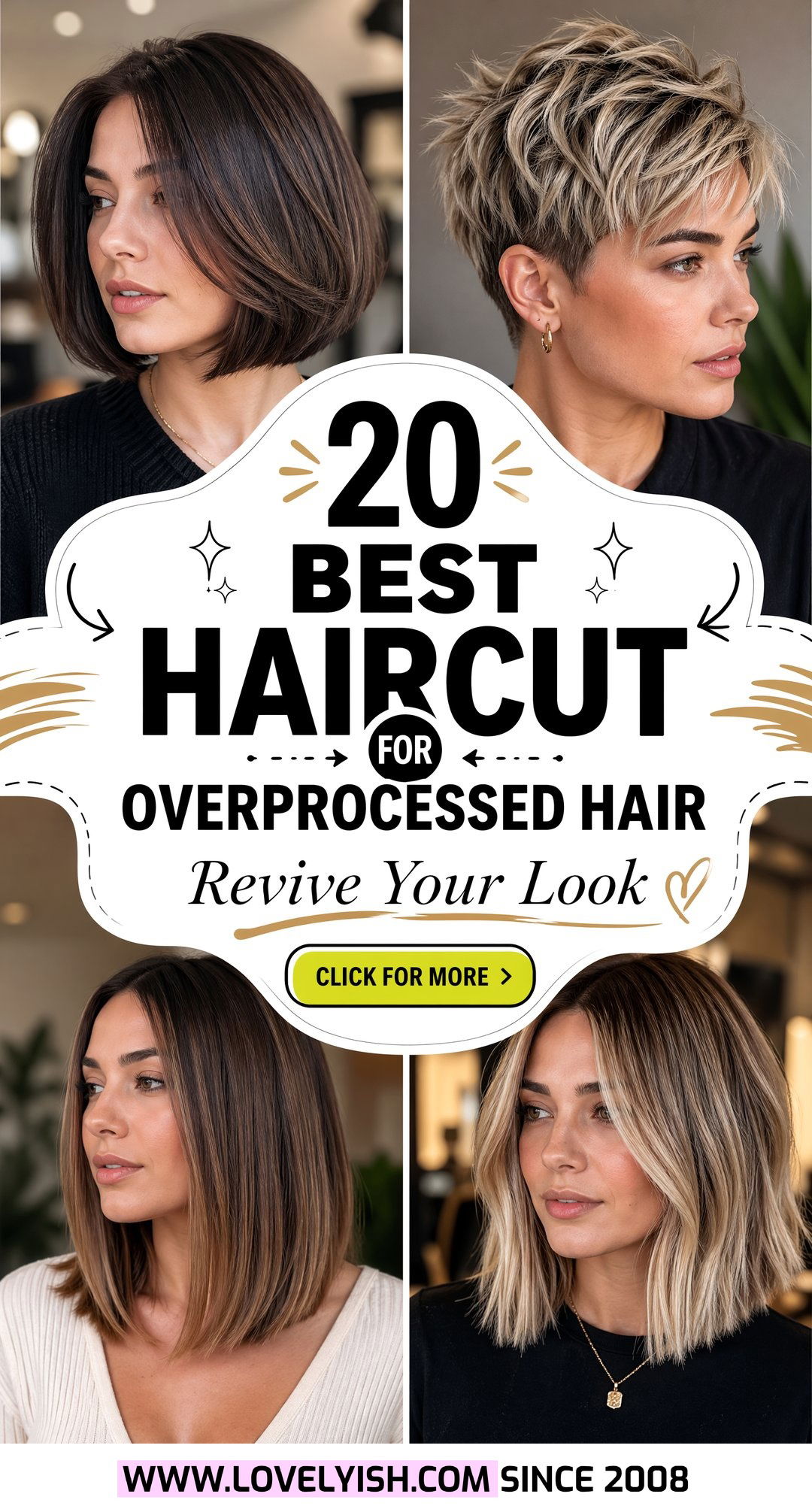
Finding the perfect haircut for overprocessed hair is the first step toward reclaiming your natural shine and hair health in 2026. Whether your strands are suffering from excessive heat styling, back-to-back chemical treatments, or bleach damage, the right chop can instantly remove brittle ends and restore a sense of thickness. This year, the focus is shifting away from high-maintenance styles toward a healthy girl aesthetic that prioritizes hair integrity and effortless movement. By choosing a strategic shape that hides breakage while promoting new growth, you can transform a frizzy mess into a polished and modern look. We have curated a list of twenty professional-grade haircuts designed to breathe new life into your compromised locks today.
1. Pixie cut for damaged hair

Are you ready to say goodbye to every single inch of your fried ends in one brave salon visit? A power pixie is the ultimate reset button for anyone dealing with severe chemical breakage or thinning from over-processing. By removing the dead weight, your scalp can breathe, and your new growth will appear significantly thicker and more vibrant. This short style is incredibly popular in 2026 because it highlights your facial features while requiring almost zero heat styling, which is essential for recovery. You can keep the top slightly longer to maintain some styling versatility or go for a tight, cropped look for maximum ease. It is a bold, refreshing choice that symbolizes a completely fresh start.
2. Low bob for overprocessed hair

Have you noticed that your hair looks thin and see-through at the bottom due to years of heavy bleaching? The low bob is a modern, slightly longer version of the classic bob that sits just above the collarbone. Unlike shorter versions, this cut offers enough length to feel feminine while providing a thick, blunt baseline that masks split ends perfectly. In 2026, stylists are recommending this “Bob 2.0” because it incorporates soft, blended edges rather than harsh lines. This softness helps to disguise uneven texture that often comes with over-processed strands. It is a sophisticated, wearable option that looks intentional and healthy, making it a top choice for professional women everywhere.
3. Pammy shag for brittle hair

Can a retro-inspired look actually help save your hair from the brink of total exhaustion and dullness? The Pammy shag, inspired by the iconic voluminous layers of the nineties, is making a massive comeback this year for its ability to hide damage. Because this style relies on heavy, purposeful texture and choppy layers, any accidental breakage from over-processing simply blends right into the aesthetic. It is especially effective for those with mid-length hair who are not quite ready to commit to a very short cut. The internal layers remove the bulk of the damaged weight without sacrificing the overall silhouette. It provides a playful, “woke up like this” vibe that feels incredibly fresh.
4. Snipped-in tuft bob for broken hair

What happens when you combine the structure of a bob with the airy, lived-in texture of a modern crop? The snipped-in tuft bob is a specific 2026 trend that uses point-cutting techniques to create a “tufted” effect at the ends. This is a brilliant solution for over-processed hair because the ends are meant to look slightly irregular and piecey. Instead of fighting against the frizzy texture of damaged cuticles, this haircut embraces it as a styling choice. It works beautifully on hair that has lost its natural elasticity because it creates the illusion of volume and bounce. This cut allows you to use minimal product while still maintaining a high-fashion, edgy appearance daily.
5. The Christy cut for curly hair recovery

Do your curls look stretched out and limp after a few too many highlights or flat iron sessions? Named after the iconic Christy Turlington, this curly mop cut is designed to encourage your natural pattern to spring back to life. By keeping the length short and the shape rounded, the weight is lifted off the hair shaft, allowing curls to form more easily. This is an essential haircut for overprocessed hair that has lost its structural integrity. The rounded silhouette provides a balanced look that prevents the “triangle hair” effect often seen with damaged curls. It is a chic, timeless option that focuses on hydration and the natural beauty of textured strands.
6. Bell bottom bob for thinning hair

Is it possible to make your hair look twice as thick as it actually is without using extensions? The bell-bottom bob is a strategic 2026 haircut that features a very blunt baseline with a slight flick at the very ends. This shape is perfect for over-processed hair because it keeps the majority of the density at the bottom, creating a visual “wall” of hair. This prevents the ends from looking wispy or transparent, which is a common sign of chemical damage. By keeping the top layers minimal, the hair appears much healthier and more cohesive. It is a playful, voluminous style that works exceptionally well for fine hair types needing a serious boost.
7. Face contouring bob for chemical damage

Imagine a haircut that not only hides your damaged ends but also acts like a natural frame for your face. The face-contouring bob uses specifically placed layers around the cheekbones and jawline to draw attention away from the length. If your hair is broken or uneven in the back, this style shifts the focus to the front, where the hair is often healthier. This cut is highly recommended for those transitioning out of a heavy color habit because it allows for a graceful grow-out process. By tailoring the length to your specific face shape, your stylist can create a look that feels customized and expensive. It is a high-impact, low-maintenance recovery style.
8. Blunt shoulder length cut for split ends

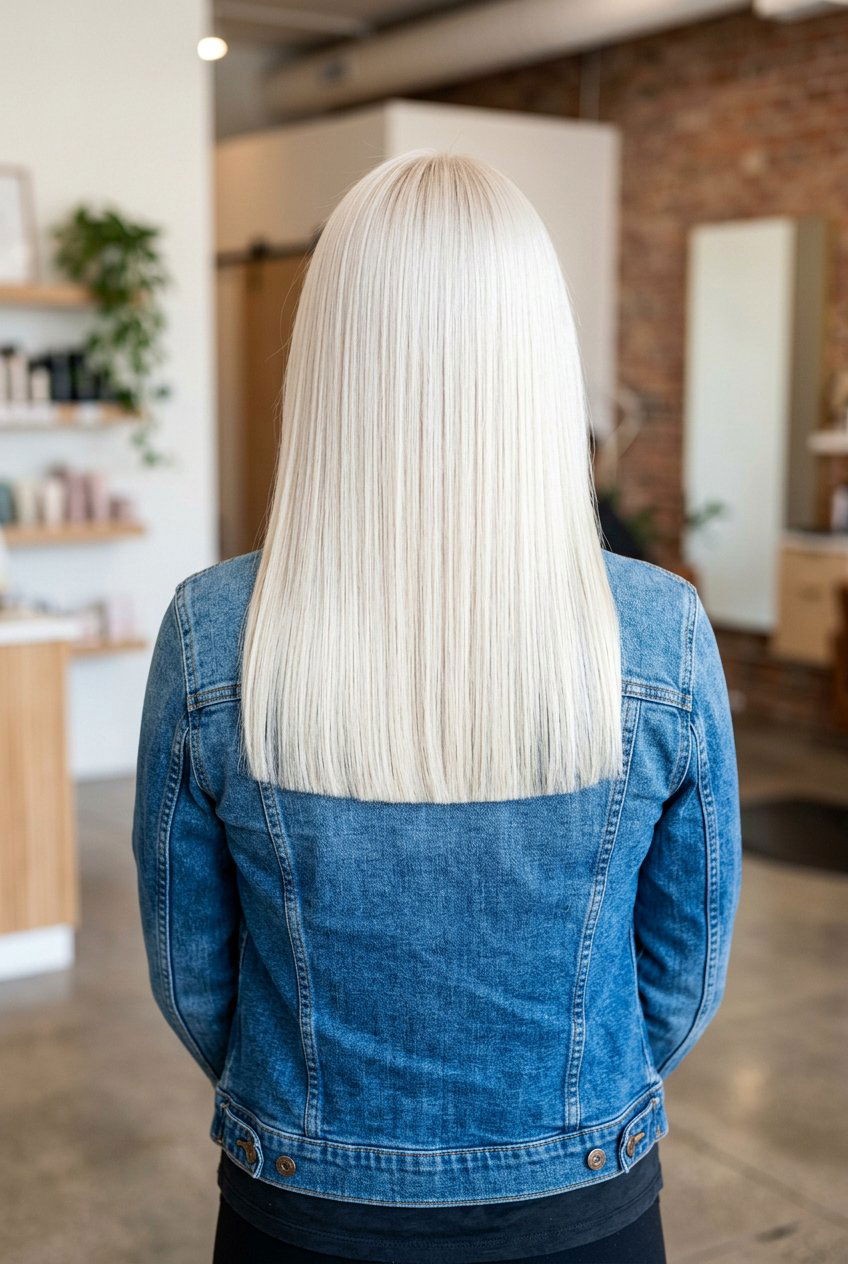
Sometimes the simplest solution is the most effective one when you are dealing with a head full of split ends. A blunt, shoulder-length cut removes the oldest, most damaged parts of the hair while providing a clean and professional finish. This “midi” length is incredibly versatile because it is long enough to tie back into a bun but short enough to stay healthy. In 2026, the trend is toward “polished health,” and nothing says healthy hair like a perfectly straight, thick edge. This cut eliminates the need for excessive layering, which can sometimes make over-processed hair look even more frayed. It is a solid, reliable choice for long-term recovery.
9. Long layers for heat damaged hair

Can you keep your length while still getting rid of the crunchy, fried texture caused by your daily blowouts? Long layers are the classic answer for those who are emotionally attached to their long hair but need a refresh. The key to making this work for over-processed strands is to ensure the layers are “invisible” or very softly blended. This removes the damaged outer canopy of the hair without making the overall style look thin. It allows for movement and swing, which helps to hide the lack of shine in damaged sections. Pairing this cut with a regular “dusting” every six weeks will ensure that your ends stay crisp and clean.
10. Butterfly cut for recovering hair

If you love the look of a voluminous blowout but your hair is too weak to handle constant heat, the butterfly cut is for you. This style uses short layers around the crown and long layers throughout the rest of the hair to mimic the wings of a butterfly. It provides incredible lift and volume, which is vital for over-processed hair that often falls flat. Because the layers are so dynamic, they mask any unevenness in your hair’s texture or length. In 2026, this remains a favorite for those wanting a glamorous look that still feels manageable. It gives you the best of both worlds: the illusion of a short cut with the length of a long one.
11. Tapered pixie for bleached hair

Why struggle with matted, bleached ends when you can opt for a sleek and sophisticated tapered pixie? This haircut features very short, tapered sides and a slightly longer top, which is perfect for removing bleach-damaged hair around the ears and neck. The tapering creates a very clean silhouette that looks intentional and stylish rather than accidental. For those with over-processed hair, this cut removes the most problematic areas where breakage often starts. It allows you to focus your repair treatments on a smaller area, leading to faster results. It is a modern, gender-neutral style that exudes confidence and a sense of “quiet luxury” in the beauty world.

12. Wolf cut for damaged hair

Are you looking for a rebellious style that actually benefits your hair’s journey back to health and strength? The wolf cut is a heavy, shaggy style that combines the best parts of a mullet and a shag. It is a fantastic haircut for overprocessed hair because it thrives on a bit of “messiness.” If your hair is frizzy or has an irregular wave pattern due to damage, the wolf cut uses that to its advantage. The multiple layers throughout the hair remove damaged sections at various heights, preventing the hair from looking bottom-heavy. It is a high-fashion choice that requires very little heat to look good, saving your strands from further trauma.
13. Asymmetrical bob for thin hair

When one side of your hair is more damaged than the other—which is common for side-sleepers or those who part their hair the same way—an asymmetrical bob is a lifesaver. This cut features one side that is slightly longer than the other, creating a modern and edgy diagonal line. It is a brilliant way to cut away the worst of the damage while maintaining a sense of length on one side. The asymmetry adds a level of visual interest that distracts from any lack of shine or thickness. In 2026, this cut is seen as a power move, offering a sharp look that feels both professional and artistic.
14. French bob for fried ends

Could a classic European aesthetic be the secret to hiding your most stubborn chemical damage and split ends? The French bob is typically cut right at the jawline or even slightly higher, often paired with a blunt fringe. This ultra-short length ensures that almost all over-processed hair is removed, leaving you with only the healthiest strands. It is a chic, “no-effort” style that looks better as it air-dries, which is exactly what damaged hair needs to recover. The addition of bangs can also hide breakage around the hairline, which is a common area for bleach damage. It is a timeless, sophisticated look that never goes out of style.
15. Mid length blunt cut for hair breakage

Do you feel like your hair has reached a plateau where it just breaks off before it can get any longer? A mid-length blunt cut is the perfect intervention for this frustrating cycle of breakage. By cutting the hair to a uniform length around the mid-back or chest, you strengthen the perimeter of your hairstyle. This bluntness prevents the “feathering” effect that happens when damaged hair snaps off at different intervals. It provides a solid foundation for your hair to grow out evenly and healthily. This style is a staple in 2026 for those who want a clean, minimalist look that emphasizes quality over quantity in their hair journey.

16. Internal layers for thinning hair

How can you add volume to your style without making the ends look even thinner and more transparent? Internal layers, also known as “ghost layers,” are cut underneath the top section of the hair to provide lift and support. This is a game-changer for over-processed hair because it keeps the top layer looking smooth and healthy while providing hidden volume. It is a very subtle technique that requires a skilled stylist, but the results are incredibly natural. This cut is perfect for anyone who wants to maintain a sleek, one-length appearance while secretly fighting the limpness that often accompanies chemical damage. It is the ultimate “stealth” recovery haircut.
17. Choppy lob for chemical damage

If your hair feels stiff and straw-like from too much processing, a choppy lob can restore a sense of movement. The “lob,” or long bob, is cut between the chin and the collarbone, but the “choppy” element adds a textured, uneven finish. This texture is key for over-processed hair because it disguises the lack of a smooth cuticle. When hair is damaged, it doesn’t reflect light well, but a choppy cut creates shadows and highlights that make the hair look more dimensional. It is a cool, effortless style that works well for almost every face shape and can be styled with just a bit of sea salt spray.
18. Soft face framing layers for damaged hair

Are you worried that a short haircut will feel too harsh or make you look older than you are? Soft face-framing layers provide a gentle way to remove damage around the front of the face without losing your overall length. These layers start around the chin and cascade down, removing the “fried” bits that often frame the face due to heat styling. In 2026, these layers are being cut with a very soft touch to ensure they blend seamlessly into the rest of the hair. This style is perfect for maintaining a feminine, soft look while still being proactive about your hair’s health and recovery process.
19. Pixie bob for brittle hair

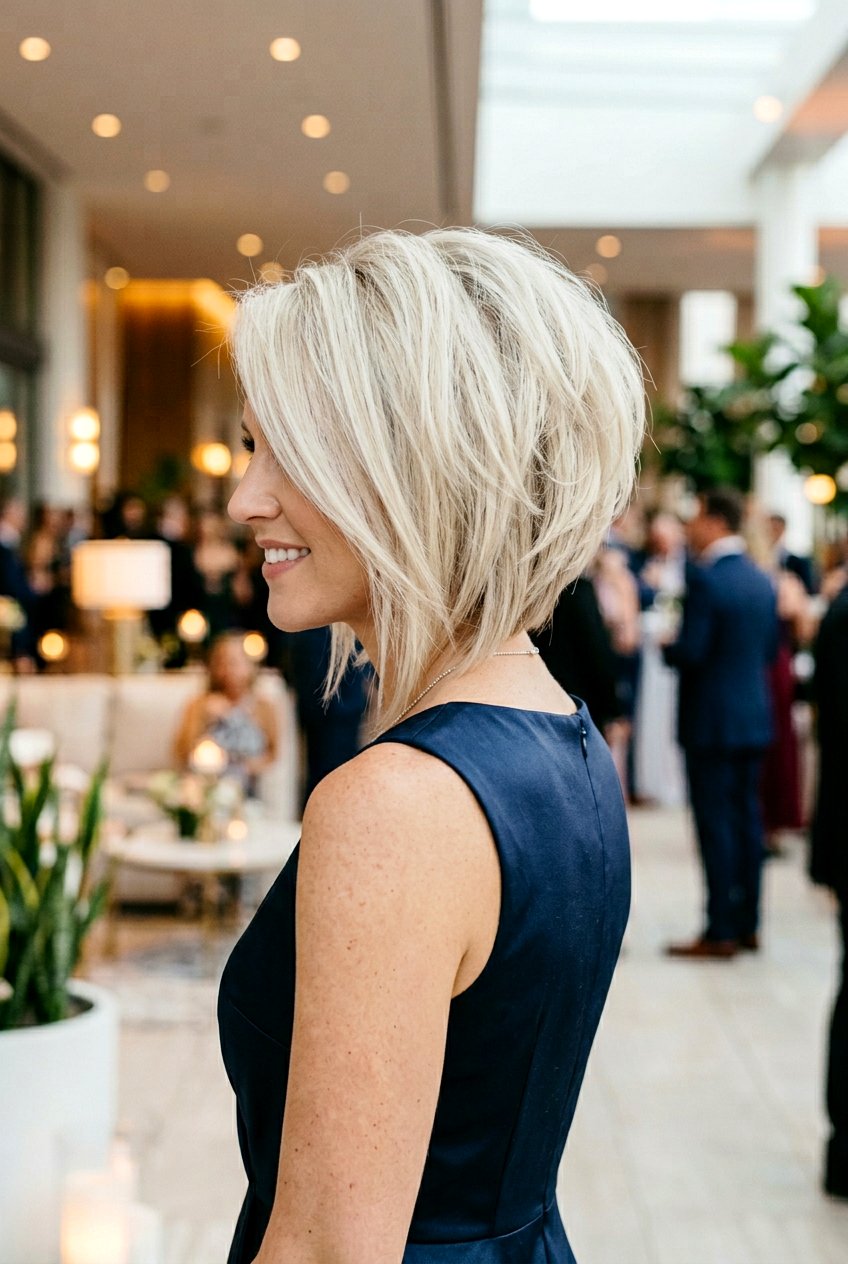
What do you call a haircut that sits perfectly between a short pixie and a classic bob? The “bixie,” or pixie bob, offers the fullness of a bob with the easy maintenance of a pixie. This is one of the best haircuts for overprocessed hair because it allows for a lot of texture and layering without looking sparse. It is particularly effective for those with fine, damaged hair because it creates a lot of lift at the crown. You can style it tucked behind the ears for a neat look or tousled for a more casual vibe. It is a versatile, trendy option that bridges the gap during the awkward growth phases.
20. Buzz cut for healthy hair growth

Are you ready for the ultimate hair detox that removes every single trace of past chemical mistakes? The buzz cut is the most radical and effective way to deal with over-processed hair. While it is certainly a bold choice, it is becoming increasingly popular in 2026 as a statement of self-care and authenticity. By shaving the hair off, you ensure that every new inch that grows back is completely virgin and healthy. This eliminates the need for expensive treatments and hours of styling. It is a liberating experience that allows you to focus on your scalp health and start your hair journey from a place of total strength.
Conclusion:
Selecting a new haircut for overprocessed hair is more than just a style change; it is a commitment to your future hair health. As we have seen, the trends of 2026 favor “lived-in” looks, blunt edges, and shorter silhouettes that prioritize the integrity of the hair fiber. By removing damaged ends and choosing a shape that works with your natural texture, you can significantly reduce your styling time and heat usage. Remember that a haircut is only the beginning; consistent trims and professional-grade hydration are essential for maintaining your new look. Embrace this transition as an opportunity to experiment with modern, chic styles that highlight your best features while your hair recovers.
You'll Like These Styles:












Leave a Reply