
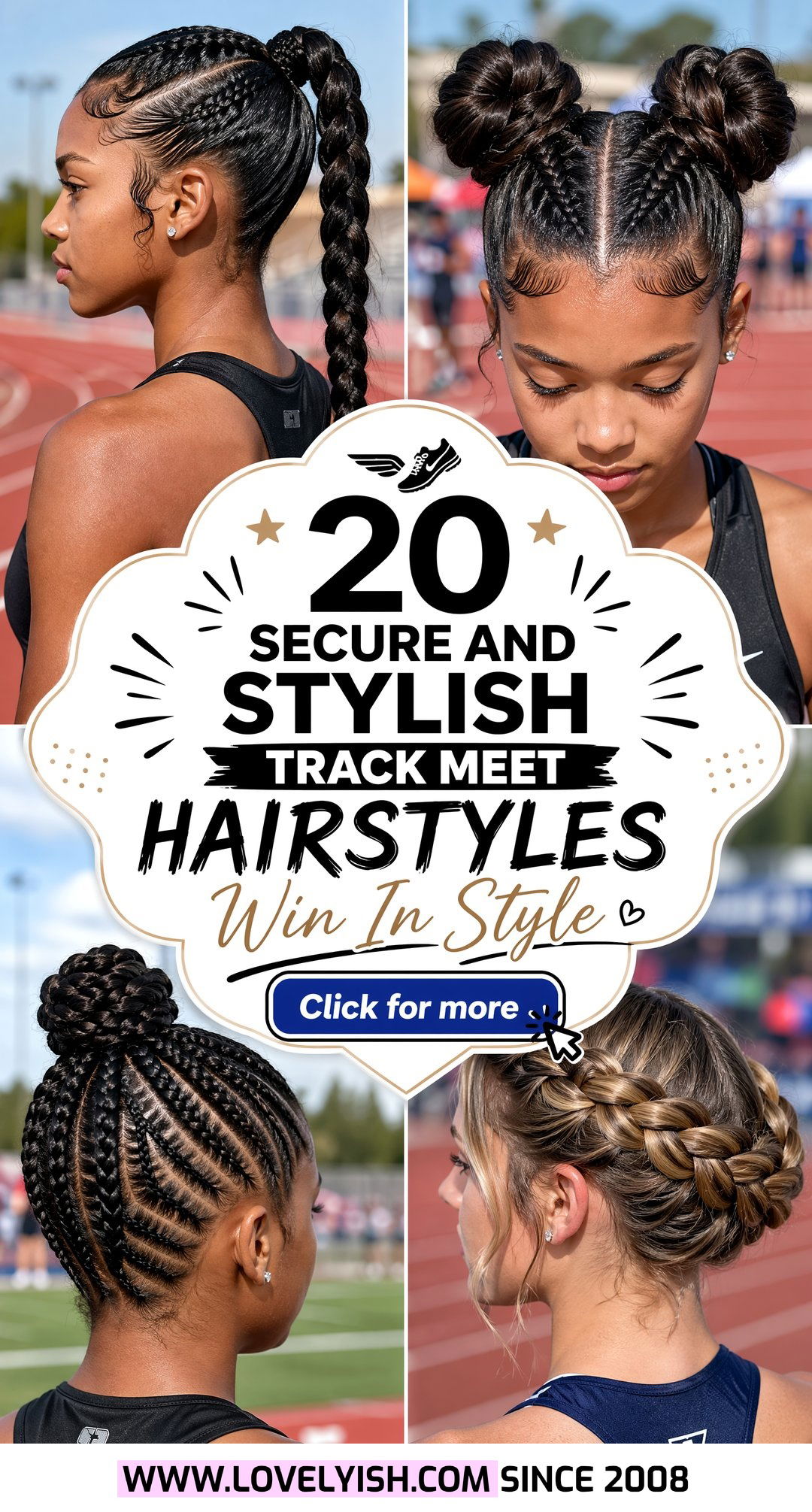
Smooth, secure, and sweat-proof hair can make a huge difference in how you feel on the track, both in performance and confidence. When you are sprinting, jumping, or running long distance, you need track meet hairstyles that stay put, don’t tangle, and still look cute in photos. The best options keep hair off your face, reduce friction on your neck, and protect your strands from sweat damage. Think about how much you move your head during a race or warm-up; loose hair can be distracting and even slow you down slightly by whipping around or sticking to your skin. Many athletes now choose styles that are sleek, braided, or tightly secured so they can focus fully on their events. Below are 20 track meet hairstyles that balance practicality and style for different hair lengths, textures, and events, so you can find a race-day look that actually works.
1. High Ponytail For Track Meet
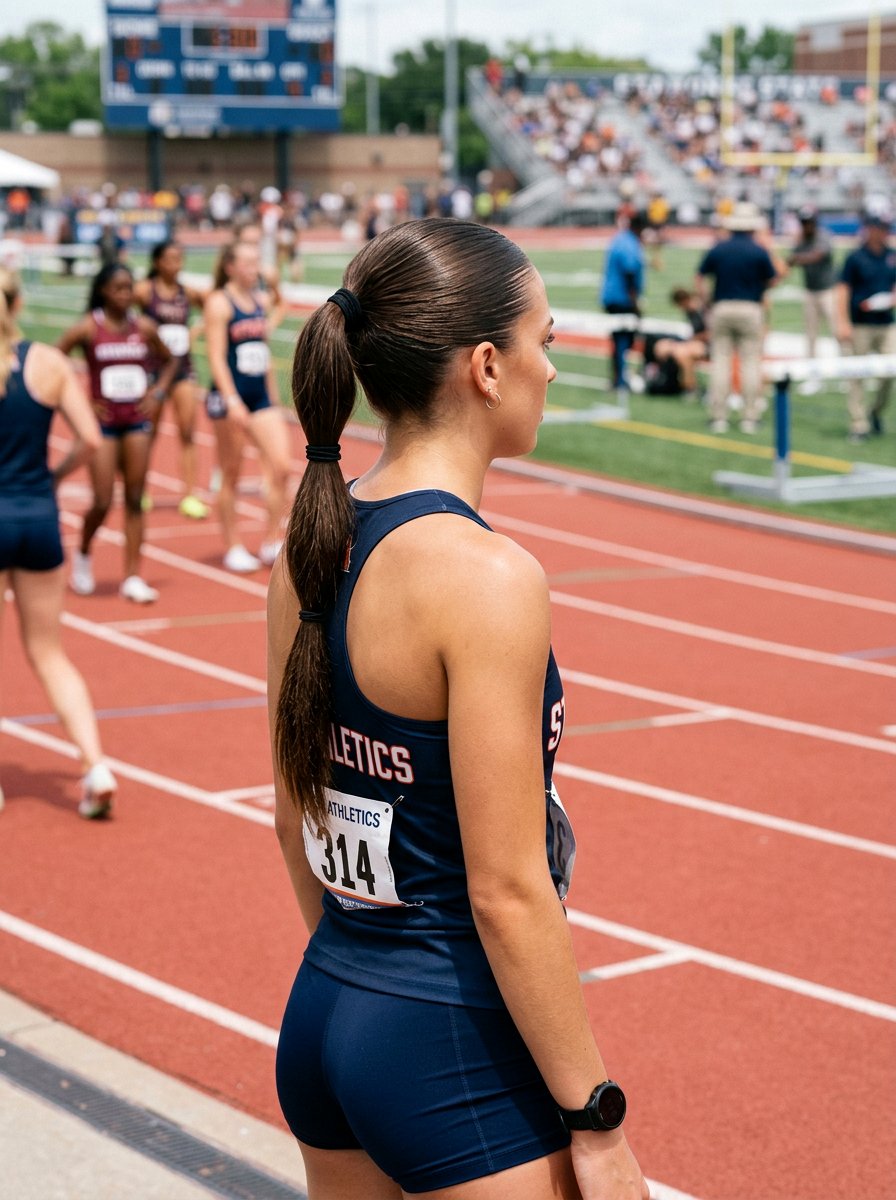
On a fast sprint or intense relay, a high ponytail is often the easiest way to keep long hair out of your face while still feeling sporty and confident. This look works well if you secure the base tightly at the crown and use a no-slip athletic hair tie so it will not sag mid-race. For extra control, smooth a light layer of gel or styling cream around your hairline, then brush hair upward before tying it. If your hair is very long, you can braid the ponytail or tie another elastic near the ends to stop it from whipping your back while you run. Many runners also pair a high ponytail with a thin headband to catch sweat and hold shorter pieces in place, making the style both practical and polished for race day.
2. Low Ponytail For Track Meet
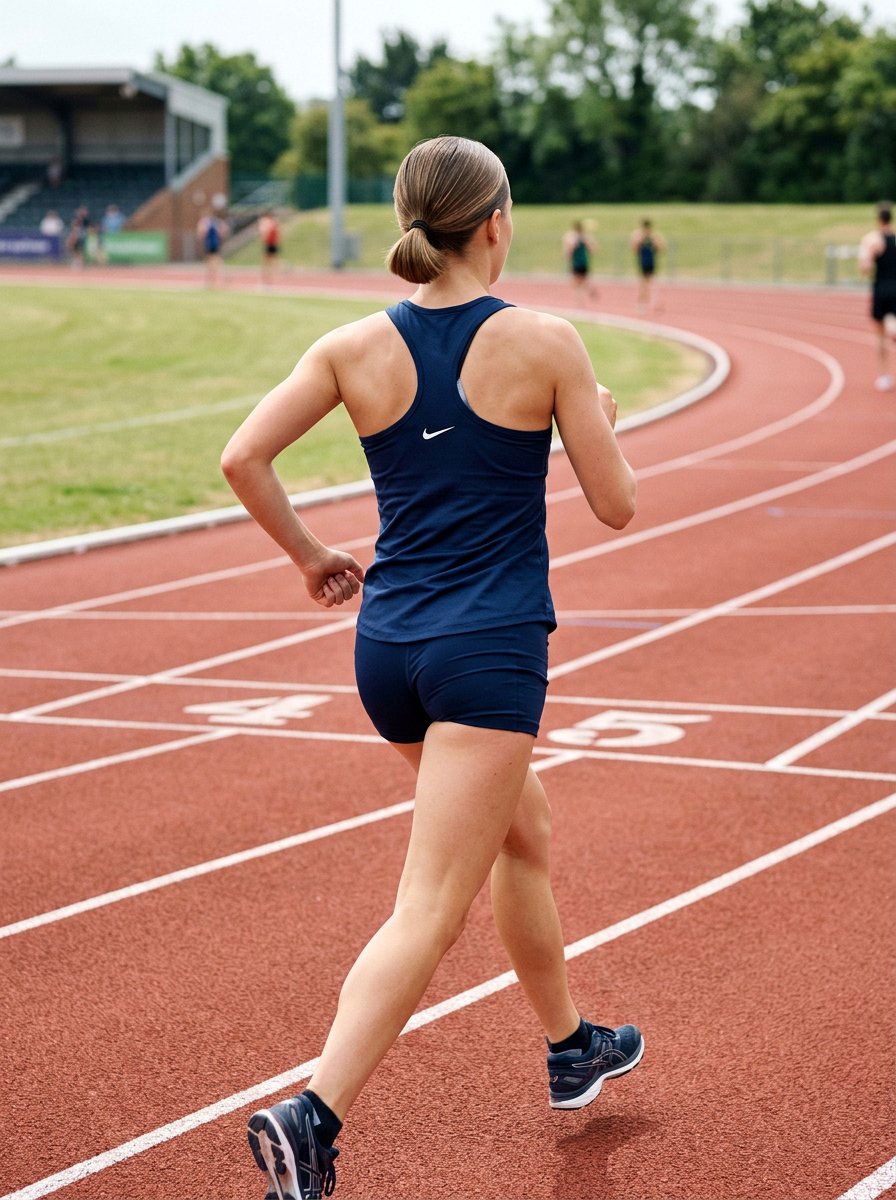
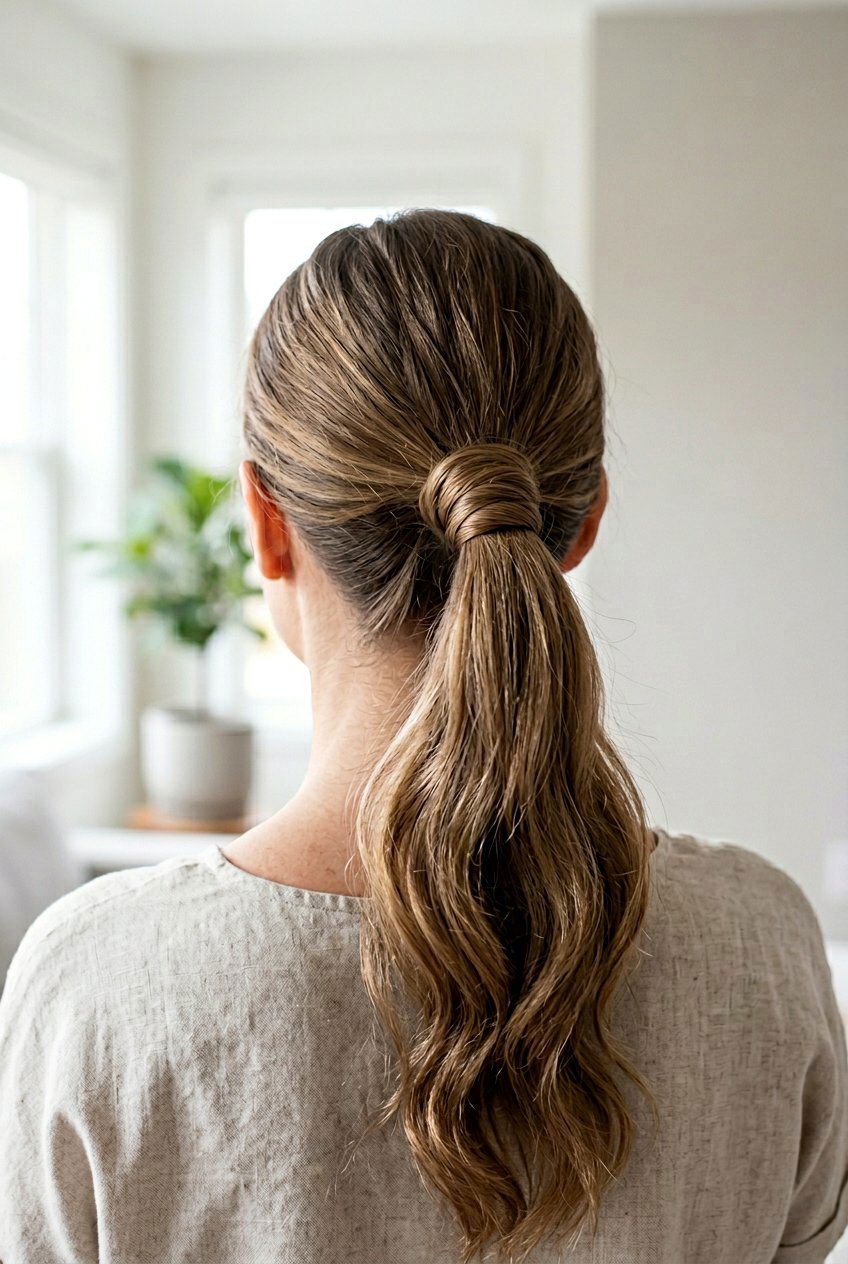
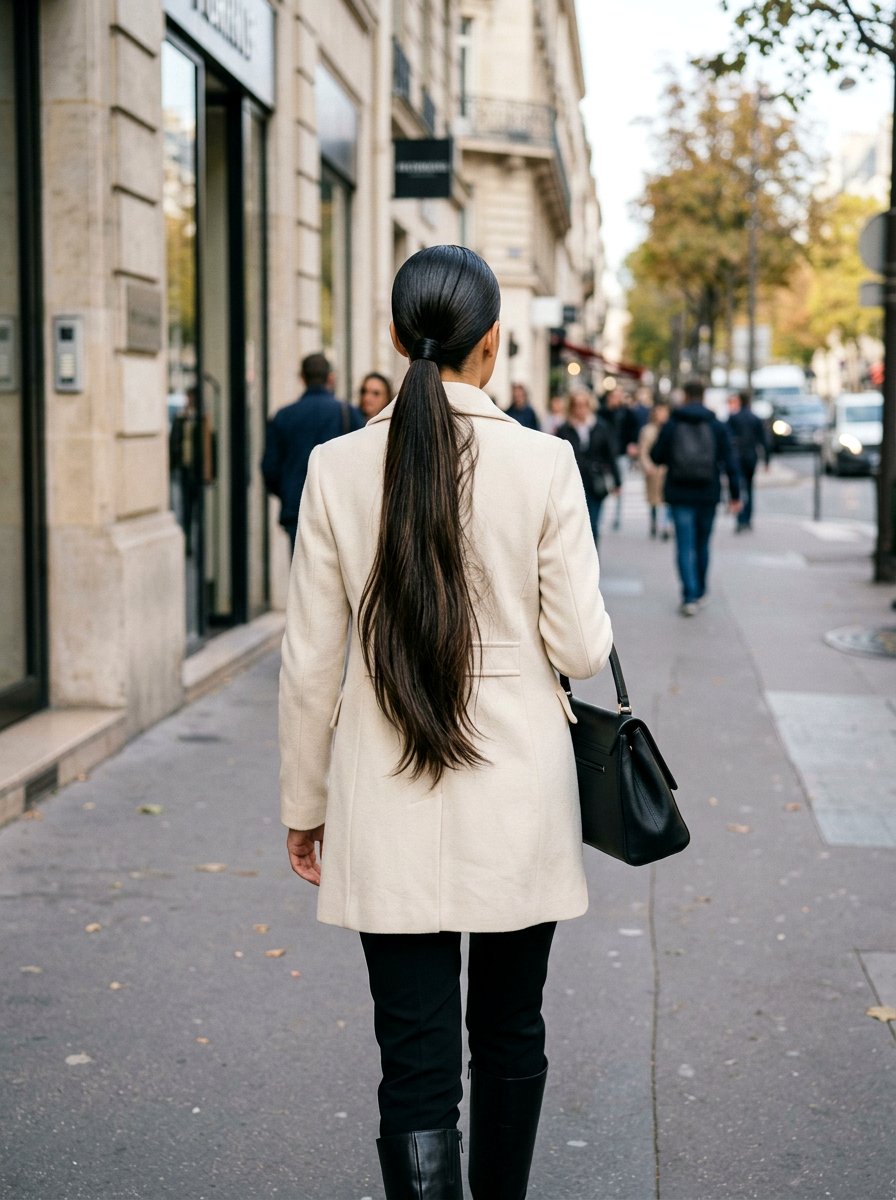
When you want something simple that won’t bounce against your head, a low ponytail at the nape of your neck can feel comfortable and secure for laps on the track. This style is especially helpful if high styles give you scalp tension or headaches during longer meets. To build it, brush your hair straight back or with a middle part, gather it low, and secure with a strong elastic, then add a second band a few inches down for thick or extra-long hair. You can tuck the ponytail into your shirt during warm-ups to reduce tangling, then let it fall naturally during the race. A low ponytail also works great over a hood or under a cap in cooler weather without creating bulky pressure points. If your hair is naturally curly, smooth just the roots and let the ponytail texture stay defined, so the look feels athletic but still matches your natural pattern.
3. High Bun For Track Meet
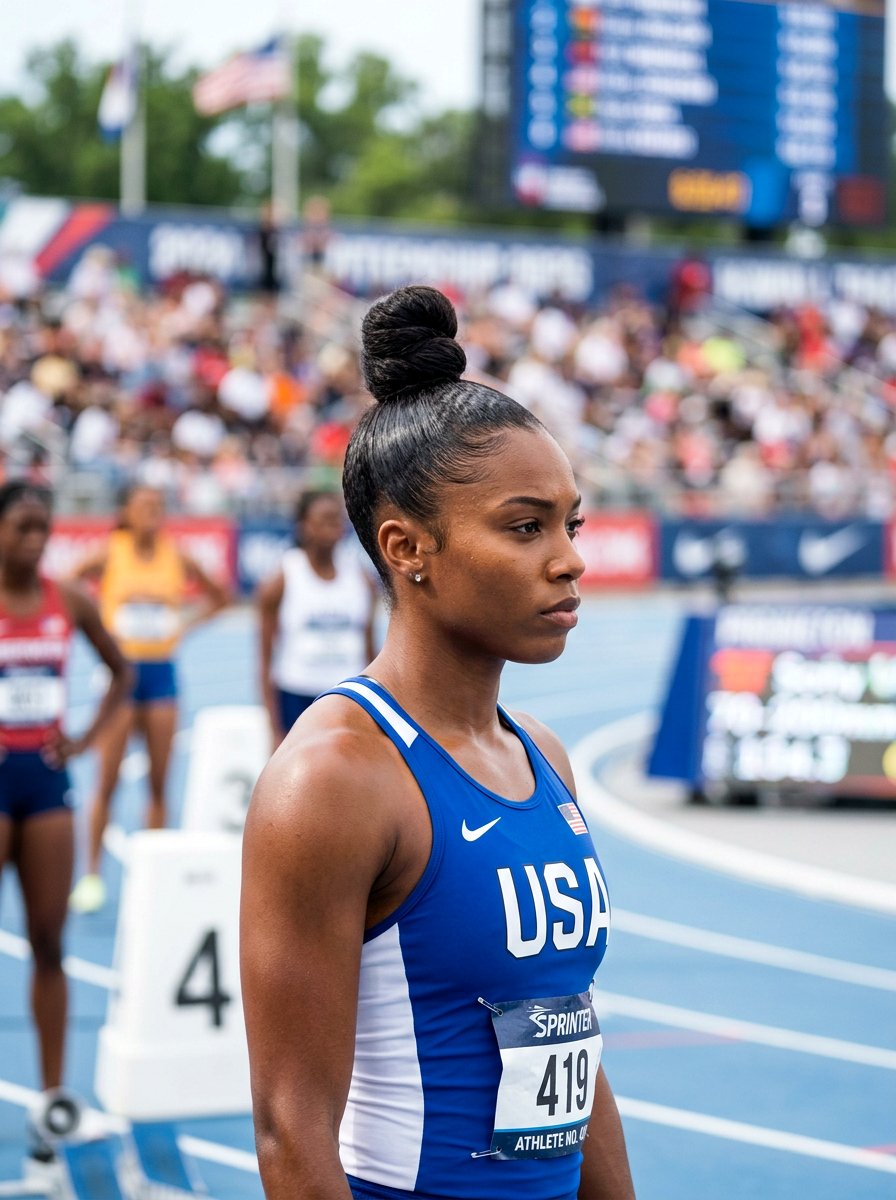
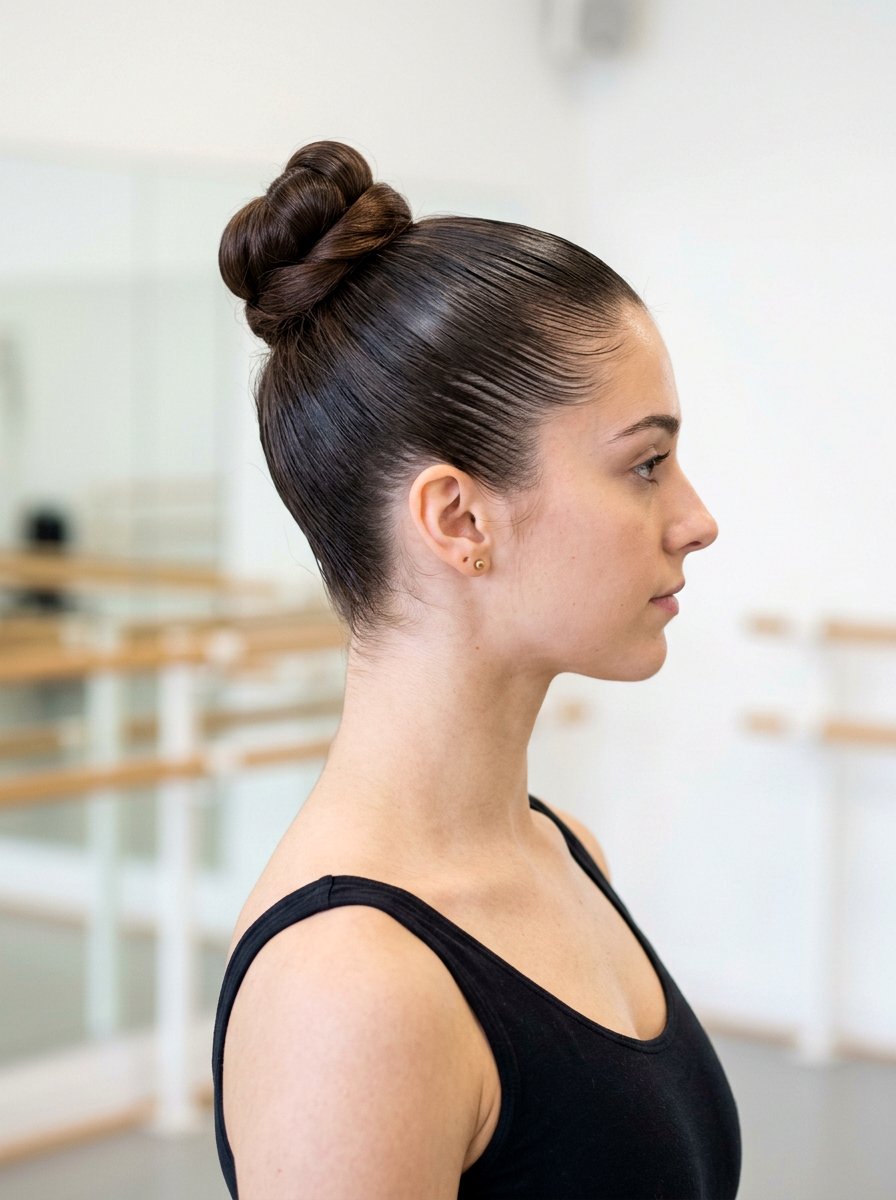
For athletes who want every strand tucked away, a high bun is one of the most secure track meet hairstyles you can wear. This look is ideal for sprinters, hurdlers, and pole vaulters who move explosively and cannot risk hair whipping into their eyes. Start with a high ponytail at the crown, then twist the length into a tight coil and wrap it around the base, securing it with a second elastic and a few bobby pins if needed. Using a bit of gel or edge control around the hairline helps keep flyaways down when you’re sweating through multiple heats. Because a high bun keeps your neck exposed, it also feels cooler on hot meet days, which is great when you are under the sun for hours. This clean, compact look fits well with team warm-ups and race uniforms while giving you a professional, competition-ready vibe.
4. Low Bun For Track Meet
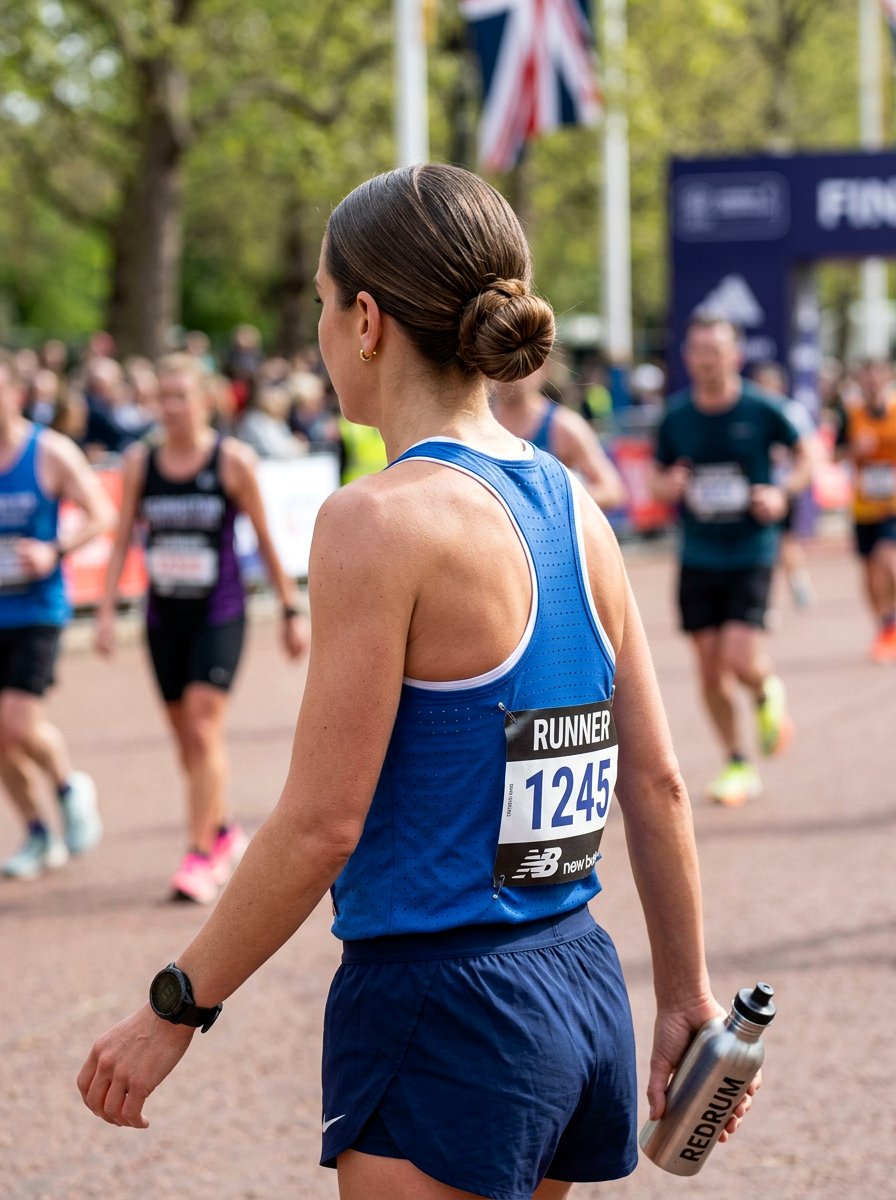
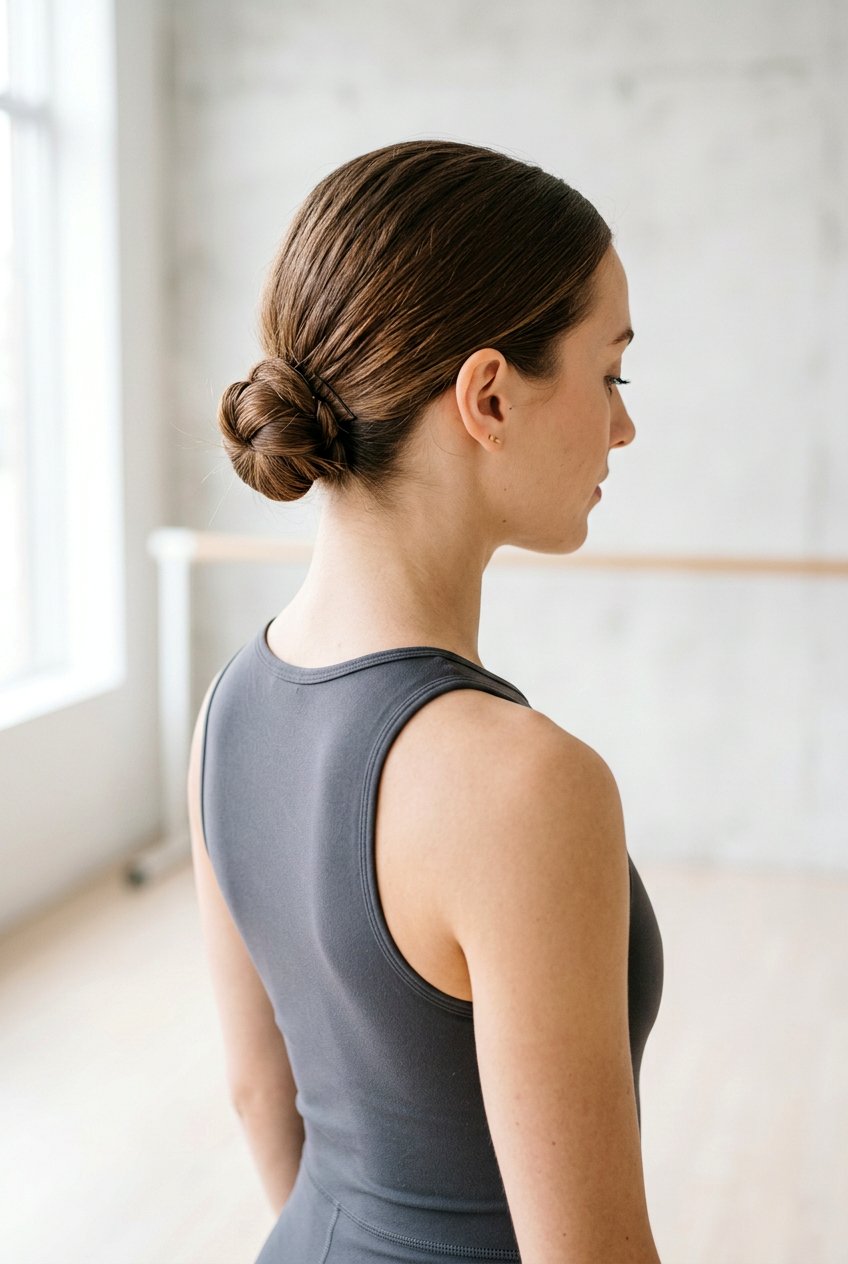
Sometimes you want your hair fully contained but dislike the tight pull of a high bun, and that is where the low bun becomes a go-to for many runners. This style sits at the nape of the neck, so it spreads tension more gently and still keeps hair off your face and shoulders. To create it, pull hair into a low ponytail, twist the length, and wrap it into a compact bun before securing with an elastic and a few pins. You can part your hair in the middle or side, depending on what feels most flattering and easy with your texture. A slick low bun combined with a moisture-wicking headband works especially well for curly or coily hair, because it protects your edges while keeping sweat away from your roots. It is also helmet-friendly if you do multi-sport events and need your hair to transition between track and other activities.
5. Classic Single Braid For Track Meet
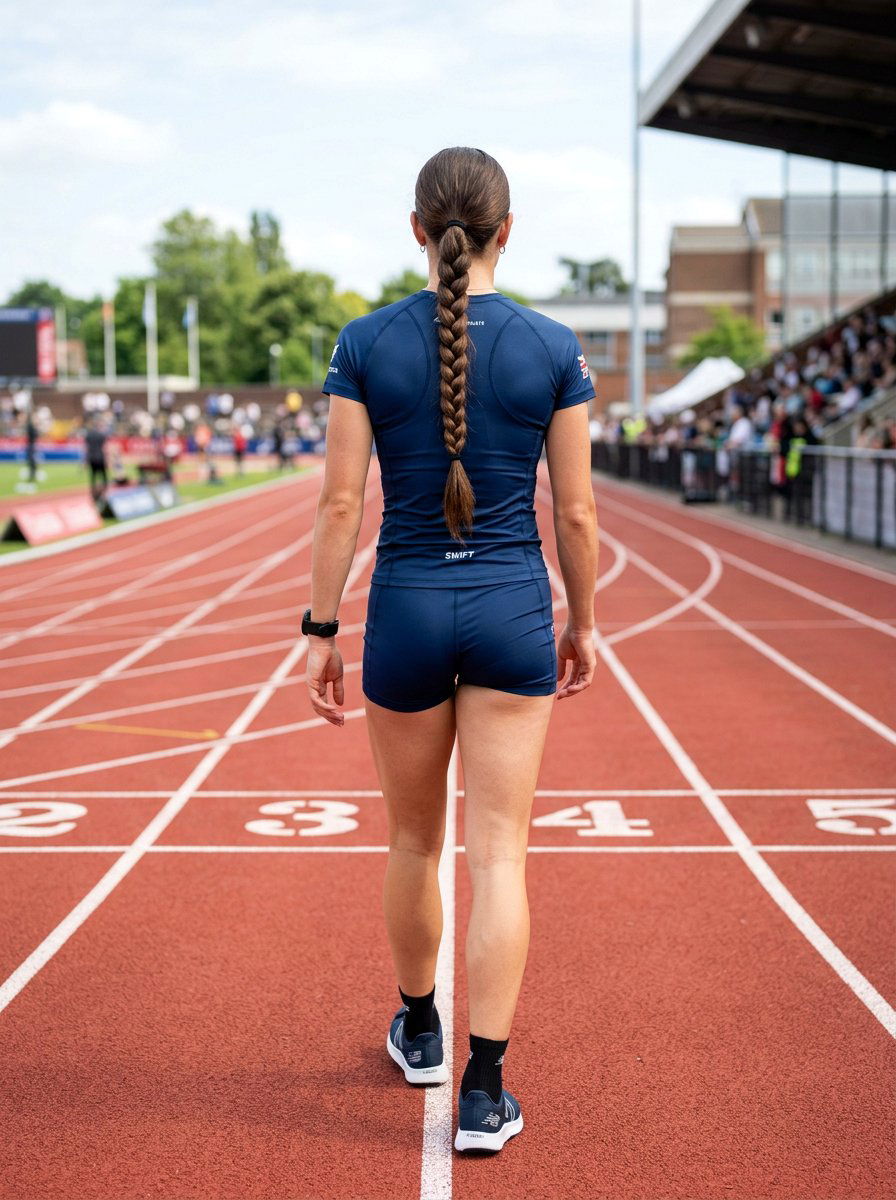
A classic single braid down your back offers a great mix of control and movement for track meets. Unlike a loose ponytail, a braid keeps hair woven together, so it is less likely to knot or slap your shoulders as you run longer distances. Start with a mid or low ponytail, then divide the hair into three equal sections and braid tightly all the way down, securing the ends with a small elastic. For thick hair, you may want to add a bit of leave-in conditioner or lightweight gel to smooth the strands before braiding, which helps reduce frizz from sweat and wind. This hairstyle works well on straight, wavy, and curly hair, and you can tuck the braid into your shirt if you prefer zero movement while warming up. It is a reliable choice that still looks neat in team photos or podium shots after a long day at the track.
6. Double Braids For Track Meet
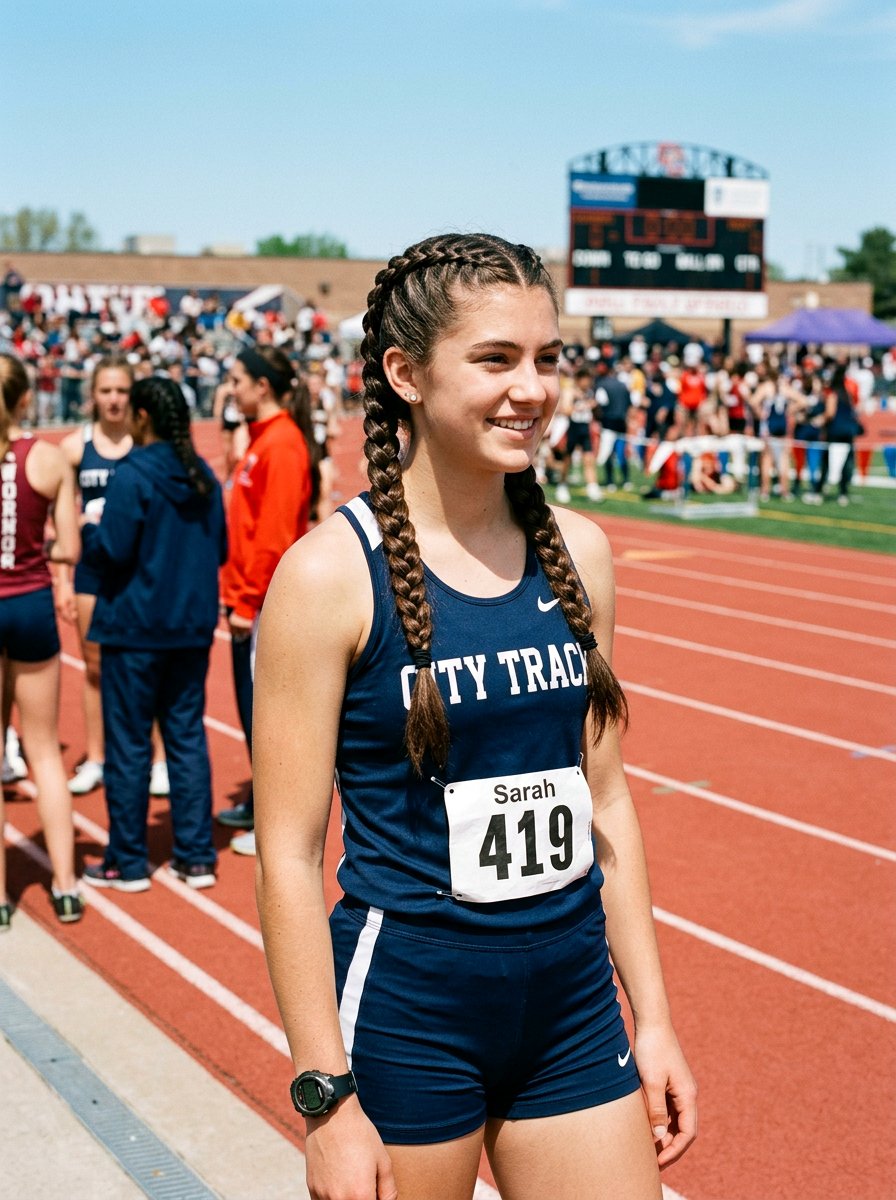
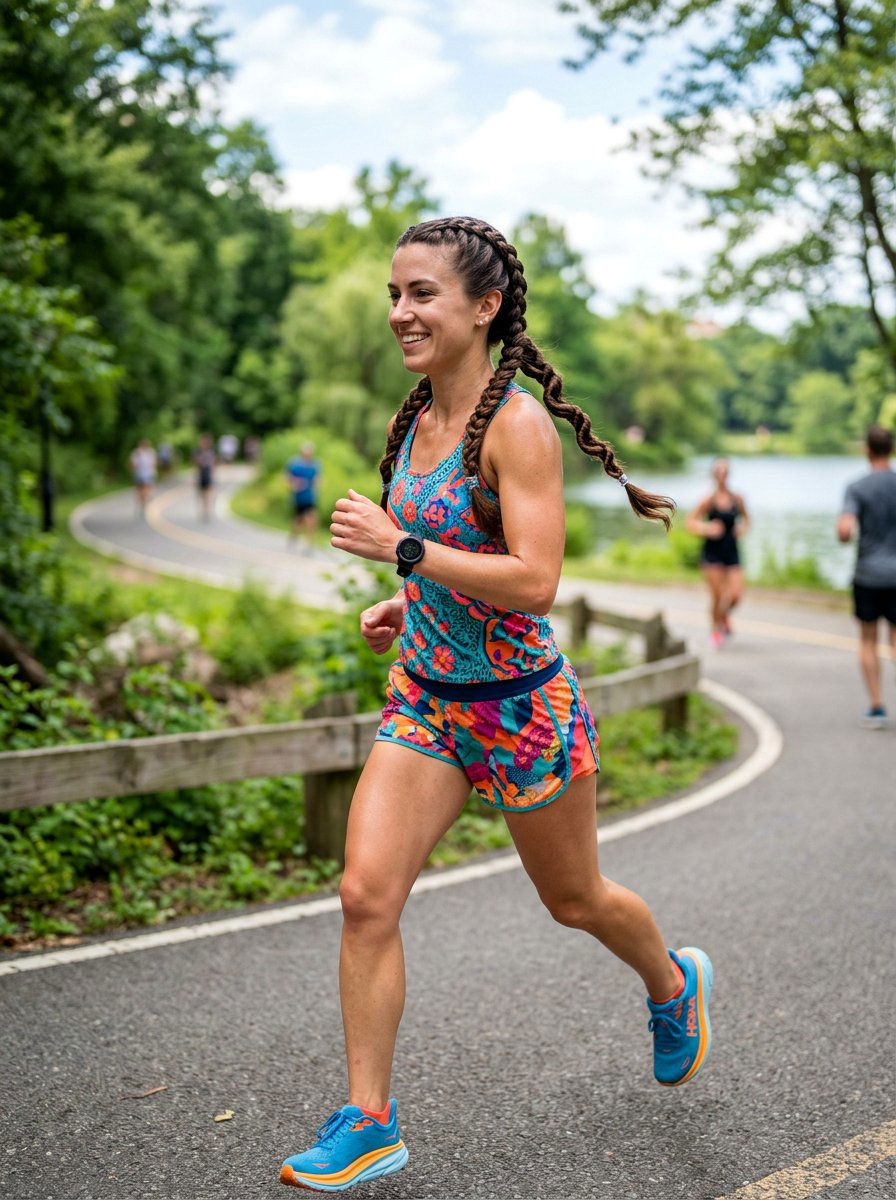
For runners who want even distribution of weight and maximum security, double braids are a fan favorite for both practice and meet days. Part your hair straight down the middle, then create two symmetrical braids on either side, starting as pigtails at the crown or slightly behind the ears. Braiding tightly keeps the hair close to the head, which is especially useful in windy stadiums or on outdoor tracks. Double braids are comfortable under caps or visors, and they also work well if you plan to take out your hair after the meet for a wavy texture. This look suits many hair types, from fine to very thick, and helps prevent tangles compared with a single ponytail. Some athletes like to wrap small elastics down the length of each braid for extra hold during high-impact events, giving the style stay-all-day power for multi-event meets.
7. Dutch Braids For Track Meet
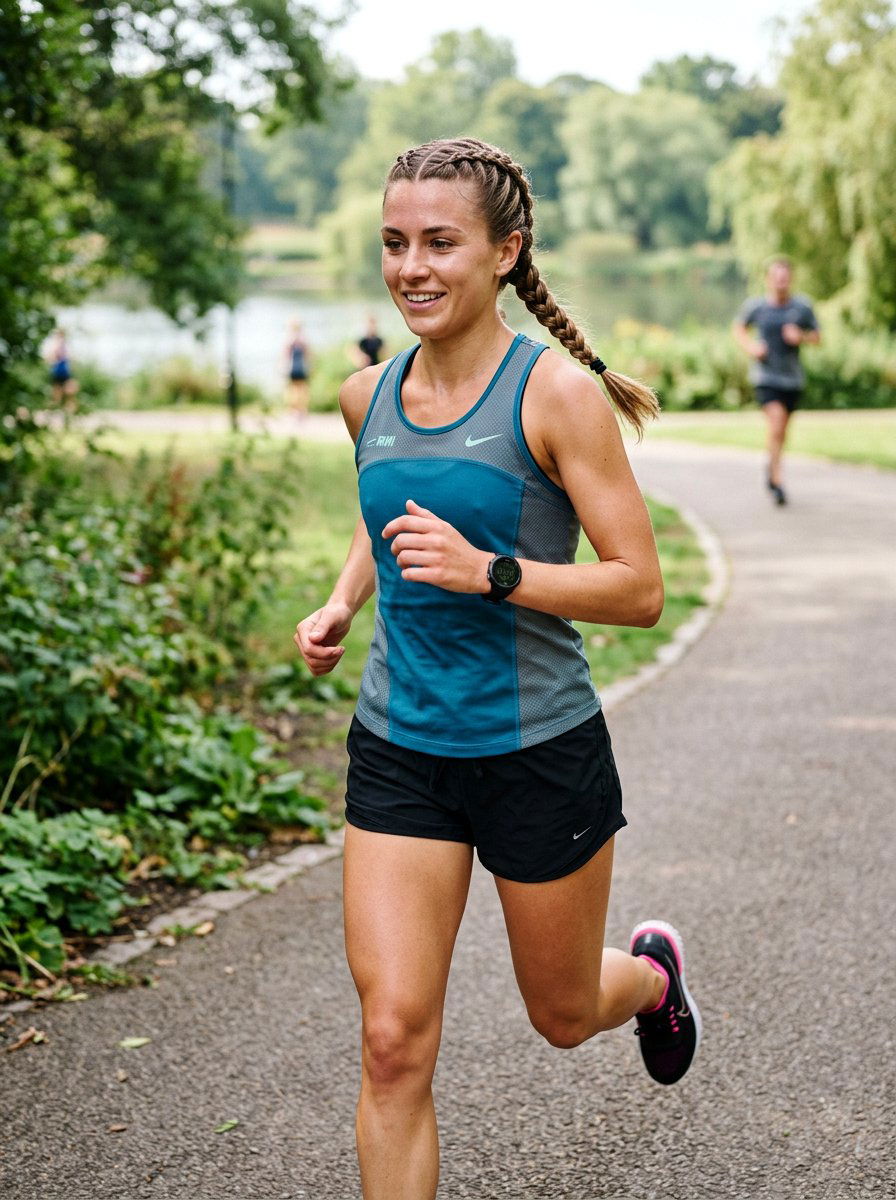
Dutch braids, which sit raised off the scalp, are a powerful option when you need a style that truly does not budge through warm-ups, races, and cool-downs. The technique braids hair under rather than over, creating a 3D effect that hugs your head and keeps everything tight. For a track meet, two Dutch braids starting at the front hairline and running back toward your neck work especially well. They capture shorter layers and bangs that might fall out of a regular ponytail, making them a favorite among athletes in high-energy sports. Dutch braids can be finished as individual braids, joined into one long braid, or tucked into space buns for extra flair once your events are done. Because the braids are close to the scalp, they also fit smoothly under headbands or caps, and they can last more than one day with minimal touch-ups.
8. French Braid For Track Meet
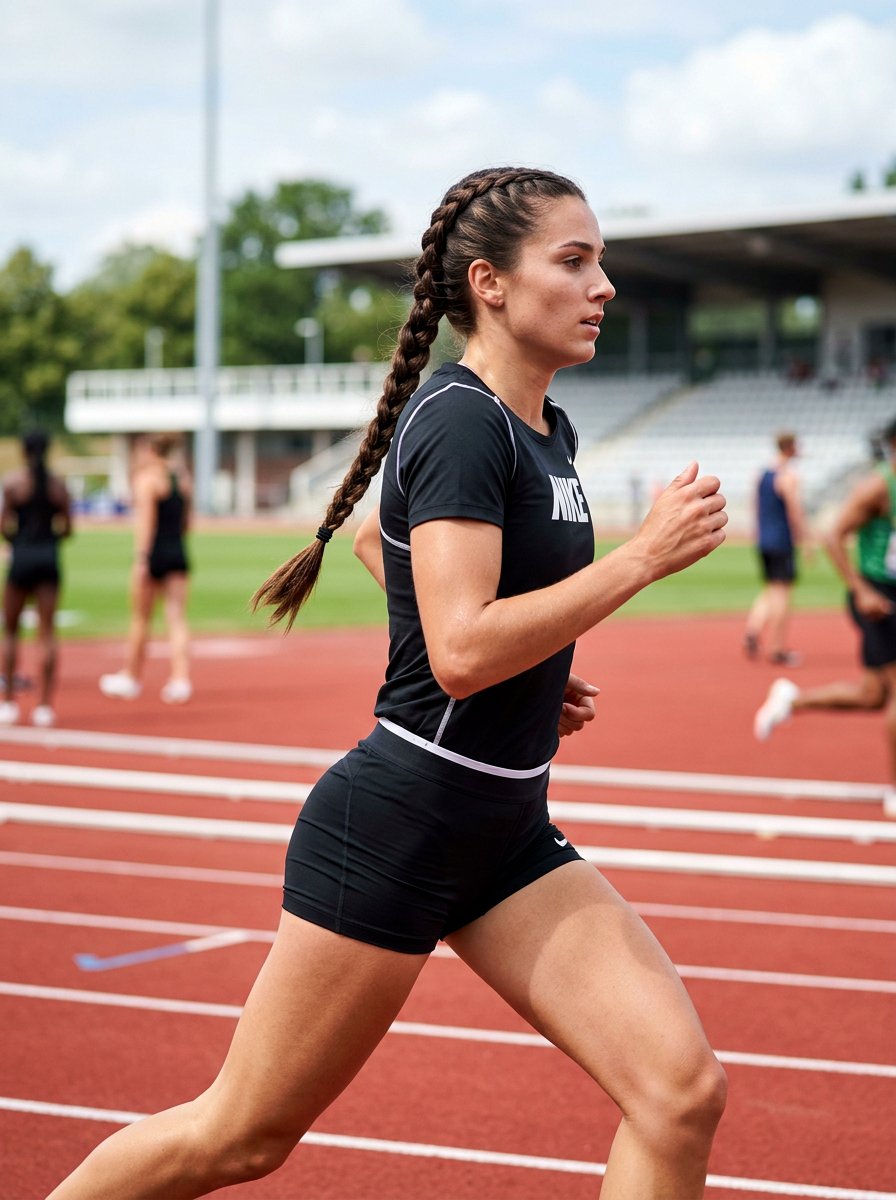
If you like a sleek look that gradually pulls hair away from your face, a classic French braid is another reliable track meet hairstyle. This style begins near the crown or front hairline and adds small sections of hair as you braid down, creating a smooth, curved pattern along the back of your head. The result is a braid that stays secure even when you are sprinting or doing hurdles, because the tension is shared across your scalp instead of resting on a single ponytail base. French braids help manage layers too, since shorter pieces get woven into the braid instead of falling loose. For extra security, run a bit of styling cream through damp hair before braiding, then add a small elastic at the end. This look is also gentle enough for all-day wear at multi-event meets, from morning warm-ups to final relays.
9. Braided Ponytail For Track Meet
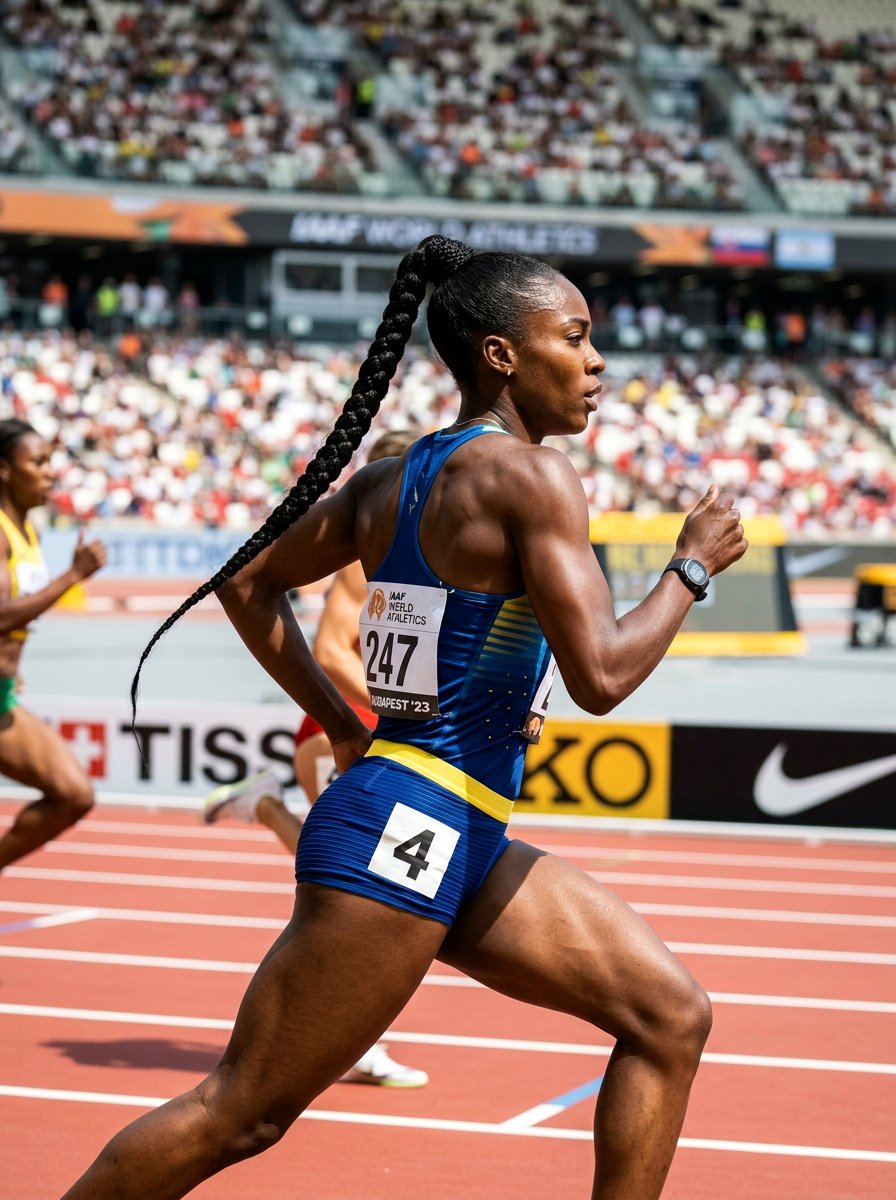
A braided ponytail gives you the best of both worlds by combining the sleek base of a pony with the tangle-free control of a braid. You start with either a high or mid ponytail, making sure the base is tight and smoothed with a brush and a bit of gel. Then you braid the length of the ponytail all the way down, securing the end with a small elastic. This structure stops your hair from swinging too wildly and helps prevent knots, especially across longer distances or intense warm-ups. It also looks sharp from all angles, which is nice when you are photographed finishing on the straightaway or standing with your relay team. For extra flair that still works for competition, you can wrap a small piece of hair or a neutral ribbon around the base to hide the elastic without adding heavy accessories.
10. Bubble Ponytail For Track Meet
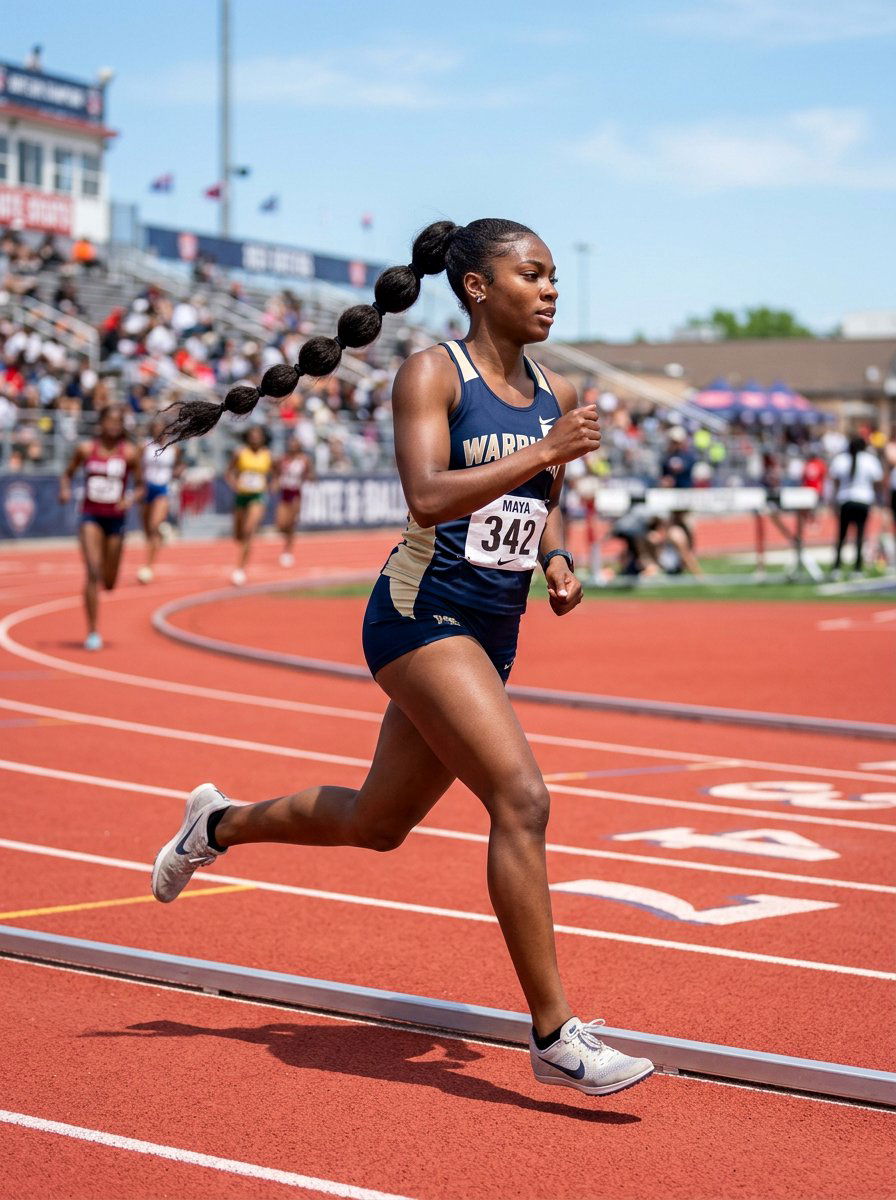
On days when you want something fun but still fully functional, a bubble ponytail can be a great track meet choice. This look starts with a mid or high ponytail, then adds several elastics spaced evenly down the length of the hair to create round “bubbles.” Gently tug each section to puff it out slightly, but keep things tight enough so the hair will not loosen during your race. The bubble structure limits tangling and prevents your hair from slapping your back as intensely as a loose ponytail would. It is also a nice solution if your hair is medium length and you want it to look fuller without extra styling heat. Just choose elastics that match your hair color or your uniform, and avoid heavy clips or metal accessories that might cause discomfort while you run or stretch.
11. Space Buns For Track Meet
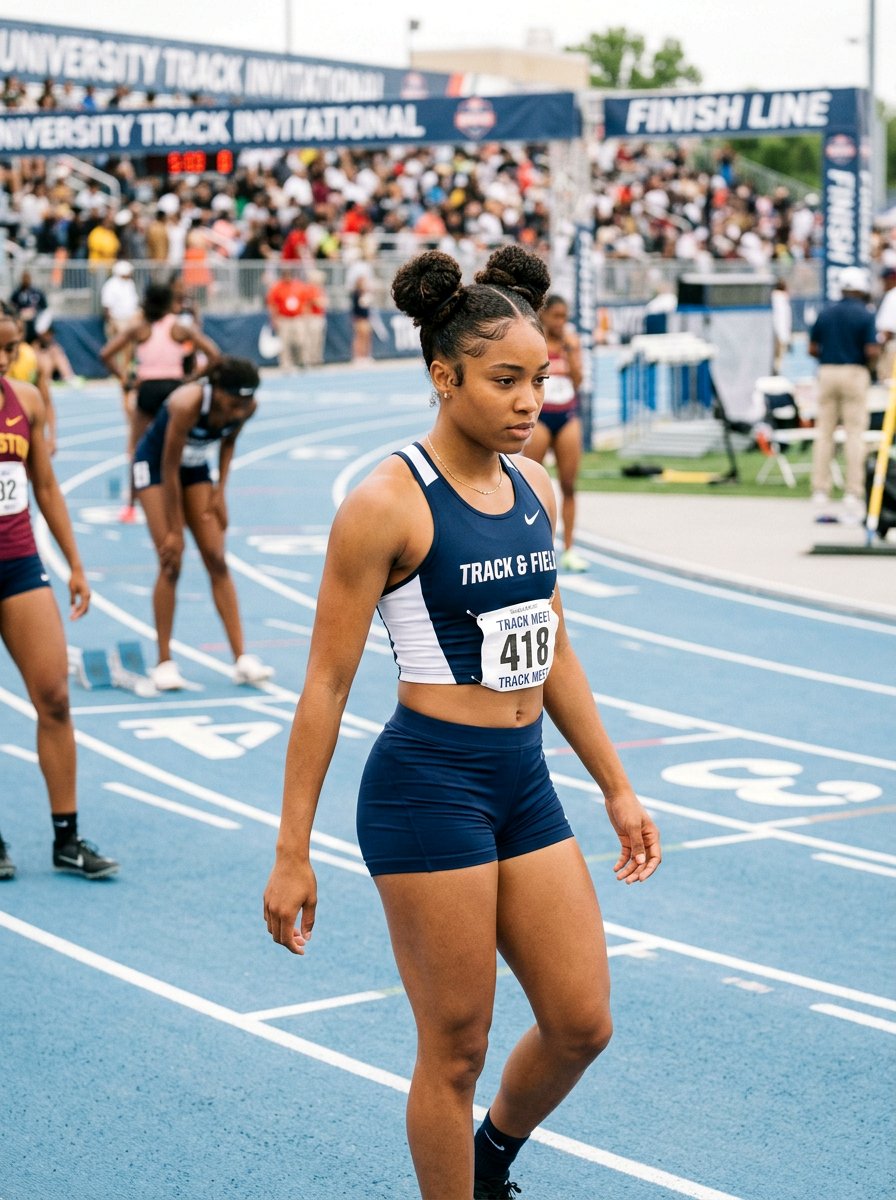
Space buns bring a playful, youthful feel to track meets while still being surprisingly practical when done tightly. To create them, part your hair down the middle, make two high ponytails, then twist each into a bun and secure with elastics and a few pins. This double-bun setup keeps hair completely off your neck and shoulders, which feels great on hot or humid days. Space buns pair well with Dutch braids or smaller braids leading into each bun for extra grip and style. Because the buns are positioned high, they stay out of the way of spikes, starting blocks, and warm-up drills. Just keep the buns compact rather than oversized, so they do not move or cause extra wind resistance when you are sprinting down the straightaway.
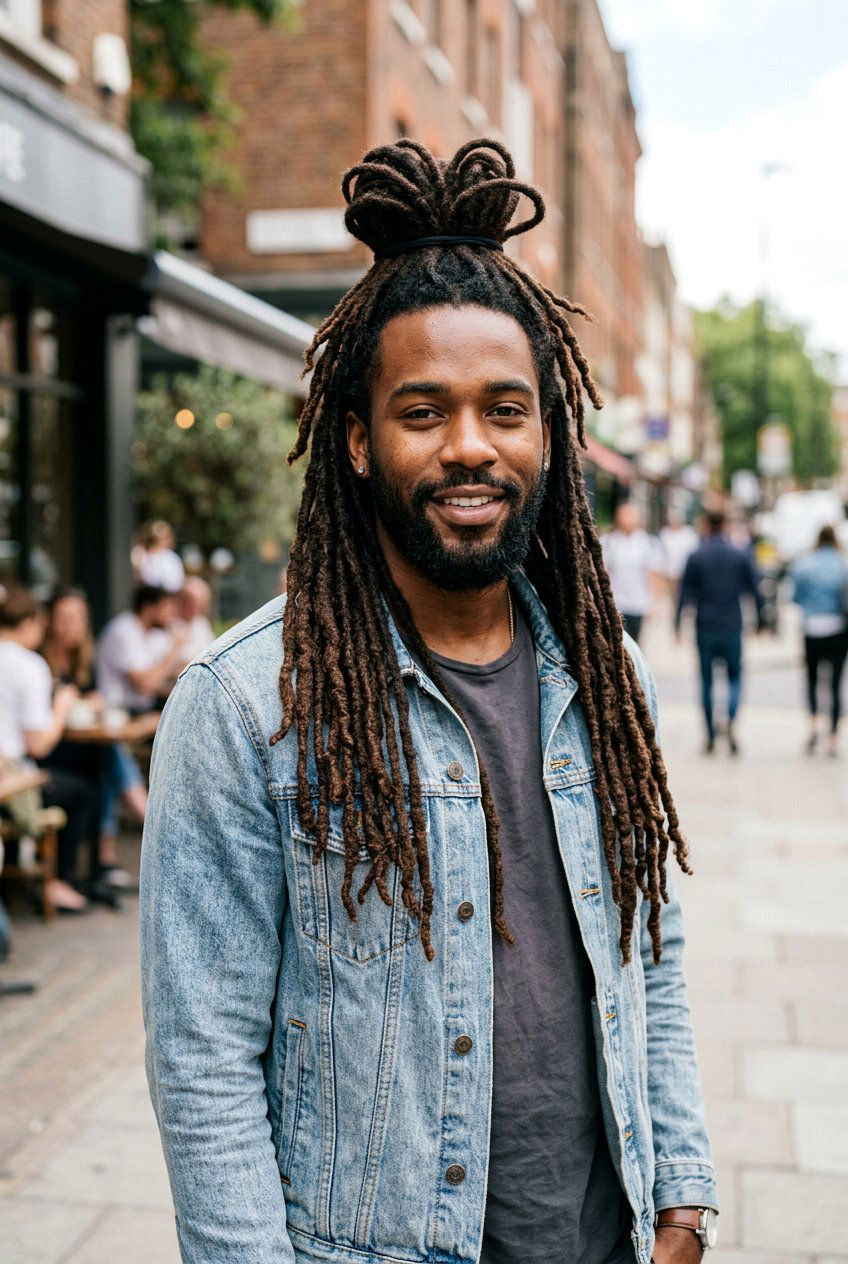
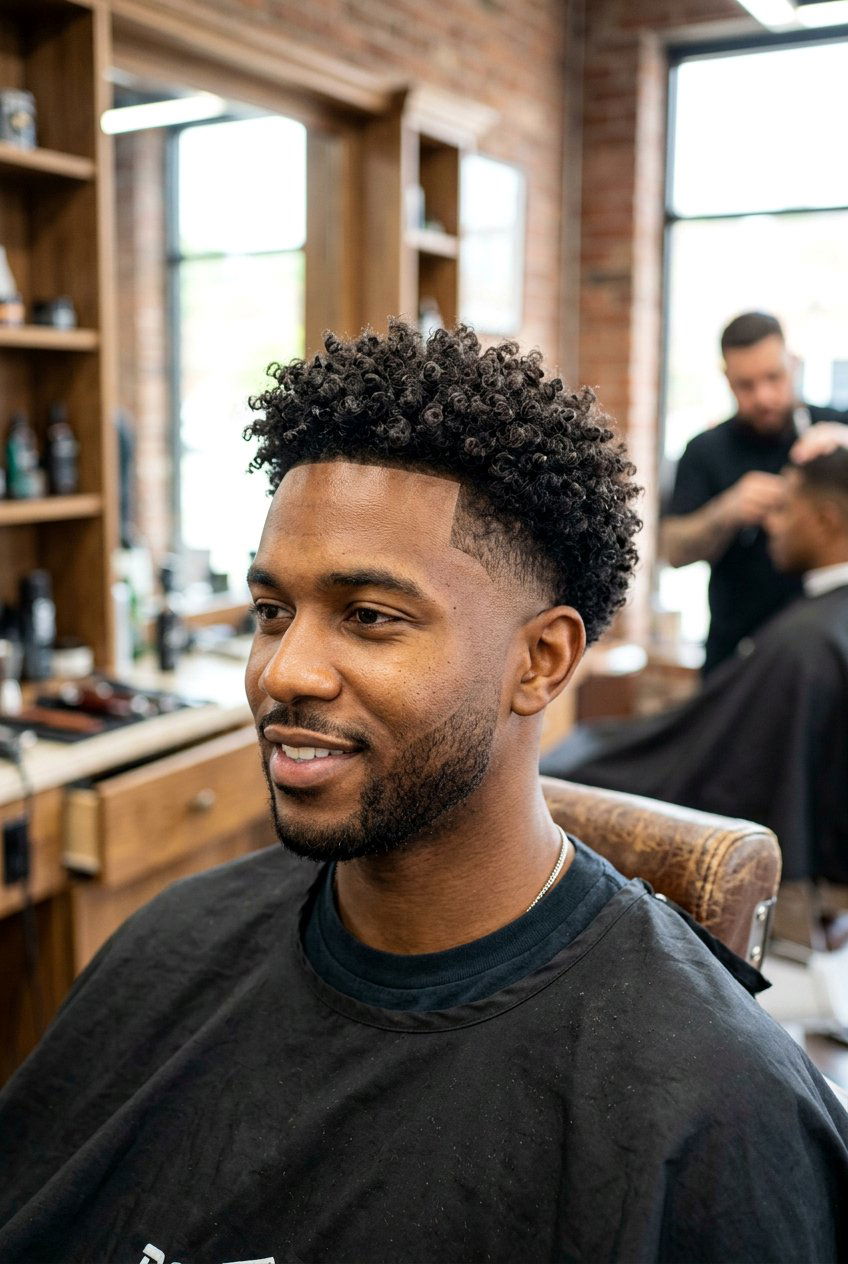

12. Cornrows For Track Meet
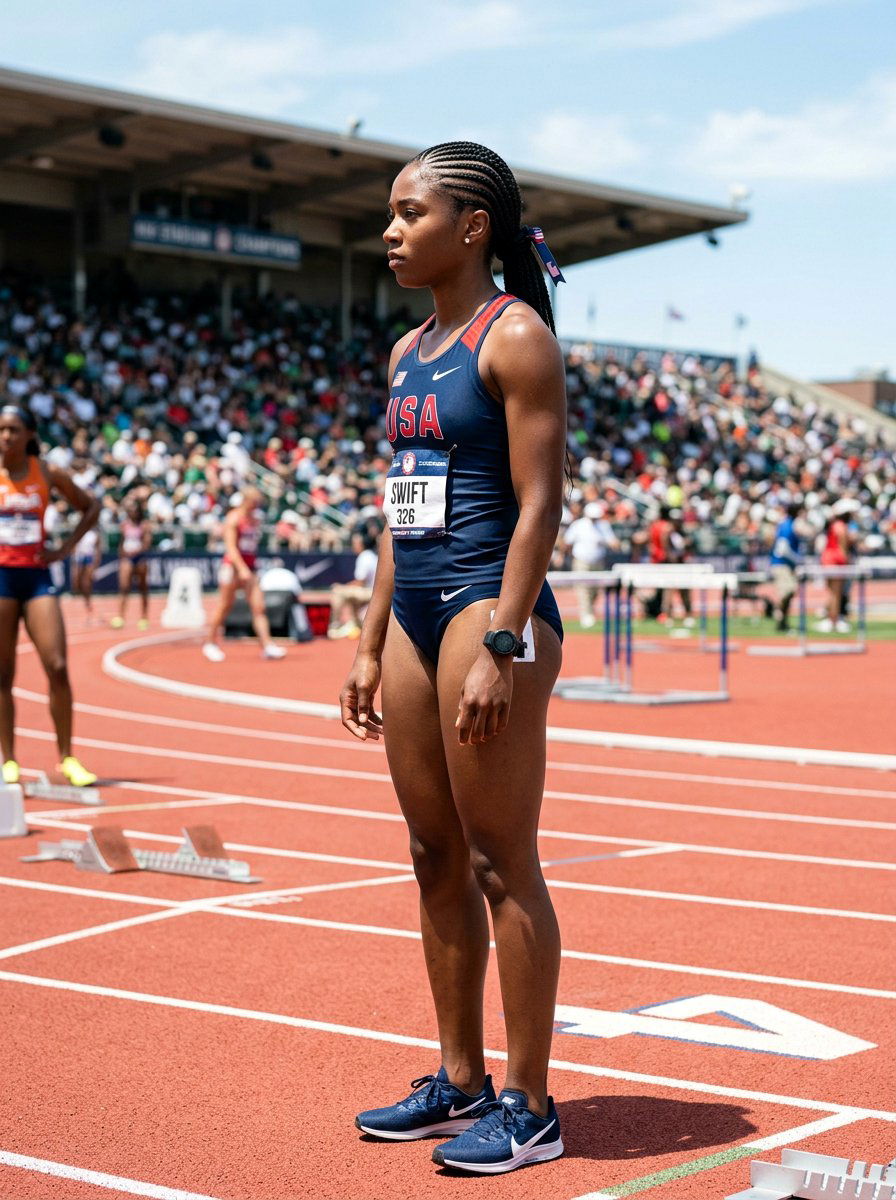
Cornrows are one of the most secure and protective choices for track athletes, especially for curly and coily hair types. This style involves braiding the hair close to the scalp in straight or creative patterns that can last for days or even weeks. For a track meet, straight-back cornrows or cornrows that feed into a low bun or ponytail work particularly well. They keep your hair aerodynamic, reduce friction from constant movement, and minimize daily manipulation, which helps with length retention and overall health. Cornrows also handle sweat well, especially if you pair them with a light scalp mist or leave-in spray after training. Since the look is already polished, you can go from classroom or work straight to the track without needing to restyle in between.
13. Box Braids Ponytail For Track Meet
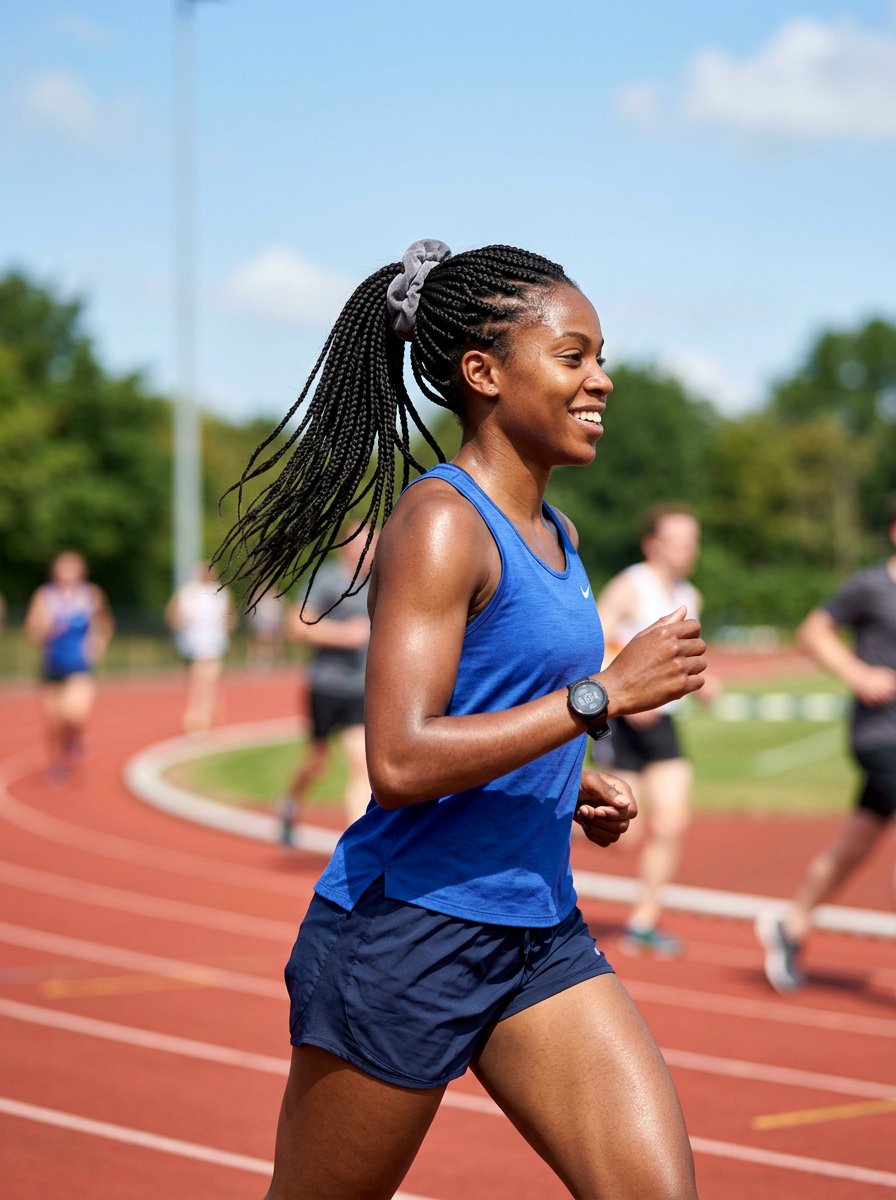
When you have box braids and still need a competition-ready hairstyle, pulling them into a secure ponytail is a smart, athletic option. The key is to choose a ponytail height that feels comfortable on your scalp, usually mid-height or low, so the weight of the braids is balanced. Use a strong, large elastic or even a soft scrunchie designed for braids to hold everything together without causing breakage. You can then braid the ponytail itself or tie it into a loose knot to keep the braids from hitting your back too hard as you run. This approach lets you enjoy the versatility and protection of box braids while still meeting your team’s grooming rules and staying aerodynamic on the track. It also makes meet mornings faster, because your base style is already done and only needs simple adjustments.
14. Twists Updo For Track Meet
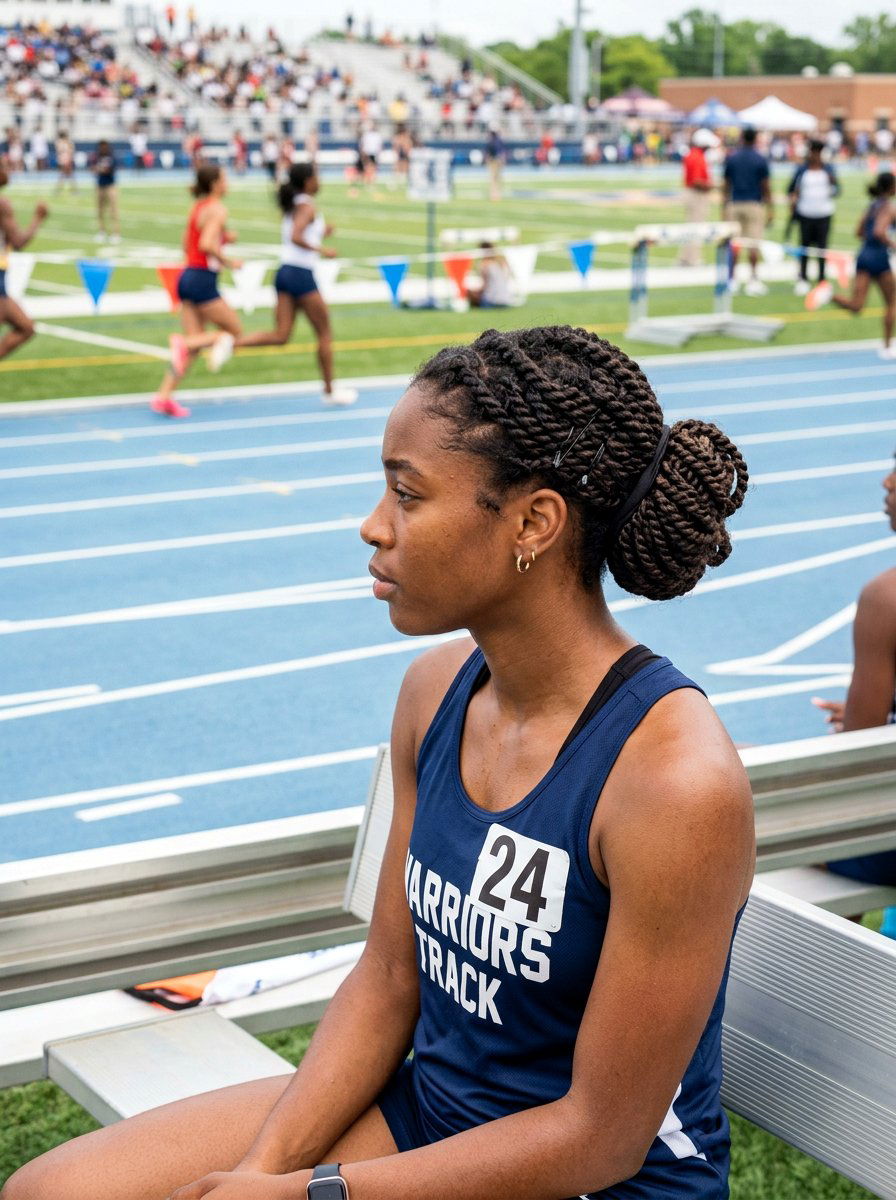
Twists styled into an updo combine protection, low tangling, and a neat appearance that lasts through an entire meet. If you wear two-strand twists or passion twists, you can gather them into a high or low updo, securing sections with elastics and tucking ends with pins. This keeps the twists from swinging too much and helps prevent neck and shoulder friction while you sprint or jump. Because twists already protect your natural hair, pulling them up further reduces sweat contact with your strands and scalp. You can shape the updo into a bun, roll, or cluster depending on your preference, as long as it feels snug and balanced. This hairstyle looks polished with team uniforms and is especially helpful for multi-day meets where you want minimal restyling between events.
15. Curly Ponytail For Track Meet
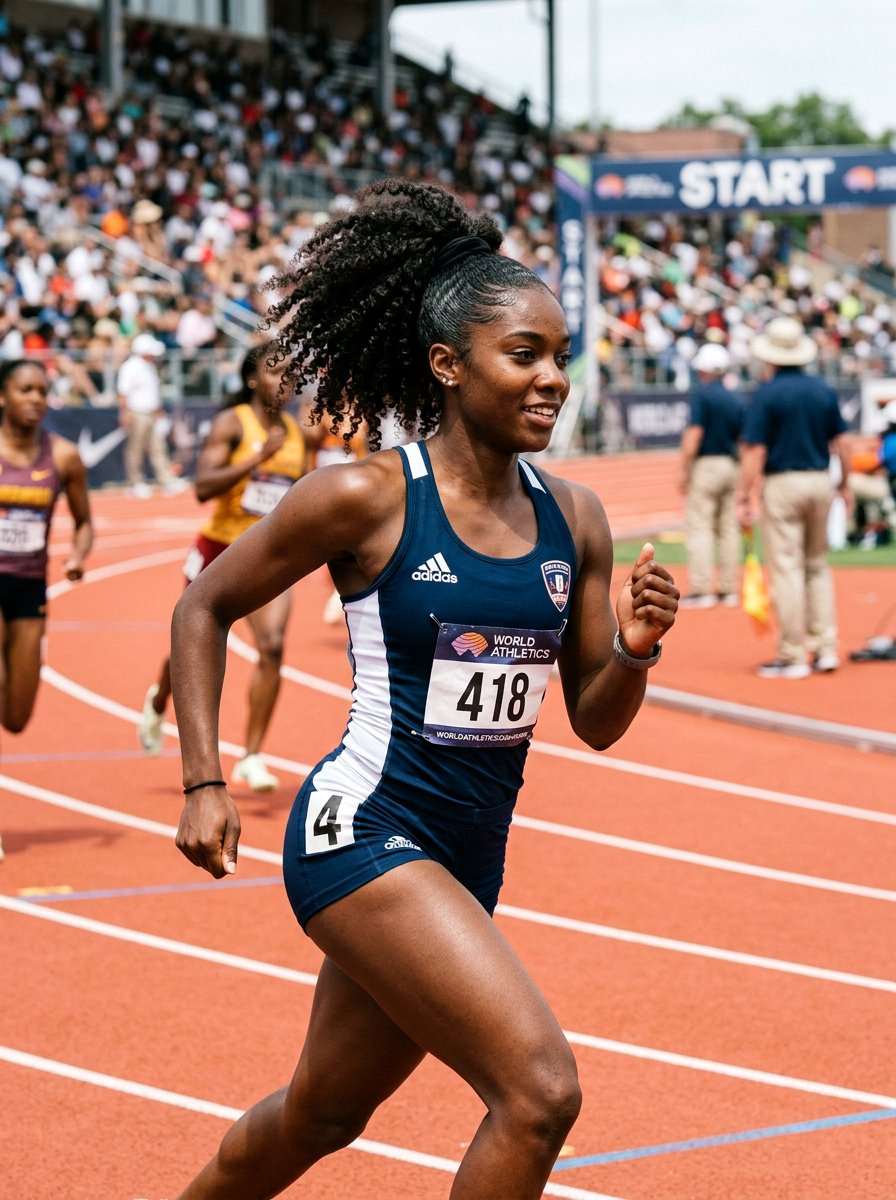
If you have naturally curly hair and want to celebrate your texture while still keeping everything secure, a curly ponytail is a great race-day option. Start by smoothing just your roots with gel or cream, then gather your hair into a mid or high ponytail, leaving the curls themselves defined and free. Using a curl-defining product on the ponytail length helps maintain bounce without frizz, even when you sweat. This look gives a softer, more natural feel compared to slick buns, yet still keeps curls away from your eyes and face while you’re in the blocks or on the line. A moisture-wicking headband can help control shorter curls near your ears and forehead. The result is a style that looks great in photos, feels true to your texture, and still does its job through warm-ups and races.

16. Headband With Puff For Track Meet
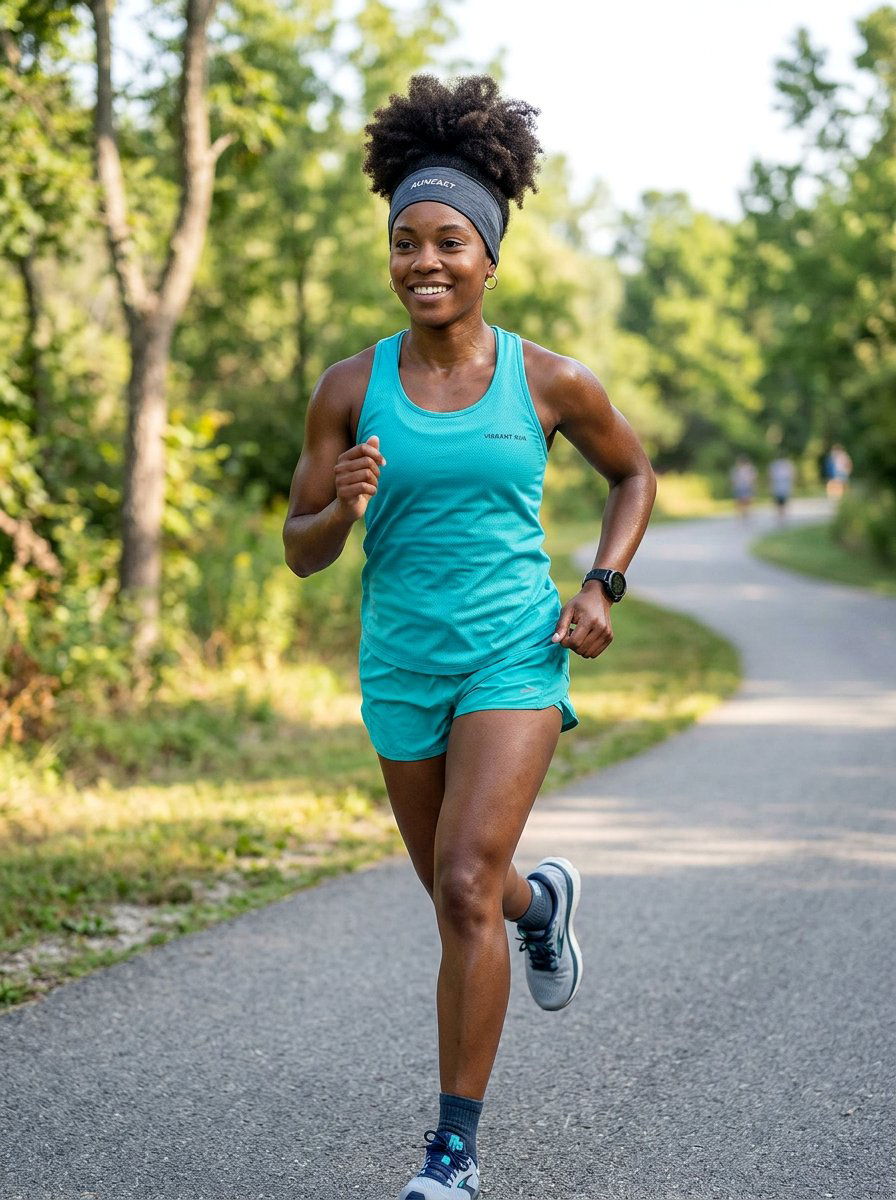
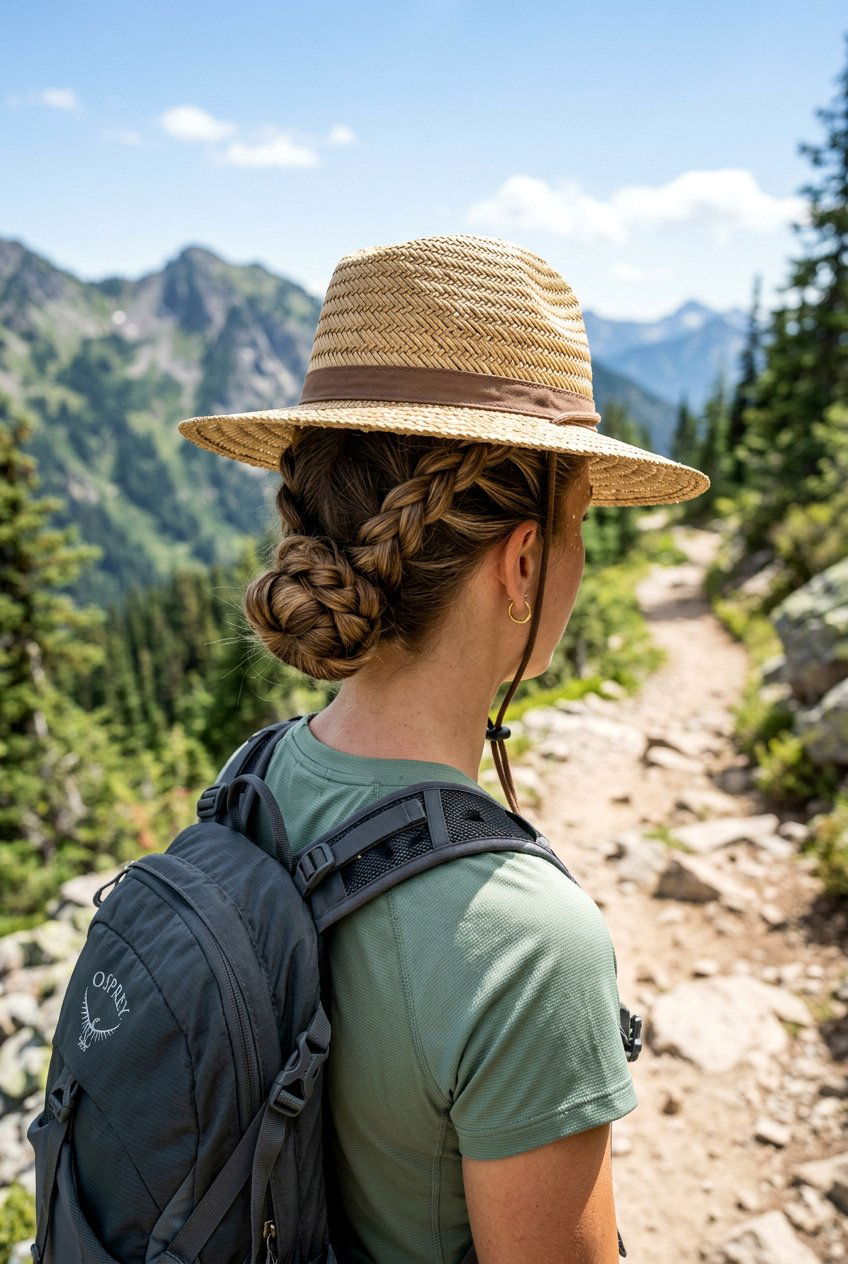
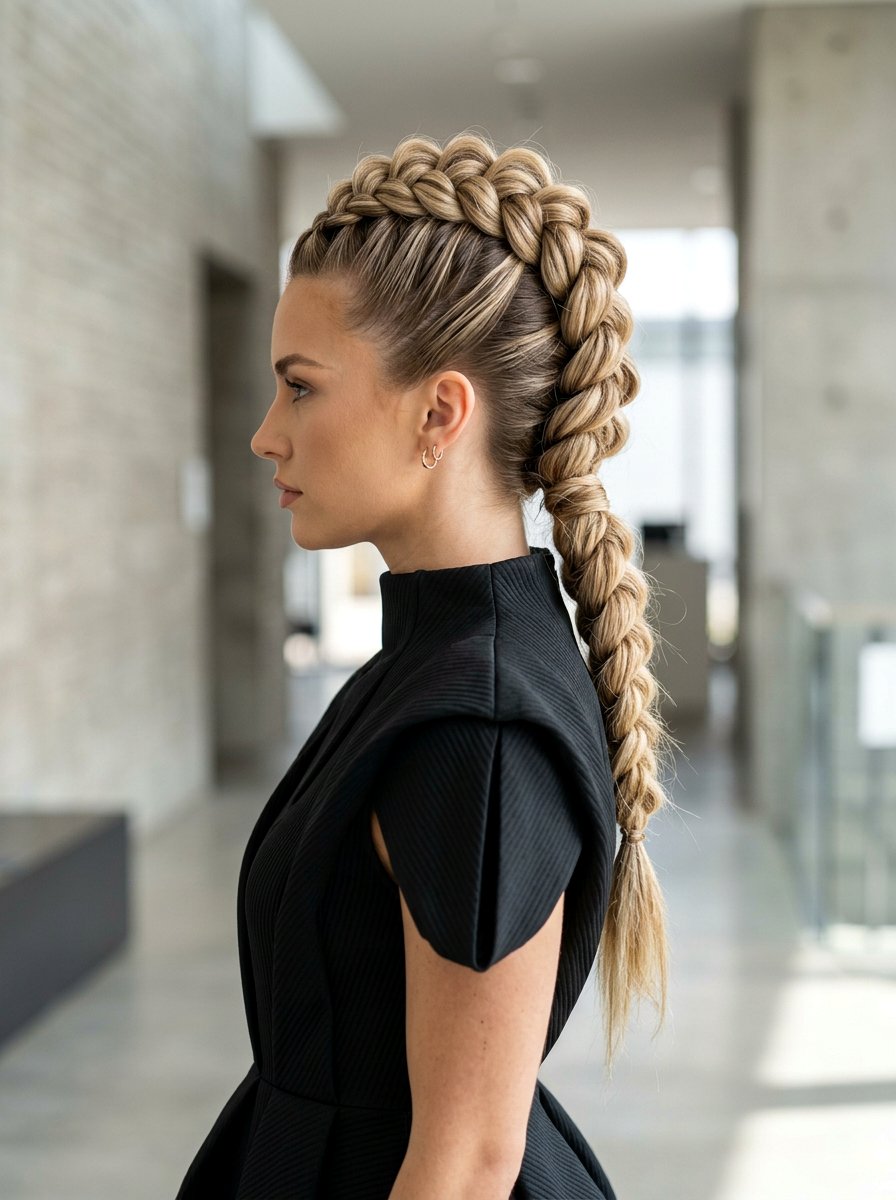
A headband with a puff is a favorite among athletes with coily hair who want an easy, quick style that still looks intentional. You pull your hair into a high puff using a soft band or adjustable hair tie, letting your curls or coils form a full, round shape on top. Then you add a wide, sweat-wicking headband at the front to keep edges smooth and catch moisture during your events. This combo keeps hair completely off your neck and out of your face while honoring your natural volume and shape. It’s particularly comfortable for training days that turn into meets or when you do not have time for a full braided style. Just make sure the puff band is not too tight, so you avoid tension headaches or breakage along your hairline during long competitions.
17. Half Up Half Down For Track Meet
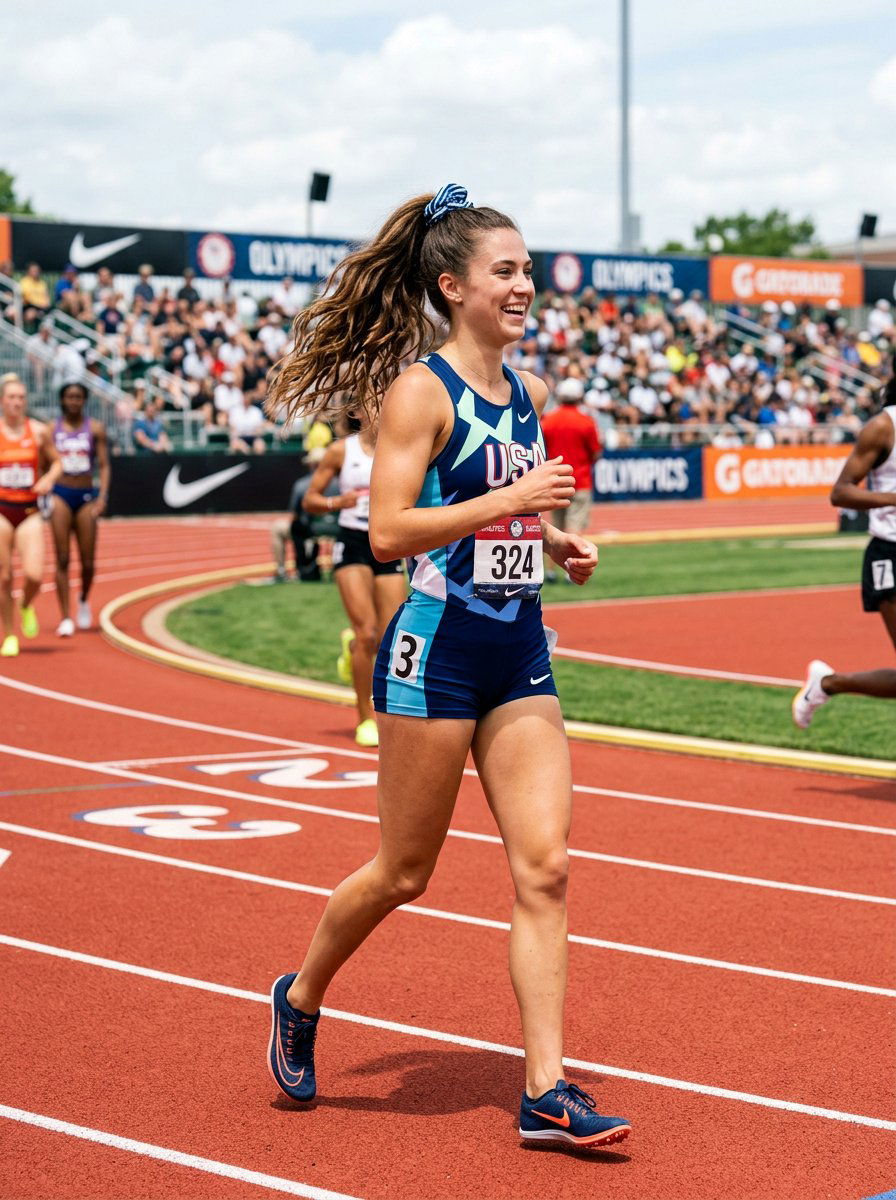
On less intense meet days or for field events, a half up half down look can offer a balance between function and style. You gather the top section of your hair into a ponytail or small bun, leaving the bottom half free to move. This keeps hair away from your face and eyes while still letting your length and texture show. For track events, it works best if your hair is not extremely long or if you lightly braid or twist the bottom half so it does not tangle excessively. Use a firm elastic for the top section and consider a thin headband to secure shorter pieces. This style feels more relaxed than a full updo, so it is popular for team pictures, casual meets, or events where you are not hitting maximum speed every race.
18. Braided Headband With Ponytail For Track Meet
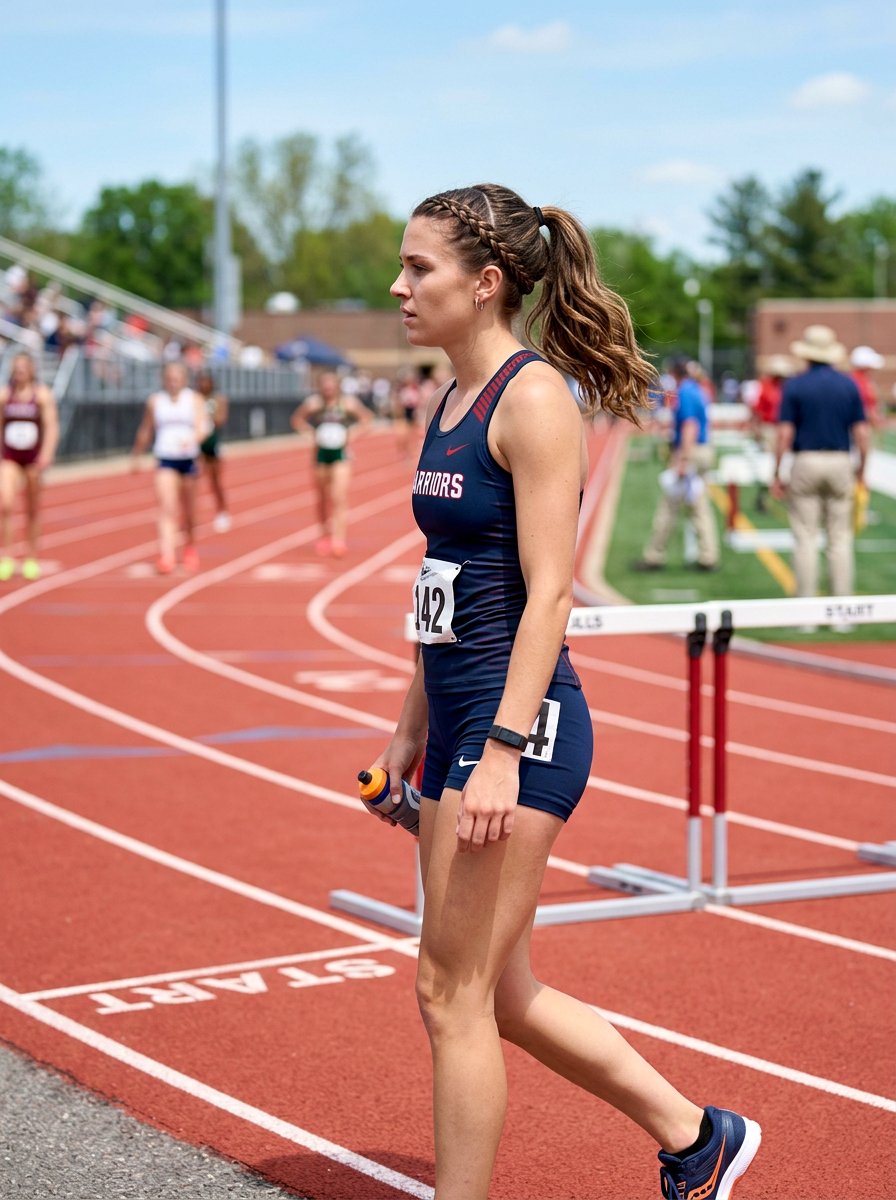
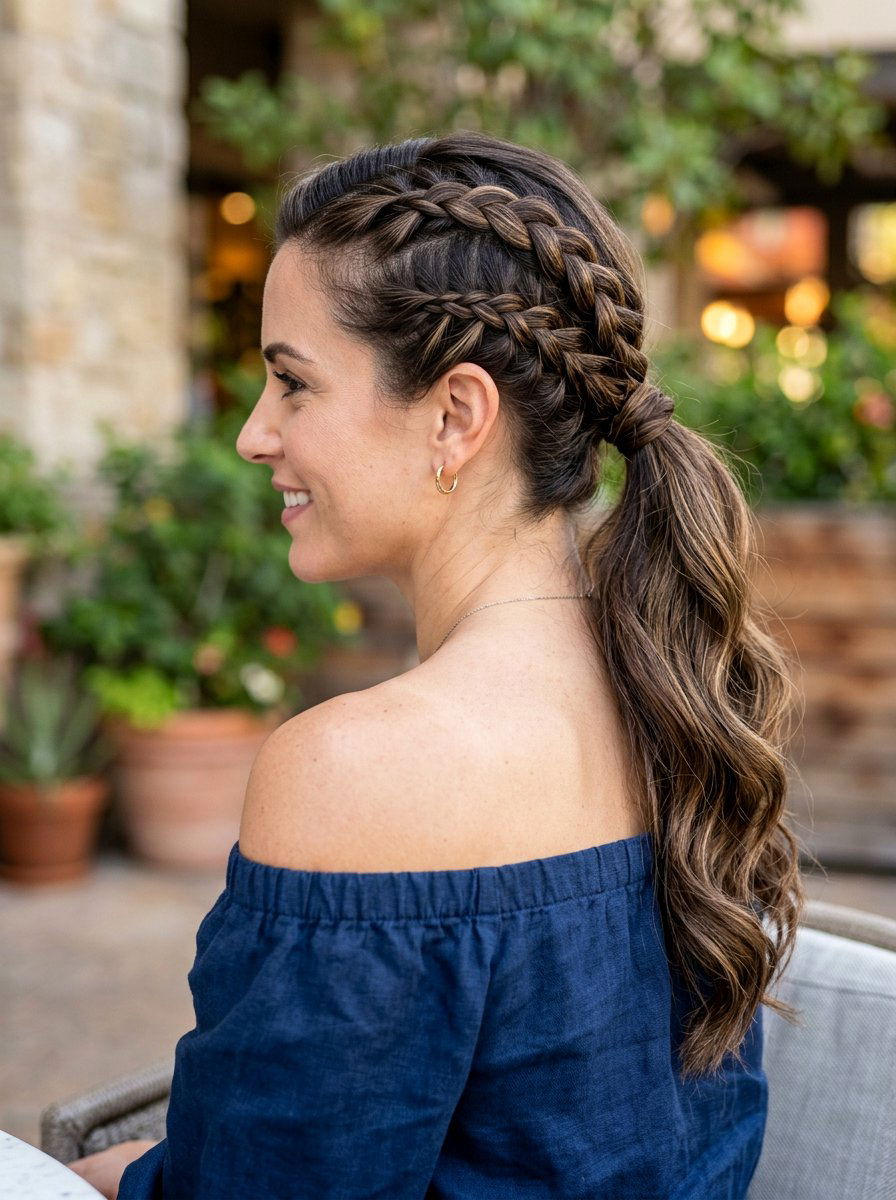
A braided headband with a ponytail gives extra security around your hairline while still being comfortable under hats or visors. You create a small French or Dutch braid along the front of your hairline from one side to the other, securing it near the ear. Then you pull the rest of your hair back into a ponytail, either high or low depending on your event and comfort. This built-in braid headband keeps bangs and shorter layers from falling into your face, even when sweat might normally loosen them. It also reduces the need for clips, which can pinch under helmets or headsets. For longer meets, this style holds up nicely, and you can always braid the ponytail as well if you want even more control for distance races or relays.
19. Aerodynamic Short Cut For Track Meet
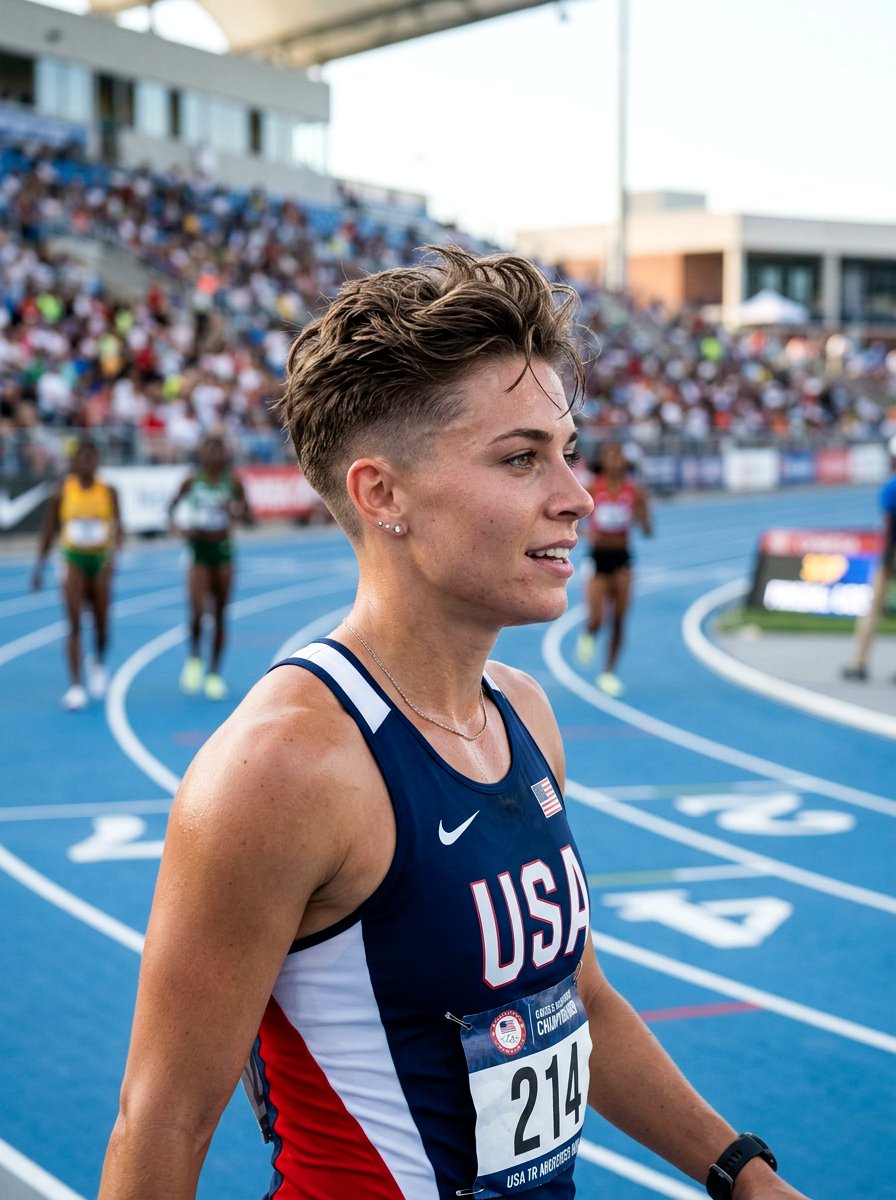
Some sprinters and track athletes prefer a short, aerodynamic haircut that needs almost no styling on meet day. Think close-cropped curls, a tapered cut, or a short fade that sits close to the head, reducing wind resistance and eliminating the distraction of moving hair. With this kind of cut, your pre-race routine becomes mainly about brushing, adding a bit of product, and maybe using a headband or sweatband to manage moisture. Short hair is especially practical for athletes who compete frequently or travel often, since it dries quickly after training and is easy to keep clean. It also allows your facial features and expression to stand out in photos and on the podium. This minimalist approach still looks sharp with team uniforms and gives a serious, competition-focused vibe that many elite sprinters embrace.
20. Protective Updo For Track Meet
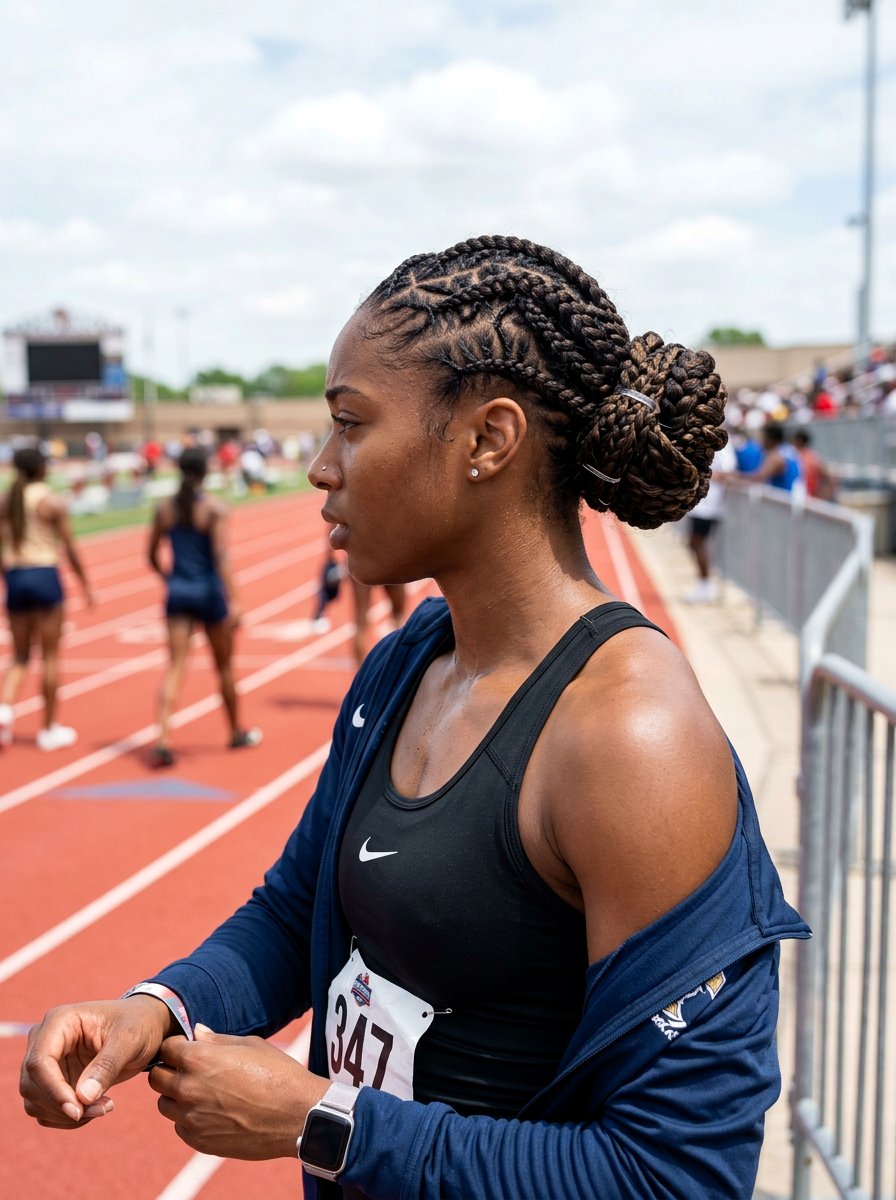
A protective updo is perfect when you want your hair tucked away safely for an entire meet weekend without constant touch-ups. This can be a combination of flat twists, braids, or rolled sections gathered into a bun or pinned cluster at the back or top of your head. The goal is to keep ends hidden, roots secure, and hair off your neck so you stay cool and comfortable. Protective updos work especially well for natural and relaxed hair, since they reduce friction from shirts, backpacks, and warm-up jackets. With the right technique, you can sleep in this style and wake up meet-ready, only needing to refresh your edges with a bit of gel. It is a polished, low-maintenance option that supports hair health while you focus on your races, jumps, or throws.
Conclusion:
Choosing the right track meet hairstyle is really about blending performance, comfort, and your personal style so you feel locked in from warm-up to cool-down. Whether you go for sleek buns, steady braids, or protective updos, the main goal is to keep your hair secure, out of your face, and safe from excess sweat and tangling. Different events may push you toward different looks: sprinters often like tighter, more aerodynamic styles, while distance runners may lean toward braids or ponytails that feel lighter but still controlled. Hair texture also matters, since curly and coily hair tends to benefit from protective options like cornrows, twists, and puffs that minimize breakage. As you test these 20 track meet hairstyles, pay attention to how your head feels mid-race, how your hair looks after cooldown, and how easy the style is to reset between events, then keep a few go-to favorites ready for every season.
You'll Like These Styles:




Leave a Reply