
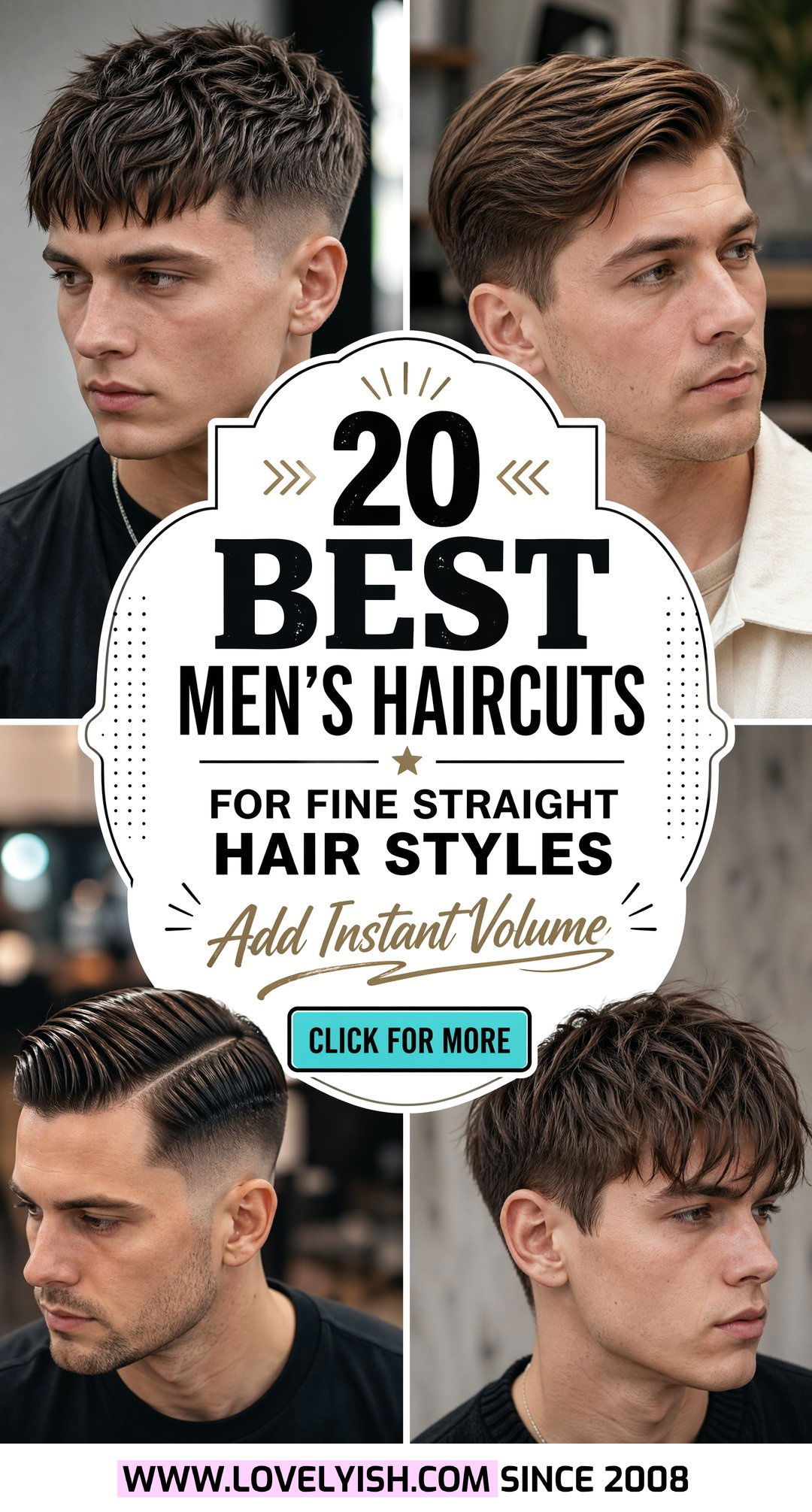
Finding the right haircut for fine straight hair can feel like a constant battle against flatness and lack of volume. Because fine hair has a smaller diameter per strand, it often lies limp against the scalp, making traditional heavy styles look thin or lifeless. The secret to a great look lies in strategic layering and choosing shapes that create the illusion of density. Modern barbering techniques, such as the textured crop or a tapered pompadour, are specifically designed to inject movement into straight strands. By utilizing the right proportions between the sides and the top, you can effectively camouflage thinning areas and build a profile that looks both thick and intentional.
1. Textured Crop
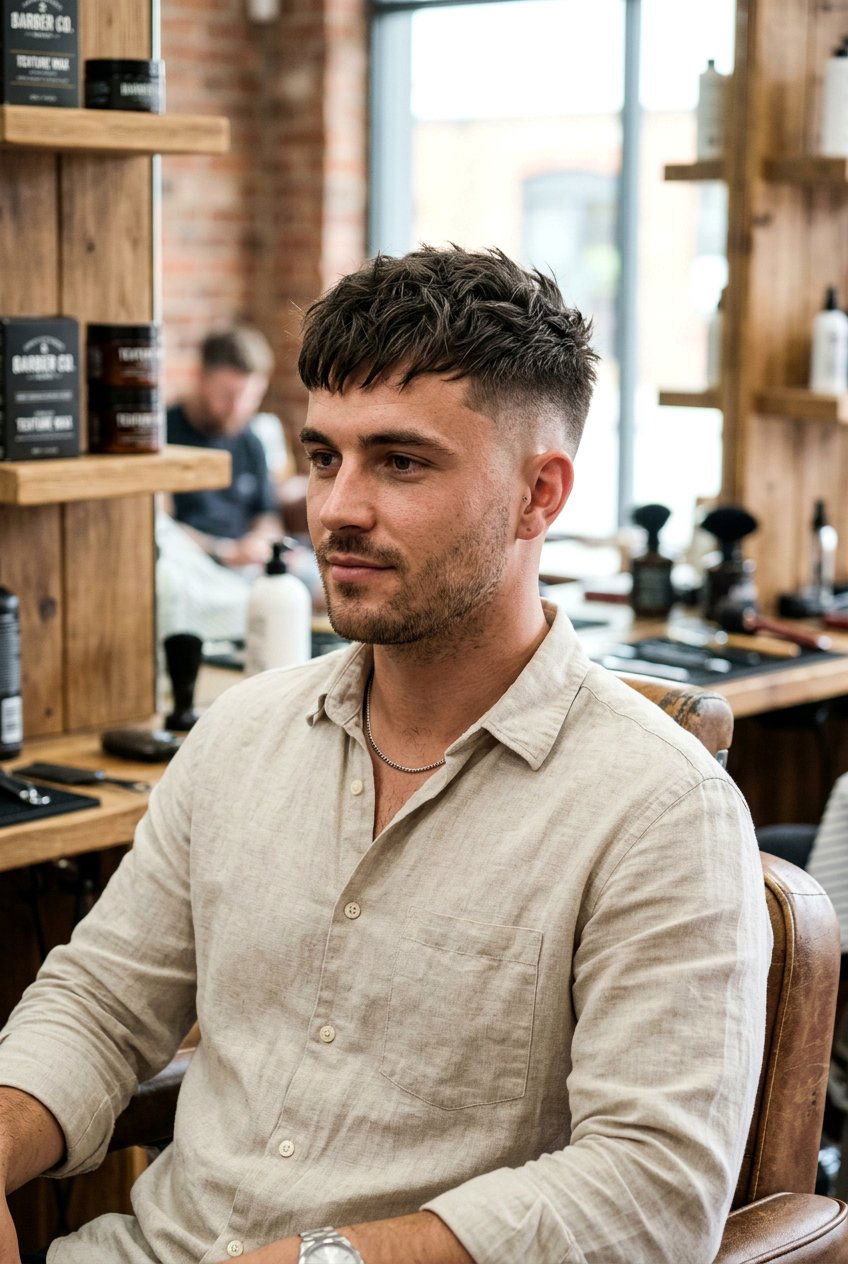
The textured crop is arguably the most effective choice for men with fine straight hair who want a modern look. This style features short, faded sides that draw all the visual attention to the top, where the hair is cut into choppy, uneven layers. These layers are essential because they prevent the hair from laying flat and instead create a sense of depth and fullness. By using a matte clay or styling powder, you can ruffle the top to give it a piecey appearance that hides the scalp. It is a low-maintenance option that works perfectly for those who want to spend less than five minutes on their morning routine.
2. Classic Crew Cut

A classic crew cut remains a staple for men with fine hair due to its clean lines and masculine silhouette. In this version, the hair is tapered very short on the sides and back while leaving slightly more length on the crown. This slight contrast is key for fine hair, as it prevents the style from looking too sparse while still being short enough to maintain its shape without falling flat. Because straight hair naturally follows the shape of the head, the crew cut provides a neat, uniform look that is professional and timeless. It is especially useful for men who want a “wash and go” style.
3. French Crop Fringe
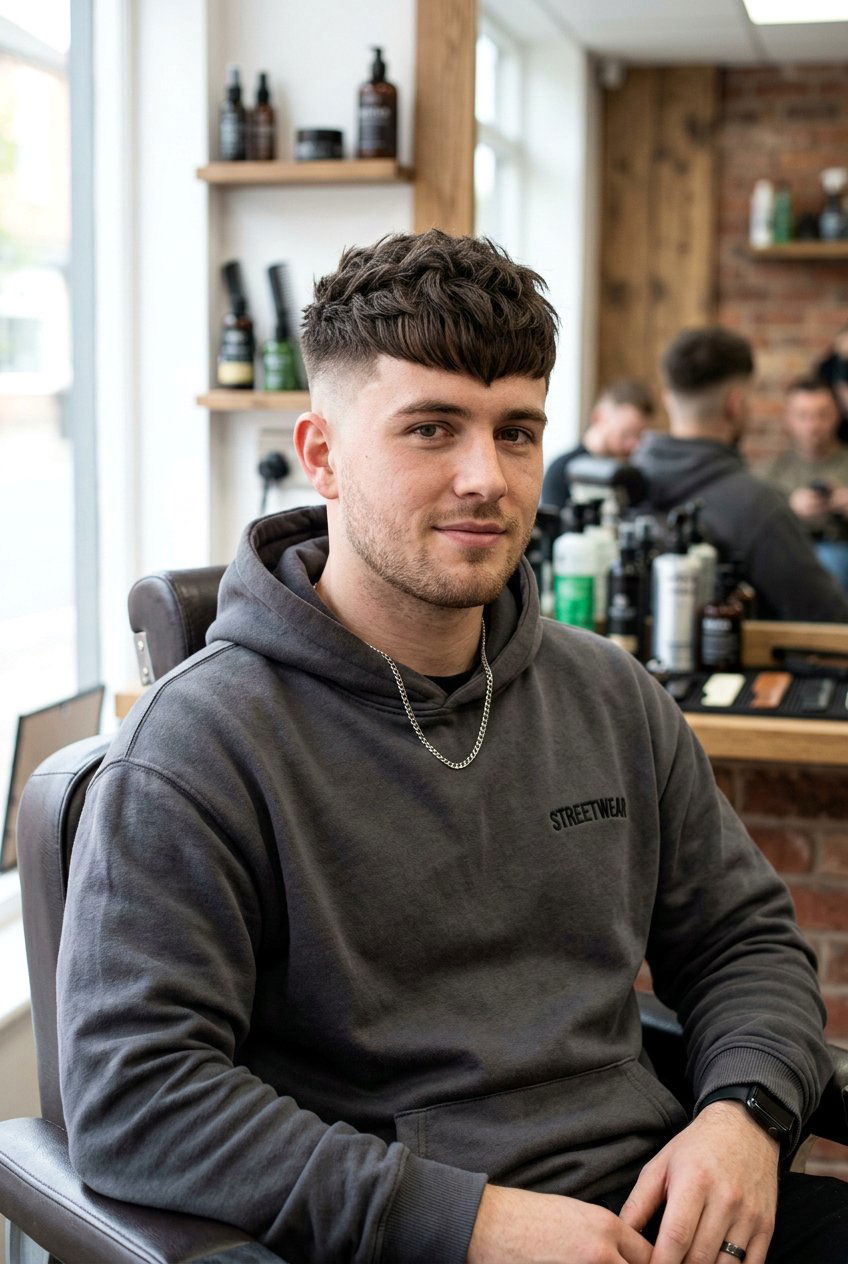
The French crop is a variation of the textured crop that focuses on a more defined, forward-swept fringe. For men with straight hair, this forward motion is a lifesaver for disguising a receding hairline or thinning at the temples. The fringe is typically cut blunt or slightly point-cut to add texture, which gives the front of the hair a much thicker appearance. Keeping the sides in a high skin fade further accentuates the volume on top. This style is incredibly versatile and can be worn neat for the office or messy with a bit of sea salt spray for a relaxed weekend vibe.
4. Side Part Taper
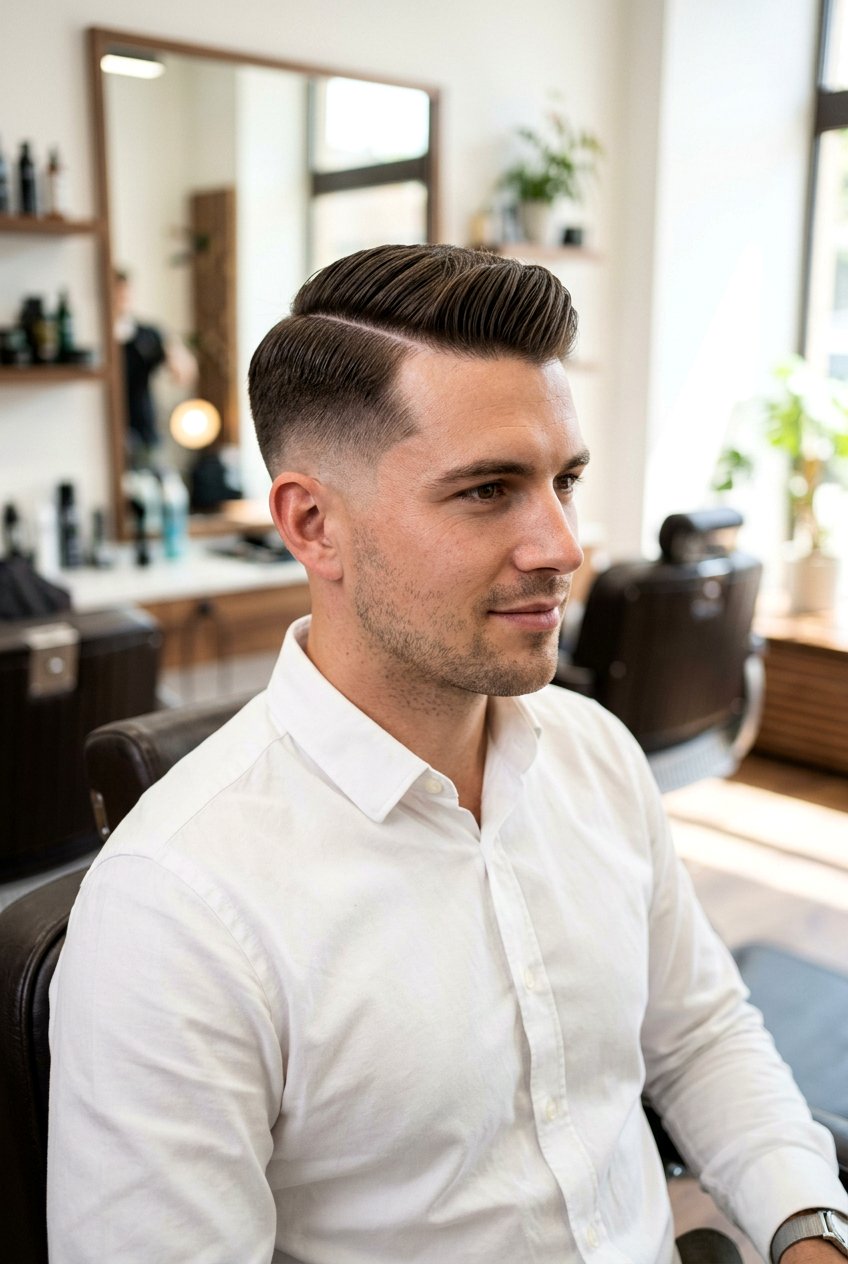
The side part taper is a sophisticated option that uses the natural “lay” of straight hair to its advantage. By creating a clear parting line, you give the hair a structural anchor that makes it appear more organized and dense. In fine hair, a deep side part creates a “stacking” effect where the hair on the side of the part looks thicker because it is layered over itself. Combining this with a clean taper on the sides ensures the look remains sharp rather than shaggy. It is the perfect choice for a businessman who needs a polished, reliable look that stays in place all day.
5. Ivy League Cut

An Ivy League cut is essentially a longer, more refined version of the crew cut that allows for a small amount of styling. The hair on top is left long enough to be parted and swept to the side, but short enough that fine strands won’t weigh themselves down. This balance is critical because it provides enough surface area to show off the hair’s natural shine without the limpness associated with longer styles. Using a lightweight cream or a touch of pomade adds a healthy sheen and hold. This haircut frames the face beautifully and is often seen as the gold standard for a preppy, clean-cut aesthetic.
6. Short Caesar Cut
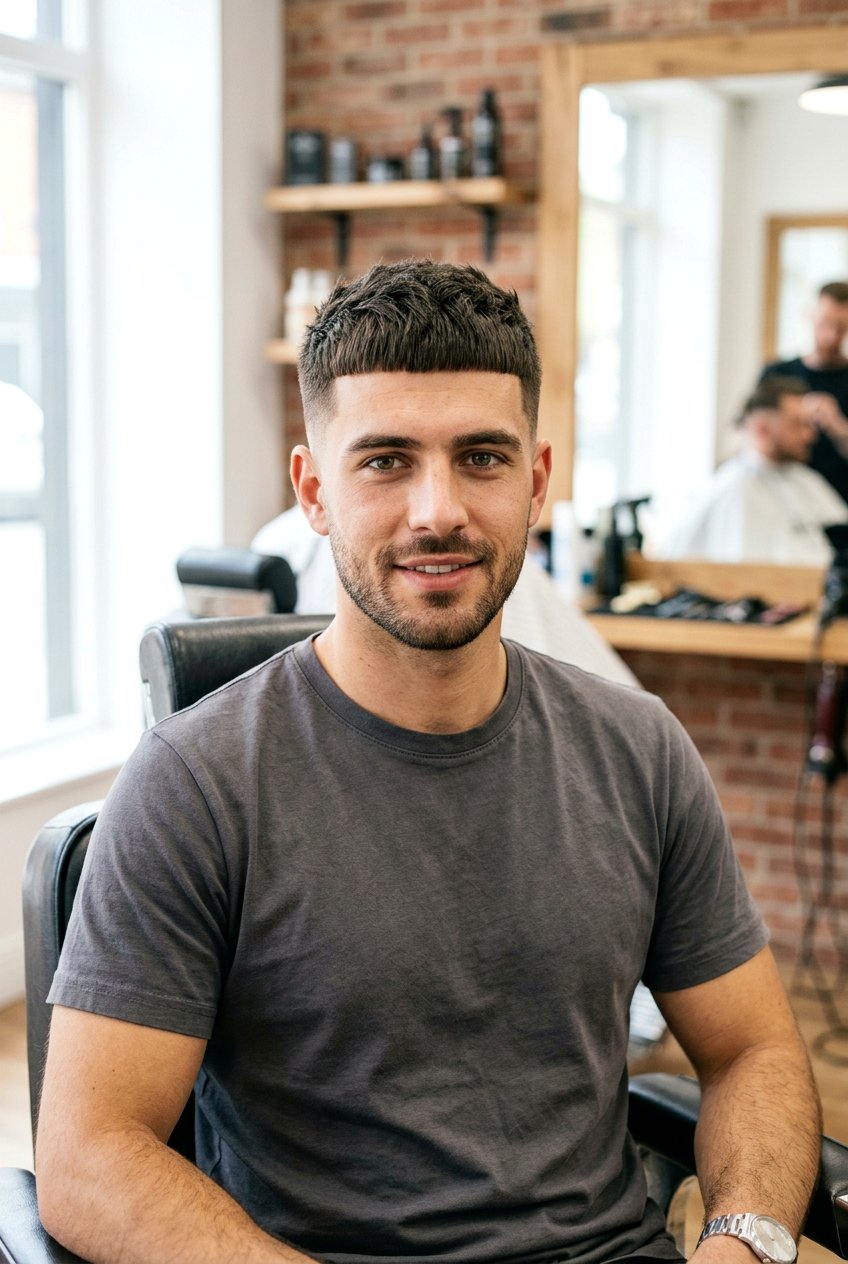
Named after the Roman leader, the short Caesar cut features a very short, horizontally cut fringe that sits high on the forehead. For men with fine straight hair, the Caesar is excellent because it utilizes short, uniform lengths to minimize the appearance of thinness across the crown. The hair is brushed forward from the back, which helps fill in gaps and creates a consistent texture across the top of the head. It is a minimalist style that requires very little product—just a tiny amount of styling gel to keep the fringe in place—making it ideal for active lifestyles and hot climates.
7. Tapered Pompadour
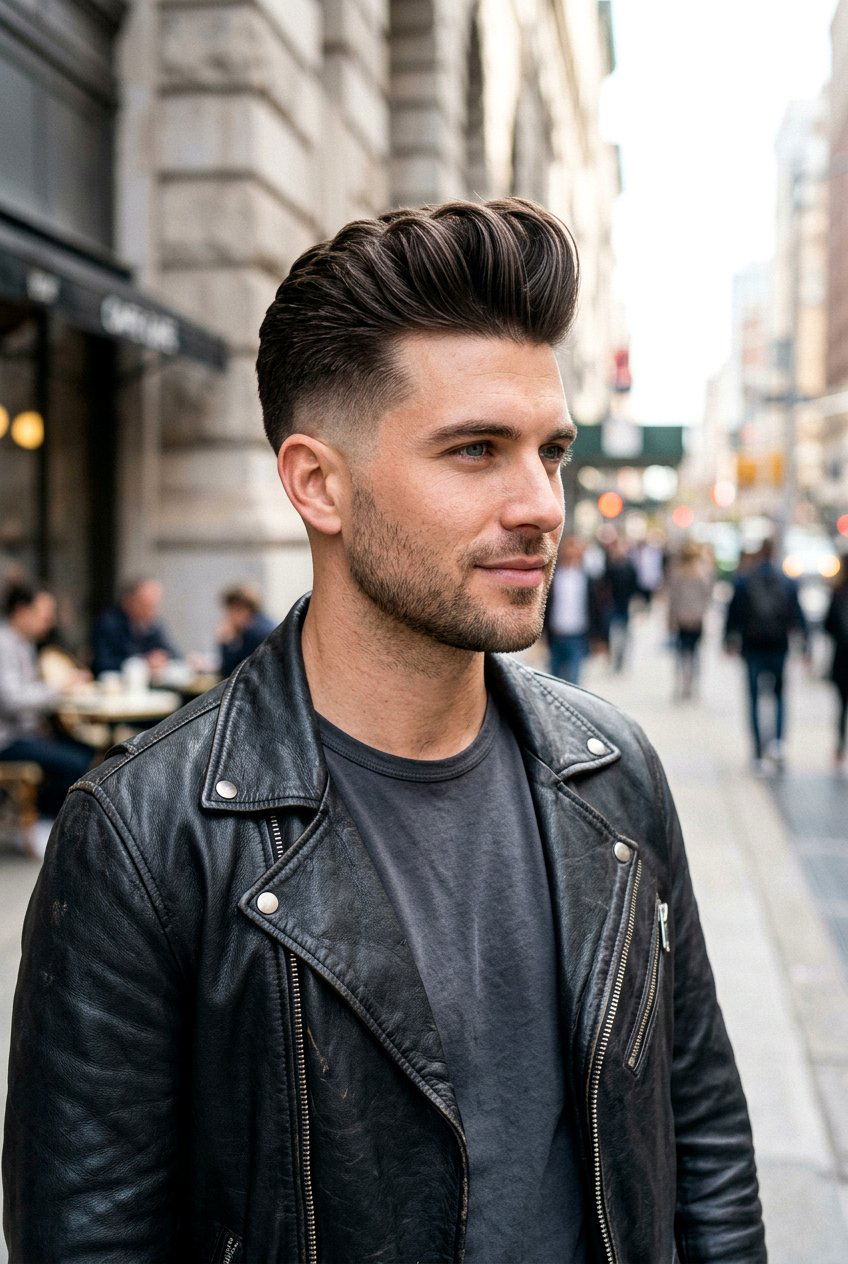
The tapered pompadour is a bold style that proves men with fine hair can still achieve impressive height. While a traditional pompadour might be too heavy, a version tailored for fine hair uses shorter lengths and a tapered back to reduce weight. The hair in the front is swept up and back using a blow dryer and a round brush, which are the most important tools for adding lasting volume to straight strands. Finishing the look with a volumizing hairspray ensures the “pomp” doesn’t collapse halfway through the day. This haircut provides a dramatic, stylish silhouette that commands attention and adds verticality.
8. Messy Quiff

The messy quiff is a fantastic way to introduce personality and “organized chaos” into fine straight hair. Unlike a structured pompadour, the quiff is meant to look effortless and slightly unkempt, which is a great trick for making hair look more voluminous than it actually is. The hair at the front is lifted upward, while the rest of the top is tousled in different directions to break up the flat surface of straight hair. Using a texturizing spray before blow-drying provides the “grit” necessary for fine hair to stand up. It is a youthful, energetic style that works well for creative professionals or students.
9. High and Tight
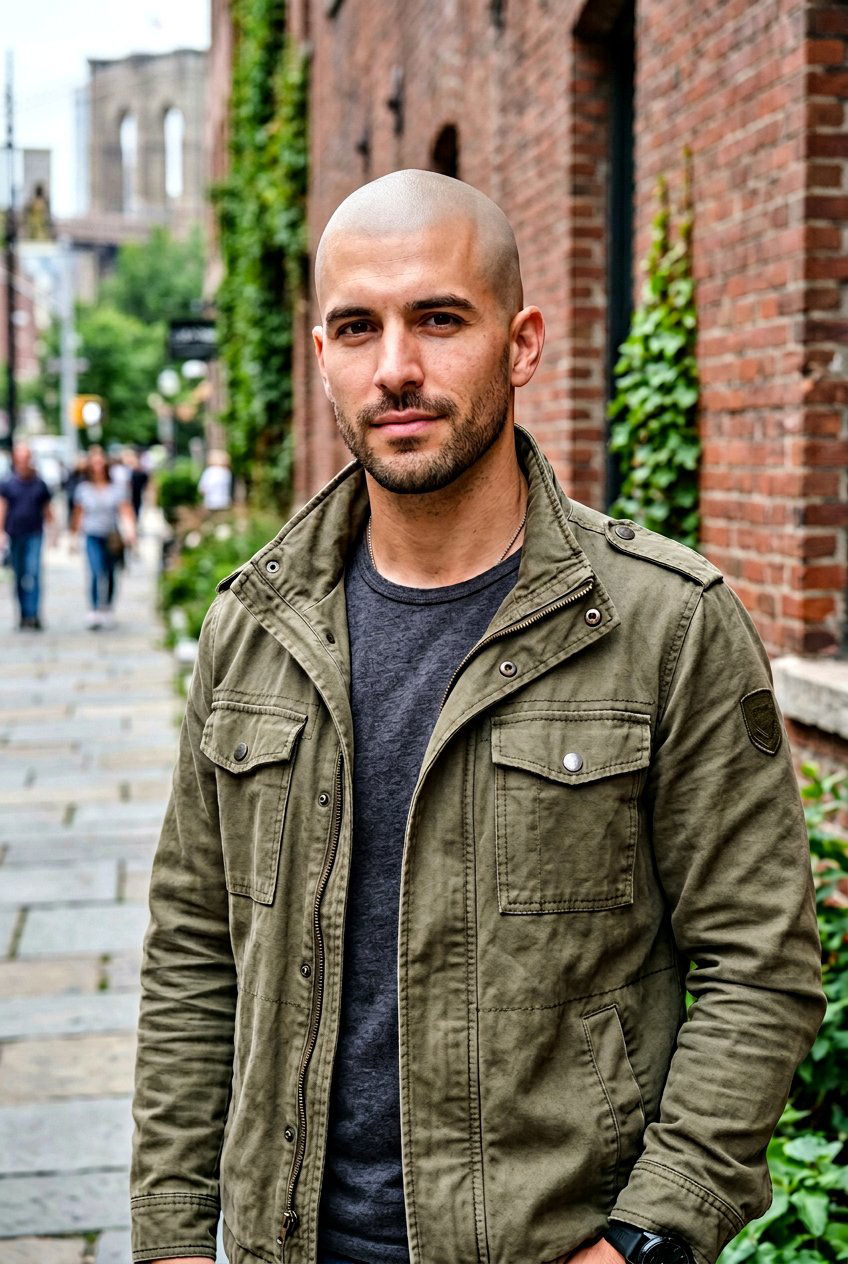
The high and tight is a military-inspired cut that is the ultimate solution for men who want to completely avoid the struggle of styling fine hair. By shaving the sides and back almost to the skin and leaving only a small “landing strip” of hair on top, you eliminate the areas where fine hair usually looks the thinnest. This high-contrast look makes whatever hair is left on top look significantly darker and denser by comparison. It is a very aggressive, masculine style that highlights facial features and jawlines. Maintenance is as simple as a quick buzz every few weeks to keep the edges sharp.
10. Slicked Back Undercut

A slicked back undercut is a high-fashion choice that works surprisingly well for straight hair because of the hair’s natural ability to lie flat. The key for fine hair is to avoid using heavy, greasy pomades that would cause the strands to clump together and reveal the scalp. Instead, using a matte mousse or a lightweight “dry” paste allows the hair to be swept back while maintaining a sense of individual strand separation. The disconnected sides—where there is no blend between the short and long sections—create a sharp visual “shelf” that emphasizes the volume and length of the hair on top.
11. Bro Flow
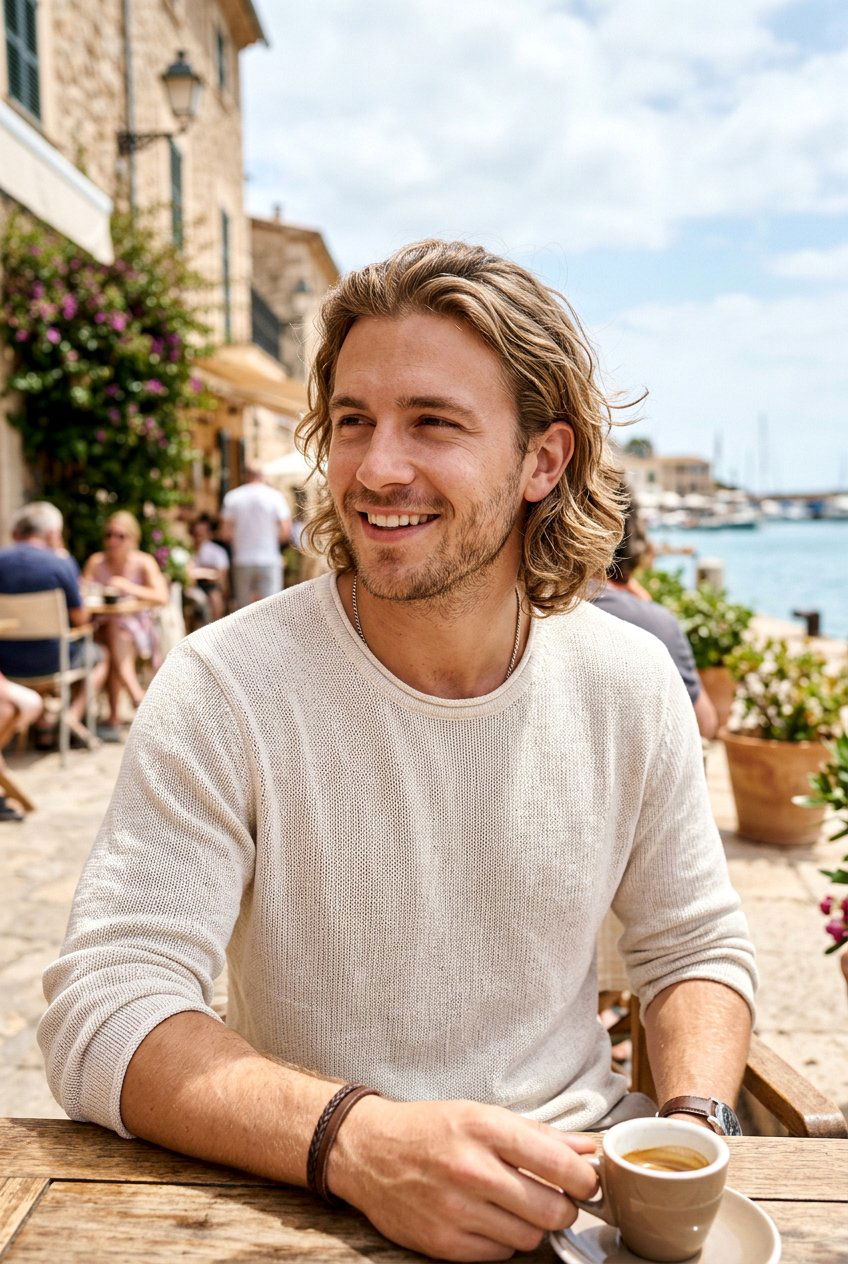
The bro flow is the best option for men with fine straight hair who want to maintain some length without looking stringy. This style relies on the hair being tucked behind the ears and allowed to flow naturally toward the back of the neck. Because fine hair is lightweight, it can achieve a “billowing” effect that heavier hair types cannot. The trick is to have your barber add internal layers to take away any bulk that might pull the hair down. A light sea salt spray is usually all that is needed to give the hair a bit of wave and prevents it from looking too flat.



12. Angular Fringe

The angular fringe is a contemporary haircut where the hair is kept long on top and cut at an angle so it hangs over the forehead. This is particularly effective for straight hair because it allows the hair’s natural sleekness to create a sharp, geometric look. By keeping the fringe asymmetrical, you draw the eye away from any lack of volume at the crown and focus it on the face. The sides are usually kept very short with a taper or fade to provide a clean base. This style is popular among younger men and those looking for a trendy, “edgy” aesthetic.
13. Modern Mullet
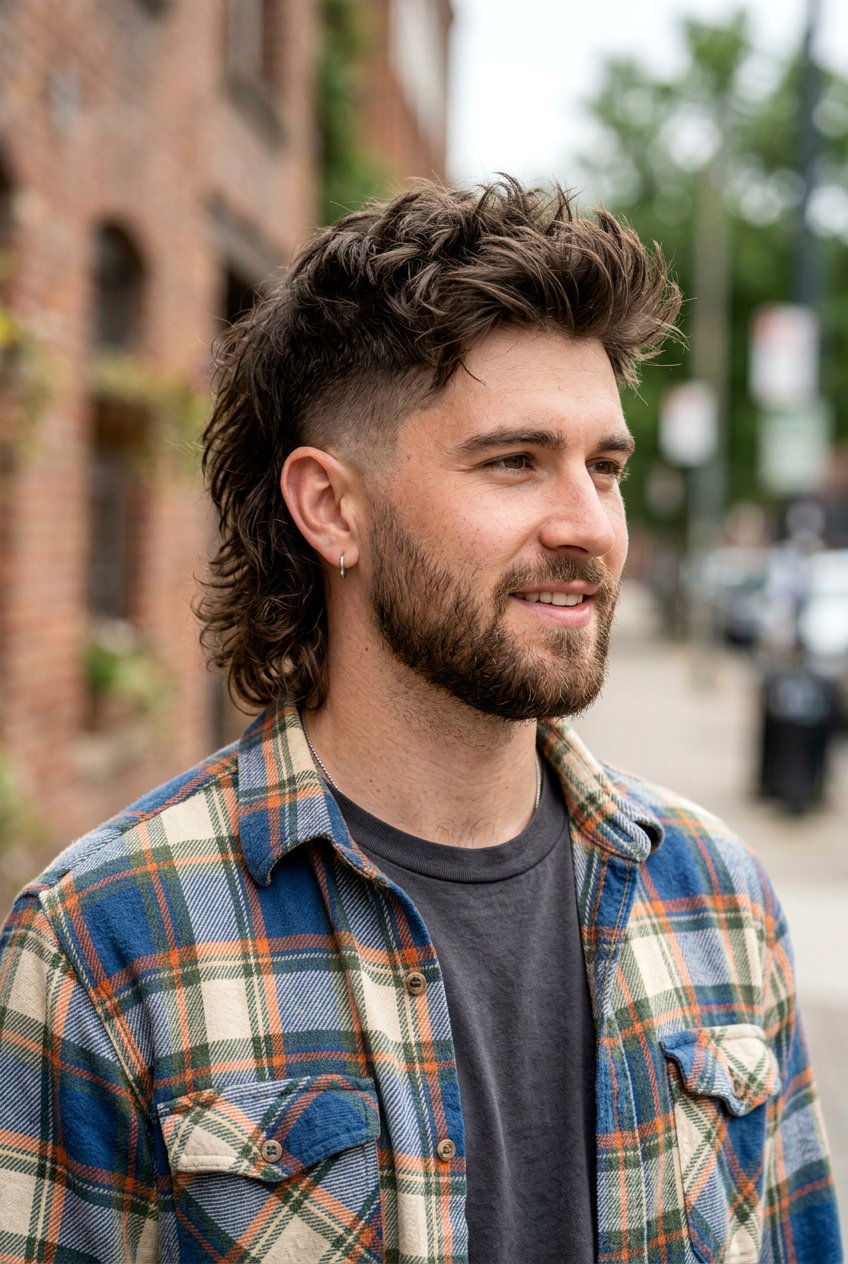
The modern mullet has seen a huge resurgence and is a surprisingly good fit for fine straight hair. Unlike the heavy mullets of the past, the modern version is more tapered and incorporates a lot of texture. The hair is kept shorter on the sides but allowed to grow longer at the back and top. This distribution of length helps balance out the head shape and adds a “weightiness” to the back that can make the overall hair profile look thicker. It is a bold, expressive style that works best when styled with a bit of texture paste to keep it looking intentional.
14. Buzz Cut with Fade
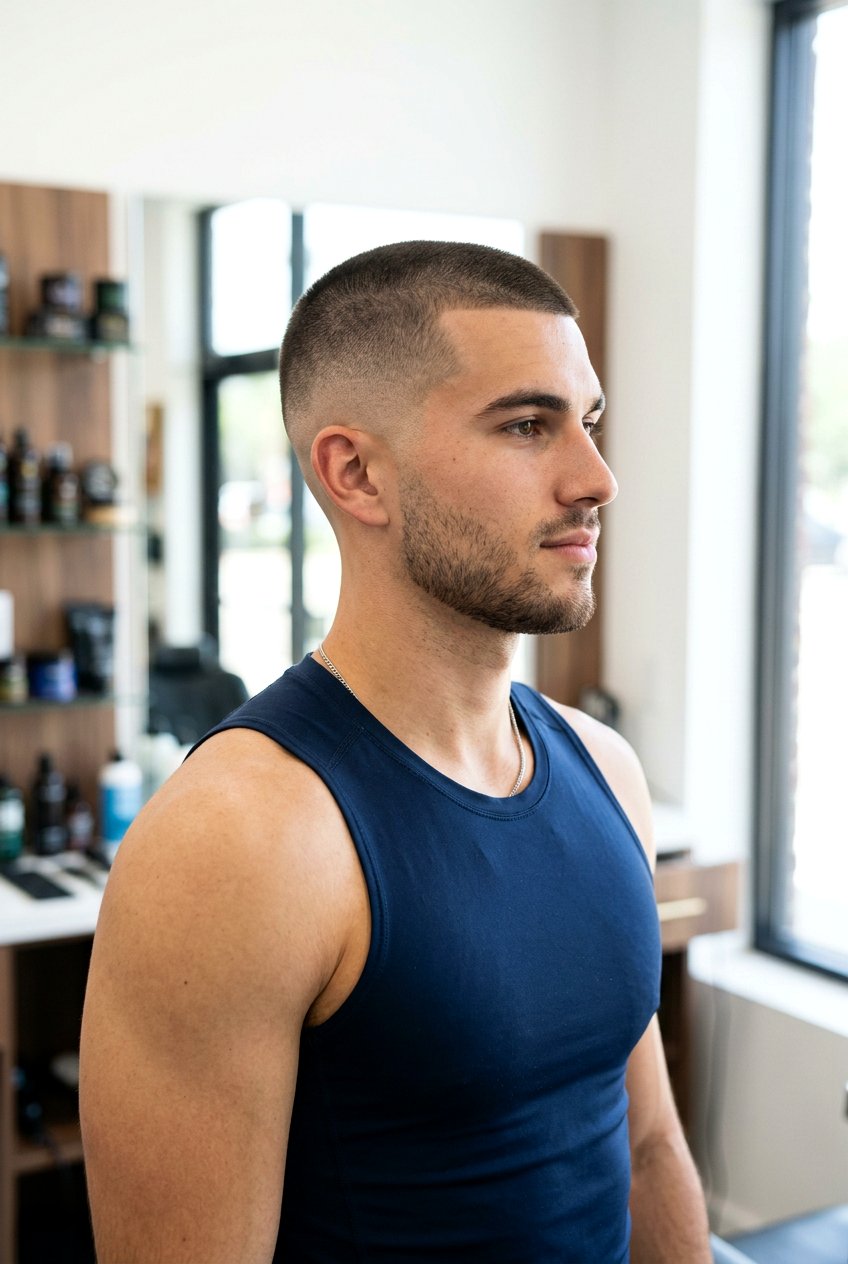
The buzz cut with a fade is the most “honest” haircut for fine hair, as it embraces the hair’s natural density without trying to hide it. By fading the sides down to the skin, you create a gradient that makes the hair on top appear thicker than it would if the whole head was buzzed to one length. It is a clean, athletic look that requires zero daily styling. For men who are starting to notice significant thinning, this is often the most confident and flattering choice. It removes the stress of “fixing” your hair and lets your facial features take center stage.
15. Scissor Cut Taper
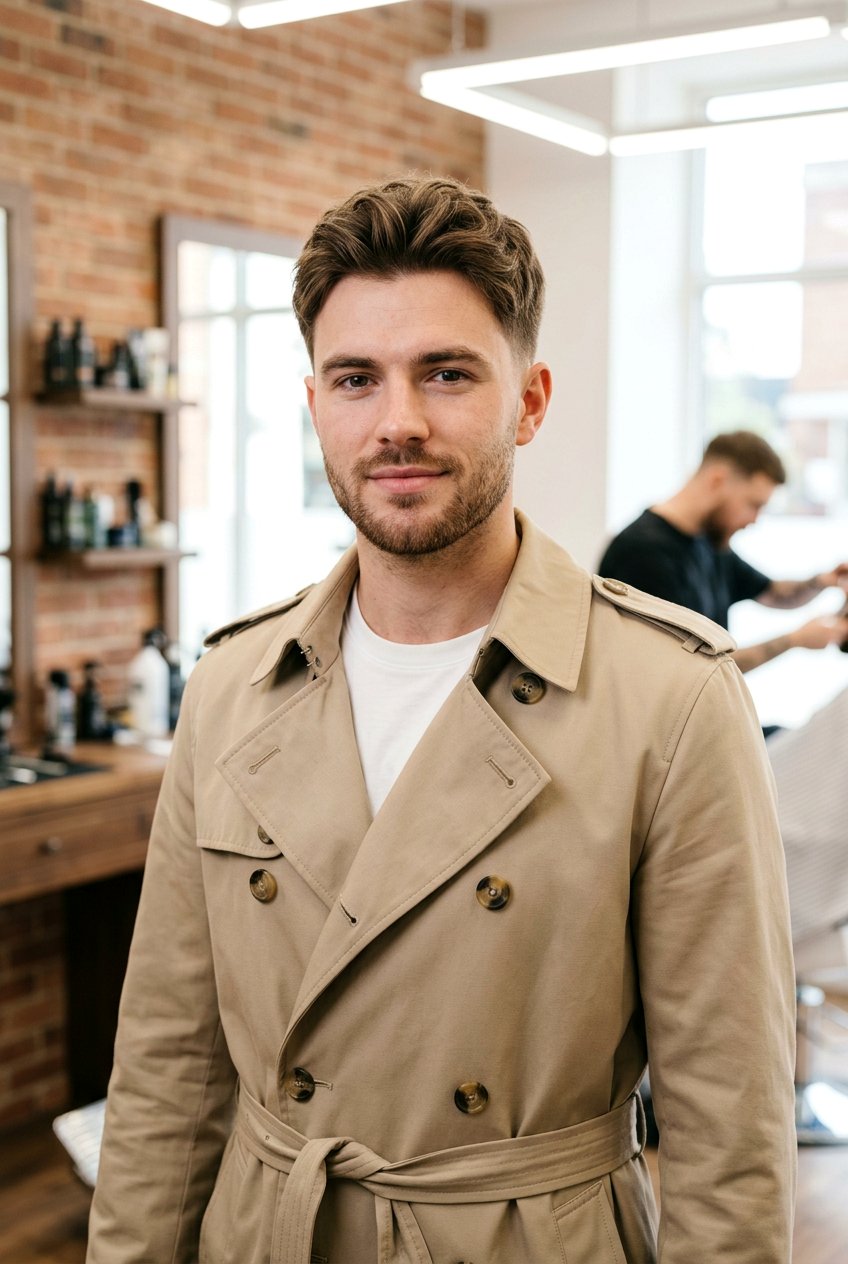
A scissor cut taper is a more traditional, “old-school” approach where no clippers are used at all. By using only scissors, the barber can follow the natural growth patterns of fine straight hair more accurately, ensuring the cut lays perfectly against the head. This method often results in a softer, more natural finish that avoids the harsh lines of a clipper fade. It is ideal for men who prefer a conservative, classic look that feels more “tailored” to their specific head shape. The gradual transition from the ears to the top provides a subtle, sophisticated silhouette that never goes out of style.



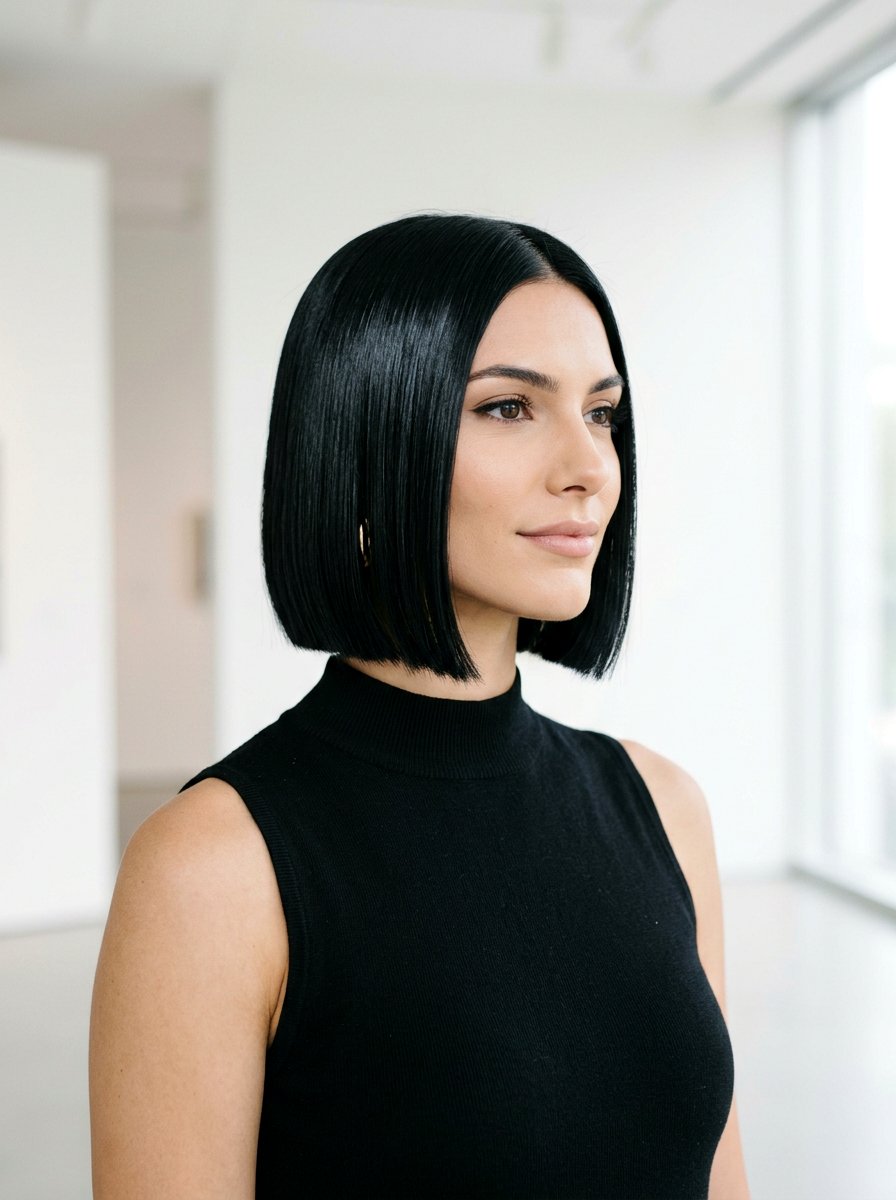

16. Butch Cut
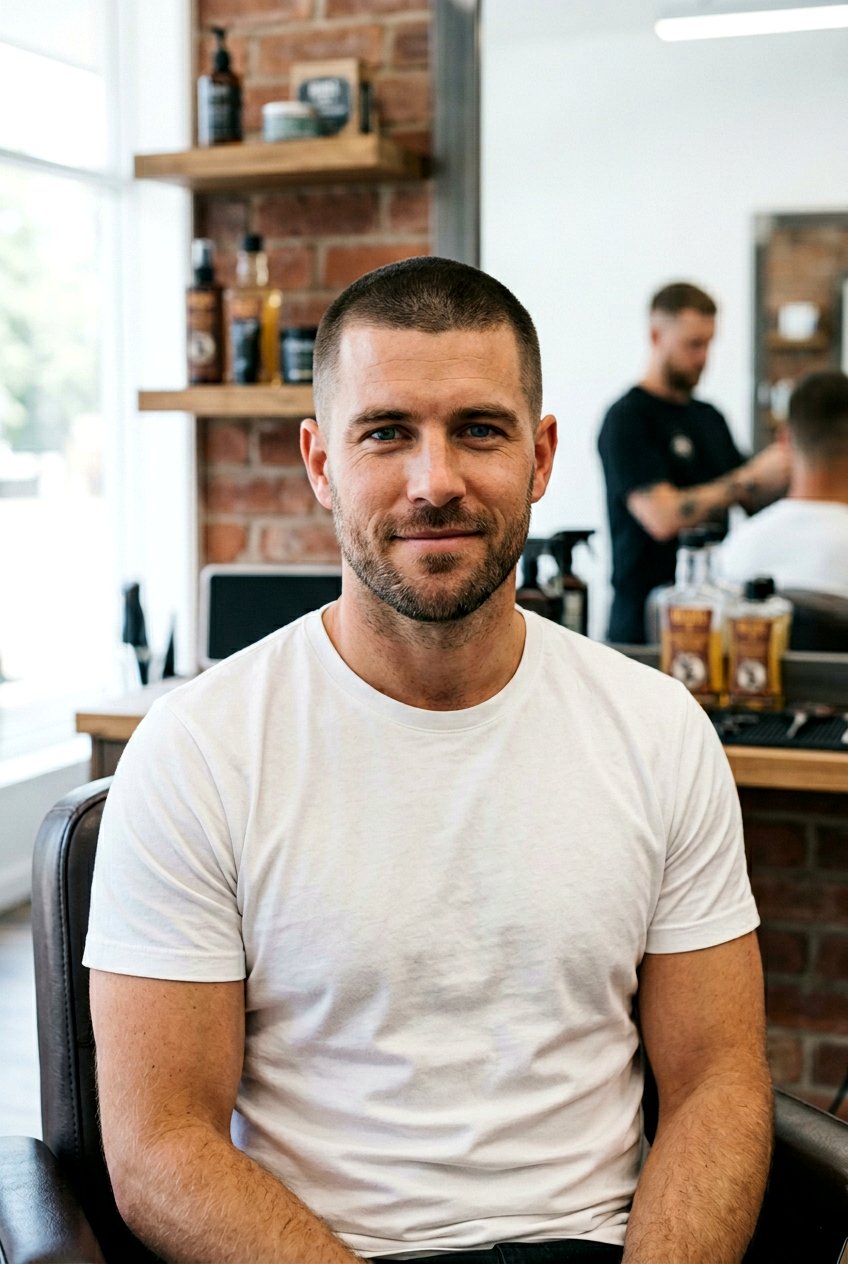
The butch cut is a uniform, short buzz where the hair is cut to the same length all over, usually with a #3 or #4 guard. For men with straight hair that is fine but still relatively dense, this cut provides a very thick, “carpet-like” appearance. It is slightly longer than a standard buzz cut, which allows the hair to show more color and texture while remaining incredibly easy to manage. Because the hair is short, it stands straight up on its own, naturally creating a sense of volume across the entire scalp. It is a no-nonsense, functional style favored by athletes and outdoor enthusiasts.
17. Flat Top

The flat top is a vintage-inspired look that requires straight hair to work effectively. The hair on top is cut to stand vertically and is then leveled off to create a flat horizontal surface. For fine hair, this style works best when the hair is kept relatively short so the strands have enough strength to stand upright without leaning. A high-hold wax or “butch wax” is used to provide the necessary stiffness. This haircut is very structural and masculine, offering a unique silhouette that stands out in a crowd. It is a great way to add height for men with rounder face shapes.
18. Faux Hawk

The faux hawk is a more approachable version of the mohawk that keeps the sides short (but not shaved) and pushes the hair on top toward the center. This creates a “peak” that adds significant height and makes the hair look much denser at the midline. Because straight hair is easy to direct, you can quickly style a faux hawk with just a bit of strong-hold gel or fiber. The upward and inward movement of the hair hides the scalp effectively and provides a sharp, energetic look. It is a fun, versatile style that can be “dressed down” by simply combing the hair forward.
19. Disconnected Quiff
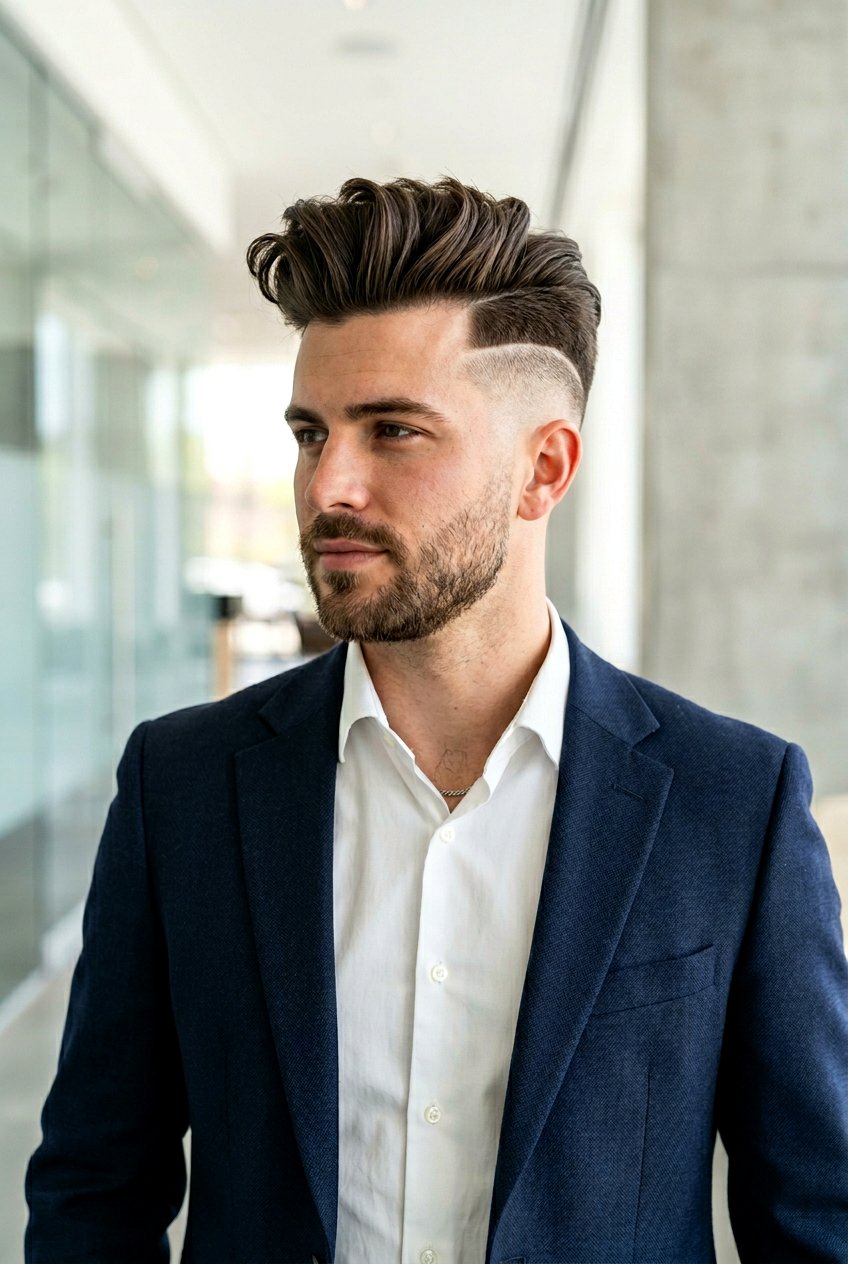
A disconnected quiff features a sharp break between the long hair on top and the very short sides, with no blending in between. This “disconnection” is a powerful tool for fine hair because it creates a dramatic visual contrast that makes the top section pop. The quiff is then styled upward and slightly to the side, adding volume right where most men need it. This style is perfect for those who want a high-impact look that feels modern and architectural. It works best on men with straight hair because the clean lines of the cut are easily visible.
20. Surfer Style

The surfer style is a medium-length look that embraces a bit of messiness and “sun-kissed” texture. For men with fine straight hair, this style is achieved by getting long, shaggy layers that allow the hair to move freely. Instead of fighting the hair’s tendency to be thin, this look uses that lightness to create a breezy, effortless vibe. Using a sea salt spray is non-negotiable for this style; it adds the “crunch” and volume needed to prevent the hair from looking like a flat mop. It is a relaxed, casual choice that is perfect for younger men or those in creative fields.
Conclusion:
Choosing the right haircut is the most effective way to manage and enhance fine straight hair. By moving away from long, heavy styles and embracing texture, fades, and strategic layering, any man can achieve a look that feels full and stylish. The twenty haircuts discussed offer a wide range of options, from the extreme low maintenance of a buzz cut to the high-volume impact of a tapered pompadour. Remember that the right styling products—like lightweight clays, powders, and sea salt sprays—are your best friends in the fight against flatness. Consult with a skilled barber to find which of these styles best suits your face shape and daily lifestyle.
You'll Like These Styles:








Leave a Reply