
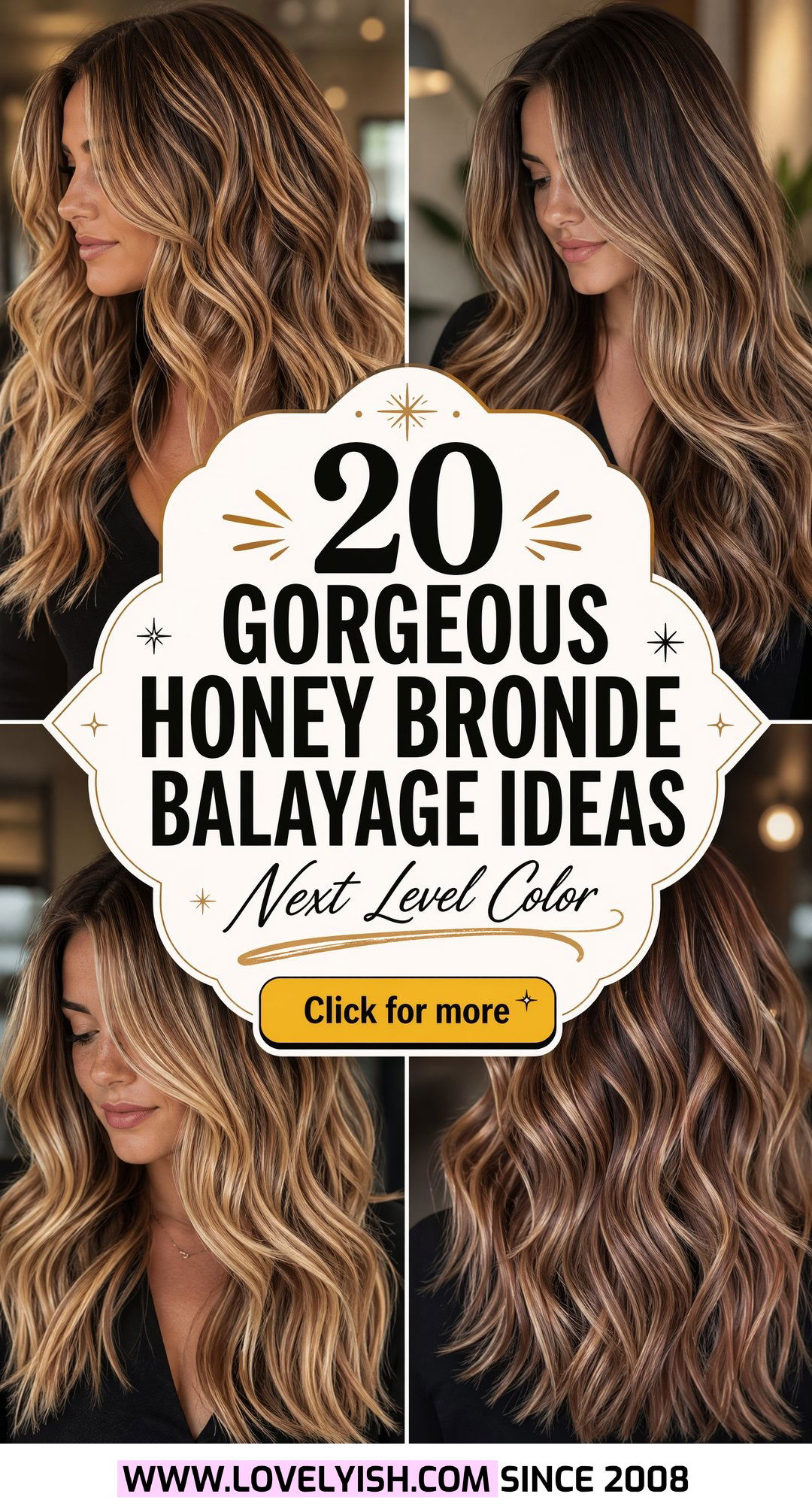
Honey bronde balayage has become one of those hair colors that looks expensive but still feels easy to wear day to day. This shade blends warm honey blonde highlights with a deeper brunette base, so the overall effect is soft, sun-kissed, and very natural. It works especially well if you want dimension and brightness without constant root touch-ups, because the balayage placement keeps the roots softer and more lived-in. The color sits between blonde and brown, so it flatters many skin tones and eye colors when the warmth is adjusted correctly. Whether your hair is long, medium, straight, or wavy, honey bronde balayage can be customized through placement, contrast, and tone depth to match your features and your lifestyle.
1. Classic Honey Bronde Balayage
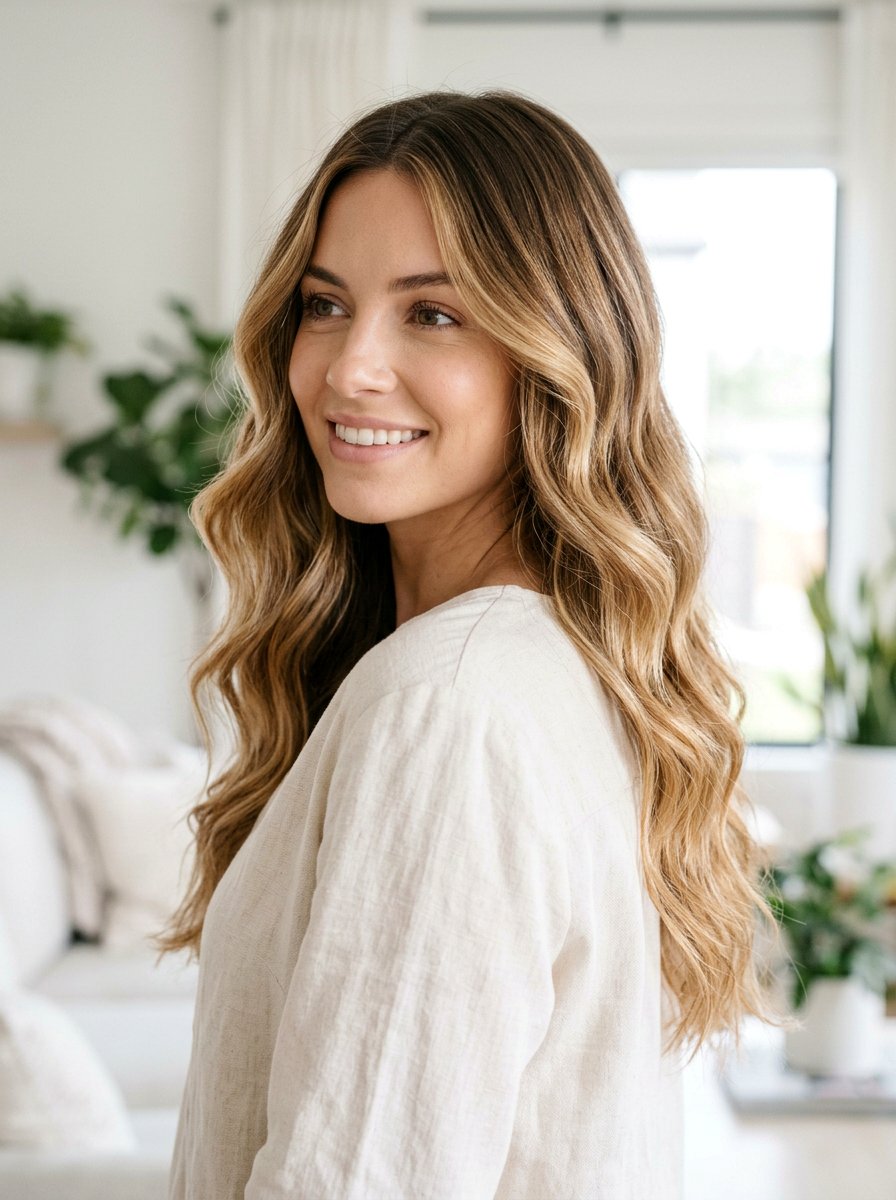
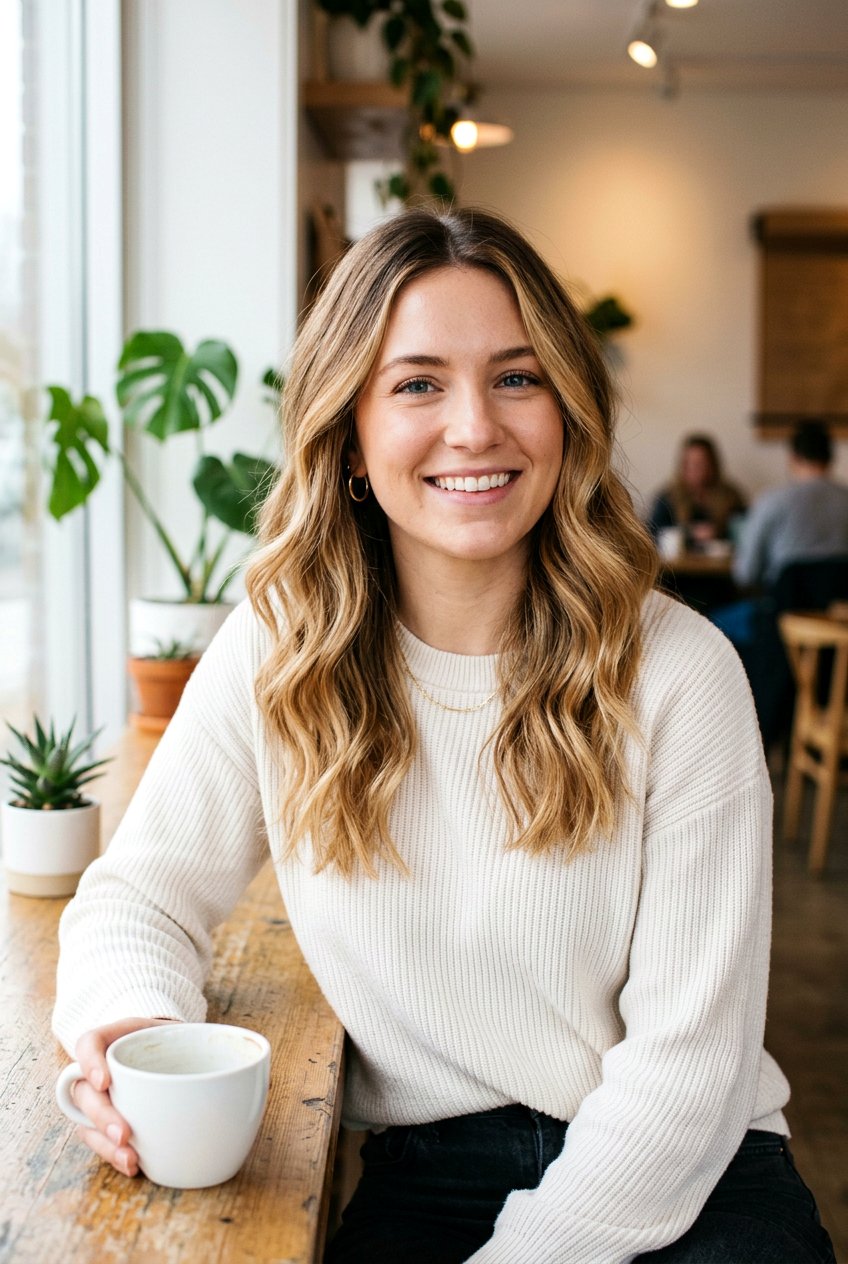
The classic honey bronde balayage look focuses on a natural brunette base that melts into soft honey ribbons from mid-lengths to ends. The roots stay a couple of levels deeper, so you keep that grounded, low-maintenance feel while the lighter pieces frame your face and brighten your complexion. This version works best when the highlights are painted in a sweeping, diagonal motion, which helps the color blend without harsh lines or stripes. Ask your colorist for a soft gradient rather than heavy foiling so your hair moves and reflects light in a subtle way. It is a great choice if you are going from darker hair and want to ease into lighter tones without a full blonde commitment. The result is a sun-touched, wearable color you can grow out comfortably.
2. Soft Honey Bronde Balayage For Brunettes
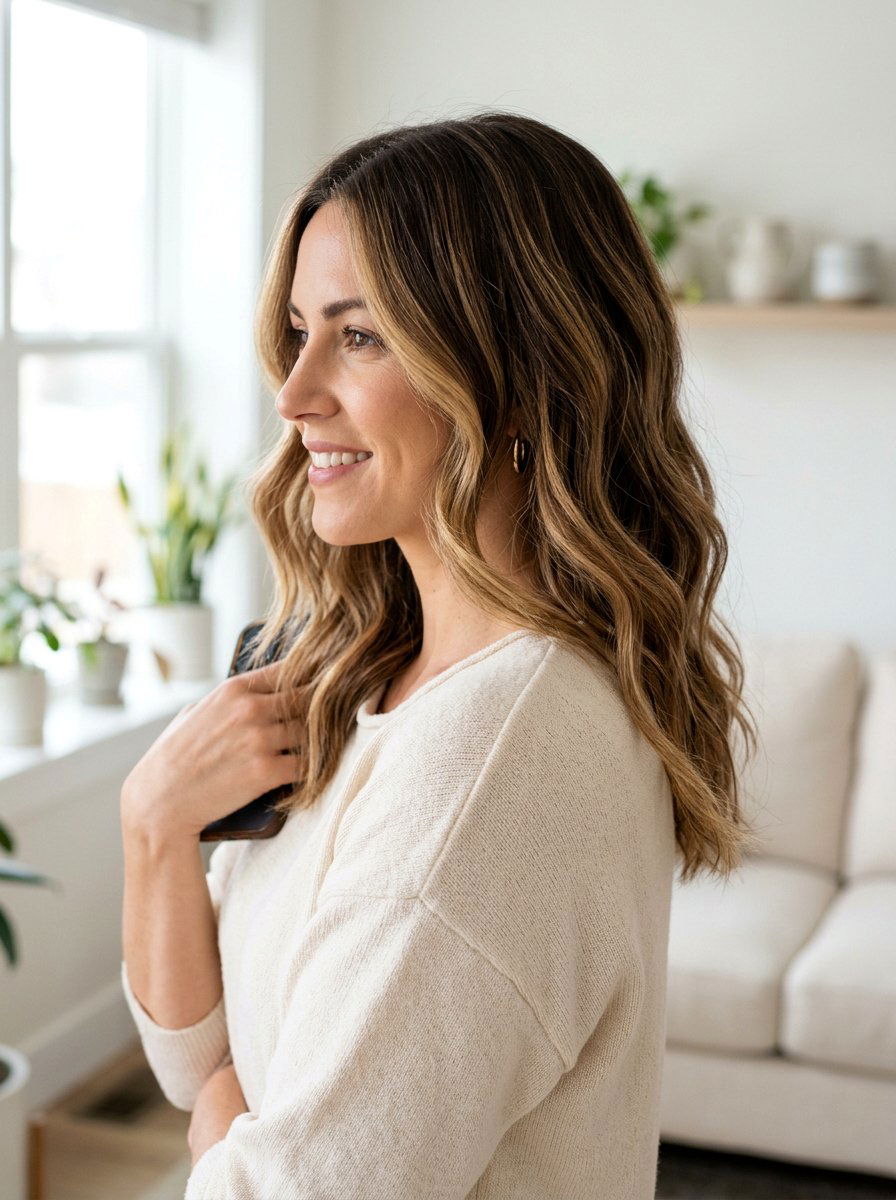
When you already have naturally rich brown hair, a soft honey bronde balayage is a gentle way to bring light and dimension without losing your brunette identity. The idea is to keep the base shade very close to your natural color and weave in fine honey and caramel pieces through the mid-lengths and ends. This creates movement and a subtle glow rather than a dramatic contrast, which is perfect if you work in a more conservative setting or prefer understated color. Focus the lightest pieces around the face and upper layers, leaving the underneath slightly deeper for depth. This placement helps your hair look thicker while still catching light. A soft honey bronde approach suits warm or neutral undertones especially well and can help camouflage early grays in a more blended way.
3. Honey Bronde Balayage On Dark Brown Hair
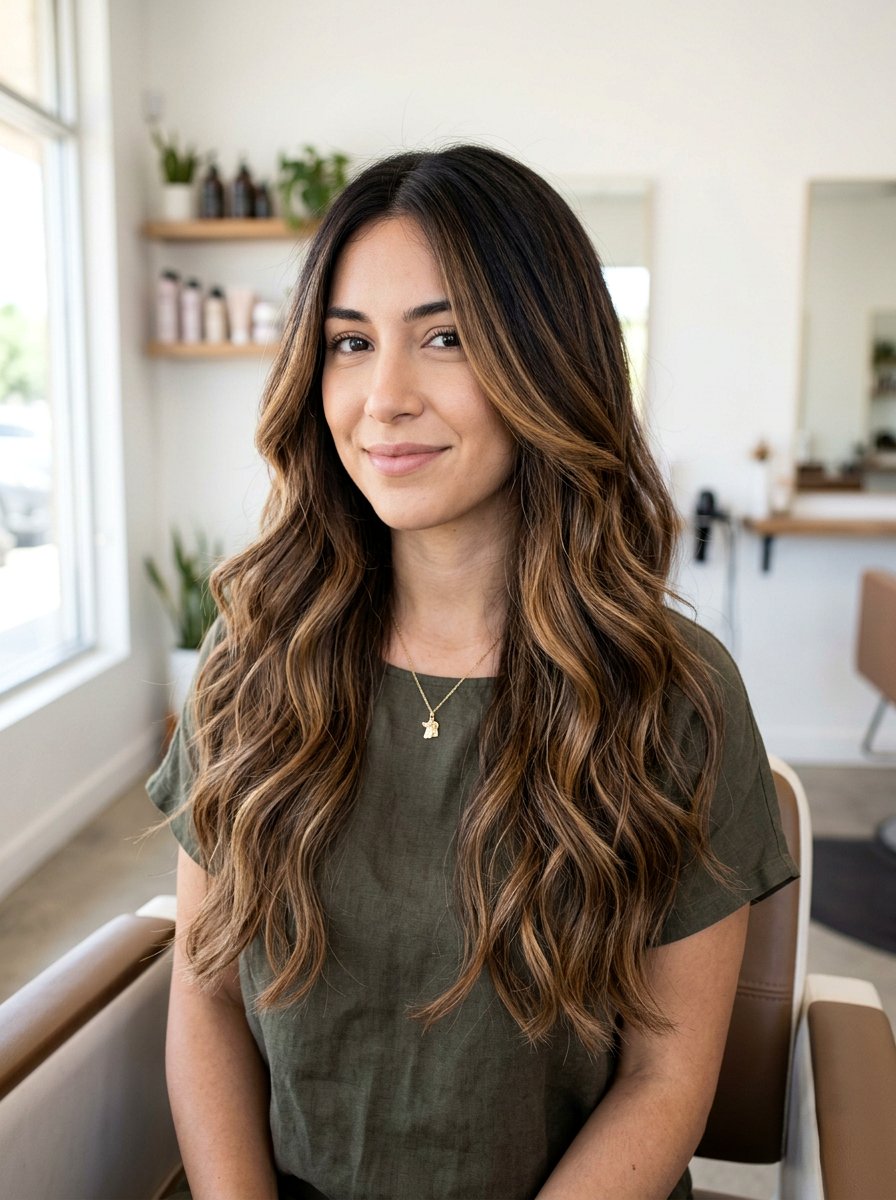
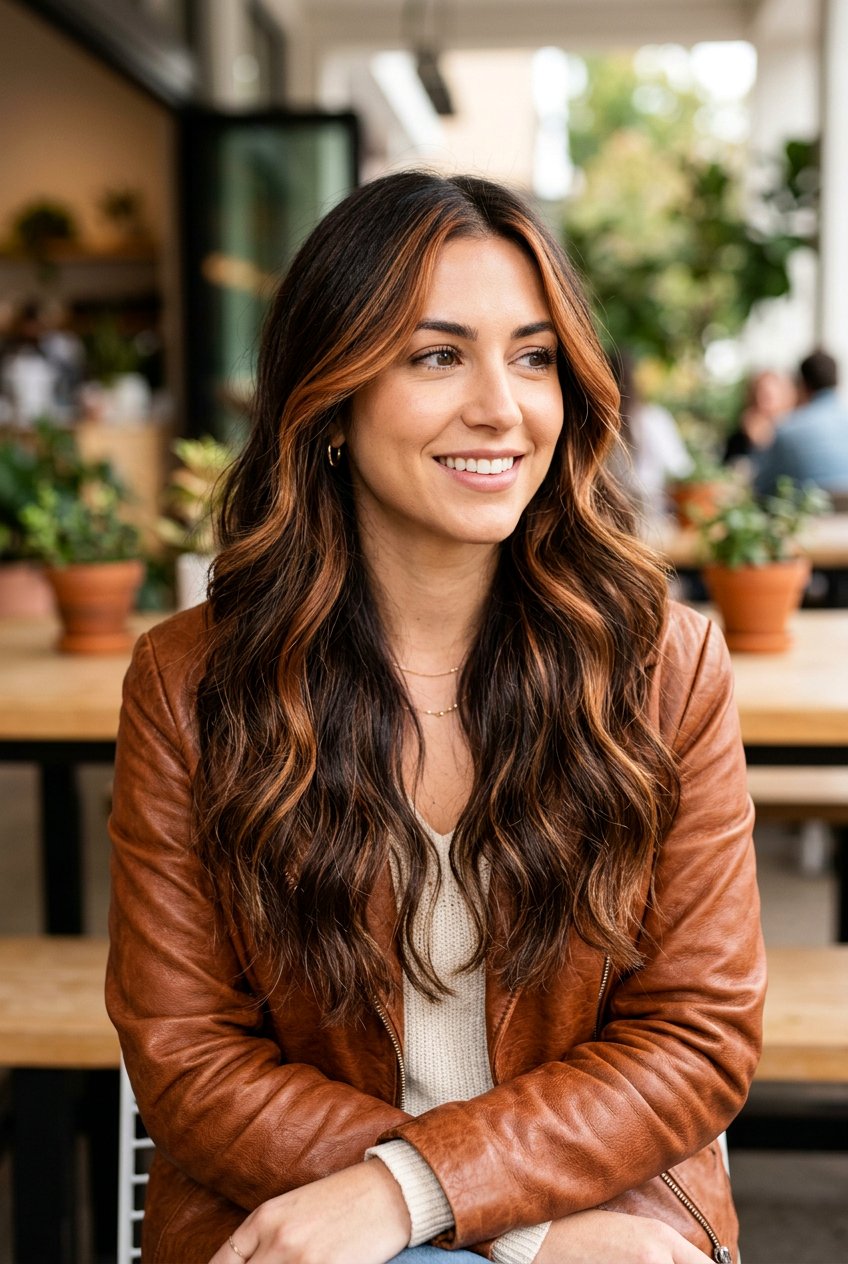
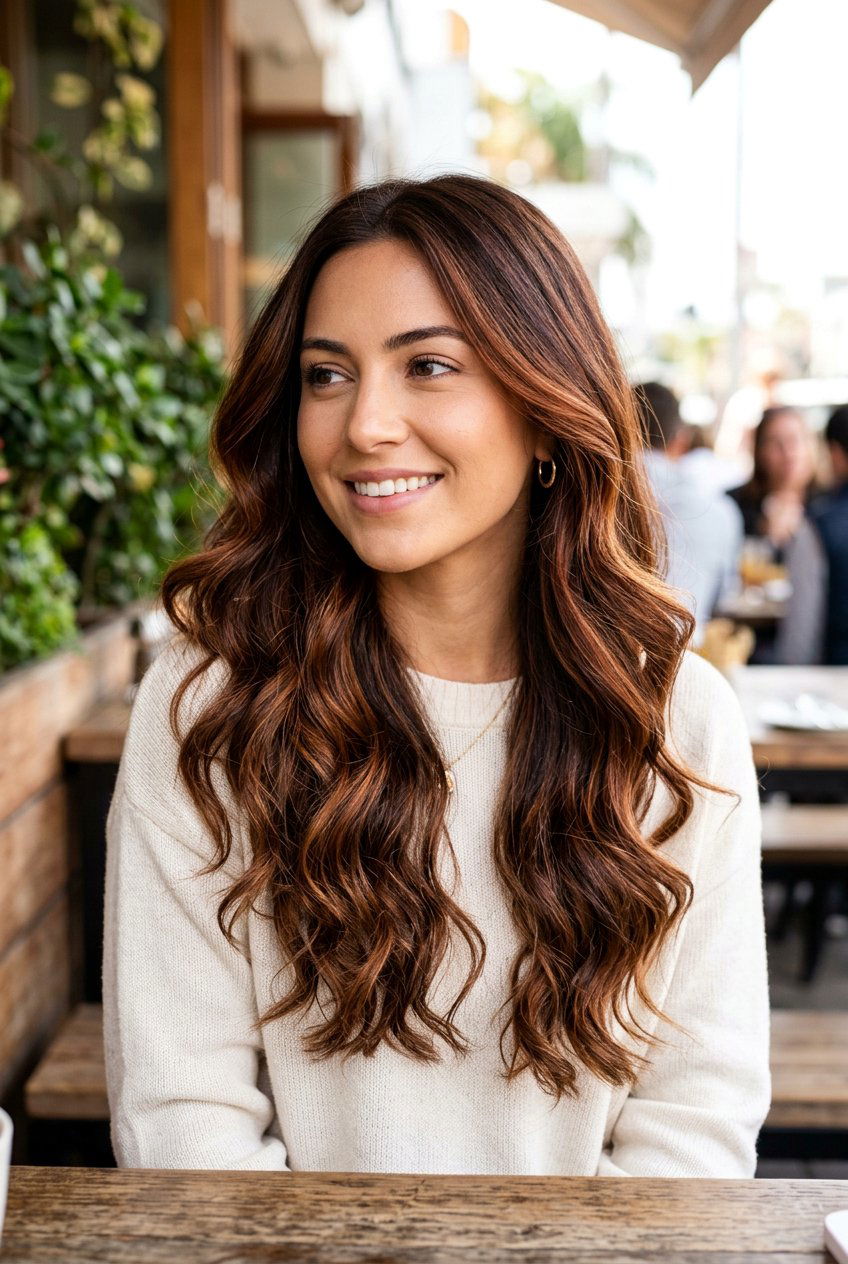
For naturally dark brown hair, honey bronde balayage delivers a striking yet still natural-looking contrast. The key is to lift the hair in stages so the honey tones stay rich and caramel-like, not too pale against the deep base. Your colorist will likely keep the roots and a portion of the mid-lengths dark, then place honey bronde highlights in thicker, ribbon-like sections that start lower and get lighter toward the ends. This pattern avoids harsh regrowth while still giving a noticeable brightening effect. It is especially flattering on wavy or textured hair because the lighter ribbons add definition to each bend or curl. With dark hair, regular toning is important to keep the honey hue from turning brassy, so plan on gloss appointments every few weeks to maintain the right balance.
4. Honey Bronde Balayage On Medium Length Hair
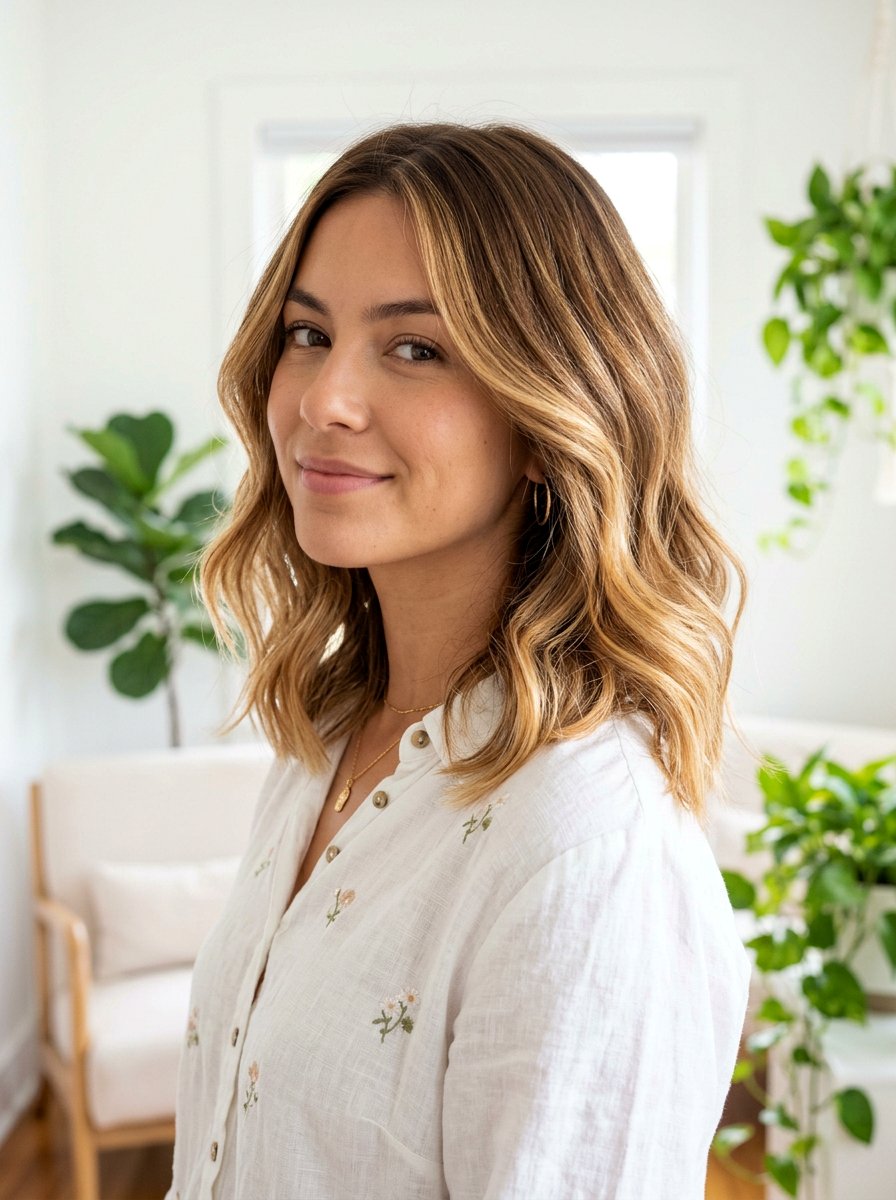
Medium length hair is perfect for honey bronde balayage because it is long enough to show off dimensional color but short enough to feel fresh and modern. When hair hits around the collarbone or just below the shoulders, placing honey ribbons through the outer layers creates a soft halo of brightness. Ask for a slightly deeper bronde tone near your roots and top layers, with lighter honey accents focused on the mid-lengths and the front pieces. This shape complements popular cuts like long bobs, shags, and layered lobs because the color highlights the movement in each layer. The medium length also makes maintenance easier, since you can trim away older, drier ends that have been lightened more often. Finish the look with loose waves or a smooth bend to showcase the subtle gradients in your hair.
5. Honey Bronde Balayage On Long Hair
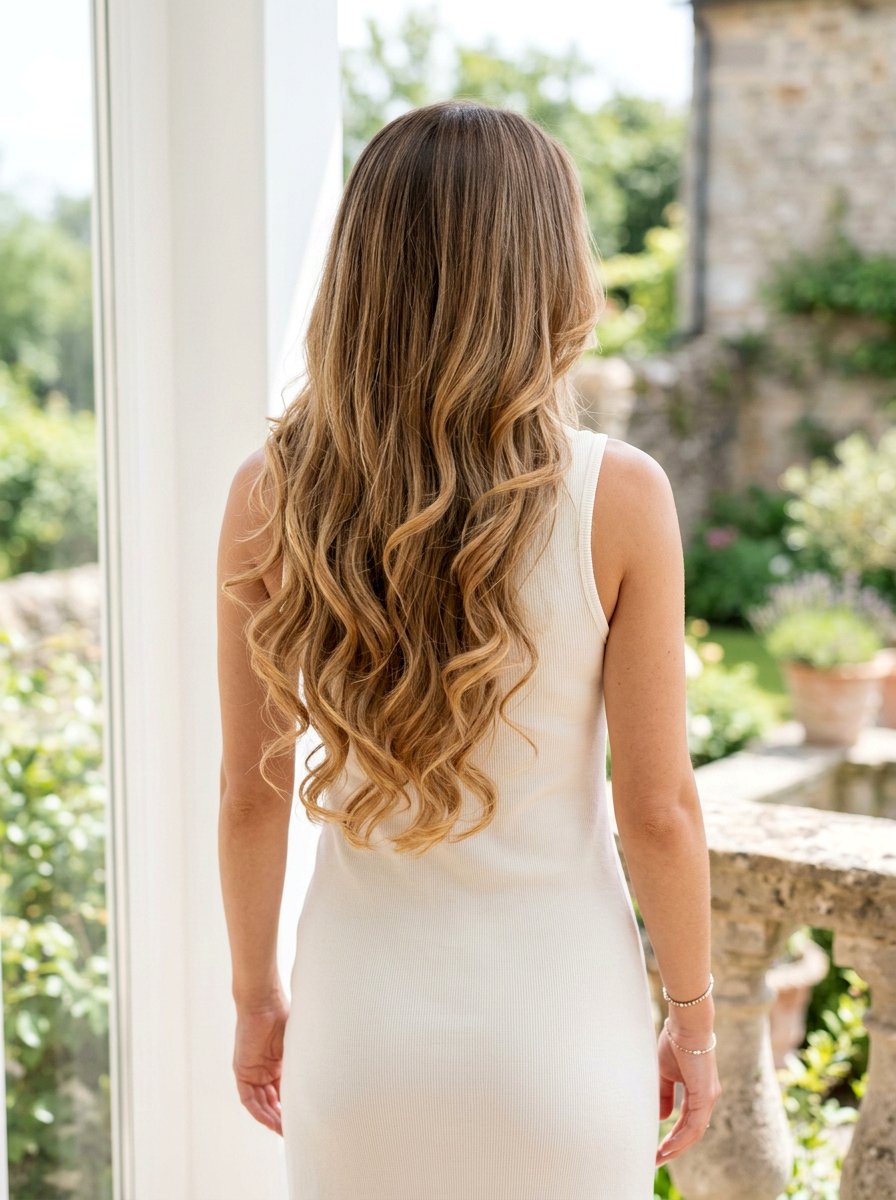
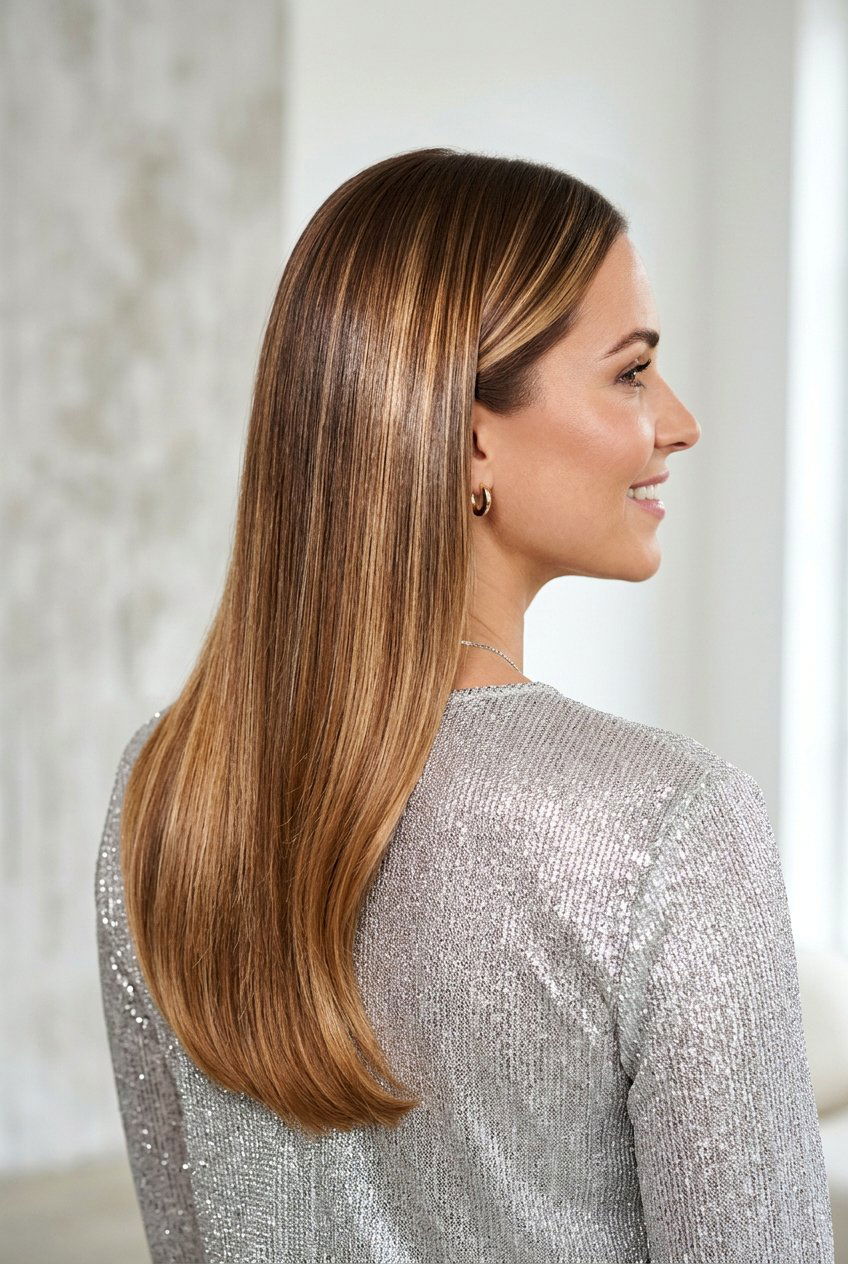
Long hair gives honey bronde balayage plenty of space to blend, shift, and show off beautiful gradients from roots to ends. With more length, your colorist can build depth near the crown, mid-level brightness through the middle, and concentrated honey tones toward the ends. This layered placement stops the color from looking flat or one-note, even when your hair is worn straight. If your hair is very thick, painting larger sections creates bold ribbons of honey that stand out against the bronde base, while finer sections will look softer and more diffused. Long honey bronde balayage also pairs well with face-framing layers, which can be lightened slightly more to brighten your features. Be sure to invest in hydrating masks and bond-repair products, since long, lightened ends are more prone to dryness over time.
6. Honey Bronde Balayage With Face Framing Highlights
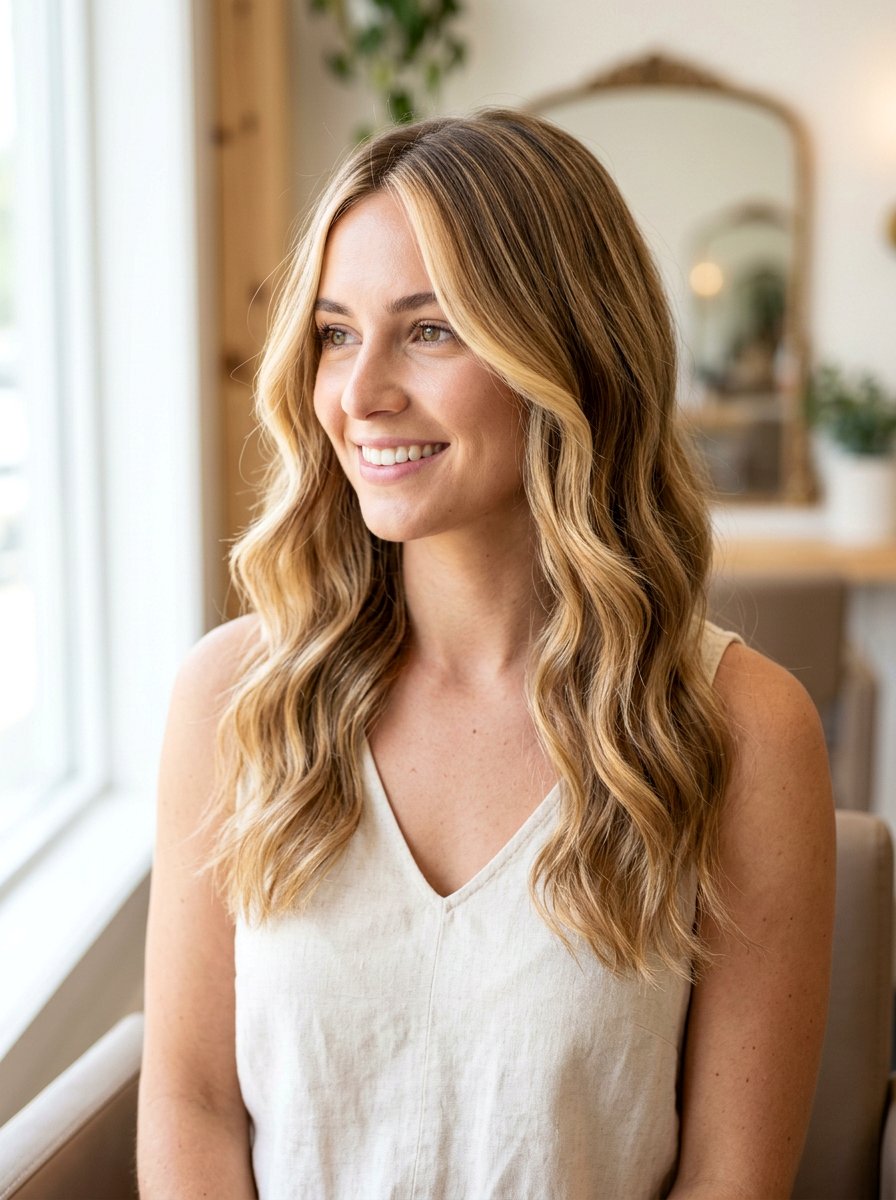
Face framing honey bronde balayage focuses the lightest, most radiant pieces around the front of your hair to highlight your eyes, cheekbones, and jawline. The rest of your hair can stay more softly blended, with subtle bronde and honey strokes, but the front sections get extra attention. This placement is ideal if you want maximum brightness without fully committing to heavy lightening through the back. Your colorist will typically start the highlights closer to the root near your hairline, then let them blend into the rest of your balayage as they move backwards. The effect is similar to a soft “money piece” but more diffused, keeping the overall look refined instead of high-contrast. It is especially flattering when styled with a center or soft side part, letting those light pieces frame your face beautifully.
7. Honey Bronde Balayage On Wavy Hair
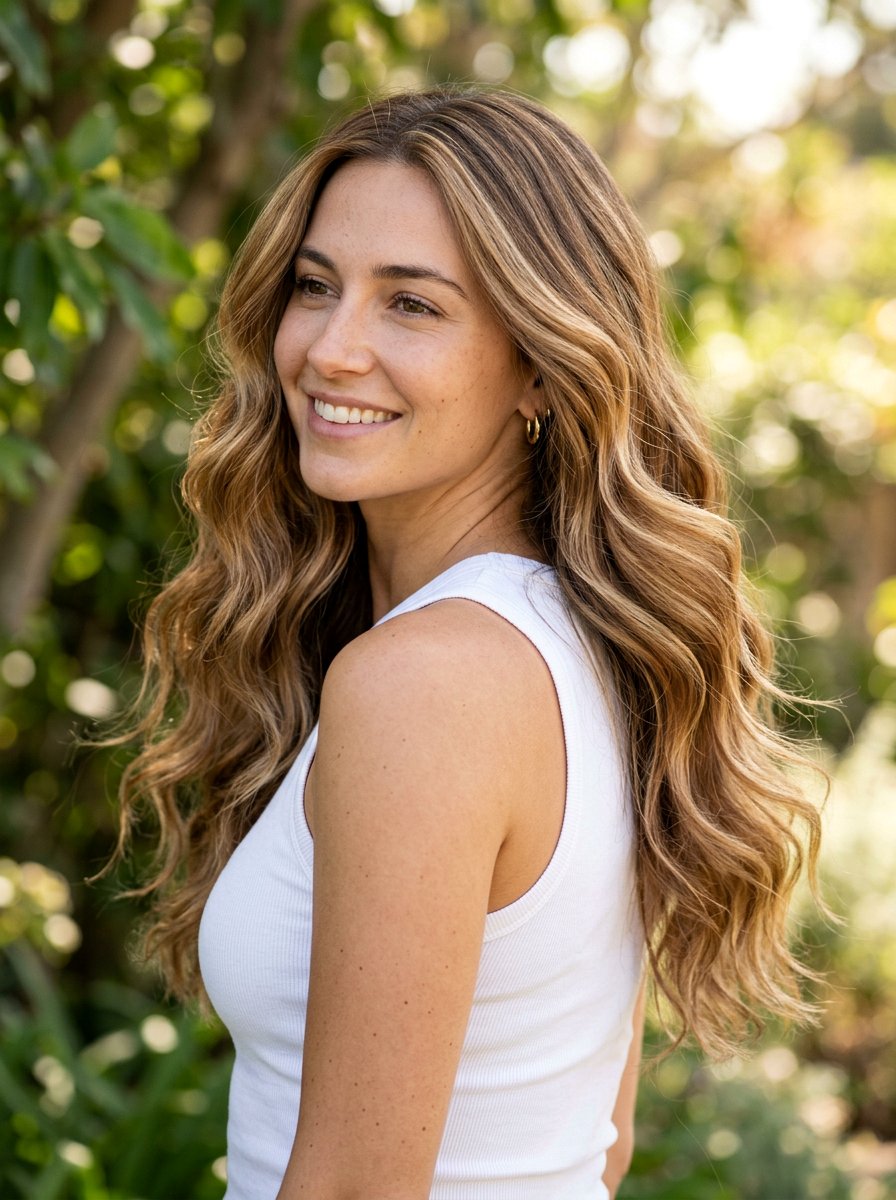
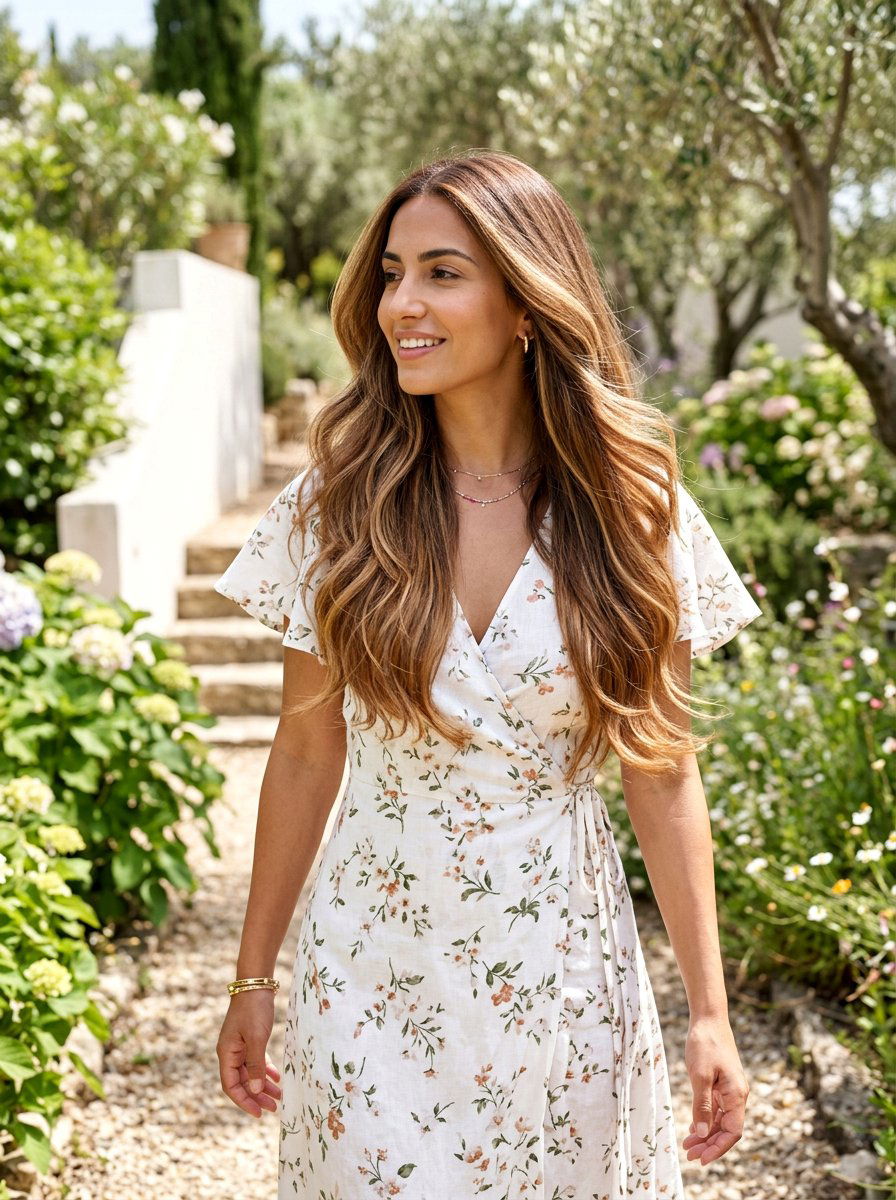
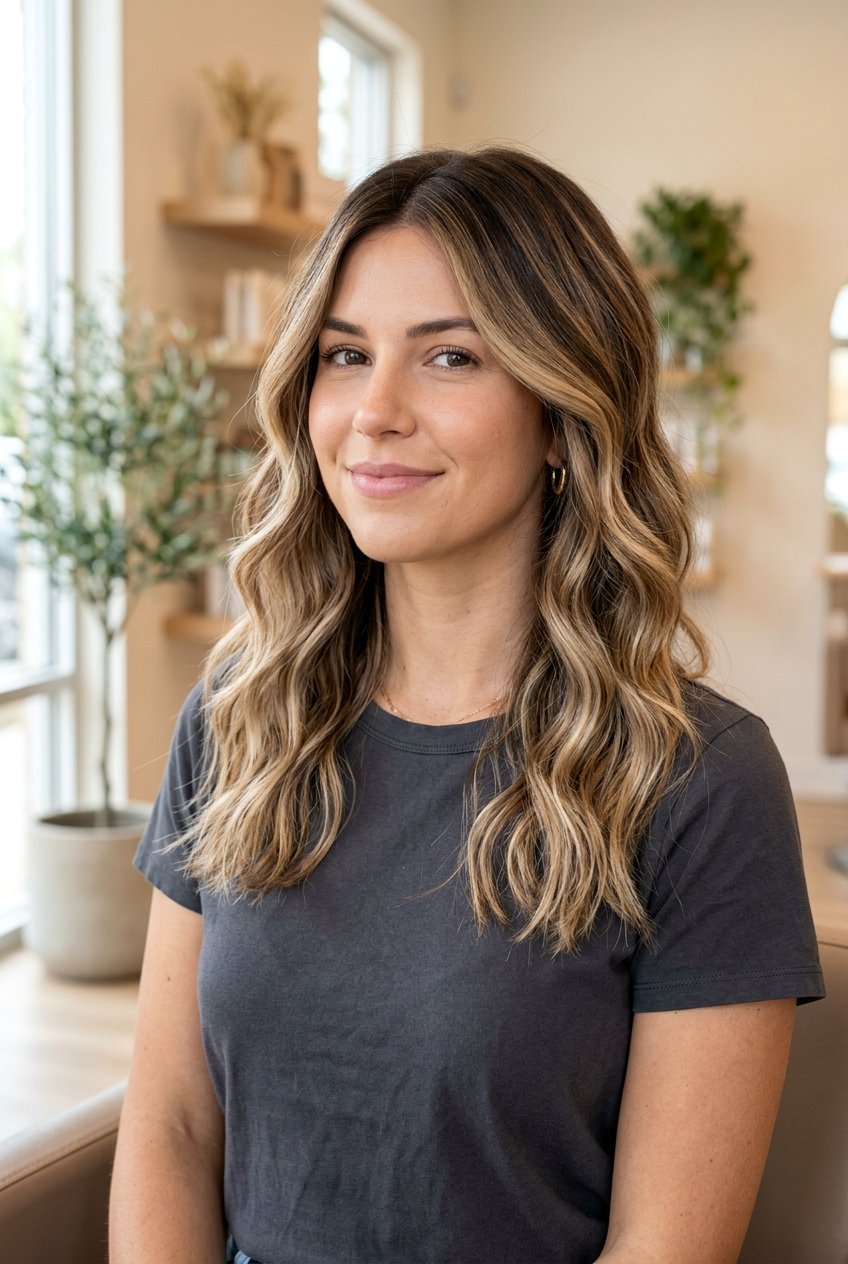
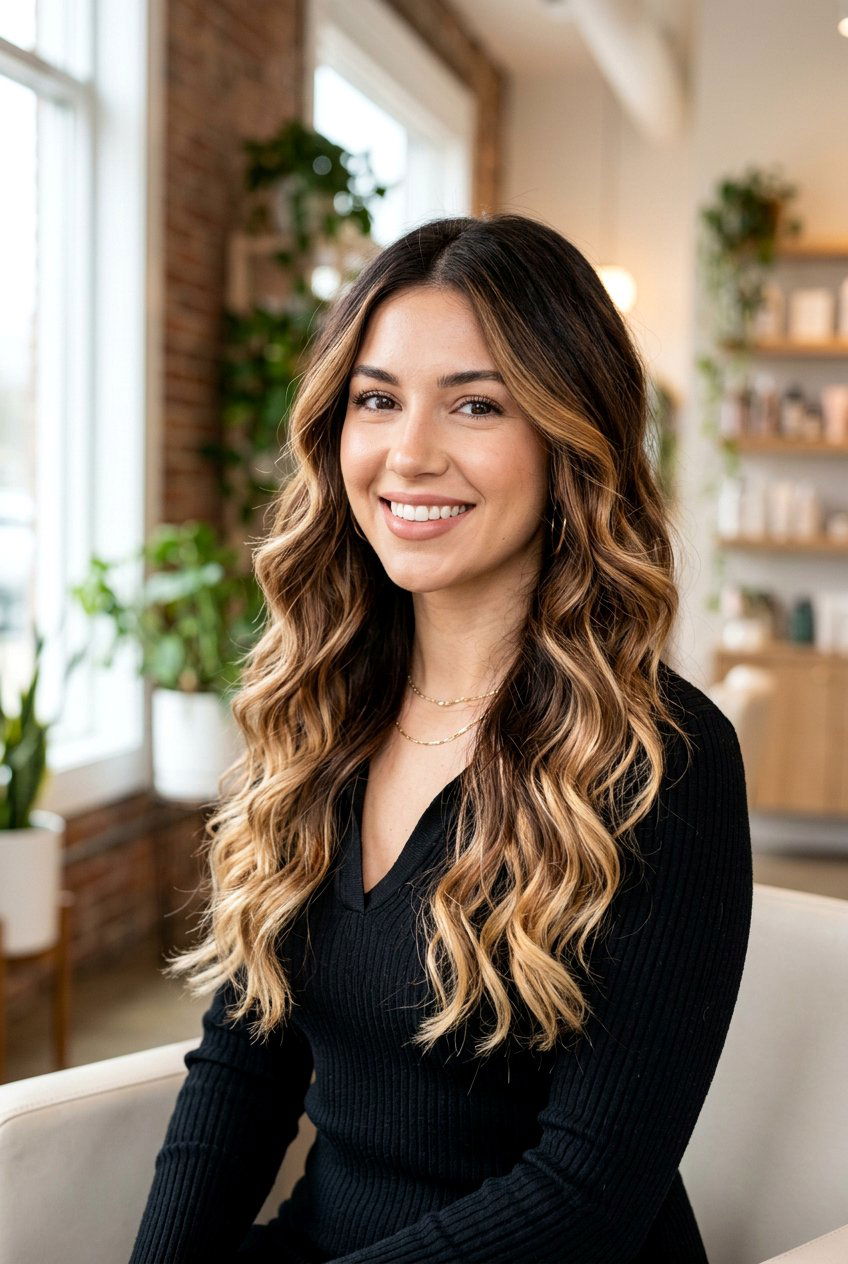
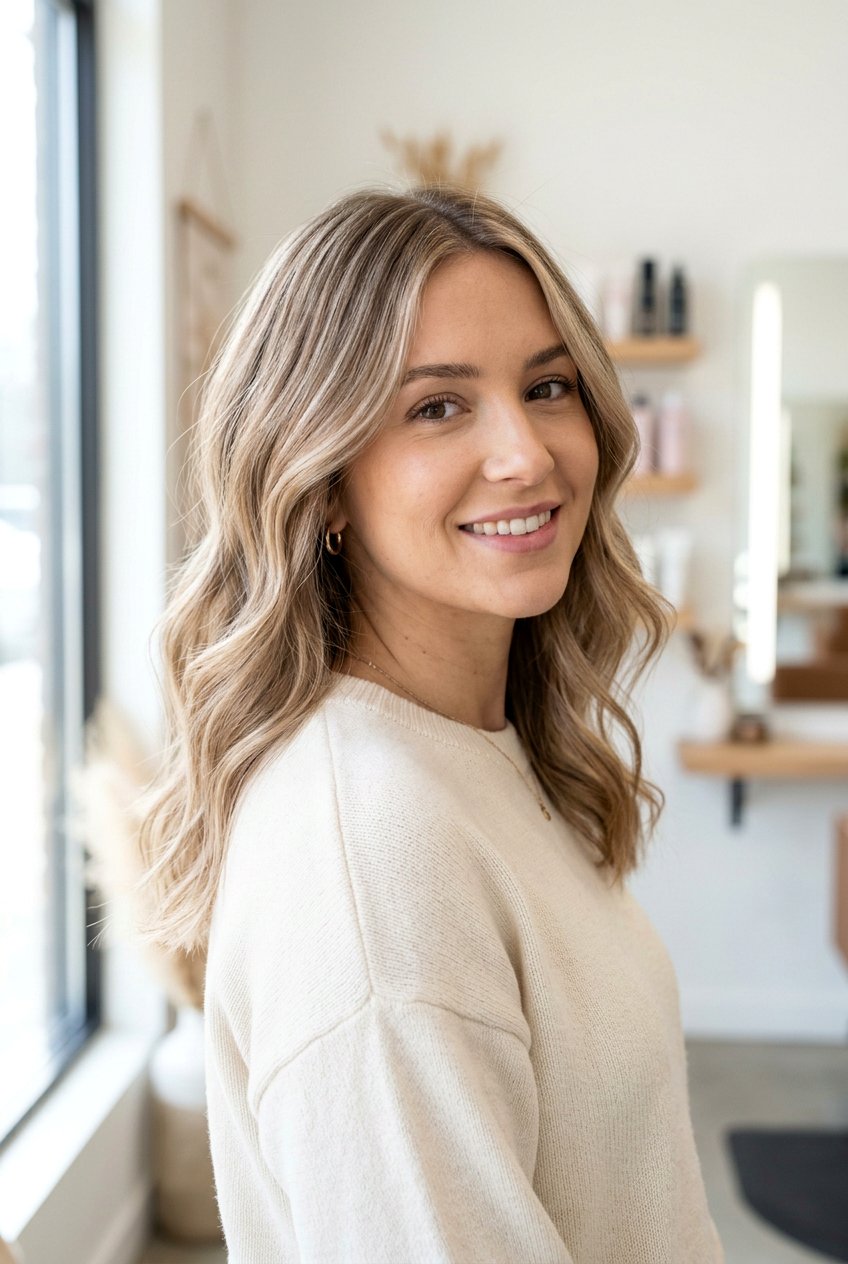
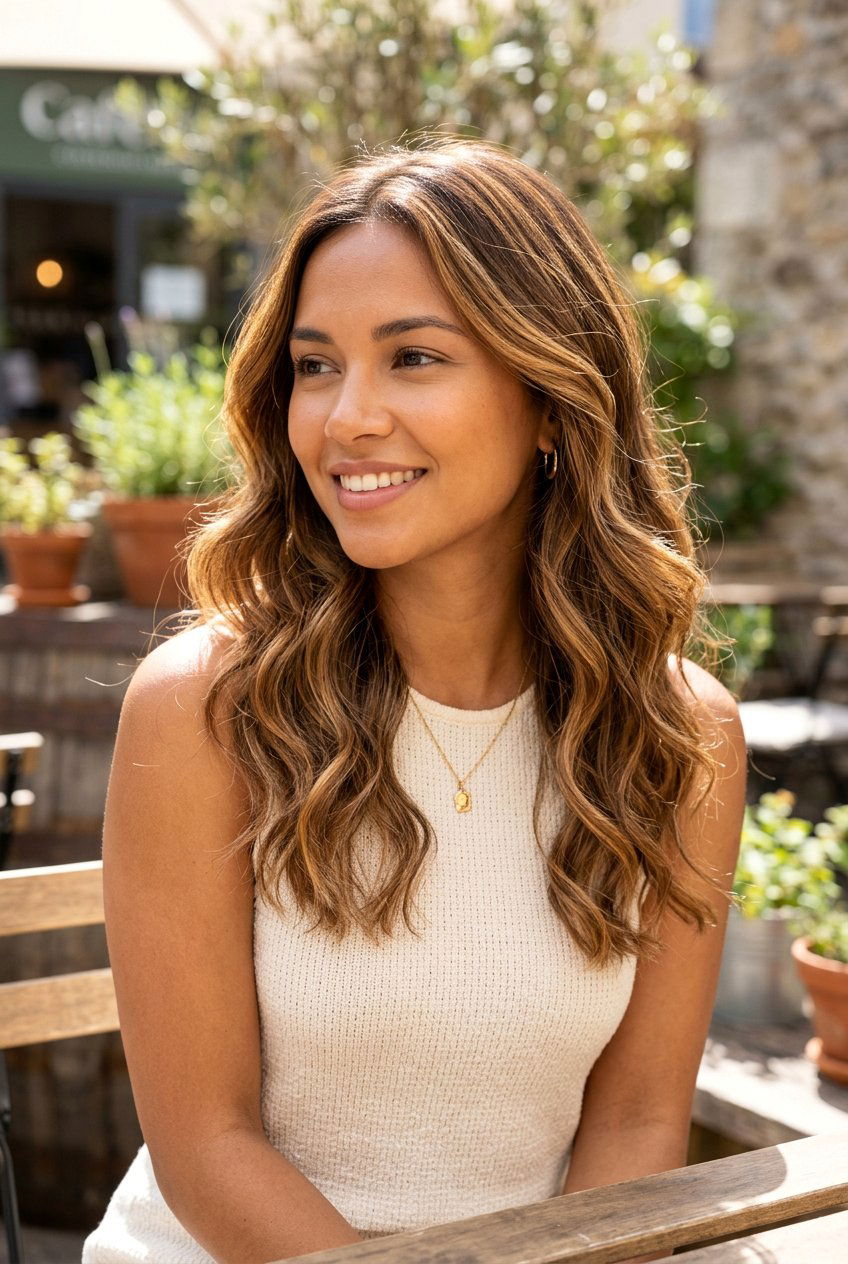
Natural or styled waves are a perfect match for honey bronde balayage because each curve in the hair shows off another flash of color. When the highlights are painted to follow the way your waves fall, you get a multi-dimensional pattern that looks sun-created rather than salon-made. The honey tones sit on the outer surface of the waves, making them appear fuller and more defined. On wavy hair, it is better to avoid harsh, straight lines of color, so ask your colorist for irregular, hand-painted strokes that wrap around the strands. This helps prevent any stripy effect once your hair is styled. To finish the look at home, use a light curl cream or sea salt spray to enhance your natural texture and let the honey bronde shades shimmer as the hair moves.
8. Honey Bronde Balayage On Straight Hair
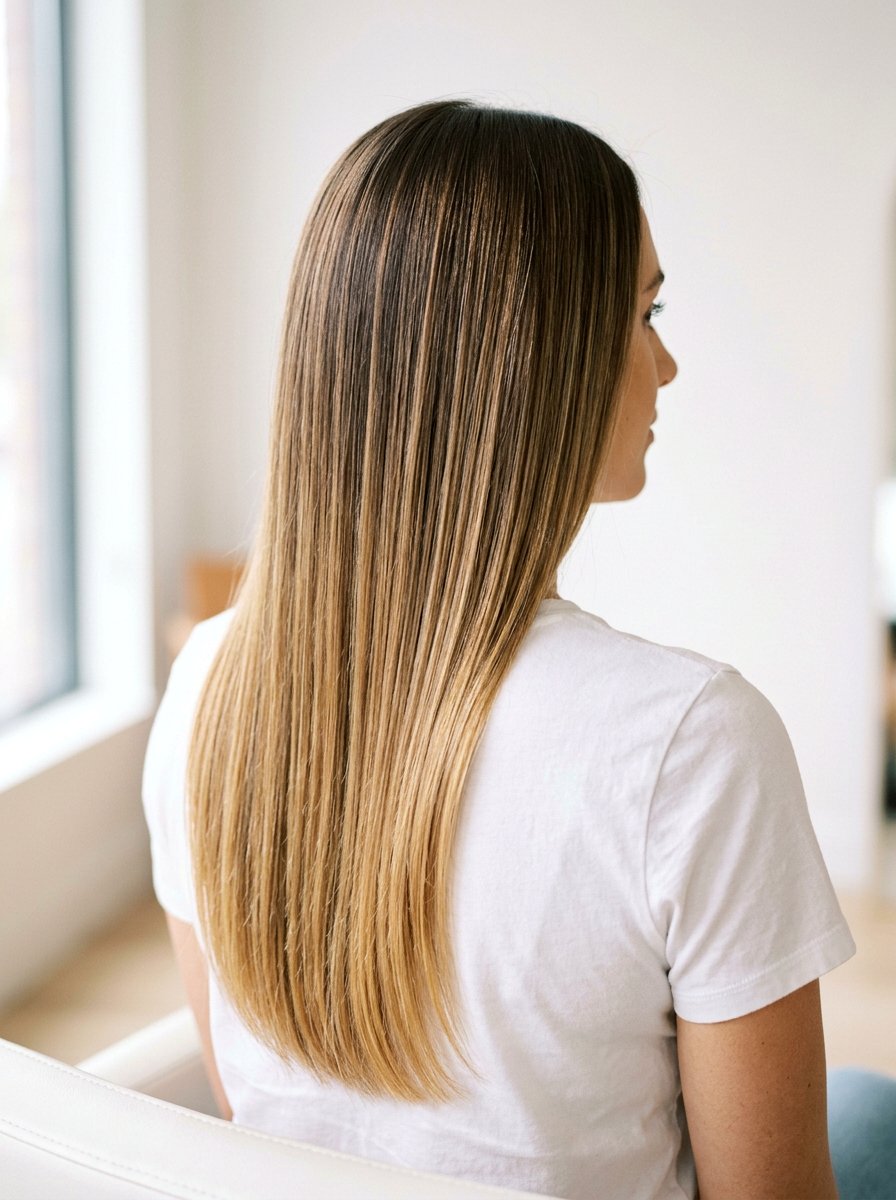
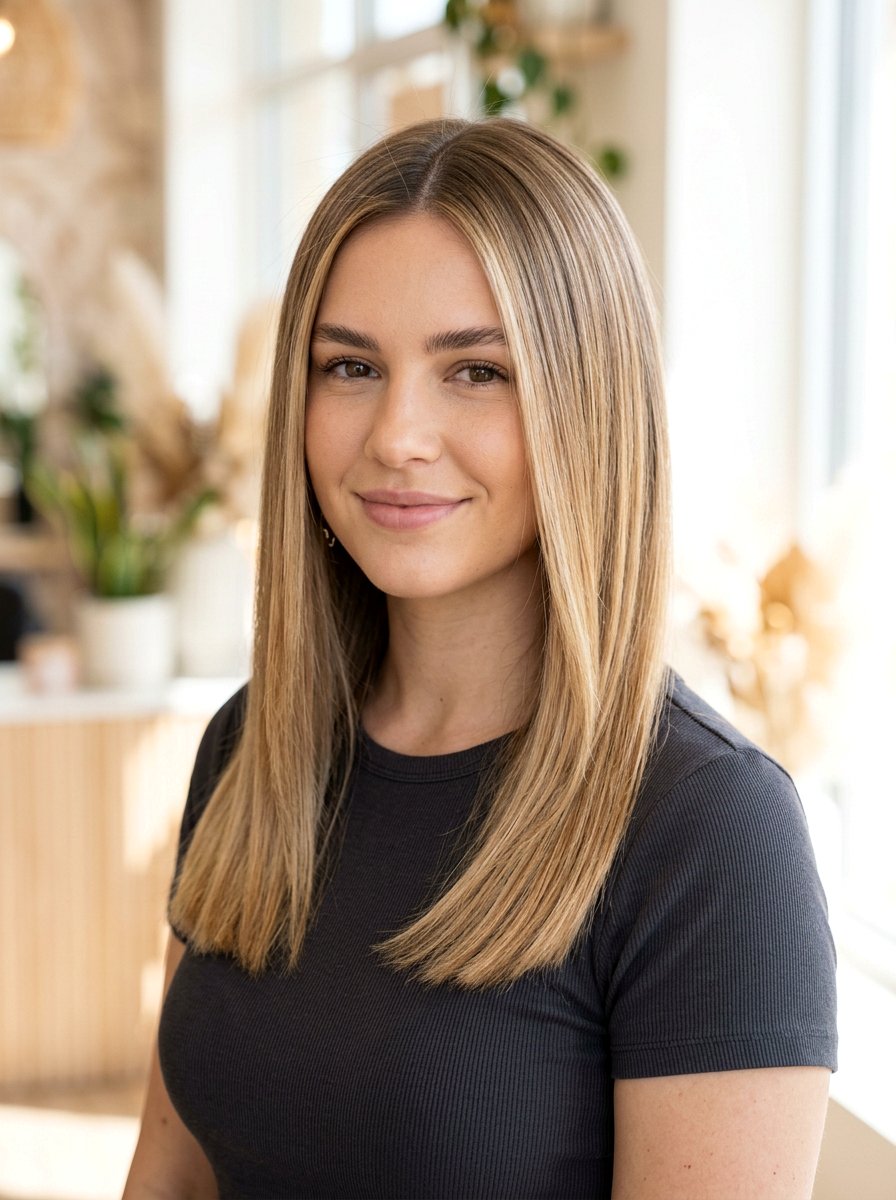
Straight hair can sometimes look flat with a single solid color, which is why honey bronde balayage is such a smart choice for this texture. The combination of darker roots and blended honey highlights adds depth and movement without you needing to rely on heavy styling each day. On straight hair, placement is everything, because any harsh line will show more clearly. Your colorist will typically paint the highlights in soft V or diagonal patterns so that, when your hair falls straight, the color looks like a gentle gradient. Thin, finely woven pieces often look more natural on straight hair than thick, blocky sections. When styling, a simple blowout or air-dry with a smoothing cream is enough to let the honey tones catch the light and bring life to your straight strands.
9. Honey Bronde Balayage For Warm Skin Tones
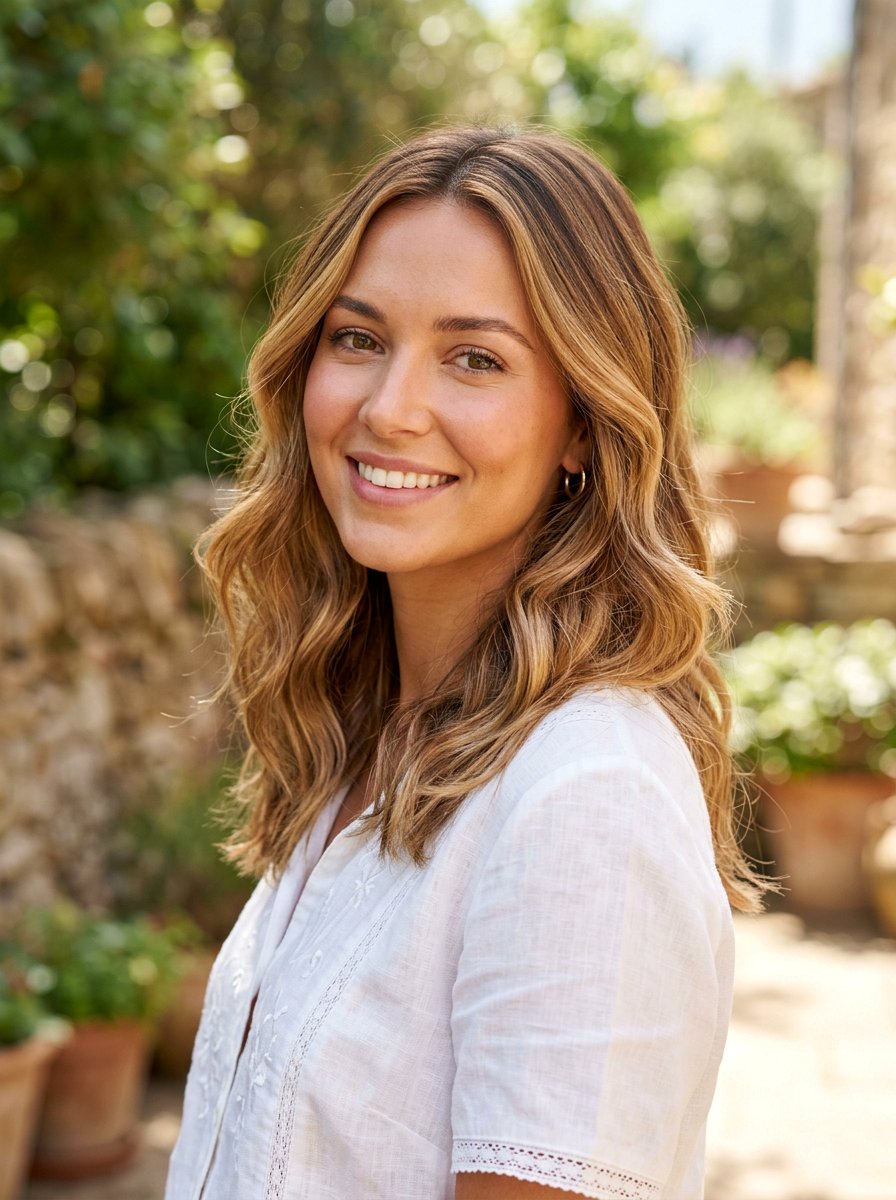
If you have warm skin tones with golden, peach, or olive undertones, honey bronde balayage can be tuned to echo that warmth in a flattering way. The goal is to choose honey shades that lean golden and caramel rather than too beige or ashy, so your complexion looks bright rather than dull. A medium bronde base with warm honey ribbons usually balances nicely against warm skin without creating too much contrast. Placing slightly lighter pieces around the face and in the top layers adds a sunlit effect that enhances your natural glow. You can also lean a little richer and deeper with the honey shade if your skin is deeper or more tan, as too light of a highlight may look artificial. The overall look should feel cohesive, like your hair color and skin tone belong in the same warm family.
10. Honey Bronde Balayage For Cool Skin Tones
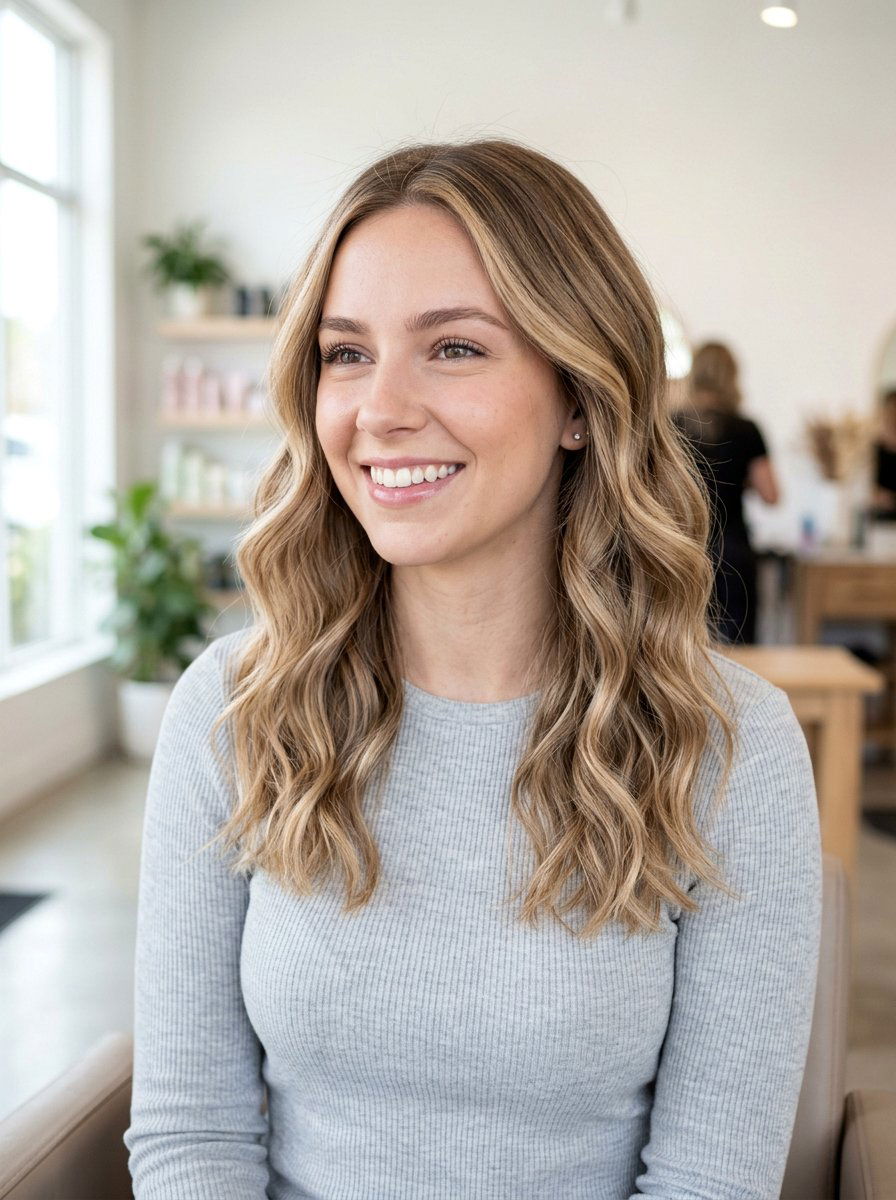
Cool skin tones, which often have pink, red, or neutral undertones, can still wear honey bronde balayage beautifully with the right adjustments. The main tweak is softening the warmth so the color does not pull overly orange or brassy against cooler complexions. A slightly ashed or beige bronde base paired with controlled honey highlights works best. Ask your colorist for honey shades that are more neutral-golden rather than straight gold, and consider adding a few cooler lowlights to balance the warmth. Toning is very important in this case, because a good gloss can fine-tune the hue and prevent your hair from competing with your skin. The result is a balanced, soft glow where your hair adds warmth to your look without overwhelming your natural undertone or making your skin appear flushed.
11. Honey Bronde Balayage With Curtain Bangs
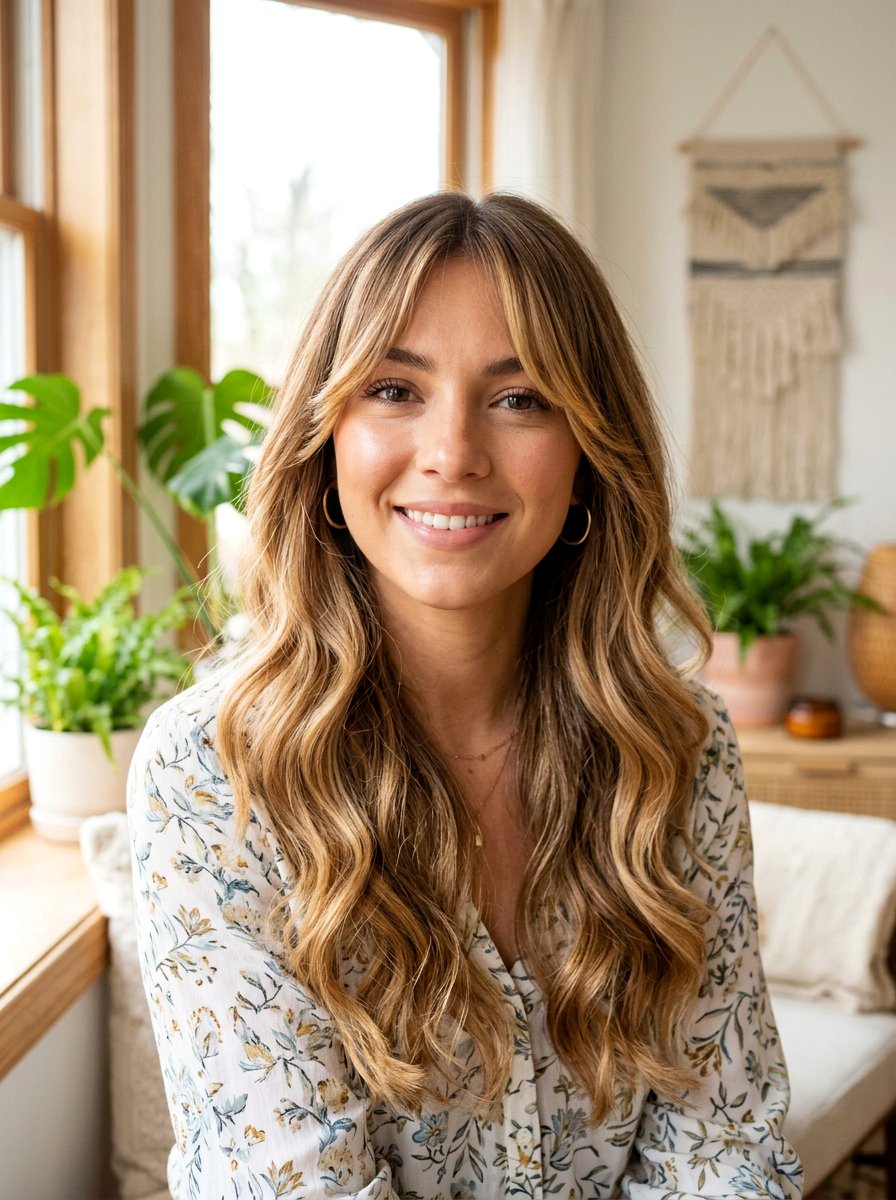
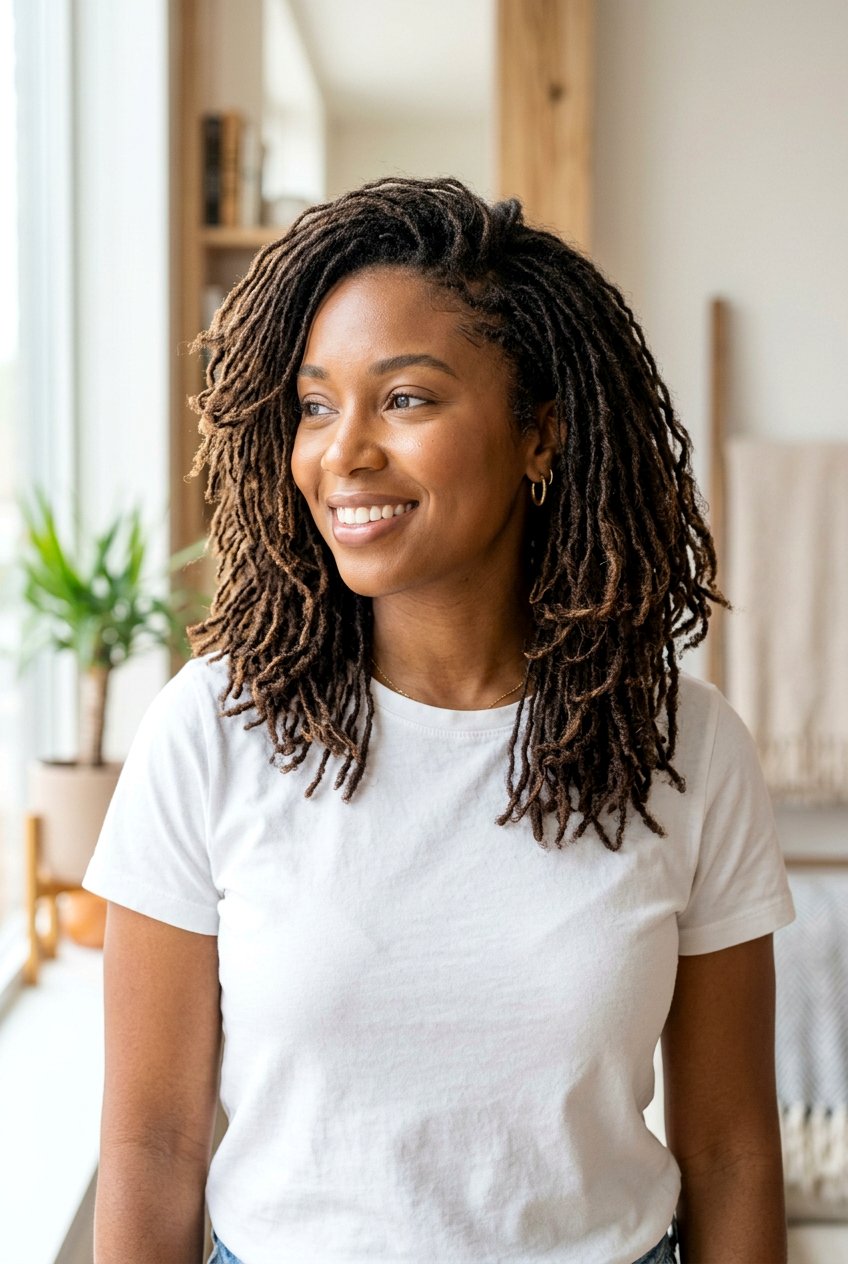
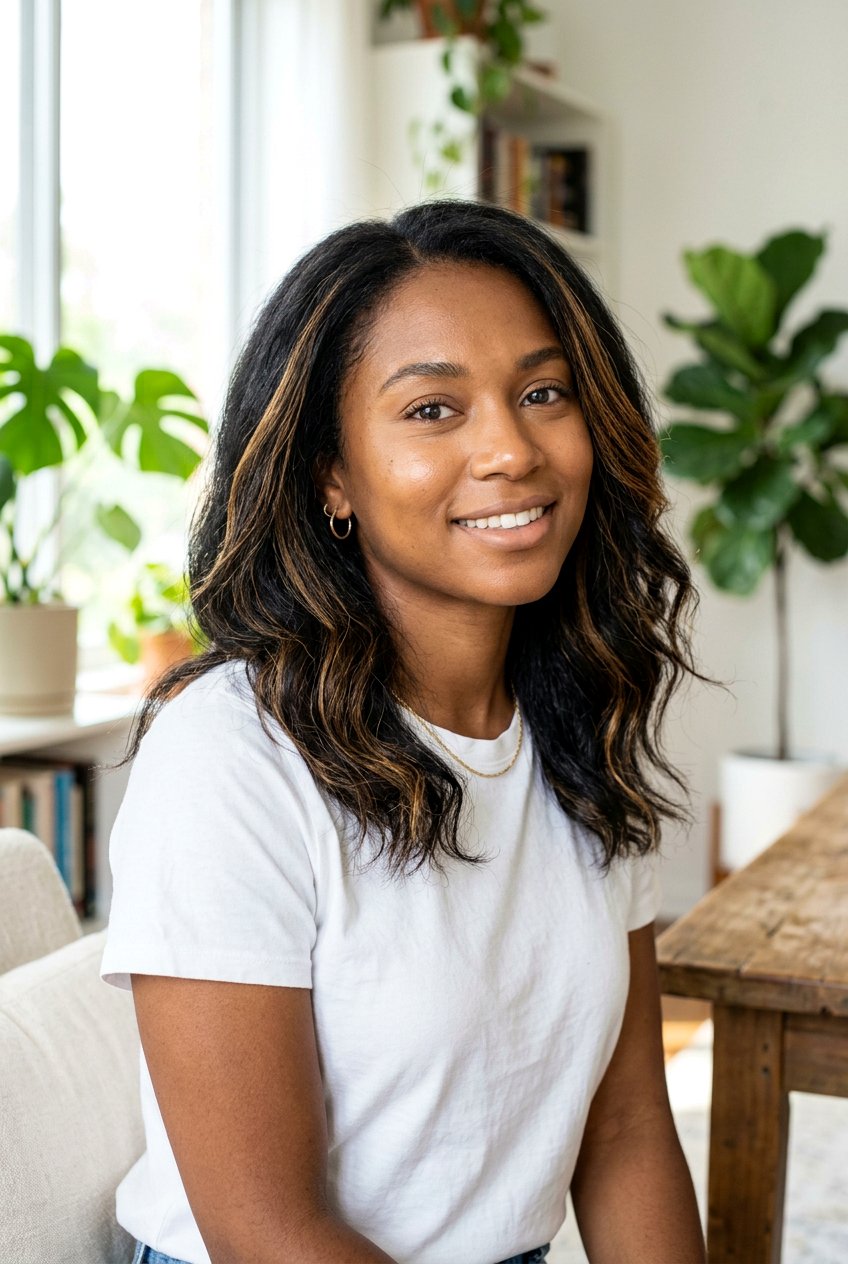
Pairing honey bronde balayage with curtain bangs creates a soft, face-framing look that feels modern yet low-key. Curtain bangs typically split around the center or just off-center and blend into your layers, which gives a perfect canvas for subtle lightening. Adding honey bronde accents through the bangs and the sections on either side of the face makes the fringe look airy and dimensional. The rest of your hair can feature a classic balayage pattern, with lighter pieces mid-length to ends, so everything ties together. This combination works well on straight, wavy, or lightly curled hair because the movement in the fringe catches the light first. Keep your bangs healthy with regular trims and heat protection, since they are often styled more frequently and are the focal point of the look.
12. Honey Bronde Balayage On A Lob Haircut
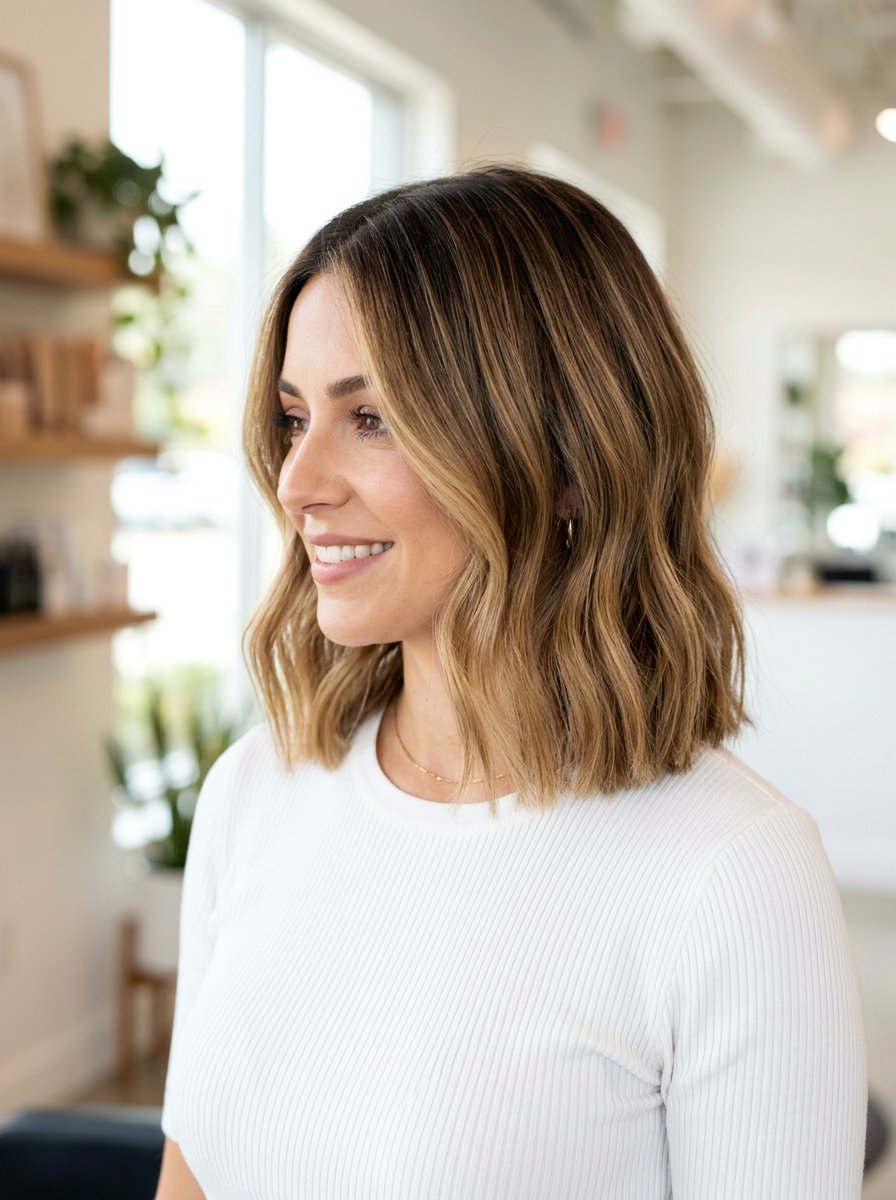
A lob haircut combined with honey bronde balayage creates that effortlessly polished look so many people want right now. The length usually hits somewhere between the collarbone and shoulders, which is ideal for showcasing a gradient from deeper roots to honey-tipped ends. With a lob, your colorist can focus the brightest pieces along the perimeter and front, which visually lengthens the neck and highlights your jawline. Soft layering or a blunt edge both work; the balayage adds the movement if the cut is more one-length. This pairing is particularly great if you like switching between straight and wavy styling, because the dimension translates well either way. For maintenance, a lob with balayage grows out gracefully, so you can stretch appointments a little longer without the cut or color looking obviously overgrown.
13. Low Maintenance Honey Bronde Balayage
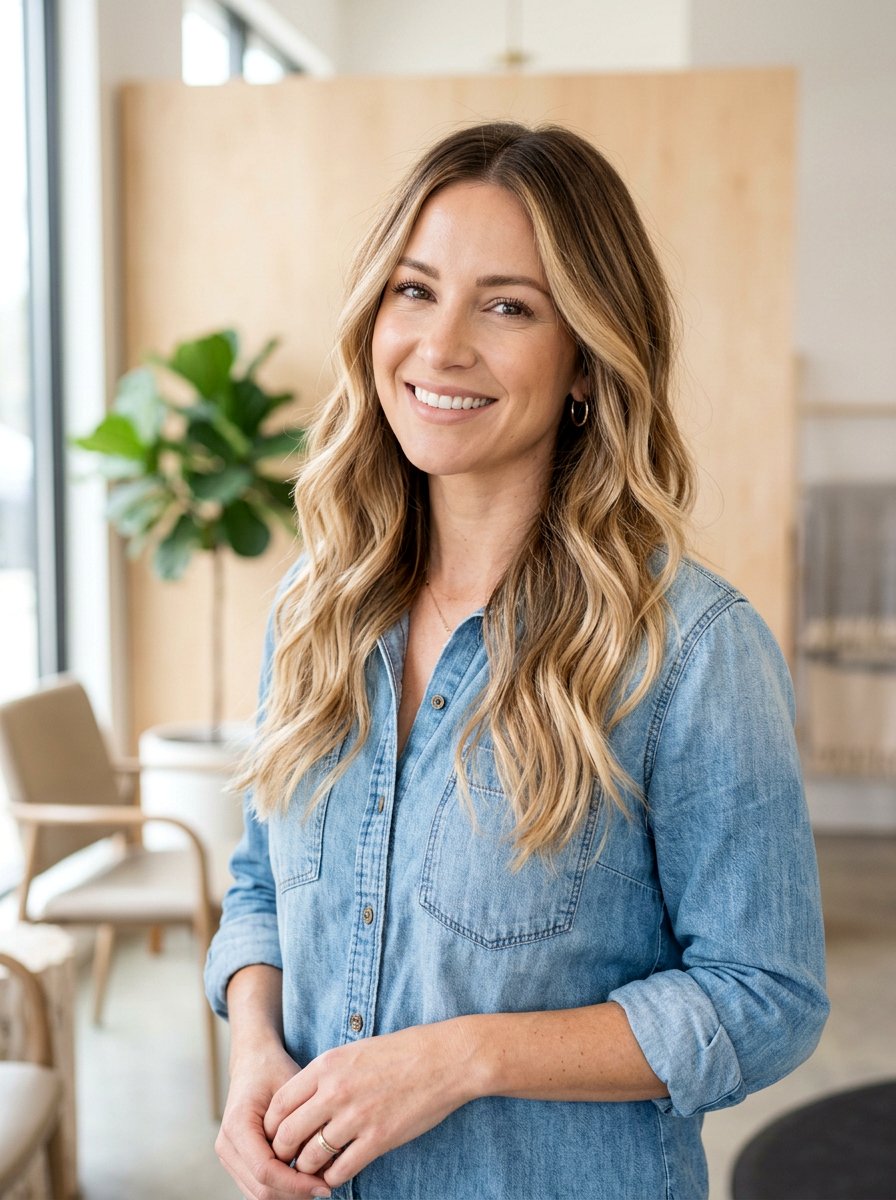
Low maintenance honey bronde balayage is all about strategic placement and keeping your natural root shade as close as possible. By allowing a soft shadow root and starting the lightening a bit lower, your regrowth line will be blurred, so you can go more weeks between appointments. The honey tones are concentrated on the mid-lengths and ends, with just a touch of brightness around the face, which means your natural color still shows and acts like built-in depth. Gloss appointments every few months can refresh the tone, add shine, and keep brass at bay without needing to re-lighten everything. This approach is perfect if you have a busy schedule, are budget-conscious, or are simply tired of constant root touch-ups. You still get that sun-kissed bronde glow, but the upkeep feels much more manageable.
14. Honey Bronde Balayage For Fine Hair
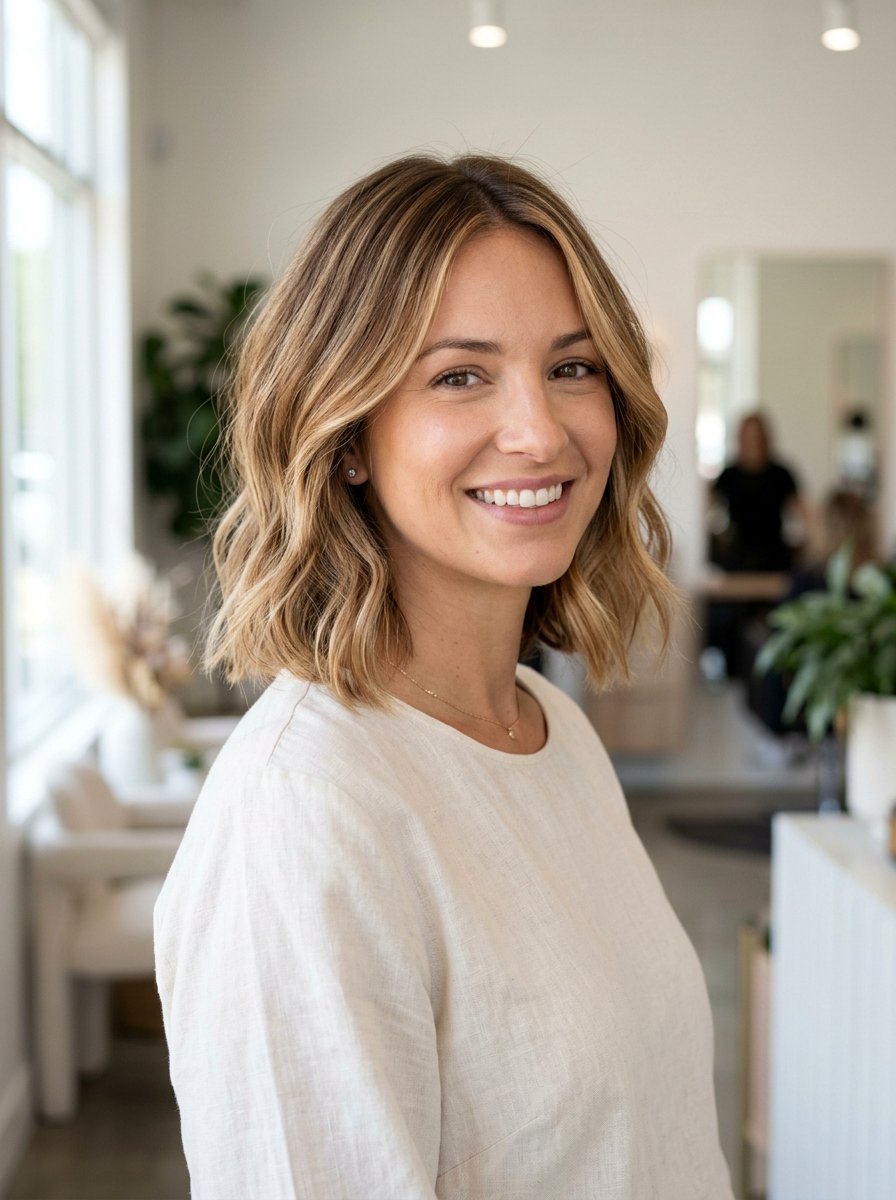
Fine hair can really benefit from honey bronde balayage because the added dimension creates the illusion of more volume and density. The contrast between the deeper base and lighter honey pieces helps each strand stand out, making your hair look fuller. With fine hair, it is best to avoid over-lightening large sections, as that can cause damage and make your hair look thinner. Instead, ask for delicate, carefully placed highlights that follow your haircut and enhance movement. A root shadow or slightly deeper crown can also help your hair appear thicker at the scalp. Styling with lightweight volumizing products, like a mousse or root spray, will lift the hair away from the head and let the balayage pattern show, giving you a fuller-looking honey bronde finish.
15. Honey Bronde Balayage For Thick Hair
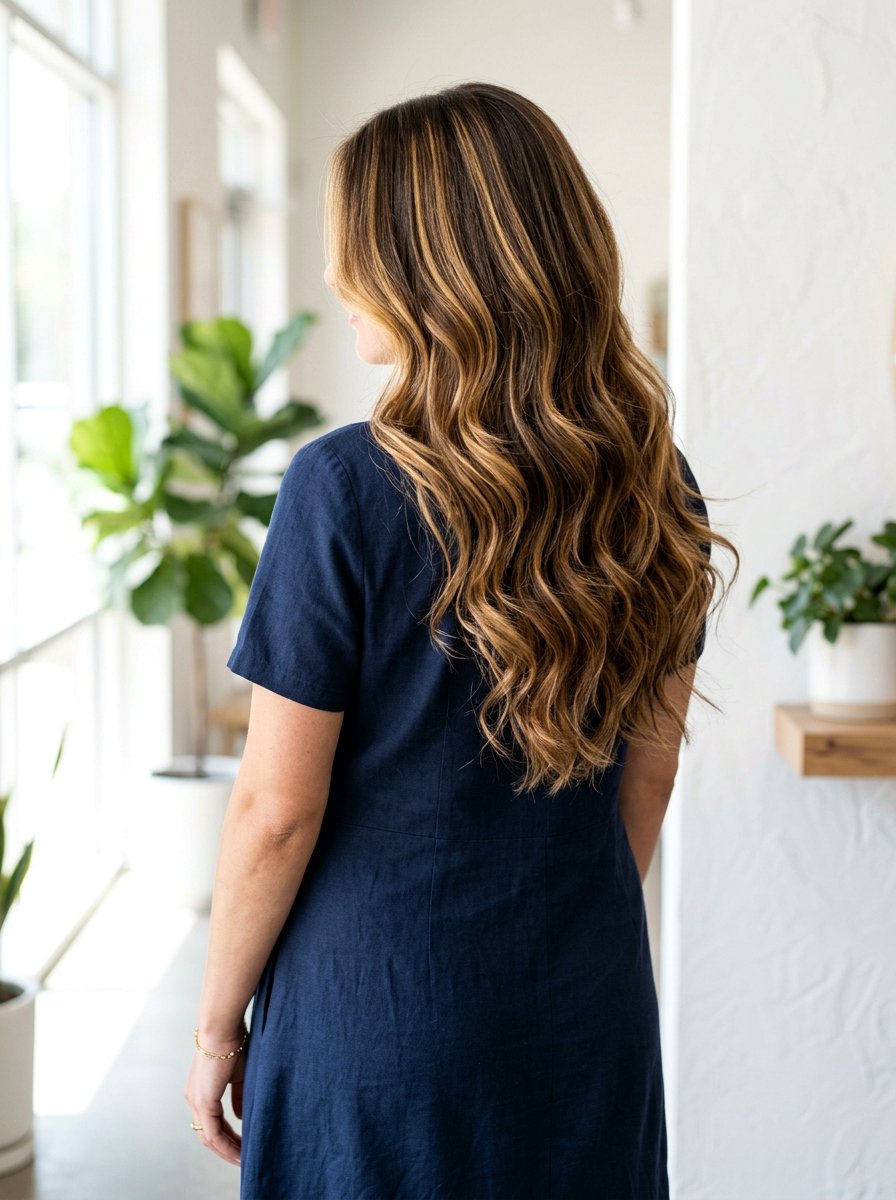
Thick hair can sometimes feel heavy or solid in color, and honey bronde balayage is a great way to break that up while still looking cohesive. By painting larger sections of honey and bronde through the mid-lengths and ends, your colorist can create ribbons of light that move through your hair. Keeping the roots slightly darker prevents the overall effect from looking too blonde or blocky. Layered cuts work especially well here, because the color will show differently on each layer, adding depth and interest. With thick hair, placement can be bolder since you have more density to work with, so you can handle stronger contrasts without looking stripy. The result is a multidimensional, rich honey bronde effect that looks luxurious, especially when styled in big waves or a smooth blowout.
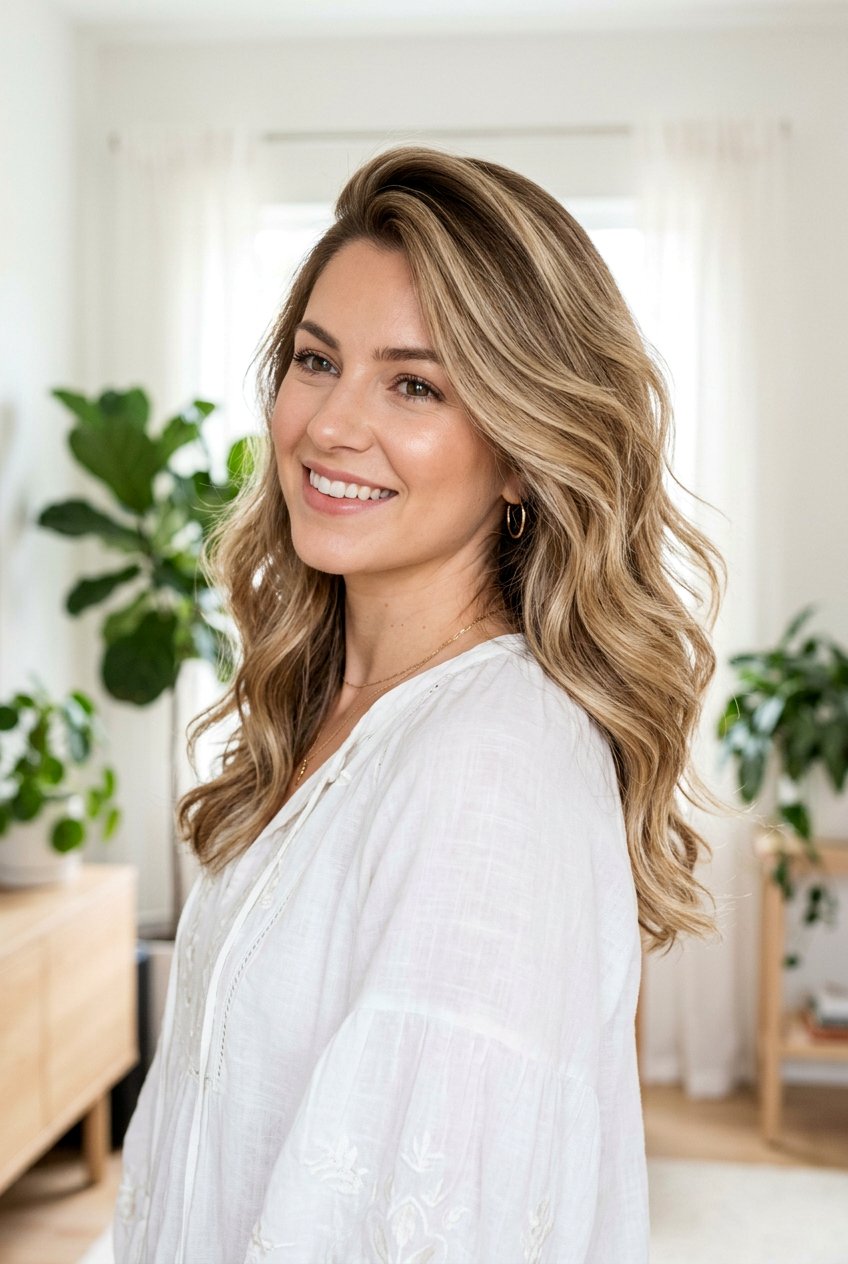
16. Honey Bronde Balayage With Beach Waves
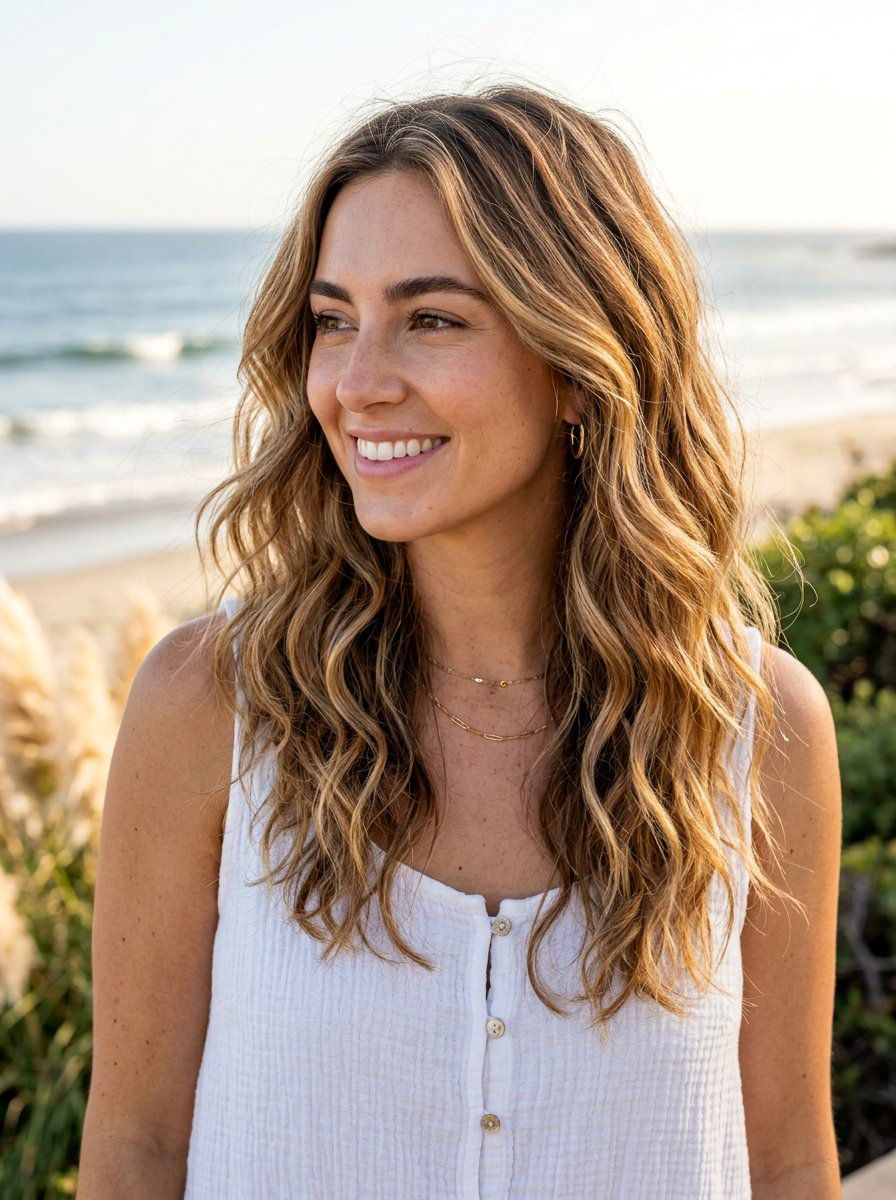
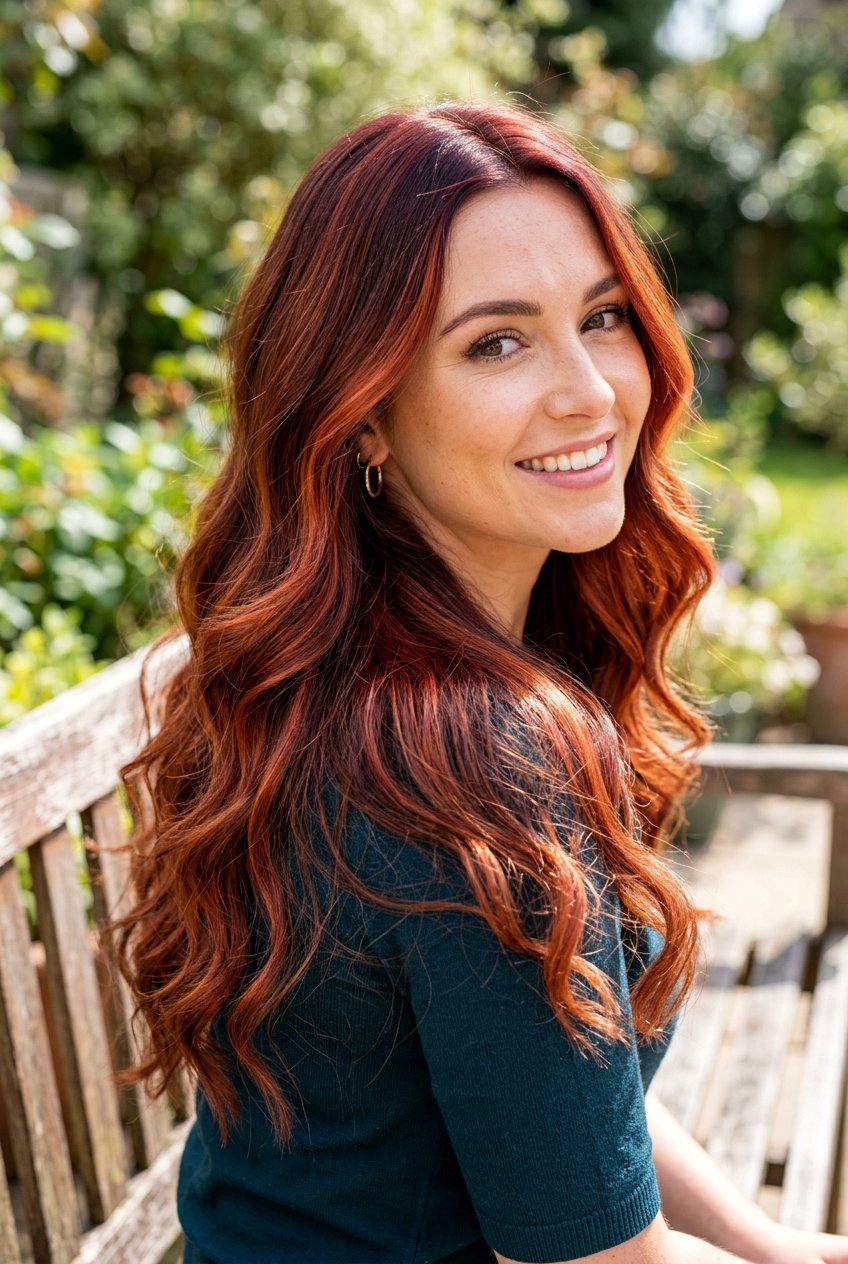
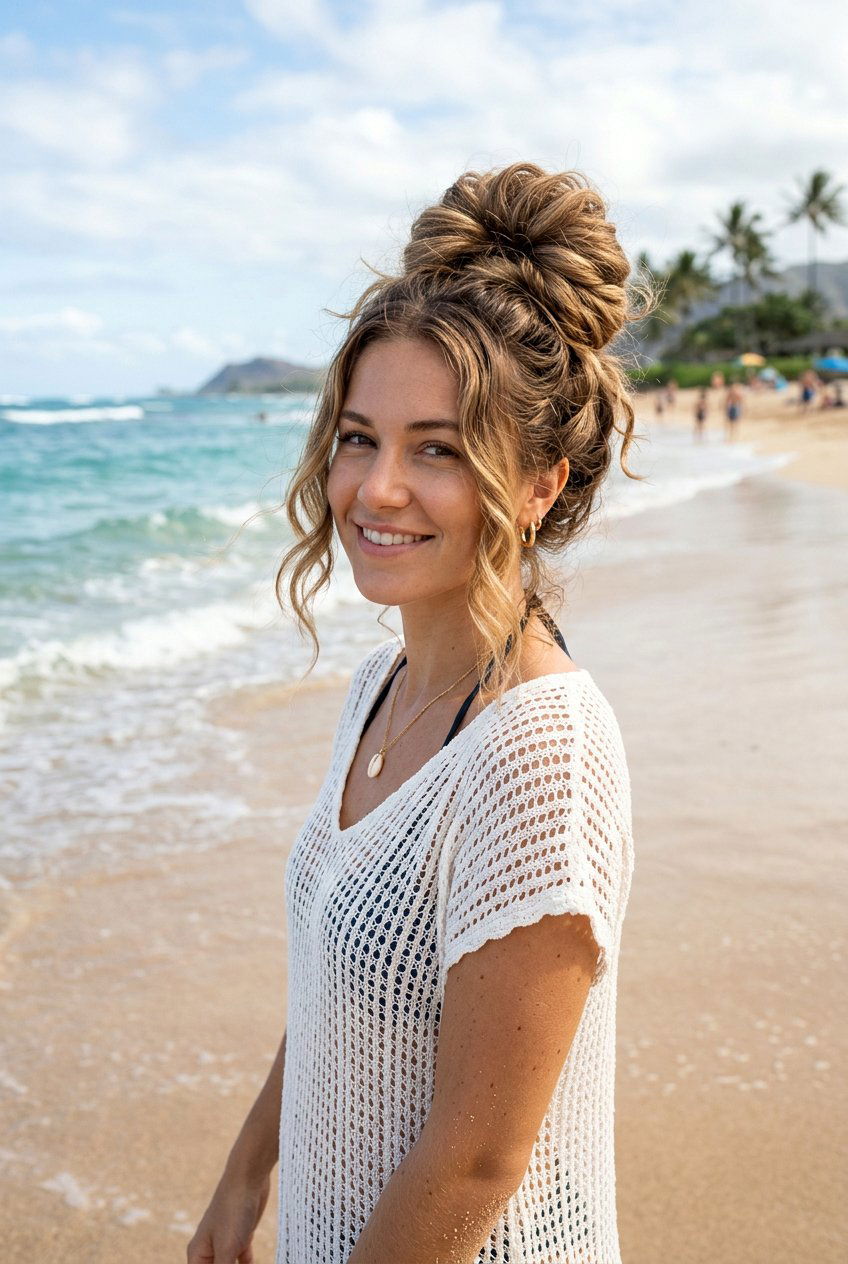
Honey bronde balayage and beach waves go together like sunshine and summer. The loose, undone bends in the hair highlight every shift from deeper bronde to lighter honey, giving a relaxed, vacation-ready feel. To make the most of this pairing, keep your balayage soft and diffused, with a concentration of honey tones on the outer layers and ends. When styling, use a curling wand or flat iron to create alternating bends, then brush them out and finish with a light texturizing spray. This technique keeps the hair looking effortless rather than overly curled. The color and texture combination is perfect if you like a low-fuss routine but still want your hair to look styled. It is flattering on many lengths, from lob cuts to long hair, as long as there is enough length to show the wave pattern.
17. Honey Bronde Balayage With Root Shadow
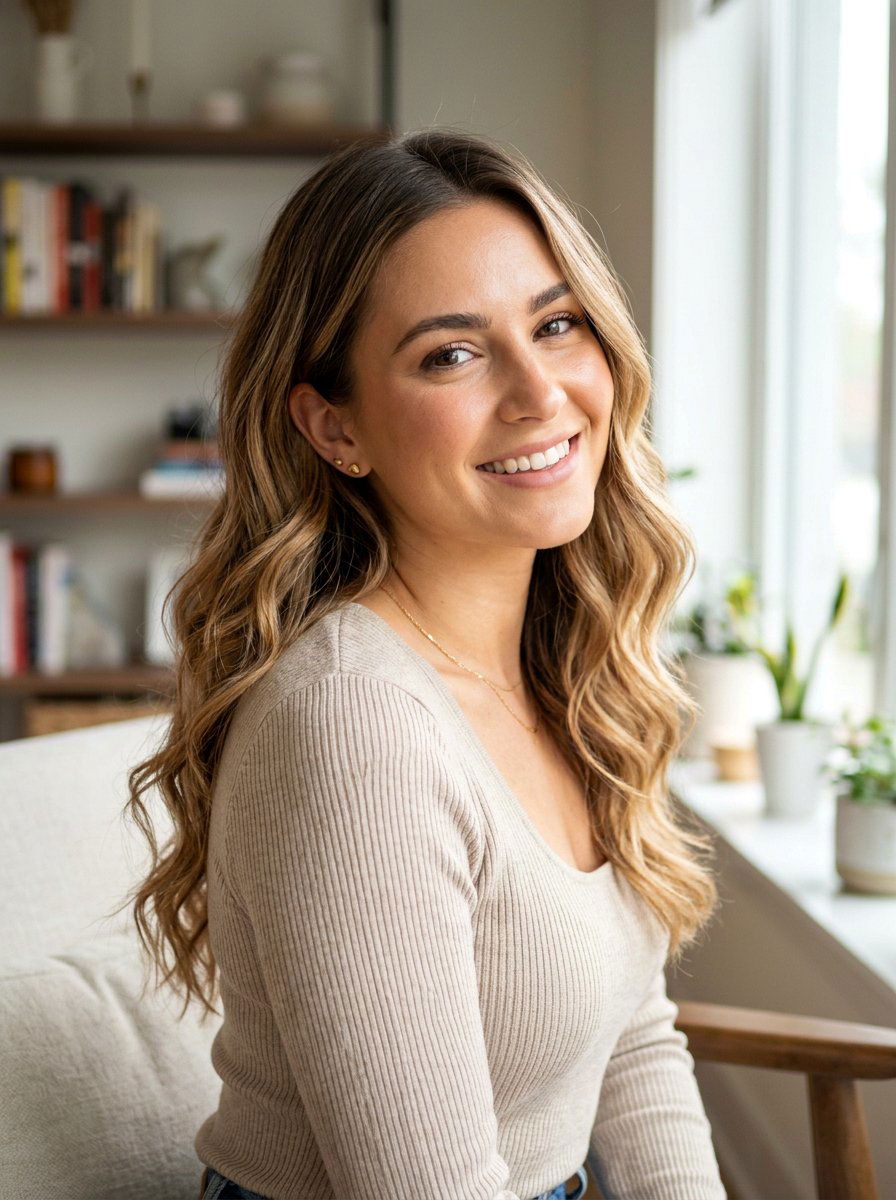
A root shadow added to honey bronde balayage makes the whole look more blended and modern. The shadow root involves slightly deepening or toning the root area so it melts seamlessly into the lighter mid-lengths and ends. This approach softens the contrast between your natural color and the honey highlights, which is especially helpful if you have a strong difference between base and highlight level. It also buys you extra time between salon visits, since new growth will blend more gently into the shaded root area. The honey tones then appear as a soft gradient rather than starting abruptly. This combination is very flattering on both straight and textured hair and works well if you are transitioning from a previous, more highlighted look into something more lived-in and effortless.
18. Honey Bronde Balayage For Curly Hair
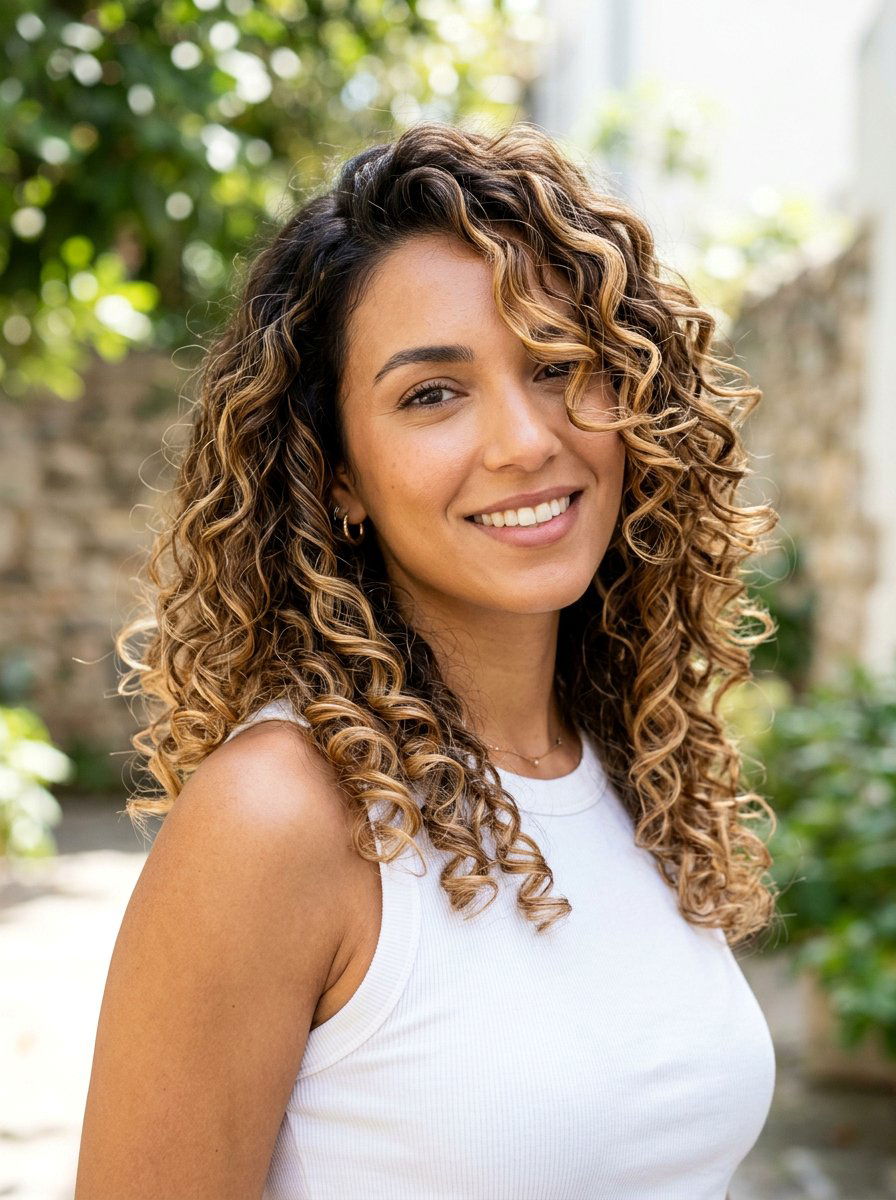
Curly hair and honey bronde balayage create a beautiful combination of texture and color that looks full of movement. When curls are highlighted with balayage, the lighter pieces sit on the outer edges of each curl, making the pattern more noticeable and dynamic. The trick is to paint the curls in their natural state, taking into account how they shrink and spring up once dry. This helps the colorist place honey bronde accents exactly where the curls will show them off. Keeping the roots and some of the inner sections deeper preserves dimension, so your curls do not look overly light or uniform. Hydration is crucial for curly hair that has been lightened, so regular deep conditioning and leave-in treatments are important to keep the curl pattern defined and bouncy.
19. Honey Bronde Balayage On Short Hair
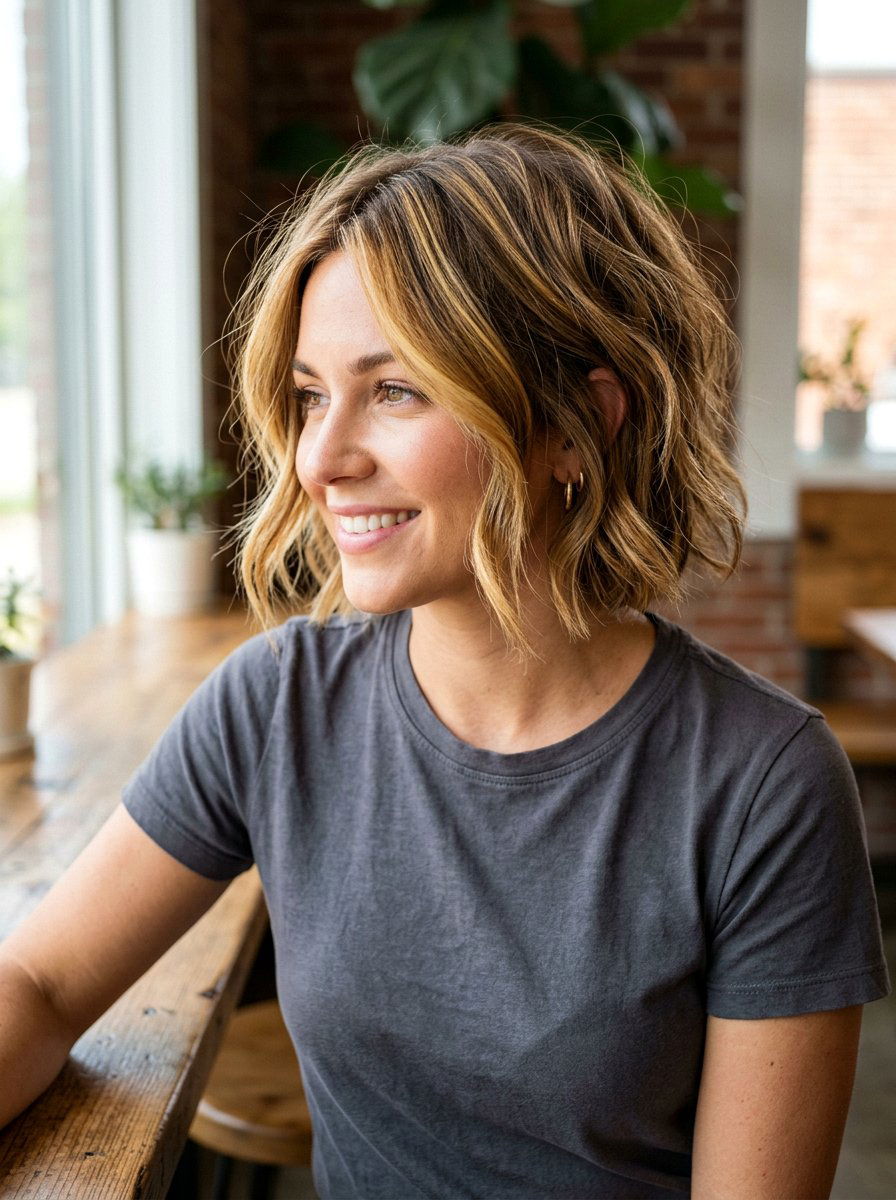
Short hair can still rock honey bronde balayage, even if the canvas is smaller. On pixies, cropped cuts, or very short bobs, the balayage becomes more about strategic pops of honey rather than long gradients. Your colorist might focus lighter tones on the top and front sections, leaving the sides and nape deeper for contrast and shape. This creates the illusion of texture and movement, even if the cut itself is more structured or blunt. Because short hair is trimmed more often, you can experiment with slightly bolder honey placement without worrying about long-term damage on your ends. Styling with a bit of texture paste or light cream will help the color placement show, especially when you tousle the hair to reveal the different bronde and honey tones.
20. Honey Bronde Balayage Maintenance Tips
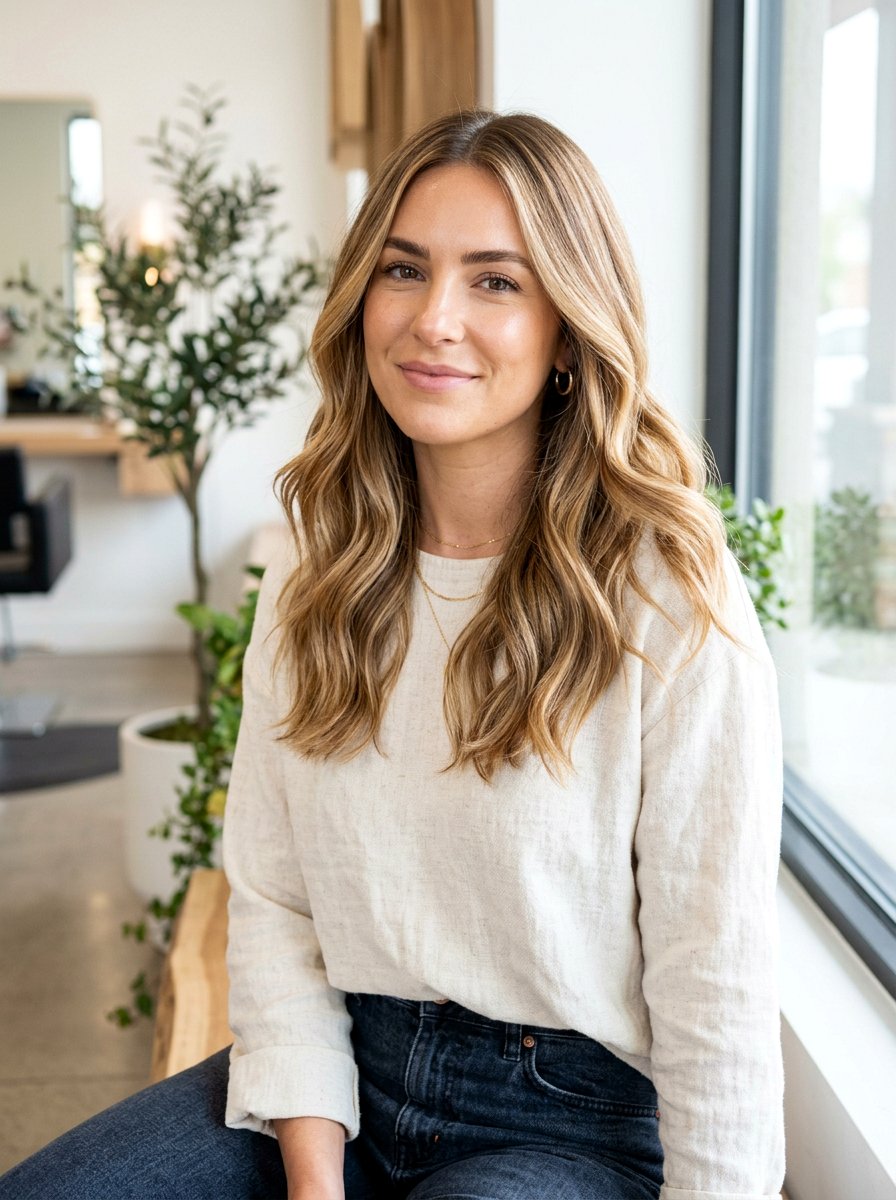
Keeping honey bronde balayage looking fresh is mostly about protecting your tone and maintaining hair health. Use a sulfate-free shampoo and a conditioner formulated for color-treated hair to minimize fading and dryness. Depending on how warm you like your honey shade, you might also want a gentle toning product to control brassiness between salon visits. Regular gloss or toner appointments every six to eight weeks will refresh shine and fine-tune the color, even if you are not re-lightening. At home, incorporate a weekly hydrating mask or bond-repair treatment to support the integrity of your strands. Always use a heat protectant before blow-drying or hot tools, since lightened hair is more sensitive to heat. With these habits, your honey bronde balayage will stay glossy, dimensional, and healthy-looking for months.
Conclusion:
Honey bronde balayage has earned its place as a favorite because it brings together the best of blonde and brunette in one versatile, flattering look. Whether your hair is short, long, straight, wavy, or curly, there is a honey bronde variation that can highlight your texture and complement your skin tone. The hand-painted placement keeps the roots softer, so upkeep feels easier than traditional highlights, while still giving you plenty of brightness and dimension. By adjusting the depth of the bronde base, the richness of the honey, and the intensity of the contrast, your colorist can customize the result to feel subtle or more statement-making. With the right maintenance routine and thoughtful styling, honey bronde balayage becomes a long-lasting, glow-boosting color that fits seamlessly into your everyday life while still feeling special.
You'll Like These Styles:


Leave a Reply