
Rich, cocoa chestnut balayage is a warm brunette hair color that blends deep cocoa brown with multi-tonal chestnut highlights for a soft, sun-kissed finish. This look uses hand-painted balayage placement to keep regrowth subtle while adding shine, depth, and dimension through the mid-lengths and ends rather than starting at the roots, which makes it more low-maintenance than traditional highlights and flattering on many skin tones when the warmth is adjusted slightly lighter or deeper to match your undertones.
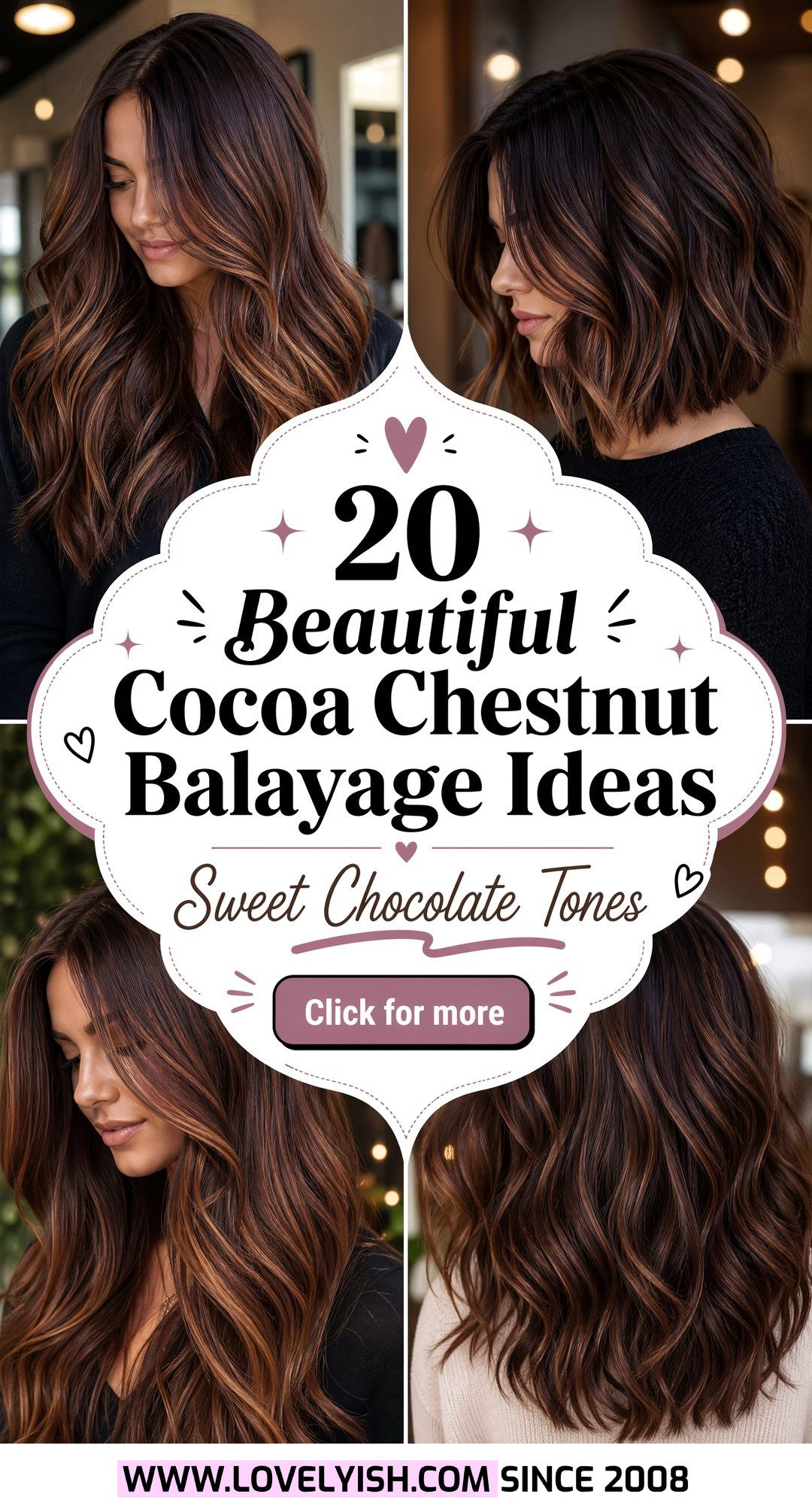
1. Cocoa Chestnut Balayage On Long Hair
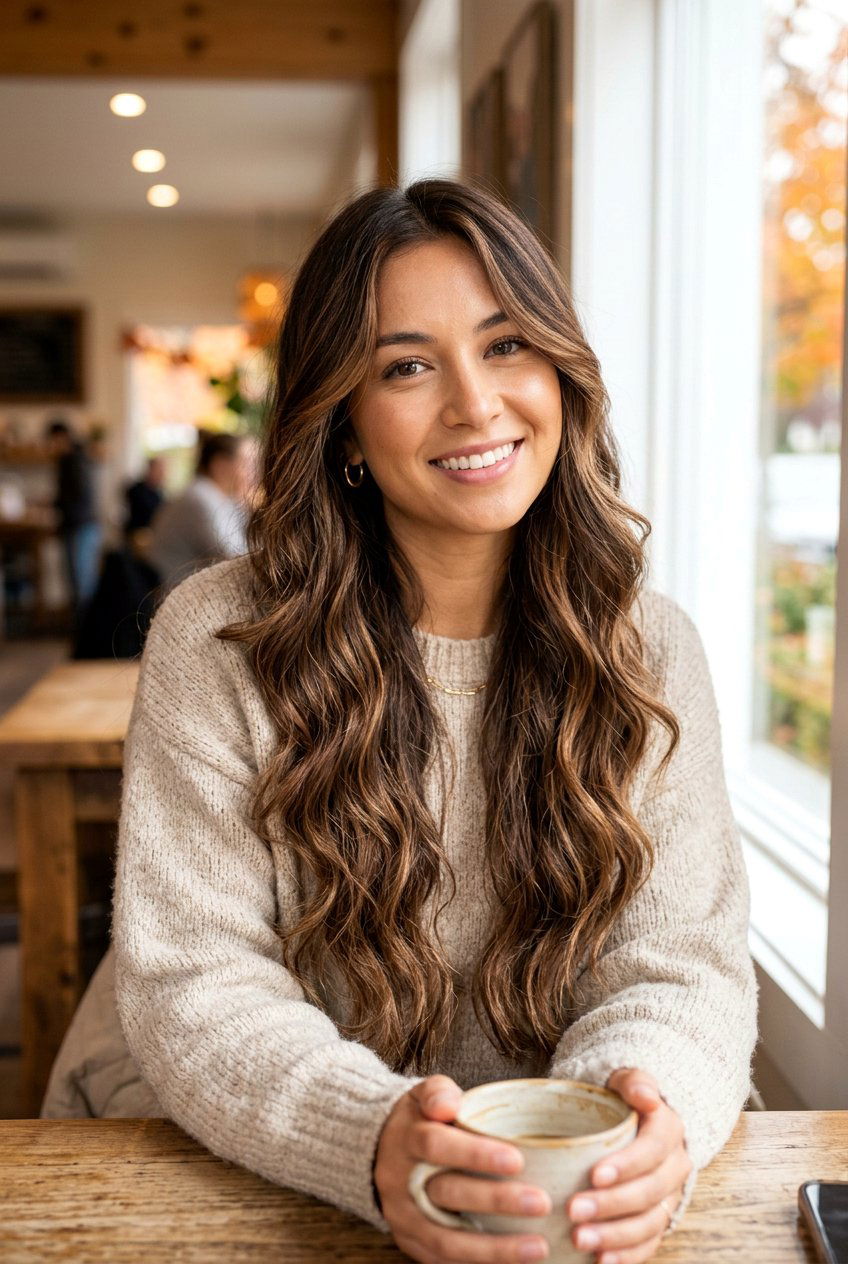
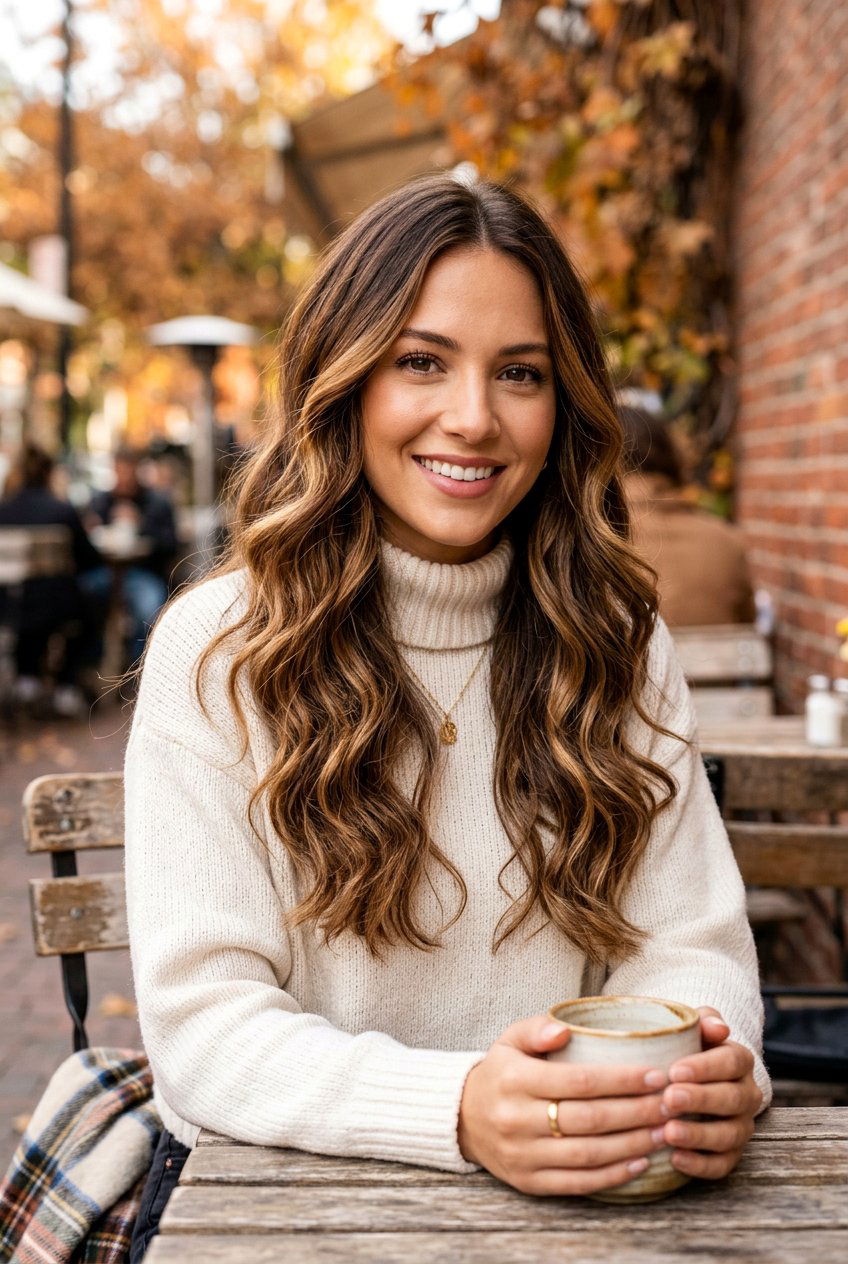
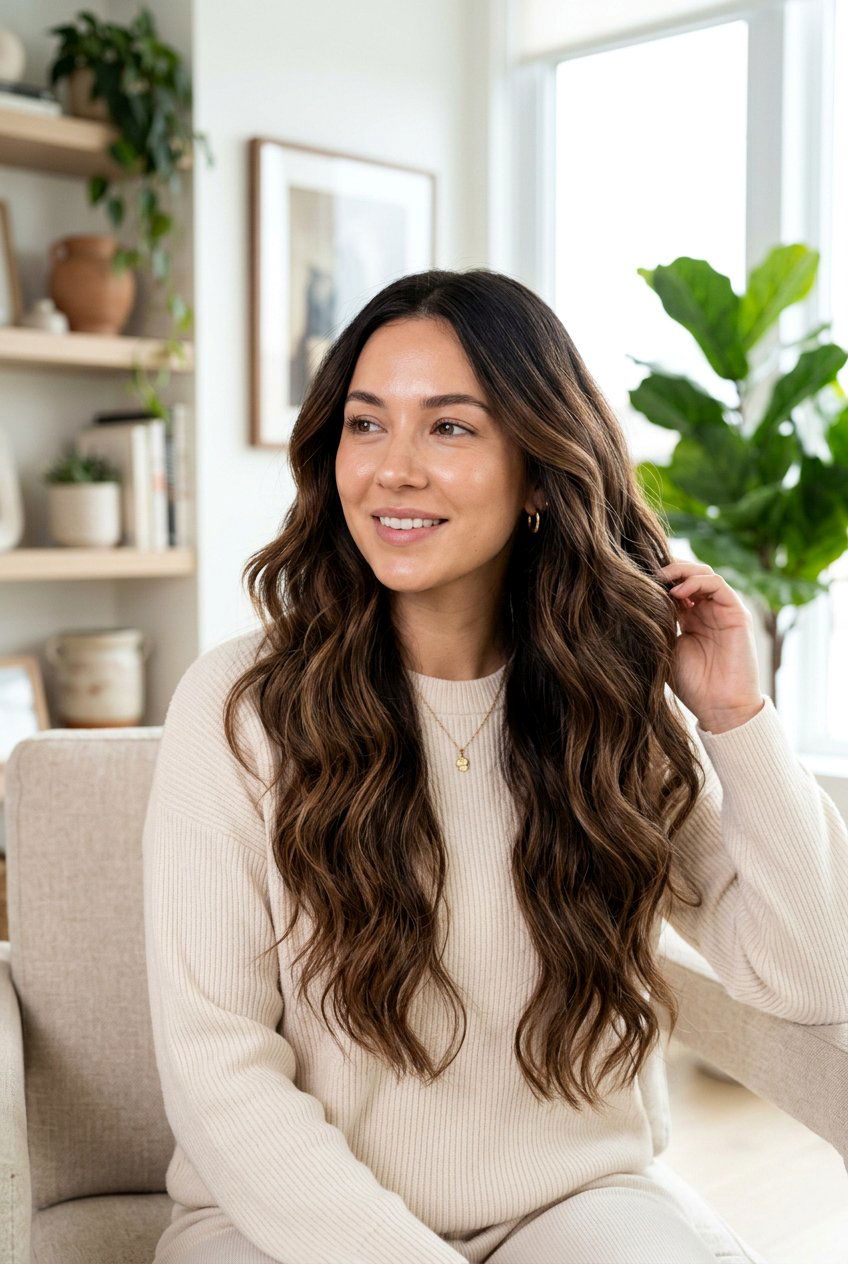
Think of long, flowing hair rippling with soft ribbons of warm brown, where the light hits and you see cocoa and chestnut melt together. Cocoa chestnut balayage on long hair focuses on keeping the roots a deeper chocolate tone, then gradually brightening the mids and ends with chestnut and caramel-bronze accents for a natural sunlit effect. The colorist hand-paints sections that frame the face, the surface layers, and the ends, so the result looks dimensional even when you wear your hair straight, not just in waves. This approach avoids harsh lines and creates soft transitions, which is especially flattering if you like wearing loose curls or bouncy blowouts because each movement shows off different tones. For maintenance, a gloss every couple of months keeps the chestnut warmth fresh, while root growth blends easily thanks to the balayage placement, so you can stretch appointments without obvious demarcation.
2. Cocoa Chestnut Balayage On Medium Length Hair
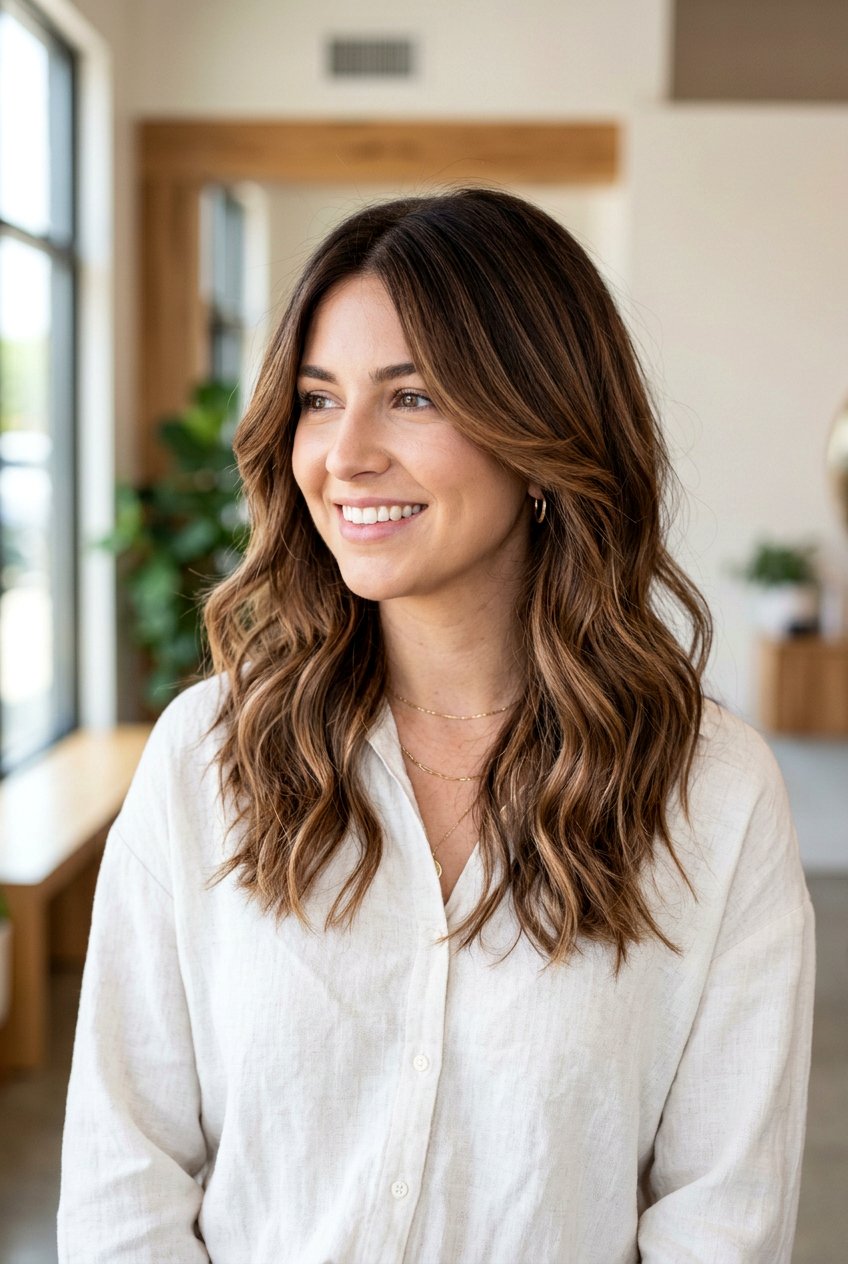
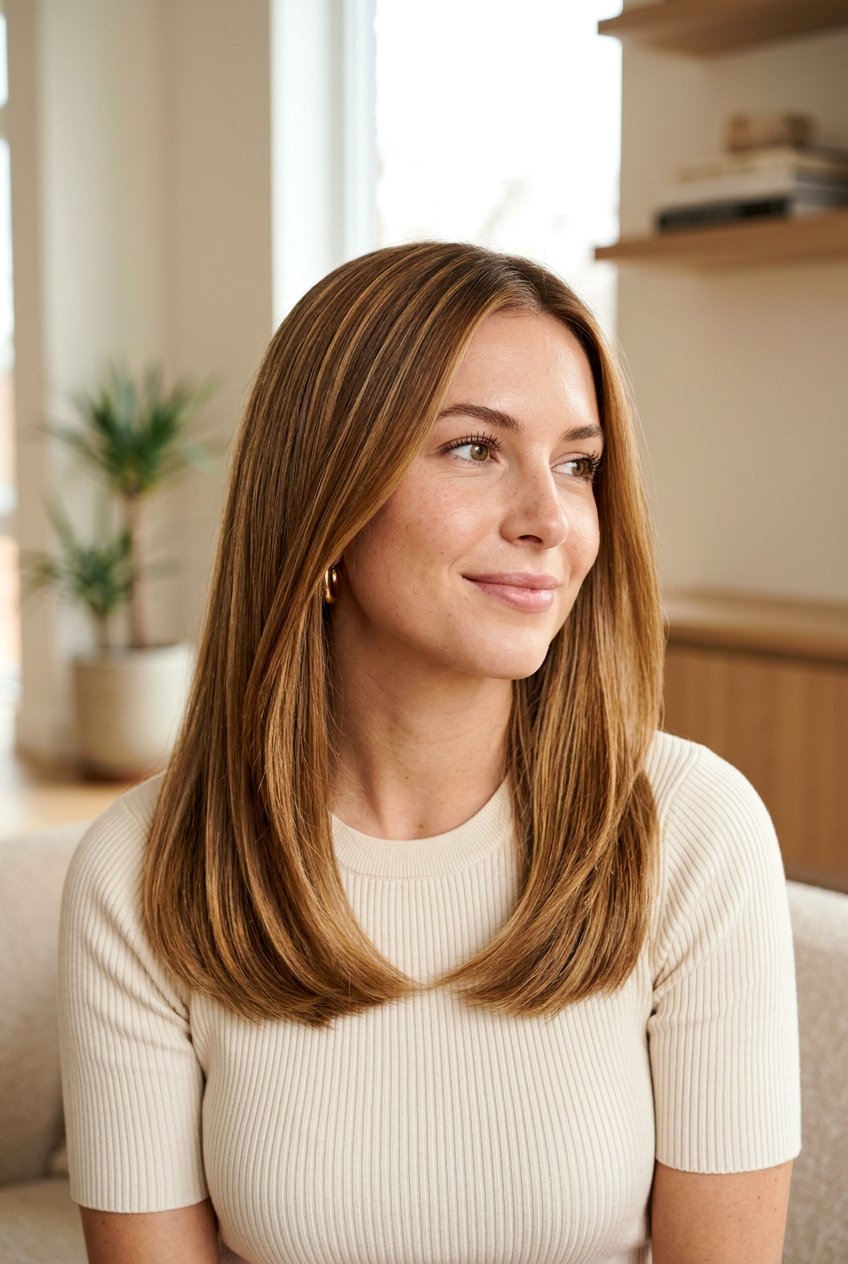
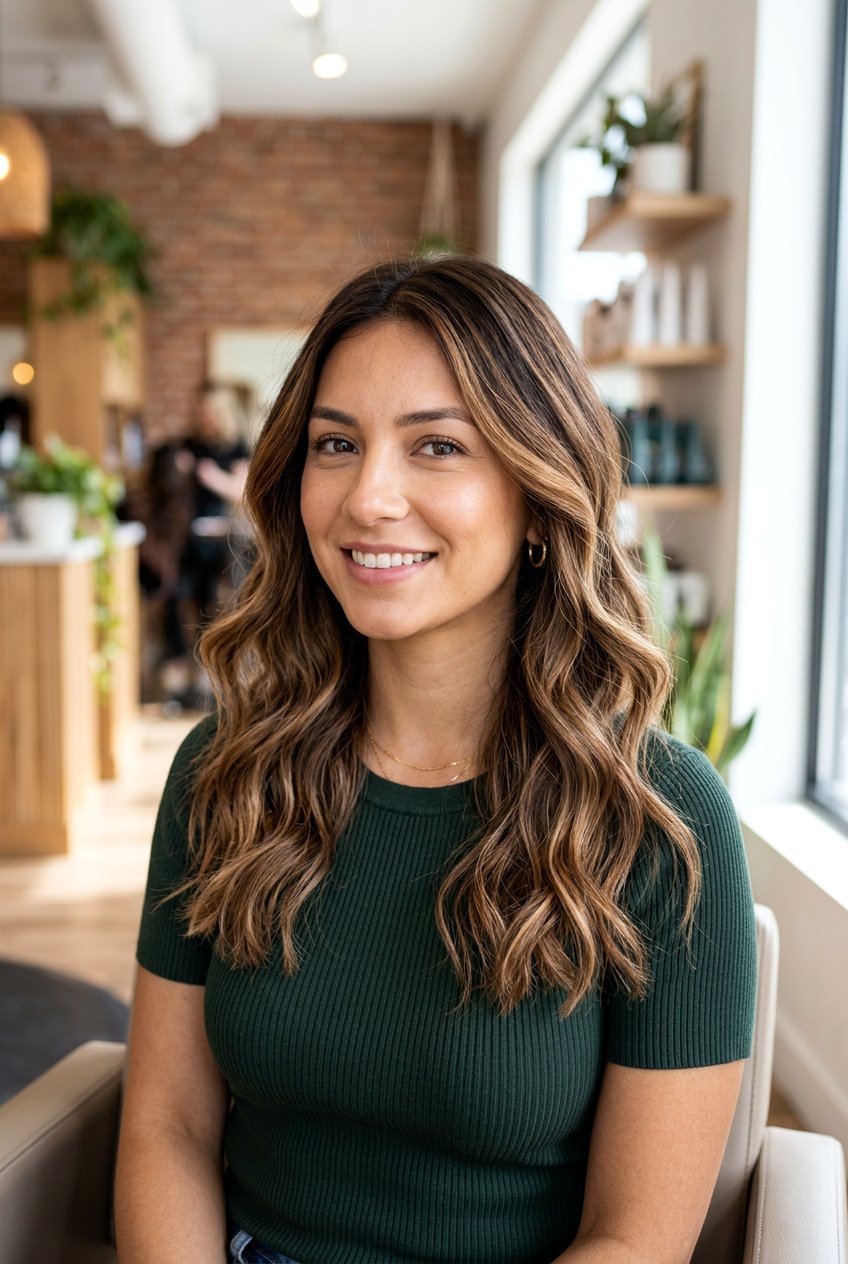
For medium length hair, cocoa chestnut balayage gives that polished, salon-fresh look without feeling overdone or high maintenance. The base is usually a medium to dark brown, and your colorist paints chestnut tones starting a few inches below the roots, focusing on the mid-lengths and ends to create a subtle, lived-in gradient. This length is perfect for showing off balayage because the hair is long enough to display a full color transition but short enough that the overall effect stays bold and modern. Soft layering enhances the color by allowing lighter pieces to sit on top of richer cocoa sections, adding movement and making the color look thicker and fuller. To keep the tone balanced, many stylists recommend a neutral or slightly warm chestnut that sits two to three levels lighter than the base, which keeps dimension visible without creating chunky streaks.
3. Cocoa Chestnut Balayage On Short Hair
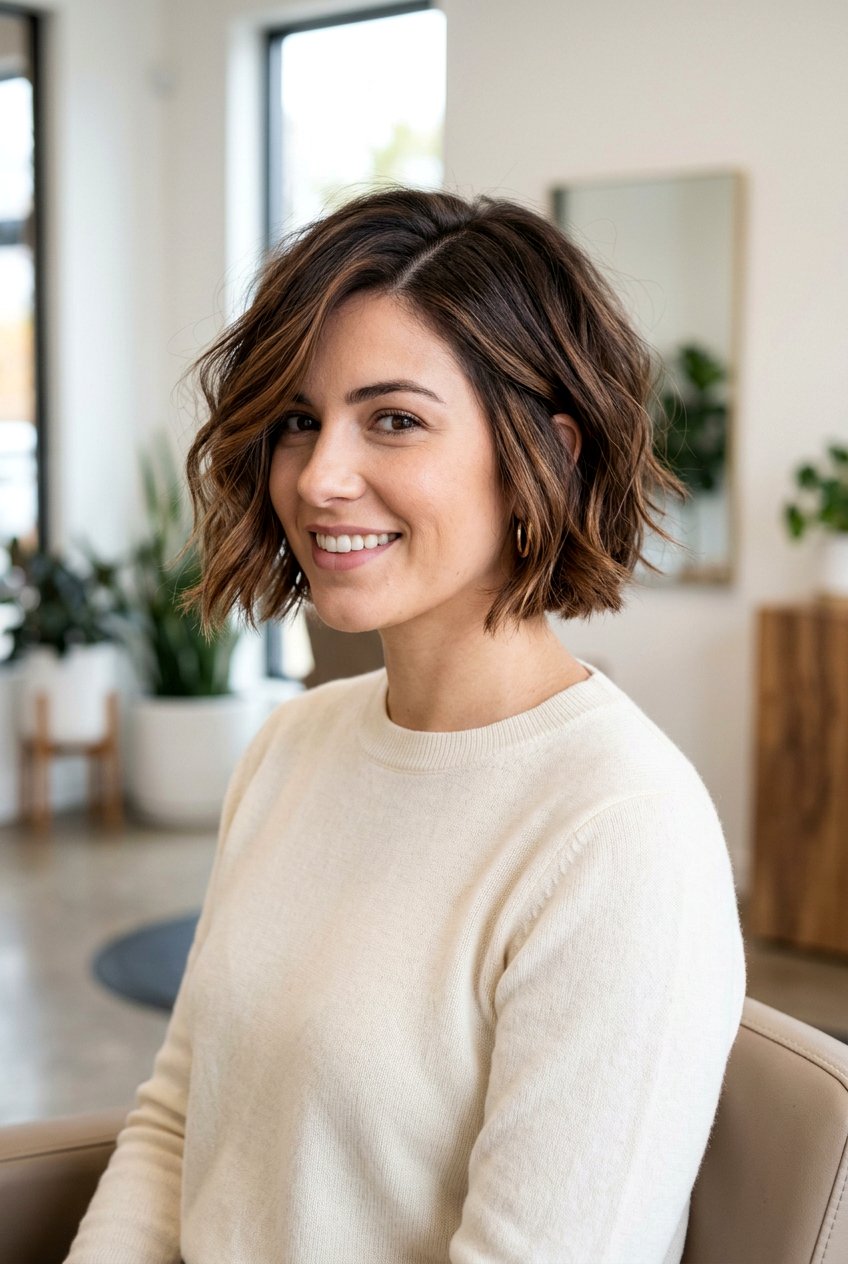
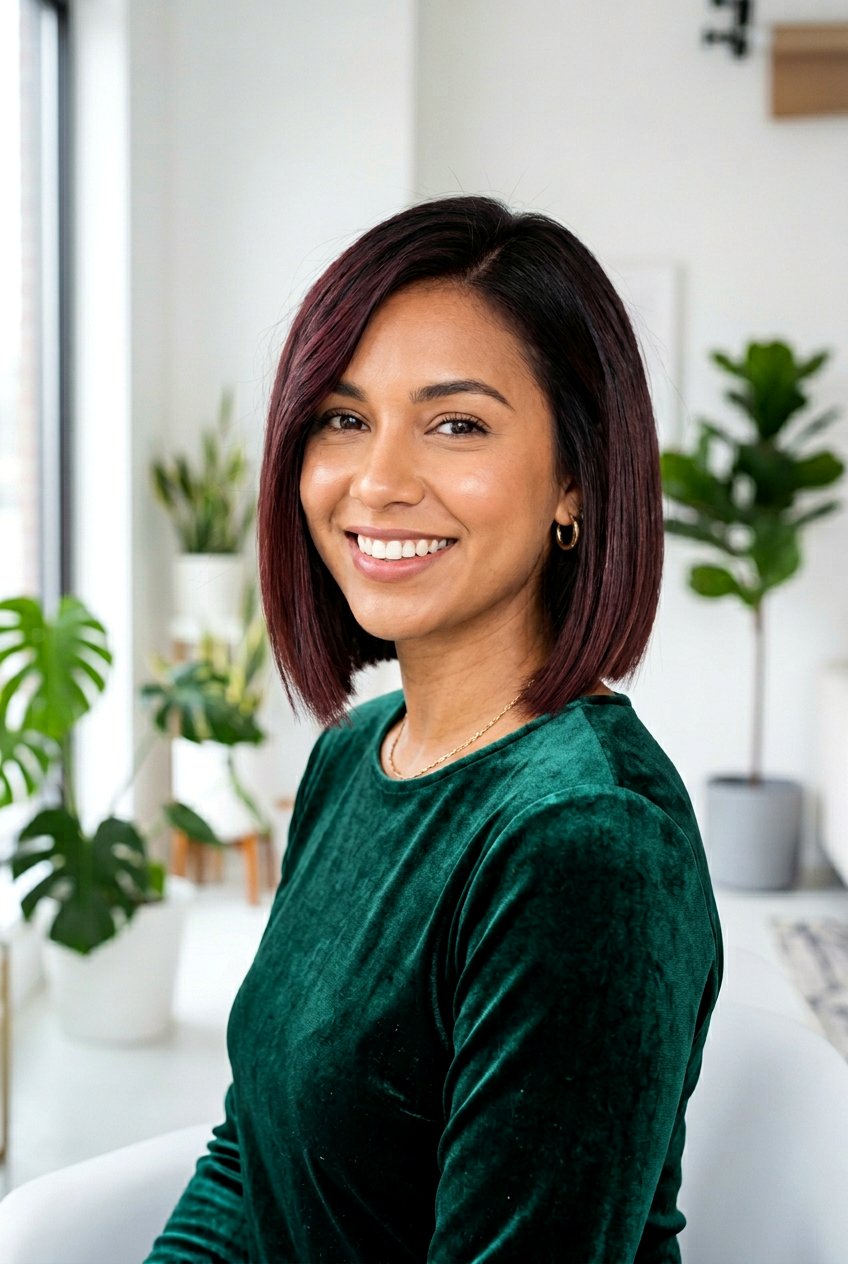
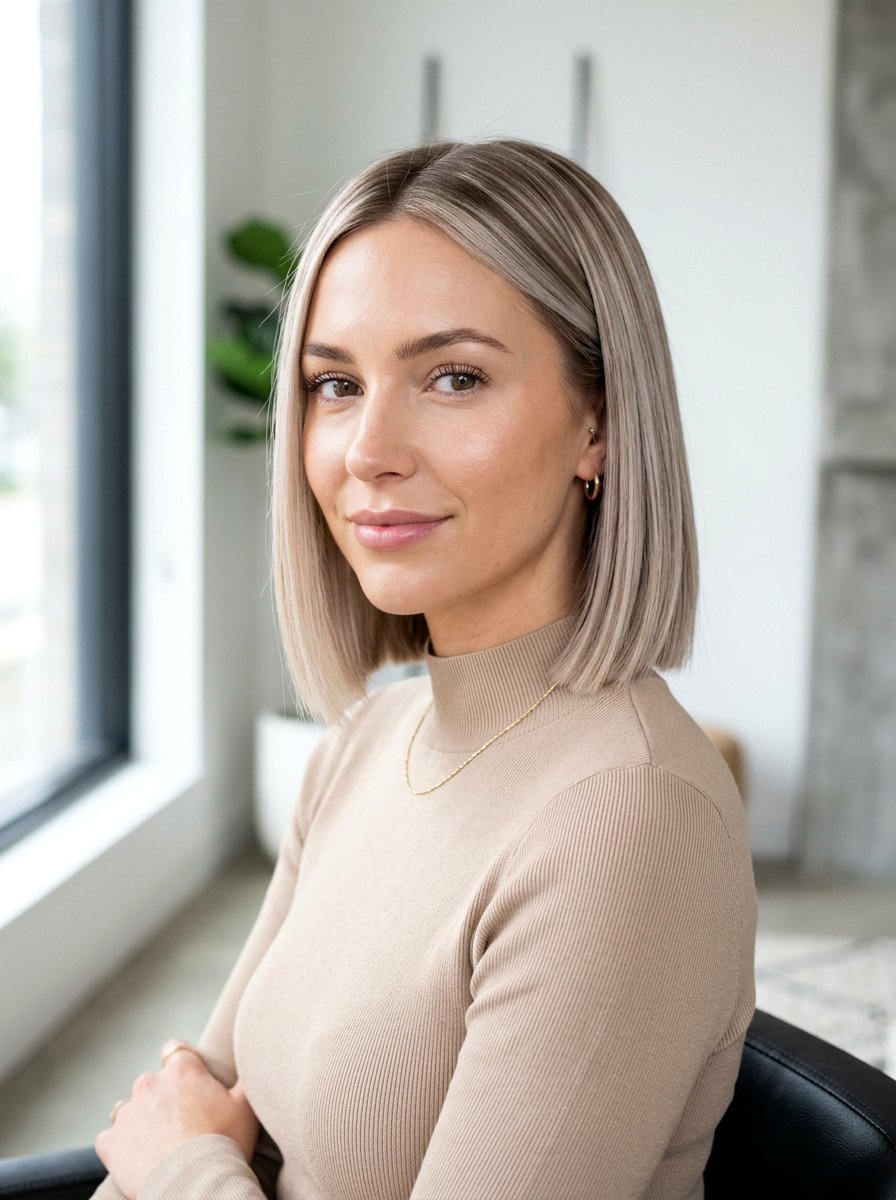
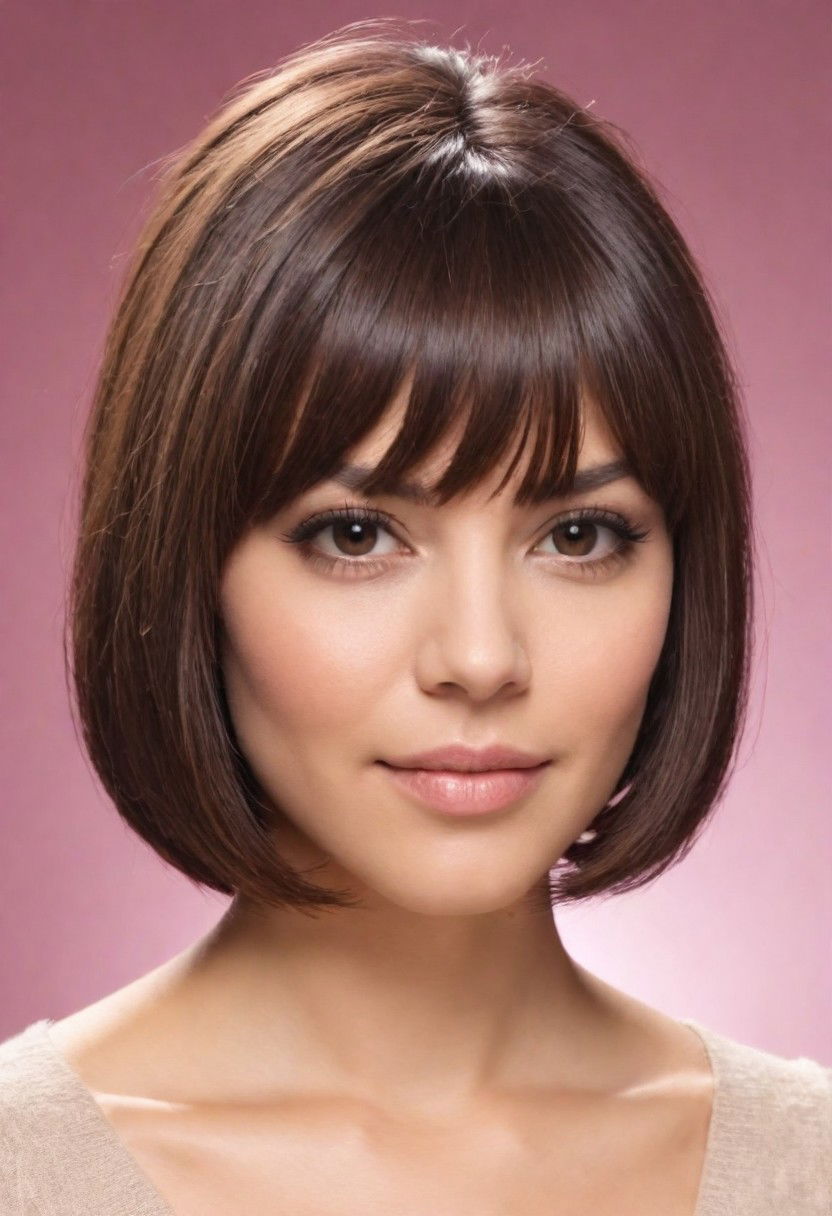
Short hair can look incredibly chic with cocoa chestnut balayage, especially if you want something modern but still easy to grow out. On bobs or lobs, the balayage is usually more concentrated at the front and along the outer layers, so the chestnut tones frame the face and highlight the haircut’s shape. A rich cocoa base at the roots with lighter chestnut and soft caramel sweeps toward the ends adds dimension, making short cuts appear fuller and more textured. Because there is less length, the colorist has to be precise with placement, painting thinner, strategically placed panels rather than large chunks, which prevents the color from overwhelming the cut. This look works especially well with subtle waves or a tousled finish, where the interplay between deep cocoa, medium chestnut, and a few brighter pieces creates a sophisticated, sun-kissed effect that still feels suitable for everyday wear.
4. Cocoa Chestnut Balayage On Dark Brown Hair
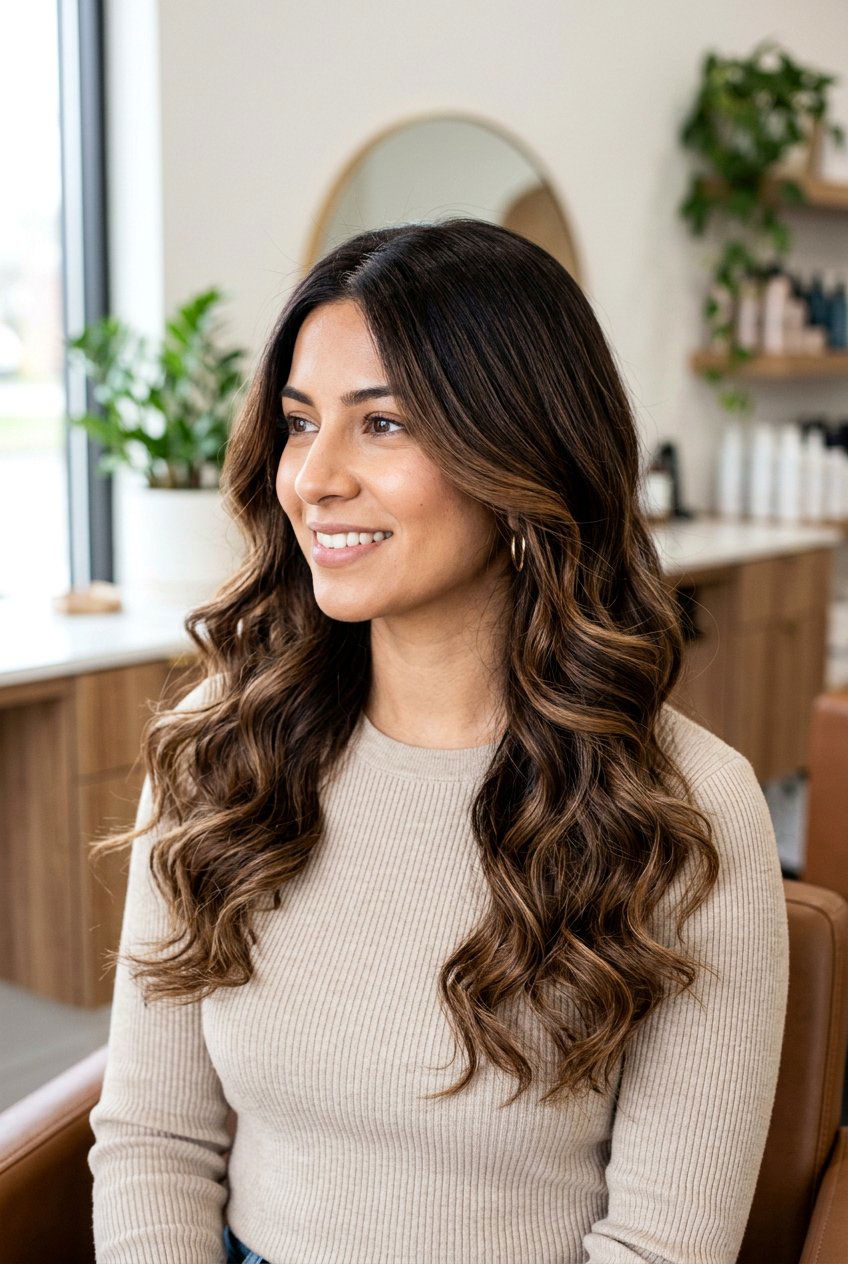
If your hair is naturally dark brown, cocoa chestnut balayage is a great way to add warmth and brightness without going fully light. The key is to keep the base a deep chocolate or espresso shade and then softly blend chestnut, caramel, or mocha highlights from mid-lengths to ends, so you get dimension while still feeling like a brunette. Because dark hair can show strong contrast, stylists often recommend staying within two to three levels of your base shade for the chestnut tones, which keeps the result refined and avoids stripy lines. The balayage technique ensures the lighter pieces look like they naturally caught the sun rather than starting abruptly at the roots, which makes the grow-out soft and forgiving. With this combination, curls, braids, and waves immediately look more detailed because the lighter chestnut ribbons sit against the dark cocoa backdrop, adding a multi-dimensional, glossy finish.
5. Soft Cocoa Chestnut Balayage For Fine Hair
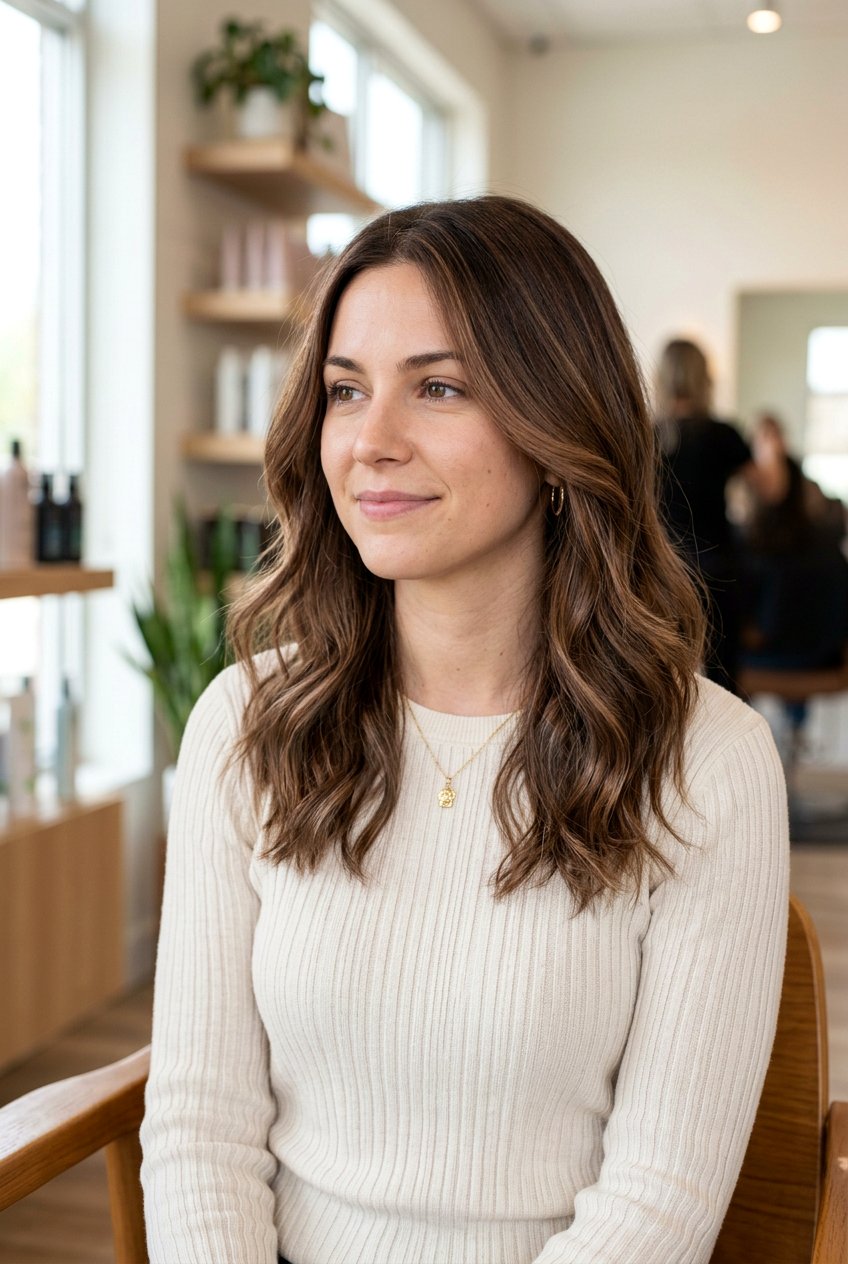
Fine hair often needs help looking fuller, and soft cocoa chestnut balayage is perfect for adding the illusion of thickness. Instead of heavy, high-contrast highlights, the colorist uses very soft, narrow strokes of chestnut that are close in depth to the natural base, creating gentle shifts in tone rather than bold streaks. These subtle changes in color make each strand look more volumized because the eye sees layers of dimension rather than one flat shade. Balayage focused around the face and on the outer layers keeps the ends from looking too light or thin, which can happen if fine hair is over-lightened. A glossy finish is important here, so toner and shine-enhancing treatments help reflect light off the cocoa and chestnut tones, making the hair appear denser and healthier while still low maintenance between appointments.
6. Dimensional Cocoa Chestnut Balayage For Thick Hair
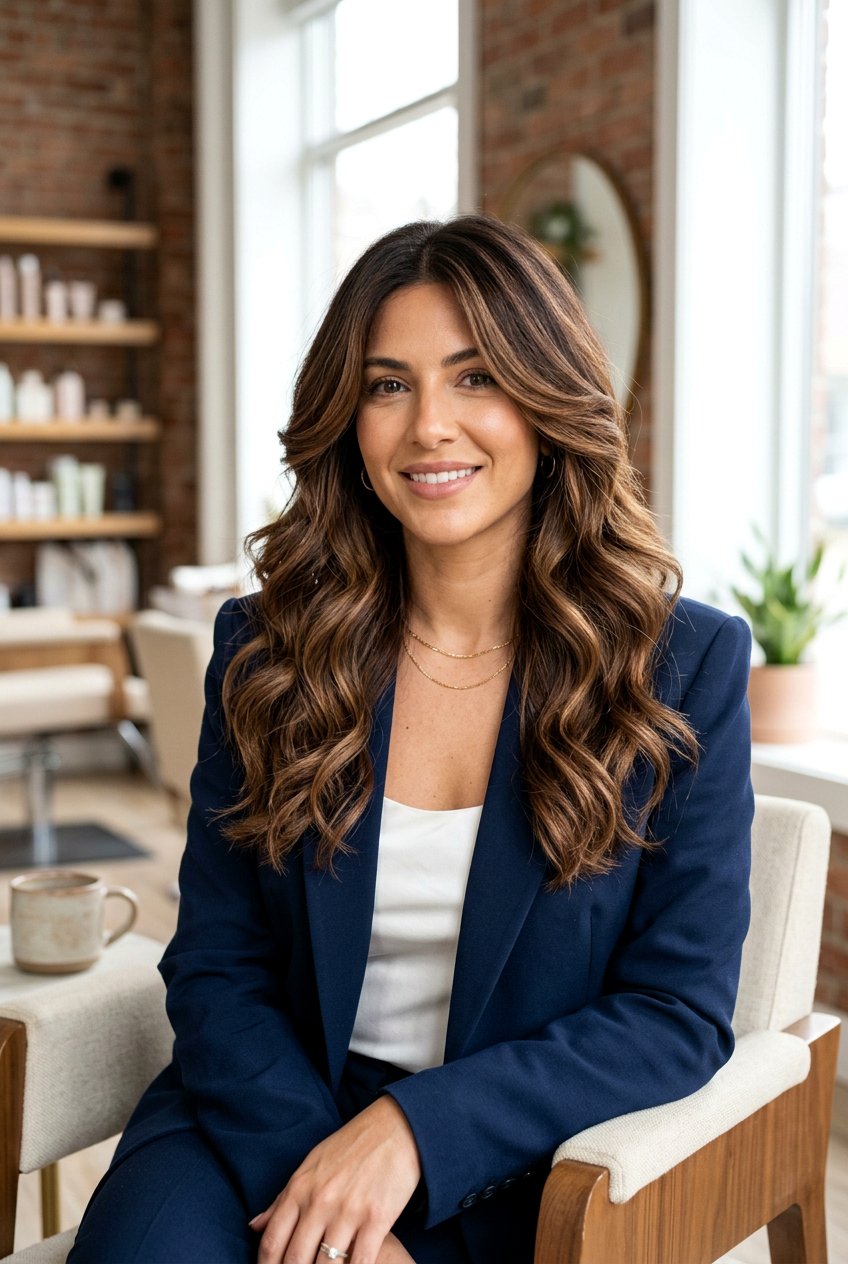
Thick hair can sometimes look heavy and solid, but dimensional cocoa chestnut balayage breaks it up beautifully. The idea is to use a deep cocoa base and layer several chestnut and caramel tones through the mid-lengths and ends, so the hair has lighter and darker sections that catch the light differently. Stylists often pair this with long layers or texturizing, which allows brighter chestnut ribbons to sit on top of richer, deeper sections and create a multi-dimensional effect. Balayage on thick hair can handle more contrast, so you might see slightly lighter caramel pieces blended in, especially around the face and in the surface layers, to keep the look bright but still cohesive. The result is hair that feels lighter, more movement-filled, and visually dynamic, especially when styled with loose waves or a big round-brush blowout that shows every shade.
7. Cocoa Chestnut Balayage On Wavy Hair
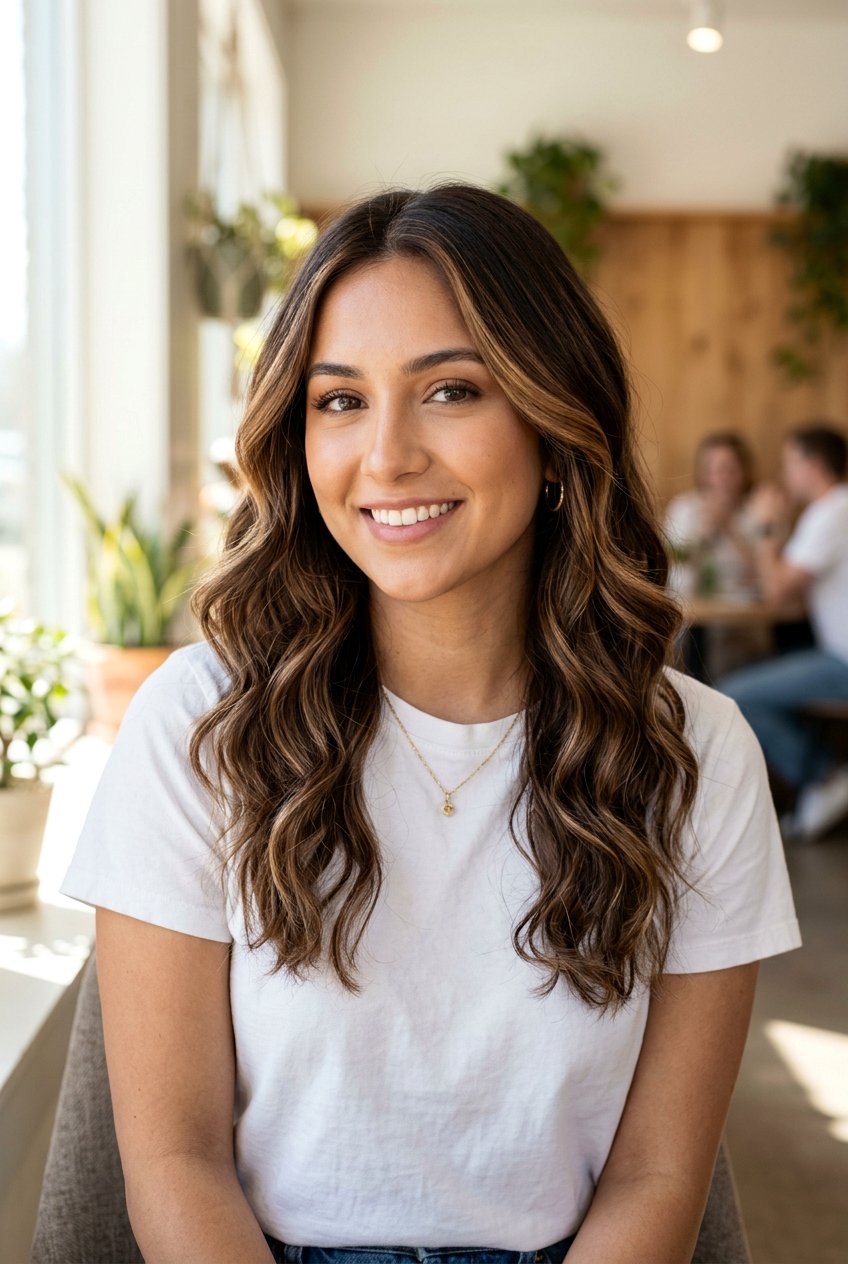
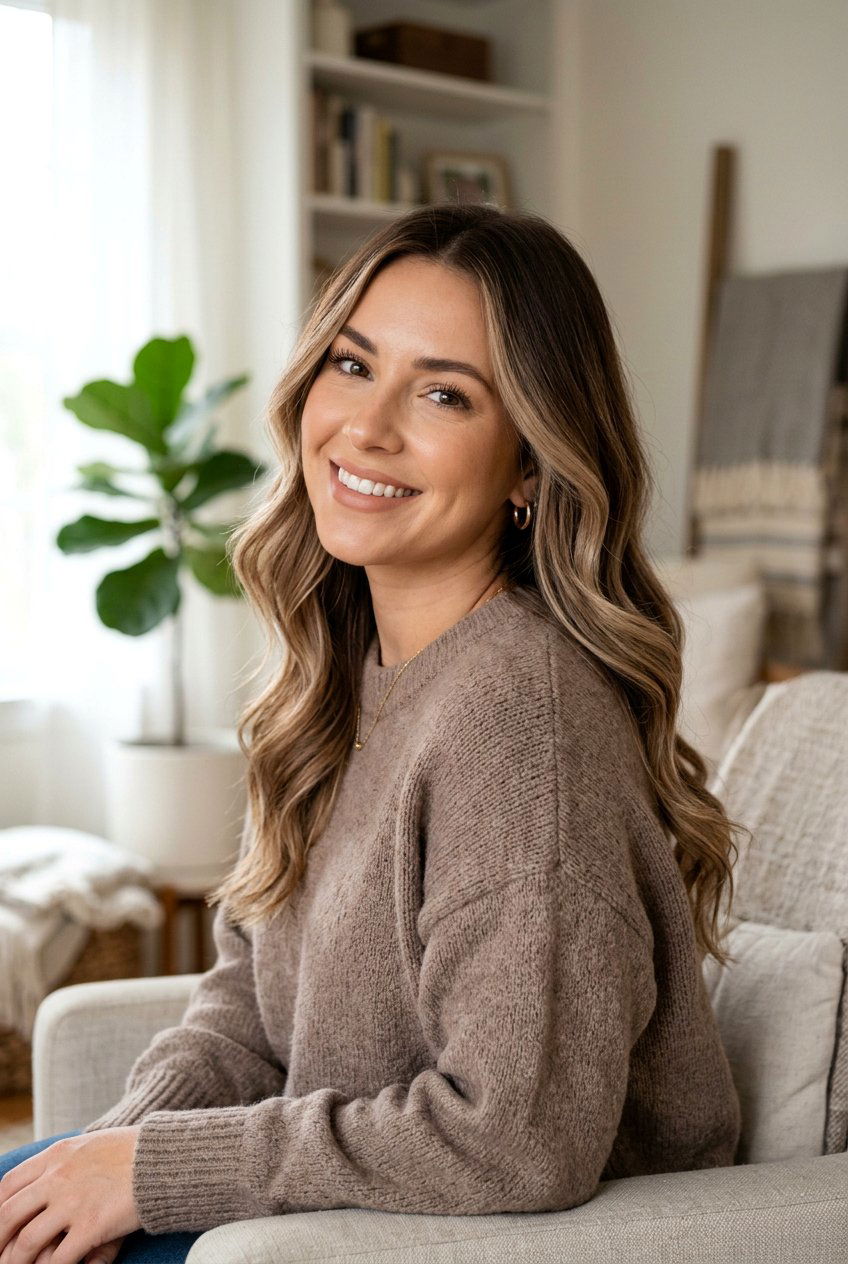
Natural or styled waves are a perfect match for cocoa chestnut balayage because each bend in the hair shows off a different tone. The colorist usually paints highlights to follow the direction of your wave pattern, placing lighter chestnut ribbons on the outer sections and mid-lengths so they pop when the hair moves. A rich cocoa base at the roots keeps the look grounded, while soft caramel or golden chestnut pieces bring warmth and brightness where the light naturally hits. When you scrunch or diffuse your waves, the lighter sections at each curve create a soft, beachy, sun-kissed effect, even in cooler months. Because balayage is so customizable, you and your stylist can choose more subtle or more noticeable contrast depending on whether you prefer relaxed, lived-in waves or a bolder, more defined finish.
8. Cocoa Chestnut Balayage On Straight Hair
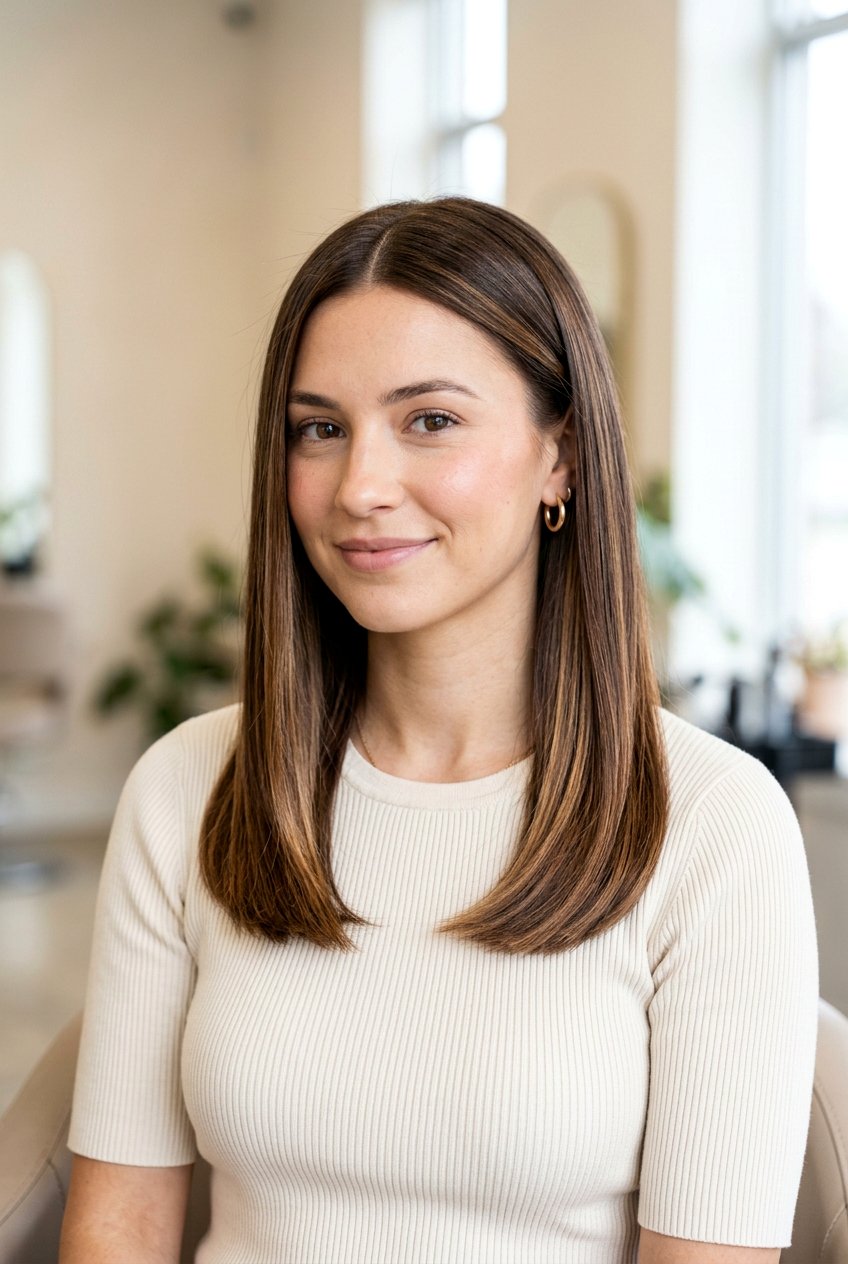
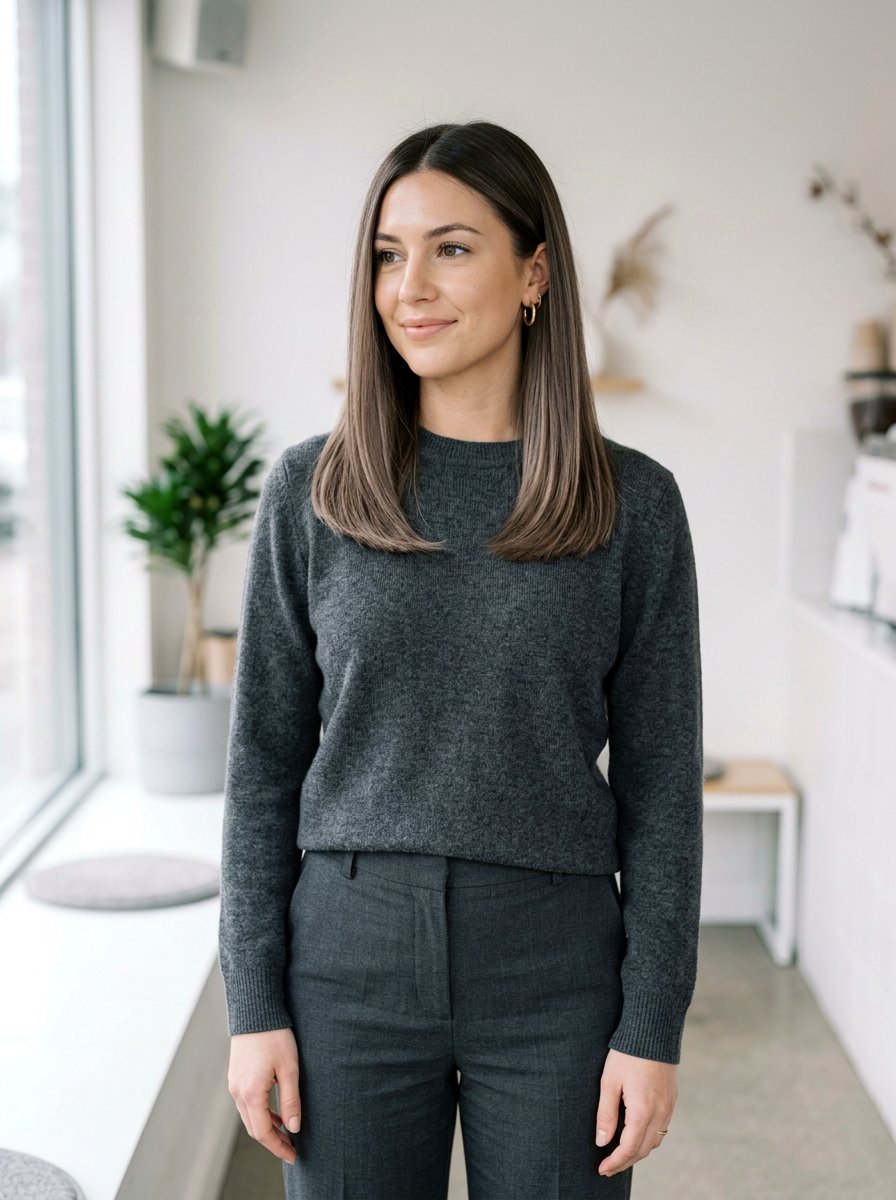
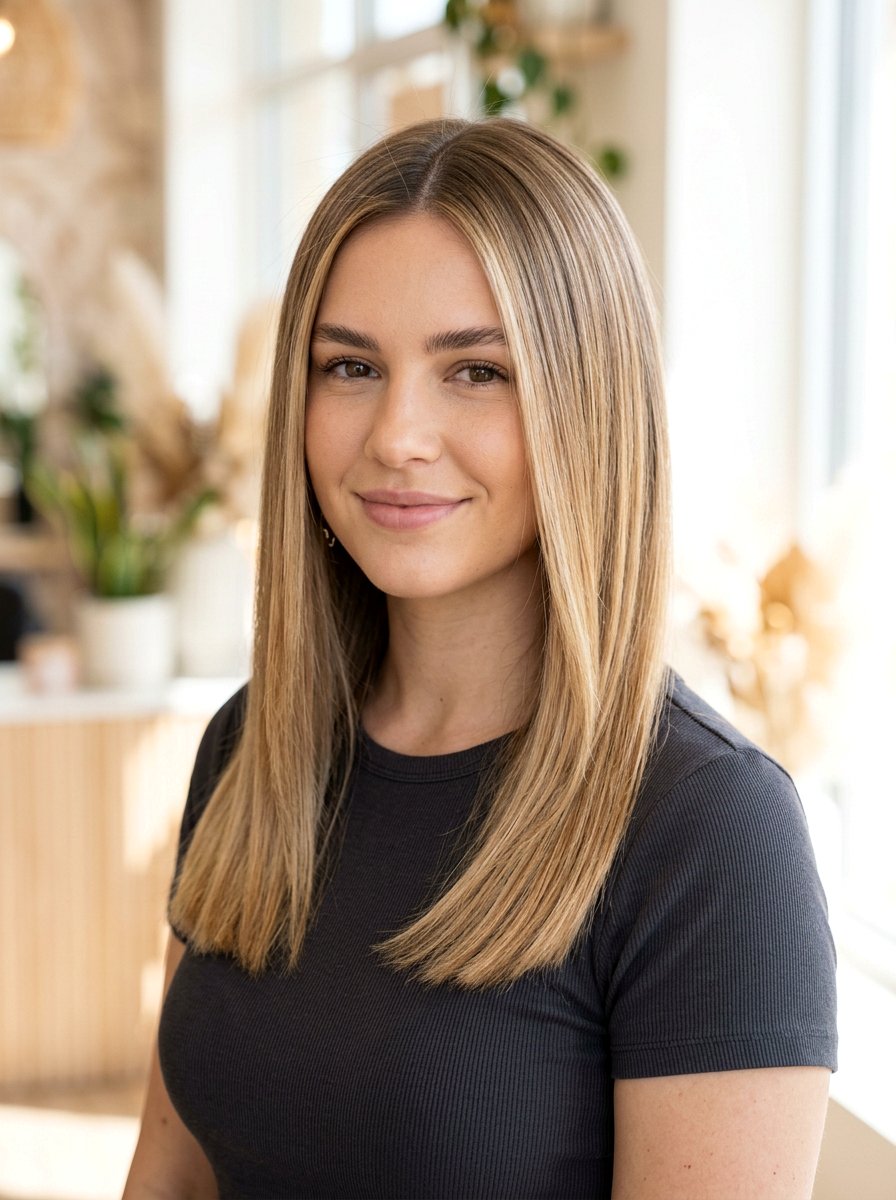
Straight hair can sometimes hide dimension, which is why placement matters so much with cocoa chestnut balayage on sleek textures. To prevent the color from looking flat, the stylist paints chestnut highlights on the surface layers, especially near the front and along the mids and ends, where they’ll be most visible when the hair is smooth. A solid cocoa root shade keeps everything polished, while lighter chestnut and soft toffee tones subtly brighten the lengths without breaking up the sleek line of the cut. Flat ironing accentuates the glossy, multi-tonal effect, as straight strands act like a canvas for the gradient from deeper brown near the roots to a slightly lighter finish at the ends. This look works particularly well with blunt cuts, long layers, or classic one-length styles, adding interest and shine without sacrificing the clean, straight silhouette.
9. Cocoa Chestnut Balayage With Face Framing Highlights
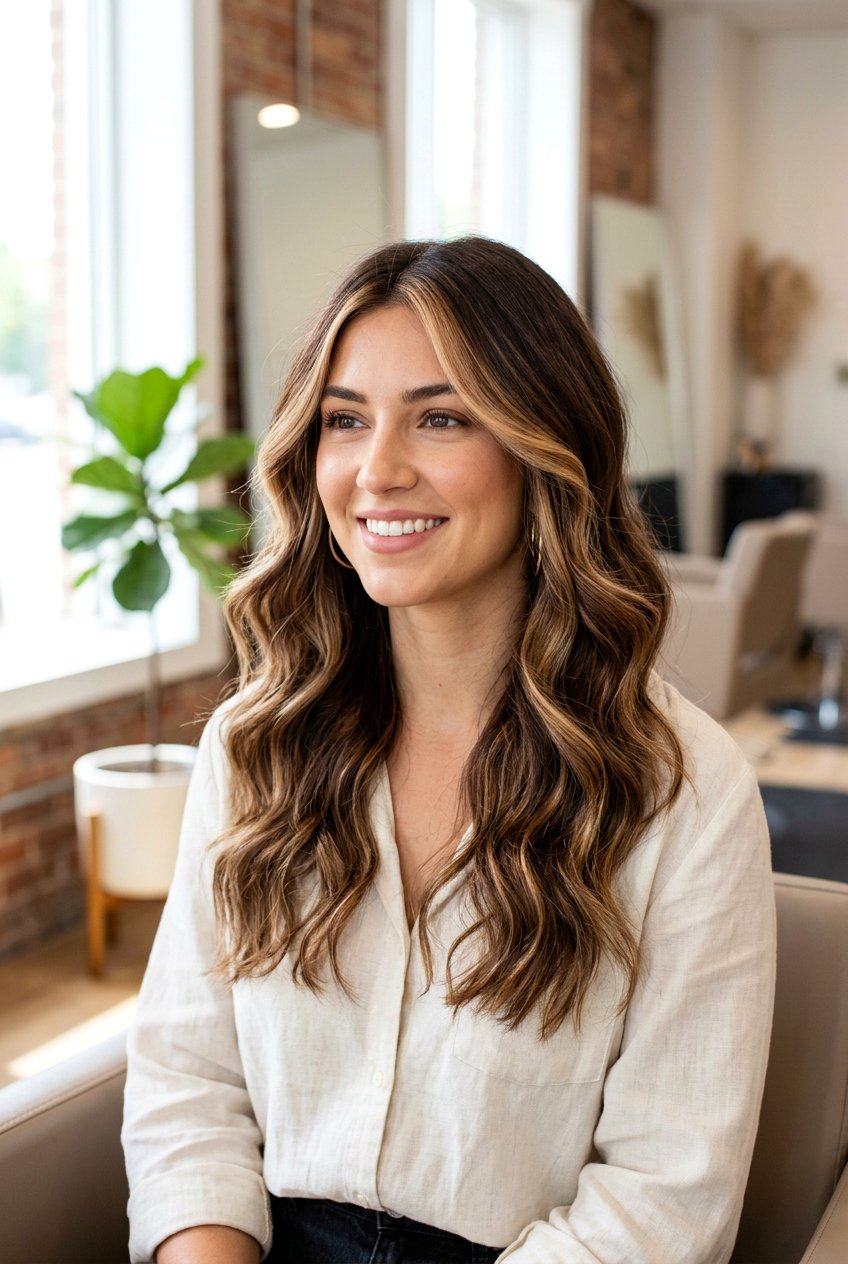
Face framing highlights can transform cocoa chestnut balayage into a brightening, complexion-boosting look. Instead of scattering all the lightness throughout the hair, the colorist concentrates chestnut and caramel tones around the front pieces, creating a soft “halo” effect that draws attention to your facial features. The rest of the hair stays rooted in a deeper cocoa shade with softer balayage through the mids and ends, which makes the front pieces stand out without feeling disconnected. This placement works especially well if you have curtain bangs, face-framing layers, or simply like to tuck your hair behind your ears, because the lighter sections remain visible from many angles. It is also a great option if you want the brightness of highlights without committing to heavy all-over lightening, keeping maintenance manageable but still delivering a noticeable glow around your face.
10. Subtle Cocoa Chestnut Balayage For Natural Look
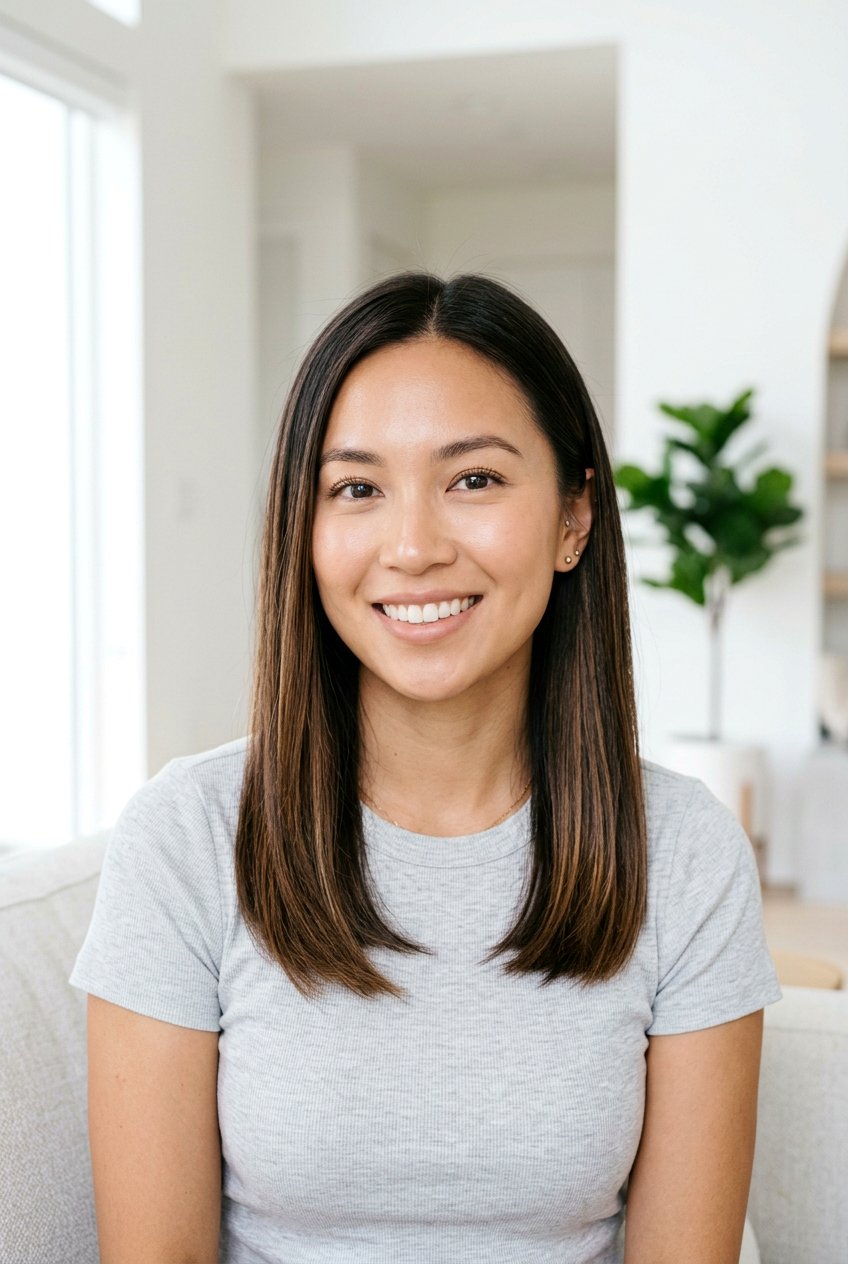
If you want your hair to look naturally sun-touched rather than obviously colored, subtle cocoa chestnut balayage is ideal. The color difference between your base and the chestnut highlights is kept small, usually just one to two levels lighter, so the overall effect is soft and low contrast. Your stylist may focus the lightening mostly on the ends and a few mid-length pieces, blending the transitions carefully so there are no visible lines or patches. This kind of balayage is especially flattering for minimalists and people new to color, as it adds shine, dimension, and warmth without drastically changing your overall shade. With gentle tones and a rich, glossy finish, the result feels quietly luxurious and easy to maintain, often only needing occasional glosses to refresh the warmth and keep brass away.
11. High Contrast Cocoa Chestnut Balayage
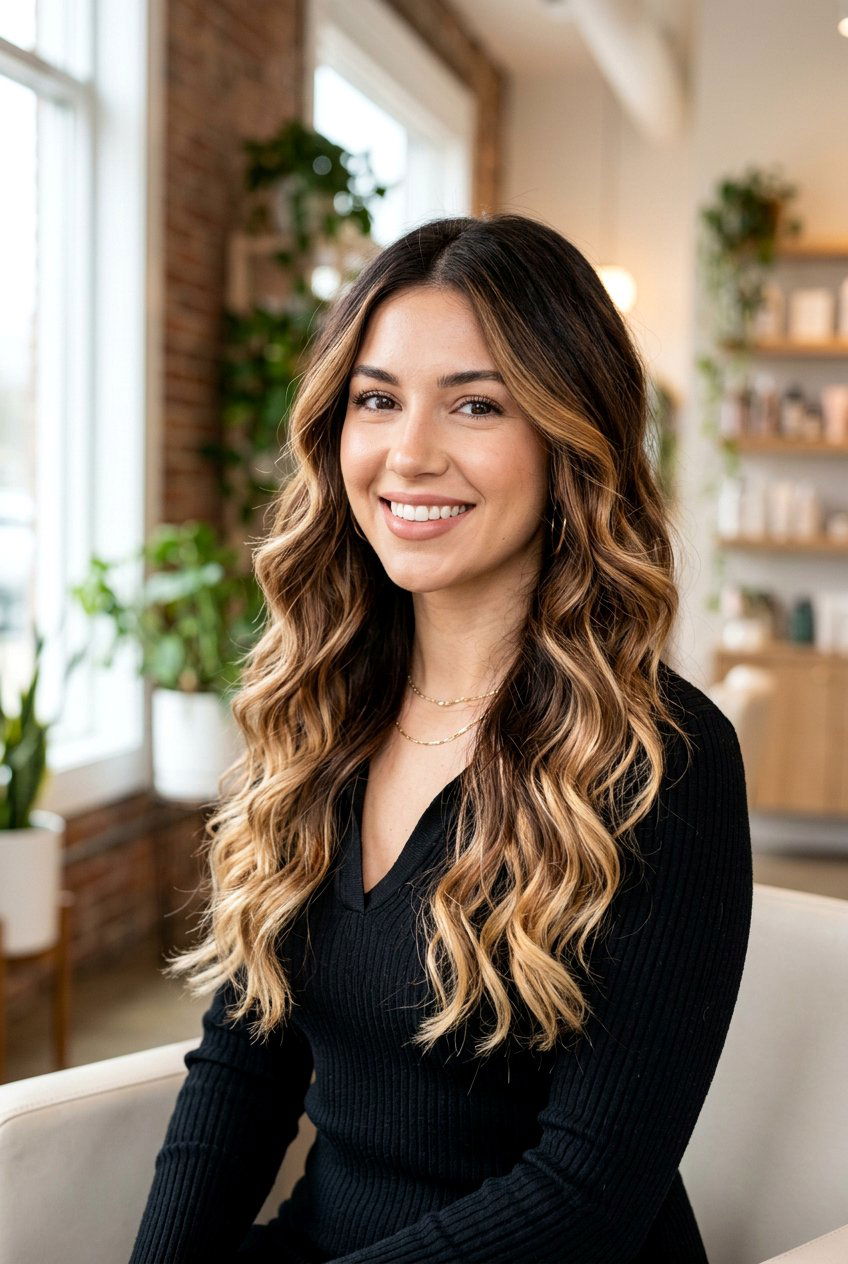
For those who want their balayage to stand out, a high contrast cocoa chestnut look delivers drama while still being wearable. Here, the base is a deeper cocoa or even dark chocolate shade, while the balayage sections include brighter chestnut, caramel, or even chestnut bronde pieces that are several shades lighter. Because balayage still uses hand painting, the transitions remain soft, but the difference between the darkest and lightest tones is more noticeable, especially around the face and in the outer layers. This contrast creates a striking, almost metallic dimension under certain lighting and looks especially eye-catching on waves or curls. To keep the look polished rather than patchy, stylists often recommend keeping the lighter tones within a complementary warm family so everything blends harmoniously even with the bolder brightness.
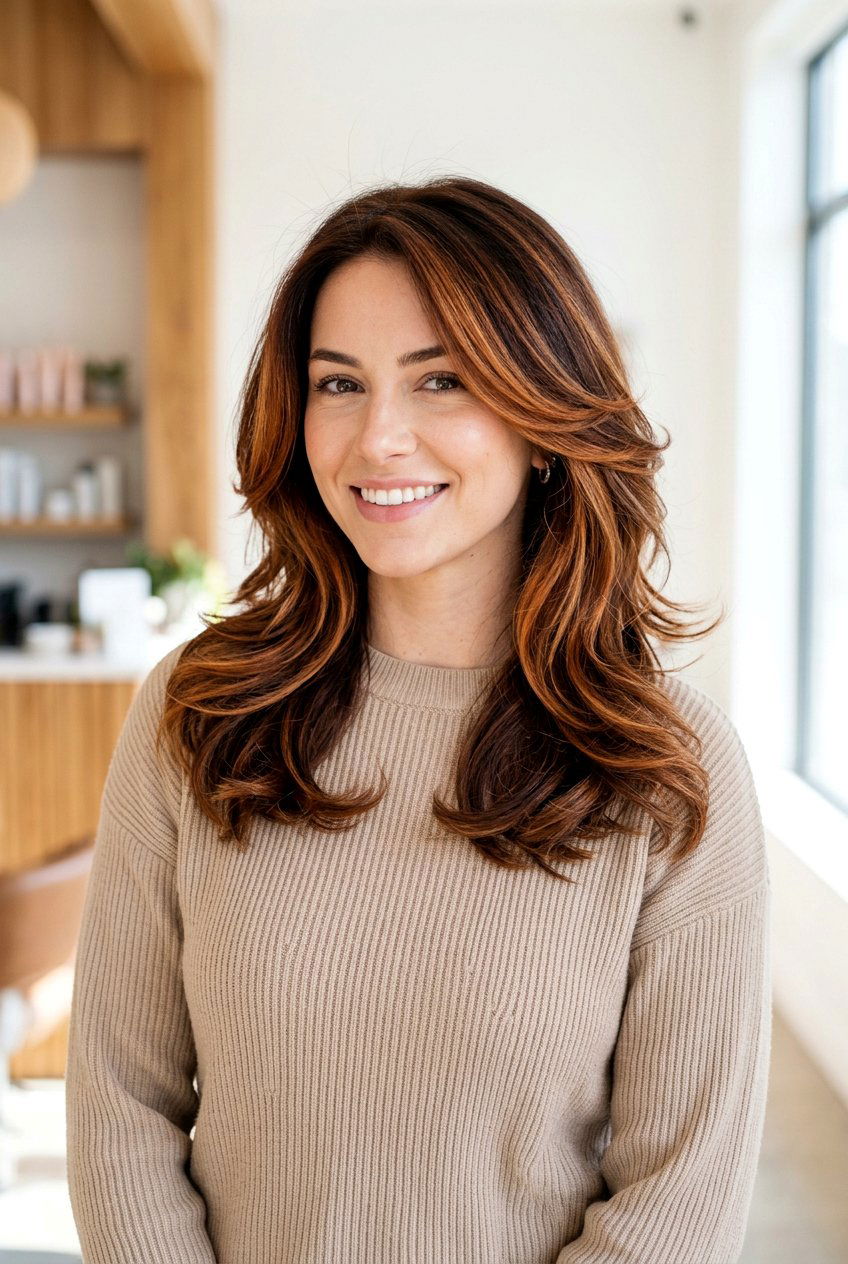
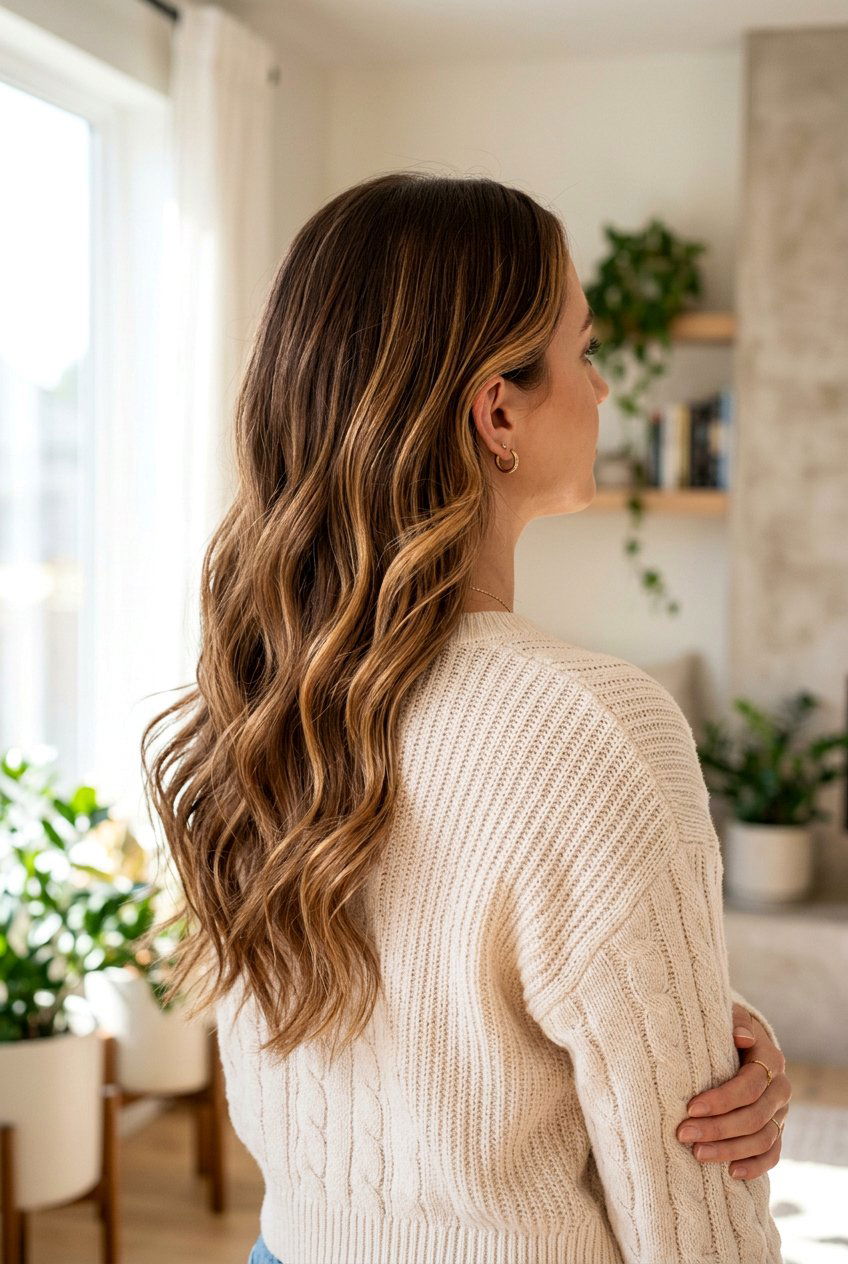
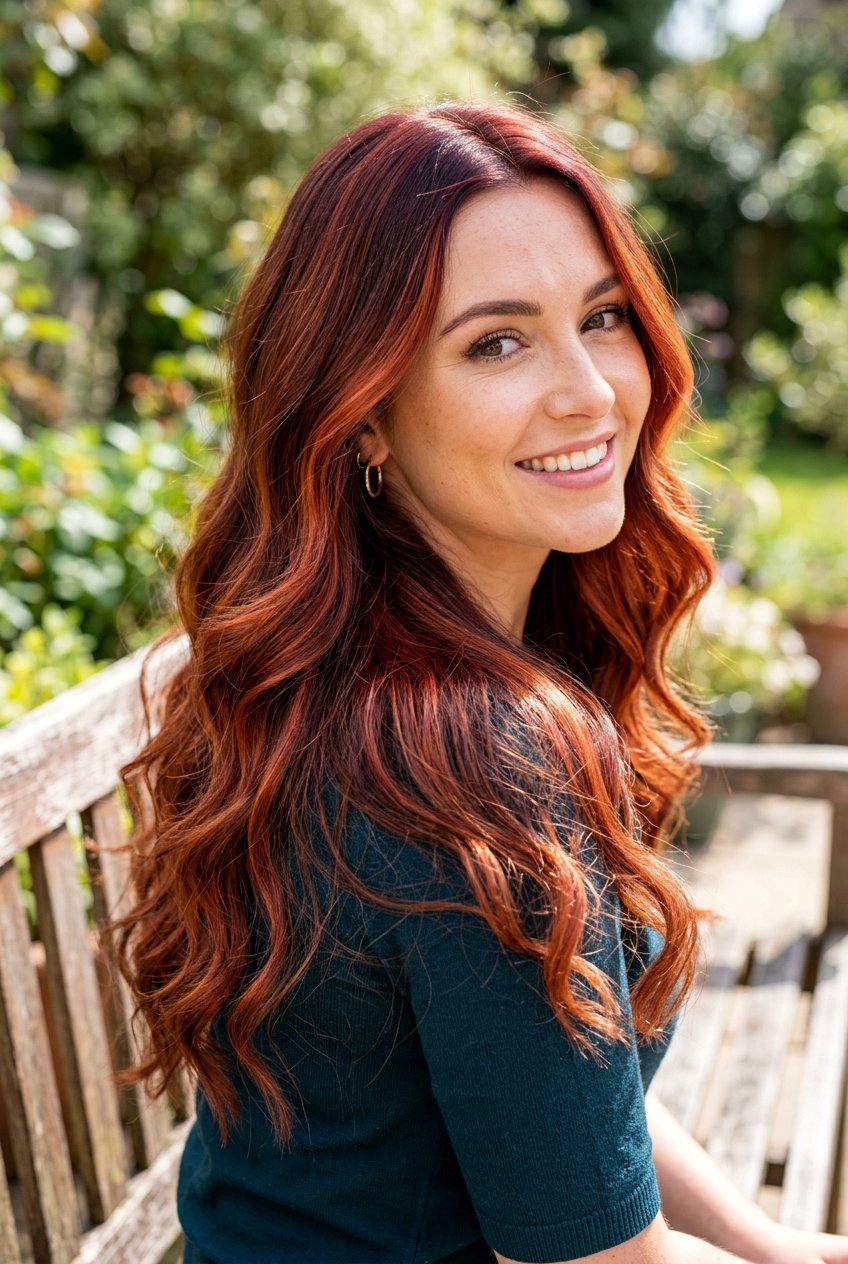
12. Cocoa Chestnut Balayage On Curly Hair
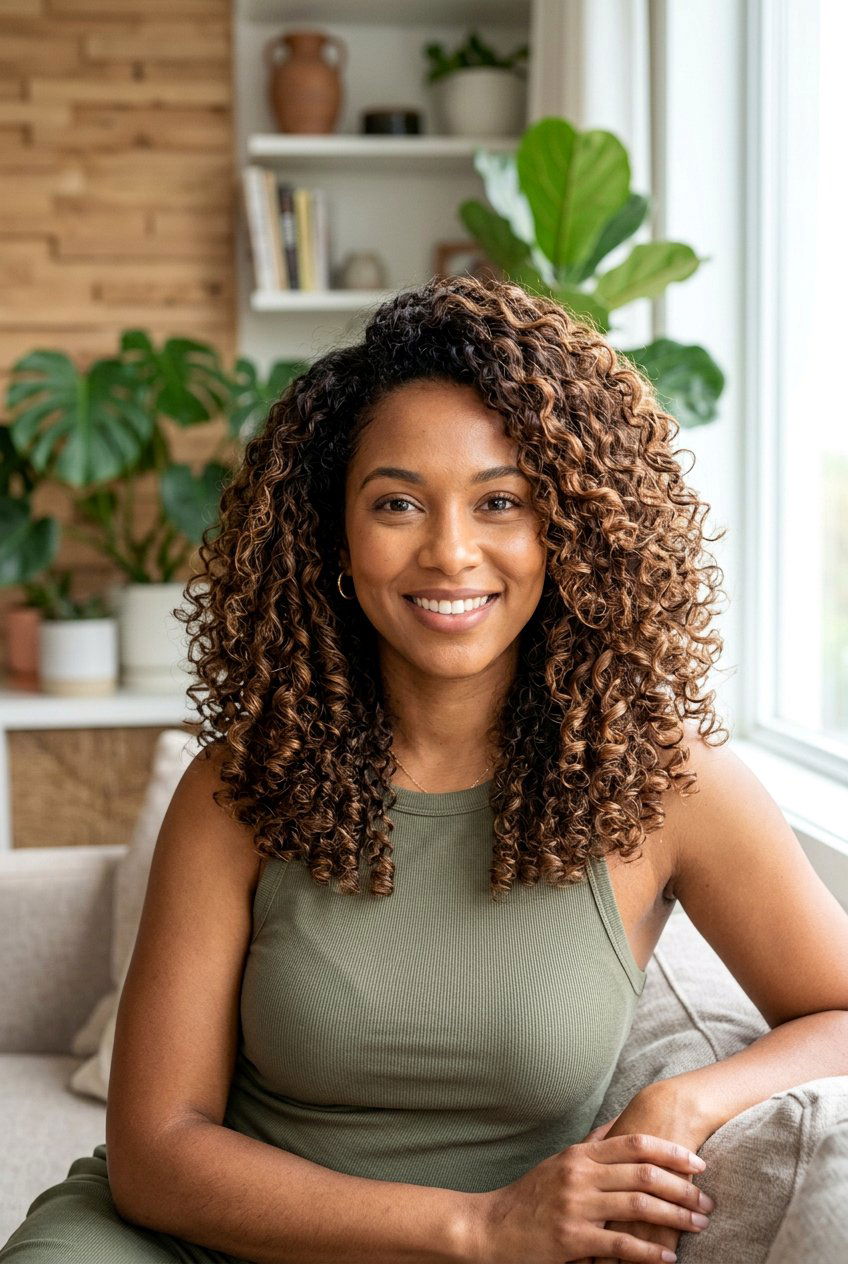
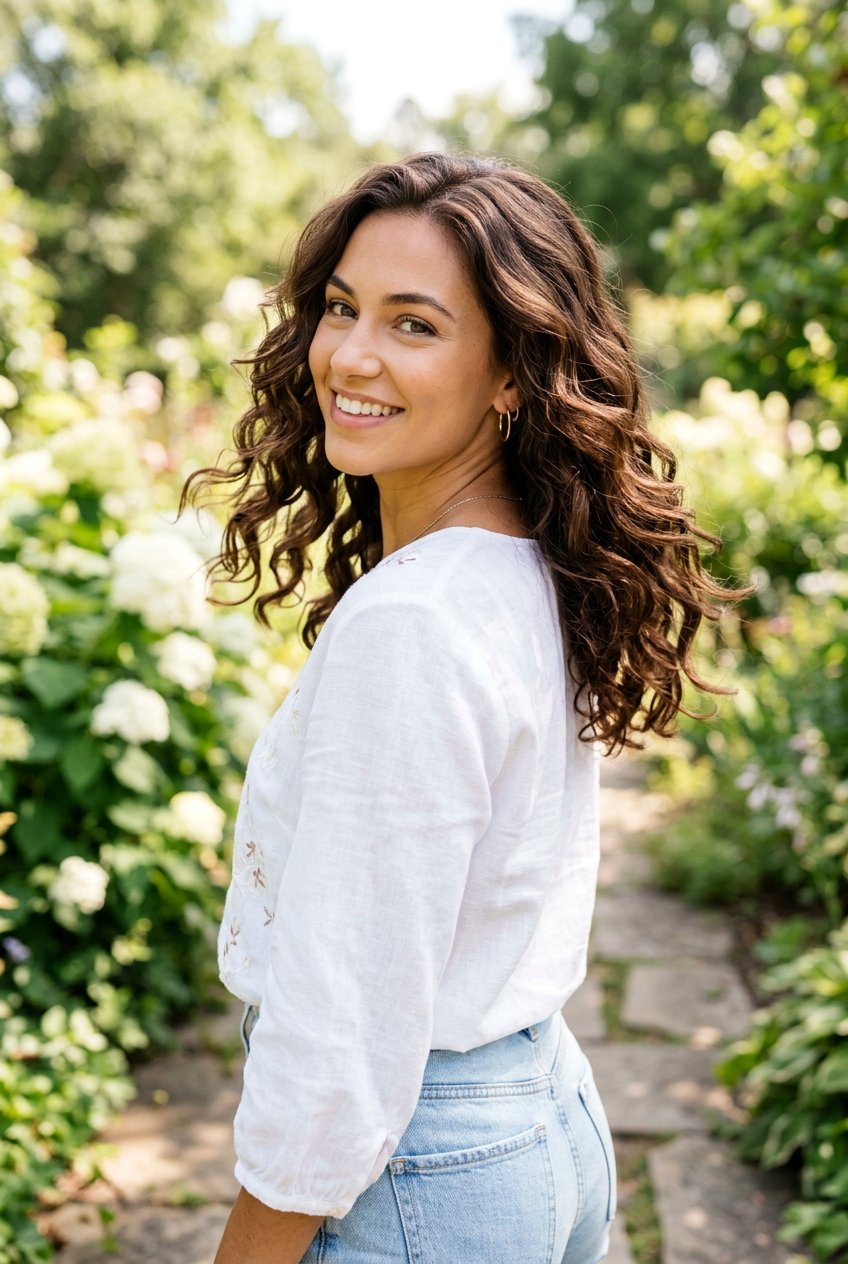
Curly hair and cocoa chestnut balayage are a beautiful pairing because curls naturally showcase layers of color. Stylists typically paint highlights on selected curls and curl clumps rather than flat sections, which ensures the chestnut tones follow the curl pattern and look seamless when the hair is dry. A deeper cocoa base near the roots keeps the curls looking defined and rich, while chestnut and caramel ribbons brighten the mid-lengths and ends, enhancing the shape of each spiral or wave. Because curls reflect light differently, even subtle lightening can make them appear more dimensional and bouncy. To maintain the health of textured hair, many colorists use bonding treatments and recommend moisturizing masks and sulfate-free products to keep the color fresh and the curls soft and defined.
13. Cocoa Chestnut Balayage For Warm Skin Tones
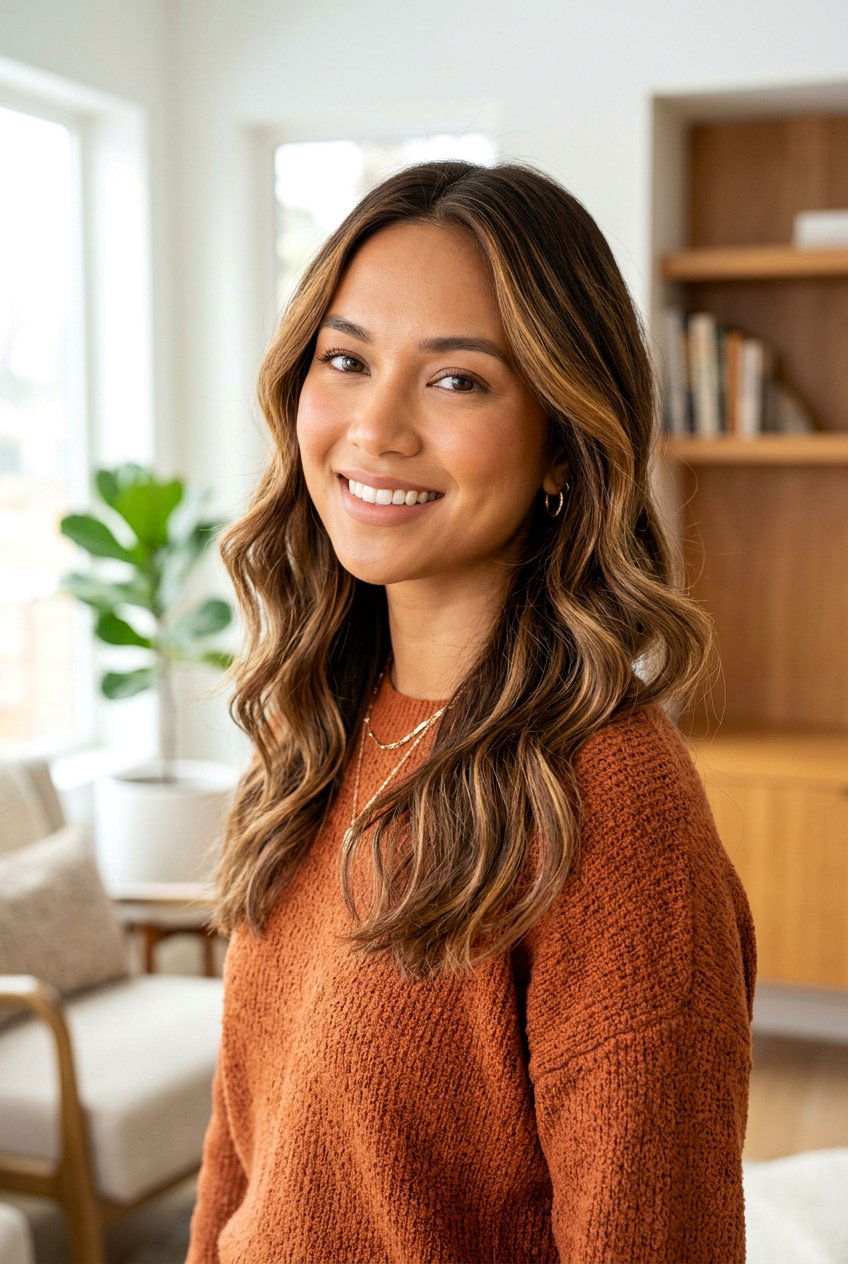
Warm skin tones pair effortlessly with cocoa chestnut balayage when the color leans into golden, caramel, and rich chestnut notes. For these complexions, stylists often choose chestnut hues that include hints of gold or copper, layering them over a cocoa base that is not too ashy. This combination echoes the warmth in the skin, making the overall look harmonious and radiant rather than washed out. Balayage placement that brightens around the face and mid-lengths works well, as it draws light toward the cheeks and eyes in a very flattering way. Regular glosses with warm toners help keep the color from fading to dull or brassy tones, ensuring the hair stays shiny and vibrant while complementing the skin’s natural golden undertones.
14. Cocoa Chestnut Balayage For Cool Skin Tones
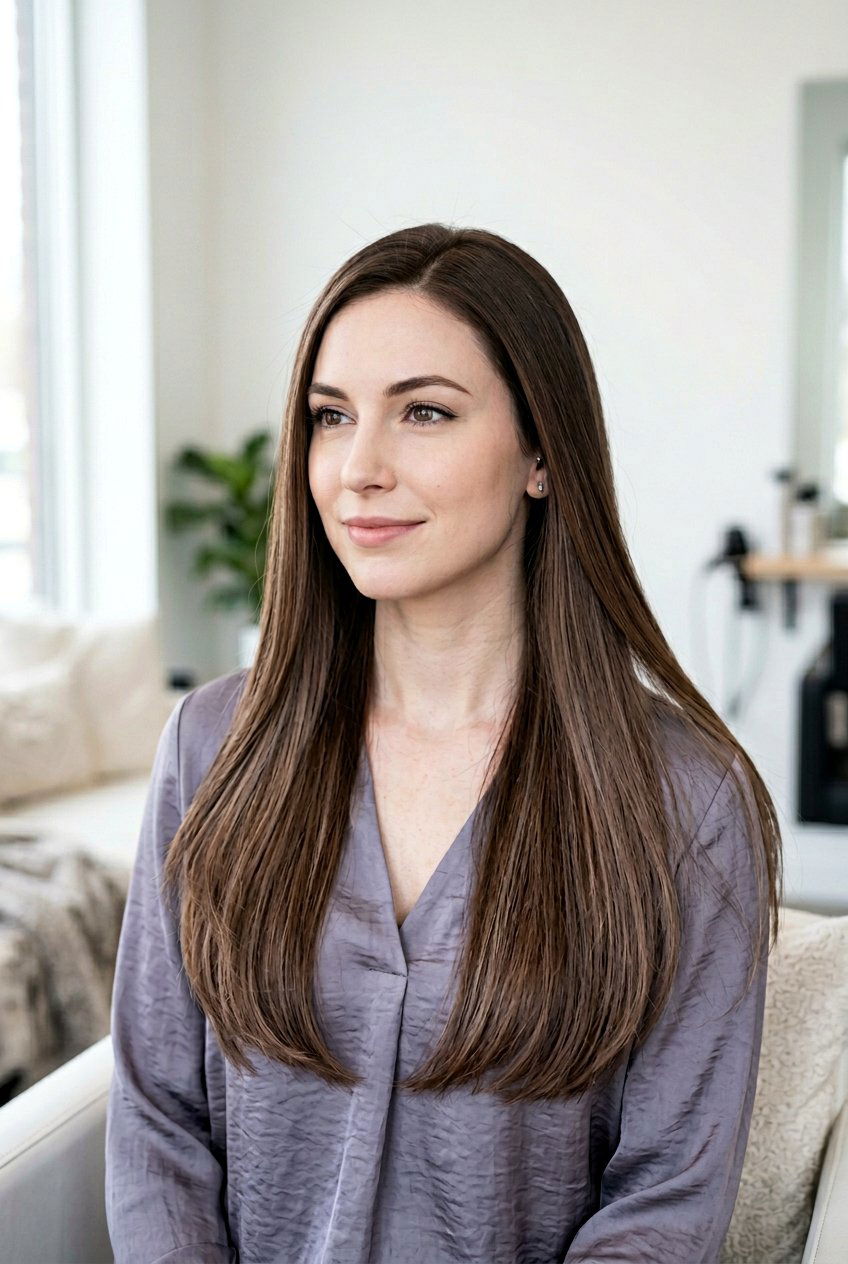
Cool skin tones also can rock cocoa chestnut balayage, but the shades should be carefully selected to avoid clashing warmth. Instead of very golden chestnut, stylists may opt for neutral or slightly cooler chestnut hues with subtle mahogany or muted caramel, layered over a neutral cocoa base. Keeping the warmth controlled ensures the color flatters pink or cool beige undertones rather than emphasizing redness. Balayage placement focuses on soft brightness around the face and ends while preserving enough depth at the roots and underneath, so the look remains balanced and sophisticated. A toner tailored to cool or neutral results helps maintain the right undertone over time, so your cocoa chestnut balayage stays chic and not overly warm as it fades.
15. Low Maintenance Cocoa Chestnut Balayage
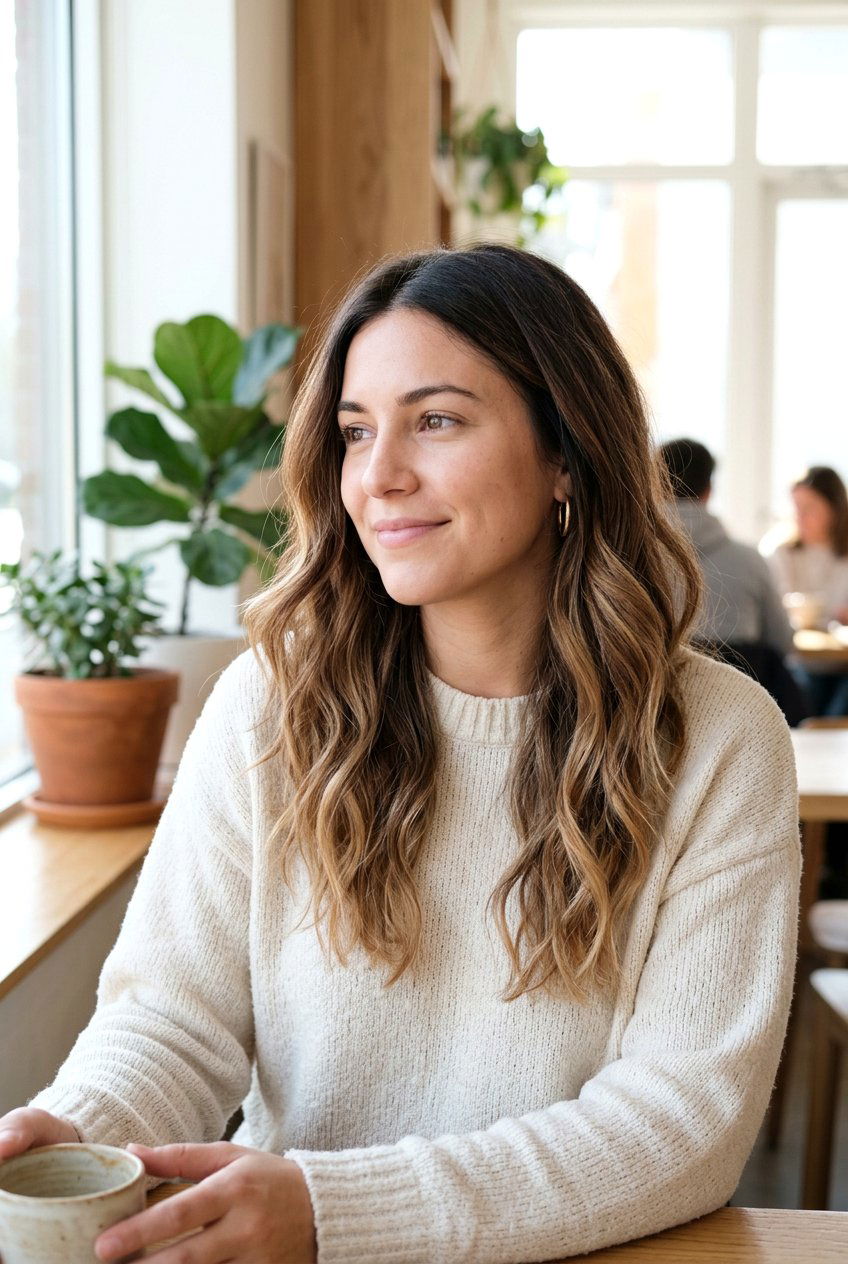
If you prefer fewer salon visits, low maintenance cocoa chestnut balayage is designed with grow-out in mind. The colorist keeps your natural or near-natural root shade intact and places chestnut highlights starting lower on the strands, usually from mid-length down, which makes new growth blend naturally. Balayage pieces are diffused and feathered toward the root rather than starting abruptly, so there is no harsh line as your hair grows. This approach allows you to go several months between touch-ups, especially if you are comfortable with a softer, more lived-in look over time. Occasional gloss appointments can refresh warmth and shine without redoing the entire balayage, keeping your cocoa and chestnut tones rich while minimizing long, complex coloring sessions.
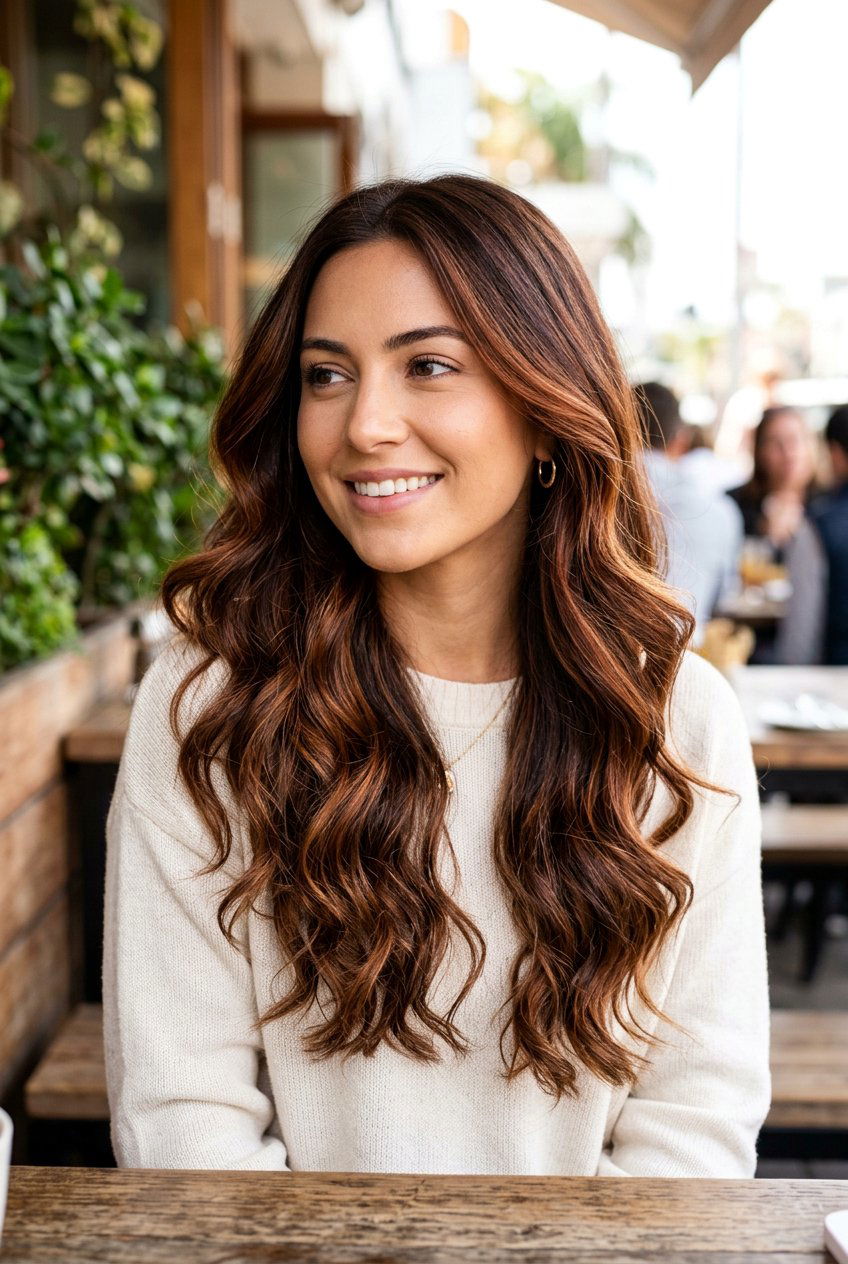
16. Cocoa Chestnut Balayage With Money Piece
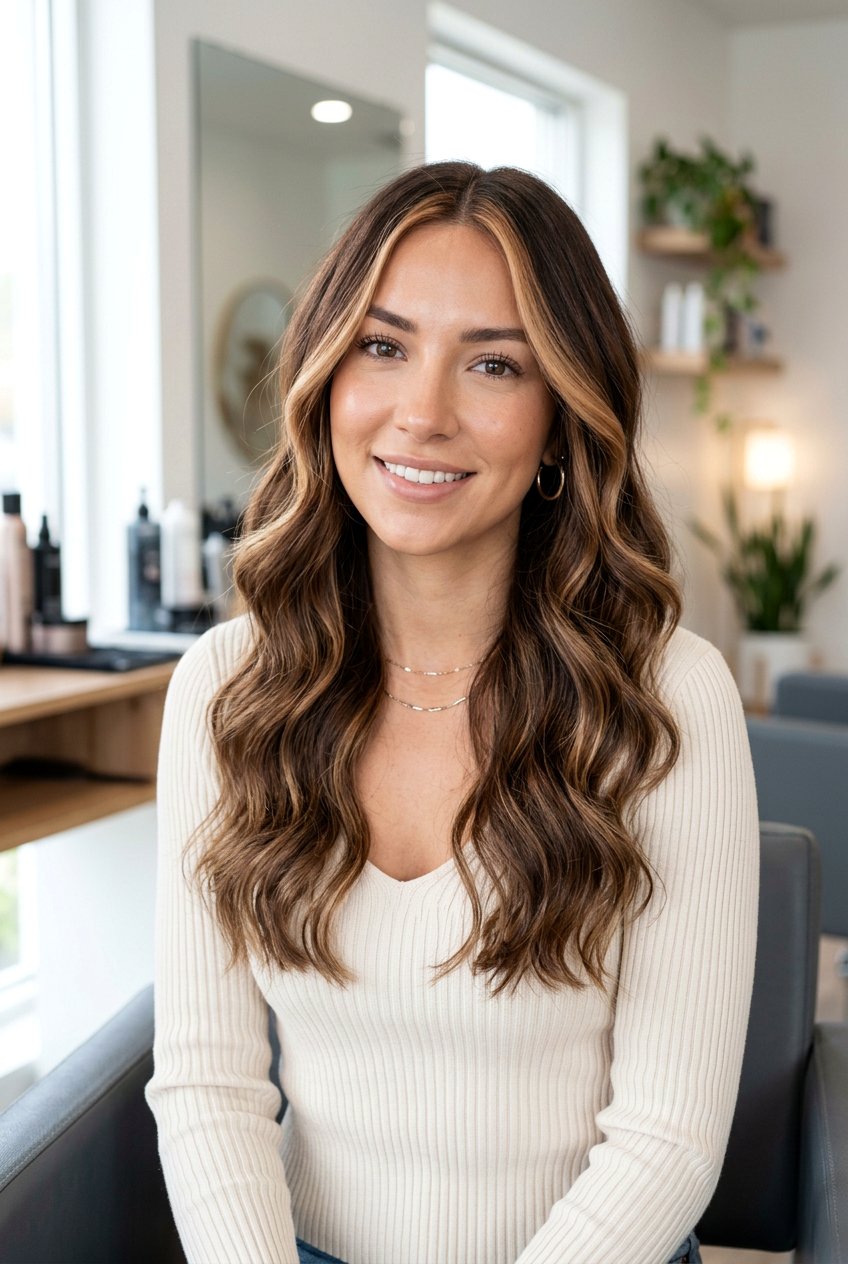
A “money piece” is a bold face-framing highlight, and when paired with cocoa chestnut balayage, it creates a high-impact yet cohesive result. In this look, the majority of the hair features softer cocoa and chestnut blending, while the front sections are painted with lighter chestnut, caramel, or even chestnut bronde for extra brightness. This draws attention to your features and gives a salon-fresh pop that is very visible in photos and everyday styling. Because the rest of the hair stays rooted and multi-tonal, the money piece does not feel disconnected but rather accentuates the overall balayage story. Many people love this option because you can refresh just the front sections more frequently, keeping your hair looking bright even if you stretch full-color appointments.
17. Cocoa Chestnut Balayage With Layered Haircut
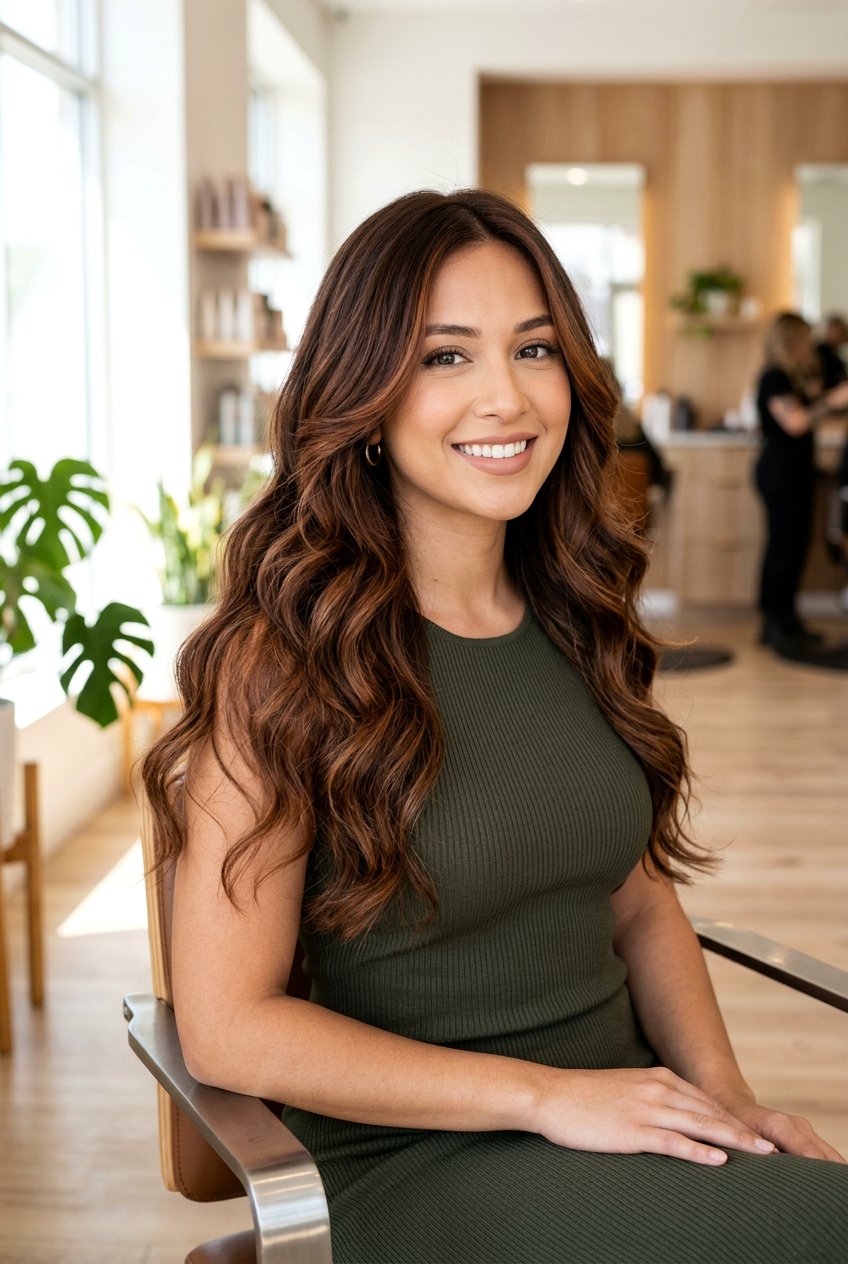
Layered haircuts pair beautifully with cocoa chestnut balayage because layers reveal dimension and movement. When the hair is cut into long or medium layers, the lighter chestnut pieces can be strategically placed on the shorter top layers and face-framing sections, while deeper cocoa tones sit underneath. This creates a dynamic interplay of light and shadow that looks especially striking when styled with waves or blown out with volume. Layers also prevent the color from appearing too solid or heavy at the ends, which is helpful if your hair is naturally dense or thick. Combined, the right layering and balayage placement can make hair appear lighter, bouncier, and more textured without sacrificing length or fullness.
18. Cocoa Chestnut Balayage With Curtain Bangs
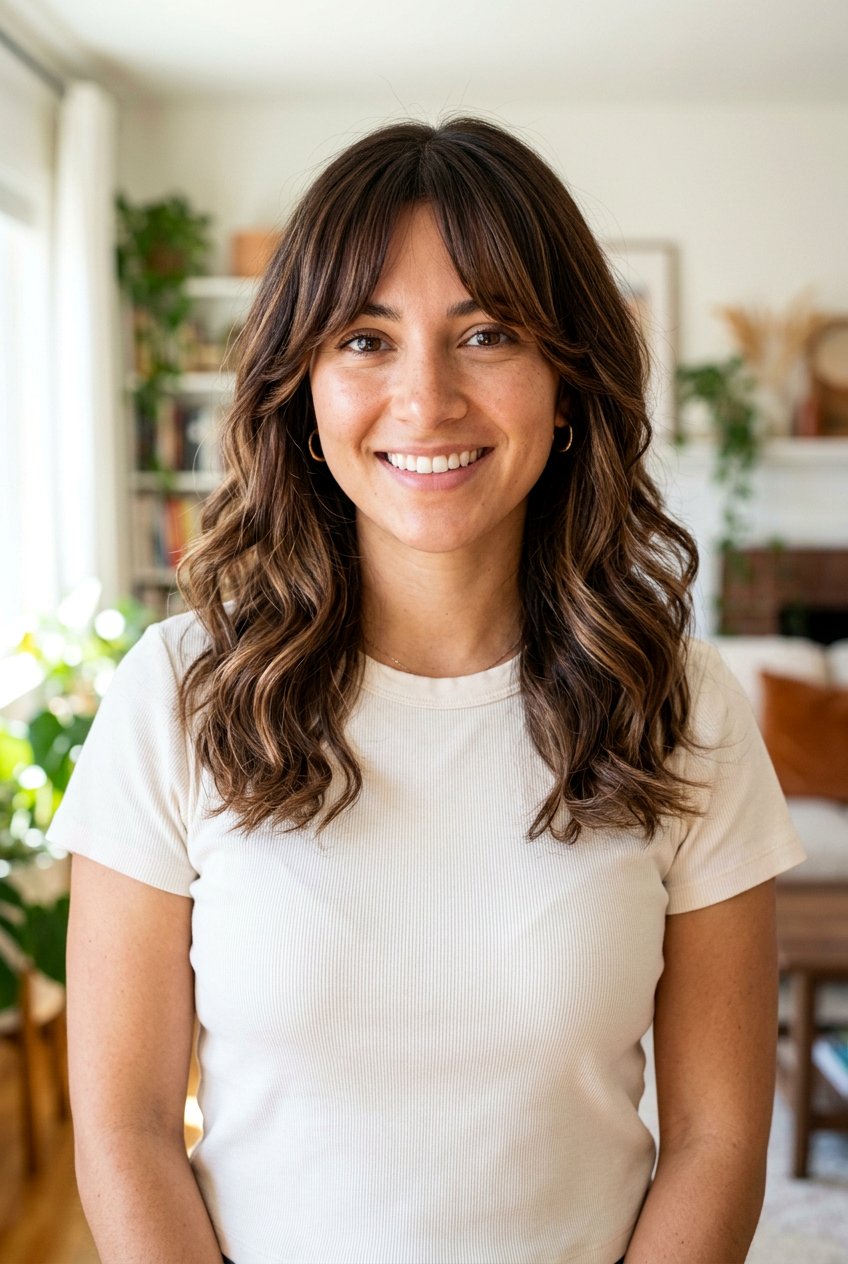
Curtain bangs instantly update cocoa chestnut balayage by adding shape and a focal point around the face. In this combination, stylists often weave chestnut and caramel tones directly through the bangs and the pieces just behind them, so they appear slightly lighter than the rest of the hair. This creates a soft, face-brightening effect that works whether you wear your bangs parted down the middle or swept to the sides. The deeper cocoa base in the rest of the hair keeps the overall look grounded and dimensional, with lighter balayage through the mids and ends to tie everything together. When styled with gentle waves or a blowout with movement, the interplay of tones in the bangs and lengths gives a modern, effortless finish that feels very current.
19. Cocoa Chestnut Balayage For Mature Women
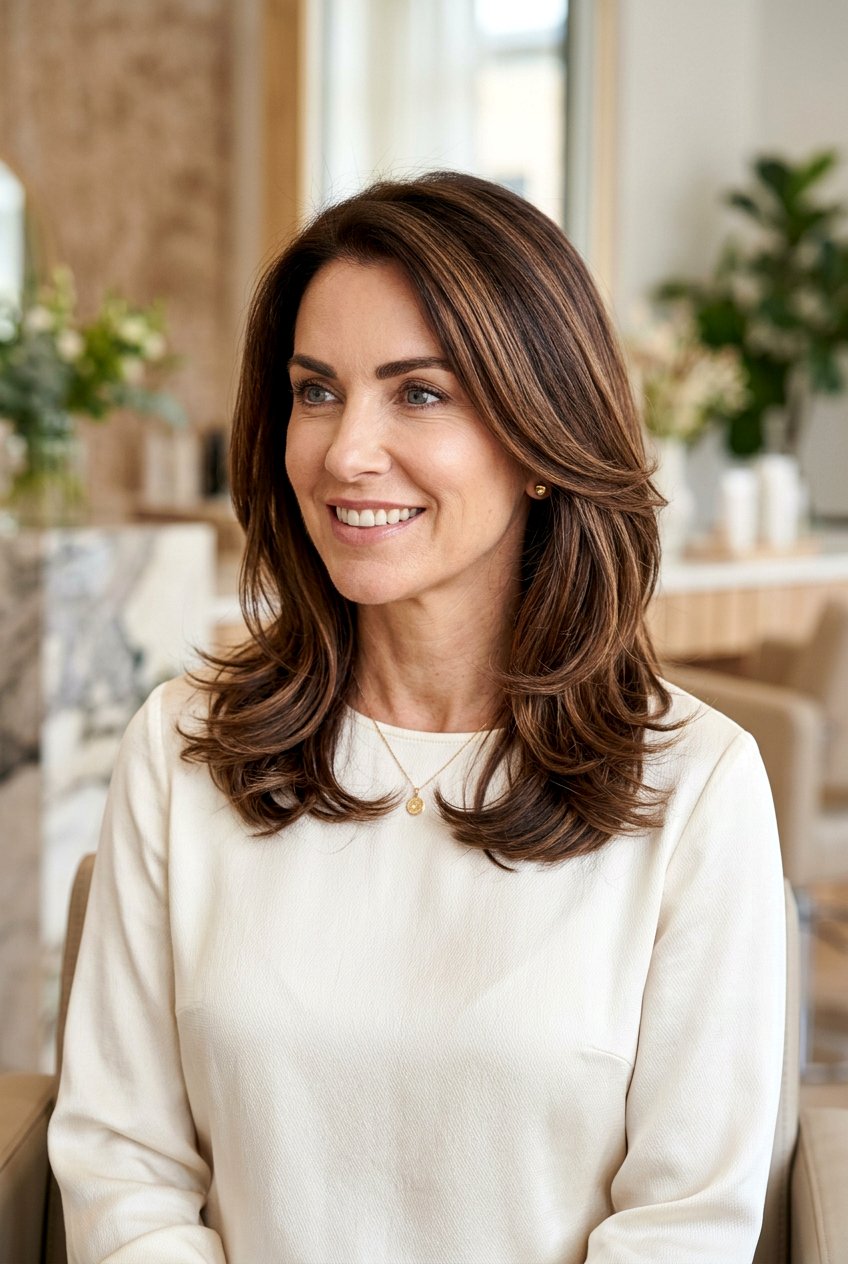
Cocoa chestnut balayage is an excellent option for mature women who want soft, flattering color that works with changing hair texture and grays. The warm chestnut tones add brightness and dimension around the face, which can help soften features and add a youthful glow without feeling drastic. Balayage placement also allows some natural color and grays to blend in, making regrowth less noticeable and reducing the pressure for frequent root touch-ups. Many stylists choose slightly softer, medium-depth cocoa bases and not-too-bright chestnut to keep the look elegant and low contrast. With the right glosses and conditioning treatments, this color combination delivers shine, coverage, and a polished finish that still feels natural and easy to wear day to day.
20. Cocoa Chestnut Balayage Maintenance Tips
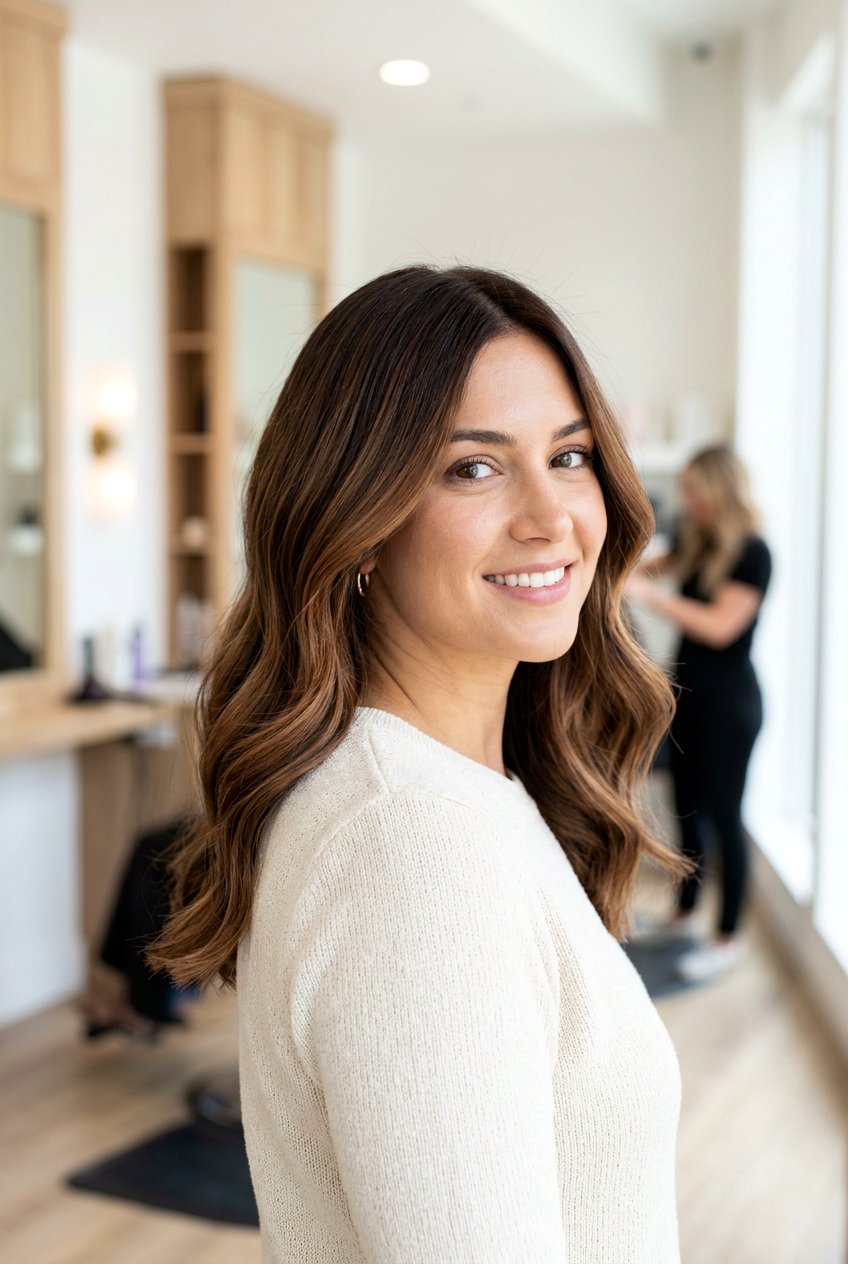
Keeping cocoa chestnut balayage looking fresh comes down to simple but consistent care habits. Using color-safe, sulfate-free shampoo and conditioner helps preserve the richness of the cocoa base and the warmth of the chestnut highlights, preventing premature fading. Many colorists recommend spacing washes and using cool or lukewarm water to prolong tone, plus incorporating a weekly hydrating mask or bond-repair treatment to support hair health after lightening. A gloss or toner every six to eight weeks can revive shine, refine warmth, and keep brassiness in check, especially if your hair tends to lift warm. Finally, heat protectant before styling and UV protection when you are in the sun help maintain that multi-dimensional, glossy finish that makes cocoa chestnut balayage so appealing.
Conclusion:
Cocoa chestnut balayage is a versatile, flattering brunette color story that combines a rich cocoa base with warm, dimensional chestnut highlights for a soft, sun-kissed effect. Because the balayage technique focuses lightness on the mid-lengths and ends, it offers a more natural grow-out and lower maintenance than traditional root-to-tip highlights, which makes it ideal for many lifestyles. Whether your hair is short or long, fine or thick, straight, wavy, or curly, the placement and exact tone of cocoa and chestnut can be customized to suit your texture and haircut. Adjusting the warmth allows the color to complement both warm and cool skin tones, while add-ons like money pieces, face-framing brightness, and curtain bangs tailor the overall look. With thoughtful maintenance, including glosses, protective products, and healthy hair habits, cocoa chestnut balayage stays glossy, dimensional, and modern long after you leave the salon.
You'll Like These Styles:


Leave a Reply