
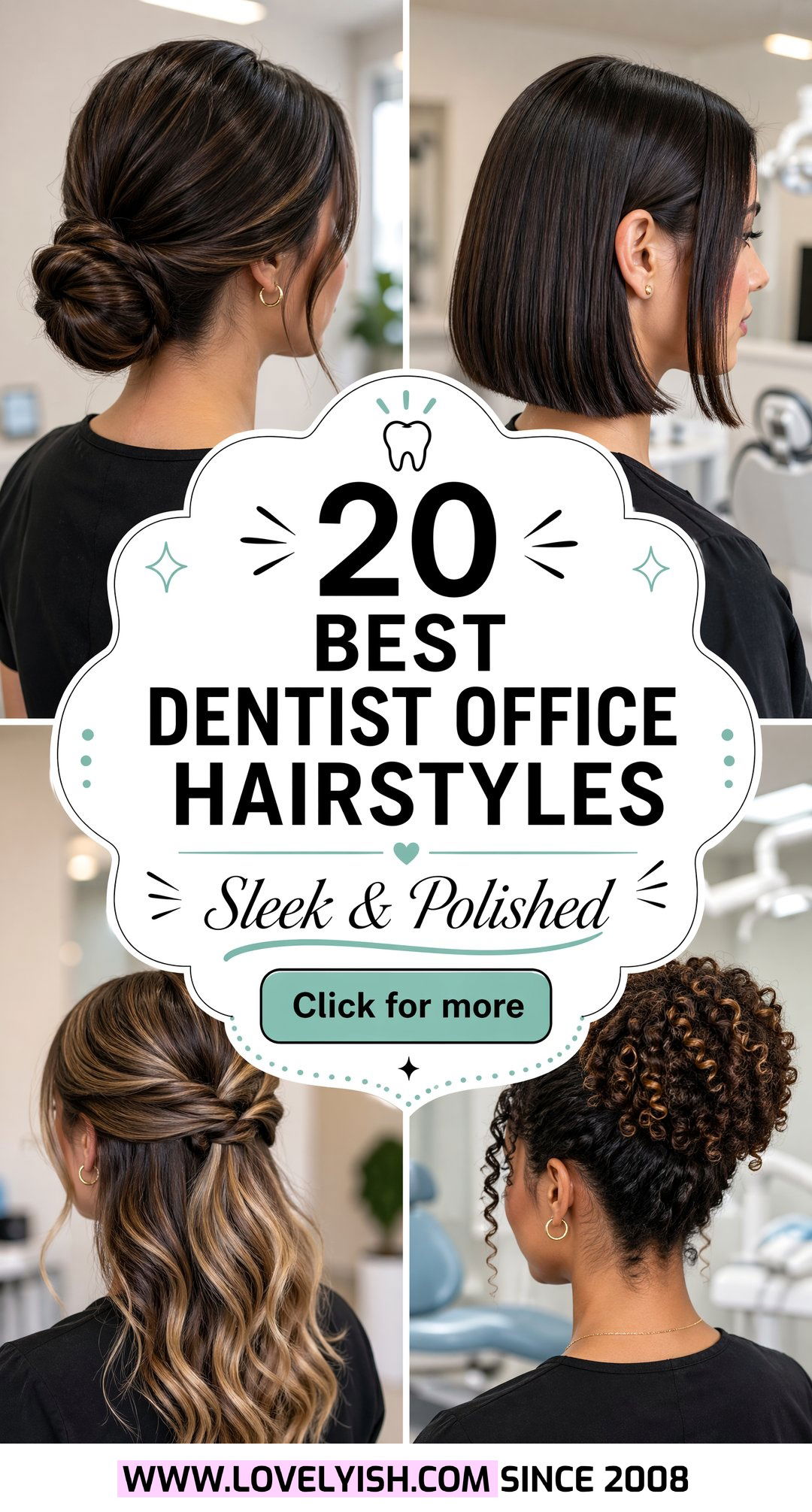
Walking into a dental office with hair in your face is never fun, especially when you’re tipping your head back in the chair or bending over patients all day. For dentist office hairstyles, the goal is simple: keep hair securely away from the face, neck, and instruments while still looking neat and professional. That usually means clean lines, secure ties or pins, and minimal fuss once you walk in the door. Think about styles that lie flat on the back of your head so they do not dig into the chair, and that hold up under a mask, glasses, or face shield. Simple ponytails, buns, and braids work best, but there are lots of small tweaks that make them feel more polished, flattering, and modern. The 20 looks below are practical for dental pros and also smart picks for anyone heading to an appointment and wanting to stay comfortable.
1. Low Ponytail For Dentist Visit
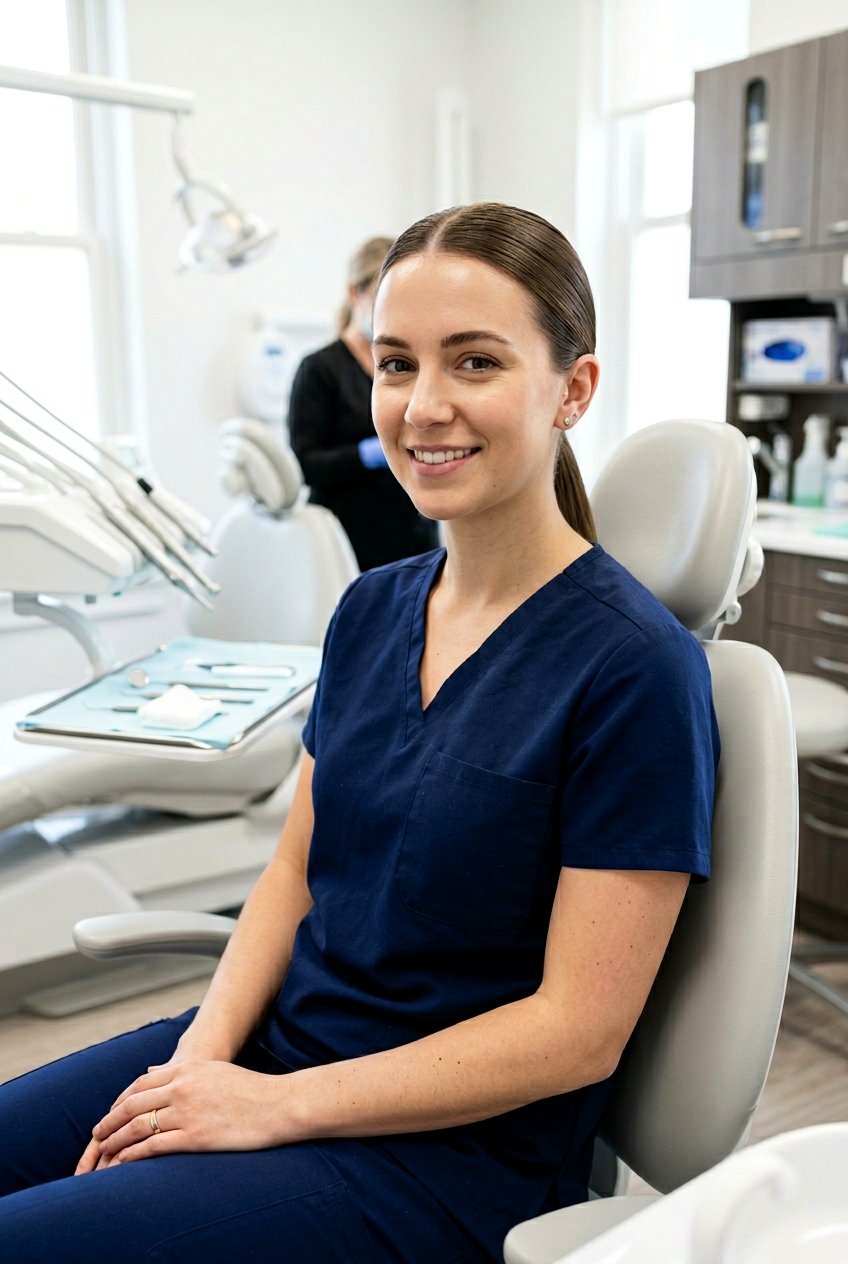
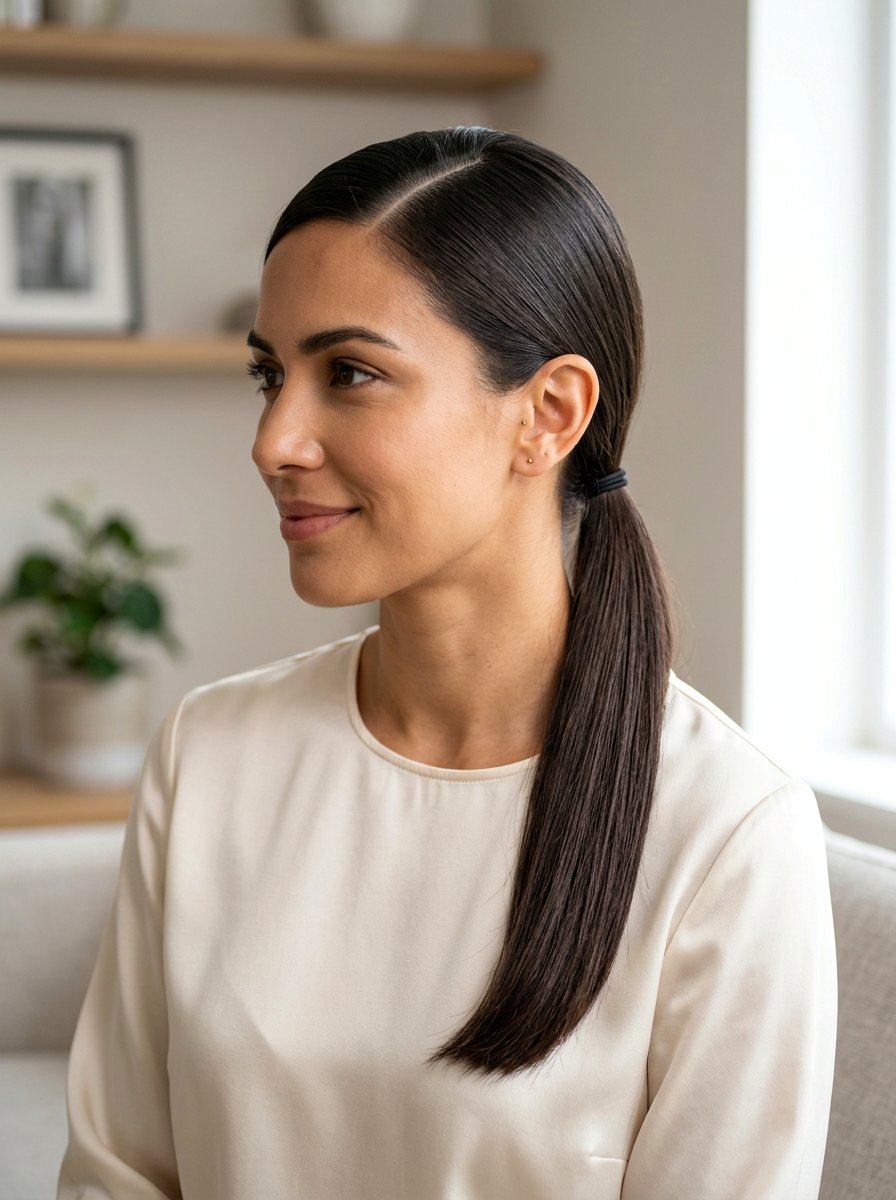
A low ponytail is one of the easiest dentist office hairstyles because it keeps hair controlled while staying flat against the back of your head. Placing the ponytail at the nape of the neck prevents a big knot of hair from pressing into the dental chair, so you can lie back without discomfort. Use a smoothing brush to bring hair straight back or with a soft side part, then secure it with a no‑slip elastic that will not snag. For extra polish, wrap a thin strand of hair around the elastic and pin it underneath. This small detail makes the style look more professional without adding bulk. A tiny amount of anti‑frizz cream on the top helps flyaways stay down through a long workday or appointment, and the length can rest over one shoulder so it never gets in the way of tools.
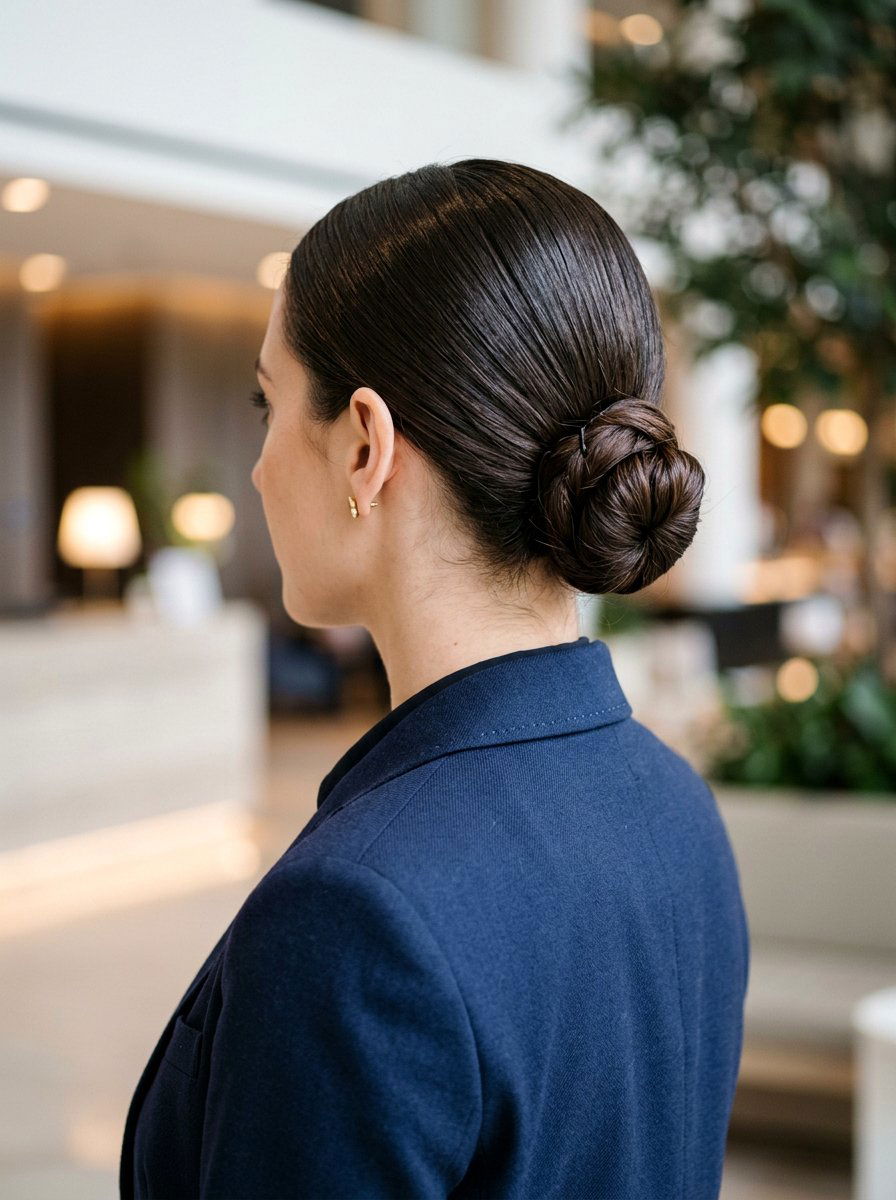
2. Sleek Low Bun For Dental Office
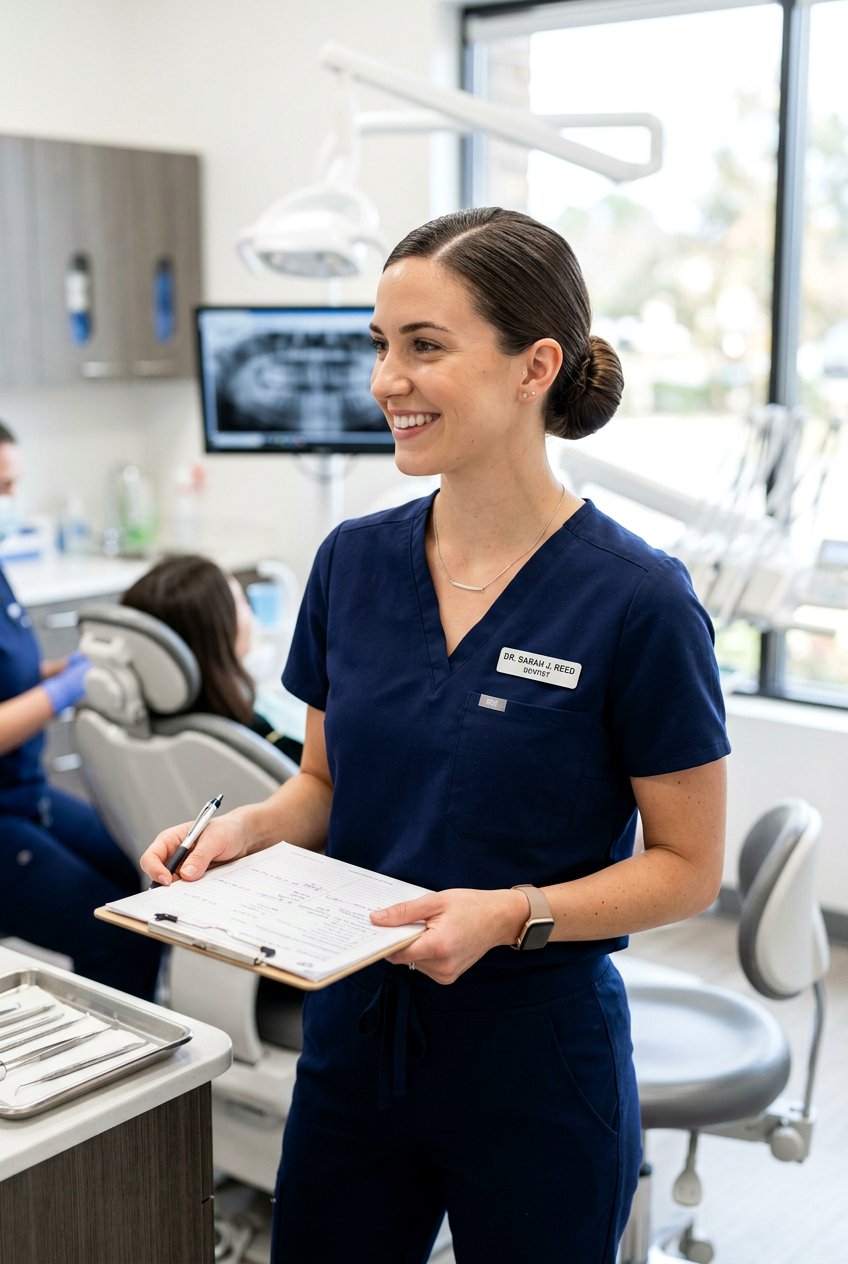
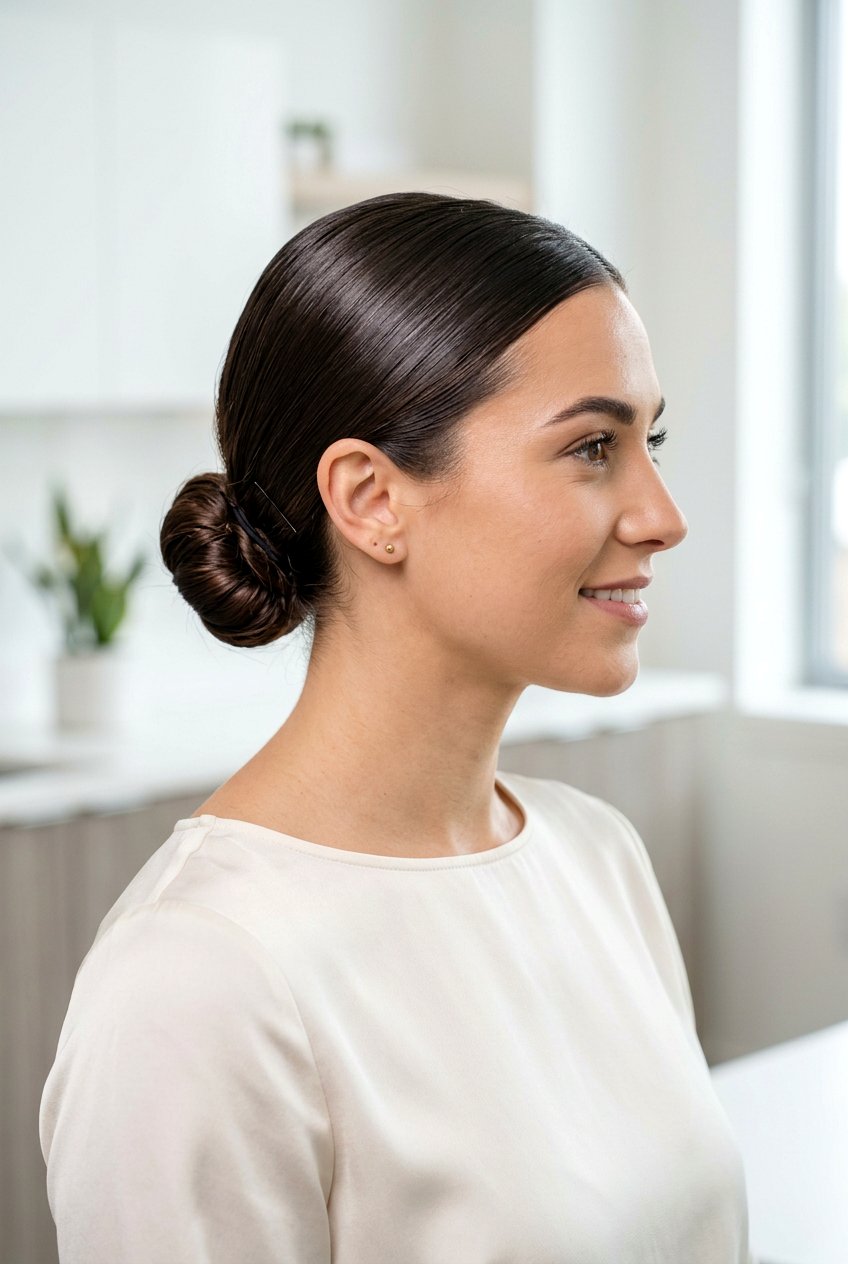
A sleek low bun is perfect when you need hair completely out of your way and prefer a refined, tidy look. Start with a low ponytail at the nape, smooth the hair with a comb, then twist the ponytail into a tight coil and wrap it around the base. Secure with hairpins close to the scalp so the bun sits flat, which is more comfortable against the dental chair and safer around equipment. A bit of gel or styling cream on the top will give a clean finish that looks professional in any clinical setting. This style works well for straight, wavy, or relaxed hair, and it can easily move from clinic to errands without restyling. If your hair is layered, tuck shorter pieces into the bun with extra pins so nothing falls into your eyes while you lean over patients or open wide for X‑rays.
3. High Ponytail For Dental Assistants
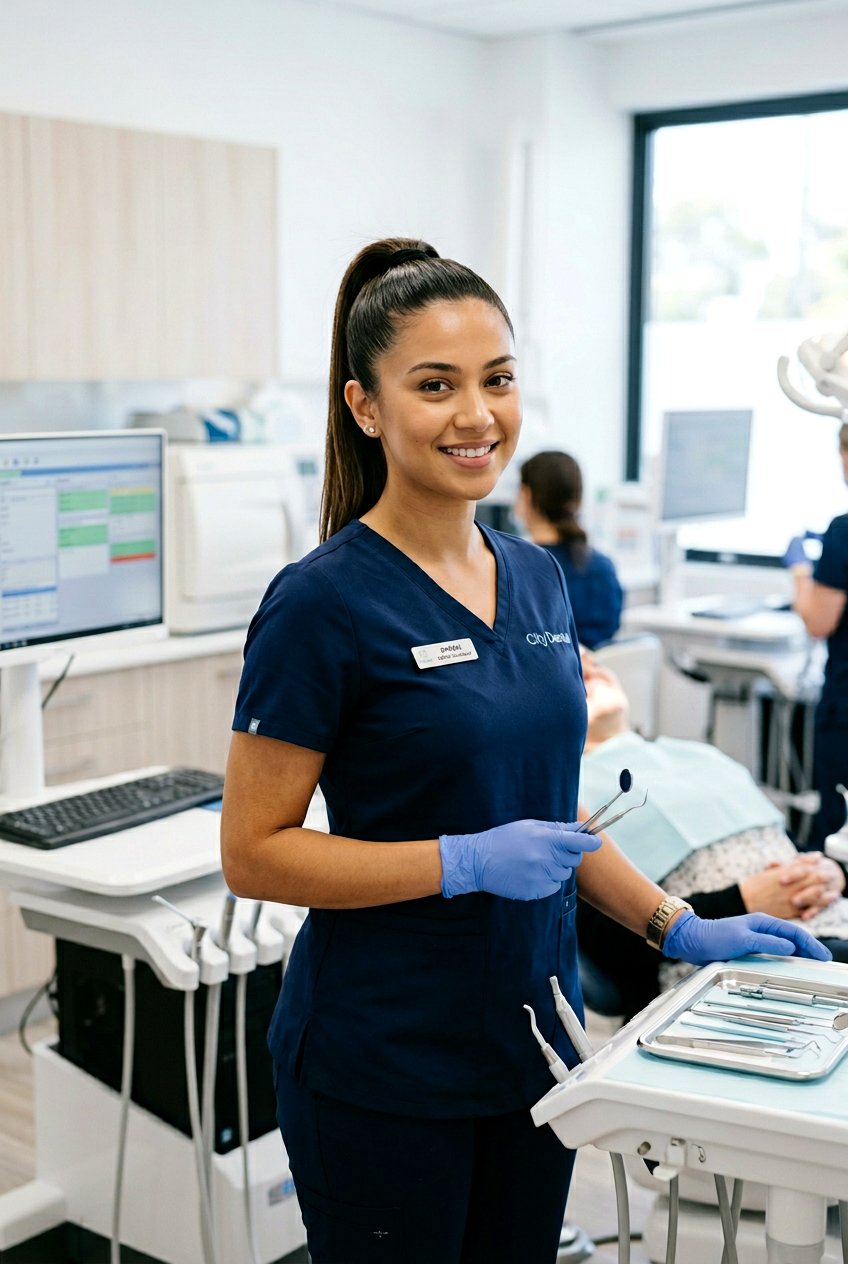
A high ponytail is a good option if you like your hair completely off your neck but still want something quick before a shift or appointment. Gather hair to the crown of your head and secure it tightly with a comfortable elastic so it will not loosen during the day. The key for a dentist office is keeping the base neat so hair does not flop forward when you tilt your head back. You can spray a soft‑hold hairspray at the roots to tame flyaways and keep everything sleek. If your hair is long, you can gently curl the ends or leave them straight, but the main focus is stability at the base. This look is especially useful under surgical caps or when you wear eye protection because it keeps things clean and off your collar while still feeling casual and youthful.
4. Messy Bun For Dental Appointment
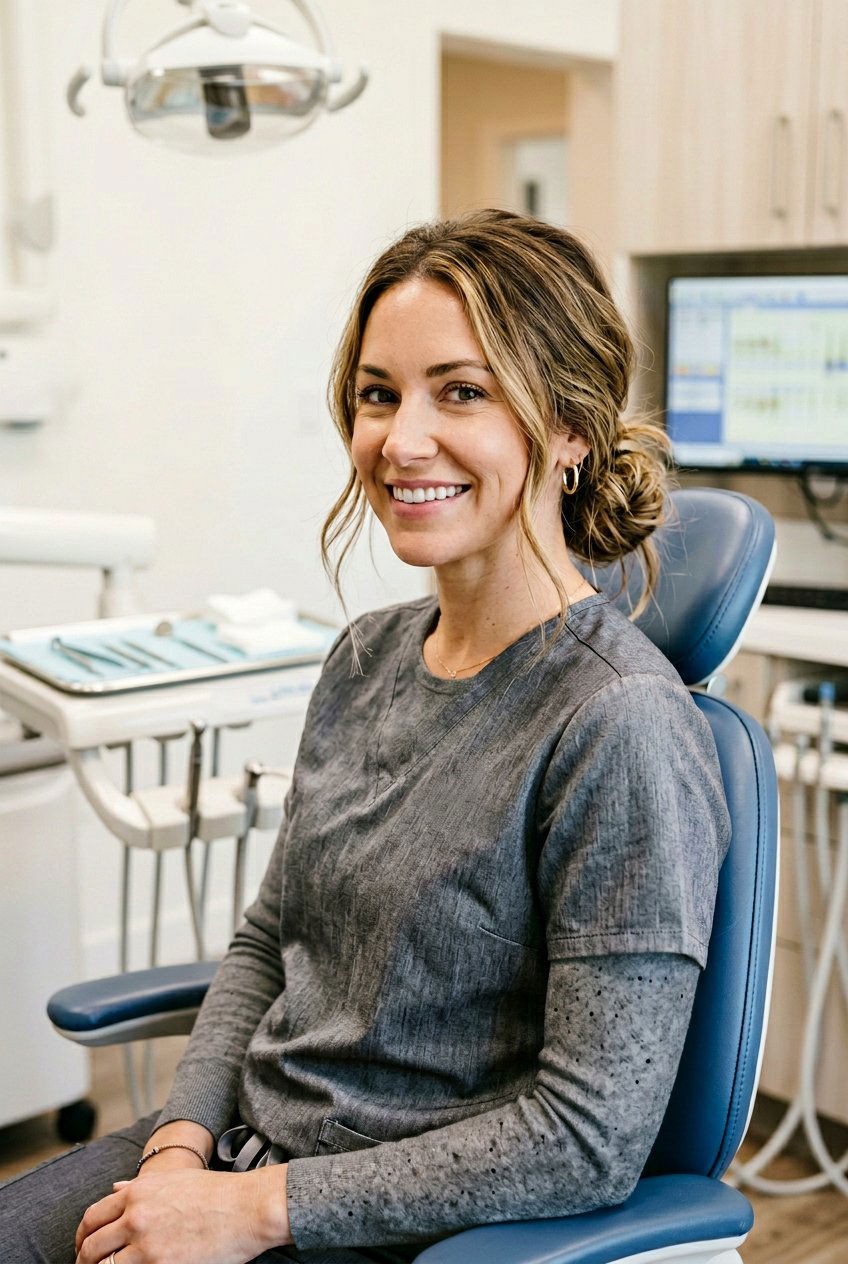
A messy bun can be dentist‑friendly if it is built low or mid‑head and pinned securely so it will not shift when you recline. Start with a simple ponytail, twist the hair loosely, and wrap it around the base, letting some texture and pieces show. Use several bobby pins to anchor the bun close to your scalp rather than letting it stick far out, which can feel uncomfortable against the chair. Lightly pull a few face‑framing strands if you want a softer look, but make sure they are short enough not to fall into your mouth or eyes. A light mist of texture spray can help the bun hold all day without feeling stiff. This look suits people who like an easygoing vibe, yet it still keeps hair away from dental tools, masks, and gloves when you are in the operatory or the patient chair.
5. French Braid For Dental Work
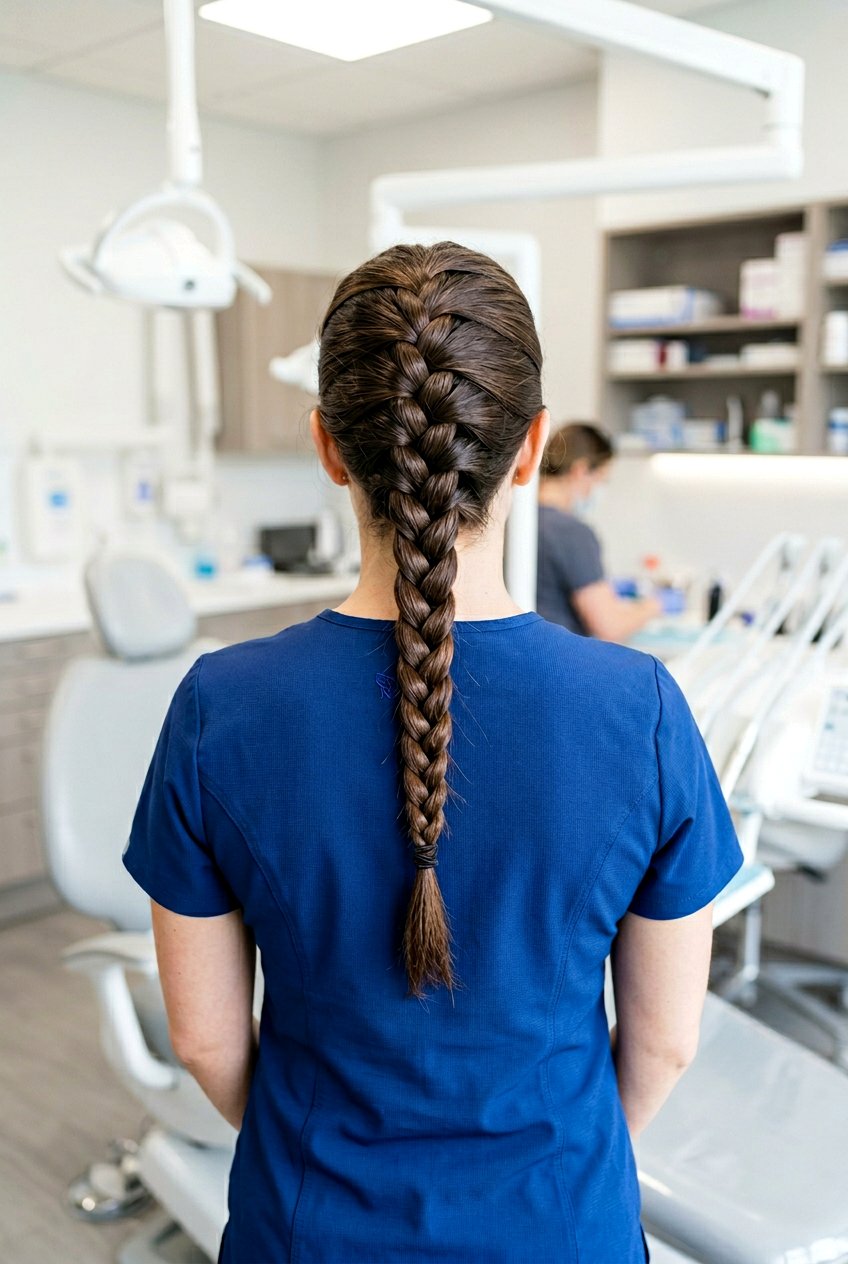
A classic French braid is ideal for dentist office days because it hugs the head and keeps every strand locked in place. Begin at the crown with three small sections, adding more hair as you braid down the back of your head until you reach the nape. Secure with a strong elastic and smooth any flyaways along the hairline with a bit of styling cream. This style distributes tension evenly, so it is comfortable during long procedures or appointments. Since the braid lies flat, you will not feel extra pressure when your head rests against the chair. It also looks professional and neat from every angle, which is great for hygienists, dentists, and assistants moving around patients. If your hair is very long, you can fold the braid up and pin the end near the nape so it does not swing or get caught on clothing.
6. Dutch Braid For Dental Office
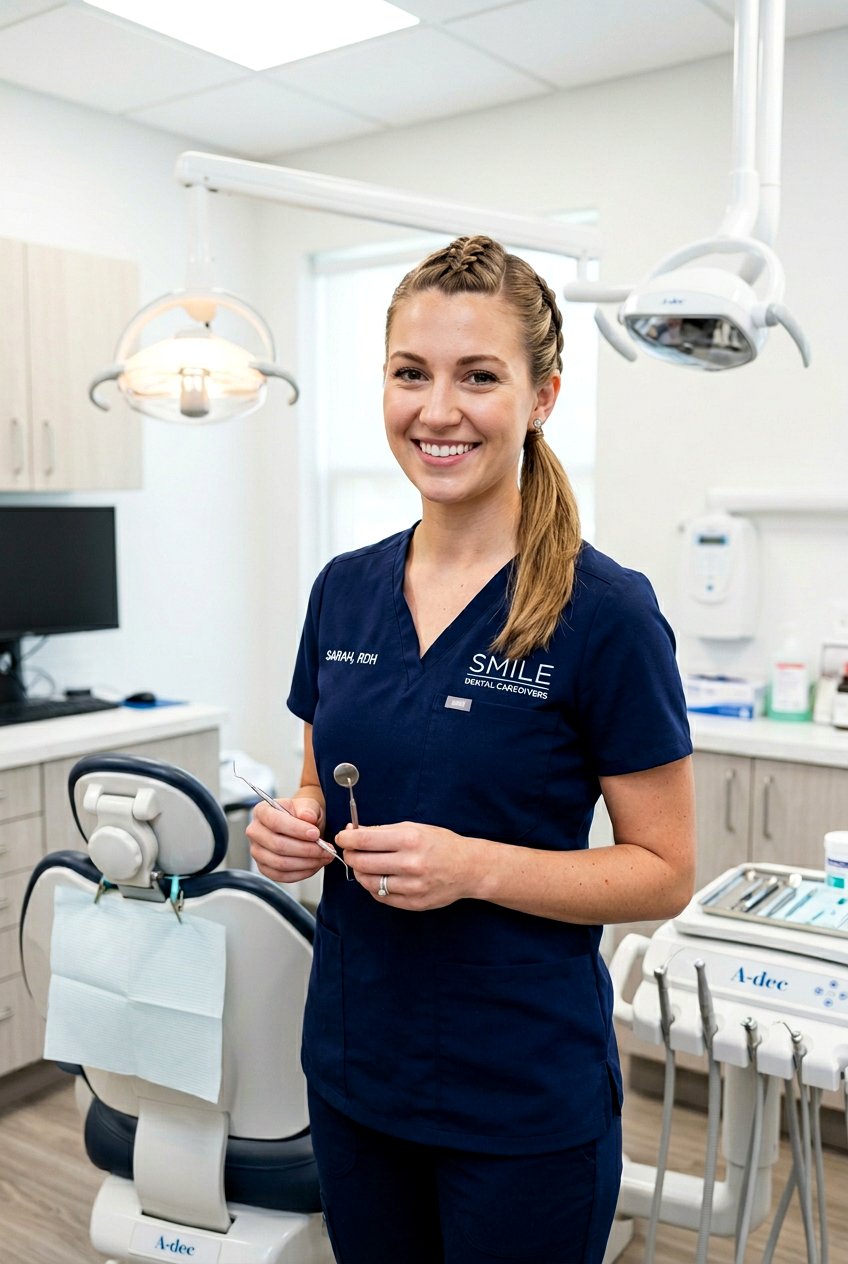
A Dutch braid, sometimes called an inside‑out braid, gives a little more texture and visual interest while still keeping hair controlled in a dentist setting. Instead of crossing strands over each other, you cross them under, which makes the braid sit on top of the hair and look fuller. Start at the front or crown, braid tightly down the back, and secure with an elastic at the bottom. Because this braid is snug, it is less likely to loosen when you look up at an overhead light or lean forward over patients. You can gently pull the braid’s outer edges to make it appear wider without sacrificing security. This style is great for thicker hair that tends to slip out of regular ponytails. It also works well under caps or headbands, so it is a versatile choice for long clinic days or nervous appointments.
7. Boxer Braids For Dental Clinic
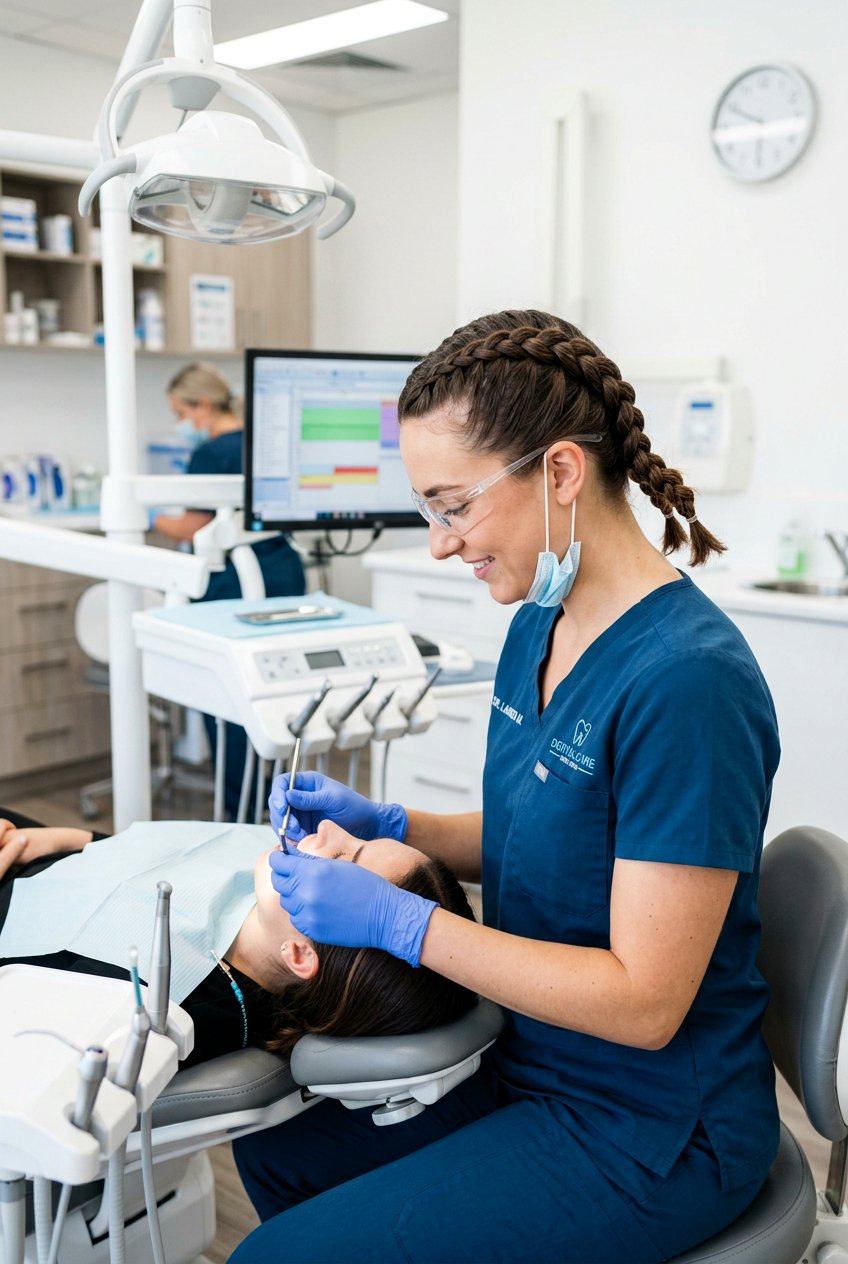
Boxer braids, or double Dutch braids, are a strong choice when you want zero hair movement during busy dental shifts or long procedures. Part your hair cleanly down the center, then create a Dutch braid on each side, starting near the front hairline and working back toward the nape. Secure each braid with a small elastic, and if your hair is long, you can leave the braids hanging or fold them up and pin them. This style keeps hair off your face, neck, and ears, which is useful when wearing masks, glasses, or face shields. The braids sit flat along the scalp, so they are comfortable when you recline in the chair. They also hold up well through humidity, gloves brushing against your head, and constant movement. For a softer look, you can slightly pancake the braids, but keep them tight near the roots for better hold.
8. Braided Ponytail For Dental Hygienists
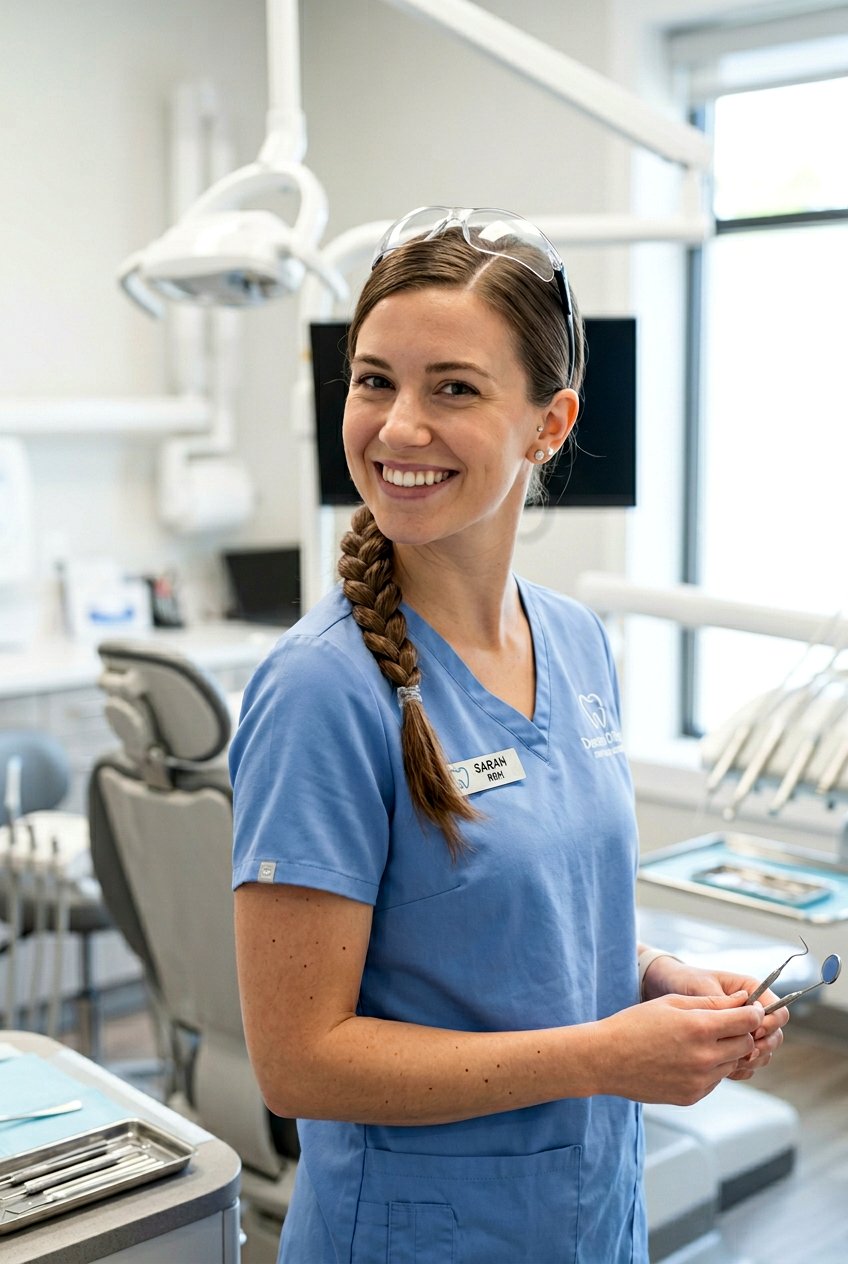
A braided ponytail blends the simplicity of a pony with the control of a braid and works nicely in a dental office. Start with a mid or low ponytail so the base does not interfere with the chair, then braid the length of the ponytail and secure the end. This keeps the hair from swinging into your face or onto patients while you move around. You can choose a traditional three‑strand braid, fishtail, or rope braid depending on your skill and time. The top can be sleek with a center or side part for a clean, professional look. A dab of serum on the braid helps reduce frizz so the texture looks intentional, not messy. This style is especially useful for long hair that usually gets caught in stethoscopes, loupes straps, or jacket collars because the braided tail is compact and easy to manage.
9. Half Up Ponytail For Dental Assistants
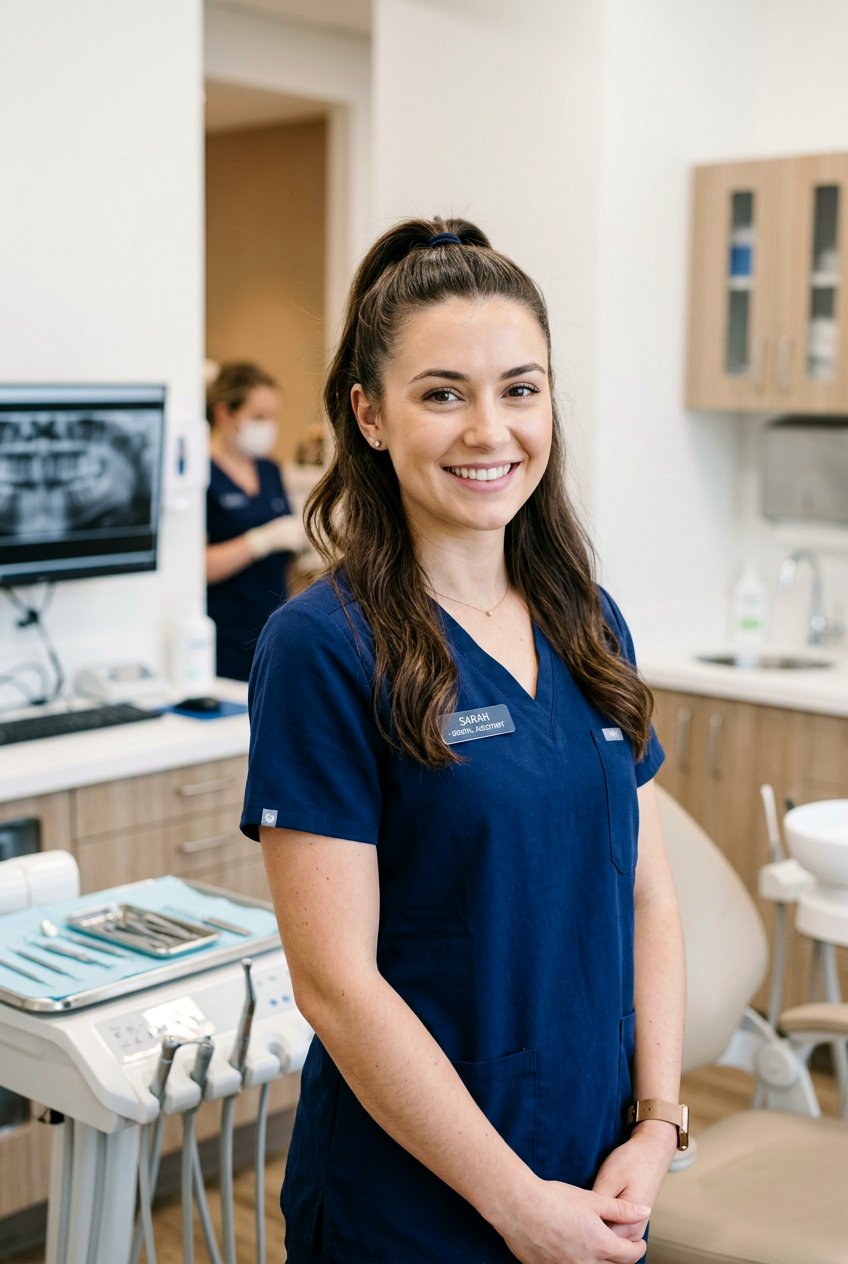
A half up ponytail offers a nice balance if you want your hair partially down but still out of your face for dental work or appointments. Gather the top section from temples to crown and secure it with a small elastic while leaving the rest hanging freely. This removes the bulk from your face and eyes, making it easier to see charts, instruments, or screens. It is comfortable under headbands or safety glasses because the sides are pulled back. You can keep the bottom length straight, wavy, or gently curled depending on your preference. Just be sure the ponytail itself sits a bit higher than where your head meets the dental chair so it does not create pressure. This look feels softer and more relaxed than a full updo, which many patients appreciate when they want to look put‑together but not overly formal.
10. Claw Clip Updo For Dentist Visit
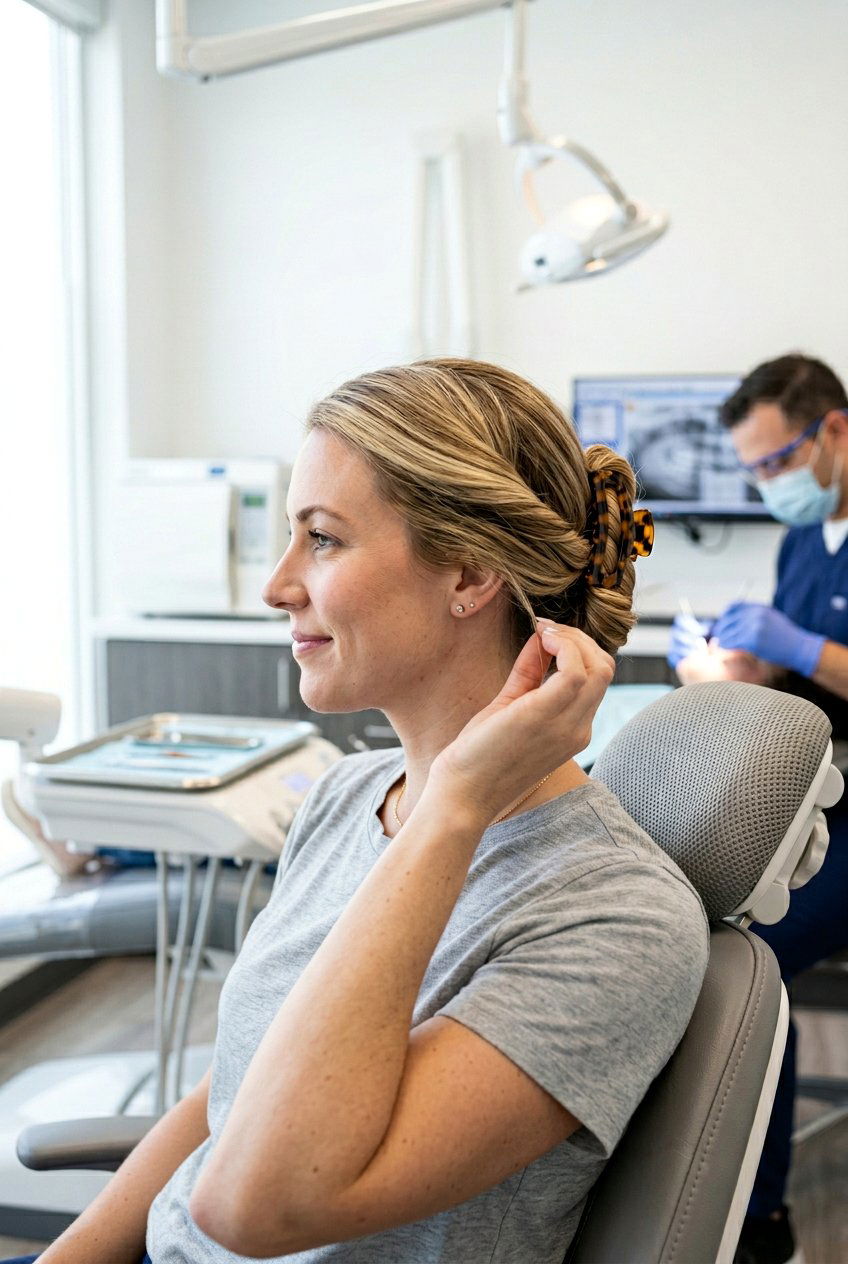
A claw clip updo is a fast solution when you need hair up and off your neck but do not want to fuss with pins and elastics. Gather hair into a low or mid pony without tying it, twist the length, and flip it upward against the back of your head. Clamp a medium or large claw clip vertically to hold the twist in place, allowing the ends to fan out neatly or tuck under. For dentist office comfort, keep the twist relatively flat so you can lean back without feeling the clip dig in. This style is great for medium to long hair and can be adjusted quickly between patients or on a short break. Choose a sturdy, professional‑looking clip that will not slip, and smooth the top with a bit of cream to keep the front clean and distraction‑free.
11. Low Chignon For Dental Professionals
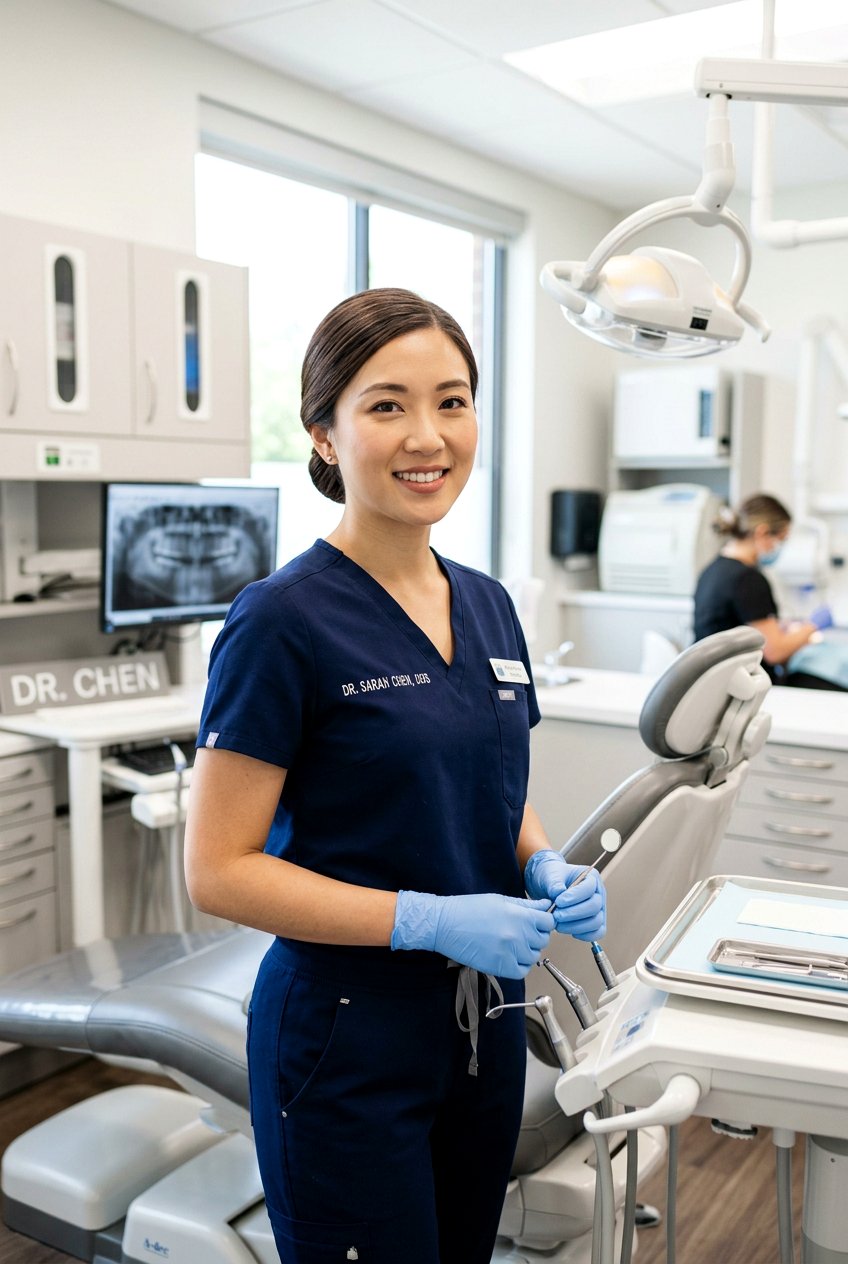
A low chignon is a slightly dressier version of the low bun that still works very well in a clinical setting. Start with a low ponytail at the nape, then divide the ponytail into two sections and twist or rope braid them before wrapping around the base in a more structured knot. Pin the sections securely and tuck the ends underneath for a smooth finish. This style sits very flat and is usually more comfortable against a chair headrest than a bulky top knot. It gives a polished, calm appearance that many dentists and hygienists like when meeting nervous patients. A light mist of hairspray can help keep the shape intact through a full schedule. This look is especially flattering with side‑parted hair in front, adding softness while still keeping everything safely away from instruments and gauze.

12. Top Knot For Dental Staff
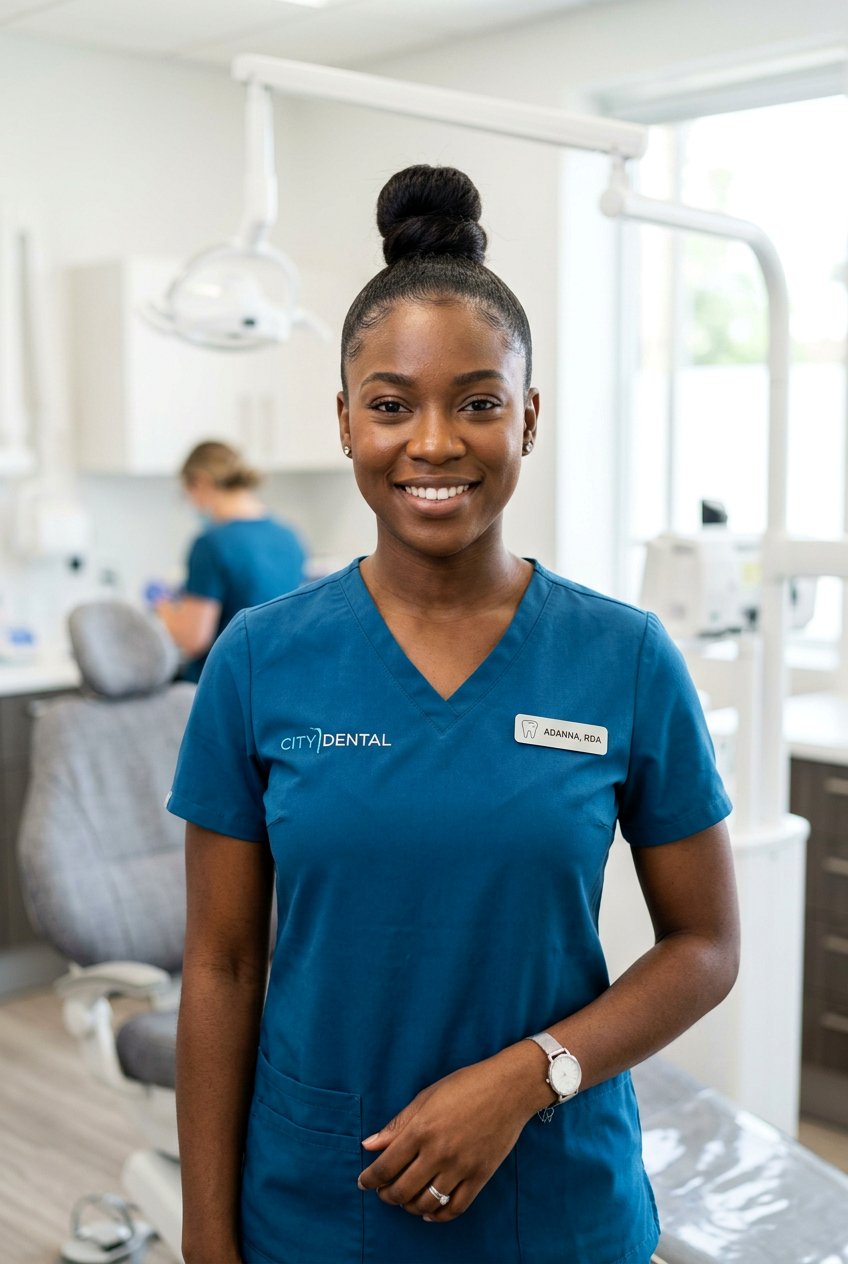
A top knot is helpful on hot days or under heavy protective gear because it keeps all your hair off your neck and shoulders. Pull hair into a high ponytail, secure it firmly, then twist and wrap the length into a bun sitting at the crown. The trick for dentist office comfort is to keep the bun small and tight rather than oversized, so it does not bump against face shields or caps. Use several bobby pins around the base to keep it from wobbling when you look up at overhead lights. This style works best if your hair is medium to long and can easily gather into one spot. You can smooth the front for a sleek finish or leave a tiny bit of texture for a softer feel, but the main goal is a secure knot that will not unravel mid‑procedure or cleaning.
13. Low Braided Bun For Dental Office
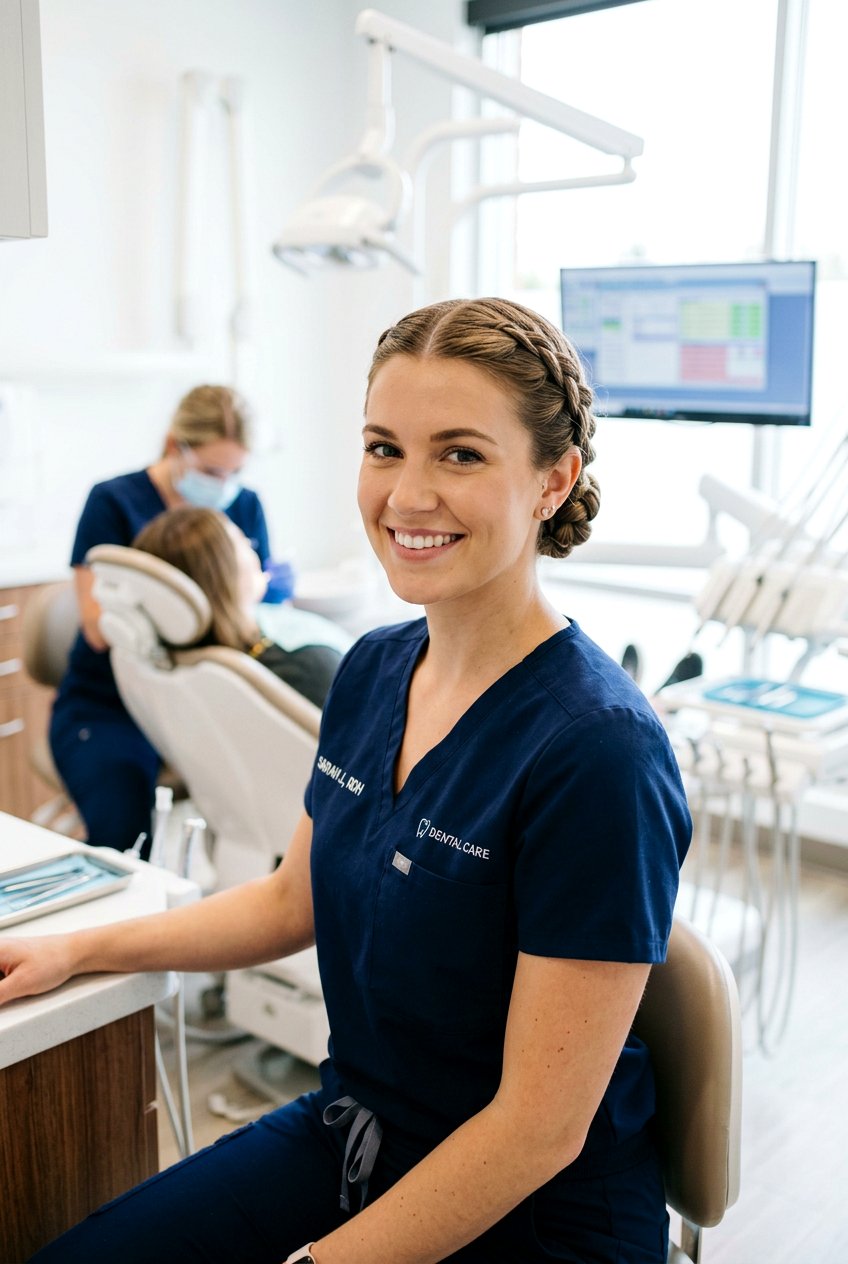
A low braided bun combines all‑day security with a very neat finish, making it a strong choice for dental professionals and long appointments. Begin with a low ponytail, braid the length tightly, and secure with an elastic. Wrap the braid around the base of the ponytail to form a compact bun and pin it firmly against the head. Because the hair is braided before being wrapped, it is less likely to loosen or shed strands during the day. This is especially helpful if you wear a lab coat with a high collar or move your head a lot during procedures. The braided pattern adds subtle detail that still feels appropriate in a clinical environment. A smoothing product on the crown keeps flyaways controlled, and you can adjust the size of the bun depending on hair thickness by tightening or loosening the braid.
14. Side Braid For Dental Appointment
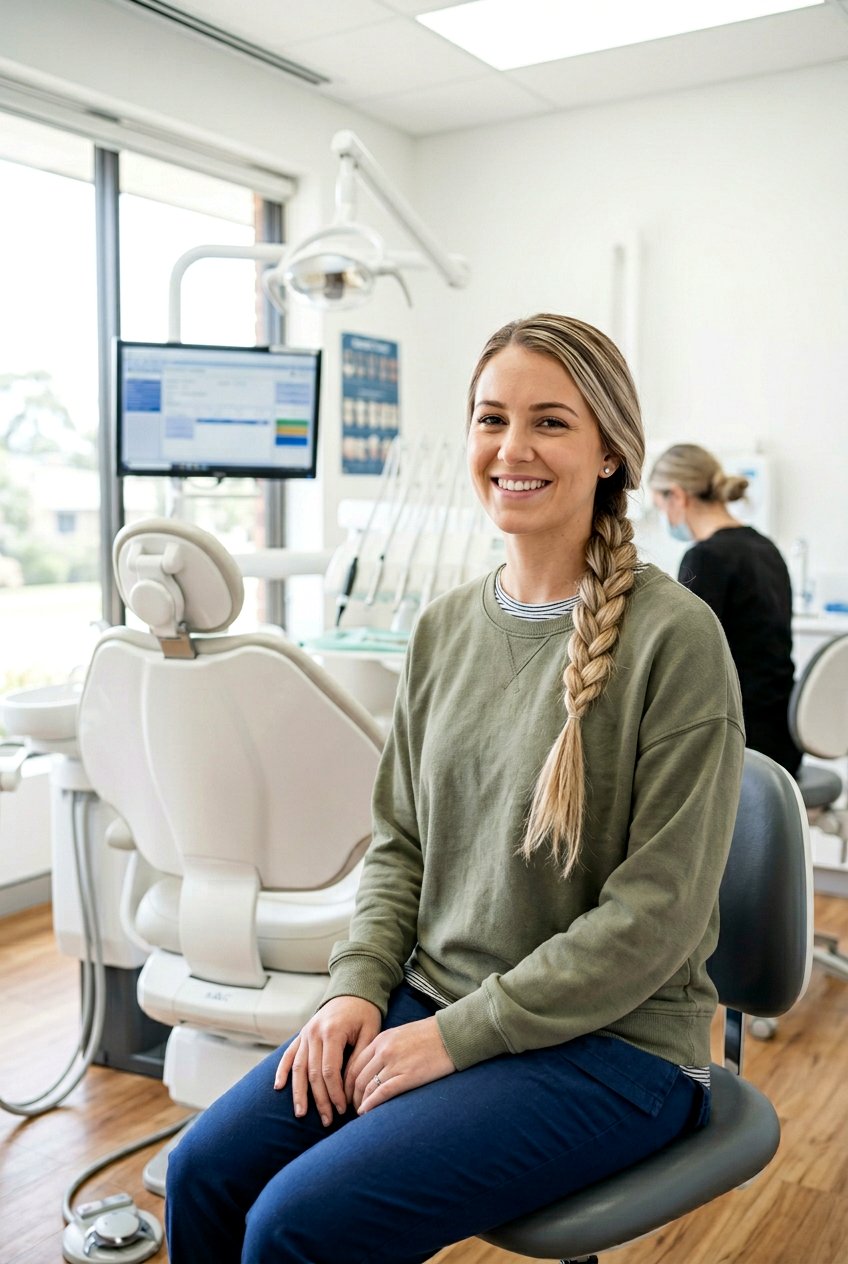
A side braid is comfortable for many patients and professionals because it keeps hair completely off the back of the head and away from the chair. Part your hair as you like, sweep everything over one shoulder, and create a three‑strand or fishtail braid starting near the ear and working down. Secure with an elastic at the bottom, and tuck in any loose pieces near the nape with pins. This keeps hair from tangling in chair mechanisms or rubbing against the back of your uniform. It is a good option if you find buns uncomfortable or if you like to play with your braid during breaks without messing up your whole style. For a neater look, keep the braid tight and close to the neck, which also prevents it from swinging into your lap during procedures or cleanings.
15. Headband With Low Ponytail
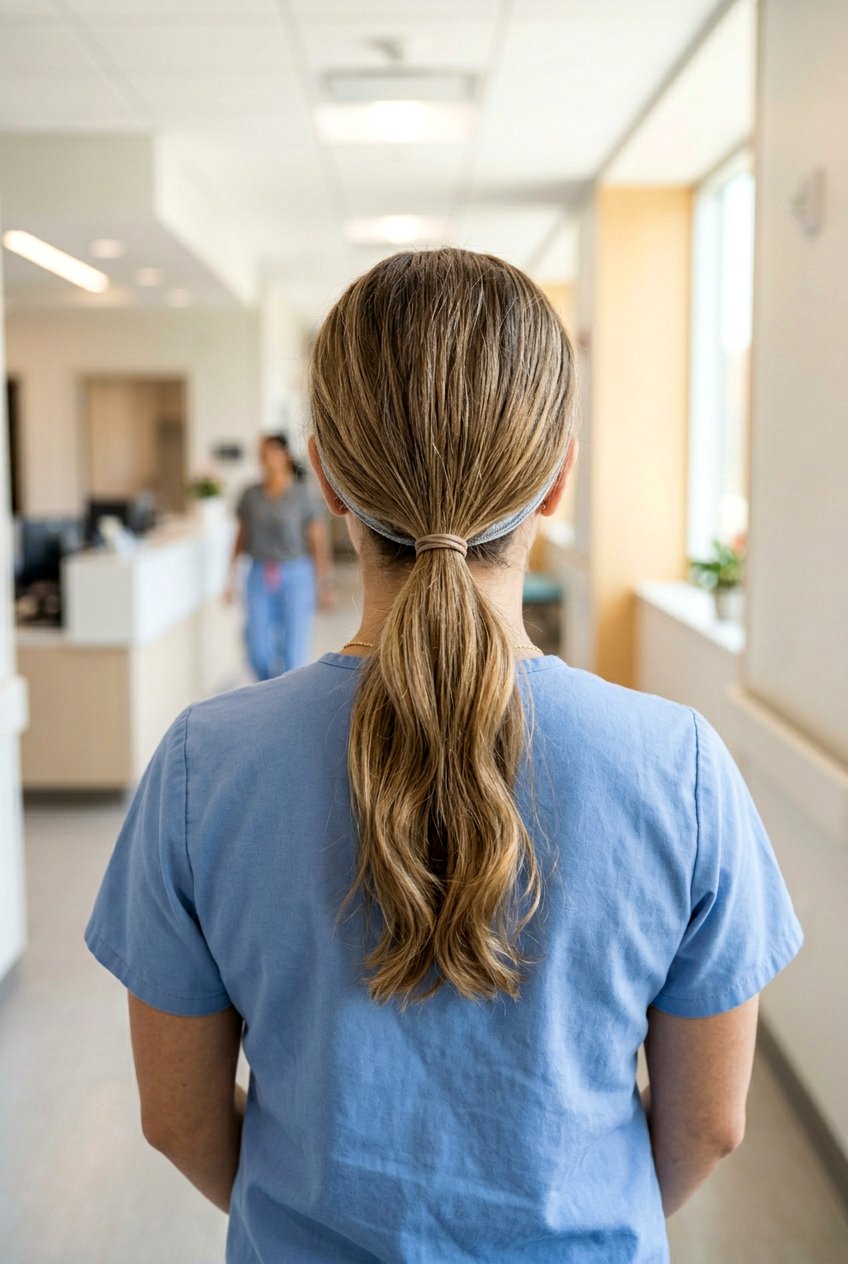
A headband paired with a low ponytail is great when you want maximum control around your hairline in a dentist office. Start by placing a soft, non‑slip fabric headband just behind your hairline to hold back shorter front pieces and bangs. Then gather the rest of your hair into a low ponytail at the nape so it lies flat against the chair. This combination keeps hair out of your eyes even when you look down at charts or up at overhead lights. It is also helpful if you are growing out bangs or layers that do not quite fit into a bun. Choose a simple, solid‑color headband that looks professional and will not dig into your scalp under protective gear. A small amount of styling cream along the hairline ensures shorter strands stay tucked back, giving a clean, tidy finish all day.
16. Low Bubble Ponytail For Dental Visit
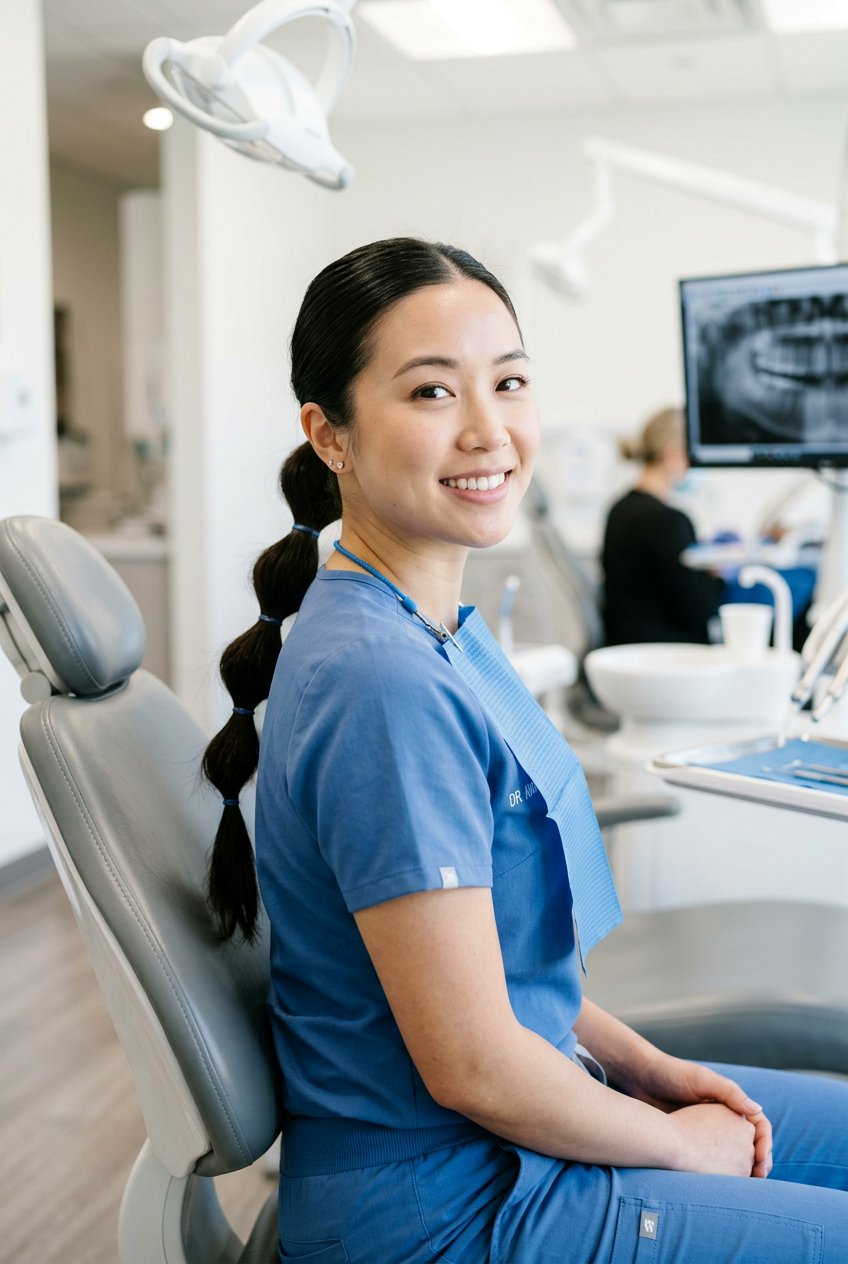
A low bubble ponytail offers a fun twist on a basic pony while staying practical for the dentist office. Start with a low ponytail at the nape, then place additional small elastics down the length, spacing them a couple of inches apart. Gently pull each section to create rounded “bubbles” that hold their shape. Because the bubbles are contained, the hair does not tangle as easily with clothing or equipment. This style lies flat at the base, so it is comfortable against the chair back and still looks neat when you stand and move. It works especially well for long, straight, or slightly wavy hair. To keep it professional, use elastics in a color close to your hair shade and avoid making the bubbles too oversized. A little shine serum along the ponytail helps the bubbles look smooth and polished rather than messy.
17. Braided Headband With Low Bun
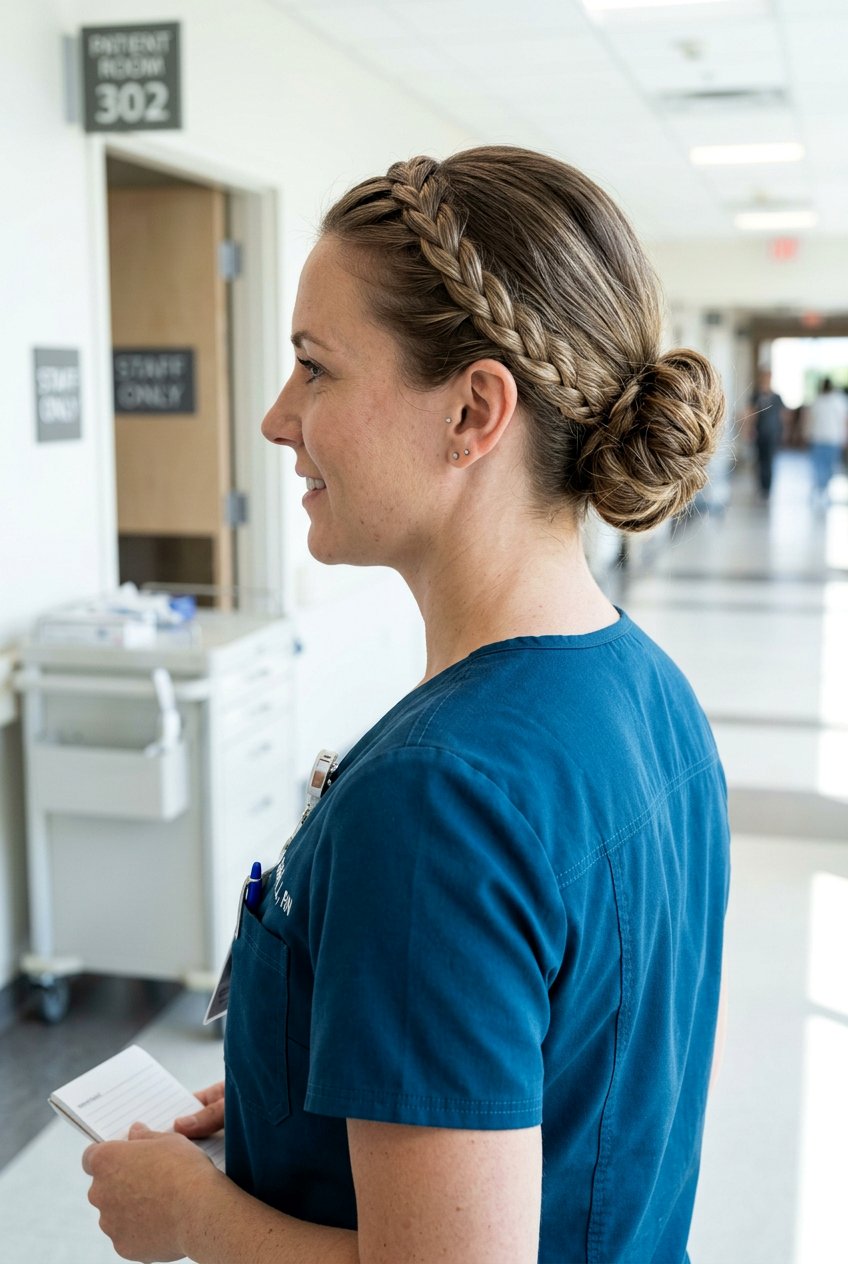
A braided headband paired with a low bun offers both security and a pretty detail that still feels subtle in a clinical space. Take a small section of hair from just above one ear, braid it, and bring it across the front of your head like a headband. Pin it behind the opposite ear, then gather all your hair into a low bun at the nape and secure it with pins. The braid keeps shorter front pieces from falling forward when you look down, while the low bun stays out of the way of the dental chair. This style works nicely if you want something a little more interesting than a plain bun without sacrificing practicality. Use a light‑hold hairspray to keep the braided band smooth. Everything stays contained, so nothing brushes against your mask or distracts you during long treatments.
18. Sleek Mid Ponytail For Dental Staff
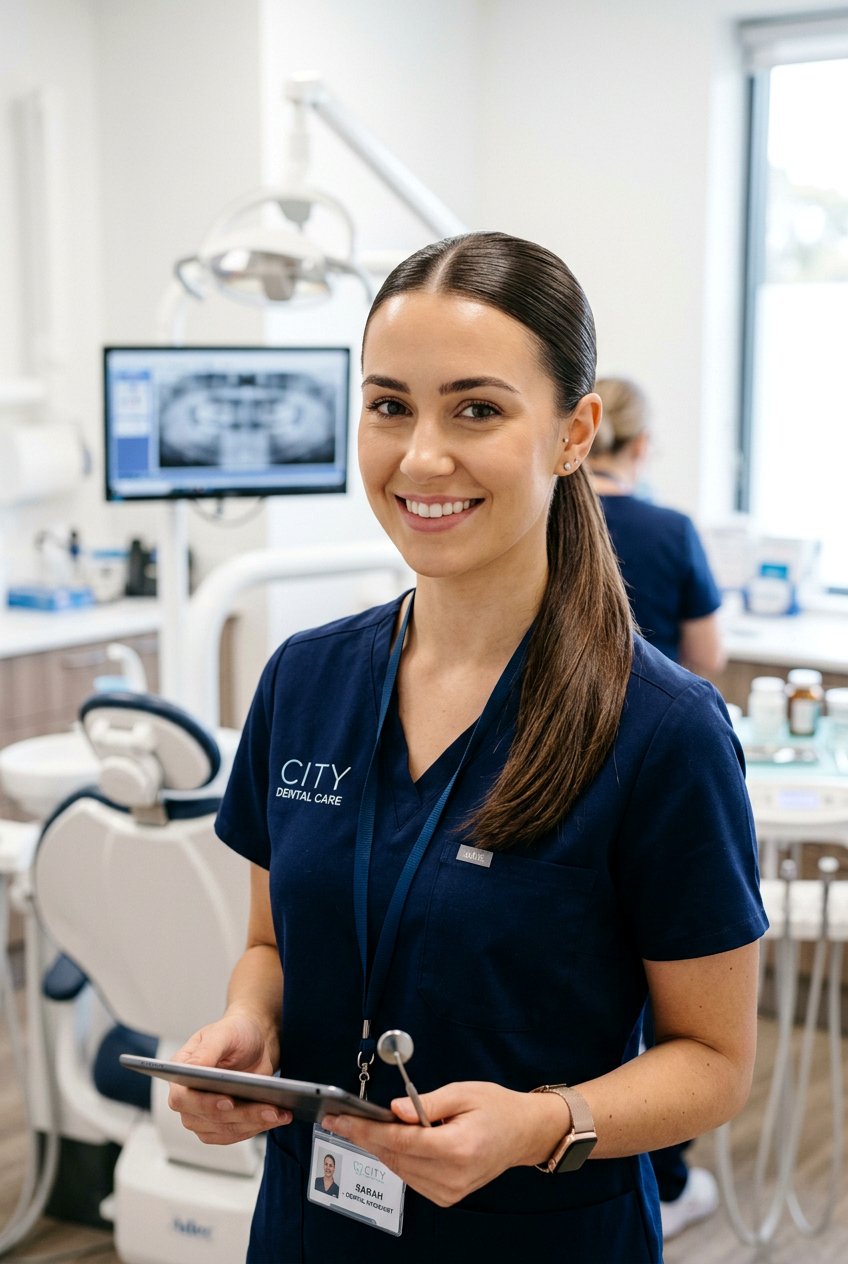
A sleek mid ponytail, placed between the crown and nape, can be a comfortable compromise for many dental workers and patients. It keeps hair pulled back enough to stay away from instruments but not so high that it bumps against headrests or caps. Smooth hair back with a brush, secure with a firm elastic, then apply a small amount of gel or cream along the top for a glassy finish. This style looks sharp in scrubs and gives a sense of structure without requiring braiding skills. If your hair is layered, you can quickly flat iron the ponytail so the ends stay together and do not flip into your face. The mid height also tends to put less tension on your scalp than very high or very low placements, which can be important on days filled with back‑to‑back appointments.
19. Loose Waves With Half Up Clip

Loose waves with a half up clip work when you want a softer, more relaxed look for a dentist appointment while still keeping your face clear. Use a curling iron or heatless method to create gentle waves, then gather the top section of hair from above the ears and secure it at the back with a small barrette or mini claw clip. This lifts the front strands away from your eyes and keeps them from falling forward when you recline. The lower part of your hair remains down, which many people find more flattering in photos or after work plans. Choose a clip that lies fairly flat so it does not dig into the chair. This style is especially good for patients who want to feel put‑together but not overly styled, and it also suits dental staff on shorter, less intense days.
20. Low Twisted Ponytail For Dental Hygienists
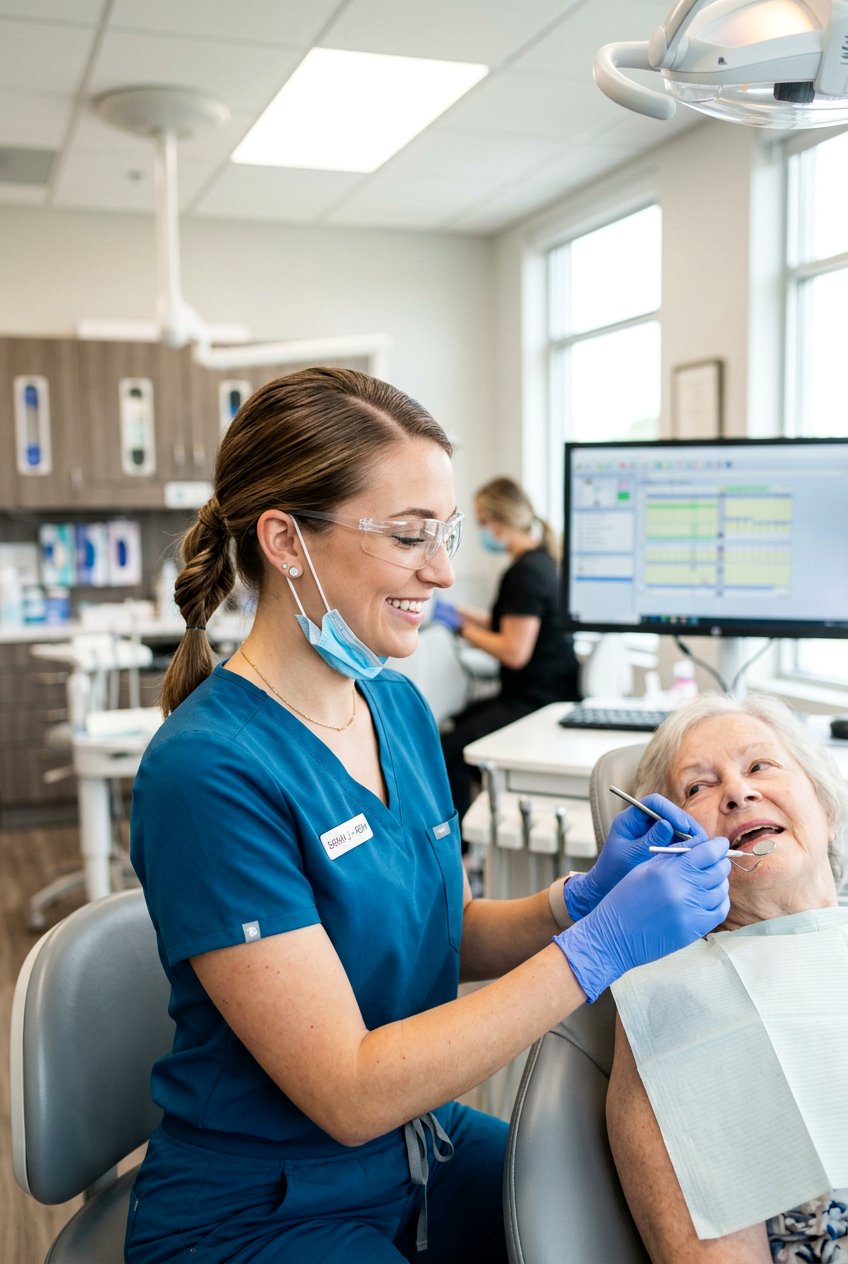
A low twisted ponytail is a simple but polished hairstyle that stays secure during long stretches in the dental office. Part hair in the middle or to the side, then gather it into a low ponytail at the nape and secure with an elastic. Create a small opening just above the elastic, flip the ponytail up and through that opening, and tighten gently to form a twist. The twist helps keep the base snug and flush with your head, which is comfortable against the chair. You can leave the rest of the ponytail straight or lightly wave it for texture. This style looks more elevated than a basic pony but takes only a minute or two to create. It works well on most hair types and lengths that can reach a low pony, making it a reliable everyday option for busy hygienists and assistants.
Conclusion:
Choosing the right dentist office hairstyle comes down to three things: comfort, security, and a clean, professional look. You want hair that does not fight with your mask, glasses, or headrest and will not slip loose halfway through a cleaning or long procedure. Low buns and ponytails are usually the most comfortable in the chair, while braids and twists add extra hold for long days in the operatory. Simple tools like non‑slip elastics, bobby pins, and a soft headband can make a big difference in how well your style lasts. The 20 looks above cover everything from quick morning fixes to more polished clinic‑ready options, so you can match your hair to your schedule and role. When in doubt, choose a style that lies flat against your head and keeps every strand away from your face, and you will be ready for any dental appointment or shift.
You'll Like These Styles:












Leave a Reply