
Soft, sparkling, and a little bit luxe, champagne blonde balayage is one of those hair colors that feels special without trying too hard. This shade blends pale gold, beige, and subtle pearly tones, then pairs them with hand-painted highlights for a natural, sun-kissed finish that looks good in every season. Because balayage keeps depth at the root, it grows out softly and works for brunettes, dark blondes, and natural blondes who want brightness with less upkeep. When done right, champagne blonde balayage flatters a wide range of skin tones and face shapes, especially when your colorist customizes the placement and warmth to match your undertones. Below, you’ll find 20 wearable, salon-ready champagne blonde balayage looks, plus practical tips to choose and maintain your favorite.
1. Classic Champagne Blonde Balayage
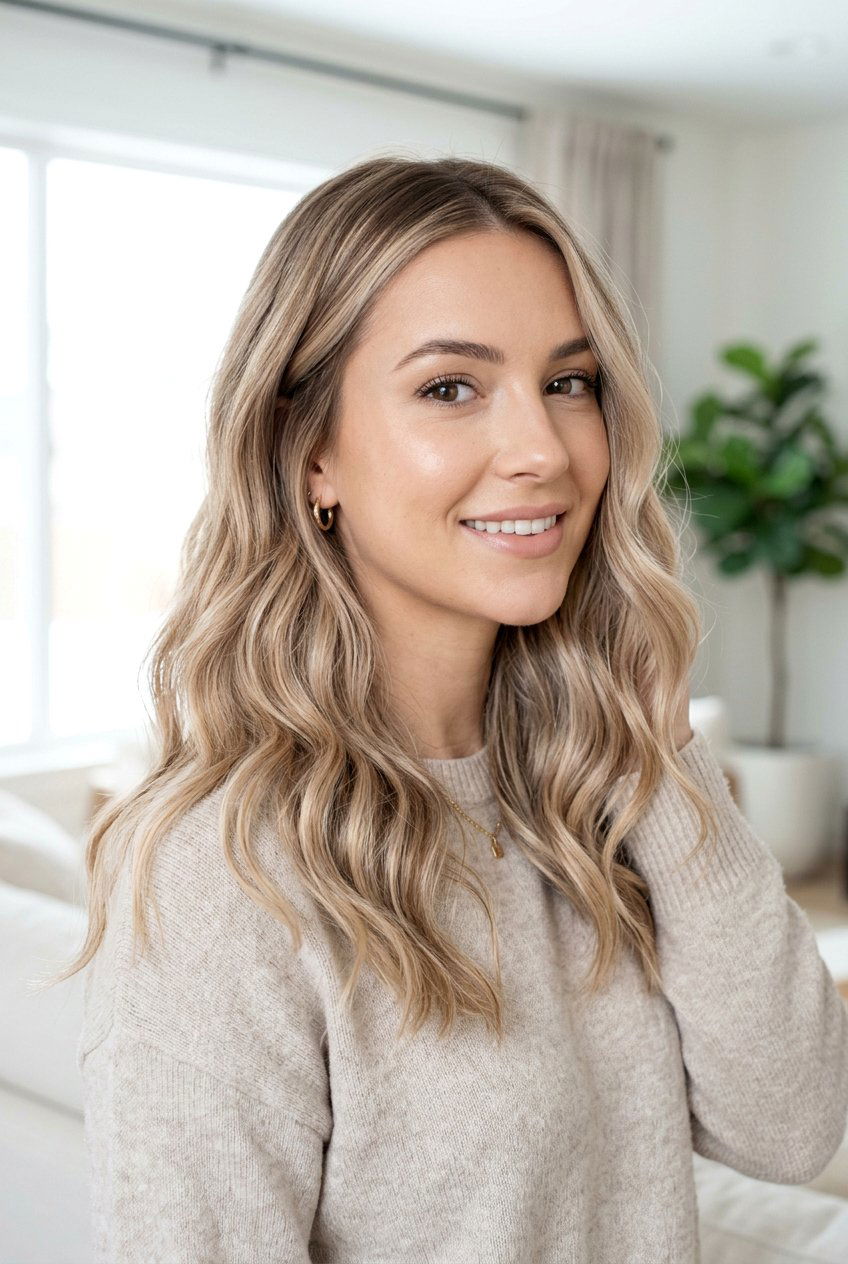
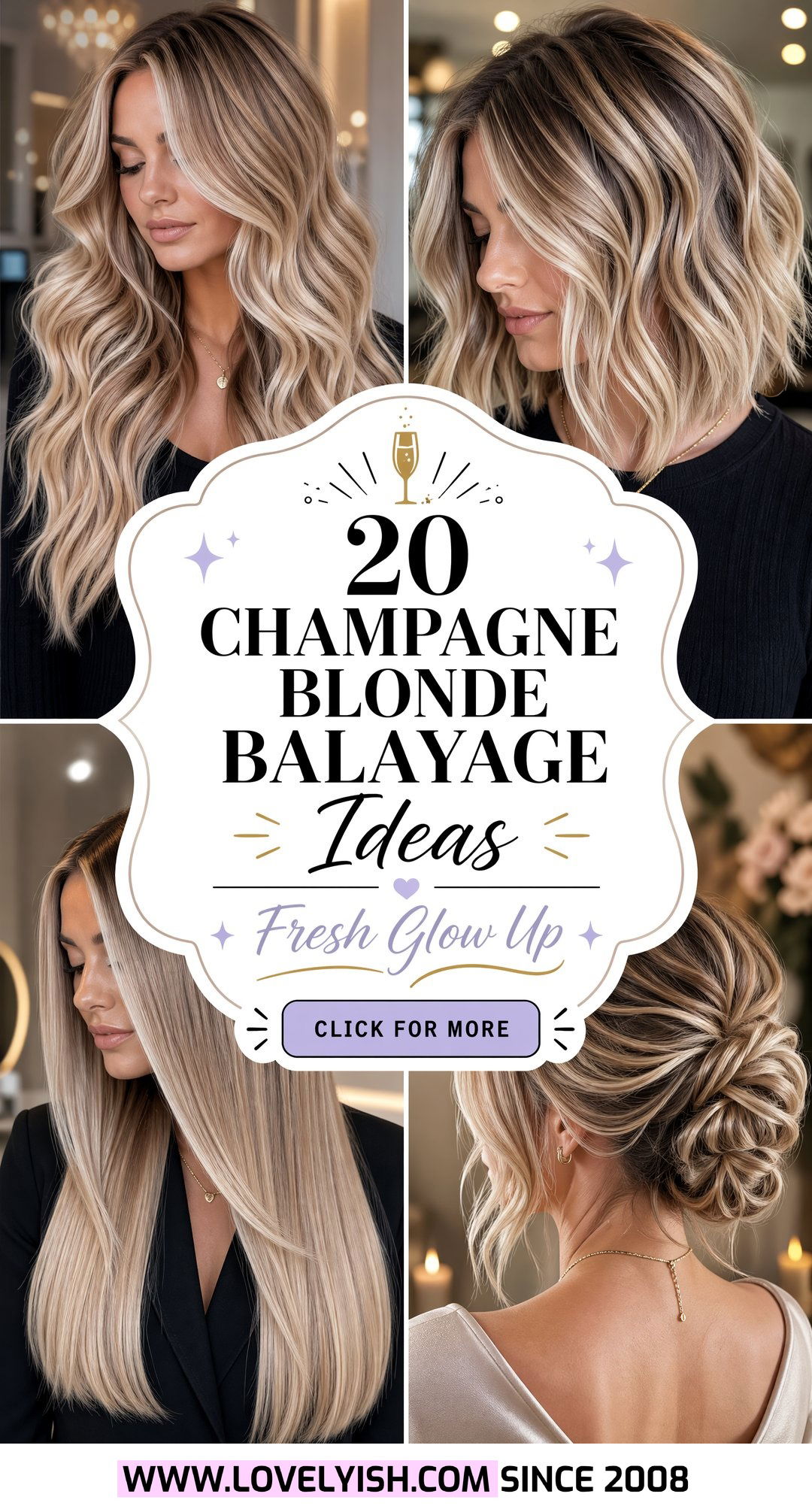
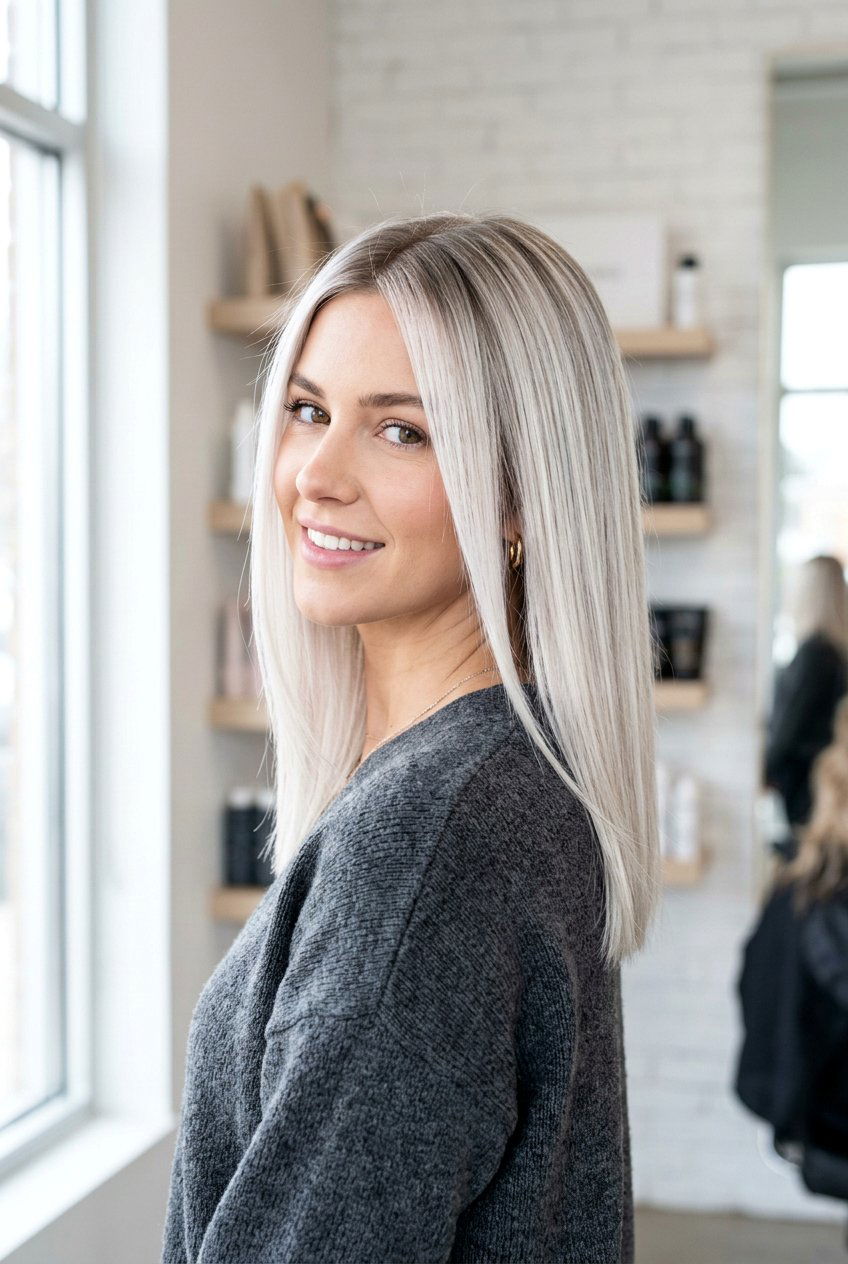
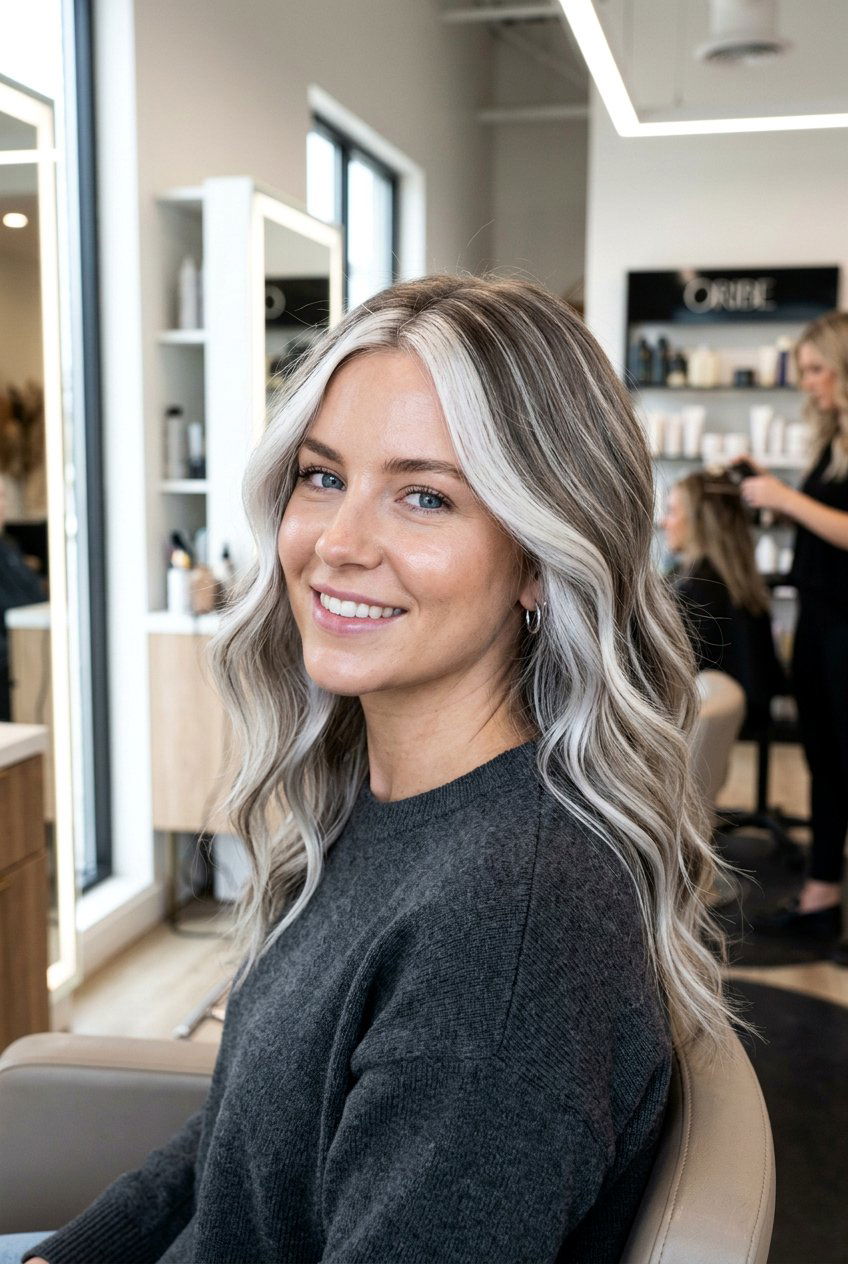
Picture that soft, seamless blonde that looks like you spent the whole summer outdoors, but actually came straight from the salon. Classic champagne blonde balayage keeps a natural-looking root and gradually melts into beige-gold midlengths and lighter, sparkling ends. The effect is bright and dimensional without harsh lines, which makes it perfect if you want to go lighter while still looking believable in everyday life. This version usually sits between warm and cool, with neutral champagne tones that reflect light beautifully and flatter many complexions, especially fair to medium skin with neutral or warm undertones. Ask your colorist for soft, hand-painted ribbons around the face and through the lengths, leaving a bit of your natural shade at the root to keep it low maintenance and easy to grow out between visits.
2. Champagne Blonde Balayage On Brown Hair
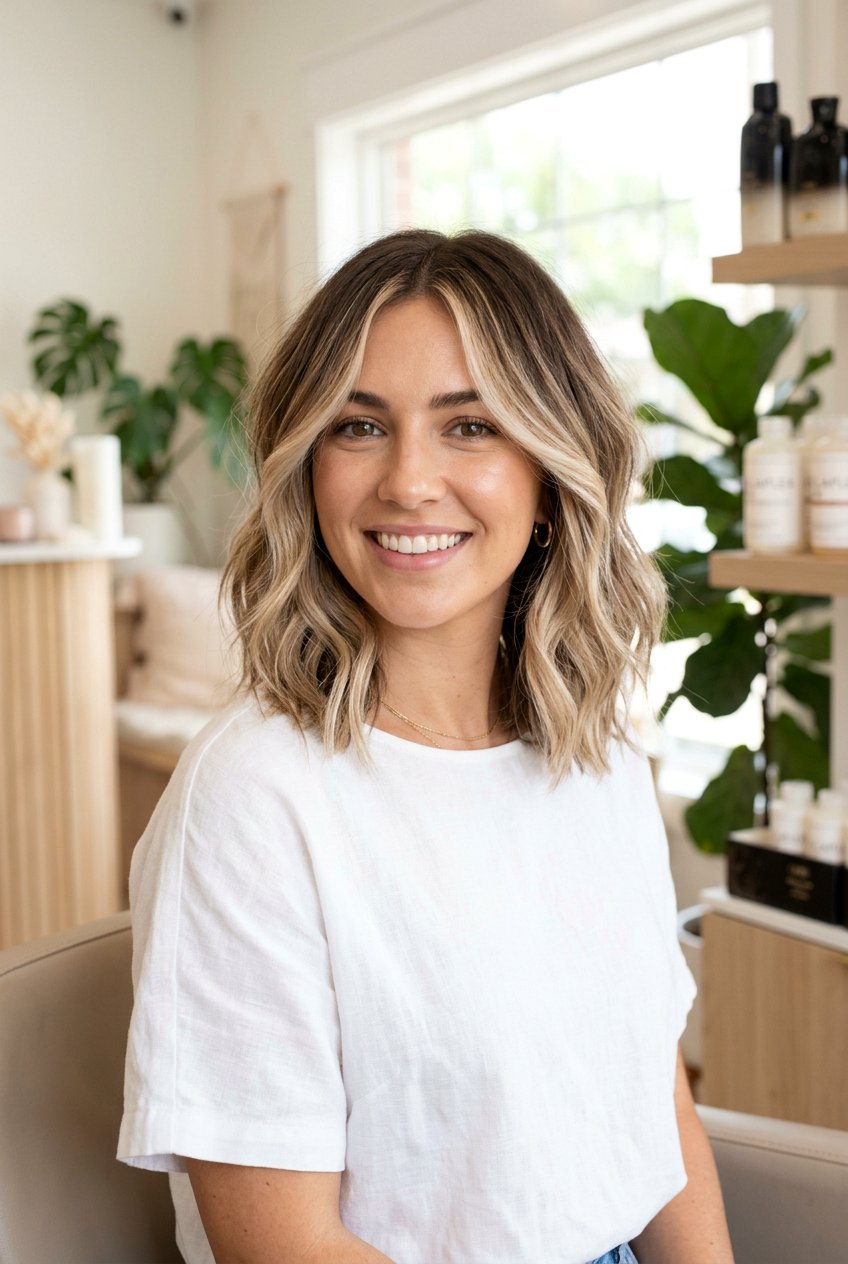
If you have brown hair and want to go blonde without the shock, champagne blonde balayage is one of the most flattering routes. Your colorist will usually pre-lighten selected sections, then tone them with a champagne mix that balances pale gold and neutral beige so the highlights sit softly against your brunette base instead of looking streaky. Leaving your natural or slightly deepened root creates contrast and keeps the look polished rather than flat, which is especially helpful on deeper or olive skin tones. Champagne balayage on brown hair is ideal if you like dimension and movement because the lighter pieces catch the light while the darker strands frame your face and add depth. It’s also kinder to your schedule; regrowth is subtle, so you can stretch touch-ups and just refresh the toner or gloss every couple of months to keep brassiness away.
3. Champagne Blonde Balayage On Dark Hair
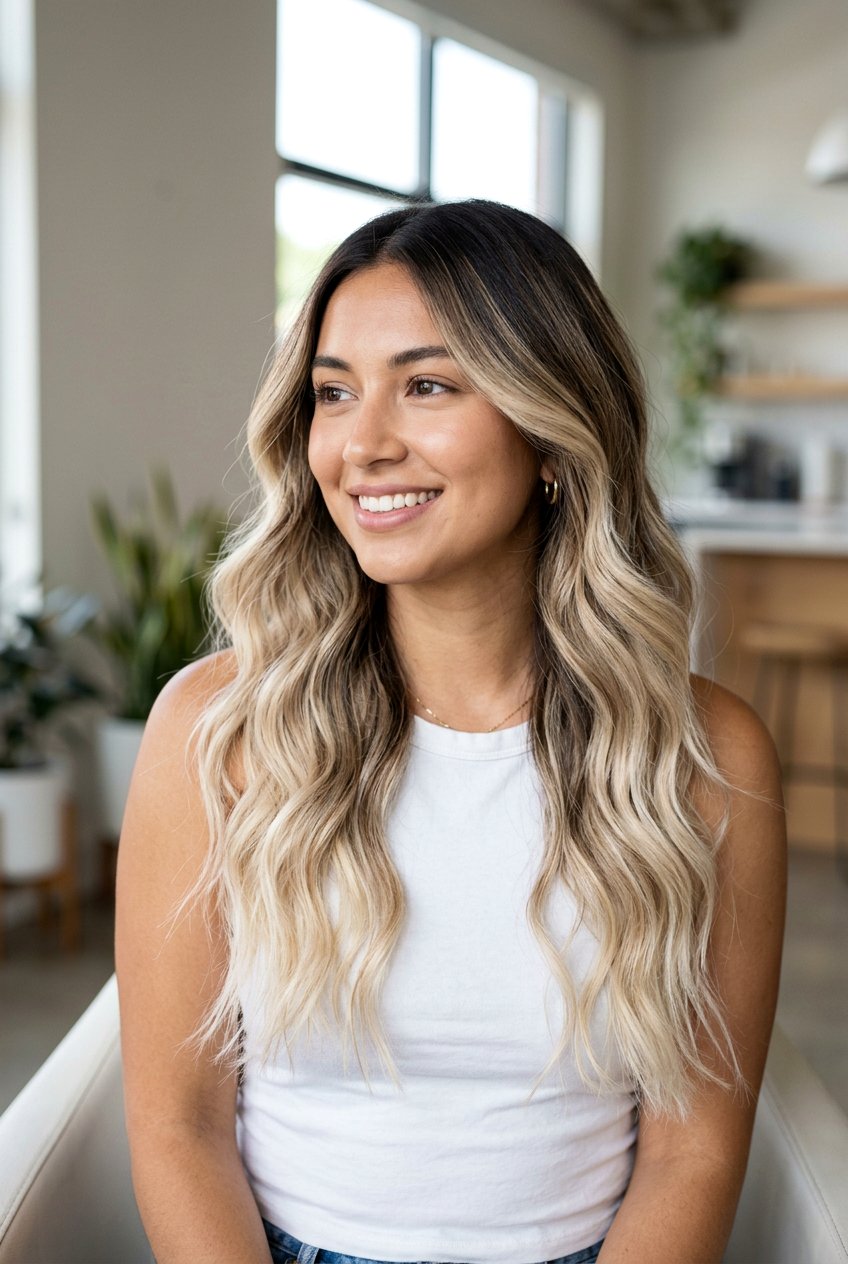
Starting from dark brown or almost black hair and dreaming of champagne blonde can feel intimidating, but balayage makes the transition softer. Your colorist will lighten selected sections gradually, often over more than one session, lifting them to a higher level where champagne tones show clearly without turning too warm or orange. The key is contrast: deeper roots and lowlights are left on purpose so the pale champagne ribbons look intentional and expensive, not over-processed. This approach works beautifully on deeper and olive skin tones when paired with root smudges and carefully placed face-framing pieces, which keep the blonde from overpowering your features. Because dark hair can expose stronger warm pigments during lightening, maintenance with purple shampoo and salon toners becomes essential to keep the champagne shade balanced and luminous rather than brassy over time.
4. Champagne Blonde Balayage On Short Hair
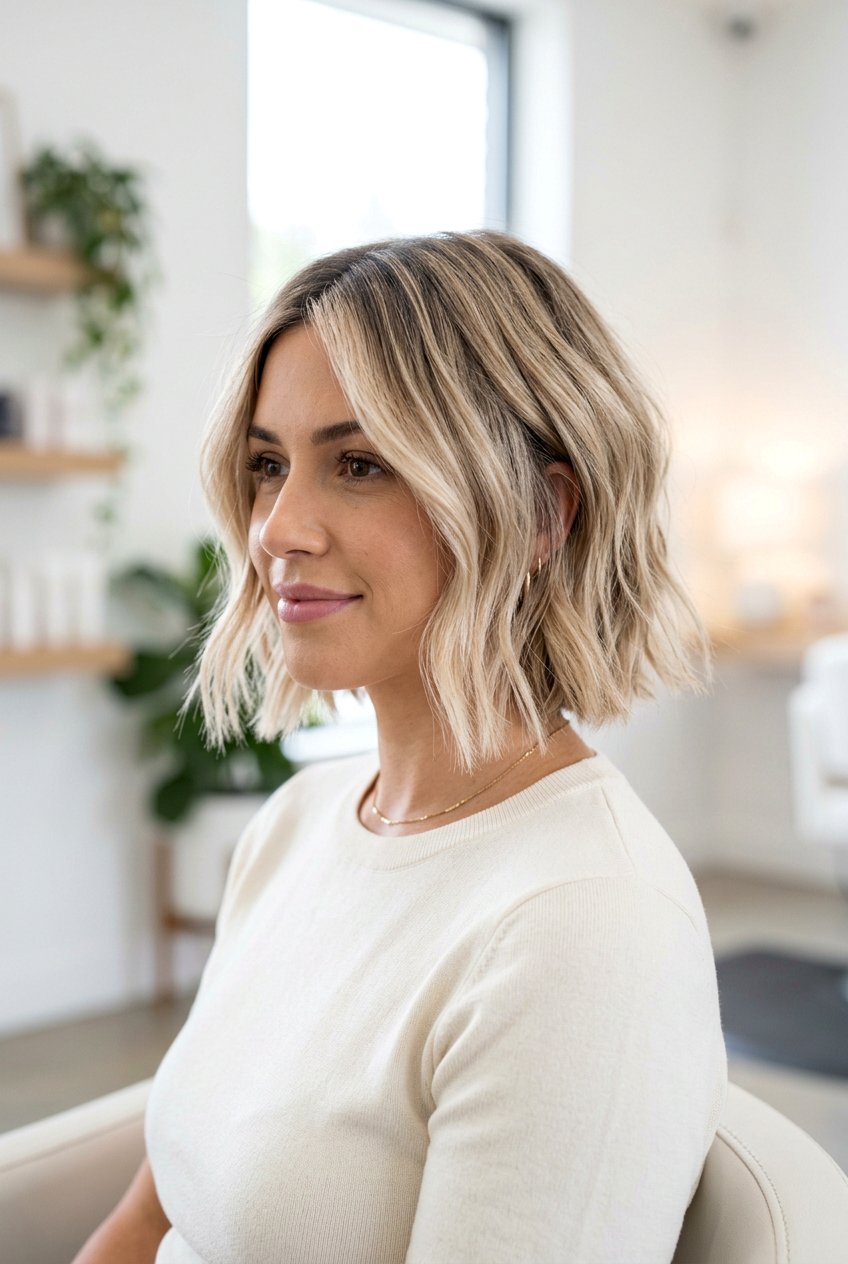
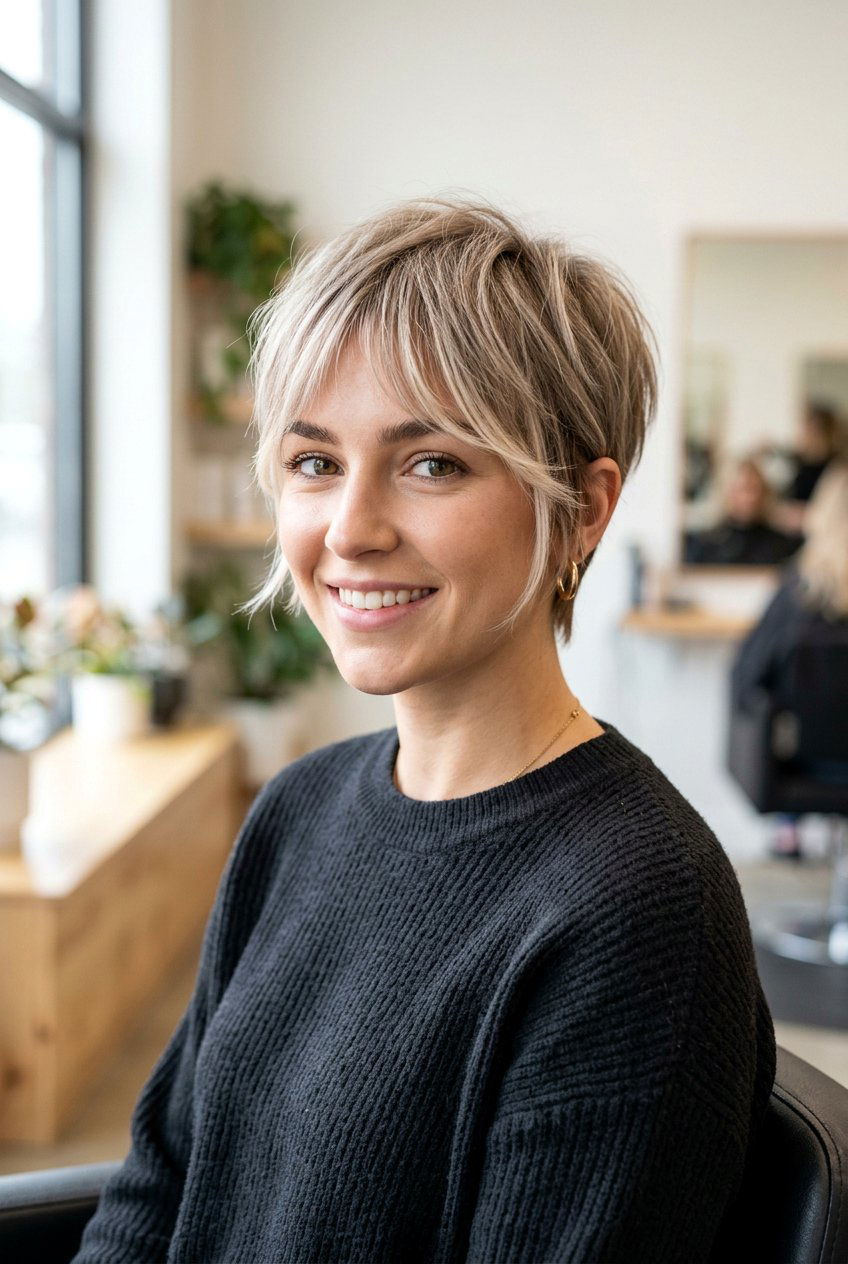
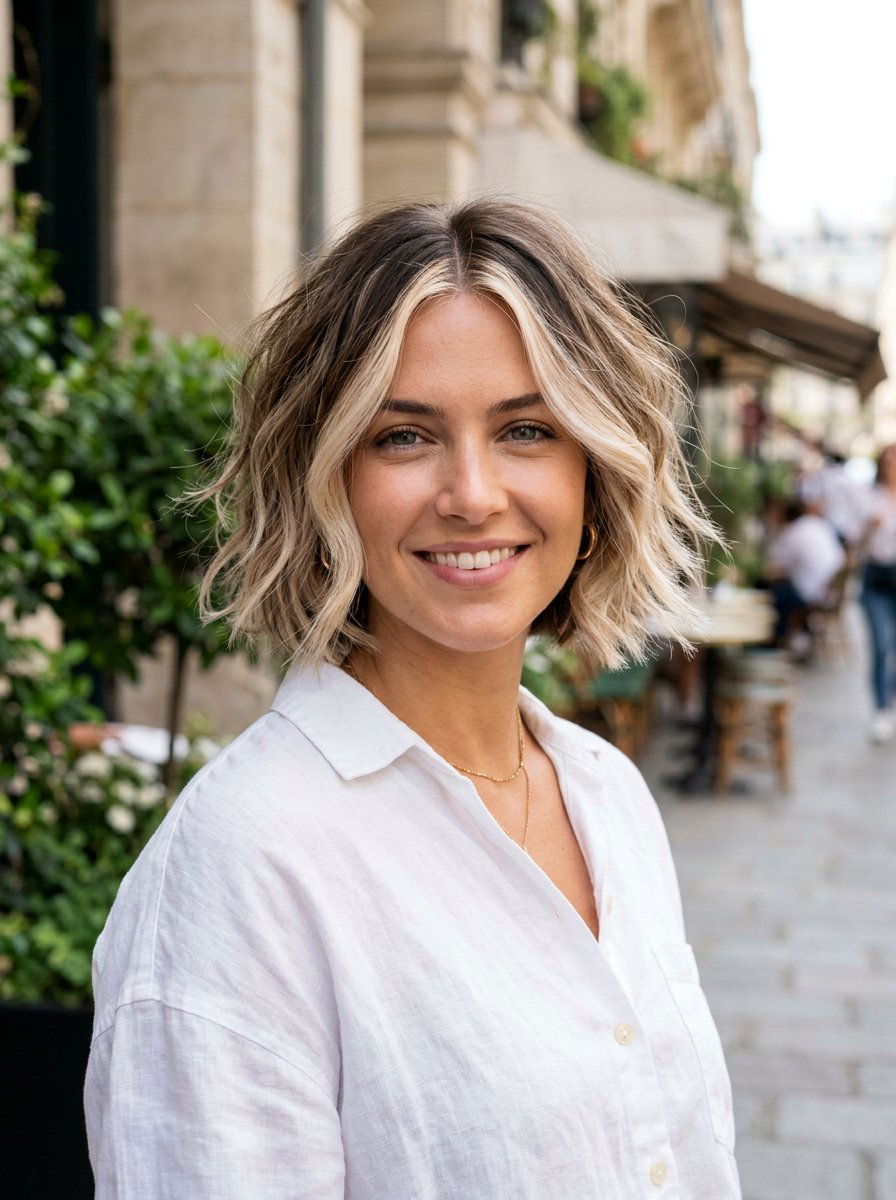
Short hair and balayage can absolutely work together, especially with a chic bob, lob, or cropped cut. On shorter lengths, champagne blonde balayage focuses on surface painting and strategic placement so the lighter sections show even when your hair is styled straight, waved, or tucked behind the ears. Because there’s less length to blend, your colorist might keep the root area slightly deeper and bring the champagne tones through the midlengths and ends, creating a soft halo effect around your face. This helps short cuts look fuller and more textured, rather than one solid block of color. Champagne blonde’s neutral, pearly warmth works nicely on short hair because it reflects light and highlights movement in layers or blunt shapes without looking harsh. To keep the look sharp, plan on regular trims and quick gloss appointments to refresh tone and shine as your cut grows out.
5. Champagne Blonde Balayage On Long Layers
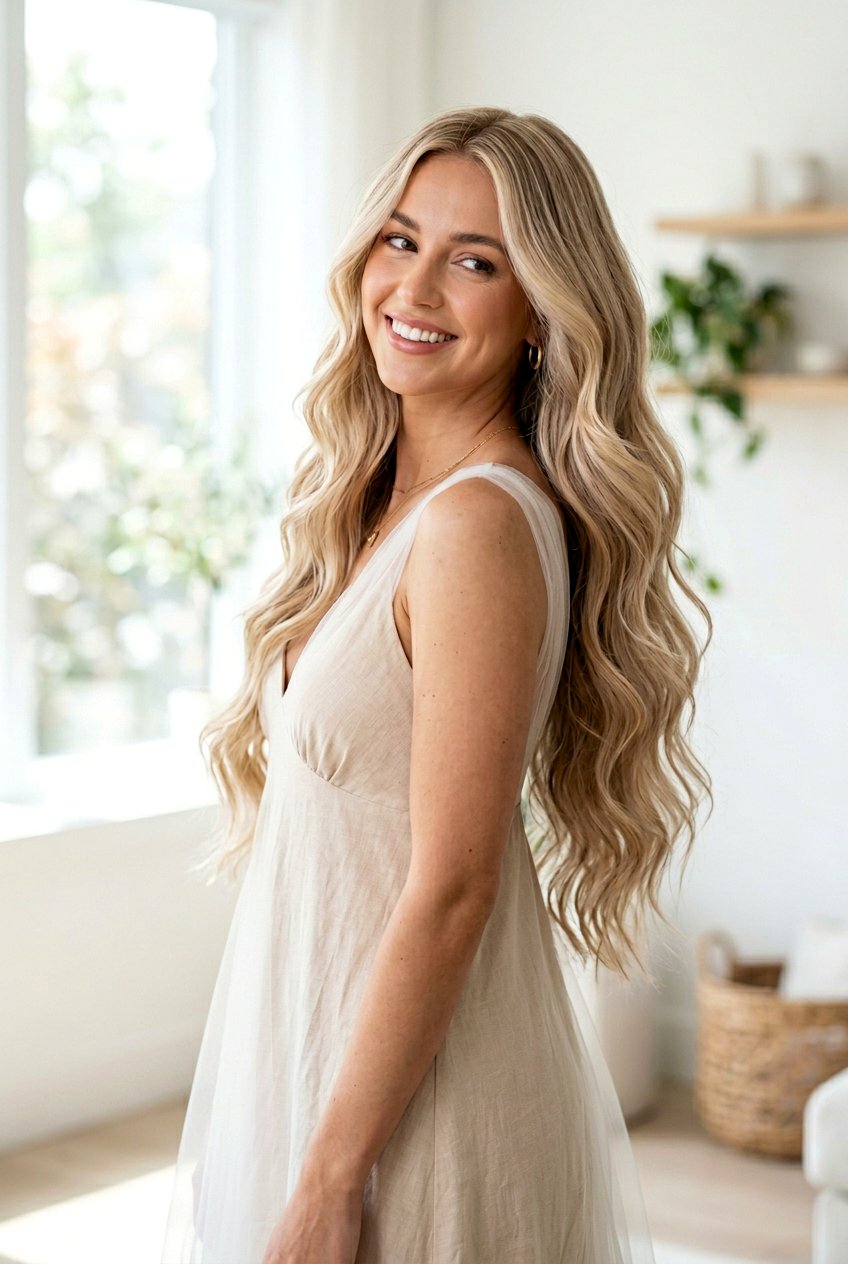
Long, layered hair is almost made for champagne blonde balayage because there’s so much room to play with dimension. Your colorist can paint lighter champagne ribbons on the outer layers, midlengths, and ends, letting the darker underlayers peek through to create movement and a soft, “swirled” effect when you style waves or curls. The combination of neutral-gold champagne tones with layered cutting keeps long hair from looking heavy or flat, especially if you like a blowout or loose waves. Keeping a slightly deeper root and midsection also helps long hair stay healthier-looking, since the lightest champagne pieces are concentrated toward the bottom where they catch the most light. For upkeep, long hair benefits from weekly deep conditioning plus purple shampoo as needed to fight brass and keep those champagne highlights soft, reflective, and silky instead of dull.
6. Face Framing Champagne Blonde Balayage
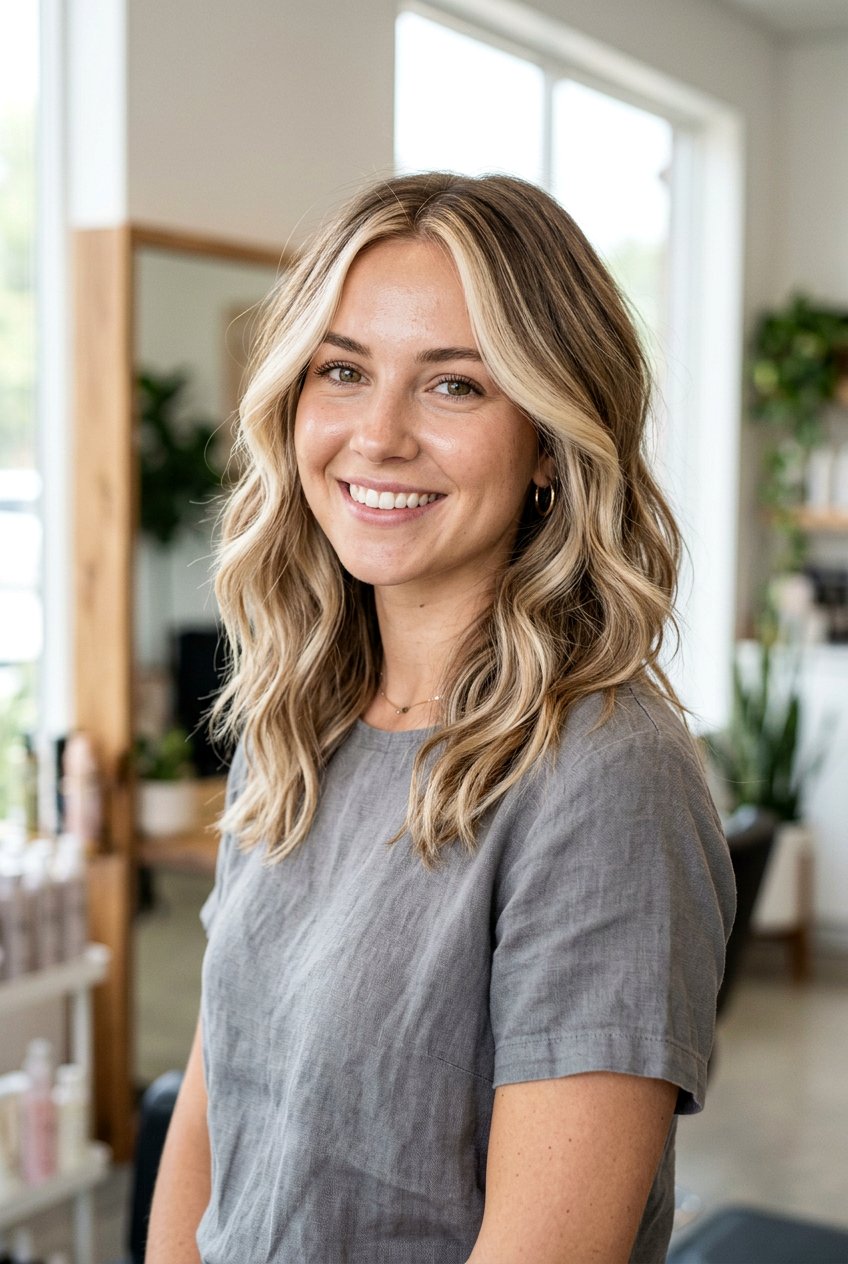
Sometimes you just want brightness where it counts most: around your face. Face framing champagne blonde balayage focuses on painting lighter sections along your hairline, part, and the pieces that naturally fall forward, leaving the rest of your hair more natural or softly highlighted. This approach instantly lights up your features and can even give a subtle “lifted” look, especially when the champagne highlights start a little higher near the cheekbones and gradually get lighter toward the ends. It’s ideal if you’re testing the waters with blonde or want a lower-commitment update between full color appointments. Because less of your hair is lifted overall, maintenance is easier: you can stretch full balayage sessions, then refresh just the face-framing pieces and toner to keep the champagne hue crisp, neutral, and flattering to your skin tone.
7. Soft Champagne Blonde Balayage Highlights
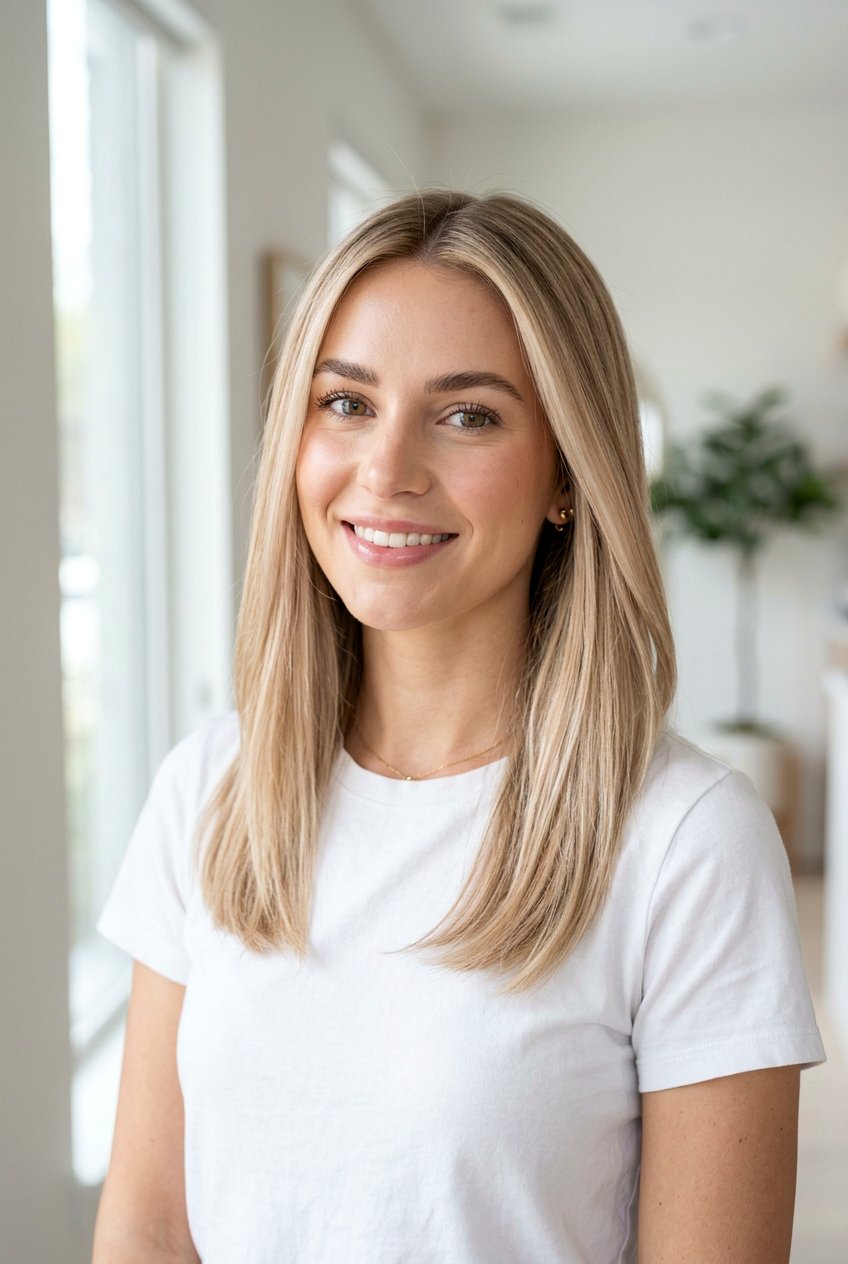
Soft champagne blonde balayage highlights are all about subtlety and fine, blended ribbons of color. Instead of stark streaks, your stylist paints delicate pieces that melt into your base shade, keeping the overall effect close to your natural color but with more glow and dimension. The champagne tone here leans neutral-beige with just a hint of warmth, which helps it look creamy rather than icy and makes it kinder on a wide range of skin tones. This is a great option if you’re worried about damage or want a “barely there” change that still catches the light in photos and in the sun. To maintain the softness, ask for gloss appointments instead of frequent heavy lightening, use gentle, sulfate-free products, and reach for purple shampoo only when you start to see brassiness creeping in.
8. Rooted Champagne Blonde Balayage
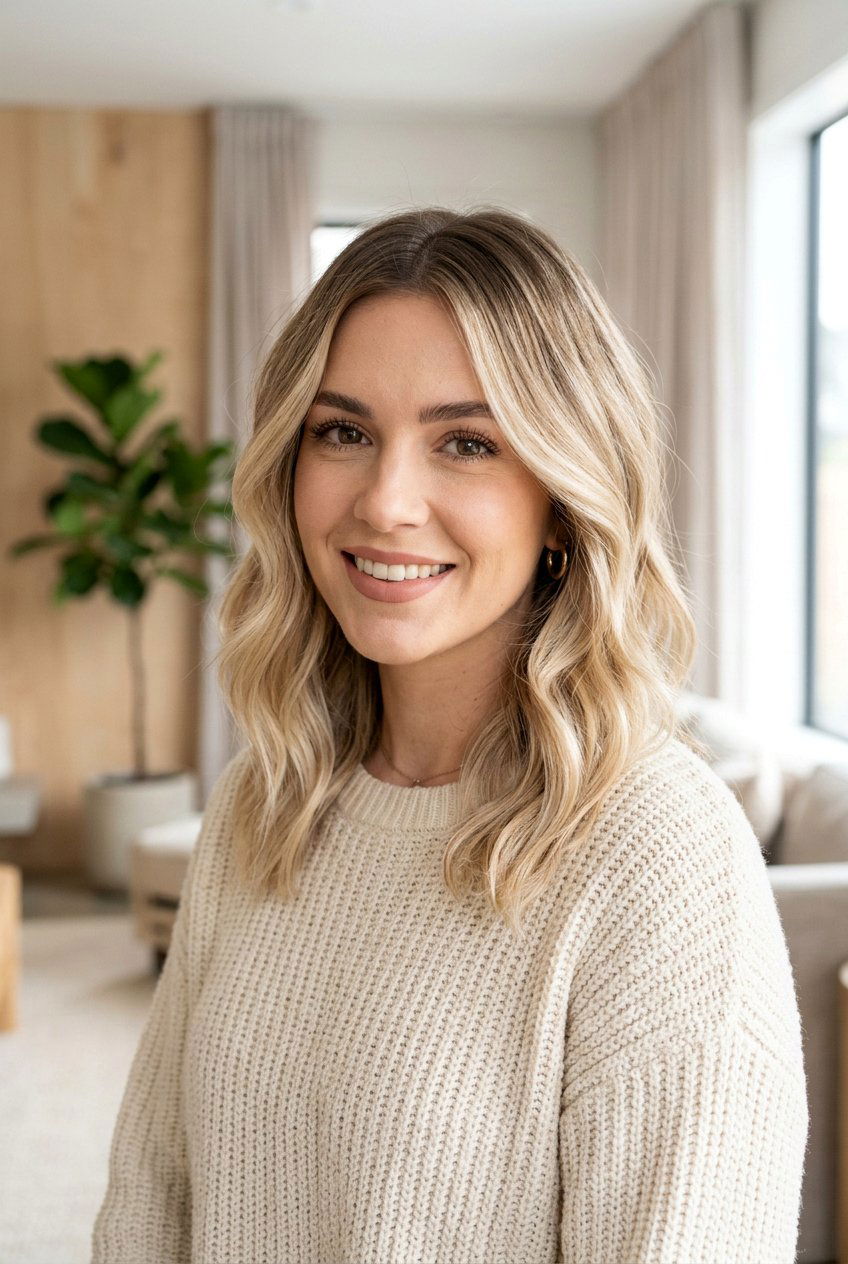
Rooted champagne blonde balayage gives you the best of both worlds: bright, reflective ends and easy grow-out. Your stylist intentionally blends a deeper root shade—either your natural color or a slightly smudged, toned version—into midlength champagne highlights that become lighter toward the tips. This shadowed root keeps things looking modern and prevents the washed-out effect that can happen when blonde starts right at the scalp, especially on medium to deeper skin tones. It’s also a smart choice if you’re naturally darker and want to stretch salon visits, since regrowth blends seamlessly into the existing root shade for months. The champagne portion typically sits in that soft, neutral-warm zone, so using purple shampoo occasionally and scheduling toner refreshes every 6–12 weeks keeps the shade balanced and luminous instead of dull or overly golden.
9. Champagne Blonde Balayage Lob Haircut
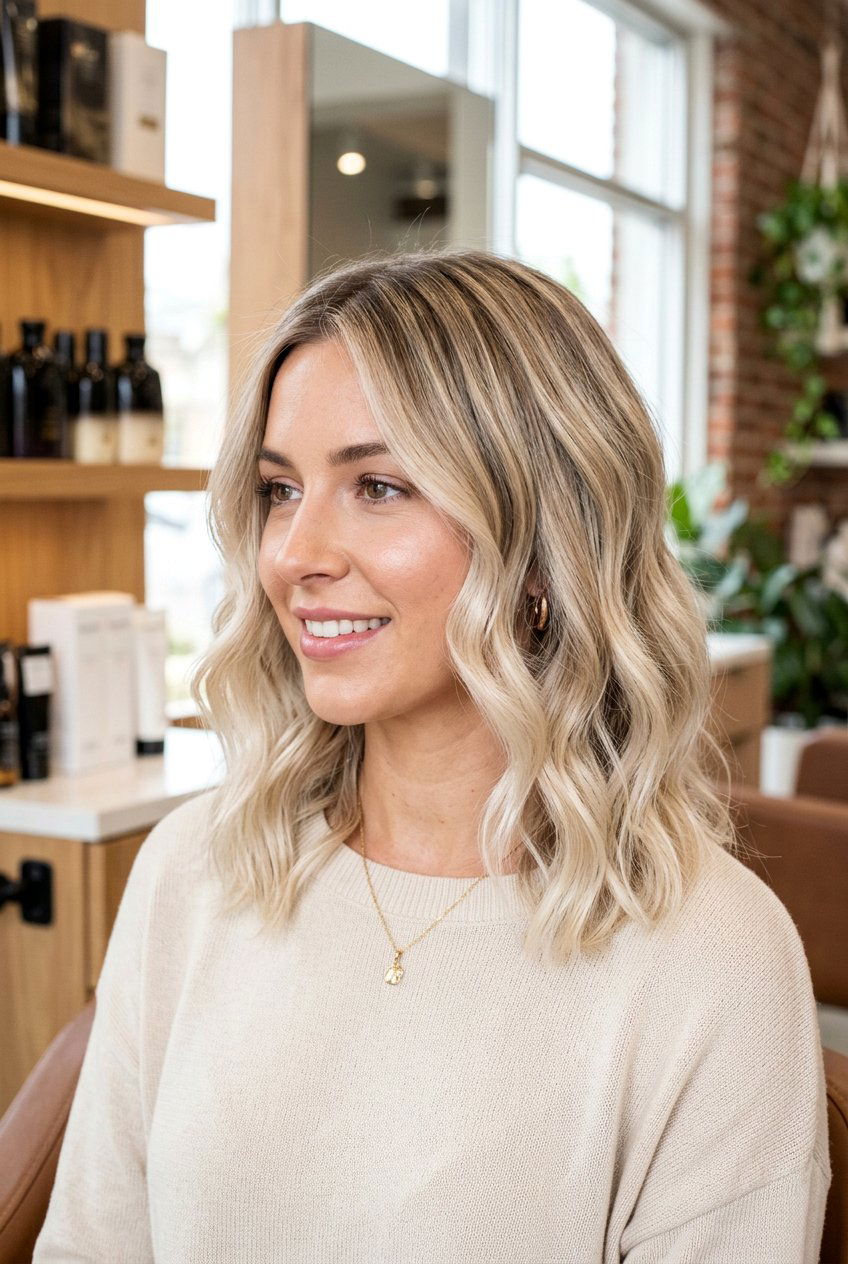
A lob—long bob—paired with champagne blonde balayage is one of the most wearable, trend-forward looks right now. The cut usually falls somewhere between the collarbone and shoulders, giving enough length for movement while still feeling sharp and fresh. When you add champagne balayage, your stylist can emphasize the ends and front pieces, creating a bright, face-framing effect while leaving some depth at the root for contrast. Soft waves or a simple bend with a flat iron show off the mix of beige and pale golden tones, making the hair look thicker and more textured without lots of styling effort. Because lobs are relatively low maintenance, you can schedule haircuts every couple of months alongside gloss or toner appointments to maintain your champagne tone and healthy, blunt or softly layered ends.
10. Wavy Champagne Blonde Balayage Hair
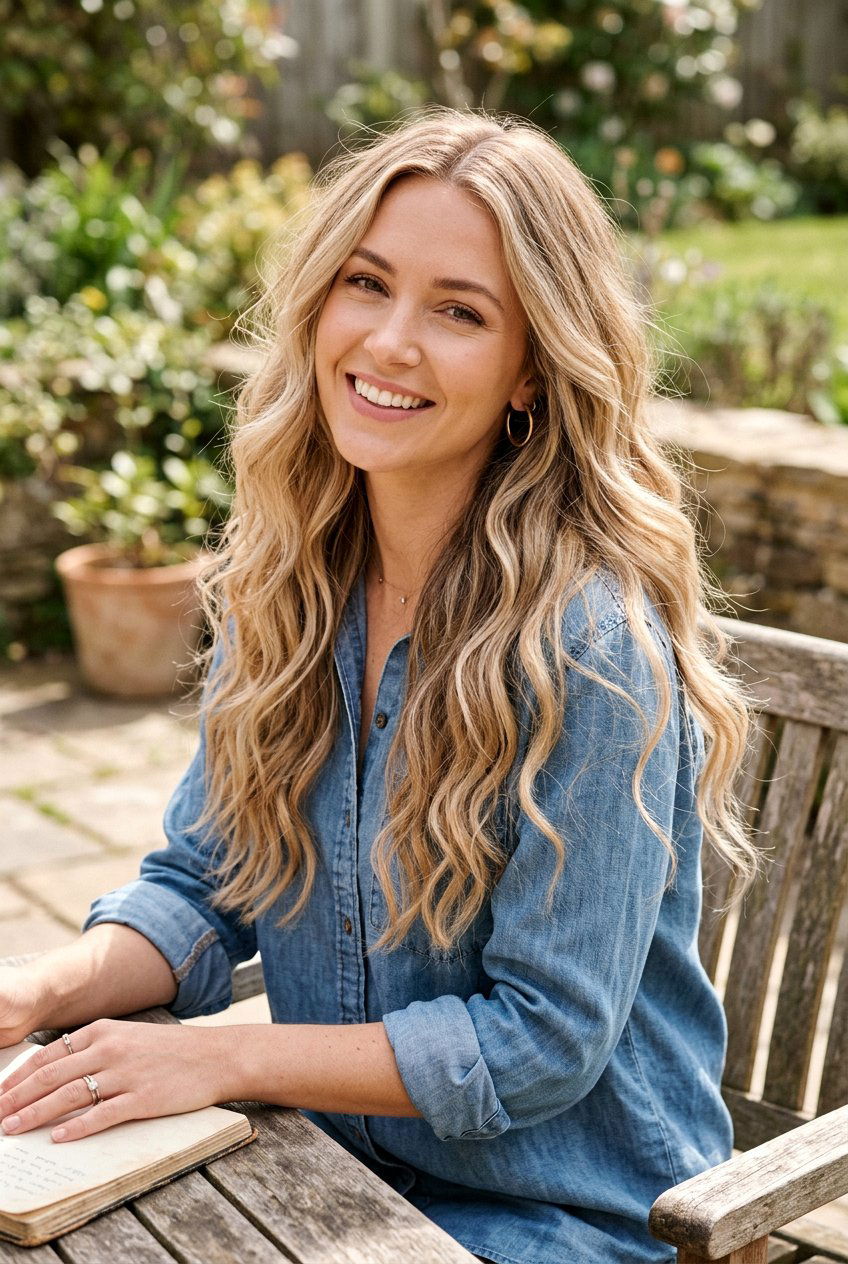
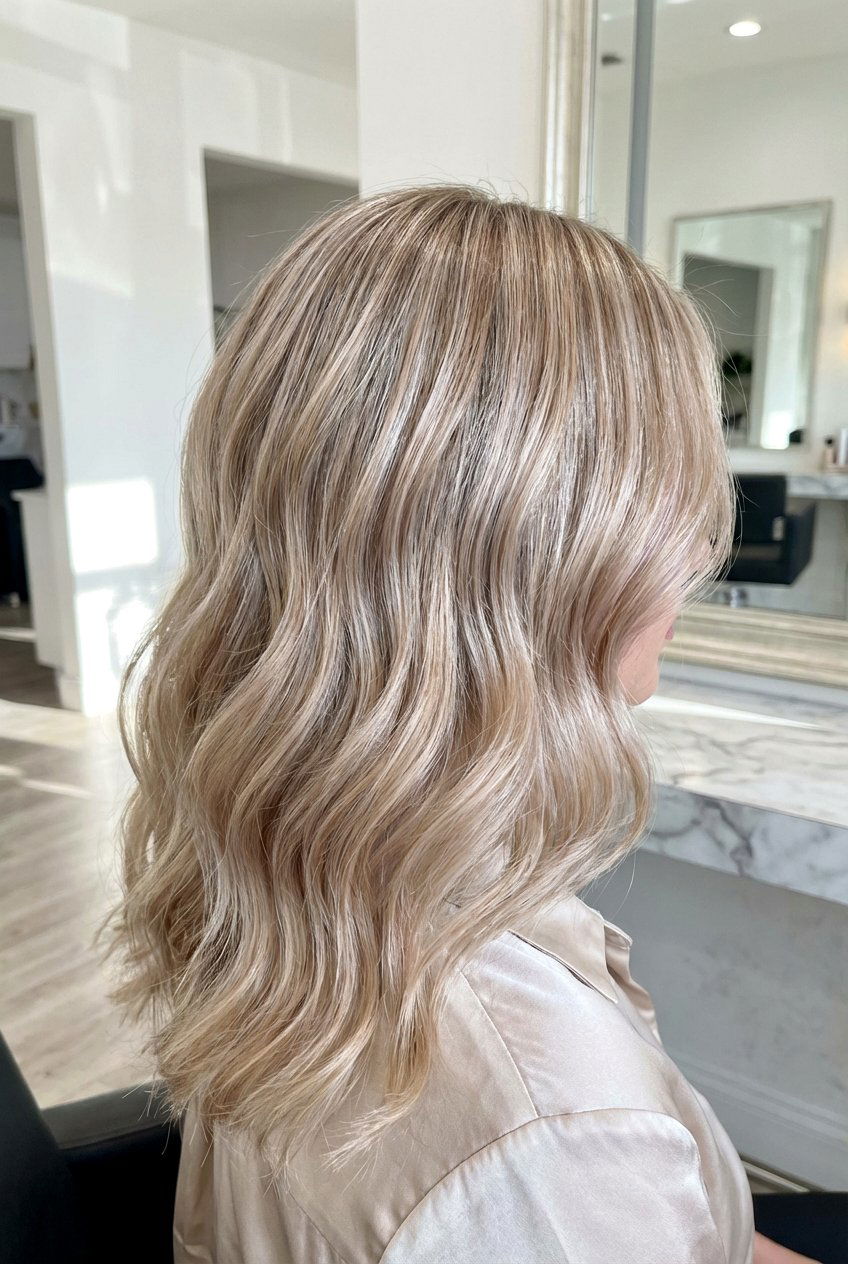
Loose, lived-in waves take champagne blonde balayage to another level because texture really shows off the color. As your hair bends and curves, you can see the darker base shades sitting underneath the lighter champagne ribbons, which makes the overall look richer and more dimensional. This combination works well on almost any length past the shoulders, from soft layers to one-length cuts, and looks equally good in casual or more polished settings. The balayage technique keeps the color soft at the root so waves don’t start abruptly with light pieces, which helps the style feel effortless rather than overdone. To keep your champagne waves shiny, use a heat protectant, reach for moisturizing masks weekly, and add a color-safe, anti-brass routine so the tone stays pearly instead of turning flat or orange over time.
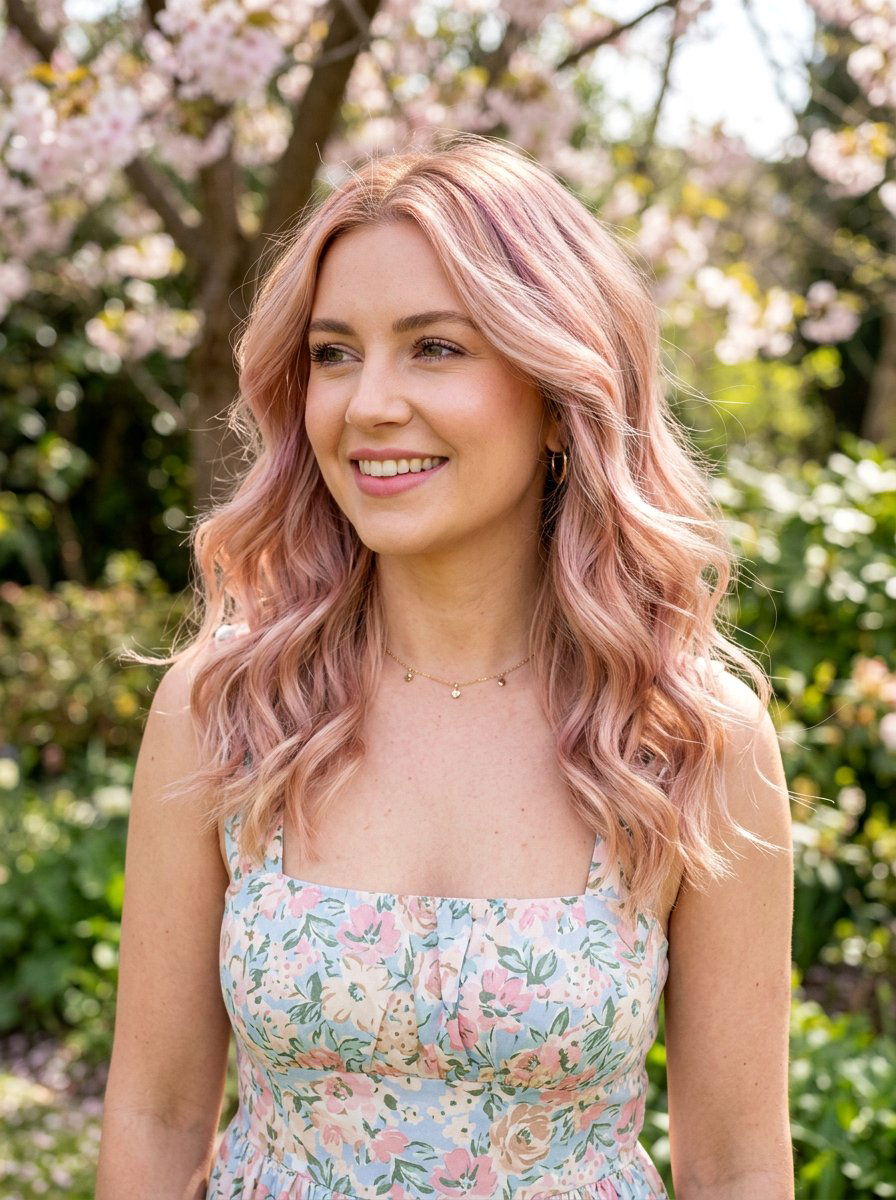
11. Champagne Blonde Balayage For Warm Skin Tones
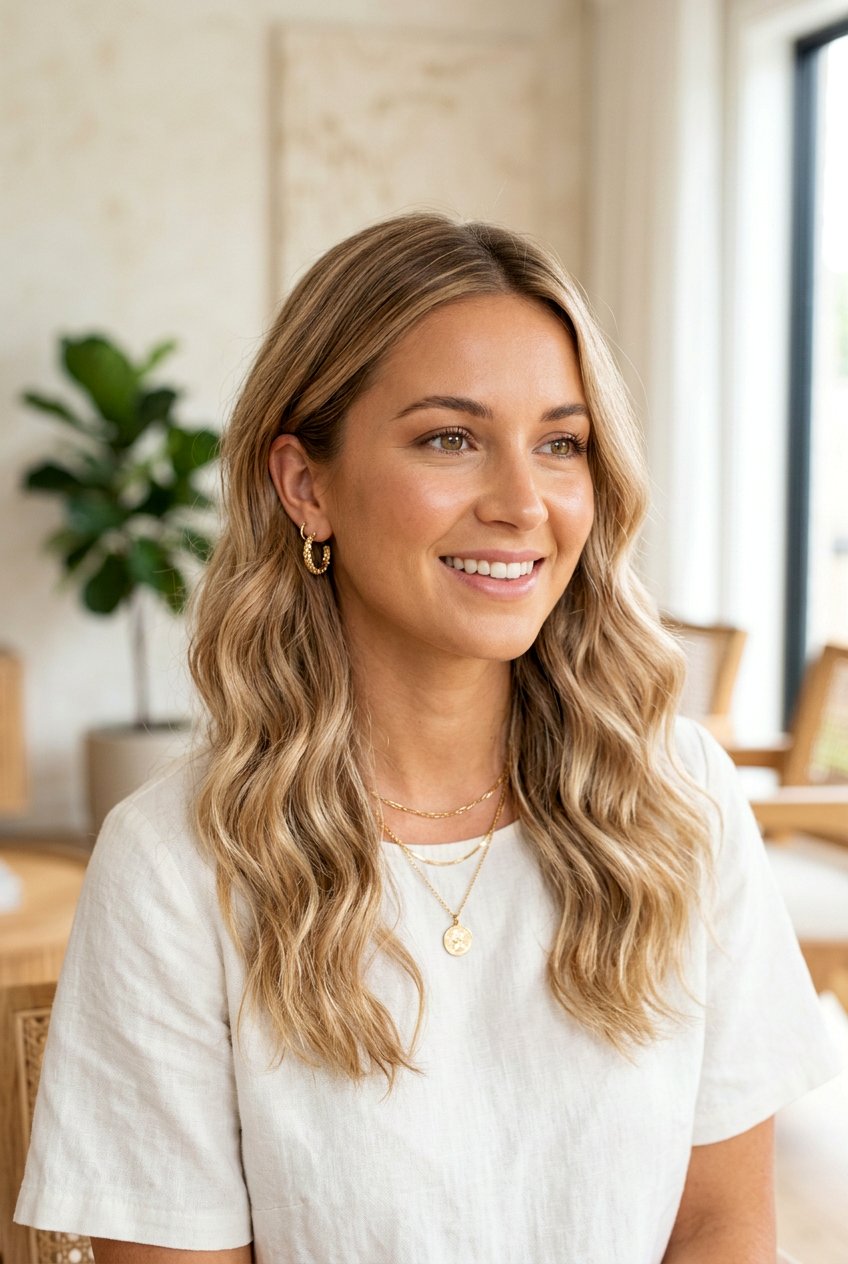
If your skin has golden, peachy, or olive undertones, champagne blonde balayage can be customized to flatter you beautifully. Colorists often lean into slightly warmer champagne mixes—think soft gold blended with neutral beige—to echo the warmth in your complexion without veering into overly yellow territory. Pairing these tones with a bit of depth at the root and lowlights throughout keeps your features grounded and prevents your hair from blending too closely with your skin. Strategic face-framing pieces that are just a touch lighter than the rest of your balayage brighten your eyes and cheekbones, giving that subtle “lit from within” effect. Ask your stylist to avoid extremely ashy toners, which can make warm skin look sallow; instead, maintain your champagne shade with glosses that balance neutral and warm pigments and use purple shampoo only when needed.
12. Champagne Blonde Balayage For Cool Skin Tones
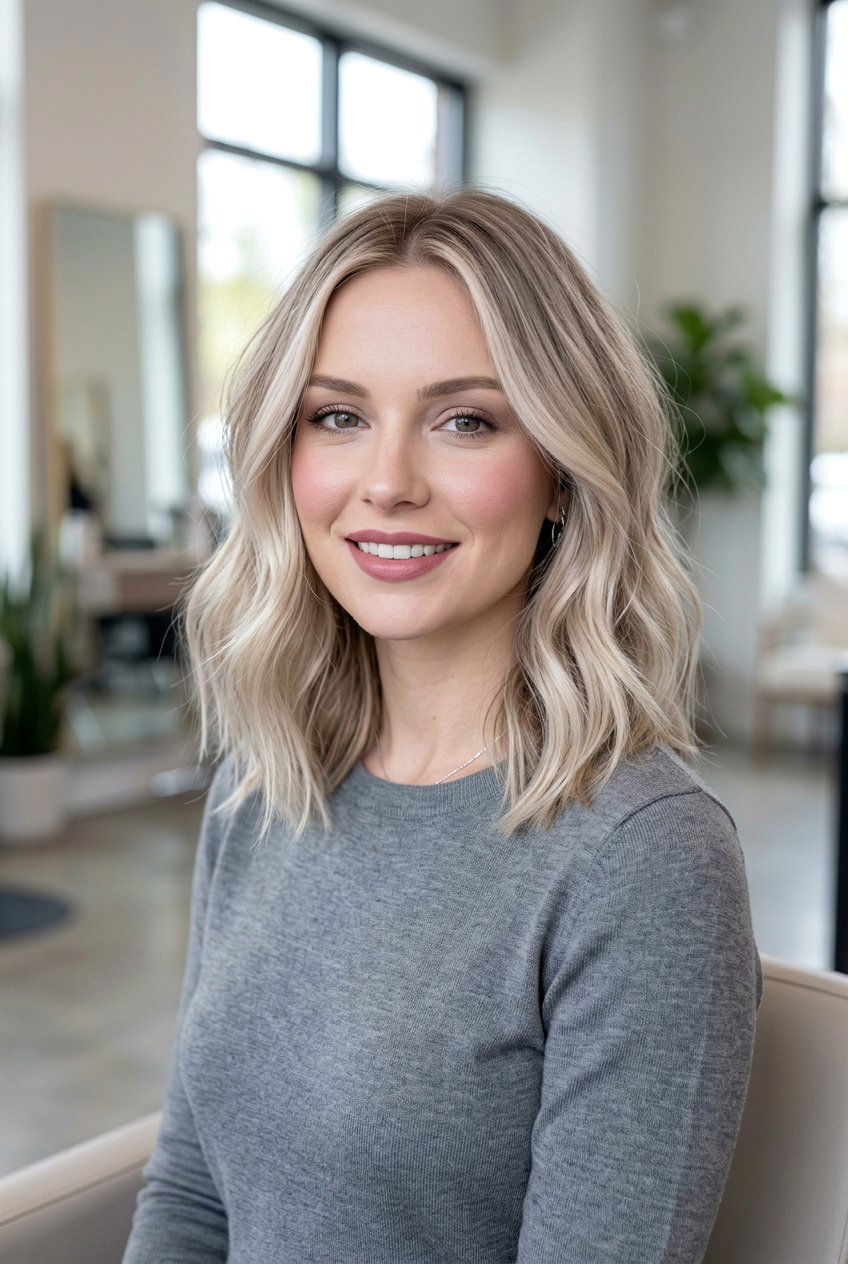
Cool and rosy undertones also pair nicely with champagne blonde, as long as the balance of warmth is handled carefully. Champagne is naturally a neutral-to-slightly-warm blonde, so for cool complexions your colorist may tweak the formula to lean a bit more beige and softly cool while keeping just enough warmth for dimension. This keeps the hair color from competing with your skin and avoids that “too icy” effect that can look harsh on some people. Fine, blended balayage placement is especially helpful here, with soft transitions from root to midlength rather than stark contrasts. To keep brass away and maintain a cool-leaning champagne tone, incorporate purple shampoo once or twice a week and schedule toner refreshes, which neutralize yellow and orange tones while preserving that glossy, light-reflective finish.
13. Low Maintenance Champagne Blonde Balayage
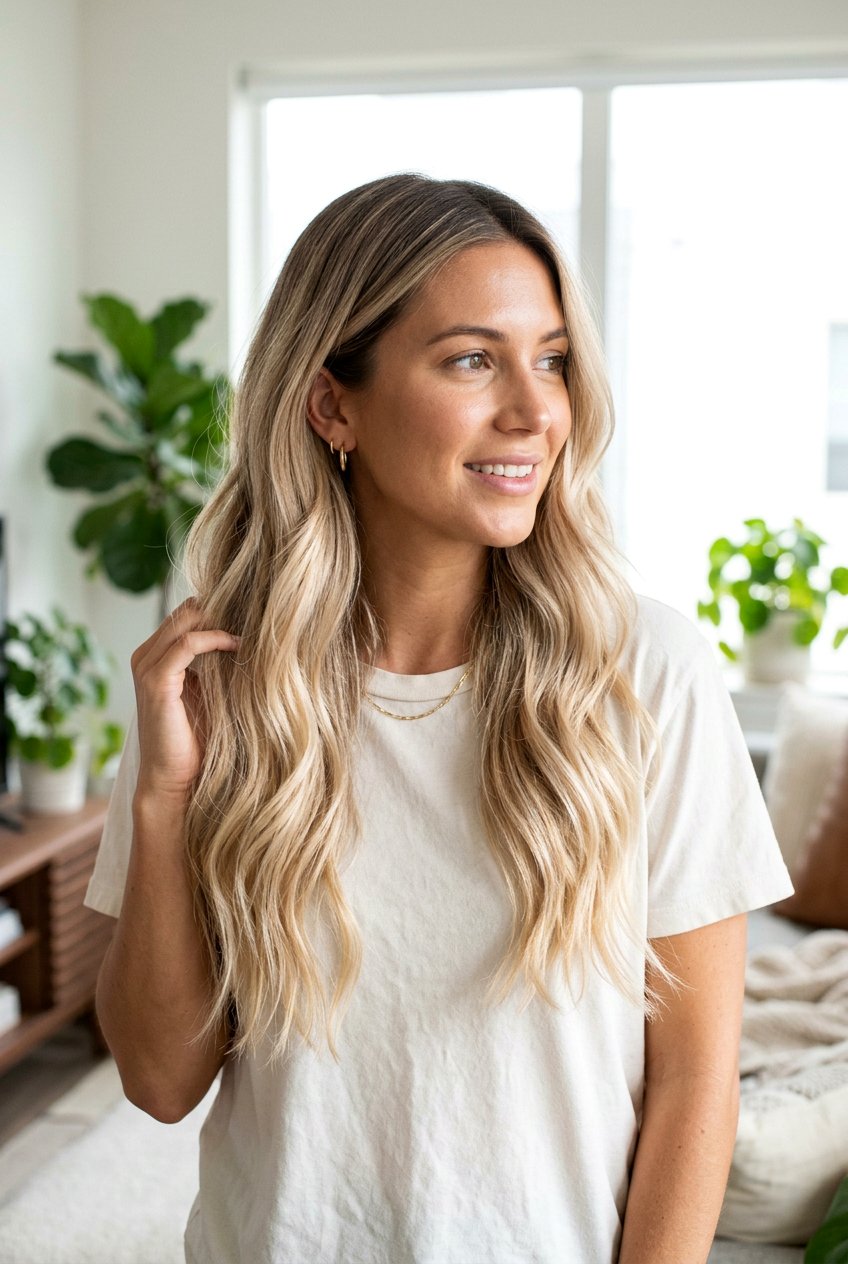
If you love blonde but hate constant salon visits, a low maintenance champagne blonde balayage is worth asking for by name. The idea is to keep your natural shade or a softly smudged root for several inches, then blend into champagne highlights that start lower and concentrate toward the ends. This creates a sun-kissed effect that looks intentional even as it grows out, which means you can often go 10–15 weeks between full balayage sessions depending on your starting color and contrast. Because the brightest pieces are at the tips, damage is easier to control with regular trims and hydrating treatments. Maintain the tone with at-home purple shampoo when needed and in-salon glosses every couple of months, which refresh the champagne shade and shine without a full lightening service each time.
14. Dimensional Champagne Blonde Balayage
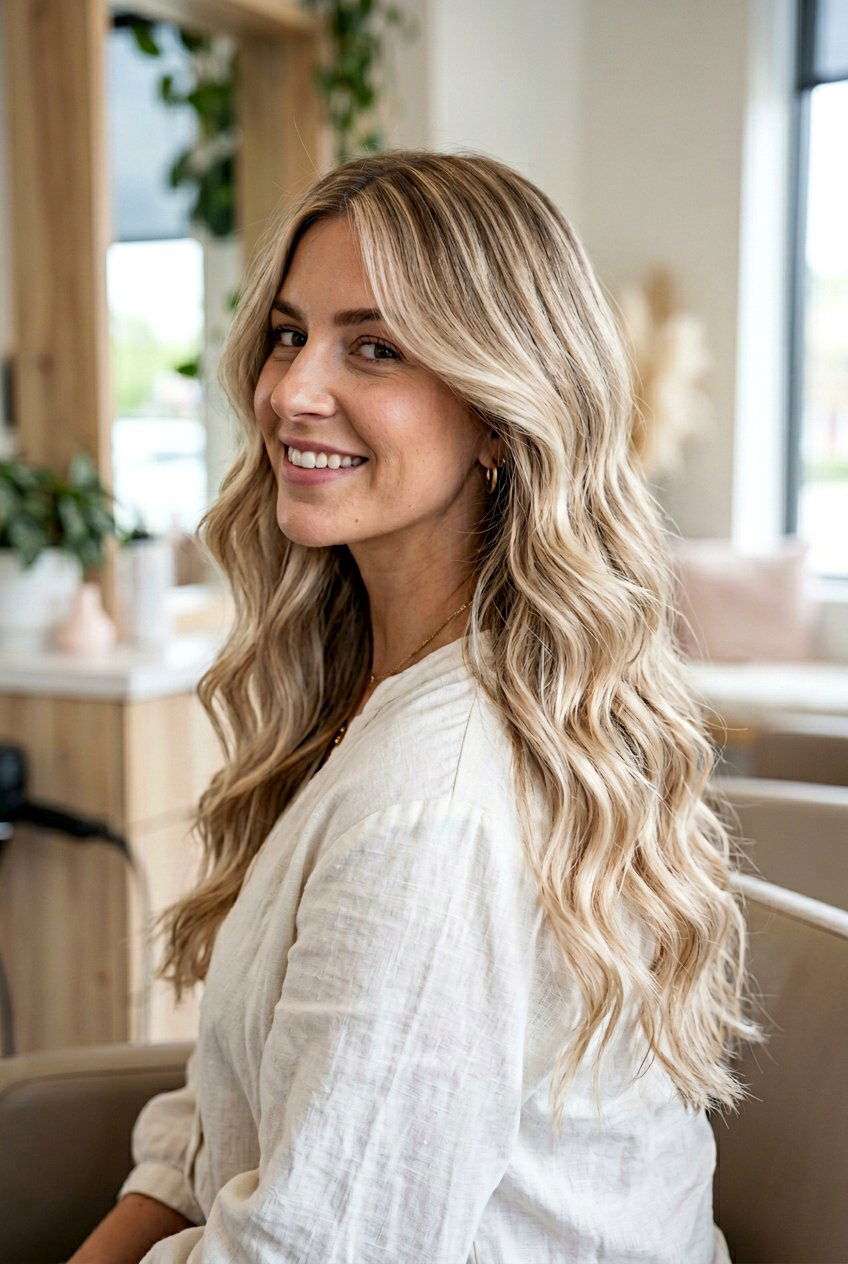
Dimensional champagne blonde balayage is perfect if you never want your hair to look flat in photos or real life. Instead of one uniform level of blonde, your colorist works with several tones—slightly deeper beige, classic champagne, and a few brighter pieces—to mimic how natural hair lightens in the sun. This mix is especially flattering on medium and long hair with layers because each movement reveals a different shade, creating that “expensive” finish often seen on red carpets and in campaigns. Deeper roots and carefully placed lowlights provide contrast so the lighter champagne ribbons stand out rather than blending into one single color. To keep all that dimension looking intentional, avoid overusing toners that are too opaque; instead, ask for translucent glosses that enhance the existing highs and lows while keeping brass in check.
15. Ashy Champagne Blonde Balayage
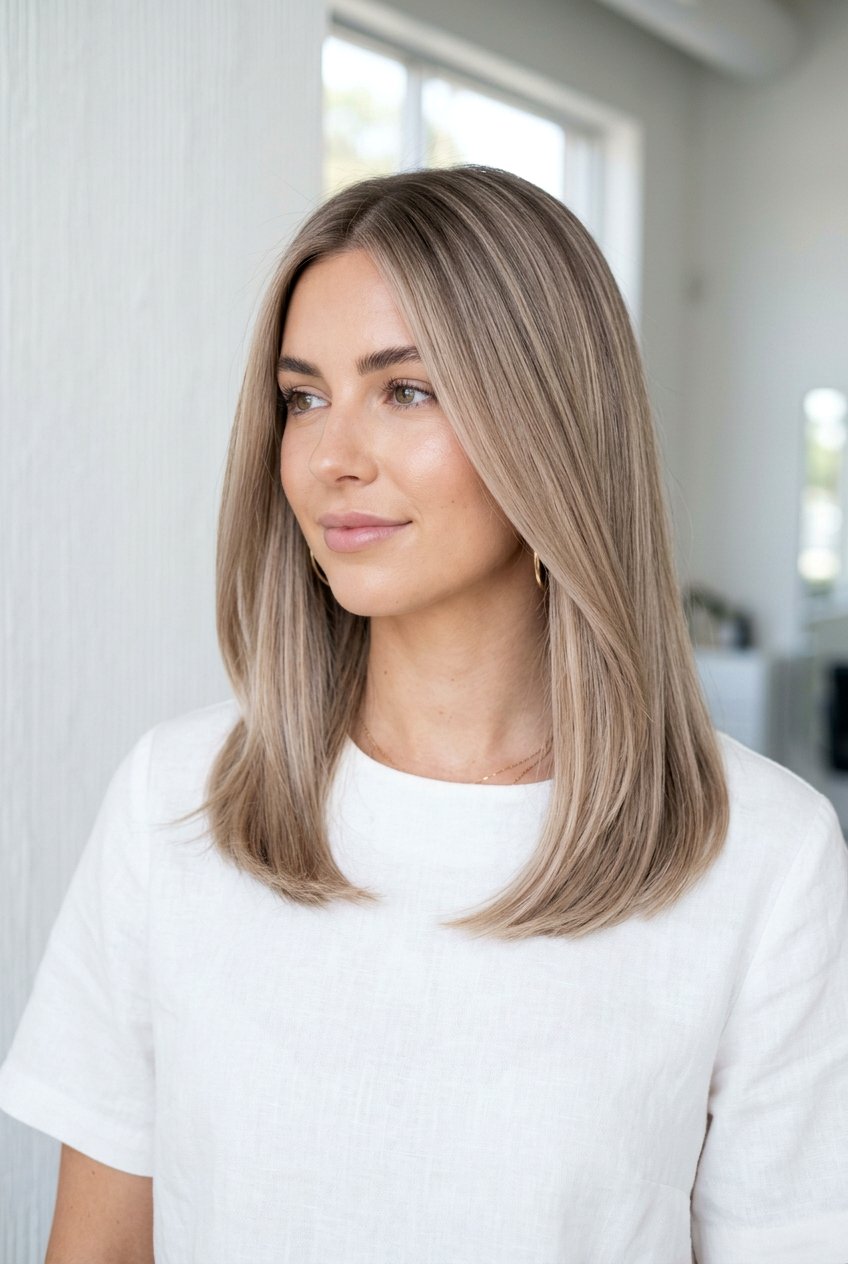
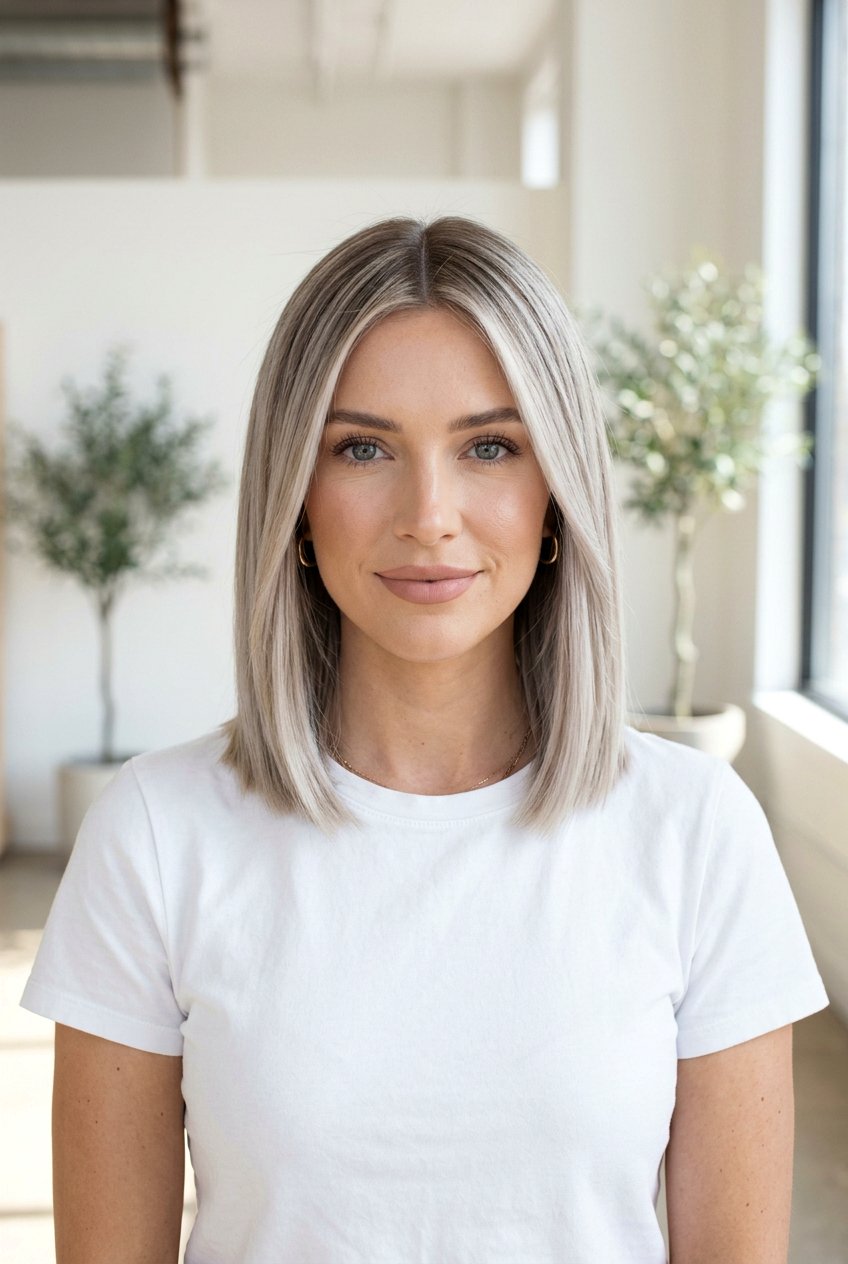
If you lean toward cooler hair but still want softness, ashy champagne blonde balayage walks that line nicely. Here, the champagne base is tweaked with more cool beige and subtle ash tones, dialing down warmth while still leaving a hint of creaminess so the color stays wearable. This combination works well for people whose skin gets overwhelmed by strongly golden shades but who don’t love stark icy blondes either. Balayage placement keeps the ashy champagne sections diffused and blended, especially around the face and through the midlengths, which helps prevent banding or visible lines of demarcation. Because cooler blondes are more prone to brassiness, you’ll want a solid home care routine with purple shampoo, color-protecting products, and regular toner or gloss sessions to maintain that muted, pearly finish over time.
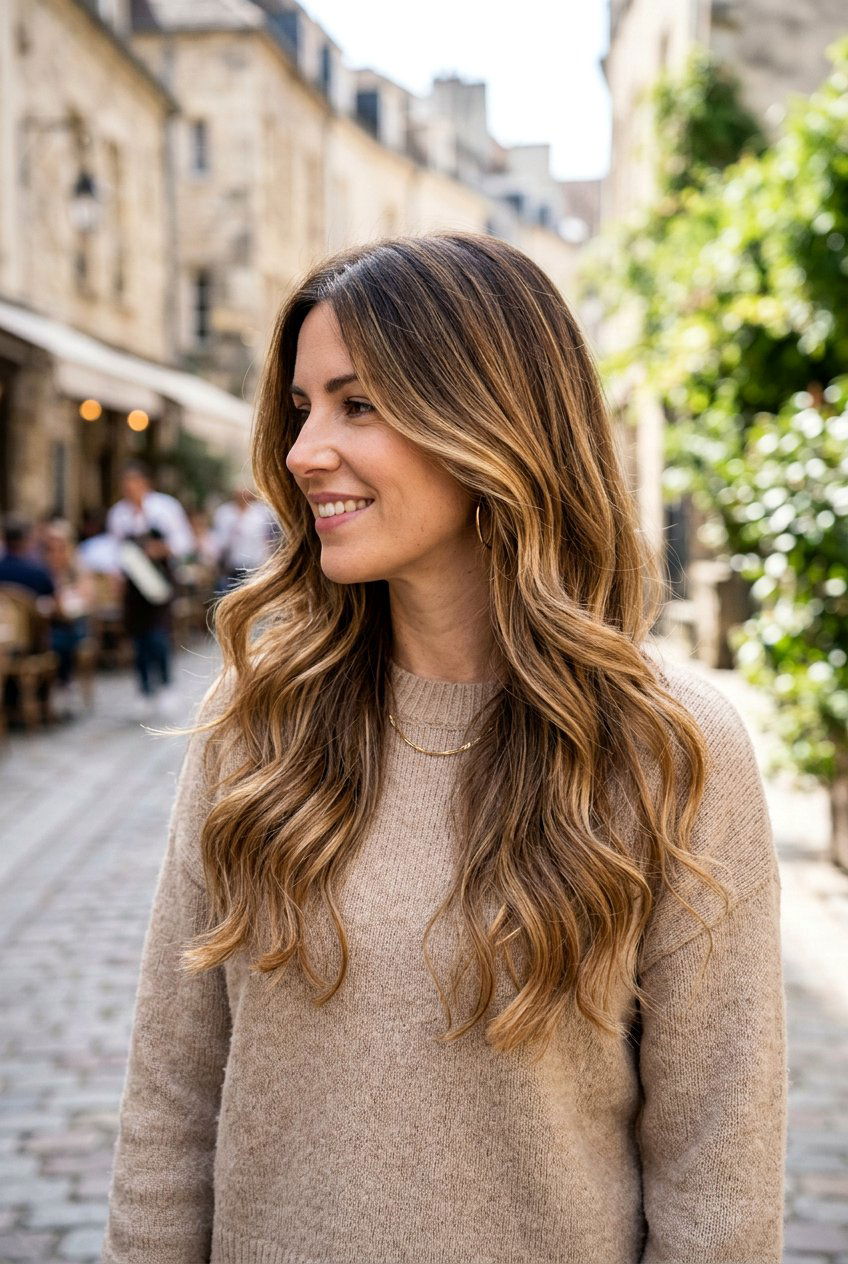
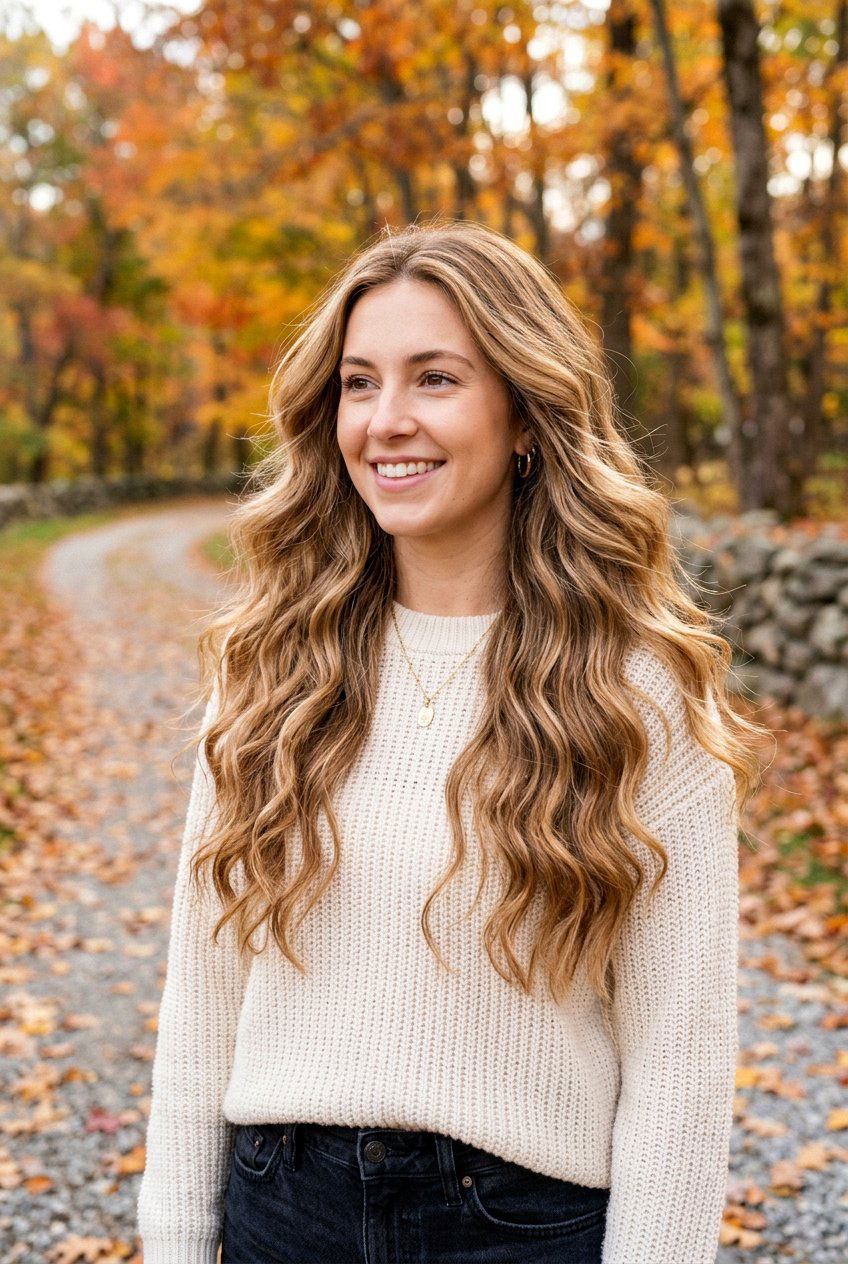
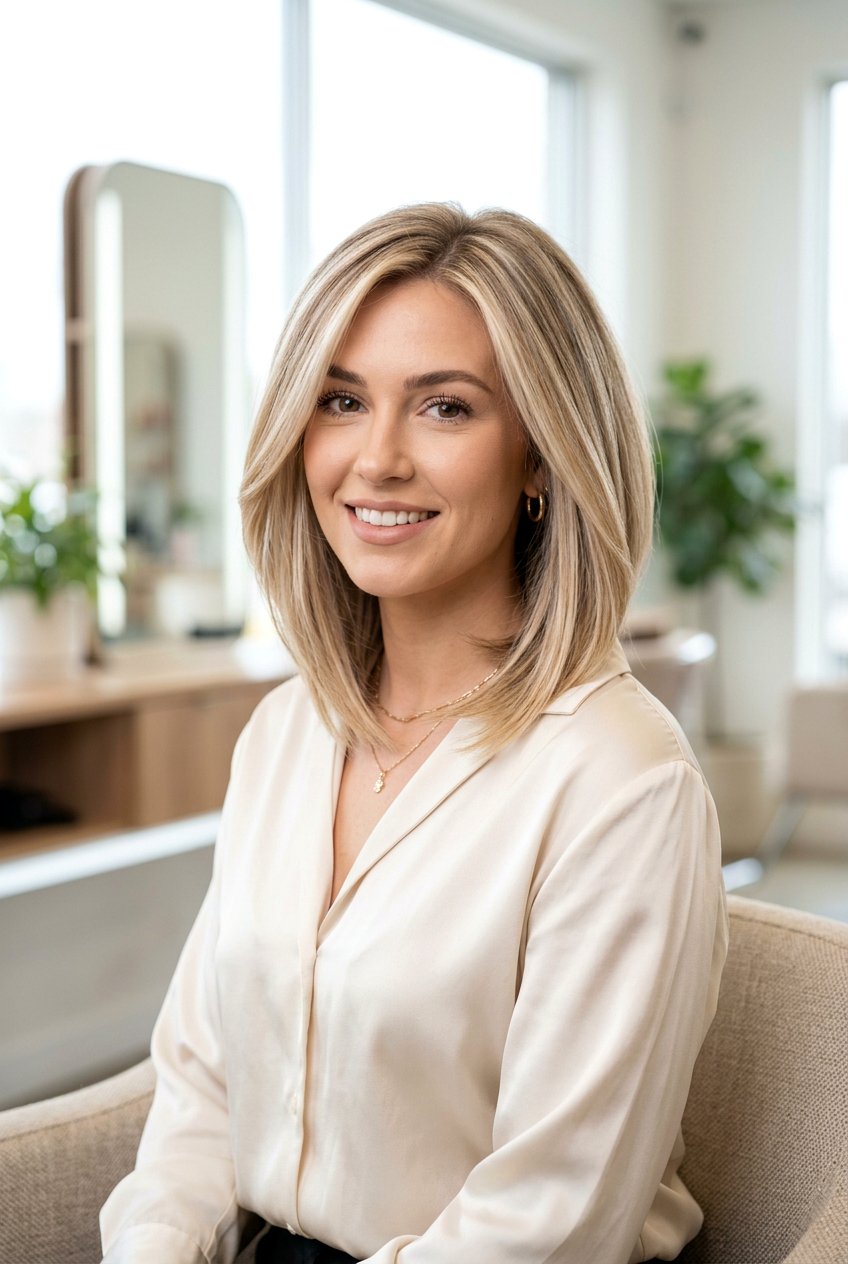
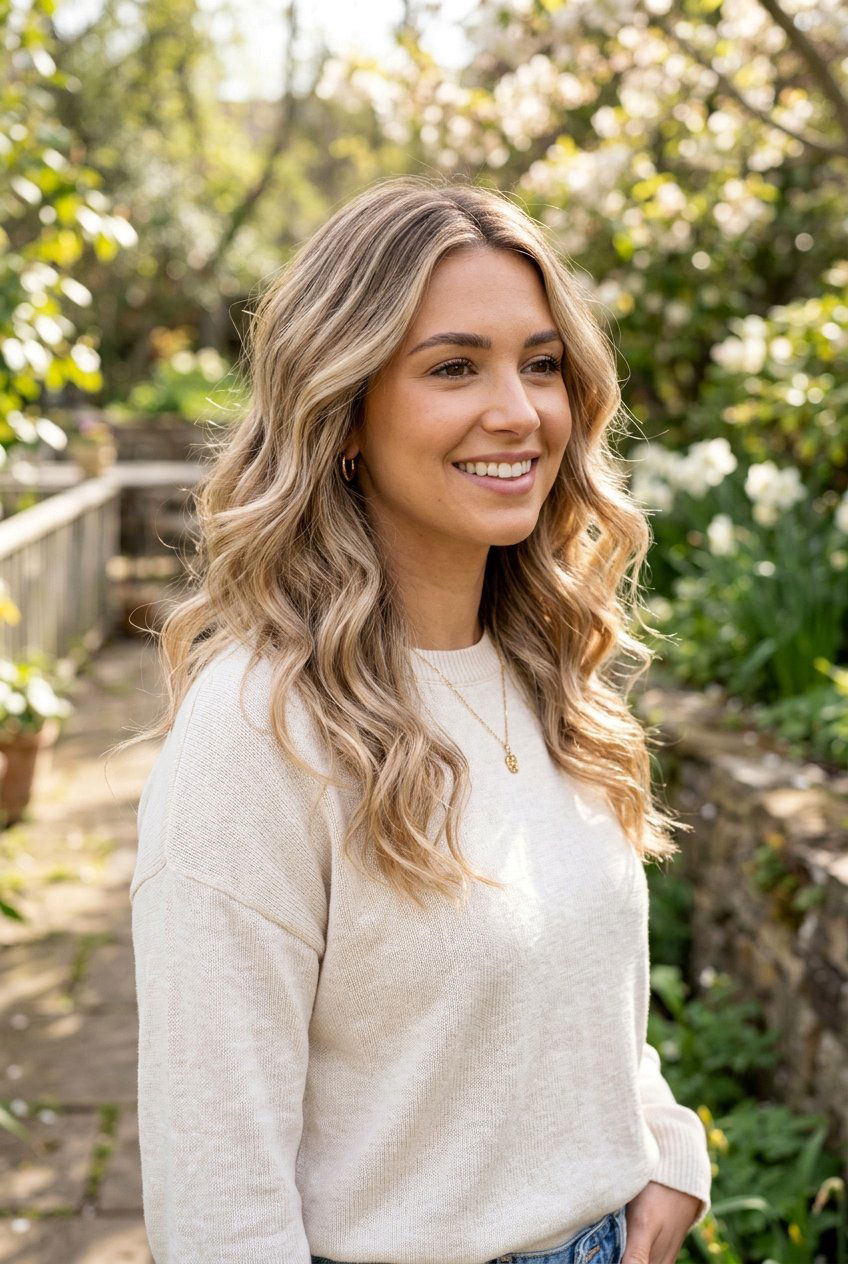
16. Warm Champagne Blonde Balayage
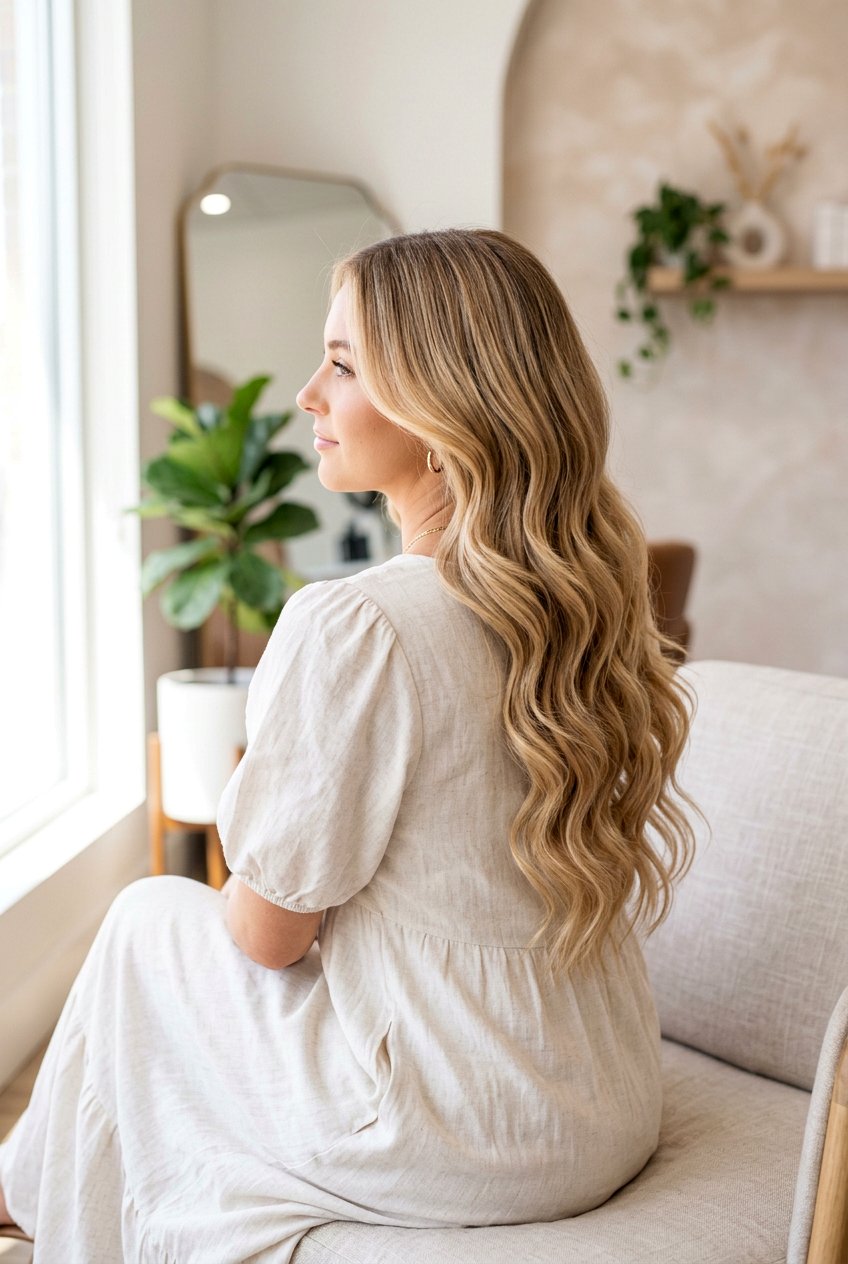
Warm champagne blonde balayage is ideal if you love a sunny, glowing look. In this version, your stylist leans into soft gold and gentle warm beige tones that echo the color of actual champagne in the glass, which can be incredibly flattering on warm, neutral, and some olive skin tones. The balayage technique keeps those warm champagne highlights blended and diffused, so the result is radiant rather than brassy. Paired with a slightly deeper root and maybe a few lowlights, this color feels polished and luxurious without reading too yellow. To maintain warmth in the right way, focus on moisturizing, color-safe shampoos and conditioners, add glosses that reinforce your preferred tone, and only use purple shampoo occasionally so you don’t overcool the shade and lose that golden sparkle.
17. Subtle Champagne Blonde Balayage On Natural Blondes
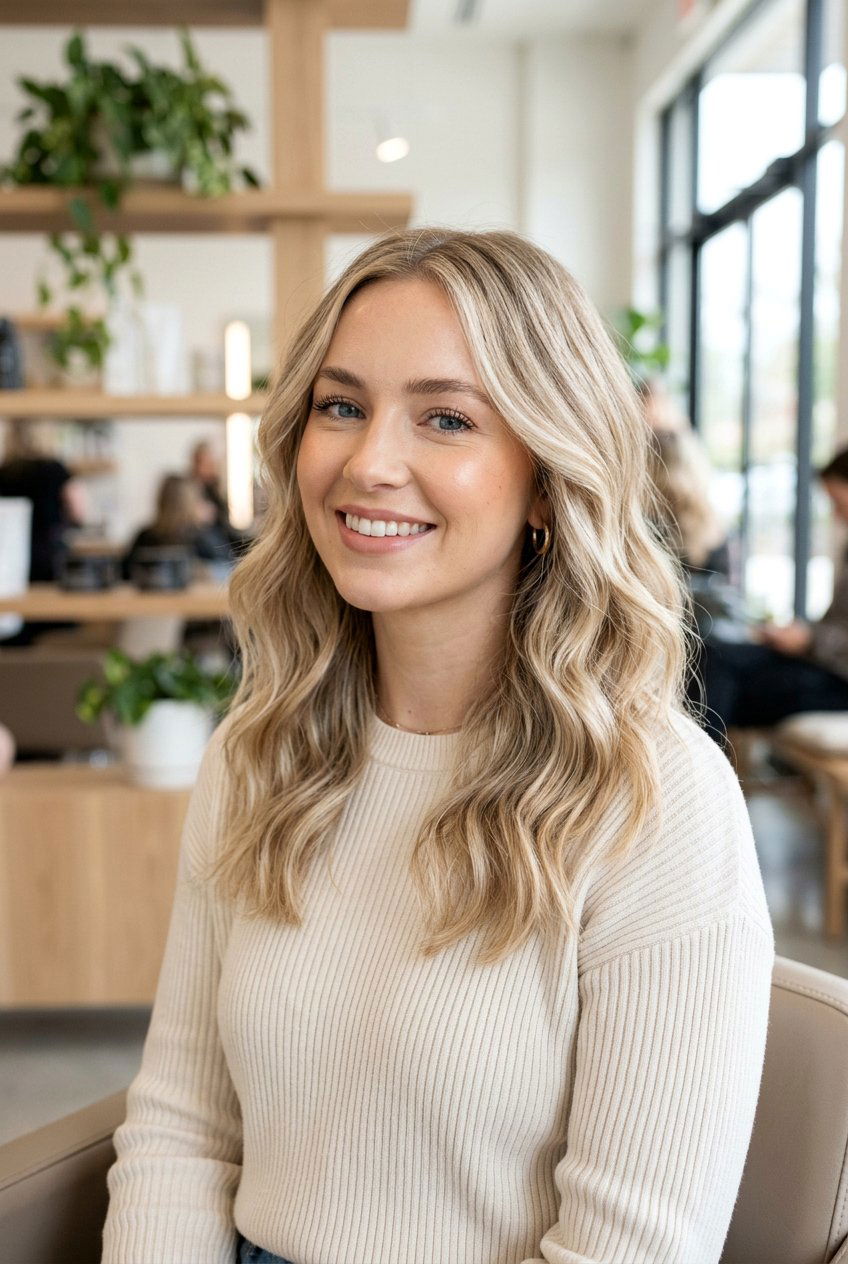
Natural blondes who want a little extra pop often love subtle champagne blonde balayage. Instead of a dramatic transformation, your colorist enhances what you already have with slightly lighter champagne pieces and gentle lowlights, creating soft contrast and shine without a huge shift in overall depth. The champagne tone enriches your existing blonde, adding that creamy, light-catching finish that looks especially beautiful in natural light. Because your starting point is already light, less pre-lightening is needed, which means less potential damage and easier long-term maintenance. Regular glosses help keep your blonde from looking washed out or dull, while occasional purple shampoo use can prevent yellowing, especially if you spend a lot of time in the sun or around hard water.
18. High Contrast Champagne Blonde Balayage
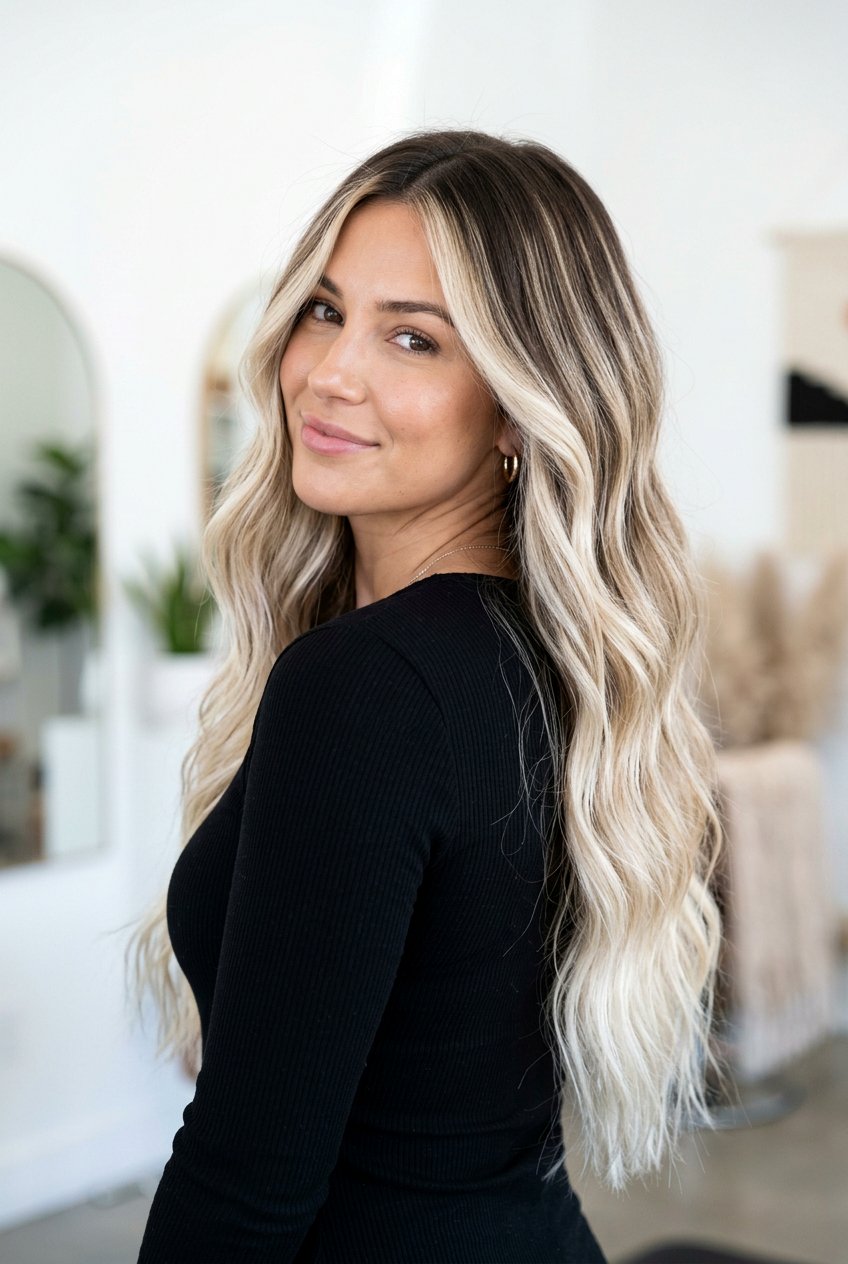
High contrast champagne blonde balayage is for those who like drama and definition in their color. Here, the difference between the base shade and the champagne highlights is more pronounced, often pairing deeper brunette roots and lowlights with bright, pearly champagne ribbons through the midlengths and ends. This creates striking dimension and can actually make fine hair appear thicker because the eye reads the variation as extra volume. Strategic placement around the face and in the top layers ensures the high contrast looks intentional and modern rather than stripey. You’ll want to invest in strong color care—think bond-building treatments, heat protection, and regular toning—to keep the lighter pieces healthy and the champagne shade clear, as stronger lift often means more susceptibility to dryness and brassiness over time.
19. Champagne Blonde Balayage With Money Piece
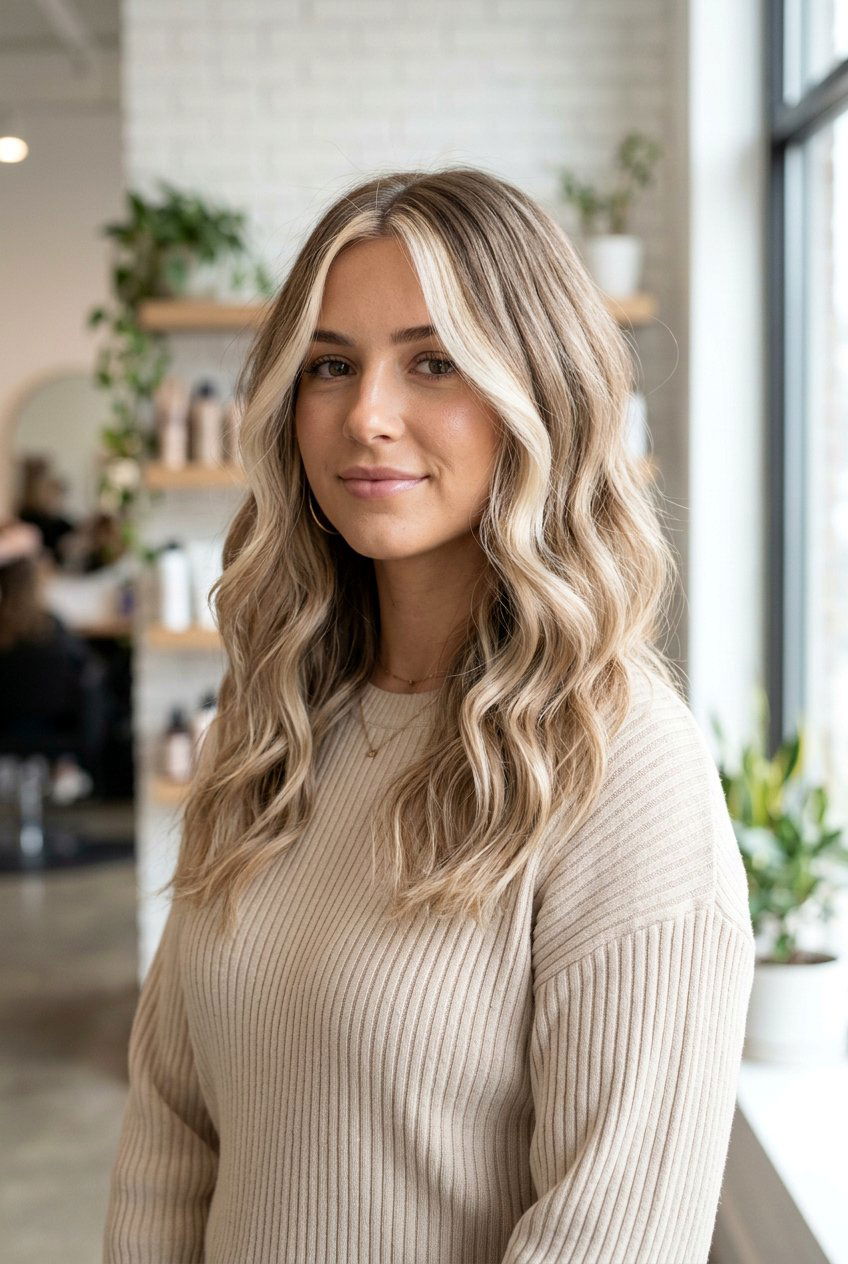
The “money piece” trend pairs perfectly with champagne blonde balayage if you love bold face framing. In this look, the front sections near your hairline are lifted brighter and toned to a luminous champagne, while the rest of your balayage remains slightly softer for contrast. The result is an instant spotlight effect that draws attention to your eyes and cheekbones and looks great whether your hair is down, in a ponytail, or pinned back. Champagne tones work especially well for a money piece because they are bright without being stark, so the look stays wearable for everyday life. Since these front pieces are the most exposed and often the most processed, treat them with extra care—use gentle products, deep condition regularly, and refresh the toner more often to keep the color polished.
20. Champagne Blonde Balayage Maintenance Tips
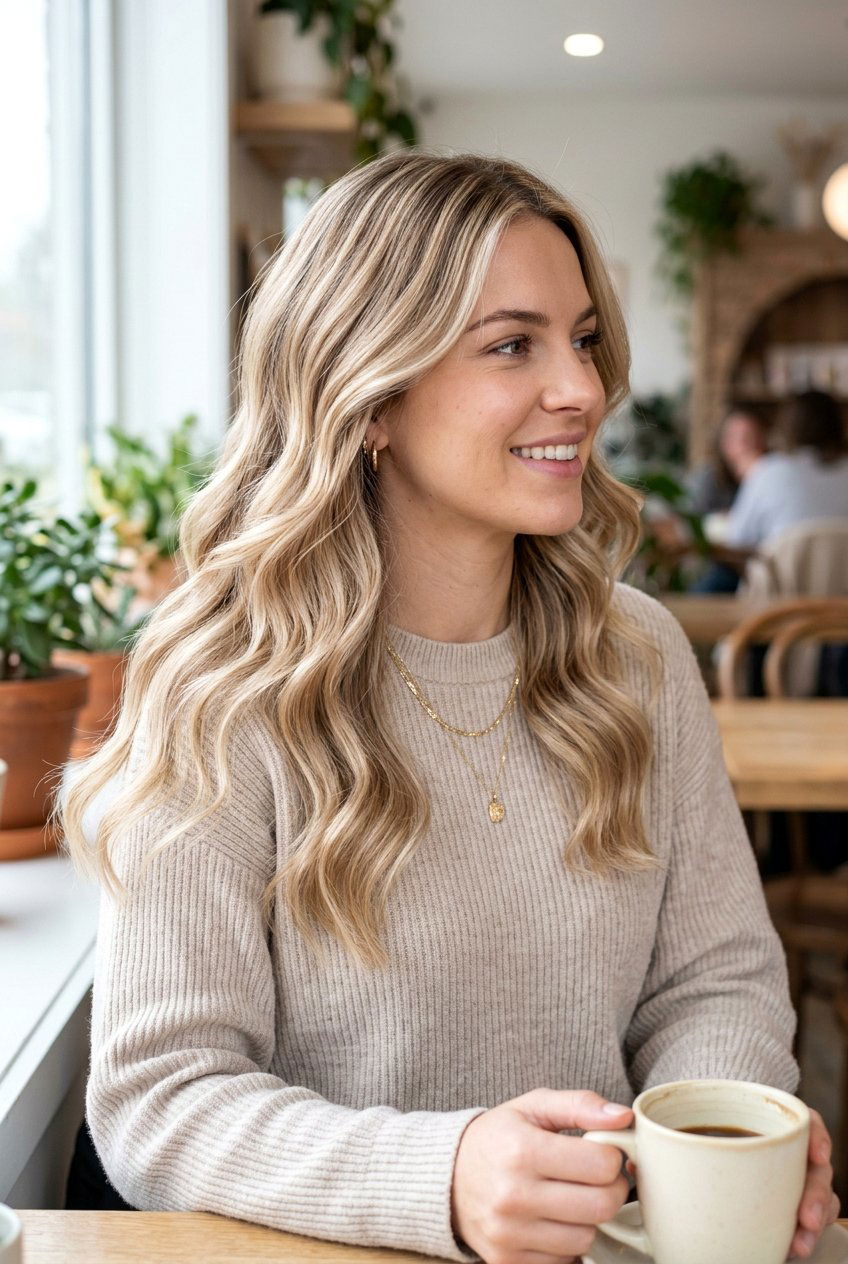
Keeping champagne blonde balayage fresh comes down to tone, health, and smart scheduling. Balayage highlights can typically look good for 8–12 weeks or longer, especially when you let the root stay natural and focus on refreshing the toner rather than constantly re-lightening. At home, use color-safe shampoo and conditioner, incorporate purple shampoo once or twice a week to neutralize brass, and follow with hydrating masks one to two times weekly to combat dryness. UV protection and heat protectants are non-negotiable if you style often or spend lots of time outdoors, since both sun and hot tools can fade your champagne tone faster. Plan on gloss or toner appointments every 6–12 weeks depending on how cool or warm you like your champagne, and trim regularly so your ends stay smooth and reflective.
Conclusion:
Champagne blonde balayage has earned its place as a modern classic because it blends wearable glamour with practical, real-life maintenance. The shade itself sits in that sweet spot between cool and warm—soft beige, pale gold, and pearly reflections—which means it can be customized for almost every skin tone and starting hair color, from natural blondes to deep brunettes. The balayage technique adds another layer of flexibility, letting you choose low-key face framing, subtle dimension, or bold, high contrast ribbons while keeping grow-out softer than traditional foils. With a thoughtful consultation, a good maintenance plan that includes glosses, purple shampoo, and nourishing care, and a clear idea of your favorite look from these 20 options, you can wear champagne blonde balayage in a way that feels uniquely yours and stays beautiful between salon visits.
You'll Like These Styles:


Leave a Reply