
Finding the right boys haircut for cowlick can feel like a constant battle against a stubborn tuft of hair that simply refuses to lay flat. Whether it is located at the front hairline or the crown, a cowlick is a section of hair that grows in a different direction than the rest, often creating a swirl or a “sprout” effect. Instead of fighting nature with excessive gel, the most effective strategy is to choose a haircut that either incorporates the natural lift or masks it through clever layering and length. By understanding how hair weight and texture interact with these unique growth patterns, parents and barbers can create a stylish, low-maintenance look that turns a grooming frustration into a deliberate fashion statement.

1. Textured Crop Fade
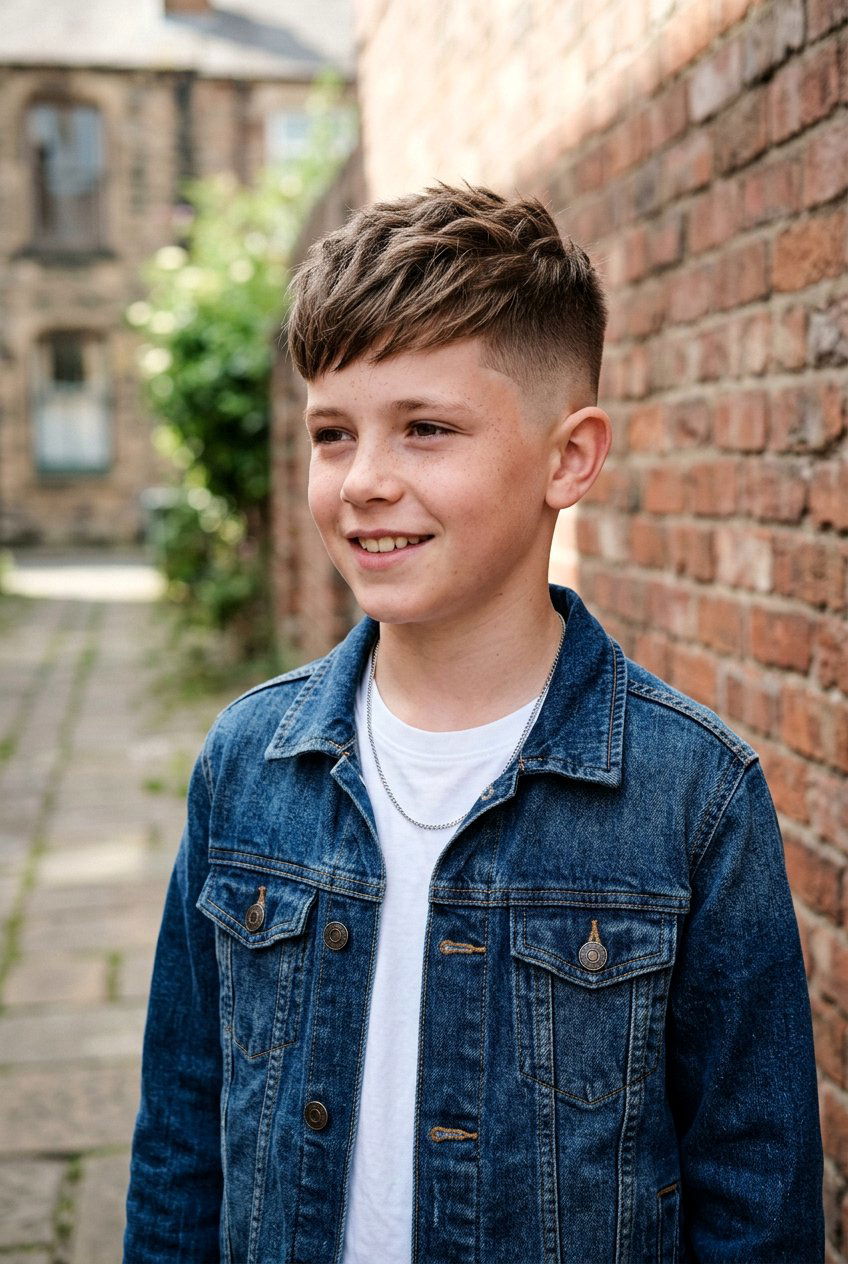
The textured crop fade is one of the most effective solutions for a stubborn cowlick because it thrives on intentional messiness. By keeping the sides very short with a high or mid fade, the focus remains entirely on the top where the hair is cut into choppy, irregular layers. These layers allow the cowlick to blend in with the rest of the textured pieces rather than standing out as a solitary rogue clump. Because the hair is pushed forward toward the forehead, any lift at the crown is naturally integrated into the volume of the style. This look works exceptionally well for active boys who need a “wake up and go” haircut that still looks sharp.
2. Classic Crew Cut

For parents seeking a traditional and clean appearance, the classic crew cut offers a timeless way to manage unruly hair growth. This style features hair that is tapered on the sides and back, with the top left slightly longer but still relatively short. The key to making this work for a cowlick is the graduated length; by keeping the hair short enough, the cowlick loses the leverage it needs to stand up prominently. If the growth pattern is at the front, the hair can be brushed slightly to the side or up into a small quiff, using the cowlick’s natural direction to provide effortless volume without needing heavy styling products.
3. Side Part Taper
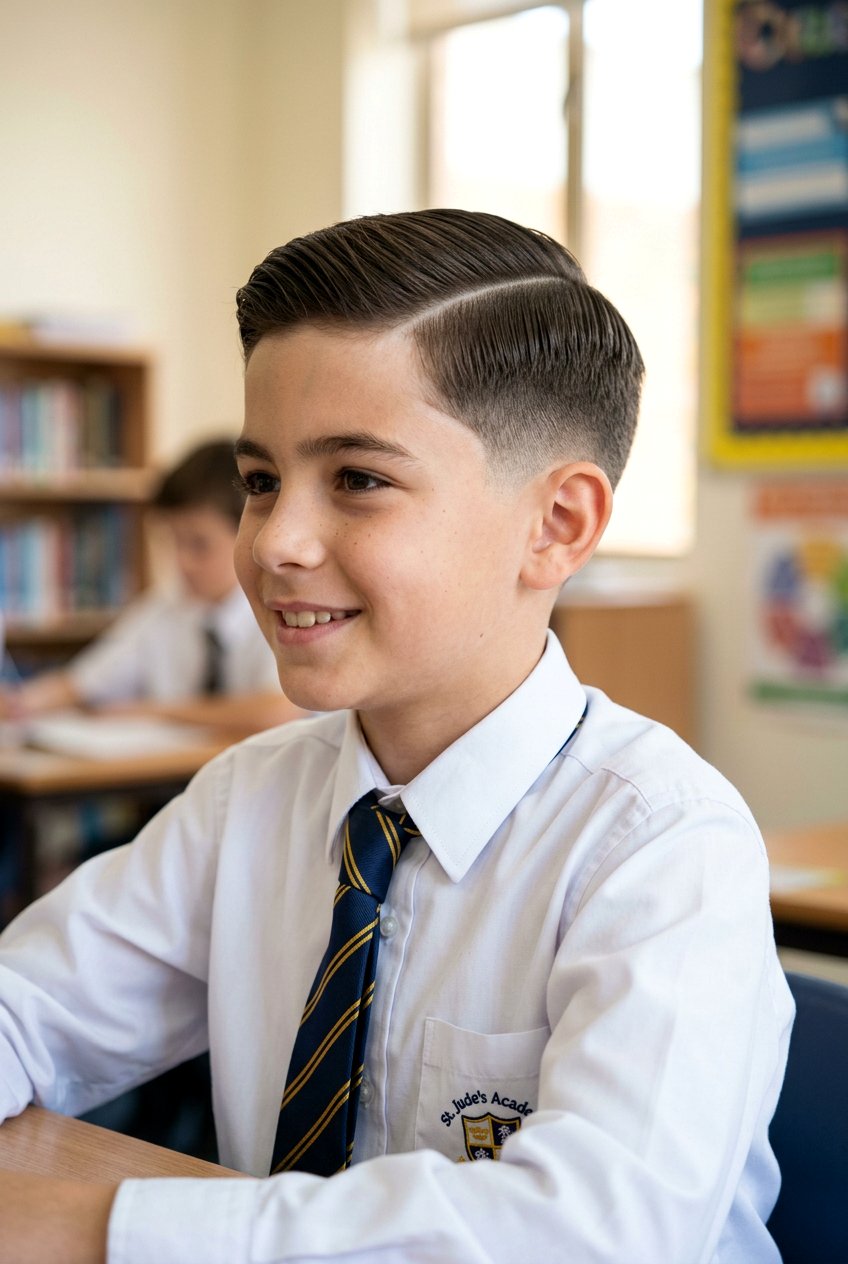
The side part taper is a sophisticated choice that works by following the hair’s natural “instruction manual.” Most cowlicks dictate a specific direction in which the hair wants to fall, and this haircut utilizes that exit point as the natural place for a part. By carving a clean line where the hair already wants to separate, the barber eliminates the tension that causes hair to pop up. The sides are neatly tapered to keep the silhouette slim, while the top is left long enough to be combed over. This creates a polished, “gentlemanly” look that stays in place because the hair is finally being moved in the direction it naturally grows.
4. Messy Spiky Top

If your son has a cowlick that insists on standing straight up, the messy spiky top is the perfect way to lean into that energy. Instead of trying to force the hair down, this cut uses texturizing shears to create various lengths that encourage a spiked appearance throughout the entire top section. When the whole head has a controlled, spiky texture, a cowlick simply looks like a deliberate part of the design. This style is incredibly forgiving for cowlicks located at the crown, as the “messy” aesthetic hides the circular swirl pattern that usually makes the scalp visible in shorter, flatter haircuts.
5. Long Tapered Flow
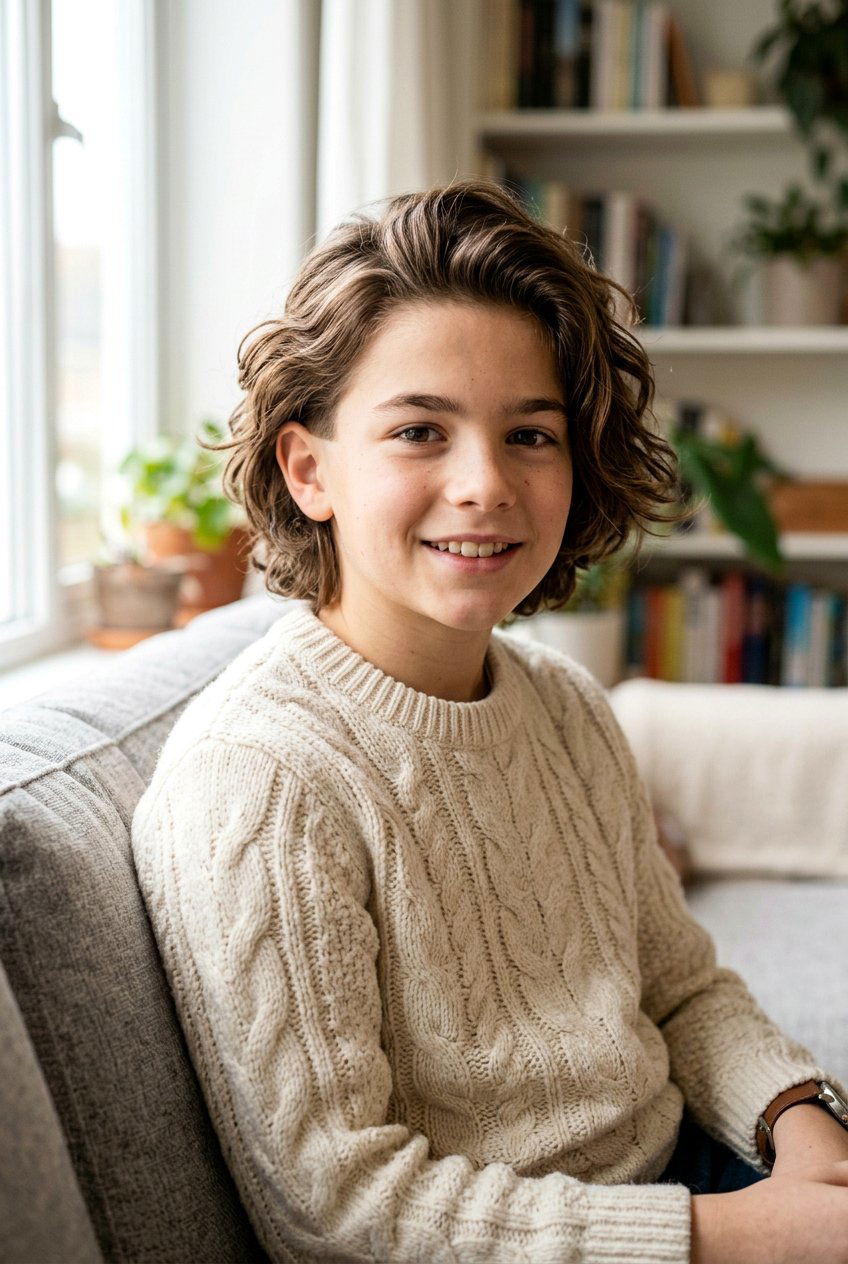
Sometimes the best way to defeat a cowlick is to let gravity do the heavy lifting, which is exactly what the long tapered flow achieves. When hair reaches a certain length—usually three to four inches or more—the weight of the hair strand becomes heavy enough to pull the cowlick down. This style keeps the edges around the ears and neck clean with a light taper, but allows the top and crown to grow out into a natural, flowing shape. It is an excellent option for boys with wavy or thick hair, as the natural movement of the “flow” masks any irregular growth patterns near the hairline.
6. Ivy League Cut
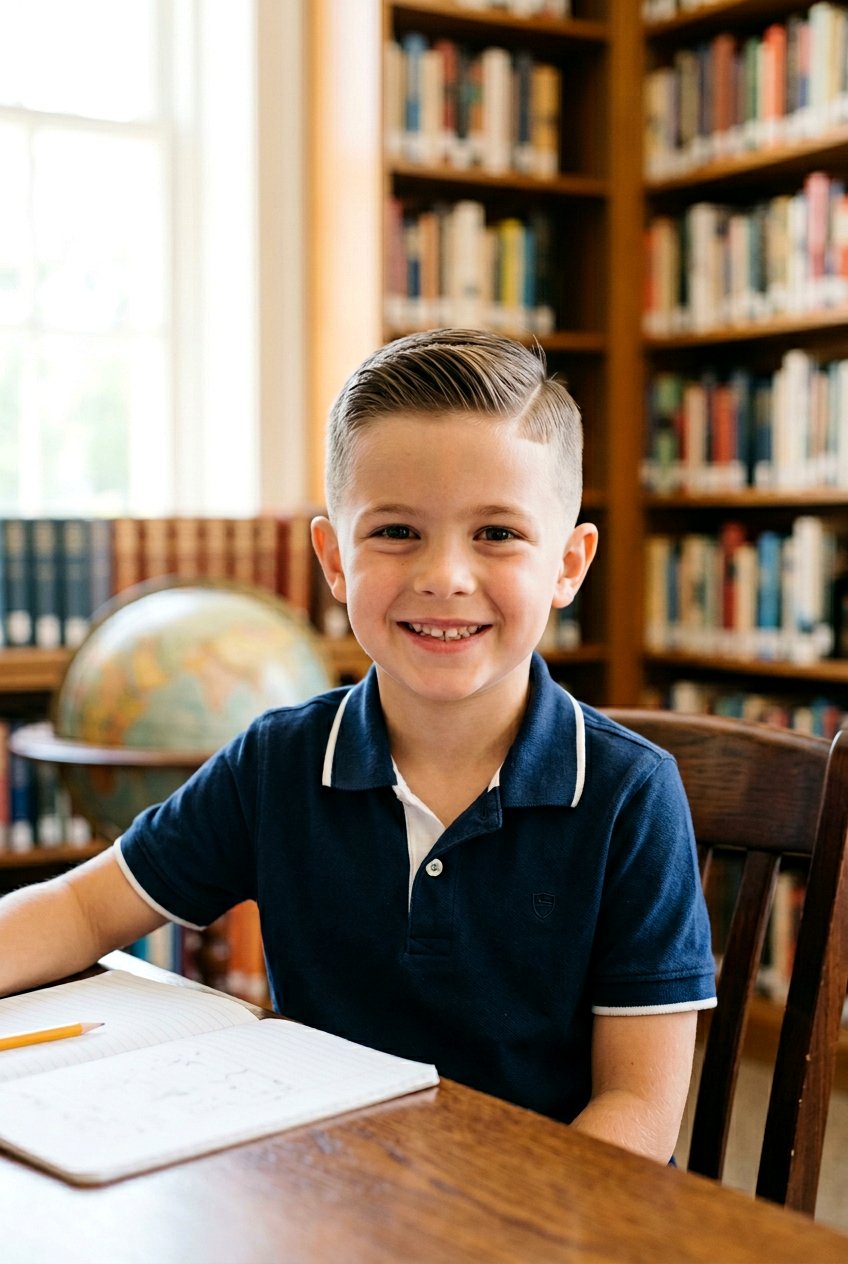
The Ivy League cut is essentially a grown-out version of the crew cut, providing just enough length to style while remaining short enough to be manageable. This haircut is particularly useful for front-of-head cowlicks because the “fringe” or front section is long enough to be swept to the side or slightly back. By maintaining a bit of weight in the front, the hair stays weighed down and directed. It offers a preppy, versatile look that transitions easily from the classroom to more formal events, providing a structured silhouette that tames the hair without making it look overly stiff or buzzed.
7. Short Buzz Cut
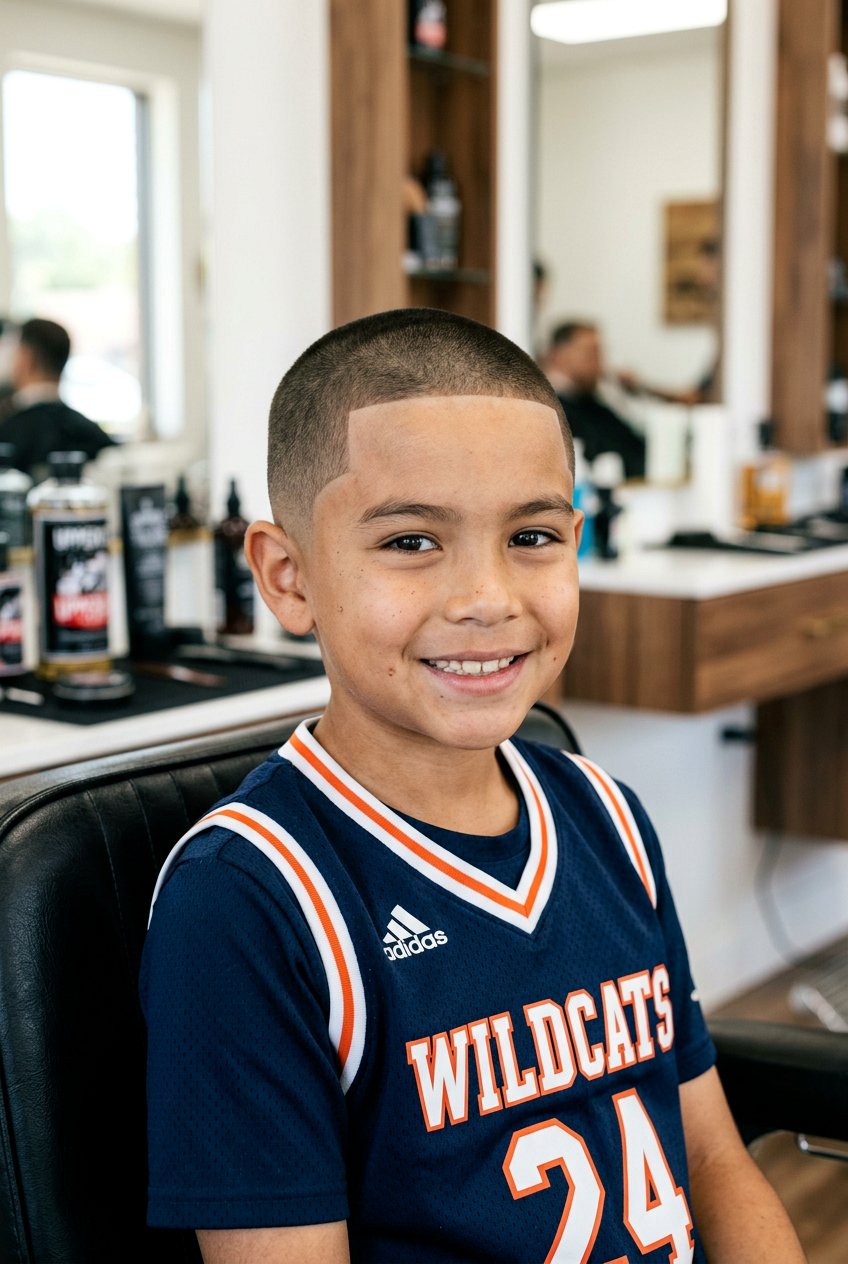
When a cowlick is truly uncontrollable or located in a difficult spot like the middle of the forehead, the short buzz cut is the ultimate “reset button.” By taking the hair down to a uniform, very short length with clippers, the cowlick is physically removed before it has the chance to bend or swirl. This is the lowest-maintenance option available, requiring zero styling time in the morning. It is a bold, athletic look that highlights the facial features of the child and eliminates any stress regarding “bad hair days” caused by stubborn growth patterns that refuse to cooperate with combs.
8. Forward Swept Fringe
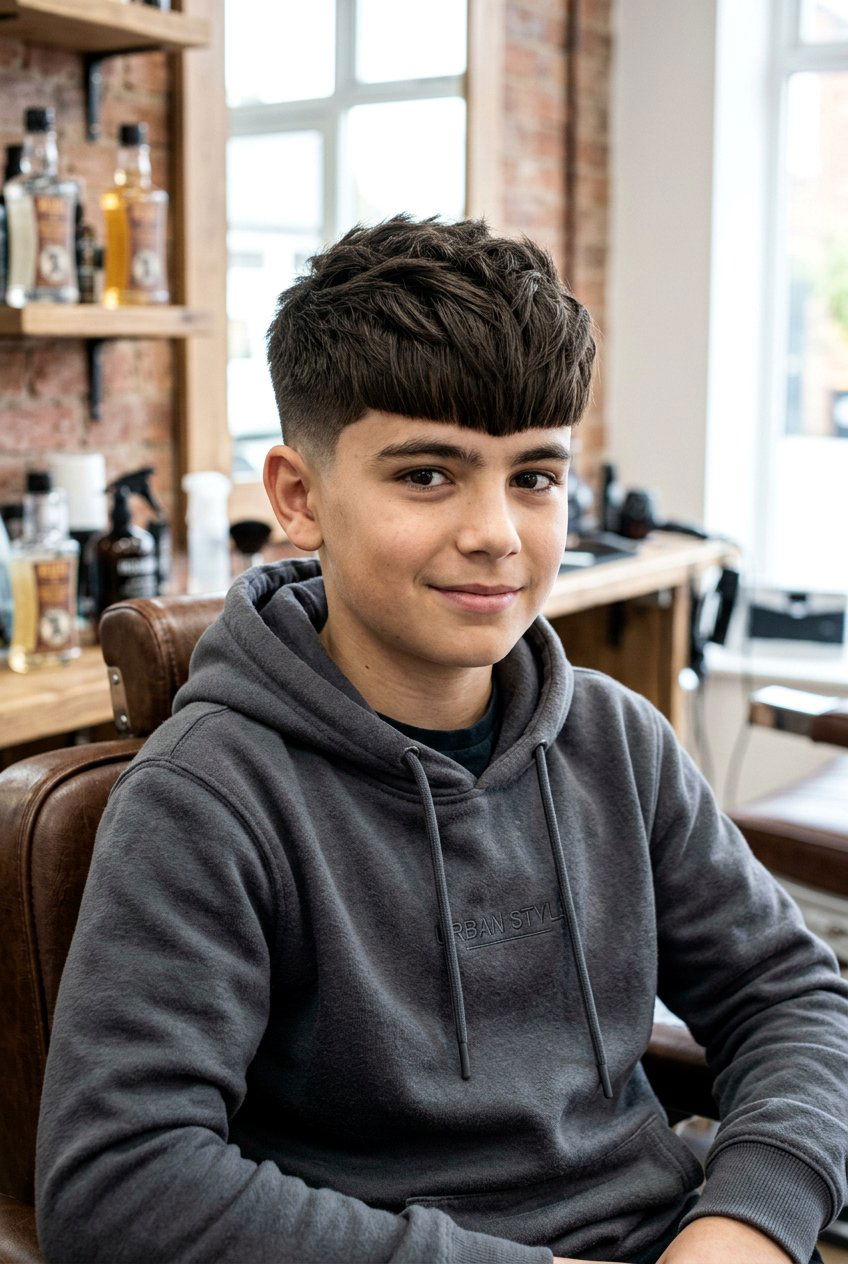
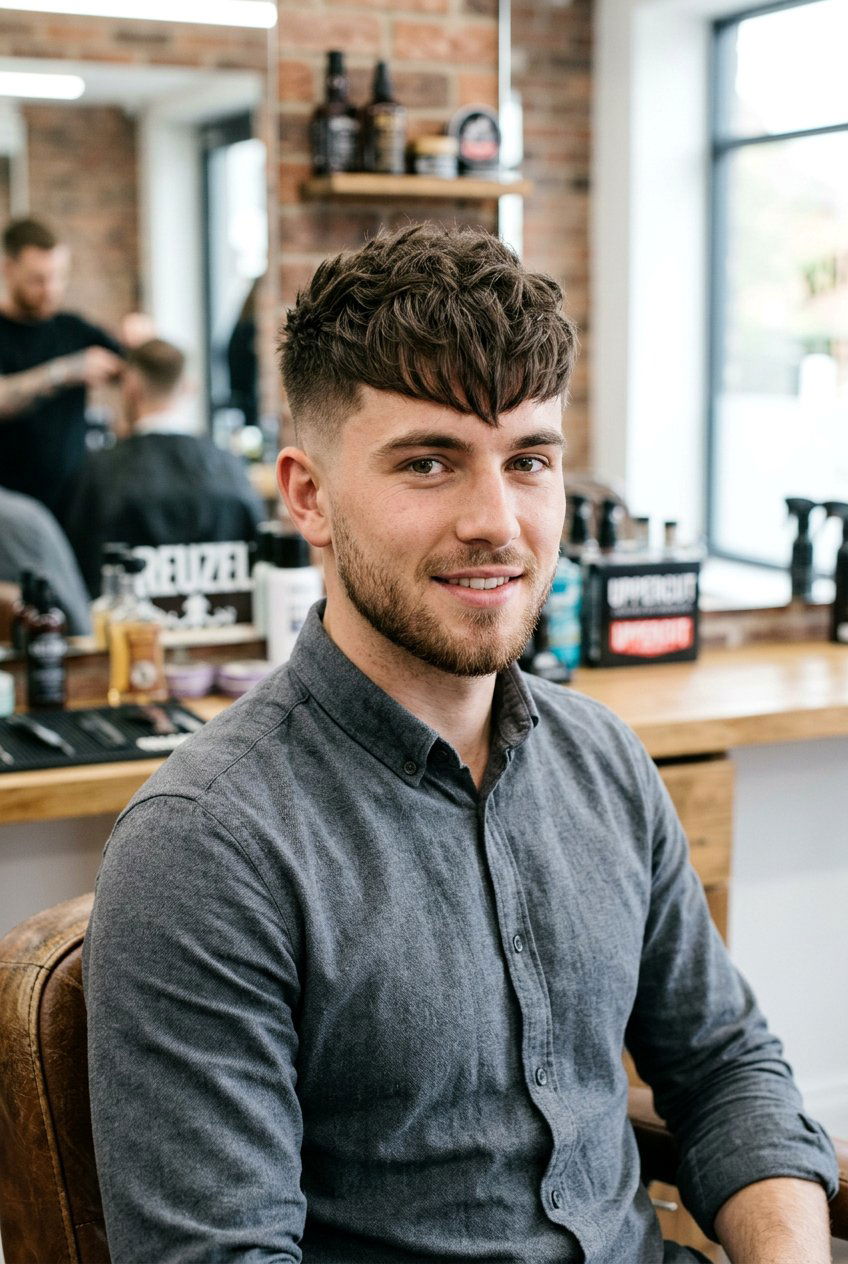
The forward swept fringe is a modern, trendy option that is specifically designed to hide cowlicks located at the crown or along the back of the head. By cutting the hair so that it all moves forward from the crown toward the face, the “swirl” is covered by the layers behind it. The front is typically cut into a blunt or textured fringe that hangs over the forehead. This style is very popular in current youth fashion and provides a cool, urban aesthetic. It works best for straight or slightly wavy hair types and provides a thick, full appearance even if the cowlick usually creates a thinning effect.
9. Textured Quiff Fade
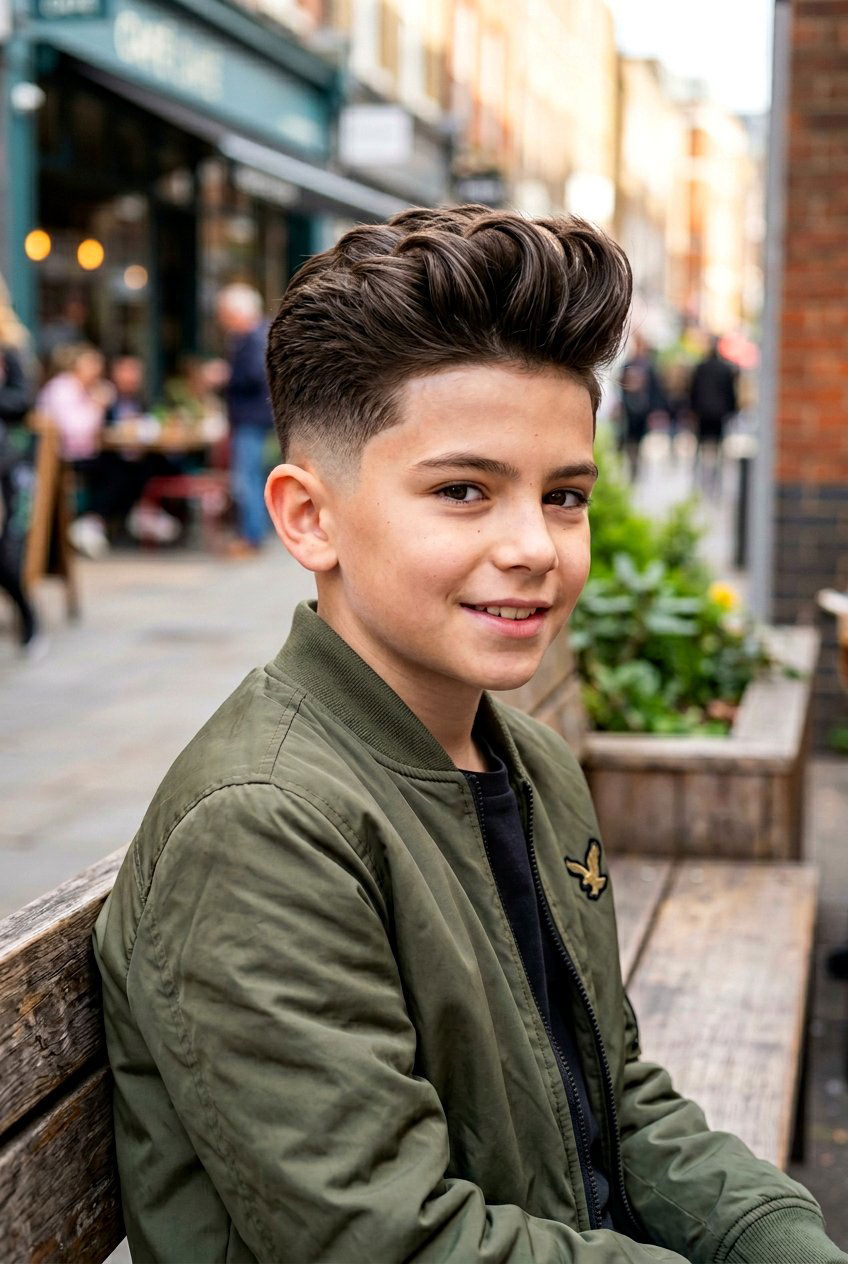
A textured quiff fade uses a cowlick at the front hairline as a structural advantage rather than a problem. Since many front cowlicks naturally push the hair upward, the quiff haircut takes that lift and amplifies it into a stylish, voluminous front section. The sides are faded down to the skin or a short length to create a high-contrast look that draws the eye upward. By using a matte clay or sea salt spray, the quiff can be styled to look airy and full. This turns the “problem” hair into the focal point of the entire hairstyle, making it look completely intentional.
10. Faux Hawk Fade
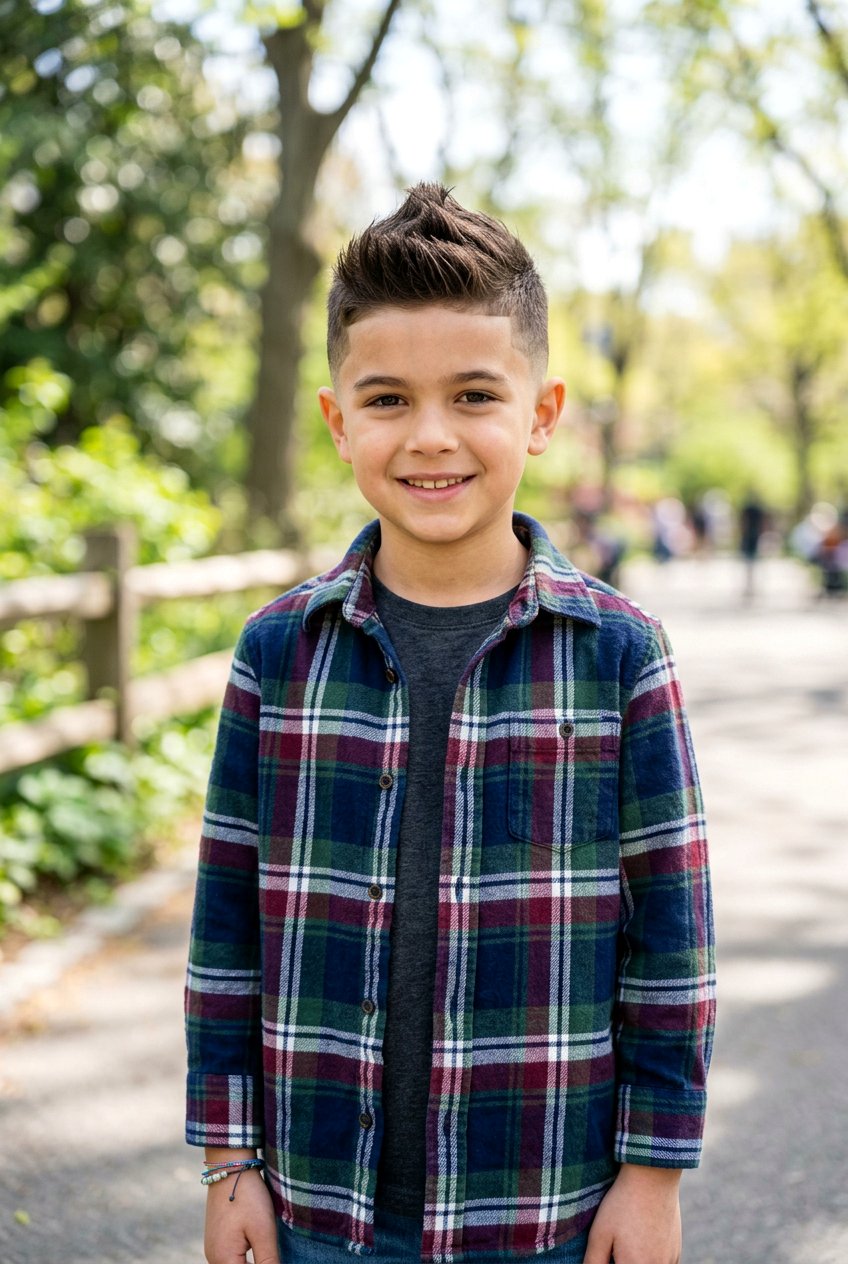
For boys with a bit of an edge, the faux hawk fade is a brilliant way to disguise cowlicks that occur along the center of the head or at the crown. The hair is cut longer in a strip running down the middle, while the sides are faded or tapered short. Because the styling goal of a faux hawk is to push the hair toward the center and upward, the natural “push” of a cowlick actually helps maintain the height of the style. This haircut is fun, energetic, and surprisingly easy to style with just a small amount of hair wax to pinch the center together.
11. Undercut With Long Top
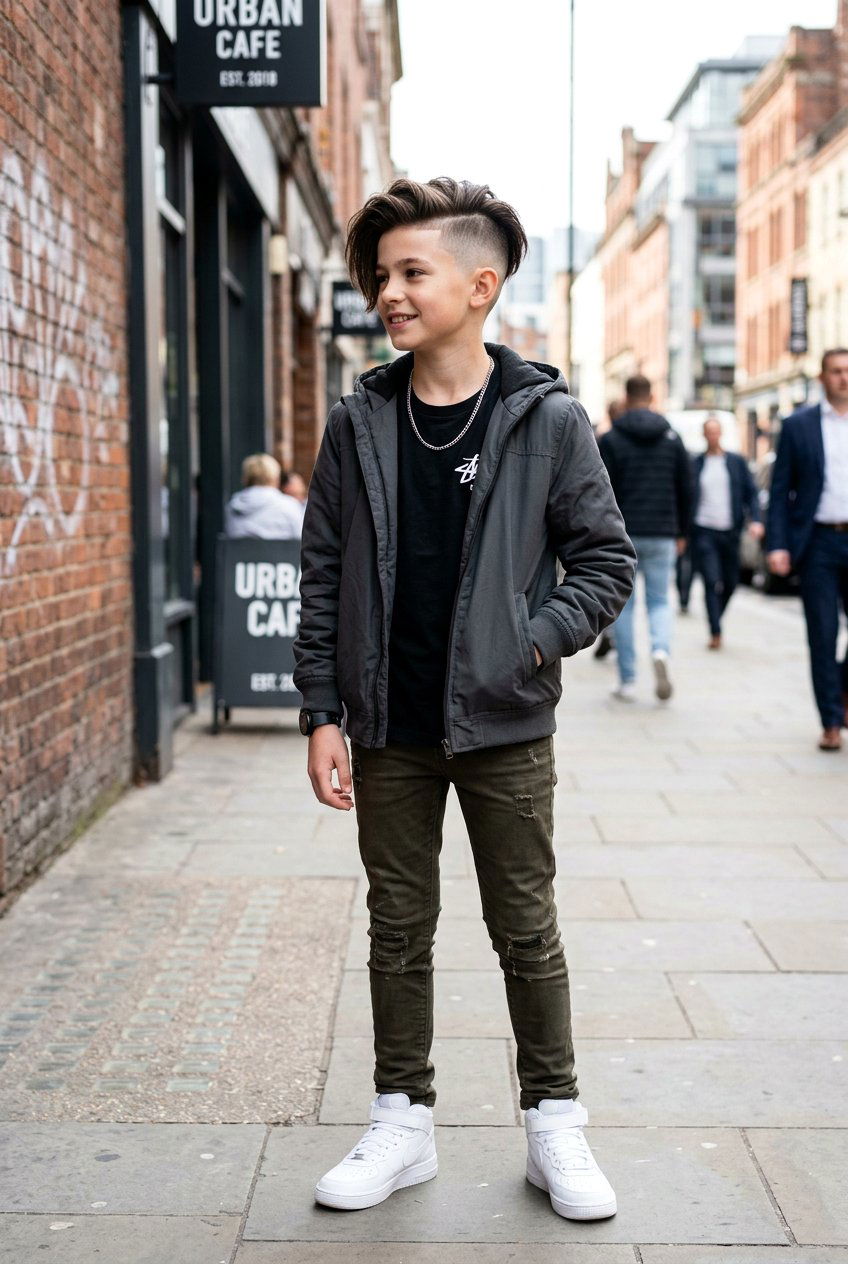
The undercut with a long top is a strategic choice for managing cowlicks on the sides of the head or near the temples. By shaving or fading the sides very short and leaving the top significantly longer, you remove the hair from the areas where cowlicks often cause “wings” to stick out over the ears. The long hair on top can then be disconnected and swept to one side or tied back. The sheer length on top provides enough weight to keep crown cowlicks flat, while the clean sides ensure the overall shape remains tidy and modern regardless of the hair’s natural direction.



12. Blunt French Crop
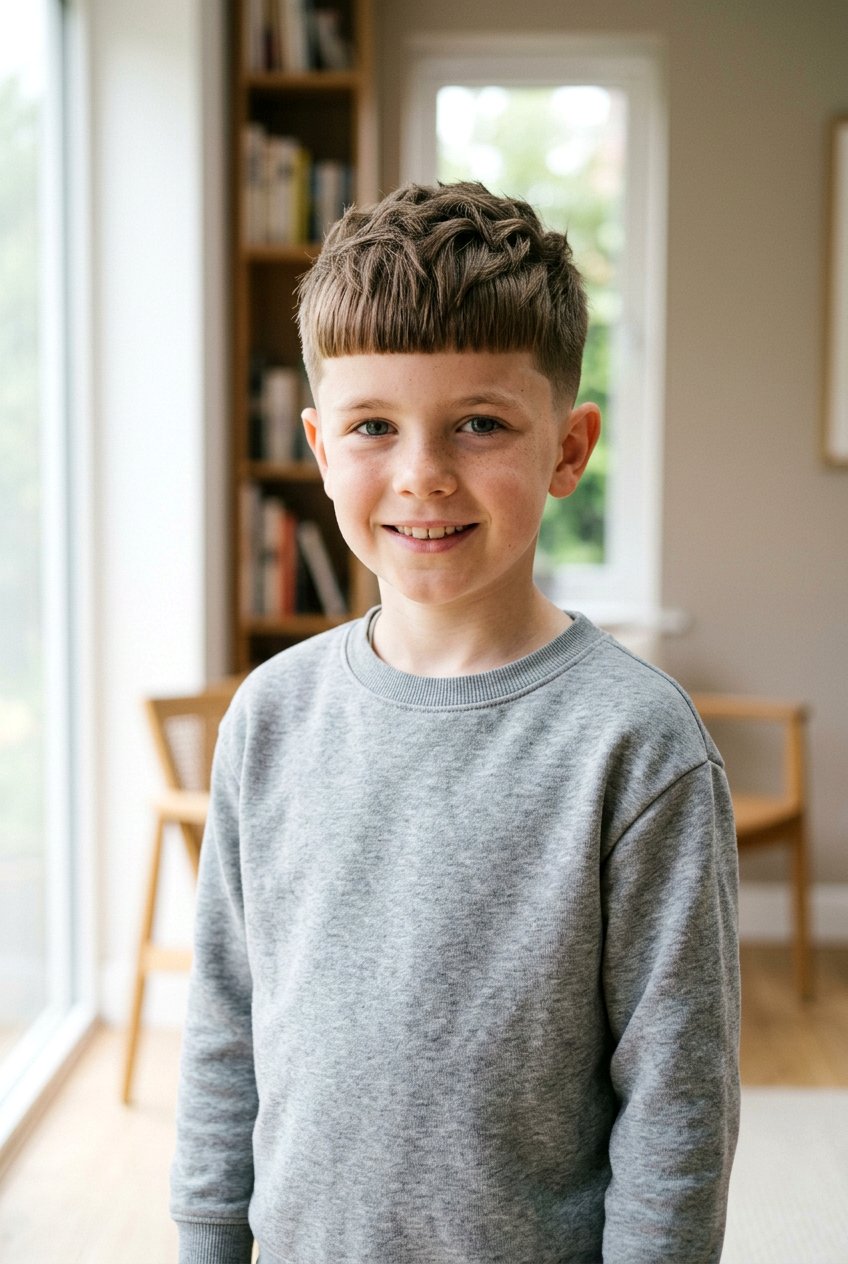
A blunt French crop is characterized by its very short, straight-across fringe and heavy texture on top. This is a “power move” for hiding crown cowlicks because the hair is directed forward with significant density. The bluntness of the fringe creates a strong horizontal line that distracts from any irregularities in the hair’s growth. It is a very popular European-inspired look that has gained massive traction in recent years. Because it relies on a specific forward-moving direction, it effectively “pins down” the hair, preventing cowlicks from springing up or creating gaps in the style.
13. Hard Part Fade
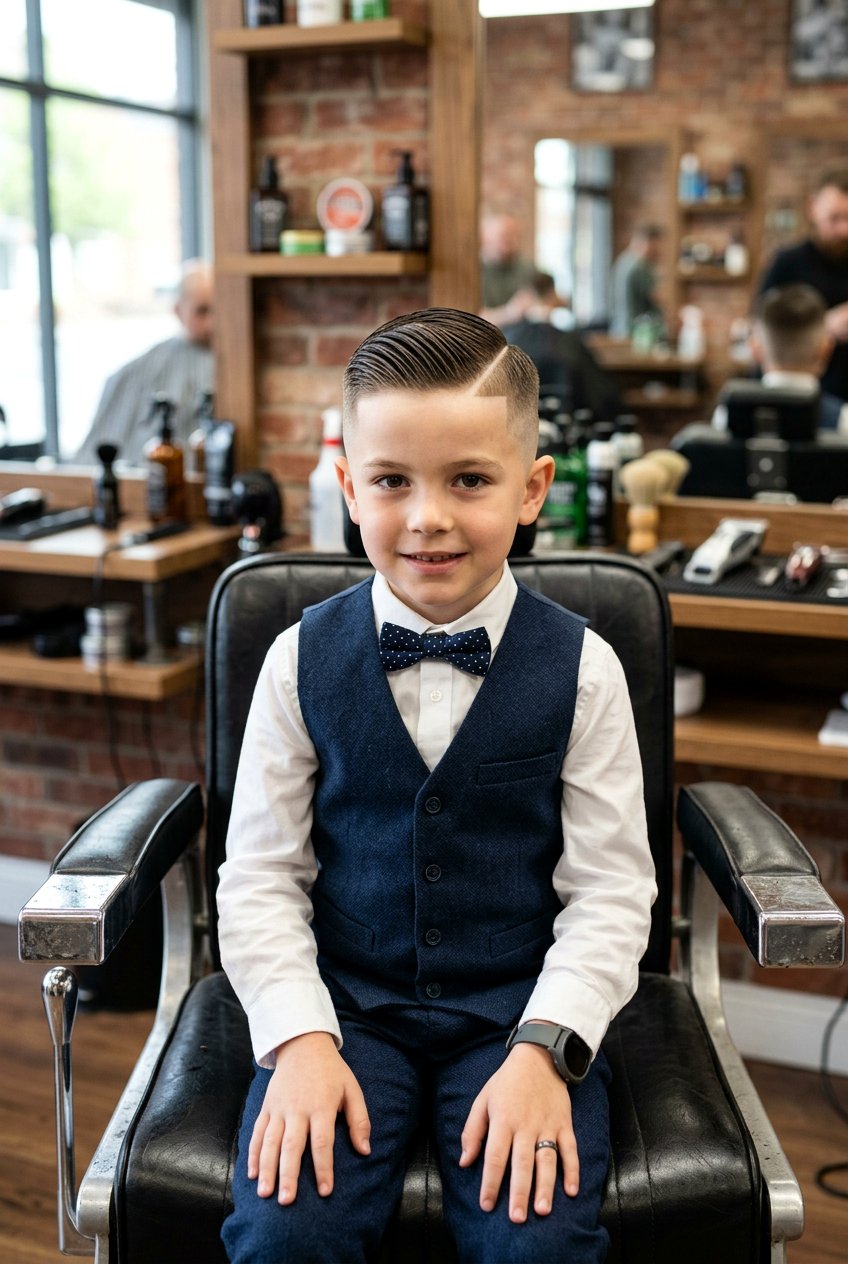
The hard part fade involves a barber using a razor to shave a literal line into the hair, creating a permanent, high-definition part. This is an excellent solution for cowlicks that occur exactly where a part should be. Instead of fighting a cowlick that wants to split the hair in an awkward spot, the barber “formalizes” that split with the hard part. This makes the styling process foolproof for the child, as the hair is trained to fall away from the shaved line. It creates a very sharp, clean-cut appearance that looks professional and stays organized throughout the day.
14. Messy Shag Cut
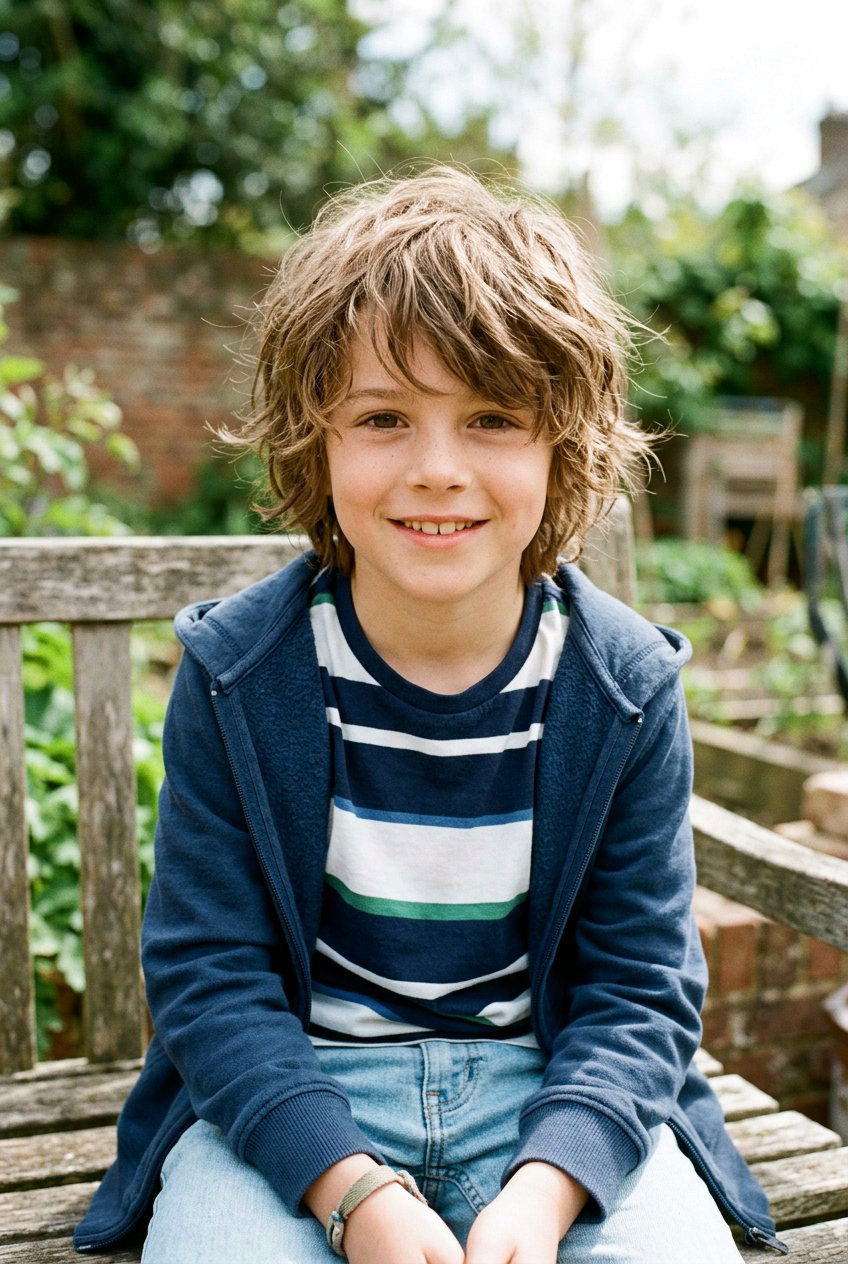
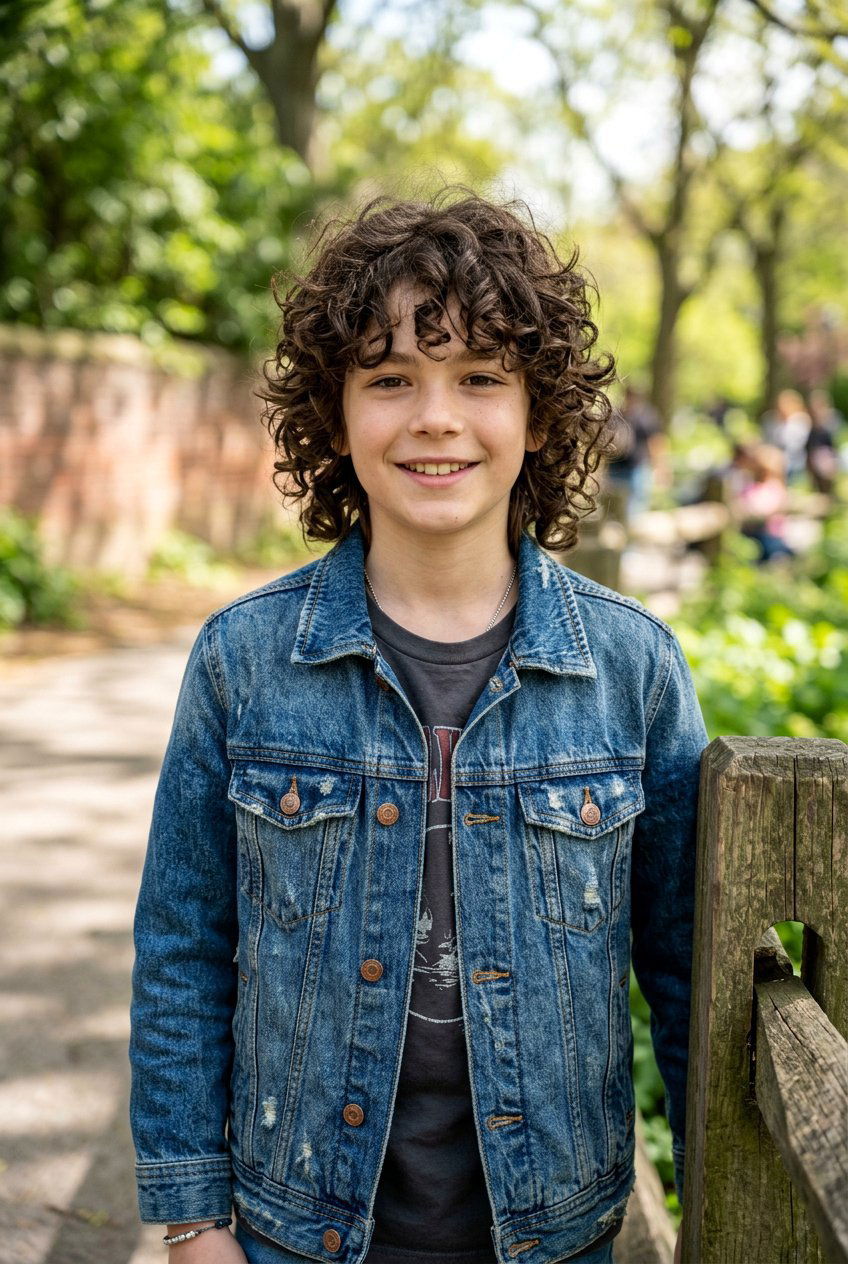
The messy shag cut is a longer, layered style that embraces the “organized chaos” of multiple cowlicks. If a boy has hair that grows in several different directions, a shag cut uses those various movements to create a rock-and-roll, textured look. The layers are cut at different lengths throughout the head, which prevents any one cowlick from becoming the “star of the show.” This style is particularly great for school-aged boys who want a cooler, more relaxed vibe. It requires very little maintenance, as the natural cowlicks actually contribute to the desired “tousled” effect of the haircut.
15. Pompadour Fade
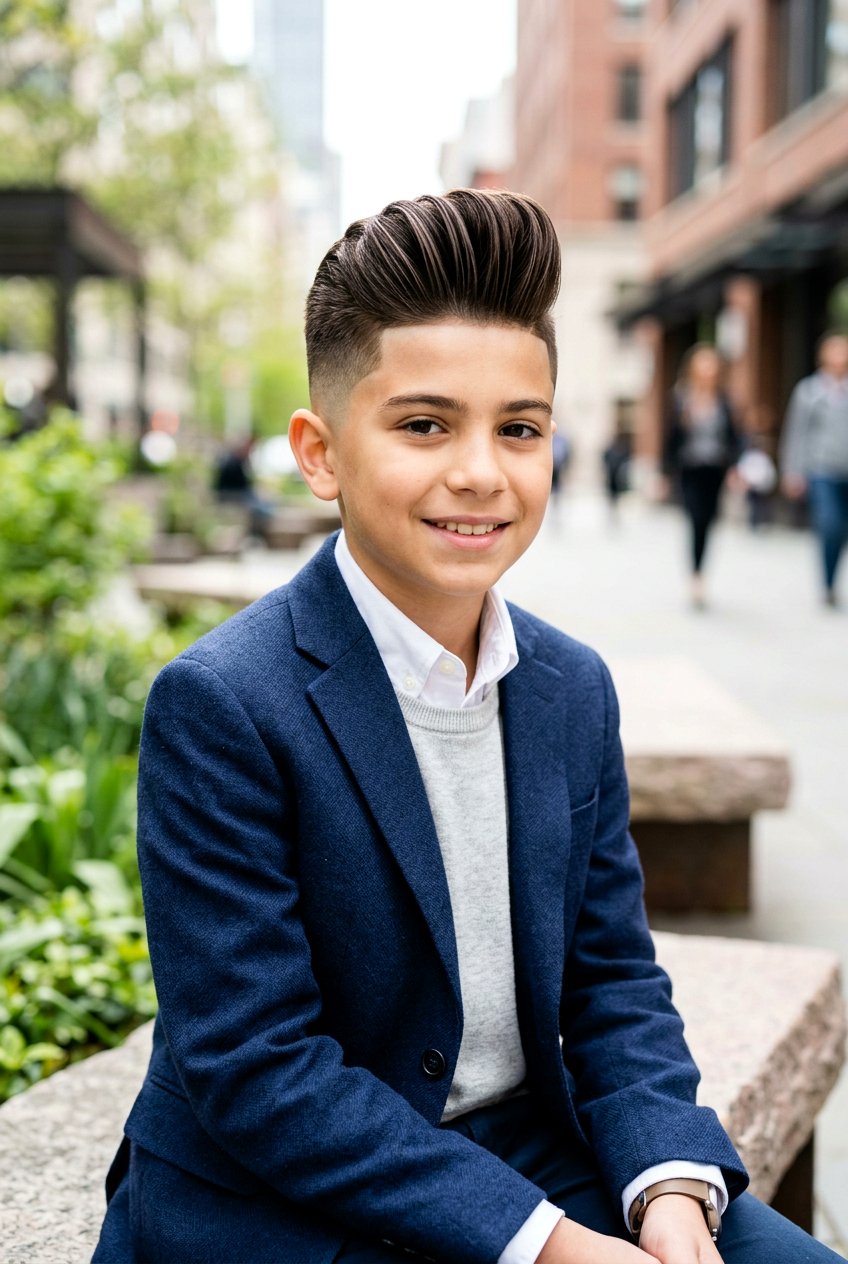
The pompadour fade is a classic style that has seen a major resurgence, and it is a secret weapon for front-hairline cowlicks. Similar to the quiff, the pompadour requires the hair at the front to be swept up and back. If a boy has a cowlick that pushes the hair forward and up, it provides the perfect “base” for the pomp’s volume. The sides are usually faded to keep the focus on the height of the top. While it requires a bit more styling with a brush and hairdryer, it creates a very handsome and “grown-up” look that completely hides the presence of a cowlick.



16. Tapered Mohawk
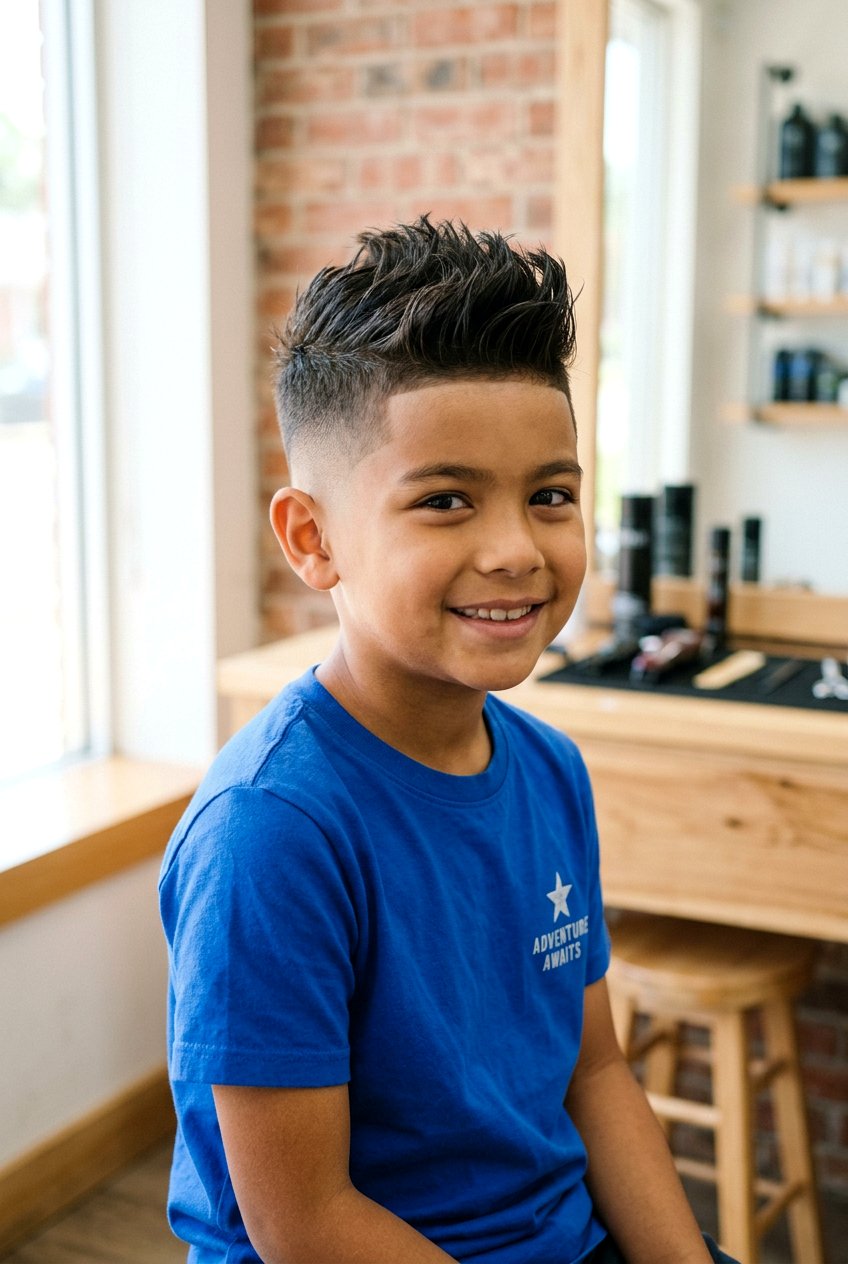
Unlike the dramatic mohawks of the past, the modern tapered mohawk is a softer, more wearable version that is great for crown cowlicks. The hair is tapered gradually from the sides toward the center, creating a soft peak. This peak naturally incorporates the “swirl” of a crown cowlick into the highest point of the hairstyle. By working with the swirl rather than against it, the barber ensures that the hair won’t “hole out” or show too much scalp at the back. It’s a playful style that allows for plenty of movement and texture while keeping the hair controlled.
17. Flat Top Fade
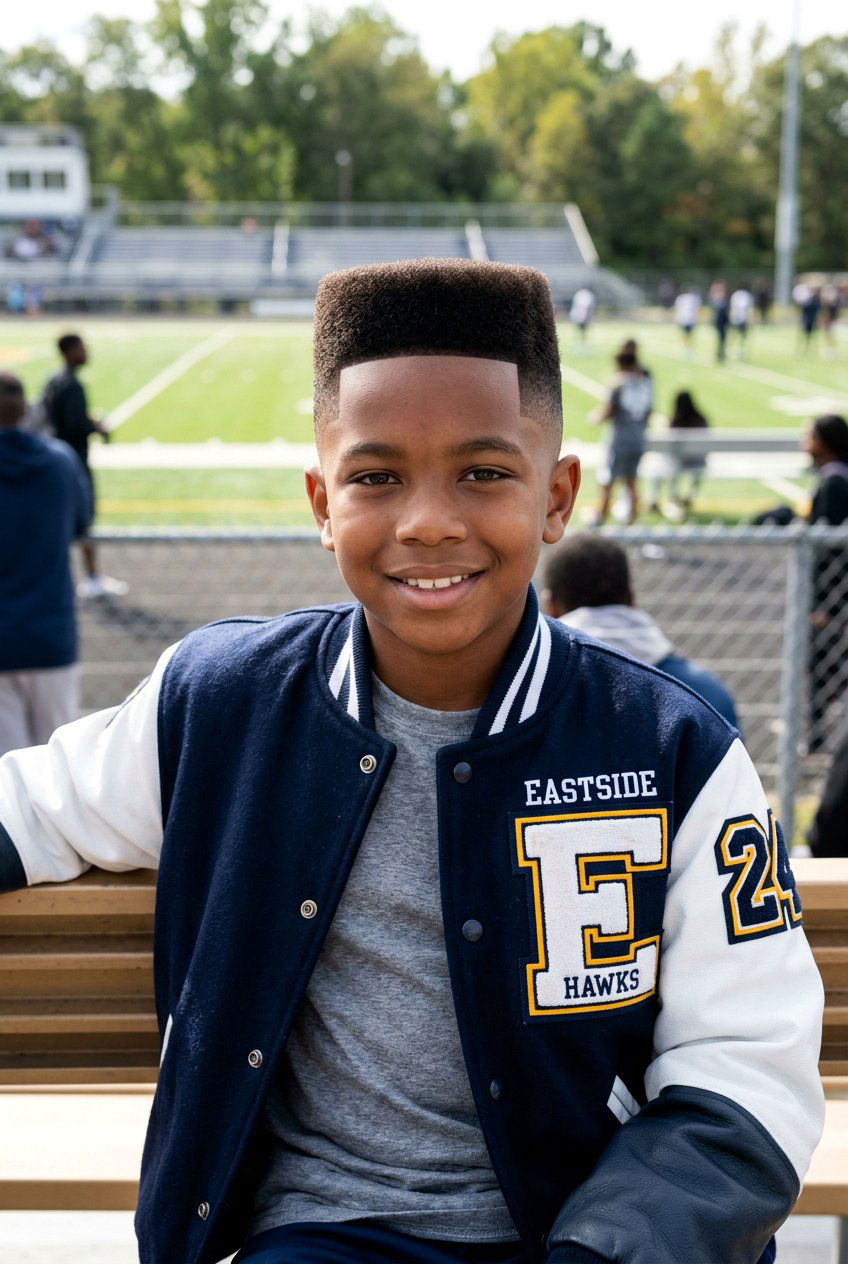
The flat top fade is a very structured, geometric haircut where the hair on top is cut to form a flat deck. This style is surprisingly good for very thick hair with strong cowlicks because the hair is cut so precisely and often left with enough density that the individual strands support each other. The cowlick is essentially “cut into” the flat shape. This look provides a very strong, athletic silhouette and is ideal for boys with coarse or curly hair textures where cowlicks tend to be very strong and difficult to lay down with length.
18. Side Swept Fringe
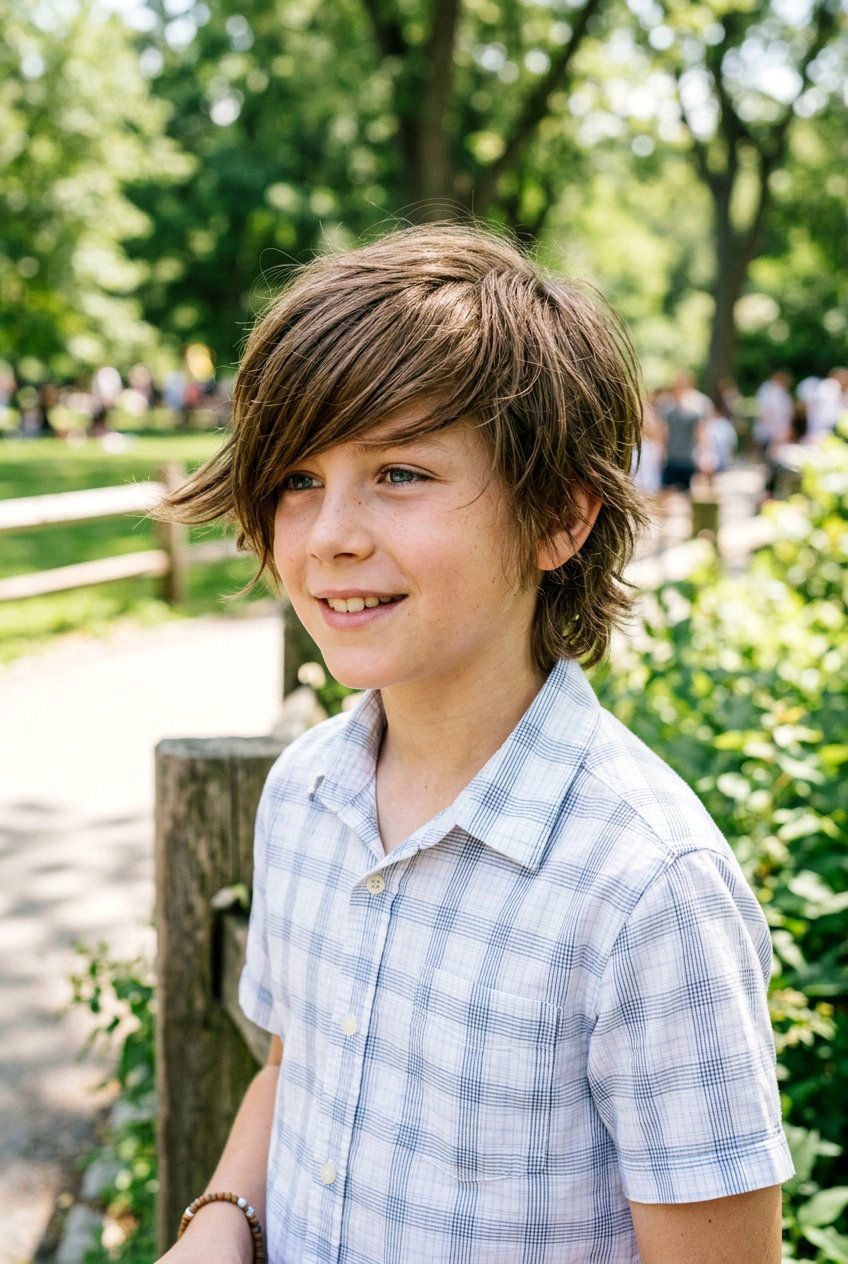
A side swept fringe is a softer, more natural look that works by directing the hair across the forehead. This is the go-to choice for hiding a “widow’s peak” or a cowlick right at the center of the forehead. By growing the front out and combing it to the side, the hair covers the source of the cowlick entirely. It’s a very popular look for younger boys and teenagers because it feels effortless and doesn’t require “stiff” products like gel. A light cream or wax is all that is needed to keep the fringe moving in the desired direction.
19. Burst Fade Mohawk
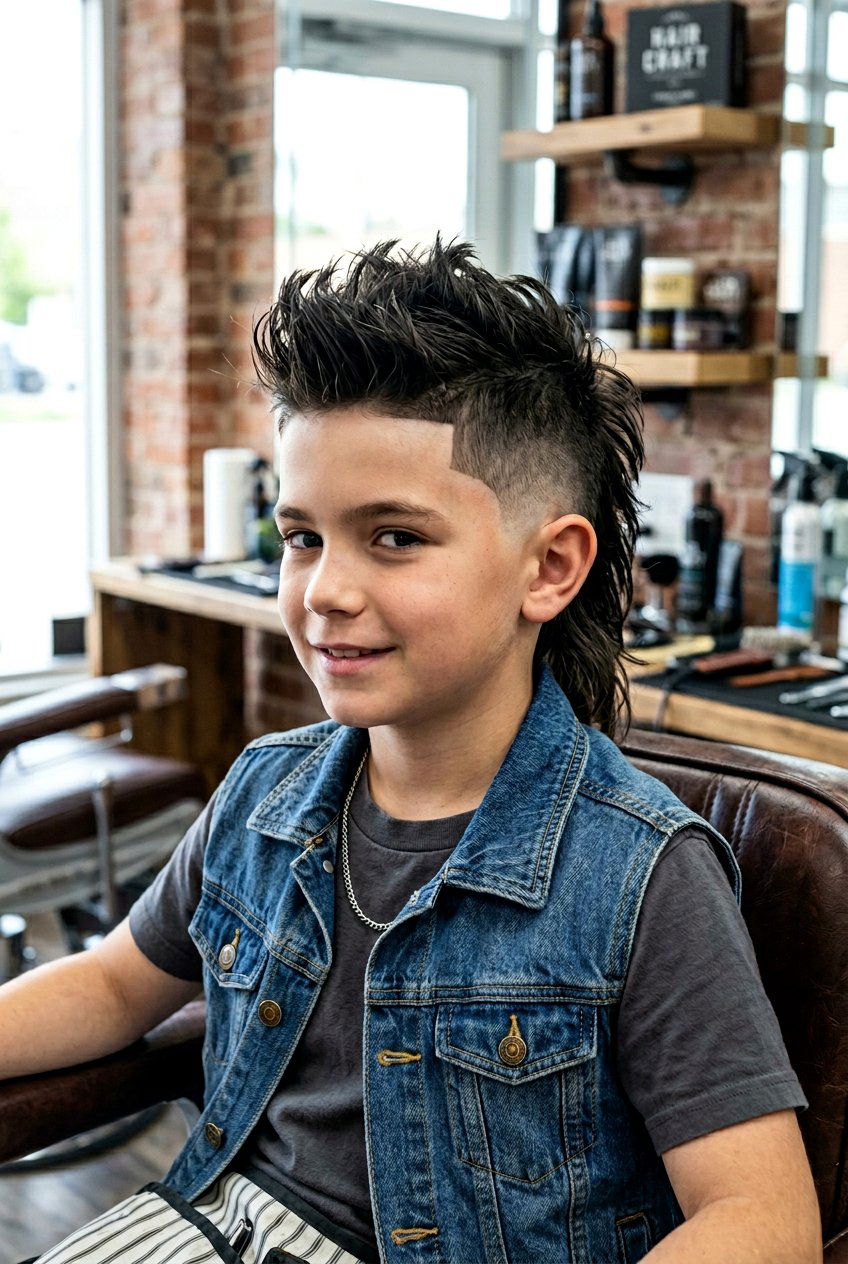
The burst fade mohawk features a fade that “bursts” around the ear, leaving the hair longer at the back and top. This is a fantastic choice for boys who have cowlicks near the back of the head or the nape of the neck. By leaving the hair longer in those areas, the cowlick becomes part of the “mohawk” tail rather than a messy tuft sticking out of a short cut. It is a high-energy style that looks great on boys with textured or curly hair, providing a unique shape that stands out from standard school haircuts.
20. Layered Surfer Cut
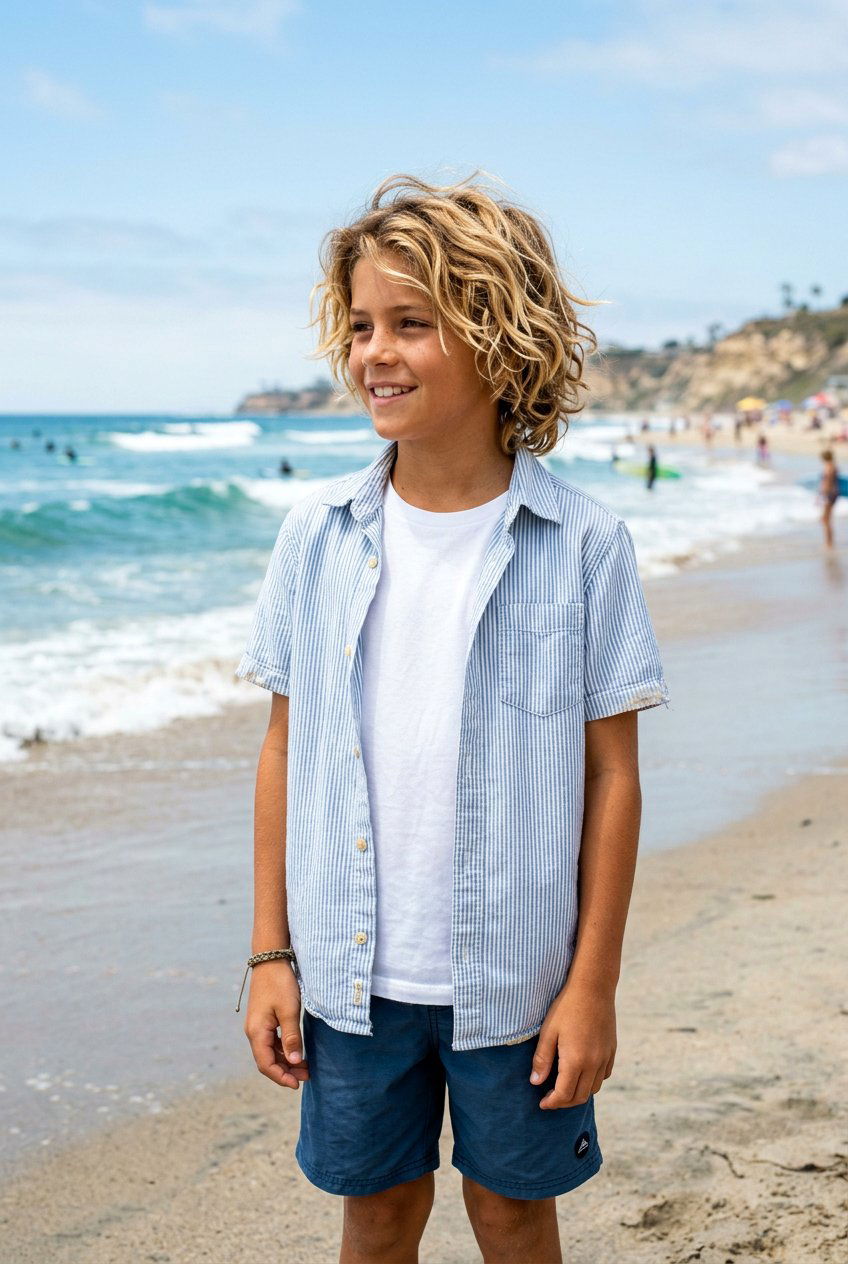
The layered surfer cut is a medium-length style that uses heavy layering to create a beachy, sun-kissed look. For boys with cowlicks, the layers are the key to success. By removing bulk and adding “shredded” ends, the hair becomes light enough that cowlicks don’t have the tension to pop up, but rather blend into the wavy texture. This style is meant to look a bit unkempt, so if a cowlick causes a section of hair to flip out, it simply adds to the “surfer” aesthetic. It’s a low-stress, high-style option for summer months or casual lifestyles.
Conclusion:
Managing a cowlick does not have to be a source of morning frustration for parents or children. As we have explored, the secret to a great boys haircut for cowlick lies in choosing a shape that works with the hair’s natural growth rather than attempting to force it into an unnatural position. Whether you opt for a very short buzz cut to eliminate the problem or a longer layered flow to weigh it down, there are numerous stylish options available in 2026. By consulting with a skilled barber who understands hair mapping, you can find a look that is both trendy and practical, ensuring your son feels confident and looks sharp every single day.
You'll Like These Styles:






Leave a Reply