
Achieving the perfect bounce and movement on layered hair often feels like a struggle between salon-quality results and preventing heat damage. Layered cuts are designed to showcase texture, but traditional curling irons can sometimes make shorter face-framing pieces look stiff or disjointed. This is where no heat curls for layered hair become a total game-changer for your routine. By using the natural weight of your hair and strategic wrapping techniques, you can define every internal layer without the singeing temperatures. These methods allow your layers to fall into a seamless, cascading pattern that looks professional yet effortless. Whether you have long, sweeping layers or a choppy shingled cut, heatless methods offer a healthier way to enhance your silhouette.
1. Silk Ribbon Heatless Curls
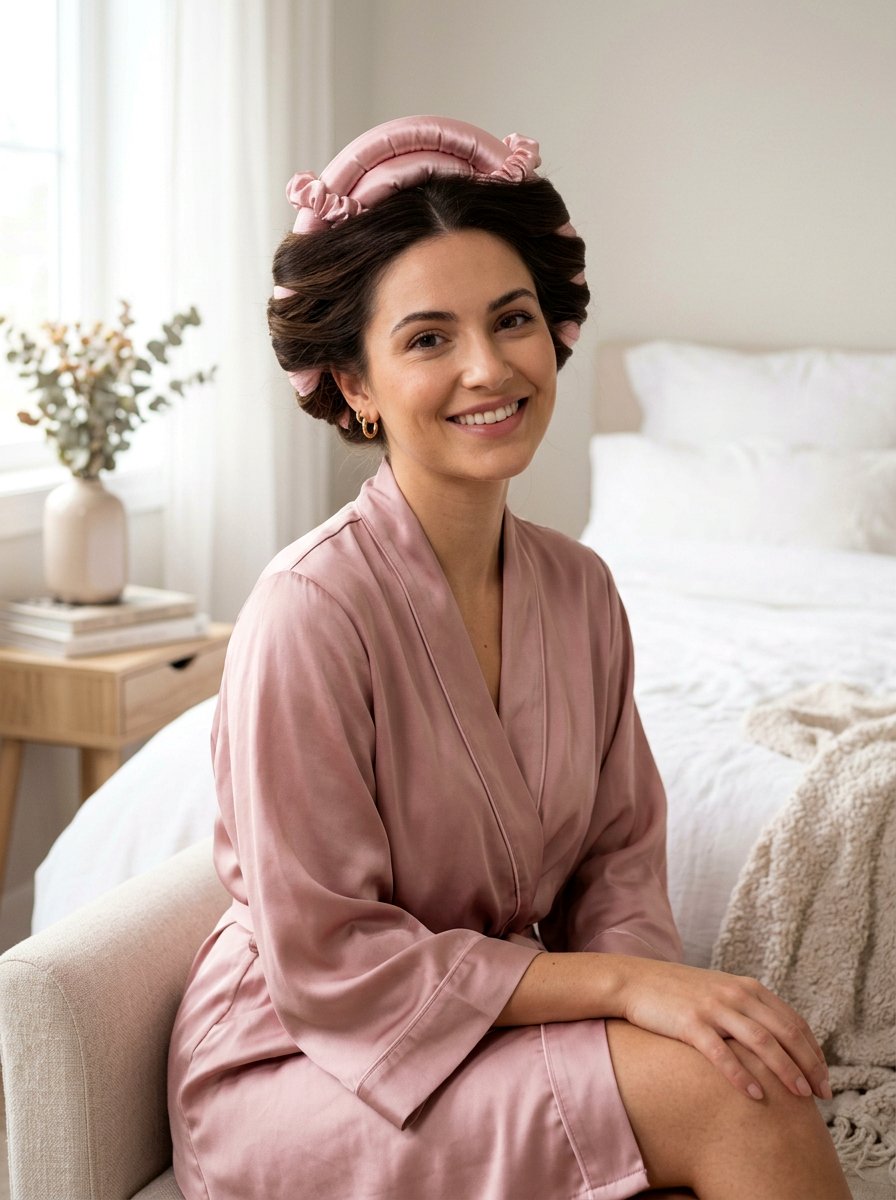
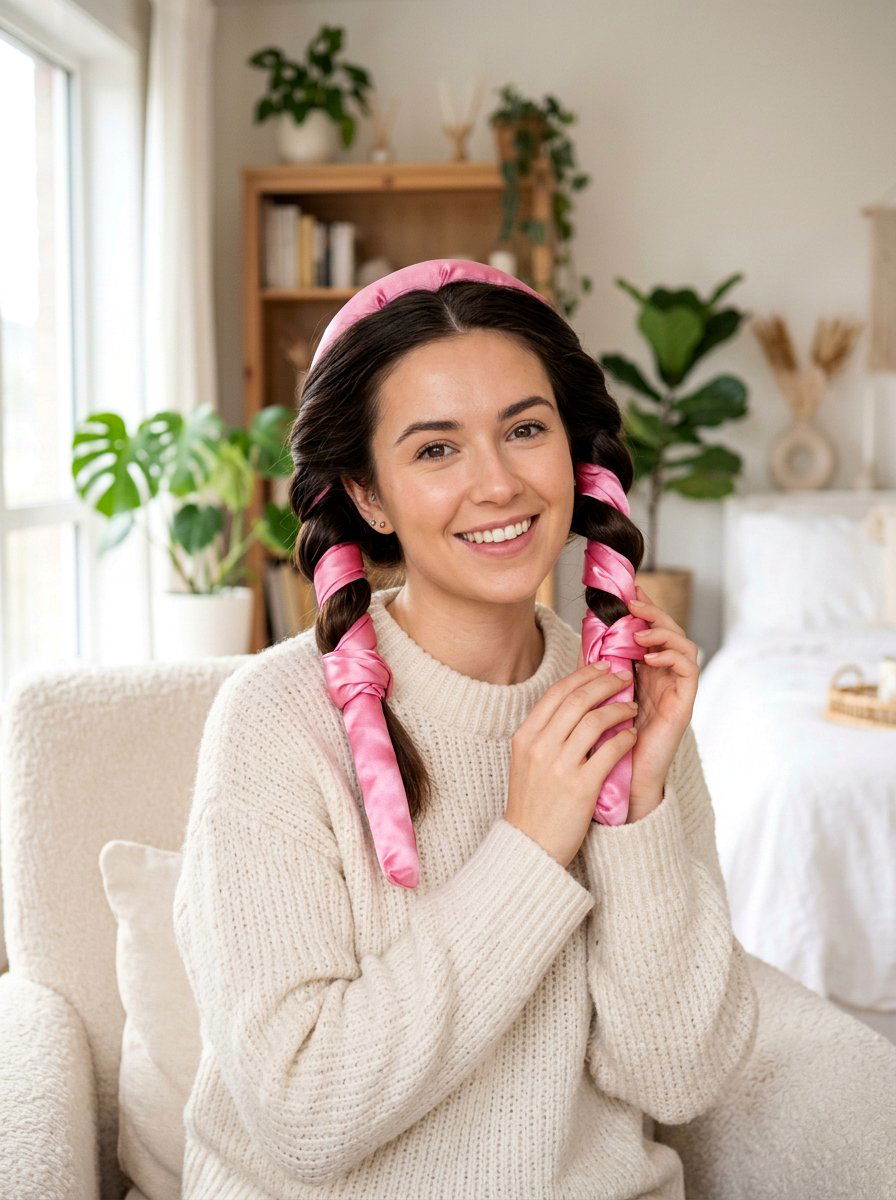
Using a silk or satin ribbon is one of the most effective ways to manage various lengths in a layered haircut. Because the ribbon sits across the top of your head, you can wrap shorter layers tightly at the top and leave longer layers for the bottom. This creates a uniform curl pattern that doesn’t look disconnected. Start with slightly damp hair and secure the ribbon with a claw clip. As you wrap, incorporate small sections of your layers, ensuring the ends are tucked neatly to avoid fishhooks. The silk material prevents friction, which is vital for layers that are prone to split ends. Wake up and shake them out for a voluminous, high-shine finish.
2. Overnight Robe Tie Curls
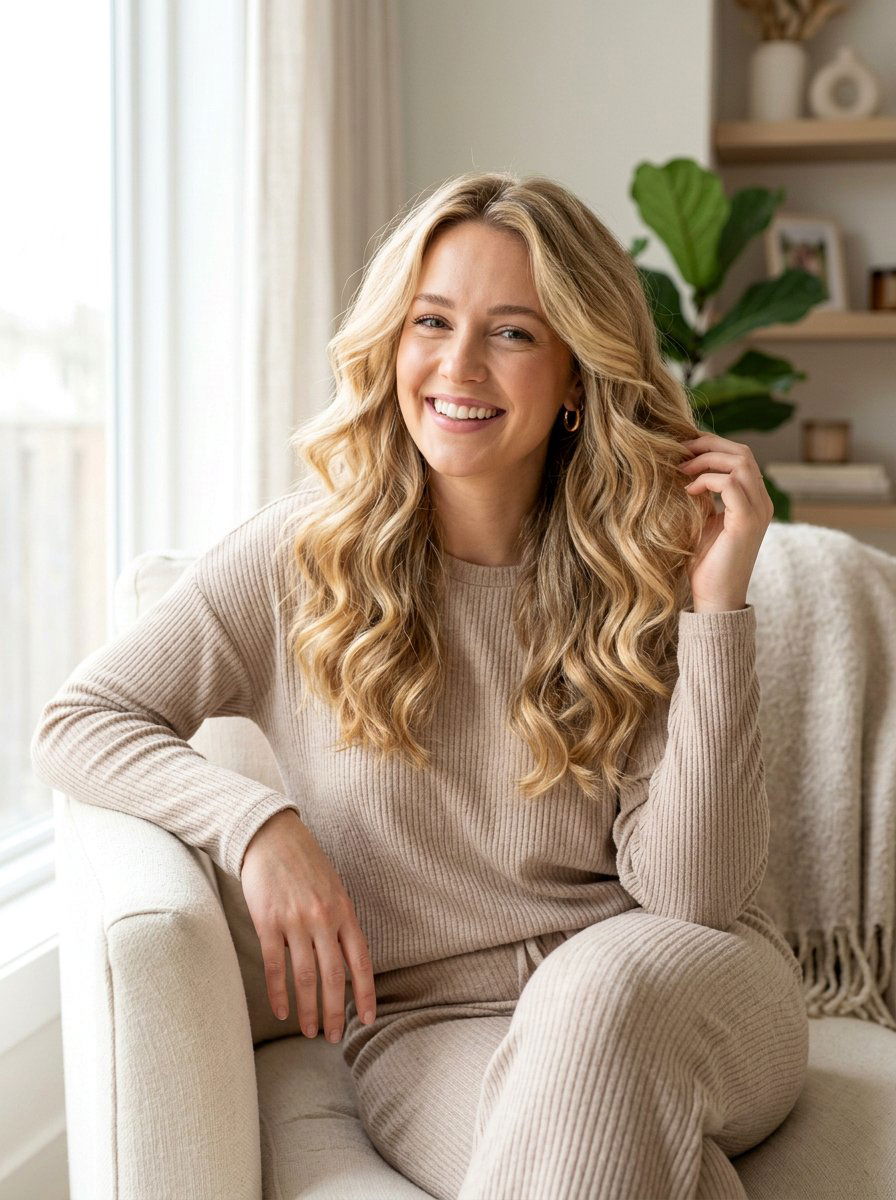
The robe tie method has gone viral for a reason; it is incredibly comfortable for sleeping and works wonders on layered hair. You simply use the belt from your bathrobe as a soft curling rod. The thickness of the robe tie creates a large, bouncy curl that mimics a professional blowout. For layered hair, the key is to use the “French braid” wrapping technique. This involves adding more hair to each section as you twist it around the tie. This method ensures that even the shortest layers are pinned securely against the fabric. It results in a soft, rolling wave that highlights the graduation of your haircut beautifully.
3. Flexi Rod Set
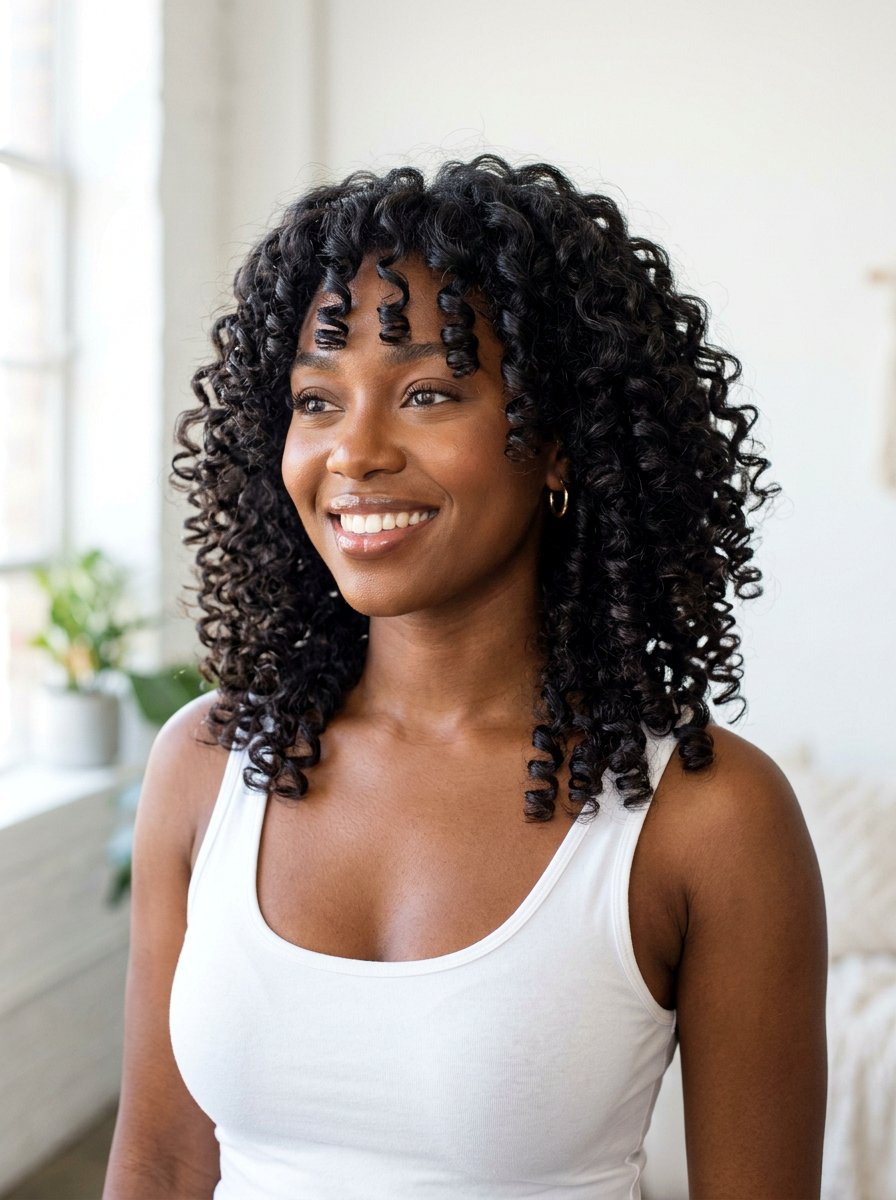
Flexi rods are flexible foam rollers that allow for immense customization, making them perfect for complex layered styles. You can use different rod diameters to match the different lengths of your hair. For instance, use thinner rods on shorter face-framing layers and thicker ones for the long back sections. This helps maintain a consistent curl shape throughout the head. Apply a light setting foam to damp hair before rolling each section from the ends up to the scalp. Bend the ends of the rods to lock them in place. Once dry, these rods produce springy, defined ringlets that give layered hair incredible body and a structured, polished appearance.
4. Sock Bun Curls
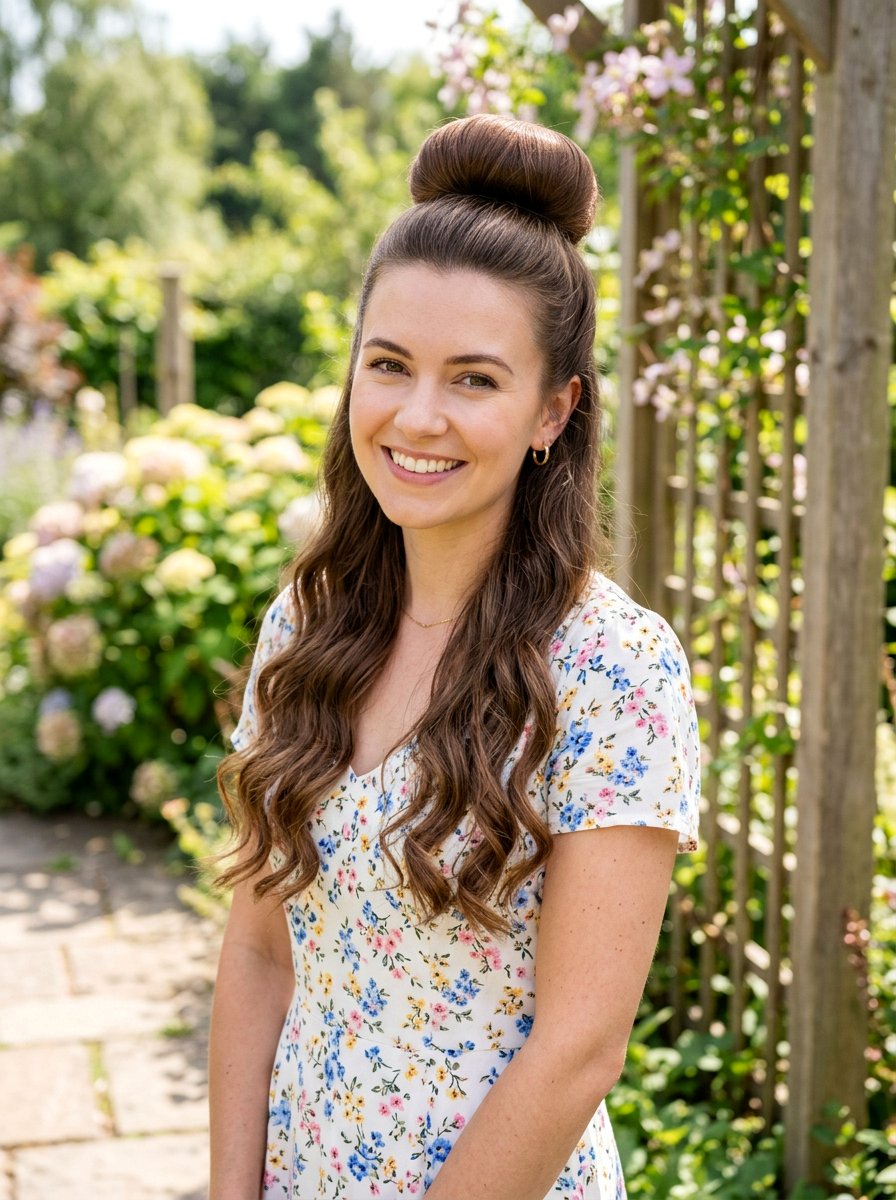
If you want massive volume at the roots and soft curls at the ends, the sock bun is your best friend. This technique involves cutting the toe off a sock, rolling it into a donut, and pulling your hair through it. For layered hair, gather your hair into a high ponytail first. Spray the length with a little water or leave-in conditioner. Tuck the ends of your layers into the sock and roll it downward toward your head. The rolling motion ensures that all layers, regardless of their length, are wrapped around the plush fabric. When you release the bun, your layers will have a romantic, wind-swept curl that looks very natural.
5. Leggings Heatless Curls
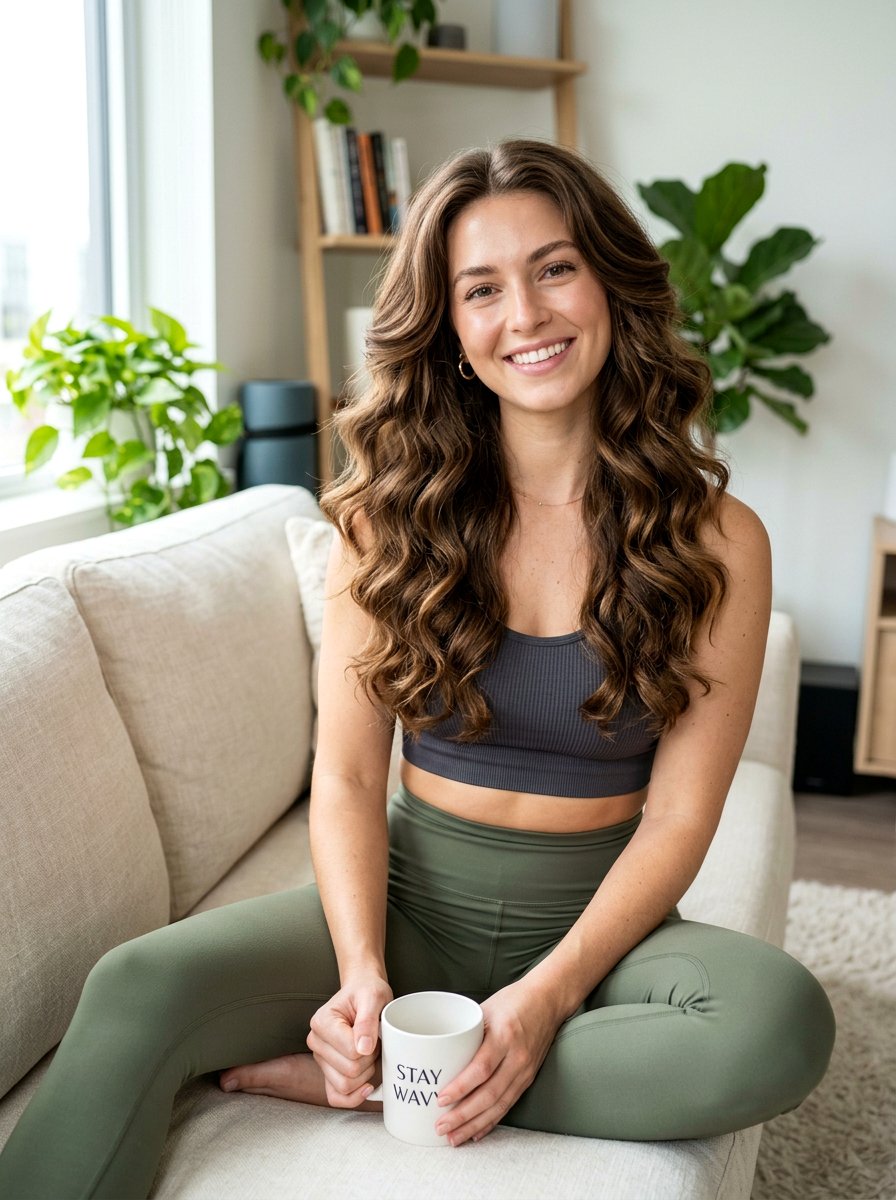
Using a pair of leggings as a curling tool is a clever DIY hack that provides a very sturdy base for layered hair. Place the crotch of the leggings on top of your head with the legs hanging down. Wrap your hair around each leg just like you would with a silk ribbon. The cotton or spandex material of the leggings provides more “grip” than silk, which is helpful if your layers are slippery or fine. This extra grip keeps shorter pieces from sliding out during the night. Secure the ends with scrunchies and tuck the remaining legging fabric up. This method produces deep, defined waves that make layered hair look thick and full.
6. French Braid Waves
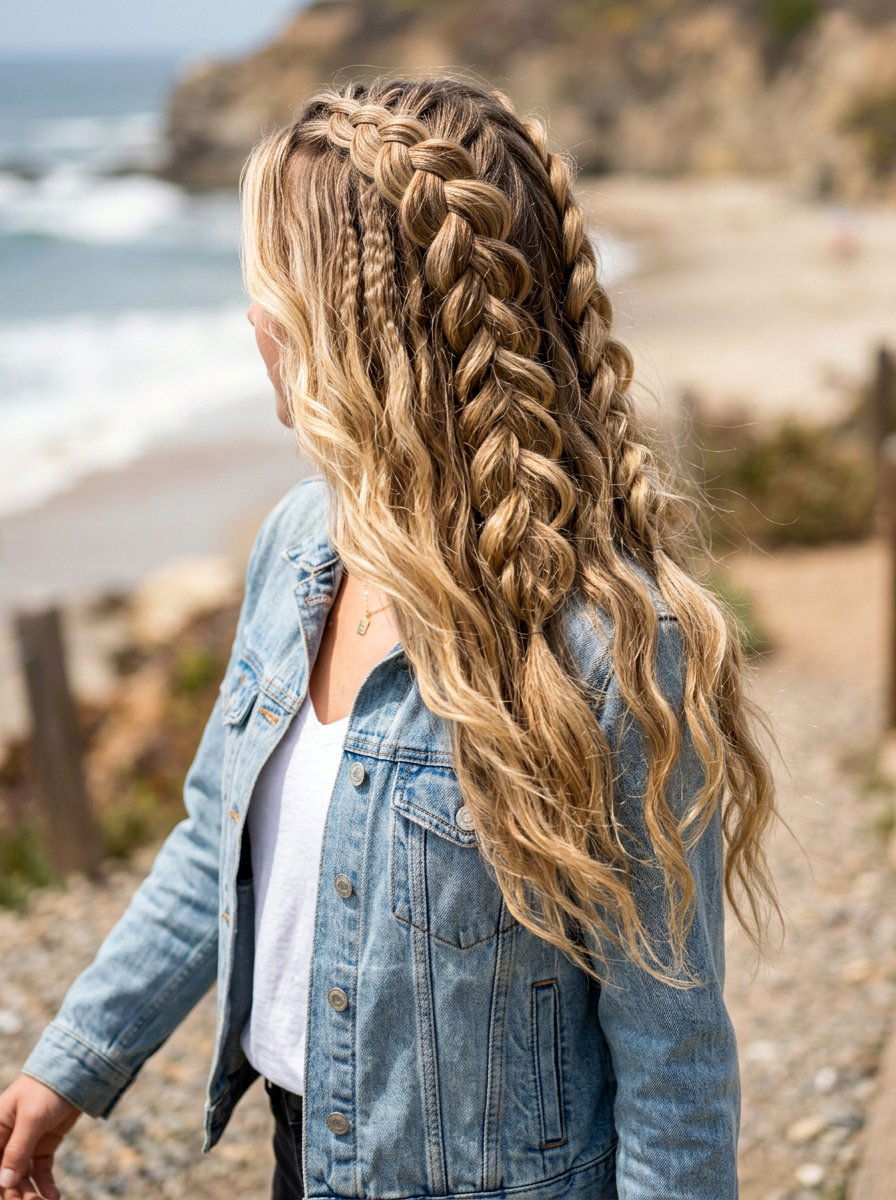
Braiding is a classic heatless technique that specifically benefits layered hair by keeping every strand contained. A French braid starts at the crown, allowing you to pick up shorter layers early in the process. This prevents the “poking out” effect often seen with standard braids on layered cuts. By the time you reach the ends, all your layers are woven into a tight pattern. For tighter waves, do two or more braids; for loose beachy waves, one single braid is sufficient. Unraveling the braids in the morning reveals a crimped, wavy texture that emphasizes the movement and “shatterness” of a modern layered haircut perfectly.
7. Pop Tarts Box Curls
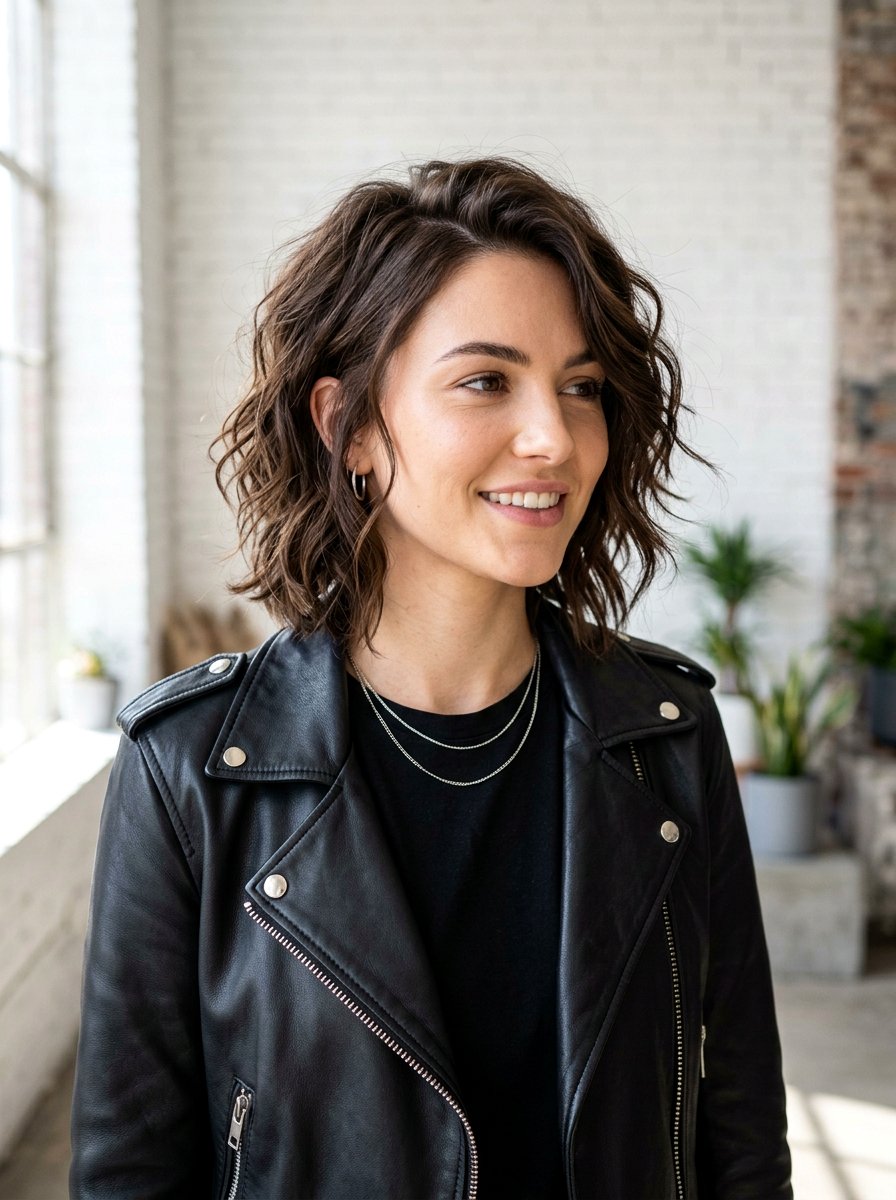
This unconventional method uses cardboard strips, often from food boxes, to create flat, wide waves. While it sounds strange, the flat surface of the cardboard helps press the hair into a specific shape without heat. For layered hair, you can cut the strips to different widths to accommodate varying lengths. Wrap damp sections around the strips and secure them with bobby pins or small elastics. This method is excellent for those who want a more “lived-in” or “undone” look rather than perfect ringlets. It gives the layers a cool, editorial texture that looks like it was styled with a flat iron wave technique but without any damage.
8. T-shirt Halo Curls
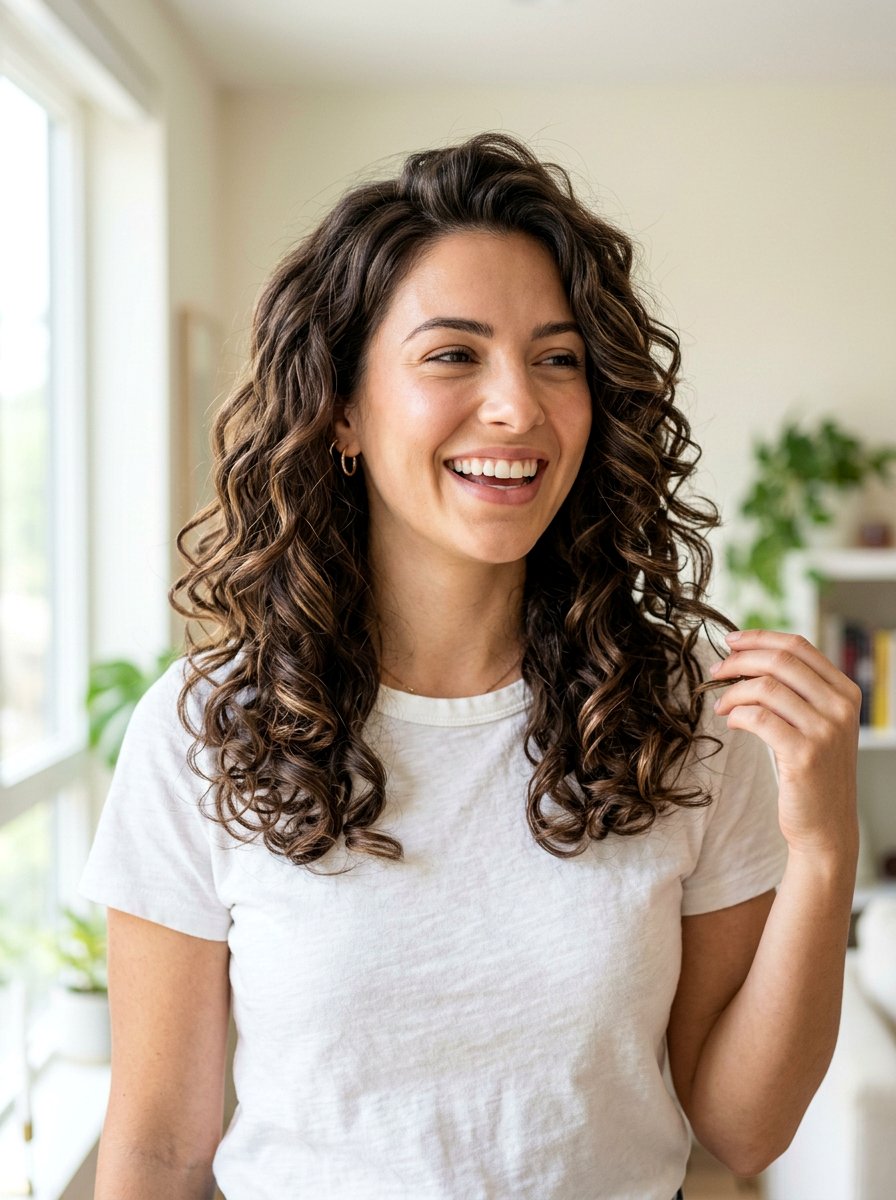
The T-shirt halo method involves twisting a cotton T-shirt into a long tube and tying the ends together to form a ring. Place the ring on top of your head like a crown. Take sections of your layered hair and loop them over and under the ring. This technique is very gentle and prevents the harsh lines that some rollers can leave. Since the hair is wrapped horizontally around the head, it creates a lot of lift at the roots. For layered hair, this lift is essential to prevent the top layers from looking flat. The result is a soft, voluminous halo of curls that frames the face elegantly.
9. Pin Curls
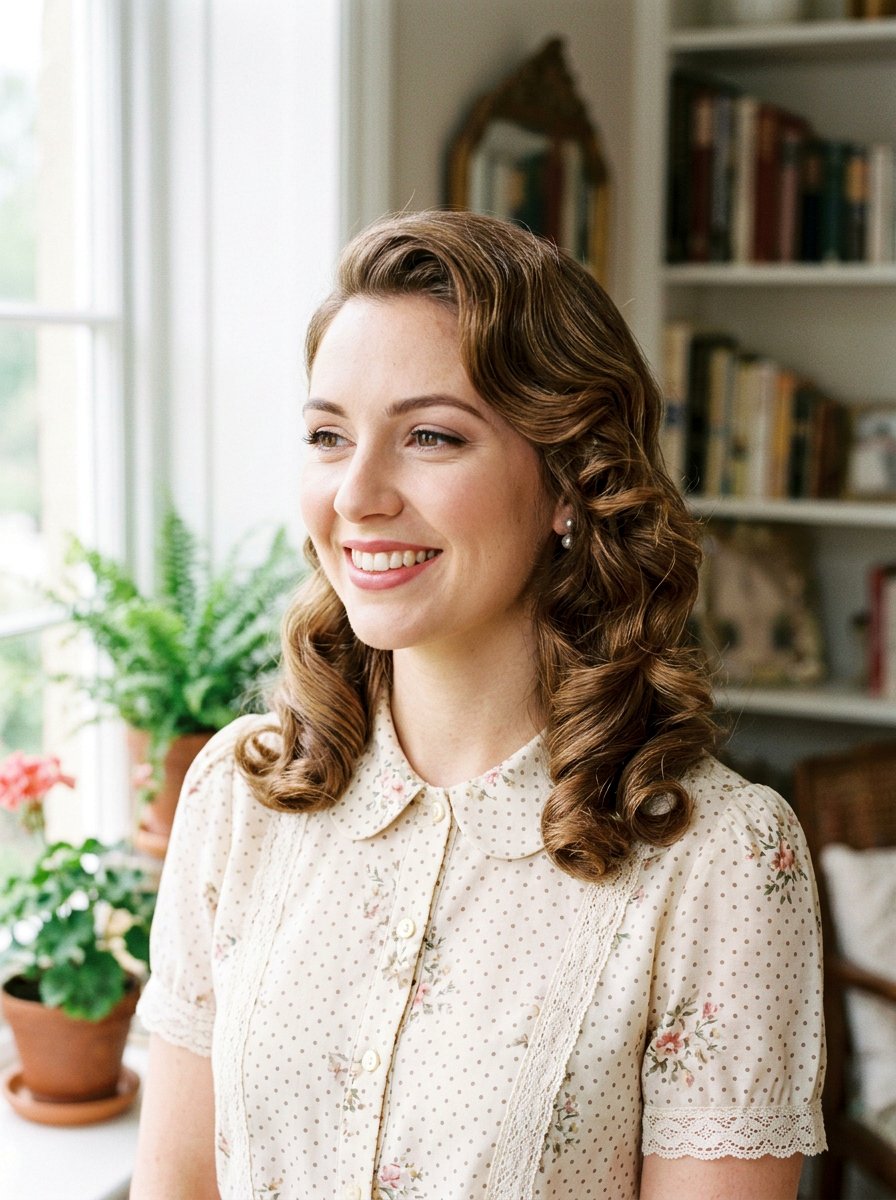
Pin curls are a vintage technique that remains one of the most precise ways to style layered hair without heat. By hand-rolling small sections of damp hair into circles and pinning them flat to the scalp, you have total control. You can direct the curls toward or away from the face to complement your specific layer pattern. Smaller loops create tighter ringlets, while larger loops result in soft waves. This method is particularly useful for very short layers that might not fit around a large robe tie or ribbon. Once the hair is dry and unpinned, you get a glamorous, retro-inspired look with incredible hold and bounce.
10. Paper Towel Curls
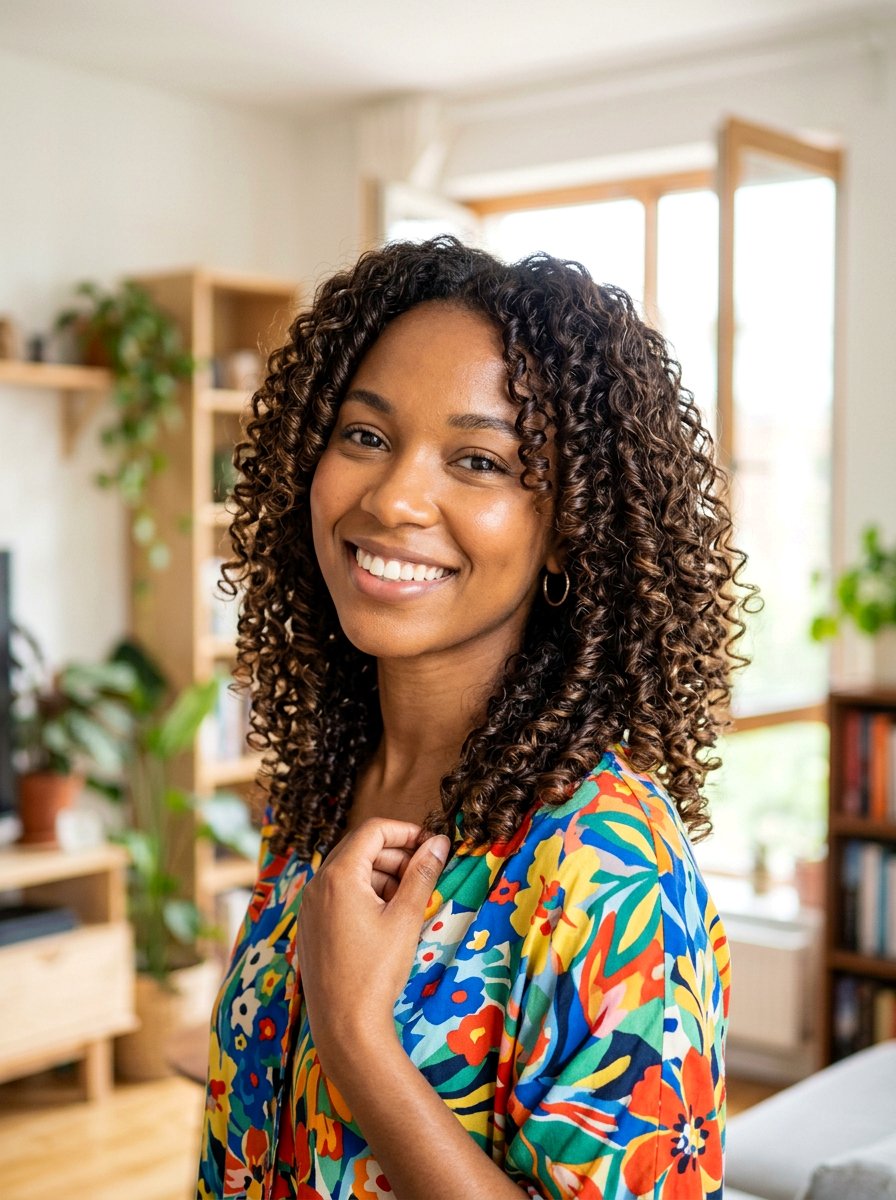
If you are looking for an affordable and surprisingly effective method, paper towels are the answer. Fold a sheet of paper towel into a narrow strip and wrap a section of damp hair around the middle of it. Tie the ends of the paper towel into a knot to secure the curl. The paper towel is soft enough to sleep on and absorbent enough to help the hair dry faster. For layered hair, this “rag-roll” style is perfect because the knots stay secure even on shorter pieces. It produces tight, bouncy spiral curls that last for days, making it a great option for those with hair that resists curling.
11. Velcro Roller Volume
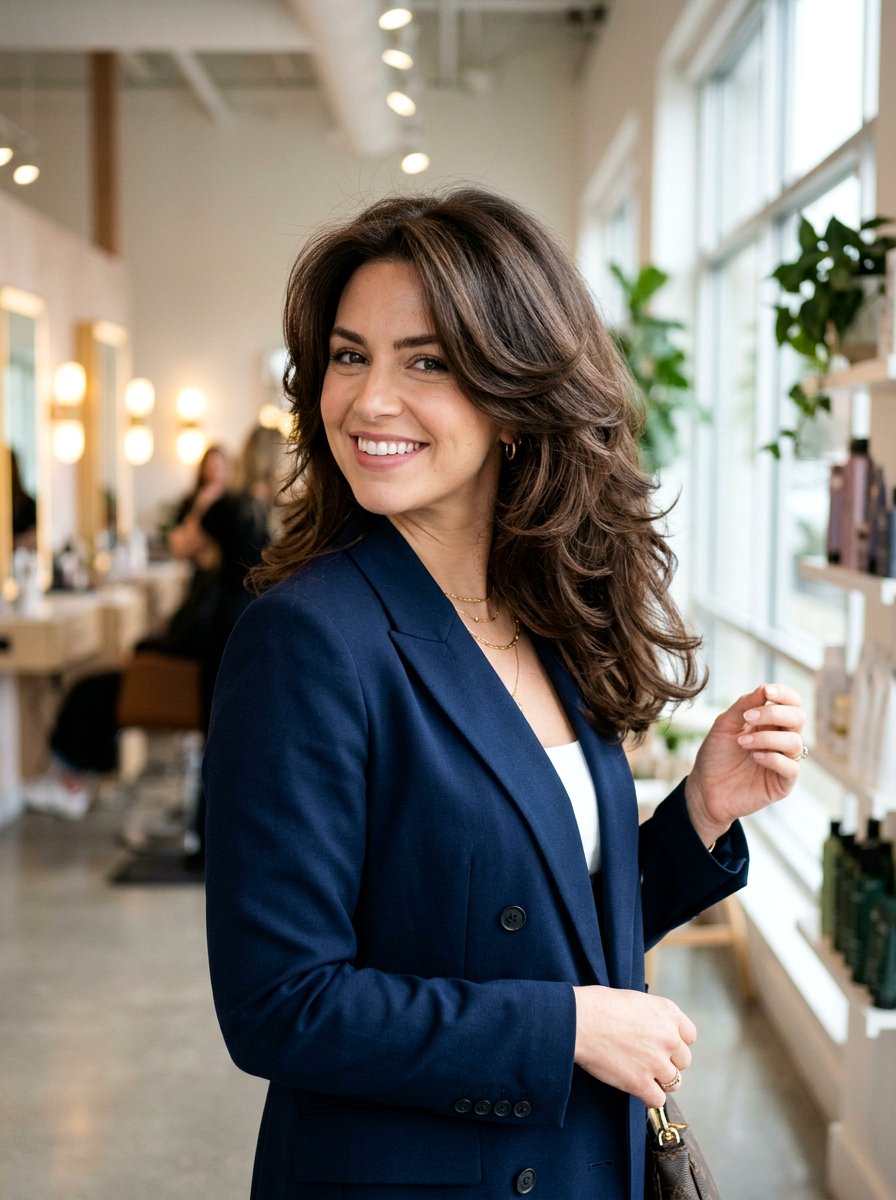
While velcro rollers are often used with a hairdryer, they can be used on damp hair for a heat-free blowout effect. For layered hair, velcro rollers are excellent for providing “lift” at the crown where layers often fall flat. Use large rollers at the top of the head and medium rollers for the layers around the face. The tiny hooks on the rollers grab the hair, which helps keep layered ends tucked in smoothly. Let the hair air-dry completely before gently unrolling. This technique doesn’t provide a tight curl but rather a voluminous, bouncy shape that makes a layered haircut look fresh and salon-styled.
12. Octocurl Method
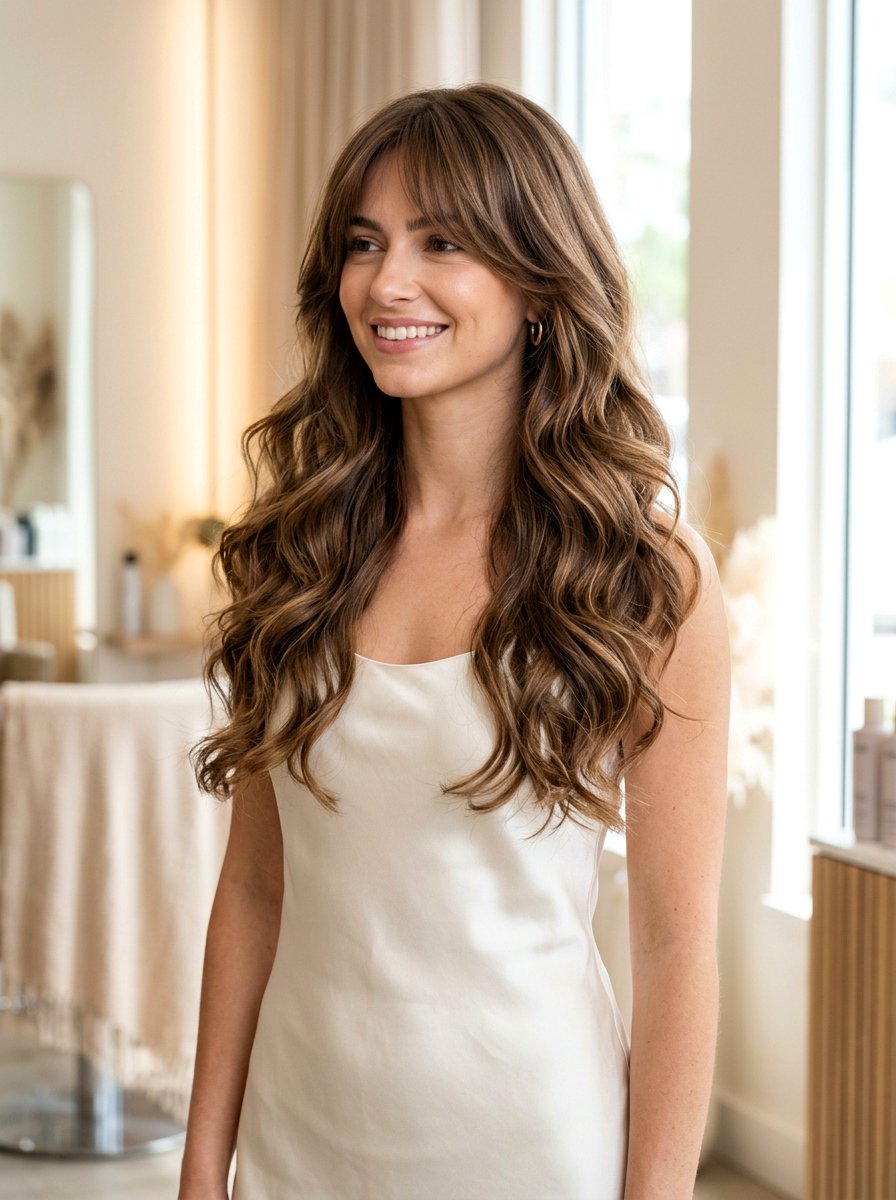
The Octocurl is a specific heatless tool that looks like a headband with multiple fabric strips hanging down. This is the ultimate tool for heavily layered hair because you have so many individual strips to work with. You can dedicate one strip to a short layer and another to a long one, ensuring every piece of hair is curled. It allows you to wrap hair in different directions, which creates a more natural and multi-dimensional look. The soft fabric is comfortable for overnight wear. When removed, the hair has a beautiful, cascading effect where the layers blend together into a sea of soft, uniform waves.
13. Double Top Knots
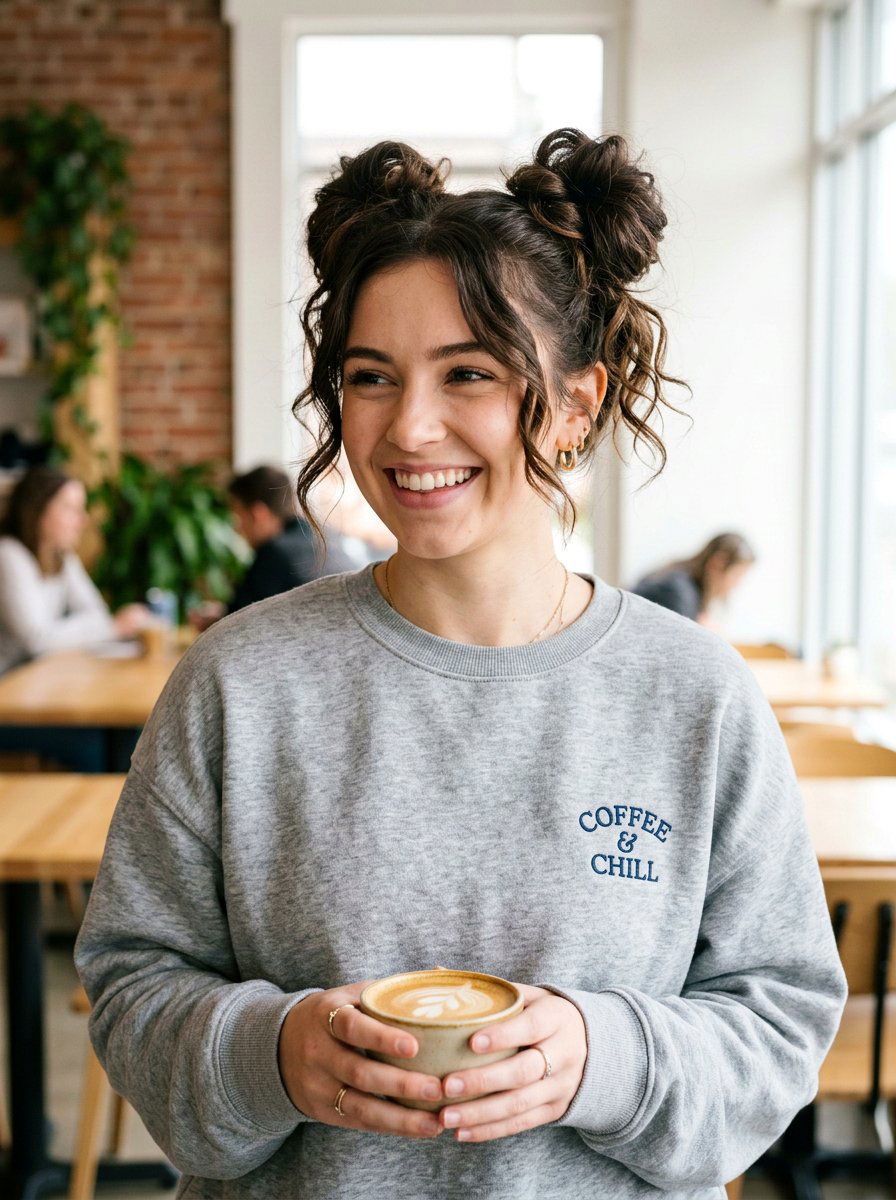
Creating two high buns, or “space buns,” is a simple way to get soft waves in layered hair with zero tools required. Pull your hair into two high pigtails while damp and twist them tightly until they coil into buns. Secure them with soft scrunchies to avoid creases. This method pulls the hair upward, which is great for adding volume to the layers around your jawline and cheekbones. Because the hair is twisted, the resulting wave has a spiral shape rather than a crimped look. It is an effortless way to style layers for a casual, beachy vibe that requires almost no prep time.
14. Finger Coils
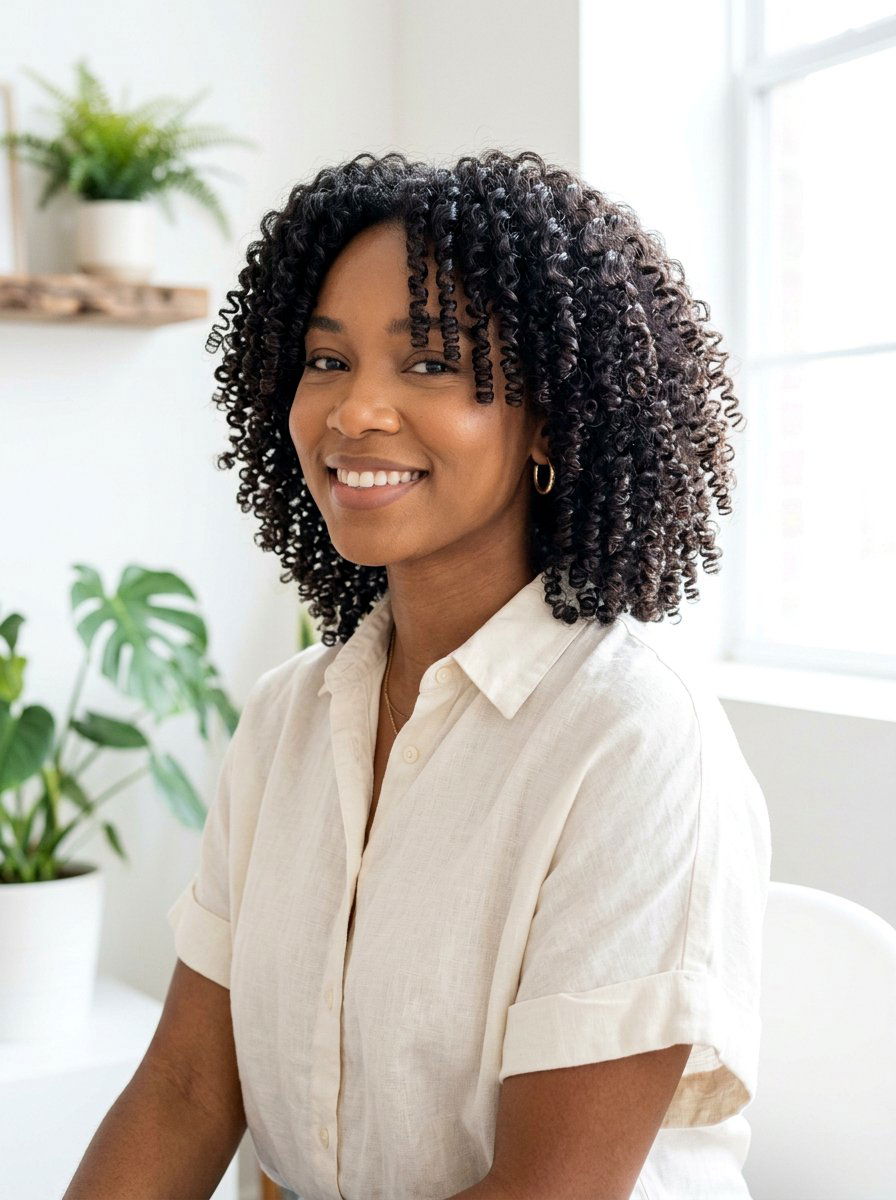
Finger coiling is a technique often used for natural textures, but it works brilliantly on straight or wavy layered hair to define shape. Apply a bit of curl cream or mousse to damp hair. Take small sections—matching the length of your layers—and spin them around your finger until they form a tight coil. Let these coils air-dry without touching them. This “sets” the hair in its most compact form. Once dry, gently separate the coils with a bit of hair oil. This creates high-definition curls that highlight the staggered ends of a layered cut, giving the hair a very thick and textured appearance.
15. Bubble Braids
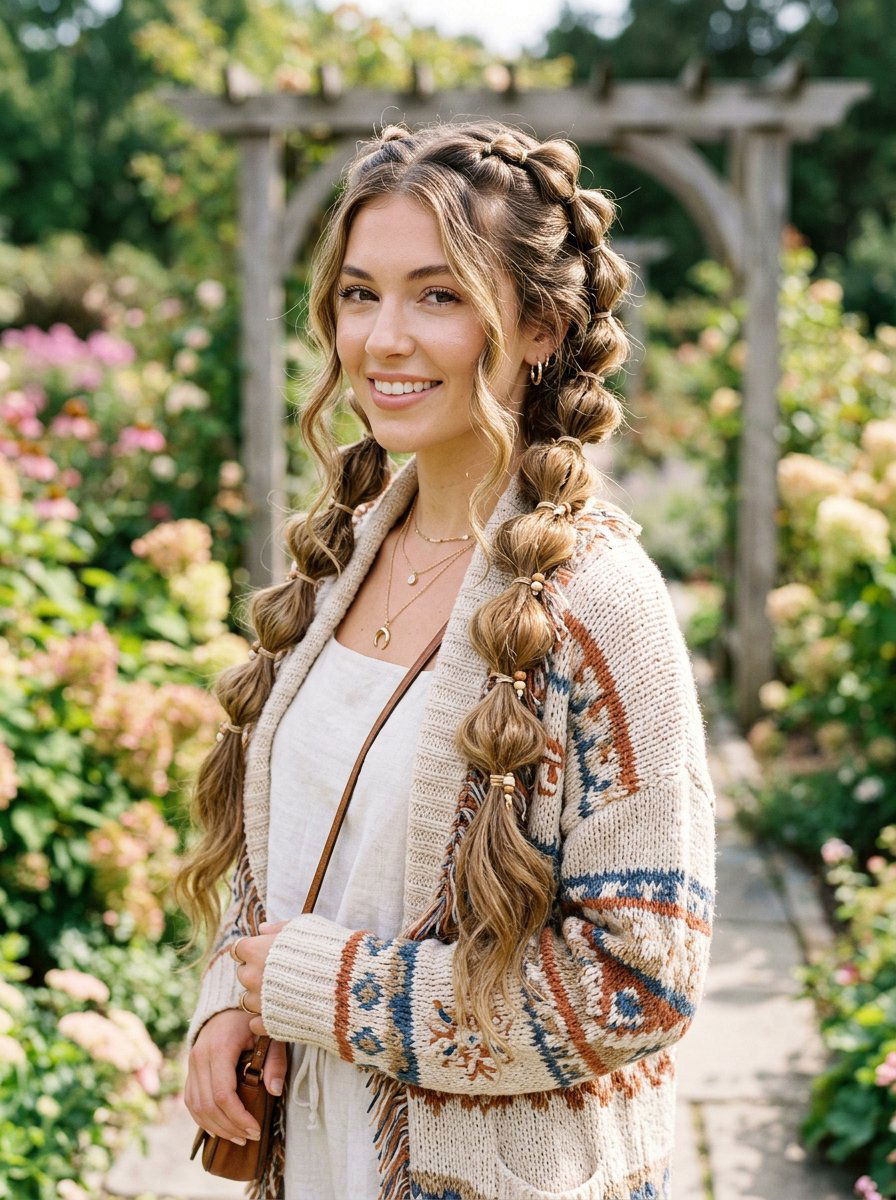
While bubble braids are usually a hairstyle themselves, they can act as a heatless curling method for long layers. Secure your hair in a ponytail and add elastics every few inches down the length, “fluffing” the hair between the elastics to create bubbles. For layered hair, you can do this with two pigtails to ensure the shorter layers stay put. The tension from the elastics creates a unique, large-scale wave pattern. It is less “curly” and more “bouncy,” giving the hair a rounded, voluminous shape. This is a perfect low-effort method for someone who wants movement without the look of a traditional ringlet.
16. Twist Outs
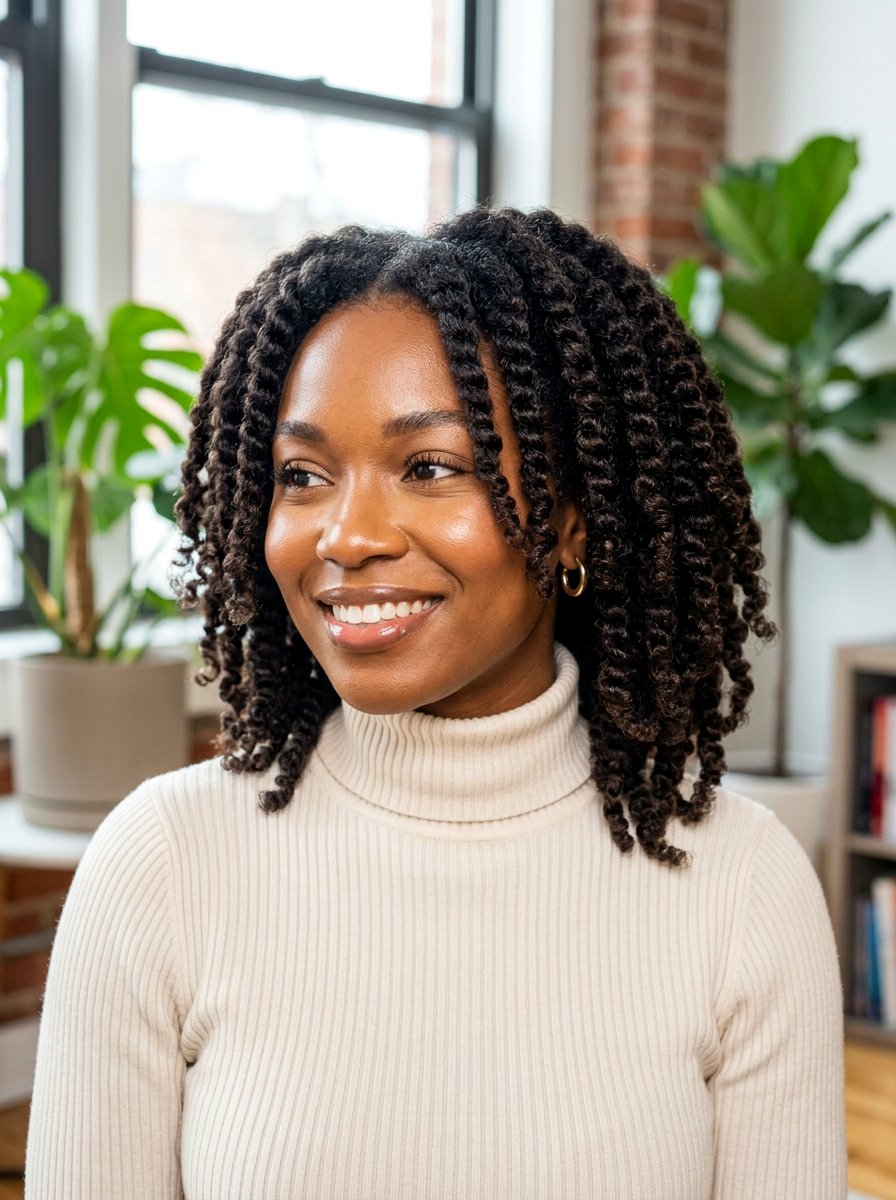
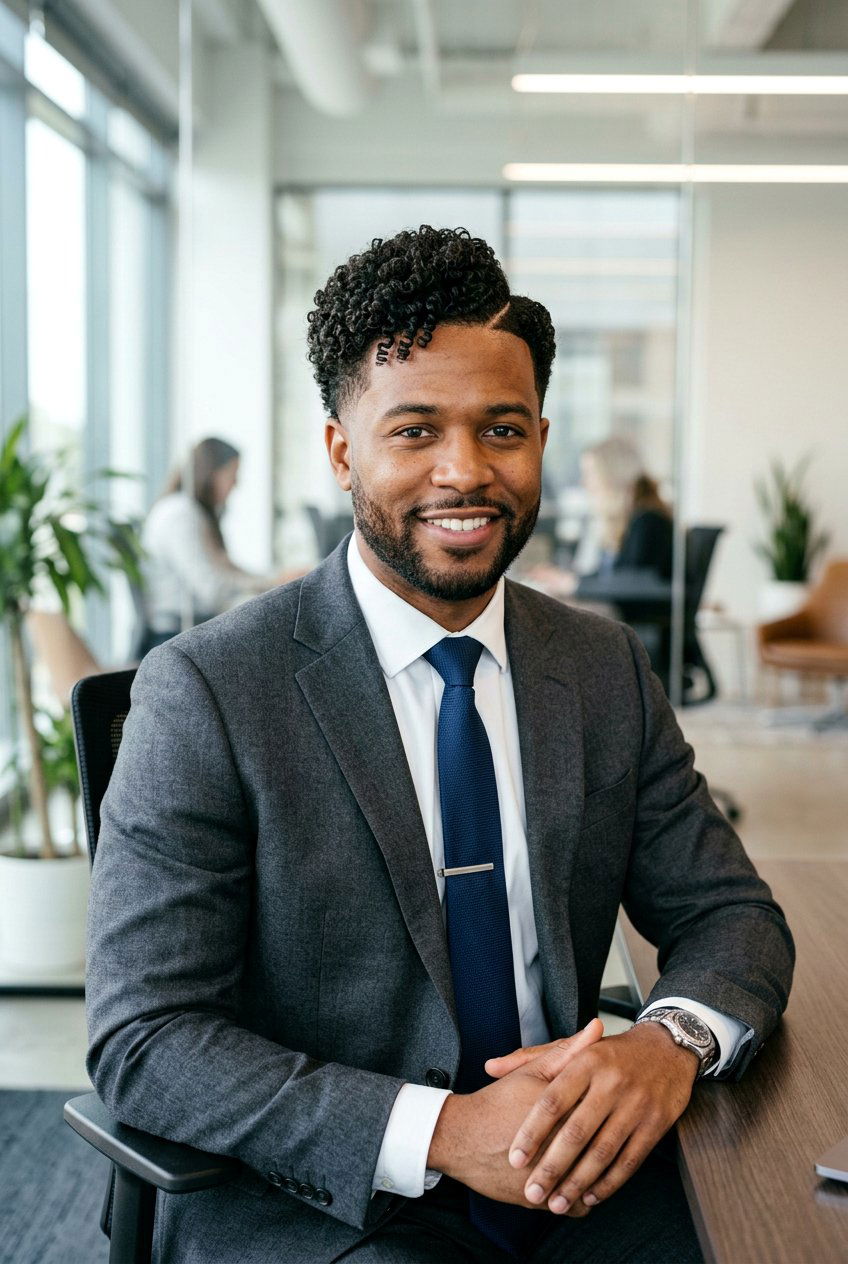
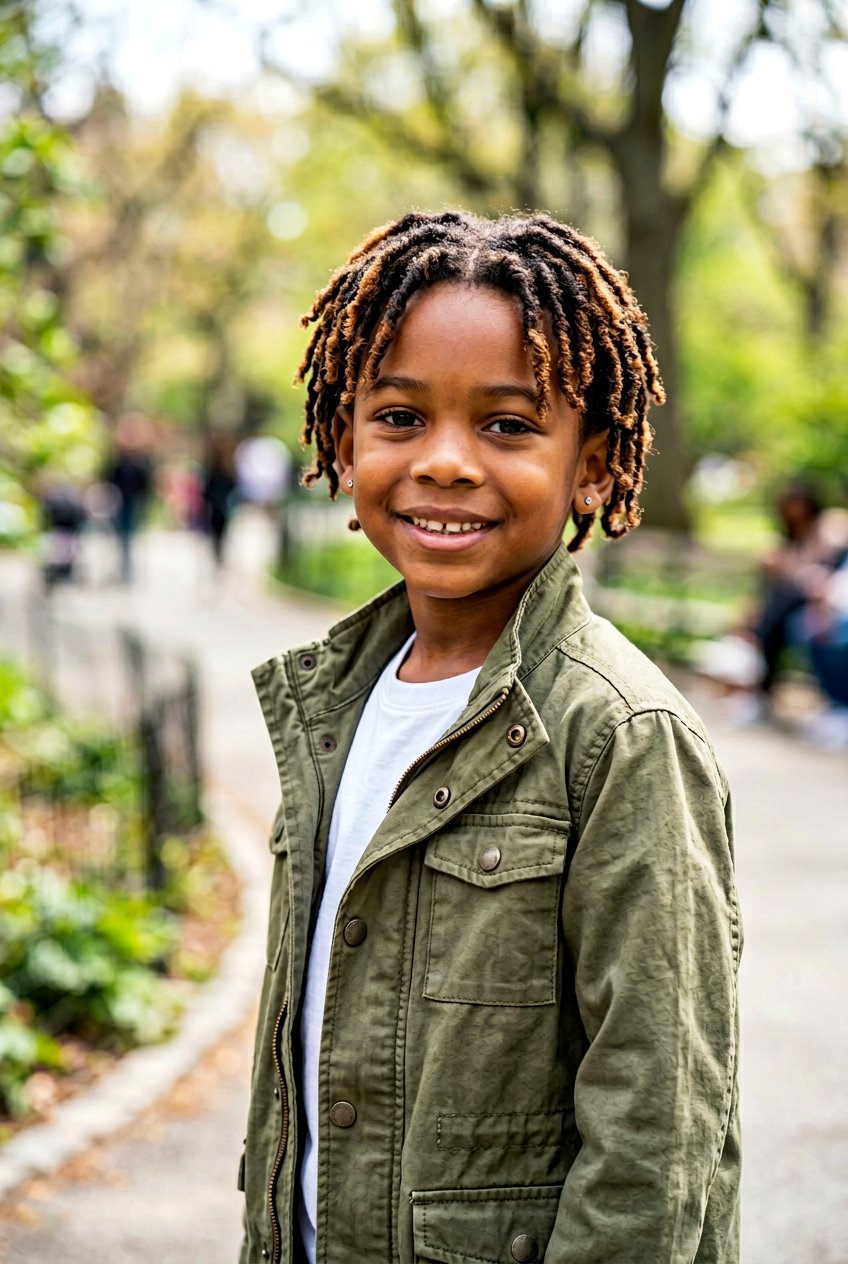
Twist outs involve taking two sections of hair and twisting them around each other to the ends. This is a staple in the curly hair community but works for all hair types with layers. On layered hair, the twists stay together better if you use a bit of styling gel. The twisting motion encourages the layers to “clump” together, which prevents the ends from looking frizzy or thin. You can do many small twists for a high-volume look or a few large ones for a relaxed style. Once the hair is dry, untwist them to find perfectly defined, rope-like waves that show off your haircut.
17. Headband Wrapping
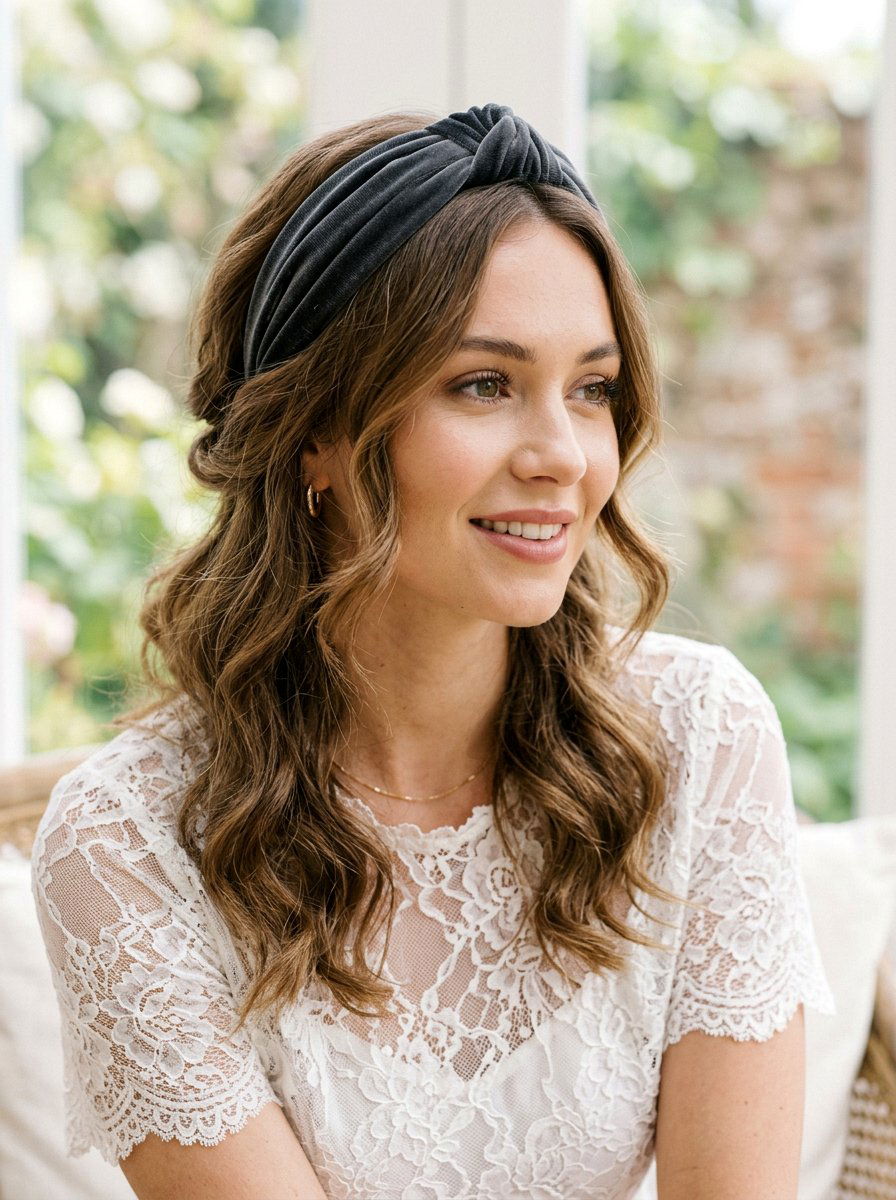
This method uses a standard elastic headband worn over the hair like a crown. You take sections of hair and tuck them over and through the headband until all the hair is wrapped around it. For layered hair, this is excellent because the headband acts as a continuous anchor. Shorter layers can be tucked in first, and longer layers can be wrapped multiple times. This creates a very consistent curl that starts right at the ear level. It results in a romantic, vintage-style wave that is very soft and doesn’t have the “crunchiness” that can sometimes come from using heat or heavy products.
18. Sea Salt Scrunching
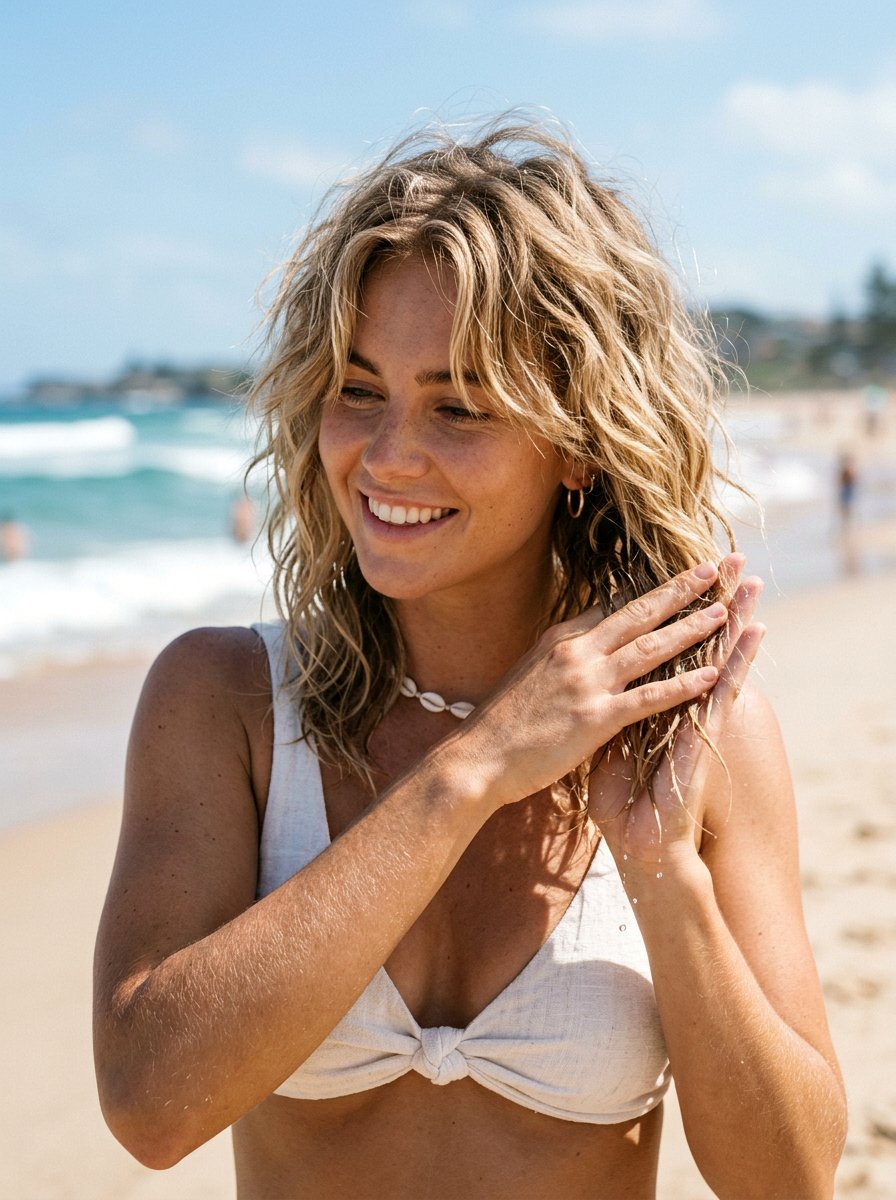
If you have layers and a bit of natural wave, sometimes the best “no heat” method is simply enhancing what you have. Apply a sea salt spray to damp hair and scrunch upward with your hands. The salt adds “grit” to the hair, which helps the layers hold their shape as they dry. To prevent frizz, use a microfiber towel to scrunch out the excess moisture. This method is the fastest way to get a “surfer girl” look. The layers will naturally separate and define themselves, creating a messy, cool-girl aesthetic that highlights the choppy ends of your haircut without any complicated wrapping.
19. Straw Curls
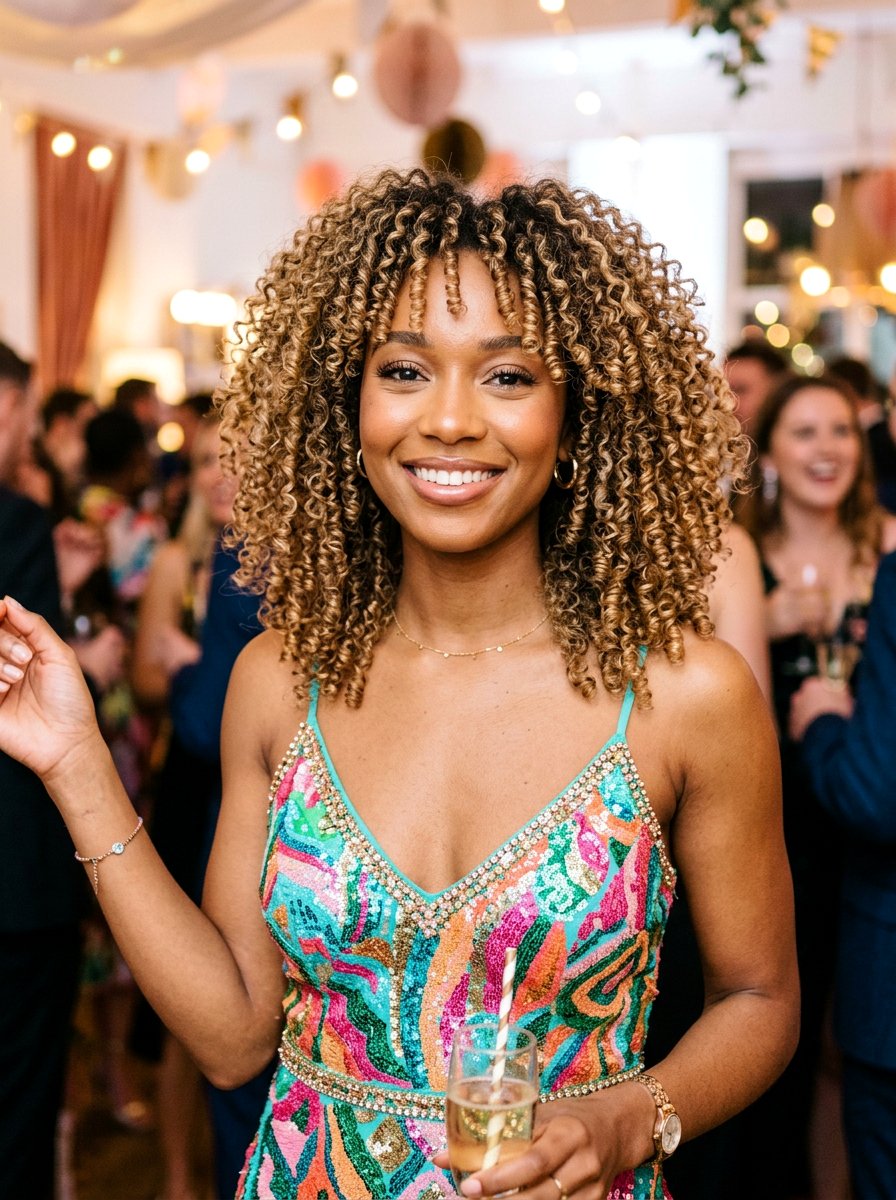
For those who want extremely tight, corkscrew curls on layered hair, drinking straws are a surprisingly effective tool. Wrap tiny sections of damp hair around a plastic or reusable straw and secure the ends with a small elastic or hairpin. Because the straws are so thin, they can catch even the shortest layers of a pixie or bob-length cut. This produces a massive amount of volume and a very dramatic transformation. It takes a bit more time to set the whole head, but the results are incredibly long-lasting. It is the perfect heat-free alternative to a small-barrel curling iron or a perm.
20. Pillowcase Rollers
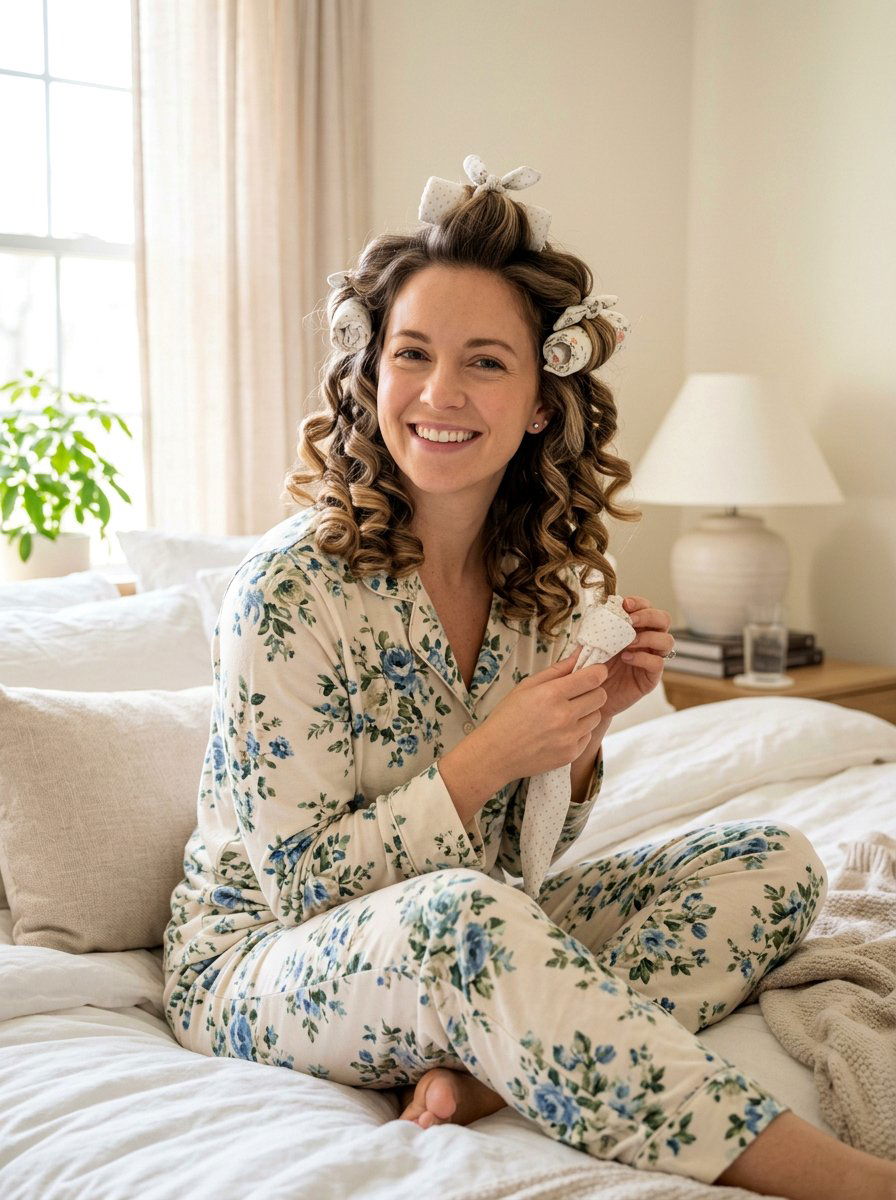
You can create DIY rollers by cutting an old silk or cotton pillowcase into long strips. Wrap sections of damp layered hair around the middle of the strip and tie the ends into a bow. The soft fabric is much more comfortable than plastic rollers, making it an ideal choice for side-sleepers. The thickness of the fabric strips creates a medium-sized curl that is very bouncy. For layered hair, the ability to tie the fabric tightly ensures that the layers don’t slip out during the night. The result is a head full of soft, healthy-looking curls with a beautiful, natural-looking finish.
Conclusion:
Finding the right method for no heat curls for layered hair can completely transform your hair health and styling routine. Layered haircuts thrive on movement, and these heatless techniques provide the perfect amount of bounce without the risk of breakage or dryness. From the viral robe tie method to the precision of pin curls, there is a solution for every hair length and texture. By choosing a method that fits your lifestyle—whether it’s an overnight wrap or a quick daytime set—you can enjoy professional-looking results every day. Experimenting with these twenty methods will help you discover how your specific layers react best, leading to a vibrant, voluminous, and damage-free hairstyle.
You'll Like These Styles:




Leave a Reply