
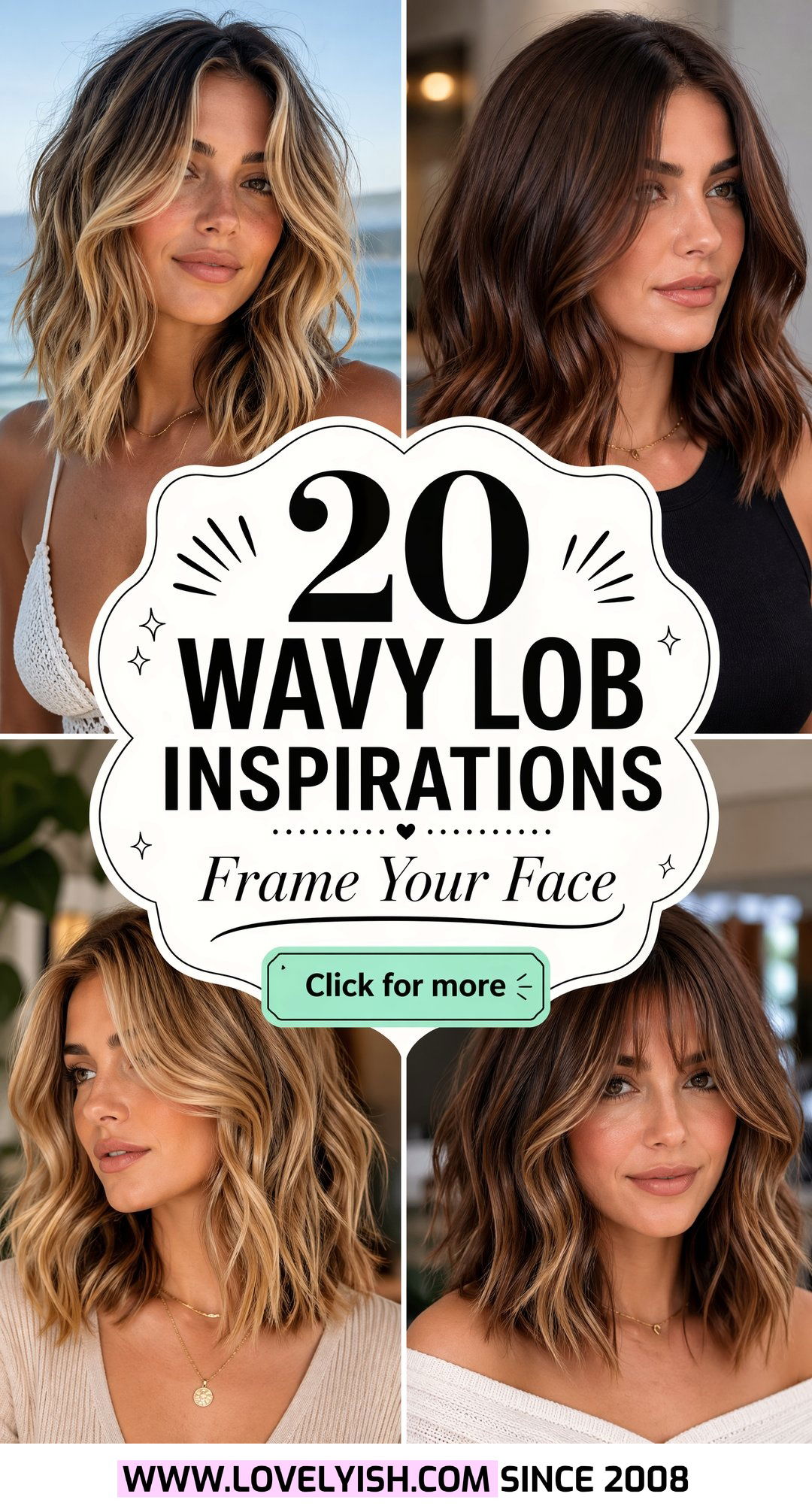
Soft waves meeting a shoulder-grazing cut is one of the easiest ways to look put together without trying too hard. A wavy lob with face framing layers gives you swing, movement, and a flattering outline around your cheekbones and jawline, making it a favorite for many face shapes and ages. This cut usually sits somewhere between the collarbone and just above the shoulders, which is long enough to tie back but short enough to feel light and fresh. The face framing pieces are cut a bit shorter and blended so they fall softly around the face, which helps soften angles or length, depending on what you need. Because the lob works on straight, wavy, or curly textures, adding waves and tailored layers turns it into an even more versatile everyday look. Below, you’ll find 20 different wavy lob looks with face framing layers, each focused on slightly different length, texture, and details so you can match the cut to your lifestyle and features.
1. Classic Wavy Lob With Face Framing Layers
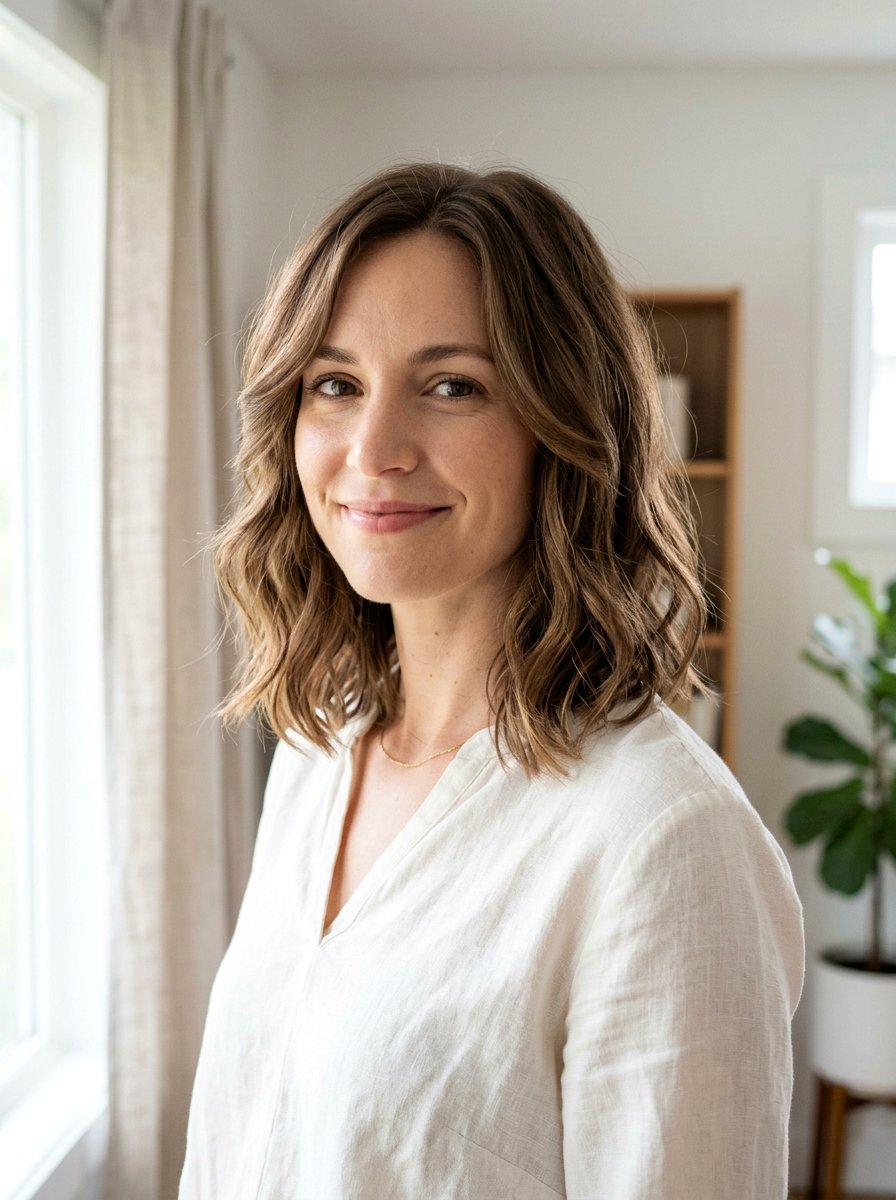
The classic wavy lob with face framing layers is a great place to start if you want something modern but not too trendy. Hair usually skims the collarbone, with soft waves starting around mid-length, so the movement doesn’t puff up at the roots. The layers closest to your face begin around the chin and blend back into the rest of the cut, which helps highlight your cheekbones without chopping off too much length. This version works well for straight to naturally wavy hair, since you can enhance texture with a curling iron or let your natural bend air-dry with a light mousse or salt spray. Ask your stylist to keep the ends slightly textured instead of blunt; this keeps the lob from feeling heavy and makes at-home styling easier, because the hair naturally falls into soft, lived-in waves.
2. Soft Wavy Lob For Oval Face With Face Framing Layers

If you have an oval face, a soft wavy lob with face framing layers can keep everything balanced without narrowing your features too much. This version keeps the length around the shoulders, with airy waves and layers that start slightly below the cheekbones so your face still feels open. The waves themselves stay loose and undone, which adds volume through the mid-lengths rather than at the crown, so the overall shape stays soft and oval-friendly. Ask for subtle layering through the front and minimal layers in the back, so you get movement without losing density. Styling can be as simple as rough-drying, then wrapping random sections around a curling wand away from the face and brushing through for a relaxed finish that looks effortless but polished enough for work, weekends, or a night out.
3. Wavy Lob With Curtain Bangs And Face Framing Layers

For anyone who loves a bit of fringe but still wants versatility, a wavy lob with curtain bangs and face framing layers is a smart choice. Curtain bangs part softly in the middle and blend into the layered pieces on each side, which makes them easier to grow out and style than blunt bangs. The lob length stays around the collarbone, with waves that start above the cheekbones so the bangs and front layers move together instead of sitting flat. This combo is especially flattering on longer or oval faces because the fringe visually shortens the length while the waves keep the sides looking full. To style, blow-dry the bangs with a round brush away from your face, then curl the rest in alternating directions, finishing with a lightweight texturizing spray so you keep shine and separation without stiffness.
4. Textured Wavy Lob With Face Framing Layers
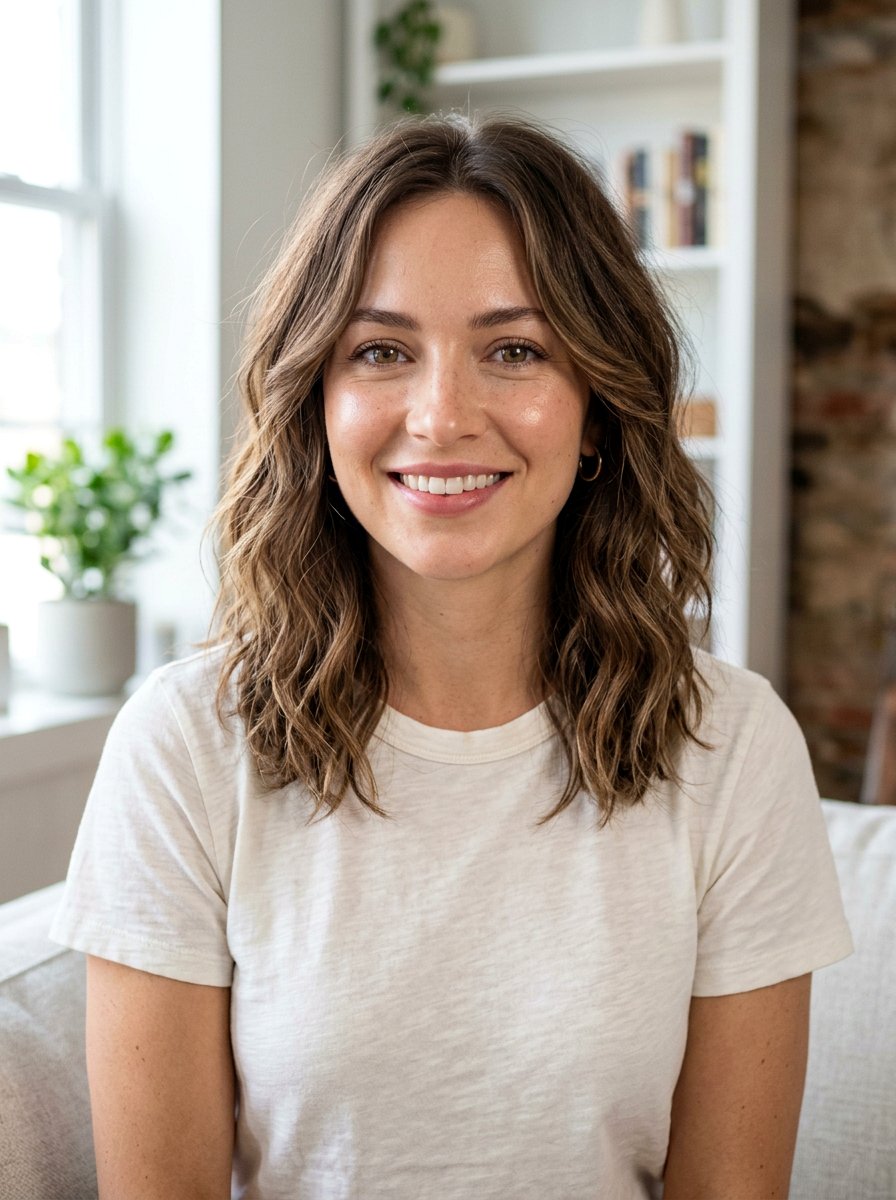
When you want a more undone, “I woke up like this” vibe, a textured wavy lob with face framing layers delivers that relaxed edge. Here, the ends are slightly choppy and the layers are more pronounced, especially through the front and mid-lengths, which boosts movement on thicker or medium hair. Waves are usually tousled rather than perfectly curled, and a bit of dry texture spray builds that airy grit that keeps the shape from falling flat as the day goes on. This version is great if your hair tends to feel heavy at one length, because the texture removes bulk without sacrificing the lob’s overall shape. At the salon, ask for sliced or point-cut layers around your face and through the interior, and at home, focus on bending the hair with a curling iron in loose S-shapes, leaving the ends a little straighter for that modern, piecey finish.
5. Angled Wavy Lob With Face Framing Layers
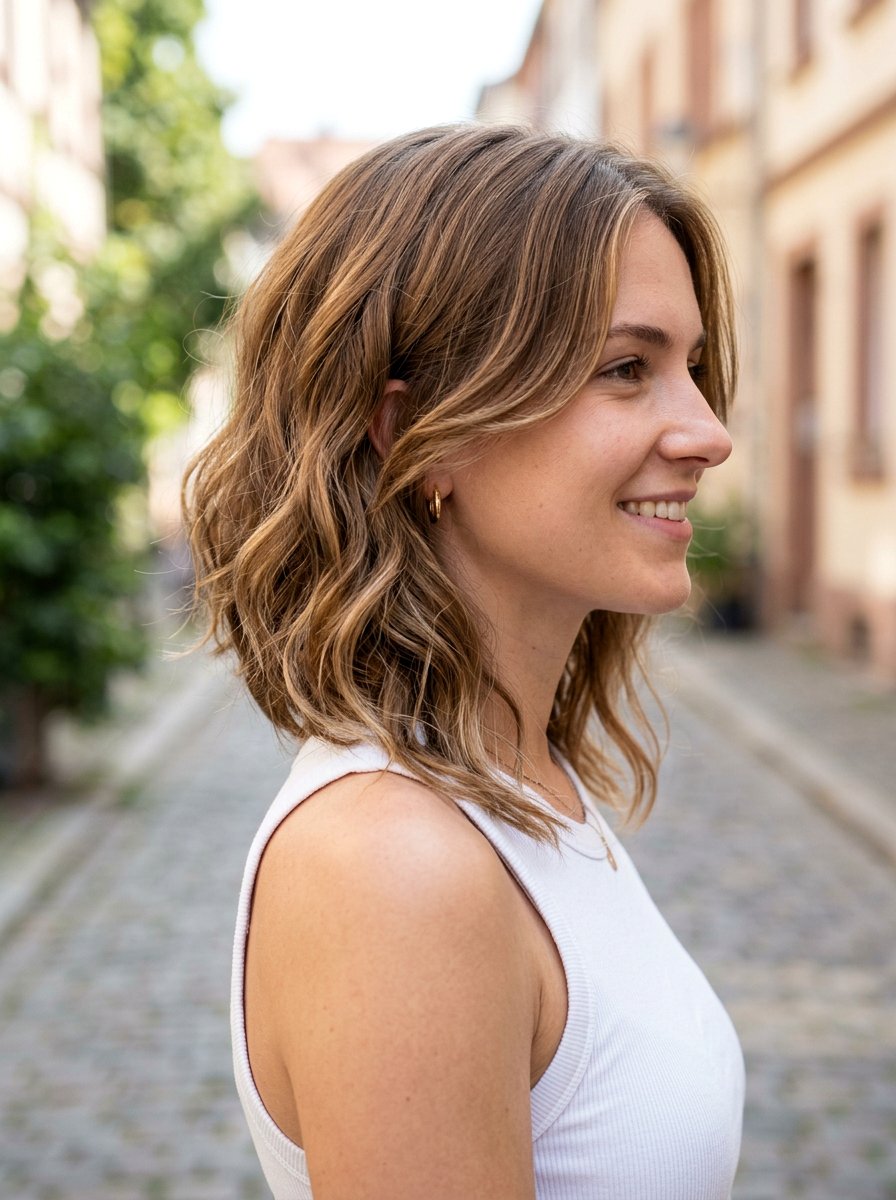
An angled wavy lob with face framing layers gives you structure from the side while still looking soft from the front. In this cut, the hair is shorter in the back and gradually lengthens toward the front, often landing just below the collarbone at the longest point. Face framing layers follow the angle, starting around the chin and elongating toward the ends, which makes the neck look longer and accentuates the jawline. The waves tend to be more defined near the front so the angled pieces stand out, while the back can stay slightly more relaxed and rounded. This shape is ideal for thicker hair because it removes weight at the nape while keeping a strong, sleek outline, and it pairs nicely with subtle highlights that emphasize the diagonal line of the cut when light hits the waves.
6. Wavy Lob With Chin Length Face Framing Layers
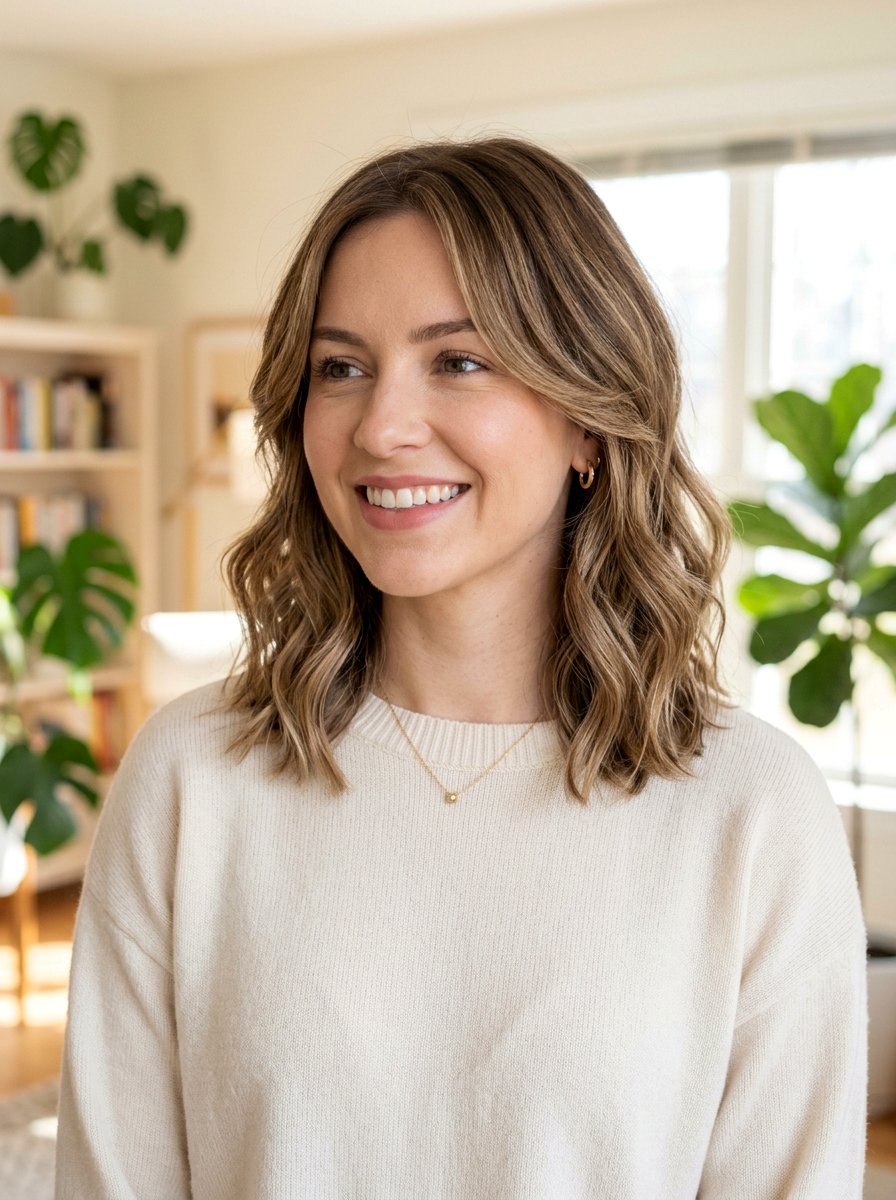
If your main goal is to highlight your jaw and smile, a wavy lob with chin length face framing layers can be very flattering. The rest of the lob usually hits around the shoulders, but those front pieces are cut to brush the chin, then blend back into the longer length. This creates a gentle horseshoe of layers around your face that helps soften a strong jaw on square faces or add definition for rounder faces. With waves that start at or just above the chin, you get a nice bounce effect that keeps your features from feeling weighed down. For styling, curl the shortest pieces away from your face so they open up your features, then use a light-hold spray or cream to keep the layers separated yet touchable, making the overall look feel polished but still easygoing.
7. Long Wavy Lob With Face Framing Layers
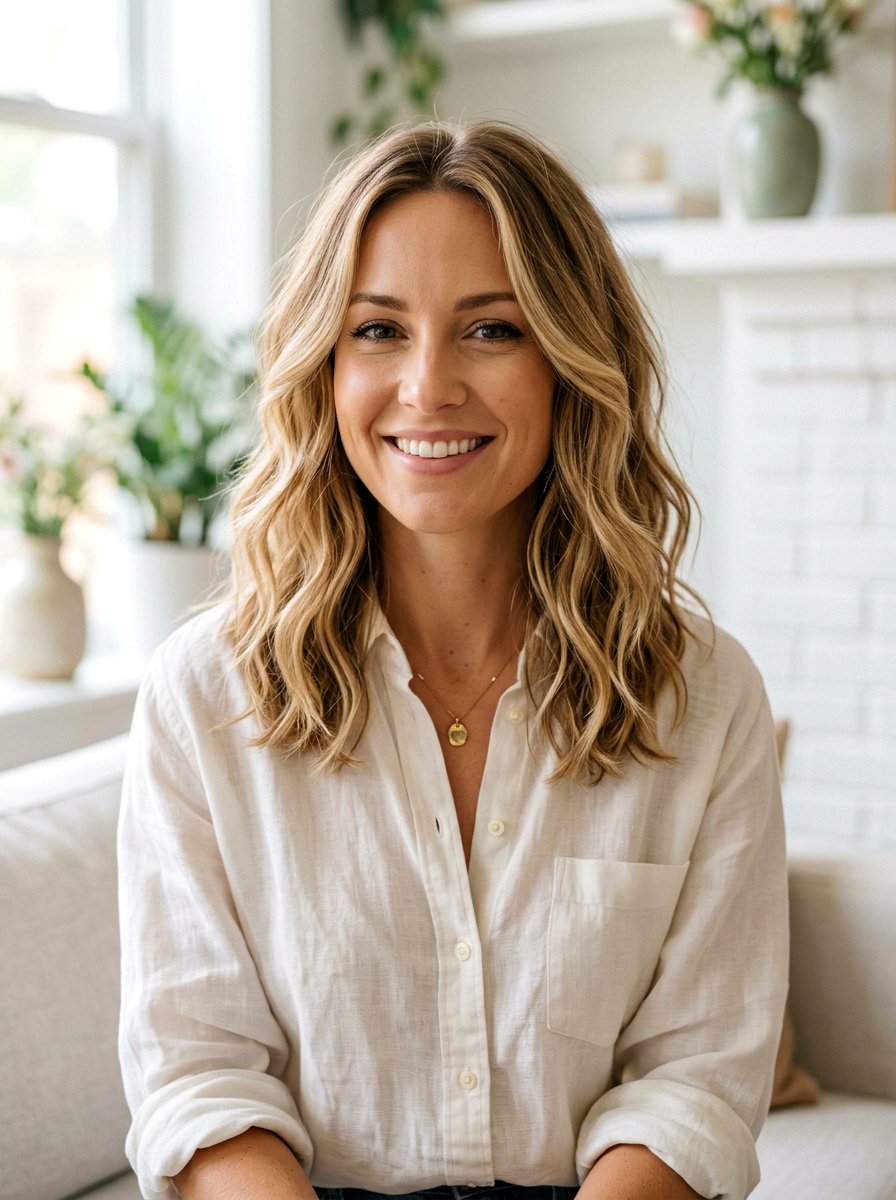
A long wavy lob with face framing layers sits right on the edge between “lob” and “long hair,” which makes it perfect if you want flexibility without the upkeep of very long lengths. The cut usually falls just below the shoulders, with long, blended layers that start around the cheekbones and extend downward. This gives you a soft cascade of movement that looks especially good when styled in loose, beachy waves or brushed-out curls. Because the layers are more subtle, this version works well on fine to medium hair that needs shape but can’t afford to lose too much thickness. Ask your stylist to keep the perimeter slightly rounded instead of perfectly straight across; this keeps the long lob looking fluid and helps the face framing pieces transition smoothly into the rest of the hair, making ponytails and updos look more intentional.
8. Wavy Lob With Wispy Face Framing Layers
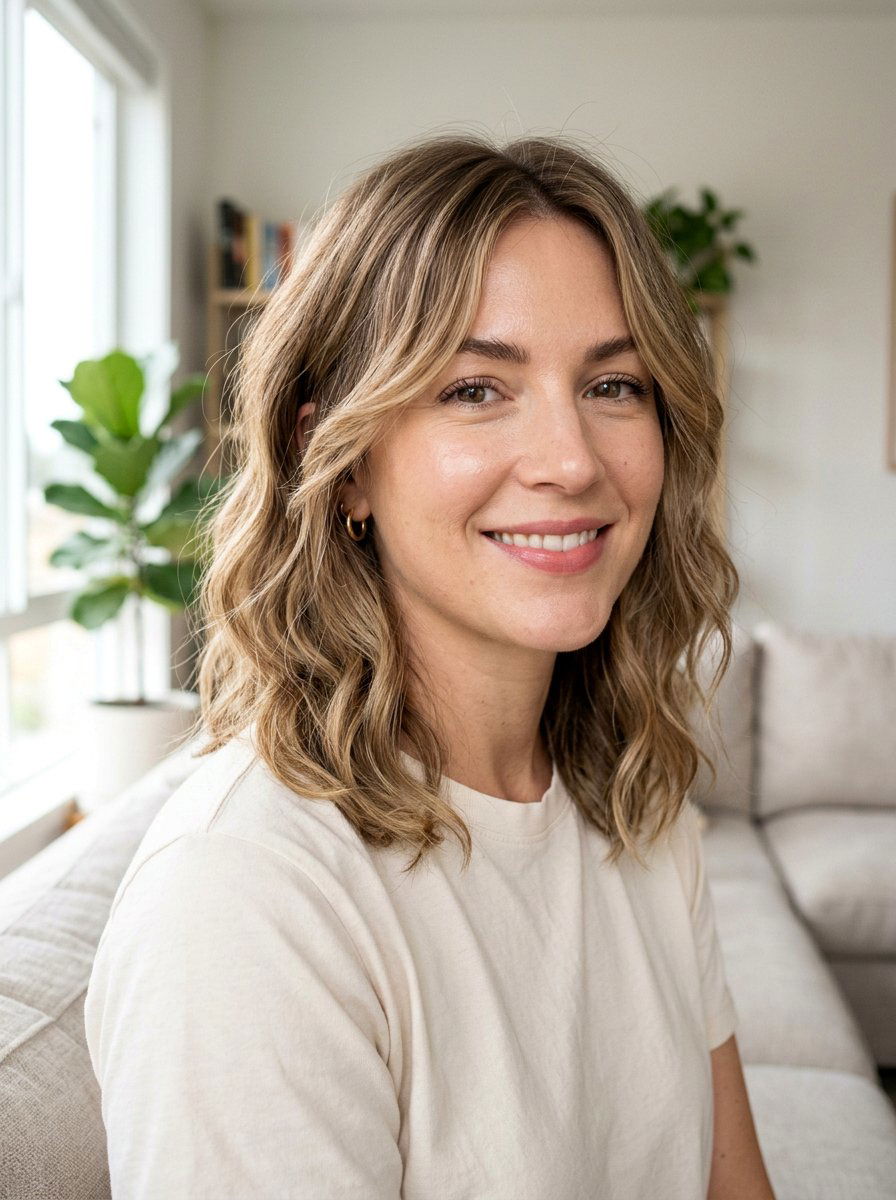
For a softer, more delicate look, a wavy lob with wispy face framing layers focuses on fine, feathered pieces around the face. The overall lob shape can be blunt or slightly textured at the ends, but the key detail is that the front strands are thinned and tapered rather than thick and chunky. These wispy pieces fall in front of or just behind the cheekbones, offering movement and softness without dramatically changing your length or density. This option is great for straight or fine hair because the light layers don’t remove too much weight, so your lob still feels full. To style, create loose waves with a curling iron, then pinch small sections of the face framing pieces with a bit of light pomade or serum to keep them defined yet airy, giving the whole cut a romantic, touchable finish.
9. Wavy Lob With Side Part And Face Framing Layers
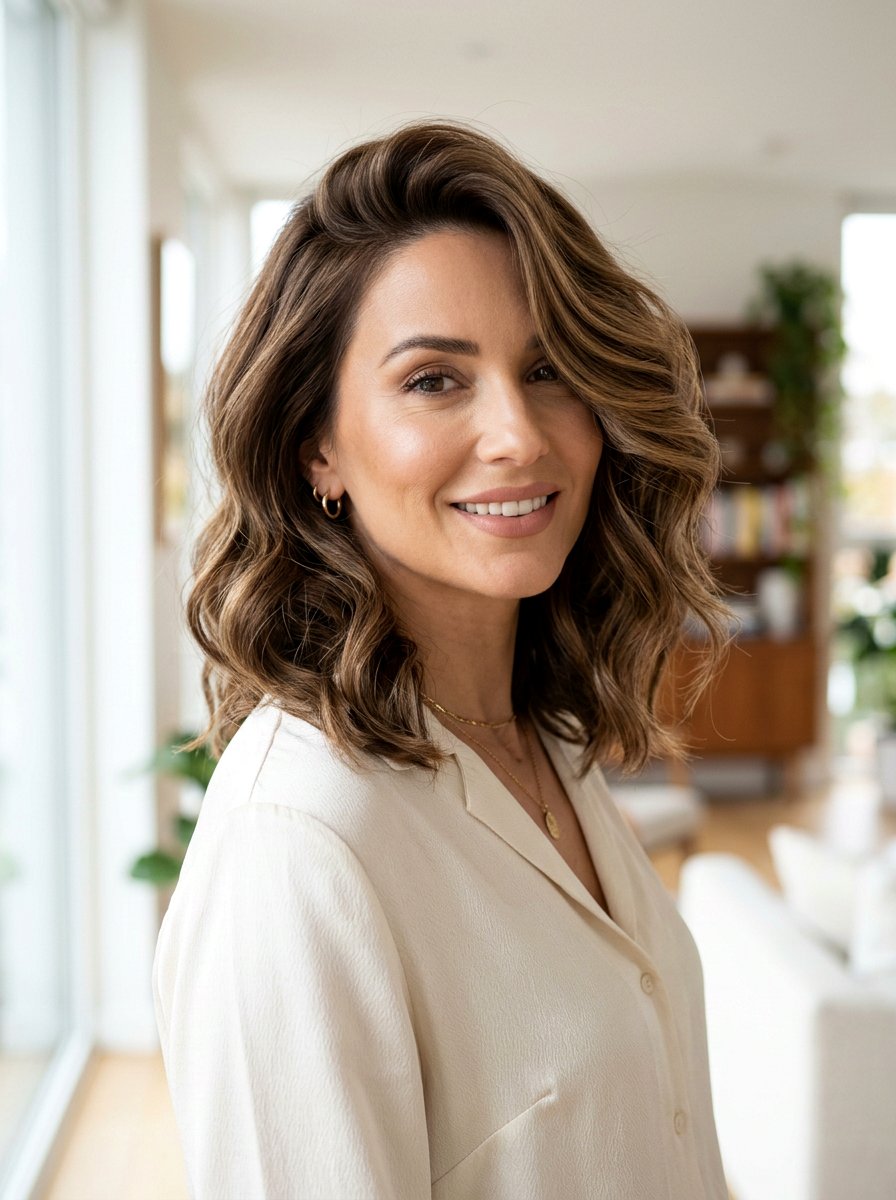
Switching to a side part can completely change how your wavy lob with face framing layers looks and feels. In this version, a deep or moderate side part creates more volume on one side, allowing the face framing layers to sweep across the forehead and around one cheek. The lob length usually stays near the collarbone, which gives enough room for those layers to drape and curve nicely over your features. This shape is flattering on many face types, but it especially suits round or square faces because the diagonal lines of the part and layers visually slim and elongate. When styling, use a volumizing product at the roots on the heavier side, then curl away from the face so the hair falls back in a soft, glamorous wave that still feels everyday wearable, not overly formal.
10. Wavy Lob With Center Part And Face Framing Layers
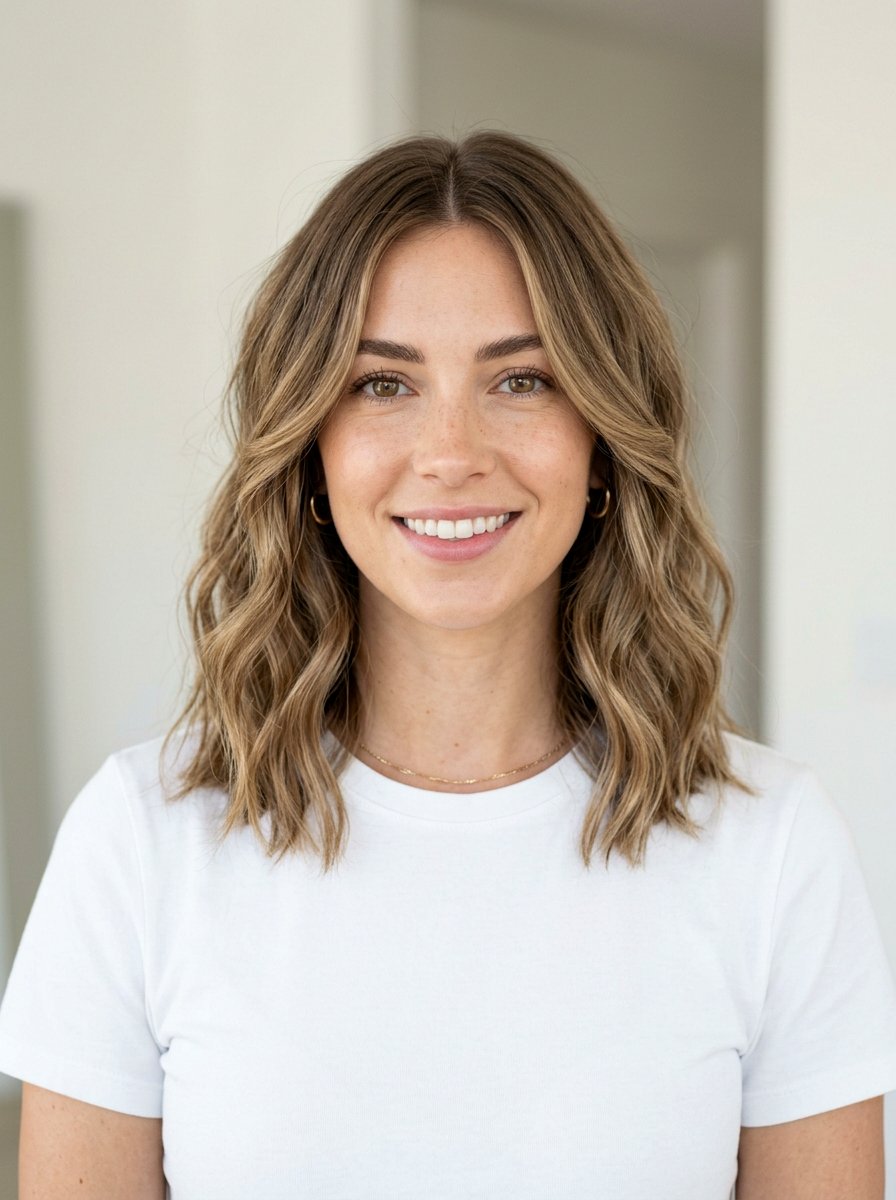
If you prefer symmetry, a wavy lob with a center part and face framing layers gives balanced lines that feel very current. The middle part lets the front layers fall evenly on both sides, usually starting a little below the cheekbones and curving inward. This combination works especially well for oval or heart-shaped faces, where you want to maintain harmony rather than add extra width. The lob itself often sits between the collarbone and shoulders, with soft, loose waves that keep the front pieces from looking flat or too severe. For at-home styling, blow-dry the part straight, then add mid-shaft waves with a curling iron, alternating directions for a natural look, and finish with a light gloss spray to emphasize the lines of the cut without weighing the hair down.
11. Blonde Wavy Lob With Face Framing Layers
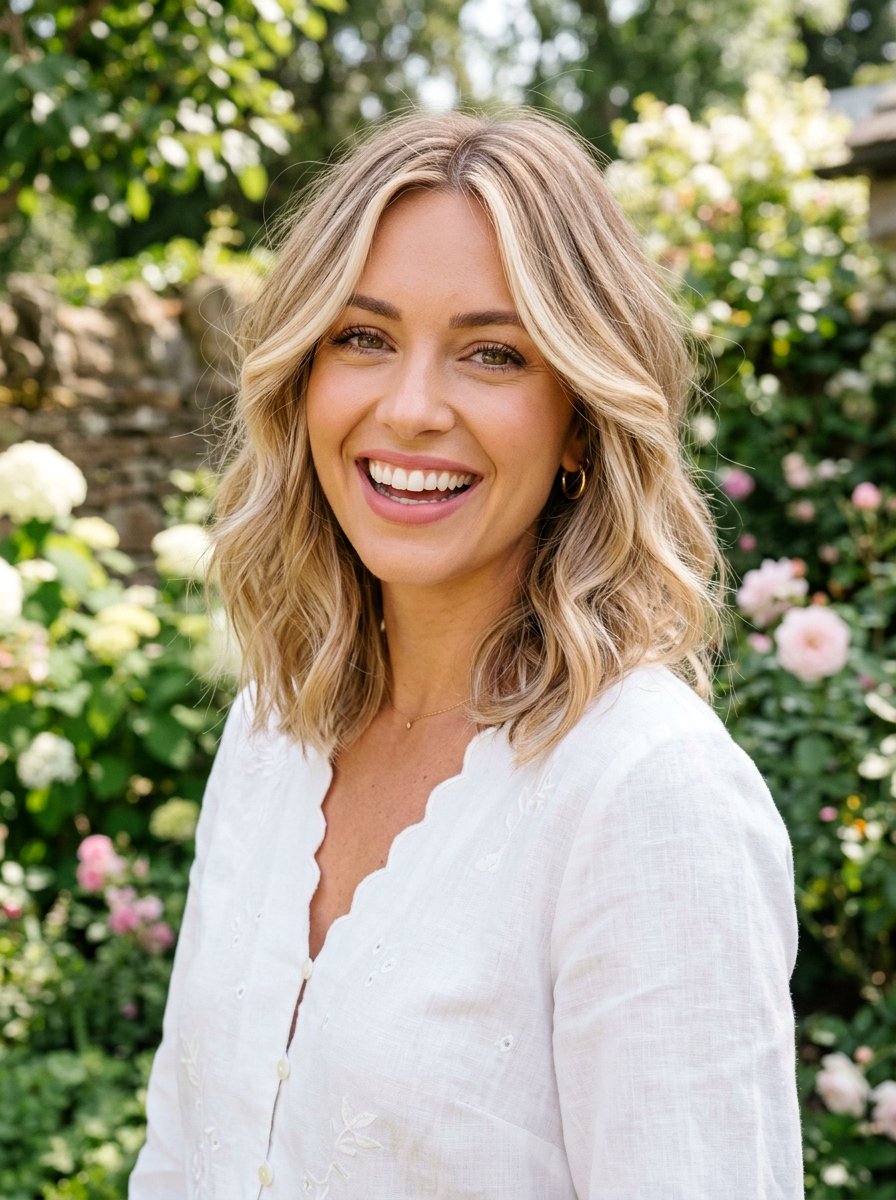
Color can make a big difference in how your wavy lob with face framing layers shows up, and a blonde version often looks extra dimensional. With blonde shades, especially when paired with highlights or balayage, the waves and layers catch the light and create more visible depth along the face framing pieces. The lob length stays similar—around the collarbone or just above—but the color placement focuses on brightening the strands closest to your face. This effect can make your complexion look more radiant and gives the layers a soft halo effect. Ask your stylist for slightly lighter money pieces around the face and deeper tones at the root, then style with gentle waves and a shine spray so the blend looks natural and healthy rather than overprocessed or dull.
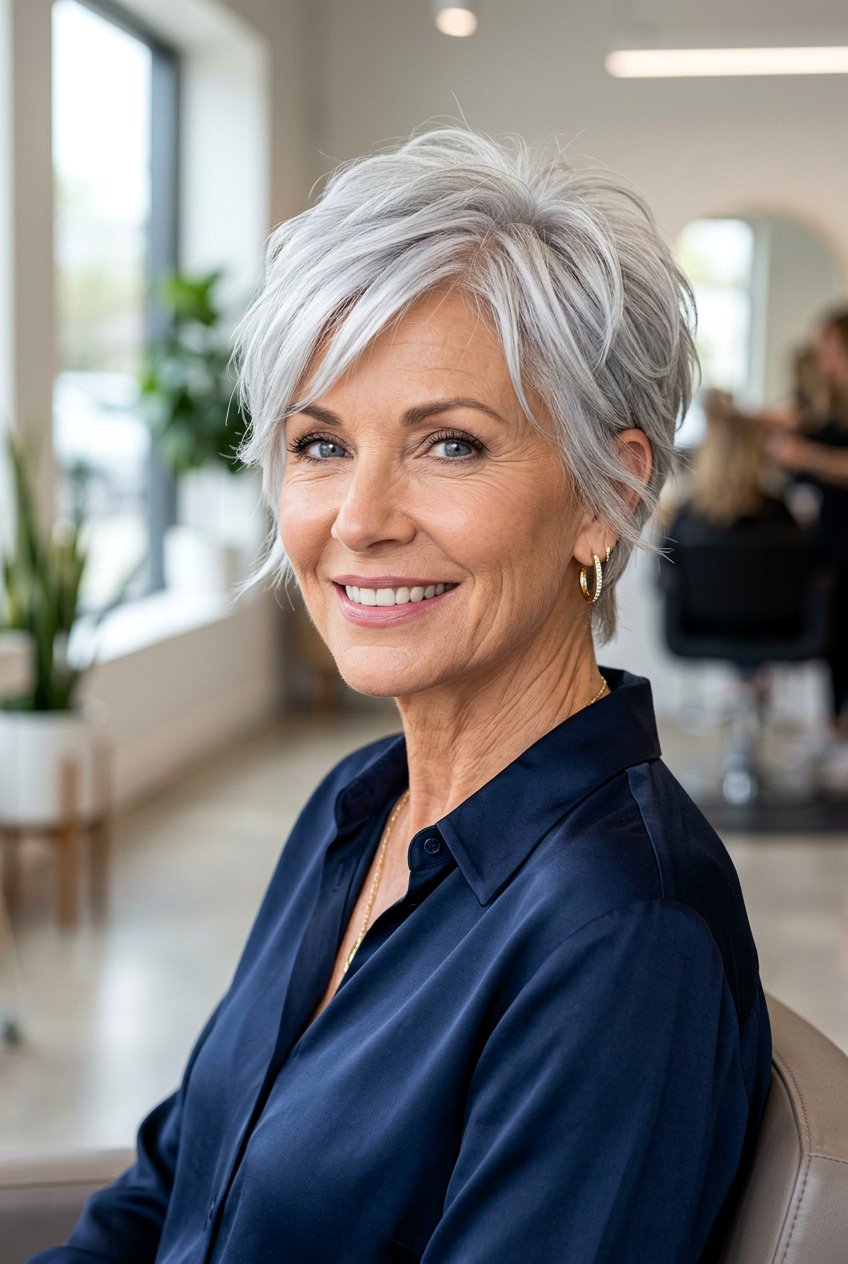
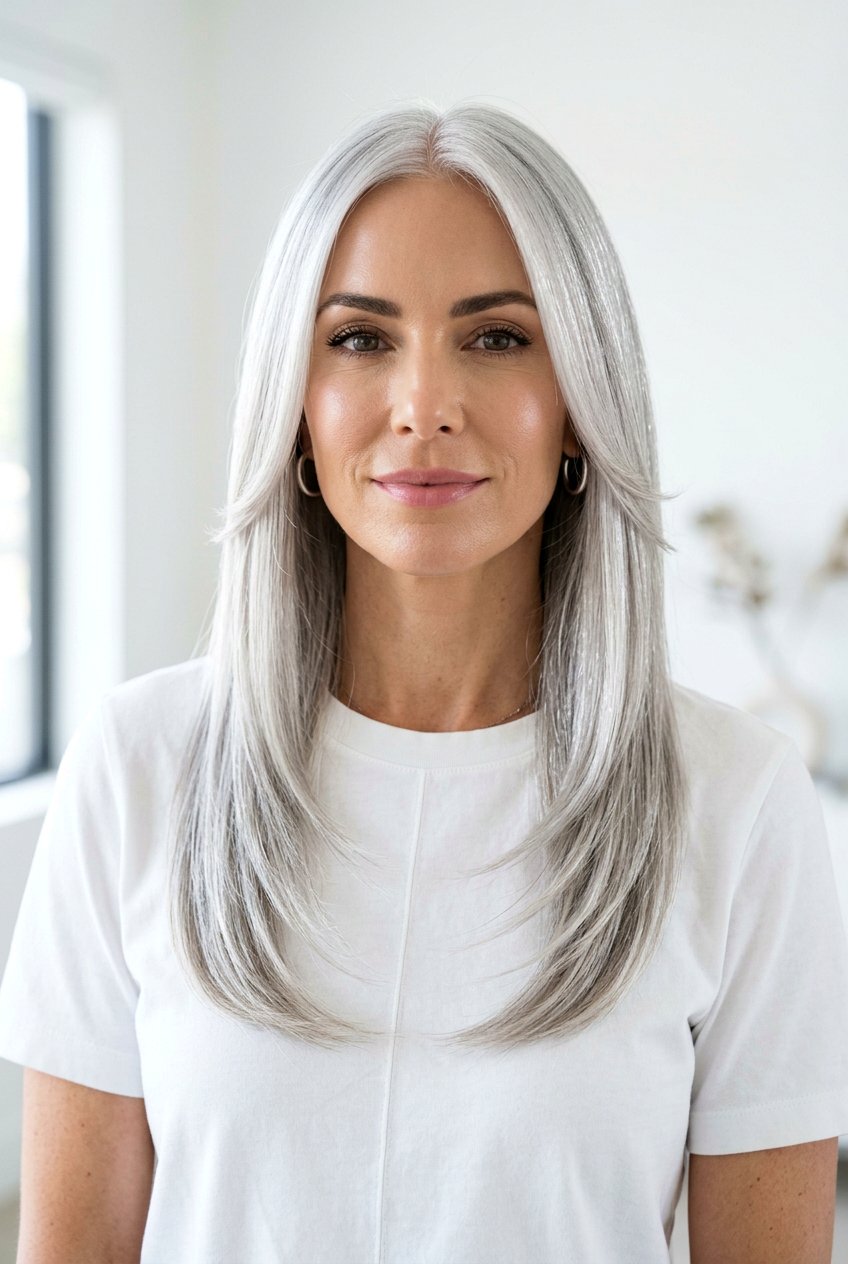
12. Brunette Wavy Lob With Face Framing Layers
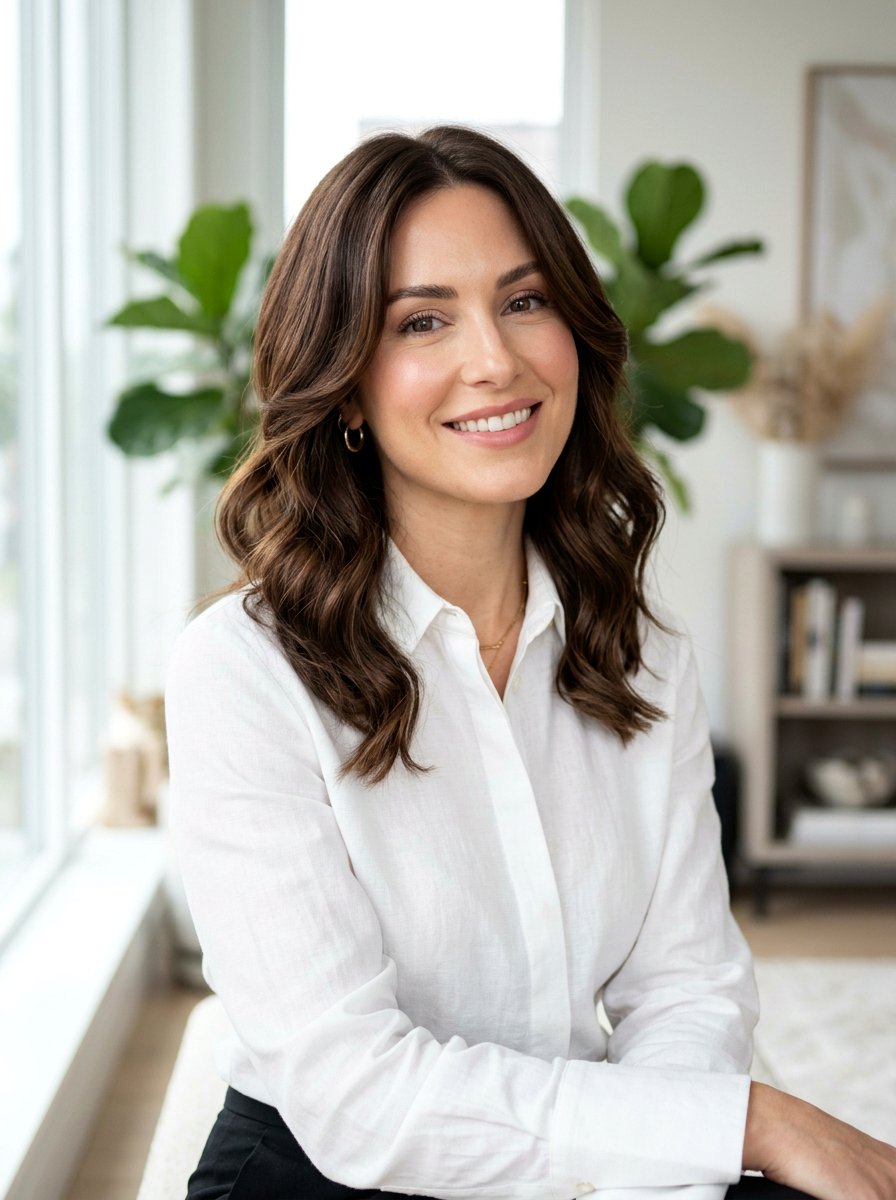
A brunette wavy lob with face framing layers feels rich and polished, especially when you lean into tone-on-tone dimension. Darker hair naturally reflects light differently, so soft waves paired with subtle layers can create a glossy, expensive look. Face framing pieces can be slightly lighter or just a shade warmer to keep things from looking too flat around the face. The lob length typically hovers between the base of the neck and the shoulders, which makes it easy to style with a curling wand or flat iron waves. Focus on maintaining shine and smoothness—use a heat protectant, curl away from the face, then mist a lightweight serum or glossing spray from mid-lengths to ends so the layers move fluidly and the brunette color feels dimensional rather than heavy.
13. Wavy Lob With Balayage And Face Framing Layers
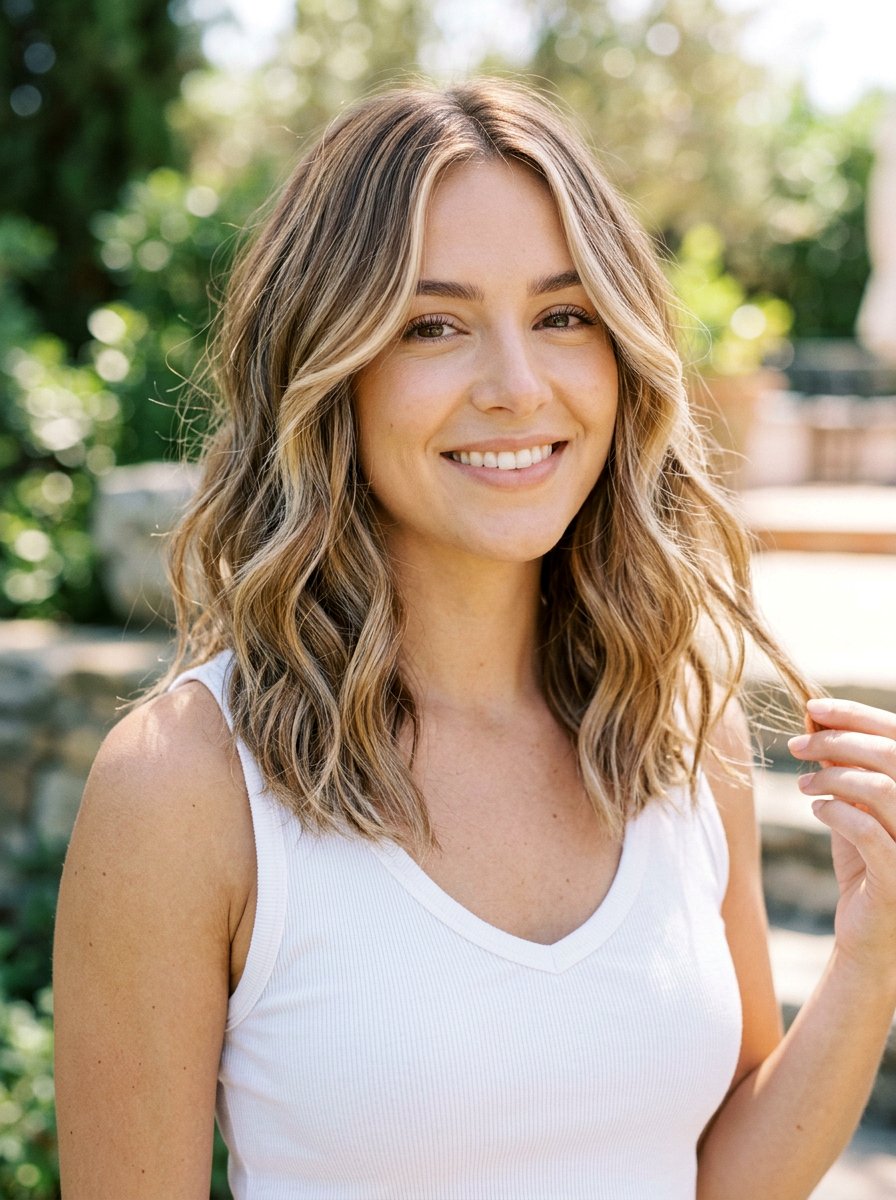
A wavy lob with balayage and face framing layers combines a trendy color technique with a flattering cut. Balayage involves hand-painting highlights so they blend seamlessly from root to tip, which looks especially beautiful on a lob-length canvas with waves. When paired with face framing layers, the lighter pieces around the front draw attention to your eyes and cheekbones while the darker base maintains depth. The waves help show off the different tones, making even a subtle balayage appear multidimensional and sun-kissed. At the salon, ask for soft, blended highlights that sit heavier near the ends and lighter around the face, then style at home with loose curls and a texturizing spray to enhance the painted effect without sacrificing the health and feel of your hair.
14. Choppy Wavy Lob With Face Framing Layers
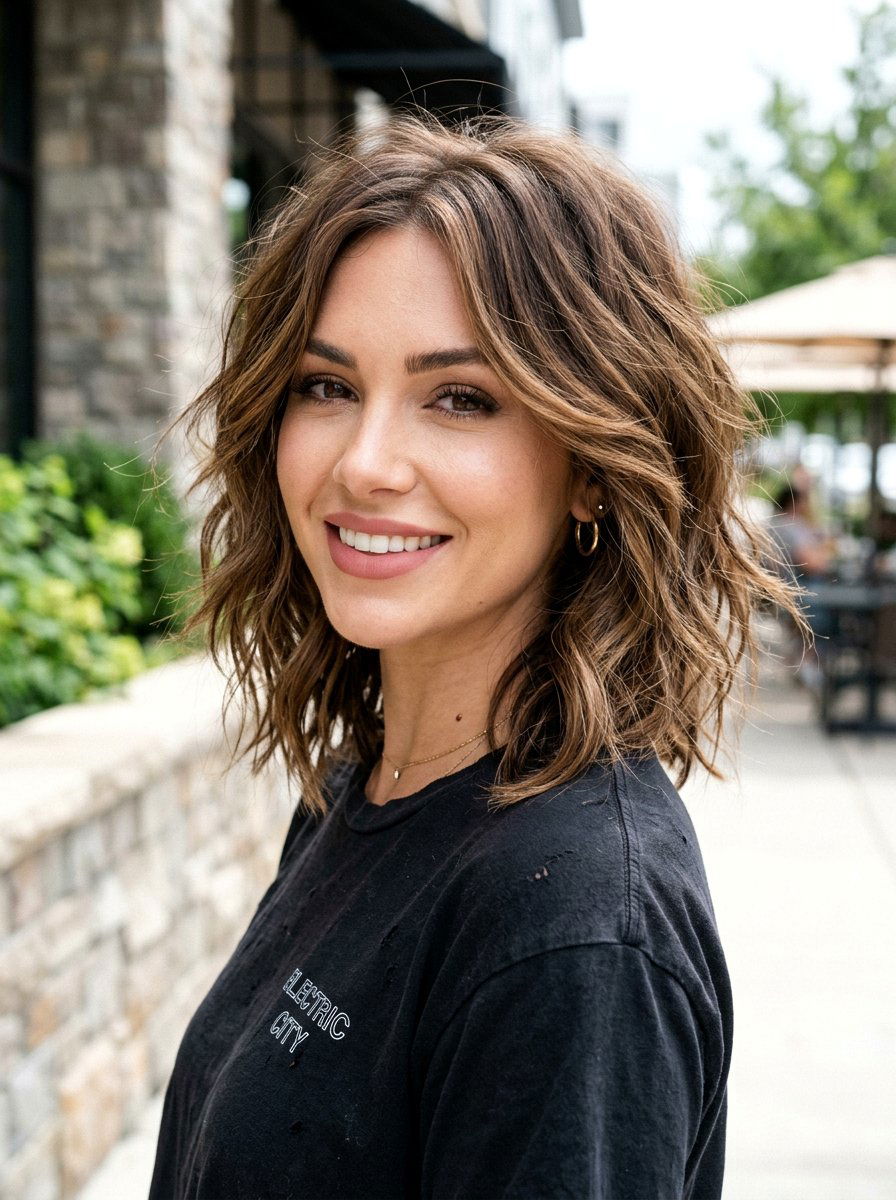
If you like a more edgy finish, a choppy wavy lob with face framing layers gives you that lived-in, rocker-inspired texture. The ends throughout the cut are deliberately uneven and piecey, with layers that remove bulk and encourage natural movement. Face framing sections are often more pronounced, with a visible difference between the shorter front and longer back pieces. This shape flatters thicker or coarse hair that tends to sit heavy, because the choppiness lightens things up and keeps the lob from feeling blocky. Style by using a salt spray or texturizing cream on damp hair, rough-drying with your hands, then adding a few bends with a curling iron and scrunching everything at the end so the layers and waves separate into defined yet casual pieces.
15. Wavy Lob With Face Framing Layers For Fine Hair
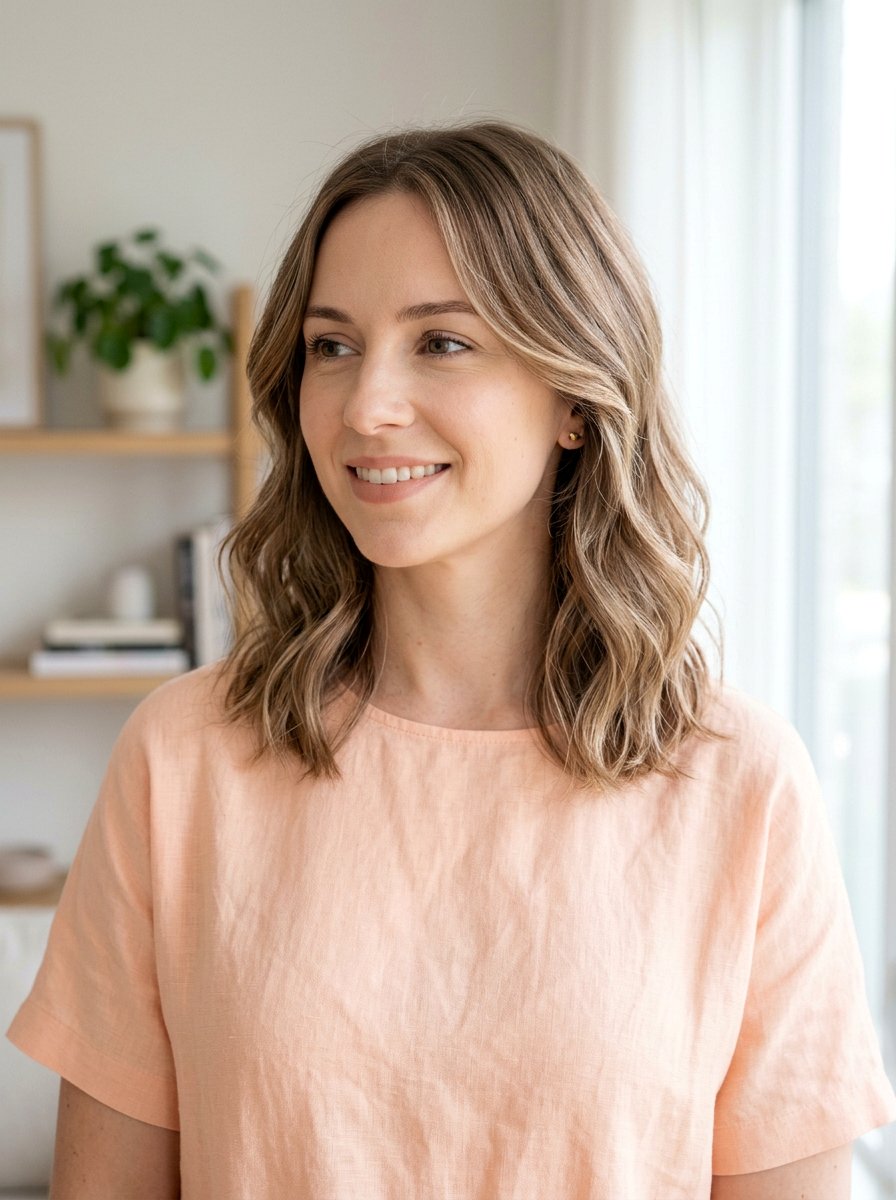
Fine hair needs a careful balance of movement and density, and a wavy lob with face framing layers can achieve that when cut correctly. The lob length usually stays on the shorter side—around the collarbone—to keep the hair from looking stringy. Layers are minimal and focused mainly in the front, with very light interior shaping so the ends don’t lose too much fullness. Soft waves add the illusion of volume, especially when they start higher up around the cheeks rather than only at the ends. For styling, use a volumizing mousse at the roots, blow-dry with a round brush for lift, then curl sections away from the face and gently shake them out with your fingers so the hair looks thicker but still feels light and manageable throughout the day.
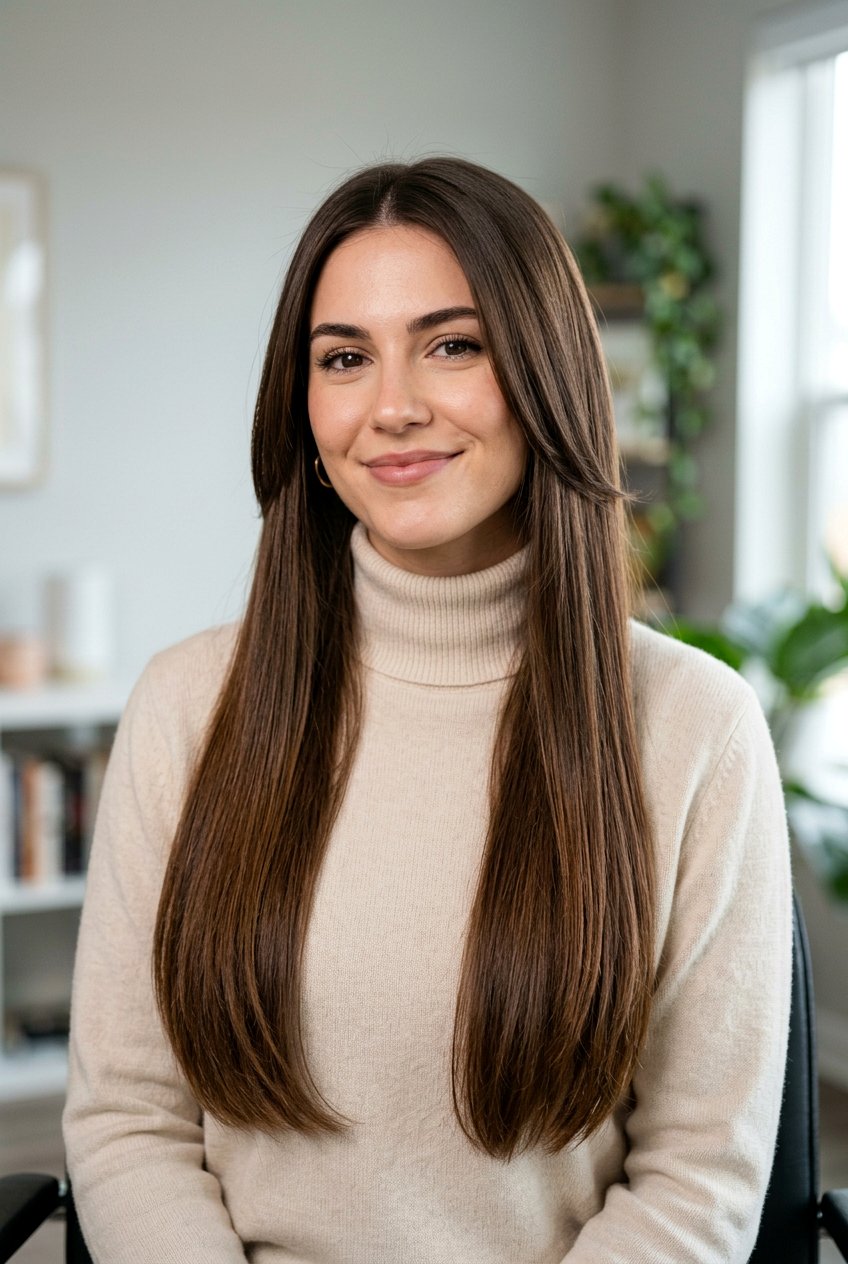
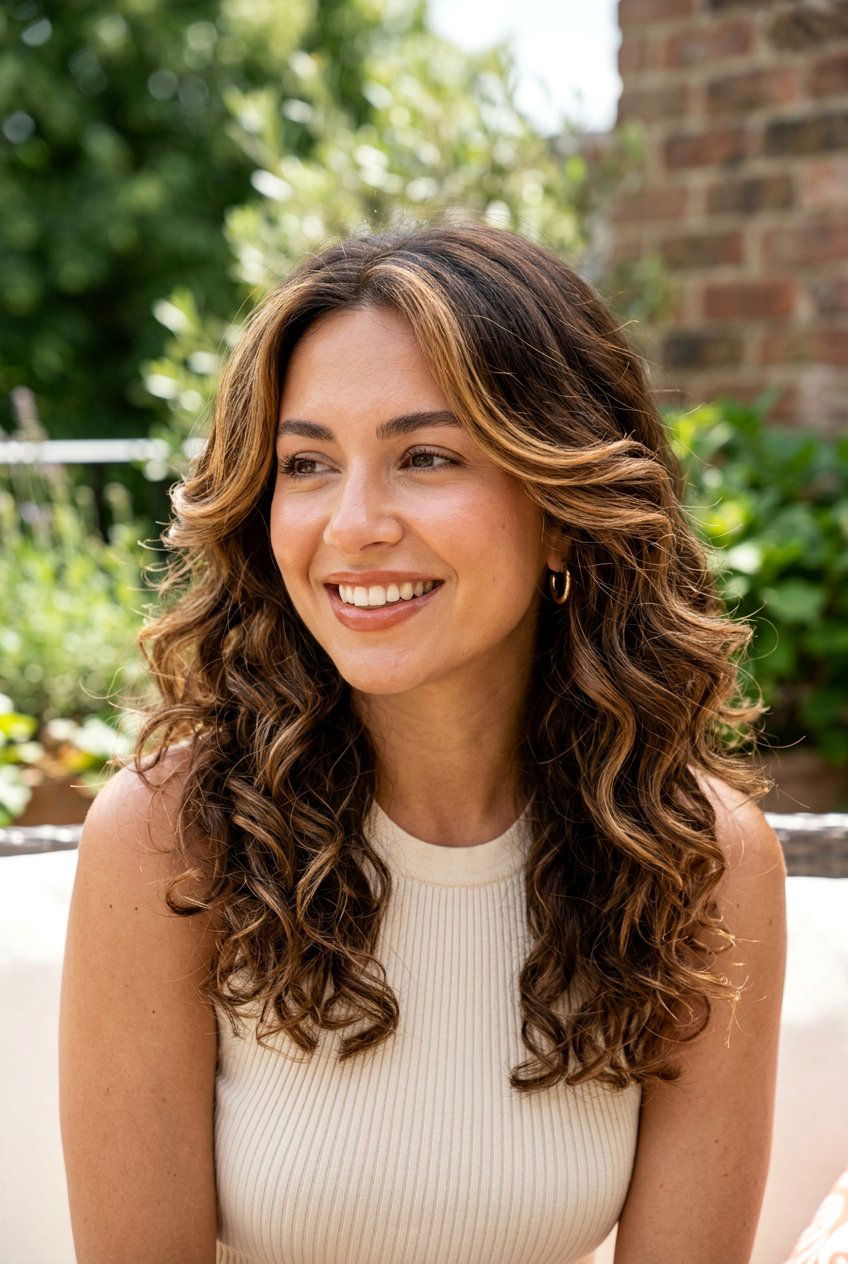
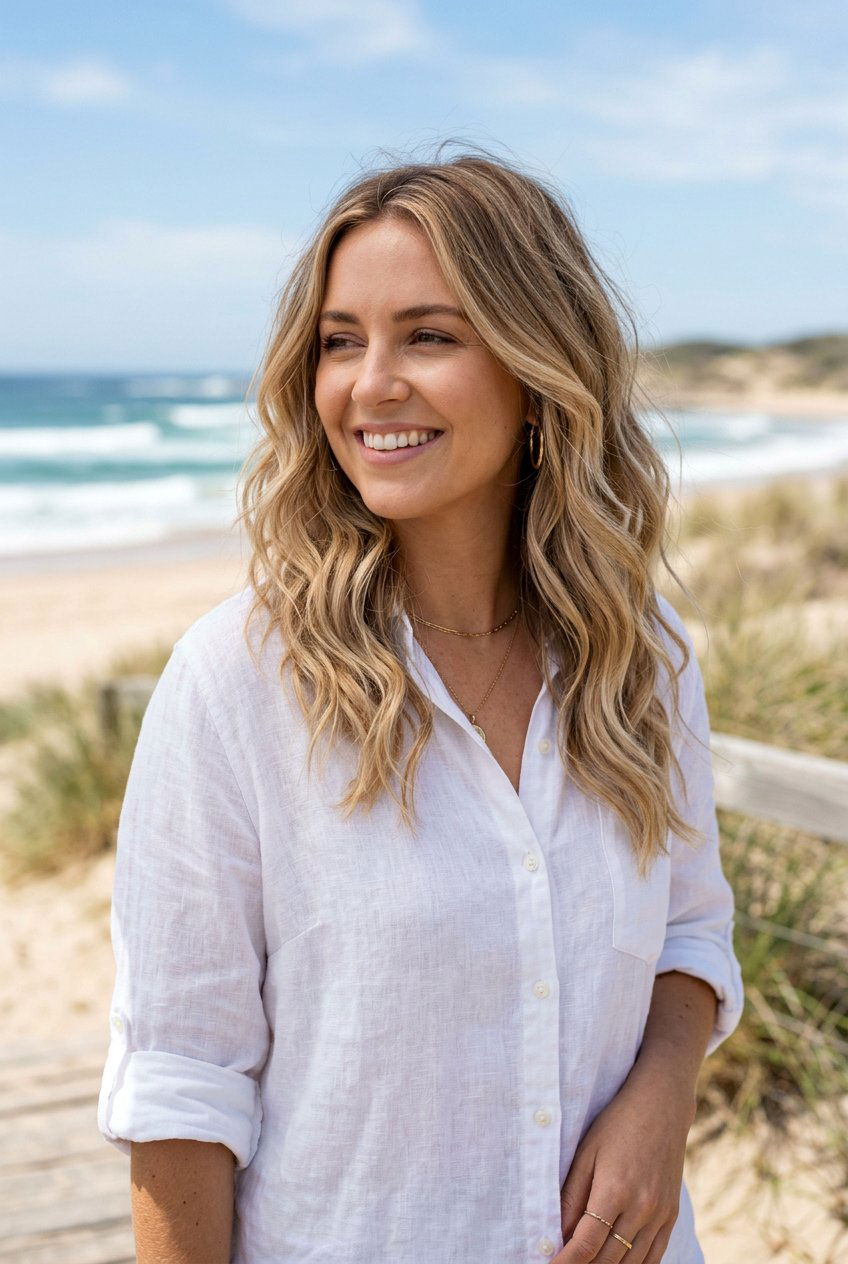
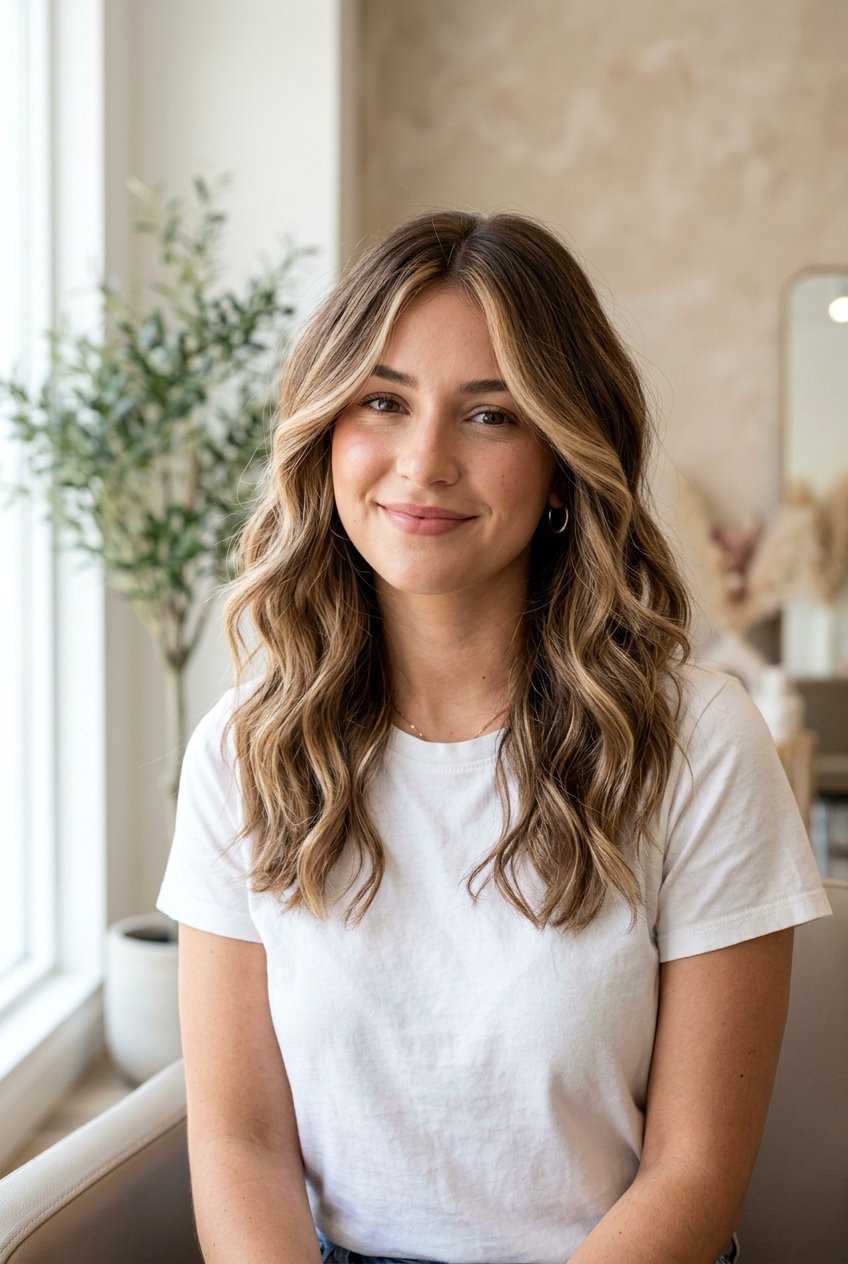

16. Wavy Lob With Face Framing Layers For Thick Hair
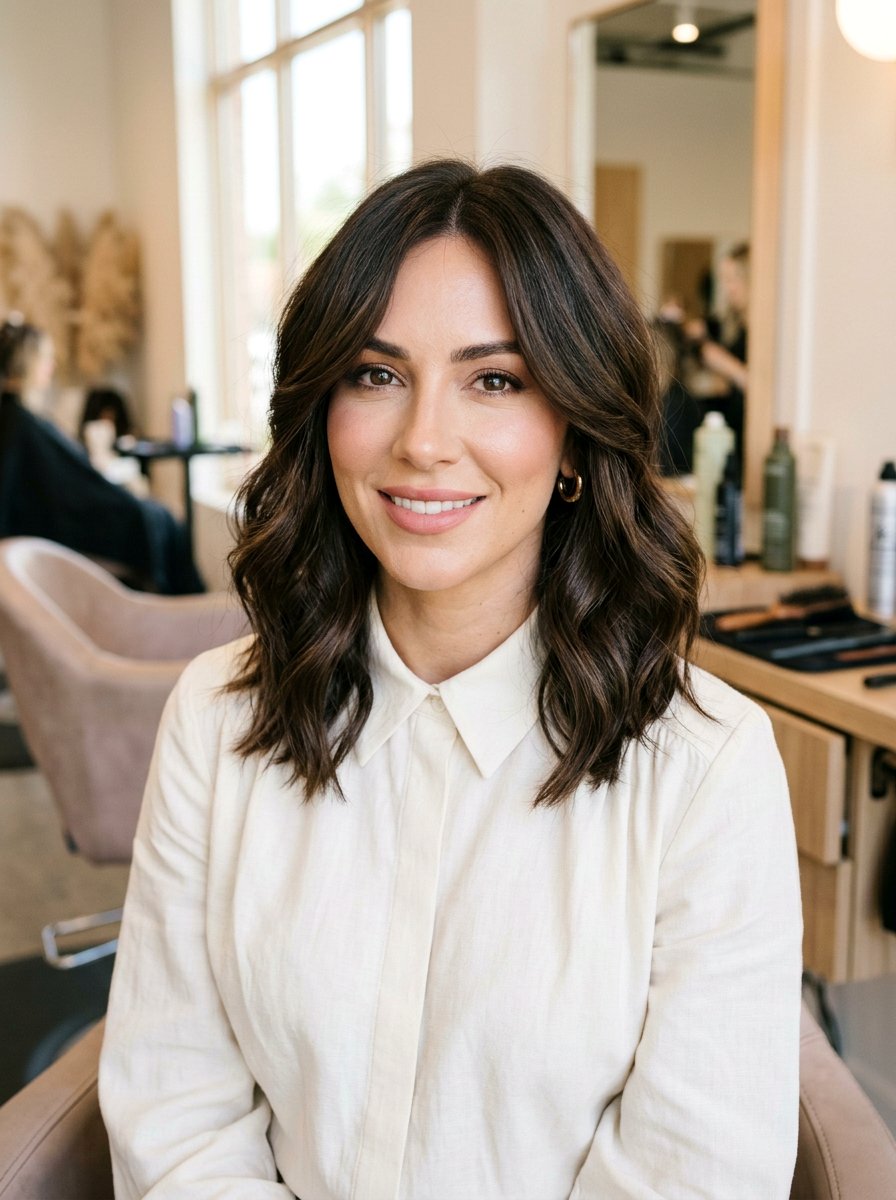
Thick hair often benefits from a wavy lob with more pronounced face framing layers and internal shaping. In this version, the lob can sit slightly longer, near or just below the shoulders, with layers carved out to remove weight from the interior. The face framing pieces usually start higher, sometimes near the cheekbones, which helps break up the bulk around the front and keeps the cut from feeling too heavy. Waves are looser and often larger, since thick hair holds shape well and can support a more dramatic curve. Ask your stylist about slide cutting or point cutting to thin the ends without making them look frayed, and at home, use a smoothing cream and large-barrel curling iron to create wide, glossy waves that highlight the layers but still feel polished and controlled.
17. Shorter Wavy Lob With Face Framing Layers
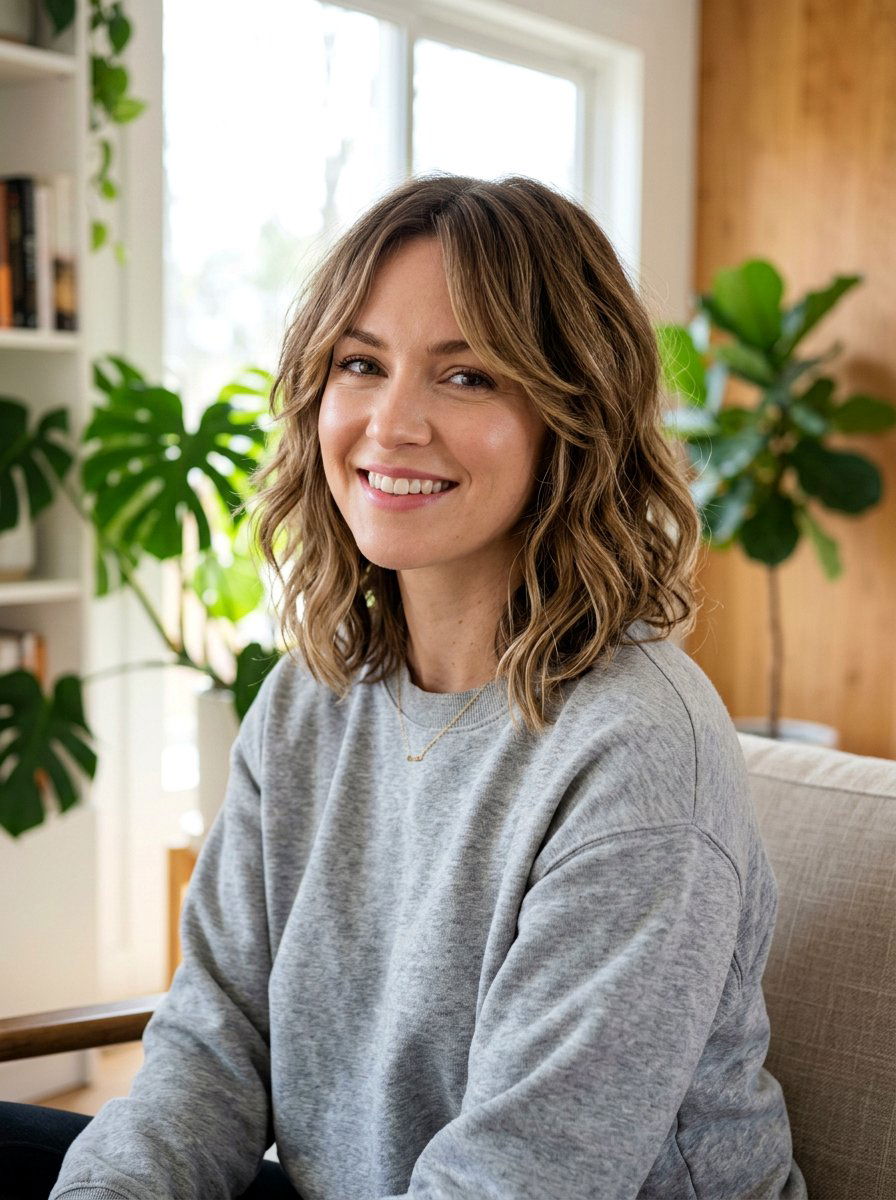
A shorter wavy lob with face framing layers lands closer to the neck than the shoulders, which gives a fresher, bouncier feel. The ends may sit just above the collarbone, making the overall shape slightly more bob-like while still maintaining lob versatility. Face framing layers are tailored to your features, often starting around the corners of your mouth or the chin so they don’t overwhelm the shorter length. This cut is great if you want less drying and styling time but still love the look of waves around your face. Style with a light mousse, blow-dry for volume, then add relaxed bends with a curling iron, leaving the very tips a bit straighter to avoid a curled-under effect and keep the shorter lob feeling modern and airy rather than stiff.
18. Shoulder Length Wavy Lob With Face Framing Layers
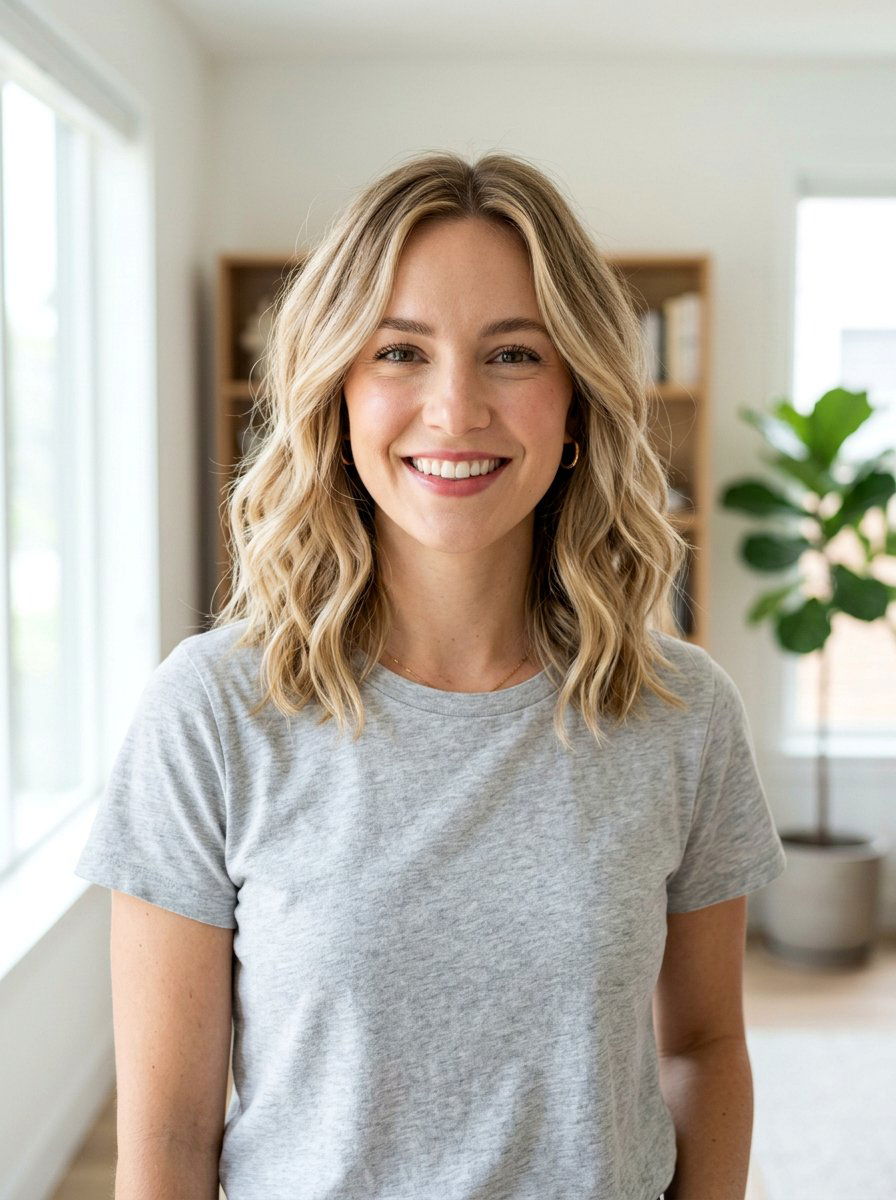
A shoulder length wavy lob with face framing layers is one of the most versatile options because it suits many face shapes and hair textures. The ends hit right at or barely brush the shoulders, which gives enough length for ponytails and half-up looks while still reading as a lob. Face framing layers can start anywhere between the cheekbones and jawline, depending on whether you want to narrow or soften your features. Waves are usually soft and medium-sized, offering body without making the hair poufy. This length is also easy to maintain, typically requiring trims every six to eight weeks, and styling can be as simple as air-drying with a curl cream or lightly curling sections and finishing with a flexible hairspray for movement that holds but doesn’t feel crunchy.
19. Wavy Lob With Face Framing Layers And Soft Curl
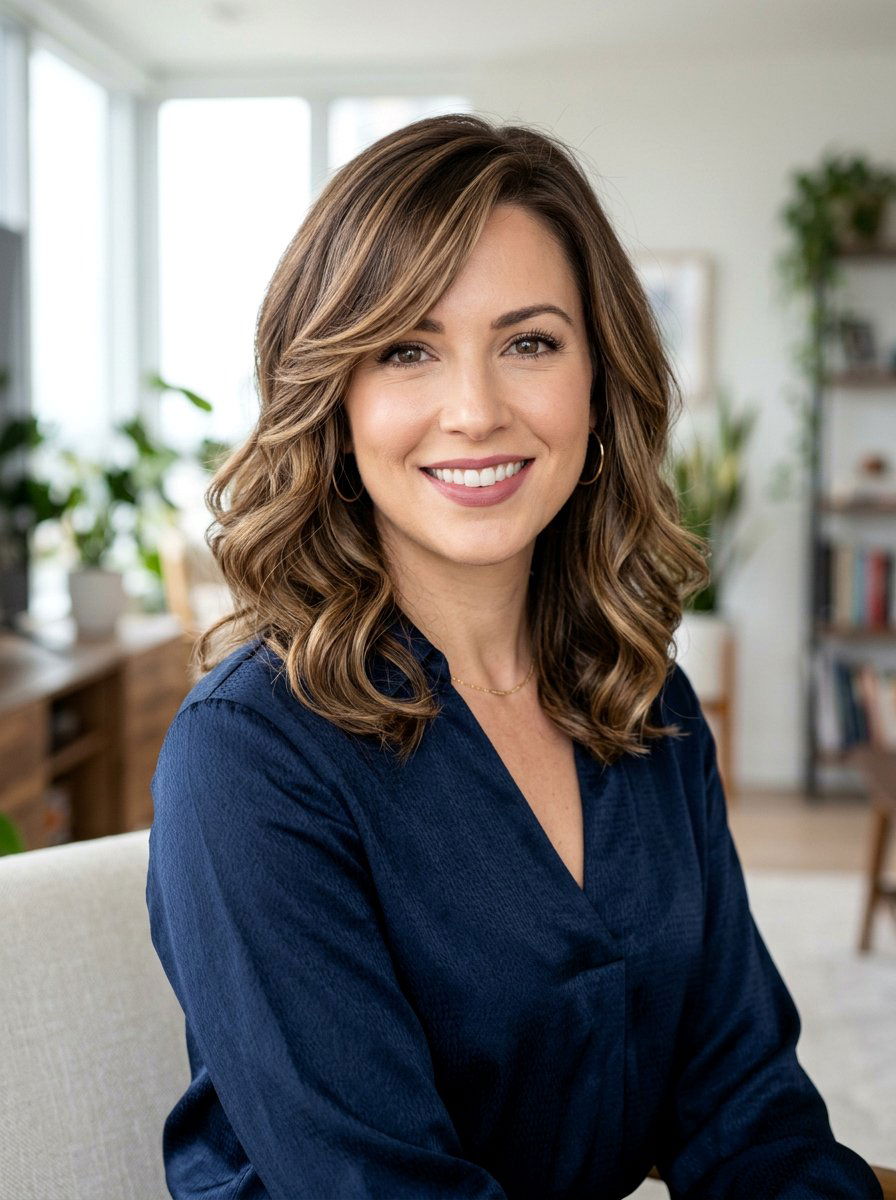
A wavy lob with face framing layers and soft curl leans a little more polished, which is perfect if you like a smoother, glossier finish. The cut itself is similar to a classic lob with blended layers, but the styling emphasizes soft, defined curls instead of rough, beachy texture. Face framing pieces are curled away from the face, creating a gentle swoop around the cheeks and jawline that looks refined without being rigid. This version works well for straight, wavy, or curly hair that can hold a curl and benefits from some added body. To style, apply a blow-dry lotion for smoothness, add a root-boosting product at the crown, then use a medium curling iron vertically to twist small sections away from your face, finishing with a light-hold spray so the curls stay soft and bouncy.
20. Wavy Lob With Face Framing Layers For Natural Waves
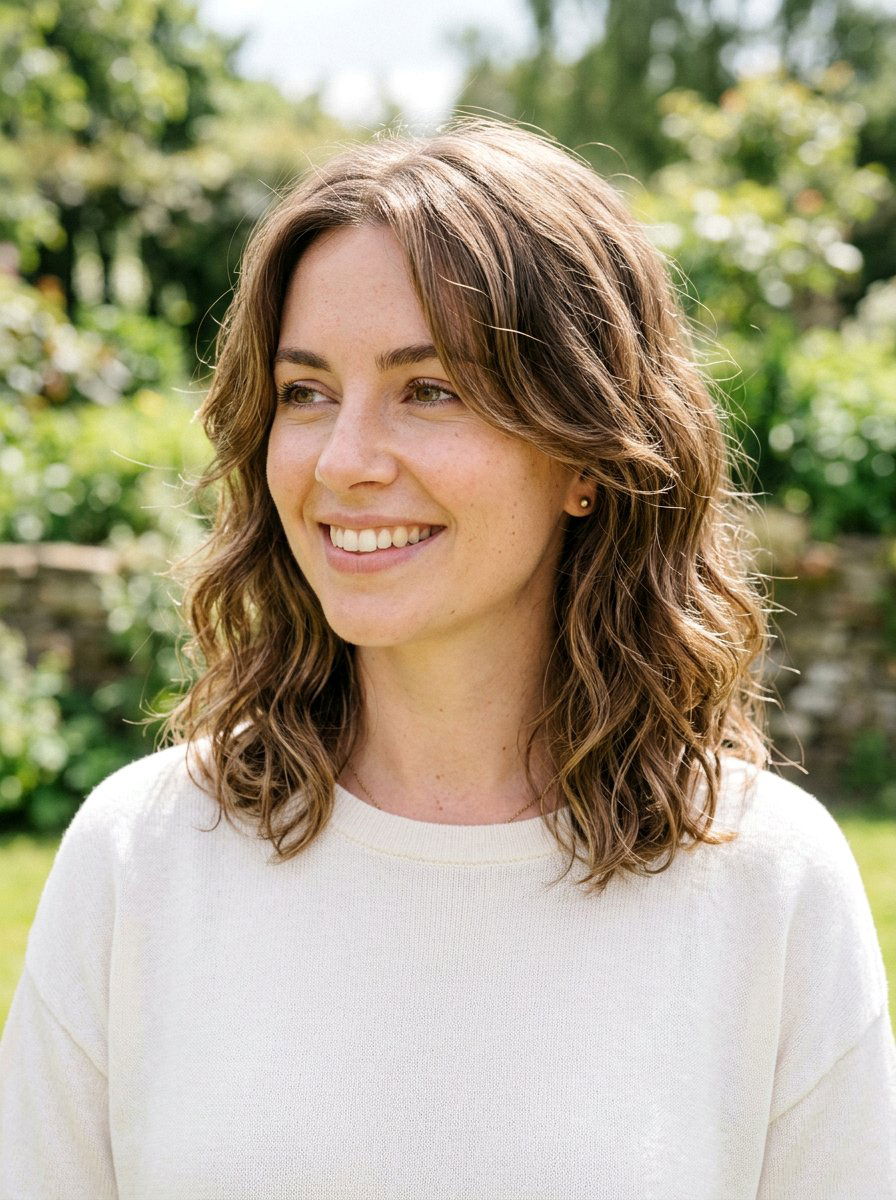
If you already have natural waves, a wavy lob with face framing layers tailored to your texture can make your routine much easier. The cut is designed to work with your hair’s existing pattern, so layers are placed where your waves naturally bend instead of fighting them. Face framing pieces are cut to fall smoothly around the face when air-dried, usually starting somewhere between the cheekbones and chin. The overall lob length sits around the shoulders, giving enough weight to prevent excess frizz while still allowing nice movement. For styling, apply a curl cream or light gel to damp hair, scrunch upward, then either air-dry or diffuse on low heat, touching the hair as little as possible so your natural wave pattern shines through and the layers sit in a soft, flattering shape.
Conclusion:
Choosing a wavy lob with face framing layers is less about one perfect cut and more about matching the details to your hair and features. Length, parting, and the exact placement of layers all change how the lob sits, which is why looking at different versions helps you picture what might work best for you. Whether you prefer a classic collarbone lob, a slightly angled shape, or a choppier, more textured finish, the face framing pieces are what bring focus to your eyes, cheekbones, and jawline. The good news is that this cut works on fine, medium, and thick hair, and can be styled quickly with a curling iron or by enhancing your natural waves. Before your appointment, save a few photos of the specific lob length, wave pattern, and face framing effect you like most so you and your stylist can adjust the layers, texture, and color placement to create a version that feels easy to live in and still looks flattering from every angle.
You'll Like These Styles:



Leave a Reply