
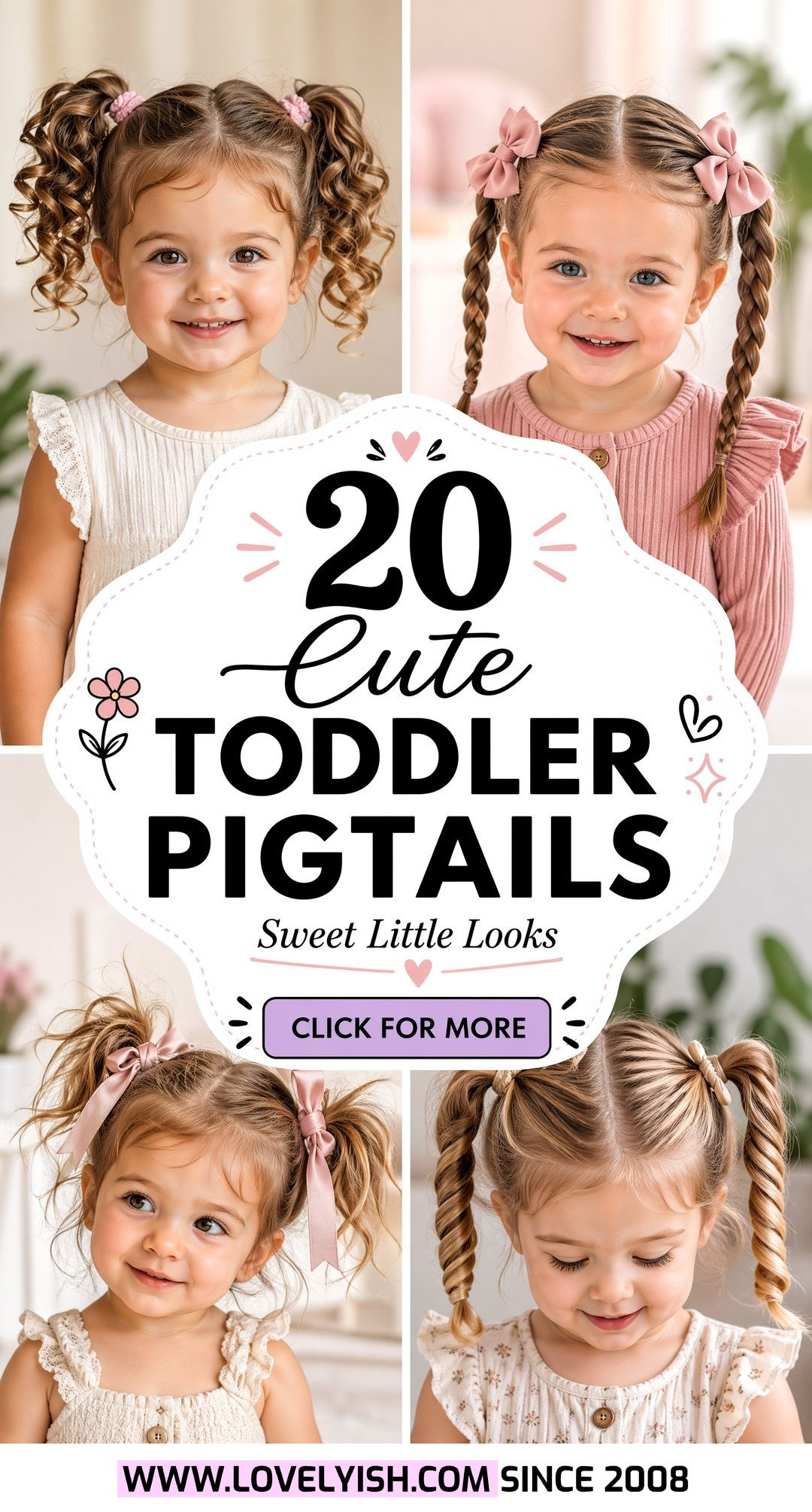
Pigtails are one of those classic toddler hairstyles that never really go out of fashion, and parents keep finding new ways to make them feel fresh and fun every year. They work on short, fine baby hair and on thicker curls, and they can look neat for daycare or playful for a weekend outing. What makes toddler pigtail looks so helpful for busy parents is how quickly you can switch them up with simple changes, like moving the part, adding braids, or stacking elastics. Many hairstylists and moms online share pigtail variations that stay put through playtime while staying gentle on delicate scalps. This guide walks through 20 complete toddler pigtail looks, each one practical, comfortable, and cute, so you have an easy option ready for any morning.
1. Classic Center Part Pigtails
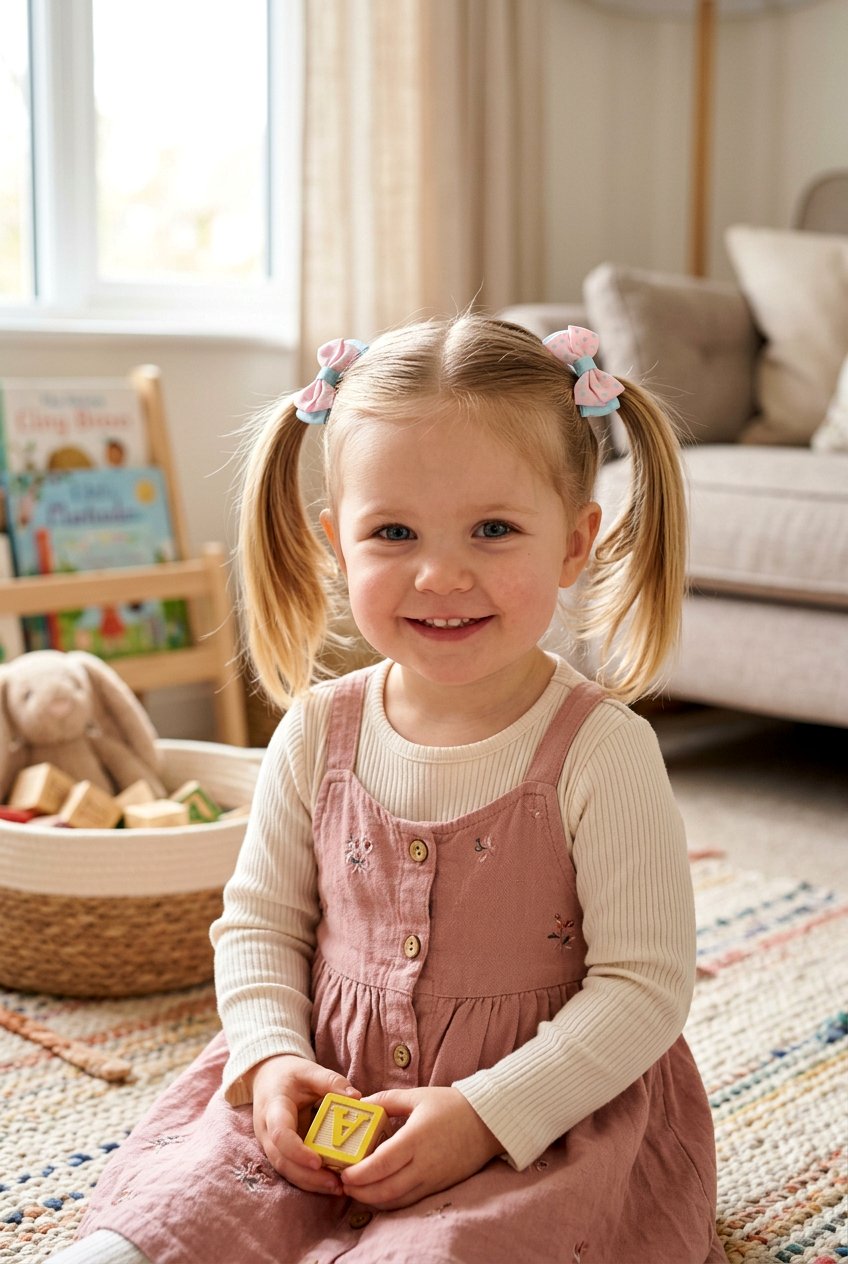
Nothing beats the classic center part pigtails when you need a quick, reliable toddler hairstyle before heading out the door. You simply create a straight part down the middle, smooth each side, and secure two low or mid‑height pigtails with soft elastics that will not tug. This look works for straight, wavy, or slightly curly toddler hair and keeps strands off the face without being too tight. Many parents like to finish the pigtails with matching bows or ribbons that coordinate with their child’s outfit for cute photos. To reduce frizz and flyaways, lightly mist a detangler or child‑safe spray gel and brush through before you part, which also makes combing easier at the end of the day.
2. High Cheerful Pigtails
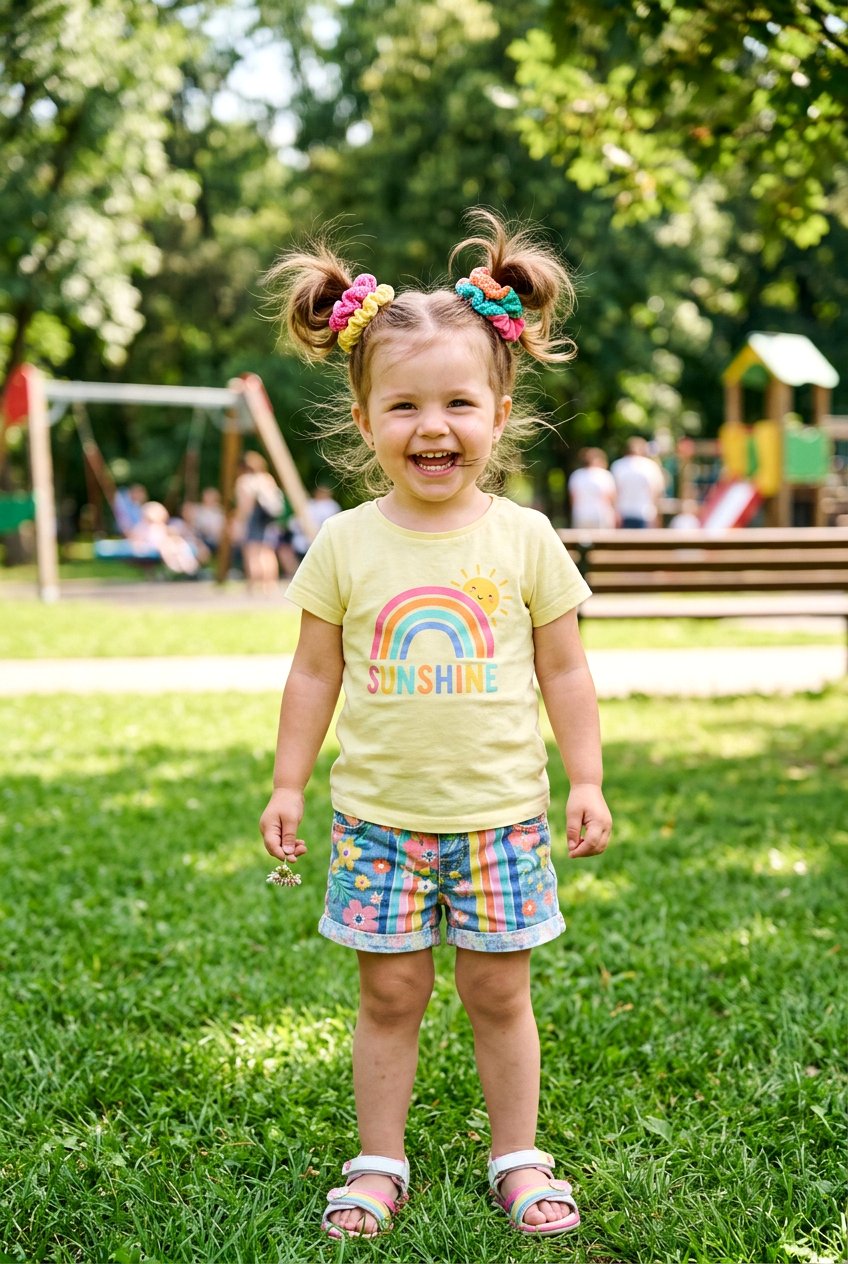
High cheerful pigtails sit on the upper sides of the head and instantly give a bouncy, playful look that matches a toddler’s energy. Start by brushing the hair upward toward the crown on each side, then secure with soft elastics so the pigtails lift away from the neck. This placement helps keep hair cooler in warm weather and shows off natural waves or curls as they spring out. High pigtails pair well with colorful scrunchies or bow clips that stand out in photos and at parties. If your toddler has fine hair that tends to slip out, use a small amount of lightweight styling cream around the hairline and avoid pulling too tight to keep the look comfortable for all‑day play.
3. Half Up Pigtails
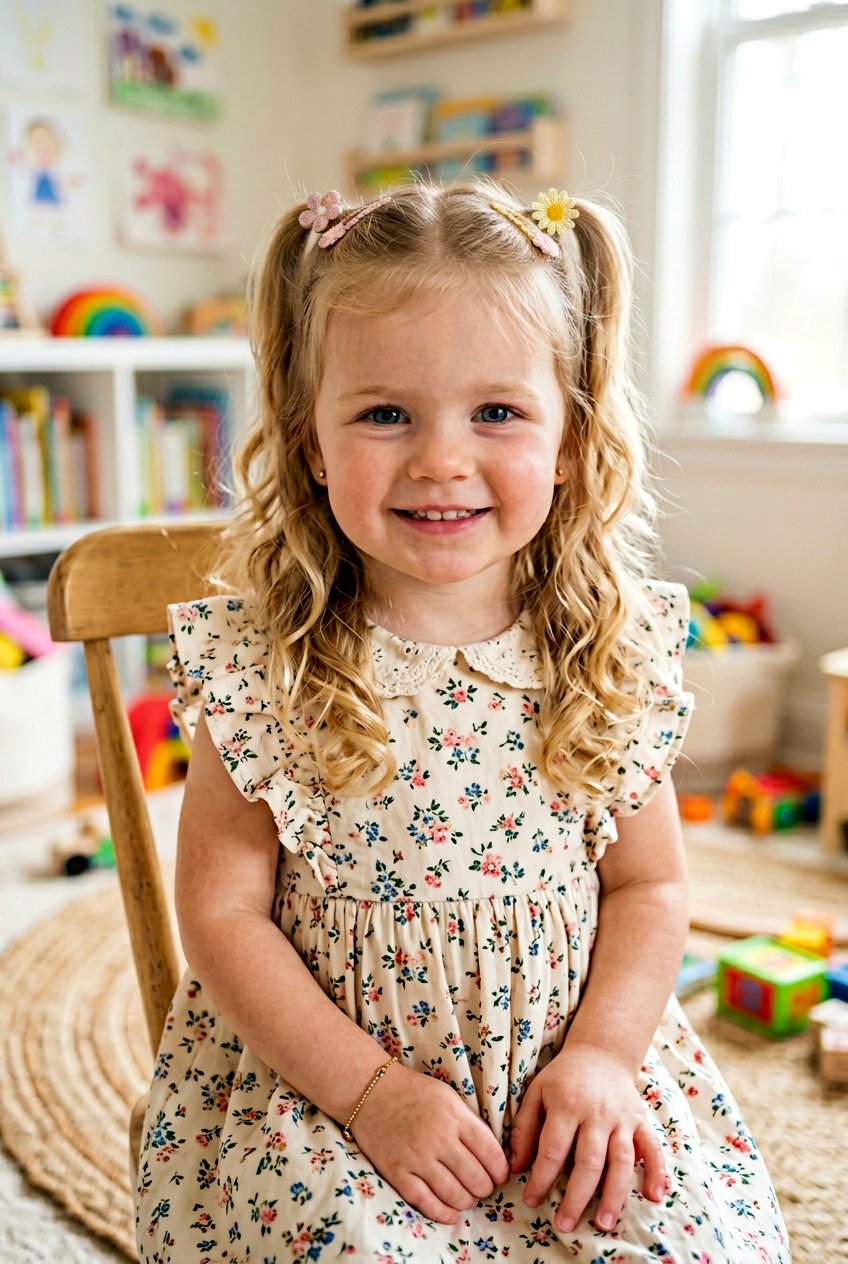
Half up pigtails are perfect when you want hair away from the face but still love seeing soft lengths falling down the back. To create this look, section the top half of the hair from temple to temple, part that section down the middle, and secure two small pigtails. The remaining hair hangs loose, which looks especially sweet on toddlers with gentle waves or ringlets. This style feels lighter than full pigtails, so it is great for younger toddlers who do not tolerate tight hairstyles yet. You can dress it up with mini bows or barrettes placed at the base of each pigtail, and a quick spritz of detangler through the loose hair will keep it soft and manageable through playtime.
4. Bubble Braid Pigtails
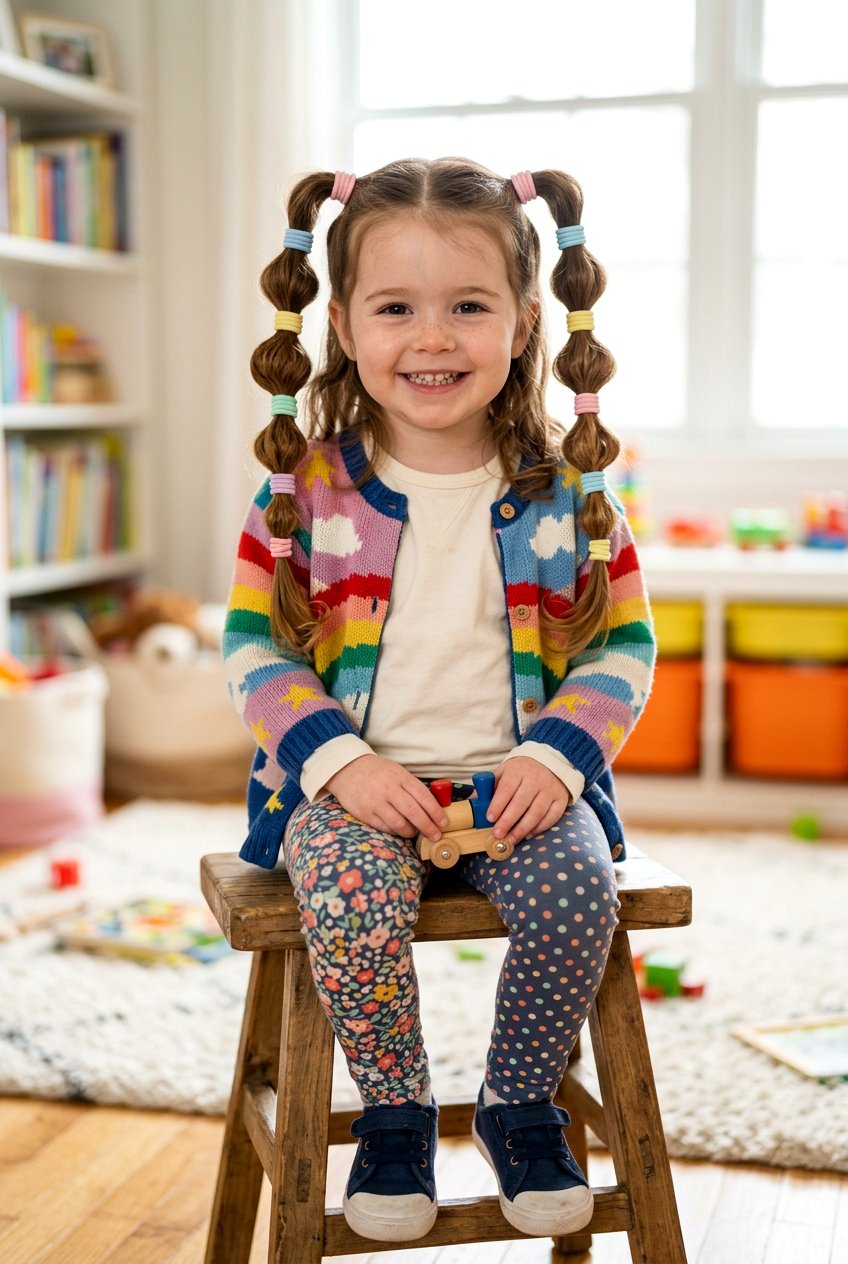
Bubble braid pigtails add a fun, textured twist to the basic look and are surprisingly easy once you get used to stacking elastics. After parting the hair and securing two base pigtails, you place elastics every couple of inches down each tail, gently tugging sections to form rounded “bubbles.” This style works well on medium to long toddler hair and holds shape even as kids run and jump. Parents on social media love bubble pigtails because they look detailed without needing actual braiding skills. To keep things comfortable, use snag‑free elastics and avoid over‑puffing each bubble; a small amount of leave‑in conditioner or water spray helps hair slide smoothly between elastics and reduces breakage.
5. Crossed Bubble Pigtails
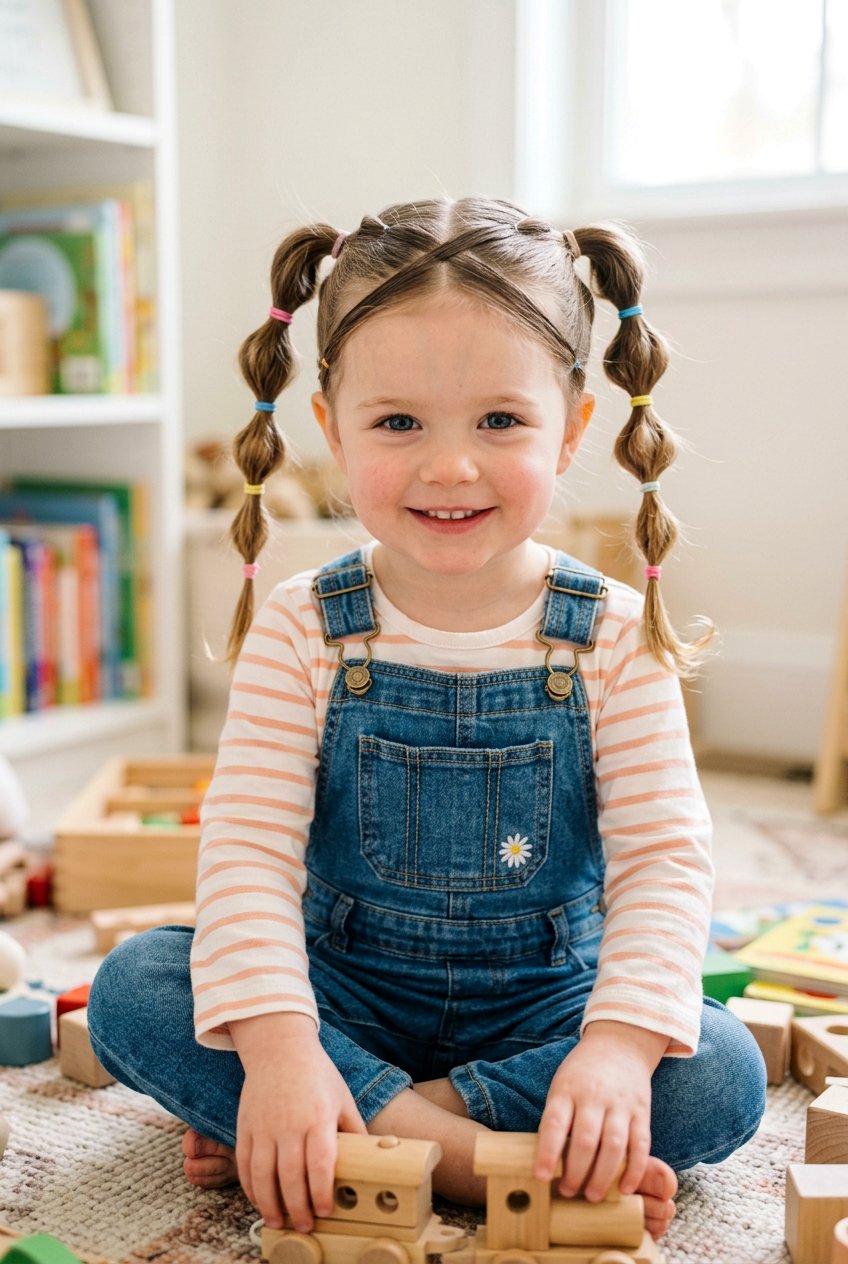
Crossed bubble pigtails start with two small ponytails at the front that crisscross toward the back before joining into bubble pigtails, creating a cute woven effect. You make a center part, gather two front sections, and secure them, then cross each small ponytail over the part line and connect it into the opposite back section. After that, you form bubbles down the pigtails using evenly spaced elastics. This look keeps hair secure on top, which is useful for active toddlers or windy days. It may take a few extra minutes, so it is perfect for weekends or special events, and adding matching bows at the ends of the pigtails gives a polished, picture‑ready finish without needing advanced braiding skills.
6. Braided Pigtails
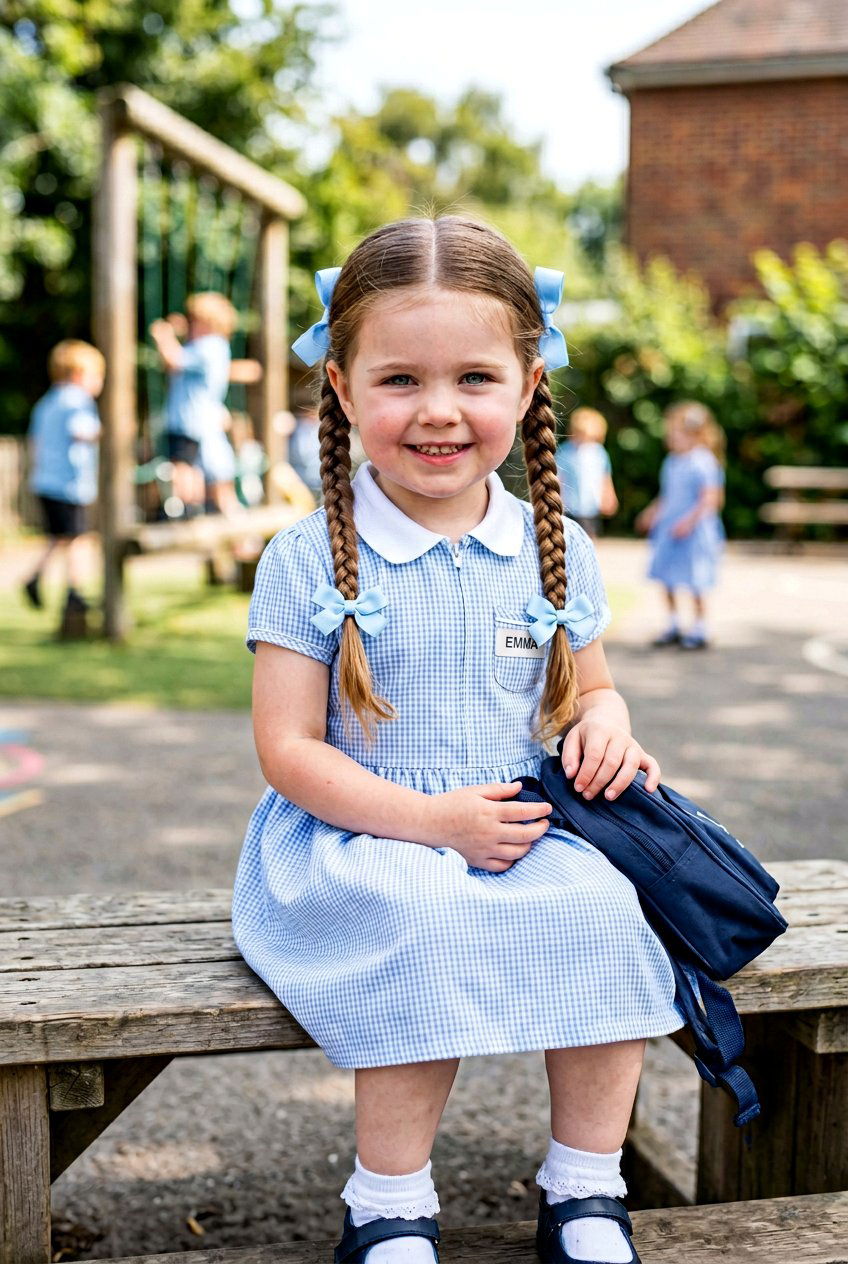
Braided pigtails are a favorite for school days because they stay neat for hours and work on many different hair types. You start with a center part and two base ponytails, then braid each section down using a simple three‑strand braid before securing with elastics. This keeps hair contained, which helps prevent tangles and knots at the nape of the neck. For toddlers with fine baby hair, a light mist of water or detangler before braiding gives better grip and smoother plaits. You can finish the look with ribbon woven into the braids or small clips at the ends, and loosening the braids slightly with your fingers gives a softer, more relaxed feel without sacrificing hold.
7. French Braid Pigtails
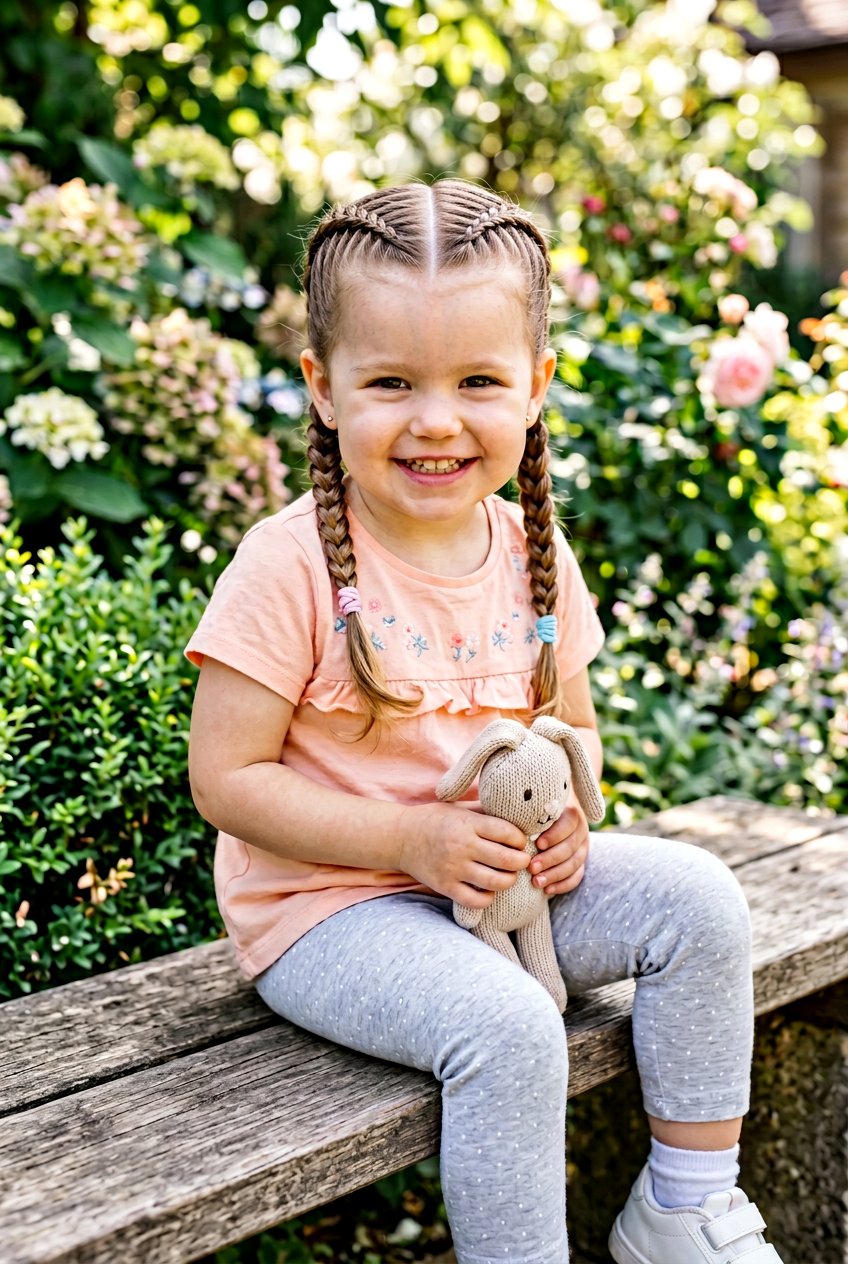
French braid pigtails bring the braid all the way from the front hairline down to the ends, which looks polished yet playful on toddlers. To do this, part the hair down the middle, then French braid each side from the forehead to the nape, adding small sections as you go, and finish with regular braids. This technique anchors shorter pieces and baby hairs, making it ideal for busy days when you want everything off the face. While it takes a little practice, many parents find the style lasts through naps and playground time with minimal touch‑ups. Using a soft brush and spray gel around the hairline gives smoother sections for braiding, and ending with bright elastics or ribbons keeps the look kid‑friendly rather than too grown up.
8. Braided Butterfly Pigtails
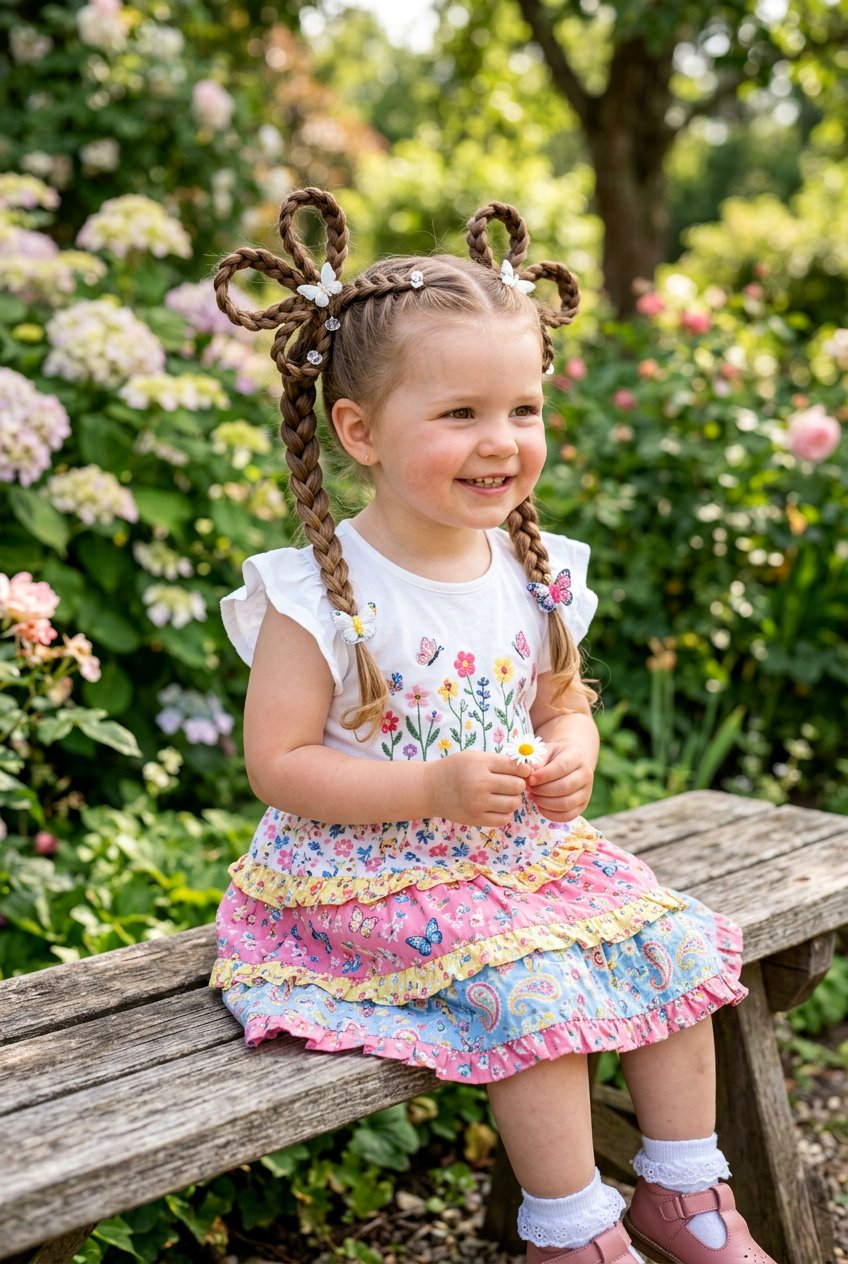
Braided butterfly pigtails add a decorative braid that loops to resemble little wings above each main pigtail, creating a cute, detailed finish. You section off the top portion of hair on each side, braid it, and then fold and pin or elastic it into a loop before joining the remaining hair into pigtails underneath. This builds dimension on top while still keeping the classic two‑pigtail shape. The look works best on medium‑length hair with some thickness so the “butterfly” loops hold their shape. It is a fun choice for birthdays, family photos, or school picture day, and you can highlight the butterfly shape by adding a tiny bow or cute clip in the center where the braid folds, without needing any heavy products.
9. Front Braids Into Pigtails
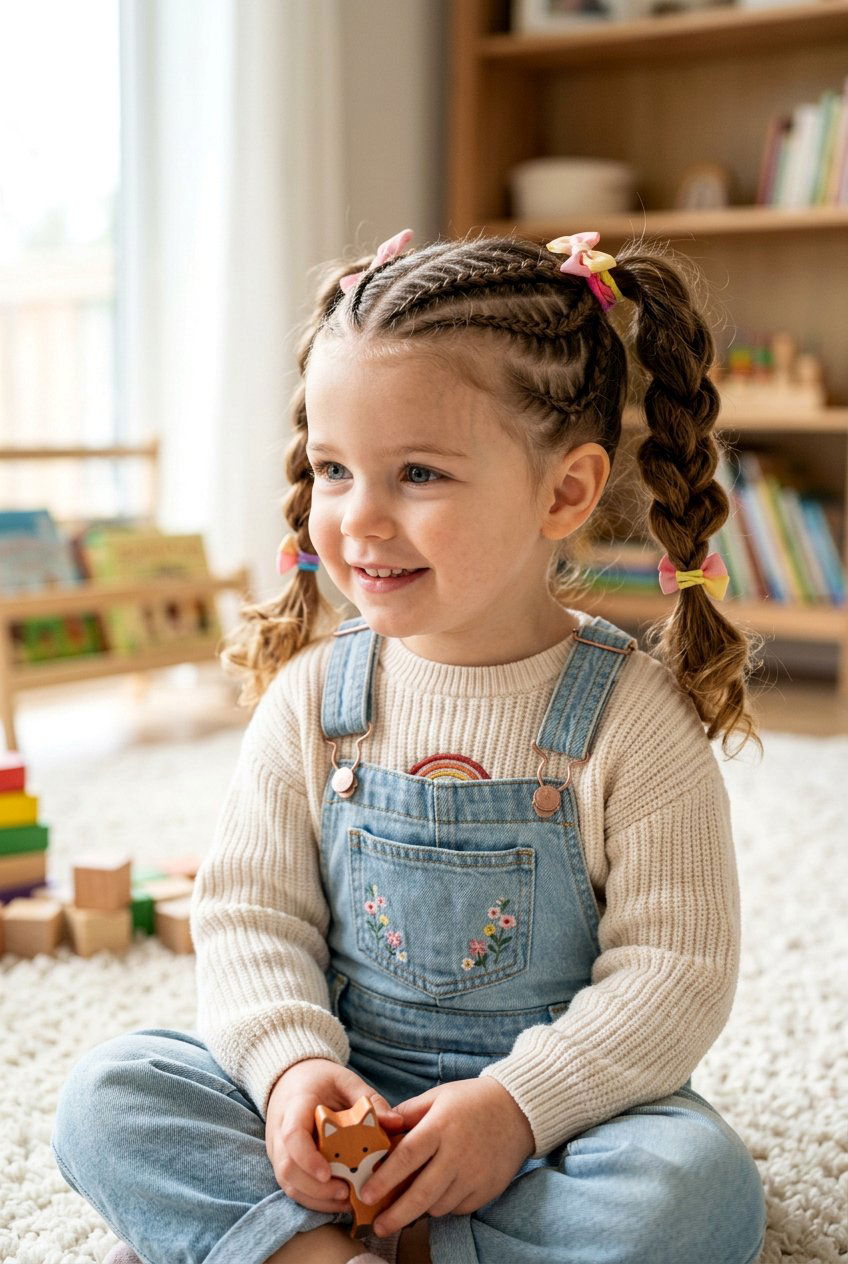
Front braids into pigtails combine small braids at the hairline with regular pigtails in back, giving extra interest where it shows most. You can create one or two thin braids on each side starting near the part, then direct them backward and secure everything into pigtails. This design is useful for toddlers whose bangs or front layers always fall into their eyes. The small braids help anchor shorter hairs while the pigtails keep the rest tidy and playful. To keep things comfortable, braid loosely and avoid tight pulling at the edges, and use a light leave‑in conditioner or curl cream on textured hair so the front section stays smooth but not stiff throughout the day.
10. Side Part Pigtails
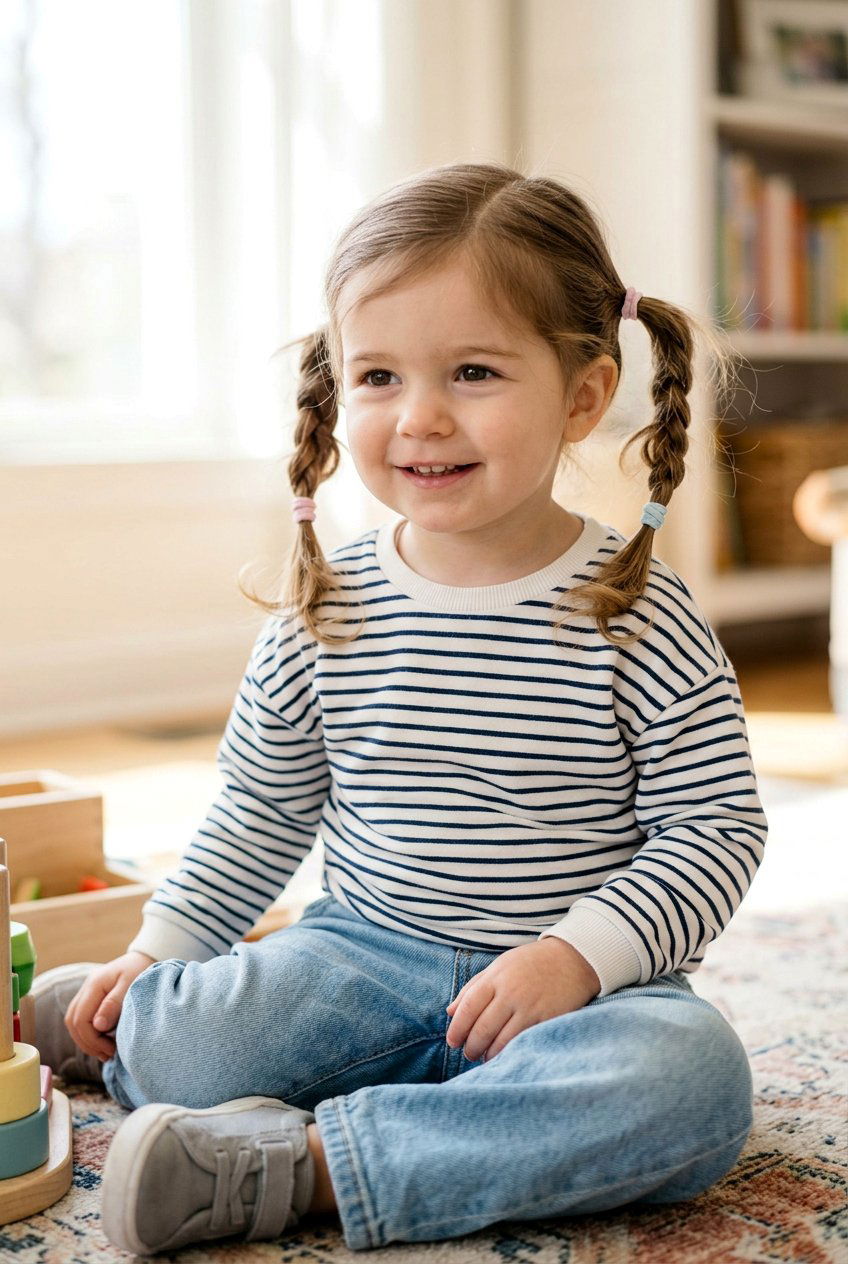
Side part pigtails change the balance of the classic look by shifting the part line over, which instantly feels a bit more modern. You create a side part instead of a center one, then divide the hair into two sections and secure pigtails that are slightly uneven in volume. The fuller side gives a soft, playful frame around the face and can help disguise cowlicks or tricky growth patterns. This approach works on straight and wavy hair and can be done high, mid, or low depending on your preference. Adding decorative elastics or ribbons only on the heavier side gives a subtle asymmetry, and using a smoothing brush plus light spray gel controls flyaways without making toddler hair feel crunchy or coated.
11. Low Nape Pigtails
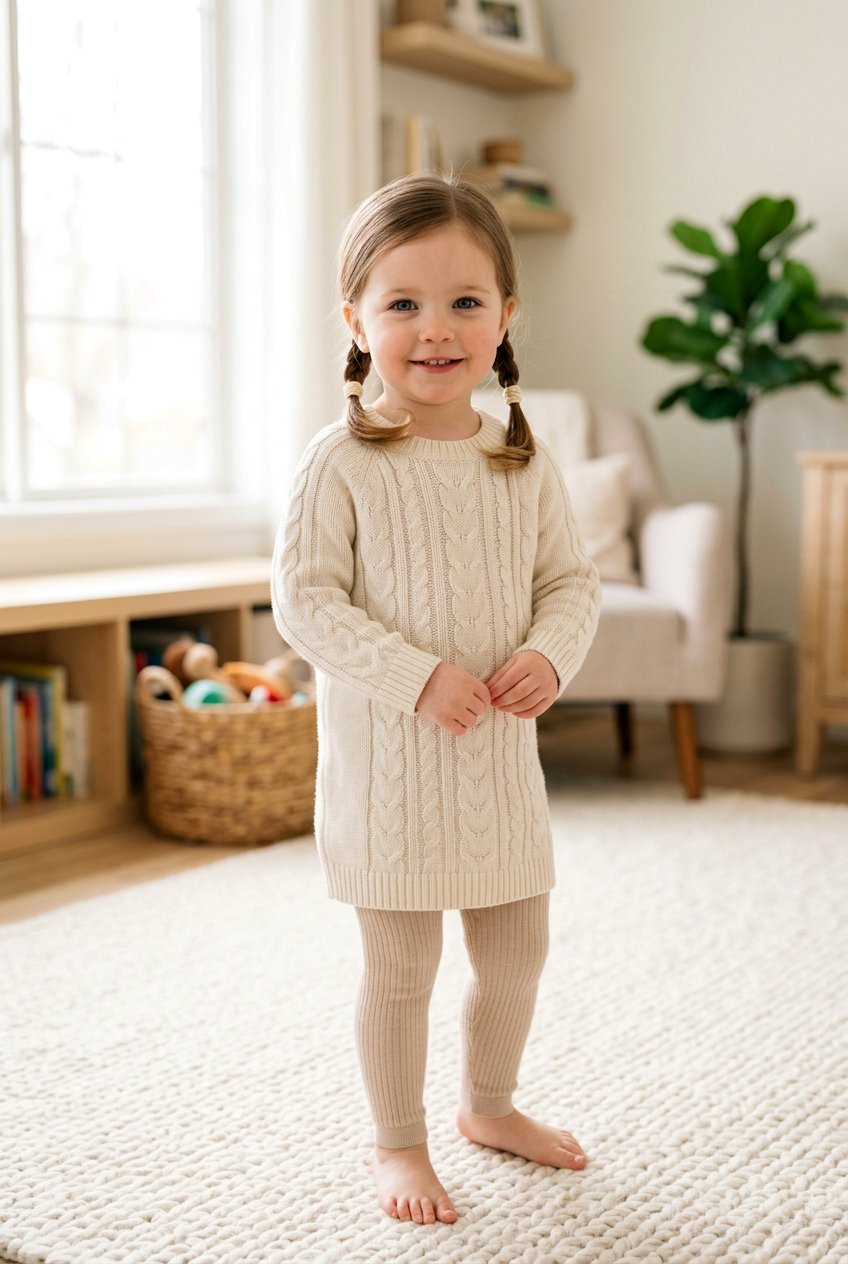
Low nape pigtails sit right at or just above the neckline, making them gentle and comfortable, especially for naps or car rides. You brush the hair down and back, part in the middle, and secure two low pigtails that rest naturally against the shoulders. This placement reduces tension on the crown and is ideal for very fine or recently trimmed hair. It also fits easily under hats and hoods in cooler weather without causing extra bumps. To keep ends from tangling, you can lightly twist each pigtail before securing the elastic, and finishing with a tiny amount of leave‑in conditioner on the tips helps them stay soft and smooth throughout a busy toddler day.
12. Curly Puff Pigtails
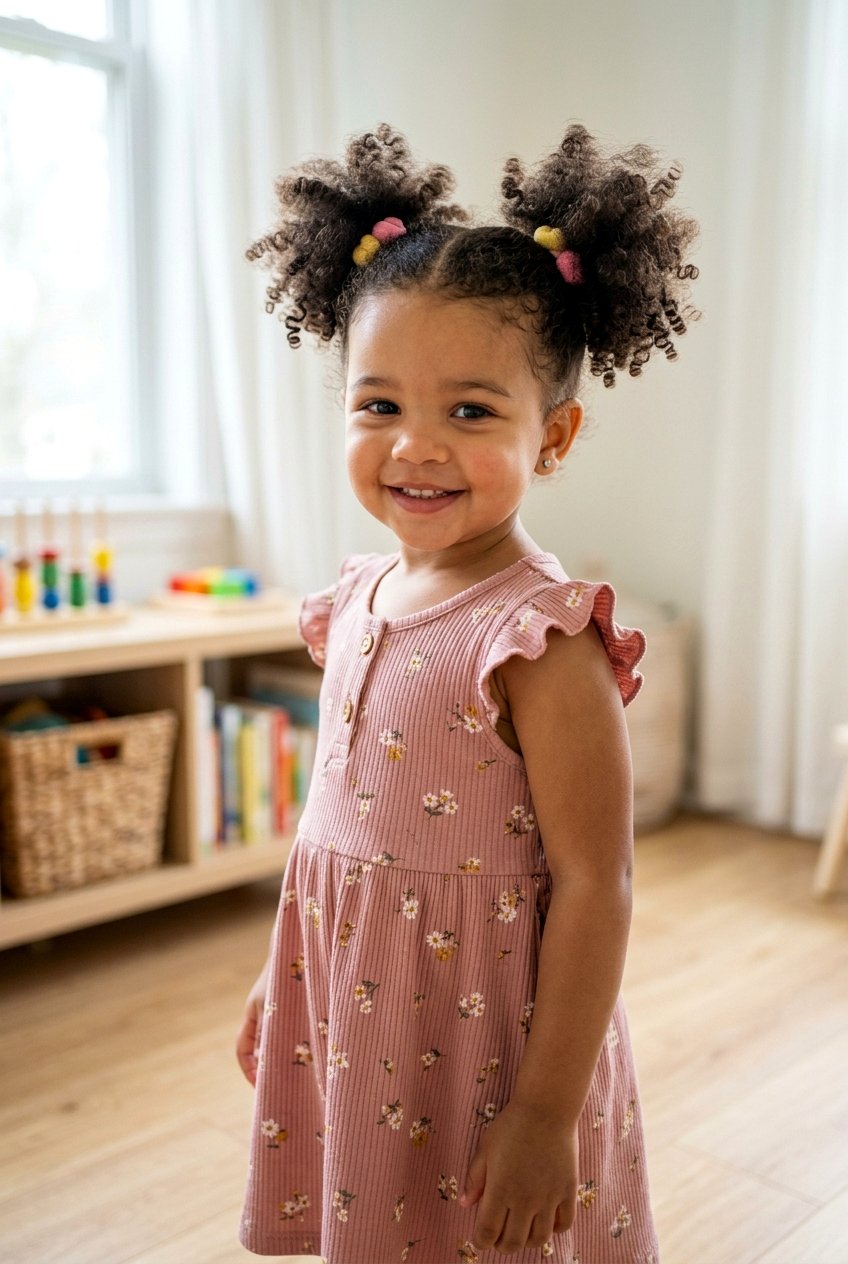
Curly puff pigtails celebrate natural texture by gathering curls into two soft, rounded puffs instead of pulling them tight. Start on damp or freshly moisturized hair, gently detangle with fingers or a wide‑tooth comb, then part and secure each side at the crown or higher. Rather than tightening the elastics all the way down, you allow curls to fan out and form fluffy puffs. This keeps coils defined while protecting delicate strands from over‑manipulation. Using a curl‑friendly leave‑in cream or lightweight gel along the hairline smooths edges without flattening the texture, and satin scrunchies or covered elastics help reduce friction so curls stay bouncy, hydrated, and adorable from morning to bedtime.
13. Cornrow Pigtails
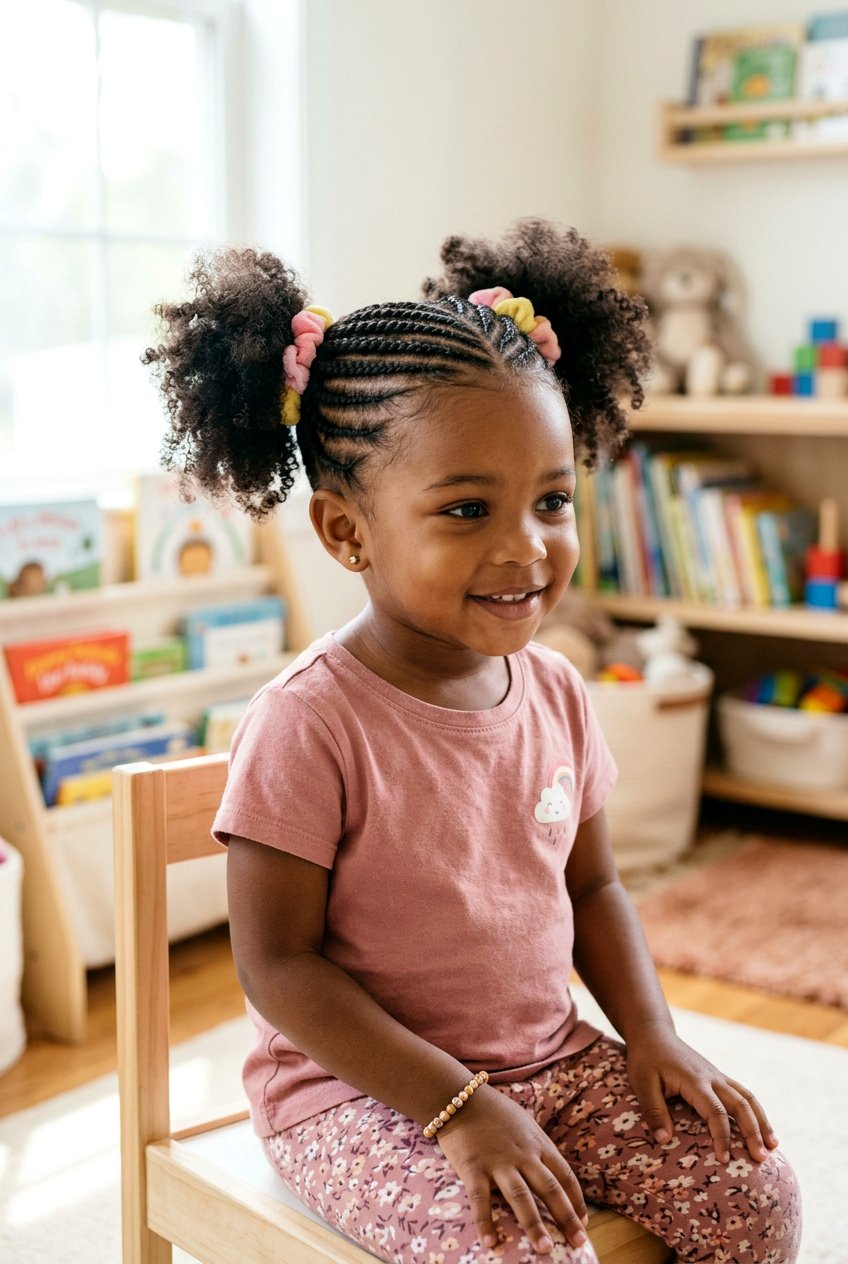
Cornrow pigtails use straight or slightly curved cornrows that feed into two main pigtails, giving a secure and neat look that lasts several days. You part the hair into rows, braid each one back toward the nape, and then gather the braided ends into pigtails or puff tails. This style is especially helpful for toddlers with very curly or coily hair because it reduces daily detangling and protects ends. Parents often choose this look before busy weeks, trips, or events when they want minimal morning styling. To keep the scalp comfortable, avoid tiny, tight rows and moisturize with a light oil or leave‑in spray, then wrap the hair with a satin bonnet during sleep to prolong the neat finish and reduce frizz.
14. Ribbon Wrapped Pigtails
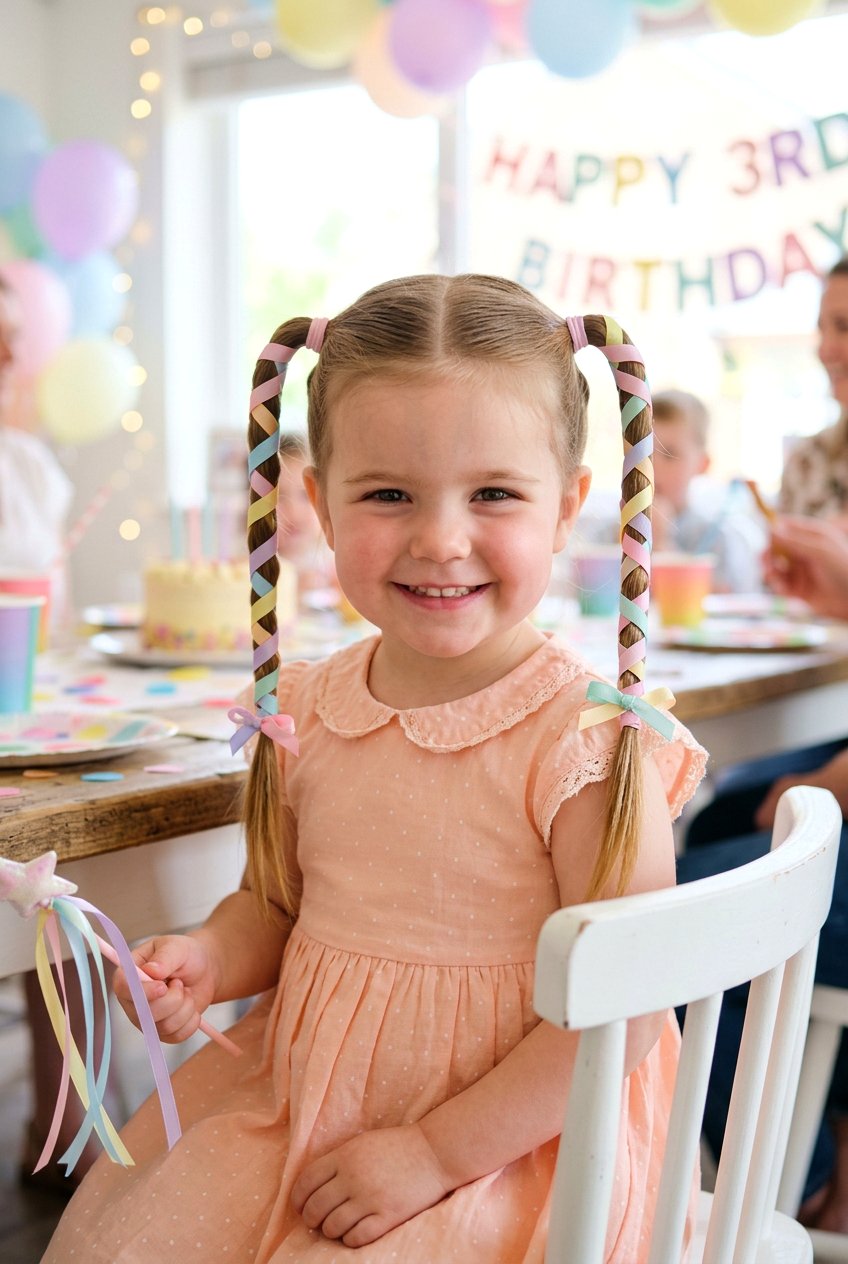
Ribbon wrapped pigtails turn a simple base style into something festive just by spiraling ribbon down each tail. After creating standard pigtails, you tie a length of ribbon at the top and gently wrap it around the hair before tying a bow near the ends. This works well on straight or slightly wavy hair where the ribbon can lie smoothly. It is a charming choice for parties, school spirit days, or family gatherings where you want a bit of color without complicated braids. Choose soft, fabric ribbons that do not scratch, avoid pulling too tight as you wrap, and remove the ribbons gently at night so the hair can rest and be brushed out without snagging or breakage.
15. Mini Section Pigtails
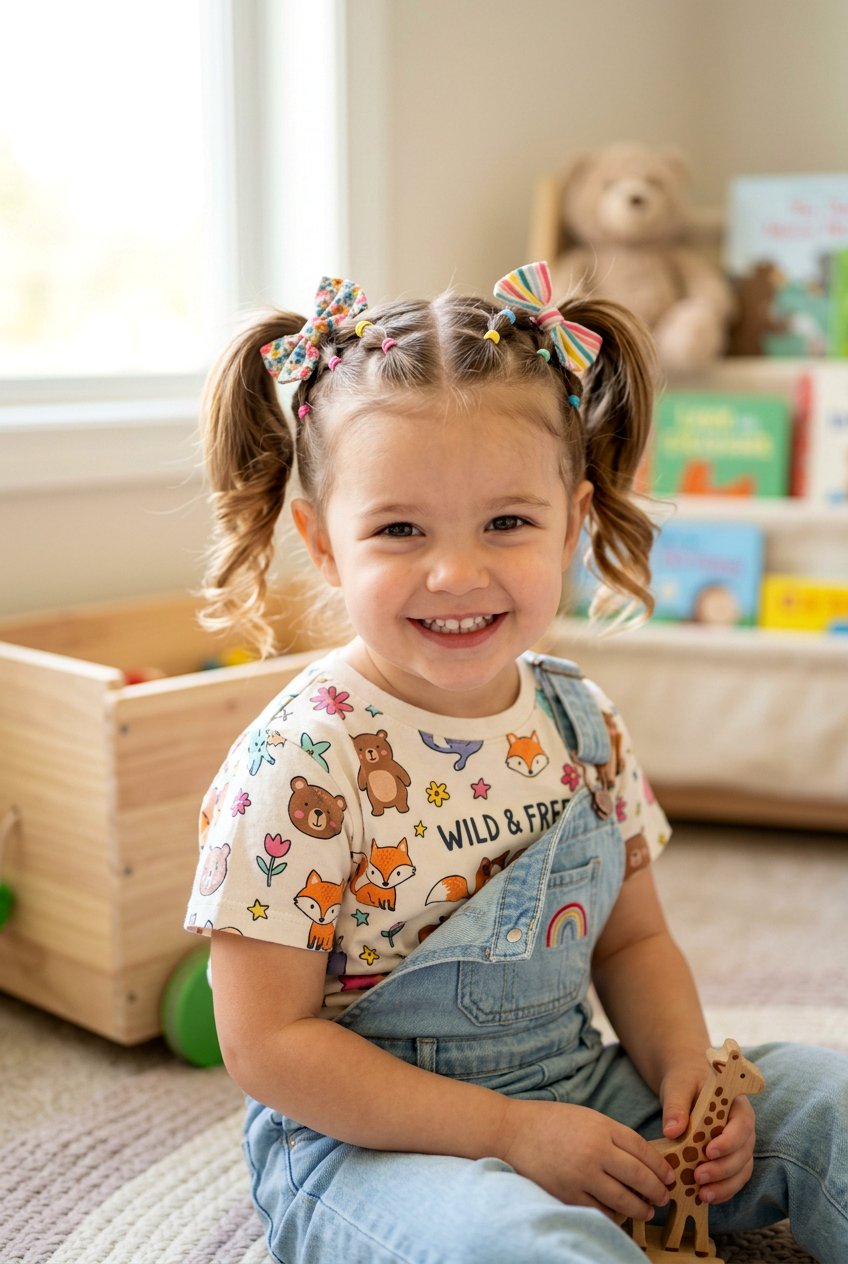
Mini section pigtails break up the top of the head into several small boxes or triangles that feed into the main pigtails, adding cute geometric detail. You create small sections along the front or crown, secure each with a tiny elastic, then gather them together into two pigtails at the back. This gives more grip on slippery toddler hair and keeps shorter pieces from escaping. It also lets you play with color by using different elastic shades across the top. Because there are multiple elastics, it is important to use soft, snag‑free ones and to spritz a detangling spray when taking them out, so you can roll the elastics off the hair gently instead of pulling or breaking delicate strands.
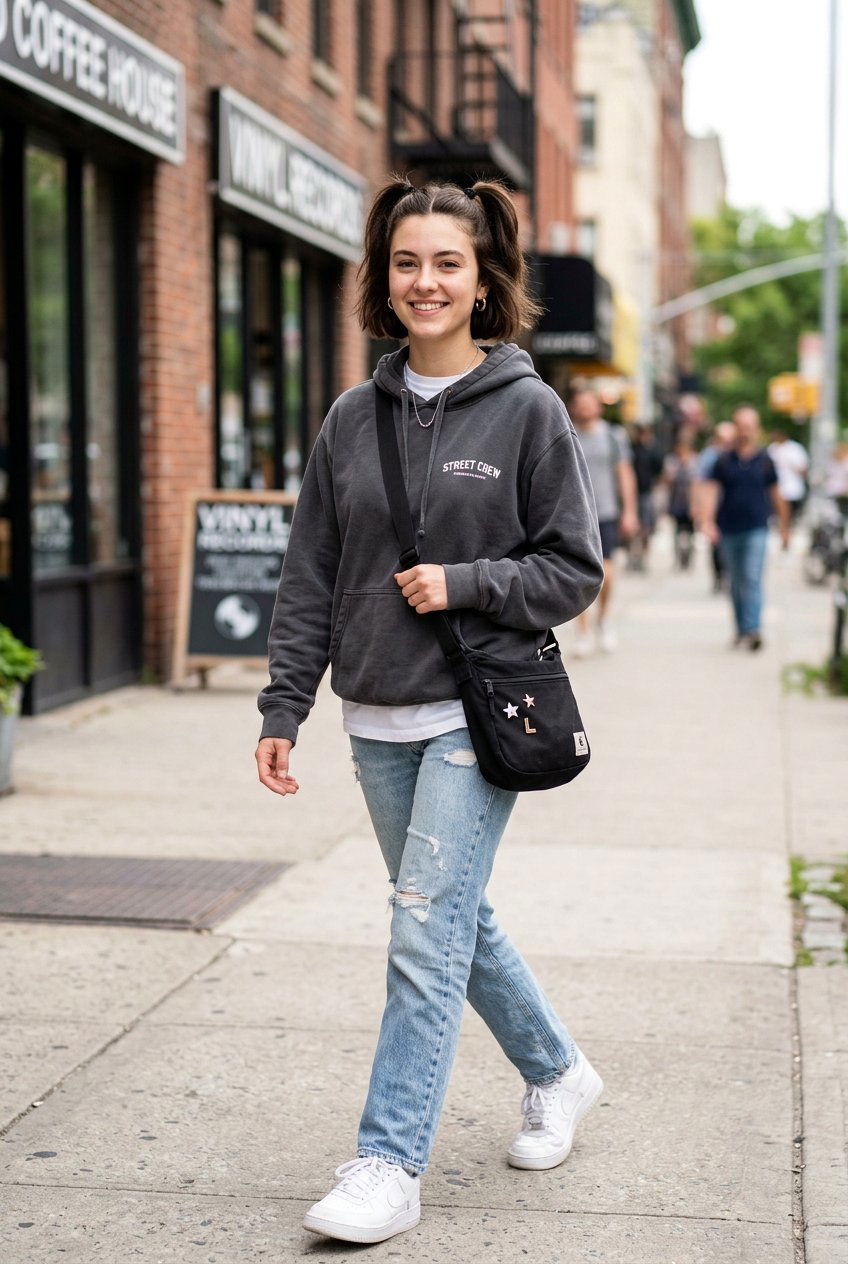



16. Criss Cross Elastic Pigtails
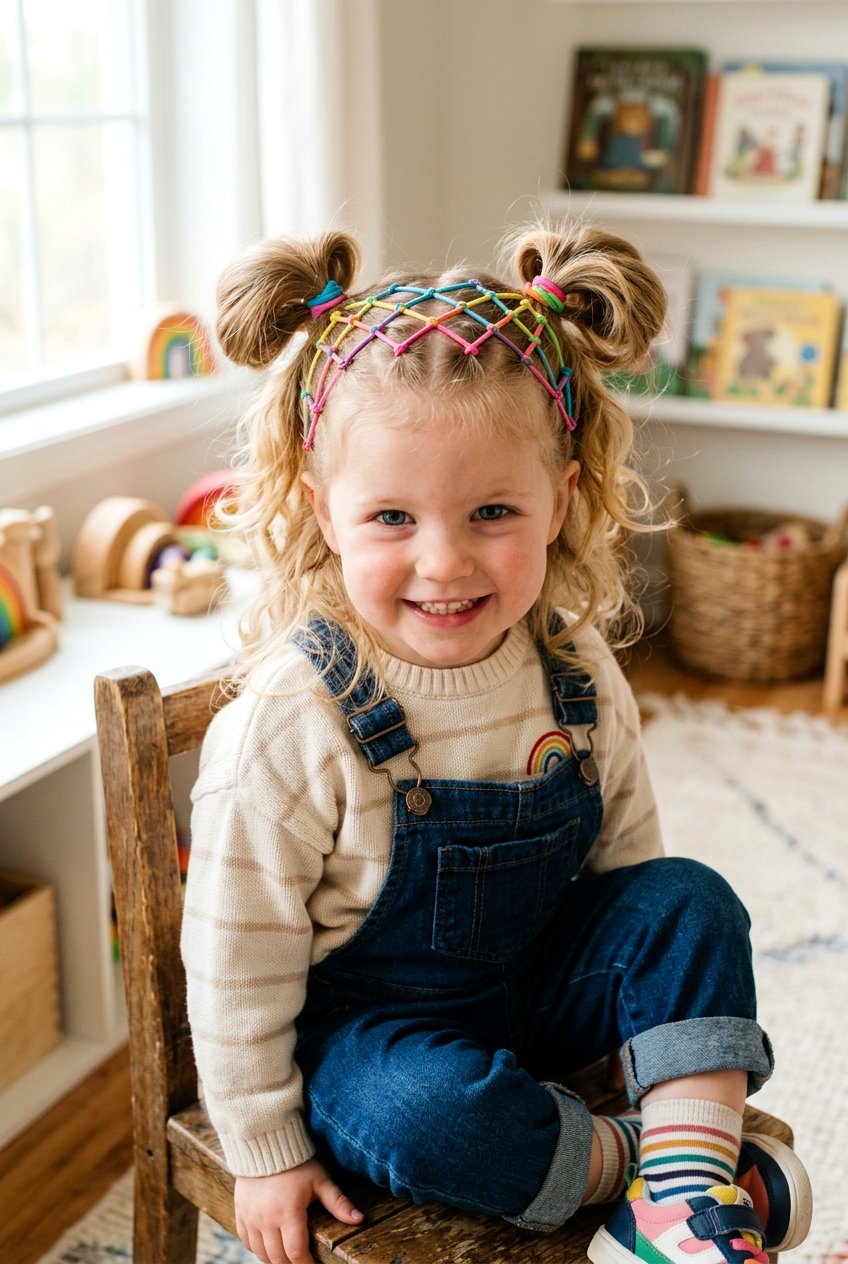
Criss cross elastic pigtails create a lattice of small elastic sections across the top that lead into pigtails, giving a fun pattern that looks more advanced than it is. You part the top of the hair into several rows, secure small ponytails, then split and cross them into neighboring sections before eventually joining them into two main pigtails. The result is a neat grid that keeps hair flat and controlled at the crown. Kids love this look because it feels special and different from regular pigtails, especially with colorful elastics. Since the style uses many elastics, avoid leaving it in for too many days, and always apply a detangler and pinch each elastic to slide it off when you are ready to take everything down.
17. Messy Playtime Pigtails
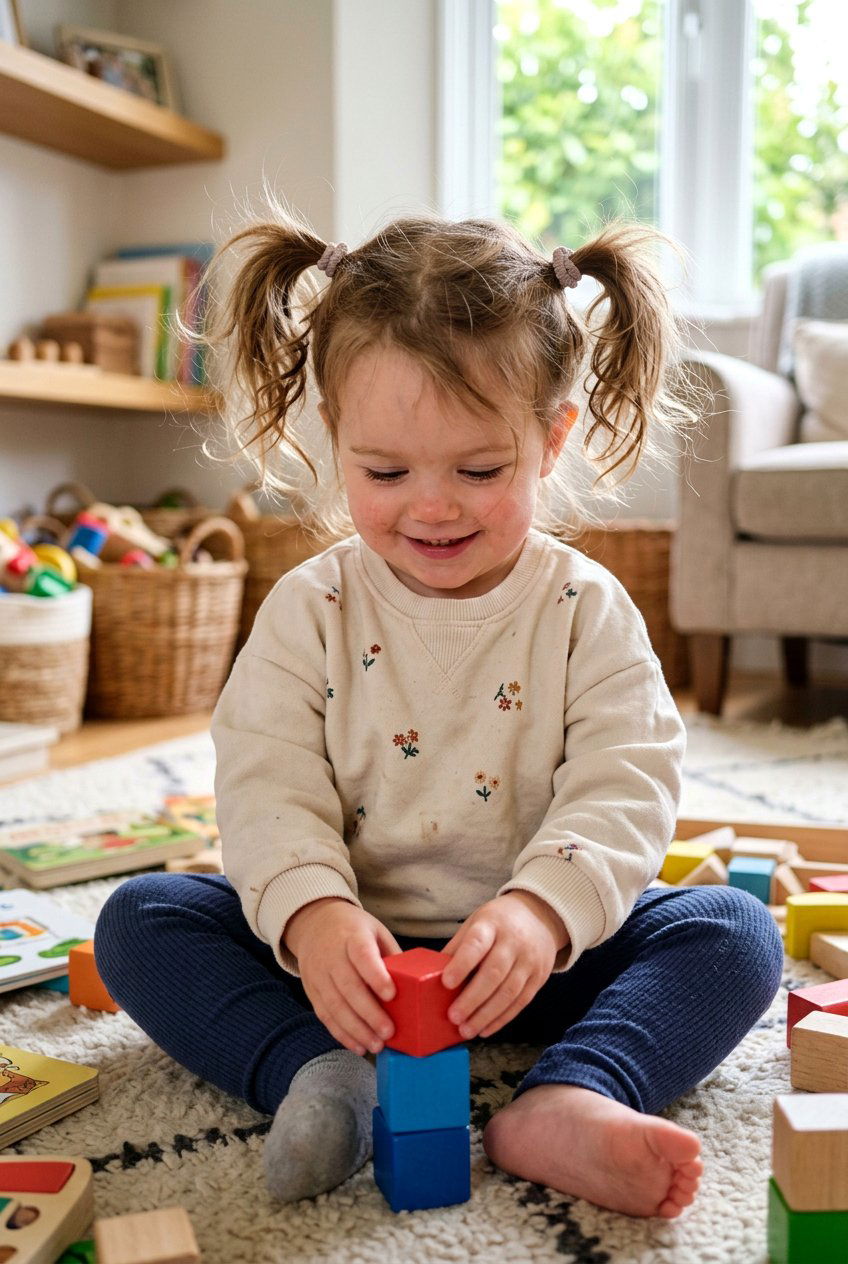
Messy playtime pigtails embrace a relaxed, lived‑in look that still keeps hair off the face for outdoor fun. You do not need a perfectly straight part—just roughly divide the hair and gather two loose pigtails with soft elastics. Allow some wispy strands around the front and ears to fall naturally, which feels comfortable and casual. This style suits park days, playdates, or at‑home afternoons when perfection is not the goal. A light spritz of leave‑in conditioner or detangler before styling helps minimize tangles even in a messier look, and you can quickly twist each pigtail into a loose coil if your toddler wants hair a little shorter while still keeping the carefree, easygoing vibe.
18. Twisted Rope Pigtails
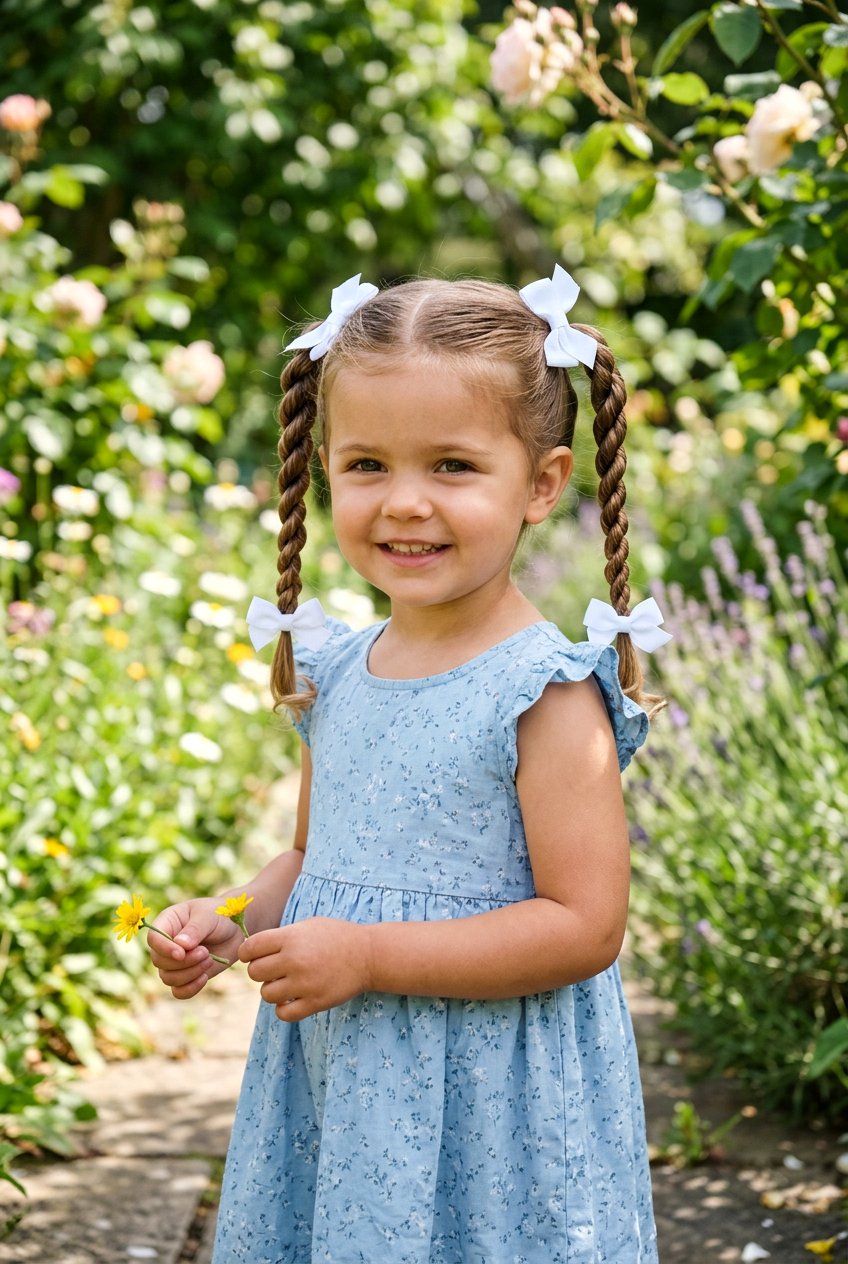
Twisted rope pigtails use two‑strand twists instead of braids, creating a rope‑like texture that looks polished but is simple to do. After making your two base pigtails, you split each tail into two sections, twist them in the same direction, then wrap them around each other in the opposite direction before securing the ends. This technique helps the twist stay tight without unraveling. Rope pigtails work for straight, wavy, and curly hair and are gentler on fingers than tight braids. Adding a dab of leave‑in conditioner or light cream to the lengths before twisting smooths the strands and reduces frizz, and finishing with cute elastics or bows at the ends keeps the look playful and toddler‑appropriate for school or outings.
19. Top Knot Pigtails
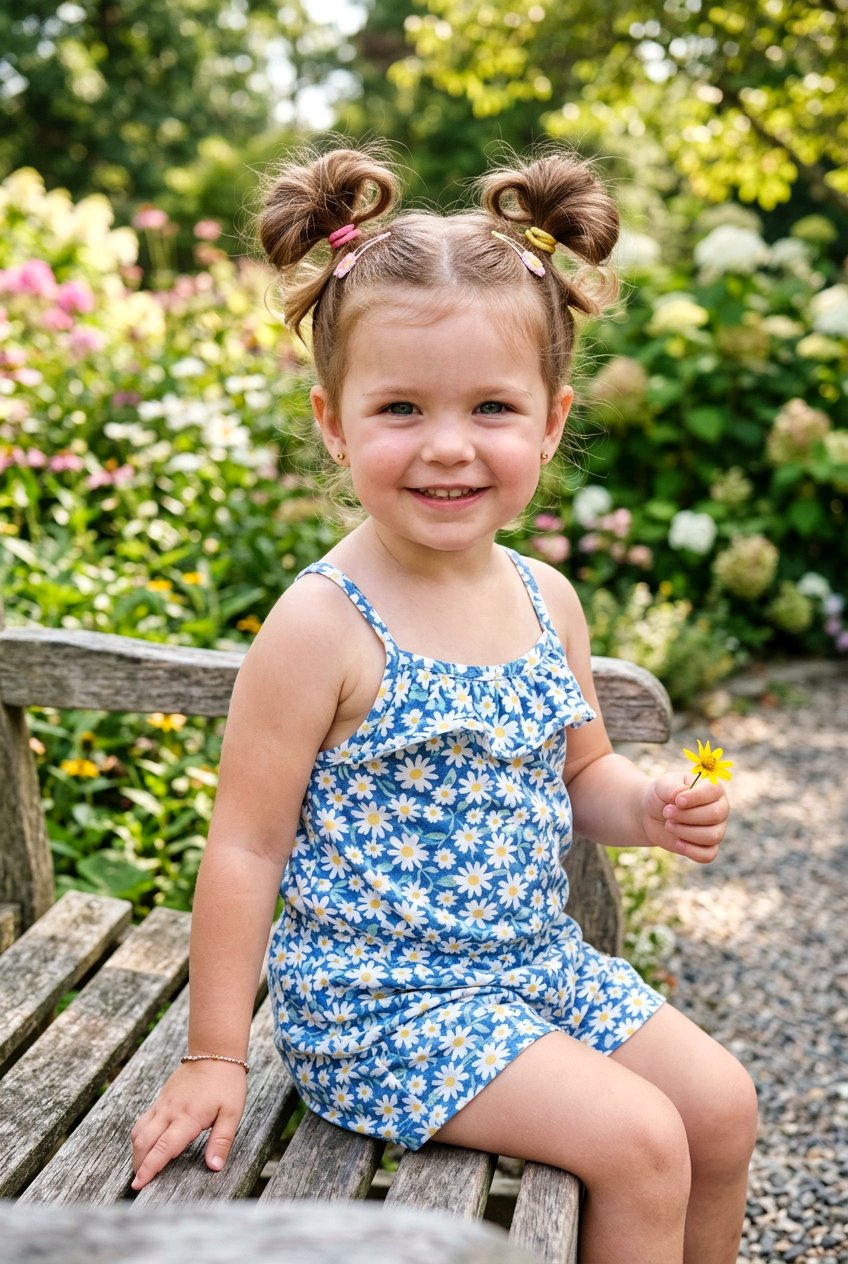
Top knot pigtails sit high on the head and are twisted into small buns, making them great for hot days or very active toddlers. You gather two high ponytails near the crown, twist each one, wrap it around its base, and secure with an elastic or a few bobby pins if needed. The buns keep hair fully off the neck and out of the way for climbing, running, and crafts. This look works best on medium‑length hair with some density so the knots look full rather than tiny. To protect delicate scalps, avoid making the knots too tight, and consider using soft scrunchies instead of thin elastics so the pressure is spread out and removal at night is quick and gentle.
20. Special Occasion Pigtails
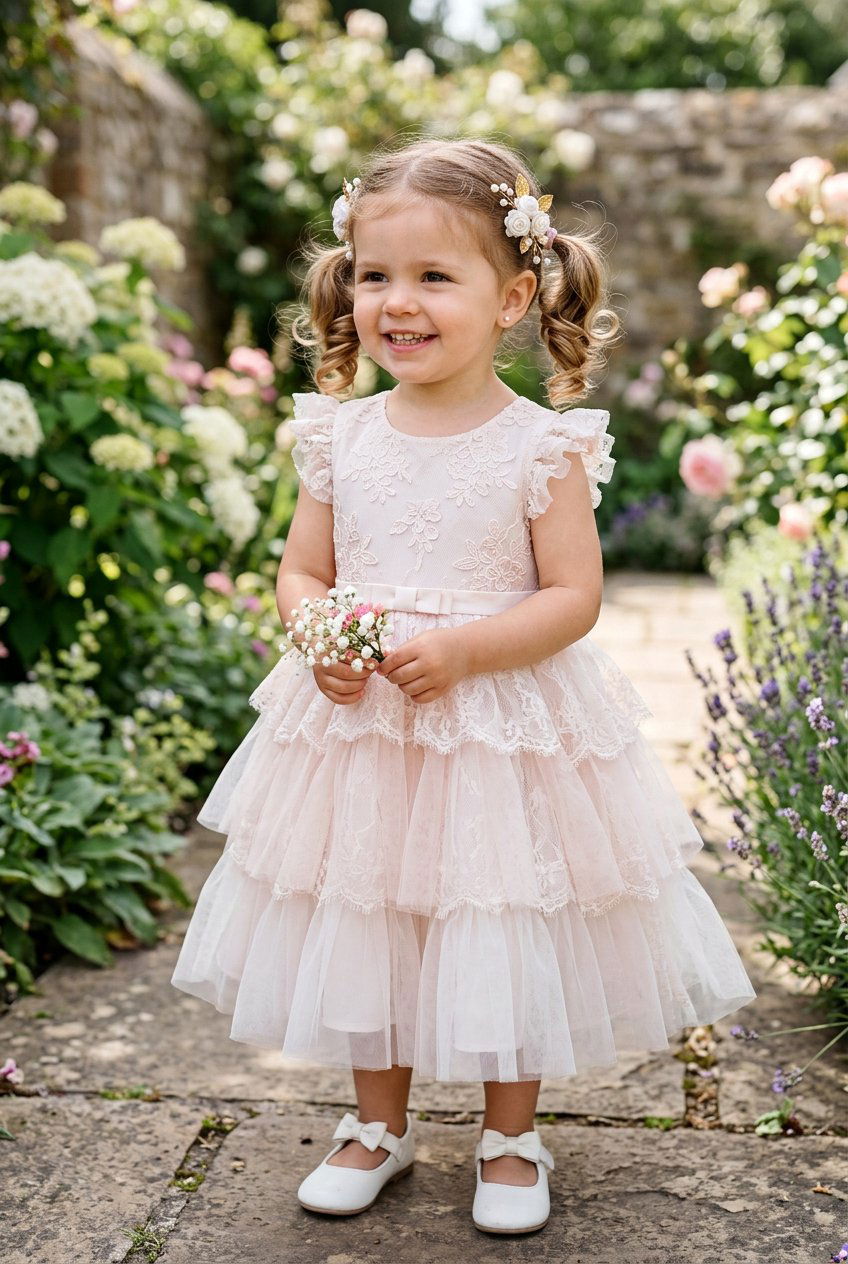
Special occasion pigtails take any of the basic placements and add extra touches like soft curls, delicate accessories, or combined braids for a dressier feel. You might curl the ends of low pigtails with heat‑free methods overnight, then slide on floral clips or pearl‑style barrettes near the base. Another option is to braid just the top sections before joining them into pigtails, leaving the rest smooth and shiny. These looks are popular for birthdays, weddings, or family photo sessions where you want something fancier that still feels childlike. Always prioritize comfort by choosing lightweight accessories with smooth backs, limiting the number of pins, and pairing styling with a gentle wash and conditioning routine so your toddler’s hair stays healthy underneath the pretty finishing touches.
Conclusion:
Pigtails give you an easy base to create many different toddler looks, from simple everyday options to more detailed designs for special events. Because they work on fine, straight hair as well as curls and coils, you can adapt placement, parting, and texture to suit your child’s hair type and routine. The key is keeping each style soft, secure, and age‑appropriate, using gentle elastics, light detanglers, and protective techniques where needed. Rotating through classic, braided, twisted, and accessorized pigtail looks also helps prevent boredom and reduces stress on the same areas of the scalp. With these twenty complete pigtail hairstyles in mind, you can open busy mornings knowing you have quick, cute options ready, while still caring for your toddler’s hair health and comfort every step of the way.
You'll Like These Styles:




Leave a Reply