
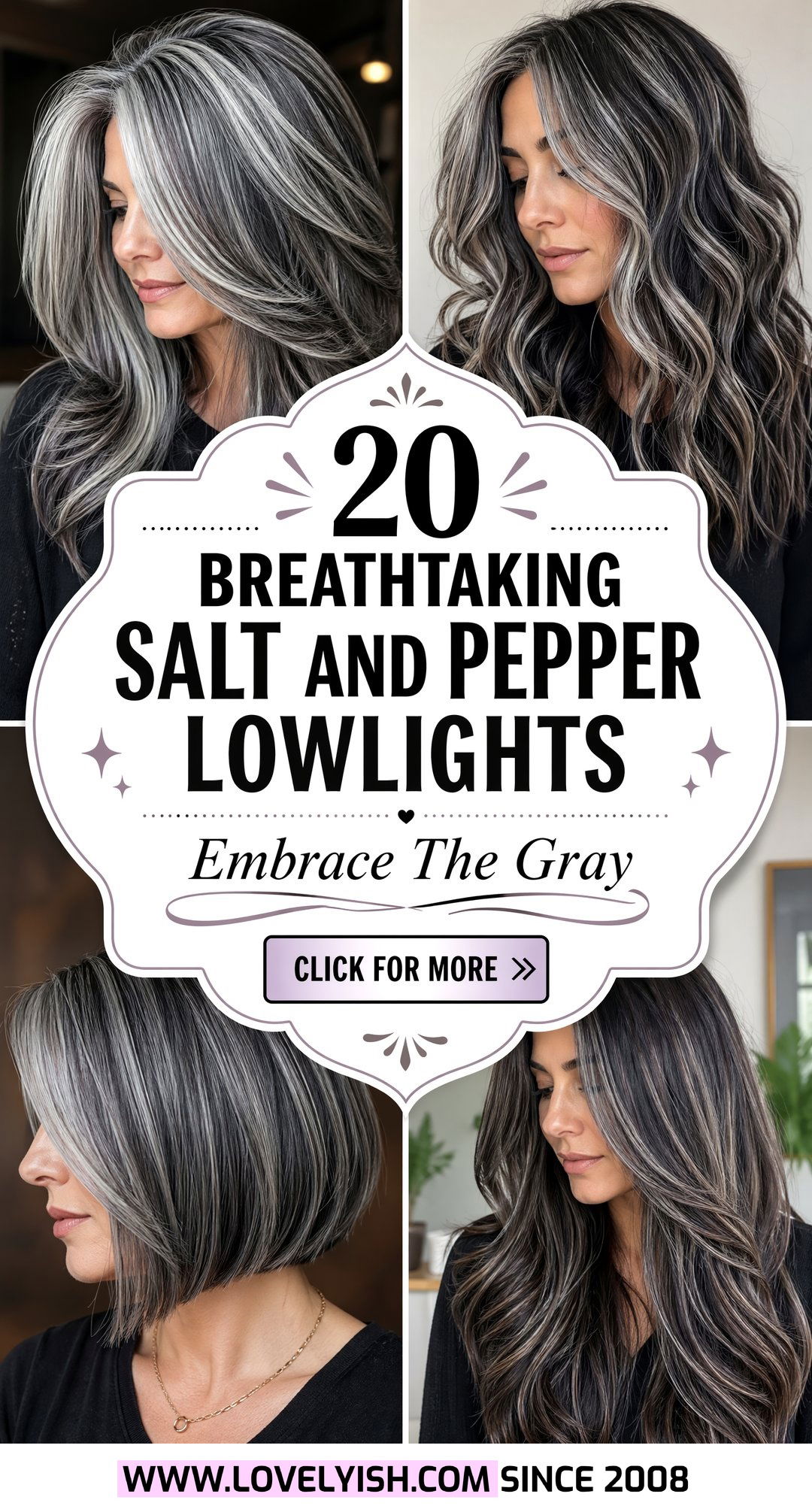
Embracing natural silver strands has evolved from a simple aging process into a high-fashion statement that exudes confidence and modern sophistication. Salt and pepper lowlights are the secret weapon for anyone looking to add depth, dimension, and a sense of intentionality to their graying hair. By strategically weaving darker tones back into a predominantly white or silver base, you can recreate the high-contrast look that defines classic salt and pepper beauty. This technique is particularly effective for those transitioning away from solid permanent dyes, as it masks harsh regrowth lines while celebrating the natural sparkle of silver. Whether you want a subtle shift or a bold transformation, these lowlighting techniques offer a low-maintenance way to keep your hair looking vibrant, thick, and stylishly curated.
1. Salt and pepper hair lowlights
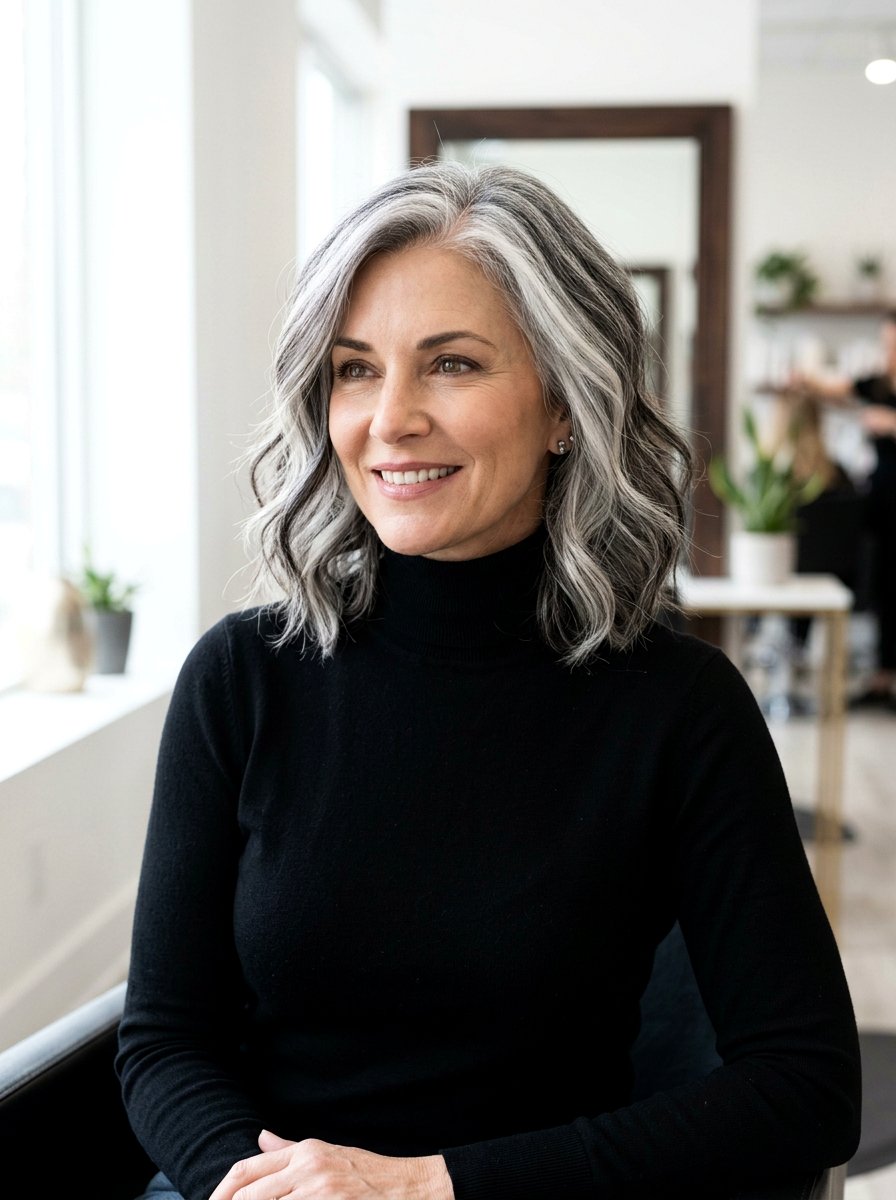
Adding dark ribbons of color back into silver hair is a brilliant way to create a more youthful and voluminous appearance instantly. This specific technique focuses on placing deep charcoal or soft black tones throughout the mid-lengths and ends to provide a shadow effect that makes the silver pop. It is an ideal solution for women whose hair has become mostly white and feels a bit washed out against their skin tone. By reintroducing these “pepper” sections, the hair gains a multi-dimensional quality that mimics the natural variety found in younger hair. This approach requires very little upkeep compared to traditional root touch-ups because the lowlights are designed to blend seamlessly with your natural regrowth as it emerges.
2. Gray blending with lowlights
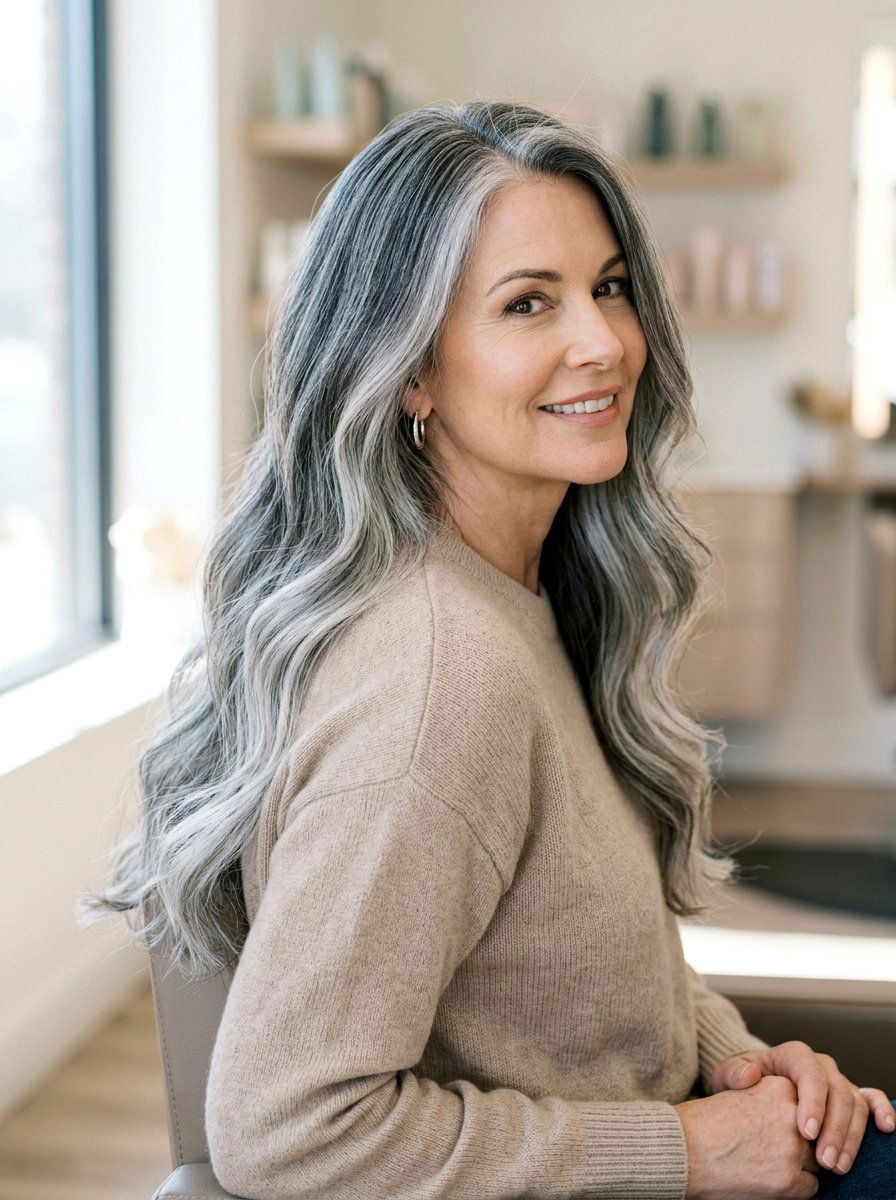
Transitioning to a natural silver look can often feel awkward when there is a sharp line between old dye and new growth. Gray blending with lowlights solves this problem by using a soft, smudging technique to blur the boundaries between different shades of gray and brown. Instead of covering the gray, the stylist uses lowlights to pull the darker natural tones down into the silver areas, creating a gradient effect. This method is incredibly popular because it allows you to grow out your natural color without the dreaded “skunk stripe” at the roots. It results in a sophisticated, lived-in look that feels organic and polished, making it a top choice for a low-stress hair journey.
3. Charcoal lowlights for silver hair
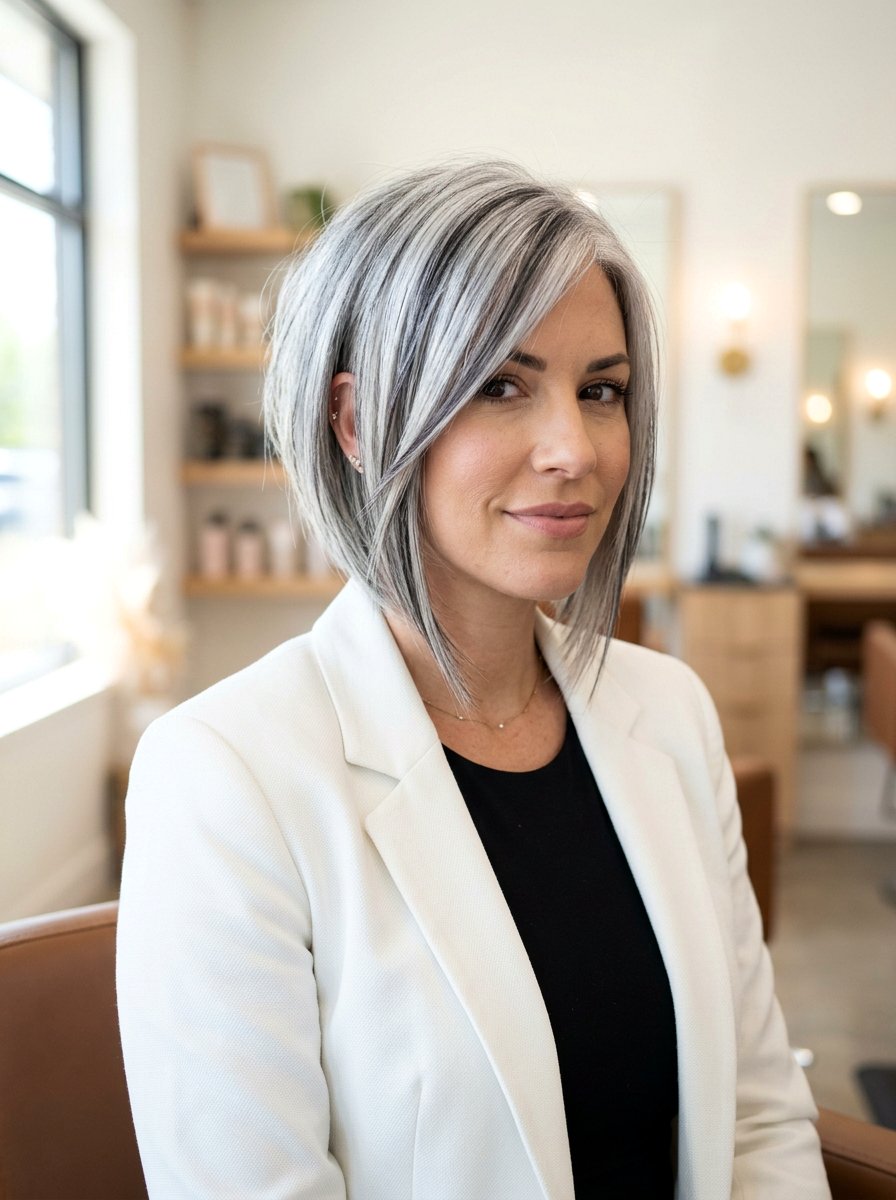
If you are looking for a high-contrast and edgy aesthetic, charcoal lowlights are the perfect choice to complement a bright silver base. These cool-toned, smoky dark shades provide a dramatic backdrop that makes white strands look even brighter and more luminous. Unlike warm browns, charcoal maintains the cool palette of natural gray hair, ensuring that the overall look stays sleek and modern rather than muddy. This color choice is particularly flattering for those with cool or neutral skin undertones, as it highlights the eyes and defines the facial features. The depth provided by charcoal tones also helps to disguise thinning areas, giving the illusion of a much fuller and thicker head of hair.
4. Ash brown lowlights for gray hair

For a softer and more traditional appearance, ash brown lowlights offer a gentle way to add “pepper” back into your salt and pepper mix. These muted brown tones lack the red or gold warmth that can sometimes clash with silver hair, ensuring a harmonious and natural-looking blend. This technique is often applied using a fine weaving method to ensure the brown strands are thin and well-dispersed throughout the hair. It creates a sun-drenched, dimensional look that adds warmth to the complexion without sacrificing the integrity of the gray. Ash brown is an excellent transitional shade for former brunettes who want to maintain a hint of their original darkness while fully embracing their silver.
5. Black lowlights on white hair
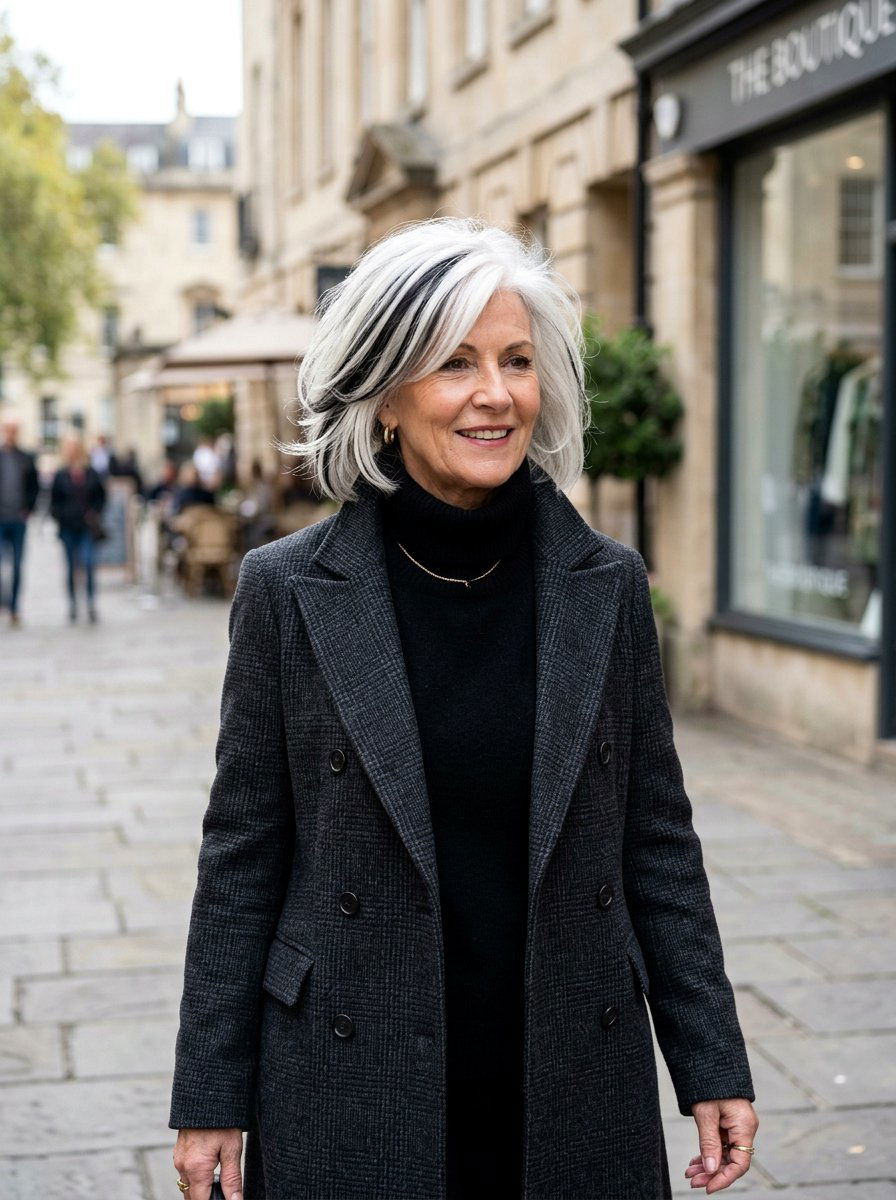
Creating a striking visual impact is easy when you opt for deep black lowlights against a crisp white or platinum background. This high-contrast style is inspired by the classic salt and pepper look, where the distinction between dark and light is very clear and intentional. By using a deep jet black or soft onyx shade, the stylist can create “v” shaped sections of depth that provide movement and swing to the hair. This look is incredibly sophisticated and works well with sharp, structured haircuts like bobs or layered lobs. Because the contrast is so high, the white hair looks intentional and expensive, transforming a natural aging process into a deliberate and very fashionable hair color choice.
6. Salt and pepper balayage
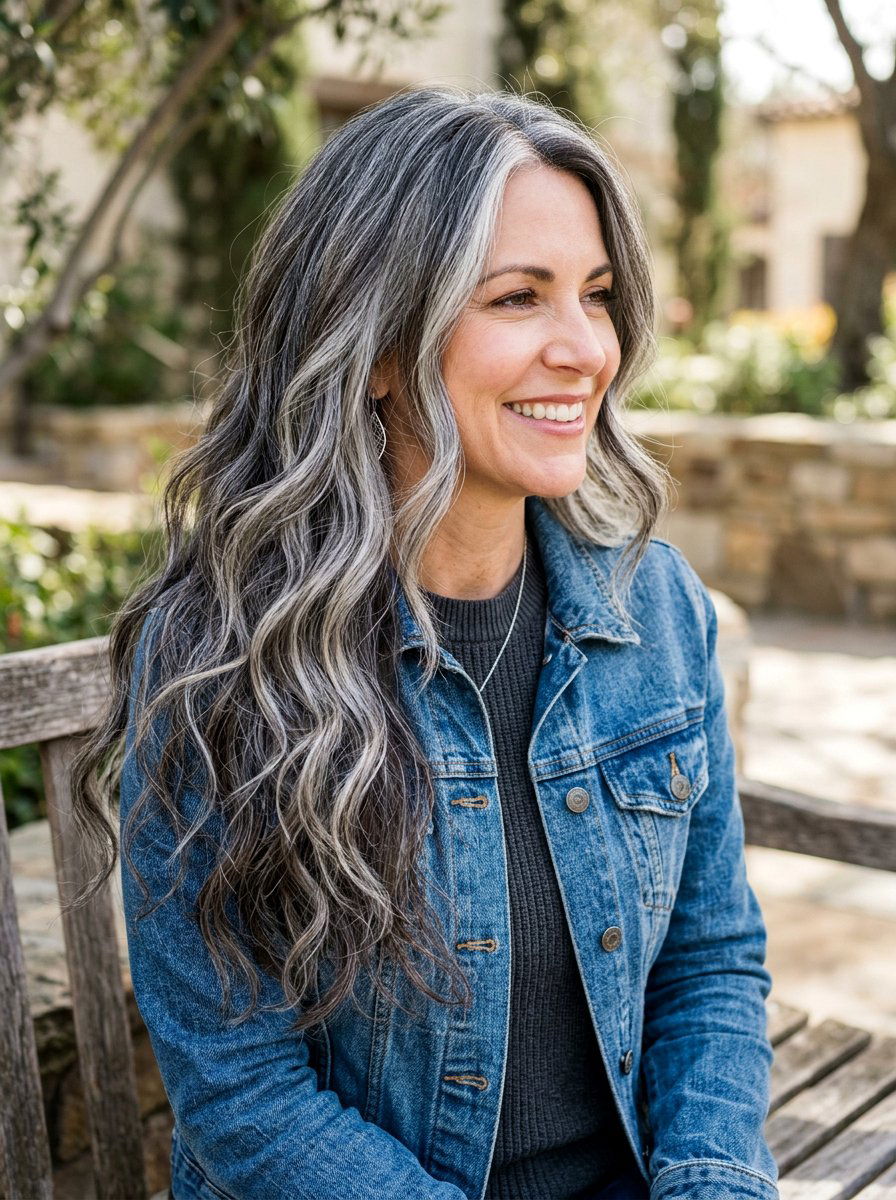
Modern hair trends have moved toward freehand painting techniques, and a salt and pepper balayage is the ultimate way to get a customized look. In this process, the “pepper” tones are hand-painted onto the hair to mimic how shadows naturally fall, resulting in a very bespoke finish. Unlike traditional foils, balayage creates a softer root area, which means you can go months between salon visits without needing a refresh. This technique is perfect for adding weight and texture to the hair, as the dark pieces can be placed specifically to enhance your haircut. It is a fantastic option for long, wavy hair, as the sweeping dark tones accentuate the curves and layers of the style.
7. Slate gray lowlights
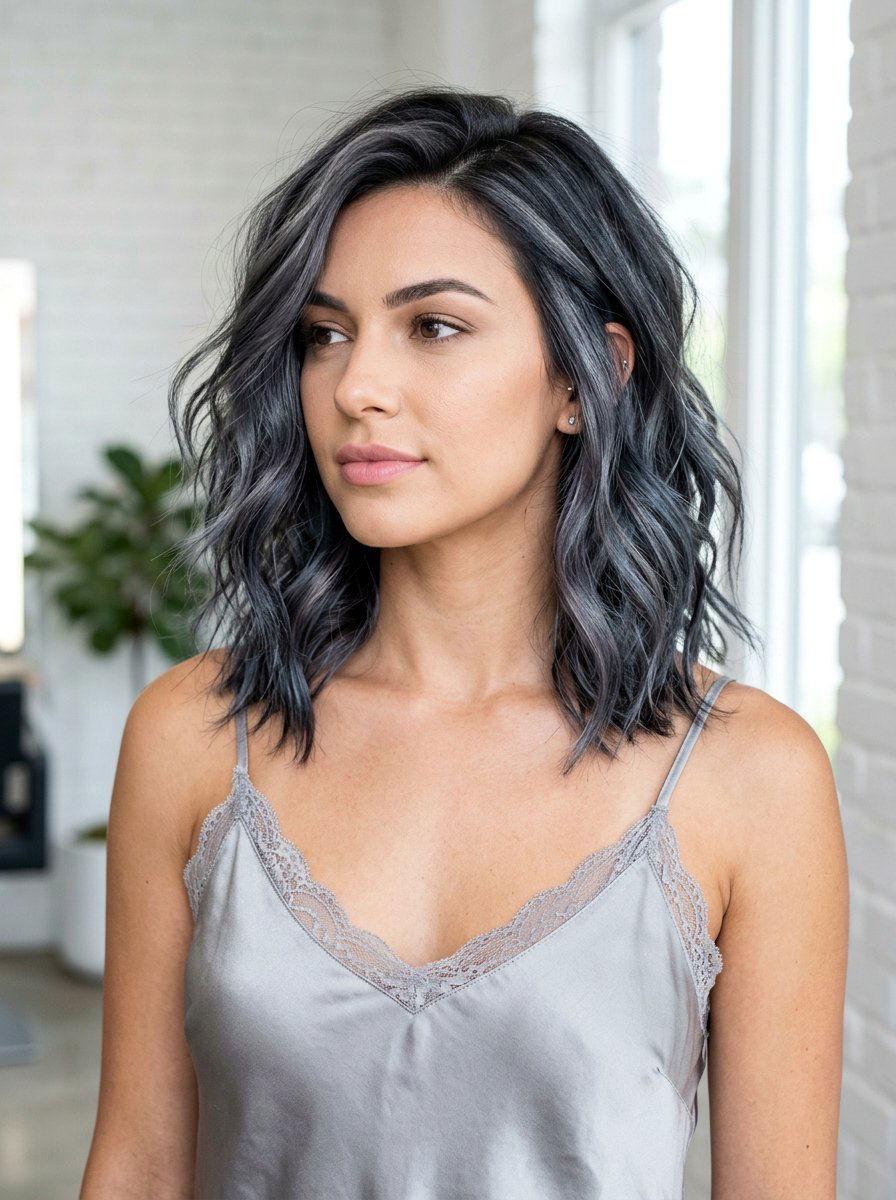
Slate gray serves as a sophisticated middle ground between deep black and light silver, offering a metallic sheen that looks incredibly expensive. These lowlights have a blue or violet undertone which helps to neutralize any unwanted yellow or brassy tones that often plague natural gray hair. When slate gray is woven into a salt and pepper style, it adds a “steely” quality that feels very contemporary and chic. This shade is highly effective for creating a “denim” or “gunmetal” effect that looks wonderful on textured or curly hair. Because it stays within the gray family, it provides depth without the harshness of a true black, making it a very wearable option for most.
8. Lowlights for salt and pepper bob
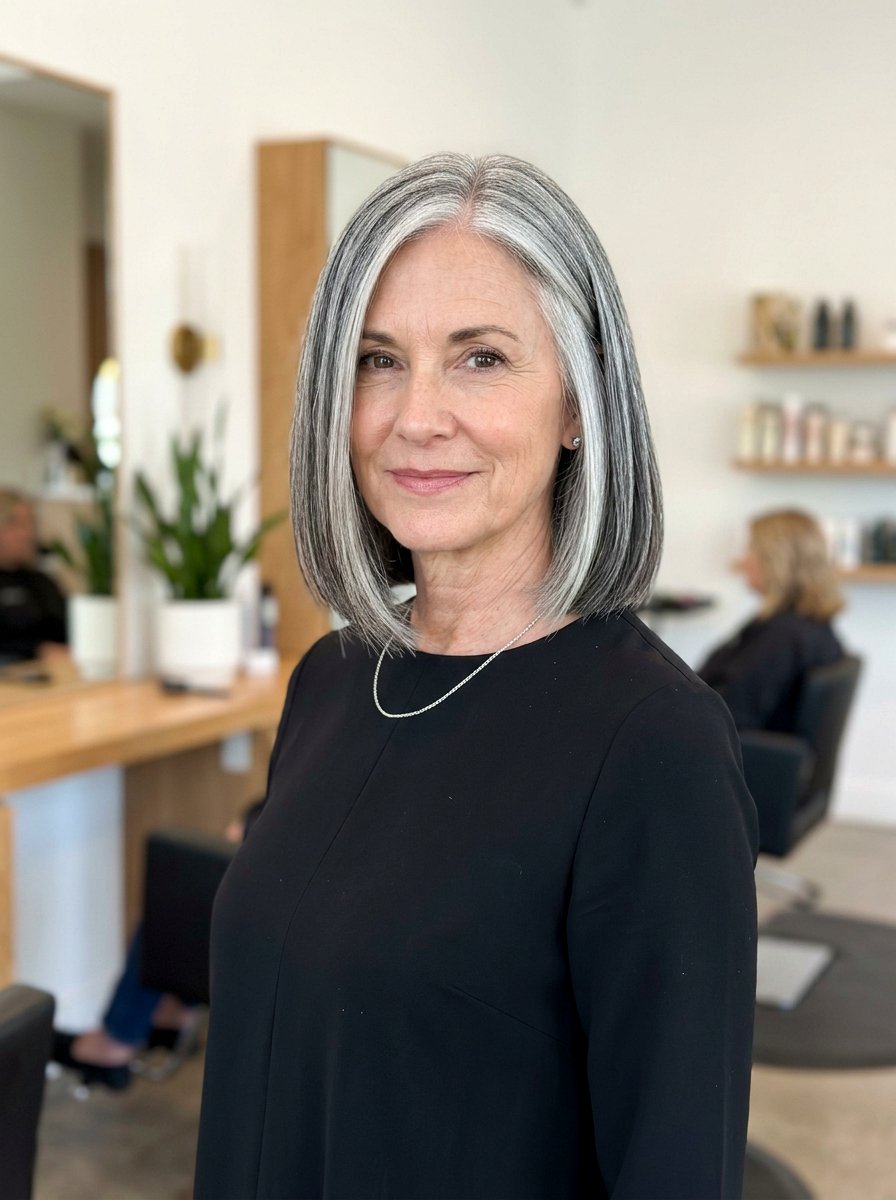
Short, structured haircuts like the bob are the perfect canvas for showcasing the intricate details of salt and pepper lowlights. In a bob, the lowlights can be used to add weight to the perimeter of the cut, making the hair look thicker and healthier. Strategically placed dark strands around the face can also act as a contouring tool, highlighting the cheekbones and jawline. This combination of a classic cut with a modern color technique creates a look that is both timeless and trendy. Whether you wear your bob sleek and straight or with beachy waves, the lowlights will ensure that the hair has plenty of visible texture and a multi-toned, high-end finish.
9. Dimensional lowlights for graying hair
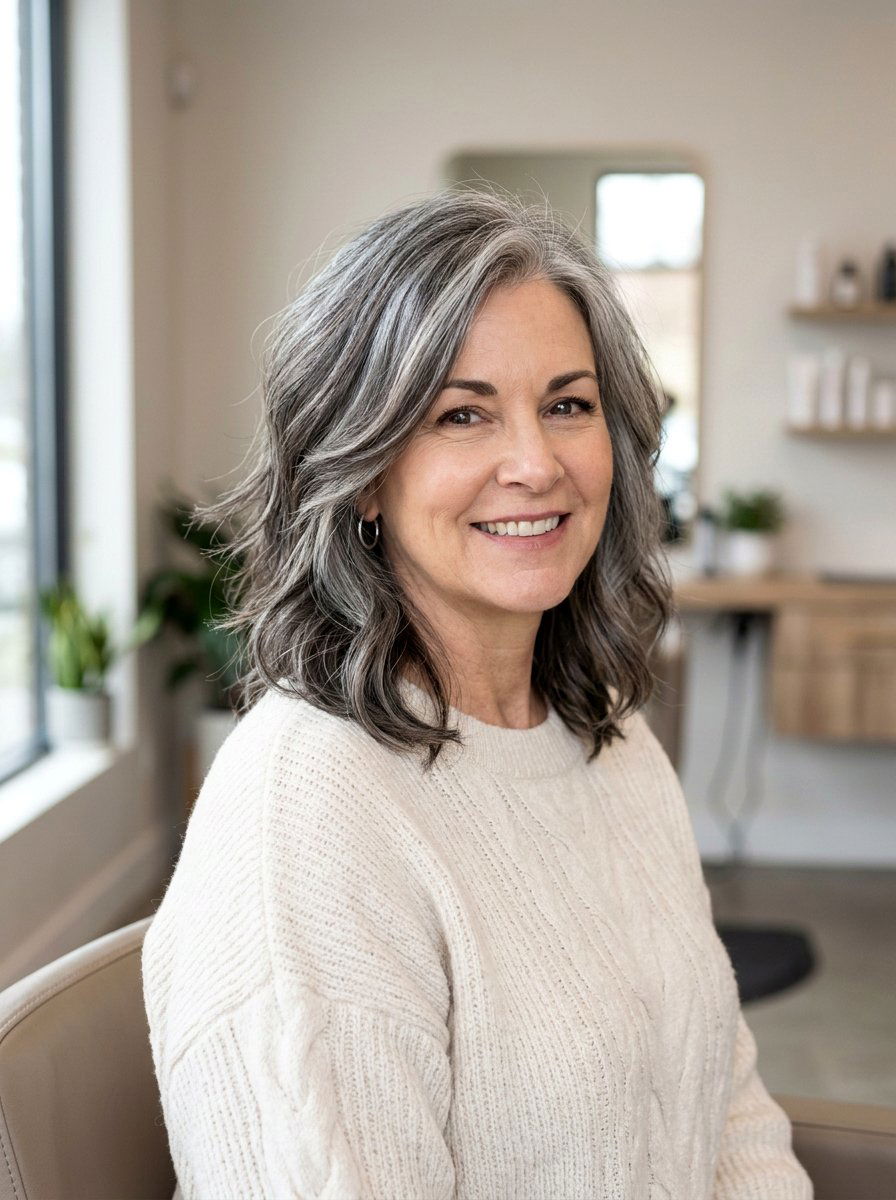
Adding dimension is the primary goal for anyone who feels their gray hair has become flat or monochromatic over time. Dimensional lowlights involve using two or three different dark shades, such as ash brown and deep charcoal, to create a complex color story. This variety prevents the hair from looking “inky” or artificial, instead mimicking the natural variations found in youthful hair. By layering these different depths, the hair catches the light in different ways, making it look vibrant and full of life. This technique is especially beneficial for those with fine hair, as the interplay of light and dark creates the visual appearance of much more volume and density.
10. Salt and pepper hair with dark roots

A very popular way to style salt and pepper hair is to maintain a darker root area that gradually transitions into silver ends. This “root shadow” or “smudged root” technique uses lowlights at the crown to ground the look and provide a natural-looking base. Having darker roots makes the transition to gray feel much more intentional and less like a maintenance issue. It also provides a flattering frame for the face, as the darker tones near the skin can prevent the silver from making the complexion look pale. This style is incredibly easy to maintain because as your natural hair grows in, it simply blends into the existing dark root area.
11. Lowlights for salt and pepper pixie
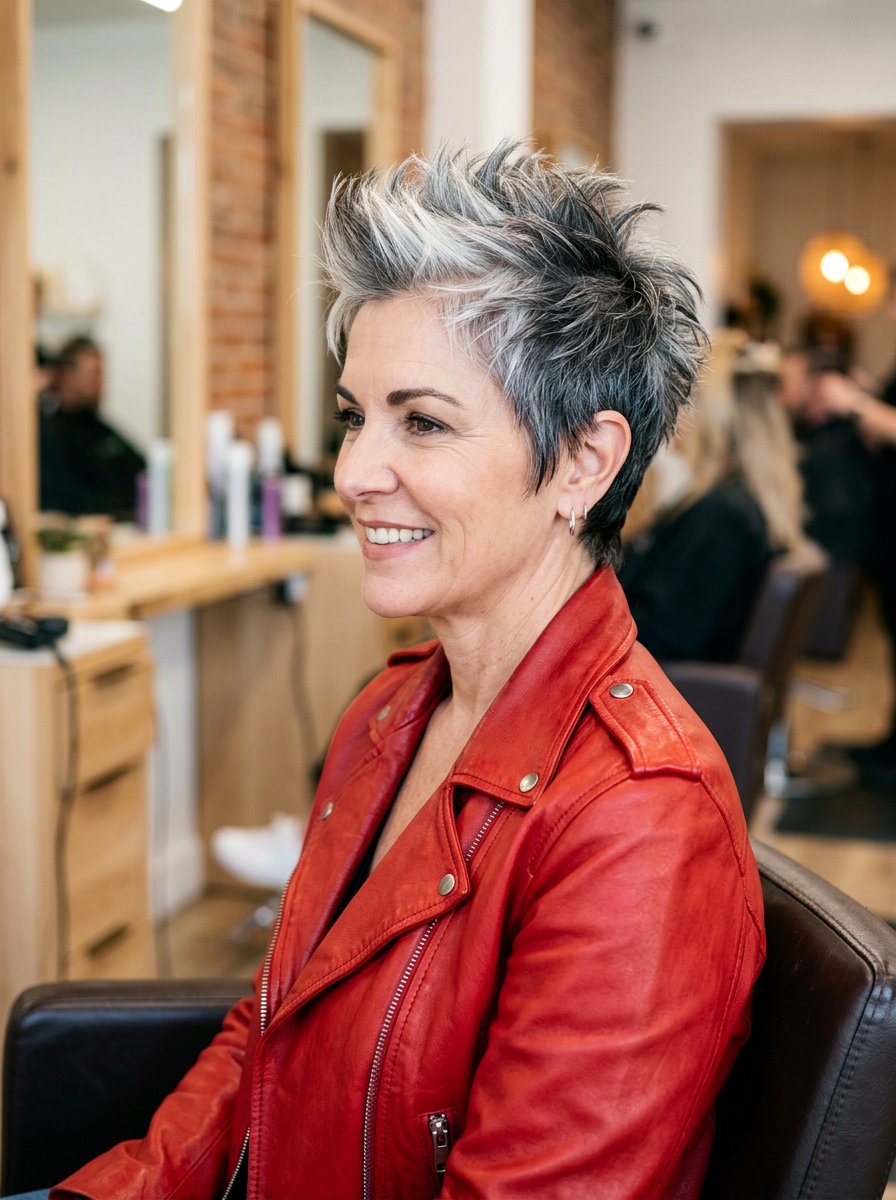
The pixie cut is a bold choice that looks even more striking when enhanced with salt and pepper lowlights. In a short cut, the contrast between the dark and light strands is very visible, adding a sense of “grit” and texture to the style. Lowlights are often concentrated at the nape of the neck and around the ears to provide a shadow that makes the silver on top stand out. This creates a playful, “spiky” effect that looks youthful and energetic. The lowlights also help to define the layers of the pixie, ensuring that the haircut doesn’t look like a solid mass of color but rather a detailed and expertly crafted hairstyle.

12. Face framing salt and pepper lowlights
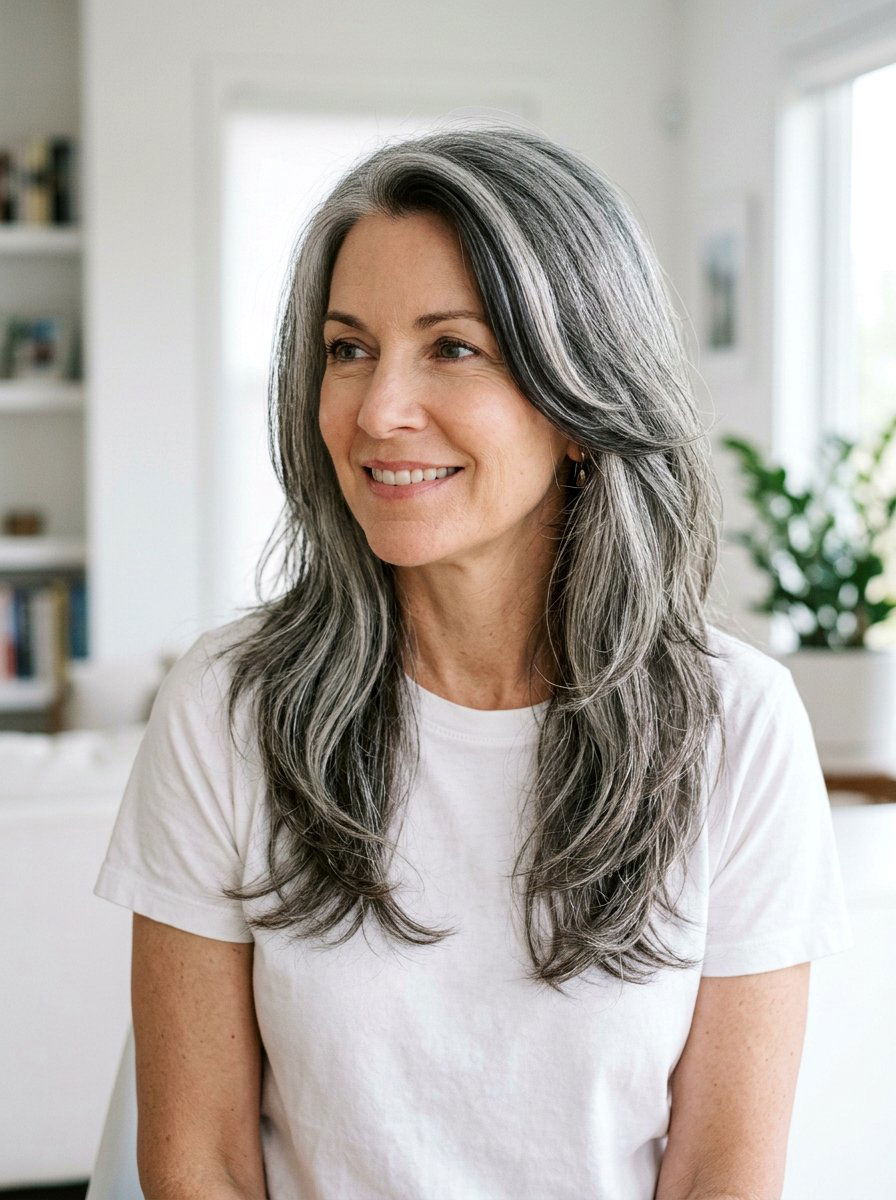
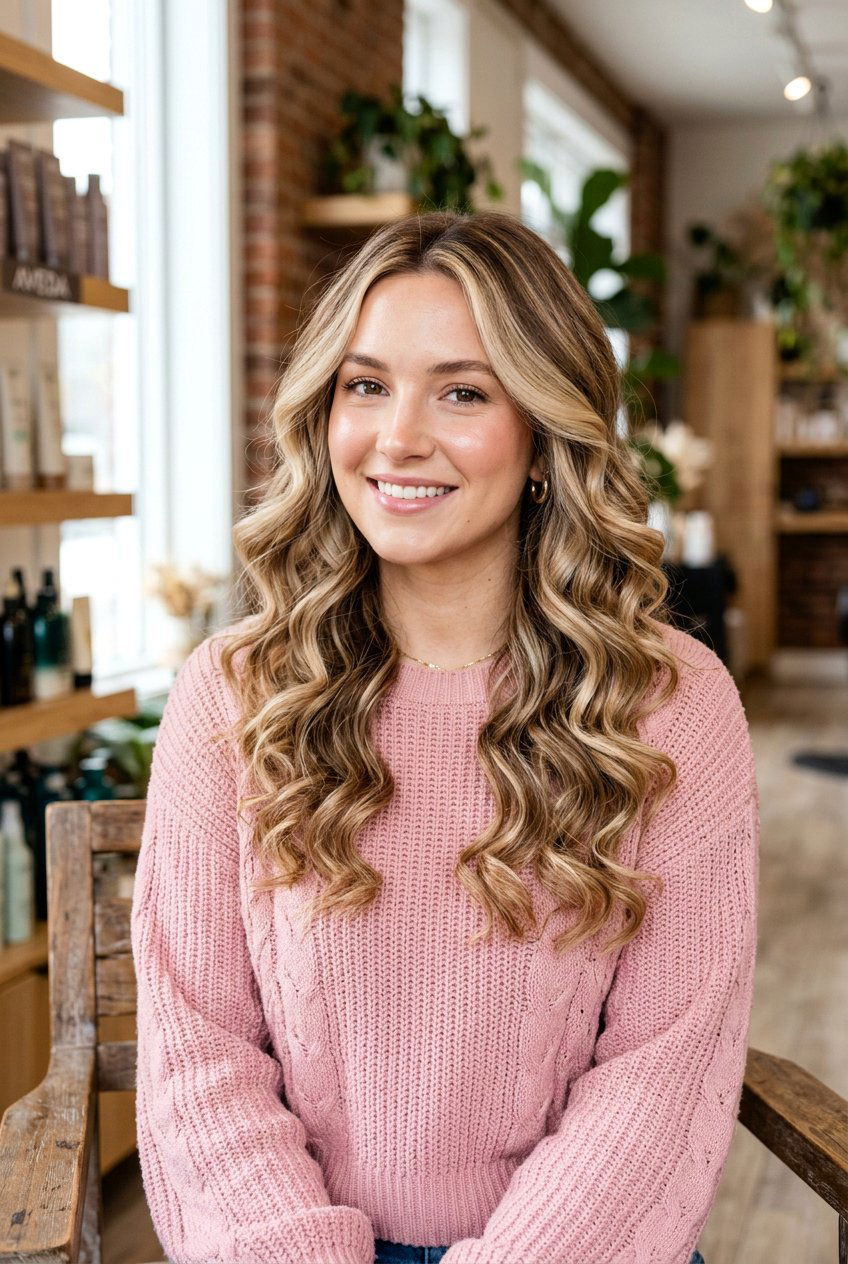
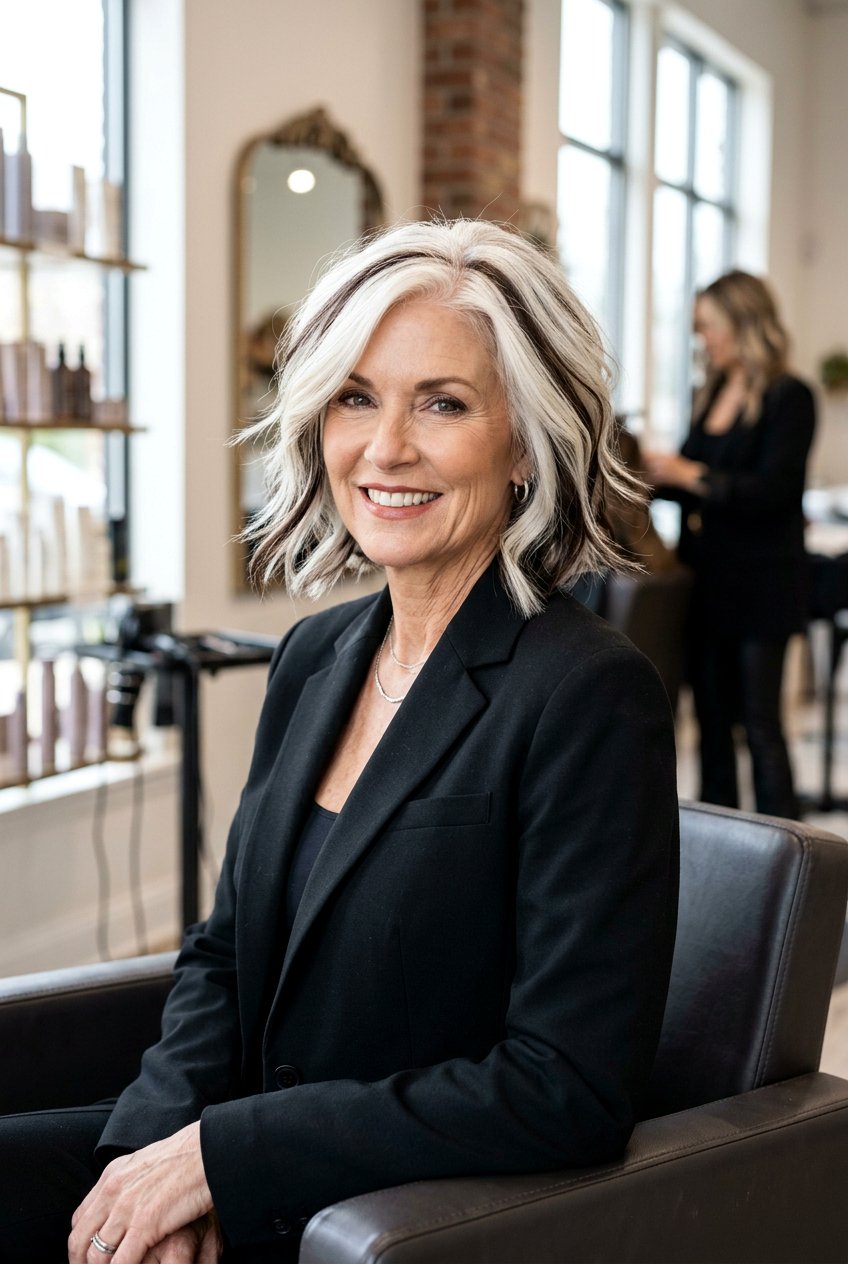
You can use lowlights to draw attention to your best features by focusing the darker tones in specific areas around the face. Face-framing lowlights, often called “reverse money pieces,” involve placing deeper shades along the hairline to create a striking contrast with the rest of the silver hair. This technique helps to define the face and can even have a slimming effect by creating shadows in the right places. It is a great way to experiment with the salt and pepper trend without committing to a full head of lowlights. The result is a modern and polished look that feels very fresh and keeps the focus exactly where you want it.
13. Lowlights for curly gray hair

Curly hair naturally creates a lot of shadows and highlights, and adding salt and pepper lowlights can take this natural texture to the next level. By placing darker tones within the interior of the curls, you can make the ringlets look more defined and bouncy. This prevents the curls from looking like a frizzy cloud of gray and instead gives them a structured and deliberate appearance. The “pepper” tones add a sense of weight to the curls, which can help them hang better and look more hydrated. Because curly hair reflects light differently than straight hair, the multi-tonal effect of lowlights creates a beautiful, shimmering finish that looks healthy and vibrant.
14. Espresso lowlights for gray hair
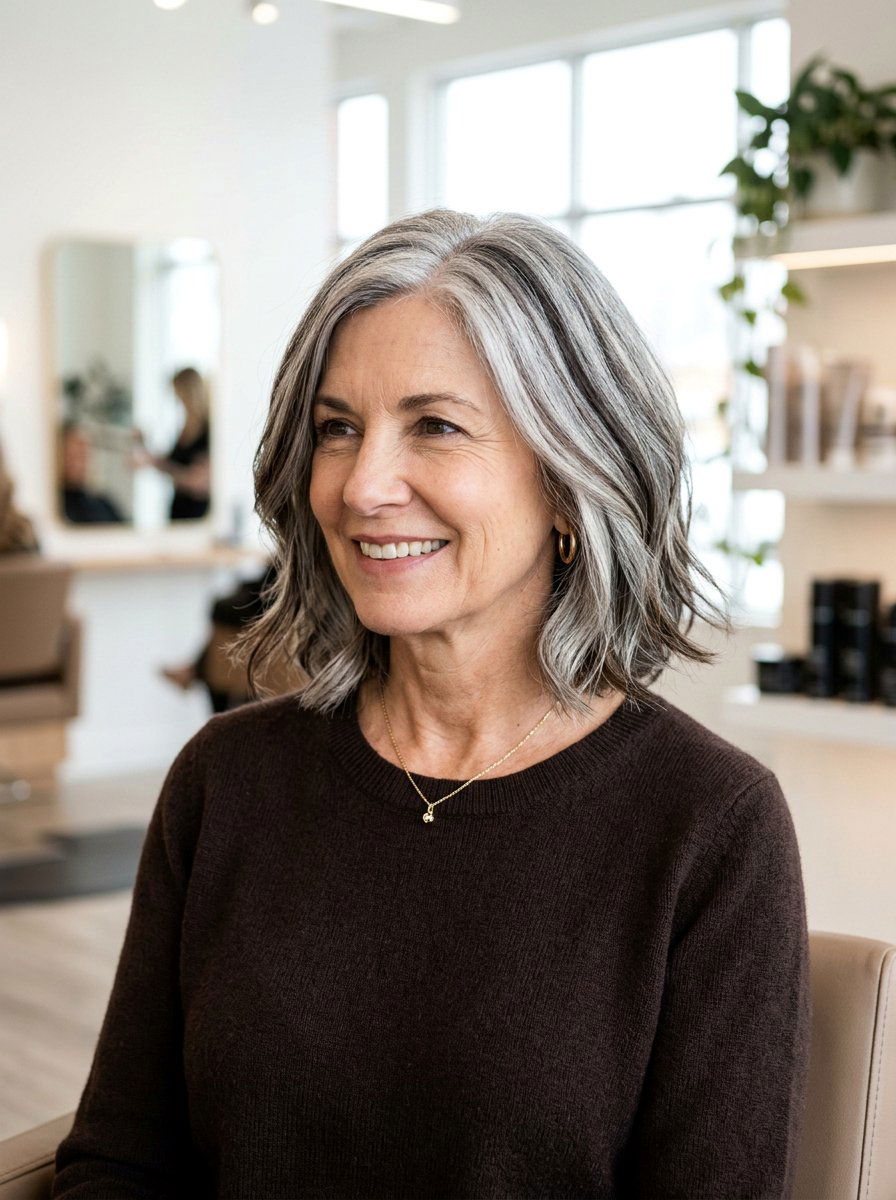
Espresso is a rich, nearly-black brown that provides a luxurious and warm alternative to cool charcoal shades. When added as lowlights to salt and pepper hair, espresso tones bring a sense of richness and depth that can make the hair look incredibly healthy. This shade works beautifully for those who were originally dark brunettes and want to retain some of that classic warmth. The deep brown-black hue contrasts sharply with silver strands, creating a sophisticated “coffee and cream” effect. This is a great choice for the winter months when you might want a slightly deeper and more grounded hair color to match your seasonal wardrobe and a cooler skin tone.
15. Herringbone lowlights for gray blending
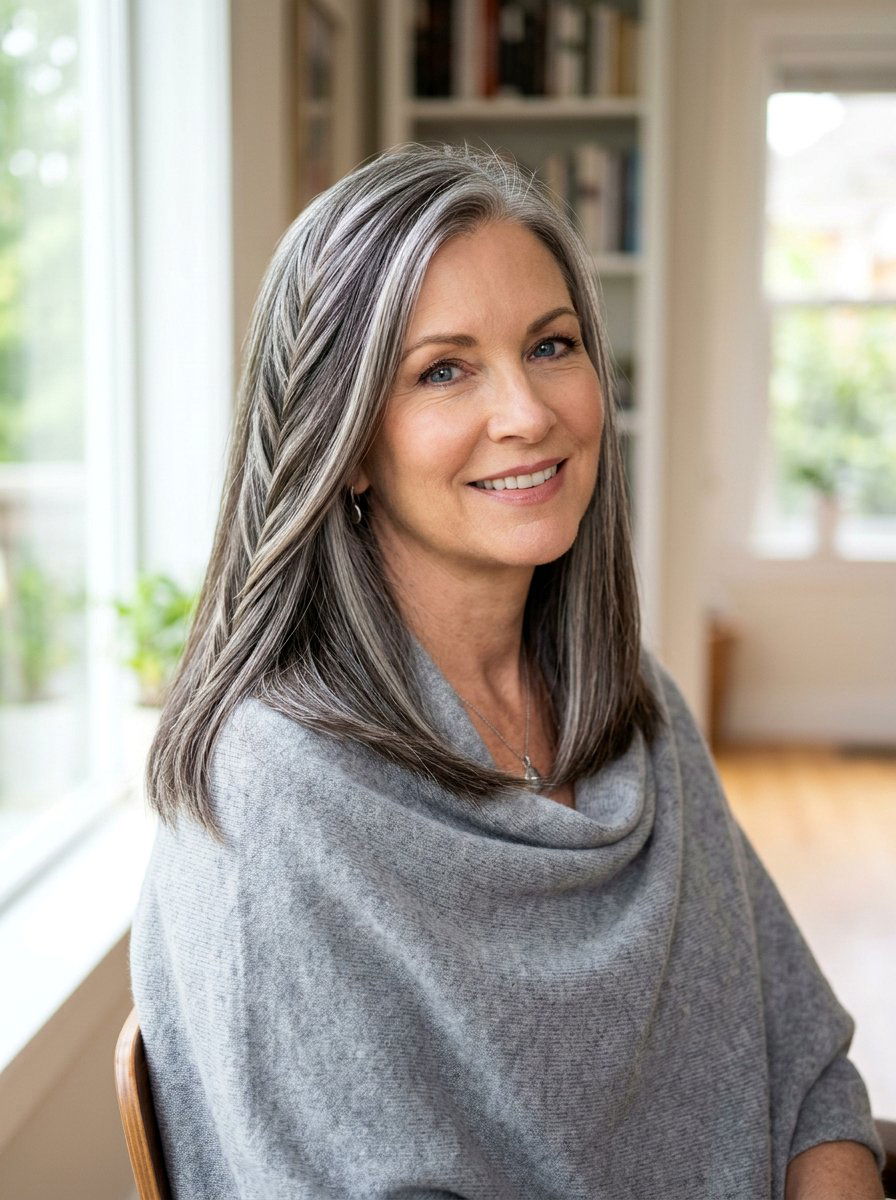
The herringbone technique is a specialized way of applying lowlights that follows a diagonal pattern to mimic the natural way gray hair grows. Instead of horizontal or vertical sections, the stylist weaves the dark color at angles, which results in a much more seamless and “woven” look. This is the gold standard for gray blending because it avoids any blocky patches of color and ensures that the dark and light strands are perfectly integrated. The result is a very natural salt and pepper finish that looks like you were born with it. It is an excellent choice for anyone who wants a “no-filter” look that is both elegant and virtually undetectable as a dye job.
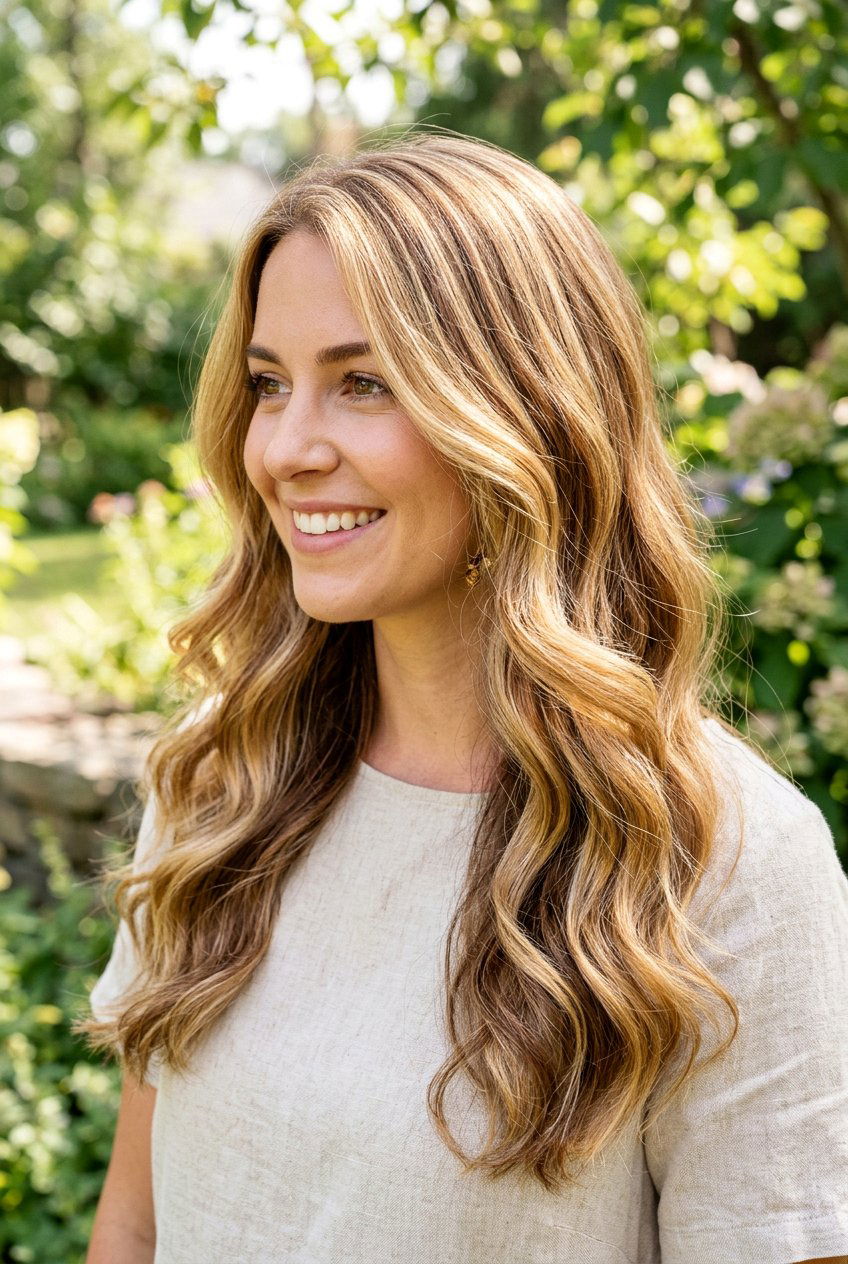


16. Salt and pepper lowlights for long hair
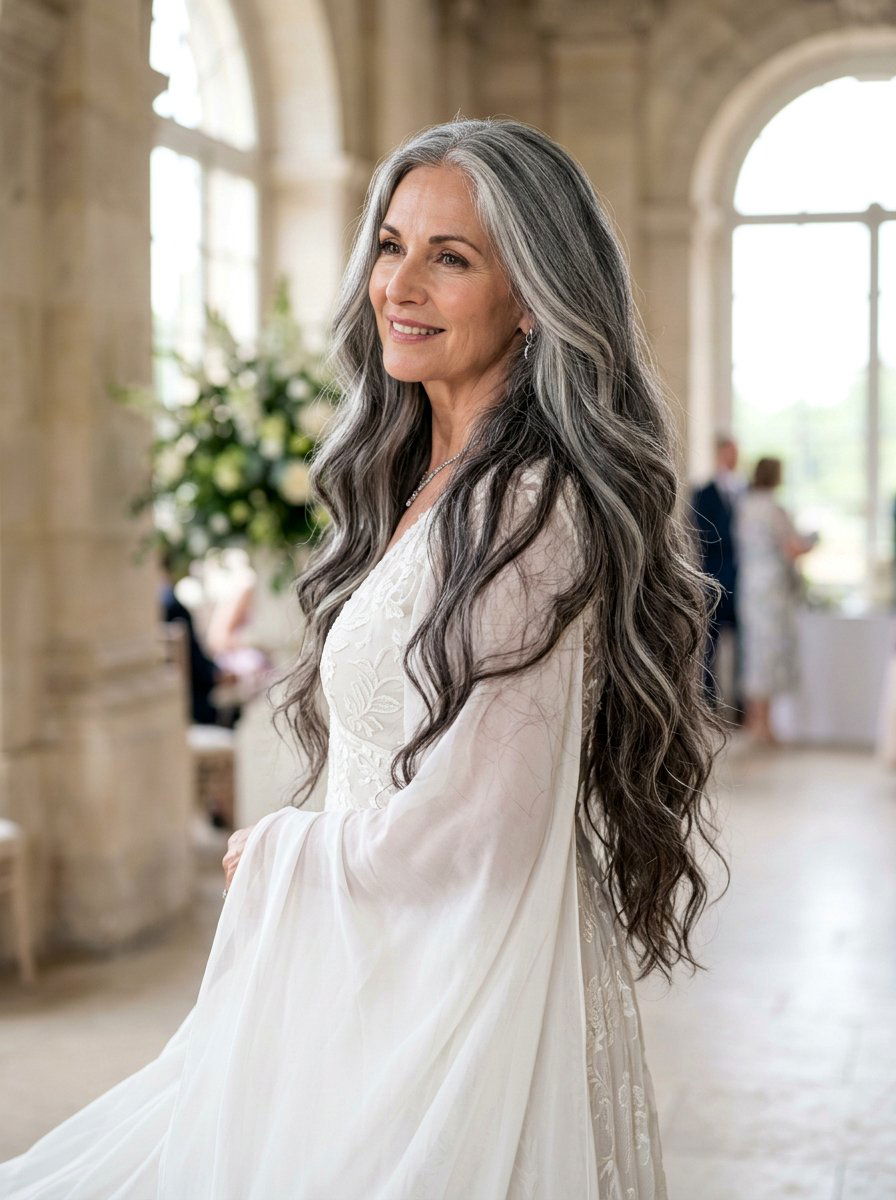
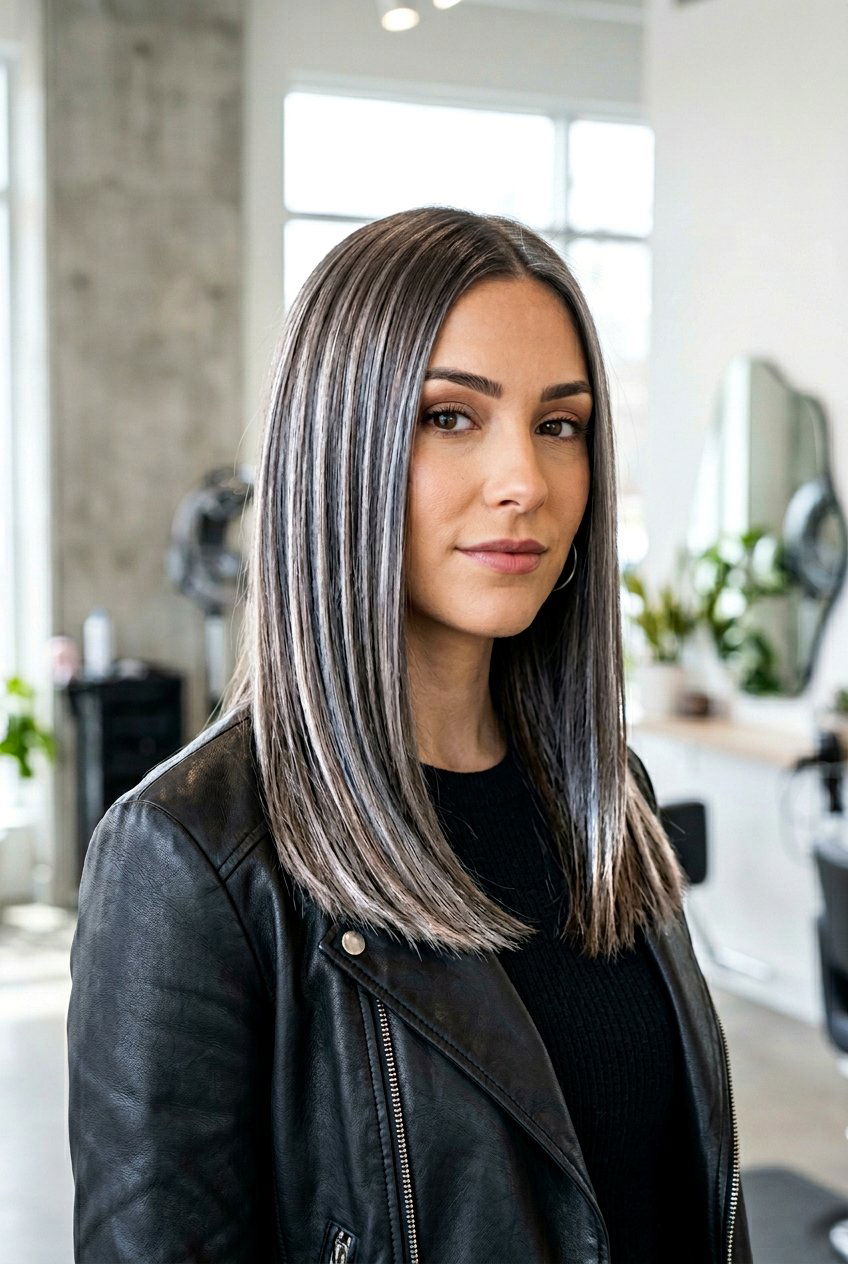
Long hair provides an expansive canvas for showing off a beautiful blend of salt and pepper tones. With more length, the stylist can create a flowing transition from darker roots to shimmering silver ends, interspersed with ribbons of lowlights throughout. This prevents long gray hair from looking flat or aged and instead gives it a “goddess” vibe that is very popular right now. The movement of long hair allows the different shades to peek through as you move, creating a dynamic and shimmering effect. Adding lowlights to long silver hair also helps to maintain the look of thickness, as it prevents the ends from appearing translucent or sparse.
17. Smokey quartz lowlights

Smokey quartz is a unique shade that sits between a soft brown and a cool gray, offering a translucent and shimmering finish. This is a “quiet luxury” choice for salt and pepper hair, as it adds depth without being too obvious or heavy. It is perfect for someone who wants a very subtle transition or a sophisticated, muted look. The smokey quartz tones act as a bridge between the natural white strands and any remaining dark hair, creating a very cohesive and soft appearance. This shade is also excellent for adding shine, as it contains multi-reflective pigments that make the hair look glowing and well-conditioned under any lighting.
18. Lowlights for thinning gray hair
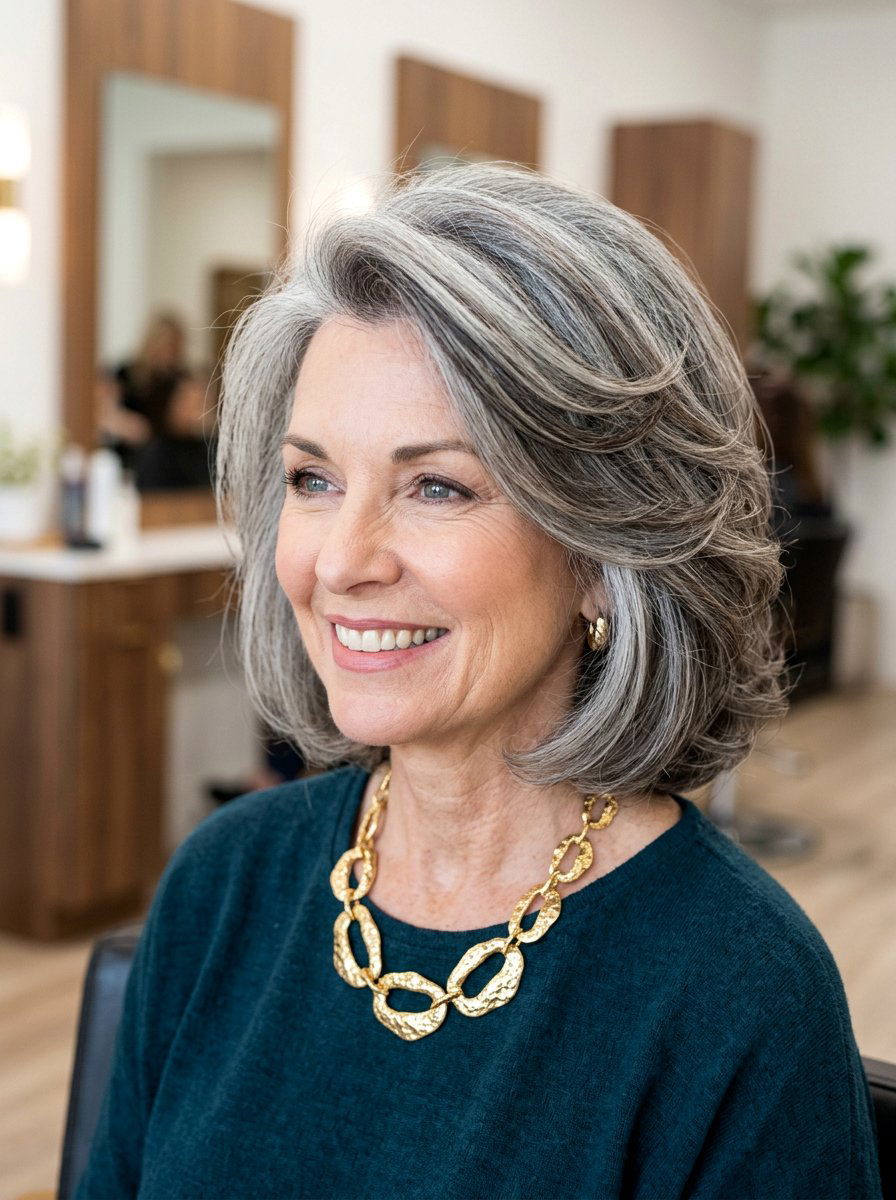
As hair matures, it can often become thinner, and a solid light color can make the scalp more visible. Salt and pepper lowlights are a fantastic solution for this, as the darker “pepper” tones create a shadow on the scalp that gives the illusion of more density. By placing lowlights at the roots and through the crown, the hair appears much fuller and more robust. This optical illusion is a game-changer for those dealing with age-related thinning, as it provides a boost of confidence along with a stylish new color. The contrast also draws the eye away from the scalp and toward the beautiful texture and variety of the hair strands themselves.
19. Reverse balayage for gray hair
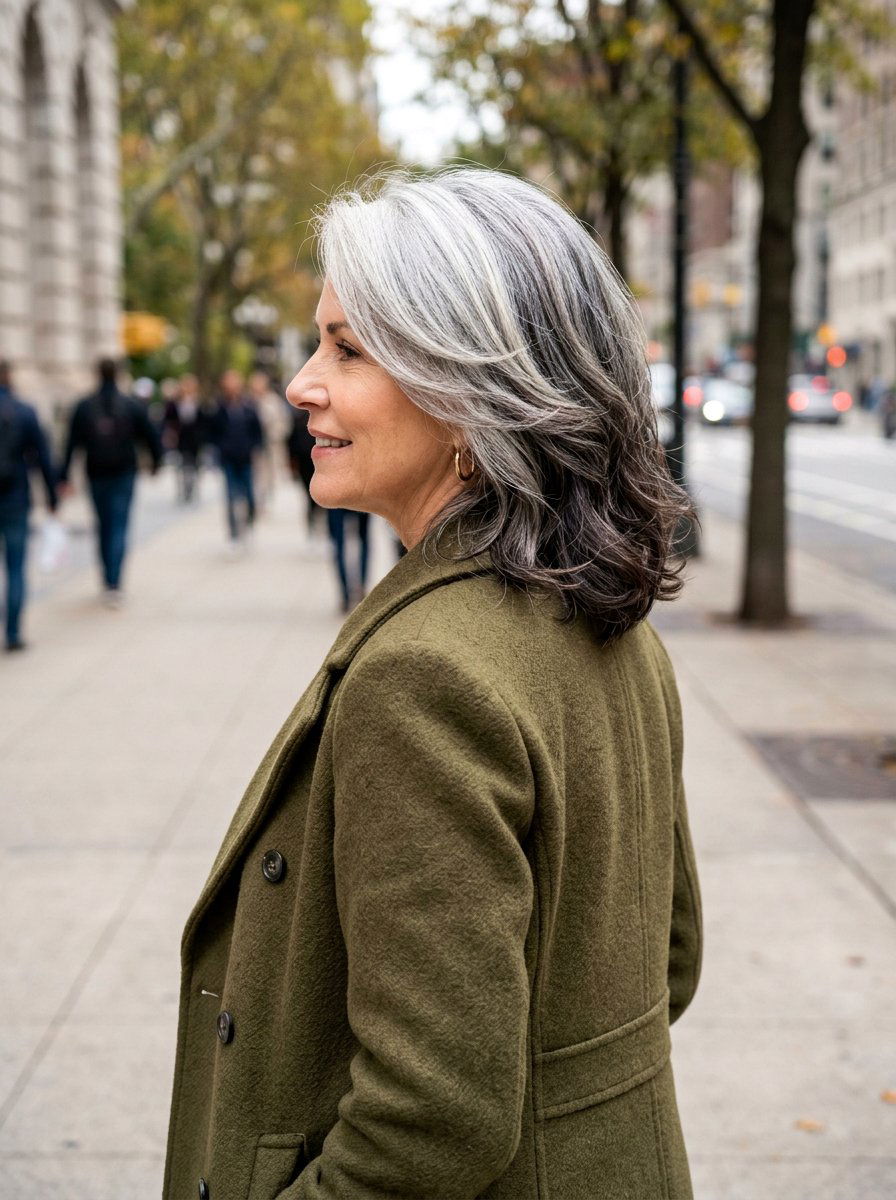
A reverse balayage is exactly what it sounds like: instead of lightening the ends, the stylist “paints” darker lowlights back into the hair. This is one of the most effective ways to achieve a salt and pepper look because it allows for total control over where the darkness is placed. You can choose to have more “pepper” around the bottom to create a solid base or keep it focused in the middle for a sun-kissed shadow effect. It is a highly creative process that results in a very modern and lived-in look. Because the darkness is concentrated away from the roots, it remains a very low-maintenance option that grows out gracefully over many months.
20. Salt and pepper lowlights maintenance
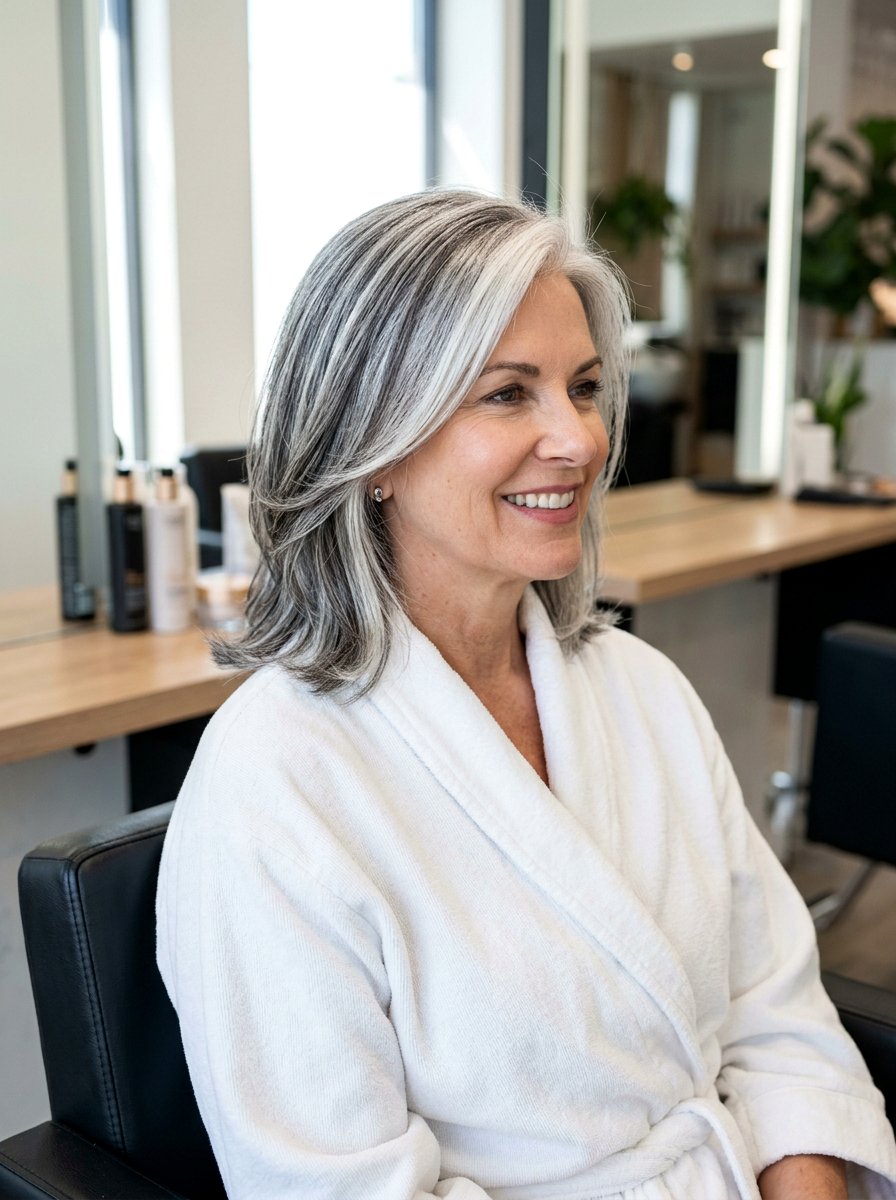
While lowlights are generally low-maintenance, keeping your salt and pepper look fresh requires a few specific care steps. Using a purple shampoo once a week is essential to keep the “salt” sections from turning yellow or brassy. Additionally, since gray hair can be naturally drier, incorporating a deep conditioning mask will keep your lowlights looking vibrant and prevent the dark tones from fading. Protecting your hair from heat and UV rays is also important, as sun exposure can lighten the lowlights and dull the silver. With the right products, your salt and pepper style will stay looking salon-fresh and sophisticated for a long time, making it a sustainable and beautiful choice.
Conclusion:
Salt and pepper lowlights represent a beautiful bridge between embracing nature and maintaining a high-fashion edge. This coloring technique proves that gray hair is anything but boring, offering endless possibilities for customization based on your hair type, skin tone, and personal style. By reintroducing depth through charcoal, ash brown, or even deep black tones, you can transform your silver strands into a multi-dimensional masterpiece. The low-maintenance nature of lowlights makes them an practical choice for the modern woman, allowing for a graceful transition that looks intentional every step of the way. Ultimately, choosing to enhance your natural gray with these professional techniques is an act of self-expression that celebrates maturity with elegance and a contemporary flair.
You'll Like These Styles:








Leave a Reply