
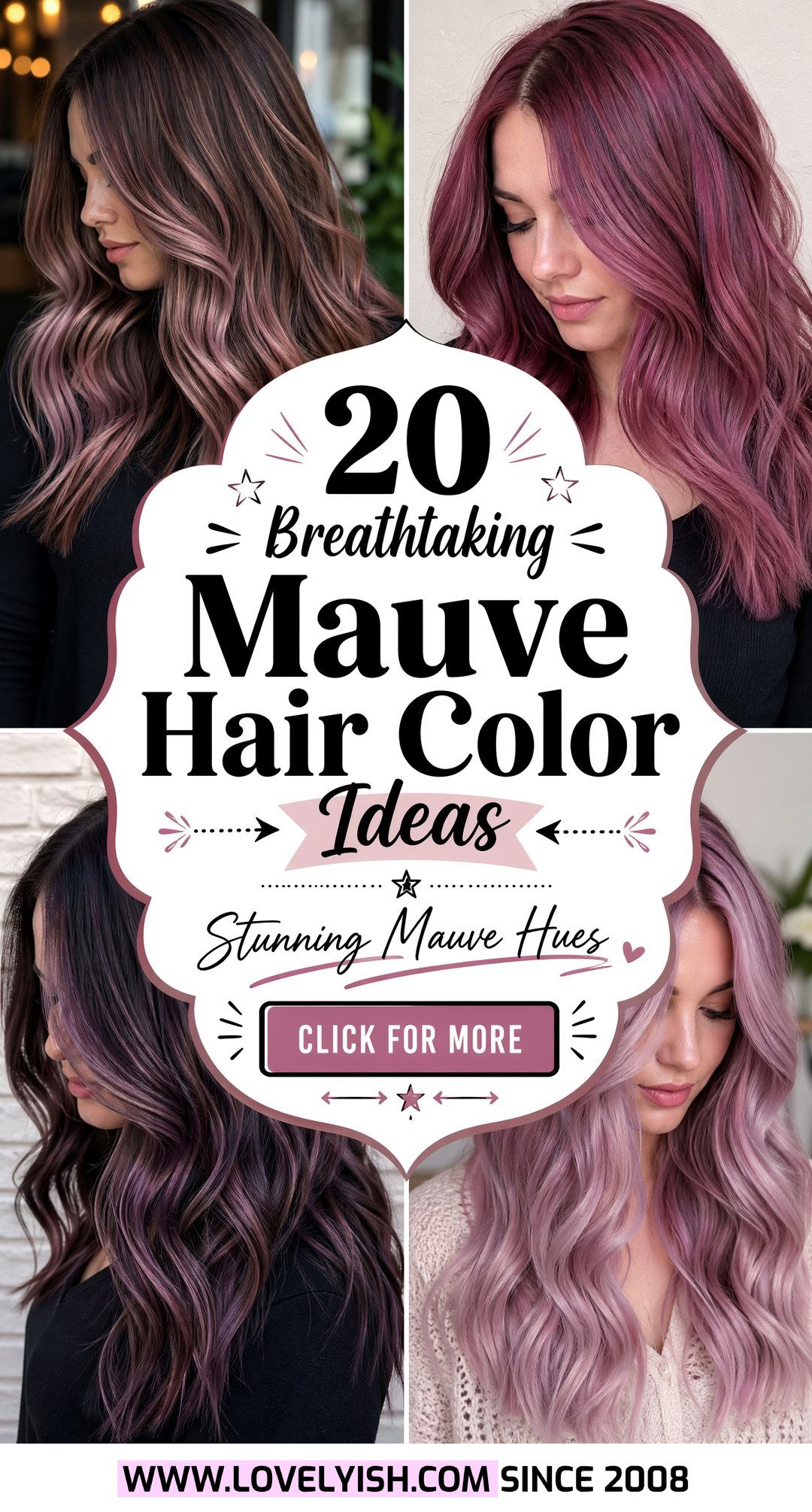
Soft but eye-catching, mauve hair color mixes pink, purple, and beige tones for a muted, wearable look that fits many skin tones and hair types. From chocolate-mauve brunettes to smoky pastel mauve, this shade family sits right between trendy and timeless, which is why it keeps showing up in recent hair color roundups and seasonal trend lists. Mauve also works beautifully as balayage, all-over color, or subtle highlights, so you can go bold or keep things low-key depending on your comfort level and hair history. The key to getting a flattering mauve is matching depth and undertone to your skin: cooler mauves tend to flatter cool or neutral complexions, while rosy or chocolate mauves harmonize with warmer undertones. Maintenance usually means using sulfate-free, color-safe products and scheduling gloss or toner appointments so the muted, dusty finish stays fresh instead of fading to an uneven wash of pink or purple.
1. Solid Mauve Hair Color
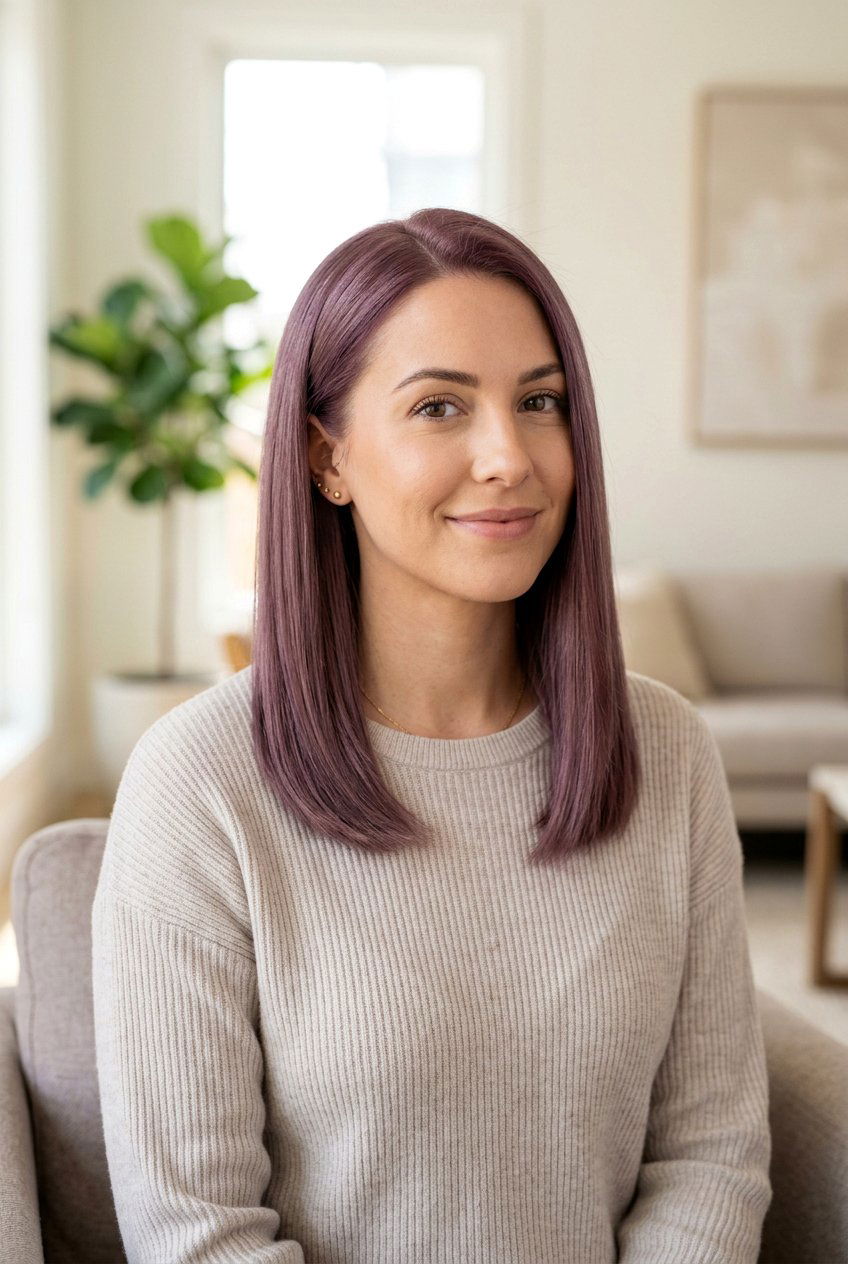
Think of solid mauve hair color as your starting point if you love a uniform, statement shade from roots to ends. This look uses one consistent mauve tone all over the head, usually in the medium depth range, so it reads as a full transformation rather than just a pop of color. It works especially well on pre-lightened hair, because the mauve pigments show up truer and more dimensional when placed over a clean, even base. People who want a fashion-forward look without streaks or balayage often choose a single-process mauve for that smooth curtain of color. To keep it looking glossy instead of flat, colorists often add a clear or tinted gloss after the dye and recommend purple-safe shampoos that are low in sulfates and high in hydration. This minimizes fading, which can otherwise shift mauve toward dull pink or grayish tones within a few weeks.
2. Mauve Balayage On Brown Hair
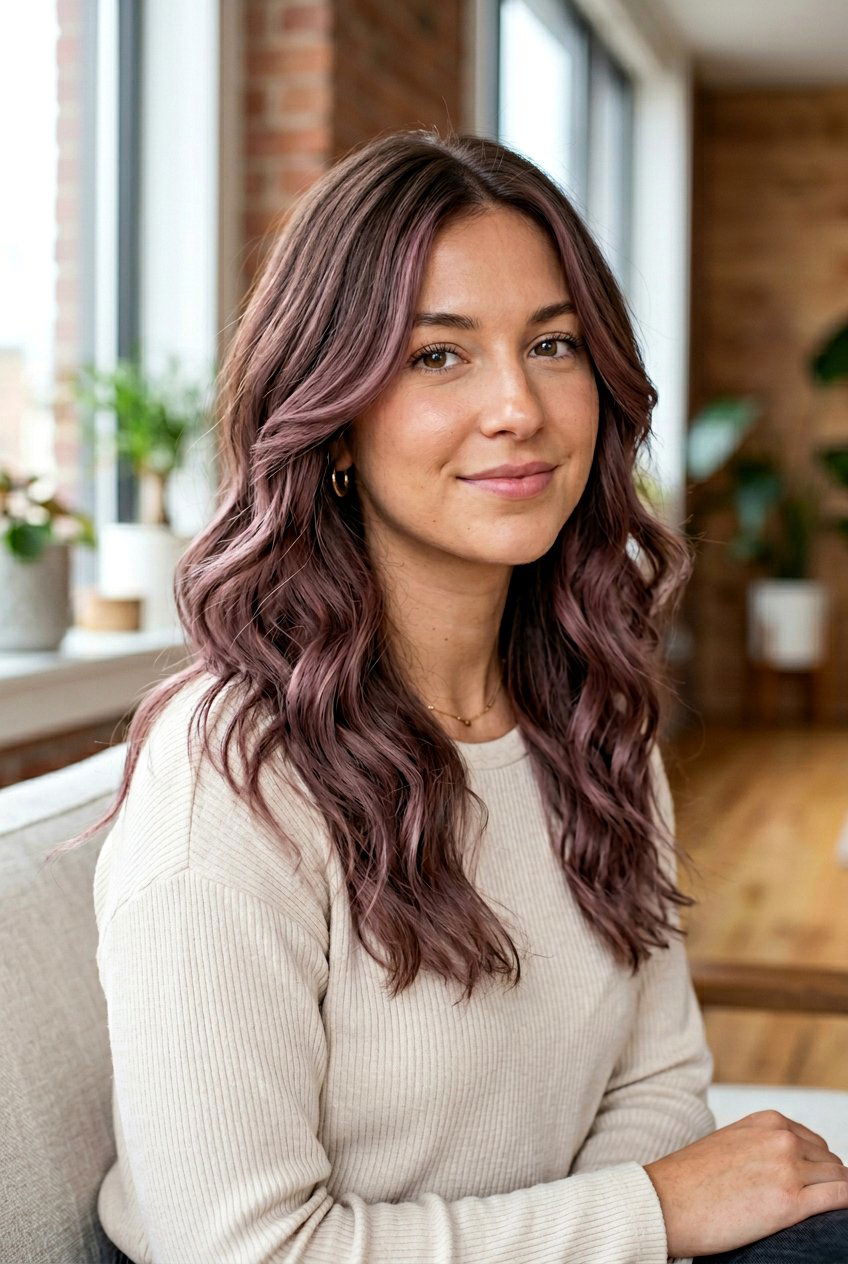
Mauve balayage on brown hair gives you that soft, blended color change without losing your natural depth at the roots. A colorist paints mauve tones through the mid-lengths and ends, often mixing pink, violet, and beige to create a smoky, dusty effect over brunette strands. This creates a seamless melt from dark roots into muted pastel lengths, which can be especially flattering on cool or neutral skin tones that pair well with violet-based hues. Because balayage is concentrated away from the scalp, the grow-out is more forgiving than a full root-to-tip color, so touch-ups can be spaced farther apart. You still need regular gloss appointments to refresh the mauve and keep brass from peeking through the lightened pieces underneath. Heat protectant becomes essential too, because previously dark hair has been lifted, and extra damage will speed up fading and dryness over time.
3. Chocolate Mauve Hair Color
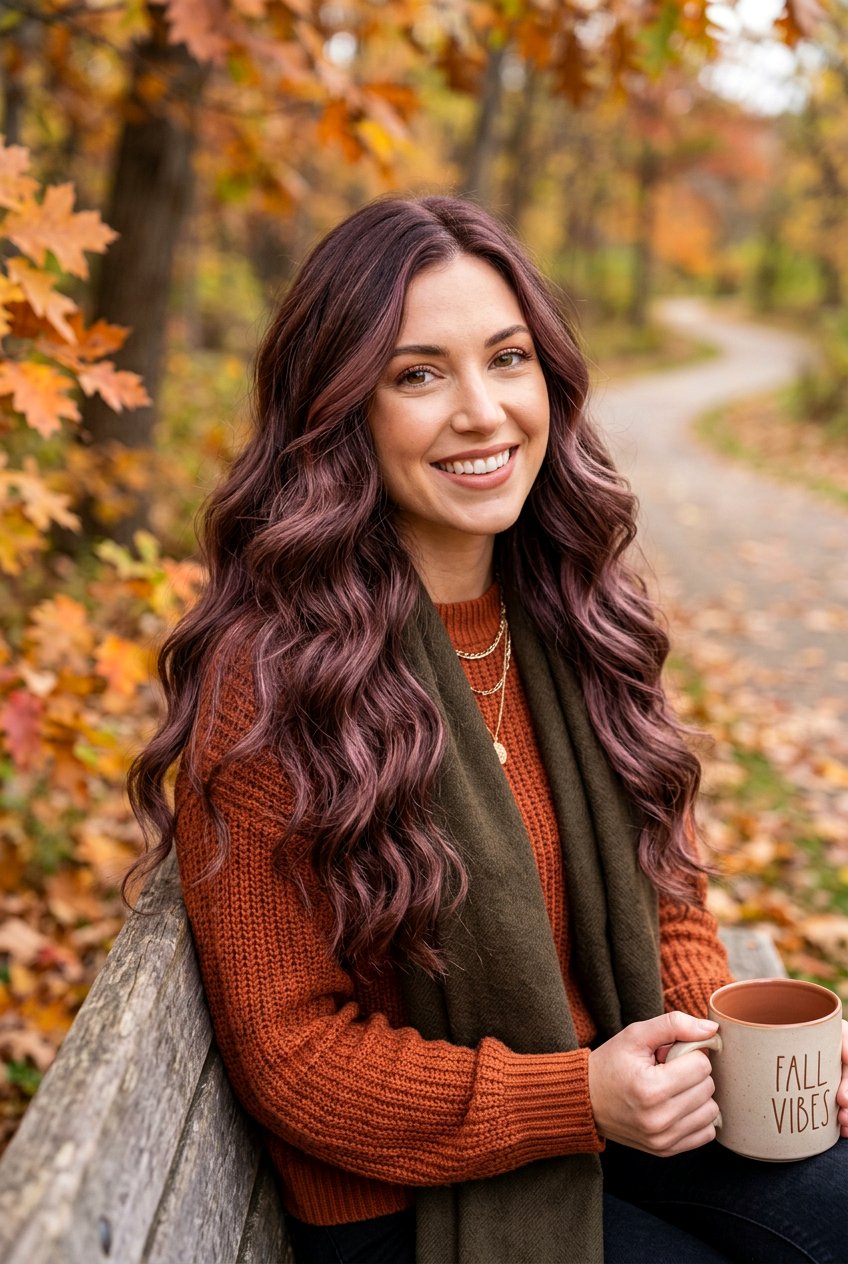
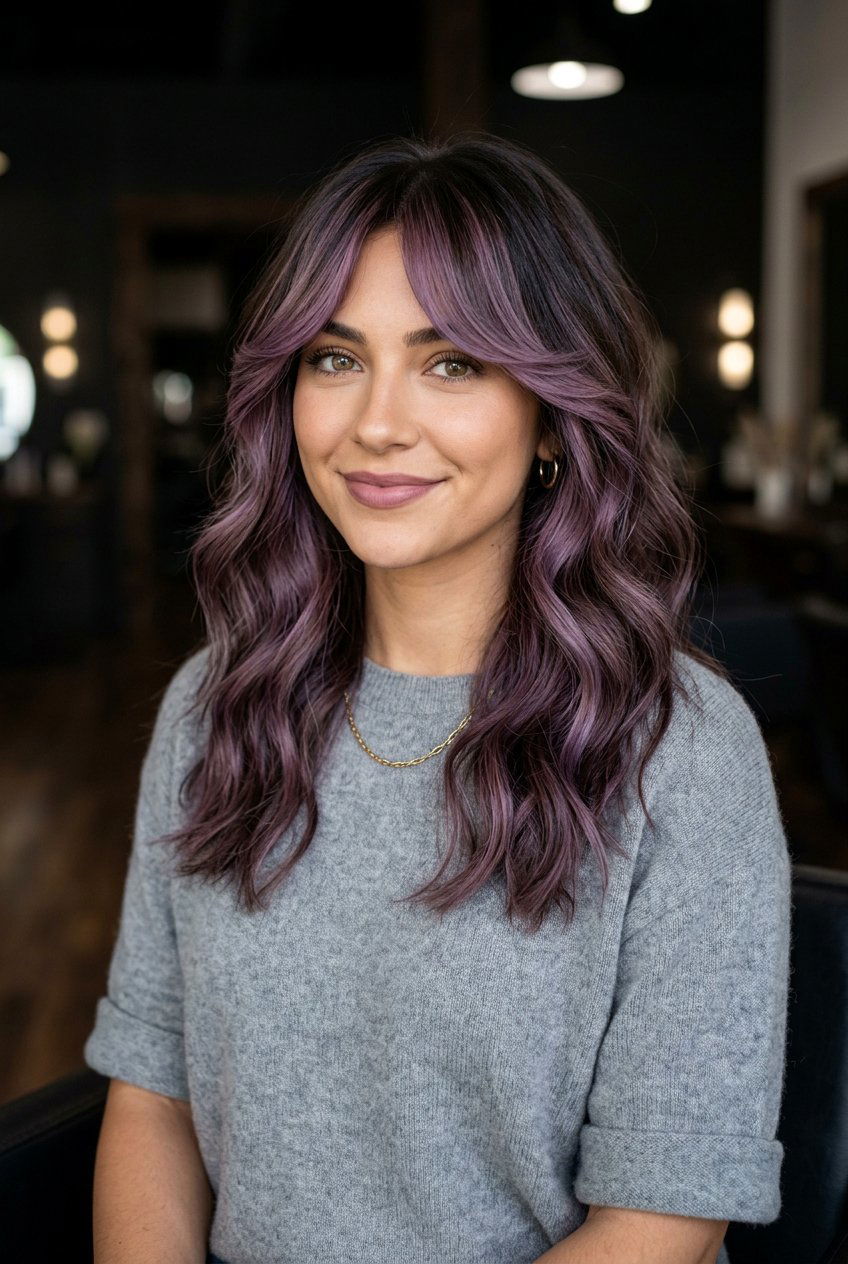
Chocolate mauve hair color blends rich brown tones with muted pink and purple hues for a soft, dessert-like finish that still feels sophisticated. The base stays chocolate or mocha, while mauve highlights or lowlights run through the mid-lengths and ends, giving the color movement without looking too loud. This combo has been highlighted in multiple hair trend features as a fall and winter favorite because it offers warmth and dimension without leaning brassy or orange. On medium to dark brunettes, chocolate mauve can be created with balayage or foils, focusing the lighter mauve pieces where the hair naturally catches the light. The result is a cozy, expensive-looking shade that flatters a wide range of skin tones, especially those with warm or neutral undertones that pair nicely with cocoa hues. Maintenance usually involves using color-safe shampoo plus occasional toning to keep the mauve from fading too pink while preserving the chocolate depth.
4. Dusty Mauve Hair Color
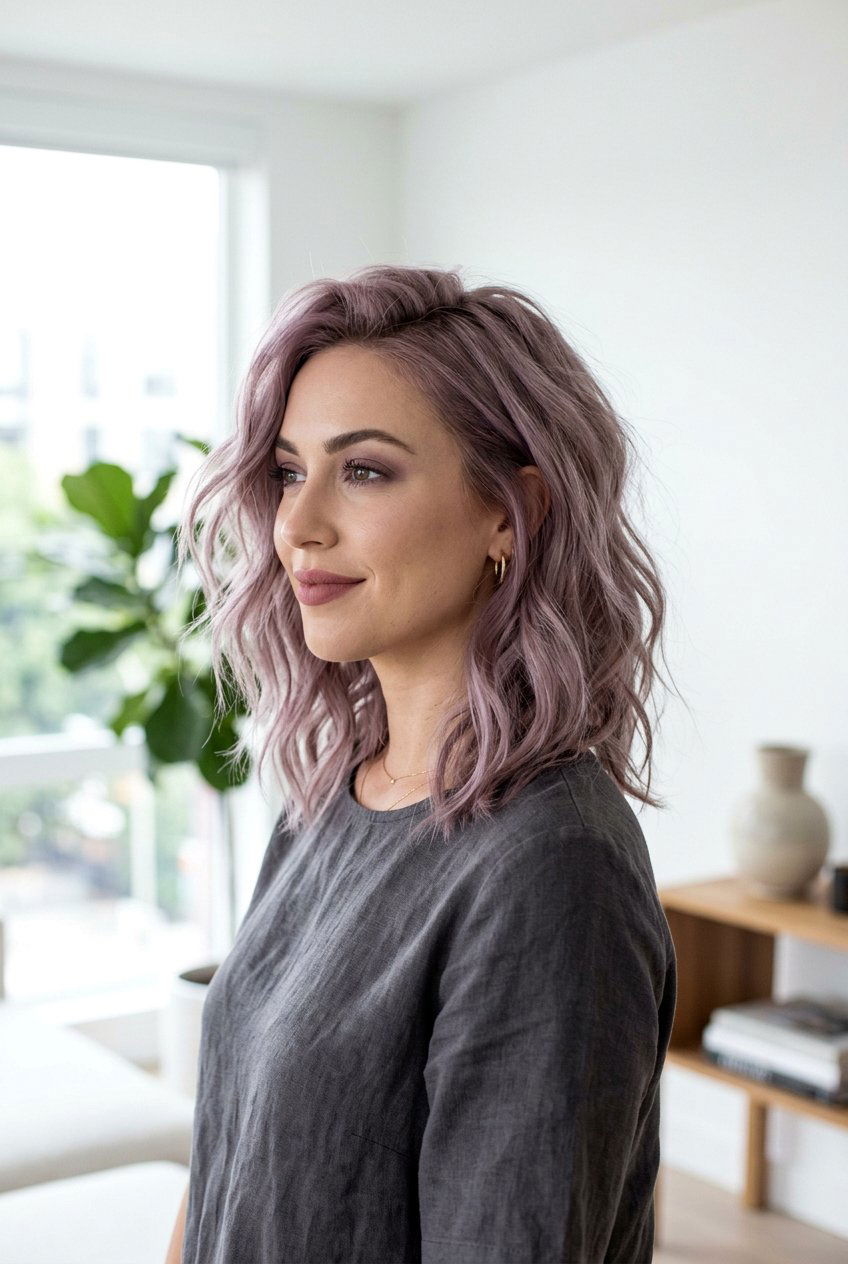
Dusty mauve hair color is perfect if you prefer soft, muted tones over bright, neon purples. This look leans into gray, taupe, and lavender notes, creating a haze of color that feels chic and understated rather than bold and electric. It often looks best on light to medium blonde bases, because the dusty pigment needs a pale canvas to read as subtle mauve instead of muddy brown. People with cooler skin undertones usually find this shade especially flattering since the ashy cast mirrors their natural coloring. To keep the dusty finish intact, stylists recommend toners that balance warmth and regular use of color-depositing conditioners that top up the mauve without over-saturating the hair. Avoiding high-heat styling or at least using a strong heat protectant helps prevent the underlying warmth from poking through and making the color look more pink-orange than smoky mauve.
5. Rose Gold Mauve Hair Color
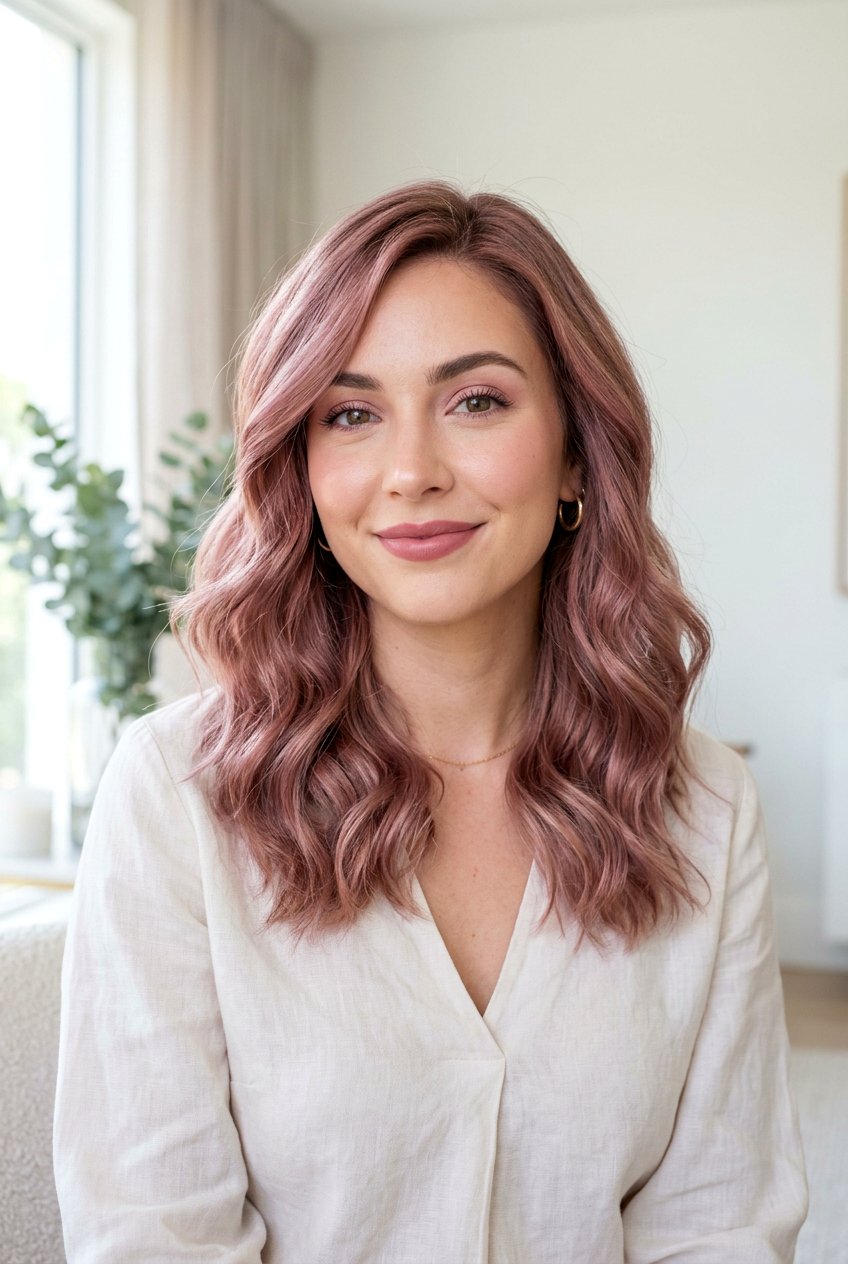
Rose gold mauve hair color bridges the gap between bubblegum pink and classic rose gold by weaving in violet and cool beige tones. The overall effect is a soft, luminous pink that has just enough purple to feel modern and a little edgy. On blondes, this often looks like a shimmering wash of mauve rose over a pale base, while on light brunettes it can appear more dimensional as highlights and lowlights. Rose gold mauve pairs beautifully with warmer skin tones and those who already love wearing rosy makeup, because it ties the whole look together. Since pink pigments tend to fade relatively quickly, stylists usually emphasize gentle washing routines, cool water, and periodic at-home masks that contain compatible pigment to revive the blushy hue between salon visits. Using UV-protecting hair products also helps keep this reflective, metallic-inspired color from dulling in harsh sunlight over time.
6. Mauve Ombre Hair Color
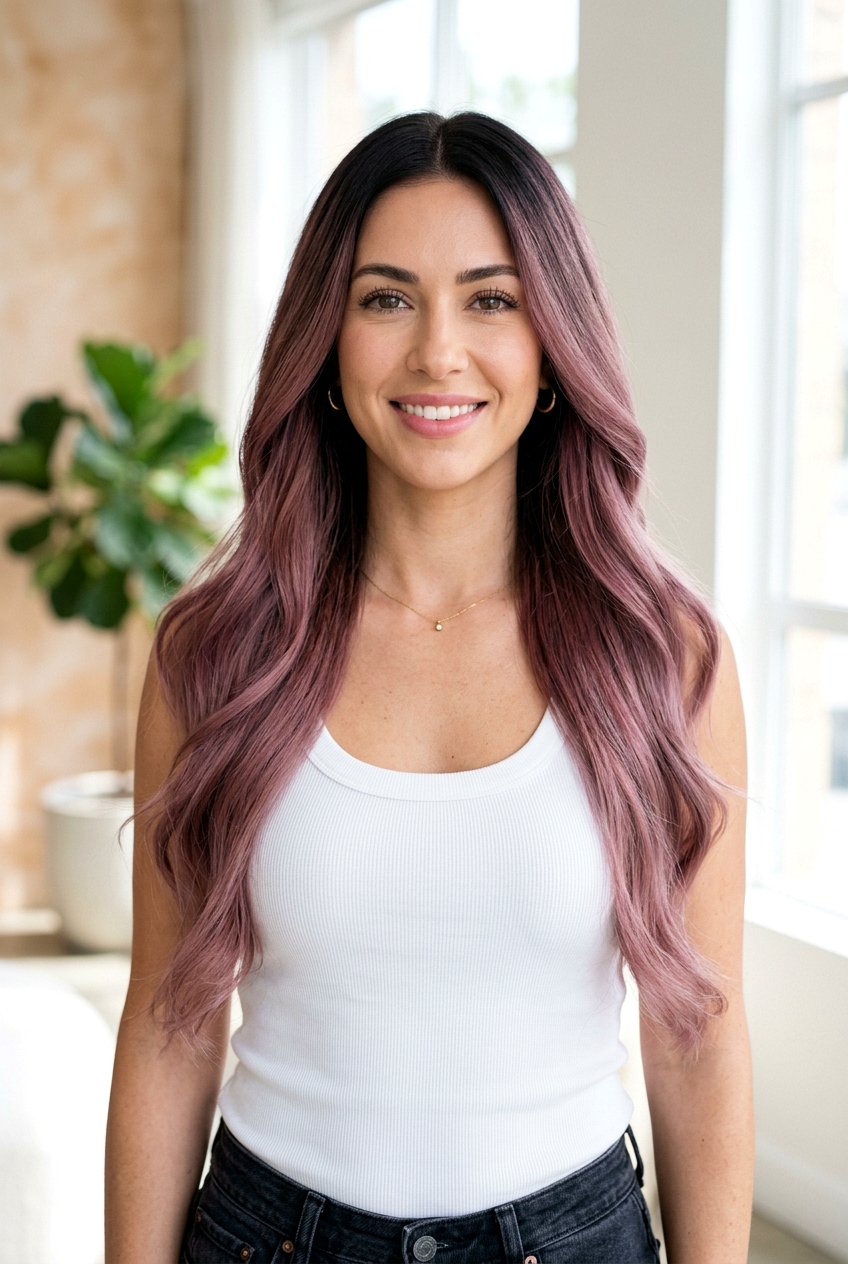
Mauve ombre hair color focuses on a noticeable gradient, transitioning from deeper roots to lighter mauve ends with a clear shift in tone. Unlike balayage, which is more freeform and scattered, ombre usually has a more defined line where the color starts to change, even if it is softly blended. This look is ideal if you want to keep your natural color at the top for low maintenance while still enjoying a strong mauve statement toward the bottom. On dark hair, the mid-lengths and ends are often pre-lightened before applying mauve, so the gradient moves from deep brown or black into light, dusty purple-pink. Since the roots remain dark and natural, you can go longer between touch-ups and focus salon visits on refreshing the mauve and treating the lightened portions. At home, hydrating masks and bonding treatments keep the ends from feeling brittle, which is crucial because bright ombre tips draw attention to hair health.
7. Smoky Mauve Hair Color
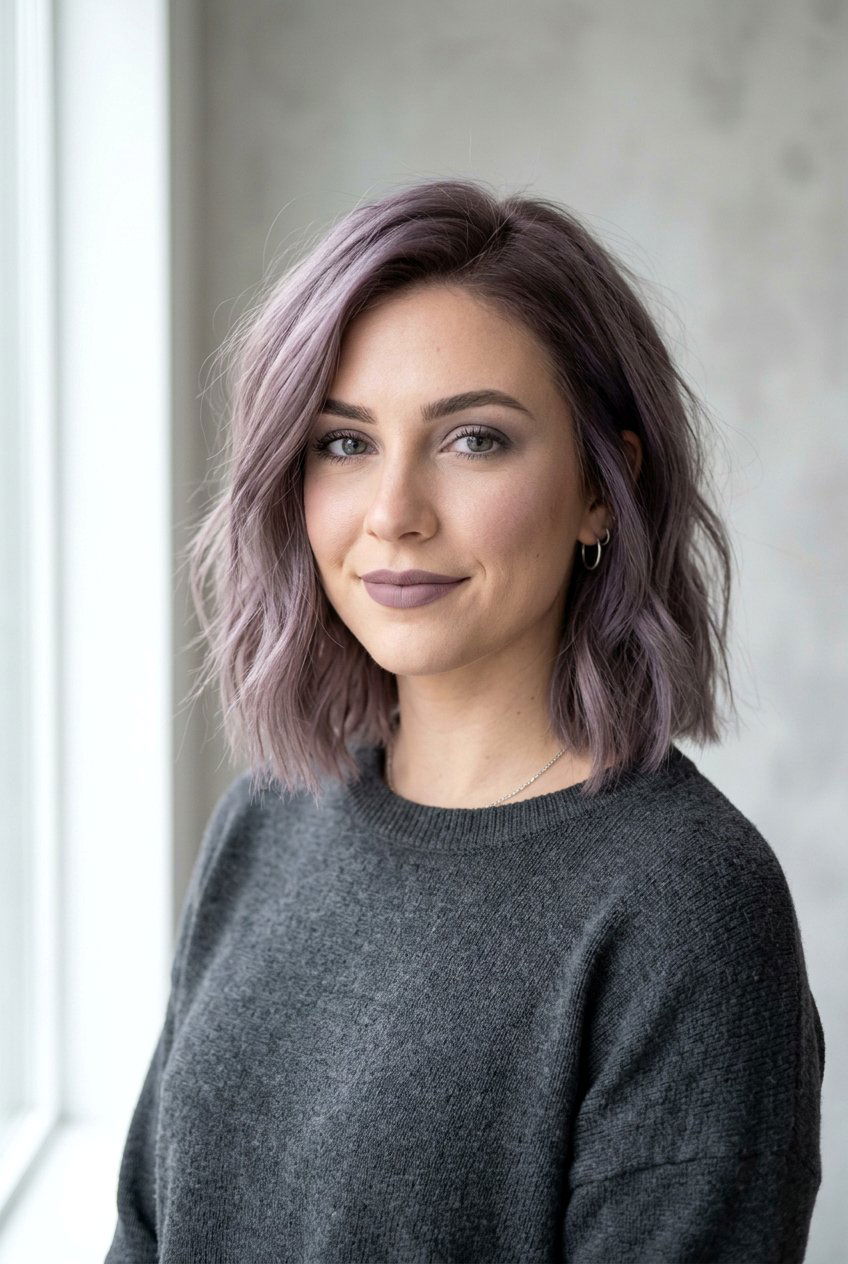
Smoky mauve hair color feels like a moody, filtered version of purple, with a strong gray or silver undertone that creates depth. It often sits somewhere between charcoal and lavender, giving the impression of hazy plum rather than straightforward pink. This shade tends to look best on cooler or neutral complexions, especially when the underlying hair has been lifted to a pale yellow or beige that can support ash tones. Smoky mauve is popular with people who like alternative or grunge-inspired aesthetics but still want a polished finish that works in everyday life. Maintenance usually involves purple or blue-toned shampoos to keep brass out, plus salon toners that reintroduce the smoky hue without over-darkening the hair. Because ash pigments can fade faster, keeping hot tools on lower settings and minimizing sun exposure are key steps to keeping the color cool and dimensional.
8. Mauve Brown Hair Color

Mauve brown hair color is a subtle way to try the trend if you prefer natural-looking hair with just a hint of something different. Here, the primary impression is still brown, but there are muted pink and violet tones woven through the formula to give the shade a soft, rosey cast. This works well for anyone who wants a professional, office-friendly look that still reads as modern and slightly unexpected up close. On medium and deeper brunettes, mauve brown often shows up most in the light, when the cooler pigments reflect and give the hair a gentle sheen. It is usually created with permanent or demi-permanent color rather than direct dye, making it a good option when gray coverage is also a concern. With a solid aftercare routine—think gentle cleansing, hydrating conditioners, and occasional glossing appointments—the mauve undertone can stay visible for weeks without turning flat or overly warm.
9. Dark Mauve Hair Color
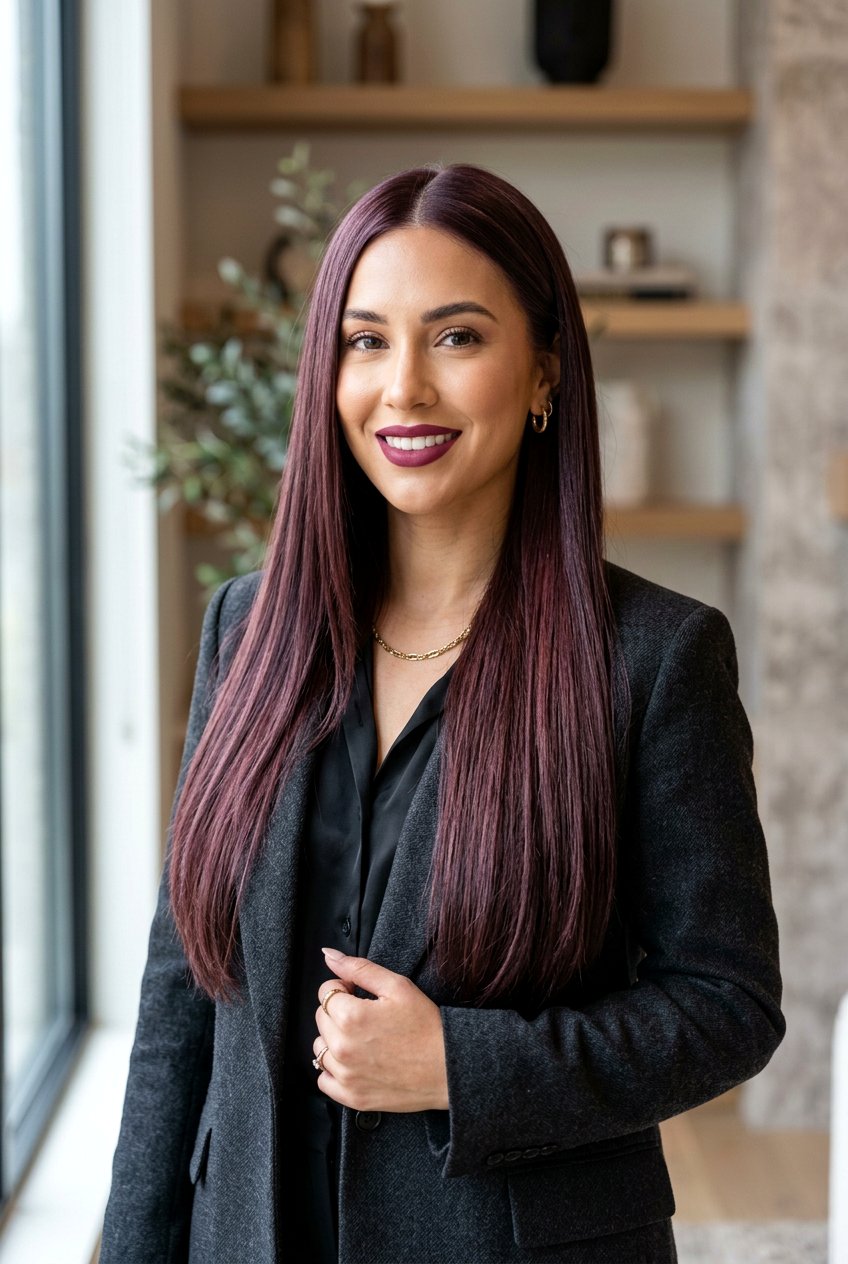
Dark mauve hair color leans into deeper plum and wine tones, making it a striking choice for fall and winter when richer shades dominate trend lists. This look can be built over naturally dark hair using violet and burgundy-based dyes that add dimension without requiring extreme lightening. The result is often a glossy, multi-dimensional purple-brown that looks almost natural indoors but reveals more Mauve intensity in bright light. It can flatter many skin tones, but it especially complements deeper complexions and those with cool or neutral undertones. Since less lifting is usually involved, dark mauve can be gentler on the hair shaft and easier to maintain compared to pale pastels, though color-safe care is still important. Using sulfate-free shampoo, minimizing chlorine exposure, and scheduling occasional shine treatments will help keep the dark mauve rich instead of muddy.
10. Light Mauve Hair Color
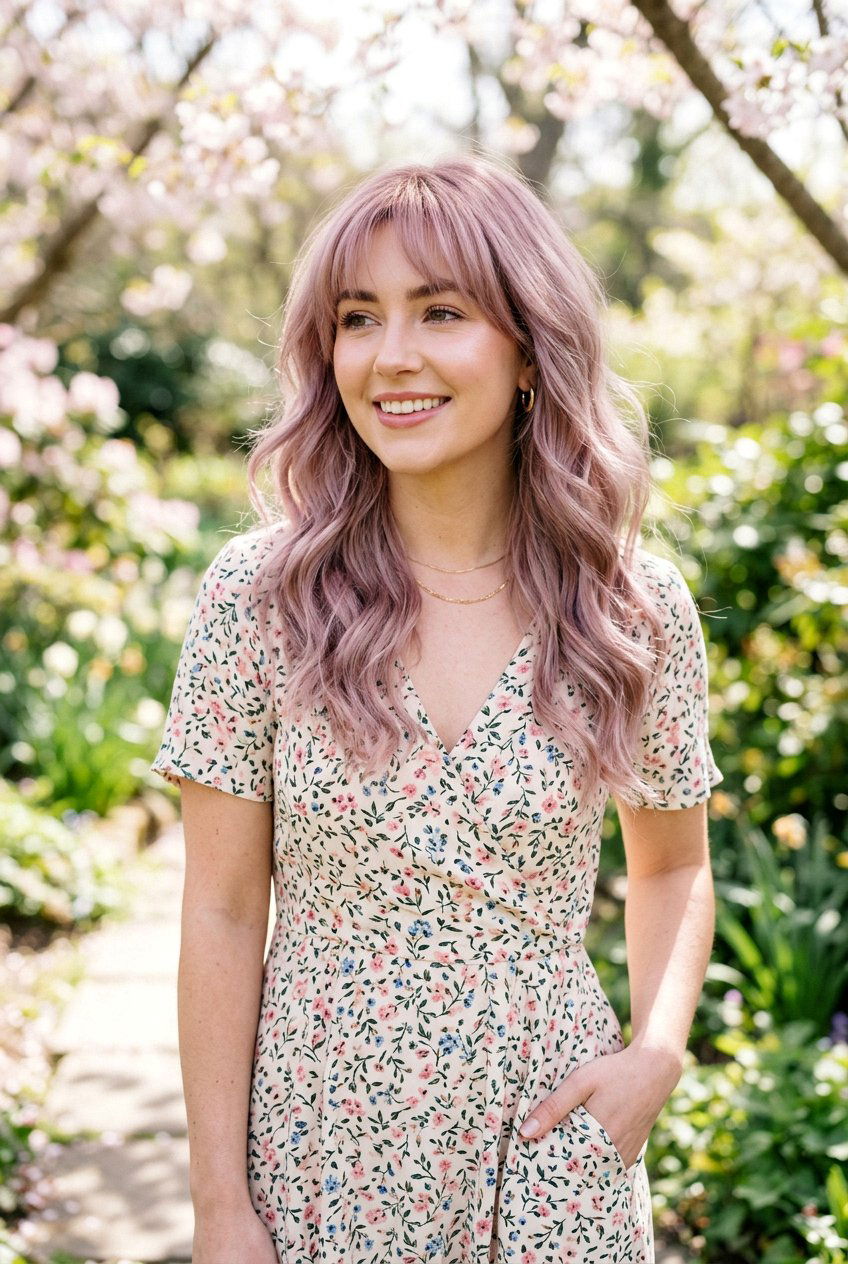
Light mauve hair color gives a dreamy, pastel effect that looks almost cloud-like on the hair. It typically sits in the pale lavender-pink range, which means the hair needs to be lifted fairly light before color is applied. On naturally lighter blondes, this can be achieved with less bleach, making it more accessible and less damaging than it is for very dark hair. Light mauve often pairs beautifully with soft waves or airy layers, because the movement helps the pastel tones catch the light and avoid looking flat. The tradeoff for that ethereal look is higher upkeep: pastel pigments wash out more quickly, so you will need regular toning sessions and at-home color-depositing masks. Gentle washing, cool water, and frequent conditioning treatments are essential to keep the hair healthy enough to carry such a delicate, translucent shade.
11. Mauve Highlights On Dark Hair
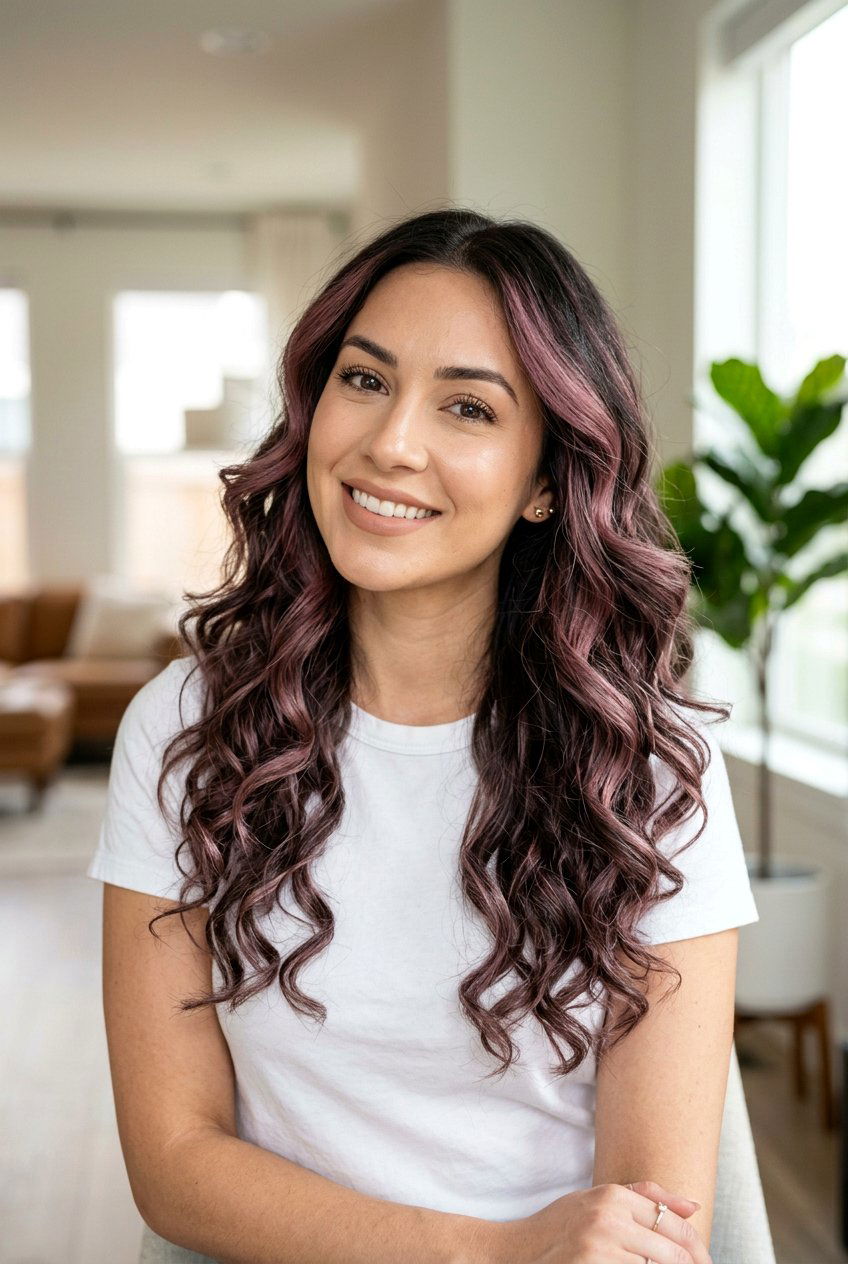
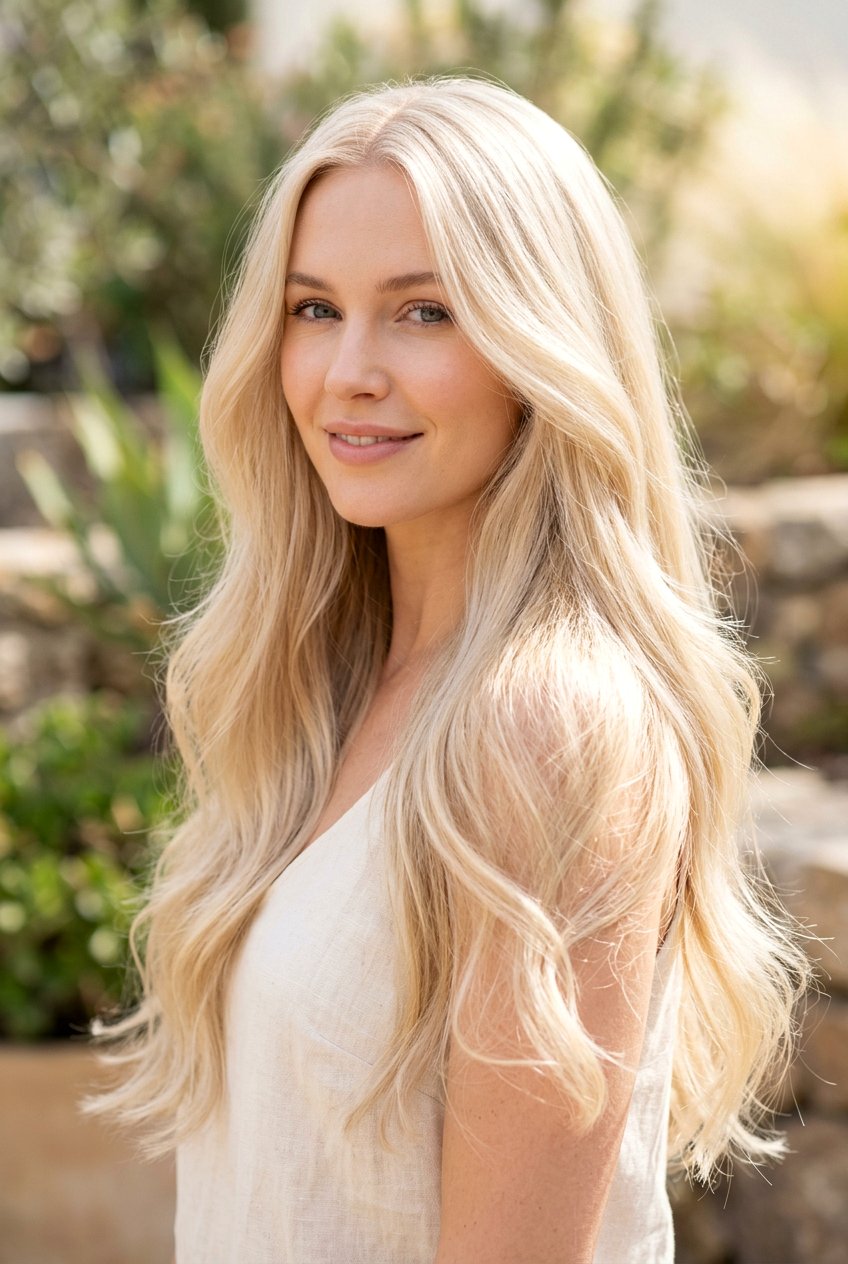
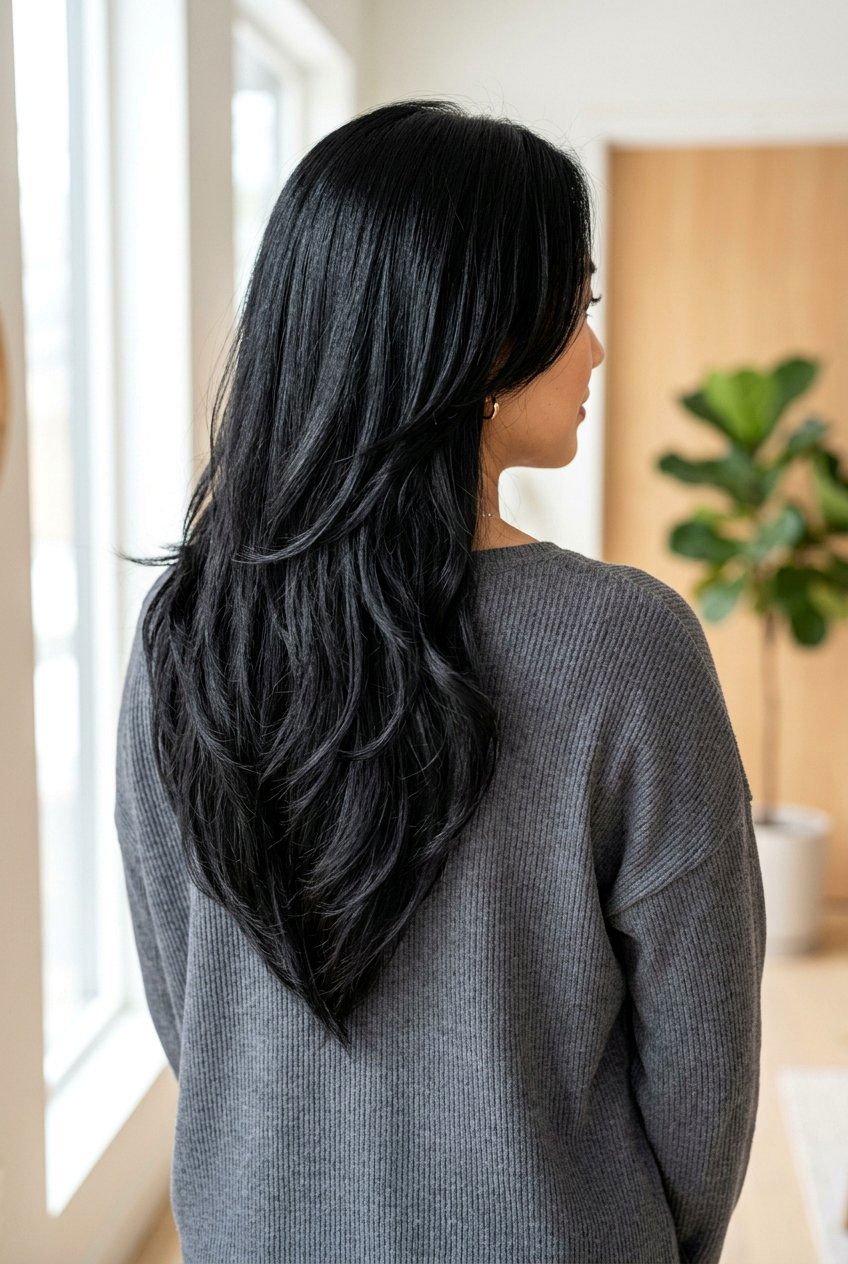
Mauve highlights on dark hair create a cool contrast that feels bold but still wearable. Instead of lightening the whole head, a stylist strategically lifts select sections and applies mauve, so the color peeks through curls, layers, or waves. This is a great option if you want to experiment without giving up your natural base or if you prefer dimension over a solid color. Mauve highlights can be fine and subtle or chunkier and more statement-making, depending on your personal style and how visible you want the lighter pieces to be. Regular toning service keeps the highlights from turning brassy or overly pink as they fade, especially on previously dark hair that can show warmth more quickly. Protecting those highlighted sections with leave-in conditioners, nourishing masks, and heat protectant helps maintain shine and prevent breakage where the hair has been lightened.
12. Mauve Money Piece Hair Color
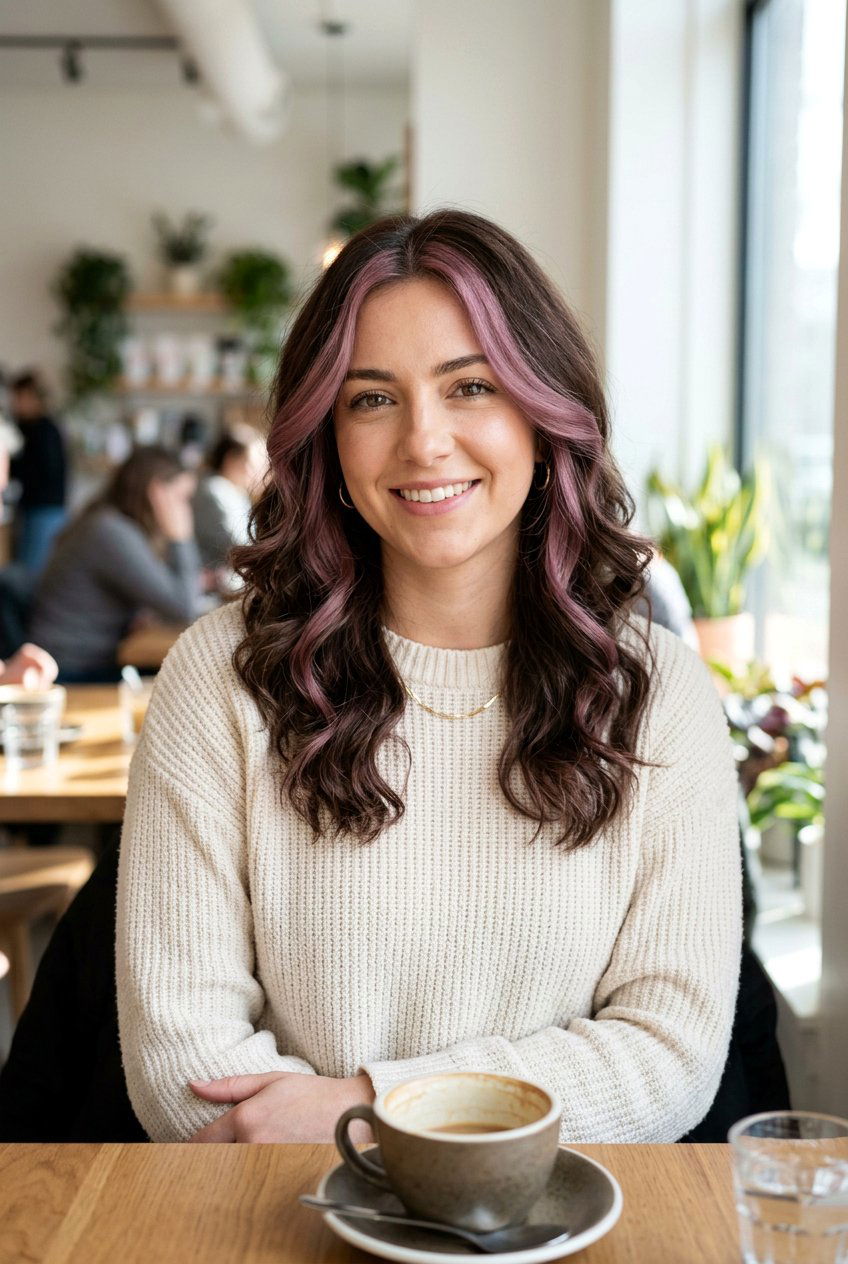
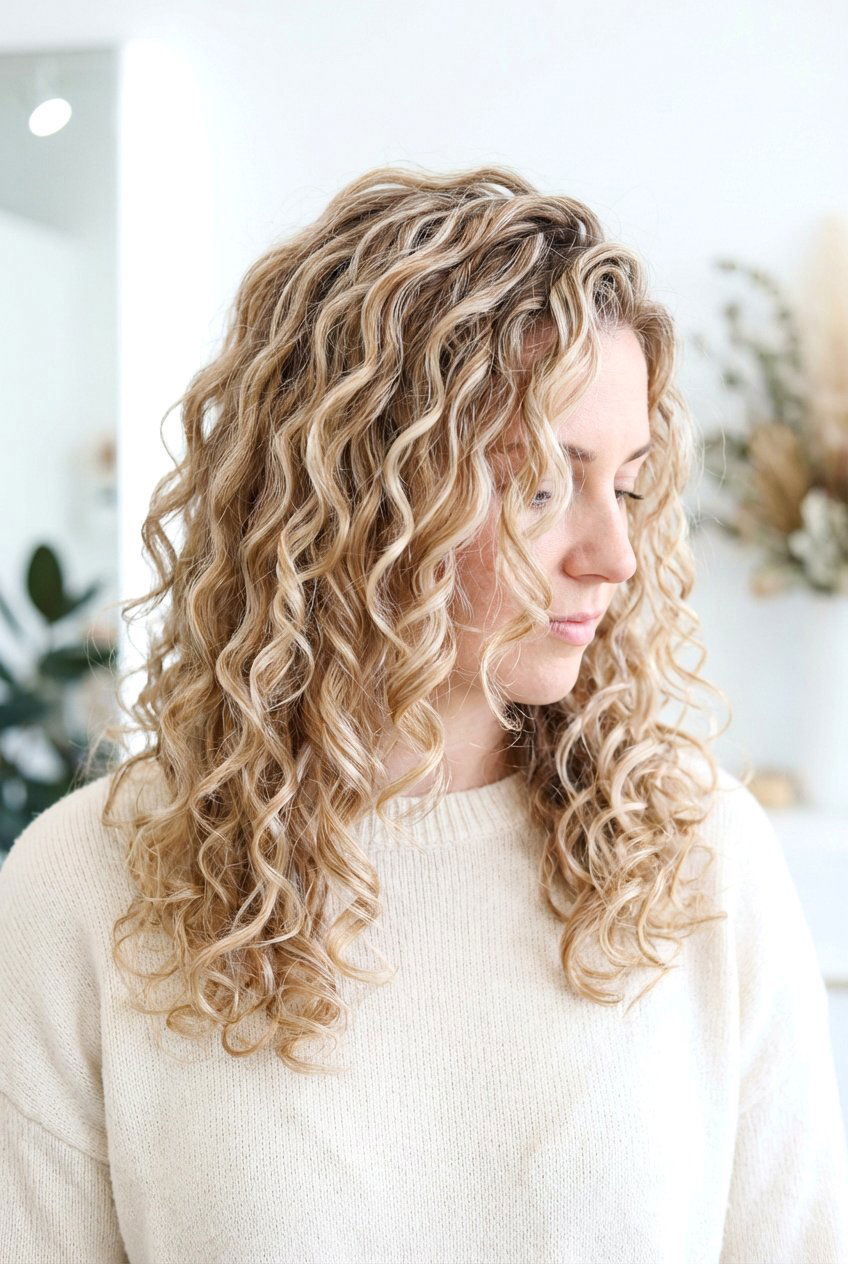
A mauve money piece hair color lets you try the trend with minimal commitment by focusing the shade around the face. The front sections near the hairline are lightened and then colored mauve, framing your features while the rest of your hair stays closer to your natural tone. This face-framing pop pairs nicely with layered cuts and curtain bangs because it draws the eye to your cheekbones and eyes. It is popular among people who like bold color placement but need an overall look that still feels manageable for everyday life. Because the money piece is directly exposed to sun and styling tools, it can fade faster than interior sections, making regular at-home care and touch-up glosses especially important. Stylists often recommend gentle styling around the front and using color-safe styling products to keep the mauve bright and the hairline healthy.
13. Mauve Pink Hair Color
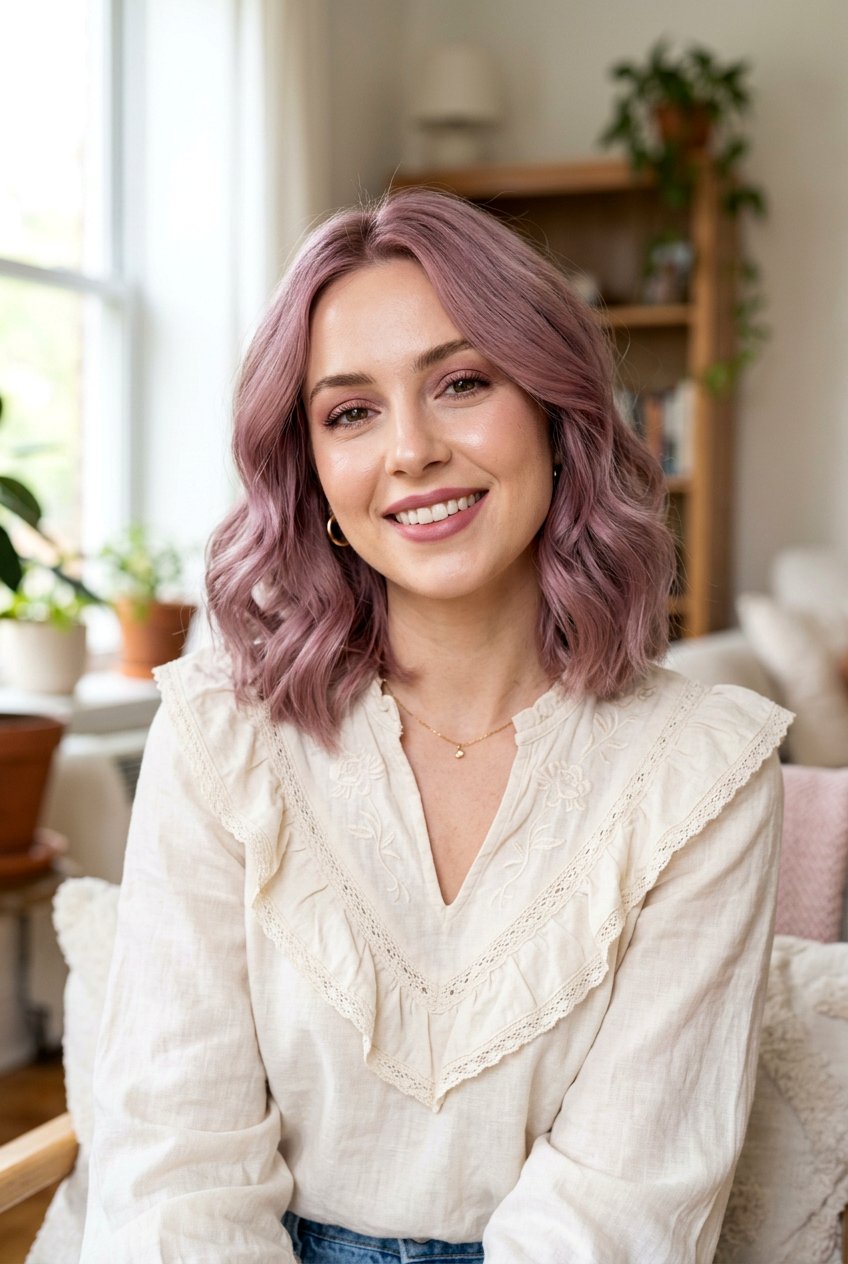
Mauve pink hair color softens classic pink with violet and beige tones, making it more wearable and less neon. The overall effect feels romantic and trendy at the same time, especially when styled with loose waves or relaxed curls. It tends to flatter those with neutral or cool undertones, though warmer complexions can wear it too when the formula leans slightly rosier. On pre-lightened hair, mauve pink can be applied as an all-over color or as a gradient from slightly deeper roots to lighter ends for added depth. Because pink pigments fade toward peach, keeping the balance with occasional violet-toned conditioners can help maintain the mauve part of the equation. A gentle routine—fewer washes, low-heat styling, and nourishing products—will keep both the color and the hair’s texture in good shape.
14. Ash Mauve Hair Color
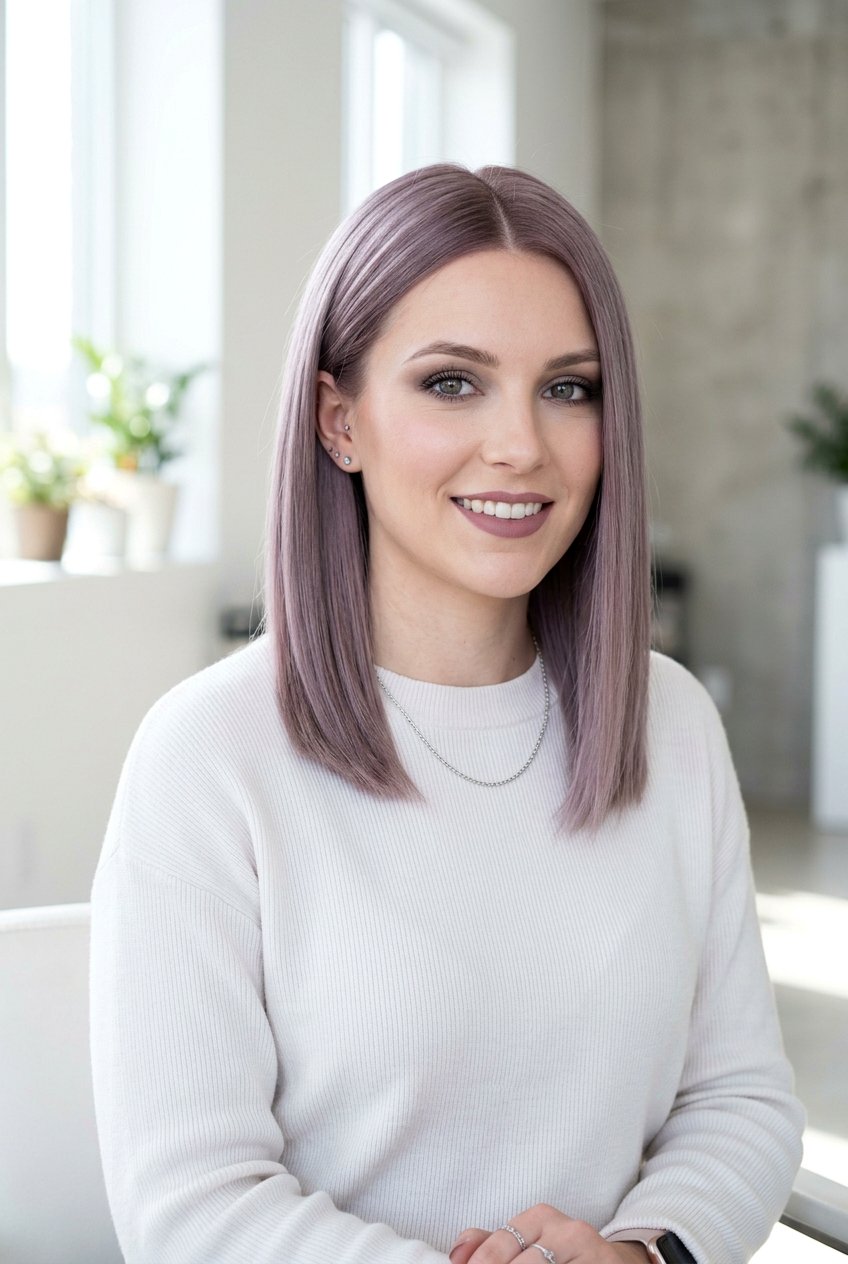
Ash mauve hair color cools the shade down with gray and blue undertones, making it a sleek option for those who dislike warmth. It can look almost metallic in certain lighting, which is why it pairs so well with the current trend toward glossy, reflective finishes. Achieving this look usually involves lifting the hair to a pale base and then layering ash and mauve pigments to cancel out yellow while still delivering a muted purple cast. This color especially suits cooler complexions and can give an edgy twist to classic cuts like lobs and straight, blunt ends. Because ash tones can fade to slightly greenish or muddy if not maintained, consistent use of the right toning products and regular glosses is key. Heat and sun protection also help prevent unwanted warmth from emerging and keep the color looking clean and sophisticated.
15. Mauve Blonde Hair Color
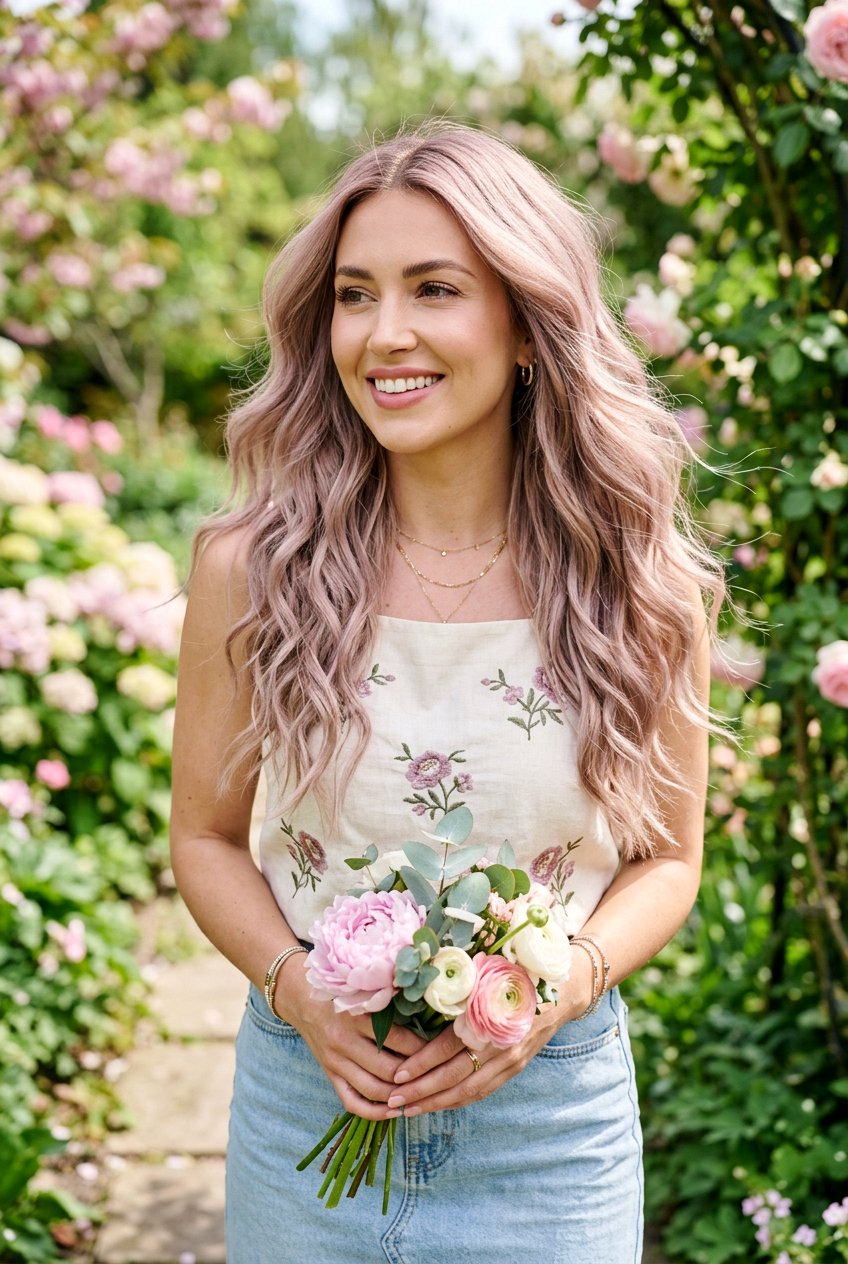
Mauve blonde hair color combines soft blonde with hints of lavender and pink, resulting in a light, whimsical shade. It is often created by toning a light blonde base with mauve pigments so the final color feels like cool rose beige rather than bright purple. This shade can be worn as an all-over look or with darker roots for a softer grow-out and a bit more depth at the scalp. Mauve blonde tends to suit fair to medium skin tones particularly well, but with the right balance of warmth and coolness it can be customized widely. To maintain the tone, stylists typically recommend color-safe shampoos, nourishing conditioners, and periodic salon toners to keep brassiness in check. Since blonde hair has already been lightened, prioritizing moisture and bond-repair treatments will help your mauve blonde look shiny instead of dry or straw-like.
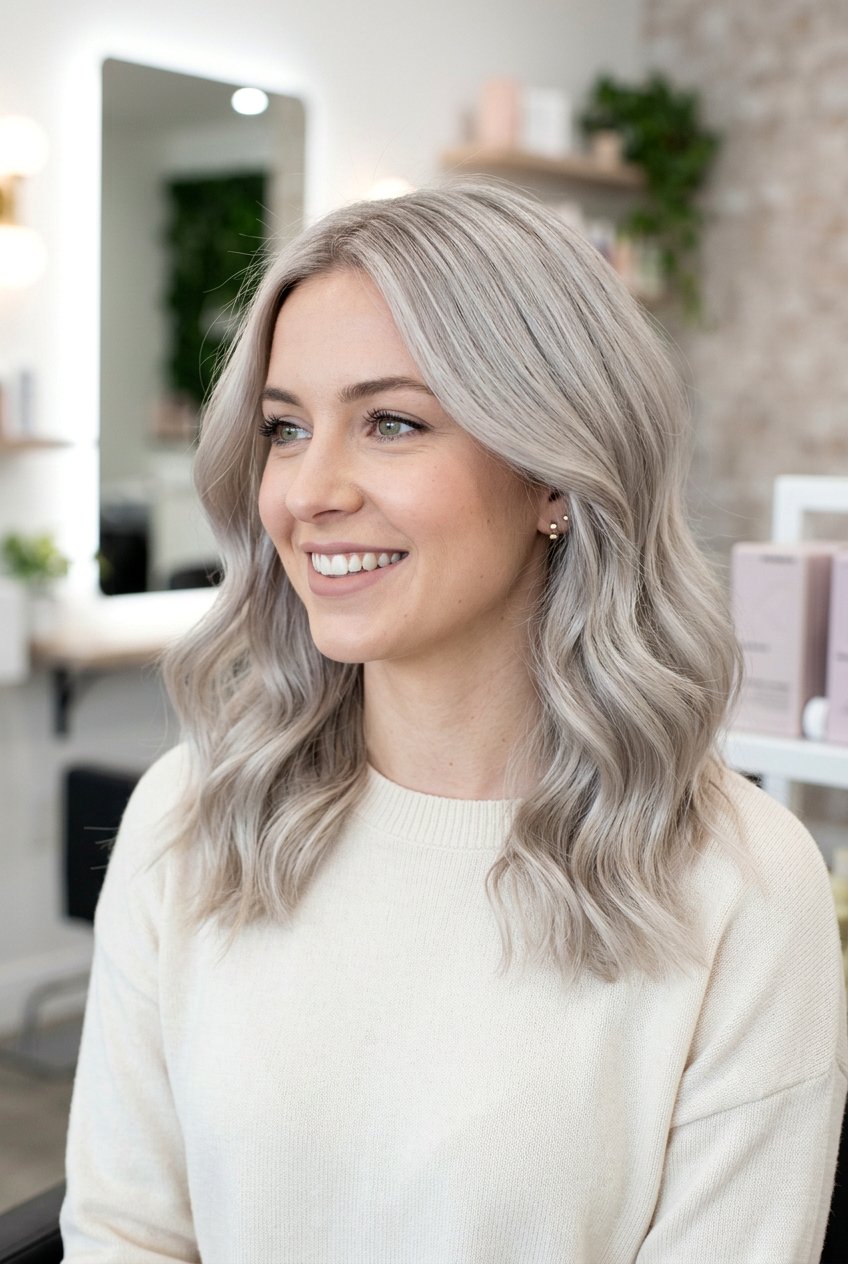
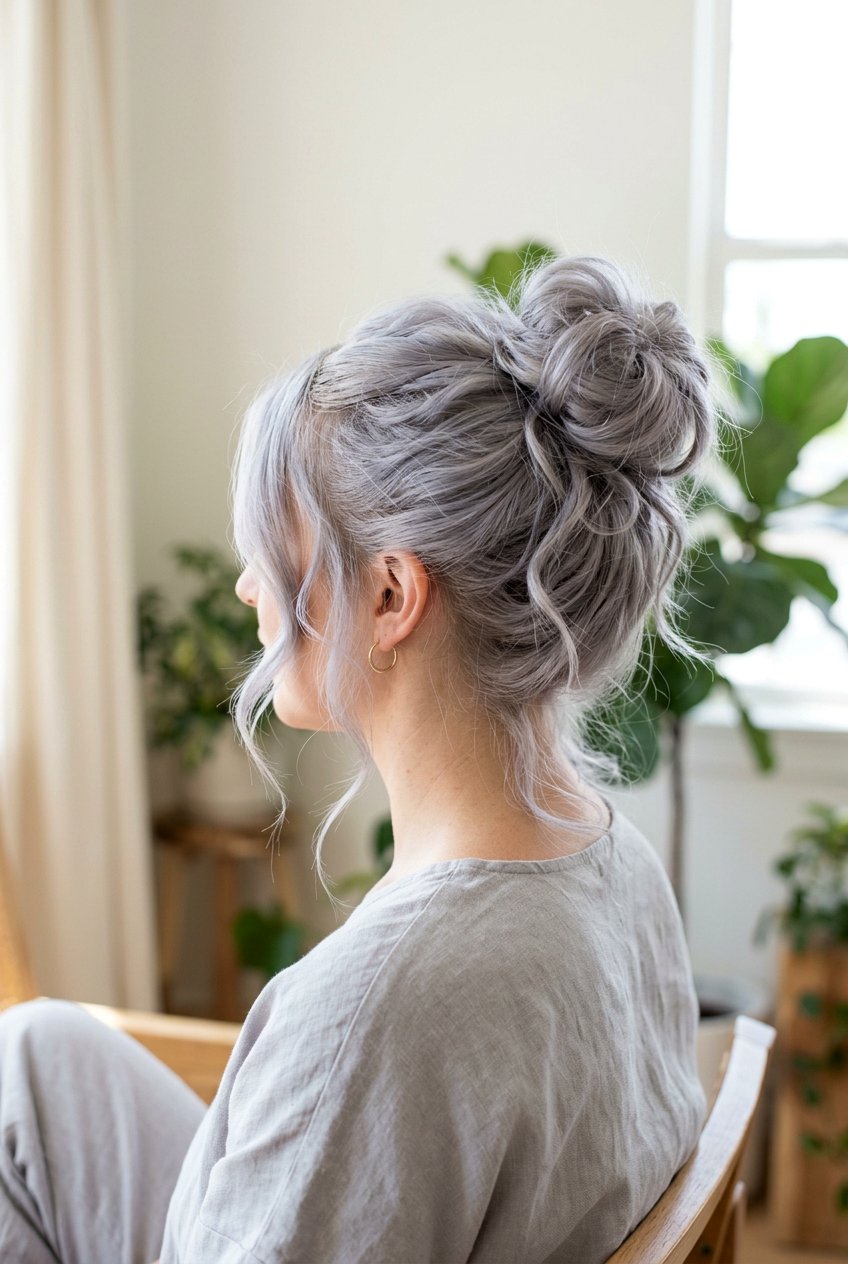
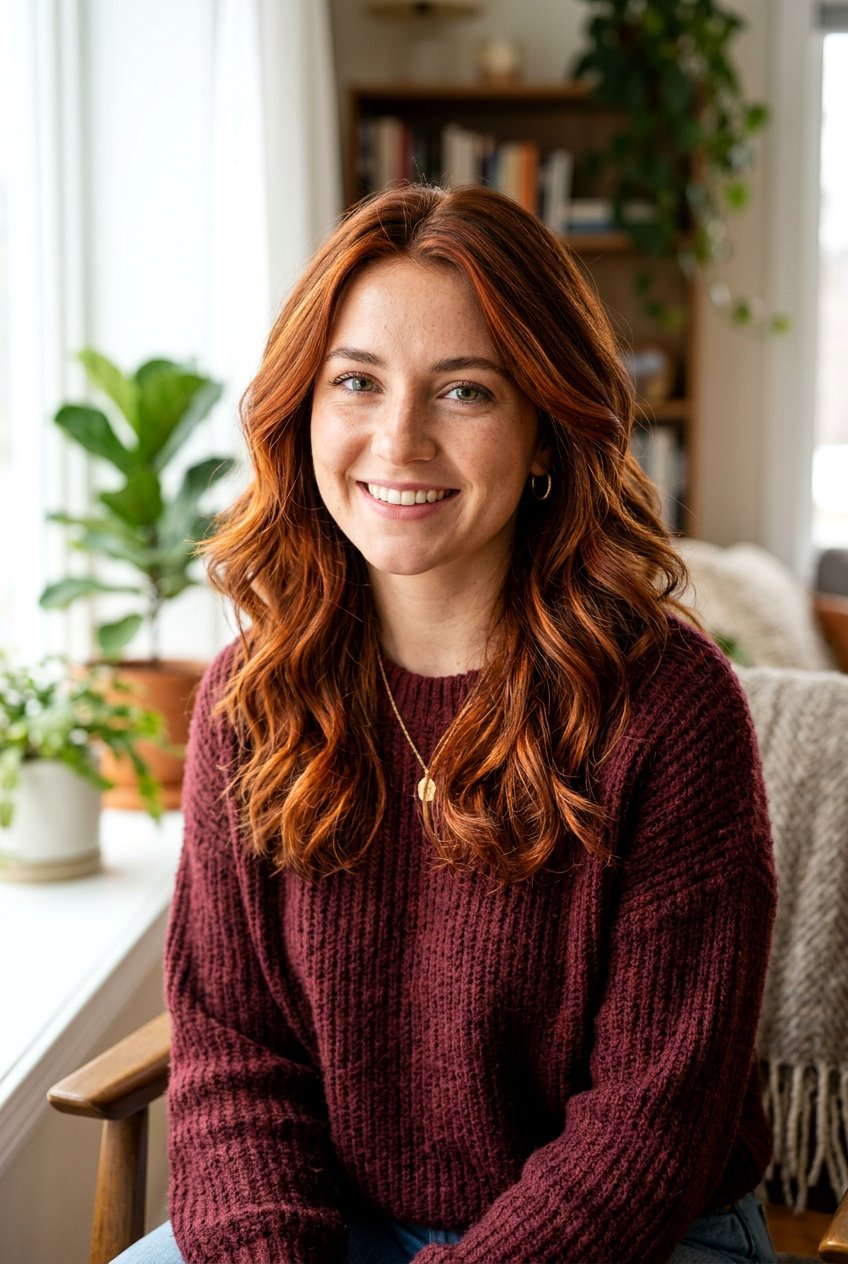
16. Mauve Gray Hair Color
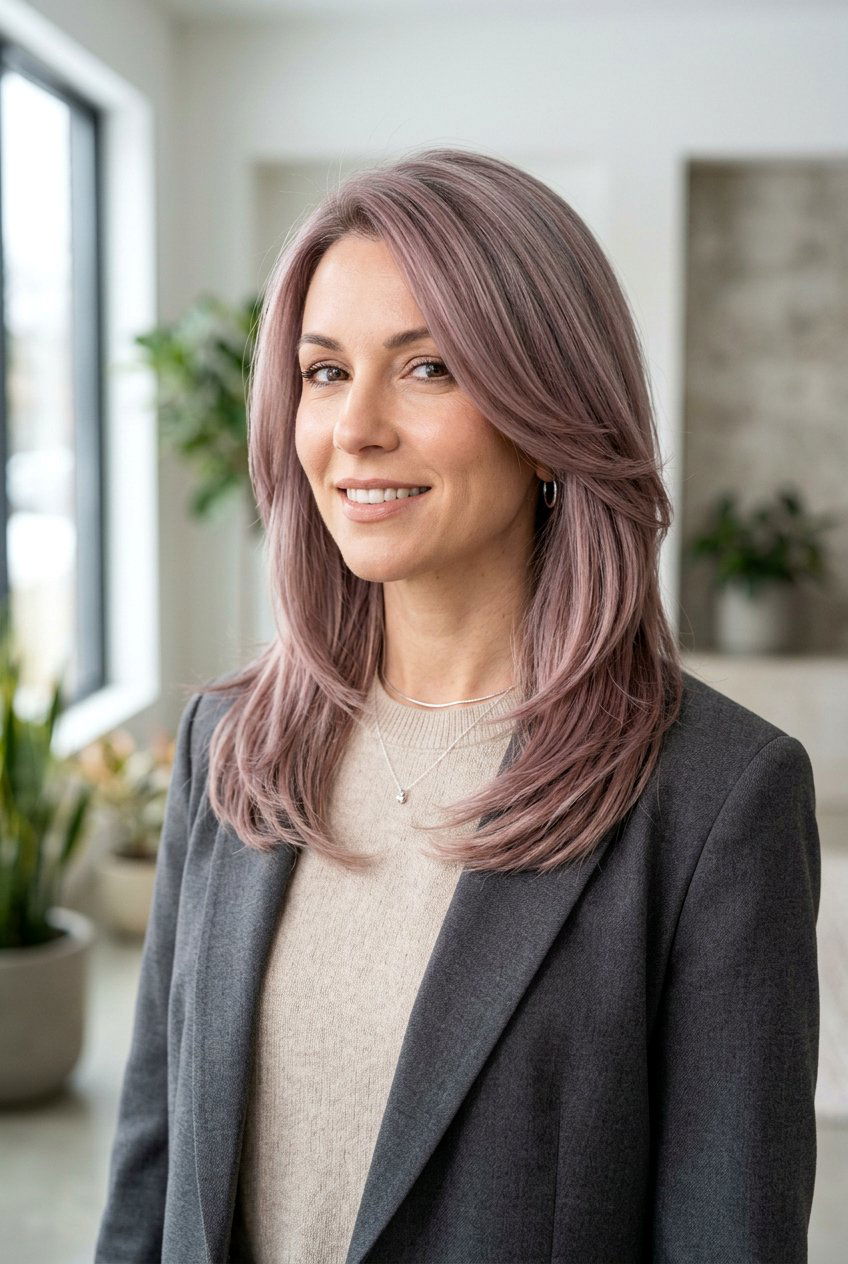
Mauve gray hair color layers delicate purple-pink over a gray or silver base, creating a sophisticated twist on the gray trend. The underlying gray keeps the look cool and chic, while the mauve adds a bit of warmth and playfulness without pushing it into bright fashion color territory. This combination works well for both naturally graying hair and artificially lightened silver tones that need a fresh update. Many people like this option because it enhances silver rather than hiding it, giving natural grays a modern, intentional feel. To maintain the color balance, you will likely need both anti-yellow shampoos and occasional mauve-refreshing toners or masks. Keeping the hair hydrated and protected from environmental stressors like pollution and UV rays also helps preserve that clean, polished finish.
17. Mauve Burgundy Hair Color
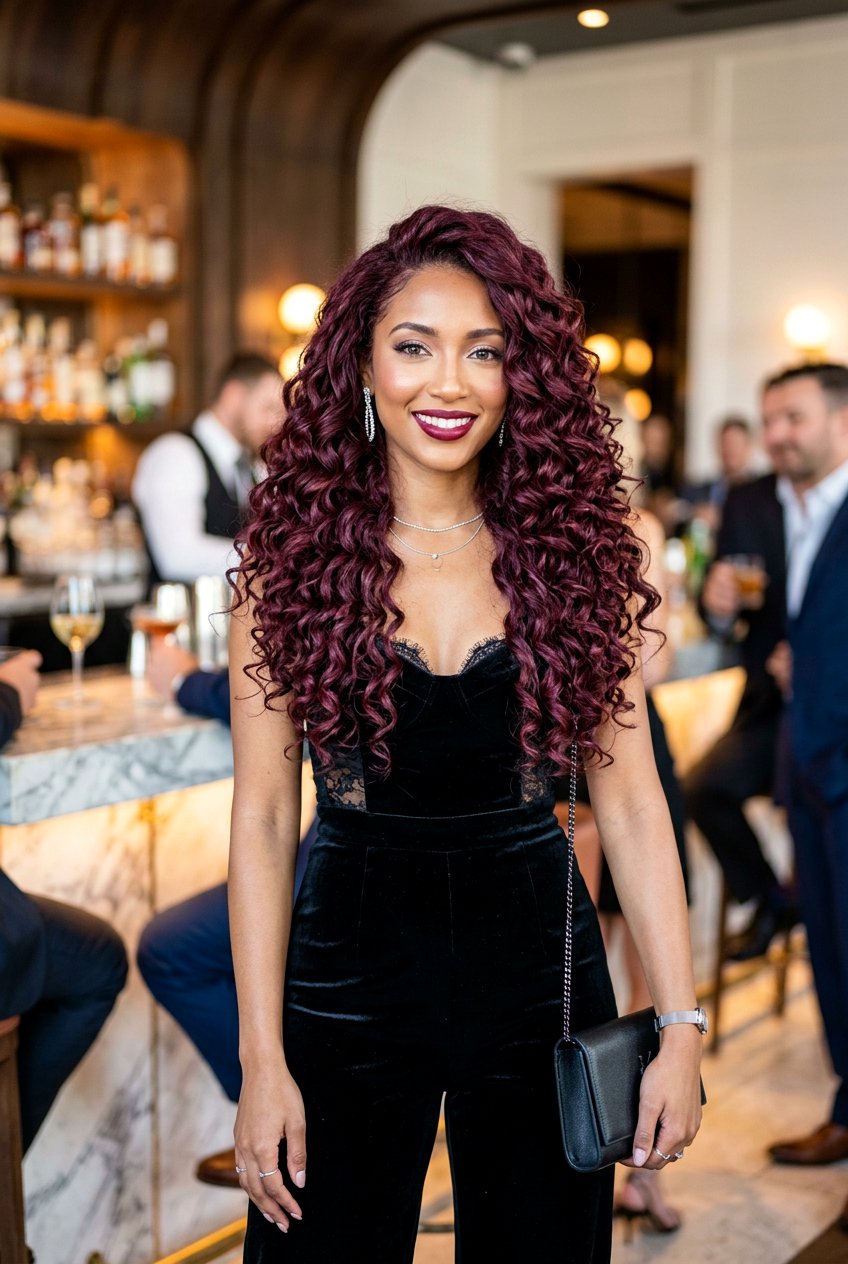
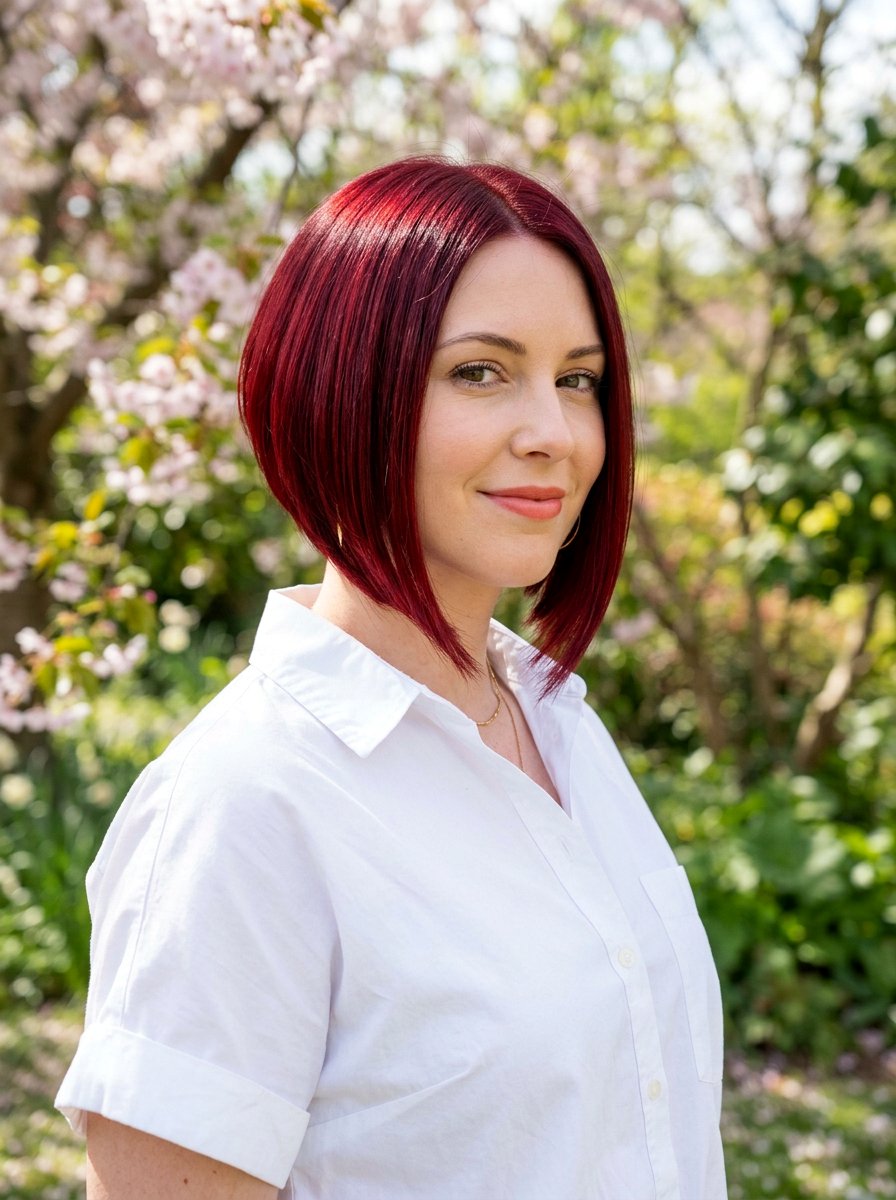
Mauve burgundy hair color amps up traditional burgundy with a cooler, violet-pink twist. This creates a rich, jewel-toned effect that looks particularly striking on medium to dark hair, where it reads as deep yet still vibrant. It is a great choice if you want something bolder than brown but more sophisticated than neon purple. Mauve burgundy complements deeper skin tones beautifully and can also bring out the warmth in brown or hazel eyes. Because darker reds and purples can stain the hair shaft more deeply, fading tends to be softer and more gradual than with pastel mauves. Still, using color-safe, hydrating products and minimizing harsh clarifying shampoos will keep the shade rich and prevent it from slipping into dull red-brown territory.
18. Mauve Plum Hair Color
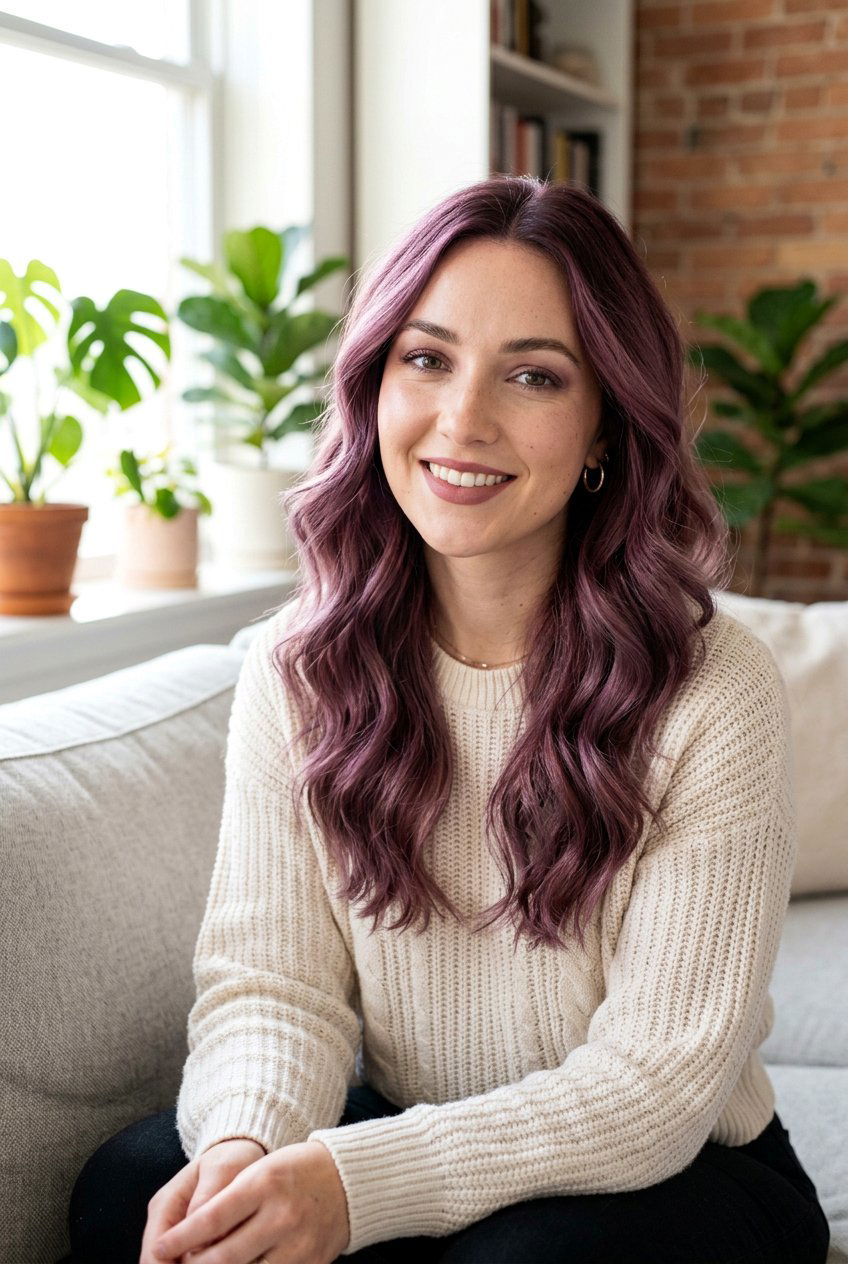
Mauve plum hair color lives in the sweet spot between purple and pink, with a slightly fruity depth that feels fun yet grown-up. It usually leans deeper than pastel but lighter than full-on eggplant, which makes it versatile across different skin tones. On dark hair, mauve plum can be created with minimal lightening using deeper dyes, while lighter bases can show a brighter, more vivid version. Styled with curls or waves, the varied tones in mauve plum catch the light and add movement, so the color never appears flat. As with other purple-based shades, keeping it looking fresh involves a mix of gentle cleansing, occasional pigment-boosting treatments, and avoiding excessive heat. Many people find this shade easier to maintain than very light mauve because the deeper pigments hold on longer, giving more time between salon visits.
19. Mauve Violet Hair Color
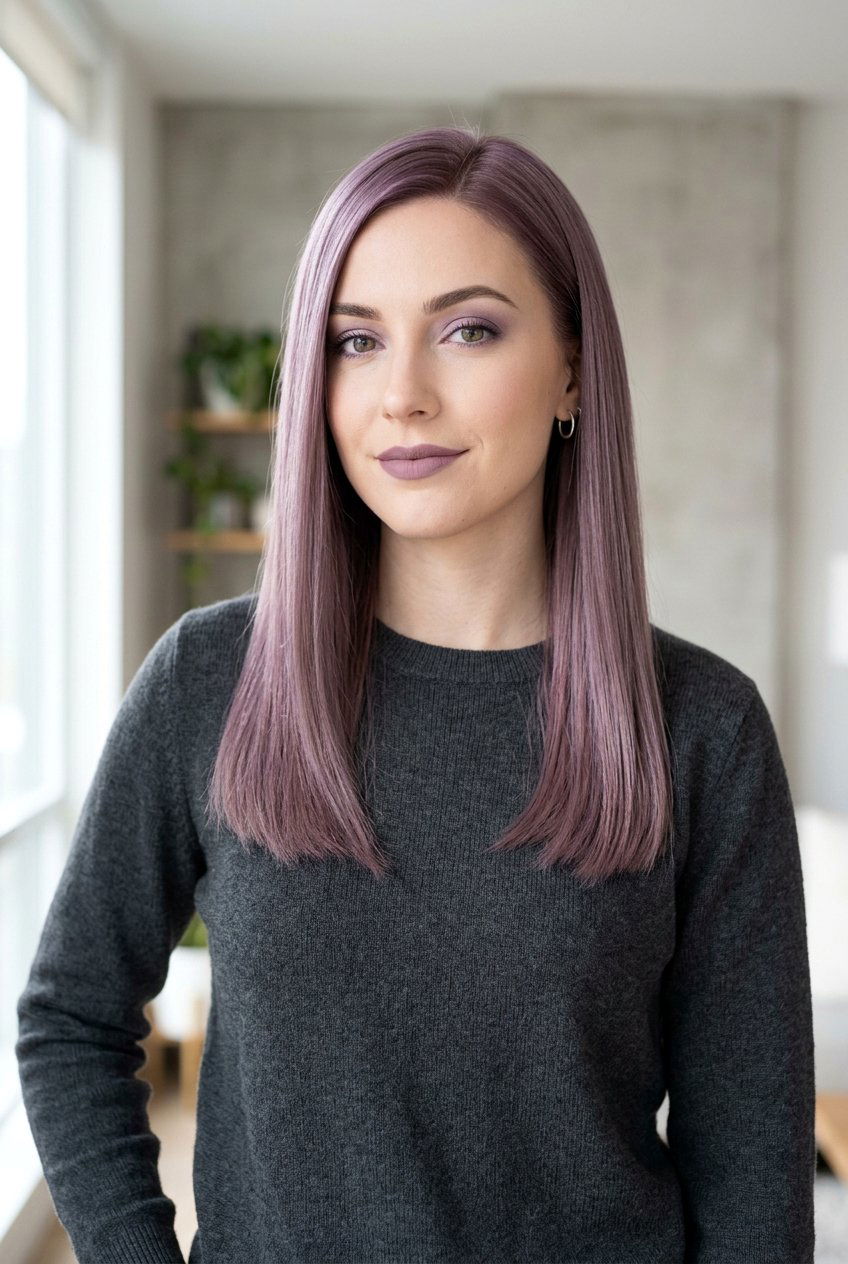
Mauve violet hair color pushes slightly more toward true purple while still keeping the soft, dusty quality of mauve. It is a strong choice for anyone who wants visible color that still feels slightly muted and not overly neon. On pre-lightened hair, mauve violet can give a velvety, almost plush appearance, especially when paired with smooth blowouts or sleek straight styles. This tone tends to flatter cooler skin undertones and can enhance cool eye colors like blue or gray beautifully. Because blue and violet pigments are more resistant than some pinks, the fade path often moves toward softer lavender rather than brassy hues. To keep it at its best, commit to color-protective hair care, including sulfate-free cleansers, nourishing masks, and consistent heat protection.
20. Mauve Pastel Hair Color
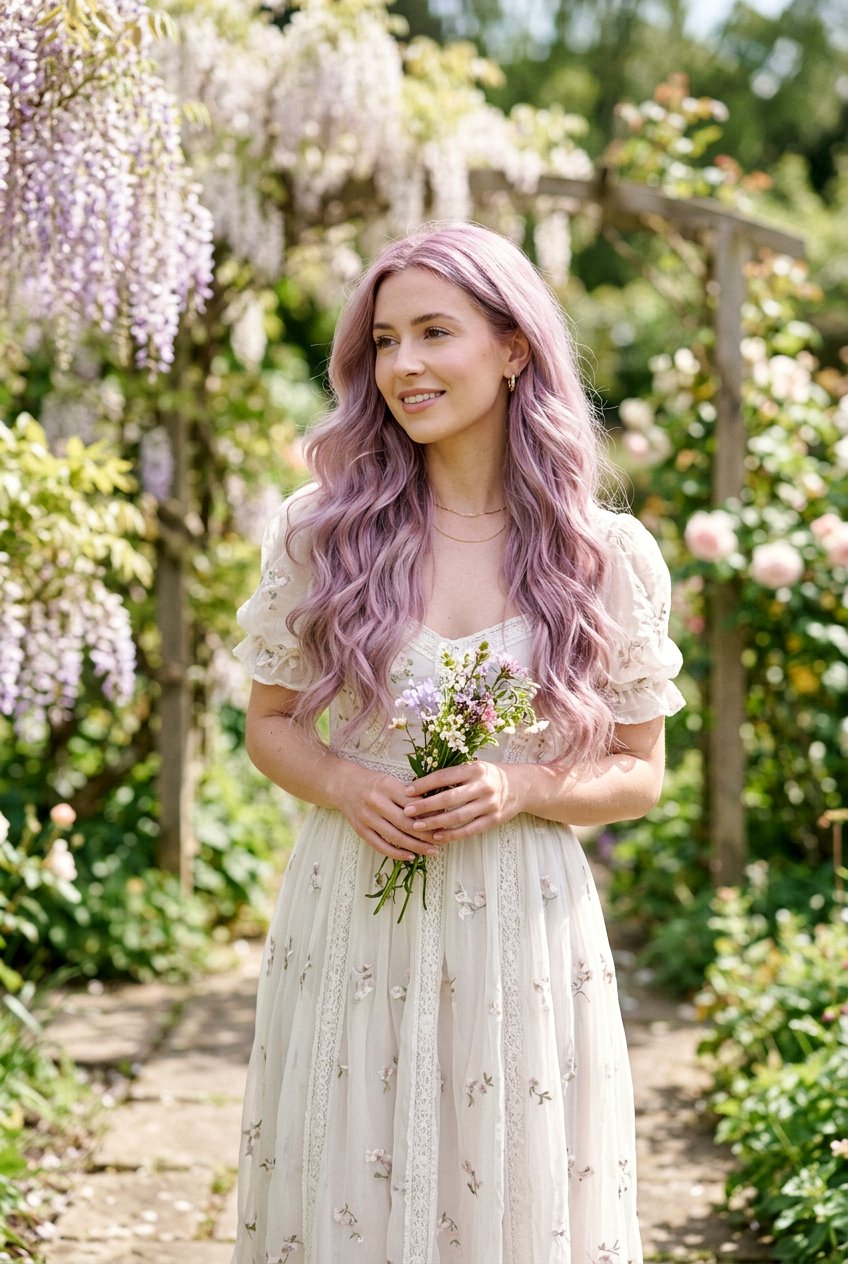
Mauve pastel hair color is all about whisper-soft tones that look almost watercolor on the hair. It usually combines very light pink, purple, and beige pigments over a pale blonde base, resulting in a sheer veil of color rather than solid saturation. This is one of the highest-maintenance options in the mauve family, since pastel molecules wash out faster and show every bit of underlying warmth. Many people treat pastel mauve as a short-term look for special occasions or seasonal updates rather than a long-term signature shade. To stretch the color, you will need infrequent washing, cool water, and targeted at-home products that deposit compatible pigment without over-darkening. Regular trims and deep conditioning treatments are also important, because delicate pastel shades draw attention to split ends and any roughness in the hair’s texture.
Conclusion:
Mauve hair color is surprisingly versatile, offering everything from subtle brown-based tones to bold purples and airy pastels. Whether you choose chocolate mauve, dusty mauve, or a soft mauve blonde, the key to a flattering result is matching depth and undertone to your complexion and your comfort with maintenance. Brunettes who want a low-commitment option often lean toward mauve balayage, money pieces, or highlights, while those ready for a full transformation experiment with solid mauve, smoky versions, or pastel washes over lightened hair. Long-lasting results always depend on good aftercare: color-safe shampoo, regular conditioning, protection from heat and sun, and occasional gloss or toner appointments. By choosing the right version of mauve for your base color and lifestyle, you can enjoy a trend-driven shade that still fits your everyday life and grows out gracefully instead of awkwardly.
You'll Like These Styles:


Leave a Reply