
The long layered haircut for men has evolved into a versatile powerhouse of modern grooming, offering a sophisticated alternative to shorter, more rigid styles. By strategically removing weight and adding dimension, layers transform a simple long mane into a dynamic look that adapts to professional settings and casual weekends alike. This cutting technique is particularly effective for men who want to embrace their natural texture, whether it is pin-straight or tightly coiled. As we move through 2026, the trend leans toward “invisible” or internal layering that provides movement without the choppy appearance of the past. This approach ensures that the hair remains manageable and stylish with minimal daily effort, making it a top choice for the contemporary man seeking a refined yet rugged aesthetic.
1. Long Hair With Internal Layering
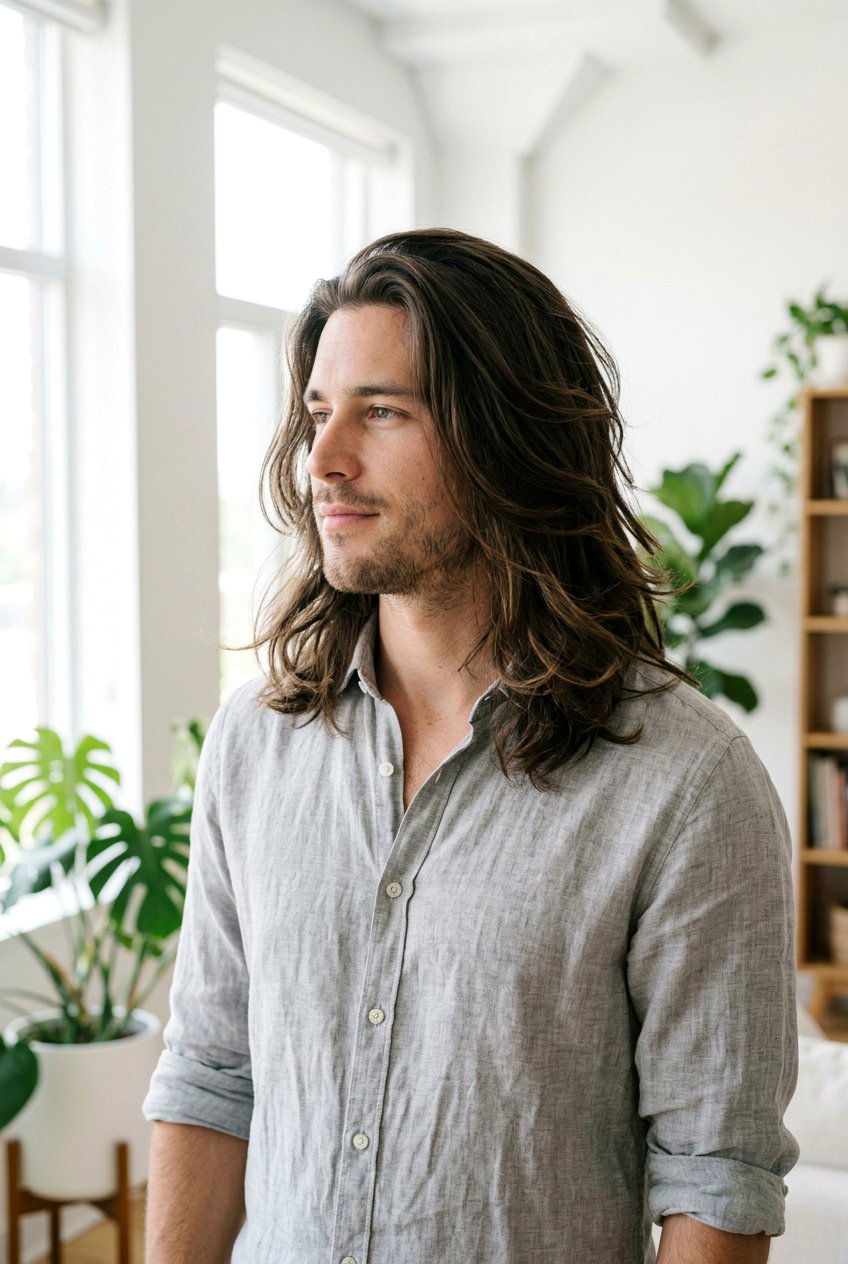
Internal layering is the go-to technique for men who want the benefits of a layered cut without the visible “steps” or choppy edges. This method involves cutting shorter pieces underneath the top section of the hair to create lift and remove excess bulk from the interior. It is an ideal solution for men with thick or heavy hair who find that a one-length cut feels too weighed down or “triangular” at the bottom. By focusing on the inner structure, the hair achieves a natural flow and airiness that looks effortless. This style works exceptionally well for straight or slightly wavy hair, providing a sleek silhouette that remains full of life and movement throughout the day.
2. Textured Long Wolf Cut
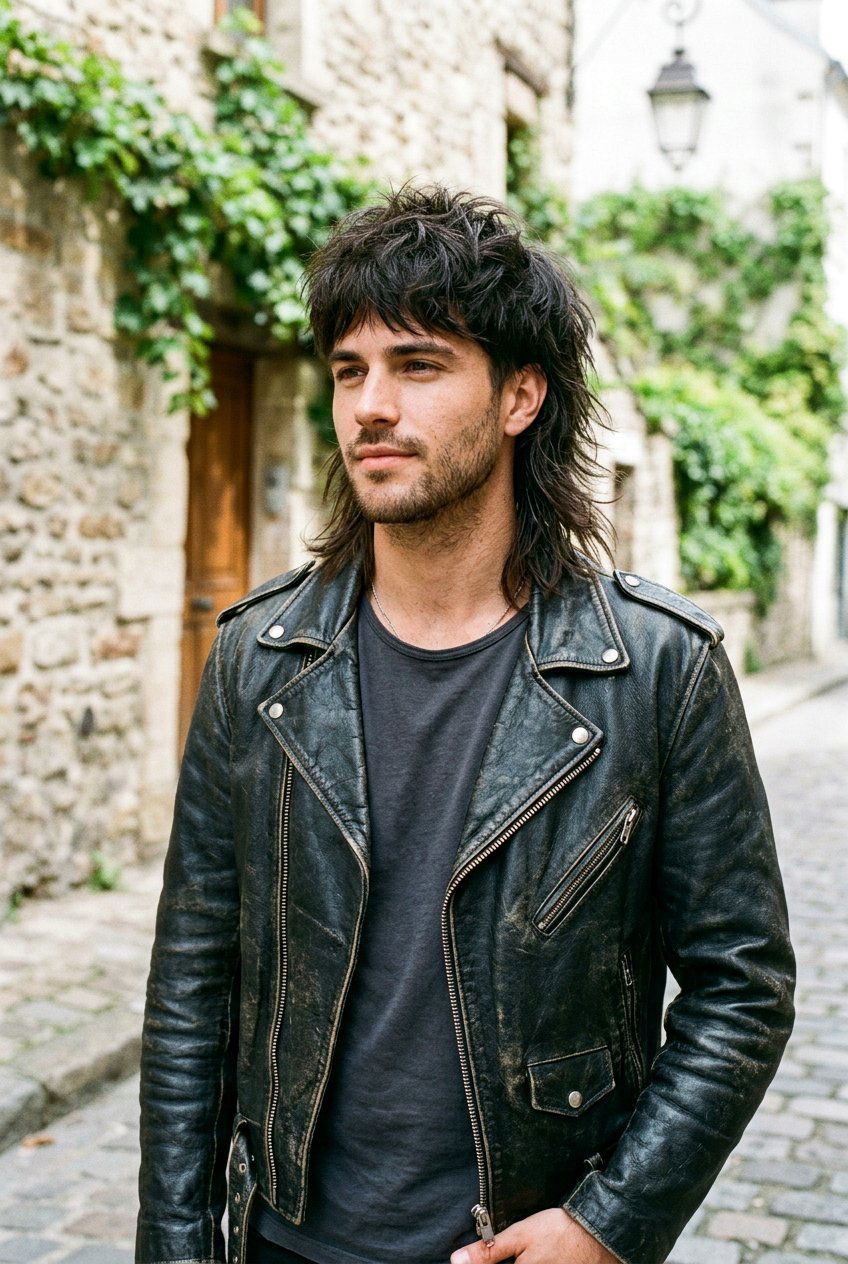
The long wolf cut for men has emerged as a high-fashion hybrid that blends the rebellious energy of a mullet with the soft, face-framing layers of a classic shag. This style features shorter, heavily textured layers at the crown of the head that gradually taper into longer, feathery ends. It is designed to maximize volume and create a “wild” yet intentional aesthetic that suits various face shapes, particularly those with more angular features. Because the wolf cut relies so heavily on texture, it is a fantastic option for men with wavy hair, as the layers encourage the natural bend of the hair to pop. Frequent trims are necessary to keep the crown layers from losing their signature height.
3. Shoulder Length Tapered Layers
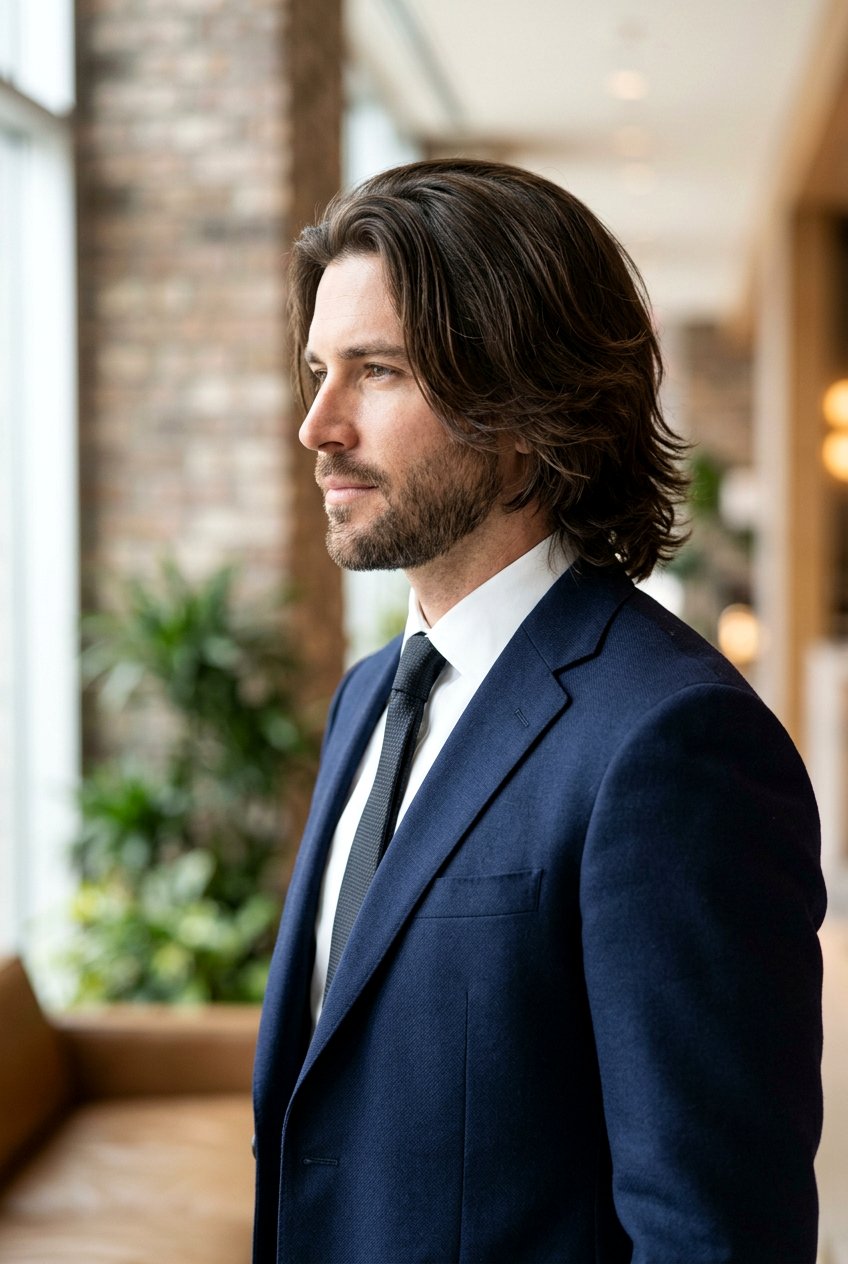
Shoulder length tapered layers provide a balanced look that is both professional and relaxed, making it one of the most requested long styles in modern barbershops. The layers are typically longer near the top and gradually shorten as they move toward the nape of the neck, which helps the hair sit closer to the head rather than flaring out. This tapering effect creates a clean profile that frames the face nicely while maintaining enough length for a variety of styling options. It is a particularly flattering choice for men with oval or square faces, as the soft edges of the layers help to balance out a strong jawline without adding unnecessary width to the sides.
4. Curly Hair Long Layers

For men with natural curls, long layers are not just a style choice but a necessity for managing volume and defining the curl pattern. Without layers, long curly hair can often become unmanageable and lose its shape as it grows out. By adding strategic layers throughout the hair, a stylist can remove weight where the curls tend to stack, allowing each ringlet to bounce and coil freely. This technique prevents the “helmet” look and instead creates a romantic, flowing mane that showcases the hair’s natural beauty. Using a light-hold curl cream on damp hair helps to lock in the definition provided by the layers, ensuring the style stays frizz-free and well-defined.
5. 70s Inspired Bombshell Shag
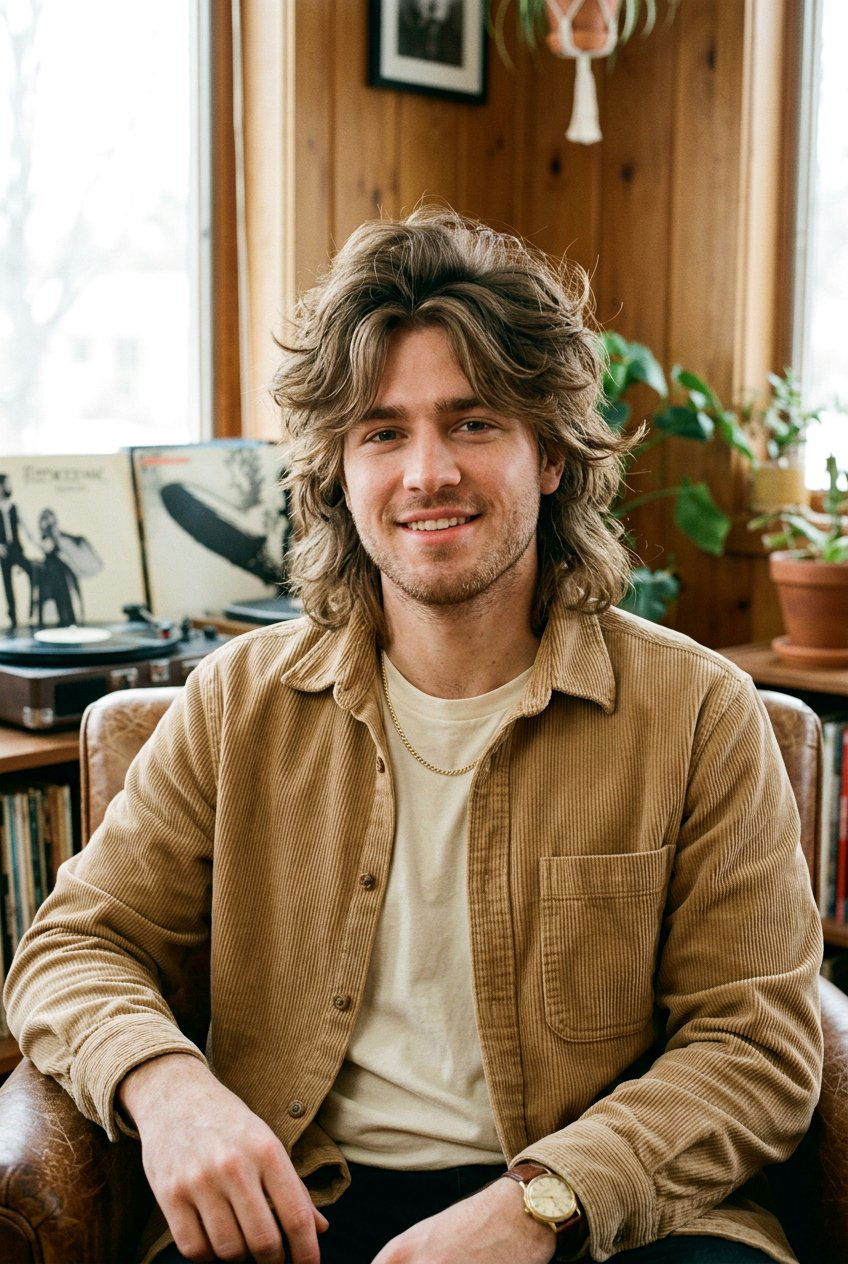
The 70s inspired bombshell shag is making a massive comeback in 2026, bringing a vintage rockstar vibe to the modern man’s repertoire. This cut is characterized by short, rounded layers at the crown that provide immense volume, paired with longer cascading layers that fall past the shoulders. Often accompanied by curtain bangs or a heavy fringe, this style is all about movement and “cool-girl” effortless energy adapted for a masculine silhouette. It works best on hair with some natural wave or texture, as the layers are designed to be worn messy and unstructured. The key to this look is the contrast between the fullness at the top and the thinner, wispy ends that create a tapered finish.
6. Long Layered Middle Part

The middle part, or “curtain” style, has transitioned from a medium-length staple into a sophisticated long-layered look that frames the face with precision. In this version, the layers are cut specifically to sweep away from the face, starting around the cheekbones or jawline to create an open, inviting appearance. By layering the front sections, the hair doesn’t just hang flat; instead, it develops a soft curve that adds dimension to the forehead and eyes. This style is highly effective for men with straight hair who want to avoid a flat or limp appearance. It offers a classic, collegiate feel that remains one of the most consistently searched and requested styles for its timeless and clean-cut appeal.
7. Long Layers With Taper Fade
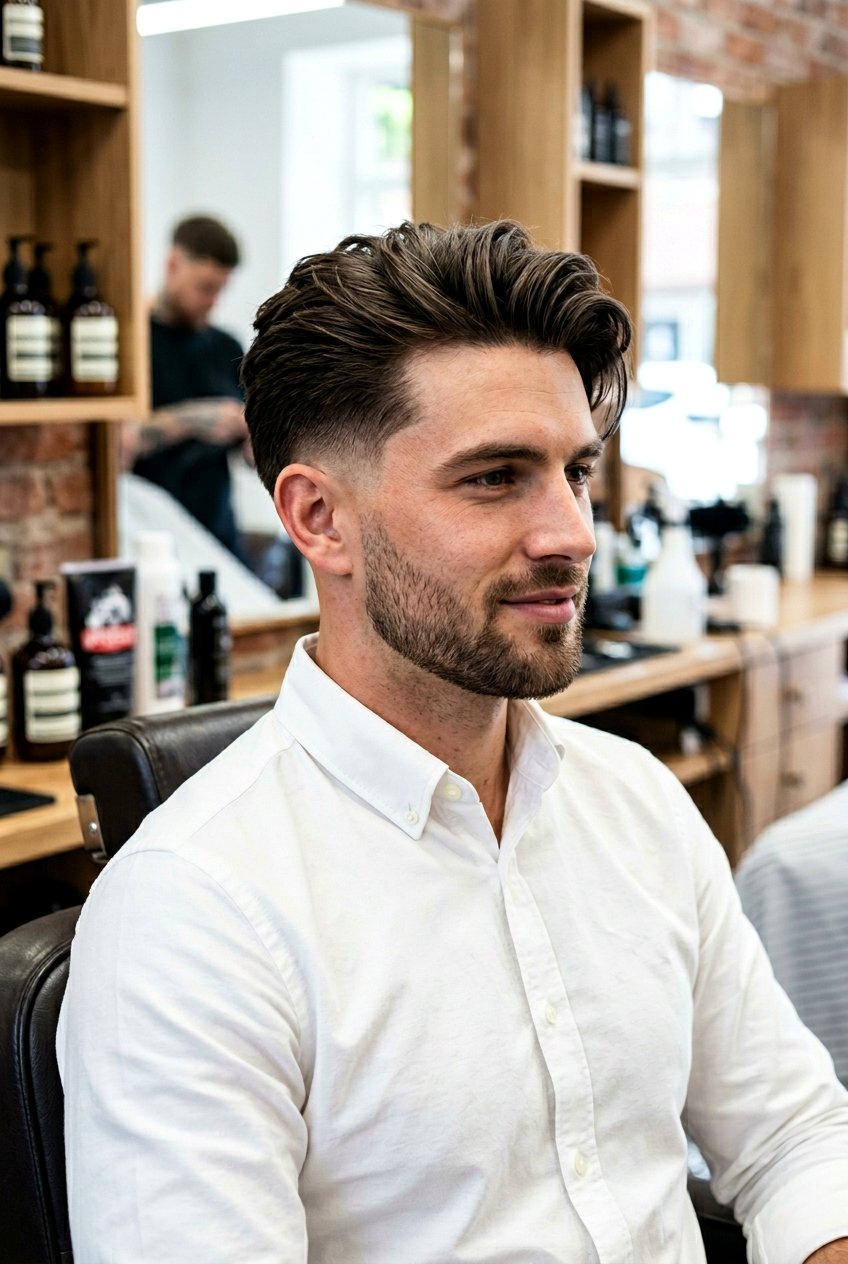
Combining the ruggedness of long hair with the precision of a barber-style fade, the long layers with a taper fade offer a striking visual contrast. This look keeps the length and layers on the top and back of the head while clean-shaving or tightly fading the hair around the ears and temples. The result is a style that looks neat and groomed from the sides but maintains the artistic expression of long, layered locks everywhere else. This is an excellent choice for men who want to keep their hair long but need a “cleaner” look for the workplace. The fade acts as a frame, drawing attention upward to the textured layers and volume on the crown.
8. Messy Long Layered Shag
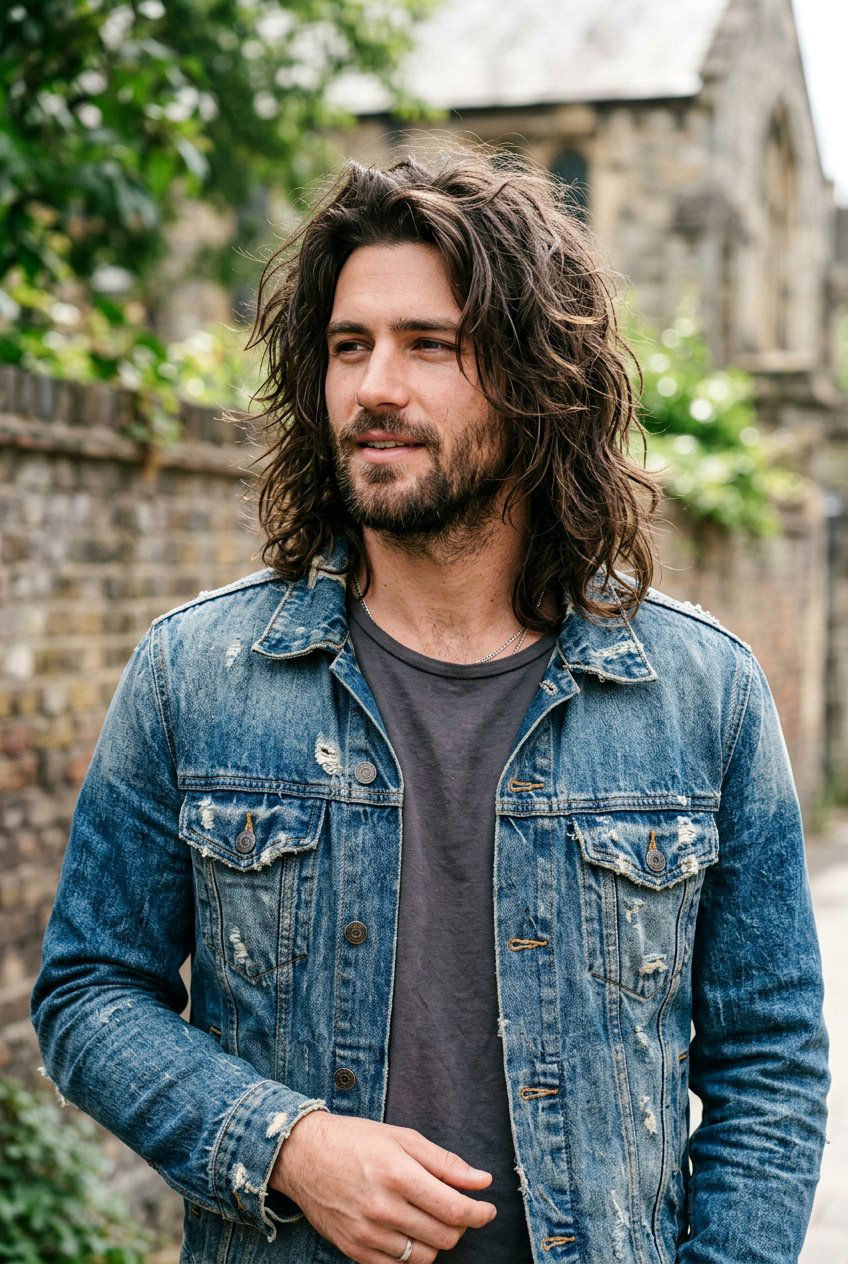
The messy long layered shag is the ultimate “low-maintenance” style for men who prefer a lived-in, bedhead aesthetic. This cut uses choppy, uneven layers throughout the head to create a rugged texture that looks better as the day goes on. Unlike more structured cuts, the shag doesn’t require precise styling; a bit of sea salt spray or matte clay is usually enough to enhance the layers and provide a bit of grit. This style is particularly popular among younger men and creative professionals who want to project a relaxed, approachable vibe. Because the layers are so varied, it hides growth well, meaning you can go longer between salon visits without the haircut losing its overall shape.
9. Heavy Face Framing Layers

Heavy face framing layers are designed to highlight a man’s best facial features by cutting shorter pieces that “hug” the jawline and cheekbones. While the back of the hair remains long and flowing, the front is sculpted to provide structure and definition to the face. This is a strategic cut for men who feel that long hair washes them out or makes their face appear too round. By breaking up the length at the front, the layers create shadows and lines that can make a face appear more chiseled. This style is often paired with a subtle tuck behind the ears, which allows the layers to fall naturally and create a sophisticated, tailored frame.
10. Long Layered Slick Back
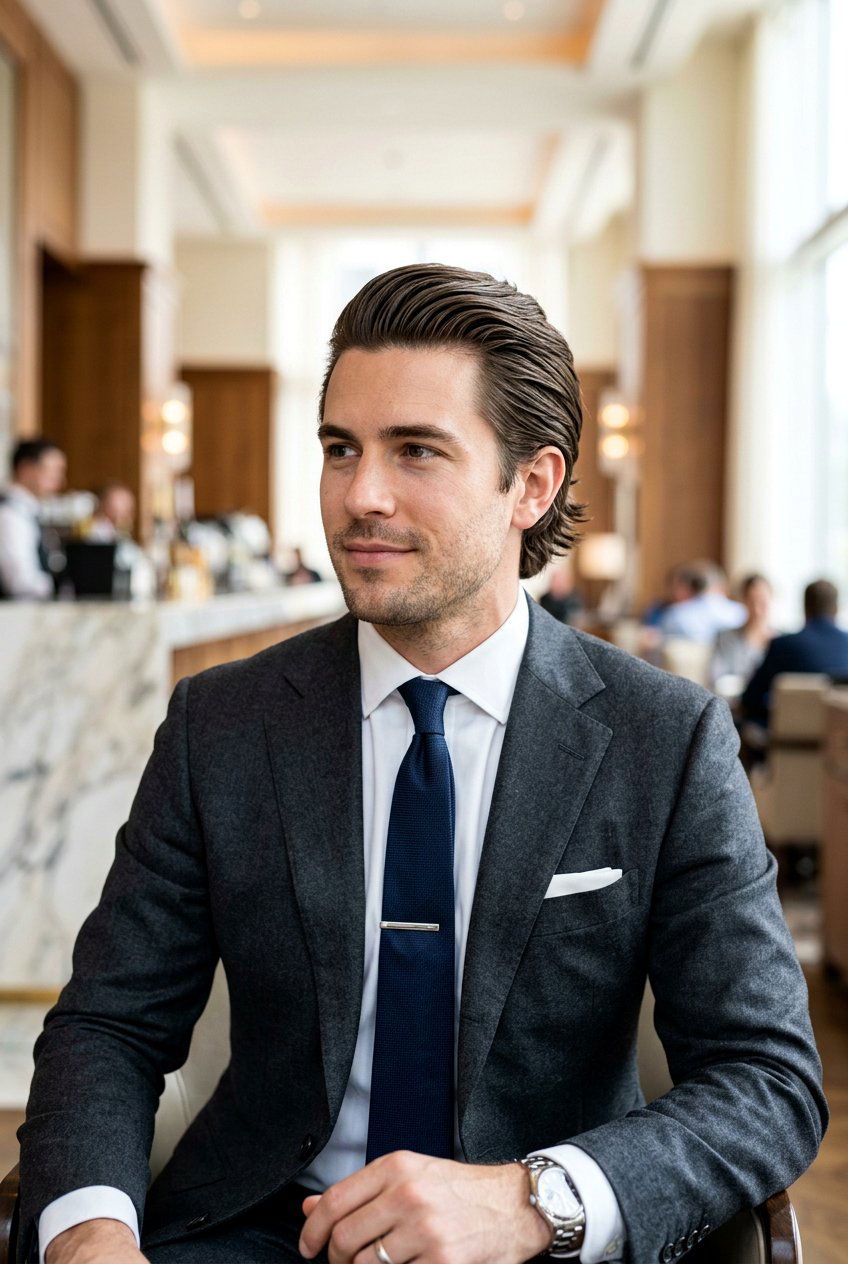
The long layered slick back is a high-impact style that exudes confidence and maturity, often seen on red carpets and in high-fashion settings. To achieve this look, the layers are cut to be slightly longer at the front and shorter toward the crown, allowing the hair to be swept back smoothly without excessive bulk at the nape. When styled with a light pomade or gel, the layers provide a textured, “combed-through” appearance rather than a flat, solid mass of hair. This gives the style a modern, airy feel that looks much more contemporary than the greasy slick-backs of previous decades. It is a perfect choice for formal events where a man wants to look polished.
11. Point Cut Long Layers
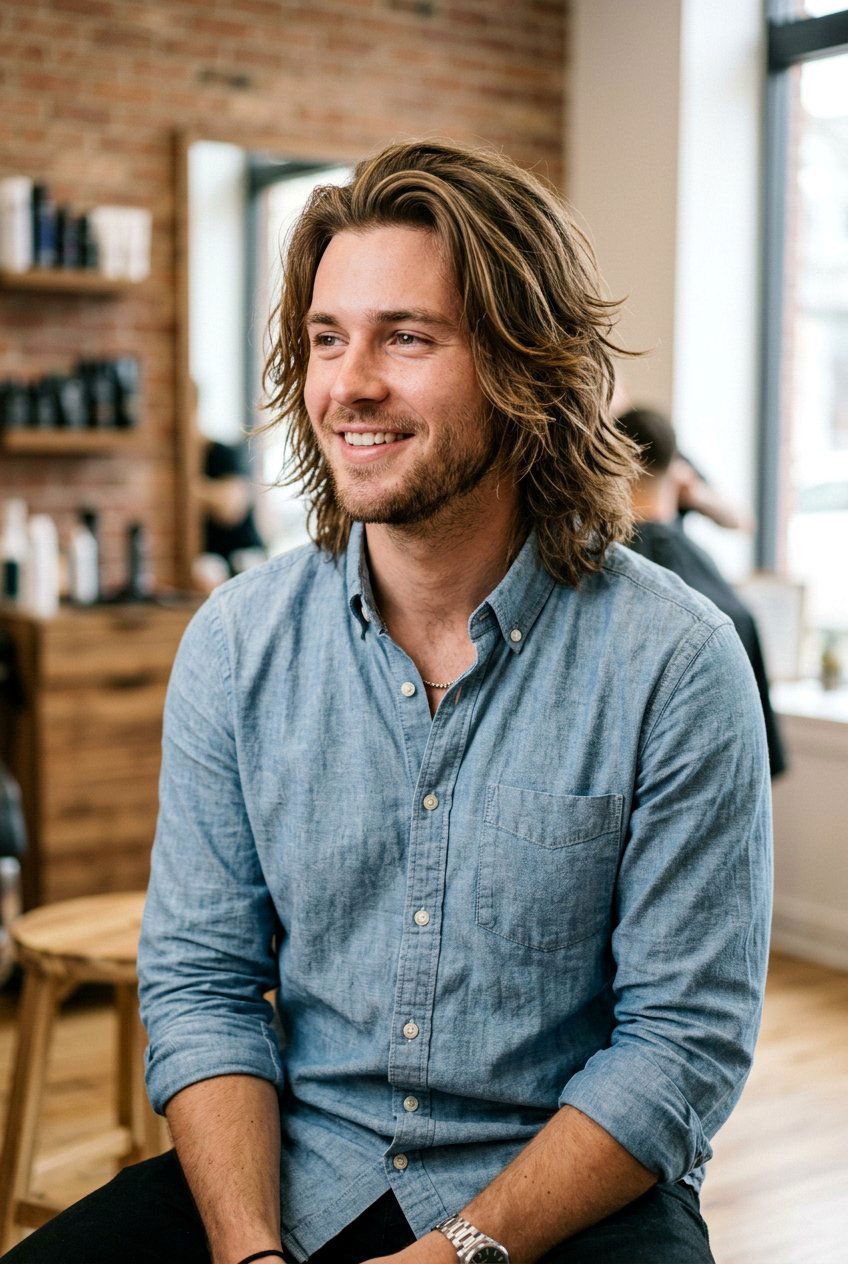
Point cutting is a specialized technique where the stylist cuts into the ends of the hair at an angle rather than straight across, resulting in soft, jagged layers that blend seamlessly. For long hair, this technique is essential for removing weight from the very bottom of the hair, preventing the ends from looking blunt or heavy. Point cut layers provide a “shattered” look to the edges, which encourages natural movement and makes the hair much easier to style with fingers. This approach is ideal for men with very straight hair that can sometimes look “too perfect” or artificial with standard layering, as it adds a touch of necessary imperfection and texture.
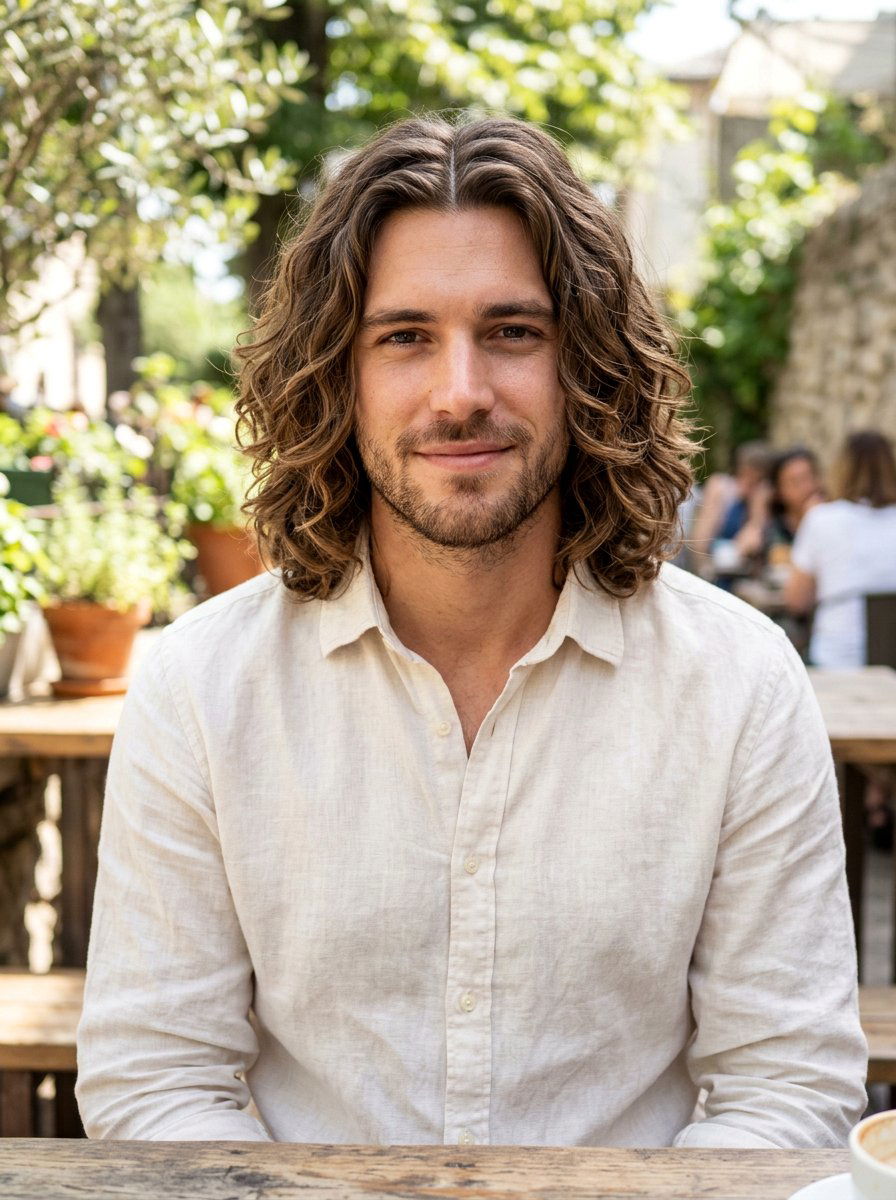
12. Long Layered Surfer Hair
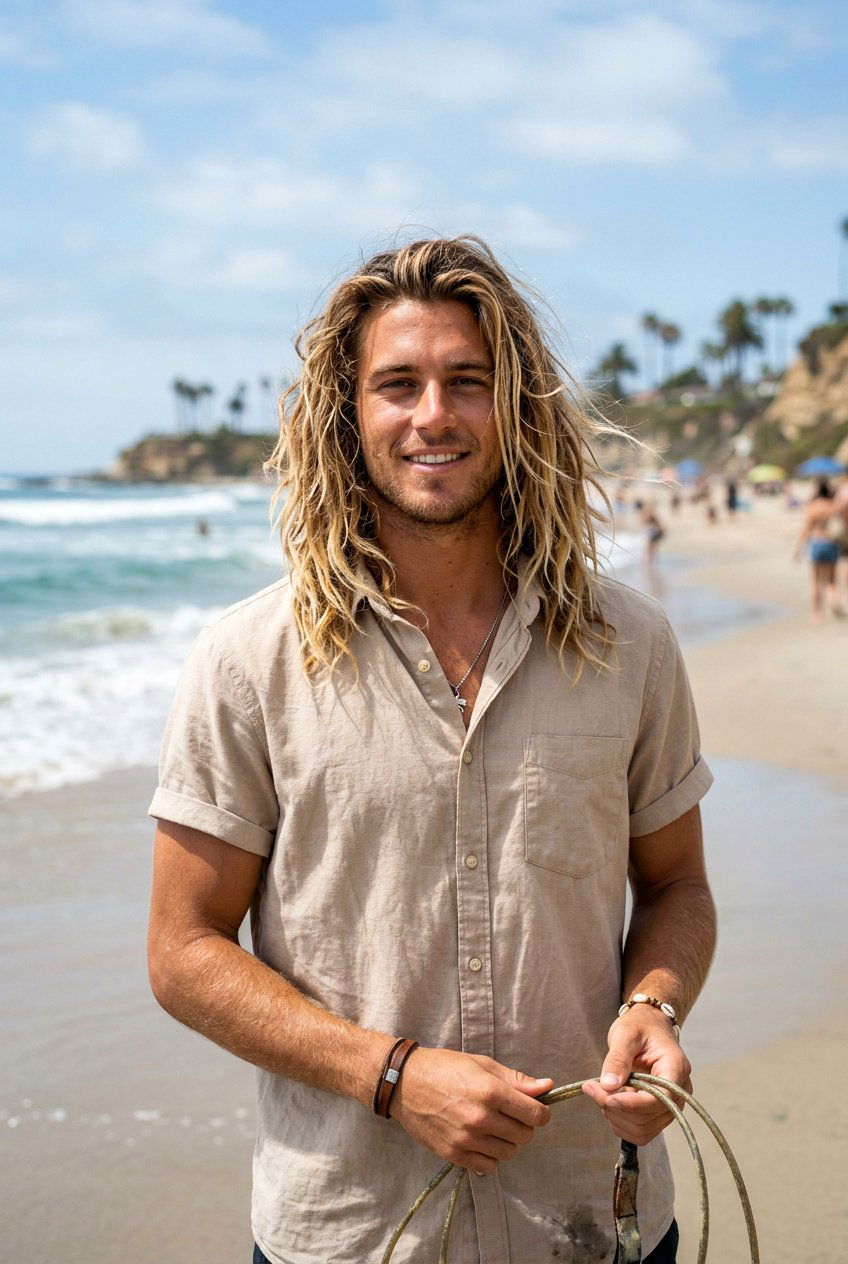
The surfer style is defined by long, sun-bleached layers that look like they’ve been styled by the wind and salt water. This cut features long, wispy layers that are concentrated toward the ends of the hair to create a light, breezy silhouette. It is typically worn with a natural, off-center part and relies on the hair’s natural texture to do most of the work. While it may look effortless, the secret to a great surfer cut is the strategic removal of bulk so that the hair remains light enough to catch the air. It is a quintessential summer look that remains popular for its carefree, youthful energy and its ability to look great even when air-dried.
13. Long Layers For Thin Hair
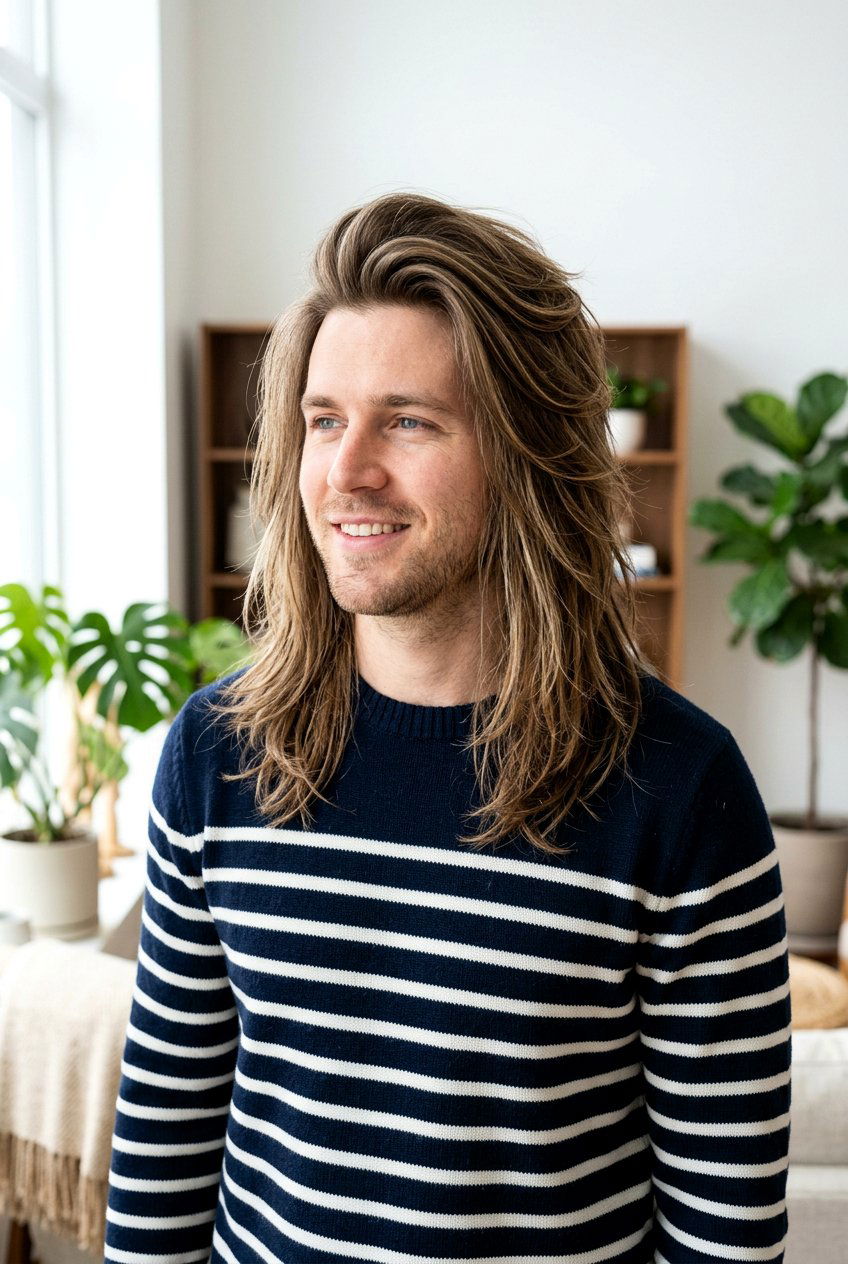
Men with fine or thin hair often shy away from long styles, but the right layered cut can actually make the hair appear much thicker and fuller. By adding shorter layers at the crown, a stylist can create “stacking,” which pushes the longer hair up and gives the illusion of more volume at the roots. These layers should be kept subtle and well-blended to avoid making the hair look sparse at the ends. When combined with a volumizing mousse, long layers can transform limp hair into a dynamic mane with plenty of body. This style proves that long hair isn’t just for those with thick locks, provided the layering is done with precision.
14. Modern Mullet With Layers
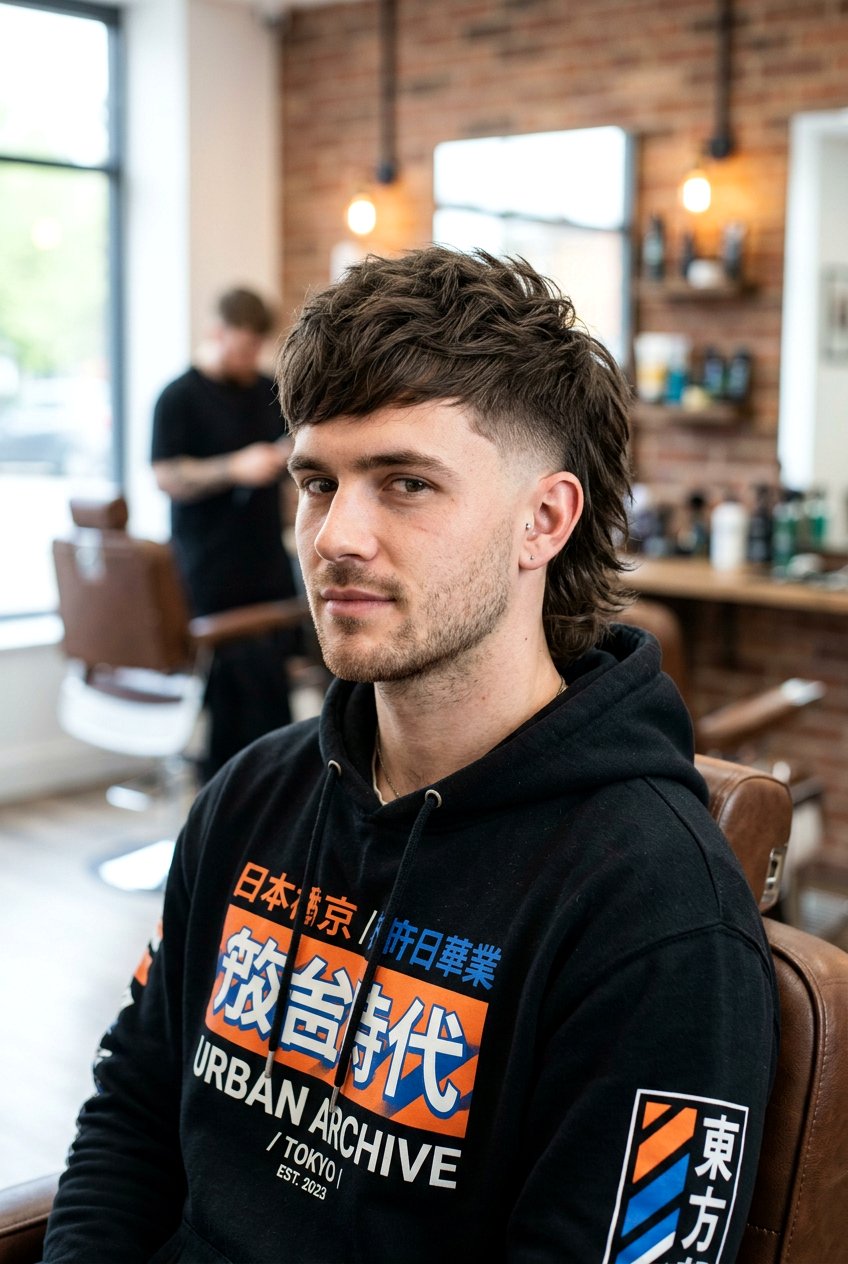
The modern mullet is a far cry from its 80s predecessor, utilizing sophisticated layering to create a look that is edgy yet wearable. In 2026, the “modern” aspect comes from the seamless transition between the shorter top and the long, layered back. Instead of a harsh “disconnect,” the stylist uses layers to blend the different lengths, resulting in a cohesive style that flows naturally. This version often features a skin fade or a low taper on the sides to keep the look sharp. The layers in the back are crucial for adding movement and preventing the hair from looking like a flat tail, making the style feel intentional and fashion-forward.
15. Long Layered Side Part
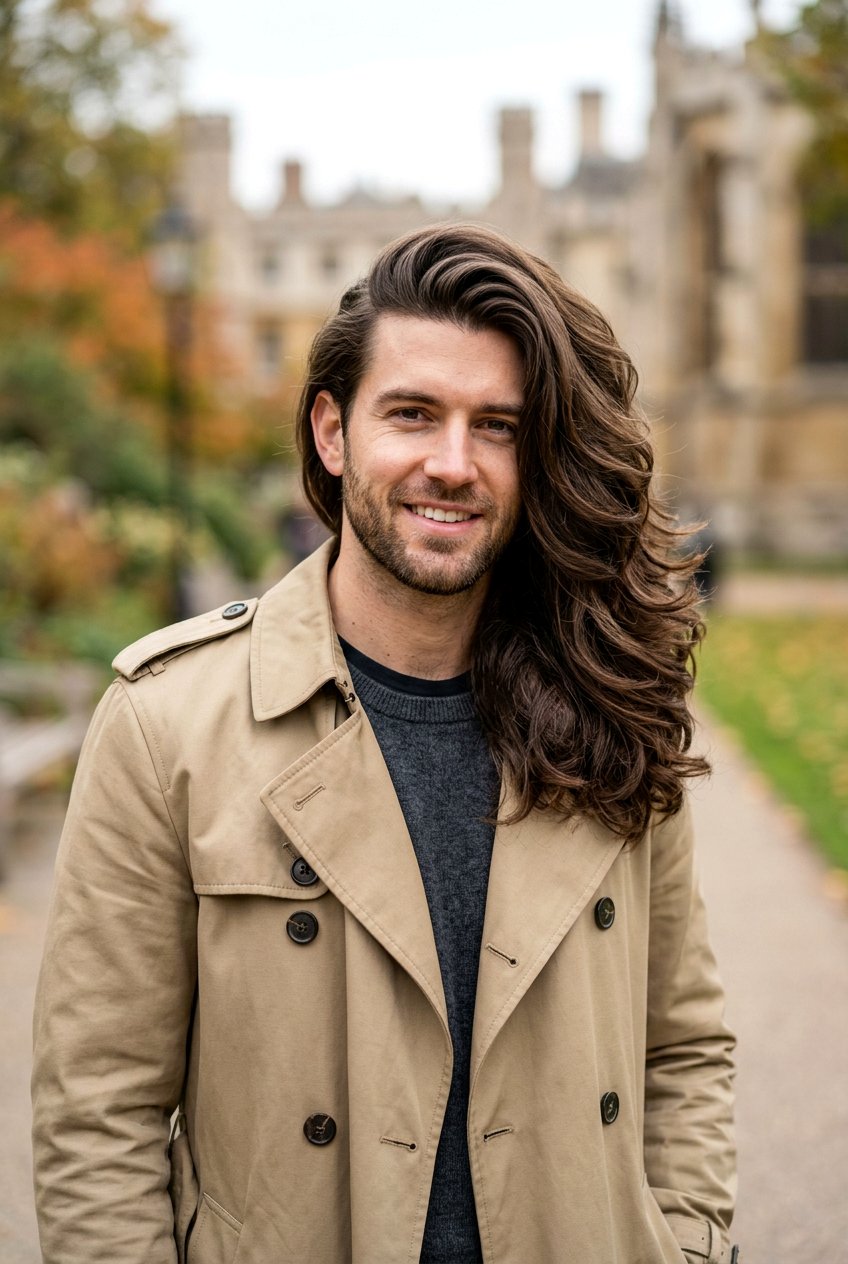
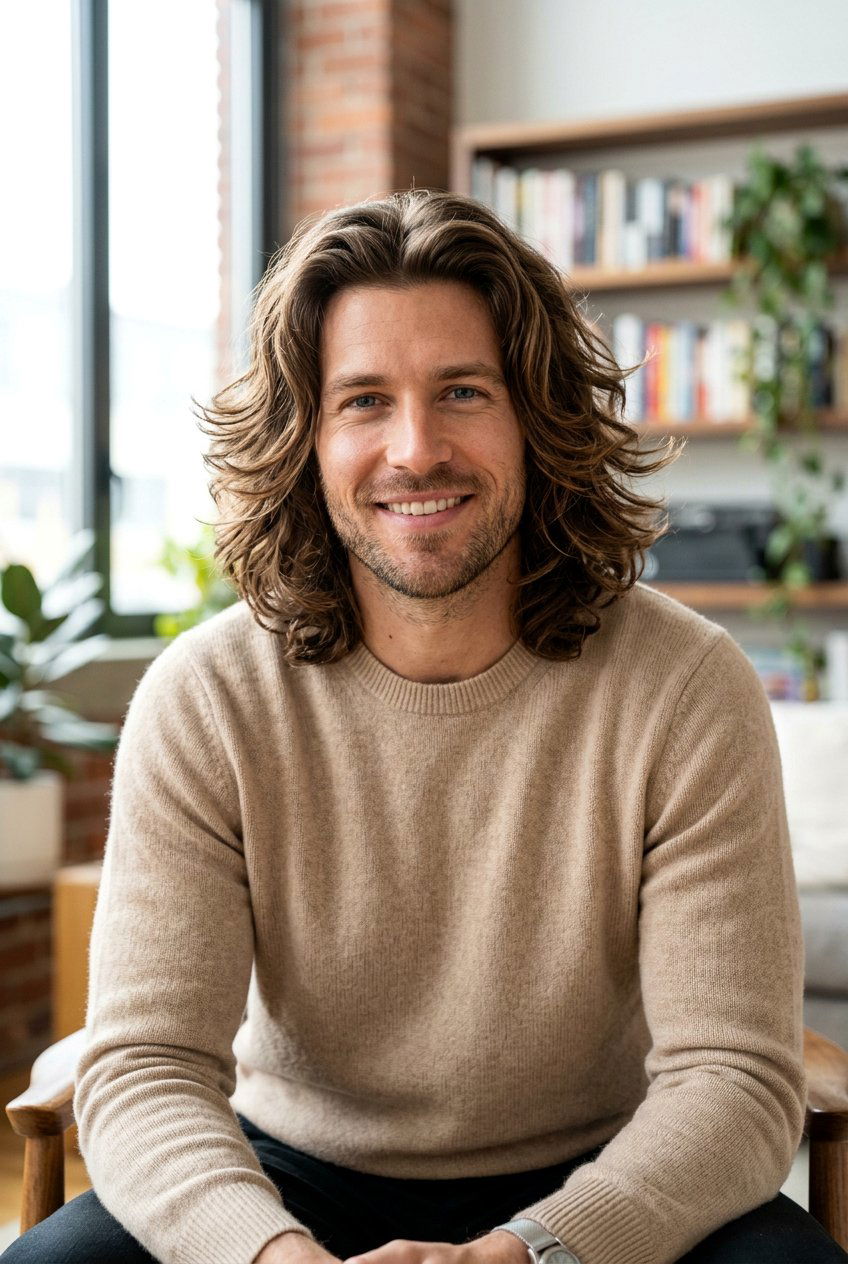
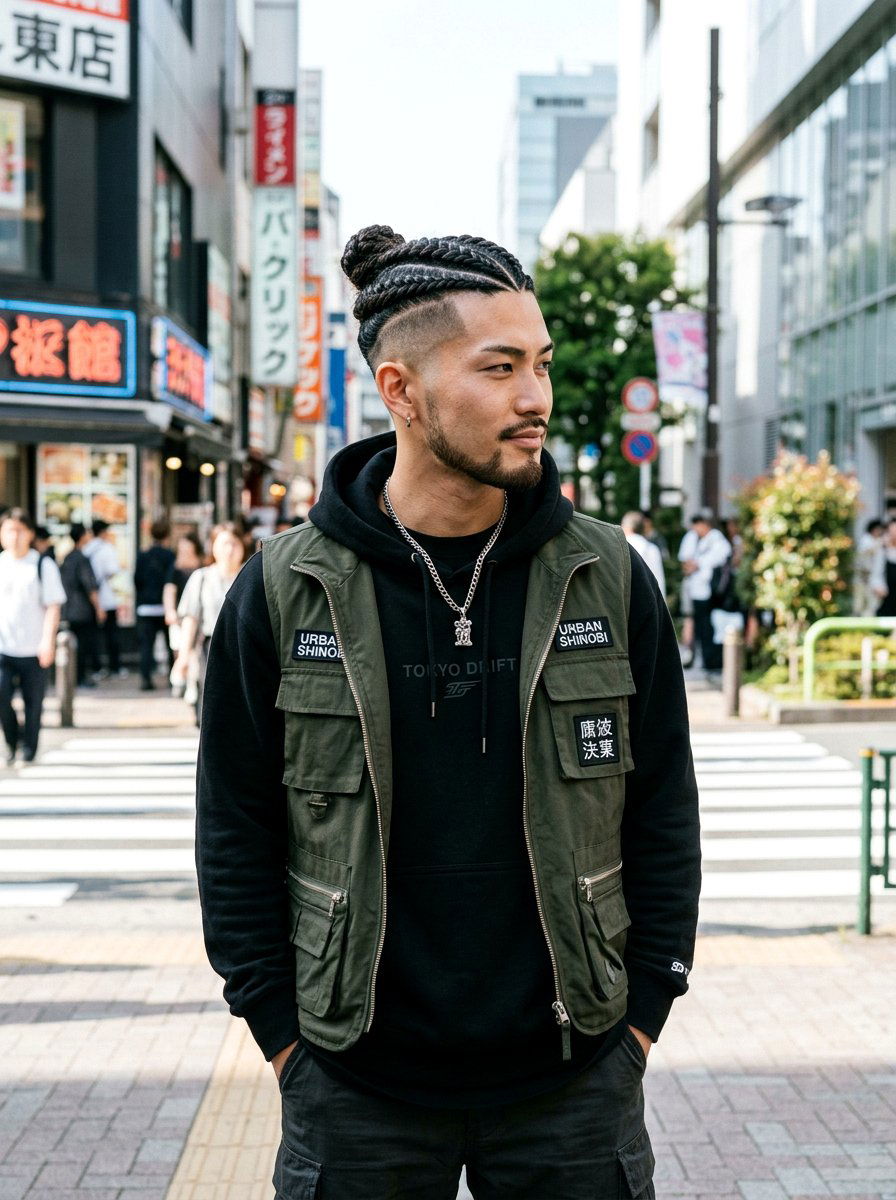
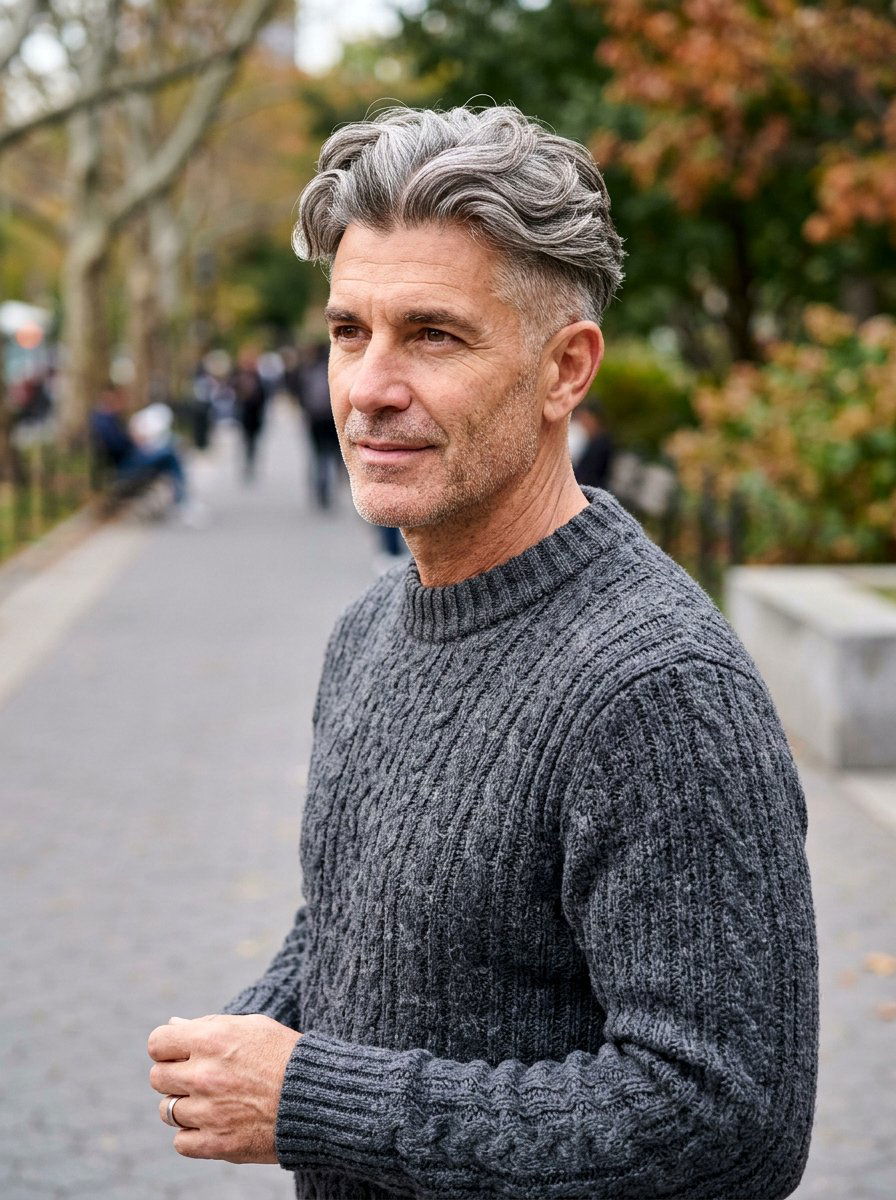
A long layered side part offers a traditional, masculine silhouette with the added benefit of modern texture. By parting the hair to one side, the layers on the “heavy” side of the part create a cascading effect that adds height and volume to the look. This style is excellent for balancing facial symmetry and can be adjusted to suit different face shapes by moving the part closer to or further from the center. The layers ensure that the swept-over hair has enough grip and movement to stay in place without needing a heavy amount of product. It is a versatile cut that can be worn sleek for work or messy for a casual night out.

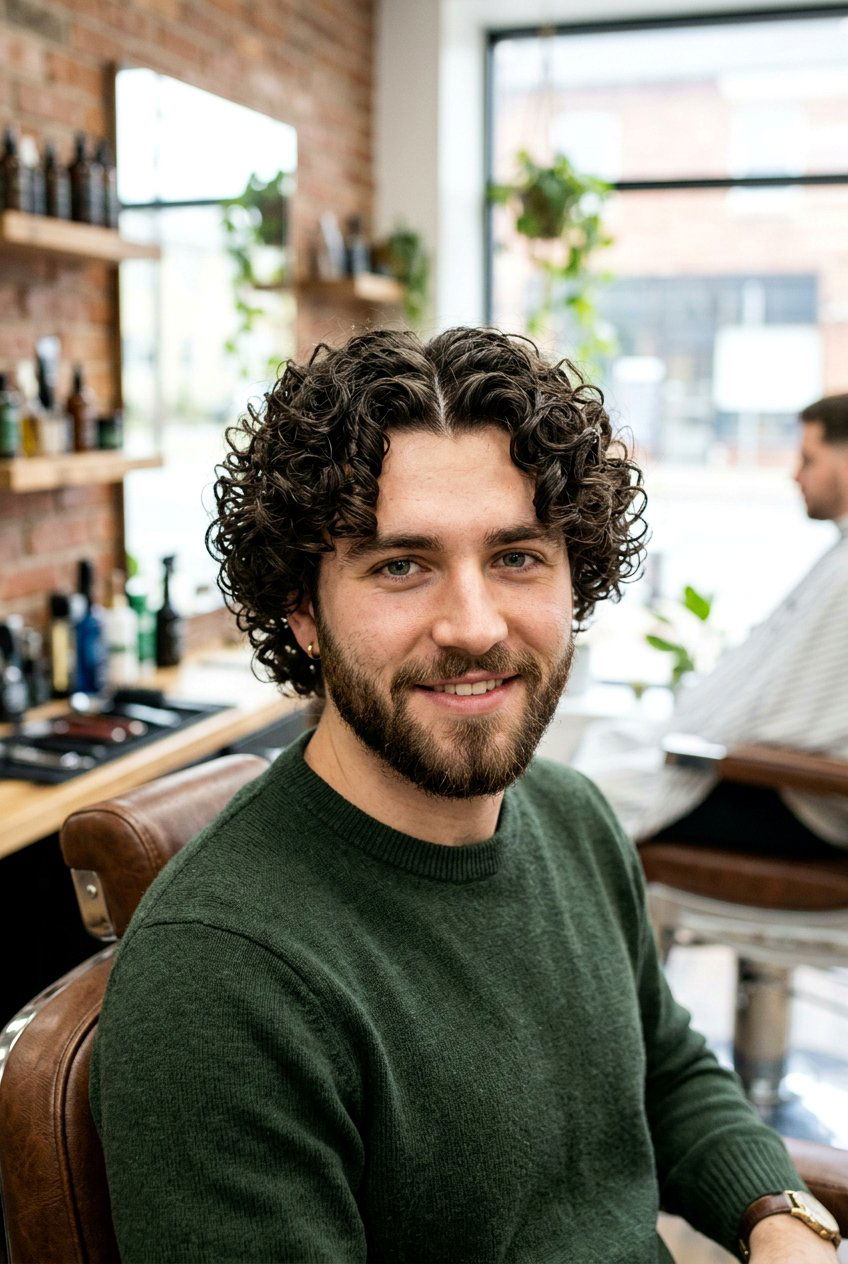
16. Long Layers With Fringe
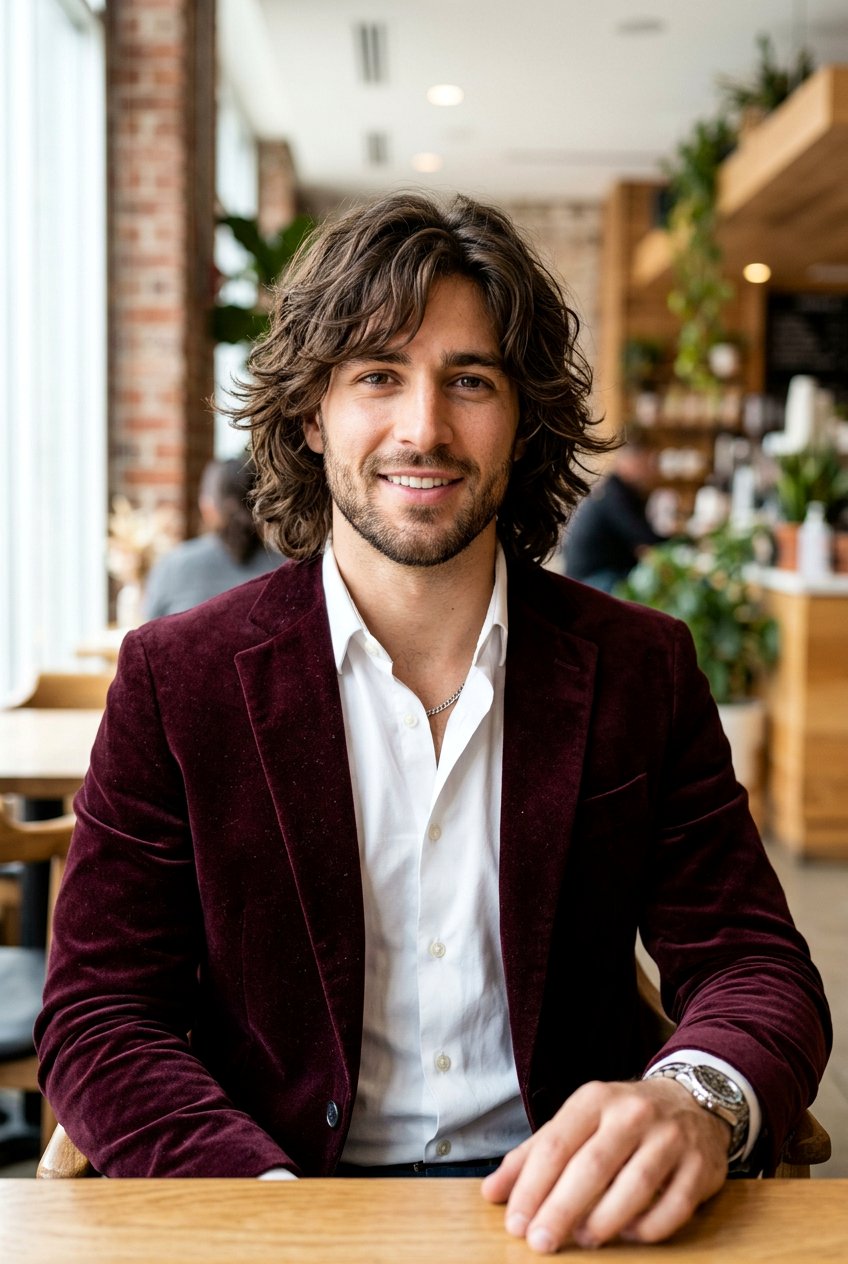
Adding a fringe to a long layered haircut is a bold move that can completely transform a man’s appearance. Whether it is a blunt, straight-across bang or a soft, side-swept fringe, the addition of shorter hair at the forehead provides a strong focal point. The surrounding long layers are then cut to blend with the fringe, creating a unified look that frames the eyes and forehead. This style is particularly effective for men with high foreheads or long face shapes, as the fringe helps to “shorten” the face and create a more balanced proportion. It requires a bit more maintenance than other styles, as the fringe will need regular trims to keep it out of the eyes.
17. Razor Cut Long Layers
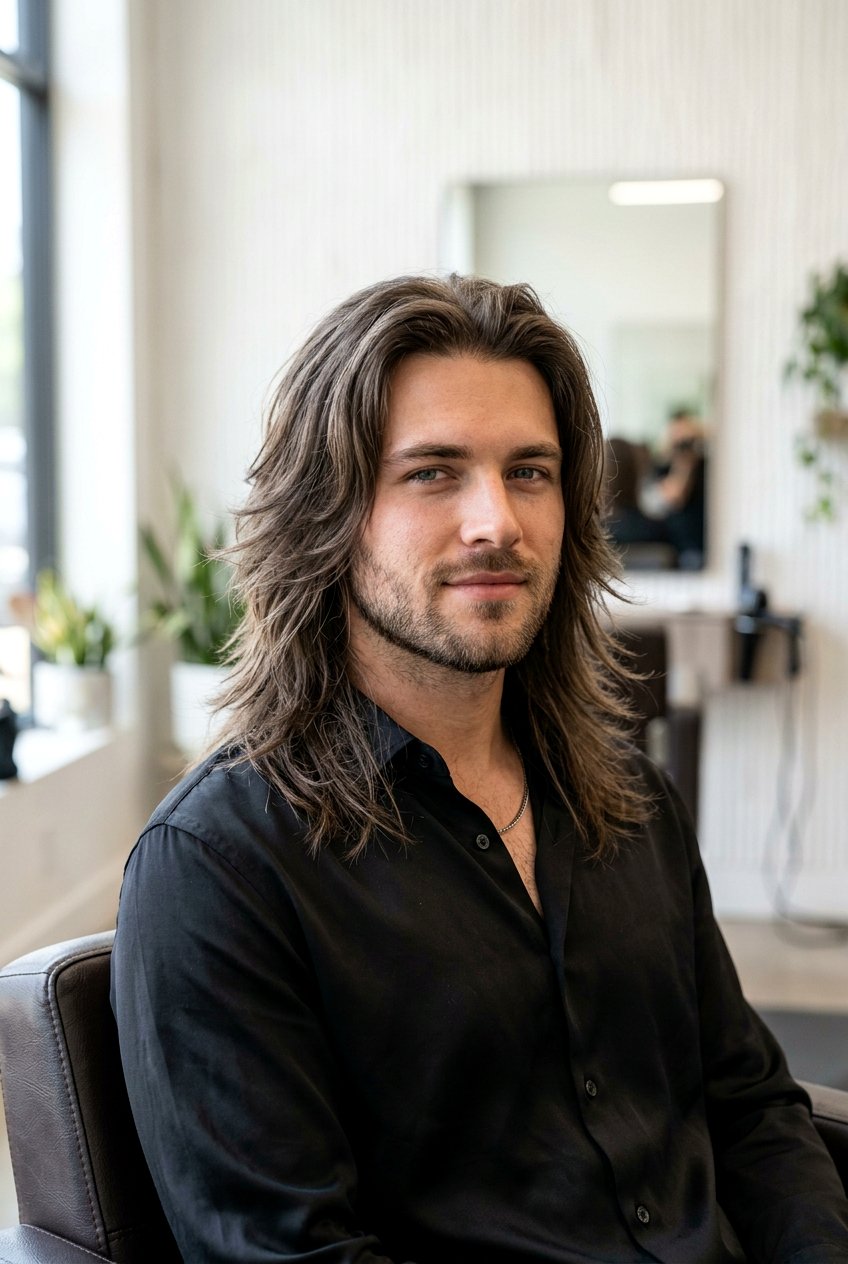
Razor cutting is a technique used to create ultra-thin, wispy layers that have a very different feel than those cut with scissors. For men’s long hair, a razor cut provides a “tapered” end to each strand, which results in a very soft, lived-in look that is full of texture. This is the preferred method for creating shaggy, rock-and-roll styles where a bit of “fuzz” or texture is desired. Razor cut layers are excellent for men with thick, coarse hair, as the technique thins out the ends and makes the hair much more manageable. The result is a style that looks effortlessly cool and has a tactile, touchable quality that is hard to achieve with shears alone.
18. Long Layers For Wavy Hair
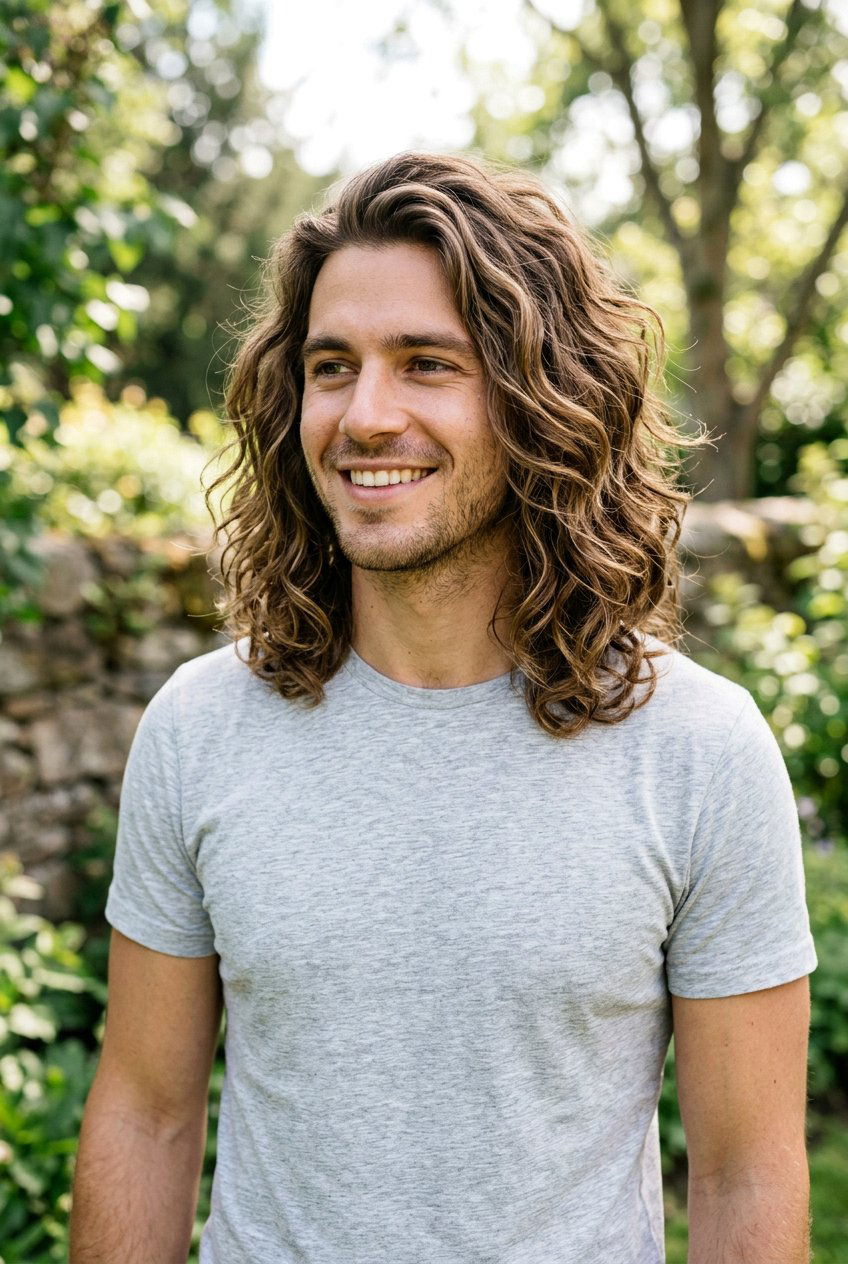
Wavy hair is perhaps the best canvas for long layers, as the natural “S” shape of the hair perfectly complements the different lengths. Layers help to “unlock” the waves by removing the weight that would otherwise pull them straight. This results in a voluminous, textured look that has a lot of natural bounce and energy. For men with wavy hair, the layers should be cut to follow the natural fall of the waves, ensuring that the hair looks good even when it hasn’t been styled. A simple application of sea salt spray on damp hair is often all that’s needed to enhance the layers and create a classic, beachy aesthetic that is both rugged and refined.
19. Disconnected Long Layers
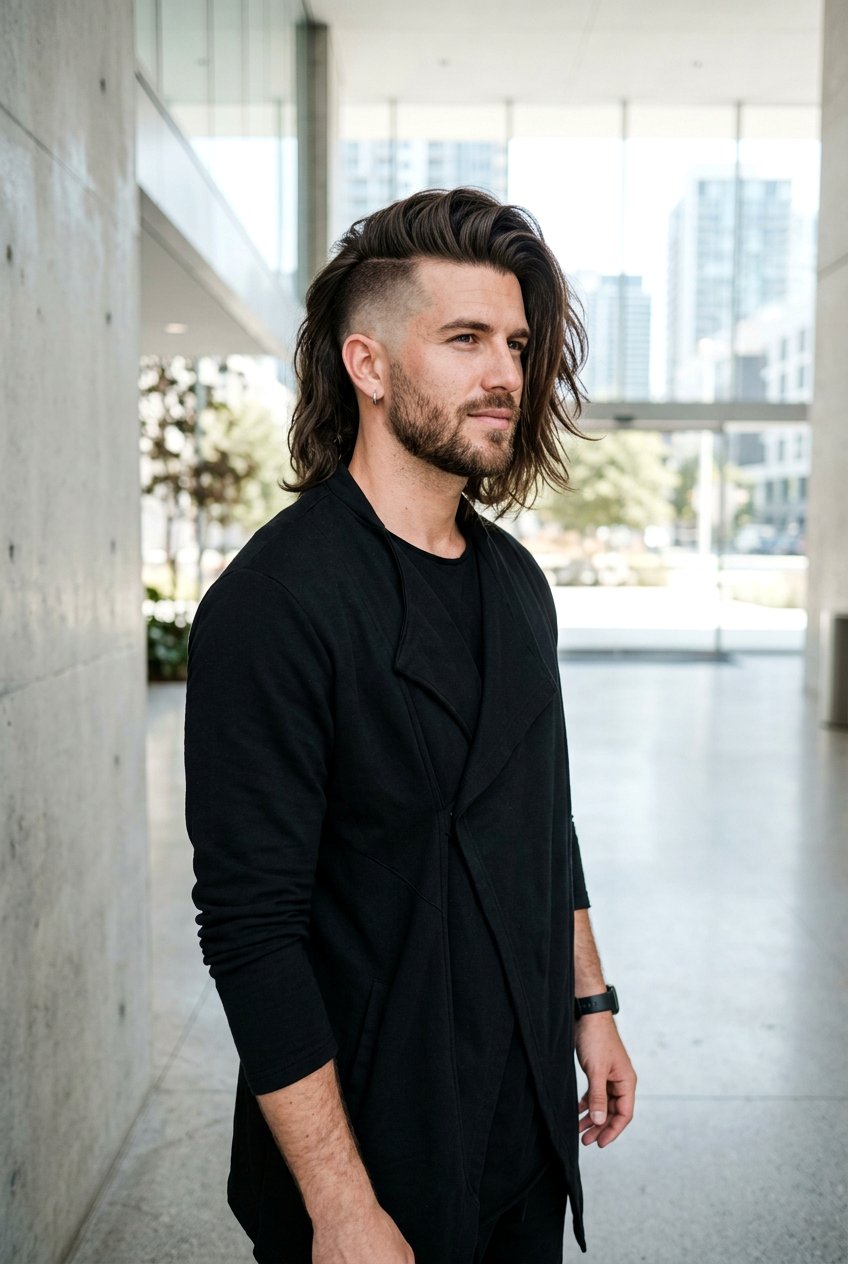
Disconnected layers involve a sharp contrast between short and long sections without a smooth transition or blending. This avant-garde approach is for the man who wants a high-contrast, edgy look that stands out from the crowd. Typically, this involves keeping the hair very long in the back and on one side, while the other side or the top is cut significantly shorter. The “disconnection” creates a bold visual line that is both modern and artistic. While this style requires a confident wearer and a skilled stylist to get the proportions right, it offers a level of individuality that more traditional layered cuts simply cannot match.
20. Long Layered Man Bun Prep
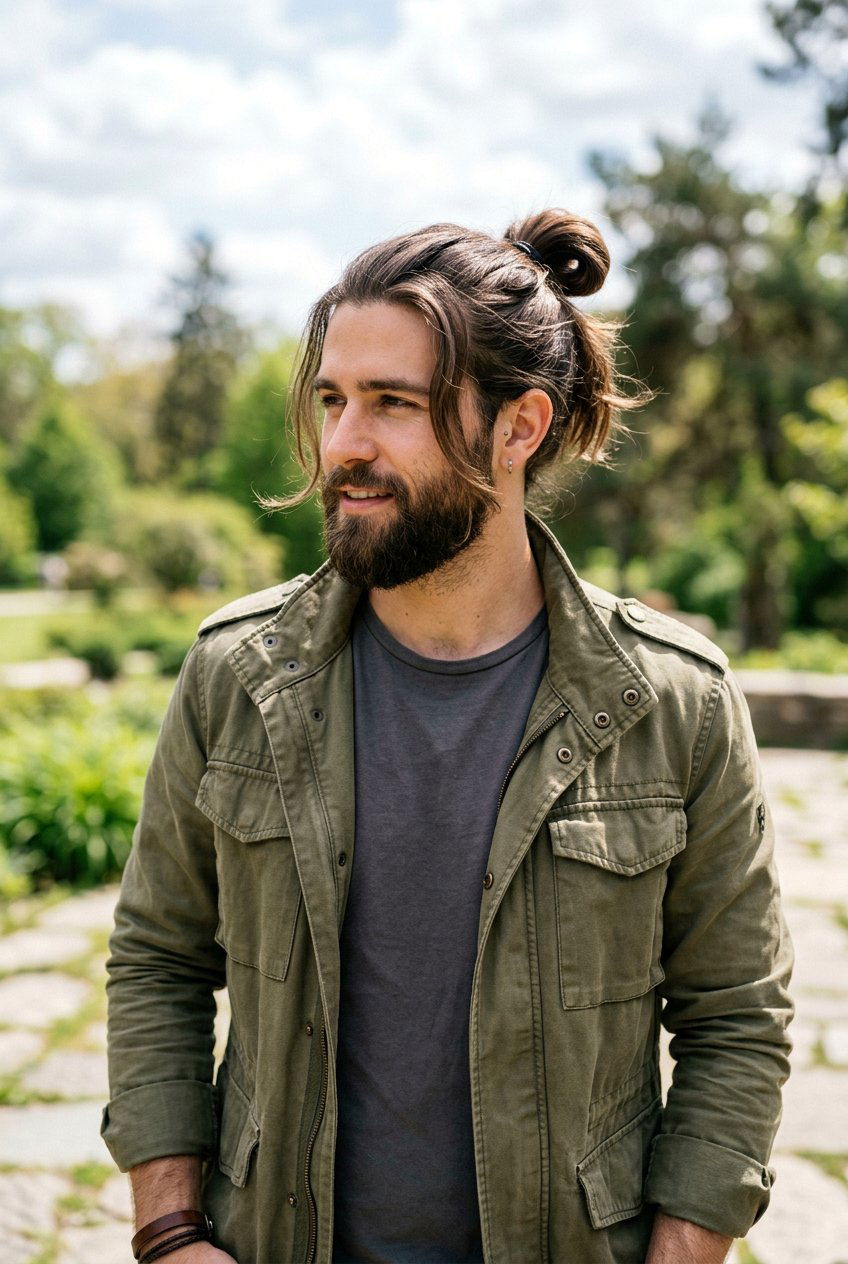
Many men grow their hair out specifically to wear it in a man bun, but a one-length cut can make the bun look bulky or messy. Long layers are the secret to a “perfect” man bun, as they allow for a smoother pull-back and a more aesthetic “loop” at the back. By layering the hair, the stylist can ensure that the ends aren’t all the same length, which prevents the bun from looking like a thick, blunt stump. Additionally, the shorter layers around the face can be left out of the bun to create a softer, more relaxed look. This “prep” cut ensures that whether the hair is up or down, it always has a flattering shape.
Conclusion:
The long layered haircut for men is far more than just a passing trend; it is a fundamental shift toward more expressive and textured grooming. By incorporating layers, men can enjoy the aesthetic benefits of long hair while maintaining the structure and ease of use typically associated with shorter cuts. Whether you choose the rebellious volume of a wolf cut, the professional polish of tapered layers, or the natural flow of internal layering, there is a layered style that suits every hair type and lifestyle. Embracing these techniques allows for a personalized look that highlights your best features and works with your hair’s natural tendencies. As we move forward in 2026, the focus remains on health, movement, and a “natural-but-better” finish that defines the modern masculine mane.
You'll Like These Styles:







Leave a Reply