
The light academia aesthetic celebrates a romanticized pursuit of knowledge, blending classical literature, art history, and a soft, sun-drenched palette. When it comes to styling, the **light academia braid hairstyle** serves as the perfect crowning touch for this scholarly look, offering a blend of vintage charm and modern sophistication. Unlike its moodier counterpart, dark academia, this style leans into creamy beiges, soft ribbons, and airy textures that feel right at home in a library or a botanical garden. Choosing the right braid can transform a simple outfit into a cohesive academic statement. These hairstyles prioritize a delicate, “undone” elegance that suggests you have been lost in a book for hours while still maintaining a polished, intellectual grace.
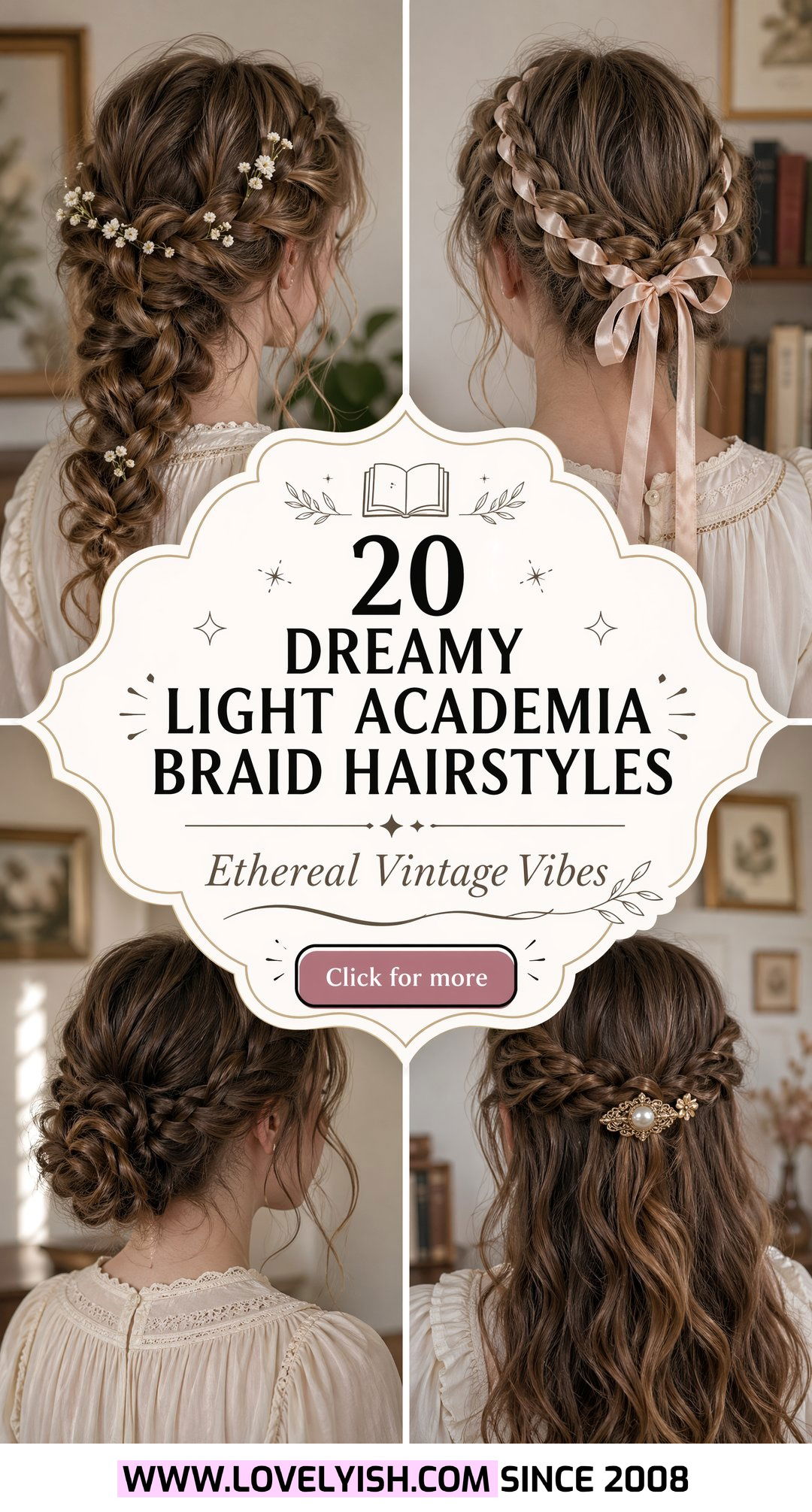
1. French Braid With Ribbon

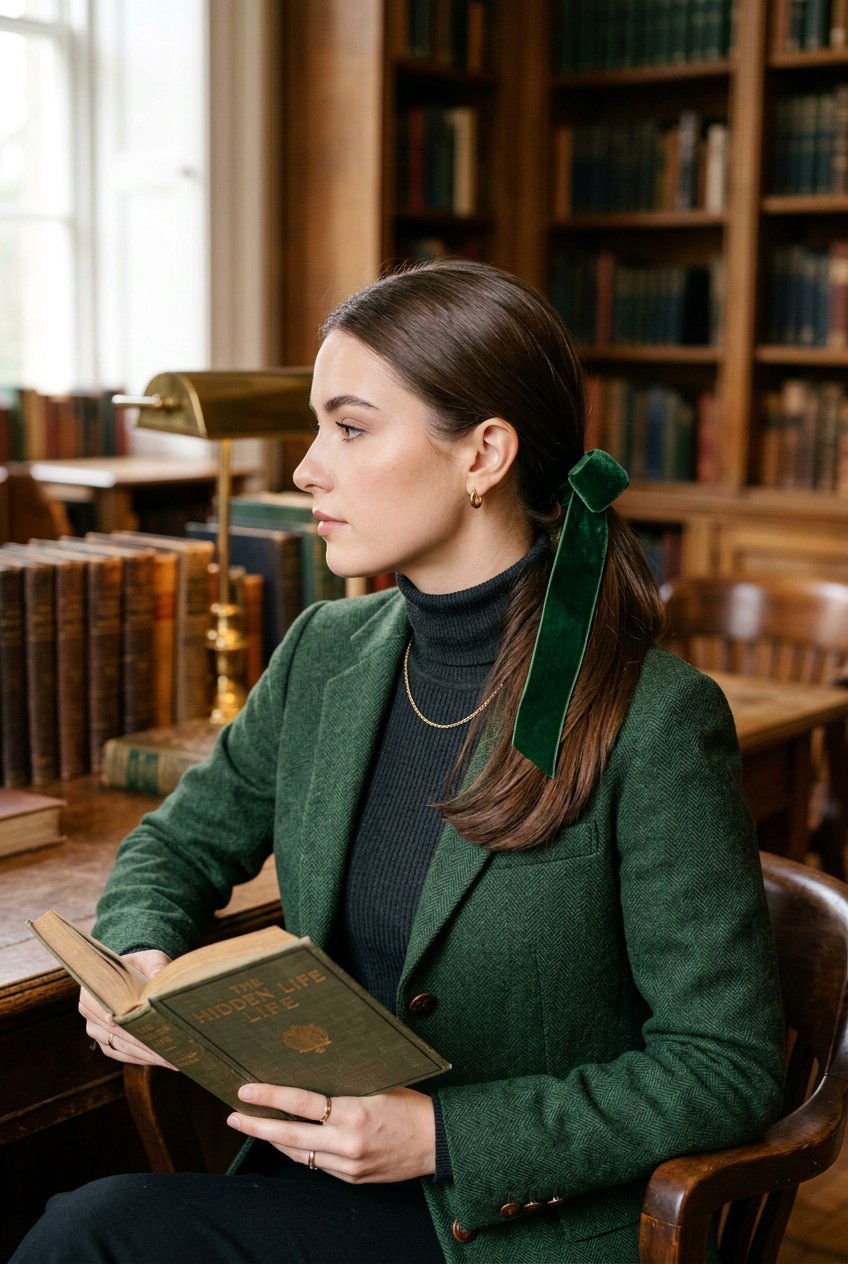
A classic French braid is a staple of the light academia look because it perfectly balances discipline with soft, feminine details. To achieve this, you start by weaving three sections of hair from the crown, incorporating more strands as you move toward the nape of the neck. The key to the light academia version is to avoid a tight, severe finish; instead, gently tug at the loops to create a fuller, more relaxed silhouette. Tying a silk or velvet ribbon in a muted cream or sage green at the end adds that essential vintage scholarly touch. This hairstyle keeps hair secure during long study sessions while framing the face with a thoughtful, timeless elegance.
2. Double Dutch Braid

Double Dutch braids provide a more structured and youthful energy to the light academia aesthetic, often reminiscent of traditional schoolgirl styles but updated with a softer texture. By crossing the hair strands under rather than over, the braids sit prominently on top of the head, creating a striking three-dimensional effect. For an academic vibe, these should be styled with a matte finish rather than high-shine products to maintain an organic feel. You can pair these braids with a plaid skirt and a linen blouse for a complete look. The twin braids are practical for active days spent exploring museums or historic campuses while keeping your hair perfectly in place.
3. Fishtail Low Ponytail

The fishtail low ponytail is an intricate yet understated choice for those who appreciate the fine details of the light academia style. By weaving two sections of hair into a thin, skeletal pattern, you create a texture that looks far more complex than it actually is to execute. Starting the braid at the base of the neck allows the top of the hair to remain soft and voluminous, which is ideal for tucking behind a pair of wire-rimmed spectacles. This look works best on second-day hair where the natural texture helps hold the small woven sections. It is a sophisticated way to show off hair length without the bulk of a standard plait.
4. Half Up Crown Braid
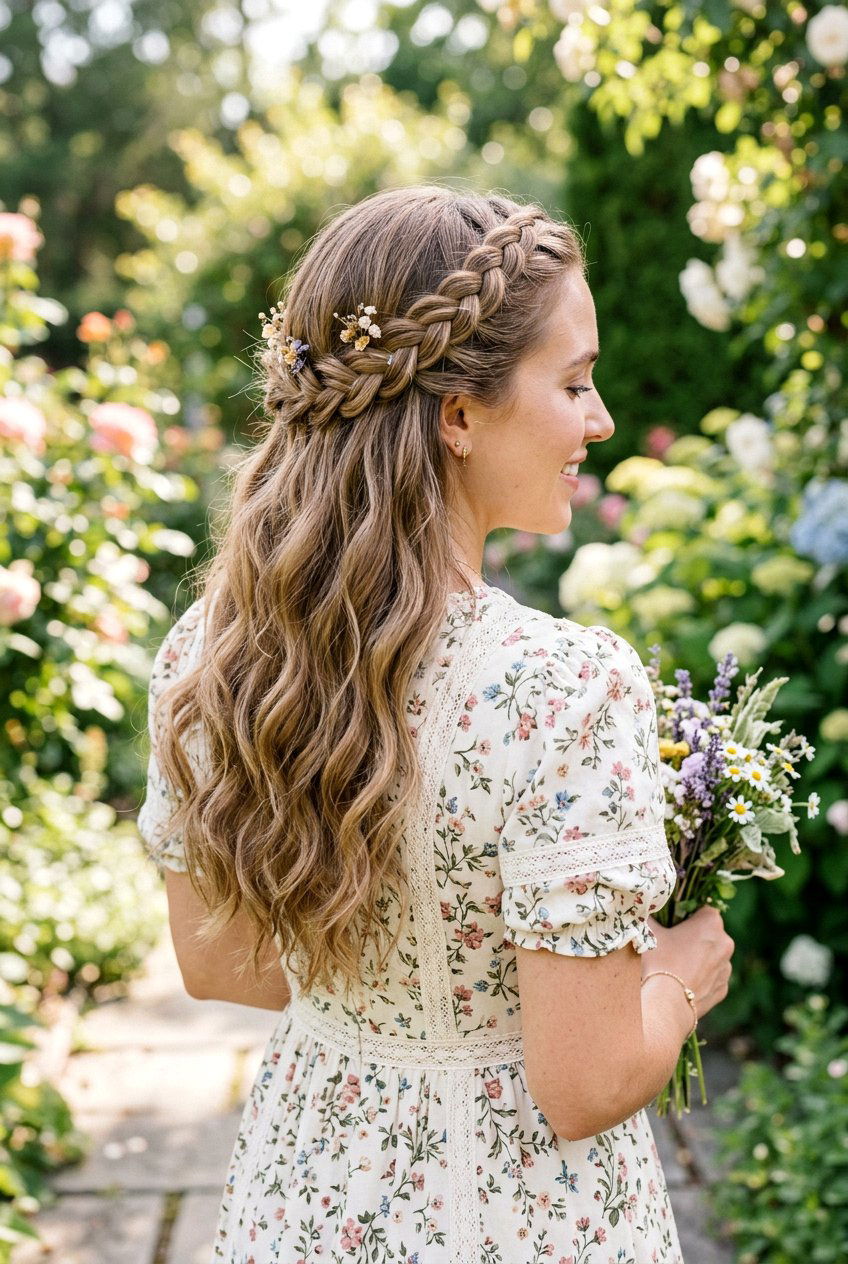
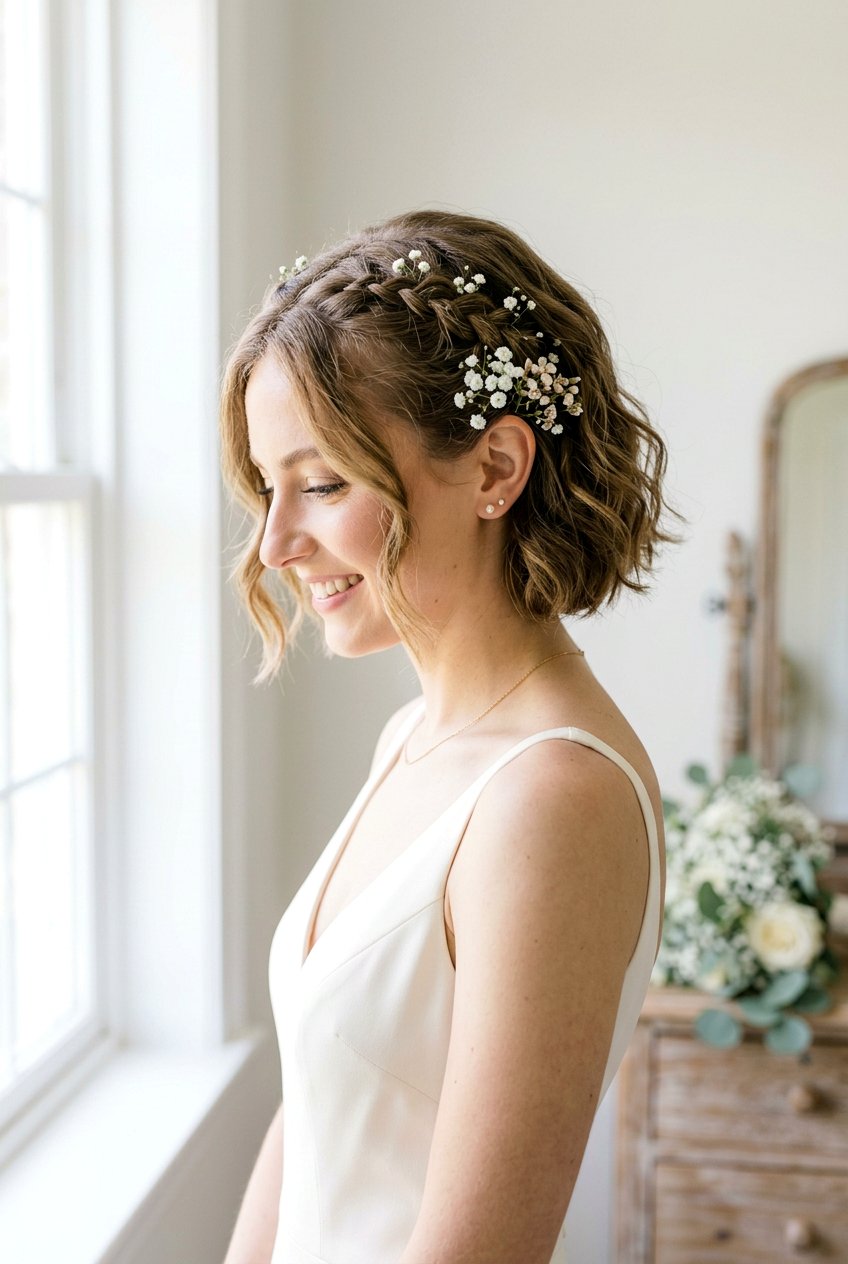
A half up crown braid captures the ethereal and romantic side of light academia, making it a favorite for those who love a “pre-Raphaelite” inspired appearance. This style involves braiding two small sections from the temples and pinning them across the back of the head to form a delicate halo. The remaining hair is left to flow naturally, preferably with soft, heatless waves that mimic the texture of a historical heroine. It is a versatile choice that bridges the gap between casual reading days and more formal academic presentations. Adding tiny dried flowers or a gold barrette can further elevate the scholarly, nature-loving mood of the overall ensemble.
5. Loose Side Braid

The loose side braid is the ultimate “effortless” light academia hairstyle, perfect for those mornings when you are rushing to a lecture but still want to look curated. By sweeping all the hair over one shoulder and performing a simple three-strand plait, you create a silhouette that is both relaxed and intentional. The secret is to leave a few wispy tendrils out around the face to soften the jawline and add to the “dreamy scholar” vibe. This hairstyle pairs beautifully with oversized turtlenecks and trench coats, providing a clean line that doesn’t compete with high collars. It is a low-maintenance option that stays beautiful even as it gets slightly messy.
6. Milkmaid Braid Updo
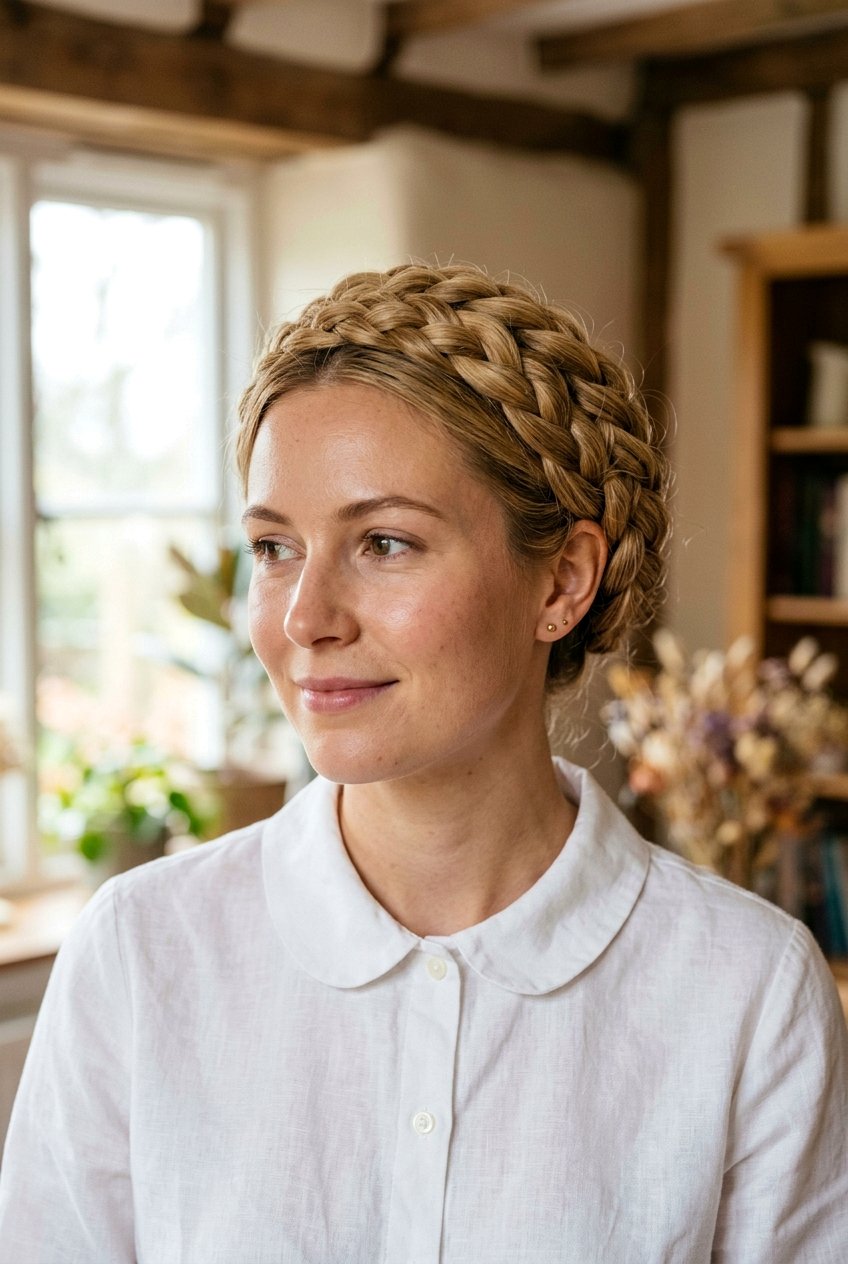
For a look that feels plucked straight from a classic Victorian novel, the milkmaid braid updo is an exceptional choice for light academia enthusiasts. This involves creating two long braids and wrapping them over the top of the head to create a crown of hair. It is a practical updo that keeps the neck cool and the hair completely out of the way, making it ideal for deep research or writing marathons. The structured nature of the braids is often softened by pulling out small pieces of hair at the ears. This style works wonderfully with a Peter Pan collar or a delicate lace blouse, emphasizing a sophisticated, historical intellect.
7. Waterfall Braid With Waves

A waterfall braid offers a whimsical and artistic interpretation of the academic aesthetic, as it allows sections of hair to “drop” through the braid like a flowing stream. This technique creates a horizontal band of weaving across the back of the head while the rest of the hair cascades down in soft, romantic ripples. It is particularly effective for those with highlights or multidimensional hair color, as the weaving highlights the different tones. This style evokes the feeling of a sunlit afternoon spent in a campus courtyard, combining technical skill with a free-spirited, intellectual charm. It is best finished with a light-hold hairspray to maintain the “flow.”
8. Four Strand Braid
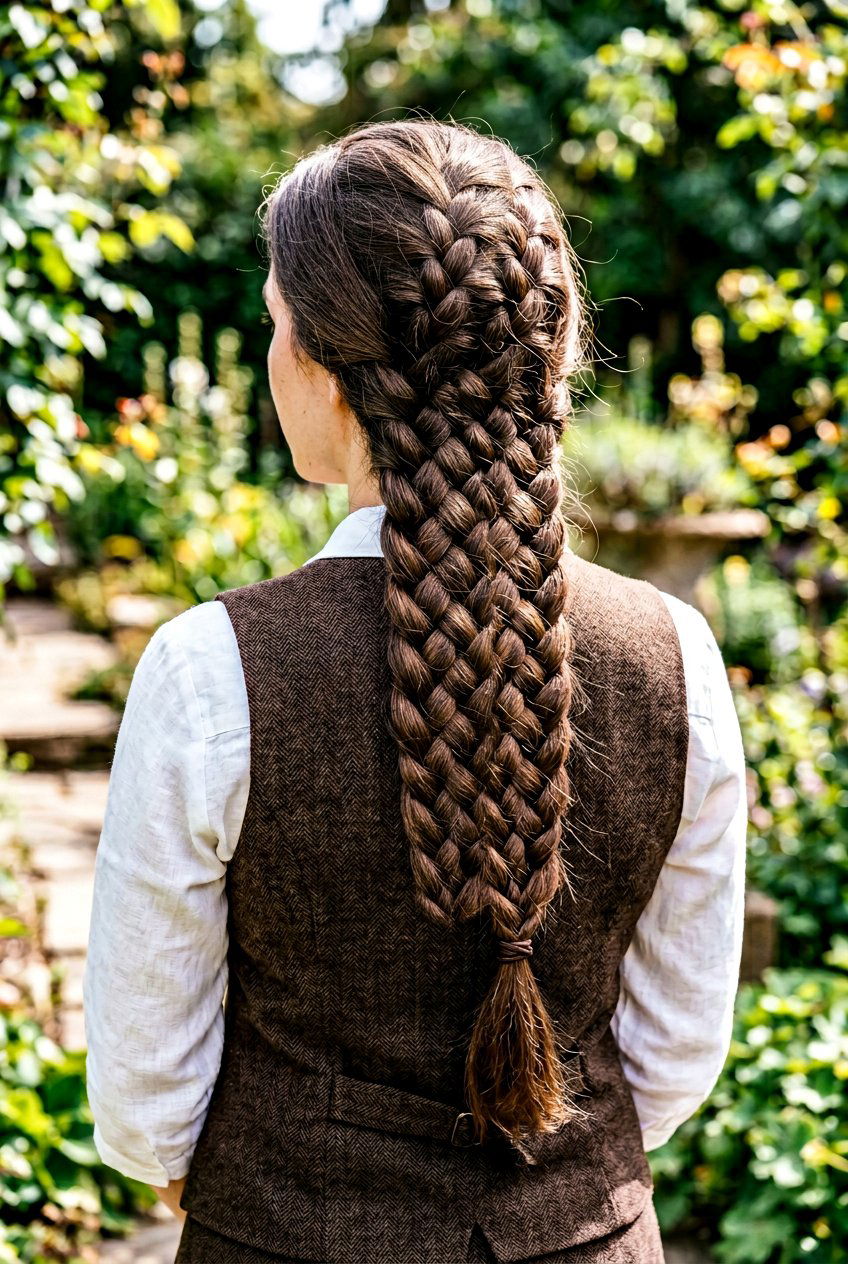
The four strand braid is for the academic who appreciates symmetry and slightly more complex geometric patterns in their personal style. By adding a fourth section to the traditional braiding process, you create a flat, wide plait that looks like a woven tapestry. This braid has a distinctively sturdy and “rich” appearance, making it a great match for heavier fabrics like wool blazers or corduroy trousers. Because it is wider than a standard braid, it makes the hair look significantly thicker and more voluminous. It is an excellent way to stand out in a crowd of students while maintaining a very polished and disciplined appearance.
9. Braided Low Bun
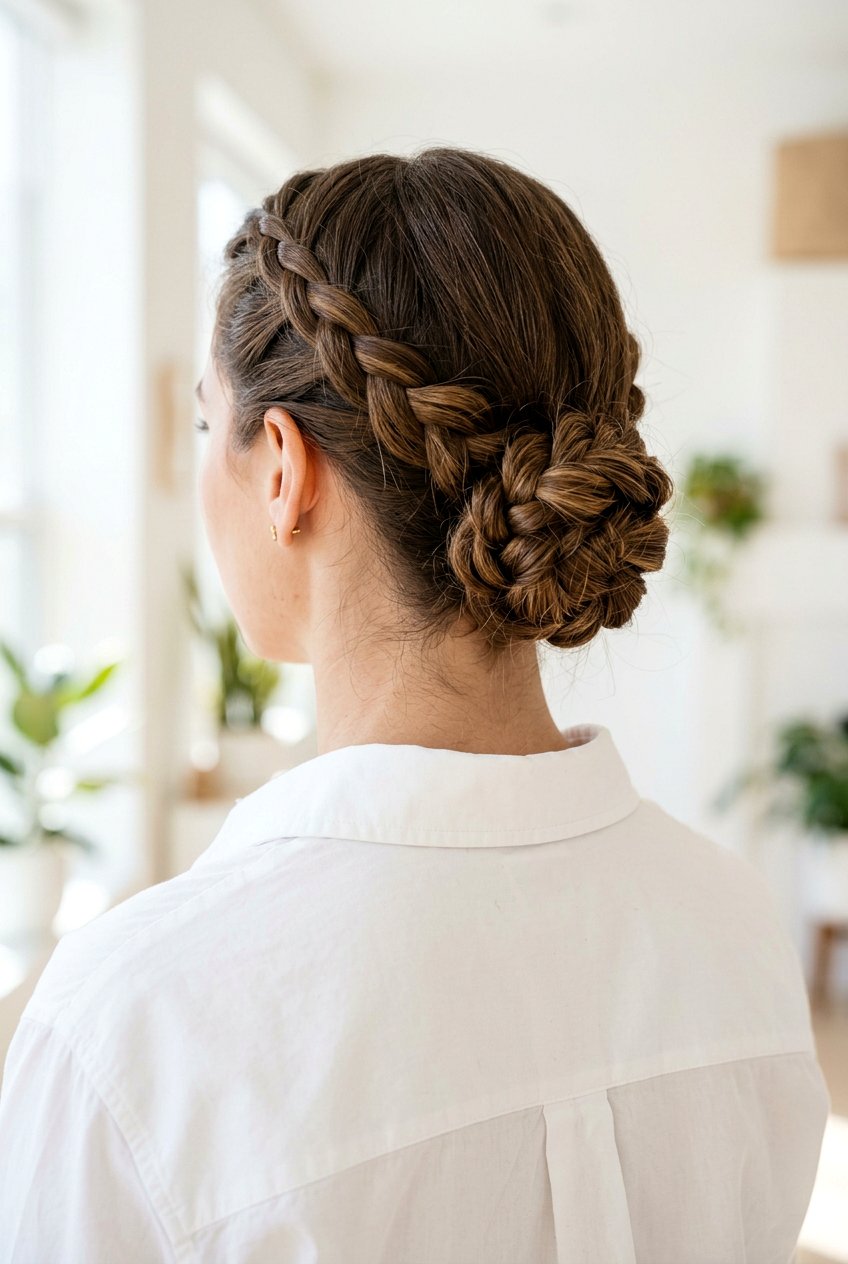
Combining the security of a bun with the detail of a braid, the braided low bun is a professional yet soft hairstyle for the light academia world. You begin by braiding a ponytail and then spiraling that braid into a compact coil at the nape of the neck. This creates a textured knot that looks far more interesting than a basic ballet bun. It is a very “put-together” look that suits the structured elements of the academic wardrobe, such as structured vests and crisp button-downs. Using tortoise-shell hairpins to secure the bun adds a subtle, vintage accessory that fits the library-chic aesthetic perfectly.
10. Bubble Braid Accents

While bubble braids are often seen as modern, integrating them as small accents into a light academia look adds a playful, contemporary twist to a vintage base. Instead of a full head of bubbles, try creating two thin “face-framing” bubble braids that start at the hairline and blend into the rest of your loose hair. Use clear elastics or small ribbons to create the sections, then “pouf” them out for volume. This style feels a bit more “art student” and works well for creative writing or studio classes. It bridges the gap between old-world charm and Gen-Z’s love for expressive, easy-to-style hair trends.
11. Pull Through Braid
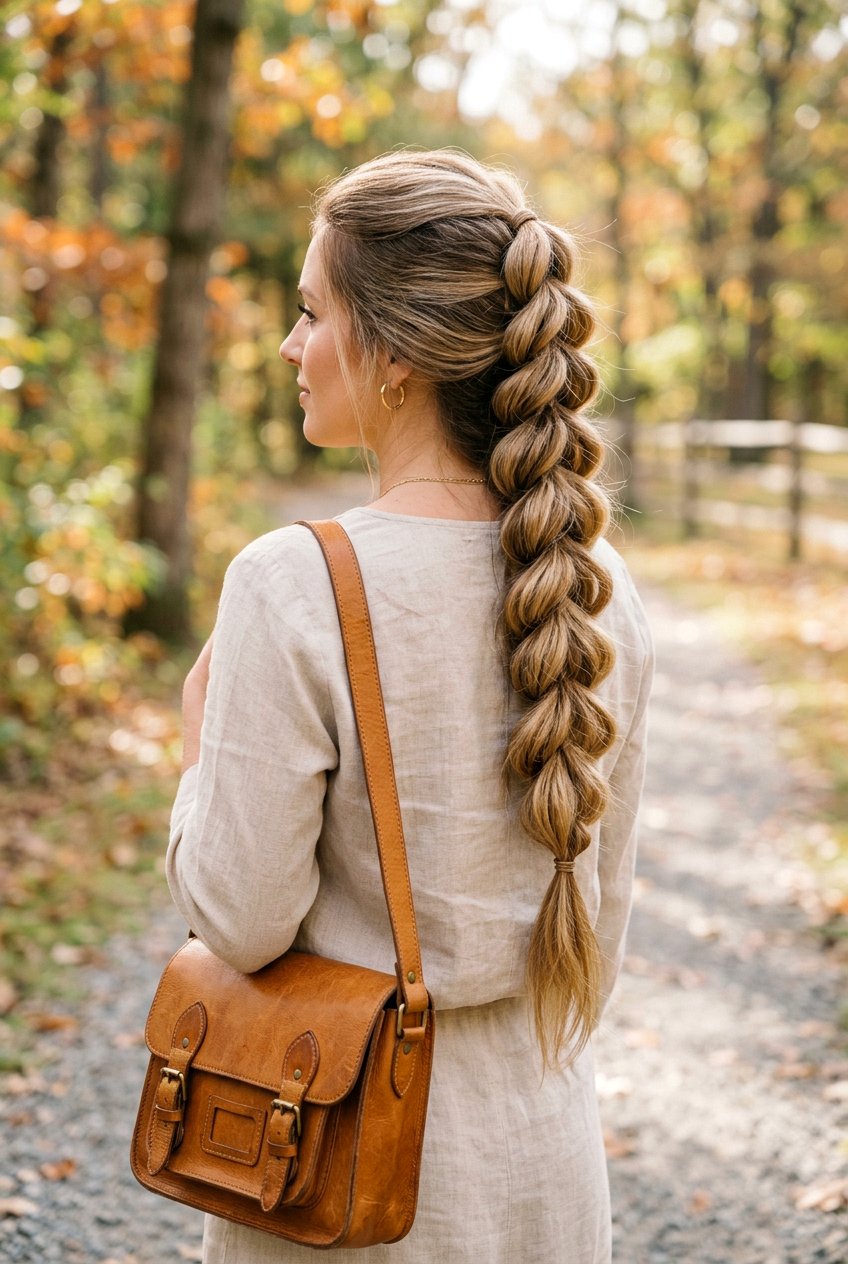
The pull through braid is an excellent choice for those who find traditional braiding difficult but want the high-volume look of an intricate plait. This style is actually a series of connected ponytails that are looped through one another to create a massive, faux-braid effect. It is incredibly secure, meaning it won’t budge even if you are biking across campus or carrying a heavy satchel of books. For the light academia vibe, use matte hair elastics that match your hair color so the focus remains on the “braided” texture. The result is a bold, thick hairstyle that looks incredibly photogenic against old architecture.
12. Rope Twist Braid

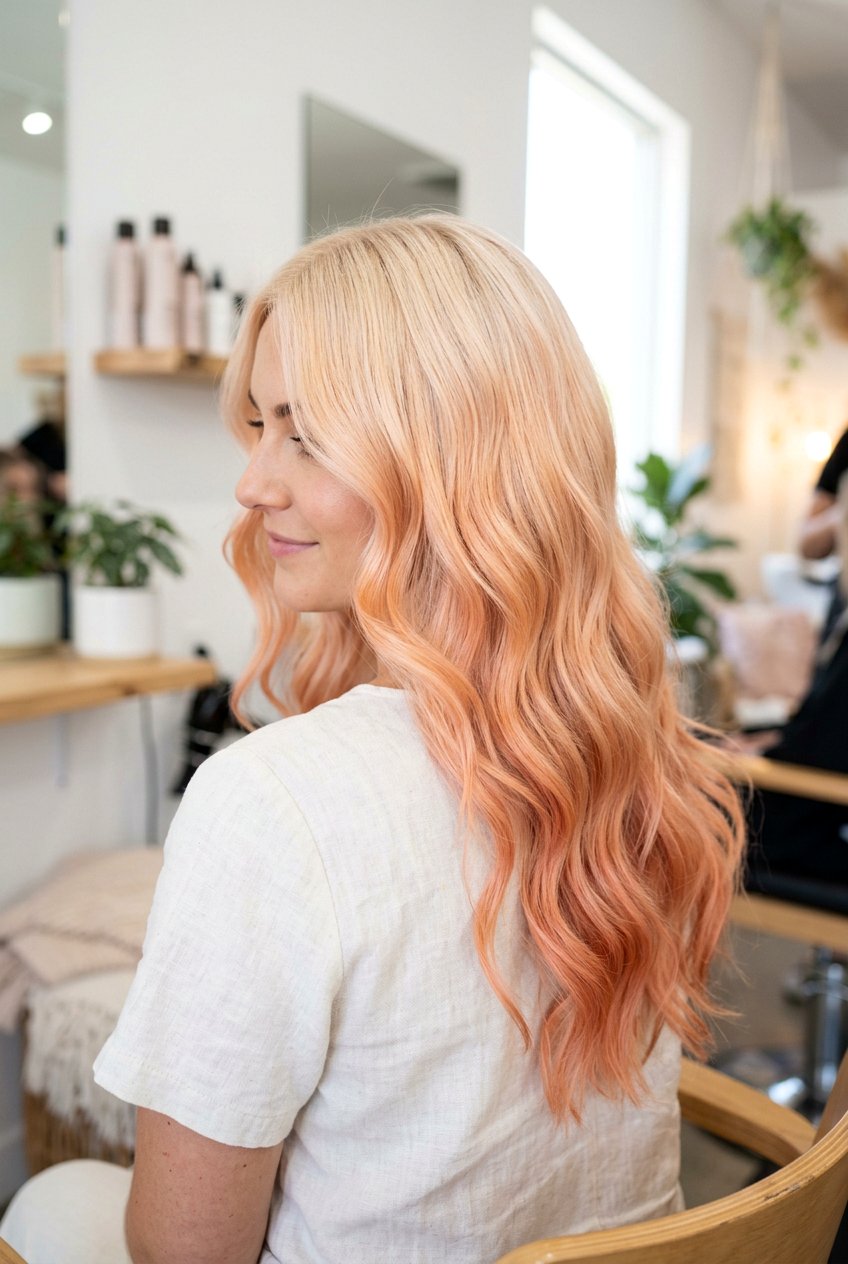
The rope twist braid offers a sleek, minimalist alternative to the traditional three-strand plait, fitting perfectly with the “clean girl” side of light academia. By twisting two sections of hair individually and then wrapping them around each other, you create a rope-like effect that is both modern and timeless. This hairstyle is very quick to execute, making it a go-to for early morning exams or library dates. It looks particularly sharp when paired with a simple headband or a pair of classic pearl earrings. The rope twist is a polished way to manage long hair without the “fussy” look of more complex braids.
13. Box Braid Half Up

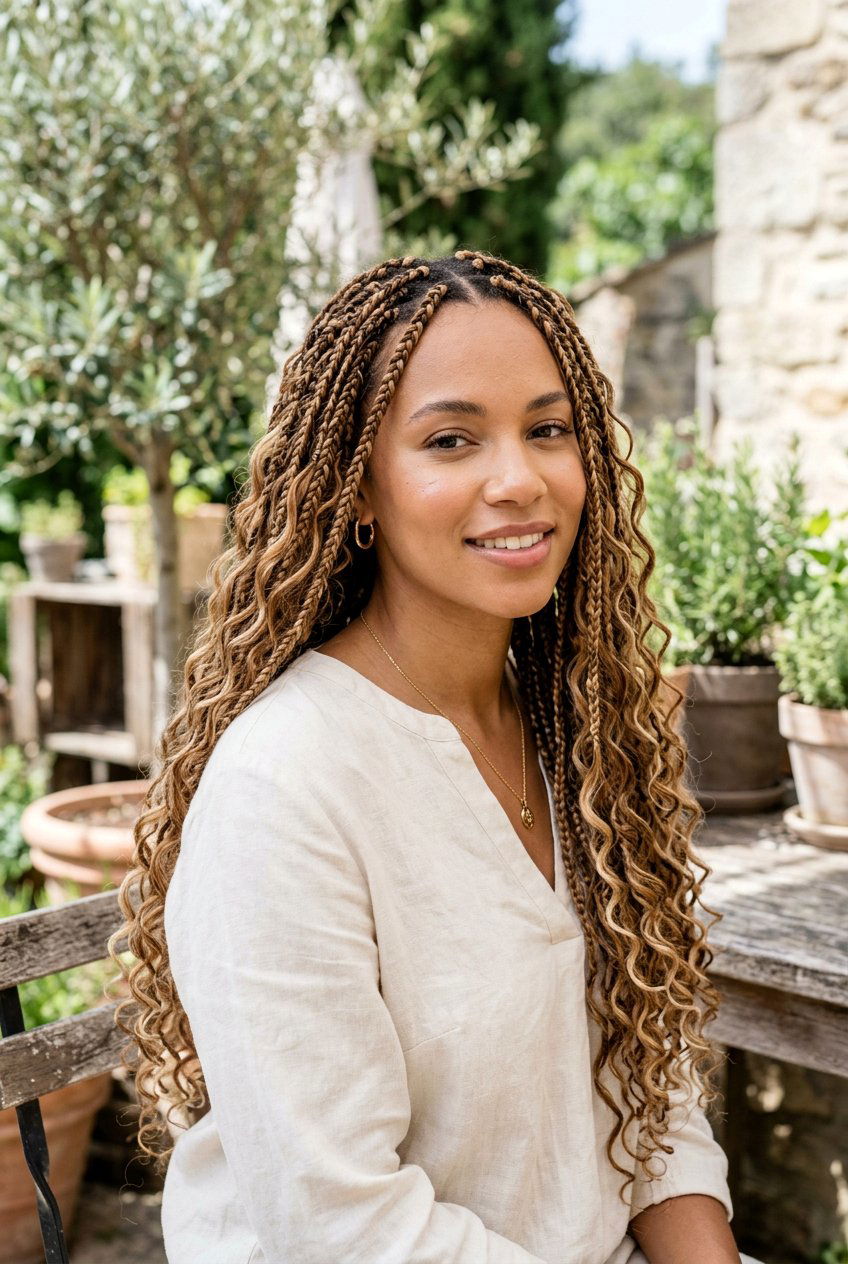
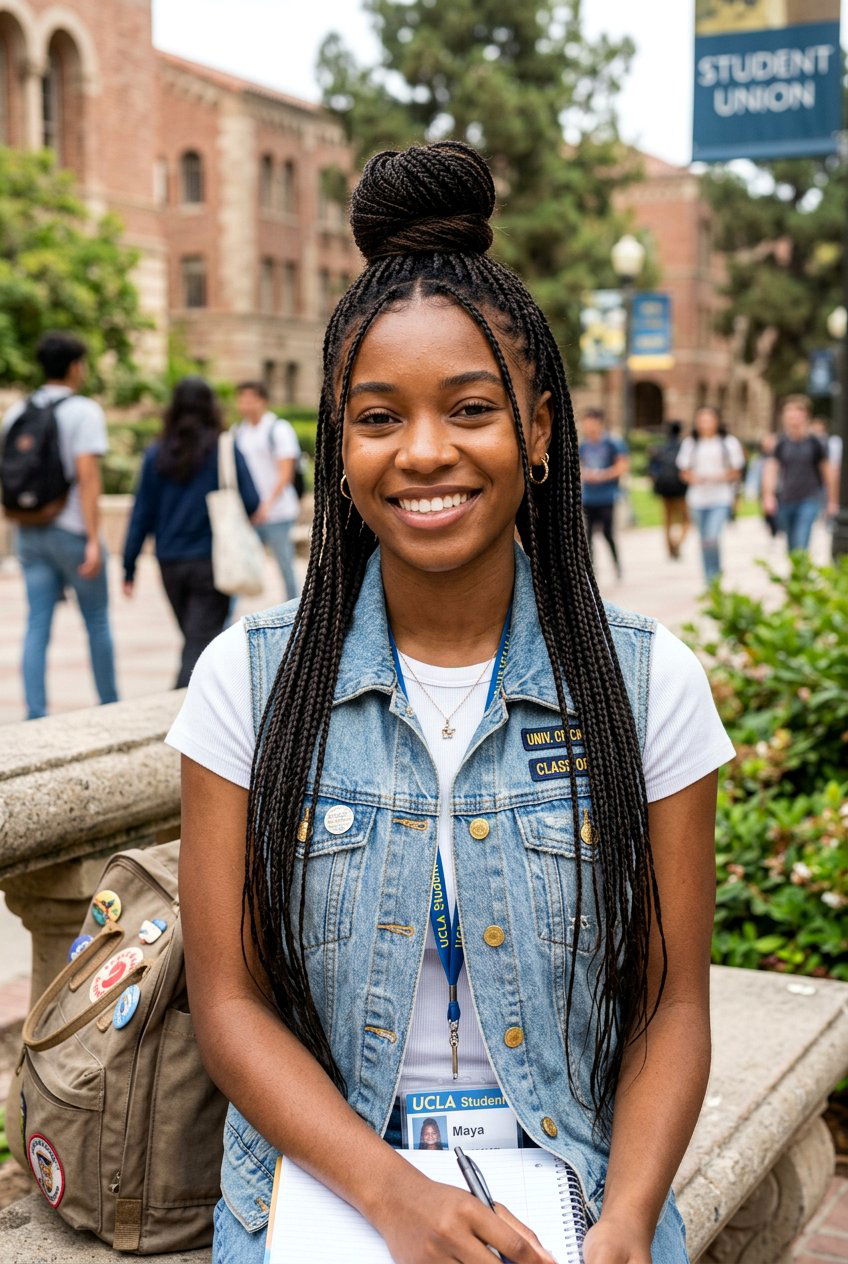
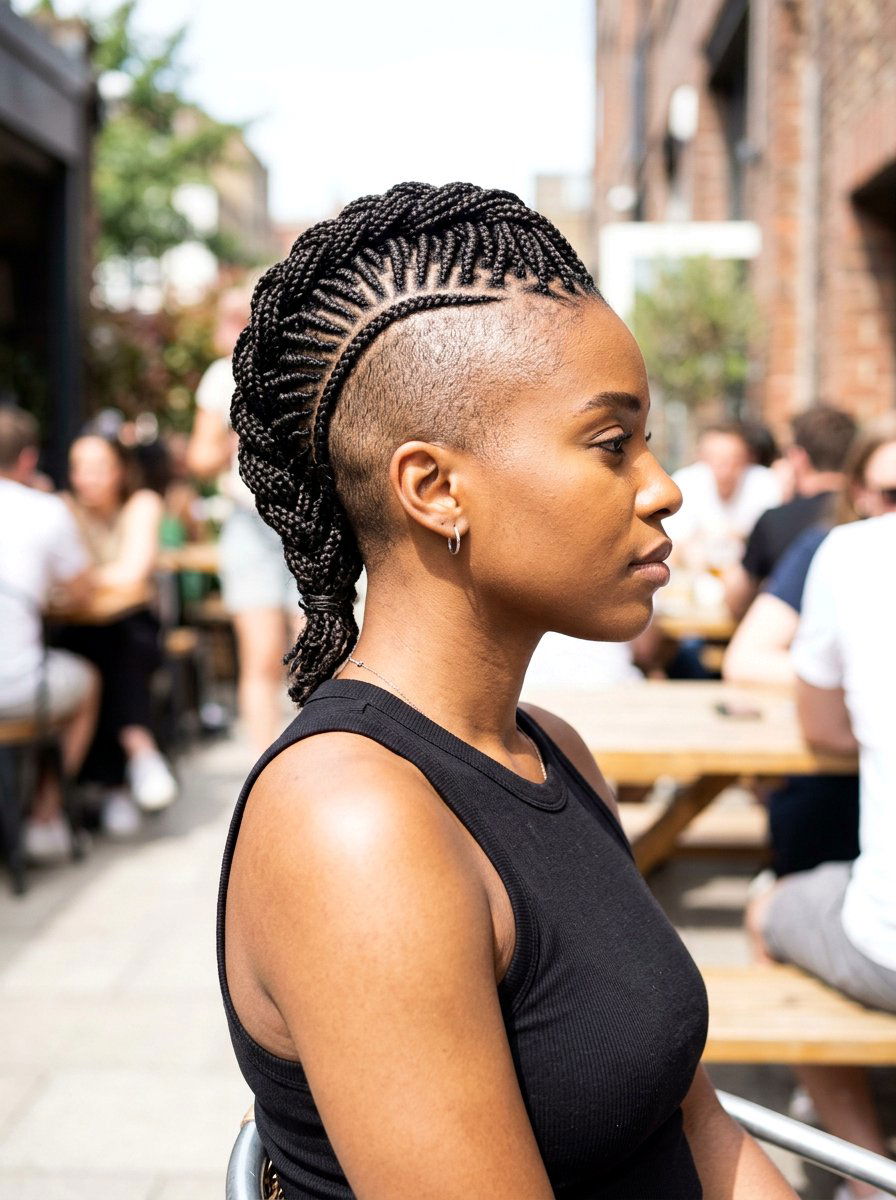
For those with protective styles, the box braid half up look is a stunning way to incorporate the light academia aesthetic. Taking the top half of your box braids and securing them with a large, silk bow or a vintage-style scrunchie creates a balanced silhouette that is both practical and stylish. The weight of the braids provides a natural drape that looks beautiful with layered academic outfits like sweaters over dresses. You can also incorporate gold or silver hair cuffs into a few of the braids to add a touch of “ancient history” inspired hardware. It is a regal and intellectual way to wear a protective style.
14. Messy Boho Braid

The messy boho braid leans into the “distracted genius” trope of light academia, where the hair is meant to look a bit windswept and lived-in. This is usually a standard braid that has been heavily pancaked (pulled apart) to create maximum width and a slightly frayed texture. It looks best when paired with a wide-brimmed felt hat or a knitted beret, which are quintessential academic accessories. This hairstyle suggests a life spent outdoors or deep in a dusty archive, valuing substance over perfect grooming. It is a cozy, approachable style that feels warm and inviting, much like the light academia aesthetic itself.
15. Pigtail Braids With Beret
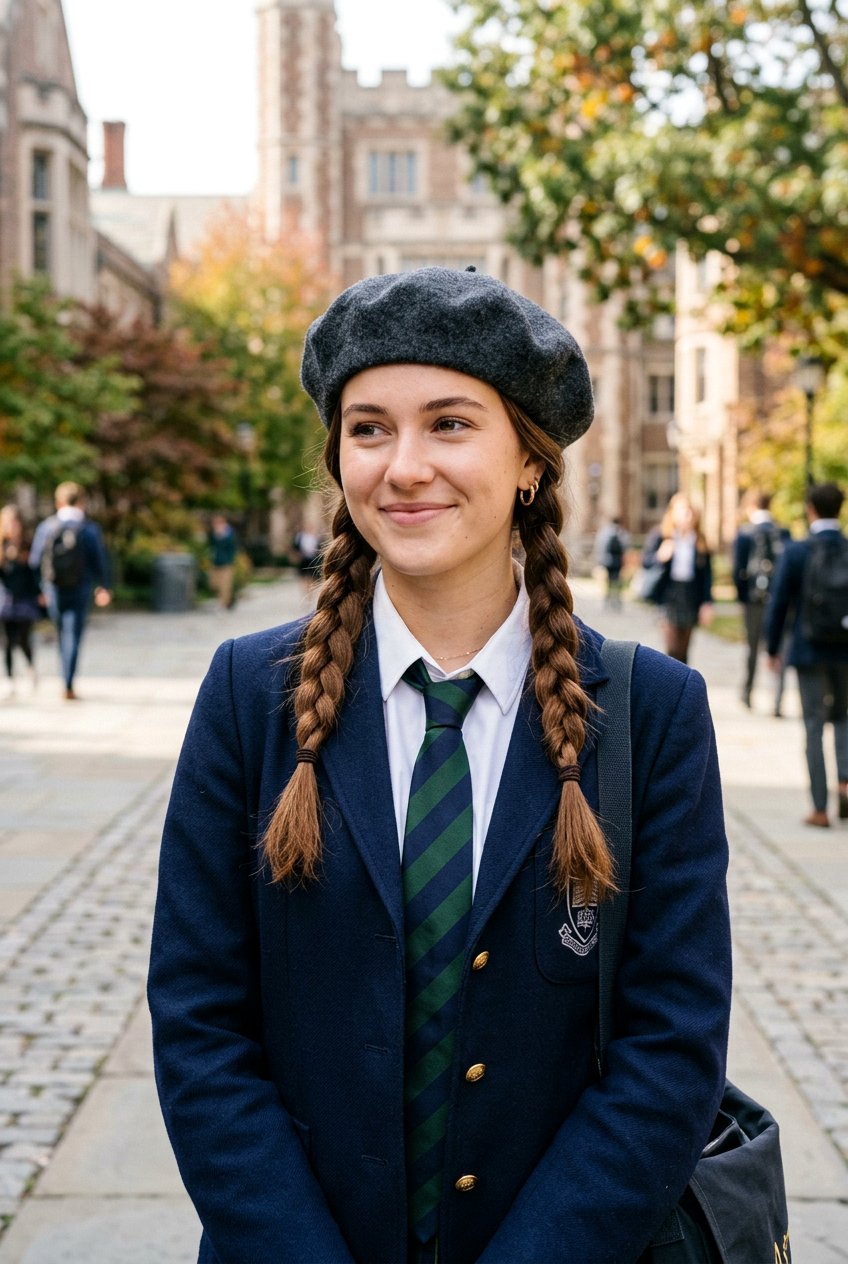
Pigtail braids are a classic “schoolcore” element that fits seamlessly into the light academia wardrobe, especially when paired with the right headwear. Starting the braids low behind the ears keeps them from looking too juvenile and instead gives them a refined, European vintage feel. When you add a wool beret in a neutral tone like charcoal or camel, the look becomes instantly more “intellectual.” This combination is perfect for autumn days when you want to keep your hair contained but still visible beneath your hat. It is a charming, symmetrical look that frames the face and highlights a youthful love for learning.


16. Snake Braid Detail
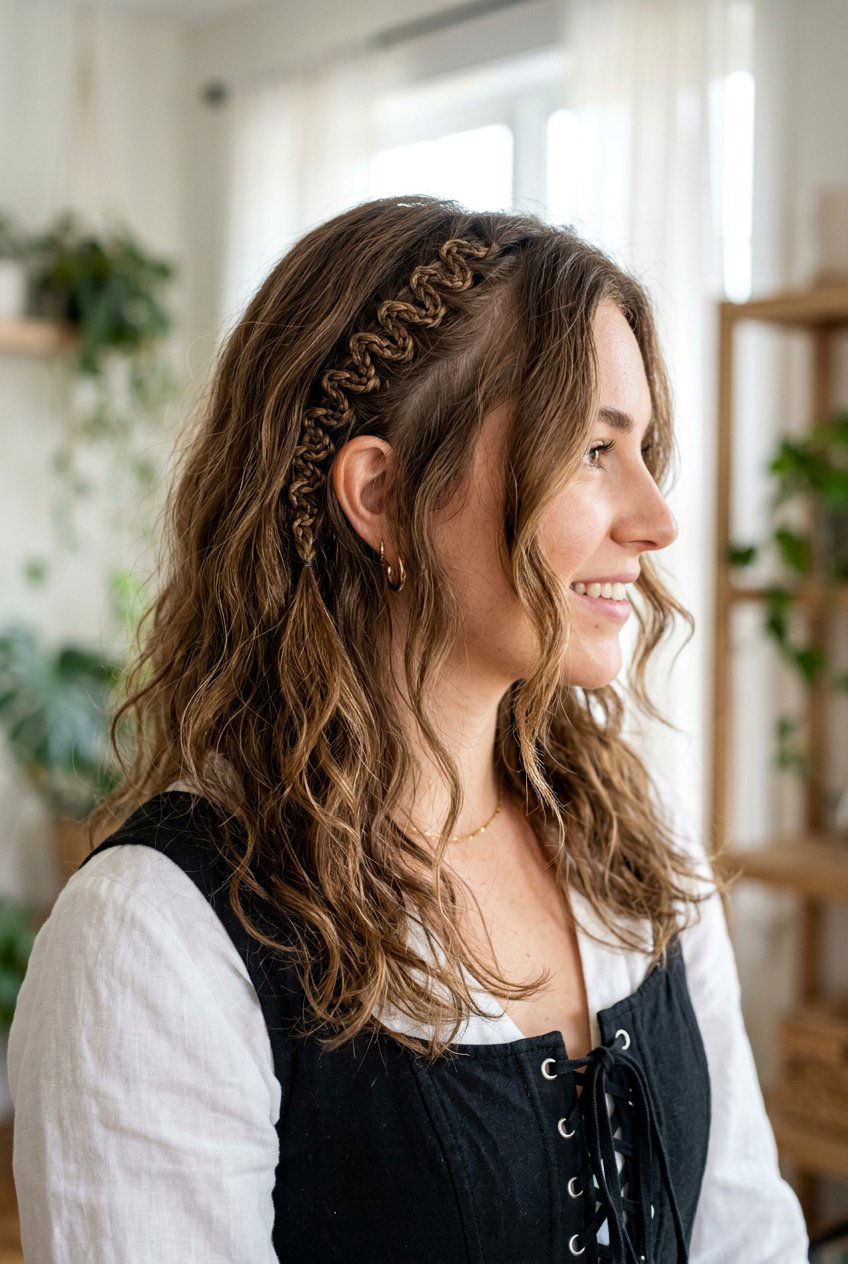
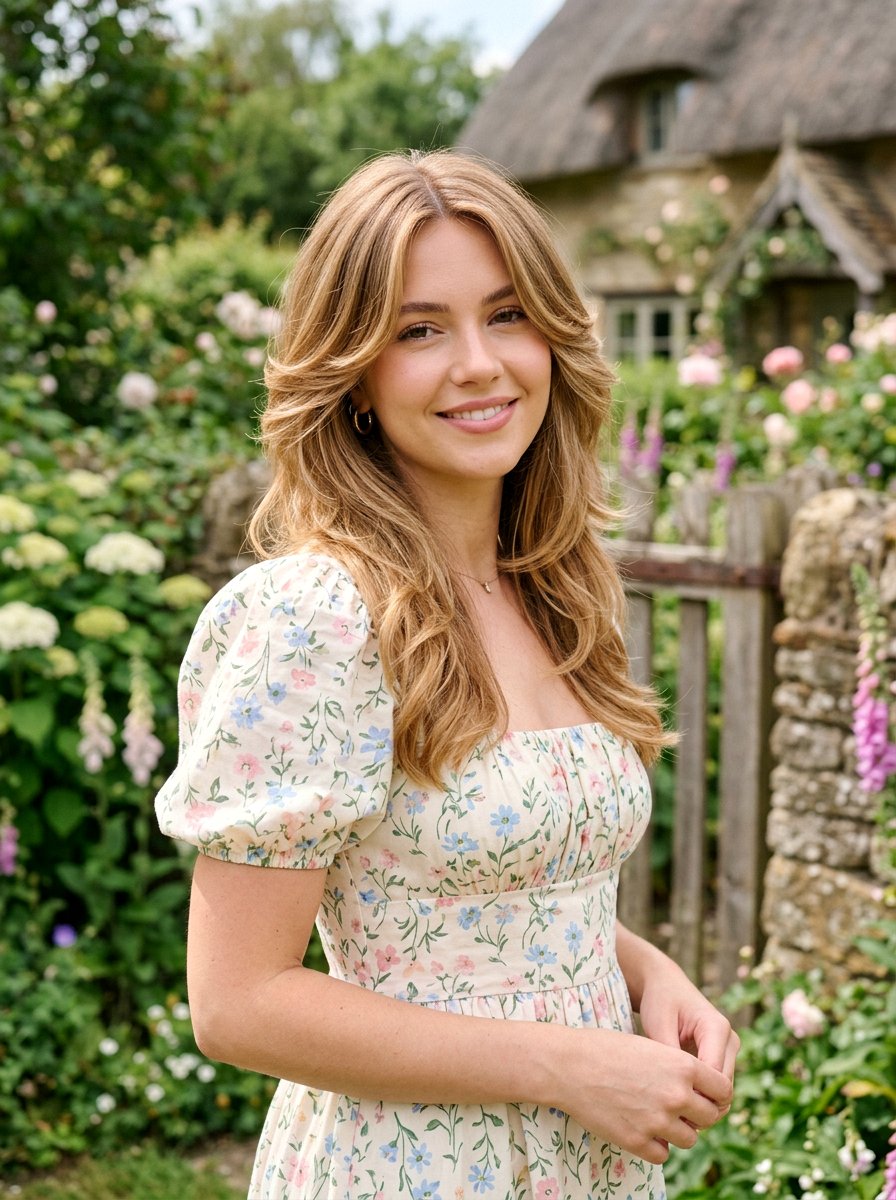
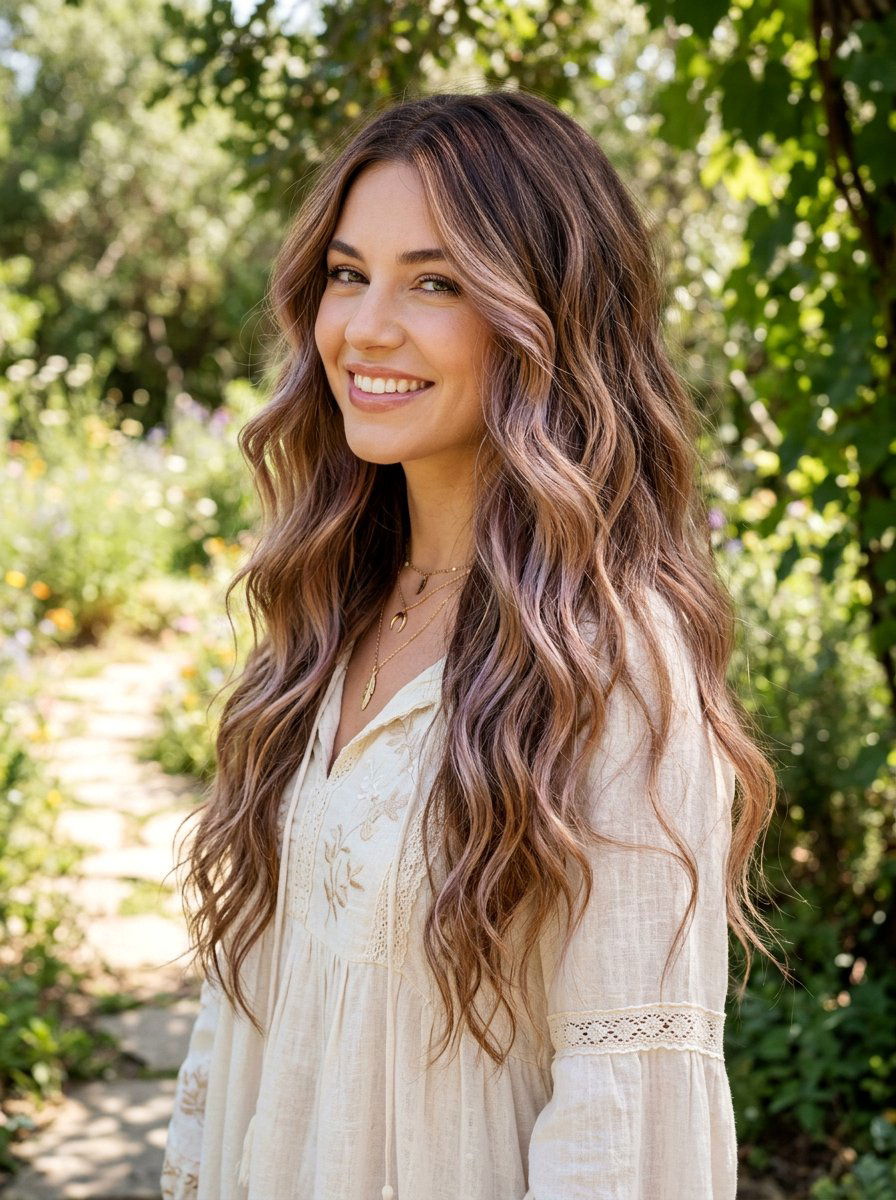
A snake braid is a small, subtle detail that can be hidden within loose hair to provide a “secret” element of interest to your hairstyle. It is created by braiding a small section, then holding one strand and sliding the others up to create a zig-zag, S-shaped pattern. In the context of light academia, this feels like an intricate bookmark or a hidden detail in a classical painting. It is best used as a surprise element that people only notice when they get close, which fits the understated nature of the aesthetic. It is a conversation starter that shows a great attention to detail and personal craft.
17. Braided Headband With Curls
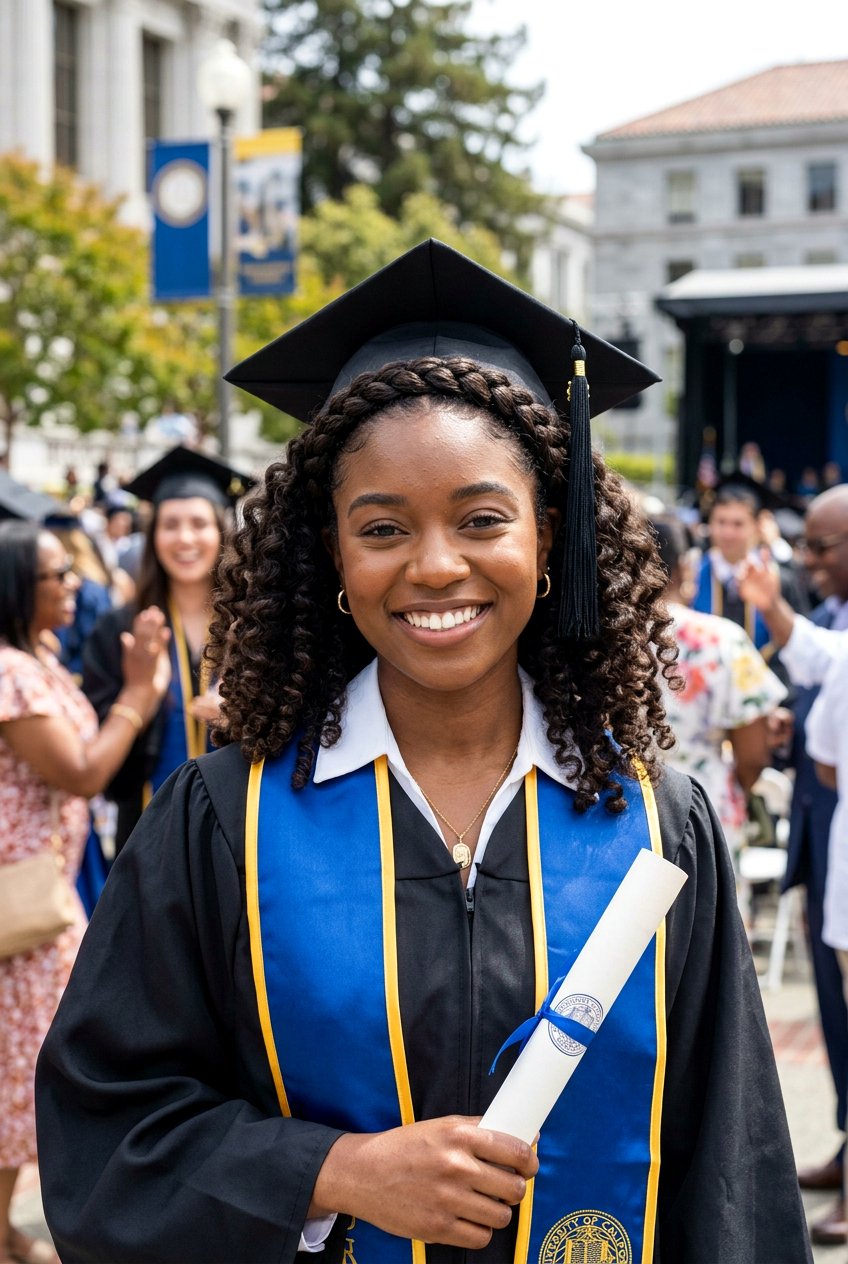
Using your own hair to create a braided headband is a clever way to keep hair away from your eyes while reading without needing external accessories. You braid a section from behind one ear and wrap it over the top of your head to the other side, securing it with pins. This leaves the back of your hair free to be styled in bouncy, academic-appropriate curls. It is a functional style that mimics the look of a traditional headband but with the organic texture of real hair. This hairstyle is particularly popular for “graduation” looks or important academic ceremonies where you want a polished, classic appearance.
18. Five Strand Dutch Braid

For the master braider, the five strand Dutch braid is a show-stopping hairstyle that looks like a literal work of art. The technique creates a very wide, flat braid that sits on top of the head with incredible structural integrity. In a light academia context, this braid represents the complexity and discipline of higher education. It is best worn with simple, minimalist clothing to let the hair be the focal point of the outfit. Because of the many intersections, it catches the light beautifully, making it an excellent choice for outdoor photography or “study-gram” content. It is a sophisticated, impressive styling choice.
19. Ribbon Intertwined Braid
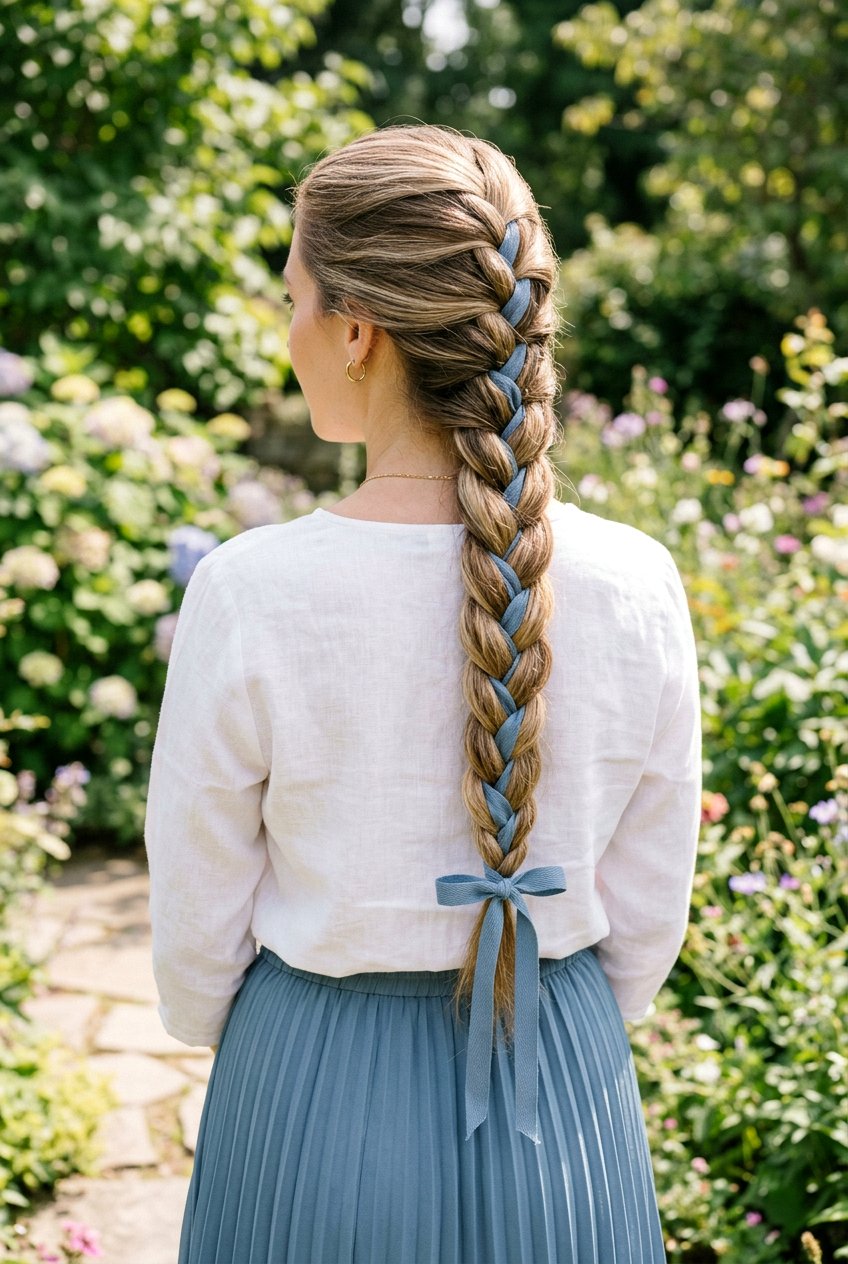
Intertwining a ribbon directly into your braid is one of the most iconic ways to achieve the light academia look. Instead of just tying a ribbon at the end, you replace one of the three hair strands with a long piece of fabric, weaving it into the structure of the plait. This adds a pop of color and a soft, feminine texture that is very reminiscent of 19th-century portraits. Using a ribbon in a color that matches your outfit—like a dusty blue or a deep forest green—makes the look feel incredibly curated and expensive. It is a signature academic detail.
20. Braided Top Knot

A braided top knot is a bold, modern interpretation of the scholarly bun, sitting high on the head to create a striking, elongated silhouette. You begin by creating a ponytail at the crown and then braiding that ponytail into a thick, solid rope before wrapping it into a tight knot. This hairstyle is very practical for intense work sessions as it keeps the hair completely out of the field of vision and off the neck. It is a sharp, confident style that fits perfectly with more structured academia looks like blazers and trousers. This is the ultimate “exam season” hair.
Conclusion:
The light academia braid hairstyle is more than just a functional way to keep hair away from a textbook; it is a vital part of a carefully curated aesthetic. By blending traditional techniques like French and Dutch braiding with romantic touches like ribbons and soft textures, these hairstyles celebrate an intellectual and artistic life. Whether you prefer the structured elegance of a milkmaid braid or the relaxed charm of a messy side plait, there is a braid to suit every scholarly occasion. Each style offers a unique way to express a love for the classics while maintaining a modern, versatile approach to daily hair care.
You'll Like These Styles:







Leave a Reply