
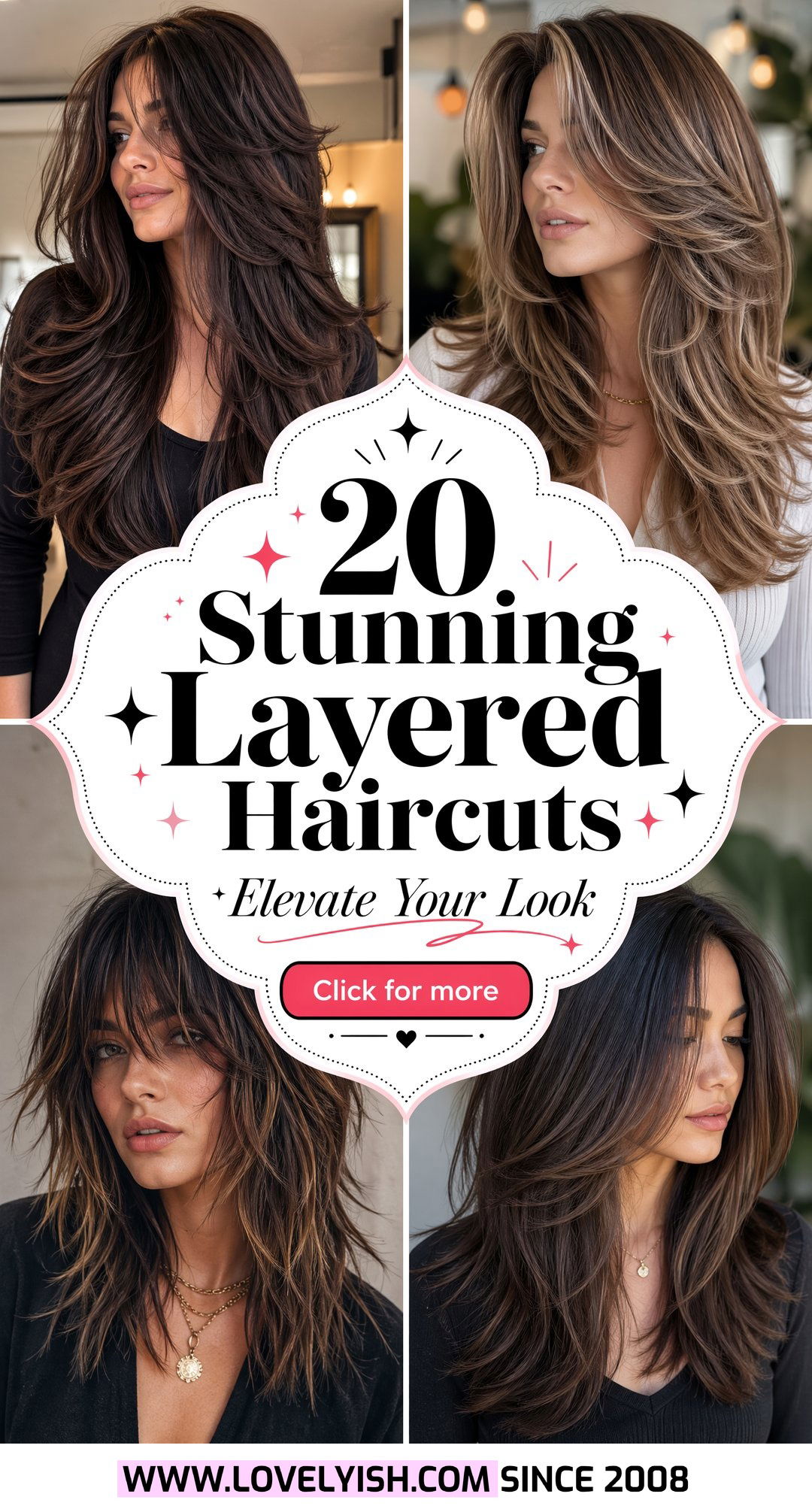
Choosing a layered haircut for long fine straight hair is a brilliant way to transform flat, uninspired locks into a voluminous masterpiece with plenty of movement. Many people with fine hair fear that layers will make their strands look thinner, but when executed with precision, the right technique actually creates the illusion of density and bounce. By strategically removing weight from the mid-lengths and adding shorter pieces around the face, you can achieve a high-fashion look that remains manageable for daily wear. This guide explores the most effective layered cuts tailored specifically for fine, straight textures to ensure your long hair looks its absolute best throughout 2026.
1. Internal Ghost Layers

Internal ghost layers are a secret weapon for anyone who wants the benefits of movement without the visible chopped look of traditional layering. This technique involves cutting shorter layers underneath the top section of your hair to provide a hidden “scaffold” that lifts the rest of the hair up. Because the top layer remains relatively one-length, your hair retains its sleek, straight appearance while gaining incredible internal volume and airiness. It is an ideal choice for fine hair because it prevents the ends from looking “see-through” or stringy. This subtle approach ensures your long hair looks naturally thick and full of life without any obvious lines.
2. Butterfly Cut Long Hair
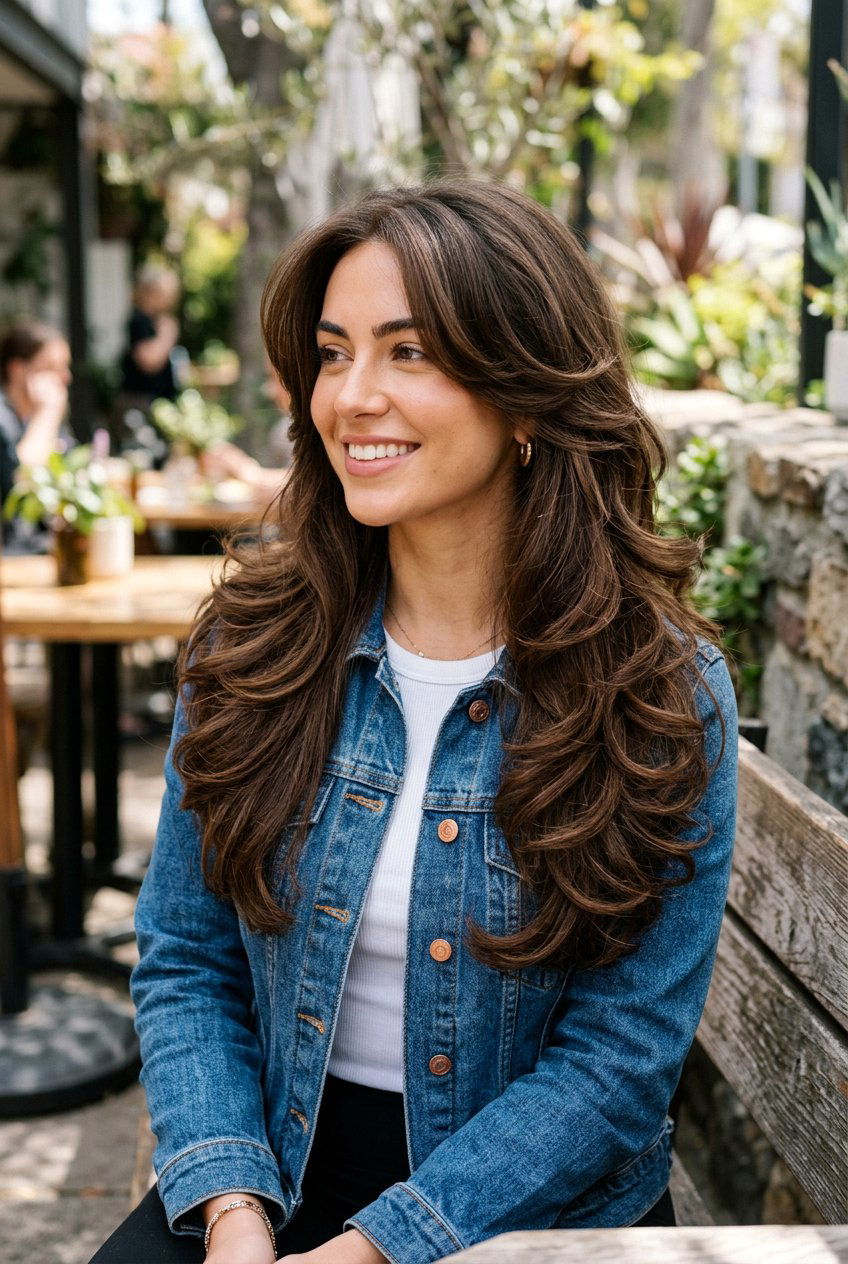
The butterfly cut remains a dominant trend in 2026 for those seeking maximum drama and volume on long, straight hair. This style features a beautiful contrast between short, voluminous layers around the crown and chin and much longer layers throughout the rest of the length. For fine hair, these shorter “wing-like” layers create a massive boost in lift at the top of the head, which is where straight hair usually falls flattest. When you style these layers with a round brush or large rollers, they flick outward to mimic the wings of a butterfly. This cut provides a stunning, multi-dimensional look that makes fine strands appear much more substantial.
3. Face Framing Invisible Layers
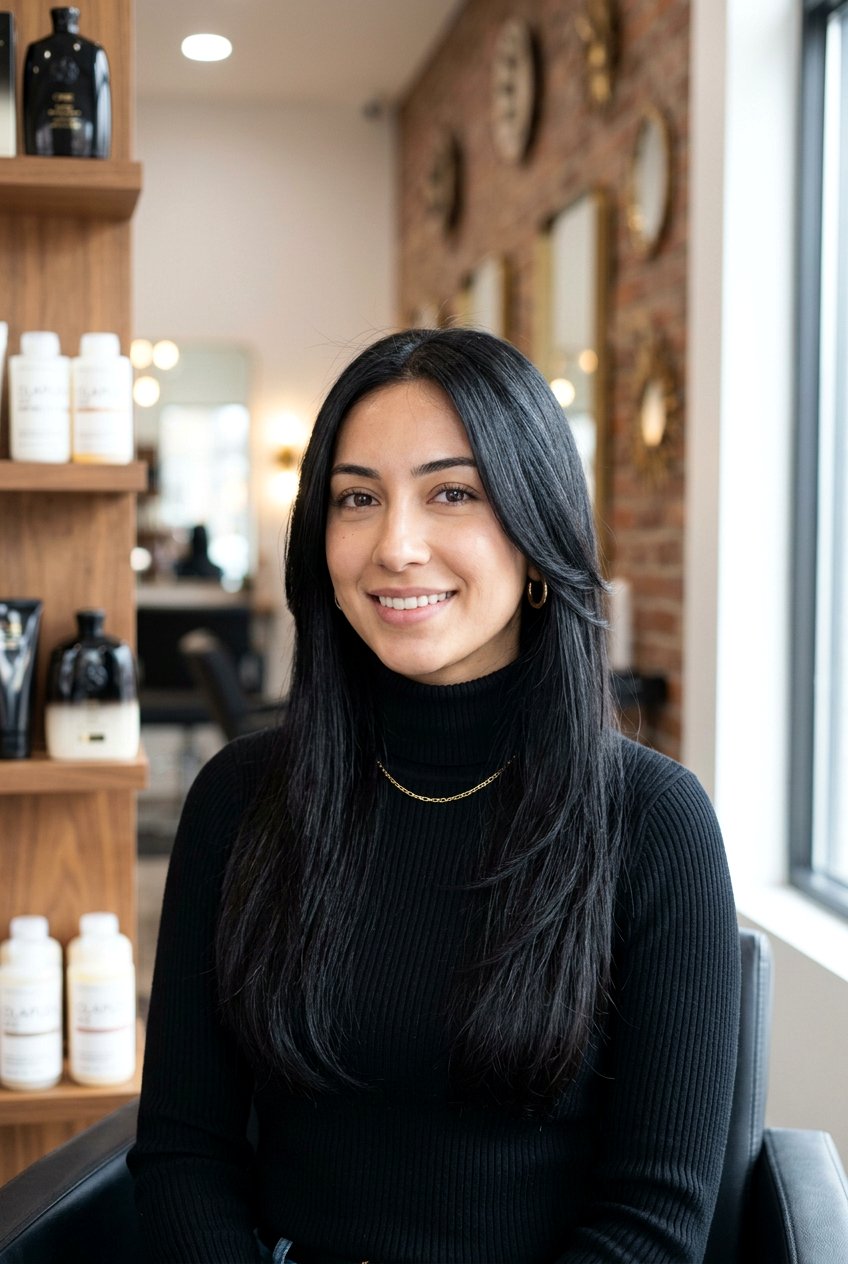
Face framing invisible layers focus entirely on the area around your features to add character and shape without sacrificing any overall length or density. By starting the layers around the cheekbones or jawline and blending them seamlessly downward, your stylist can create a soft “V” or “U” shape that highlights your best features. The “invisible” part of the technique refers to the seamless blending, ensuring there are no harsh steps in the hair. This is particularly effective for straight, fine hair because it breaks up the vertical lines that can sometimes make a face look elongated or the hair look weighed down.
4. Long Shag With Curtain Bangs
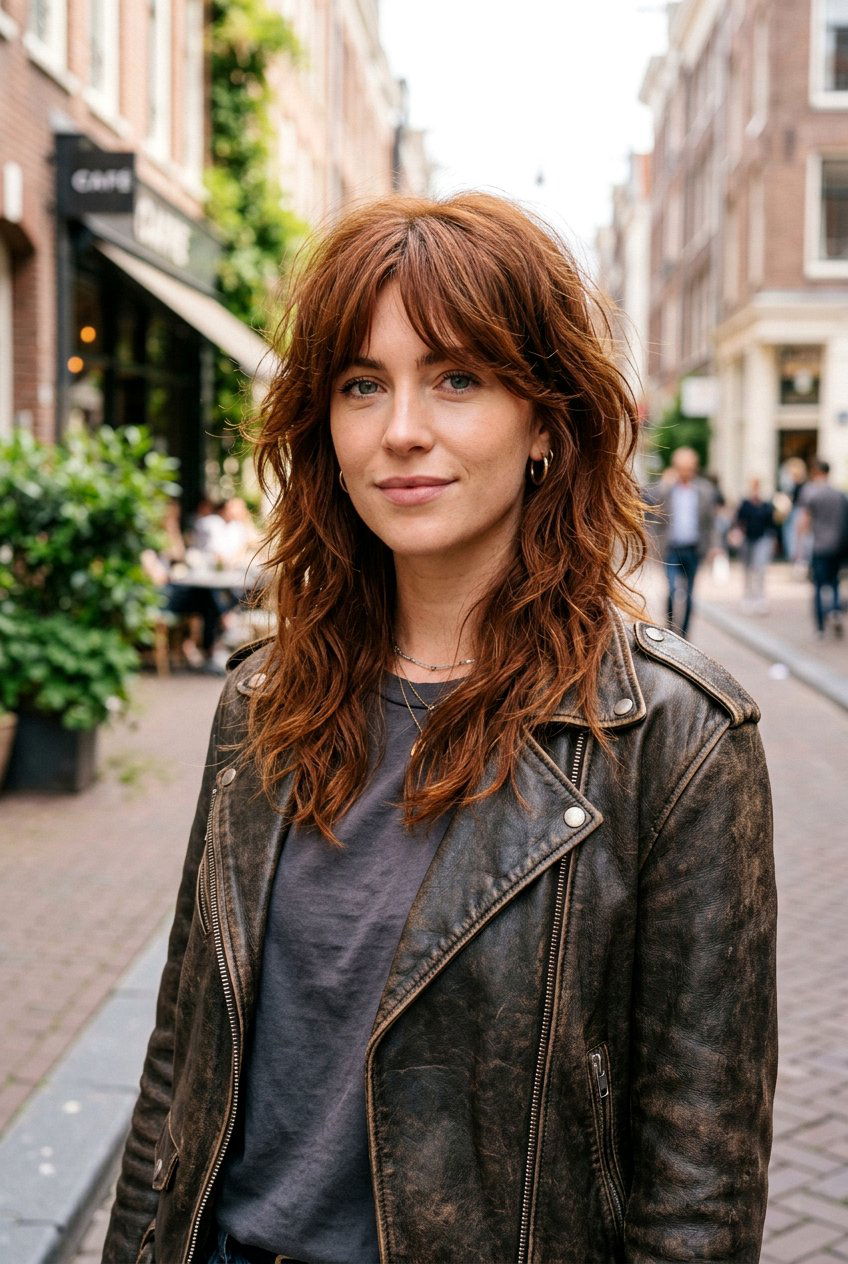
A long shag with curtain bangs is the ultimate “cool girl” haircut that brings a vintage 1970s vibe into the modern era. This cut utilizes choppy layers of varying lengths throughout the crown and mid-lengths to create a tousled, lived-in texture that is naturally voluminous. The addition of curtain bangs helps to frame the eyes and forehead, adding another layer of visual interest to the style. For fine hair, the shag is excellent because the uneven ends and textured layers prevent the hair from lying flat against the scalp. It encourages a bit of natural “messiness” that disguises thinness and adds a trendy, effortless edge.
5. Subtle U Shape Haircut
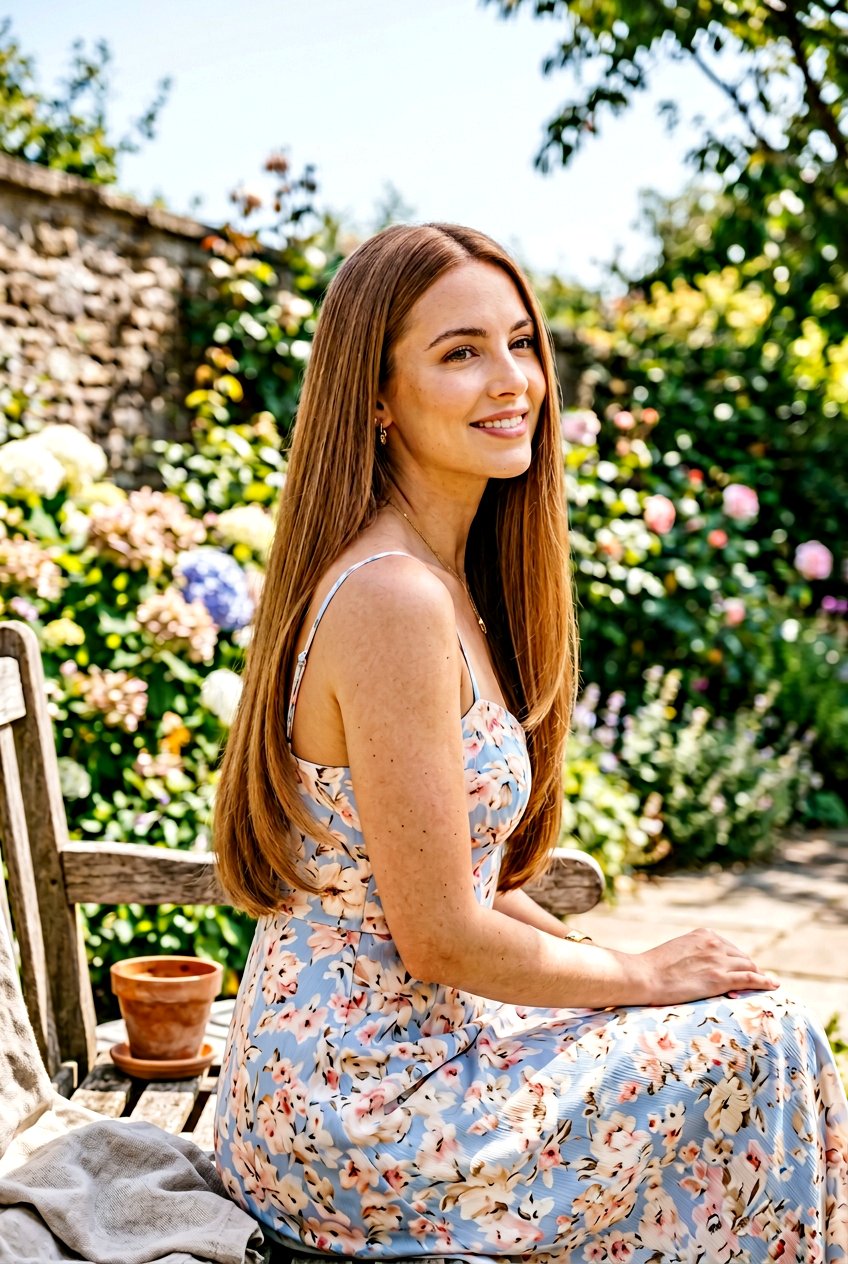
The subtle U-shape haircut is a classic choice that provides a very polished and healthy look for long, straight hair. Instead of the hair being cut straight across the back, it is trimmed into a gentle curve that is shorter on the sides and longer in the middle. This slight graduation acts as a built-in layer that allows the hair to flow forward over the shoulders more naturally. For fine hair, the U-shape is superior to a V-cut because it maintains more weight at the perimeter, preventing the ends from looking wispy or fragile. It is a sophisticated, low-maintenance option that keeps your hair looking dense.
6. Wispy Face Framing Layers
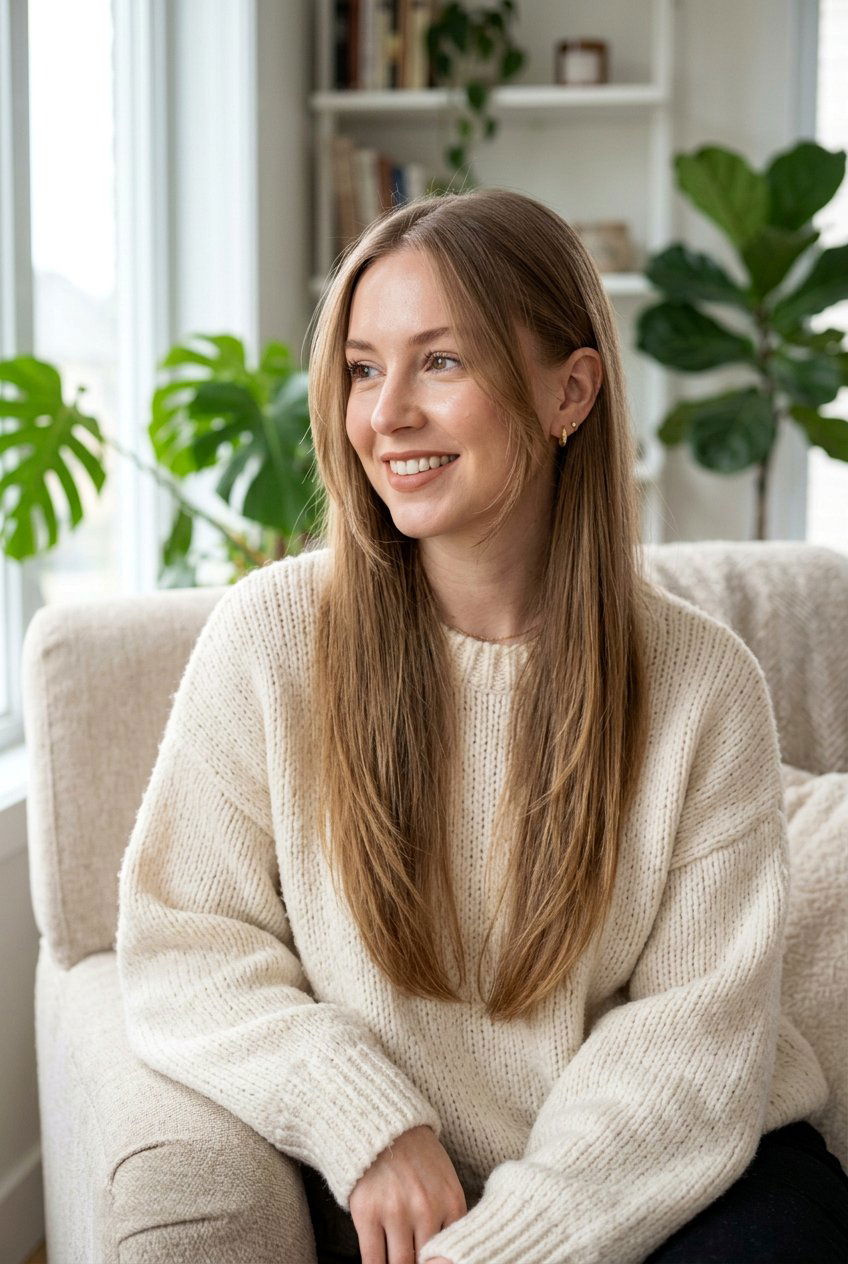
Wispy face framing layers are designed to be light, airy, and delicate, making them a perfect match for the natural texture of fine hair. These layers are often cut with a razor or thinning shears to create soft, feathery ends that dance around the face. Unlike heavy layers that might remove too much bulk, wispy layers are strategic and minimal. They provide just enough movement to stop the hair from looking like a heavy curtain. This style is especially beautiful when you tuck your hair behind your ears, as the shorter wispy pieces will fall forward to create a soft, romantic frame.
7. Seamless Long Internal Layers

Seamless long internal layers are all about creating flow and airiness from the inside out without changing the outer silhouette of the haircut. This technique involves removing weight from the interior of the hair, which allows the long straight strands to move independently rather than sticking together in a flat sheet. It is a fantastic option for fine hair because it adds “swing” to the hair as you walk. Because the layers are hidden within the bulk of the hair, you get all the benefits of a layered look while maintaining the sleek, chic aesthetic of a one-length cut.
8. Long Feathered Haircut
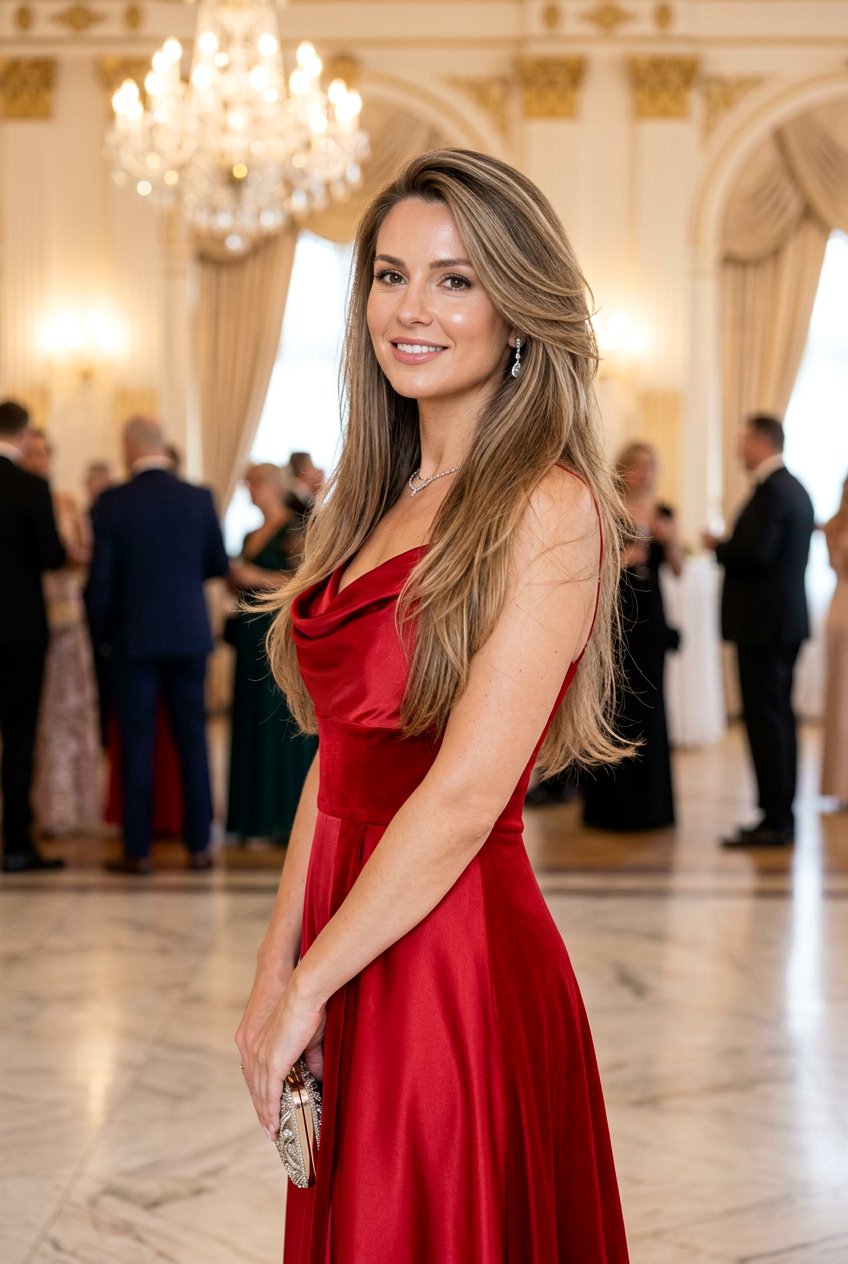
The long feathered haircut is a timeless style that uses fine, horizontal layers to create a soft, brushed-back effect reminiscent of classic Hollywood glamour. This technique involves cutting the ends at an angle so they overlap like the feathers of a bird. For long, straight, fine hair, feathering adds a significant amount of texture to the ends, making them appear “fluffy” and full rather than thin and flat. It is a very feminine look that works beautifully with a middle part. The feathered ends catch the light differently, adding a sense of depth and dimension to your natural hair color.
9. Layered V Cut Hair
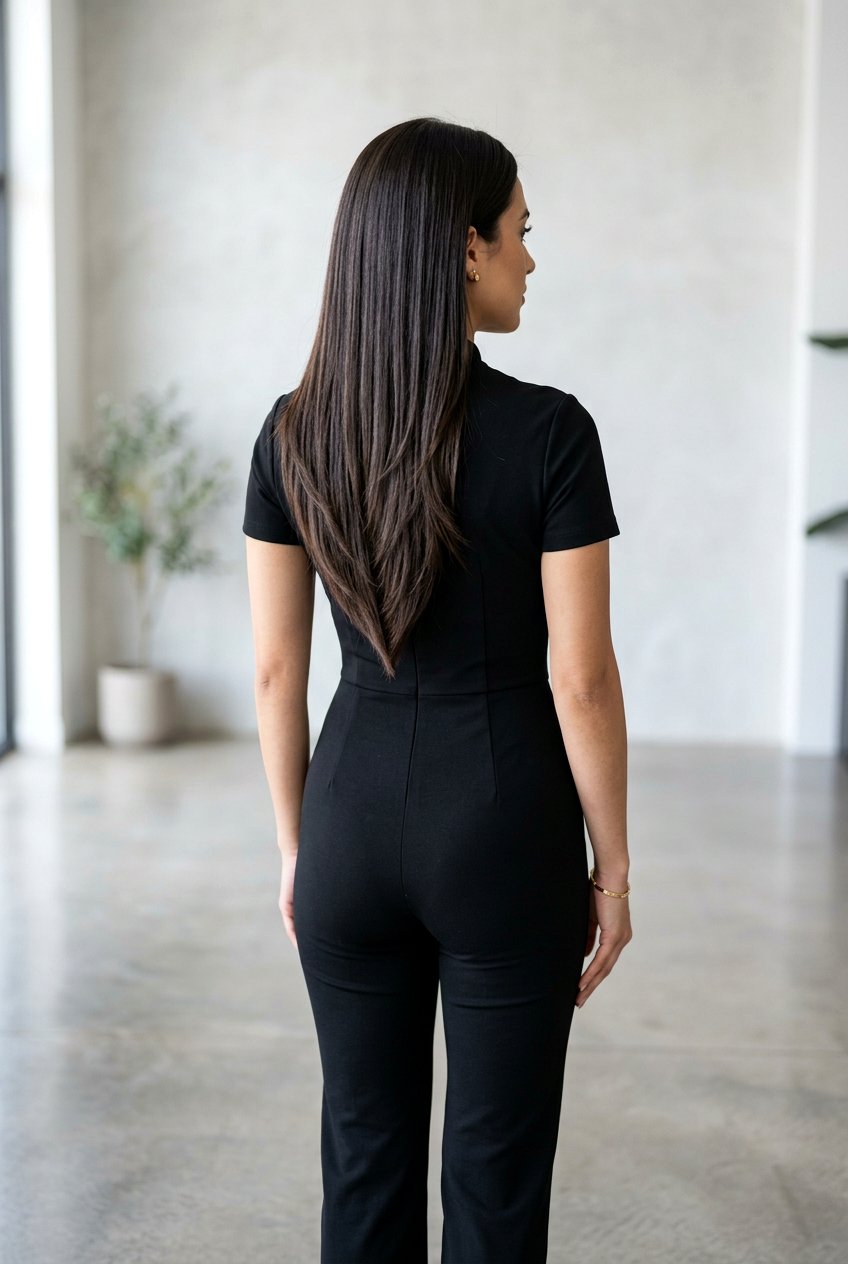
A layered V-cut hair style is a bold choice that creates a sharp, dramatic point at the center of the back. This cut is achieved by heavily layering the sides so they taper down to the longest length in the middle. While V-cuts can sometimes be risky for very thin hair, adding layers throughout the back can help build the necessary volume to support the shape. On straight hair, the geometric lines of the V-shape are very visible and striking. It is a great way to show off your length while ensuring the hair has a clear, intentional, and stylish structure.
10. Blunt Ends With Surface Layers

Blunt ends with surface layers offer the best of both worlds: the thickness of a blunt cut and the movement of a layered one. The very bottom of the hair is cut in a straight, thick line to provide a foundation of density, while the “surface” or top canopy of the hair is lightly layered. These surface layers catch the air and create a shimmering effect as you move, while the blunt base ensures the hair never looks “see-through.” This is one of the most recommended styles for fine hair because it prioritizes the appearance of health and thickness at the ends.
11. 90s Blowout Layers
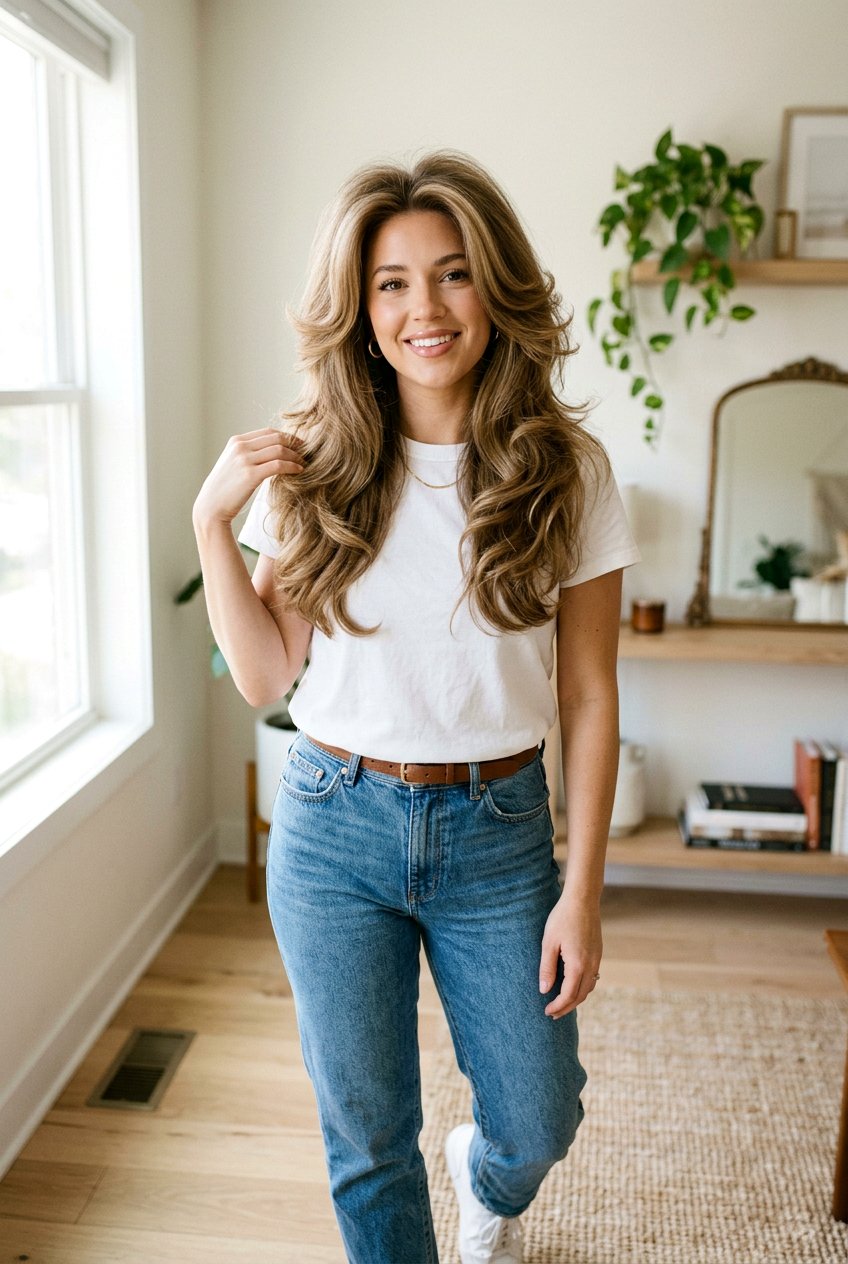
The 90s blowout layers are making a massive comeback, focusing on round, bouncy shapes and significant volume at the roots. This haircut involves long, sweeping layers that are designed to be styled with a large round brush to create a “bombshell” effect. For fine, straight hair, this cut is transformative because it relies on the layers to hold the shape of a blowout. The layers are typically cut at a medium length to ensure they aren’t too heavy to lift. When styled properly, this look provides a glamorous, high-volume finish that makes fine hair look incredibly thick and luxurious.
12. Soft Cascade Layers
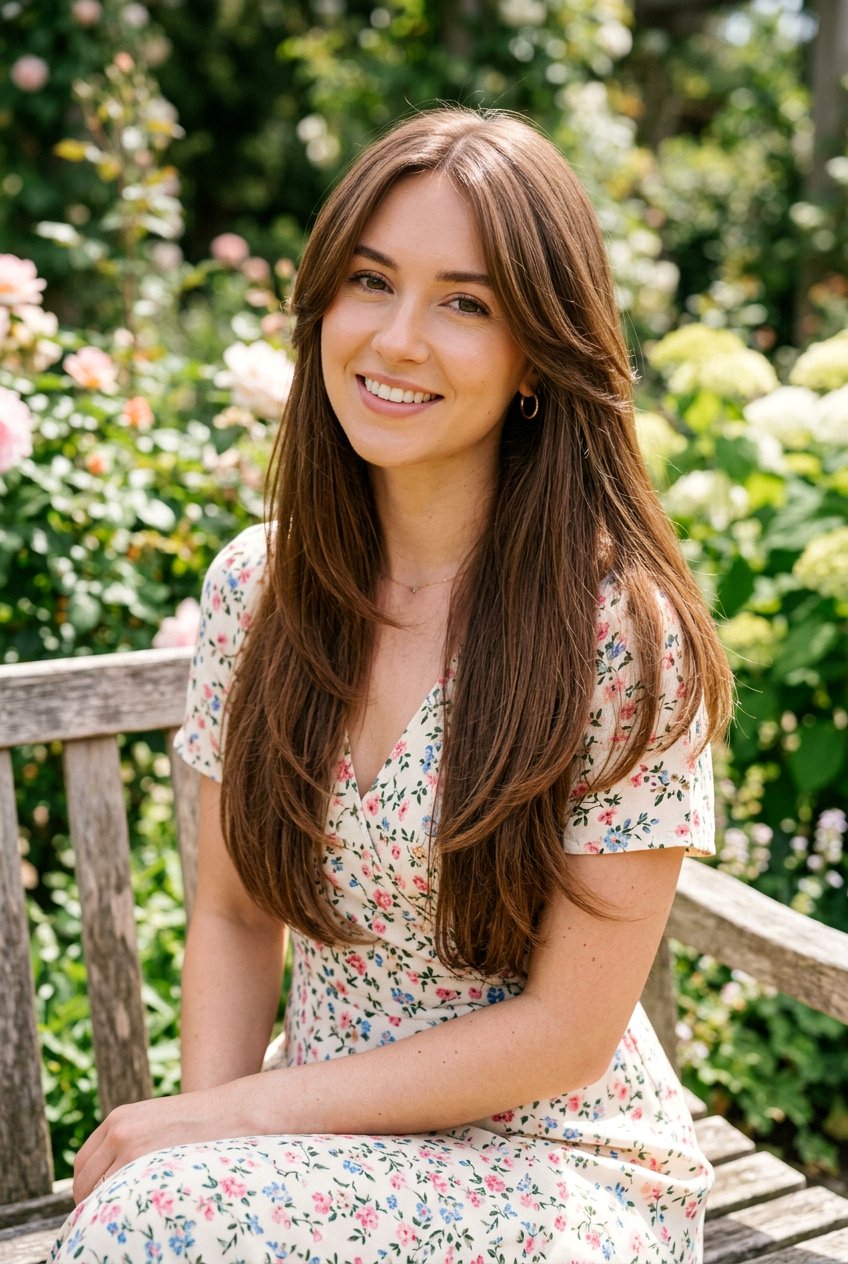
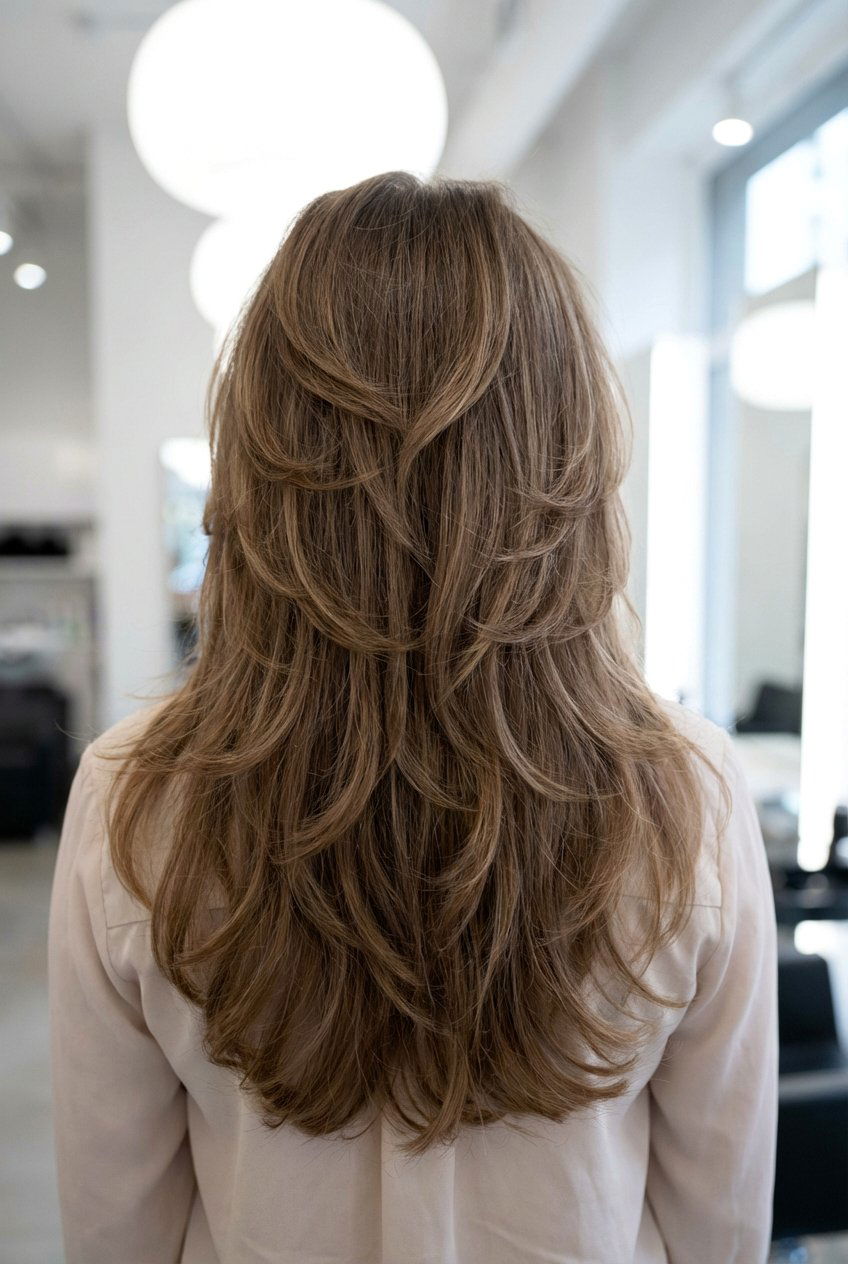
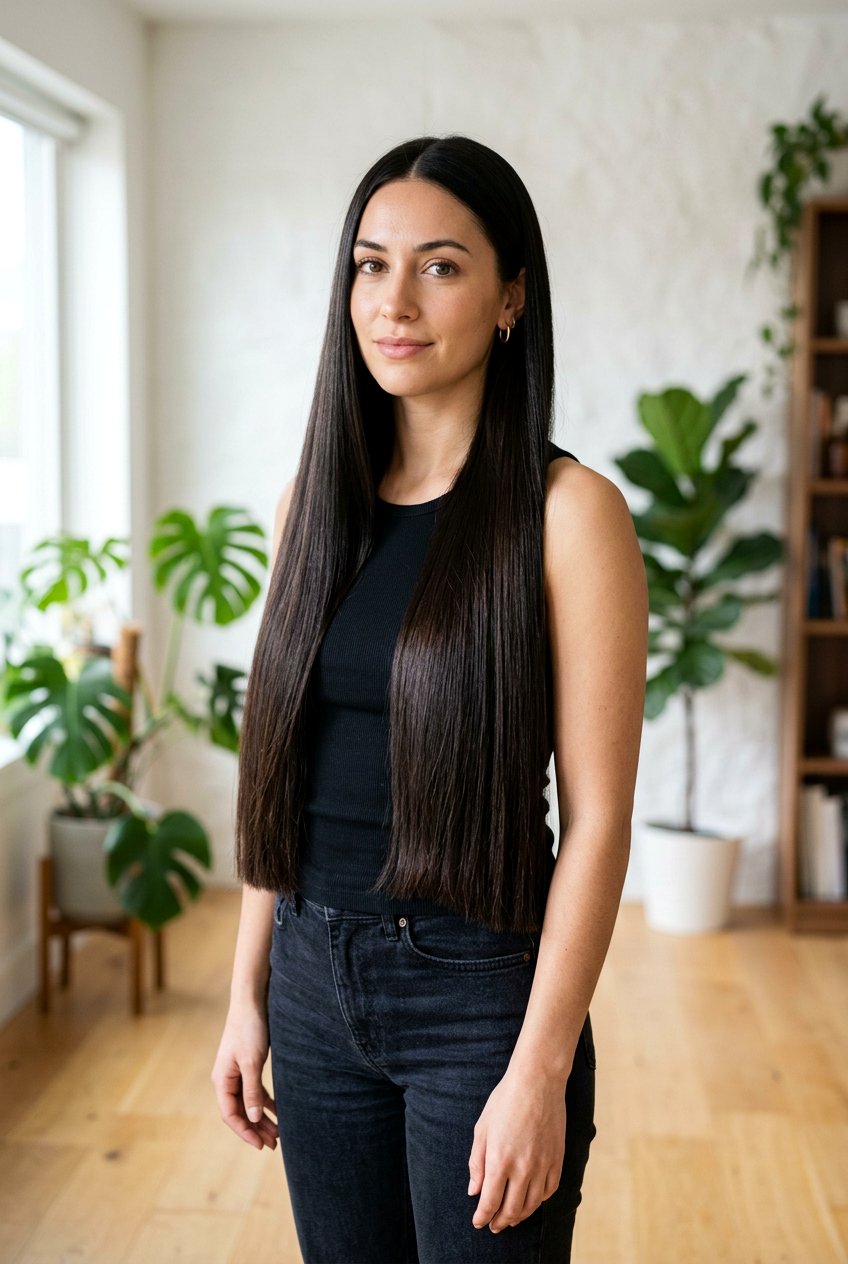
Soft cascade layers are designed to fall like water, with each layer blending perfectly into the next to create a continuous, flowing line. This style avoids any harsh “shelves” or disconnected pieces, which is essential for straight hair where every cut is visible. For those with long, fine hair, cascade layers provide a gentle ripple of movement that prevents the hair from looking static. It is an approachable and natural-looking style that doesn’t require a lot of product to look good. The soft transitions between lengths make it a very forgiving cut as it grows out over several months.
13. Long Hair With Chin Length Layers
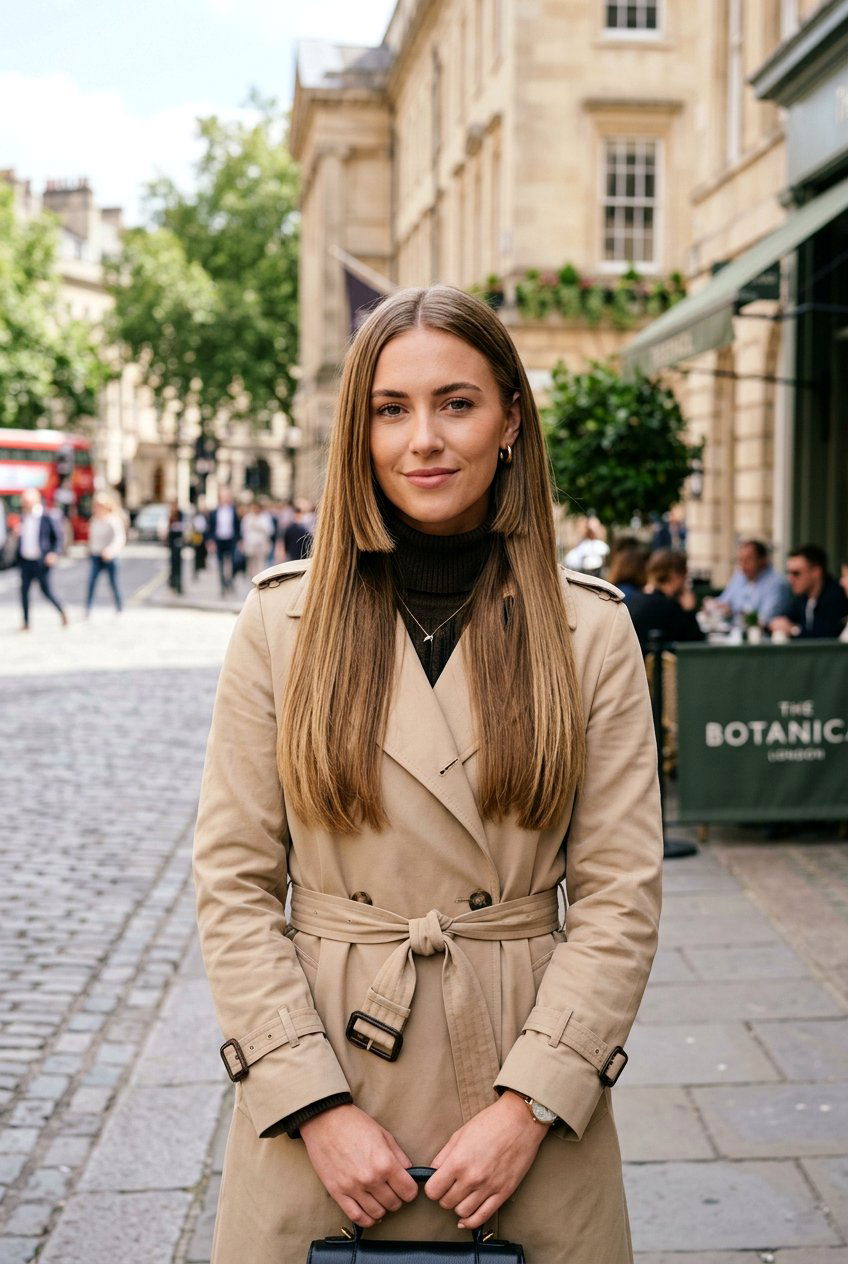
Long hair with chin-length layers is a specific variation of face framing that creates a strong visual “break” at the jawline. By having the first layer start exactly at the chin, you create a faux-bob effect from the front while keeping all your length in the back. This is an excellent trick for fine hair because the chin-length pieces add a lot of “body” around the face where it is often needed most. It provides a more structured and modern look than longer, blended layers and can be very flattering for those with oval or heart-shaped faces.
14. Textured Ends For Long Hair
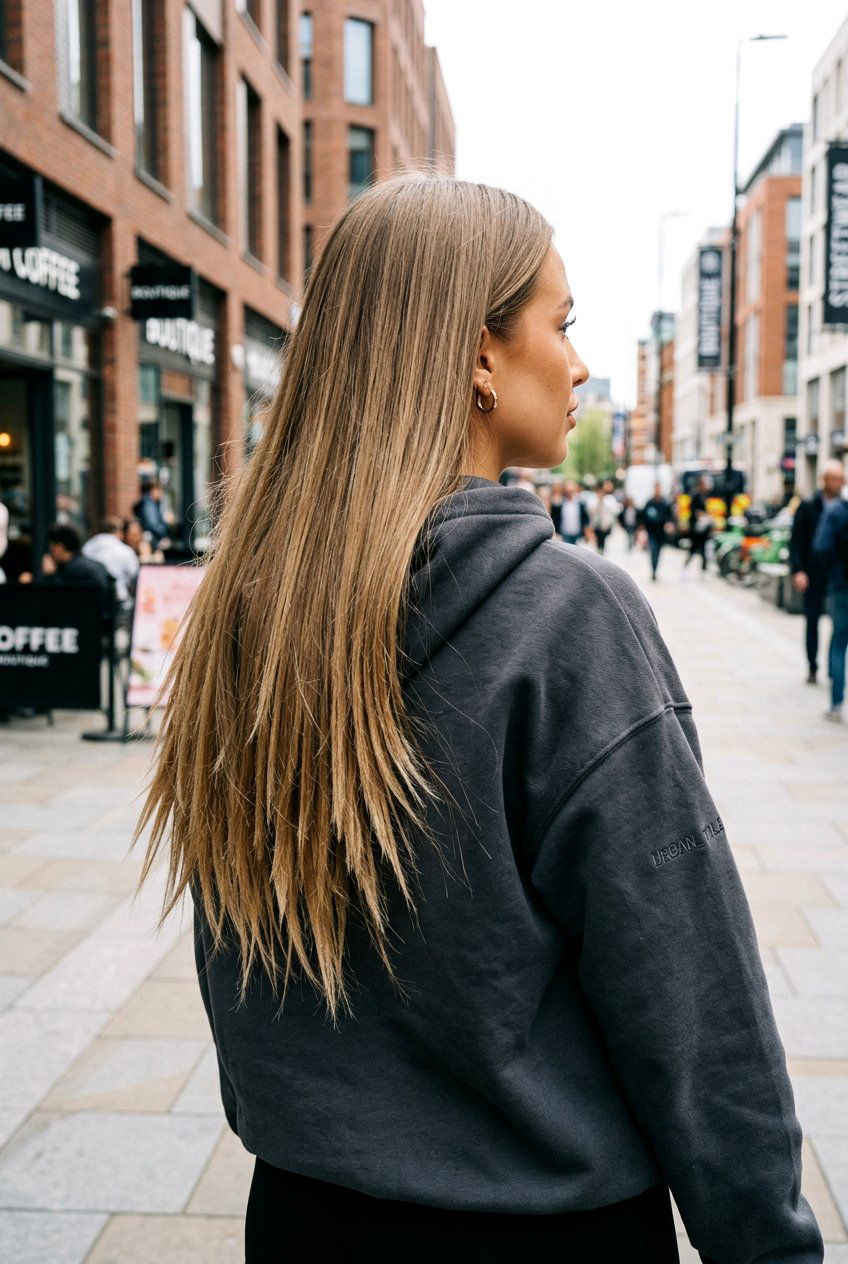
Textured ends for long hair involve using point-cutting techniques to create a “shattered” look at the very tips of the hair. Instead of a perfectly straight line, the ends are varied slightly in length, which prevents them from clumping together and looking stringy. For fine, straight hair, this is a game-changer because it adds a sense of “grit” and volume to the most fragile part of the hair. It makes the hair look more modern and less “done,” providing a youthful and effortless vibe that works perfectly for casual, everyday styling or professional settings.
15. Straight Hair With Graduated Layers

Straight hair with graduated layers features a slow and steady increase in length from the front to the back or from the top to the bottom. This systematic approach to layering ensures that weight is distributed evenly across the head, which is crucial for maintaining balance in fine hair. The graduation creates a subtle “wedge” of volume that pushes the hair out slightly, giving it a fuller appearance. It is a very technical and precise haircut that looks best on pin-straight hair, as the clean lines of the graduation are clearly displayed and look very professional.
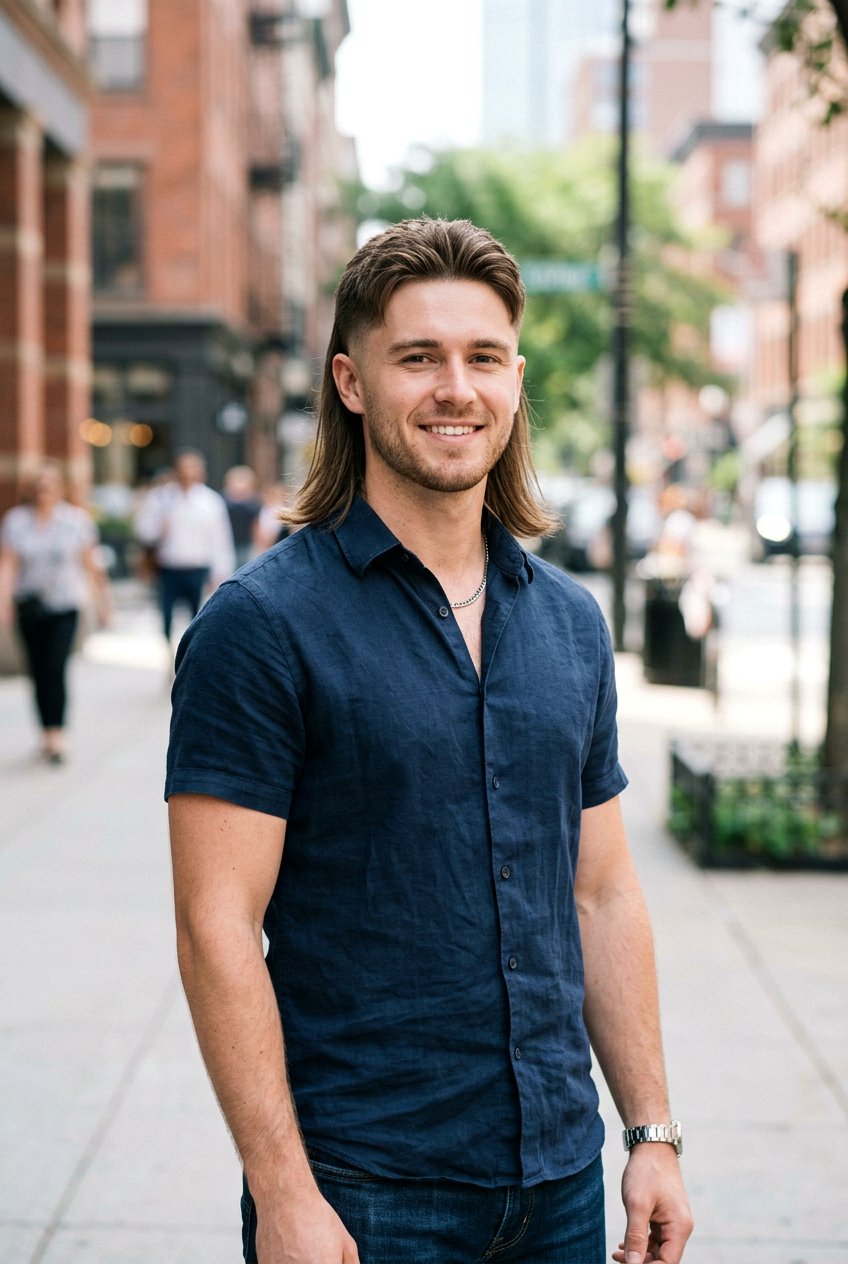


16. Long Layers With Side Swept Bangs

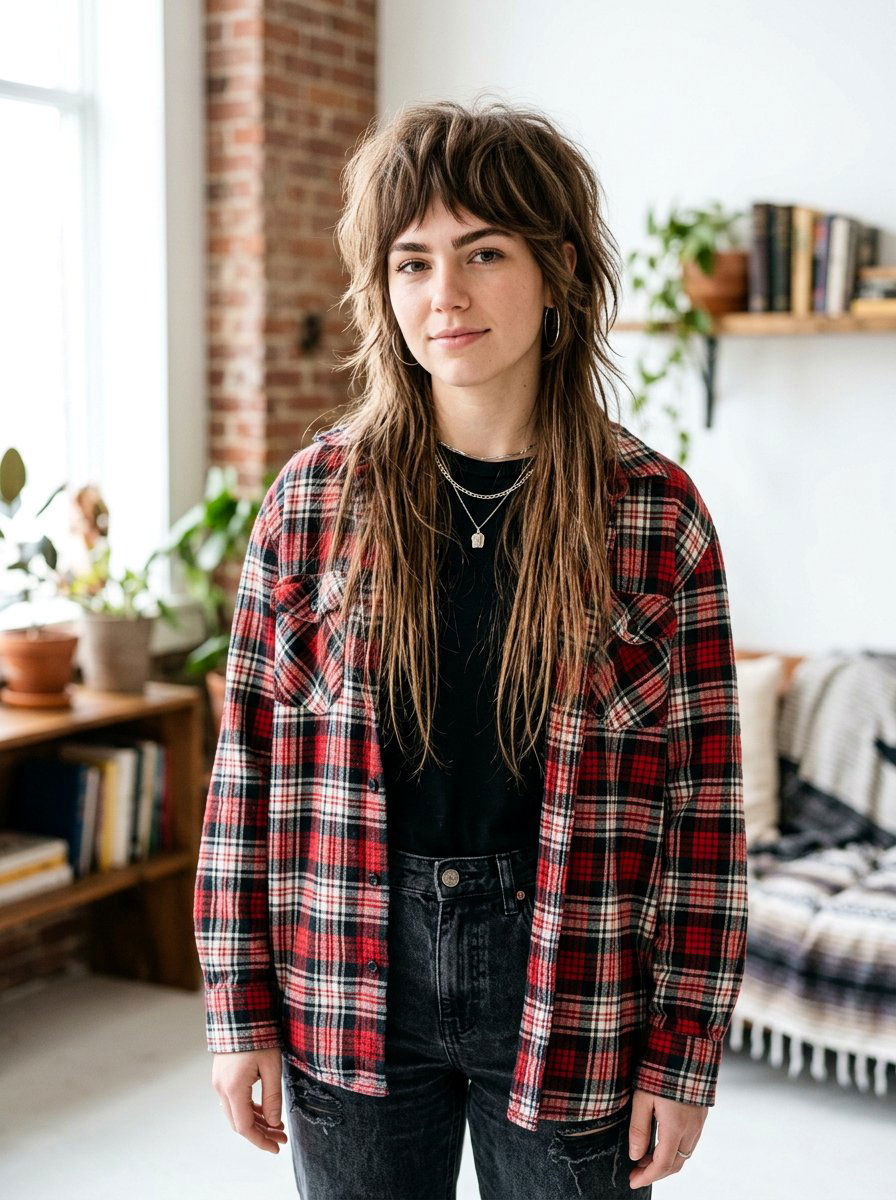
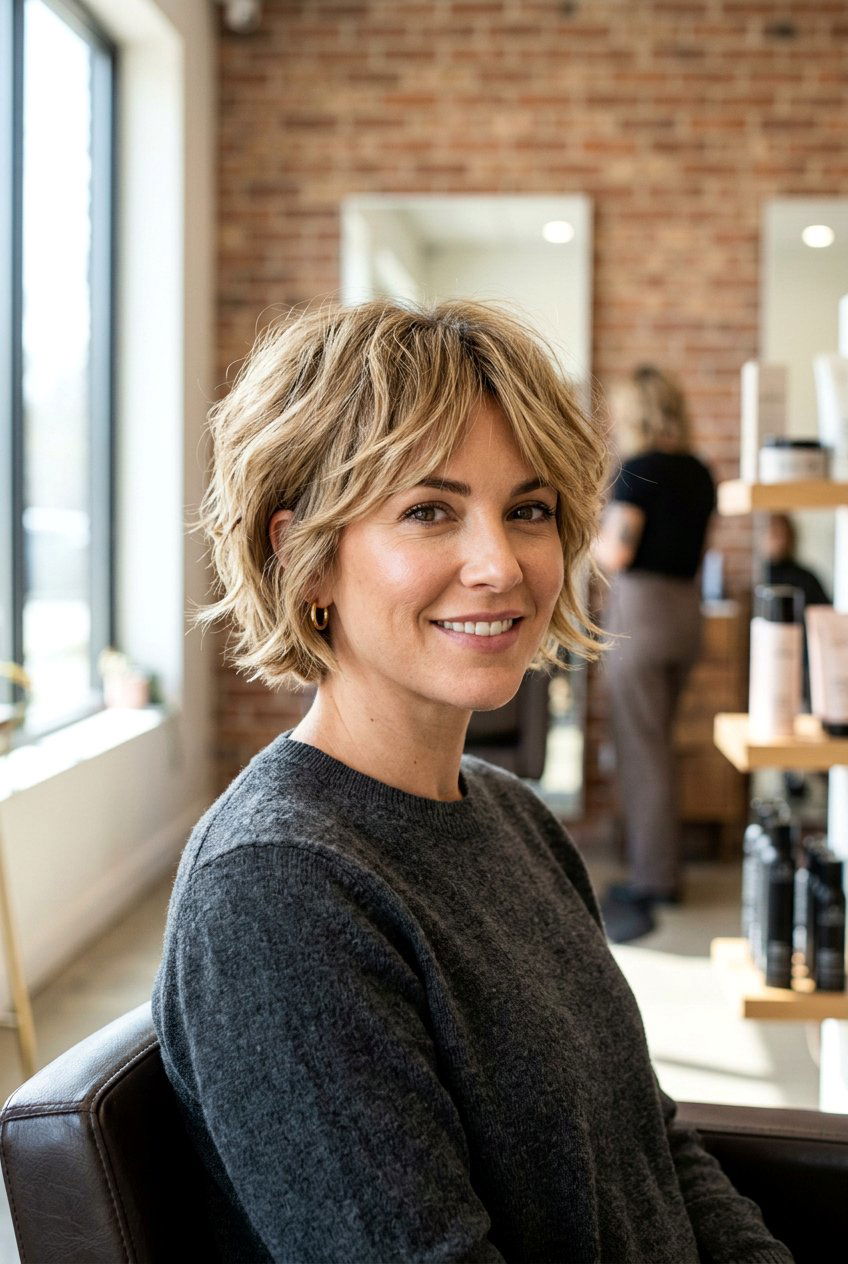
Long layers with side-swept bangs are a classic combination that adds a lot of “sweep” and motion to straight hair. The side-swept bangs act as the starting point for the layers, which then continue down the sides of the head. For fine hair, the bangs add density to the front and help to cover any areas where the hair might be thinning near the temples. The diagonal line created by the bangs and the layers helps to draw the eye across the hair, creating the illusion of more width and volume than actually exists.
17. Minimalist Barely There Layers
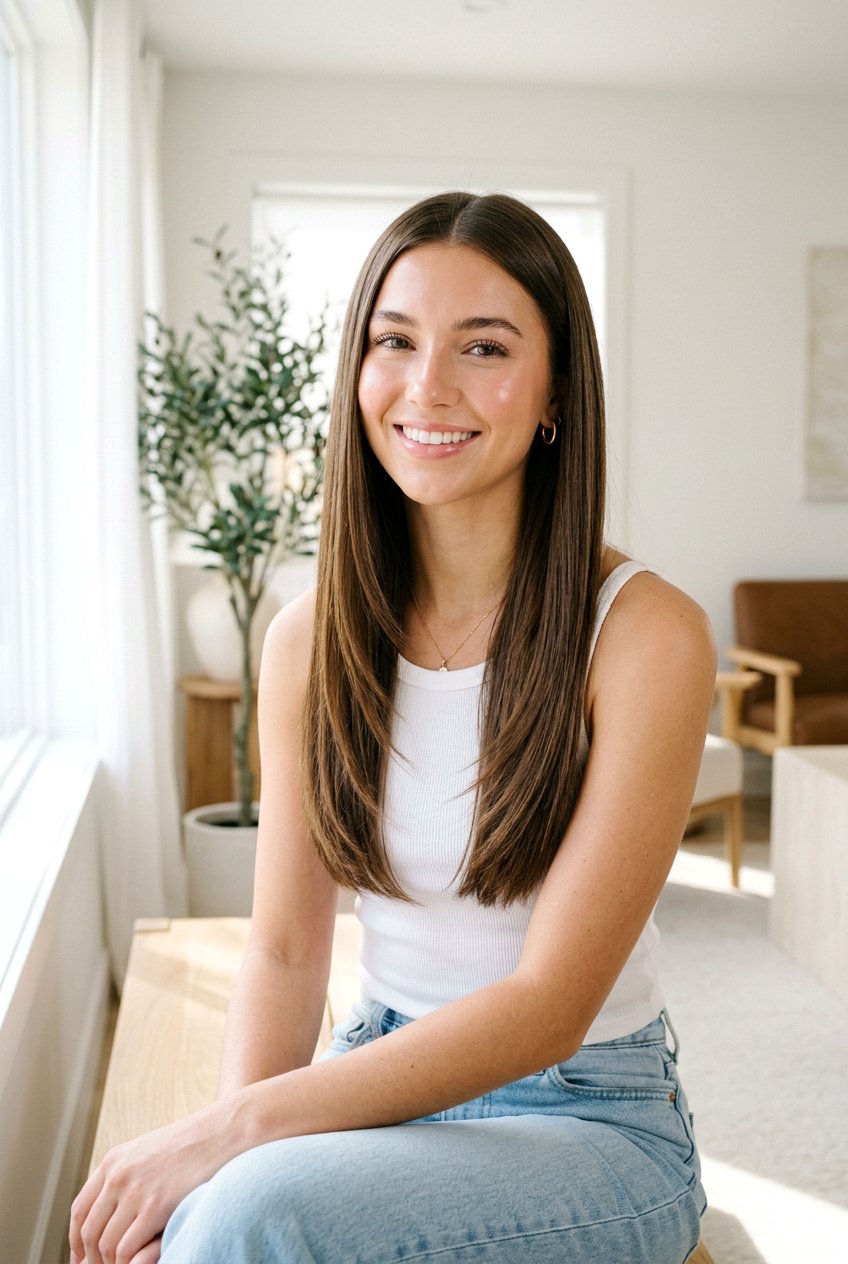
Minimalist barely-there layers are perfect for the “clean girl” aesthetic, offering just the tiniest bit of movement to otherwise one-length hair. These layers are usually concentrated in the last two to three inches of the hair, providing a soft finish rather than a dramatic change. For fine hair, this is a very safe option that guarantees you won’t lose any perceived thickness. It is just enough of a change to make the hair feel fresh and styled without the commitment of a high-maintenance layered look. It’s the ultimate “model off duty” hair style for 2026.
18. Voluminous Crown Layers
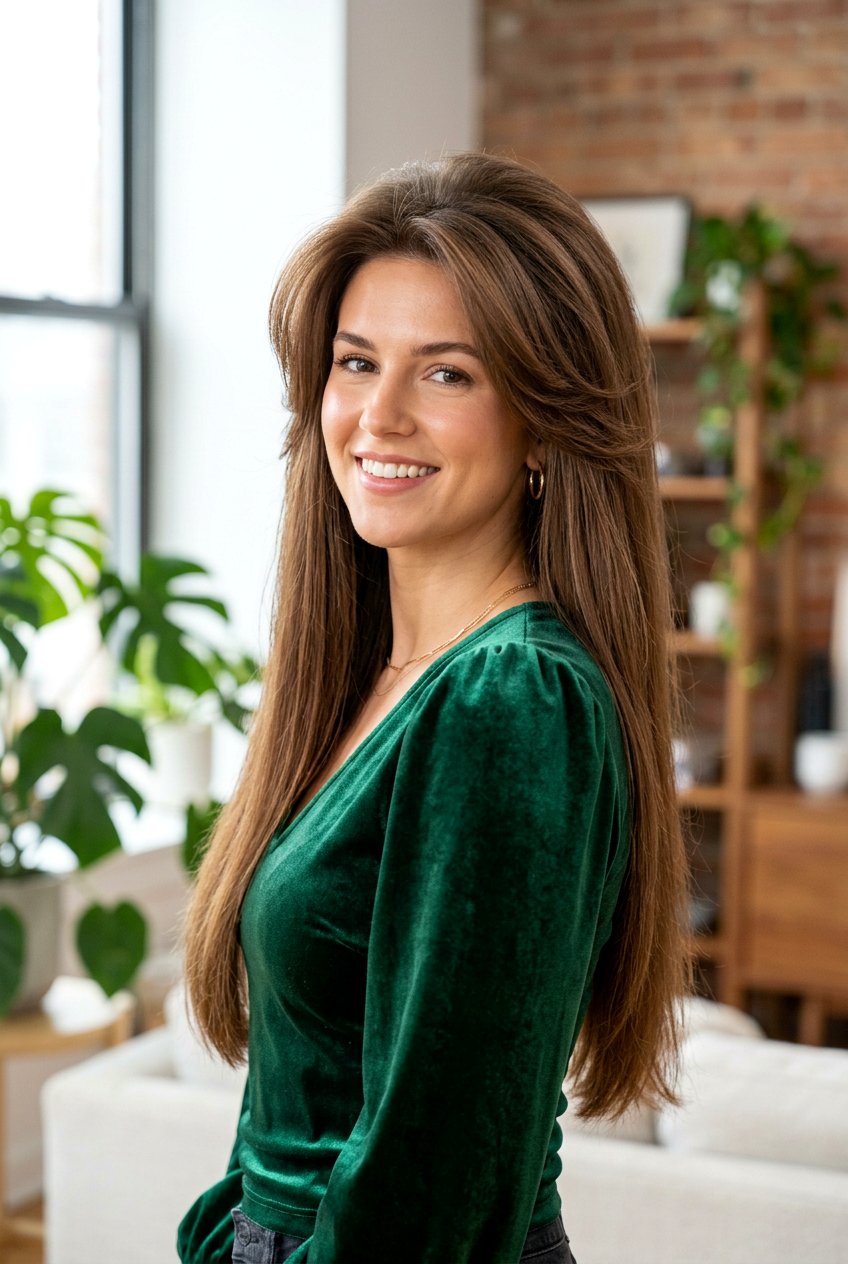
Voluminous crown layers focus on the very top of the head, with shorter pieces cut into the “box” section to create immediate lift at the roots. This is the most effective way to combat the “flat-to-the-head” look that many people with fine, straight hair struggle with. By making the top layers lighter, they are able to stand up more easily, especially when used with a bit of volumizing mousse. This style creates a more rounded silhouette from the profile view and ensures your long hair doesn’t look like it’s dragging your facial features down.
19. Long Hair With Bottleneck Bangs
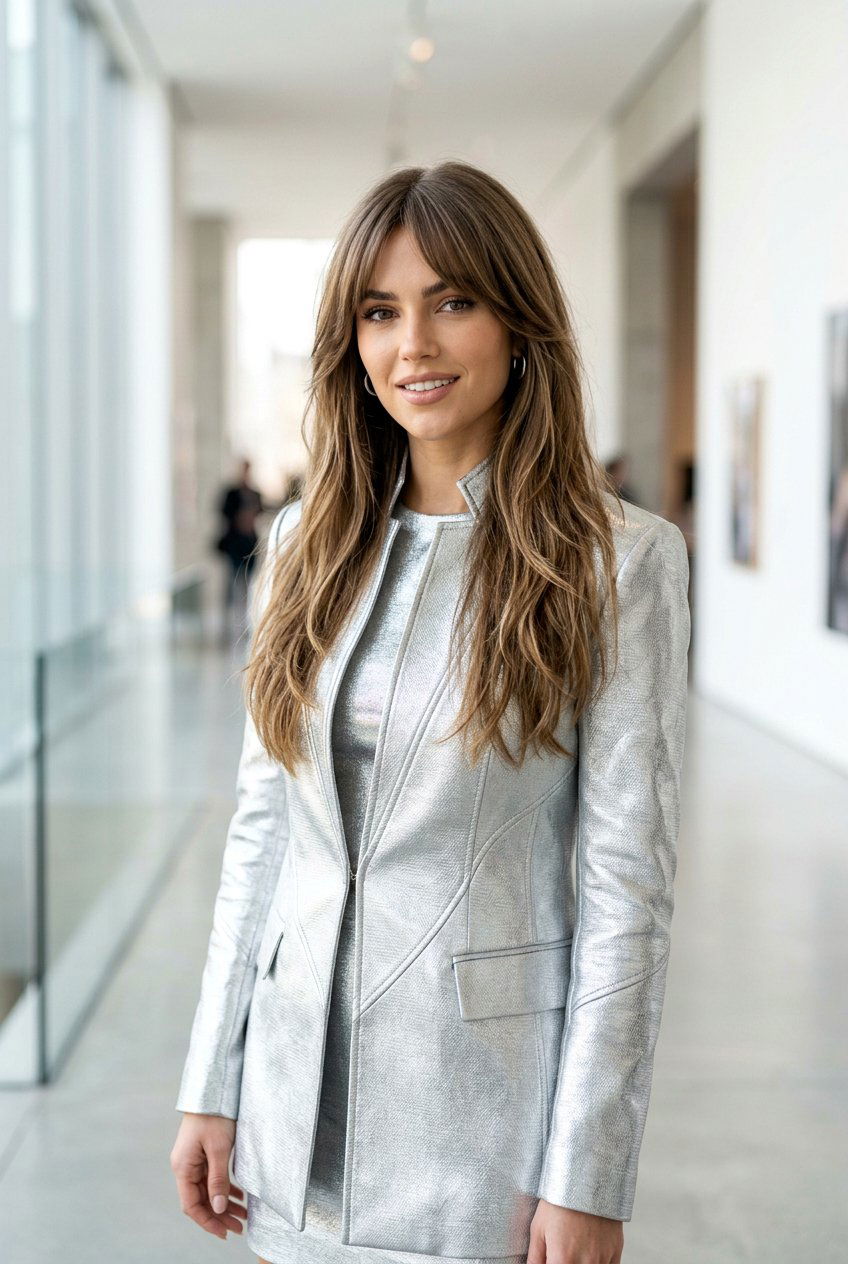
Long hair with bottleneck bangs is a hybrid style that combines the best of curtain bangs and full fringe. The bangs are narrower at the top and wider at the cheekbones, looking like the neck of a bottle. When paired with long layers, these bangs provide a very intentional and high-fashion frame for the face. For fine hair, bottleneck bangs are great because they don’t require as much hair as a full, thick fringe, but they still provide the same face-shaping benefits. The layers behind the bangs help to blend the look into the rest of the long hair.
20. Modern Wolf Cut For Fine Hair
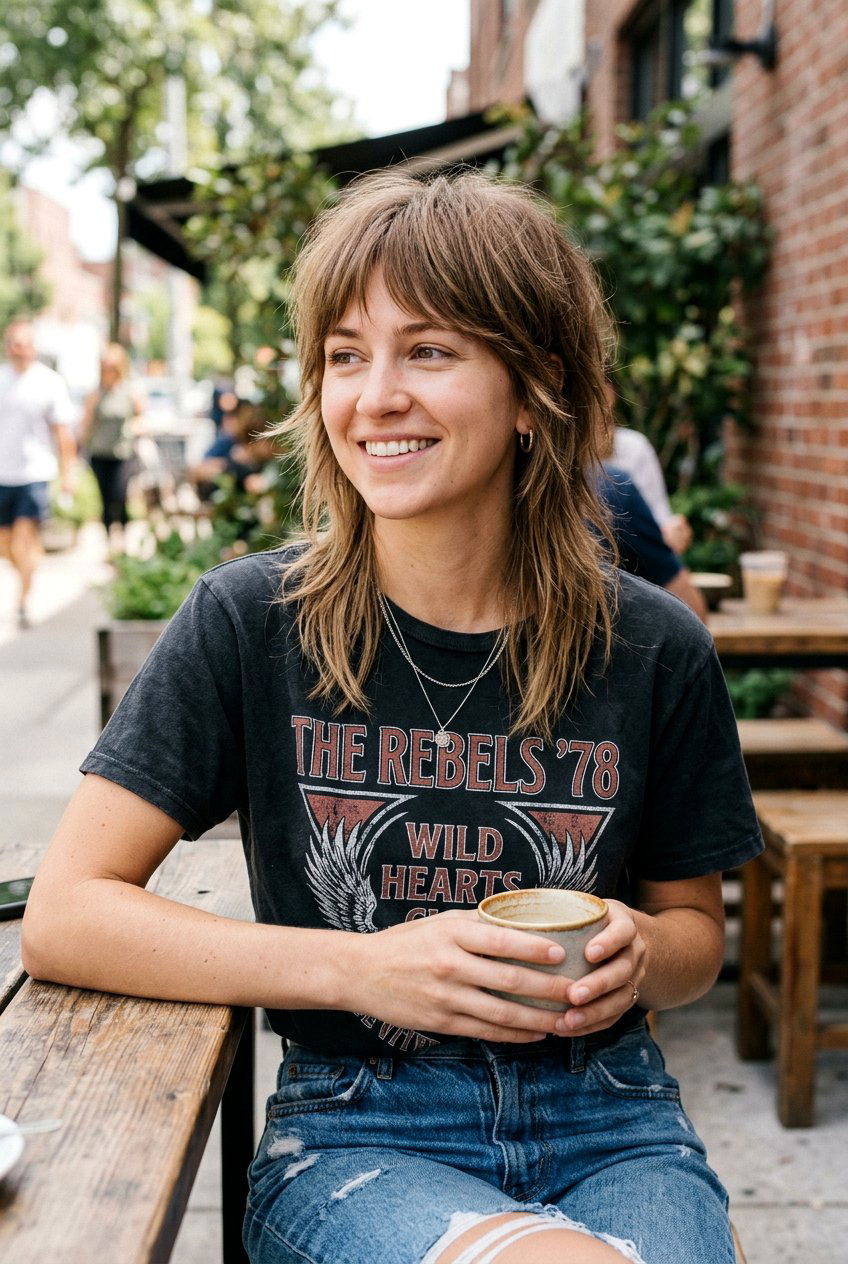
The modern wolf cut for fine hair is a softened version of the viral trend, using more blending and fewer extreme transitions. It still features the signature shaggy top and long, tapered bottom, but with a focus on keeping the ends looking healthy. For fine hair, the wolf cut is excellent because the multiple layers create a lot of “air” between the strands, making the hair look twice as thick as it actually is. It is a bold, expressive style that works incredibly well with straight hair, as the layers create a natural, “choppy” texture that is very stylish.
Conclusion:
Finding the perfect layered haircut for long fine straight hair in 2026 is all about balancing the desire for movement with the need for density. Whether you opt for the hidden support of internal ghost layers or the high-fashion drama of a butterfly cut, the key is to work with your hair’s natural tendency to lay flat by adding strategic lift. Fine hair doesn’t have to mean boring or limp; with the right layering techniques, you can enjoy the elegance of long hair while benefiting from the bounce and volume of a shorter style. Always consult with a professional stylist who understands fine textures to ensure your layers are blended seamlessly for a flawless finish.
You'll Like These Styles:




Leave a Reply