
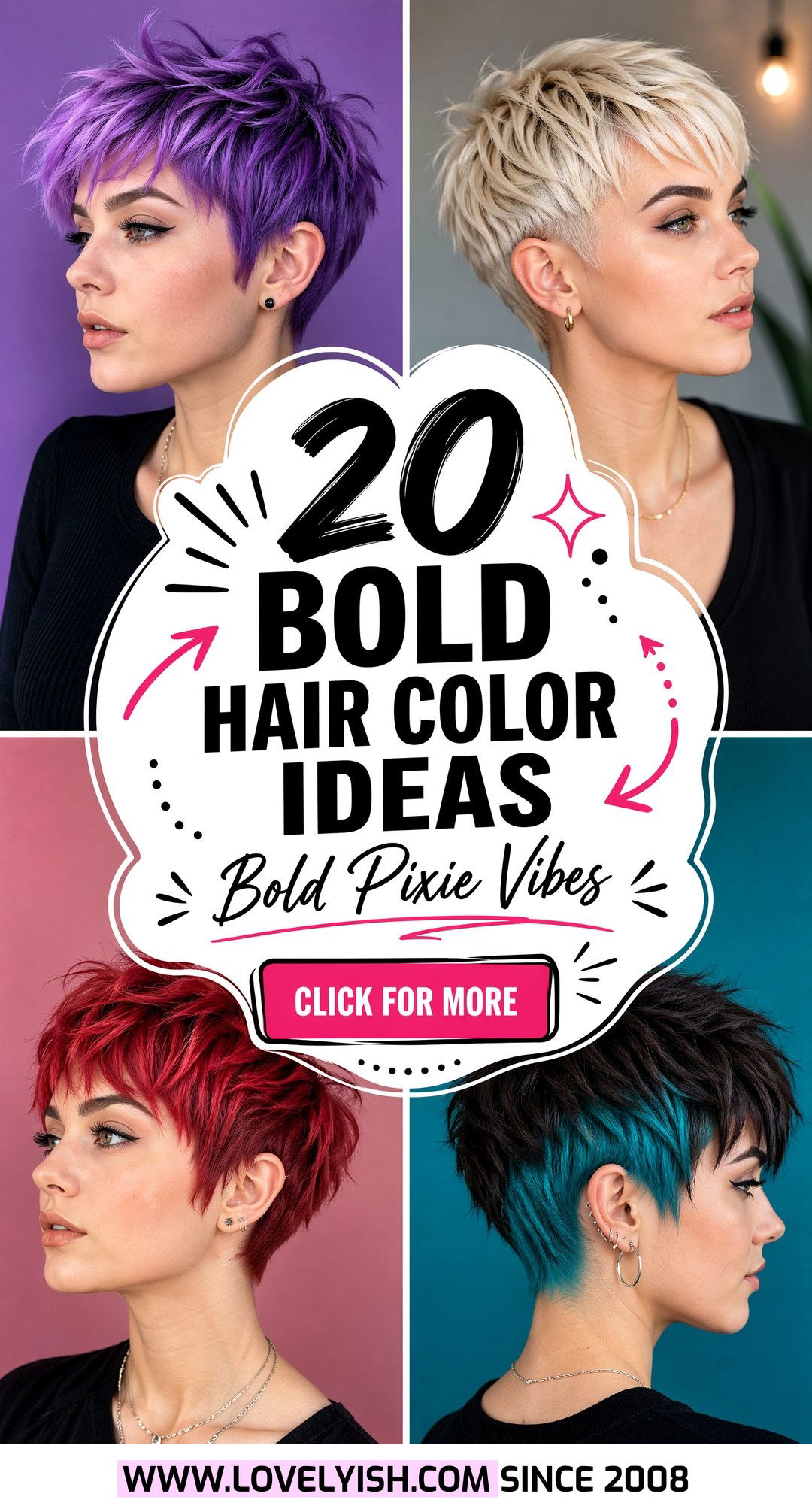
Soft, short, and versatile, pixie cuts become even more expressive when you pair them with the right hair color. Whether you love natural tones, bold fashion shades, or low‑maintenance dimension, there’s a shade that can turn your cropped cut into a full statement look. Below you’ll find 20 complete hair color looks for pixie cuts, each focused on how the color works with the cut, texture, and skin tone, plus how it grows out and what upkeep really looks like. The goal is to help you imagine the full picture: your face shape, your lifestyle, and your vibe, so you can walk into the salon with clear, search-friendly ideas and walk out with a fresh, confidence-boosting pixie color.
1. Platinum Blonde Pixie Cut
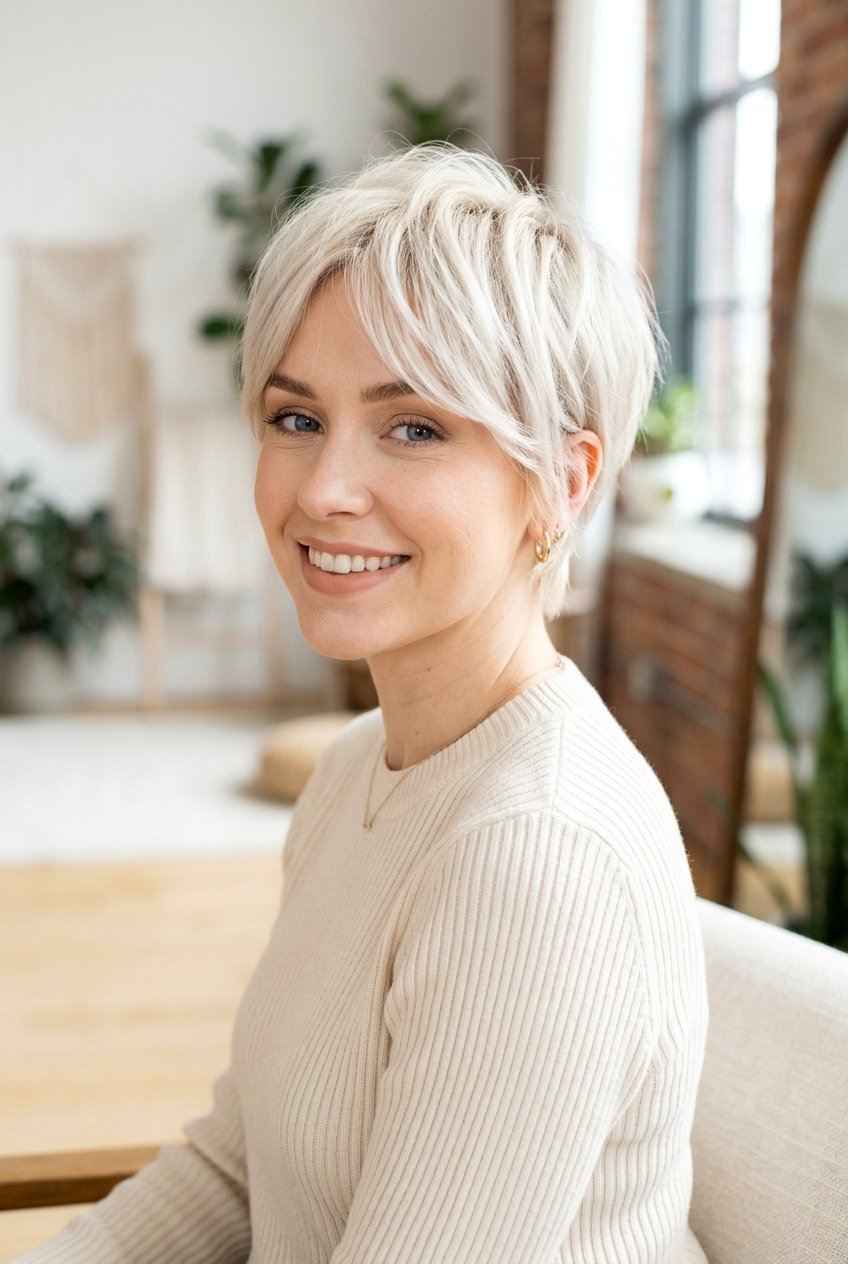
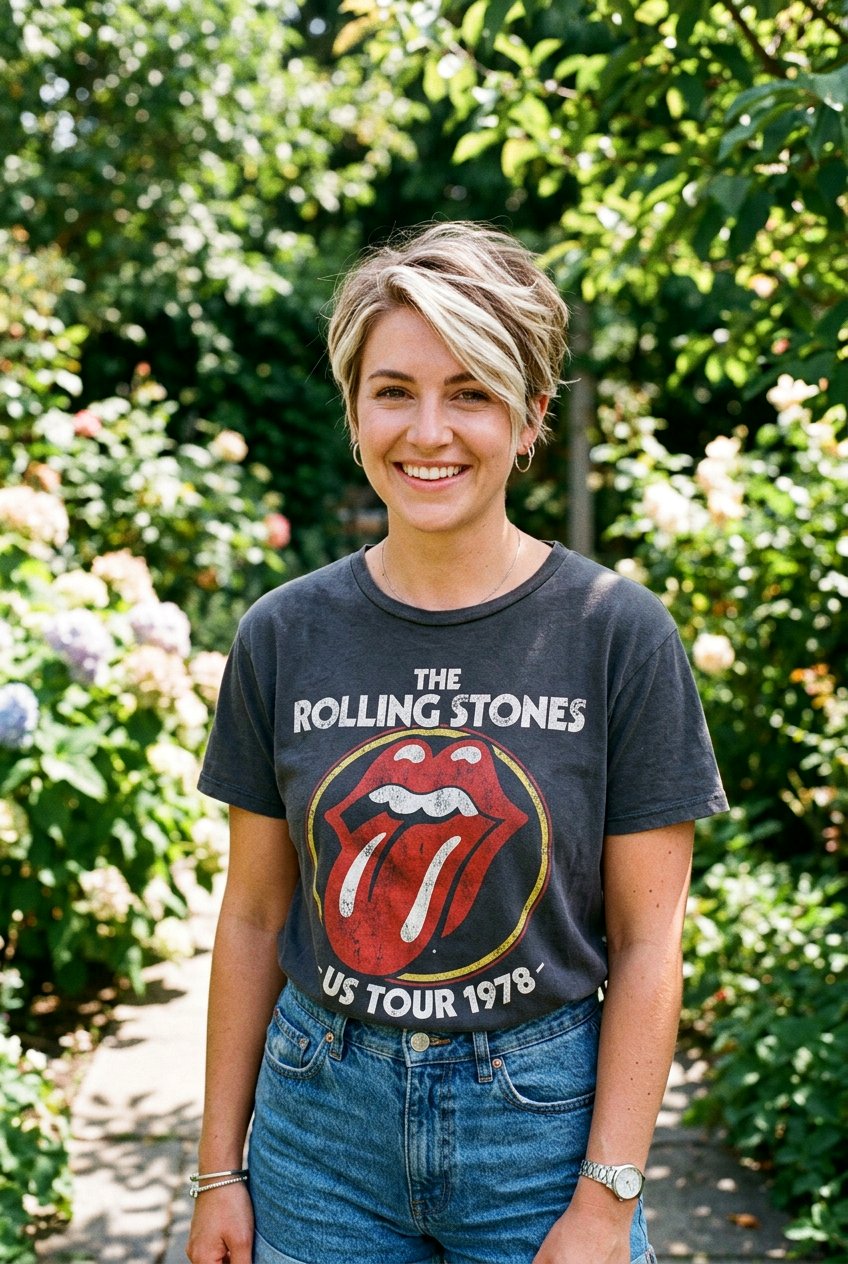
A platinum blonde pixie cut is one of those looks that instantly reads modern, sharp, and fashion-forward. The cool, icy shade makes the short length stand out, highlighting every layer and texture on top while keeping the sides clean and crisp. This color pairs beautifully with fair to medium skin tones and can give a striking contrast on deeper complexions when the undertone is kept neutral or slightly cool. Expect regular root touch-ups and toning appointments, since platinum tends to show regrowth quickly and can pick up warmth over time. Using purple shampoo, heat protection, and moisturizing masks keeps the hair bright and soft instead of brittle. If you want maximum impact from a simple shape, this platinum pixie delivers.
2. Ash Blonde Pixie Cut
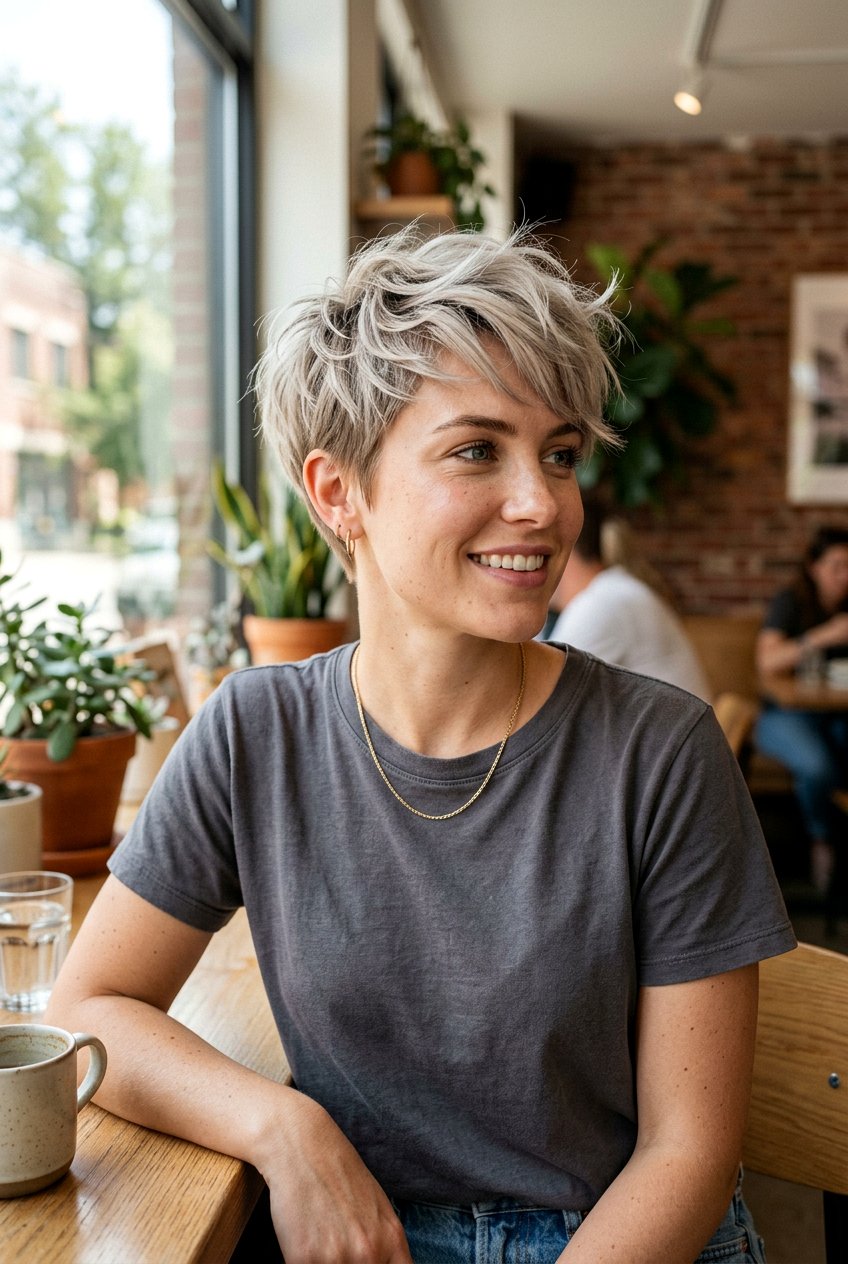
If you like lighter hair but want something softer than full-on platinum, an ash blonde pixie cut gives a cooler, muted finish that feels chic without being too intense. The grayish-beige tone helps neutralize brassiness, so it’s ideal for people whose hair pulls warm and who prefer a cooler, more refined look. On a pixie cut, ash blonde adds a subtle shadow effect in the layers, especially around the crown and fringe, which creates gentle depth without obvious streaks. This shade works especially well on fair to light-medium skin with cool or neutral undertones, but can also look edgy on deeper skin when balanced with the right makeup. Maintenance is moderate: toners and blue or purple shampoos help keep the cool cast, while regular trims keep the shape sharp and ends healthy.
3. Warm Honey Blonde Pixie Cut
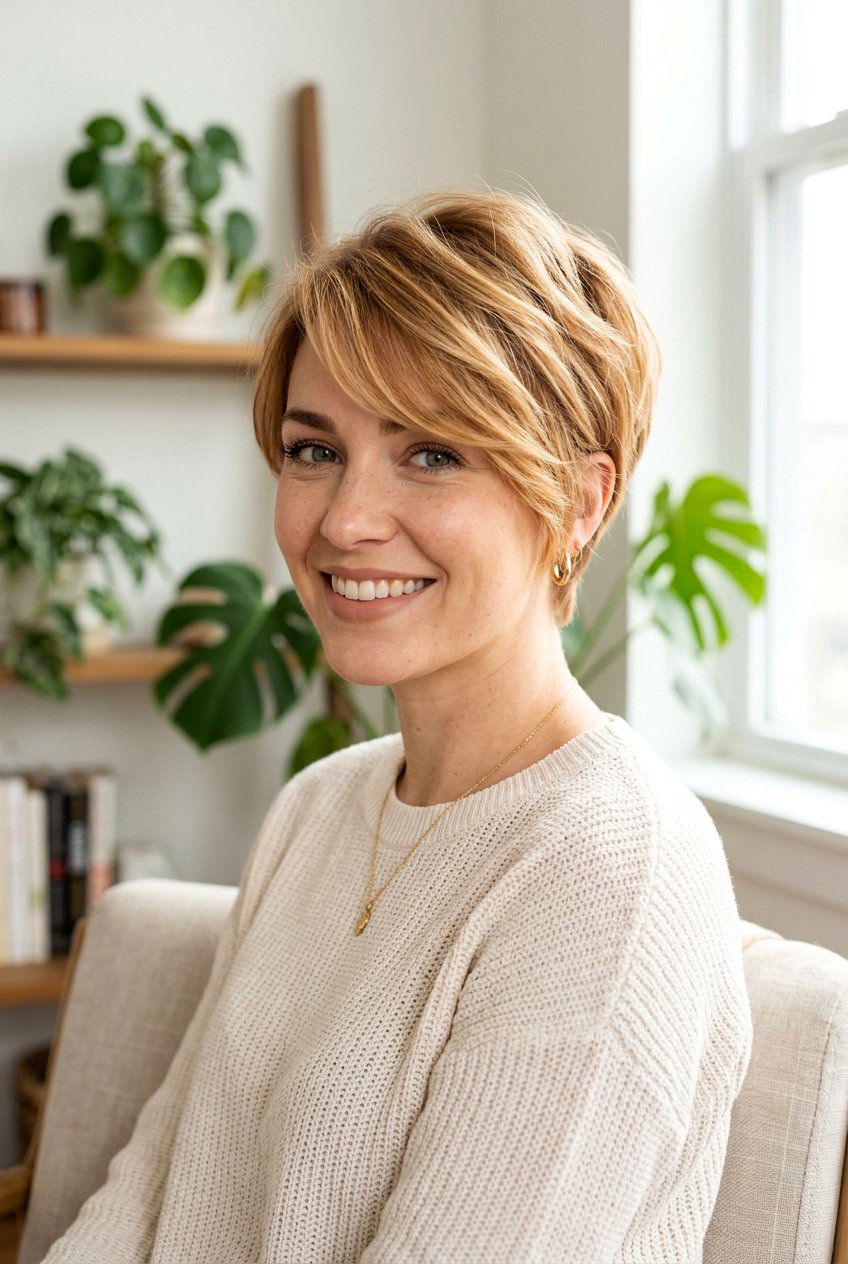
Imagine a sunny, honey blonde pixie cut that feels soft, approachable, and glow-boosting rather than icy or stark. Warm honey tones add golden reflections through the top layers of the cut, which helps short hair look fuller and more dimensional, especially in natural light. This color is flattering on many skin tones, particularly warm and olive complexions, because it echoes the warmth in your skin instead of fighting it. For naturally darker hair, your stylist may lift the base to a caramel or light brown first, then glaze with honey hues to avoid harsh brass. The result is a pixie that looks expensive yet easygoing, ideal if you want a bright look that doesn’t feel too high-maintenance. A gloss every few weeks and color-safe shampoo will keep the honey tone shiny and rich.
4. Golden Balayage Pixie Cut
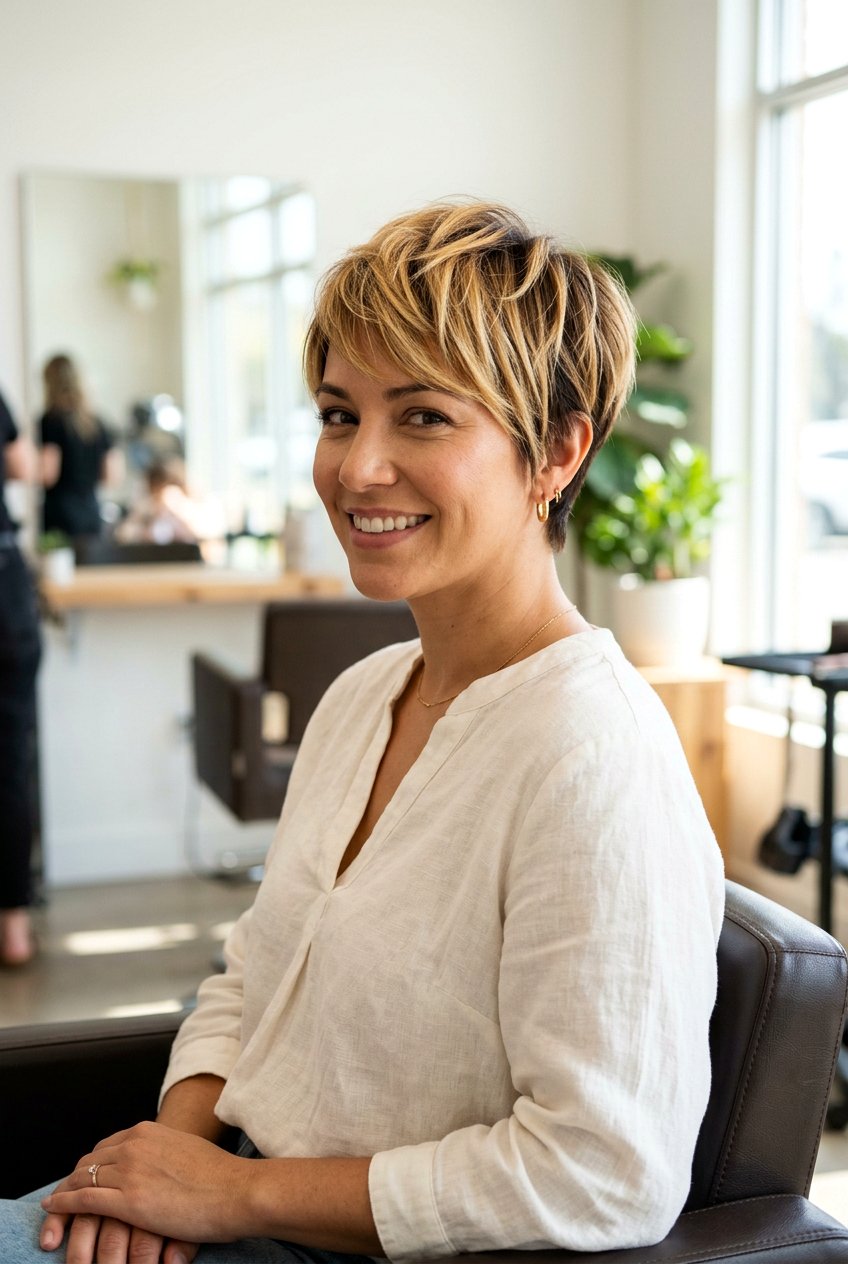
For short hair that still looks multi-dimensional, a golden balayage pixie cut uses hand-painted highlights to create soft ribbons of light through the top and fringe. Instead of harsh foil lines, the color melts from a slightly deeper base at the nape into sunlit pieces around the face, which makes a cropped cut feel more flowing and lived-in. This approach is great if you like warmth and brightness but want easier grow-out, since balayage avoids a sharp line of demarcation at the roots. On a pixie, your stylist might keep the sides and back a bit darker and concentrate the golden tones on the crown and bangs for a lifted effect. It suits a wide range of skin tones and can be customized from soft beige-gold to rich amber. Regular glosses help maintain the glow while trims keep the painted pieces in the right spots.
5. Caramel Brown Pixie Cut
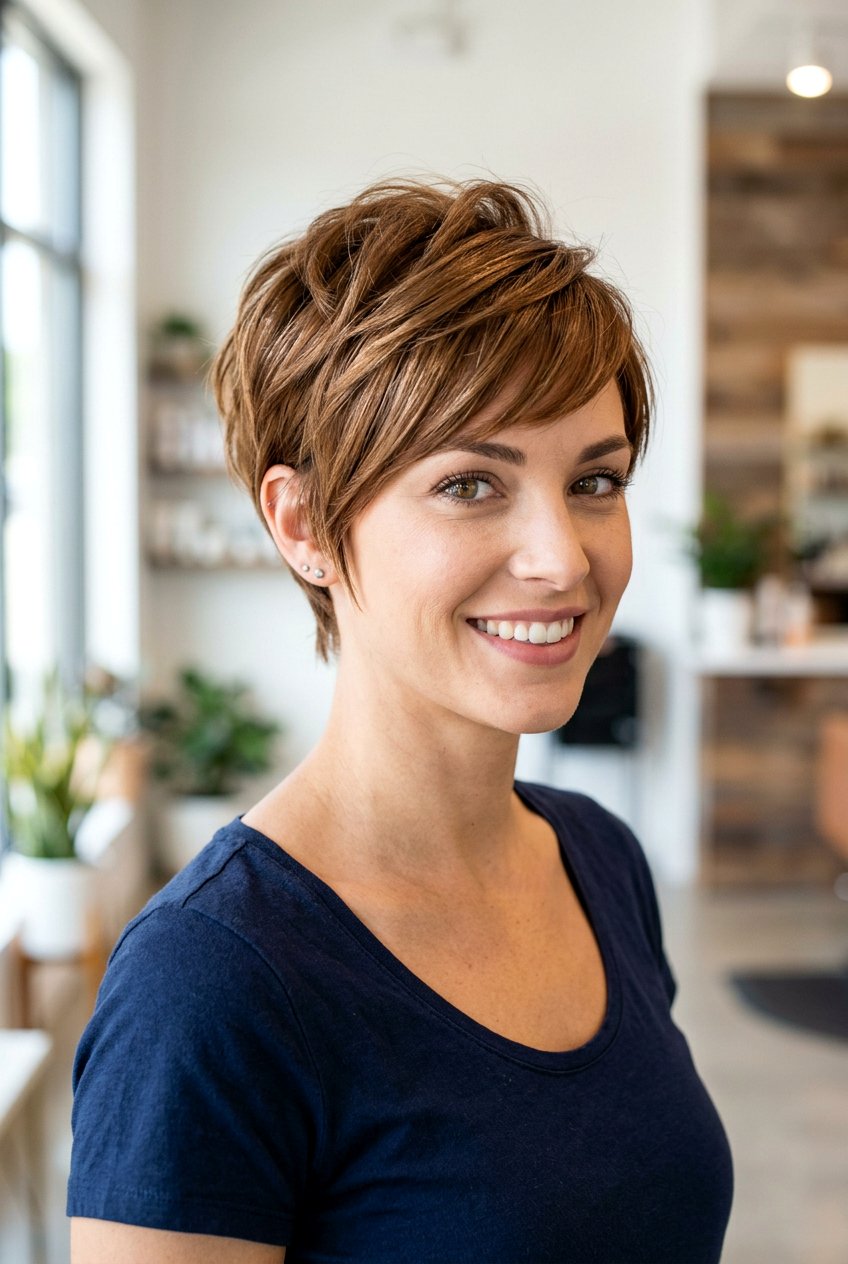
A caramel brown pixie cut is a gorgeous option if you love brunette depth but still want a hint of lightness and warmth. The base usually sits in the medium brown range, with caramel accents that catch the light across the longer top layers and fringe without looking stripy. This color can soften strong features, and it works beautifully on medium and deep skin tones with warm or neutral undertones. Because the shade lives between brunette and blonde, it’s easier to maintain than very light colors but still looks dimensional and rich. On a pixie, caramel brown can make the texture look plush and velvety rather than flat or one-note. To keep it looking fresh, use sulfate-free shampoo, deep conditioning treatments, and occasional gloss services to refresh shine and warmth as it fades.
6. Rich Chocolate Brown Pixie Cut
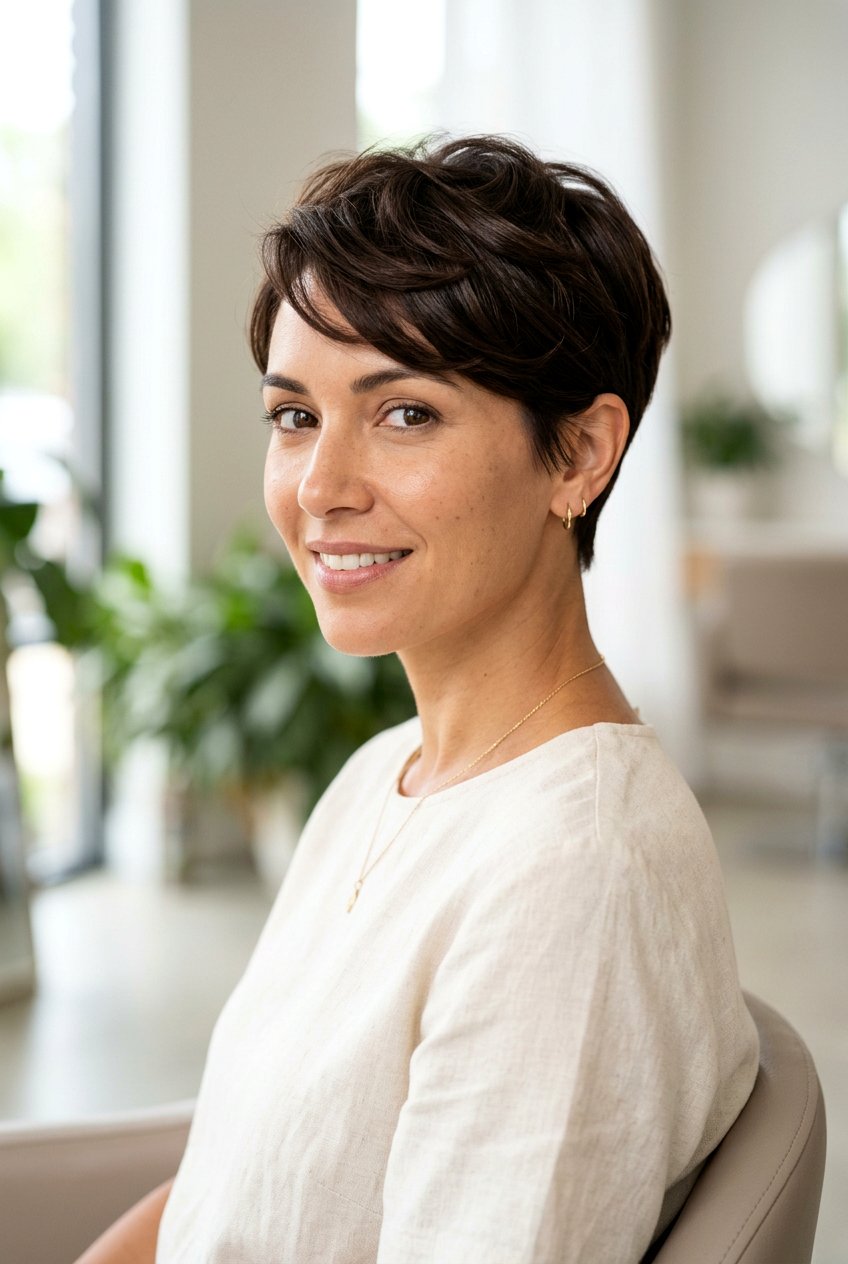
When you want something polished and timeless, a rich chocolate brown pixie cut offers depth, shine, and a sophisticated finish. The color usually lives in the deeper brunette range with subtle hints of red or gold that only really show under bright light, which makes the hair look glossy and healthy. On short hair, this richness frames the face cleanly and pairs beautifully with strong brows and neutral makeup. It’s especially flattering on medium to deep skin tones, but fair skin can also wear it for a high-contrast look. Maintenance is simple: you mainly refresh the overall color every few weeks and trim the shape as needed. Adding a shine spray or lightweight hair oil helps emphasize the natural luster of the chocolate shade and keeps the pixie from looking dull or matte.
7. Deep Espresso Pixie Cut
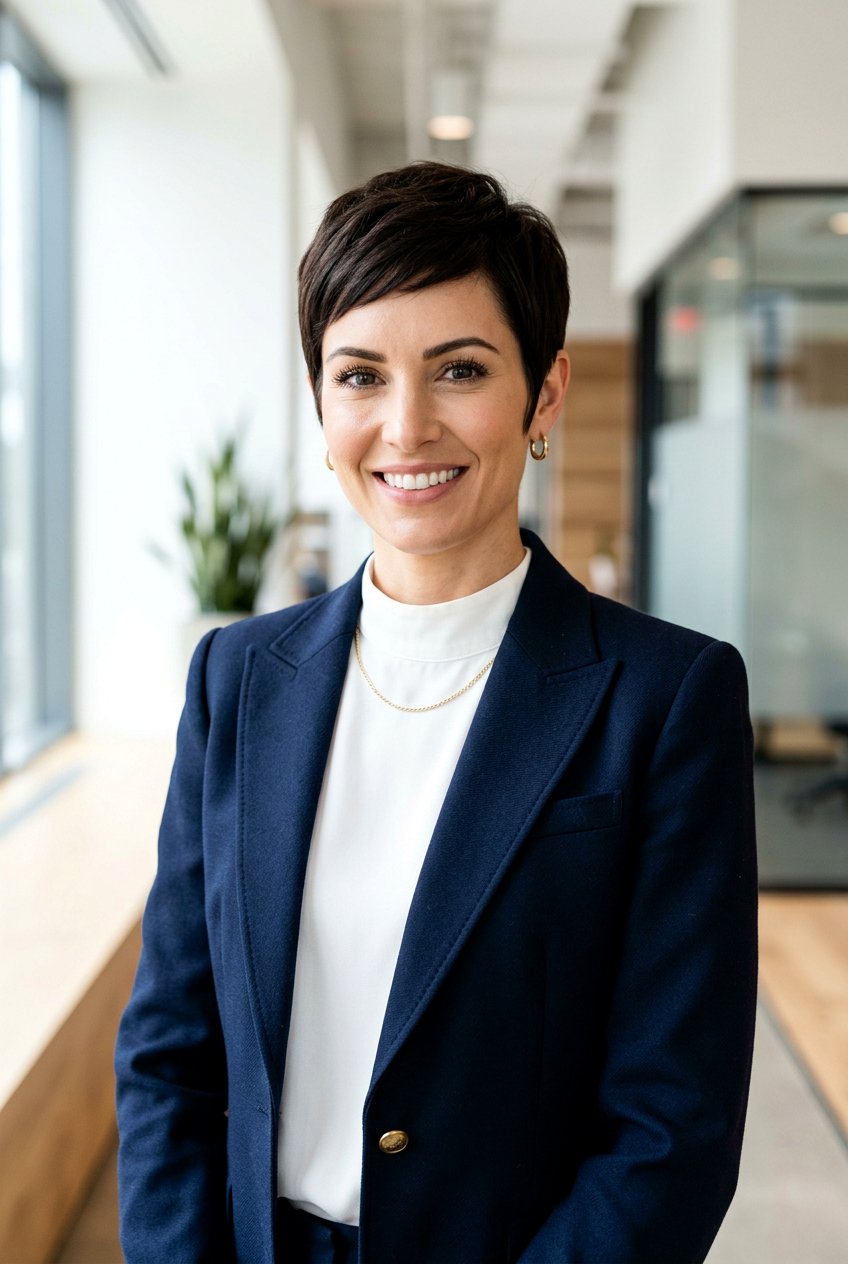
A deep espresso pixie cut is perfect if you love bold drama but want to stay within a natural color family. The nearly-black, cool-toned brown hue brings instant intensity, making the short cut look sleek and structured. This shade works especially well on medium to deep skin tones and can create a striking contrast on lighter skin for a very editorial feel. The dark base accentuates the hairline, sideburns, and nape, which sharpens the overall silhouette of the pixie and draws attention to your eyes and cheekbones. Because it’s dark, color maintenance is mostly about covering grays and keeping fading at bay, which is typically easier than maintaining vivid or ultra-light shades. Using color-protecting shampoo, avoiding excessive heat, and adding weekly hydrating treatments will help preserve shine and prevent the color from looking flat.
8. Soft Copper Pixie Cut
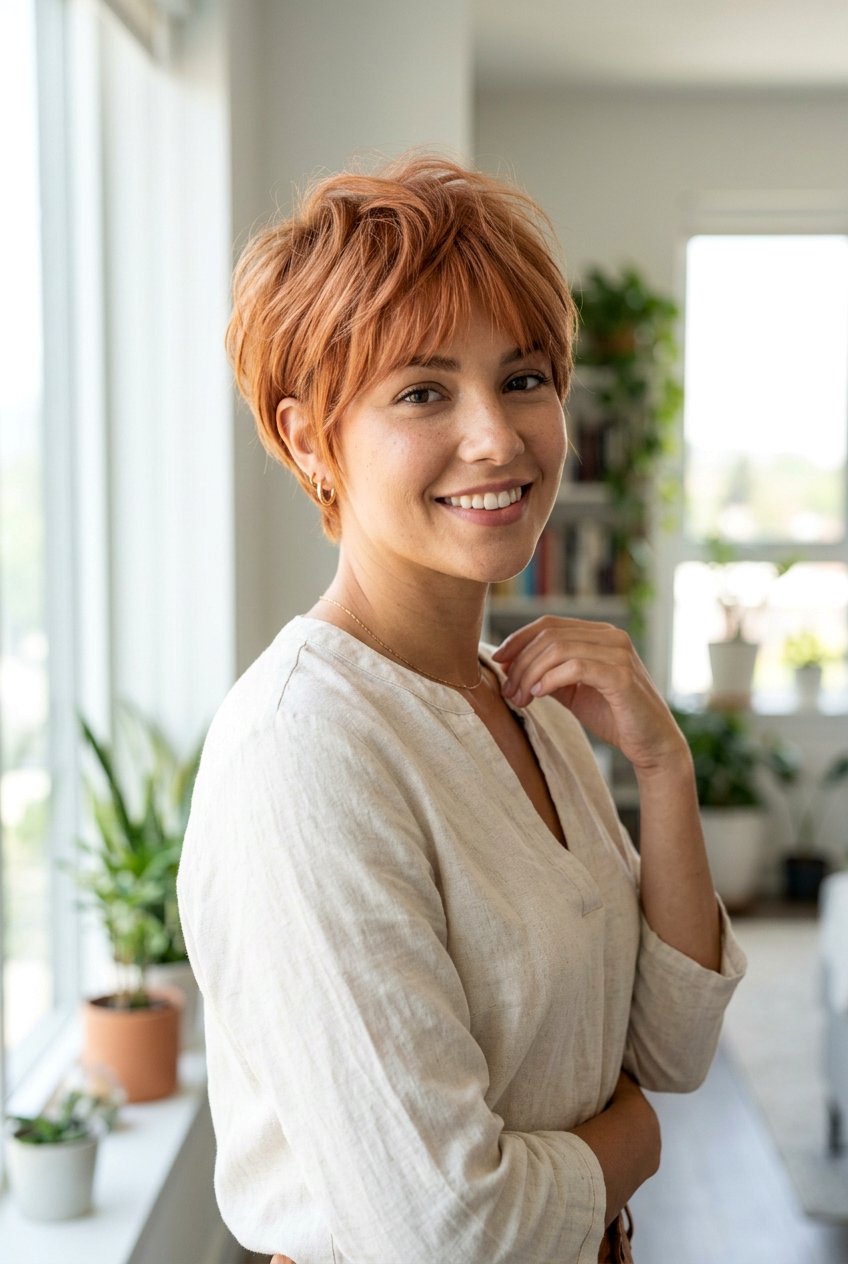
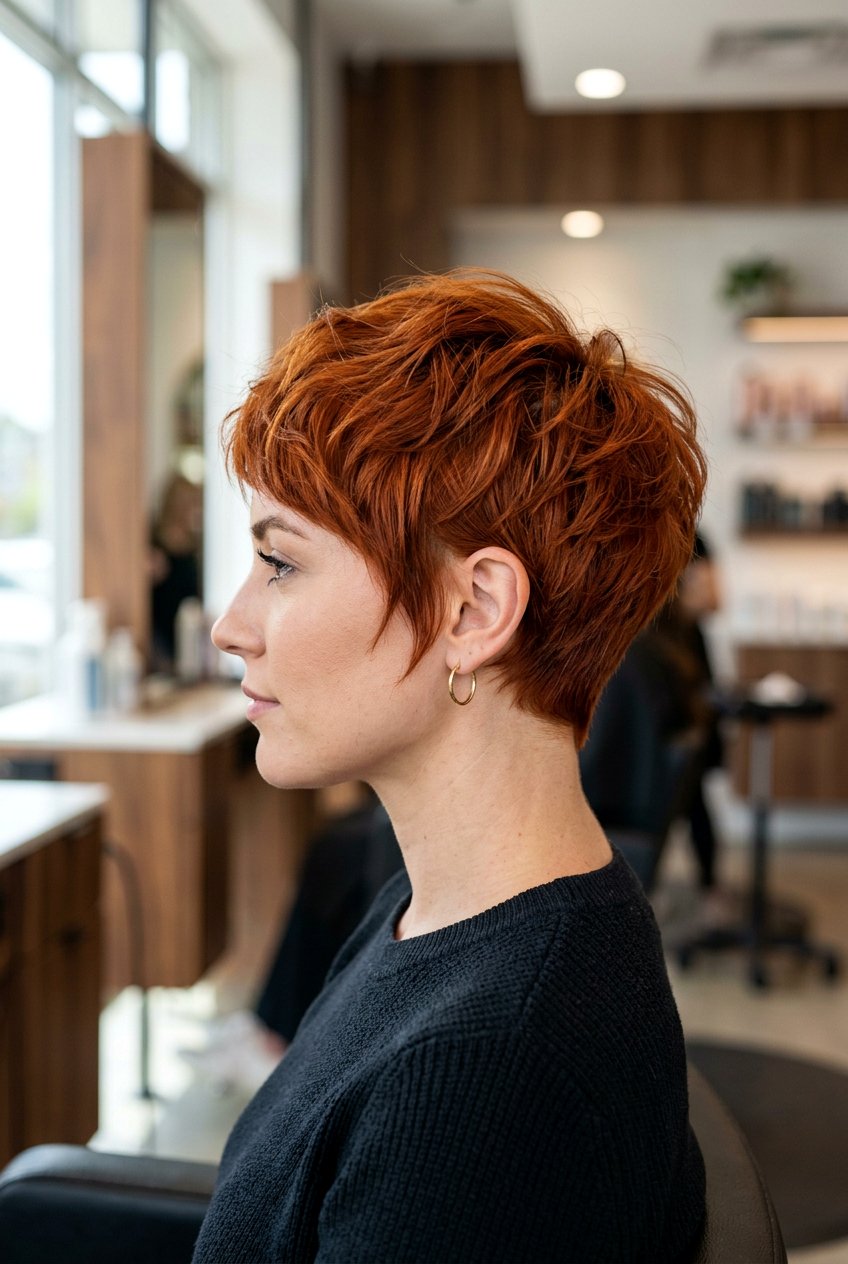
If you’ve ever wanted to try red hair without going full neon, a soft copper pixie cut offers a warm, glowing middle ground. The tone sits between orange and gold, giving off a natural yet noticeable warmth that brightens many complexions. On a pixie, copper makes the short layers look lively and textured, especially when styled with a light mousse or texture spray. This color can really flatter fair skin with warm undertones, but it also adds radiance to medium and olive skin. Because red pigments tend to fade faster, plan for more frequent glosses or toners to keep the copper vibrant and avoid it slipping into dull orange. Pairing this cut with soft, feathery bangs or a slightly longer top gives the color room to show variation, which adds extra visual interest.
9. Vibrant Ruby Red Pixie Cut
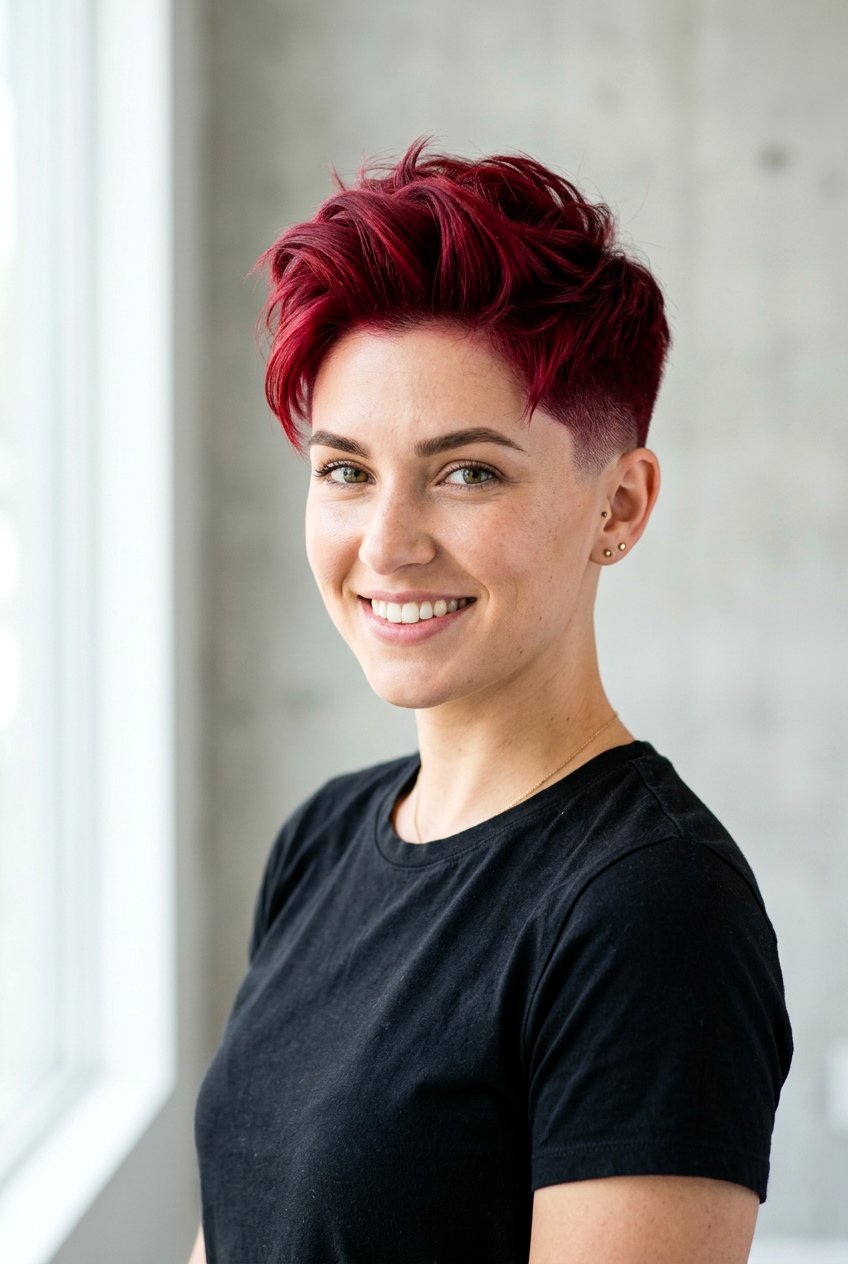
For those who love a bolder look, a vibrant ruby red pixie cut instantly becomes the focal point of your entire appearance. The bright, jewel-toned red enhances the short silhouette, making every angle and curve of the cut stand out. This kind of shade suits a wide range of skin tones depending on the undertone—cool ruby reds flatter cooler complexions, while slightly warmer red tones can complement neutral to warm skin. Because the color is so vivid, it’s important to accept a bit more maintenance: root touch-ups, color-safe products, and minimal hot water will help preserve the intensity. On a pixie, though, the benefit is that you’re working with less hair, which often means faster salon visits and easier all-over refreshes. Styled sleek or tousled, ruby red on a pixie reads confident and unapologetic.
10. Rose Gold Pixie Cut
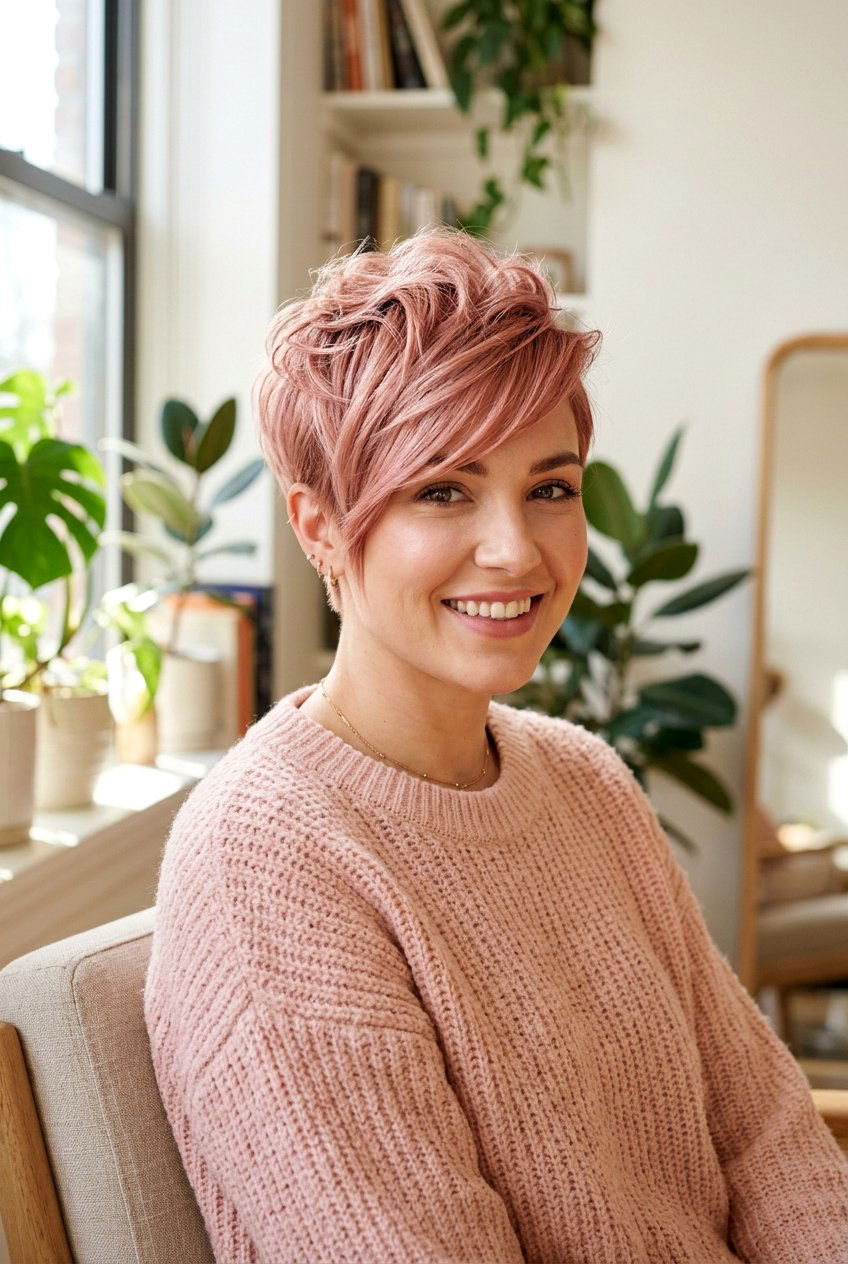
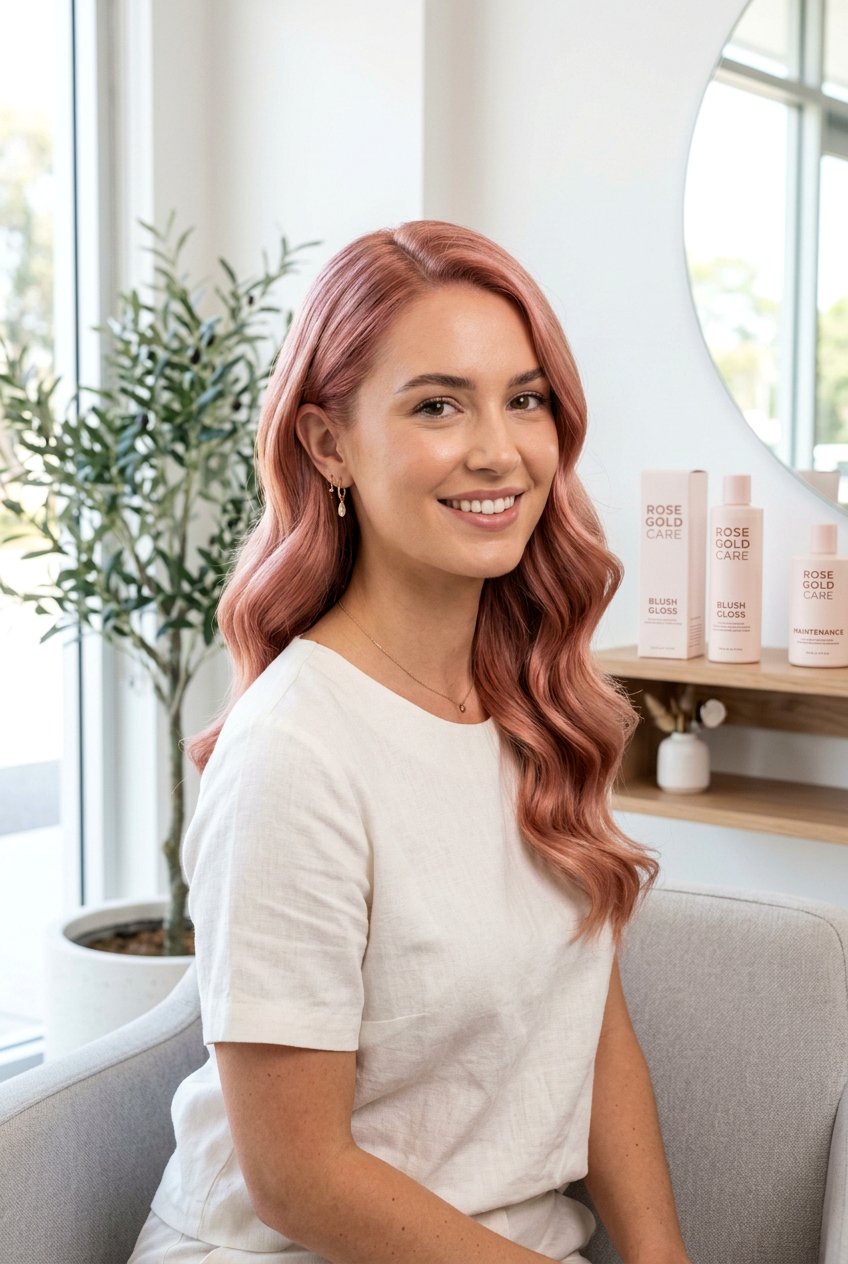
A rose gold pixie cut blends soft pink and warm blonde tones to create a romantic yet modern look. The color usually includes a light blonde base with rosy, peachy tones melted through the top, especially around the fringe and crown. On short hair, this makes the texture look almost metallic in bright light, giving the cut a playful but polished finish. Rose gold is particularly flattering on fair to medium skin with warm or neutral undertones, but it can be customized slightly cooler or deeper for other complexions. Because the pink component can fade, you’ll likely need periodic refreshes with semi-permanent color or gloss. Using gentle, sulfate-free shampoos and avoiding daily heat helps the rose tones last longer. Pair this color with a soft, piecey pixie and you get a look that feels trendy while still wearable day to day.
11. Pastel Pink Pixie Cut
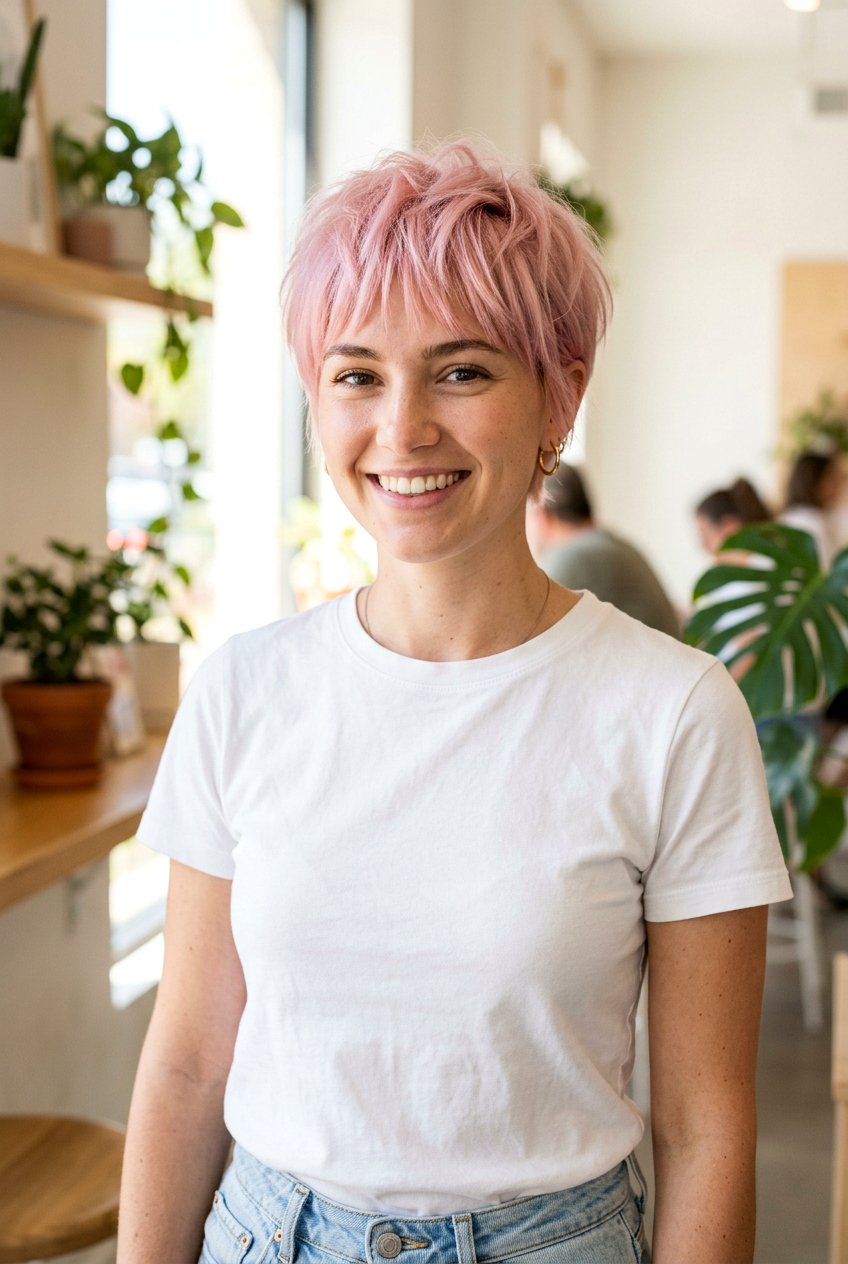
A pastel pink pixie cut feels like a fun, cotton-candy transformation that still looks surprisingly soft and wearable in real life. The shade is usually a pale, milky pink laid over pre-lightened hair, so the underlying blonde helps the color look airy and pastel rather than strong and neon. On a short pixie, the pink can be applied more densely at the roots and faded toward the ends, or kept uniform for a dreamy wash of color. This shade tends to flatter lighter complexions but can also look artistic and high-impact on deeper skin when contrasted with bold brows and liner. Pastel pigments fade quickly, so be prepared for frequent toning or at-home color-depositing masks. The plus side: with a pixie, refreshing the entire head is faster, and the regrowth is shorter, which keeps everything looking intentional rather than patchy.
12. Lavender Pixie Cut
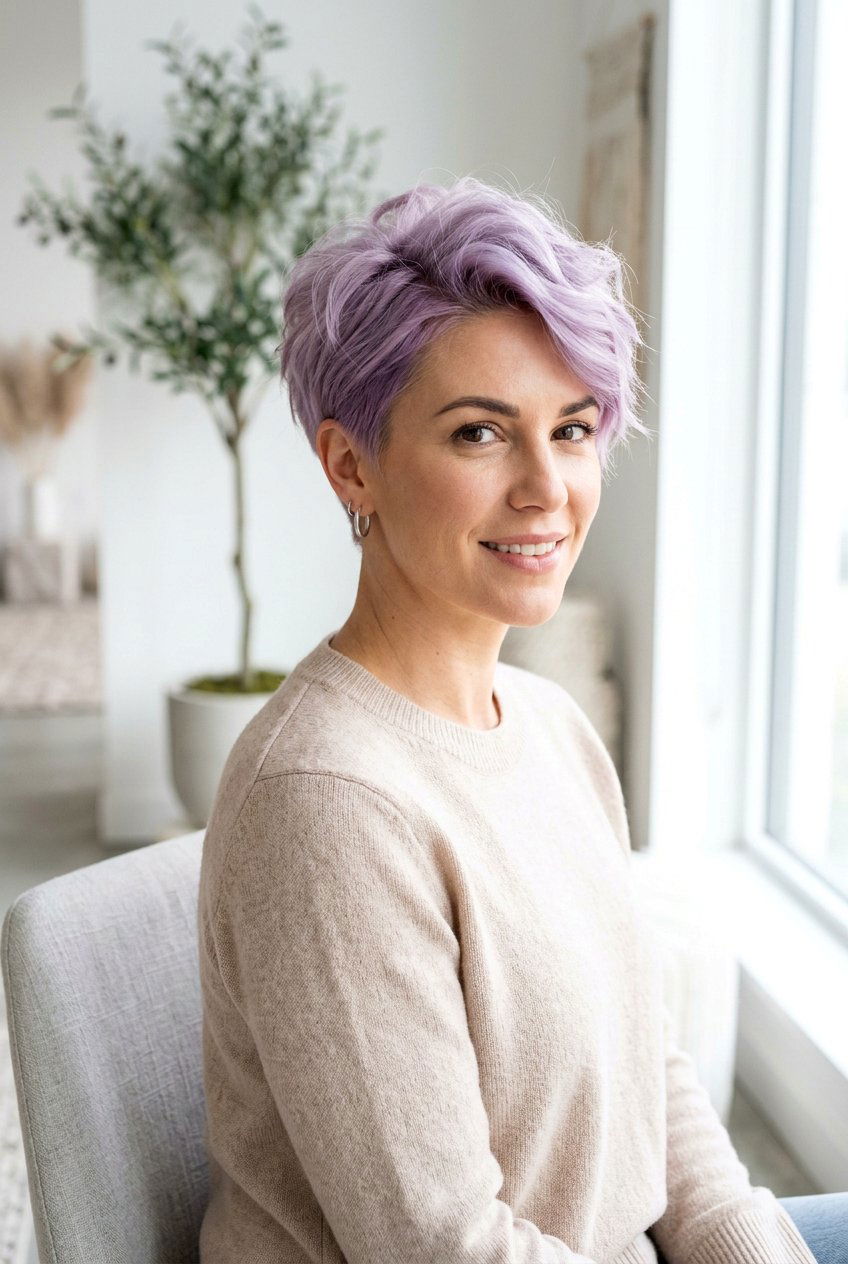
A lavender pixie cut offers a cool-toned, whimsical twist that can look unexpectedly refined. The soft violet hue usually leans slightly silvery, which helps it blend well with pre-lightened hair and even early grays. On a pixie, lavender brings out the shape of the cut, especially if the top is slightly longer and textured, because the light plays off the pastel tones at different angles. This color tends to flatter cool or neutral undertones and can be adjusted deeper for darker complexions to avoid looking washed out. Maintenance includes using purple-safe products and limiting wash days, since pastels fade faster than deeper shades. The good news is that as lavender softens, it often transitions into pretty silver-lilac tones, which can give your pixie a naturally evolving, lived-in color story between salon visits.
13. Denim Blue Pixie Cut
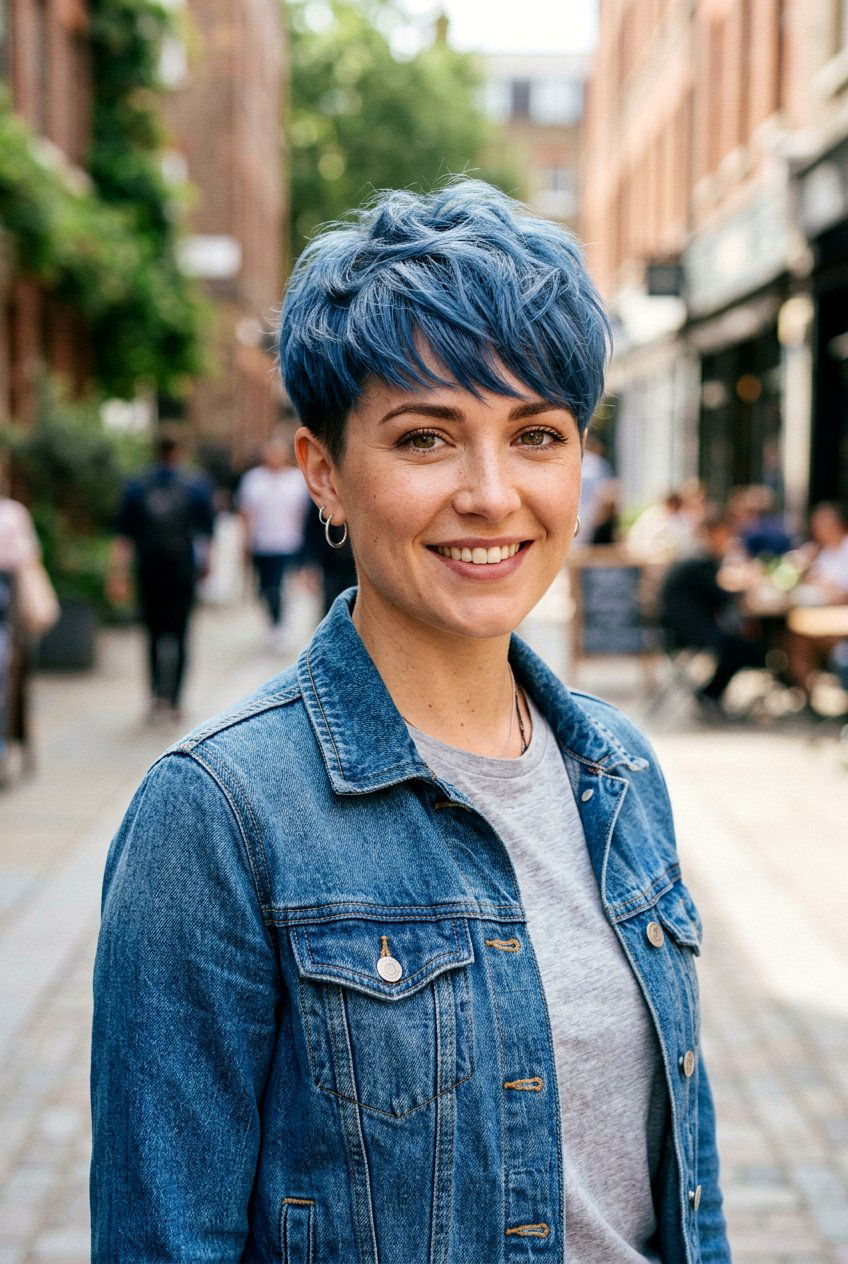
For a more edgy, street-style vibe, a denim blue pixie cut brings in cool, muted blue tones that mimic worn-in denim fabric. The shade usually mixes navy, slate, and a hint of gray, which keeps it from looking too bright or cartoonish. On a pixie, denim blue can be concentrated on the longer top and fringe area, with the sides faded slightly darker for dimension and a bit of contrast. This color tends to suit cooler skin tones and looks especially striking when paired with minimal, clean makeup so the hair takes center stage. Because blue pigments can fade into greenish hues over time, keeping up with toners and color-safe products is important. A bonus of having a pixie is that if you ever want to switch shades, there’s less hair to correct, making color changes more manageable.
14. Smoky Silver Pixie Cut
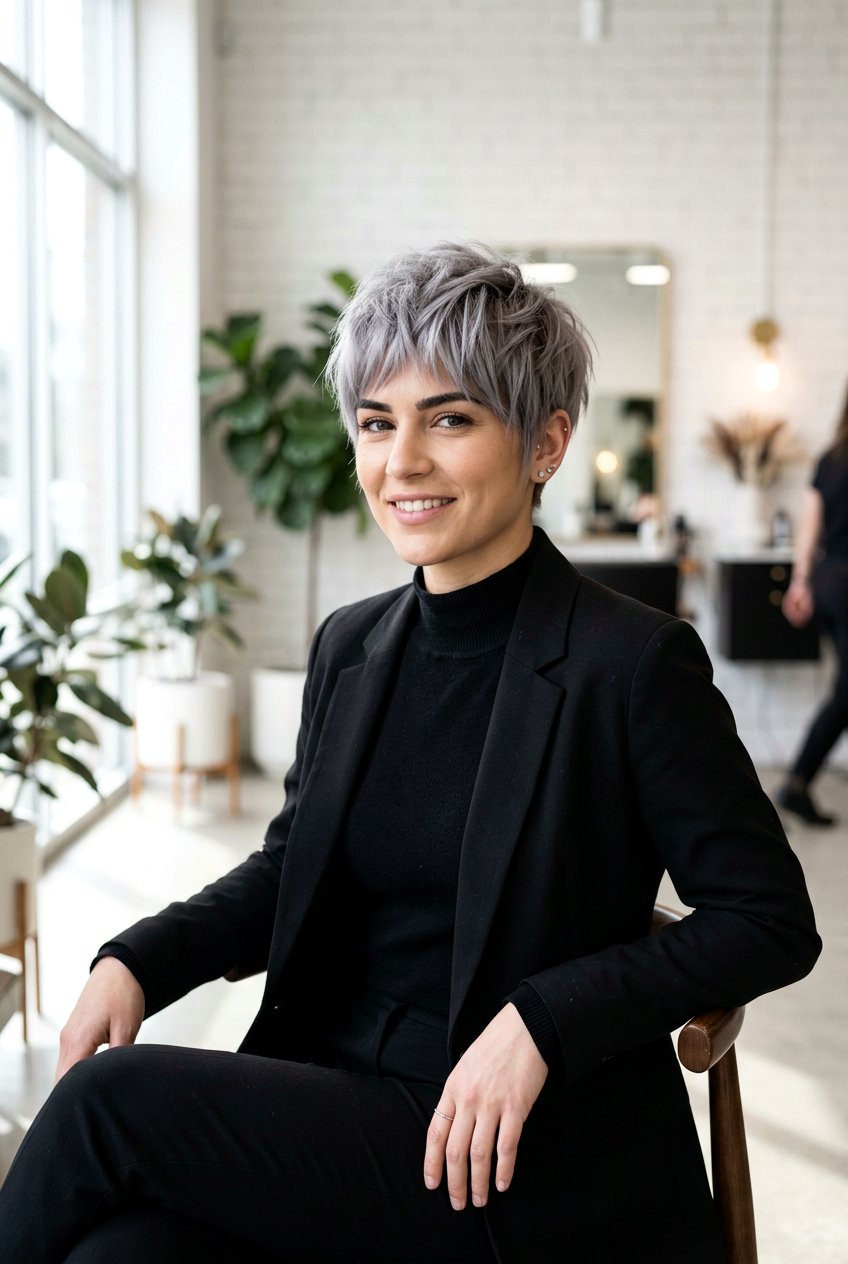
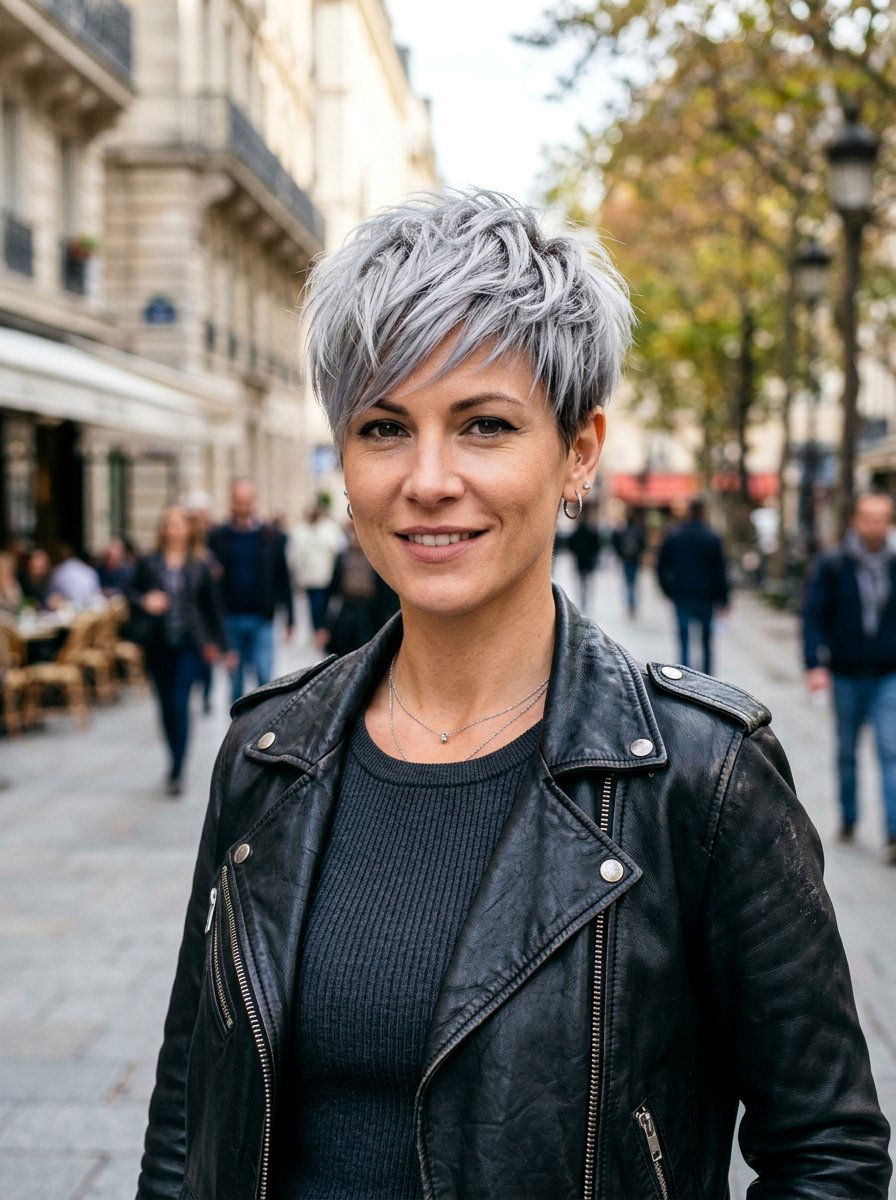
A smoky silver pixie cut blends metallic gray with a hint of depth, creating a futuristic yet wearable finish. The tone usually sits between bright silver and charcoal, which gives the hair a soft, shadowed look rather than a flat gray. This color is a fantastic choice for those embracing natural grays who want a more polished, intentional version, as well as for anyone who loves a cool-toned statement. On a pixie, smoky silver highlights the shape, especially on cuts with choppy layers or a long fringe brushed forward. Because silver shades need light hair to start, expect some pre-lightening and ongoing toning to fight yellowing. Using purple or blue toning products, moisturizing masks, and heat protectants will help keep the silver crisp and the hair healthy, so the short cut always looks sharp instead of dull.
15. Dark Root Shadow Pixie Cut
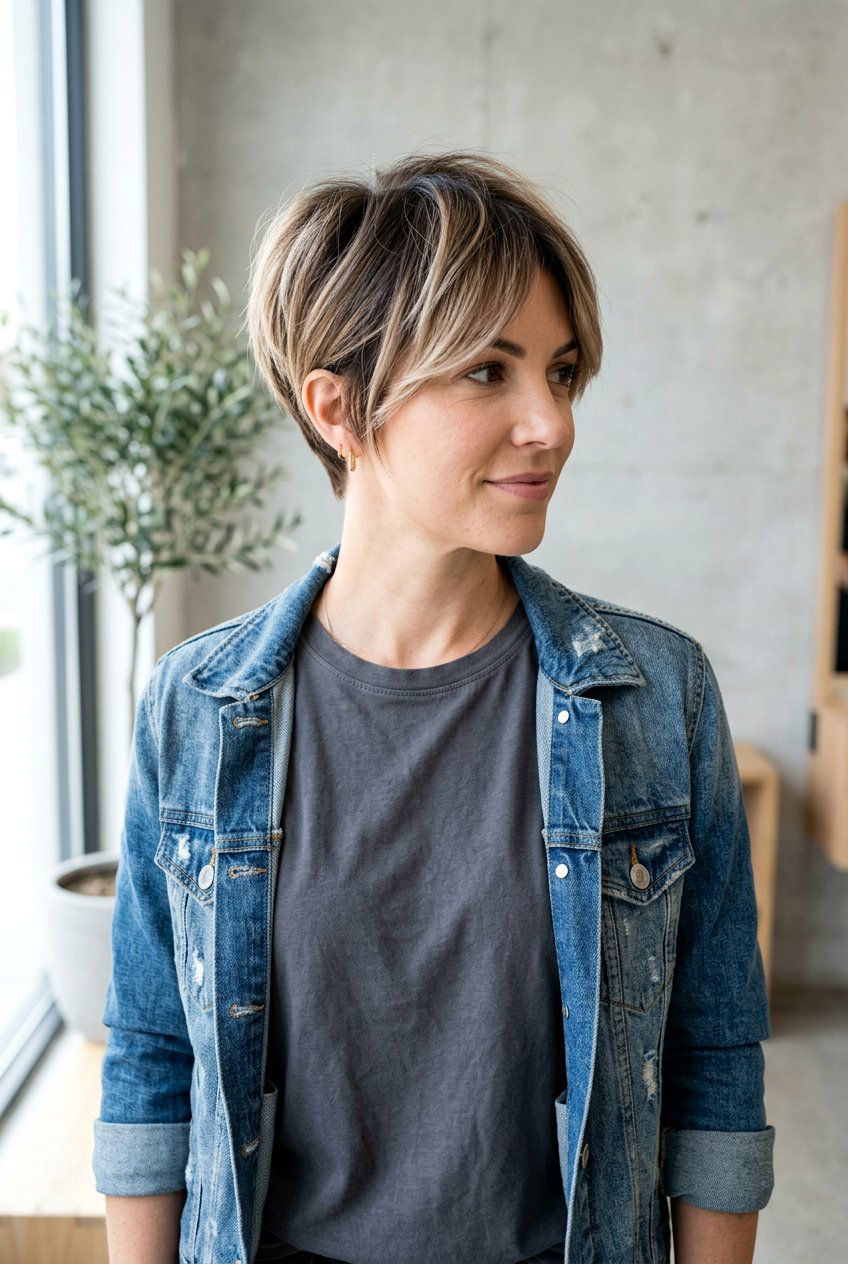
A dark root shadow pixie cut is great if you love lighter ends but hate constant root lines. This look keeps the roots intentionally deeper—usually in your natural color—then blends them into lighter midlengths and ends across the top and fringe. On a pixie, the root shadow sits mainly on the crown and part line, which makes regrowth nearly invisible and adds depth to the style. The ends can be blonde, caramel, pastel, or even vivid shades, depending on your taste. This approach works on almost all skin tones because your natural root helps anchor the look and keep it flattering. Maintenance is more about refreshing the lighter ends and toning rather than touching up the roots every few weeks, making it a smart option if you like dimension with less commitment.

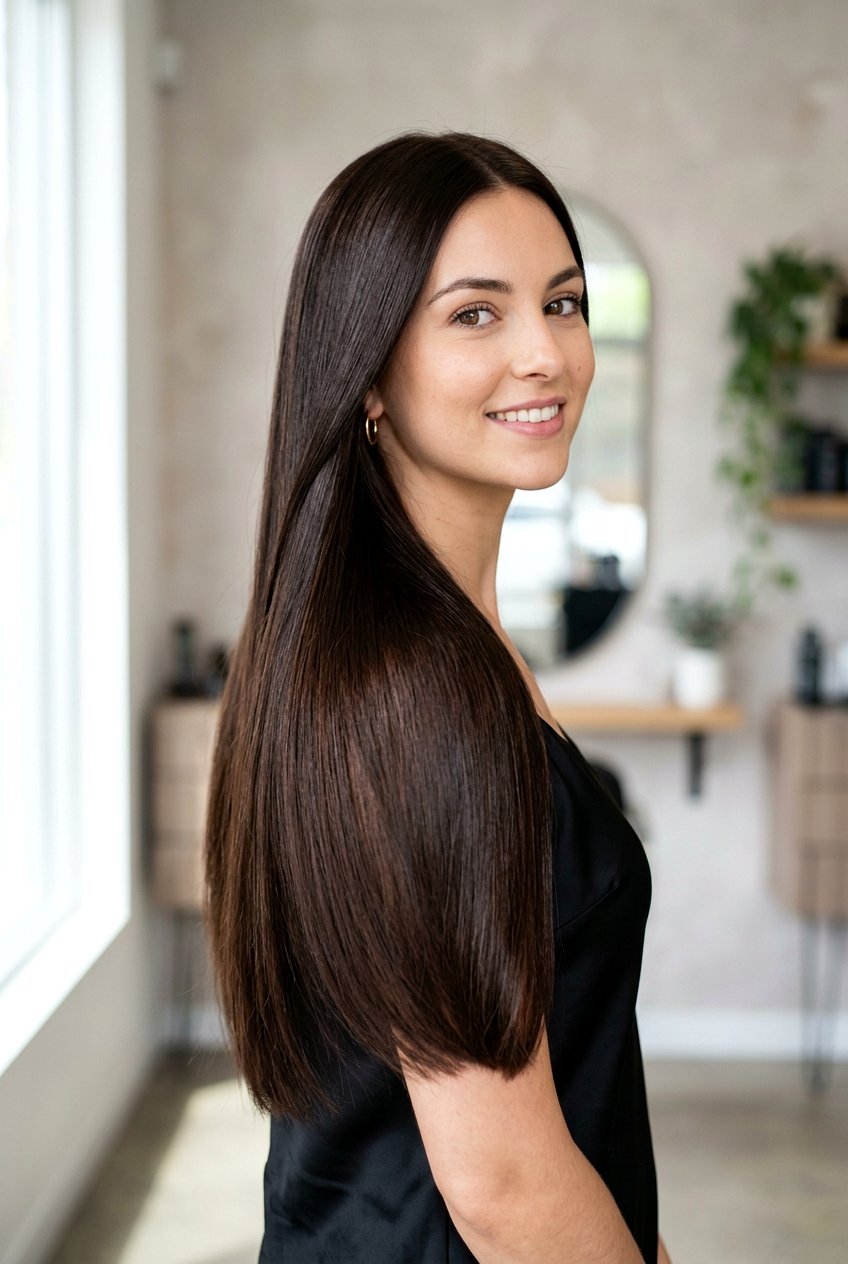
16. Chunky Highlight Pixie Cut
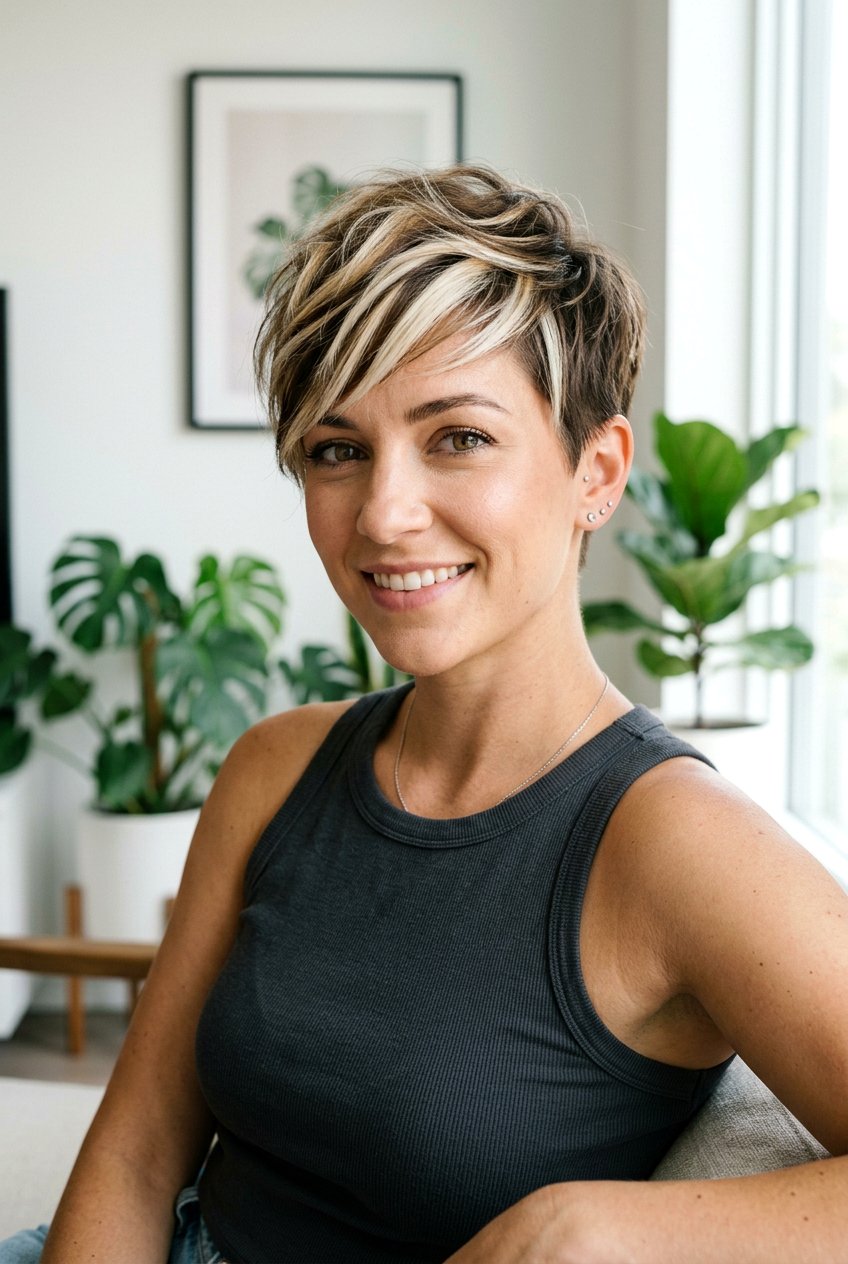
A chunky highlight pixie cut throws back to bold contrast but in a more modern, carefully placed way. Instead of fine blended highlights, the color features thicker ribbons of lighter shades against a darker base, often concentrated along the fringe, crown, or one side of the head. On a short cut, this creates strong lines and panels of brightness that emphasize the shape and movement, especially when styled with texture. You might see a dark brown base with caramel chunks, black with platinum panels, or chestnut with copper pieces. This style suits people who like noticeable color and aren’t afraid of contrast. Maintenance depends on the shades, but expect more visible grow-out than soft balayage; however, on a pixie, regular haircuts naturally remove old color and keep the highlights in the most flattering areas.
17. Subtle Babylight Pixie Cut

If you prefer something soft and sun-kissed, a subtle babylight pixie cut uses ultra-fine highlights to mimic natural lightening. The colorist weaves tiny sections and lifts them just a few levels lighter than your base, which creates a very natural, seamless shimmer rather than bold streaks. On a pixie, babylights are often focused around the hairline, crown, and fringe to give the impression of light hitting the top of the hair. This approach is perfect if you’re new to color, want low-maintenance dimension, or simply like softer, more understated changes. It works across all shades, from dark brunette to blonde, because the difference between base and highlight is small. Grow-out is gentle and almost invisible, so you can focus more on cut maintenance while refreshing the color only when you feel it looks dull.
18. Two Tone Pixie Cut
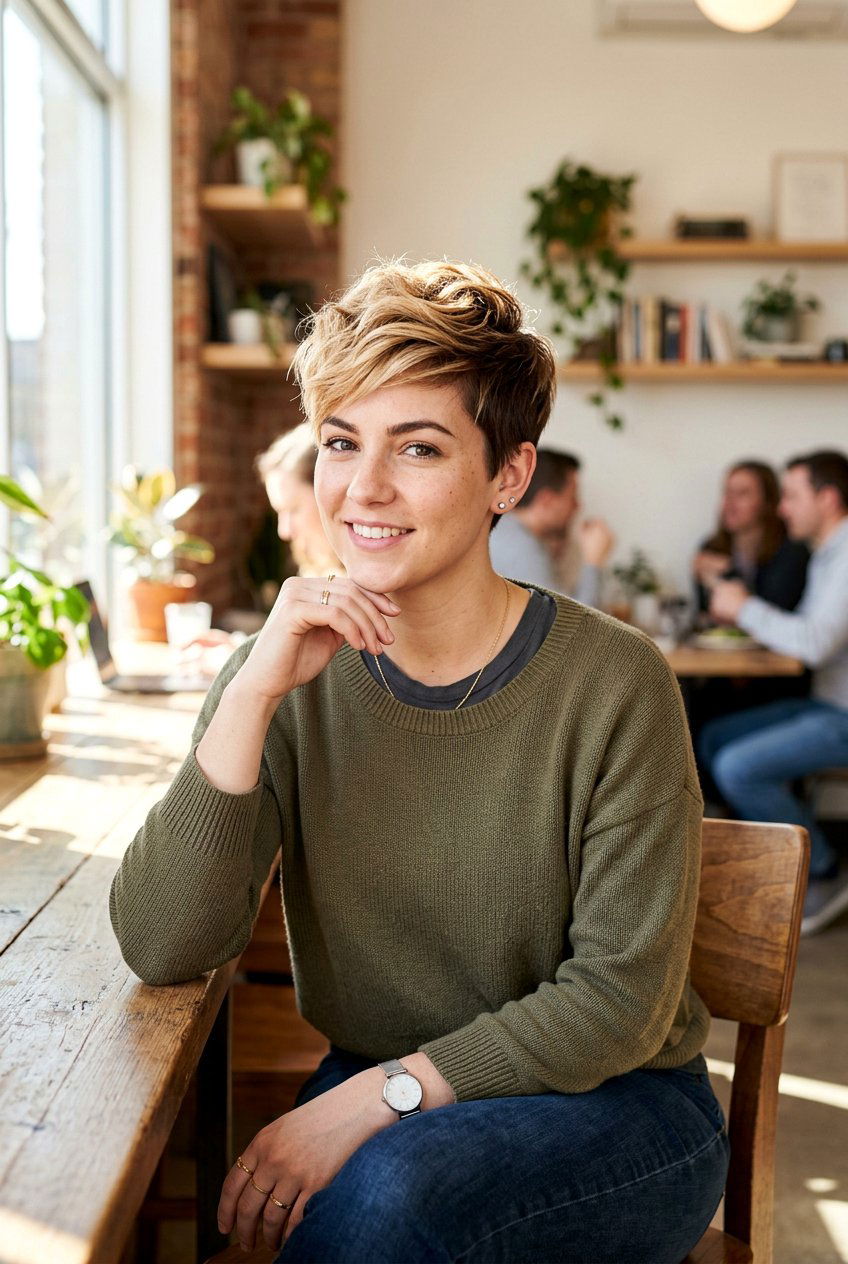
A two tone pixie cut is ideal when you want a clearly defined color contrast that still feels intentional and stylish. Typically, this look keeps one section—often the top or fringe—significantly lighter or brighter than the rest of the hair. You might have dark brown sides with a platinum top, black paired with vivid red, or chocolate contrasted with warm blonde. On a pixie, the short sides and back make the two-tone effect very visible and graphic, especially when the top has extra length and texture. This style works on all skin tones; the key is choosing a lighter shade that complements your undertones while the darker base grounds everything. Maintenance involves retouching both colors, but the shorter length simplifies the process. It’s a great option if you like drama and want your pixie to stand out from every angle.
19. Peekaboo Underlayer Pixie Cut
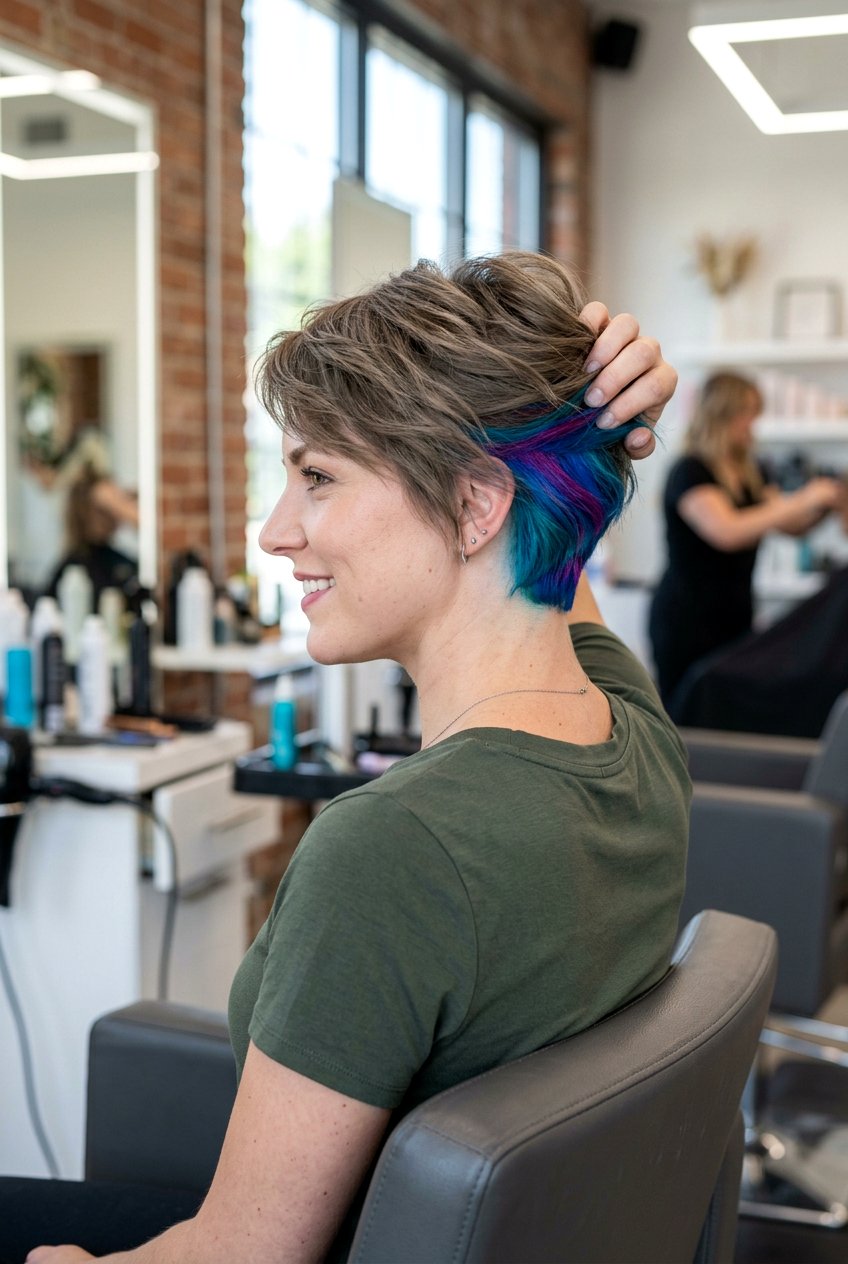
A peekaboo underlayer pixie cut hides the boldest part of your color underneath the top layer of hair, revealing it only when you move or style your hair a certain way. For pixies, this often means coloring the lower nape section, temple area, or a panel under the fringe in a contrasting shade like bright red, pastel pink, or electric blue while keeping the outer layer more neutral. The result is a playful pop that shows when you tuck your hair, push the fringe back, or style with extra volume. This is ideal for those who want fun color without it dominating their entire look, which can also be helpful for work or more conservative environments. Maintenance is moderate, since the colored underlayer may fade but regrowth is less obvious when it’s partially hidden. It’s a creative way to add personality to a classic pixie cut.
20. Multi Dimensional Pixie Cut With Highlights
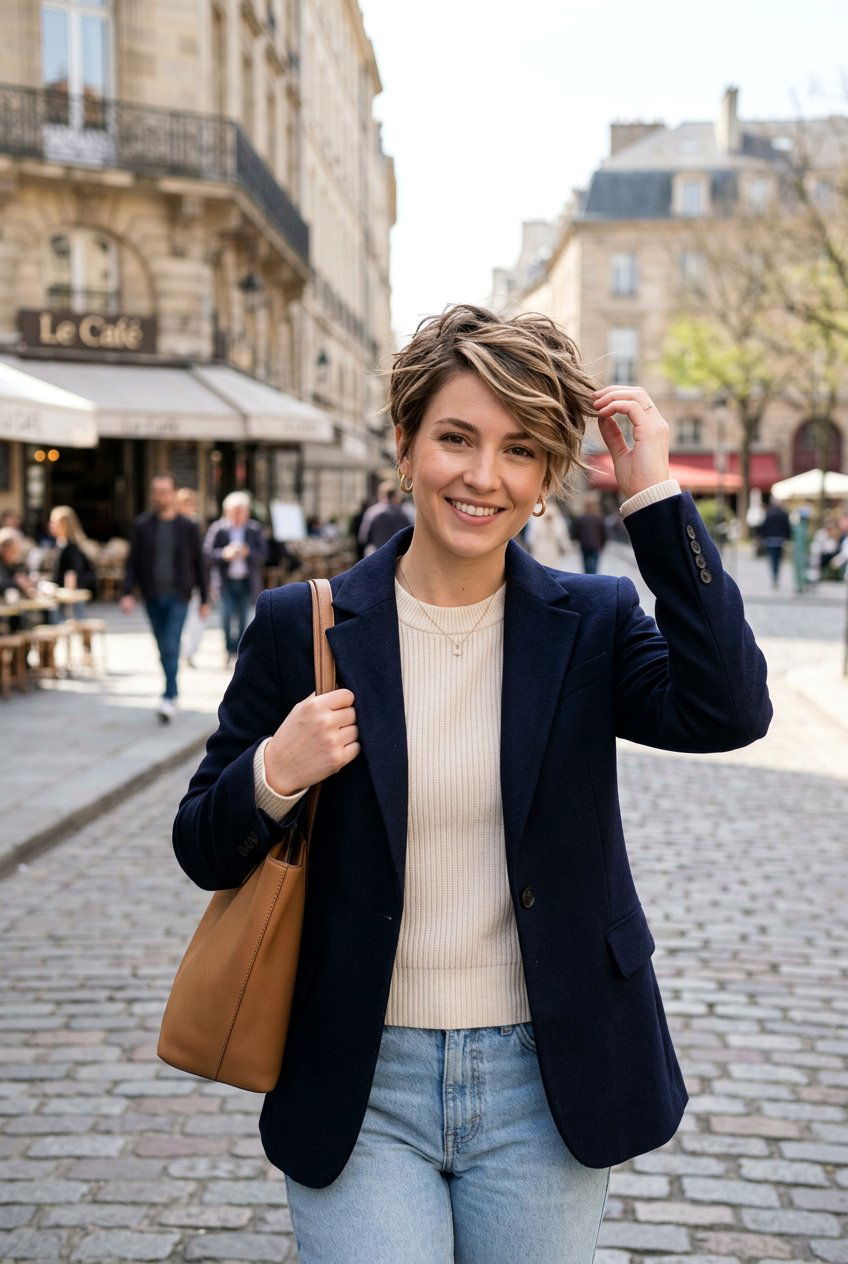
A multi dimensional pixie cut with highlights focuses on stacking several tones together to create a rich, layered look that feels expensive and salon-fresh. Instead of just one highlight color, your stylist might blend two or three complementary shades—think a brunette base with caramel and honey pieces, or a blonde base with beige and champagne ribbons. On a pixie, this layered color makes the short shape look fuller and more textured, especially if you already have choppy or feathered layers on top. It flatters most skin tones because the mix of shades can be custom-tuned warmer or cooler to suit you. While there is some maintenance to keep the tones fresh and prevent dullness, the overall look grows out gracefully due to the soft blending. If you want your pixie to feel luxe and dynamic rather than simple, this multi dimensional approach is a strong choice.
Conclusion:
Color is what turns a simple pixie cut into a tailored expression of your style, and these 20 hair color looks cover everything from subtle enhancements to bold transformations. When you’re choosing, think about how much maintenance you realistically want, whether your wardrobe leans warm or cool, and how dramatic you’d like the contrast to be against your skin tone. Natural shades like chocolate brown, caramel, and babylight blends are perfect if you want something polished and easy to grow out. Bolder options like ruby red, pastel pink, lavender, denim blue, and strong two-tone contrasts suit you if your hair is one of your main style signatures. No matter which direction you go, short hair makes color work more manageable, since there’s less hair to lift and refresh. Bring a few of these specific pixie color ideas to your stylist, talk through your hair history and texture, and you’ll be able to craft a customized, confidence-boosting look that feels completely like you.
You'll Like These Styles:



Leave a Reply