
Being a doctor means long shifts, quick movements, and constant patient contact, so your hair has to be practical, clean, and professional all at once. You need looks that stay put under a scrub cap, during rounds, and in emergencies, without taking forever to style in the morning. The best doctor friendly hairstyles keep hair away from your face, reduce the need to touch it, and still let you feel like yourself when you finally look in the mirror between patients. In this guide, you’ll find 20 complete hairstyle looks that balance hygiene, comfort, and a polished vibe for clinic, hospital, or private practice settings. From buns and braids to short haircuts you barely have to style, each section explains who it works for, how it behaves during long shifts, and little tweaks to make it more flattering and secure. Whether you have short, medium, or long hair, you’ll discover options you can actually wear every day without stress.
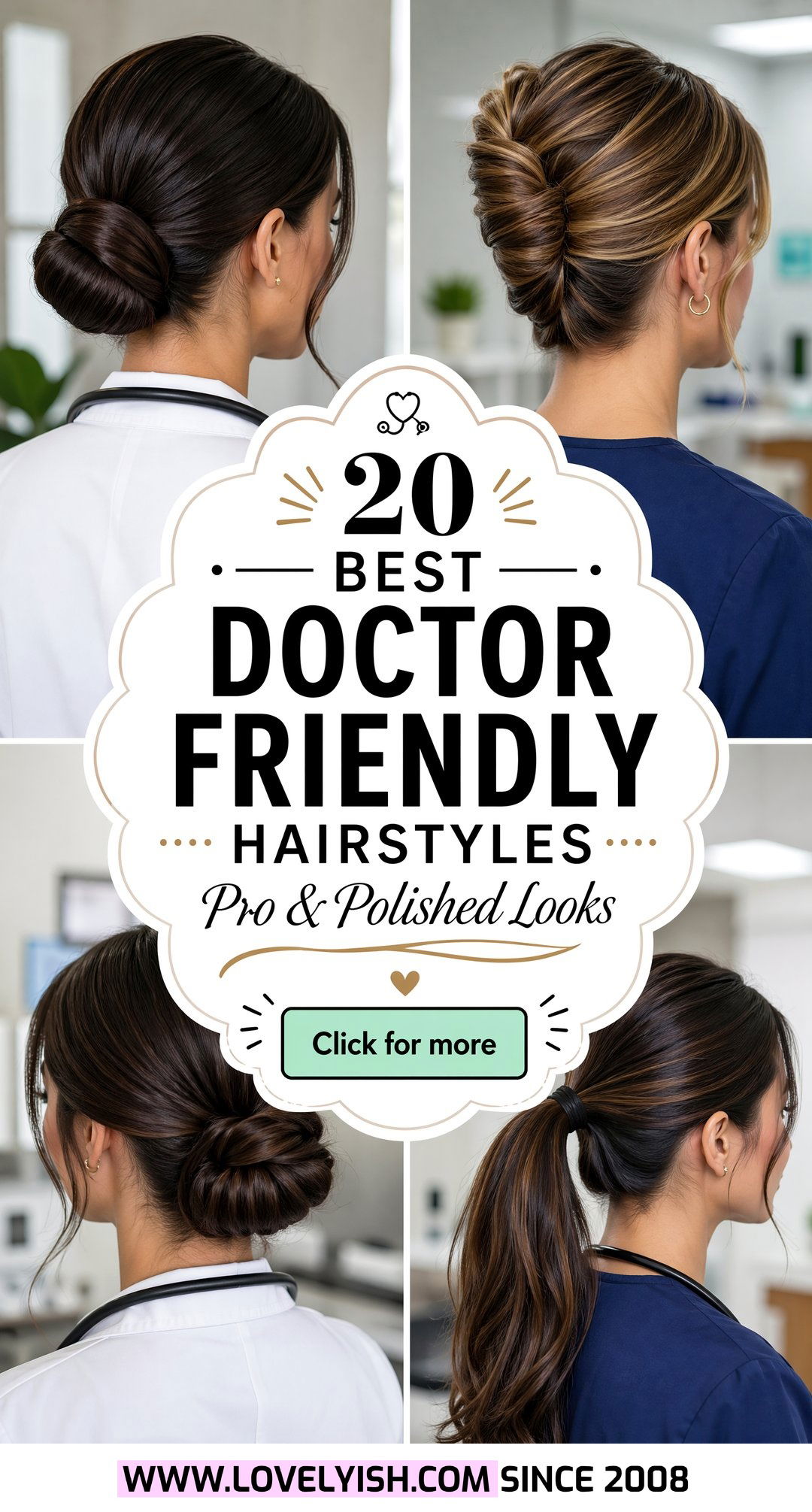
1. Classic Low Bun For Doctors

On a hectic ward day, the classic low bun is often the easiest way to look polished with almost no effort. This doctor friendly hairstyle sits at the nape of your neck, so it works well with scrub caps, stethoscopes, and high collars without creating pressure points. You simply pull your hair into a low ponytail, twist it into a coil, and secure it with a sturdy elastic and a few bobby pins, tucking ends so nothing brushes your neck or shoulders. A low bun is ideal if your hair is medium to long and you want everything completely off your face and away from equipment, IV lines, or patients’ hands. It also looks neat in any department, from surgery to family medicine, and transitions seamlessly to meetings or teaching sessions once your shift ends.
2. Sleek High Ponytail For Long Shifts

If you like your hair pulled back but not fully pinned up, a sleek high ponytail gives you that clean, energetic look while staying practical on the job. The base sits high enough to keep hair off your neck, which helps a lot during warm, busy shifts or when you’re wearing layered PPE. To make it doctor friendly, smooth your roots with a light serum or gel, gather hair tightly, and secure with a strong elastic that won’t loosen halfway through rounds. Wrapping a small piece of hair around the elastic makes the ponytail look more professional without adding time in the morning. This look works best for straight to wavy hair, but curly hair can also rock it if you let your natural texture show in the tail while keeping the front sleek and controlled.
3. Braided Ponytail For Busy Clinics
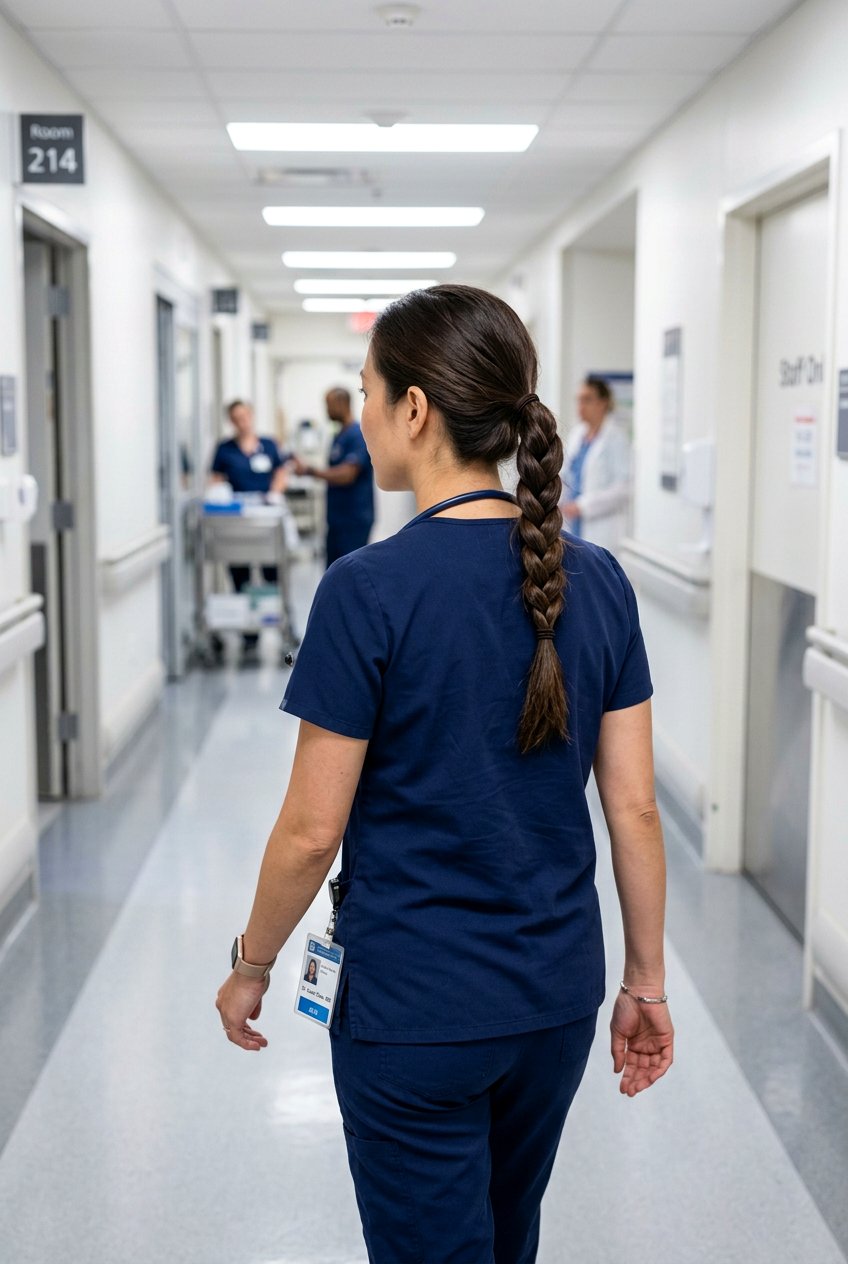
Some days you need extra security, and that is where a braided ponytail really shines for doctors who are constantly on the move and leaning over patients. Start with a mid or high ponytail, then braid the length all the way down so the hair stays compact and less likely to snag on stethoscopes, name badges, or gown ties. This hairstyle is especially helpful in pediatrics or emergency medicine, where patients may tug at loose strands during exams or procedures. The braid also reduces tangles by the end of your shift, so you spend less time detangling and more time actually resting when you get home. You can choose a classic three‑strand braid for speed or a fishtail braid when you want a little extra visual interest while still staying within professional standards.
4. Classic Chignon For Hospital Meetings
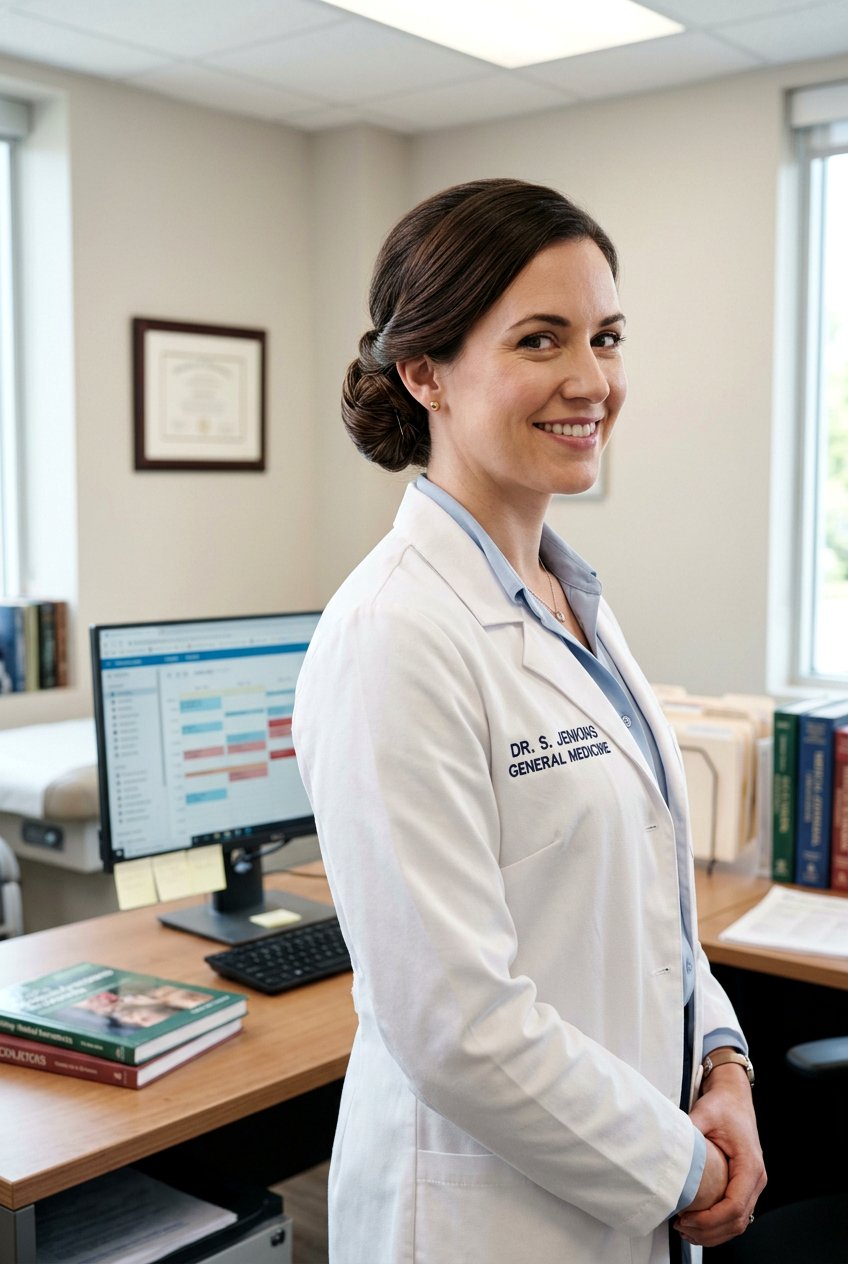
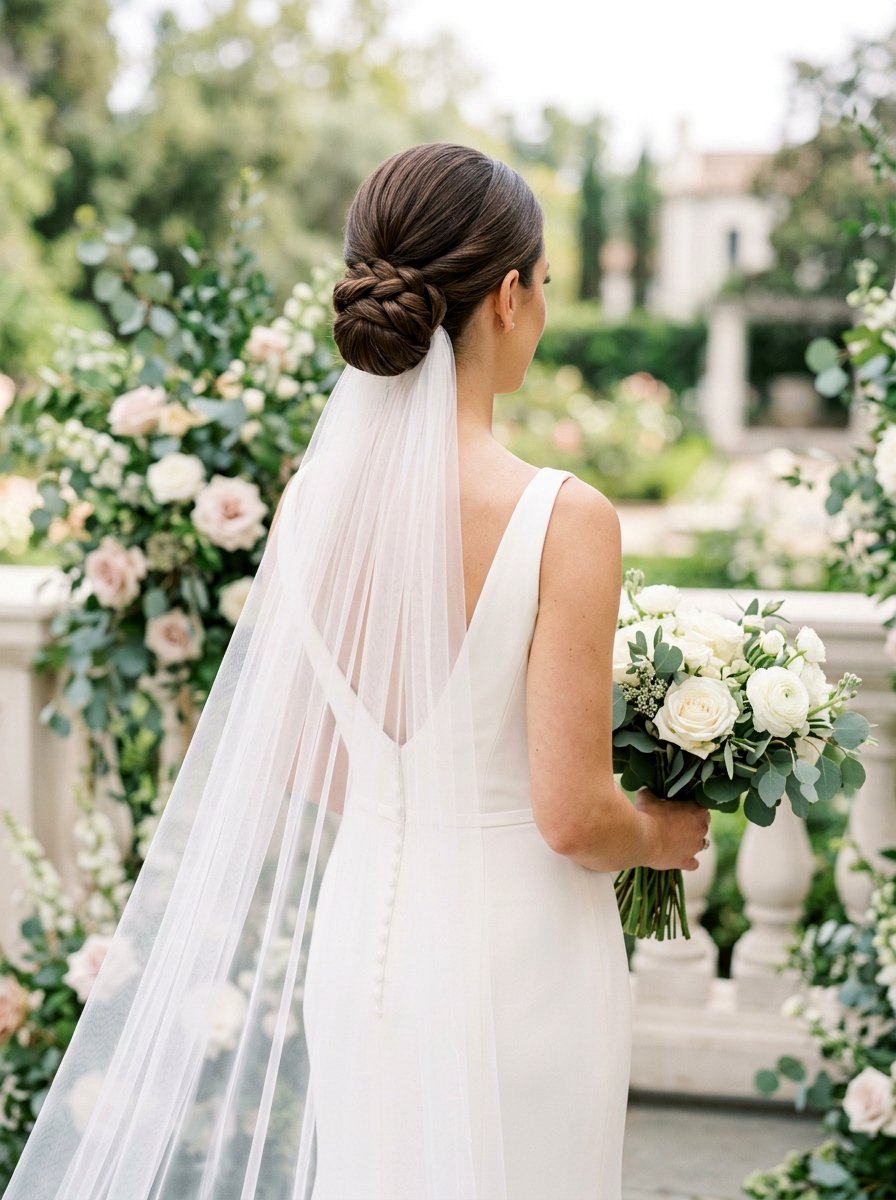
On days filled with presentations, family conferences, or important hospital meetings, the classic chignon offers a refined twist on your usual low bun. This doctor friendly hairstyle is pinned neatly at the nape, with hair folded or rolled rather than simply twisted, creating a smooth, compact shape that looks elegant from every angle. It works beautifully on straight or slightly wavy hair and can be done in just a few extra minutes compared with a standard bun. The chignon stays secure through long sessions because the shape distributes weight more evenly, which reduces tension and discomfort on your scalp. It also pairs well with white coats, dress shirts, or tailored scrubs, helping you look composed when you are presenting findings or speaking with families during emotional conversations.
5. Messy Textured Bun For Long Calls

When you have back‑to‑back call nights, a messy textured bun can be a lifesaver because it hides second‑day hair while still looking intentional and neat enough for patient care. You gather your hair into a mid or low bun, but instead of smoothing every strand, you allow some texture and soft volume to show while keeping the front controlled. This reduces the need for heat styling and works especially well for wavy or slightly curly hair that naturally resists being perfectly sleek. Use a few pins to secure the bun and a light‑hold spray to tame any flyaways that might fall into your eyes during procedures. The overall effect is relaxed but still appropriate, so you can move quickly between the ward, on‑call room, and early‑morning rounds without fussing over your hair.
6. French Braid For All Day Coverage
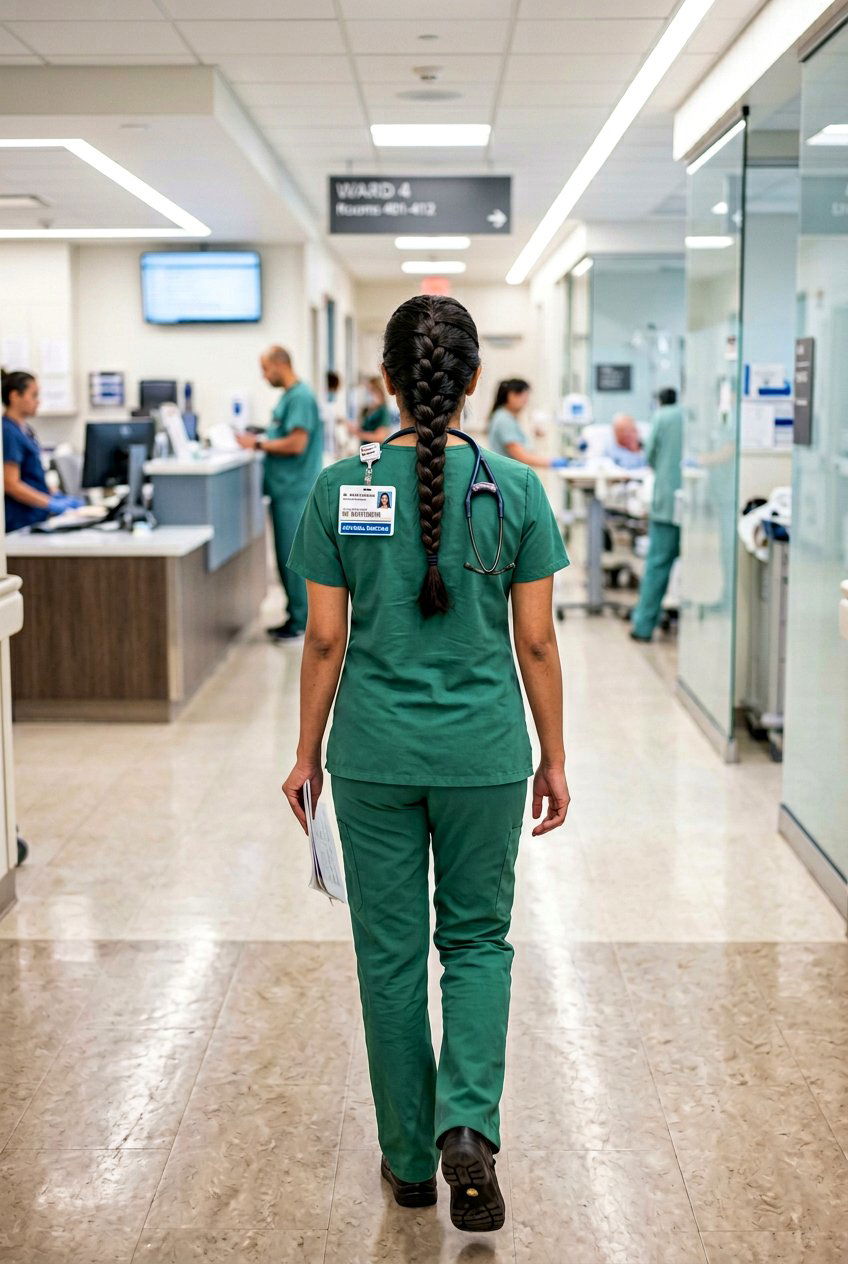
If you want one hairstyle you can put in before dawn and forget about until evening, a single French braid is a proven, doctor approved option. It keeps hair distributed flat against your scalp, which fits comfortably under scrub caps and minimizes pressure points during surgeries or procedures. Because the braid starts near your crown, it keeps shorter layers secure and prevents them from slipping out around your face as the day goes on. The French braid also works well for thick or long hair that feels heavy in a ponytail or bun, spreading the weight down your back instead of concentrating it in one spot. At the end of your shift, you can loosen the braid for soft waves if you are heading to dinner or errands without completely restyling your hair.
7. Dutch Braid Updo For Active Doctors

For highly active specialties such as emergency medicine, sports medicine, or pediatrics, a Dutch braid updo gives you maximum control with a sporty edge. You create one or two Dutch braids starting at the front hairline and then pin the ends into a bun or tucked roll at the back of your head. This structure keeps hair close to the scalp and away from your collar while also resisting movement when you are bending, lifting, or turning quickly. It is particularly useful if you have layered or highly textured hair that tends to escape regular buns and ponytails. While the look has more visual detail than a standard bun, it still appears professional and tidy, especially when you keep the braids smooth and use minimal, neutral accessories.
8. Half Up Doctor Hairstyle For Medium Hair

Some clinical settings allow a softer look, and a half up doctor hairstyle can strike a balance between professional and approachable for medium length hair. You secure the top half of your hair away from your face while leaving the bottom half down, which works best if your environment does not require full updos for infection control. This style is ideal in outpatient clinics, psychiatry, or private practice, where you still want to appear neat but can show a bit more of your natural texture and length. To keep it doctor friendly, make sure the upper section is firmly held with a small clip or elastic so you are not constantly adjusting it during consultations. Gentle waves, straight ends, or soft curls all pair well with this look, as long as they stay tidy and do not fall forward during exams.
9. Low Twisted Ponytail For White Coat Days

On days when you are in clinic with a white coat and dress clothes, a low twisted ponytail gives a subtle, sophisticated spin on a basic pony. You create a low ponytail at the nape, then split the base above the elastic and loop the pony through the opening to form a twist, securing it again if needed. This keeps your hair controlled while adding a little interest that still feels appropriate for a professional setting. The low placement prevents your hair from rubbing against stethoscope tubing and stays comfortable against collars and jackets throughout the day. Because the style looks polished from the front and side, it photographs well for ID badges, conference photos, or team headshots without requiring a full updo.
10. Short Textured Pixie Cut For Female Doctors

If you prefer not to deal with elastics and pins at all, a short textured pixie cut can be one of the most practical doctor friendly hairstyles. This look keeps hair off your neck and mostly away from your forehead, so you can simply run a small amount of styling cream through in the morning and go. It works especially well under scrub caps, headbands, or protective equipment because there is very little bulk to manage. The soft texture adds movement and keeps the cut from looking too harsh while still projecting a confident, modern image in any department. Regular trims every few weeks keep the shape defined, and minimal daily styling means you free up time and mental energy for patient care instead of your hair.
11. Classic Bob Haircut For Women Doctors

For doctors who want a timeless haircut that always looks neat with minimal effort, a classic bob is a strong choice. This haircut usually sits between the jawline and shoulders, creating a clean outline that frames your face without overwhelming your features or your white coat. It’s long enough to tuck behind your ears or pin back the front sections during procedures but short enough to avoid constant tangling under stethoscope tubing. Straight, wavy, or slightly curled finishes all work well, and you can adapt the length to your face shape and necklines. With a bob, quick blow‑drying or air‑drying with a smoothing product is usually enough to look professional, so your everyday styling routine stays simple and realistic for early starts.

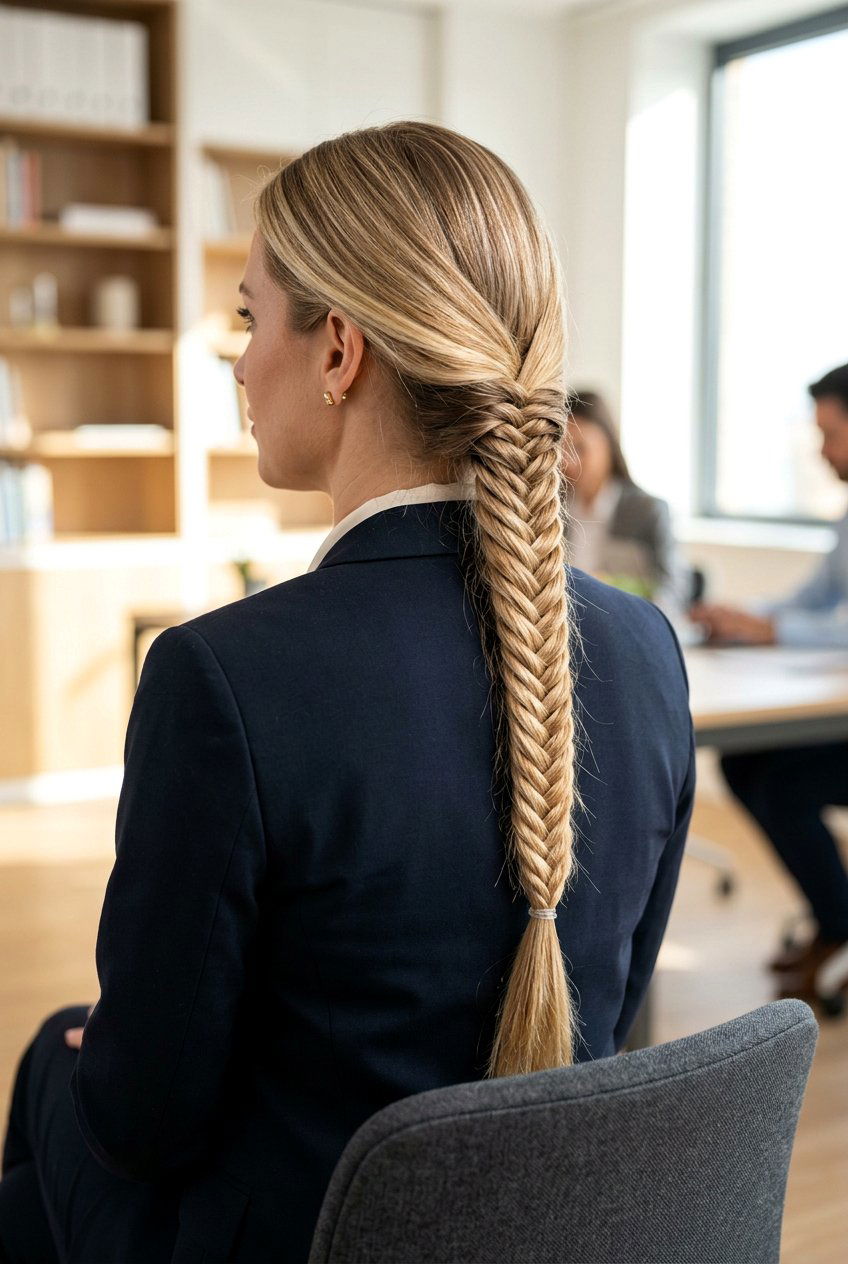

12. Long Layered Haircut With Face Framing

If you love having longer hair, a long layered haircut with face framing pieces can still be doctor friendly when you manage it thoughtfully. The layers remove bulk so your hair is easier to tie up into buns, braids, or ponytails without feeling too heavy during long shifts. Face framing pieces soften your features when your hair is down on more relaxed days, yet they can be pinned back quickly with clips or bobby pins when you need everything off your face. This kind of cut works well for straight, wavy, or curly textures, giving your hair more movement when you wear it loose outside the hospital. In clinical settings, pairing the cut with secure upstyles helps you enjoy the length you like while still meeting professional and hygiene expectations.
13. Professional Blunt Lob For Clinic
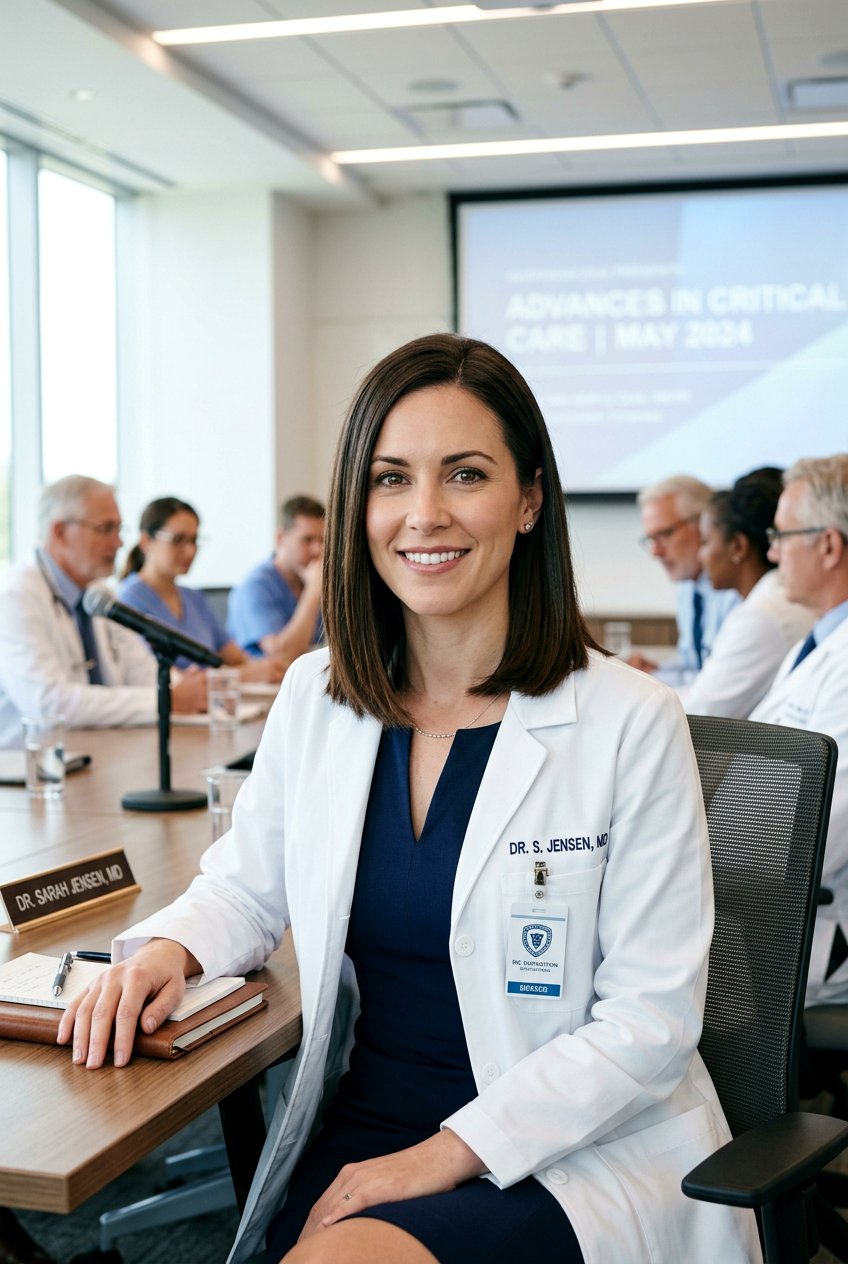
A blunt lob, or long bob, that hits around the collarbone can look especially sharp on clinic days when you are seeing back‑to‑back patients and attending meetings. The straight, clean perimeter communicates structure and professionalism, while the length is still practical enough to pull back into a low ponytail or half up look. This haircut tends to lie smoothly around your face and collar, so it pairs well with blouses, scrubs, and white coats without looking messy. Because the ends are blunt, the hair often appears thicker and more substantial, which can be nice if your hair is naturally fine. Styling usually involves a quick blow‑dry with a round brush or a straightener pass, giving you a sleek finish that holds up well during typical clinic hours.
14. Natural Curls Puff Updo For Women Doctors

For women doctors with natural curls or coils, a puff updo offers a protective and professional way to keep your texture visible while staying workplace appropriate. You gather your curls toward the crown or slightly back, securing them with a gentle band or puff cuff that does not pull too tightly at the hairline. This keeps curls off your neck and away from masks, stethoscopes, and patient contact, which is important for both comfort and hygiene. Leaving the puff full showcases your natural texture while the edges and sides remain neat and controlled for rounds or consultations. Paired with regular moisturizing and protective care, this hairstyle can help prevent breakage and tangling despite frequent scrub caps or long hours on the floor.
15. Protective Box Braids For Healthcare Work

Protective box braids can be very practical for doctors who want low‑maintenance, long‑lasting hair that stands up to demanding schedules. Once installed, box braids make daily styling simple because you can quickly put them into buns, ponytails, or braided updos depending on your shift and dress code. They reduce daily manipulation of your natural hair, which can help minimize breakage and stress from constant upstyling. In the healthcare setting, it’s important to keep braids tied back and secured to avoid any loose lengths that could brush patients or equipment. With proper scalp care, light oils, and nighttime protection, box braids can support both your professional needs and your hair health between appointments with your stylist.



16. Low Space Buns For Long Shifts

Low space buns give a playful yet practical twist to the standard low bun, and they can work surprisingly well in more relaxed medical environments. You part your hair down the middle, create two low ponytails, then twist each into its own bun near the nape of your neck. This splits the weight of your hair, which can feel more comfortable on very long shifts and helps the buns stay stable under caps or headbands. It is important to keep the buns compact and smooth so the look reads neat and professional rather than overly trendy. For doctors in pediatrics, family medicine, or outpatient clinics, this hairstyle can feel friendly and approachable while still keeping your hair fully under control all day.
17. Braided Crown Updo For Women Doctors
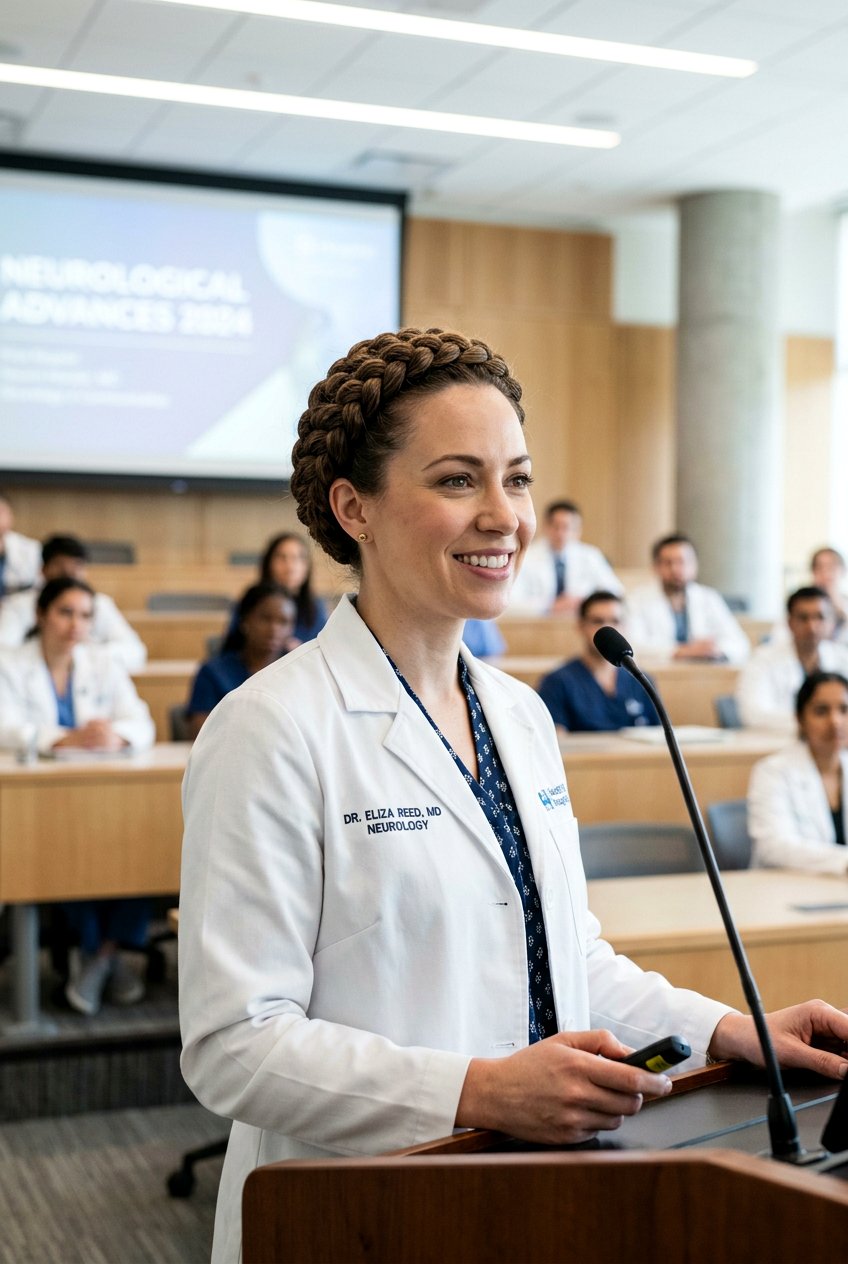
A braided crown updo circles your head with a braid, keeping hair fully pinned up and away from your face, neck, and collar. This makes it a strong choice for formal hospital events, academic presentations, or leadership roles where you want a bit more presence from your hairstyle. You can start with a Dutch or French braid along your hairline, then wrap the braid around and secure it with discreet pins. The result looks intricate but is actually quite practical because all loose ends are tucked in, and the style holds up through long ceremonies or conference days. As long as you keep accessories minimal and the braid smooth, the overall effect remains professional and appropriate for any medical setting.
18. Simple Headband With Low Bun

When you are short on time, combining a simple headband with a low bun can quickly pull your whole look together in a doctor friendly way. The headband keeps shorter front pieces and bangs from falling into your eyes, which is essential when you are reading charts, examining patients, or scrubbing in. Behind the headband, you gather the rest of your hair into a low bun or twist at the nape so nothing touches your shoulders or collar. This combination works for straight, wavy, or curly hair and can be especially helpful on days when your hairline feels frizzy or you are between wash days. Choosing a plain, neutral headband keeps the look professional while still giving you a bit more comfort and control throughout a busy shift.
19. Claw Clip French Twist For Women In Medicine

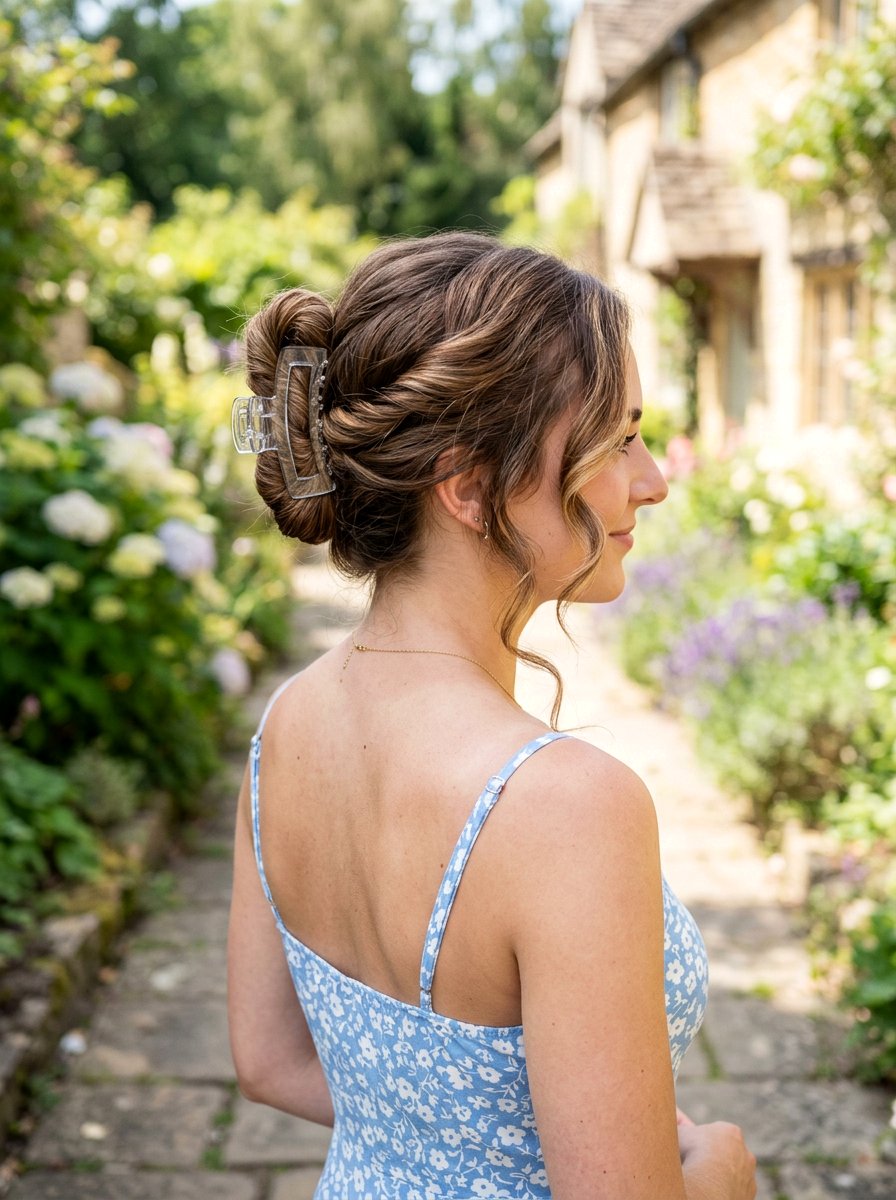
A claw clip French twist is a quick, modern take on a classic updo that suits many women in medicine. You gather your hair at the back, twist it upward, and secure it with a medium to large claw clip, leaving the ends tucked or softly fanned within the clip. This creates a smooth, vertical shape that keeps hair away from your neck and shoulders while still looking polished from the side and back. It is especially practical if you like to loosen your hair slightly during breaks, since the clip is easy to adjust without starting from scratch. As long as you choose a sturdy, simple clip and keep the twist compact, this hairstyle can handle long clinic sessions and quick trips between departments.
20. Low Maintenance Shoulder Length Cut For Doctors

For many doctors, a low maintenance shoulder length cut hits the sweet spot between versatility and ease. This length is long enough to pull into a ponytail, bun, or clip, but short enough that it dries faster and tangles less than very long hair. Soft layers or minimal shaping keep the hair from feeling bulky under scrub caps and allow it to fall nicely when worn down. On busy mornings, you can simply brush it out, smooth a bit of product through the ends, and either leave it loose or secure the front. Because this haircut suits most face shapes and works with straight, wavy, or curly textures, it is a reliable everyday option for doctors at any career stage.
Conclusion:
Choosing doctor friendly hairstyles is really about supporting the way you work while still feeling like yourself every time you catch your reflection on the ward. Updos like buns, chignons, and braided looks keep hair contained and hygienic, which is essential in any clinical environment with close patient contact and strict infection control. Short haircuts, bobs, and shoulder length cuts reduce daily styling time and make it easier to adapt your hair quickly before early rounds or unexpected emergencies. Protective and textured options ensure that natural curls, coils, and braids can fit smoothly into medical settings without sacrificing health or identity. By choosing one or two core looks that match your specialty, hair type, and schedule, you can build a simple routine that holds up through long shifts, call nights, and everything in between, all while looking consistently professional and approachable.
You'll Like These Styles:











Leave a Reply