
Now I have thorough research. Let me write the full SEO-optimized article on **20 dark chocolate hair color** ideas.
***
Dark chocolate hair color is one of the richest, most universally flattering shades in the brunette world. It sits between a warm brown and a deep near-black, giving off that glossy, indulgent depth that looks luxurious in any lighting. Whether you’re switching from blonde, refreshing a faded brunette, or simply want more dimension without going too dramatic, dark chocolate is the answer. It flatters virtually every skin tone and works on straight, wavy, and curly hair alike. The shade has stayed consistently on-trend because it looks natural, polished, and effortlessly put together. In 2025 and going into 2026, dark chocolate hair color remains one of the most requested shades at salons across the country.
1. Dark Chocolate Brown Hair Color
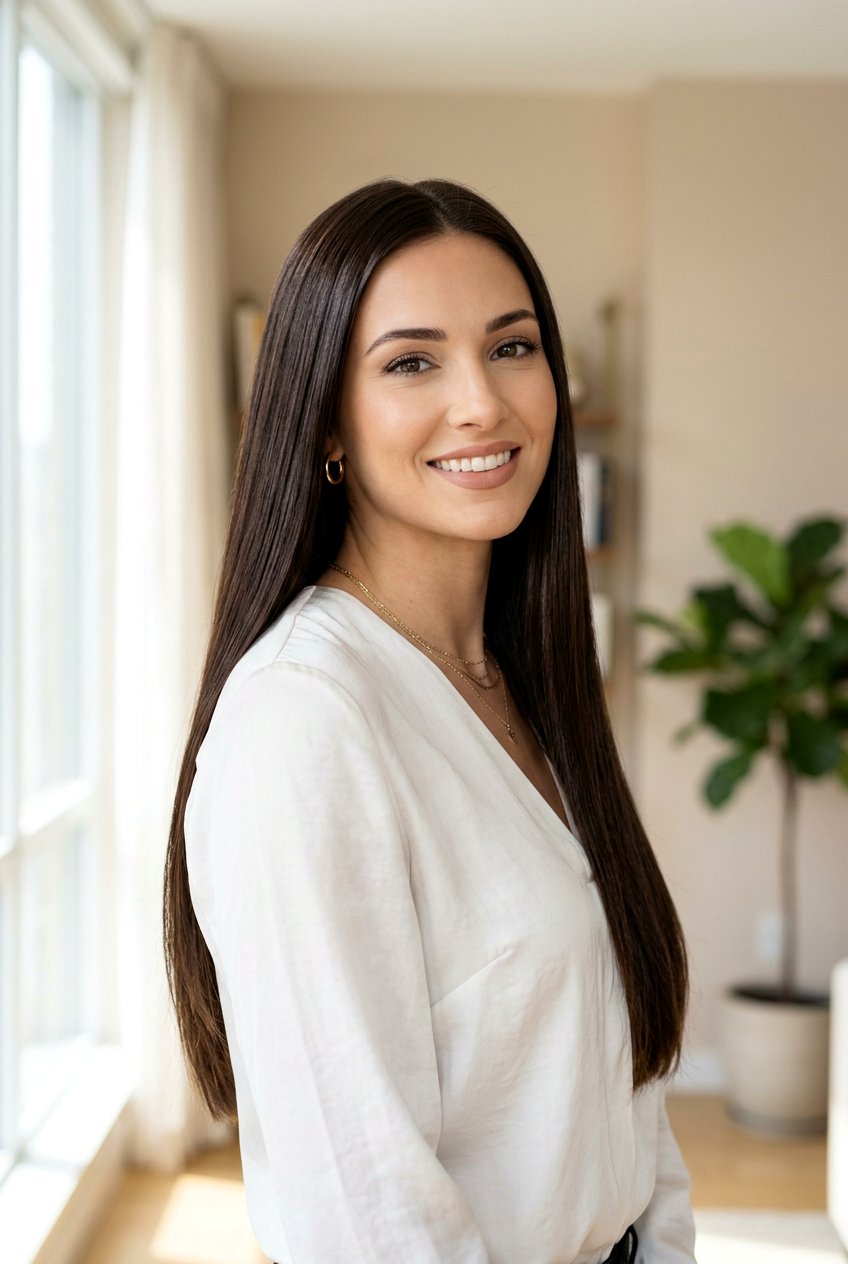
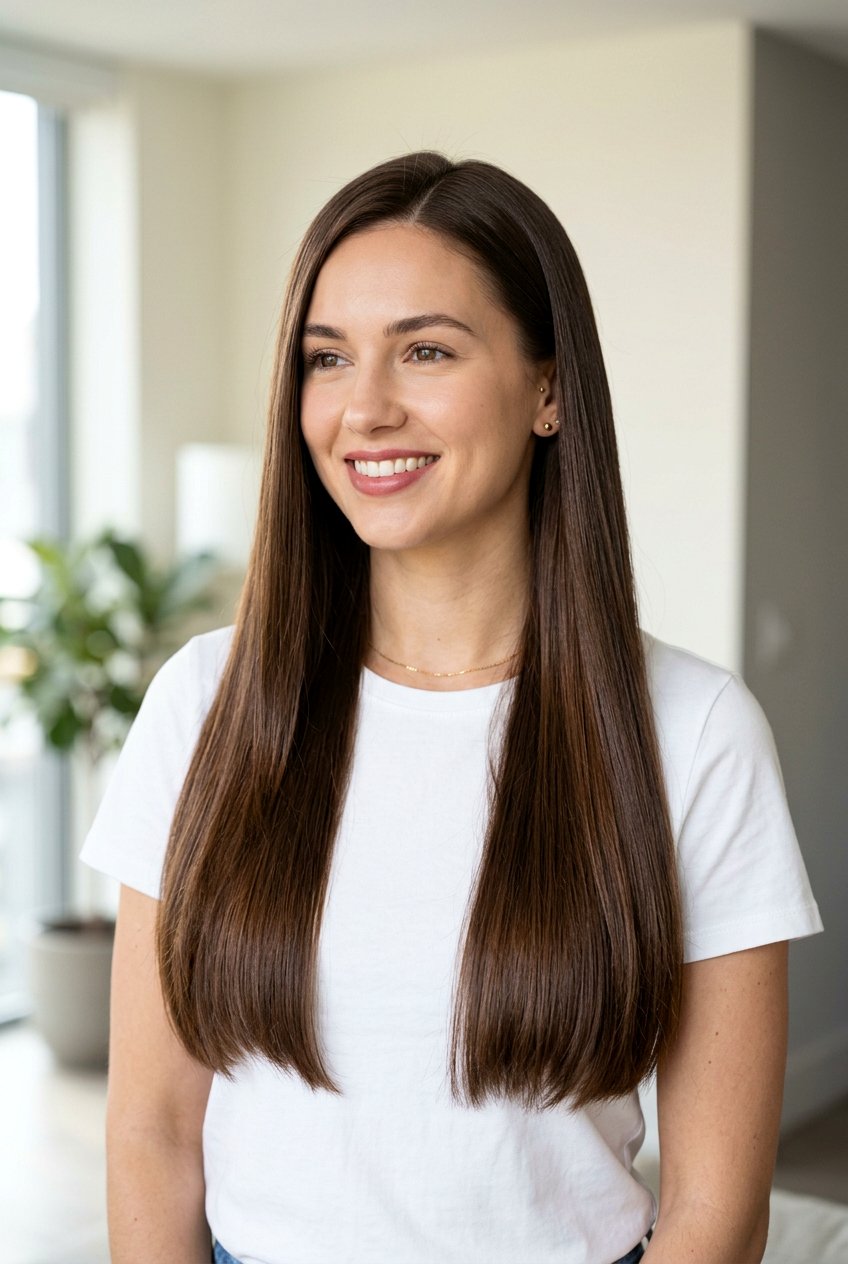
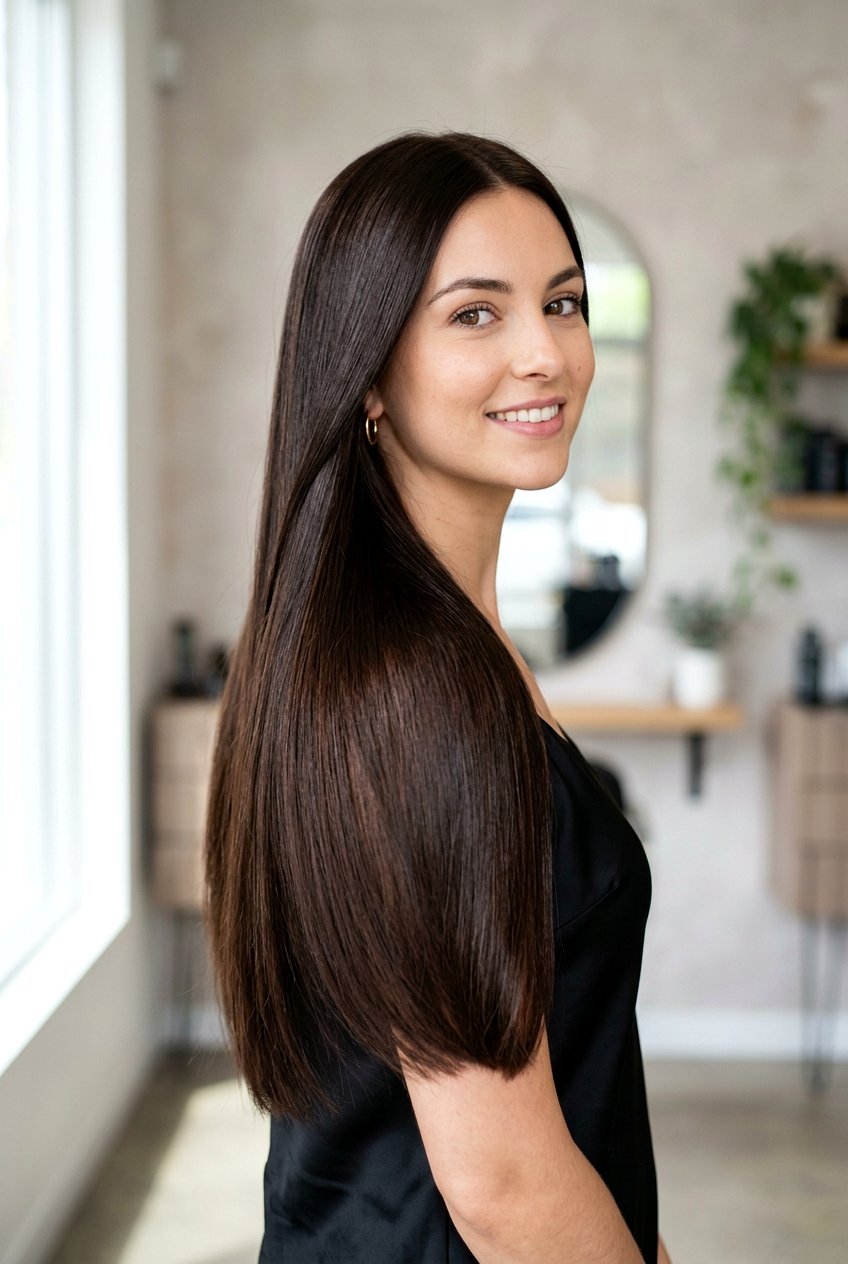
Rich and deeply pigmented, dark chocolate brown is the foundation of this entire color family. It delivers a one-tone look that still reads as dimensional because of the natural highs and lows in the shade. This color works beautifully on all hair textures — straight strands pick up a mirror-like shine, while waves and curls absorb the depth and look even more defined. It’s an ideal choice if you want to go darker without crossing into jet black. The result is sophisticated and polished without feeling harsh or flat. For best results, ask your colorist to use a formula with built-in luminosity technology so the color stays glossy as it fades. Maintenance is easy — a color-depositing shampoo every few washes keeps the richness locked in.
2. Dark Chocolate Balayage
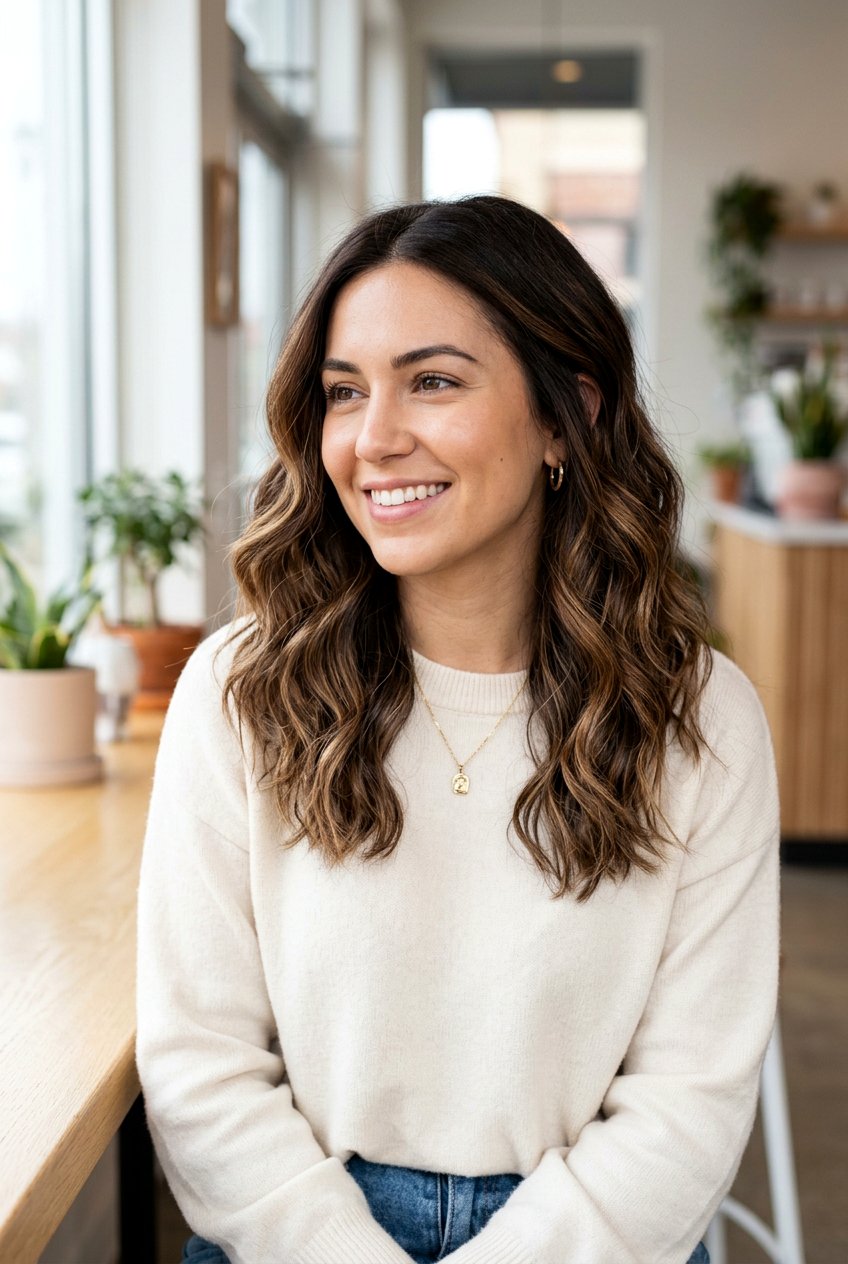
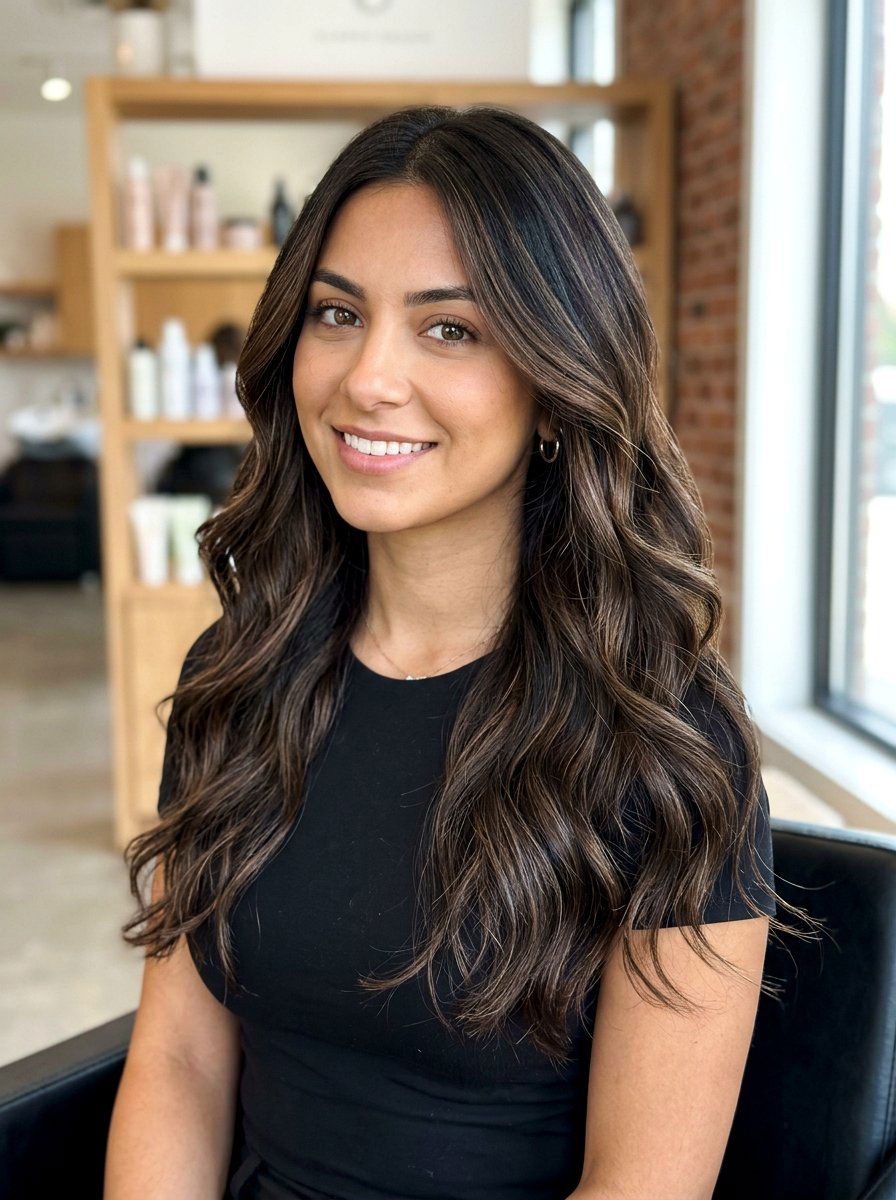
Balayage is one of the most flattering ways to wear dark chocolate hair because it adds natural movement without looking overdone. The technique involves hand-painting lighter brown tones through the mid-lengths and ends, creating a sun-kissed gradient on a deep cocoa base. The result mimics how natural hair lightens over time, which is why it looks so effortless. Dark chocolate balayage works especially well on medium to long hair, where the transition has room to blend seamlessly. It’s also one of the most low-maintenance color options — since there are no harsh regrowth lines, you can go longer between touch-ups. The warmth of the lighter painted pieces adds glow to the face without taking away from the depth of the base color.
3. Dark Chocolate Hair with Caramel Highlights
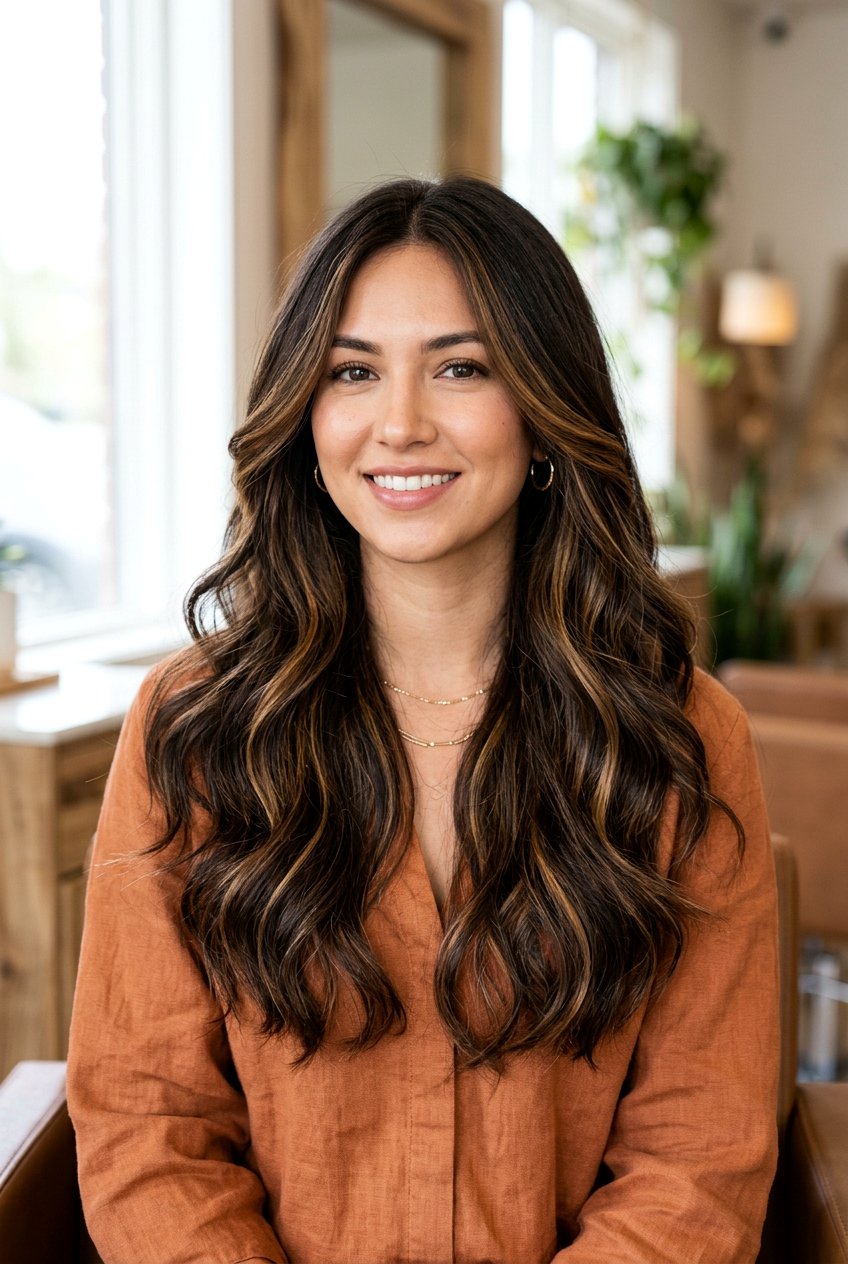
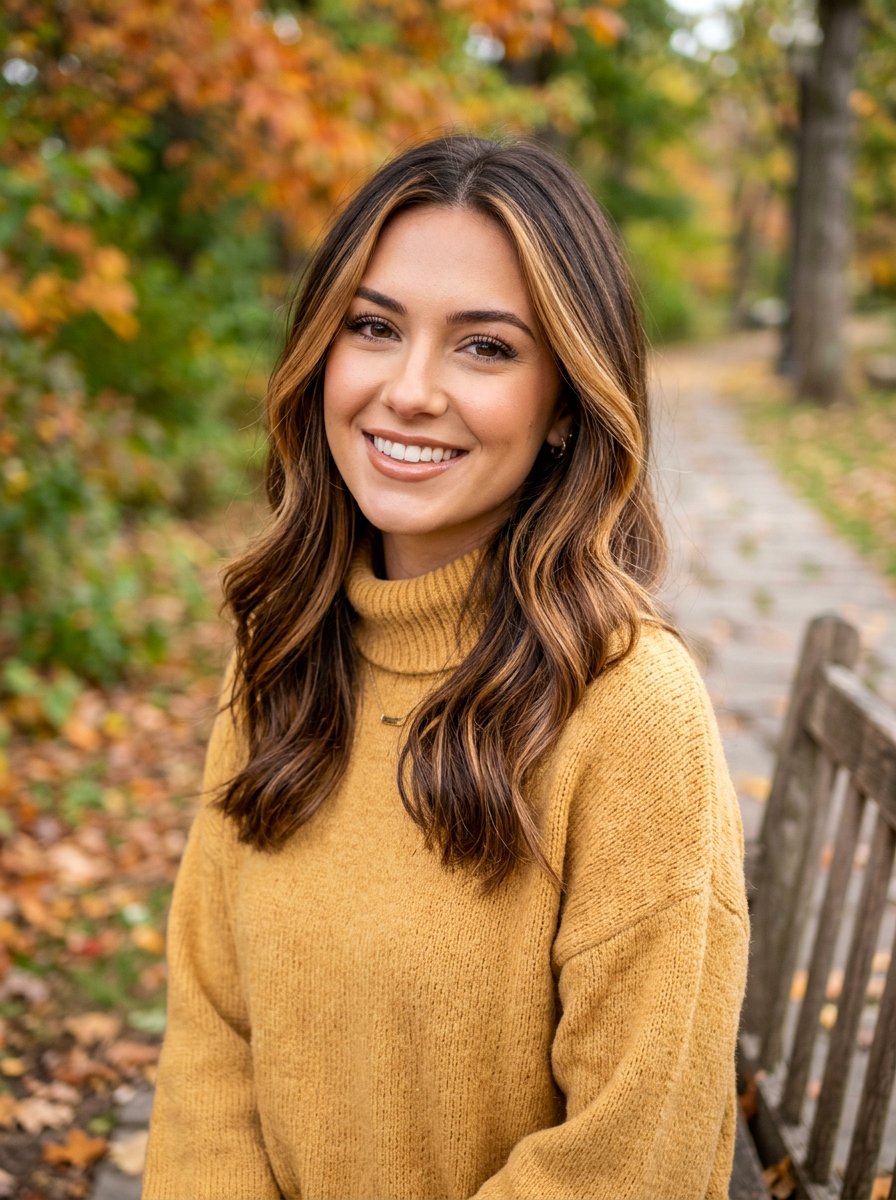
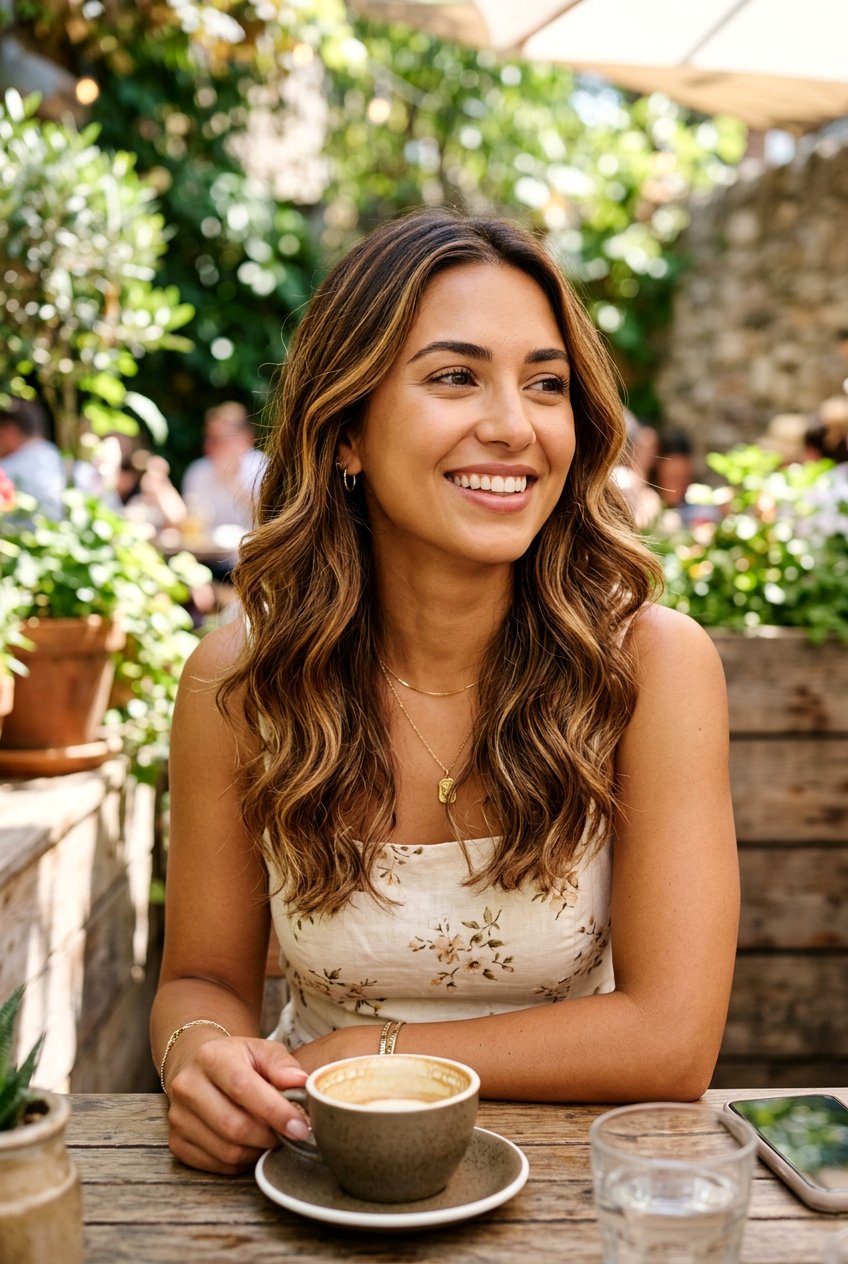
Few combinations are as crowd-pleasing as dark chocolate brown paired with caramel highlights. The warm golden tones of caramel pop beautifully against the deep cocoa base, adding brightness and contrast that gives the hair a healthy, sun-warmed look. This combination flatters olive, warm, and medium skin tones especially well. Caramel highlights can be applied through foiling or balayage, depending on how defined or blended you want the finish. A foil application gives more brightness, while a balayage placement looks softer and more natural. Either way, this is a classic color pairing that photographs beautifully and holds its vibrancy well over time. Using a nourishing gloss treatment every few weeks keeps both the base and the highlights looking fresh and dimensional.
4. Deep Cocoa Brown Hair Color
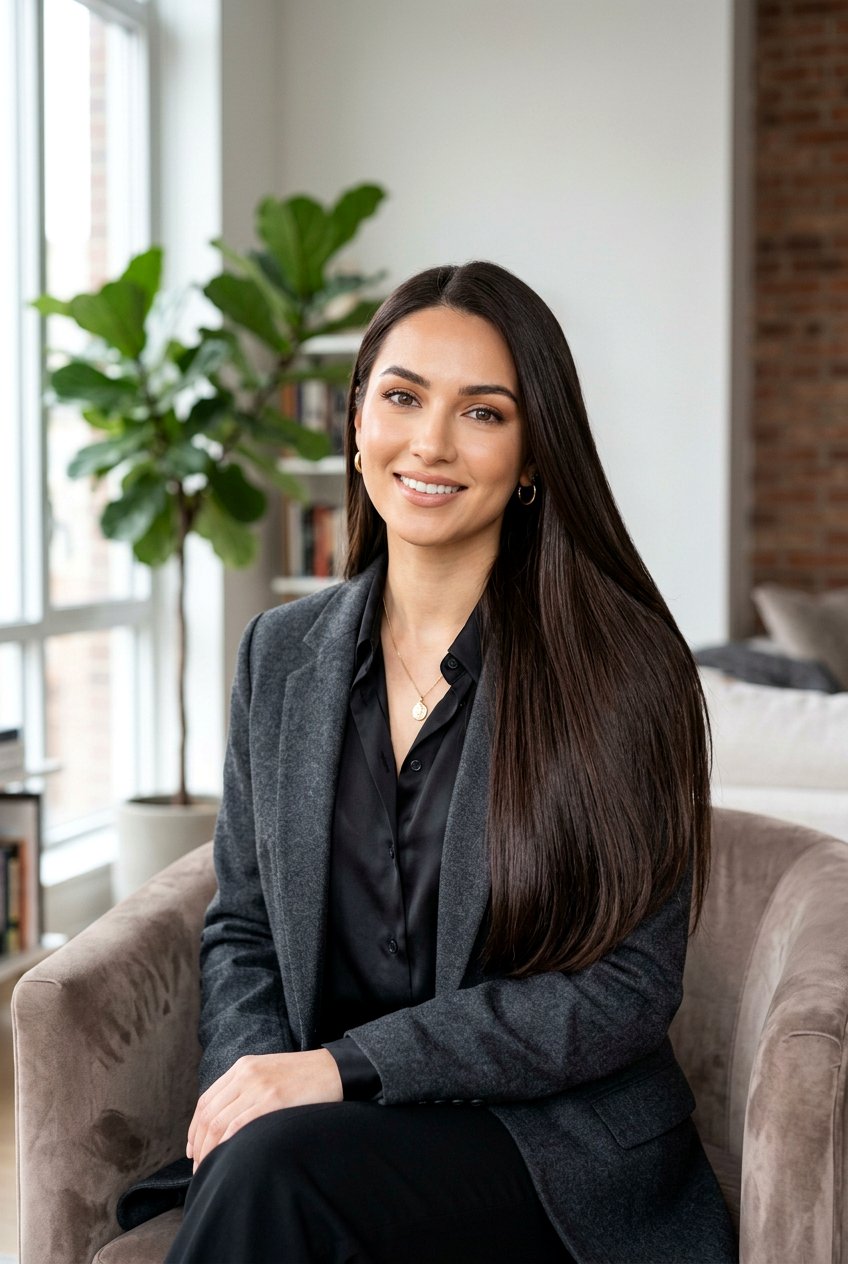
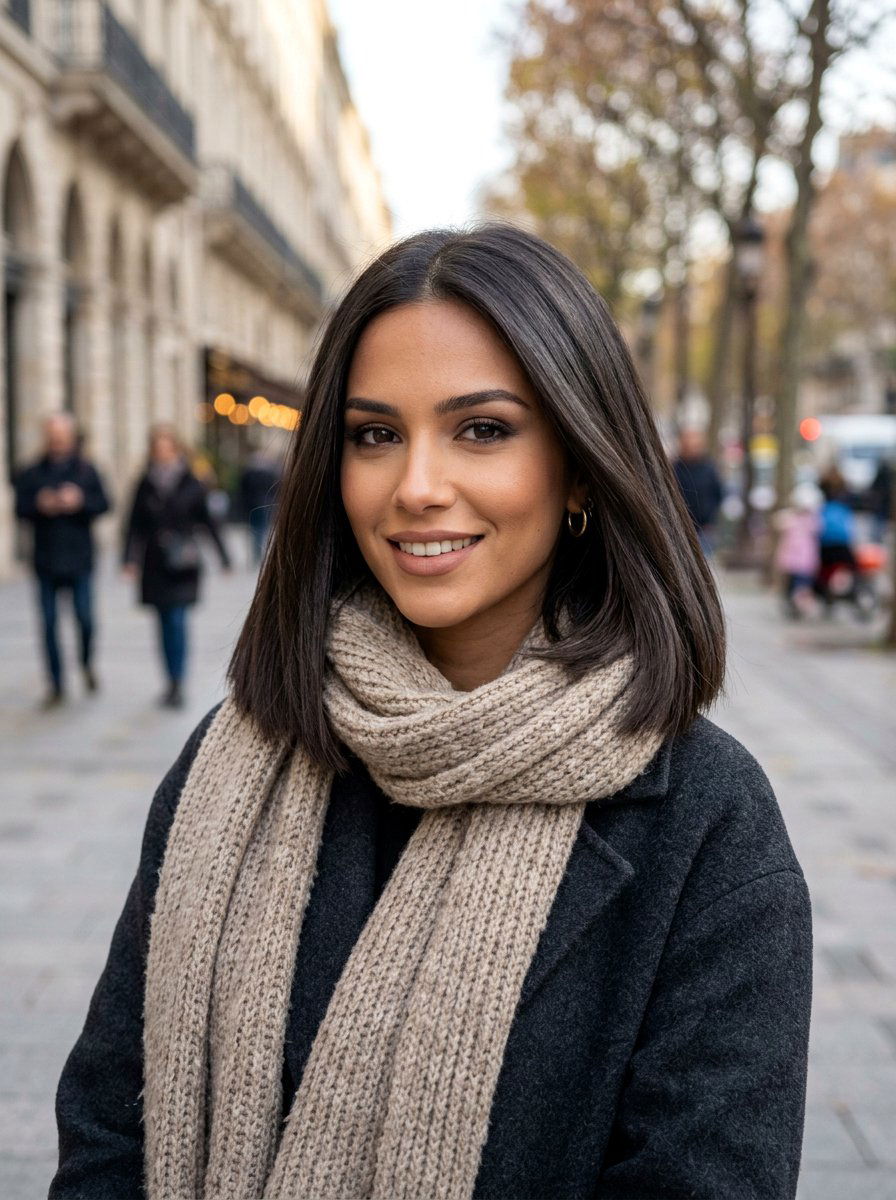
Think of deep cocoa as the darkest version of chocolate brown — it sits right at the border of brown and black, but with just enough warmth to keep it from looking harsh. This is the shade if you want serious depth and intensity without committing to a full black. It works across a wide range of skin tones, and because the warmth is subtle, it suits both cool and warm undertones. The key to making this look work is keeping the hair glossy — a flat, matte finish on such a deep shade can look dull. Ask for a shine-boosting gloss or toner at the end of your appointment to seal the color and give it that rich, just-from-the-salon look. Deep cocoa brown also fades gracefully, revealing warm chocolate tones rather than an unflattering brassiness.
5. Dark Chocolate Hair with Mocha Highlights
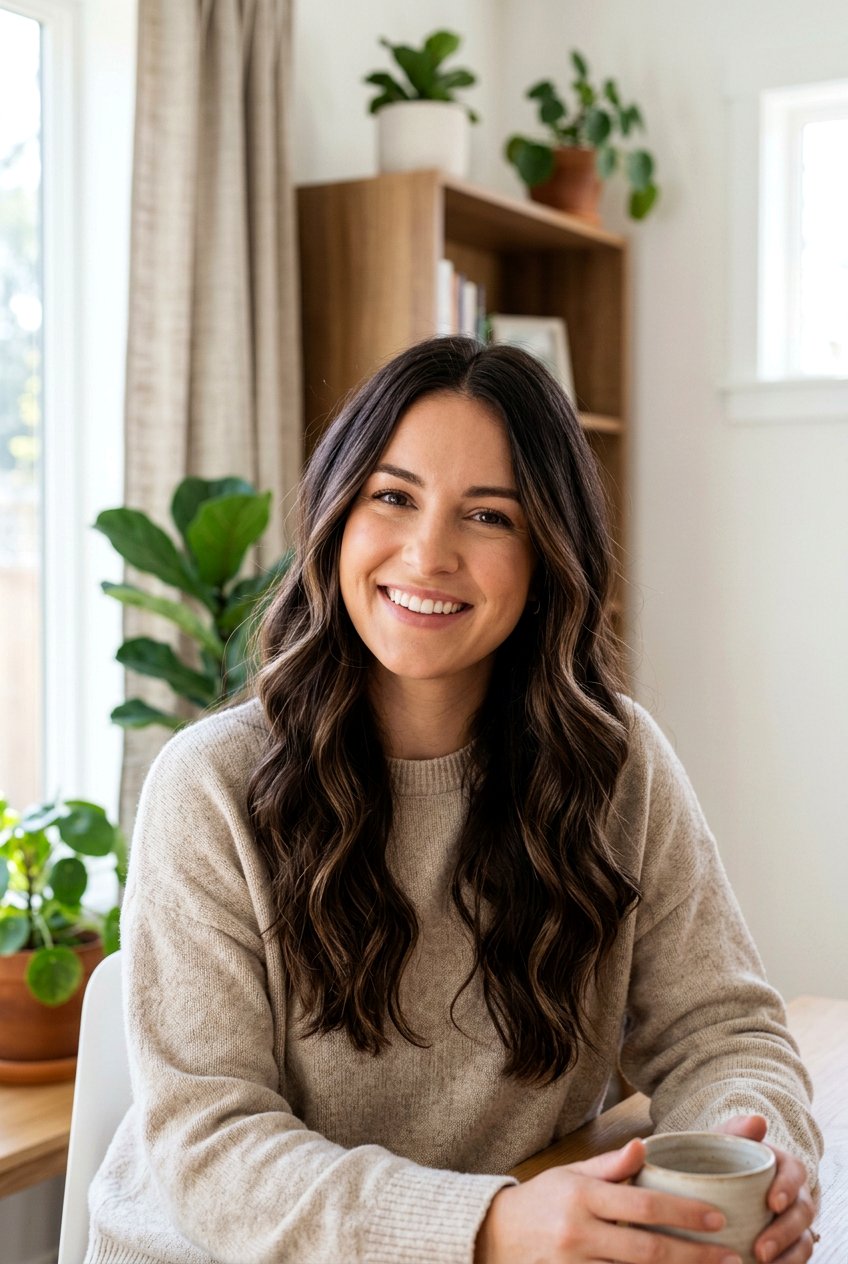
Mocha highlights on a dark chocolate base are a subtler alternative to caramel — the contrast is softer, but the dimension is just as beautiful. These soft, medium-brown highlights blend almost seamlessly into the base, creating depth and movement that looks entirely natural. It’s perfect for anyone who wants dimension without anything too striking or high-contrast. This technique suits all skin tones and is especially flattering on warmer and olive complexions because the mocha tones enhance the skin’s natural warmth. The combination also looks stunning on wavy and curly hair, where the different tones catch light differently through the texture. If you’re new to highlights and don’t want anything too dramatic, mocha highlights on a dark chocolate base are the perfect entry point.
6. Chocolate Ganache Hair Color
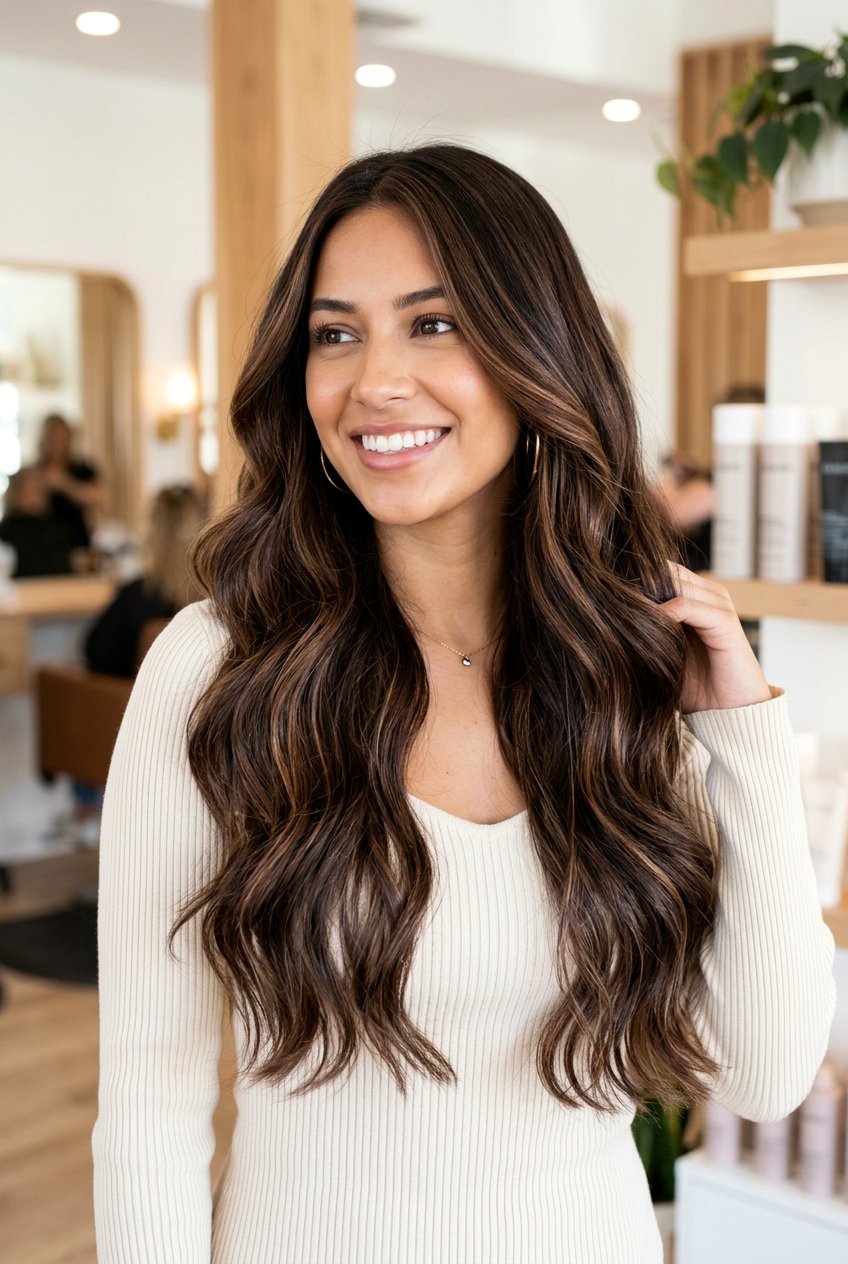
Chocolate ganache is a specific interpretation of dark chocolate that blends deep cocoa tones with soft mocha ribbons throughout. Think of it as a multi-tonal dark brown that looks like it has movement baked right into it — not just one flat shade, but a mix of dark and slightly lighter brown tones that give the hair incredible visual depth. Celebrity colorists often describe this look as one of the most wearable and universally flattering brunette shades available. It strongly resembles Selena Gomez’s signature chocolatey brunette. It suits warm and olive skin tones especially well because the subtle warmth in the lighter tones brings life to the complexion. This is a salon-level technique that requires a skilled hand to blend properly, but the result is well worth it.
7. Dark Chocolate Ombre Hair
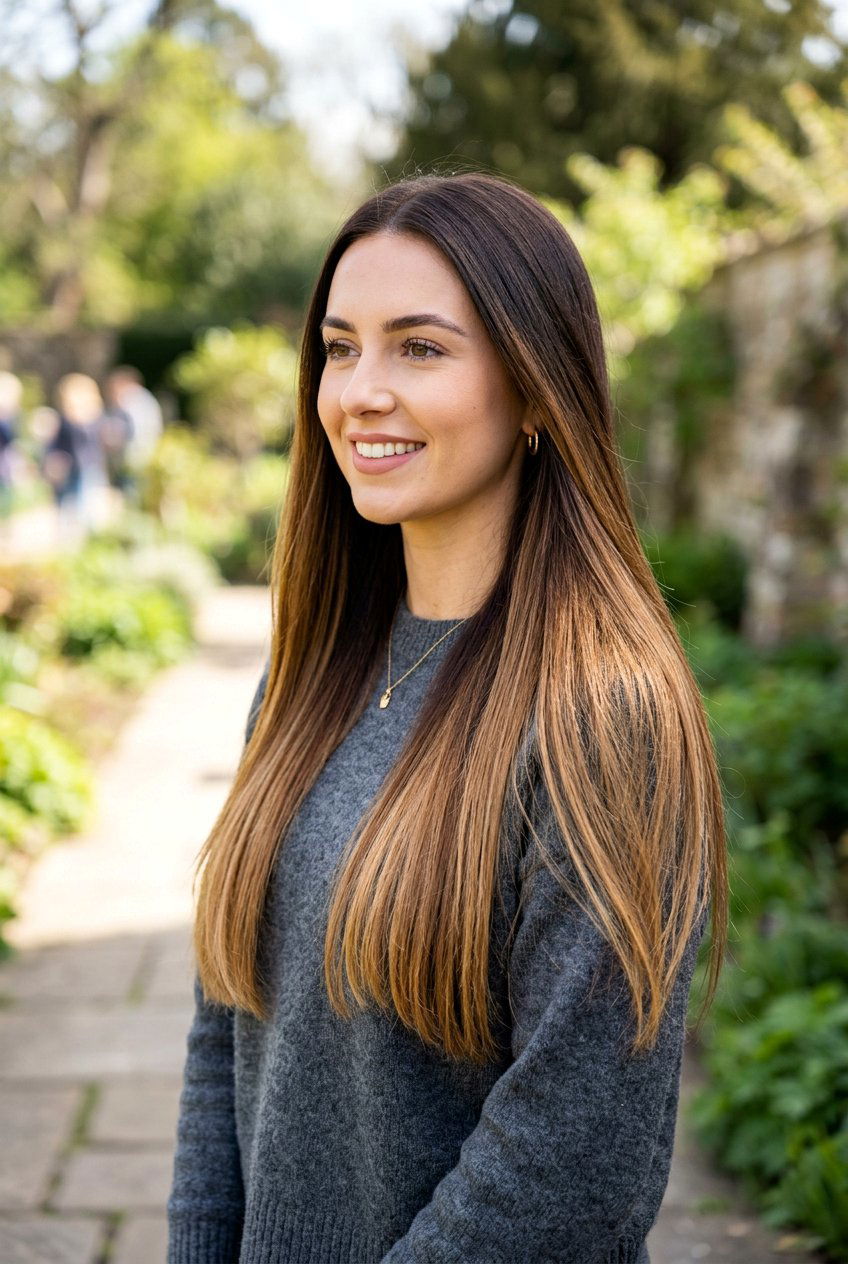
Ombre on a dark chocolate base creates a dramatic yet elegant gradient that transitions from a deep brown at the roots to a lighter shade at the ends. Unlike balayage, ombre creates a more defined line of transition — the shift from dark to light is more visible and intentional. This makes it a bolder choice for someone who wants more of a statement without changing their base color. Dark chocolate ombre looks especially striking on long, straight hair where the gradient is fully visible from top to bottom. Lighter ends in a warm bronde or caramel shade complement the dark chocolate base perfectly. The look is low maintenance since roots naturally match the dark base, meaning you only need to refresh the ends when the lightness starts to fade or warm up too much.
8. Dark Chocolate Bronde Hair Color
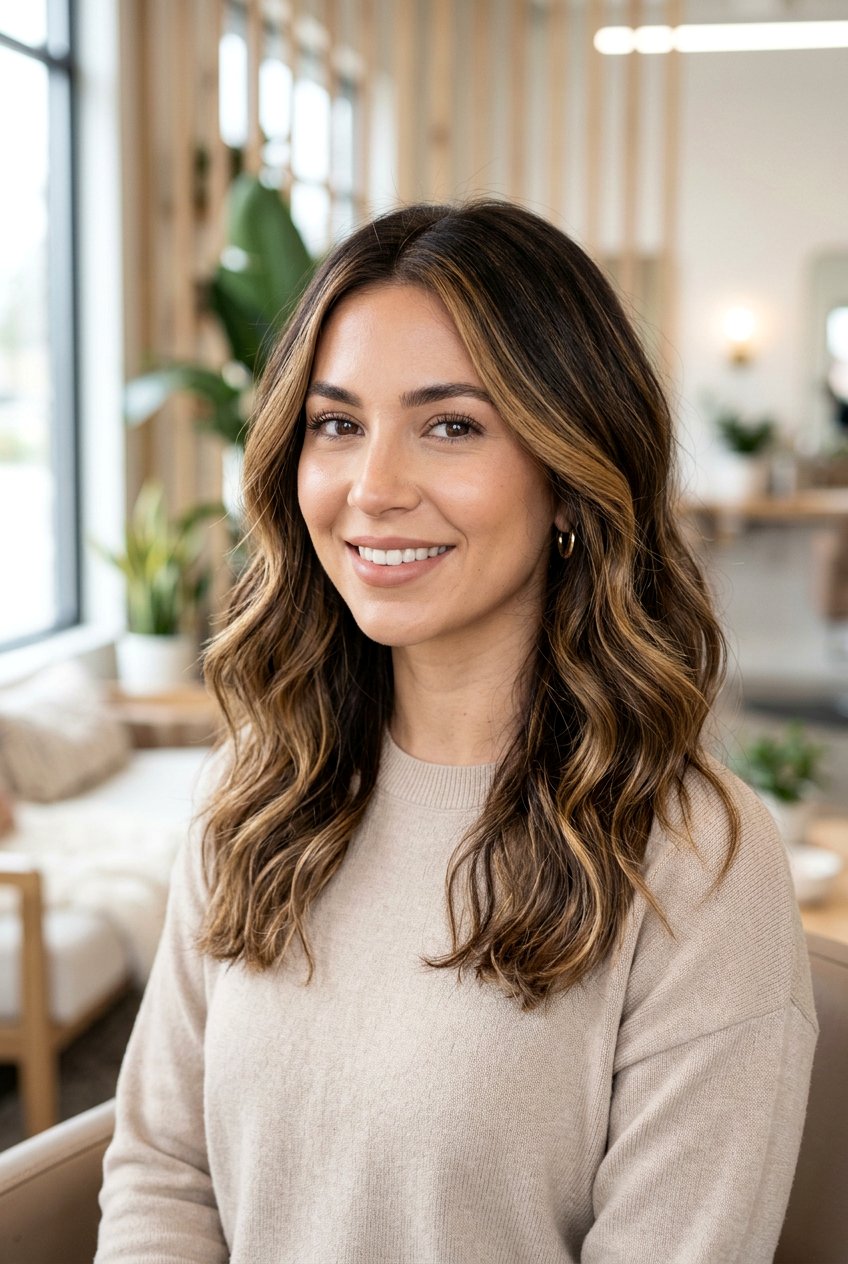
Bronde — the blend of brown and blonde — gets even more interesting when the base is dark chocolate. Instead of going fully light, a bronde approach layers warm golden and honey tones through the mid-lengths of a deep chocolate base, creating a color that’s somewhere between rich brunette and sun-kissed blonde. It’s an incredibly wearable shade because it keeps the depth of the dark root while allowing brightness to filter through the lengths and ends. This look works on medium to long hair and suits a wide range of complexions. It’s also practical — as your roots grow in, the contrast is soft and natural, so you can go longer between salon visits. A bronde gloss treatment helps maintain the balance between the light and dark tones.
9. Dark Chocolate Hair with Blonde Highlights
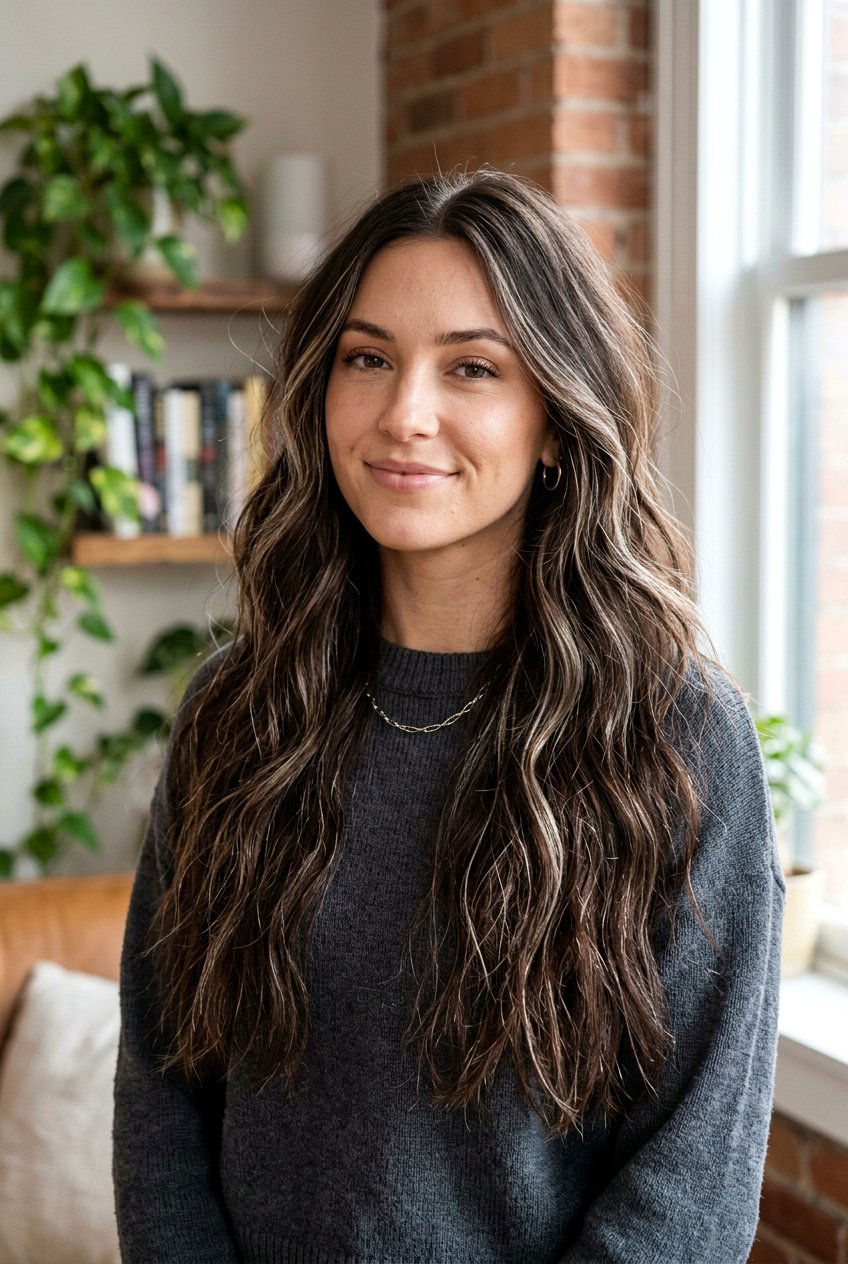
Going platinum or bright blonde on a dark chocolate base is a bold move that pays off in serious contrast and dimension. Super subtle platinum or blonde highlights woven through dark chocolate brown create an intense dimensional effect. The key is keeping the highlights fine and scattered — you want a dusting of light rather than chunky sections that compete with the base. This technique is trickier to maintain than caramel or mocha highlights since lighter pieces can get brassy over time, but a purple toning shampoo keeps them cool and crisp. This look works best on medium to long hair where the fine highlights have space to blend. It’s a great option for someone who wants edge and contrast without doing a full transformation.
10. Soft Black Cacao Hair Color
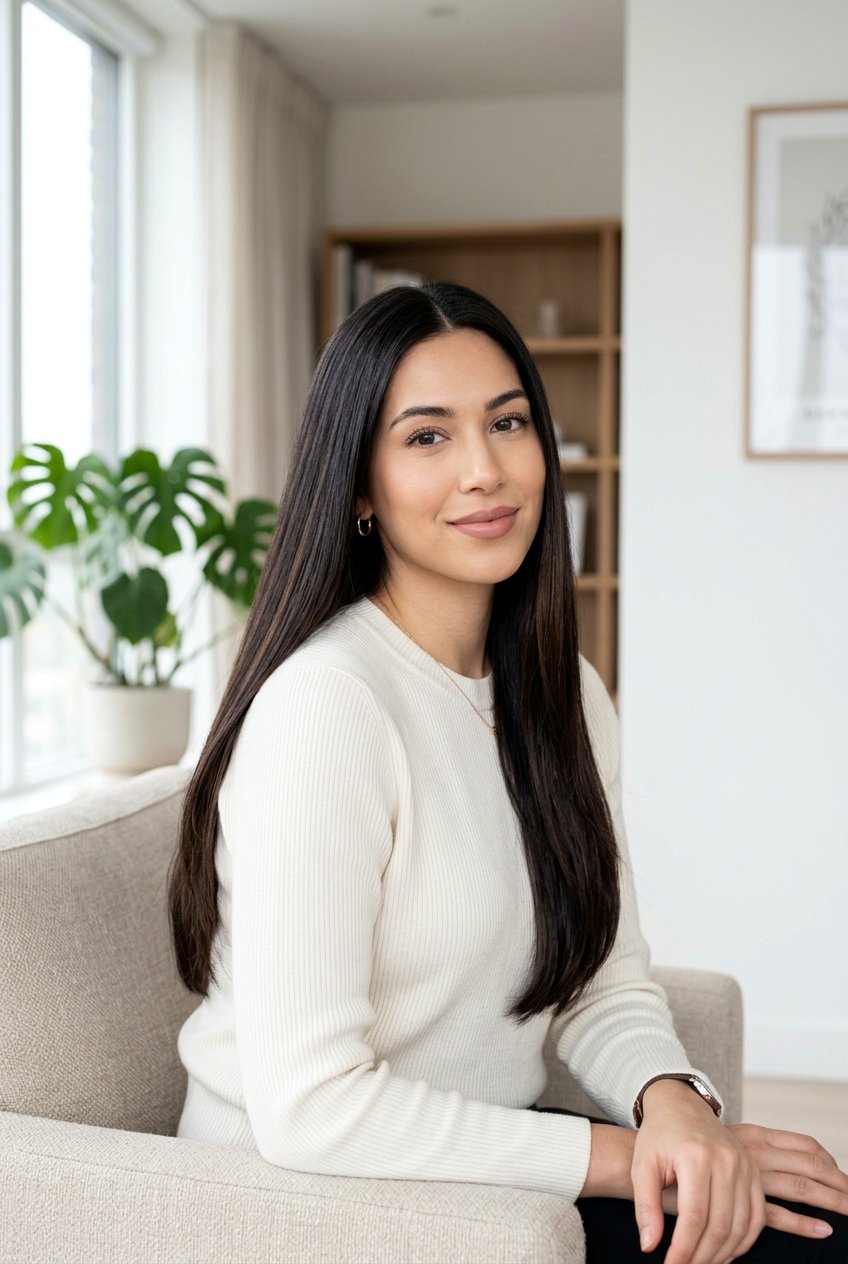
Soft black cacao sits between dark chocolate and true black — it’s deep, almost-black with the faintest warm chocolate undertone that keeps it from looking stark. This shade was frequently compared to Kim Kardashian’s signature hair color, and it’s easy to see why. It’s intense and dramatic, but the warmth in the undertone makes it feel more approachable than a flat, cool black. It suits fair, medium, and deep skin tones equally well, making it one of the most universally flattering deep shades in the brunette spectrum. Since it’s so close to natural black, it requires minimal maintenance and fades gradually without turning brassy. It’s an ideal option for someone who wants high impact with very little upkeep.
11. Dark Chocolate Root Shadow
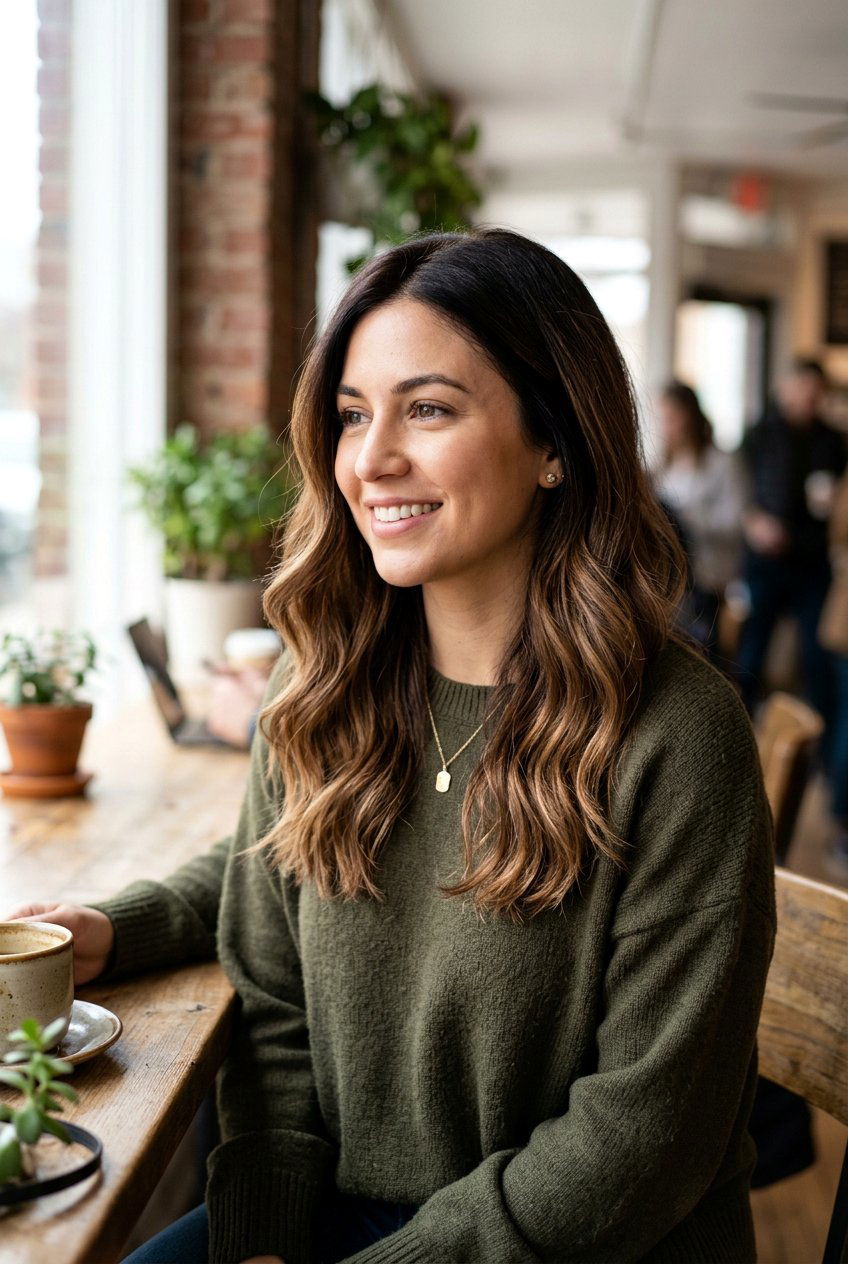
A root shadow technique deepens the roots with dark chocolate pigment while allowing naturally lighter mid-lengths and ends to remain. This is the opposite approach to highlighting — instead of adding brightness, you add depth at the roots for a grounded, dimensional finish. It’s especially popular for curly and coily hair, where the root shadow anchors the color while lighter tones through the lengths allow the texture to stand out. It also works beautifully as a grow-out technique for blondes transitioning to darker shades, since the deep shadow softens the line between the darker roots and lighter lengths. Root shadows require very little maintenance and are a great low-commitment way to introduce dark chocolate tones into your hair.
12. Dark Chocolate Hair Color for Curly Hair
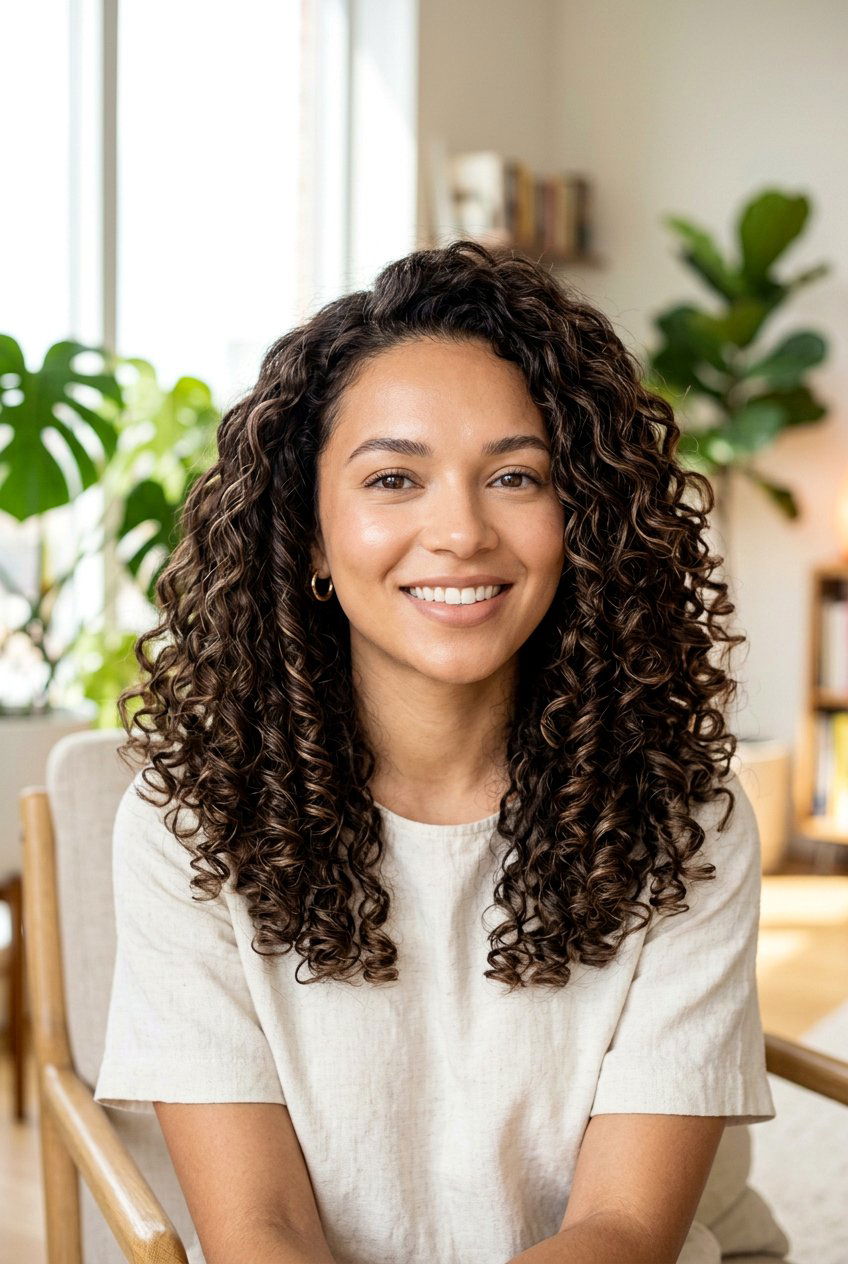
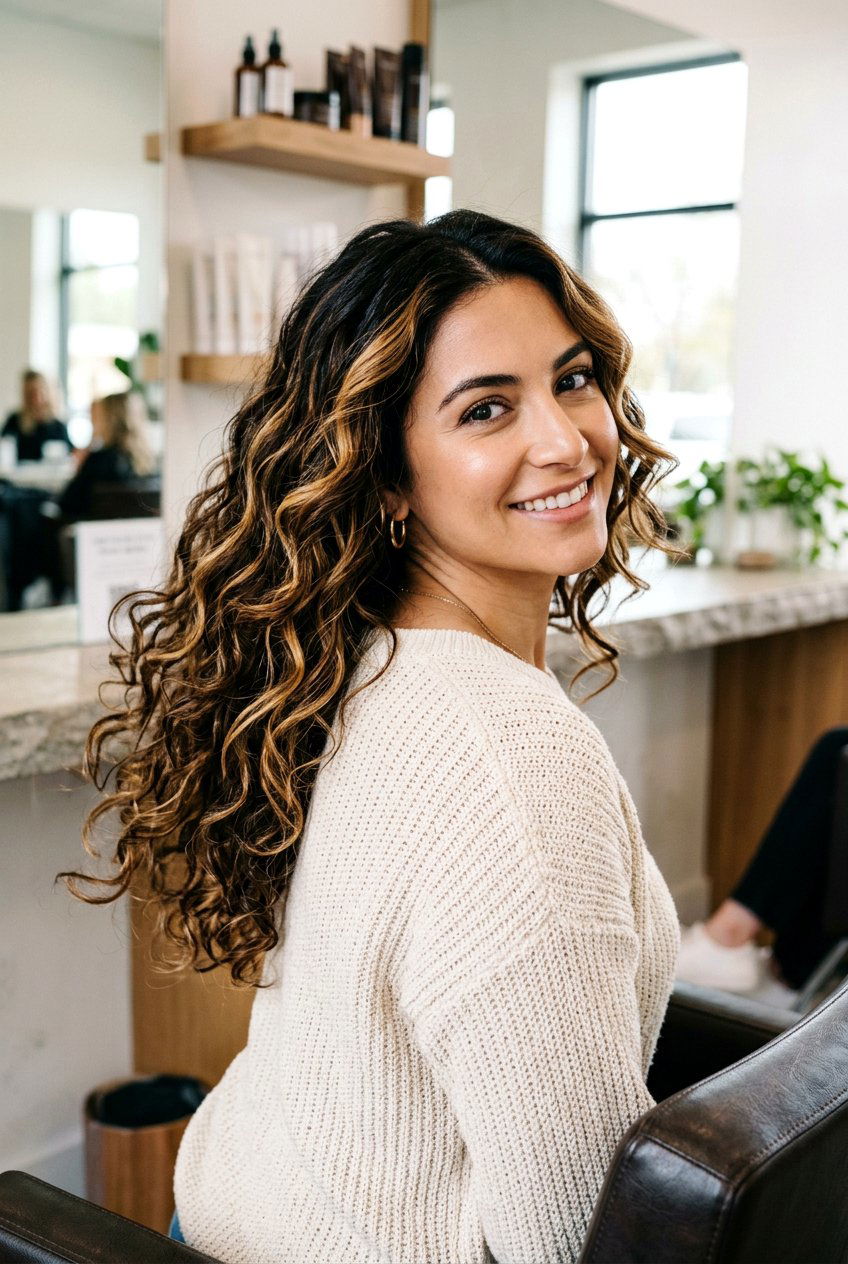
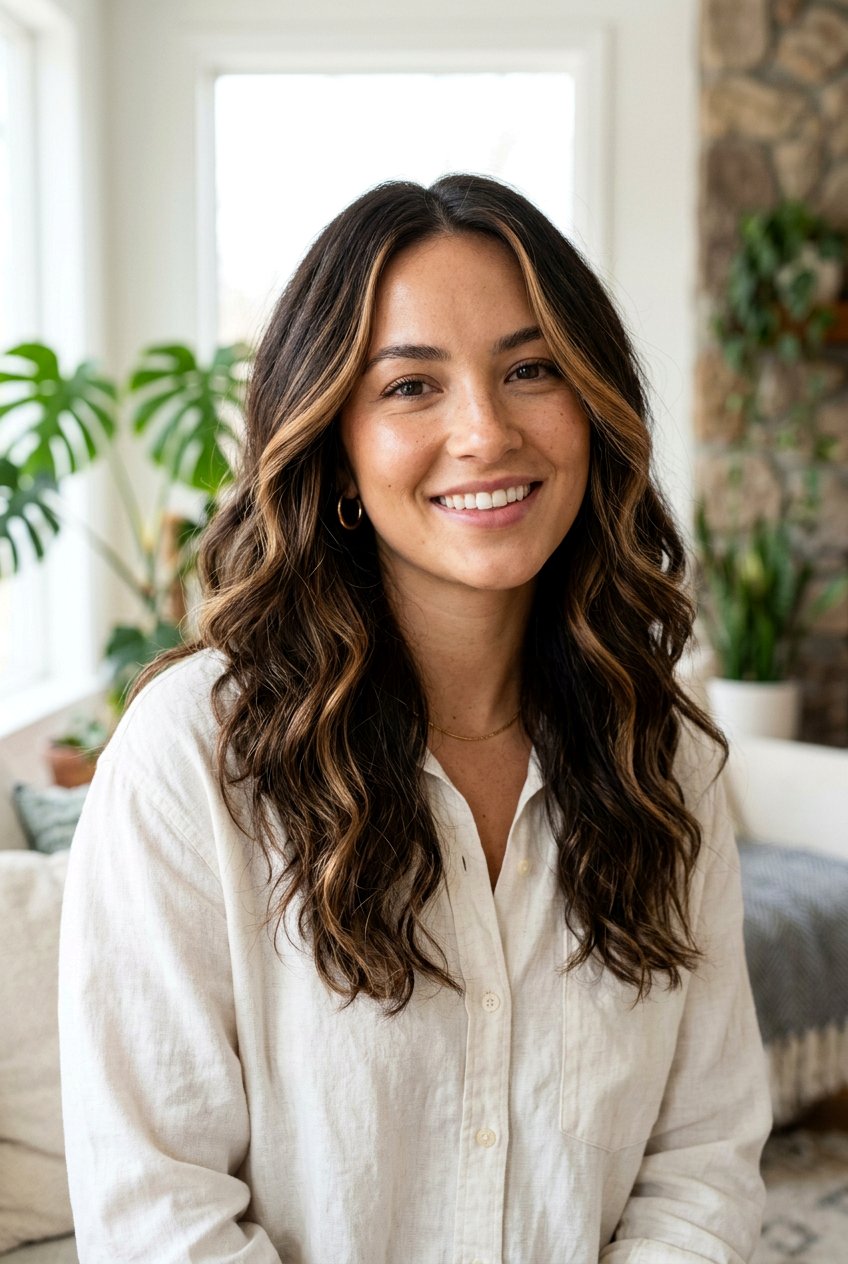
Curly and coily hair takes on dark chocolate color in a completely unique way — the depth of the shade enhances the shape and definition of each curl. Because the light hits curls at multiple angles simultaneously, a rich dark chocolate base naturally looks more dimensional than it would on straight hair. Combining a root shadow with sheer milky highlights through the lengths is one of the most popular techniques for curly clients, as it allows the texture to be the star while the color adds polish. Deep conditioning treatments are especially important for curly hair after coloring, since curls tend to be naturally drier and coloring can increase that dryness. A sulfate-free color-safe shampoo and a rich moisturizing mask help keep the curl pattern intact and the color vibrant.
13. Chocolate Brown Colormelt
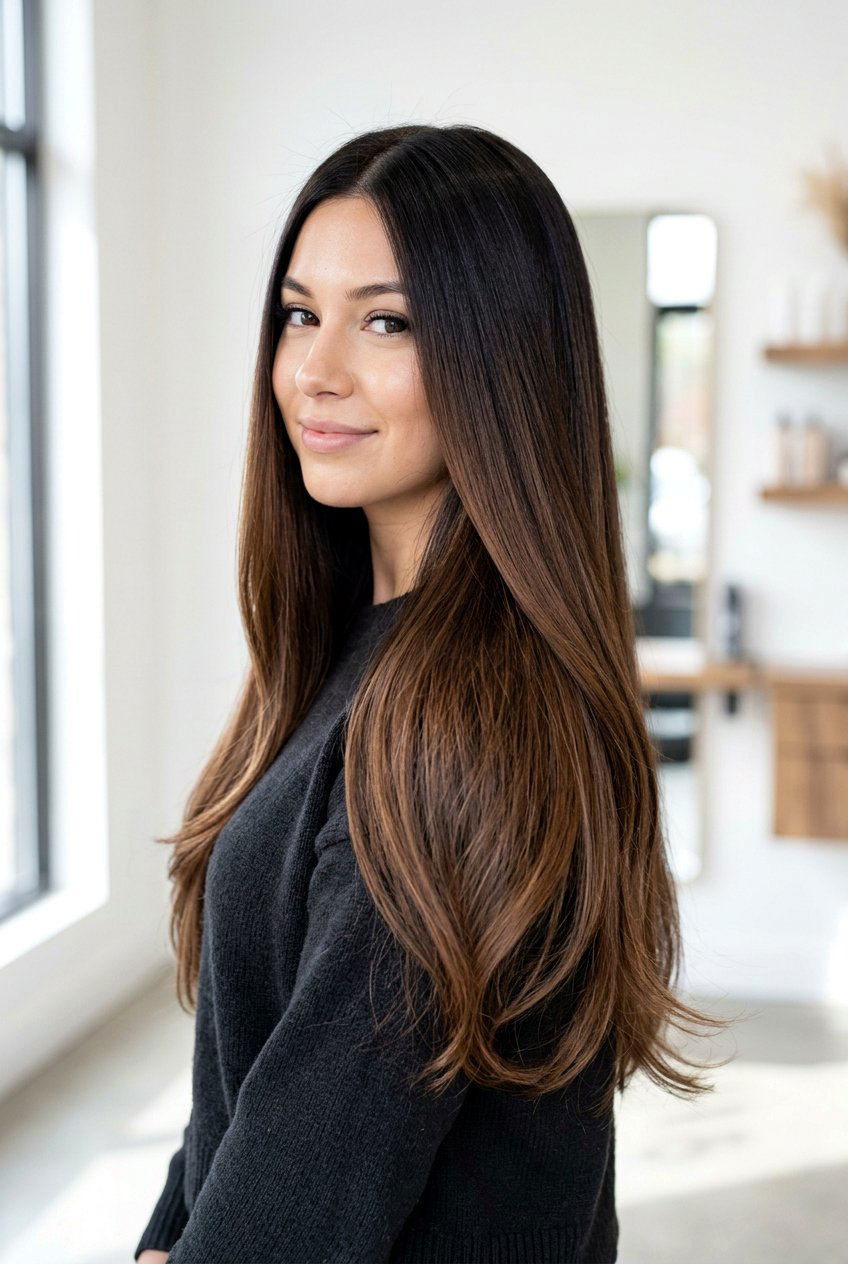
A colormelt is a seamless blending technique where multiple shades are melted together with zero visible lines or harsh transitions. On dark chocolate hair, a colormelt typically layers a near-black root, a true dark chocolate mid-shaft, and a warm medium brown at the ends — the three tones flow into each other so naturally it’s almost impossible to tell where one shade ends and another begins. This creates incredible depth and movement while still reading as a single, cohesive look. It’s the kind of color that catches the light differently depending on whether you’re indoors or outside, giving the illusion of constant movement. Colormelts are ideal for anyone who hates the look of regrowth, since the blended transitions make natural root growth completely undetectable.
14. Dark Chocolate Highlights on Black Hair
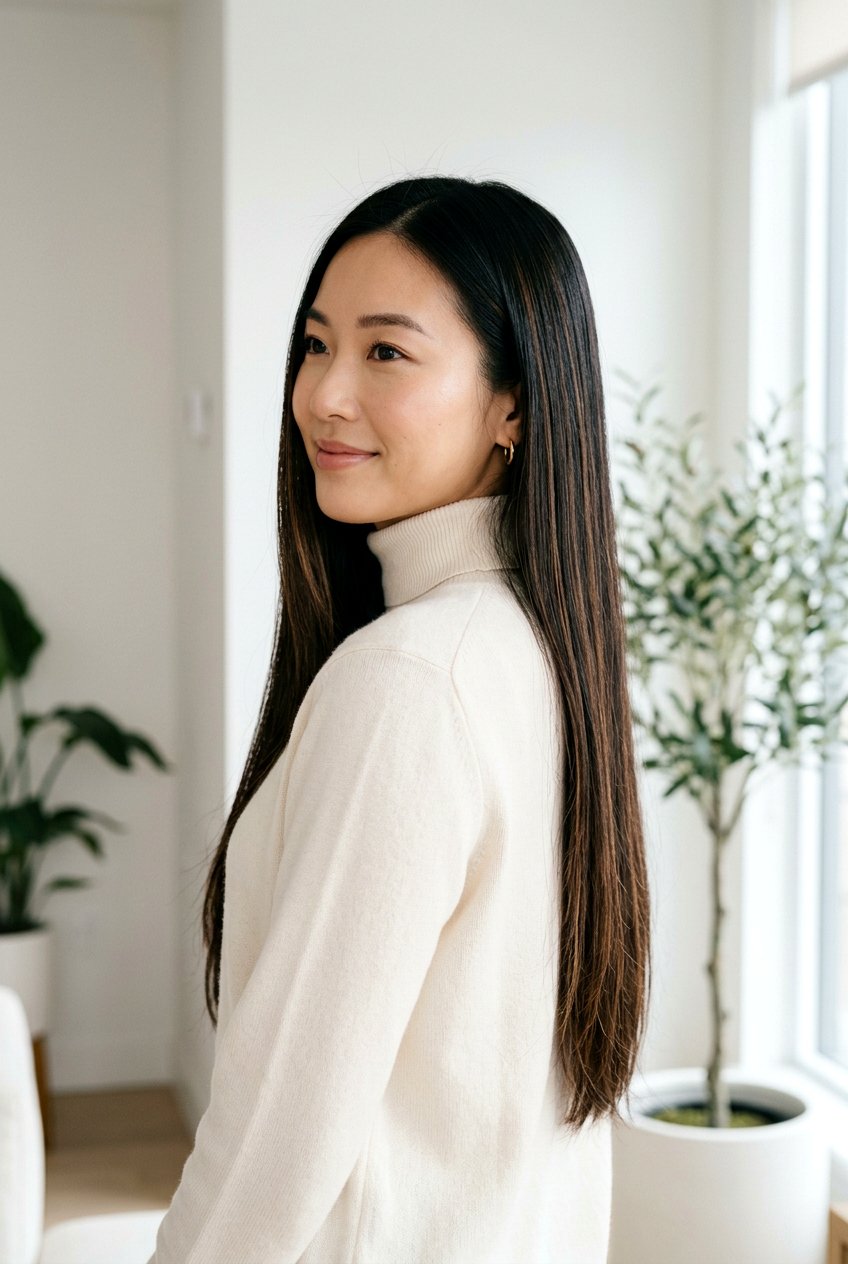
Adding dark chocolate highlights to natural black hair is a low-risk way to add warmth and dimension without a dramatic change. The chocolate tones are close enough to black that the result looks completely natural, as if the hair has been lightened slightly by the sun over time. This technique works best with fine, scattered sections rather than thick chunks, and the highlights are usually placed around the face-framing layers for maximum impact. It’s also a great starting point for naturally black-haired individuals who are curious about brown tones but aren’t ready to fully commit to a lighter color. The maintenance is minimal since the contrast between chocolate and black is subtle and grows out gracefully without any visible banding.
15. Dark Chocolate Hair with Ash Brown Tones
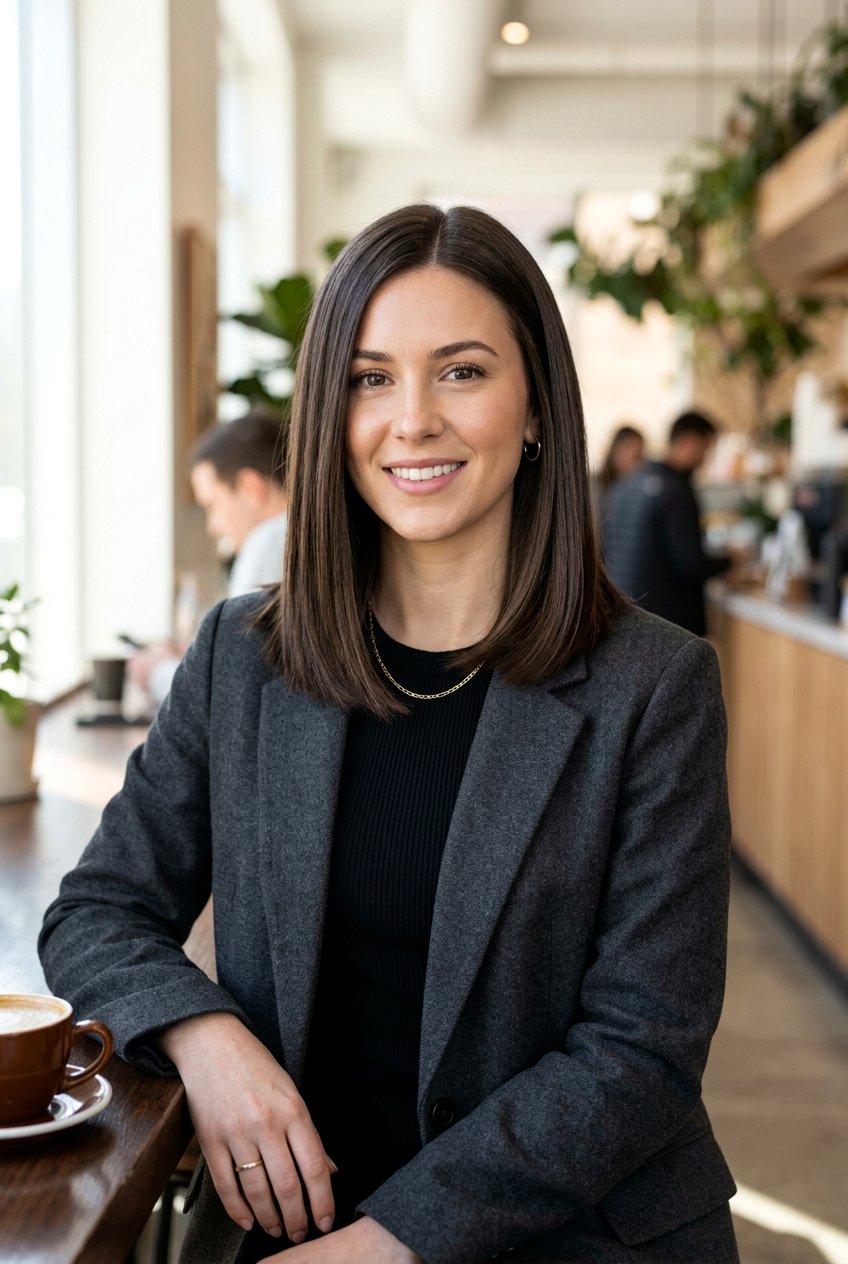
If you prefer your dark chocolate to read cooler rather than warm, adding ash brown tones is the way to go. Ash brown has a slightly gray or taupe undertone that neutralizes brassiness and gives dark chocolate hair a more muted, sophisticated finish. This shade combination is especially flattering on fair-skinned individuals with cool or neutral undertones, as the cooler pigment in the ash complements pink or rosy complexions without washing them out. It’s a more modern, editorial take on classic dark chocolate and works beautifully for anyone who finds traditional warm brunette shades too orange-leaning. Ash tones fade faster than warm tones, so a color-depositing shampoo in a cool brown shade helps maintain the finish between salon appointments.
16. Dark Chocolate Gloss Treatment
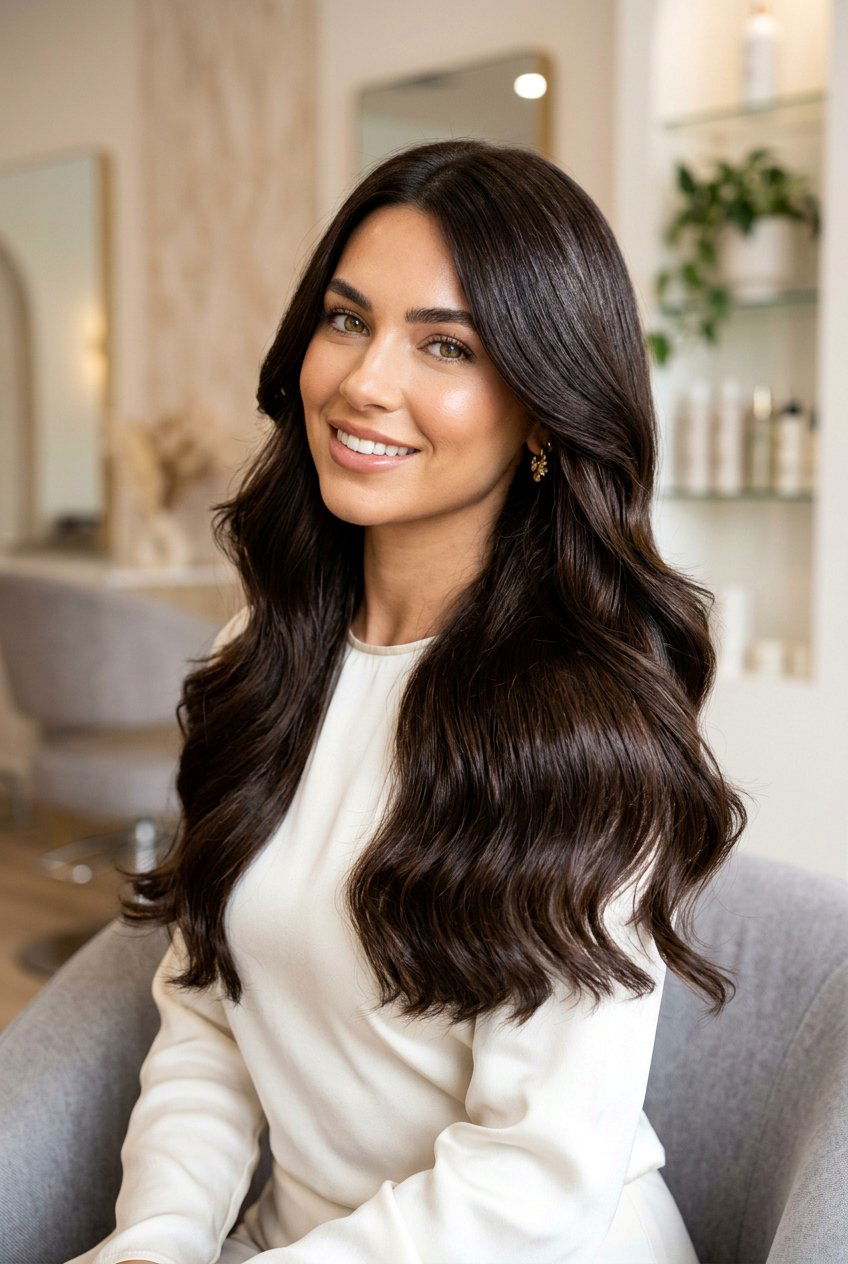
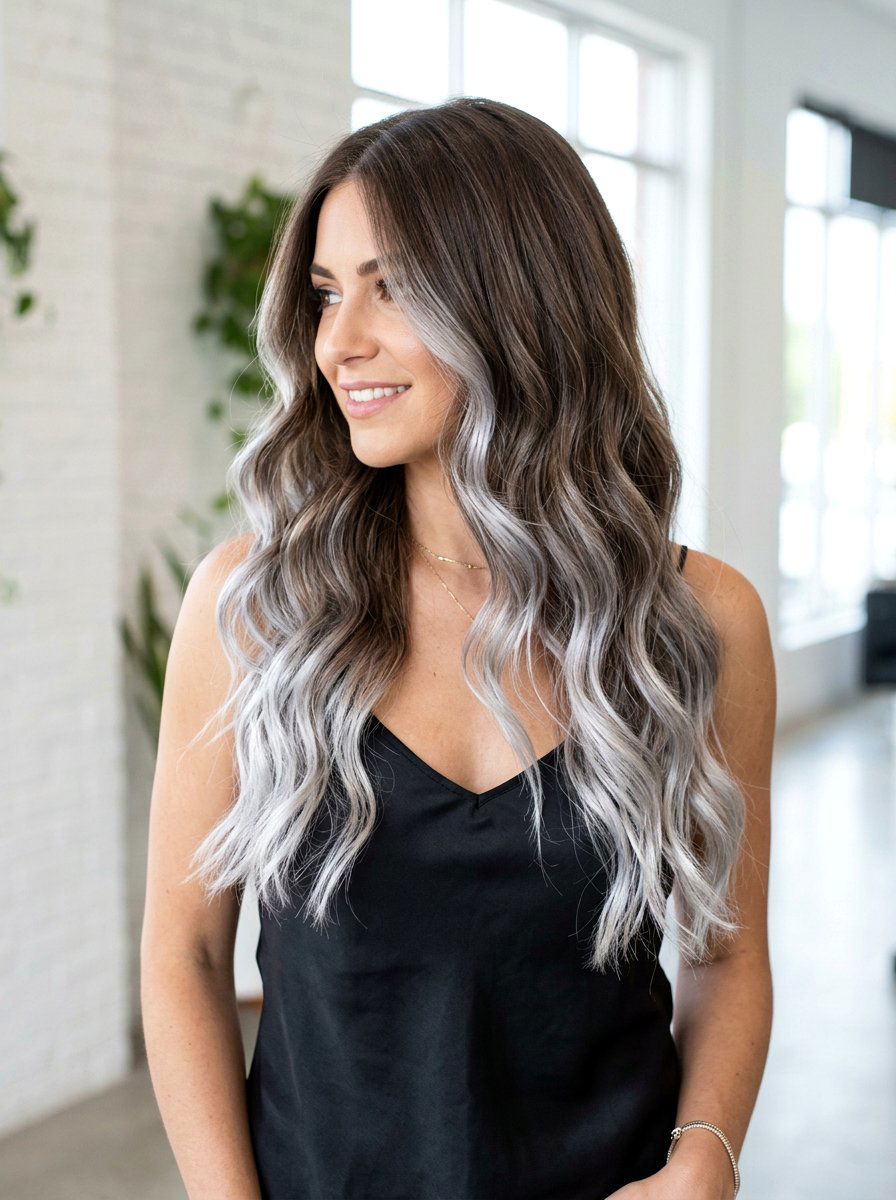
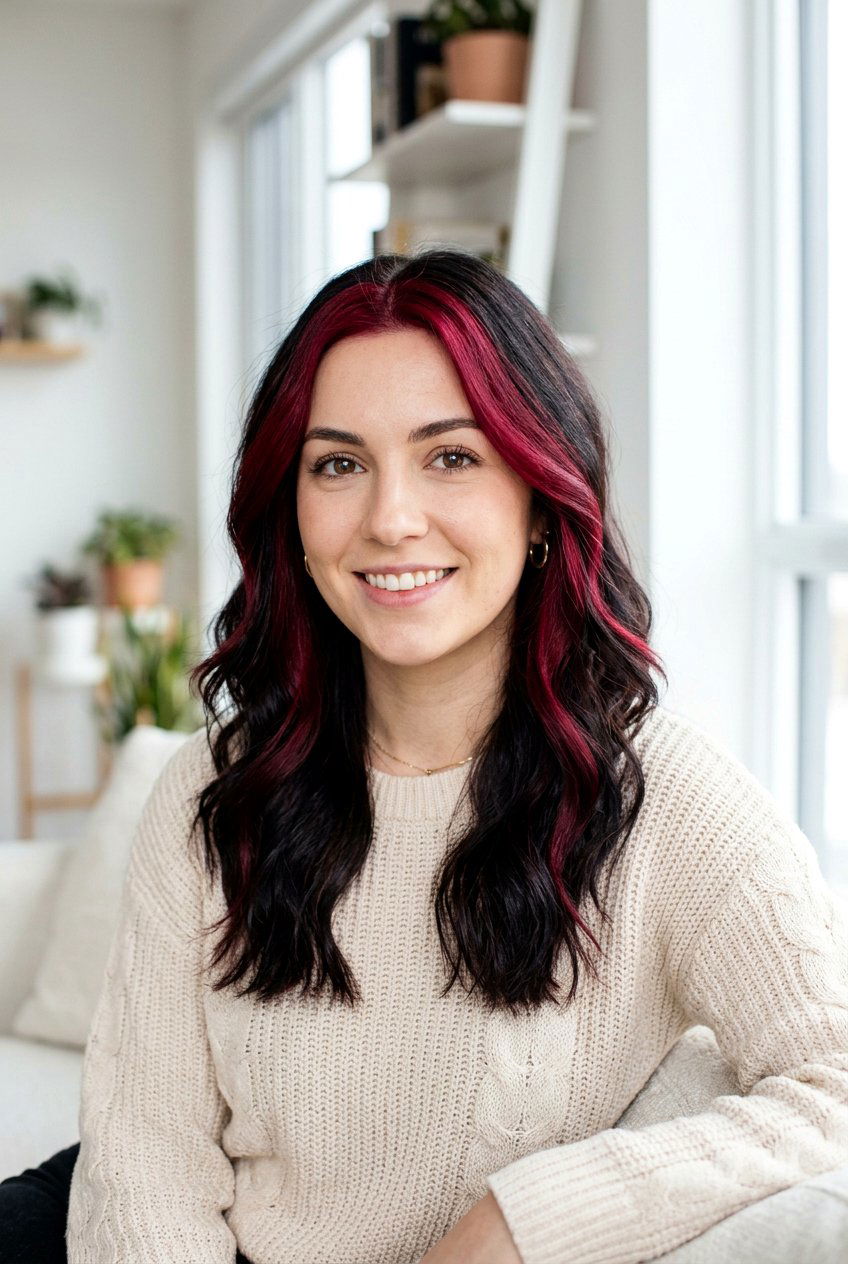
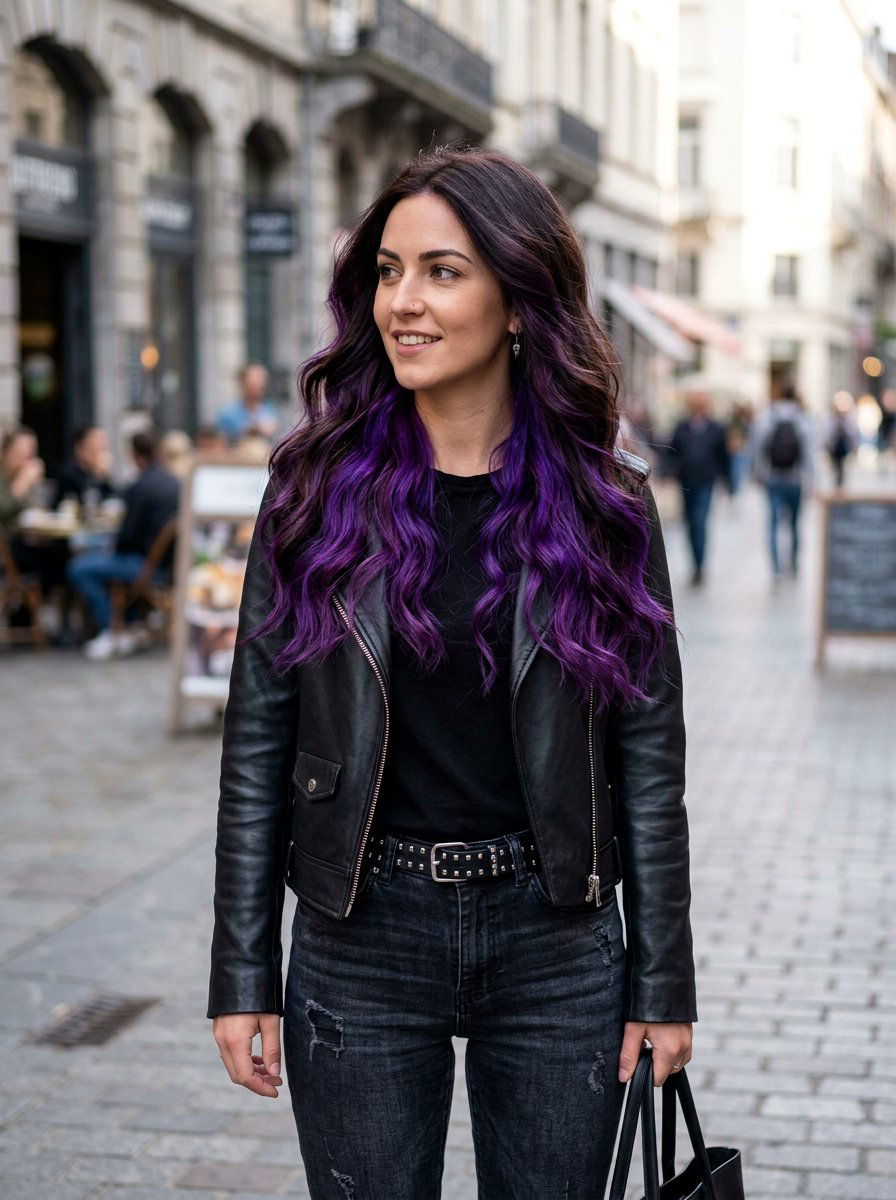
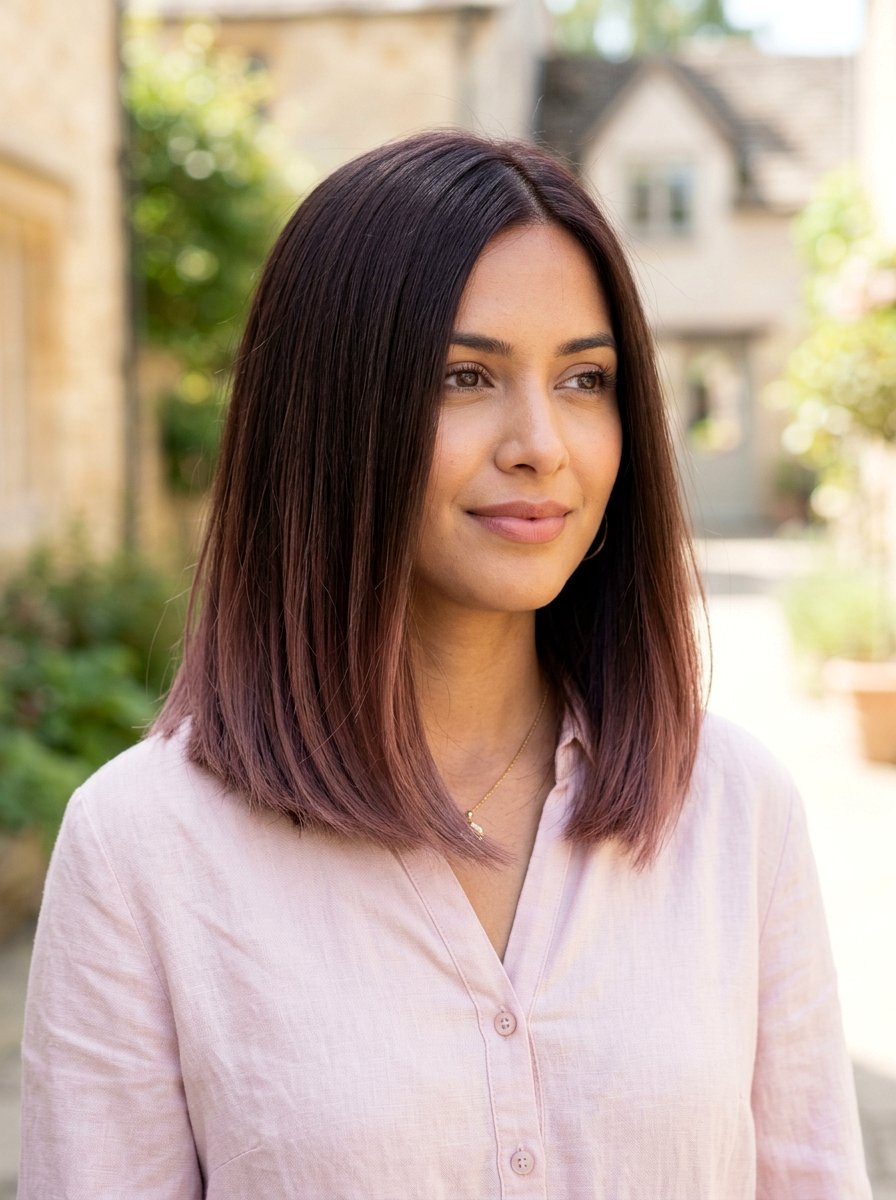
Sometimes, all your dark chocolate hair needs is a gloss — not a new color, but a pure shine-boosting treatment that intensifies the existing shade. A gloss treatment coats the hair cuticle, deepening the color by one or two levels while adding a reflective, mirror-like finish. It’s the best way to refresh faded dark chocolate hair between full color appointments without committing to a new formula. Glosses also improve the hair’s overall feel and manageability — they smooth the cuticle, reduce frizz, and leave the hair feeling silky. Most glosses last four to six weeks, making them a great option for low-maintenance color lovers. You can get a professional gloss at the salon or use an at-home gloss kit for a more affordable alternative.
17. Dark Chocolate Hair with Warm Copper Tones
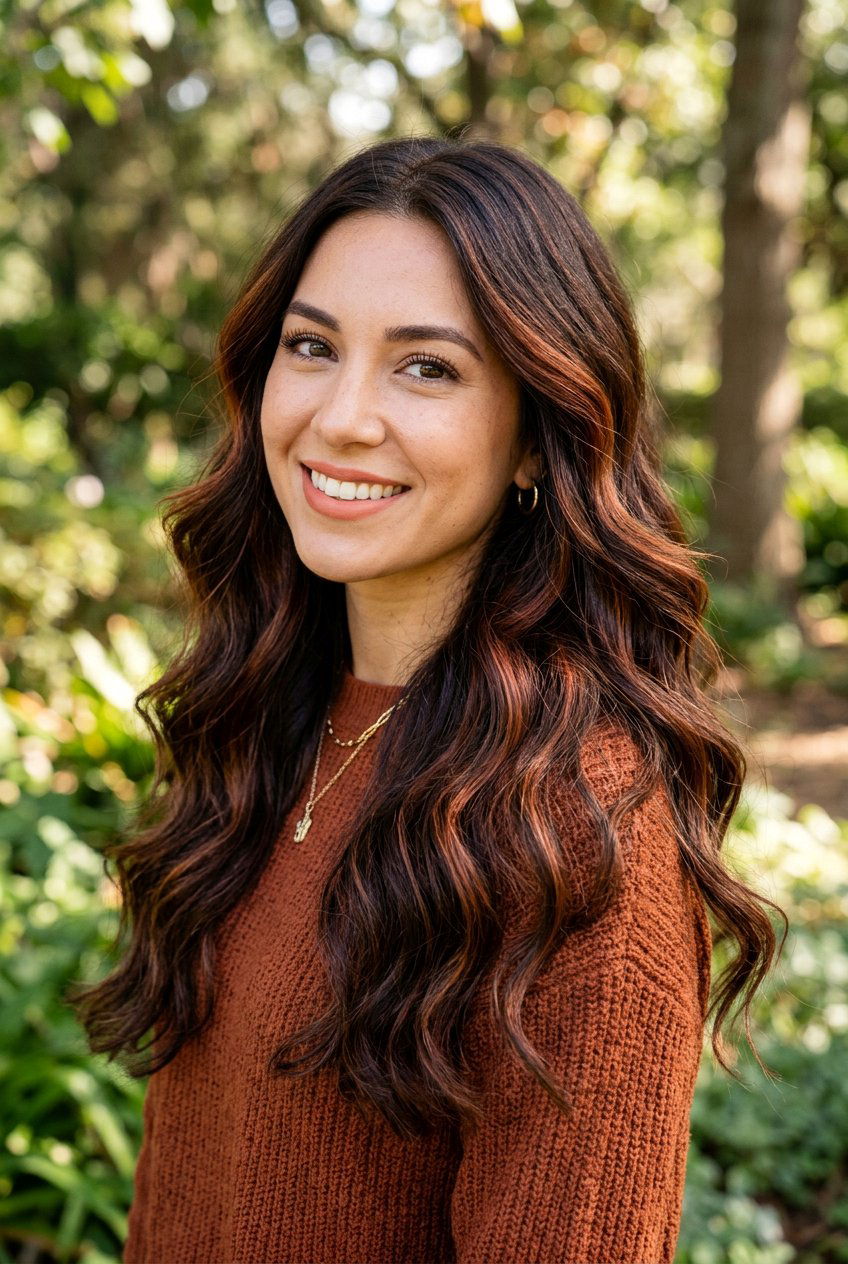
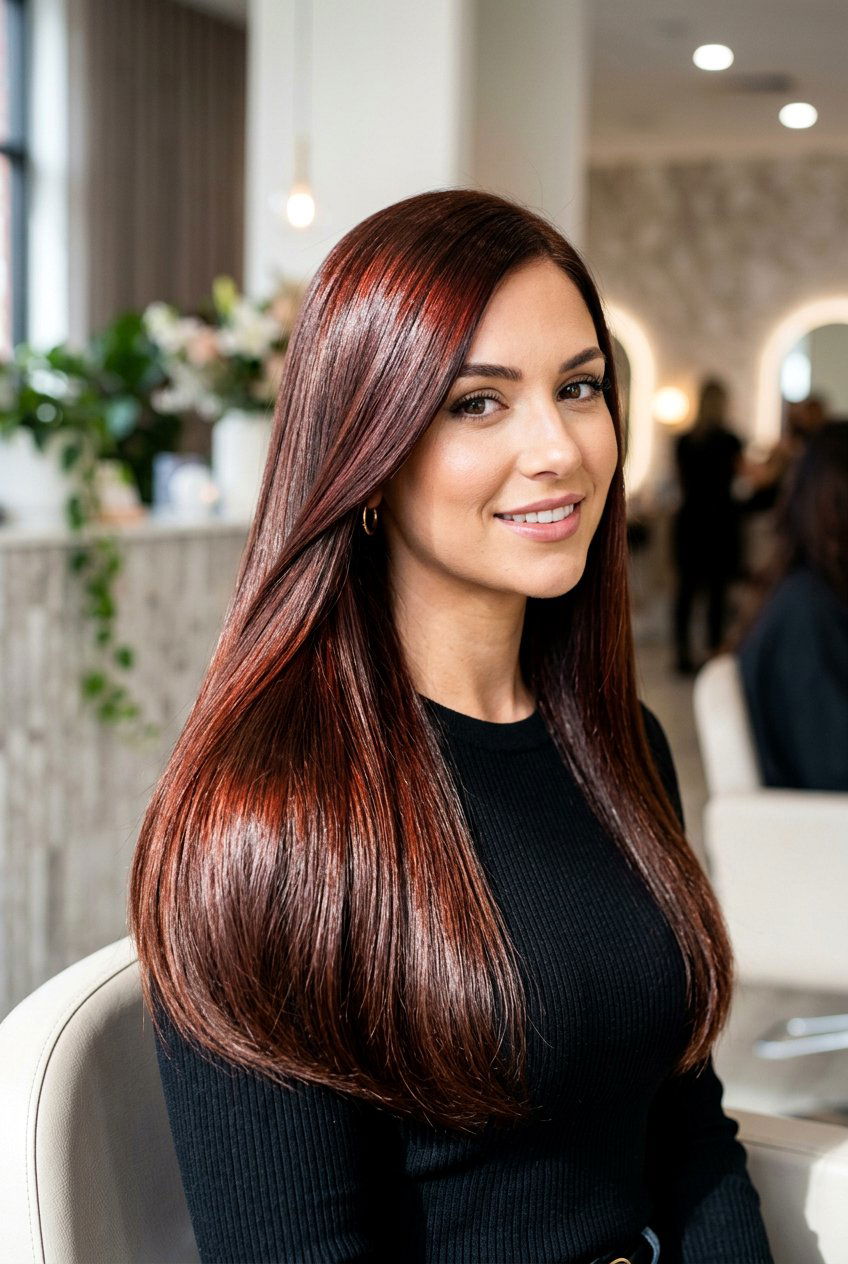
Introducing copper into a dark chocolate base creates a unique hybrid that feels earthy, bold, and completely original. The copper tones show up as warm, reddish-bronze ribbons woven through the deep cocoa base, adding a metallic warmth that’s entirely different from typical caramel highlights. This look is particularly striking under natural and warm indoor lighting, where the copper tones glow beautifully. It suits warm, olive, and medium skin tones most flatteringly, and works across hair lengths. Because copper is a warm pigment, it can be prone to fading, so using a color-safe shampoo and a warm toning treatment helps maintain its vibrancy. This is a great option for anyone who loves the richness of dark chocolate but wants something a little less expected.
18. Dark Chocolate Hair for Gray Coverage
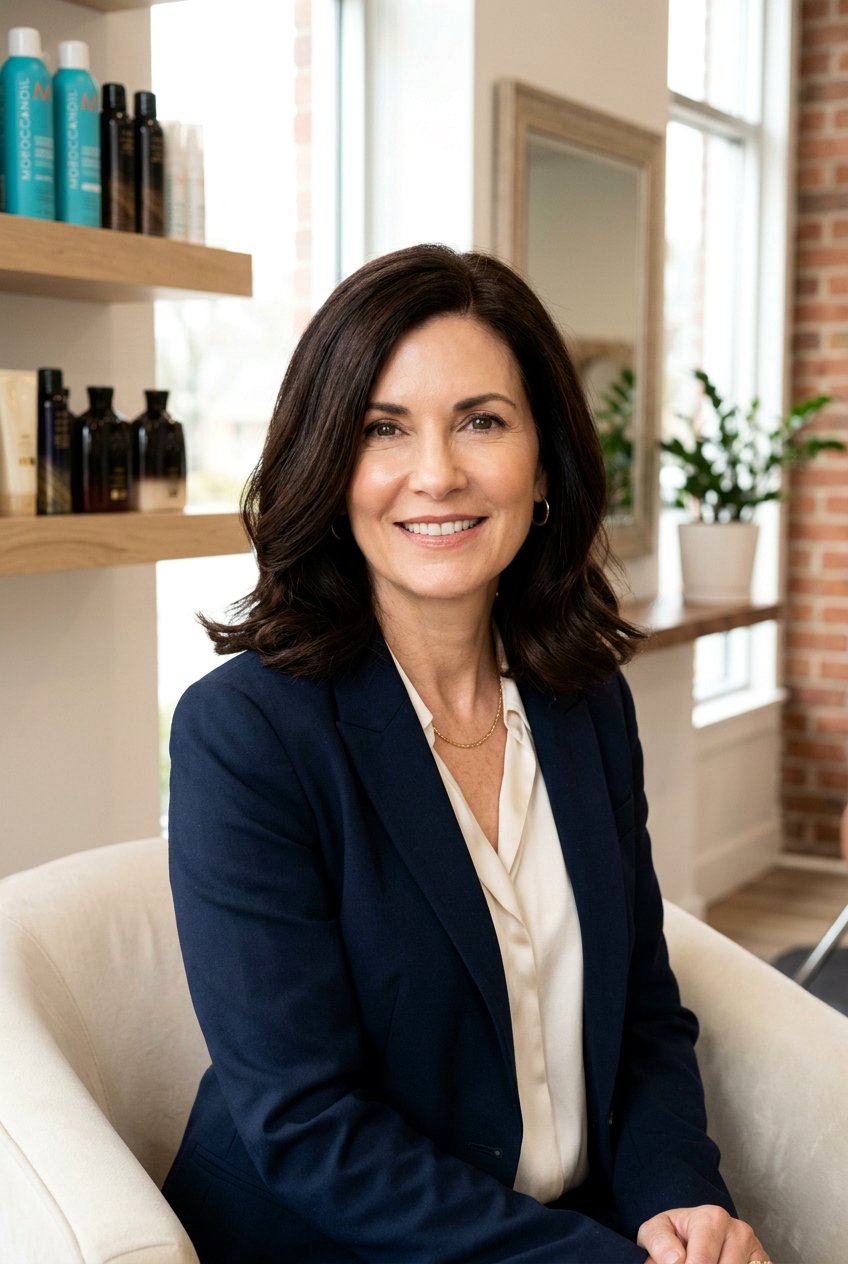
One of the most practical reasons to choose dark chocolate hair color is its exceptional ability to cover gray hair naturally and completely. Dark chocolate sits at a depth level that blends over gray strands without looking jarring — the resulting color looks like a natural rich brunette rather than an obvious dye job. Using a permanent formula ensures up to 100 percent gray coverage, and the warm tones in dark chocolate help gray blend in gradually as it regrows, rather than creating a stark white-against-brown contrast. For those with stubborn grays, a root touch-up every six to eight weeks is usually sufficient to keep everything looking seamless. The shade is also youthful and radiant, making it one of the most flattering anti-aging color choices in the brunette range.
19. Dark Chocolate Babylights
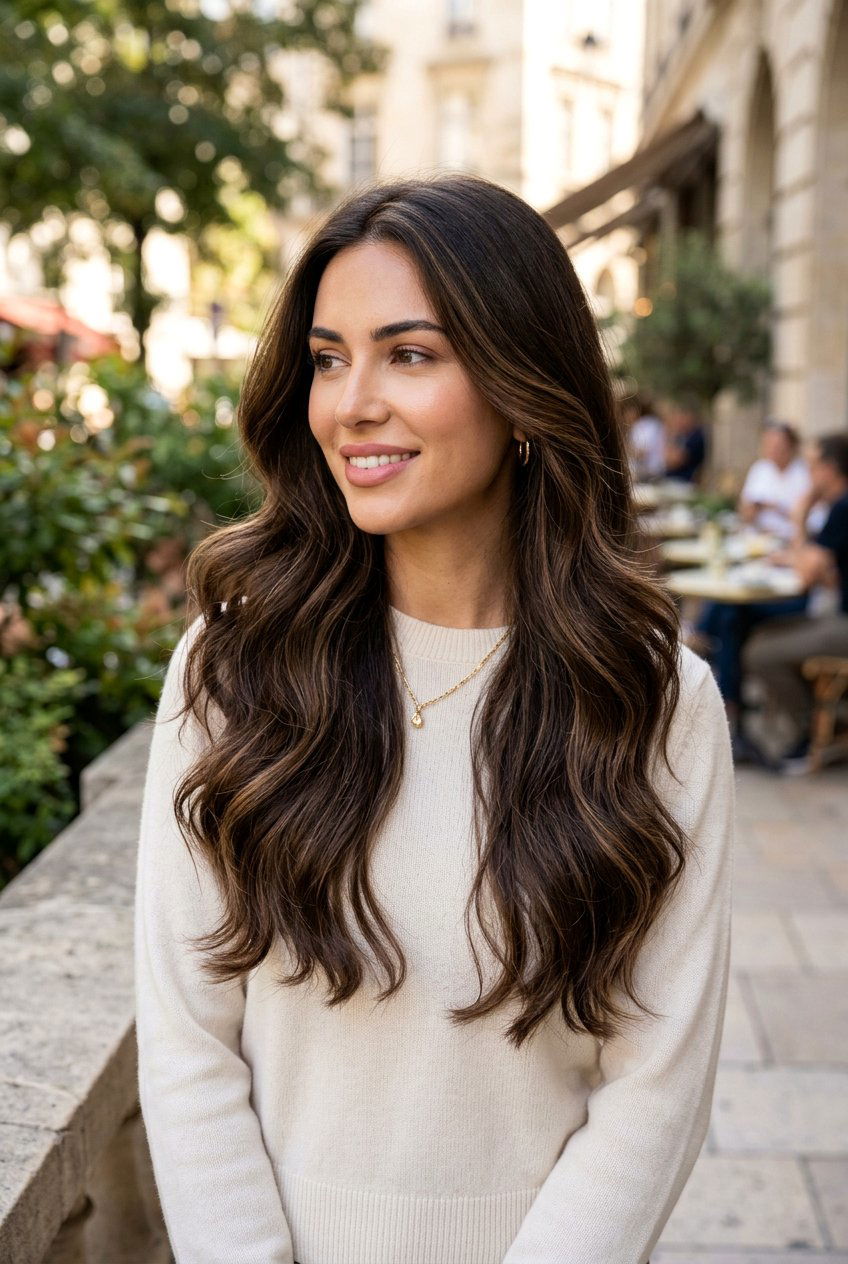
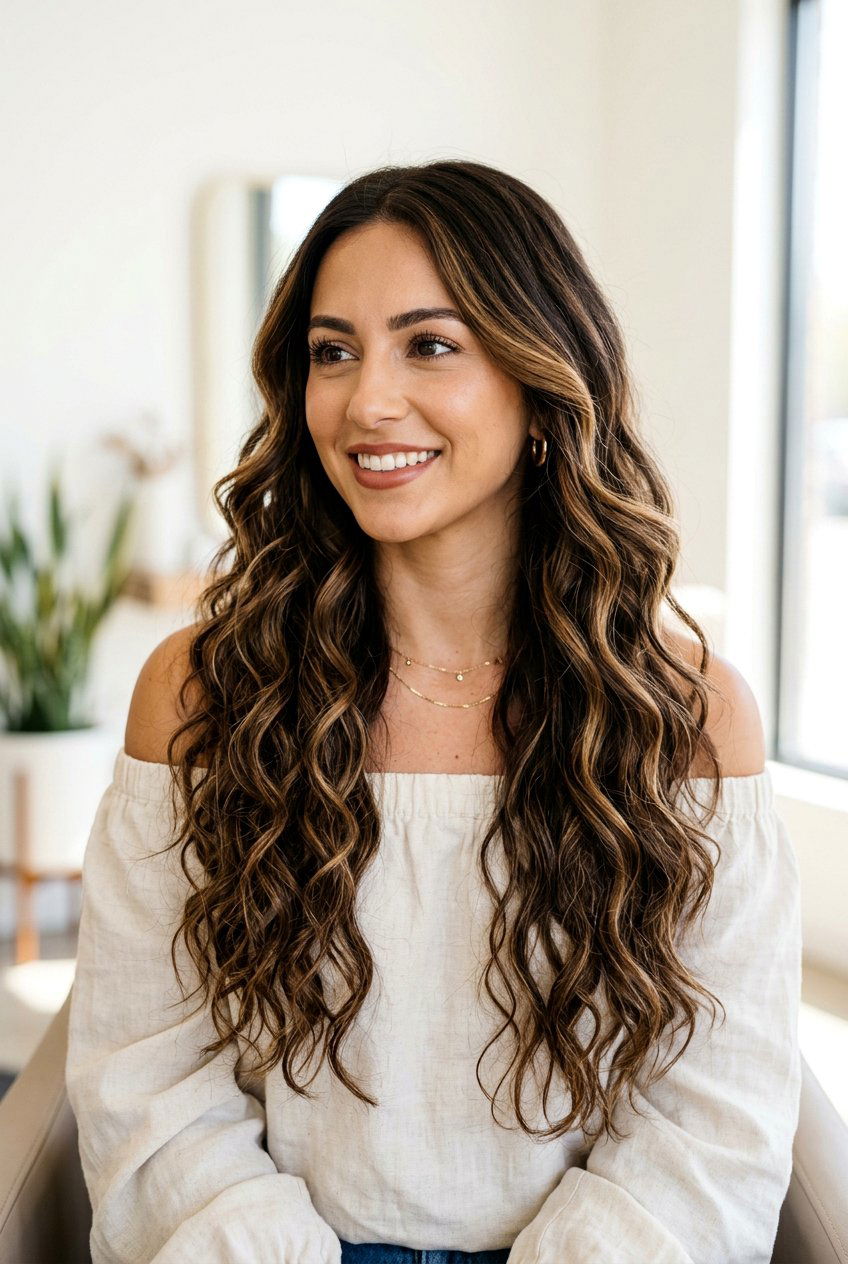
Babylights are ultra-fine, delicate highlights that mimic the look of natural color variation you’d see in a child’s hair — and on a dark chocolate base, they add the subtlest, most natural-looking brightness imaginable. Unlike traditional highlights, babylights are placed in tiny sections across the entire head, creating a dusting of lighter color that blends almost invisibly into the dark base. The result is hair that looks naturally multi-tonal and full of light, without any obvious highlighting work. This is an excellent option for first-time highlight clients or anyone who wants dimension with zero drama. Babylights on dark chocolate look especially beautiful on long hair with a blowout or loose waves, where the fine light pieces catch the light as the hair moves.
20. Dark Chocolate Hair with Face-Framing Highlights
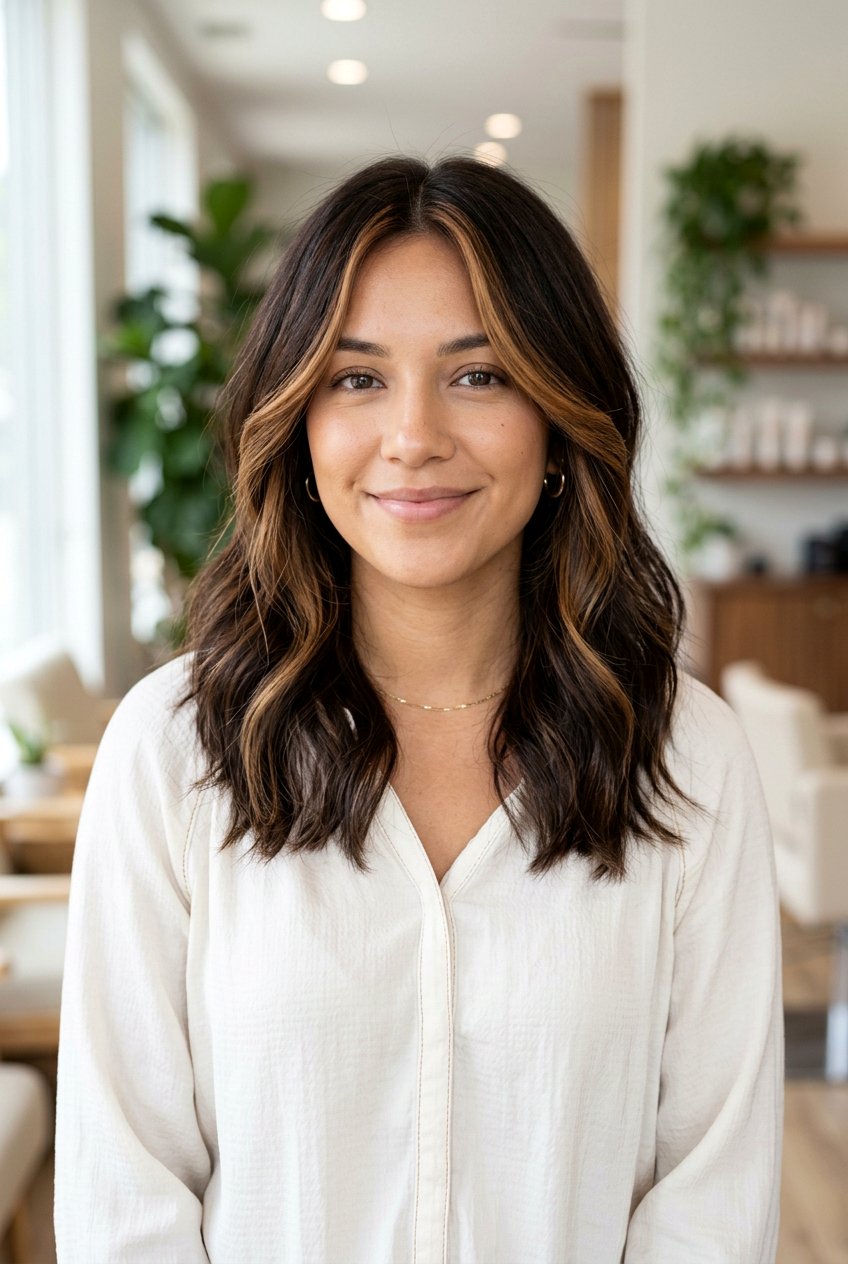
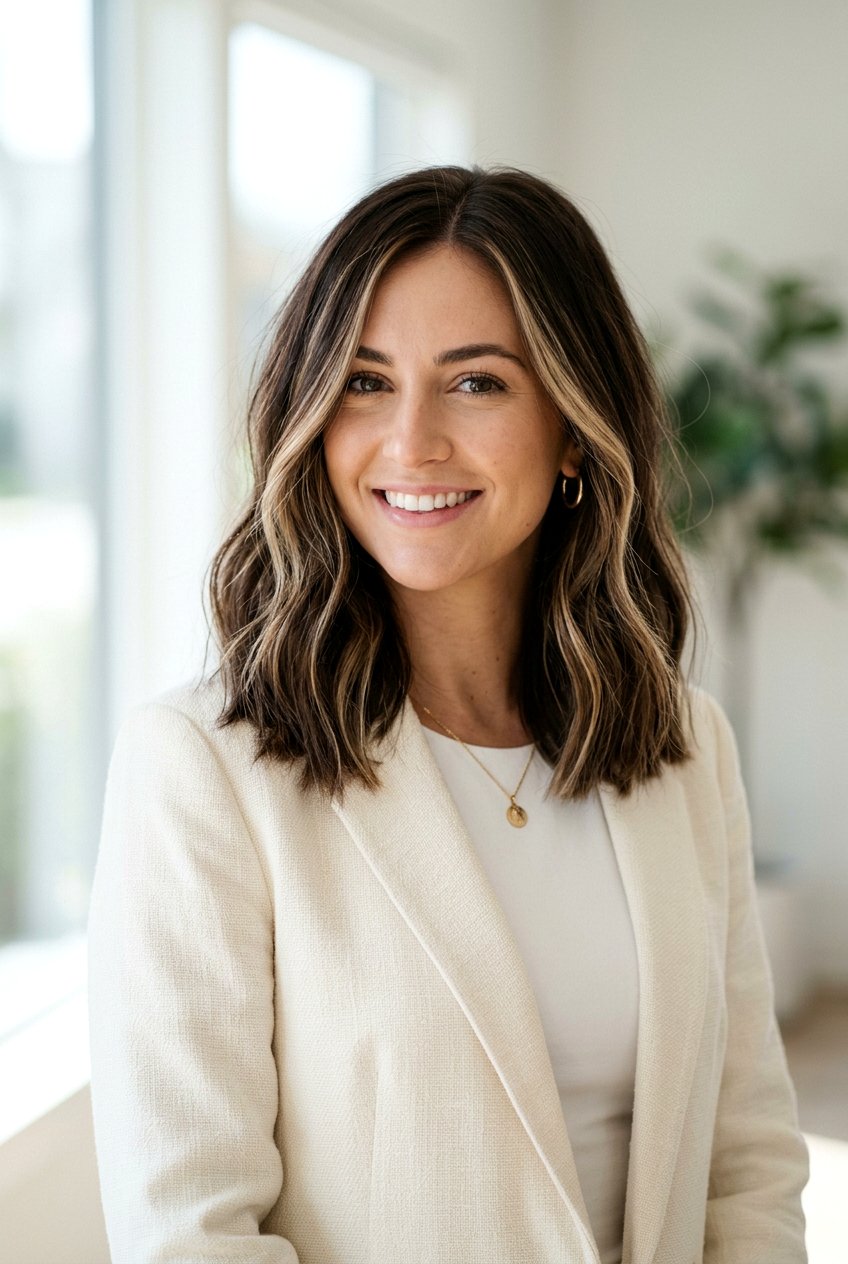
Face-framing highlights are a targeted technique that places lighter pieces specifically around the hairline and front sections to brighten the complexion. On a dark chocolate base, face-framing highlights are usually done in a warm caramel, honey, or light brown shade to create a soft contrast that draws attention to the eyes and cheekbones. The effect is incredibly flattering — it adds brightness right where you need it most without requiring a full head of highlights. This is one of the most efficient salon techniques since it’s faster and less expensive than a full highlight application, yet the impact is significant. Face-framing highlights also grow out gracefully, as the placement naturally follows the direction of new hair growth and doesn’t create an obvious root line.
Conclusion:
Dark chocolate hair color is timeless for a reason — it’s rich, adaptable, and genuinely flattering across all skin tones, hair textures, and hair lengths. Whether you go for a pure deep cocoa all-over shade, a blended balayage, or a multi-tonal colormelt, the common thread is that luxurious depth that makes brunette hair look its most polished and healthy. The best part is how flexible the shade family is — warm and cool variations, subtle and dramatic highlight options, and techniques that range from full commitment to zero-maintenance glosses all fall under the dark chocolate umbrella. If you’re ready to make the switch or simply want to refresh what you already have, dark chocolate is one of the most rewarding investments you can make in your hair. Talk to a colorist about which variation suits your base color, skin tone, and lifestyle best.
***
You'll Like These Styles:


Leave a Reply