
The classic men’s side part haircut remains an essential pillar of masculine grooming because it offers a perfect balance between professional authority and modern style. Whether you are heading into a high-stakes boardroom meeting or enjoying a relaxed weekend brunch, this versatile cut adapts to your environment with ease. In 2026, the trend has shifted toward more natural textures and soft blended edges, moving away from the rigid, overly shiny finishes of the past. By incorporating various fade techniques or experimenting with hair length on top, you can customize the classic men’s side part haircut to suit your specific face shape and hair density. This guide explores twenty distinct variations that define the current landscape of men’s fashion, ensuring you find a look that feels both timeless and fresh.
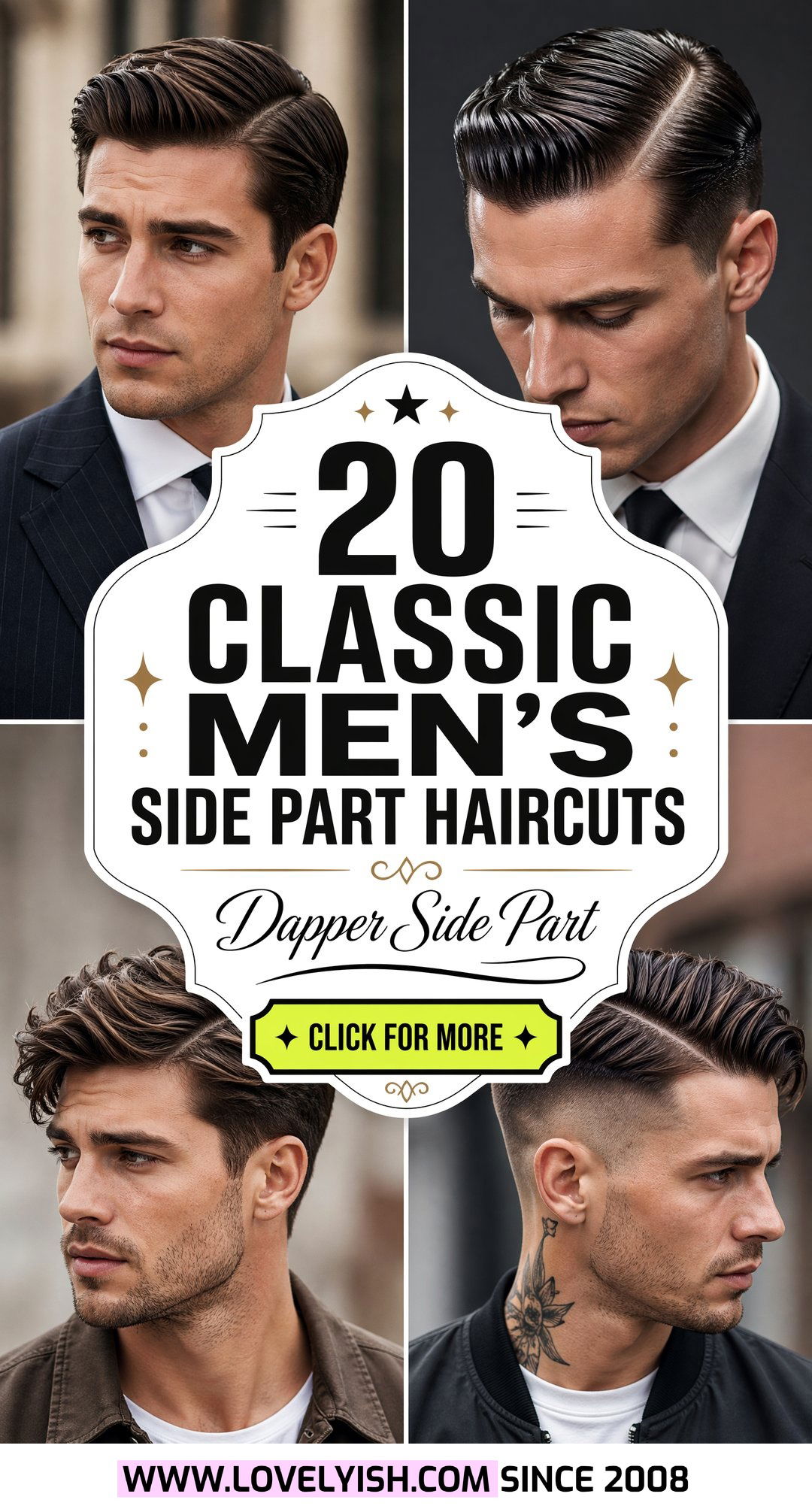
1. Low Fade Side Part

The low fade side part is a subtle and sophisticated choice for men who want a clean look without the aggressive contrast of a high skin fade. This style starts the tapering process just above the ears, allowing for a more gradual transition that maintains more hair density around the temples. It is an excellent option for business professionals who need to adhere to a traditional dress code while still appearing modern and groomed. To style this, use a small amount of matte clay to guide the hair into place, focusing on a natural flow rather than a stiff hold. The low fade effectively frames the face while highlighting the clean line of the part.
2. Hard Part Side Part
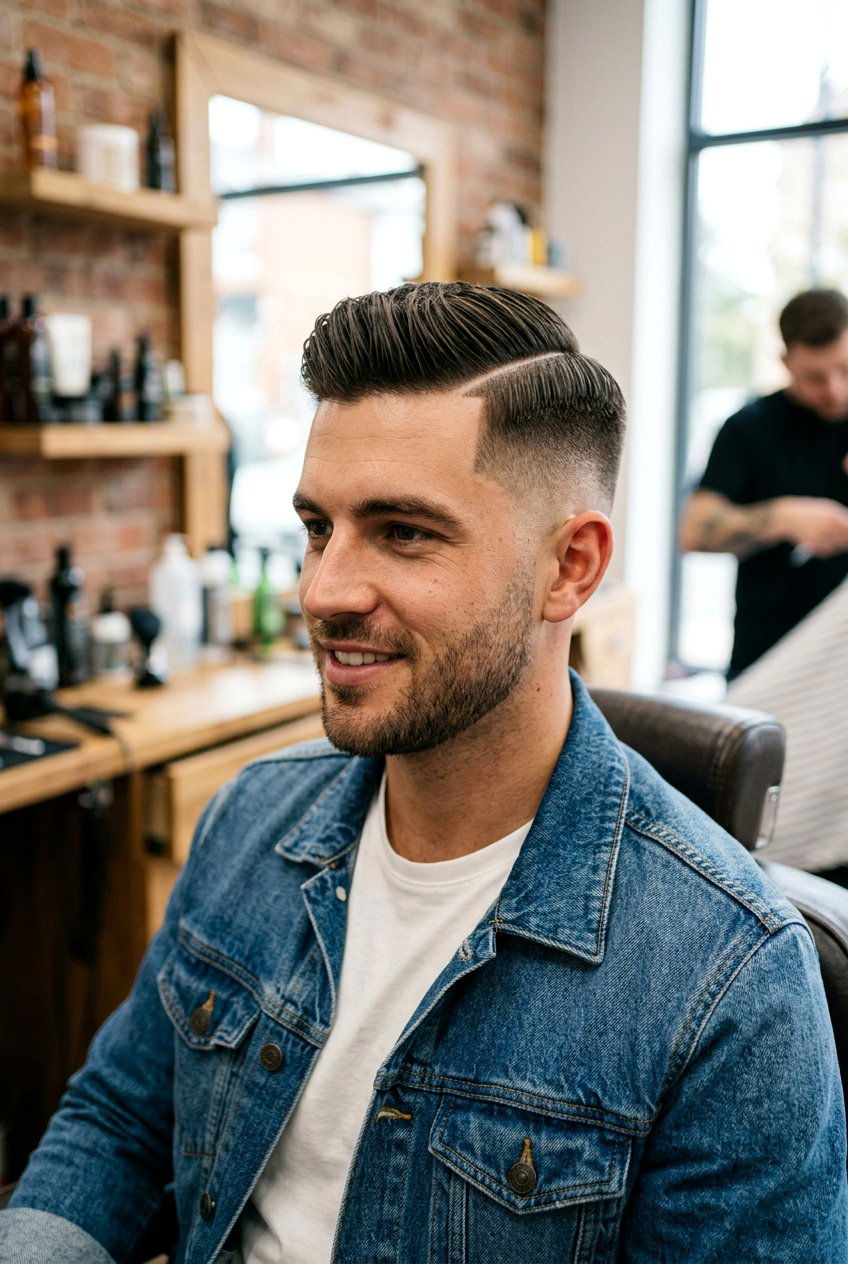
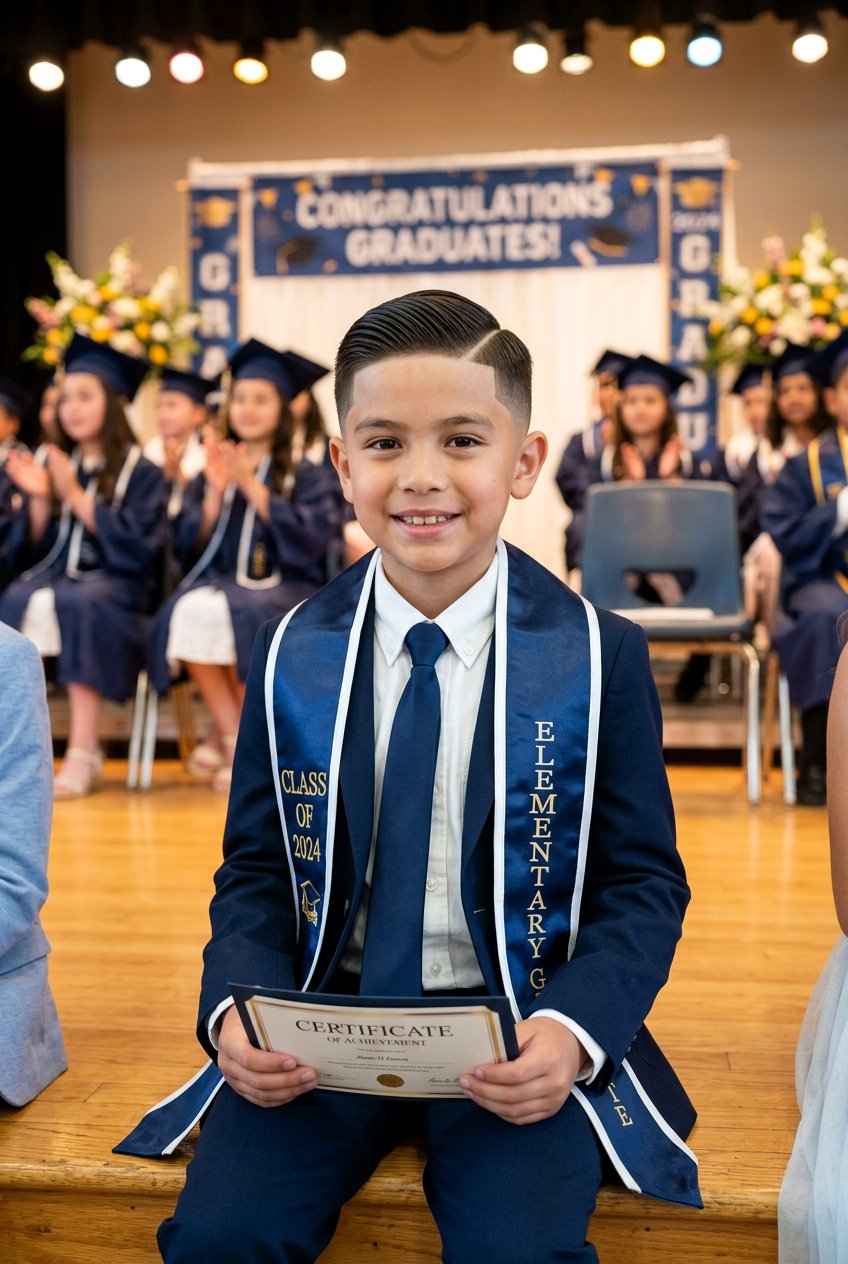
For those who want their hairstyle to make a bold statement, the hard part side part is the ultimate precision cut. Your barber will use a straight razor or a fine trimmer to shave a thin, clean line exactly where your hair naturally separates. This permanent “part” ensures that your styling routine is simplified every morning since the division is already etched into the scalp. In 2026, the trend is to keep the shaved line very thin and crisp rather than wide and chunky. This variation works exceptionally well with thick hair, as it provides a clear boundary that prevents the heavier top section from overwhelming the shorter sides.
3. Taper Fade Side Part
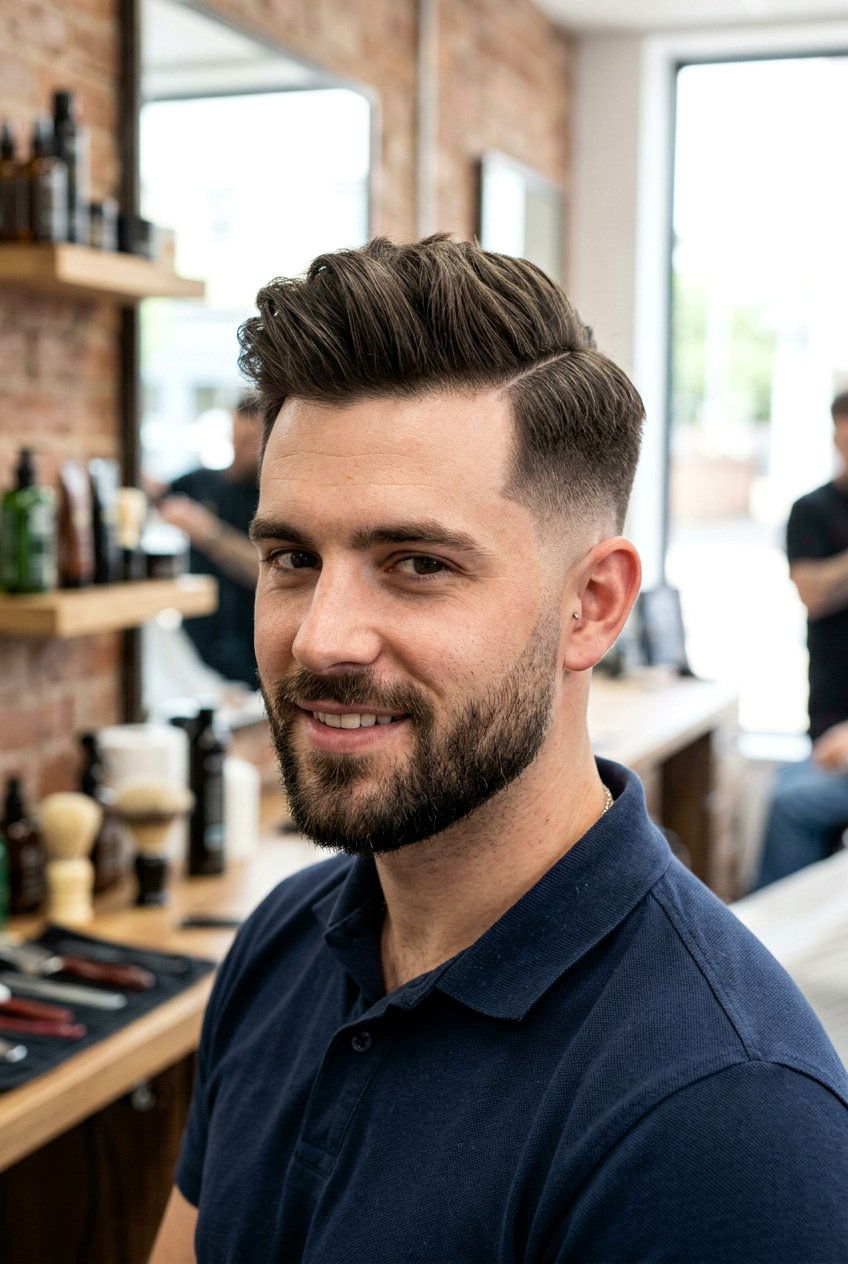
The taper fade side part is often considered the gold standard of classic haircuts because it offers a seamless blend from the sideburns to the nape of the neck. Unlike a standard fade that might show a lot of skin, the taper keeps the hair relatively short but visible, creating a classic silhouette that grows out beautifully. This is a low-maintenance favorite for men who prefer a softer, more traditional aesthetic. It suits almost every face shape, particularly those with more angular features. By keeping the length on top around three to four inches, you can achieve a voluminous sweep that adds height and elegance to your overall appearance.
4. Disconnected Undercut Side Part
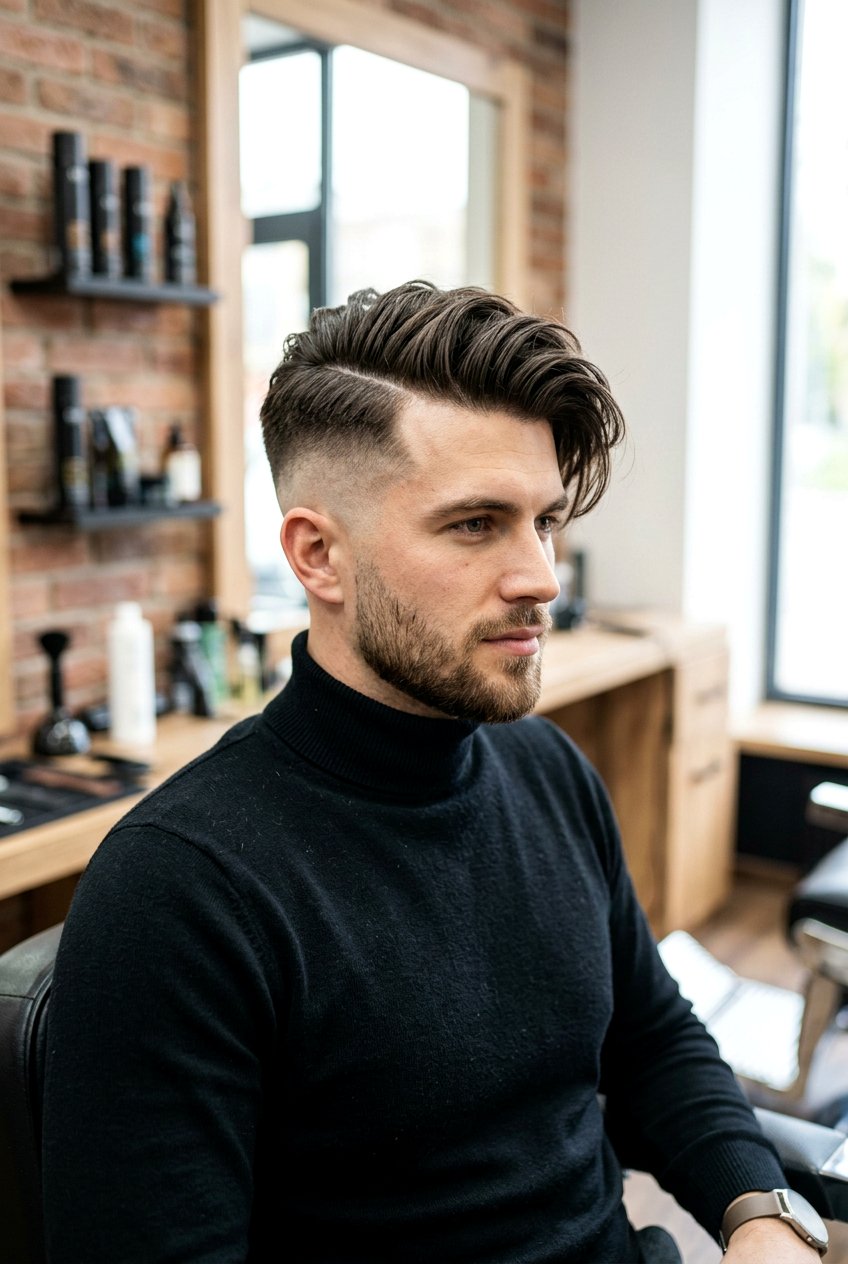
If you are looking for a high-contrast style that feels edgy and contemporary, the disconnected undercut side part is a fantastic choice. This look features a sharp jump in length between the shaved sides and the long hair on top, with no gradual blending or fading between the two sections. This “disconnection” creates a striking visual impact that emphasizes the volume of the hair above. In 2026, many men are pairing this cut with a textured, messy top to create a “hipster” aesthetic that feels effortless. It is particularly effective for men with straight hair who want to add more dimension and character to their daily style.
5. Skin Fade Side Part
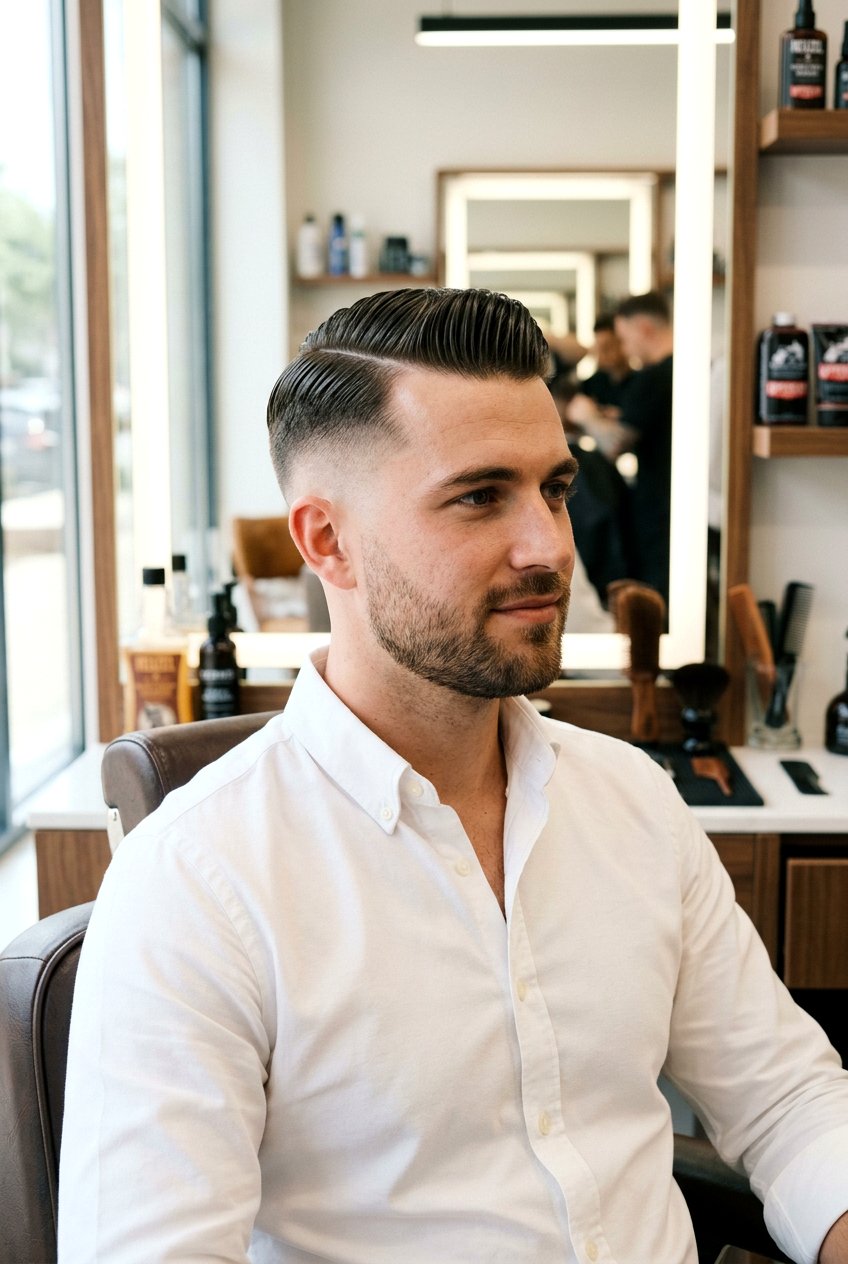
The skin fade side part is a high-impact version of the classic cut that starts with a total shave at the base and gradually builds into the hair on top. This style is incredibly sharp and requires regular visits to the barber—usually every two weeks—to maintain the “bald” look at the bottom. The transition from bare skin to thick hair creates a gradient effect that draws immediate attention to the precision of the cut. It is a popular choice for younger men and those in creative industries who want a look that feels fresh, clean, and meticulously maintained. It works best when the top is styled with a high-shine pomade.
6. Long Top Side Part
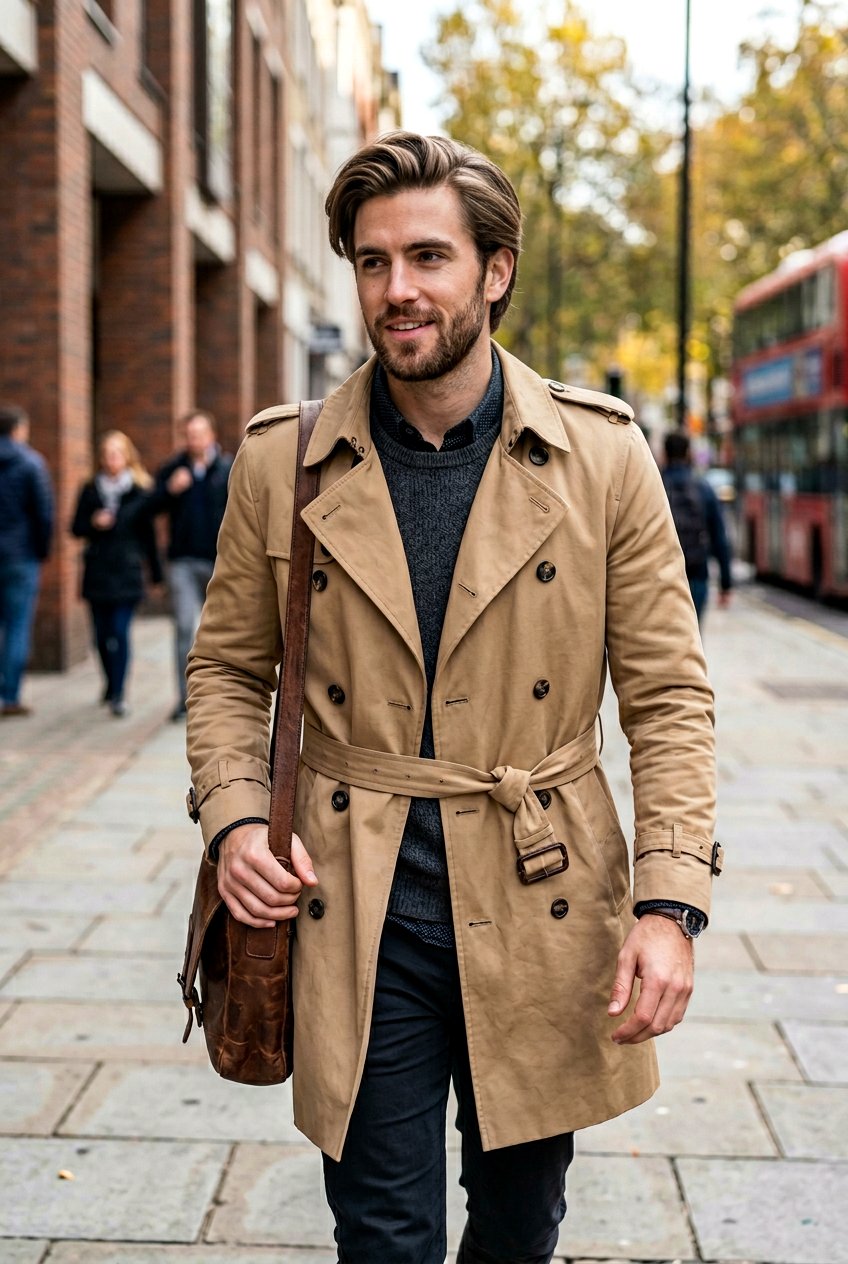
Embracing longer lengths on top allows the long top side part to showcase the natural movement and health of your hair. This variation typically keeps the hair on top at five inches or more, allowing it to be swept over the head in a dramatic, voluminous curve. While the sides remain short—usually a #3 or #4 guard—the focus is entirely on the “flow” of the upper section. This style is perfect for men with thick, straight, or slightly wavy hair. It provides a more relaxed, “old Hollywood” vibe that feels expensive and curated. You will need a blow dryer and a round brush to truly master this look.
7. Short Side Part

The short side part is the ultimate “no-fuss” haircut for the busy modern man who still wants to look polished. By keeping the top relatively short—around two inches—the hair remains easy to manage and requires very little styling product to stay in place. This cut is highly functional for athletes or those with active lifestyles, as it doesn’t flop into the eyes during movement. Despite its shorter length, the clear division of the part still provides the structured, professional look associated with the classic side part family. It is a timeless, conservative option that never goes out of style and works for all ages.
8. Wavy Side Part

Naturally wavy hair adds a unique texture to the wavy side part that straight hair simply cannot replicate. Instead of fighting the natural bend of your hair, this cut encourages the waves to stack on top of each other, creating organic volume and a relaxed feel. In 2026, the trend is to use sea salt sprays or light creams rather than heavy waxes to keep the waves looking “beachy” and touchable. This style softens a strong jawline and adds a sense of approachable charm to your look. It is a great way to balance the formality of a side part with a more casual, modern texture.
9. Pompadour Side Part
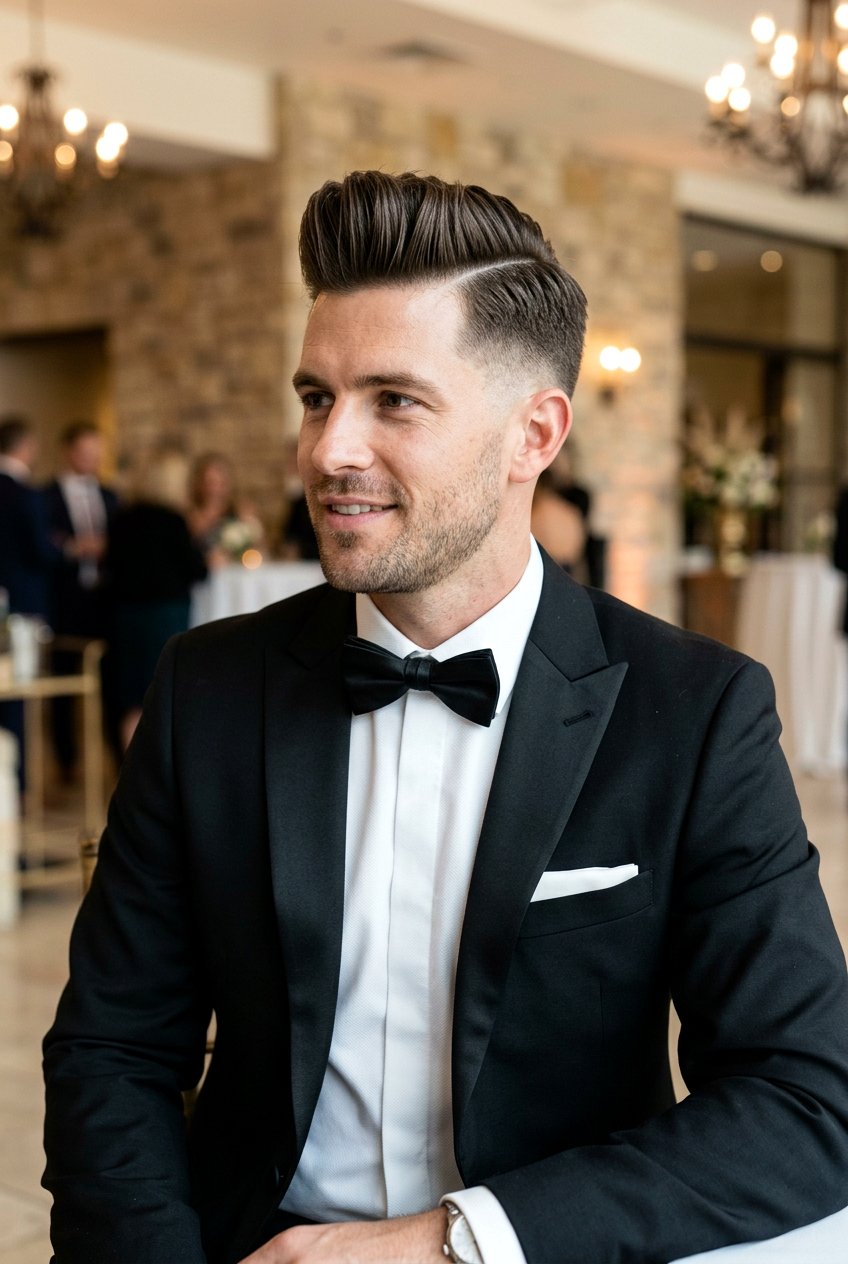
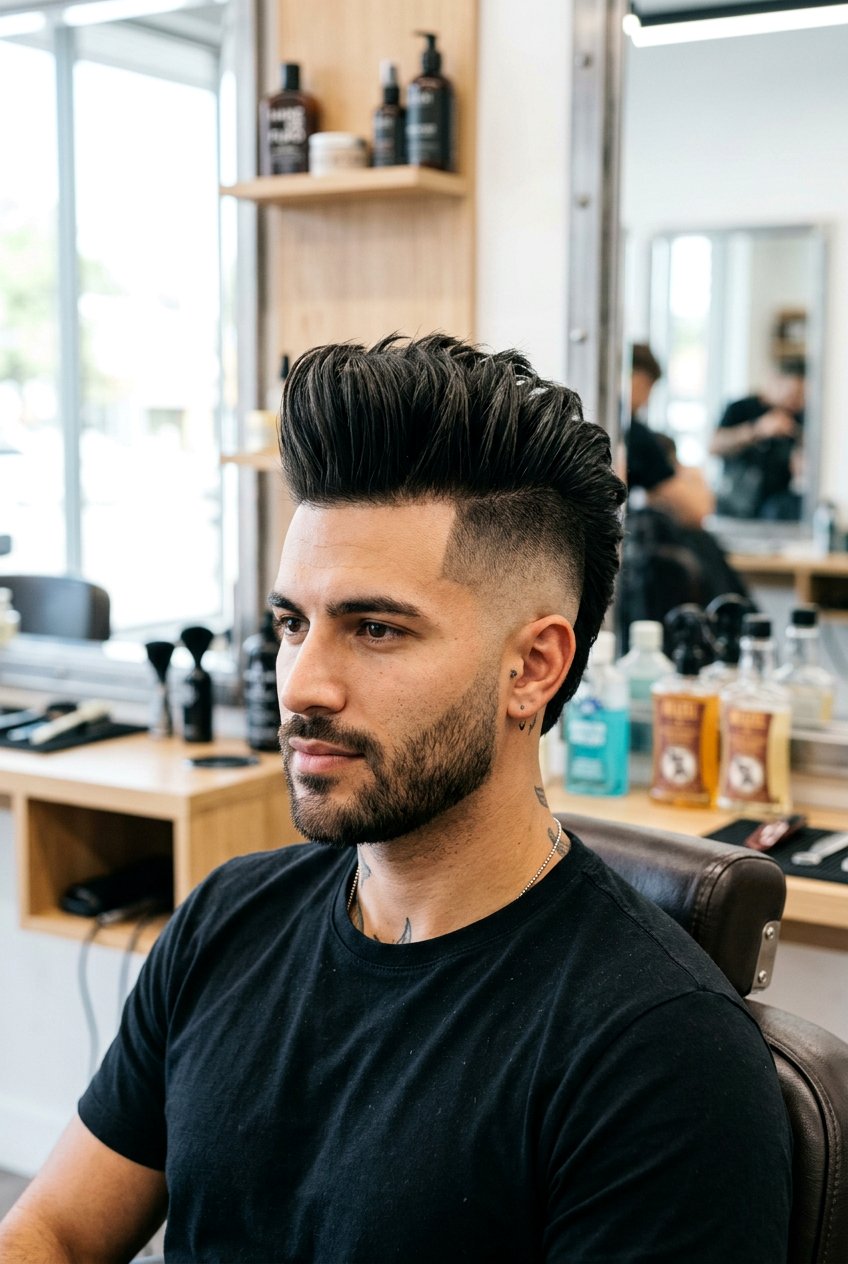
Combining two of the most iconic men’s hairstyles, the pompadour side part features the height and drama of a pomp with the structure of a part. The front of the hair is lifted significantly off the forehead and swept back, while the rest of the top is directed toward the side. This creates a powerful, confident silhouette that is often seen on red carpets and in high-fashion editorials. Because this style requires significant volume, it is best suited for men with thick hair. Using a high-hold pomade and a blow dryer is essential to ensure the front “quiff” doesn’t collapse throughout the day.
10. Mid Fade Side Part
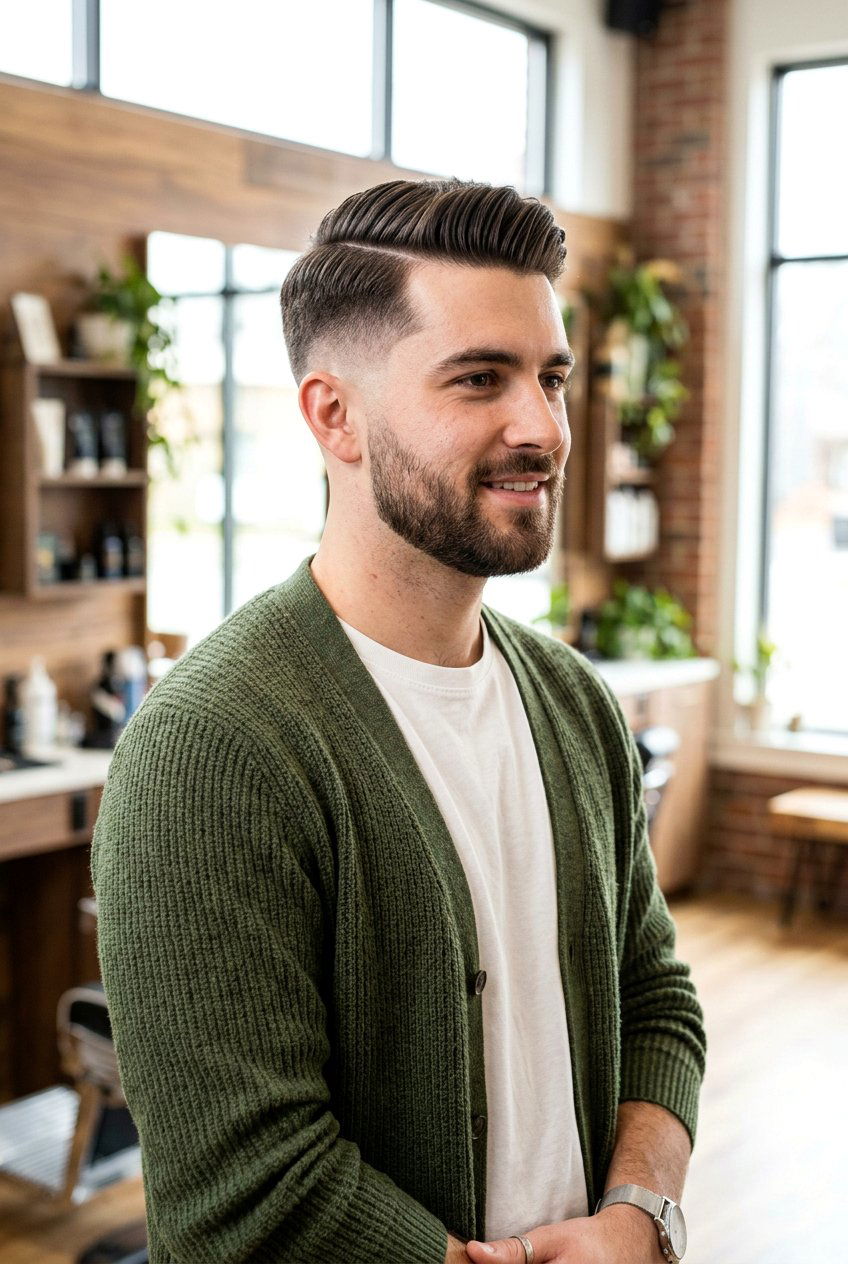
The mid fade side part offers a balanced middle ground between the conservative low fade and the aggressive high fade. The tapering starts at the temple area, providing a clean, modern look that still leaves enough hair on the sides to avoid looking too “extreme.” This is arguably the most popular fade height because it complements almost every head shape and hair type. It provides enough contrast to make the side part pop without being overly distracting. For 2026, barbers are focusing on “blurry” transitions where the hair seems to disappear into the skin seamlessly, giving the mid fade a very high-end, professional finish.
11. High Fade Side Part
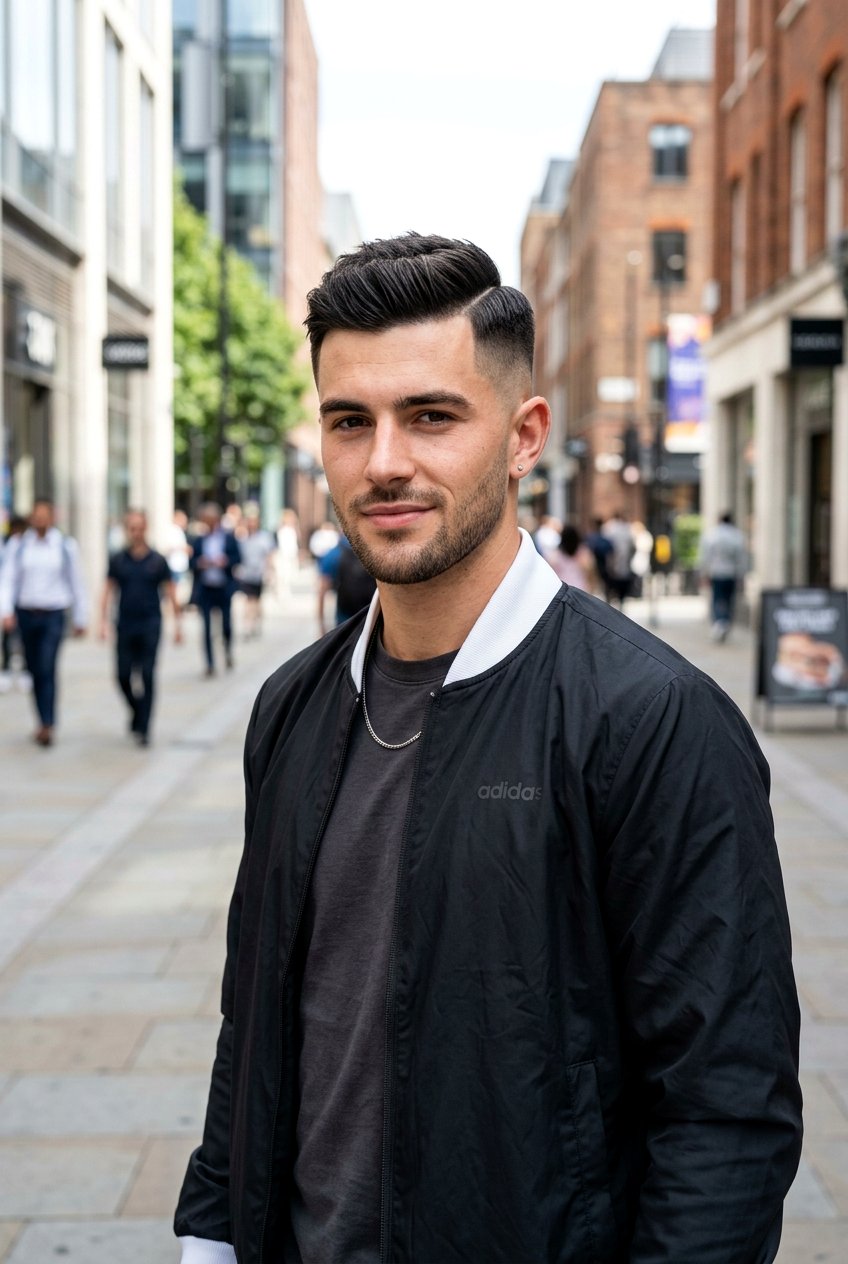
For a look that is undeniably bold and clean, the high fade side part takes the taper all the way up to the crown of the head. This leaves a large portion of the scalp exposed on the sides and back, creating a very tight and athletic appearance. This style is excellent for men who live in warmer climates or those who simply prefer the feeling of very short hair. Because the sides are so short, the hair on top becomes the focal point, making it a great choice for showing off unique hair colors or healthy, thick texture. It is a high-visibility, high-confidence hairstyle for the modern man.
12. Curly Side Part
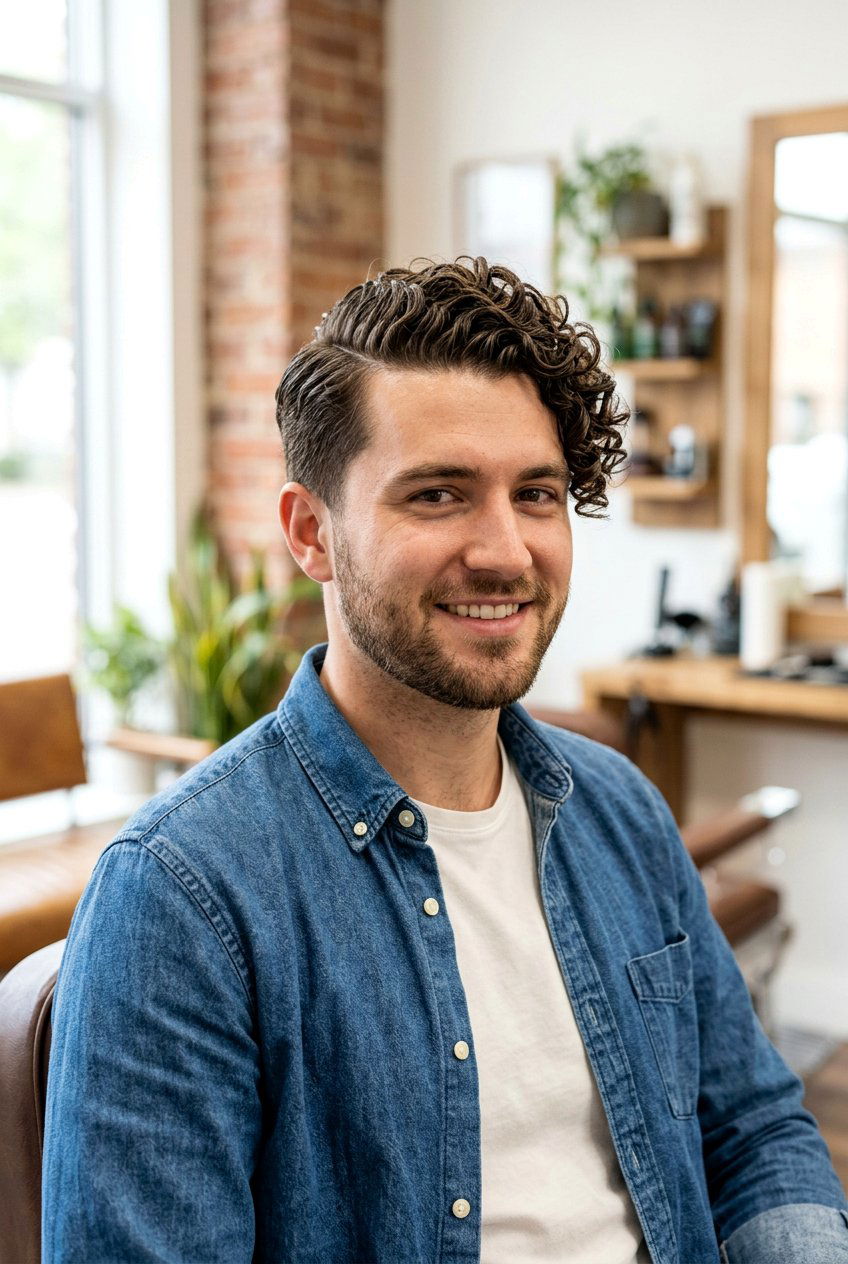
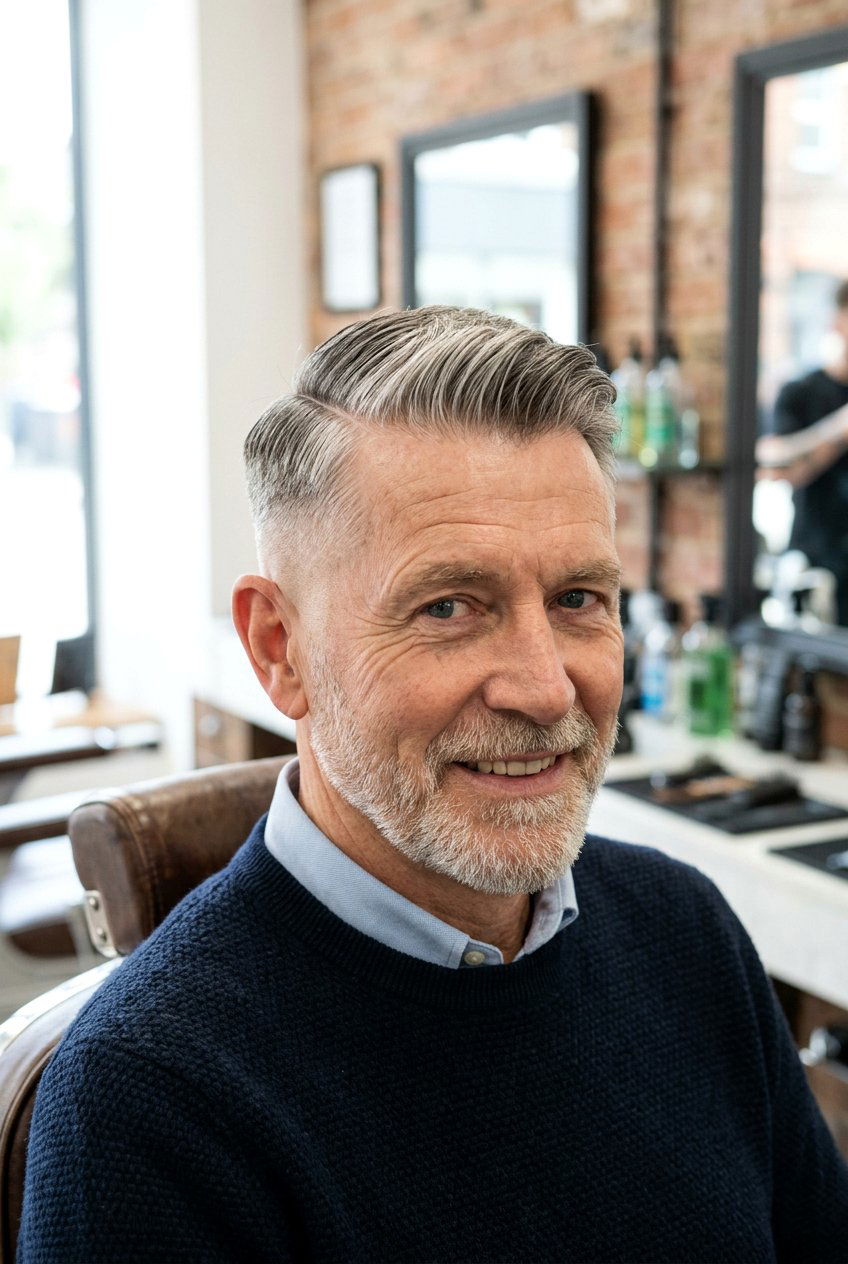
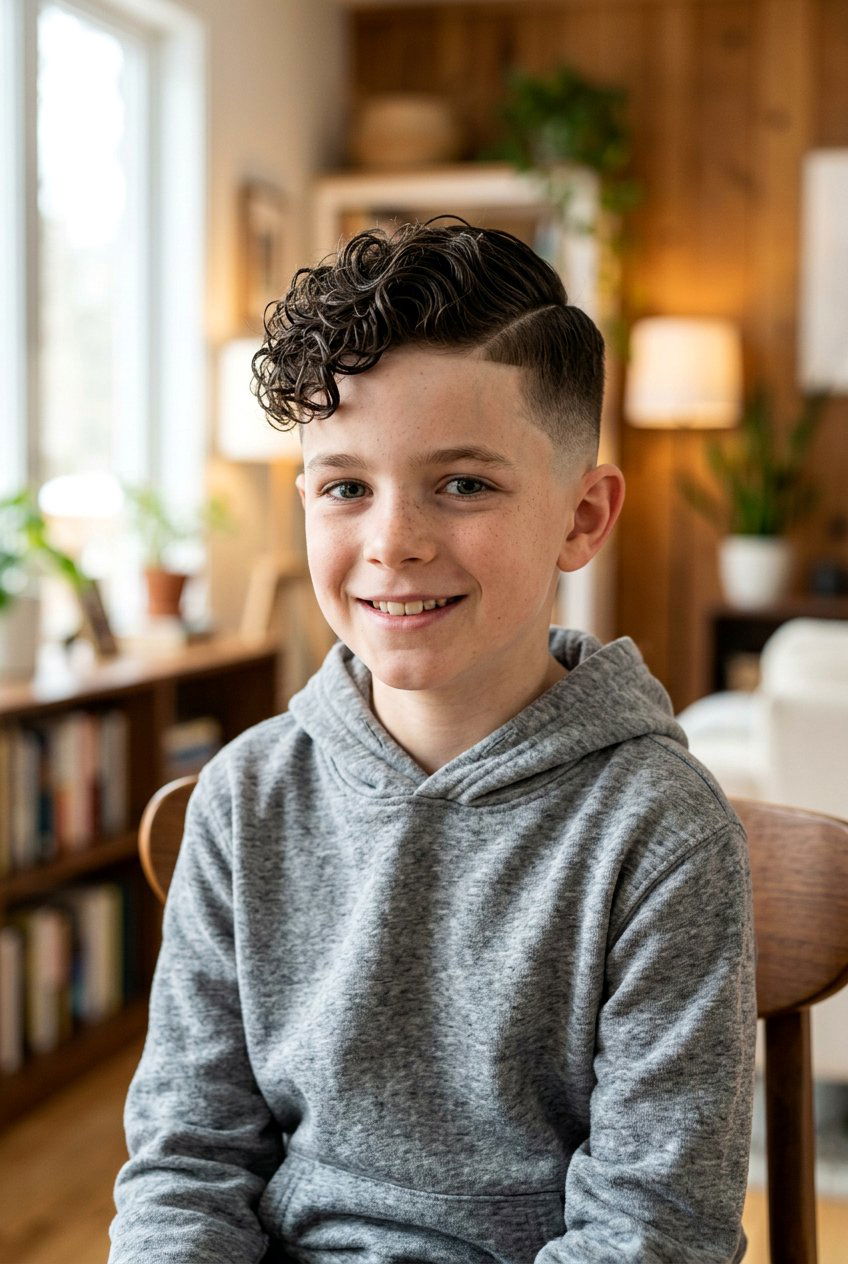
Men with curls often avoid parts, but the curly side part is a stunning way to bring order to natural ringlets. By creating a defined part, you give the curls a specific direction to flow, preventing the “mop-top” look that can sometimes occur with all-over length. Barbers will often cut the hair slightly shorter near the part to help the curls sit flat on one side while allowing them to bounce on the other. This look is best maintained with a curl-defining cream that adds moisture and shine while reducing frizz. It is a sophisticated way to wear natural curls in a professional or formal setting.
13. Comb Over Side Part

The comb over side part is a traditional variation that emphasizes a sleek, flat finish. Unlike styles that focus on volume or texture, the comb over is all about precision and shine. Using a fine-tooth comb and a high-shine gel or pomade, the hair is smoothed down and directed away from the part with surgical accuracy. This look is deeply rooted in the mid-century aesthetics of the 1950s but has been updated for 2026 with cleaner fade techniques on the sides. It is the perfect choice for weddings, galas, or any event where you want to look like the most refined man in the room.
14. Slick Back Side Part
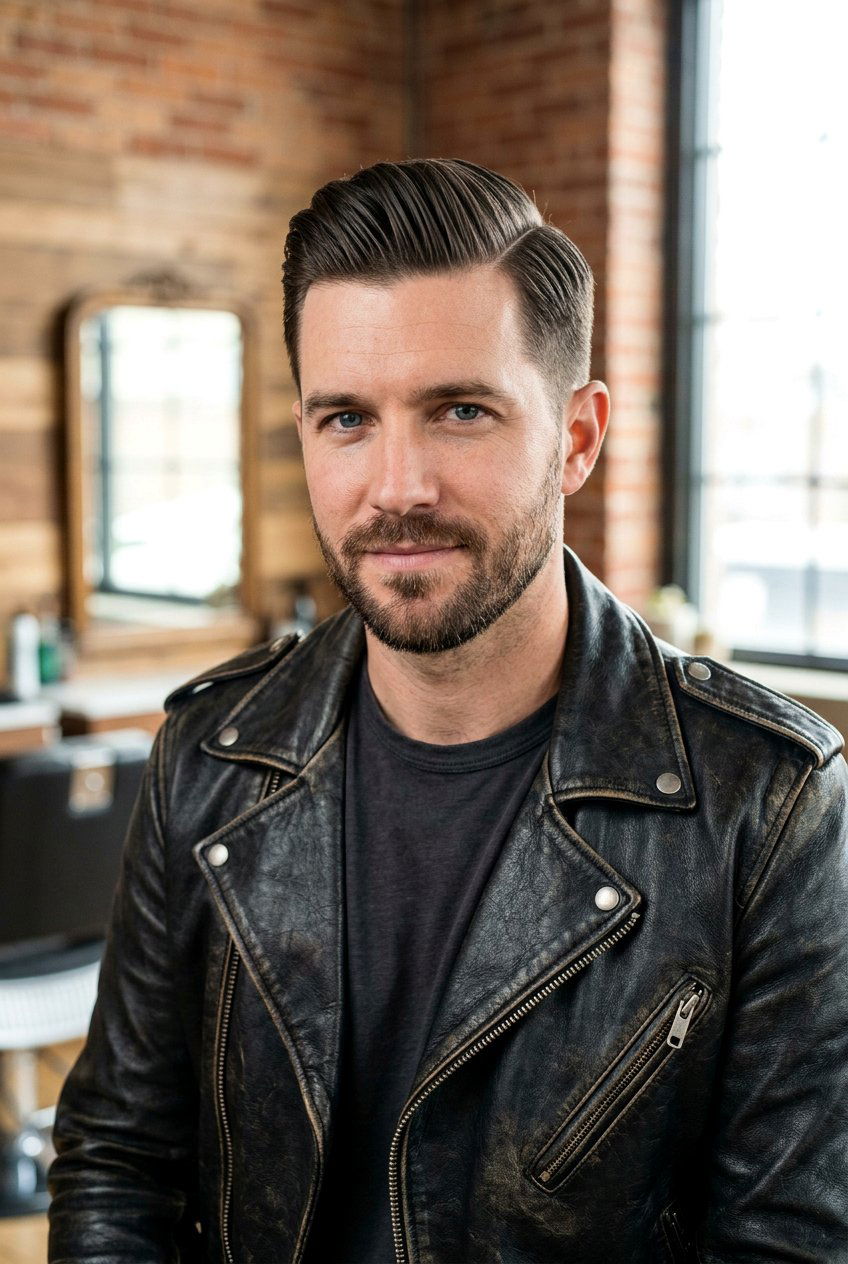
Blending the “bad boy” energy of a slick back with the gentlemanly structure of a part, the slick back side part is a versatile power look. Instead of combing the hair directly to the side, the hair is combed diagonally back toward the crown of the head. This opens up the face and highlights the cheekbones and brow line. It is a particularly effective style for men with rectangular or oval face shapes. In 2026, the trend is moving toward a “semi-matte” finish, using products that provide hold without making the hair look wet or greasy. It is a sophisticated, mature choice for modern leaders.
15. Burst Fade Side Part
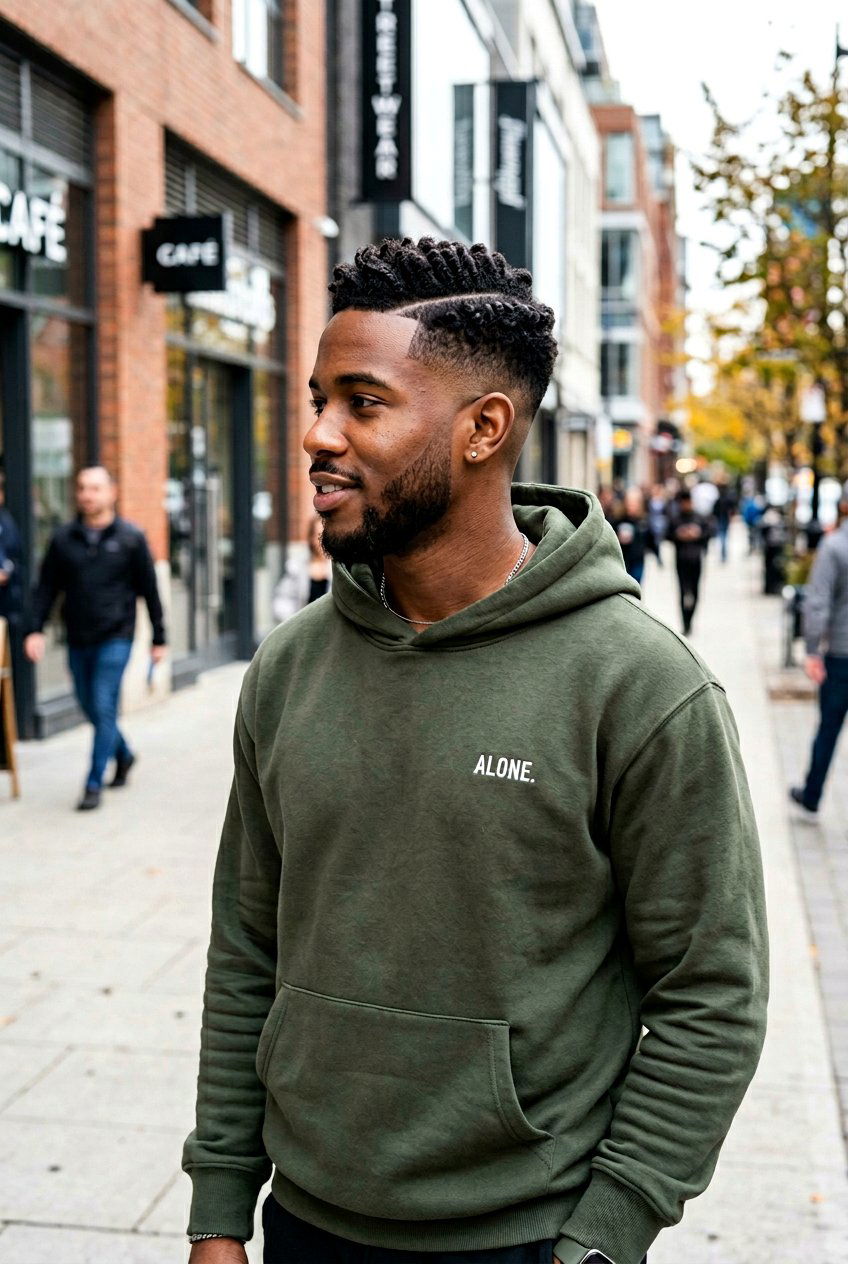
The burst fade side part is a creative variation where the fade “bursts” in a circular pattern around the ear, leaving the hair longer at the back of the neck. This creates a dynamic, curved silhouette that is less traditional than a horizontal fade. When paired with a side part, it results in a unique, custom-looking haircut that stands out from the crowd. This style is frequently seen in urban fashion and is popular among men with textured or coily hair types. The burst fade adds a sense of movement and artistry to the classic side part, making it a great option for those who want something different.

16. Ivy League Side Part

A slightly longer version of the crew cut, the Ivy League side part is the epitome of “preppy” style. The hair is kept short enough to be manageable but long enough to be parted and swept to the side at the front. This look has a long history with elite universities and military officers, signifying a disciplined and polished personality. It is an extremely versatile cut that works well with a light beard or a clean-shaved face. Because it is so balanced and conservative, it is often the go-to recommendation for men who are unsure which style will suit their professional environment the best.
17. Textured Side Part
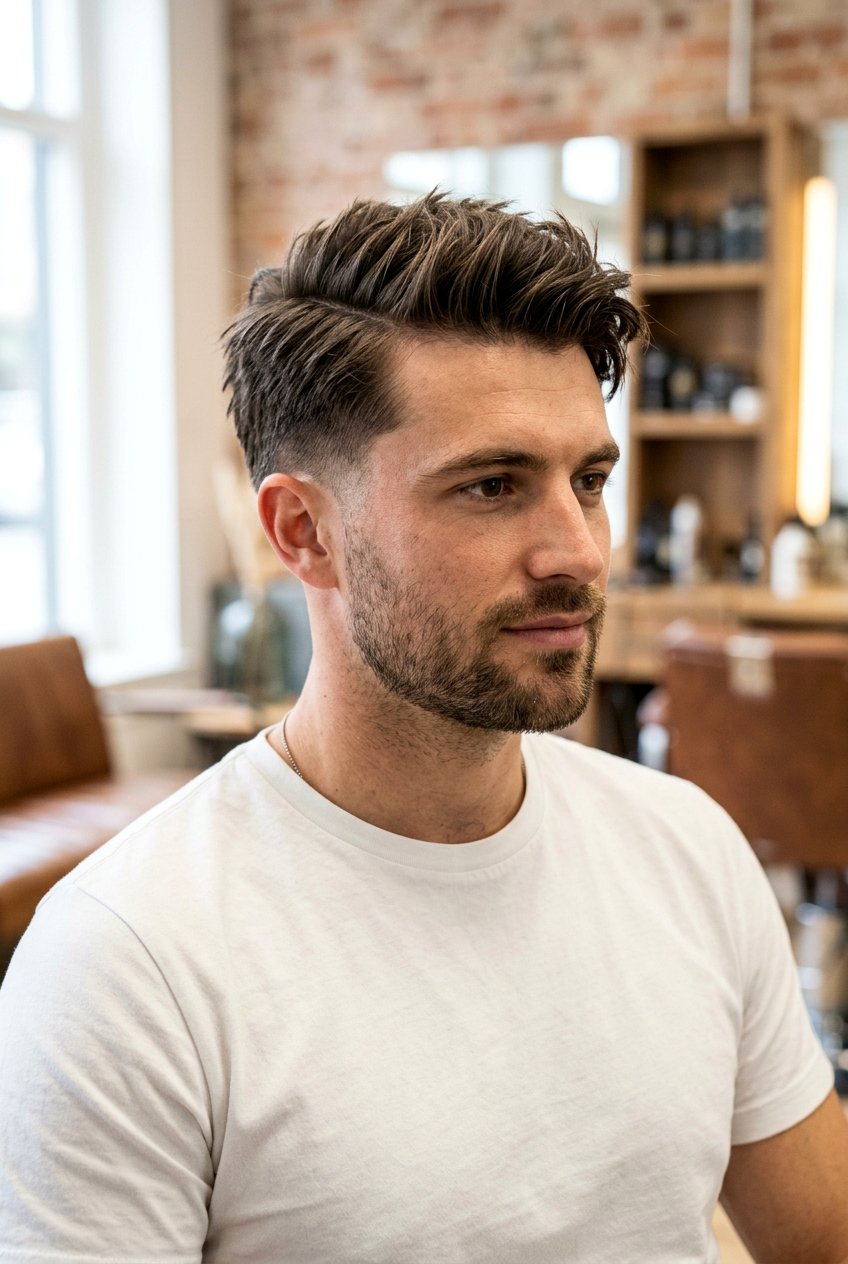
The textured side part is the modern answer to the overly “gelled” looks of previous decades. By using point-cutting techniques, the barber creates layers and “gaps” in the hair on top, allowing it to look messy yet intentional. This style thrives on a matte finish and is usually styled using a texturizing powder or a dry clay. It is the perfect choice for men who want a side part but don’t want to look like they spent an hour in front of the mirror. The texture adds a youthful, energetic vibe to the classic structure of the part, making it feel very current for 2026.
18. Side Part With Beard
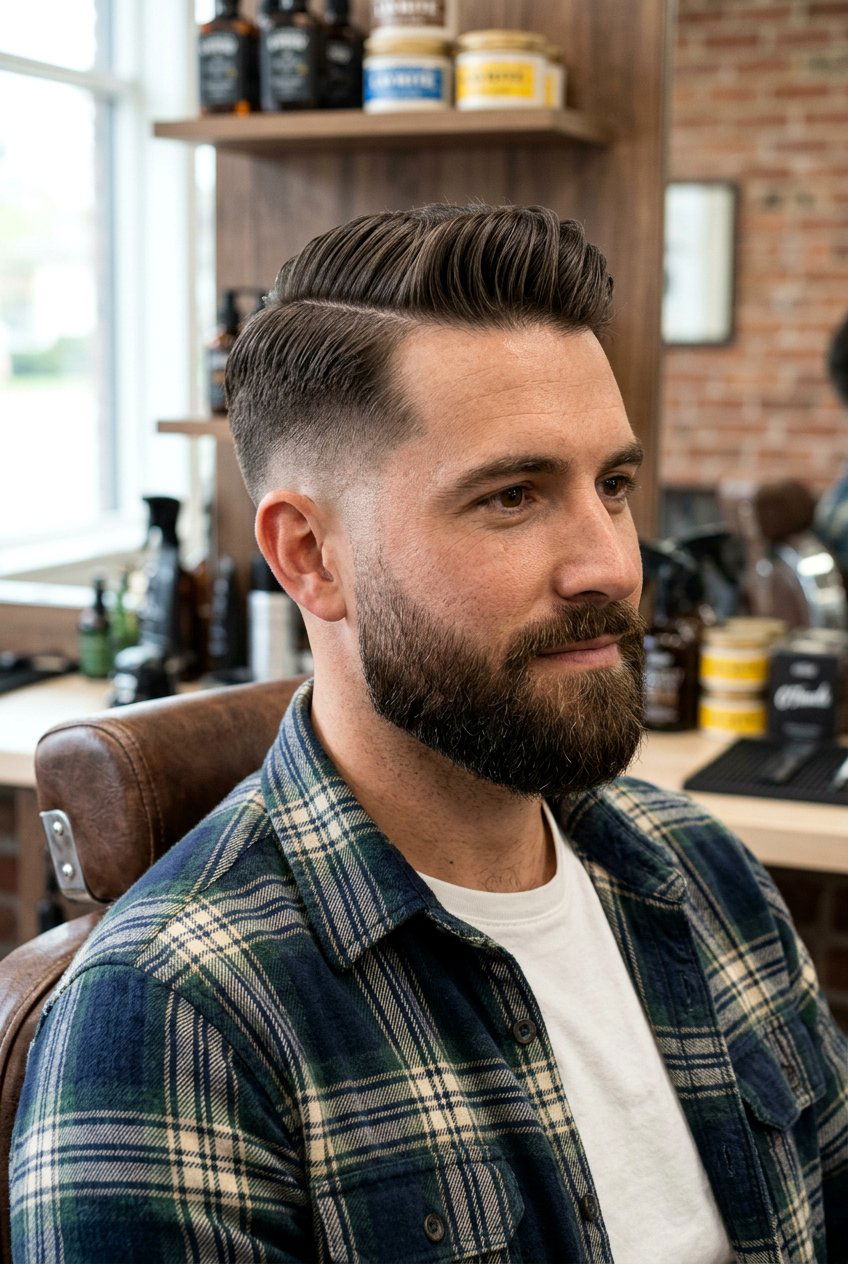
Pairing a side part with beard styles creates a rugged yet refined aesthetic that balances masculine toughness with groomed sophistication. The key to this look is the transition between the haircut’s fade and the beard’s sideburns. A skilled barber will “taper” the hair down into the beard so there is no harsh line where one ends and the other begins. This creates a cohesive, full-head look that frames the jawline and enhances the wearer’s facial structure. Whether you have a short stubble beard or a full, bushy beard, the structured side part on top provides the necessary “cleanliness” to keep the overall look professional.
19. Side Part Undercut
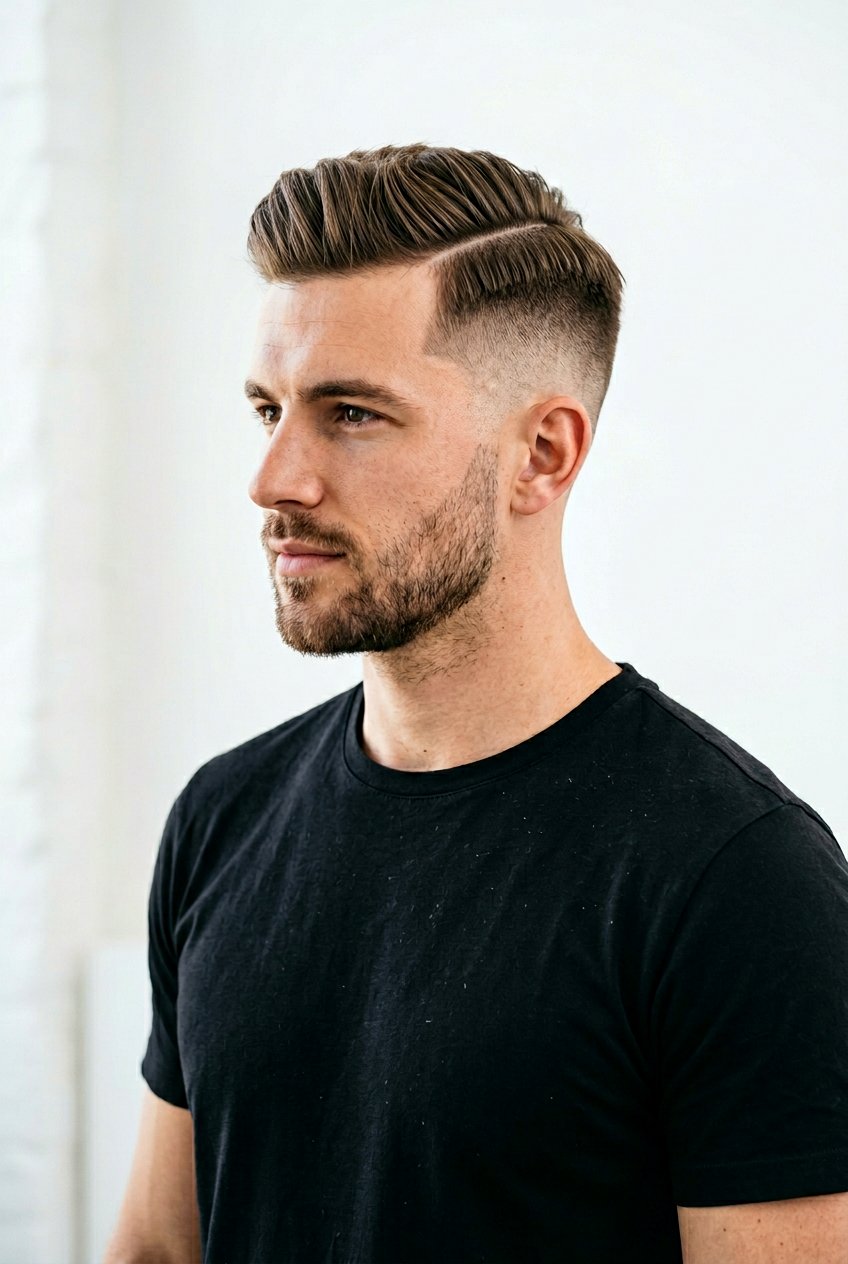
The side part undercut is a variation that features very short, uniform length on the sides and back—usually a #1 or #2 guard—with no fading at all. This creates a very sharp “step” between the sides and the long top. It is a more aggressive version of the disconnected look and is favored by those who enjoy high-contrast, edgy fashion. To style this, you generally want to keep the top hair very sleek to emphasize the sharp lines of the cut. It is a bold choice that works exceptionally well for men with straight, thick hair who want to minimize bulk on the sides.
20. Professional Side Part

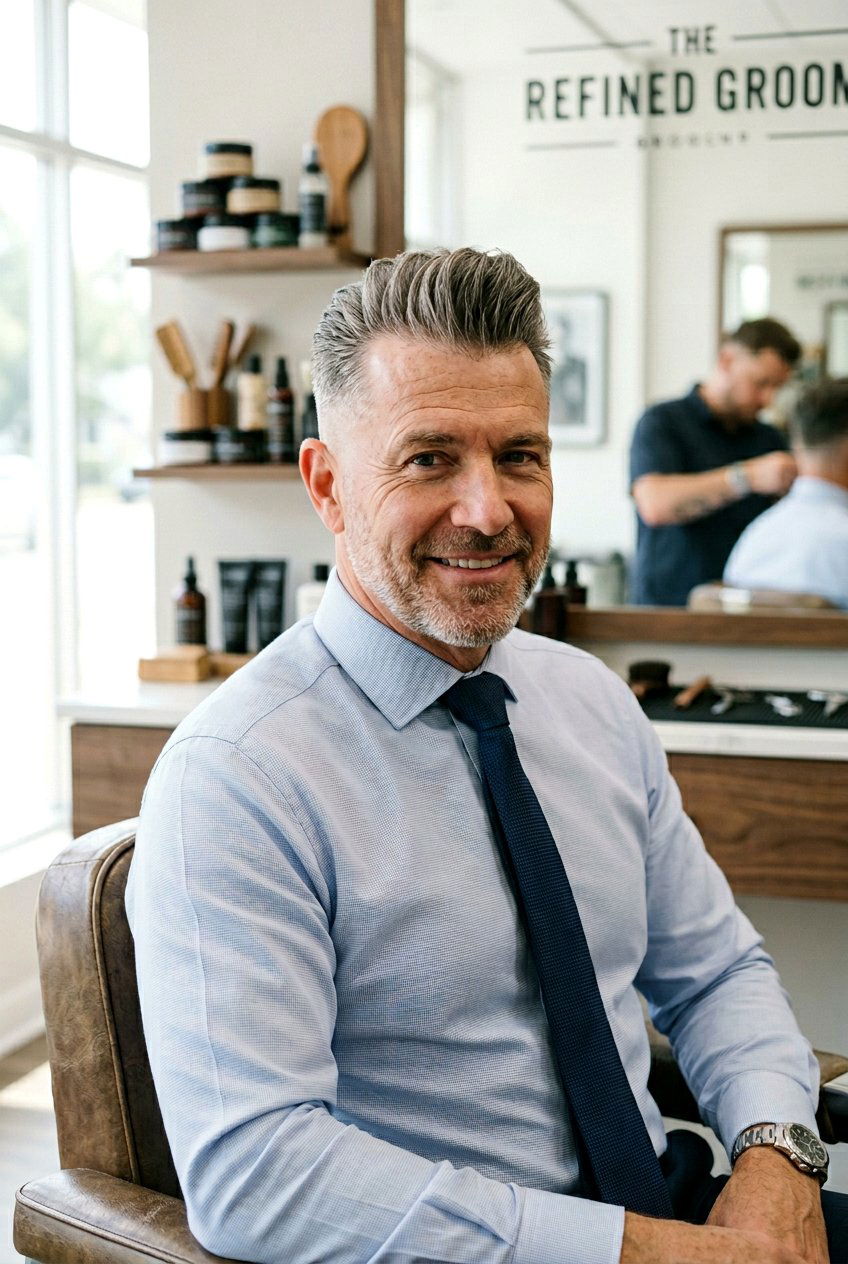
The professional side part is the most timeless and “safe” variation on this list, designed specifically for a corporate environment. It avoids extreme fades or “hard” shaved parts in favor of a soft, scissor-cut taper. The hair on top is kept at a medium length, allowing for a natural sweep that isn’t too flashy. This style focuses on the health and natural shine of the hair, often styled with a light cream that provides a gentle hold. It is the preferred choice for lawyers, bankers, and executives who need a look that communicates reliability, tradition, and attention to detail.
Conclusion:
The classic men’s side part haircut has proven its longevity by continuously evolving to meet the style demands of every new era. In 2026, the focus remains on personalization—choosing the right fade height, texture, and product finish to match your individual personality and lifestyle. Whether you prefer the sharp lines of a hard part or the soft flow of a textured long top, the side part provides a structured foundation that enhances your natural features. By consulting with a skilled barber and experimenting with these twenty variations, you can find a version of this timeless cut that makes you feel confident and polished. Remember that the best haircut is one that not only looks great but also fits your daily grooming habits and professional needs perfectly.
You'll Like These Styles:


Leave a Reply